The OnePlus 7 Pro smartphone that was announced earlier this year had arrived as the first OnePlus phone with 90Hz refresh rate display. The display was dubbed as Fluid Display by the company. The OnePlus 7T smartphone that has gone official in India today is also equipped with a 90Hz refresh rate Fluid Display. The OnePlus 7T Pro that is expected to go official in the coming month is also going to feature Fluid Display. In fact, OnePlus co-founder Carl Pei confirmed during the OnePlus 7T launch event that all the upcoming OnePlus phones will be equipped with Fluid Displays.
It is well-known that the main feature the Fluid Display is that offers an amazing refresh rate of 90Hz. Moreover, Fluid Displays coupled with optimized hardware and software offer 38 percent fast touch response than typical displays on other Android smartphones. Also, OnePlus has collaborated with Qualcomm to fine tune performance of the device to allocate more CPU cores to smoothly run the UI when there is increase in the refresh rate. The animations of the UI have also been optimized to make the most of the 90Hz refresh rate in order to fluid usage experience. Pei has claimed that the company has over 150 animation improvements across OxygenOS.
As far as the OnePlus 7T is concerned, it comes with a 6.55-inch Fluid AMOLED display that offers 1080 x 2400 pixels full HD+ resolution and 1000nits of brightness along with HDR10+ support. The OnePlus 7 Pro that had gone official earlier this year had a 6.67-inch Fluid AMOLED notch-less display with curved edges. It offers 90Hz fresh rate 800nits brightness, quad HD+ resolution of 1440 x 3120 pixels, 19.5:9 aspect ratio and HDR10+ support.
Rumors surrounding the OnePlus 7T Pro have revealed that it is equipped with a 6.65-inch Fluid AMOLED display with notch-less design. The 90Hz display is expected to deliver quad HD+ resolution of 1440 x 3100 pixels and 516ppi pixel density.
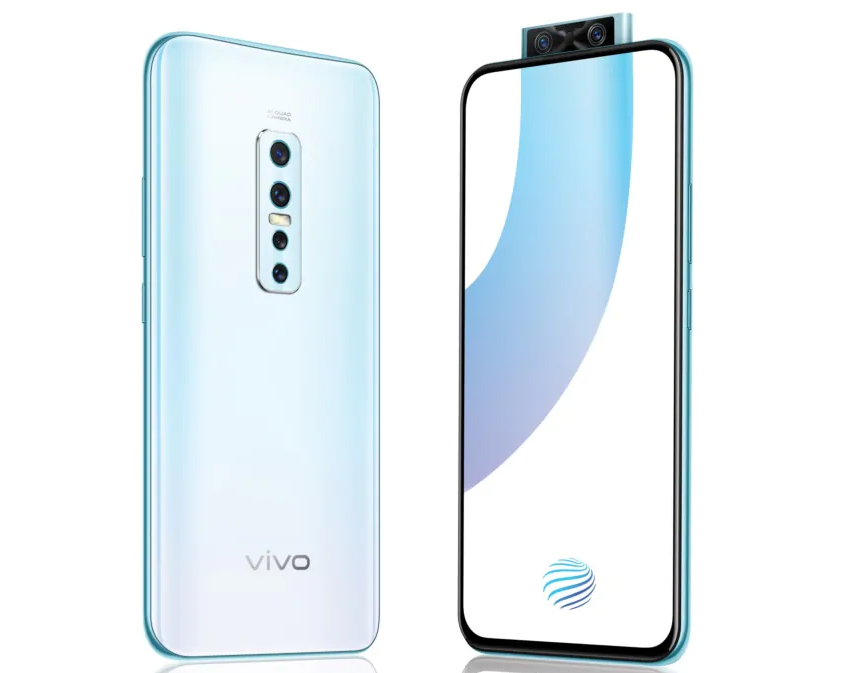
The Vivo V17 Pro is available at offline retailers across India starting from today. According to the official announcement by Vivo at the time of launch last week, the V17 Pro was scheduled to be sold offline starting Sept. 27. However, 91mobiles has just posted that the smartphone is now available at offline vendors, a day ahead of launch. .
According to the publication, retailers from Uttar Pradesh, Haryana, Delhi and Rajasthan have confirmed that Vivo has reduced the sales target of offline vendors by 15 percent. The reason behind this move could be because of the processor powering the V17 Pro. Under the hood of the Vivo V17 Pro is the Qualcomm Snapdragon 675 SoC that also fueled the Vivo V15 Pro smartphone that had gone official earlier this year. The base prices of Rs. 29,990 (~$423) does not help its cause. Xiaomi is offering the Snapdragon 855 mobile platform powered Redmi K20 Pro flagship phone for Rs. 27,999 (~$395).
The Vivo V17 Pro features a 6.59-inch Super AMOLED Full-HD+ display with a resolution of 1080 x 2400 pixels, a screen-to-body ratio of 91.65 percent and an aspect ratio of 20:9. The display is Corning Gorilla Glass 6-certified and features an in-screen fingerprint scanner. The Snapdragon 675 that powers the smartphone is paired with up to 8GB of RAM and 256GB of internal storage.
The V17 Pro uses a quad-camera setup at the rear. The primary lens is a 48-megapixel Sony IMX586 sensor, which is paired with an 8-megapixel super wide-angle lens with as aperture rating of f/2.2. The third lens is a 2-megapixel depth sensor with an aperture rating of f/2.5. While the fourth lens is a 13-megapixel telephoto sensor with an aperture rating of f/2.5, 2X zoom setup and an LED flash module. The V17 Pro is the first smartphone in India to feature a pop-up dual-selfie camera. The primary lens is a 32-megapixel unit, which is paired with an 8-megapixel wide-angle lens. Camera aids include Super Night selfie, AI makeup, pose master filter with lighting effect, and super wide-angle photos and videos.
The Vivo V17 Pro draws power from a 4,100 mAh battery with 18W dual engine fast charge support. Connectivity options include 4G LTE, Bluetooth v5.0, Wi-Fi, USB Type-C and a 3.5mm AUX port. The smartphone measures 150 x 74.70 x 9.8mm and weighs 201.8 grams. It is available in two color options, namely Midnight Ocean and Glacier Ice. The device is available online at Flipkart and the Vivo e-store.
After several months of speculations, rumours and several teasers, OnePlus has finally launched the much-anticipated OnePlus TV. The smart TV was unveiled alongside the OnePlus 7T smartphone in India. Apart from accessories such as earbud, backpack etc, this is the first major non-smartphone product from the Chinese company and it isn’t really a disappointing one.
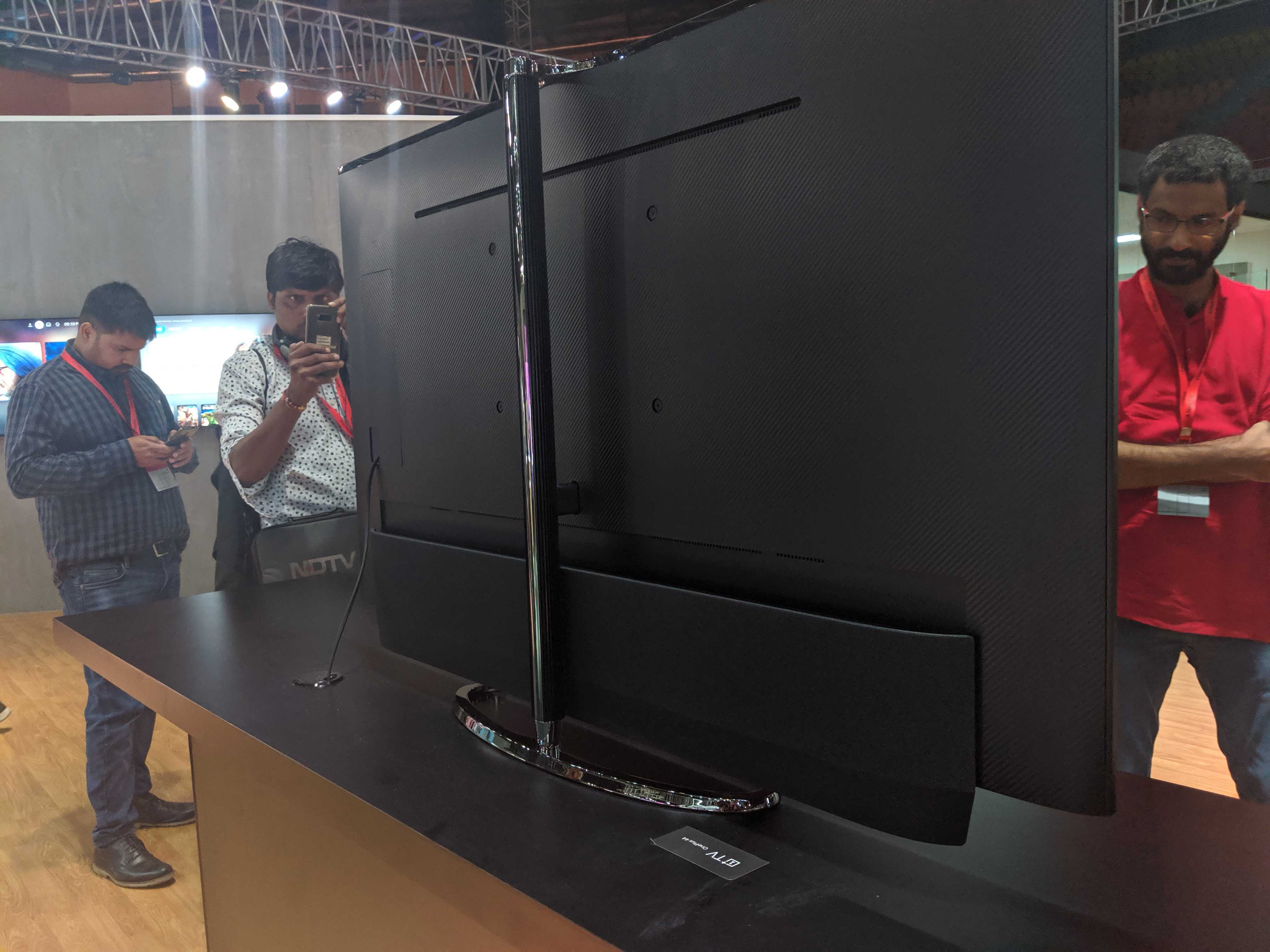
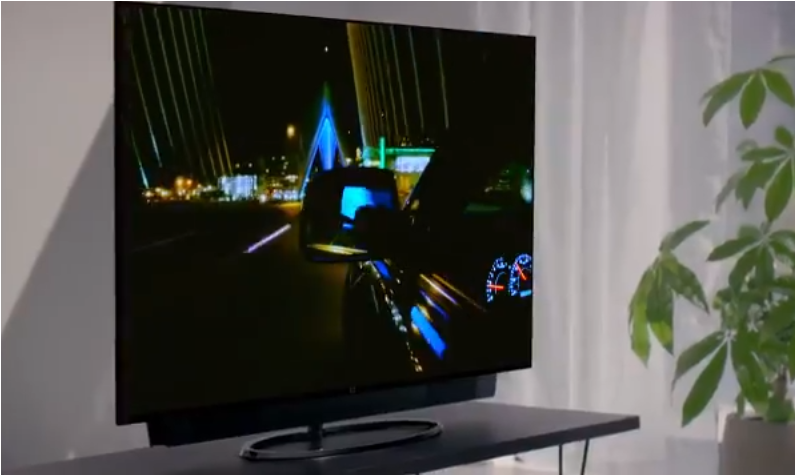
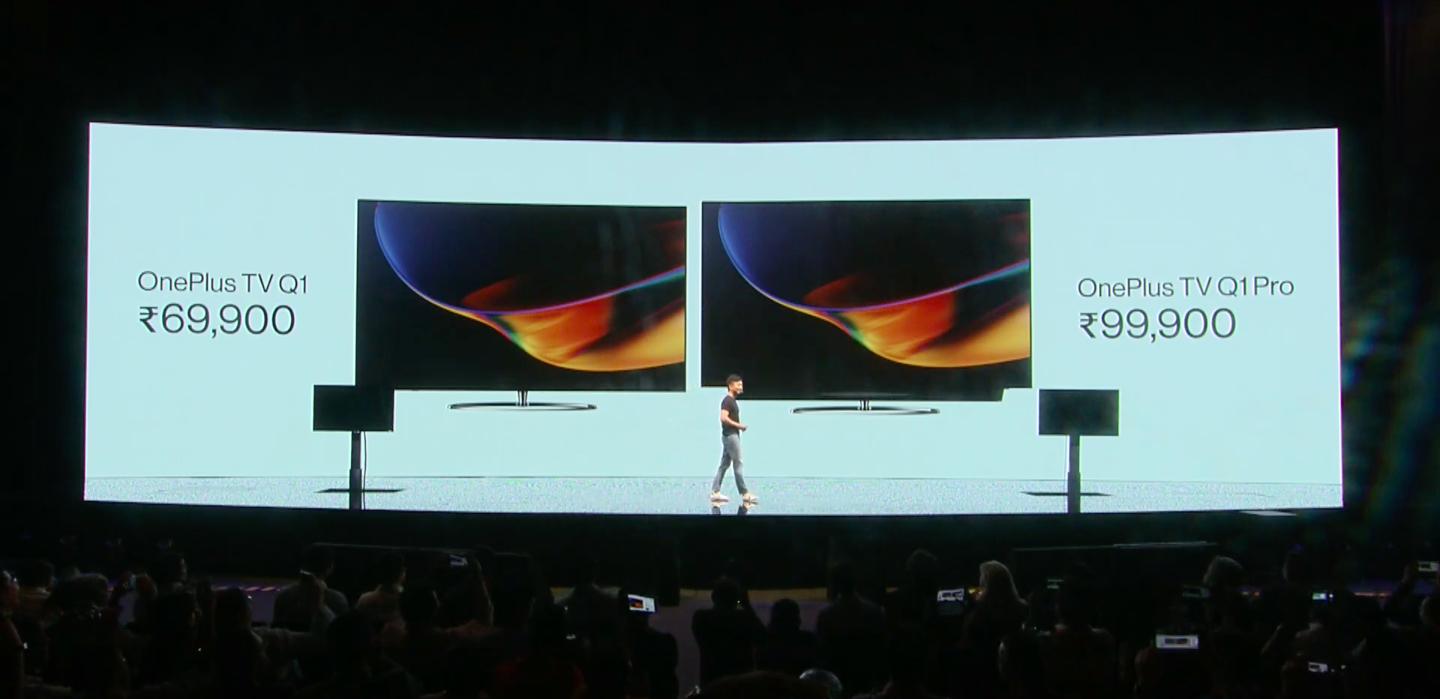
The TV drops in two models- OnePlus TV Q1 and OnePlus TV Q1 Pro. Both models are equipped with a 55-inch QLED display panel with a sleek minimalist design, as OnePlus puts it. The display panel holds a high-screen ratio thanks to the near bezel-less design. The OnePlus TV models debut with Quantum dot color and support both Dolby Vision and HDR10+. The company says the TV’s color range is best-in-class among QLED competitors.
OnePlus claims the smart TV models present with one of the most powerful sound systems out there. It is equipped with a 50-watt eight-speaker setup that is said to provide a “surreal surround sound experience” through Dolby Atmos support. The speaker bar design is yet another design marvel as it lowers down from the bottom of the TV and retracts into its compartment when the TV is turned off.
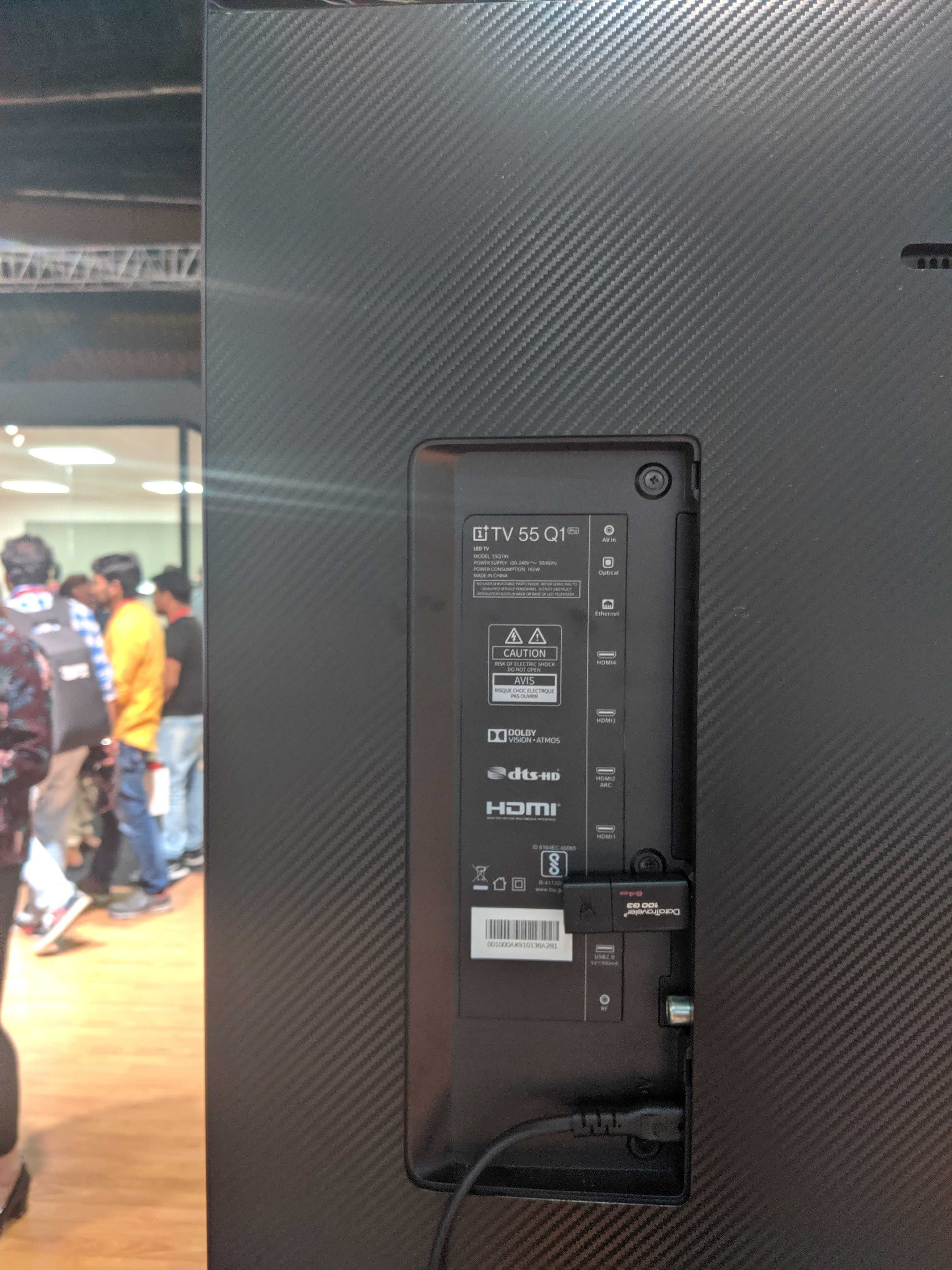
The smart TV also features the usual connectivity ports – AV, HDMI, USB and others on the back panel. In addition, the design of the OnePlus TV models also includes a cool swivel stand which we believe is detachable in case you prefer to mount the TV on the wall.
For software, OnePlus TV Q1 and Q1 Pro runs Android TV and can easily be paired to a OnePlus smartphone. The TV also supports both Google Assistant and Alexa. The smart TV comes with a cool-looking remote but there is a OnePlus Connect phone app which brings alternative means of controlling the TV. It also brings access to more advanced features.
OnePlus TV Q1 and OnePlus TV Q1 Pro Pricing and Availability
As for the prices, the OnePlus TV Q1 will retail at INR 69,900 ($985) and the OnePlus TV Q1 Pro will retail at INR 99,900 (~$1400). Obviously, these are premium smart TVs and we just have to wait for more details to understand the rationale behind the pricing.
There is no word on when the products will go sale in India. OnePlus CEO Pete Lau had earlier hinted that the company was working hard to launch OnePlus TV in North America, Europe and China regions as soon as partnerships are established with most of the local and regional content providers. The OnePlus TV was also revealed to have got models for Europe and America when it received Bluetooth certification. So, expect the sleek TV to come to a store shelf near you soon.
At an event in India today, OnePlus announced the OnePlus 7T, a refresh to the OnePlus 7 released in the first half of the year. The new OnePlus 7T brings new features and upgrades.
Design
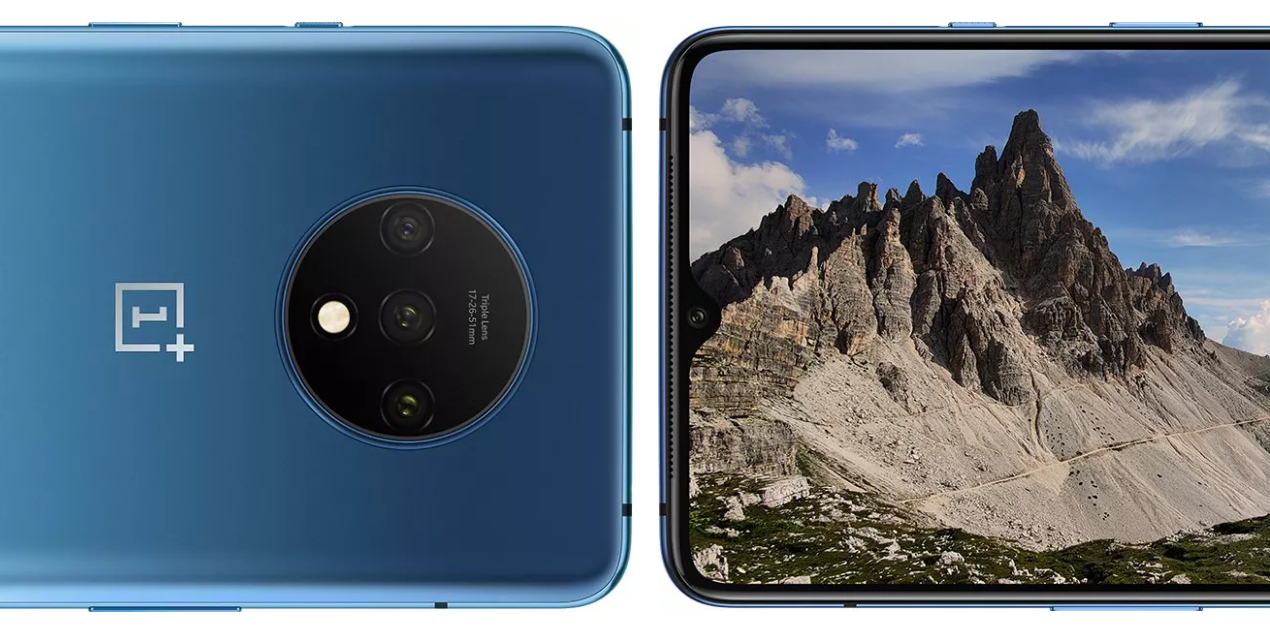
The OnePlus 7T doesn’t look very different from the OnePlus 7 if you compare the front of both phones. It still has a waterdrop notch and slim bezels. OnePlus says the aspect ratio is now 20:9.
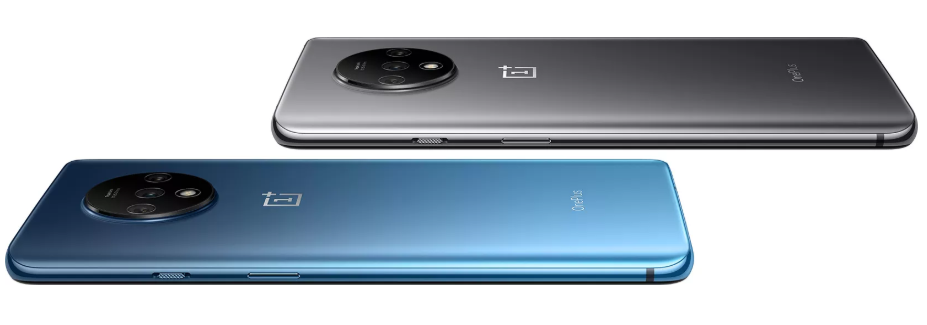
The back is where the major redesign is. The 7T has a circular camera design that houses three sensors arranged horizontally. There is also an LED flash inside the housing. The back is covered in matte-frosted 3D Gorilla Glass that is more resistant to fingerprint smudges.
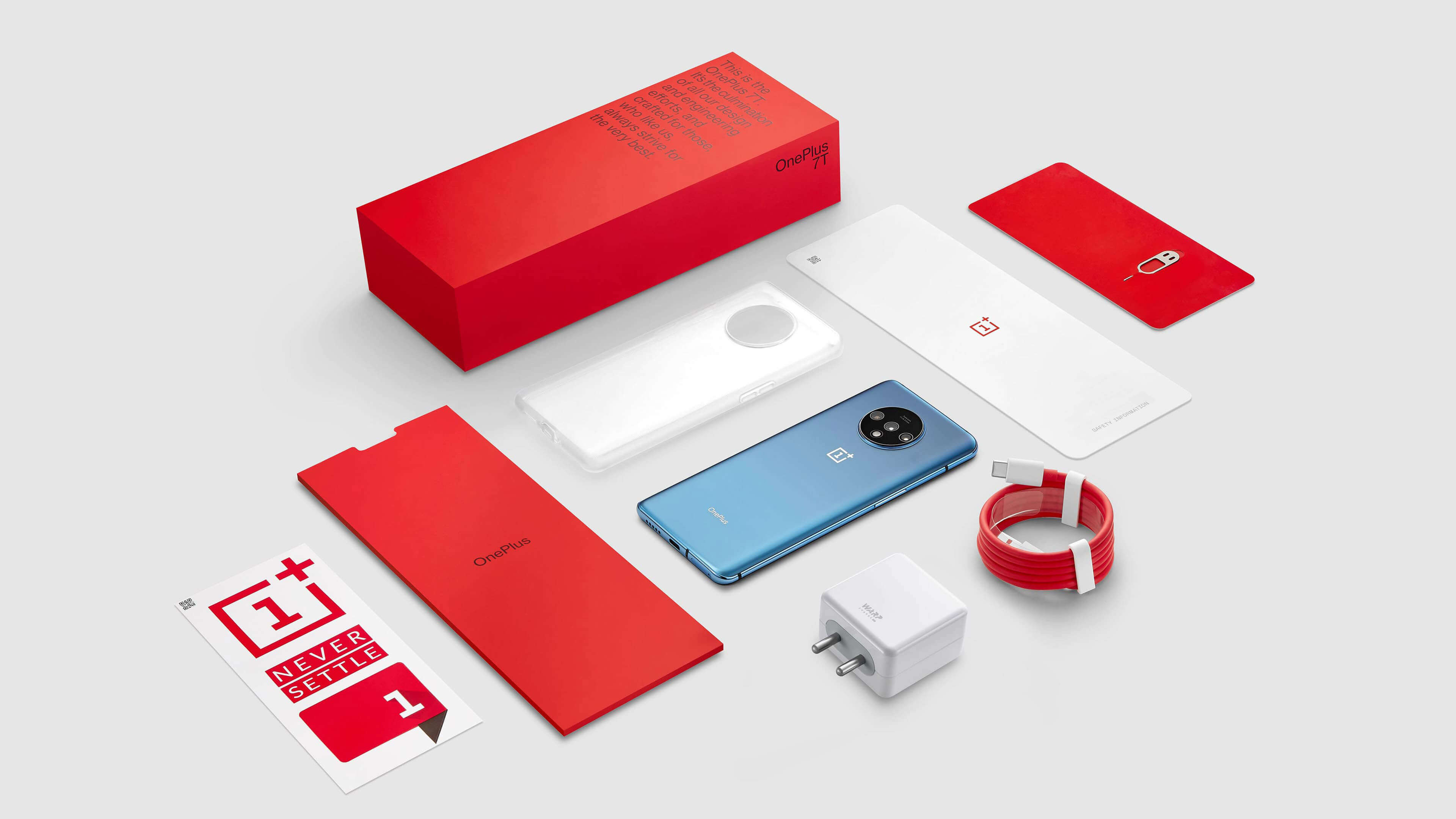
The OnePlus 7T comes in two new colors – Glacier Blue and Frosted Silver.
Specs
The OnePlus 7T has a 6.55-inch display which is slightly bigger than that of the OnePlus 7. It is a 90Hz Fluid AMOLED Display with HDR10+ (YouTube, Amazon Prime Video, and Netflix), a 2400 x 1080 resolution, and 3D Corning Gorilla Glass on top.
There is a Snapdragon 855 Plus processor inside the phone and it is paired with 8GB of RAM and 128GB or 256GB of UFS 3.0 2-lane storage. As expected, there is no support for storage expansion.
The OnePlus 7T has triple rear cameras – a 48MP f/1.6 Sony IMX586 with OIS and EIS and a 7P lens paired with a 12MP f/2.2 telephoto lens and a 117° 16MP f/2.2 ultrawide angle lens. There is 2x optical zoom, 4K video recording, and super-slow-motion recording (1080p@ 240fps and 720p@480fps). OnePlus says 720p @ 960fps slow-motion recording will be available via an OTA later.
OnePlus has made some software adjustments with respect to the camera. Nightscape is now available on the main camera and ultrawide angle camera. There are also two distinct focal lengths for portrait mode. There is also what it calls an UltraShot Engine which helps take better pictures like backlit portraits and sunsets. The OnePlus 7T also brings 2.5cm macro photography, allowing you to capture fine details of closeup objects.
OnePlus says the 7T is a phone for vlogging and with the phone’s 16MP selfie camera with EIS, you should be able to record shake-free videos.
The OnePlus 7T has an in-display fingerprint scanner, Face Unlock, NFC, Bluetooth 5.0, a vibration motor with an advanced haptic engine, and stereo speakers with Dolby Atmos. It packs a 3800mAh battery and brings a new fast-charging technology called Warp Charge 30T which is 23% faster than Warp Charge 30. With Warp Charge 30T, you will be able to charge your phone from 0 to 70% in just 30 minutes. You will also be able to charge and play games at the same time without worrying about the phone heating up.
OxygenOS
The phone runs OxygenOS based on Android 10 out of the box. There are lots of customization options, gesture-based navigation, new live wallpapers, a smart gallery app, and OnePlus Cloud Gallery with 50GB of free storage. There is also a smart SMS app that categorizes your messages into purchases, OTPs, personal messages, and promotions. Cricket Card 2.0 also brings all the info you need about your favorite cricket team and ongoing tournaments to the OnePlus Shelf.
There is also OnePlus Roaming which is a platform for buying and activating global data plans right from your device. Saving you the stress of buying a physical SIM card or visiting a shop when you travel abroad.
The new OxygenOS also brings a new reading mode called Chromatic Reading Mode which gives images in your feed (Instagram, Twitter, Chrome, etc.) low-saturated colors for a better reading experience. There is also Work-Life Balance which lets you separate your work apps from personal life. When activated, notifications from one won’t pop-up to affect the other. It is also customizable, so you can allow certain apps to still send notifications.
Price and Availability
The OnePlus 7T is priced at INR 37,999 (~$535) for the 8GB RAM + 128GB version and you can pick up this configuration in any of the two color variants. The 8GB + 256GB version is priced at INR 39,999 (~$563) and is only available in Glacier Blue.
The phones will be available on Saturday, September 28 at Amazon.in, OnePlus.in, and experience stores.
In the US, the OnePlus 7T is priced at $599 on OnePlus.com and T-Mobile. Sadly, there is no 256GB version available in the US. You will also have to wait till October 18 before you can get your hands on a unit.
OnePlus also announced that the OnePlus Bullets Wireless will also be available in Olive Green for INR 5,990 (~$84).
Apart from launching the Snapdragon 855 SoC powered with AQUOS zero2 smartphone with 240Hz refresh rate display, the Sharp will be launching the Sense3, Sense3 Plus and Sense3 Lite mid-range phones. The pricing and availability of the Sense3 series are not known yet. These handsets are expected to release in Japan in October
Sharp AQUOS Sense3 / Sense3 Lite Specifications and Features
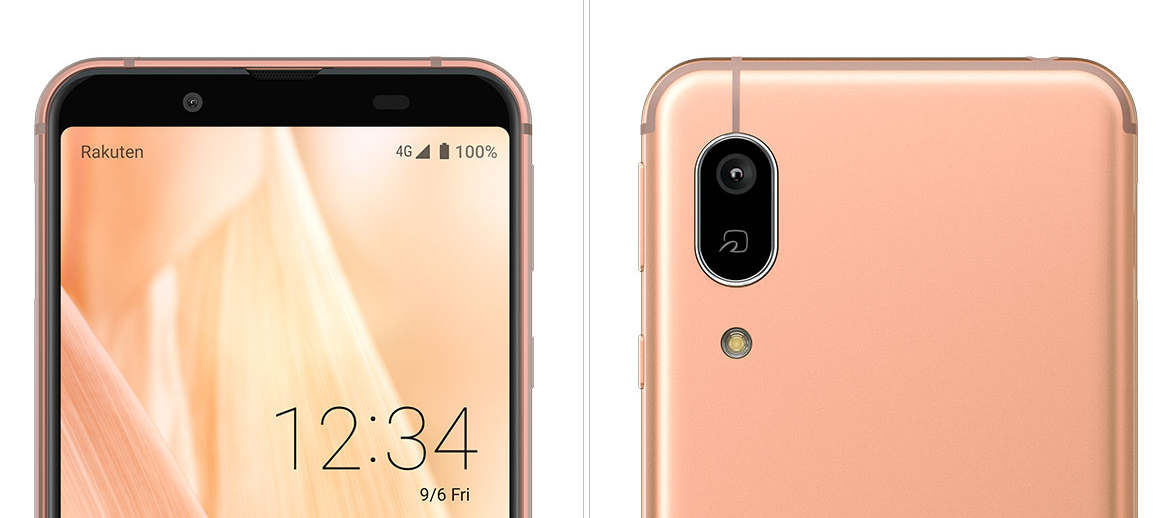
Sharp AQUOS Sense3 and Sense3 Lite are packed with identical specs. The only major difference between the two phones is that the Sense3 has dual rear cameras whereas the Sense3 Lite has a single camera on its rear. The Sense3 and Sense3 Lite smartphones come with IPX5/8 waterproof and IP6X dustproof chassis. They measure 147 x 70 x 8.9mm and weigh 166 grams.
The Sense3 comes with a 5.5-inch full HD+ Sharp IGZO LCD display that produces full HD+ resolution. With thick upper and lower bezels, the Sense3 offers an aspect ratio of 18:9. The Snapdragon 630 chipset powers the smartphone with 4 GB of RAM. It has a native storage of 64 GB. It houses a 4,000mAh battery. The handset is loaded with Android 9 Pie OS that is customized with Emopa 10.1 smart assistant.
The Sense3’s dual camera setup includes a 12-megapixel primary lens with f/2.0 aperture and EIS along with f/2.2 aperture 12-megapixel wide-angle lens that offers field-of-view of 121 degrees and EIS. Placed on the front of Sense3 and Sense3 Lite is an 8-megapixel selfie camera with f/2.2 aperture and 86-degree field-of-view. The Sense3 Lite features has a single camera of 12-megapixel with f/2.0 aperture. Lastly, these phones are equipped with front-facing fingerprint scanner that is embedded under the capacitive home button.
Sharp AQUOS Sense3 Plus Specifications and Features
The Sense3 Plus measures 160 x 75 x 8.7mm and weighs 175 grams. It also offers users with IPX5/8 waterproof and IP6X dustproof body. The smartphone has a bigger Sharp IGZO LCD display of 6 inches that offers full HD+ resolution of 2220 x 1080 pixels and 18.5:9 aspect ratio. The Snapdragon 636 mobile platform and 6 GB of RAM powers the smartphone’s 64 GB and 128 GB storage variants. The handset draws power from a 4,000mAh battery. The Android 9 Pie OS is preinstalled on the device that tags along 10.1 Emopa smart assistant.
The dual camera system of the Sense3 Plus has a 12.2-megapixel lens with f/1.8 aperture and EIS. It is assisted by superwide angle 13.1-megapixel f/2.4 aperture lens with 123-degree field-of-view and EIS. It has a front-facing camera of 8-megapixel with f/2.2 lens and 80-degree field-of-view. It also features a capacitive fingerprint scanner placed on the chin of the device.
Back in August this year, Xiaomi launched the Himo C16 electric power-assisted bicycle was launched on the Youpin crowdfunding platform for 1999 yuan ($280). Almost a month after the end of the exercise, the Himo C16 has now been launched for sale and it adopts a higher 2,599 yuan ($364) price tag.
The Himo C16 is manufactured by Xiaomi‘s ecological chain company Himo and it is the newest addition to the company’s vast lineup of sleek electric bikes. The Himo V1 was launched last year and in June this year, the Himo T1 was released.
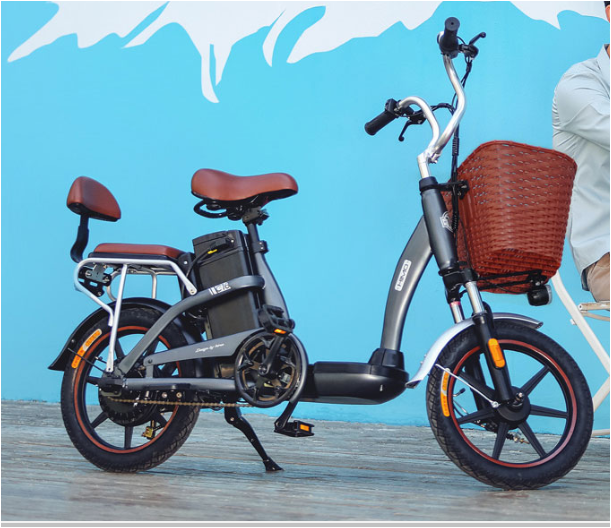
The Himo C16 comes with a different design and what should be a more powerful battery train. It uses a detachable lithium battery that isn’t only lightweight, but also safe and convenient to carry around. The battery has a range of 75km but that is reduced to 55Km if a second passenger is onboard. The battery comes with power-saving features and assisted movement using the pedal enhances power saving.
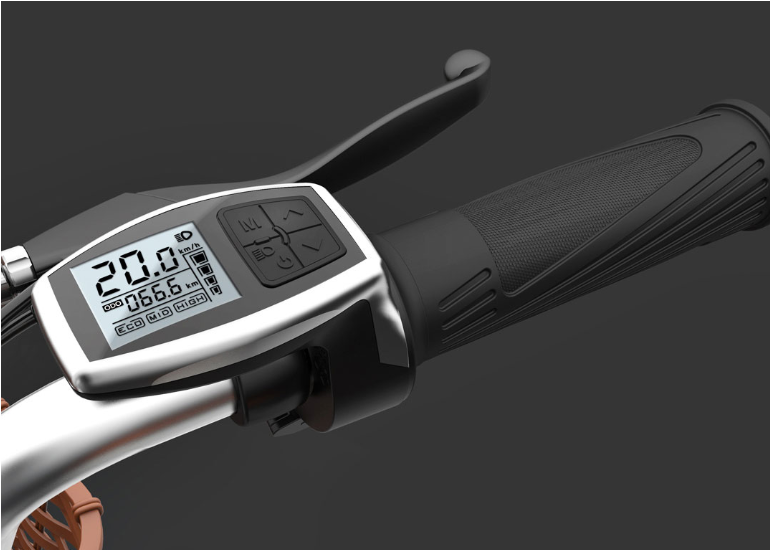
The electric bike has an extra seat for a passenger and a carrier at the front of the handle that could hold a sizeable amount of goods. The comfort of the driver is put into consideration while building the bike as it comes with a footrest that can be used when there is no need to pedal. There is a display panel which looks like an e-ink display at the right handle of the bike. It displays parameters such as speed, battery power etc. It also has an LED front headlight as well as a brake light, making it suitable for use at night.
The bike is available in White, Black and Gray frames.
Xiaomi launched the Hey Plus smart band in August last year on the Youpin platform. The smart band was released just after the Mi Band 3 was unveiled and it came with a specs lineup that dwarfed that of the Band 3. The Hey Plus came with a bigger display as well as a stronger NFC function and was well received. An upgraded version dubbed Hey Plus 1s NFC version has now been launched. The new version is presently on pre-sale on Jingdong for 179 yuan ($25). This is cheaper than the 229 yuan ($34) price tag which last year’s model adopted.
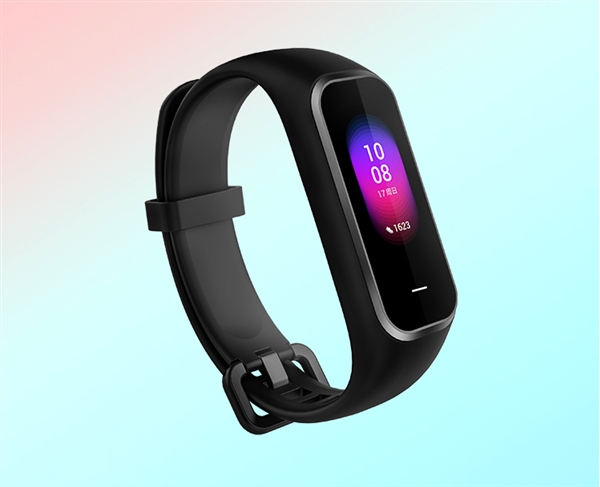
The new Hey+ 1s comes with a new design that saw a change from the elliptical shape of the Hey+ 1 to a rectangular shape with well-chamfered edges. The new smart band utilises an 0.95-inch AMOLED which supports 24-bit true color and has a pixel density of up to 282ppi. The display is equally covered with a layer of Corning Gorilla Glass which is also more wear-resistant and scratch-resistant. The device also supports 50ATM water resistance. It uses a rubber strap with a buckle similar to that of a regular wristwatch.
The device also comes with a built-in multi-functional NFC chip with support for bus card and contactless payment. It supports Alipay offline payment. The wearable supports bs cars in 248 cities in China. The NFC also enables the fitness tracker to function as a virtual key for smart door locks.
Of course, you also get the regular heart rate monitor, sleep monitor, call notification, message alert, alarm and other features on most smart bands.
In terms of battery life, Hey Plus 1S packs a 120mAh battery which can last up to 18 days on standby mode. The smartwatch runs a self-developed operating system known as heyOS.
On a final note, the Mi Ban 4 design is almost similar to the Hey Plus 1 so we may be seeing the Mi Band 5 with a design similar to this one.
The Mi MIX Alpha is still hot in the news thanks to its unique design and also 108MP primary camera, but Xiaomi is already back in the news for what may be its next flagship.
A new discovery made by XDA-Developers reveals that Xiaomi’s next flagship may support 8K video recording. That isn’t exactly special since there are a few phones already that can do that such as the Nubia Z20 and the Red Magic 3s. However, unlike the aforementioned phones, this unknown Xiaomi phone will record at 30fps and not 15fps.
The discovery was made in the teardown of the MIUI Camera app in the recently released MIUI 11 beta update for China. A string in the APK teardown shows that the phone will be able to record 8K (4320) at 30fps. The teardown also includes an image of 8K 30FPS which will most likely be an icon in the app when you switch to the recording mode.
It is speculated that 8K video recording should be an easy feat for the next Qualcomm flagship processor – the SNapdragon 865. With the upgraded ISP, 4320@30fps should be achievable.
The name of the device is unknown and we won’t be surprised if the feature also makes its way to Redmi’s next flagship phone too which should be the Redmi K30 Pro.
Huami keeps introducing smart wearables under its self-brand AMAZFIT from time to time. Until March 2018, Huami had shipped a whopping 56.5 million devices, according to the Frost & Sullivan Report.
Amazfit GTR is its most recent smartwatch
The coveted brand has now teamed up with Gearbest to offer its well-received smart wearables at considerably lowered prices. Aside from shedding light on the aforesaid discounts, we will show how you can save more money before placing your order.
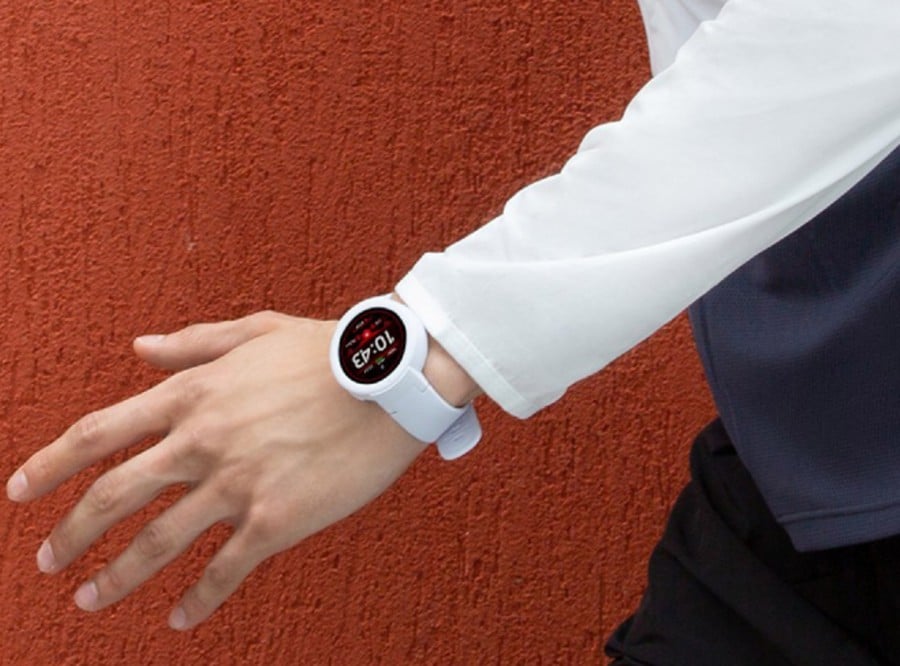
AMAZFIT Verge Smart Watch
Designed to meet the daily needs of the wearer, the AMAZFIT Verge is an irresistible smartwatch. It is a great choice for both sports lovers, as well as fitness enthusiasts who fancy keeping a track of their fitness and monitoring various activities.
While you’d normally end up shelling out $164.95 on the AMAZFIT Verge, the smartwatch can now be yours for a lowered price of just $125.99 if you order it from Gearbest. Moreover, you can extend this 24 percent discount by applying coupon code AMVERGE12.
The coupon helps you save $6 more by reducing the retail price of the smartwatch to just $119.99 at checkout. It is worth mentioning here that the coupon will be valid for the first 200 pieces only.
You can follow this link to grab the discount and use the coupon. With over 300 pieces sold at the time of writing, this promo is slated to end in just 12 days.
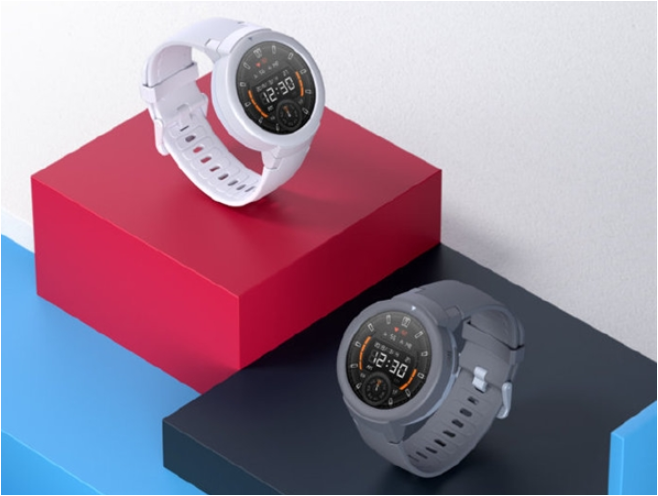
With the ‘Power for Youth’ tagline, the AMAZFIT Verge Lite is designed to help you lead a healthier lifestyle. Keeping in line with that, the smartwatch features seven sports modes including outdoor running, treadmill, walking, outdoor, indoor cycling, elliptical trainer, and exercise.
Featuring an easy-to-read 1.3 Inch AMOLED high-resolution display, the AMAZFIT Verge Lite usually retails for $147.93; however, the smartwatch has gone up for sale bearing a lowered price of $89.99 on Gearbest. This is a 39 percent drop in the device’s original asking price.
AMAZFIT Verge Lite
On top of that, you can save $3 more by applying coupon code AMVERGELI during the checkout process. The coupon helps you bring the already lowered asking price of the smartwatch down to only $86.99, but it will be available for the first 300 pieces only.
More than 500 pieces have already been sold and the promo will come to an end in 11 days. You can visit this link to grab the discount before the promo wraps up.
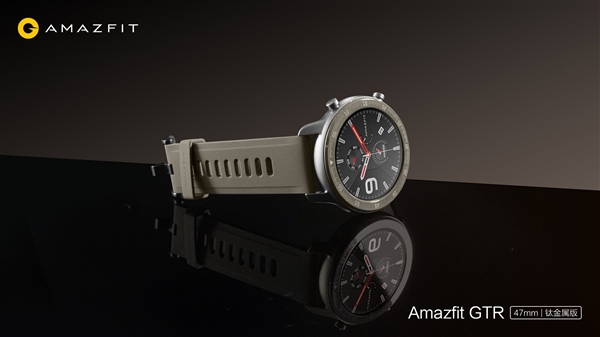
Gearbest is doling out a significant 17 percent off on the AMAZFIT GTR 47mm Smart Watch, which usually sells for $180.67. Thanks to the discount, you can now buy it for a lowered price of just $149.99.
Moreover, the Chinese online store is offering an extra $5 off on orders over $100. In other words, you save more money even before placing your order.
More than 8000 pieces of the AMAZFIT GTR 47mm Smart Watch were already sold out at the time of writing and the promo ends in 12 days. You can visit this link to get the discount before it comes to an end.
Backed by a robust 200mAh battery that offers an impressive 45 days of standby time, the AMAZFIT Bip Lite smartwatch monitors and records your heart rate in real-time for 24-hours. Moreover, it features multiple sports mode, giving you access to real-time sports data of all kind of sports.
While the AMAZFIT Bip Lite Smart Watch usually carries an $84.78 price tag, Gearbest is giving its loyal users a chance to get their tech greedy hands on it for a lowered price of just $59.99. This is a 29 percent drop in the device’s original asking price, but there’s more for you to cheer about.
You can get an extra $5 off if your cart value exceeds $50. The AMAZFIT Bip Lite Smart comes in three appealing color options including black, blue and pink and you can buy your favorite color version by following this link.
It is worth mentioning here that more than 500 pieces were sold at the time of writing. The promo will come to an end in 12 days.
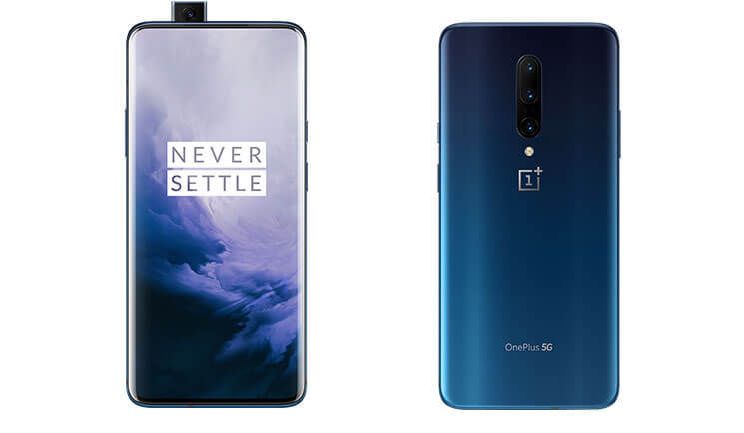
OnePlus is all set to announce its 14th smartphone (taking into account OnePlus X, OnePlus 6T Mclaren, & OnePlus 7 Pro 5G as well) in India today and internationally on October 10. In today’s Throwback Tech Thursday, we thought it would be the perfect time to revisit the first-ever smartphone from OnePlus, the OnePlus One. The company, which started off as the maker of affordable ‘Flagship Killers’ continues to release incredibly value-for-money smartphones. But this year it took a leap and made its mark on the premium segment as well. The most recent OnePlus 7 Pro is the best example of this strategy featuring the top of the line Snapdragon 855 processor and a beautiful 90Hz display that’s unusual in its price segment.
But where did it all start?
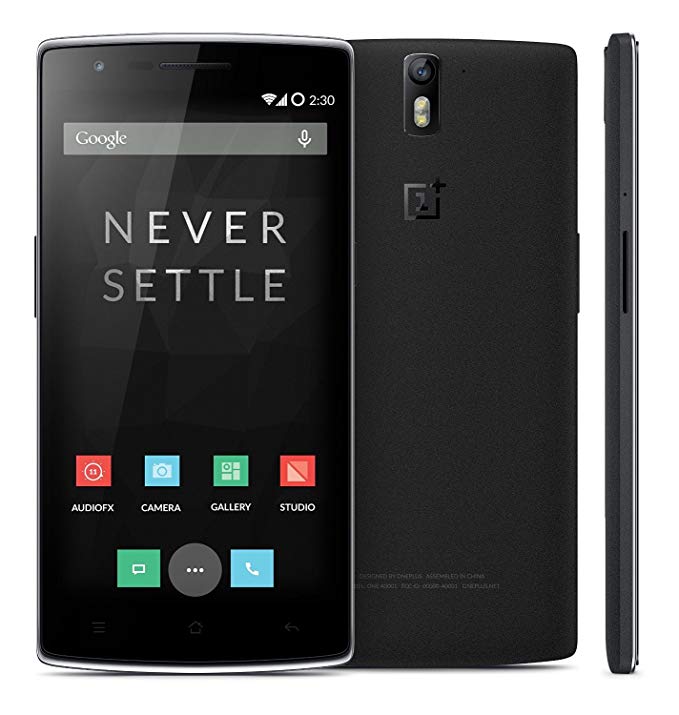
It all started with the OnePlus One, the company’s first-ever smartphone developed with the idea of bringing high-quality products in a simplistic design. The phone was meant to take on the major flagships of 2014, including the Galaxy S5 which was twice as expensive as the ‘One’. Undoubtedly, the first OnePlus One offered more value than any other device ever seen in the flagship market.
So what did the OnePlus One offer?
The phone came with the Snapdragon 801 processor, the same one powering all the flagships in the market in its time. It had 3GB of RAM, 16GB / 64GB ROM variants and a 5.5-inch 1080p display from JDI. It had a pretty decent camera as well: a 13MP IMX214 Sony sensor at the back and a 5MP sensor up front taking care of the selfies. While the camera was never the strong point of the OnePlus One, it was still decent enough for your daily needs. Overall, in terms of hardware, it had specs never seen on a $299 smartphone!
But what made it even more special were its accessories. Despite featuring a minimalistic design, the OnePlus One came with a unique textured back that stood out. In fact, hardcore OnePlus fans would still remember how popular the sandstone finish turned out to be. But apart from the textures, OnePlus also offered unique back covers for the One, like a Special Kevlar, Denim, and even Bamboo wood covers. The company provided several ways to customize the phone’s overall look, garnering positive reception from its fans all across the world!
Another feature that set the OnePlus One apart was its software. Unlike companies like Samsung and LG, OnePlus decided to use a bloatware-free CyanogenMod OS for its international customers. If you remember, CyanogenMod was a big deal back then and getting it shipped right out of the box gave it a significant advantage among its competitors. Also, since CyanogenMod was quite light and snappy, the OnePlus One turned out to be one of the fastest phones in its time. Further, the open nature of the company along with its support for developers gave rise to many custom ROMs for the device. For smartphone enthusiasts, it was nothing short of the perfect smartphone at its price and a viable alternative to Google’s own Nexus 5.
But Not Without Issues
But being a first-generation device, the OnePlus One wasn’t without faults. The biggest one was its availability. The company’s invite system could be said as controversial, which forced thousands of users across the globe scrambling for an invite to purchase the device. If you remember, OnePlus invites were a huge deal for nearly a year of its release. By April 2015, the company managed to stabilize its production, and the OnePlus One was made available to purchase invite-free.
Another issue with the OnePlus One was its support. Being a new startup, the company faced some criticism for its after-sales support. Even the phone’s camera wasn’t as good as some of the top tier flagships of its time. Although marketed as a ‘Flagship Killer’, users had to sacrifice on the camera quality to some extent.
The OS was also an issue. Just shortly after it launched in India, OnePlus was notified that Cyanogen had entered into an exclusive agreement with Micromax to sell phones running Cyanogen OS. The agreement prevented OnePlus or any other manufacturers from being able to release phones running the OS and also from issuing updates to the OnePlus One. That singular act was what led OnePlus to develop its own Android-based custom OS which it named OxygenOS (HydrogenOS for China). You can say it was a blessing in disguise.
But overall, the OnePlus One managed to shake things up in the market. Despite starting off on a small scale, today, OnePlus has succeeded in capturing a significant chunk of the premium smartphone market in regions such as India. Back in 2014, you could have easily dismissed OnePlus as a small-time smartphone startup with a sketchy future.
But today, it’s a smartphone company to be reckoned with!
OnePlus smartphones may no longer be ‘Flagship Killers’. But with phones like the OnePlus 7 Pro, they are now the trendsetters and lead the industry with consumer-oriented features.
OnePlus’ latest flagship is refined and supports the high-speed 5G network
As OnePlus prepares to launch its brand new OnePlus 7T and 7T Pro, let’s recall where these guys started and how far they have come.
Do you remember the OnePlus One? Does anyone still have the phone?
Yay! DxOMark has released the camera review for the still spanking new Huawei Mate 30 Pro and its rating puts the new flagship atop the list of smartphones with the best camera.
Before we dive into a summary of the review, DxOMark states that the camera firmware they tested is not available to consumers yet. Technically, the Mate 30 Pro is not even available to buy yet anywhere. But nevertheless, we presume they mean it is a different firmware from what will buyers will get right out of the box.
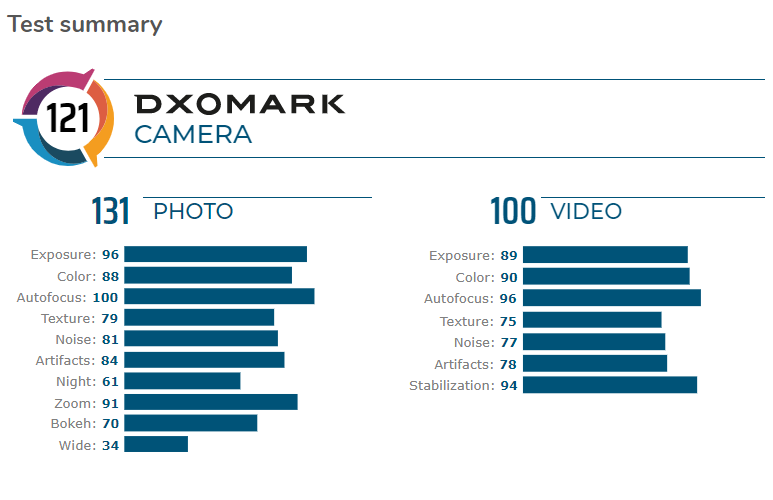
Diving right into the score, the Mate 30 Pro has an overall score of 121, beating the Samsung Galaxy Note10+ 5G with 4 points. DxOMark also revealed the phone has a selfie camera score of 93 points, which means the Note10+ 5G, Galaxy S10 5G, and Galaxy S10+ are still the selfie camera champs with 99, 97, and 96 points respectively.
Rear Cameras (photo and video)
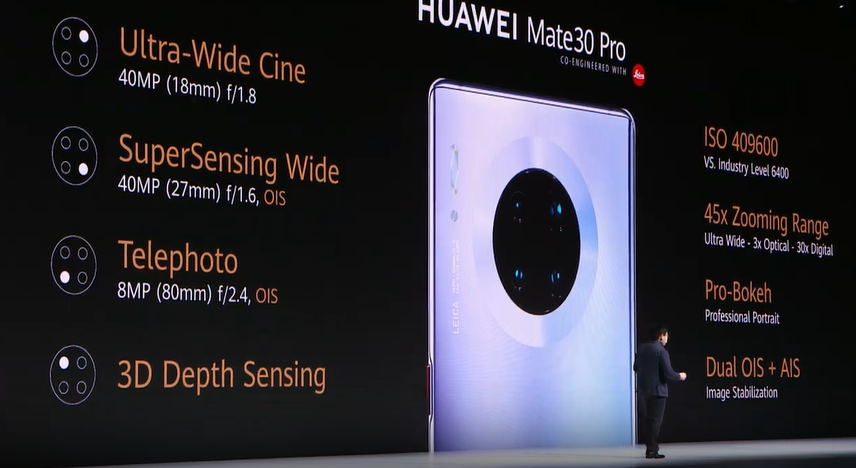
The Mate 30 Pro has four cameras on the rear that are placed in a circular camera housing with a bump. The primary sensor is a 40MP f/1.6 sensor with a 1/1.7” sensor size. It also has a 40MP f/1.8 ultrawide camera with a 1/1.54” sensor size, an 8MP f/2.4 telephoto camera, and a ToF 3D camera.
A breakdown of the overall score splits it into 131 points for photo and 100 points for video. DxOmark says Huawei’s latest flagship shines in every still image category. It scores higher than the Galaxy Note10+ 5G in texture and noise. The Mate 30 Pro is said to balance both attributes excellently and the only time noise is truly visible is in very low-light conditions.
DxOMark recently began scoring for Night low-light photography and the Mate 30 Pro also tops that category. The phone is able to automatically switch between using flash or ambient light when you select auto for flash.
The Mate 30 Pro lacks the P30 Pro’s periscope zoom lens and comes with 3x optical zoom instead of 5x like its sibling. However, DxOMark says it performs better in short and medium-range zoom than the Huawei P30 Pro.
For ultrawide angle photos, it also performs well but it has a narrower field of view as it is an 18mm lens. The Galaxy Note10+ 5G is able to take wider photos because it has a 12mm lens.
Samsung’s flagship still wears the crown when it comes to videos but it leads the Mate 30 Pro by a single point. This means you won’t miss much if you choose it over the new Note flagship.
Selfie Camera
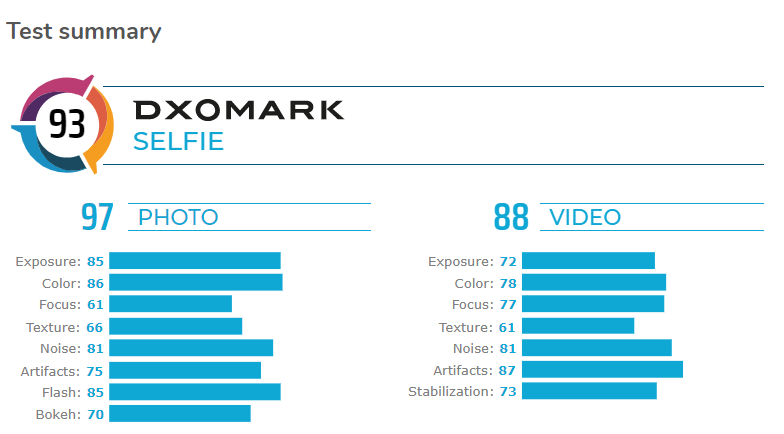
The Mate 30 Pro scored 93 points in the selfie rating. The score is broken down into 97 for photo and 88 for video.
The phone has a 32MP f/2.0 camera and a ToF 3D sensor and even though it has a similar configuration to the P30 Pro, it scores 7 points higher. DxOMark says it may be as a result of the Kirin 990’s improved image processing.
The phone scores high in exposure, color, and noise but doesn’t score as high when it comes to texture and focus.
Conclusion
We had no doubt that Huawei’s Mate 30 Pro will take the crown from Samsung. Huawei has invested a lot in improving the camera performance of its flagships and it gets better with each release.
It is just sad that for those living outside China, the Mate 30 Pro will not be the first choice device due to the current US ban which won’t allow them to ship it with Google Apps.
Qualcomm CEO Steve Mollenkopf recently granted an interview to China-based Caixin. During the interview, the CEO hinted that the company had resumed sales and shipments to Huawei but that is for products not affected by the US trade embargo. Recall that Huawei was placed on the Entity List by the US government which means US companies cannot trade with Huawei except when issued a special license.
The trade embargo has not only affected Huawei but also hurt financial outcomes for many tech giants in the US including Qualcomm, Intel, Microsoft, and Micron and several others. The US firms have severally expressed concerns over the ban. Google was the first to urge the United States government to ease the ban on Huawei. US-based chip makers, including Qualcomm and Intel, have also lobbied for ease on the ban.
The Qualcomm CEO also hinted that the US company is working on a long-term solution but that will require the US government’s approval.
Although Huawei manufactures its own chipset, the company relies on Qualcomm for the supply of Snapdragon processors for some of its phones. Huawei also has access to over 130,000 patents owned by Qualcomm, under a license agreement. However, the products not affected by the ban wasn’t listed but we doubt if it is the important stuff. For instance, Huawei can continue using Android OS but is barred from accessing Google Services.
Samsung is rumored to be working on an entry-level smartphone in the A-series lineup, according to a fresh report by 91mobiles. This mystery smartphone with model number SM-A015F could very well be the most affordable device in the Samsung Galaxy A series. Going by the current nomenclature, the upcoming smartphone could be called Galaxy A5. Samsung is likely to place the A5 below the recently-launched Galaxy A10 and the A10s. The device is likely to rival the likes of the Xiaomi Redmi 8A in terms of features and pricing.
Samsung Galaxy A5 Specifications and Features (Rumored)
Samsung Galaxy A10s
According to the report, the Galaxy A5 could feature a 5.7-inch display and 16GB of native storage. The device could boast an edge-to-edge display with either an Infinity-V or Infinity-U notch, similar to most modern budget devices from the company. The Galaxy A5 is likely to run on Android 9.0 Pie out-of-the-box with the Samsung OneUI custom skin. Watch this space for more details on the Samsung Galaxy A5.
Samsung Galaxy A30s and Galaxy A50s Specifications, Features and Price
In related news, Samsung refreshed the Galaxy A series in India with the Galaxy A30s and the Galaxy A50s. Both devices feature a triple-camera setup at the rear, boast of in-display fingerprint scanners and draw power from a massive 5,000 mAh battery with 15W fast charge support. Additionally, both the A30s and the A50s are designed using Samsung’s prism-cut philosophy.
While the Galaxy A30s flaunts a 6.4-inch HD+ Infinity-V Super AMOLED display and is fueled by Exynos 9611 whereas the A50s features a 6.4-inch Full-HD+ Super AMOLED Infinity-U display with Exynos 7904 onboard. The Galaxy A30s sports a 25-megapixel triple-rear camera setup along with a 16-megapixel selfie camera. While the Galaxy A50s features a 48-megapixel triple camera primary setup, along with a 32-megapixel front camera. The Samsung Galaxy A30s is priced at Rs. 16,999 (~$240). The Galaxy A50s features a base price tag of Rs. 22,999 (~$324).
Earlier today, Huawei launched the Nova 5T in China. The company was asked about the current state of operations, and were given pretty concrete answers. According to Huawei, although they’re facing taller hurdles and big challenges, their global sales are still going fairly strong.
He Honglu, vice president of Huawei’s consumer business Greater China, said that despite the grim situation, Huawei has still maintained rapid growth in the international market. In the first half of 2019, global shipments reached 118 million units, an increase of 24% over the same period in 2018. They already account for 17.6% of the global phone market.
In the Hong Kong market, Huawei’s also be growing pretty well. In the first eight months of 2019, Huawei’s mobile phone market share in Hong Kong averaged 22.8%, sales increased by more than 40% year-on-year, and the sales growth rate of new products such as smart watches and wearable devices reached 110%.
He Honglu also admitted that Huawei has faced many uncertainties and challenges recently. Some suppliers of parts and components needed to be changed, which has led to some planned product launches being postponed. Unfortunately, they didn’t tell us anything about the Huawei Mate 30 Pro’s projected sales, though we can only assume things aren’t great.
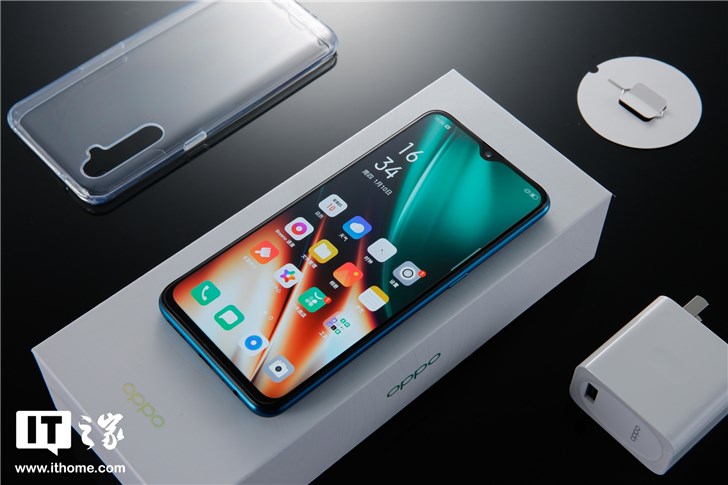
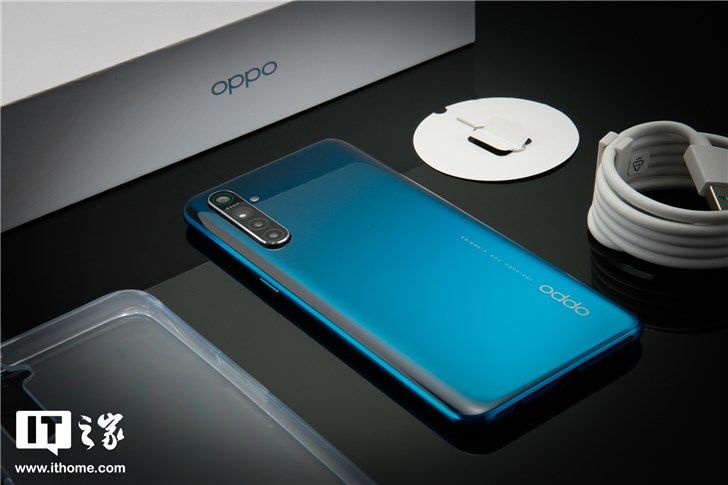
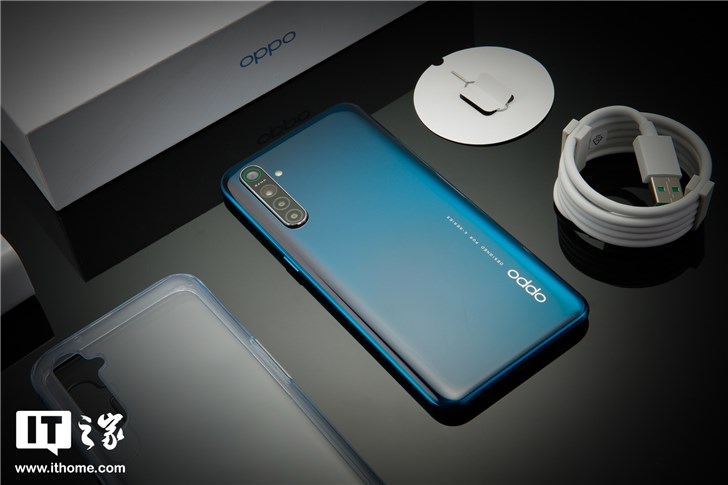
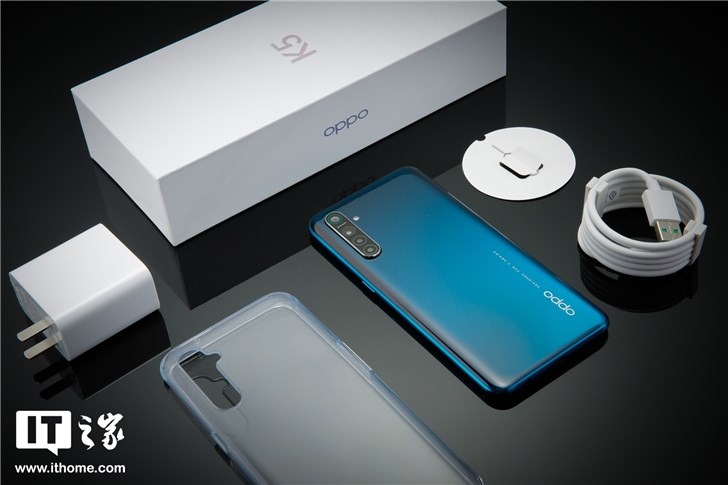
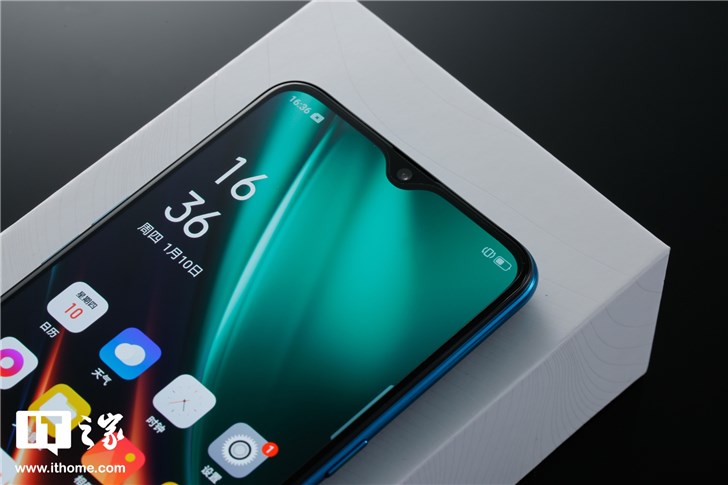
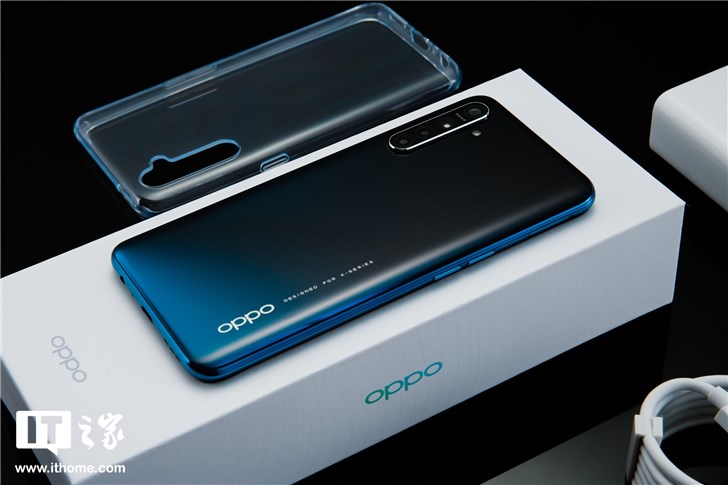
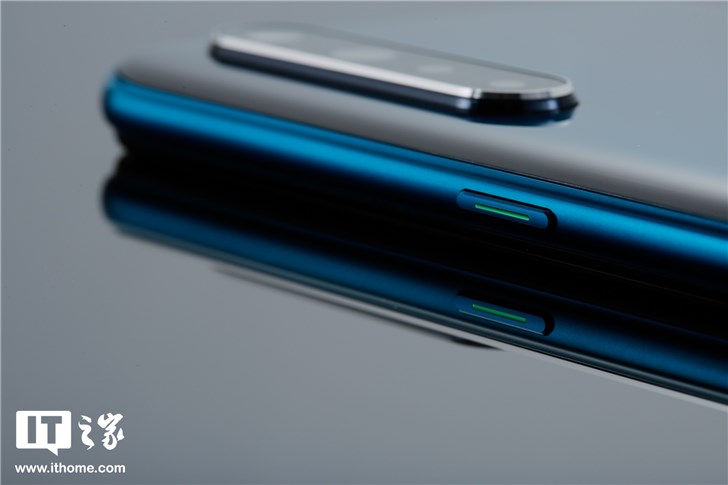
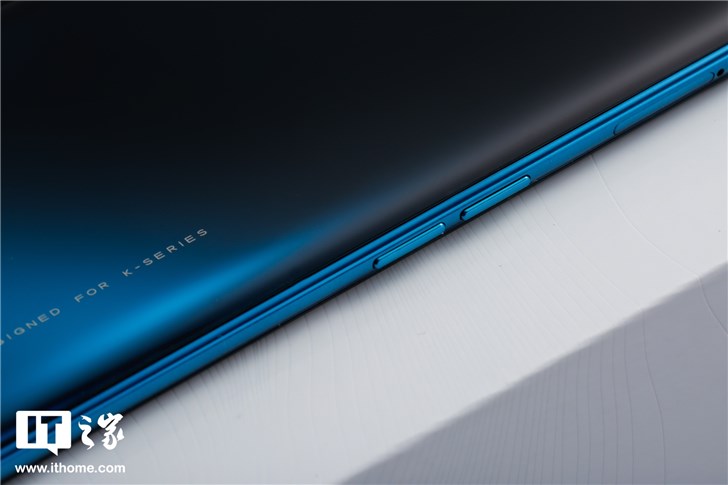
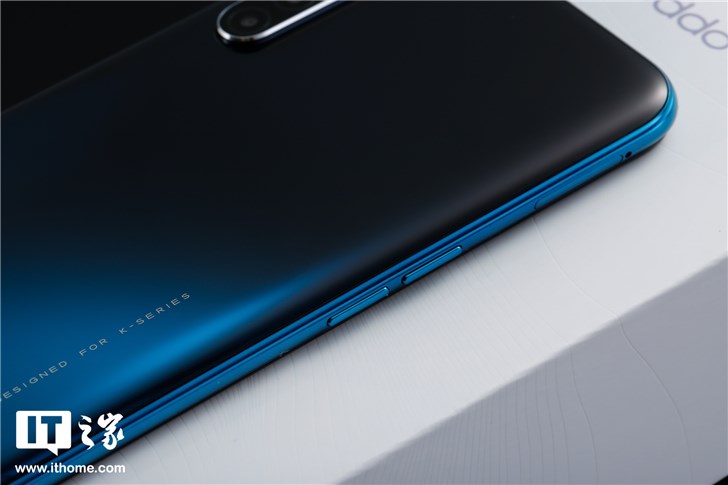
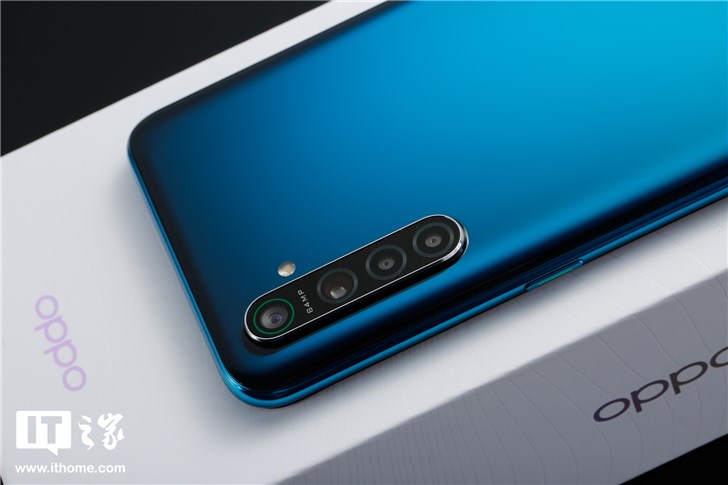
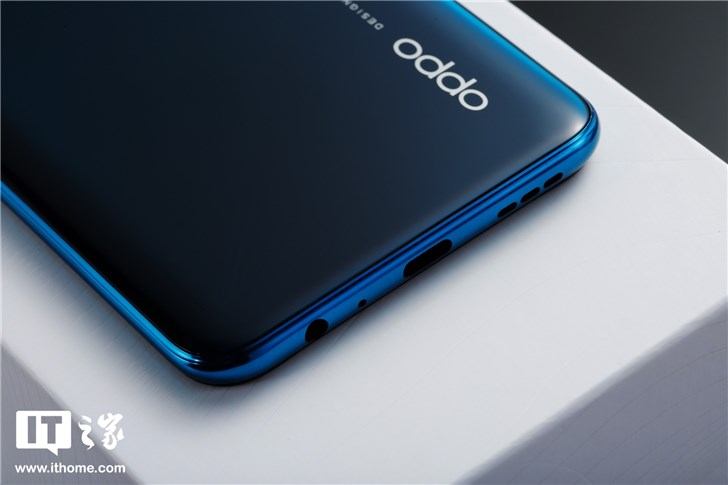
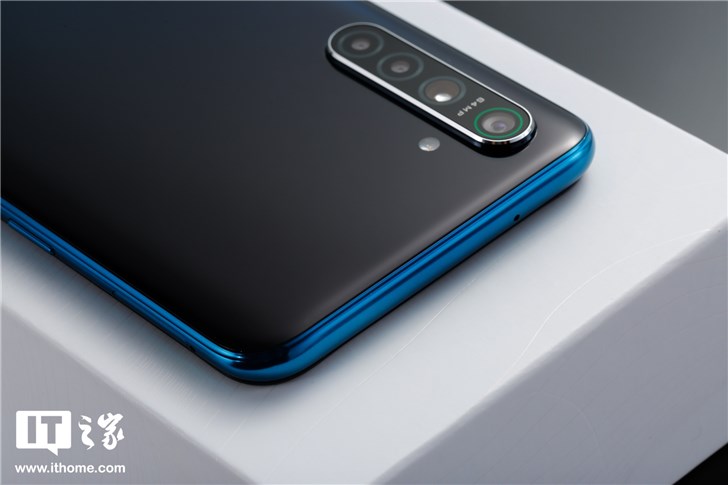
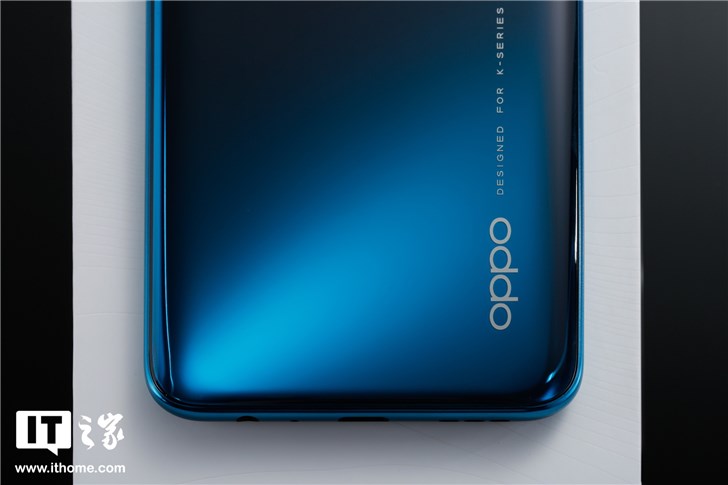
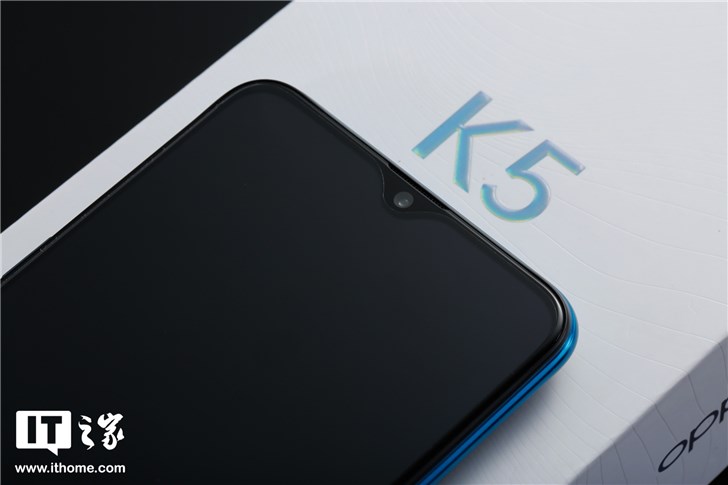
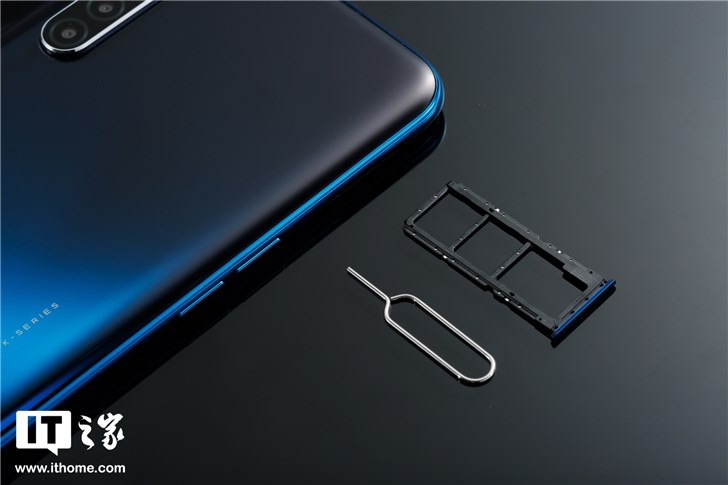
OPPO K5 is scheduled to go official on Oct. 10 alongside the OPPO Reno Ace flagship smartphone. Earlier today, OPPO confirmed that the OPPO K5 will be releasing in three colors variants Cyber Metal (Blue), Forest Fantasy (Green) and Polar Sunshine (White). The latter two color variants have been listed on the reservations page of the OPPO K5. Chinese publication ITHome has shared plenty of photos of the blue colored edition of the real OPPO K5 smartphone.
1 of 6
Image Courtesy: ITHome.com
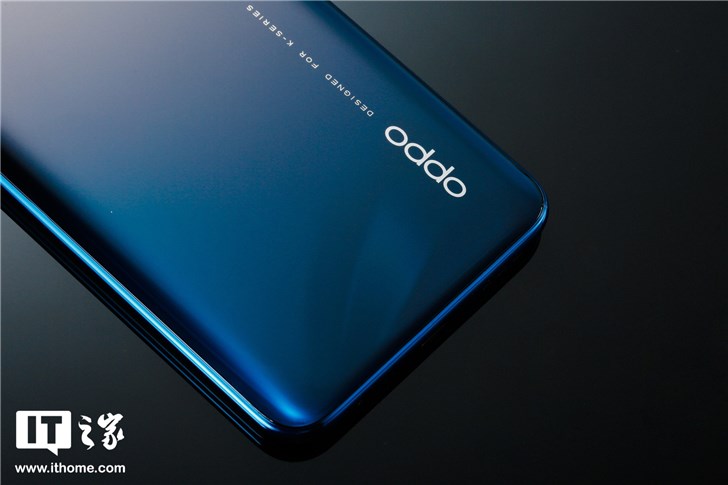
As it can be seen in the new images, the OPPO K5’s blue rear appears darker towards the top and lighter at the bottom. The predecessor OPPO K3 had arrived with a polycarbonate chassis. The real images of the OPPO K5 suggests that it could be also featuring a polycarbonate body with matte finish.
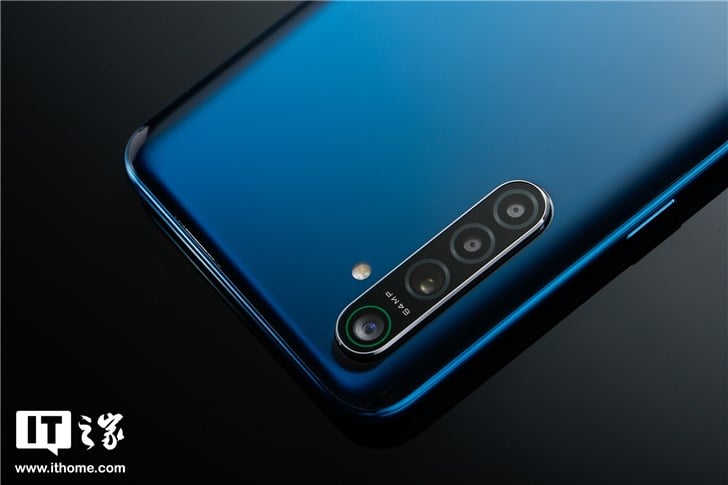
The OPPO K5 handset sports a reduced dewdrop notch and it features thin bezels on the sides. The chin of the device is a bit thick. The back panel of the phone curved towards the left and right edges. A 64-megapixelquad camera system can be seen at the upper-left corner of the rear shell of the OPPO K5 along with an LED flash. The branding of the company can be seen at the bottom-right of the device.
1 of 5
The SIM card tray that has a dedicated slot for microSD along with volume up and down buttons can be seen on the left edge of the device. The power button is present on the right side of the phone. The bottom edge of the phone has a 3.5mm audio jack, a microphone, a USB-C port and an external speaker. Another microphone is present on the top edge of the device. The retail package of the OPPO K5 seems to feature items like the handset, a fast charger, a USB-C cable, a SIM ejector and a transparent case.
Recent reports have revealed that it could be rebranded version of the Realme X2 for the offline markets in China. The handset is expected to come with a 6.4-inch AMOLED display that produces full HD+ resolution. It is integrated with an in-screen fingerprint scanner. The Snapdragon 730G is expected to fuel the smartphone with 8 GB of RAM. For storage, the handset will come with a microSD card.
1 of 6
The quad camera system of the OPPO K5 has a 64-megapixel main lens, an 8-megapixel ultrawide lens and two 2-megapixel sensors. For shooting selfies, the handset is equipped with a 32-megapixel front camera. The handset is expected to come with a 4,000mAh battery. The OPPO K5 is expected to debut as the company’s first phone with 30W VOOC 4.0 Flash Charge technology. There is no information on the pricing of the smartphone.
We’ve been hearing plenty of rumours about Microsoft making a folding device, from employee statements to leaks, and there’s a lot to go off of. As we are inching closer to the October 2 Surface event, more and more details of the dual-screen device are appearing online, to the point where it’s basically confirmed we’re probably going to see it soon.
Now, like other manufacturers who are currently in the process of developing a foldable device, Microsoft realizes that foldable technology has a way to go, so they’re taking steps to improve on it. One of the big questions when it comes to foldables are how well they can handle heat from regular usage, and that’s what Microsoft seeks to address.
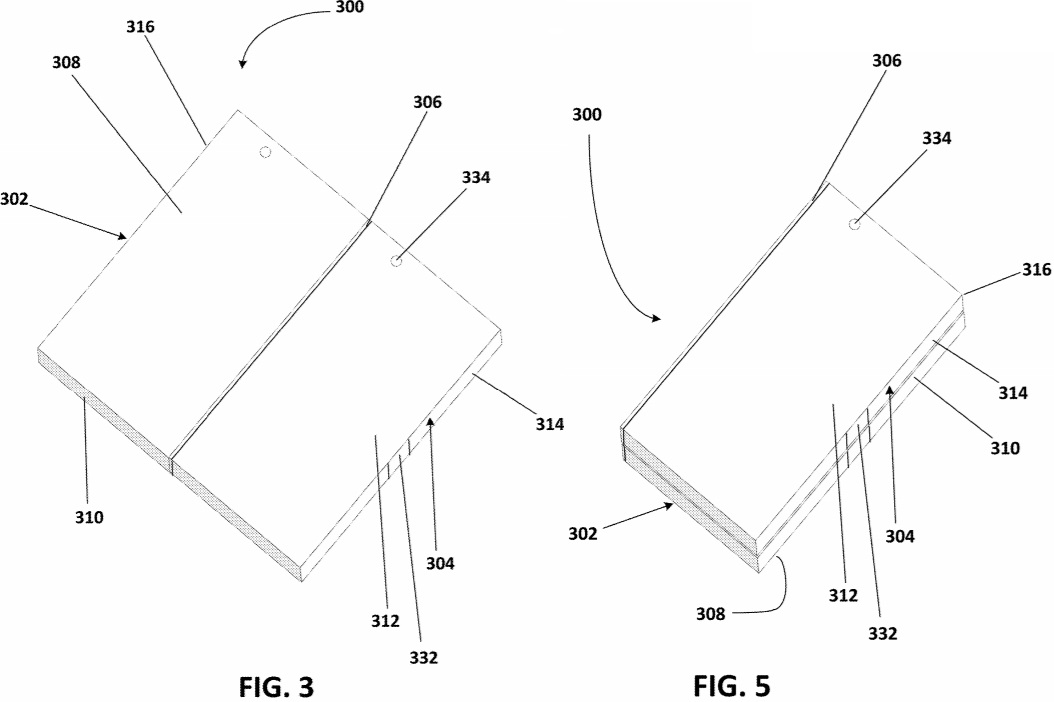
In a new patent titled ‘DEVICE CONFIGURATION-BASED THERMAL MANAGEMENT CONTROL’, Microsoft envisions a thermal management control system for its dual-screen device that ensure both portions are cooled equally through the use of two sets of sensors.
The first group of temperature sensors would correspond to the sensors located at cooler side of the device. Similarly, second temperature sensors correspond to the sensors at the hot side of the computing device. This effectively allows the device to stay consistently cool on all sides. Microsoft explains it a bit more down below.
“In other words, with respect to the first group of sensors, the processor only uses signals (e.g., representing measured temperatures) from temperature sensors at or adjacent to the cold side of the computing device when the computing device is in the closed configuration,” claims Microsoft.
It’s a very interesting little take on a not too often talked about problem when it comes to folding devices. We’re sure Microsoft probably has more tricks up their sleeves for their upcoming folding device, and we’re eager to see what comes next. For now however, stay tuned on Gizmochina.com for any updates on Microsoft’s new devices.
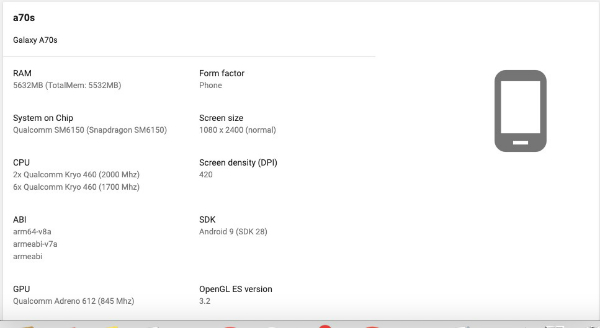
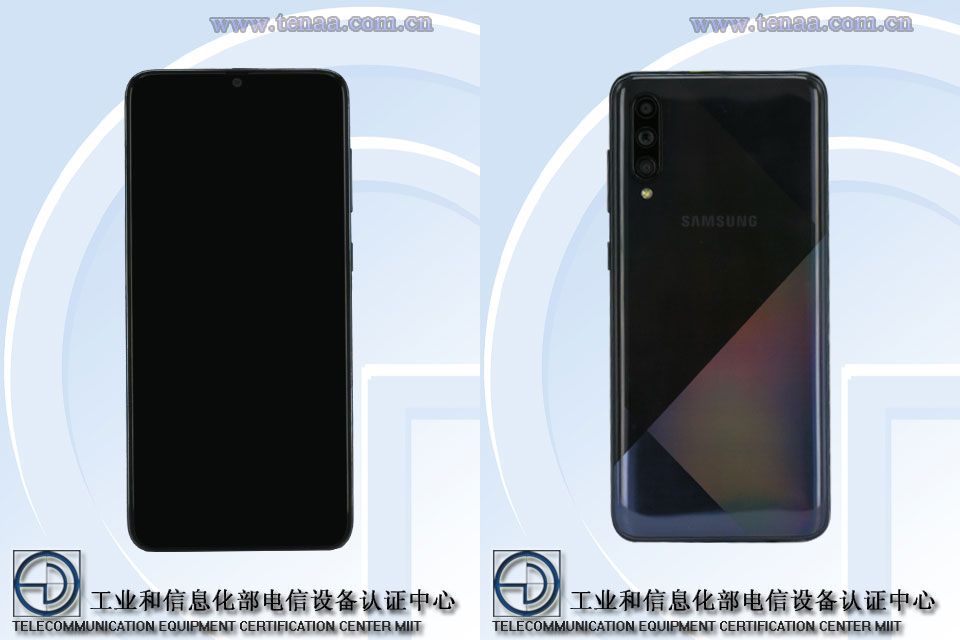
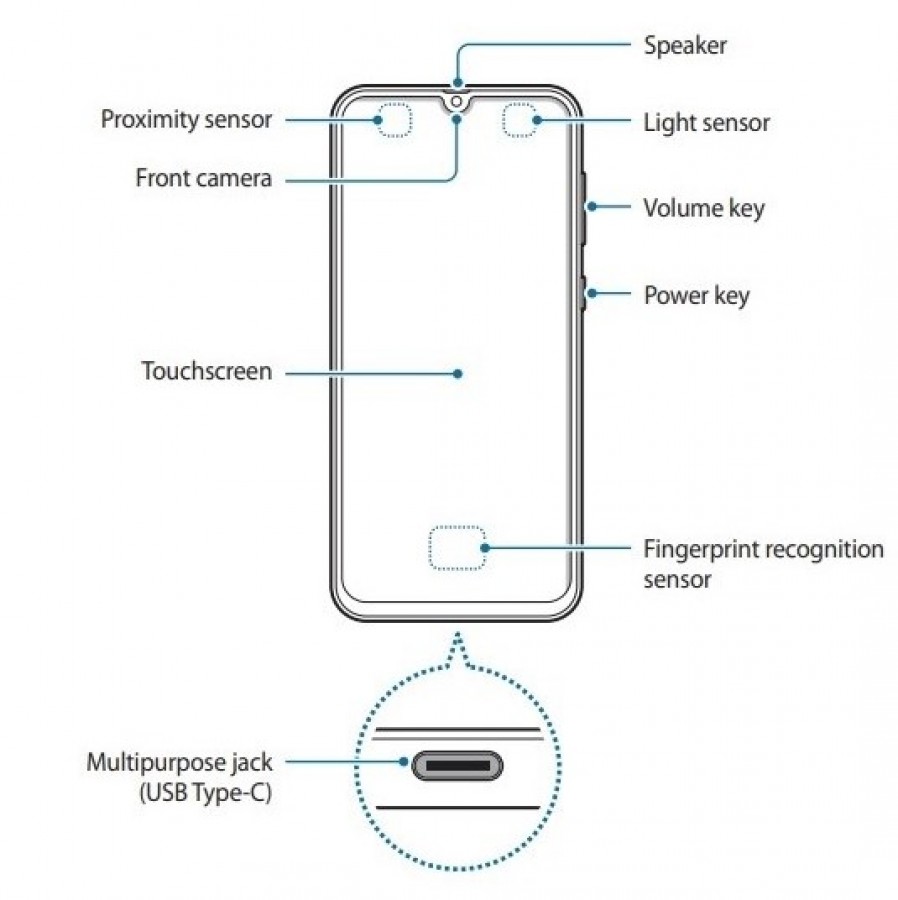
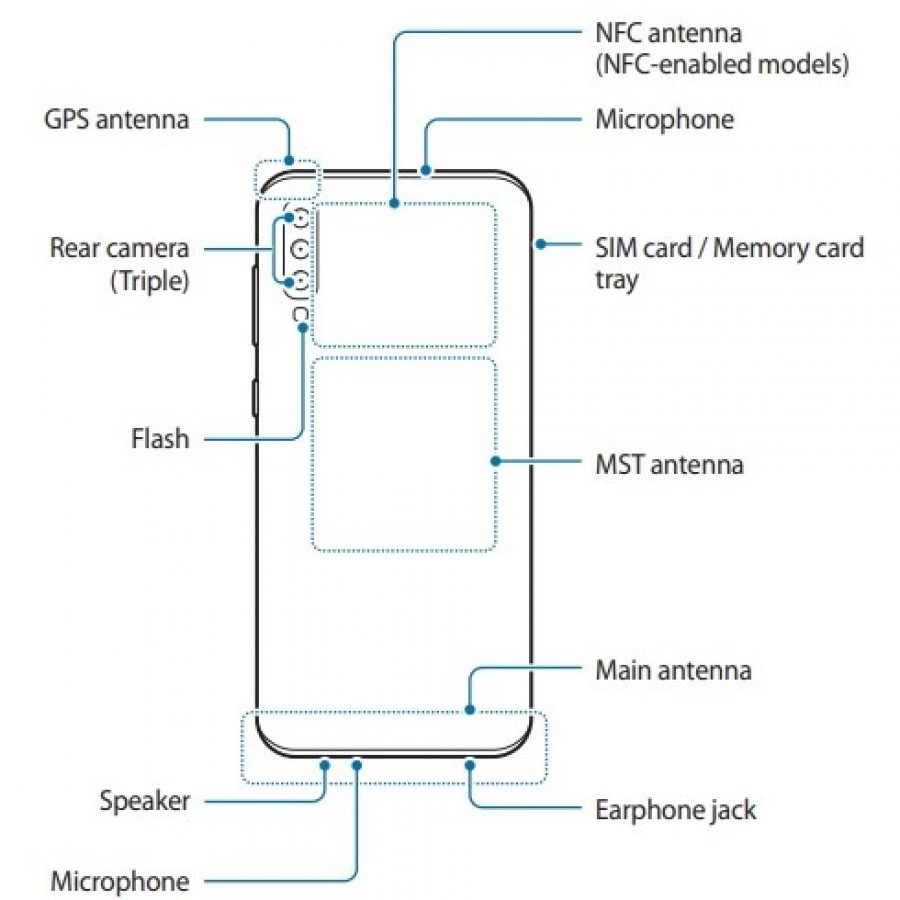
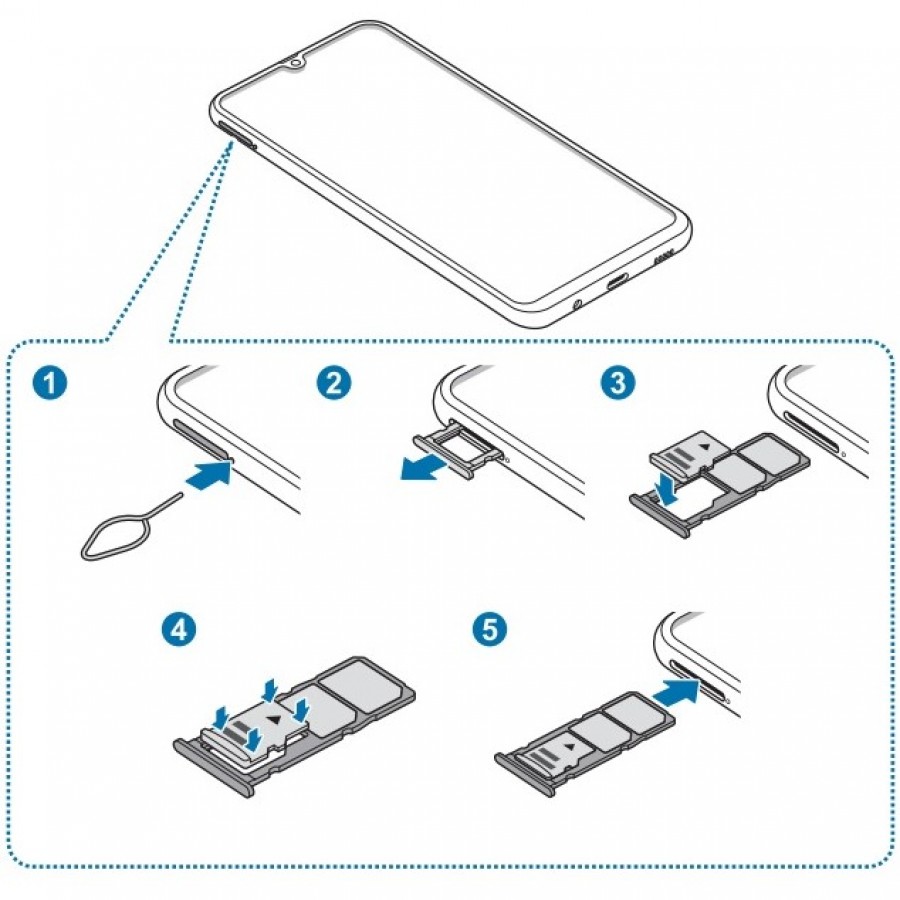
Recently, the upcoming Samsung Galaxy A70s was spotted on the database of China’s TENAA telecom authority. The support page of the handset has also gone live in India. The design of the phone has been revealed through its user manual that appeared on its support page. Now, the Google console listing has appeared some of the key specs of the smartphone.
The Google console listing of the Galaxy A70s has revealed that it is equipped with a screen that offers full HD+ resolution of 1080 x 2400 pixels and a pixel density of 420ppi. It means that the phone will offer a tall aspect ratio of 20:9. The Android 9 Pie OS will come loaded on the device and it will be powered by the Snapdragon 675 mobile platform that tags along Adreno 612 graphics. The SoC of the phone is coupled with 6 GB of RAM.
The images of the phone that have appeared on its TENAA listing has revealed that it will be arriving with a design that is similar to the Galaxy A50s phone. The gradient colored rear of the phone is equipped with a triple camera system at its top left corner. The front of the smartphone is fitted with an Infinity-U notch which houses the selfie snapper. The buttons for controlling volume and power are placed on the right edge of the device.
The Galaxy A70s is expected to house the 64-megapixel Samsung GW1 lens as the primary sensor in its triple camera unit. It could be coming with a big AMOLED display of 6.7 inches that will be integrated with an in-screen fingerprint scanner. The One UI based Android 9 Pie OS will be available on the device preinstalled. It could be drawing power from a 4,40mAh battery. The images from the user manual of the phone has confirmed that it will come with other features like 3.5mm audio jack, NFC and USB-C port.
1 of 3
Now that the Galaxy A70s smartphone has appeared at multiple places, its arrival seems to be close at hand. Some reports have claimed that it may go official before the end of this month. There is no word on the pricing of the smartphone.
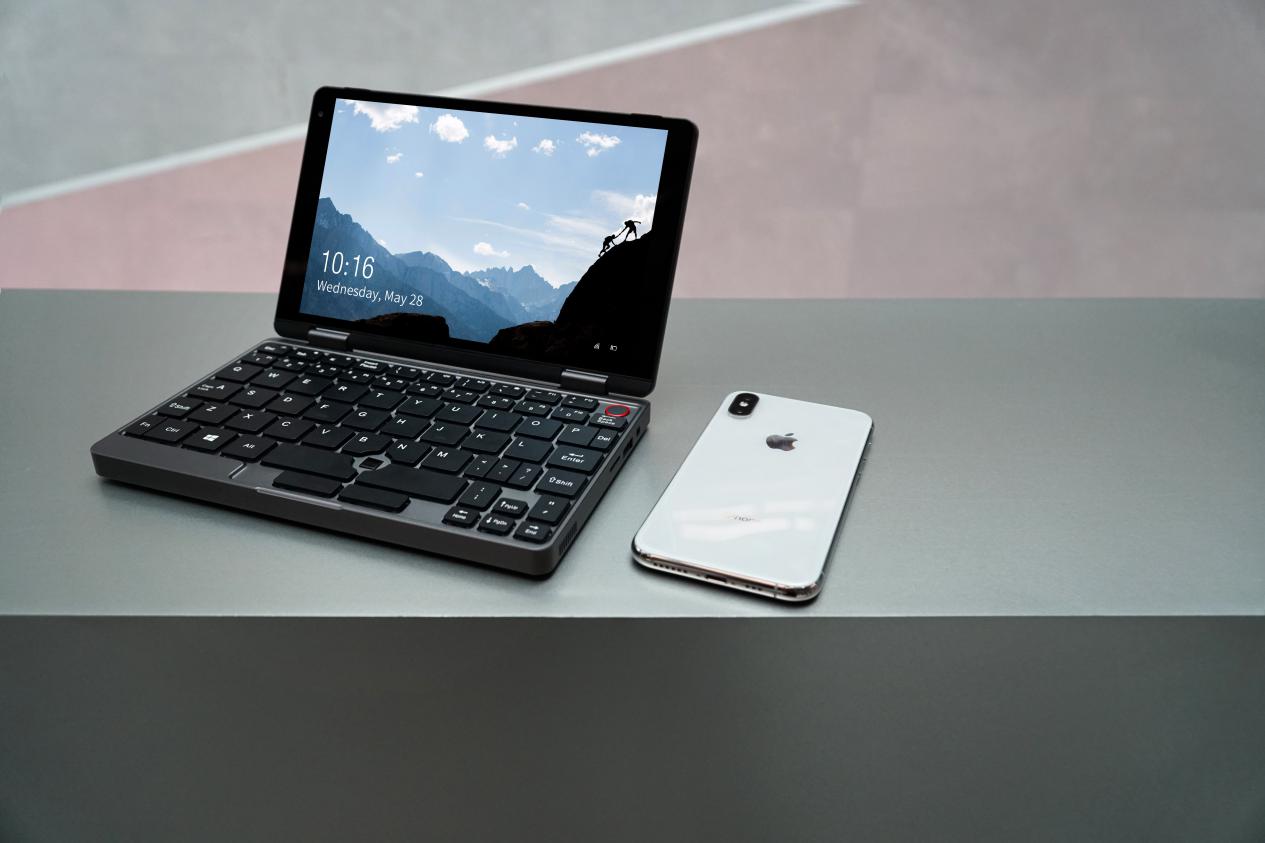
GITEX 2019 technology exhibition will kick off in Dubai in 10 days and Chuwi is one of the participants. For all visitors, the Chinese manufacturer will bring all its newest products to the show to share them from West Asia and North Africa. Being among the Top 3 exhibitions in the world, some of the biggest manufacturers will be there to show at which direction the development in the industry is going.
Chuwi will present two important new products in this exhibition. The MiniBook that raised more than $900,000 on Indiegogo and UBook Pro which will be launched on Indiegogo soon.
MiniBook: Powerful handheld portable workstation
MiniBook is considered to be the leader in the UMPC category and has gained support from users around the world. It has an 8″ body as well as a Yoga 360° design and it is the definition of portable computing. Inside you’ll find the powerful Intel core 8100Y CPU and an up to 16GB RAM/512GB storage configuration. Really perfect little machine.
UBook Pro: Thin and portable 2-in-1 tablet
We’ve talked a lot about the UBook Pro lately. As you might’ve already read, it is a 2in1 tablet that balances perfectly between appearance and performance. It is light and portable but at the same time hosts a powerful Core 8100Y CPU. In addition, it comes with a high resolution 12.3″ display with 3:2 aspect ratio just like the Surface Pro from Microsoft. What’s more, there is a clever u-shaped kickstand that makes the device lighter and allows for more space for a bigger battery and other hardware.
Chuwi is getting better and better every year and users acknowledge that. The exhibition is an opportunity to learn about the latest trends in science and technology. Chuwi expects to accumulate more experience through GITEX and create better and more cost-effective products for users all over the world. If you are visiting the show, below is their booth number.
Date: 6-10 OCT, 2019
Booth No: H1-D23 Hall 1
Address:Dubai World Trade Centre
Email:[email protected], Jason Liang
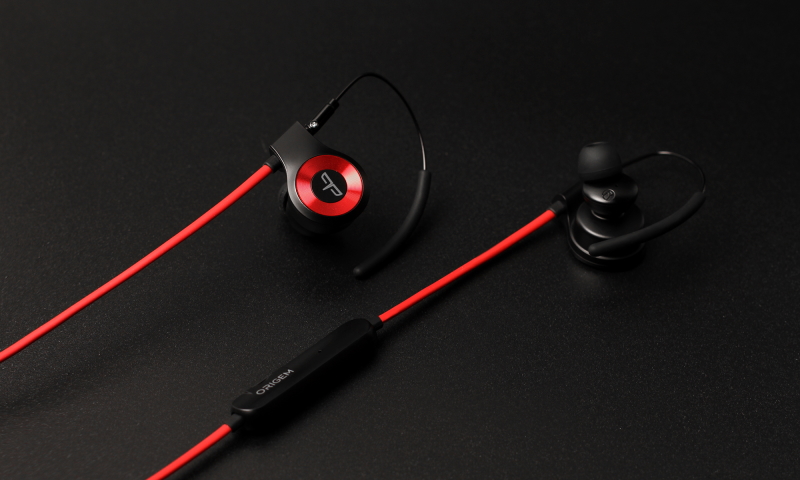
The specialized headset brand, Origem, has released three wireless Bluetooth headsets in the past few years: HS-1, HS-2, and HS-3. All are high-quality headsets offering great sound experience to users and the company has won the trust of many users that are now loyal to the brand.
Origem has become 3 years old and to celebrate this anniversary, they have prepared big promotions that are offered until September 29th. Of course, the star of the promotion is the latest and best model to date, Origem HS-3 that gets $40 off the official price and is currently selling for just $59.
1 of 2
What’s more, they’ve prepared various headphone giveaways. All you have to do to enter the Giveaway is register on the Origem website and you may be among the 3 lucky participants that will win an HS-3 for free. One winner will be announced once a day until the end of the promotion, so hurry.
Since the event is already running for 4 days, the company informs us that the HS-1 has been totally sold out while the inventory of HS-3 is very limited now. So, if you are on the hunt for a high-quality wireless headset, wait no more. You can learn more about the promo here.
Honor had launched the Honor Play 3 smartphone in China on Sept. 4. At the time, the company had introduced the phone in color editions like Black, Flame Red and Aurora Blue. Except for Aurora Blue, the other two variants have been available for purchase in the home market. Starting from today, the company has also started selling the Honor Play 3 Aurora Blue edition.
The Aurora Blue has an attractive appeal as it is color gradient edition that offers a mix of turquoise and blue. However, the USP of the smartphone is that offers a punch-hole display experience at an attractive starting price of 999 Yuan (~$140) for the 4 GB RAM + 64 GB storage variant. The 4 GB RAM + 128 GB storage model is priced at 1,299 Yuan (~$162) and its 6 GB RAM + 64 GB storage model also carries the same price tag.
The Honor Play 3 has a 6.39-inch display that offers HD= resolution of 720 x 1560 pixels. The punch-hole display of the phone allows it to offer users with 90 percent screen space. The Kirin 710F chipset powers the smartphone. It is loaded with EMUI 9.1 based Android 9 Pie OS. The GPU Turbo 2.0 tech is available on the device for accelerated GPU performance while playing games on the device. It features a microSD card slot for additional storage.
The rear shell of the phone features a triple camera system. It consists a primary lens of 48-megapixel, a wide-angle lens of 8-megapixel and a 2-megapixel depth sensor. It has a front-facing camera of 8-mgeapixel. The 4,000mAh battery of the phone supports 10W charging. The handset lacks a fingerprint reader. Hence, the sole biometric recognition feature available on the smartphone is face recognition. Apart from the Honor Play 3, the Chinese manufacturer is also selling the more affordableHonor Play 3e smartphone in China.
We use cookies on our website to give you the most relevant experience by remembering your preferences and repeat visits. By clicking “Accept”, you consent to the use of ALL the cookies.
This website uses cookies to improve your experience while you navigate through the website. Out of these, the cookies that are categorized as necessary are stored on your browser as they are essential for the working of basic functionalities of the website. We also use third-party cookies that help us analyze and understand how you use this website. These cookies will be stored in your browser only with your consent. You also have the option to opt-out of these cookies. But opting out of some of these cookies may affect your browsing experience.
Necessary cookies are absolutely essential for the website to function properly. This category only includes cookies that ensures basic functionalities and security features of the website. These cookies do not store any personal information.
Any cookies that may not be particularly necessary for the website to function and is used specifically to collect user personal data via analytics, ads, other embedded contents are termed as non-necessary cookies. It is mandatory to procure user consent prior to running these cookies on your website.












ファーウェイ・ジャパン 華為技術 ロゴ20190521175442_Data.jpg?x44794)