Samsung was recently uncovered to be working on a new 5G phone that won’t be released under the flagship Galaxy S lineup. Instead, the device is an A-series model dubbed Galaxy A90 5G. The device has previously been spotted at a couple of paces; WiFi Alliance, GeekBench. What looks like the official teaser poster of the Samsung 5G phone has now leaked.
The leaked poster shows the device has the model number SM-A908N and will indeed bear the moniker “Galaxy A90 5G”. The poster contains renders of the device showing both the front and rear aspects. The phone features an infinity display with a waterdrop notch and a high screen ratio. At the rear, there is a vertically aligned triple camera setup with all sensors in one module. The LED flash is just under the camera module.
The main selling point of the Galaxy A90 is no doubt the 5G connectivity which it offers. That may be why the company decided not to include the rotating camera that heralded the Galaxy A80. The device is tipped to pack a Snapdragon 855 chipset going by the GeekBench listing. The phone is also expected to utilise a 6.7-inch FHD+ Super AMOLED display. The main rear camera is said to be a 48 MP unit, flanked by an 8 MP ultrawide while the third 5MP snapper is likely a depth sensor.
Samsung is yet to officially announce when the model will go official but we expect that to happen pretty soon.
Xiaomi‘s Black Shark brand is known for its premium gaming smartphones. The brand’s smartphones are legendary for their powerful setup including a durable battery with fast charging and innovative cooling system. This is to ensure users get maximum game time without running out of battery. But then, even if you run out of battery power, Black Shark has now got you covered with its latest mobile power pack with a 10000mAh battery capacity.
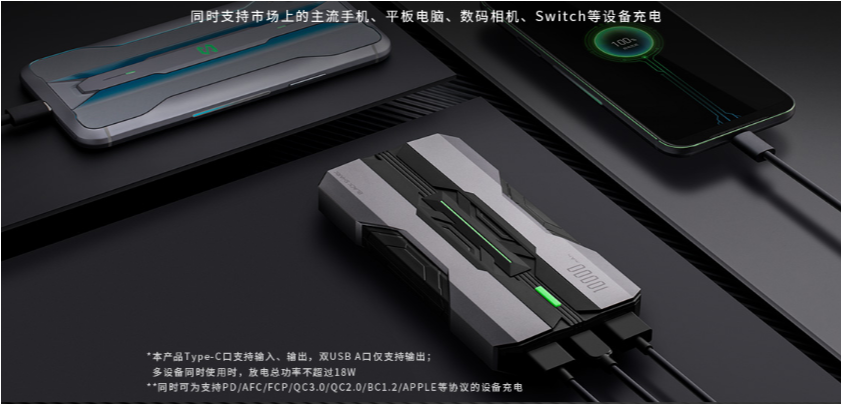
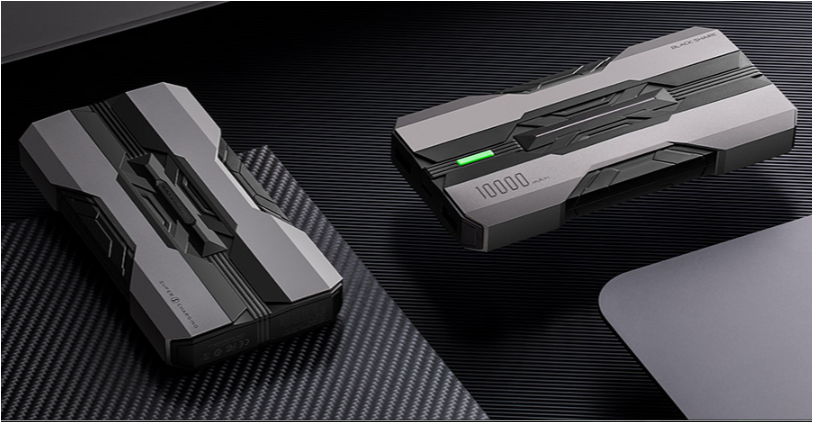
Black Shark’s 10000mAh power bank case comes with a spectacular design. The design looks rugged and may have borrowed some inspiration from Black Shark’s gaming phones. The body is manufactured from rubber and metal. The metal part has a silver coating. The power bank equally has a green LED strip at the centre showing the battery level. At the bottom, there is another LED light which comes on when the power bank is being charged.
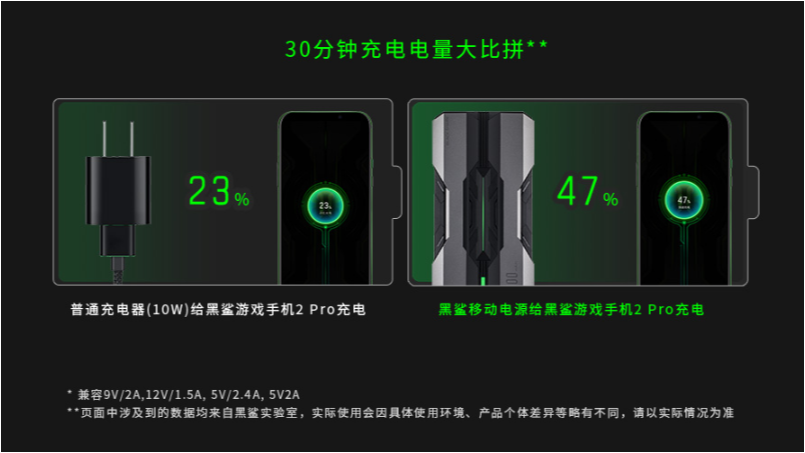
On the internals, the power bank has as its biggest feature the 18W fast charge support and that is bi-directional. In other words, it dishes out 18W maximum power to charge gadgets and when the power bank is drained, it can be charged pretty fast. The power bank features two USB-A ports and a USB-C port which is used to charge the battery. The Type-C port can still be used to charge another device via reverse charging. The company claims, it can charge the Black Shark 2 Pro smartphone up to 47% in just 30 minutes. There is also built-in safety features to prevent from excessive heating, short circuit or overcorrect. There is also a button to slow down the charging speed in case it is being used to charge gadgets like the Black Shark Gamepad or a smart band.
As for the pricing, the Black Shark 10000mAh power bank is already on sale for 119 yuan ($16) via Black Shark’s official website and Mi.com.
In recent times, Meizu has reduced the rate at which it launched new smartphones but the company took the wraps off its first Snapdragon 855-powered smartphone – the Meizu 16s Pro. While the pace of smartphone unveiling has reduced, the Chinese phone maker has not deviated from its spectacular design which has at its bedrock, a resolve to maintain the symmetry of smartphone display. That is what the company did with the new Meizu 16s Pro.
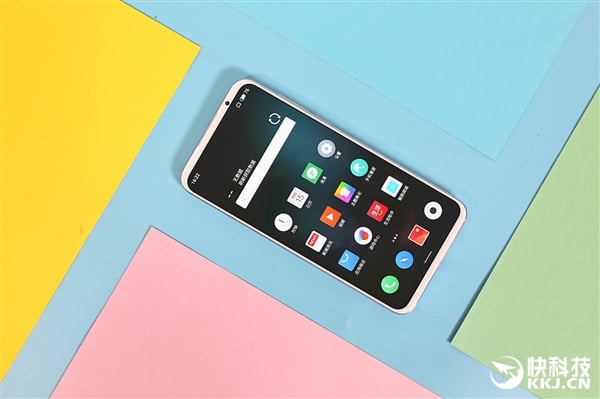
The 16s Pro comes with a spectacular design which in actual sense looks like the Meizu 16. There is no notch at the top of the screen but the device presents with an ultra-thin bezel at the top just wide enough to hold the selfie camera. The bezel at the bottom edge of the display is also the same size as that at the top. The bezels at the sides are almost completely off. But for the white colour of the display edges, it would have been difficult to notice the side bezels.
The Meizu 16s Pro is also a beauty to behold from the rear. The device uses a dual-curved edge design and a glass panel. There is a vertically stacked camera module bearing three camera sensors. The third camera sensor is bordered by Meizu’s patented ring flash, adding to the beauty. The rear cameras are the only occupants of the back panel as the device doesn’t have a rear-mounted fingerprint sensor.
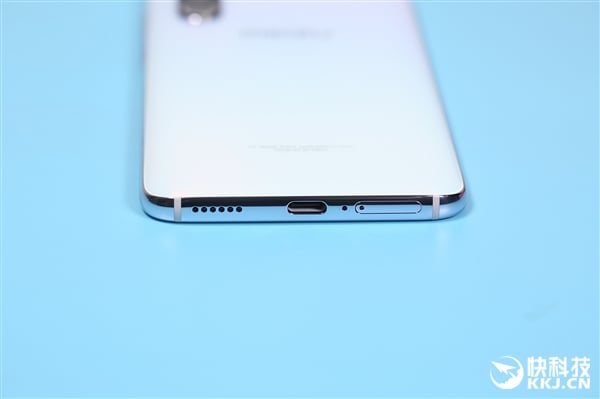
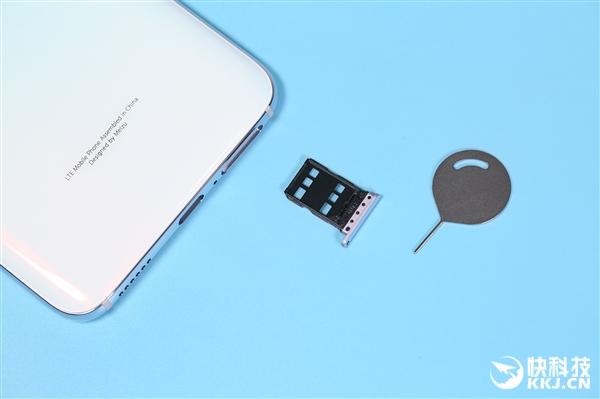
Although the 16s Pro doesn’t use a pop-up selfie camera design, the SIM card slot is moved to the bottom edge flanking the USB-C port. This could be to reduce the size of the device. The 16s Pro is just 7.65mm thick and weighs 166 grams.
To recall, the Meizu 16s Pro packs a 6.2-inch Super AMOLED display with an aspect ratio of 18.6:9 and full HD+ resolution of 2232 x 1080 pixels. The display has a screen ratio of 91.53 percent. The display of the phone is embedded with a Super mTouch in-screen fingerprint scanner. Keeping the lights on is a 3,600mAh battery that supports 24W rapid charging.
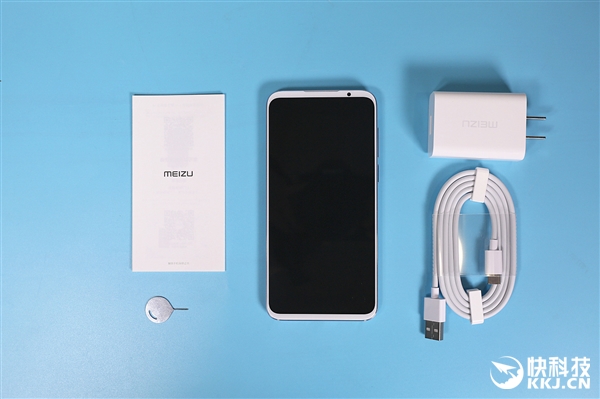
You can find out more about the Meizu 16s Pro specifications, as well as its price and availability from our launch article. You can pre-order the device from Gizmochina’s online shop – Giztop. Meanwhile, check out the Meizu 16s Pro unboxing pictures from the gallery below.
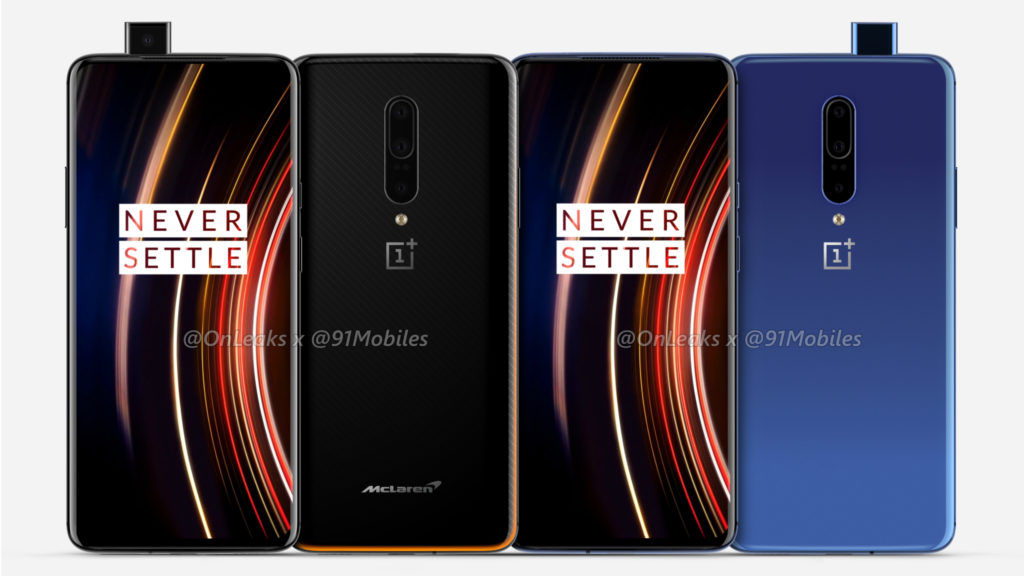
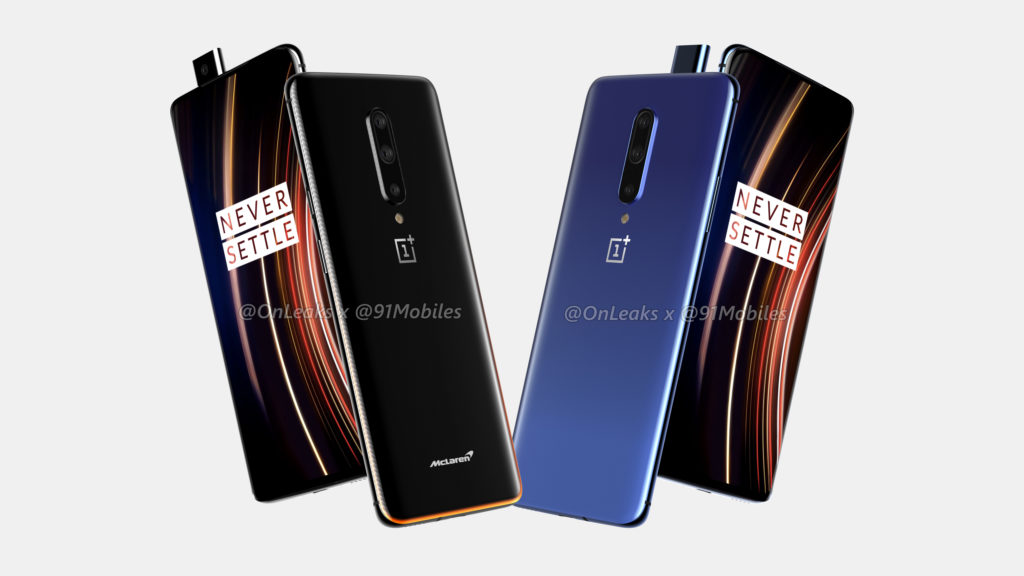
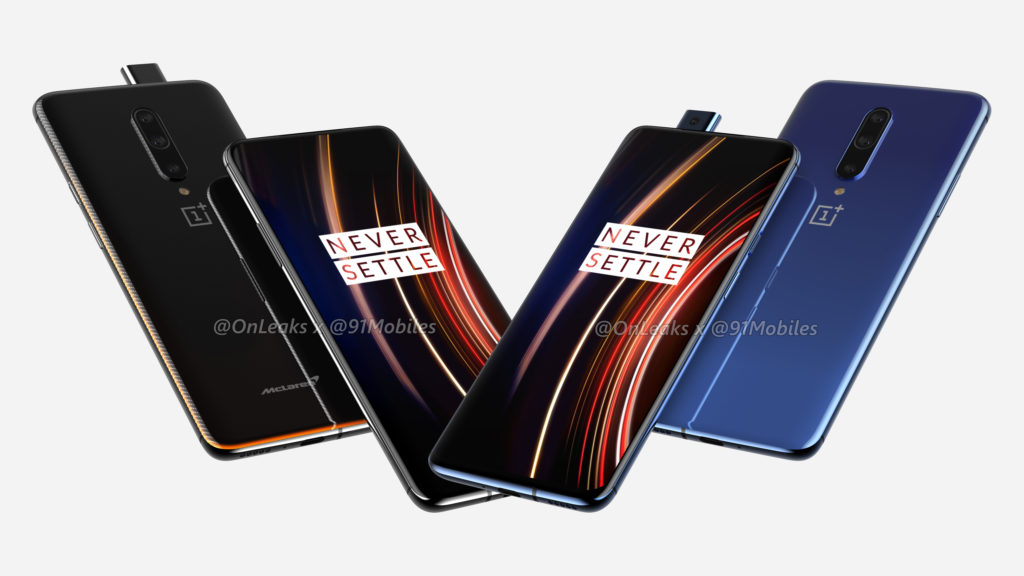
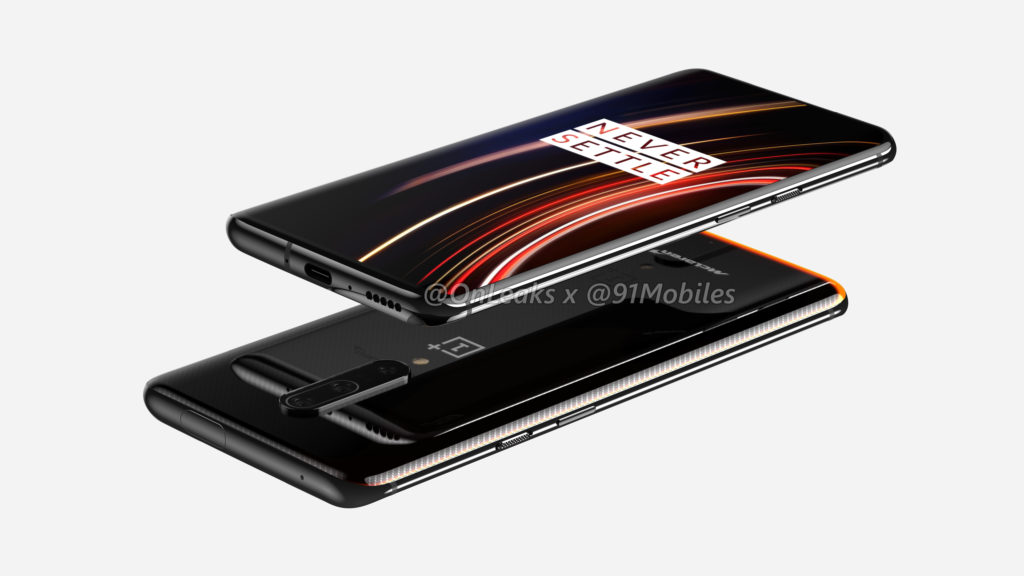
Starting with the renders which are from OnLeaks in collaboration with 91Mobiles, we can see OnePlus is keeping the design of the OnePlus 7 Pro. We have a display that nearly covers the whole of the front of the phone, a motorized pop-up selfie camera, and triple rear cameras arranged vertically in the middle.
The OnePlus 7T Pro McLaren Edition will also have the same design in addition to a textured-pattern underneath the rear glass, the McLaren orange accent, and the McLaren logo at the bottom.
The OnePlus 7T Pro will come in a new Haze Blue color variant shown above. Other than the color change, OnLeaks says the OnePlus 7T Pro and the OnePlus 7T are identical on the outside. What about on the inside?
1 of 3
OnePlus 7T Pro McLaren Edition and OnePlus 7T Pro
OnePlus 7T Pro McLaren Edition and OnePlus 7T Pro
OnePlus 7T Pro McLaren Edition render
According to Max J (@Samsung_News_), the OnePlus 7T Pro and OnePlus 7T Pro McLaren Edition will have a 6.67-inch 2K+ 90Hz curved display. This is the same screen as that of the OnePlus 7 Pro. Under the hood will be the new Snapdragon 855 Plus processor paired with 8GB RAM and 256GB of storage for the base model. There is no mention of other configurations but he adds that the McLaren Edition will be the only one with 12GB of RAM.
OP7TPro / OP7TPro ML. E. : 6.67inch 2K+ 90Hz Curved Screen 4085mAh Warp Charge 30T Snapdragon 855+ 8/256GB (12GB ML. E. only) base 48MP+16MP(UW)+8MP[3x Zoom](TP) Improved cam software as mentioned above Android 10
Both phones will have triple rear cameras – a 48MP primary sensor, a 16MP ultrawide angle camera, and an 8MP telephoto camera with 3x optical zoom. The camera software will be improved, so expect better quality photos. Ishan Agarwal adds in his own OnePlus 7T leak that the Pro will feature a new Macro mode, HEVC, and hybrid image stabilization. It will also have a new Nightscape mode that supports the wide-angle camera.
The OnePlus 7T Pro and OnePlus 7T Pro McLaren Edition will each have a 4085mAh battery, a slight bump over that of the OnePlus 7 Pro. There will also be support for what he calls Warp Charge 30T (no not an error, more info on this below). Both phones will run Android 10 out of the box.
He also revealed the specs of the OnePlus 7T. We already know this as Ishan Agarwal leaked them earlier this week, but there are some new details. For example, the OnePlus 7T will come with a 48MP primary camera paired with a 16MP ultrawide angle camera and a 12MP telephoto zoom camera with 2x optical zoom. The phone will have support for 960fps slow-motion recording at 720p for a duration of 10 seconds). There is also Nightscape 2.
Indeed, #OnePlus7TPro looks similar to the 7 Pro. Most updates on software side, hardware remains same with SD855+ addition. Android 10, 4080mAH Battery. Warp Charge 30T (5V/6A, 0-50% in 20min, 0-100 in 65min) in both 7T Phones. A new Macro mode, HEVC, Hybrid Image Stabilization. pic.twitter.com/OfAXXHMCe1
Most interesting was obviously the normal #OnePlus7T which I told about already a day ago! BTW, Slow motion supports 240 , 480 and 960FPS (for 10 sec., not a 4 sec. gimmick like Samsung phones). Nightscape is getting improved as I told already, with support for Wide Angle Cam. 😀 https://t.co/hH8B49Nxaz
Max J confirms the OnePlus 7T will have a 3800mAh battery and will support Warp Charge 30T. It will also run Android 10 out of the box. Ishan Agarwal adds that Warp Charge 30T charges at 5V 6A and will charge the OnePlus 7T Pro from 0 to 50% in 20 minutes and 0 to 100% in 65 minutes.
The OnePlus 7T and OnePlus 7T Pro are set to launch on September 26 in India before launching in the US and EU in October. They will also launch in China in October.
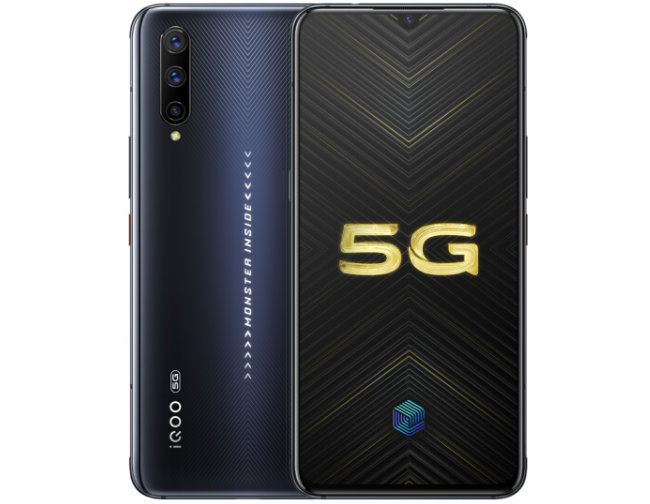
Earlier this month, Vivo released its iQOO Pro 5G model in the market, becoming the cheapest 5G handset in China. We were pleasantly surprised to see the phone priced so aggressively and wondered if anyone could release a cheaper 5G model. Turns out, we might actually see a 5G phone that could beat the iQOO Pro and it could be from Xiaomi.
Vivo iQOO Pro 5G is currently the cheapest 5G phone in China
According to the latest news from China, Xiaomi is planning to release its first 5G handset in China in September. It won’t be the Mi Mix 3 5G that launched in Europe a few weeks back. Instead, Xiaomi will have a new 5G model for the Chinese market. The phone has already been teased by the company, which means a ‘September release’ could be in the cards.
What’s more, it is said that the Mi 9S 5G (that’s probably what it’ll end up being called) will be even cheaper than the iQOO Pro 5G that retails for around $530. This would most likely make it the cheapest 5G smartphone in China at launch!
Just like the iQOO Pro 5G model, the Xiaomi Mi 9S 5G is also said to be powered by the new Snapdragon 855+ processor. The phone’s top-end variant could go up to 12GB of RAM and 512GB of storage. 48MP triple cameras, in-screen fingerprint sensor, 4000mAh battery, and a 20MP selfie camera are all expected to be the part of the package.
Given that Xiaomi has officially confirmed the existence of this device, we should hear more about it very soon. If Xiaomi does have a 5G handset around $500, would you be interested?
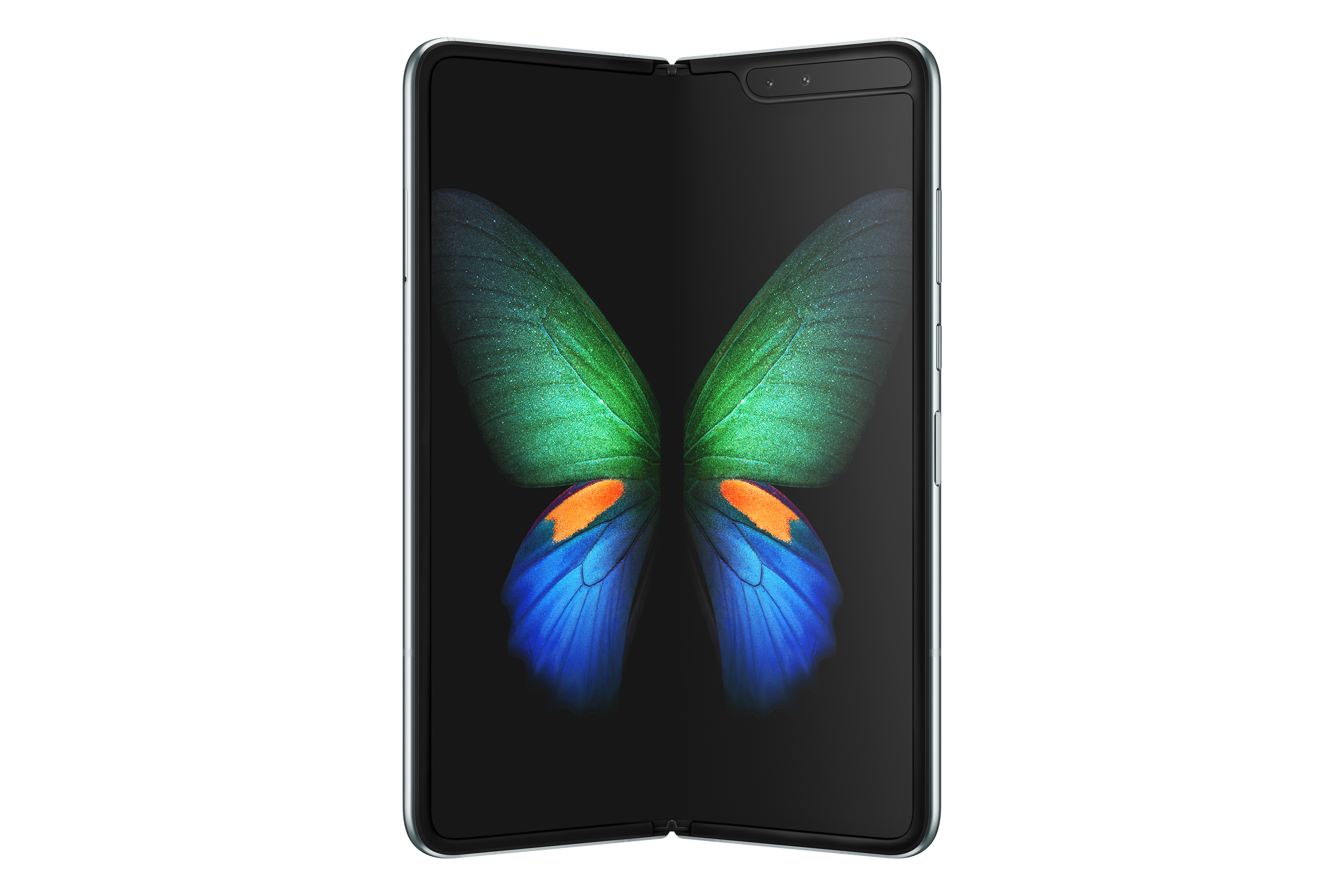
Samsung is finally set to release the Galaxy Fold in the coming weeks. The pre-registration page for the device has already gone live in China and the foldable will launch on September 4 in South Korea. Now that the phone is finally making it to the market, a new report from SamMobile suggests that a cheaper Galaxy Fold device is in the making.
The New Galaxy Fold With Slight Design Changes
The current Galaxy Fold handset is priced at nearly $2000. So even if the phone turns out to be perfect, there will be limited takers for the device. Considering this, it actually makes sense for Samsung to work on a foldable smartphone that’s cheaper and accessible to a larger segment of the population.
Unfortunately, we are not sure whether Samsung plans to use a cheaper design for bringing down its price. However, the same report states that this Galaxy Fold model will have the model number SM-F700F and will come with just 256GB of internal storage. That’s half of what the current Galaxy Fold offers at 512GB. This along with other cutbacks could probably make cheaper Galaxy Fold a possibility.
Even today, foldables are tricky and extremely expensive to manufacture. But as the technology matures and as engineers come up with cheaper alternatives to existing solutions, there’s no doubt that we’ll see significantly cheaper foldable smartphones make it to the market in the coming years.
Xiaomi‘s ecological chain enterprise Shanghai Runmi Technology has got a wide catalogue of products under its name ranging from backpacks to sportswear and sweater. But the company’s range of suitcases and backpacks are its most popular products yet. Runmi Technology has now unveiled the 90-points Youth College Backpack.
The backpack is a relatively cheap product considering it comes with a 129 yuan (~$18) price tag. The backpack adopts the usual minimalist design that Xiaomi’s products are known for. Though the design is simple, the backpack is sleek with a classic, and wild style. It is also lightweight, weighing just 380 grams and so, is suitable for use by both males and female folks. It comes in six (6) different vibrant and stylish colours which match different classes of backpack users including students and office workers.
The backpack is made of nylon fabric which is treated with a water washing process. Thus, the surface of the fabric forms a three-dimensional natural texture which is also soft. It uses S-type comfortable straps which reduce the tension on the shoulders. The strap also contains high-elastic pearl cotton, to relieve the effect of gravity. The backpack has a 15L capacity with enough space to hold gadgets. There is a rear computer compartment that can hold a 14-inch laptop. There is also a small compartment that can be used to place small items such as wallets and power bank for easy access. There is a side pocket at the right side which can be easily accessed without the need to open the main compartment. The compartment can hold a water bottle, umbrella or other items.
The backpack comes in six cool colours; pink, deep red, khaki, light blue, navy, black. The light blue and khaki colour variants will go on sale on September 3 while the other four colours are currently on sale on Mi.com.
HMD Global’s Nokia is back and it seems the company is back with a vengeance. The Finnish company launched its first-ever Android-powered smartphones in 2017 and since then, it has continued to churn out amazing smartphones. In order to make its mark in the global smartphone market, the company’s strategy wasn’t centred on launching new models regularly, neither did it rely on the nostalgic feeling the brand elicits. Instead, the brand indicated that t would push software update promptly to its smartphones.
Nokia has so far kept with that promise and its effort has not gone unnoticed. Market research firm Counterpoint has crowned the Finnish company as the global leader in smartphone update and security. According to findings contained in Counterpoint Research’s latest whitepaper titled Software and Security Updates: The Missing Link for Smartphones, nearly 96% of Nokia smartphones, sold cumulatively since Q3 2018, is already running on Android Pie or have had an Android Pie update issued to them. This makes Nokia the fastest brand to reach this level.
Highlighting the whitepaper findings, Research Director, Peter Richardson, noted, “Operating system and security updates are an aspect of Android smartphones that get relatively little attention. In our experience researching the industry, we have seen few brands focusing on this. And perhaps because manufacturers are not talking about it, consumer awareness is also low. It doesn’t appear among the ten features consumers say they care about most, in our research.”
Apart from Nokia, other brands with impressive update pace include Samsung, Xiaomi, Huawei, and Lenovo. Since consumers have started to keep their smartphones for longer, it is just important that OEMs keep their models updated regularly.
Banggood’s 13th anniversary is just around the corner, and the Chinese online store is leaving no stone unturned to give its loyal users something to cheer about ahead of its red-letter day.
Keeping in line with that, Banggood is now doling out a whopping 50 percent off on a wide selection of RC toys. Dubbed as the RC Toys Robots Hobbies Sale, this recently kicked-off promo features amazing products that you can buy without emptying your pockets from the activity page.
Starting today, August 30th, Banggood users can get a 15% Off Brand Coupon, and a 50% Off Daily Coupon will be made available to them from September 2nd. Aside from that, there’s a $0.1 Anniversary Gift you can get on September 5th, and free orders, along with 70% off from September 9th to September 12th.
Likewise, you can use coupon code BGeach10 to get a 10 percent off on products from Eachine, and coupon code BGfrsky10 for a 10 percent off on Frsky branded items. You can use coupon code BGrunc15 to save 15 percent on items from Runcam.
A myriad of other products bearing lowered price tags has carefully been added to specific categories to expedite the search process. The first section called Anniversary Special Offer features the FIMI X8 SE RC quadcopter, which usually retails for $599.99 can be yours for only $424 if you apply coupon code BGFIMIX8SE10 at the time of checking out.
In addition to that, you can avail noteworthy discounts on various other toys and accessories including the 5.8Ghz 48CH FPV Goggles, the ACCST Taranis Q X7 transmitter, and more. The next section called Daily Flash Deals has been divided into four sub-categories each comprising four products, some of which you can buy for lowered prices between specific period i.e. Aug 30-Sep 01, Sep 02-Sep 04, Sep 05-Sep 09, and Sep 10-Sep 12.
The following category dubbed Exclusive Coupon Zone is teeming with high-end products that have been assigned coupon codes. Top two products in this category will carry 50 percent discount that you can get by using coupon codes.
The aforesaid coupons will only be valid for 50 pieces, and the discount will be available every 2 days. Based on the first-come, first-served basis, this activity will begin on September 2nd and come to an end on September 9th.
Drone enthusiasts can head straight to the RC Drones Zone and RC Parts Zone to get their hands on popular drones and accessories for lowered prices. The RC Drones Zone has been split into two sections including RC Quadcopters & FPV Racing Drone, and RC Hell & Airplane.
Likewise, the RC Parts Zone is also divided into two categories including FPV & Battery & Radio, and Other Parts so that you can find exactly what you are looking for without breaking much of a sweat. Note that products available under these two sections carry great discounts, but only for a limited period.
The Toys Hobbies Zone is teeming with all sorts of items that have been added to the RC Vehicles & Robots, and Toys & Musical Instrument sub-categories to expedite the search process. Brand conscious buyers can head straight to the next section called Featured Brands, where they can buy all sorts of items from leading manufacturers like Eachine, URUAV, FrSky, and JRC at unbeatable prices.
Those on a tight budget might want to check out the concluding category called First 50 Get Extra Coupon for a chance to save more money. There’s an extra 20 percent available on select items with coupon code BGextra20 for August 30th.
All items that will be included under this section on September 4th will be assigned a 30% Off Coupon, and products included on September 9th will carry a 40% Off Coupon, giving you a chance to save more money before checking out. On September 10th, you will be able to get an extra 30% off with another coupon.
To ensure you do not end up missing this awesome opportunity to buy popular toys, RC drones, and accessories at considerably reduced prices, all you need to do is to follow this link without wasting time.
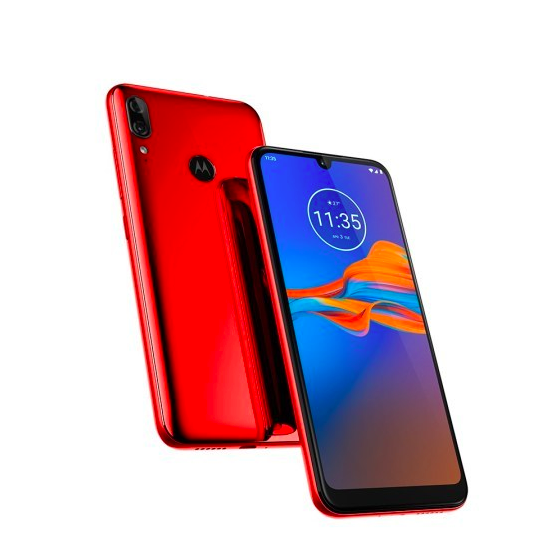
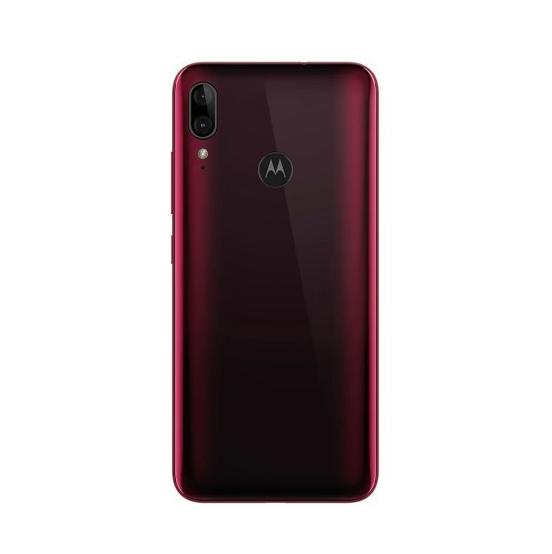
Remember the Moto E6 Plus that was spotted in a couple of live images? The same phone is now seen in a bunch of decent renders online. These marketing renders, shared by Winfuture.de, reveals that the phone will come in three different color options: Cherry Red, Gunmetal Gray, and Graphite Gray. It also confirms that the basic design of the handset is similar to what we saw in the live images last week.
The Moto E6 Plus will come with a dual-camera at the back. The company’s E series has always been a budget lineup, so the setup will reportedly comprise of a 13MP sensor with an average 2MP secondary sensor for portraits. There should be a fingerprint sensor inside that Motorola logo. The front features a notch that reportedly houses an 8MP shooter. Inside, the phone is said to come with the MediaTek P22 chipset with 2GB /4GB RAM and 32GB / 64GB ROM that’s expandable via MicroSD.
Moto E Plus models have always featured large batteries. So expect the E6 Plus to come with a 4000mAh+ battery on board. The renders also confirm a MicroUSB port at the bottom.
Ulefone recently pulled off the wraps from Ulefone T2 smartphone carrying a high-end camera module and elevated high-performing hardware. In a recent performance test video, the Ulefone T2 can be seen playing around several benchmarks apps such as AnTuTu, 3D Mark, Geekbench. The video also showcases the performance of different apps in different scenarios such as performance while gaming and app launch test.
Being from the mid-range segment, the Ulefone T2 can be seen outperforming its competitors by huge numbers. It has scored 143,492 points in ANTUTu benchmarks test whereas at 3D Mark it received a score of 1391 points. Ulefone T2’s Helio P70 AI processor delivers up to 30% more AI processing efficiency than the previous P60. It has significantly scored well then the Qualcomm Snapdragon 660 scores. It can deliver a highly responsive and fluidic gaming experience. It is power efficient and more powerful SoC.
Ulefone T2 boasts ultra-large 6.7-inch FHD+ screen having an aspect ratio of 19:9. The wider display provides a broader viewing experience with 93.5% of screen-to-body ratio. Ulefone T2 comes with up to 98% NTSC ultra-wide color gamut. It is powered with the MTK Helio P70 AI chipset with 6GB of RAM and 128GB of internal storage, and fashionable 3D glass back covers with gradient colors, 4200mAh battery with 9V2A fast charge. It also supports 256GB external storage via microSD card.
It is housed inside a beautiful metal frame with 3D glass over the display to ensure premium build quality. In Optics, the device hosts a dual rear camera featuring a 16MP primary lens and an 8MP secondary lens for clear and crisp photography. The rear camera also supports multiple modes such as aperture, panorama, professional, monochrome, etc. An 8MP selfie camera is present on the front side with beauty and monochrome mode.
Other features include a 4200 mAh battery, FaceID, and Fingerprint Sensor, NFC, and Google Pay support and smart audio.
The presales for Ulefone T2 will last until August 31st at a discounted price of $269.99. The buyers will also get an extra gift bag, including a phone case and protective film. The interested users can buy it from their official store.
Those who want to try their luck, they can also join the giveaway to win the T2for free. More details can be found on the official website.
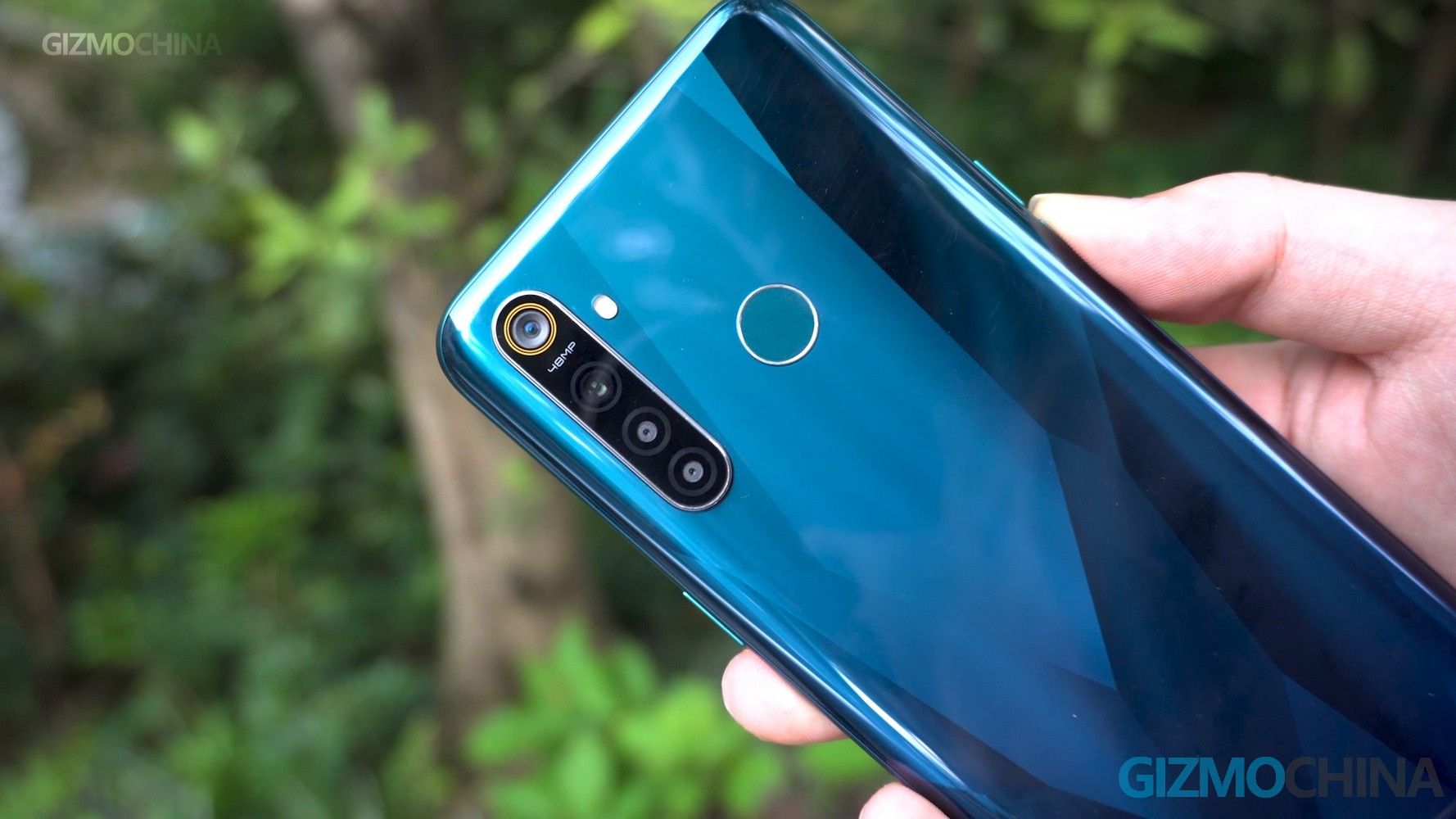
Realme’s growth has been pretty astonishing so far, especially since it is just over a year old. Within this time span, it has grown from a small-time sub-brand of OPPO to one of the most sought out smartphone makers in the budget and mid-range segment. And turns out, it has got sales figures to back its popularity. According to counterpoint’s Q2-2019 Market Monitor report, Realme has climbed into the top 10 smartphone OEM club.
Realme 5 Pro
For a company that came into existence just last year, this is indeed a tremendous achievement. However, this isn’t entirely surprising. Realme had announced earlier this month that they had shipped more than 10 million smartphones worldwide in a matter of 14 months.
With so many powerful models incoming for the mid-range segment, the company seems to have some really strong plans to take on the Redmi brand in the budget and the mid-range market. If Realme can grab even a small chunk of this market from Redmi, it is all set to sell a few more million smartphone units by the end of the year.
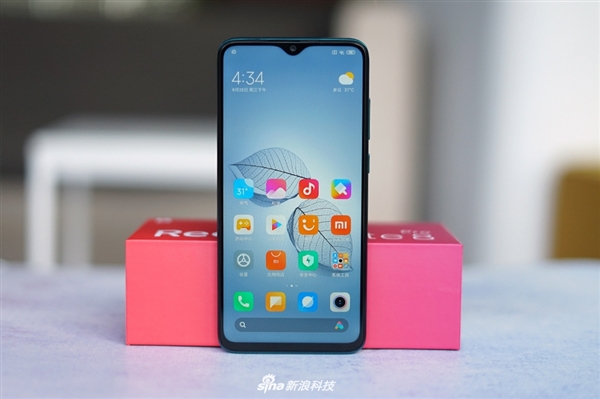
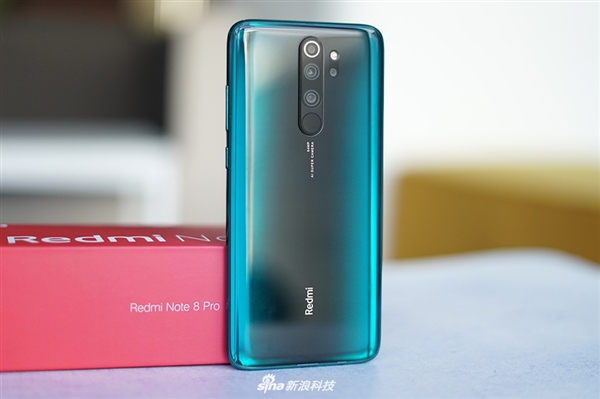
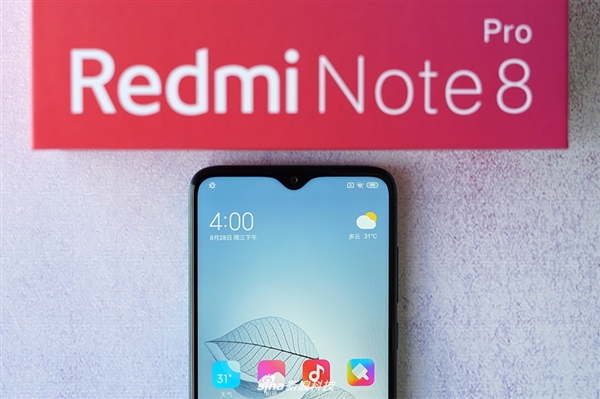
Xiaomi’s Redmi brand took the wraps off the premium mid-range Redmi Note 8 Pro in China yesterday. The device was launched alongside the Redmi Note 8 but there is no dispute that the Redmi Note 8 Pro holds the ace.
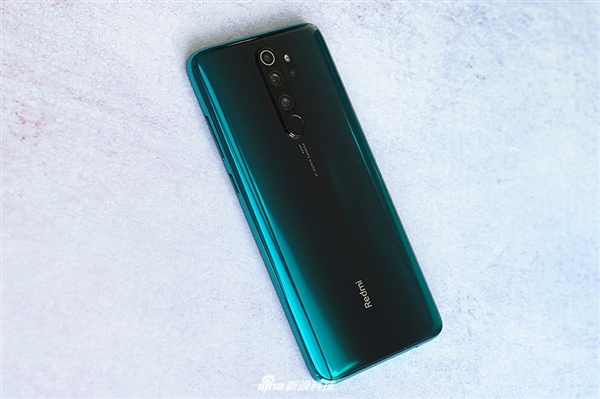
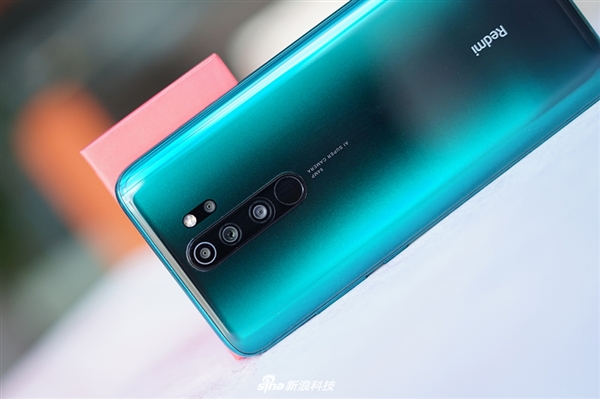
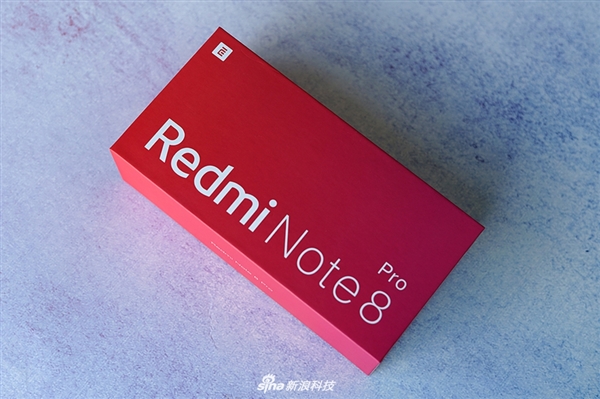
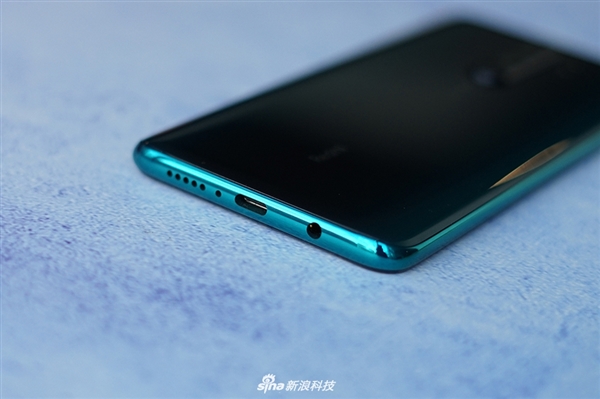
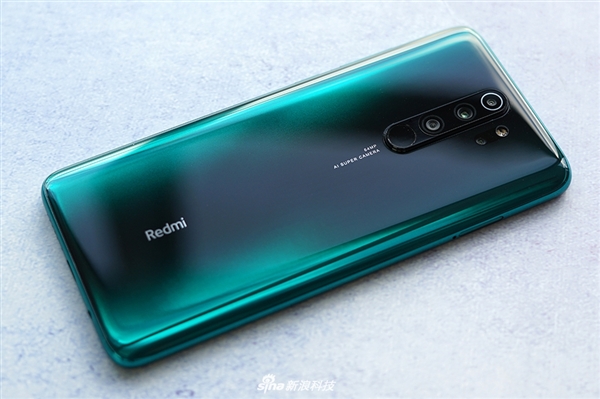
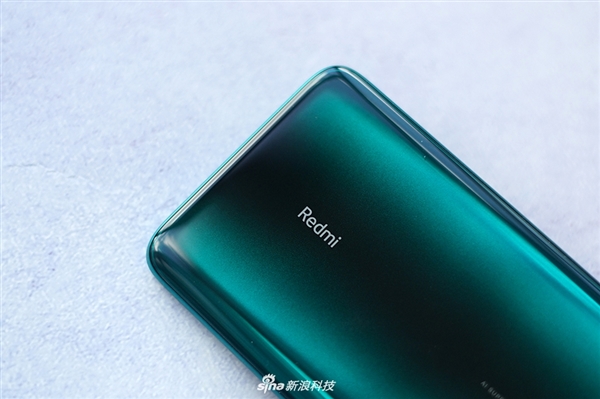
In terms of the design, the build quality, hardware configuration and more, the Note 8 Pro promises to be a top-seller. The demand is expected to hit the roof and that may be why Redmi’s GM Lu Weibing hinted during the launch that the device will not be launched in India any time soon. Fans in India will have to wait for the next 2-3 months before the device will be launched over there. While we wait, here are a couple of hands-on/unboxing pictures of the Redmi Note 8 Pro in all its glory.
To recall, the Redmi Note 8 Pro sports a 6.53-inch IPS LCD display with full HD+ resolution of 1080 x 2340 pixels and 91.4% screen-to-body ratio. The screen has the waterdrop notch design where the 20MP selfie camera is housed. The phone also comes with an IP52 splash resistant body and TUV Rheinland certification for the display meaning it filters harmful blue rays. The device is wrapped with Gorilla Glass 5 panels at the front and rear.
The premium model is powered by a MediaTek Helio G90T processor paired with 6GB/8GB RAM. The handset comes in 64GB and 128GB storage options. There is equally a dedicated microSD card slot for expansion.
For photography, the Redmi Note 8 Pro packs a quad-camera setup at the back. The cameras are stacked vertically with three sensors and the rear fingerprint sensor in one module while the fourth sensor is at the right side in the same plane with the LED flash. The quad-camera setup includes an f/1.7 aperture 64MP ISOCELL Bright GW1 as a primary lens, an ultrawide lens of 8MP, a 2MP macro lens with 2cm focal length and a depth sensor of 2MP. The mains lens that has a large pixel size of 1.6micron can capture high-resolution images of 9248 x 6936 pixels. The Note 8 Pro can shoot 960fps slow-motion videos.
The device gets its power from a 4,500mAh battery that carries support for 18W fast charging. The Note 8 Pro also comes with liquid cooling technology which can be found in popular gaming smartphones. The antennas of the phone are arranged smartly inside the phone so that it does not obstruct signals while holding the device in landscape mode while playing games. You also get a superlinear speaker with smart PA, NFC, IR blaster, dual 4G VoLTE, Wi-Fi 802.11ac, GPS, USB-C and 3.5mm audio jack onboard. It runs MIUI 10 based on Android 9 Pie and features Game Turbo 2.0.
Pricing starts at 1,399 Yuan (~$195) for the 6GB+64GB variant. The 6GB+128GB variant is priced at 1,599 Yuan (~$223) while the 8GB RAM + 128GB storage comes in at 1,799 Yuan (~$251). The device is available in Ice Jade, Fritillaria White and Electro-optic Ash. Here’s the Ice Jade variant in pictures.
Smartphones are getting bigger with the display covering almost entire front portion. Displays on the latest smartphones are vibrant, accurate, and beautiful longing us to spend more time in front of it. Nonetheless, we’re ignoring the fact about how much strain we impart to our gifted eyes. Since the smartphone has become inevitable in our daily life, it won’t be viable to say no to smartphones. However, there are some steps which you may follow to keep your eyes happy while viewing.
Here, we’ll go through certain ways by which strain on eyes can be reduced while using smartphones. As a quick disclaimer, by following the below-given habits or actions, it doesn’t mean you can keep yourself in front of a smartphone for eternity or like that. Anything in excess is poisonous, and the mantra should be in our mind always.
That being said, let’s dig into some healthy habits and changes that we could adopt or do for the betterment of our eyes.
Ways to Reduce Eye Strain
1. Hold your smartphone at a distance
The human eye is a marvel of nature. With a range from nearly 1cm and to infinity, it enables us to see this beautiful but challenging world. Although we can perceive an object close to our eyes, there is a term called Near the point of the human eye. It is the minimum distance, at which objects can be seen most distinctly without any strain. Near point of the human eye is normally 25cm.
So, as we know for a human to perceive an object clearly it should be kept at a distance of at least 25cm away from the eye. It holds good in the case of smartphone viewing as well. While looking at your phone, don’t let the display to be so close to your eyes. To be precise, there should be at least 25cm gap between you and the smartphone so that you get a better view without hurting your eyes.
2. Keep the brightness level adequate
Well, human eye perception differs from person to person. So it’s useless to precisely determine a specific set of brightness level which may not hurt the eyes. We recommend our viewers to adjust the brightness in accordance with how your eye/pupil reacts. If you feel that beyond a certain level of brightness your eyes are taking the stress and struggling then lower the brightness down to 5-10% from the current level.
The above case applies to daylight when the ambient light changes quite often. At night time and in a pitch dark room, it’s recommended to keep the brightness low as possible.
3. Turn on Dark Mode or Bluelight filter if available.
Modern smartphones come with special features which should help our eyes to an extent. Lately, we’ve seen many manufacturers promoting Night Mode, Bluelight filter, and similar UI modes to help us read better in the night time and reduce eye strain. Make use of them quite often and whenever necessary.
4. Blink eyes frequently
Most of us are no less than a mannequin while using a smartphone. Our head is likely to turn into a rigid body with literally few or no noticeable motion. While being fully immersed in the smartphone we even forget to take a blink. There is nothing other than this which push the eyes to fatigue within no time.
Hence, whenever doing an essential job with the smartphone do take time time to blink eyes quite often. How much time it’d take for a blink, not even a second isn’t it?
5. Avoid smartphones in bed
We agree; it’s the most comfortable place and position for playing with smartphones. I, you and we all like to chat bedridden. But, the fact is we’re so reluctant of the well-being of eyes by doing so. Ophthalmologists strictly advise not to read even books while lying on the bed. When you read from a supineposition, the eyes have to focus upwards, and this less-than-optimal angle can cause severe eye strain if you’re doing this for a prolonged period.
Also, avoid reading prone position it too is not suitable for our body as a whole and can result in neck/back pain. So avoid smartphone on bed altogether.
Apart from the above precautions, there do exists many which you can make a part of your life for better well-being, such as:
Cleanse your eyes with lukewarm water quite often.
Consume Vitamin-A rich foods and avoid junks
Practice eye exercises
Minimize glare and tweak your text size and contrast for your eye comfort
and much more little too big things which may help your eyes in the long run.
By following the above practices and making it a part of your life, you’re giving your eyes a fair chance to be healthy as long as you live. Indeed, we never realize the importance of a thing until we lose. We’re fortunate to have healthy eyes, which is invaluable. The ball is now in our court, and it’s our responsibility to make use of it wisely. Stay safe and stay healthy.
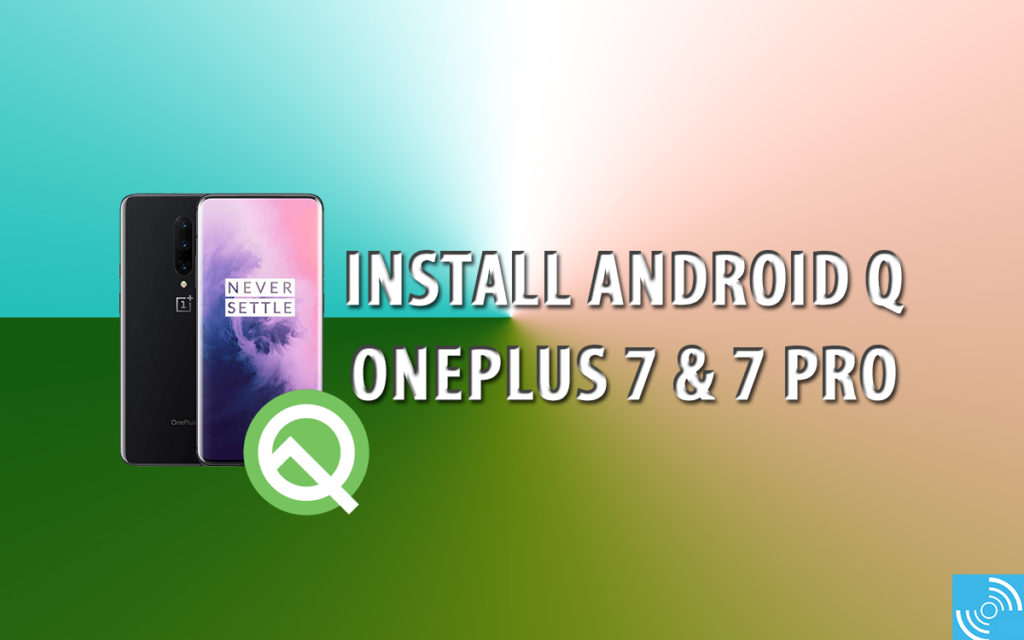
OnePlus 7 and 7 Pro are the best ever smartphones until now from the OnePlus. Both the devices come with Android Pie out of the box but they also have official Android Q beta builds. Thus, if you were looking for how to install Android Q on OnePlus 7/7 Pro, then you have come to the right place. Here in this post, we will guide you step by step to install Android Q on the OnePlus 7/7 Pro.
OnePlus 7 Specifications:
OnePlus 7 is the successor to the OnePlus 6T which was launched in Q4 of 2018. It shares the same design of its predecessor sans new camera setup and processor. Under the hood, it is powered by the Qualcomm Snapdragon 855 processor with 6GB/8GB RAM and 128GB/256GB ROM. At the front, it sports a 6.41 inches FHD+(1080 x 2340 pixels) AMOLED display with a notch that houses a 16MP sensor. Also, the fingerprint sensor is beneath the screen similar to its predecessor.
The device features a glass build with a dual-camera setup at the back which includes a 48MP Sony IMX586 sensor and a secondary 5MP depth sensor. It also has stereo speakers with Dolby Atmos for the better audio experience. Other than that, the phone runs on OxygenOS based on Android Pie with a 3,700 mAh battery running the show. Luckily, the phone supports OnePlus Warp30(30W charging) technology to juice it up quickly.
OnePlus 7 Pro Specifications
The OnePlus 7 Pro is the most ambitious smartphone from the Chinese phone maker yet. It features a 6.67 inches QHD+(1440 x 3120 pixels) AMOLED display with 90Hz refresh rate at the front. The display is even curved at both sides like the flagship Galaxies from Samsung. Since the whole front of the device is equipped with the display, it comes with a 16MP pop-up camera for selfies, video calls, and face unlock.
As for the processor, the device comes with Qualcomm Snapdragon 855 chipset coupled with 6GB/8GB/12GB RAM and 128GB/256GB ROM. The back of the phone is made of glass and houses a triple camera array which includes a 48MP Sony IMX586 sensor, 8MP telephoto snapper, and a 16MP ultra-wide sensor. Other features of the phone include stereo speakers with Dolby Atmos. It has all the essential sensors including an under-display optical fingerprint sensor.
The phone runs on OxygenOS based on Android Pie out of the box and is backed by a 4,000 mAh battery. Fortunately, the massive battery can be tanked up with the in-box OnePlus Warp30 (30W charging) charger.
Note: Your OnePlus 7/7 Pro will be factory reset. Hence, make sure to back up your data before proceeding. Also, the Android Q build may not be suitable for regular daily use, so be cautious. GizmoChina.com will not be responsible for any damage to data and device, you’re proceeding at your own risk.
Guide to install Android Q on OnePlus 7/7 Pro
Prerequisites:
Android Q Developer Preview 4 update file
Minimum 30% charge for safety
Minimum 3GB of free storage
Update Changelog:
System functions improvement
System stability improvement
Bugs:
Application compatibility problems
Low probability of system lag and stability issues
Google pay not working
The stored fingerprint will be reset, need to set it up again
Random artifacts on corners of the display at times
Crackling of audio at maximum volume on OnePlus 7
WiFi display not working
Some games crash while using Game Space
Two different shades of grey (Reboot to resolve)
A bug report has stopped notification (Go to the respective app and clear data)
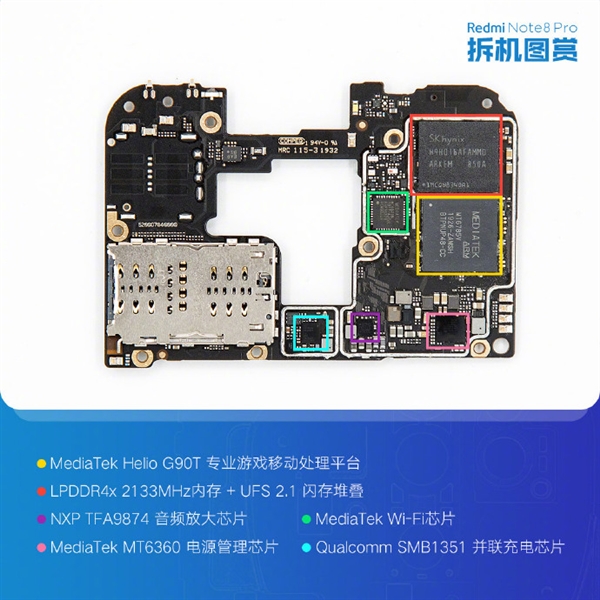
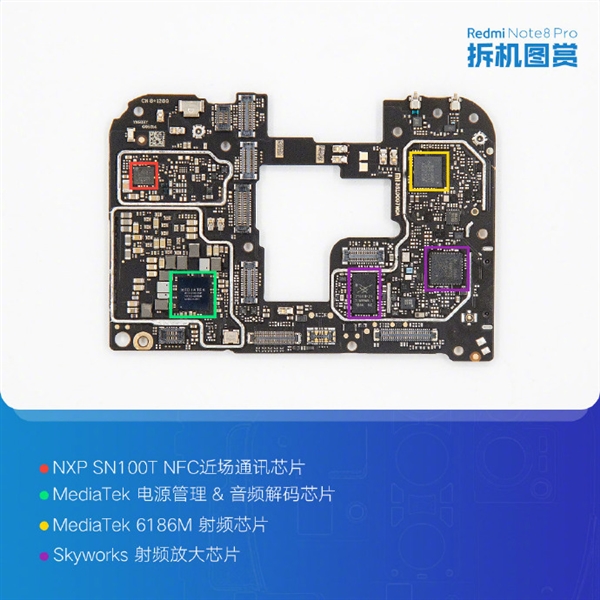
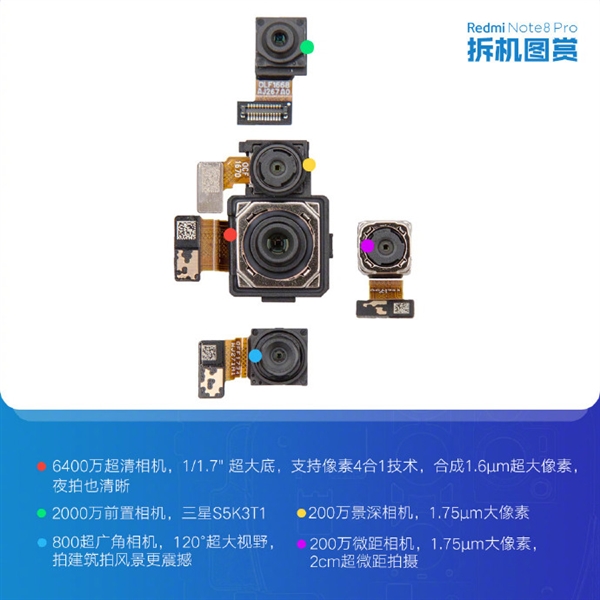
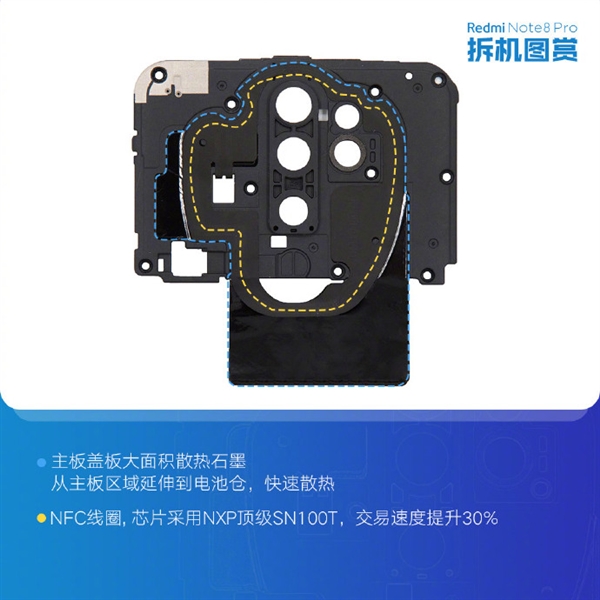
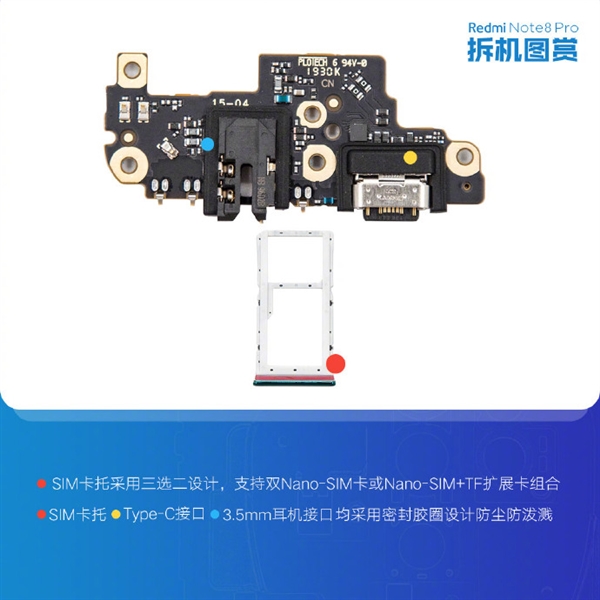
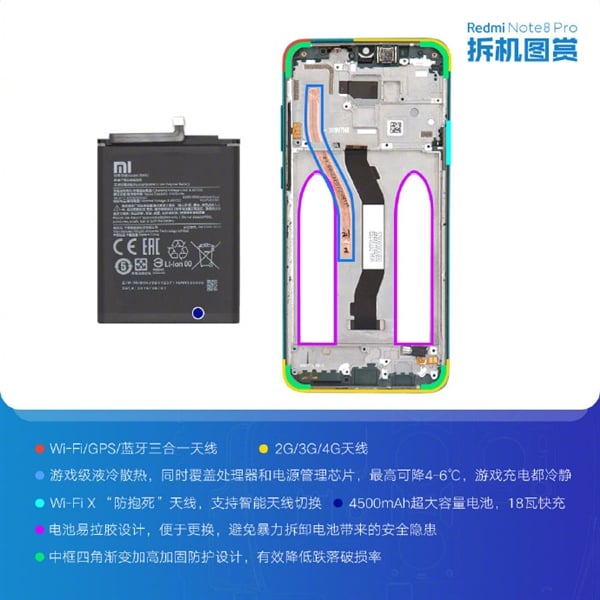
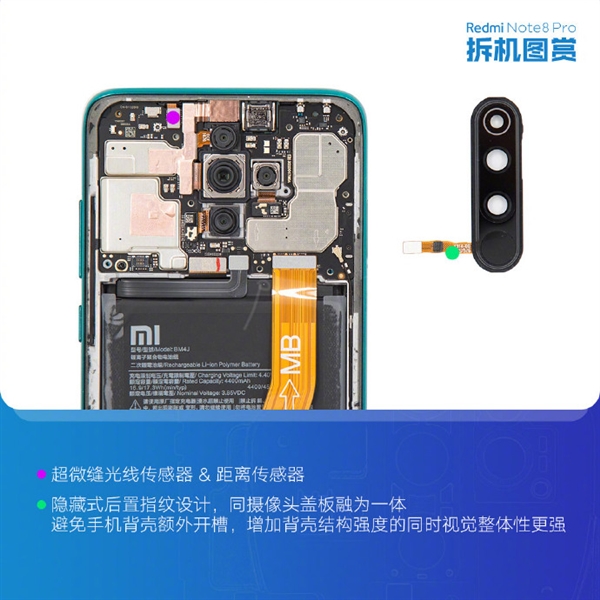
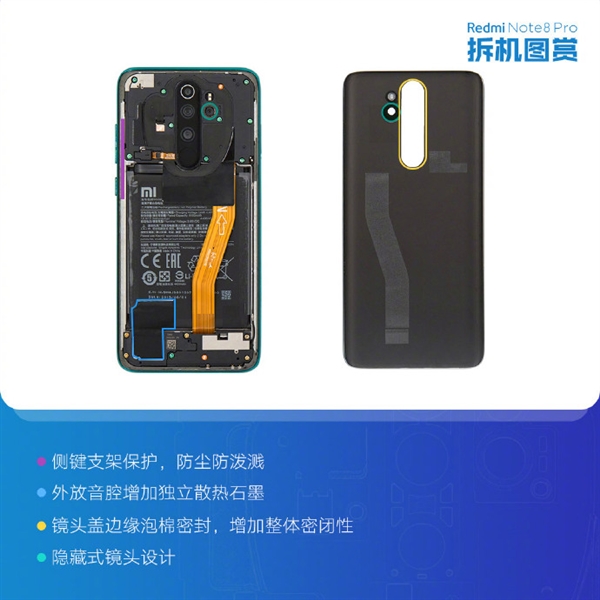
Redmi yesterday unveiled the Redmi Note 8 Pro alongside the Redmi Note 8 in China. As expected, we will be seeing more of the models in terms of promotional materials. One of the ways Redmi has chosen to promote the model is by releasing the teardown images of the device showing the internals.
The Redmi Note 8 Pro comes with a number of firsts which are revealed by the teardown. The premium mid-range model is the first phone to use MediaTek’s Helio G90T chipset. The device is also the first phone to use the 64MP ISOCELL Bright Samsung GW1 sensor which is the main sensor in a quad-camera setup. The teardown also shows the remaining rear cameras as well as the selfie cam. The Note 8 Pro uses a liquid cooling technology which can be found in popular gaming smartphones.
The Redmi Note 8 Pro packs a 6.53-inch IPS LCD display with a waterdrop notch. It supports full HD+ resolution of 1080 x 2340 pixels an has a 91.4% screen ratio. The TUV Rheinland certification for the display ensures that it filters the harmful blue rays. The front and rear sides of the phone is safeguarded by Gorilla Glass 5 panels. The phone equally packs a 4,500mAh battery that carries support for 18W rapid charging.
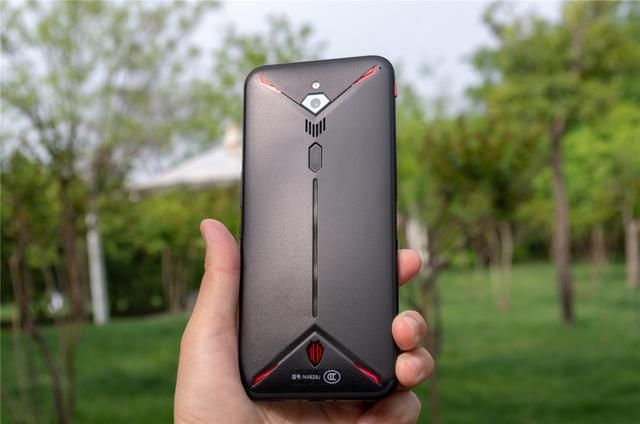
Chinese phone manufacturer known for its gaming line up Nubia has released a poster that points to the launch of a new gaming phone scheduled for September 5. The phone is the Nubia Red Magic 3S gaming mobile phone.
Back Side of Red Magic 3
Little is known about the device as the launch poster did not reveal much. But before now, the Red Magic 3S had earlier been tipped to launch in September. The device was also tipped to feature Qualcomm’s best chipset onboard.
The new teaser poster suggests it will come with an air cooling system. There is no doubt that the Nubia Red Magic 3S is an offshoot of the Red Magic 3. Thus, the device is expected to continue with the heat dissipation design of the Red Magic 3. The Magic 3 features the industry’s first cooling fan inside which doesn’t use any physical bearings and is made out of nanomaterials. The company says that the fan runs at 14K RPM and consumes very little power. It is supported by a liquid-cooled copper tube to keep the temperature inside cooler.
In terms of specifications, the Nubia Red Magic 3S is expected to pack a Qualcomm Snapdragon 855+ chipset which is an upgrade of the SD855. The Snapdragon 855+ chipset upgrades the CPU (2.96GHz clock speed vs 2.84GHz on SD855) and GPU (15% faster) while retaining most of the features of the original SD855. So Nubia is looking to take advantage of the increased performance of the new gaming-centric processor on its new model. The device is also expected to pack a large-capacity battery, possibly retain the 5000mAh capacity on the Red Magic 3.
Ever since the US trade ban, Huawei’s global sales have taken a hit. The company’s market share and shipments in Europe have declined and it looks like its global prospects are still uncertain. The temporary license that was granted to the company back in May has been extended. But considering how it applies to only existing products, the brand’s new models like Huawei Mate 30 series are going to be affected by this trade ban.
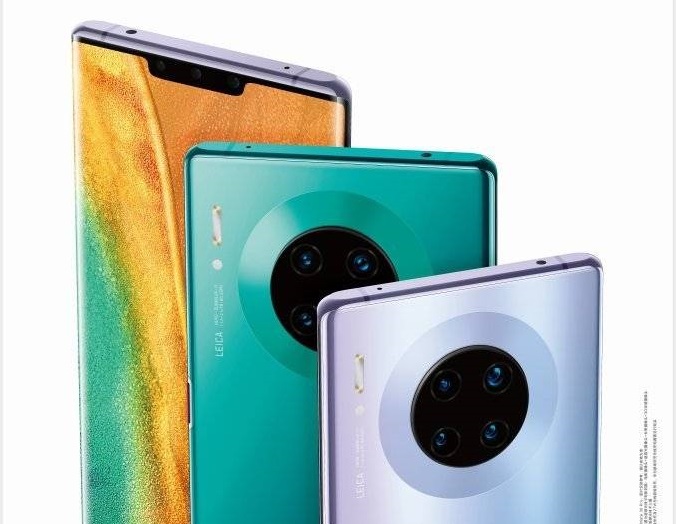
Mate 30 Pro’s expected design
The Mate 30 series is the first major flagship lineup from Huawei after the trade ban came into effect in May. The phone is set to take on the likes of the Samsung Galaxy Note 10+ and the upcoming iPhones with a powerful camera setup and a waterfall display. However, the phone’s global prospects look dim as South China Morning Post reports that Huawei could delay the global release of the handset due to the trade ban.
While Huawei has been scrambling to stabilize its supply chain with non-US based replacements, the software is one area where there aren’t any viable replacements. Essentially, Android is an open-source platform, so the Mate 30 series could use an unlicensed version of the OS. However, without Google Services onboard, which has become a very important aspect of Android for international users, global sales are definitely going to take a hit.
Even if Huawei decides to use its self-developed HarmonyOS, that still doesn’t solve the issue of the lack of Google Apps. So for now, HarmonyOS doesn’t look like a viable solution to the problem. If we don’t see a change in the current situation between the US and China, Huawei will have to be prepared to take a significant hit in its overseas sales.
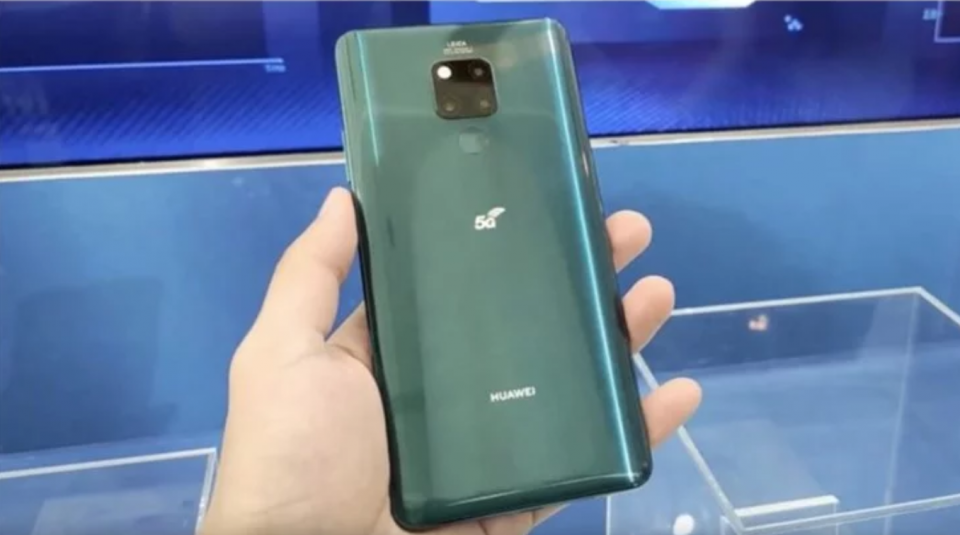
Mate 20 X 5G recent went on sale in china
It could offset some loss with a more aggressive China strategy. In fact, a recent Canalys report indicates that nearly 64 percent of Huawei’s global sales were from China in Q2 2019! We could see this figure further go up very soon as Huawei aims to grab nearly 50 percent of the market share in China by the end of this year, up from 38% right now.
Xiaomi doesn’t let its huge fanbase down in terms of offering high-end electronic products that suit their fancy. The Chinese electronics giant offers a wide range of smartphones, smart wearables, and even electronic scooters that boast an array of impressive features.
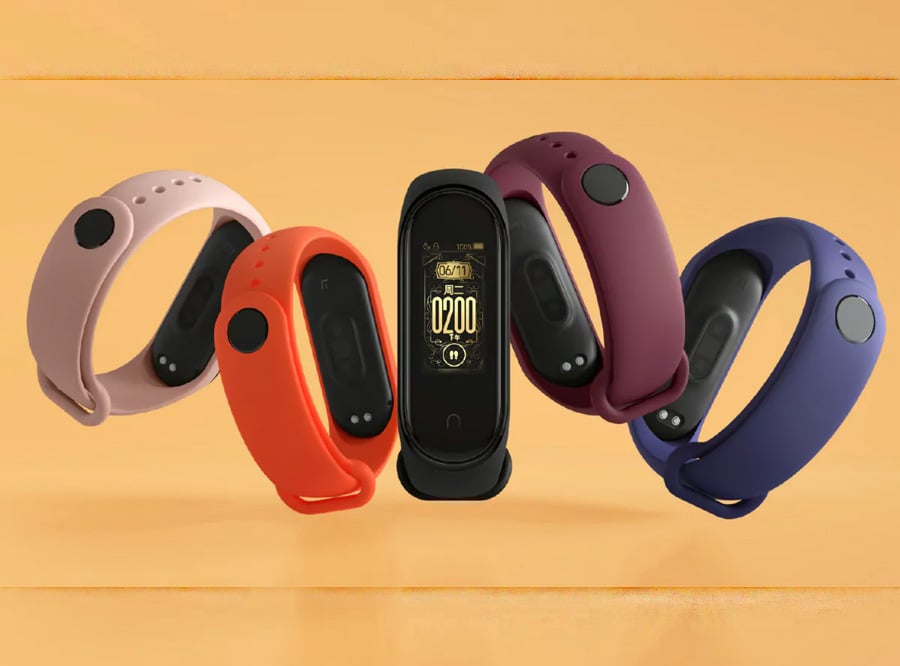
Xiaomi Mi Band 4
On the downside, Xiaomi-branded products aren’t necessarily easy on the pocketbook. A feature-rich electronic item from Xiaomi would normally set you back a pretty penny whether you’re buying t from an online or an offline store.
Much to the delight of Xiaomi fans who are living on a tight budget, the company teams up with Gearbest from time to time to offer great discounts on products across various categories. The company has launched the Gearbest Best Xiaomi Deals in collaboration with the Chinese online store.
As part of this recently kicked-off promo, Gearbest is offering its loyal users an unmissable chance to grab up to 50 percent off on a myriad of products that have carefully been added to specific categories.
We will be checking out the discounts you can get on the Xiaomi Mi Band 4 Smart Bracelet, and show how you can save more money at checkout.
Xiaomi Mi Band 4 Smart Bracelet International Version
After floating around the rumor mill for quite some time, the long-awaited Mi Band 3 successor was finally launched earlier this year. Dubbed as the Mi Band 4, the recently launched smart bracelet from Xiaomi usually retails for $83.14.
Designed for sports and fitness enthusiasts, this feature-laden smart bracelet has now gone up for sale bearing a lowered price tag of only $35.99 on Gearbest. Moreover, you can even extend this 57 percent discount with the help of coupon code GBBAND4MI.
The coupon helps you grab an extra $6.40 off. In other words, you can bring the already reduced asking price of the Mi Band 4 smart bracelet further down to only $29.59 simply by applying the aforesaid coupon during the check out process. Moreover, you can get 10 percent off if you order two or more items.
An absolute steal at this price, the Xiaomi Mi Band 4 offers the following features:
0.95 inch AMOLED color display with 120 x 240 pixels resolution
Bluetooth 5.0 BLE for enhanced connectivity speed and efficiency
5ATM water-resistant rating (up to 50 meters)
Backed by a 135mAh battery that lasts over 20 days on a single charge
Alipay offline payment support
Built-in heart rate record, sleep monitor, sedentary reminder, and more
You can visit this link to check out more details about the Xiaomi Mi Band 4 smart bracelet and place your order. With 3633 pieces already sold at the time of writing, this promo is on the verge of wrapping up.
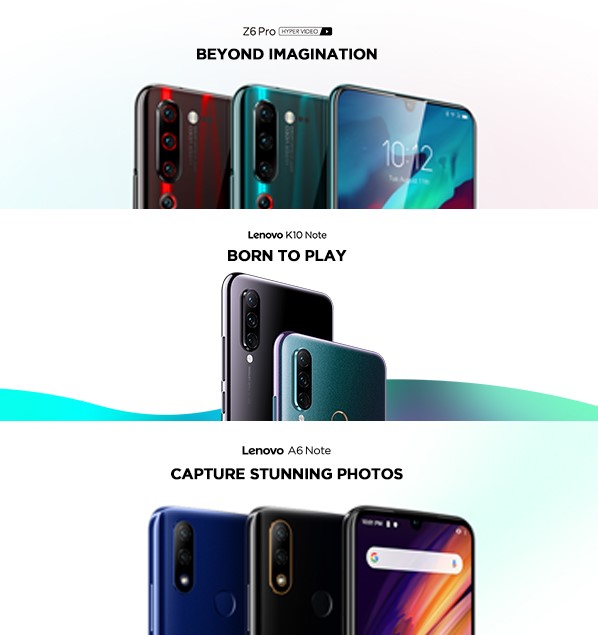
Lenovo has scheduled a launch event in India on 5th September where the company will be launching its flagship smartphone Lenovo Z6 Pro which was launched in China earlier this year. Along with the Z6 Pro, Lenovo will also launch two other phones in India — Lenovo K10 Note and Lenovo A6 Note.
The company has already sent out media invites for the launch event which reveals that the Lenovo K10 Note will feature triple rear cameras, rear fingerprint sensor and a gradient finish on the back, similar to the Z6 Lite.
The K10 Note comes with the tagline ‘Born to Play’ which suggests that it might be a gaming-centric smartphone. On the other hand, the Lenovo A6 Note has a tagline that reads ‘Capture Stunning Photos’ and the invite reveals that the A6 Note will feature dual rear cameras with accents around the camera ring, rear fingerprint sensor and water-drop notch display. To know the complete specs, we’ll have to wait for the official launch.
As for the specs of the Lenovo Z6 Pro, it flaunts a 6.3-inch AMOLED display with Full HD+ screen resolution of 1080 x 2340 pixels, waterdrop notch, and an aspect ratio of 19.5:9. The screen also comes integrated with a sixth-generation in-display fingerprint reader.
The phone is powered by Qualcomm’s 7nm Snapdragon 855 chipset clocked at 2.84GHz. It comes in three variants — 6/8/12 GB RAM and three internal storage options — 128GB, 256GB, and 512GB. There’s a Coldfront liquid cooling technology regulates the internal temperature of the device.
The smartphone features 48 MP + 16 MP + 8 MP + 2 MP camera sensors on the back with AI Hyper Video feature. On the front side, the smartphone comes with a 32 MP snapper. The ZUI 11 based Android 9 Pie OS comes pre-loaded on the device and for the optimised gaming experience, the handset features Game Turbo game acceleration feature. It is fuelled by a 4,000mAh battery that carries support for 18W fast charging.
We use cookies on our website to give you the most relevant experience by remembering your preferences and repeat visits. By clicking “Accept”, you consent to the use of ALL the cookies.
This website uses cookies to improve your experience while you navigate through the website. Out of these, the cookies that are categorized as necessary are stored on your browser as they are essential for the working of basic functionalities of the website. We also use third-party cookies that help us analyze and understand how you use this website. These cookies will be stored in your browser only with your consent. You also have the option to opt-out of these cookies. But opting out of some of these cookies may affect your browsing experience.
Necessary cookies are absolutely essential for the website to function properly. This category only includes cookies that ensures basic functionalities and security features of the website. These cookies do not store any personal information.
Any cookies that may not be particularly necessary for the website to function and is used specifically to collect user personal data via analytics, ads, other embedded contents are termed as non-necessary cookies. It is mandatory to procure user consent prior to running these cookies on your website.










 The following category dubbed Exclusive Coupon Zone is teeming with high-end products that have been assigned coupon codes. Top two products in this category will carry 50 percent discount that you can get by using coupon codes.