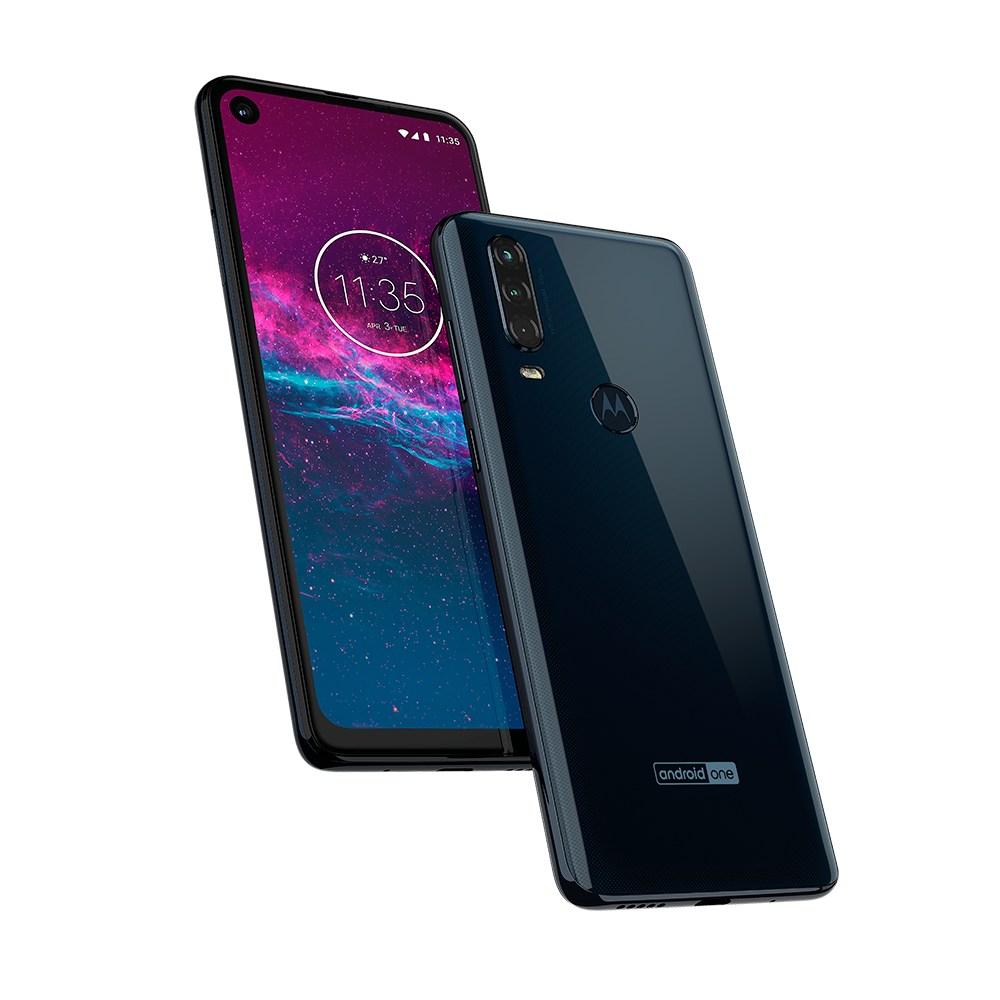
Amazon Germany accidentally listed the Motorola Action before pulling down the listing. The listing actually read “Motorola One Vision”, however, the images and specs were that of the Motorola One Action. Thankfully, some were able to note the details before the page was taken down.
The Motorola One Action has a similar display design to the One Vision. There is a punch hole in the top left corner of the screen for a 13MP sensor and the screen has a 21:9 aspect ratio.
The Motorola One Action not only has a similar design but also has the same Exynos 9609 processor too. This octa-core processor is slightly less powerful than the Exynos 9610 which powers the Galaxy A50.
The listing says the RAM of the device is 4GB and it is paired with 128GB of expandable strange. On the back of the Motorola Action sits three rear cameras. One of the three cameras is an ultrawide angle which is with a 117° field of view. It is this camera that is called the Action Cam. The primary camera is a 13MP sensor.
The Motorola One Action has a 3500mAh battery, a USB Type-C port, and runs Android 9.0 Pie. It has been reported that the phone has a price tag of €299 (~$335). The phone is expected to have a 3GB RAM + 32GB version according to the specs on the Android Enterprise page. That version should be priced much lower.
Winfuture.de says it will launch at IFA Berlin along with some other devices before going on sale on Amazon Germany beginning September 13.
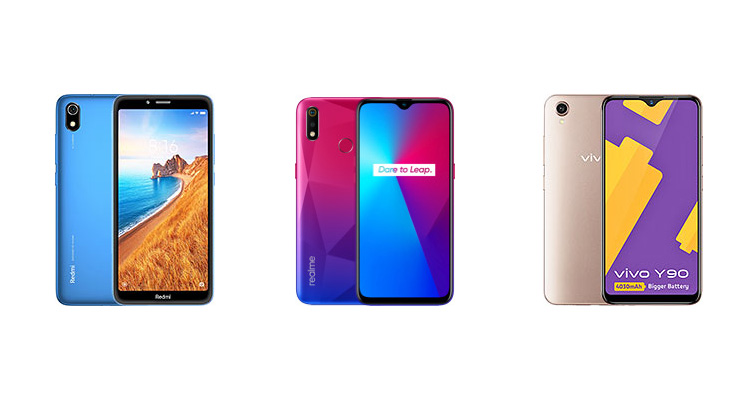
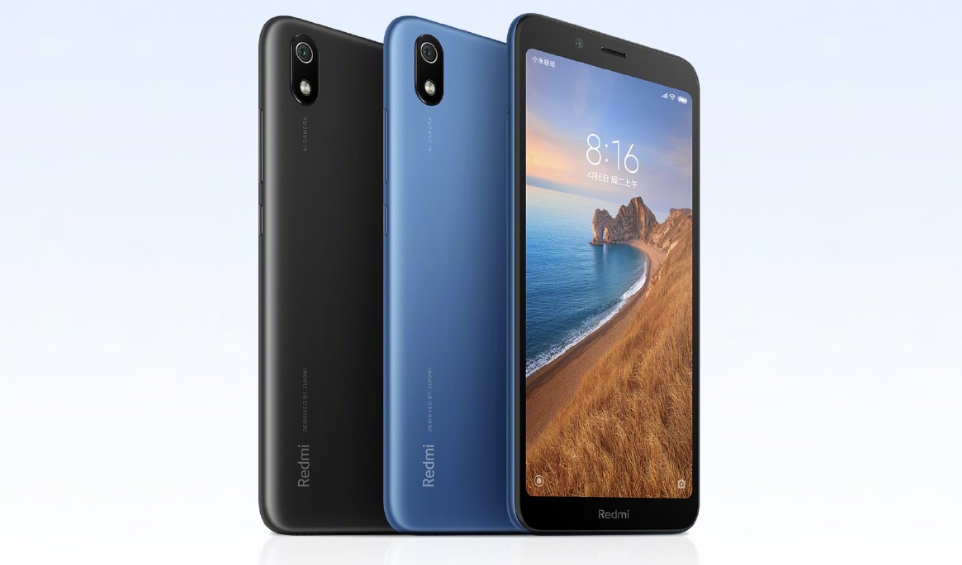
One of the most important entry-level smartphones of the year finally hitten Indian offline stores. We are talking about the Redmi 7A which represent one of the most outstanding alternatives if you do not want to spend more than €100 to get a new phone. But even in the Indian peninsula, this device has to face a lot of rivals, especially in offline stores. Recently, Oppo launched a new entry-level from its sub-brand: the Realme 3i. It combines an amazing quality-price ratio to unusual specifications and premium aesthetics (compared to other entry-level phones). Even Vivo launched a new low-cost device: the Y90 with its amazing battery life. Which one should you go for? Discover it with us through an in-depth specs comparison.
13 MP f/1.8 (or 12 MP f/2.2
5 MP f/2.2 front camera
Dual 13 + 2 MP f/1.8
13 MP f/2.0 front camera
8 MP f/2.0
5 MP f/1.8 front camera
BATTERY
4000 mAh, fast charging 10W
4230 mAh
4030 mAh
ADDITIONAL FEATURES
Dual SIM slot
Dual SIM slot
Hybrid Dual SIM slot
Design
It is very evident that the Redmi 7A is not exactly the handset you are looking for if you love premium designs. The bezels around its display are definitely too thick for a 2019 phone, so it is all but attractive aesthetically. On the other hand, the Realme 3i is very suggestive with its diamond pattern on its rear side as well as its gradient colors. It even comes with a waterdrop notch and a very high screen-to-body ratio, so it is definitely the best choice. The Redmi 7A has the best build quality, it is sturdier and it is even splash resistant. Vivo Y90 sits in the middle with narrow bezels but a less beautiful design than the Realme 3i.
Display
Each of these smartphones has a mediocre display, so you should just go ahead and focus on other specifications. However, note that this does not mean that the displays are bad. They are still IPS panels with an HD resolution, but nothing more than sufficient displays. What changes between these handsets is the display size and the aspect ratio: Redmi 7A has a smaller panel, while Realme 3i and Vivo Y90 have taller and bigger displays.
Specs & Software
Under the hood, all of these devices feature different chipsets. The first place goes to the Realme 3i as it is powered by the midrange-class Helio P60 SoC by MediaTek, paired with up to 4 GB of RAM and up to 64 GB of internal storage. It is faster and more powerful. Right after, there is Redmi 7A with a low-end Snapdragon 439 paired with up to 3 GB of RAM and 32 GB of storage. The last place goes to the Vivo Y90 and its Helio A22: it only features 2 GB of RAM in all its configurations.
Camera
The best and the most versatile camera department belongs to the Realme 3i. First of all, it has a dual camera on the rear side, unlike its rivals. Further, it comes with a brighter focal aperture and it is better in low light conditions. Even the selfie camera is way better with its high 13 MP resolution. Redmi 7A comes at the second place with a pretty nice 12 MP rear camera, but inferior to the Realme 3i. Vivo Y90 is disappointing: just an 8 MP rear sensor.
Battery
Given that its battery is 230 mAh bigger than Redmi 7A and 200 mAh bigger than Vivo Y90, we believe Realme 3i will last definitely more on a single charge. It lacks a fast charging technology, but it is exactly the same as its opponents.
Price
If you want a unit of the Redmi 7A, you are willing to pay about €100/$112, that is exactly the same starting price as the Realme 3i. Instead, the Vivo Y90 starts from just €90/$100. Overall, Realme 3i undoubtedly beats the competition thanks to its more powerful chipset, its amazing dual camera, its beautiful design, and even a bigger battery. Xiaomi takes the second place with its Redmi 7A which is still pretty interesting when it comes to value for money, while Vivo Y90 looks nothing special, despite its more affordable price.
Realme will unveil its 64MP quad-camera smartphone on August 15. There have been speculations about the name of the phone but we now have proof that it will launch as the Realme 5, though there is a chance it may add a “Pro” suffix to its name.
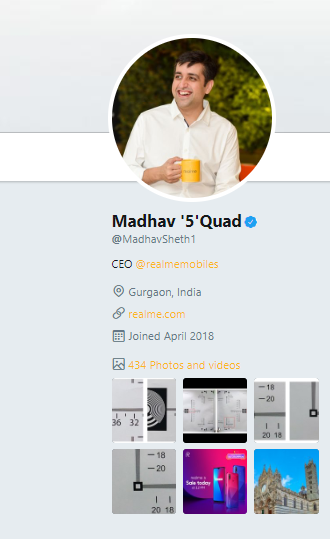
The proof comes from Realme’s own CEO, Madhav Sheth. The company executive has modified his user name on Twitter and changed it to Madhav ‘5’ Quad. The last time he did this was ahead of the launch of the Realme X when he changed his name to Madhav X.
The Realme 5 (Pro) will actually make an appearance at Thursday’s event but will be officially launched on August 15 in China. Other than it having quad rear cameras, one of which is a 64MP sensor, there is a lot we do not know about the phone.
Madhav Sheth also revealed more details about the phone in some tweets. The tweets are resolution test charts of the phone and they are compared to that of the Redmi K20 Pro which has a 48MP primary camera. Madhav Sheth says their 64MP phone (Realme 5) has better clarity than the Redmi K20 Pro.
This is a standard resolution test chart for cameras. You can see in both side areas and centre part realme is showing much clearer details while the other model lost clarity at a certain level. pic.twitter.com/Sf85AaMeu7
At the early stages of large-screen, phablet-sized phones, some persons were sceptical about the prospect of such design. The design style soon caught on like wildfire and in a short while phone manufacturers started adopting the design style. In fact, the entire industry has shifted almost entirely away from small screen smartphones. So, the biggest casualty was small screen phones which seems to have gone into extinction. One OEM that have stayed true to the manufacture of compact size phone even though they are not trending anymore is Sony.
The Japanese tech giant has kept faith in its Xperia XZ Compact series that is characterized by small screen sizes. At present, the screen sizes of most phones are 6 inches or more.
The IFA2019 exhibition will be unveiled in early September. According to the convention, Sony will launch the Xperia flagship at this exhibition, and there may be rumored small-screen mobile phone.
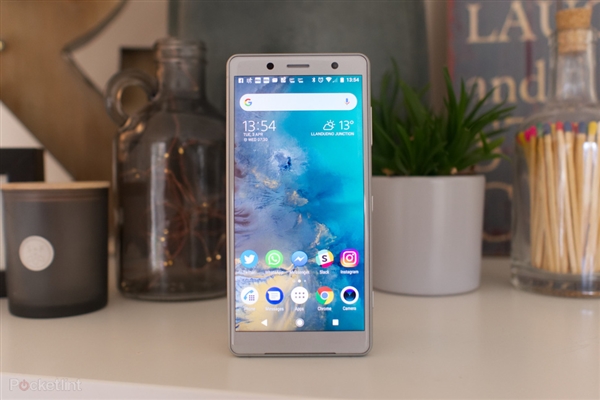
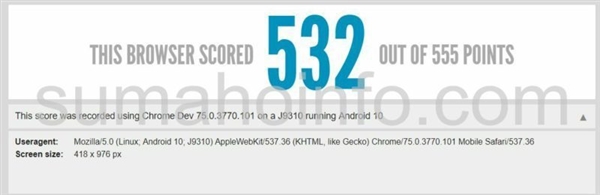
A Sony model with a compact size has appeared on HTML5 test database. The screenshot was shared recently on the XDA forum. The screenshot shows the device comes with the model number J9310. The device runs Android 10 and has a screen aspect ratio of 21:9. What is confusing is the 418×976 pixels resolution which was listed for the device. That is definitely not going to be the final resolution of the device.
While other manufacturers have adopted the slider or pop-up selfie camera or even punch-hole design, LG has stuck to notches and slimmer bezels for its phones. That may be changing soon as the Korean electronics company has patented a design for a phone with a punch-hole display.
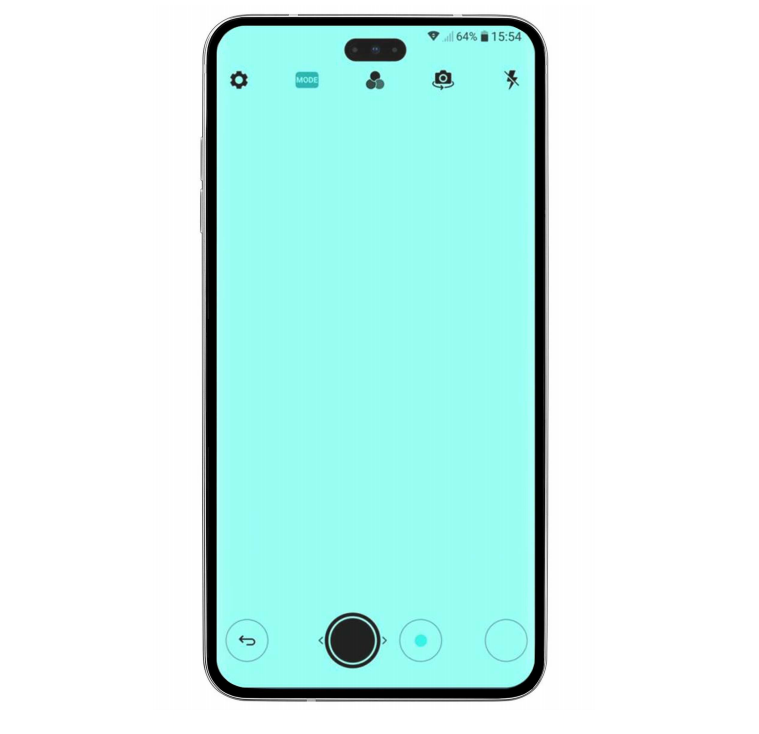
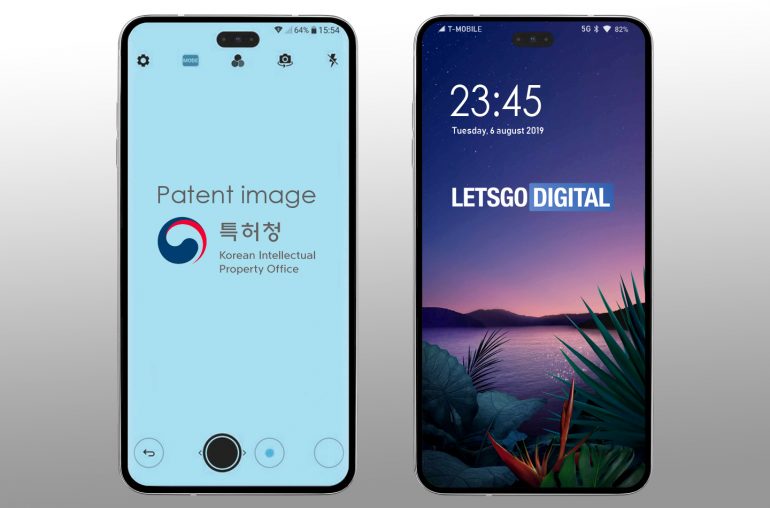
According to LetsGoDigital, LG Display was granted a patent for a display with a pill-shaped punch-hole back in November 2018. This year a new patent was filed with the Korean Intellectual Property Office in March this year for a phone with the display design. The patent was actually granted in April 2019 and the document even includes an image of the phone’s camera app.
The phone has a notch similar to that of the Galaxy S10 5G but positioned in the middle instead of on the right. There is a single camera inside the hole and it is flanked by sensors on each side. The display has curved corners and the bezels surrounding it are slim and are of equal thickness.
LG has confirmed that it will be attending IFA Berlin 2019 where it should announce at least one new phone. We do not know if a phone with this design will be unveiled at the event. If it does launch, it may arrive as the LG V60 ThinQ.
LG is also expected to announce a dual-display device at the event based on hints from the video. Last month, they got granted the trademark for “LG Folds”, we believe this is the official name of the device that was teased in the video.
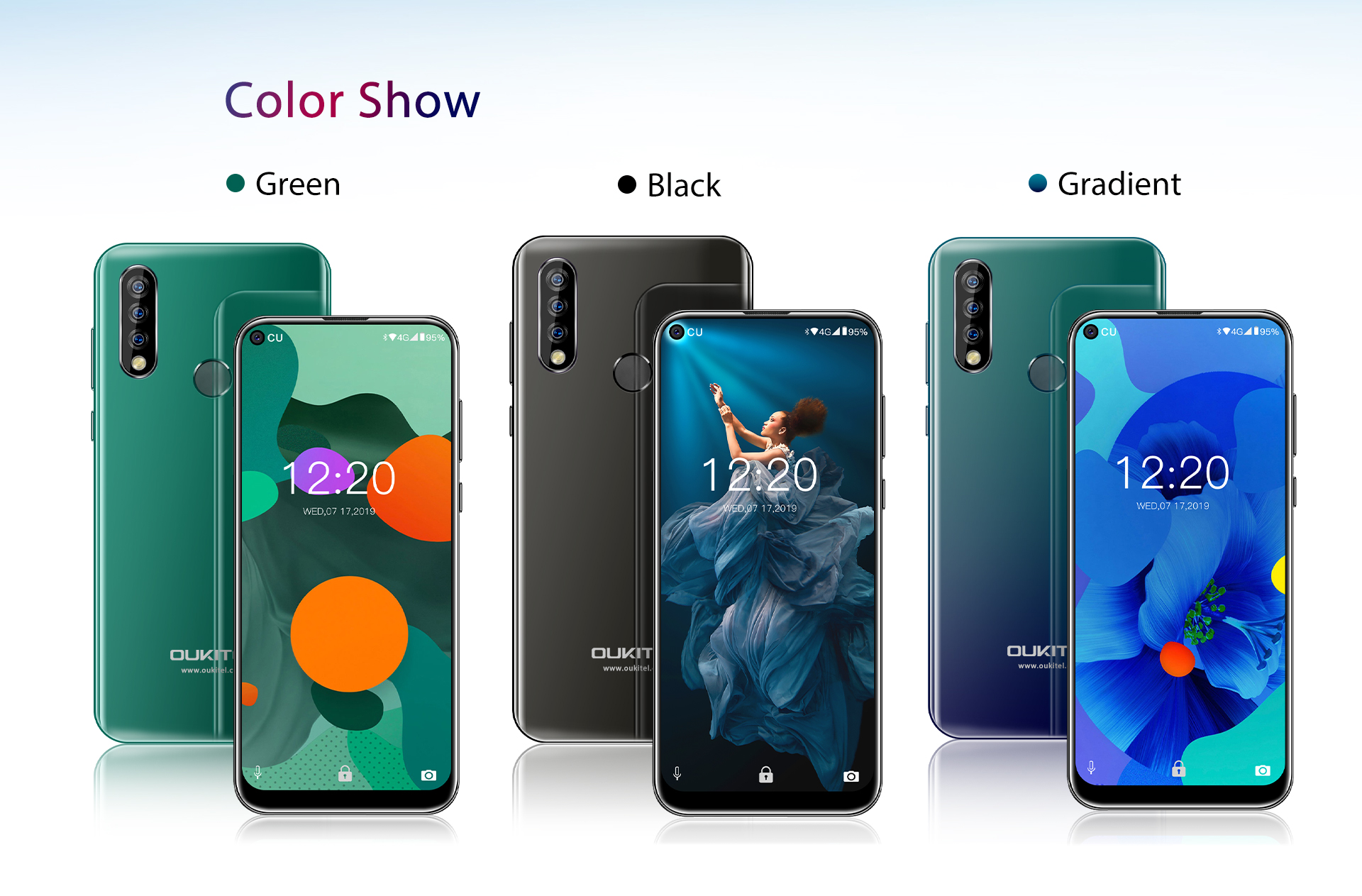
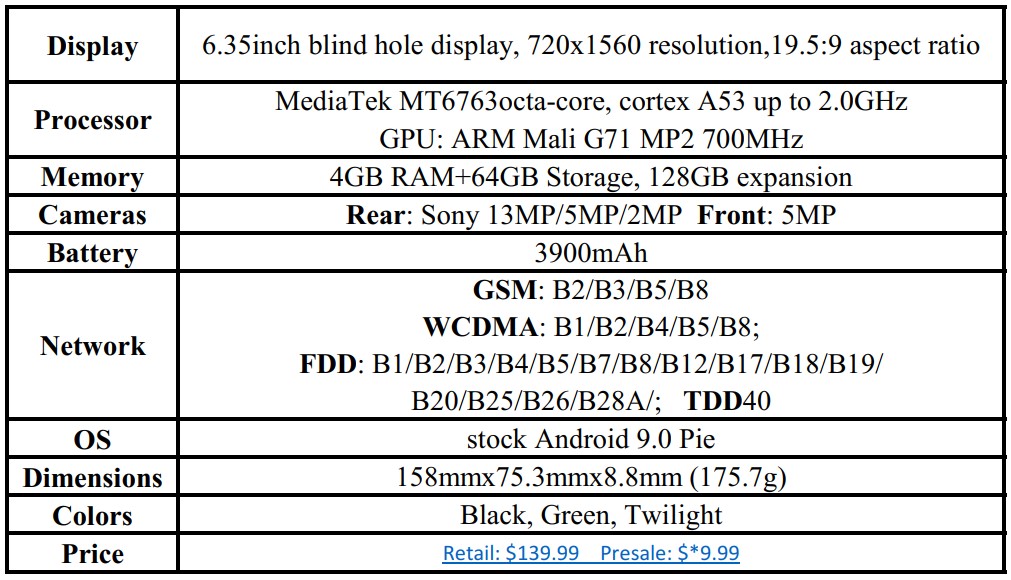
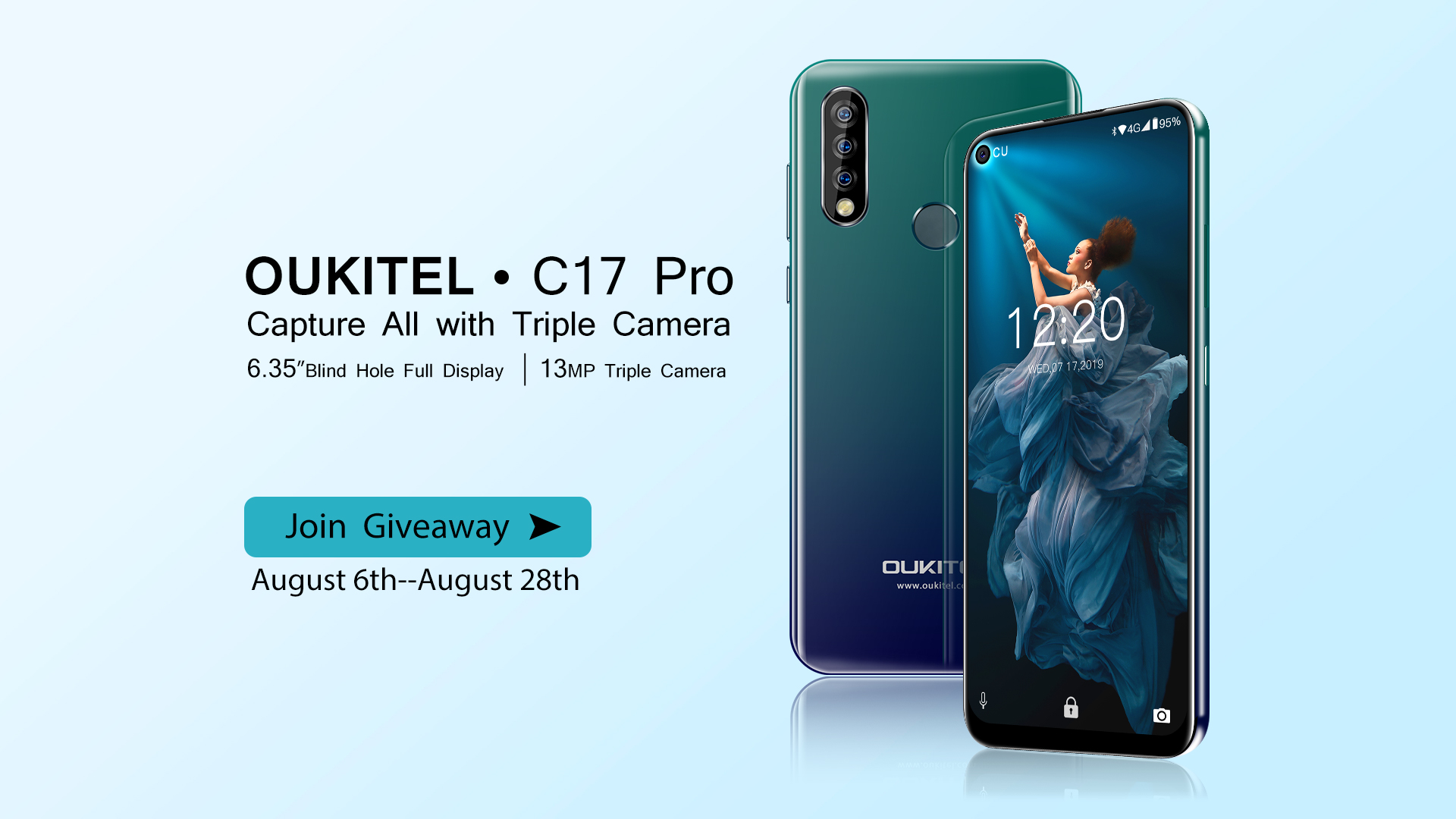
The new entry-level of Oukitel is finally officially announced as the company presented today the Oukitel C17 Pro that comes with a triple rear camera even though it belongs to the entry-level segment. At the same time, they are holding a giveaway event on their website where you can participate to win a C17 Pro for free. The price hasn’t been revealed yet but trusted sources claim it will come at a surprisingly low price, even lower than the UMIDIGI A5 Pro during the presale period.
The device comes with a 6.35″ punch-hole display and has an aspect ratio of 19.5:9 as well as a triple-lens camera. The main sensor is a Sony 13MP one followed by a wide-angle camera and a depth camera for Bokeh effect. The selfie camera which lies on the top left of the display hosts a 5MP sensor with face beauty mode as well as mono mode. Of course, you will be able to use it for Face unlock too. Inside the phone, there’s the Helio P23 SoC backed by 4GB of RAM and 64GB of expandable storage and the battery capacity is 3900mAh battery to take you through the day on a single charge.
Oukitel C17 Pro Giveaway
The C17 Pro will hit the market in August and Oukitel is giving away 3 units for free to lucky winners to test and experience the device. It comes in 3 colors: Black, Green, and Twilight gradient. Which is your favorite and at what price do you think it will be sold during presale? Go ahead and join the giveaway and guess the price.
Huawei has been under attack from the US since May 2019 but that seems to have somehow strengthened its position in the Chinese market. IDC has just released the latest data for the Chinese smartphone market in Q2 2019 and we can see some really big gains for Huawei during this period.
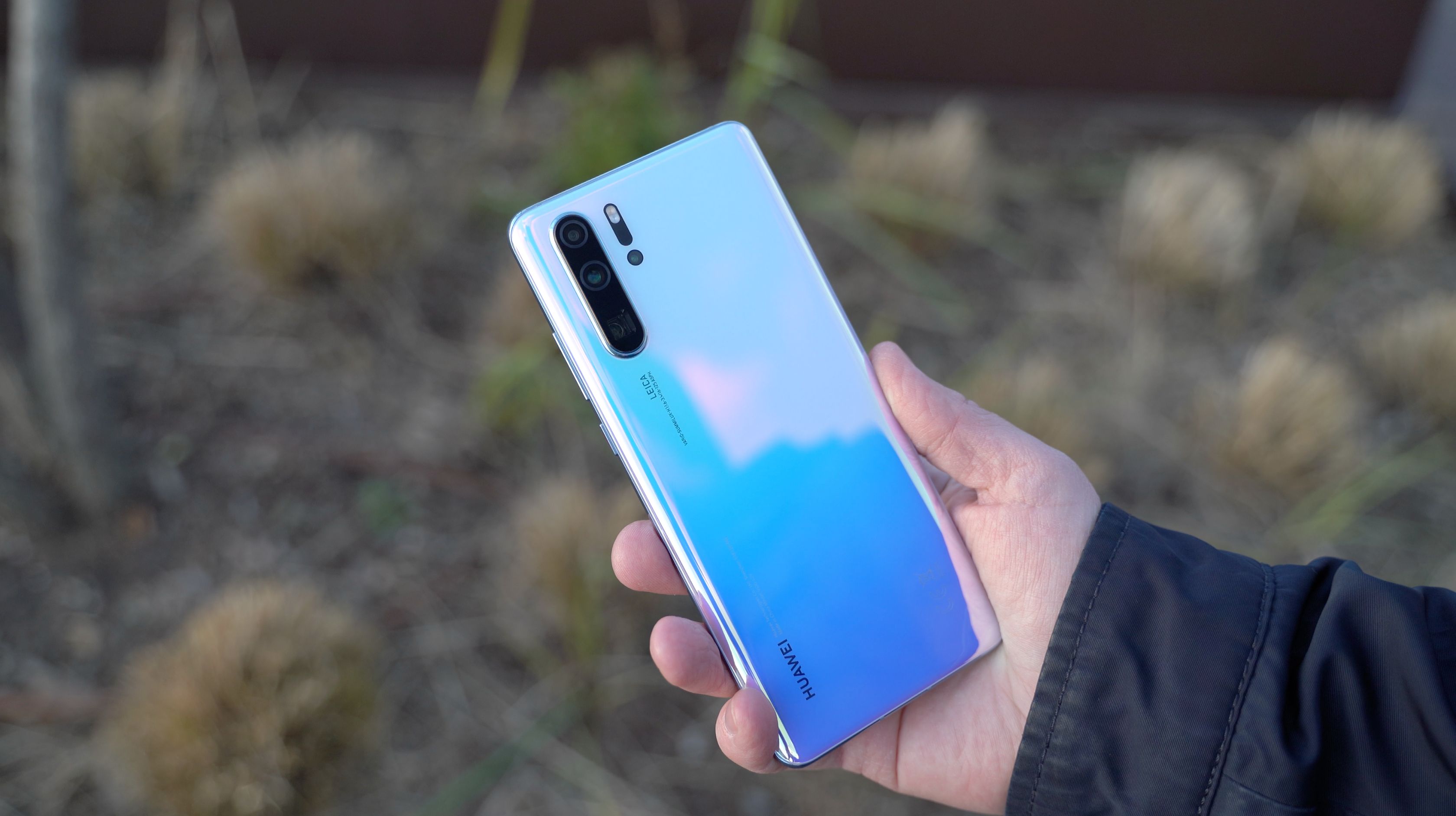
Huawei P30 Pro seems to be selling well in China
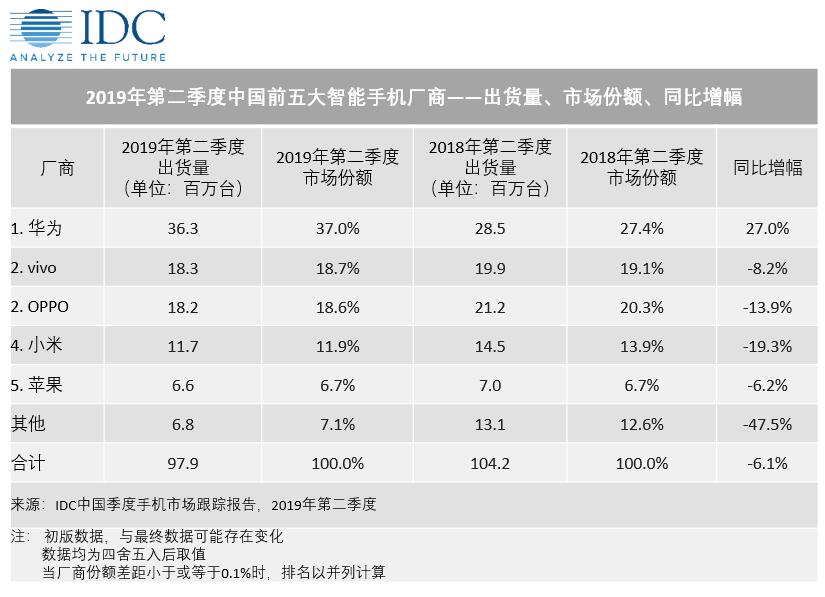
Among the top 5 smartphone makers in China in Q2 2019, Huawei was the only company to register an increase in its shipments. The telecommunications giant shipped over 36.3 million smartphones in this period in China, which was a solid 27% increase from last year’s 28.5 million units. This helped its market share grow from 27.4% last year to 37% in the most recent quarter. IDC notes that the company’s increased investment and focus on the Chinese market boosted its growth in the last quarter. Also, the P30 series and the Honor 20 series were quite popular in China driving its market share to new heights.
As for the other four manufacturers in the list, Xiaomi saw the biggest drop in terms of shipments. The company ranked fourth, trailing behind Vivo and OPPO in terms of market share and shipments. Xiaomi’s shipments fell from 14.5 million units in Q2 2018 to just 11.7 million units in Q2 2019, registering a 19.3% drop. IDC adds that the company’s offline management issues and the early release cycle of the Mi 9 this year could have been the factors that contributed to its decline in shipments.
If you notice, the second and third positions in the IDC’s list have been reversed this year. vivo has overtaken OPPO in terms of shipments, shipping nearly 100K units more than OPPO last quarter. Interestingly, a recent report by Canalyst for the same period puts OPPO on top of vivo for Q2 2019, that too by a clear margin of a few hundred thousand units.
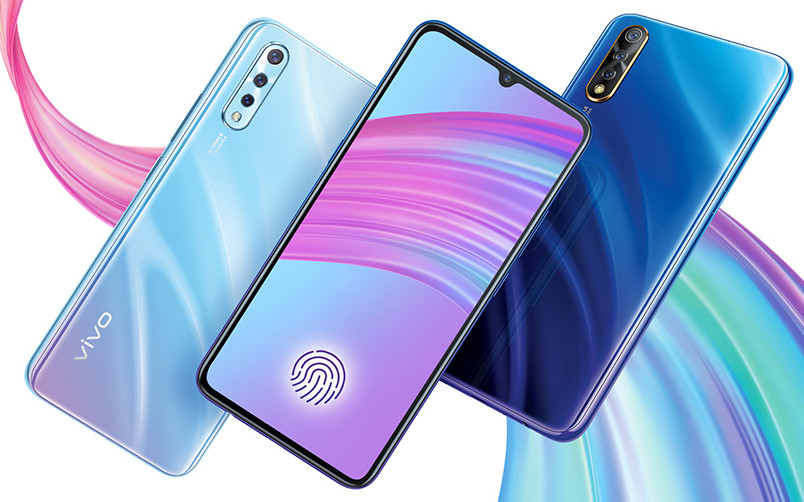
Vivo launched the S1 back in March
At the fifth place is Apple, shipping 6.6 million units and maintaining a steady 6.7% market share during this period.
The total smartphone shipments in China fell slightly to 97.9 million in Q2 2019. The total shipments for H1 2019 were down by 5.4% at around 180 million units.
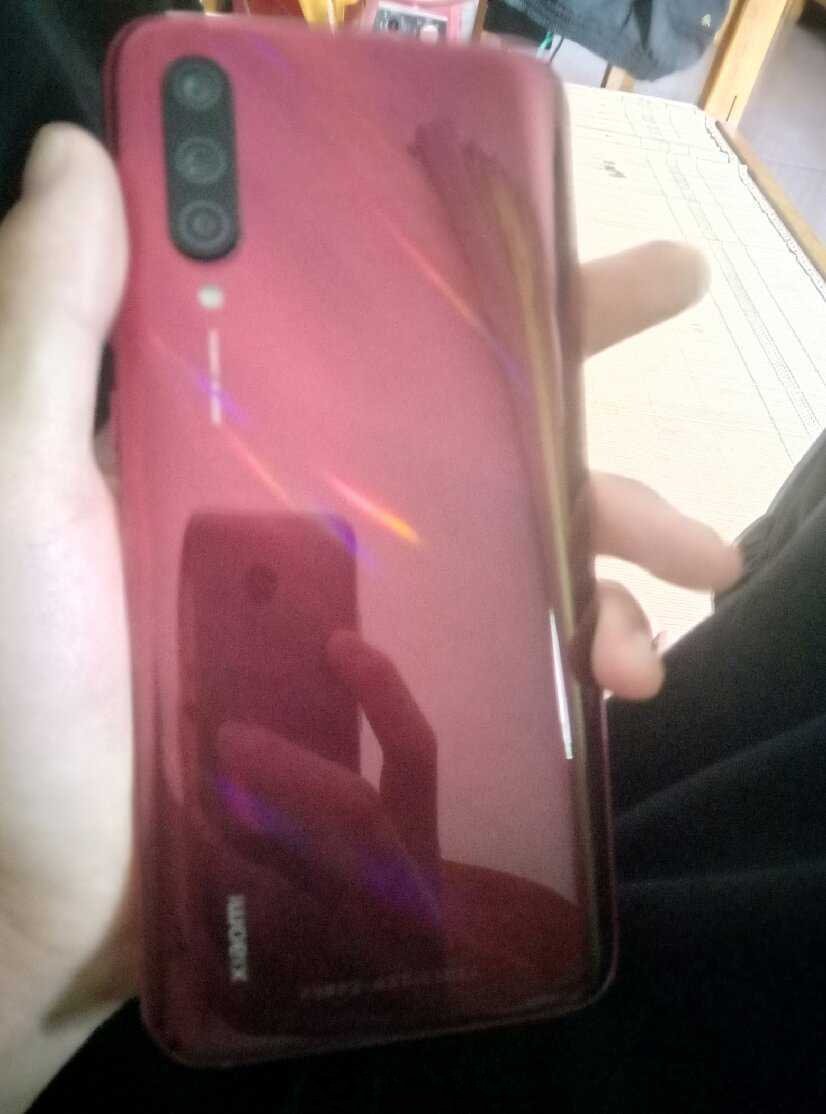
The Xiaomi CC9 is available in Black, Blue, and White. A new leak has revealed that there would have been a fourth color which is red. Sadly, Xiaomi decided to cancel it.
The photo was shared on Twitter by Sudhanshu Ambhore. While it is not a super sharp photo, we can see it sure is a beauty. We don’t know why Xiaomi canceled it but we hope they reconsider and launch it in future. Yeah, we have a feeling the CC9 will get a new color variant later in the future.
Xiaomi CC9 in red
The Xiaomi CC9 has a 6.39-inch FHD+ display with a notch for a 32MP camera. There is a Snapdragon 710 processor under the hood with 6GB of RAM and 64GB/128GB of storage. On the back are triple rear cameras – a 48MP sensor, an 8MP ultrawide angle camera, and a 2MP depth sensor.
Other features include an in-display fingerprint scanner, a 4030mAh battery, 18W fast charging, IR blaster, Bluetooth 5.0, NFC, an audio jack, and a Type-C port. The CC9 has a less powerful sibling called the CC9e which is available outside China as the Mi A3.
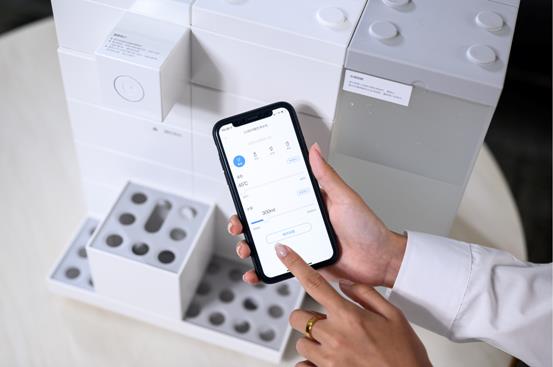
Xiaomi has today launched another cool smart home product under the Youpin crowdfunding platform. Even though the product won’t be shipping outside China anytime soon, you may want to be on the lookout for when it will become available on third-party retailers like GearBest. The product is known as Uodi Smart Hot Water Machine.
The product is a water purifier and water heater at the same time, making it possible to purify the water and equally get a hot drink when needed. The crowdfunding price is 1499 yuan ($213).
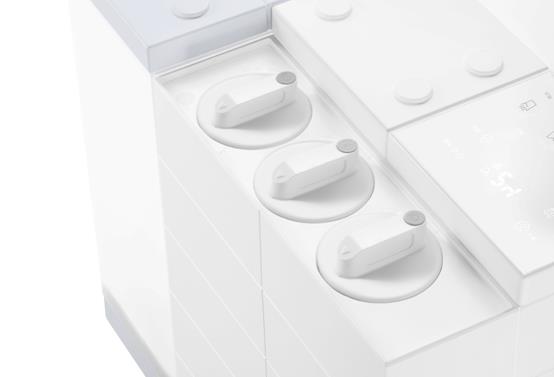
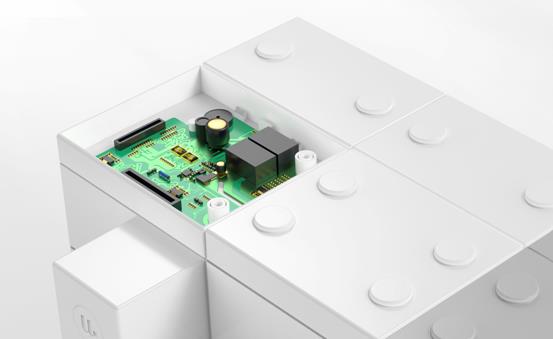
It adopts the modular design of building blocks and actually looks like a building block castle. However, you don’t need to do any installation, just plug the device to a power source, put water in the water tank and it starts working. In addition, the components such as filter element, the water tank and others can be disassembled easily.
As for the working principle, it utilises the high-precision reverse osmosis filtration technology and a three-stage purification system for layer filtration to effectively remove harmful substances such as organic matter, heavy metals and bacteria. This also ensures the drinking water is healthy for users.
Further, the Uodi Smart Hot Water Machine uses two high-precision NTC temperature sensors, with rare earth thick film that is the hot module. It also uses an AI algorithm precision temperature control program. Thus, water can be heated in just about 3 seconds. There are four water intake buttons, one for normal temperature, another for mixing milk, a third for tea making and the last is for boiling water. The water temperature and water volume of the four buttons can be customized through the Mijia App to achieve accurate temperature adjustment of ±1 °C.
At the same time, the Mijia App can also be used to record the daily water consumption, view filter life, water quality, machine operation, etc., in order to achieve smart monitoring of the machine.
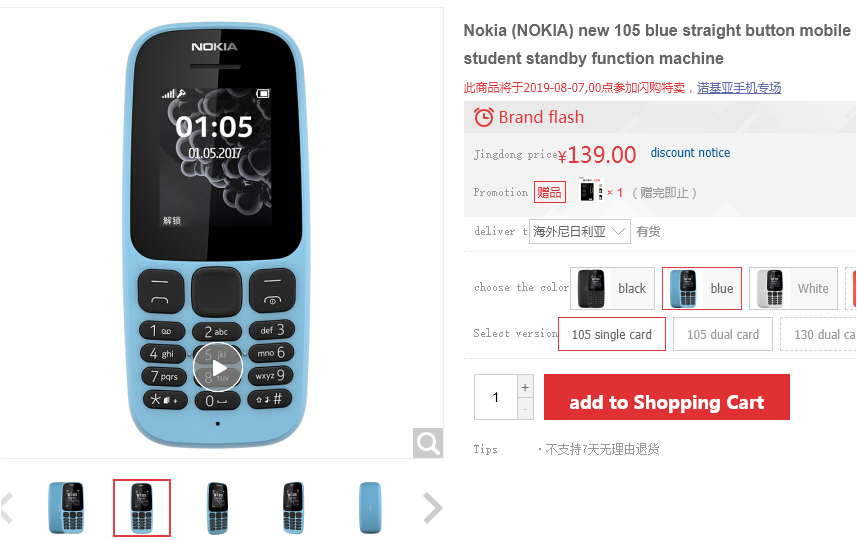
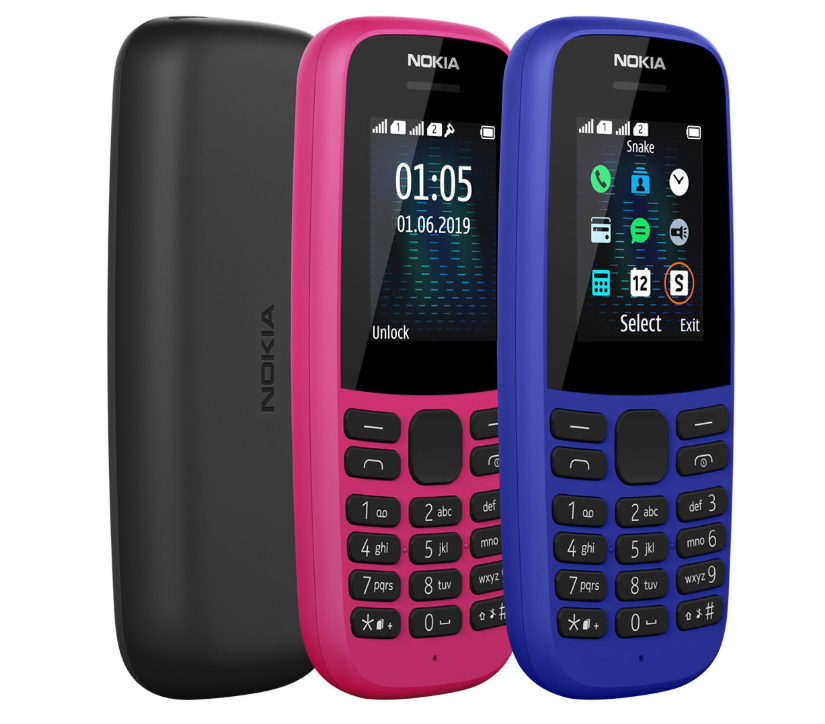
Nokia has officially launched the Nokia 105 feature phone in China. The device is listed on popular e-retail platform Jingdong for 139 yuan ($19) for the single SIM variant. The dual SIM card version is sold for 159 yuan ($22).
The Nokia 105 had earlier been certified in China under the model number “TA-1174”. In terms of design, the phone has a Scandinavian style, no extra decoration, the overall look is very simple; the body is ergonomically designed to make the phone more fit to the palm, one hand grip is more comfortable. The device features a 1.8-inch QVGA screen and a separate button design, there is a large gap between the button and the button, even if the eyes are closed, it is quite easy to text. The body is made from hard-wearing polycarbonate and will survive drops and falls.
The phone has 4MB of RAM and 4MB of storage which can contain up to 2000 contacts and 500 messages. It equally runs Nokia Series 30+ software. There is an FM radio, a 3.5mm audio jack, and a flashlight. It also comes with the classic snake game that’s on almost all Nokia feature phones.
The removable battery is still the same 800mAh capacity as 2017’s model and it charges via a MicroUSB port. HMD Global says it will provide up to 14.4 hours of talk time and last up to 25.8 days on standby. The only drawback is that it supports just 2G network.
LG Electronics has just sent out an invite for the launch event of their upcoming flagship smartphone at the IFA trade show in Berlin 2019. The invitation is in the form of a 20-second clip that is posted on YouTube. It reveals a dual display LG phone that could be the LG V60 ThinQ phone may go official on Sept. 6.
The teaser video shows a game playing on a smartphone screen where the primary character, shaped as a smiling head, is chasing items shaped as a gamepad and a camera. The game resembles Pac-Man to some extent, if you remember the legend.
The game then moves on to a second screen to the left, where the character jumps to a map that is laid out. The character then reaches a point on the map, which is IFA 2019 in Berlin. Both screens then proceed to fold together with the message “Save the Date” popping out. The next message reads “10:00, Friday, September 6, 2019”. The IFA Tradeshow will take place in Berlin between September 6 and 11, 2019.
The clip teases a dual-screen smartphone, which many believe is the V60 ThinQ, if LG decides to stick with their usual moniker. Users will be able to use the dual-screen functionality to play games on their device, as showcased. While the larger display is primarily meant for gaming, the smaller screen is to be used for more utilitarian purposes.
LG had said earlier that the dual-screen display will be unveiled along with a new smartphone at a media conference taking place at the Pullman Hotel Berlin Schweizerhof. The upcoming device likely supports 5G connectivity like the LG V50 ThinQ that was unveiled at the Mobile World Congress (MWC) 2019 earlier in February this year. The V50 ThinQ went on sale in the US market in June 2019.
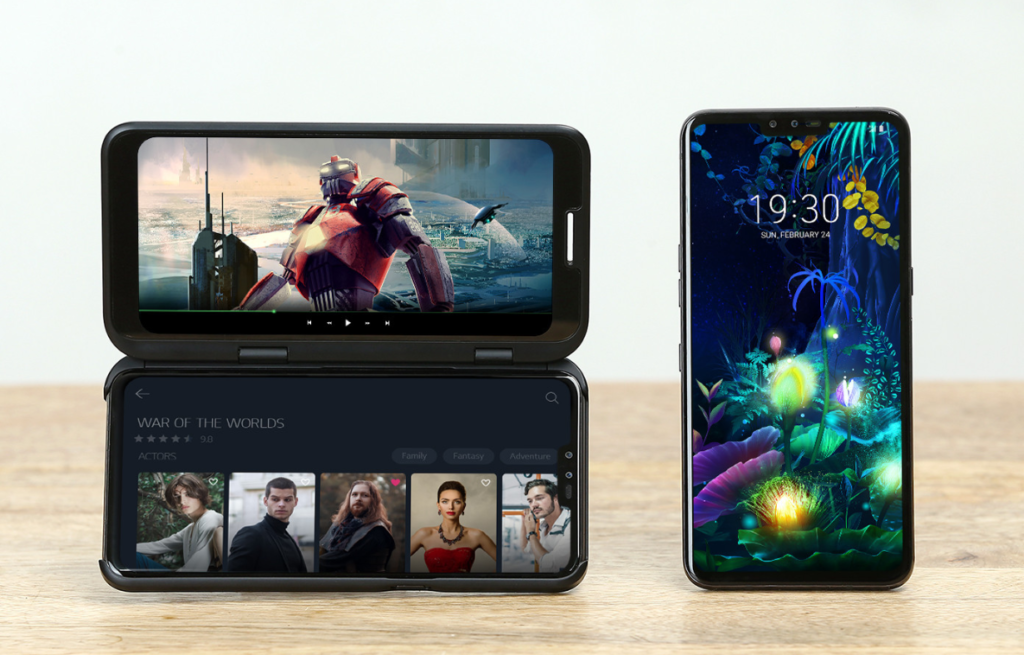
LG V50 ThinQ 5G
The second screen on the V50 ThinQ can be used as a Bluetooth gamepad, for video playback and running other apps. It also acts as a flexible camera viewfinder. Similar functionality is expected from the V60 ThinQ as well. Other anticipated features on the smartphone include a triple rear camera setup, a Snapdragon 855 SoC, water resistance and a 3.5mm audio jack.
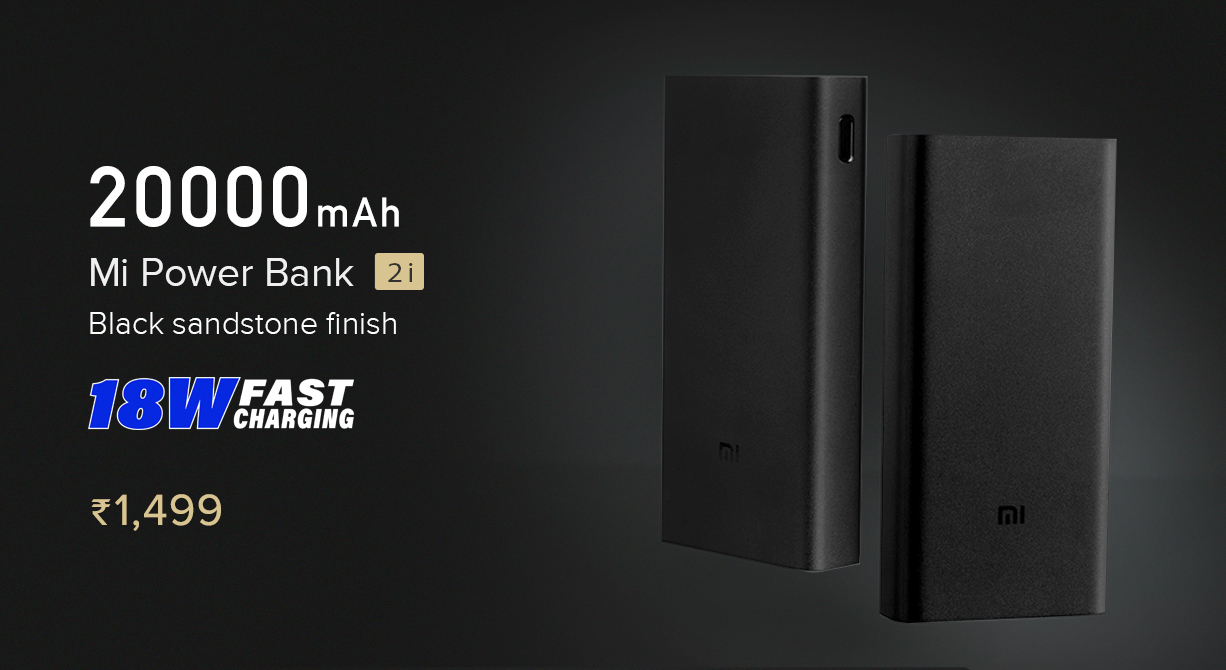
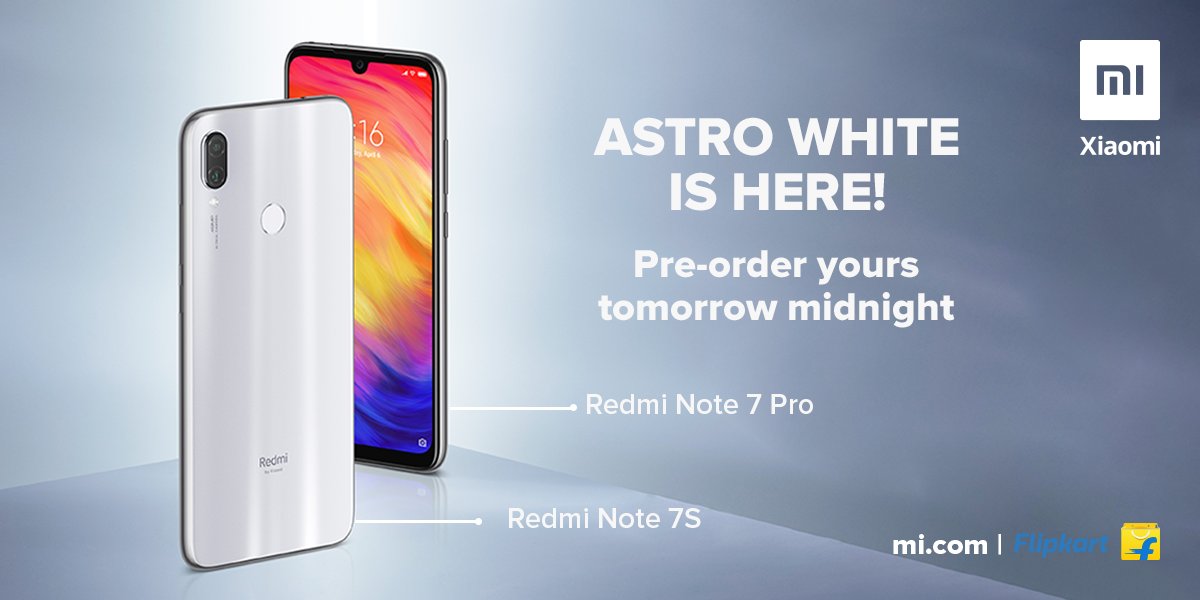
Xiaomi India seems to be on a roll with the announcement of new colors for its products. Just a few hours after announcing the new Astro White variant for the Redmi Note 7 series, it has also unveiled a new color variant for the 20000mAh Mi Power Bank 2i.
The power bank is now available in Sandstone Black though the body is still built from a combination of PC and ABS. The new finish is stylish and classy and should provide a comfortable grip. The white variant is no longer available.
Other than the change in color, all the other features are still unchanged. So you have two output ports, support for two-way 18W Quick Charge, and the use of high-density lithium polymer batteries. It will charge the Redmi K20 Pro 3 times, the Redmi Note 7 Pro 3 times and the iPhone 8 7.2 times.
It also supports low power charging for devices like headsets and the Mi Band and has nine layers of circuit chip protection. The new 20000mAh Mi Power Bank 2i is also made in India. You can purchase a unit on Mi.com for INR 1499 (~$21).
The new Astro White variant will be available for pre-order tomorrow midnight on Mi.com and on Flipkart. The price should be the same as that of other variants and it should be available for all configurations.
With the new Astro White variant, both phones are now available in four colors. The other three are Neptune Blue, Space Black and Nebula Red for the Redmi Note 7 Pro and Ruby Red, Onyx Black, and Sapphire Blue for the Redmi Note 7S.
The Astro White variant is heading to Europe to according to this tweet from Sudhanshu Ambhore. It most likely will go by the same name for the Redmi Note 7.
Redmi‘s General Manager, Lu Weibing, has already confirmed that the Redmi Note 8 is in development but it likely won’t be available for a few more months. A new color variant is usually a way for manufacturers to renew interest and get people talking about a device and so far, it has always worked.
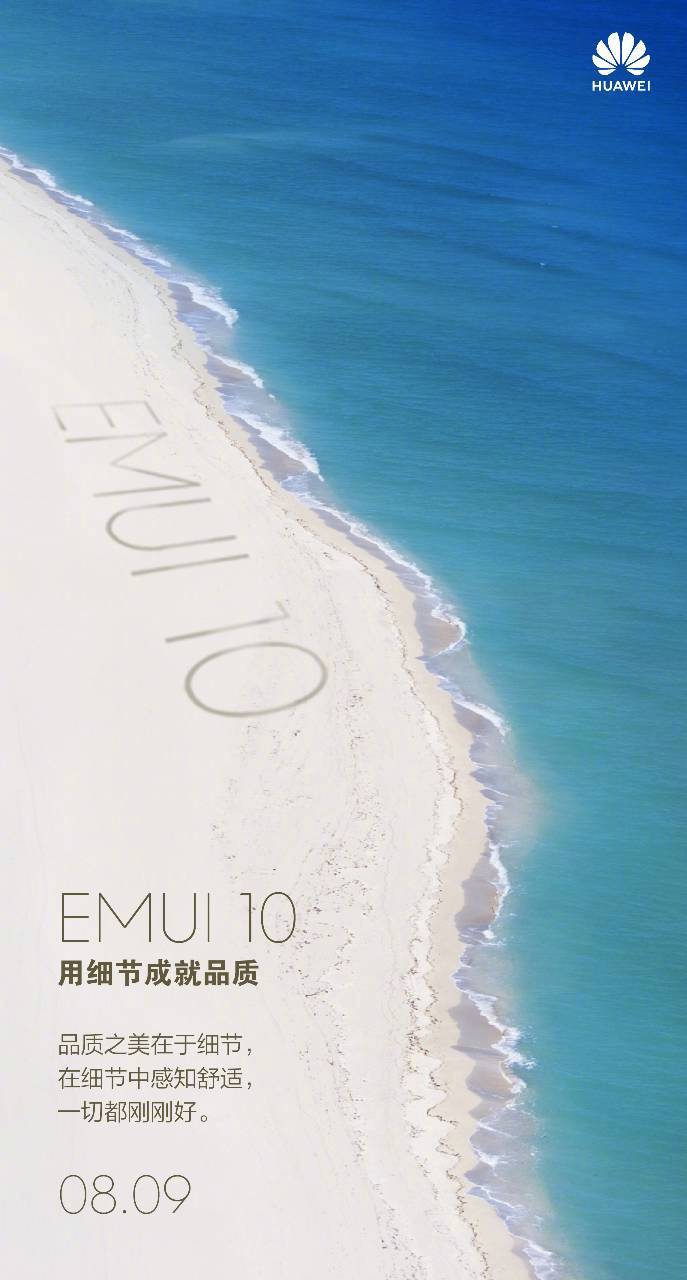
Chinese tech giant Huawei is holding its Huawei Developer Conference 2019 (HDC 2019) at Songshan Lake, Dongguan from August 9th to 11th. We earlier reported that the company will announce EMUI 10 at this conference.
Now, the company has officially revealed that the newer version of its custom Android skin — EMUI 10 will be announced on 9th August. We expect this latest version of EMUI to come pre-installed with the upcoming Huawei Mate 30 and Mate 30 Pro smartphones when they get launched later this year.
Since Android Q stable build is not expected to ship soon, the EMUI 10 custom interface could be based on Android 9 Pie operating system. However, there are some reports which suggest that it will be based on Android Q. So far, the Chinese giant has not revealed anything related to this new update and what EMUI 10 would bring to the table.
According to the rumors, EMUI 10 will feature a new design philosophy, or at least an updated version of the current design direction. It looks like the new UI will come with smoother animations and will offer better performance when playing videos and games. There’s support for video ringtones as well.
Even if the EMUI 10 is not based on Android Q, we could see many features of the upcoming major Android release be introduced with the newer version of EMUI such as notification bubbles, sharing shortcuts, and new privacy controls. We are also expecting new AI-related features focused on performance, gaming, and fluidity.
At this Huawei Developer Conference 2019, on 10th August, the company is also going to launch Honor Smart Screen, which is an all-new product category for Smart TVs from the company. It will be running Huawei’s in-house developed HongMeng OS, which is also set to go official during this conference.
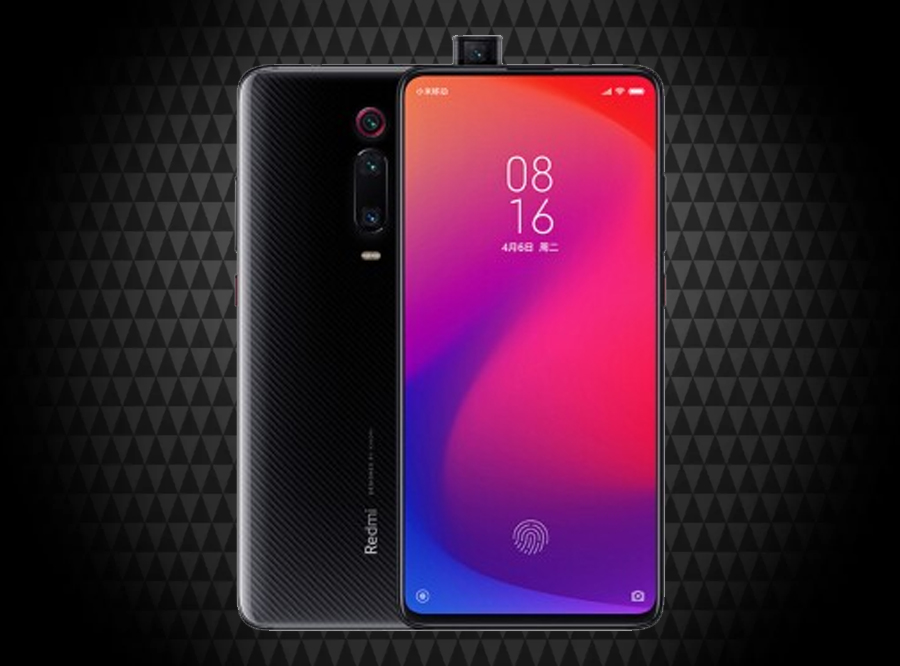
Xiaomi took the wraps off its long-awaited Redmi K20 Pro smartphone in June this year. As expected, the phone propelled to skyrocketing popularity soon after hitting the store shelves.
Xiaomi Redmi K20 Pro
Much to the chagrin of those on a tight budget, the Redmi K20 Pro smartphone isn’t easy on the pocketbook. Thankfully, Giztop is bent on making multiple variants of the Xiaomi-branded phone available at significantly lowered prices.
For instance, you can buy the Redmi K20 Pro 6GB RAM+64GB ROM variant for a reduced price of only $349 from Giztop. It is worth mentioning here that the aforesaid model would set you back $499 without the discount. You can get this model in Ice Blue, Red, and Carbon Black color options.
The slightly larger Xiaomi Redmi K20 Pro model that ships with 6GB of RAM and offers 128GB of internal storage capacity usually carries a $529 price tag. Giztop is now offering this model for a considerably reduced price of just $379. You can choose between Carbon Fiber Black, Ice Blue and Red color options.
Xiaomi Redmi K20 Pro
If you fancy having more power and storage capacity on your phone, the Xiaomi Redmi K20 Pro 8GB RAM+128GB ROM model might suit your fancy. This model is available in multiple color options and you can get them for heavily discounted prices on Giztop.
For example, the Carbon Fiber Black color version of the Redmi K20 Pro with 8GB of RAM and 128GB of onboard storage capacity usually carries a $559, but the model has gone up for sale carrying a dropped price tag of $409 on Giztop. Alternatively, you can get the same discount on the red-tinted model.
The blue color option, on the other hand, is now available for a reduced price of just $399. Note that it normally sells for $549 on both, online as well as offline stores. The Carbon Fiber Black color version of the phone will set you back $599, but Giztop is giving you a chance to buy it for just $449. The Ice Blue and red color options offer the same discounts.
An absolute steal at this price, the Xiaomi Redmi K20 Pro offers the following features:
6.39-inch AMOLED FHD+ display
7th generation in-display fingerprint Scanner
Qualcomm Snapdragon 855 Octa-core processor
Adreno 640 GPU
6GB/8GB LPDDR4x 2133MHz RAM
64GB/128GB/256GB UFS2.1 storage
48MP+8MP+13MP triple rear cameras
Pop-up 20MP front camera
MIUI 10 base on Android 9 Pie OS
4000mAh battery, 27W fast charging
You can follow this link to check out the rest of the specification of the Xiaomi Redmi K20 Pro smartphone and take advantage of the discount before the promo wraps up!
Not so long ago, some folks have noticed a change in the behavior of Google Assistant such as it reads aloud our notifications when commanded. It’s simply a smart feature which Google rolled out to the Google Assistant on Android without much fanfare or prior announcement. More or less, it’s an indication of how Google has been diligently working to integrate popular messaging services to work with its suave Google Assistant.
Here we’ll see how to make your Google Assistant on your Android device to read aloud the message notifications that you’ve in the notification bar. Note that, the Google Assistant can read the announcements from third-party applications such as WhatsApp, Telegram, Slack, Facebook Messenger, Signal, WeChat, and so on. Earlier, it was only possible to read the notifications from Google stock apps such as Hangout or Android Messages.
It’s an icing on the cake that we can even respond to the specific message notification within the Google Assistant, cool to say the least. Without any further ado, let’s see how to make the Google Assistant work as a notification messages reader.
Google Assistant as a Smart Notification Manager
Summon your Google Assistant by whatever mean you find it easy, then command your assistant to read the notifications or messages.
If you’re doing it for the first time, the Assistant needs some permission to do the action.
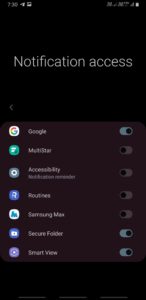
Give the permission it seeks to read the notifications such as Notification Access permission
If it seeks any other permissions, grant them if you find it that your privacy is not at stake and safe.
Once all is set, the Google Assistant will start to list out and read the notifications present on notifications drawer if any.
If nothing is there, it’ll output as They aren’t any notifications or messages.
How to reply using Google Assitant?
The Google Assistant is also now capable to reply to your messages. After the message is read out, it’ll ask your permission whether to respond or not. If your answer is positive, then you’ve to enter the message either in voice input or type into the given reply card.
Hope you’d enjoyed the new ability of the Google Assistant on your Android device. It could come nifty when you’ve to know the messages arrived on your smartphone, which is 10-20 meter away but can’t access it physically. All you’ve to do is summon the Google by yelling Ok Google Read My Notifications/Messages or something similar commands. That’s it.
Needless to say, Google is heavily investing in the Google Assistant and improving it day by day with the help of machine learning and advanced AI algorithms. With the upcoming stable Android Q announcement, we may see some other improvements that Google has made to its digital assistant. Till then, stay tuned.
While mobile phones were originally designed to help people stay in touch with their loved ones while on the go, these devices have gone through a radical transformation in the past few years.
Smartphone manufacturers are leaving no stone unturned in a bid to offer a wide selection of newfangled features at unbeatable prices. A top-end mobile phone that boasts an impressive array of feature usually carry steep price tags and as a result, cost-conscious buyers end up buying inexpensive handsets that fail to meet their daily needs.
Here’s our pick of the best smartphones that you can buy from GearVita without breaking the bank!
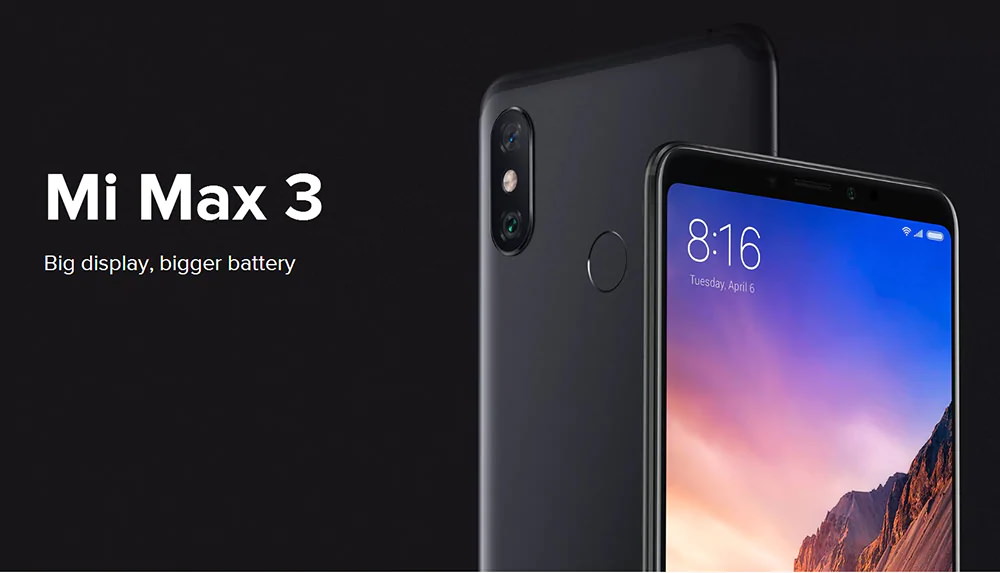
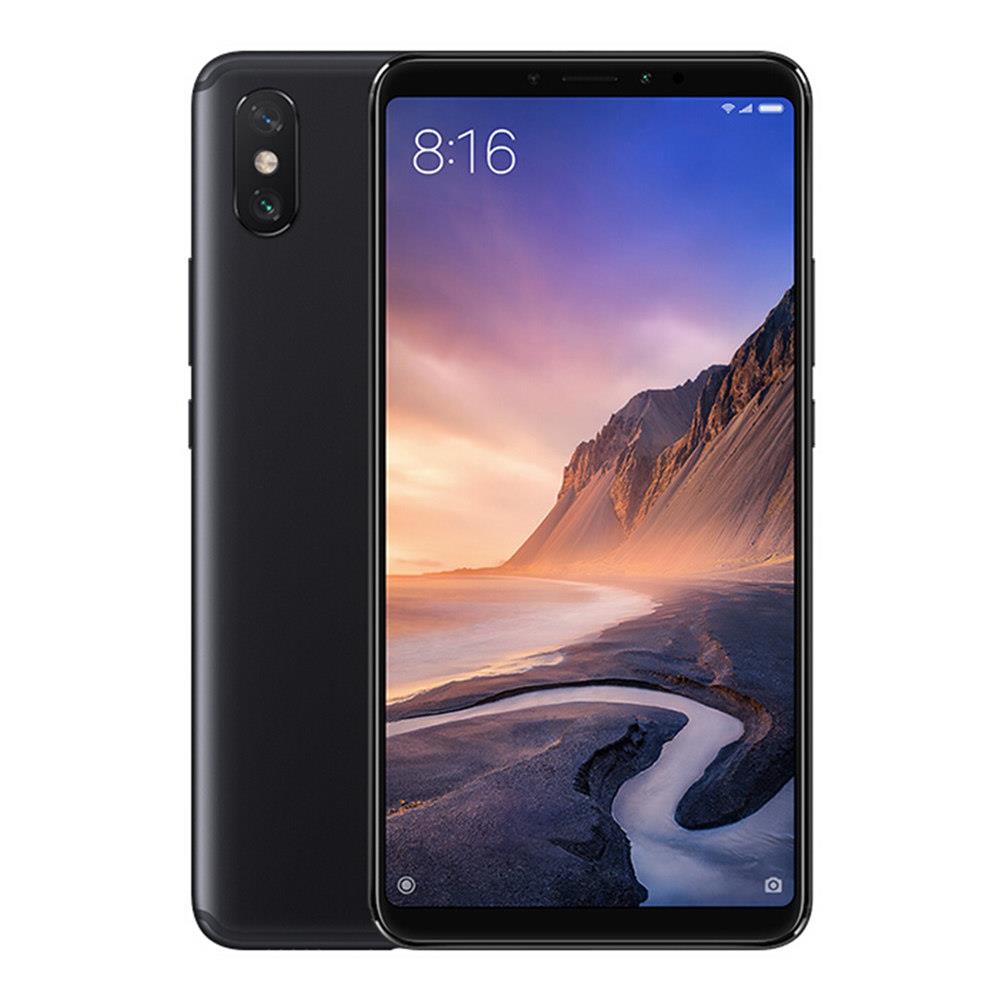
Xiaomi Mi Max 3 4G Smartphone (4GB RAM+64GB ROM)
Launched in July last year, the Mi Max 3 is simply an irresistible smartphone. The Snapdragon 636 Octa-Core processor-equipped, international version of the phone with 4GB of RAM and 64GB of internal storage capacity usually retails for $249.99 on GearVita.
You can use coupon code ROMax364GR and get $80 off. The coupon helps you reduce the original asking price of the Mi Max 3 smartphone to just $169.99 even before you place your order.
You can follow this link to use the coupon before it expires. The Xiaomi Mi Max 3 smartphone comes in black, as well as gold color options.
The slightly larger Mi Max 3 variant that ships with 6GB of RAM and offers a hearty 128GB of onboard storage capacity would normally set you back $269.99 on GearVita. You can save $70 by using coupon code ROMax3128GR at the time of checking out.
In other words, you can bring the retail price of the phone down to just $199.99 by applying the coupon until it is still valid. You can visit this link to take advantage of the coupon and avail the discount.
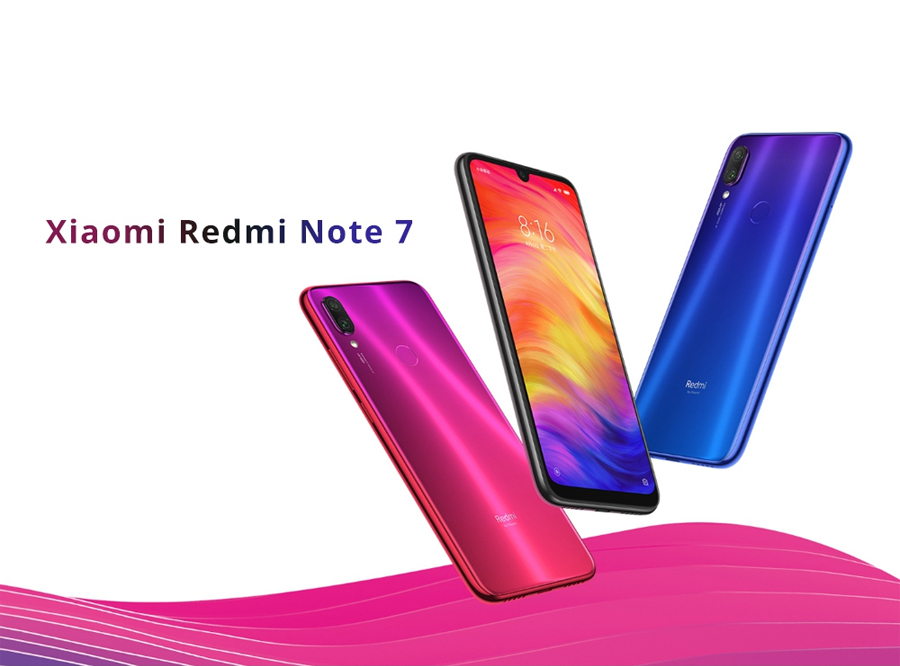
Xiaomi took the wraps off the long-awaited Redmi Note 7 smartphone earlier this year. While the phone propelled straight to popularity among Xiaomi’s huge fanbase after hitting the store shelves, it didn’t quite appeal to those on a tight budget.
The 3GB RAM+32GB ROM Xiaomi Redmi Note 7 variant is available carrying a $183.99 price sticker on GearVita. You can apply coupon code RORN732G and save $33 before the checkout process is completed. After applying the coupon, the retail price of the phone reduces to just $150.99.
This model comes in three color options including black, blue and nebula red. You can use the above-mentioned coupon for all three color options before it expires. You can visit this link to avail the discount.
The larger Redmi Note 7 model that features 4GB of RAM and 64GB of internal storage capacity is available for a dropped price of just $182.99 on GearVita. This is a significant 13 percent reduction in the phone’s original selling price of $209.99.
Xiaomi Redmi Note 7 4G Smartphone
As if that weren’t enough, you can avail an extra $10 off with the help of coupon code GVRN764g. The coupon helps you reduce the original asking price of the Redmi Note 7 phone to only $172.99 at the time of checking out.
You can follow this link to use the coupon, which is valid for all three color options including black, blue and gold.
If you prefer having more internal storage space on your Xiaomi Redmi Note 7 to save your favorite multimedia content such as videos, photos, etc, the Xiaomi Redmi Note 7 4GB RAM+128GB ROM model might just fill the bill. Available in black, blue and red color options, this variant sells for $244.99 on GearVita.
Xiaomi Redmi Note 7 4G Smartphone
Regardless of the color option you choose, you can get $49 off by applying coupon code RORN7128G during the checkout process. The original asking price of the phone reduces to only $195.99 after applying the coupon. You can visit this link to use the coupon before it expires.
Last month, Xiaomi had launched its entry-level smartphone Redmi 7A smartphone in the Indian market, after first announcing the device in its home country China in May 2019. The smartphone was available for purchase online for a price of ₹5,999 (~$85).
Now, the company has confirmed that the Redmi 7A is available for purchase through offline stores across the country. However, the phone’s pricing in the offline market is different from its online pricing.
The 2GB RAM and 16GB storage model is priced at ₹6,199 (~$88) while is available online for ₹5,999 (~$85) while the 2GB RAM and 32GB storage model costs ₹6,399 (~$90) compared to the online pricing of ₹6,199 (~$87). It comes in three color options — Matte Blue, Matte Gold, and Matte Black.
The smartphone features an IPS LCD panel of 5.45 inches that produces HD+ resolution of 720 x 1440 pixels. The upper and lower bezels of the phone are quite thick compared to its contemporary smartphone. Under the hood, the device is powered by the Qualcomm Snapdragon 439 chipset that features 2.0Ghz octa-core processor and Adreno 505 graphics.
It packs 2GB of RAM and internal storage of up to 32GB. There is a dedicated microSD card slot that allows users to further expand the phone’s storage capacity. The smartphone has a front-facing camera of 5-megapixel that is equipped with features like HDR and 1080p video recording.
The Redmi 7A is the cheapest smartphone to feature Sony IMX486 12-megapixel rear camera. The same lens is available on popular Xiaomi phones like Xiaomi Mi A2 and Redmi Note 7. The rear camera of device comes with features like low-light photography, AI scene detection, and full HD video recording.
The phone lacks a fingerprint scanner and so the users will have to rely on its AI face unlock function. It boots to MIUI 10 flavored Android 9 Pie operating system and is fuelled by a 4,000mAh battery that promises 30 hours of 4G VoLTE calling and 17 hours of HD video playback. It also comes with support for 10W charging.
Xiaomi’s Black Shark 2 gaming phone garnered huge popularity among mobile gamers. Still riding high on the success of its gaming phone, Xiaomi launched the upgraded version of the Black Shark 2 dubbed, the Black Shark 2 Pro in July this year.
Black Shark 2 pro
We will check out the radically overhauled features and top-end specifications of the phone in just a bit. It might interest avid mobile gamers that have restlessly been waiting to get their hands on the recently unveiled gaming phone to know that the Black Shark 2 Pro is now available on Giztop.
You can choose the 12GB RAM+128GB ROM and 12GB RAM+256GB ROM models. The Black Shark 2 Pro 12GB RAM+128GB ROM variant comes in two appealing color options including grey and black. This model will set you back $529.
Those who fancy having more power and storage space on their gaming phones can go for the larger Black Shark 2 Pro 12GB RAM+256GB ROM model that comes only in grey color option. The aforesaid variant has gone up for sale bearing a $629 price tag on Giztop.
If you aren’t willing to shell out that kind of money on a gaming smartphone, you can use coupon code BS2P30 and get $30 off during the checkout process. It is worth noting that the aforesaid coupon is slated to expire on August 30th.
Here are the awe-inspiring features that make the Xiaomi Black Shark 2 Pro an irresistible gaming smartphone below:
39-inch AMOLED screen with 2340X1080 pixels resolution
Trueview display, with eye-protection mode
Support in-display fingerprint scanner
Qualcomm Snapdragon 855 Plus 2.96GHz processor
Adreno 640 GPU
0MP+12MP Dual Rear Cameras
A 20.0MP front camera (AI Smart Beauty).
Joy UI OS base on Android 9.0 OS
4000mAh battery, 27W fast charging
You can check out the rest of the specification and place your order through Giztop simply by following this link.
If you’ve been looking forward to the Huawei Mate 30 series, prepare yourself because the Huawei Mate 30 Pro may just arrive sporting two absolutely massive 40MP sensors.
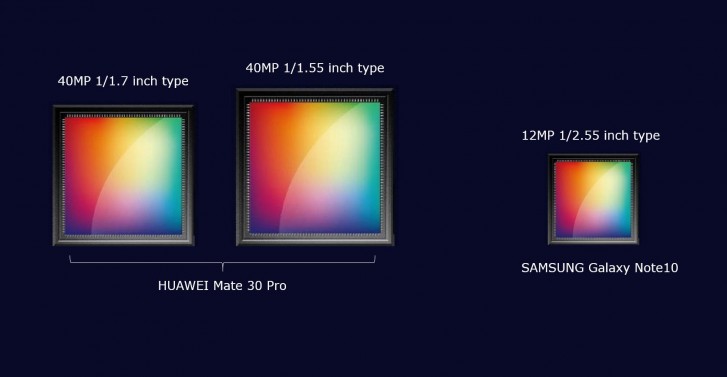
The Mate 30 Pro is reported to sport a 40MP main camera and another 40MP ultra wide angle lens. The main camera — despite being spotted in its predecessor — differs in the sense that it has a larger 1/1.55-inch sensor, while the ultra wide angle camera will be of similar size with the P30 Pro’s main camera — a 1/1.7-inch sensor.
There seems to be a lot of people who don't know how big the gap is. I'll draw a picture to tell you that, in fact, Note10 has no chance of beating Mate30 Pro in terms of camera hardware. pic.twitter.com/f8W2kSTLqk
Apart from that, the Mate 30 Pro will also get a third telephoto lens which is expected to be of 8MP, similar to the P30 Pro. Since the Mate 20 Pro had a triple camera setup, it’s not entirely impossible if HUAWEI decides to upgrade the Mate 30 Pro’s camera specs and make it a quad camera setup.
In the tweet posted by Ice Universe, the Mate 30 Pro’s sensors are also compared to the Galaxy Note 10’s 12MP 1/2.55-inch sensor. Ice Universe claims that the Note10 has no chance of beating Mate30 Pro in terms of camera hardware, though we’re really not too sure of that claim.
Sensor size isn’t the only factor that affects image quality and given that Samsung‘s Note 10 Plus’ main sensor is expected to have an individual pixel size of 1.4μm, it might, in fact, churn out better photographs than the Mate 30 Pro as its two 40MP sensors will most likely have a pixel size of 1μm. That being said, the company will most likely use pixel binning technology, which will allow it to surpass that limitation and output high-resolution photos with low noise.
Ultimately, it might come down to the software of the two phones, as camera hardware needs better processing to perform at an optimum level. Since Samsung is going to unveil the Note 10 in a couple of days, it won’t be too long before we find out how its camera performs. For the Mate 30 and Mate 30 Pro, we will have to wait a little longer.
However, given what an impressive all-rounder Huawei released in the form of the P30 Pro a few months back, we believe the company can do even better with the Mate 30 Pro.
We use cookies on our website to give you the most relevant experience by remembering your preferences and repeat visits. By clicking “Accept”, you consent to the use of ALL the cookies.
This website uses cookies to improve your experience while you navigate through the website. Out of these, the cookies that are categorized as necessary are stored on your browser as they are essential for the working of basic functionalities of the website. We also use third-party cookies that help us analyze and understand how you use this website. These cookies will be stored in your browser only with your consent. You also have the option to opt-out of these cookies. But opting out of some of these cookies may affect your browsing experience.
Necessary cookies are absolutely essential for the website to function properly. This category only includes cookies that ensures basic functionalities and security features of the website. These cookies do not store any personal information.
Any cookies that may not be particularly necessary for the website to function and is used specifically to collect user personal data via analytics, ads, other embedded contents are termed as non-necessary cookies. It is mandatory to procure user consent prior to running these cookies on your website.