Advertisement

iQOO Z10 Turbo+ design revealed before August launch

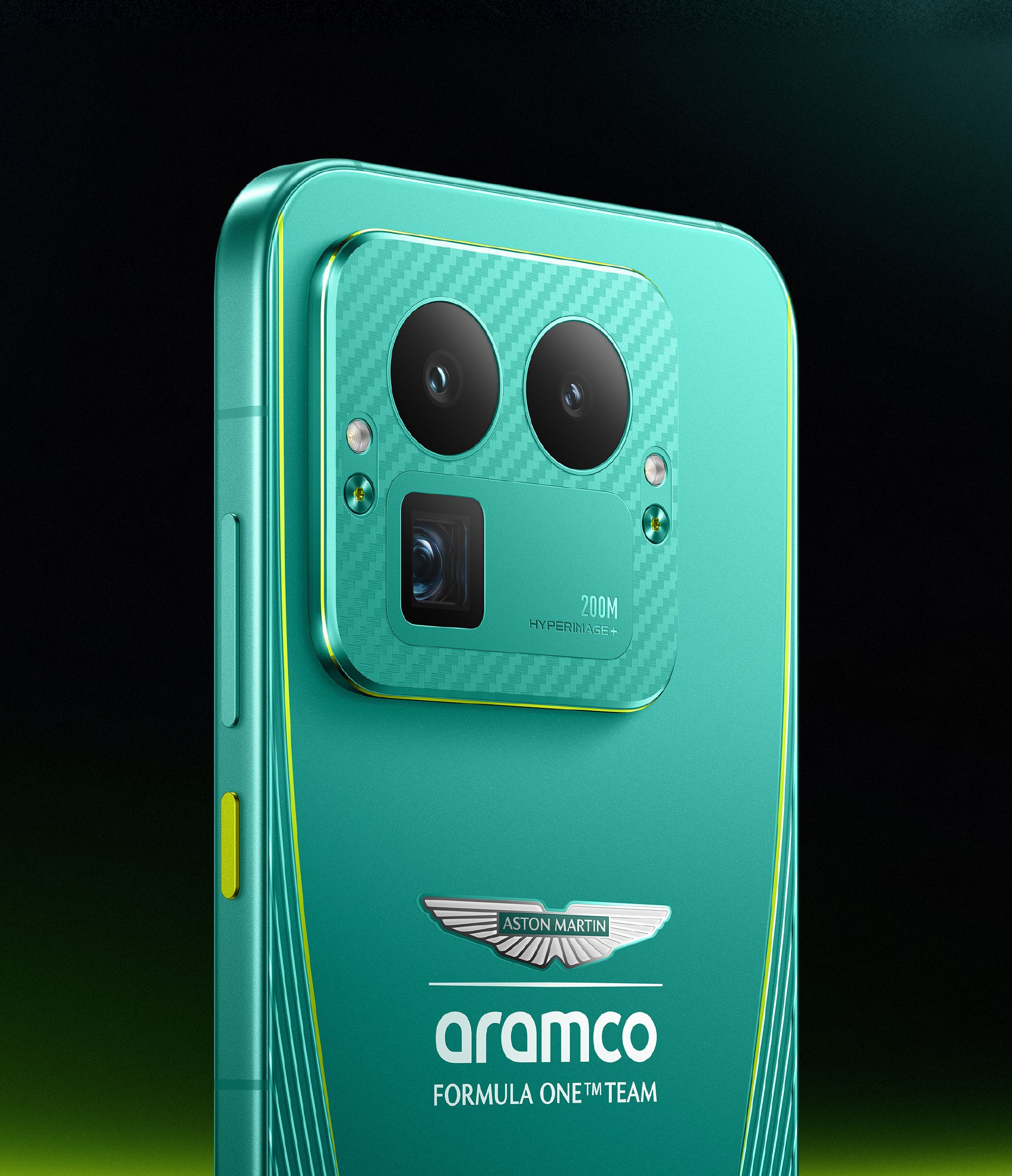
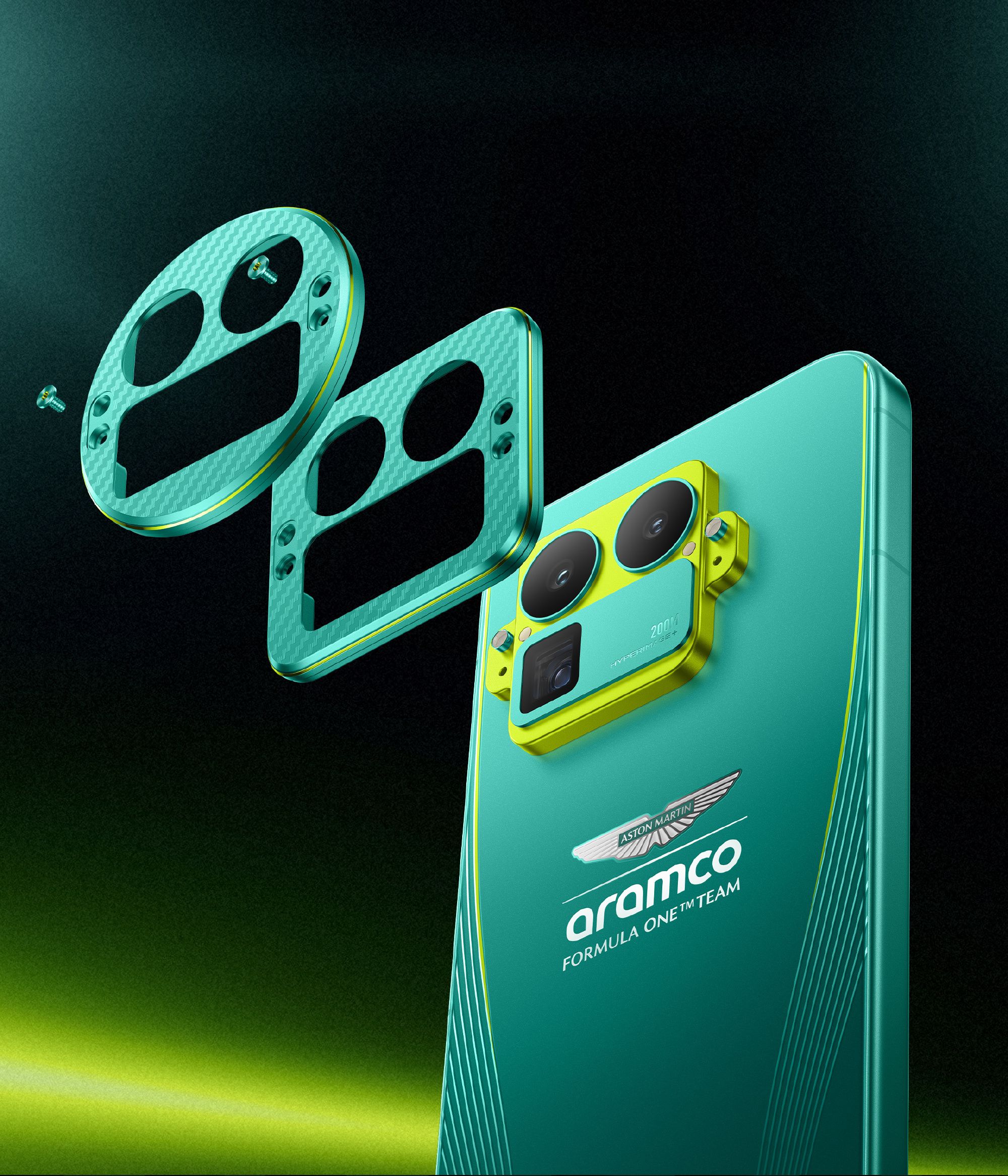
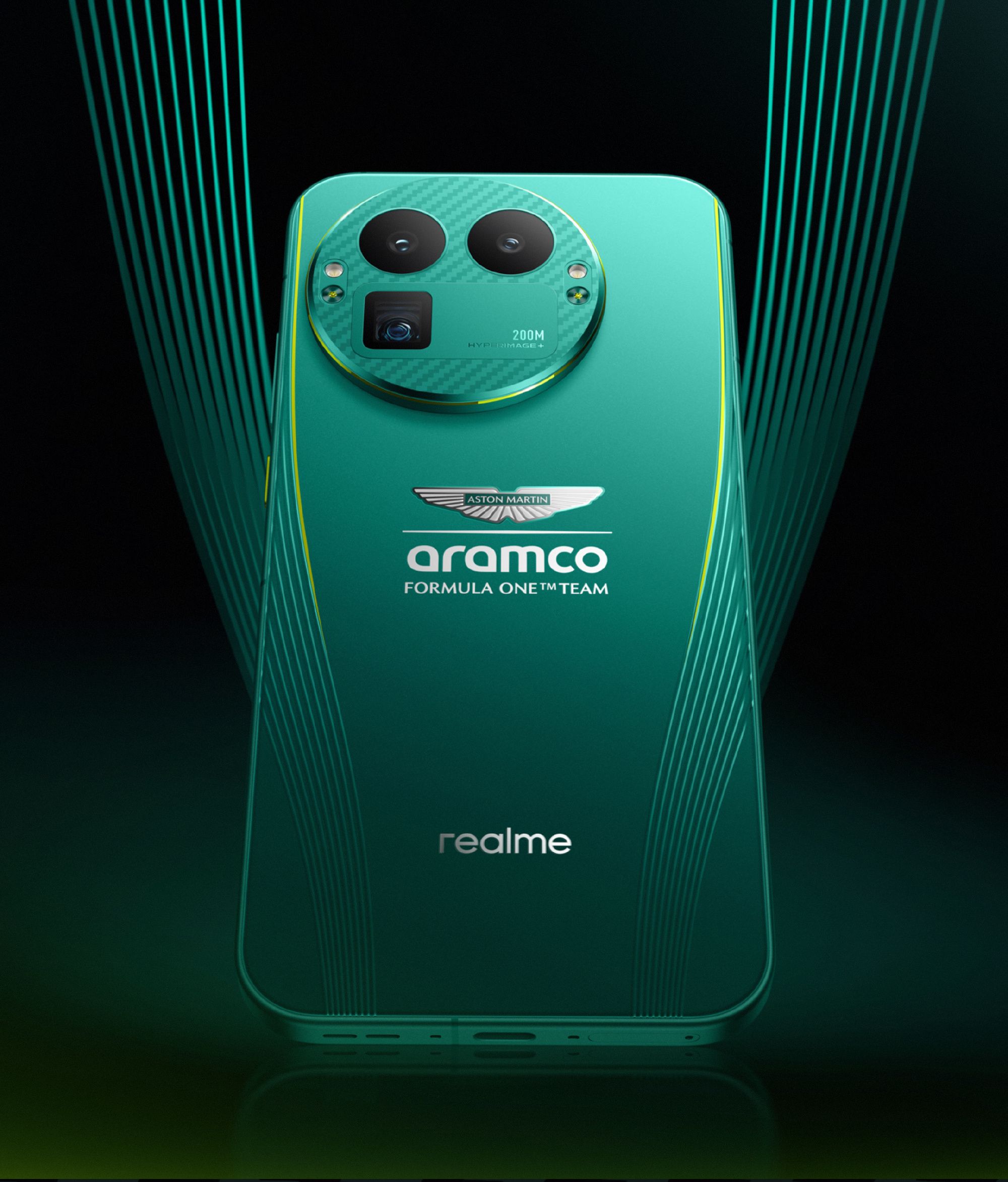
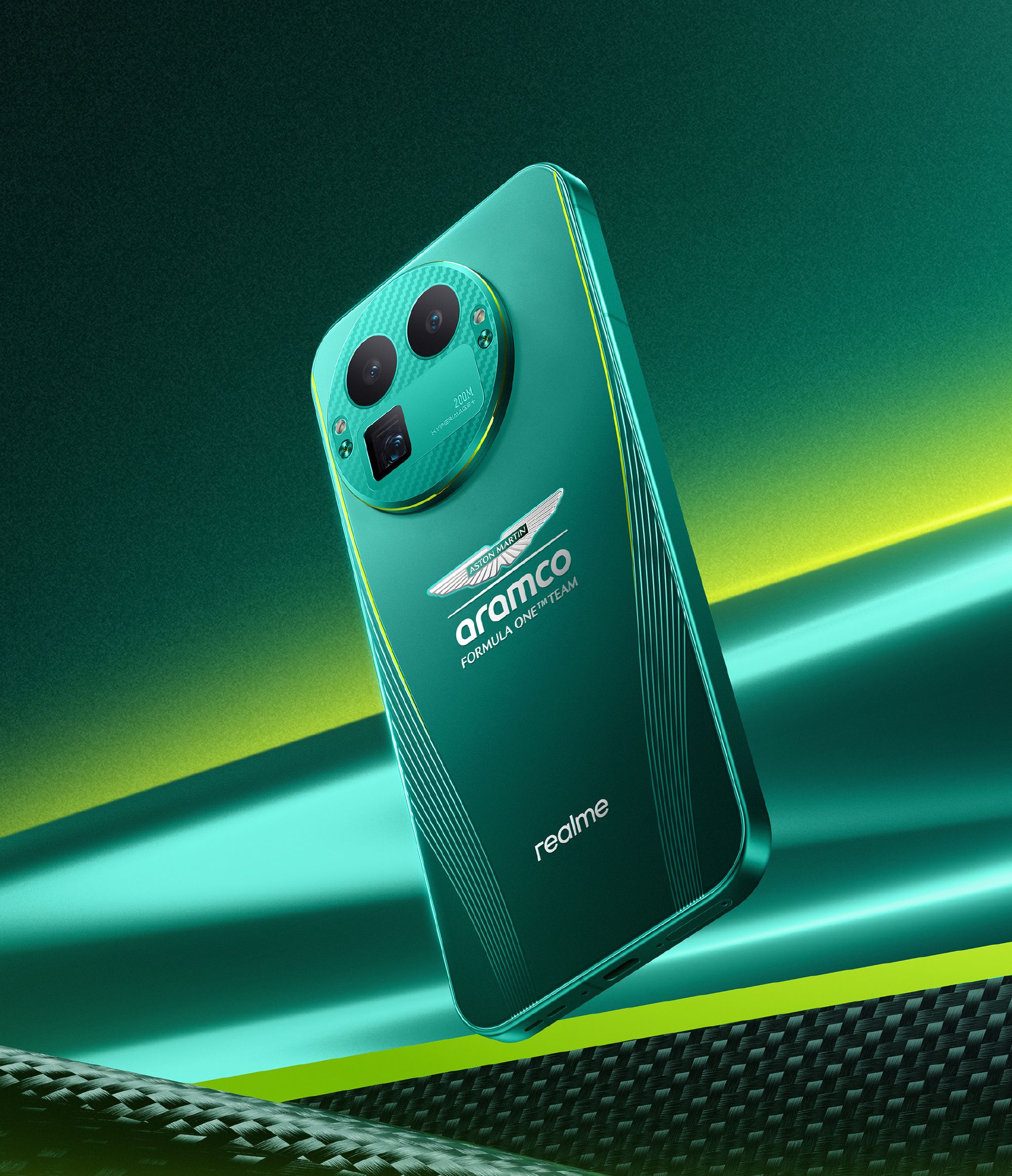
Last week, iQOO’s China division confirmed that the country will soon receive the iQOO Z10 Turbo+ handset. This will be a new addition to the existing Turbo series, which includes the iQOO Z10 Turbo and Z10 Turbo Pro. The brand has already confirmed the chipset and battery that will power the upcoming Plus variant. Today, the brand released the following poster to give the first look at its design ahead of its August launch.

iQOO Z10 Turbo+ design

iQOO Z10 Turbo+ design

Since the iQOO Z10 Turbo+ is part of the existing Z10 Turbo series, it has a familiar design. On the back, it features a squircle camera module, which appears to house a dual-camera setup and an LED flash. As per reports, the device is equipped with a flat OLED panel on the front.

iQOO Z10 Turbo+ specifications

iQOO has officially confirmed that the iQOO Z10 Turbo+ features the Dimensity 9400 Plus, which is currently the most powerful MediaTek chip available in the market. Additionally, it will be the company’s first smartphone to pack an 8,000mAh battery.

There is a possibility that the other specs of the Z10 Turbo+ could be identical to the Z10 Turbo Pro. Therefore, it is expected to feature a 6.78-inch OLED screen that supports a 1.5K resolution, a 120Hz refresh rate, and an in-screen fingerprint scanner. The device is expected to run on OriginOS 5-based Android 15.

For photography, the device could be equipped with a 50-megapixel + 8-megapixel dual-camera setup on the back and a 16-megapixel front camera. As per the 3C certification, the device may support 90W fast charging.

For more daily updates, please visit our News Section.

Stay ahead in tech! Join our Telegram community and sign up for our daily newsletter of top stories.
Xiaomi 16 Ultra leak tipped to launch with DSLR-like continuous optical zoom

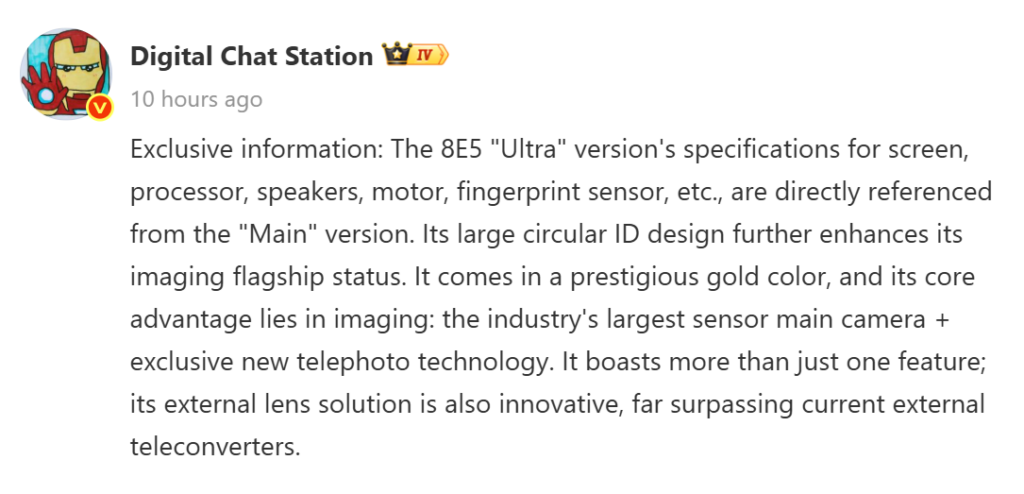
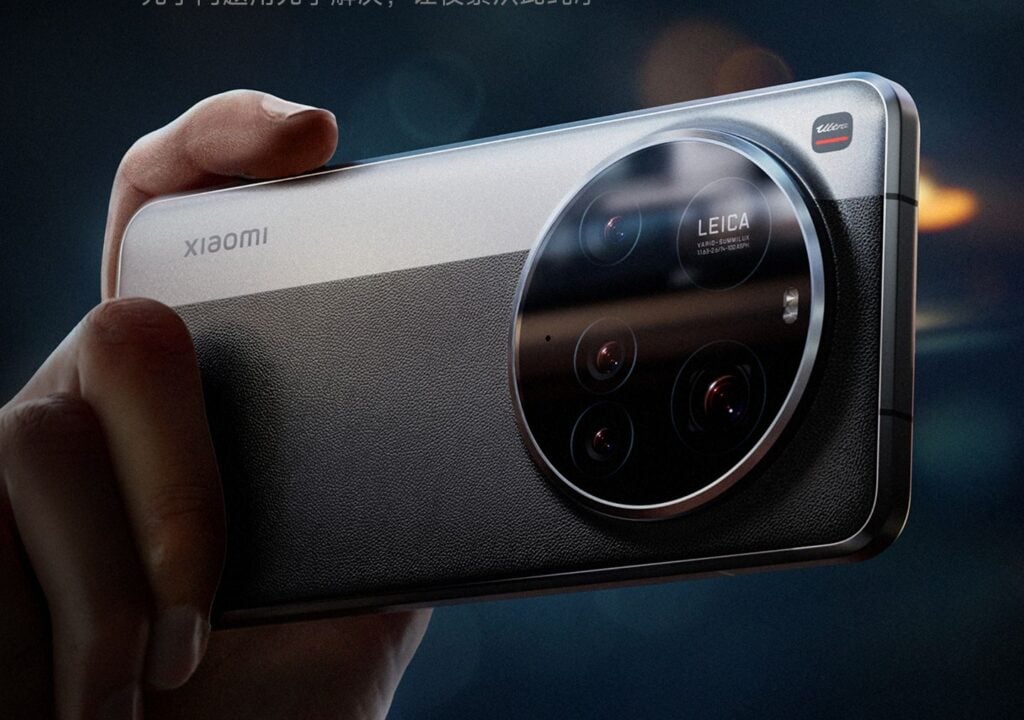
According to a fresh leak from a reliable tipster, Digital Chat Station, the upcoming Xiaomi 16 Ultra could be the first smartphone to feature a 200-megapixel sensor paired with a multi-layer periscope lens system. 

What makes this setup truly special, though, is the introduction of “continuous optical zoom”, a rare and technically complex feature that only a few phones have tried before.

If this leak holds true, Xiaomi is going beyond fixed zoom levels like 3x or 5x. Instead, users will get a smooth zooming experience similar to using a DSLR lens. 

According to the leak, this is made possible by a shared CMOS sensor between dual optical zoom segments, allowing Xiaomi to minimize quality loss when zooming in or out.

Digital Chat Station hints that Xiaomi is also developing a bunch of in-house technologies to make this happen. It’s still early days, but if Xiaomi can pull this off, the 16 Ultra could offer the most versatile smartphone camera system we’ve seen yet.

What else can you expect?

If that wasn’t enough, the rest of the camera setup also looks impressive. According to a previous leak, the device could feature a 1-inch 50MP main sensor, a 50MP Sony LYT-600 ultra-wide lens, and a 50MP front camera, covering just about every angle you’d want to shoot from.

Xiaomi 16 Ultra to feature continuous optical zoom

Under the hood, the Xiaomi 16 Ultra is expected to be powered by the Snapdragon Elite 2, and it may come with a massive 7,000 to 7,500mAh battery, significantly larger than what we typically see in flagships.

For more daily updates, please visit our News Section.

Stay ahead in tech! Join our Telegram community and sign up for our daily newsletter of top stories.
(Source)

Hands-on with Alogic Fusion Pro Nexus USB-C universal dock

Over the past couple of weeks, I’ve been using the Alogic Fusion Pro Nexus USB-C universal dock, and it has been a good addition to my workspace. This compact yet feature-rich dock is an all-in-one solution designed to simplify and streamline connectivity, especially ideal for ultrabooks and thin laptops that come with fewer ports and rely solely on USB-C. Here are my thoughts on this new dock.

4Final Thoughts

Alogic Fusion Pro Nexus USB-C universal dock

Priced at Rs 9,990 (~$115), the Alogic Fusion Pro Nexus USB-C universal dock is an impressive little tool for the minimalist or mobile professional. It packs virtually every port you’ll need into a slim chassis that travels well and sits discreetly on your desk. Its performance is solid across the board, and if you work with a left-sided USB-C laptop, the ergonomics are spot-on. That said, if your setup heavily leans on USB-C accessories, the single USB-C output might feel limiting. It’s a small compromise in an otherwise highly capable dock.

If you want a sleek, reliable, and travel-ready USB-C dock that simplifies your connectivity without taking over your desk, this one’s worth a look, just keep an extra USB-C hub nearby if you need more flexibility.

For more daily updates, please visit our News Section.

Stay ahead in tech! Join our Telegram community and sign up for our daily newsletter of top stories.

Next

Vivo T4R key specifications confirmed, to be priced under Rs 20,000 (~$230)

Last week, Vivo confirmed that the Vivo T4R will break cover on July 31 in India. Its landing page available on Flipkart has now been updated with more information about its key specifications and features. It also gives a hint about the device’s price.

Vivo T4R key specifications revealed

Starting from the front, the Vivo T4R features a quad-curved AMOLED panel, which supports a 120Hz refresh rate. The device has an impressive slim profile of 7.39mm.

Under the hood, the device will feature the 4nm Dimensity 7400 chipset, and it will be sold in a 12GB+256GB option, among other configurations. The brand claims that this variant of the T4R can achieve a 750K+ score on AnTuTu.

On the front, the Vivo T4R features a 32-megapixel selfie camera with support for 4K recording. On the back, it has an OIS-enabled 50-megapixel Sony IMX882 camera with 4K recording support and a 2-megapixel bokeh lens.

In terms of durability, the Vivo T4R will have an IP68/69-rated and MIL-STD-810H-compliant build, which has passed five environmental tests to withstand harsh conditions like high/low temperatures, water resistance, dust resistance, and shock.

The Vivo T4R is confirmed to be priced under Rs 20,000 (~$230) in India. It will be available in blue and white shades.

As per reports, the Vivo T4R could be based on the recently announced iQOO Z10R smartphone. While the Z10R is sold through Amazon in India, the T4R will be made available through Flipkart. Therefore, the T4R is expected to feature a 6.77-inch AMOLED FHD+ screen, LPDDR4x RAM, UFS 2.2 storage, FunTouch OS 15-based Android 15, an in-screen fingerprint scanner, and a 5,700mAh battery with 44W fast charging.

For more daily updates, please visit our News Section.

Stay ahead in tech! Join our Telegram community and sign up for our daily newsletter of top stories.
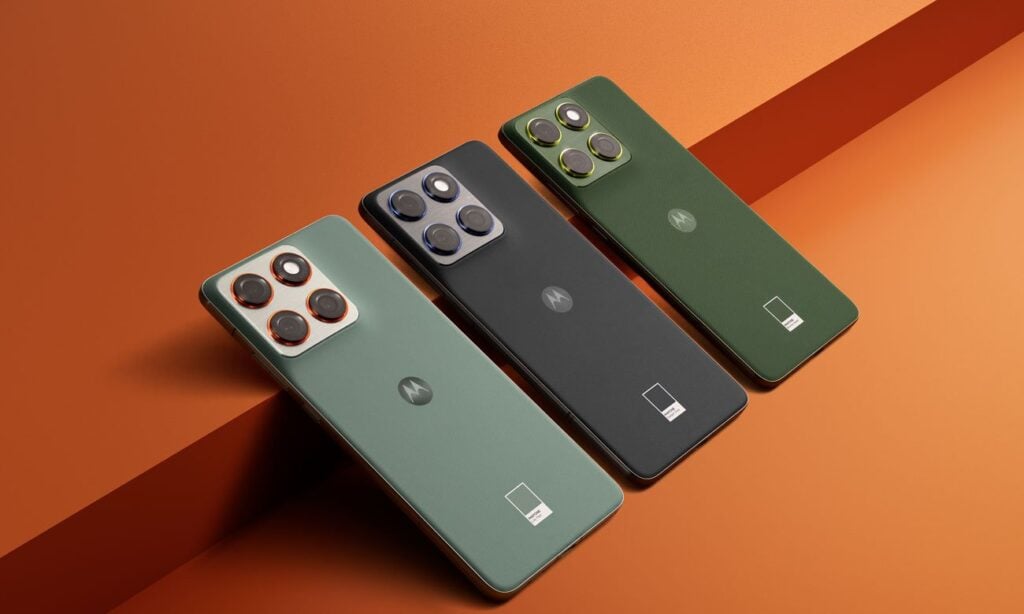
Xiaomi’s New HyperOS 2 Update Supercharges Photo Editing & adds Cross-Device Sync

Xiaomi is reportedly preparing to launch the next version of its Android-based operating system, expected to be named either HyperOS 3 or HyperOS 26. The new OS is likely to debut in the coming months alongside its next-generation flagship phones. Prior to this, the company rolled out a HyperOS 2 update in China, introducing new photo editing features, AI tools, and performance improvements.

The Photos app now supports AI Matting 2.0, which lets users cut out subjects more accurately and replace backgrounds with dynamic effects like time, location, or weather-based scenes. Group photos can be edited with smart beauty filters. The app also adds support for animated stickers, layout collages, and custom templates.

AI photo sorting has been added. Photos are now grouped by people, time, or location. Users can search with phrases like “May trip” or “wedding photos,” and the system pulls up relevant images. The new Memory Album feature auto-creates photo stories using this data.

Photo editing tools have also improved. Users can now fine-tune colors, apply filters, and adjust parameters more quickly. The crop function is also getting a fix in the next patch.

Performance issues are being addressed. The status bar and gesture guide now appear without delay when returning to the home screen from some apps. UI transitions are smoother.

Photos and videos backed up to Xiaomi Cloud now retain their original quality. The new layout allows users to view and manage cloud-stored files in the same gallery view. Users can also check backup status and data usage in real time.

The new HyperOS 2 update also upgrades file browsing and multi-device use. Photos can be searched and sent between devices faster. Shared albums now sync between Xiaomi phones, tablets, and TVs.

A new Smart Service dashboard has been added. It shows photo storage stats, duplicate files, and phone usage patterns. It also gives suggestions to free up space.

The update is being released gradually to supported models in China. It is currently unclear when these new features will arrive on devices outside of China.

For more daily updates, please visit our News Section.

Tech enthusiast? Get the latest news first! Follow our Telegram channel and subscribe to our free newsletter for your daily tech fix!

(via)

Oppo Find X9 Pro key specifications leak hints 7500mAh battery, 50W wireless charging, and more

The Oppo Find X9 Pro, which is expected to launch in October this year in China, is one of the most anticipated flagship phones of the year. Recent reports have revealed that the Dimensity 9500-powered flagship will feature a single 200-megapixel periscope telephoto camera instead of the dual periscope cameras seen on the Find X8 Pro. In a fresh leak, tipster Digital Chat Station has shared the key specifications of the device, including its battery size. 

Oppo Find X9 Pro specifications (rumored)

Oppo Find X9 Pro specs leak by DCS

The Oppo Find X9 Pro is expected to feature a 6.78-inch flat OLED LTPO display with a 1.5K resolution. It will come with 2.5D curved glass and an R-angle design, offering a clean and modern front look. The bezels on all four sides are said to be extremely slim, thanks to LIPO packaging technology. For security, the phone will include an ultrasonic in-screen fingerprint scanner.

On the rear, the device will have a top-left-aligned camera module with a seamless design. The standout feature of the camera setup is likely to be a 200-megapixel periscope telephoto lens, which previous leaks suggest could be the Samsung HP5 sensor. This will reportedly be paired with a 50-megapixel primary camera and a 50-megapixel ultra-wide lens, forming a versatile triple camera system.

Internally, the Find X9 Pro is expected to be powered by the MediaTek Dimensity 9500 chipset. The phone will pack a battery rated somewhere in the 7000mAh range, with the highest estimate around 7,500mAh. While details about wired charging are still unclear, the device is confirmed to support 50W wireless charging.

The phone will carry an IP68/IP69 rating, ensuring protection against dust and water. Additionally, a white colour variant of the Find X9 Pro is reportedly in the works, which could feature a back panel made of either fibreglass or glass, adding a premium aesthetic to the device.

For more daily updates, please visit our News Section.

Stay ahead in tech! Join our Telegram community and sign up for our daily newsletter of top stories.
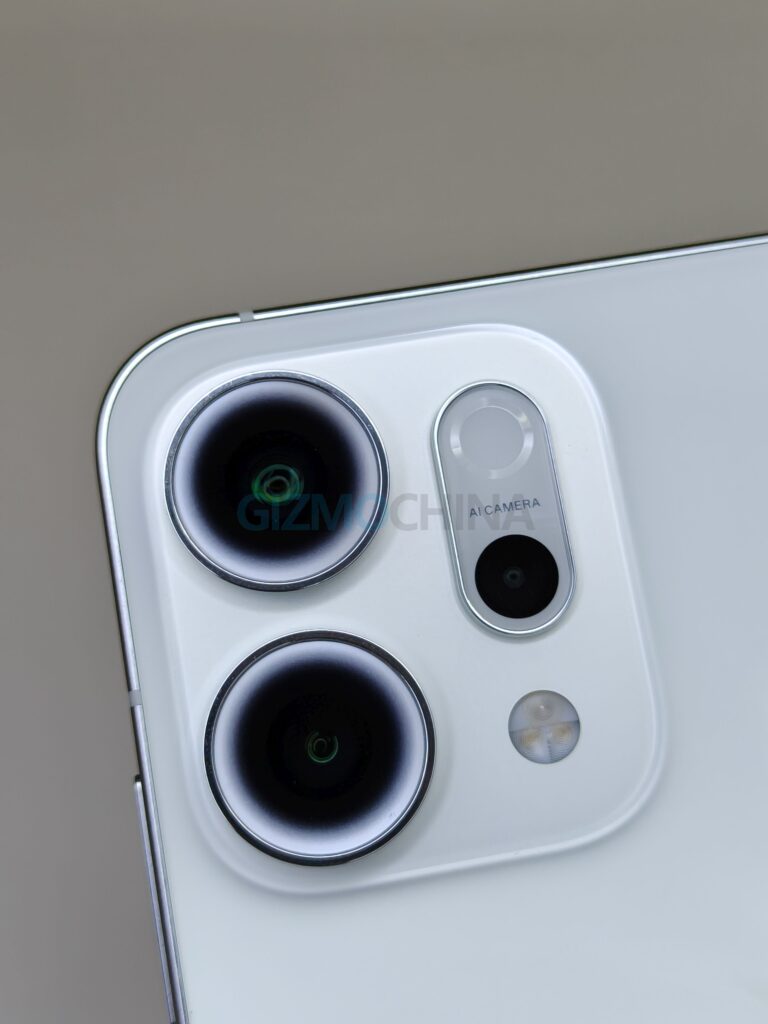
Meizu 22 teased with world’s thinnest white bezel, front design revealed

Meizu has started teasing its next flagship phone, the Meizu 22, in China. The teaser gives the first look at the amazing front design of the device. Here’s a look at everything known about the device so far.

Meizu 22 front design revealed

Meizu 22 ffront design teaser
Meizu 22 front design teaser

According to the brand, the Meizu 22 is aiming to break the record for the world’s narrowest symmetrical bezels, with all four sides reportedly measuring just 1.2mm. But this is not just about reducing bezel size. The real challenge is achieving such a slim frame with a white front panel, which is notoriously difficult to produce at high quality. While the exact screen size has not been confirmed, the phone is expected to feature a compact form factor that supports comfortable one-handed use.

The brand said that the industry has often avoided white panels on phones with slim bezels due to significant drops in manufacturing yield. Despite that, Meizu has insisted on sticking to the white front design, calling it an integral part of its brand identity since the MX2.

To reach this milestone, Meizu’s R&D team developed an in-house LIPO process and adopted a six-layer treatment method. This pursuit has come at the cost of higher failure rates during trial runs, but Meizu claims to be nearing its target.

The Meizu 22 is said to have the M582Q model number, as per the CMIIT listing. This model is expected to house a single-cell 5370mAh battery (typical capacity: 5,500mAh). It is also expected to feature the Snapdragon 8 Elite Leading Version chip and a periscope telephoto camera.  

At an event in May, the company had promised to revamp its image quality game entirely, starting with this series. Meizu is also doing away with the traditional “Pro” or “Standard” naming, instead planning a unique lineup within the Meizu 22 universe.

For more daily updates, please visit our News Section.

Stay ahead in tech! Join our Telegram community and sign up for our daily newsletter of top stories.

Redmi Turbo 5 / Poco X8 Pro model numbers emerge via IMEI database

Redmi unveiled the Redmi Turbo 4 in China at the beginning of 2025. The device was rebranded as the Poco X7 Pro in markets outside of China. Recent reports have been gradually leaking details about the Redmi Turbo 5, which may break cover in January 2026. A new report by XiaomiTime claims that the Redmi Turbo 5 and its expected rebranded version, the Poco X8 Pro, have emerged in the IMEI database. The listings have revealed the model numbers of both devices.

Redmi Turbo 5 / Poco X8 Pro model numbers emerge

Xiaomi Redmi Turbo 4
Redmi Turbo 4

As per the publication, a Xiaomi phone with model number 2511FRT34C has appeared in the IMEI database. The report claims that this phone is the upcoming Redmi Turbo 5.

At the same time, the 2511FPC34G and 2511FPC34I Poco devices have also emerged in the IMEI database. These are believed to be the global and Indian versions of the X8 Pro. Readers should be aware that while these model numbers have emerged in the IMEI database, the listings do not mention their official monikers.

Redmi Turbo 5 / Poco X8 Pro specifications

As per reports, the Redmi Turbo 5 will feature a 6.6-inch flat OLED panel that supports a 1.5K resolution. Under the hood, the device may feature the Dimensity 8500 Ultra chip. It is expected to sport a slim and lightweight design equipped with a metal middle frame.

At present, Redmi is working on the Redmi 15 and Redmi Note 15 series of smartphones. The Redmi series is expected to include four models, such as the Redmi 15 5G, Redmi 15C 5G, Redmi 15 (4G), and Redmi 15C (4G). On the other hand, the Note series will include the Redmi Note 15, Note 15 Pro, and Note 15 Pro+.

While the Redmi 15 lineup is expected to release soon globally, the Note lineup is likely to launch in August in China.

For more daily updates, please visit our News Section.

Stay ahead in tech! Join our Telegram community and sign up for our daily newsletter of top stories.

(via)

Gmktec K12 Mini PC launched with Ryzen 7 H 255, Radeon 780M & up to 128GB DDR5 RAM

Gmktec has introduced the K12 mini PC in the Chinese market, targeting users who need compact computing power for gaming, creative work, and multitasking. The barebone version starts at 2,099 yuan ($293).

Gmktec K12 Mini PC

Gmktec K12 Mini PC Specifications

The K12 is powered by the AMD Ryzen 7 H 255 processor, which features 8 cores and 16 threads based on the Zen 4 architecture. It runs at a base clock speed of 3.8GHz and can boost up to 4.9GHz.

The CPU comes with 16MB of L3 cache and a 70W power ceiling, making it suitable for sustained performance-heavy tasks. The mini PC uses AMD Radeon 780M integrated graphics with RDNA 3 architecture, offering 12 GPU cores clocked at 2600MHz.

The system supports up to 128GB of DDR5 RAM via two SO-DIMM slots and allows up to 24TB of storage across three M.2 PCIe 4.0 slots; two with PCIe 4.0 x2 and one with PCIe 4.0 x4. It features a vapor chamber cooling system with dual fans to ensure efficient heat management and quiet operation.

The K12 mini PC supports dual 2.5G Ethernet ports, Wi-Fi 6E, Bluetooth 5.2, and external GPU connectivity via an OCulink port (compatible with GPUs like the RTX 4060). It offers multiple display outputs, including HDMI 2.1, DisplayPort 1.4, USB4, and a fully featured USB-C port, supporting up to four displays and resolutions up to 8K at 120Hz.

Gmktec K12 Mini PC

The front panel includes two USB-A 3.2 Gen 2 ports, one USB-A 2.0 port, a USB-C port, and a 3.5mm audio jack, while the rear panel adds another USB-A 3.2 Gen 2 port, a USB-A 2.0 port, HDMI, DisplayPort, USB4, a second 3.5mm jack, the OCulink port, and dual LAN ports.

The mini PC comes in a compact 154×151×73.6mm chassis and carries forward Gmktec’s Evo-series floating-style design. It includes top-mounted RGB lighting and ships with Windows 11 Pro (non-activated on barebone units). Each package includes a power adapter, HDMI cable, and VESA mount.

The full pricing details are:

  • Barebone (no RAM, no storage): 2,399 yuan (approx. $336), launch price 2,099 yuan ($293)
  • 16GB RAM + 512GB SSD: 2,899 yuan (approx. $406), launch price 2,599 yuan (approx. $364)
  • 32GB RAM + 1TB SSD: 3,399 yuan (approx. $476), launch price 3,099 yuan (approx. $434)

In related news, Lenovo has quietly introduced a budget-friendly yet capable mini PC, while Minisforum has unveiled the UM690L Slim Mini PC powered by a Ryzen 9 6900HX processor and LPDDR5 RAM.

For more daily updates, please visit our News Section.

Stay ahead in tech! Join our Telegram community and sign up for our daily newsletter of top stories! 💡

(Source)

iPhone 17 Pro could feature 8x telephoto lens and two Camera Control buttons

Apple may be gearing up for its biggest camera upgrade yet with the upcoming iPhone 17 Pro series. According to a leak shared with MacRumors by an anonymous source, the next Pro iPhones will feature several new camera capabilities.

The source claims to have knowledge of a commercial for the device, reportedly filmed by the Slovenian production company Division Film. The studio even lists Apple as its client. However, MacRumors says the information has not been independently verified.

iPhone-17-Pro-renders
iPhone 17 Pro renders

One of the standout upgrades reportedly coming to the iPhone 17 Pro is a redesigned telephoto lens that supports up to 8× optical zoom. That’s a noticeable jump from the current 5× zoom on the iPhone 16 Pro Max and would give users more flexibility when capturing subjects from a distance. 

The new lens is said to offer continuous zoom capabilities across different focal lengths, something that would bring it closer to DSLR-style versatility.

Apple is also rumored to be introducing a dedicated pro camera app. The app would offer advanced photo and video tools and is expected to rival third-party apps like Halide and Filmic Pro. It’s not yet clear whether this app will be exclusive to the iPhone 17 Pro lineup or come to older devices as well.

A push toward video creators

More surprisingly, Apple may be adding a second camera control button, this time on the top edge of the phone. 

We’d be surprised if Apple seriously considers this idea, as it has been rumored to be moving toward a button-less phone design. Also, the existing camera button didn’t receive particularly positive reviews.

iPhone 16 series camera control button-

While there’s talk of a brand-new app, the source also suggests Apple could instead deliver a significant update to its existing Final Cut Camera app.

Beyond camera improvements, the leak claims the iPhone 17 Pro will come in a new copper-like finish and may feature a centered Apple logo on the back.

Apple is expected to announce the iPhone 17 series in September. If even half of these camera rumors hold up, the Pro models will be a notable improvement over their predecessors.

For more daily updates, please visit our News Section.

Stay ahead in tech! Join our Telegram community and sign up for our daily newsletter of top stories! 💡

(Source)

Haier just launched a 20,000Pa floor scrubber that detects hidden dust and shreds hair

Haier has officially launched the RHXG-H1 floor scrubber in the Chinese market. It is now available on JD.com at a retail price of 2,099 yuan ($293). The new model targets premium users looking for an all-in-one wet and dry vacuum cleaner with high suction power, AI-assisted cleaning features, and enhanced hygiene support.

Haier RHXG-H1 Scrubber

Haier RHXG-H1 Scrubber Specifications

The RHXG-H1 features a powerful 20,000Pa suction system powered by a high-performance variable frequency motor developed in-house. Haier has equipped the device with a dual-row diamond blade comb system (2.0 version) that can vacuum and shred up to 50cm-long hair strands without tangling. Additionally, it features a 3mm extended golden comb tooth structure with 108 high-density teeth that effectively intercepts hair before it reaches the nozzle, helping to prevent clogging during cleaning.

The vacuum also supports 180-degree flat folding and uses a 65° bendable motor module that carries an IPX6 waterproof rating. The motor module is washable, making it easier to maintain hygiene between cleaning sessions. Haier has integrated green light dust detection using 555nm LEDs, allowing users to identify fine dust and debris in low-light areas such as under beds and furniture.

The H1 comes with Haier’s Golden Water Film Precision Control System 2.0, which evenly distributes water on the roller brush and removes excess moisture to reduce streaks and prevent slips. The system limits water residue to under 0.5g per square meter. When powered off, the brush retracts slightly for three seconds to collect any remaining water and prevent dripping.

The vacuum supports four cleaning modes: Standard, Quiet, Fast Dry, and Power. It includes a large 800ml clean water tank and a 750ml dirty water tank. Its patented submersible sewage container maintains steady suction and prevents leaks, even when the unit is fully reclined.

Haier has included hot water washing at 75°C and two drying options: an 85°C quick dry in five minutes and a 60°C gentle dry in 20 minutes. The system also uses electrolyzed water for real-time sterilization, claiming a 99.99% kill rate for bacteria, which is especially useful in homes with pets or small children.

The RHXG-H1 runs on a 5000mAh battery that supports up to 50 minutes of continuous use, covering areas up to 400 square meters in a single session.

In related news, Haier recently launched the Pet Love V40 robot vacuum, featuring 20,000Pa suction power and an AI Smart Eye sensor. The company has also debuted its M80F series Mini LED 4K TVs, made in India, with support for Dolby Atmos and 120Hz gaming.

For more daily updates, please visit our News Section.

Stay ahead in tech! Join our Telegram community and sign up for our daily newsletter of top stories! 💡

(Source)

HarmonyOS 5.1 Rolls Out to Huawei Watch D2 in Europe With Hex Grid and New Watch Faces

Huawei is now rolling out the HarmonyOS 5.1 update for the Watch D2 in Europe. The new software version, 5.1.0.18 (SP2C00M05), is 92.99 MB.

Huawei Watch D2

The update adds a new Hex Grid layout, also known as Star Ring in China. This joins the existing Grid and List layouts. Users can swipe down to show or hide app names and switch between layout styles.

Five new watch faces are included. Tranquil Landscape features a traditional Chinese design. Maximum Modules supports the most on-screen widgets. Color Cut-out mixes visual design with customization options. Speedway Chronograph and Galactic round out the new additions.

The update also adds average sleep HRV monitoring. This lets users track how well they’ve recovered from tiredness and stress. The watch now measures heart rate, respiratory rate, and SpO2 during sleep and compares them to your usual values. If it detects unusual patterns, it will send sleep-related alerts.

Other improvements include raising the limit of favorite contacts from 10 to 30. The alarm creation process has also been simplified, letting users edit and set alarms more easily.

Huawei has not confirmed when the update will reach all regions, but it is rolling out in phases. Users can check for the update in the Huawei Health app.

Please Note: When you buy something using the links in our articles, we may earn a small commission at no cost to you.

For more daily updates, please visit our News Section.

Stay ahead in tech! Join our Telegram community and sign up for our daily newsletter of top stories.

(via: Huaweiblog.de)

Samsung DeX gets a major overhaul in One UI 8

Samsung has introduced a major shift in its DeX desktop experience with the upcoming One UI 8 update. Built on top of Android 16, the new DeX mode marks the company’s transition from its long-standing custom implementation to Google’s native Desktop Mode framework.

Samsung DeX

Samsung DeX originally launched in 2017 with the Galaxy S8 series. It aimed to turn smartphones into desktop-like workstations through a dedicated interface when connected to external displays. Over the years, Samsung added numerous features to enhance functionality, including taskbar settings, keyboard customization, and app window controls.

In One UI 8, Samsung has removed many of these classic DeX elements. The dedicated DeX tab in settings no longer exists and has been replaced by a “Connected Display” menu. The app drawer now scrolls vertically, and the “Exit DeX” and “Lock DeX” buttons have been removed. Settings for taskbar visibility, keyboard placement, audio output, and app pinning have also been removed.

Samsung-DeX-OneUI-8

Samsung’s decision aligns with Google’s broader strategy. Android 16 introduces a new native Desktop Mode that supports freeform app windows, a persistent taskbar, and improved display management. Google and Samsung have worked together to improve the windowing system, allowing Samsung to build DeX features on top of Android’s official implementation instead of maintaining a separate version.

The current One UI 8 beta shows that DeX still supports core functionality, including the touchpad, S Pen input, and wireless display connectivity. However, many advanced features from the older DeX system are missing. Samsung may reintroduce some of them in future updates, but the company appears committed to this unified direction.

By aligning with Google’s desktop roadmap, Samsung is positioning DeX for better long-term support and broader compatibility across Android devices. While the initial transition may frustrate power users, the integration could lead to a more consistent and capable desktop experience across the ecosystem.

For more daily updates, please visit our News Section.

Stay ahead in tech! Join our Telegram community and sign up for our daily newsletter of top stories! 💡

(Source)

Redmi Pad 2 Now Available Globally via AliExpress Starting at $161

Xiaomi’s budget tablet, the Redmi Pad 2, originally launched in June 2025, is now available to a wider global audience. The device had already rolled out in the EU and UK markets, and it is now listed on AliExpress for international buyers.

Redmi Pad 2 features

The tablet features an 11-inch display with a 2560 x 1600 resolution, 90Hz refresh rate, and 10-bit color depth. It also includes multiple eye-care technologies for extended usage without strain.

Powered by the MediaTek Helio G100 Ultra processor, the Redmi Pad 2 is equipped with up to 8GB LPDDR4X RAM and 256GB UFS 2.2 internal storage. The tablet supports storage expansion via microSDXC up to 2TB.

The device houses a 9,000 mAh battery with 18W fast charging support. For photography, it includes an 8MP rear camera and a 5MP front camera for video calls and selfies.

Other features include WiFi 5, a quad-speaker setup with Dolby Atmos, and HyperOS 2.1. It is also compatible with the Redmi Smart Pen, adding utility for note-taking and casual drawing.

Pricing & availability

The WiFi-only model of the Redmi Pad 2 is now listed on AliExpress starting at $161.11. The 4G variant is also available, starting at $318.05.

For more daily updates, please visit our News Section.

Stay ahead in tech! Join our Telegram community and sign up for our daily newsletter of top stories!

(via: Notebookcheck)

Xiaomi’s next Ultra flagship could land in 2025 itself

Xiaomi’s next flagship, the Xiaomi 16 Ultra, may arrive sooner than expected, according to a new hint by Weibo tipster Digital Chat Station. 

In a post on Friday, Xiaomi Group President Lu Weibing gave the first official tease for the upcoming flagship, describing it as “a new height of mobile imaging.” Now, a hint from a reliable tipster, Digital Chat Station, suggests the phone’s release timeline may have been moved up. Instead of launching after the Spring Festival, the device could debut before the end of the year.

That’s a big shift. Traditionally, Xiaomi’s Ultra-branded phones launch after the holiday. But this time, the company seems eager to show off what it’s been working on with Leica, whose partnership is reportedly deepening. 

Three flagships incoming

As for the specs, the Xiaomi 16 Ultra will use the Snapdragon 8 Elite 2. That’s no surprise, it’s the go-to chip for most Android flagships this cycle. The phone is also expected to use a flat display, a notable change in design language compared to recent curved-screen flagships. 

In addition to the regular Ultra, Xiaomi seems to be cooking up two spinoffs, the Xiaomi 16S Ultra and the Xiaomi 16 Ultra Max. The two phones have appeared in the GSMA IMEI certification with model numbers 25128PNA1C and 25128PNA1G, respectively. 

Xiaomi 15 Ultra 100 Years of Leica Edition

The 16S Ultra is rumored to feature Xiaomi’s custom XRING chip, while the 16 Ultra Max could be the one to bring the top-tier camera hardware in the line. 

Xiaomi is also experimenting with a modular optical system for its phones. The company first unveiled it on a concept Xiaomi 15, which includes a customized M4/3 sensor, aspherical lens group, and a f/1.4 aperture.

This modular system allows lossless RAW image capture, 10Gbps optical transmission, and a massive 16-stop dynamic range powered by on-device AI through Xiaomi’s AISP (Artificial Intelligence Smart Photography). If the 16 Ultra Max integrates this setup into a retail product, it could become the most ambitious Xiaomi phone ever made.

For more daily updates, please visit our News Section.

Stay ahead in tech! Join our Telegram community and sign up for our daily newsletter of top stories! 💡

Pixel 6a catches fire, ignites bedsheet, sparks safety concerns over battery update

A Reddit user has reported a serious incident involving a Pixel 6a smartphone that caught fire while charging on a bedside table. The user said the phone was resting less than 40 centimeters from his head when it suddenly exploded with a loud noise and released a strong burning smell. The fire spread quickly and ignited the nearby bedsheet. The user inhaled smoke in the closed room, which caused throat discomfort and lingering symptoms throughout the day.

Pixel 6a catches fire

The incident took place on July 26, according to the user’s post. He managed to pull the phone by its charging cable and throw it onto a tiled floor to prevent the fire from spreading further. He also shared images of the burned phone and surrounding damage, including visible heat marks on a nearby air conditioner. The user described the experience as “terrible” and said he was unsure how to contact Google support by email.

Google previously rolled out a mandatory software update for the Pixel 6a that aimed to limit battery performance on units that had crossed 400 charging cycles. The company warned that affected devices could overheat or pose fire hazards if the update was not installed. This update went live on July 8 and applied to Pixel 6a phones that had surpassed 375 cycles, at which point users were expected to receive a warning and become eligible for a free battery replacement.

Some users have raised concerns that the update may be making things worse. One user on social media said his phone never had heating issues before the update, but began running extremely hot afterward. He replaced the battery, which he said resolved the issue.

The latest fire report is the third such case posted online in recent months. In May, another Pixel 6a reportedly exploded due to a swollen battery. Some affected users claim they did not receive any advance warning or were not in regions supported by Google’s walk-in repair centers.

Google has not yet issued a statement in response to the new report. The incident raises fresh questions about the safety of aging Pixel 6a units and the effectiveness of the software update intended to mitigate fire risks.

Meanwhile, Pixel 6a owners still holding on to their devices, the advice is simple: if you’re seeing abnormal heat, swelling, or battery drain, don’t wait. Seek a replacement or stop using the device.

For more daily updates, please visit our News Section.

Stay ahead in tech! Join our Telegram community and sign up for our daily newsletter of top stories! 💡

(Source)

Xiaomi Drops Support for These Phones Ahead of HyperOS 3 Rollout

Xiaomi is officially pulling the plug on a new wave of smartphones as it gets ready for the HyperOS 3. With its latest internal update, the company has added several more models to its end-of-life (EOL) list, meaning these devices will no longer get official support from the company. So let’s check it out.

These Xiaomi Phones That Won’t Get Future Updates

With Google already rolling out Android 16, the Chinese tech giant is expected to be shifting its focus towards HyperOS 3 (its custom Android 16 skin). The company has already released the Android 16 update with HyperOS 2.3 on the global version of the Xiaomi 15 and Xiaomi 14T Pro. While other eligible models will be getting the major software upgrade, Xiaomi has updated its list of devices that are reaching their “end-of-line”.

Xiaomi 11T Pro
Xiaomi 11T Pro

This includes multiple models that include Xiaomi branded devices, Redmi phones, and even POCO models. So here’s all the phones that are losing official support:

  • Xiaomi 11T Pro
  • Xiaomi 11T
  • Xiaomi 11 Lite LE
  • Xiaomi 11 Lite 5G NE
  • Redmi 11 Prime 4G
  • Redmi A1+
  • Redmi A1
  • POCO M5
  • POCO C50

It is worth noting that these newly added devices will still get security patches till September 2025. However, Xiaomi isn’t planning on releasing any official updates for these older phones. The list shared above also includes models that didn’t even receive the HyperOS 2 update. At the moment, Xiaomi is actively working on Android 16 but an official roadmap for the rollout of HyperOS 3 hasn’t been shared yet. So stick around for more.

For more daily updates, please visit our News Section.

Don’t miss a thing! Join our Telegram community for instant updates and grab our free daily newsletter for the best tech stories!

(Via)

Vivo V60 bags yet another certification as August launch nears

Vivo has three phones lined up in quick succession for the Indian market. While the T4R is set to launch on July 31 in India, the country will also be treated to the Vivo Y400 5G and Vivo V60. Recent reports have claimed that the Vivo V60 will hit the Indian market in August. It appears that the V60 will also be released in other markets around the same time.

Vivo V60 TDRA certified

Vivo V60 TDRA certified

Reports have revealed that the Vivo V60 has the V2511 model number. This device has already been spotted on certification platforms such as SIRIM (Malaysia), IMDA (Singapore), TKDN (Indonesia), BIS (India), and TUV. The said device has now surfaced in the database of the UAE’s TDRA certification.

Apart from these certifications, the Vivo V60 has also emerged on Geekbench with the Snapdragon 7 Gen 4 chip, 8GB of RAM, and Android 15. The TUV listing, on the other hand, revealed that it may support 90W fast charging.

Vivo V60 specifications (rumored)

Vivo V60 renders by Yogesh Brar

In terms of specifications and design, the Vivo V60 is likely to be identical to the Vivo S30, which has been available in China since May. It is expected to arrive in three shades, such as Mist Grey, Moonlit Blue, and Auspicious Gold.

The Vivo V60 is said to feature a 6.67-inch OLED 1.5K 120Hz screen integrated with a fingerprint sensor. For photography, it may feature a 50-megapixel front camera and a 50-megapixel (OIS) + 8-megapixel (ultra-wide) + 50-megapixel (3x periscope) triple camera unit. The device is also said to feature LPDDR4x RAM, UFS 2.2 storage, a 6,500mAh battery, and an IP68/69-rated body.

The Vivo V60 may arrive with overhauled improvements to the FunTouch OS experience. There are even chatters that it could feature OriginOS, which is usually available on Vivo phones in China.

For more daily updates, please visit our News Section.

Stay ahead in tech! Join our Telegram community and sign up for our daily newsletter of top stories.

Oppo Reno 14 FS 5G renders, specifications leaked before launch

A new addition is set to join Oppo’s Reno 14 lineup, according to a fresh leak shared by XpertPick. The upcoming Oppo Reno14 FS 5G is said to be a refined version of the Reno 14 F, with improvements in performance, memory, and storage. While the official launch date is still unknown, full specifications, images, and pricing have already surfaced.

Oppo Reno 14 FS 5G specifications, renders

The Reno 14 FS 5G will feature a 6.57-inch flat AMOLED display with 2370 x 1080 resolution and 120Hz refresh rate. It will be powered by Snapdragon 6 Gen 1 chipset and paired with 12GB RAM and 512GB storage.

Running Android 15 with ColorOS 15, the phone is expected to deliver a solid mid-range experience. It will pack a 6,000mAh battery with 45W fast charging support.

Its rear camera setup will comprise a 50-megapixel Sony IMX882 primary camera with OIS, an 8-megapixel ultra-wide lens, and a 2-megapixel macro sensor. For selfies, it will feature a 32-megapixel front-facing camera.

Other features include an in-display fingerprint scanner, dual SIM support, Wi-Fi 5, Bluetooth 5.1, NFC, USB Type-C, and IP69 certification for water and dust resistance. Dimensions stand at 158.2 x 75 x 7.76 mm, with a weight of 181g grams. Design-wise, the Reno 14 FS 5G follows the Reno series’ recent styling, with slim bezels and wavy pattern on the back.

Oppo Reno 14 FS 5G price, launch timeline (rumored)

While an exact launch date hasn’t been confirmed, the leaked pricing puts the Reno 14 FS 5G at approximately 450 euros in the European market. It will be available in two color options, such as Green and White. Likely, it may break cover in August.

For more daily updates, please visit our News Section.

Stay ahead in tech! Join our Telegram community and sign up for our daily newsletter of top stories.

(source 1, 2)

itel Super Guru 4G Max launched as India’s first AI feature phone

itel’s latest addition to its feature phone lineup takes a bold step forward with AI integration, a larger 3-inch screen, and support for 13 Indian languages. With the Super Guru 4G Max, the company aims to bridge the gap between digital accessibility and traditional user preferences, offering intelligent functionality without stepping into smartphone territory.
itel Super Guru 4G Max specifications and features

itel Super Guru 4G Max

The Super Guru 4G Max is India’s first AI-enabled feature phone*, capable of executing voice commands in both Hindi and English. Users can make calls, send or read messages, set alarms, open the camera, control media, and activate the FM radio, all through voice interaction.

Designed to cater to first-time digital users, the phone is equipped with a category-leading 3-inch display that enhances the experience of watching content or reading messages. A standout feature is its support for King Voice, a text-to-speech feature that reads messages aloud.

The device also supports 13 regional languages and includes dual 4G SIM slots, a VGA camera with flash, Bluetooth, wireless FM with recording, 64GB expandable storage, and a 2000mAh battery. It also features a premium glass back and a Super Battery Mode for extended standby of up to 30 days. The phone is open network compatible, including BSNL’s B28 band, and supports services like BBC News.

itel Super Guru 4G Max price and availability

The Super Guru 4G Max is available across India in Black, Champagne Gold, and Blue colour options. Priced at Rs 2,099, the device includes a 13-month warranty and an assured free replacement within the first 111 days. It is available through both offline and online channels.

Please Note: When you buy something using the links in our articles, we may earn a small commission at no cost to you.

For more daily updates, please visit our News Section.

Stay ahead in tech! Join our Telegram community and sign up for our daily newsletter of top stories.