Nubia has confirmed through its Weibo channel that it will be holding an unveil event on Aug. 8 to announce the Nubia Z20 flagship phone. The launch poster released by the company only confirms the unveil date of the Z20 and has no information on its specs. It will be arriving as the successor for the Nubia Z18 phone from last year.
The rumor mill has not revealed any details on the specifications of the Nubia Z20 yet. However, the numerous camera samples that have appeared earlier in this month have confirmed that it will deliver impressive photo shooting experience. The launch poster also seems to be highlighting the camera lens as one of its main features.
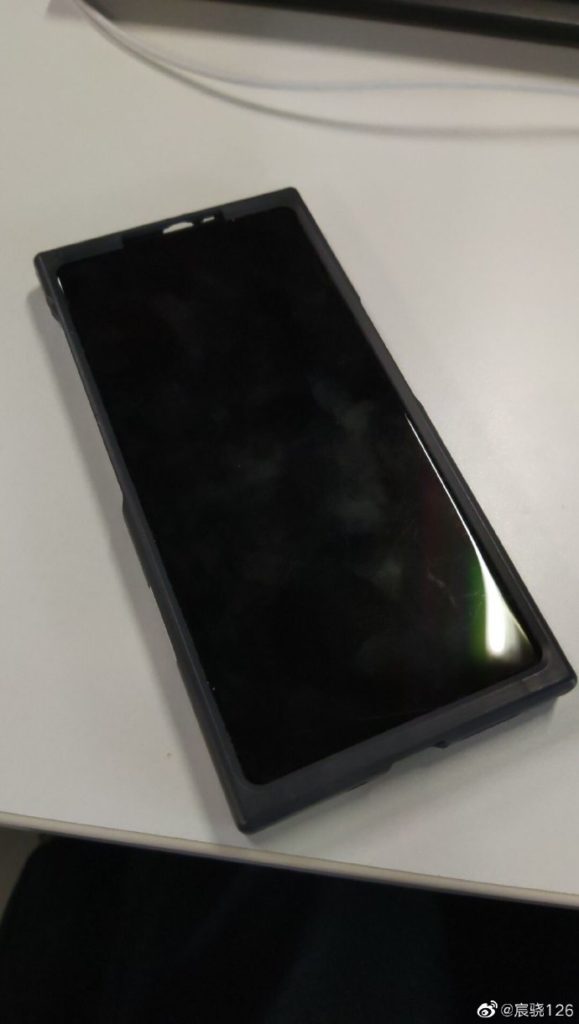
Some reports have claimed that it could be arriving with a notch-less design and a pop-up selfie camera setup. A leaked image of the alleged of the Nubia Z20 ha also appeared on Weibo. The image does not seem to reveal much on the design of the phone since it is encased in a protective cover. What can be said by looking at the image is that it could be sporting a full screen design.
Previous reports had claimed that the Nubia Z19 would be arriving as the successor for the Nubia Z18 phone. However, with the arrival of Nubia Z20 it can be said that the company decided to skip the Nubia Z19 moniker. Being a flagship phone, the Nubia Z20 could be equipped with Snapdragon 855 chipset, 8 GB of RAM, Android 9 Pie and a large-sized battery.
Nubia Z18 Specifications
The Nubia Z18 came with a 5.99-inch display with waterdrop notch. It supported full HD+ resolution of 1080 x 2160 pixels. The Snapdragon 845 chipset fueled the smartphone with up to 8 GB of RAM. It came with up to 128 GB of native storage. The rear shell of the phone featured 24-megapixel + 16-megapixel dual camera setup. It had a front-facing camera of 8-megapixel. The 3,450mAh battery of the phone carried support for Quick Charge 4 18W fast charging through USB-C. It came with a rear-mounted fingerprint scanner but lacked support for 3.5mm audio jack and microSD card slot.
Honor announced a revolutionary product category around a week back in China, called Smart Screens. These are large screen devices, similar to a TV, but much smarter and connected, catering to the needs of the modern-day user. However, after teasing the new product, Honor didn’t reveal much about the new device category. That changed yesterday night as Honor confirms that the new Smart Screen product will meet us at HDC 2019 to be held from August 9-11.
In an official Weibo post, Huawei announced a teaser for the Smart Screen to be showcased at this year’s developer’s conference in China. It reads, “When mobile phones are no longer mobile phones, computers are no longer computers, what would a smart product look like if it was raised to the Nth power?”.
Honor then forwarded the same Weibo post asking its followers whether they were looking forward to it. The teaser image shows us an outline of the human figure with all kinds of smart products inside. Clearly, the event will be a very good platform to unveil the new device, along with its software, possibly the new HongMeng OS.
Huawei dropped a teaser a couple of days back that shows one platform that powers everything smart
Huawei had released a teaser earlier as well, which showed one platform representing all kinds of smart products. Given that HongMeng was developed to be a one stop solution to everything smart, it looks like we are going to get our first glimpse of the OS at the event. Interestingly, Huawei executive has said that HongMeng is not really made for smartphones. So, the new operating system’s target market is likely going to be this new Smart Screen from Honor, and probably a bunch of other smart products.
Given Huawei’s willingness to drop in a few teasers before the official event in August, we can expect to see more details in the coming days.
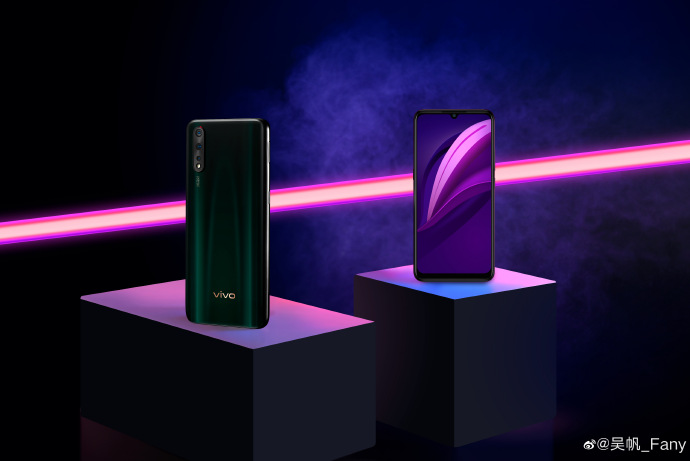
Vivo will be launching the Vivo Z5 smartphone in India on July 31. The Vivo Z5 was spotted with its V1921A model number on the database of China’s TENAA telecom authority earlier this month. The TENAA listing of the phone revealed the entire specs of the phone. With the launch drawing near, Vivo has been busy revealing key details on the smartphone. Earlier this week, it had released couple of official renders of the Vivo Z5 to confirm its design and color variants. Today, it has released some posters on Weibo to reveal the key specs of the phone.
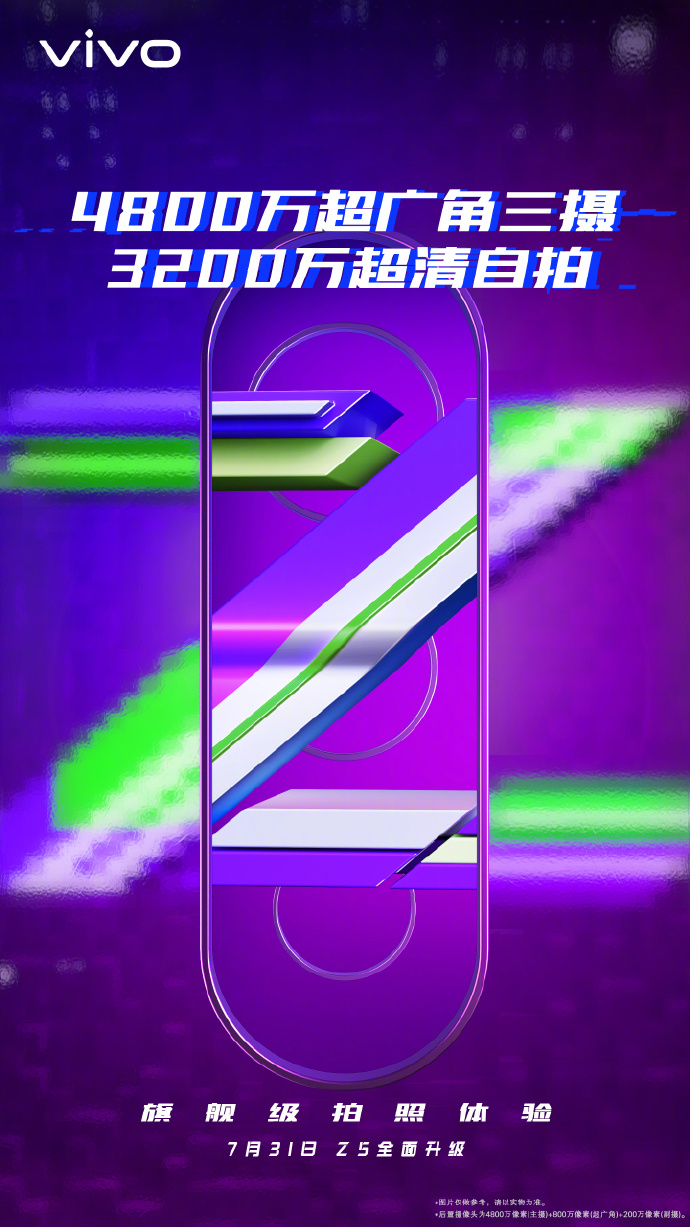
The Vivo Z5 posters reveal that it will be coming with a Super AMOLED display. The image seems to feature an impression of fingerprint which indicate it will arrive with an in-display fingerprint scanner. The second poster reveals the phone will feature a triple camera setup with 48-megapixel lens and it will be also housing a frontal shooter of 32-megapixel.
The Vivo V1921A smartphone had appeared on Geekbench with Snapdragon 710 chipset and 8 GB of RAM. However, rumors surrounding the smartphone had claimed that it could be equipped with Snapdragon 712 SoC. The Chinese firm has confirmed today that Vivo Z5 will be fueled by Snapdragon 712. The Geekbench benchmarking platform has been incorrectly reading the SD712 chip as SD710 and the same has happed with Vivo V1921 Z5 smartphone.
1 of 4
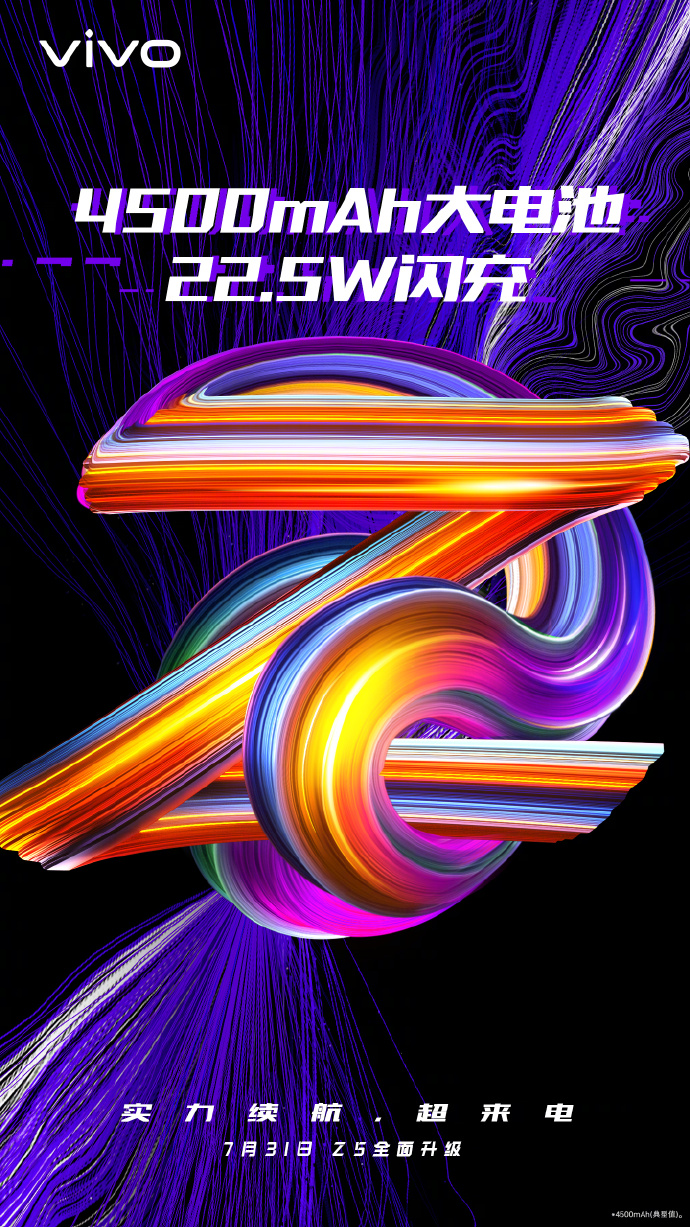
The Vivo Z5 will come with a large battery of 4,500mAh capacity. Yesterday, a leaked image showing the real Vivo Z5 with support for 22.5W fast charging was spotted on Weibo. The company has confirmed today that it will be equipped with 22.5W rapid charging technology. Hence, it will come with a USB-C port for fast charging.
As of this writing, there is no information available on the pricing of the Vivo Z5 smartphone. Based on the TENAA listing, the Vivo Z5 is expected in models like 6 GB RAM + 64 GB storage and 8 GB RAM + 128 GB storage. The triple camera setup of the phone will be featuring a 48-megapixel primary lens that will be accompanied by an ultrawide 8-megapixel lens and a 2-megapixel depth sensor. The handset will boot to Android 9 Pie OS. It lacks support for expandable storage.
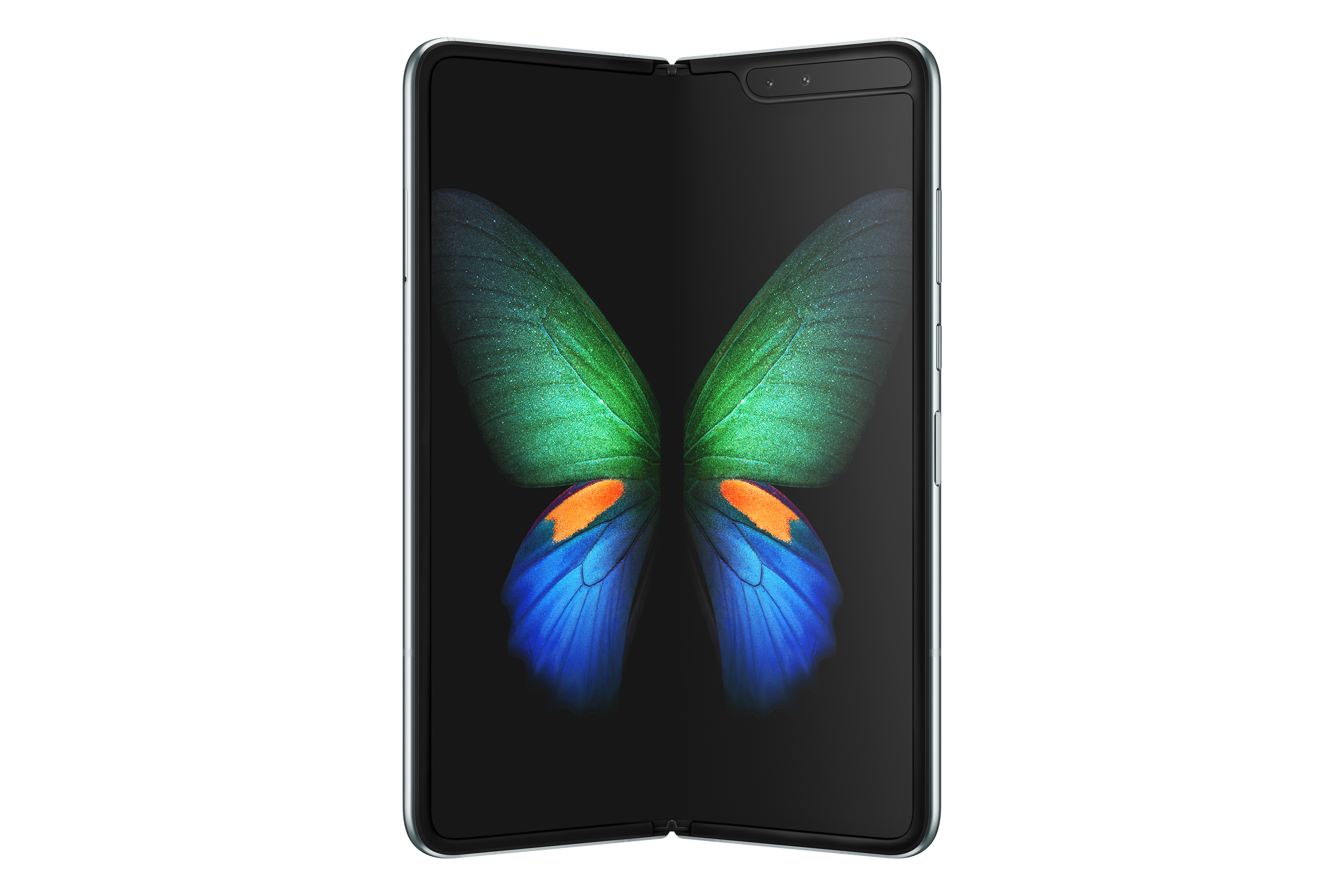
After three excruciating months for Samsung’s foldable department, there’s finally some good news. Samsung has officially announced that the Galaxy Fold, which saw multiple delays in its release due to design flaws, will be officially released in September.
The New Galaxy Fold With Design Changes
Samsung explains that it has made some important changes to the design addressing the design flaws in the original product. Plus, it adds that the phone was put through ‘rigorous tests’ to validate the design. In an official release, the South Korean giant explains the key changes made to the phone’s design. They are as follows:
The top protective layer of the Infinity Flex Display has been extended beyond the bezel, making it apparent that it is an integral part of the display structure and not meant to be removed.
Galaxy Fold features additional reinforcements to better protect the device from external particles while maintaining its signature foldable experience:
The top and bottom of the hinge area have been strengthened with newly added protection caps.
Additional metal layers underneath the Infinity Flex Display have been included to reinforce the protection of the display.
The space between the hinge and body of Galaxy Fold has been reduced.
The fact that reviewers assumed that the protective layer was just another screen protector turned out to be quite an issue for the phone. Removing the layer would break the screen and many reviewers were left with a dead screen within days. Another major flaw observed was the accumulation of debris around the hinge which would, again, break the screen, rendering the foldable useless.
Aesthetically, there aren’t many changes visible in the new design. However, the company seems to be confident that these changes are enough to warrant a commercial launch.
The Galaxy Fold retains the same price tag as before, $1980, and an exact release date is will be announced as the launch nears.
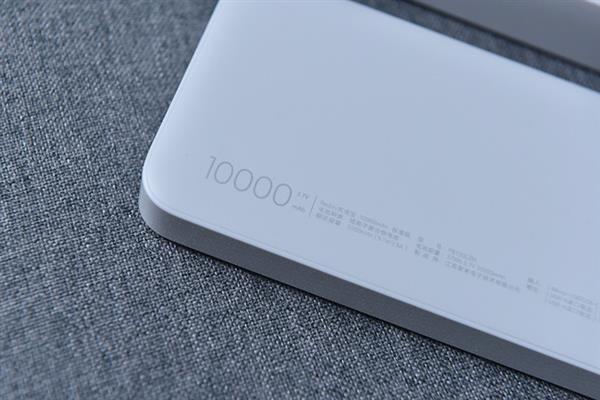
The Redmi brand was from beginning touted to be an independent brand with its own product catalogue and that won’t be restricted to smartphones. We have seen the Redmi brand churn out several products like washing machine, airconditioners, RedmiBook laptop, headphones and recently, the Redmi 10000mAh and 20000mAh power banks.
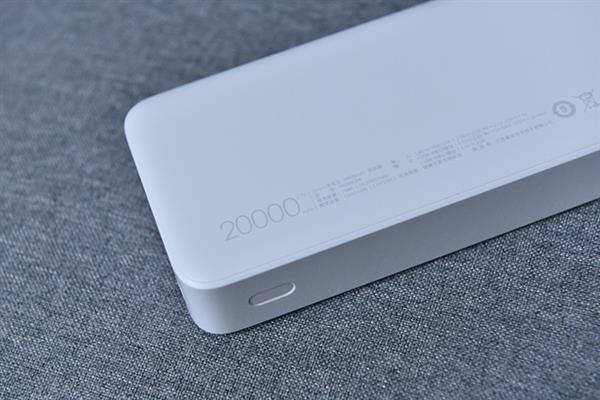
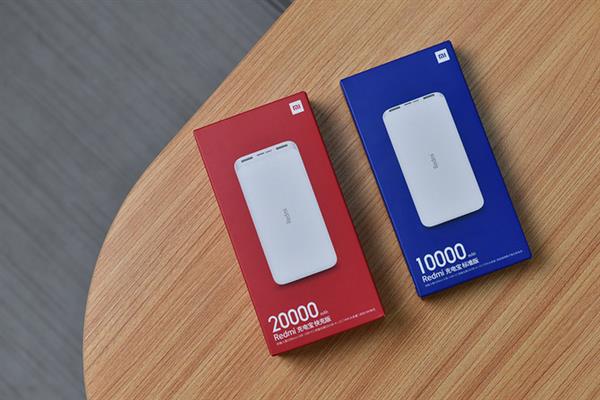
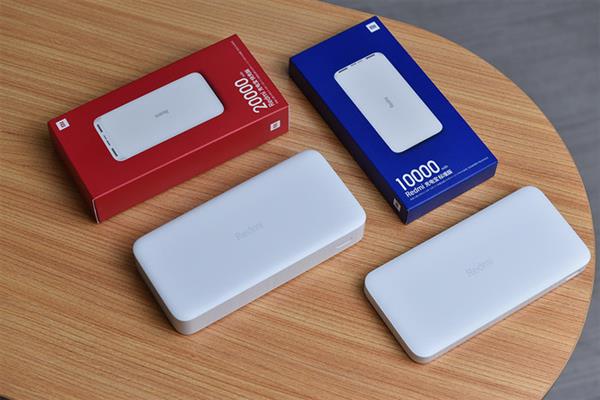
The Redmi power bank with 10,000mAh battery capacity is the standard version while the 20000mAH version is the fast charge version. Surprisingly, both models still retain the cheap pricing the Redmi brand is known for. The 10000mAh version is priced at 59 yuan (~$8) while the 20000mAh version comes in at 99 yuan (~$14).
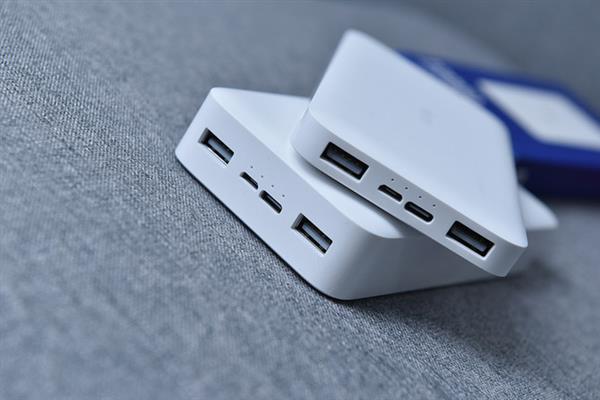
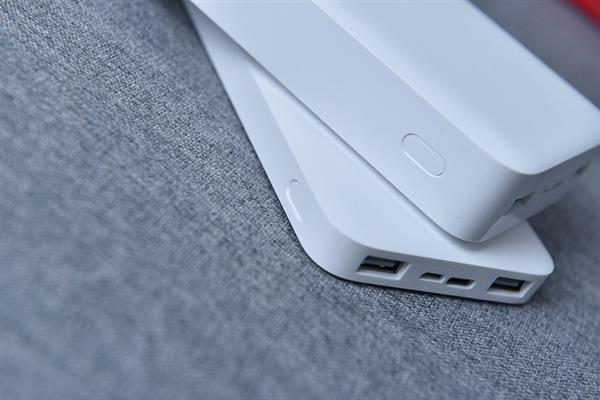
In terms of appearance, the Redmi power banks adopt the design style of Xiaomi-branded power banks. The shape is elegant and simple, and it can be well integrated with the surrounding environment. The shell is made of plastic, light and practical, with a bright finish on the surrounding frame, and the front and back surfaces are treated with fine particles, which are more resistant to dirt and fingerprint stains.
The 10000mAh standard version is thinner and lighter while the 20000mAh version is a bit bulky since the battery capacity is doubled.
On the interface, the two Redmi power banks come with two input interfaces, a micro USB port and a USB Type-C interface. Either of them can be used to charge the power banks. Also, there are two USB-A output interfaces which can be used to charge two devices at the same time.
Both the 10000mAh and 20000mAh power banks have side buttons, which can be activated to view the battery information. Also, when the button is double-clicked, they switch between low current charging and normal charging modes.
On the internals, both Redmi power banks use high-density lithium-ion polymer batteries and are equipped with high-quality circuit chip components, which have reliable protection design for overcharge, over-discharge, high temperature, short circuit and other abnormal conditions. Thus, keeping the safety of the owner during routine use.
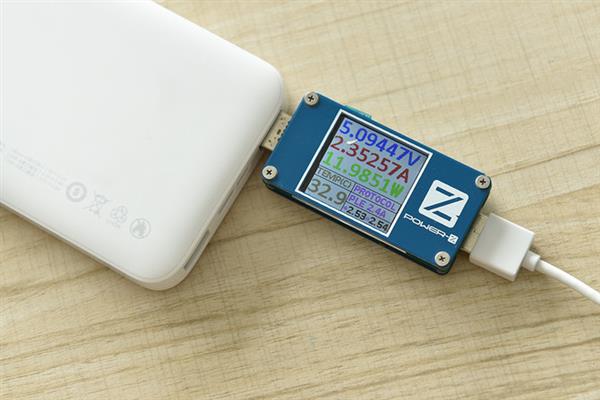
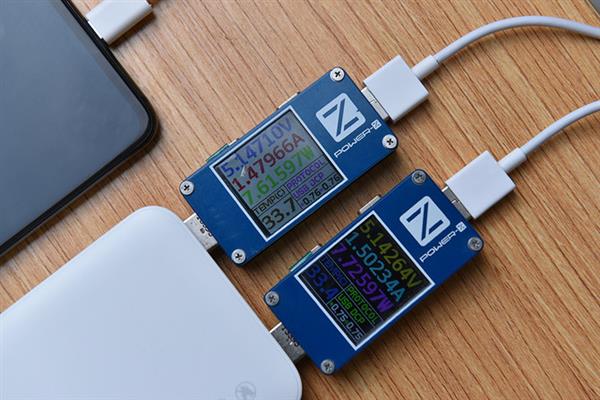
Now, in case you are unsure if the power bank can adequately power up your mobile phone or other gadgets. Or if the power rating is still sufficient even when the two charging ports are in use, here’s is a test to show the output voltage of the two power banks using the Power-Z USB voltage-current tester.
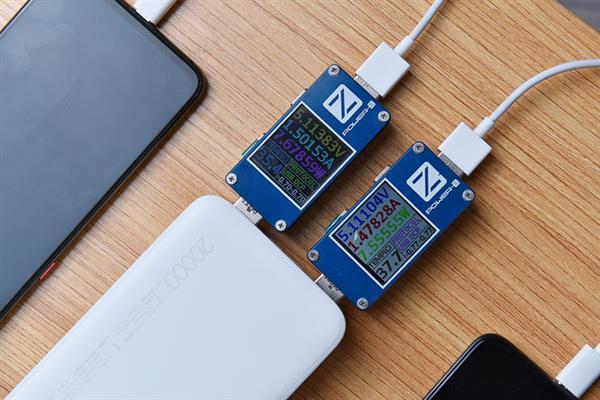
As can be seen in the picture above, the output of one of the ports on the 10000mAh standard version can reach up to 5.1V/2.4A. While when the two ports are used simultaneously, the output can reach 5.1V/2.6A which is suitable for charging an iPhone XR. The measured single-port output can reach 11.9W (5V 2.3A) while the two ports can reach 7.7W (5.1V 1.5A) power when charging two Xiaomi Mi 9 at the same time.
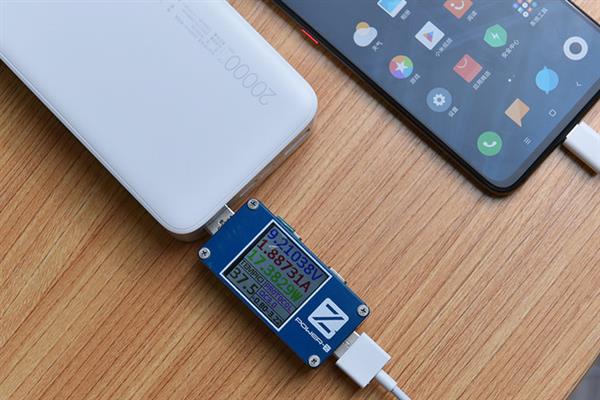
The 20000mAh fast-charge version is more advanced in charging power. The single-port output has 5.1V/2.4A, 9V/2A, and 12V/1.5A. The dual-port simultaneous output can reach 5.1V/3.6A.
In fact, the output of the single-port for the Xiaomi Mi 9 can reach 17.3W (9.2V/1.8A). While the two ports are maintained at 7.7W (5.1V/1.5A) when the two Mi 9 are simultaneously charged.
As for the input power, the 10000mAh standard version supports just 5.1V/2Aoutput while the 20000mAh fast-charge version supports 5V/2.1A, 9V/2.1A, and 12V/1.5A outputs.
Overall, the Redmi power bank offers amazing value for your money.
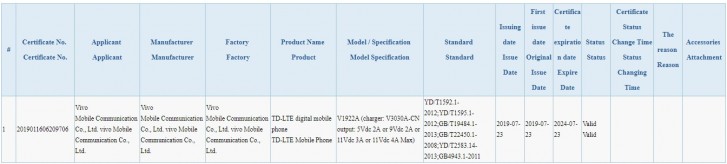
A mysterious Vivo smartphone that bears V1922A model number has received certification from the 3C authority of China. The charger that accompanies the phone is equipped with support for up to 44W fast charging. Rumors have it that it could be Vivo NEX 2 smartphone.
The 3C listing of the Vivo V1922A only shows V3030A-CN charger that accompanies supports up to 5V/2A, 9V/2A, 11V/3A and 11V/4A charging. Speaking of the charger, it is the same one that it is available with iQOO gaming smartphone from Vivo that was announced earlier this year. While Vivo’s SD855 chipset powered iQOO gaming phone had carried support for 44W fast charging, a Vivo branded is yet to arrive with the same rapid charging technology. Hence, there is a possibility that the Vivo V1922A could be a Vivo branded flagship smartphone. It is being speculated it could be the successor of the Vivo NEX phone from last year.
Full-Display 2.0 is an irreversible trend in phone design. Samsung canceled this project (probably one of Samsung's most serious mistakes this year), Chinese brands are actively researching, vivo is one of the most radical brands, and can be foreseen, vivoNEX2 looks like this. pic.twitter.com/3EqytgBYsq
As of this writing, there is no concrete evidence available on the specifications of the Vivo NEX 2 smartphone. However, a well-known tipster from China had shared a render of the NEX 2 in the previous week to reveal its marvelous design. It reveals that the phone could be sporting a bezel-less and a notch-less design since its front is main occupied by its display. The screen seems to be curved towards the edges. The upper and lower bezels of the NEX 2 are extremely thin. There is no information available on the rear design of the smartphone.
The Vivo NEX 2 could be powered by the newly introduced Snapdragon 855+ chipset. The original NEX phone came with 8 GB of RAM. The NEX 2 could be also featuring the same amount of RAM. Vivo had recently showcased its Dual Wi-Fi Acceleration technology through which a user can connect to two different Wi-Fi networks on a Vivo phone simultaneously for faster internet connectivity. Hopefully, the NEX 2 could be the first phone to arrive with this feature. More details on the Vivo V1922A smartphone is expected to appear on TENAA’s database in the coming days.
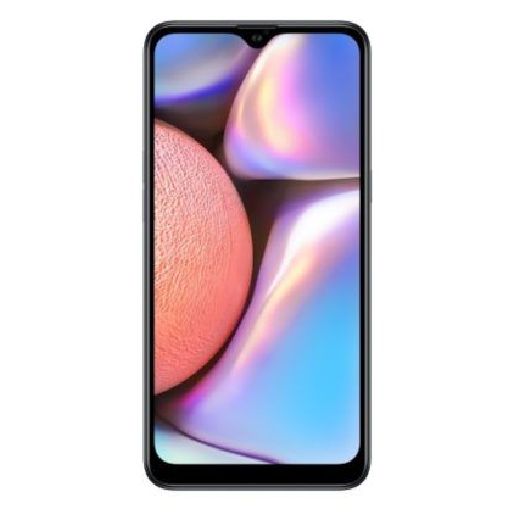
Samsung had launched the Galaxy A10 smartphone as its cheapest A-series phone in February this year. Recent reports have claimed that the company is planning to release upgraded editions of all the 2019 Galaxy A-series in the second half of the year. The rumor mill has been consistently leaking information on the Galaxy A10s smartphone since the past few weeks. Yesterday, it was found listed in the database of Google’s Android Enterprise website. Fresh information shared by 91mobiles reveals that it will be made official as early as next week with a price tag of Rs. 7,990 (~$115).
Samsung Galaxy A10s Specifications (Rumored)
The Galaxy A10s is expected to arrive with a 6.2-inch display that carries support for HD+ resolution. Its image on the Android Enterprise listing shows that it features a waterdrop-style notch. The publication has revealed that the phone will be fueled by 1.6GHz processor. However, the exact name of the processor for Galaxy A10s is not known yet.
The Galaxy A10s smartphone will boot to One UI based Android 9 Pie OS. The Galaxy A10 came with a 3,400mAh battery. The A10s is expected to arrive with a larger battery of 4,000mAh capacity. The rear side of the phone could be featuring a dual camera system that may include a main sensor of 13-megapixel and a depth sensor of 2-megapixel. The handset could be featuring a front-facing camera of 8-megapixel.
Samsung Galaxy A10s
The publication has added the smartphone will come with 2 GB of RAM and a built-in storage of 16 GB. The image of the phone that was leaked yesterday on Android Enterprise listing had revealed it is equipped with a rear-mounted fingerprint scanner. The A10 phone did not feature it.
The A10 smartphone that featured 2 GB of RAM and 32 GB of native storage was introduced with Rs. 8,490 (~$123). It is now selling with a reduced price tag of Rs. 7,990 (~$115). The publication has claimed that the Galaxy A10s is speculated to arrive in India with a price tag of Rs. 7,990. It may launch in India as early as next week or in early August.
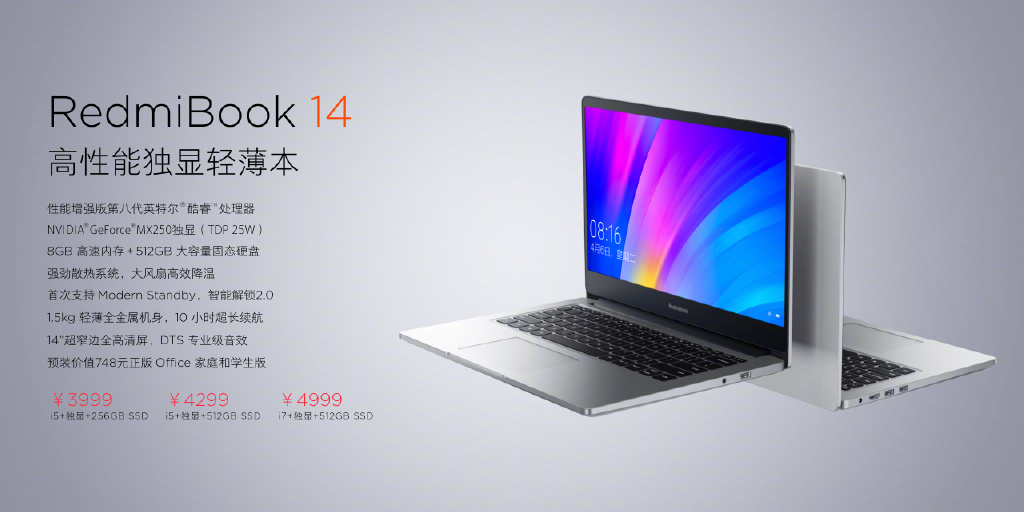
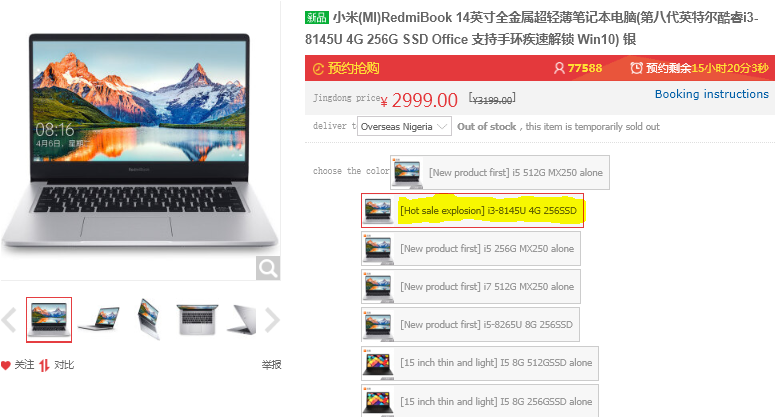
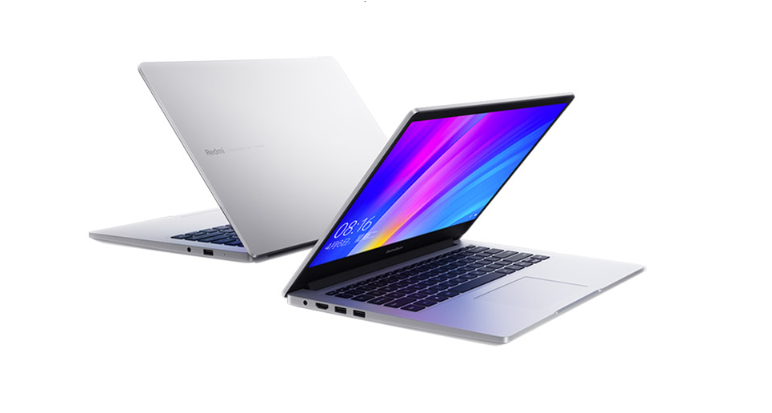
Xiaomi’s Redmi launched its first notebook PC dubbed RedmiBook 14 on May 28. At the time, the notebook was announced with Intel Core i5 and Core i7. The RedmiBook14 has now got an Intel Core i3 version that is priced at 3,199 yuan (~$465). The laptop is presently on Reservation via Jingdong (JD.com) at a reduced 2999 yuan ($436) price tag.
The new version features the eighth-generation Core i3-8145U, paired with 4G memory, and 256GB SSD. Apart from these modifications, the Core i3 version adopts the same design and hardware with the other versions.
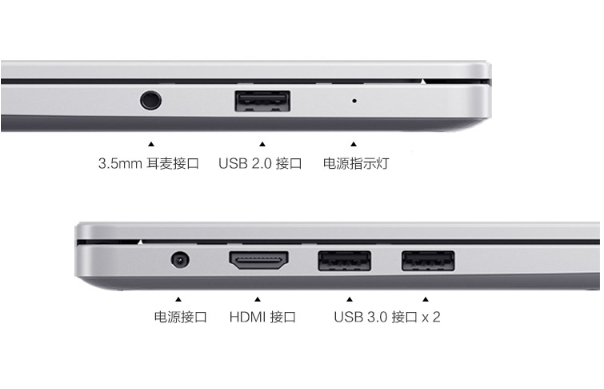
As a reminder, the RedmiBook 14 packs a 14-inch full HD screen, which explains the number 14 attached to the moniker. The display comes with narrow 5.75mm bezels and a solid 81.2% screen to body ratio. The screen equally comes with an anti-glare matte coating to ensure good display visibility in the daytime. The Redmi notebook is relatively lightweight at 1.5Kgs and comes with a 19mm full-sized keyboard. Unlike the new MacBooks, the RedmiBook boasts a number of ports like HDMI, 2 x USB 3.0, 3.5mm headphone jack, and a USB 2.0 port.
In addition, the notebook comes with an efficient cooling system and boasts a long 10 hours of battery life. It supports ultra-low power standby as well as Xiaomi’s Smart Unlock 2.0, wherein you can unlock the RedmiBook 14 in just 1.2 seconds with your Mi Band 3. Other features include DTS surround sound and genuine Microsoft Office Home and Student editions.
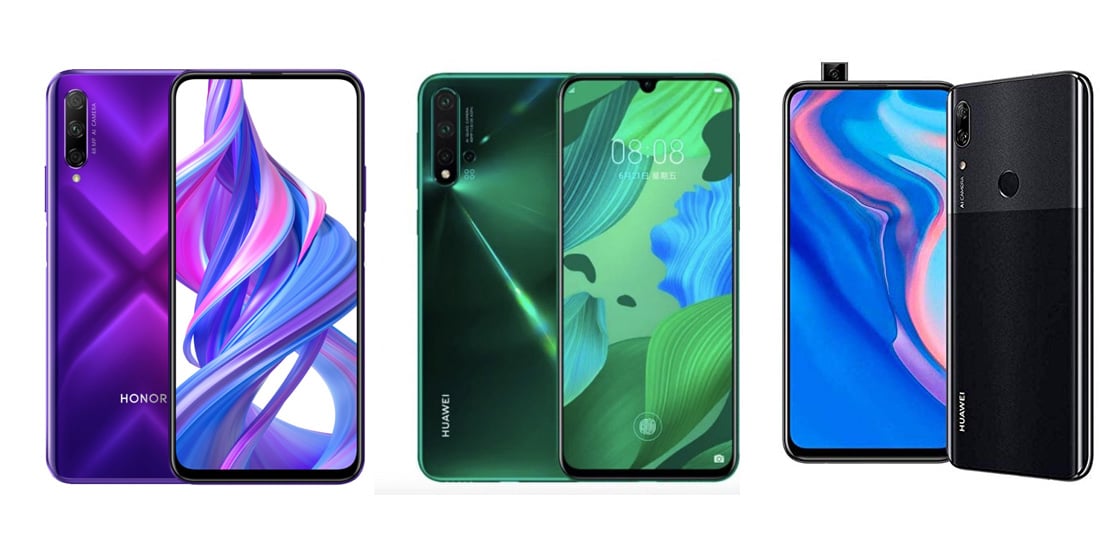
Huawei’s sub-brand renewed its mid-range lineup with a couple of new devices: Honor 9X and 9X Pro. With these two handsets, the huge line-up of Huawei mid-rangers became even bigger than it was. And now somebody may feel very confused in front of such an amount of affordable phones. That is the reason why we decided to compare the newly-announced Honor 9X Pro with the other recent mid-rangers released from Huawei. The ones coming with a similar price tag launched in the last period are Huawei Nova 5 and Huawei P Smart Z. It may be very hard for some people to choose between these three devices, that is why we hope this comparison will clear their ideas in regards.
Huawei Honor 9X Pro vs Huawei P Smart Z vs Huawei Nova 5
Triple 48 + 8 + 2 +2 MP f/1.8
16 MP f/2.0 front camera
Dual 16 + 2 MP f/1.8 and f/2.4
16 MP f/2.2 front camera
Quad 48 + 16 + 2 +2 MP f/1.8 and f/2.2 and f/2.4 and f/2.4
32 MP f/2.2 front camera
BATTERY
4000 mAh
4000 mAh, fast charging 18W
3500 mAh, fast charging 40W
ADDITIONAL FEATURES
Hybrid Dual SIM slot
Hybrid Dual SIM slot
Hybrid Dual SIM slot
Design
Given that they both have pop-up cameras and notch-less displays, Honor 9X Pro and Huawei P Smart Z look more futuristic and beautiful than Huawei Nova 5. Between these twos, I prefer the Honor 9X Pro because of its amazing light effects creating an X pattern on its rear side. Further, Honor 9X Pro boasts a side-mounted fingerprint reader which makes the rear side cleaner. But if you do not like pop-up cameras and you want an in-display fingerprint reader, then Huawei Nova 5 and its waterdrop notch is undoubtedly your best choice.
Display
Both Honor 9X Pro and Huawei P Smart Z are equipped with an IPS display, while Huawei Nova 5 is the only to sport a higher-end OLED panel. It is a display with a very high 108 percent DCI-P3 coverage, so it shows more brilliant and accurate colors, as well as deeper blacks. On the other hand, it is the smallest panel with a diagonal of just 6.39 inches, while both Honor 9x Pro and Huawei P Smart Z have 6.59-inch displays.
Specs & Software
Huawei P Smart Z loses the hardware comparison at the beginning because it is simply equipped with a lower-end chipset and it comes in just one configuration with 4 GB of RAM and 64 GB of internal storage. Honor 9X Pro is definitely the most impressive because it boasts a better Kirin 810 chipset realized with a 7 nm production process, 8 GB of RAM and up to 256 GB of internal storage. Huawei Nova 5 has exactly the same hardware department but just 128 GB of internal storage.
Camera
The most complete and versatile camera setup belongs to the Huawei Nova 5 which is equipped with a quad rear camera. It includes an amazing 48 MP main sensor, a 16 MP wide sensor, a depth sensor, and even a dedicated macro camera. Last but not least, it has a better selfie camera than its internal rivals, with a 32 MP resolution. The Honor 9X Pro has a triple rear camera, it lacks the dedicated macro camera and it has a lower resolution for the ultrawide sensor, but it retains the 48 MP main sensor. The less impressive one is the Huawei P Smart Z with just a 16 MP dual camera.
Battery
The weakest point of the Huawei Nova 5 is its battery which comes with only 3500 mAh of capacity (it still offers a more than sufficient battery life), but it is able to charge very quickly thanks to its awesome 40W fast charging. Huawei P Smart Z and Honor 9X Pro have the same 4000 mAh battery but we believe Honor 9X Pro will last more because it boasts a more efficient chipset (12 nm vs 7 nm).
Price
Honor 9X Pro carries a €290/$323 starting price, Huawei P Smart Z costs €280/$312 and Huawei Nova 5 starts from €360/$400. Overall, Huawei Nova 5 is a better phone due to its amazing display and better cameras, but I would go for the Honor 9X Pro because I prefer to have a bigger battery instead of a slightly better (but still midrange-class) screen and cameras.
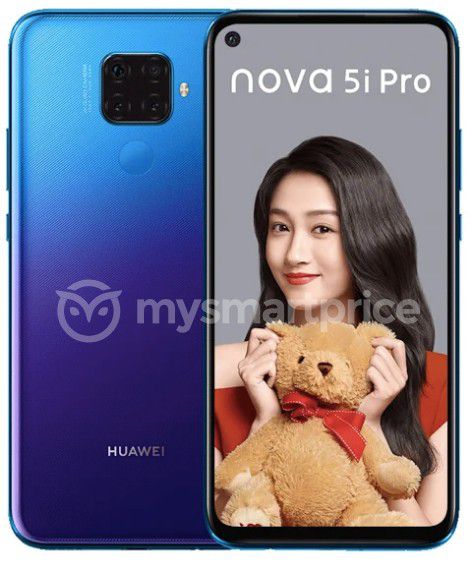
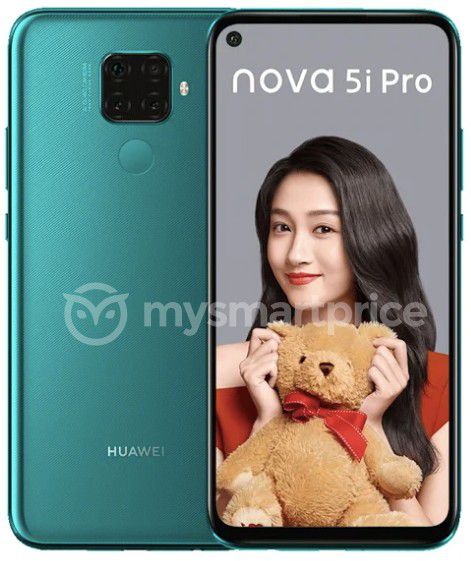
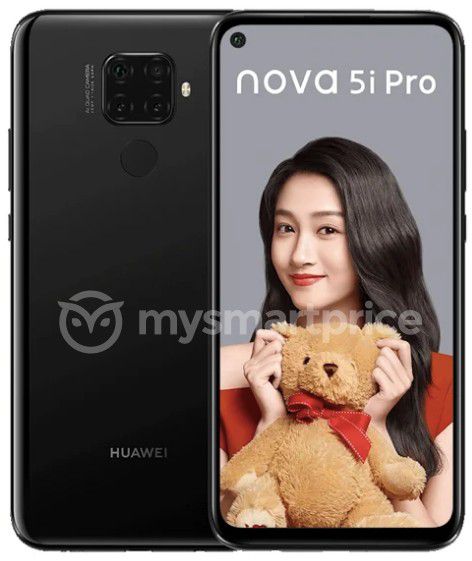
The Nova 5i Pro has been confirmed to launch on Friday, July 26. The phone will come with a quad-camera setup arranged in Huawei’s Matrix format that debuted with the Mate 20 series. Press renders of the phone have now surfaced and they show the phone will come in three colors.
We already know the Nova 5i Pro will come in green, thanks to the official poster released by Huawei. This new leak reveals there will also be a Magic Night Black variant and an Aurora gradient color variant with a mix of blue and purple. The TENAA listing has a plain blue variant but we are not sure if that will launch alongside these three color variants.
1 of 3
Nova 5i Pro Aurora
Nova 5i Pro Aurora
Nova 5i Pro black
The Nova 5i Pro will come with a 6.26-inch punch-hole display with a 2340 x 1080 resolution. The hole in the display will house a 32MP camera. On the back of the phone is a 48MP + 8MP + 2MP + 2MP quad-camera setup. There will be a Kirin 810 processor under the hood, up to 8GB of RAM and 256GB of expandable storage. It will also have a 4000mAh battery with fast charging and run Android Pie.
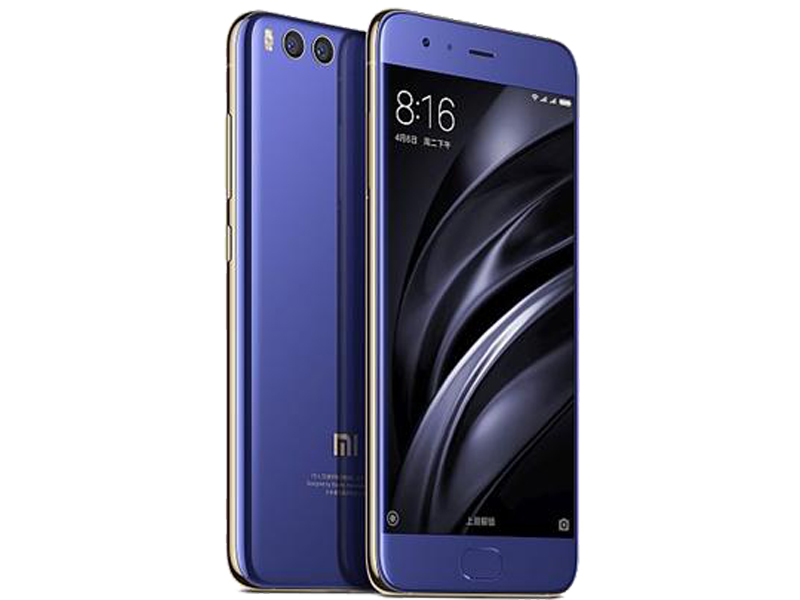
The Mi 6 is finally getting a stable Android Pie update. The 2017 flagship which launched with Android Nougat out of the box is the latest device to get a slice of Pie.
The phone got an update to Android Oreo last year and also got Xiaomi’s own MIUI 10 update but there were no plans to update it to Android Pie when Xiaomi released the list of devices getting Pie back in October 2018. It eventually got Android Pie beta in April (global version in June). It is nice to finally see it get a stable version of Android Pie beta.
The update is rolling out as version 10.4.1.0 to users already. As usual, it is rolling out gradually to users. If you do not wish to wait, you can download the full firmware file and manually install it by copying it into your phone’s root storage and choosing the update package when you opt for manual installation under System Update.
The Mi 6 has a 5.15-inch FHD display protected by Gorilla Glass 4. It has a Snapdragon 835 processor, up to 6GB of RAM and 128GB of storage. There are dual 12MP cameras on the back of the phone and an 8MP front-facing camera. It also has a front-mounted fingerprint scanner, stereo speakers, and a 3350mAh battery with support for Quick Charge 3.0.
Android Pie is definitely the last major OS update for the Mi 6 but it should still get updated to MIUI 11 later.
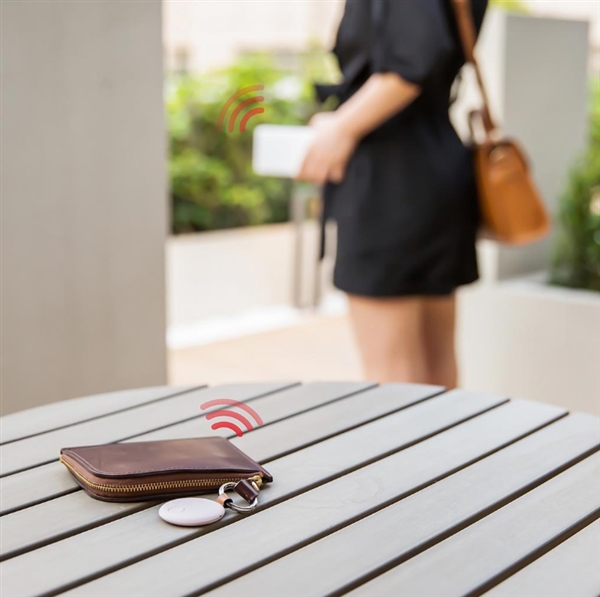
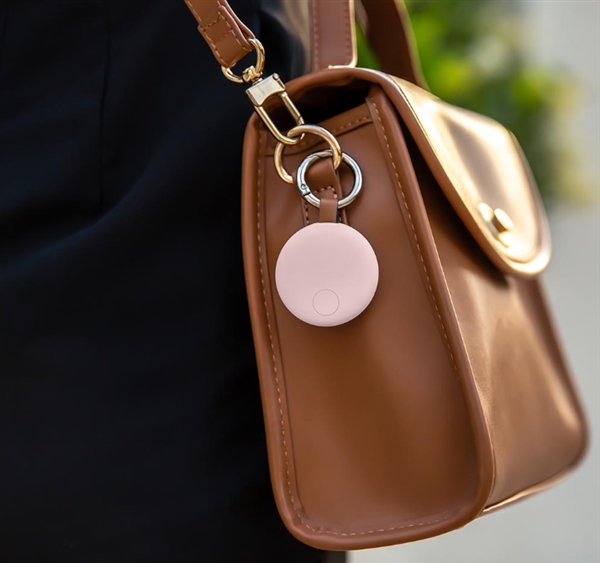
If you are in the habit of misplacing your stuff like car keys or smartphone, this latest device by Xiaomi may be of help to you. Xiaomi yesterday announced an anti-lost device which is a bit different from the ones you may have encountered. The Xiaomi Booty Smart Anti-lost device comes with a compact design with a one-click object search button and two-way search function. At the same time, it can cover an ultra-long distance of 15 meters, and the ultra-thin design is convenient to carry.
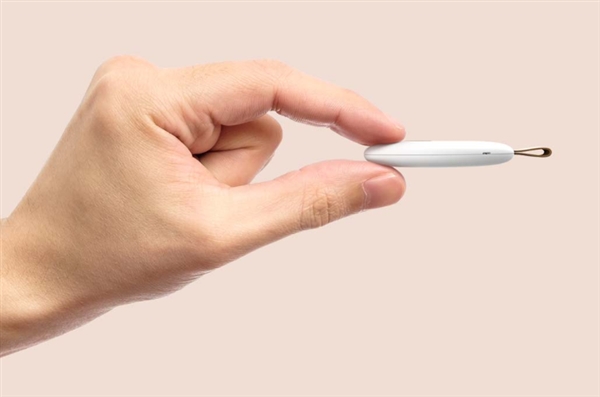
The booty smart anti-lost device has a compact design with a dimension of 42x42x8mm and weighs only 10g. It is light and stylish, and has a skin-friendly touch. It is equipped with a specially designed leather lanyard that can be hung on backpacks, wallets and other personal belongings.
Perhaps, the most interesting feature on the smart anti-lost device is the two-way mutual search function. If it is paired to a smartphone, you can use it to search for the smartphone and in the same vein, the smartphone can be used to search for the device and any object it is attached to.
The source didn’t mention the connectivity feature but the sign indicates it uses WiFi connection. The effective transmission distance of the smart anti-lost device is 15 meters. When the connectivity range is exceeded, and the paired device gets disconnected, both the mobile phone and the anti-lost device will issue an alarm to alert the user.
The Booty smart anti-lost device uses a button battery and can be replaced by opening the back cover. The official claims the battery can last up to one year.
The device is on sale at Xiaomi Youpin Mall, priced at 99 yuan ($14). It comes in white, blue and pink colour variants.
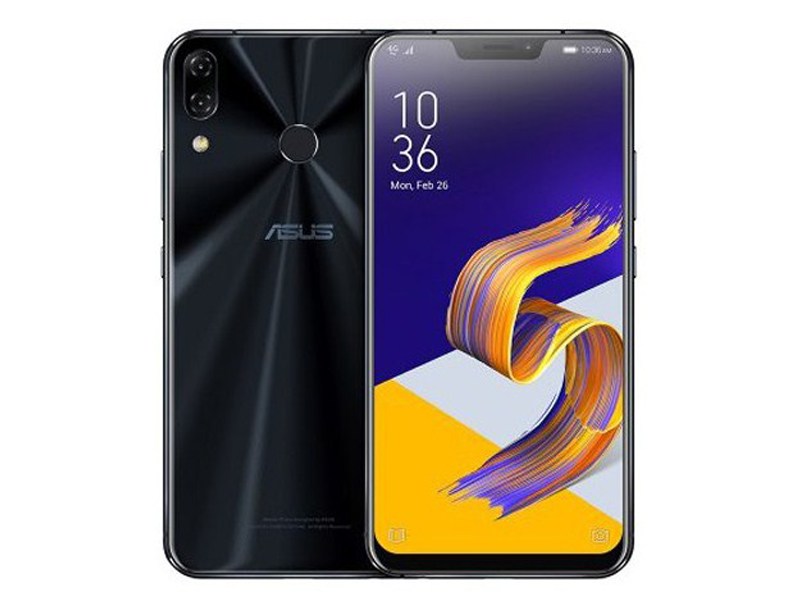
Asus recently launched the Asus 6Z flagship smartphone in the Indian market, which is the rebranded version of the Asus Zenfone 6 for India as the company has been barred from using the “Zen” or “Zenfone” branding in India.
Now that a new flagship smartphone is available for purchase in India, the company has decided to bring down the cost of the previous generation flagship device — Asus Zenfone 5Z. Thus, the phone has received yet another price cut of ₹3,000.
With this price cut, the smartphone is now available in India for a starting price of ₹24,999 (~$362) for the 6GB RAM model while the 8GB RAM model costs ₹28,999 (~$420). Prior to this, both the phones were available for ₹27,999 and ₹31,999 respectively but the devices were launched for a price of ₹32,999 and ₹36,999.
The Asus Zenfone 5Z features a 6.2-inch Full-HD+ LCD notched display with a screen resolution of 2246 x 1080 pixels and 19:9 aspect ratio, along with having DCI-P3 color space and 550nits brightness. The display has a Gorilla Glass on top, protecting it from minor scratches.
It is powered by Qualcomm‘s Snapdragon 845 processor, the same chipset that powers most of the flagship smartphones launched this year. It is coupled with Adreno 630 graphics processor, ensuring a smooth experience with gameplay and graphics.
The device packs 8GB RAM and 256GB internal storage. the 6GB RAM model with 64GB storage and 128GB storage is already available for purchase. All models feature a microSD card slot, which enables users to further expand the phone’s storage capacity.
In the camera department, it comes with a dual-camera setup on the back. It has a 12-megapixel primary camera with Sony IMX363 sensor, 4-axis OIS, 3-axis EIS, f/1.8 aperture and phase detection autofocus, and an 8-megapixel secondary sensor with f/2.2 aperture, OV8856 sensor, and 120-degree wide-angle lens.
There’s an 8-megapixel snapper with support for Face Unlock feature. It also has a fingerprint sensor placed on the backside, which according to Asus, can unlock the device in 0.3 seconds. It packs dual speakers with five-magnets and NXP Smart amplifier, and DTS Headphone: X for 7.1-channel surround sound.
Connectivity options on the device include Dual 4G VoLTE, Wi-Fi 802.11 ac (2.4GHz + 5GHz), Bluetooth 5, GPS + GLONASS, and USB Type-C. The smartphone runs Android Oreo operating system out-of-the-box with custom interface ZenUI. It is powered by a 3300mAh battery that supports ASUS BoostMaster fast charging and AI charging.
Note: Earlier version of this article wrongly mentioned the specs of Zenfone 6Z instead of the Zenfone 5Z. We apologize for that and have now rectified it.
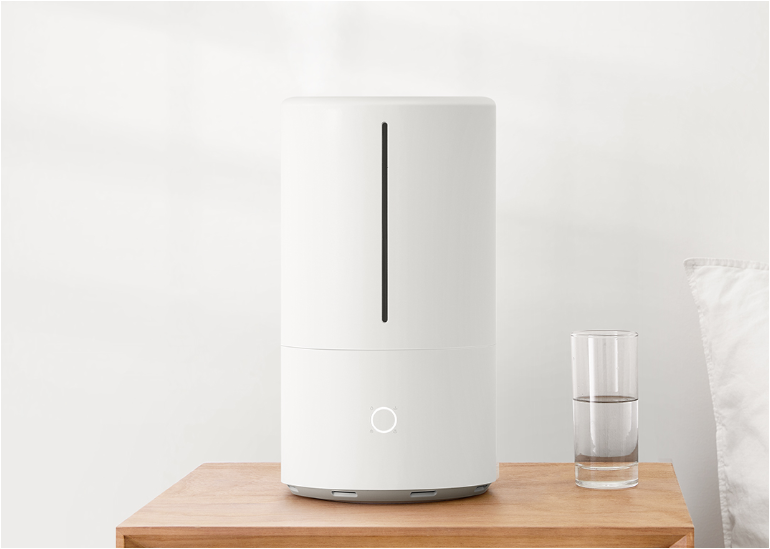
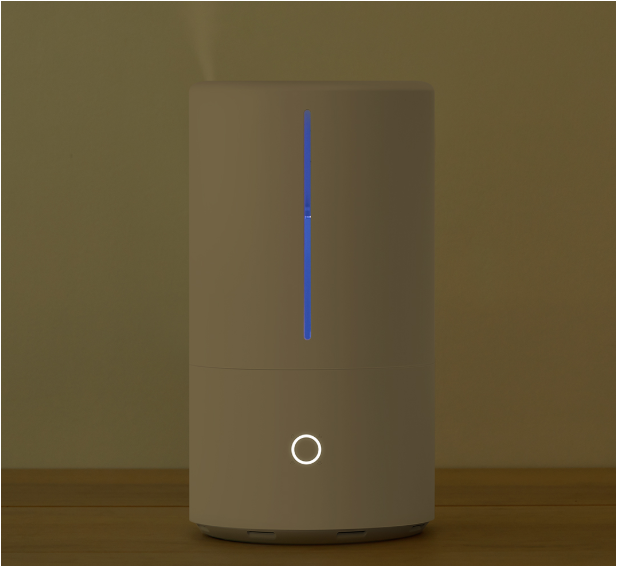
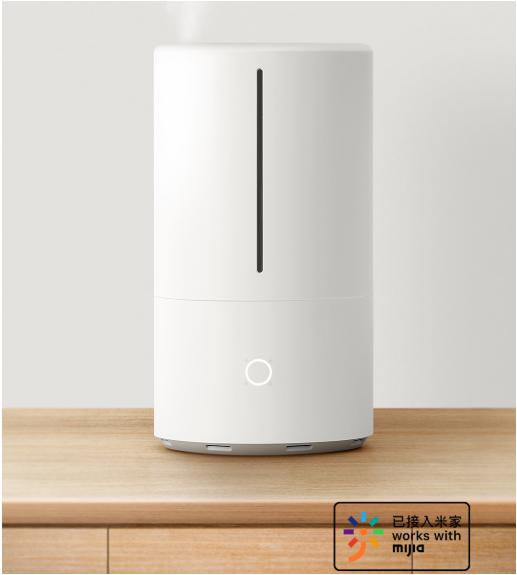
In hot, dry desert climates, or indoors in artificially heated spaces, during winter, for instance, the humidity may drop to as low as 10–20%. This low humidity can cause adverse health effects, by drying out mucous membranes such as the lining of the nose and throat, and can cause respiratory distress. The low humidity also can affect wooden furniture, causing shrinkage and loose joints or cracking of pieces. Books, papers, and artworks may shrink or warp and become brittle in very low humidity. In such situations, a humidifier is essential. There are various types but for homes, a portable humidifier may suffice. Xiaomi has just launched one, dubbed MIJIA Smart Sterilization Humidifier.
The MIJIA Smart Sterilisation Humidifier uses Ultraviolet C light to sterilize the water before it is used for humidification. UV-C is one of the three types of invisible light rays (together with ultraviolet A and ultraviolet B) given off by the sun. It is safe for humans but is highly effective at killing bacteria and viruses by destroying the molecular bonds that hold their DNA together.
Since tap water could contain bacteria and other contaminants, sterilizing the water is important. Even when purified water is kept in the tank for long, bacteria could grow inside. Thus, incorporating water sterilization on the Mijia humidifier is a good piece of engineering. Water released in the form of mist by the humidifier is clean and purified.
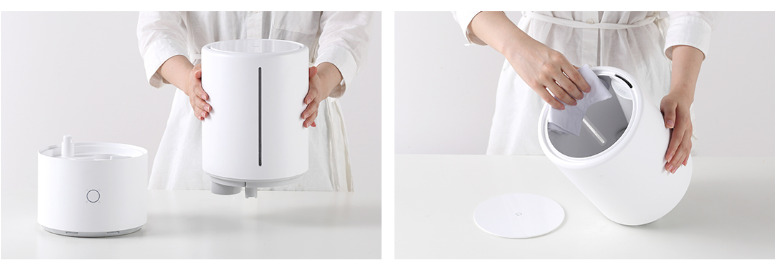
The Mijia intelligent sterilization humidifier water tank is expanded to a large capacity of 4.5L, which is equivalent to about 18 bottles of 250mL mineral water. Once added, it can be continuously humidified for 12-15 hours. The water tank adopts an overhead open design, and the large diameter is easy to clean to prevent water pollution when storing water. The storage tank isn’t detachable, just the cover can be removed if there is a need to refill or remove the water inside.
The design also includes a LED light ring around the power button while there is a thin transparent strip on the body of the tank which turns blue when the UV-C sterilization is in action.
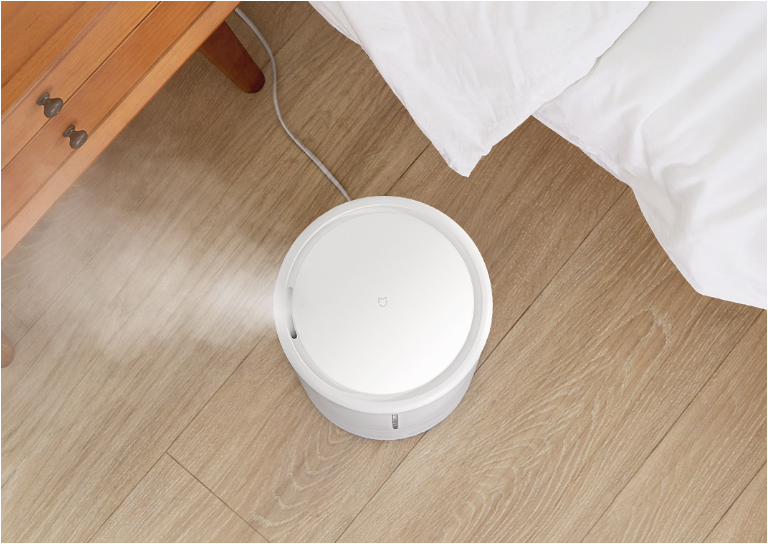
The Mijia intelligent sterilization humidifier utilises a high-frequency ceramic core atomization sheet which atomizes the water source into 1-5 micron particles and instantaneously erupts through the fog guiding channel, and the fog output is as high as 300mL/h.
The gadget can be connected to the MIJIA smart home app but you’ll likely need to connect it to the smart home hub. With such smart connectivity, you can turn on the device before you get home.
It is presently available on Xiaomi Youpin (source link) for 249 yuan.
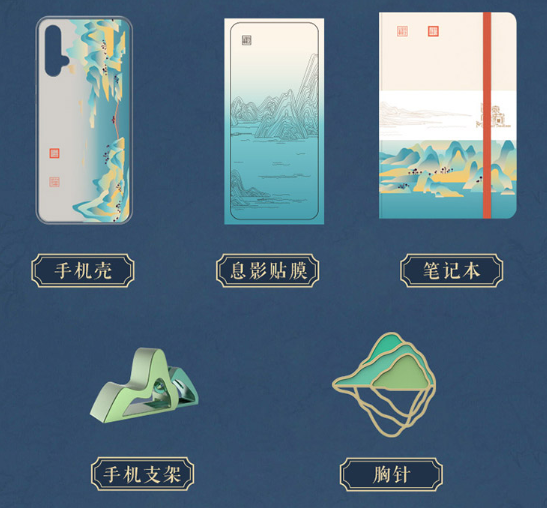
Inside the sky-blue box is a Forest Green variant of the phone with 8GB of RAM and 128GB of storage. There is a beautiful case with a painting of some Chinese mountains, a screen protector, a notebook with a cover that has the same mountain drawing as the case, a phone stand, and a brooch.
This special edition is priced at ¥2999 (~$436) and is available for pre-order on JD.com ahead of the first sale on August 8.
OPPO Reno Gift Box Edition
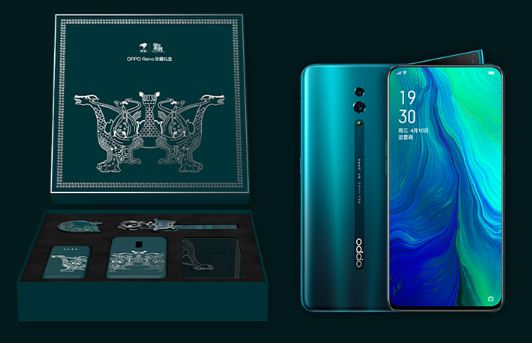
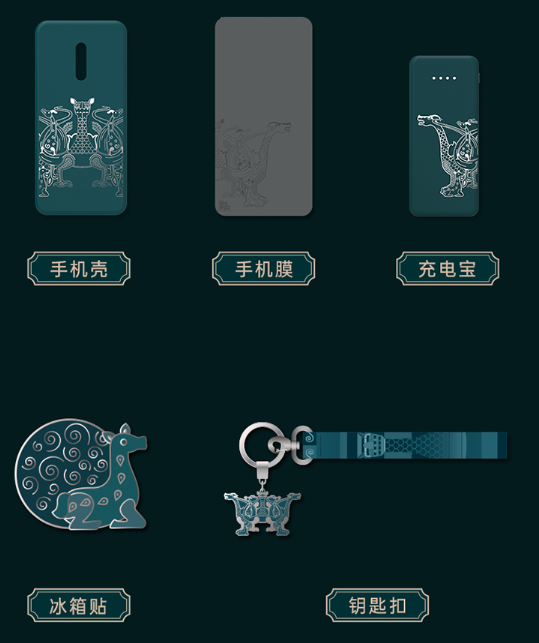
The OPPO Reno Gift Box Edition is inspired by Chinese mythological animals – the Dragon and Phoenix. The box is green in this case and contains a Fog Sea Green OPPO Reno with 8GB of RAM and 256GB of storage. You also get a custom green case, an engraved tempered glass, a custom power bank, a fridge magnet, and a key holder.
It is priced at ¥2999 (~$436) too and is also available for pre-order on JD.com. It will go on sale on August 8.
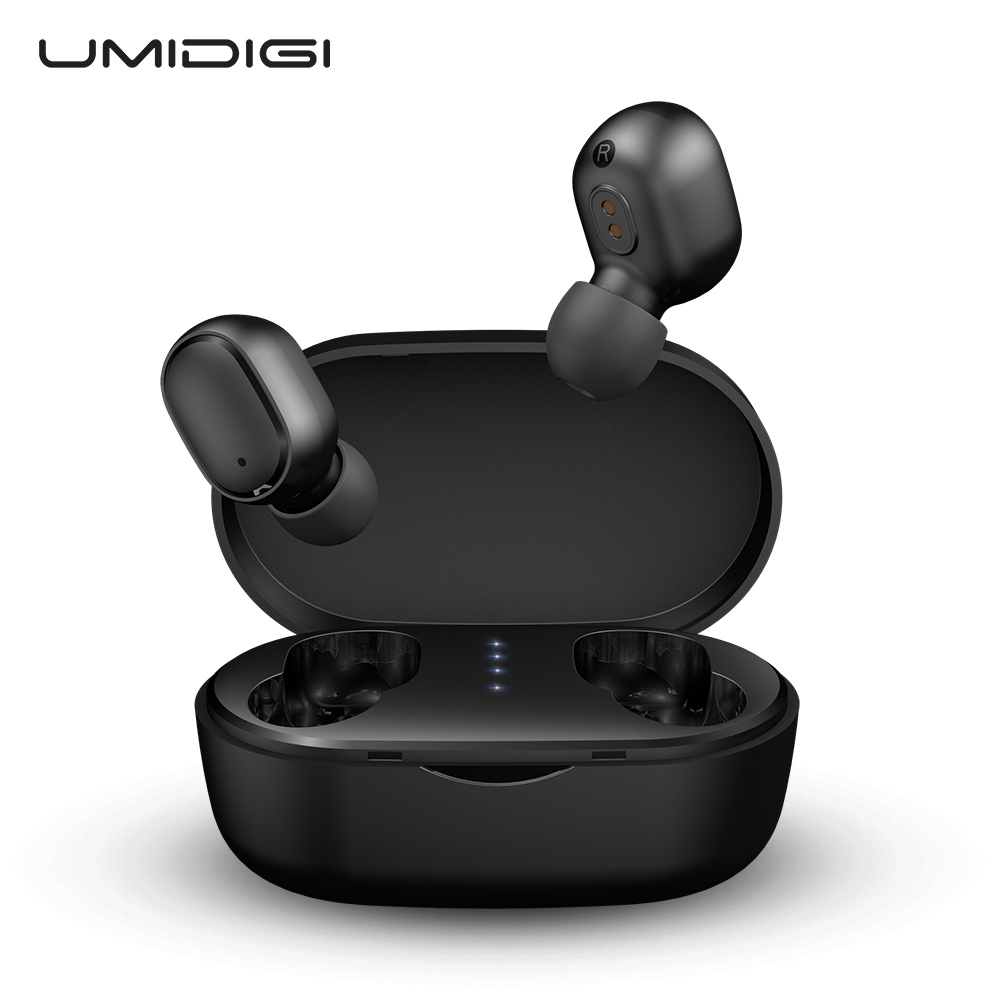
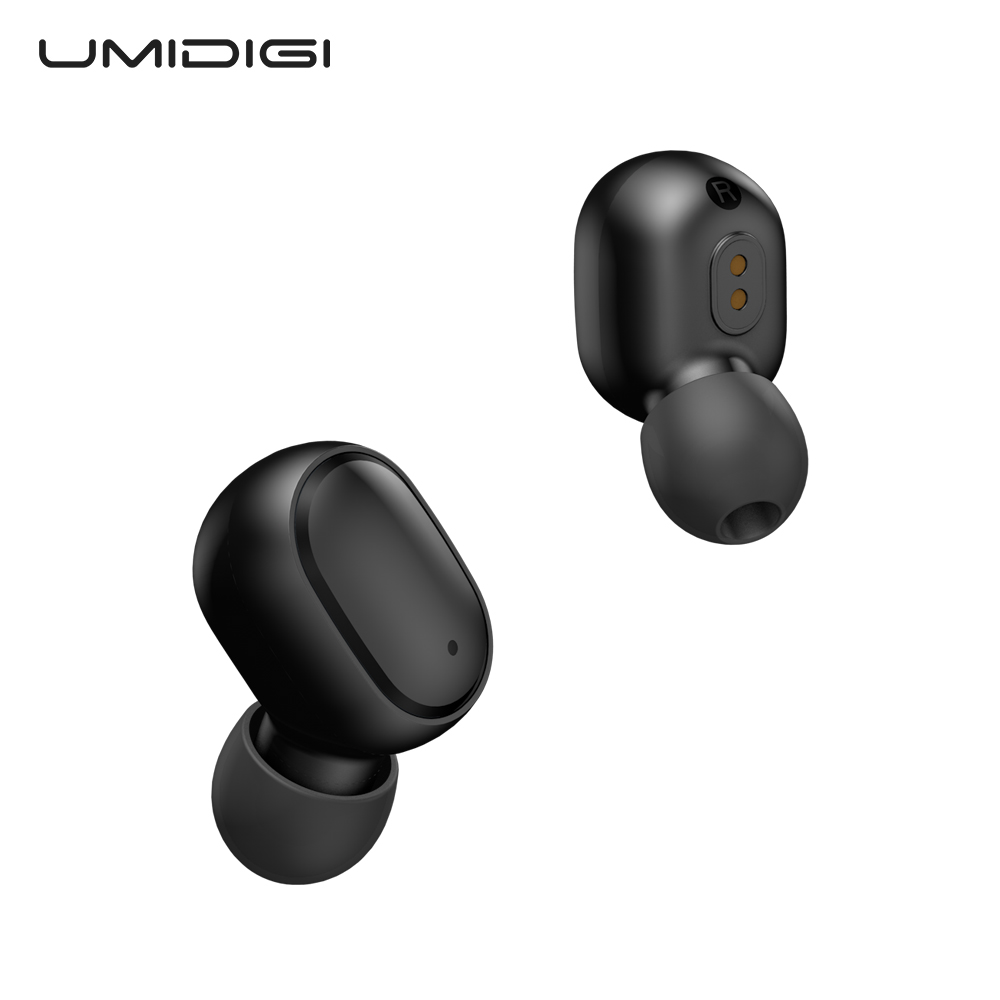
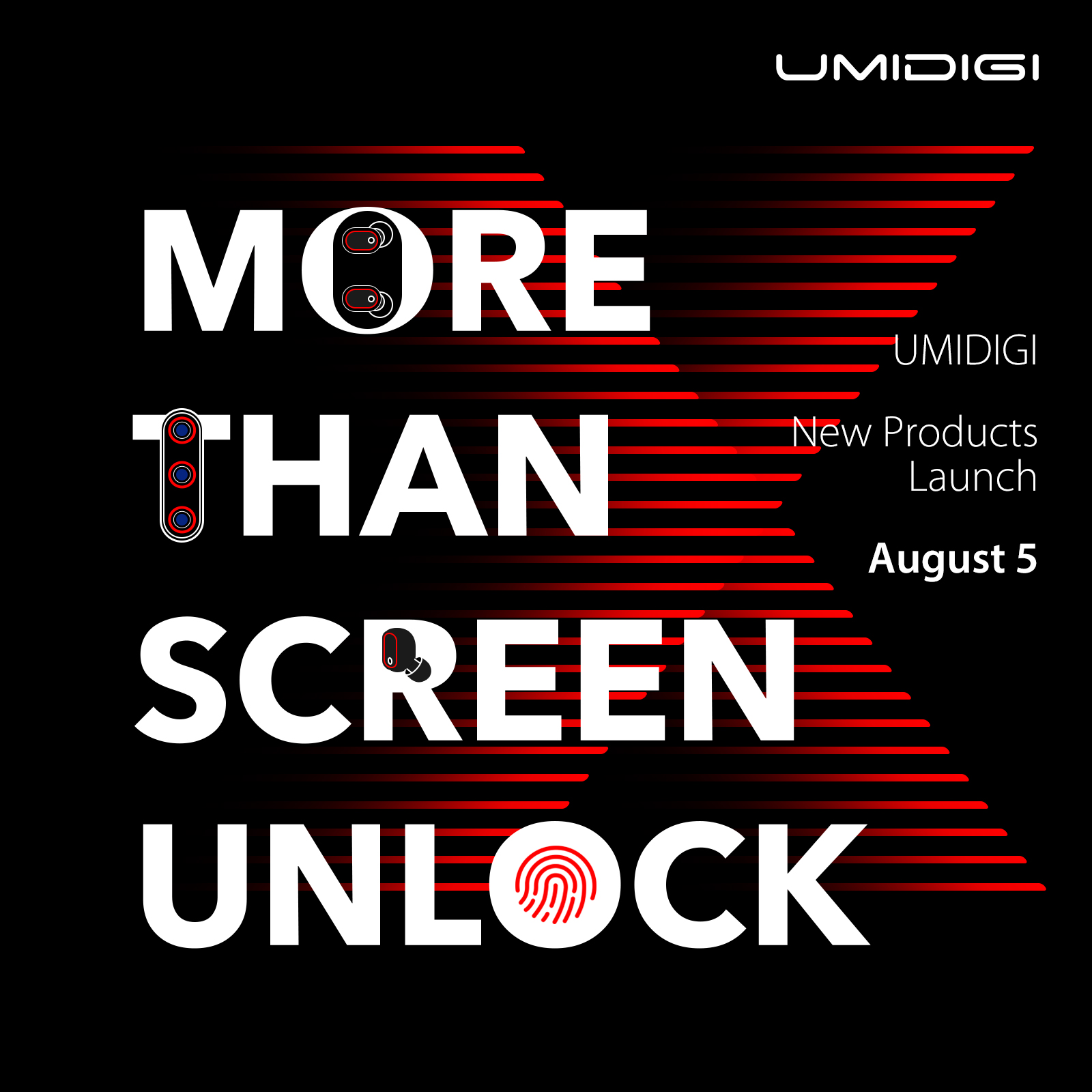
Carrying on with the plan of transforming to more than a smartphone company, the Chinese manufacturer UMIDIGI is developing and releasing smart devices too. Soon after the release of their 2nd gen smartwatch Uwatch2, the company is going to launch a true wireless earbud set (TWS) called Upods on August 5th together with their first in-screen fingerprint phone UMIDIGI X. Today, the company released new renders that show the design of the upcoming product.
1 of 3
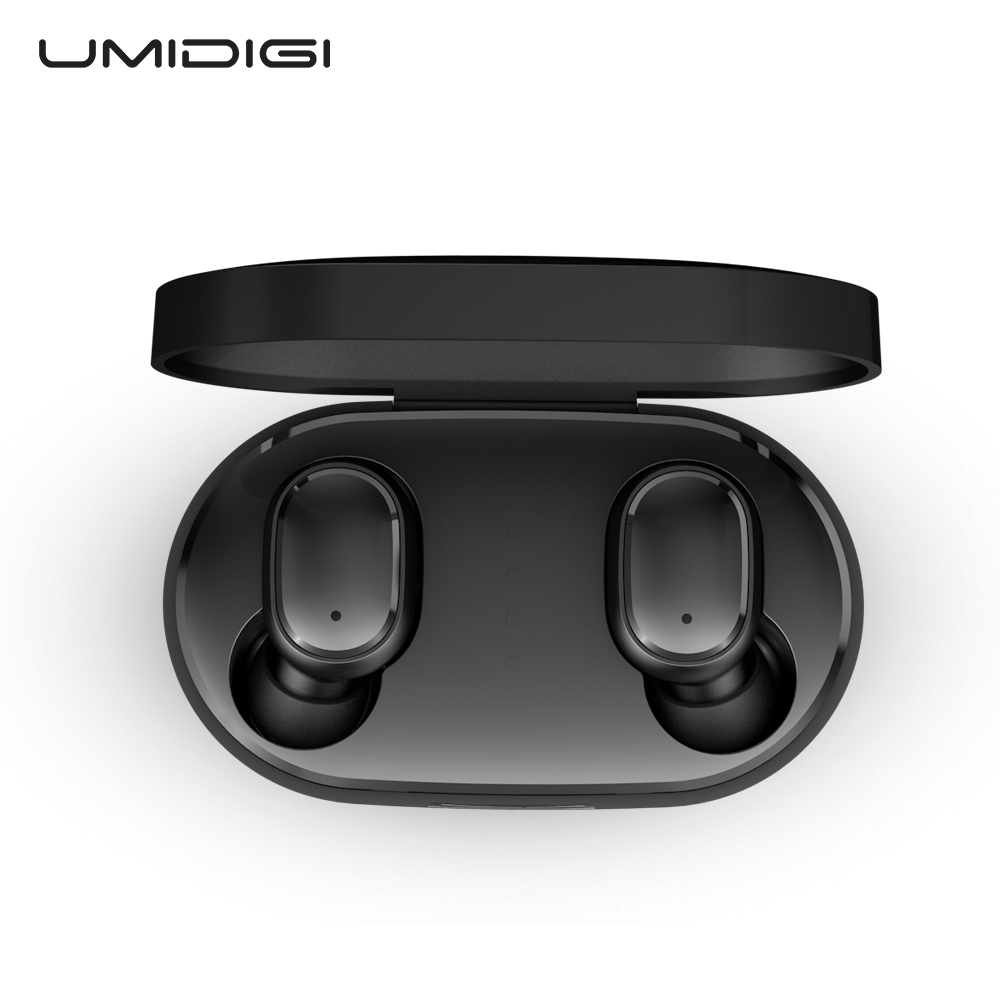
Adopting the tech that Apple introduced with the Airpods and like many other true wireless earbuds, the Upods are a pair of tiny in-ear plugs that connect to your phone via Bluetooth and come with a charging case that makes sure they stay charged all the time. The headset has a professional, clean and all-around sleek design, looking decidedly earpiece-like. Also, the case remains small in size with round edges and corners, making it pocket-friendly.
UMIDIGI claims that Upods is the world’s smallest 24h-lasting wireless earbuds and its price will be around $30. The rest of the specs remain unknown for the time being but they are to be confirmed soon, on August 5th that the release event will take place together with the UMIDIGI X presentation. If you want to be among the first to get the UMIDIGI X, the company is giving you a chance to win its future smartphone here.
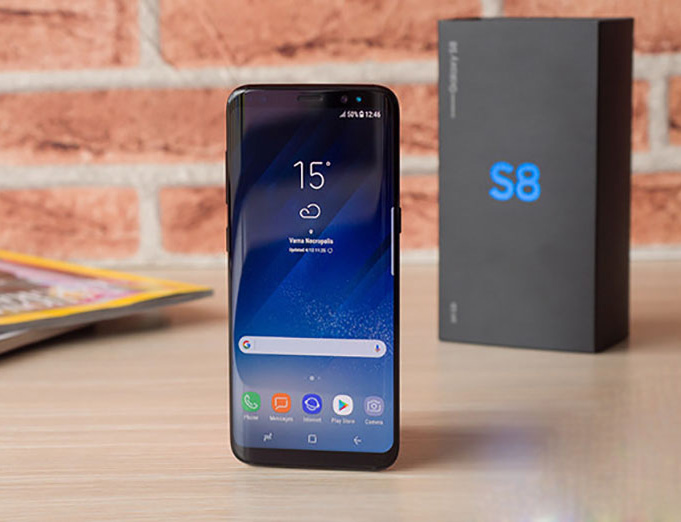
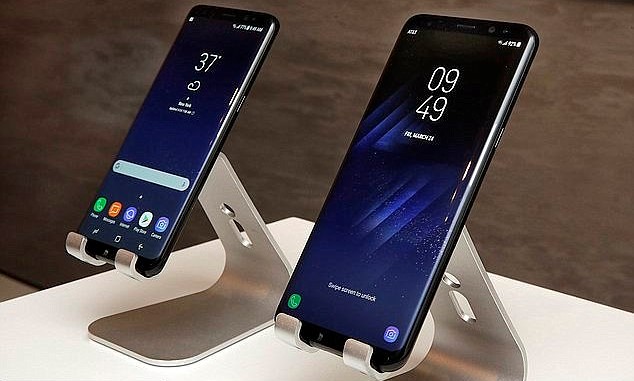
Here’s an amazing story of how a modern smartphone can save lives, especially one studded with features such as GPS location and waterproof build. We have covered stories of how the Apple Watch has come to the rescue of users, saving them from life-threatening situations. Samsung‘s 2017 flagship phone, the Galaxy S8, also did same for a couple of seafarers when their boat capsized under strong winds.
According to the report propagated by Samsung Newsroom, a Canadian citizen named Jim Emdee was able to call for help for himself and his island-hopping fellow tourists using his Galaxy S8. The story goes that Emdee was one of 16 divers who had set out to visit the Filipino province of Cebu in a boat, accompanied by 4 local guides. The crew encountered turbulent waters at sea and the vessel capsized off Bogo City. Thankfully, all persons on board were able to swim to shore safely (they’re almost all divers after all).
While at sure, they discovered that all their gadgets had been damaged by water except for Emdee’s Galaxy S8. As a reminder, the Galaxy S8 comes with an IP68 rating meaning it can withstand a dip in the freshwater of a depth of 1.5 meters (4.92 feet) for up to 30 minutes. The Canadian and his companions were able to use the phone to call for help. Not only that, rescuers were able to track the stranded crew using GPS co-ordinates beamed by the Galaxy S8.
Following his harrowing experience, Emdee reached out to extend his thanks to the Samsung engineering team, saying, “I really hope my thanks can make it to the engineering team as honestly it really saved us all. Only my S8 was able to connect and it worked all the way until we made it to land. It stayed alive for much longer than I thought possible, and it really made the difference.”
In addition, James Jung, Head of Samsung Electronics Philippines said, “We are glad to hear that the passengers are all safe and that a Samsung phone was helpful in the rescue effort. We will continue to work towards producing devices that can come to users’ aid when they find themselves in dire situations.”
Samsung is thus using this medium to advise owners of its smartphones to keep the GPS locator turned on if they are travelling, especially if travelling alone or in remote areas.
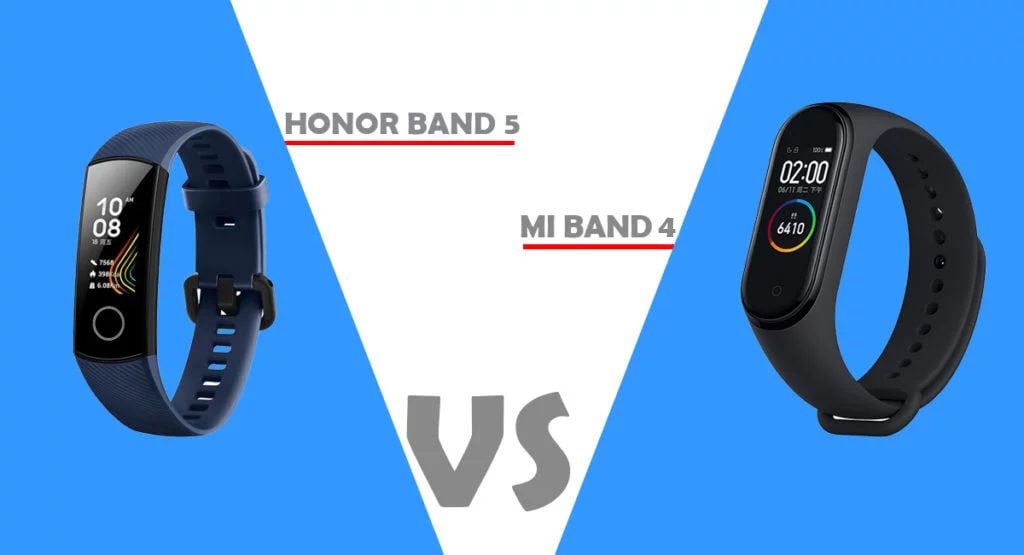
At the launch event of the Honor 9X and Honor 9X Pro, the Chinese company also unveiled new Honor Band 5. The successor to Honor Band 4 carries various new advancements, including the ability to measure the blood oxygen level. It is an incremental upgrade over the Honor 4 and now competes with Xiaomi Mi Band 4. However, the looks and design are similar to that of the Honor Band 4. There are no significant identical changes in the new fitness band. Honor has just announced the band in China and will go on sale from July 29th. The Standard edition Band 5 costs 190 Yuan which roughly translates to $28, and the NFC enabled version comes for 220 Yuan (~$32).
The Honor Band 5 features a 0.95-inch color OLED display having the resolution of 120 x 240 pixels. It comes with a water-resistant 5ATM certification – withstands pressures equivalent to a depth of 50 meters. There are several fitness features like heart rate monitor, step counter, calorie count, and newly added blood oxygen saturation monitor. The SpO2 sensor helps users to measure blood oxygen level. It is useful during trekking and doing other adventurous activities. Moreover, it can display SMS, WeChat, and QQ messages from the smartphone. Honor Band 5 comes with ten different sport modes, including swimming, running, etc. The special edition also supports NFC in the connectivity options. It’s 100 mAh battery can sustain up to 14 days without any charging.
However, the Xiaomi Mi Band 4 goes nip and tuck with the Honor Band 5. There are some differences which we will uncover in the specs comparison of Honor Band 5 vs. Mi Band 4.
There’s a little difference between both the fitness bands. Both the companies have added the best features on both the devices. It’s quite difficult to compare these devices, but still here’s an attempt to clarify some differences between Honor Band 5 and Mi Band 4.
Display
The newly launched Honor Band 5 carries a 0.95-inch AMOLED true-color RGB display with 282 PPI of pixel density. The improvised user interface and different watch faces make it attractive. It carries 2.5D tempered glass for protection against common falls and also saves display from fingerprint touches. Whereas, the Xiaomi Mi Band 3 comes with a similar-sized AMOLED display having the resolution of 120 x 240 pixels and 24 bit of color depth. Users can even use it easily under the direct sunlight, thanks to its brightness ability of 400nits. The display on Mi Band 4 is protected with 2.5D tempered glass carrying anti-fingerprint coating.
Design
The Honor Band 5 carries the same design aesthetics as like of its predecessor. Without any notable change in the design, Honor Band 5 still fares well against the competition with bright color options. It easily fits on the hands and looks beautiful. A square-shaped fully touchscreen is present along with a home button at the bottom. Its silicon strap measures 115mm in length. Both the Standard and NFC version carries the same build material. It is available in three different colors of black, blue, and light pink.
On the other hand, Xiaomi Mi Band 4 carries round-edged display with similar corners. It’s 0.95-inch colored display with elliptical shape looks great with a feather touch button placed at the bottom. A charging port is present on the bottom with a PPG heart rate and capacitive proximity sensor. It is still one of the best generic-looking fitness band. The beautiful display makes it look better. It comes with a silicone strap for a comfortable feel.
Battery
The battery life of the wearable device plays a pivotal role in its popularity. It is a crucial decision-making metric while buying the wearable. The Honor Band 5 carries 100 mAh battery with the standby time of 14 days. Meanwhile, the 135 mAh battery on the Mi band 4 can withstand 20 days. In detail, Honor Band 4 can sustain for six days upon extensive usage. However, the Honor Band 5 can charge within an hour, and the Mi Band’s little big battery takes 2 hours to get fully charged. There’s a slight difference in the battery standby time, but we think it is manageable with SpO2 availability in the Honor Band 5.
Software
Honor Band 5 comes with a preset eight dial themes, whereas the Mi Band 4 comes with four preset dial themes. The new band from Honor supports up to 11 different types of activities, including treadmill monitoring, outdoor running, cycling, walking, swimming, etc. It can count steps, distance and calories burned.
Just like the Honor Band 5, the Xiaomi Mi Band 4 offers health features such as sleep monitoring, heart-rate monitoring, all-day heart rate checking, heart rate chart, idle alerts, etc. There are a lot of other features like Night Mode, Do not disturb, Bluetooth Broadcasting, etc. Xiaomi’s wearable band does not support blood oxygen detection.
In NFC, Honor Band 5 supports 252 City bus cards in China. It even facilitates the removal, recovery, and relocation of traffic cards. Whereas, the Mi Band 4 supports bus cards across 218 cities of China.
Pricing
The pricing of both the fitness bands are the same, but the one from Honor is a little expensive. Honor Band 5’s ability to monitor the oxygen level makes it little heftier. It is available for 189 Yuan, which roughly translates to $28. The NFC version of Honor Band 5 will retail at 219 Yuan (~$31). The Xiaomi Mi Band 4 was launched with the price tag of 169 Yuan (~$24.5).
If users are looking for detailed health metrics and more advanced health monitoring functions, then Honor Band 5 is the perfect choice for them. Otherwise, the Xiaomi Mi band 4 is also not a bad choice at a lesser price.
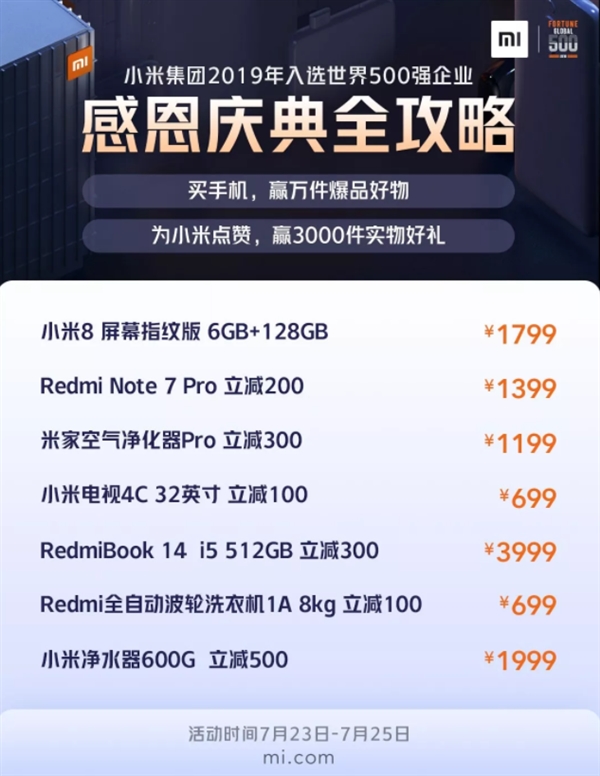
Xiaomi was recently listed among the Fortune Global 500 companies, ranked as 468th in the world. What makes the listing important is the Chinese tech giant is one of seven companies in the category of “Internet Service and Retail” and also the youngest in history of Fortune 500 companies (except for companies resulting from mergers). To celebrate this feat, Xiaomi announced that it would dole out 1000 units of shares to all of its employees. The company has also extended the largesse to its fans all over the world. Wonder how? Read on.
There is an ongoing special celebration on Xiaomi Mall that would last for three days. The price slash opened on July 23 and will terminate on July 25. The price cut spans various product categories ranging from mobile phones, notebooks, home appliances, smart home gadgets, mobile phone accessories and others.
We can’t confirm if the price cut is applicable to Xiaomi’s online stores outside China. However, in China, most of the products had price cuts of up to 200 yuan with some going up to 500 yuan like the Xiaomi DC Airconditioner C1. The Xiaomi TV E65A even got a 1000 yuan price cut which should be the biggest price slash. The new Redmi Note 7 Pro got a 200 yuan slash in its price while the RedmiBook 14 price is reduced by 300 yuan. You can check out the complete products from here.
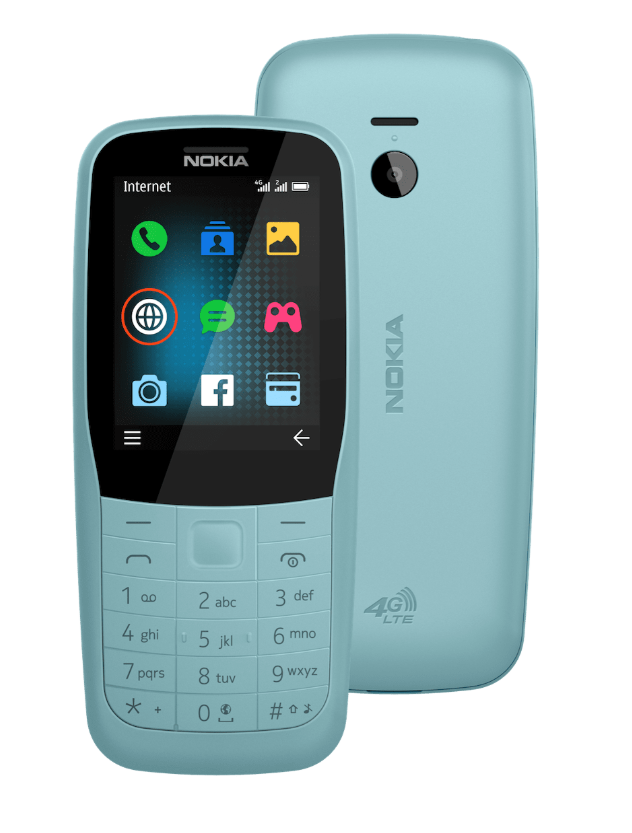
HMD Global has announced two new Nokia phones today. As the title says, you already know these are not smartphones but feature phones. The two phones are the Nokia 220 4G and the Nokia 105 (2019).
Nokia 220 4G
The Nokia 220 4G is a modern version of the original which was launched back in 2014 but it looks nothing like the original. The Nokia 220 4G has a curvier body that should make it more comfortable to hold for long. It is made from polycarbonate and there is the familiar 4G logo inscribed on the back.
It still has a 2.4-inch QQVGA display, 16MB of RAM and 24MB of storage. It runs Feature OS and has a VGA camera on the back with an LED flash. It also has an MP3 player, an FM radio that works without earphones plugged in, Bluetooth 4.2, and a 3.5mm audio jack. The Nokia 220 4G has dual SIM support – (nano and Micro). There is also a single SIM version (nano).
Nokia didn’t list the 4G bands supported for VoLTE calls but said it supports 900 and 1800 2G EU bands. They also specifically said it doesn’t have 3G support, so if there is no 4G network, it falls back to 2G. There is an internet browser (Opera Mini) and seems to come preinstalled with Facebook and Twitter as well as a modern version of the popular Snake game.
The Nokia 220 4G has a 1200mAh removable battery that charges via a MicroUSB port. It has a standby time of 27 days and will provide up to 6.3 hours of talk time. The phone comes in Blue and Black, weighs 86.5 grams and measures 121.3 x 52.9 x 13.4 millimeters. No price tag has been announced yet.
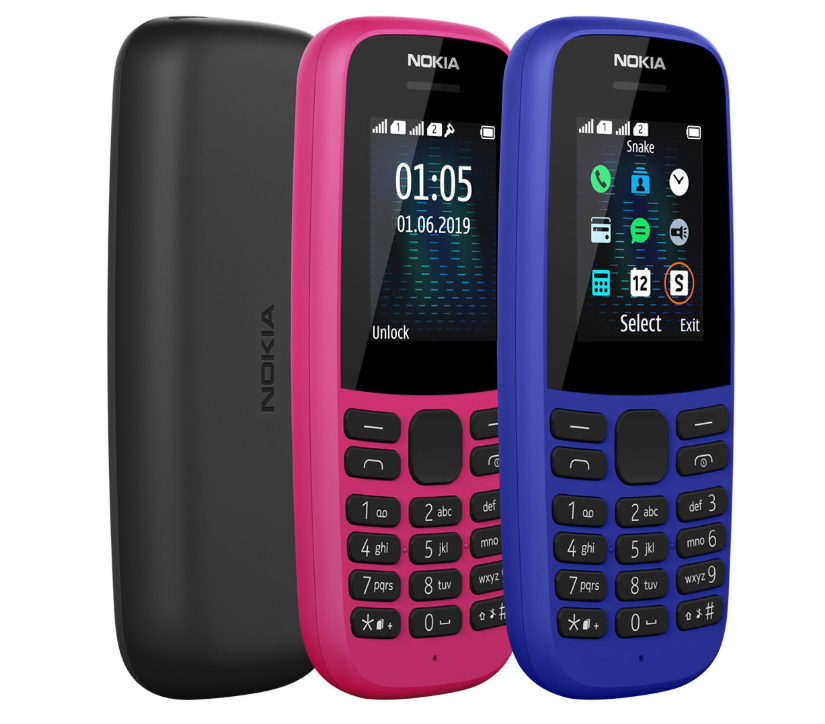
Nokia 105 (2019)
The Nokia 105 2019 is the 4th generation model of the Nokia 105. It comes after the 2017 model and even keeps its design but is a bit taller. The body is made from hard-wearing polycarbonate and will survive drops and falls. It adopts the island keymat style which separates the keys and makes texting easier.
The display is 1.77-inches and a QQVGA type. It has 4MB of RAM and 4MB of storage (up to 2000 contacts and 500 messages) and runs Nokia Series 30+ software. There is an FM radio, a 3.5mm audio jack, and a flashlight.
The removable battery is still the same 800mAh capacity as 2017’s model and it charges via a MicroUSB port. HMD Global says it will provide up to 14.4 hours of talk time and last up to 25.8 days on standby.
The Nokia 105 comes in blue, pink, and black. It doesn’t have a price tag yet.
We use cookies on our website to give you the most relevant experience by remembering your preferences and repeat visits. By clicking “Accept”, you consent to the use of ALL the cookies.
This website uses cookies to improve your experience while you navigate through the website. Out of these, the cookies that are categorized as necessary are stored on your browser as they are essential for the working of basic functionalities of the website. We also use third-party cookies that help us analyze and understand how you use this website. These cookies will be stored in your browser only with your consent. You also have the option to opt-out of these cookies. But opting out of some of these cookies may affect your browsing experience.
Necessary cookies are absolutely essential for the website to function properly. This category only includes cookies that ensures basic functionalities and security features of the website. These cookies do not store any personal information.
Any cookies that may not be particularly necessary for the website to function and is used specifically to collect user personal data via analytics, ads, other embedded contents are termed as non-necessary cookies. It is mandatory to procure user consent prior to running these cookies on your website.

 The rumor mill has not revealed any details on the specifications of the Nubia Z20 yet. However, the numerous camera samples that have appeared earlier in this month have confirmed that it will deliver impressive photo shooting experience. The launch poster also seems to be highlighting the camera lens as one of its main features.