While the market is crammed with steeply-priced e-bikes, only a few are built to stand the test of time. Those who aren’t willing to spend a lot of money end up compromising on quality. But Kugoo is bent on changing that.
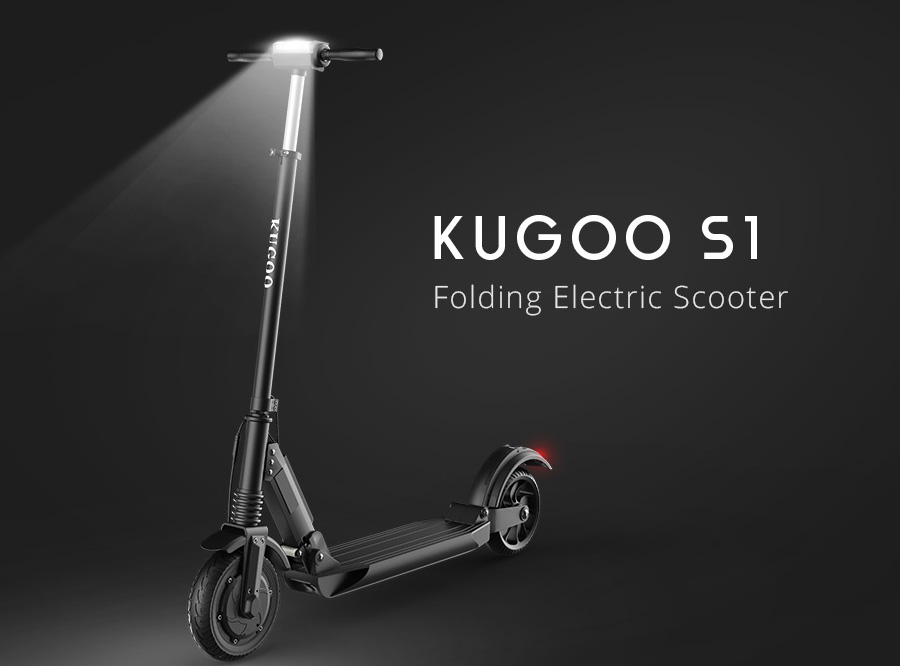
Known for manufacturing some of the coolest, sturdiest electric bikes for short predictable commute, KUGOO has now teamed-up with GeekBuying to make its popular KUGOO S1 folding electric scooter available to those living on a tight budget.
Aside from that, GeekBuying users have something more to cheer about. We will talk about it just a bit, but before that, let’s check out more details about the KUGOO branded electric scooter.
The KUGOO S1 electric scooter is relatively quieter and more efficient as compared to traditional motorbikes. It is designed to run on all types of roads. It has an 8-inch solid rear anti-skid tires and 3-speedrunning modes that allow you to adjust the speed using just a single key.
Aside from running smoothly on various road surface conditions, this easy-to-operate electric bike is quite easy to control. It has a monitor that displays control information. There’s also a single key for the braking system.
The KUGOO S1 electric scooter features an LCD display screen that shows important shreds of information such as speed, mileage, time, power, stop, and voltage. Moreover, it is backed by a powerful 350W motor that delivers a running distance of 30km.
While you’d normally associate a steep price tag with a feature-rich e-bike, the KUGOO S1 can now be yours for a lowered price of just $320.99 from GeekBuying. This is a significant 54 percent reduction in the original asking price of $699.99.
To extend this discount and get an extra $180 off, all you need to do is to apply coupon code S1KUGOO. The coupon helps you bring the already lowered selling price of the KUGOO S1 further down to just $309.99 even before you place your order. This coupon can be used for all color versions for the Europe Stock.
As if that weren’t enough, you get J2 Ultra-Portable Wireless Bluetooth Speaker as a gift with your order. It is worth noting that the aforesaid item is available as a gift only with the pink color version of the KUGOO S1. You can follow this link to avail the discount, and use the coupon before it expires.
It was only a matter of time before Redmi launched its first power bank. Today, the company has announced not one but two Redmi-branded power banks.
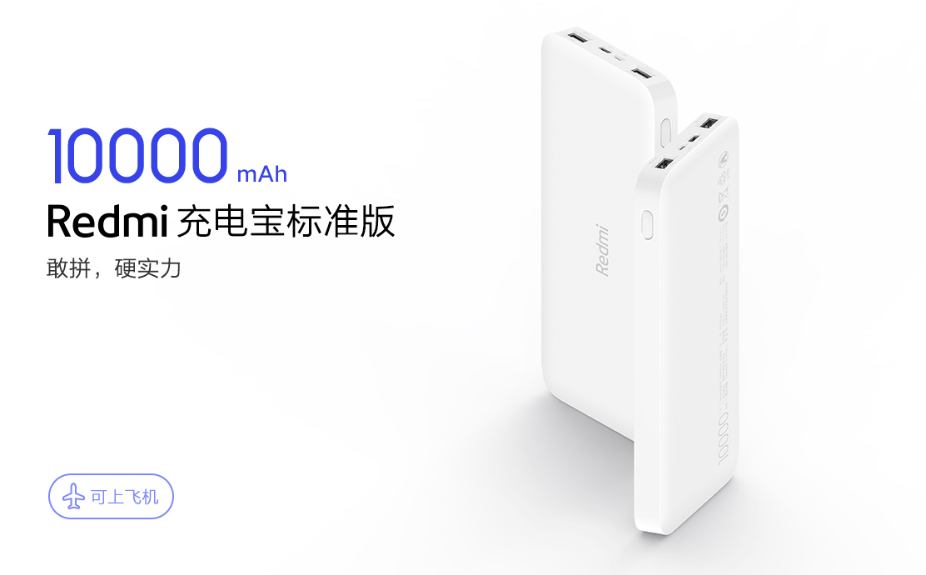
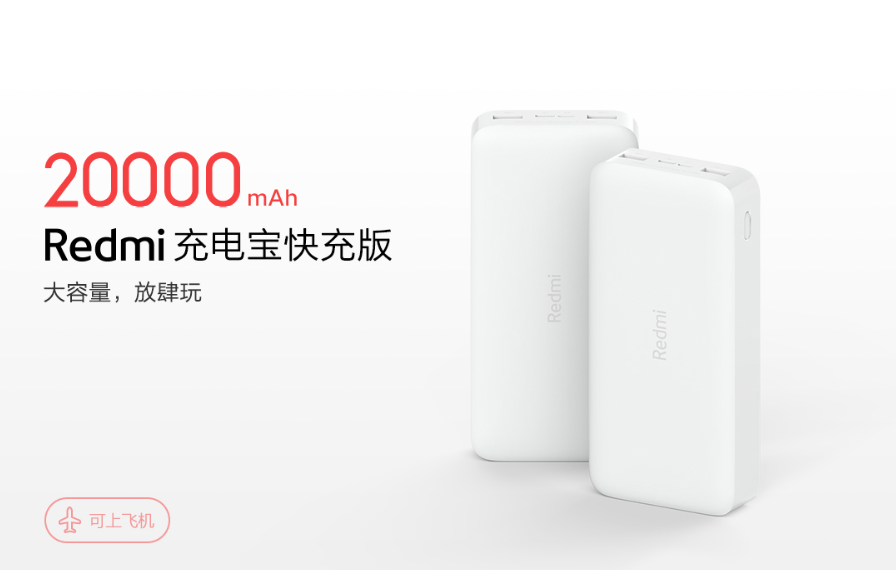
The two power banks are the Redmi Power Bank 10000mAh (PB100LZM) and the Redmi Power Bank 20000mAh (PB200LZM). Both come in white, have dual output ports (USB-A), dual input ports (MicroUSB and USB Type-C), and lithium-ion polymer batteries.
Redmi Power Bank 10000mAh
The Redmi Power Bank 10000mAh can charge the Redmi Note 7 1.75 times, the Mi 9 2.4 times, the Redmi K20 1.75 times, and the iPhone XS 2.3 times. The maximum power rating for the input port is 5V 2.1A while the output port has a rating of 5.1V 2.4A. There is no support for 18W fast charging input or output.
The power bank measures 150.5 x 73.6 x 15.1mm, has nine different protection including low voltage and a reset function. It can also charge low power devices like the Mi Band and will power small items like a portable fan or LED lamp.
The Redmi Power Bank 10000mAh has a ¥59 (~$9) price tag.
Redmi Power Bank 20000mAh
The Redmi Power Bank 20000mAh is near twice the thickness of the 10000mAh version at 27.3mm but the length and width are the same.
It has the same number of input and output ports but supports 5V 2A, 9V 2.1A, and 12V 1.5A input charging. It also supports 5.1V 2.4A, 9V 2A, and 12V 1.5A output charging. This means it supports 18W fast charging input and output.
The Redmi Power Bank 20000mAh can charge the Redmi Note 7 3.5 times, the Mi 9 5.3 times, the Redmi K20 3.5 times, and the iPhone XS 4.8 times. It also has a Li-ion polymer battery and several protection features.
The power bank has a price tag of ¥99 (~$15). Just Like the 10000mAh version, it will go on sale on July 23 on Mi.com.
We expect the power banks will also be announced outside China soon.
A feature-rich TV box helps you save each month by reducing your cable bill. Moreover, it enables you to stream your favorite movies, TV shows, sporting events, etc., with the help of numerous streaming apps.
While the market is crammed with all sorts of TV boxes that seem to suit your fancy, these gadgets aren’t easy on the pocketbook. Nevertheless, cinephiles who prefer watching their favorite videos without leaving the comfort of their homes, end up spending a lot of money on high-end TV boxes.
If you are living on a tight budget and aren’t in the mood to empty your pocket for a top-end TV box, we got your back! Here are the top 6 TV boxes that you can buy without burning a hole in your pocket.
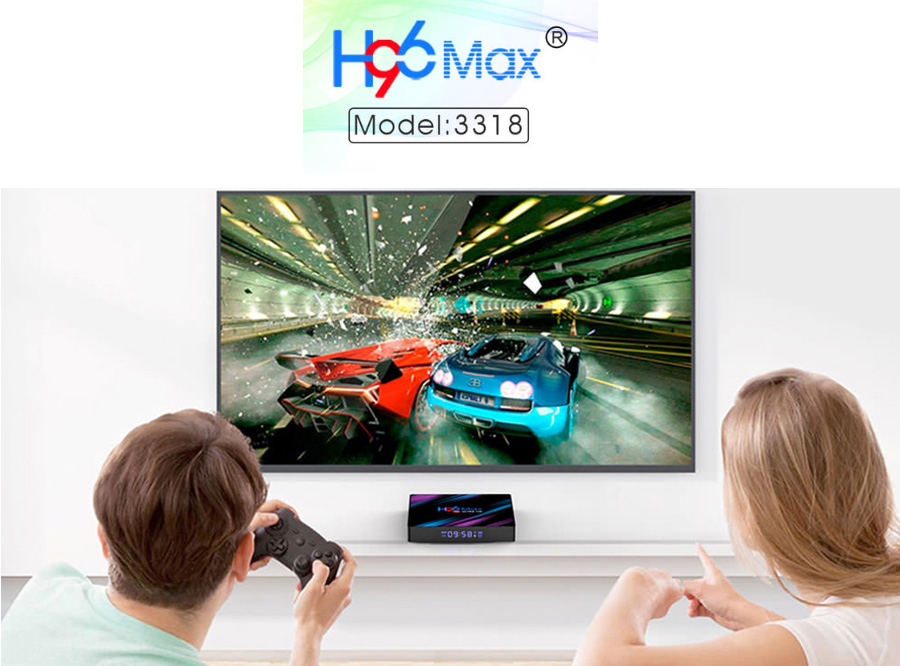
H96 MAX 5G TV Box – GearVita
Powered by the RK3318 Quad-Core 64bit Cortex-A53 processor, the H96 MAX is an irresistible 5G TV box that employs Penta-Core Mali-450 graphics processing unit for an unmatched viewing experience. It features 4GB of DDR3 RAM and 64GB of internal storage capacity.
The H96 MAX 5G TV box usually retails for $45.99, but cost-conscious buyers can get a $16 off by applying coupon code ROH96MAX64 at checkout. In other words, you can reduce the original asking price of the H96 MAX 5G TV box to just $29.99 with the help of the aforesaid coupon.
You can follow this link to take advantage of the coupon before it expires.
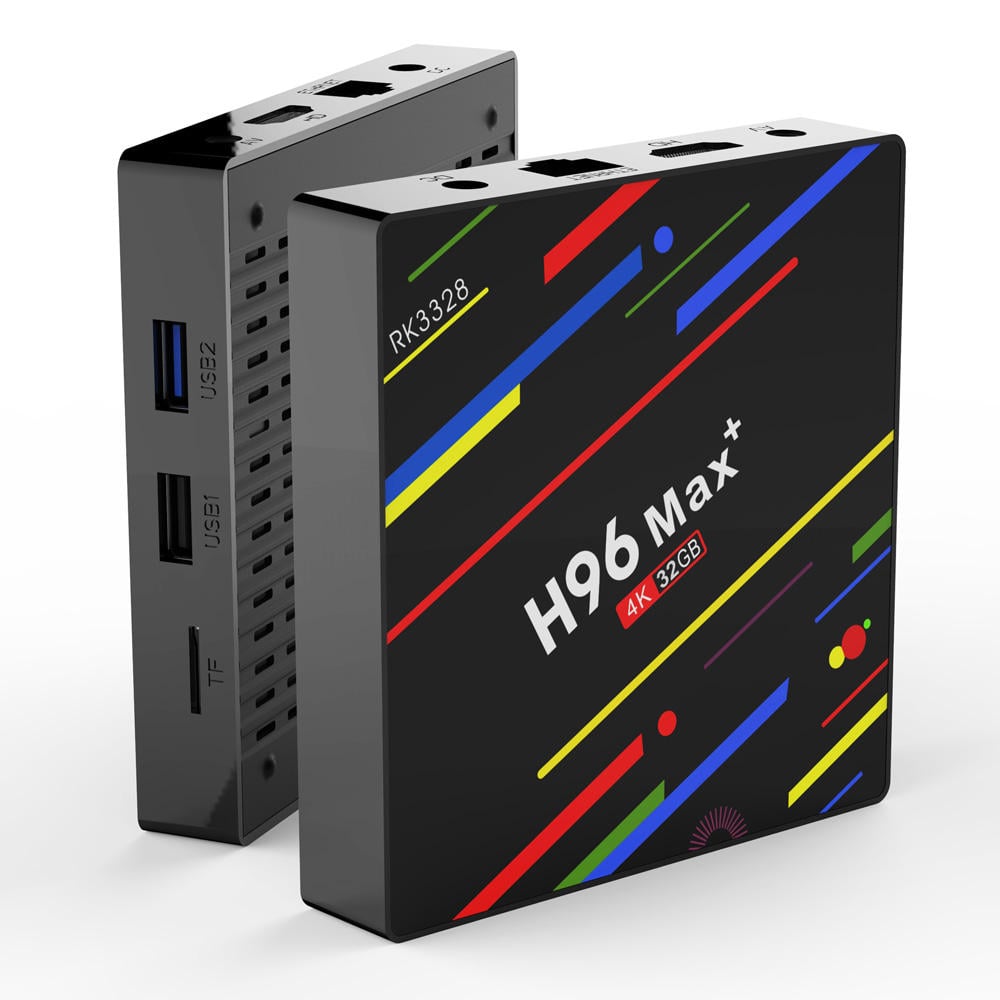
Living up to its reputation for offering the best bang for your buck, Banggood is now doling out a noteworthy 51 percent discount on the H96 Max Plus TV box, which normally sells for $69.81. Thanks to the discount, you can now buy the 4GB RAM+32GB ROM H96 Max Plus model for a lowered price of just $33.99.
An absolute steal at this price, the H96 Max Plus packs a powerful RK3328 Quad-Core 64bit Cortex-A53 processor, along with a highly competent Penta-Core Mali-450 GPU, under the hood. It runs Android 8.1 Oreo OS and supports 4K YouTube and HD Netflix.
You can visit this link to check out more details about the H96 Max Plus TV Box and grab the discount. If your order exceeds $19.99, you can get free shipping. Note that the promo is slated to end on July 19th.
Equipped with the latest Amlogic S912 CPU with octa-core, the Beelink GT1 Ultimate TV box offers a rapid and stable viewing experience. It runs Android 7.1 Nougat OS, which enables you to install/uninstall apps and games without breaking a sweat.
The 3GB DDR4 RAM+32GB ROM Beelink GT1 Ultimate TV box variant has gone up for sale bearing a dropped price tag of only $64.99 on Gearbest, while it usually sells for $79.99. To extend this 19 percent discount, you can apply coupon code GBCNGT1 at checkout.
The above-mentioned coupon helps you save $2 more by reducing the original asking price of the Beelink GT1 Ultimate TV box to only $62.99. You can click here to avail the discount and use the coupon, which will only be valid for the first 100 units. With ten units already sold, the promo will end in three days.
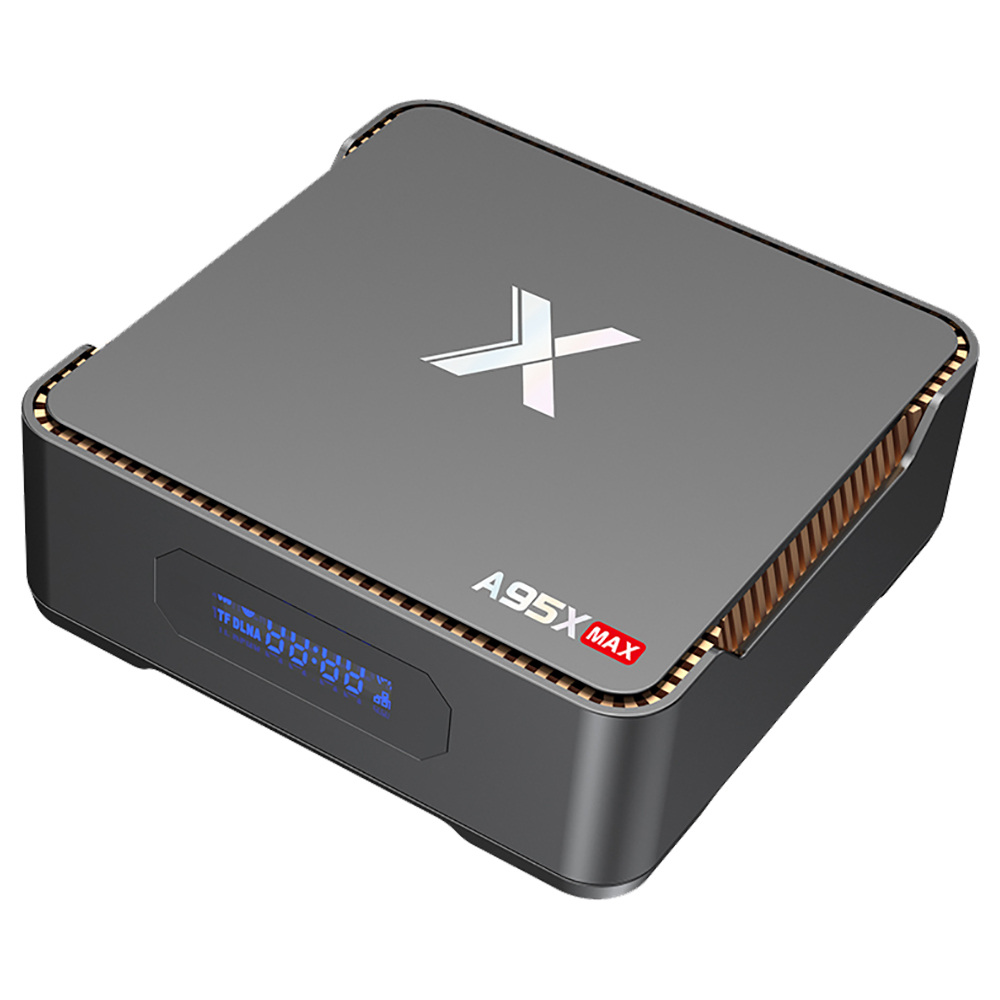
GeekBuying is offering a 37 percent discount on the A95X MAX TV box, which would normally set you back $110.05. As a result, you can buy it for a dropped price of just $68.99.
Marketed as one of the first TV boxes to run on Android 8.1 Oreo OS, the A95X MAX is powered by the Amlogic S905X successor dubbed, the S905X2 processor. Under the hood, it packs the ARM Dvalin MP2 GPU, paired with 4GB of DDR4 RAM and 64GB of eMMC storage.
You can visit this link to check out the full specification of the A95X MAX TV Box and buy it at a heavily discounted price before the promo ends. It is worth noting that the discount will expire in just three days.
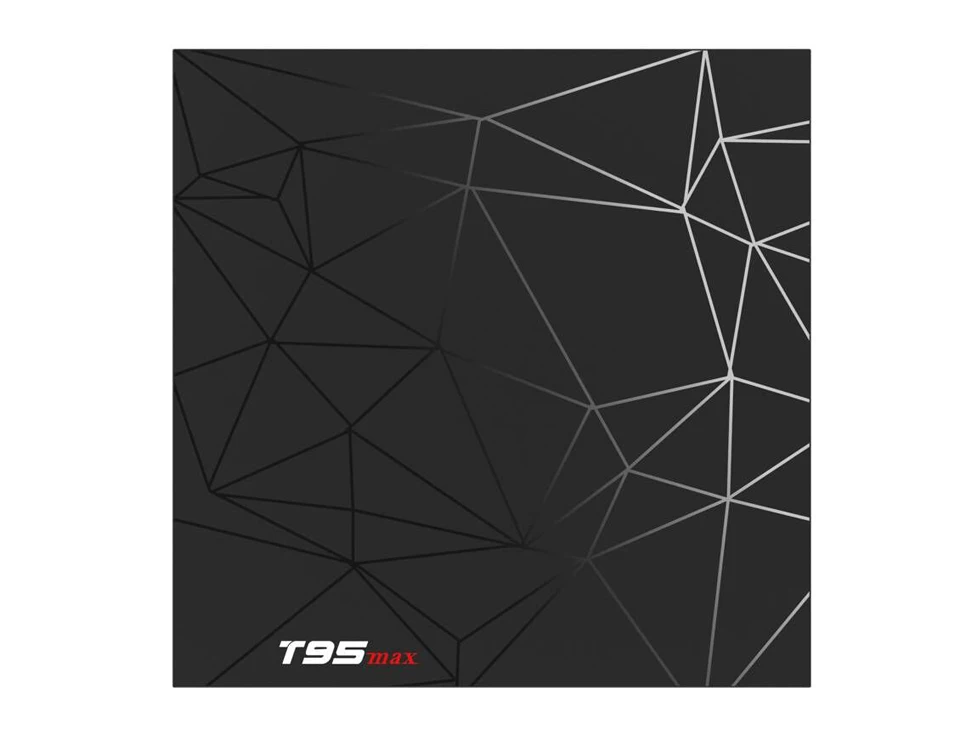
AliExpress is offering its loyal users a chance to get their hands on the 4GB RAM+64GB ROM variants of the T95 Max TV box at unbeatable prices. You can buy your favorite variant of the TV box if you are willing to spend $28.82 – $39.83.
If you are a new user, you can take advantage of the $3 off New User coupon and save money during the checkout process. With 7994 pieces still available in stock at the time of writing, you can get a 9 percent off if you order 10 pieces.
This TV box that packs an Allwinner H6 6K processor, coupled with Mali-720MP2 GPU for delivering the superior user experience. You can click here to visit the promotion page and check out more details. Note that the estimated delivery time of the TV box is August 13th.
Touted as one of China’s best online stores for electronic items, Gearbest is offering the international version of the Xiaomi Mi Box S TV box for a lowered price of just $69.99. This is a considerable 14 percent reduction in the device’s original asking price of $81.69.
Based on Android 8.1 Oreo OS, the Xiaomi Mi Box S boasts an impressive array of features that transform your regular television into a smart TV. It comes with 2GB of DDR3 RAM and offers a hearty 8GB of internal storage capacity for you to download and run your favorite apps and games.
It has a voice remote control that allows you to search for content using just your voice. Moreover, the TV box is powered by Cortex A53 CPU and it uses a Mali 450 GPU to deliver unmatched picture and video quality without any sort of interruption.
You can click here to check out more details about the Xiaomi Mi Box S and place your order. It is worth mentioning here that 187 pieces were already sold at the time of writing. The promo will come to an end in seven days.
Li Nan, the co-founder, and VP of Meizu who is also the face of the company has resigned. He made the announcement via a post on Weibo yesterday.
Prior to him revealing his exit from the company he helped start, the former top executive had denied he was leaving. In a memo he made public, he explained he had to clear the air regarding his exit from the company which had generated some messy news.
In the memo, he revealed he already started taking fewer responsibilities following the launch of the Meizu 16. He did acknowledge that the company is facing challenges but believes things will get better as long as they do not stop improving.
While he wasn’t specific about his next step, Li Nan revealed that he is still focused on the consumer market and developing new brands. He also thanked co-workers, investors, and shareholders.
Li Nan co-founded Meizu along with Bai Yongxiang who is the CEO and Huang Zhang (Jack Wong). The company started as an MP3 player manufacturer before switching to phones in 2008. Its portfolio is diverse now but phones are its major source of revenue. Last year, Meizu celebrated its 15th anniversary.
Cape, a cloud platform for remote drone operations, has confirmed it will drop support for DJI drones. As part of the decision, effectively immediately, the company also launched the Cape Preferred Partner Program (P3), a new initiative aimed at ensuring the security of commercial drone integrations across industries.
Skydio has been named as the first company to officially join Cape P3, just months after they were selected by the U.S. Department of Defense to take part in the Short Range Reconnaissance program for the U.S. Army. The companies said that together, they hope to collaborate on next-generation technology that is both easier to use and more capable than ever before.
It said the program is a direct result of increasing security concerns around the use of drones for public safety and commercial use, and follows the Department of Homeland Security’s (DHS) recent warnings regarding security risks related to the use of Chinese-made drones.
With the launch of the new partner program, Cape software will exclusively allow for integration with hardware and enterprise applications from U.S. companies, such as Skydio, or companies from countries with intellectual property treaties with the U.S. As a result, Cape will specifically cease all integration with DJI-manufactured drones, as well as all other drones developed by companies based in China.
Unisoc aren’t exactly the most well known name in the SoC game, but they get around. Recently we heard that they’d be providing the chipset for the upcoming HTC Wildfire, but other than that they haven’t been hitting the news much. That was at least until now, as we get news that Unisoc’s 5G SoCs are ready and will be in devices by H2 of 2019.
Unisoc introduced its 5G technology platform Makalu and Ivy 510-series 5G modem chip at the MWC in early 2019. The Ivy 510 solution will be featured in customers’ CPE and module products scheduled for launch in China later in the second half of 2019, according to the chipmaker. Unisoc said that it believes CPE and module products will be the first applications driving 5G chip demand growth, with its Ivy 510 focused initially on the China market.
Unisoc has also had its 5G chip solution validated for 26GHz mmWave networks, the chipmaker continued. The company claims that it is gearing up to play a role in the global 5G chipset market, and there may be no better time than now to make that move. If Unisoc plays their cards right, they could be a big player in the budget 5G market.
This is mainly becaus we’ve yet to really see a competitor in the budget 5G market. MediaTek has yet to make big any moves on the segment, and Qualcomm is fully invested in the high-end. Even the cheapest 5G devices at the moment are ludicrously expensive, so bringing that price down by any amount instantly makes any device more attractive for most.
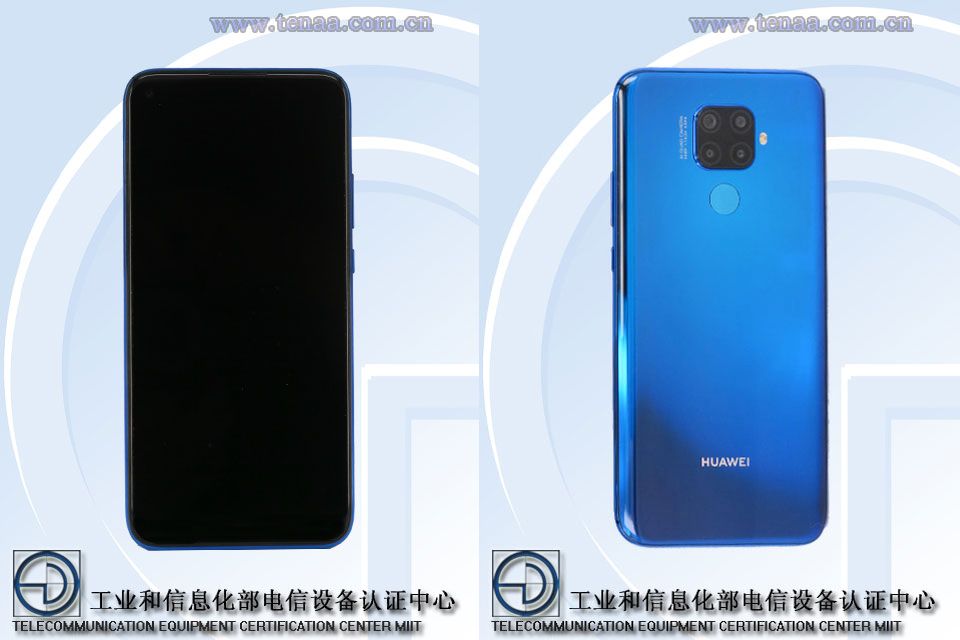
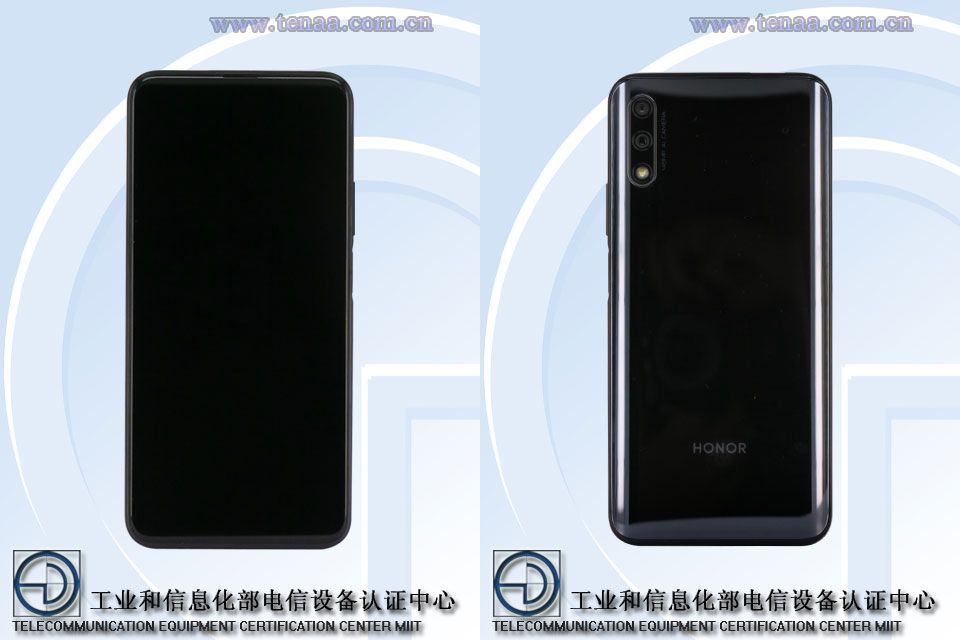
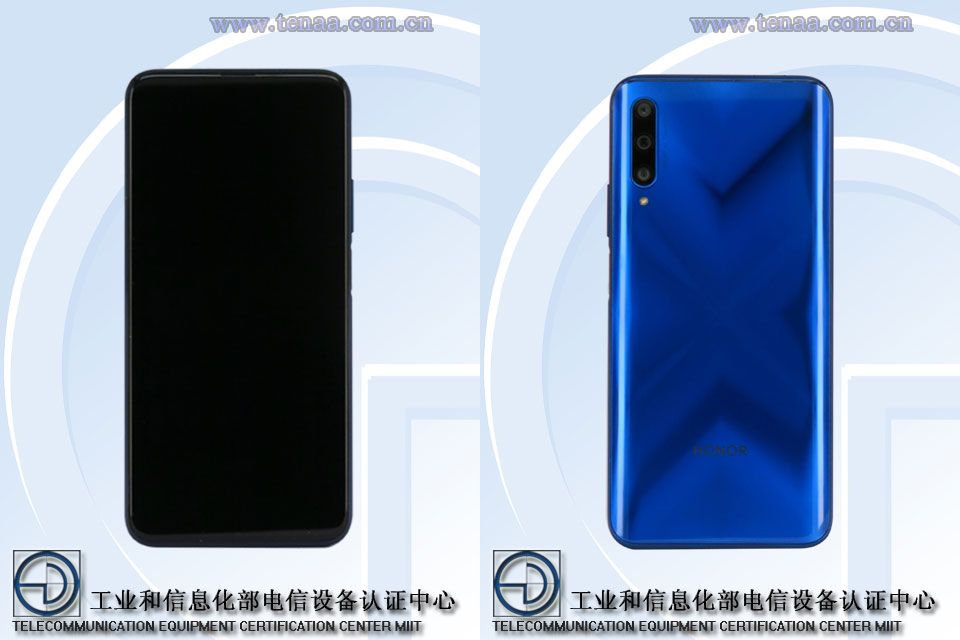
The entire specifications of the upcoming Huawei Mate 30 Lite (SPN-AL00 / TL00) was spotted on TENAA in the previous week. However, its images were not present in the listing. The Chinese telecom authority had also recently approved Honor 9X (HLK-AL00 / TL00) and Honor 9X Pro (HLK-AL10) smartphones in the recent past. Again, the TENAA listings of the Honor 9X and 9X Pro did not feature their images, but only specs were revealed. Today, the TENAA listings of the Honor 9X duo and Mate 30 Lite have been updated with their images.
Huawei Mate 30 Lite
The Huawei Mate 30 Lite’s images show that it will boast a high screen thanks to punch-hole display design. There is an LED assisted quad camera setup on the rear side of the phone. Below it is the fingerprint sensor.
A recent report had revealed that the upcoming Nova 5i Pro could be featuring an identical front and rear design as shown in the TENAA images above. The reason behind it is that rumors have claimed that Mate 30 Lite for China could be releasing in European markets as Nova 5i Pro.
Huawei Mate 30 Lite
The Mate 30 Lite has a 6.26-inch full HD+ IPS display. It is powered by Kirin 810 chipset and up to 8 GB of RAM. The handset features up to 256 GB of native storage. The back panel of the phone features 48-megapixel + 8-megapixel + 2-megapixel + 2-megapixel quad camera system. It has a frontal shooter of 32-megapixel. The handset houses a 4,000mAh battery. It may carry support for 20W fast charging.
The Honor 9X and Honor 9X Pro images on TENAA reveal that these smartphones are equipped with a notch-less display and a side-mounted fingerprint sensor. The Honor 9X has a vertical dual camera system whereas the Pro model features a vertical triple camera setup.
Honor 9XHonor 9X Pro
The Honor 9X and 9X Pro smartphones feature 6.59-inch IPS LCD display with notch-less appeal and full HD+ resolution support. The Kirin 810 chipset powers the Honor 9X series. Both phones are expected to come with up to 8 GB of RAM. They are equipped with up to 256 GB of storage and 4,000mAh batteries. The Honor 9X has 48-megapixel + 2-megapixel dual camera setup. On the other side, the Honor 9X Pro has 48-megapixel + 8-megapixel + 2-megapixel triple camera setup.
The Mate 30 Lite may go official in the coming month. The Honor 9X and 9X Pro are slated for official announcement on July 23.
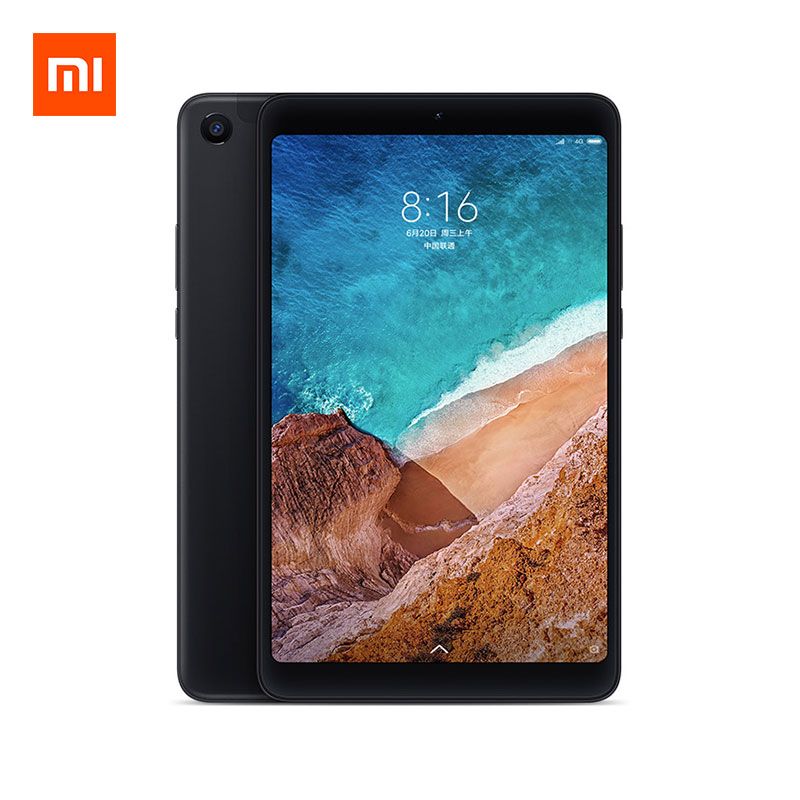
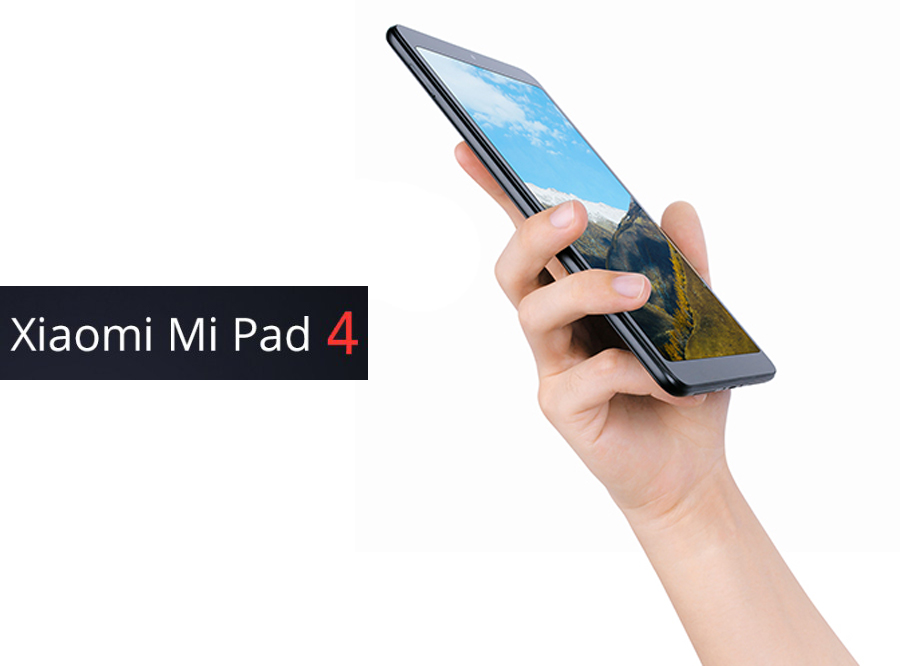
Xiaomi unveiled the Mi Pad 4 tablet in June last year. Even over a year after hitting the store shelves, the Mi Pad 4 series tablets continue to garner popularity among those who fancy watching their favorite videos and playing popular games on a big-screen mobile device.
Sporting a user-friendly design that enables one-handed operation, the Mi Pad 4 is an irresistible tablet PC. If you have been holding back from buying one of the Mi Pad 4 variants due to the steep price tags they carry, we got your back!
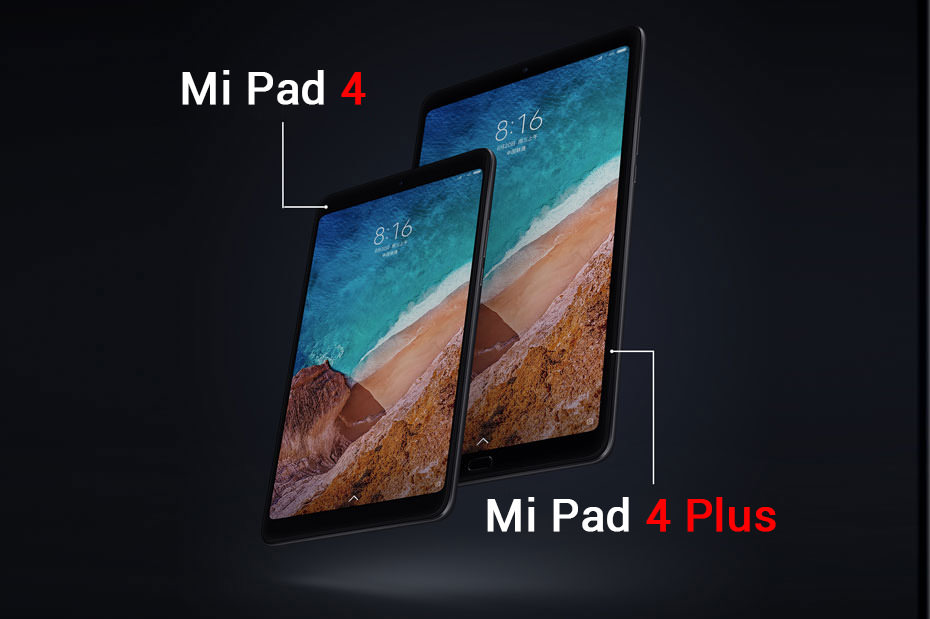
The Xiaomi Mi Pad 4 WiFi tablet PC, Xiaomi Mi Pad 4 LTE tablet PC, and Xiaomi Mi Pad 4G LTE tablet have gone up for sale on GearVita bearing competitive price stickers. We will show how you can save a considerable amount of money just before placing your order.
Xiaomi Mi Pad 4 WiFi Tablet PC International Version
This Mi Pad 4 WiFi tablet ships with 4GB of RAM and offers 64GB of internal storage capacity. While the market is brimming with all sorts of mobile devices that offer comparable specifications at nearly about the same price, you can get a $75 off on the Mi Pad 4 WiFi tablet with the help of coupon code ROPad464B.
In other words, you can get your hands on this Xiaomi Mi Pad 4 WiFi Tablet PC International Version for a lowered price of just $189.99 from GearVita. You can follow this link to use the coupon, which will be valid for the black, as well as the white color options.
Xiaomi Mi Pad 4 LTE Tablet PC International Version
The Mi Pad 4 LTE tablet PC features 4GB of RAM along with 64GB of onboard storage capacity. This model is available in two eye-catching color options including black, and white. While this model usually retails for $279.99 on GearVita, you can get a $70 off by using coupon code GVMpad4 at checkout.
Thanks to the aforesaid coupon, you end up shelling out just $209.99 on the Xiaomi Mi Pad 4 LTE model. You can visit this link to use the coupon, which is likely to expire soon.
Xiaomi Mi Pad 4 Plus 4G LTE Tablet International Version
The Mi Pad 4 Plus 4G LTE tablet would normally set you back a pretty penny on both online as well as offline stores. The international version of the Xiaomi Mi Pad 4 Plus 4G LTE tablet which comes with 4GB RAM, 64GB ROM is currently up for grabs for $355.99 on GearVita.
If you are living on a tight budget and aren’t willing to spend that kind of money on a tablet, all you need to do is apply coupon code ROPad4plus and save $80. In other words, you can reduce the retail price of the Xiaomi Mi Pad 4 Plus 4G LTE tablet to just $275.99 by applying the coupon during the checkout process.
Note that you can choose between the black and gold color options. You can head straight to this link to take advantage of the coupon before it expires.
Huawei’s own upcoming operating system — HongMeng OS, is widely believed to be the company’s answer to Google’s Android mobile OS. The HongMeng OS was confirmed by Huawei when the US government banned the Chinese giant.
The HongMeng OS is developed based on open-source Android and in the recently concluded test, the operating system was found to be around 60 percent faster than Android mobile OS.
Now, Catherine Chen, Senior Vice President and a Board Member of Huawei said that the upcoming HongMeng OS is not for smartphones and the company is planning to continue using Google’s Android operating system on its smartphones.
She added that the recently-trademarked Hongmeng operating system is for industrial use and the system has been in development long before the current discussions around finding an alternative to Android. She further said that the HongMeng is very secure because of fewer lines of codes compared to a mobile OS and has an extreme low latency compared with a smartphone operating system.
Earlier, during an interview, Huawei’s founder and CEO had said that the HongMeng OS will be used in a wide range of products, including routers, network switches, tablets, computers and data centers.
This is interesting as the HongMong OS was being tested on smartphones and a few testers have also shared their experience. It seems that the company decided not to use HongMeng OS for smartphones after the Trump administration said that US firms can resume doing business with Huawei under certain conditions. This means that Huawei can now regain access to Google’s Android.
The Chinese giant has also trademarked another operating system named Harmony OS. It could be the global name of the HongMeng or the name of its Android alternative. Whatever be the case, we expect the company to shed more light on this during Huawei’s Annual Developers Conference next month. The company is also expected to unveil its all-new EMUI 10 custom user interface for the Android OS during the same conference.
Honor has scheduled a launch event in China on 23rd July for the launch of the Honor 9X smartphone, where the company is also expected to launch the Honor 9X Pro.
Ahead of the launch, the company has shared details about the camera configuration of the Honor 9X and has also shared camera samples of the same, showcasing the impressive low-light photography performance.
The smartphone will come featuring a 48-megapixel AI triple camera setup on the back panel where it will have a 48-megapixel Sony IMX586 as the primary camera sensor. The company adds that the phone captures stunning images during night time without the need of the LED Flash.
As for the camera configuration of the Honor 9X Pro, it is being reported that it will have the same camera setup as the Honor 20 Pro, which is currently placed second in camera performance by DxOMark.
It’s already known that the Honor 9X series smartphones are powered by the company’s newly announced Kirin 810 octa-core processor, manufactured using the 7nm process. The company has revealed that the Kirin 810 is one of the nine major features of the smartphone and more will be revealed at the launch event.
The smartphones will come with a notch-less display, as revealed by the leaked renders of the upcoming Honor 9X series devices. The smartphone will reportedly come with a 6.59-inch IPS Full HD+ display and will pack up to 8GB of RAM and 256GB of internal storage.
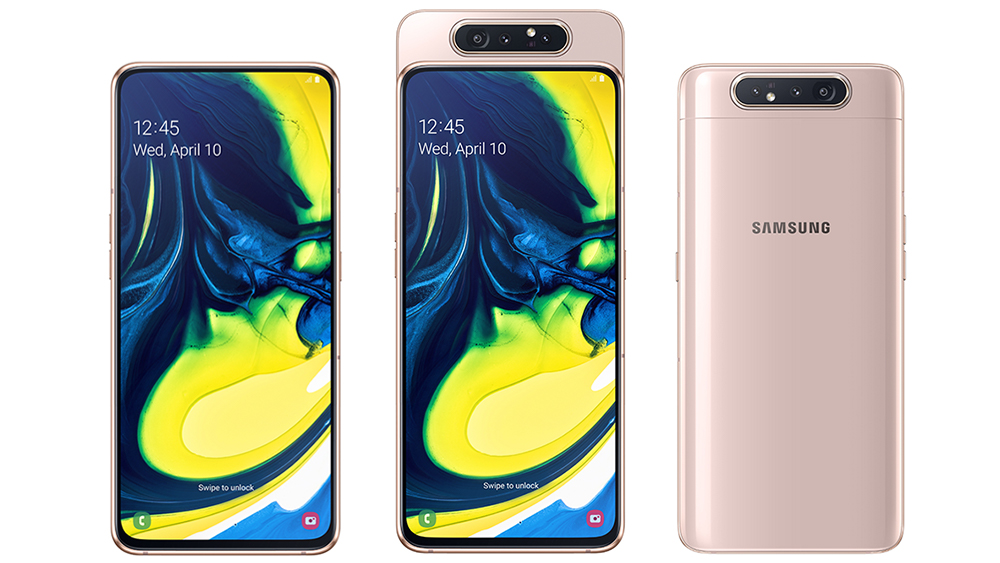
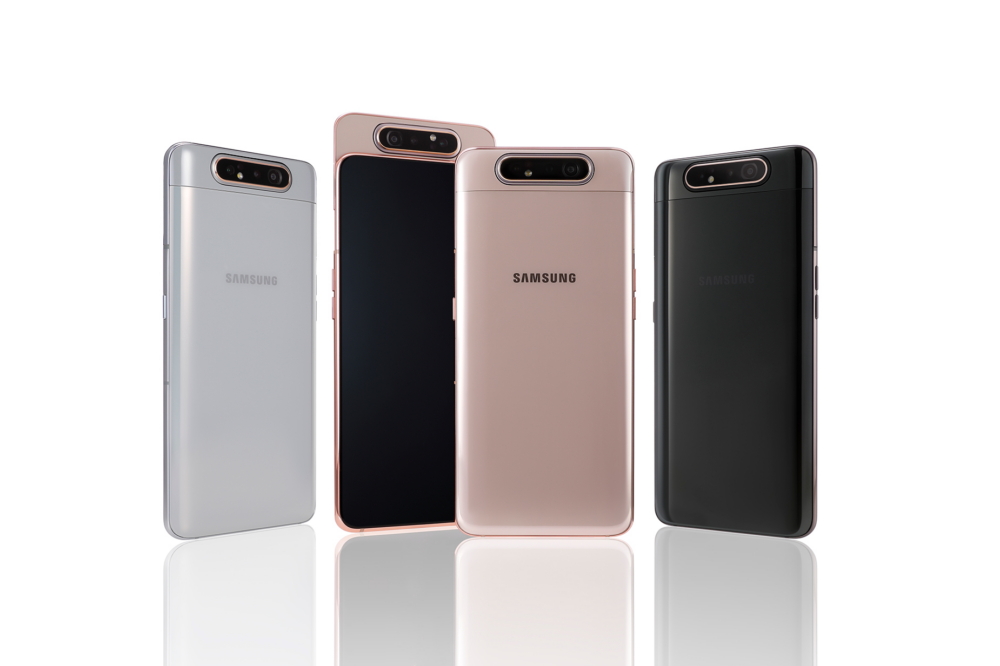
After its first arrival in Thailand in April, the Samsung Galaxy A80 is gradually being made available in other countries. Earlier this month, the Galaxy A80 was made available for purchase in China. The handset was rumored to arrive in India in June. However, it has landed now in India with a price tag of Rs. 47,990 (~$698).
Samsung Galaxy A80 Specifications and Features
The Galaxy A80 has a 6.7-inch AMOLED display with New Infinity notch-less design. It offers a tall aspect ratio of 20:9 and carries support for 1080 x 2500 pixels full HD+ resolution. The display of the smartphone is fitted with an in-screen fingerprint sensor.
The Snapdragon 730G 8nm octa-core processor that works at 2.2GHz is present under the hood of the Galax A80 along with Adreno 618 graphics. The SoC is coupled with 8 GB of RAM. The smartphone features an internal storage of 128 GB. There is no external storage support on the device. The Android 9 Pie OS on the Galaxy A80 is customized with One UI interface.
The rear side of the Galaxy A80 is fitted with an LED flash enabled triple camera setup that includes an f/2.0 aperture 48-megapixel main lens, an f/2.2 aperture 8-megapixle ultrawide lens and a 3D ToF (Time of Flight) lens. There is no front-facing camera on the device. The rear positioned triple camera setup can move up at rotate to function as front-facing cameras for capturing selfies. The South Korean company has included a 3,700mAh battery inside the Galaxy A80 along with support for 25W fast charging. It lacks support for 3.5mm audio jack.
Samsung Galaxy A80 Price and Availability
The Galaxy A80 comes in a sole edition of 8 GB RAM + 128 GB storage in India that carries a price tag of Rs. 47,990. Citibank credit card users can avail 5 percent cashback on the purchase of the Galaxy A80 smartphone. The handset can be bought in colors like Phantom Black, Ghost White and Angel Gold.
Starting from Aug. 1, the Galaxy A80 will be made available for purchase through Samsung’s online shop, Samsung Opera House, all the popular online retail stores and offline outlets. Interested customers can pre-book the smartphone between July 22 and July 31. Those who pre-book the phone will be able to take advantage of free one-time screen replacement offer.
Xiaomi-backed Black Shark has so far launched three gaming smartphones — Black Shark, Black Shark Helo, and Black Shark 2. Now, the company is gearing up to launch yet another smartphone model — Black Shark 2 Pro in China later this month.
The company has officially revealed through a microblogging platform Weibo that it will be launching the Black Shark 2 Pro smartphone at a launch event on 30th July. The phone is expected to come powered by the newly announced Snapdragon 855 Plus SoC.
A couple of days ago, when Qualcomm announced the upgraded Snapdragon 855 Plus processor, Black Shark was among the smartphone makers to welcome the new chipset, hinting that they are working on a device powered by that chipset.
Asus has already announced that its upcoming ROG Phone 2 which is set to launch on 23rd July in China, will come powered by the SD855 Plus chipset. Given that the processor is focused towards the gaming smartphone, it’s highly likely that the Black Shark 2 Pro will be powered by the same chipset.
Black Shark 2 gaming smartphone was launched earlier this year in March, featuring a 6.39-inch AMOLED TrueView display offering Full HD+ screen resolution, 19.5:9 aspect ratio, DC dimming, Always-on Display, eye protect mode and in-screen fingerprint sensor.
The smartphone features a dual-camera module that comprises of an f/1.7 aperture 48-megapixel main sensor and a 12-megapixel telephoto lens with 2x optical zoom. For snapping selfies, it is equipped with a 20-megapixel front camera with f/2.0 aperture.
It is powered by the Snapdragon 855 SoC and comes with two-style Liquid Cooling 3.0 technology can drop the processor’s temperate by up to 14 degrees. The SoC is supported by up to 12 GB of RAM and 256GB of internal storage. It runs BlackShark OS flavored Android 9 Pie OS and is powered by a 4,000mAh battery that carries support for Quick Charge 4.0 fast charging.
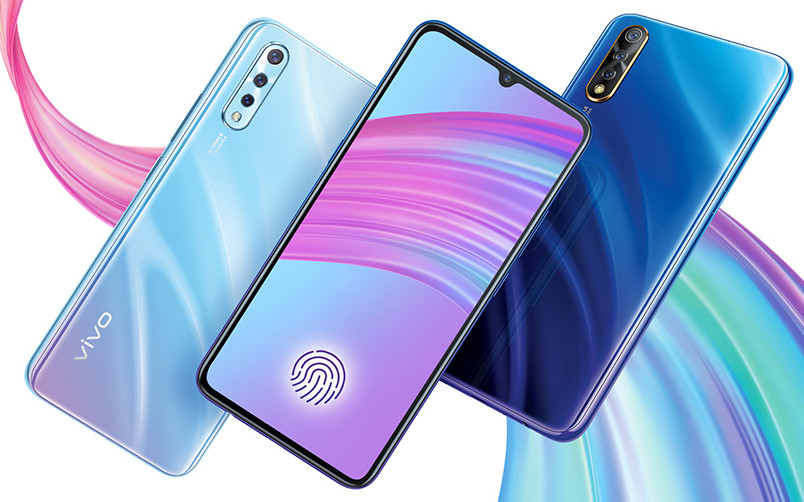
Recent reports have claimed that Vivo is gearing to launch the Vivo S1 smartphone in India. It is rumored to be the very same handset that was introduced earlier this week in Indonesia. Vivo India has released a first teaser to hint the arrival of the Vivo S1 smartphone which suggests its arrival could be close at hand.
The below shown teaser ends with “all new S series coming soon’ message. Rumors have it that Vivo’s upcoming series of smartphones will be aimed towards offline markets. As mentioned above, the Vivo S1 that was unveiled in recently will be debuting as the first S-series Vivo phone in India soon. A recent report had claimed that the Vivo may announce the Vivo S1 smartphone on Aug. 15 in the country.
The Vivo S1 has a 6.38-inch Super AMOLED display with waterdrop notch that offers full HD+ resolution of 1080 x 2340 pixels. The Vivo S1 is the first ever smartphone to feature the new mid-range MediaTek Helio P65 chipset. The SoC of the phone could be assisted by 6 GB of RAM. It may arrive in India in 64 GB and 128 GB storage choices.
The front notch of the Vivo S1 is the home for a 32-megapixel selfie camera. The rear shell of the smartphone has a vertical triple camera setup that includes a 16-megapixel primary lens, an 8-megapixel ultrawide lens and a 2-megapixel depth sensor. The handset is backed by a 4,500mAh battery that supports 18W dual-engine fast charging. The FunTouch OS 9 flavored Android 9 Pie OS runs on the device.
Vivo S1 Price in India
According to a leak, the Vivo S1 will hit the Indian markets in two options such as 6 GB RAM + 64 GB storage and 6 GB RAM + 128 GB storage. The base model of the smartphone could be priced at Rs. 17,990 (~$259) whereas the higher variant may cost around Rs. 20,000 (~$290). It may arrive in color choices like Sky Blue and Dark Blue. The Chinese firm may begin with its pre-orders in early August before its first sale on Aug. 15.
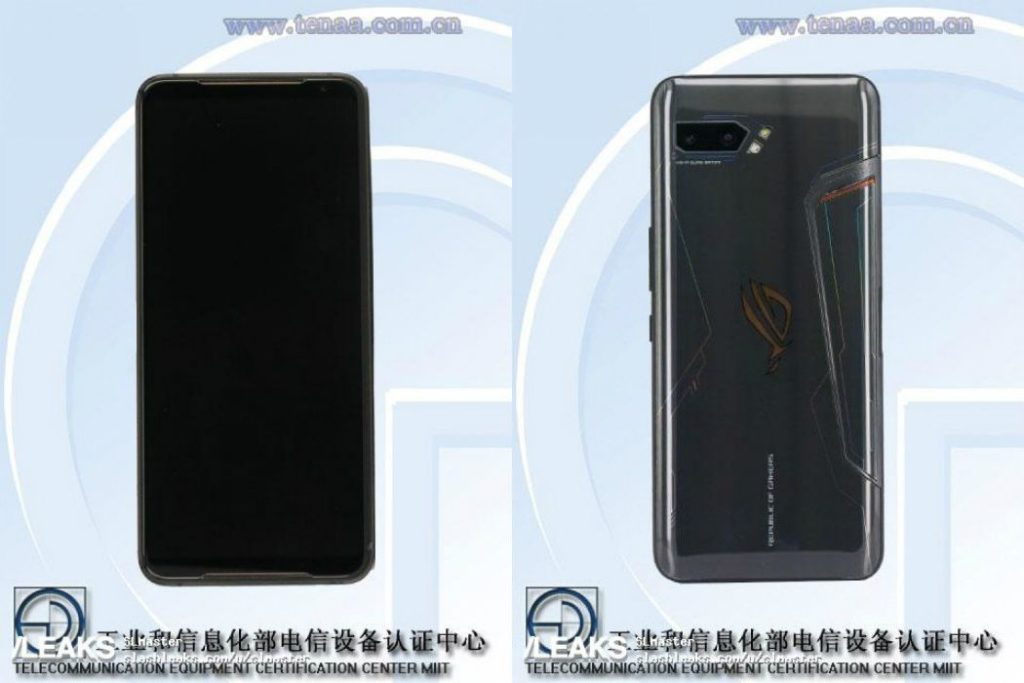
Listings for ASUS_I001DA and ASUS_I001DB model numbers were spotted on TENAA with images and some specs had appeared yesterday. The leaked specs and images confirmed that the listings belong to the forthcoming ASUS ROG Phone II smartphone. The TENAA listings for the smartphone are now updated with full specifications.
TENAA reveals that the ROG Phone 2 has 170.99 x 77.6 x 9.78mm dimensions. It’s a bulky device it weighs 240 grams. The predecessor ROG Phone that came last year measured 158.8 x 76.2 x 8.3mm and weighed 200 grams. The original smartphone housed a 6-inch 18:9 aspect ratio supporting display that supported full HD+ resolution of 1080 x 2160 pixels. The ROG Phone 2 has a bigger OLED display of 6.59 inches. It offers 19.5:9 aspect ratio and 1080 x 2340 pixels full HD+ resolution. Its already known that the ROG Phone 2’s display will offer a refresh rate of 120Hz. The handset will be coming in a single color option of black.
The front view of the ROG Phone II smartphone shows that its display has regular bezels like the original ROG Phone. Also, it seems to be equipped with dual front-firing speakers. The rear side of the phone largely resembles the predecessor model in terms of design. The horizontally arranged dual camera setup is assisted by two LED flash units. The ROG logo could be equipped with RGB light and it may also function as notification LED. There is no fingerprint scanner on the backside of the smartphone.
The ROG Phone II TENAA listing states it is powered by 2.95GHz octa-core processor. ASUS has already confirmed that the ROG Phone 2 will be launching as the world’s first smartphone powered by the all new Snapdragon 855 chipset. The Android 9 Pie OS runs on the device.
The smartphone will come in RAM options like 6 GB and 8 GB in China. It will be offered in storage choices like 128 GB, 512 GB and 1 TB. The smartphone is packed with a massive battery of 5,800mAh (minimum) capacity. Its typical capacity could be 5,900mAh. The predecessor model came with a 5,000mAh battery. The handset lacks support for external storage slot.
TENAA usually lists things like fast charging and screen fingerprint in ‘special features’ section. However, both the features are not mentioned on ROG Phone 2’s TENAA listing. The 3C listing of the smartphone has revealed that it carries support for 30W fast charging. There is a possibility that the smartphone could be equipped with an in-screen fingerprint reader.
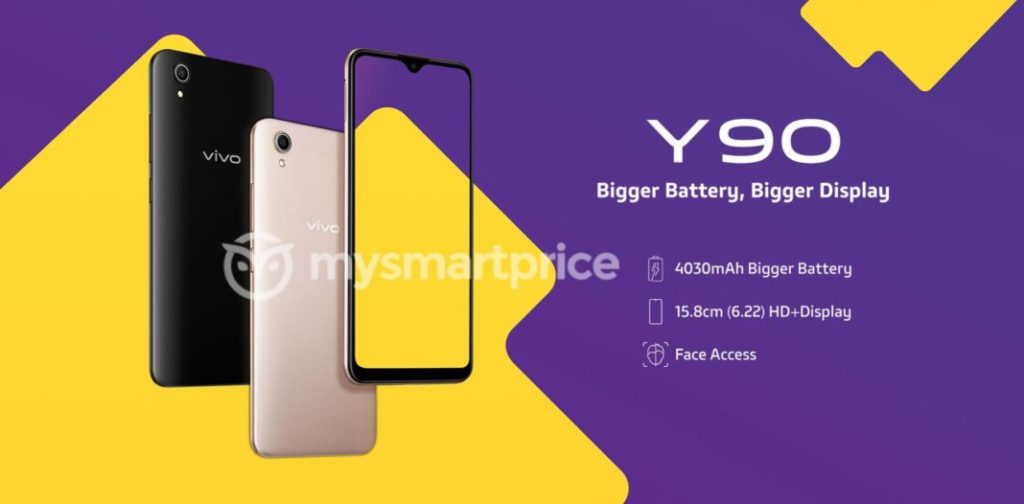
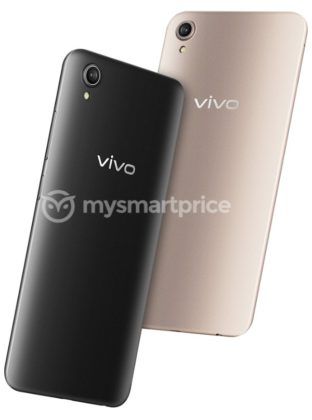
At the beginning of this month, leaked information had revealed that Vivo India will be soon introducing an entry-level smartphone with Vivo Y90 moniker. The leak had claimed that the smartphone could be arriving with a starting price of Rs. 6,990 in India. Only few details such as RAM, internal storage, front and rear camera configurations of the Vivo Y90 were revealed through its first leak. Now, MySmartPrice has shared more information on its specifications. Also, it has also shared press renders of the smartphone.
Based on new information leaked by reliable tipster Ishan Agarwal, the publication has revealed that the Vivo Y90’s will be arriving with key features like big battery and large display. The smartphone will be featuring a 6.22-inch display with waterdrop notch. It will carry support for HD+ resolution. The smartphone will be housing a big battery of 4,030mAh capacity. Since it is an entry-level smartphone, it is unlikely to carry support for fast charging.
He has also revealed that the Vivo Y90 will be fueled by 12nm octa-core processor. It will be arriving in the country in two models such as 2 GB RAM + 16 GB storage and 3 GB RAM + 32 GB storage. The FunTouch OS 9 based Android 9 Pie OS will come preloaded on the device.
The selfie notch of the smartphone will be housing a 5-mgeapixel front-facing camera. The handset will carry support for face unlock through the front camera. The leaked renders of the phone show that it will be sporting a polycarbonate build. The images show that the Vivo Y90 does not feature a fingerprint scanner on its rear. Also, it reveals that it will be available in Black and Gold color options. Another tipster has claimed that the phone will be equipped with MediaTek Helio A22.
As mentioned above, the 2 GB RAM + 16 GB storage edition of the Vivo Y90 smartphone is expected to carry a price tag of Rs. 6,990. The pricing will allow the smartphone to compete with the likes of Redmi 7A, Realme C2 and Samsung Galaxy M10 in the country.
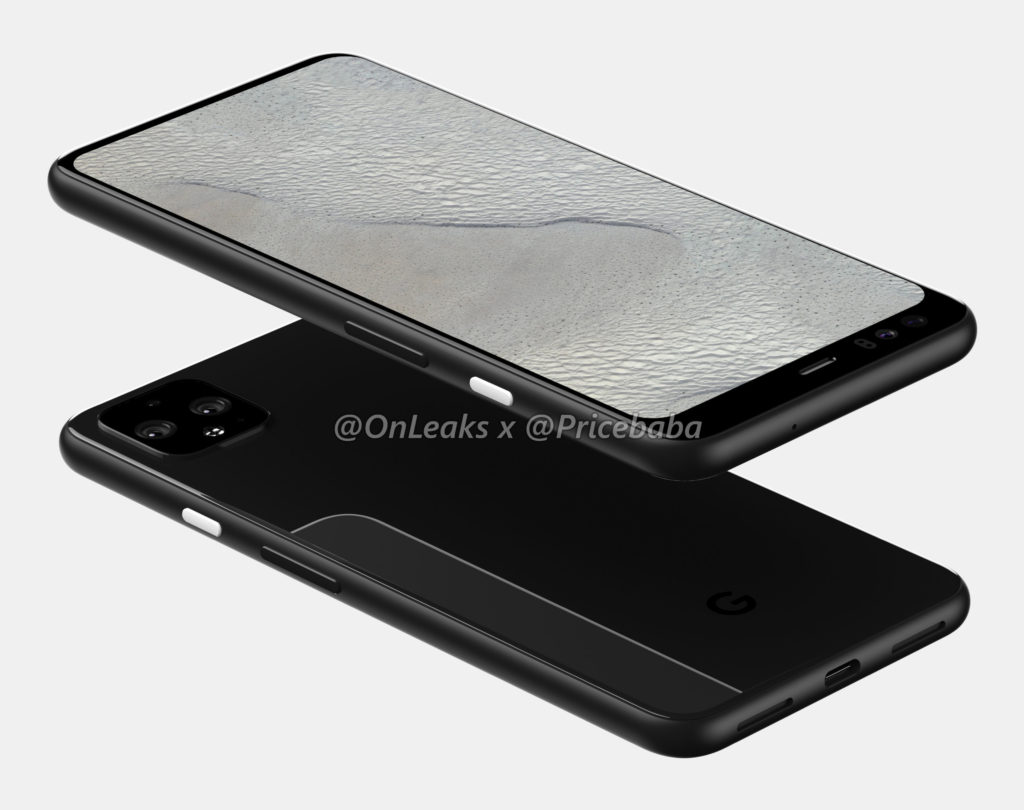
In October, Google is expected to announce Pixel 4 and Pixel 4 XL smartphones as successor for the Pixel 3 and Pixel 3 XL handsets from last year. Renders and key details of the Pixel 4 series have appeared in the recent past. A new report from BGR carries vital information on the specifications of Pixel 4 and Pixel 4 XL smartphones.
Based on information coming from “reliable inside sources”, the publication has revealed that for the first time Pixel smartphones will be equipped with 6 GB of RAM. Google has been selling Pixel smartphones since year 2016. All Pixel phones that have released so far have featured only 4 GB of RAM. The publication has further stated that Pixel 4 and Pixel 4 XL smartphones will be equipped with 128 GB of native storage. There is no confirmation on whether the Pixel 4 series will be available in higher storage versions.
The Pixel 3 came with an 18:9 aspect ratio display that supported full HD+ resolution of 1080 x 2160 pixels. The Pixel 4 will be coming with a tall screen that offers 19:9 aspect ratio and full HD+ resolution of 1080 x 2280 pixels. The Pixel 3 XL has an 18.5:9 aspect ratio display that supports Quad HD+ resolution of 1440 x 2960 pixels. Its successor i.e. Pixel 4 XL will be also arriving with 19:9 aspect ratio display that produces 1440 x 3040 pixels.
Past reports have revealed that the Snapdragon 855 chipset will be fueling the Pixel 4 and Pixel 4 XL smartphones. It remains to be seen whether the Pixel 4 series will be featuring the recently announced Snapdragon 855+ which is nothing but an overclocked version of the Snapdragon 855. There is no information on the camera configurations of the Pixel 4 series yet.
CAD renders of the Pixel 4 XL that had surfaced in the last week had revealed that it will be featuring a 6.25-inch AMOLED display, an in-screen fingerprint scanner, dual front-facing cameras, and triple rear cameras. The Pixel 4 will be featuring a slightly smaller screen, an in-display fingerprint reader and dual rear cameras.
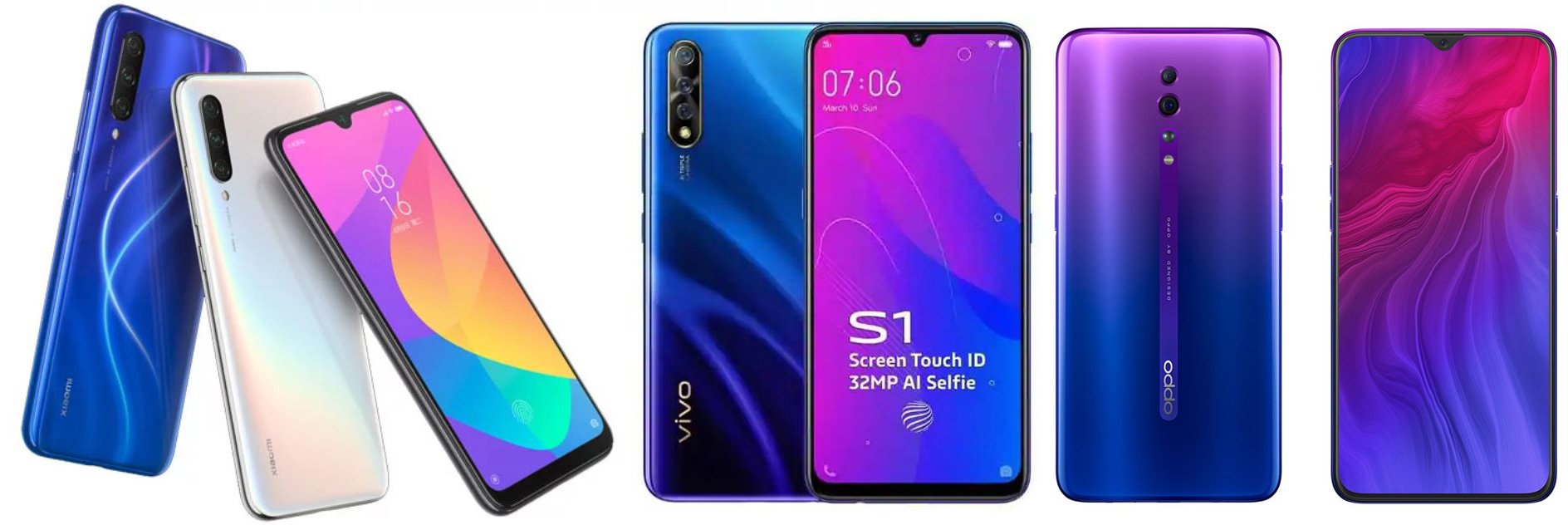
The most important Chinese companies are focusing a lot on the global market in the latest years. The A series from Xiaomi created for the global market became so important that even Android One gained a lot of popularity thanks to this line-up. And now, the iconic series has a successor: Xiaomi Mi A3. But besides Xiaomi, even Oppo and Vivo released new mid-rangers for the global market. Oppo came up with the Reno Z, the most affordable variant of the Reno series, while Vivo launched the global version of the Vivo S1. If you live outside China, this specs comparison may be very useful if you are looking for a new mid-ranger.
Xiaomi Mi A3 vs Vivo S1 vs Oppo Reno Z
Xiaomi Mi A3
Vivo S1
Oppo Reno Z
DIMENSIONS AND WEIGHT
153.5 x 71.9 x 8.5 mm, 173.8 grams
159.53 × 75.23 × 8.13mm, 179.5 grams
157.3 x 74.9 x 9.1 mm, 186 grams
DISPLAY
6.01 inches, 720 x 1560p (HD+), 286 ppi, Super AMOLED
6.38 inches, 1080 x 2340p (Full HD+), 404 ppi, Super AMOLED
6.4 inches, 1080 x 2340p (Full HD+), 403 ppi, AMOLED
Triple 24 + 8 + 2 MP f/1.8, f/2.2 and f/2.4
32 MP f/2.0 front camera
Triple 16 + 8 + 5 MP f/1.8, f/2.2 and f/2.4
32 MP f/2.0 front camera
Dual 48 + 5 MP f/1.7 and f/2.4
32 MP f/2.0 front camera
BATTERY
4030 mAh, fast charging 10W
4500 mAh, fast charging
4035 mAh, fast charging 20W
ADDITIONAL FEATURES
Hybrid Dual SIM slot
Hybrid Dual SIM slot
Dual SIM slot
Design
One of the best qualities of the Xiaomi Mi A3 is its amazing design alongside its build quality. Despite it is a budget phone, it is equipped with a glass rear back with very suggestive light effects which vary depending on light reflection, as well as an aluminum frame and the strong Gorilla Glass 5 protection. It is beautiful and it is even the most compact phone of the trio, despite the presence of a big battery. Even Oppo Reno Z and Vivo S1 come with an original design and solid materials, but they have a plastic frame instead of a metal one, so a less solid build quality and a less elegant design.
Display
While in my opinion, Xiaomi Mi A3 is the winner of the design comparison, it loses immediately when it comes to the display. The reason why we exclude it at the beginning is a too low resolution of the panel: someone considers Xiaomi Mi A3 a downgrade of the predecessor Mi A2 because it has just an HD+ resolution. Vivo S1 and Oppo Reno Z have Full HD+ and AMOLED display, so definitely better. Between these twos, Oppo Reno Z should be the winner because it is HDR10-compliant and it should be able to show richer colors.
Specs & Software
A lot of people associate Mediatek chipsets to low performances, but it is not so: MediaTek improved its processor a lot in the last period, despite it does not produce flagship chipsets anymore. As Master Lu showed, the Helio P90 is one of the best chipsets in terms of AI performance, and it is on board of the Oppo Reno Z. Further, we also believe that thanks to the Helio P90, Oppo Reno Z will perform better than Xiaomi Mi A3 and Vivo S1 in most of the scenarios. It even has more RAM: 6 or 8 GB depending on the chosen configuration, while Xiaomi Mi A3 and Vivo S1 stop at just 4 GB. Last but not least, Oppo Reno Z comes with up to 256 GB of internal storage (instead of 128 GB), but it lacks a micro SD slot. While Oppo Reno Z wins the hardware comparison, Xiaomi Mi A3 looks more interesting on the software side because it is Android One-powered, so it will have faster updates for a long time.
Camera
Xiaomi Mi A3 is the overall best camera phone of this trio. It is equipped with a rear triple camera including a 48 MP main sensor and an 8 MP ultrawide lens, as well as an amazing 32 MP selfie camera. Vivo S1 has a triple camera as well, but just a 16 MP main sensor with a reasonable quality. So the second place goes to the Oppo Reno Z and its 48 MP dual camera with a bright f/1.7 focal aperture.
Battery
In order to give you a definitive verdict on the battery life, we have to test the global version of the Vivo S1 (it just debuted, so we had no chance to test its battery life). It has the biggest battery, but there is to consider that Xiaomi Mi A3 has more efficient hardware components. So it will be a hard fight.
Price
Xiaomi Mi A3 costs €250/$282 globally, Oppo Reno Z starts from €330/$372 and Vivo S1 costs €230/$260. Due to its bigger and better display, its pretty nice cameras and its higher performances, Oppo Reno Z looks more interesting to me. But a lot of people may prefer the Xiaomi Mi A3 with its compact and premium design, a long battery life, Android One, and its outstanding cameras. Despite I would not go for it, the Xiaomi Mi A3 has more strong points.
Ever since Android was officially made available for smartphones, manufacturer decided to add their own flavor of UI on top of the operating system. This led to significantly different experiences on different smartphones running the same OS underneath.
Google wasn’t happy with such variance in the Android experience. The company had an ideal view of how the operating system should work on an Android phone but it couldn’t force companies to ditch their customizations. This eventually led to the birth of the Google Nexus series, one of the most sought out lineup by Android enthusiasts across the globe. So if you have been following the Android landscape ever since its inception, it’s highly likely that you’ve heard or seen the first-ever smartphone in the Google Nexus lineup, the HTC Google Nexus One.
HTC was a major smartphone maker back then and it wasn’t a surprise that the search engine giant decided to partner with them to make its first smartphone. The hardware partners have changed a few times since Nexus’ inception, but one thing was common among all partners – they were given freedom to design these Nexus phones. But the software would be controlled by Google and it would become the base of how a perfect Android phone ran on the latest version of the OS. Being the first-ever Nexus smartphone, the HTC Nexus One has a special place in our hearts. So let’s take a closer look at what it had to offer back in 2010.
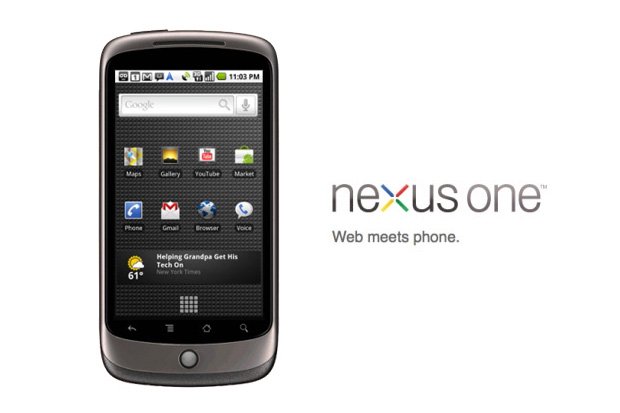
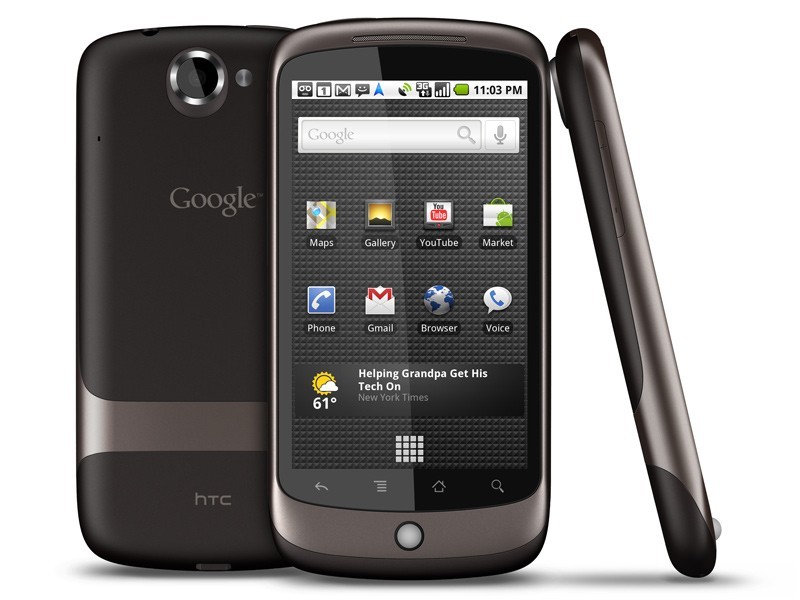
The HTC Nexus One had a typical HTC design. The back was slightly curved and the overall design was similar to the company’s Desire model. There were actually two versions of the Nexus One back in 2010. The first units rolled out with a Pentine AMOLED display but it would later be replaced by a Super LCD panel which reportedly offered better power efficiency and color accuracy.
The front had a tiny 3.7-inch display of 800 x 480 pixels. This was one of the better displays back in 2010. There were four capacitive buttons, which was typical of the Nexus lineup. But there was a trackball below these capacitive buttons which made the phone unique. It was a lot similar to Blackberry devices and offered easy navigation across the OS. Interestingly, this trackball also doubled down as a notification light, which looked pretty cool.
As for the specs, the Nexus One was no slouch. It came with the Snapdragon S1 single-core 1GHz processor with 512MB of RAM and 512MB of ROM. No, this is not a mistake. The phone had just 512MB of storage, which forced the company to add a dedicated MicroSD slot on board. On the back there was a decent 5MP camera with autofocus and LED flash. The battery was average for its time at 1400mAh. Notably, it was removable, unlike Nexus devices that were launched later on. 2010 wasn’t exactly the selfie age, so Google and HTC decided not to add a front camera.
The real highlight of the Nexus lineup has always been its software and the Nexus One was no exception. The phone came with Android 2.1 Eclair out of the box with voice-guided navigation and voice to text transcription. Imagine how far we’ve come in the last 9 years. Everything is voice-based now, with Google Assitant and Alexa taking over our daily lives. The phone also brought 3D icons and live wallpaper which looked pretty cool for its time. Given that this was a Google-backed device, the Nexus One received a number of major updates. The phone got Android 2.2 Froyo and also Android 2.3.6 Gingerbread. It could have been updated to Android 4.0 Ice Cream Sandwich too, if not for its super-old hardware platform.
With these specs and software, the Nexus One would have sold pretty well right? Unfortunately, the phone didn’t fare so well in terms of sale.
Nevertheless, the Nexus One will always have a very special place in our hearts. It was the first-ever Google phone and is the reason why the Pixel lineup exist today!
So did you ever use the Nexus One? What are your thoughts?
Early this month, camera samples of Nubia’s upcoming flagship, the Nubia Z20, were posted online. The pictures were actually of the solar eclipse that occurred in Chile. Now, “proper” camera samples have been released.
Nubia Z20 camera samples
1 of 9
Nubia Z20 camera sample
Nubia Z20 camera sample
These photos were also taken in Chile and were shared on Weibo by Will Wong, Nubia‘s co-founder. Unlike the solar eclipse photos, these are a better way to show how great the phone’s camera performance is. However, none of the pictures were taken at night, so we can’t say how great it performs in low-light.
The watermark also doesn’t say if the phone has dual cameras, or triple cameras or quad cameras. One Weibo user by the name Bou Lin did say the phone has optical image stabilization and a 48MP camera.
Other than these photos, the Nubia Z20 is still a mystery. We don’t know what it looks like or how much it will cost. What we are pretty sure about is that it will have Qualcomm’s Snapdragon chipset inside. However, we can’t confirm if it will be the Snapdragon 855 or the higher-clocked Snapdragon 855+.
As the summer is getting hot, Ulefone going to make it even hotter with the special summer promotion they just launched and that will go on until July 20th. The promotion includes the Armor series as well as the entry-level S series. Let’s see some more details about the devices offered.
Ulefone Armor 6
The Ulefone Armor 6 is the star of the event and comes with IP69K/IP68/MIL-STD-810G certification and a UV sensor. There is also a 6.2″ FHD+ notch display, dual rear camera with 21MP/13MP sensor combo, a 13MP selfie shooter, wireless charging, fingerprint and face unlock, global network support, NFC with Google Pay, and Android 8.1 Oreo. The processor that powers the Armor 6 is the Helio P60 SoC accompanied by 6GB or RAM and 128GB of internal storage. Lastly, the battery is big at 5000mAh and supports 18W fast charging and wireless charging. You can get it for just $389.99 on Amazon US and 329.99€ on Amazon FR. That’s a $40 and €30 price cut respectively.
Ulefone Armor 6E
As another representative of the Armor series, Armor 6E is also certificated by IP68/IP69K protection grade and MIL-STD-810G. It is powered by the latest Helio P70 AI SoC backed by 4GB of RAM plus 64GB of internal storage. As a rugged phone, it supports underwater mode that enables you to shoot videos/pictures while diving or swimming. It is a 6.2″ FHD+ display device with Gorilla Glass 5 protecting it and there’s a dual camera setup on the back with 16MP/2MP configuration as well as an 8MP selfie shooter. The battery under the cover has 5000mAh capacity and supports 10W Qi wireless charging while other features include face and fingerprint unlock, Android 9.0, NFC with Google Pay, and global network coverage with 4G Band 66 included. Its price during the promotion is just 32399 JPY on Amazon Japan, 3600 JPY off the official price.
Ulefone Armor 3/3T
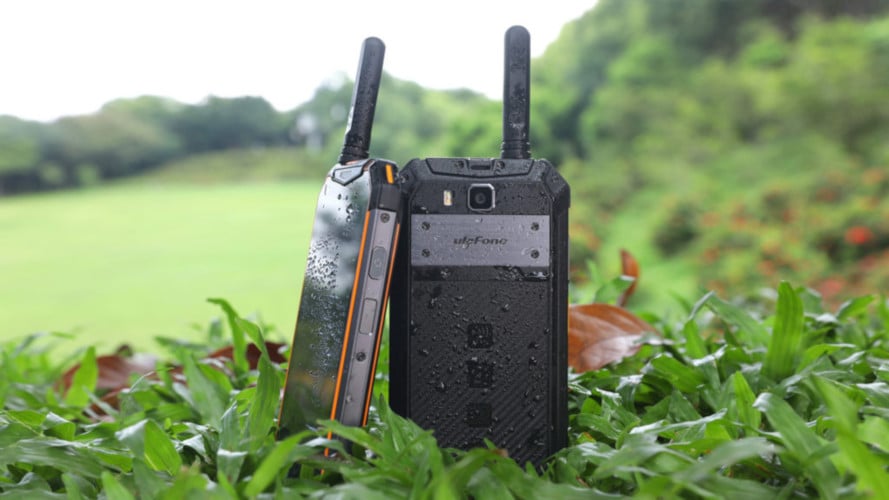
Also present, is the Armor 3/3T duo. They share the same hardware, with Armor 3T having walkie-talkie function as an extra feature. As rugged phones, they come with IP68/IP69K and MIL-STD-810G certification and a huge, 10300mAh battery. The display is a 5.7″ FHD+ one with 18:9 aspect ratio and they are powered by Helio P23 accompanied by 4GB of RAM and 64GB of storage. The rear camera hosts a 21MP Sony sensor while the front shooter a 13MP one. Lastly, both support NFC with Google Pay and come with Android 8.1. The promotion price for the Armor 3 is $319.99 (a $30 price slash) on Amazon US.
The Armor 3T that supports 1W/2W hardware intercom (400-470MHz) and can work with common interphones costs just €294.99 on Amazon Germany store (€30 off).
Ulefone Note 7
Lastly, the entry-level 3G smartphone, Note 7 equipped with 3 card slots (2 SIMs and 1 microSD) is also available during the promotion. The device features a 6.1″ waterdrop screen with a 5MP selfie shooter while the rear camera hosts 3 sensors (8MP/2MP/2MP). It is powered by the MT6580 quad-core SoC backed by 1GB of RAM and 16GB of internal storageand the battery capacity is 3500mAh. It also supports face unlock and comes with Android 8.1 (Go Edition) OS. It is available for just €54.99 on Amazon FR and €66.99 on Amazon DE.
The summer sales promotion started today and will finish on July 20th. For more details about other models and promotions, you can visit Ulefone’s official store on Amazon.
We use cookies on our website to give you the most relevant experience by remembering your preferences and repeat visits. By clicking “Accept”, you consent to the use of ALL the cookies.
This website uses cookies to improve your experience while you navigate through the website. Out of these, the cookies that are categorized as necessary are stored on your browser as they are essential for the working of basic functionalities of the website. We also use third-party cookies that help us analyze and understand how you use this website. These cookies will be stored in your browser only with your consent. You also have the option to opt-out of these cookies. But opting out of some of these cookies may affect your browsing experience.
Necessary cookies are absolutely essential for the website to function properly. This category only includes cookies that ensures basic functionalities and security features of the website. These cookies do not store any personal information.
Any cookies that may not be particularly necessary for the website to function and is used specifically to collect user personal data via analytics, ads, other embedded contents are termed as non-necessary cookies. It is mandatory to procure user consent prior to running these cookies on your website.