Honor 20 and Honor 20 Pro smartphones were introduced in May in China. The Honor 20 Pro has been available in colors like Phantom Blue and Phantom Black whereas the Honor 20 has been available in Icelandic White, Sapphire Blue and Midnight Black colors. Starting from today, the Honor 20 will be also available in Phantom Blue edition.
The Honor 20 Phantom Blue comes in two variants such as 8 GB RAM + 128 GB storage priced at 2,699 Yuan (~$392) and 8 GB RAM + 256 GB storage for 2,999 Yuan (~$436). The new color variant is available for purchase through Vmall and other Chinese retailer sites.
The Honor 20 flagship phone features 6.26-inch IPS LCD display with punch-hole design. It supports full HD+ resolution of 1080 x 2340 pixels and 19.5:9 aspect ratio. The Magic 2.1 UI flavored Android 9 Pie OS runs on the device.
The 7nm Kirin 980 chipset is present under the hood of the Honor 20. For shooting selfies, it possesses a 32-megapixel selfie camera. The rear side of the phone features a quad camera setup with 48-megapixel primary lens with f/1.8 aperture, a 16-megapixel ultrawide lens with f/2.2 aperture, a dedicated macro camera of 2-megapixel with f/2.4 aperture and 2-megapixel depth sensor.
The Honor 20 is equipped with a side-mounted fingerprint reader. It is packed with a 3,750mAh battery that carries support for 22.5 charging through USB-C.
In related news, Honor will be launching the Honor 9X and 9X Pro smartphones on July 23. These phones will be debuting as first Honor smartphones with notch-less displays and pop-up selfie cameras. So far, it has been revealed that the Honor 9X will feature a 6.59-inch IPS LCD display that delivers full HD+ resolution. The Kirin 810 chipset will be powering the smartphone with up to 8 GB of RAM. It may arrive with up to 256 GB of storage.
The handset will be featuring a 4,000mAh battery. It will have a pop-up selfie camera of 16-megapixel. A 48-megapixel + 2-megapixel will be available on its rear shell. A side-mounted fingerprint sensor will be also available on the device. The Honor 9X Pro is expected to sport identical specs along with 48-megapixel + 8-megapixel + 2-megapixel triple camera setup. It may come with fast charging and it could be available in higher RAM and storage versions than the Honor 9X handset.
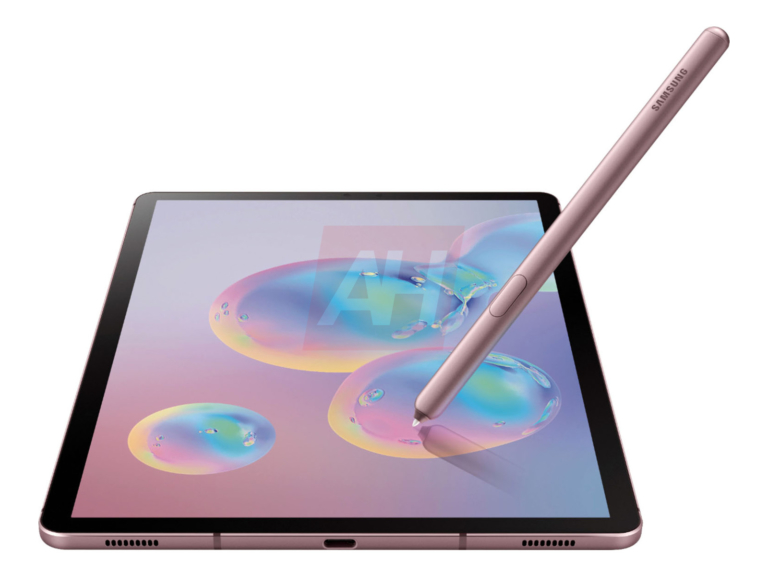
A few months ago, Samsung announced the Galaxy Tab S5e – an upper midrange tablet. Following its launch, we presumed the main flagship tablet for the year would arrive as the Galaxy Tab S5 – a direct successor to last year’s Galaxy Tab S4. That was the belief we held until a few weeks ago when it was revealed that rather than launch as the Galaxy Tab S5, it will launch as the Galaxy Tab S6.
Live photos and specifications of the upcoming tablet surfaced a little over a week ago. It has now been followed by press renders of the tablet which is expected to launch in August.
1 of 6
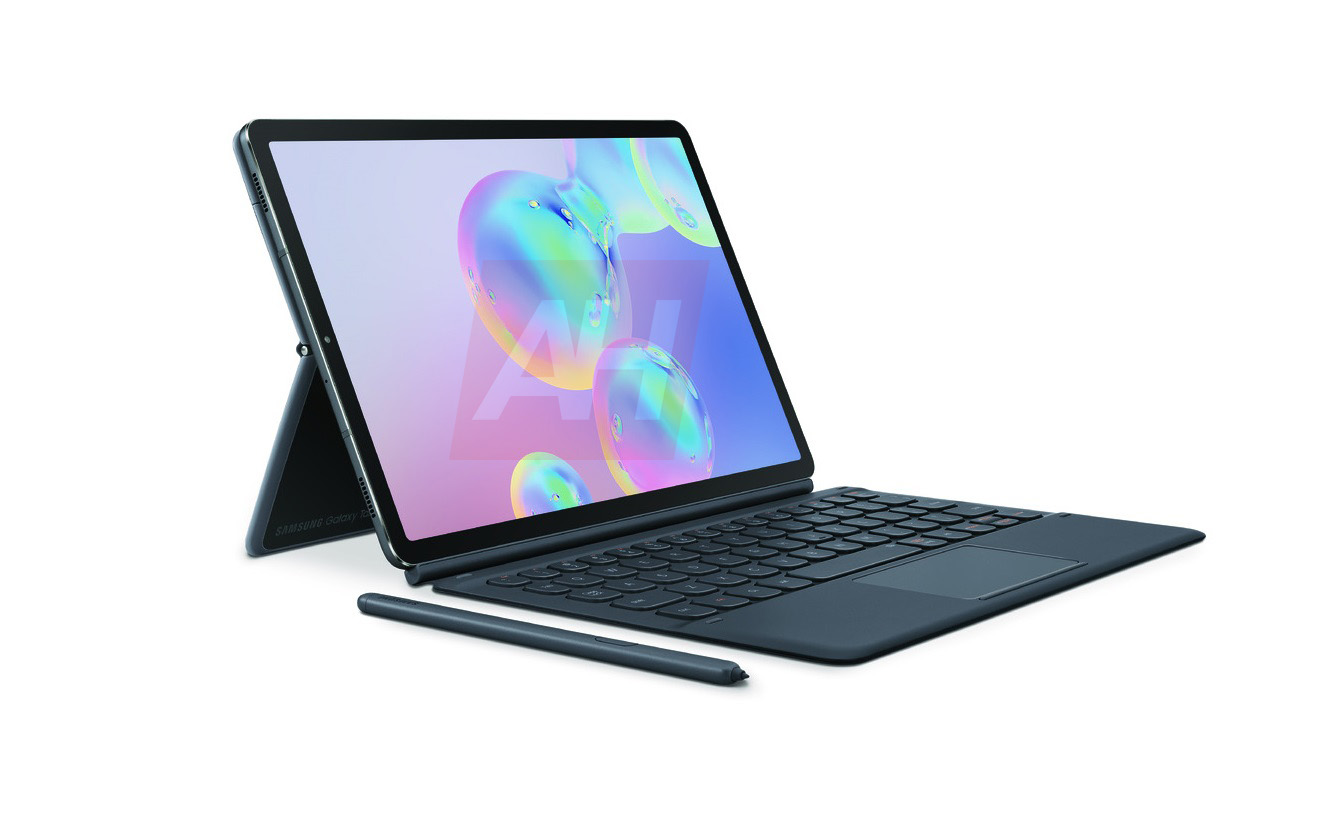
Samsung Galaxy Tab S6 blue
Samsung Galaxy Tab S6 blue
Samsung Galaxy Tab S6 blue
Samsung Galaxy Tab S6 blue
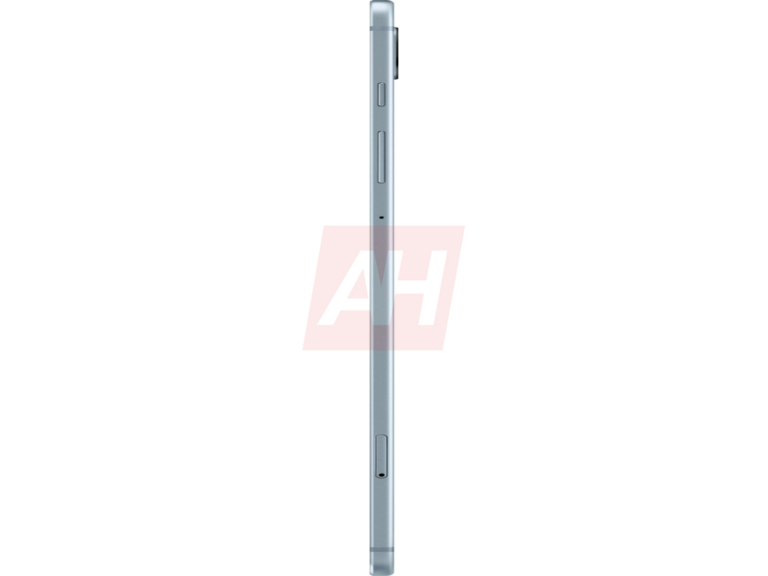
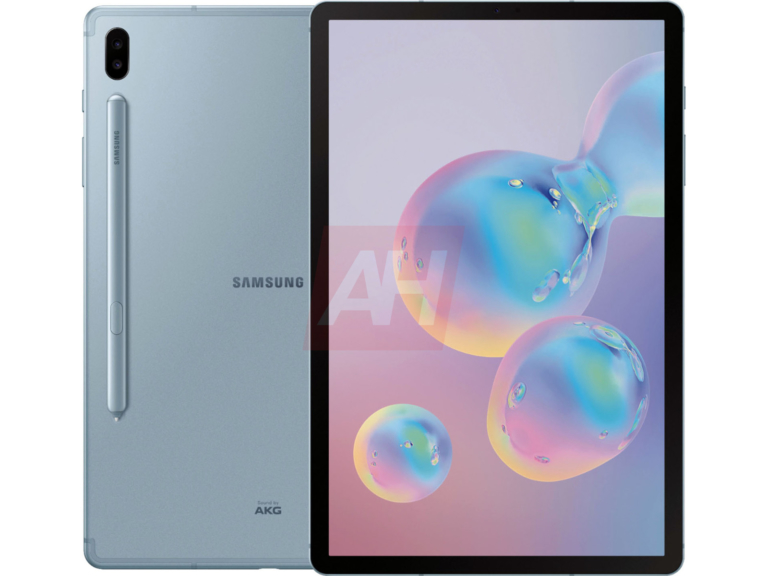
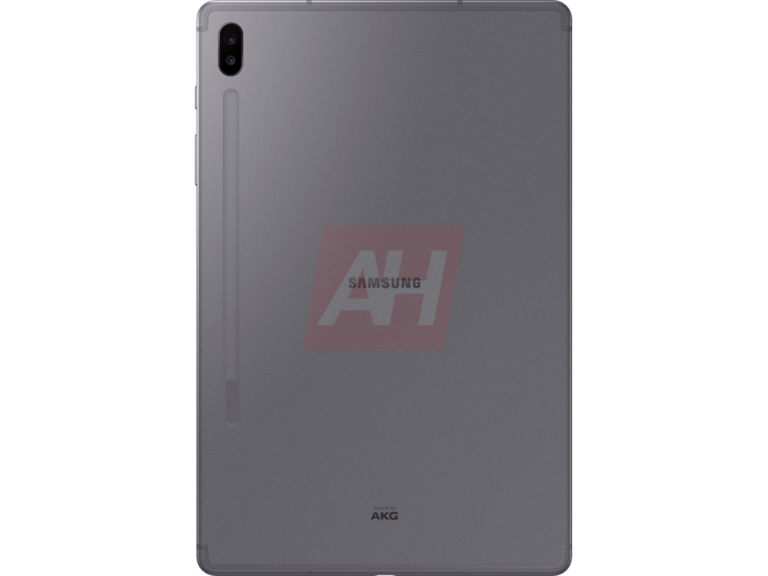
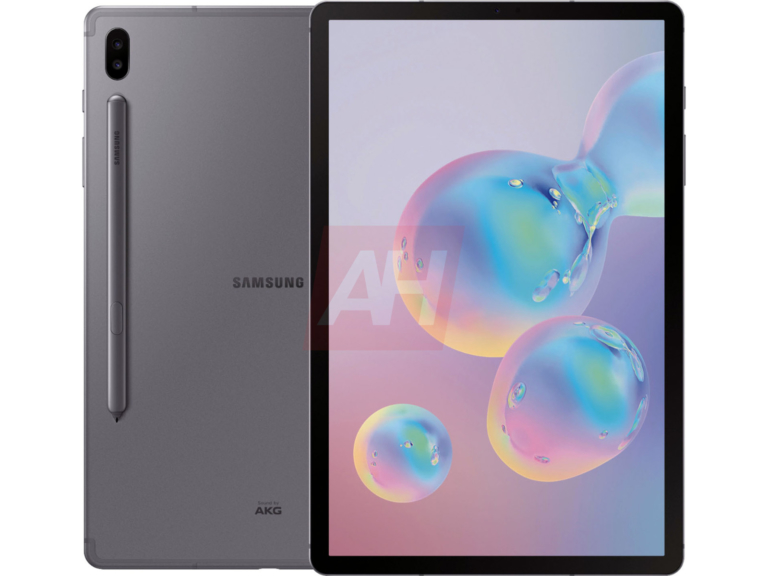
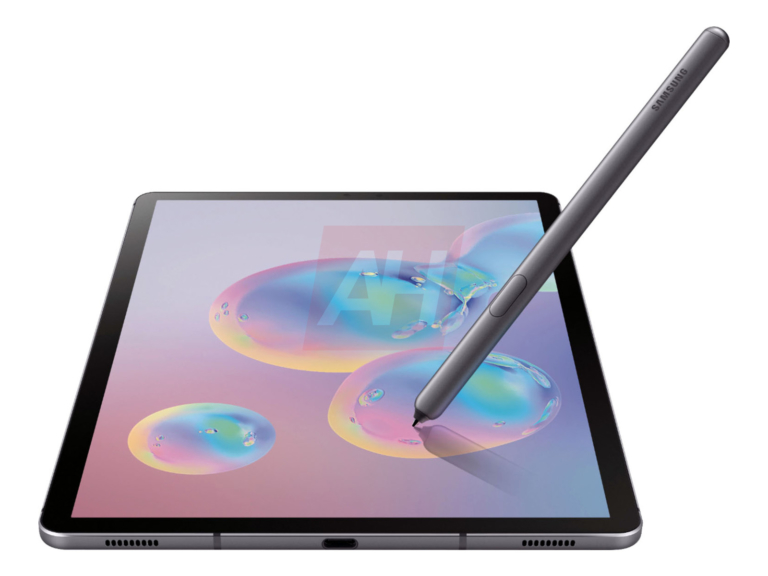
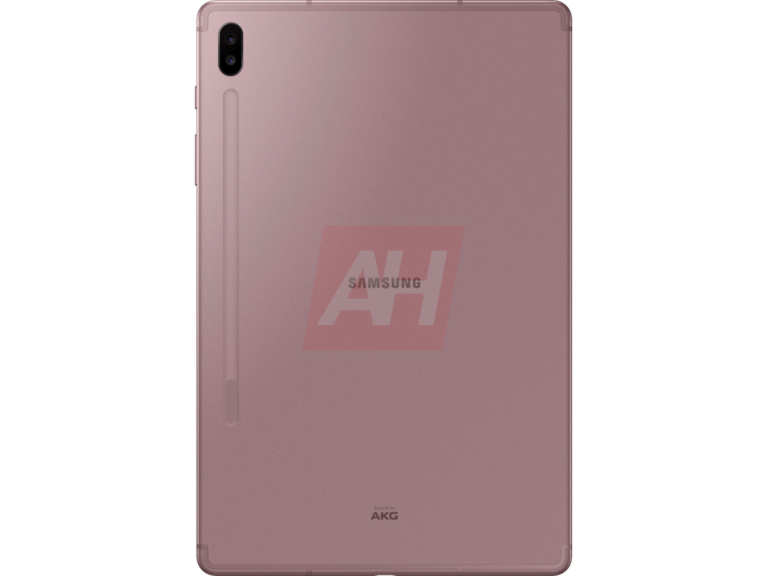
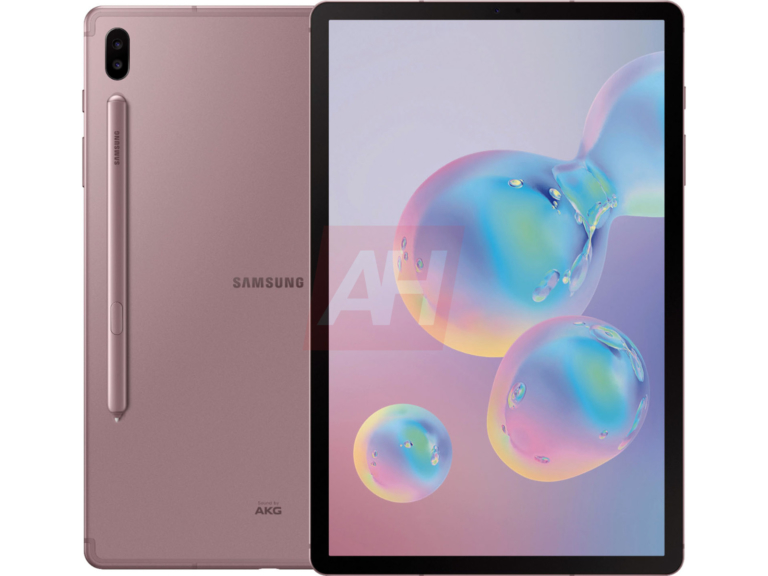
The renders which were first made public by Android Headlines, show the Galaxy Tab S6 will come in three colors – Blue, Gray, and Rose Gold. The tablet will have equal-sized bezels around its Super AMOLED display.
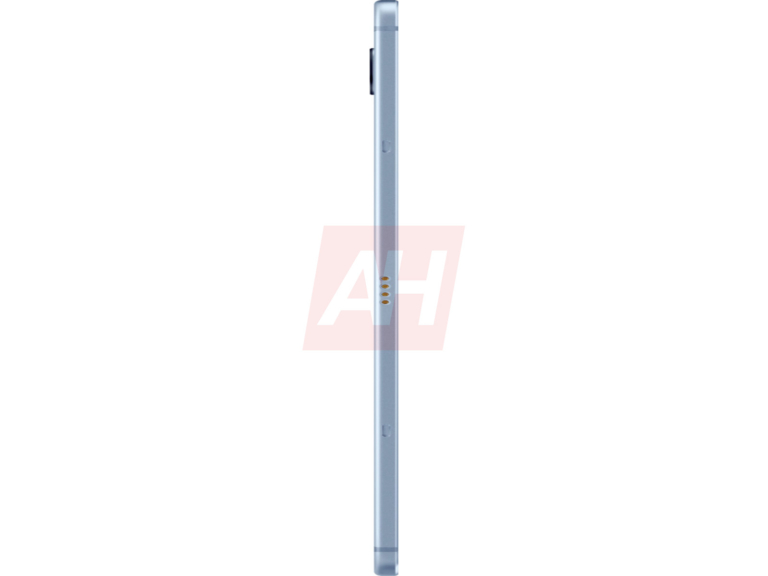
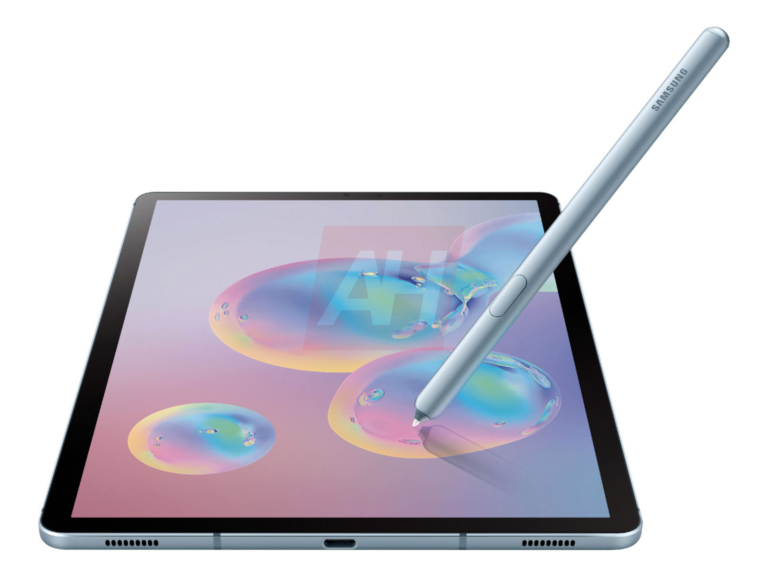
When held in portrait mode, the Tab S6 has two speakers and a USB Type-C port on the bottom and two speakers at the top for a quad-speaker system. The speakers are of course “Tuned by AKG”. On the right side of the frame are the power volume rocker and a MicroSD card tray and or SIM tray. The left side is home to a set of connector pins for an external keyboard.
1 of 3
Samsung Galaxy Tab S6 Grey
Samsung Galaxy Tab S6 Grey
Samsung Galaxy Tab S6 Grey
The tablet will have a groove on the back where the redesigned S Pen will attach to magnetically when not in use and also to charge. This groove sist directly below vertically arranged dual cameras. Surprisingly, there is no LED flash this time around.
There are reports that the flagship tablet will feature an in-display fingerprint scanner but none of the renders show that there is a sensor under the display. The bezels also do not seem to house an Iris Face Unlock system like its predecessor but they also do not show the front-facing camera too and we know Samsung won’t skip that. So there is likely an Iris Scanner but the renders just aren’t showing it.
1 of 3
Samsung Galaxy Tab S6 Rose Gold
Samsung Galaxy Tab S6 Rose Gold
Samsung Galaxy Tab S6 Rose Gold
The Galaxy Tab S6 will have a Snapdragon 855 processor and should come in multiple configurations. The display is said to be 10.5 inches just like its predecessor’s. It has also been reported to have an 8MP selfie camera and 13MP + 5MP dual rear cameras. It should run Android Pie out of the box and support Samsung DeX. Its price is unknown at the moment. There is also no evidence it will be announced alongside the Galaxy Note10 series. The Tab S4 launched before the Galaxy Note9, so the same may happen again this year.
China has begun issuing permits to some phone makers to sell 5G devices in the country. A report by QQ News yesterday, July 17, said OPPO has received approval from the Ministry of Industry and Information Technology and China’s Quality Certification Center.
With the certification, OPPO will be able to launch and sell 5G phones in China. There are reports that it will launch the Reno 5G in its home country in the 3rd quarter of the year. So we expect it to arrive between now and September.
Just before OPPO received approval, Huawei got its own first, back in June. The tech giant announced on June 25 that has received a permit for its Mate 20 X 5G edition. The phone is set to go on sale later this month and may as well be the first 5G smartphone in China.
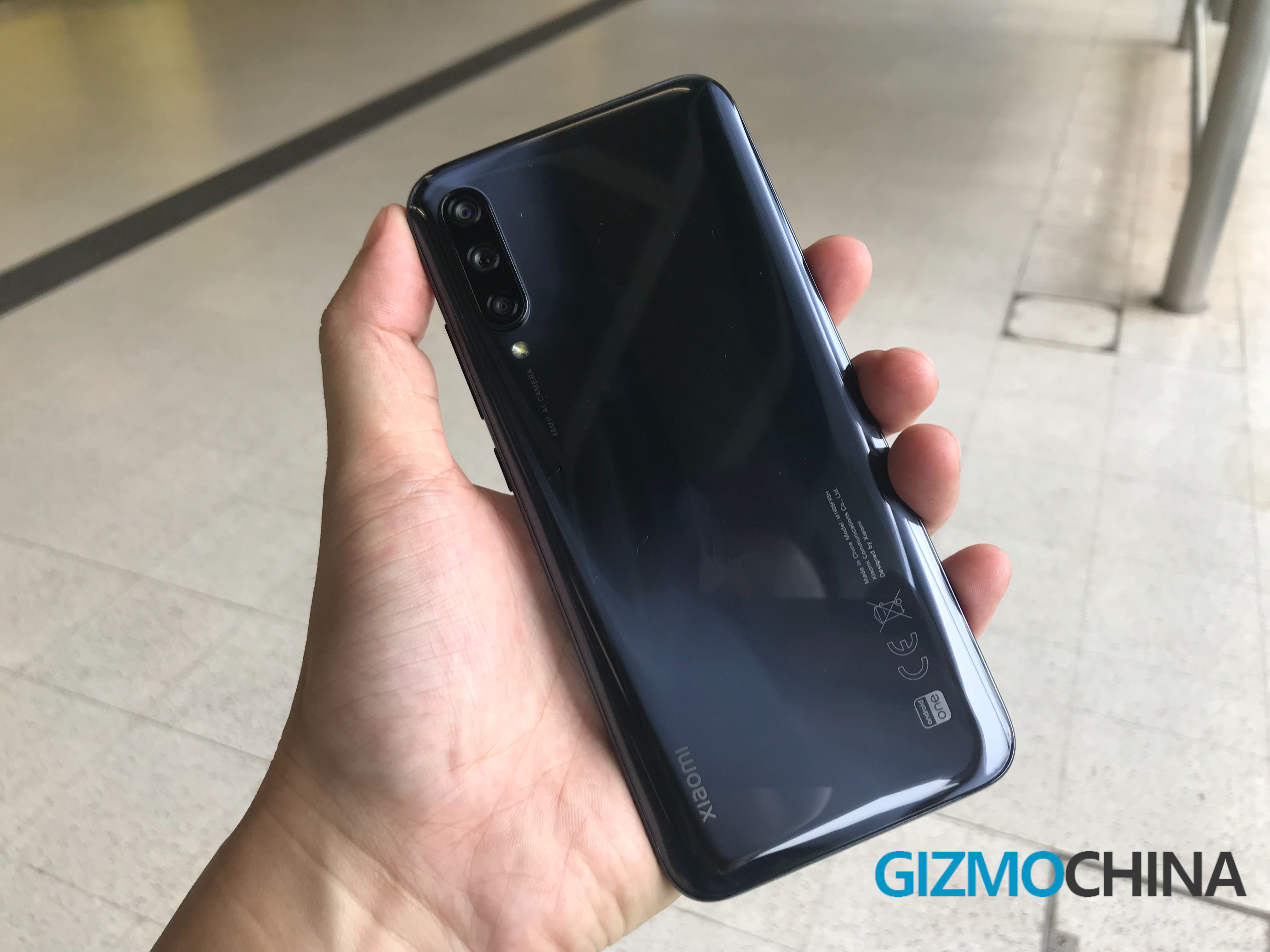
The best-selling Android One line-up ever has finally a new-entry: the Xiaomi Mi A3. The new affordable device belonging to the only Xiaomi’s line-up with Android One is nothing more than a global variant of the recently-announced Xiaomi Mi CC9e for the Chinese market. The new handset belongs to the mid-range segment which includes the best-selling phones in the whole market, so it will have a lot of competitors. Among these ones, there is also another Xiaomi device: the Redmi Note 7. Will they cannibalize each other depending on the market? And what will happen with Realme X which is one of their best competitors from other smartphones manufacturers? Given that we define these three devices as three of the most valid choices in the affordable segment, we decided to compare them with each other in order to let you know which one you should go for.
Xiaomi Mi A3 vs Redmi Note 7 vs Realme X
Xiaomi Mi A3
Xiaomi Redmi Note 7
Realme X
DIMENSIONS AND WEIGHT
153.5 x 71.9 x 8.5 mm, 173.8 grams
159.2 x 75.2 x 8.1 mm, 186 grams
161.2 x 76 x 8.6 mm, 191 grams
DISPLAY
6.01 inches, 720 x 1560p (HD+), 286 ppi, Super AMOLED
Triple 24 + 8 + 2 MP f/1.8, f/2.2 and f/2.4
32 MP f/2.0 front camera
Dual 48 + 5 MP f/1.8 and f/2.4
13 MP front camera
Dual 48 + 5 MP f/1.7 and f/2.4
16 MP f/2.0 front camera
BATTERY
4030 mAh, fast charging 10W
4000 mAh, fast charging
3765 mAh, fast charging 20W
ADDITIONAL FEATURES
Hybrid Dual SIM slot
Hybrid Dual SIM slot
Dual SIM slot
Design
There is no challenge here, Xiaomi Mi A3is my favorite one because it has the most premium materials: glass for the back and aluminum for the frame, with an in-display fingerprint scanner making the rear side clean and stunning, as well as a high screen-to-body ratio and amazing light effects which change depending on light reflection. With its flagship-like pop-up camera, Realme X takes the second place, it is definitely not the winner because of its plastic design. Redmi Note 7 has a pretty nice glass back, but not as stunning as the Xiaomi Mi A3, and it comes with a plastic frame instead of aluminum.
Display
Xiaomi Mi A3 has a pretty nice display with its OLED technology showing brilliant colors, and it is even a very compact panel with its 6-inch size. Redmi Note 7 comes with a higher resolution that is a higher level of detail, but it has the less impressive IPS technology for more washed-out colors. Realme X is definitely the perfect one: not only it has the AMOLED technology, but also a higher Full HD+ resolution and a big, 6.53-inch display size. So it simply comes with the most complete display.
Specs & Software
Realme X has no rivals even when it comes to hardware and performance. Its Snapdragon 710 chipset, is ore powerful than both the Snapdragon 665 and 660 found on the Redmi Note 7 and the Mi A3. Further, the most powerful variant of the Realme X has a better memory configuration, with 8 GB of RAM and 128 GB of internal storage. There is no expandable storage, but it is a detail you can ignore with such a powerful hardware department. When it comes to the software, I prefer the Xiaomi Mi A3 because it comes with Android One, so a stock Android experience, faster updates and longer software support by Google.
Camera
The Xiaomi Mi CC series is focused on camera quality, and so is the Xiaomi Mi A3. On the paper, the new Xiaomi mid-ranger has undoubtedly the best camera department with a triple setup on the back including a 48 MP main sensor, as well as an awesome 32 MP selfie snapper.
Battery
Last but not least, the batteries. Despite there is not a big difference in the battery capacities of these handsets, I firmly believe that Xiaomi Mi A3 will last a lot more on a single charge. This will happen most likely because it has a more efficient and compact display.
Price
Xiaomi Mi A3 debuted in the global market with a €250/$280 price tag, Redmi Note 7 costs €179/$200 globally, and Realme X costs €160/$180 in the Asian market (still unavailable globally). Overall, I would recommend the Xiaomi Mi A3 due to its longer battery life, Android One, premium design, and amazing cameras. But if you want a big display and better performances, Realme X is the best choice for you.
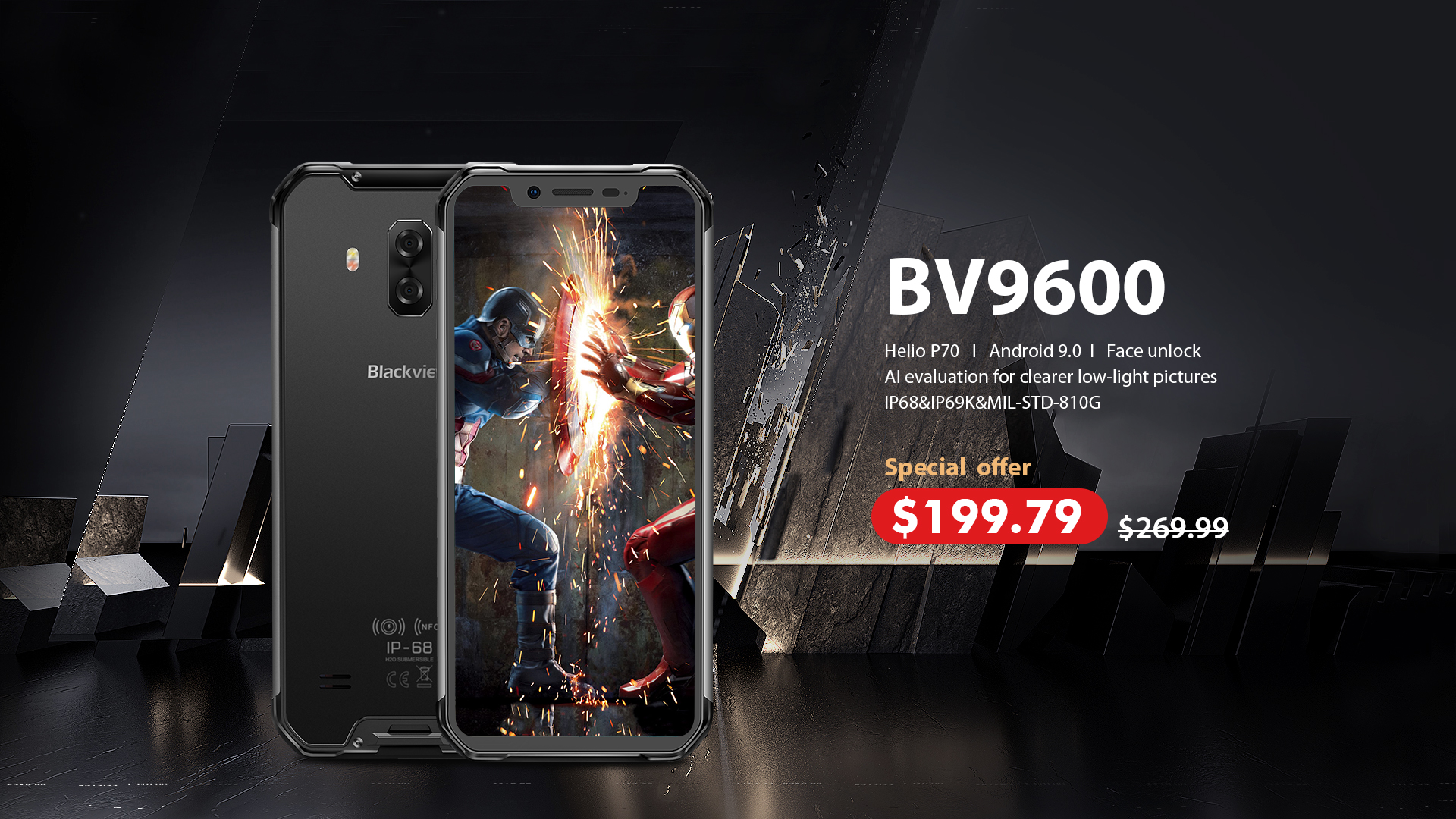
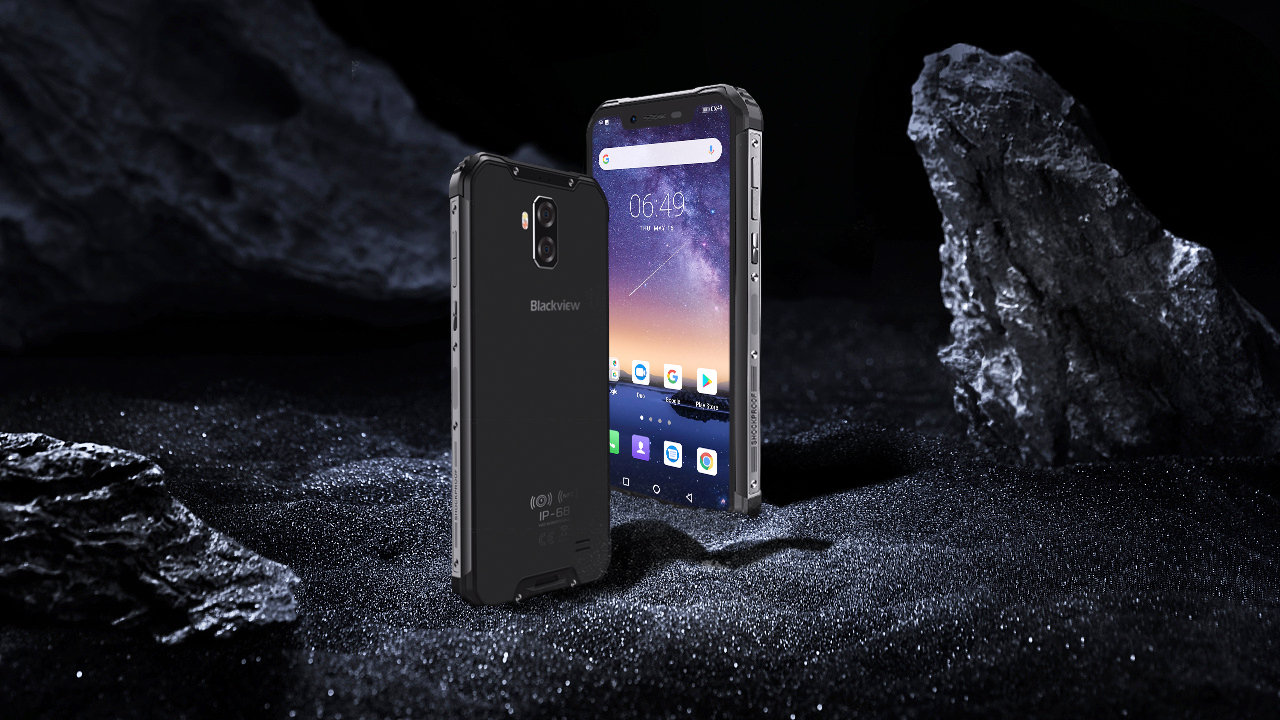
Blackview BV9600 officially hit the market earlier this month offering a more affordable alternative to the BV9600 Pro flagship but without losing any of its toughness. If you are among those who seek for a phone like this but don’t want to spend a fortune, this is a perfect time to grab one. The Chinese manufacturer has an excellent promotion running until July 26th and is offering the device at just $199.79 on Blackview’s official store and on Aliexpress.
The BV9600 retains the tri-proof design inherited from the BV series, which means it sports IP68/IP69K and MIL-STD-810G certifications, and together with the improved rubber design and aluminum alloy chassis, the BV9600 can withstand water submersion for up to 1.5 meters, dust, and drops from 1.5m high. Also, it comes with a big, 5580mAh battery for long use on a single charge.
What’s also great is that the company didn’t stint when choosing the hardware parts. The BV9600 comes with Helio P70 instead of the P60 found on the previous model and it offers a 10-30% boost in AI tasks as well as a 13% improvement on general tasks, along with reduced touch latency and improved gaming performance. In conjunction with the latest Android 9 Pie, it guarantees fluid and smooth performance.
Also, there is a side fingerprint sensor together with face unlock for maximum security. Face unlock is important especially for people working outdoors and get their hands dirty. Lastly, the camera supports AI processing for low light shots and delivers clear photos.
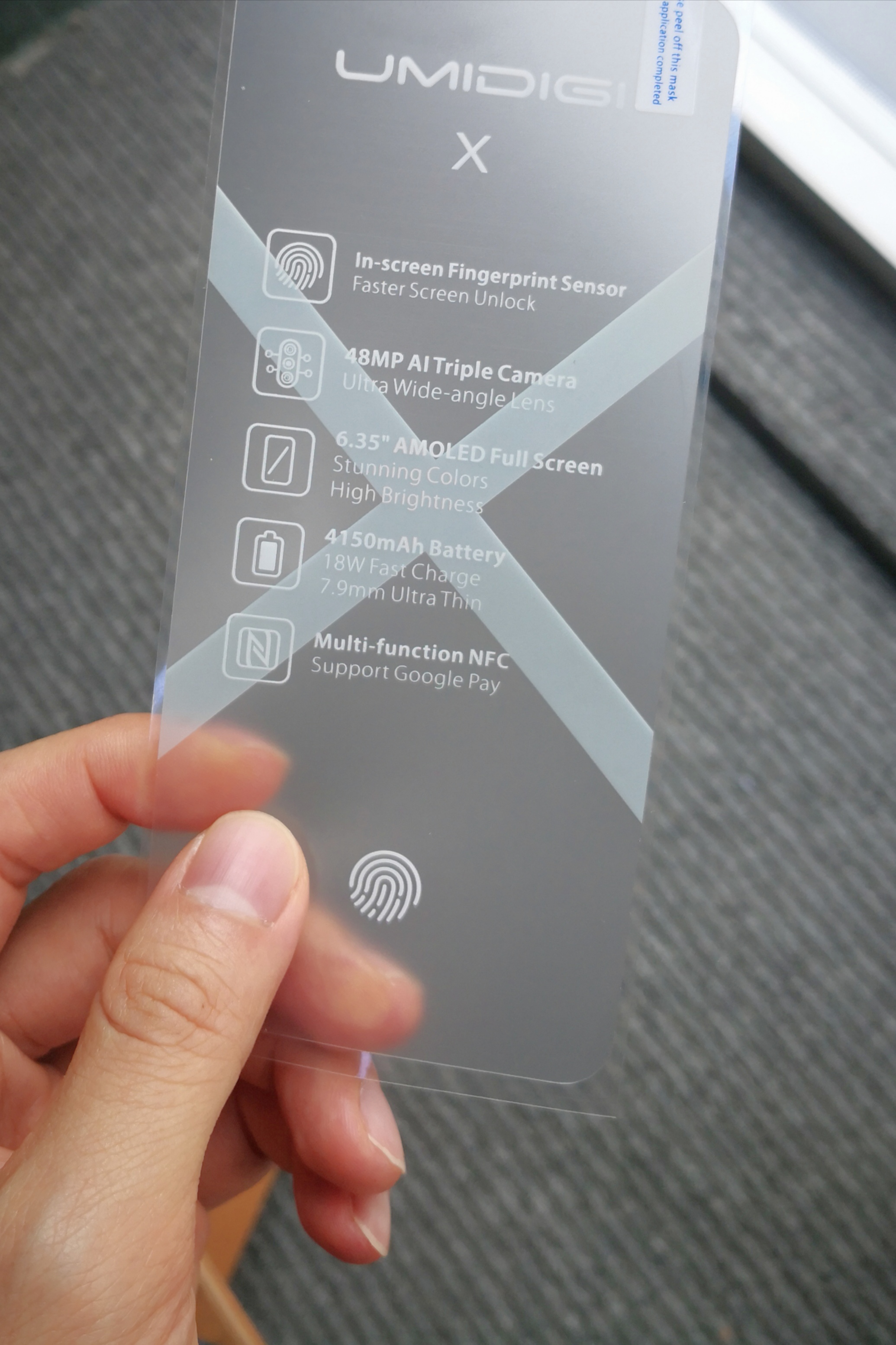
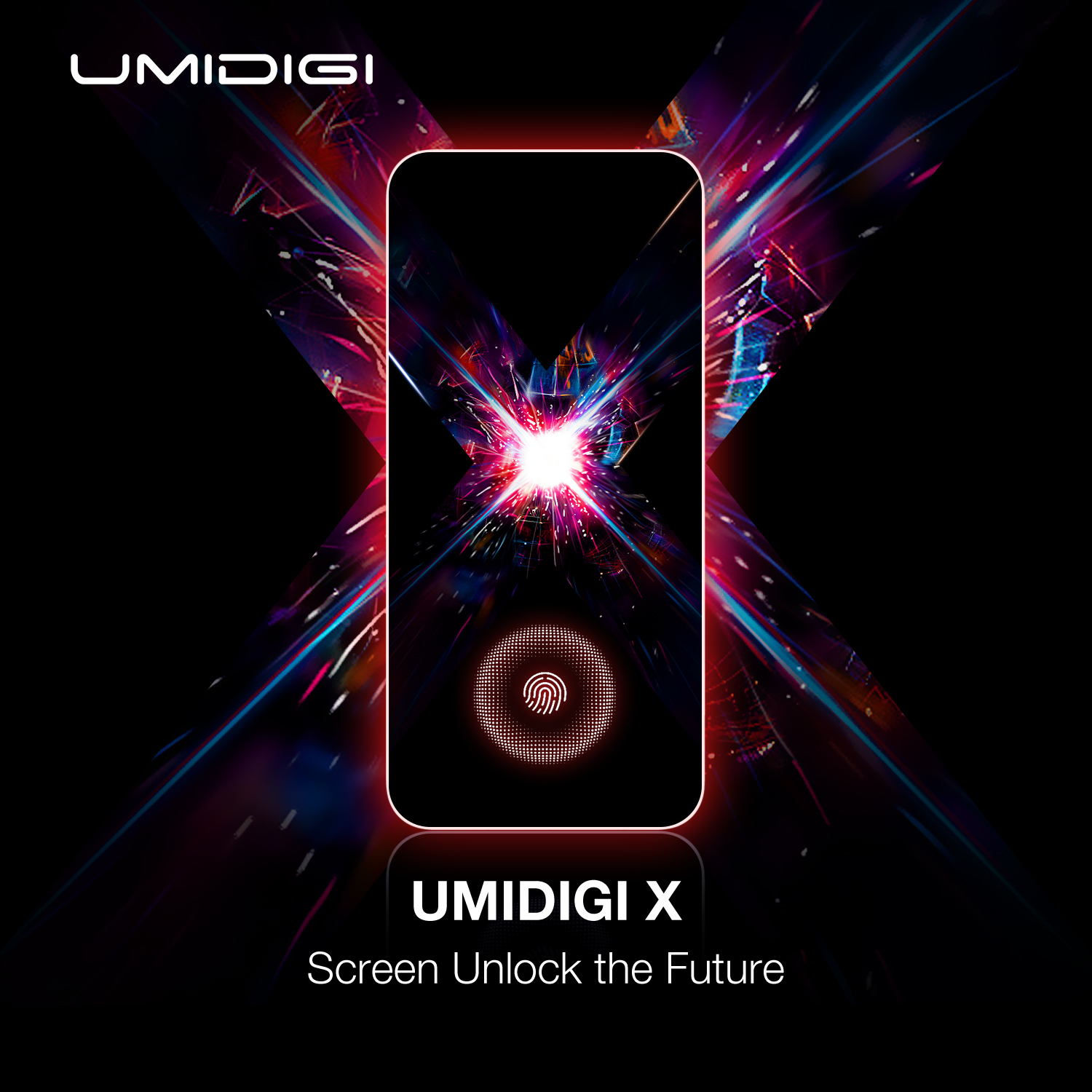
Following the hot-selling A5 Pro, UMIDIGI is developing the next budget king that will disrupt the market with its price and specs. According to leaked specs, the upcoming device is going to sport an in-display fingerprint sensor as well as a triple rear camera with 48MP main sensor! A leaked photo of the protective sticker implies that the device is already in production and reveals all the key specs.
The specs revealed talk about a 6.35″ AMOLED display with an embedded fingerprint sensor. If this turns out to be accurate, the UMIDIGI X will be the first device of the company to come with these two high-end flagship features (48MP camera and AMOLED display). The sticker doesn’t reveal the shape of the display so we can’t tell if it will come with a notch or if the Chinese manufacturer will use a pop-up camera.
Talking about the camera, the X will come with a configuration similar to the A5 Pro. There will be a 48MP AI triple camera setup that will include an ultra-wide-angle lens. It is the first time that UMIDIGI stresses the AI capabilities of a phone’s camera and we can assume that it will come with the same camera features that S3 Pro gained after the latest software update (Super Night mode and AI scenes detection). This attention to software is very promising for the company’s users.
In addition, the sticker also mentions the 4150mAh battery capacity that supports 18W fast charging as well as the multi-function NFC that supports Google Pay. Despite the large battery capacity, the UMIDIGI X will allegedly have a thin, 7.9mm profile. The device will most certainly come with a budget price but we won’t know for sure until it’s officially released. If you want to be among the first to get the upcoming device, UMIDIGI is giving you a chance to win its future smartphone here.
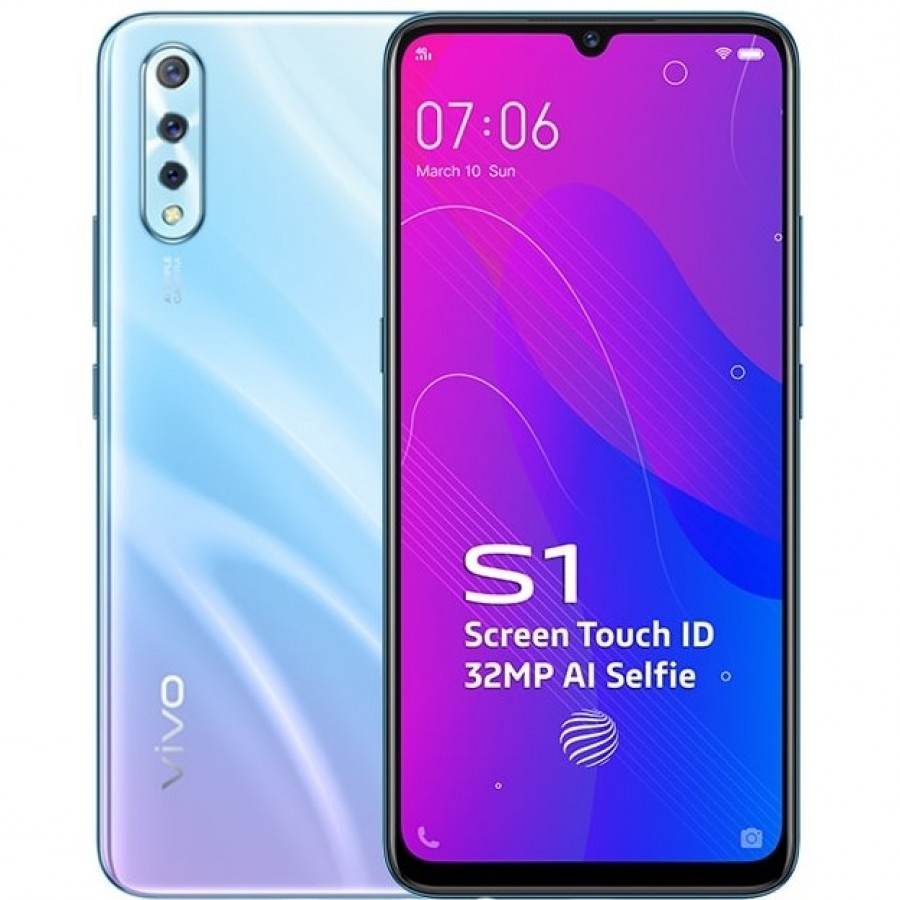
Vivo has recently launched the Vivo S1 smartphone in Indonesia. Recent reports have claimed that the Chinese manufacturer will be targeting the offline market in India through its upcoming S-series of smartphones. The Vivo S1 that has recently launched in Indonesia is also expected to arrive soon in India. A fresh report from 91mobiles reveals that Vivo India will be announcing it on Aug. 15 with a starting price of Rs. 17,990 (~$259).
An anonymous Vivo executive has revealed to the publication that Vivo S1 will be releasing in two models in India such as 6 GB RAM + 64 GB storage and 6 GB RAM + 128 GB storage. The base model will be carrying a price tag of Rs. 17,990 (~$259). However, the pricing of the higher variant is not known yet. It could be priced around Rs. 20,000 (~$290). It is also revealed now that the Vivo S1 will be available pre-orders from early August and it will be available for buying from Aug. 15. The handset is expected to arrive in two color options such as Sky Blue and Dark Blue in the country.
Earlier in this year, Vivo had launched the Vivo S1 smartphone with 6.53-inch IPS LCD notch-less display, 25-megapixel pop-up selfie camera, 12-megapixel + 8-megpixel + 5-megapixel triple camera setup, Helio P60 chipset and 3,940mAh battery. However, the Vivo S1 that has gone official in Indonesia and is now rumored to release in India next is a different smartphone.
1 of 2
VIvo S1 is a
VIvo S1 Dark Blue
VIvo S1 Sky BLue
VIvo S1 Sky BLue
The Vivo S1 for India has 6.38-inch Super AMOLED display with waterdrop notch. It supports full HD+ resolution of 1080 x 2340 pixels and 19.5:9 aspect ratio. It is the first ever phone to be fueled by the Helio P65 chipset by MediaTek. For capturing selfies, the handset features a front-facing camera of 32-megapixel. The back panel of the phone has a triple camera setup that includes a primary lens of 16-megapixel, an ultrawide 8-megapixel lens and a depth sensor of 2-megapixel. The smartphone is backed by a 4,500mAh battery that supports 18W dual engine fast charging through microUSB 2.0.
Outside China, Visionox Co Ltd may not be a popular brand but the firm is a leading Chinese manufacturer of organic light-emitting diode screens popularly known as OLED screens. Some of the popular products you know have OLED panels supplied by Visionox onboard. Reports from China brightens the industry prospect of getting flexible OLED panels for foldable phones easily. The report indicates that Visionox is facilitating its expansion in display panels for smartphones, wearable devices, vehicle-mounted systems and smart homes due to the surging demand for flexible display screens.
Visionox’s vice-president is quoted by China Daily to have hinted that; “With the development of 5G, big data and cloud computing, the display panels will change peoples’ lifestyles and enhance the visual experience.” The company VP also added that cutting-edge technologies will stimulate applications for flexible screens. Further, he said; “The OLED industry is growing very rapidly. Visionox will focus on independent innovation and team with other companies in the industrial chain to produce flexible products.”
The company exec also emphasized that flexible active-matrix organic light-emitting diodes or AMOLEDs will have wider applications in smartphones, computers, smart wearables, vehicles, smart homes, virtual reality and augmented reality. AMOLEDs are more flexible with faster response and have high contrast and wide visual angles when compared to traditional liquid crystal displays or LCD panels.
Also, Visionox disclosed that it has provided AMOLED screens for Xiaomi’s recently revealed under-screen camera since June. Xiaomi’s prototype foldable phone which was revealed earlier this year also uses an OLED display panel from Visionox, according to the VP. In addition, ZTE’s 5G phone, the Axon 10 Pro also utilises an AMOLED screen supplied by Visionox. Another product having Visonox AMOLED screen is the Nubia Alpha smartwatch-like phone with a 4-inch flexible screen.
On top of that, the VP disclosed that the company currently has about 6,000 OLED patents. The firm has two sixth-generation flexible AMOLED display screen production lines in Gu’an, Hebei province, and Hefei in Anhui province. Its AMOLED display screen production line in Gu’an went into operation last year and can turn out 30,000 glass substrates (1,500 mm by 1,850 mm) every month. The production line can also meet the high-end, foldable screen demand for 90 million smartphones. Visionox started building its second flexible AMOLED production line in Hefei in December. It also has a monthly capacity of 30,000 substrates.
Although Samsung and LG currently blaze the trail in terms of revenue from OLED displays, with the push from Chinese firms like Visionox and even BOE technology, we expect to see a change in the market structure in no distant time.
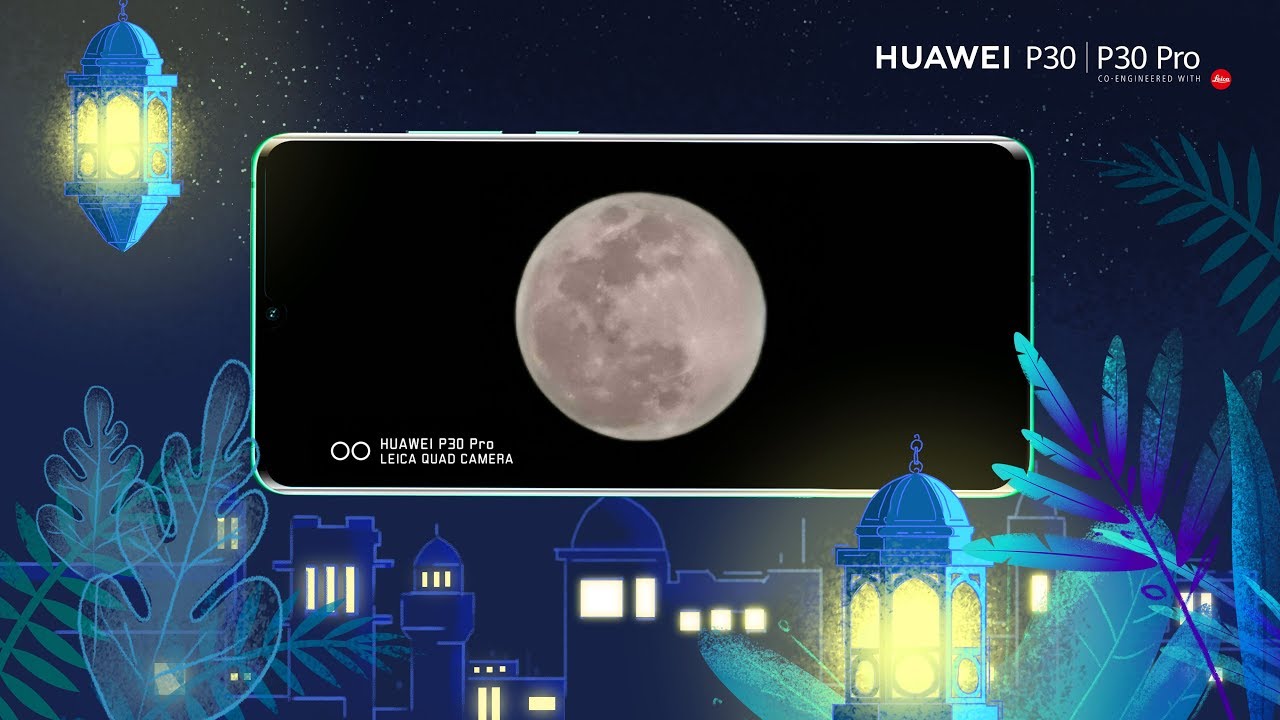
When Huawei P30 Pro was launched, one of the main highlights of the device was the 50X Optical Zoom lens it features. Huawei even shared camera samples of the moon reportedly shot using the P30 Pro’s camera. Soon after, moon capture began to trend with other OEMs also claiming their device can capture the moon as well.
Turns out the technology at play on the P30 Pro’s Quad camera setup is a recently patented one by Huawei. A recent announcement by the State Intellectual Property Office indicates that Hauwei has patented a process called “a method and electronic device for shooting the moon.” The patent application number is 201910134047.X and the application was made on February 22, 2019.
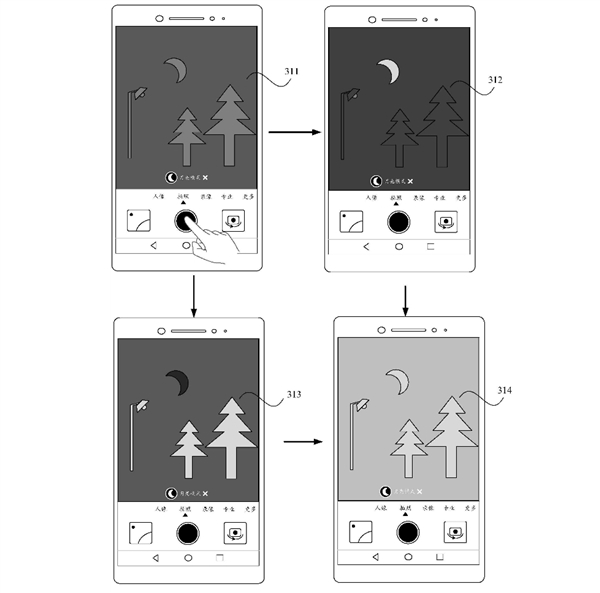
The patent page shows that the technology provides a solution for shooting the moon and the camera setup to achieve this. The camera automatically recognizes the moon in the preview interface and enters the moon shooting mode after recognizing the moon. Thus, the lens is automatically focused on the moon and as such display a clear outline of the moon image in the preview interface.
The sketches accompanying the patent shows that during operation, a multi-frame moon image with clear contours under different exposures is collected. The acquired multi-frame images are processed differently to obtain photos of a clear and bright background including a clear and beautiful moon.
According to Huawei, this method can capture a vivid, crystal-clear moon in normal shooting mode or even when used by non-professional users. This will surely improve the user’s shooting experience. We must add that Huawei seems to be increasing the gap between its flagships’ cameras and those of rivals Huawei currently has the best phone cameras around. The P30 Pro and other Huawei flagship models have consistently maintained the lead atop DXOMark’s phone camera ranking.
When the Honor 20 was unveiled back in May, it was announced in three colors – Icelandic White, Sapphire Blue, and Midnight Black. Today, Honor has announced the phone will get a fourth color variant called Phantom Blue.
The new color variant which is more like green is one of the color variants of the Pro model, so it should be familiar. It will be available tomorrow at 10:08 am. Interested buyers will be able to get the new variant in 8GB + 128GB for ¥2699 (~$392) or 8GB + 256GB for ¥2999 (~$436).
The Honor 20 has a 6.26-inch FHD+ screen with a punch hole for a 32MP selfie camera. It has a Kirin 980 processor and quad rear cameras (48MP + 16MP ultrawide + 2MP macro + 2MP depth). There is a 3750mAh battery with support for 22.5W fast charging. It also has a side-mounted fingerprint scanner, an IR blaster, and runs Magic UI 2.1 based on Android Pie.
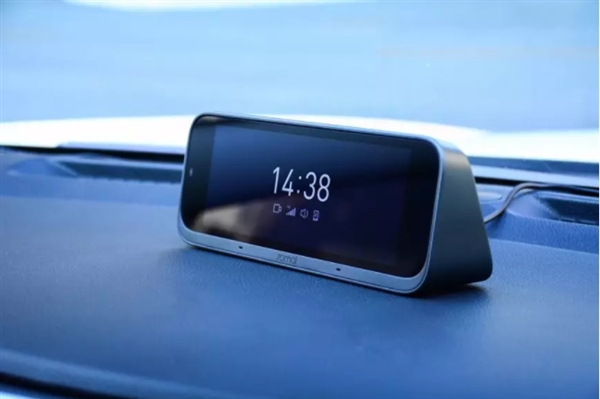
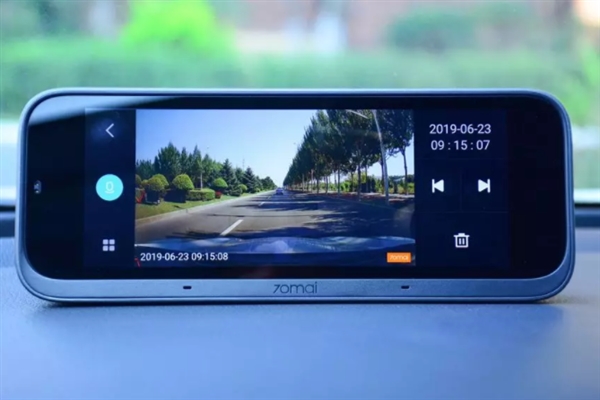
Xiaomi‘s ecological chain company 70Mai is well known for its array of dashboard camera and other surveillance gadgets. The company has now announced ye another car accessory – the 70Mai Smart Driving Assistant MIJIA Customized Edition. The device is on offer in two variants. There is a standalone device priced at 799 yuan ($116) and a second version bundled with a 70Mai HD dash camera which comes in at 999 yuan ($145).
The 70Mai Smart Driving Assistant MIJIA Customized Edition features an MT8665 special car chip, specially designed for the driving environment. The interior of a car is usually extremely hot especially if it is parked out in the sun. The power consumption and stability are optimized to ensure that it is always on standby. The device can be connected to the 70Mai app and it enables functions such as remote navigation, WeChat access, car tracking, driving distance and other functions.
The 70Mai Smart Driving Assistant comes with a built-in customized version of Gaode map, voice command interface, road condition query, cruise broadcast, etc., travel in time to avoid congestion, plan the best route for you, travel more convenient and smooth.
In addition, the driving assistant lets you connect to the MIJIA Smart Home hub via voice prompt in order to either turn on or off the connected gadgets before you get home. You also get the leverage of controlling all 70Mai branded products in the car such as the dashboard camera and car stereo using voice command.
The Smart Assistant comes with Bluetooth connectivity and after pairing with your smartphones, voice calls can be made and received hands-free. There is also a Built-in XiaoAI assistant such that you can equally listen to songs with voice prompts. After the 70-meter smart driving assistant connects to the mobile phone via Bluetooth, voice calls and answering calls can be realized. Built-in little love classmates, navigating and listening to songs are all a matter of words.
The 70Mai Smart Driving Assistant adopts the AHD video transmission interface and supports 720P high-definition reversing images. The 70Mai Reverse camera is sold separately. There is also a 70Mai Parking monitor which is turned on automatically when you park the car. In case of a collision, video footage is captured and real-time alarm blasts. The parking monitor is also sold separately. If there is a collision a 30 seconds video is posted online in order to preserve the footage even if the camera is damaged.
In early July, photos of a Nokia phone with model number TA-1198 surfaced online. The phone is yet to launch but it appears it may launch as the Nokia 7.2. Alleged case renders of the Nokia 7.2 have surfaced and they match the design of the leaked photos of the TA-1198.
The case renders show the phone has a notched display but as the live photos have shown, it is nowhere as small as what the render depicts.
The renders show that the volume rocker and power buttons are on the right while a third button which we believe to be the Google Assistant button is on the left. The bottom is home to a USB-C port and a cut-out for the speaker while a 3.5mm audio jack is at the top.
On the back, the Nokia 7.2 has a circular camera housing that holds three cameras and an LED flash. Another of the render shows the phone has a camera bump. Below the sensors is a fingerprint scanner.
[envira-gallery id=”264774″]
If the Nokia TA-1198 is indeed the Nokia 7.2, then the phone will have an FHD+ display, a Snapdragon 660 processor, a 48MP primary rear camera, and a 3500mAh battery.
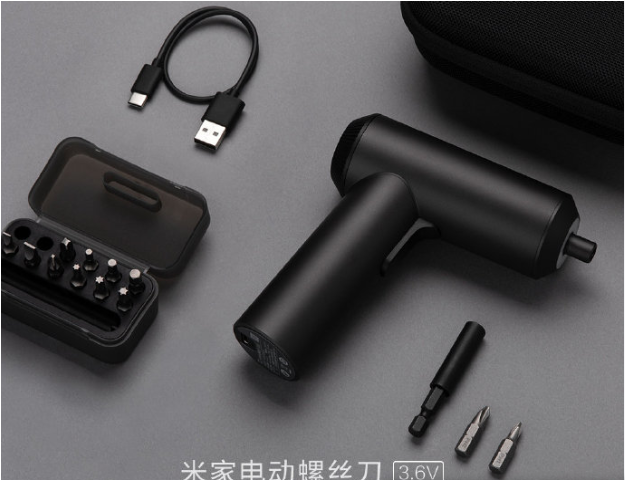
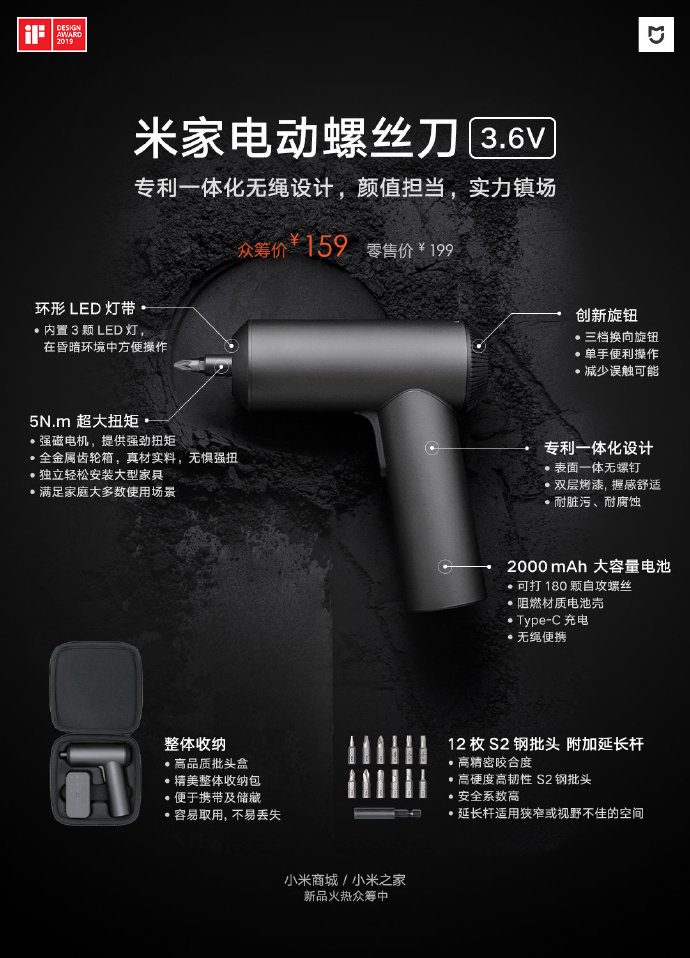
Xiaomi today launched the MIJIA Electric Screwdriver for crowdfunding. The company has now announced via Weibo that the MIJIA Electric Screwdriver has created a crowdfunding record for that category. In just 56 minutes 29 seconds, the crowdfunding saw over 10,000 sets of screwdriver sold. This may be unconnected with the cheap 159 yuan (~$23) pricing it adopts and the MIJIA brand identity.
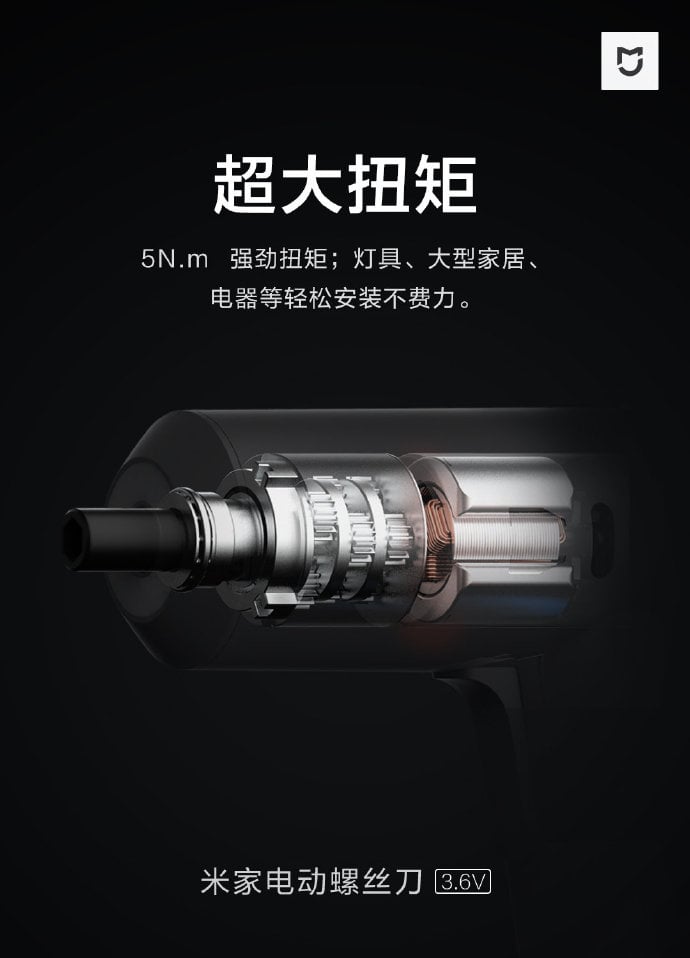
The MIJIA Electric Screwdriver adopts a minimalist design reminiscent of all Xiaomi products. The design has even won the 2019 German iF Design award. The gadget is said to have as its biggest feature, a large torque of 5N.m which can easily aid the installation and disassembly of lamps, furniture and electrical appliances.
The screwdriver case is made of high-quality engineering plastics with efficient heat resistance and impact resistance and is not easily deformed. The two UV paints on the surface of the outer casing ensure the gentle texture and comfortable grip of the Mijia electric screwdriver, which is more resistant to dirt and corrosion than the ordinary painting process.
In terms of battery life, the Mijia electric screwdriver is equipped with a 2000mAh battery. Xiaomi says the screwdriver can tighten up to 180 screws at full speed.
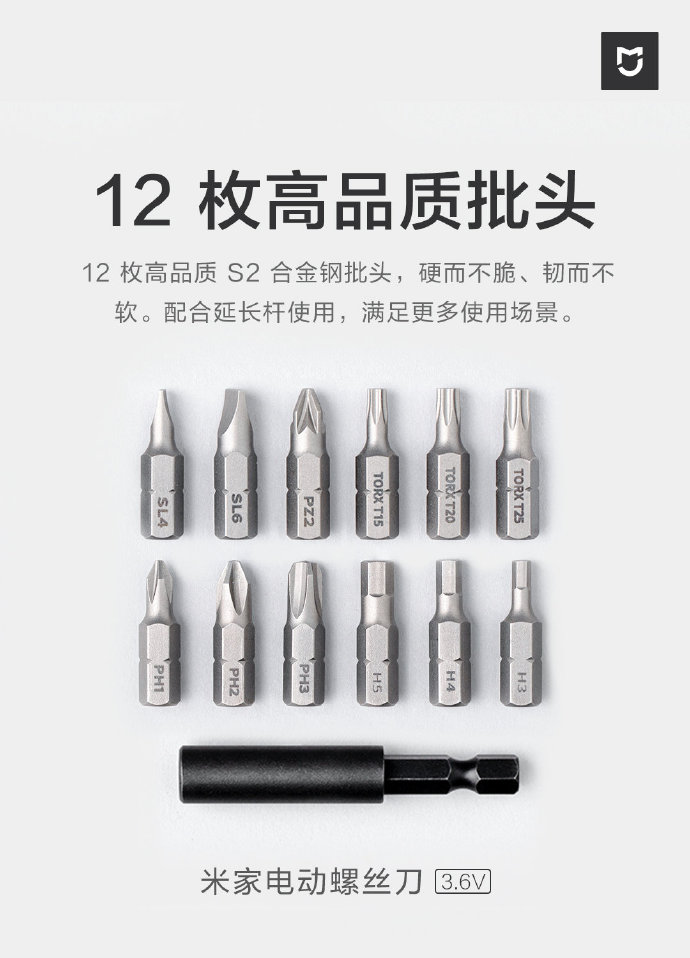
In addition, the Mijia electric screwdriver comes with 12 different types of high-quality S2 steel bits with hardness up to HRC60. The drill bits are precision-crafted, durable and don’t slip easily. The use of S2 steel ensures it has better toughness and won’t break easily, even if it is used inappropriately. S2 Steel is said to be more durable compared to chrome vanadium steel with 20% more service life.
The Vivo S1 launched in Indonesia yesterday. It will launch in India soon too. However, this phone is different from the Vivo S1 sold in China. If you reside in China and want the Indonesian version of the Vivo S1, then you should look out for the phone called the Vivo Y7s as it shares nearly all the same specs with it. The Y7s has been announced in China and will go on sale on July 20.
The specifications are nearly identical with that of the Indonesian Vivo S1, the only differences are you get more RAM on the Vivo Y7s and a 16MP selfie camera.
The Super AMOLED display is 6.38-inches in size, has a 19.5:9 aspect ratio and rocks a waterdrop notch. There is an Helio P65 processor under the hood paired with 6GB of RAM and 128GB of storage which can be expanded via a MicroSD card slot (256GB max.). The Vivo Y7s has a 16MP f/2.0 selfie camera and not a 32MP selfie camera. The selfie camera has an AI beauty mode.
There are three cameras on the rear – a 16MP f/1.78 primary sensor, an 8MP f/2.2 super wide-angle camera, and a 2MP depth sensor. The Y7s has a Super HDR mode and Super Night Scene mode.
The phone has a dedicated Jovi AI button, an in-display fingerprint scanner, Face Unlock, dual-band Wi-Fi, dual SIM support, and VoLTE. There is a 4500mAh battery with support for 18W fast charging. The Vivo Y7s runs FunTouch OS 9 based on Android 9 with features like Multi-Turbo and Game Mode 2.0.
The phone has a price tag of ¥1798 (~$261) and is available in Wave Blue and Sea Breeze. Pre-orders are live on the Vivo online shop.
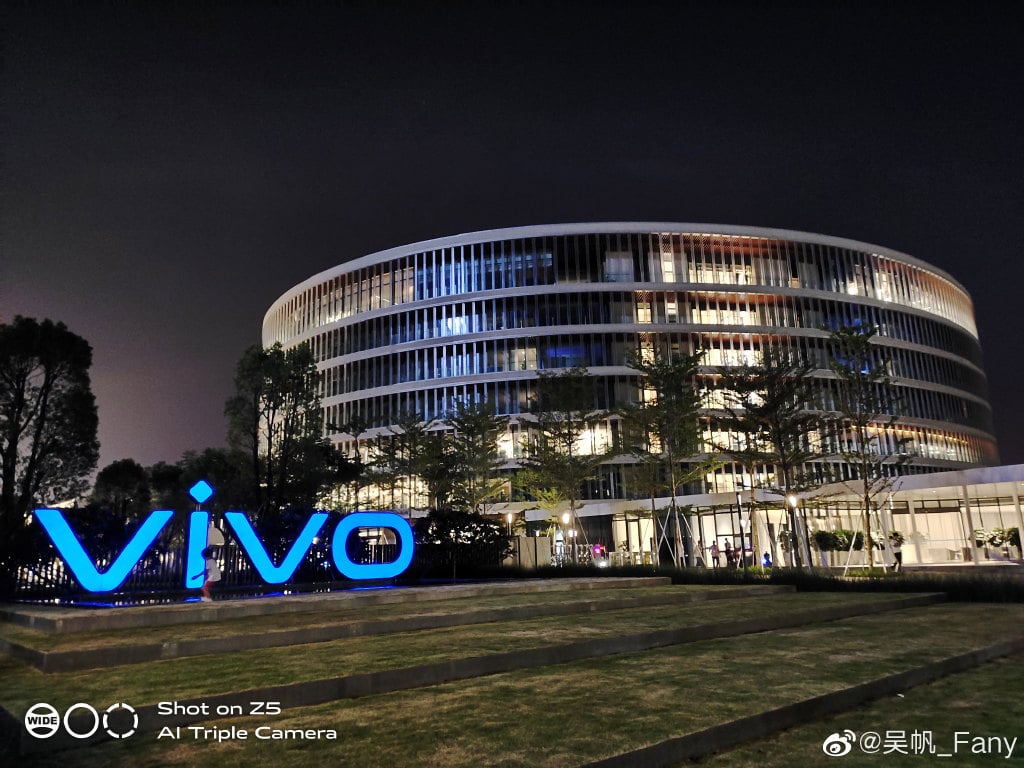
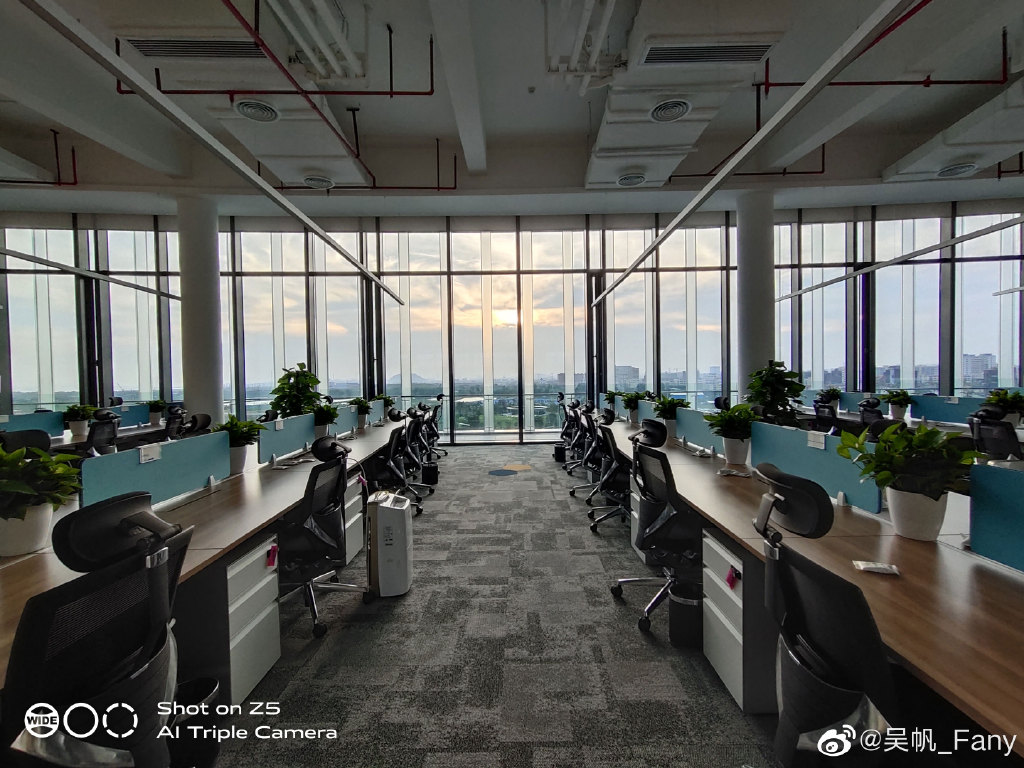
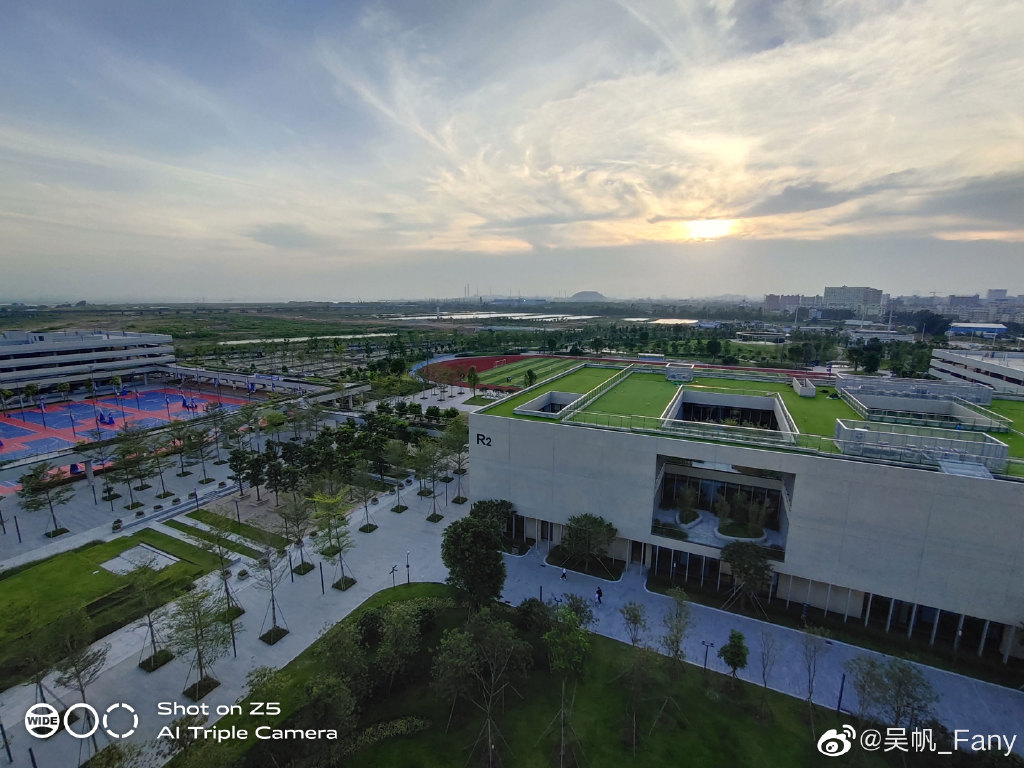
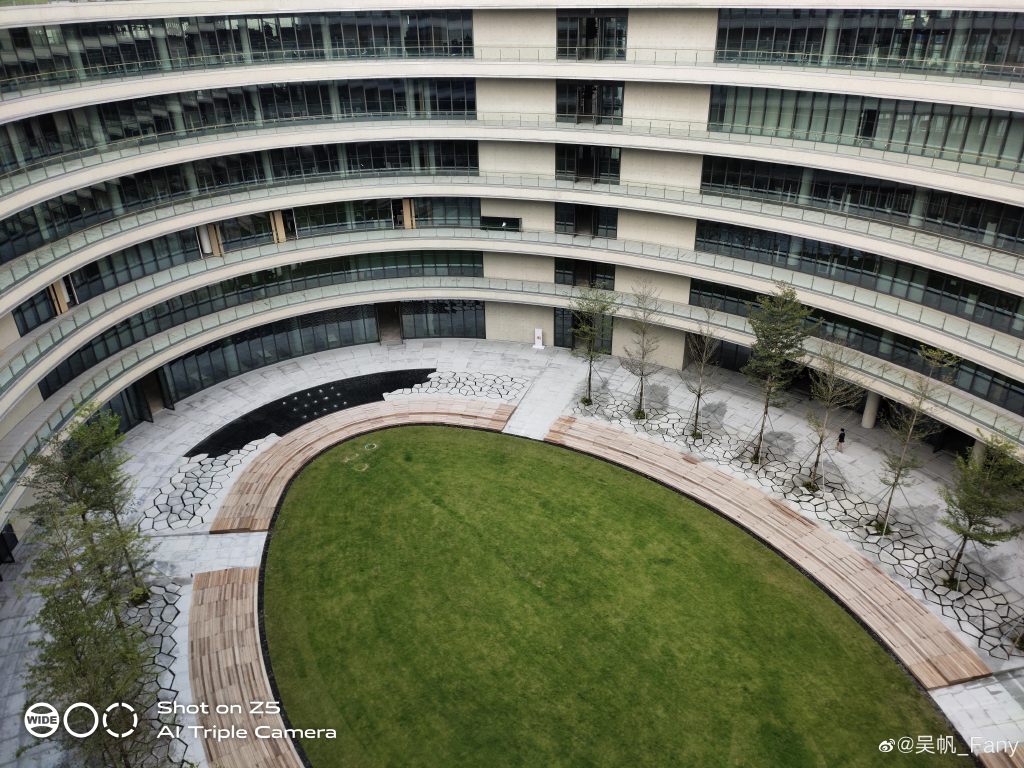
Vivo Z5 is all set to release on July 31 and before it’s announced, the company’s product manager, Wu Fan thought it was a good time to reveal some camera samples from the unreleased smartphone. Earlier today, he shared a few shots of Vivo’s new headquarters in Dongguan and in the process revealed the camera prowess of the new smartphone.
Vivo HQ
First, let’s take a look at what we can confirm from these images. The watermark in each photo confirms that they were ‘Shot on Z5, AI triple camera’. So triple camera lens are confirmed on the Vivo Z5. Further, the watermark reveals that one of them will be a wide-angle lens. There should be a regular camera sensor as well as a depth focused sensor to complete the triple camera setup. Finally, the original samples shared are huge, of 8000 x 6000 resolution which should indicate that the primary camera is of 48MP.
If we had to comment on Vivo Z5’s camera samples, we can say that the phone manages click decent night shots with exposures controlled pretty well. The dynamic range also seems to be pretty decent in one of the samples. A couple of samples also confirm wide-angle mode.
As for the specs, a recent Vivo V1921A model passed through TENAA which is likely going to end up as the Vivo Z5. The listing reveal that the phone will feature a 6.38-inch AMOLED notch display with a very large 4400+mAh battery. It had a triple camera setup which included a 48MP primary sensors and two other sensors of 8MP and 2MP respectively. The front notch housed a 32MP shooter for selfies. The processor was clocked at 2.3GHz and is speculated to be the Snapdragon 712. There were 6GB and 8GB RAM options for the device.
Overall, it looks like the Vivo Z5 is shaping up to directly take on the Xiaomi Mi CC9 in China. Pricing will definitely be key to its success in the market.
Xiaomi has officially announced the Mi A3 mid-ranger in Spain. As we confirmed earlier in our hands-on article, the Mi A3 is a rebranded Mi CC9e model for the European market. The phone retains every aspect of its CC9e brother, except for the software which is replaced by Android One based on Pie.
Since we already know the specifications of the Xiaomi Mi A3, let’s first take a look at its pricing and availability. Spain is the first market to get this device. The phone will be available in just 4GB RAM variant with two storage options: 64GB and 128GB and will go on sale on July 24. The 4GB + 64GB variant is priced at 249 euros ($279) while the 4GB + 128GB variant will retail for 279 euros ($313). There will be three colors for the Mi A3 in Spain: Black, Blue, and Pure White. What’s interesting is that we have the ‘Kind of Grey’ model with us right now but there’s no mention of a Grey version for the Spanish market. It’s possible that the black version ends up being called ‘Kind of Grey’.
As for the specs, the Mi A3 comes with a modest 6.088-inch HD+ display with an indisplay fingerprint sensor, Snapdragon 665 processor, and a large 4030mAh battery. The triple cameras remain the same as the Mi CC9e which includes a 48MP primary sensor, an 8MP wide-angle sensor, and a 2MP depth sensor. Up front, you have a 32MP selfie sensor.
The pricing puts the Mi A3 above the Snapdragon 660 powered Redmi Note 7 in the Spanish market. However, it’s HD+ display is sure to disappoint a lot of fans. After all, previous Mi A series mid-rangers have had FHD displays. But Android One and it’s camera setup could be enough to get the attention of European buyers. What are your thoughts?
Samsung surprised the tech industry last year when it announced a new custom Android overlay known as One UI. The new custom ROM was built on Android 9.0 Oreo and takes over from Samsung Experience and TouchWiz. The new UI comes with several optimizations to aid one-handed operations.
There are indications that Samsung is now ready to push Google’s latest Android Q update for the Galaxy smartphones. Of course, the Android Q will have the One UI overlay and it will be version 2.0. The tech giant will reportedly also push a newer One UI 2.1 to the Galaxy S11 series which is expected to debut next year.
These pieces of information were relayed by SamMobile, citing unnamed sources. There really isn’t any surprising detail in the entire setup. The pattern is similar to last year’s. Samsung announced the One UI 1.0 with Android 9.0 Pie and later on, the Galaxy S10 lineup came with version 1.1.
The One UI 2.0 is expected to bring new features and functionality but what those will be, we can’t tell. However, the update will bring all the Digital Wellbeing improvements that Google announced at its developer conference in May this year. Those improvements include Focus Mode, which will allow users to specify which apps they find most distracting and silence those apps when the feature is enabled. We also expect other core features hat Android Q brings on the One UI 2.0.
There is no word yet on the street as to when the Android Q update will be available on Samsung phones. We expect it to drop on the Galaxy Note 10 when it is launched.
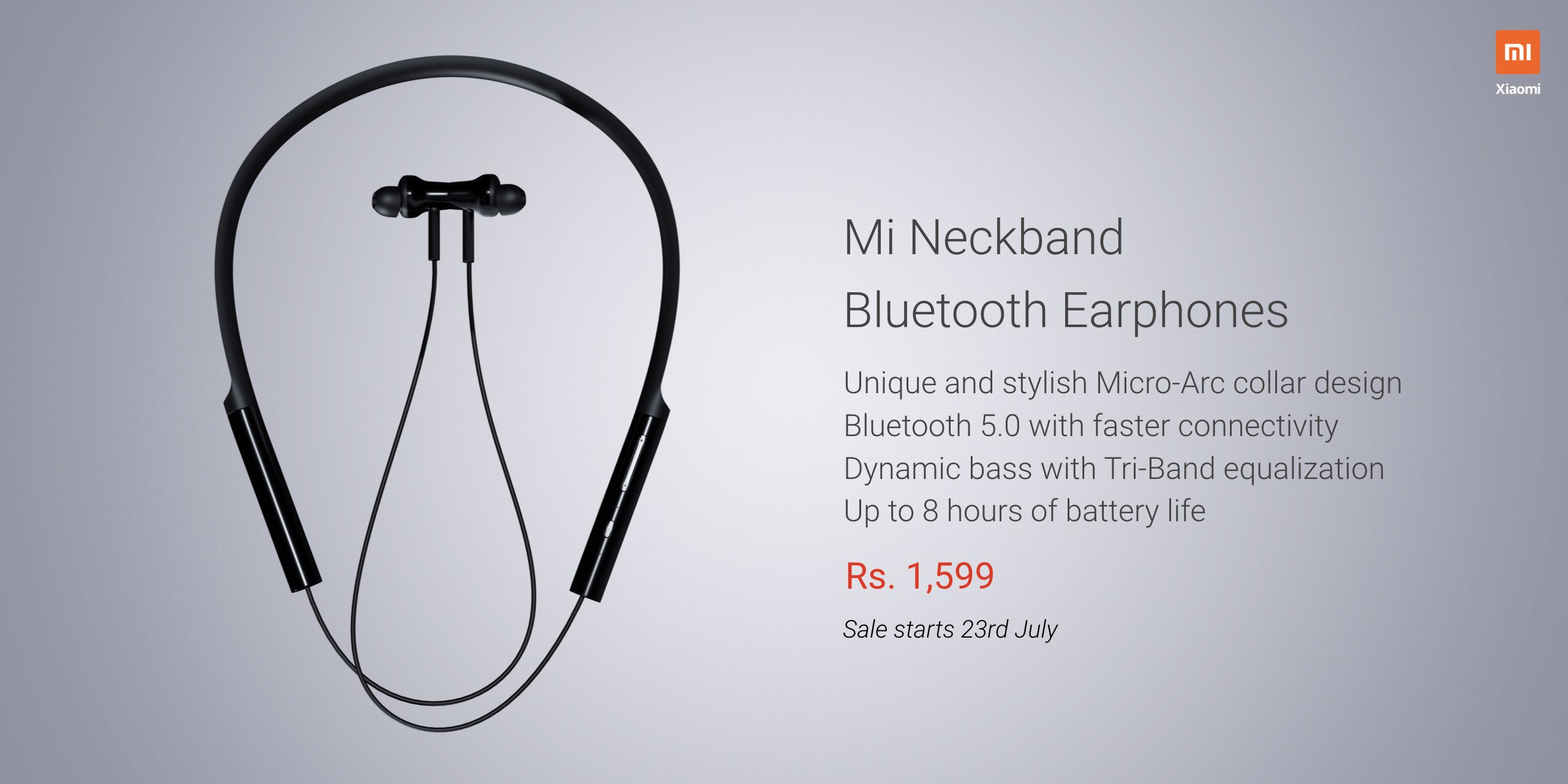
It is 5 years already since Xiaomi entered India and as part of celebrations to mark this, the company is releasing a couple of products. The Redmi K20 and K20 Pro were announced today. Xiaomi has equally launched the Mi Rechargeable portable LED Lamp and Mi Neckband Bluetooth Earphones for the Indian market.
The Mi Rechargeable LED Lamp comes with a design that is different from the LED lamps that the company has got under its kitty. It retains the minimalist and portable posture of previous MIJIA lamps. The lamp has a rechargeable battery which Xiaomi claims can last up to five days. This will likely be dependent on the brightness level. The smartphone comes with three different brightness levels and has a button for adjusting the brightness.
The Mi LED Lamp will be available for crowdfunding on July 18 at 12 pm. The device carries a crowdfunding price of Rs. 1,299 ($188) but after the crowdfunding exercise, the retail price will increase to Rs. 1,499 ($217).
Mi Neckband Bluetooth Earphones comes with a stylish and unique design well-suited for use while out jogging or walking. It has micro-arc collar design and each earphone uses dynamic bass with tri-band equalization. On the battery life, the earphone can last up to 8 hours of continuous music playback. The gadget comes with a retail price of Rs. 1,599 ($232) and should go on sale starting from July 23.
As part of the 5-year anniversary promotion, Xiaomi also recently announced its first-ever wireless headphones for the Indian market dubbed Mi Super Bass headphones. The product is priced at Rs 1, 799 and is sold on Amazon. Other new products announced include Mi Trimmer and Mi Truck Builder, which are both priced at Rs 1,199.
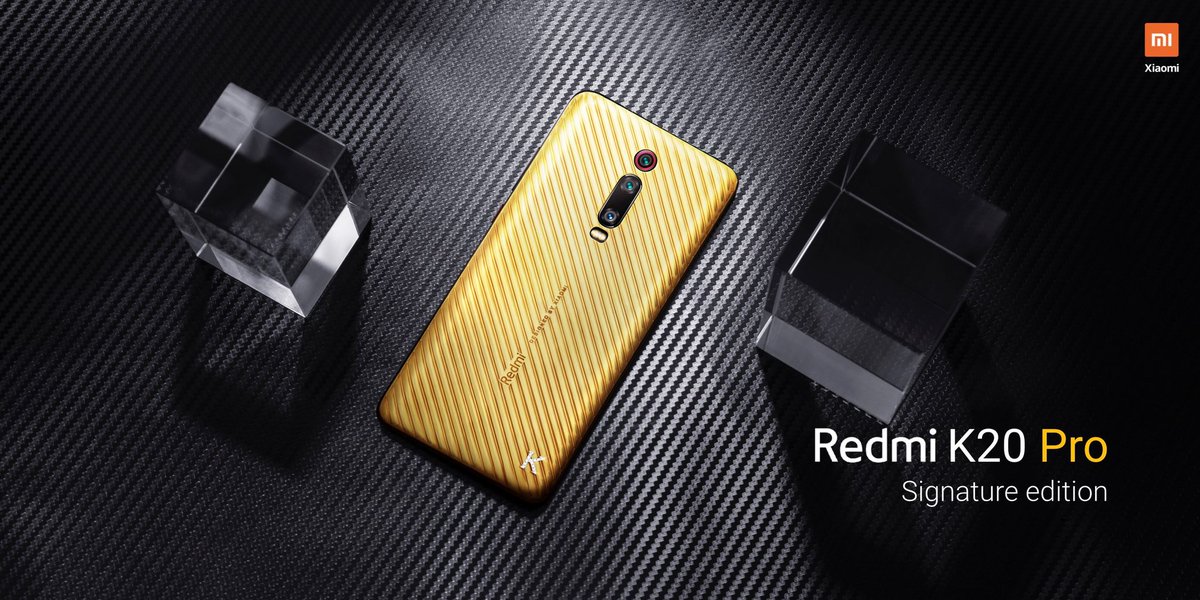
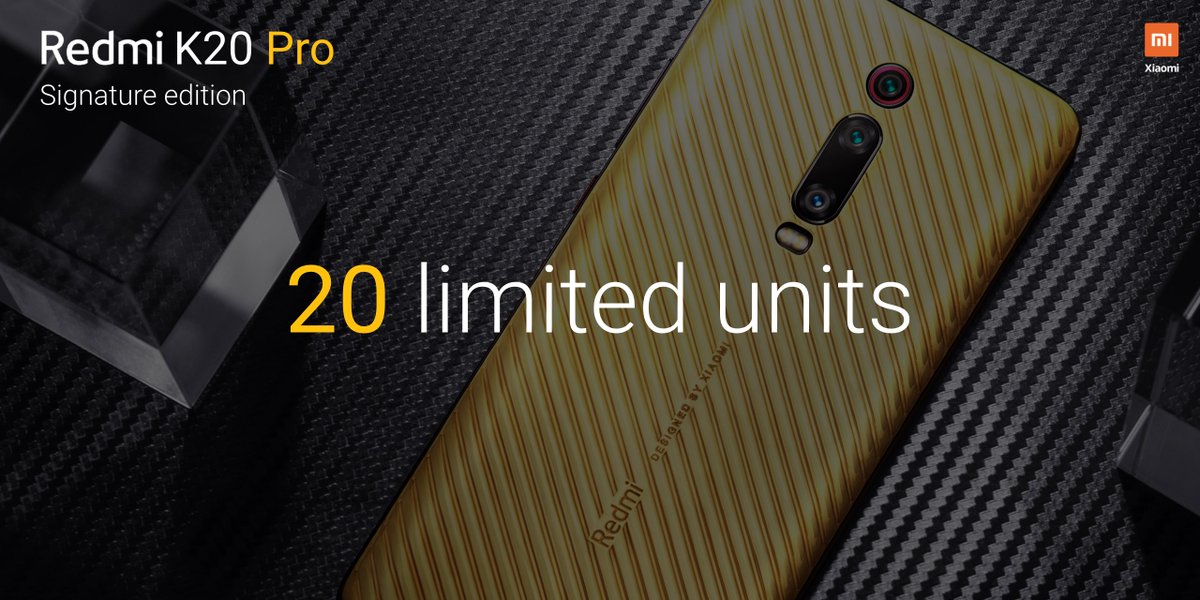
Xiaomi today finally launched its much anticipated Redmi K20 series in India which includes Redmi K20 and Redmi K20 Pro. Along with these two smartphones, the company also announced the Redmi K20 Pro Signature Edition.
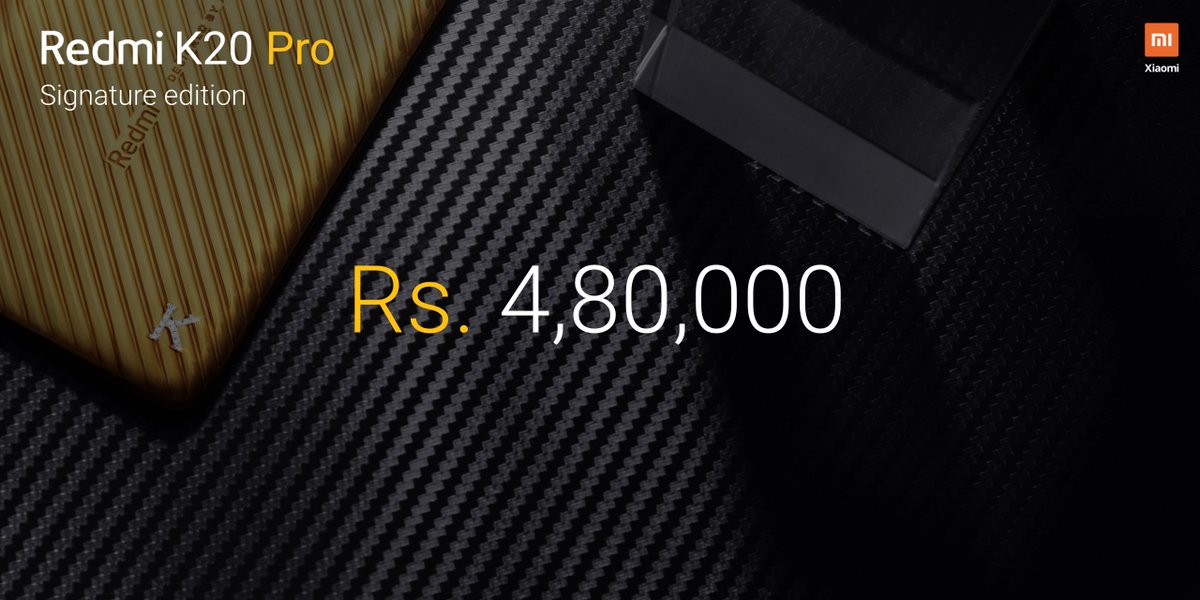
As per the company, the Xiaomi Redmi K20 Pro Signature Edition is made of pure gold and diamond. Xiaomi has revealed that it is making just 20 special units of this Signature Edition and is priced at a whooping ₹4,80,000, roughly $6,978.
Apart from the change in the design, everything else in terms of specifications remains the same as the standard model. It features a 6.39-inch Full HD+ AMOLED HDR display with 2340 × 1080 pixels screen resolution with 19.5:9 aspect ratio, DCI-P3 Color Gamut, and 600 nits brightness.
Under the hood, the smartphone is powered by Qualcomm Snapdragon 855 7nm octa-core processor clocked at 2.84GHz, along with Adreno 640 GPU. It comes with an 8-layer graphite cooling system.
The Redmi K20 Pro packs 6/8 GB of LPDDR4X RAM. The 6 GB RAM model comes with 128 GB UFS 2.1 internal storage while the 8 GB RAM model comes in 256 GB UFS 2.1 storage options. It runs Android 9 Pie operating system out-of-the-box with the MIUI 10. It also comes with the second-generation Game Turbo mode for enhancing the gaming experience.
As for the camera setup, there are three camera sensors on the back panel. It consists of a 48 MP rear camera with Dual LED Flash, f/1.75 aperture, Sony IMX586 sensor, 0.8μm pixel size, 6P lens, an 8 MP secondary telephoto lens with f/2.4 aperture, and a 13 MP 124.8° ultra-wide sensor with f/2.4 aperture.
On the front side, the phone comes equipped with a 20 MP snapper with f/2.0 aperture housed inside the pop-up slider. The Pro model of the K20 smartphone also features the seventh-generation in-display fingerprint sensor. The phone comes with a 3.5mm audio jack and Qualcomm Aqstic WCD9340 Hi-Fi audio chip.
The smartphone’s connectivity options include 4G VoLTE, WiFi 802.11 ac (2.4GHz + 5GHz), Bluetooth 5, GPS (L1 + L2 Dual Band) + GLONASS, NFC, and USB Type-C. The phone is powered by a 4000 mAh battery with 27W SonicCharge, a fast charging technology.
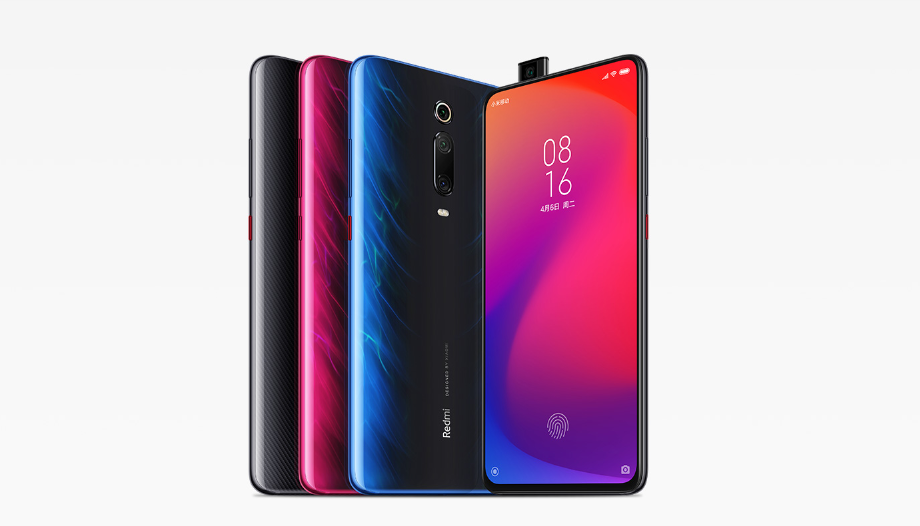
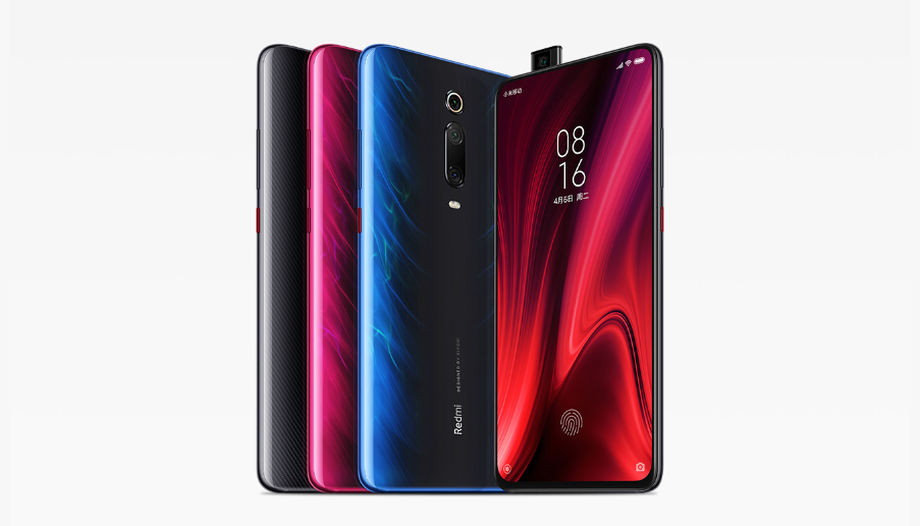
At the end of May, Redmi had launched the Redmi K20 and Redmi K20 Pro smartphones in China. Today, Xiaomi India had held a dedicated unveil event in India to announce the arrival of the Redmi K20 series in the country. The Redmi K20 is the first Snapdragon 730 smartphone to launch in India whereas the Redmi K20 Pro is the cheapest Snapdragon 855 CPU powered smartphone to arrive in the country. Both smartphones boast high screen-to-body ratio through their notch-less displays and they also feature pop-up selfie cameras.
Redmi K20 and Redmi K20 Pro Specifications and Features
The Redmi K20 measures 156.7 x 74.3 x 8.8mm and it weighs 191 grams. The dimensions of the Redmi K20 Pro are exactly same as the Redmi K20 smartphone. The K20 series feature glass panels on the front and rear with an aluminum frame in between. The Redmi K20 and K20 Pro are fitted with a 6.39-inch display that produces full HD+ resolution and 19.5:9 aspect ratio. They are equipped with features like Gorilla Glass 5 protection, in-display fingerprint scanner, Always-on Display, full DC dimming and eye protection mode.
Redmi K20
The SD730 SoC of the Redmi K20 is supported by up to LPDDR4x 8 GB of RAM. The handset comes with up to 128 GB of UFS 2.1 storage. The Redmi K20 Pro’s SD855 chip is coupled with up to LPDDR4x 8 GB of RAM. It features up to 256 GB of USF 2.1 storage. The Redmi K20 series lack support for external storage slot. The MIUI 10 based Android 9 Pie OS runs on both devices. There is Game Turbo 2.0 onboard for enhanced gaming experience.
The Redmi K20 and K20 Pro smartphones feature elevating camera of 20-megapixel with f/2.0 aperture for capturing selfies. The K20 series front cameras come with features like HDR, face recognition, AI scene detection, AI portrait mode, AI beautifications features and support for full HD video recording.
Redmi K20 Pro
The Redmi K20 series are also blessed with triple rear cameras. The K20 has Sony IMX582 48-megapixel primary lens with f/1.8 aperture. The Pro model has Sony IMX586 48-megapixel main sensor with f/1.8 aperture in its triple camera system. Both phones also feature 8-megapixel telephoto lens with 2x optical zoom and 13-megapixel ultrawide lens with f/2.4 aperture and 124.8-degree field of view. The triple cameras of Redmi K20 and K20 Pro are equipped with features like handheld super night mode, portrait mode, AI scene recognition, AI beauty, 960fps slow-motion video shooting and 4K video recording at 30fps.
The Redmi K20 and K20 Pro smartphones are packed with 4,000mAh batteries. The K20 supports 18W rapid charging whereas the K20 Pro supports 27W fast charging. Both come with connectivity features dual SIM support, 4G VoLTE, Wi-Fi 802.11ac, Bluetooth 5.0, NFC, dual-band GPS, USB-C and 3.5mm audio jack.
Redmi K20 and Redmi K20 Pro Price and Release Date
Here is the pricing of the different variants of the Redmi K20 and K20 Pro:
Redmi K20
6 GB RAM + 64 GB storage – Rs. 21,999
6 GB RAM + 128 GB storage – Rs. 23,999
Redmi K20 Pro
6 GB RAM + 128 GB storage – Rs. 27,999
8 GB RAM + 256 GB storage – Rs. 30,999
On July 12, Xiaomi had carried out Alpha Sale allowed in India to book the Redmi K20 and Redmi K20 Pro by paying a token amount through Flipkart and Mi.com. Those who had booked the K20 or K20 Pro through Alpha Sale can make the remaining payments today starting at 8PM on both the platforms. Interested users can pre-order both the phones via Mi Homes tomorrow as well. Both Mi Home and Alpha sale orders get Rs. 2000 cashback if they use an ICICI credit card.
The first sale of the Redmi K20 and K20 Pro will take place on Flipkart, Mi.com and Mi Home stores on July 22 at 12PM. These users can avail Rs. 1000 cashback via ICICI credit card. The phone will be made available on other stores later on.
We use cookies on our website to give you the most relevant experience by remembering your preferences and repeat visits. By clicking “Accept”, you consent to the use of ALL the cookies.
This website uses cookies to improve your experience while you navigate through the website. Out of these, the cookies that are categorized as necessary are stored on your browser as they are essential for the working of basic functionalities of the website. We also use third-party cookies that help us analyze and understand how you use this website. These cookies will be stored in your browser only with your consent. You also have the option to opt-out of these cookies. But opting out of some of these cookies may affect your browsing experience.
Necessary cookies are absolutely essential for the website to function properly. This category only includes cookies that ensures basic functionalities and security features of the website. These cookies do not store any personal information.
Any cookies that may not be particularly necessary for the website to function and is used specifically to collect user personal data via analytics, ads, other embedded contents are termed as non-necessary cookies. It is mandatory to procure user consent prior to running these cookies on your website.