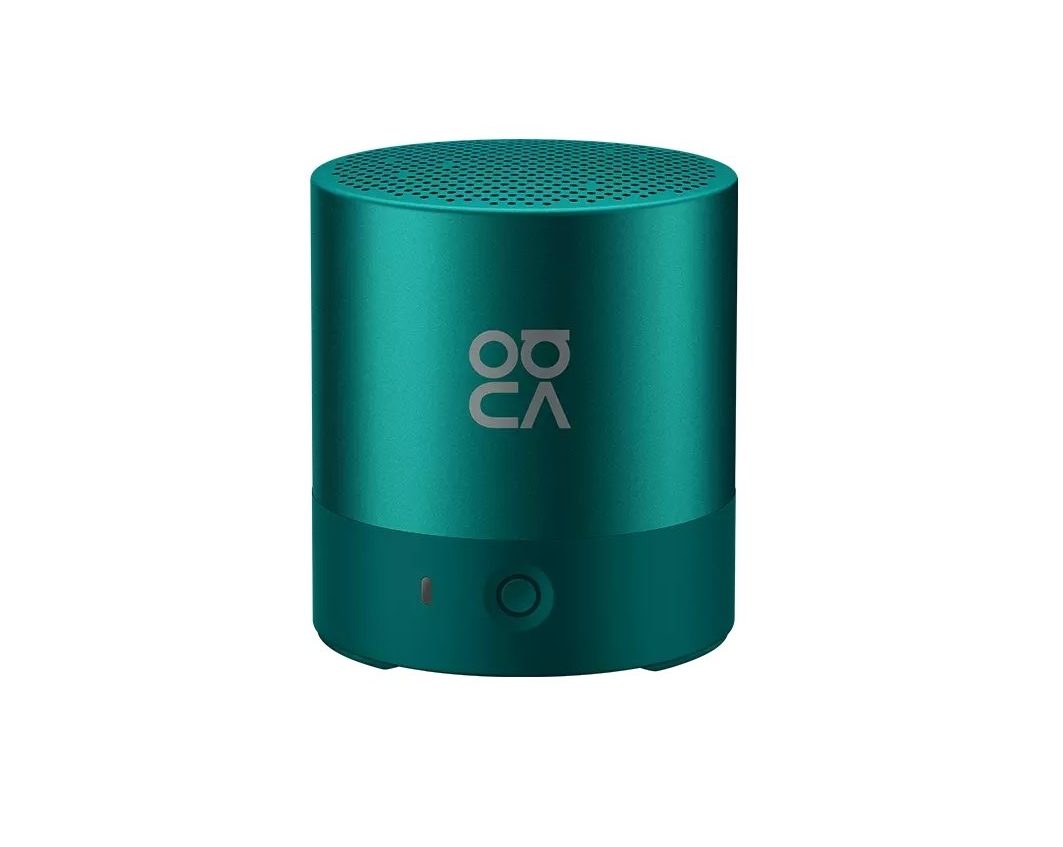
It is not unusual for manufacturers to also announce new accessories alongside new phones. When Huawei announces the Nova 5 series today, it will also unveil a cute little speaker under the Nova brand.
The image of the speaker was shared on Twitter by @RODENT950 who is practically a source for Huawei-related news.
The Nova Bluetooth Speaker has a cylindrical body with a speaker grille at the top. It has the same green paint job as the Nova 5 but with a two-texture finish. Upon closer look, the upper part is definitely aluminium while the bottom seems to be made of rubber/plastic.
The Nova Bluetooth Speaker has the new Nova logo in grey inscribed on its body. There is a power button on the bottom beside what we believe to be an LED to signify when it is turned on, charging and full.
The technical specs and price have not been disclosed but it should probably not cost more than $20.
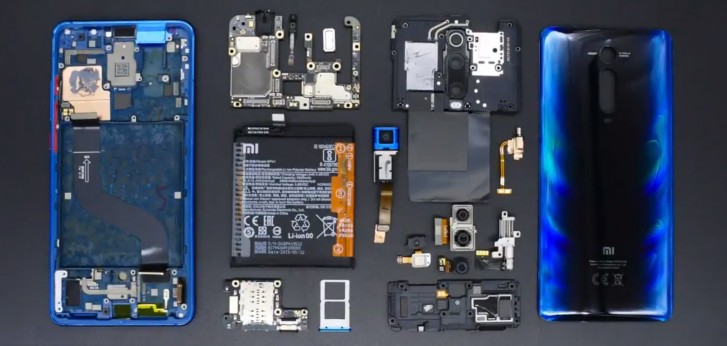
While the Mi 9T continues to debut in new markets, Xiaomi seems to be on overdrive in promoting the device. We recently saw the Chinese giant dissing the notch in a series of videos when we can count a handful of Xiaomi models with the notch. Xiaomi has now shared an official teardown video of the Mi 9T on Twitter.
It is already confirmed that the Mi 9T has the same design as the Redmi K20. The teardown also reveals the internals are arranged in exactly the same way as the Redmi K20 Pro. But while the Redmi K20 Pro packs a flagship Snapdragon 855 chipset, the Mi 9T shares the same Snapdragon 730 SoC with the Redmi K20. Thus, we expect a Mi 9T Pro with a flagship processor. The Mi 9T reportedly received Bluetooth certification recently.
The selfie camera uses a stepper motor to move the camera up and down. The working principle of the spiral stepping motor is similar to our daily screwing action: the screw can be screwed down clockwise, and the screw can be unscrewed in the counterclockwise direction.
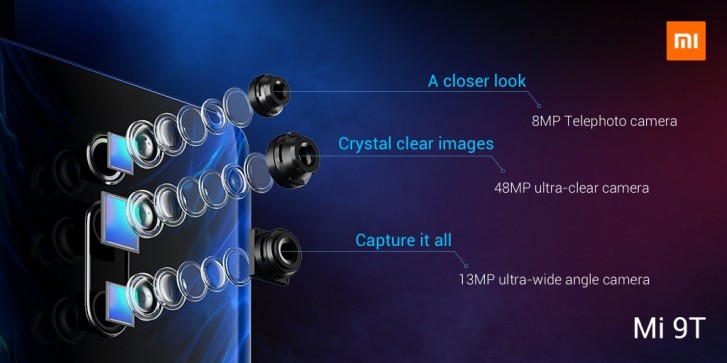
The rear camera has two modules with one of them housing the 48MP main cam and the telephoto lens as a unit. The second module houses just an ultra wide-angle camera. The video also shows the on-screen fingerprint sensor as well as the powerful 4000mAh battery and other internals.
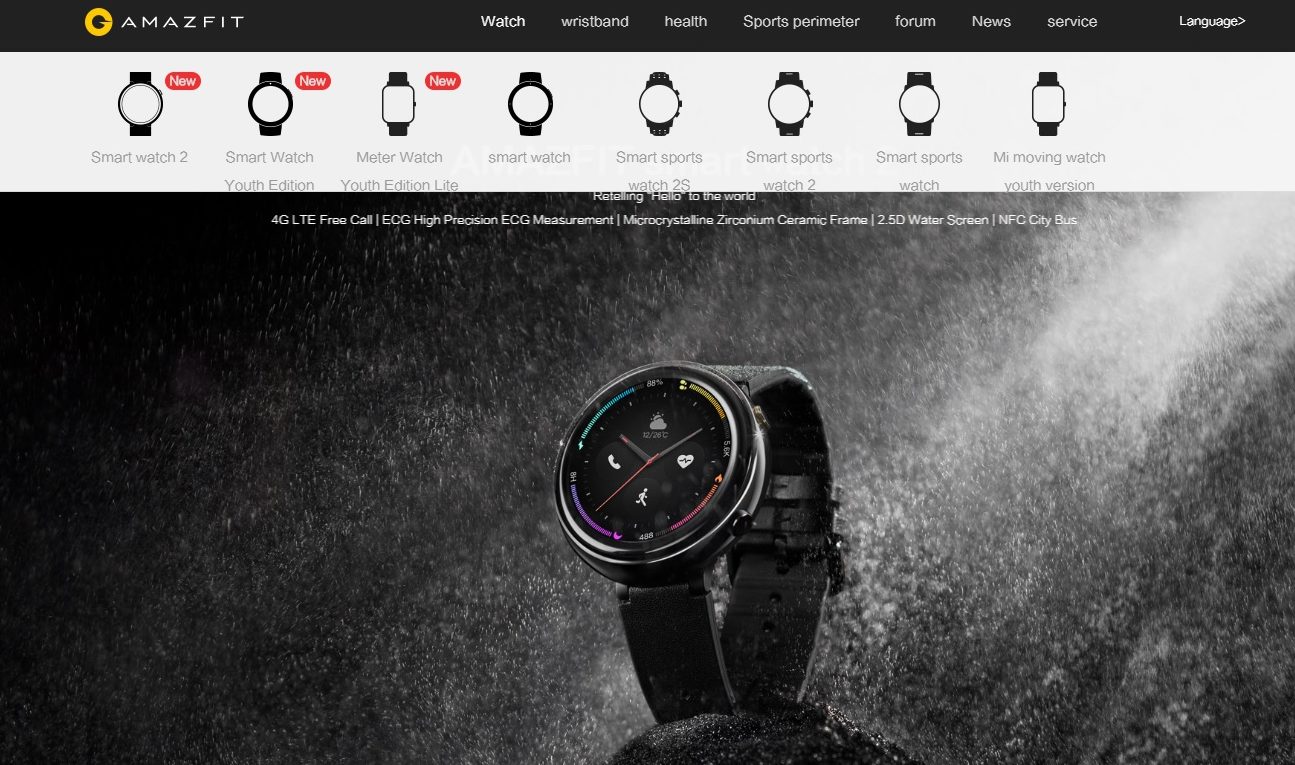
The Amazfit Verge 2 is one of the new smartwatches Huami released a few weeks ago in China. The watch sports a design that is totally different from that of its predecessor and also comes with new features such as an eSIM and an ECG sensor.
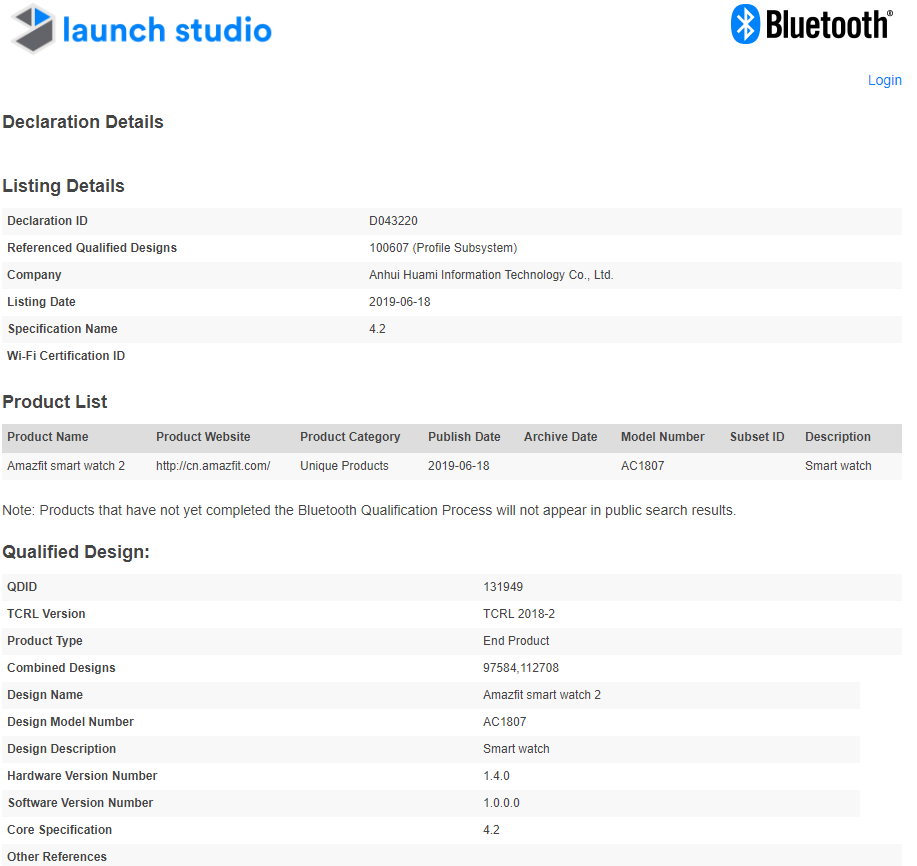
The Amazfit Verge 2 has been spotted on the Bluetooth SIG website which may point at a global release soon. The watch was certified on Tuesday, June 18, and the listing says the product name is “Amazfit Smart Watch 2”. But we know it is the Verge 2 because the name on the Chinese website translates to “Smart Watch 2”. The Chinese name of the original Verge and the new Verge Lite also translate to “Smart Watch” and “Smart Watch Youth Edition respectively”.
When the Verge 2 launches globally, it should take on the Apple Watch Series 4. It is priced at ¥1299 (~$189) for the ECG version while the non-ECG model has a price tag of ¥999 (~$145). That is significantly cheaper than the Apple Watch Series 4 which starts at $399.
The Amazfit Verge 2 has a 1.39-inch AMOLED display with a 454 x 454 resolution and a retina-grade PPI of 326 housed in a microcrystalline zirconium ceramic frame. It is powered by Qualcomm’s Snapdragon Wear 2500, has 512MB of RAM and 4GB of onboard storage. There is an eSIM which means you can leave your phone at home and not miss calls and messages. The Amazfit Verge 2 also has NFC, Bluetooth 4.2, an IP68 rating, and a 420mAh battery. It will go on sale in July in China.
Huawei announced the Watch GT last October alongside the Mate 20 series. It launched in India in March this year and got two new variants in the same month. Eight months after its launch, Huawei says it has shipped 2 million units of the smartwatch.
The announcement was made on the official Huawei Mobile Twitter account yesterday. The Watch GT has a 1.39-inch OLED display, runs Huawei’s own LiteOS, has a Cortex-M4 processor, GPS, heart rate sensor, and lasts up to two weeks (30 days with heart rate and GPS turned off).
Celebrate the #HUAWEIWATCHGT global shipments BREAKTHROUGH 2 millions units with us! With a 2 week battery life you can enjoy your life to the max!
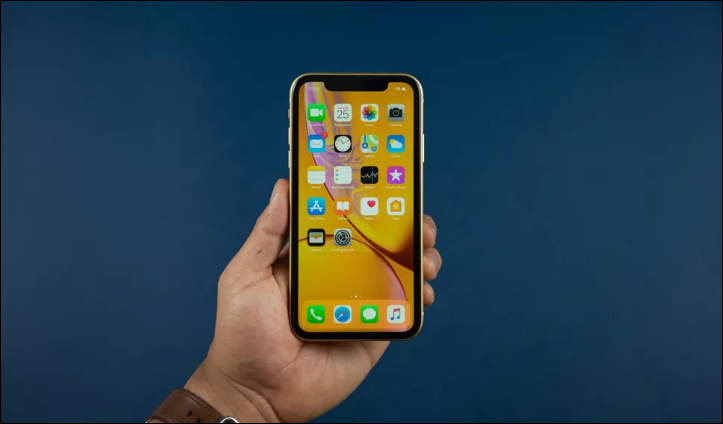
Huawei has done well as an IDC report says it is market share grew the largest in Q1 2019. However, Apple is still the global market leader.
We probably won’t get a successor to the Watch GT until later this year when Huawei announces the Mate 30 series. The successor should have a new design as well as new fitness-tracking and health-oriented features.
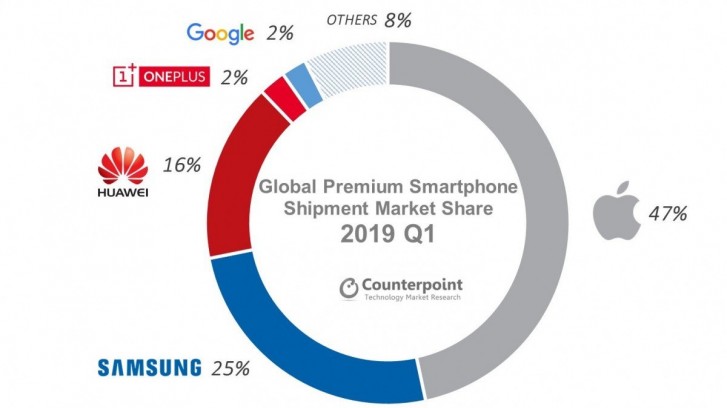
The smartphone market has in recent time been shown to experience a decline due to saturation. That is again amplified in the latest report by Counterpoint research which shows that the market for premium smartphones experienced an 8% decline globally during the first quarter of 2019. Bear in mind that premium smartphones are classified based on their prices ranging from $400 upwards.
US tech giant Apple still ranks as the number one premium smartphone manufacturer despite seeing a 20% drop in its rating year on year. Counterpoint says that one reason for the decline is that iPhone buyers are holding on to their iPhones for longer with the average period for changing phones increasing from 2 years to 3 years. This factor could also be linked to the average price of iPhones hitting the roof. Another reason for iPhone sales decline is the drastic drop in shipments in China. Notwithstanding, Apple raked in a 47% share of the market in Q1 2019.
Samsung comes closely at the second spot with a 25% market share in the premium segment. Huawei is at the third spot with a 16% market share but could slip further down as a result of the US trade ban. OnePlus broke into the top 5 globally and in North America for the first time in Q1 2019.
Another interesting take away from the report is that the North America market still remains the largest market for premium phones with a 30% market share. China comes close with a 26% share of the market. However, the Chinese market was sluggish in the first quarter, which was the other major factor in the global slowdown.
We are moving closer with each passing day to the launch of the Xiaomi Mi 9T Pro, the re-branded version of the Redmi K20 Pro for Europe and some key markets.
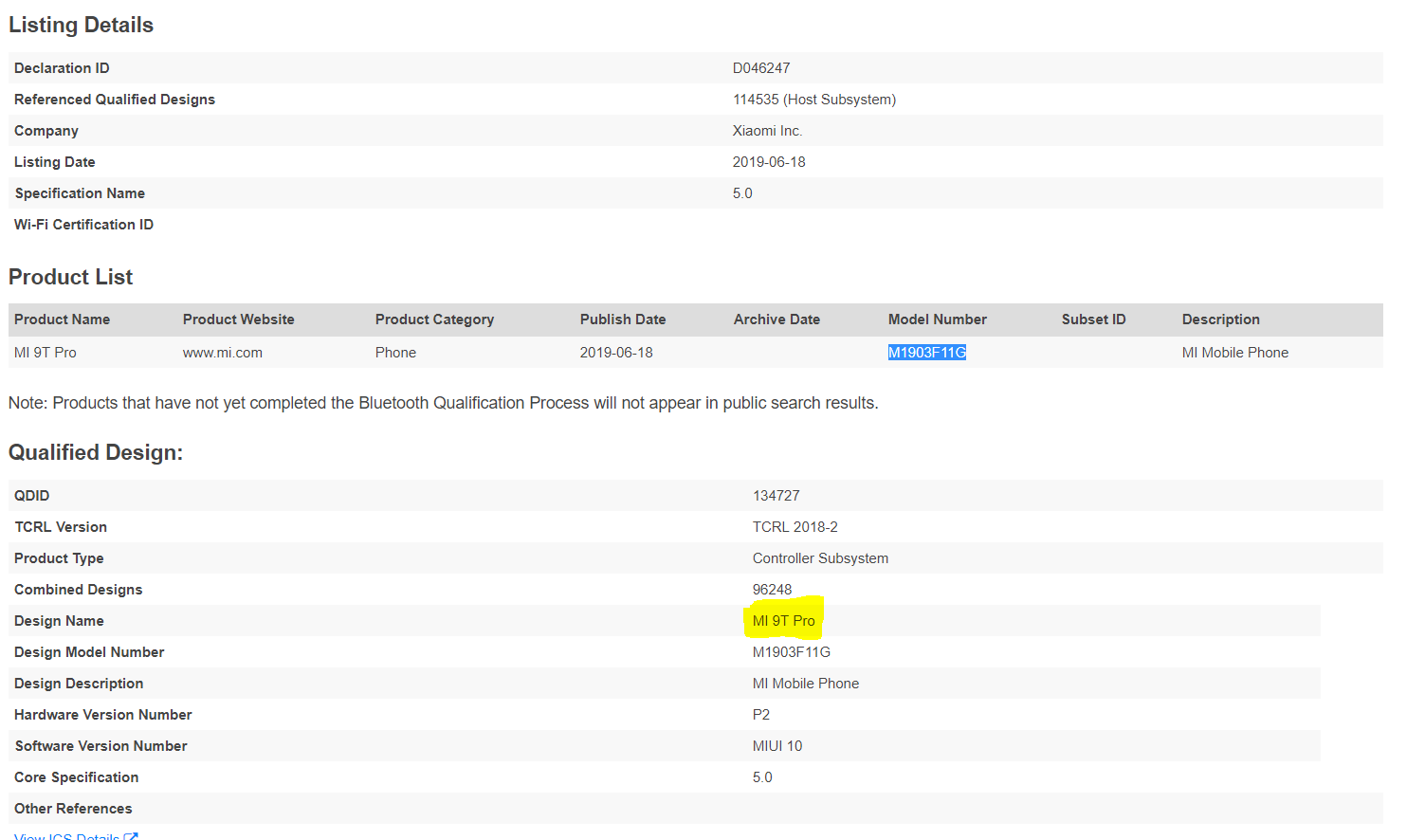
About two weeks ago, the phone was seen on Geekbench. Now, it has also received its Bluetooth certification.
The phone was listed on the Bluetooth SIG website on Tuesday, June 18. The listing reveals the phone’s model number is M1903F11G and confirms its official name is Mi 9T Pro. It also states it is running MIUI 10.
The Mi 9T Pro will have a 6.39-inch Super AMOLED FHD+ notch-less display. It will be powered by the Snapdragon 855 chipset with up to 8GB of RAM and 256GB of storage.
Since it doesn’t have a notch nor a punch hole, the phone settles for a 20MP motorized pop-up selfie camera. On the back, there will be three cameras – a 48MP primary sensor, an 8MP telephoto camera, and a 13MP ultra-wide angle camera. The Mi 9T will also have an in-display fingerprint scanner, a 3.5mm audio jack, NFC, Bluetooth 5.0, and a 4000mAh battery with support for 27W fast charging (Quick Charge 4+).
The phone will launch in India next month but will keep its original name – the Redmi K20 Pro.
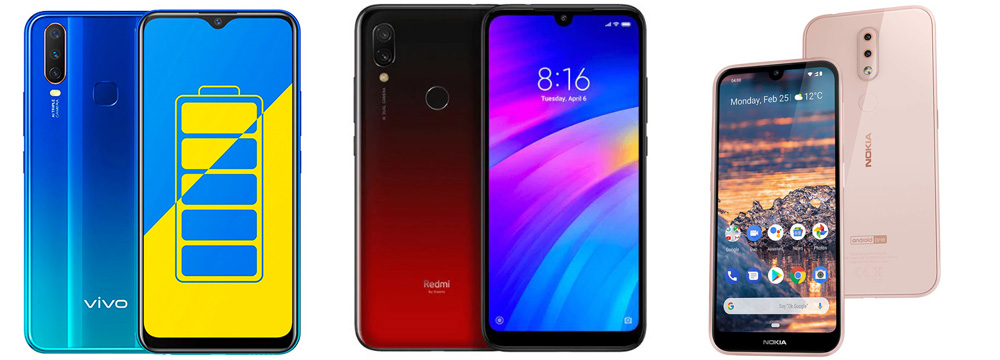
Despite a lot of best sellers belong to the price range from $200 to $300, there are still a lot of low-end devices which could be enough for most of the non-advanced users out there. A few hours ago, we saw the debut of the Vivo Y12, which we consider as one of the most interesting affordable phones due to its mammoth battery. That is why we thought it is worth comparing it with other affordable devices which are making a big success in the actual market. The perfect candidates for this comparison are the wonderful Redmi 7 which is one of the best devices in terms of quality-price ratio, and the Nokia 4.2 which is one of the most affordable handsets with Android One installed.
Triple 13 + 8 + 2 MP f/2.2, f/2.2 and f/2.4
8 MP f/2.2 front camera
12 + 2 MP f/2.2
8 MP f/2.0 front camera
Dual 13 +2 MP f/2.2
8 MP f/2.0 front camera
BATTERY
5000 mAh
4000 mAh
3000 mAh
ADDITIONAL FEATURES
Dual SIM slot
Dual SIM slot
Hybrid Dual SIM slot
Design
Due to its high screen-to-body ratio and its reflective glass back, my favorite phone among these ones is the Vivo Y12. On the other side, Xiaomi Redmi 7 is not so different, and it is even splash resistant, so it may represent a better choice for a lot of people. Nokia 4.2 is the compact one and it is one of the smallest last-generation phones. However, its bezels are not so narrow, at least not as narrow as the ones of its rivals, despite the presence of a waterdrop notch.
Display
The display is usually a weak point of entry-level smartphones, and that is more or less the same when it comes to this trio. All of them come with just an HD display and they do not have a high pixel density. The Nokia 4.2 looks slightly more detailed, but just because it shows the same resolution on a smaller screen. Vivo Y12 has the biggest display, you may need to know it if you want to use your phone for multimedia or productivity purposes. For the rest, they all are just affordable panels with sufficient quality.
Specs & Software
If you want the fastest and smoothest phone, do not think twice and go for the Xiaomi Redmi 7. With its Snapdragon 632 chipset and up to 4 GB of RAM, it is able to provide up to midrange-class performances. Both Vivo Y12 and Nokia 4.2 are equipped with entry-level chipsets, but the latter comes with Android One out of the box: a stock version of Google’s operating system with a great software optimization and faster updates. Note that, if you choose the Nokia 4.2, you can only get up to 3 GB of RAM, while Vivo Y12 is slightly better as it is equipped with up to 4 GB of RAM in the most expensive configuration.
Camera
You will not get a high photo quality with any of these handsets, but if we had to choose the best camera phone, we would go for the most versatile one: the Vivo Y12. It is the only to sport a triple camera, and it even has pretty nice sensors for an entry-level device, including a useful ultrawide lens.
Battery
Vivo Y12 mainly focuses on battery life: by implementing a 5000 mAh battery on such an entry-level device, Vivo surely guaranteed up to three days of battery life on a single charge. There should not be so many phones in the entire market which can reach the same battery life as the Vivo Y12. Right after, there is Redmi 7 which still comes with outstanding battery life, despite it does not arrive at the level of the wonderful Vivo Y12. The battery capacity of the Nokia 4.2 is still above-average, but there is no way 3000 mAh can compete with 5000 or even 4000 mAh.
Price
If you want a unit of the Vivo Y12, you are willing to pay about €160/$180. Xiaomi Redmi 7 starts from just €130/$147, while Nokia 4.2 costs €150/$170. In my personal opinion, the Redmi 7 is a more complete and performing device thanks to its better chipset and its well-balanced specs, despite Vivo Y12 has a more versatile camera department and a longer battery life.
Blackview BV9700 Pro is the latest and greatest rugged phone from the specialized Chinese manufacturer and besides its durable characteristics and “Transformers” design, it also comes with a ton of features. It pretty much sports every phone feature available right now, including an AI camera, Night Vision Camera, Air Quality Detection, and Heart Rate Monitor. If you pride yourself as a photo enthusiast, the BV9700 Pro is worth considering as it boasts a dual Samsung AI camera setup with a 16MP front sensor with f/2.0 aperture and a rear 16MP/8MP dual camera with f/1.75 and f/2.0 apertures.
Of course, what shines the most is its AI camera. The BV9700 Pro is capable of great video shooting and awesome photos that are better than pretty much any other rugged phone on the market right now. Photos shot on BV9700 Pro are vivid and have a good dynamic range in different scenarios, including pretty accurate exposure, white balance, and fast autofocus. Besides the Night Vision Camera, it has a low-light video recording setting that automatically reduces the frame rate of the video in darker conditions to gather more light. The results are more than pleasing. Below, you can see a video demonstrating the fast autofocus, the wide dynamic range, focus tracking, and low noise.
Apart from the camera capabilities, the BV9700 Pro is mainly a top rugged phone so it sports IP68/IP69K & MIL-STD-810F certification meaning it is waterproof down to 1.5m depth for up to 30 minutes. It’s also drop-proof from 1.5m height, dustproof, shockproof, freezeproof down to -20°C, crushproof to 150kg weight, and it can shoot video and photos underwater. All that without using any special case or housing that normal smartphones need.
Blackview BV9700 Pro photo samples
1 of 7
Despite all these features, the Blackview BV9700 Pro costs much less than someone would expect. Starting this month, the phone costs just $299.99 and you get a free tempered glass. You can find all the details here.
The Kirin 810 will be unveiled tomorrow at Huawei’s Nova 5 launch event. The new chipset will power the Nova 5 and will be Huawei’s second 7nm chipset. There are reports that it will have a dedicated NPU made by Huawei itself and not a third party like that of the Kirin 980. An AI benchmark result has surfaced and it shows the Kirin 810 is a beast.
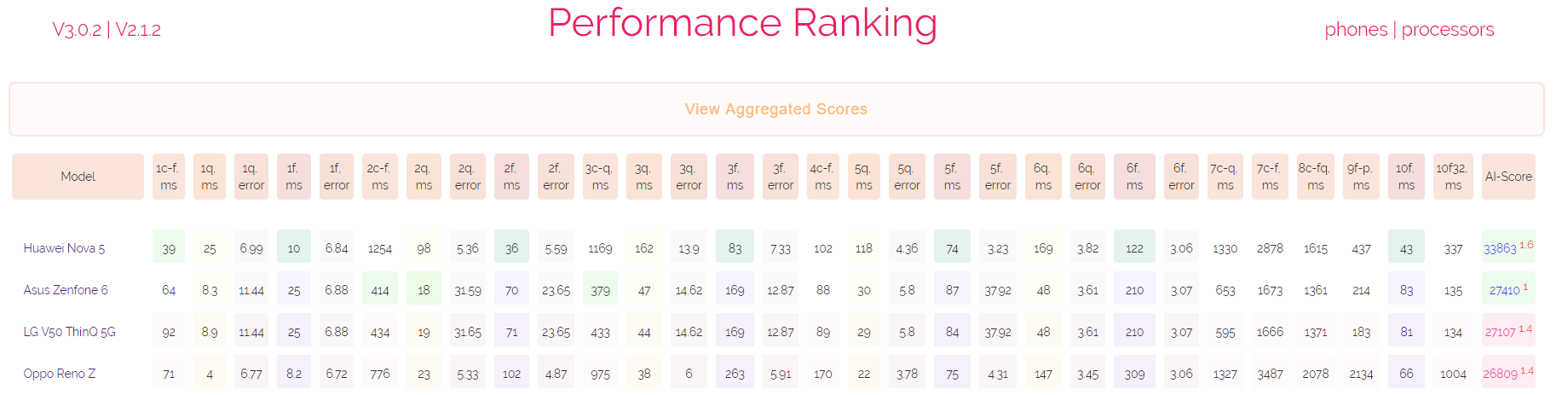
AI Benchmark 3 not only reveals how well the chipset performs in AI-related tasks compared to others but also provides some key details about the chipset itself. First, it confirms the Nova 5 is powered by the Kirin 810 as you can see in the first image below.
AI Benchmark – Devices
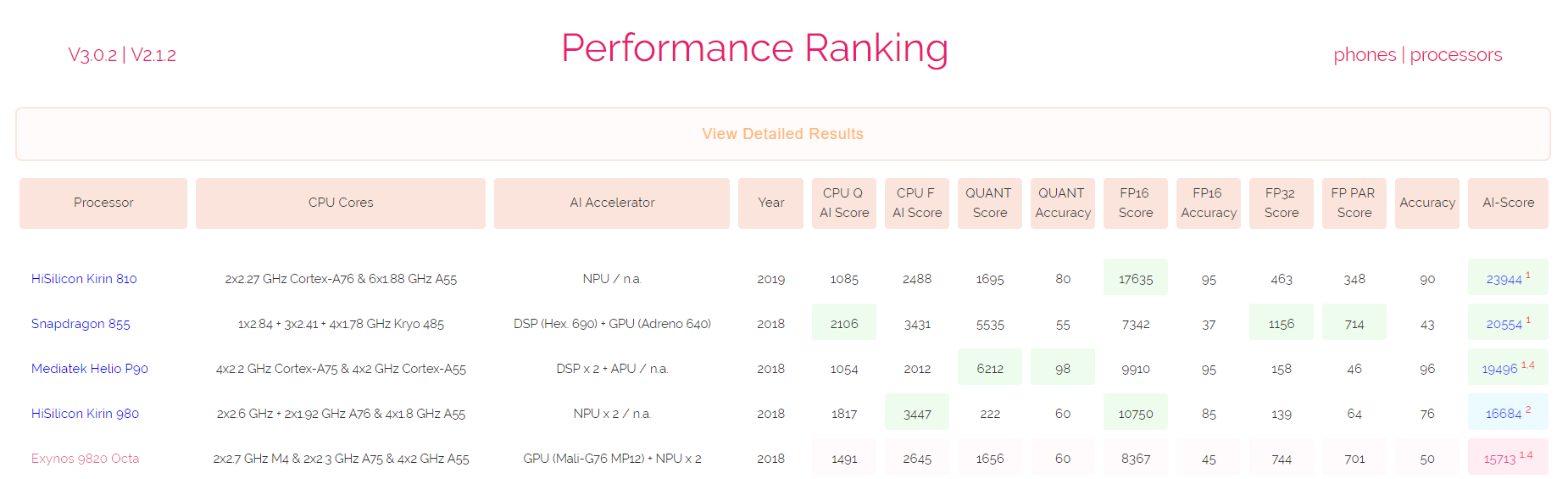
In the second image, we see the 7nm Kirin 810 is an octa-core processor with four Cortex-A76 cores clocked at 2.27GHz and another set of Cortex-A55 cores clocked at 1.88GHz. It also shows it has a dedicated NPU.
With respect to scores, the Kirin 810-powered Nova 5 has an AI Score of 33,863 points which pushes it to the top of the list ahead of the Snapdragon 855-powered ASUS Zenfone 6 and LG V50 ThinQ 5G, and the Helio P90-powered OPPO Reno Z.
AI Benchmark – processors
When you switch the ranking to just chipsets alone, the Kirin 810 has an AI score of 23,944 points, outperforming the Snapdragon 855, the Helio P90, the Kirin 980, and the Exynos 9820 to claim the top spot.
Huawei has sure put in a lot of work in the development of its own NPU and we can’t wait to know more about the chipset when it is unveiled tomorrow. Apart from the Nova 5, the Kirin 810 has also been reported to be the chipset that will power the Honor 9X Pro.
Earlier today, we reported on a list of Huawei devices that will be upgraded to Android Q in the future. Huawei itself has released an official statement on the matter.
Unless you live under a rock, then you should know Huawei and the US government are not best friends right now. The US government has put the tech giant on an entity list and prevented it from conducting business with US-based companies. This means Huawei can no longer do business with Google, Intel, Windows, and Qualcomm e.t.c. until the ban is lifted.
For owners of a Huawei smartphone, this is grave news since if Huawei can’t do business with Google, that means it can’t get access to Android services including updates.
In its official statement which was shared on Twitter as well as in a blog post, it said: “All Huawei smartphones and tablets will continue to receive security patches and Android updates”.
Huawei continues by saying those who already own a Huawei smartphone or are about to buy on can “continue to access the world of apps as they have always done”. They will also continue to be covered by warranty and receive service support.
Huawei also confirmed that its most popular devices will be able to “access Android Q”. The post specifically mentions the P30 series but some have raised suspicion about the use of the word “access” instead of “update” but seeing as they already said their phones will continue to receive security patches and Android updates, there doesn’t seem to be a cause for alarm.
In the blog post, Huawei listed the following devices as those it submitted to get the upgrade to Android Q:
P30 Pro
P30
Mate 20
Mate 20 Pro
PORSCHE DESIGN Mate 20 RS
P30 lite
P smart 2019
P smart+ 2019
P smart Z
Mate 20 X
Mate 20 X (5G)
P20 Pro
P20
Mate 10 Pro
PORSCHE DESIGN Mate 10
Mate 10
Mate 20 Lite
Huawei said it has already been working with third parties for months to ensure its devices will get the Android Q update. Testing has already begun for 17 devices it says and the Mate 20 Pro has been approved to get the Android Q update when it is released by Google.
To sum it all up, Huawei is simply assuring its current customers and potential ones that its phones will be fine irrespective of the current situation. You can check the blog post for more details where Huawei has answered the most important questions from users
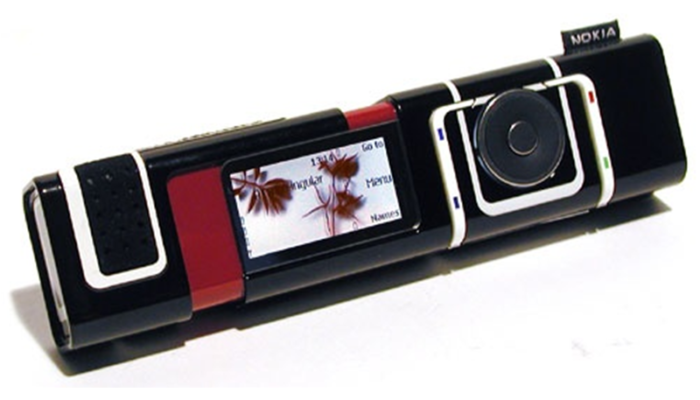
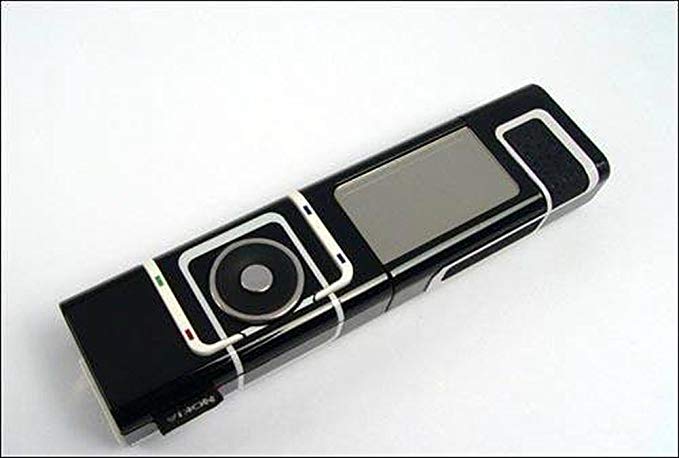
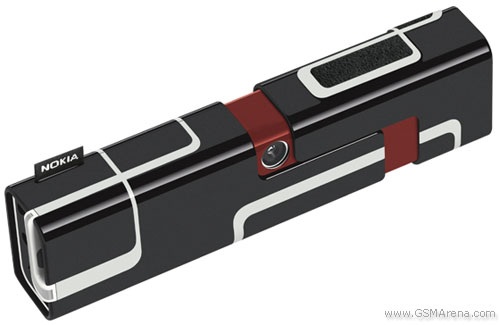
So you thought flip phones were cool? Then you definitely missed the “LIPSTICK PHONE”! And this crazy lipstick-like phone was manufactured by none other than the mighty Nokia. I mean, Nokia was legit crazy. The company had so many weird looking smartphones back then and these were not prototypes, they were actual products which you could purchase! The Nokia 7280 dubbed the Lipstick Phone was one such masterpiece.
The phone has one of the coolest designs we have ever seen. Yes, even today, there is hardly any phone that can beat the “lipstick phone” when it comes to making a style statement. The Nokia 7280 was designed to look like a lipstick and it does a tremendous job in standing out when you use it as a phone. Imagine, it was so cool that the display acted as a mirror when it wasn’t turned on! Even better than a second screen right?
The phone had a mix of plastic, metal, leather, and even a piece of fabric. In fact, the Nokia logo stuck out of the phone on a piece of fabric, something similar to what we see on T-Shirts! It was legit crazy. It even had fur-like leather covering certain parts. Basically, the phone was designed to stand out and stand out it did!
Unsurprisingly, based on how small the phone is and its unusual design, it didn’t have a physical keypad, instead, you had to use a physical scroll button which is similar to the Apple iPod’s Click Wheel to navigate an on-screen keypad to type in phone numbers or texts. It also supported voice-input. Now imagine typing in this day and age with a scroll button! Explains why users of the lipstick phone had a really genuine reason for late replies.
The Nokia 7280 had a camera too! And you had to slide up the phone to reveal the VGA camera. Again, really cool! While the outside of the phone was all black with white stripes, when you slide up the device, you were welcomed with red interiors. Now you know why it got the “Lipstick Phone” moniker! Sliding the phone open or close also serves as answering and rejecting calls respectively.
Despite its flashy profile, the phone wasn’t a slouch when it came to key features. It supported GPRS edge along with Bluetooth which was a big deal in its time. Not to mention you could make calls, listen to music (media player included), and even capture and transfer photos on the device. It had a 700mAh battery which offered 3 hours of talk time.
So you must be thinking, if it was so cool, why didn’t it become famous and sell in millions? Well, you had to shell out 600 Euros for this baby! And even back then, that was a LOT for a phone! Clearly, this wasn’t a phone for the masses.
Now you know why the Nokia 7280 “Lipstick Phone” deserves a mention in our throwback series. When we see today’s manufacturers trying out sliders, pop-ups, and even port-less phones, we have to remember that Nokia was bolder, crazier, and more open to experimenting well before its first demise! Clearly, the Finnish brand is a real inspiration to the smartphone world!
I managed to find a decent overview of the device down below. Do watch it to see how cool the phone is in real life!
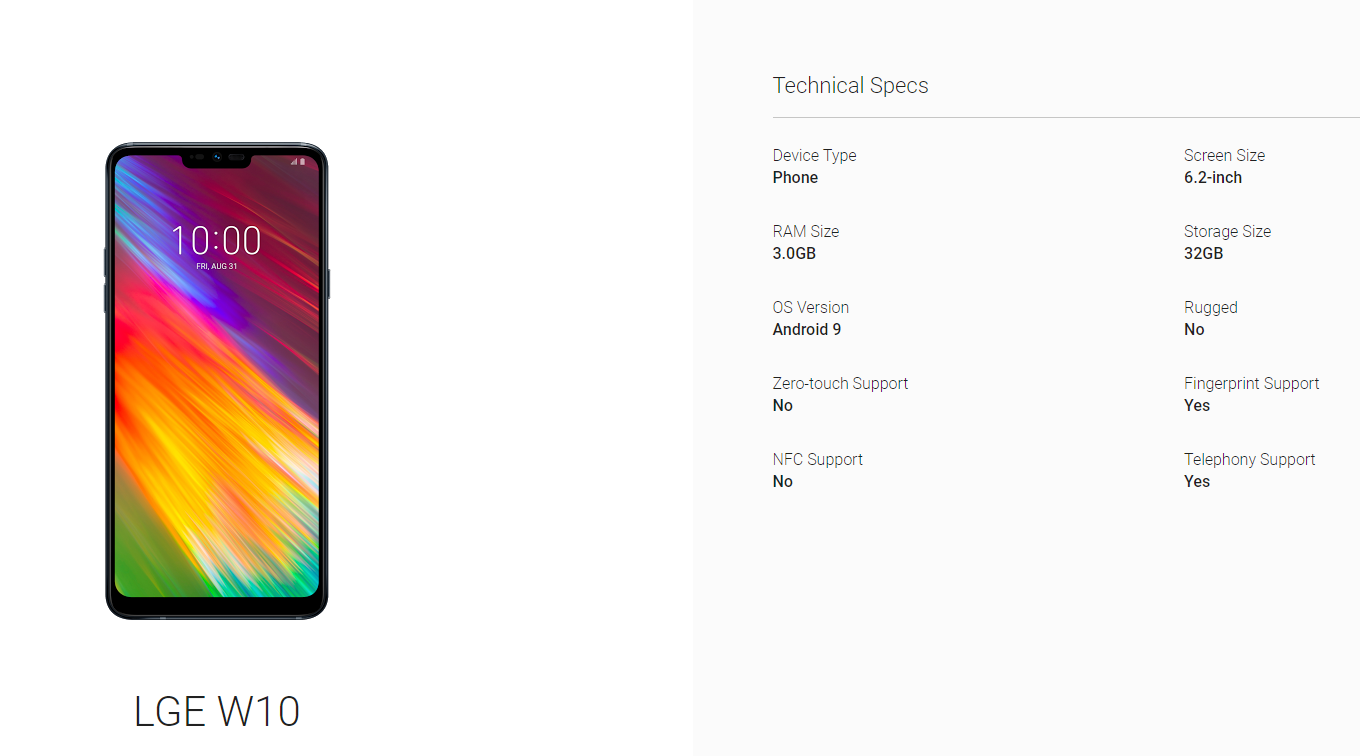
The LG W10 has been spotted on the Android Enterprise website and the listing reveals some of its key specs.
The LG W10 has been reported to be the base model of a new line of smartphones from LG. A leaked image from last week showed us the phone will have a rear-mounted fingerprint scanner, a 3.5mm audio jack, and dual rear cameras. However, we didn’t get to see what the front looks like.
The Android Enterprise listing says the LG W10 (LGE W10) will have a 6.2-inch display, 3GB of RAM, and 32GB of built-in storage. It will also run Android 9 Pie out of the box. It confirms it will have a fingerprint scanner but says it doesn’t have NFC.
The listing includes an image of an LG phone with a wide-notch but it’s the G7 Fit and not the W10. LG’s marketing material for the W-series show a phone with a waterdrop notch, so this image used for the Android Enterprise listing is just a placeholder.
LG is yet to announce a launch date but we have a feeling it will do so very soon. The LG W-series will launch in India first but may eventually make its way to other markets.
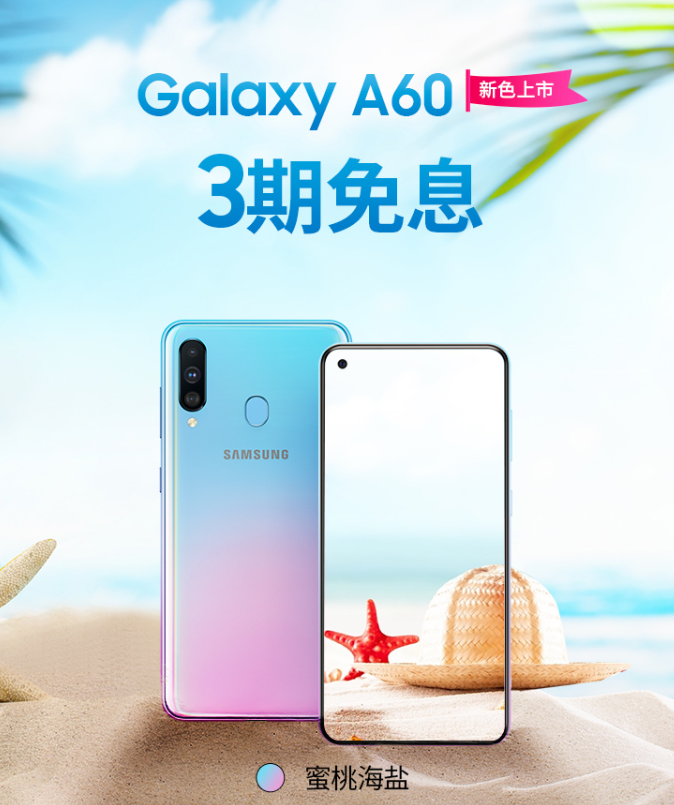
Samsung has taken the wraps off a new color variant for the Galaxy A60. The new color which is called Peach Sea Salt is a mix of blue and pink and is absolutely gorgeous.
Samsung first teased the new color variant yesterday but has now officially announced it. It is also available right away for purchase on Jingdong.com.
The new Galaxy A60 Peach Sea Salt comes with 6GB of RAM and 64GB of storage and is priced at ¥1499 (~$219). The other color variants are priced at ¥1489 (~$217).
The Samsung Galaxy A60 has an FHD+ punch hole display, a Snapdragon 675 processor, 6GB of RAM and up to 128GB of expandable storage. It has triple rear cameras- a 32MP main sensor, an 8MP 123° ultra-wide angle camera, and a 5MP depth sensor. There is a 16MP camera in front for selfies. It also has NFC, dual-SIM support, Bixby, Assistant, a rear-mounted fingerprint scanner, and a 3500mAh battery.
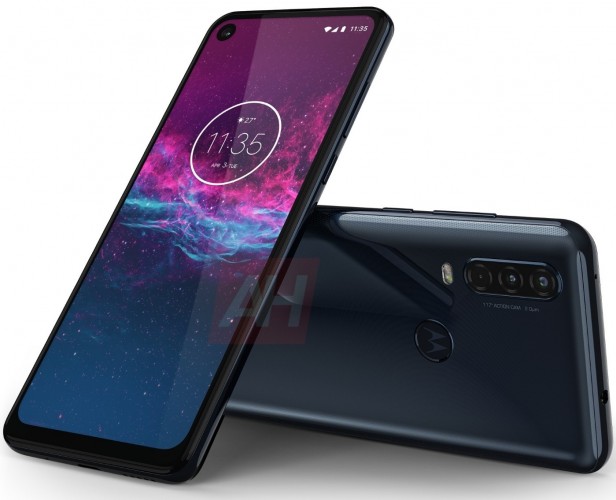
Motorola rolled out the Motorola One Vision in Brazil last month and just yesterday, the device was launched for the Indian market. The company has got another model in the works dubbed Motorola One Action. A render of the One Action had appeared last week in white colour alongside the One Vision. A fresh leak showing the Motorola One Action with a Blue gradient finish tagged Denim Gray has appeared online.
The ONe Action renders highlights the triple rear cameras onboard the device. Also shown, is the presence of a 3.5mm audio jack at the top edge of the phone just like the One Vision.
Earlier rumours tip the Motorola One Action to debut as a less expensive version of the One Vision. Design wise, both phones utilise a punch-hole selfie camera design but at the rear, the One Action is action-packed, sporting a triple camera setup that includes a 12.6MP main sensor and an “Action Cam” having a FOV of 117-degrees. The third unit will likely be a depth sensor.
The device features a 6.3-inch FHD+ display with a punch-hole design. It will be powered by an Exynos 9609 SoC and packs a 3,500 mAh battery. The smartphone will be offered in three memory configurations; 3GB+32GB, 4GB+64GB, and 4GB+128GB.
Motorola is yet to disclose when the One Action will be launched.
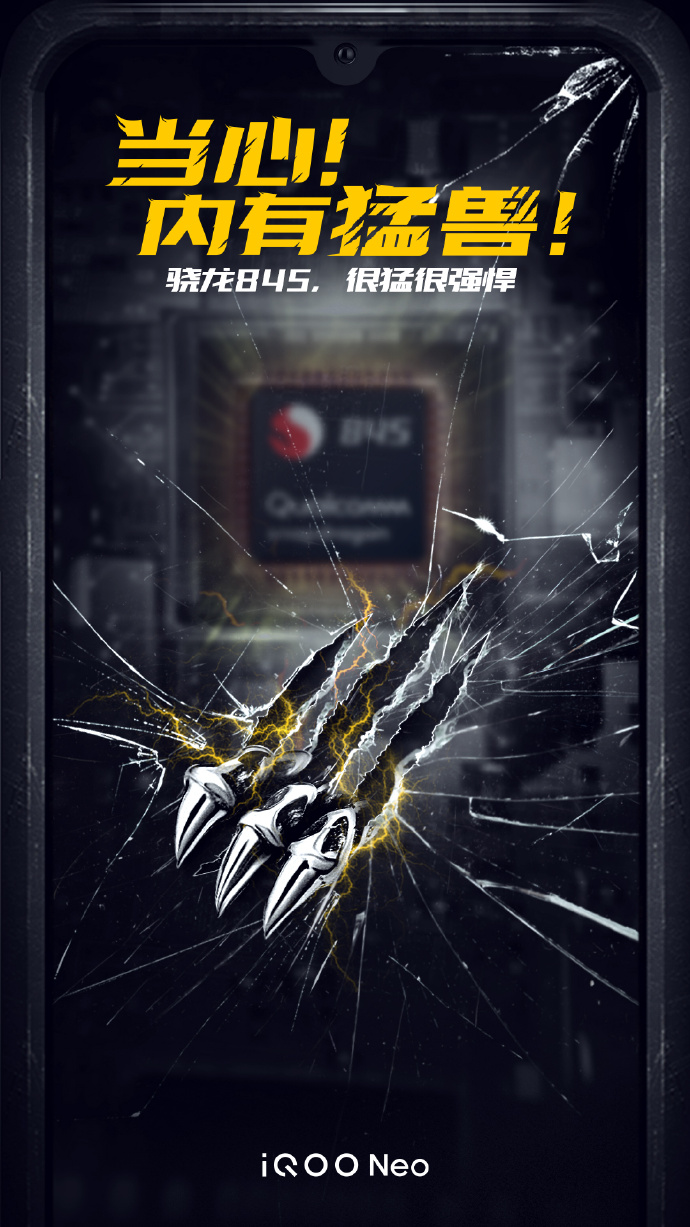
If you have been waiting for official confirmation that the iQOO Neo is powered by the Snapdragon 845, then the new teaser poster is what you have been waiting for.
The official iQOO Weibo account shared a new poster of the upcoming smartphone and it shows Qualcomm’s Snapdragon 845 processor is the SoC under the hood.
Vivo’s iQOO won’t be the first brand to launch a phone with the flagship chipset from the previous year. The Nokia 9 PureView uses a Snapdragon 845 processor, the LG G7 One released last year is powered by the Snapdragon 835 from 2017, and Samsung and Huawei’s flagship tablets are usually powered by an older flagship SoC though that changes this year.
The Snapdragon 845 is a pretty powerful processor and will handle anything you throw at it. And the fact that it isn’t the latest flagship SoC should mean the iQOO Neo will be more affordable.
The phone will have a 6.38-inch display with a waterdrop notch, triple rear cameras, an in-display fingerprint scanner, and a 4420mAh battery with support for 22.5W fast charging.
Ahead of schedule, Google mistakenly started rolling out July 2019 Android security patch to some Pixel 3a units. Several users took to Reddit to share the experience of getting the July Security patch ahead of schedule. The update with the build PQ3B.190705.003 included July 5 Security Patch and weighed at 79.8 MB.
According to the sources, it appears to be the “Googler-only” build aimed for internal testing. It was scheduled to release precisely after ten days from now. These “dogfood” or “Googler-only” builds prerelease versions are not meant for public use. The images shared also depicts “Confidential Internal Only” heading, which confirms the mistaken rollout by Google.
Google rolls out the security patch update at the beginning of each month. It first sends the security patch to its hardware partners before the official rollout on Pixel devices.
As far as the changes are concerned, the new OTA update carries the latest security patch and general bugfixes. There are no significant changes as according to the changelog appeared along with the update.
However, this is not for the first time that Google made such a mistake. A similar update was rolled out for Google Pixel XL in 2017.
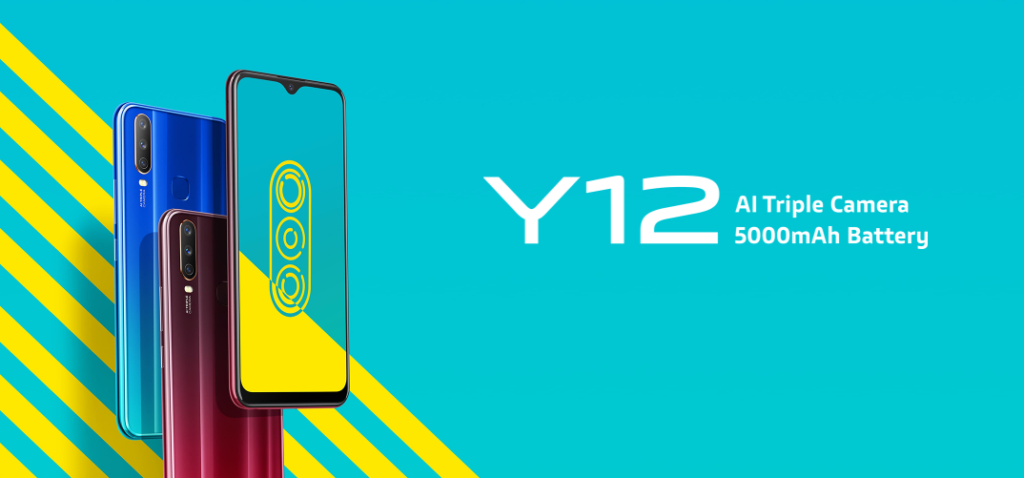
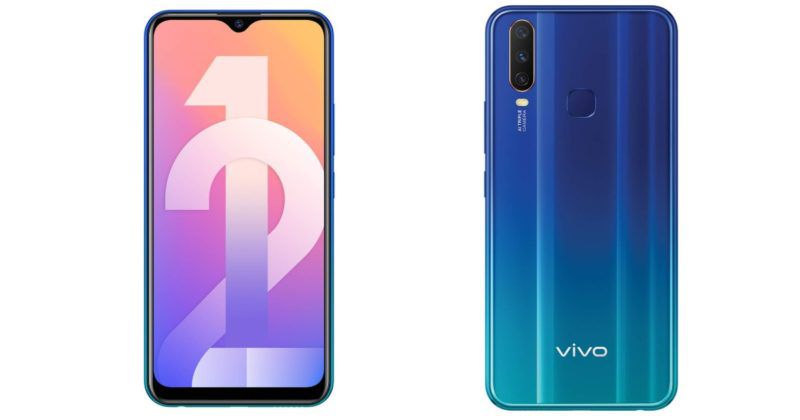
The Vivo Y12 is the newest member in Vivo’s Y-series of smartphones for India. It is cheapest triple camera phone from a mainstream smartphone brand in India. The Vivo Y12 was expected to go on sale earlier this month. However, it is now only that the smartphone is available for purchase in the country. The handset can be purchased through the online store of Vivo India and Amazon.in.
Vivo Y12 Specifications and Features
The Vivo Y12 houses a 6.35-inch display with waterdrop notch. The handset supports HD+ resolution of 720 x 1544 pixels and 19.3:9 aspect ratio. The smartphone promises a screen-to-body ratio of 89 percent.
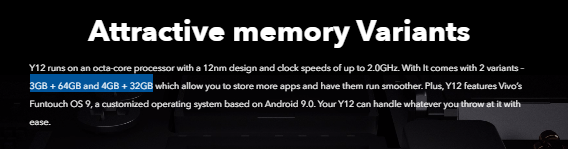
The MediaTek Helio P22 chipset powers the smartphone along with 4 GB of RAM. It comes with a native storage of 32 GB. A dedicated microSD card slot is available on the device for additional storage. The official website states that there is another variant of the phone with 3 GB of RAM and 64 GB of storage. However, this variant is not available for purchase yet.
The Vivo Y12 is packed with a massive battery of 5,000mAh capacity. Placed inside the front notch is an 8-megapixel selfie camera with f/1.8 aperture. It supports features like palm capture, HDR, portrait mode, live photo, AI beauty and panorama. The Y12’s rear-facing triple camera setup has f/2.2 aperture 13-megapixel primary lens, an f/2.2 aperture 8-megapixel superwide lens and an f/2.4 aperture 2-megapixel depth sensor. The triple shooters are blessed with features like live photo, bokeh mode, HDR, beauty, pro mode, doc scan, palm capture and more.
The FunTouch 9 OS based Android 9 Pie runs on the Vivo Y12. For gamers, the phone comes with an ultra-gaming mode which allocate system resources to prioritize gaming performance. A fingerprint sensor is placed on the polycarbonate rear of the Vivo Y12 smartphone.
Vivo Y12 Price and Availability
The Vivo Y12’s base model 3 GB RAM + 64 GB storage is not yet available for purchase. The 4 GB RAM + 32 GB storage edition of the phone is priced at Rs. 12,490 (~$179). The smartphone is now available for purchase through offline stores, Amazon. in and Vivo India online store in color editions like Aqua Blue and Burgundy Red.
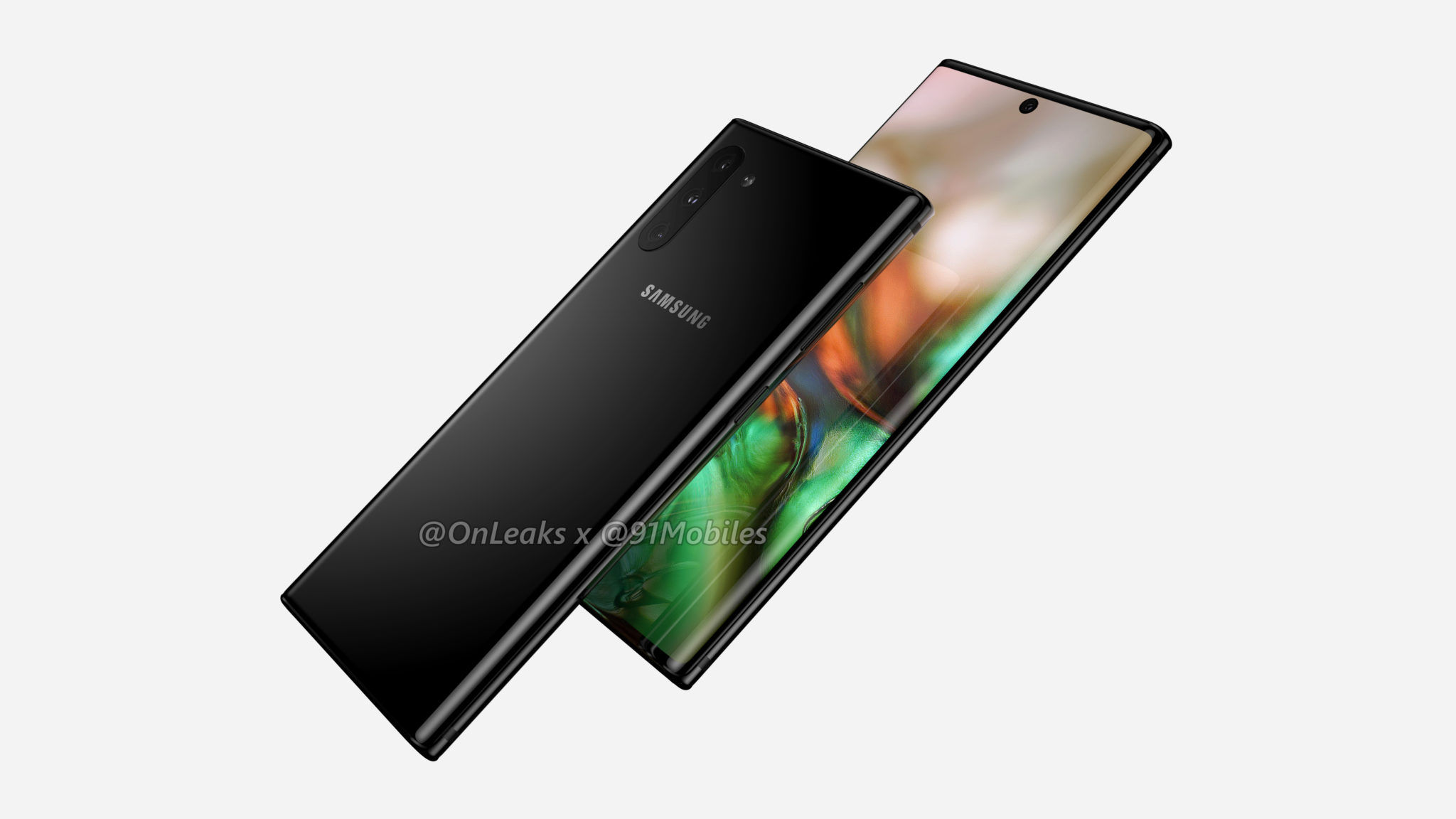
The Samsung W2018 was the first Samsung phone with a variable aperture camera. Its primary rear camera could switch between an f/1.5 aperture and f/2.4 aperture. The feature has found its way to the Galaxy S and Galaxy Note series. However, Samsung will be taking things up a notch with the Galaxy Note 10.
According to Ice Universe (@UniverseIce), the Galaxy Note10’s camera will have not two but three variable apertures. In addition to the F1.5 and F2.4 apertures, the primary sensor will also be able to switch to an F1.8 aperture. He mentioned that the info comes from Samsung China’s engineers.
Samsung China engineers said that the Note10 camera will use a three-stage variable aperture: F1.5/F1.8/F2.4
While phones can change apertures electronically, Samsung’s own cameras switch apertures mechanically just like a DSLR. We explained how it works back when Samsung just announced it.
The Galaxy Note 10 is expected to launch in early August with a brand new Exynos processor, up to four cameras, and a punch hole display. Leaked renders and images of cases show the phone will not have an audio jack and will also ditch the Bixby button. It will also have a Pro model and there are rumors of a Tesla Limited Edition.
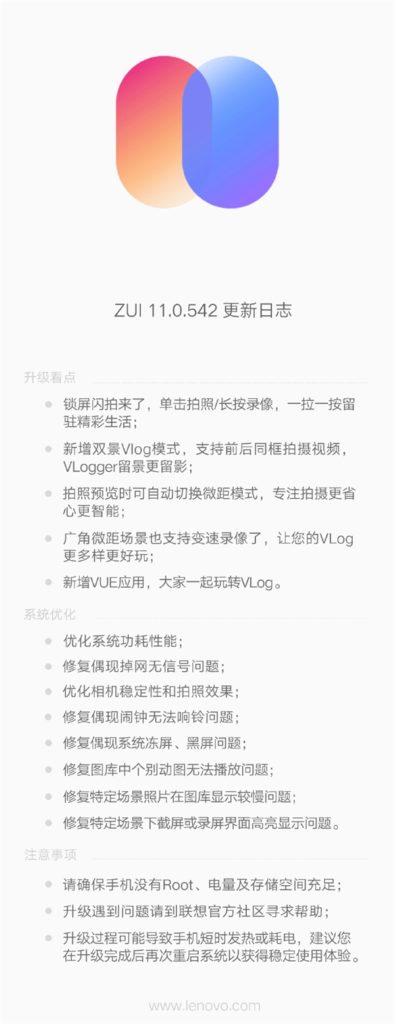
Lenovo is rolling out a new OTA update for Lenovo Z6 Pro in China. The new firmware update is now rolling out with significant changes in its camera. Lenovo has fully optimized the Lenovo Z6 Pro’s camera with new features and enhancements in the latest update. It has added new Vlog mode supporting dual-view, lock screen flash shooting and wide-angle macro mode to beautifully capture small objects.
The firmware ZUI 11.0.542 also optimizes the performance for smoother camera experience. The new update will improve the power efficiency of the device. Moreover, the wide-angle and macro lens can effectively record variable-speed video.
The update is gradually rolling out to all the Lenovo Z6 Pro in China. We suggest you charge the device up to at least 70% for a smooth rollout. You can also switch the WiFi network to save additional data costs on the carrier data. The update also includes general bug fixes and optimizations.
It was launched on April 23 in Beijing. The device comes with a quad rear camera module consisting of a 48-megapixel primary lens, an 8-megapixel telephoto sensor, a 16-megapixel ultrawide lens and another 2MP dedicated video camera. On the front, there’s a 32MP camera for selfies.
The Lenovo Z6 Pro carries a 6.39 inch AMOLED display with the support for HDR10 and full DC dimming. There’s a Qualcomm Snapdragon 855 along with the liquid cooling feature, under-display fingerprint scanner, and Adreno 640 GPU. It comes with a 4000 mAh battery with 27W fast charging technology. It is available three different storage variants: 12GB + 256/512GB storage, 8GB with 128GB storage, and 6 GB + 128GB storage.
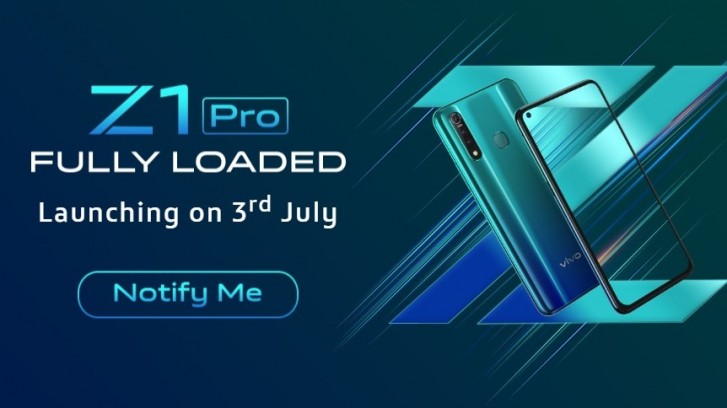
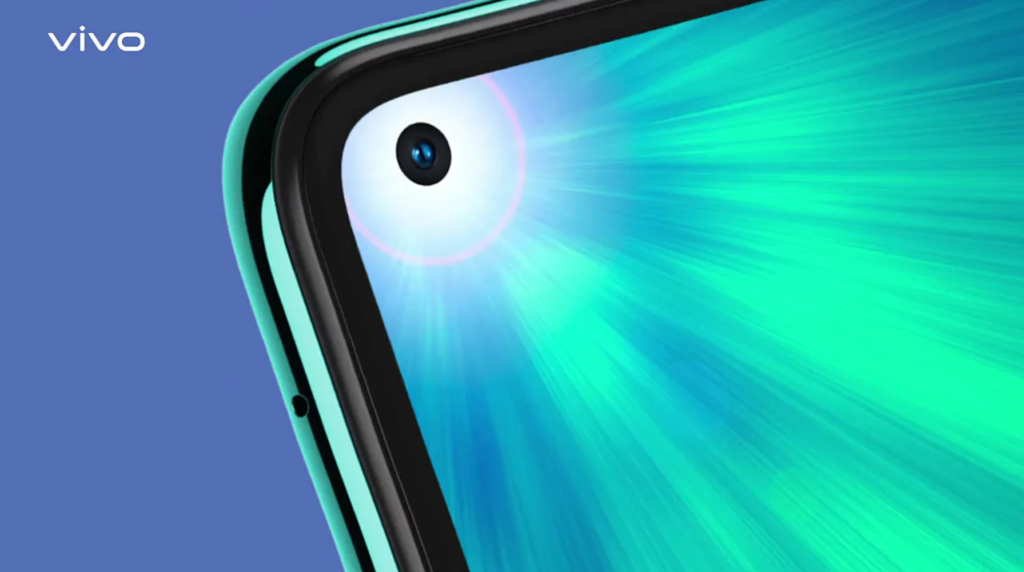
Vivo has been teasing the Vivo Z1 Pro since the beginning of this month. The official micro site of the phone has already some of its key features. Today, the Chinese firm has officially confirmed that it will be unleashing the Vivo Z1 Pro smartphone in India on July 3.
Reports that have surfaced in the recent days suggest that the Vivo Z1 Pro will be arriving as a better version of the Vivo Z5x phone that was unveiled recently in China. Hence, the smartphone will be borrowing many of its features from the Z5x handset.
The Vivo Z1 Pro will be sporting a 6.53-inch IPS LCD display. Like the Z5x, the smartphone will be sporting a punch-hole design for its display. It will carry support for 1080 x 2340 pixels and 19.5:9 aspect ratio.
The Snapdragon 712 chipset will be fueling the smartphone with up to 8 GB of RAM. The smartphone is expected to arrive with 128 GB of storage in its highest configuration version. The FunTouch OS 9 UI based Android 9 Pie OS will come preloaded on the device. The Multi Turbo technology on the device by Vivo will ensure smoother experience while gaming as well as regular usage. The smartphone will also feature Vivo’s Jovi AI assistant.
The Vivo Z1 Pro will be packed with a 5,000mAh battery that will carry support for 18W dual-engine fast charging. The back panel of the phone will be equipped with a triple camera setup that will include a 16-megapixel main sensor, an 8-mgeapixel superwide lens and a 2-megapixel depth sensor. For shooting selfies, it will posses a frontal snapper of 32-megapixel.
A recent leak had revealed that the Vivo Z1 Pro will be landing in India in three models such as 4 GB RAM + 64 GB storage, 6 GB RAM + 64 GB storage and 6 GB RAM + 128 GB storage. There is no information available on the pricing of the smartphone. In related news, Vivo India is also gearing up to launch S-series of smartphones for offline markets in the country. The first S-phone by Vivo is expected to come with 8 GB of RAM and 128 GB of storage
We use cookies on our website to give you the most relevant experience by remembering your preferences and repeat visits. By clicking “Accept”, you consent to the use of ALL the cookies.
This website uses cookies to improve your experience while you navigate through the website. Out of these, the cookies that are categorized as necessary are stored on your browser as they are essential for the working of basic functionalities of the website. We also use third-party cookies that help us analyze and understand how you use this website. These cookies will be stored in your browser only with your consent. You also have the option to opt-out of these cookies. But opting out of some of these cookies may affect your browsing experience.
Necessary cookies are absolutely essential for the website to function properly. This category only includes cookies that ensures basic functionalities and security features of the website. These cookies do not store any personal information.
Any cookies that may not be particularly necessary for the website to function and is used specifically to collect user personal data via analytics, ads, other embedded contents are termed as non-necessary cookies. It is mandatory to procure user consent prior to running these cookies on your website.