Advertisement

Buy Xiaomi JIMMY JV51 and Xiaomi JIMMY JV83 for Lowered Prices on GeekBuying [Coupons]

GeekBuying kicked-off its 7th Anniversary Sale with up to 70 percent off on a wide range of products, sitewide coupons and a slew of other great discounts.

You can use sitewide coupon code GKB07OFF and get $7 off if your cart value exceeds $77, while your grand total is more than $100, you can use coupon code GKB77OFF and get an extra $77 off. If you end up shelling out over $30 on apparels, you can apply coupon code GKBCLT10 and get $3 off.

Likewise, you can use specific coupons to avail noteworthy discounts on items included under the Smartphones, Scooters, and Home & Security categories. You can use coupon code 3ACJVKQI for 6% off (base on promotion price) on items added to the Home & Garden section.

Among a myriad of other heavily discounted items, you can buy the Xiaomi JIMMY JV51 and the JIMMY JV83 cordless stick vacuum cleaners at considerably lowered prices. Aside from shedding light on the aforesaid discounts, we will show how you can save more money at checkout.

Xiaomi JIMMY JV51 Lightweight Cordless Stick Vacuum Cleaner

Powered by the third generation of 100,000-rpm brushless digital motors, which provide efficiency of up to 55 percent, the Xiaomi JIMMY JV51 is designed to clean up the mites or dust. It keeps your environment free from the bacterium, allergen, etc. to help your family lead a healthier lifestyle.

The Xiaomi JIMMY JV51 Lightweight Cordless Stick Vacuum Cleaner would normally set you back $395.14, but you can now buy it for a dropped price of just $167.55 from GeekBuying. Moreover, you can extend this 58 percent discount by using coupon code 3ZKIL7ND.

The aforesaid coupon helps you save $5.62 more. In other words, you can bring the already lowered asking price of the Xiaomi JIMMY JV51 Lightweight Cordless Stick Vacuum Cleaner further down to $161.93 simply by applying the coupon before placing your order.

You can follow this link to avail the discount, which will be available for the red color version of the cordless stick vacuum cleaner. Note that the coupon will be valid for all EU warehouses. Regrettably, The promo is slated to end shortly.


Xiaomi JIMMY JV83 Cordless Stick Vacuum Cleaner

The JIMMY JV83 packs a powerful 100,000rpm brushless digital motor that produces up to 135AW suction power and 55% efficiency, generating the suction power of a full-size corded vacuum. This lightweight vacuum cleaner uses its 50mm large diameter brush roll to suck up ground-in dirt, fine dust, and big debris from carpets and hard floors.

While the market is crammed with top-end vacuum cleaners that offer comparable features, these devices aren’t necessarily easy on the pocketbook. The Xiaomi JIMMY JV83 Cordless Stick Vacuum Cleaner, on the other hand, has gone up for sale bearing a dropped price of just $269.99 on GeekBuying.

Xiaomi JIMMY JV83 Handheld Wireless Vacuum Cleaner 135AW Suction 60 Min Run Time Anti-winding Hair - Blue

This is a noteworthy 25 percent reduction in the device’s original asking price of $359.99. Moreover, you can use coupon code 3ZQZY6W7 and get an extra $24.85 off during the checkout process. As a result, you can buy the JIMMY JV83 Cordless Stick Vacuum Cleaner for only $245.14.

You can follow this link in order to take advantage of the coupon and grab the discount, which will be valid for the blue color version of the vacuum cleaner. Note that the promo will end in just three days.

 

Xiaomi to invest additional $725 million in China to boost its business

China-based smartphone maker Xiaomi, which is already investing to boost its retail operations in the company’s home market, is now planning to invest additional $725 million towards retail growth in China in order to counter the growth of Huawei.

As per the reports, the additional $725 million will be spent by the company on reward programs for sales employees and retail partners as well as expanding Xiaomi’s distribution channels.

In China, Xiaomi currently ranks fourth in terms of smartphone sales, trailing behind Huawei, Samsung, and Apple. As per the data, Xiaomi holds around 12 percent of the Chinese smartphone market, compared to 34 percent captured by Huawei.

Xiaomi Logo

The sales of Xiaomi declined by a small percentage in Q1 2019, from 27.8 million smartphones sold in Q1 2018 to 27.5 million sold in Q1 2019, securing 8 percent of the Chinese market. On the other hand, Huawei rose 41 percent and held 19 percent of the Chinese smartphone market in the same quarter.

Going forward, Huawei is looking to increase its hold on the Chinese smartphone market from 34 percent to 50 percent to make up the profit difference after the company got banned from doing business with US-based companies and technologies.

Xiaomi was so focused on its online sales strategy in the Chinese market that the company refrained from growing its offline sales channel. Meanwhile, it’s competitors captured the offline market, which in turn affected Xiaomi’s overall growth in its home market.

However, learning from its mistakes, Xiaomi started investing heavily in the Indian market to boost its offline presence. Now, Xiaomi is the dominating player in India’s smartphone market, followed by Samsung.

The additional investment for Xiaomi in order to boost its Chinese business comes at a time when Huawei is going through a rough patch. The Trump administration has banned Huawei and some 60 subsidiaries from selling and doing business with US entities and companies. Earlier this week, Huawei said that it could lose around $30 billion over the next two years because of the Trump Ban.

(Via)

Up Next: Xiaomi and Meitu announce CC series of selfie-focused phones; CC9 and CC9e coming soon?

Google won’t make Pixel tablets anymore; Will focus on Chrome OS laptops

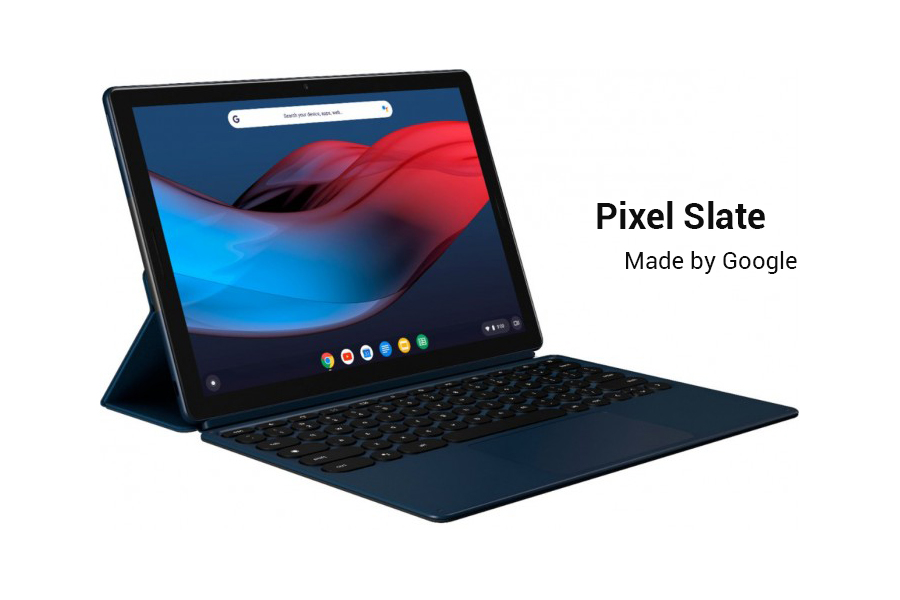
Last year, Google had launched the Pixel 3 and Pixel 3 XL smartphones along with Chrome OS powered Pixel Slate tablet that came with a detachable keyboard. Fresh information reveals that Google is giving up on tablets completely. Hence, the company will not be launching a successor for the Pixel Slate. The company will focus on laptops driven by Chrome OS.

According to Computer World, Google was working on two small-sized tablets. However, it decided to stop their development earlier this week. Google’s Senior VP for Devices & Services also confirmed that the hardware team of Google will solely focus on laptops. He added the company will continue to support the Pixel Slate for the long-term. Google is committed to support it until June 2024. While the company won’t be making first-party tablets, the form factor will be supported by the Chrome OS.

Google Pixel Slate

The report from Computer World further states that a Google spokesperson has said that the employees that were working on abandoned tablets will be assigned other projects. These employees could be working on the Google laptops. He also revealed that the company may release a new notebook-type Pixelbook hardware before the end of 2019.

Perhaps, the Google may announce the new Pixelbook alongside the Pixel 4 and Pixel 4 XL smartphones in October this year. Google’s decision of axing its Pixel line of tablets will have no impact on the Pixel smartphones. While the Nexus series of Android tablets that were launched in the past competed well with Apple iPads, the newer Pixel tablets could not rival with Apple iPad and Microsoft Surface products.

(source 1, 2)

UP NEXT: Google confirms Pixel 4 leak, releases official render

Buy AMAZFIT Cor2 Smart Wristband International Version for Just $46.99 from Gearbest

As part of its Mid-Year Sale, Gearbest is offering unmissable deals that comprise up to 50 percent off on a wide selection of essential summer gear. Dubbed as ‘Gearbest Top Seller,’ the recently kicked-off promo has been split into Flash Sale, Coupon Code and Recommended categories.

The aforesaid sections are teeming with products that usually carry steep price tags but are currently up for grabs bearing considerably lowered prices. Among various items, the ‘Recommended’ category features the international version of the AMAZFIT Cor2 Smart Wristband.

More importantly, you can now buy the coveted fitness band for a reduced price. The AMAZFIT Cor2 would normally set you back a pretty penny on both online as well as offline stores, but you can buy it for just $46.99, under the ‘Recommended’ section of the activity page.

This is a noteworthy 44 percent drop in the device’s original asking price of $84.47. As if that weren’t enough, you can get an extra $3 off if your cart value exceeds $50.

Original AMAZFIT Cor2 Smart Bracelet International Version IPS Color Screen 5ATM Waterproof Heart Rate Sport Mode Smart Watchband ( Xiaomi Ecosystem Product )- Black

Designed to meet your daily needs, the Amazfit Cor2 is quite a steal at this price. Whether you focus more on leading a healthier lifestyle or sports, the smart bracelet helps you achieve your specific goals as it boasts a useful array of functions including pedometer, sleep monitor, and reminders.

The Amazfit Cor2 smart bracelet sports a 1.23-inch Capacitive Color IPS LCD touch screen display with an HD resolution of 240 x 240 pixels. It has corning gorilla glass material on top for added protection and is housed in a high-quality ABS frame.

Its round angle design, coupled with 2.5D arc angle makes the screen more transparent. Moreover, the Amazfit Cor2 smart bracelet adopts reflective display technology that allows the dial brightness to automatically adjust to the environment for a clearer eye experience.

Aside from that, the Amazfit Cor2 smart bracelet comes with a built-in PPG heart rate sensor that keeps track of your real-time heart rate in sport in order to make your workout more effective and scientific. The device vibrates to remind you of an incoming call or message.

The smart bracelet from Xiaomi ecosystem company Amazfit draws its juices from a robust 160mAh battery capacity that delivers a standby time of up to 20 days. Furthermore, the Amazfit Cor2 smart bracelet retains a 5ATM waterproof level so that you can wear it even while swimming.
Get 44% Off on AMAZFIT Cor2 Smart Wristband International Version


OnePlus 7 and 7 Pro gets Android Q Developer Preview 2

Last month, China-based smartphone maker OnePlus released the first Android Q developer previous for its latest flagship smartphones — OnePlus 7 and OnePlus 7 Pro. Now, the company has released the second developer preview for the same devices.

If you are interested in trying out this Android Q Developer Preview 2, head over to the source link for the required installation files and instructions. However, do note that this framework is not as stable as the official builds and there are some known issues.

OnePlus 7 Android Q Developer Preview

Some of the known issues of this new build include the following:

  • Reading mode doesn’t work
  • Display mode doesn’t work
  • The verification window can’t pop up in WIFI anonymous connection
  • Low probability of having stability issues

The company’s flagship smartphone, OnePlus 7 Pro features a 6.67-inch QHD+ Fluid AMOLED curved display with a 90Hz refresh rate and HDR10+ support. It comes with a third generation in-display fingerprint scanner that is faster and unlocks in 0.21 seconds.

Under the hood, the phone is powered by Qualcomm’s Snapdragon 855 octa-core chipset. For storage, the company is using UFS 3.0 technology which is said to be  79 percent faster than UFS 2.1 technology. As said, the Almond edition comes with 8GB RAM and 256GB internal storage.

In the camera department, the smartphone comes with a 48MP f/1.6 Sony IMX586 camera has OIS and EIS, which is paired with an 8MP telephoto camera with 3x zoom and its own OIS and a 16MP 117° ultra-wide angle camera. On the front side, it comes with a 16MP snapper housed inside a pop-up module.

The smartphone runs Android 9 Pie operating system with the company’s own Oxygen OS 9.5 on top and comes with features like Game Mode, Fnatic Mode for the world-class gaming experience, and Zen Mode to take a break from the phone. It is powered by a 4,000mAh battery with 30W Warp Charging support.

(Source)

Xiaomi’s latest crowdfunder: The Roidmi NEX Wireless Vacuum Cleaner

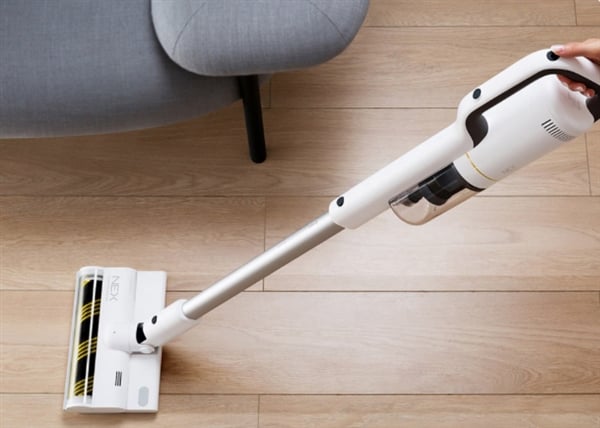
Today we’ve got another new Xiaomi crowdfunder to talk about, that being the Roidmi NEX Wireless Vacuum Cleaner. As you might expect, it’s very much a new vacuum cleaner, but with a lot of extras onboard. The big thing is that it can also simultaneously function as a mop if need be. So, let’s take a closer look at the Roidmi NEX Wireless Vacuum Cleaner.

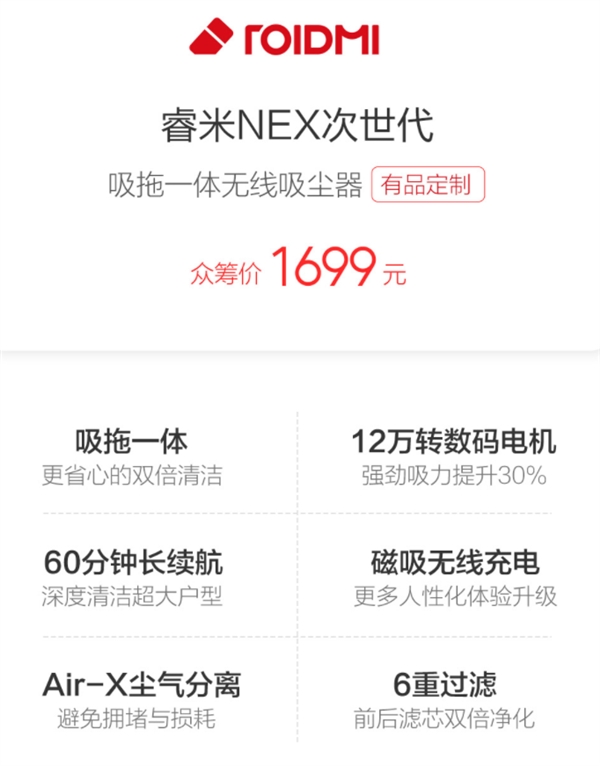
The Roidmi’s main claim to fame is the ability to vacuum and mop. For the mop section of the device, the company’s come up with some sort of intelligent slow-drop technology. Essentially the effect is that it absorbs and retains more moisture while you’re mopping. On top of this, they’ve also developed a new nano-scale hydrophobic fiber soft velvet roller brush, which is waterproof and stain-resistant.

For the vacuum part, Roidmi touts an Engine-X digital brushless motor, with a speed of up to 120,000 rpm and a total power of 435W. There’s also Air-X dust separation technology to keep the vacuum from clogging up. We’ve even got front and rear air filtration, which allows the vacuum to expel clean air after it’s gotten rid of all the dust.

The Roidmi NEX Wireless Vacuum Cleaner has a stand for powering its 8 Samsung/LG batteries. The presence of the BMS-X battery management system allows the vacuum to optimize itself, though it only lasts an hour on a full charge. There’s even a smartphone app available the allows a user to monitor the amount of battery life left in the vacuum. The device costs 1699 yuan ($248) from Xiaomi’s crowdfunding platform.

UP NEXT: Xiaomi and Meitu announce CC series of selfie-focused phones

(Source)

Huawei Nova 5 Pro, Nova 5i unboxing videos reveal everything about these phones

The Huawei Nova 5 series of smartphones are launching today in China at 2:30 PM (local time). The rumor mill has already leaked plenty of information on the upcoming Nova 5 series. It is speculated that the company will debut at least three Nova phones such as Nova 5, Nova 5 Pro and Nova 5i. Ahead of the launch, unboxing videos of the Huawei Nova 5 Pro and Nova 5i have surfaced to reveal their design and specs.

Huawei Nova 5 Pro Unboxing Video

As it can be seen in the video, the unidentified user has unboxed 8 GB RAM + 128 GB edition of the Huawei Nova 5 Pro. The Green colored handset has a waterdrop-style OLED screen with in-display fingerprint sensor and a quad camera setup on its rear.

The device measures 157.4 x 74.8 x 7.33mm and it weighs 171 grams. It houses a 6.39-inch OLED screen with full HD+ resolution and is powered by Kirin 980 chipset. It is shipped with EMUI 9.1.1 based Android 9 Pie OS. The back panel of the phone features a 48-megapixel f/1.8 aperture lens, a 16-megapixel superwide lens, a 2-megapixel depth sensor with f/2.4 aperture and a 2-megapixel macro lens with f/2.4 aperture. A 32-megapixel selfie camera with f/2.0 aperture is present on the front. A 3,500mAh battery is available on the device that is equipped with support for 40W SuperCharge rapid charging technology by the company. The smartphone will be also available in 8 GB RAM + 256 GB storage model.

Huawei Nova 5i Unboxing Video

The video below shows the unboxing of the 6 GB RAM + 128 GB storage edition of the Huawei Nova 5i. After the Nova 4 phone that was unveiled in December last year, the Nova 5i is the second smartphone in the series to come with a punch-hole display design. The blue variant of the Nova 5i shown in the unboxing video is also equipped with a quad camera setup.

The Huawei Nova 5i measures 159.1 x 75.9 x 8.3mm and it weighs 178 grams. The smartphone features a full HD+ 6.4-inch LCD panel. The Kirin 710 chipset is present under the hood of the device. The Android 9 Pie OS on the device is customized with the company’s EMUI 9.1 UI. There is 24-megapixel + 8-megapixel + 2-megapixel + 2-megapixel quad camera setup on its rear. For shooting selfies, it has a front camera of 24-megapixel. The smartphone is backed by a 4,000mAh capacity that supports 10W charging only. The rear shell of the phone features a fingerprint scanner. The other variant of the phone comes with 8 GB of RAM and 128 GB of native storage.

UP NEXT: Huawei will announce a Nova Bluetooth Speaker today

Apple plans to move more of their production out of China

Apple is contemplating on shifting between 15% and 30% of its manufacturing outside of China. According to Nikkei, the fruit company has been going around asking prominent players and key suppliers like Foxconn, Pegatron, and Wistron for insight about opening a factory in another country.

The catalyst for the shift is the ongoing trade war between China and the US, which is expected to intensify at the end of this month with the introduction of 25 percent tariffs on devices including phones, laptops, and tablets. However, Apple reportedly wants to shift production regardless of whether the trade dispute gets resolved.

“A lower birthrate, higher labor costs and the risk of overly centralizing its production in one country. These adverse factors are not going anywhere,” said one executive with knowledge of the situation. “With or without the final round of the $300 billion tariff, Apple is following the big trend [to diversify production],” giving itself more flexibility, the person added.

Outside of China, Apple is almost undoubtedly spoilt for choice. We’ve got a couple of Southeast Asian countries like Indonesia, Malaysia and Vietnam, as well as Mexico and India. However, according to executives who are part of the talks, Apple has seemingly marked both India and Vietnam as potential favourites.

News of Apple’s plans come just weeks after Foxconn said that it has enough capacity outside China to make enough iPhones for the US market if required. It also follows the announcement from Google’s Nest division and Nintendo that their products will no longer be produced in China. Instead, production will be shifted to Thailand and Vietnam.

At this stage, Apple still hasn’t set a deadline for the big move, as it’s still waiting on its suppliers’ advise over which country would be most ideal for its shift. Sadly, the brand also failed to specify how many jobs in its China outlet would be affected by the 15% to 30% shift.

UP NEXT: Xiaomi and Meitu announce CC series of selfie-focused phones

(Source | Via)

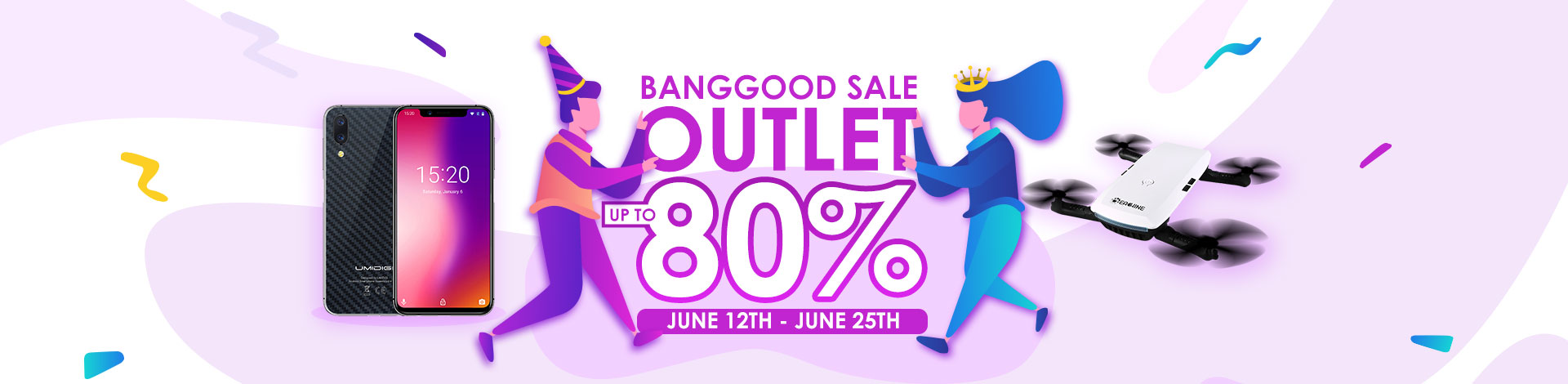
Banggood Sale Outlet Brings Up To 80% Off on Top-Branded Items

It looks like Banggood users are in for a treat! The Chinese online store is currently doling out a whopping 80 percent off on a wide selection of products as part of its recently kicked-off outlet sale.

Elephone U2

The activity page is teeming with all sorts of products that have carefully been placed under specific categories. The ‘Featured Outlet Sales’ has further been divided into three sub-categories including Under $10, $10-$30, and Over $30.

More importantly, each of the aforesaid categories includes miscellaneous items that you can now buy without breaking the bank. The next section called ‘Featured Category Sales’ is also divided into 3C, RC, Fashion, and Outdoor sub-categories with each section featuring heavily discounted products.

The other sub-categories include Home, Automobiles & Motorcycles, and Electronics. The following category dubbed ‘Buy More Save More’ offers an unmissable opportunity to save a considerable amount of money on a myriad of products such as the Bakeey A8 wristband, BlitzWolf BW-BTS3 earphone, etc.

Likewise, you can avail great discounts on a slew of Xiaomi-branded items under the ‘Outlet Brand Deals’ section. Aside from that, you can check out the ‘3C Products Deals’ category which features equally popular products carrying heavily discounted price tags.

Banggood users can also take advantage of the unmissable 3C Products Deals that offer the Xiaomi Redmi 6A, Elephone U smartphone, and a 13-inch Men Felt Laptop Sleeve Notebook bag for unbeatable prices. Drone enthusiasts can head straight to the next category called ‘RC Products Deals’ and avail noteworthy discounts on RC toys and accessories.

The rest of the products have been added to the Outdoor & Sports Products Deals and Home & Garden Products Deals section. You can click here to visit the activity page and buy your favorite product without burning a hole in your pocket before the promo comes to an end.

Xiaomi and Meitu announce CC series of selfie-focused phones; CC9 and CC9e coming soon?

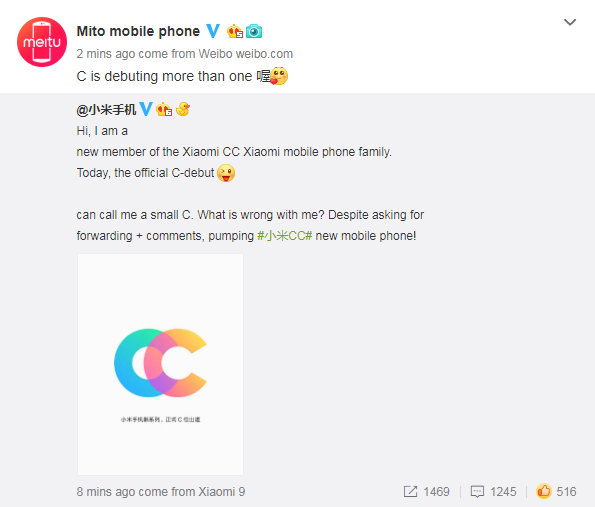
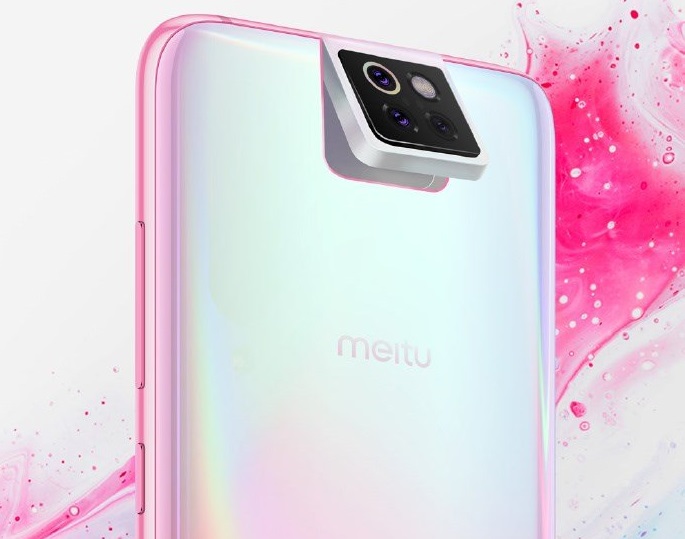
Yesterday, Xiaomi had claimed that it will be announcing a new smartphone series at 10:00 AM today. Staying true to its promise, the Chinese firm has today introduced the CC series in collaboration with Meitu. The new series is expected to be aimed towards selfie-centric users. The first CC series device that is expected to debut soon is codenamed as “Little Fairy.”

Xiaomi CC series

Xiaomi is known for selling phones with impressive specs at nominal prices whereas Meitu phones have always carried topnotch selfie shooting capabilities. Hence, it appears that the forthcoming Xiaomi CC smartphones will come with selfie-centric features and will carry affordable price tags. Now that the company has introduced the new series, it will soon start teasing on the features of the first CC smartphone in the coming days.
Some reports have claimed that the Xiaomi CC series could be targeted towards female audience. The “Little Fairy” codename also suggests Xiaomi and Meitu AI Aesthetics Laboratory will team up to launch customized smartphones for female users.

In November 2018, Meitu better known for its selfie app and selfie-focused smartphone entered a strategic partnership with Xiaomi. The collaboration allows Xiaomi to build, design and promote new phones with Meitu’s image-related algorithms.

Meitu + Xiaomi Little Fairy phone featured

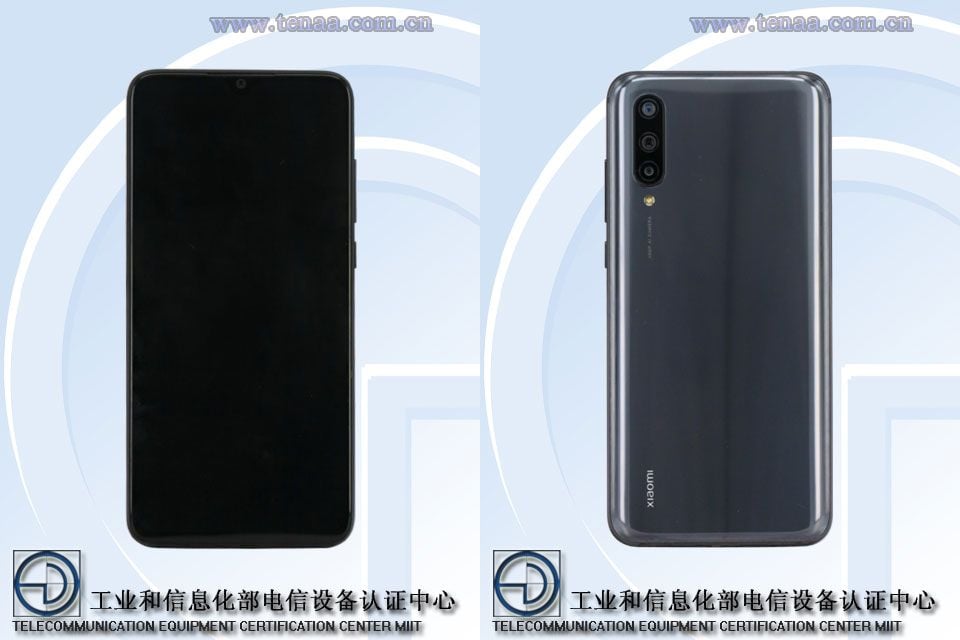
A leakster poster of a Xiaomi – Meitu phone shows a smartphone with flip camera module like the ASUS ZenFone 6 could be in the works. The leaked image shows that the flip camera module is equipped three camera sensors. However, it appears that the Xiaomi M1904F3BC could be the first Xiaomi CC series smartphone since it has appeared on the website of China’s TENAA telecom authority. The preliminary specs that have appeared on TENAA reveals that it features a 6.38-inch display and a 3,900mAh minimum capacity battery. The images of the phone reveals that it could be equipped with in-screen fingerprint scanner enabled waterdrop-style notch display and AI driven 48-megapixel triple camera system. The same phone with 18W charger has bagged approval from 3C authority of China.

Xiaomi M1904F3BC TENAA

Rumors have it that the Xiaomi Mi CC9 and Mi CC9e will feature AMOLED screens with in-display fingerprint scanner, 32-megapixel selfie cameras, 48-megapixel triple shooters and 4,000mAh batteries. The CC9 phone may come with Snapdragon 730 whereas the CC9e may feature Snapdragon 710 chipset. The Mi CC9 variants such as 6 GB RAM + 128 GB storage, 8 GB RAM + 128 GB storage and 8 GB RAM + 256 GB storage may respectively cost 2,499 Yuan (~$362), 2,799 Yuan (~$405) and 3,099 Yuan (~$449). The Mi CC9e featuring 6 GB RAM + 64 GB storage may carry a price tag of 1,599 Yuan (~$231).

UP NEXT: Xiaom’s latest crowdfunder: The Roidmi NEX Wireless Vacuum Cleaner

Huawei will announce a Nova Bluetooth Speaker today

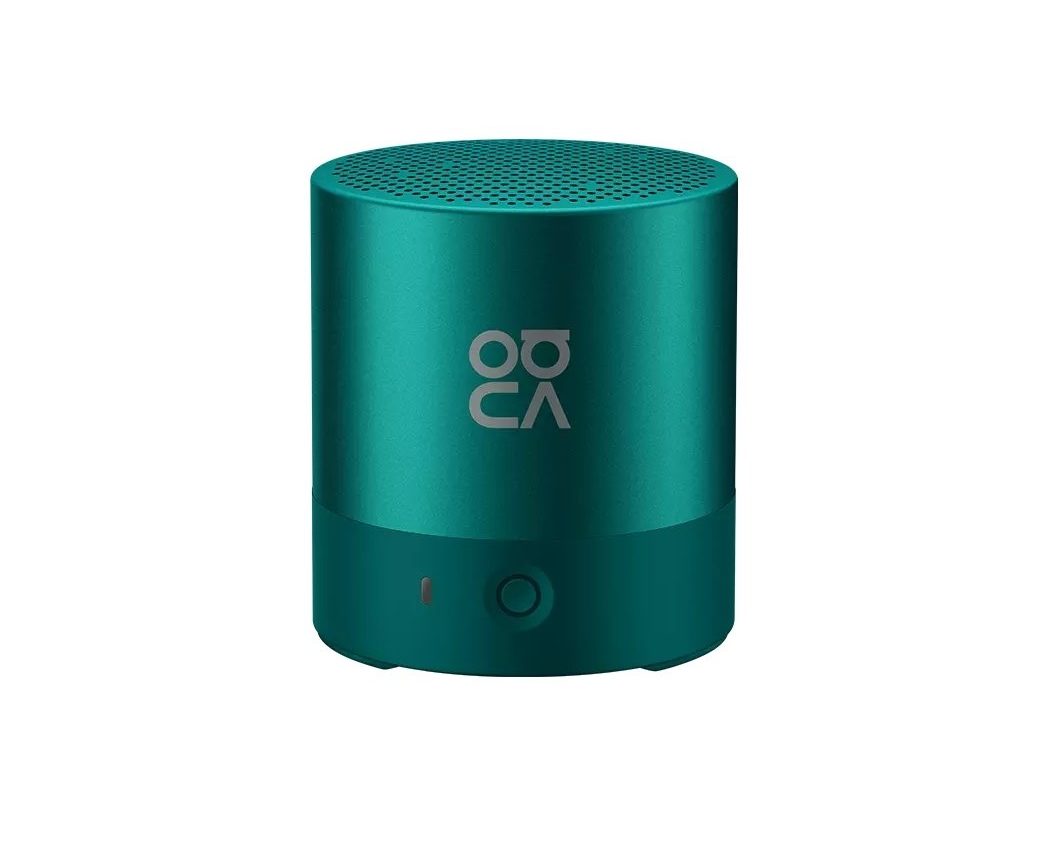
It is not unusual for manufacturers to also announce new accessories alongside new phones. When Huawei announces the Nova 5 series today, it will also unveil a cute little speaker under the Nova brand.

The image of the speaker was shared on Twitter by @RODENT950 who is practically a source for Huawei-related news.

Nova Bluetooth Speaker

The Nova Bluetooth Speaker has a cylindrical body with a speaker grille at the top. It has the same green paint job as the Nova 5 but with a two-texture finish. Upon closer look, the upper part is definitely aluminium while the bottom seems to be made of rubber/plastic.


The Nova Bluetooth Speaker has the new Nova logo in grey inscribed on its body. There is a power button on the bottom beside what we believe to be an LED to signify when it is turned on, charging and full.

The technical specs and price have not been disclosed but it should probably not cost more than $20.

(Source)


UP NEXT: Huawei Nova 5 series confirmed to launch with 40W Super fast charging

Xiaomi Mi 9T teardown video flaunts the internals including the pop-up mechanism

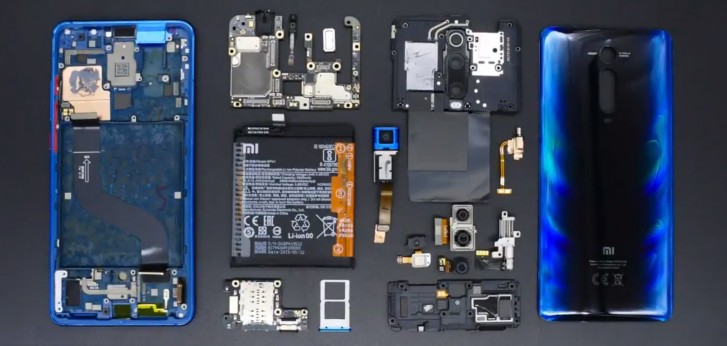
While the Mi 9T continues to debut in new markets, Xiaomi seems to be on overdrive in promoting the device. We recently saw the Chinese giant dissing the notch in a series of videos when we can count a handful of Xiaomi models with the notch. Xiaomi has now shared an official teardown video of the Mi 9T on Twitter.Xiaomi Mi 9T

It is already confirmed that the Mi 9T has the same design as the Redmi K20. The teardown also reveals the internals are arranged in exactly the same way as the Redmi K20 Pro. But while the Redmi K20 Pro packs a flagship Snapdragon 855 chipset, the Mi 9T shares the same Snapdragon 730 SoC with the Redmi K20. Thus, we expect a Mi 9T Pro with a flagship processor. The Mi 9T reportedly received Bluetooth certification recently.

EDITOR’S PICK: Tech Throwback Thursday: We Revisit Nokia’s Crazy ‘Lipstick’ Phone (7280)

The selfie camera uses a stepper motor to move the camera up and down. The working principle of the spiral stepping motor is similar to our daily screwing action: the screw can be screwed down clockwise, and the screw can be unscrewed in the counterclockwise direction.

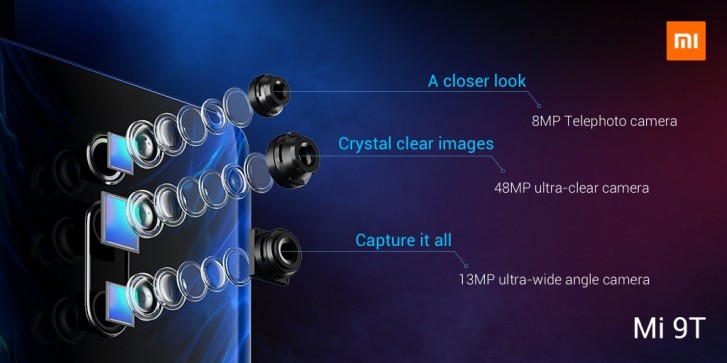
The rear camera has two modules with one of them housing the 48MP main cam and the telephoto lens as a unit. The second module houses just an ultra wide-angle camera. The video also shows the on-screen fingerprint sensor as well as the powerful 4000mAh battery and other internals.


UP NEXT: Top 5 Online Stores Where You Can Buy Xiaomi Mi Band 4 at Lowered Prices

Amazfit Verge 2 gets Bluetooth certification, may get global release soon

The Amazfit Verge 2 is one of the new smartwatches Huami released a few weeks ago in China. The watch sports a design that is totally different from that of its predecessor and also comes with new features such as an eSIM and an ECG sensor.

Amazfit Verge 2 Bluetooth

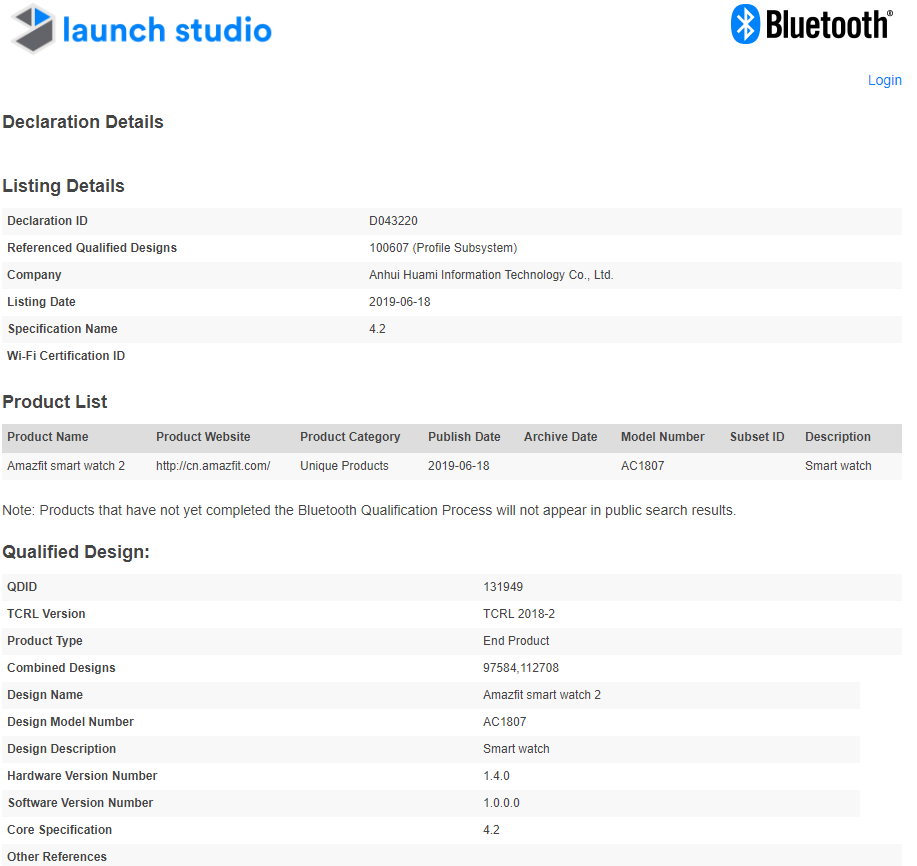
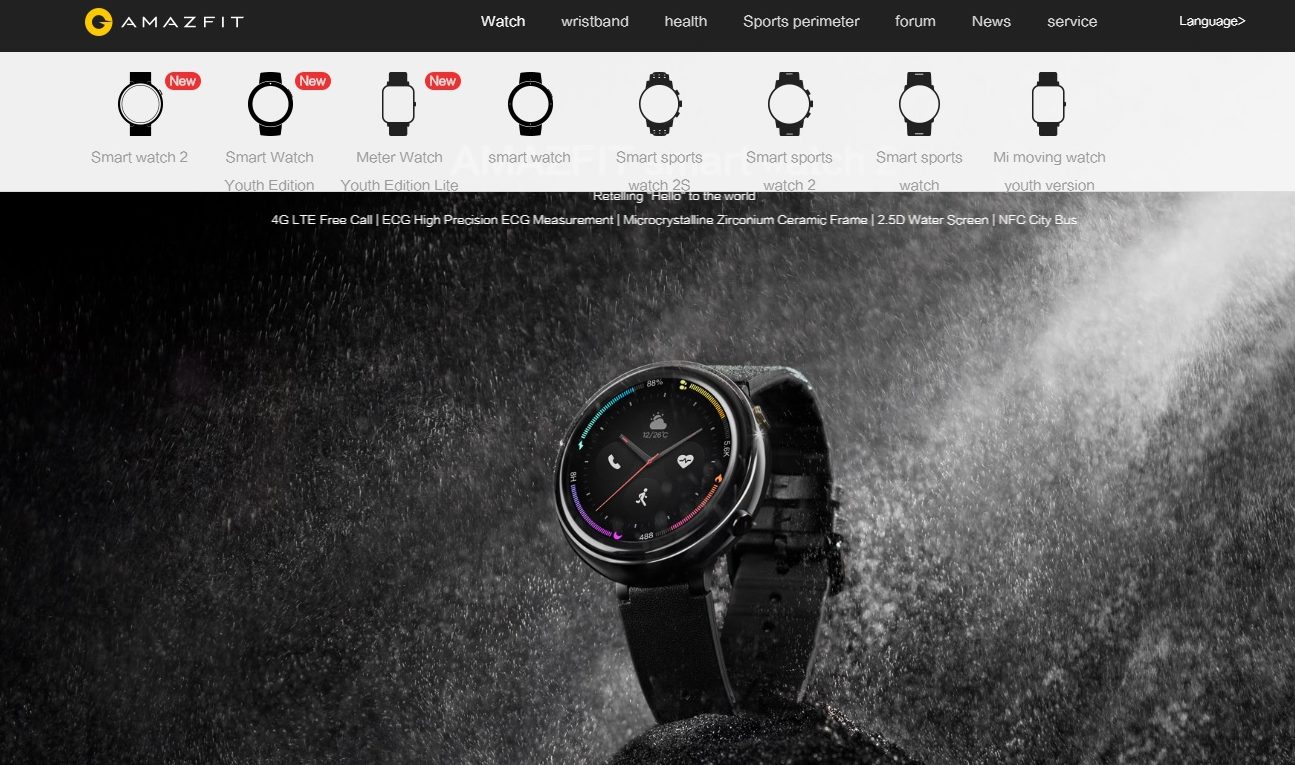
The Amazfit Verge 2 has been spotted on the Bluetooth SIG website which may point at a global release soon. The watch was certified on Tuesday, June 18, and the listing says the product name is “Amazfit Smart Watch 2”. But we know it is the Verge 2 because the name on the Chinese website translates to “Smart Watch 2”. The Chinese name of the original Verge and the new Verge Lite also translate to “Smart Watch” and “Smart Watch Youth Edition respectively”.

When the Verge 2 launches globally, it should take on the Apple Watch Series 4. It is priced at ¥1299 (~$189) for the ECG version while the non-ECG model has a price tag of ¥999 (~$145). That is significantly cheaper than the Apple Watch Series 4 which starts at $399.

Amazfit Verge 2

The Amazfit Verge 2 has a 1.39-inch AMOLED display with a 454 x 454 resolution and a retina-grade PPI of 326 housed in a microcrystalline zirconium ceramic frame. It is powered by Qualcomm’s Snapdragon Wear 2500, has 512MB of RAM and 4GB of onboard storage. There is an eSIM which means you can leave your phone at home and not miss calls and messages. The Amazfit Verge 2 also has NFC, Bluetooth 4.2, an IP68 rating, and a 420mAh battery. It will go on sale in July in China.

(Source)


UP NEXT: Huami reveals plan to announce over 10 new smartwatches in the coming months

Huawei celebrates 2 million Watch GT global shipments

Huawei announced the Watch GT last October alongside the Mate 20 series. It launched in India in March this year and got two new variants in the same month. Eight months after its launch, Huawei says it has shipped 2 million units of the smartwatch.

The announcement was made on the official Huawei Mobile Twitter account yesterday. The Watch GT has a 1.39-inch OLED display, runs Huawei’s own LiteOS, has a Cortex-M4 processor, GPS, heart rate sensor, and lasts up to two weeks (30 days with heart rate and GPS turned off).

Huawei has done well as an IDC report says it is market share grew the largest in Q1 2019. However, Apple is still the global market leader.

We probably won’t get a successor to the Watch GT until later this year when Huawei announces the Mate 30 series. The successor should have a new design as well as new fitness-tracking and health-oriented features.

(Source)


UP NEXT: Xiaomi still leads China’s wearable device market with 21.9% market share

Counterpoint data shows Apple is still king of premium phones and North America remains a goldmine

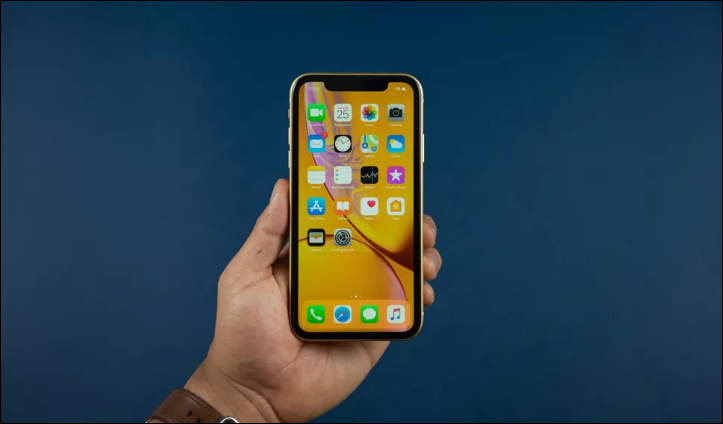
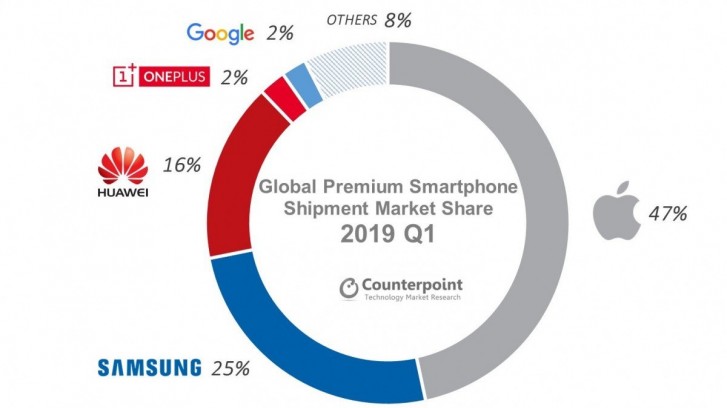
The smartphone market has in recent time been shown to experience a decline due to saturation. That is again amplified in the latest report by Counterpoint research which shows that the market for premium smartphones experienced an 8% decline globally during the first quarter of 2019. Bear in mind that premium smartphones are classified based on their prices ranging from $400 upwards.iPhone Xr

US tech giant Apple still ranks as the number one premium smartphone manufacturer despite seeing a 20% drop in its rating year on year. Counterpoint says that one reason for the decline is that iPhone buyers are holding on to their iPhones for longer with the average period for changing phones increasing from 2 years to 3 years. This factor could also be linked to the average price of iPhones hitting the roof. Another reason for iPhone sales decline is the drastic drop in shipments in China. Notwithstanding, Apple raked in a 47% share of the market in Q1 2019.

Samsung comes closely at the second spot with a 25% market share in the premium segment. Huawei is at the third spot with a 16% market share but could slip further down as a result of the US trade ban. OnePlus broke into the top 5 globally and in North America for the first time in Q1 2019.

EDITOR’S PICK: Kirin 810 outperforms Kirin 980, Helio P90, and Snapdragon 855 in AI Benchmark test

Another interesting take away from the report is that the North America market still remains the largest market for premium phones with a 30% market share. China comes close with a 26% share of the market. However, the Chinese market was sluggish in the first quarter, which was the other major factor in the global slowdown.


UP NEXT: Mi 9T Pro receives Bluetooth certification

(source)

Mi 9T Pro receives Bluetooth certification

We are moving closer with each passing day to the launch of the Xiaomi Mi 9T Pro, the re-branded version of the Redmi K20 Pro for Europe and some key markets.

About two weeks ago, the phone was seen on Geekbench. Now, it has also received its Bluetooth certification.

Mi 9T Pro Bluetooth SIG

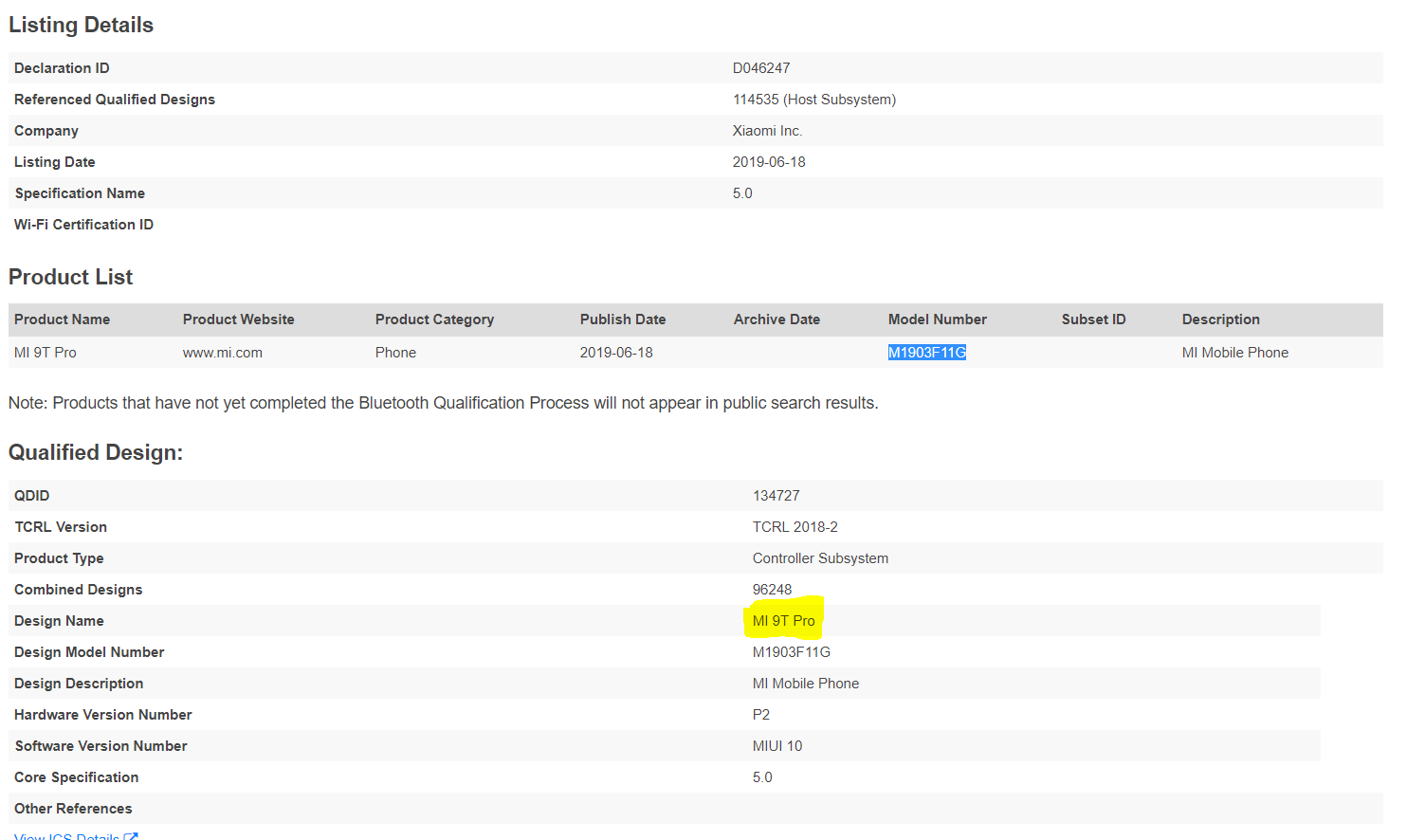
The phone was listed on the Bluetooth SIG website on Tuesday, June 18. The listing reveals the phone’s model number is M1903F11G and confirms its official name is Mi 9T Pro. It also states it is running MIUI 10.

The Mi 9T Pro will have a 6.39-inch Super AMOLED FHD+ notch-less display. It will be powered by the Snapdragon 855 chipset with up to 8GB of RAM and 256GB of storage.

Since it doesn’t have a notch nor a punch hole, the phone settles for a 20MP motorized pop-up selfie camera. On the back, there will be three cameras – a 48MP primary sensor, an 8MP telephoto camera, and a 13MP ultra-wide angle camera. The Mi 9T will also have an in-display fingerprint scanner, a 3.5mm audio jack, NFC, Bluetooth 5.0, and a 4000mAh battery with support for 27W fast charging (Quick Charge 4+).

The phone will launch in India next month but will keep its original name – the Redmi K20 Pro.

(Source)


UP NEXT: Leaked poster shows Xiaomi and Meitu’s first phone has flip triple cameras

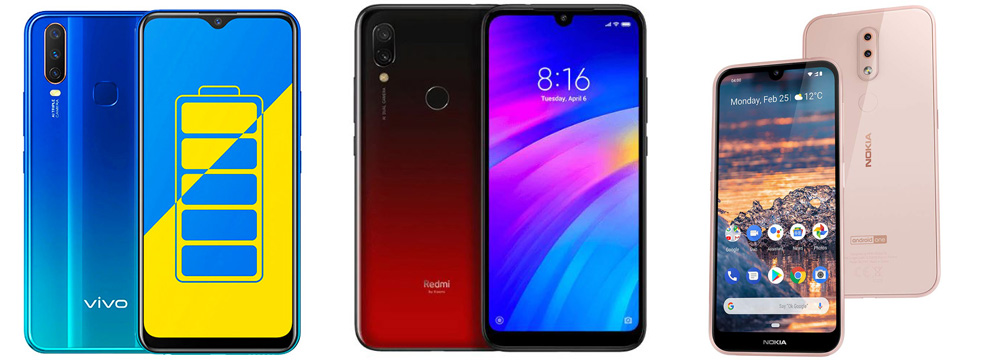
Vivo Y12 vs Redmi 7 vs Nokia 4.2: Specs Comparison

Despite a lot of best sellers belong to the price range from $200 to $300, there are still a lot of low-end devices which could be enough for most of the non-advanced users out there. A few hours ago, we saw the debut of the Vivo Y12, which we consider as one of the most interesting affordable phones due to its mammoth battery. That is why we thought it is worth comparing it with other affordable devices which are making a big success in the actual market. The perfect candidates for this comparison are the wonderful Redmi 7 which is one of the best devices in terms of quality-price ratio, and the Nokia 4.2 which is one of the most affordable handsets with Android One installed.

Vivo Y12 vs Redmi 7 vs Nokia 4.2

Vivo Y12 Xiaomi Redmi 7 Nokia 4.2
DIMENSIONS AND WEIGHT 159.4 x 76.8 x 8.9 mm, 109.5 grams 158.7 x 75.6 x 8.5 mm , 180 grams 149 x 71.3 x 8.4 mm, 161 grams
DISPLAY 6.35 inches, 720 x 1544p (HD+), 268 ppi, IPS LCD 6.26 inches, 720 x 1520p (HD+), 269 ppi, IPS LCD 5.71 inches, 720 x 1520p (HD+), 295 ppi, IPS LCD
PROCESSOR Mediatek Helio P22, octa-core 2 GHz Qualcomm Snapdragon 632, octa-core 1.8 GHz Qualcomm Snapdragon 439, octa-core 2 GHz
MEMORY 3 GB RAM, 32 GB  – 4 GB RAM, 64 GB – micro SD dedicated slot 2 GB RAM, 16 GB – 3 GB RAM, 32 GB – 3 GB RAM- 3 GB RAM, 64 GB – 4 GB RAM, 64 GB – micro SD dedicated slot 2 GB RAM, 16 GB – 3 GB RAM, 32 GB – micro SD slot
SOFTWARE Android 9 Pie, Funtouch OS Android 9 Pie, MIUI Android 9 Pie, Android One
CONNECTIVITY Wi-Fi 802.11 b/g/n, Bluetooth 5.0, GPS Wi-Fi 802.11 b/g/n, Bluetooth 4.2, GPS Wi-Fi 802.11 b/g/n, Bluetooth 4.2, GPS
CAMERA Triple 13 + 8 + 2 MP f/2.2, f/2.2 and f/2.4
8 MP f/2.2 front camera
12 + 2 MP f/2.2
8 MP f/2.0 front camera
 Dual 13 +2 MP f/2.2
8 MP f/2.0 front camera
BATTERY 5000 mAh 4000 mAh 3000 mAh
ADDITIONAL FEATURES Dual SIM slot Dual SIM slot Hybrid Dual SIM slot

Design

Due to its high screen-to-body ratio and its reflective glass back, my favorite phone among these ones is the Vivo Y12. On the other side, Xiaomi Redmi 7 is not so different, and it is even splash resistant, so it may represent a better choice for a lot of people. Nokia 4.2 is the compact one and it is one of the smallest last-generation phones. However, its bezels are not so narrow, at least not as narrow as the ones of its rivals, despite the presence of a waterdrop notch.


Display

The display is usually a weak point of entry-level smartphones, and that is more or less the same when it comes to this trio. All of them come with just an HD display and they do not have a high pixel density. The Nokia 4.2 looks slightly more detailed, but just because it shows the same resolution on a smaller screen. Vivo Y12 has the biggest display, you may need to know it if you want to use your phone for multimedia or productivity purposes. For the rest, they all are just affordable panels with sufficient quality.


Specs & Software

If you want the fastest and smoothest phone, do not think twice and go for the Xiaomi Redmi 7. With its Snapdragon 632 chipset and up to 4 GB of RAM, it is able to provide up to midrange-class performances. Both Vivo Y12 and Nokia 4.2 are equipped with entry-level chipsets, but the latter comes with Android One out of the box: a stock version of Google’s operating system with a great software optimization and faster updates. Note that, if you choose the Nokia 4.2, you can only get up to 3 GB of RAM, while Vivo Y12 is slightly better as it is equipped with up to 4 GB of RAM in the most expensive configuration.


Camera

You will not get a high photo quality with any of these handsets, but if we had to choose the best camera phone, we would go for the most versatile one: the Vivo Y12. It is the only to sport a triple camera, and it even has pretty nice sensors for an entry-level device, including a useful ultrawide lens.


Battery

Vivo Y12 mainly focuses on battery life: by implementing a 5000 mAh battery on such an entry-level device, Vivo surely guaranteed up to three days of battery life on a single charge. There should not be so many phones in the entire market which can reach the same battery life as the Vivo Y12. Right after, there is Redmi 7 which still comes with outstanding battery life, despite it does not arrive at the level of the wonderful Vivo Y12. The battery capacity of the Nokia 4.2 is still above-average, but there is no way 3000 mAh can compete with 5000 or even 4000 mAh.


Price

If you want a unit of the Vivo Y12, you are willing to pay about €160/$180. Xiaomi Redmi 7 starts from just €130/$147, while Nokia 4.2 costs €150/$170. In my personal opinion, the Redmi 7 is a more complete and performing device thanks to its better chipset and its well-balanced specs, despite Vivo Y12 has a more versatile camera department and a longer battery life.


Vivo Y12 vs Redmi 7 vs Nokia 4.2: PROs and CONS

Vivo Y12

PROs

  • Huge battery
  • Better connectivity
  • Bigger display
  • Micro SD dedicated slot

CONS

  • Low-end chipset


Nokia 4.2

PROs

  • Compact and lightweight
  • Android One
  • Global availability
  • NFC

CONS

  • Smaller battery


Xiaomi Redmi 7

PROs

  • Very affordable
  • Good hardware
  • Big battery
  • Micro SD dedicated slot
  • Fast charging

CONS

  • Nothing particular

Blackview BV9700 Pro rugged camera phone gets 25% off, photo and video samples revealed

Blackview BV9700 Pro is the latest and greatest rugged phone from the specialized Chinese manufacturer and besides its durable characteristics and “Transformers” design, it also comes with a ton of features. It pretty much sports every phone feature available right now, including an AI camera, Night Vision Camera, Air Quality Detection, and Heart Rate Monitor. If you pride yourself as a photo enthusiast, the BV9700 Pro is worth considering as it boasts a dual Samsung AI camera setup with a 16MP front sensor with f/2.0 aperture and a rear 16MP/8MP dual camera with f/1.75 and f/2.0 apertures.

Blackview BV9700 Pro

Of course, what shines the most is its AI camera. The BV9700 Pro is capable of great video shooting and awesome photos that are better than pretty much any other rugged phone on the market right now. Photos shot on BV9700 Pro are vivid and have a good dynamic range in different scenarios, including pretty accurate exposure, white balance, and fast autofocus. Besides the Night Vision Camera, it has a low-light video recording setting that automatically reduces the frame rate of the video in darker conditions to gather more light. The results are more than pleasing. Below, you can see a video demonstrating the fast autofocus, the wide dynamic range, focus tracking, and low noise.

Apart from the camera capabilities, the BV9700 Pro is mainly a top rugged phone so it sports IP68/IP69K & MIL-STD-810F certification meaning it is waterproof down to 1.5m depth for up to 30 minutes. It’s also drop-proof from 1.5m height, dustproof, shockproof, freezeproof down to -20°C, crushproof to 150kg weight, and it can shoot video and photos underwater. All that without using any special case or housing that normal smartphones need.

Despite all these features, the Blackview BV9700 Pro costs much less than someone would expect. Starting this month, the phone costs just $299.99 and you get a free tempered glass. You can find all the details here.

Kirin 810 outperforms Kirin 980, Helio P90, and Snapdragon 855 in AI Benchmark test

The Kirin 810 will be unveiled tomorrow at Huawei’s Nova 5 launch event. The new chipset will power the Nova 5 and will be Huawei’s second 7nm chipset. There are reports that it will have a dedicated NPU made by Huawei itself and not a third party like that of the Kirin 980. An AI benchmark result has surfaced and it shows the Kirin 810 is a beast.

Kirin 810 featured

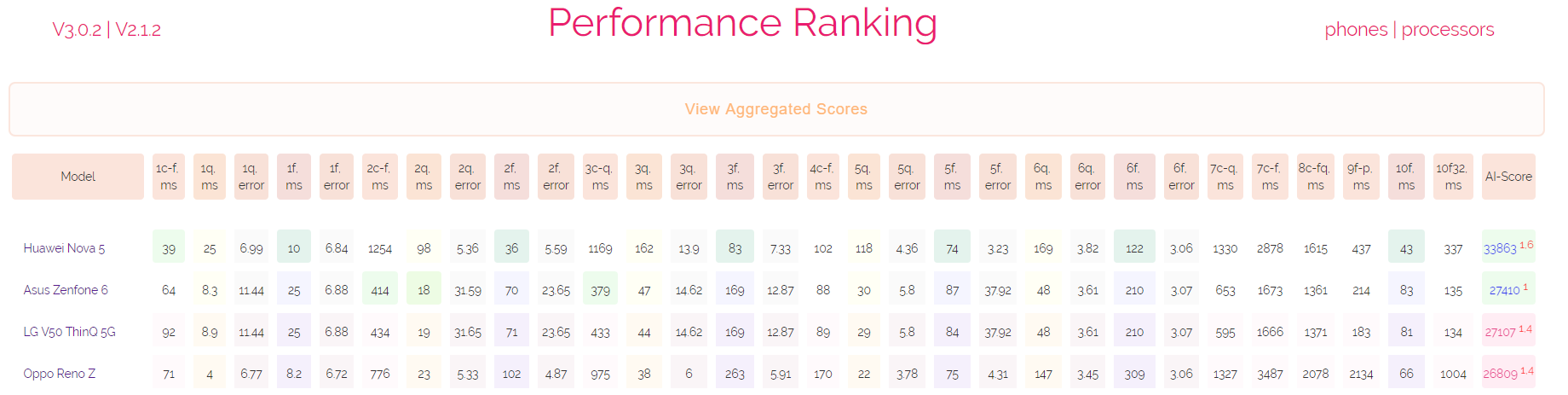
AI Benchmark 3 not only reveals how well the chipset performs in AI-related tasks compared to others but also provides some key details about the chipset itself. First, it confirms the Nova 5 is powered by the Kirin 810 as you can see in the first image below.

Nova 5 AI score Kirin 810
AI Benchmark – Devices

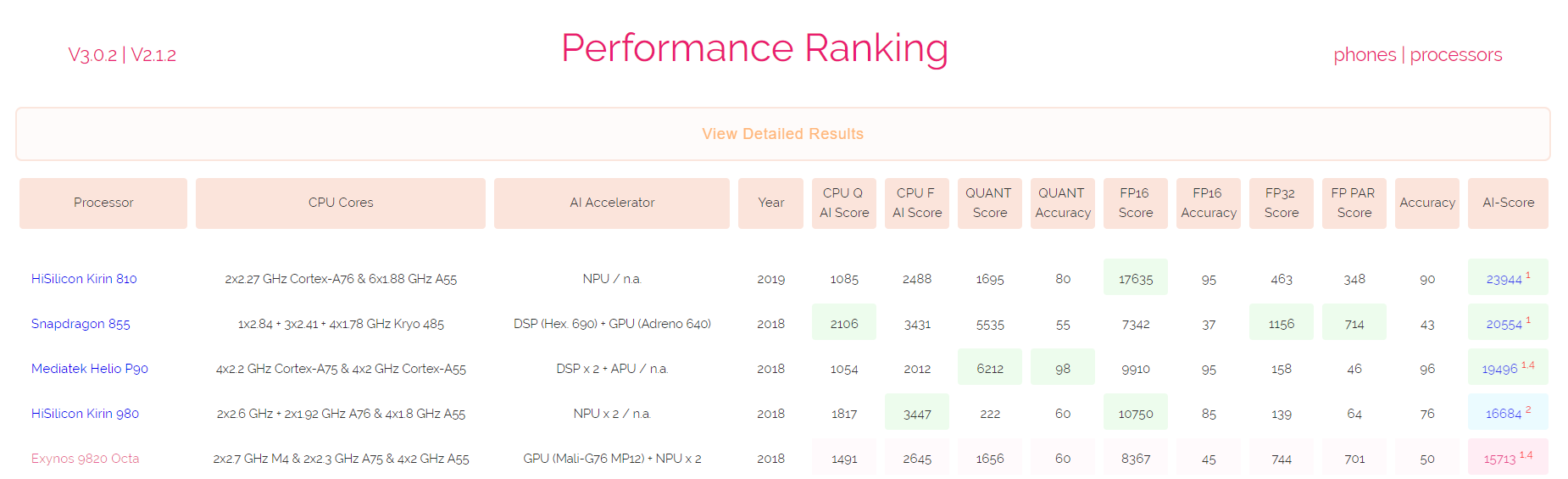
In the second image, we see the 7nm Kirin 810 is an octa-core processor with four Cortex-A76 cores clocked at 2.27GHz and another set of Cortex-A55 cores clocked at 1.88GHz. It also shows it has a dedicated NPU.

With respect to scores, the Kirin 810-powered Nova 5 has an AI Score of 33,863 points which pushes it to the top of the list ahead of the Snapdragon 855-powered ASUS Zenfone 6 and LG V50 ThinQ 5G, and the Helio P90-powered OPPO Reno Z.

Kirin 810 AI score
AI Benchmark – processors

When you switch the ranking to just chipsets alone, the Kirin 810 has an AI score of 23,944 points, outperforming the Snapdragon 855, the Helio P90, the Kirin 980, and the Exynos 9820 to claim the top spot.

Huawei has sure put in a lot of work in the development of its own NPU and we can’t wait to know more about the chipset when it is unveiled tomorrow. Apart from the Nova 5, the Kirin 810 has also been reported to be the chipset that will power the Honor 9X Pro.

(Source, Via)


UP NEXT: US-based chipmakers are reportedly lobbying to ease Huawei ban

Huawei promises updates for all its phones and tablets, confirms P30 series will get Android Q

Earlier today, we reported on a list of Huawei devices that will be upgraded to Android Q in the future. Huawei itself has released an official statement on the matter.

Unless you live under a rock, then you should know Huawei and the US government are not best friends right now. The US government has put the tech giant on an entity list and prevented it from conducting business with US-based companies. This means Huawei can no longer do business with Google, Intel, Windows, and Qualcomm e.t.c. until the ban is lifted.

For owners of a Huawei smartphone, this is grave news since if Huawei can’t do business with Google, that means it can’t get access to Android services including updates.

In its official statement which was shared on Twitter as well as in a blog post, it said: “All Huawei smartphones and tablets will continue to receive security patches and Android updates”.

Huawei continues by saying those who already own a Huawei smartphone or are about to buy on can “continue to access the world of apps as they have always done”. They will also continue to be covered by warranty and receive service support.

Huawei also confirmed that its most popular devices will be able to “access Android Q”. The post specifically mentions the P30 series but some have raised suspicion about the use of the word “access” instead of “update” but seeing as they already said their phones will continue to receive security patches and Android updates, there doesn’t seem to be a cause for alarm.

In the blog post, Huawei listed the following devices as those it submitted to get the upgrade to Android Q:

  • P30 Pro
  • P30
  • Mate 20
  • Mate 20 Pro
  • PORSCHE DESIGN Mate 20 RS
  • P30 lite
  • P smart 2019
  • P smart+ 2019
  • P smart Z
  • Mate 20 X
  • Mate 20 X (5G)
  • P20 Pro
  • P20
  • Mate 10 Pro
  • PORSCHE DESIGN Mate 10
  • Mate 10
  • Mate 20 Lite

Huawei said it has already been working with third parties for months to ensure its devices will get the Android Q update. Testing has already begun for 17 devices it says and the Mate 20 Pro has been approved to get the Android Q update when it is released by Google.

To sum it all up, Huawei is simply assuring its current customers and potential ones that its phones will be fine irrespective of the current situation. You can check the blog post for more details where Huawei has answered the most important questions from users

(Source)


UP NEXT: Huawei to offer 100% refund if Google and Facebook apps stop working