Redmi is gearing up to launch its next-generation Note series smartphones — Redmi Note 8 and Redmi Note 8 Pro on 29th August. The company has already confirmed that the phone will be powered by the MediaTek Helio G90T chipset, which is focused on gaming users.
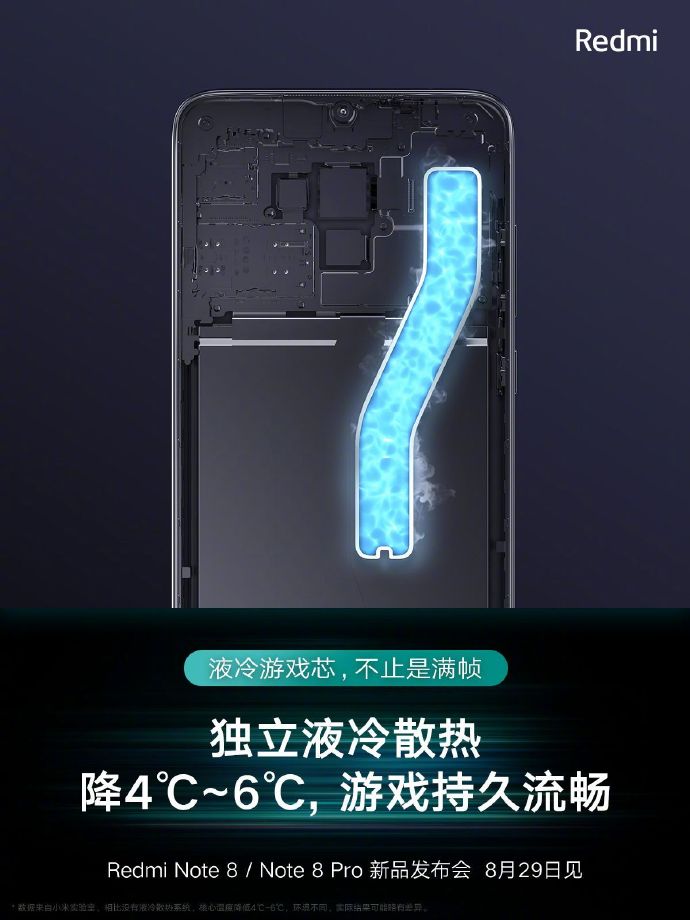
The company has already revealed some of the features of the upcoming devices and today, Redmi has revealed one of the major features that will be present on the Redmi Note 8 Pro smartphone — Liquid Cooling.
Yes, the Redmi Note 8 Pro will come with liquid cooling support, enabling users to play games for a longer duration without worrying about the heating issues. This makes sense given that the phone is powered by a gaming-centric chipset.
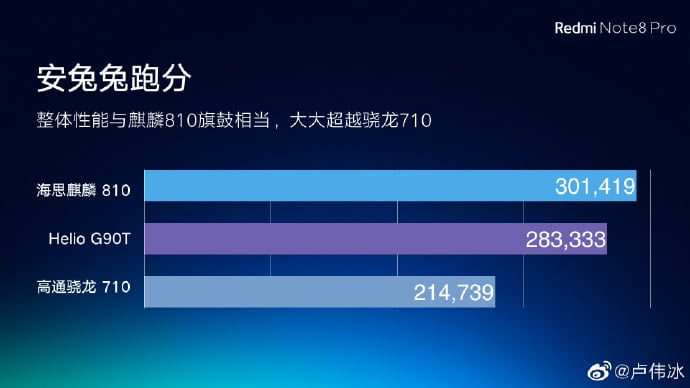
Earlier today, Redmi brand’s General Manager Lu Weibing shared AnTuTu score of the Redmi Note 8 Pro powered by Helio G90T chipset, which beats Snapdragon 710 SoC but ranks a bit lower when compared to Kirin 810 chipset.
The 12nm Helio G90T includes two Cortex-A76 cores working at 2.05 GHz and six Cortex-A55 cores working at 2GHz. It includes ARM Mali G76 graphics that clocks at 800MHz and it carries support 21:9 aspect ratio display, 90Hz refresh rate, HDR10 standard, up to 10 GB of LPDDR4X RAM and UFS 2.1 storage.
The Helio G90 series of chipsets support HyperEngine for improved connectivity between a smartphone and a cellular network. There is Dual Wi-Fi connection support that allows the phone to connect to two Wi-Fi networks at the same time. Its other features include Call and Data Concurrency, Resource Management Engine and a Picture Quality Engine.
The company has already confirmed Samsung ISOCELL Bright GW1 64-megapixel lens as the primary unit in the quad-camera setup of the Redmi Note 8 Pro. The camera sensors will be placed vertically with three camera sensors followed by a fingerprint reader. Alongside, there’s an LED flash and the fourth camera sensor.
In terms of design, the phone could be sporting a rear design that is quite similar to the Redmi K20 and Redmi K20 Pro smartphones. The phone will be equipped with features like NFC and IR Blaster and the battery will support 18W fast charging.
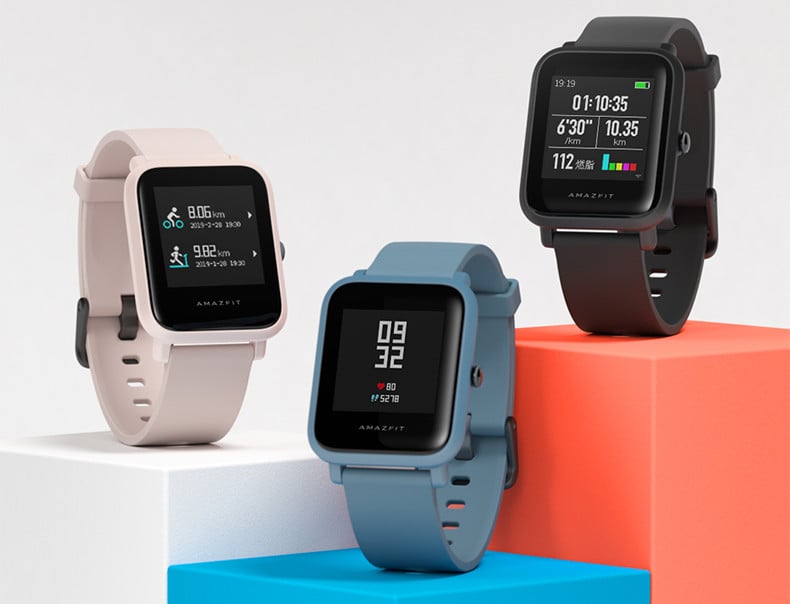
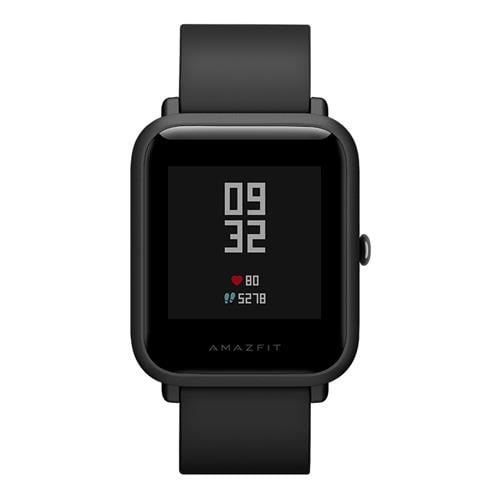
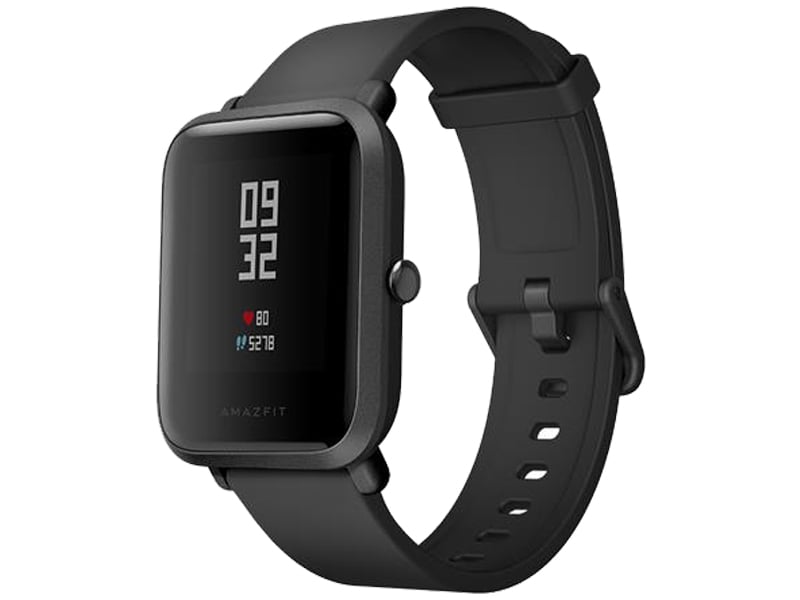
Still riding high on the success of its well-received AMAZFIT Bip fitness tracker which was launched last year, Xiaomi-backed Huami recently unveiled a new variant of the device dubbed the Huami AMAZFIT Bip Lite smartwatch.
Available in three appealing color options including black, pink and green, the Xiaomi Huami AMAZFIT Bip Lite retails for $99.99 on GearVita. Fitness and sports enthusiasts on a tight budget can use coupon code ROHuamiBip2 and save $50 at checkout.
In other words, you can bring the original asking price of the watch down to just $49.99 simply by applying the aforesaid coupon before placing your order. An absolute steal at this price, the Xiaomi Huami AMAZFIT Bip Lite boasts an impressive array of features.
It sports a 1.28-inch screen with high resolution of 176×176 pixels for easy readability. Housed in a sturdy body made using high-quality polycarbonate material, the watch is covered by Corning Gorilla 3 tempered glass + AF coating for added protection.
Since it is 3ATM water-resistant, you can wear the watch while washing hands without damaging it. Note that it is not recommended for bathing, sauna, and diving.
The AMAZFIT Bip Lite is compatible with Android 4.4, iOS 8 or above OS and draws its juices from a 200mAh LiPo battery that offers 45 days of battery life. It has useful sensors such as heart rate sensor, acceleration sensor and a slew of other functions including heart rate monitoring, message reminder, etc.
You can head straight to this link to check out more details about the Xiaomi Huami AMAZFIT Bip Lite smartwatch and take advantage of the coupon before it expires.
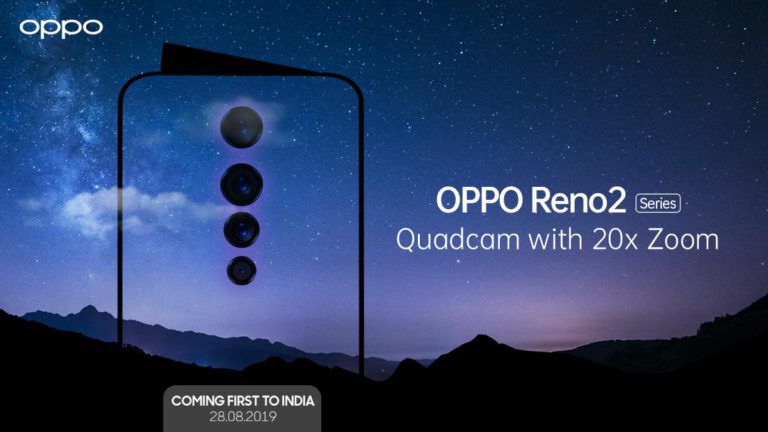
Oppo has already announced a launch event on 28th August in India where the company will be launching its Oppo Reno2 series smartphones, the successor to the Oppo Reno lineup that was launched earlier this year.
Ahead of the launch, the company has shared an animated video teaser of the upcoming Reno2 smartphone, highlighting some of the key selling points of the smartphone, including macro photography, thermal technology, etc.
In the media invite image, the company has confirmed that the Oppo Reno2 will come with support for 20x Zoom feature. However, it remains to be seen if it’s optical zoom, hybrid zoom, or digital zoom.
Earlier this week, the company had shared a small video highlighting the smartphone’s video stabilization capabilities. In a media statement, Oppo has also confirmed some of the key specifications of the upcoming device.
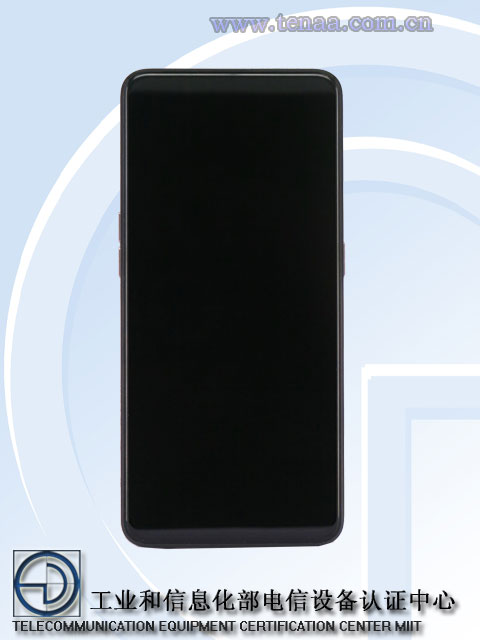
The Oppo Reno2 will feature a 6.55-inch Full HD+ AMOLED Panoramic display with a 20:9 aspect ratio and 93.1 percent screen-to-body ratio. It will also come with an under-display fingerprint sensor for added security.
While the phone’s front panel will be protected by a layer of Gorilla Glass 6, the back panel will be protected by Corning Gorilla Glass 5. Under the hood, the device will be powered by the Snapdragon 730G octa-core processor.
The phone will pack 8GB of RAM and will come with 256GB of internal storage. Focusing on the gaming side, the company will be offering anti-cheat extensions, 25 percent better graphic processing, HDR10 Gaming support, and Game Assistant, among others.
The company has also revealed that the device will be powered by a 4,000mAh battery which will come with 20W VOOC 3.0 fast-charging support and USB Type-C port for connectivity. Other features announced by the company include Frame Boost 2.0, Touch Boost 2.0, and Link Boost.
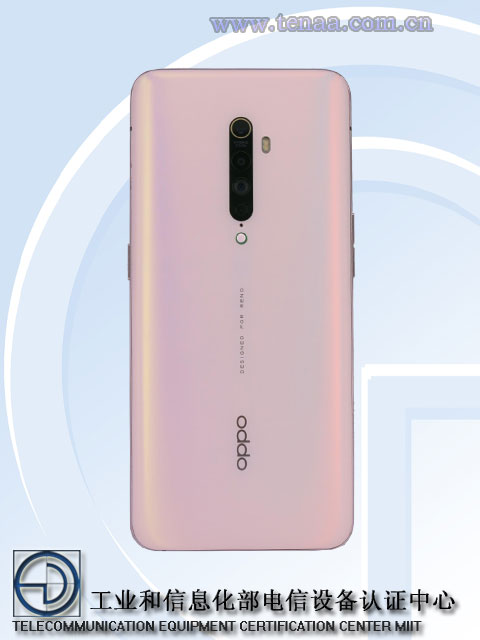
Oppo has not shared details about the smartphone’s camera configuration, which seems to be the highlight of the device. In a teaser image shared by the company, it shows that the smartphone will have quad-camera setup on the back and on the front side, it will continue to offer shark-fin design for the pop-up mechanism.
As per the leaks, the Reno 2 will feature Samsung‘s 48MP primary sensor paired with a 13MP telephoto sensor with 2x optical zoom, an 8MP ultrawide sensor, and a 2MP depth sensor. A 16MP sensor will be present on the front for taking selfies and video calling.
To know for sure what the company will offer for the Reno2 series, as well as their pricing and availability details, we’ll have to wait for the official launch event.
Vivo recently unveiled two variants of the iQOO Pro phone including one that supports 5G and the other with 4G LTE support.
Much to the delight of Vivo fans that have restlessly been waiting to get their hands on the long-awaited device, the 8GB RAM+128GB ROM, and the 12GB RAM+128GB ROM models of the Vivo iQOO Pro with 4G LTE have gone up for pre-order on Giztop. So without wasting more time, let’s check out the details.
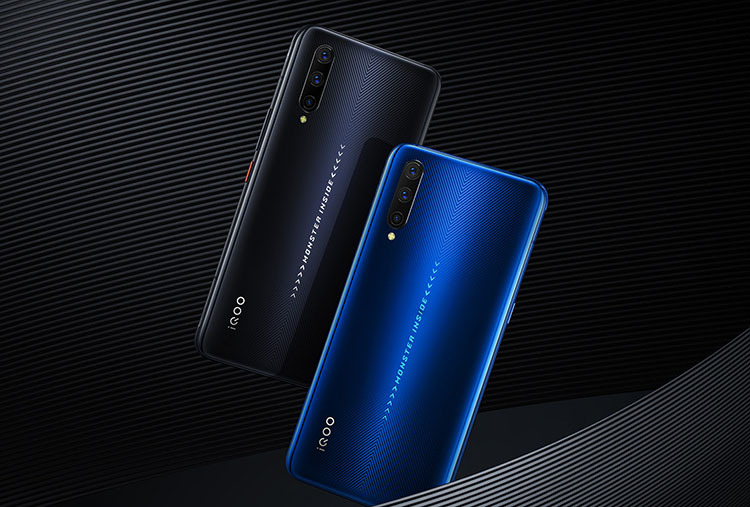
Available in blue, as well as black color options, the 8GB RAM+128GB Vivo iQOO Pro 4G model will set you back $549 on Giztop. The larger model that packs a whopping 12GB of RAM and offers 128GB of internal storage capacity carries a $609 price tag.The aforesaid variant is available in two color options including black, and blue. It is worth noting that the estimated delivery for both variants of the phone is set for early of September.
The iQOO Pro 4G model sports a 6.41-inch Super AMOLED FHD+ display with an in-screen fingerprint sensor for added safety to your stored content. It packs a powerful 7nm Qualcomm Snapdragon 855 Plus Octa-core processor along with an equally competent Adreno 640 GPU, under the hood.
On the photography front, the Vivo iQOO Pro houses a triple camera setup compromising 48MP+13MP+2MP sensors at the back. Upfront, there’s a 12MP camera for selfies and video calling.
Moreover, the phone runs Funtouch OS 9 based on Android 9.0 Pie and draws its juices from a robust 4500mAh battery that supports 44W fast charge. Aside from that, the dual-SIM phone comes with Jovi Assistant and NFC. Note that the 4G version provides 4G/4G+ bands.
You can visit this link to check out more details about the Vivo iQOO Pro 4G LTE version and place your order through Giztop.
Xiaomi’s Vice President and Redmi brand’s General Manager Lu Weibing has announced that the Redmi Note 8 Pro smartphone will be powered by MediaTek’s recently announced gaming-centric Helio G90T chipset.
He has also revealed the AnTuTu benchmark score of the upcoming Redmi Note 8 Pro smartphone powered by the Helio G90T. The device scores 283,333 points, which is higher than the score of 214,739 achieved by the Snapdragon 710.
The 12nm Helio G90T includes two Cortex-A76 cores working at 2.05 GHz and six Cortex-A55 cores working at 2GHz. It includes ARM Mali G76 graphics that clocks at 800MHz and it carries support 21:9 aspect ratio display, 90Hz refresh rate, HDR10 standard, up to 10 GB of LPDDR4X RAM and UFS 2.1 storage.
The Helio G90 series of chipsets support HyperEngine for improved connectivity between a smartphone and a cellular network. There is Dual Wi-Fi connection support that allows the phone to connect to two Wi-Fi networks at the same time. Its other features include Call and Data Concurrency, Resource Management Engine and a Picture Quality Engine.
It has already been confirmed that the Redmi Note 8 Pro will be featuring the Samsung ISOCELL Bright GW1 64-megapixel lens as the primary unit in its quad-camera setup. The camera sensors will be placed vertically with three camera sensors followed by a fingerprint reader. Alongside, there’s an LED flash and the fourth camera sensor.
In terms of design, the phone could be sporting a rear design that is quite similar to the Redmi K20 and Redmi K20 Pro smartphones. The phone will be equipped with features like NFC and IR Blaster and the battery will support 18W fast charging.
The Redmi Note 8 and Redmi Note 8 Pro smartphones are all set to get launched in China at a launch event on 29th August. This is the same event where the company will also launch its 70-inch Redmi TV.
A report from last month had claimed that OPPO may launch around 5 to 6 smartphones in India by October. OPPO has recently confirmed that it will be holding an unveil event in India on Aug. 29 to announce the OPPO Reno2 series. It is speculated that apart from OPPO Reno2, the series will include phones like Reno2Z and Reno2F. A fresh leak by My Smart Price has revealed that the Chinese manufacturer will be also debuting OPPO Reno A series soon. It is speculated to replace the company’s A-series of smartphones. A leaked render of the upcoming OPPO Reno A phone has appeared today along with its full specifications.
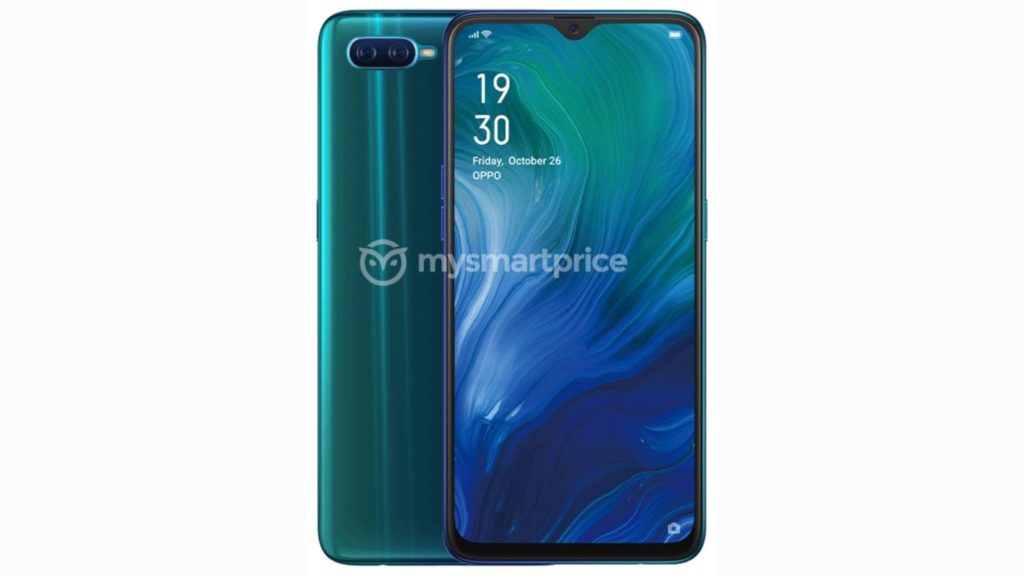
The leak claims that the phone shown in the render below is the OPPO Reno A. Its appearance is similar to the OPPO A5s and OPPO A9 phones that have launched in the recent past in India. The handset measures 158.4 x 75.4 x 7.8mm and weighs 165 grams. The rear panel of the phone has a glossy appeal and it features a horizontal dual camera setup. There is no fingerprint scanner on the backside of the device.
The display of the OPPO Reno A has a waterdrop-style notch. The absence of the rear-facing fingerprint sensor indicates that the phone could be featuring an AMOLED display and the biometric recognition sensor could be embedded in it. The leak states that the phone will be equipped with Snapdragon 710 chipset. The upcoming Reno2F phone is also rumored to arrive with the same SoC.
The OPPO Reno A has a 6.5-inch IPS LCD display with dewdrop notch that offers full HD+ resolution. The handset has a 3,600mAh battery, but there is no confirmation on support for fast charging. The phone may arrive in 64 GB and 128 GB storage options and both models may feature 6 GB of RAM.
The dual camera setup available on the device includes a primary lens of 16-megapixel with f/1.8 aperture and a 2-megapixel depth sensor. For shooting selfies, the handset may include a front-facing camera of 25-megapixel.
The OPPO Reno A could be arriving in the market in color options like Blue and Black. The report has no information on the launch timeframe of the smartphone. Probably, it could be one of the phones that is expected to go official by October this year in India.
A leak from the previous week had revealed that OPPO’s Reno2 series that will be unleashed on Aug. 28 in India will include three smartphones such as OPPO Reno2, Reno2Z and Reno2F. The leak had revealed the rumored specs and pricing of the Reno2 and Reno2Z, but it didn’t carry much information on the Reno2F phone. A fresh report by 91mobiles claims that the Reno2F will be priced under Rs. 20,000 in India and it will be featuring the Snapdragon 710 chipset.
Citing information gained through industry sources, the publication has reported that the Reno2F will be arriving to replace midrange F-series phones from OPPO. Apart from Snapdragon 710, the smartphone will be equipped with a quad camera system that may feature Samsung ISOCELL Bright GM1 48-megapixel sensor.
The OPPO Reno2Z is expected to house a 6.53-inch full HD+ AMOLED display with in-screen fingerprint scanner. The Helio P90 SoC may power the phone with up to 8 GB of RAM. It may feature an inbuilt storage of 256 GB. It is rumored to come with Sony IMX586 48-megapixel main lens, an 8-megapixel ultrawide lens and a pair of 2-megapixel sensors for portrait shot effects for photos and videos. It is expected to come with a 16-megapixel pop-up camera. Its 4,000mAh battery will sport VOOC 3.0 flash charging. It may cost around Rs. 25,000.
The OPPO Reno2 will be a high-end phone that could be priced around Rs. 35,000. It is also expected to come with a 6.53-inch AMOLED display with full HD+ resolution and in-screen fingerprint sensor. The Snapdragon 730G will be powering it with 8 GB of RAM. It may come with 256 GB of native storage. The quad camera system of the phone will be featuring a 48-megapixel Sony IMX586 main lens, an 8-mgeapixel ultrawide lens with 116-degreee field-of-view, a 13-megapixel lens with 5x hybrid zoom and a 2-megapixel depth sensor. A shark-fin shaped pop-up camera module with a 16-megpaixel lens and an LED flash will be also available on the device. Its 4,000mAh battery will be equipped with VOOC 3.0 flash charging tech.
The hype around the upcoming Redmi Note 8 series is increasing day by day. The Note 8 and Note 8 Pro will go official on Aug. 29. These phones will be arriving as the first devices with MediaTek Helio G90T processor. Also, the Note 8 Pro could end up as the world’s first smartphone with a 64-megapixel camera sensor. A fresh leak has reveled the RAM and storage variants of the Redmi Note 8 and Note 8 Pro smartphones. The leak has also revealed the color variants of these phones.
According to My Smart Price, the Redmi Note 8 will be coming to China in three variants such as 4 GB RAM + 64 GB storage, 6 GB RAM + 64 GB storage and 6 GB RAM + 128 GB storage. It will be hitting the market in three color options such as Meteorite Black, Fantasy Blue and White.
The Redmi Note 8 Pro will be releasing in China three editions like 6 GB RAM + 64 GB storage, 6 GB RAM + 128 GB storage and 8 GB RAM + 128 GB storage. Its color variants are Hail Green, Fritillaria White and Electro-optic Ash.
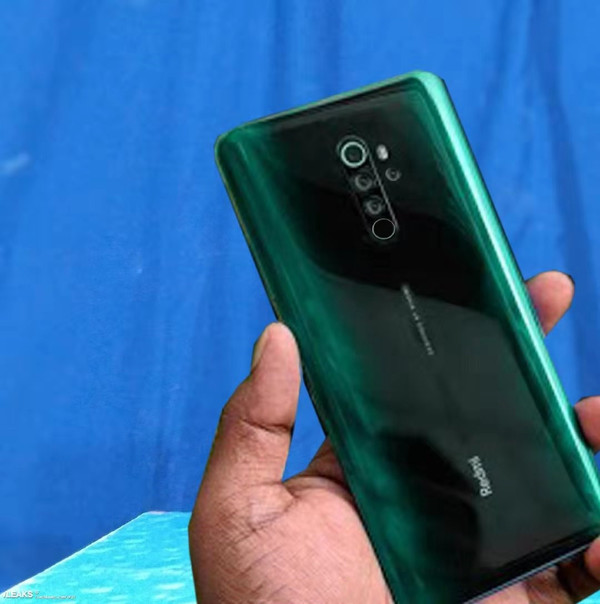
It is confirmed that the Redmi Note 8 Pro will be featuring the Samsung ISOCELL Bright GW1 64-megapixel lens as the primary unit in its quad camera setup. Images of the phone that have surfaced so far have revealed that it will be featuring a vertical camera module with three camera sensors followed by a fingerprint reader. Alongside it will be an LED flash and the fourth camera sensor. In terms of design, the phone could be sporting a rear design that is quite similar to the Redmi K20 and Redmi K20 Pro smartphones.
The Helio G90T will be fueling the Redmi Note 8 Pro smartphone and its battery is expected to carry support for 18W fast charging. The phone will be equipped with other features like NFC and IR Blaster.
There is less information available on the Redmi Note 8. It is speculated that it could be equipped with a Sony IMX586 48-megapixel primary lens in its quad camera system. It could be fueled by Helio G90 or Snapdragon 665. Also, it could be equipped NFC and IR Blaster.
The Lenovo A6 Note is an upcoming budget smartphone. Last month, it appeared on Geekbench, revealing some of its specs. Recently, it was also certified by Thailand’s network agency. Today, Lenovo‘s own Vice President, Chang Cheng posted on Weibo press renders of the phone, therefore giving us an early look.
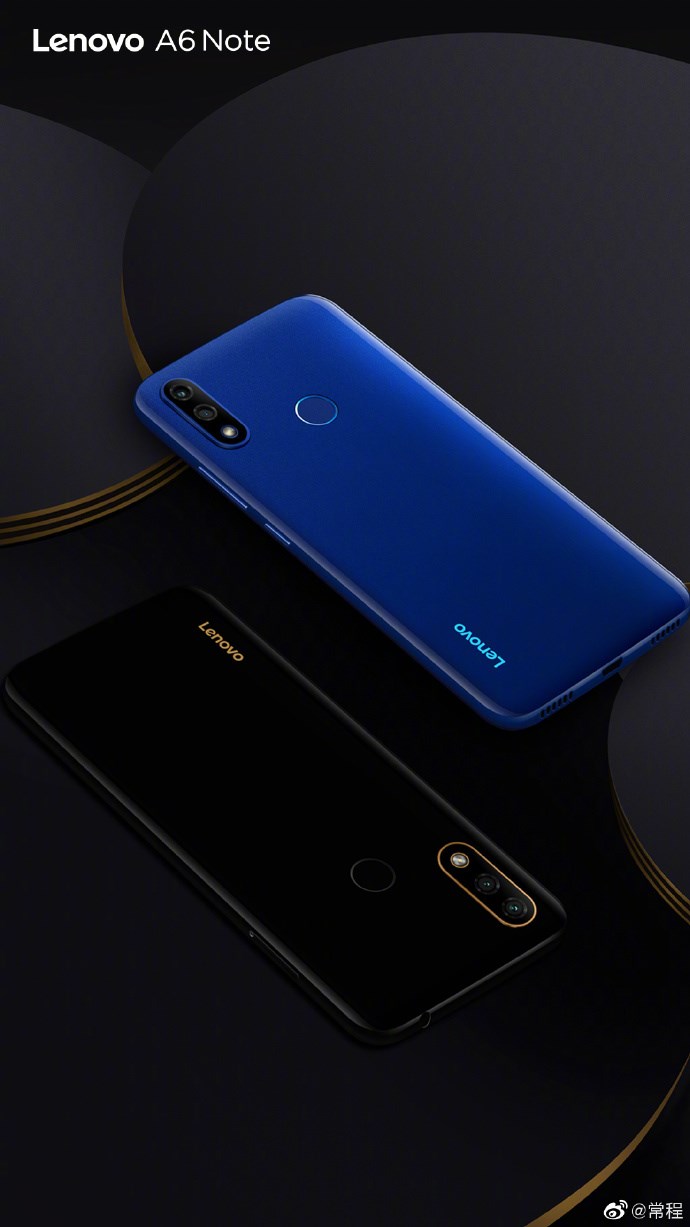
The Lenovo A6 Note will come in two color variants – blue and black. The phone is shown to have a display with a waterdrop notch. On the back are dual rear cameras which are housed together with an LED flash. The black variant has a gold accent around the camera housing which gives it a nice touch.
Sitting in the middle of the phone is a fingerprint scanner. We are not sure what the back is made from but it most likely is plastic.
The Lenovo A6 Note has its power button and volume rocker on the right side of the frame while the SIM tray is on the left. The bottom has two grilles – one flanking the USB port on each side. One should be for the microphone while the other is for the speaker. At the top of the phone sits a 3.5mm audio jack.
[envira-gallery id=”271749″]
The Geekbench result revealed the phone will have 3GB of RAM, come with Android 9 Pie out of the box, and be powered by a MediaTek Helio P22 processor.
Following the official posting of the Lenovo A6 Note’s press renders, we believe the phone will be announced soon.
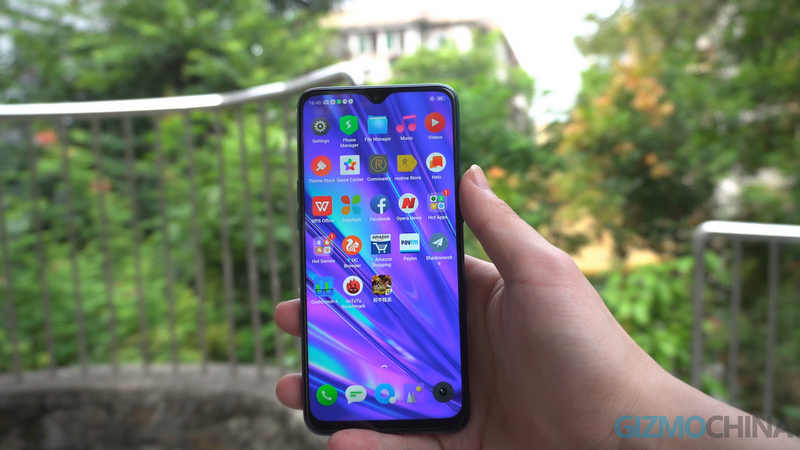
Gizmochina is conducting 1 unit Realme 5 Pro Smartphone as giveaway gift to a lucky reader. Like always, you just have to follow the steps mentioned on the Gleam widget to get a chance to win this amazing gift.
Gizmochina now provides a new mobile app! If you want to win the free Realme 5 Pro Smartphone, it is important for you to Download the Gizmochina APP and Subscribe the Gizmochina Channel on Youtube.
Realme 5 Pro comes with 6.3-inch LCD waterdrop display, having the resolution of 2340 x 1080 pixels. Powered by Snapdragon 712 AIE processor, Realme 5 Pro runs smoothly and improves comprehensive performance by 10% compared with previous products. The camera module is surprising me because of the four cameras placed vertically on the rear panel. It packs a SONY 48-megapixel primary camera with an f/1.7 aperture; a second 8-megapixel wide-angle camera with an f/2.25 aperture, a third macrolens with an f/2.4 aperture and a last portrait lens. For the video recording, the Realme 5 Pro supports up to 4K resolution videos, which is easy for you guys to take vlogs. The Realme latest handset features a 16MP front-facing camera with f/2.0 aperture, coming with AI Beauty. The Realme 5 Pro is fueled by 4000mAh high capacity battery, which is capable of using for over one day with single charge.
Share this giveaway contest on Facebook, Twitter and Reddit.
Terms & Conditions:
1. The giveaway is an international giveaway. 2. We are not responsible for lost shipments. 3. We are not responsible for any duties, import taxes that you may incur. 4. We reserve all rights to make any changes to this giveaway. 5. The prize will be shipped in a month when the giveaway end.
Just follow the steps mentioned in the Gleam widget to participate in the giveaway.
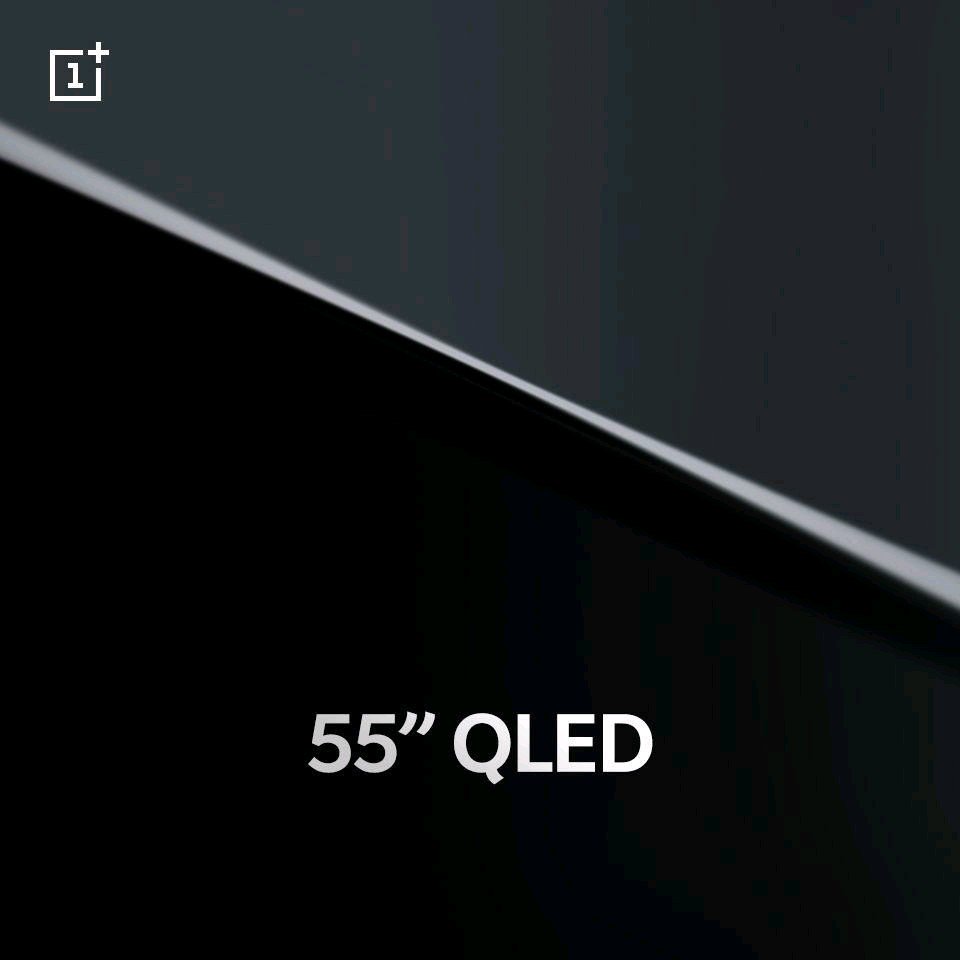
Just a few days ago, OnePlus’ CEO, Pete Lau, revealed details about the OnePlus TV in an interview with Business Insider. However, he kept a tight lip on the screen size. Thanks to a teaser by a OnePlus executive, we now know what the screen size of the smart TV is.
Akis Evangelidis is the vice president of OnePlus France. Yesterday, he shared a photo on his Twitter account that revealed the OnePlus TV will have a 55-inch QLED display.
Pete Lau already revealed that they used Quantum-Dot LED panels instead of OLED as the latter is expensive and the price difference doesn’t match the quality difference.
Now that we know the size of the TV, this should help those who are considering purchasing the TV when it launches further cement their decision or change their minds. More sizes should launch in the future as the Bluetooth SIG listing reveals several models with different screen sizes. There will also be 43-inch, 65-inch, and 75-inch versions. Based on the model numbers, the 75-inch models will not be sold in India but will be available in China and the US.
The OnePlus TV will be powered by a custom version of Android TV that has been optimized for the best user experience. The TV will also integrate seamlessly with the smartphone allowing owners to use the phone for input on the TV.
The OnePlus TV launches in September in India before its announcement in China, Europe, and the US. OnePlus says it won’t be cheap as the TV is a premium product and will have a price tag that shows that.
Before we dive into the release schedule, it is fair to mention that HMD Global has done a good job with respect to updating its devices and we wish several other manufacturers will emulate them.
After being the fastest to upgrade Nokia phones from N to O and O to P, I am super excited to share with you that the Q(ueue) for Nokia phones is moving fast as we get ready to welcome Android 10 on Nokia smartphones – roll out starts in Q4, 2019! #Nokiamobile#android10pic.twitter.com/qXM4ZXAPBo
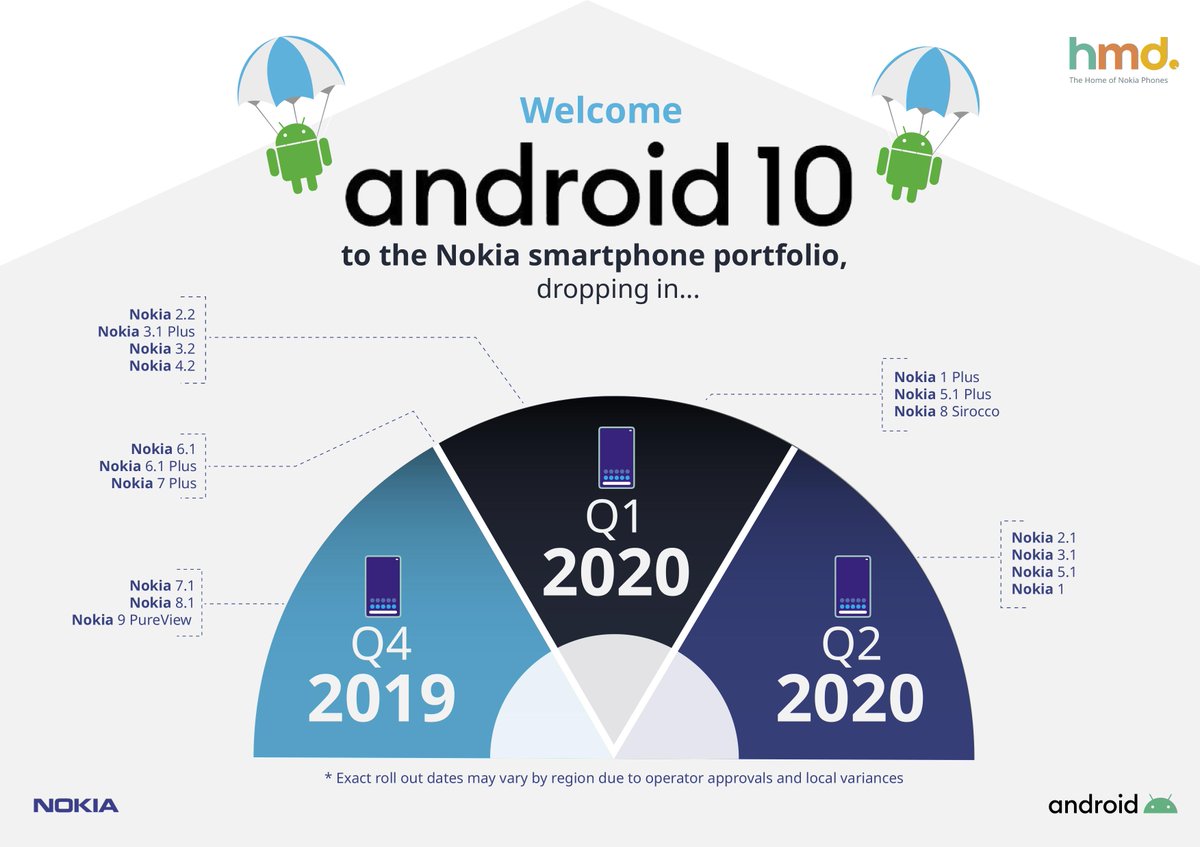
The Finnish manufacturer will begin rolling out Android 10 (Android Q) to its smartphones this year. Beginning next quarter (Q4 2019), the Nokia 7.1, Nokia 8.1, and Nokia 9 PureView will be the first to receive the update to Android 10.
The update train will then move to the Nokia 6.1, Nokia 6.1 Plus, and the Nokia 7 Plus between Q4 2019 and Q1 2020.
In the first quarter of 2020, Android 10 will be made available for the Nokia 2.2, Nokia 3.1 Plus, Nokia 3.2, and Nokia 4.2. Later the same quarter, the Nokia 1 Plus which runs Android 9 Pie Go Edition, the Nokia 5.1 Plus, and the Nokia 8 Sirocco will also receive Android 10.
The last set of phones which includes the Nokia 2.1, the Nokia 3.1, the Nokia 5.1, and the Nokia 1 which launched with Android 8.1 Oreo Go Edition will be updated to Android 10 (Go Edition) in the second quarter of 2020.
None of the first-gen Nokia phones released in 2017 will be getting updated to Android 10 which explains why the flagship Nokia 8 is missing from the list. Nevertheless, it is sad that HMD Global won’t be updating the flagship to Android 10.
Based on this update schedule, future Nokia smartphones launching henceforth should run Android 10 out of the box. We are not sure about the Nokia 7.2 and Nokia 6.2 which both appeared on Geekbench with Android 9 Pie but we believe they may actually launch with Android Q or get the update right after they go on sale.
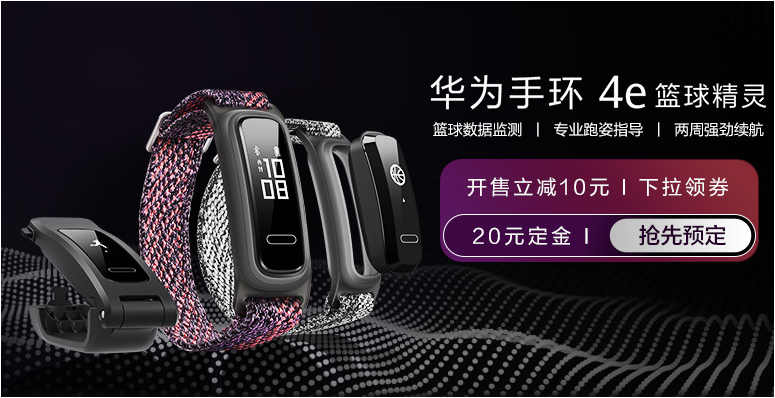
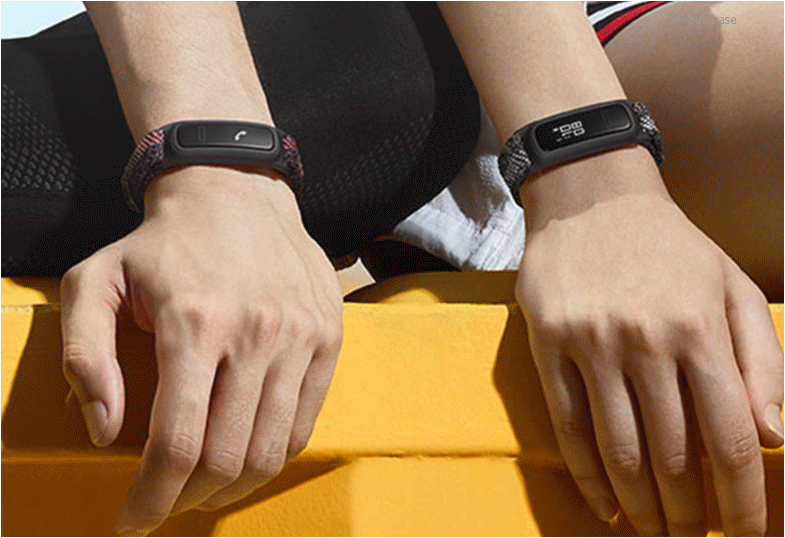
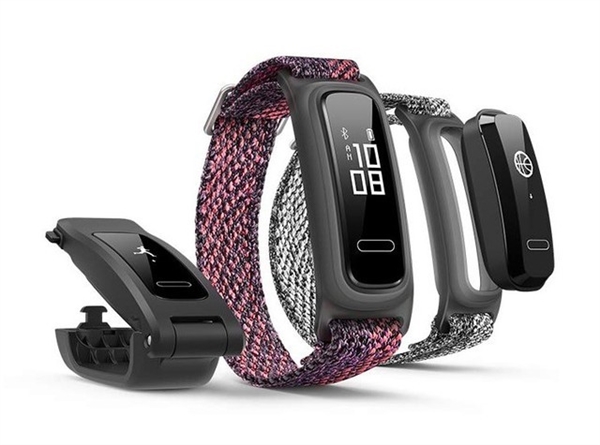
Huawei had announced the Huawei Band 4e Basketball Wizard edition August 10 at the Huawei Developer’s Conference. The new Basketball Wizard edition has as its distinguishing feature, a basketball mode specially designed for basketball and sports enthusiasts. Aside from this new basketball mode and a few tweaks, the Band 4e is similar to the Band 3e that was launched last year.
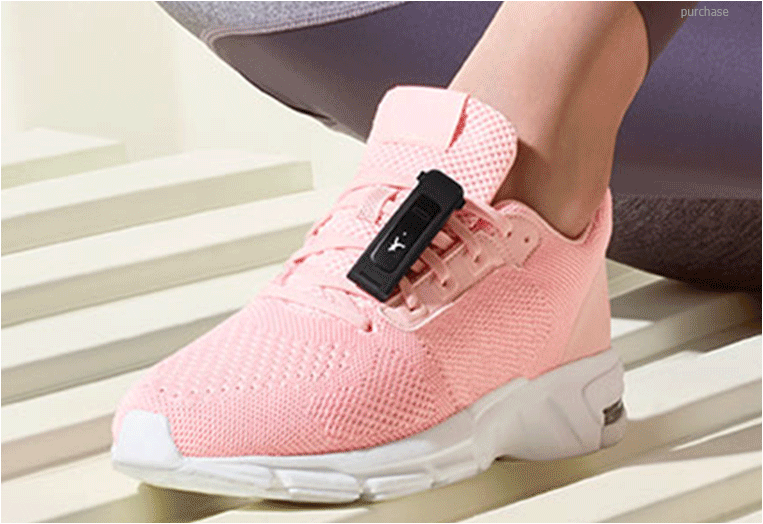
The Huawei Band 4e is focused on sports especially running. The design is similar to the Band 3e and they also share similar features. The band comes with an attractive polyamide color mix strap. There is also a case for attaching the watch to your running shoes for more accurate step tracking. When worn on the wrist, apart from tracking the daily activities and sleep tracking, it also has a variety of reminder functions such as message, incoming call, alarm clock as well as other smart assistant functions including “Find my phone”.
The Band 4e also has 7-data monitoring and analysis features that come to play when strapped to a running shoe. They are ground-contact time, eversion excursion, cadence, step length, swing angle, landing impact, and foot strike placement. All these data are monitored by the fitness tracker and help you to become better at running.
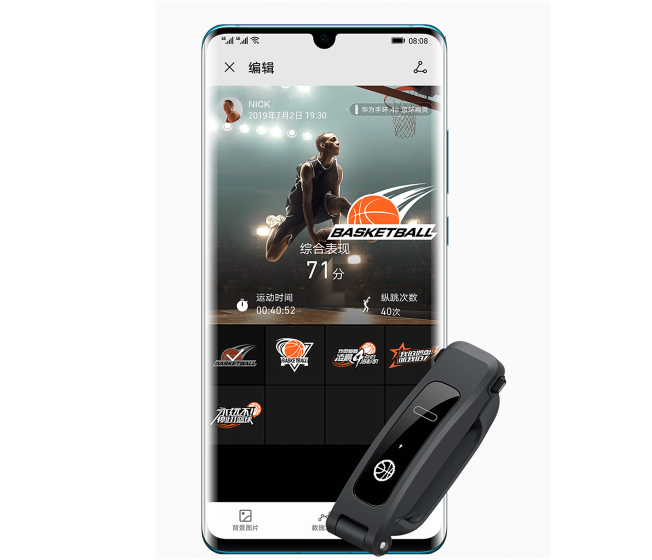
The running position monitoring function and the new “Basketball Data Monitoring” function can be turned on in the shoe mode. The new “Basketball Data Monitoring” function can accurately monitor basketball data, and record data such as vertical jump, flight time, maximum sprint speed, and bounce number, in sync with advanced AI algorithm of Huawei Sports Health app.
The band scientifically and accurately record the individual’s performance on the basketball court, not only allowing the player to set targets during training and improve the indicators of weakness, but also to avoid the risk of strain in high-intensity exercise.
In terms of battery life, Huawei Band 4e Basketball Wizard Edition can be used for 14 days with a single charge. It has a maximum standby time of up to 21 days. The band also comes with 5ATM (50m) waterproof support which means it can be worn in the rain or while swimming.
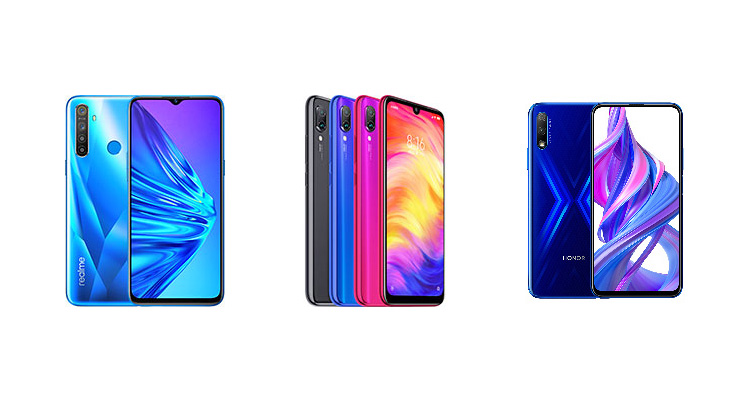
In the last years, there are sub-brands which are selling even more than their mother companies. Just look at Honor which carried Huawei’s sales for years and Redmi which is continuously launching best-sellers every year. Recently, a new best-selling sub-brand is born: it is called Realme and it is an Oppo’s brand. Realme 5 debuted a few days ago with an incredibly high value for money and it seems definitely the best rival for some of the latest Redmi and Honor phones. Here, we compared it with the best-selling Redmi Note 7 and with the new Honor 9X which represent two of the most balanced smartphones under every point of view, among value for money phones. They all represent amazing choices under €200 for most people, and here you will learn which one has more potentialities.
Quad 12 + 8 + 2 + 2 MP f/1.8, f/2.2, f/2.4 and f/2.4
13 MP f/2.0 front camera
Dual 48 + 5 MP f/1.8 and f/2.4
13 MP front camera
Dual 48 + 2 MP f/1.8 and f/2.4
16 MP f/2.2 front camera
BATTERY
5000 mAh, fast charging 10W
4000 mAh, fast charging
4000 mAh, fast charging 10W
ADDITIONAL FEATURES
Dual SIM slot
Hybrid Dual SIM slot
Hybrid Dual SIM slot
Design
The pop-up camera and the notch-less display make the Honor 9X a much more futuristic and attractive smartphone. And if you add the suggestive light effects varying on light reflection, you get an even more amazing design. It even has a side-mounted fingerprint reader so that the rear cover looks cleaner. But there is one thing in which the Honor 9X is inferior when it comes to aesthetics: the build quality. Honor 9X sports a traditional polycarbonate design, unlike the Redmi Note 7 which comes with a glass back. But in this case, the screen-to-body ratio is higher and there is even a waterdrop notch. What do you prefer: a more futuristic design or better materials?
Display
Despite it has a wide 6.5-inch screen, Realme 5 loses this comparison due to a lower display resolution. It has just an HD panel, while its rivals are both Full HD+. If I had to choose between Redmi Note 7 and Honor 9X, I would go for the latter simply because it has a bigger display and it is notch-less. But the quality is very similar, so there is not a real better device here. Both are IPS panels and they come with the same 1080p resolution.
Specs & Software
For the first time, a Kirin chipset by Huawei dominates over Snapdragon 6xx chipsets by Qualcomm. The Kirin 810 found on the Honor 9X is built at 7 nm just like flagship chipsets and it provides blazing speeds and very low energy consumption. Further, the Honor 9X also provides the highest-end memory configuration with up to 6 GB of RAM and up to 128 GB of internal storage which you can furtherly expand with a micro SD. At the second place, you can find the Realme 5 as it is powered by a slightly better chipset than the Redmi Note 7, but note that it does not exist in a configuration with 6 GB of RAM, unlike the Redmi Note 7. In each case, you get a customized Android fork: Color OS, MIUI, and EMUI.
Camera
None of these handsets is a camera phone, but they have more than sufficient camera performances. When it comes to rear sensors, Redmi Note 7 wins the comparison for a low margin, if we only talk about overall photo quality in normal conditions. But Realme 5 has two additional sensors (quad camera) including an ultrawide lens and a dedicated macro camera, so it is way more versatile. And we think it is more important for a mid-ranger.
Battery
The huge 5000 mAh battery and the efficient 6.5-inch display make the Realme 5 the battery king in this trio. It is able to last two days on a single charge even with the most stressed usage pattern.
Price
€180/$200 for Redmi Note 7 and Honor 9X, €125/$138 (in India) for Realme 5. Overall, I would choose the Honor 9X for its wider display, better look, and nice hardware. But Realme 5 is the best for people seeking for the most versatile camera and the longest battery life.
LG is about to reveal the mid-range K40s and the K50s smartphones at the IFA conference in Berlin, Germany this September. The South Korean tech giant recently shared the full specifications of both devices along with a few images ahead of the trade show.
LG K40s Specifications and Features
The LG K40s is equipped with a 6.1-inch FullVision IPS LCD display with a waterdrop notch housing the front camera. The device measures 156.3 x 73.9 x 8.6mm. It is built on an MIL-STD 810 grade frame, which guarantees protection against accidental drops and makes the device resistant to extreme weather conditions.
The smartphone is powered by a 2.0 GHz processor with 2GB and 3GB of RAM and 32GB of internal storage. The device also gets an external storage through a microSD card. The K40s features a dual camera setup at the rear, including a 13-megapixel PDAF-assisted primary sensor, along with a 5-megapixel ultra wide lens. The device draws power from a 3,500 mAh battery.
The LG K50s is a higher-spec relative of the K40s and shares the same MIL-STD 810 grade chassis. The device measures 165.8 x 77.5 x 8.2mm and features a 6.5-inch HD+ IPS LCD FullVision display with an aspect ratio of 19.5:9. The smartphone is powered by a 2.0GHz Octa-Core processor with 3GB of RAM and 32GB of internal storage. It has a triple camera setup at the rear consisting of a 13-megapixel sensor with PDAF, a 5-megapixel ultra wide lens and a 2-megapixel depth sensor. The K50s draws power from a 4,000 mAh battery.
Both the K40s and the K50s run on Android 9.0 Pie. The K-series duo feature a rear-mounted fingerprint scanner, a dedicated Google Assistant button, AI Cam and DTX 3D Surround Sound. Both smartphones also share the same color options, namely Moroccan Blue and New Aurora Black. Although there is no official confirmation on the pricing and launch date, LG confirmed that smartphones will be available in Asia, Europe and Latin America by October 2019.
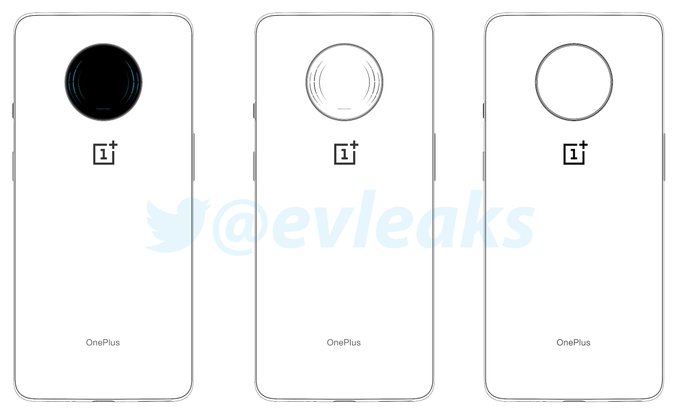
Since the release of the OnePlus 3T in November 2016, OnePlus has in subsequent years released a slightly upgraded variant of its flagship bearing the “T” suffix. From the OnePlus 5T right to the OnePlus 6T, the models have all lived up to expectations and usually reignite sales of the brand’s flagship models. The OnePlus 7 isn’t likely going to be an exception as the renders of what is touted to be the OnePlus 7T has emerged online.
OnePlus 7T renders. Credit: Evan Bass
The renders which were leaked by the renowned tipster Evan Bass, avail us the opportunity to have a look at the rear design. What is interesting about the rear design is the round camera module in the middle. However, there is no indication as to the number of sensors that would be onboard or how they will be arranged. It doesn’t even have any feature that points to it being a camera module except that it is located where the rear camera is supposed to sit. What we can promise you is that the design is going to be a spectacular one, OnePlus style.
Also worthy of note is that the design looks similar to the leaked image of a OnePlus model leaked by teenage tipster Ishan Agarwal back in December 2018. The image showed the device in prototype/designing stage with a similar circular rear camera module. However, there were rumours that the design ever left the prototype stage. But right now, @evleaks tips this to be the design of the OnePlus 7T. We’ll have to wait for more details to emerge. Meanwhile, the OnePlus 7T is rumoured to get an early September 26 launch date. That may not be correct but going by precedence, the device is expected to drop in October or November this year.
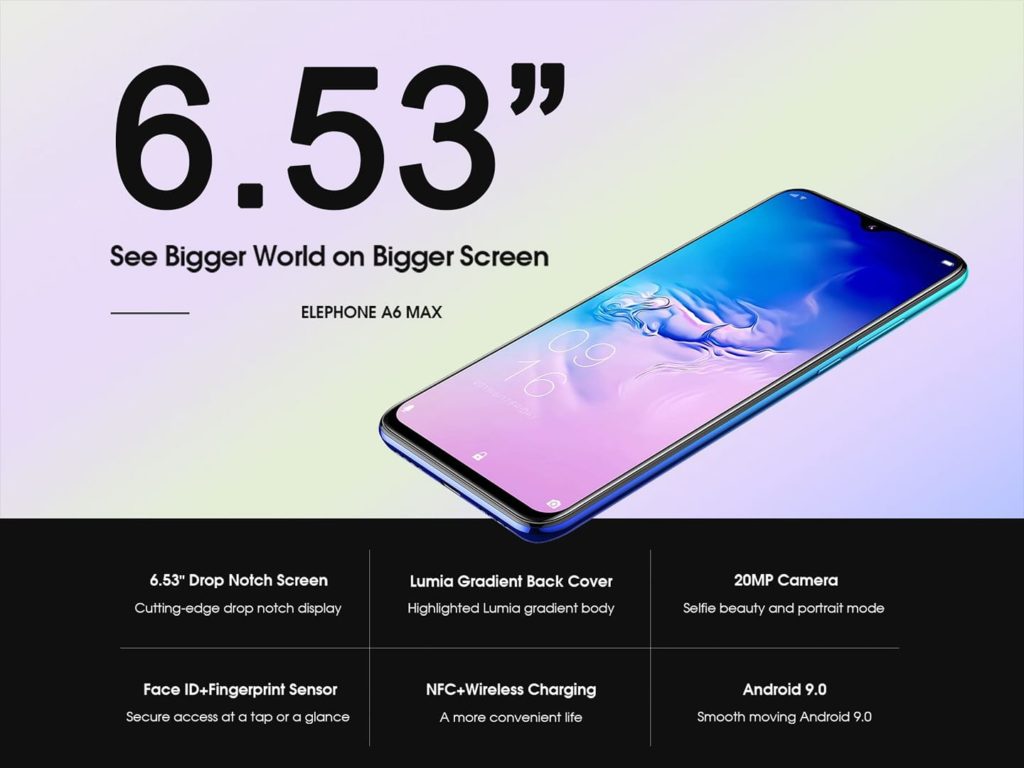
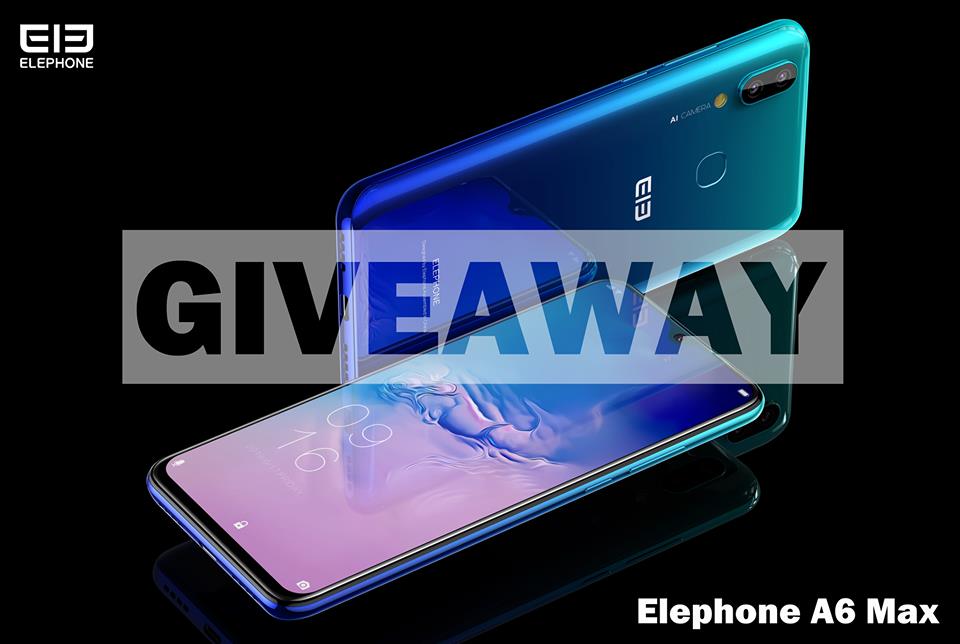
After various successful giveaways in the past, we are here with another Android smartphone giveaway. This time we have partnered with a famous Chinese smartphone manufacturer – Elephone for a single unit Elephone A6 Max giveaway. The interested users can enter the giveaway until August 31st.
The beautiful Elephone A6 Max hosts a 6.53-inch drop notch display having 19.5:9 aspect ratio and 720×1560 pixels resolution. Its 90.3% screen-to-body ratio provides an immersive viewing experience to watch movies play games. It is powered with an Octa-core processor bundled with 4GB RAM and 64 GB internal storage. Upon need, users can also expand the external storage up to 256 GB via a microSD card.
In the camera section, the Elephone A6 Max carries a dual rear camera module featuring a 20MP primary camera and a 2MP secondary camera. On the front, there’s a 20 MP camera for selfies and video calling. The front camera supports inbuilt AI portrait mode, which can easily differentiate facial characteristics for a better selfie. It also sports an HDR+ mode for better details and ArcSoft AI to beautify the selfie.
The phone bears multifunction NFC for contactless payments and effortless bus cards. To match the ongoing trend and to facilitate the users, the Elephone A6 Max supports wireless charging. Other features such as Face ID and Fingerprint Sensor helps to simplify the authentication process. It runs on smarter, faster, and more secured Android 9.0 Pie. Learn more about the Elephone A6 Max by visiting the official website here.
Enter Elephone A6 Max Giveaway
The Giveaway for Elephone A6 Max is still going on, and to enter it follow the details below.
Enter all the details, including the full name and email address.
Click the “Continue” button and answer a few questions.
Earn more points by sharing and performing other activities. Remember, more the points better are the chances to win.
Terms & Conditions:
1. The giveaway is international. 2. We are not responsible for lost shipments. 3. We are not responsible for any duties, import taxes that you may incur. 4. We reserve all rights to make any changes to this giveaway. 5. The prize will be shipped in a month when the giveaway ends.
Be fair and follow all the instructions carefully to participate in the giveaway.
Back in 2011, Blackberry was a texter’s dream. But when it came to texting on Android, you hardly had any decent options. HTC decided to change that by introducing a very unique device in its time, the HTC ChaCha.
Today, let’s revisit the device that’s nearly a decade old, but still shines because of its beautiful design. Well, at least for a few, the HTC ChaCha was a beautiful phone, which isn’t surprising given HTC’s reputation back in its day!
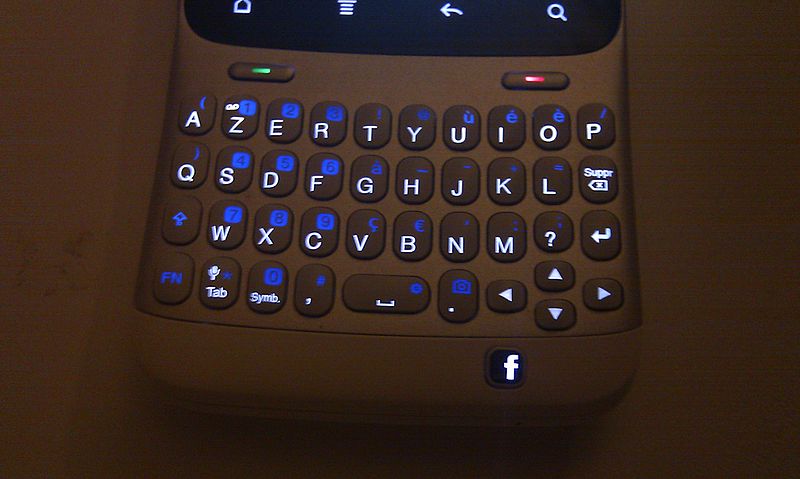
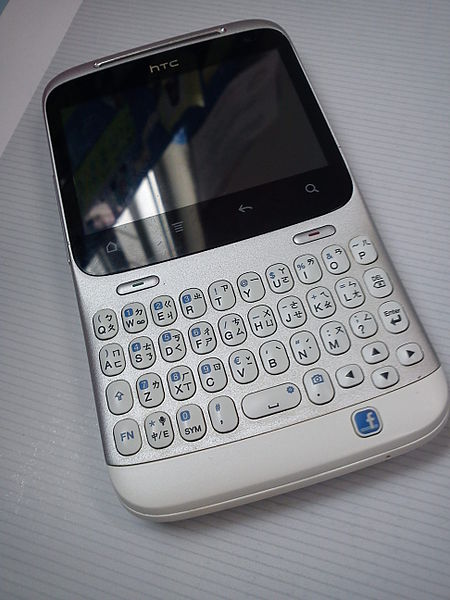
The HTC ChaCha was special not just because of its full-sized QWERTY keyboard or even its silver and white design. It was unique also because it came with a dedicated Facebook button. Basically, HTC decided to go Cha Cha Cha with Facebook in 2011 because the social media platform was booming back then and it was quite popular for all the good reasons, unlike today!
The FB button was more than a gimmick. It worked contextually and it could basically share anything from a recently clicked photo or a song that you were listening to, directly to Facebook. There was even a special FB chat widget integrated inside the Sense UI. In short, it was a Facebook addict’s dream!
source: Wikipedia
HTC ChaCha’s Facebook integration wasn’t subtle. Even some of the buttons on the keyboard had the iconic FB blue color. But overall, HTC ChaCha’s design stood out, and in a really good way. The phone featured a beautiful aluminum unibody design with a white and silver dual-tone color scheme. Also, it was slightly curved which meant the keyboard leaned towards you, aiding in your typing experience.
The ChaCha brought together a touch screen display and a full-sized QWERTY keyboard. Of course, in order to accommodate the QWERTY keyboard without making the device abnormally long, HTC added a small sized 2.6-inch display in landscape orientation. It looks weird at first but the Taiwanese smartphone maker did tweak its Sense UI to cater to the new orientation. Despite its efforts, which honestly was pretty commendable, the 2.6-inch display was simply too cramped. Traditional Android OS isn’t really built to cater to tiny screens and that fact was highlighted by ChaCha’s screen. There were 4 capacitive buttons on board as well, which ate up more of the space that should have been allocated to the display.
What ChaCha sacrificed in its display experience, it made up with its QWERTY keyboard. The texting experience may not have been as great as a Blackberry, but for Android, it was pretty good. There was the Snapdragon S1 800MHz processor, 512MB RAM, as well as 512MB storage which was expandable. Given HTC ChaCha’s placement as a mid-ranger, these specs were pretty good. Android Gingerbread with Sense UI 2.1 on top ran pretty smoothly.
The HTC ChaCha came with a 5MP camera at the back with a single LED flash. There was a front-facing VGA camera as well, but not quite suited for selfies. It actually existed for video calls.
You got all this for a price tag of $300, which for its time was pretty good!
source: Wikipedia
The HTC ChaCha might not have been a best seller but it forms a unique part of HTC’s journey when it was at its peak. The company seemed to do everything right back then.
How many of you remember the ChaCha? Did you ever manage to get your hands on it?
Check out some of our previous Throwback Tech Thursday articles below!
Unlike traditional wristwatches that merely measured the passage of time, newfangled smartwatches are crammed with awe-inspiring features.
Aside from telling the time, smartwatches offer an impressive array of other functions that help you lead a healthier lifestyle and keep a track of your activities. On the downside, these feature-rich smartwatches aren’t easy on the pocketbook.
If you are in the market for an inexpensive smartwatch that doesn’t compromise on quality, we got your back! Here are the top six best smartwatches that you can buy without burning a hole in your pocket.
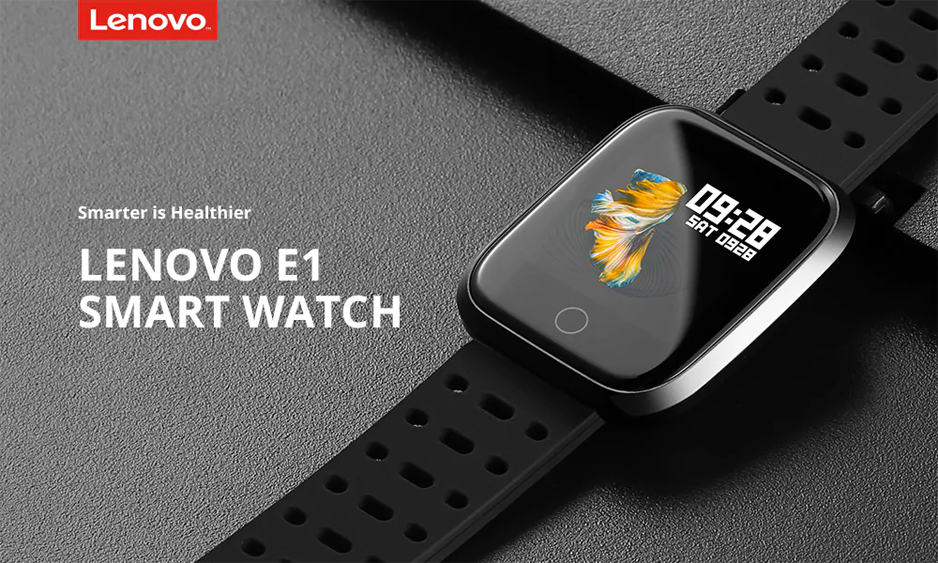
Lenovo E1 Smartwatch
Known for offering China’s best electronic items at unbeatable prices, Gearbest recently launched the Lenovo E1 Smartwatch Flash Sale. As part of this recently kicked-off promo, the Chinese online store is not only offering the Lenovo E1 for a reduced price but is also giving you a chance to get a gift.
While the coveted Lenovo E1 would normally set you back $49.99 on both online, as well as offline stores, you can now buy it for a lowered price of just $39.99 from Gearbest. This 20 percent discount is valid for the green, as well as the black color versions. On top of that, first 500 lucky buyers will get a free wristband.
Exclusively designed for sports enthusiasts, the Lenovo E1 adopts a single-hand control design which ensures the watch stays firmly on your wrist even when you are exercising. Its super soft silicone strap offers a comfortable wearing experience for a longer duration.
You can head straight to this link to check out more details about the Lenovo E1 smartwatch and place your order. With over a hundred pieces already sold, the promo is slated to end in twenty-eight days.
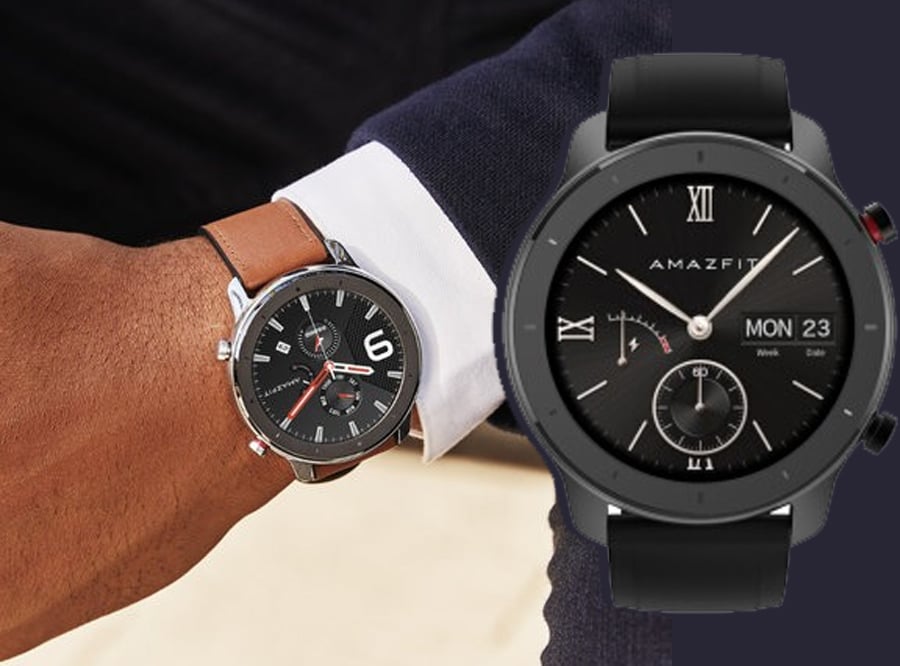
Sporting a classic look of the traditional watch, the AMAZFIT GTR smartwatch is a great choice for sports and business use. It is backed by a robust battery for an ultra-long battery life, which lasts up to 24 days for normal use.
Aside from featuring more than 100 watch faces, the AMAZFIT GTR smartwatch comes with twelve sports modes to monitor your overall health. While these features completely justify the steep $180.67 price tag, the watch normally carries; you can buy it for just $149.99 from Gearbest.
This is a noteworthy 17 percent reduction in the device’s original asking price. With a whopping 12421 pieces already sold at the time of writing, this promo will come to an end in just eight days so follow this link and place your order without wasting time.
The AMAZFIT GTR 42mm smartwatch comes with a wide range of built-in watch faces that suit your fancy. It features a quick-release strap which is made using fluorubber, leather + silicone, making the watch sweat proof and giving it a premium look.
While you’d normally need to shell out $168.85 on the AMAZFIT GTR 42mm Smart Watch, Gearbest is giving its loyal users a chance to buy this feature-laden smartwatch for a reduced price of just $139.99. Moreover, you get an extra $10 if your cart value exceeds $100.
In other words, you can buy the AMAZFIT GTR 42mm Smart Watch for just $129.99. Available in multiple eye-catching color options, the smartwatch will be carrying this heavily-discounted price tag for just nine days. You can visit this link to avail the discount before the promo ends.
GeekBuying is currently doling out a noteworthy 42 percent off on the AMAZFIT Verge 3 smartwatch, which usually carries a $239.99 price tag. As a result, you can now get your tech greedy hands on the smartwatch for a lowered price of only $139.99.
As if that weren’t enough, you can even extend this discount with the help of coupon code 3LZS6C8R. The coupon helps you save $10 more by reducing the original asking price of the watch to only $129.99 at the time of check out.
An absolute steal at this price, the AMAZFIT Verge 3 smartwatch comes with Amazon Alexa built-in, allowing you to access flash briefings, ask questions, get reminders and get a slew of other notifications right on your wrist.
You can choose between dark gray, blue and white color options. Regrettably, the promo is slated to end soon. You can follow this link to ensure you do not end up missing this great discount.
The Huami Amazfit Verge Lite normally retails for $100.99, but GearVita is offering it for a lowered price of $81.99. This is a significant 19 percent drop in the watch’s original selling price.
You can get an extra $6 off by applying coupon code ROVergeLite during the checkout process. In other words, you can buy the Amazfit Verge Lite smartwatch for a lowered price of just $75.99 by applying the above-mentioned coupon at checkout.
The irresistible smartwatch sports an easy-to-read 1.3-inch screen with a high resolution of 300×300 pixels. It supports Bluetooth 4.0 for stable and faster connectivity and is compatible with phones running on Android 4.4 / iOS 9.0 or above.
You can avail the discount on the Huami Amazfit Verge Lite smartwatch and take advantage of the coupon, which will lapse soon by following this link.
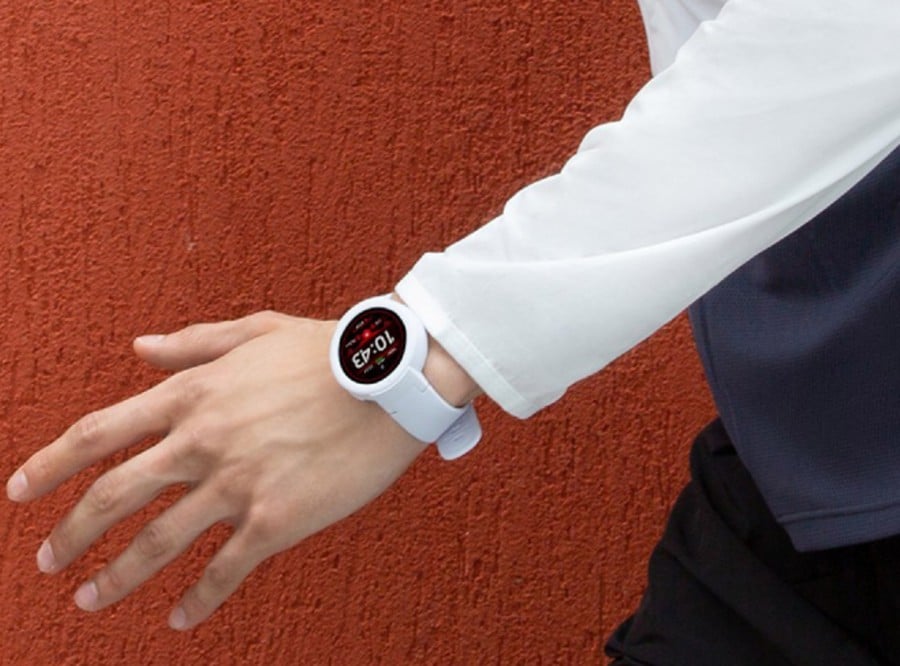
Staying true to its reputation for offering the best bang for your buck, Banggood is offering the BlitzWolf BW-HL1 smartwatch for a lowered price of just $16.99. It is worth mentioning here that the watch usually sells for $49.99.
This noteworthy 66 percent discount will be valid for the first 500 pieces only, while the remaining 1000 pieces will go up for pre-order bearing a $19.99 price tag. The rest of the 1500 pieces will be available for $29.99.
Moreover, those who spend more than $19.99 will qualify for free shipping. Equipped with eight sports modes, the BlitzWolf BW-HL1 can efficiently track your daily activities such as walking, running, cycling, etc.
The watch allows you to check app messages and SMS in multiple languages. Moreover, it reminds you of missed calls and notifications through vibrations on your wrist.
You can visit this link to check out the full specifications of the BlitzWolf BW-HL1 smartwatch and grab the discount, which will be valid only on the black color version of the watch.
Since 2008, Android has seen numerous updates which have incrementally improved the operating system, adding new features and fixing bugs in previous releases. Each major release is named in alphabetical order after a dessert or sugary treat, with the first few Android versions being called “Cupcake”, “Donut”, “Eclair”, and “Froyo”, in that order. In fact, trolling the expected codenames was a surprise but usually interesting past time for tech enthusiasts. But that won’t be happening any more as Google has finally laid to rest the codenaming of its next-gen operating system after desserts. Instead, the upcoming version of the Android OS which had logically been called Android Q will just be known as Android 10.
Android 10 is due to be released this fall and ahead of the official rollout, the company has announced that it will be called Android 10 while next year’s version will be Android 11 and so on. During the announcement of Android KitKat in 2013, Google explained that “Since these devices make our lives so sweet, each Android version is named after a dessert”. However, the company’s vice president of product management for Android and Play, Sameer Samat had earlier this year hinted that the company was super excited about the desserts but at the same time, Q was a hard letter to assign a dessert. Apparently, the company could not find a suitable name and in a bid to avoid such logjam in the future, they have decided to stick with naming subsequent OS versions in numerical order.
In addition to the new name, Google also unveiled an updated logo for Android. Aude Gandon, global brand director for Android describes the new logo as having a “more modern” wordmark. The change is basically in the font of the text but importantly, the logo still includes the little green robot. “The robot is what makes Android special. It makes it human, fun, and approachable,” Gandon says.
We use cookies on our website to give you the most relevant experience by remembering your preferences and repeat visits. By clicking “Accept”, you consent to the use of ALL the cookies.
This website uses cookies to improve your experience while you navigate through the website. Out of these, the cookies that are categorized as necessary are stored on your browser as they are essential for the working of basic functionalities of the website. We also use third-party cookies that help us analyze and understand how you use this website. These cookies will be stored in your browser only with your consent. You also have the option to opt-out of these cookies. But opting out of some of these cookies may affect your browsing experience.
Necessary cookies are absolutely essential for the website to function properly. This category only includes cookies that ensures basic functionalities and security features of the website. These cookies do not store any personal information.
Any cookies that may not be particularly necessary for the website to function and is used specifically to collect user personal data via analytics, ads, other embedded contents are termed as non-necessary cookies. It is mandatory to procure user consent prior to running these cookies on your website.

 The aforesaid variant is available in two color options including black, and blue. It is worth noting that the estimated delivery for both variants of the phone is set for early of September.








![[English Version] Huami AMAZFIT Verge 3 Smart Watch 1.3 Inch AMOLED Screen Heart Rate Monitor 11 Sports Modes IP68 Waterproof - Deep Gray](https://image2.geekbuying.com/content_pic/201811/Huami-AMAZFIT-Verge-3-Smart-Watch-1-3-Inch-AMOLED-Screen-Deep-Gray-20181123134424497.jpg)
![[New Released] BlitzWolf® BW-HL1 1.3' IPS 8 Sports Mode IP68 Multi-language Display HR Blood Pressure O2 15Days Standby Smart Watch - Black](https://www.blitzwolf.com/bg_os/other/upload_temp/products/original/201908/1565321327_26.jpg)