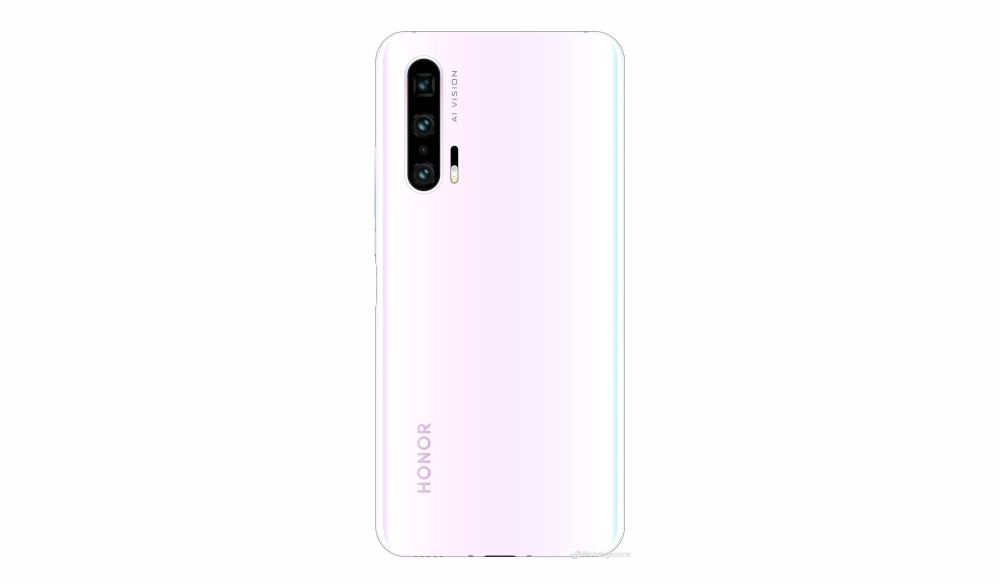
Following today’s Honor 20 Pro camera leak, things got confusing with respect to the phone’s design. Compared to the leaked renders from the past few weeks, the design of the phone in today’s camera leak is quite different. Now a bunch of alleged promotional images have surfaced online and they too show a different design. Which leads us to ask “What does the Honor 20 Pro really look like?”.
The short answer is we won’t know until the launch on May 21. Or if we are lucky, a hands-on video might surface before the launch. Nevertheless, while we debate which design is genuine, let’s take a look at these promotional images.
Starting with the front of the phone which two of the renders show, the Honor 20 Pro doesn’t have a notch or punch hole for the front-facing camera. It is practically all screen save for the slightly thicker lower bezel. What this means is that the Honor 20 Pro has a pop-up selfie camera, one that isn’t shown in any of these promotional images.
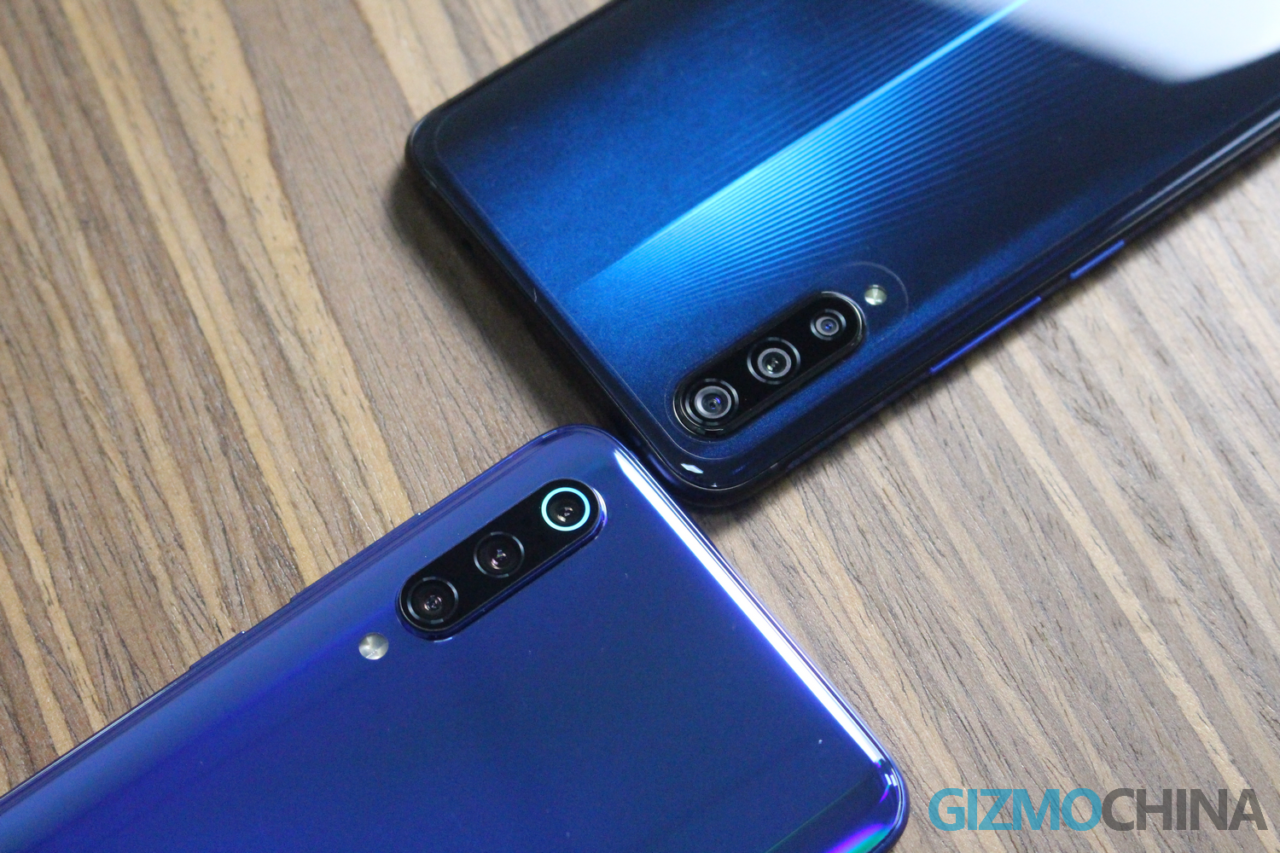
Coming to the rear which is the part that differs from the other images we have seen, the Honor 20 Pro is shown with a quad camera setup. There is no square-shaped periscope zoom lens as seen in the leaked renders. However, only three of the sensors are housed together. The fourth doesn’t flank the camera housing on the right but sits right underneath just like the Lenovo Z6 Pro. What actually flanks the sensors is the LED flash and laser focus module.
[envira-gallery id=”251985″]
The promo images show the device in red, pale purple, ice blue, gradient neon pink, and acid green. Some of these colors are pretty unusual which makes us doubt the authenticity of these images. Not only that, the LED flash on the renders take on the color of the phone which is not only unusual but doesn’t make any sense.
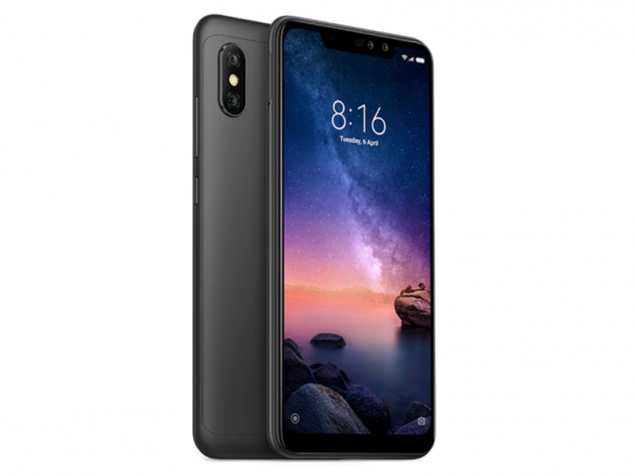
The Redmi Note 6 Pro might as well be one of the least popular devices in the Redmi series. While it launched with a new design (notched display) and upgraded cameras (an extra selfie camera, larger apertures), the fact that it retained the processor of its predecessor – the Redmi Note 5 Pro, made it uninteresting to a lot of fans of the series. A new update is rolling out to the phone now and it brings Android Pie.
The phone, which launched in November 2018, ran Android 8.1 Oreo out of the box with a planned upgrade to Android Pie in the future. The new MIUI 10.3.2 update rolling out brings the latest version of Android to the phone.
The update for the Redmi Note 6 Pro is 1.7GB in size. The changelog doesn’t actually say it brings Android Pie but the Android version changes after the update. What the changelog says are that the system performance has been optimized and system security and stability have been improved. You can wait for the update to arrive on your phone or you can manually download it from here.
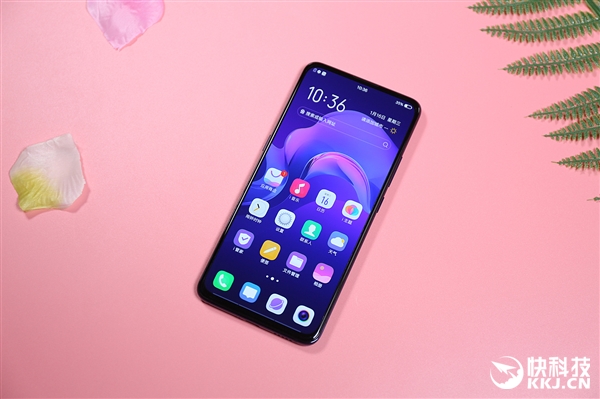
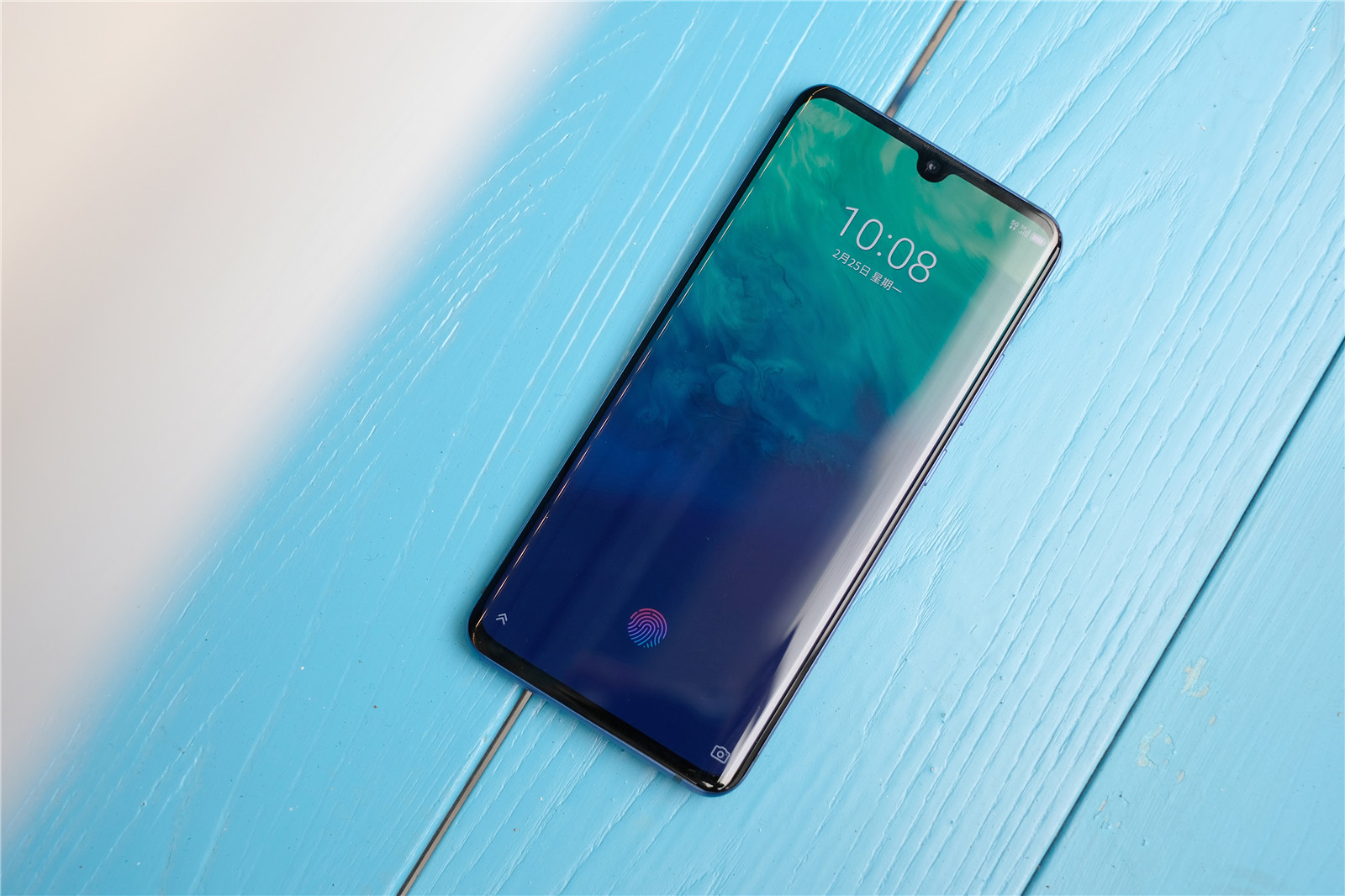
A few months after the official announced, ZTE finally launched the Axon 10 Pro in the Chinese market alongside its 5G variant which represents its first 5G-enabled device. But for people who do not mind about having the latest connectivity standards, the vanilla ZTE’s flagship is a very nice way to save a lot of money while getting a true flagship. That is why we define it as mandatory to compare it with the other affordable flagships of the moment. So we decided to bring the main flagships from Xiaomi and Huawei’s sub-brand focused on affordable phones: the Mi 9 and the Honor V20, also known in Europe as Honor View 20.
ZTE Axon 10 Pro vs Xiaomi Mi 9 vs Huawei Honor V20
ZTE Axon 10 Pro
Huawei Honor V20
Xiaomi Mi 9
DIMENSIONS AND WEIGHT
159.2 x 73.4 x 7.9 mm
156.9 x 75.4 x 8.1 mm, 180 g
157.5 x 74.7 x 7.6 mm, 173 g
DISPLAY
6.47 inches, 1080 x 2340p (Full HD+), AMOLED
6.4 inches, 1080 x 2310p (Full HD+), IPS LCD
6.39 inches, 1080 x 2340p (Full HD+), Super AMOLED
Dual 48 MP + TOF 3D Camera
25 MP f/2.0 front camera
Triple 48 + 16 + 12 MP f/1.8 and f/2.2 and f/2.2
20 MP f/2.0 front camera
BATTERY
4000 mAh, fast charging with Quick Charge 4+, wireless charging
4000 mAh, fast charging 22.5W
3300 mAh, fast charging 27W, wireless charging
ADDITIONAL FEATURES
Hybrid Dual SIM slot
Dual SIM slot
Dual SIM slot
Design
Despite being a sub-brand focused on affordable alternatives to Huawei devices, Honor launched the V20 with a very innovative and futuristic design. It is the first device from the company to sport a punch-hole display, and not even the P30 series adopts such a solution in order to get rid of bezels! Further, the back side comes with a stunning reflective back which creates different V-shaped light waves depending on the viewing angle. So the Honor V20 deserves the design award. But on the other hand, ZTE Axon 10 Pro has a waterproof body, so its build quality is definitely more interesting.
Display
While Honor V20 is the most attractive device if we talk about aesthetics, it is definitely not the best choice when it comes to displays. Indeed, even though it sports Huawei’s first punch-hole display, it is equipped with a classic midrange IPS panel. Both the ZTE Axon 10 Pro and the Xiaomi Mi 9 come with high-end AMOLED displays and with an in-display fingerprint reader. And they provide a similar quality with outstanding color reproduction and a Full HD+ technology. ZTE advertises the Axon 10 Pro as the smartphone with the world’s thinnest chin (lower bezel), and it has a slightly wider panel than Mi 9.
Hardware/Software
Given that the Honor V20 is powered by a lower-end Kirin 980 chipset, ZTE Axon 10 Pro and Xiaomi Mi 9 are slightly superior in the hardware & performance department, as they are equipped with a Snapdragon 855. While ZTE’s flagship comes with max 6 GB of RAM, Xiaomi Mi 9 has a variant with 8 GB of RAM, so it can provide better multitasking performances. On the other hand, ZTE Axon 10 Pro features expandable storage, while Xiaomi Mi 9 does not. ZTE Axon 10 Pro provides a stock Android experience, while Xiaomi Mi 9 and Honor View 20 have highly customized UIs.
Camera
Honor View 20 loses the challenge even when it comes to cameras. ZTE Axon 10 Pro and Xiaomi Mi 9 offer more options to shoot impressive photos thanks to their triple cameras including an ultrawide lens. We still had no chance to test ZTE Axon 10 Pro’s cameras thoroughly, but on the paper, I prefer them to the Mi 9 because they feature optical stabilization. However, this does not mean that ZTE Axon 10 Pro will click better photos.
Battery
ZTE Axon 10 Pro and Honor View 20 come with a huge 4000 mAh battery that is a very satisfying thing for a flagship. Xiaomi Mi 9 has a standard 3300 mAh battery that is just sufficient for 2019. Between ZTE Axon 10 Pro and Honor View 20, the former should be able to last a bit more due to its more efficient components. And it even supports wireless charging which is not supported on Honor V20.
Price
ZTE Axon 10 Pro’s price starts from $473/€422 on the Chinese market, Honor V20 has a listing price of about €570/$637 globally but you can currently get it for less than €500 thanks to online street prices, while Xiaomi Mi 9 starts from just €450/$503 globally. At the end of the day, despite ZTE is currently not among the best-selling smartphone manufacturers, the Axon 10 Pro is a much more interesting device thanks to its waterproof certification, big battery, awesome cameras, and expandable storage.
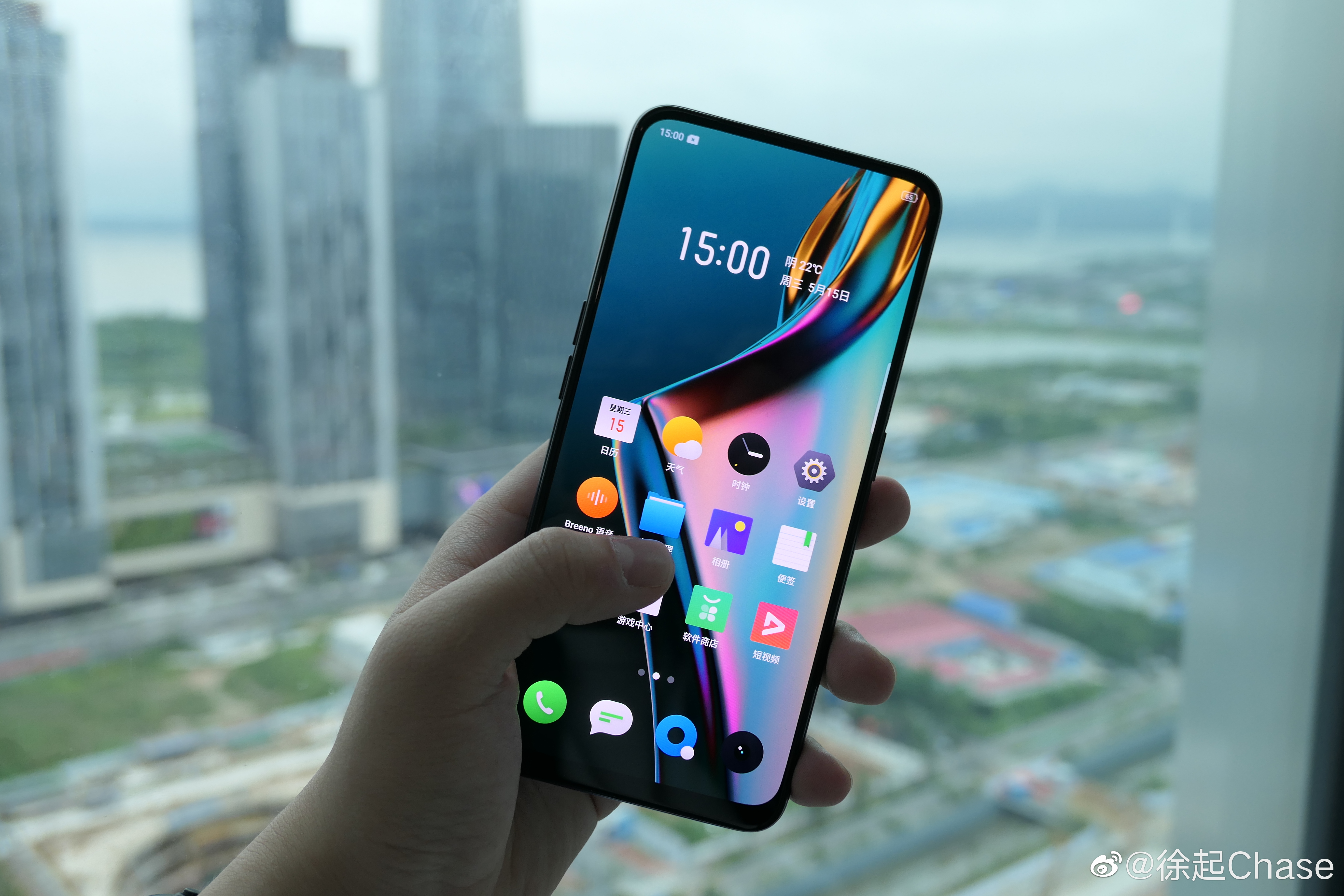
Yesterday, it was officially announced that the Realme X (and Realme X Youth Edition) will launch on May 15 in China. While we wait, the company’s CMO, Xu Qi Chase has shared a live photo of the device. The image highlights the phone’s full-screen display.
The Realme X won’t have a notch or thick bezels like any of its predecessors. The bezels have been slimmed down for a bezel-less appearance, save for the chin which is just a little bit thicker than the rest. Since the top bezel is too thin to house a camera, the Realme X has adopted the pop-up selfie camera design. Sadly, the image doesn’t show the camera.
One thing the photo does show is a confirmation of the launch date. The date on the phone is May 15, the same as the release date. It also confirms the time which is 1500hrs.
The Realme X uses an OLED display with curved corners. It is not the sharpest out there but it isn’t bad either. Based on TENAA images, we know it doesn’t have a fingerprint scanner on the back which means there is a sensor buried under the display. Realme says the phone has a screen-to-body ratio of 91.2%.
The phone has its power button on the right while the volume buttons are on the left. The picture doesn’t show the bottom so we can’t see the ports and speakers.
Nokia has officially commenced the sales of the new Nokia 4.2 on its website in India. The Nokia 4.2 hits India with 3GB+32GB clutching a price tag of INR10,990 ($158). The 2GB+16GB variant is yet to go on sale, possibly not to affect the sales of the Nokia 3.2 which has 2GB+16GB as its main memory option. This is coming just days after the device was launched for the US market.
Apart from Nokia’s official India website, the device will also be available via a couple of other retail outlets such as Croma, Reliance, Sangeetha, Poorvika, Big C, and MyG from May 14, and through major outlets across the country from May 21.
As a reminder, the Nokia 4.2 packs a 5.71-inch IPS LCD display with a water drop notch and HD+ resolution. The display also appears in the 19:9 aspect ratio. The Nokia 4.2 is powered by a Snapdragon 439 chipset and as stated, will be available in 3GB+32GB memory variants in India, although there is a 2GB+16GB variant. The phone is fuelled by a 3,000mAh battery while there is equally a dedicated Google Assistant button. The budget model comes with top features such as NFC with Google pay support and Bluetooth 4.2. It is available in Pink Sand and Black.
Artificial intelligence is getting deployed in several spheres and the use keep expanding. Facial recognition is one aspect that is gaining wide prospective applications in China. Tencent last year disclosed it will use facial recognition to detect underage gamers in order to curb China’s growing gaming addiction. Baidu also recently showcased a cat shelter that uses facial recognition to admit stray cats in. Chinese company DeepGlint Technology has also unveiled an AI-based facial recognition technology which could aid the police in detecting criminal and potential crime scenes.
With a population of around 1.4 billion persons, China’s law enforcement is indeed a daunting task. Beijing-based DeepGlint is out to help the police carry out their duties of arresting criminals easily. With facial recognition, the tech start-up was able to assist the police track down a criminal who had been dodging arrest for up to 20 years.
The tech company which is funded by Sequoia specialises in the field of computer vision, which involves the automatic extraction, investigation and comprehension of valuable data from a solitary image or succession of images. The organization says its framework – enlivened by the structure of the human eye – can catch pictures of, and distinguish, people and vehicles as far away as 50 meters, cautioning the security forces if there is suspicious movement. According to the tech company, tts 3D image analysis and pattern recognition technology have prompted the capture of 100 suspects.
DeepGlint joins a large group of other facial recognition tech organizations, for example, SenseTime Group, Yitu Technology and Megvii, all striving to to help authorities fight crime, maintain public order and improve health through scans and AI diagnostics.
There are reports, though, of cases where facial recognnition is utilised to clampdown on certain individuals in the excess of a million especially Uygur Muslims who have been placed in mass detention camps to forestall what it calls fear based oppressor exercises.
The smartphone industry is evolving every day with the invent of new technologies. The pace of change is incomparable, and smartphones are getting outdated within a few months after the launch. However, increased dependence on smartphones has even increased the minimum internal storage limit. It has left the users with old devices within the only option of microSD card for storage expansion. Now with the Vivo Old User Expansion program, users can double internal storage of their Vivo smartphones.
According to Vivo customer service officer, users can get their storage increased from any Vivo service centre in China. Under the new Vivo User Expansion program, owners of the Vivo smartphones – Vivo X6D and Vivo X6A can replace the 32GB internal storage modules with 64GB for the price of 299 Yuan (~$44). Whereas, the Vivo X6S A, X7 Plus, X9 can be upgraded from 4GB+64GB to 4GB+128GB internal storage for 499 Yuan (~$73).
Unlike the other third-party expansion services, Vivo’s program is almost risk-free. Make sure to back up important data on your device as Vivo will replace the whole motherboard during the process. Moreover, Vivo will charge an additional amount to cure any other issues on your old device. The offer is limited for a month from May 6th to June 5th 2019.
It is an extra advantage for users who are looking to increase the internal storage of their Vivo devices. The offer is currently limited to China, and there’s no additional information about its availability in other countries.
Xiaomi has launched the Ninestars Smart sensor trash can packing a smart induction technology and one-button smart control, adjustable distance, silent opening and closing and lasting battery life. The device comes with a price tag of 129 yuan ($19).
The trash can has a barrel design with a capacity of 10L. The body is made from ABS material with anti-odour sealing structure. It also integrates a new silent motor with air damping technology for the trash can cover enabling it to slowly open and close. The cover also comes with smart chip control using near-field infrared induction such that when a human hand is detected above the trash can, it opens and when the hand is removed, it closes. This design ensures you won’t have to open the trash can with your bare hands which could expose you to bacterial infection.
The Ninestars Smart sensor trash can also feature a button to keep the lid open. There is also a second button to adjust the sensing distance between 6cm-30cm. There is also a button to switch on the power supply. For power, the trash can uses two 5th batteries and can be used for about 6 months for carbon batteries and about 17 months for alkaline batteries.
Furthermore, the smart sensor trash can uses a fixed pressure ring to hide the garbage bag. Unlike the earlier model that was released last year, it does not support automatic packaging and bag changing.
ZTE unveiled its long-anticipated Axon 10 Pro 5G variant in China yesterday. The phone was announced alongside its 4G variant, which by the way, went on sale earlier today. However, ZTE failed to give out an official release date for its 5G variant at the time of its launch. Now, we have some more details on its availability.
ZTE Axon 10 Pro 5G
ZTE has confirmed to us that the Axon 10 Pro 5G will be available in Europe in the first half of 2019. As we are almost halfway into the year, this timeline puts its release sometime within the next two months. A Europe launch for its 5G model makes sense since the new-gen wireless standard will roll out in a number of countries in the EU in 2019. Switzerland was first in Europe to roll out a commercial 5G network and will most likely be followed by countries like Finland, Austra, UK, Spain, and Italy. Taking advantage of the early Swiss 5G rollout, OPPO, Xiaomi, and others launched their 5G models in this market last week.
The Axon 10 Pro 5G is a solid flagship on paper. The phone has a 48MP f/1.7 primary camera, a 20MP f/2.2 ultra-wide angle lens with a 125° FOV, and an 8MP f/2.4 telephoto lens in a triple camera arrangement. It comes with 3x optical zoom, 5X hybrid zoom, and 10x digital zoom. There is also a 20MP front camera for selfies. it’s powered by the Snapdragon 855 processor with X50 5G modem and comes with an in-display fingerprint sensor. You can read more about the Axon 10 Pro 5G in our launch coverage here.
There is still about two weeks of waiting before the Honor 20 series is launched. Following the announcement of the release date last month, details about the phone have been surfacing on the web. Today is no different as the camera configuration of the Honor 20 and Honor 20 Pro have been leaked.
Honor 20
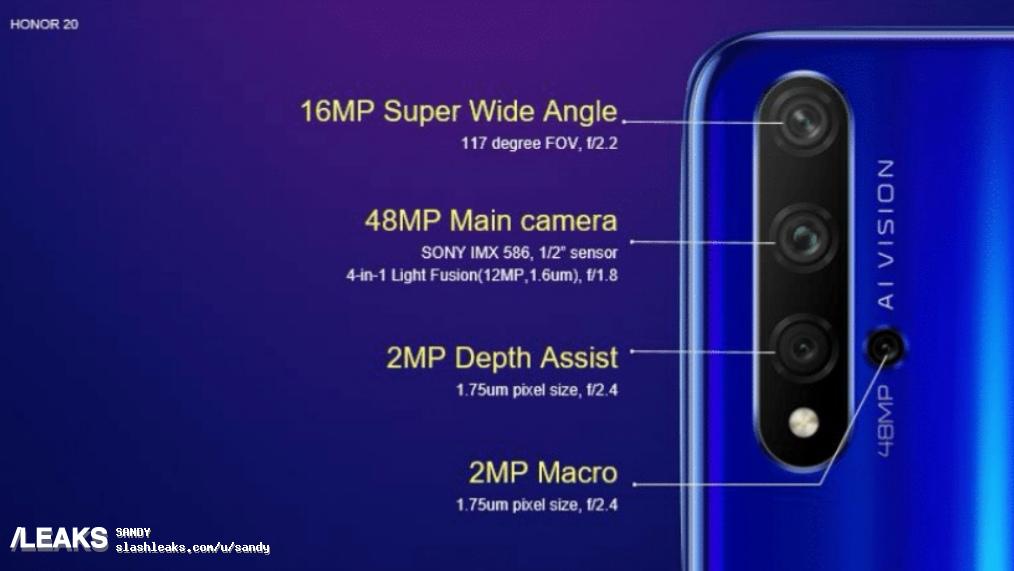
Contrary to what we earlier reported, the Honor 20 will actually have a quad camera setup too. Three of the cameras will share the same housing while the fourth sensor will flank the setup on the right.
The first of the Honor 20’s sensor is a 16MP Super Wide Angle camera with an f/2.2 aperture and a 117° field of view. It is followed by the main camera which is a 48MP 1.6µm Sony IMX586 sensor with a 1/2” sensor size and an f/1.8 aperture. The primary camera uses 4-in-1 Light Fusion, shooting originally in 12MP and combining images into 48MP.
The third sensor is a 2MP f/2.4 1.6µm depth assist camera for portrait images. Below this camera is the LED flash. The final sensor is a 2MP Macro 1.75µm f/2.4 sensor.
Honor 20 Pro
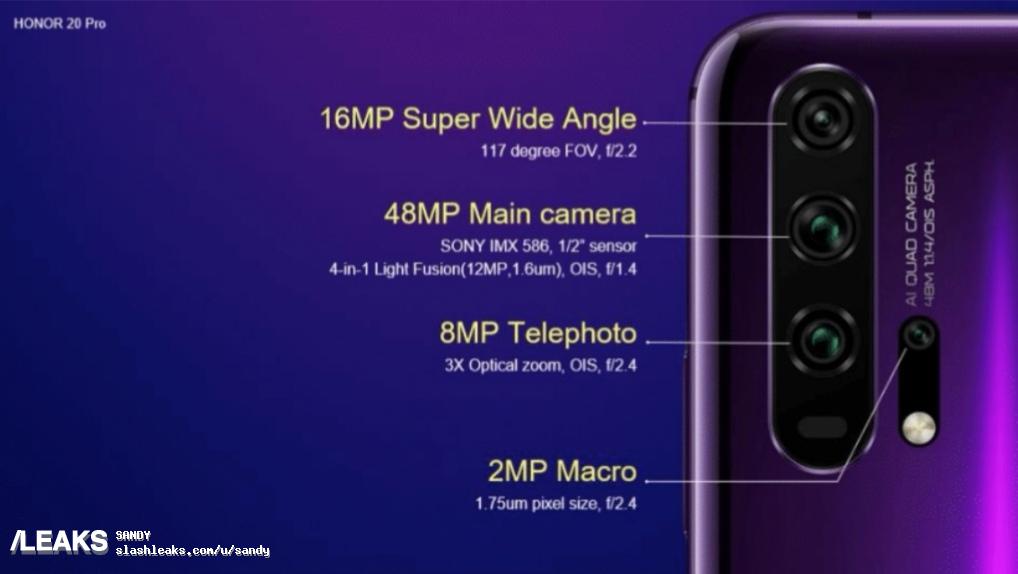
The Honor 20 Pro has a near identical camera design but is loaded with more features. The first sensor is the same 16MP Super Wide Angle camera as that of the non-pro model. It also uses the same 48MP Sony IMX 586 sensor but with a much larger f/1.4 aperture and with 4-axis OIS.
It ditches the 2MP depth sensor for an 8MP telephoto lens with an f/2.4 aperture. The telephoto camera provides 3X optical zoom and also has 4-axis OIS. Rather than the LED flash under the third sensor, what you have is a laser autofocus module for “faster and more accurate autofocus”.
On the right of the first camera housing is another one for a 2MP 1.75µm f/2.4 Macro lens and the LED flash.
The cameras in this new leak are quite different from previous reports in terms of design and configuration. Leaked renders (above) shows the phone has a square-shaped periscope zoom lens but this new leak doesn’t have that. Also, all four sensors share the same housing and the LED flash is different in the render.
[envira-gallery id=”251914″]
The Honor 20 Pro is obviously the one with the better camera. The lack of image stabilization on the Honor 20 means it won’t be great for video recording. The Honor 20 Pro is surely the device Honor is pitting against the OnePlus 7 Pro, and we can’t wait to see which phone has the better camera performance.
Last month, China-based smartphone manufacturer and telecom equipment giant Huawei launched its flagship smartphones — the Huawei P30 series. When it first went on sale, the series crossed the sales worth 200 million yuan in just 10 minutes.
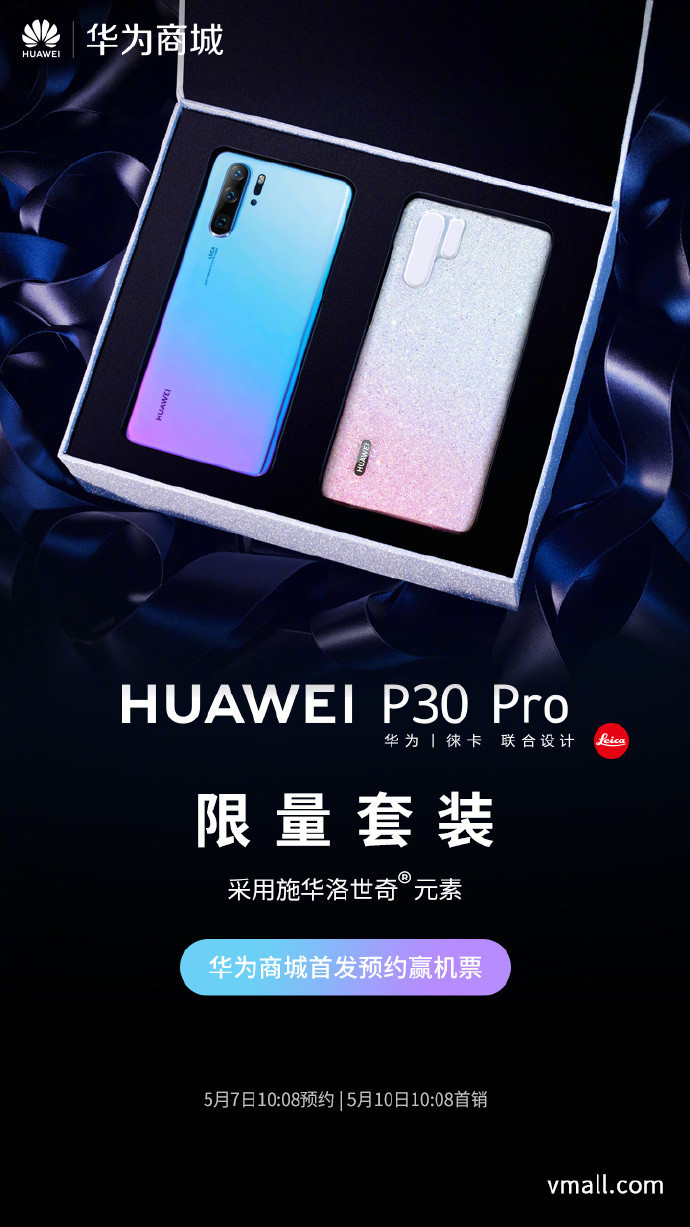
Now, the company has announced a new limited edition variant of the P30 Pro, which is called Huawei P30 Pro Limited Edition. The phone is avaialable for pre-booking through Huawei Mall in China and is set to go on sale from 10th May.
This Huawei P30 Pro Limited Edition users Swarovski elements for design and comes in a silver-colored gift box with classic primary color velvet lining. It also comes with a diamond protective case in the box along with other accessories.
As for the pricing, the 8GB RAM + 128GB storage model is priced at 5,888 yuan (approximately $871) while the 8GB RAM + 256GB storage model costs 6,388 yuan (approximately $945). The top-end variant with 8GB RAM + 512GB storage costs 7,188 yuan, roughly $1,063.
Apart from the design, the specifications of the Huawei P30 Pro Limited Edition and the P30 Pro standard edition is the same. It features a 6.47-inch display with a waterdrop notch and is powered by the company’s own Kirin 980 processor.
The smartphone comes with four camera sensors – a 20MP f/2.2 ultra wide angle lens, a 40MP f/1.6 wide-angle lens, an 8MP f/3.4 5X telephoto, and a ToF depth-sensing camera. For taking selfies and video calling, it comes with a 32MP sensor with AI HDR+.
It runs EMUI 9.1 which is based on Android 9 Pie operating system out-of-the-box. The phone is powered by a 4,200mAh battery with support for 40W fast-charging and support for 15W wireless fast charging.
Meizu is rolling out an upgrade for Flyme 7 with various new features and improvements. The update brings One Mind 3.0 with refined ways to analyze user behaviours for efficiently optimizing the services. Further, Meizu added enhanced gaming experience, a new battery UI, NFC toggle, Android Beam and smoother experience.
The new update integrates Meizu Pay app with the Flyme system for touchless payments experience using the bank, bus and other access cards. The company has integrated the whole system with NFC. Furthermore, users can now set the default payment option by going into the settings menu. One-touch Android Beam is also a part of the new system.
After the update, Meizu 16s users can toggle between DC dimming and PWM dimming. DC dimming significantly reduces the eye strain while using the AMOLED displays at lower brightness.
Moreover, Meizu introduced One Mind 3.0 based on Android Pie and Flyme 7.3 version. Meizu’s internal apps like Shutdown Wake 3.0, Smart Free 3.0, Resource ਸੋਲੋੁਾੀ 2.0, Memory compression 2.0, etc have also been optimized for better performance.
The update solved various bugs like black screen not responding, icon switch toggle error, etc.
The new update is available for Meizu 16th, Meizu 16th Plus, Meizu 15 Plus, Meizu 15, M15, PRO 7 Plus, PRO 7 High Edition, PRO 7 Standard Edition, and Charm Blue.
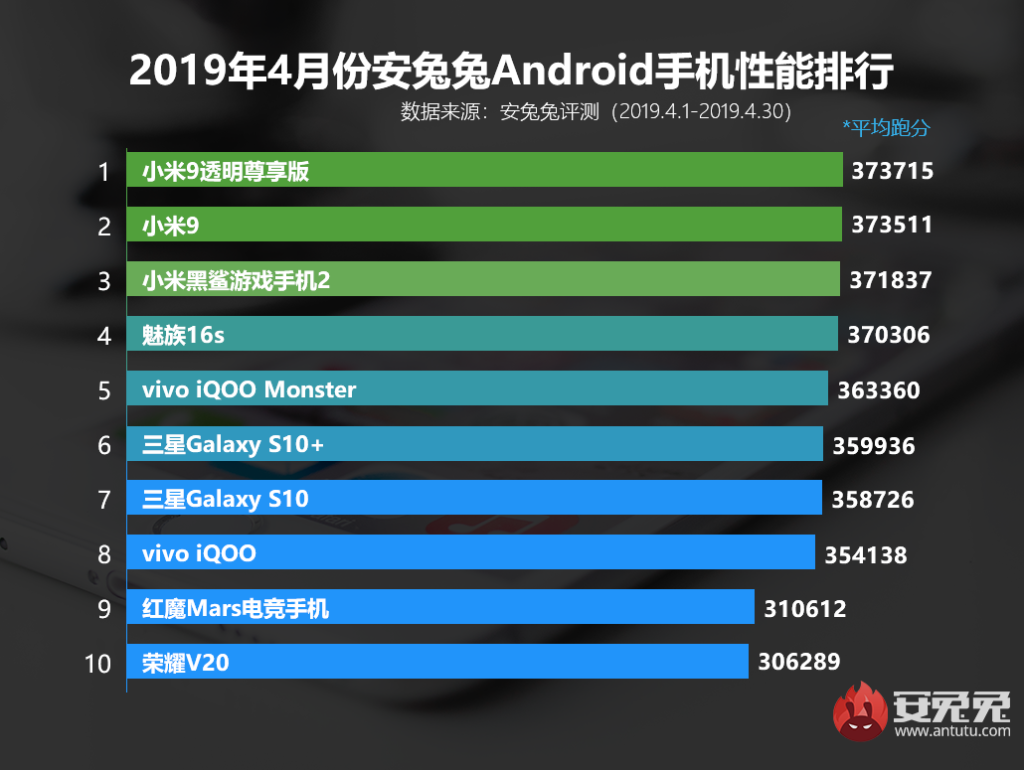
AnTuTu benchmarking platform has released its list of top 10 best performing smartphones in China for the month of April 2019. The list has been compiled on the basis of average AnTuTu benchmark scores between April 1 and April 30. The benchmarking platform has carried out benchmark tests on at least 100 units per model. The list is mainly dominated by the Snapdragon 855 SoC powered phones and the top three devices in the list belongs to Xiaomi.
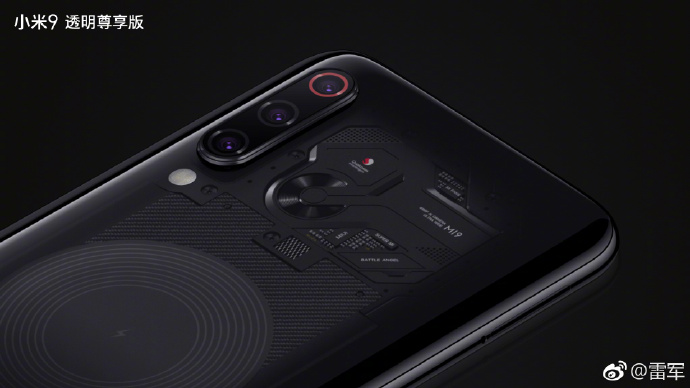
The first position in the list is occupied by Xiaomi Mi 9 Explorer Edition with an average benchmarking score of 373,715. The second position is acquired by Xiaomi Mi 9 that has scored 373,511 on AnTuTu. Xiaomi’s Black Shark 2 gaming phone comes third with an AnTuTu score of 371,837.
Placed on the fourth is the new entrant Meizu 16s smartphone with a score of 370,306. The Vivo iQOO Monster edition gaming-focused smartphone with 12 GB of RAM has recorded 363,360 on the benchmarking platform. The Samsung Galaxy S10+ and Galaxy S10 smartphones have respectively scored 395,936 and 358,726 on AnTuTu.
The Vivo iQOO standard edition is placed on the eighth position with 354,138 score. All the aforementioned smartphones mentioned in the list are powered by Snapdragon 855 mobile platform. The Snapdragon 845 SoC powered Nubia Red Magic Mars gaming smartphone is on the ninth position with a score of 310,612. The last phone in the list is the Honor V20 that is equipped with Kirin 980 SoC. It has scored 306,289 on AnTuTu.
Flagship phone such as Huawei P30, Huawei P30 Pro, OPPO Reno 10x Zoom, Lenovo Z6 Pro and Nubia Red Magic 3 that were unveiled in the previous month in April haven’t made it to the top 10 list of best performing smartphones for the month April. Hopefully, these phones will rank higher on the May month’s best performance smartphones list that will be released in the coming month.
Time and again we have seen that Xiaomi struggles to keep up with its new smartphone’s supply. Quite often you have to wait for weeks to get one unit in its flash sale. This was also evident in the case of the Xiaomi Mi 9 in China, especially in the first few weeks of its launch. On the other hand, there are smartphone companies like Vivo keeping a steady stock of its flagship like the Vivo iQOO.
Ever wondered why there’s such a big difference in supply between the two? A new report throws additional light into their manufacturing strategies.
Vivo iQOO vs Xiaomi Mi 9: Two value for money flagships from China
Most smartphone companies, including big players like Xiaomi, Huawei, and Samsung rely on ODMs (Original Design Manufacturers) for designing and manufacturing their smartphones. ODMs take care of the overall design and specifications to manufacture products that are tailored to customer requirements. This way, the companies don’t have to worry about factories or manufacturing, thereby saving cost as well as shortening the product development cycle.
According to new data, Xiaomi relies a lot on ODMs. In fact, Xiaomi’s reliance on outsourcing is said to be one of the highest among the top smartphone players in the market. Data reveals that Xiaomi outsources nearly 75% of its design and manufacturing to ODMs like Huaqin, Wingtech, and Longcheer. These three companies are the top three ODMs in the market right now, so they have the experience and expertise to churn out smartphones quickly. However, we have seen outsourcing still isn’t a guaranteed way to meet customer demand, which in its case, is quite high. That’s probably why Xiaomi struggles to ramp up production quickly in the initial high-demand period.
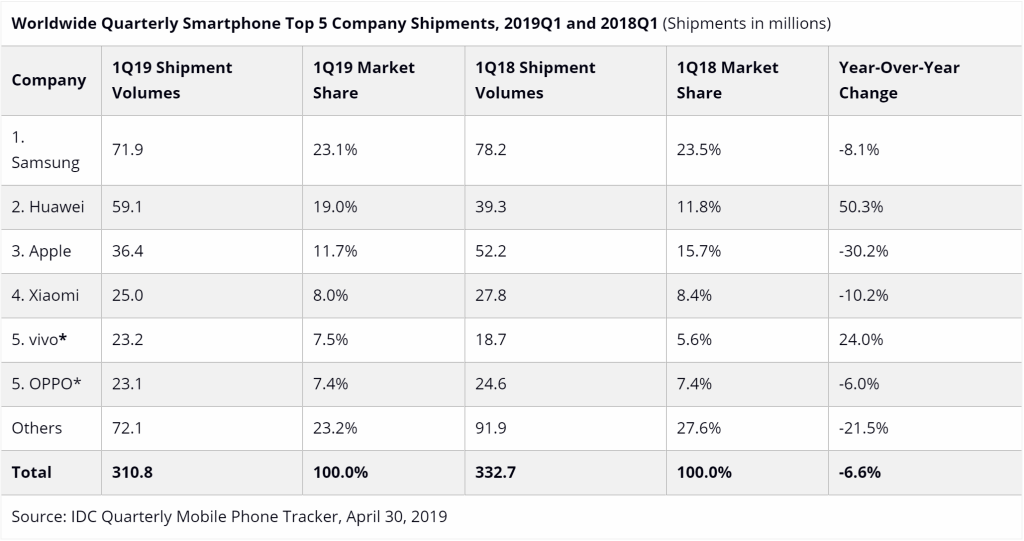
On the other hand, let’s take a look at a company like Vivo. This Chinese smartphone maker is doing exceptionally well in the past few months. Vivo and Huawei were the only two companies in the top 5 list that increased their Q1 2019 shipments YoY. While shipments from other companies including Xiaomi contracted in the same period. The company’s strict control over its manufacturing likely helped in stabilizing its supply.
According to the report, Vivo is the only company that is completely self-reliant for designing and manufacturing its smartphones. So, when iQOO had an initial supply shortage, the company could quickly work with its factories to fix the supply gap. While the initial investment in setting up its own factories could have been quite high, the move seems to be paying off.
Since Vivo takes care of its own design and manufacturing, it has managed to establish strong direct relationships with essential component supplies. This ensures that the company has a competitive edge even when high-quality component supply could be tight. The company is already pioneering a lot of technological innovations. Next-gen features such as in-display sensors, a port-less and hole-less smartphone, and even the world’s first all screen smartphone, Vivo Nex, came from this Chinese tech giant.
Meanwhile, companies like Nokia and OPPO have reportedly increased their reliance on ODMs to meet their manufacturing needs. Interestingly, Lenovo outsources nearly 85% of its manufacturing, even more than Xiaomi. Even LG has given 50% of its manufacturing to ODMs.
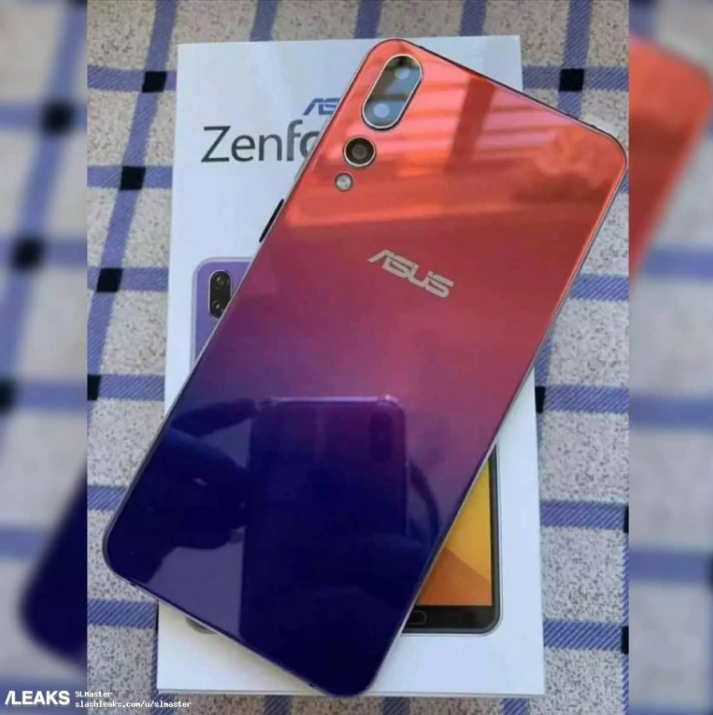
Asus is all set to launch its next-generation Zenfone smartphones — the Asus Zenfone 6 series at a launch event on 16th May in Spain. Now ahead of the phone’s official launch, its pricing information for the home market, i.e. Taiwan has been leaked online.
According to the report, the Asus Zenfone 6 will come in three variants — 6GB RAM + 128GB storage, 8GB RAM + 256GB storage, and 12GB RAM + 512GB storage. All three models will be priced at 19,990 NTD (~$647), 23,990 NTD (approximately $776), and 29,990 NTD (approx. $970) respectively.
6GB+128GB price of NT$19,990 (~$647)
8GB+256GB sells for NT$23,990 (~$776)
12GB+512GB sells for NT$29,990 (~$970)
The teaser image released by the company shows that the Asus Zenfone 6 will be featuring a notch-less display. However, it remains to be seen whether the smartphone comes equipped with pop-up selfie camera.
The teaser actually shows the outline of the front design of the phone and reveals the presence of an earpiece at the center of the top edge of the device. This also hints that it could be featuring a waterdrop-style notch display.
Along with the Zenfone 6, the company is also expected to launch the Zenfone 6Z premium smartphone at the same event. The rumored ZenFone 6Z has a model number of ASUS_I01WD and its display carries support for Full HD+ resolution of 1080 x 2340 pixels.
Under the hood, the device will be powered by the Snapdragon 855 mobile platform along with 6GB of RAM. It includes an inbuilt storage of 128GB and runs on Android 9 Pie operating system. It recently appeared on Geekbench and on AnTuTu benchmarks, where it has scored 363,172 points.
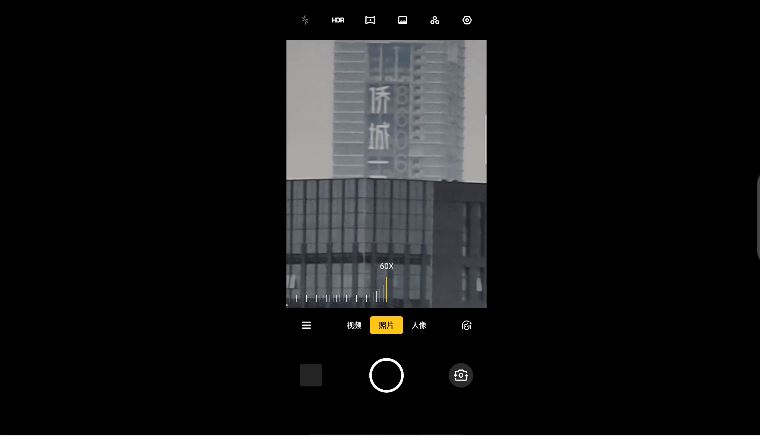
Oppo Reno was unveiled last month in Zurich, Switzerland. It carries compelling hardware including – a powerful camera, Snapdragon 710 chipset coupled with 6/8GB RAM and 128 GB internal storage. Now, another variant of the same device – Oppo Reno 10x is launching on May 10 in China. According to a recent Weibo post by Brian Shen – the VP for the Chinese domestic market, the Oppo Reno 10x will support 60x Digital Zoom.
It is a significant advancement over the Oppo Reno standard version. Oppo Reno 10X zoom edition even surpassed the Huawei P30 Pro’s 50x digital zooming capability.
A triple camera module consisting of a 48-megapixel primary sensor + 12-megapixel telephoto lens and an 8-megapixel ultra wide angle lens resides on the Oppo Reno 10X. The periscope lens module with the focal length of 16-160 mm facilitates its zooming capabilities. There is OIS (Optical Image Stabilization) to reduce shake for better camera quality while zooming. Whereas, a 16-megapixel pop-up front camera is present for beautiful selfies. It is powered by Qualcomm Snapdragon 855 chipset and a 6.65-inch AMOLED display.
Another variant of the Oppo Reno was recently spotted on the Chinese regulatory TENAA featuring an improved front camera and few other changes. The devices with codenames PCDM10 and PCDT10 is powered with Snapdragon 710, 6GB RAM and 128 GB internal storage. It also embeds a dual camera module as like of the standard version. Slightly thicker bezels and bigger battery size are also expected on the new edition.
The Oppo Reno 10X edition will release on May 10 with better zooming capabilities than the Huawei P30 Pro. Users can reserve the device ahead of launch in China.
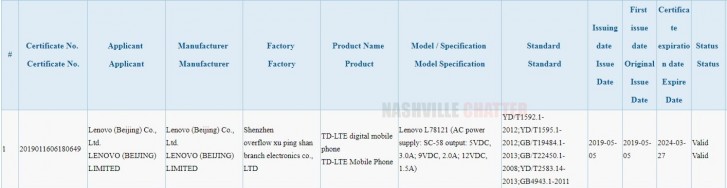
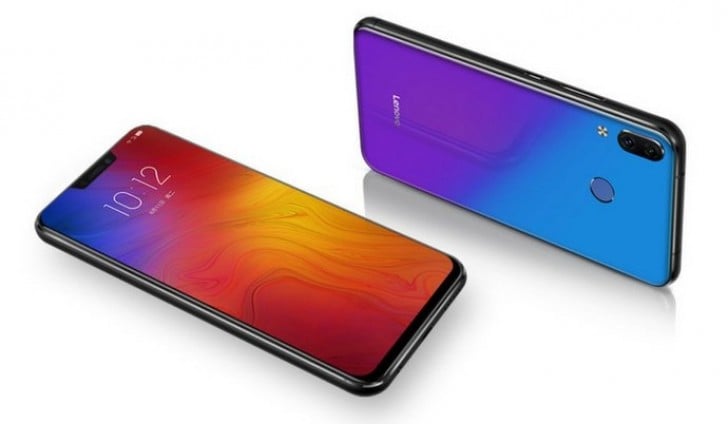
Lenovo has recently launched the Lenovo Z6 Pro flagship phone as the first Z-series phone of this year. Last year, it had launched multiple Z-series phone such as Lenovo Z5, Lenovo Z5s, Lenovo Z5 Pro and Lenovo Z5 Pro GT. The Z5 series phones from 2018 all have model numbers starting with “L78.” The Lenovo Z6 Pro powered by Snapdragon 855 mobile platform has a model number L78051. A new Lenovo phone with model number L78121 has been approved by the 3C agency in China. It reveals that the phone will carry support for 18W fast charging.
A 3C listing of unannounced Lenovo phone with L78121 model number was spotted yesterday. It revealed the charger that will be available for the phone will carry support for 5V/3A, 9V/2A and 12V/1.5A charging. In other words, the phone will carry support for 18W rapid charging. While the listing does not reveal the name of the device, it is being speculated that the L78121 smartphone may go official Lenovo Z6.
The Lenovo Z5 mid-range phone from last year was fueled by Snapdragon 636 mobile platform. The smartphone is equipped with 15W fast charging. It appears that its successor phone will be arriving in the market with support for faster charging. The Lenovo Z6 Pro flagship phone that was announced last month is equipped with 27W rapid charging.
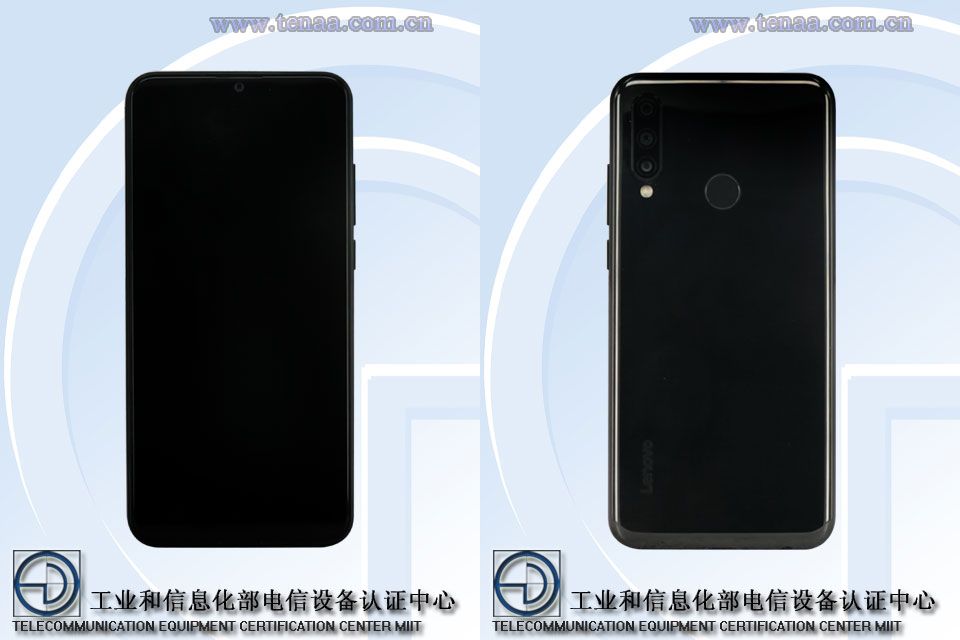
Lenovo is yet to confirm on the existence of the Lenovo Z6 mid-range phone. The smartphone is expected to soon appear on TENAA with its full specs. Speaking of TENAA, a mysterious Lenovo L38111 smartphone had recently appeared on its database with full specifications.
The L38111 phone has a 6.3-inch IPS LCD display with waterdrop notch and it is powered by 2.2 GHz octa-core processor and up to 6 GB of RAM. The handset has a maximum internal storage of 128 GB and it carries support for external storage. The handset is backed by a battery of around 4,000mAh capacity. It also carries support for 18W fast charging. For photography, it has a 16-megapixel dual camera setup and a front-facing snapper of 8-megapixel. Rumors are rife that it may debut as Lenovo K6 Note (2019).
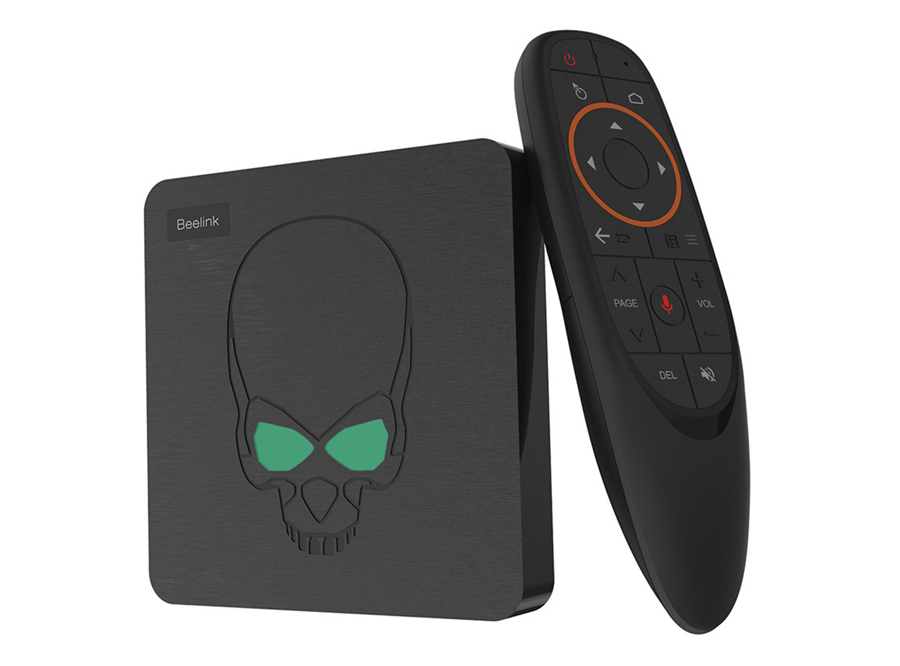
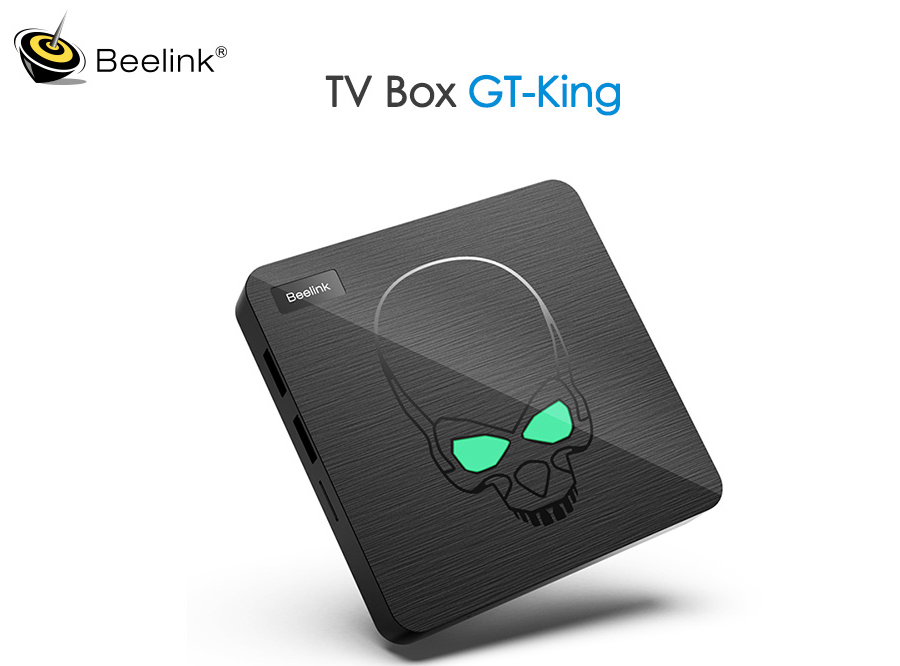
If you have restlessly been looking for an inexpensive TV box that won’t disappoint in terms of performance, we got your back! The feature-laden Beelink GT-King TV box has gone up for sale bearing a heavily discounted price tag on GeekBuying. We’ll not only shed light on the aforesaid discount but also show how you can save a considerable amount of extra money at the time of checking out in just a bit.
Beelink GT-King TV Box
Powered by the Amlogic S922X, a 12nm six-core chip featuring Quad-core ARM Cortex-A73, the Beelink GT-King comes with 4GB of DDR4 RAM and offers 64GB of eMMC storage capacity. It not only offers a more stable operation but also provides ample space and cache for an unparalleled entertainment experience.
Touted as the ‘most powerful TV box,’ the Beelink GT-King runs Android 9.0 Pie operating system and supports the latest HEVC(H.265) decoding, DLNA, Google TV remote, Ian, 3D Movie, etc. While you’d normally associate a steep price tag with a TV box offering comparable features, the Beelink GT-King can now be yours for a reduced price of only $131.99.
Chinese online store GeekBuying is doling out a noteworthy 25 percent discount on the TV box’s original asking price of $175.99, but that’s not all. Aside from taking advantage of the discount, you can use coupon code FJKSUUMQ and get an extra $16.
In other words, you can bring the already lowered retail price of the TV box to just $115.99 simply by applying the aforesaid coupon before placing your order. You can visit this link to place your order and use the coupon before it expires.
Last month, HiSense had launched a couple of smartphones in the Chinese market, including the King Kong 5. Now, the company has launched an upgraded version of the same, dubbed as HiSense King Kong 5 Pro.
The smartphone comes with a 6.5-inch IPS HD+ display that features a water-drop notch with 1520 x 720 pixels screen resolution. Under the hood, the device is powered by the Qualcomm Snapdragon 439 SDM439 chipset, coupled with 4GB of RAM and 64GB of internal storage.
In the camera department, the smartphone comes with a dual camera setup on the back panel consisting of a 13 MP primary sensor + 5 MP secondary sensor. On the front side, the phone features an 8 MP snapper for taking selfies and video calling. There’s also a fingerprint scanner placed on the phone’s back panel.
Connectivity options on the device include Dual SIM, 4G LTE, Wi-Fi 802.11 b/g/n/ac dual-band, Bluetooth 5.0, GPS, and a 3.5mm headphone jack. It runs Android 9 Pie operating system out-of-the-box and is powered by a larger 4,500mAh battery.
The company is also offering an accessory for this smartphone using which, the battery capacity on the device can be increased to 8,000mAh. The phone also has a Power Saving 2.0 technology that can provide optimization for the battery to last for a few days.
Oppo, one of the major smartphone manufacturer, had earlier announced that the company has partnered with the Wimbledon Tennis Championship. This makes it the only partners from the smartphone industry as well as the only brand from Asia.
This partnership seems to be a part of the company’s strategy to reach a wider set of audience globally. This makes sense given that the company is currently the fifth largest smartphone manufacturer globally but it’s mostly known in the Asian market.
According to the latest report which cites an Oppo insider, the company is planning to reduce its reliance on the celebrity endorsements and will instead shift its marketing focus towards large-scale sporting events. This seems to be the company strategy for increasing its brand recall value.
However, this does not mean that the company will totally scrap the strategy of celebrity endorsements for its products. It will continue the practice of celebrity endorsement for the select Asian market where it is required.
Earlier, Shen Yi, Vice President of Oppo and President of Oppo China Business Department had said that Wimbledon is working with Wisdom on a global strategy based on the internationalization and operation of the company’s brand and added the signing of Wimbledon is based on the co-operation of global brand level.
According to report released by IDC for the year 2018, Oppo recorded global mobile phone shipments at around 113 million units, with a market share of 8.1 percent, ranking fifth in the world. In the Chinese smartphone market, the company’s shipments totaled 78.9 million units, with a market share of 19.8 percent.
We use cookies on our website to give you the most relevant experience by remembering your preferences and repeat visits. By clicking “Accept”, you consent to the use of ALL the cookies.
This website uses cookies to improve your experience while you navigate through the website. Out of these, the cookies that are categorized as necessary are stored on your browser as they are essential for the working of basic functionalities of the website. We also use third-party cookies that help us analyze and understand how you use this website. These cookies will be stored in your browser only with your consent. You also have the option to opt-out of these cookies. But opting out of some of these cookies may affect your browsing experience.
Necessary cookies are absolutely essential for the website to function properly. This category only includes cookies that ensures basic functionalities and security features of the website. These cookies do not store any personal information.
Any cookies that may not be particularly necessary for the website to function and is used specifically to collect user personal data via analytics, ads, other embedded contents are termed as non-necessary cookies. It is mandatory to procure user consent prior to running these cookies on your website.











 The feature-laden Beelink GT-King TV box has gone up for sale bearing a heavily discounted price tag on GeekBuying. We’ll not only shed light on the aforesaid discount but also show how you can save a considerable amount of extra money at the time of checking out in just a bit.