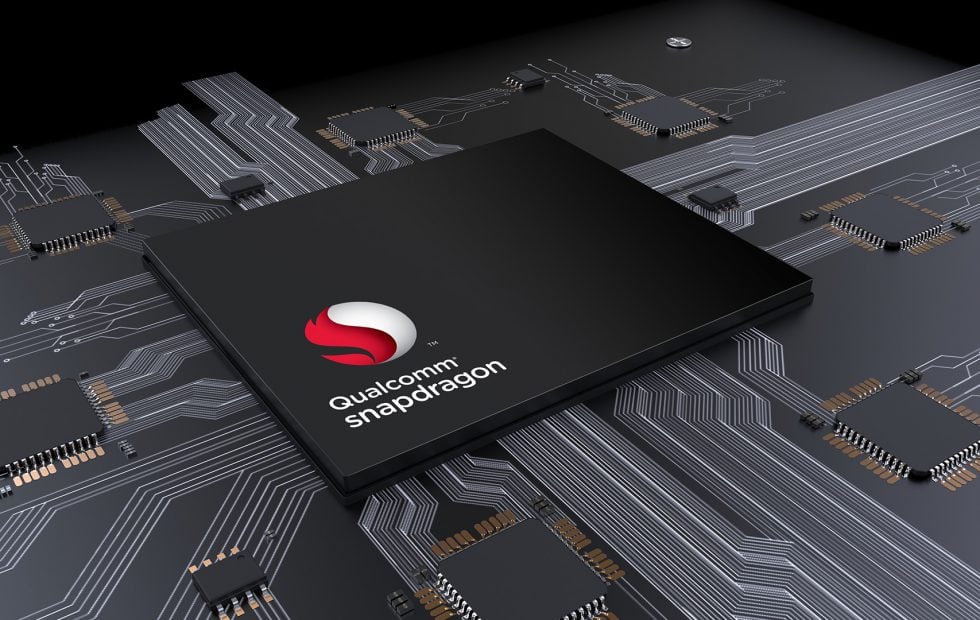
The Snapdragon 700 series is Qualcomm‘s line of upper mid-range chipsets. The series includes the 10nm Snapdragon 710 and Snapdragon 712 SoCs; and the 8nm Snapdragon 730 and Snapdragon 730G SoCs. A new leak has revealed Qualcomm is developing a 7nm chipset that will be commercially known as the Snapdragon 735.
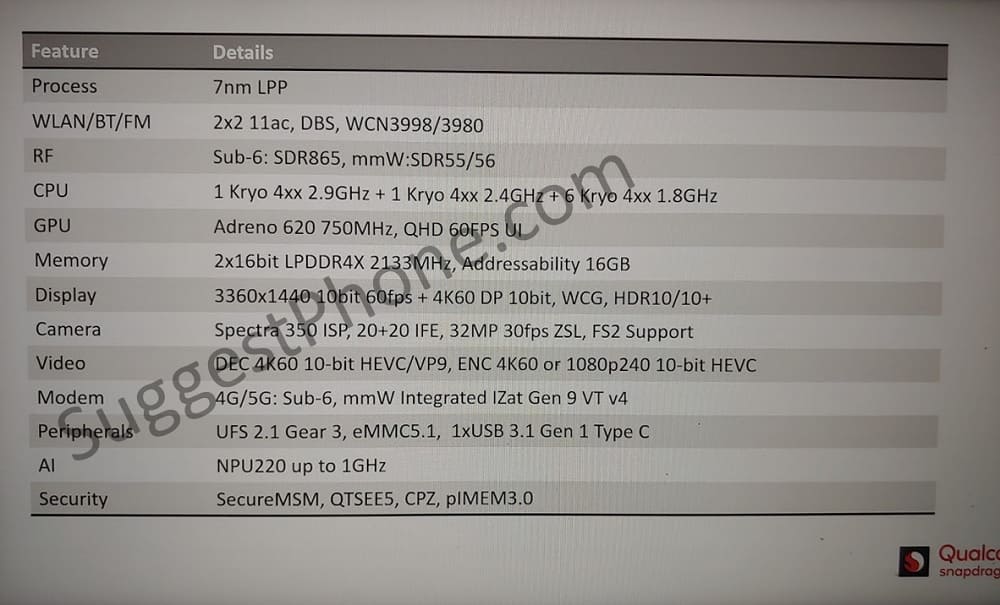
The Snapdragon 735 will be a 7nm chipset like the Snapdragon 855 which means power efficiency will be greater than the 8nm Snapdragon 730 duo. The sdm735 will be an octa-core processor with a 1 + 1 + 6 CPU cluster. It will have one unspecified Kryo 400 series core clocked at 2.9GHz paired with another Kryo 400 series clocked at 2.4GHz and six Kryo 400 series clocked at 1.8GHz.
The mobile platform will have an Adreno 620 GPU clocked at 750MHz with support for QHD (3360 X 1440) displays with a wide color gamut and HDR10/HDR10+. The SoC will also support up to 16GB of LPDDR4X RAM.
The Snapdragon 735 will have a Spectra 350 ISP just like the Snapdragon 730 that supports up to 32MP 30fps ZSL. There is also a new NPU220 for AI tasks clocked at 1GHz.
The processor will not only be a 7nm chipset like the Snapdragon 855 but also have an integrated 5G modem which means mid-range 5G phones are on the way. It will also support UFS 2.1, eMMC 5.1, and USB 3.1 Gen 1 Type C.
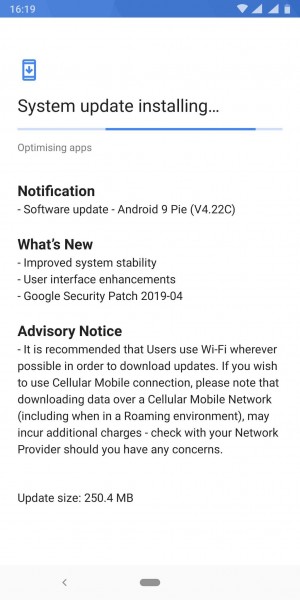
Nokia is rolling out a new software update for Nokia 9 Pureview with several new improvements. The Android 9 Pie based build v4.22c also brings April security patch. According to the official changelog, the new update is aimed to improve system stability, bring UI improvements, and enhances security.
The update weighs 250.4 MB in size bearing an increment in the firmware version. Users are reporting some additional optimizations resulting in camera app speed improvements. Its in-display fingerprint sensor has become faster and responsive after the update. Face Unlock is also optimized and now unlocks device much faster. However, other changes include better skin tones, accurate screen colors, improved image processing while snapping photos using native camera app.
The over-the-air update is rolling out for Nokia 9 Pureview globally. We suggest charging your device at least 60% for a smooth upgrade rollout and connect to the WiFi network to save additional costs using carrier data.
Nokia 9 Pureview is coming to India very soon, and already it is made official in China for 5499 Yuan (~$820). It is all known for its penta rear camera module featuring all 12MP f/1.8 Zeiss optics sensors. The phone snaps photos from all the five cameras and later output a single detail-rich image. Multiple cameras help the device to capture more light resulting in better night photography.
The Nokia 9 Pureview is powered with Qualcomm Snapdragon 845 SDM845, 64-Bit Processor and Qualcomm Adreno 630 GPU. A 5.9-inch P-OLED QHD+ display sits on the front side and is protected with Corning Gorilla Glass 5. To sustain a full day of rigorous phone usage, Nokia added a 3320 mAh battery with Quick Charge 18W fast charging support.
Looking for a top-branded vacuum cleaner that keeps your surrounding clean-and-tidy all the time without emptying your pocket? We got good news for you.
In collaboration with Xiaomi, China’s leading online store GeekBuying is offering the Xiaomi JIMMY JV71 Upright Cordless Stick Vacuum Cleaner and Xiaomi JIMMY JV51 Lightweight Cordless Stick Vacuum Cleaner at lowered prices.
Aside from shedding light on the aforesaid discounts, we’ll show how GeekBuying users can save a considerable amount of more money before placing their orders. So without further ado, let’s check out the details.
Xiaomi JIMMY JV71 Upright Cordless Stick Vacuum Cleaner
This vertical handheld cord-free vacuum cleaner can deliver a powerful suction of 130AW. It is backed by a 100,000rpm brushless motor and draws its juices from a robust battery that lasts about 45 minutes.The international version of the JIMMY JV71 would normally set you back $514.06, but you can now buy it for just $249.99 on GeekBuying. You can take advantage of this 51 percent discount by heading straight to this link before the promo comes to an end.
Xiaomi JIMMY JV51 Lightweight Cordless Stick Vacuum Cleaner
Powered by the third generation of 100,000-rpm brushless digital motors, the international version of the JIMMY JV51 has gone up for sale carrying a reduced price of $189.99 on GeekBuying. This is a noteworthy 52 percent reduction in the device’s original selling price of $395.14.
Aside from taking advantage of the aforesaid discount, you can use coupon code DBYWBNRV to save $60 more at checkout. The coupon helps you bring the already lowered retail price of the JIMMY JV51 further down to just $179.99 during the checkout process.
You can avail the discount and use the coupon by heading straight to this link. Note that the promo was on the verge of wrapping up at the time of writing.
There are several options available in the market today for music lovers who fancy listening to their favorite tunes even on the go. You can choose from wired, wireless, Bluetooth speakers and numerous other options.
While a wide selection of speakers is up for grabs on both online as well as offline stores, these devices aren’t necessarily easy on the pocketbook. If you’re in the market for cost-effective speakers that don’t compromise on quality, you’ve come to the right place.
Here are top-branded speakers that you can buy without emptying your pockets. Moreover, we’ll show how you can save a considerable amount of extra money at checkout.
Tronsmart Element T6 Plus SoundPulse Portable Bluetooth Speaker on GeekBuying
Capable of delivering up to 40W deep bass, the Element T6 Plus is a highly portable speaker. It delivers low-end tunes and deep bass sound using dual passive radiators that features two 20W full-range stereo loudspeakers.
The Element T6 Plus usually retails for $79.99, but you can use coupon code T6PLUS to get a $10 off. In other words, you can bring the retail price of the portable Bluetooth speaker down to just $69.99 simply by applying the aforesaid coupon before placing your order.
You can follow this link to use the coupon before it expires.
The Original XiaoMi Bluetooth 4.0 Speaker sports a trendy appearance, and boasts an impressive array of powerful functions. It delivers exceptional sound quality and supports a myriad of music playback mode.
Moreover, it works with various devices including mobile phone, tablets, TVs, laptops, etc. The Original XiaoMi Bluetooth 4.0 Speaker is currently available bearing a $42.68 price tag on Gearbest. As part of the promo, you can get an add-on worth $2.99 if you spend $20.
You can visit this link and check out more details about the Original XiaoMi Bluetooth 4.0 Speaker, which comes with with 2 Driver TF Card Slot and place your order without wasting time. The device comes in an appealing blue color version.
The Huawei Myna AI Smart Speaker employs Danish speaker company Dynaudio audio technology and it is paired with Huawei Histen algorithm, which is used by smartphones manufactured by the Chinese tech giant.This black as well as white color version of this Huawei-branded AI smart speaker usually retails for $78.47, but GearVita users can apply coupon code GVHWMyna to save $14.48 during the checkout process. The coupon helps you reduce your grand total to just $63.99.
You can head straight to this link to use the coupon, which is likely to expire soon.
The Xiaomi Square Box II Bluetooth Speaker sports a jaw-dropping appearance, and delivers an equally impressive sound quality. This light and the portable speaker uses acoustic unit design to pack dual sound units and passive radiators inside this small form factor.
You’d normally end up shelling out $42.99 to get your hands on the Xiaomi Square Box II, but Banggood is giving its users a chance to buy it for a dropped price of just $42.45. Aside from this significant drop in the device’s original asking price, the Chinese online store is offering free shipping on orders over $39.99.
You can follow this link to check out more details about the Original Xiaomi Square Box II Bluetooth Speaker and take advantage of the discount before the promo ends.
Housed in an easy-to-grip round body, the Outdoor Speaker from Chialstar features a classic design that makes compact enough to be carried in your suitcase, backpack or even purse. It is a great choice for indoors as well as outdoors.
The device usually retails for $59.79, but thanks to AliExpress’ New User Deal, you can now buy it for only $38.86. This is a 35 percent reduction in the wireless speakers’ original asking price.
You can click here to visit the promotion page and grab the above-mentioned discount. Note that the promo will be valid only for two days.
Mobile phones have become an essential part of our fast-paced lives. Phone holders are one of the most popular mobile phone accessories as they offer multiple key benefits including safety, and comfort while improving productivity.
If you are in the market for top-end phone holders that won’t burn a hole in your pocket, you’ve come to the right place. Here are top 5 cost-effective phone holders that boast superior features to suit your fancy.
Xiaomi COOWOO Car Phone Holder Gravity Linkage on GearVita
The Xiaomi COOWOO Car Phone Holder adopts gravity sensing technology to determine the weight of the phone when it is dropped and clamps the phone automatically. It is designed to facilitate one-handed operation.
While you’d normally associate a steep price tag with a top-branded phone holder that offers comparable features, the Xiaomi COOWOO Car Phone Holder will set you back just $12.99. The device is up for grabs on GearVita and you can follow this link to place your order.
360 Degree Rotary Vacuum Chuck Car Phone Holder On Gearbest
This holder enables you to use your phone while driving without anxiety. It has strong suction 5.7cm vacuum chuck, paired with an extra large clip that can be attached either to the windshield or any other smooth area.
The 360-degree rotary can be stretched up to 9.7cm wide, making it compatible with most big-screen phones. Its unique design allows you to position it however you like so that you can use it at different angles.
The 360 Degree Rotary comes in a black color version. You can follow this link to activate the ‘Arrival Notice’ button to receive a notification when it goes up for sale on Gearbest.
Long Arm Car Windscreen Cellphone Holder on Gearbest
The Long Arm Car Windscreen Cellphone Holder works with a wide range of smartphones. It is an easy-to-install device that offers various viewing angles from inside of your car. t sticks firmly to almost any surface, thanks to its strong sticky gel pad.
The black color version of the Long Arm Car Windscreen Cellphone Holder is currently available bearing a $ 3.73 price tag on Gearbest. You can follow this link to check out more details about the phone holder place your order.
Bakeey 360 Degree Rotation Magnetic Car Air Vent Mount Holder on Banggood
Made using high-quality material, the Bakeey 360 Degree Rotation Magnetic Car Air Vent Mount Holder features a sturdy base that firmly holds the magnetic head of the mount, ensuring the smartphone doesn’t move from its position. Despite road vibrations and impacts, the device keeps your phone safe.
The Bakeey 360 Degree Rotation Magnetic Car Air Vent Mount Holder is designed for iPhone 8X and other Xiaomi-branded handsets, and it comes in black blue color versions. Both of these appealing color options are available for just $10.43 on Banggood.
You can follow this link to get your hands on the Bakeey 360 Degree Rotation Magnetic Car Air Vent Mount Holder.
AutoBot Q ABM0007 360 Degree Rotation Magnetic Car Phone Holder
The AutoBot Q ABM0007 car phone holder features an elastic fixation design that makes it ideal for various situation. It securely fits into the stats of your car’s air vents. More importantly, this mini magnetic holder does not block your view while driving.
While the aforesaid features justify the $35.99 price tag, the AutoBot Q ABM0007 car phone holder usually carries; you can now buy it for only $12.99 on GeekBuying. This is a 64 percent reduction in the device’s original asking price.
You can visit this link in order to grab the discount. Note that the promo is slated to end in just four days.
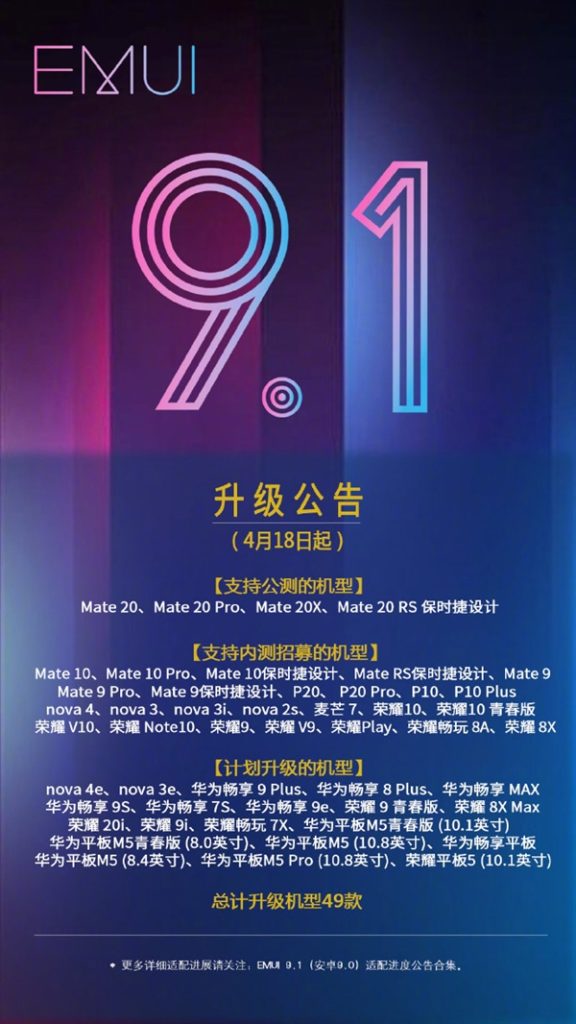
Huawei recently announced the EMUI 9.1 upgrade which would usher in a number of new features for the Mate 20 series. The Chinese tech giant has now released a list of 49 models that would receive EMUI 9.1 upgrade in no distant time.
The models are categorized based on the release plan the company has for the models. The Mate 20, Mate 20 Pro, Mate 20 X and Mate 20 Porsche Design edition are listed as models that support the public beta. Recall that Huawei has already rolled out the upgrade to the Mate 20 series.
The second category consists of models billed to participate in internal testing exercise (closed beta). The Mate 10 series, the Mate 9 series, the P20 series and the P10 series models. Others include the Nova 4, Nova 3, Nova 3i, Honor 8A, Honor 8X, Nova 2s, Honor 7, Honor 10, Honor V10 and others.
Finally, a list of models that the company plans to push the upgrade to was also revealed. The listed models include the Nova 4e, Nova 3e, Enjoy 9 Plus, Enjoy 8 Plus, Enjoy Max, Enjoy 9s, Enjoy 7s, Enjoy 9e, Honor 9 Lite, Honor 8X Max, Honor 20i, Honor 9i, Honor Play. The list even includes tablet models like the MediaPad M5 Lite (10.1 inches), MediaPad M5 Lite (8.0 inches), MediaPad M5 (10.3 inches), Honor Tab 5 and a few other tablets.
The company is yet to reveal when the full rollout will become available but the open beta for the Mate 20 series was pushed on Aril 18. We expect those of other models to follow in no distant time.
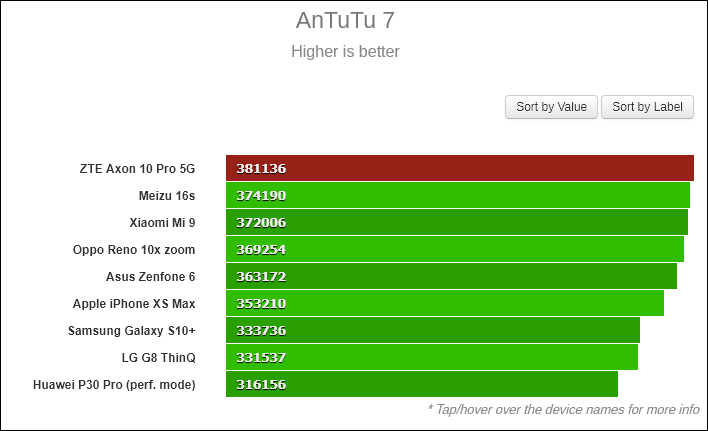
While benchmark data can’t tell us how a phone will perform in real life, they provide us with insights into the performance of various aspects of a smartphone. AnTuTu benchmark is presently among the top 5 benchmark app around and they have just published a chart showing how the various flagship mobile phones that have been released rank. Of particular interest is the ZTE Axon 10 Pro 5G edition which sits atop the charts.
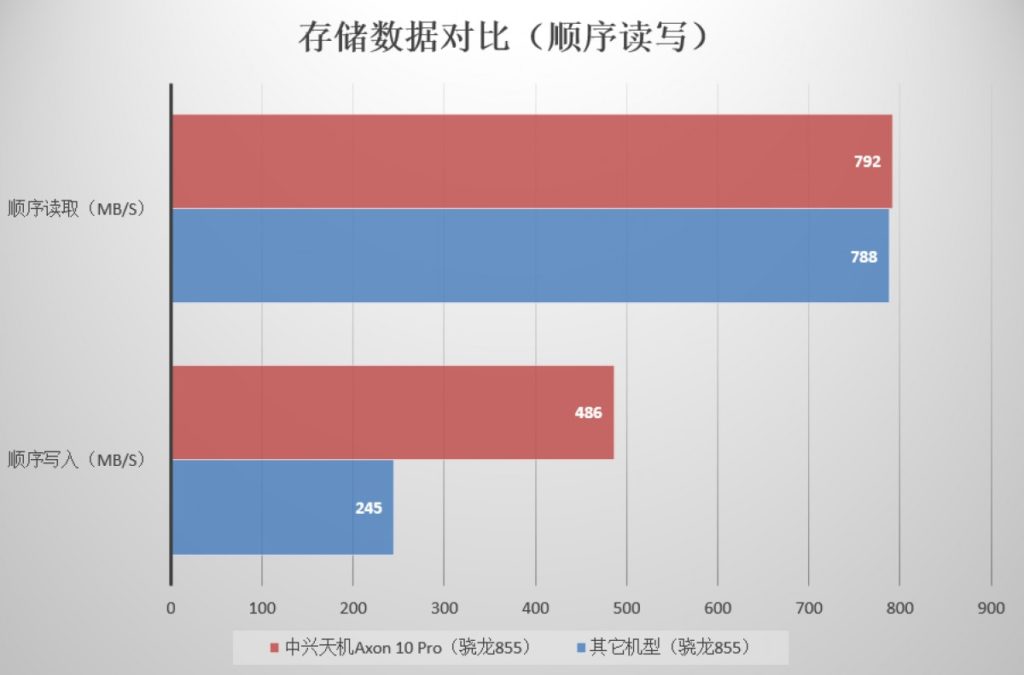
ZTE Axon 10 Pro 5G read/write speed
The Axon 10 Pro 5G rank at the number one spot, ahead of other Snapdragon 855-powered models. The device isn’t ahead of the pack because of an overclocked chipset but because of the memory storage, it packs. The Axon 10 Pro 5G features the new F2FS file system. The system was developed by Samsung specifically for use with flash storage, which makes it much faster than the ext4 used by most Androids (which was designed for HDDs). Samsung didn’t use the F2FS file system on the Galaxy S10+ instead, it stuck with the ext4 system for reasons best known to them. Google Pixel 3 uses the F2FS system but that is a Snapdragon 845-powered phone.
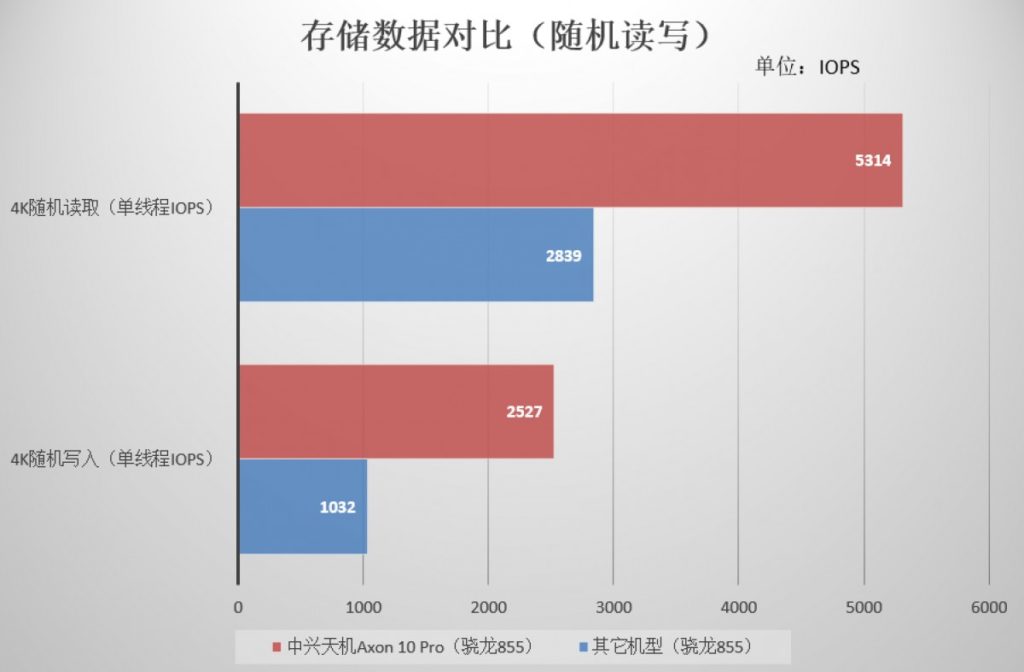
That of other 5G phones
The storage on the Axon 10 Pro 5G performed 50% better than those of other flagship models. But then, the device also packs a Sandisk iNAND 8521 chips with 64-layer 3D NAND tech, which features improved sequential and random write performance. They can reach 500MB/s during sequential writes while the average speeds measured by AnTuTu for this class of phone is 200-250MB/s. The Axon 10 Pro 5G reached 792MB/s and 486MB/s in sequential reads and writes, respectively, as well as 5,314 IOPS and 2,527 IOS in random reads and writes.
The device is also coming with some other innovations like a thin 1.8mm bezel at the chin, reputed to be the smallest you’ll find on any mobile phone. The Axon 10 Pro 5G is expected to go official on May 6 in China.
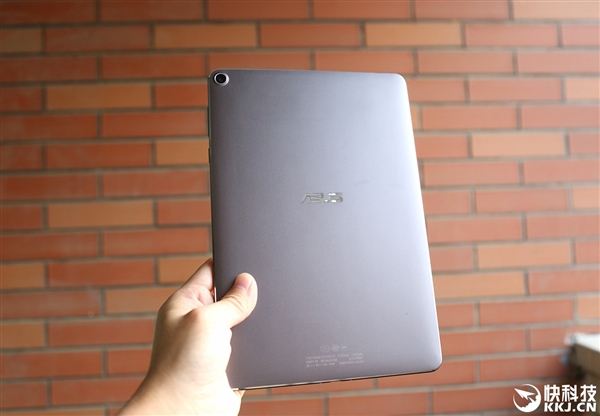
The emergence of phablet-size smartphones with sizes extending up to 6.99 inches led to the steady decline in sales of tablets and that decline continues to persist. That decline in sales of tablets may have forced ASUS to abandon the tablet market.
According to a report carried by Taiwanese tech website ePrice, ASUS has quit the tablet market for good and isn’t planning to release a new Zenpad model anymore. The Taiwanese tech giant is said to have informed its distributors that it won’t be updating the Zenpad series anymore. At present, the last Zenpad model released is the ZN380KNL and the model is even sold out in Taiwan.
ASUS has got a flourishing PC/laptop business so, it is quite surprising that it couldn’t sustain its tablet division. But then, it readily comes to mind that large screen mobile phones are steadily replacing the demand for tablets. Taiwan’s tablet market is reported to ship only about 60,000 units monthly, of which Apple’s market share is over 40%, and the iPad continues to dominate the high-end tablet market. Globally, ASUS isn’t among the top5 tablet manufacturers who corner more than 70% of the tablets sold globally. It won’t be surprising if we see other OEMs like Xiaomi follow suit.
After the huge progress of the main Chinese smartphones manufacturers in 2018, Samsung just cannot stop launching mid-range phones in this first half of 2019. The latest one and also one of the most impressive ones is the Samsung Galaxy A60, which may become one of the most wanted devices in the upper midrange segment. But it has a lot of rivals in its price range. Among them, there are the new Nokia X71 and the Huawei P30 Lite, which have a high chance of cannibalizing each other’s sales. Through this specs comparison, you may be able to discover which one fits your needs
Samsung Galaxy A60 vs Huawei P30 Lite vs Nokia X71
Triple 32 + 8 + 5 MP f/1.7 and f/2.2 and f/2.2
32 MP front camera
Triple 24 + 8 + 2 MP f/1.8 and f/2.4
32 MP f/2.0 front camera
Triple 48 + 8 + 5 MP f/1.8 and f/2.4
16 MP f/2.0 front camera
BATTERY
3500 mAh, fast charging 15W
3340 mAh, fast charging 18W
3500 mAh, fast charging 18W
ADDITIONAL FEATURES
Dual SIM slot
Hybrid Dual SIM slot
Hybrid Dual SIM slot
Design
A lot of people think that punch-hole displays are the future, as they do not need the hated notch, neither a complex slider mechanism to minimize the bezels around the display without getting rid of the front camera. And both Samsung Galaxy A60 and Nokia X71 come with impressive punch-hole displays. They are almost full borderless thanks to this solution, without needing a notch or a slider. Huawei P30 Lite has a classic waterdrop notch, so it is nothing so special. I mostly like the Samsung Galaxy A60 because of both its punch-hole front camera and its elegant gradient colors on the back, as well as a more compact design than Nokia X71.
Display
In each case you get a classic IPS LCD display, so do not expect big changes between the image quality. There will surely be minor differences in brightness, contrast, viewing angles etc, but probably they will not be very noticeable. There is just a slight difference even in the form factors and the dimensions of these displays. As said above, Samsung Galaxy A60 and Nokia X71 come with punch-hole displays as well as a similar diagonal. Huawei P30 Lite has a way smaller panel and a waterdrop notch, but it is also a more compact device, easier to use with one hand and to keep in a pocket.
Specs & Software
There is no challenge here, the Samsung Galaxy A60 is the winner. The Samsung’s midrange takes the performance award thanks to its powerful Snapdragon 675 chipset, that is more or less at the same level as the Snapdragon 710 (slightly better CPU, but inferior GPU). Nokia X71 and Huawei P30 Lite are not so different when it comes to the hardware side, but I personally prefer the Nokia X71 for its better GPU and Android One installed. However, we are not talking about relevant performance improvements in any case, especially because all of these devices come in the same memory configuration: 6 GB of RAM and 128 GB of internal storage.
Camera
Here it will be a hard fight, and we can not give you a definitive opinion until we test the camera department of the Samsung Galaxy A60. Indeed, on the paper, the Galaxy A60 seems impressive with its 32 MP main sensor on the back, but the Nokia X71 may still be better with its even more impressive 48 MP camera, Carl Zeiss optics and the capability to record 4K videos. On the other hand, both Samsung Galaxy A60 and Huawei P30 Lite seem to sport a better front camera with a high 32 MP resolution. So, judging from the specs on the paper, Nokia X71 looks like the one which could offer more, with the Samsung Galaxy A60 right behind it.
Battery
Samsung Galaxy A60 and Nokia X71 come with the biggest battery thanks to a capacity of 3500 mAh. We still do not know which one will last more on a single charge, but given that Nokia X71 has the bloatware-free Android One, it might have longer battery life. However, we will be able to give a definitive verdict only after testing the software optimization.
Price
While Nokia X71 and Huawei P30 Lite debuted with a €290 price tag, Samsung Galaxy A60 costs €270. At the end of the day, the price does not make the difference, but on the paper, the better processor and the well-balanced specs of the Samsung Galaxy A60 do, at least in my opinion. However, some may prefer the faster and more constant updates of the Nokia X71, as well as its amazing rear cameras. Which one would you pick?
Lenovo’s VP Chang Cheng has garnered a notorious reputation for overhyping the company’s products. But the upcoming Lenovo Z6 Pro seems to be a genuine flagship phone in the making. The Z6 Pro’s details have been revealed over time, including a quad-camera setup that has the potential of capturing photos at up to 100MP resolution despite having a 48MP main sensor. While we wait for the device to be launched on April 23 to find out how that will be possible, Mr Cheng has shared a couple of sample photos shot by the Z6 Pro.
The samples were captured both at night and in the day time, including during sunrise and sunset. Since it was posted on Weibo, the EXIF data of the pictures are missing. So we can’t authoritatively confirm if the Z^ Pro indeed captured the pictures. However, the samples look quite stunning, enough to compare with the cameras of other flagship models around.
Apart from the camera samples, a video showcasing the macro photography prowess of the Z6 Pro’s camera was also posted on Weibo. The video has also been converted to a YouTube video. Although we haven’t seen a phone camera with this feature, the output looks interesting. We can’t say if this feature uses the periscope zoom or a different kind of technology. It is also possible that it is software driven.
Lenovo has a whole lot of explaining to do regarding the camera prowess of the Z6 Pro and we can’t wait to get the details on April 23. Check out more camera samples from below.
Huawei held its annual Global Analyst Summit 2019 on April 16 – 18. During the event, the tech giant announced its new brand strategy for IP networking. It also unveiled four new engine series products for the IP network in the smart era.
Kevin Hu, President of Huawei Data Communication Product Line, made the announcement of the company’s latest brand strategy for IP networking. The new strategy was necessitated by projections that with the advent of 5G, cloud, and AI, hundreds of billions of production and office terminals will collaborate and unite with each other, and the entire enterprise services will migrate to the cloud. With AI adoption expected to reach an estimated 86 percent by 2025, it is expected that there will be many potential security issues to be addressed. The company believes that the intelligent IP networks built with the four-engine series products can continuously empower users with business intelligence.
The four new engine series products for the IP network are AirEngine, CloudEngine, NetEngine, and HiSecEngine. Here’s how Huawei describes them;
AirEngine: Huawei first Wi-Fi 6 commercial product builds on 5G strengths of Huawei. It has passed the highest performance verification of the Tolly Group, an international authoritative test organization. Huawei 5G smart antenna and intelligent application acceleration technologies increase the Wi-Fi coverage area by 50 percent, shorten the Wi-Fi network latency to 10 milliseconds, and achieve an optimal mobile experience.
CloudEngine: Huawei’s embedded AI chip and unique AI algorithm enable zero packet loss and the fastest forwarding performance in the industry, successfully leading data centre networks into the AI era. Huawei campus switches stand out with the highest forwarding performance, and they build on AI-powered application identification and dynamic network algorithms to build a packet loss-free, high-quality campus network. The distributed AI O&M architecture can reduce fault identification from minutes to seconds, shorten automatic fault location from hours to minutes, and reduce OPEX by 40 percent.
NetEngine: Huawei NetEngine intelligent metro routers have the largest capacity in the industry, are SRv6 ready, and offer full-lifecycle intelligent automation. With NetEngine, one network can carry B2B, B2C, and B2H services. It provides intelligent connections and application-level SLA assurance for many vertical industry applications, building a solid digital foundation for the 5G era. Huawei next-generation NetEngine AR6000 series SD-WAN routers use a brand-new architecture and are designed with rich hardware acceleration engines and unique Ultra-Fast forwarding algorithms, improving SD-WAN performance to three times the industry average. All these merits make them ideal WAN edge routers with the fastest speeds and optimal experiences.
HiSecEngine: Based on core concepts of Huawei’s HiSec security solution, this high-performance network security engine accurately identifies unknown threats to ensure always-on core services. It provides an intelligent defence system to protect the fully connected, digital world.
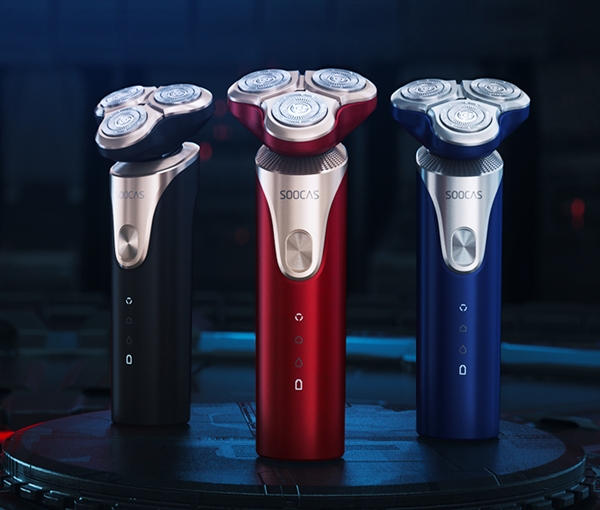
Xiaomi‘s ecological chain company SOOCAS is known for its electric toothbrush models but the company has now diversified into the production of other electronic products such as the SOOCAS H3 Anion hair dryer. The SOOCAS S3 electric razor has just been launched as its latest product and is the first electric razor model from the company. The major highlight of the razor is the damping technology which it utilises. This is similar to the car suspension technology. This should ensure the face is cleanly and smoothly shaved.
The SOOCAS S3 electric razor uses SOOCAS’s self-developed SOOCAS IFT-omnidirectional suspension technology. This said to be based on a 360° omnidirectional floating whereby the shock absorption suspension is located at the upper and lower sides of the cutter head. This greatly reduces facial pressure and makes the shaving process smoother.
The double-edged blade is matched with the double-ring knife net design, and the amount of input is increased by 50%. At the same time, the 0.8mm auxiliary knife will lift the beard at the top first, and then the main knife will quickly cut off the hair from the base. Thus, the shaving is cleaner and thorough.
The design of the SOOCAS S3 electric razor isn’t very different from that of other models in the market. The body is tough, angular and well-designed. The back curve is designed to fit the palm of the hand and is covered with multi-layer paint. The push-type switch adds a brushed concentric texture, and the stand-up design is more convenient. It is charged with a Type-C data cable and is fully charged in just 60 minutes. A fully charged battery can last for up to two months. Anyway, that’ll depend on the frequency and duration of daily use.
As for the price, the SOOCAS S3 electric razor comes with a 249 yuan price tag. It is presently on pre-order and there’s a 50 yuan slash in the pre-order price, taking down to 199 yuan. The device will go on sale at 10 AM on April 23.
In the past couple of years, Huawei has been under scrutiny, especially regarding its possible ties with the Chinese Government. The company has dodged these claims so far by repeating that it “is a private company wholly owned by its employees,” with an “Employee Shareholding Scheme that involves 96,768 employee shareholders.”
While that might have cooled down some questions about the company’s ownership structure for the time being, a new research paper, titled ‘Who Owns Huawei?’ and published by Christopher Balding of Fulbright University Vietnam and Donald C. Clarke of George Washington University Law School questions the validity of Huawei’s employee ownership claim. The research paper reportedly used publicly available resources to chart out Huawei’s ownership and control structure. The paper concludes that Huawei is not actually owned by its employees, unlike what the company has claimed time and again.
The research paper throws light on the fact that 100% of Huawei is owned by a holding company called Huawei Investment and Holding. Ren Zhengfei, founder and CEO of Huawei actually owns only about 1.14% of this holding company, while the remaining ~99% is owned by an entity called ‘trade union committee’.
The paper adds that Huawei hasn’t revealed anything about this trade union committee, either about its members or its decision-making process. The usual nature of trade union committees in China further fuel the mystery about this entity.
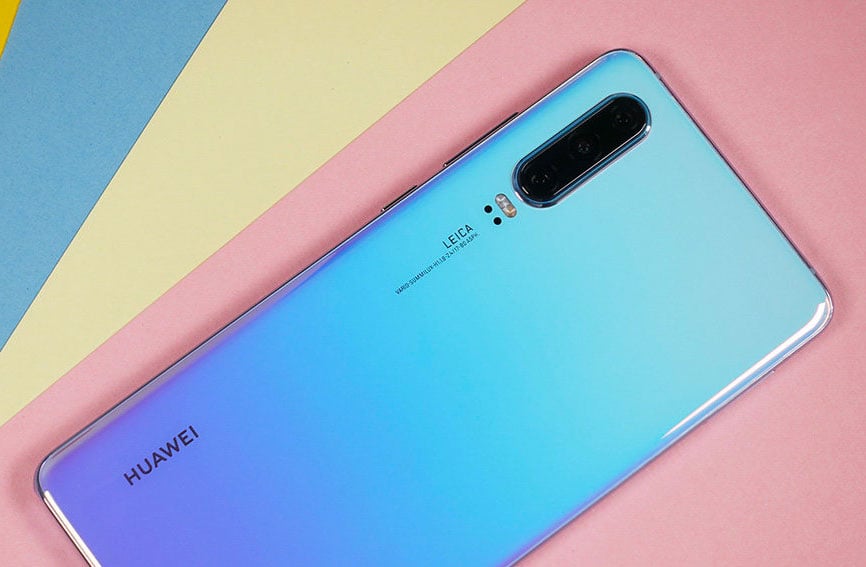
Huawei’s new P30 shines in gradient colors
The authors argue that “Given the public nature of trade unions in China, if the ownership stake of the trade union committee is genuine, and if the trade union and its committee function as trade unions generally function in China, then Huawei may be deemed effectively state-owned.”
So, the authors claim that we can’t completely rule out the possibility that Huawei may indeed be owned or controlled by the government.
As for the 96,768 employee shareholders often mentioned by the company in reports, the paper states that they just participate in the profit-sharing scheme and not in the decision making of the trade union. They have nothing to do with financing or control. The paper further adds that these shares are canceled when an employee leaves the company.
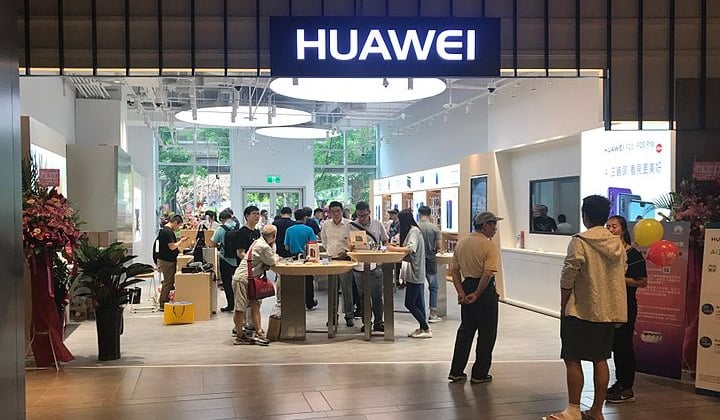
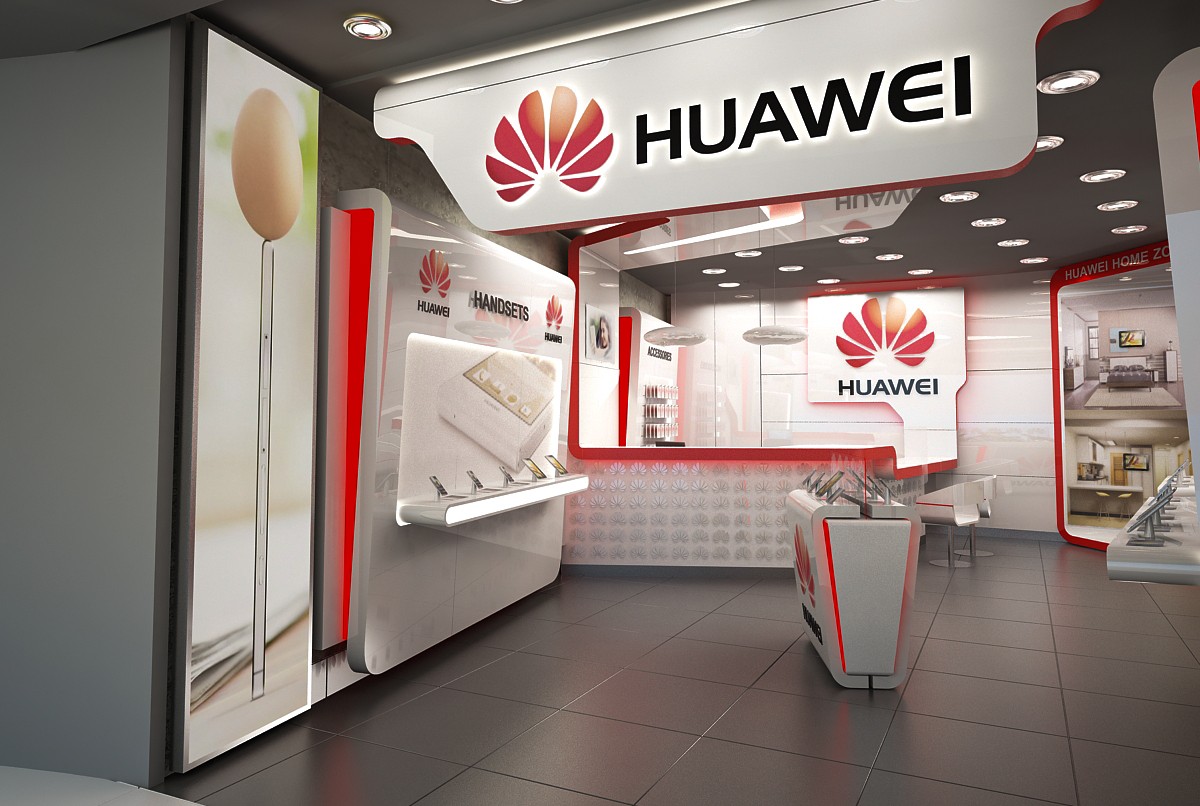
Huawei’s store
Huawei did respond to this study to telecoms.com refuting the claims by saying that they are based on unreliable sources and speculations. Find an excerpt of the statement below.
“This report, released by Professor Christopher Balding and Professor Donald Clarke, was based on unreliable sources and speculations, without an understanding of all the facts. They have not verified the information in the report with Huawei, and their conclusions are completely unsubstantiated. Huawei is a private company wholly owned by its employees. No government agency or outside organization holds shares in Huawei or has any control over Huawei.
If you are interested in reading more about this study, hit the source link down below.
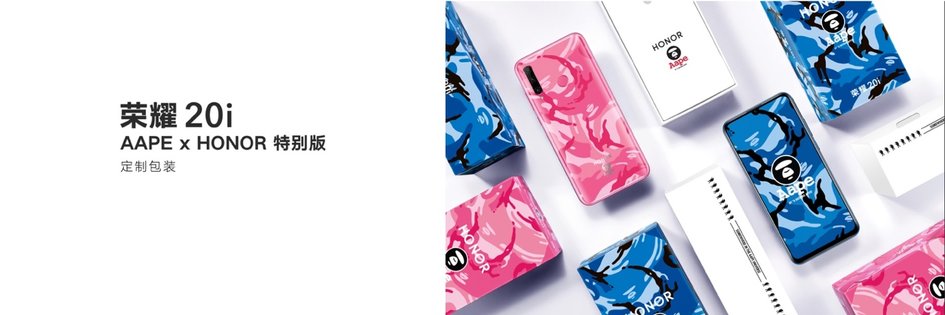
Just a couple of days after Honor 20i launch in China, Huawei’s subsidiary launched a new Honor 20i Aape Special Edition for 2199 Yuan (~$327). At the Honor 20i launch event in Beijing, the company already confirmed new cooperation for the special edition device.
Honor 20i Aape x Special Edition is available in two color options of Jungle Powder and Magic Blue. To keep in contrast with the theme, the special edition is decorated with large camouflage elements and avant-garde color blocks. AAPE’s classic logo of moon face is present on the bottom rear side of the device. Along with the new camouflaged design, it is available with 6GB RAM + 256 GB internal storage.
New high-end technology is used to design the new Honor 20i AAPE x Special Edition. Device’s boot animation, screen wallpapers, and other user interface elements are specially designed to match AAPE’s iconic elements. The new device endeavors HonorTechChic technology aims to bring a blend of technology at its core and modern aesthetics for its design. The new colorful elements and high-end technology is termed as “HonorTechChic.”
Huawei 20i AAPE X Special Edition Specs
As far as the specs are concerned, the Honor 20i AAPE special Edition features a 6.21-inch FULL HD+ IPS LCD with a waterdrop notch. The 19.5:9 display aspect-ratio facilitate the device to attain 90 percent screen-to-body ratio. Huawei HiSilicon Kirin 710 Processor powers the smartphone. To make gaming experience smoother, it carries Game Turbo 2.0.
There’s a triple camera module which includes a 24-megapixel primary sensor, 8-megapixel wide angle lens, and a 2-megapixel depth sensor. On the front side, a 32-megapixel front-facing camera is present with AI beautification features.
It runs on Android 9.0 Pie with EMUI 9.0 UI operating system making the experience better. Other specifications include a 3400 mAh battery with 10W fast charging, hybrid SIM slot, Bluetooth 4.2, GPS, microUSB 2.0, 3.5mm audio jack and WiFi.
In addition to Honor 20i AAPE Special Edition, it is available in three standard colors of Gradient Red, Gradient Blue, and Magic Night Black. Further, a 4GB+128GB, 6GB+64GB variant is retailing at 1599 Yuan (~$238); 6GB+128GB for 1899 Yuan (~$283) and 6GB+256GB is available for 2199 Yuan(~$327).
Google is all set to launch its all-new mid-range smartphones — Pixel 3a and Pixel 3a XL next month. The company recently shared a teaser online which says that something new is coming on May 7th.
As the teaser was for the hardware store, it’s pretty clear that the company is hinting about the launch of its much-awaited Pixel-series mid-range smartphones. Now, ahead of the launch of these smartphones, renders of both the devices — Pixel 3a and Pixel 3a XL have surfaced online.
The render shows that the device will come with large bezels surrounding the display. The display doesn’t feature any kind of notch. Also, the devices will come with a 3.5mm headphone jack, which is placed on top of the phone.
In terms of design, both smartphones — Pixel 3a and Pixel 3a XL are almost similar. They both also seem to contain the same-sized bottom bezel (chin), which houses a single speaker.
As per the previous leaks, the Google Pixel 3a will be coming with a 5.6-inch display having 2220 x 1080 pixels screen resolution while the Google Pixel 3a XL will feature a 6-inch display with 2160 x 1080 pixels screen resolution.
Both the smartphones are expected to come packed with 4 GB of RAM — same as the standard Pixel 3 series phones, and will come with 64 GB of internal storage. The Pixel 3a is expected to be powered by Snapdragon 670 SoC, the XL variant is expected to have Qualcomm Snapdragon 710 chipset.
Reports indicate that the mid-range devices will also come with the same 12.2 MP dual-pixel rear camera found on the premium Pixel 3 lineup. The overall camera experience is likely to be what Google mostly focuses on its smartphones.
With multiple leaks of both the devices revealing design, specifications, and features, the only thing left to know about the Pixel 3a and Pixel 3a XL is the pricing and availability details. And it seems that we’ll come to know that on 7th May.
Last month, the Chinese smartphone maker launched Funtouch OS 9 featuring various new improvements with the Vivo X27 series. Android Pie based Functouch OS 9.0 brings new features such as Always-On display, revamped UX, dark mode and several performance tweaks. The new custom UI from Vivo is coming soon on all devices launched last year.
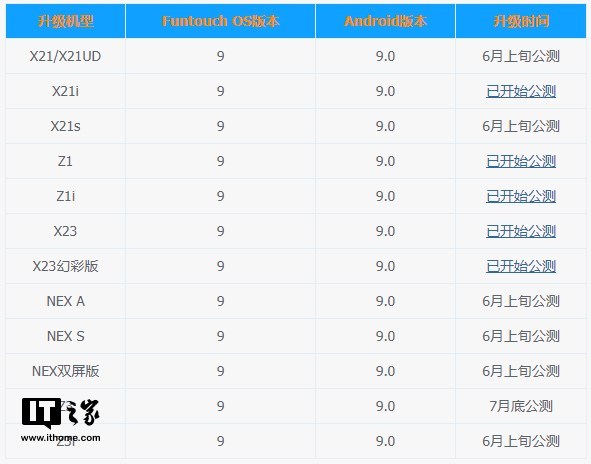
According to a launch schedule of the new OS, all the major Vivo devices including Vivo X21/X21UD/X21s/NEX A/NEX S/NEX dual-screen version and Z3i will get the update by July 2019 whereas the public beta is already under development for Vivo X21i/ Z1i, X23 and X23 Symphony devices. Vivo Z23 Public Beta will go live by the end of July this year. The company did not reveal any update timetable for older devices.
The new Funtouch OS is based on Android Pie and carries heavy customizations as like of previous alterations. The smartphone maker added 72 features and 55 under-the-hood optimizations. The User Interface is tweaked to bring improved user experience with better typography, icons, and animations.
The roundness across icons and along curves make it optimized for FullView display smartphones. The new wallpapers and apps interface is improving the overall productivity of the device. Features like Always-On display and Dark Theme facilitate users. Funtouch OS 9.0 brings more clarity and accuracy in comparison with its old editions.
We have to wait for a couple of months before the company starts development on old Vivo devices. By the way, how many of you are waiting for the new FunTouch OS update?
Meizu, the China-based company which is all set to launch its Meizu 16s smartphone in its home country in the coming days, is reportedly working on a smartphone with a pop-up front-facing camera design.
The company has applied for a patent design to the China Intellectual Property Office in which the smartphone is carrying a pop-up mechanism that houses the front-facing camera. The patent describes the usage of a few components for this mechanism, including a cover, camera, middle frame, and a motor.
While this design is not unique, but its good to see that Meizu is also planning to jump on the experimental smartphones bandwagon and start working on a smartphone with a pop-up front-facing camera.
Vivo was the first smartphone company to come up with such a design with its Vivo Apex smartphone, aiming to offer a higher screen-to-body ratio. Later, the phone was launched commercially as the Vivo NEX.
Recently, Oppo and Vivo both launched their premium mid-range smartphone with a pop-up camera design — Oppo F11 Pro and Vivo V15 Pro. Next month, OnePlus is also expected to launch the OnePlus 7 Pro with similar pop-up camera mechanism.
However, the patent design does not mean that it’s final that the company will actually launch a smartphone with such a design. It’s just an indication that the company is exploring the idea of a smartphone with pop-up camera design.
Meanwhile, Meizu is currently gearing up to launch its Meizu 16s smartphone on 23rd April in China. Today, the company confirmed that the smartphone will come with a 48 MP primary sensor in the triple camera module with OIS and anti-shaking support.
Yota – a dual display smartphone manufacturer, goes bankrupt as declared the Cayman Islands Supreme Court in a recent ruling. According to the local newspaper, Cayman Islands Gazette, Yota requested for liquidation per local laws a few days ago.
The court appointed FTI Consulting employees – David Griffin and Joshua James Taylor as the Joint Official Liquidators of the company. Yota creditors have 21 days to establish any title they may have under the Companies Law. Failing to comply with the order within the given time, the creditors will be excluded from any benefit or distribution made.
Hi-P Electronics, a Singaporean company and display supplier of Yota Phone also filed a lawsuit against the company for not fulfilling the subscription contract. After the initial settlement of $17 million, the Hi-P electronics still cites non-settlement of claims.
Yota Phone was established in 2011 to develop new generation modems, routers, smartphones. It was developed by the Russian telecommunications company Скартел and is licensed under the Yota trademark. They partnered with various companies to supply its network equipment before testing their hands in the smartphone market. The company’s Yota Phone – dual displays smartphone gave wings to Yota’s smartphone division. Later, Yota announced some more smartphones but failed to keep with the users’ aspirations.
With a stake of over 50%, the Chinese Consortium including Trinity World Management and China Baoli has a controlling stake. Precisely, the Chinese Consortium holds more than 50% stake whereas the Telconet (company’s initial majority shareholder with 64.9% stake back in 2013) still has a stake of around 34.9%.
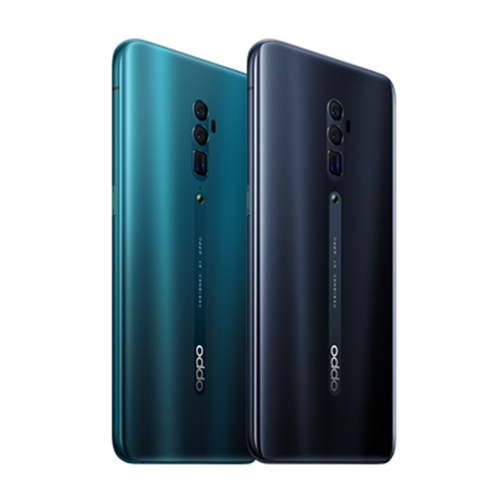
Oppo unveiled its hotly-anticipated Reno 10x Zoom Edition smartphone earlier this month. Loaded with awe-inspiring features and top-end specifications, the recently announced handset has gone up for pre-order on Giztop. Multiple variants of the Oppo Reno 10x Zoom Edition smartphone including 6GB RAM+128GB ROM, 6GB RAM+256GB ROM, and one that ships with 8GB of RAM and offers a hearty 256GB of internal storage capacity are now accepting pre-orders on the Chinese online store.
The phone comes in three appealing color versions including black, green and fog sea green.
The 6GB RAM+128GB model is available in black and green color versions carrying a $689 price tag. The 6GB RAM+256GB ROM variant, on the other hand, would set you back $769. Those willing to shell out $819 can choose between the black and fog sea green color versions of the 8GB RAM+256GB ROM model. Here are the features the Oppo Reno 10x Zoom Edition smartphone has to offer:
6-inch AMOLED FHD+ display with a screen resolution of 2340×1080 pixels
In-display fingerprint scanner for added protection
You can visit this link to check out more details about the Oppo Reno 10x Zoom Edition smartphone and pre-order your favorite model of the phone without wasting time.
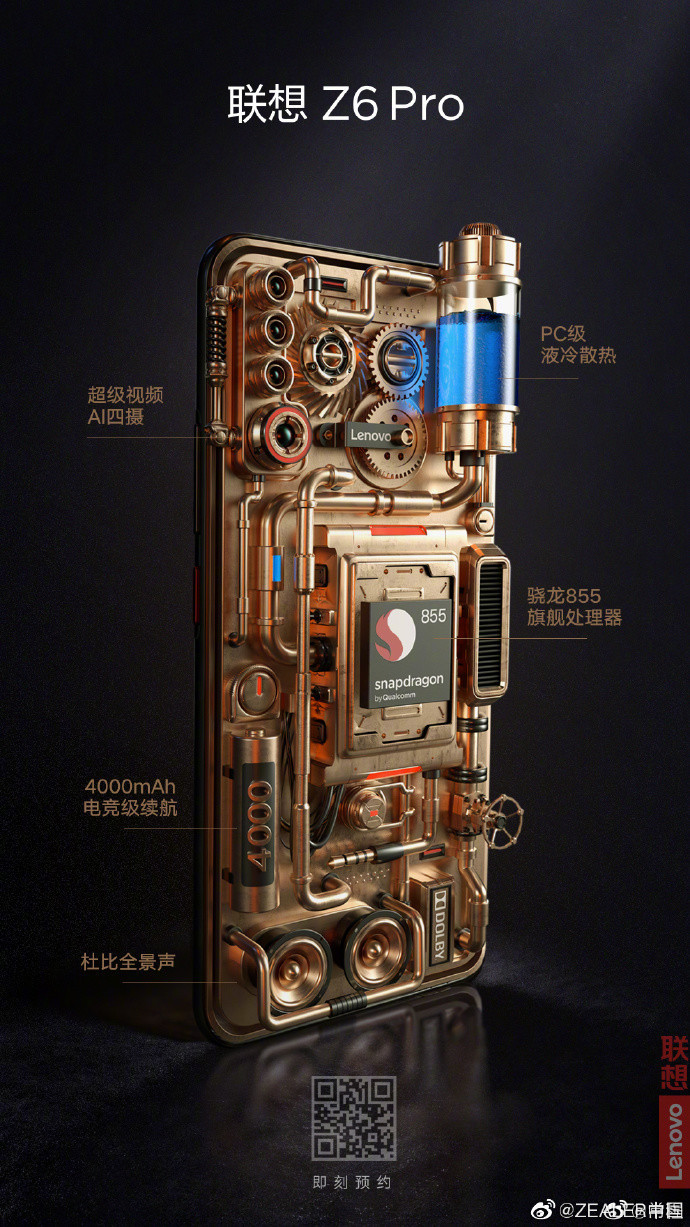
Lenovo recently confirmed that the Chinese company’s upcoming flagship smartphone — Lenovo Z6 Pro will be officially launched on 23rd April. Ahead of the phone’s launch, a lot of details have been revealed online.
Now, the company has shared a new image of the smartphone on the Chinese microblogging platform Weibo, revealing major hardware specifications of the device. It shows the phone with four camera sensors on the back and confirms that it’ll have AI-powered features.
It also mentions that the smartphone will come with eight-axis optical image stabilization. The smartphone will be powered by the Qualcomm Snapdragon 855 octa-core flagship chipset, which is powering most of the flagship smartphones launched this year.
This will be the company’s second smartphone to be powered by the Qualcomm Snapdragon 855 SoC, after the launch of Lenovo Z5 Pro GT, which also comes with up to 12 GB of RAM.
The company further adds that the phone will come with a PC-class liquid cooling technology, allowing the device to run at a constant high speed. As for the battery capacity, it is now confirmed to pack 4,000mAh battery.
The primary camera sensor on the back side will be of 48-megapixels and the company has also confirmed that the phone will be capable of taking 100-megapixel photos, making it the first smartphone powered by Snapdragon 855 SoC to do so.
Last week, the company’s executive had posted a screenshot of the phone’s network icons on Weibo, confirming that the upcoming flagship smartphone, Z6 Pro, will come with support for 5G connectivity.
Recently, it was leaked that the smartphone will come with a waterdrop notch display and will offer 90 percent screen-to-body ratio. Further, the phone will also come with an in-display fingerprint sensor.
The Lenovo Z6 Pro, the upcoming flagship smartphone from Lenovo, is scheduled to go official on 23rd April. However, ahead of the launch, the smartphone has been made available for reservations through the company’s official website and JD.com in China.
We use cookies on our website to give you the most relevant experience by remembering your preferences and repeat visits. By clicking “Accept”, you consent to the use of ALL the cookies.
This website uses cookies to improve your experience while you navigate through the website. Out of these, the cookies that are categorized as necessary are stored on your browser as they are essential for the working of basic functionalities of the website. We also use third-party cookies that help us analyze and understand how you use this website. These cookies will be stored in your browser only with your consent. You also have the option to opt-out of these cookies. But opting out of some of these cookies may affect your browsing experience.
Necessary cookies are absolutely essential for the website to function properly. This category only includes cookies that ensures basic functionalities and security features of the website. These cookies do not store any personal information.
Any cookies that may not be particularly necessary for the website to function and is used specifically to collect user personal data via analytics, ads, other embedded contents are termed as non-necessary cookies. It is mandatory to procure user consent prior to running these cookies on your website.

 In collaboration with Xiaomi, China’s leading online store GeekBuying is offering the Xiaomi JIMMY JV71 Upright Cordless Stick Vacuum Cleaner and Xiaomi JIMMY JV51 Lightweight Cordless Stick Vacuum Cleaner at lowered prices.
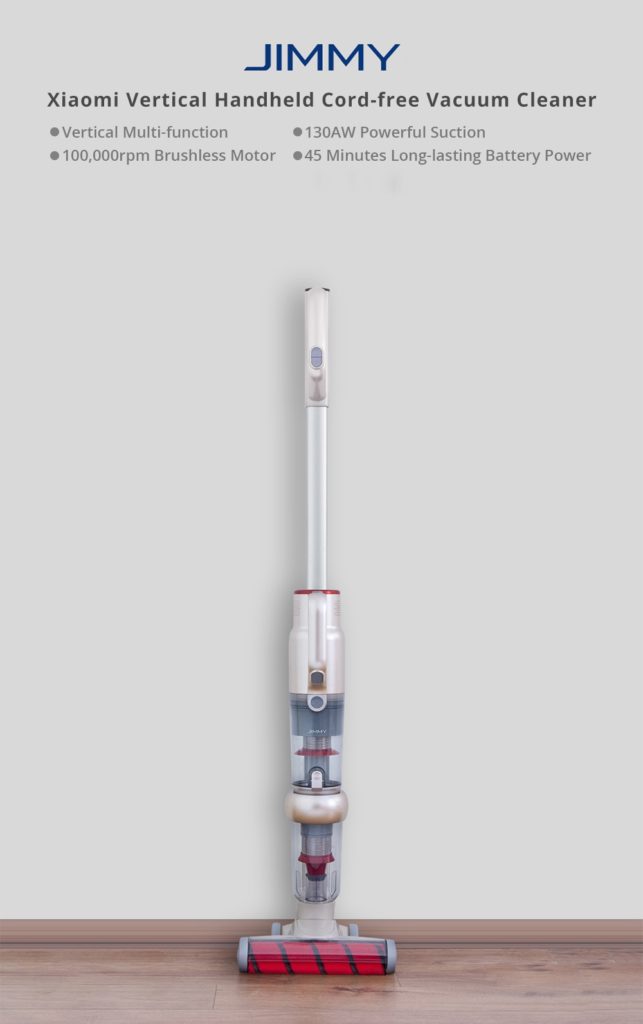 The international version of the JIMMY JV71 would normally set you back $514.06, but you can now buy it for just $249.99 on GeekBuying. You can take advantage of this 51 percent discount by heading straight to
  Aside from taking advantage of the aforesaid discount, you can use coupon code DBYWBNRV to save $60 more at checkout. The coupon helps you bring the already lowered retail price of the JIMMY JV51 further down to just $179.99 during the checkout process.
 While a wide selection of speakers is up for grabs on both online as well as offline stores, these devices aren’t necessarily easy on the pocketbook. If you’re in the market for cost-effective speakers that don’t compromise on quality, you’ve come to the right place.
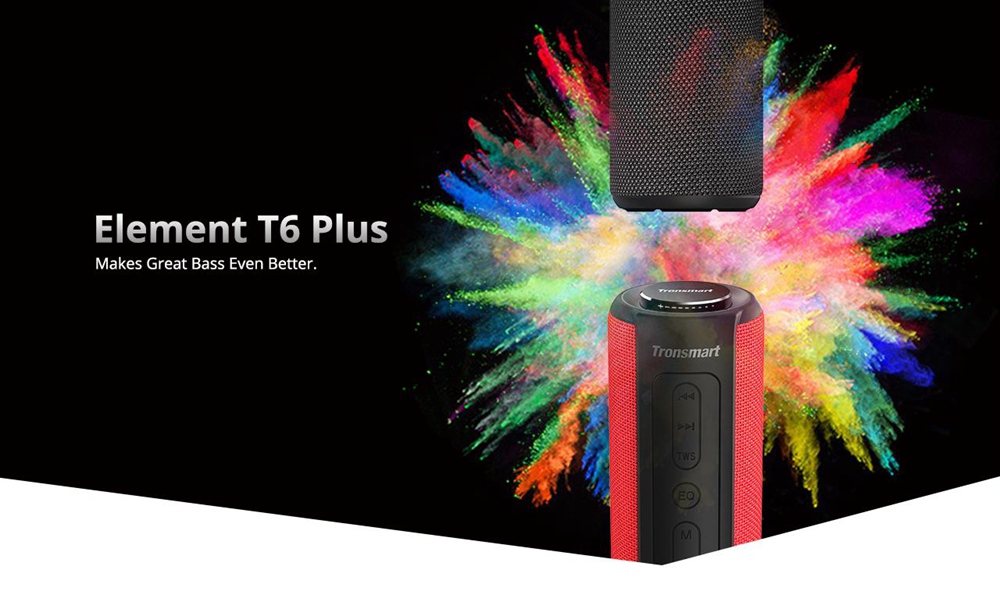 The Element T6 Plus usually retails for $79.99, but you can use coupon code T6PLUS to get a $10 off. In other words, you can bring the retail price of the portable Bluetooth speaker down to just $69.99 simply by applying the aforesaid coupon before placing your order.
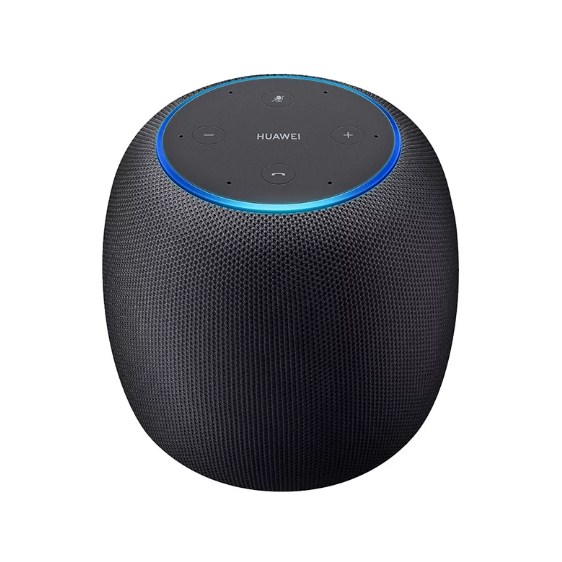 This black as well as white color version of this Huawei-branded AI smart speaker usually retails for $78.47, but GearVita users can apply coupon code GVHWMyna to save $14.48 during the checkout process. The coupon helps you reduce your grand total to just $63.99.
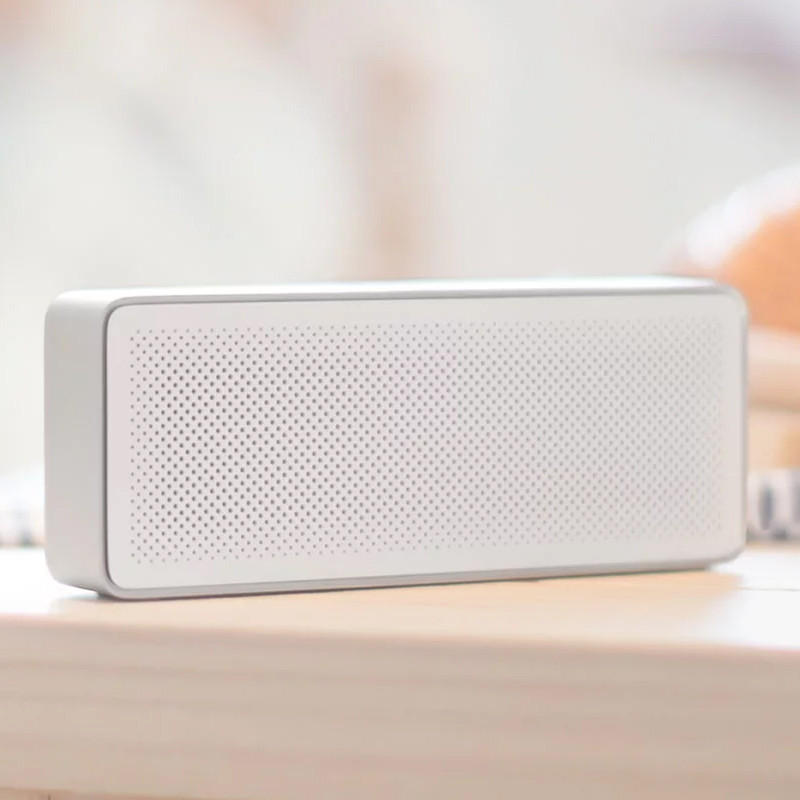 You’d normally end up shelling out $42.99 to get your hands on the Xiaomi Square Box II, but Banggood is giving its users a chance to buy it for a dropped price of just $42.45. Aside from this significant drop in the device’s original asking price, the Chinese online store is offering free shipping on orders over $39.99.
 The device usually retails for $59.79, but thanks to AliExpress’ New User Deal, you can now buy it for only $38.86. This is a 35 percent reduction in the wireless speakers’ original asking price.
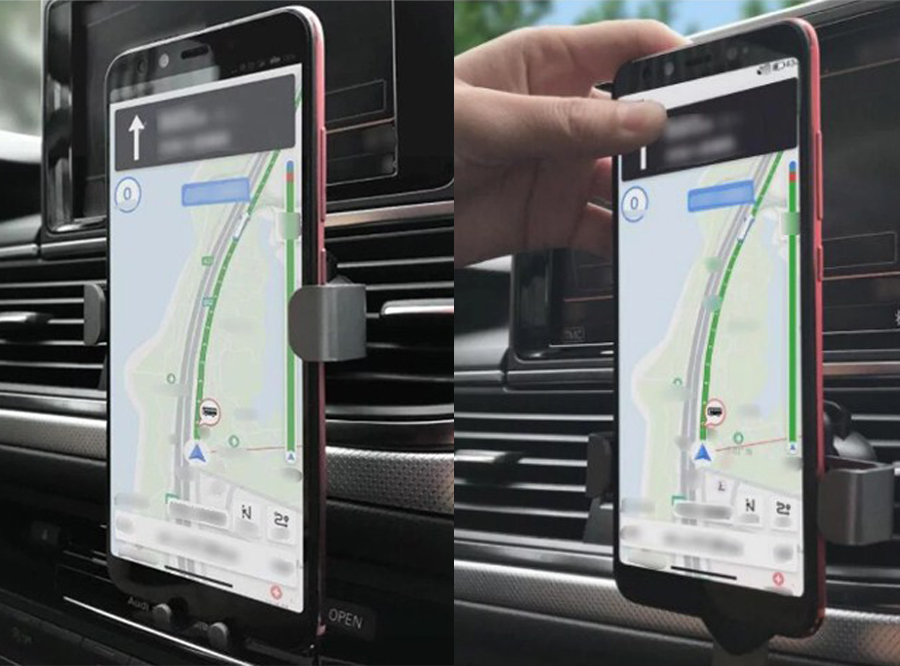 If you are in the market for top-end phone holders that won’t burn a hole in your pocket, you’ve come to the right place. Here are top 5 cost-effective phone holders that boast superior features to suit your fancy.
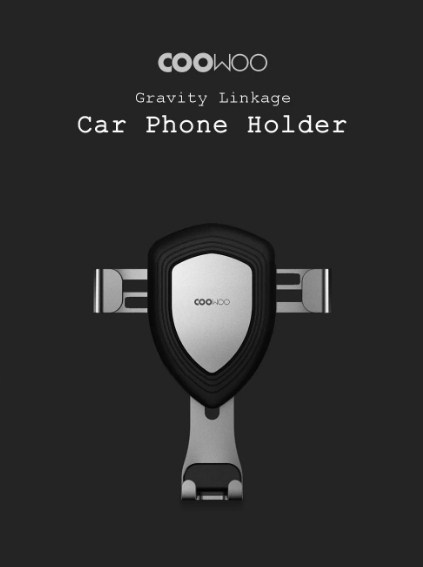 While you’d normally associate a steep price tag with a top-branded phone holder that offers comparable features, the Xiaomi COOWOO Car Phone Holder will set you back just $12.99. The device is up for grabs on GearVita and you can follow
  The 360 Degree Rotary comes in a black color version. You can follow
 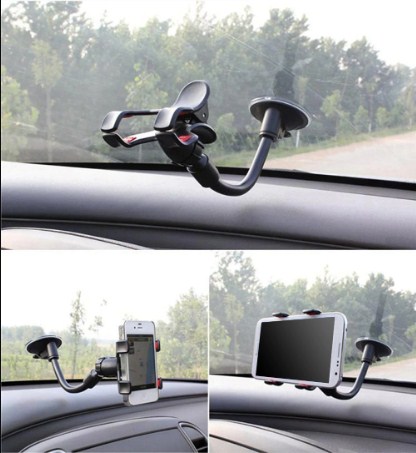 The black color version of the Long Arm Car Windscreen Cellphone Holder is currently available bearing a $ 3.73 price tag on Gearbest. You can follow
 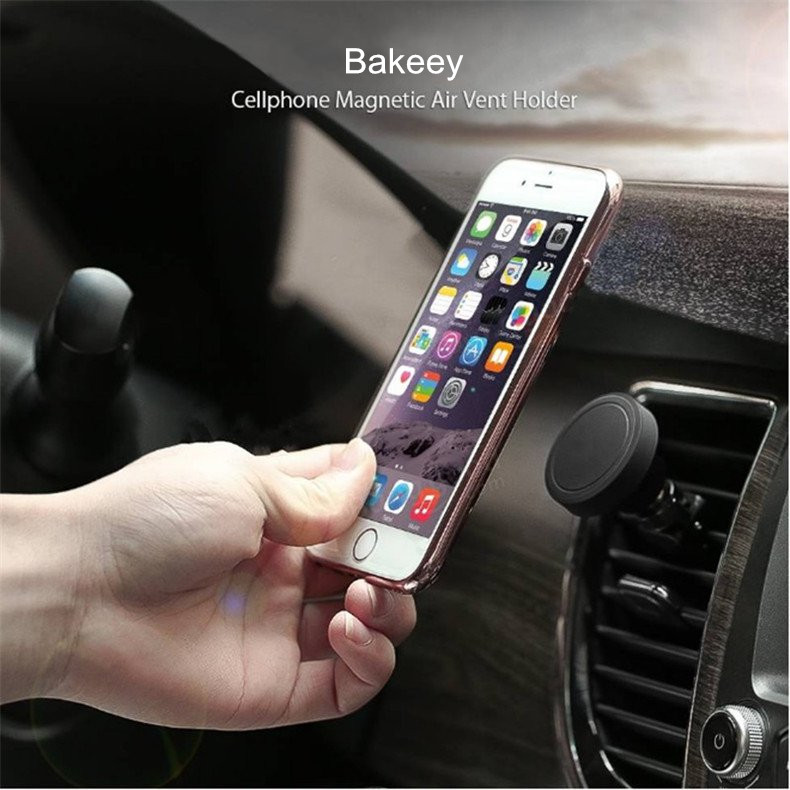 The Bakeey 360 Degree Rotation Magnetic Car Air Vent Mount Holder is designed for iPhone 8X and other Xiaomi-branded handsets, and it comes in black blue color versions. Both of these appealing color options are available for just $10.43 on Banggood.
 While the aforesaid features justify the $35.99 price tag, the AutoBot Q ABM0007 car phone holder usually carries; you can now buy it for only $12.99 on GeekBuying. This is a 64 percent reduction in the device’s original asking price.
















 Multiple variants of the Oppo Reno 10x Zoom Edition smartphone including 6GB RAM+128GB ROM, 6GB RAM+256GB ROM, and one that ships with 8GB of RAM and offers a hearty 256GB of internal storage capacity are now accepting pre-orders on the Chinese online store.
 Here are the features the Oppo Reno 10x Zoom Edition smartphone has to offer: