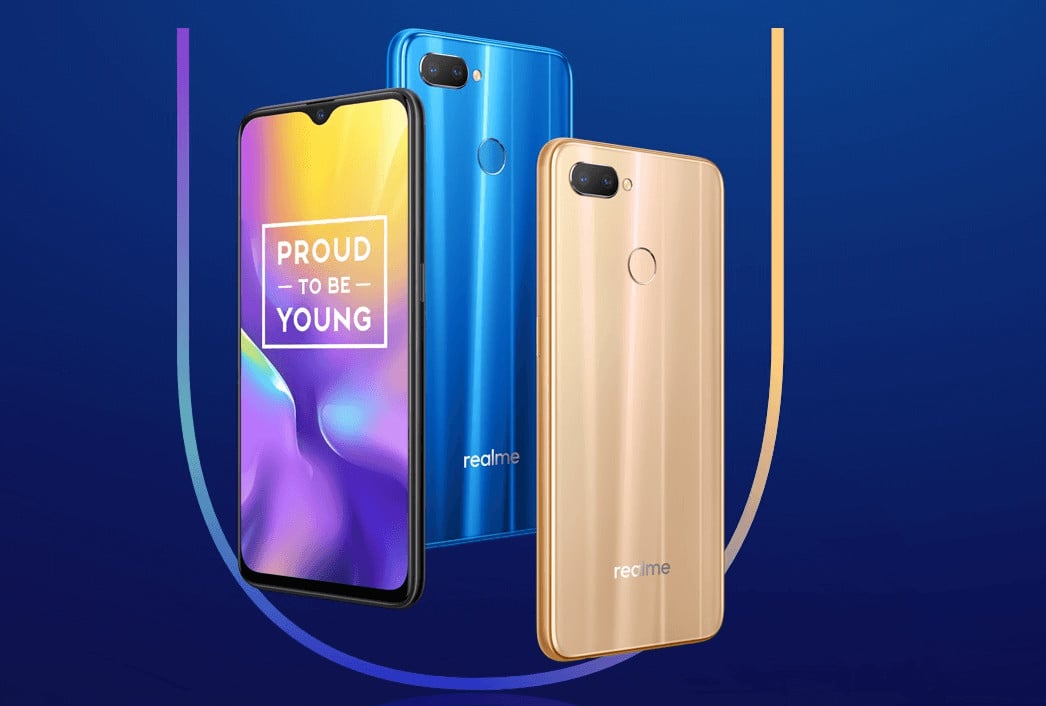
Realme is gearing up to launch the Realme 3 Pro smartphone later this month after the company recently launched the Realme 3. But, ahead of that, the company is finally making the 3GB RAM + 64GB storage model of the Realme U1 available for purchase, after it was announced last week.
The Realme U1 3GB RAM + 64GB storage model will go on sale in India today for the first time through Amazon.in and the company own official website. The company has also announced that the first 500 buyers of the Realme U1 3GB/ 64GB via Realme.com will get a pair of Realme Buds for free. To recall, Realme U1, the company’s first selfie-focused smartphone launched last year.
The 3GB/64GB model of the Realme U1 is priced at Rs. 10,999, which roughly converts to $159. After a recent price cut, the 3GB/32GB model is available for Rs. 9,999 while the 4GB/64GB model is priced at Rs. 11,999.
The phone comes with a shiny back with diffraction grading as the device has 13 layers of Laminated Technology, which the company calls Light Pillar Design. It boasts a 6.3-inch Full HD+ dewdrop display with screen resolution of 2340 x 1080 pixels screen resolution, 90.8 percent screen-t0-body ratio and 19.5:9 aspect ratio. The screen offers 450 nits of brightness and 1500:1 contrast ratio.
It is the world’s first smartphone to be powered by MediaTek’s Helio P70 chipset. It is built by TSMC using their 12nm FinFET technology and features Cortex-A73 and Cortex A53 cores in the same 4+4 arrangement, coupled with ARM Mali-G72 GPU. There’s also a microSD card slot that enables users to further expand the phone’s storage capacity.
The highlight of the smartphone is the camera module. It features a dual camera setup on the back, consisting of a 13-megapixel primary sensor and a 2-megapixel secondary sensor. It comes with AI Photography and AI Beautigy+ features for enhancing the photography experience.
It supports Studio Portrait Lighting, Super Vivid 2.0 and AI Scene Detection as well as slow-motion video recording feature. On the front side, the phone comes equipped with a 25-megapixel Sony IMX576 sensor with f/2.0 aperture and features like Smarter Groupfi for taking group selfies. It also supports AI Front Unlock feature that is claimed to unlock the phone in just 0.1 seconds.
Connectivity options on the device include Dual 4G VoLTE, WiFi 802.11 b/g/n/ac dual-band (2.4GHz + 5GHz), Bluetooth 4.2, and GPS. The phone is running Android 8.1 Oreo operating system out of the box with ColorOS 5.2 on top and is powered by a 3,500mAh battery.
Fitness bands and smartwatches that monitor various activities like running, cycling, and walking are becoming more and more popular among fitness enthusiasts. On the downside, these devices aren’t easy on the pocketbook, but that’s about to change.
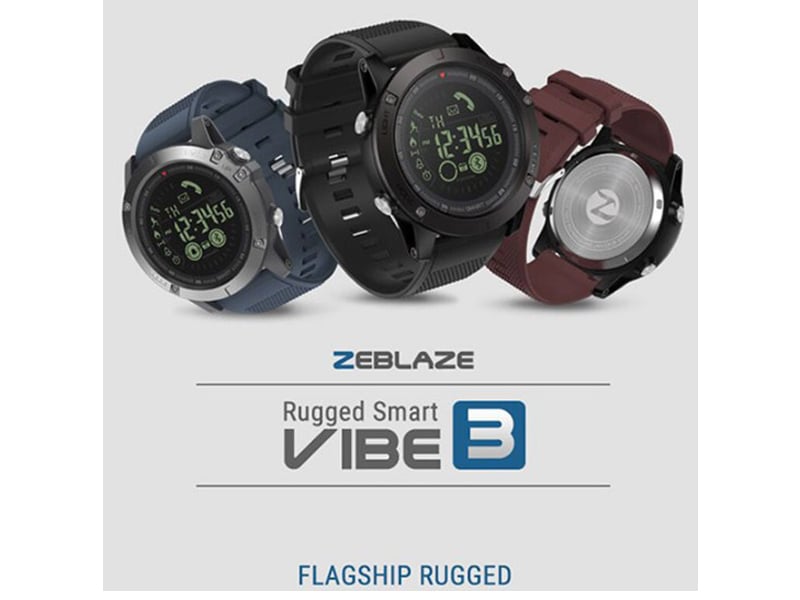
Known for manufacturing feature-rich smartwatches that doesn’t cost a bomb, Zeblaze has launched Zeblaze Vibe 3 ECG Monitor Watch $39.99 Snap-Up promo in collaboration with Banggood.
As part of the recently kicked-off promo, 500 lucky Banggood users will be able to grab a 43 percent discount on the Zeblaze Vibe 3 ECG smartwatch that normally sells for $69.99. Thanks to the aforesaid discount, the original asking price of the device has dropped to just $39.99.
In addition to doling out this noteworthy discount, the Chinese online store is will be giving its loyal users a chance to win seven free orders. Banggood will select the first customer to place an order for the Vibe 3 ECG smartwatch daily to get the watch free until the promo wraps up. Seven such users will be selected during the activity time, which ends at UTC +8 on April 15th. Winners will be announced at UTC +8 on April 22nd. It is worth mentioning here that Banggood reserves all rights.
You can click here to avail the discount and take advantage of the promotion before it comes to an end. Note that the discount, will be valid for the red, blue and black color versions of the Zeblaze Vibe 3 ECG smartwatch, which offers the following features:
22-inch IPS Color Display with 240×240 pixels resolution
Black, Blue, Red color option
Bluetooth 4.0 or above
Supports Android 4.4 or above, iOS 9.0 or above
IP67 waterproof
Supports Instant ECG on Demand, Heart Rate Monitor, All-day Activity Tracking, Sleep Monitor, Multi-sport Modes and more
Lenovo had recently said that it will be making an important announcement on 10th April and also showcased the phone’s back panel. With that, there were speculations that the company could announce the official launch date of its upcoming flagship smartphone — Lenovo Z6 Pro.
Well, the company didn’t disappoint. Today, the China-based company’s Vice President Chang Wei has officially announced that it will launch the Lenovo Z6 Pro smartphone on 23rd April in Beijing, China.
Lenovo has already confirmed that the smartphone will be powered by Qualcomm’s latest and greatest Snapdragon 855 octa-core chipset but reports indicate that the company could opt to offer an overclocked version of the SoC.
One of the recent teasers of the Lenovo Z6 Pro had hinted that the phone’s camera will be able to capture 100-megapixel shots. There is a possibility that the company could be relying on some sort of software trick for shooting 100-megapixel images through the smartphone.
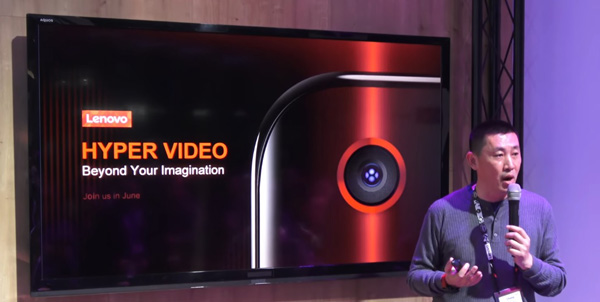
This could be HyperVision camera feature that the company has been teasing since February. Through another teaser, the Chinese firm also confirmed that the Z6 Pro supports Hyper Video that can be transferred at higher rates than existing videos. Till now, it is yet to reveal the details of the HyperVision Camera and Hyper Video features.
It is also known that the Z6 Pro will be a 5G phone. The camera-related features that are expected to be available on the device include super macro, super anti-shake, ultra-wide-angle lens, super night mode, and super slow-motion video shooting.
To know exactly what the smartphone offers, as well as its pricing and availability details, we’ll have to wait until the company officially launches the Lenovo Z6 Pro at a launch event on 23rd April in China.
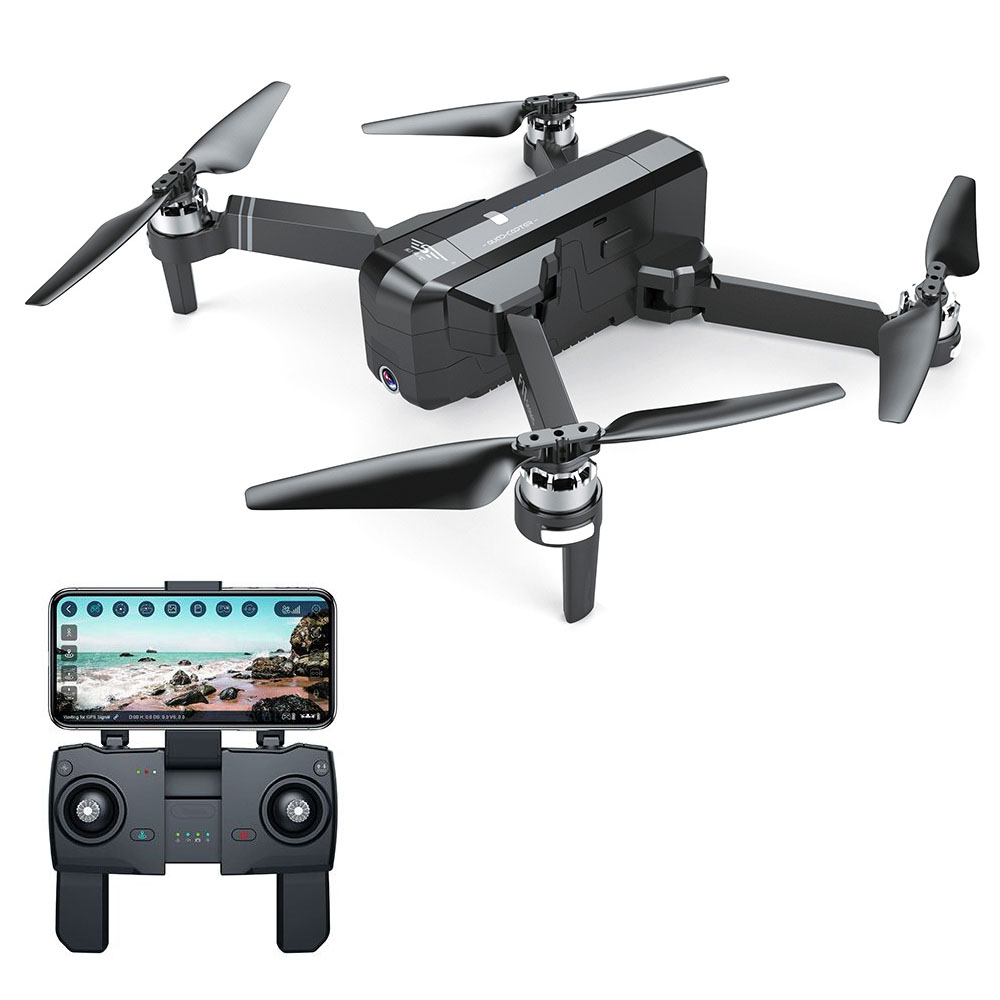
Drone enthusiasts, rejoice! GeekBuying has launched the SJRC F11 RC Drone Promotion, giving its loyal users an unmissable chance to get their hands on a wide selection of well-received drones including the SJRC F11 for unbeatable prices.
The promotion page has been split into two categories including SJRC and More Deals. The first section i.e. ‘SJRC’ is cramped with heavily discounted drones and accessories including SJRC F11 RC Drone, SJRC F11 RC Drone Storage Bag, etc.
The ‘More Deals’ section is where you can avail noteworthy discounts on popular drones from other leading brands like MJX, Happymodel, Emax and more. Let us check out the discounts available on the SJRC F11 and the JJRC X9 Heron RC drones.
SJRC F11 Drone (One Battery)
The SJRC F11 is a highly portable drone thanks to its foldable arms design. The quadcopter draws its juices from a powerful, yet quiet brushless motor which minimizes breakdown and motor replacement.
Equipped with a single battery, the SJRC F11 RC drone usually sells for 267.99, but as part of its recently kicked-off promo, the Chinese online store is giving its users a chance to buy it for just $136.99. This is a 49 percent reduction in the device’s original asking price. You can click here in order to avail the aforesaid discount without wasting time. It is worth noting that the promo will be valid only for five days.
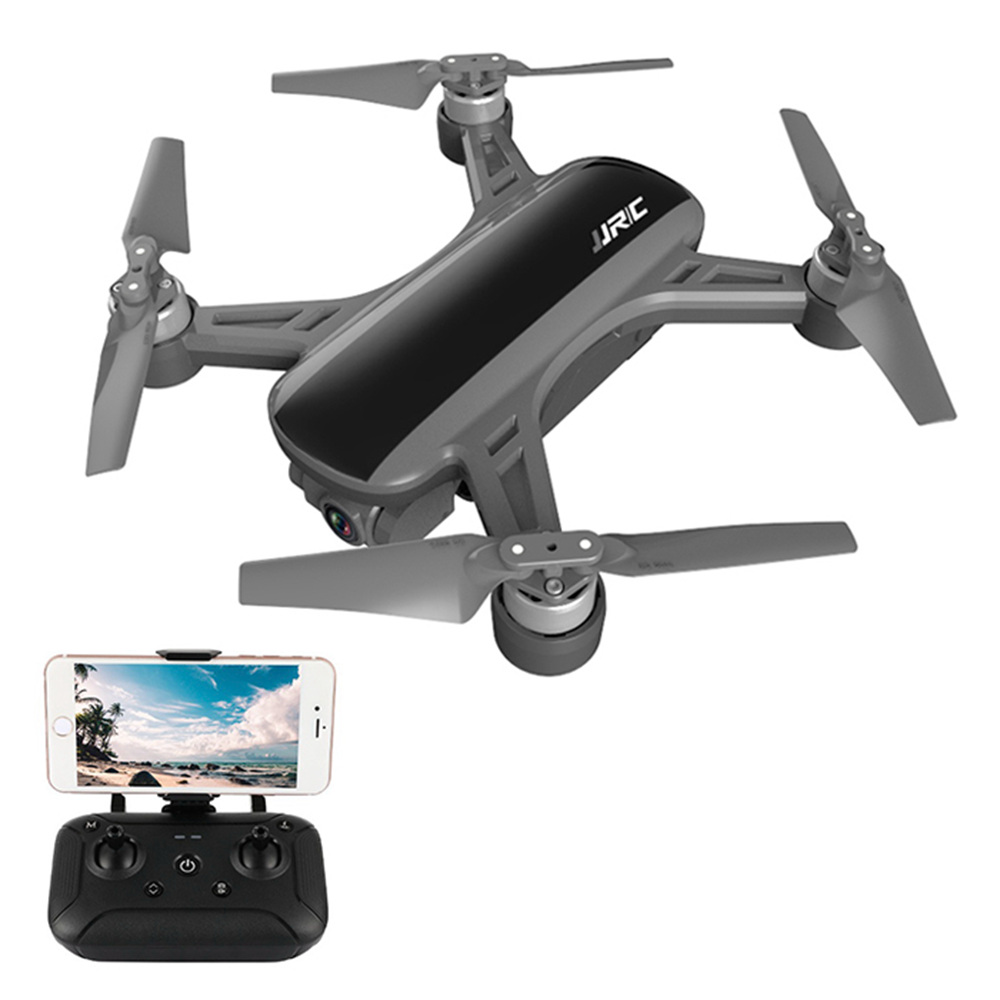
The JJRC X9 Heron comes with GPS mode, wherein it receives signals from satellites to show its exact position. The drone houses a WIFI enabled FPV camera that broadcasts live video to the user on the ground.
The JJRC X9 Heron usually retails for $219.99, but much to the delight of those living on a tight budget, the feature-laden RC drone is now available for just $199.99 on GeekBuying. This is a 9 percent drop in the device’s original asking price. Aside from taking advantage of the discount, you can use coupon code VWXJOSGC and get an extra $43 off. As a result, the already reduced retail price of the JJRC X9 Heron reduces to just $166.99 before you place your order.
You can click here to avail the discount, which will be valid for the black color version of the drone. Note that the promotion is slated to end in just two days.
Nowadays, most of the smartphone manufacturers are offering multiple color options for their smartphones. The trend of glass back with gradient design has also started and almost all companies have jumped the bandwagon.
While most manufacturers are offering fancy color options mainly because of the demand from the youth, OnePlus CEO Pete Lau has a different way of looking at things. He says that the fancy colored glass variants are not selling well in the market.
He adds that such design may attract attention and may seem good during the press conferences, but in reality, the phones are not selling well. However, he has not provided any data to back his claim.
Pete Lau believes that people are not fond of the fancy color options and adds that the company has restrained in terms of color options and now it needs to withstand the pressure of the market as well as its internal marketing team.
This statement coming from OnePlus CEO Pete Lau hints that the company’s upcoming flagship smartphone — OnePlus 7 may not be offered in such fancy colors or gradient color options and will continue to offer the simple solid color options.
OnePlus is now gearing up to launch its next-generation flagship smartphone — OnePlus 7 in the coming months. A recent report reveals that there will also be a Pro version of the smartphone. Thus, in total, the company will launch at least three models — OnePlus 7, OnePlus 7 Pro, and OnePlus 7 Pro 5G.
The devices are expected to feature Full HD+ display and powered by Qualcomm Snapdragon 855 octa-core processor with 8GB of RAM. They will run Android 9 Pie operating system out-of-the-box with the company’s own OxygenOS on top.
The OnePlus 7 Pro is fitted with a 48-megapixel + 16-megapixel + 8-megapixel triple camera setup on the back side. But, it remains to be seen whether it will be yet another phone with Sony IMX586 as the primary sensor. The handset also features inbuilt storage of 256GB. The 5G model is expected to have the same specs and additional 5G support.
After separating from parent brand Xiaomi, Redmi has launched three smartphones such as Redmi Note 7, Redmi Note 7 Pro and Redmi 7 in China. Today, Redmi President took to Weibo microblogging platform to seek suggestions from Redmi fans on whether the company should launch a Redmi phone with 32-megapixel selfie camera. Could he be hinting the arrival of Redmi Y3/S3 smartphone?
Most Redmi fans have responded by saying “yes” to Weibing’s question. There are couple of smartphones with 32-megapixel selfie camera in the market such as Huawei P30 series and Vivo V15 Pro. They are all equipped with 32-mgeapixel Samsung GD1 sensor. The upcoming Honor 20 series phones such as Honor 20i, Honor 20 and Honor 20 Pro are also rumored to feature it.
Samsung had launched the 32-megapixel ISOCELL Bright GD1 sensor along with 48-megpixel ISOCELL Bright GM1 senor in October last year. The 32-megapixel GD1 sensor is equipped with real-time HDR mode. It has a single pixel size of 0.8micron and it supports 4-in-1 pixel binning technology for capturing brighter shots in dim light conditions.
Redmi is expected to release successor phones for Redmi 6A, Redmi 6 Pro and Redmi Y2 from last year in the near future. Earlier this month, a leakster had revealed that India will be soon receiving the Redmi 7 smartphone. The country may receive Redmi Y3 phone as early as next month. The Chinese firm is also speculated to be working on Redmi 7A smartphone.
The Redmi Y3 will be a youth-focused selfie-centric smartphone. It will be arriving to replace the Redmi Y2 that features an AI driven 16-megapixel selfie camera along front LED flash. The Redmi Y2 was launched as Redmi S2 selfie phone in China last year. Probably, the upcoming Redmi Y3 / S3 selfie phone from the company could be arriving with 32-megapixel front-facing camera.
Also, the arrival of the Redmi Y3 seems to be close at hand as it has already bagged Wi-Fi certification. It is speculated that some markets may receive the same as Redmi 7 Pro. A recent leak had revealed that the upcoming Xiaomi Mi 9X will be also equipped with 32-megapixel Samsung GD1 sensor. The Mi 9X may debut as Mi A3 in international markets.
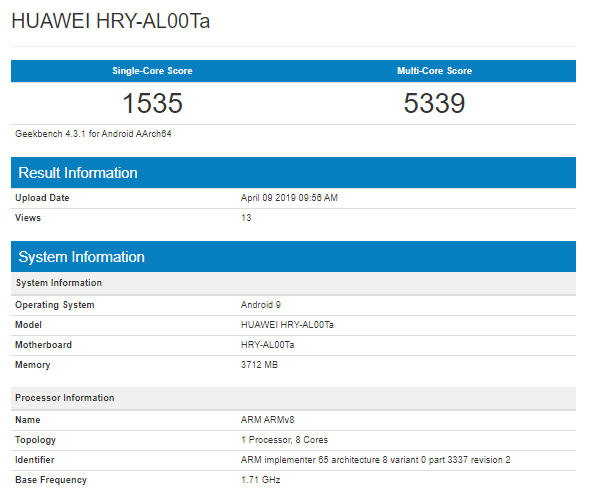
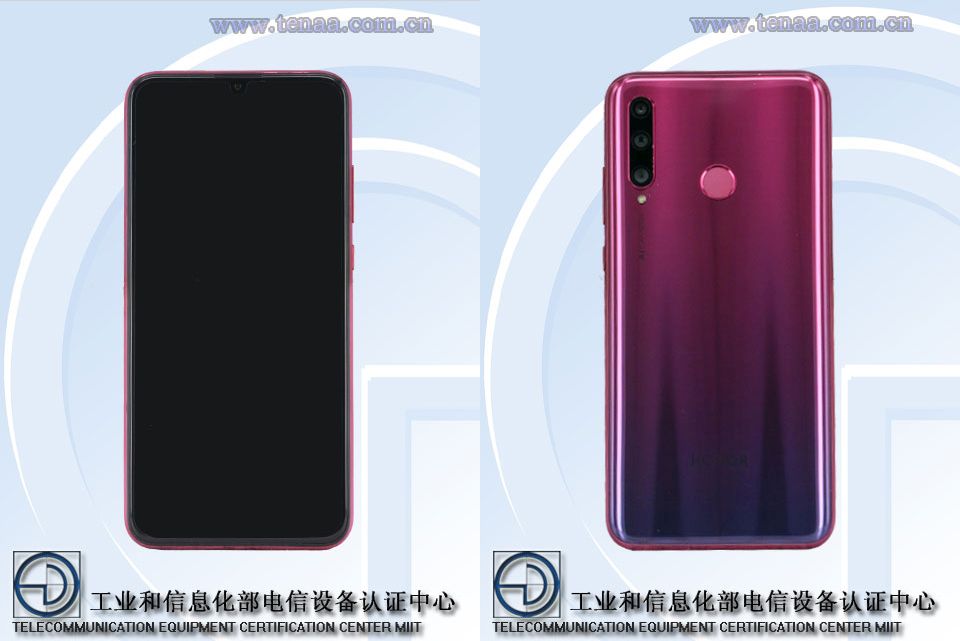
Honor will be launching the Honor 20i smartphone in China on April 17. The very same phone is expected to release soon in the European markets as Honor 20 Lite. The Honor 20i with model number HRY-TL00T / AL00T / AL00Ta have already appeared with full specs on the database of China’s TENAA telecom regulatory body. Honor is now receiving the reservations through the official Vmall online store. The Vmall listing contains the images of the three color variants of the smartphone. Also, the HRY-AL00Ta has appeared on Geekbench to reveal its key specs and benchmarks scores.
Honor 20i Vmall Listing
Vmall also known as Huawei Mall has begun the reservations of the Honor 20i. Starting from April 15, other retailers will also carry out the reservations of the smartphone. Vmall will begin the pre-orders of the phone from April 15. Well ahead of the April 17 launch, the Chinese manufacturer has shared high-resolution renders of the phone.
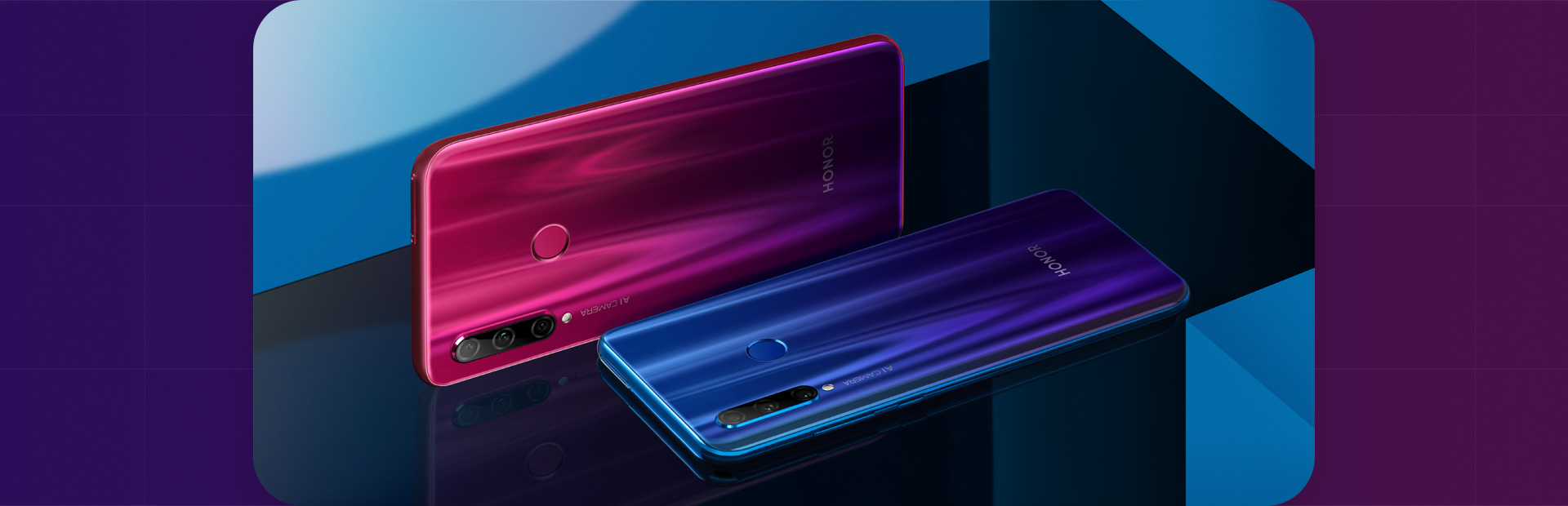
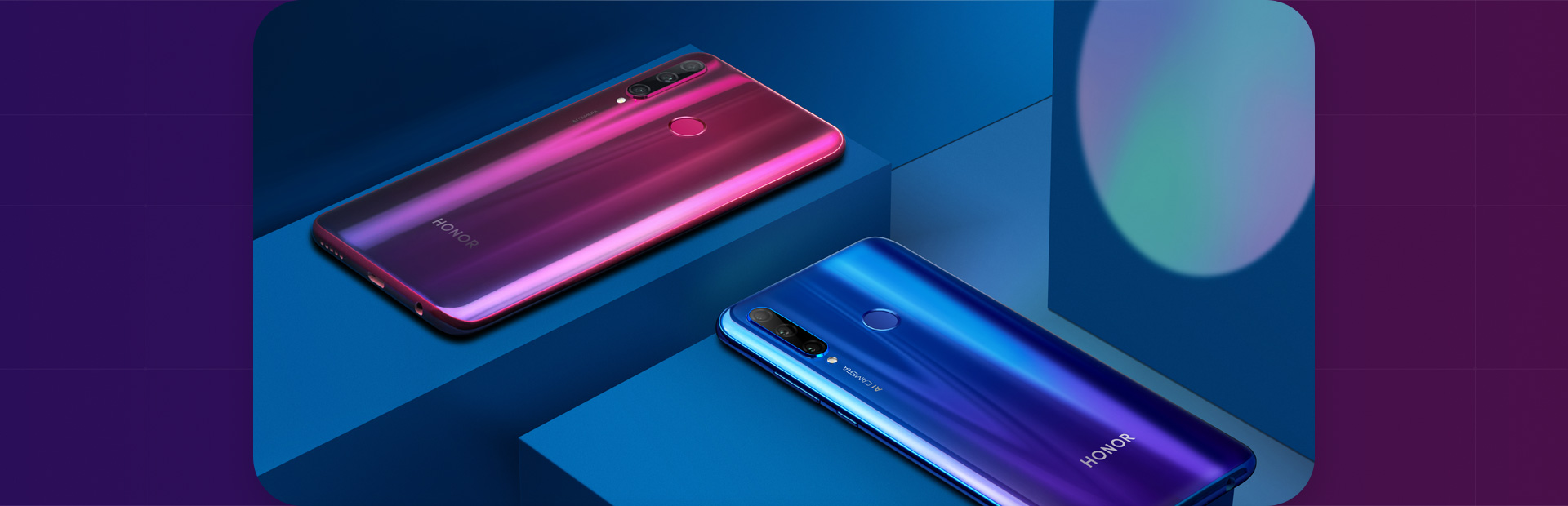
The images reveal that the Honor 20i will be arriving in three color option such as Blue-Purple gradient, Red-Purple gradient and Black.
The smartphone is equipped with a triple camera setup on its rear followed by an LED flash. A fingerprint reader is also on the backside of the phone. The company has already confirmed through a recent teaser that it will be arriving with a waterdrop-style notched display. The USP of the phone will be its 32-megapixel AI driven front-facing camera.
Honor 20i Geekbench Listing
The Geekbench listing of Honor HRY-AL00Ta (Honor 20i) reveals that its 1.71 GHz processor is coupled with 4 GB of RAM and it is loaded with Android 9 Pie OS. The exact name of the processor is not mentioned on the Geekbench listing. However, the smartphone is expected to be fueled by the homebrewed Kirin 710 SoC.
In the single-core test of Geekbench, the Honor 20i has scored 1535 points. It has recorded a score of 5339 in the multi-core test.
Honor 20i Specifications
The TENAA listing of the Honor 20i has revealed that it will be arriving with a 6.21-inch IPS LCD panel that will offer full HD+ resolution of 1080 x 2340 pixels. The smartphone is expected to arrive in 4 GB and 6 GB RAM editions and internal storage choices of 64 GB and 128 GB. It will be featuring a microSD card slot for more storage.
The Honor 20i will be packed with a 3,400mAh battery. The rear shell of the phone will be equipped with 24-megapixel + 8-megapixel + 2-megapixel triple camera setup. The EMUI flavored Android 9 Pie OS will come loaded on the device. As of this writing, there is no information on the specifications of the smartphone.
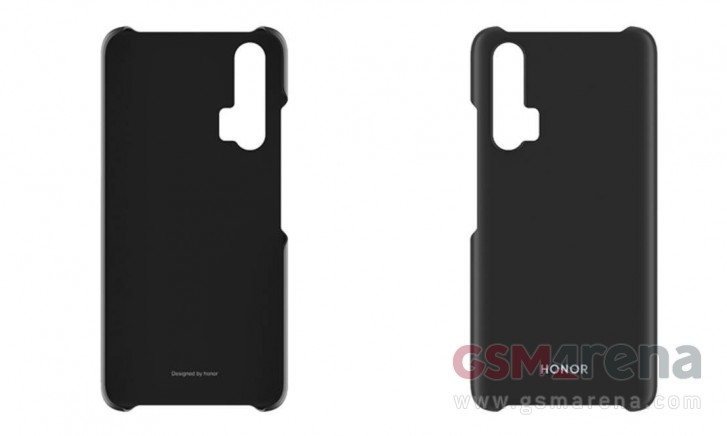
Honor is expected to soon unleash the Honor 20 series that will include Honor 20 and Honor 20 Pro smartphones. Fresh case renders of an upcoming Honor smartphone have appeared today to reveal it rear design. The source of the leaked renders did not confirm the marketing name of the device. Probably, it could belong to the upcoming Honor 20 or 20 Pro smartphone.
A leaked render of the Honor 20 had appeared in the previous month. The image had only revealed the rear side of the phone. The smartphone was found to be equipped with triple cameras and an LED flash arranged vertically on the top-left corner of its rear shell. The case renders of the upcoming Honor smartphone that have surfaced now shows that it not only features a vertical cutout for the rear cameras, but also the shape of the cutout towards the bottom which indicates that it could be equipped with an additional camera sensor and LED flash unit like the Huawei P30 Pro. Hence, it appears that the case renders may belong to the Honor 20 Pro smartphone, and not Honor 20.
Speaking of Honor 20 Pro, its leaked details that appeared on April 8 revealed that it will be featuring a quad camera setup. The leak did not reveal the exact camera configuration of the Honor 20 Pro, but it claimed that it will be featuring the very same 40-megapixel Sony IMX600 sensor that is available on the Huawei P30 Pro smartphone. The additional cutout could be housing a ToF 3Dcamera with LED flash. The Kirin 980 SoC will be present under the hood of the device.
Rumors have it that the Honor 20 and Honor 20 Pro could be respectively feature 6.1-inch and 6.5-inch OLED displays. Both phones are likely to come equipped with in-display fingerprint readers. The Honor 20 is rumored to feature 48-megapixel + 20-megapixel + 8-megapixel triple camera setup on the rear and a front-facing camera of 32-megapixel. It could be packed with a 3,650mAh battery that supports 22.5W rapid charging. It may hit the market Chinese market in three models such as 6 GB RAM + 128 GB storage, 8 GB RAM + 128 GB storage and 8 GB RAM + 256 GB storage with respective price tags of 2,999 Yuan (~$446), 3,399 Yuan (~$506) and 3,799 Yuan (~$565).
The Honor 20 series is speculated to debut on April 25. Apart from China, Europe will be one of the first markets to receive the Honor 20 and 20 Pro smartphones.
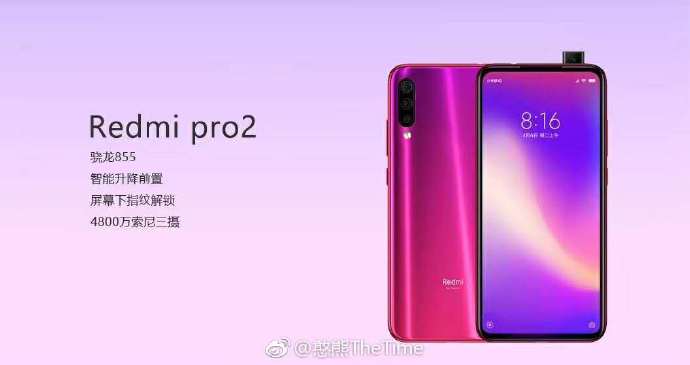
At the end of the previous month, the alleged Redmi flagship smartphone powered by Snapdragon 855 mobile platform was spotted in the same frame with Xiaomi CEO Lei Jun. After that a render of the Redmi flagship phone with pop-up selfie camera had surfaced on social sites. The render which appeared fake revealed that the handset carries Redmi Pro 2 moniker. Redmi President Lu Weibing has only debunked the image but has also claimed that the phone will not be equipped with a pop-up selfie camera.
Since Lu Weibing is once again talking about the Snapdragon 855 SoC fueled Redmi phone, it is a clear indication that the company is working on it. If it is not coming with a pop-up selfie camera, could it be arriving with a waterdrop-style notched display? Rumors surrounding the phone have claimed that it will be arriving with Sony IMX586 48-megapixel triple camera and in-screen fingerprint reader. Hopefully, the details of the phone may surface in the forthcoming weeks.
In February, Weibing had confirmed for the first time on Redmi flagship phone with SD855 chip. The company has no intentions to launch it soon and it is currently focusing on increasing the sales of its recently released Redmi Note 7 series and Redmi 7 smartphones.
There is no launch timeframe for the phone. Probably, it could be arriving in the second half of the year. Some reports have claimed that the same phone may hit the global markets as Poco F2. However, it is too early to come to such a conclusion.
The above shown image belongs to the Redmi phone with 855 SoC. It was spotted with Xiaomi CEO last month. While the display design of the phone is not clearly visible, it did reveal that it features a 3.5mm audio jack. There is no clear evidence to prove that the above phone is the Snapdragon 855. It appears like a notch-less phone. The upcoming Xiaomi Mi MIX 4 is also expected to arrive with a notch-less display.
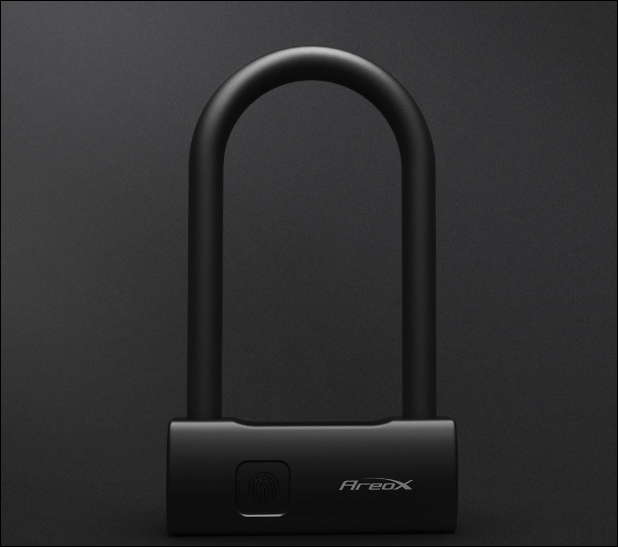
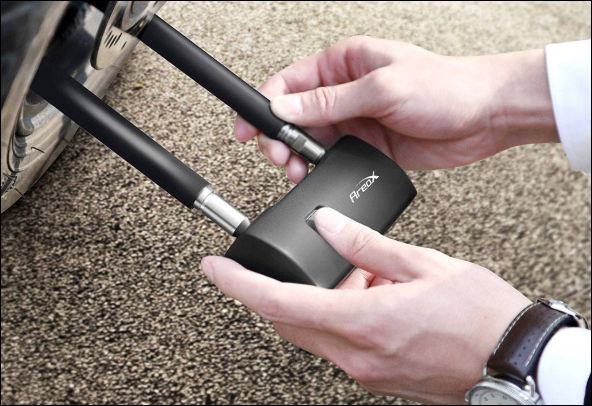
Xiaomi has launched the AreoX Smart fingerprint U-Lock under the Youpin crowdfunding platform. The device comes in two sizes and the pricing starts at 199 yuan. As at the time of filing this report, the fundraiser has garnered more than double the required crowdfunding sum. Presently, over 900,000 yuan has been raised on Xiami Youpin.
Xiaomi is known for manufacturing simple but highly efficient and essential products that meet our needs. The U-Lock smart lock is one of such useful device that will come in useful during a trip or if you are always out with your bike. The device can even be used as a security lock for the car. The sheer strength and durability of the gadget are topnotch.
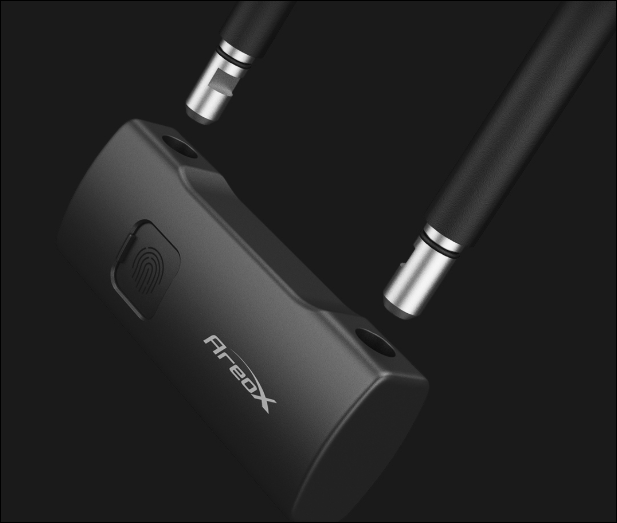
The AreoX Smart Fingerprint U-lock consists of an anti-theft lock body as well as a stainless steel lock beam which comes in two sizes (long and short sizes). The body is durable and has resistance against dust and water with an IP65 rating. The bar is also reinforced to withstand a high degree of pressure. The beam cannot also be easily cut into two using a hacksaw.
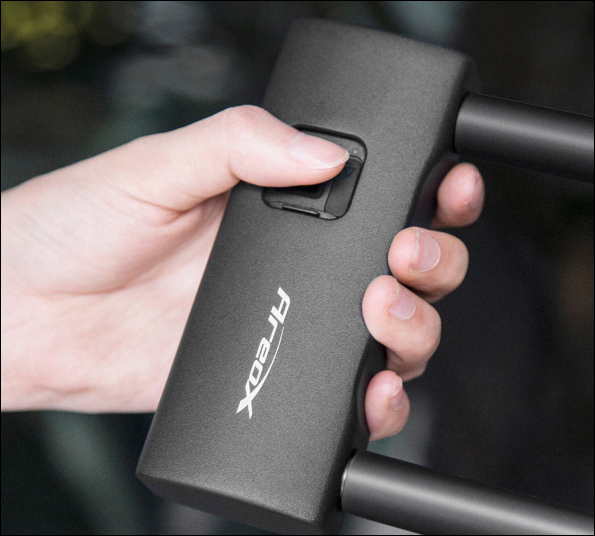
No doubt, the most spectacular feature on the AreoX Smart Fingerprint U-lock is the biometric identification mechanism which it packs. The lock can be opened with fingerprint identification with a high detection rate. The sensor can’t be fooled with a fake fingerprint as it detects a dummy in seconds. The sensor is quite fast and can unlock the device is just 0.55 seconds. The fingerprint sensor is powered by a battery which is said to last up to 12 months. The device alerts users when the battery falls below 15%. In addition, there is a USB-C port which can deliver emergency power where the battery runs out. That is not all, Xiaomi also included a pair of physical unlock keys in the event the fingerprint sensor malfunctions or there is no battery power left.
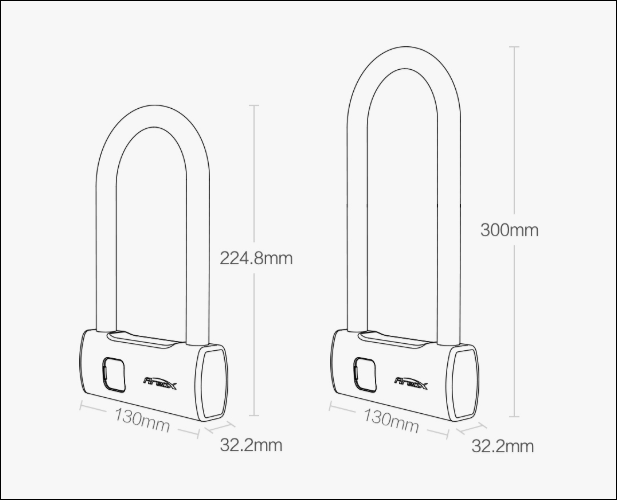
The smart U-lock comes in two sizes; one with a short beam and it has a dimension of 224.8x130x32.2mm. There is also another model with a longer beam and it has a dimension of 300x130x32.2mm. The pricing varies as the smart U-lock with a short beam comes with a 199 yuan ($29) price tag while the longer beam version is offered for 219 yuan ($32). The device is expected to start shipping on May 23.
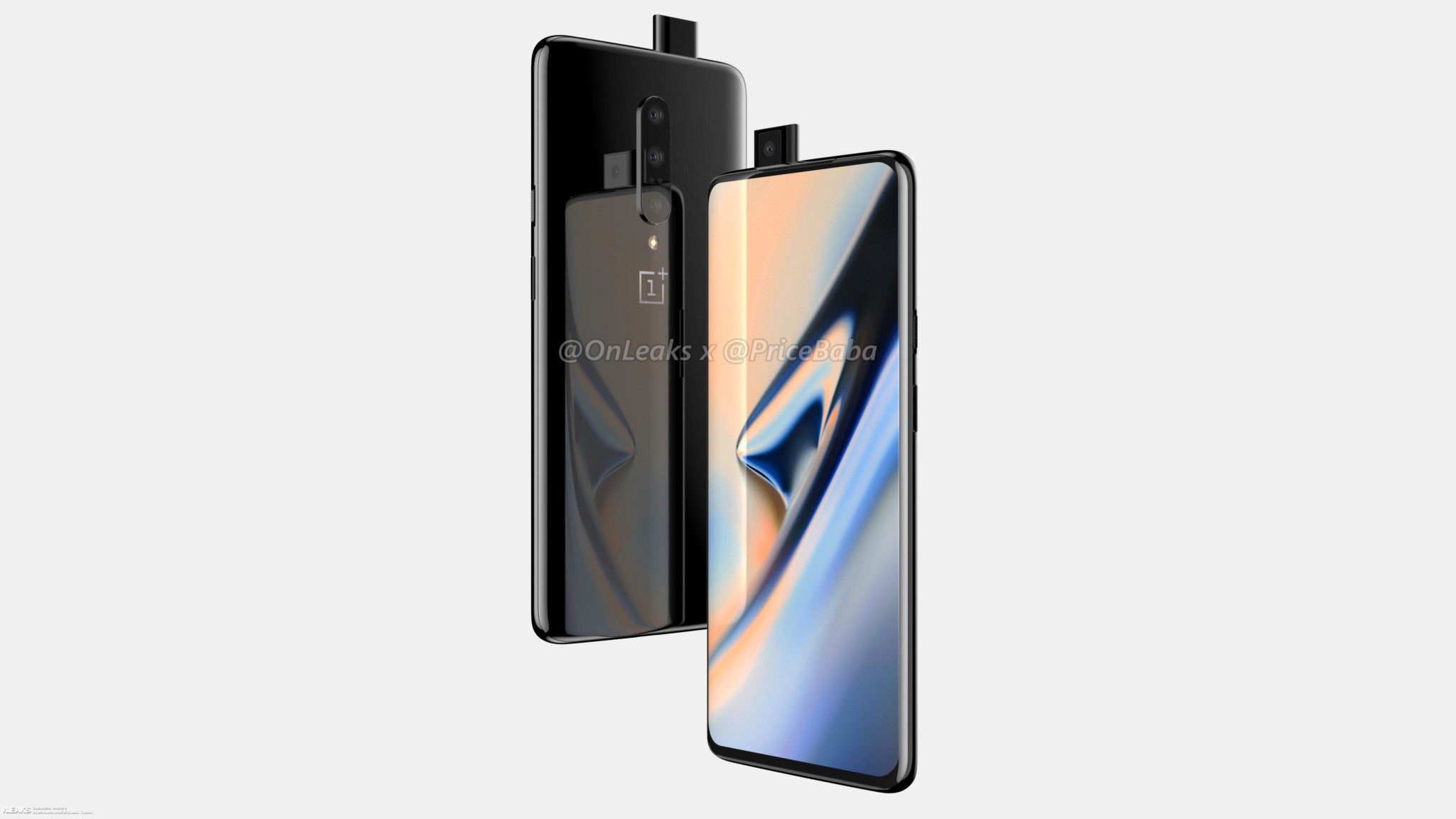
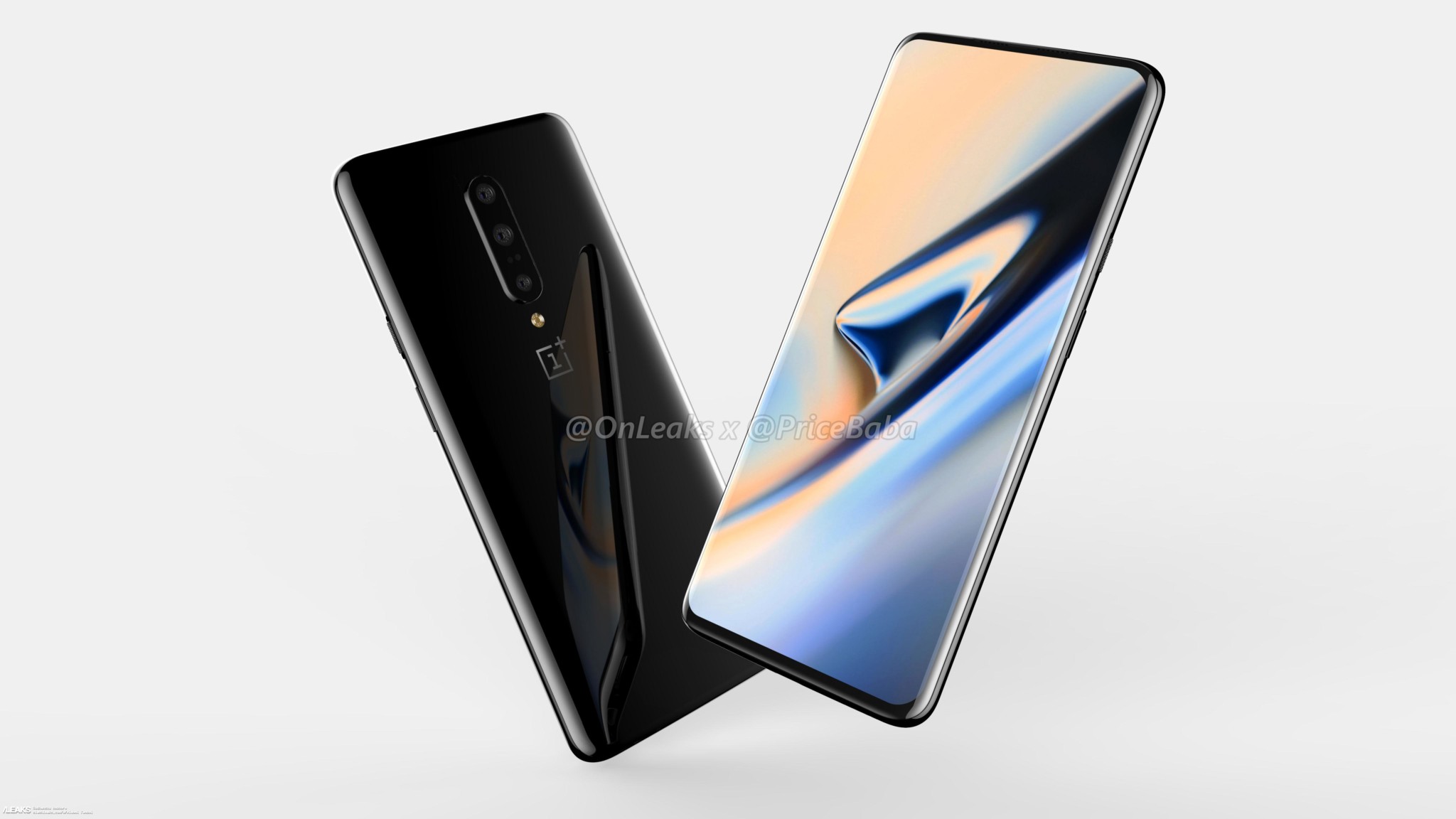
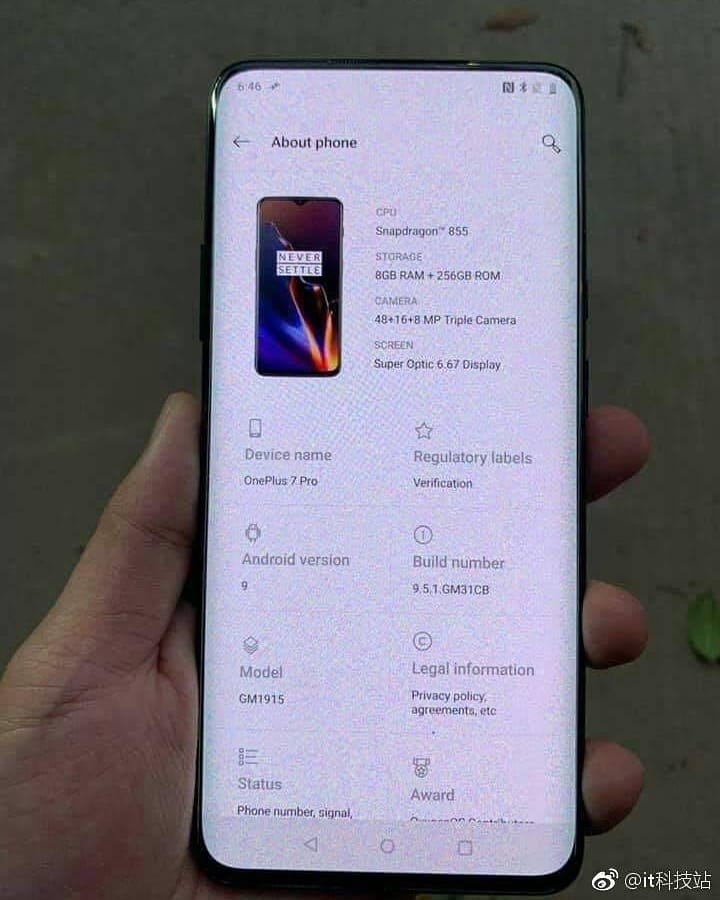
Two leaked shots of the upcoming OnePlus 7 smartphone have surfaced on Weibo. The first image shows that the phone will be equipped with a curved OLED display whereas the second image has revealed its key specifications. Also, the second image claims that the handset will be debuting as OnePlus 7 Pro.
The above image shows that the upcoming OnePlus 7 smartphone will be sporting a bezel-less design since it is fitted with a curved OLED display. The chin of the device is a bit thick whereas the other bezels are almost non-existent. The case renders of the OnePlus 7 that have surfaced in the recent past have revealed that it will be arriving with a notch-less display and a pop-up selfie camera.
While the pop-up front-facing camera is not visible in the newly leaked photo, the presence of a notch-less screen is a clear hint that it will probably come equipped with it. The display of the phone seems to be embedded with an in-screen fingerprint reader.
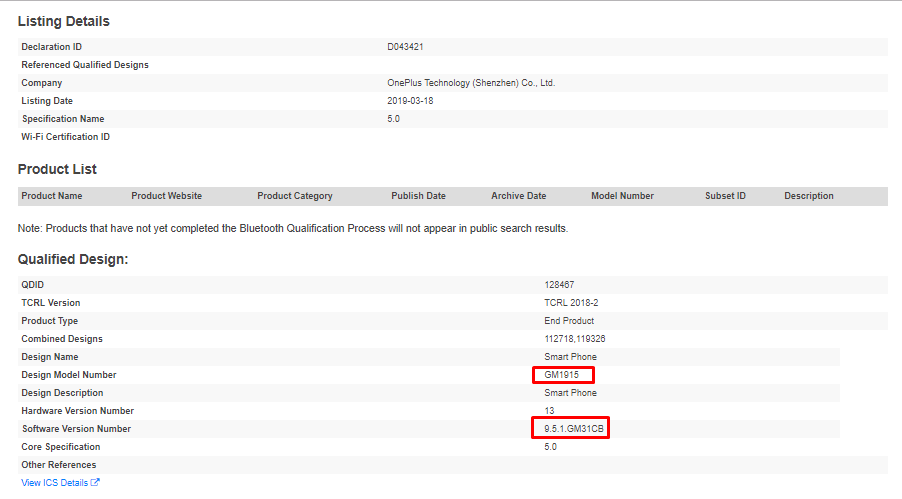
The second image claims that the OnePlus 7 variant that has a model number of GM1915 will be hitting the market as OnePlus 7 Pro. In the previous month, a OnePlus phone with the same model number was approved by the Bluetooth SIG certification body. Speaking of model number, popular tipster Ishan Agarwal has claimed that the following model numbers belong to the OnePlus family:
GM1901, GM1903 and GM1905 – OnePlus 7
GM1911, GM1913, GM1915 and GM1917 – OnePlus 7 Pro
GM1920 – OnePlus 7 Pro 5G
The image reveals that the OnePlus 7 Pro’s notch-less screen will be dubbed as Super Optic display. The size of the display will be 6.67 inches and it will probably carry support for full HD+ resolution. The Snapdragon 855 SoC will be present under the hood of the device along with 8 GB of RAM.
The OnePlus 7 Pro is preloaded with Android 9 Pie OS. The software version that is mentioned as 9.5.1GM31CB is an indication that it could be running on the forthcoming OxygenOS 9.5 edition. The OnePlus 7 Pro is fitted with a 48-meagpixel + 16-megapixel + 8-megapixel triple camera setup. It remains to be seen whether it will be yet another phone with Sony IMX586 as the primary sensor. The handset features an inbuilt storage of 256 GB.
In the OnePlus 7 family, the OnePlus 7 Pro and Pro 5G may come with same specs and the only major difference could be the presence of 5G modem inside the Pro model. Also, the OnePlus 7 model could be cheapest model in the series.
What’s your opinion on the newly leaked photos of the OnePlus 7 Pro? Share us your view by posting your comments below.
Last year, it was reported Gionee had gone bankrupt. It’s problems first began when it laid off a large percentage of its staff in 2017 and was reported to be deep in debts. The company has not officially thrown in the towel as its Indian arm still launched a phone in February but it appears Gionee has indeed come to its end.
It has been reported that the official Gionee China website is down. We checked and the site seems to have been taken down. The plausible explanation is that Gionee has shut down its business in China. The Gionee India site is still up but we don’t know for how long before it gets taken down too.
News from the Hong Kong media indicates that Xiaomi Group has posted it first notice of annual general meeting (AGM) since after it was listed on the Hong Kong stock exchange. The notice also contains the company’s financial statement for the year. While the overall financial outlook of the company looks promising, the most interesting aspect is the revelation that the highest paid employee of the company receives a massive 9.818 billion yuan in salary annually. The group’s five highest paid individuals have a total annual salary of 10.218 billion yuan. Why this is interesting is that it is a 51-fold surge when compared to the company’s wage bill last year.
On inquiry, a Xiaomi spokesperson is said to have confirmed that the staff that earns over a billion yuan annually is the company’s Chairman, Lei Jun. However, the exact amount which he earned wasn’t disclosed. The entire salary is mainly a batch of awarded shares. Xu Jieyun, general manager of Xiaomi Group’s public relations department, responded to the report on Lei Jun’s annual salary on Weibo stating that the reward of 2% equity granted by the board of directors before the listing was an industry practice and that the proportion was not high in the industry.
Meanwhile, Xiaomi’s shares fell 0.68% and closed at HK$11.75 as at April 8 when the report was released. The share price has tumbled by nearly 10% since the beginning of the year. However, the Chinese tech giant posted gross revenue of 174.915 billion yuan for last year, with a profit of 13.478 billion yuan.
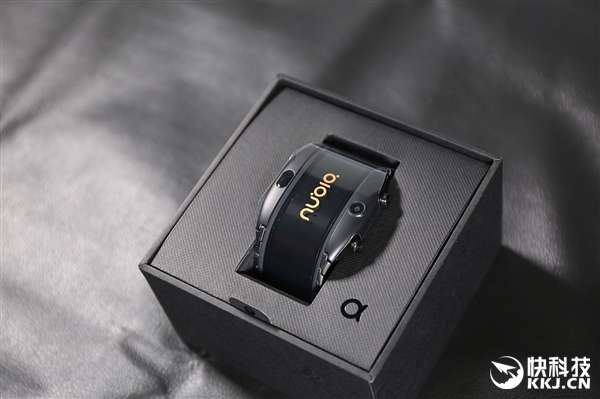
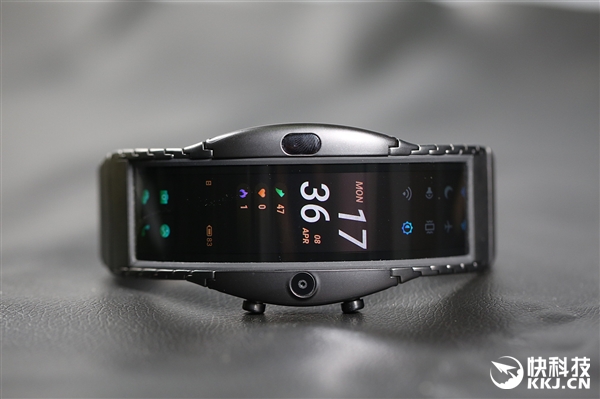
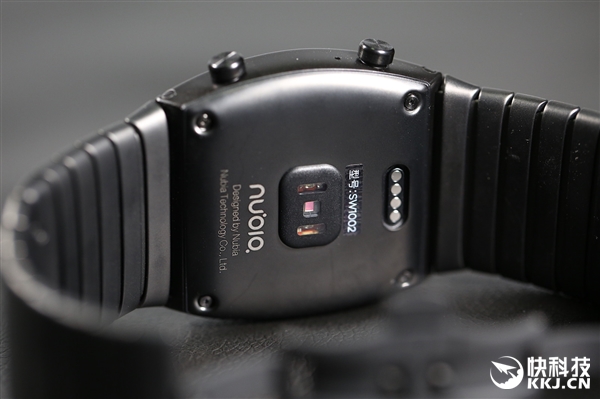
Wristwatches have been around for ages but with technology, what we know as wristwatches are gradually evolving. The smartwatch/fitness tracker is gradually gaining momentum. Nubia has taken the bar a notch higher with its wearable smartphone known as Nubia Alpha. Aptly put, the Alpha could be regarded as the first smartphone with the form factor of a smartwatch. Of course, there are smartwatches with some features found on a mobile phone but the Alpha is different in many ways. It can safely be called a smartphone whereas others can’t. The Nubia Alpha was officially unveiled in China yesterday with sales scheduled to commence on April 10. Here are some unboxing pictures of the feature-packed wearable phone.
To recap, the Nubia Alpha packs in a 4-inch flexible display that offers an aspect ratio of 36:9. The display can be wrapped on the wrist for use as a smartwatch and when unwrapped, it adopts a flat shape and can be used as a smartphone with a tall aspect ratio display. The interface is one of the beauties of the Alpha. It runs on Nubia’s custom-made AlphaOS and supports AIM (Air Interaction Mechanics) gestures that allow users to control the device without touching its screen.
Further, the Nubia Alpha is powered by a Snapdragon Wear 2011 processor paired with 1 GB of RAM. It has an inbuilt storage of 8 GB which can’t be expanded. On the camera end, there is a 5MP f2.2 aperture camera by the side of the display and the samples captured by the sensor are pretty decent. Away from the features of a smartphone, the wearable also packs all the features you’ll find on a smartwatch/fitness tracker such as a heart rate sensor, sleep tracking, pedometer etc. Nubia Alpha comes with Bluetooth but there is a version with eSIM support.
The Nubia Alpha has got a beautiful design but we can’t say if there is a market for what Nubia is offering. The industry is witnessing a shift from small screen smartphones to large display models. 4-inch smartphones are almost extinct so we don’t see how the Nubia Alpha will be of any value except for mainly fitness tracking. We’ll have to see how this pans out. Meanwhile, you can check out more photos of the Alpha from below.
Qualcomm is churning out these mid-range chips without a care in the world. The American chip company just announced three upper mid-range chipsets with a focus on gaming, AI, and photography. The new SoCs are the Snapdragon 665, Snapdragon 730, and Snapdragon 730G and there is a chance one or more of these processors will appear in Samsung’s new Galaxy A phones scheduled for release tomorrow.
Snapdragon 665
The Snapdragon 665 a.k.a SM6125 is an 11nm chipset made up of eight Kryo 260 cores in a 4+4 arrangement clocked at 2.0GHz. These are the same cores in the 14nm Snapdragon 636 processor but they are now on a smaller node which means better power efficiency.
The Snapdragon 665 puts AI at the forefront thanks to the Adreno 610 AIE GPU. The on-board third-generation AI is to work with the new Hexagon 686 DSP and Qualcomm Spectra 165 ISP for better low-light photography, better portraits, and better ways to interact with your environment.
The onboard AI engine also provides better security with support for 3D Face Unlock. Qualcomm claims the new AI features are 2x faster than that of the Snapdragon 660.
The Snapdragon 665 supports Bluetooth 5.0 LPE, USB 3.1, up to 16MP dual camera and 48MP single camera, 4K at 30fps, and slow-motion recording up to 120fps at 1080p. Maximum display support is 2520 x 1080 (FHD+). It also supports Quick Charge 3.0.
Snapdragon 730 and Snapdragon 730G
The Snapdragon 730 (SM7150-AA) and Snapdragon 730G (SM7150-AB) are two new processors designed for mobile gaming. They are both 8nm octa-core chipsets (2+6 core arrangement) with Kryo 470 CPUs clocked at 2.2GHz with Adreno 618 GPUs. Qualcomm says the two processors provide a 35% increase in performance compared to the previous generation.
The Snapdragon 730 duo are the first 7 series processors to feature the Hexagon Tensor Accelerator. Both processors also feature the Hexagon 688 DSP which works with the GPU and CPU to complete AI tasks faster and in more power-efficient ways.
The two processors put photography at the forefront. There is a Computer Vision ISP (CV-ISP) that provides depth sensing capabilities at 60fps and uses 4x less power compared to the Snapdragon 710. The CV-ISP also allows you to record 4K HDR videos with portrait mode and object segmentation. It also supports image capturing at 48MP with support for multi-frame noise reduction.
The Snapdragon 730 and Snapdragon 730G feature the Snapdragon X15 LTE modem which brings up to 800Mbps download speeds. The two SoCs are also Wi-Fi 6 ready and support Qualcomm Quick Charge 4+.
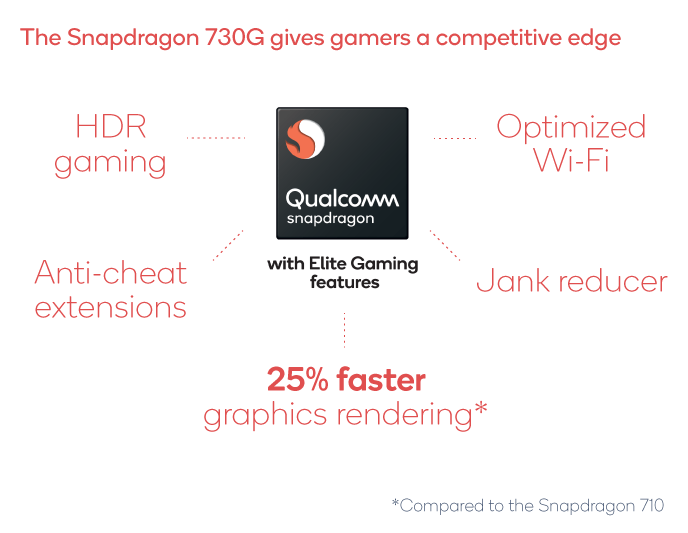
Where the Snapdragon 730G shines are in its gaming features. The Adreno 618 GPU is enhanced and provides 25% more performance than the Snapdragon 710. It also uses the Vulkan 1.1 graphics library which uses 20% less power than Open GL ES. There is also support for True HDR which renders the game in over a “billion shades of colors” and with Qualcomm AptX Adaptive Audio and Aqstic Audio Technology, you also get “crystal-clear surround-sound audio”.
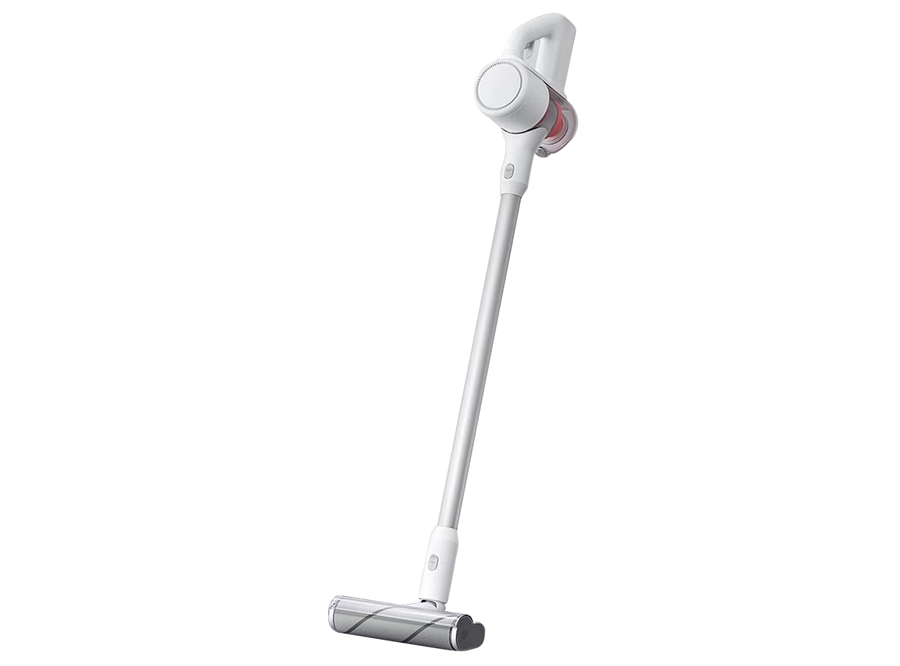
Xiaomi went officially with its own MIJIA Handheld Vacuum cleaner on March 29 in China. The vacuum cleaner was released today for crowdfunding on Xiaomi Mall, Mi Home and authorised experience stores for the Mi Fan Festival. Xiaomi disclosed that the crowdfunding revenue has exceeded 20 million yuan (almost USD$3 million) and that is coming just a few hours after it opened to buyers.
That is a spectacular feat which underscores the level of interest the product commands among Mi fans. The device is on offer at 100 yuan off, bring down the price to 1199 yuan ($178). Apart from the brand name bringing in some of the interests, the device itself is also a finely designed product both on the interior and exterior aspects.
The Mijia Handheld Vacuum Cleaner uses a high-end 9-cone fan with cyclone design and 9 small fans responding to micron-sized particles to maintain constant suction. It also adopts a large suction force of 100AW and is equipped with a 100,000-rpm brushless variable frequency DC motor and a high standard static pressure of 23 kPa. The vacuum cleaner comes with a 5-fold filter dust-removing system and pure purifier level discharge, which the company claims locks 99.97% of dust to avoid secondary pollution. Further, it is equipped with four brush heads, which can absorb dust from the ground, bed mattress, car interior, keyboard, among others. The device uses a built-in 2500mAh battery which Xiaomi says provide up to 30 minutes of battery life on standard mode. A fully charged vacuum cleaner can clean a larger apartment of around 160 sq.m.
Xiaomi doesn’t have a clear cut launch itinerary for the products released under the MIJIA brand yet but we expect this one to find its way to the global market in the near future.
Despite its above-average price, the newly-announced Nokia X71 had a big echo in the smartphones world during the initial period. But the concurrency released a lot of midrange phones like that in the last period: will the Nokia X71 be at their level and win the sales competition? In this article, we compared the new HMD Global affordable device with two of the most interesting upper-midrange phones of the moment. One is the Redmi Note 7 Pro, a powered-up version of the Redmi Note 7 with a better SoC and more internal storage. The second is the less famous Hisense U30 that is the world’s first phone with Snapdragon 675 on board. After reading the comparison, let us know which one do you prefer by using the comment box below.
Nokia X71 vs Xiaomi Redmi Note 7 Pro vs HiSense U30
Triple 48 + 8 + 5 MP f/1.8 and f/2.4
16 MP f/2.0 front camera
Dual 48 + 5 MP f/1.8 and f/2.4
13 MP front camera
Dual 48 + 5 MP
20 MP front camera
BATTERY
3500 mAh, fast charging 18W
4000 mAh, fast charging 18W
4500 mAh, Fast Charging with Quick Charge 4.0
ADDITIONAL FEATURES
Hybrid Dual SIM slot
Hybrid Dual SIM slot
Dual SIM slot
Design
In a world in which all the upper-midrange phones come with a glass body, HiSense U30 differentiates from the concurrency thanks to a leather back. And it is also one of the first phones to sport a punch-hole display with minimal bezels. Announced at CES 2019, this device is one of the most original ones in terms of aesthetics. But if you are not an anti-conformist user and you prefer a traditional but elegant design, as well as great build quality, then you should choose the Nokia X71 which comes with a glass back, an aluminum frame and a punch-hole display. With its standard waterdrop notch and its plastic frame, Xiaomi Redmi Note 7 Pro represents the cheapest choice when it comes to materials, so it does not deserve attention under this point of view.
Display
We suggest you skip this section if you are seriously considering to get one of these phones. The reason is simple: there are just minimal differences between the display quality of these handsets. Each of them comes with a classic IPS LCD panel and a Full HD+ resolution, so the level of detail is not so different, as well as the viewing angles and the color reproduction. The only important difference is the position of the cameras and the bezels thickness: as said above, while Redmi Note 7 Pro has a waterdrop notch, Nokia X71 and HiSense U30 come with in-display cameras which make them look more “borderless”.
Specs & Software
Due to its lower-end Snapdragon 660 chipset, Nokia X71 is the inferior guy when it comes to hardware and performance. But note that it comes with the stock Android One, so it will get faster updates and direct support by Google. Xiaomi Redmi Note 7 Pro and HiSense U30 are more powerful as they both feature a Snapdragon 675 SoC paired with 6 GB of RAM and 128 GB of internal storage. Speed and reactivity are not that different, but Redmi Note 7 Pro has expandable internal storage, while the HiSense U30 has no expansion slot.
Camera
On the paper, Nokia X71 has the most advanced camera department which is also its strongest point. It is equipped with a triple camera including a 48 MP main sensor, an 8 MP ultrawide lens and a 5 MP depth sensor. Xiaomi Redmi Note 7 Pro and HiSense U30 have a 48 + 5 MP dual camera and they lack the ultrawide sensor and the Carl Zeiss optics found on the Nokia X71.
Battery
With a 4500 mAh battery, HiSense U30 wins the battery comparison on the paper, but we still have to see how its software optimization performs and how much it is able to last on a single charge. Xiaomi Redmi Note 7 Pro comes right after with a 4000 mAh unit, while Nokia X71 takes the last place with a 3500 mAh battery. All come with a fast charging technology.
Price
For a unit of the Nokia X71, you are willing to pay about €290/$326, HiSense U30 costs about €356/$402, while the Redmi Note 7 Pro comes with a price tag of €200/$225, but in a lower-end memory configuration (4/64 GB instead of 6/128 GB). In conclusion, due to its bigger battery, its punch-hole display, and its amazing hardware department, HiSense U30 looks the most impressive device on the paper. But if you prefer cameras, then you would better go for the Nokia X71.
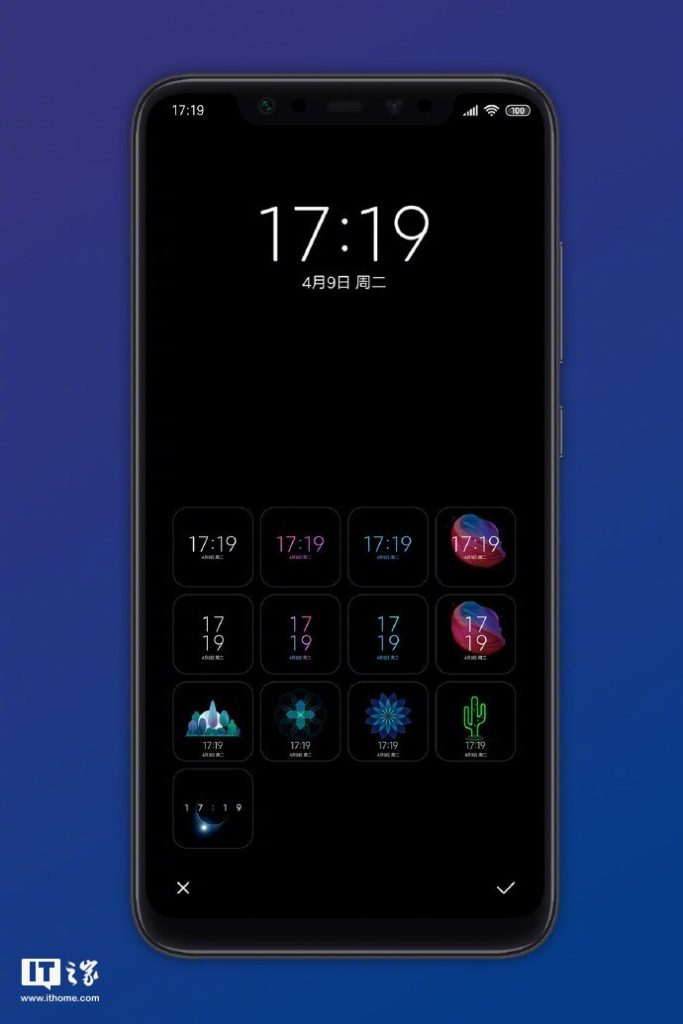
Xiaomi is rolling out a new MIUI 9.4.2 Beta update for Mi 8, Mi 8SE and Mi Mix 3. After receiving MIUI 9.3.82 Beta update last week, the Chinese smartphone maker is rolling out a new updated build. It brings various new fixes and improvements boosting the overall performance. As promised, Xiaomi is also testing the Xiaomi Mi 9’s Always-on color display feature in the new build.
The feature brings all the additional display styles in a variety of colors with the usual date and time widget. It even facilitates some useful information including remaining power and notifications. The Always-on color display feature is available for Mi 8, Mi 8SE and Mi MIX 3 devices. It is a part of MIUI 10 9.4.2 closed beta build.
Among multiple changes, the persistent lockscreen feature is also on board. It facilitates user with options to switch the functionality of the lock screen. The user can choose between – the slide to unlock feature or directly face unlock the device.
Additionally, the update fixes an inconsistent time bug while using a split screen feature.
The Realme 3 Pro is one of the devices scheduled to launch this month. The phone is expected to take on the Redmi Note 7 Pro. Ahead of its release, Realme’s CEO has shared some camera samples and also revealed a few details about the launch.
Hope you guys had a wonderful weekend. I am @DelhiUniversity stadium with a bunch of cool students. yes we are going to launch #realme3Pro in campus again By the way how's the camera quality ?
A leak revealed the Realme 3 Pro will come with the Sony IMX519 as the main primary camera. There is no info on the pixel count and even the number of cameras the phone will have.
[envira-gallery id=”245869″]
Judging from the samples, all we can say is that the color reproduction is great. None of the photos is a portrait image, so we can’t grade how well it performs when it comes to background blurring.
The caption for the images reveal the pictures where taken at the Delhi Unversity Stadium and the CEO confirms that the launch will be taking place in a campus university.
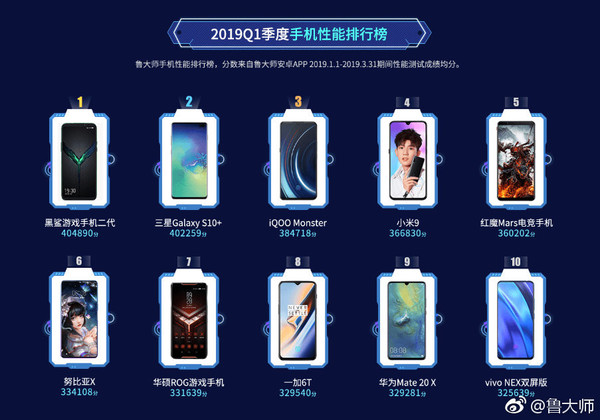
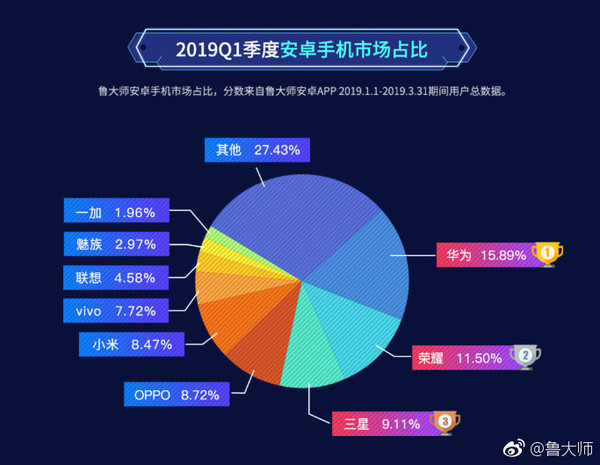
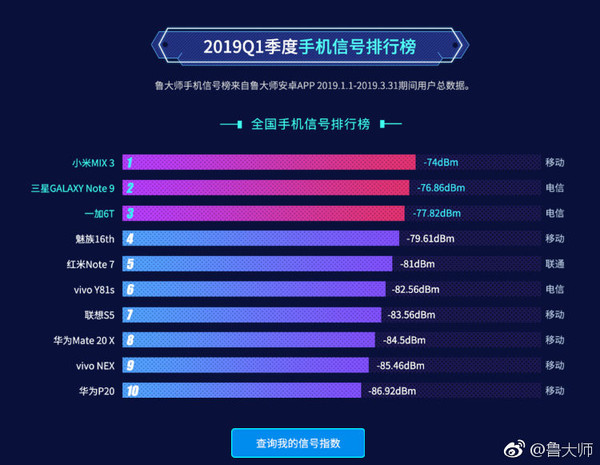
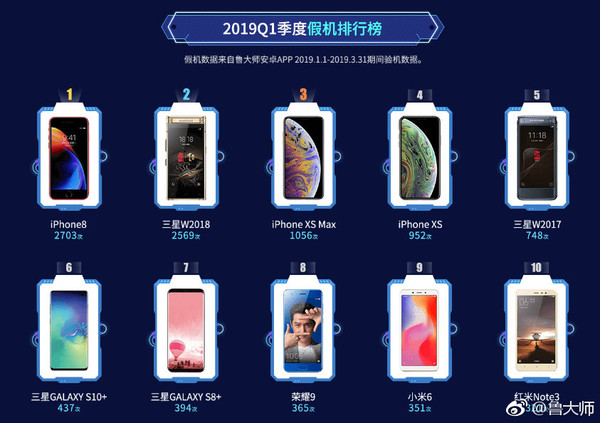
Chinese benchmarking outfit Master Lu has released its market data report for the first quarter of 2019. The report details the best performing smartphones in China for the quarter. The report also shows how the top smartphones square up against each other in various aspects such as display resolution, processor, RAM, camera setup etc.
Xiaomi’s Black Shark 2 gaming phone is ranked as the best performing phone based on the parameters used for the assessment. The phone has an average benchmark score of 404, 809 points and is closely followed by the Galaxy S10+. The Vivo iQOO gaming phone, another Snapdragon 855-powered beast. Xiaomi Mi 9 ranks as the fourth best while the Nubia Red Magic Mars gaming phone sits at the number 5 spot with an average score that almost equal that of the Mi 9.
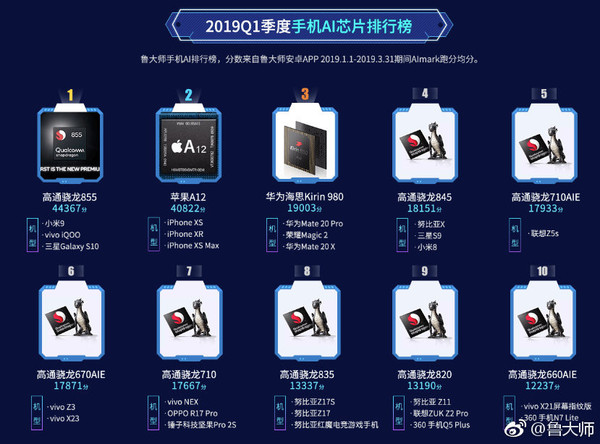
For the aspect of AI chip ranking, Qualcomm’s Snapdragon 855 chipset with a run score of 44,367 points, beat Apple A12 chipset (40822 points) to emerge as the best AI chipset. Surprisingly, Huawei’s Hisilicon Kirin 980 chip that has been severally promoted for its AI capabilities is ranked third with just 19003 points. The rest of the list is dominated by Qualcomm’s flagship/mid-range chipsets such as the Snapdragon 845, SD670, SD 660AIE etc.
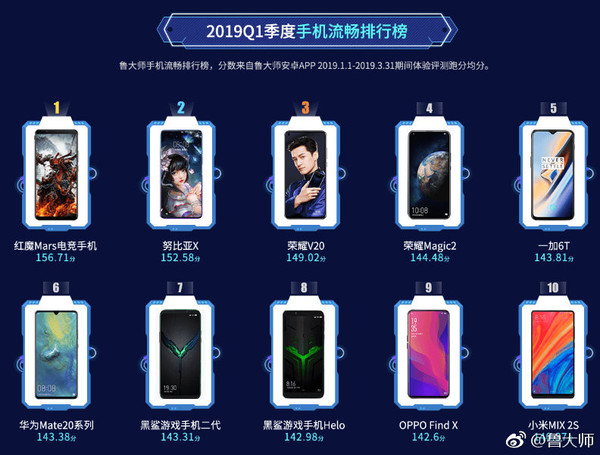
In the mobile phone fluency rankings, the Red Magic Mars esports mobile phone comes in at the topmost spot with a score of 156.71 points. This is followed by Mate X with 152.58 points.
In terms of market shares, Huawei, Honor and Samsung clinched the top 3 spots in that order. OPPO comes at number four spot with a market share of 8.72% while Xiaomi completes the top 5 with a share of 8.47%. Vivo made it to the number six position in Q1 but we expect that to change in the current quarter considering the new models that have joined Vivo’s lineup.
The holistic report also looked at the network signal strength of the models and Xiaomi’s Mi Mix 3 was ranked as the best.
Finally, the ranking also seems to look at the models that have gotten cloned the most and the iPhone 8 ranked at the top. The Galaxy W2018 clamshell phone is next, followed by the iPhone XS Max. Others include the iPhone XS, Galaxy W2017, Galaxy S10+, S8+ among others.
We use cookies on our website to give you the most relevant experience by remembering your preferences and repeat visits. By clicking “Accept”, you consent to the use of ALL the cookies.
This website uses cookies to improve your experience while you navigate through the website. Out of these, the cookies that are categorized as necessary are stored on your browser as they are essential for the working of basic functionalities of the website. We also use third-party cookies that help us analyze and understand how you use this website. These cookies will be stored in your browser only with your consent. You also have the option to opt-out of these cookies. But opting out of some of these cookies may affect your browsing experience.
Necessary cookies are absolutely essential for the website to function properly. This category only includes cookies that ensures basic functionalities and security features of the website. These cookies do not store any personal information.
Any cookies that may not be particularly necessary for the website to function and is used specifically to collect user personal data via analytics, ads, other embedded contents are termed as non-necessary cookies. It is mandatory to procure user consent prior to running these cookies on your website.


 Known for manufacturing feature-rich smartwatches that doesn’t cost a bomb, Zeblaze has launched Zeblaze Vibe 3 ECG Monitor Watch $39.99 Snap-Up promo in collaboration with Banggood.
 Seven such users will be selected during the activity time, which ends at UTC +8 on April 15th. Winners will be announced at UTC +8 on April 22nd. It is worth mentioning here that Banggood reserves all rights.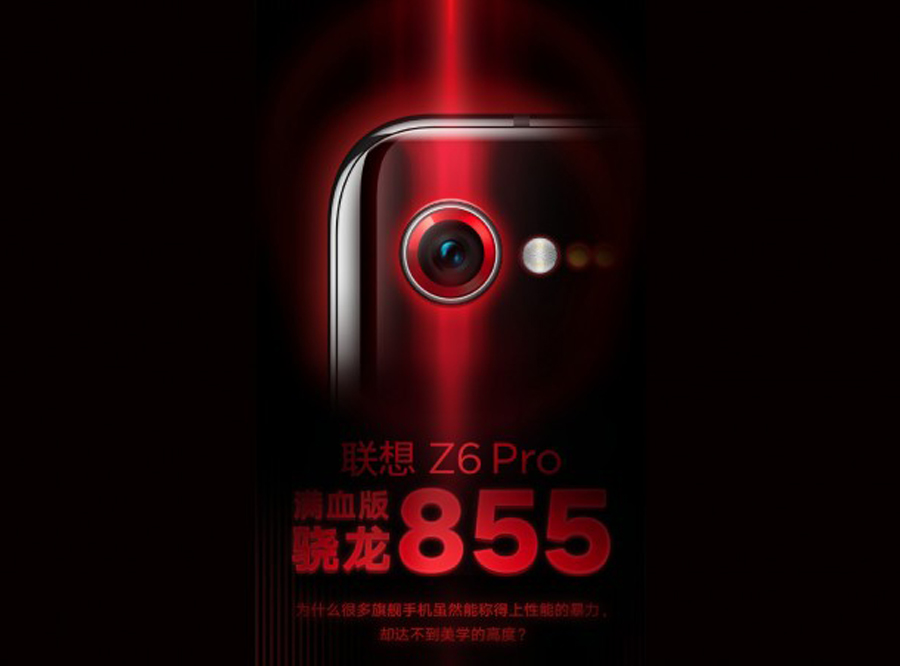
 The promotion page has been split into two categories including SJRC and More Deals. The first section i.e. ‘SJRC’ is cramped with heavily discounted drones and accessories including SJRC F11 RC Drone, SJRC F11 RC Drone Storage Bag, etc.
 You can
  Aside from taking advantage of the discount, you can use coupon code VWXJOSGC and get an extra $43 off. As a result, the already reduced retail price of the JJRC X9 Heron reduces to just $166.99 before you place your order.