Advertisement

Huawei Pura 90 Plus vs Vivo X300 Pro: Is the More Expensive Phone Better?

Huawei Pura 90 Plus and Vivo X300 Pro approach flagship smartphone photography and performance differently. While Huawei focuses on premium display technology, a large main camera sensor and versatile charging options, Vivo brings a powerful Dimensity processor, advanced camera hardware and a more feature-rich Android experience. Both target premium buyers, but their differences could make one a considerably better purchase.
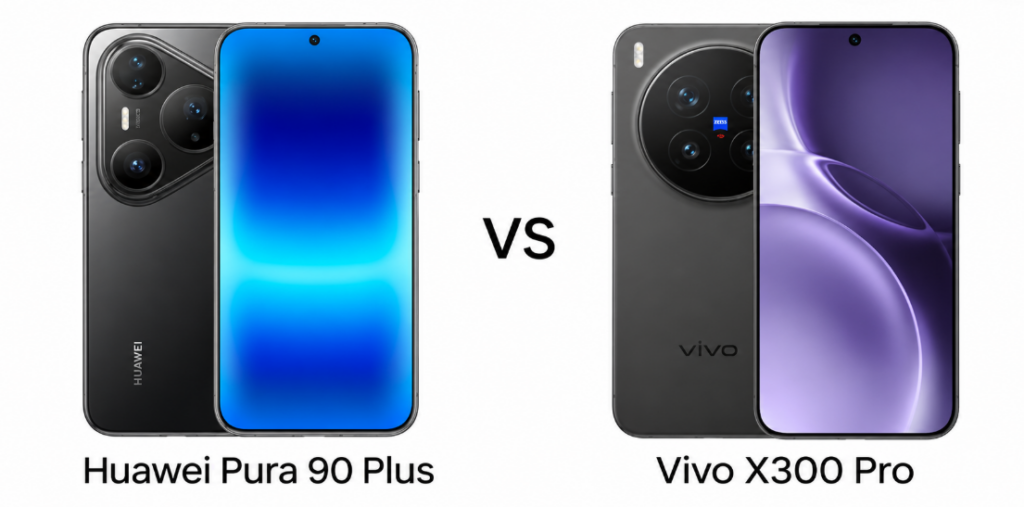
Huawei Pura 90 Plus vs Vivo X300 Pro

1. Major Features:

CategoryHuawei Pura 90 PlusVivo X300 ProWinner
Dimensions163.1 x 76.1 x 8.3 mm161.2 x 75.5 x 8 mmVivo – More compact
Weight220 g226 gHuawei – Lighter
BuildKunlun Glass 2, aluminium frame, glass backArmor Glass, aluminium frame, glass backHuawei – Kunlun Glass 2
Water ResistanceIP68/IP69IP68/IP69Tie – Same rating
Display TypeLTPO OLEDLTPO AMOLEDTie – Premium LTPO panels
Display Size6.8 inches6.78 inchesHuawei – Slightly larger
Resolution1276 x 2848 pixels1260 x 2800 pixelsHuawei – Higher resolution
Refresh Rate120Hz120HzTie – Same refresh rate
PWM Dimming1440Hz2160HzVivo – Higher PWM frequency
HDR SupportNot specifiedHDR10+, HDR Vivid, Dolby VisionVivo – More HDR formats
Peak BrightnessNot specified4500 nitsVivo – Higher peak brightness
Screen ProtectionKunlun Glass 2Armor GlassTie – Different protection technologies
Operating SystemHarmonyOS 7Android 16, OriginOS 6Vivo – Android ecosystem and five major OS updates
ChipsetKirin 9025Dimensity 9500 (3nm)Vivo – More powerful flagship chipset
RAM12GBUp to 16GBVivo – Higher RAM capacity
Storage256GB, 512GB, 1TB256GB, 512GB, 1TBVivo – Higher RAM on selected variants
Storage TechnologyNot specifiedDual UFS 4.1Vivo – UFS 4.1
Main Camera50MP, 1-inch sensor, variable aperture, OIS50MP, 1/1.28-inch sensor, OISHuawei – Larger sensor and variable aperture
Telephoto Camera48MP periscope, 4x optical zoom, OIS200MP periscope, 3.7x optical zoom, OISVivo – Higher-resolution telephoto
Ultrawide Camera40MP50MP with autofocusVivo – Higher resolution and autofocus
Camera FeaturesLaser AF, colour spectrum sensorZeiss optics, T* coating, Laser AF, 3D LUT importVivo – More specialised camera features
Rear Video4K, 1080p, HDR Vivid8K@30fps, 4K@120fps, Dolby Vision HDRVivo – More advanced recording
Selfie Camera13MP with autofocus50MP with autofocusVivo – Higher resolution
Selfie Video4K, 1080p4K@60fps, 1080pVivo – 4K at 60fps
LoudspeakerStereo speakersStereo speakersTie – Same configuration
Wi-FiWi-Fi 7Wi-Fi 7Tie – Same standard
Bluetooth6.05.4Huawei – Newer Bluetooth version
NFCYesYesTie – Both support NFC
InfraredYesYesTie – Both include infrared
USBUSB-C 3.2, DisplayPort 1.2, OTGUSB-C 3.2, OTGHuawei – DisplayPort support
Fingerprint SensorSide-mountedUnder-display ultrasonicVivo – More advanced sensor placement and technology
Satellite ConnectivityBDS satellite messaging (China only)Optional satellite connectivity, market dependentTie – Both offer satellite features
Battery Capacity5700mAh6510mAh (Global), 5440mAh (EU)Vivo – Larger global battery
Wired Charging100W90WHuawei – Faster charging
Wireless Charging80W40WHuawei – Faster wireless charging
Reverse Charging18W wired, wireless reverse chargingWired and wireless reverse chargingHuawei – 18W wired reverse charging
PriceApprox. $730 / ₹73,500Approx. $1,000 / ₹1,10,000Huawei – More affordable
Disclaimer: Specs are based on available data. Actual performance may vary. Verify details from official sources before buying.

2. Design and Display

Build and Feel

The Huawei Pura 90 Plus features a glass front protected by Kunlun Glass 2, an aluminum frame and an aluminosilicate glass back. The Vivo X300 Pro combines Armor Glass protection with an aluminum frame and glass back. Both carry IP68/IP69 ratings, offering protection against dust and water. Huawei’s Kunlun Glass 2 adds a distinctive touch, while Vivo’s Armor Glass keeps its construction equally competitive.

Display Quality

Huawei equips the Pura 90 Plus with a 6.8-inch LTPO OLED display featuring a 1276 x 2848 resolution, 120Hz refresh rate and 1440Hz PWM dimming. The Vivo X300 Pro has a 6.78-inch LTPO AMOLED panel with a 1260 x 2800 resolution, 120Hz refresh rate and 2160Hz PWM dimming. Vivo additionally supports HDR10+, Dolby Vision and a claimed 4500-nit peak brightness, making its display more feature-rich.

Verdict

Vivo X300 Pro takes the display advantage with Dolby Vision, HDR10+ and higher peak brightness. Huawei remains competitive with its high-resolution OLED panel and Kunlun Glass 2 protection.

3. Specifications Including Battery

Performance

The Huawei Pura 90 Plus runs HarmonyOS 7 and uses the Kirin 9025 chipset, paired with 12GB RAM and up to 1TB storage. Vivo takes a different approach with Android 16, OriginOS 6 and the 3nm MediaTek Dimensity 9500 processor. It also offers up to 16GB RAM and UFS 4.1 storage. Vivo’s newer flagship chipset and higher memory configurations make it the stronger choice on paper for demanding applications and multitasking.

Battery and Charging

Huawei packs a 5700mAh battery with 100W wired charging, 80W wireless charging and 18W reverse wired charging. The Vivo X300 Pro offers a larger 6510mAh silicon-carbon battery in its global configuration, although European markets receive a 5440mAh version. Charging includes 90W wired and 40W wireless support, alongside reverse wireless and reverse wired charging. Vivo’s larger global battery capacity is appealing, while Huawei offers faster wireless charging.

Verdict

Vivo X300 Pro wins on chipset capability, RAM configurations and global battery capacity. Huawei counters with faster wired and wireless charging, but Vivo offers the more complete hardware package.

4. Camera

Main and Secondary Lenses

The Huawei Pura 90 Plus features a 50MP one-inch main camera with variable f/1.6–4.0 aperture, a 48MP periscope telephoto camera with 4x optical zoom and a 40MP ultrawide camera. Vivo counters with a 50MP main sensor, a 200MP periscope telephoto camera offering 3.7x optical zoom and a 50MP ultrawide lens. Huawei’s one-inch sensor is a notable advantage, but Vivo’s 200MP telephoto hardware offers greater resolution and dedicated macro capabilities.

Vivo also brings Zeiss optics, T* lens coating and 3D LUT import, adding more specialised photography and image-processing features. Its video capabilities extend to 8K recording at 30fps and 4K at up to 120fps, including 10-bit Log and Dolby Vision HDR. Huawei supports 4K recording with HDR Vivid, gyro-EIS and OIS. Vivo offers a more comprehensive video toolkit, making it particularly attractive to content creators.

Selfie Camera

The Huawei Pura 90 Plus features a 13MP front camera with autofocus, HDR and 4K video recording. Vivo significantly upgrades the front-camera hardware with a 50MP sensor, autofocus and a 20mm wide-angle lens. It also supports 4K recording at 30fps and 60fps. For buyers who regularly capture selfies, record front-facing videos or create social media content, Vivo’s higher-resolution camera and additional recording options make it the more versatile option.

Verdict

Vivo X300 Pro wins the overall camera comparison with its 200MP periscope, Zeiss features, advanced video recording and 50MP selfie camera. Huawei’s one-inch main sensor remains a compelling alternative.

5. Pricing

The Huawei Pura 90 Plus is priced around $730 / ₹73,500, while the Vivo X300 Pro is priced around $1,000 / ₹1,10,000. This creates a substantial price difference between the two smartphones. Huawei is considerably more affordable, making it an interesting option for buyers seeking premium camera hardware, a high-resolution display and fast charging without spending flagship-level Vivo money.

Verdict

Huawei Pura 90 Plus wins on affordability and value for money. Vivo X300 Pro costs considerably more, but its stronger overall hardware makes the premium worthwhile for demanding flagship buyers.

Disclaimer:
Prices are approximate and may vary based on country, region, launch timing, and applicable taxes. Always check whether the listed price is for a China unit or a global/international variant when purchasing.

6. Conclusion

The Huawei Pura 90 Plus stands out with its one-inch main camera sensor, Kunlun Glass 2 protection, 4x optical zoom and 80W wireless charging. Its combination of camera hardware and charging technology makes it an interesting alternative in the premium segment. The Vivo X300 Pro distinguishes itself with a 200MP periscope camera, Zeiss optics, 8K video recording, a 50MP selfie camera and a 3nm Dimensity 9500 chipset. Its Android 16 platform and up to 16GB RAM further strengthen its flagship credentials.

Verdict

Vivo X300 Pro is the overall winner. Its superior processing platform, versatile camera system, advanced video capabilities and larger global battery make it the more complete flagship, despite its significantly higher price.

Disclaimer: Prices, specifications, and availability may vary by region and retailer. Recommendations in this article are based on editorial opinion, feature-based value, and market positioning at the time of writing. Readers are advised to do their own research before making a purchase.

Read More:
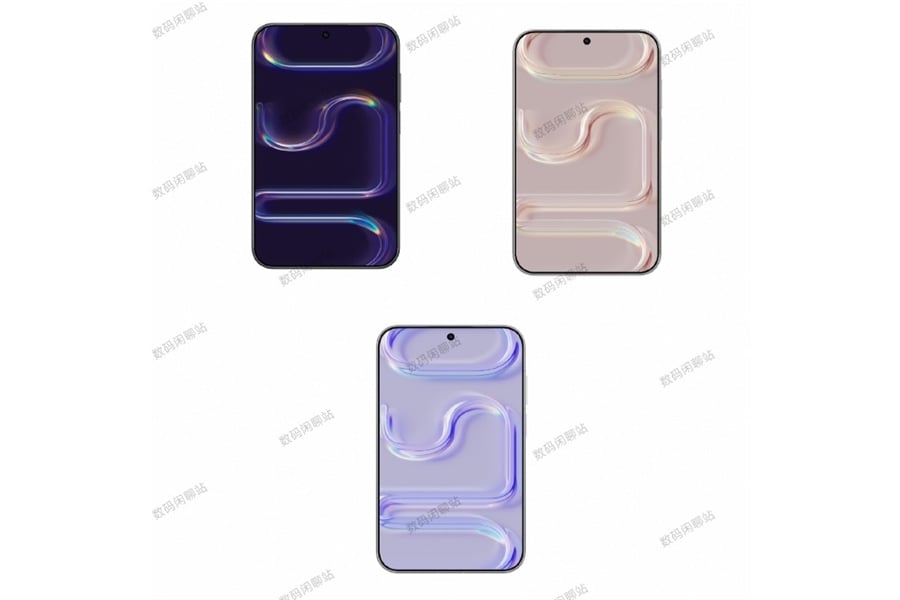
Huawei OSTA O1 Pro front panel leaks ahead of this month’s brand launch

Huawei‘s upcoming OSTA O1 Pro has surfaced in a new leak. Digital Chat Station shared a photo today showing a phone with a wide, flat display and a centered punch-hole camera, confirming Huawei’s upcoming sub-brand will have a wide smartphone as its first product. 

Huawei working on a smartphone sub-brand called Starlight has been in the news for a while. More recent reports suggest the brand will use OSTA as its English name, with the O1 Pro expected to be its first phone. The brand is reportedly set to launch this month.

Huawei OSTA O1 Pro Design Leak

Huawei hasn’t confirmed either the brand or the phone yet. The front has a flat screen with a centered selfie camera, while the wallpaper’s branding has added to speculation about its identity.

What the OSTA O1 Pro is expected to offer

The OSTA O1 Pro is tipped to have a 6.39-inch 1.5K LTPS display with a flat panel and an unusual 16:9.5 aspect ratio. Its bezels are reportedly around 1.05mm on all four sides.

The new phone is expected to come in three colors: Starry Black, Nebula White, and Starburst Purple. There could also be four memory and storage configurations, starting with 12GB of RAM and 256GB of storage. The other rumored options are 12GB+512GB, 16GB+512GB, and 16GB+1TB.

For now, the OSTA O1 Pro remains an unannounced device, and Huawei hasn’t confirmed any of the leaked specifications or pricing details. With the OSTA brand reportedly preparing to launch this month, we may not have to wait long to find out how much of the current information turns out to be accurate.

(Source)

OnePlus Ace 7 Pro Now Available on Giztop With a Starting Price of $799

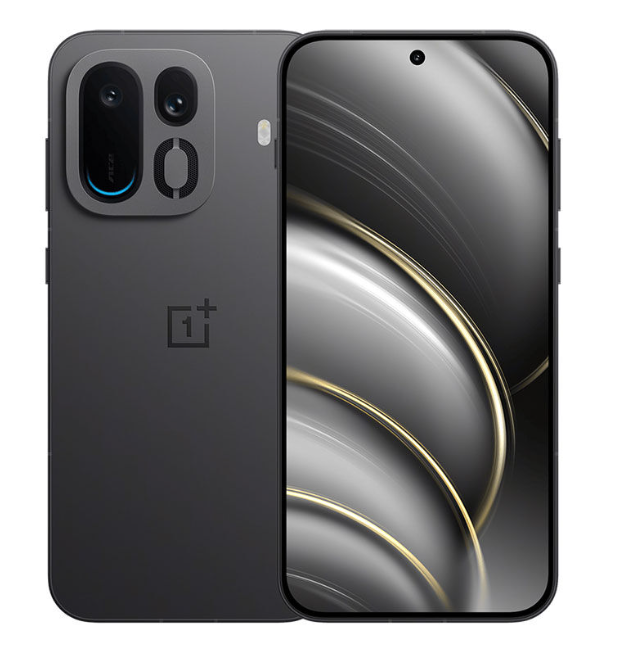
OnePlus Ace 7 Pro is now available to purchase through Giztop, with a starting price of $799. The online retailer offers express and global shipping options, making it available to buyers in different regions. The device combines a high-refresh-rate AMOLED display, Qualcomm’s latest Snapdragon processor, a dual rear camera system, and a large-capacity battery.

OnePlus Ace 7 Pro

Specifications and Features

The OnePlus Ace 7 Pro features a 6.78-inch flat AMOLED display with a 1.5K resolution of 2800 × 1272 pixels. It supports a 165Hz refresh rate and a 330Hz touch sampling rate for smooth scrolling, responsive touch controls and gaming. The panel also offers 100% DCI-P3 colour gamut coverage, HDR10+ support and up to 1,800 nits of peak brightness.

Under the hood, the smartphone is powered by the Qualcomm Snapdragon 8 Elite Gen 5 processor. It comes with 12GB or 16GB of LPDDR5X RAM and UFS 4.1 storage options of up to 1TB. An independent graphics chip and HyperBoost Game Frame Stabilization Engine 2.0 are also included to improve gaming performance and help reduce frame drops during extended gaming sessions.

For photography, the OnePlus Ace 7 Pro features a dual rear camera setup comprising a 200MP Sony IMX906 primary sensor with optical image stabilization (OIS) and a 50MP ultra-wide-angle camera with a 120-degree field of view. On the front, there is a 16MP camera for selfies and video calls.

OnePlus Ace 7 Pro

Battery, Software and Connectivity

The smartphone packs a large 9,000mAh battery with 120W SuperVOOC fast charging support. It also features an in-display fingerprint scanner, dual stereo speakers, an X-axis linear motor and an alert slider.

On the software side, the OnePlus Ace 7 Pro runs ColorOS 17 with Dark Mode 2.0, which brings support for more applications. Connectivity options include dual SIM support, dual 5G, Wi-Fi 7, Bluetooth 5.4, GPS and NFC.

With its 165Hz display, flagship Snapdragon processor, 200MP main camera and 9,000mAh battery, the OnePlus Ace 7 Pro brings together several high-end features.

Read More:
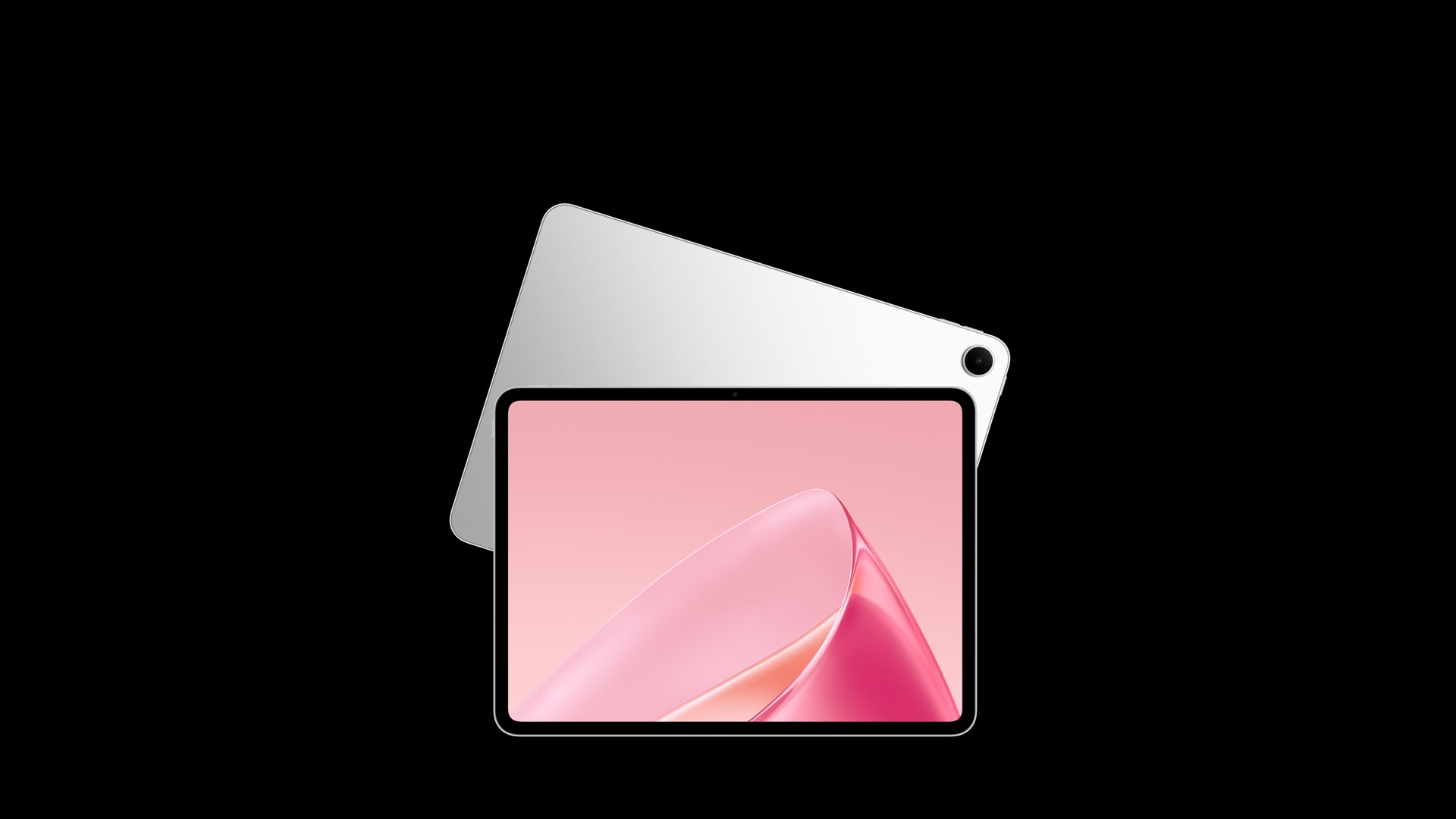
Oppo Pad Air 6’s specs officially confirmed ahead of November 16 launch

Apart from the Reno 17 series, the Oppo Pad Air 6 is up for pre-orders on the official Oppo Shop in China. The official listing has completely revealed the tablet’s entire specifications before the launch. Here’s a look at what to expect.

Oppo Pad Air 6 specifications and features

Oppo Pad Air 6
Oppo Pad Air 6

The Oppo Pad Air 6 uses a 12.1-inch LCD panel with a 7:5 aspect ratio and a 2800 x 1980 resolution. Refresh rate options run at 30Hz, 60Hz, 90Hz, and 120Hz, with a stated screen-to-body ratio of 88.5 percent and a pixel density of 284 PPI.

Typical brightness is listed at 600 nits, while peak brightness can reach 900 nits. The panel covers 98 percent DCI-P3 in Vivid mode and 100 percent sRGB in Natural mode, supports 1 billion colors, and carries a DeltaE figure of about 1. Touch sampling goes up to 540Hz, with 240Hz as the default.

Under the hood, the tablet is powered by MediaTek’s Dimensity 7360 Super, an octa-core chip with clocks up to 2.5GHz. Memory is LPDDR5X, storage is UFS 3.1, and the listing offers 8GB+128GB, 8GB+256GB, and 12GB+256GB configurations.

Buyers can choose a Wi-Fi model numbered OPD2613 or a SIM 5G model numbered OPD2614. Expandable storage is listed only for the SIM version. It packs a 10,050mAh battery with support for up to 33W SuperVOOC charging plus UFCS and PPS, along with 13.5W PD over USB Type-C.

Design-wise, the Pad Air 6 measures 266.01 x 192.77 x 6.89mm and weighs about 603 grams. Official colors are Encounter Blue and Starlight Silver, and both also appear as Soft Light editions. Imaging covers an 8-megapixel rear camera and an 8-megapixel front camera, with 1080p recording at 30fps on the rear.

Oppo Pad Air 6
Oppo Pad Air 6

Audio comes from four speakers and two microphones. The tablet runs ColorOS 17, supports face unlock, and skips fingerprint authentication. Connectivity includes Wi-Fi 6, and the cellular model adds satellite positioning systems such as BeiDou, GPS, GLONASS, Galileo, and QZSS.

On the software side, Oppo is highlighting a refreshed Notes experience with learning and AI tools, plus office features such as multi-screen connectivity, floating windows, and wireless printing. Compared with last year’s Oppo Pad Air 5, the new model keeps a similar 12.1-inch 2.8K 120Hz LCD and 10,050mAh battery recipe while moving to the Dimensity 7360 Super and ColorOS 17.

Oppo Pad Air 6 price and availability

Oppo will launch the Pad Air 6 in China on November 16, 2026, alongside the Reno 17 series and the Watch 5. Pre-orders are already open on the official Oppo Shop, and the company is running reservation promotions that include a low-cost lock-in for a one-year screen protection plan.

Retail pricing has not been published yet. The store page still shows a coming-soon price label, so expect the yuan figures and sale timing to land with the November 16 event. There is no official word yet on a global or India rollout.

Would you pick the Wi-Fi Pad Air 6 for everyday study and media, or are you waiting for the SIM 5G version?

For daily updates, please visit our News Section.

Optoma Photon Life PK31 4K projector available for around $599

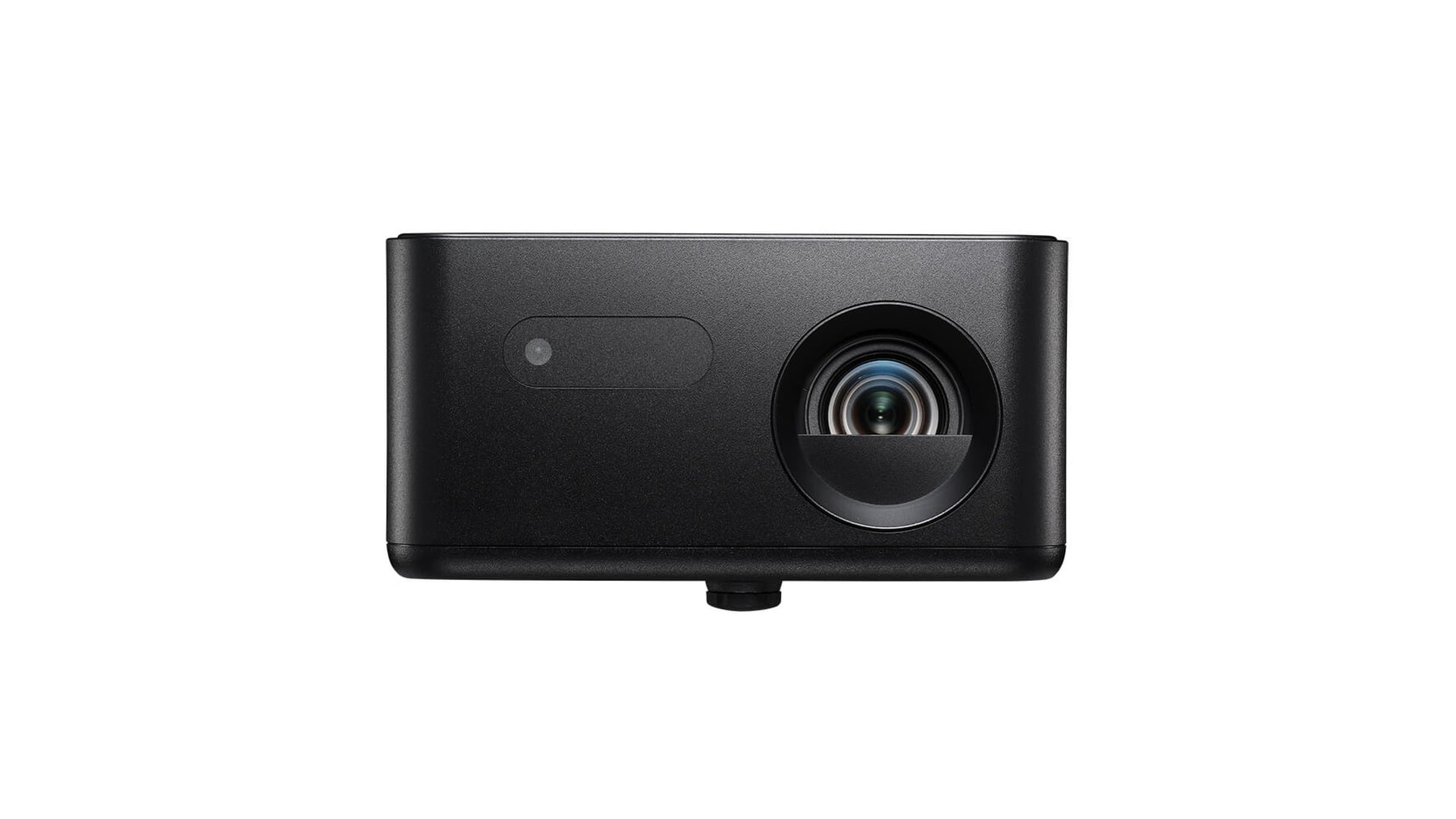
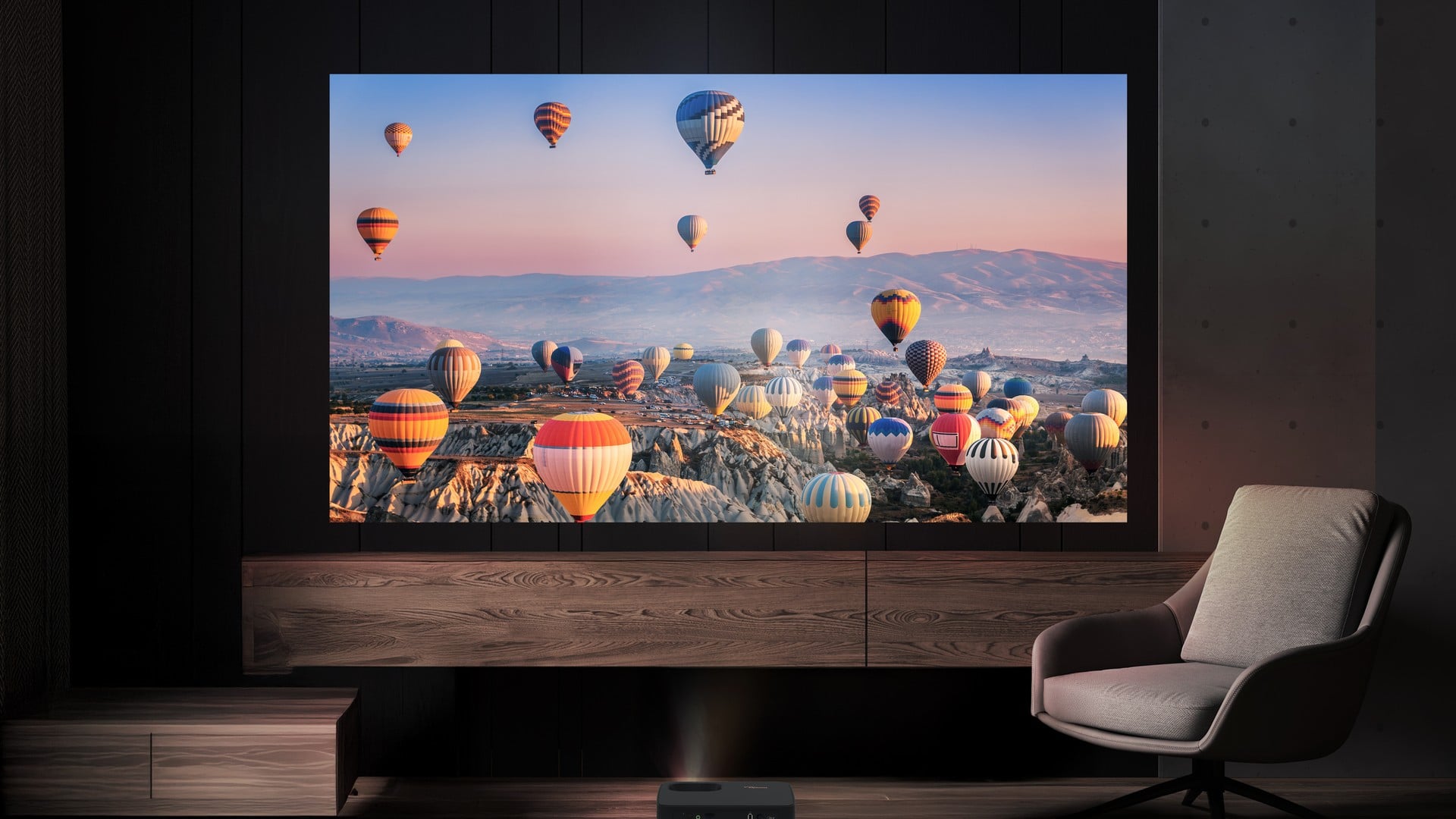
Optoma‘s Photon Life PK31 is a compact 4K UHD home projector that can cast an image up to 150 inches and is currently selling for around $599 in the US. The RGB LED model is aimed at movie nights, streaming, and low-lag gaming without the bulk of a traditional living-room projector. Here is a look at the confirmed specifications and where you can buy it.

Optoma Photon Life PK31 specifications and features

Optoma Photon Life PK31

The Photon Life PK31 uses Texas Instruments DLP technology to deliver a 4K UHD image at 3840 x 2160. Optoma rates brightness at 900 ISO lumens, or 1,600 HK lumens, with a 200,000:1 contrast ratio and support for HDR10 and HLG.

Color coverage is listed at 95 percent of DCI-P3. The light source is an RGB LED system with a life of up to 30,000 hours in eco mode, so there is no lamp to replace during normal use.

Screen sizes run from 60 to 150 inches. The throw ratio is 1.5 to 1.65, which works out to roughly 2.1 to 5.2 meters of distance for that full size range, and a manual 1.1x optical zoom helps fine-tune the picture.

Gamers get Optoma’s Game Mode input-lag figures of 4.6ms at 1080p and 240Hz, 8ms at 1080p and 120Hz, and 16ms at 4K and 60Hz. Manual vertical and horizontal keystone correction covers up to 40 degrees in each direction for uneven placement.

Optoma Photon Life PK31

Connectivity is kept simple with one HDMI 2.0 port, a USB-A output rated at 5V/2A for powering a streaming stick, and a 3.5mm audio jack. A single 5W speaker handles onboard sound, while noise is rated as low as 26dB in eco mode and up to 32dB in bright mode.

The chassis measures 238 x 215 x 117.7mm without the feet, or 238 x 215 x 130mm with them, and net weight is about 2.2kg. That compact footprint makes it easier to move between rooms than Optoma’s larger home models, including the Photon Beam PK52 we reviewed earlier.

There is no built-in smart OS, Wi-Fi, or Bluetooth on the official spec sheet, so a Fire TV Stick, Roku, or similar HDMI dongle is the usual way to stream. The USB-A port can supply power to that stick, letting the whole setup run from a single wall outlet.

Optoma Photon Life PK31 price and availability

The Photon Life PK31 is available now in the US through major retailers, with current street pricing around $599.

In the UK, Optoma listed an MSRP of £699.99 at launch. An India price has not been confirmed, and there is no official word yet on a local rollout. Full specifications remain on Optoma’s US product page for buyers who want to dig deeper.

Would a $599 4K projector with a 150-inch ceiling change your living-room setup, or are you still waiting for a brighter short-throw option?

For daily updates, please visit our News Section.

Oppo Reno 17 series set to launch next week, official images emerge

Oppo has officially confirmed that the Oppo Reno 17 series is set to go official on November 16 in China. The lineup will include the Reno 17 and the Reno 17 Pro, and alongside them the brand will also announce the Pad Air 6 and Watch 5. Ahead of the launch, the new Reno models are available for pre-orders, and the official listings carry images of the phones.

Oppo Reno 17 series’ official images

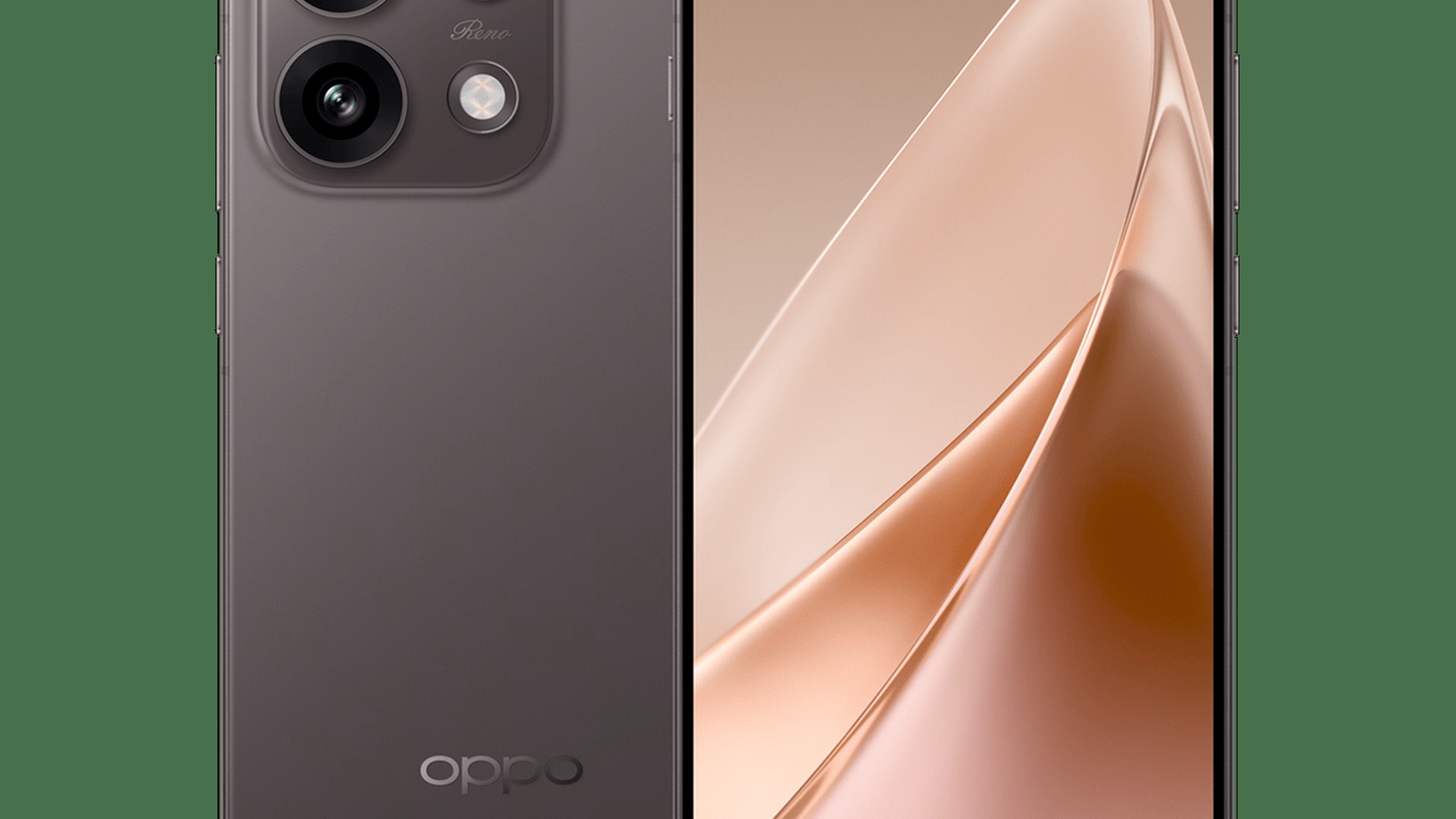
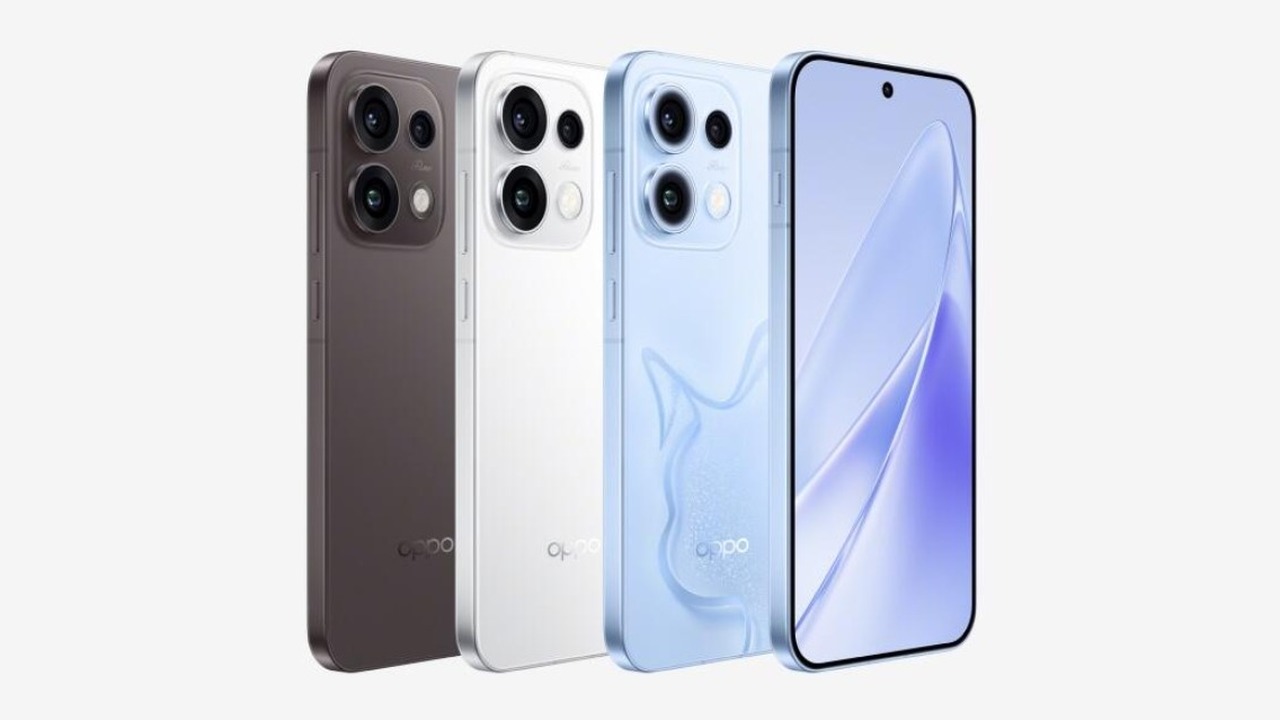
Oppo has now filled those China store listings with official product shots, so the design of both phones is no longer a mystery. The company had already teased a cat-like glowing rear effect for the series, and the new renders show how that idea lands on the finished hardware.

The standard Oppo Reno 17 is listed in Encounter Cat, Ice Moon White, and Cocoa Brown. The Oppo Reno 17 Pro is listed in Encounter Cat, First Snow White, and Cocoa Brown. Encounter Cat is the light blue finish with the embossed cat outline on the rear panel, Ice Moon White uses a flowing ripple texture across the back glass, Cocoa Brown is the matte brown option, and First Snow White is the clean white finish reserved for the Pro.

The Pro model is smaller overall, and its front camera cutout is smaller than the one on the standard Reno 17. The white variants also look different in the official shots: First Snow White on the Pro is a clean, smooth white panel, while Ice Moon White on the standard model keeps the textured ripple finish. That split matches the separate color names already shown on Oppo’s China store pages.
Oppo Reno 17, Reno 17 Pro specifications (rumored)

Hardware details remain unofficial for now, though earlier Reno 17 and Reno 17 Pro specs leaks already sketched a clear split between the two. According to our sources, the phones differ on display size, chipset, and battery capacity, while sharing the same memory lineup.

The Oppo Reno 17 is said to feature a 6.59-inch OLED display with 1.5K resolution, powered by the Snapdragon 7 Gen 4 chipset. It could pack a large 8,000mAh battery to keep it running through the day.

The Oppo Reno 17 Pro, meanwhile, is tipped to come with a more compact 6.32-inch 1.5K OLED screen and the Dimensity 8550 Super chip. It may carry a 7,200mAh battery. Both phones are expected in 8GB+256GB, 12GB+256GB, and 12GB+512GB configurations.

Those numbers still need Oppo’s confirmation on November 16, but they already point to a larger battery on the standard model and a more compact chassis on the Pro. Oppo previously confirmed a November event for the Reno 17 series, Pad Air 6, and Watch 5, and the new date locks that plan to next week. Which Reno 17 color are you eyeing first?

For daily updates, please visit our News Section.

Motorola Signature 27 vs OnePlus 16: Same Chip, Very Different Phones

Qualcomm’s newest flagship chip is called the Snapdragon 8 Elite Extreme Gen 6. You need a breath to say it out loud. It is also the one thing the Motorola Signature 27 and the OnePlus 16 have in common.

Everything else is different. The Motorola Signature 27 is set to reach the US in November. The OnePlus 16 is only on sale in China. OnePlus has stopped launching new phones in Europe and North America. You can read all you like about the OnePlus 16. Most of you will not be able to buy one.

The spec sheets point in different directions too. OnePlus fitted the OnePlus 16 with a 9,000mAh-equivalent battery and a screen that runs at 185Hz in games. Motorola gave the Signature 27 a smaller 7,000mAh battery. It also has a 200MP periscope camera and a promise of seven years of OS updates.

Both phones are on the list of devices confirmed for Qualcomm’s new chip. That means speed will not decide this one. The battery, the cameras, the software support, and where you live will. Here is how the two phones compare.

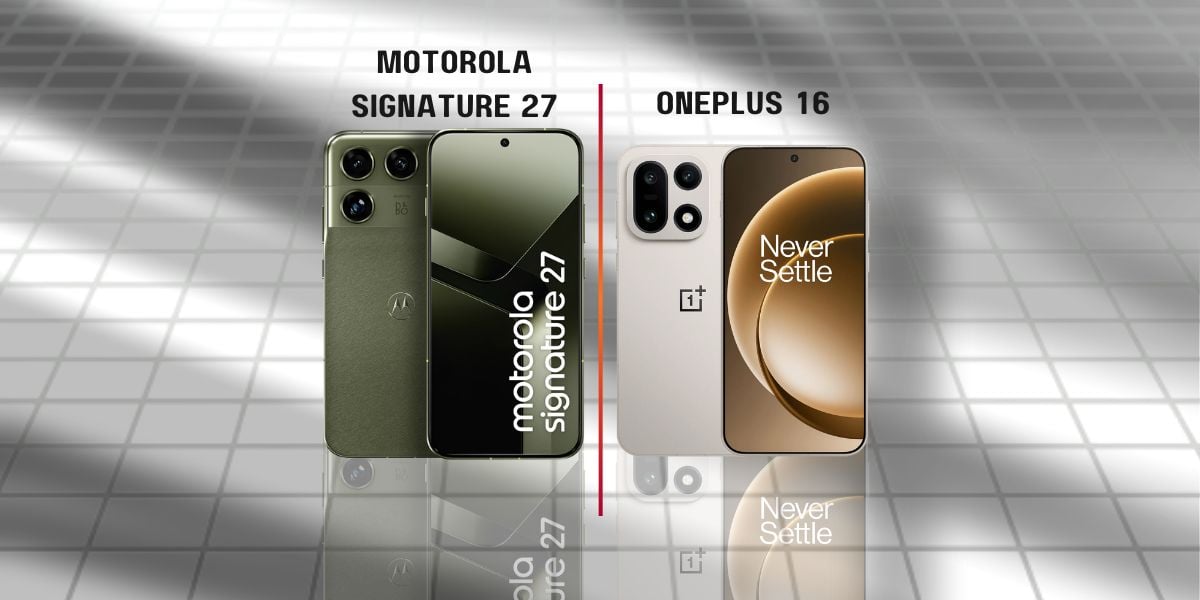
Side-by-side comparison of the Motorola Signature 27 and OnePlus 16 smartphones.

1. Performance and cooling

On the chip itself, there is nothing to split them. Qualcomm says the Snapdragon 8 Elite Extreme Gen 6 is built on a 2nm process. It claims a 13% CPU gain and a 44% GPU gain over the Snapdragon 8 Elite Gen 5. Both phones get the same silicon.

OnePlus has built more around it. The OnePlus 16 has a G3 gaming network chip, a P4 display chip, and a T3 touch chip. As a result, multi-finger touch sampling can reach 520Hz, and the gyroscope samples at 800Hz. OnePlus also says the phone held an average of 185fps in Delta Force for three hours in its own testing.

Motorola is not selling the Motorola Signature 27 as a gaming phone. It pairs diamond-infused thermal gel with a new 3D vapor chamber to keep the chip cool. You can get up to 16GB of RAM. RAM Boost can stretch that to 24GB.

If you play competitive shooters, the OnePlus 16 makes the better case. For everything else, the Motorola Signature 27 should feel just as fast.

2. Display

The OnePlus 16 has a flat 6.78-inch BOE X4 OLED panel. It runs at up to 165Hz across the whole system and can reach 185Hz in supported games. We covered the BOE partnership and what it brings earlier. Also, the panel has 450ppi with 100% DCI-P3 coverage, can dim down to 1 nit of brightness, and uses 3,840Hz PWM dimming.

The Motorola Signature 27 has a 6.8-inch Extreme AMOLED Duo, or tandem OLED, display. Thus, Motorola claims the screen can reach up to 12,000 nits of peak brightness. We, however, cannot compare it directly with the 2,000 nits of brightness OnePlus quotes for the whole screen. The screen also supports Dolby Vision, and Audio by Bang & Olufsen handles sound.

3. Cameras

Both phones have a 200-megapixel camera, but they use it for different purposes. Motorola is using the sensor for a periscope telephoto camera, while OnePlus is using it for the main rear camera.

The Motorola Signature 27 pairs its 200MP periscope camera with a 50MP Sony LYTIA L910 main sensor featuring LOFIC technology. Motorola says this helps preserve details in both bright and dark areas of the same image. There is also a dedicated EVS Action Sensor for capturing fast-moving subjects in low light.

The OnePlus 16 has a 200MP main camera with a 1/1.4-inch sensor and optical image stabilization. It also gets a 50MP periscope camera with 3x optical and 6x lossless zoom, alongside a 50-megapixel ultrawide camera with a 116-degree field of view. The front camera is another 50MP unit with autofocus. For video, the phone supports 4K recording at 120fps with Dolby Vision.

On paper, the Motorola has an advantage for long-range photography, while the OnePlus has the higher-resolution main camera. Since the main camera is likely to be the one most people use regularly, this is an important difference. However, independent camera testing for both phones is still limited, so it is too early to draw firm conclusions about overall image quality.

4. Battery and charging

The OnePlus 16 wins in terms of battery. It packs a 9,000mAh dual-cell battery, with each cell rated at a typical capacity of 4,500mAh. Charging supports 100W wired and 50W wireless speeds, with OnePlus claiming a full charge from 1% takes just 52 minutes. The phone also supports 27W wired reverse charging.

OnePlus says the battery will retain at least 80% of its original capacity after five years, which is a useful promise given its large size.

The Motorola Signature 27 has a smaller 7,000mAh battery, with a rated capacity of 6,790mAh. It supports 90W wired and 50W wireless charging. Motorola claims just 12 minutes of wired charging can provide enough power for a full day of use, while a complete wireless charge takes up to 80 minutes. You will need to buy the chargers separately.

Motorola also quotes up to 77 hours of mixed-use battery life. OnePlus, meanwhile, provides individual test figures, including up to 23.8 hours of video playback. These measurements use different testing methods, so they do not tell us which phone will last longer in everyday use. Real-world battery tests will give us a better idea.

5. Design and durability

The Motorola Signature 27 comes in a Pantone Coal Smoke finish, with a warm gray color and a Tactical Weave texture on the back. The front has Gorilla Glass protection, while the phone carries IP68 and IP69 ratings for water and dust resistance. Motorola also says it passed 14 MIL-STD-810H procedures across 16 categories.

The OnePlus 16 comes in three colors: Tomorrow’s Starlight, Mars Red, and Deep Black. The Tomorrow’s Starlight version has an additional interstellar light effect on the back, which can glow for incoming calls, messages, and in-game events. The phone is built with a metal frame and carries IP66, IP68, IP69, and IP69K ratings.

Other hardware features include an ultrasonic fingerprint sensor, a dedicated shortcut key, and stereo speakers.

6. Software and updates

Motorola has the advantage in software support. The company promises seven major Android OS updates and up to seven years of security updates for the Signature 27. Meanwhile, OnePlus promises five years of software updates and six years of security updates

Motorola’s software also includes Gemini Intelligence and Motorola Qira. The latter can help users find and recall information across different apps, although it requires a Motorola or Lenovo account and at least 12GB of RAM.

The OnePlus 16 runs ColorOS 17 with OPPO AI features. It can connect to Mac and Windows computers, answer calls from an iPhone, and pair with an Apple Watch.

Price and availability

Availability is probably the biggest difference between the two phones, particularly for buyers outside China.

The Motorola Signature 27 is priced at $1,599 in the US and €1,899 in Europe. However, select retailers and partners in some countries will offer it for a lower price of € 1,399. Sales begin on November 16 across Europe, the Middle East, and Africa.

The OnePlus 16, meanwhile, went on sale in China on October 31, with prices starting at CNY 5,999 (around $900). OnePlus has not announced international pricing or an overseas release date. For buyers outside China, importing the phone is currently the only realistic option.

7. Which one should you buy?

The Motorola Signature 27 makes more sense if you want longer software support, a 200-megapixel periscope camera, and a phone with a confirmed US release. Its tandem OLED display and durability ratings are also worth considering.

The OnePlus 16 is the better option on paper if battery capacity, charging speeds, and gaming performance matter more to you. Its 9,000mAh battery and 165Hz display give it some clear hardware advantages. The bigger problem is availability, as buyers outside China still have no confirmed international release to look forward to.

8. Motorola Signature 27 vs OnePlus 16: key specs

Motorola Signature 27OnePlus 16
ChipsetSnapdragon 8 Elite Extreme Gen 6Snapdragon 8 Elite Extreme Gen 6
Display6.8-inch Extreme AMOLED Duo6.78-inch flat BOE X4 OLED, 1–165Hz
Brightness claimUp to 12,000 nits2,000 nits global
Main camera50MP Sony LYTIA L910200MP, 1/1.4-inch, OIS
Telephoto200MP periscope50MP periscope, 3x optical
Ultrawide50MP50MP, 116°
Battery7,000mAh9,000mAh equivalent (dual-cell)
Wired charging90W100W
Wireless charging50W50W
Water and dust ratingIP68 and IP69IP66, IP68, IP69 and IP69K
SoftwareAndroid with Gemini Intelligence and Motorola QiraColorOS 17
Storage256GB or 512GBUp to 1TB

Casio launches four new G-Shock watches with sleek black and gray designs

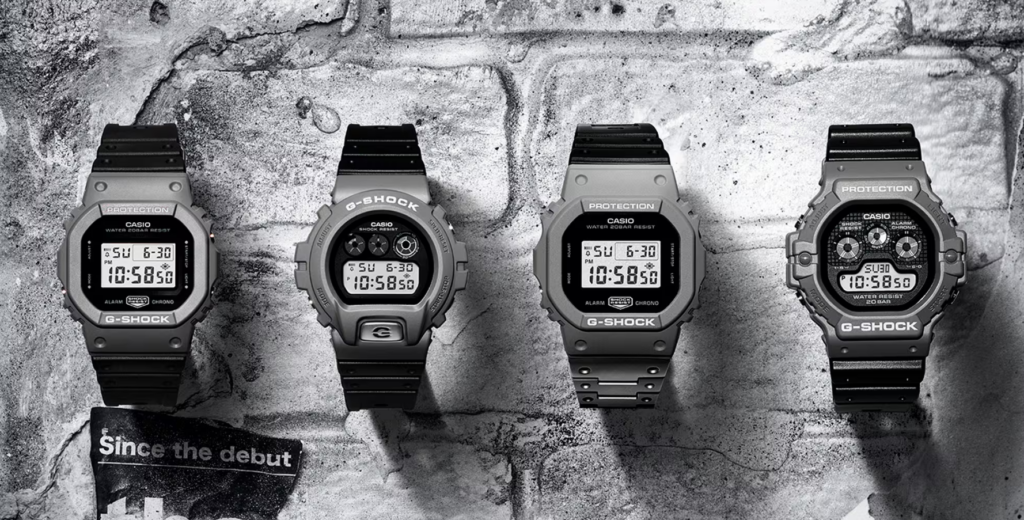
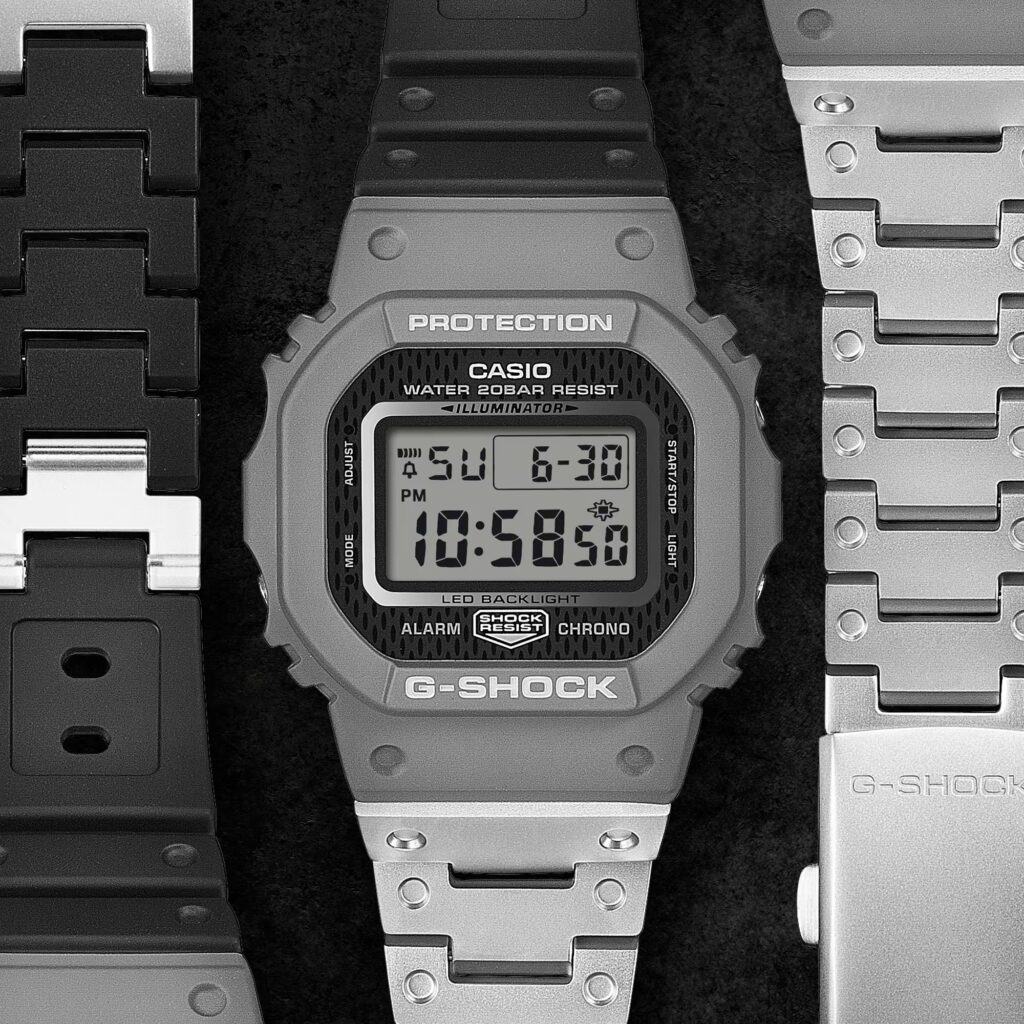
Casio is releasing a new set of G-Shock watches in November 2026. Instead of their usual bright colors, these four new models, the DW-6900MTM-8, DW-5600MTM-8, DW-5900MTM-8, and DWE-5600MTM-8, stick to a simple black-and-gray monochromatic color scheme. They are currently listed on Casio’s Japanese website and up for order.

Casio DW-5600MTM-8 and DW-6900MTM-8 and DWE-5600MTM-8 and DW-5900MTM-8

Design Details

The collection updates three standard G-Shock designs: the 5600, 6900, and 5900. Rather than using the same material all over, Casio mixed matte black and gray resin parts with a few metal details.

Casio DW-5600MTM-8 and DW-6900MTM-8 and DWE-5600MTM-8 and DW-5900MTM-8

For example, the metal band loops have a textured finish, and the glass has a silver coating that makes it slightly reflective. The DW-6900MTM-8 also has a matching metal front button.

Casio DW-5600MTM-8 and DW-6900MTM-8 and DWE-5600MTM-8 and DW-5900MTM-8

The DWE-5600MTM-8 is a bit different from the rest of the group. It features a band made from a mix of materials. The bottom half of the strap is made of stainless steel links, while the top half uses urethane and resin, including one clear resin link. The face of this watch also has a printed gray mesh pattern instead of the silver glass coating.

Inside, these are standard G-Shocks. They come with the usual features: shock resistance, 200-meter water resistance, stopwatches, timers, and LED backlights.

The 5600 and 6900 models have a battery that lasts about five years, while the 5900 model has a 10-year battery and a world time feature.

Pricing

As for pricing, the DW-5600MTM-8 and DW-5900MTM-8 are priced at ¥15,950 ($100.74). The DW-6900MTM-8 costs ¥17,050 ($107.69), while the DWE-5600MTM-8 with the mixed-material band is priced at ¥28,050 ($177.05).

In related news, Casio has recently launched the GW-9503KJ-2 G-Shock Mudman inspired by the endangered Shoebill bird and also three Baby-G BGD-565FG watches featuring a 90s faded denim look.

(Casio 1,2,3,4)

Xiaomi launches Mijia ergonomic cushion with lumbar heating & smart sitting reminders

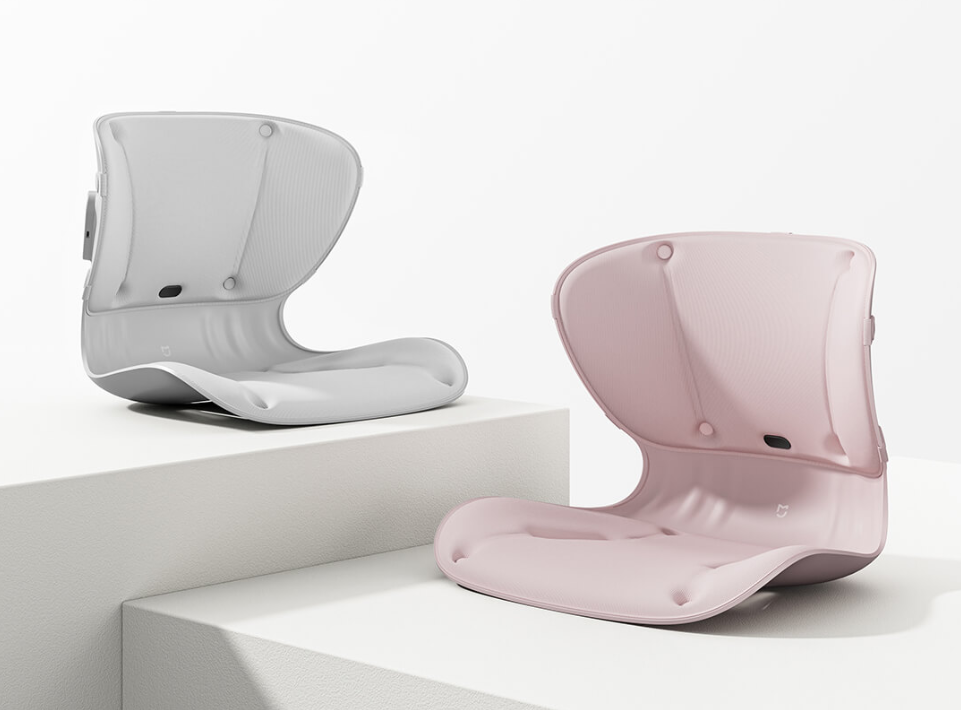
Xiaomi has released a new desk accessory in China for people who spend their entire day in an office chair. The Mijia Heated Posture Support Cushion is exactly what its name suggests: an ergonomic seat attachment with built-in heating and sensors to track how long you’ve been sitting. It is currently available for an introductory price of 186.65 yuan ($28).

Xiaomi Mijia Heated Posture Support Cushion

Mijia Heated Posture Support Cushion Specs

The cushion features a one-piece nylon composite frame that has passed 25,000 bending cycle tests for durability and resistance to deformation. It also comes with high-resilience memory foam that provides support for the lower back, hips, and legs.

The design is meant to fill the gap between your lower spine and the back of your chair, which helps distribute your weight more evenly and keeps you sitting upright. To keep the foam from trapping too much body heat during a long workday, the base includes two ventilation holes.

The electronic features are what make it a tech product rather than just a standard piece of office furniture. The cushion includes an infrared sensor that monitors your sitting time.

If you sit continuously for 40 minutes, it sends a reminder to stand up. It sends follow-up alerts at the 90-minute and 120-minute marks. If you get up and leave the chair for more than two minutes, the system resets the timer.

For the heating element, the cushion uses an NTC temperature control system with three adjustable heat settings targeted at the lumbar region. As a safety measure, the heat only stays on for 15 minutes at a time before automatically shutting off, though you can manually turn it back on if you want another session.

Xiaomi Mijia Heated Posture Support Cushion

Everything is powered by a built-in 1,900mAh battery. This allows the cushion to operate wirelessly, meaning you don’t have to run a cable across your floor to a wall outlet or keep it plugged into your computer. If the battery does die, it also works in a standard wired mode while charging.

In related news, Xiaomi has recently launched the Mijia Smart Waist Massager 2 with dual-sided heating and up to 110 minutes of battery life.

(Xiaomi Youpin)

One UI 9.5 public beta could start as soon as this month

A first beta build of One UI 9.5 has already shown up on Samsung’s servers, and it’s raising hopes that the public beta could start before the end of November instead of the usual December timing.

One UI 9.5

The build in question is S948BXXU6ZZK3, made for the Galaxy S26 Ultra, and it was spotted on November 4. That’s more than three weeks earlier than the first One UI 8.5 beta firmware last year, which only appeared on November 25. Samsung eventually opened the One UI 8.5 public beta on December 8. With the new build surfacing this early, it looks like internal testing is further ahead this time, so there’s a realistic chance users could get invited sometime in the second half of November.

People have floated windows between roughly November 16 and 24, with a possible Monday start around November 23, though Samsung hasn’t confirmed anything yet. Just because a build is sitting on the servers doesn’t mean the public beta is right around the corner. The company still needs time for more testing, bug fixes, and prep work. Still, the early appearance is being seen as a good sign.

Galaxy S26 Ultra

One UI 9.5 is expected to be based on Android 17 and should land in stable form alongside the Galaxy S27 series in early 2027. The beta phase usually kicks off with the current flagship S series (this year the S26 models) in a handful of markets like South Korea, the US, India, the UK, Germany, and Poland. Sign-ups typically happen through the Samsung Members app.

If development keeps moving at this pace, Galaxy owners who like getting early access to interface tweaks and new features could be in for a surprise. There’s a decent chance the first public One UI 9.5 builds arrive before December, giving everyone an early look at the mid-cycle update.

Galaxy S27 clears BIS ahead of early 2027 launch

Samsung’s Galaxy S27 has officially received BIS (Bureau of Indian Standards) approval. The listing is for the model number SM-S952B/DS, and this is the first formal regulatory clearance in India for any phone in the upcoming S27 lineup.

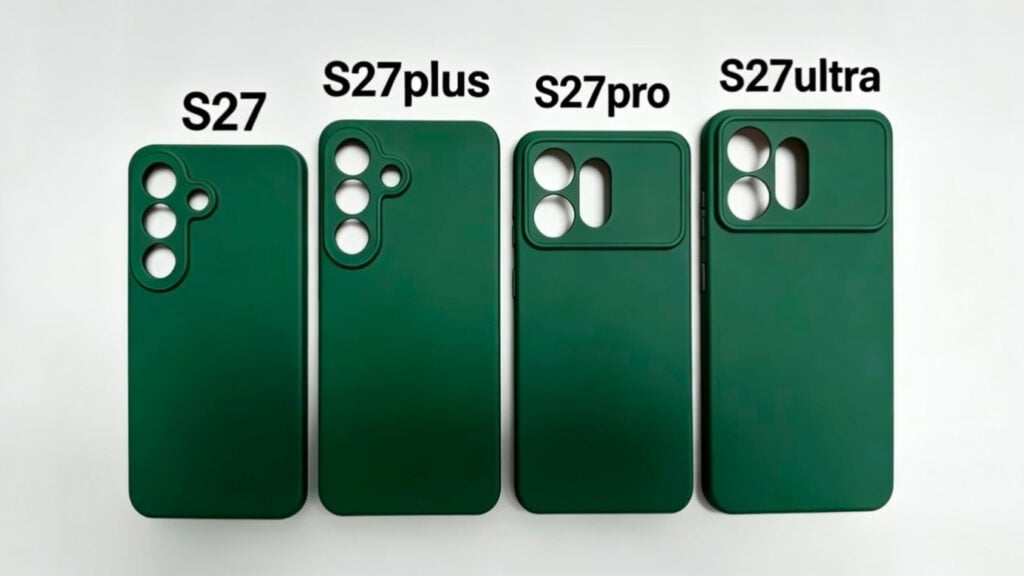
Protective cases for the Galaxy S27 series

The /DS at the end of the model number confirms it’s the dual-SIM version meant for markets like India. BIS filings don’t usually spill a lot of hardware details, but this same model number has already shown up in other databases. An earlier NBD entry linked SM-S952B to a 6.3-inch display, Samsung’s in-house Exynos 2700 chip, 12 GB of RAM, and 256 GB of storage. Separate certifications from China’s 3C authority and UL Solutions also point to 25 W wired charging, the same relatively conservative speeds we’ve seen on recent base Galaxy S models.

Galaxy S27 BIS certification

This fits Samsung’s usual dual-sourcing approach. The company still likes to mix its own Exynos silicon with Snapdragon chips depending on the region, and the Exynos 2700 is expected to show up in select Asian and European markets.

Regulatory clearances like this typically appear a couple of months before mass production really ramps up. That puts Samsung in a good position to lock in component supply and logistics for an early 2027 launch window, right in line with the usual January or February timing for the Galaxy S series.

The BIS approval doesn’t tell us anything about the cameras, battery size, pricing, or exact availability dates. What it does confirm is that the standard Galaxy S27 is moving through the pre-launch checklist for India on schedule. We should start seeing more listings for the rest of the S27 family in the coming weeks as Samsung gets ready for its next Unpacked event and the usual regional rollouts that follow.

In short, Indian authorities have given the green light, and the regular Galaxy S27 looks like it’s progressing smoothly toward its expected 2027 debut.

(Source)

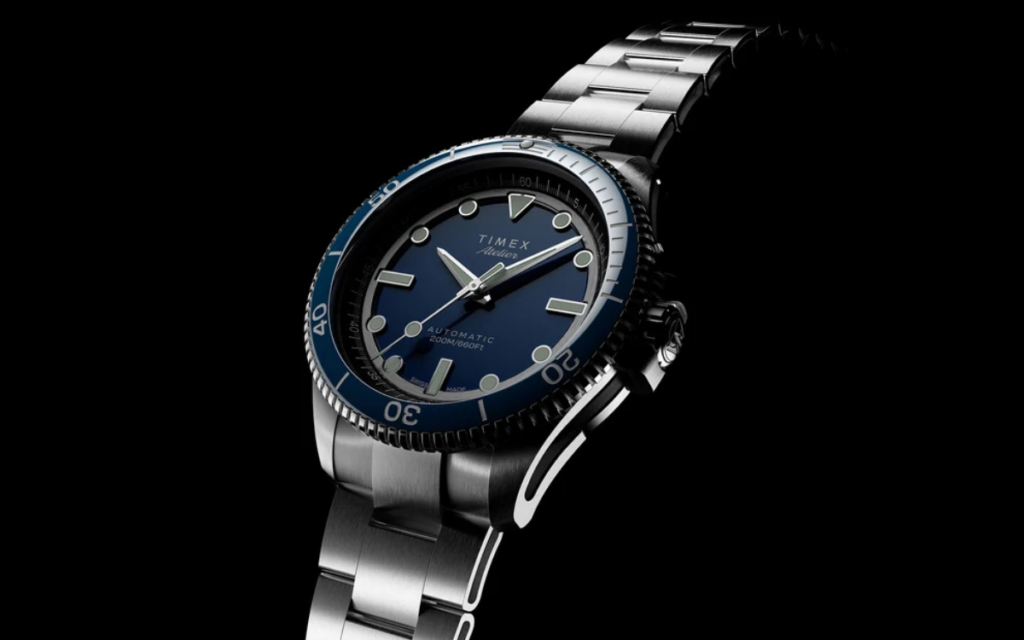
Timex launches new color variants of its Atelier Marine and GMT24 M1a watches with Swiss automatic movements

Timex is expanding its higher-end Atelier collection today, introducing new colorways and material updates to two of its primary mechanical models: the Marine M1a and the GMT24 M1a.

While Timex is traditionally known for its highly accessible quartz pieces, the Atelier line represents the company’s ongoing push into the premium tool watch category, utilizing Swiss automatic movements and upgraded case constructions.

Timex Atelier Marine M1a

Pricing and Design Details

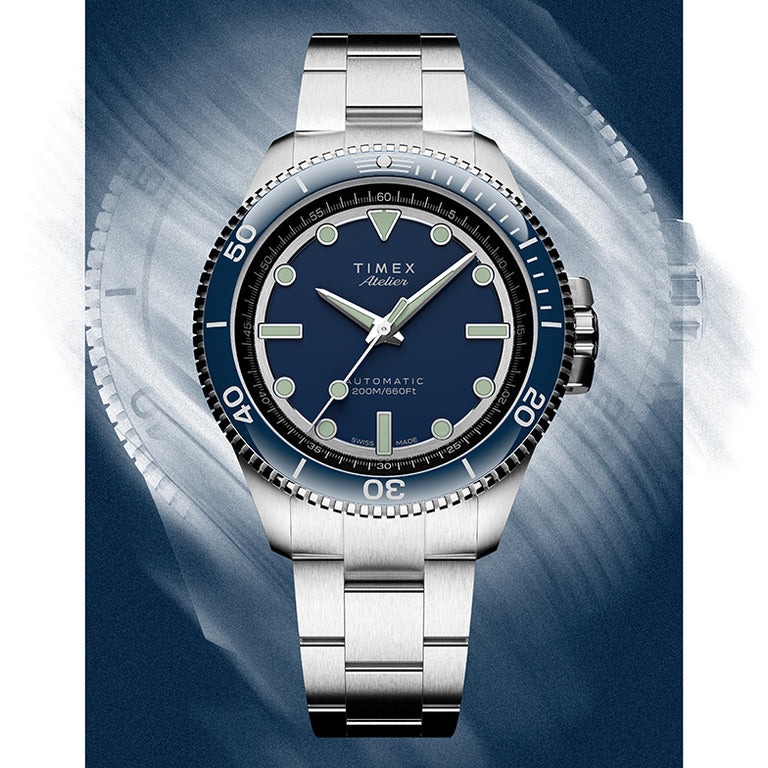
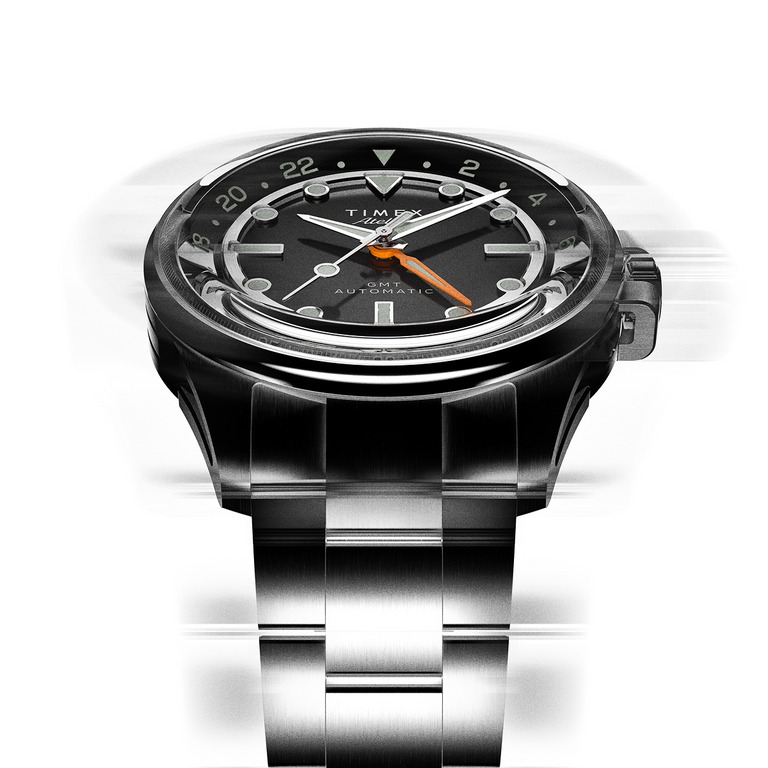
The updated Marine M1a is a 41mm dive-style watch that now features a deep blue enamel dial paired with a blue ceramic unidirectional bezel insert. The watch utilizes a skeletonized stainless steel case architecture that incorporates a black IP-coated mid-case.

Inside is a Swiss-made Catena SA 100 automatic movement. It operates at 28,800 vibrations per hour, features 29 jewels, and offers a 38-hour power reserve, which is visible through an exhibition case back.

For durability, Timex is using a double-curved sapphire crystal treated with a triple-layer anti-reflective coating. The watch maintains a standard 200-meter water resistance rating, aided by a screw-down crown.

It starts at $950 on a blue NBR (Nitrile Butadiene Rubber) synthetic strap and goes up to $1,050 for the stainless steel bracelet version.

Timex Atelier GMT24 M1a

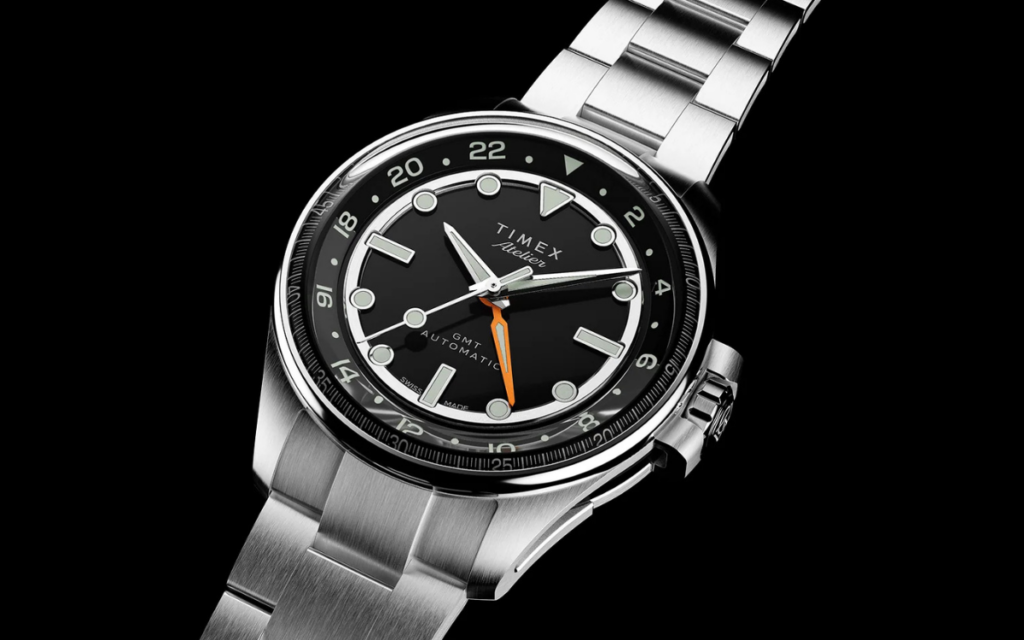
For those who regularly track multiple time zones, Timex has also refreshed the GMT24 M1a. This model drops the case size slightly to 40mm and swaps the black mid-case for a gunmetal IP-coated version.

The dial is black enamel, contrasted by a red and blue 24-hour scale and a dedicated GMT hand for tracking a second time zone alongside a standard date window at 3 o’clock.

The GMT24 is powered by a Swiss-made Landeron 24 GMT automatic movement, which provides a slightly longer 40-hour power reserve. Instead of the double-curved crystal found on the Marine, the GMT24 opts for a raised glass-box sapphire crystal.

Water resistance on this model is capped at 100 meters. The GMT24 M1a is priced at $1,350 on the NBR rubber strap and $1,450 on a stainless steel bracelet.

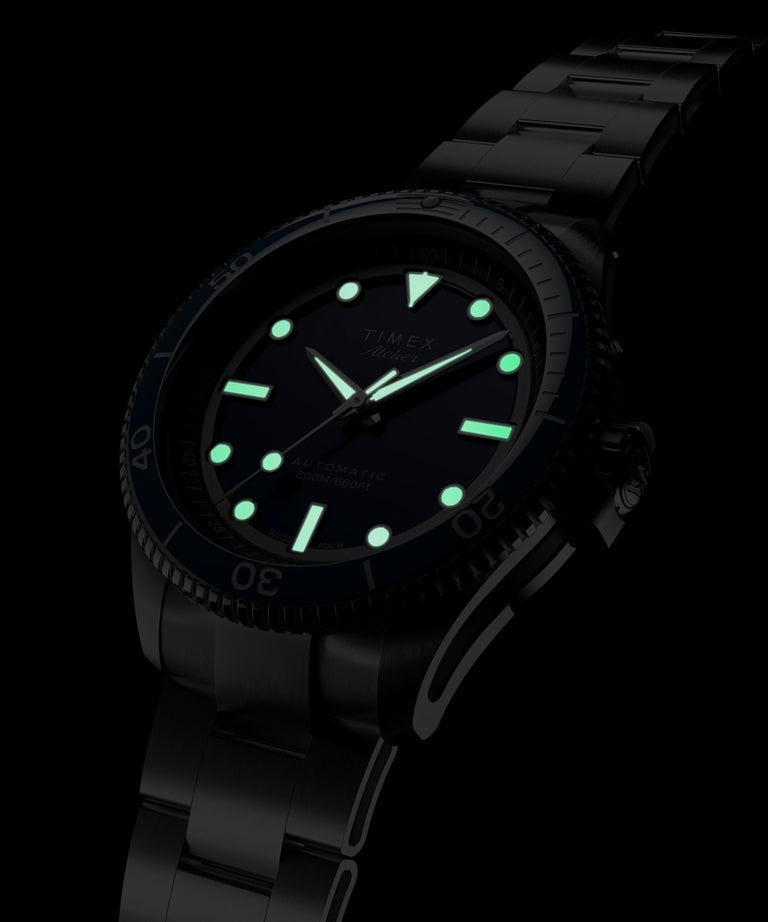
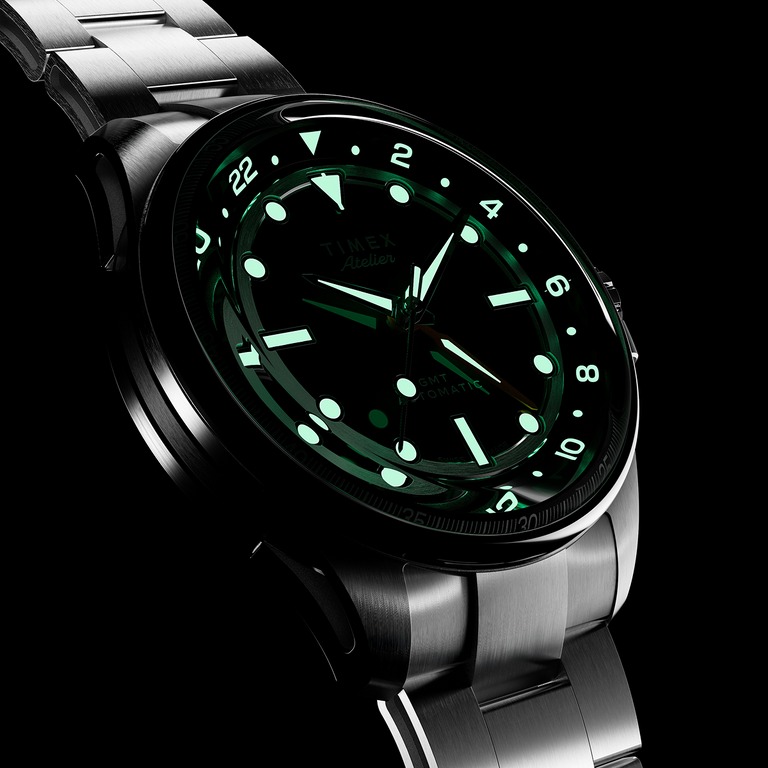
Both models include Swiss LumiNova on the hands and indices for visibility in the dark. They also feature quick-release spring bars so you can swap straps without tools.

The stainless steel bracelet option comes with a butterfly deployant clasp and self-adjustable links, which means you can resize the bracelet at home without needing a pin pusher or specialized watch tools.

In related news, Timex has recently launched a new Peanuts Christmas Weekender watch with a festive dial and blue strap, alongside a Peanuts Weekender watch featuring Snoopy in a winter coat and an Indiglo backlight surprise.

(Timex 1,2,3,4)

Android’s first wide smartphone, the Coolpad Cool X Wide, is now on sale

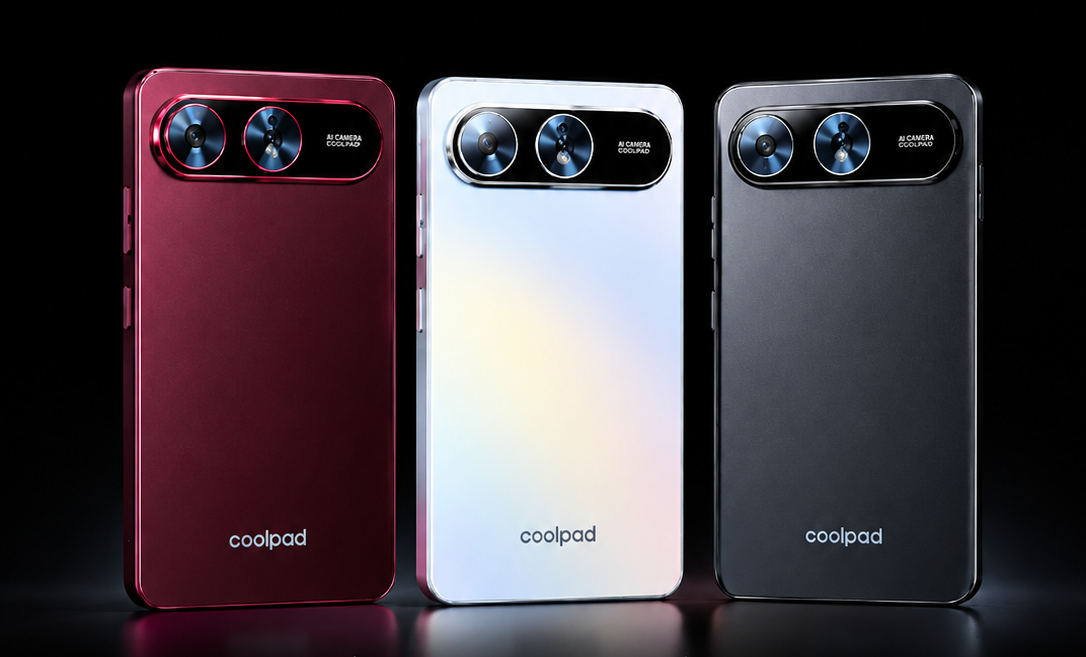
The Coolpad’s first and probably Android’s first wide smartphone, called the Coolpad Cool X Wide, is now available to buy in China. Coolpad initially announced the phone and opened pre-orders on October 20.

The base 8/128GB model retails at 999 yuan (~ $150). The other options include 8GB + 256GB for 1,199 yuan (~ $180) and 12GB + 256GB for 1,399 yuan (~ $209).

Coolpad Cool X Wide Launch Specs

Coolpad Cool X Wide Specs and Features

In terms of specs, the phone comes with a 6.38-inch 16:10 display. Its resolution is only 720 x 1158, which is relatively low, particularly compared with the Full HD screens found on many phones. Thankfully, the refresh rate is 90 Hz. Held sideways, the 16:10 shape suits video and games.

The phone measures 150.3 x 94.5 x 8.95mm. It weighs about 209g. At 94.5mm wide, it is wider than most phones. You will notice that in your hand.

Coolpad wide-screen phone

The Coolpad Cool X Wide runs on a MediaTek Helio G99 processor and Android 16. Worth noting is that the Helio G99 is a 4G chip, so the phone does not support 5G connectivity.

Coolpad paired it with LPDDR4X RAM and UFS 2.2 storage. The top model has 12GB of RAM and 256GB of storage. You also get a TF card slot that adds up to 256GB more.

Powering the phone is a battery measuring 4,600mAh. The rear camera is 50 megapixels, and you also get an LED flash in the horizontal camera module. The phone also supports dual SIM dual standby.

Coolpad has not announced a release outside China. For now, these prices apply to the Chinese market only.

Oppo’s new three-port 120W charger is launching soon with these specs

Oppo is preparing a new 120W charger with three charging ports, and the accessory has now cleared China’s 3C certification. The listing appeared on the country’s Ministry of Industry and Information Technology website. Oppo has yet to announce the charger, but the certification reveals almost everything about it.

The new accessory comes as Oppo adds more charging products to its lineup. The company last month launched an 80W and a 67W power bank in China.

Oppo 120W three-port charger specifications

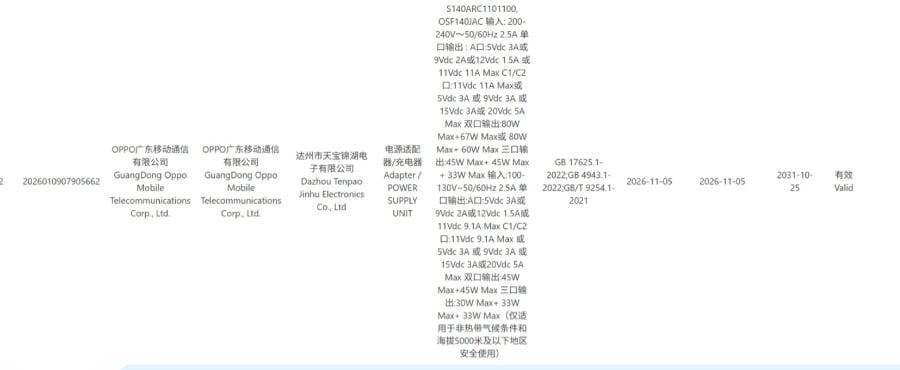
The charger has one USB-A port and two USB-C ports, following a 1A2C layout. According to the certification details, each port can deliver up to 120W when used individually.

The listed single-port outputs are as follows:

  • USB-A: 5V 3A, 9V 2A, 12V 1.5A or up to 11V 11A
  • USB-C (C1 and C2): 5V 3A, 9V 3A, 15V 3A, 20V 5A or up to 11V 11A

The USB-C ports also support the standard 20V 5A mode, which delivers 100W.

Oppo three port charger MIIT certification

As usual, things change when you connect multiple devices. With two ports in use, the charger splits its output into 80W + 67W or 80W + 60W combinations. Using all three ports brings the output down to 45W, 45W, and 33W.

Interestingly, the certification listing includes another set of output figures with lower limits. In this configuration, each port has a maximum output of 11V 9.1A, which works out to roughly 100W. The other single-port output modes remain the same, but dual-port charging drops to 45W + 45W, while three-port charging is split into 30W, 33W, and 33W.

The listing does not explain why there are two different sets of output figures, so it is unclear what determines which configuration applies.

Oppo has not revealed which devices will support the charger, how much it will cost, or whether it will launch outside China. For now, the 3C certification is our main source of information, and the company has yet to confirm the specifications or availability.

(Via)

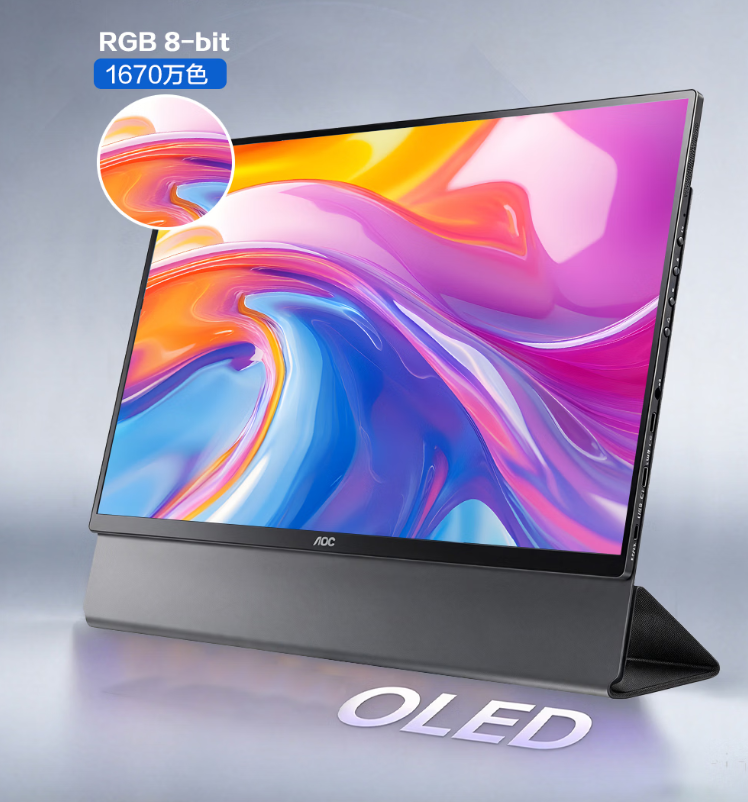
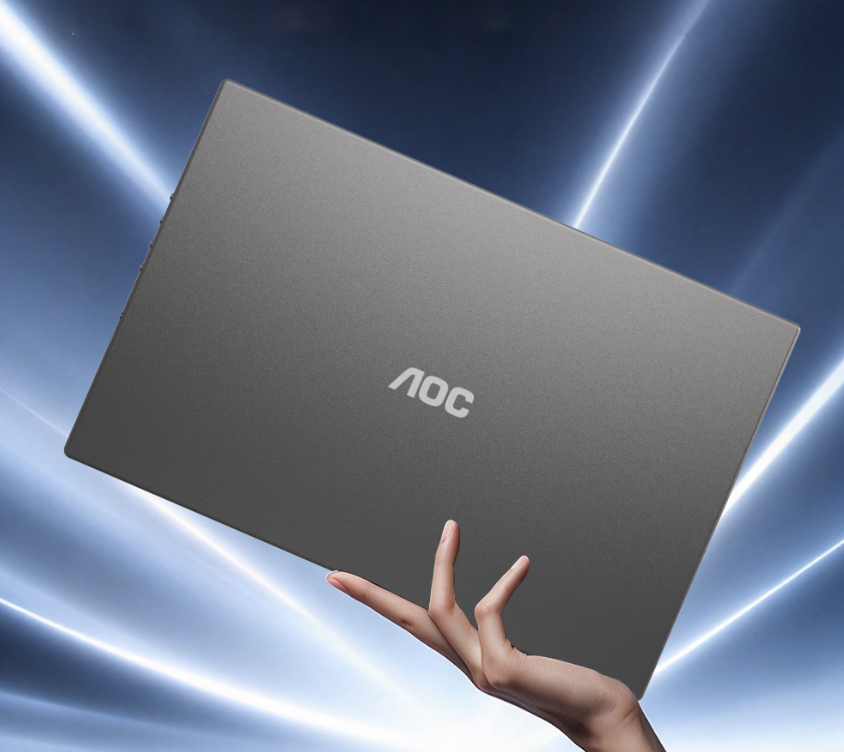
AOC launches new 16-inch OLED portable monitor with slim aluminium alloy body

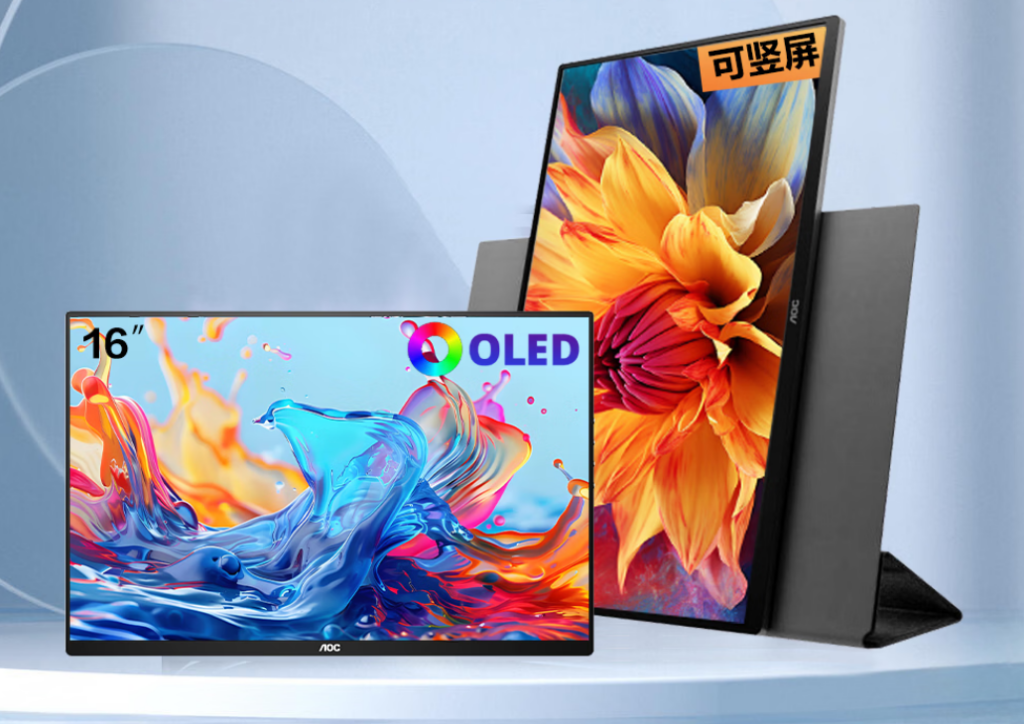
AOC has released a new portable monitor in China called the 16T40D. It is priced at 1,549 yuan, which converts to roughly $232.

AOC 16T40D Portable Monitor

AOC 16T40D Portable Monitor Specifications

The display features an OLED panel with a 1920 x 1200-pixel resolution (WUXGA) and a 16:10 aspect ratio, providing extra vertical screen space for reading documents, browsing websites, and office work. It also offers a 100,000:1 static contrast ratio, with self-emissive pixels that can turn off completely to produce deeper blacks and better contrast than conventional backlit LCD panels.

AOC 16T40D Portable Monitor

For color, the 8-bit panel covers 95% of the DCI-P3 color gamut and has an average Delta E of less than 2 under the sRGB standard. The brightness is rated at a typical 300 nits. That is a standard brightness level for indoor office work, though it might be difficult to see clearly if you are working outside or in direct sunlight.

The monitor has a 60Hz refresh rate and a 1ms gray-to-gray response time. AOC includes a few gaming settings in the software, like an on-screen crosshair and specific picture modes for different game genres. However, because it is capped at 60Hz, it is built more for casual console gaming or watching videos rather than competitive PC gaming.

On the outside, the 16T40D has a silver-grey aluminum alloy body. It weighs 510 grams (about 1.1 pounds) and is 8mm thick, so it is relatively easy to pack in a bag alongside a laptop. It includes a magnetic protective cover that folds into a stand, which is how most portable monitors handle screen protection and positioning. The monitor also supports vertical orientation if you prefer a portrait setup.

AOC 16T40D Portable Monitor

For ports, the monitor has two full-featured USB-C connections. If you have a compatible laptop, tablet, or phone, you can use a single USB-C cable for both power and video. There is also a Micro HDMI 1.4 port for devices that do not support USB-C video, an audio output jack, and basic built-in stereo speakers.

The monitor also uses DC dimming to prevent screen flickering and has four low blue-light modes for reading and office work to help reduce eye strain during long sessions.

In related news, Lenovo has recently launched an affordable 280Hz 1080p gaming monitor for just $90, while Dell has launched a new 32-inch 4K monitor with a 120Hz IPS Black display and 140W charging.

(JD)

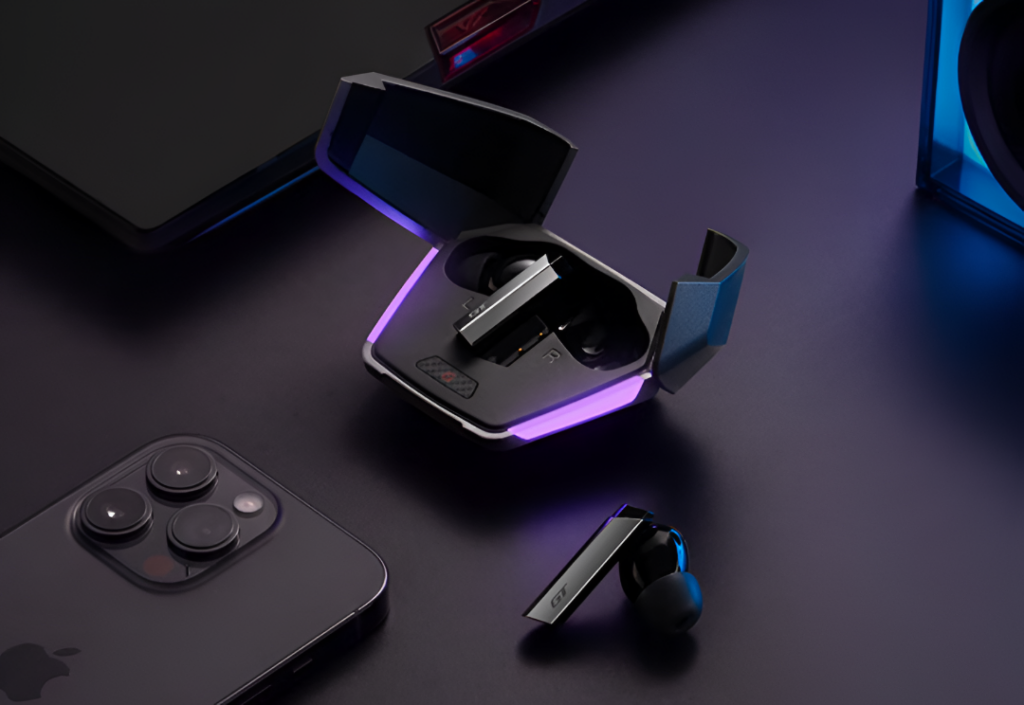
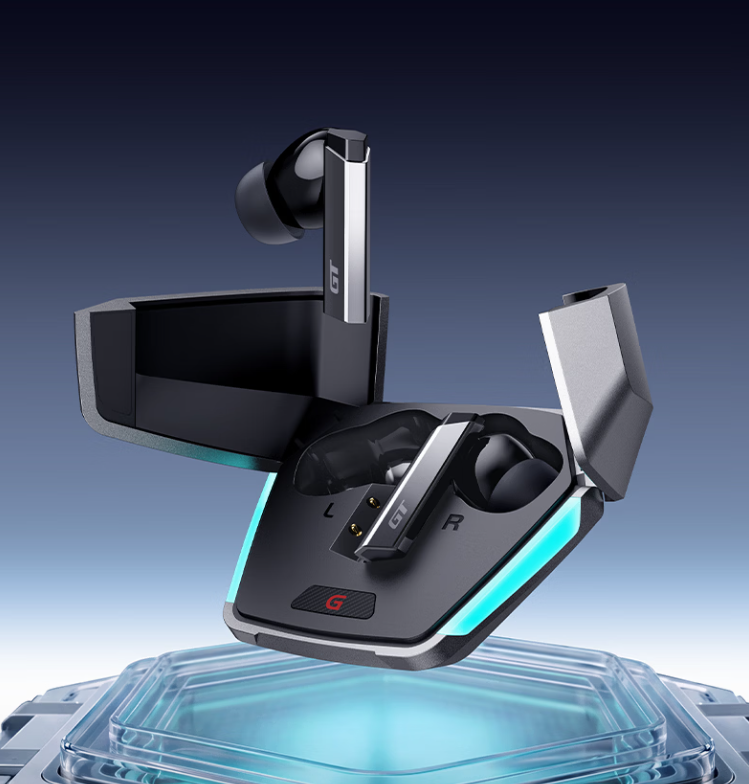
Edifier launches GT3 gaming earbuds with -50dB hybrid ANC & 48h battery

Edifier has added a new set of wireless earbuds to its gaming-focused Hecate line. The Hecate GT3 recently launched in China for 265 yuan ($40), offering a mix of active noise cancellation, low-latency features, and a battery life geared toward longer gaming sessions.

Edifier Hecate GT3 Earbuds

Edifier Hecate GT3 Specifications

Inside each earbud is an 11mm titanium-plated dynamic driver. Edifier is using a three-layer composite diaphragm made from TPU, PEN, and vacuum-coated titanium. According to the company, this material split separates frequency duties: the TPU layer handles bass, the PEN layer handles mid-range sounds like vocals, and the titanium coating handles higher frequencies.

Edifier Hecate GT3 Earbuds

Because these are branded for gaming, Edifier includes its Focus+ algorithm to enhance in-game sounds like footsteps, gunfire, and voice chat. The GT3 also offers Music and Gaming modes, along with LLAT technology to reduce wireless audio latency and keep sound synced with on-screen action.

For noise management, the earbuds offer up to -50dB hybrid ANC with Deep, Comfort, and Ambient modes. They also pack four microphones with AI noise reduction for clearer calls and in-game voice chats.

Coming to the battery life, Edifier claims up to 48 hours of playback with ANC off and volume at 50%. The earbuds last up to 12 hours per charge, while the charging case provides three additional charges. It also features 15-minute fast charging that delivers up to five hours of listening time.

Edifier Hecate GT3 Earbuds

The GT3 earbuds weigh 4.7 grams each and carry an IPX5 rating for water and sweat resistance. They connect via Bluetooth 6.1 and support dual-device pairing. Its companion app lets you customize touch controls, ANC settings, and audio with a six-band EQ.

In related news, OnePlus has recently launched its first clip-on earbuds with Dynaudio-tuned dual drivers and 40-hour battery life, while Edifier has launched We-Bass clip-on earbuds with 12mm drivers, IP55 rating, and 20-hour battery life.

(JD)

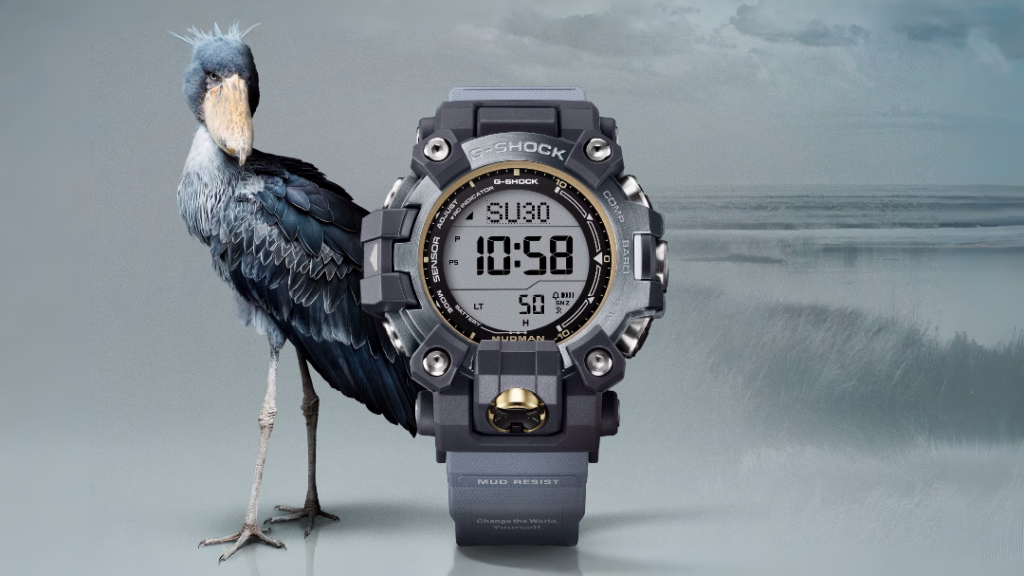
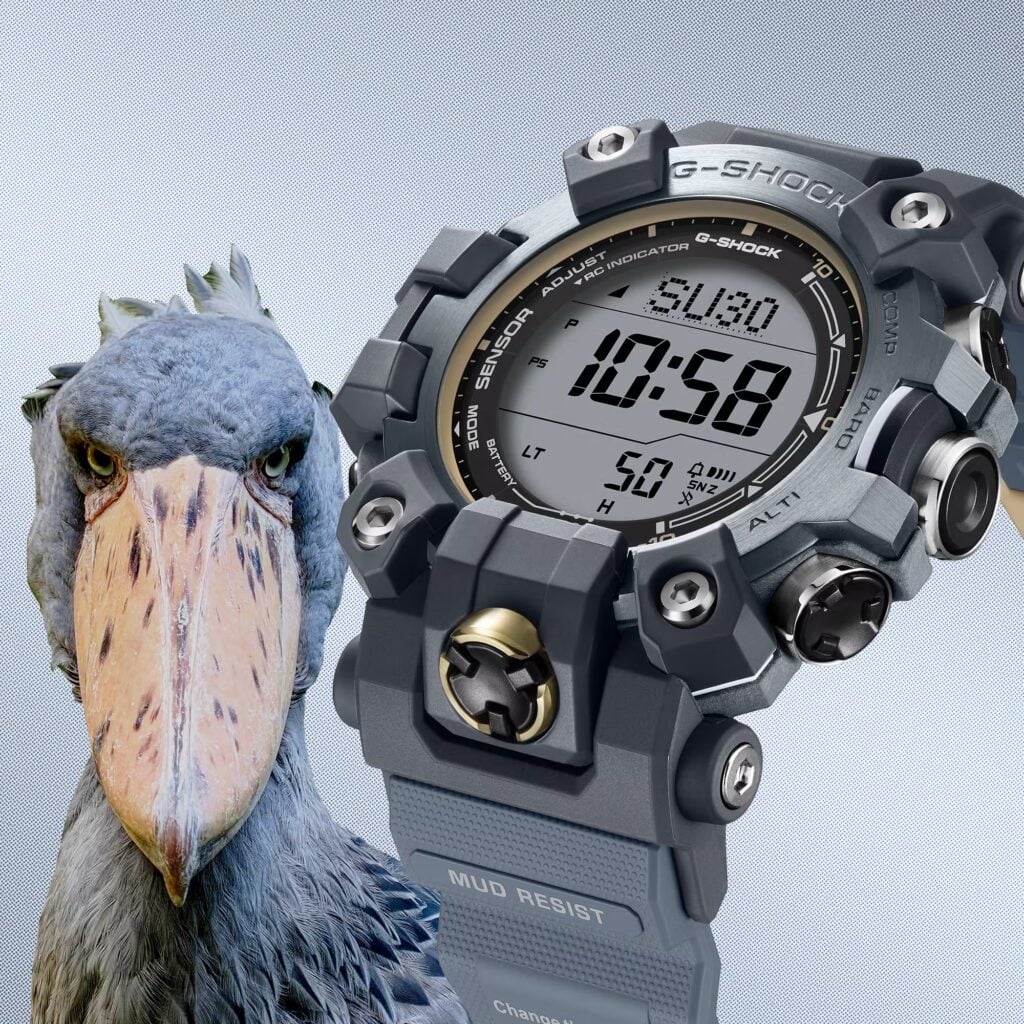
Casio launches GW-9503KJ-2 G-Shock Mudman inspired by an endangered Shoebill bird

Casio is releasing a new G-Shock in Japan this month, and the design inspiration is surprisingly specific. The company has teamed up with the environmental NGO Earthwatch Japan to create a custom version of the Mudman watch (GW-9503KJ-2), themed entirely around the Shoebill, a large, vulnerable bird native to African wetlands.

Casio G-Shock GW-9503KJ-2

Design Details

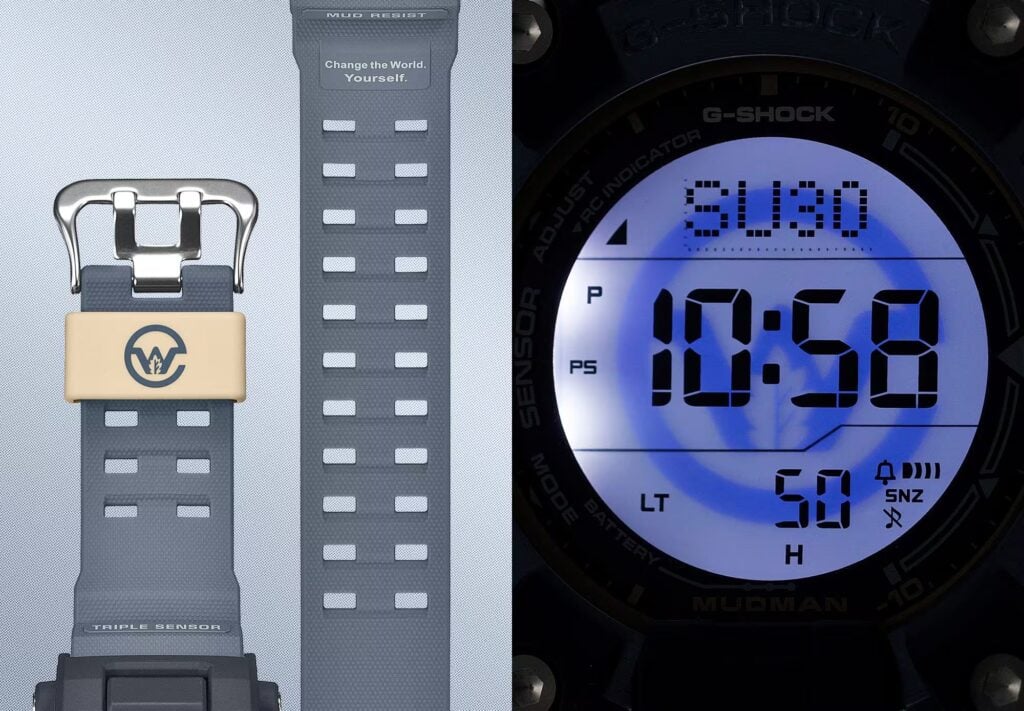
It’s an unusual choice for a watch colorway, but Casio has translated the bird’s physical features into the hardware pretty directly. The main body of the watch is a muted blue-gray to match the Shoebill’s plumage, while the metal bezel has an ion-plated finish to give it a slight gloss. To represent the bird’s massive beak, Casio added gold accents to the dial ring and front buttons, along with a light beige loop on the watch band.

Casio G-Shock GW-9503KJ-2

Beyond the custom colors, this is the same Mudman hardware Casio has been making for a while. It uses the company’s Carbon Core Guard structure, which basically means it is built to survive heavy impacts, thick mud, and water down to 200 meters.

For outdoor tracking, the watch includes Casio’s standard Triple Sensor setup. There are dedicated buttons on the side of the case that let you pull up a digital compass, check the altitude and barometric pressure, or read the temperature. Because it has a duplex LCD screen, the watch can display these sensor readings on a separate visual layer right over the standard time display without making the screen look too cluttered.

Casio G-Shock GW-9503KJ-2

You also don’t really have to worry about charging it or setting the time manually. It runs on Casio’s Tough Solar system, which keeps the battery topped up using ambient light. On a full charge, it can last about six months with regular use. It also uses Multiband 6 radio technology to automatically sync the time with global transmission towers every day.

Because this is an Earthwatch collaboration, the watch has a few environmental tie-ins. The resin parts of the case and band are made from biomass plastics rather than traditional petroleum-based plastics, and the packaging is made from recycled paper.

Pricing and Availability

The NGO’s logo shows up on the screen when you press the backlight button, and a portion of the ¥64,900 ($410) asking price goes toward funding Earthwatch’s field research. It is up for pre-order now on Casio’s Japanese website and ships later this November.

In related news, Casio has recently launched three Baby-G BGD-565FG watches with a ’90s faded denim look, alongside premium titanium watches featuring mother-of-pearl dials and solar charging.

(Casio)

Enough Phone is a small Android phone with a replaceable battery

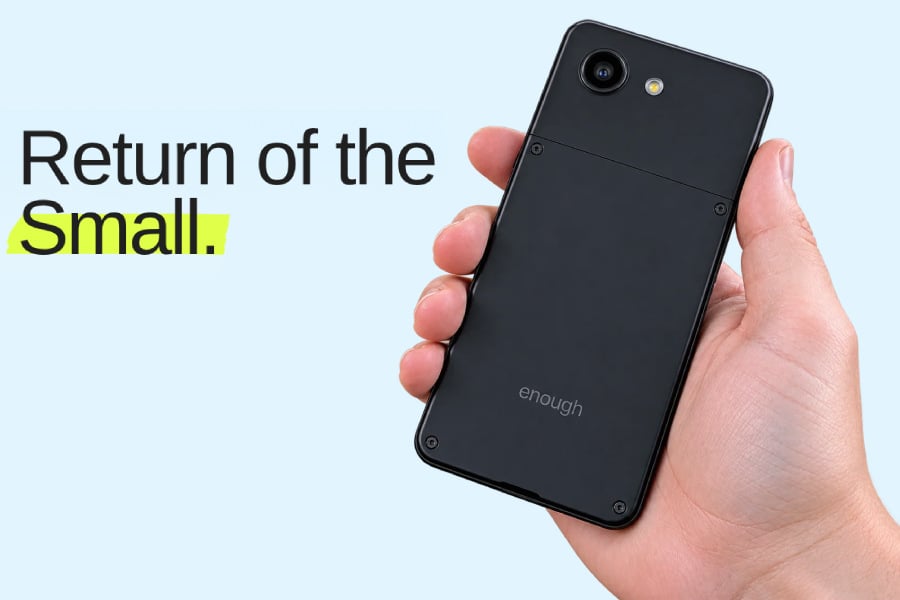
A company called Enough wants to sell you a small phone, and its first product, aptly called the Enough Phone, is now on Kickstarter. 

Small phones have mostly disappeared from the market. Apple stopped making the iPhone 13 mini. It had a 5.4-inch display. The iPhone 17e is now Apple’s smallest model at 6.1 inches. Enough is betting that some of you still want a phone you can reach across with one thumb.

Enough Phone Launch Specs Price

The Enough Phone measures 133 x 64 x 12mm, considerably smaller than most modern smartphones. Its 5.3-inch display has a resolution of 1520 x 720 pixels.

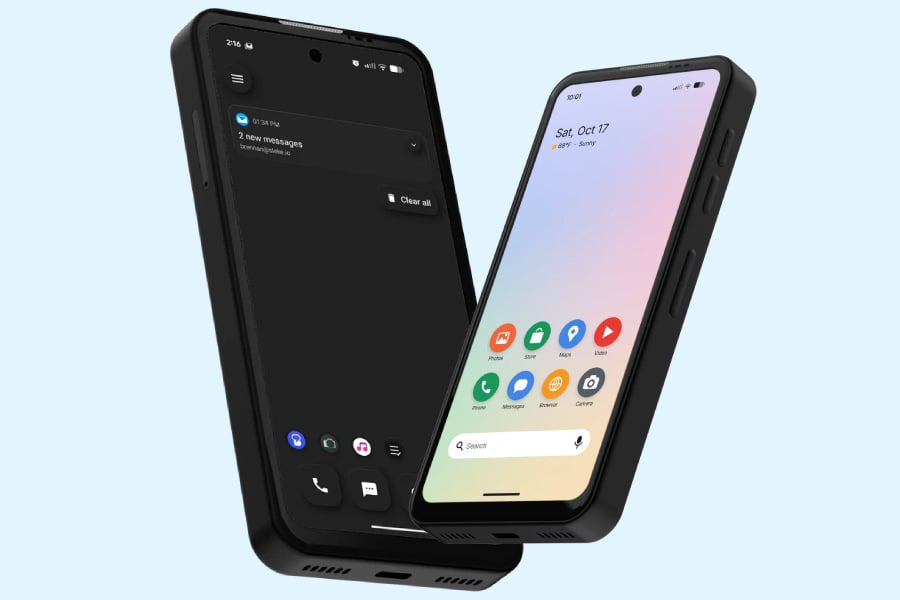
Inside, you get a 4nm MediaTek Dimensity 7500 chip, paired with 8GB of RAM and 128GB of storage. There’s also a microSD slot that lets you add more storage. The camera setup is simple. There is one 50MP Sony IMX766 on the back and a 32MP camera on the front. Connectivity covers 5G and Wi-Fi 6. You can go with an eSIM or a physical SIM.

Enough Phone Design and Display

There are a couple of other details that make the Enough Phone different from most current smartphones. Its casing can be opened with screws, giving users access to the replaceable 3,500mAh battery. This means you won’t have to rely on a repair shop just to replace an aging battery.

Enough also promises software support through 2032, although it hasn’t detailed how that support will work. Buyers can choose between Android 17 and OdysseyOS, an alternative operating system built by SLEKE. The latter removes Google services and is intended for people who want a more deliberate approach to using their phones.

Price and availability

The $399 Super Early Bird Kickstarter tier has already sold out, but the $449 Early Bird option is still available. It includes a pre-applied glass screen protector, a protective case, a USB-C cable, a USB-C to 3.5mm adapter, a hex screwdriver, and green screws.

Enough plans to sell the phone at $599 once it reaches retail, making the current Early Bird price $150 cheaper. However, there is one important detail to keep in mind before backing it: the Enough Phone is still a prototype, and its final specifications could change slightly.

The company is currently targeting May 2027 for deliveries. Until then, the hardware, software, and release schedule should all be treated as plans rather than finalized details.

(Source)

Citizen launches a limited-edition Disney watch featuring Mickey Mouse floating over New York City

Citizen has released a new limited-edition timepiece to mark the upcoming 100th anniversary of the Macy’s Thanksgiving Day Parade in 2026. The Sorcerer Mickey’s 100th Anniversary Macy’s Parade watch is available now for $395.

It is a strictly capped release, with only 500 units being produced worldwide, and is sold exclusively through Citizen’s US website and Macy’s retail locations.

Citizen Sorcerer Mickey watch

Design Details

Looking at the hardware, the watch (model AW1696-03W) features a 40mm two-tone stainless steel case. Citizen opted for a sapphire crystal, which provides reliable scratch resistance for daily wear.

It carries a water resistance rating of WR50 (5 Bar), meaning it can handle light swimming or rain, but it is not built for diving or heavy water exposure. The watch ships with a standard leather strap and a traditional buckle clasp.

Citizen Sorcerer Mickey watch

Internally, the timepiece runs on Citizen’s J810 Eco-Drive movement. This is a practical choice for a collector’s item. The Eco-Drive system, which happens to be marking its 50th anniversary this year, is powered by ambient light, both natural and artificial.

Citizen Sorcerer Mickey watch

This setup eliminates the need for standard battery replacements, meaning the watch will continue to keep time even if it spends most of its life sitting in a display case, provided it gets occasional light exposure. The movement supports a basic three-hand layout alongside a date window.

Citizen Sorcerer Mickey watch

In terms of dial design, Citizen has worked with Disney artists John and Shelley Loter to develop exclusive artwork for the blue metal dial. The illustration shows Mickey Mouse wearing his Sorcerer’s Apprentice costume as he floats over the New York City skyline.

It draws inspiration from Mickey’s appearance as a Macy’s parade balloon in 1934. The dial also swaps traditional hour numerals for red and gold star markers.

In related news, Citizen has recently launched a Marvel Dr. Doom watch featuring Eco-Drive technology and a striking green design.

(Citizen)

Xiaomi 18 with 100W charging clears 3C certification ahead of December launch

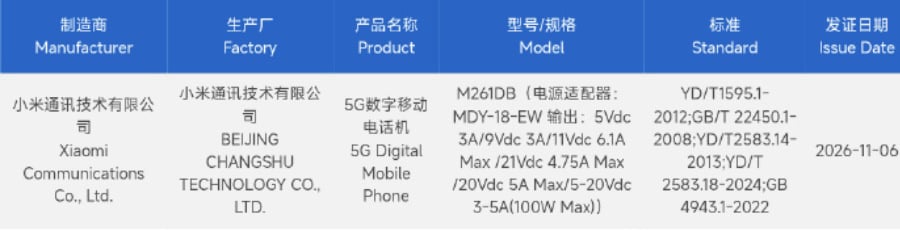
A Xiaomi phone with model number M261DB has passed China’s 3C certification. The listing went live on November 6 and shows support for 100W fast charging. According to the report, the M261DB is the standard Xiaomi 18. A Weibo tipster called Experience More expects Xiaomi to announce the device next month.

Xiaomi has not confirmed any of this. The certification record does not name the phone or give a launch date. For now, the link to the Xiaomi 18 is a tip.

Xiaomi 18 3C Cetification

This follows the Xiaomi 18 Pro series launch on September 23. The standard model was missing from that event. Xiaomi did confirm that the Xiaomi 18 Pro series will launch globally this year. It has said nothing yet about a global plan for the base model.

What we know about the Xiaomi 18 so far

At the Pro launch, a Weibo user asked Lu Weibing, Xiaomi Group partner and president, about the standard Xiaomi 18. He replied that it will be released separately later. That confirms the phone exists.

Digital Chat Station gave a timeline in August. The tipster said the Pro models would go first and the standard version would follow in December. A 3C listing in early November fits that window. Phones often clear this step a few weeks before they launch.

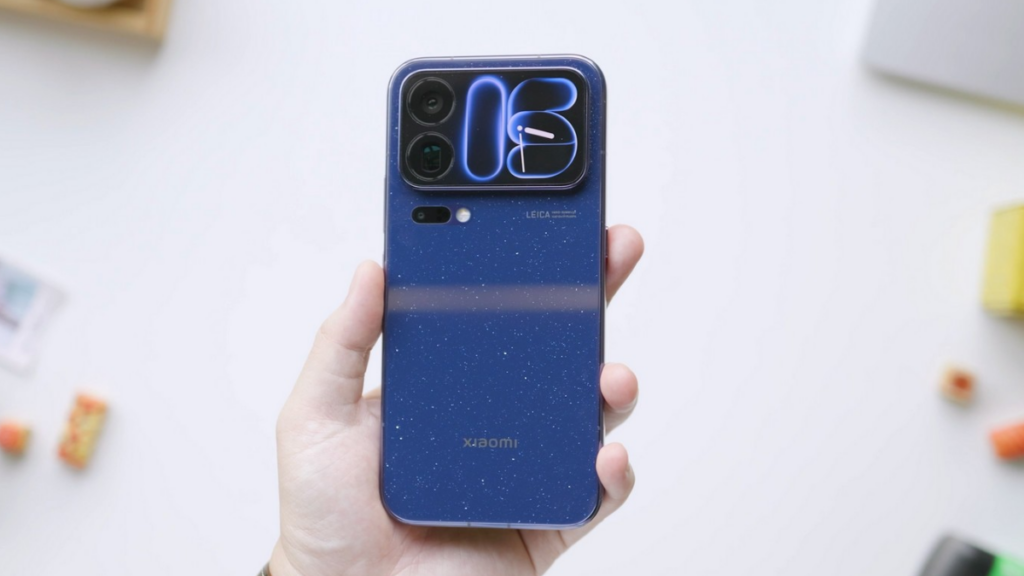
Xiaomi 18 Pro Max running HyperOS 4 software
Xiaomi 18 Pro Max

As for specs, you should get a Snapdragon 8 Elite Gen 6 chip, a 200MP sensor, and a 7,200mAh battery. Xiaomi has not confirmed any of these specs. We covered the leaked details shortly after the Pro launch.

Xiaomi was the first to ship the Snapdragon 8 Elite Gen 6 in the Xiaomi 18 Pro. It has a 6.4-inch screen with the M11 display system and a peak brightness of 4,000 nits. The chip is built on a 2nm process, and the battery is 7,000mAh. You get three Leica cameras covering all focal lengths. Xiaomi also added hardware-level privacy protection.

If the leaks hold, the standard Xiaomi 18 would carry a battery 200mAh larger than the Xiaomi 18 Pro. It would also share the same chip. We will update this story when Xiaomi shares a launch date.

(Via)