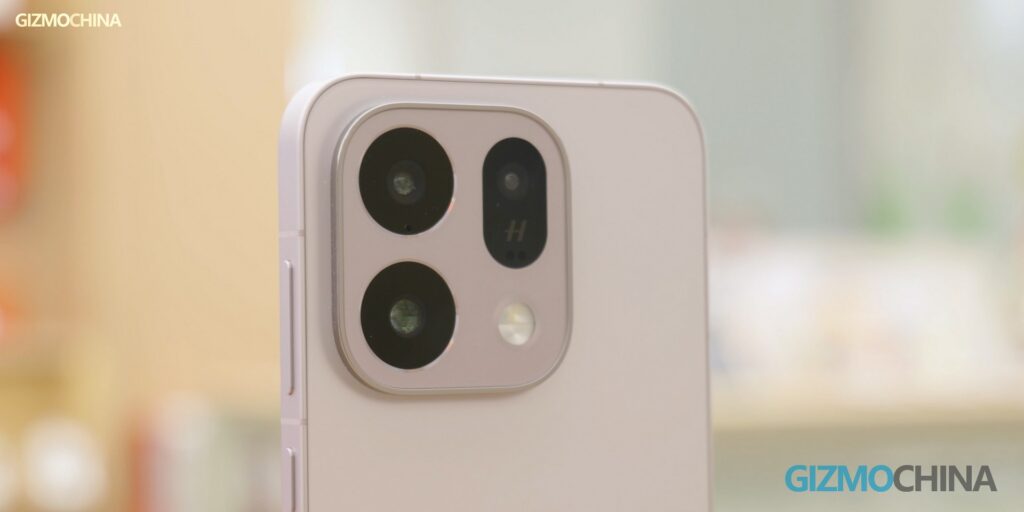
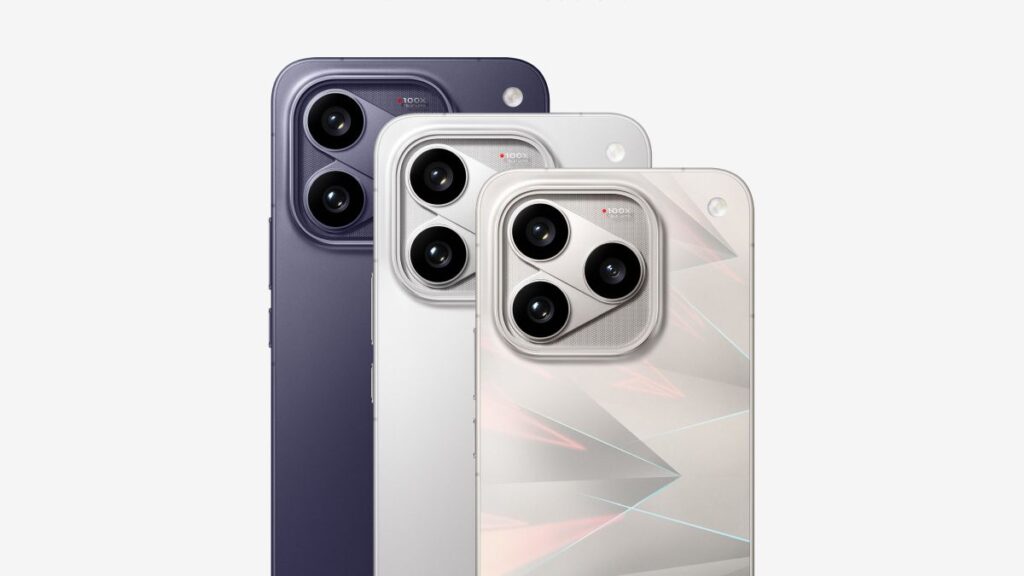
The Find X10 and Find X10 Pro Max launched in China earlier this week. Now, the global version of the Find X10 has shown up on the Geekbench platform, confirming what international buyers will get inside.
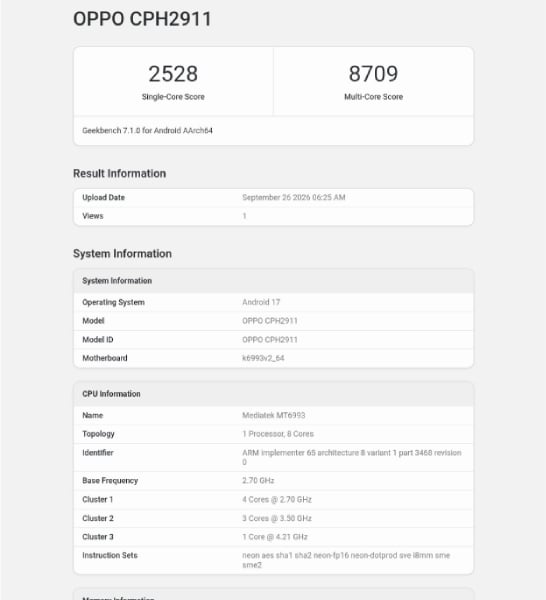
Tipster Abhishek Yadavspotted the global Find X10 with model number CPH2911 on Geekbench 7.1. The phone scored 2,528 points in the single-core test and 8,709 points in the multi-core test.
The listing also confirms the MediaTek Dimensity 9600M chipset, thanks to the MT6993 identifier, along with a Mali G1 Ultra MC12 GPU. This is the same chipset used by the Chinese Find X10.
The global model listed on Geekbench has 12GB of RAM, compared with up to 16GB on the Chinese version. Oppo could still offer a 16GB configuration in some markets, but there is no confirmation yet.
The Geekbench appearance itself isn’t unusual. Oppo’s flagship phones typically appear on certification and benchmark platforms before their international launch, giving us a look at the hardware ahead of the official announcement.
Oppo starts teasing Find X10 globally
The timing is more interesting this time, as Oppo has also started preparing for the Find X10’s international release.
Oppo’s UK store now has a Coming Soon page for the Find X10 series. Customers can place a £49 deposit to get up to £200 off when the phone launches, along with a free Hasselblad teleconverter kit when preorders open.
Oppo Find X10
That gives us a clearer indication that the global launch is getting closer. Oppo has yet to announce an exact international launch date, but the UK promotion suggests it won’t be a long wait.
The Find X10 series launched in China on September 22 alongside the Watch S2 and Enco X4. Recent reports have pointed to a global launch event in late October, while India could get the phones before Diwali in early November.
More details should surface as Oppo gets closer to announcing the international version.
For more daily updates, please visit our News Section.
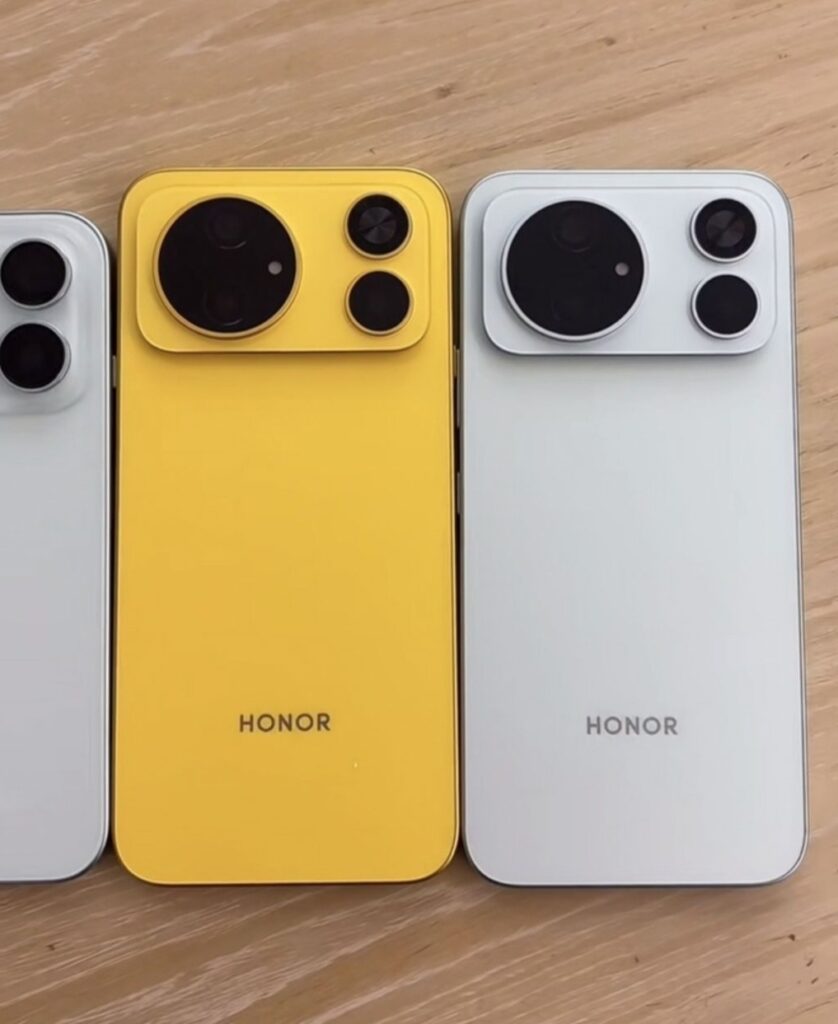
Digital Chat Station has filled in the remaining details of Honor’s Magic 9 lineup, just days after Honor confirmed the starting price for the series. The lineup launches tomorrow with three models, and the latest leak reveals the display sizes, battery capacities, charging speeds, and camera hardware for the Magic 9, Magic 9 Pro Max, and Super Edition.
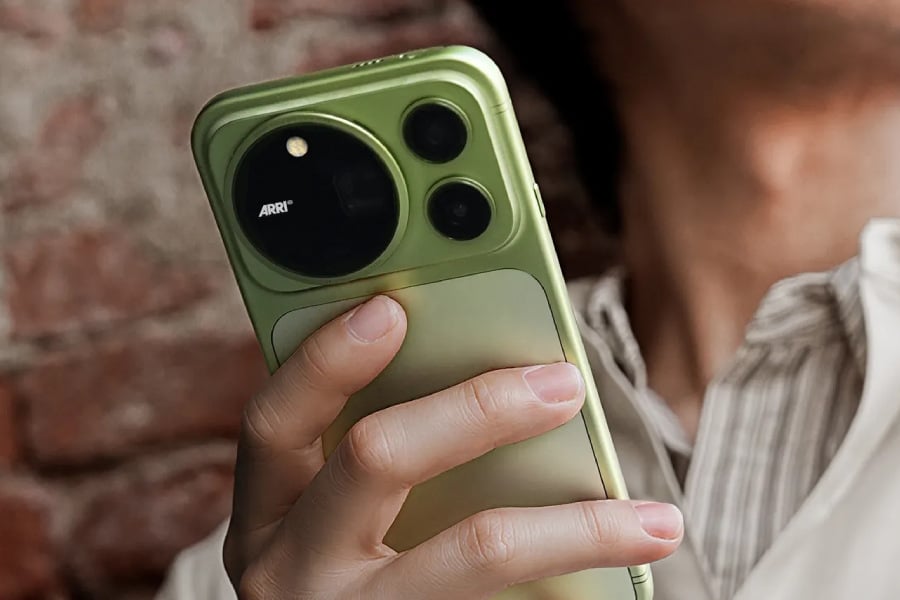
Magic 9
The standard Magic 9 is the smallest of the three, with a 6.37-inch flat LTPS display offering 1.5K+ resolution and a 120Hz refresh rate. It runs on the Snapdragon 8E5 chipset and packs an 8000mAh battery with support for 80W wired and 50W wireless charging.
On the back, the camera setup includes a 200MP main camera with a 1/1.4-inch sensor, a 50MP ultra-wide camera, and a 200MP periscope telephoto with 3.5x optical zoom. The telephoto uses a 1/1.56-inch sensor, matching the details seen in the high-resolution camera samples Honor shared earlier this week.
A 3D ultrasonic fingerprint sensor handles biometric security, while the frame includes an AI button and a dedicated shutter button. The phone also carries IP68, IP69, and IP69K ratings. It measures 8.49mm thick and weighs 209 grams.
The 16GB + 512GB version costs 5,999 yuan.
Magic 9 Pro Max
The Magic 9 Pro Max steps up to a larger 6.8-inch flat LTPO display with the same 1.5K+ resolution and 120Hz refresh rate. It is powered by the Snapdragon 8EE6 chipset and has an 8800mAh battery with 100W wired and 80W wireless charging.
The front-facing camera remains a 55MP square 1:1 sensor. The rear camera system gets a larger 1/1.28-inch sensor for its 200MP main camera, along with 3-degree OIS. It is joined by a 50MP ultra-wide camera and a 200MP periscope telephoto using a 1/1.4-inch sensor.
Honor is also adding 3D face recognition alongside the 3D ultrasonic fingerprint sensor. Other hardware includes an X-axis linear motor, dual 1216 speakers, the AI button, and the dedicated shutter button.
The Pro Max retains the IP68, IP69, and IP69K ratings. It measures 8.59mm thick and weighs 233 grams, making it noticeably heavier than the standard Magic 9, partly because of its larger battery and camera hardware.
Magic 9 Super Edition
The Magic 9 Super Edition goes in a different direction from the other two models. It has a 6.81-inch flat 1.5K+ display with a 120Hz refresh rate and uses the Snapdragon 8E5 chipset. It also adds an active cooling fan.
The biggest difference is the battery. The Super Edition packs an 11,000mAh cell, which is considerably larger than the batteries in the Magic 9 and Magic 9 Pro Max. Charging is rated at 80W wired and 50W wireless.
Honor Magic 9 Super Edition live shot
The camera setup is more modest, with a 50MP front camera and a rear system made up of a 200MP main camera, 12MP ultra-wide, and 50MP 3x telephoto camera.
Unlike the other two models, the Super Edition uses an optical in-display fingerprint reader instead of an ultrasonic sensor. Despite having the largest battery of the three, it is also the thinnest at 8.1mm. It weighs 227 grams.
For more daily updates, please visit our News Section.
Timex has released three new automatic watches under its Waterbury Heritage collection. The lineup, which is now available in the US and UK, includes two 39mm day-date models and a 41.5mm GMT version.
The two standard Waterbury Heritage Automatic watches feature a 39mm stainless steel case. They measure 13.5mm thick with a 46mm lug-to-lug distance. Internally, Timex is using the Miyota 8205, a basic self-winding movement that provides a day and date complication at the 3 o’clock position.
There are two color configurations available. The first is a blue enamel dial with a silver-tone stainless steel bracelet, priced at $449 or £375. The second option features a black enamel dial with a two-tone bracelet, which costs slightly more at $469 or £385. Both versions include a stationary top ring that matches the dial color.
For those who want to track multiple time zones, Timex has also released the Waterbury Heritage Automatic GMT. This model has a larger footprint, utilizing a 41.5mm case that is 14mm thick with a 48mm lug-to-lug distance.
Where to buyTimex Waterbury watchesBrowse the range on AmazonShop now →
It runs on the NH34 automatic GMT movement, a 24-jewel caliber common in entry-level mechanical GMT watches. The dial is black, paired with a red GMT hand and a standard date window. It also includes a unidirectional ratcheting bezel split into maroon and black sections. The GMT model is priced at $579 or £475.
Across the entire release, Timex has standardized several hardware components. The dials are covered by domed K1 mineral glass with an anti-reflective coating. While not as scratch-resistant as sapphire crystal, K1 mineral glass is standard for this price bracket. The watches also feature transparent casebacks to show the mechanical movements, and luminescent fill on the hands and hour markers for visibility in the dark.
The watches feature stainless steel bracelets designed for easy adjustment. Quick-release spring bars allow the bracelets to be removed easily, while tool-free links let owners resize them at home. Each bracelet is secured with a butterfly deployant clasp.
All three models offer 50 meters of water resistance, which Timex says is suitable for light swimming but not for diving or snorkeling. The watches are now available through the Timex US and UK storefronts.
Timex has expanded its Marlin lineup with a pair of new quartz GMT watches, which are now available in the US and UK. The release brings dual time zone tracking to the company’s mid-century-inspired watch collection, offering a straightforward, battery-powered alternative to more expensive mechanical GMTs.
Design Details
The new Marlin Quartz GMT comes in two variations. The first is a stainless steel model (TW2Y84100) featuring an ice blue sunray dial and a matching steel deployant clasp bracelet. It is priced at $249 in the US and £200 in the UK. The second option (TW2Y84200) costs slightly less at $219, £180. This version swaps the steel bracelet for a brown leather strap sourced from the Leather Working Group and features a chocolate brown dial.
Both watches share the same core hardware and dimensions. They are built around a polished silver-tone stainless steel case that measures 40mm in diameter, 47.5mm lug-to-lug, and 13.5mm thick.
Where to buyTimex Marlin GMTBrowse the range on AmazonShop now →
To maintain the 1960s aesthetic of the broader Marlin family, Timex opted for a domed acrylic crystal instead of modern sapphire or mineral glass. While acrylic is more prone to everyday scratches, it provides a specific vintage distortion at the edges and can be polished at home to remove minor scuffs.
The watch features a GMT complication that allows the wearer to keep track of a second time zone. Timex pairs it with a two-tone 24-hour inner scale and a large luminous triangular GMT hand for easier reading. The brown version features an orange and white GMT hand, while the blue model comes with a blue and white version. It also comes with a date window at the 3 o’clock position, while faceted hour markers indicate the local time.
Internally, the watches run on a standard quartz analog movement powered by an SR920SW battery. They carry a 50-meter water resistance rating, meaning they can handle rain and light swimming, but they are not designed for diving or high-impact water activities.
For those who like to swap watch bands, both the 20mm leather strap and the stainless steel bracelet come with quick-release spring bars that do not require tools to remove. The choice of band noticeably impacts the weight of the watch; the leather version weighs 50.25 grams, while the steel bracelet model is heavier at 108.38 grams. Both models are currently available to order directly from the Timex website.
In related news, Timex has recently launched three new Marlin chronographs with retro dials and classic racing-inspired details, alongside two striking rectangular Éclat watches featuring crystals and natural rose quartz.
For more daily updates, please visit our News Section.
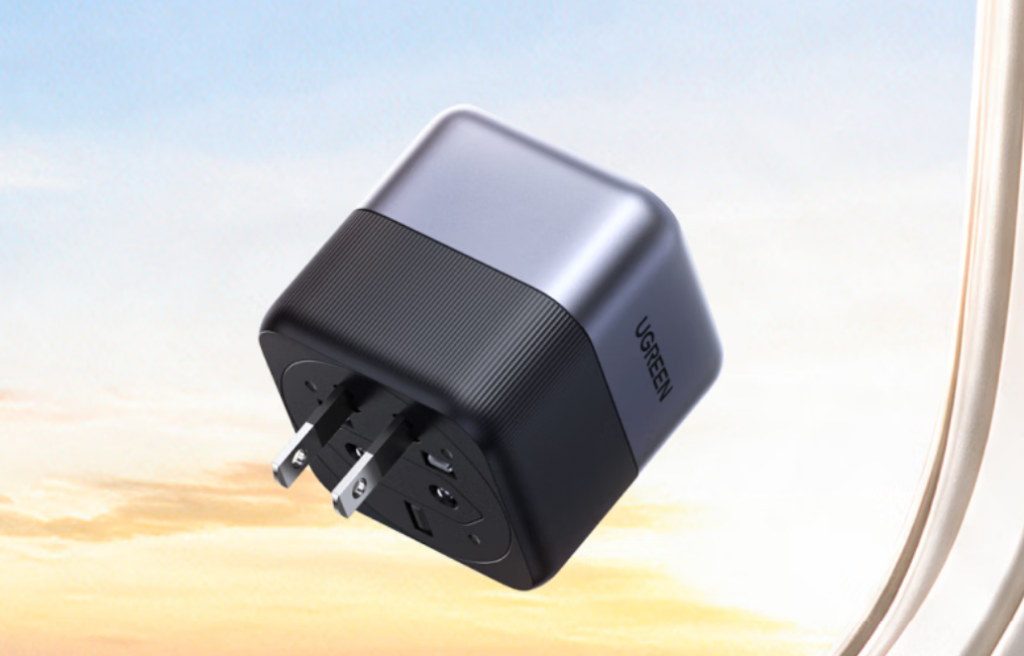
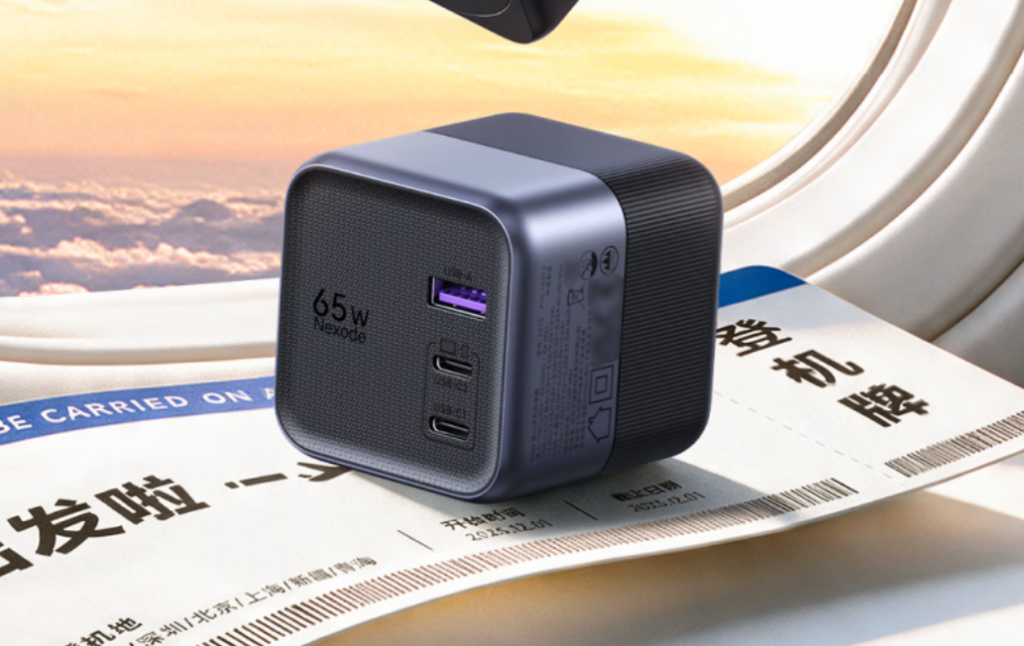
Ugreen is releasing a new 65W travel adapter that changes how the actual wall plugs work. Instead of the usual sliders or snap-on attachments you see on most international chargers, this one uses a rotating mechanism. It is currently up for pre-order in China for 169 yuan ($25) and goes on regular sale on September 29th.
The adapter features a 360-degree rotating plug that lets you switch between US, UK, European, and Australian plug types by simply twisting the mechanism, without having to push or pull separate modules. Ugreen says the rotating mechanism has been tested for more than 3,000 rotations.
The design also avoids the bulky sliding controls commonly found on traditional travel adapters. It supports a wide 100V to 240V input range and is compatible with outlets across more than 200 countries and regions. However, the adapter does not convert voltage, so connected devices must support the local voltage standard.
On the charging side, the adapter has three ports: two USB-C and one USB-A. If you just plug into one of the USB-C ports, you get the full 65W. That is enough power to charge most standard thin-and-light laptops, like a MacBook Air or a Huawei MateBook. The USB-A port maxes out at 22.5W.
When you plug in multiple devices, the charger automatically splits that 65W limit across the active ports. You can charge a laptop, a phone, and a set of earbuds at the same time, though they will naturally charge slower than if they were plugged in alone. It supports the usual fast-charging standards like USB-C PD, PPS, and Quick Charge, so it will work fine with most major device brands.
Where to buyUgreen travel adapterBrowse the range on AmazonShop now →
Inside, the charger uses GaN (gallium nitride) components, which is how the company keeps the size down while managing heat. It measures 54.9 x 52 x 52mm and weighs 158 grams. Ugreen says this is about 59% smaller by volume than its older S550 model.
In terms of weight distribution, the adapter features a low center of gravity and a carefully adjusted plug angle to help it stay securely connected to wall outlets. This design reduces the chances of the charger becoming loose or falling out, particularly when used with worn hotel or airport sockets. The outer shell uses flame-retardant PC material with a metallic gray finish for added durability.
In related news, Ugreen has recently launched a 67W smart travel charger that packs everything frequent travelers need into a compact design.
For more daily updates, please visit our News Section.
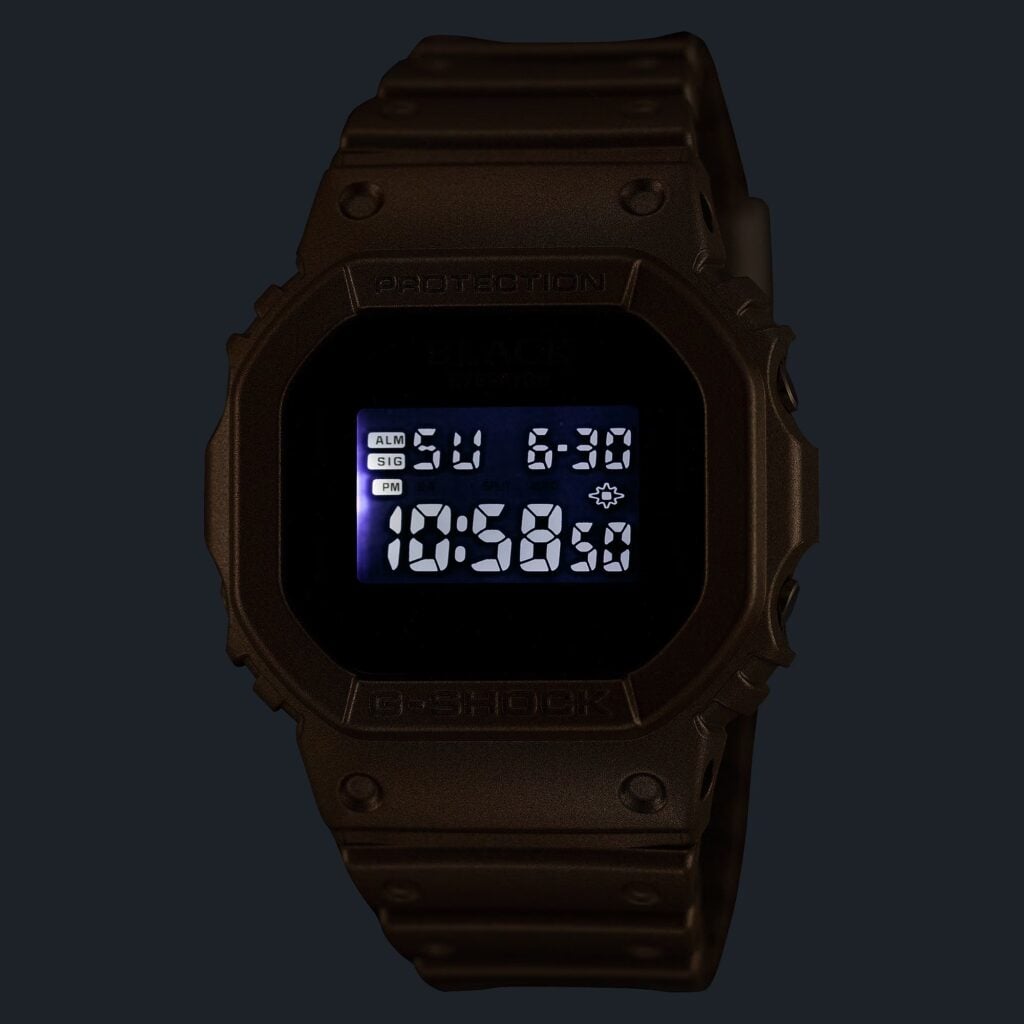
Casio is bringing its newest streetwear collaboration to the US market. The company has listed the DW-5600BEP-9, a G-Shock designed in partnership with Tokyo-based apparel brand BlackEyePatch, on its US website. The watch originally launched in Japan earlier in September and is now scheduled to go on sale in the US on October 9th, 2026, for $165.
This release marks the third collaboration between Casio and BlackEyePatch. The new model uses the DW-5600 as its base, a standard G-Shock silhouette that shares its square shape with the original DW-5000.
The exterior features a gold-tone bezel and band paired with a standard black digital display. Casio indicates that the colorway is intended to reflect the hip-hop culture that influences the BlackEyePatch brand. The watch also features an engraved BlackEyePatch logo on the case back and comes in custom packaging.
Regarding materials, the DW-5600BEP-9 incorporates bio-based resin for its case, bezel, and band. The case measures 48.9 x 42.8 x 13.4 millimeters and weighs 53 grams, making it relatively standard for the 5600 series. The digital display is covered by basic mineral glass.
Where to buyCasio G-Shock DW-5600BEP-9Latest price on AmazonCheck price →
Internally, the watch runs on a CR2016 battery, which Casio estimates will last for five years. It includes the standard set of G-Shock features: shock resistance, 200-meter water resistance, a 1/100-second stopwatch, a 24-hour countdown timer, and a multi-function alarm.
It also has a flash alert system that links a buzzer and the LED backlight to alarms and timers. The backlight is Casio’s Super Illuminator, which emits a white LED for visibility in the dark. The timekeeping module maintains an accuracy of ±15 seconds per month and features a full auto-calendar.
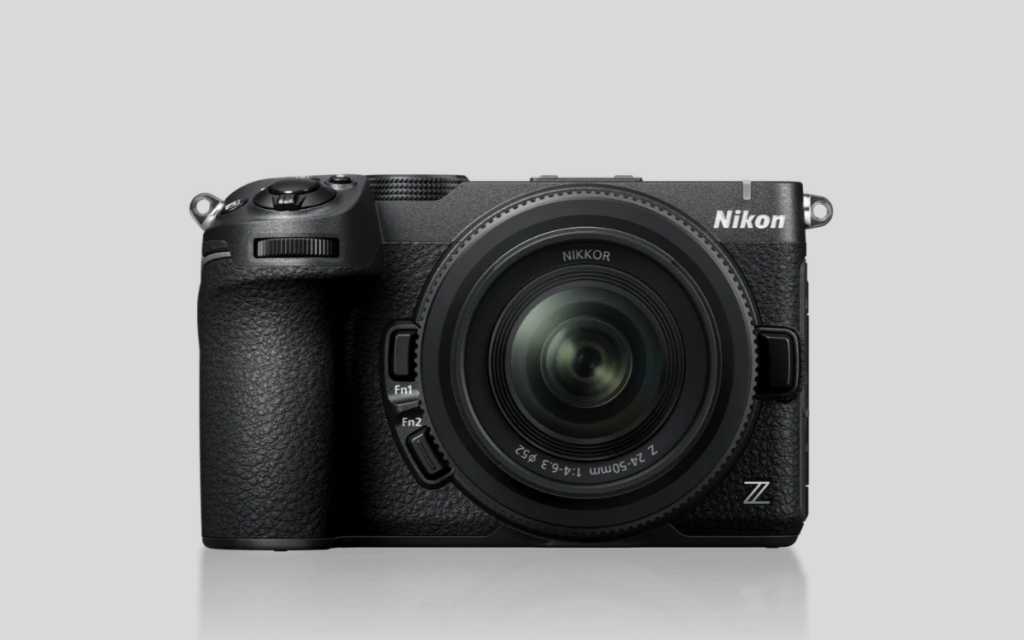
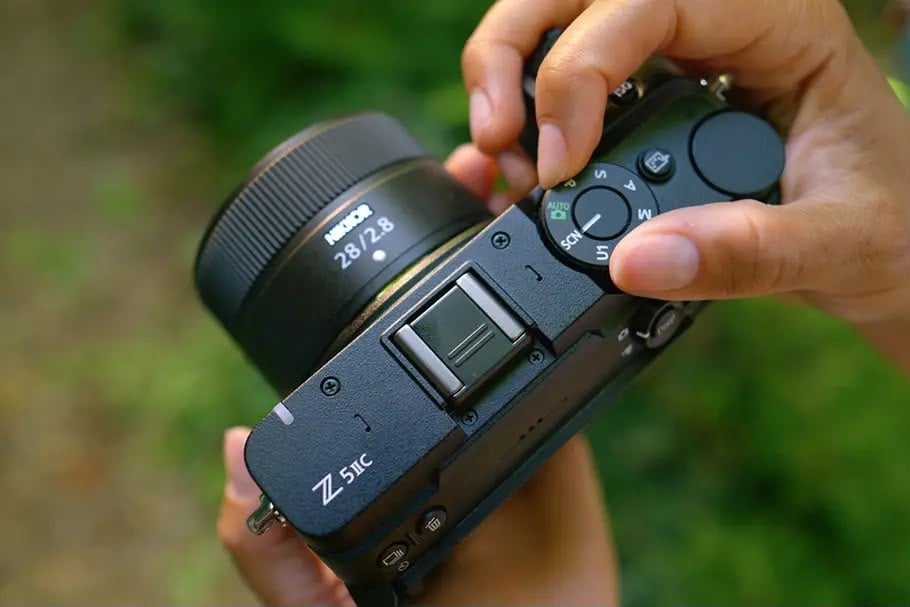
Nikon is expanding its mirrorless camera lineup in India with the new Z5IIC, which is scheduled to arrive this October. The full-frame camera is priced at Rs. 139,995 ($1,460) for the body only and is designed to make the jump from smartphone photography a little easier.
It pairs a full-frame sensor with several beginner-friendly features, targeting users who want better image quality without having to master manual camera controls from day one.
Nikon Z5IIC Specifications
The most obvious sign of this approach is the main mode dial. Instead of just the standard manual and priority modes, Nikon has included 15 specific scene modes. You can set it to portraits, food, or night landscapes, and the camera handles the white balance and exposure settings for you.
There is also a dedicated physical button for what Nikon calls Imaging Recipes. This is essentially a quick way to apply custom color profiles and film grain effects directly to your photos and videos as you shoot them, skipping the need to edit files on a computer or phone later.
Inside, the Z5IIC runs on the Expeed 7 processor, which is the same chip Nikon uses in its higher-end cameras. It has a backside-illuminated CMOS sensor and a 5-axis in-body image stabilization system that provides up to 7.5 stops of shake correction. The autofocus system uses subject detection to track 10 different categories, including a newly added option specifically for fish. It is also rated to focus in very dark conditions, down to -10 EV.
Where to buyNikon Z5IICLatest price on AmazonCheck price →
For video, the camera covers the basics for standard internet content. It can record 4K video at up to 60 fps, though you do have to deal with a 1.5x sensor crop at that frame rate. If you drop down to 1080p, you can shoot at 120fps.
For users who want more control over their footage, it supports 10-bit H.265, N-Log, and internal N-RAW recording straight to an SD card. It also includes a tally lamp to show when it is recording, a product review mode that automatically focuses on items held up to the lens, and standard UVC/UAC support so you can plug it directly into a computer to use as a webcam without extra software.
The camera weighs 620 grams and has a magnesium alloy body with basic dust and drip resistance. It features a 3.2-inch articulating touchscreen and will be available in both black and silver when it hits store shelves in mid-October 2026.
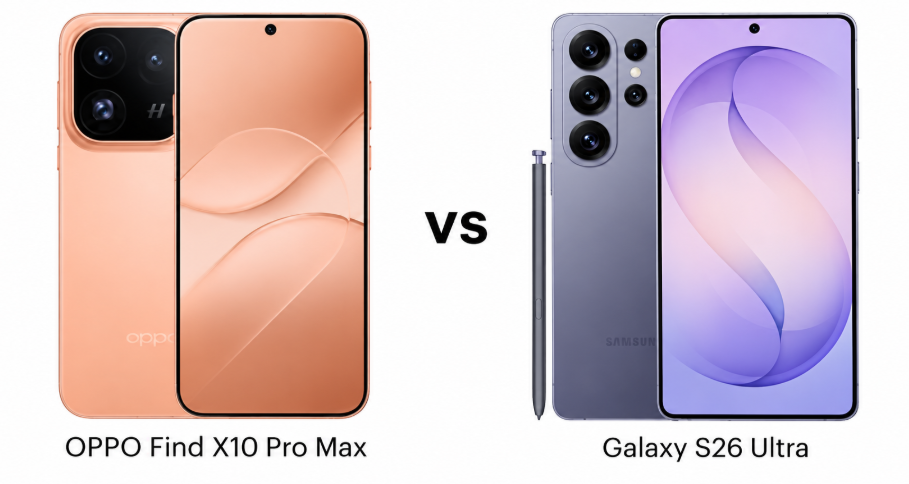
OPPO Find X10 Pro Max and Samsung Galaxy S26 Ultra represent two different approaches to the premium smartphone. OPPO pushes aggressive hardware with a 144Hz display, enormous 8,000mAh battery, triple 200MP cameras, and fast charging, while Samsung focuses on a more versatile camera system, S Pen functionality, software support, and productivity features. At very different price points, this comparison comes down to whether you want maximum hardware or a more complete flagship experience.
Major Features:
Category
OPPO Find X10 Pro Max
Samsung Galaxy S26 Ultra
Winner
Build
Glass front/back, aluminum frame, Gorilla Glass Victus 2, IP68/IP69
Both phones deliver premium glass-and-metal construction with strong water and dust resistance, but their approaches differ. The Find X10 Pro Max uses Gorilla Glass Victus 2 and an aluminum frame, while the Galaxy S26 Ultra combines Gorilla Armor 2, Victus 2 glass, and Armor Aluminum 2. Samsung also adds an integrated stylus, giving it a clear productivity advantage. OPPO counters with stereo speakers, an ultrasonic fingerprint reader, and an infrared port. Its IP68/IP69 rating also offers stronger protection against high-pressure water jets. For a hardware-focused flagship, OPPO feels particularly well equipped.
Display Quality
OPPO takes the more aggressive approach with a 6.78-inch LTPO AMOLED panel supporting a 144Hz refresh rate, Dolby Vision, HDR10+, HDR Vivid and up to 3,600 nits peak brightness. Samsung offers a 6.9-inch Dynamic AMOLED 2X display with 120Hz, HDR10+, up to 2,600 nits and an anti-reflective coating. Samsung’s higher resolution and Privacy Display are valuable extras, while OPPO’s faster refresh rate and broader HDR support make it especially appealing for multimedia.
Verdict
OPPO has the stronger display specification sheet, particularly for high-refresh gaming and HDR content. Samsung’s anti-reflective coating and Privacy Display make its panel more adaptable for everyday use.
2. Specifications Including Battery
Performance
The Find X10 Pro Max uses the 2nm Dimensity 9600 Pro, paired with up to 16GB RAM and UFS 4.1 storage. Its high-clocked CPU and Mali-G2-Ultra-NX GPU target demanding gaming and sustained workloads. Samsung uses the 3nm Snapdragon 8 Elite Gen 5 with up to 16GB RAM and UFS 4.X storage. Both are firmly positioned at the top end of Android performance, but OPPO’s newer 2nm chip gives its hardware an intriguing efficiency and performance edge. Samsung counters with a mature flagship software ecosystem, seven major OS updates and One UI 9. For long-term ownership, Samsung feels safer; for raw hardware ambition, OPPO is more compelling.
Battery and Charging
Battery capacity is where OPPO dramatically separates itself. The global Find X10 Pro Max packs an 8,000mAh silicon-carbon battery with 80W wired charging, 50W wireless charging and 10W reverse wireless charging. Samsung uses a 5,000mAh battery with 60W wired, 25W wireless and 4.5W reverse wireless charging. The Galaxy is adequate for flagship use, but OPPO’s substantially larger battery should provide greater endurance, while its faster wireless charging adds convenience. This is one area where OPPO’s specifications translate directly into a practical advantage.
Verdict
For demanding users, OPPO’s combination of newer silicon, a much larger battery, and faster charging is the more compelling hardware package. Samsung’s advantage is its longer software commitment.
3. Camera
Main and Secondary Lenses
OPPO equips the Find X10 Pro Max with three 200MP cameras: a wide main sensor, 3x periscope telephoto and ultrawide. Hasselblad Color Calibration, laser autofocus, and 8K video add serious imaging credentials. Samsung takes a more versatile route with a 200MP main camera, dedicated 3x telephoto, 50MP 5x periscope, and 50MP ultrawide. That gives Samsung more native focal-length flexibility, especially for distant subjects. OPPO’s dual 200MP telephoto and ultrawide approach is technically impressive, but Samsung’s dedicated four-camera setup feels more practical across varied shooting scenarios. Samsung also offers features such as Best Face and Horizon Lock, reinforcing its focus on computational photography.
Selfie Camera
OPPO uses a 50MP ultrawide selfie camera with PDAF and 4K video recording at up to 60fps. Samsung has a 12MP autofocus selfie camera supporting HDR10+ and 4K video at 60fps. The higher-resolution OPPO sensor gives it stronger hardware credentials for detailed selfies and wider group shots. Samsung’s autofocus system and HDR capabilities should still produce more consistent results across challenging lighting conditions. For creators who frequently record front-facing video, both phones provide strong 4K capture, but OPPO’s higher-resolution sensor is more ambitious.
Where to buyOPPO Find X10 Pro MaxLatest price on AmazonCheck price →
Verdict
Samsung’s camera system offers greater focal-length flexibility, while OPPO emphasizes high-resolution hardware. For varied photography, Samsung is the more versatile choice.
4. Pricing
The OPPO Find X10 Pro Max is priced around $960, or ₹97,000, while the Galaxy S26 Ultra is priced around $1,300, or ₹1,40,000. The roughly $340 price gap gives OPPO a strong value advantage, especially with its larger battery, faster charging and extensive camera hardware. Samsung’s premium reflects its S Pen, DeX and longer software support.
Where to buySamsung Galaxy S26 UltraLatest price on AmazonCheck price →
Is the price justified?
The Galaxy S26 Ultra can justify its premium through software longevity, productivity features and camera versatility. Its seven major Android updates make the higher upfront investment easier to rationalize for long-term users. OPPO offers considerably more hardware for less money, particularly with its battery, charging system and 200MP camera hardware.
For pure flagship value, OPPO feels harder to ignore. Samsung remains the more comprehensive productivity device, especially for users who will actually use S Pen and DeX. The value equation therefore depends heavily on priorities rather than simply specifications.
The ₹43,000 gap makes OPPO the more aggressive value proposition. Samsung’s premium is easier to justify for buyers who will use its S Pen, DeX, and longer software support.
Disclaimer: Prices are approximate and may vary based on country, region, launch timing, and applicable taxes. Always check whether the listed price is for a China unit or a global/international variant when purchasing.
5. Conclusion
The Find X10 Pro Max stands out with its 144Hz LTPO AMOLED display, 2nm Dimensity 9600 Pro, 8,000mAh silicon-carbon battery, 80W charging and three 200MP rear cameras. It also brings IP68/IP69 protection and an infrared port. The Galaxy S26 Ultra has a different set of strengths, including its integrated S Pen, Privacy Display, Samsung DeX, UWB and seven major OS updates. Its four-camera system also provides a broader native zoom range.
OPPO is clearly the more hardware-aggressive phone, while Samsung is built around versatility, productivity and long-term software support. The deciding factor is therefore less about whether either device feels premium and more about what kind of flagship experience the buyer values. OPPO’s combination of battery capacity, charging speed, display technology and camera hardware is difficult to overlook at its price. Samsung remains the more complete productivity-oriented flagship, particularly for users invested in the Galaxy ecosystem.
Verdict
Overall, the OPPO Find X10 Pro Max wins on hardware value, while the Galaxy S26 Ultra wins on versatility and longevity. OPPO takes the overall comparison for delivering more flagship hardware at a substantially lower price.
FAQs
1. Which phone has the better camera for zoom photography? The Galaxy S26 Ultra offers greater zoom flexibility with dedicated 3x and 5x telephoto cameras.
2. Which phone is better for gaming? The OPPO Find X10 Pro Max offers a newer 2nm chip and 144Hz display, making it especially attractive for gaming.
3. Which phone lasts longer on a single charge? The OPPO Find X10 Pro Max should offer longer endurance thanks to its substantially larger 8,000mAh battery.
4. Which phone offers better value for money? The OPPO Find X10 Pro Max offers more hardware for the price, including faster charging and a larger battery.
5. Should you buy OPPO or Samsung? Choose OPPO for hardware value; Samsung suits buyers prioritizing productivity, software support and the S Pen.
Disclaimer: Prices, specifications, and availability may vary by region and retailer. Recommendations in this article are based on editorial opinion, feature-based value, and market positioning at the time of writing. Readers are advised to do their own research before making a purchase.
HyperOS 4 is a pretty significant upgrade for Xiaomi devices that’s built on top of Android 17. It brings numerous upgrades across the system, along with a couple of new features, but there are 5 upgrades that make big differences, and that you should really care about.
1. Soft Light Glass effect brings a major UI refresh
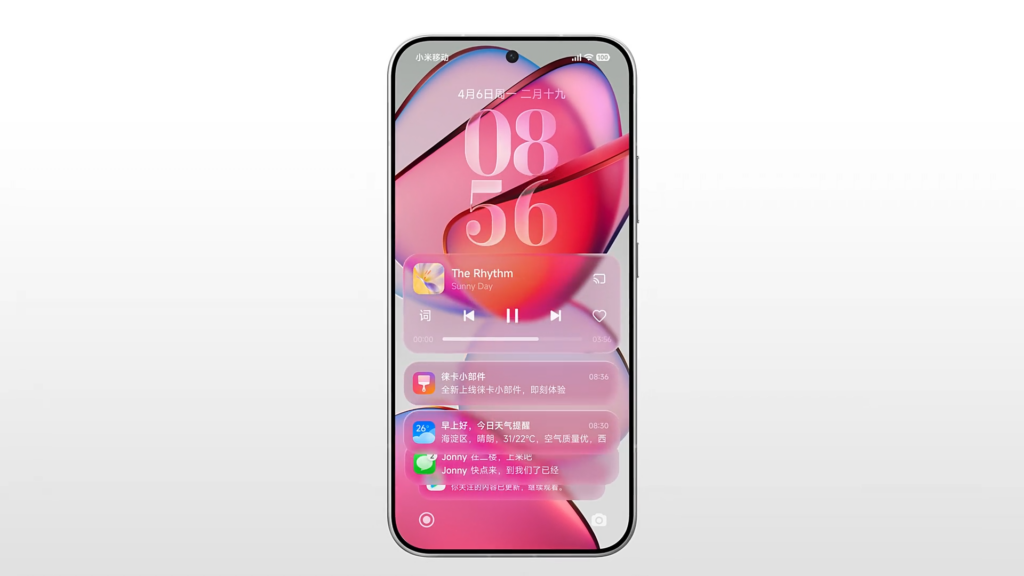
It’s one of the biggest visual upgrades to HyperOS 4, which brings the liquid glass design to Xiaomi phones. The company calls it the Soft Light Glass effect. It introduces dynamic glass refraction, layered cards, and translucent blur materials across the interface.
The new UI effect also extends to the lock screen, home screen, app icons, Control Centre, folders, and widgets — to offer a unified experience.
Most Xiaomi devices eligible for HyperOS 4 should receive the new Soft Light Glass effect, but the full experience with deeper integration will be offered only to select devices due to hardware limitations. That includes Xiaomi powered by the Snapdragon 8 Elite, Dimensity 9500, Xring O1, or newer flagship chipsets.
The new Super XiaoAi 2.0 system assistant is built on Xiaomi’s in-house MiMo large language model (specifically MiMo V2.5). It gains enhanced long-term memory, cross-app execution capabilities, and context-aware screen recognition.
The new Expert Mode is capable of managing multi-step commands. For example, it can dive into your personal preferences and plan your next trip based on your availability by checking your calendar. It can also generate deep research reports, PowerPoint presentations, websites, and videos from a single prompt.
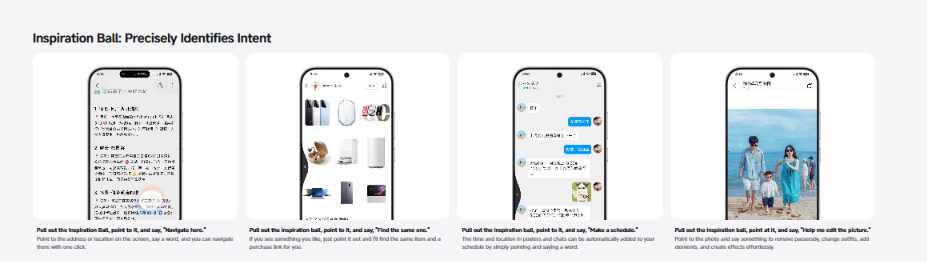
HyperOS 4 also introduces the Inspiration Ball, which analyzes on-screen content and suggests relevant actions such as map navigation, calendar entries, or shopping links.
First-party apps also receive useful AI upgrades to offer more helpful experiences. For instance, the Recorder app can now identify meeting scenarios, extract key points and generate summaries. AI Voice Notes can pull conclusions and to-do items from attached images, and the Super XiaoAi keyboard adds voice input polishing.
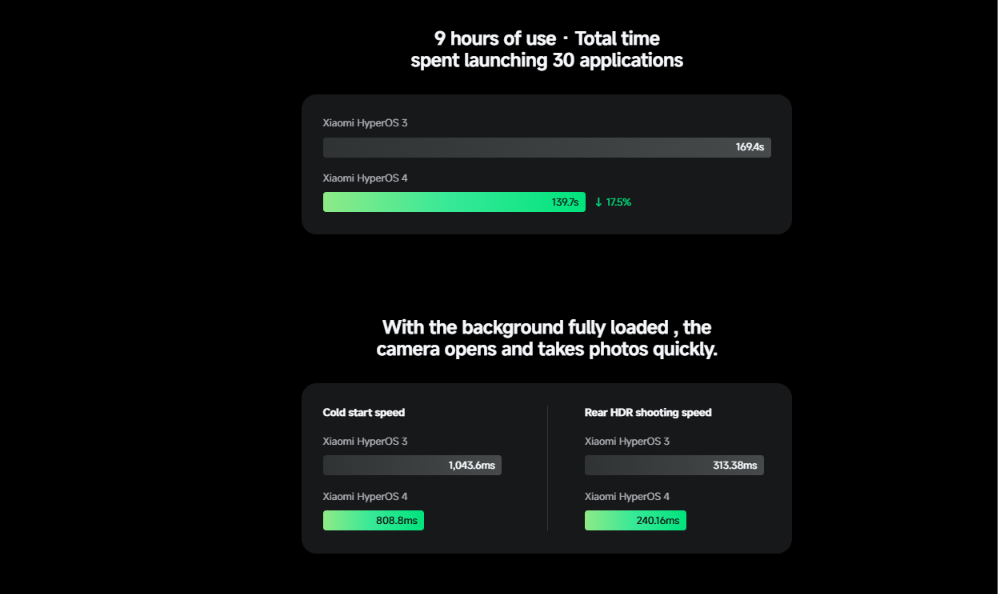
The new memory preloading system in HyperOS 4 leverages AI to preload frequently accessed assets. Xiaomi claims this results in 27.2% higher available memory and 17% faster app launches after extended usage.
Xiaomi has also improved the underlying HyperCore engine, reducing redundant CPU instructions by approximately 14.4% compared to HyperOS 3.
The Gallery app now delivers up to 90% smoother scrolling, while the Camera app’s cold startup time has reduced by 200ms. The HDR Photo processing time has been reduced to 240ms (from 310ms in HyperOS 3).
4. Redesigned lock screen
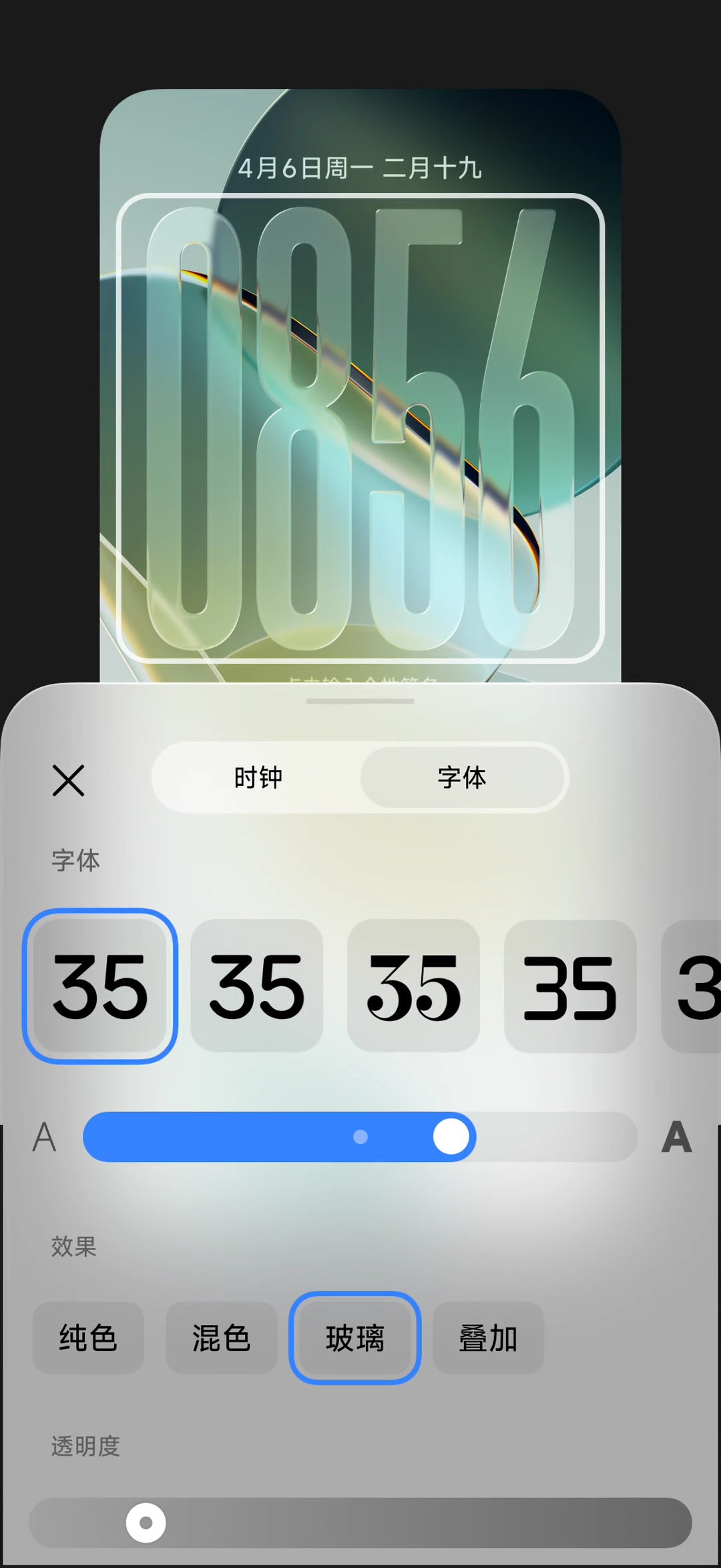
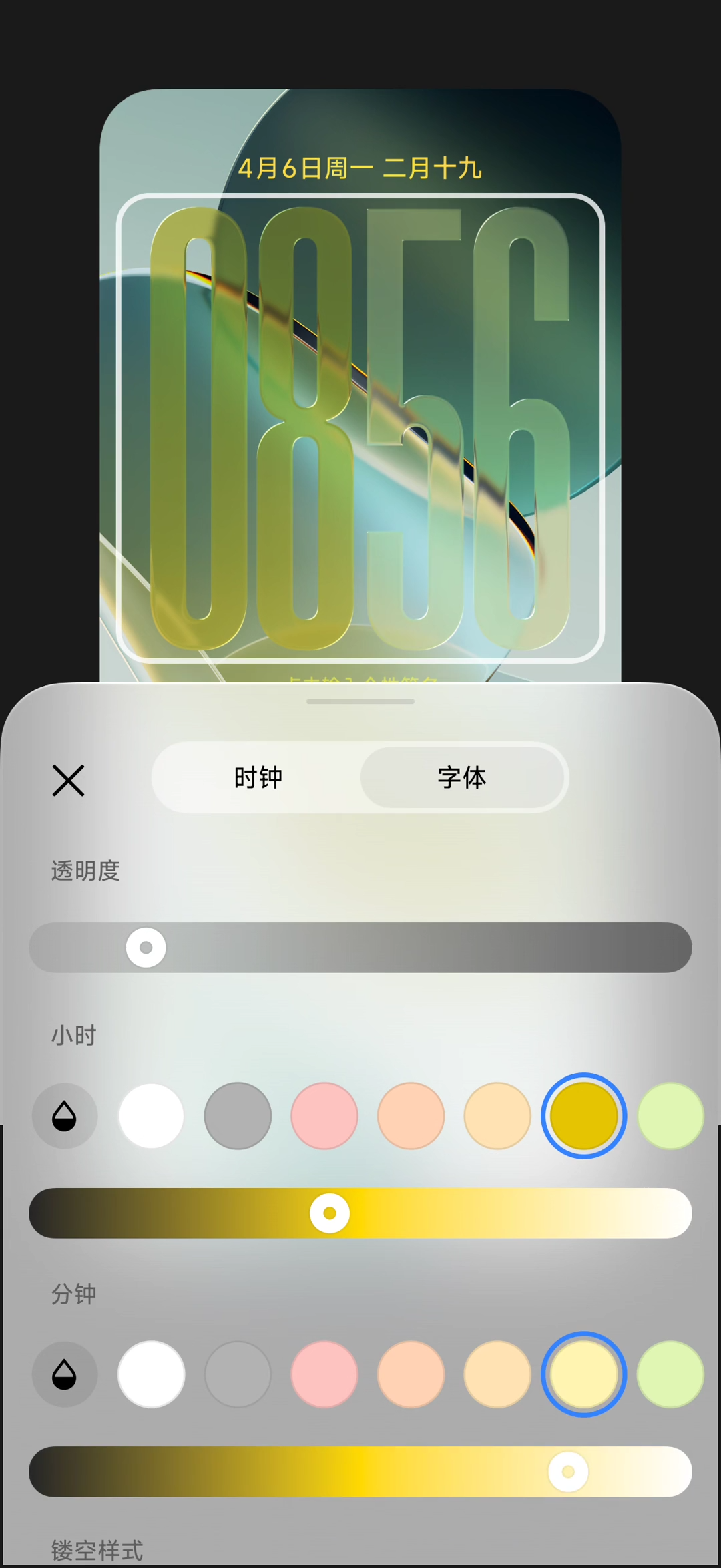
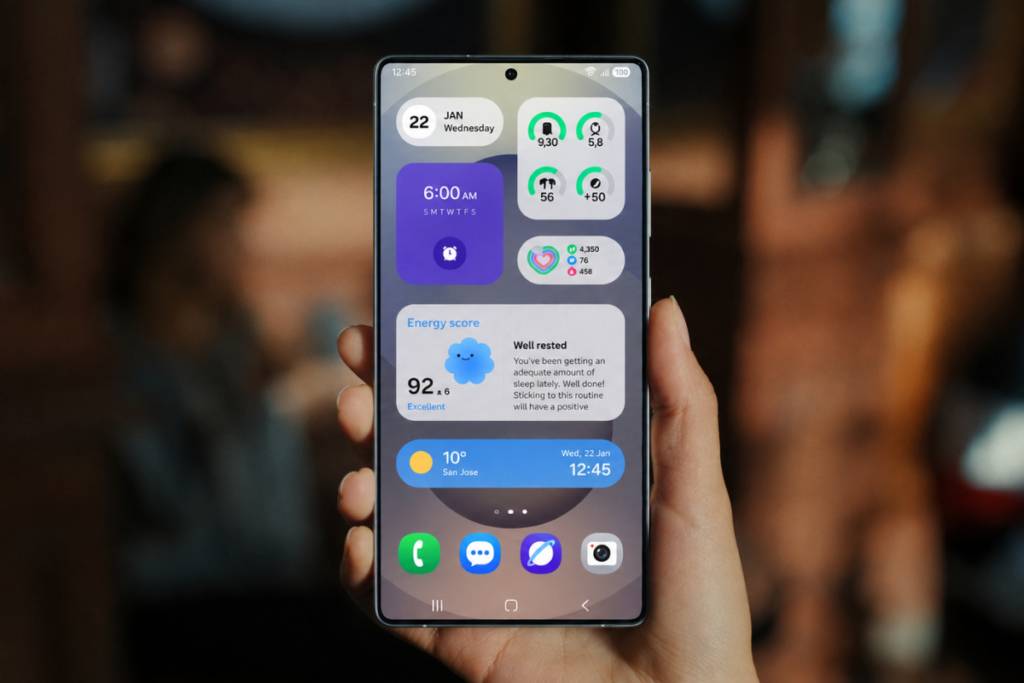
In addition to the new Soft Light Glass effect, the lock screen now offers flexible clock styles, allowing users to stretch, rescale, or reposition text or numeric clock layouts across the screen. This is similar to what you can do on iPhones running iOS 26 or newer.
Instead of individual cards that clutter the lock screen, HyperOS 4 introduces vertically stacked notifications to Xiaomi phones. The lock screen features advanced spatial depth effects, allowing the system to isolate subjects, text, date, or clock layouts seamlessly behind the foreground object.
5. Dual-Phone Syncing
The newly introduced Dual-Phone Syncing feature allows two Xiaomi, Redmi, or POCO phones to seamlessly share incoming phone calls and SMS verification codes (OTPs) in real time.
What’s the best part? Unlike older casting tools, this feature doesn’t require two devices to be connected via Bluetooth or share the same Wi-Fi connection. Dual-Phone Syncing communicates over the internet, and so the phones will sync calls and texts even if they are connected to entirely different cellular networks.
To use this feature, both phones must be logged into the same Xiaomi account. The phone intended to receive mirrored notifications must be updated to HyperOS 4, while the sending device can function on HyperOS 3.
Xiaomi’s Dual-Phone Syncing feature is currently limited to China, but it could soon expand to other regions.
If you haven’t received the HyperOS 4 update, check our Xiaomi section to get the latest rollout details. You can also join our Telegram channel for instant alerts.
Xiaomi has a new accessory for the latest Xiaomi 18 Pro and Pro Max, and it’s designed around their rear display. Because why not. Xiaomi already uses the secondary screen for AI-generated widgets and mini apps, and the new guitar accessory puts that screen to a more unusual use.
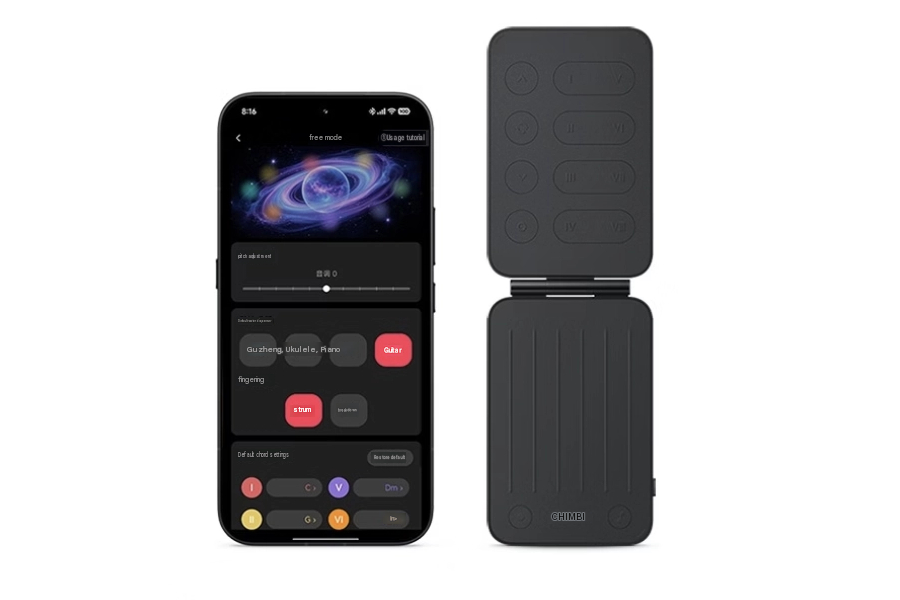
The company launched Xiaomi Pocket Guitar, a smart magnetic accessory that comes in black and red. It attaches to the back of the phone with a strong magnet, and sits over the secondary display when folded.
When you open it, the accessory splits into two sections around a hinge. One side has a row of chord buttons, while the other has a textured surface with raised ridges that act as strings. You can also fold it in the opposite direction and use it as a small phone stand.
The guitar works through Changba, a Chinese karaoke and singing app. After connecting it to the phone over Bluetooth, users can open the app’s dedicated performance section and choose between two modes.
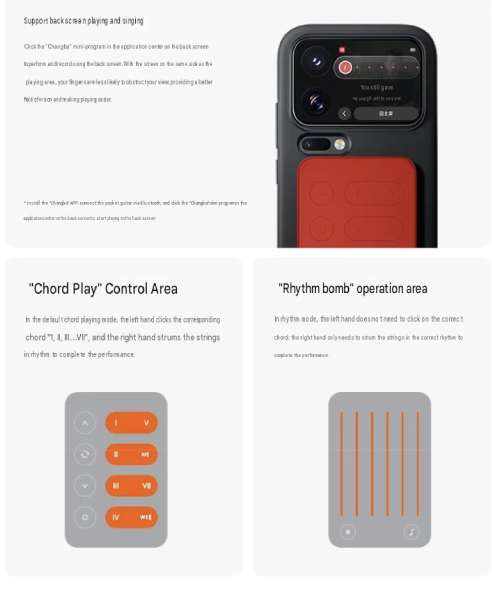
In Chord mode, the left hand is used to press the numbered chord buttons, marked I through VII, while the right hand strums the textured panel. Rhythm mode is a little simpler, as it does not require you to select the correct chords. Instead, you just need to keep the strumming in time while the app handles the rest.
How is the rear display useful?
The rear display is an important part of the setup. Since the strumming area sits below the screen, your hand does not cover the display while you play. This lets you see the controls and other information without having to look around your hand.
The back-screen features are limited to the Xiaomi 18 Pro series. On other Xiaomi phones and iPhones running iOS 14 or later, the Pocket Guitar can still connect to Changba, but the rear-screen performance and recording features are not available. Playing, browsing songs, and tuning are handled through the phone’s front display instead.
The accessory itself has a 630mAh battery, which Xiaomi claims offers up to 30 days of use on a charge. It uses a USB Type-C port for charging and connects to the phone over Bluetooth.
The Xiaomi Pocket Guitar is priced at 599 yuan or some $90 in conversion. It’s available for purchase in China via JD.com.
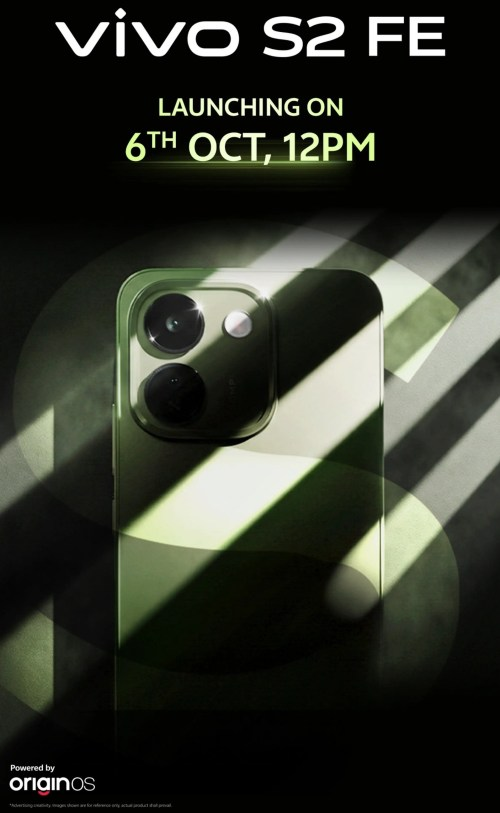
Vivo is rumored to be gearing up to unveil a new S-series phone called the Vivo S2 FE. The handset has been kept under wraps until now, but its existence has been confirmed through a Flipkart listing. The said listing has revealed the design and launch date of the S2 FE.
Vivo S2 FE launch date revealed
Vivo S2 FE launch date
Flipkart has set up a promotional page for the Vivo S2 FE, confirming that the smartphone will be unveiled in India on October 6, the same day the Vivo V80 will also be announced. The listing also gives us a first look at the phone’s design. It shows the S2 FE with a green-colored rear panel and a camera island housing two cameras.
The Flipkart page also mentions that the Vivo S2 FE is “powered by OriginOS,” although it does not specify the version. The phone is expected to run OriginOS 6, considering that the Vivo V80 is reportedly set to be the first Vivo smartphone to launch outside China with OriginOS 7.
Vivo S2 FE specifications, price (rumored)
According to rumors, the Vivo S2 FE could feature a 6.83-inch 1.5K AMOLED display with a 120Hz refresh rate. It is expected to be powered by the MediaTek Dimensity 7300e chipset and could include an in-display fingerprint scanner. The smartphone is also said to pack a massive 10,000mAh battery.
The S2 FE is expected to feature a 50-megapixel primary rear camera, while a 32-megapixel sensor could handle selfies and video calls. The smartphone is rumored to be priced below INR 40,000 in India, although Vivo has yet to officially confirm its specifications or pricing.
To sum up, the S2 FE is expected to be a rebranded version of the Vivo V80 Lite 5G, which went official in some Southeast Asian markets like Malaysia and Thailand.
Apple appears to be preparing a major update to the iPad mini, with the next-generation model expected to arrive later this year. Recent reports and leaked Apple code point to several hardware changes. The update could make the compact tablet considerably different from the current iPad Mini 7.
iPad Mini 8 key specs emerge
iPad Mini 7
According to a Bloombergreport, the iPad Mini 8 could launch as early as October with an OLED display. The switch from LCD would bring deeper blacks, richer colors, and improved contrast. However, it remains unclear whether Apple will add ProMotion with refresh rates of up to 120Hz, as one recent report claims the tablet could remain limited to 60Hz.
The biggest performance upgrade could come from Apple’s A20 Pro chip. The new chip could deliver a substantial performance boost and potentially enable Apple’s more advanced Siri AI capabilities in iOS 27.
The front-facing camera is also expected to move to a landscape orientation, bringing the iPad Mini in line with Apple’s other newer iPad models. Leaked images spotted in Apple’s code show the camera positioned along the longer edge of the display. The tablet will also reportedly feature a small groove at the top of the display glass for the speaker, while the volume and power buttons will remain on the top.
Apple is also reportedly working on a new vibration-based speaker system that could eliminate traditional speaker holes. Bloomberg previously reported that the redesigned system could help the company improve water resistance, with Apple said to be testing a casing that offers protection similar to the iPhone.
The iPad Mini 8 is also rumored to have a slightly larger display, although exact dimensions have not been revealed. Apple raised the starting price of the current iPad Mini from $499 to $599 in July, so the OLED upgrade could potentially bring another price increase. Bloomberg’s Mark Gurman expects the new iPad mini to launch by the end of October.
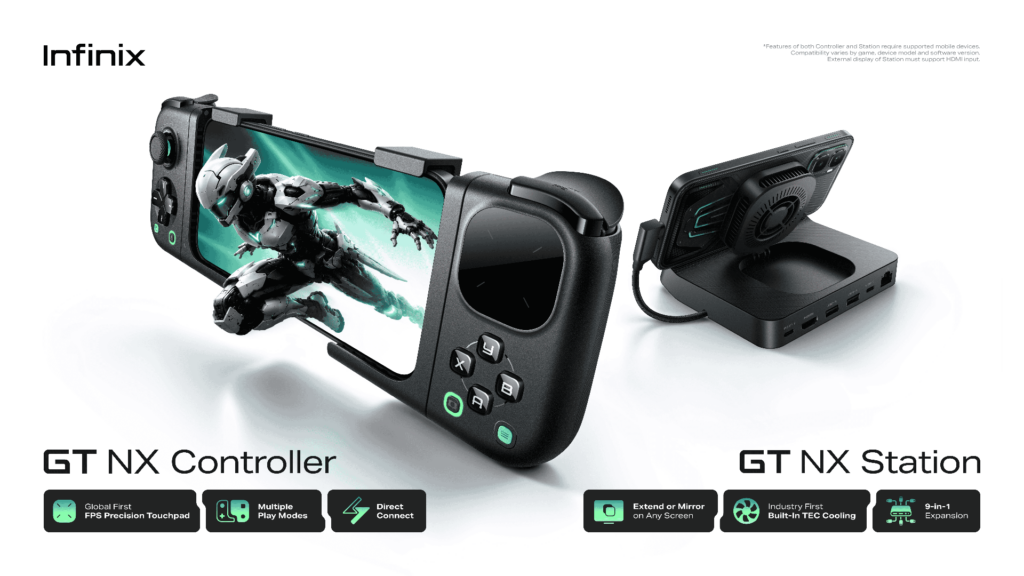
Infinix is stepping beyond phones and into actual gaming gear. The company has introduced two new peripherals, the GT NX Controller and GT NX Station, designed to give serious mobile players better precision, lower latency, cooling, and more ways to connect.
The GT NX Controller tries to keep the fine control of touchscreen play while adding real physical buttons and sticks. Its biggest claim is what Infinix calls the world’s first Pixel-Level FPS Precision Touchpad on a mobile gaming controller. It’s a large glass touchpad that works both for swiping and in a more mouse-like way, which should help with first-person shooters and give flexible mapping options for MOBAs and other games.
Inside, it uses an esports-grade three-chip low-latency setup (two chips in the left handle, one in the right). That enables what Infinix calls millisecond-level Direct Connect, so inputs stay quick and consistent even in intense matches.
Battery life is rated at more than 22 hours, and you can adjust haptic feedback across three intensity levels through the XArena app. Infinix says it feels close to handheld-console level. The grips are ergonomic and anti-slip with laser etching, so it should stay comfortable during longer sessions. You can use it clamped to a phone, clamped to a desk, or even one-handed on the go.
Where to buyInfinix GT NX ControllerLatest price on AmazonCheck price →
Paired with it is the GT NX Station, a 9-in-1 expansion dock that also includes TEC (thermoelectric) cooling. The active cooling is meant to keep the phone from thermal throttling during long high-performance sessions. It supports Universal Extend or Mirror modes on compatible external screens, so you can play on a bigger display while the phone handles secondary stuff or even turns its own screen off.
Connectivity-wise, it’s pretty loaded: HDMI, RJ45 Ethernet, two USB-A ports, two USB-C ports (one with PD input), a USB-C host cable, a microSD slot, and a 3.5mm audio jack. There’s also dynamic RGB lighting if you like that kind of customisation. The idea is that one dock replaces a bunch of separate accessories by combining cooling, wired networking, display output, charging, and expansion ports.
Together, the controller and station are meant to turn a compatible phone into something closer to a portable or desk-based gaming setup. Pricing and availability differ by market, but pre-orders are already live in places like Malaysia.
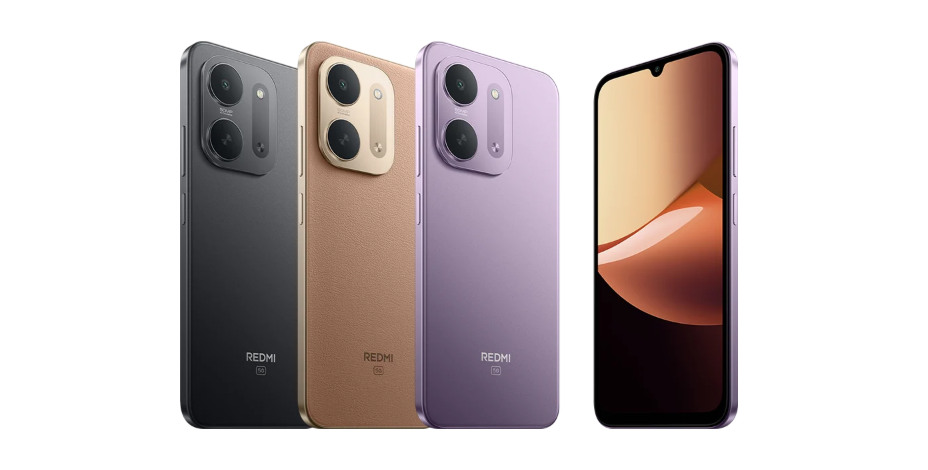
Xiaomi is lining up another affordable 5G phone for the Indian market. After launching the REDMI 17C 5G in Singapore last month, the company has now confirmed it’s heading to India, along with the key specs and colour options for the local version.
The phone is set to launch on October 1. From the teaser, the Indian model looks pretty much identical to the one already on sale in Singapore.
It has a big 6.9″ 720p LCD screen with a 120Hz adaptive refresh rate. Inside is the MediaTek Dimensity 6300 chipset, a 50MP rear camera, and an 8MP front camera for selfies and calls.
Turn heads, grab the spotlight, and unleash your inner star.
Battery is one of the stronger points: a 6,000mAh unit with 33W fast charging, which should easily get most people through a full day (or more) of regular use.
In India it’ll come in three colours: Coffee Brown, Dark Night, and Purple Dawn. These match the global options, and the brown one has previously been noted for a vegan leather-style finish in some markets.
The phone first showed up in Singapore in August 2026, starting at S$279. Indian pricing and exact storage options haven’t been announced yet. The global version comes with 4GB of RAM and either 64GB or 128GB of storage (expandable via microSD). It runs HyperOS 3 based on Android 16 and has an IP64 rating for basic dust and splash protection.
Overall, the REDMI 17C 5G looks like a straightforward budget 5G option with a large display and good battery life. Full pricing and any India-specific offers should become clear closer to or on the October 1 launch day.
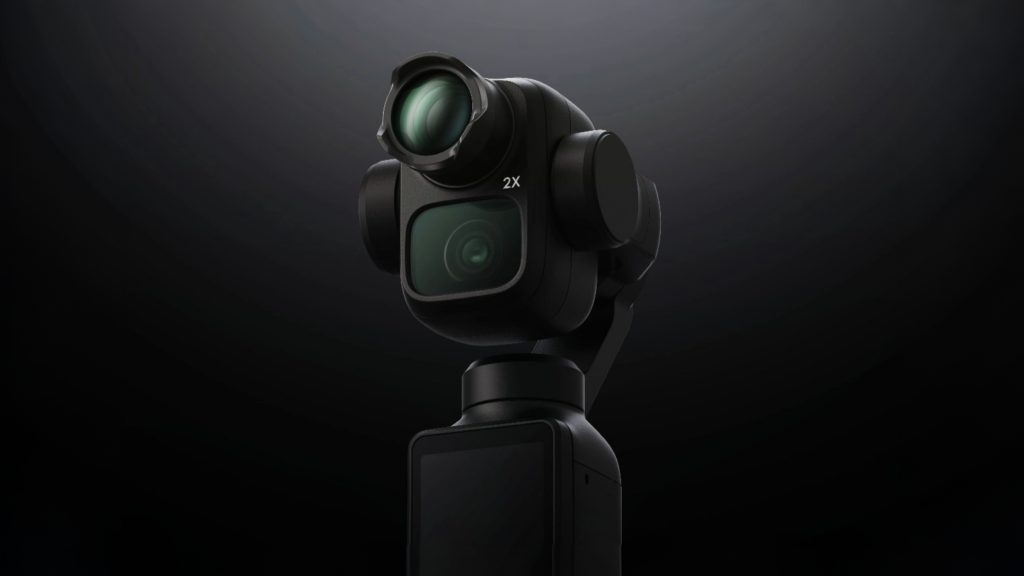
A photo of what looks like a teleconverter accessory for the DJI Osmo Pocket 4P is making the rounds. It is an add-on that could give the telephoto camera more optical reach, so you don’t have to lean so hard on digital zoom when you’re shooting something farther away.
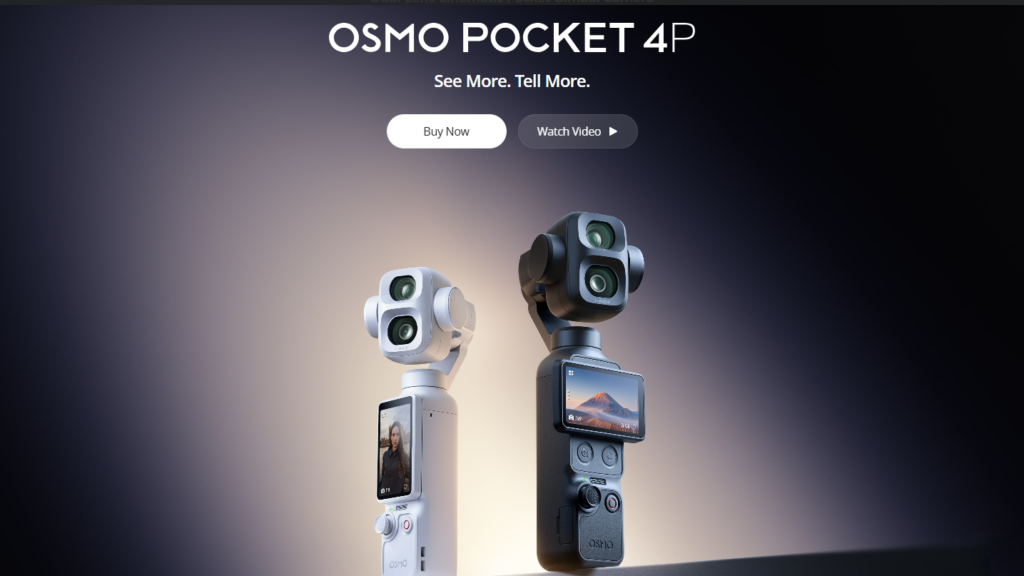
From what’s been shared, the accessory would most likely screw or clip onto the upper telephoto lens of the Pocket 4P’s vertical dual-camera setup. People who’ve looked at the layout point out that even with a teleconverter sitting on the top lens, the lower wide-angle camera could still keep working on its own. That means you’d be able to switch between a wide shot and a tighter, optically zoomed one easily.
The Pocket 4P stacks its two cameras one above the other. When you’re shooting standard 16:9 landscape video, the vertical field of view is already a bit tighter than the horizontal one. That vertical stacking apparently makes smarter use of the leftover space in the frame, so a teleconverter barrel on the top lens is less likely to block or mess with the wide-angle lens below it.
Plenty of people already use the Pocket 4P at concerts, stage shows, sports events, plays, and while traveling. A proper teleconverter that gets you closer to the action could cut down on heavy digital cropping (and the quality hit that comes with it). If DJI ever actually makes one, it would probably land well with those users who want more optical reach without turning the little camera into a bulkier setup.
Worth stressing: DJI hasn’t said a single official word about this. We don’t know the final design, zoom factor, exact compatibility, price, or when (or if) it might show up. Everything right now is based on a leaked design image and some independent analysis of how the Pocket 4P’s dual-lens system is laid out.
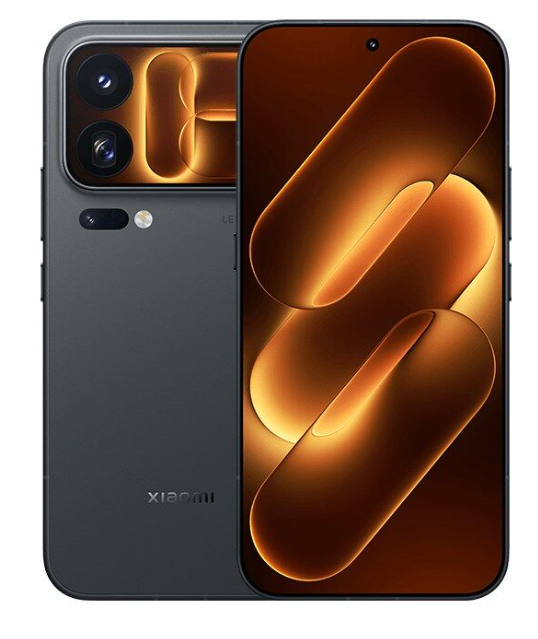
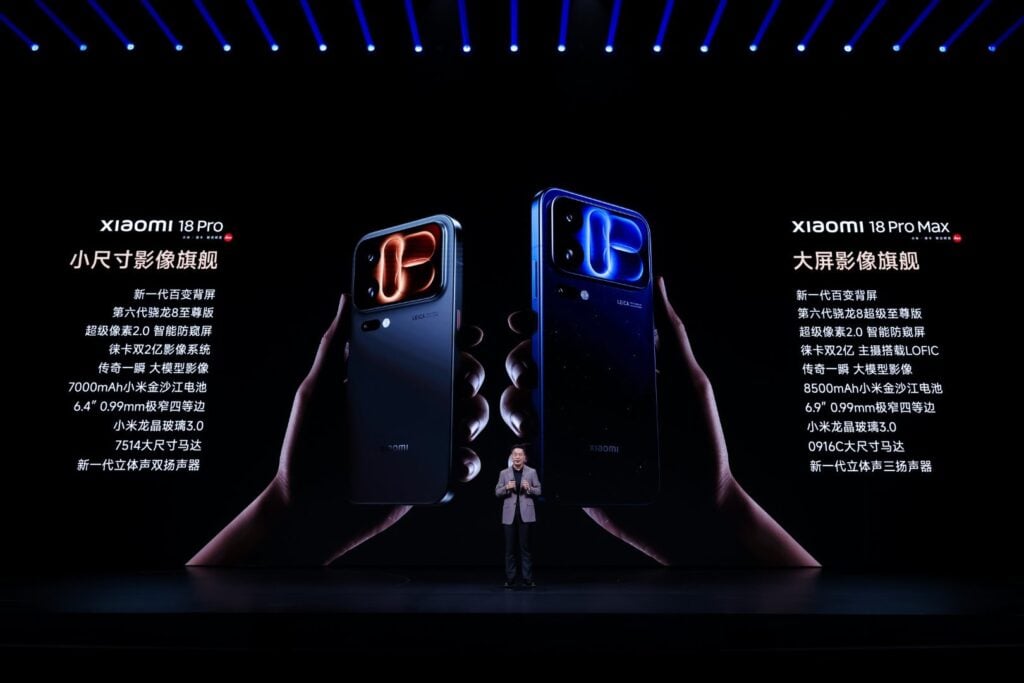
Xiaomi 18 Pro Max is Xiaomi’s newest flagship, bringing a combination of high-end performance, advanced photography, and a large battery to the premium smartphone market. It features a 2K LTPO AMOLED display, Snapdragon 8 Elite Extreme Gen 6 processor, Leica-powered 200MP cameras, and an 8,500mAh battery. The phone starts at $1,299 on Giztop, with global and express shipping available.
Display and Design
The Xiaomi 18 Pro Max features a 6.9-inch 2K LTPO AMOLED display with a 1–120Hz adaptive refresh rate. It supports HDR10+, HDR Vivid, Dolby Vision, 12-bit colors and up to 4,000 nits peak brightness. The display also includes privacy protection and a 300Hz touch sampling rate. A secondary 2.9-inch OLED rear display with a 120Hz refresh rate adds another way to view content and take selfies using the main cameras.
Performance and Storage
The phone is powered by the 2nm Qualcomm Snapdragon 8 Elite Extreme Gen 6 processor, with speeds reaching 5.0GHz. It comes with 12GB or 16GB of LPDDR6 RAM and up to 1TB of storage. Xiaomi HyperOS 4 is pre-installed, offering a fast interface with full-screen gesture support. Connectivity includes 5G and Wi-Fi 7 with up to 6.9Gbps throughput.
Cameras
The Xiaomi 18 Pro Max features a Leica camera system with two 200MP cameras and a 50MP ultra-wide camera. The 200MP main camera uses a 1/1.28-inch sensor, f/1.67 aperture and OIS, while the 200MP periscope telephoto camera supports 3.2x optical zoom and 12.8x lossless zoom. The 50MP ultra-wide camera also supports autofocus and 5cm macro photography. A 50MP autofocus front camera supports 4K video recording.
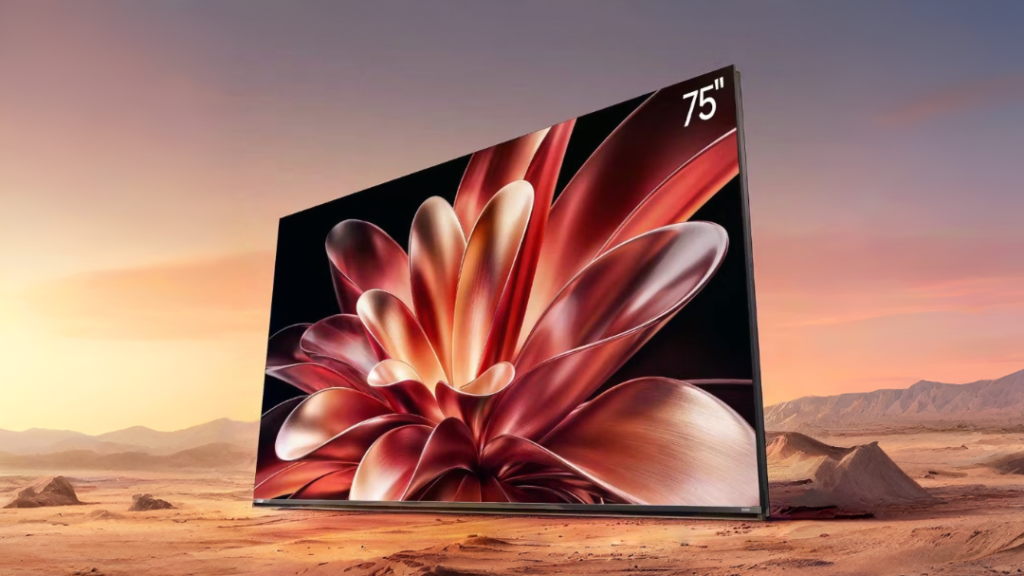
Hisense has introduced its new E7S Pro+ RGB-Mini LED TV series in China during its 2026 Autumn New Product Launch Conference. The lineup prioritizes high peak brightness, dense local dimming zones, and gaming-oriented refresh rates.
Hisense E7S Pro+ Specifications
The E7S Pro+ lineup is available in 75-inch, 85-inch, and 100-inch sizes. The TVs feature Hisense’s Linglong True Color Backlight system, which uses an RGB-Mini LED architecture with independent red, green, and blue light sources. Hisense claims the displays cover 100% of the BT.2020 color gamut while delivering a color accuracy of ΔE < 0.7.
Brightness and dimming zones vary by screen size. The 75-inch version includes 3,888 local dimming zones and reaches a peak brightness of 5,000 nits. The 85-inch and 100-inch models increase these specifications, featuring 5,184 and 7,560 dimming zones, respectively, along with a peak brightness of 6,000 nits. All models use the Obsidian Screen Pro panel, engineered to reduce room glare. The company claims a screen reflectance rate of 1.8% and a haze level of 0.2%.
The TVs are powered by a MediaTek MT9655 processor with four Cortex-A73 cores, paired with 4GB of RAM and 128GB of internal storage. Image processing is handled by the Hi-View AI Engine H7 chip, which supports 108-bit grayscale control and several AI-powered picture enhancements, including blooming reduction and depth-of-field focus.
For gaming, the E7S Pro+ panels have a native 4K resolution at a 180Hz refresh rate, with an option to enable a 360Hz high-refresh-rate mode. The TVs include four full-bandwidth HDMI 2.1 ports, variable refresh rate (VRR), auto low latency mode (ALLM), and AMD FreeSync Premium Pro. The system is programmed to automatically detect connected consoles like the PlayStation, Xbox, or Nintendo Switch and switch to the corresponding picture mode.
Where to buyHisense Mini LED TVBrowse the range on AmazonShop now →
Hisense has equipped the series with a 4.1.2-channel sound system tuned by Devialet. The 75-inch model provides up to 165W of output through a 3.4-liter acoustic chamber, while the 100-inch version outputs up to 195W using a 4.1-liter chamber. Both configurations feature front-firing speakers and dedicated height channels for Dolby Atmos and DTS:X playback.
The TVs run on the Android 14-based JUOS platform and support features such as voice control, smart home integration, and local network media playback via SMB, NFS, and WebDAV protocols. Hisense says some features, including Dolby Vision 2 Max and the AI-powered personalized home screen, will be added later through OTA updates.
Pricing
The E7S Pro+ is available in three sizes. The 75-inch model has an MSRP of 11,499 yuan ($1,725). The 85-inch model costs 14,499 yuan ($2,175), while the 100-inch version is priced at 21,499 yuan ($3,225).
In related news, Hisense has also launched the U7T Pro RGB-Mini LED TVs with a 180Hz 4K display and a powerful 330W Devialet audio system.
For more daily updates, please visit our News Section.
Xiaomi is quietly making it easier for people who use both its phones and Apple gear to live with the mix. At its Autumn New Product Launch Conference, the company showed off better cross-platform connectivity on its latest flagships, aiming to reduce the friction for anyone who owns a Xiaomi phone and still keeps some Apple hardware around.
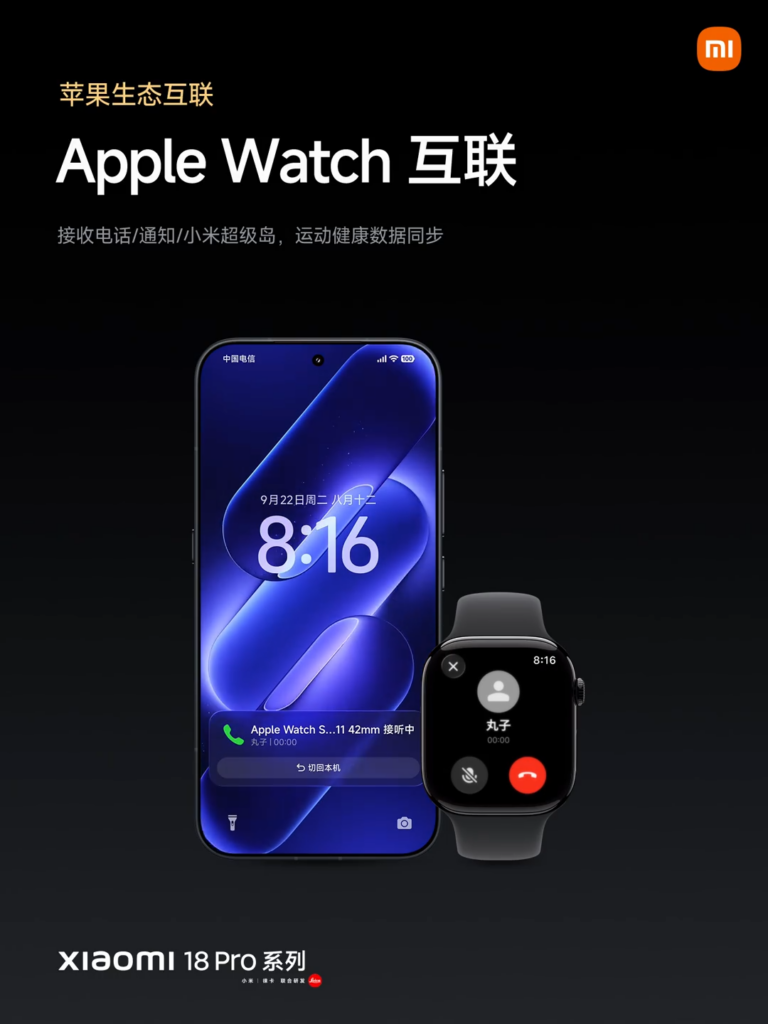
During the event, Lu Weibing (Partner and President of Xiaomi Group, head of the Mobile Phone Division, and General Manager of the Xiaomi Brand) announced that the Xiaomi 18 Pro series now supports connecting to an Apple Watch. You can take calls and get notifications on the watch, and fitness and health data can sync between the two devices.
This isn’t starting from zero. The series already lets you quickly share photos, videos, and files with an iPhone just by tapping, plus cross-device unlocking, message sharing, and cloud photo album sync. All of that sits under Xiaomi’s HyperConnect framework for working with Apple devices.
The groundwork was laid earlier. Back at the 2024 Xiaomi 15 series and HyperOS 2 launch, Xiaomi confirmed that HyperConnect fully supports the Apple ecosystem. You could already transfer files and images by installing the Xiaomi Connect Service app. Things kept expanding after that. With HyperOS 3 and version 2.1.0 of Xiaomi Connect Service, you got iPhone notification syncing on Xiaomi phones and a windowed app mode for iPad on the Mi Desktop.
Mac and iPad integration also improved under HyperOS 3. Xiaomi phones can open multiple resizable windows on a Mac, with one-click full-screen support. You can unlock a mirrored phone session using the Mac’s Touch ID without picking up the handset, thanks to Magic Launcher. An iPad version of Magic Launcher showed up too, supporting Face ID unlocking and fitting into the iPad’s multitasking system.
Adding Apple Watch support on the Xiaomi 18 Pro series is a meaningful expansion of all this, especially for people who want to keep their existing Apple Watch while switching to (or adding) a Xiaomi flagship. It means you can still get calls, alerts, and health data without having to abandon Apple’s wearable side of the ecosystem. As Xiaomi keeps refining HyperConnect and HyperOS, the cross-device experience between the two platforms should only get smoother.
Samsung has been struggling with software rollouts lately. The company missed its timeline for the Galaxy S26 series One UI 9 global rollout, and that may have also affected the regular security maintenance release. The latest September security patch began rolling out in the second week, but the rollout has picked up pace only recently.
Samsung’s September 2026 security patch details
The September 2026 security releases address a total of 90 vulnerabilities. Of those, 58 come from Google, which includes 18 critical fixes and 40 high-level fixes. The rest includes one patch from Samsung Semiconductor, and 31 from Samsung Mobile.
31 patches provided by Samsung Mobile include two critical-level fixes, three high-level fixes, and 15 moderate-level fixes, while the severity of the remaining 11 patches hasn’t been disclosed.
Samsung says 40 fixes from Google included in the latest security patch are not applicable to Galaxy devices, and one issue was already resolved in a previous update.
These Galaxy devices are receiving the September 2026 security update
Galaxy Z Fold 8, Fold 8 Ultra, Flip 8
Galaxy Fold 5, Flip 5
Galaxy S26 FE
Galaxy S23, S23+, S23 Ultra
Galaxy A57, A56, A55
Galaxy A17 (LTE)
Galaxy A07 5G
Galaxy M56
Galaxy M17, M17e
Galaxy F70e
Galaxy Tab S11, S11 Ultra
Galaxy Tab S10+, Tab S10 Ultra, S10 Lite
Galaxy Tab S10 FE, Tab S10 FE+
Galaxy Tab S9, S9+, S9 Ultra
Galaxy Tab S9 FE, S9 FE+
Galaxy Tab Active 5, Active 5 Pro
Galaxy Tab A11+
There are dozens of Galaxy devices that are waiting for the September 2026 security update. Samsung will gradually roll out the update to those devices. We’ll update the list periodically to ensure it’s updated.
The availability of an update depends on your region. So, it may take a few days to reach all the devices. Go to Settings > Software updates and tap Download and install to check for available updates, if you haven’t received the update notification yet.
Samsung has also begun rolling out the major One UI 9 update, which brings exciting new features, visual upgrades, and a more powerful Galaxy AI experience. You can check the list here to find out if your Galaxy device is eligible for this major upgrade.
We’ll keep you updated on the latest One UI announcements and rollout details in our Samsung section. Or, you can simply join our Telegram channel to receive instant alerts when we post new stories.
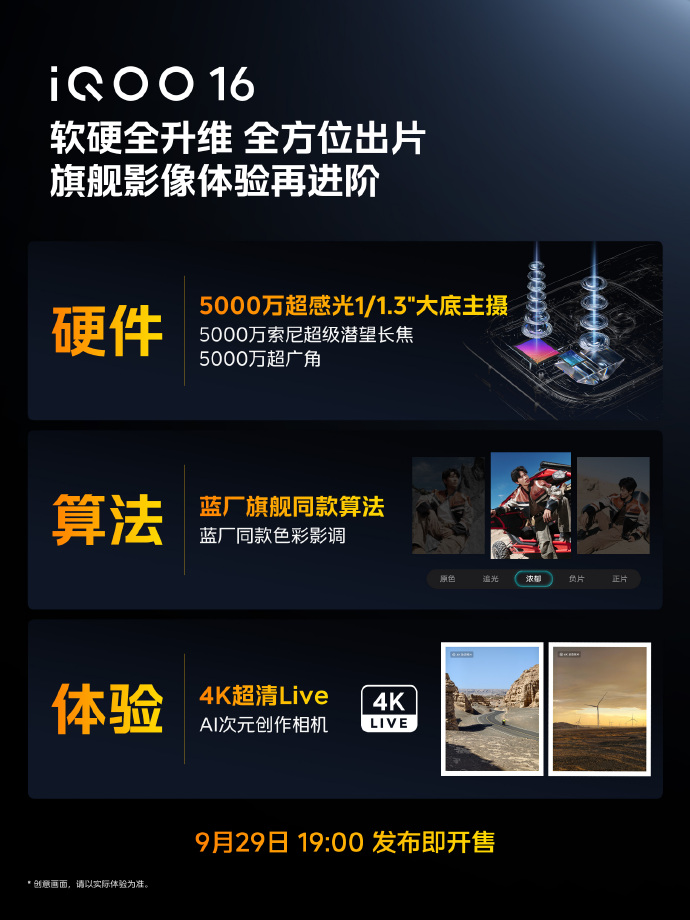
The iQOO 16 is set to bring a stronger focus on photography, with iQOO now revealing key details about its camera hardware and imaging technology. The company has shared new information ahead of the phone’s upcoming launch in China. More details about the rest of the camera setup have also surfaced ahead of the launch.
iQOO 16 camera gets a major hardware upgrade
iQOO has confirmed that the iQOO 16 will feature a 50-megapixel main camera with a large 1/1.3-inch sensor. Compared with the iQOO 15, the new sensor is claimed to capture 79% more light, which should help the phone handle challenging lighting conditions more effectively. The company is also pairing the camera with its self-developed Super HDR imaging technology and NICE 3.0 optical reconstruction engine.
The camera system will further benefit from CIPA 5.5-rated stabilization, designed to reduce the impact of hand movement when capturing photos and videos. iQOO says the combination of the larger sensor, improved processing and stabilization is intended to produce better detail in bright areas while retaining more information in darker parts of an image.
Earlier this month, reliable tipster Digital Chat Station revealed that the iQOO 16 will feature an OV50Q 50-megapixel primary sensor, while the main camera is expected to be joined by a 50-megapixel ultrawide camera and a 50-megapixel Sony IMX882 periscope telephoto camera with 3x optical zoom.
On the front, it will feature a 6.85-inch Samsung M16 AMOLED panel offering a 2K resolution and a 165Hz refresh rate. Under the hood, the device will feature the Snapdragon 8 Elite Extreme Gen 6 chipset.
iQOO 16 launch date
The iQOO 16 will be powered by an 8,400mAh battery with 100W wired and 50W wireless charging support. It will run on OriginOS 7-based Android 17 and will be offered in multiple configurations, such as 12GB+256GB, 12GB+512GB, 16GB+512GB, and 16GB+1TB. It will also have an ultrasonic in-screen fingerprint sensor and an IP68/69 rating for dust and water resistance. It will be offered in three shades, such as Chasing Light, Racing Track, and Legend.
We use cookies on our website to give you the most relevant experience by remembering your preferences and repeat visits. By clicking “Accept”, you consent to the use of ALL the cookies.
This website uses cookies to improve your experience while you navigate through the website. Out of these, the cookies that are categorized as necessary are stored on your browser as they are essential for the working of basic functionalities of the website. We also use third-party cookies that help us analyze and understand how you use this website. These cookies will be stored in your browser only with your consent. You also have the option to opt-out of these cookies. But opting out of some of these cookies may affect your browsing experience.
Necessary cookies are absolutely essential for the website to function properly. This category only includes cookies that ensures basic functionalities and security features of the website. These cookies do not store any personal information.
Any cookies that may not be particularly necessary for the website to function and is used specifically to collect user personal data via analytics, ads, other embedded contents are termed as non-necessary cookies. It is mandatory to procure user consent prior to running these cookies on your website.