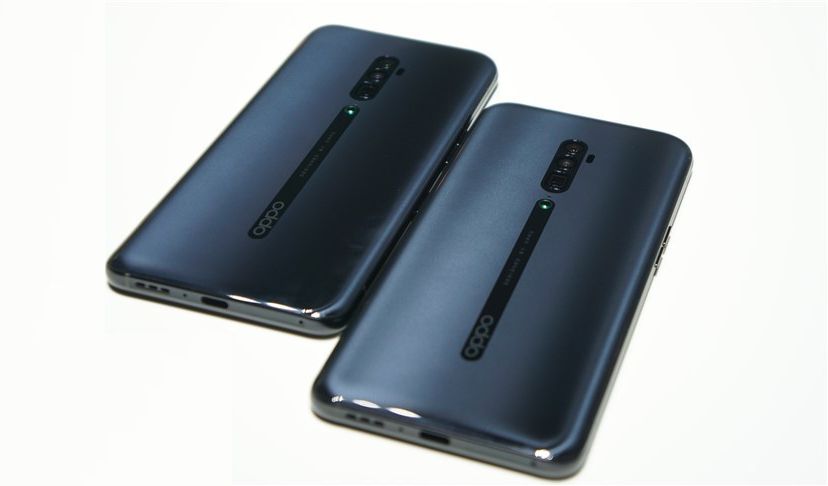
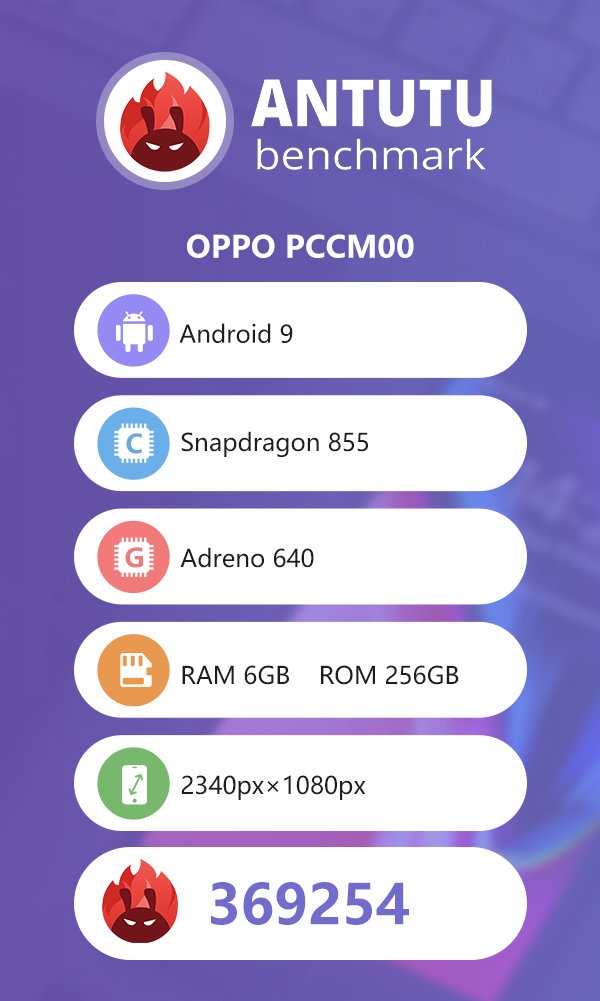
AnTuTu has released the benchmark score of the OPPO Reno smartphone that just went official. The listing also shows some of the specifications and that gave us a hint that the score is for the 6GB RAM variant of the Reno 10X zoom edition.
The device is listed with the model number OPPO PCCM00 and is shown to pack a Snapdragon 855 chipset onboard. As would be recalled the OPPO Reno comes in a standard edition powered by a Snapdragon 710 chipset and a 10x zoom edition which packs a Snapdragon 855 chipset. The device is shown to have scored 369254 points. This isn’t too spectacular as it is in the same range as other Snapdragon 855-powered phone. Well, except for the gaming smartphones that have higher clock speeds.
The AnTuTu-listed version features a 6GB RAM and 256GB storage but there is a 6GB+128GB variant as well as an 8GB version. The major highlight of the model is the 10X hybrid zoom technology which it features. The device packs three rear cameras; a 48MP high-definition main camera + 13 MP periscope telephoto lens + 8 MP super wide-angle lens. At the same time, the device uses dual optical image stabilization (OIS), triple focus, and can take a true and clear 10x zoom photo without a tripod.
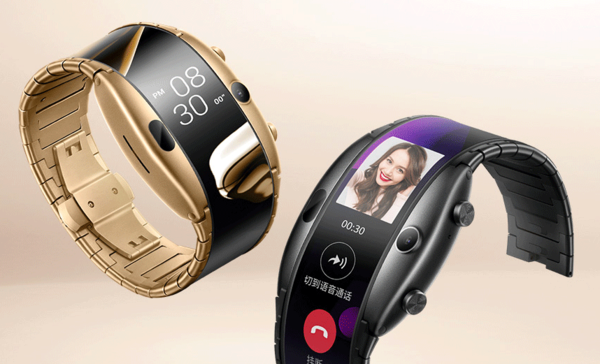
The Nubia Alpha wearable smartphone went on sale for the first time in China, just as scheduled. The sales took place simultaneously on Nubia’s official mall, Jingdong, China Unicom, Lynx and Suning Tesco. Nubia has now revealed that the sales were way above expectations.
The Nubia Alpha has courted a lot of interests since the device was first showcased as MWC 2019. The official launch in China a few days back again rekindled interests in the model. The design and innovation which the device brings to the table. The innovation comes at a costly price, though, but that seems not to have affected the sales. The Alpha starts at 3,499 Yuan (~$520) for the black variant with eSIM. There is an 18k gold-plated edition with a price tag of 4,499 Yuan (~$669).
As a reminder, Nubia Alpha features a 4-inch flexible display with an aspect ratio of 36:9. The device is powered by Qualcomm’s Snapdragon Wear 2011 processor and runs Nubia’s custom-made AlphaOS. It equally supports AIM (Air Interaction Mechanics) gestures that allow users to control the device without touching its screen. The device packs 1GB RAM with 8GB storage. There is also a 5MP camera on the device.
Oppo just launched a brand new flagship line-up: it is called Oppo Reno and it focuses on performances and camera potentialities! At the moment, the most powerful variant of the new series is the Oppo Reno 10x zoom and with its interesting price, it is a perfect rival of all the most expensive flagships out there. While waiting for the global launch which will take place on April 24 in Zurich, here, we compared it with the most important handsets that you can currently get at a similar price all around the world: the Huawei P30 and the Samsung Galaxy S10!
Oppo Reno 10x Zoom vs Huawei P30 vs Samsung Galaxy S10
Oppo Reno 10x zoom
Huawei P30
Samsung Galaxy S10
DIMENSIONS AND WEIGHT
162 x 77.2 x 9.3 mm, 210 g
149.1 x 71.4 x 7.6 mm, 165 g
149.9 x 70.4 x 7.8 mm , 157 g
DISPLAY
6.6 inches, 1080 x 2340p (Full HD+), AMOLED
6.1 inches, 1080 x 2340p (Full HD+), OLED
6.1 inches, 1440 x 3040p (Quad HD+), Dynamic AMOLED
With its “shark fin” motorized pop-up camera and its incredibly narrow bezels without even needing a notch, Oppo Reno 10x zoom is the aesthetical innovation transformed into a phone. But the Samsung Galaxy S10 is the one I would go for, not only for the look but also for its build quality. It comes with very narrow bezels and it does not need a notch, and neither a motorized slider, because it comes with an in-display single camera. Further, it is waterproof and dustproof with the IP68 certification, unlike the Oppo Reno 10x zoom. Huawei P30 is nothing surprising with its classic waterdrop display, but it is dust resistant and splashproof.
Display
Currently, no one can beat Samsung when it comes to flagship-class OLED displays. The Samsung Galaxy S10 is equipped with an amazing Dynamic AMOLED panel with a QHD+ resolution and the HDR10+ standard. It comes with very high brightness, perfect color reproduction and a very high level of detail. And it is also a compact display with its 6.1-inch diagonal. Oppo Reno 10x zoom has a big phablet-class display with a 6.6-inch diagonal, but its resolution is lower and it can not provide the same viewing quality of the Samsung Galaxy S10.
Hardware/Software
While Huawei P30 offers a Kirin 980 chipset with a 2.6 GHz clock frequency, the Samsung Galaxy S10 and the Oppo Reno 10x zoom both offer a more powerful Snapdragon 855 that is more suitable for advanced users, modders and gamers. In its most expensive configuration, Samsung Galaxy 10 has 512 GB of internal storage, while Oppo Reno 10x zoom stops at 256 GB, but at a more affordable price. In each case, you get a highly customized user interface based on Android 9 Pie.
Camera
It is very hard to define which of these handsets clicks the best photos as they vary a lot depending on the environment. All of them are equipped with a triple camera setup including an ultrawide lens and a telephoto lens, but they got different sensors. Huawei P30 and Oppo Reno 10x zoom look more interesting as the former sports an RYYB primary sensor which captures a huge amount of light even in dark scenes, while the latter has the new 10x hybrid zoom. But Samsung Galaxy S10 remains an outstanding camera phone with its variable aperture and its stunning photos in low light conditions, as well as a front camera which can record 4K videos. In order to give a definitive verdict on these devices’ cameras, we will have to test the Oppo Reno 10x zoom thoroughly.
Battery
We believe that Oppo Reno 10x zoom will provide a longer battery life. The reason is not only the presence of a bigger 4065 mAh battery but also the fact that its display has a lower resolution than Samsung Galaxy S10 (Full HD vs Quad HD). Samsung Galaxy S10 and Huawei P30 have much smaller batteries, so it is unlikely that they will reach a similar battery life in any of the possible scenarios.
Price
Oppo Reno 10x zoom starts from €550/$620, Huawei P30 costs €680/$766 in its base variant and Samsung Galaxy S10 starts from €770/$867. At the end of the day, Oppo Reno 10x Zoom looks definitely more promising with its bigger battery, innovative design, and awesome cameras. But this does not mean that it will be better than Samsung Galaxy S10 and Huawei P30 for all the users.
Huami Technology, maker of the popular Amazfit range of smartwatches as well as the Antelope sports shoes has released a sports short-sleeves T-shirt. The t-shirt is well suited for sporting activities and comes with an affordable 129 yuan ($19) price tag.
The Amazfit Sports Short Sleeve T-Shirt incorporates a single-guided wet-texture fabric. The inner layer is made of water-repellent yarn while the outer layer consists of super absorbent polyester yarn, The materials allow the sweat to form water droplets through the double-weaving structure inside and outside. The water droplets quickly spread to the outer layer and evaporate in order to keep the body dry.
The t-shirt is stitched with high-quality elastic mesh fabric on both sides, and the left and right sides are more breathable and quick-drying so, it can effectively discharge sweat. In addition, the design uses 3D three-dimensional cut, crafted to accurately fits every inch of the body’s skin. This arrangement maximizes the breathability and fit of the clothes, allowing users to stretch freely while moving without any form of inhibition.
Amazfit also adds reflective fabric to the back to increase the safety factor in dim light and safer night runs. The collar is made of large body fabric, which is delicate and comfortable and which cannot be deformed easily. The four-needle and six-line stretch sewing processes are exquisite and firm; the stretch-knit fabric has delicate stitching and soft touch.
The Amazfit Sports Short Sleeve T-Shirts are available in two colors, glass blue and silver ash. Both variants are already available to buy on Amazfit’s official store on Tmall and Amafit’s official flagship store on Jingdong (JD.com).
Yesterday, Qualcomm announced three new chipsets. There is the Snapdragon 665 which brings new photography features to the mid-range category and there is the Snapdragon 730 and Snapdragon 730G which bring new generation AI, improvement in performance and even gaming features in the case of the latter.
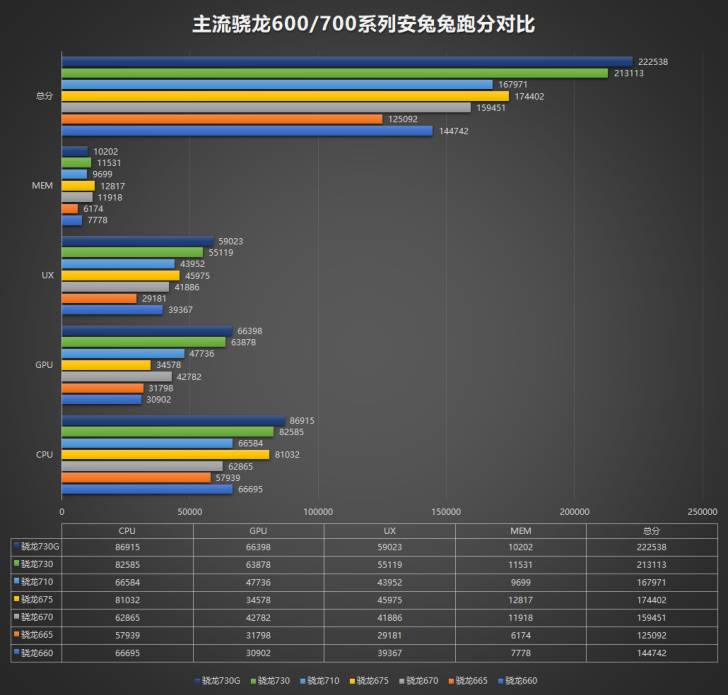
If you are curious to know how these new chipsets perform with respect to benchmark scores, we are happy to inform you that the three processors have been benchmarked by AnTuTu.
The Snapdragon 730G takes the lead with a CPU score of 86915 points. It beats the Snapdragon 730 by more than 4,000 points and the Snapdragon 710 by a whopping 20,000 points.
For GPU scores, the Snapdragon 730 duo also take the lead with a significant margin between them and the Snapdragon 710. The gaming variant tops the chart with a score of 66,398 points compared to the Snapdragon 710’s 47,736 points.
The overall score for the Snapdragon 730G is 222,538 points. The non-gaming version comes in at second place with 213,113 points and the Snapdragon 675 defeats the Snapdragon 710 to claim the third spot. While the scores of both chips are pale in comparison to that of the Snapdragon 845, we can’t deny that the switch to 8nm brings a significant boost in performance.
The Snapdragon 665, on the other hand, scored less than the Snapdragon 660 in CPU performance. Its score is 57,939 points which is nearly 10,000 points lower than that of the SDM660. The Snapdragon 665 has a higher GPU score though but it still trails behind that of the Snapdragon 670. Its overall score is 125,092 points.
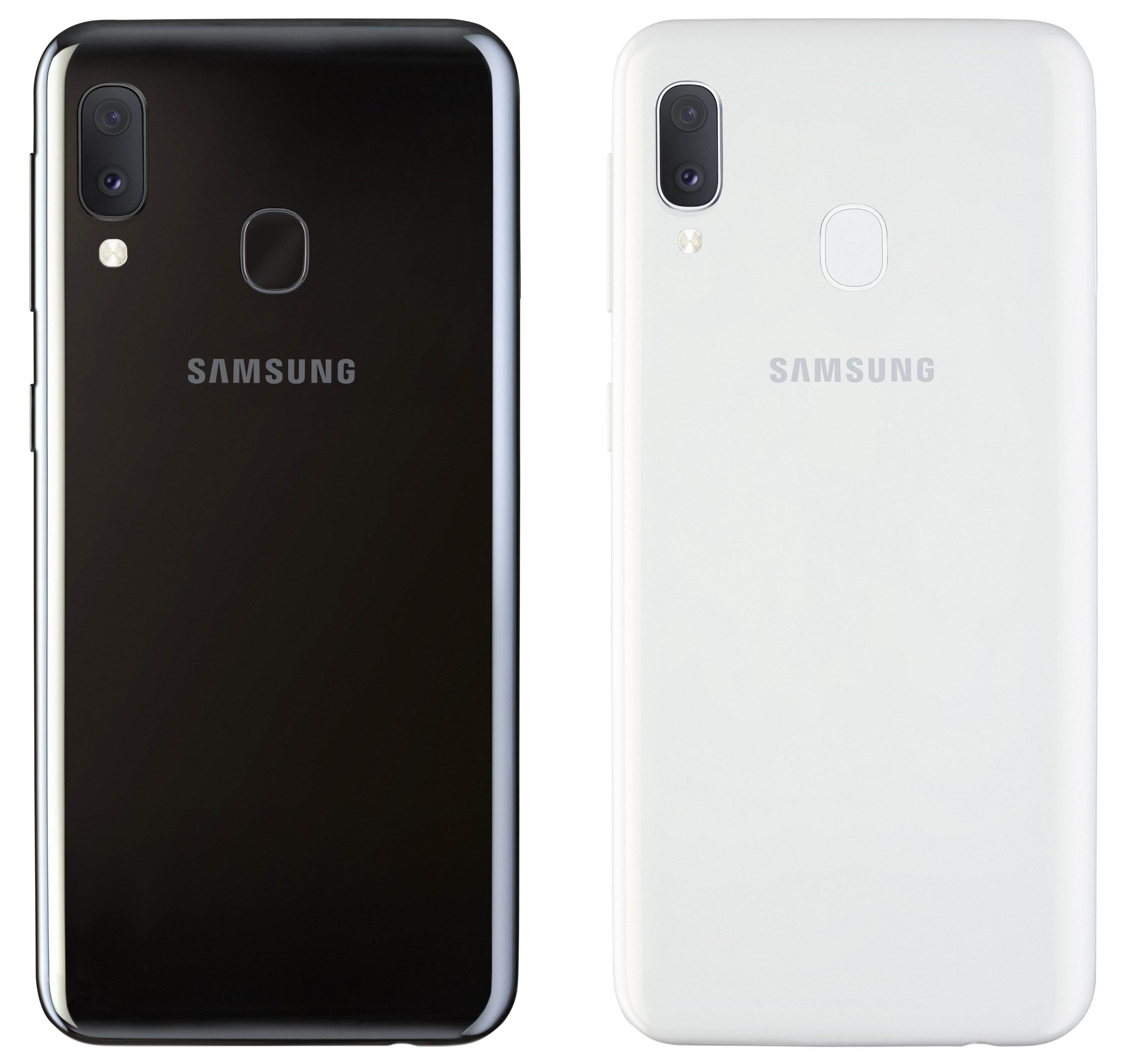
First, there was the Galaxy Tab S5e and then the Galaxy S10e. Although the “e” in their names denote “Essential”, we know they are cheaper (economical) and or smaller models of the main devices. Samsung has applied the same concept to the new Galaxy A20e which is a smaller version of the Galaxy A20.
The Galaxy A20e has a smaller 5.84-inch screen just like the Galaxy S10e. Not only is it smaller than the A20’s 6.4-inch panel, but it also ditches AMOLED for LCD. However, it keeps the 1560 x 720 resolution.
The processor is the same Exynos 7884 and you also get 3GB of RAM and 32GB of expandable storage (512GB max.).
The A20e’s cameras are the same too like that of the A20 – a 13MP f/1.9 primary sensor paired with a 5MP ultra-wide angle secondary camera. The selfie camera which is housed within the notch is an 8MP camera. A fingerprint scanner keeps the dual rear cameras company.
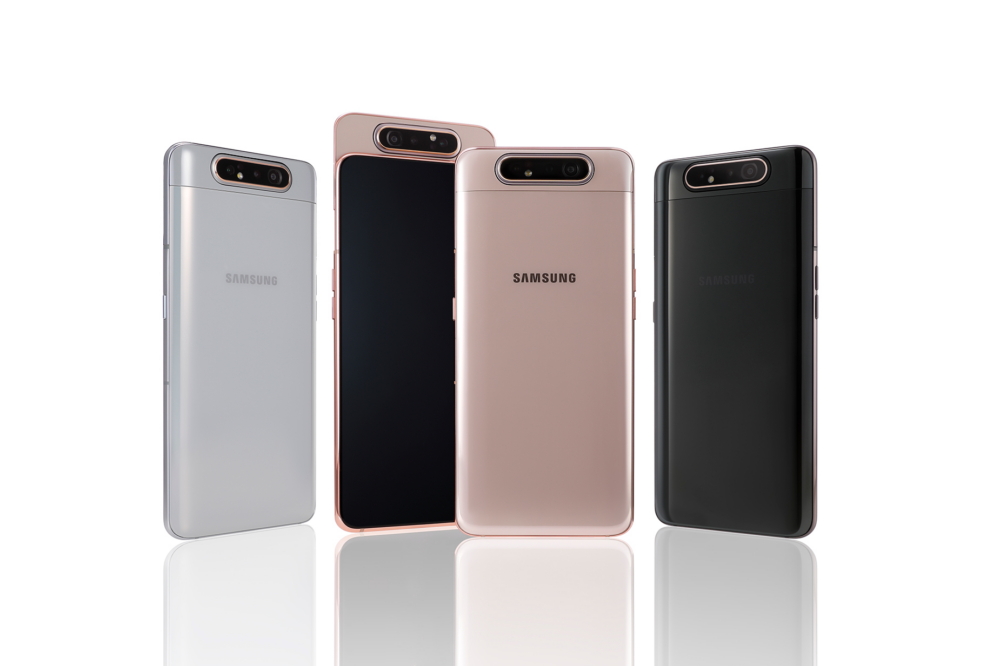
At the Galaxy A event which took place simultaneously in multiple occasions today, Samsung unveiled its new Galaxy A series. The star of the event was the Galaxy A80.
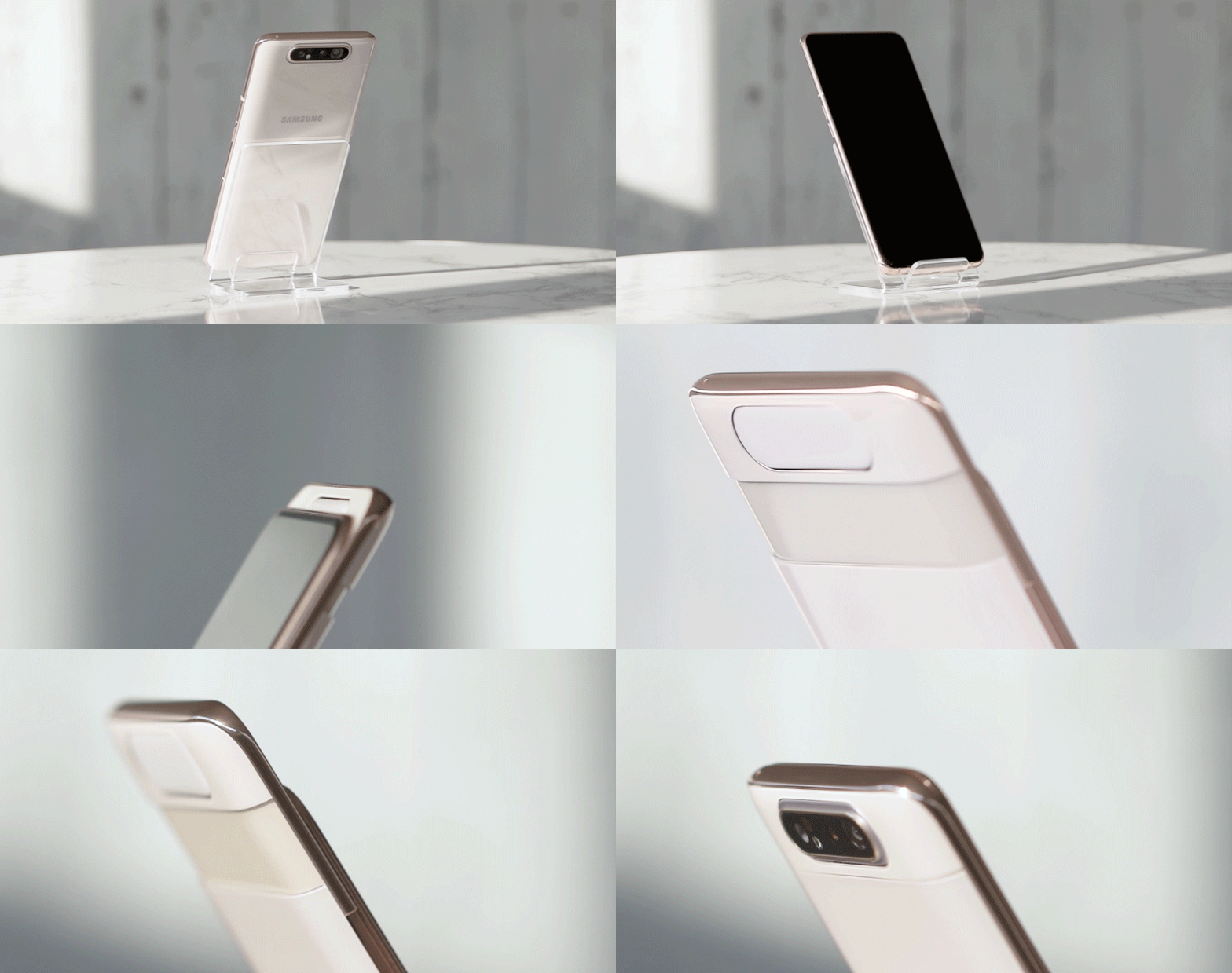
The Galaxy A80, originally expected to launch as the Galaxy A90 is Samsung’s first phone without a notch or punch hole. It is also the first with sliding cameras that rotate to double as the selfie cameras. The phone, like the Galaxy S10, is a mix of metal and glass.
The Galaxy A80 has a 6.7-inch FHD+ (1080×2400) New Infinity Display. Yes, that is the name of the A80’s Super AMOLED panel. Under that nearly bezel-less screen is a fingerprint scanner. The A80 also doesn’t have a traditional earpiece above the screen, it actually pumps out audio using the screen just like the LG G8 ThinQ. This is a first for a Samsung phone too.
Samsung says the phone is powered by an unnamed octa-core processor clocked at 2.2.GHz (2.2GHz Dual + 1.8GHz Hexa) paired with 8GB of RAM and 128GB of built-in storage with no option for expansion. Yeah, no MicroSD card slot is a big surprise.
The cameras which are the phone’s selling point includes a 48MP f/2.0 camera paired with an 8MP f/2.2 ultra-wide angle camera and a 3D Depth Camera for recording videos with bokeh effect. The rear cameras slide out and flip to face you when you switch to selfie mode.
The Galaxy A80 has a 3,700mAh battery with support for 25W fast charging. The phone learns your daily routine and app usage to optimize battery life. The phone runs Android Pie with One UI on top. There is Bixby onboard but without a dedicated button, as well as support for Samsung Pay. There is also Dolby Atmos for 360° surround sound but you don’t get an audio jack.
To improve the audio experience on iPhones, Apple developed AirPods with smart and convenient listening features. The Cupertino giant launched the AirPods with excellent features, and soon they became Apple’s most popular accessory product, with 35 million sales in 2018. Due to its immense popularity, many fake or AirPods replicas have thronged the market offering the same features at a much lesser price.
The newer AirPods Fakes are now more advanced and can even replicate the original model’s W1 chip auto pairing. In addition to playing audio, these fakes now have a better design, easy W1 chip connectivity and improved gesture controls, reveals a video by famous YouTuber, EverthingApplePro.
After buying a fake product, the customer is usually worried about its quality, though these fake AirPods 2 are giving no reason to worry. YouTuber feels its superb sound quality, and terms the design better than the originals.
The real W1 pairing is the major outbreak among fake AirPods. These will connect as like of the original AirPods 2 without any additional step. It seems impossible, but the new replicas have achieved it along with the support for 100 meters connectivity range.
The new AirPods 2 Fake carries Bluetooth 5.0 and wireless charging. As per the YouTuber, these fakes are somewhat 75%-80% similar to the original ones.
Nowadays, it has become quite difficult to distinguish between the original and fake products.
Share your views about the new AirPods fakes in the market via comments below.
With the popularity of true wireless earbuds, there are many manufacturers starting to research how to make wireless earbuds attractive. We have got the xFyro xS2 True Wireless Earbuds a few days ago, and it can attract me. Let’s check out the review of xFyro xS2.
Design
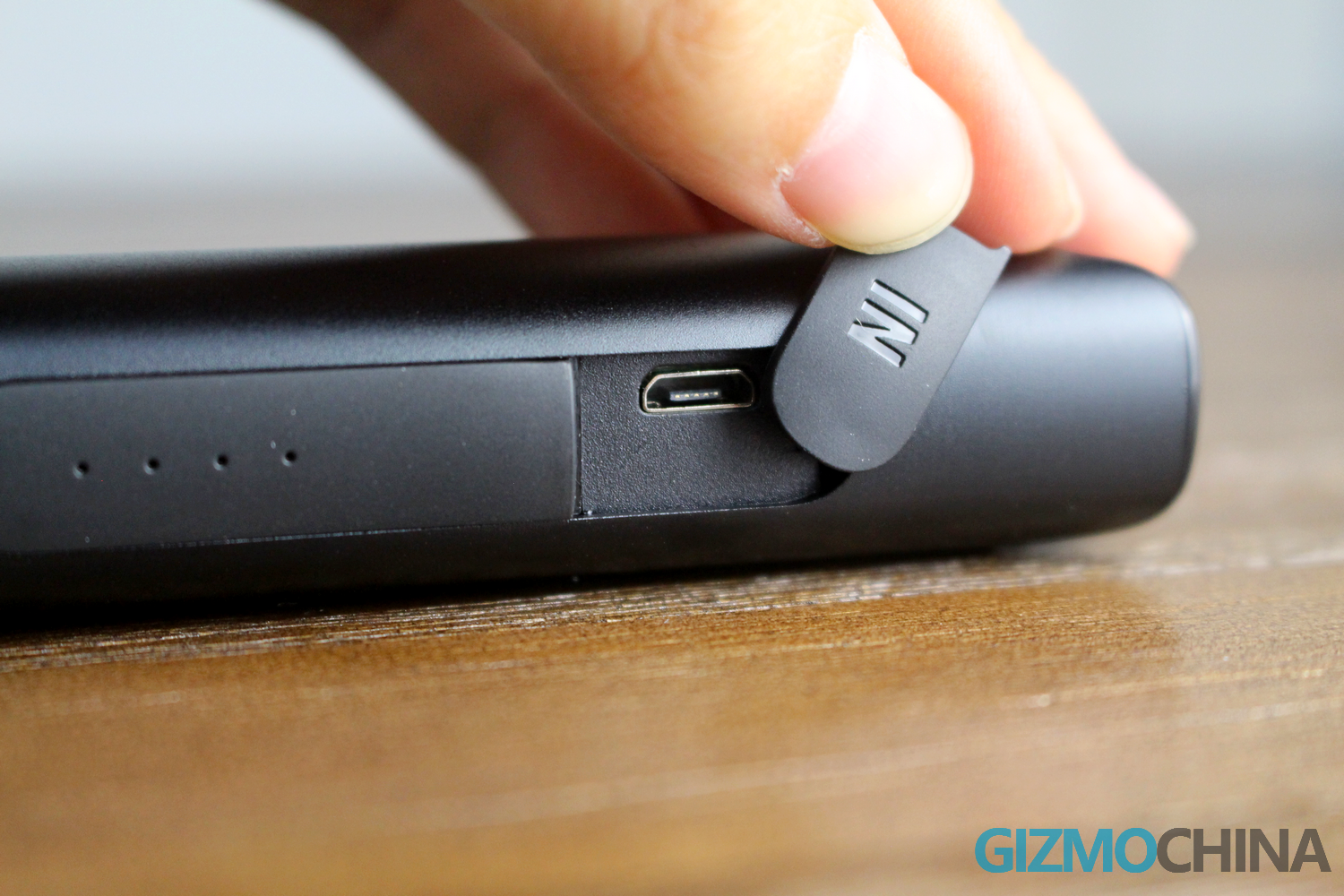
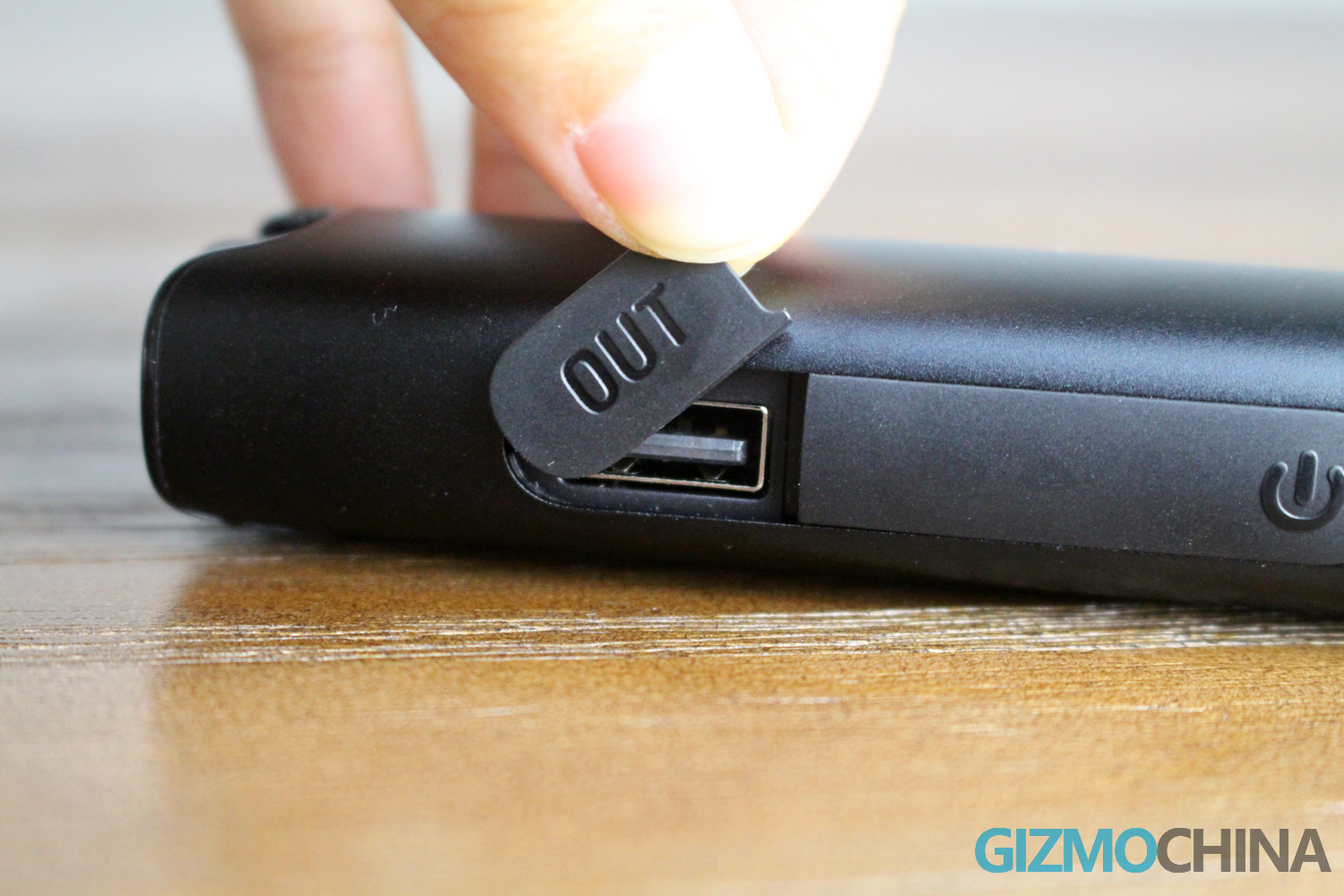
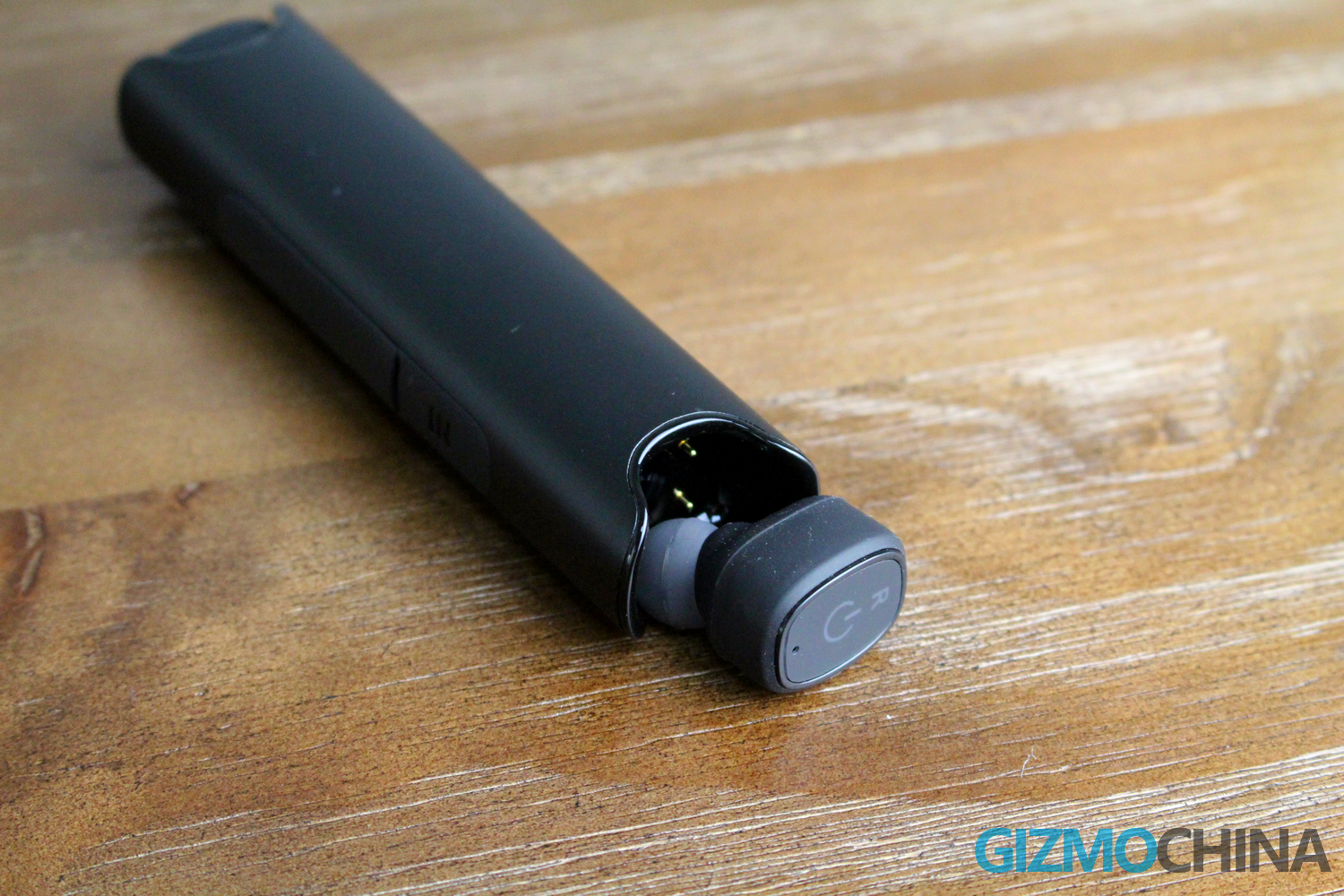
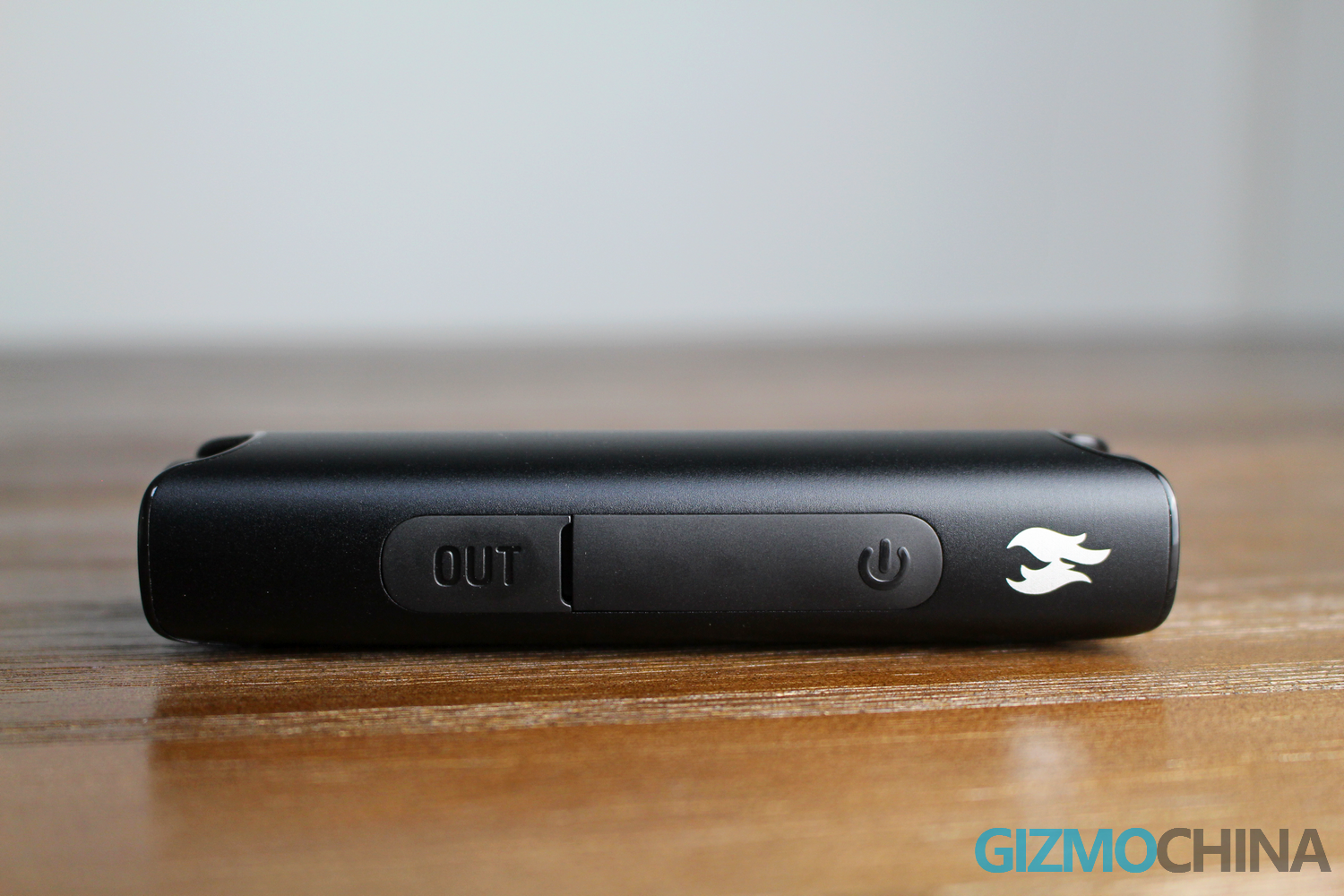
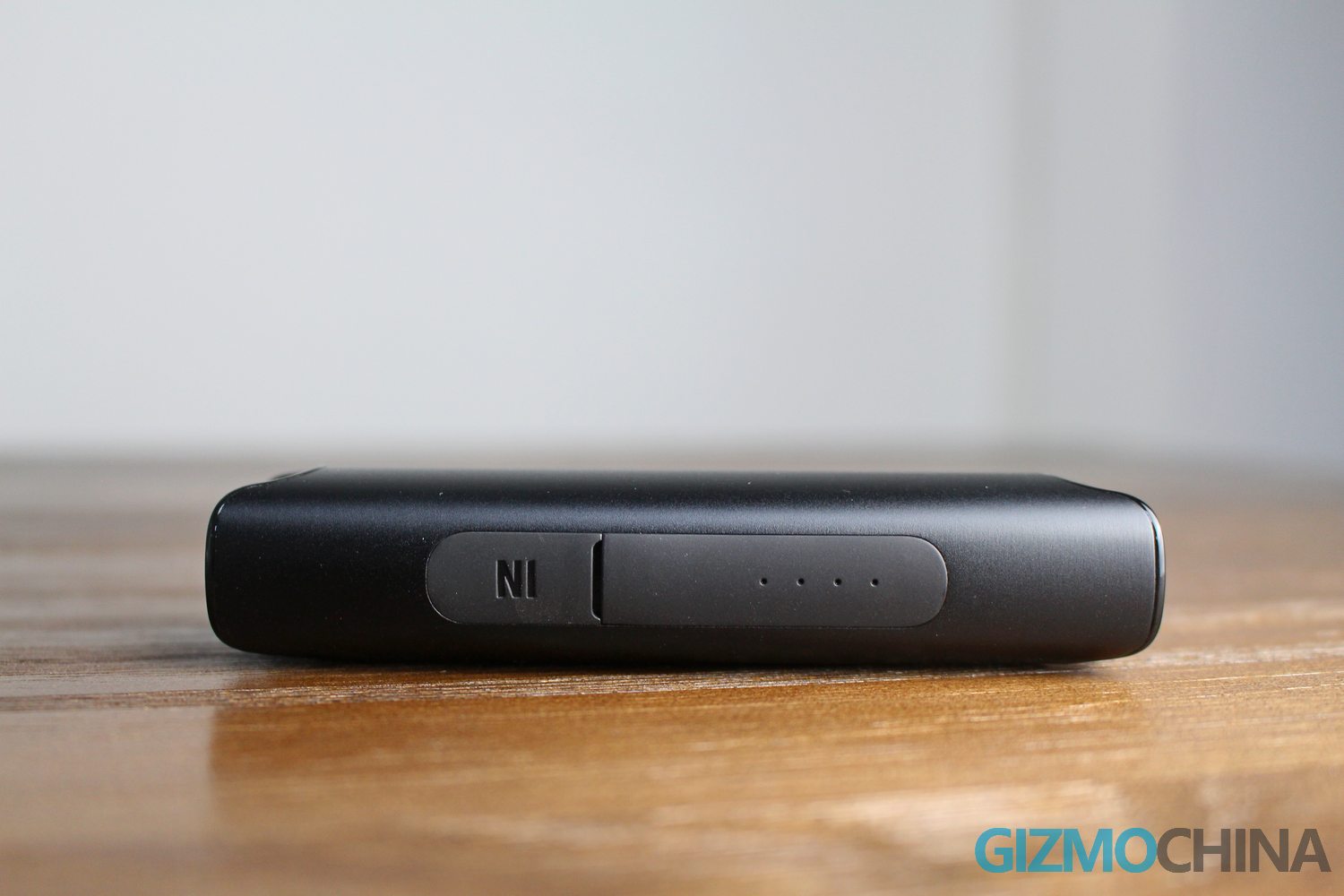
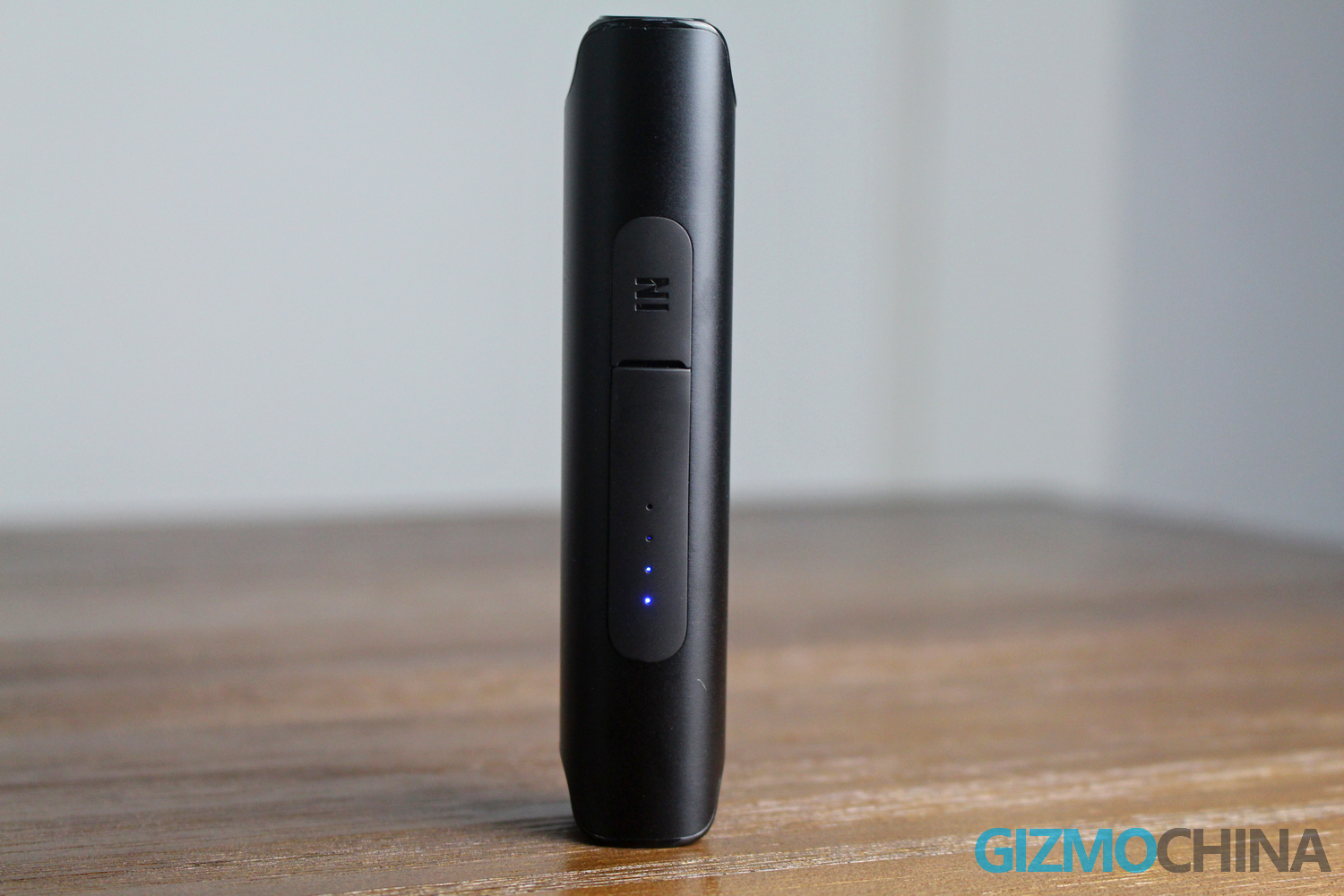
Different from the other wireless earbuds, the xFyro xS2 has their own design. In terms of the overall, the xS2 adopts the tetragonal cylinder design, which sets the earbuds on the two sides with magnetsm, and the main body is a charging tetragonal cylinder. The touch feeling is great, as the main part of the xS2 is made of the premium aluminium, which is cool and comfortable. The charging input and the charging output are on both sides of the charging case, which are the silicone material. Covered by a silicone lid with an IN word, the charging input, micro USB port, is placed beside the LED indicator lights. The charging output port is set on the side having the logo of xFyro. The USB-A port is also covered by a lid with an OUT word. And there is a power button set beside the charging output.
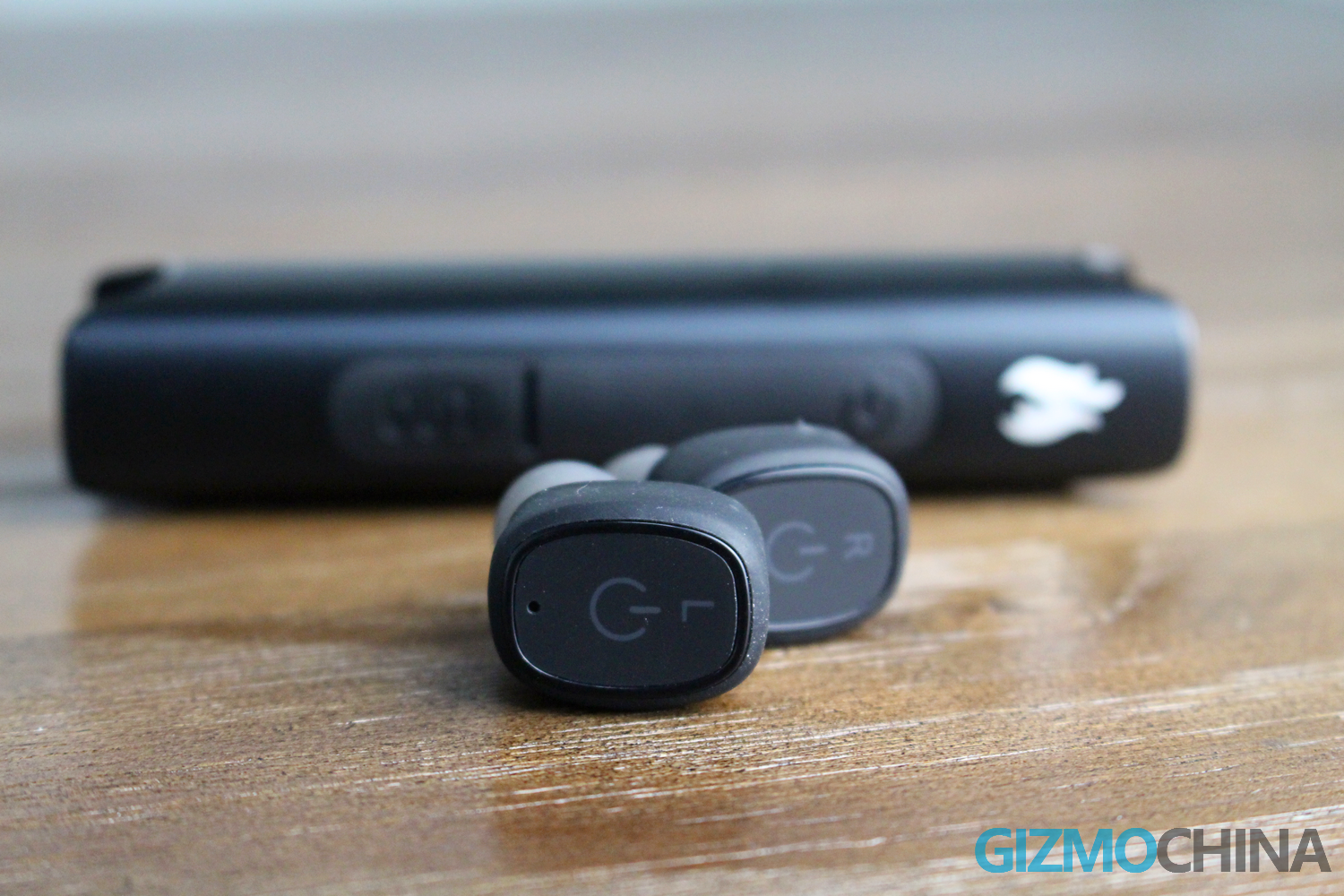
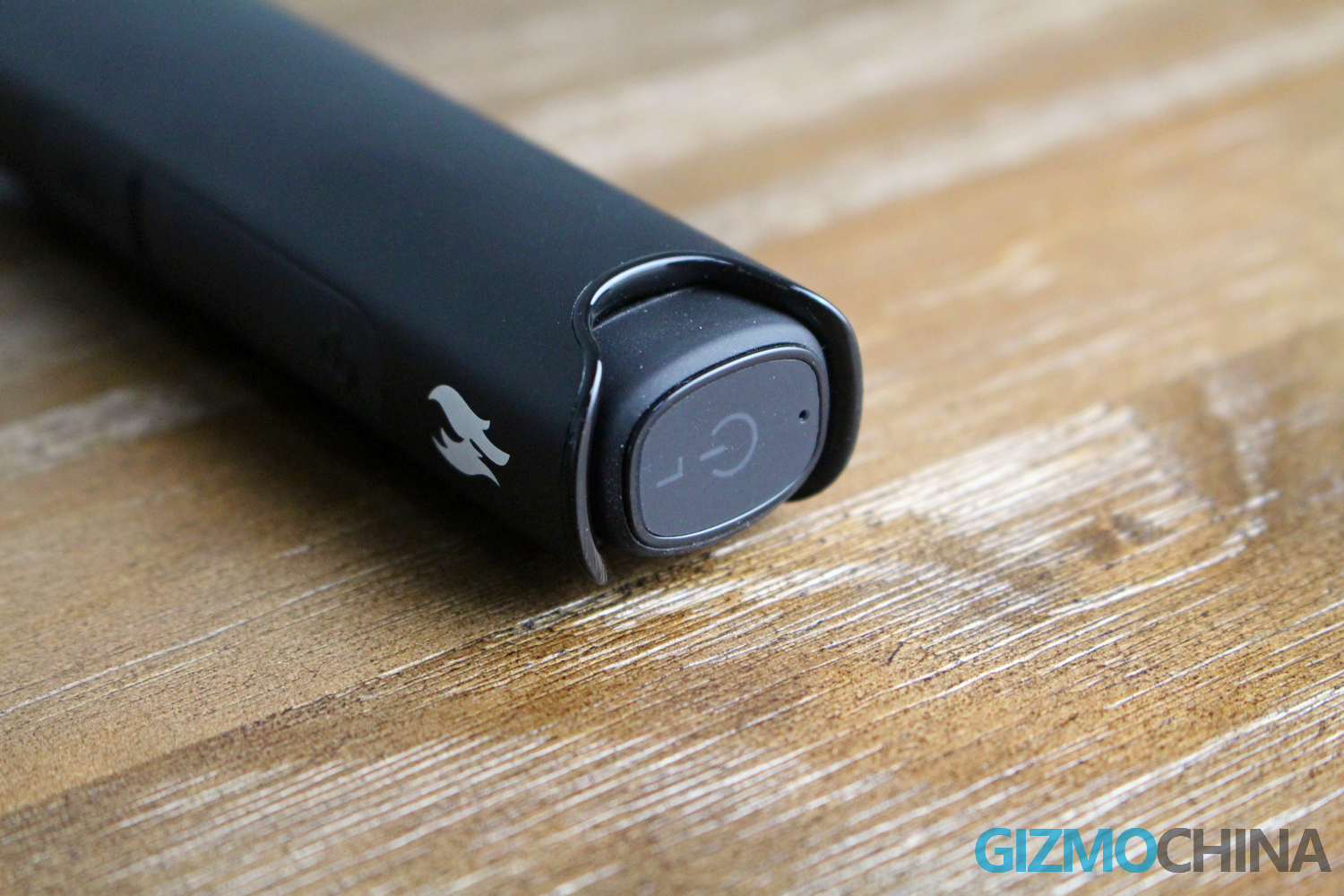
Let’s look at the earbuds. The earbuds come with physical button, called Home Key, and there is an indicator on the earbud. I think it is easier for me to use the wireless earbuds because of the button. When you play the music, single tap L or R button means play/pause. Double tap for previous/next track, triple tap for lower/increase volume. They also have an interesting function, when you hold L or R button for, the Google+ or Siri should be woke up.
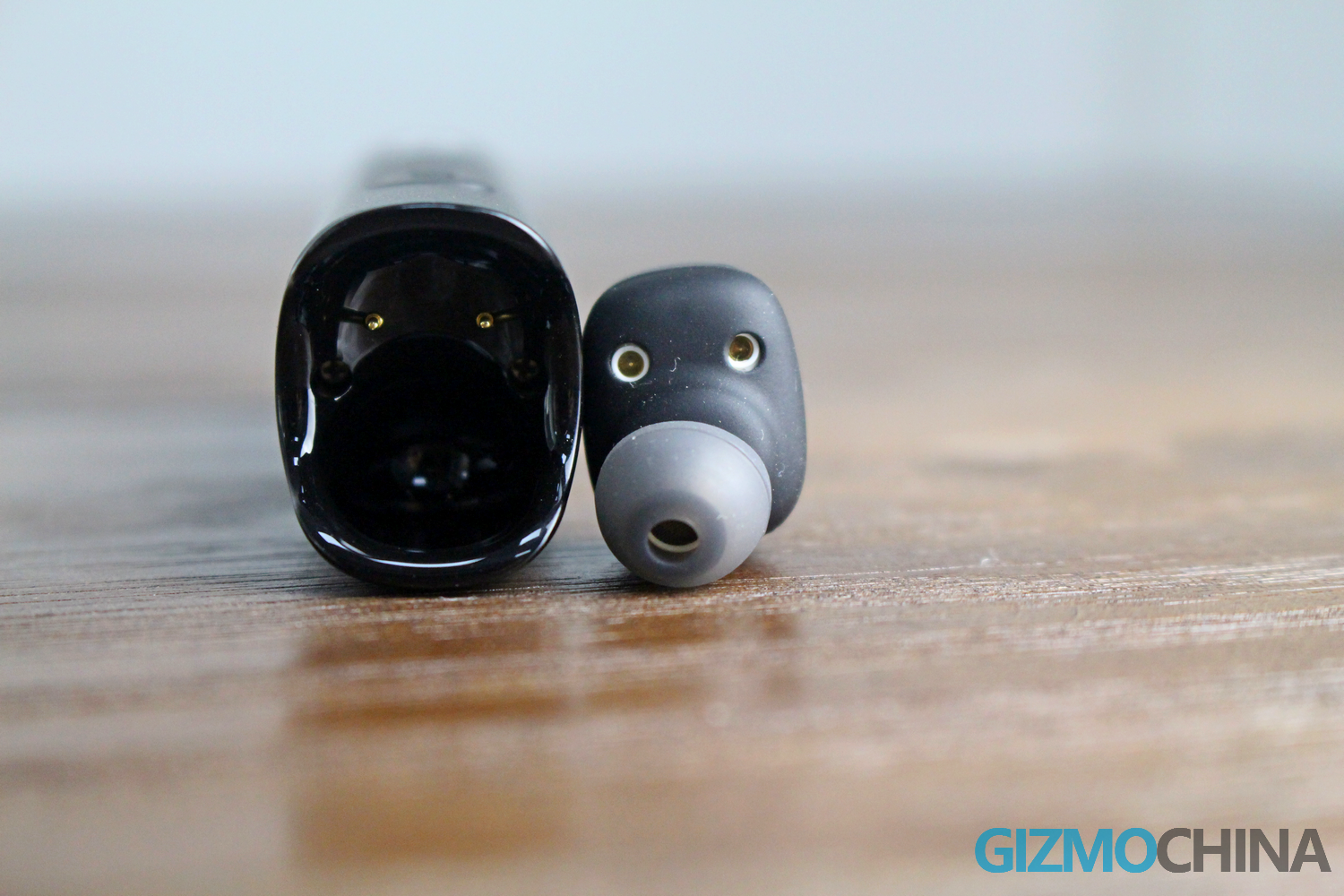
As the earbuds are magnetically mounted in the charging case, there are charging contacts on the earbuds silicone shell. What’s more, the xS2 has a built-in microphone. Therefore, you can use them to make phone calls with hands-free.
Performance
You should be curious about the sound quality. Personally, I think they sound good. I played a lot of songs with lyrics as well as complex music to check their performance. Although they have a minimum amount of distortion on the highs, the overall performance is good. The xS2 comes with a rich stereo sound and each note is crisp and clear. The bass is not so powerful to frighten my ears, but I’m not a fan of bass. Therefore, I deem that the bass is suitable for me. And of course, they perform well but regular, they don’t have a shinning point.
What I have to say is that the earbuds are easy to fall out. On my way to work, I have to re-wear them several times. If you want to wear them to do sports, you need to think it over.
The xS2 carries support Bluetooth 5.0 and 33ft (10m) Bluetooth range. The charging case is fueled by 850mAh and the xS2 earbuds have a battery capacity of 45mAh. They can use for about 8 hours with single charge which are enough for daily use. If you use with charging case, the playing time can up to 50 hours. It’s amazing!
In conclusion, the xFyro xS2 is a great headphones which is suitable for those who want to get a budget true wireless earbuds. However, if you are a big fan of sports and want to wear them to do sports, please think it over.
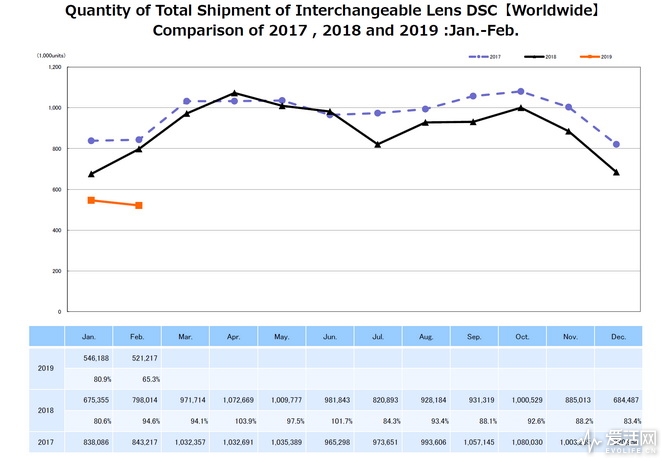
As like of dwindling smartphone sales, Camera market is also facing some tough days with plummeting sales in 2019. According to a new report from CIPA (Camera and Imaging Products Association), global digital camera shipments in the first two months of 2019 have fallen below 1 million units.
Camera sales witnessed a 74.1% decline in January 2019 on YoY basis with total shipments falling to 1,001,398 units. Whereas it further sank 69.7% in February with shipments coming under a million marks – exactly 935,148 units.
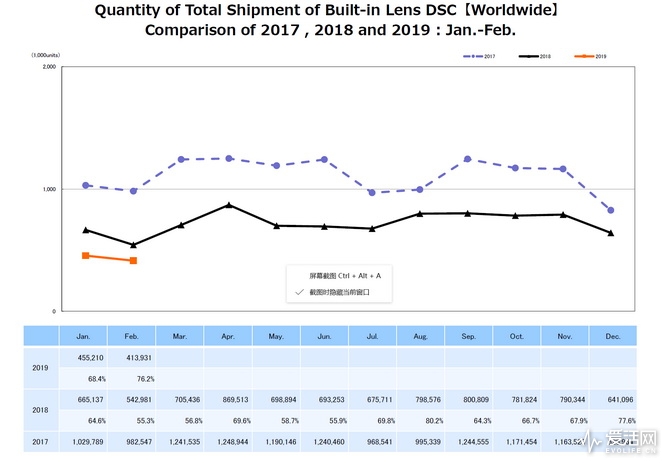
Among the total shipments in February 2019, 521,217 units account for interchangeable lens packing SLRs; the fixed lens camera shipments were 413,931 units. The interchangeable lens shrank from 798,014 shipments in 2018 to 521,217 units in 2019, a registered decline of over ~35% on YoY basis.
The built-in lens or fixed lens cameras also witnessed a decline of over ~24% with sales plummeting from 542981 units in 2018 to 413931 units this year.
Improved smartphone camera quality can be termed as a major reason behind declining camera sales. Various smartphone manufacturers – Huawei, Samsung, Nokia, Xiaomi are working hard to bring smartphones with excellent camera quality. Huawei recently launched P30 and P30 Pro featuring a magnificent camera. Xiaomi also announced Mi 9 with uncomparable camera quality.
To tackle the so-called competition from smartphone manufacturers, companies like Nikon, Canon, and Sony needs to reinvent their policies and products.
At the Reno launch event today, OPPO also announced a new pair of wired headphones. The OPPO O-Fresh stereo headphones are the latest addition to its line of audio accessories.
The O-Fresh stereo headphones have a high fidelity graphene diaphragm combined with an aluminum sound coil. It supports Hi-Res audio for crystal clear playback.
The headphones come in two variants – a 3.5mm version and a USB-C version and they are both available in Deep Black and Elegant Gray. The cable for the headphones is braided and is also designed to be tangle-free. There is a single-button in-line remote too with a MEMS microphone so you can make clear audio calls.
Looking for a top-branded smartphone that boasts an impressive array of features without carrying a steep price tag? Look no further.
Here are the top five smartphones that you can buy from leading online stores without emptying your pocket.
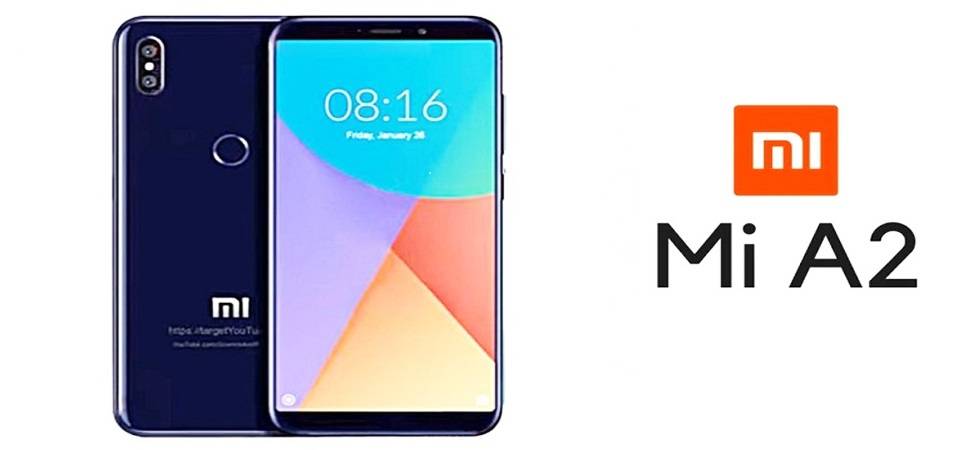
Xiaomi Mi A2 4G Phablet Global Version on Gearbest
Even nearly a year after hitting the store shelves, the Mi A2 continues to garner popularity among smartphone lovers. The global version of this well-received phone usually sells for $297.85, but Gearbest users can now buy it for just $179.99.
This 40 percent discount will be valid for the device’s black color version. Regrettably, there were only 149 pieces remaining for this promo, which is slated to end in four days. You can follow this link to avail the discount.
The Umidigi F1 was made available to the public in January this year. The 4GB RAM, 128GB ROM variant of the phone would normally set you back $269.99, but Banggood users can get their hands on the phone for a reduced price of just $189.99.
There are two models including one designed for those living in the European Union region and the other that buyers outside the European Union region can use. The aforesaid 30 percent discount will be valid for both models that come in black, red and gold color versions. You can follow this link to avail the discount. With only 99 pieces of each color versions remaining, this promo will come to an end on April 15th.
Xiaomi unveiled its long-awaited Redmi Note 7 smartphone earlier this year. Following in the footsteps of its well-received predecessors, the phone became an instant hit among smartphone lovers.
The 3GB RAM, 32GB ROM, and 4GB RAM, 64GB ROM variants of the Redmi Note 7 have gone up for sale on Giztop. Equipped with 3GB of RAM and offering 32GB of internal storage capacity, the global version of the Redmi Note 7 is available for $199 on Giztop. This variant comes in the black color version.
The slightly larger model with 4GB of RAM and 64GB of onboard storage capacity comes in black and blue color versions. The aforesaid variant is currently up for grabs carrying a $219 price tag.
You can visit this link to check out more details about the Xiaomi Redmi Note 7 Global Version and order your favorite variant of the well-received handset from Giztop.
Lenovo took the wraps off its long-awaited K5 Pro smartphone in October last year. The global version of the phone that offers 4GB of RAM and 64GB of internal storage capacity is now available for $166.55 on GearVita.
If you aren’t willing to shell out that kind of money on a smartphone, all you need to do is to apply coupon code GVK5Pro64 and get the Lenovo K5 Pro at 129.94€. You can click here to visit the promotion page and place your order.
Xiaomi Redmi 7 was released several months ago, which is one of the best budget smartphones. Now you can get its global version on Giztop!
Redmi 7 Global is priced from $129 with 2GB of RAM and 16GB of internal storage. Most of you may choose the 3GB of RAM and 64GB internal storage, it just cost $159! It’s time for you to pick your Redmi 7 on Giztop!
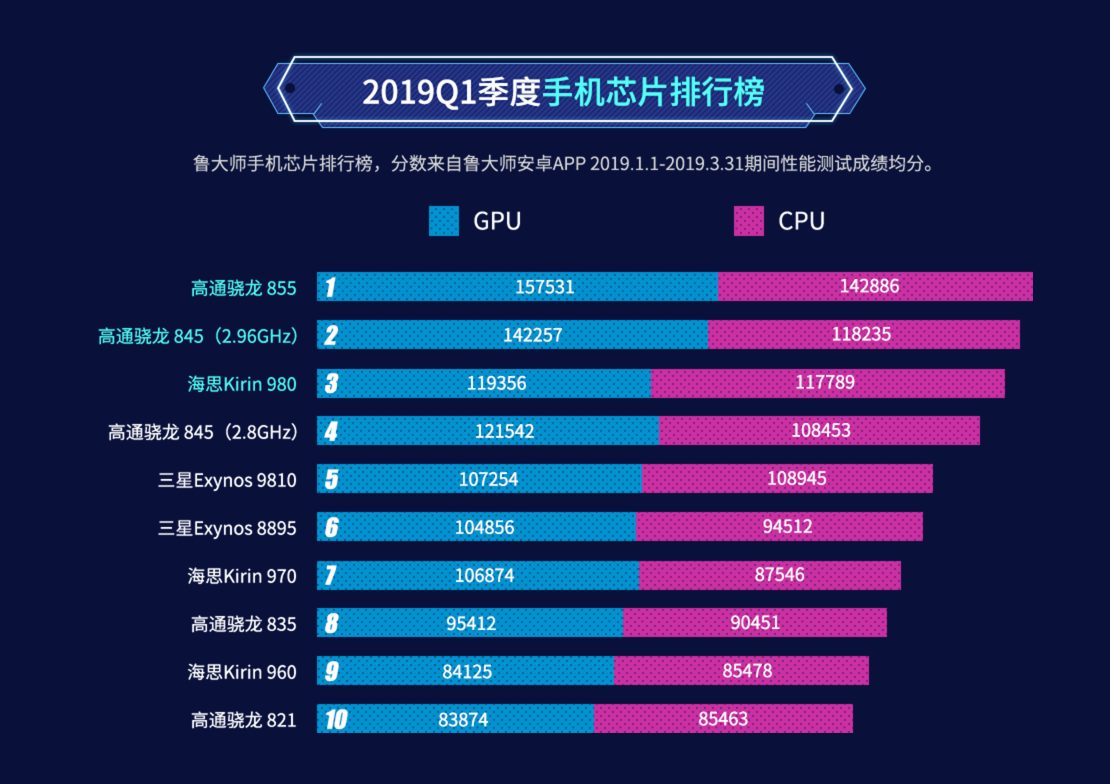
After releasing a list of best-performing smartphones, Chinese benchmarking outfit Master Lu has now released the list of best performing mobile chipsets in the first quarter of the current year.
The list of combined processors for Q1 2019 was topped by the Qualcomm Snapdragon 855 chipset, which is the company’s current-generation of its flagship mobile processor. The second and the third spot was grabbed by Snapdragon 845 (2.96GHz) and the Kirin 980 chipset from Huawei. The three chipsets scored 157,531; 142,257; and 119,356 points respectively.
Following them, the list includes Snapdragon 845 (2.8GHz), Samsung Exynos 9810, Samsung Exynos 8895, HiSilicon Kirin 970, Qualcomm Snapdragon 835, Kirin 960, and the Snapdragon 821 from fourth to tenth positions.
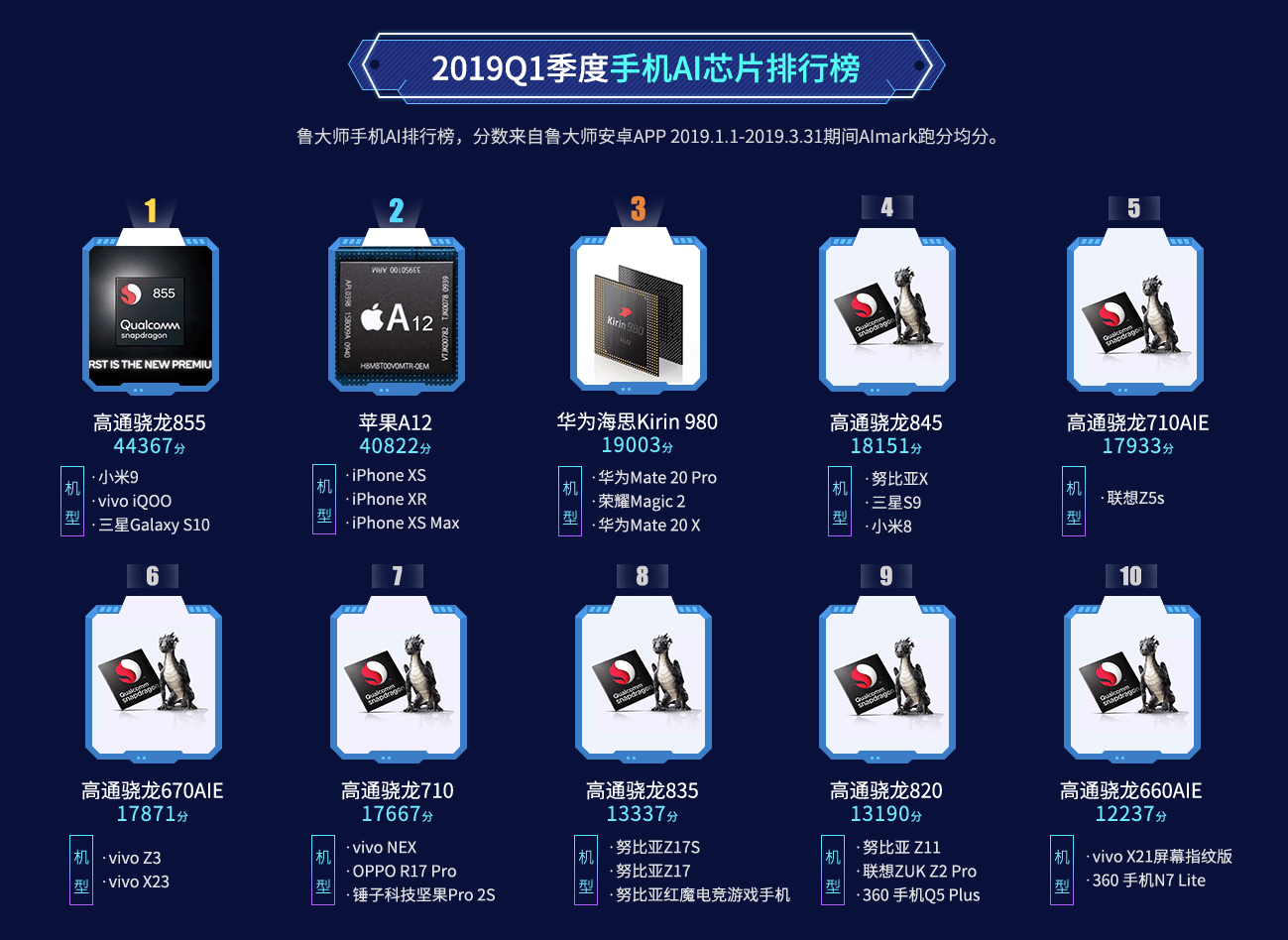
However, when it comes to best performing AI-powered chipsets in Q1 2019, Qualcomm Snapdragon 855 SoC and Apple A12 Bionic chipset took the first and second spot respectively, while the Kirin 980 comes in at third. The SD855 scored 44,367 points, whereas A12 and Kirin 980 scored 40,822 and 19,003 points.
Other chipsets grabbing the spot from fourth to tenth are all Qualcomm’s chipsets. It includes Snapdragon 845, Snapdragon 710 AIE, Snapdragon 670 AIE, Snapdragon 710, Snapdragon 835, Snapdragon 820, and Snapdragon 660 AIE.
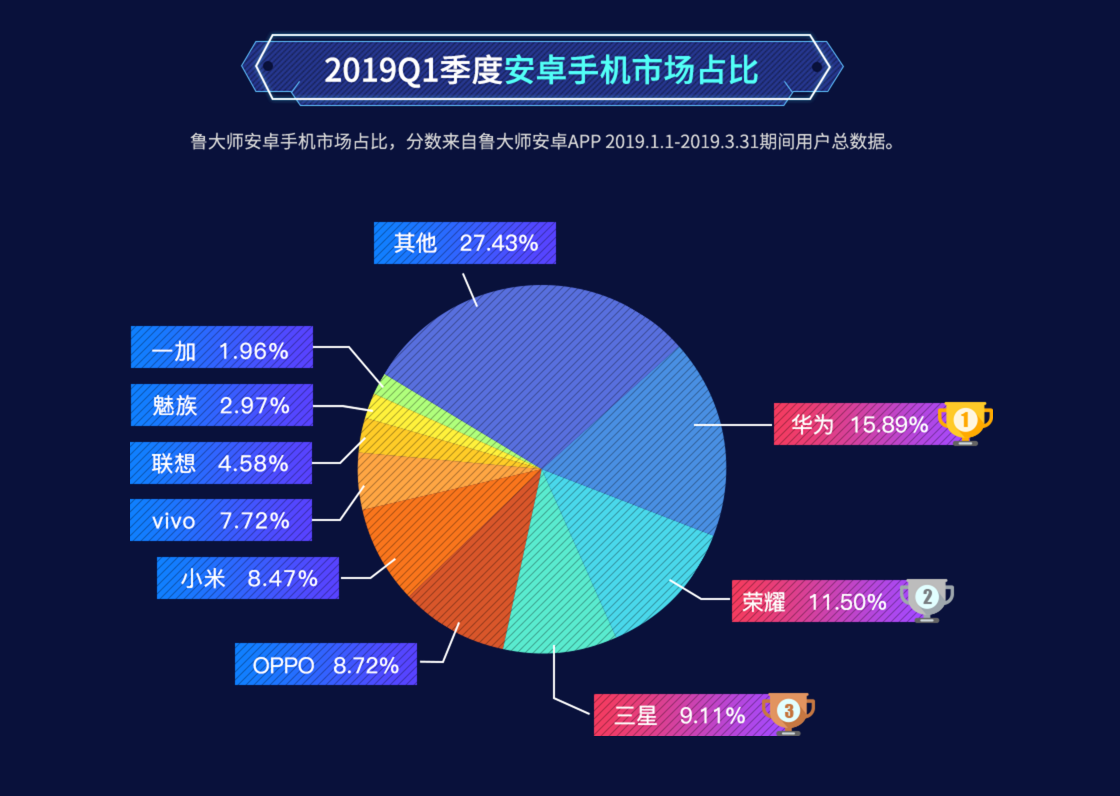
The company has also released the result of market share in China, which Huawei is leading with 15.89 percent market share, followed by its sub-brand Honor that has captured 11.5 percent of the Chinese smartphone market. Samsung ranked third in terms of market share with around 9.11 percent share, exceeding the share of China-based Xiaomi, Oppo, Vivo, and other manufacturers.
In the recently released best-performing smartphones result, Xiaomi’s Black Shark 2 gaming phone was ranked as the best performing phone. The phone has an average benchmark score of 404,809 points and is closely followed by the Galaxy S10+ and the all-new Vivo iQOO gaming smartphone. Xiaomi Mi 9 ranks as the fourth best while the Nubia Red Magic Mars gaming phone sits at the number 5 position.
Lenovo confirmed earlier today that its Z6 Pro flagship will launch on April 23 in Beijing, China. After the confirmation, the company released a new teaser for the device which further confirms a few more details about the device.
Lenovo Z6 Pro front render with Legion branding
Lenovo Mobile’s official account on Weibo released a render of the front of the phone a few hours back. This image confirms that the phone will be released in partnership with Lenovo’s Legion brand. For those who don’t know, Legion is a gaming focus brand by the PC giant, which was unveiled a couple of years back. It’s similar to Acer’s Predator lineup and ASUS’ ROG series. Given its association with the company’s gaming brand, it’s evident that the Lenovo Z6 Pro will come with some gaming-centric features.
Lenovo Z6 Pro teaser brightness tweak (Source: Weibo)
Apart from this brand partnership, we can also figure out more about the phone’s front. After playing around with the brightness of the image, it is revealed that the Lenovo Z6 Pro will come with super thin bezels at the bottom. In other areas, bezels are basically non-existent. Even on top, the earpiece fits inside a very thin profile, ensuring the overall screen to body ratio is extremely high. Of course, this information is derived from the render and not the actual device. Given how official teasers like to hide the real bezels on its smartphones, we would have to wait and see whether the real Z6 Pro has such a high screen to body ratio.
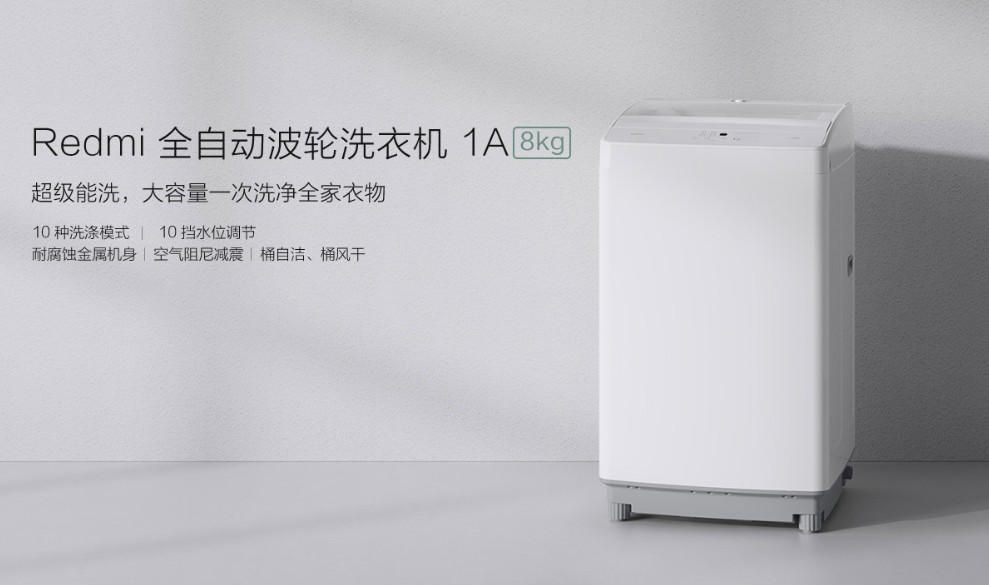
After becoming an independent entity, Redmi released a couple of new smartphones and launched Redmi’s first home appliance – Redmi 1A washing machine for 799 Yuan on March 18th. The machine was set to release on April 9th, but now the initial sales are delayed. According to official information, Redmi is stocking machine units for smooth initial sales.
Hoping for better first-time sales experience, Redmi is seeking some more time before beginning for the initial release. The new release date will be shortly announced through the Xiaomi community forums.
Presently, interested consumers can reserve the Redmi 1A washing machine from Mi.com. The Redmi 1A is top loader automatic machines having a capacity of 8kg. Its PCM body is resistant to corrosion and other metal bugs. Through its upper transparent lid, consumers can see the washing process completely.
Redmi 1A washing machine measures 944 mm tall and 545 mm wide. It weighs over 32 kg with the rated power input of 310W. It is set for debut only in White colour and can easily wash away large sheets with minimal effort. There are ten washing modes to wash different clothes effortlessly and efficiently. Even though, ten different water levels preset let you save some water.
It is smart enough to wash barrels using self-cleaning mode. Machine barrels usually carries a lot of dust and dirt, and it can affect the working efficiency of the machine, keeping them clean is always necessary.
Ever since it was confirmed that there will be a Redmi flagship powered by the Snapdragon 855 processor, the excitement level for the upcoming phone has been pretty high. There have been a bunch of leaks in the past but a lot of them have turned out to be false. Today’s leak is an alleged video of the phone which some have tagged the “Redmi Pro 2”. We advise you to take it with a grain of salt.
The Redmi flagship has been confirmed not to feature a pop-up selfie camera and this video which was originally shared on Weibo further confirms that. What it does have is a punch hole in the display for the selfie camera.
Unlike other phones with a punch hole that we have seen, the one on this alleged Redmi flagship is right in the middle of the upper part of the display and not at the corners like that of the Honor View 20 or Galaxy S10.
The phone has minimal bezels on the sides while the one at the bottom is a bit thicker. The display is probably in the 6.0 to 6.3-inches range and most likely has an FHD+ resolution.
On the rear, the Redmi phone has triple cameras in the same fashion as the ones on the Mi 9. There is an LED flash below the cameras and in the middle of the phone is a fingerprint scanner. There is no branding on the device which means it is probably a prototype.
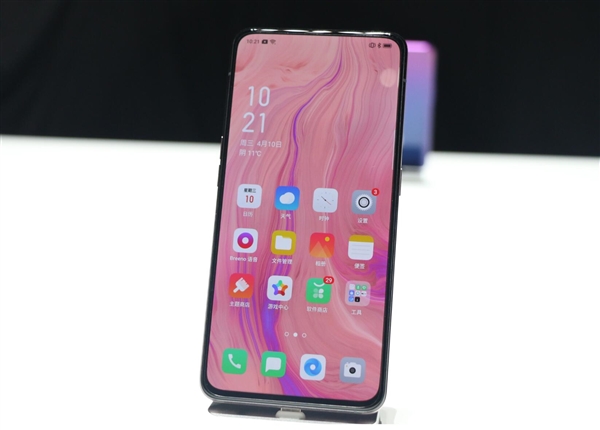
The OPPO Reno series has gone official today through an unveil event in China. The Chinese manufacturer has announced the Oppo Reno 10x Zoom smartphone that is packed with flagship specs including 48-megapixel triple camera with 10x hybrid zoom support. The Oppo Reno standard edition that has been announced alongside the 10x zoom phone an upper mid-range phone powered by the Snapdragon 710 SoC.
OPPO Reno and Reno 10x Zoom Specifications and Features
The OPPO Reno 10x Zoom has a glass rear and 7000-series aluminum alloy frame. It measures 162 x 77.2 x 9.3mm and it weighs 210 grams. The 6.65-inch AMOLED display of the Reno 10x Zoom has a notch-less appeal. The display supports full HD+ resolution of 2340 x 1080 pixels. The smartphone promises a screen-to-body ratio of 91.3 percent. The HDR 10+ complaint display is embedded with sixth-generation in-screen fingerprint reader and it is shielded by Gorilla Glass 6 protective layer.
The Snapdragon 855 SoC powers the Oppo Reno 10x Zoom along with up to 8 GB of RAM. It comes with a maximum internal storage of 256 GB. There is an external storage for additional storage. The 4,065mAh battery of the OPPO Reno 10x Zoom supports VOOC 3.0 fast charging. For heat dissipation, the phone features a copper tub liquid cooling heat sink.
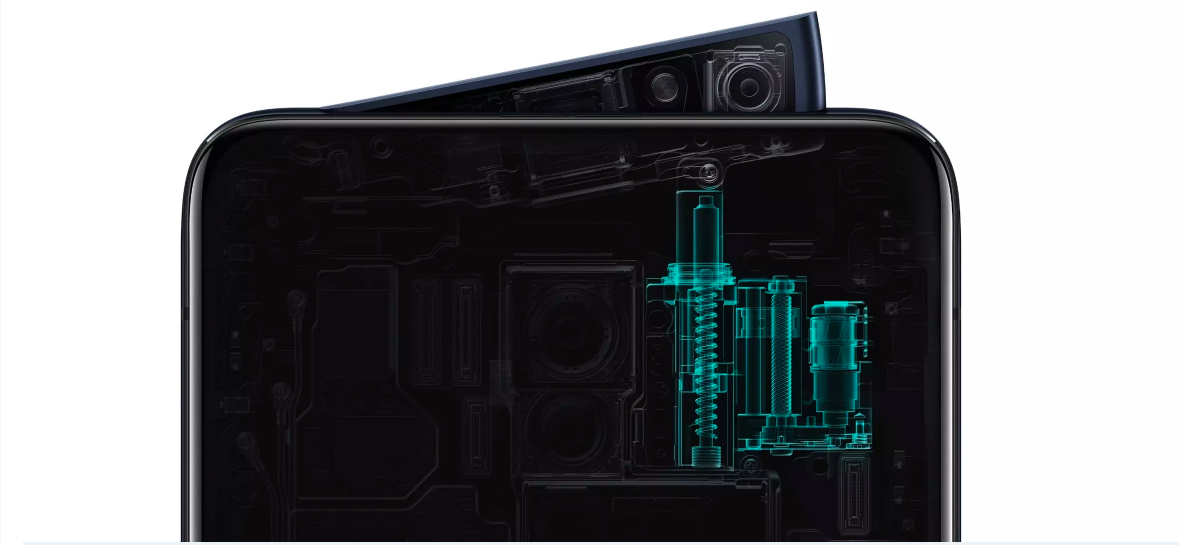
The smartphone features a uniquely designed “shark fin” shaped pop-up module on the top edge of the device. It houses an f/2.0 aperture 16-megapixel front camera and LED flash. On its rear is a triple camera setup that includes an OIS enabled 48-megapixel Sony IMX586 f/1.7 aperture primary sensor, an f/2.2 aperture 8-megapixel secondary sensor and a periscope telescopic lens of 13-megapixel equipped with OIS. The triple camera setup is coupled with dual-LED flash and laser autofocus.
The Android 9 Pie OS with ColorOS 6 skin comes preinstalled on the OPPO Reno 10x Zoom. The smartphone also carries support for dual-band GPS technology for accurate location tracking. It includes NFC and 3.5mm audio jack among other connectivity features. There is Breeno Assistant onboard that can assist by understanding the users’ habits. For optimized gaming experience, the smartphone includes support Game Boost 2.0 acceleration engine. It also equipped with Dolby Atmos for audiophiles.
OPPO Reno Standard Edition Specifications and Features
The OPPO Reno standard edition has a smaller notch-less AMOLED display of 6.4 inches that offers full HD+ resolution and 19.5:9 aspect ratio. It is also fitted with an in-display fingerprint reader. The screen is safeguarded by Gorilla Glass 6. The device measures 156.6 x 74.3 x 9mm and it weighs 185 grams.
The Snapdragon 710 powers the phone with up to 8 GB of RAM. It comes with an inbuilt storage of up to 256 GB and it also features a microSD card slot for extra storage.
The OPPO Reno features OIS assisted 48-megapixel + 5-megapixel dual camera module on its rear. It also features an LED enabled 16-megapixel pop-up selfie camera. The handset includes a 3,765mAh battery with VOOC 3.0 fast charging. Other features of the phone include ColorOS 6 based Android 9 Pie OS, Breeno assistant, Game Boos 2.0, NFC support and Dolby Atmos support.
OPPO Reno and Reno 10x Zoom Price and Release Date
The OPPO Reno standard edition comes in color editions like Fog Sea Green, Extreme Night Black, Nebula Purple and Pink Mist. Its variants are:
6 GB RAM + 128GB storage – 2,999 Yuan (~$446)
6 GB RAM + 256 GB storage – 3,299 Yuan (~$491)
8 GB RAM + 256 GB storage – 3,599 Yuan (~$536)
The OPPO Reno 10x Zoom can be availed in Fog Sea Green and Extreme Night Black hues. Its variants are as follows: i
6 GB RAM + 128GB storage – 3,999 Yuan (~$595)
6 GB RAM + 256 GB storage 4,499 Yuan (~$670)
8 GB RAM + 256 GB storage – 4,799 Yuan (~$715).
At the end of the press conference of the OPPO Reno series, the company also announced the 5G Spark Program through which it will select some OPPO users in the second quarter to “experience the 5G version of Reno.” In May, Oppo will carry out open recruitment for it in China. It will recruit 200 individuals to become China’s first 5G mobile phone users.
OPPO will be holding a global launch event for the OPPO Reno series at Zurich, Switzerland on April 24. The Chinese manufacturer is expected to unleash the 5G edition of the OPPO Reno 10x Zoom at the upcoming international unveil event.
Xiaomi became popular thanks to its phones which are affordable and offer great value for money. However, things have gradually changed for the company. This year, it (and its other brands) has released 44 non-phone products, four times more than the number of phones released within the same period. By the end of the year, we foresee this figure will have tripled.
They might have started as a phone company but in the past few years, it has grown to become a large ecosystem with products spanning different categories. It not only sells hardware but also services for these products and a platform for them to connect to each other.
Xiaomi makes very little profit from the sale of its phones. Last year’s financial report revealed the company’s major revenue was from internet services and ads. With the smartphone market declining, it makes sense as to why Xiaomi and Redmi are not focusing on mobile devices alone. Having a diverse portfolio is sort of an unwritten rule for large corporations and in a case where one arm of the business might be doing poorly, the others might make up for that.
With the current business model, Xiaomi can keep growing its user base even through non-phone products. There are lots of households that might not have a Xiaomi phone but have a Mi TV, Mijia air filter, Mijia projector, or Mijia air conditioner. Since most of its household appliances products are smart, owners automatically get plugged into the Xiaomi system.
Redmi 1A washing machine announced in March
In trying to grow its user base, Xiaomi has modified how it sells products to consumers, from being online-only to including physical stores where prospective buyers can go to get hands-on experience with a number of its products. However, it still struggles with supply issues when it comes to its mobile phones.
Xiaomi has done very well for itself in a short span. The Chinese giant currently has the largest IoT platform in the world and it is not resting on its oars. Last week, it restructured its semiconductor business which resulted in the formation of a new company that will focus on the development of AI and IoT chips for use in its products. Songguo, its original semiconductor business will continue to focus on mobile processors.
Taiwan Semiconductor Manufacturing Company (TSMC) has announced the release of its 5nm chip design infrastructure. With the shrinking size, the company is touting improved processor performance as well as improved battery life and thermal management.
It’s noteworthy that TSMC has been Apple‘s only supplier for the company’s A-series chipsets since 2016. According to the reports, all the orders of the A10 Fusion, A11 Bionic, and A12 Bionic chipsets were fulfilled by TSMC.
Announcing this development, TSMC said in a statement: “Compared with TSMC’s 7nm process, its innovative scaling features deliver 1.8X logic density and 15% speed gain on an ARM® Cortex®-A72 core, along with superior SRAM and analog area reduction enabled by the process architecture. The 5nm process enjoys the benefits of process simplification provided by EUV lithography and is making excellent progress in yield learning, achieving the best technology maturity at the same corresponding stage as compared to TSMC’s previous nodes.”
Thus, TSMC is now expected to continue being the only supplier for Apple for its future iPhone models. This could mean that Apple can move forward with producing 5nm A-series chipset for the future iPhone models and we could see it in as early as 2020 iPhones.
The 5nm process is already said to be in preliminary risk production and the chipmaker is planning to invest around $25 billion towards volume production by 2020. As for the iPhone models launching this year, reports indicate that the company will be using a new A13 processor, which will be manufactured using the 7nm+ process.
TSMC has been gradually shrinking the size of its dies over the years as it continues to refine its manufacturing process. The A10 Fusion is 16nm, the A11 Bionic is 10nm, and the A12 Bionic is 7nm.
And it’s not only TSMC as Qualcomm has also done a good job of bridging the gap between its flagship Snapdragon processors and the A-series chips not only in performance as well as continually-shrinking chip processes. So, we won’t be surprised to see a 5nm Snapdragon chipset soon after the debut of Apple’s 5nm chip.
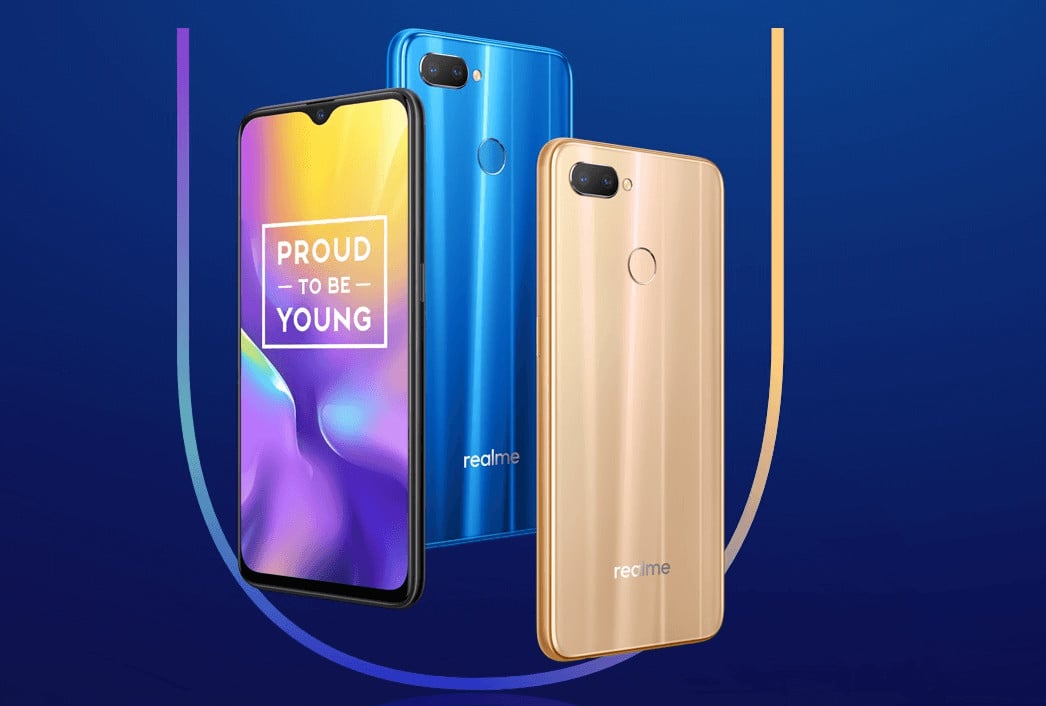
Realme is gearing up to launch the Realme 3 Pro smartphone later this month after the company recently launched the Realme 3. But, ahead of that, the company is finally making the 3GB RAM + 64GB storage model of the Realme U1 available for purchase, after it was announced last week.
The Realme U1 3GB RAM + 64GB storage model will go on sale in India today for the first time through Amazon.in and the company own official website. The company has also announced that the first 500 buyers of the Realme U1 3GB/ 64GB via Realme.com will get a pair of Realme Buds for free. To recall, Realme U1, the company’s first selfie-focused smartphone launched last year.
The 3GB/64GB model of the Realme U1 is priced at Rs. 10,999, which roughly converts to $159. After a recent price cut, the 3GB/32GB model is available for Rs. 9,999 while the 4GB/64GB model is priced at Rs. 11,999.
The phone comes with a shiny back with diffraction grading as the device has 13 layers of Laminated Technology, which the company calls Light Pillar Design. It boasts a 6.3-inch Full HD+ dewdrop display with screen resolution of 2340 x 1080 pixels screen resolution, 90.8 percent screen-t0-body ratio and 19.5:9 aspect ratio. The screen offers 450 nits of brightness and 1500:1 contrast ratio.
It is the world’s first smartphone to be powered by MediaTek’s Helio P70 chipset. It is built by TSMC using their 12nm FinFET technology and features Cortex-A73 and Cortex A53 cores in the same 4+4 arrangement, coupled with ARM Mali-G72 GPU. There’s also a microSD card slot that enables users to further expand the phone’s storage capacity.
The highlight of the smartphone is the camera module. It features a dual camera setup on the back, consisting of a 13-megapixel primary sensor and a 2-megapixel secondary sensor. It comes with AI Photography and AI Beautigy+ features for enhancing the photography experience.
It supports Studio Portrait Lighting, Super Vivid 2.0 and AI Scene Detection as well as slow-motion video recording feature. On the front side, the phone comes equipped with a 25-megapixel Sony IMX576 sensor with f/2.0 aperture and features like Smarter Groupfi for taking group selfies. It also supports AI Front Unlock feature that is claimed to unlock the phone in just 0.1 seconds.
Connectivity options on the device include Dual 4G VoLTE, WiFi 802.11 b/g/n/ac dual-band (2.4GHz + 5GHz), Bluetooth 4.2, and GPS. The phone is running Android 8.1 Oreo operating system out of the box with ColorOS 5.2 on top and is powered by a 3,500mAh battery.
We use cookies on our website to give you the most relevant experience by remembering your preferences and repeat visits. By clicking “Accept”, you consent to the use of ALL the cookies.
This website uses cookies to improve your experience while you navigate through the website. Out of these, the cookies that are categorized as necessary are stored on your browser as they are essential for the working of basic functionalities of the website. We also use third-party cookies that help us analyze and understand how you use this website. These cookies will be stored in your browser only with your consent. You also have the option to opt-out of these cookies. But opting out of some of these cookies may affect your browsing experience.
Necessary cookies are absolutely essential for the website to function properly. This category only includes cookies that ensures basic functionalities and security features of the website. These cookies do not store any personal information.
Any cookies that may not be particularly necessary for the website to function and is used specifically to collect user personal data via analytics, ads, other embedded contents are termed as non-necessary cookies. It is mandatory to procure user consent prior to running these cookies on your website.









 You can follow
 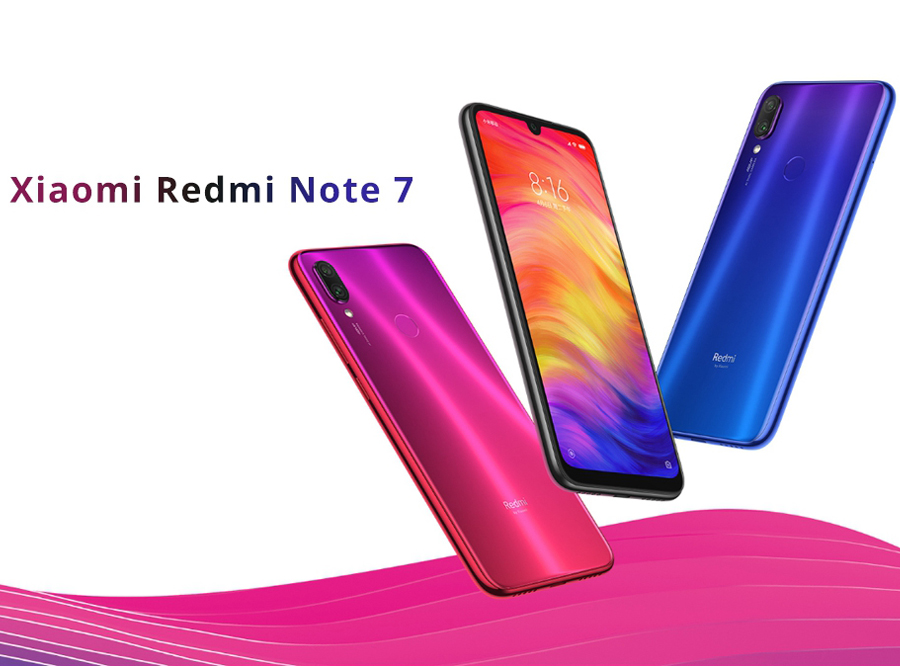 Equipped with 3GB of RAM and offering 32GB of internal storage capacity, the global version of the Redmi Note 7 is available for $199 on Giztop. This variant comes in the black color version.