In December, HMD Global had launched the Nokia 8.1 with a price tag of Rs. 26,999 (~$388). Within few months after its launch, the smartphone is now available with a discount of Rs. 2,000 (~$29) on Flipkart.
With the new price cut, the Nokia 8.1 is now selling with a reduced price of Rs. 24,999 (~$360) on Flipkart. This model comes with 4 GB of RAM and 64 GB of native storage. The Finnish firm is also selling the 6 GB RAM + 128 GB storage edition of the Nokia 8.1 with a price tag of Rs. 29,999 (~$432). The price cut is only available on the 4 GB RAM variant of the smartphone. Axis Bank credit card users can avail the smartphone with an additional discount of 5 percent. Unlike other phones on the retailer site, the 4 GB RAM edition of the Nokia 8.1 is not available through exchange offer.
Nokia 8.1 Specifications and Features
In 2018, HMD global had launched a couple of phones with wider notch display and the Nokia 8.1. The display of the phone supports full HD+ resolution and an aspect ratio of 19:9.
The Snapdragon 710 powers the smartphone. The 6 GB RAM + 128 GB storage version of the phone is exclusively available in India. The glass rear of the phone features a 12-megapixel + 13-megapixel dual camera system. For capturing selfies, it possesses a 20-megapixel selfie snapper.
It is an Android One device that runs on the latest Android 9 Pie OS. The 3,500 mAh battery of the phone carries support for fast charging technology.
Would you be interested in buying the Nokia 8.1 after the new price cut? Share us your b posting your comments below.
Almost one year after US carriers T-Mobile and Sprint agreed to a merger, the deal is still facing several hurdles in the U.S. Earlier on, there were reports that the merger’s approval by the US authority may be hinged on the two parent companies Deutsche Telekom AG (T-Mobile’s parent company) and SoftBank Group Corp (Sprint’s parent company) ditching Huawei’s technology globally. While that may have been agreed upon, there are reports that the deal may still get blocked by some US states.
Bloomberg reports that the attorney generals of several states are worried about the effect the merger would have on competition. The report specifically mentioned California and New York as states that are leading a group of over a dozen states that would file a lawsuit if the Department of Justice does not challenge the deal. The reports quoted unnamed sources of hinting that state enforcers have the power to go to court to block the tie-up even if federal officials at the Justice Department and the FCC approve it. Company representatives on both sides are yet to comment on the matter, but in the meantime, shares fell around 1% after the announcement.
T-Mobile initially offered $26.5 billion to acquire Sprint and all its market presence. This would make the company a major challenger to AT&T and Verizon’s dominance in the United States. The deal will potentially see the new conglomerate controlling over 30% of the US wireless market, with an even higher share in some states.
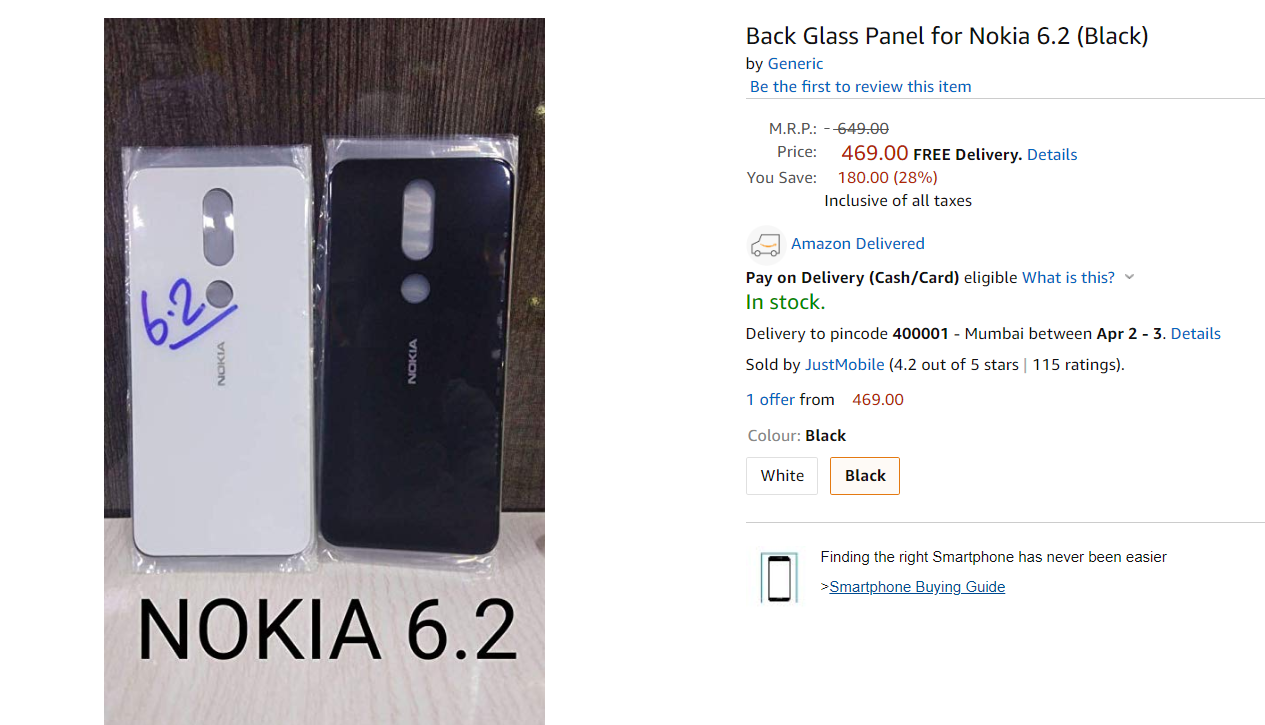
The Nokia X71 is an upcoming smartphone from HMD Global. There are reports that the X71 will be released globally as the Nokia 6.2. The rear panel for the Nokia 6.2 has been seen on Amazon India and it reveals some interesting new details.
The image for the listing reveals the Nokia 6.2 will come in black and white. There may be more colors but these two are confirmed for now. There are two cut-outs on the panel – a long one for the cameras and another for the fingerprint scanner.
The Nokia X71 is said to have three rear cameras but looking at the cut-out for the cameras on the Nokia 6.2’s panel, We doubt that will take three cameras and an LED flash. That cut-out will only be able to fit two sensors while the third is for the LED flash. If it were made to fit three sensors, it will be larger.
Take a look at the Nokia 5.1 Plus and Nokia 6.1 Plus which both launched first in Asia as the Nokia X5 and Nokia X6, they have a similar rear panel which houses two sensor and the LED flash while the fingerprint scanner sits underneath the setup.
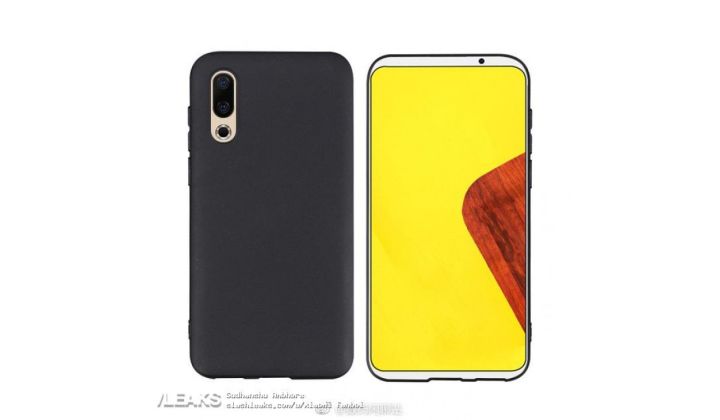
The Meizu 16s is an upcoming flagship smartphone from Meizu. The handset will be made official alongside Meizu 16s Plus and Meizu 16T gaming phone soon. The Meizu 16s and 16s Plus will be arriving as upgraded versions of the Meizu 16th and Meizu 16th Plus from last year. A render of the smartphone has appeared today on SlashLeaks to reveal its front and rear design.
The leaked render reveals the Meizu 16s will continue to sport a symmetrical design. The frontside of the phone features an elongated display. The upper and lower bezels are quite thin and are of equal size which indicates that it is equipped with an 18:9 aspect ratio display.
The rear panel of the Meizu 16th featured a dual camera setup and a ring flash at the center its top half. The Meizu 16s renders reveal that it is equipped with a vertical dual camera on the top-left corner. A ring flash is also available below the dual camera sensors. The above shown renders resembles with the leaked photos of the phone that were spotted recently.
Meizu 16s Specifications and Features (Rumors)
The Meizu 16s is rumored to arrive with a 6.2-inch AMOLED display that offers full HD+ resolution. Like the Meizu 16th, it will be also featuring an in-screen fingerprint reader. Recently, it was spotted with Snapdragon 855 and 6 GB of RAM on Geekbench. It will come with 128 GB of native storage.
The 48-megapixel Sony IMX586 sensor with OIS will be present in its rear-facing dual camera module. The Android 9 Pie OS will be overlaid with the latest edition of Flyme. The 3,600mAh battery of the phone will carry support for 24W fast charging. It is likely to carry a price tag of 3,198 Yuan (~$476).
It is not uncommon to see a device running a different OS different from the one it actually shipped with. While most people try to play it safe by installing a different fork of Android e.g. MIUI on a Samsung phone, others install a different OS entirely. An example is the OnePlus 6T that is shown below running Windows.
NTAuthority, a Twitter user based in the Netherlands shared images of a OnePlus 6T running Windows. In one of the images, we see the famous Blue Screen of Death (BSOD) and in the other, there is a Command Prompt Window running.
As you can see, the notch is interfering with the user interface as the OS isn’t designed to support that screen type.
This is not the first time the user has installed Windows on an Android device. Earlier this month, he also installed Windows on a Pixel 3 XL.
I bet you've never seen this before. Well, probably have. It's Windows. On a Pixel 3 XL. Because why not? Everything runs Windows nowadays. pic.twitter.com/PSpRm7STrJ
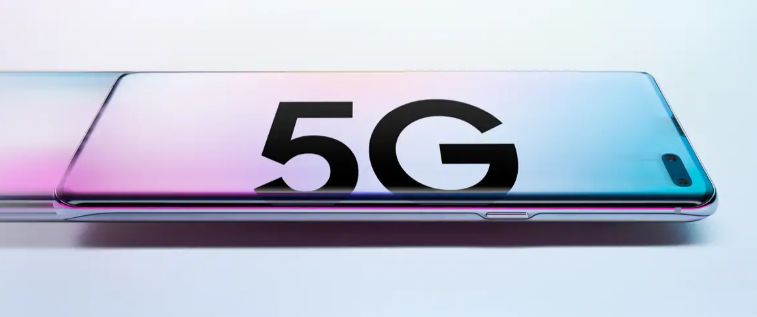
Samsung had announced the Galaxy S10 5G alongside the other Galaxy S10 series phone such as S10e, S10 and S10+ in the previous month. The South Korean company has now declared the pricing of the Galaxy S10 5G for the home market. It also revealed that the smartphone will be available for purchase from April 5. Dealntechhas come across the detailed specs of the phone. Also, it has revealed that the smartphone will be arriving in the country in two versions.
Samsung Galaxy S10 5G Specifications
When the Galaxy S10 5G phone was announced, its dimensions and weight were revealed as 162.6 x 77.1 x 7.94mm and 198 grams. The smartphone was said to arrive with 8 GB of RAM and 256 GB of internal storage. The publication has speculated that it could be the international variant and the model coming to South Korea markets will be coming slightly different specs.
The Galaxy S10 5G for South Korea measures 162.2 x 77.1 x 7.8mm and it weighs around 208 grams. The 256 GB and 512 GB storage editions of the S10 5G are both equipped with 8 GB of RAM.
The specs sheet of the Galaxy S10 5G featuring 8 GB of RAM and 256 GB of native storage is listed in color variants such as Majestic Black, Crown Silver and Royal Gold. The higher version of 8 GB of RAM and 512 GB of inbuilt storage is listed in Crown Silver. According to ET News, the 256 GB and 512 GB editions are respectively priced at KRW 1,390,000 (~$1,220) and KRW 1,550,000 (~$1,365).
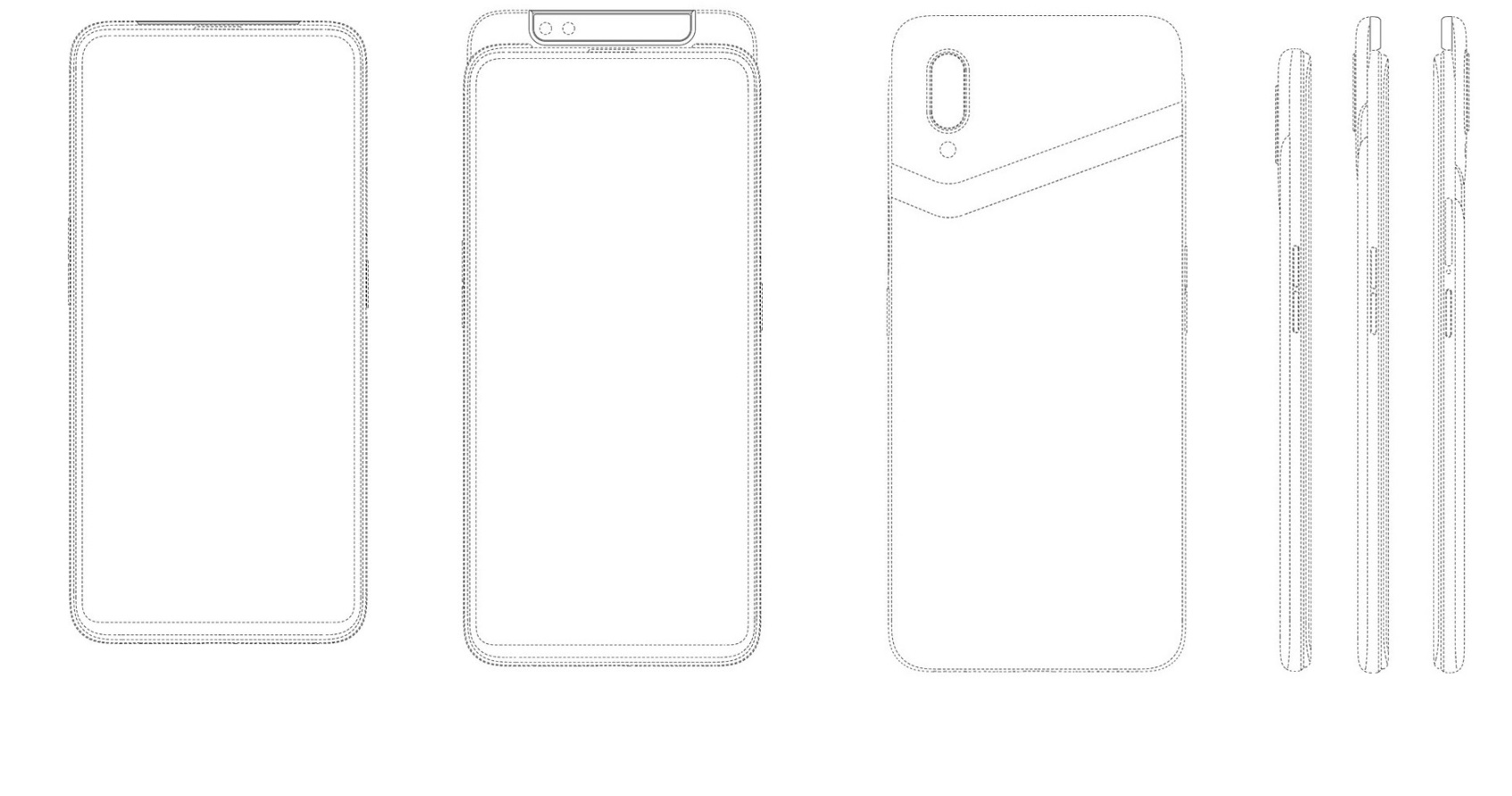
Last year’s OPPO Find X was the first phone with a slider design. Unlike the Mi MIX 3 and the Honor Magic 2 which actually have two distinct halves sliding against each other, only a portion (of the frame) of the Find X actually moves. A new patent reveals OPPO may want to try its hand another slider phone with a slightly modified design.
The patent diagram shows the phone will have really thin bezels all around the display although the chin is a bit thicker. Based on the patent design, we think this is also a motorized slider and not a manual one. There are no two distinct halves sliding over each other like the Mi MIX 3, instead, about a quarter of the rear of the phone actually slides and when it does, it reveals the two front cameras.
This portion that moves also carries the rear cameras but they are not hidden when closed as you have on the Find X, so you don’t have a plain back when the slider is shut. There are two cameras on the back too and they are arranged vertically with an LED flash below the setup.
There isn’t a fingerprint scanner visible on any part of the phone. We think it has one under the display or OPPO might use only Face Unlock as it did with the Find X. There are volume control buttons on the left and a power button on the right.
Samsung‘s new Galaxy A series model, the Galaxy A10 has been launched in Pakistan. The phone was first launched across the border in India on February 28 and recently went on offline and online sales over there. It hits Pakistan priced at PKR21,500 ($153) which is slightly higher than the price in India. The A10 has a price tag of Rs.8,490 ($123) in India.
The Galaxy A10 was launched alongside the Galaxy A30 and Galaxy A50 in India but it is making a solo run in Pakistan. The A10 comes with entry-level specs crammed inside a beautifully designed shell. The device features a 6.2-inch Infinity-V LCD display with HD+ resolution of 720 x 1520 pixels. The phone is powered by an Exynos 7884 SoC, paired with 2 GB of RAM while there is inbuilt storage of 32 GB. The device also packs a modest 3,400mAh battery under the hood.
At the back, there is a 13-megapixel sensor with f/1.9 aperture but there is no fingerprint sensor. The A10 offers its users with f/2.0 aperture 5-megapixel selfie shooter. One interesting aspect is the Android 9.0 Pie-based One UI which it features. Despite being an entry-level model, it packs a microSD card slot, dual SIM slots, 4G LTE support, WiFi, and GPS. It is available in black, Blue and Red colour variants.
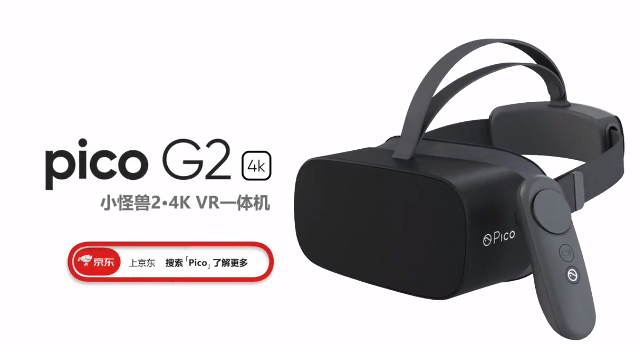
Last year, Chinese VR company, Pico, released the Goblin 2 standalone VR headset with a 3K display. It has now followed it up with the Pico G2 4K headset, which as the name says has a 4K display.
While the display is sharper and there have been some changes in the design, some things have remained the same. It is still powered by a Snapdragon 835 processor and it comes with 4GB of RAM and 32GB UFS 2.1 storage. There is a MicroSD card slot for up to 256GB of extra space. It runs Android 8.1 Oreo and packs a 3,500mAh battery that charges via a USB type-C port and should last up to 3 hours on a single charge. The 5.5-inch 4K display has a resolution of 3840 x 2160 and a PPI of 818. It uses a modified Fresnel lens to control edge distortion.
The Pico G2 4K now comes in black but keeps the battery at the back of the strap for better weight distribution. The strap is adjustable and the headset can be worn with prescription glasses. It also has a 3DoF controller that comes in the same matching color.
The VR headset has a dual-platform store. There is the Pico Store and the VIVEPORT store, so you should have a wide variety of apps to choose from. It also supports casting to screen so others can watch you play.
Earlier in this week, a purported email from HMD Global to some dealers in Taiwan had revealed that it will be launching a smartphone named Nokia X71 in Taiwan on April 2. Some reports claimed that it could be launching as Nokia 8.1 Plus outside of Taiwan. However, some reports that it could be arriving as Nokia 6.2 in international markets. A new leak that that surfaced today suggests that the Nokia X71 may go official as Nokia 6.2 in global markets.
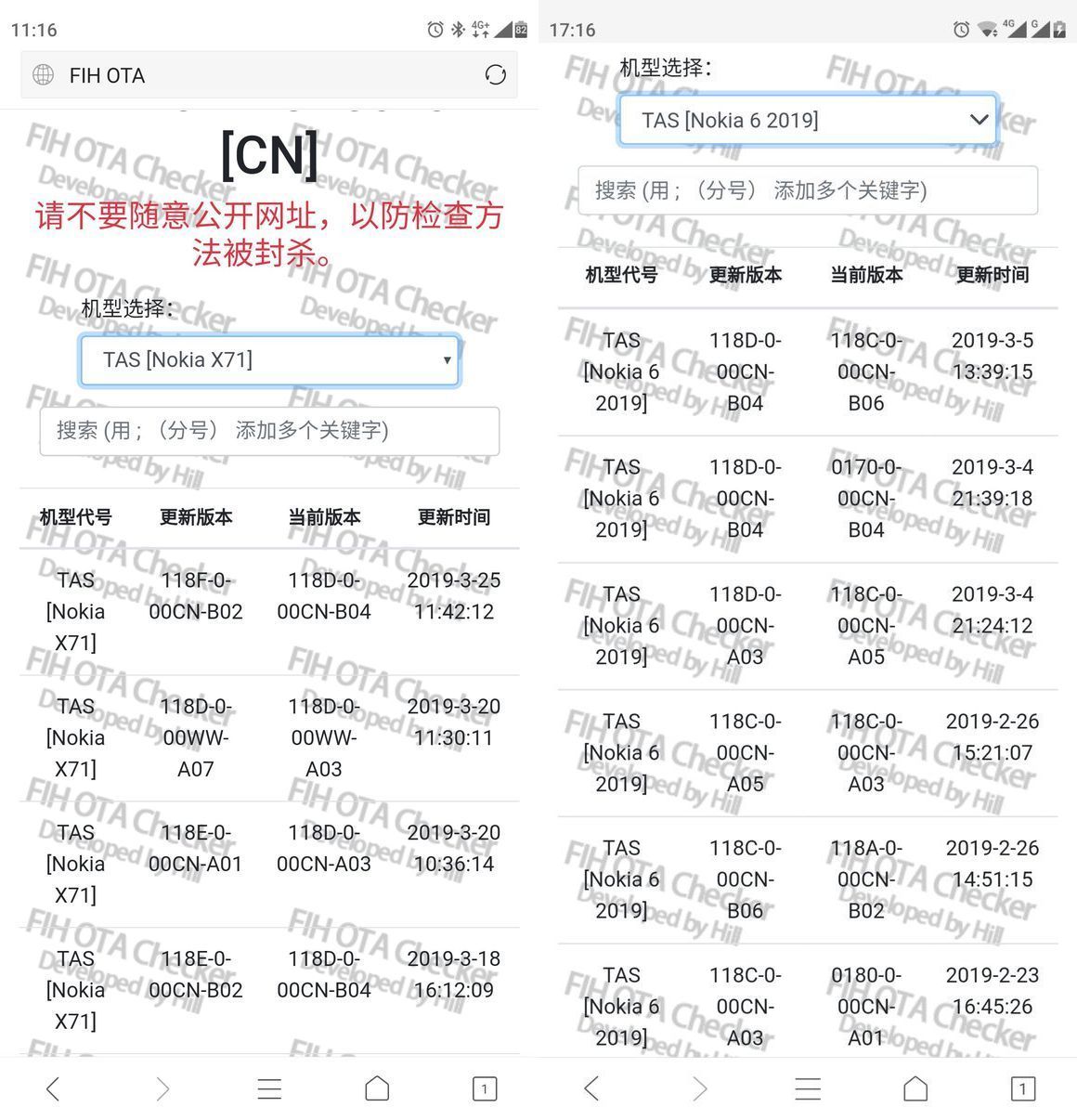
Previous reports had claimed that the upcoming Nokia 6.2 (also known as Nokia 6 2019) could be codenamed as TAS which stands for Taishun. Two screenshots of FIA OTA tracker of Nokia X71 and Nokia 6 (2019) that appeared on China’s Baidu recently show they are both codenamed as TAS. This indicates that these devices are same device.
The purported email from Finnish firm had revealed that the smartphone would be arriving with a triple camera setup with 48-mgeapixel sensor and 120-degree wide-angle lens. It also stated that the phone would be arriving with a punch-hole display. It is also expected to carry support for 18W rapid charging. Earlier today, the Nokia X71 smartphone was spotted on Geekbench with specs like Android 9 Pie OS, 6 GB of RAM and Snapdragon 660. Contradictory reports from the past have claimed that the Snapdragon 632 could be powering the smartphone.
The Nokia 6.1 from last year was fueled by the Snapdragon 630. Hence, the Snapdragon 660 SoC appears suitable for the Nokia 6.2 phone. A recent report had revealed that the Nokia 6.2 will be made official between March and June. The Nokia 6.1 was unveiled with a price tag of 279 euros (~$315). It is speculated that the upcoming Nokia 6.2 will be hitting the market with a similar price tag.
Lenovo’s Motorola brand recently revealed it had returned to profitability after several years of swimming in troubled waters. We can attribute the company’s rise to its solid reputation for its quality phones. The company’s strategy of offering affordable models have also been helpful. The Moto One was launched last year as an Android One smartphone with a notch screen design that deviates from the design of previous Motorola phone. The Moto One was equally launched under Google’s Android One program. Now, the Lenovo-owned company seems to have got a successor known as Moto One Vision in the works.
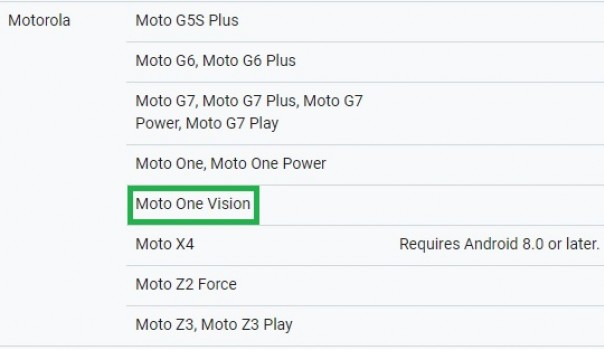
The Moto One Vision’s images and specs had earlier appeared in leaks, gifting us some details about the model. The phone has now been listed on Google’s ARCore website among the Motorola models that supports ARCore. This is an indication that the device could hit the market very soon but no date has been mentioned for that yet.
The Moto One Vision is expected to launch as Motorola’s first Exynos phone as it packs an Exynos 9610 SoC from Samsung. The processor will pair up with up to 4GB of RAM while there will be up to 128GB storage onboard. The device will run the latest Android Pie software, thanks to Android One. The device will equally feature a 6.2-inch 21:9 Full-HD+ punch-hole display and a dual camera setup at the back with a 48MP main sensor. It gets its power from a 3,500 mAh battery which will be charged through a USB-C port.
By the beginning of the last quarter of 2019, Huawei is likely to announce the Mate 30 series of flagship smartphones. While it is quite early for the rumor mill to leak information on the Mate 30 and Mate 30 Pro smartphones, well-known smartphone concept designer YouTube channel Science and Knowledge. The concept renders show the Mate 30 Pro sporting an impeccable design that includes a curved OLED display with a punch-hole at its top-right corner. Also, it is equipped with five cameras on its rear.
One should be aware of the fact that the Mate 30 Prof concept showcased by the designer has been created through imagination and is not based on any leaks. The concept model features a glass and a metallic frame. In the video shown below, the Mate 30 Pro concept device can be seen in multiple colors.
Not only because of the punch-hole display design, but also due to super-slim chin, the Mate 30 Pro boasts a stunning screen space. The concept model features a 6.39-inch S-AMOLED display that produces Quad HD+ resolution. The smartphone is said to carry support for full-screen in-display fingerprint reader.
The Kirin 990 smartphone fuels the smartphone. The designer claims that the concept model comes with 10 GB and 12 GB of RAM. For storage, it includes four options such as 128 GB, 256 GB, 512 GB and 1 TB. The 4,200mAh battery that carries support for rapid charging, swift wireless charging and reverse charging. The Android 9 Pie OS with EMUI 9 skin comes preinstalled on the device.
Some of the above specs appear too good to be true. Early reports have revealed that the Mate 30 Pro will be equipped with a Kirin 985 SoC. Also, the company has confirmed that the Mate 30 series will carry support for 5G connectivity.
What do you think about the Huawei Mate 30 Pro concept model? Share us your views by posting your comments below.
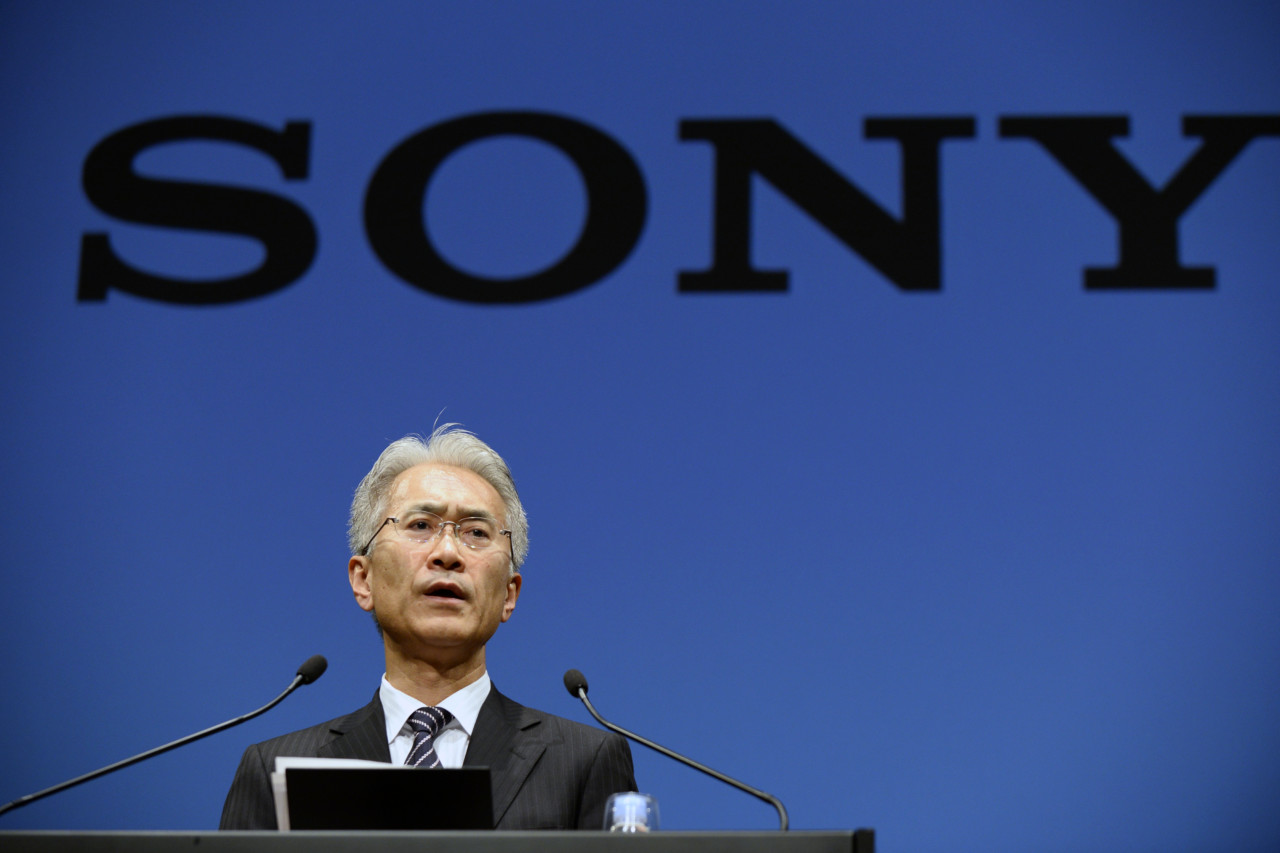
Just a few days ago, it was announced that Sony has merged its mobile, TV, audio, and camera divisions into one new division called Electronics Products and Solutions. Now, a new report says the mobile phone division will lay off half of its staff within a year.
At the moment, the Sony Xperia staff strength is 4,000 which means 2,000 workers will lose their jobs between now and March 2020. Sony already said it plans to reduce its spending by half and it appears laying off workers is a part of its plans to do so.
Sony already revealed it is shutting down its smartphone plant in China and moving production to Thailand. Last year, it also closed its mobile business in some regions. Reports say it is going to be focusing on Europe and East Asia for now.
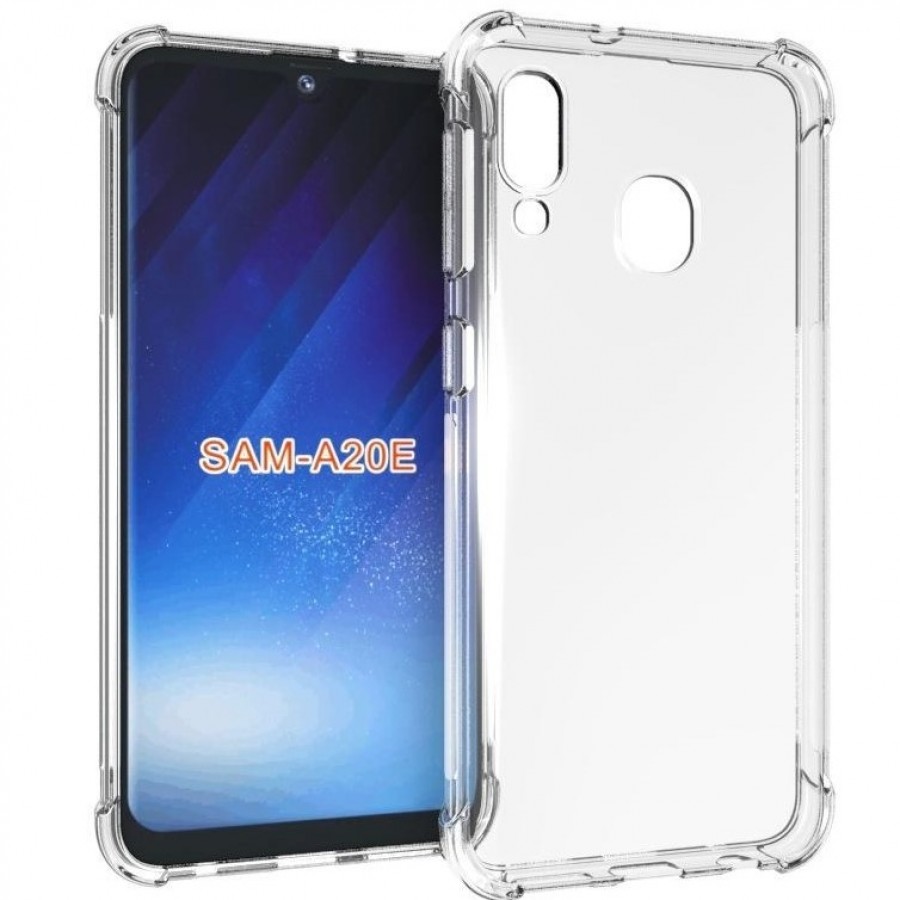
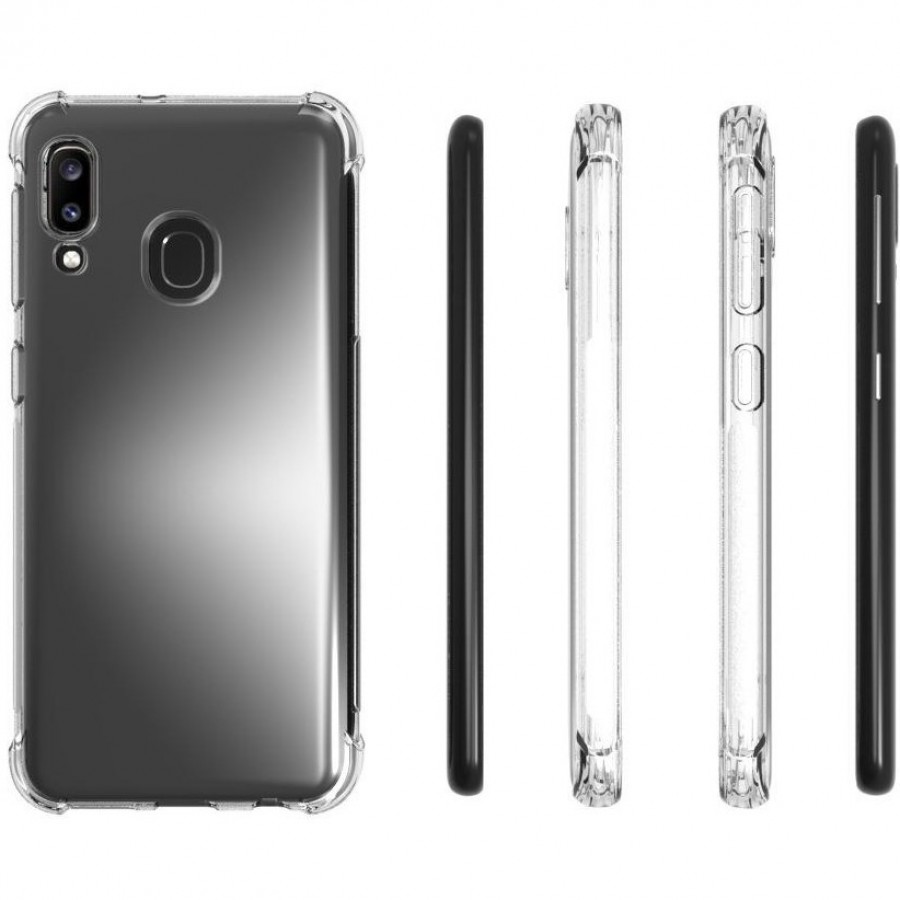
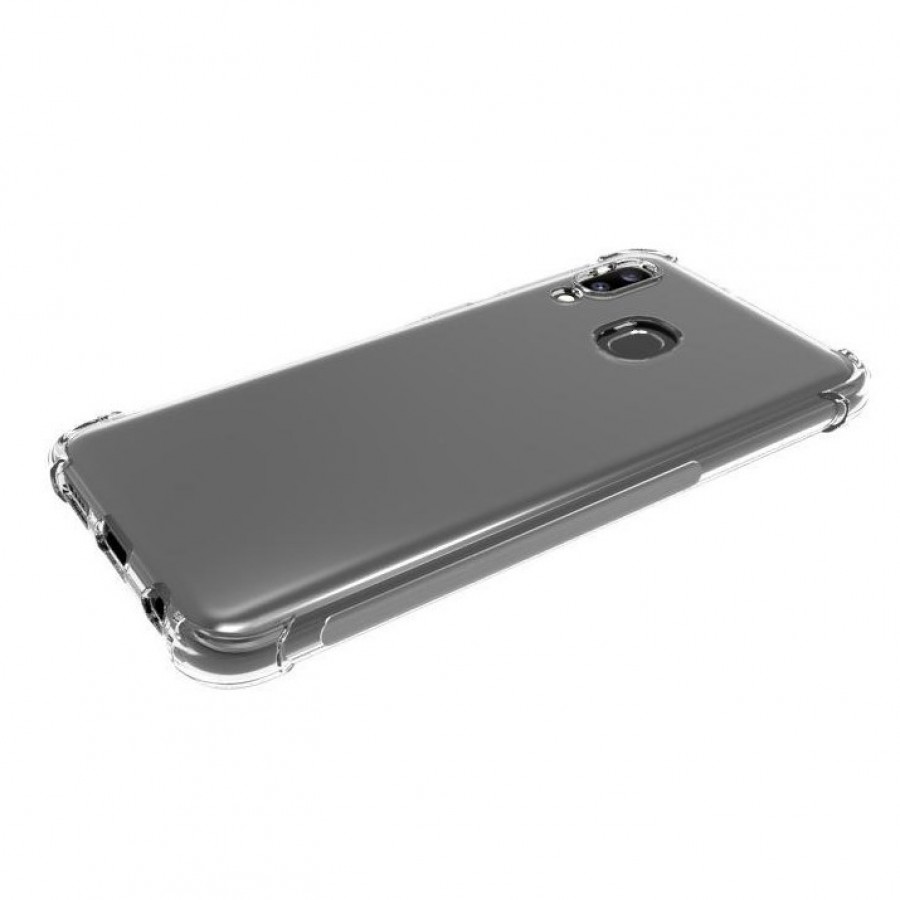
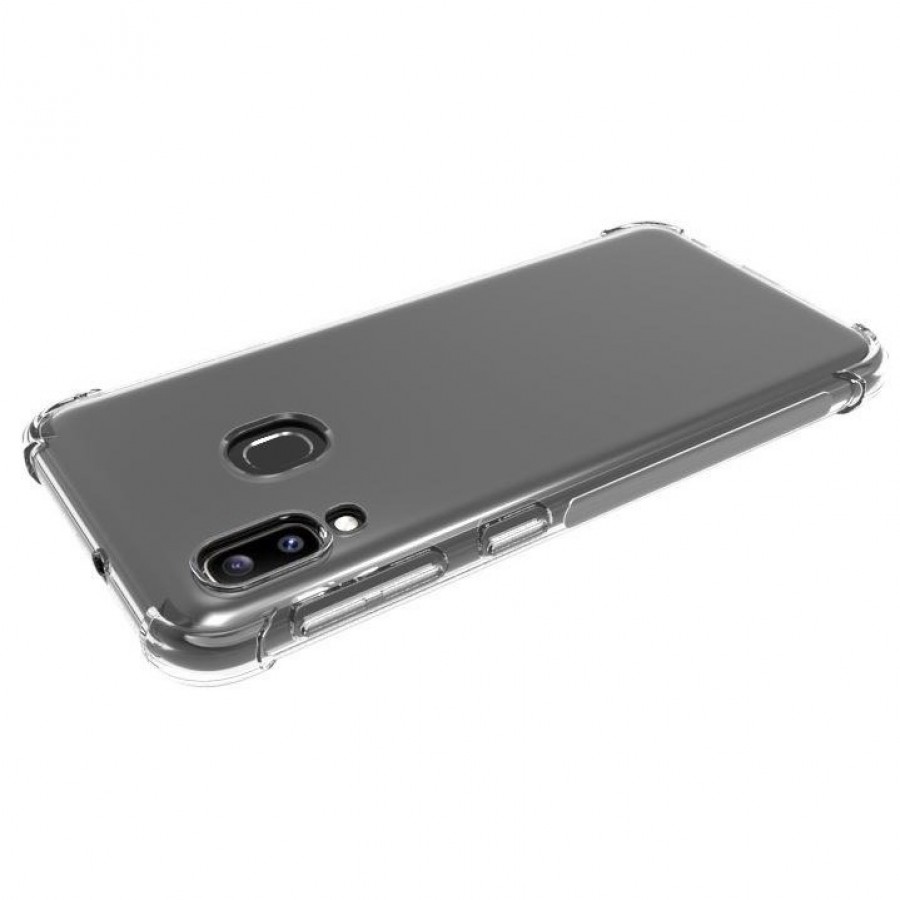
A Samsung model dubbed Galaxy A20E was recently listed alongside the Galaxy A90 and A40 on the company’s official UK store. The listing page was left blank but not too long after, Samsung launched the Galaxy A20. Apparently, the Galaxy A20 and Galaxy A20E will have the same design. This has been revealed by a couple of leaked case renders said to be for the unannounced Galaxy A20E.
We can adduce from the renders that the Galaxy A20 and A20E can actually share protective cases except it turns out that their display sizes differ. The renders also showcase the supposed Galaxy A20E and it packs a similar waterdrop notch design which the A20 adopts. At the back, the device features a dual camera setup aligned vertically at the top left corner with an LED flash at the bottom. The phone also has a rear-mounted fingerprint sensor while the volume rockers and power buttons are on the right side of the screen. There are equally cut-outs for the 3.5mm audio jack and microUSB port at the bottom edge.
The Galaxy A20E is expected to be a slightly toned down version of the A20. Apart from display size which may differ, the camera configuration and SoC are aspects that could also see changes from the A20. There is no word yet on the launch date for the A20E but we expect it to happen soon since Samsung seems to have been hit by a “launch-spree bug”. Samsung has actually scheduled a Galaxy A series event on April 10 and the Galaxy A20E may be among the models that would be launched.
A lot of people wonder whether they should buy the base version of the latest flagships or spend a similar amount of money to get the high-end version of its predecessor. That is currently what you would probably be asking yourself if you wanted to get an affordable flagship by Huawei. The Chinese company recently launched the Huawei P30 series, but is the vanilla P30 really different and better from the previous Huawei flagship or is it better to save some money and choose the most powerful configuration of the Honor View 20 or the Huawei Mate 20? This comparison will clear your ideas and tell you which affordable Huawei flagship is worth choosing for your needs.
Huawei P30 vs Huawei Honor View 20 vs Huawei Mate 20
Triple 40 + 16 + 8 MP, f/1.8, f/2.2 and f/2.4
32 MP f/2.0 front camera
Dual 48 MP + TOF 3D camera, f/1.8
25 MP f/2.0 front camera
Triple 12 + 16 + 8 MP, f/1.8 + f/2.2 + f/2.4
24 MP f/2.0 front camera
BATTERY
3650 mAh, fast charging 22.5W
4000 mAh, fast charging 22.5W
4000 mAh, fast charging 4.5V / 5A
ADDITIONAL FEATURES
Hybrid Dual SIM slot, splash resistant
Dual SIM slot, in-display camera
Dual SIM slot, splashproof (IP53)
Design
The design is the real strong point of the Honor View 20. After all, a lot of Honor devices succeeded for their stunning aesthetics. The Honor View 20 gets rid of notches, sliders, and bezels thanks to a futuristic punch-hole display, and it also comes with a stunning reflect back creating different light waves depending on the viewing angle. While the Honor View 20 has the most gorgeous design, Huawei P30 still comes with a good design and it also has a better build quality. The phone is dust resistant and splashproof, just like the Huawei Mate 20. In my opinion, Huawei P30 is much more beautiful than the Huawei Mate 20 because it comes in more attractive color variants, a cleaner rear design, and even a more compact body.
Display
While the design is the strong point of the Honor View 20, the display is definitely its weak point. It comes with a classic IPS panel, something that you can often find in the midrange segment. It is a good display and its punch-hole design is very attractive as well as the very thin bezels, but it is far from the levels reached from Huawei P30 and Mate 20 which come with a solid high-end screen. They support both DCI-P3 coverage and the HDR10 technology for better color reproduction. I like Huawei P30’s color better thanks to its OLED panel, while Huawei Mate 20 has an LCD display but it also comes with a bigger diagonal (6.53 inches vs 6.1 inches, so it is better for productivity).
Hardware/Software
At a similar price, you can get either the high-end memory configuration of the Honor View 20 and Mate 20 (8/256 GB and 6/128 GB) or the base configuration of the Huawei P30 (6/128 GB). Given that all of these handsets come with the same Kirin 980 chipset and they are all based on Android Pie out of the box, when it comes to performances, the higher-end version of the Honor View 20 is better, especially in multi-tasking environments. With more RAM, you can open more heavy games and apps at the same time. The higher-end version of the Honor View 20 also comes with more storage, but note that you can not expand it as it does not feature an expansion slot, unlike the Huawei P30 and Huawei Mate 20.
Camera
The triple rear camera of the Huawei P30 undoubtedly wins the comparison as it is able to capture a higher quantity of light for better photos in low light conditions, as well as a very high level of detail. Unlike the Honor View 20, it also has Leica optics and an ultrawide lens. Further, it supports up to 3x optical zoom thanks to its telephoto lens. The second place goes to the Huawei Mate 20 which comes again with a triple camera including an ultrawide sensor and a telephoto lens with a 2x optical zoom. Honor View 20 takes the last position with a still nice 48 MP dual camera. Even when it comes to selfies Huawei P30 is the winner with an impressive 32 MP snapper.
Battery
Here, the Honor View 20 wins. It has a bigger battery than Huawei P30 as well as a smaller display than the Huawei Mate 20, so it is pretty obvious that it can last more on a single charge. It even has a very fast charging technology: it can go up to 55 percent in just 30 minutes.
Price
You can get the base variant of the Honor View 20 for just €500 thanks to online street prices, but it has a listing price of €570/$640. Huawei P30 starts from €680/$764, while Huawei Mate 20 starts from €640/$718 globally (now about €500/$561 thanks to street prices). Despite you can get the higher-end version of the Honor View 20 and the Huawei Mate 20 at the same price as the Huawei P30, we still suggest you go for the Huawei P30 because of its better cameras and its great display, unless performances and productivity are your main priority. In that case, I would go for the Huawei Mate 20 due to its bigger and nicer display, even though Honor View 20 has better aesthetics and slightly longer battery life.
Meizu‘s first commercially available flagship for this year is the Meizu 16s and it has been spotted on Geekbench ahead of its release.
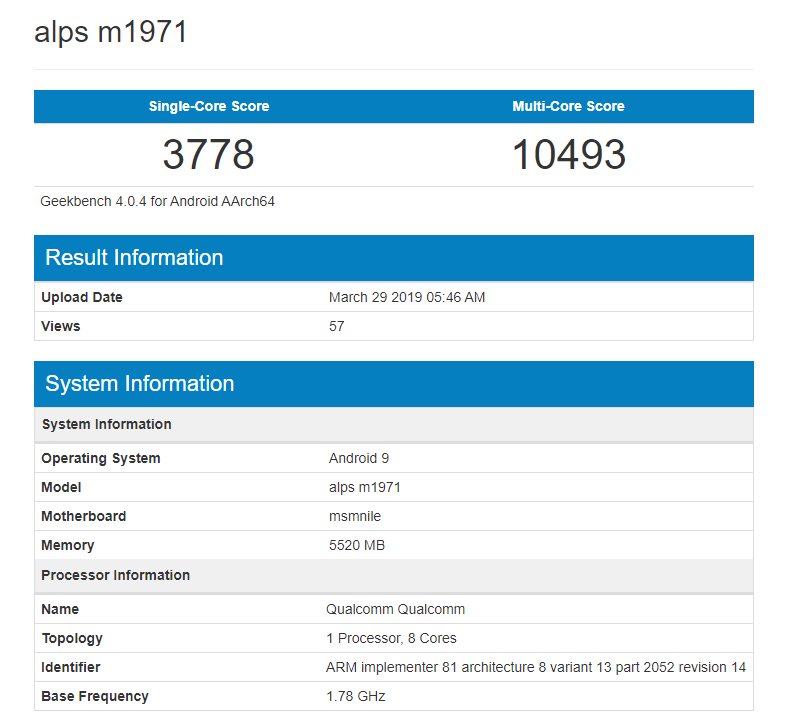
Benchmarked as “alps m1971”, the Meizu 16 runs Android 9 Pie. The processor is listed as “msmnile” but we know this is the Snapdragon 855. There is 6GB of RAM but we expect there will be an 8GB RAM variant too.
The Meizu 16s scored 3778 points in the single-core test and 10493 points in the multi-core test.
One area where Xiaomi has made tremendous improvements is in the camera prowess of its smartphones. Over the years, we have seen the company’s phones progress from modest camera-packing phones to ranking among the top contenders in the industry. This isn’t just restricted to its flagship phones but also the mid-range models. The recently launched Redmi Note 7 and Note 7 Pro are testaments to this postulation. We had earlier seen amazing shots from the Redmi Note 7 with impressive night scene captures. The Redmi Note 7 Pro’s camera samples have also been shared, showing an even more powerful and stunning camera setup.
The camera samples shared recently seems to have been shot by a fan who hinted that there were just manual adjustments in the saturation and brightness levels. The samples are just stunning with no trace of noise whatsoever. The camera shots give attention to details despite the fact that they were captured at night. There seems not to be any distortion in the normal colors of the light array.
There is no argument about the Redmi Note 7 Pro samples being way better than that of the Note 7 and the reason isn’t far fetched. The Redmi Note 7 Pro is equipped with a more powerful Sony IMX586 48-megapixel lens in its dual camera module. While the Redmi Note 7 features a Samsung ISOCELL Bright GM1 48-megapixel sensor in a dual-camera setup. The Sony sensor coupled with Xiaomi’s night mode software optimization makes it possible to shoot brighter images in low-light scenarios. The Redmi Note 7 has also got the Night mode software optimisation so, its samples are pretty impressive. Check out more of the camera samples from below.
As a reminder, the Redmi Note 7 Pro features a 6.3-inch IPS LCD display with waterdrop notch that delivers full HD+ resolution and 19.5:9 aspect ratio. The phone is powered by an equally powerful Snapdragon 675 SoC. It packs a 48-megapixel primary sensor with a 5-megapixel depth sensor. Under the hood is a 4000mAh battery with support for 18W fast charging and uses the USB-C port. The phone runs on MIUI 10 based on Android 9 Pie.
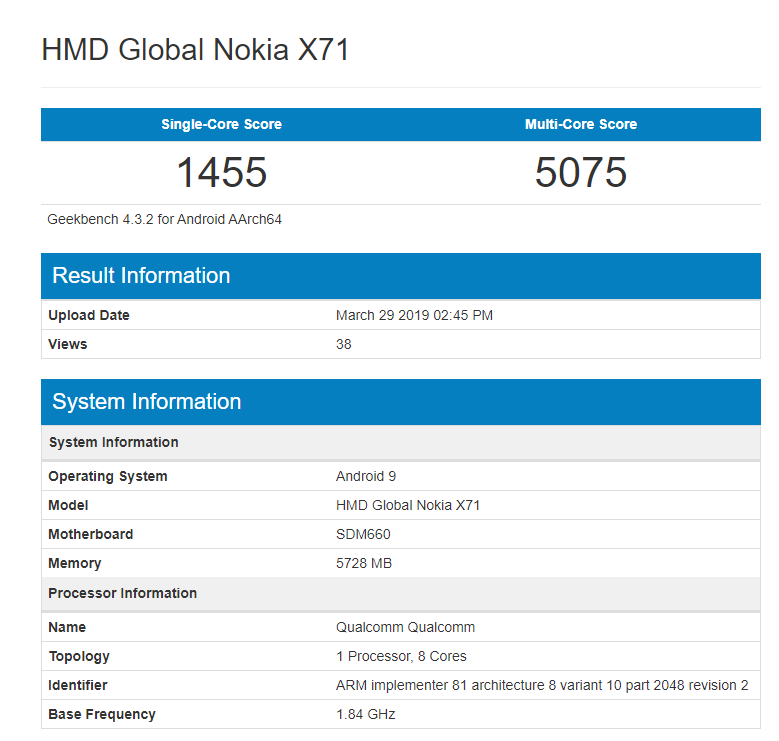
HMD Global has a new phone coming called the Nokia X71. It is scheduled for release on Tuesday, April 2. The phone has now made an appearance on Geekbench and the benchmark result reveals some key details.
The Nokia X71 was benchmarked yesterday. It runs Android 9 Pie which is no surprise. This is HMD Global we are talking about and as far as I know, no manufacturer has a track record as great as theirs when it comes to regular updates.
What is interesting about the Nokia X71 is its processor which is revealed to be the Snapdragon 660. This is the same chipset that powers the Nokia 7 Plus and it is paired with 6GB of RAM. However, the scores are lower than that of other Snapdragon 660 phones like the Nokia 7 Plus or the Mi 8 Lite. Geekbench listings are easy to fake these days, so take this with a grain of salt.
There are reports the Nokia X71 is actually a successor to the Nokia 6.1/Nokia 6 (2018). If this is so, then the Snapdragon 660 is fitting since the Nokia 6.1 is powered by the Snapdragon 630. The original Nokia 6 launched with a Snapdragon 430 processor.
The OPPO Reno was initially reported to come in two main variants – a Snapdragon 710 version and a Snapdragon 855 version. However, a trademark application filed at the European Union Intellectual Property Office a few weeks ago revealed the Reno will have five versions. One of them is the Reno Lite which has now been spotted on TENAA, complete with full specs.
The Reno Lite with model numbers PCAT10 and PCAM10 has a 6.5-inch display with a 1080 x 2340 resolution. It is powered by a 2.1GHz octa-core processor said to be MediaTek’s Helio P70 chipset. The PCAM10 version has 4GB of RAM and 128GB of storage while the PCAT10 version will come in 4GB and 6GB variants with 128GB of storage. There is support for storage expansion (256GB max.).
There are three cameras in total on the device – dual 16MP + 2MP sensors on the rear and another 16MP selfie camera. There are no images yet, so we can’t confirm if it is a pop-up selfie camera like that of its siblings.
TENAA says the phone has a fingerprint scanner but since there are no images, we don’t know its position. Anyway, since this is a lite version, we expect a rear-mounted fingerprint sensor.
The Reno Lite has a 3,910mAh battery and runs Android 9 Pie. It measures 162 x 76.1 x 8.3 millimeters, weighs 190 grams and will be available in black. Once TENAA updates the listing with images, we will update the post.
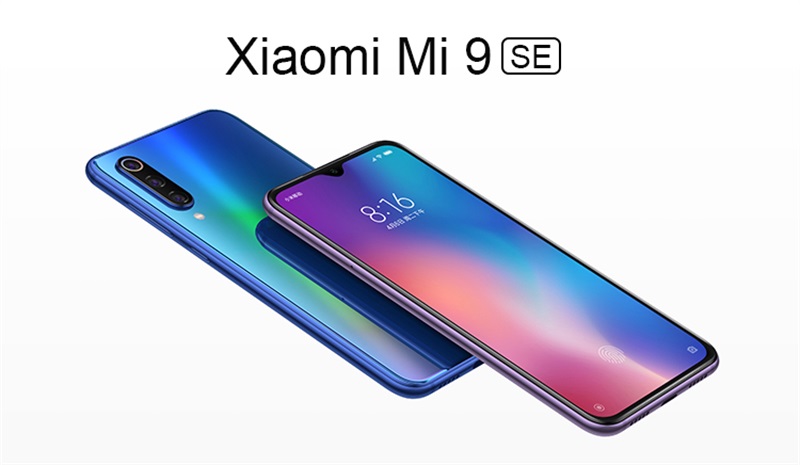
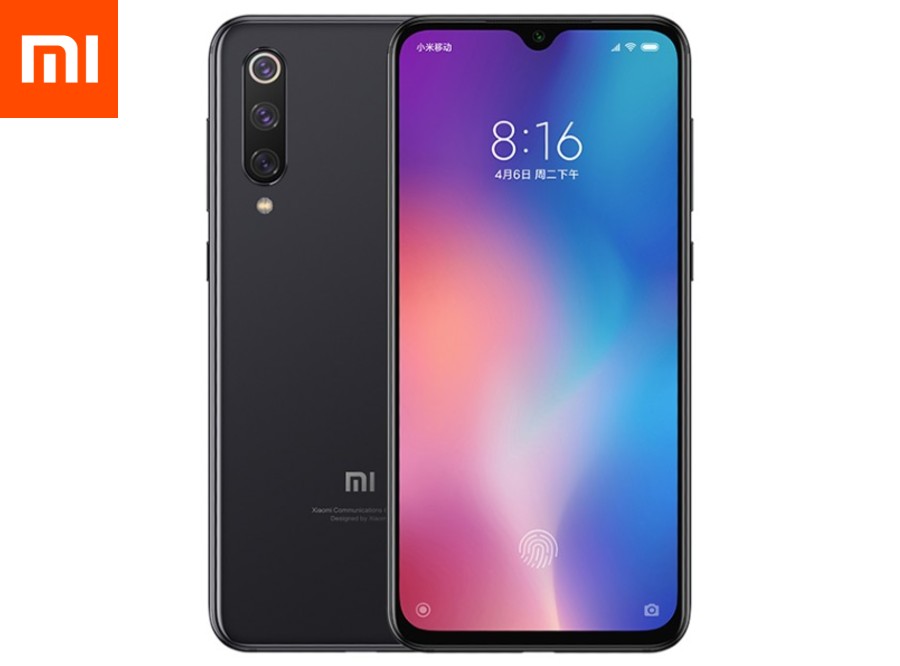
Xiaomi made its long-awaited Mi 9 SE smartphone available to the public earlier this month. Here are leading online stores where you can get your hands on the recently unveiled smartphone without emptying your pockets. We’ll even show how you can save a considerable amount of extra money during the checkout process. So without further ado, let’s delve straight into the details.
GeekBuying
The 6GB RAM, 64GB ROM variant of the Mi 9 SE smartphone would normally set you back a pretty penny. GeekBuying is offering its loyal users a chance to buy the blue-tinted global version of this model for only $409.99. This is a significant 11 percent drop in the device’s original asking price of $461.99. Alternatively, you can grab a 20 percent discount on the black color version of the phone that ships with 6GB of RAM and offers 64GB of internal storage capacity. As a result, the aforesaid model can now be yours for just $409.99, while it usually retails for $511.99.
On top of that, you can use coupon code ZQZSOOSL and get an extra $40 and reduce your grand total to only $369.99. You can follow this link to avail the discount. Note that the promo is slated to end soon.
GearVita
The global version of the Mi 9 SE smartphone is currently up for pre-order for $399.99 on GearVita. If you are living on a tight budget and aren’t willing to shell out that kind of money, all you need to do is to apply coupon code GVM9SE64G and save $60 before placing your order. In other words, you can bring the original asking price of the Mi 9 SE smartphone down to just $339.99 at the time of checking out. You can follow this link to get the discount before the coupon expires. The Mi 9 SE is available in black, blue and purple color versions.
Giztop
Giztop is offering you a chance to choose between two well-received variants of the Mi 9 SE smartphone.
The blue-tinted model that features 6GB of RAM and 128GB of onboard storage capacity is available for $389. The blue and black color versions of the 6GB RAM, 64GB ROM variant, on the other hand, will set you back $349.
You can visit the promotion page by head straight to this link and order your favorite variant of the Mi 9 SE smartphone from Giztop.
Banggood
Known for offering the best bang for your buck, Banggood has teamed up with Xiaomi to offer the Mi 9 SE smartphone with 6GB RAM, 64GB ROM under the hood for a reduced price of just $420.21. It is worth mentioning that the aforesaid model usually carries a steep $440.25 price tag. If your order exceeds $39.99, you’d qualify for free shipping. The discount is valid for the purple color version of the phone. You can grab a blue and dark grey color versions for just $410.21. Note that the original selling price of these color versions is $430.25.
You can visit this link to avail the discount and also earn 420 BG points. In terms of features, here’s what the Xiaomi Mi 9 SE offers:
5.97 inches Super AMOLED capacitive touchscreen with 1080 x 2340 pixels resolution
We use cookies on our website to give you the most relevant experience by remembering your preferences and repeat visits. By clicking “Accept”, you consent to the use of ALL the cookies.
This website uses cookies to improve your experience while you navigate through the website. Out of these, the cookies that are categorized as necessary are stored on your browser as they are essential for the working of basic functionalities of the website. We also use third-party cookies that help us analyze and understand how you use this website. These cookies will be stored in your browser only with your consent. You also have the option to opt-out of these cookies. But opting out of some of these cookies may affect your browsing experience.
Necessary cookies are absolutely essential for the website to function properly. This category only includes cookies that ensures basic functionalities and security features of the website. These cookies do not store any personal information.
Any cookies that may not be particularly necessary for the website to function and is used specifically to collect user personal data via analytics, ads, other embedded contents are termed as non-necessary cookies. It is mandatory to procure user consent prior to running these cookies on your website.


















 We’ll even show how you can save a considerable amount of extra money during the checkout process. So without further ado, let’s delve straight into the details.
 Alternatively, you can grab a 20 percent discount on the black color version of the phone that ships with 6GB of RAM and offers 64GB of internal storage capacity. As a result, the aforesaid model can now be yours for just $409.99, while it usually retails for $511.99.
 In other words, you can bring the original asking price of the Mi 9 SE smartphone down to just $339.99 at the time of checking out. You can follow
  You can visit the promotion page by head straight to
  If your order exceeds $39.99, you’d qualify for free shipping. The discount is valid for the purple color version of the phone. You can grab a blue and dark grey color versions for just $410.21. Note that the original selling price of these color versions is $430.25.