Huawei has been at the centre of a protracted controversy bothering on whether the company can be trusted with providing countries with 5G equipment. The US has already delivered its verdict that the company cannot be trusted and could leak customers’ data to the Chinese government. The US government has even pressed on several allies to boycott Huawei’s 5G infrastructure. The Chinese company has severally debunked these fears which they say isn’t based on any substantial evidence. Huawei even went further to claim that it is not owned by the Chinese government but by employees who are shareholders.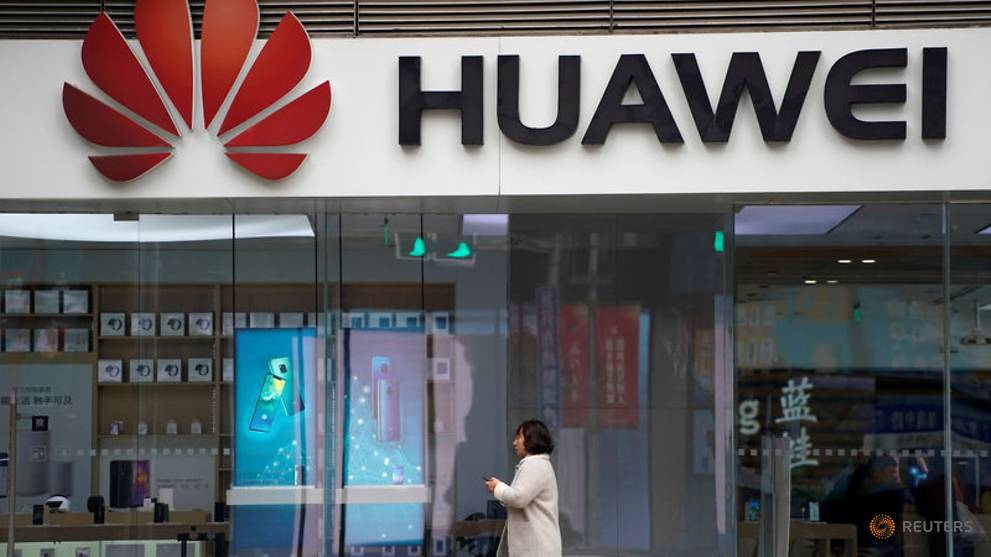
That claim sounded too good to be true and so it wasn’t much of a surprise when Christopher Balding of Fulbright University Vietnam and Donald Clarke of George Washington University, in a research paper, examined publicly available sources that suggest Huawei’s operating company belongs to a holding company, with Huawei founder, Ren Zhengfei, holding a 1% share. The paper went further to claim that the remaining 99% is held by a “trade union committee,” which was established under China’s Trade Union Law. However, under Chinese law, trade unions answer to the state which could mean that 99% of Huawei is effectively controlled by Chinese authorities.
Huawei has again debunked this assertion alleging that it was “based on unreliable sources and speculations, without an understanding of all the facts.” At a press conference held last week, Jiang Xisheng, chief secretary of Huawei’s board of directors, stated that a company of Huawei’s size is legally obliged to establish a trade union, which organizes social and recreational functions for the employees and has to abide by Chinese law. He further hinted that it is registered under the Shenzhen Federation of Trade Unions which certifies trade unions and carries out annual audits but doesn’t control Huawei’s trade union.
Jiang further disclosed that Huawei had assigned an additional function for the trade union committee by making it the owner of 99% of the holding company, thus legally entrusting it to implement the company’s employee shareholding scheme. That program covers some 97,000 Huawei current and former employees and entitles them to shares and related dividends. Employees buy into this employee shareholding scheme using money from their own pockets. Should they wish to forgo the shares, they can only sell them back to the company. Jiang asserted that the employee shareholding scheme meant Huawei is owned and controlled by its shareholding employees.
The academics argue that the shareholding scheme was no more than a profit-sharing scheme as the shareholders don’t have actionable ownership, which could have actually given the employees some real control over the company. But Huawei says the shares can depreciate and thinks this makes it more than contractual interests in a profit-sharing system.
Read Also: US-based MIT terminates partnership with Huawei and ZTE
The claim still doesn’t sound too convincing but Huawei recently invited LA Times to its sprawling campuses in Shenzhen, China. Apparently, the company keeps a 10-volume printed registry under a glass case in a room in one of its campuses. The registry is said to contain the names of close to 100,000 employees said to be the company’s only shareholders. The Times reporter was also shown the names of the employees, identification numbers, departments and the total shares owned. The company in a bid to be seen as transparent, traced the origin of the company, revealing to The Times the names and occupations of the five investors who helped the founder Ren Zhenfei raise Huawei’s $5,000 start-up capital in 1987. The investors each paid equal amounts as private individuals and withdrew their stakes between 1991 and 2000, Huawei said. As convincing as it sounds, recent interviews, lawsuits and news reports still contradict parts of the company’s official narrative, making it difficult to believe the new narrative of employees ownership. We see Huawei bearing this toga of distrust around its neck for a long time.
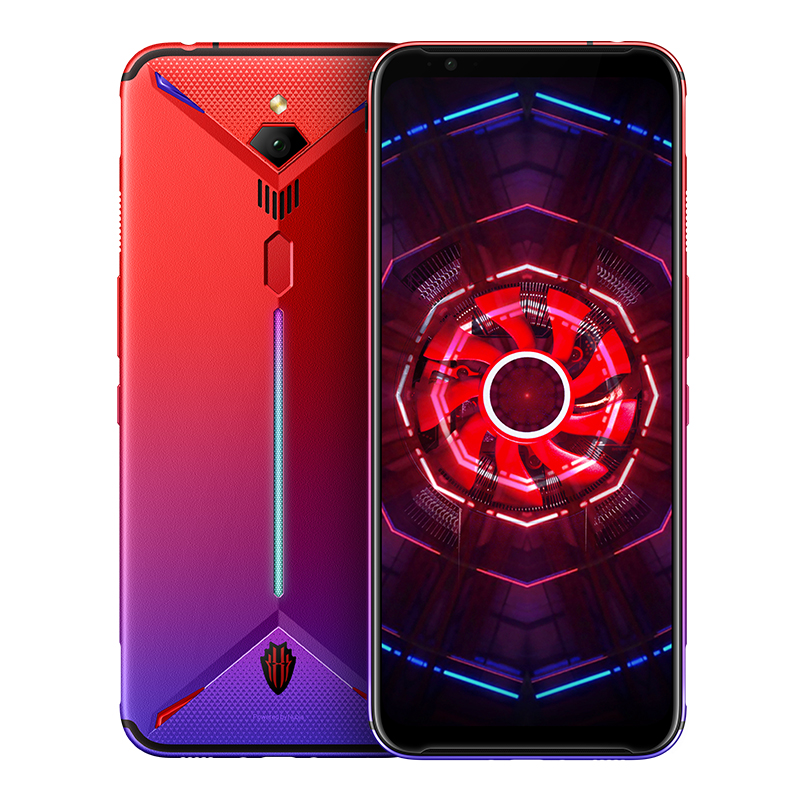
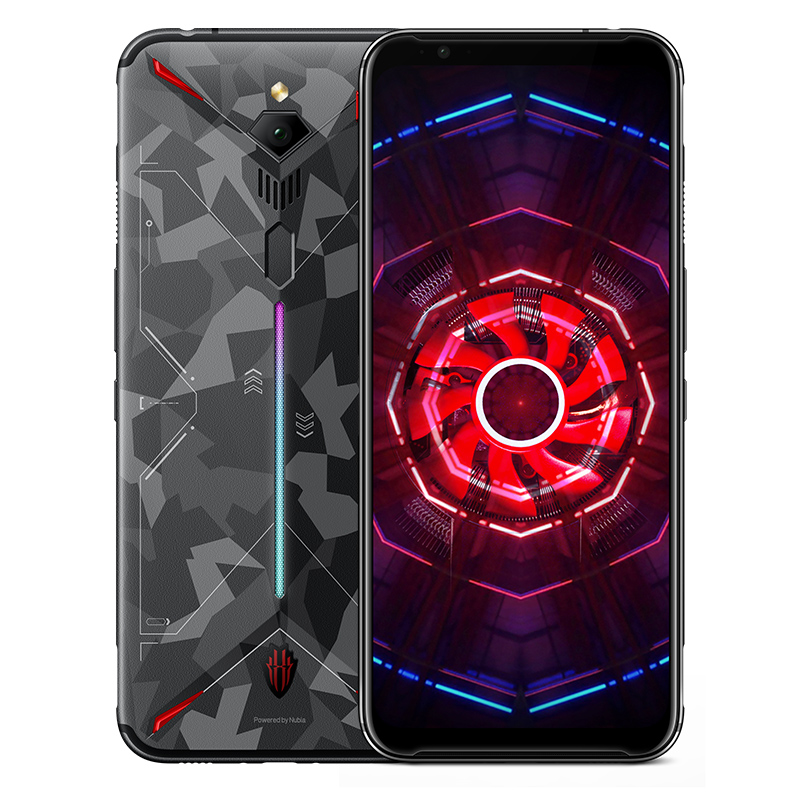
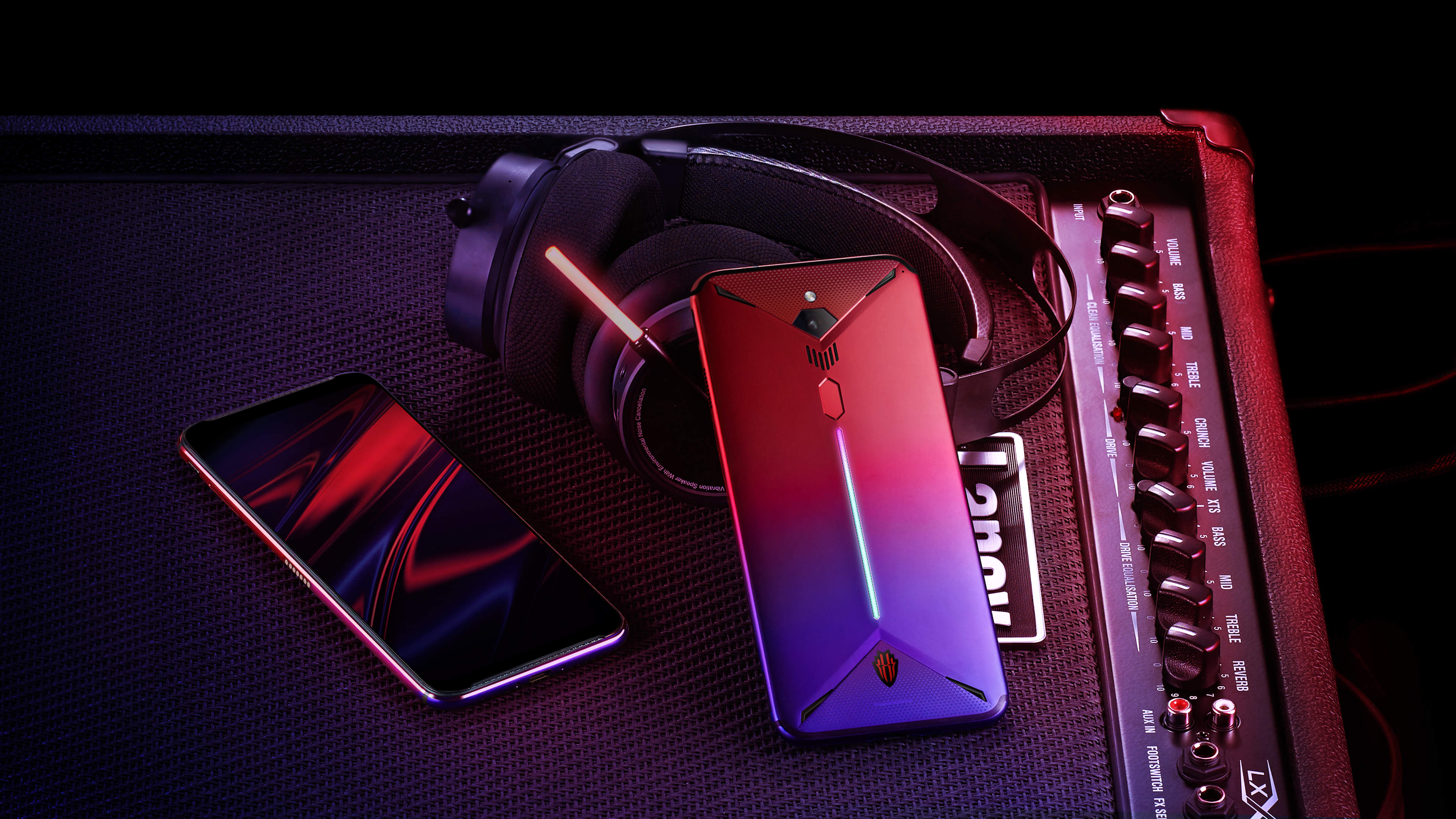
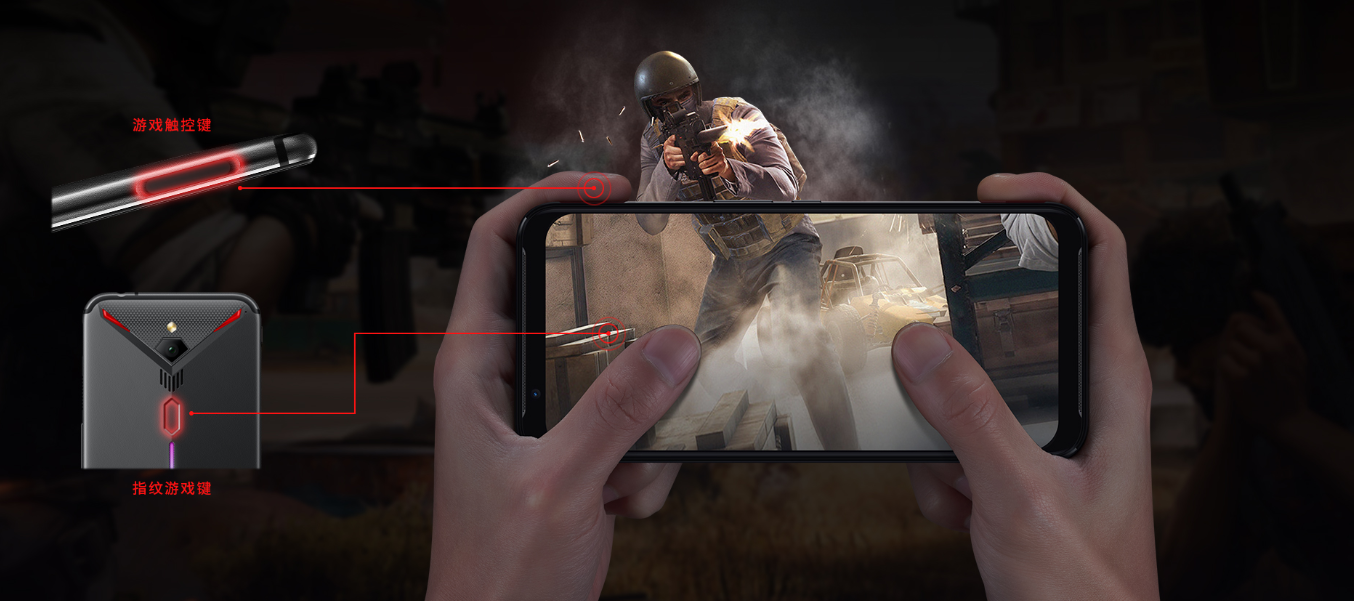
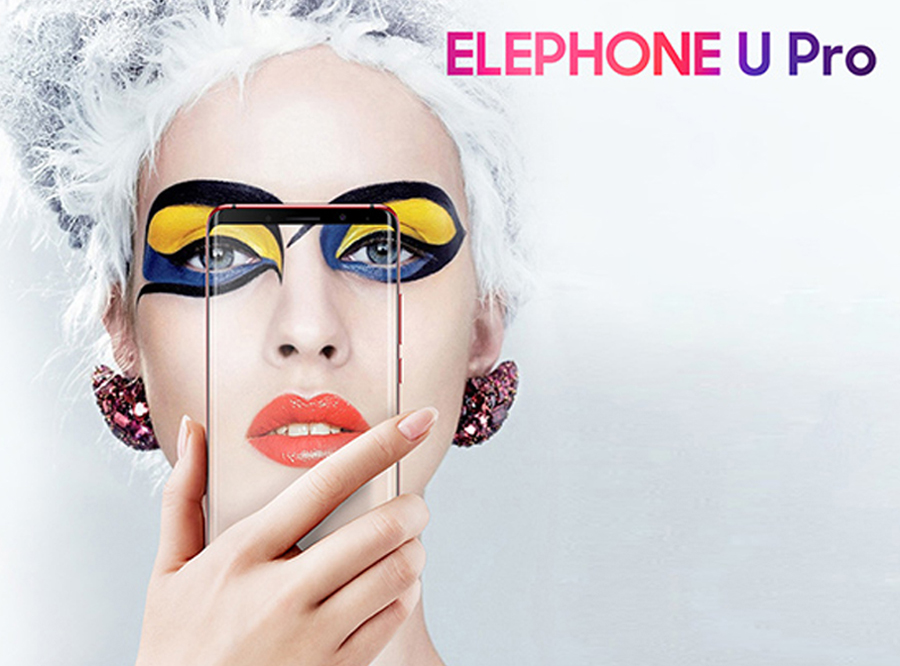 Taking the phone’s undying demand into consideration, the Chinese Android smartphone manufacturer has launched a new promotion in collaboration with Banggood. Dubbed as ‘Banggood Elephone U Pro,’ the promo offers an unmissable chance to buy the well-received handset without emptying your pocket.
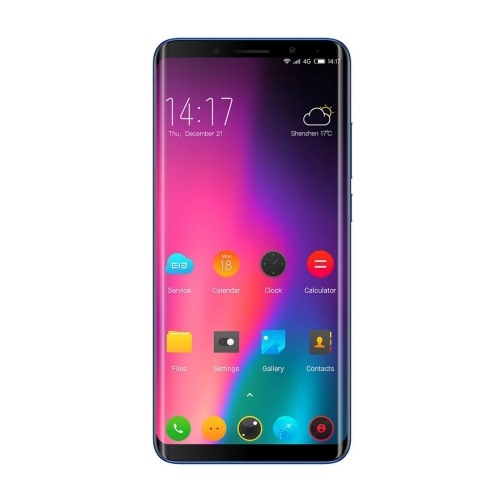 The Elephone U Pro is an irresistible smartphone that boasts the following features:
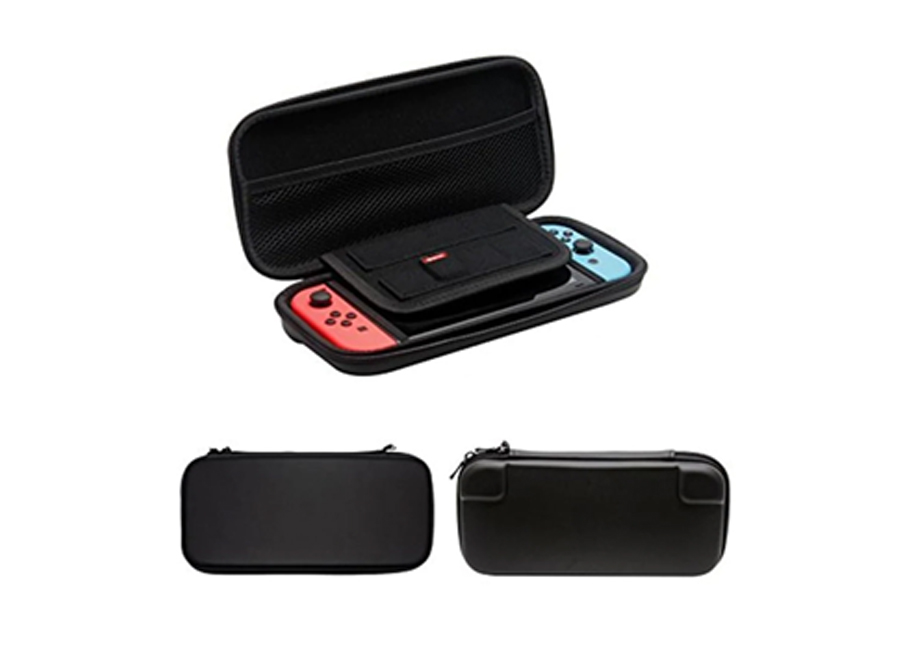 The red, as well as black color versions of the Storage Bag + Screen Tempered Glass Film + Thumb Stick Caps, would set you back $9.65 on Gearbest. You can follow
 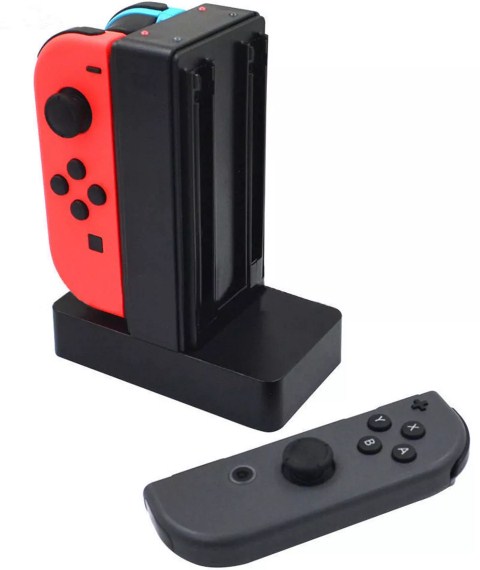 The Charging Dock Station Charger Stand for Nintendo Switch is available for just $16.65 on Banggood. If your cart value exceeds $39.99, you qualify for free shipping. You can visit
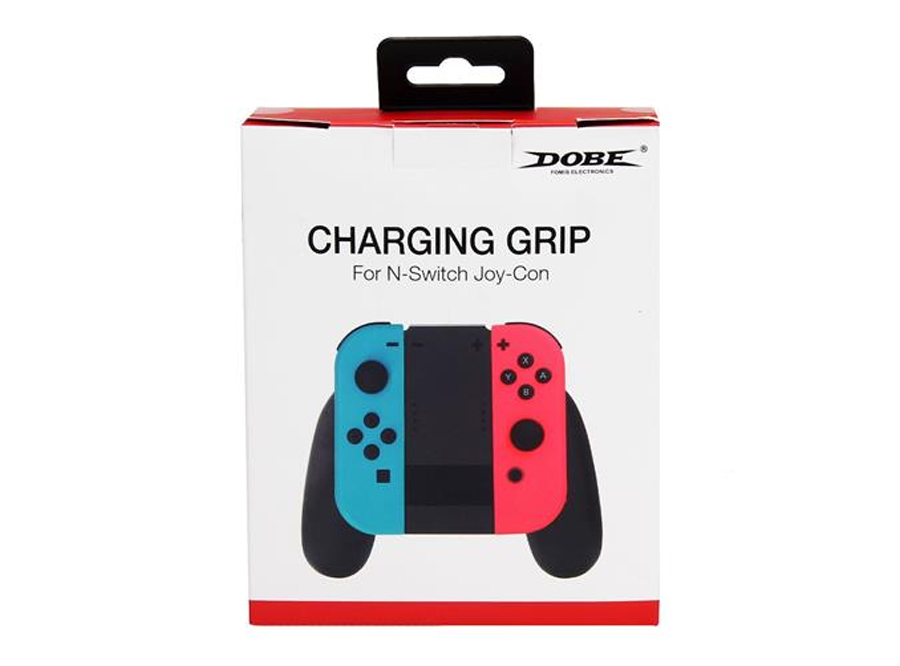
  The DOBE TNS-873 Charging Grip is currently available bearing a lowered price of just $12.99 on GeekBuying. This is a significant 35 percent drop in the device’s original asking price of $19.99 and you can
 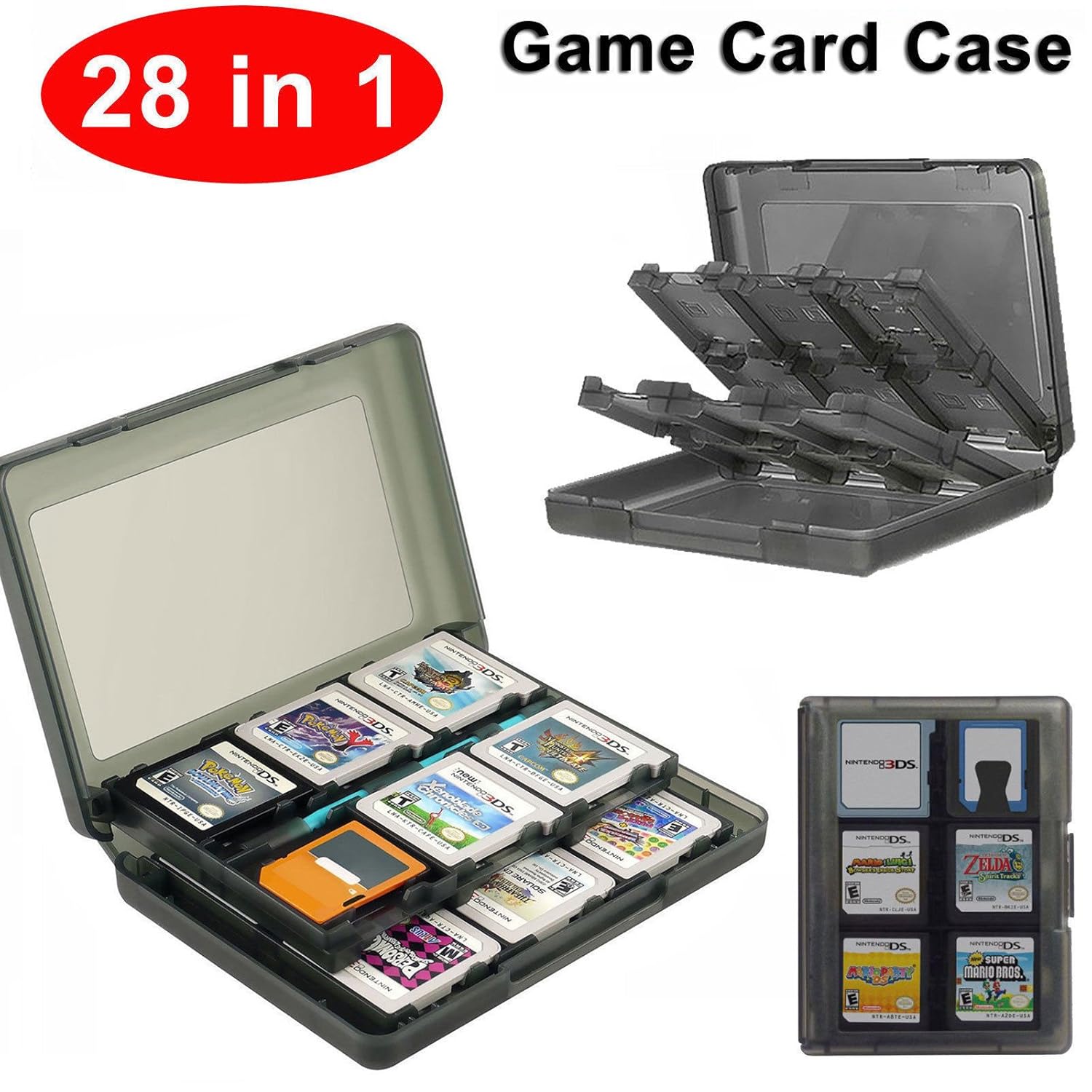 More importantly, the 28-in-1 Game Card Case Box for Nintendo Switch doesn’t cost a bomb. In fact, it is currently up for grabs bearing a $3.10 price tag on Gearbest. You can follow
 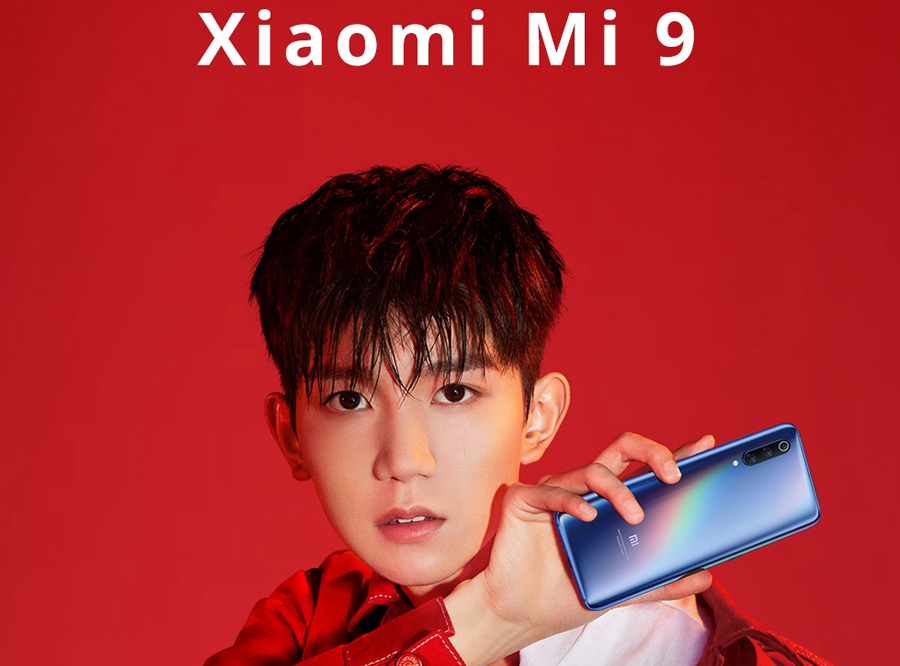 If you’ve restlessly been waiting to get your hands on the recently unveiled handset without spending a lot of money, GeekBuying’s got your back. The Chinese online store is offering the 6GB RAM,128GB ROM, and 6GB RAM, 64GB ROM variants at lowered prices.
 You can follow
  You can get an extra $10 by applying coupon code CKQGHZLK at the time of checking out. In other words, you can bring the already lowered retail price of the phone to just $488.99 simply by applying the aforesaid coupon at checkout.
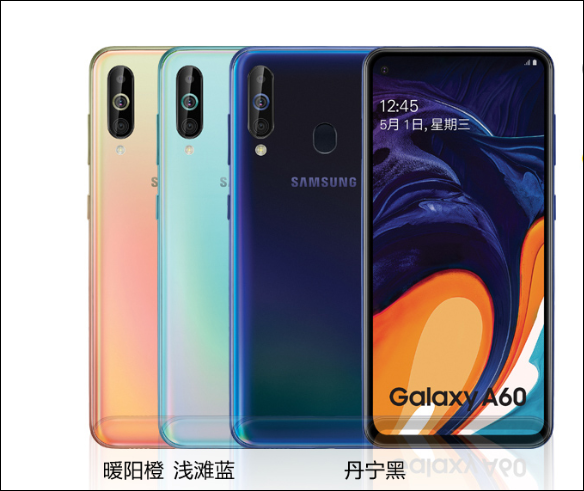
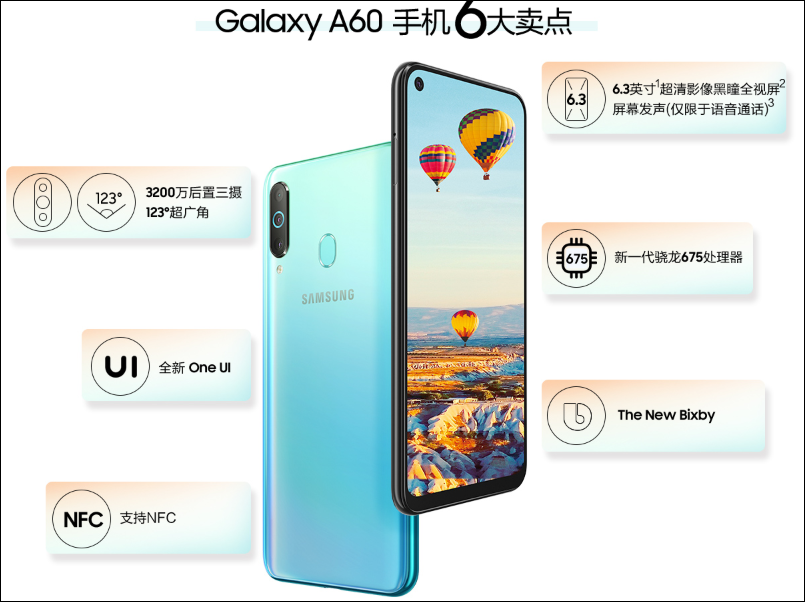
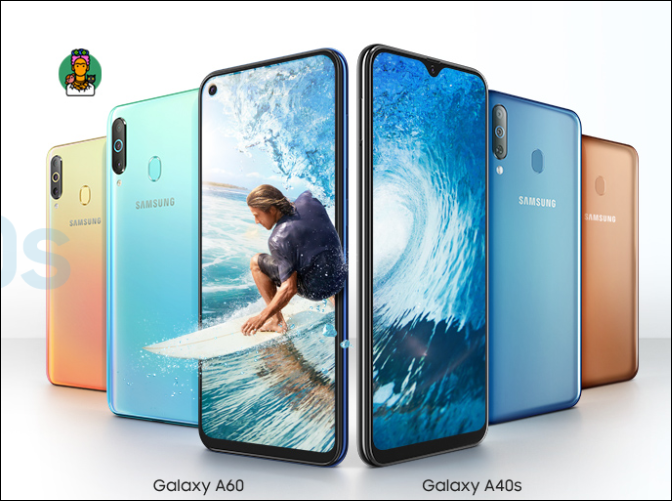 As a recap, the Galaxy A60 packs a 6.7-inch FHD+ LCD display with a punch hole housing a 32MP selfie camera. The punch-hole design gifts the A60 a screen-to-body ratio of 92%. The punch hole as a diameter of 4.8mm and so is smaller than those of the Honor View 20 and Galaxy A8s. The phone also ditches the design of a traditional speaker at the top for sound-on-display technology just like the Galaxy A80.