Advertisement

Realme 3 first sale today at 12 PM: Price and specifications

The Realme 3 smartphone was announced on March 4 in India. The handset comes with an affordable starting price of Rs. 8,999 (~$129). Also, it is packed with some exciting features such as high screen-to-body ratio display, a powerful chipset, big battery and impressive cameras. The first sale of the Realme 3 phone will be carried out today at 12 PM. Here is all the information on its specs and pricing of its different variants.

Realme 3 Price in India

The Realme 3 comes in two storage models such as 32 GB and 64 GB that are respectively packed with 3 GB and 4 GB of RAM. These models are respectively priced at Rs. 8,999 (~$129) and Rs. 10,999 (~$158) for the first one million customers. This indicates that interested buyers should purchase the Realme 3 as its price may increase after the one million sales mark.

It can be purchased through Realme.com and Flipkart. On Realme.com, the Realme 3 buyers can take advantage of 20 percent cashback through MobiKwik. HDFC credit and debit card owners can benefit from Rs. 500 instant discount on both variants of the Realme 3. HDFC bank card users who purchase the 64 GB variant through EMI will be also provided with Rs. 500 additional discount. Realme 3 customers on Flipkart will be also receiving benefits worth Rs. 5,300 from Jio.

Classic Black and Dynamic Black color variants of the Realme 3 will be available for purchase through its first sale today. The Radiant Blue variant of the phone will be available for buying from March 26. The company will be also selling attractive Iconic cases worth Rs. 599 for Realme 3. The handset will be also available through offline stores in the near future.
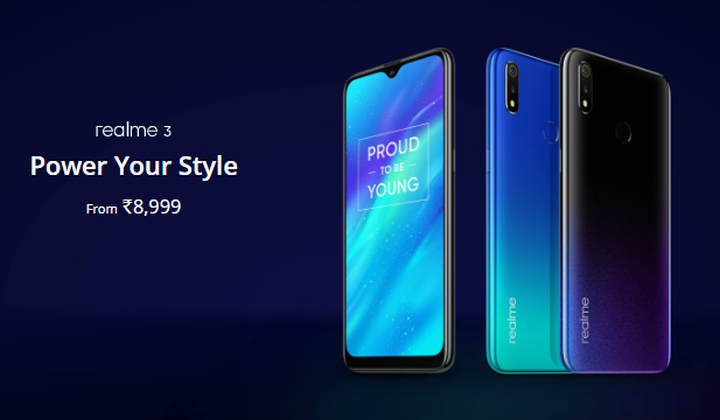
Realme 3 poster

Realme 3 Specifications

The Realme 3 features a 6.2-inch Dewdrop display that delivers HD+ resolution and 19:9 aspect ratio. The display is shielded by Gorilla Glass 3 and the smartphone sports a splash-resistant body. The MediaTek Helio P70 that also powers the OPPO F11 Pro is present under the hood of the device. It features a 4,230mAh battery to keep the lights on. It supports 10W charging through microUSB.

The Realme 3 has a 13-megapixel + 2-megapixel dual camera setup that comes with AI driven night scape mode for capturing brighter shots in dim-light conditions. Sitting on the front is 13-megapixel selfie shooter. A fingerprint scanner is available on the backside of the device. The handset also carries support for AI face unlock. It comes with ColorOS 6.0 based Android 9 Pie.
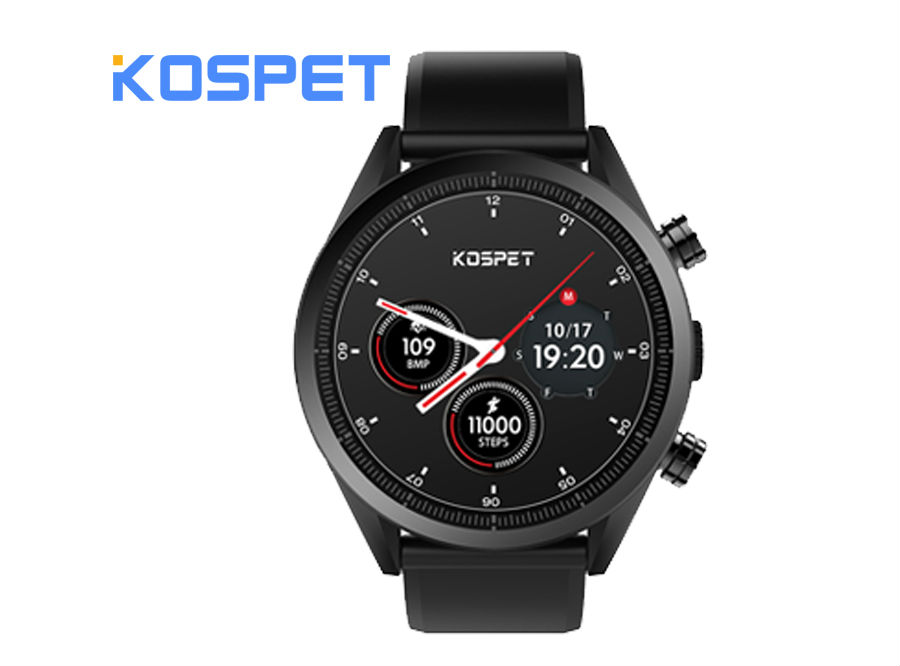
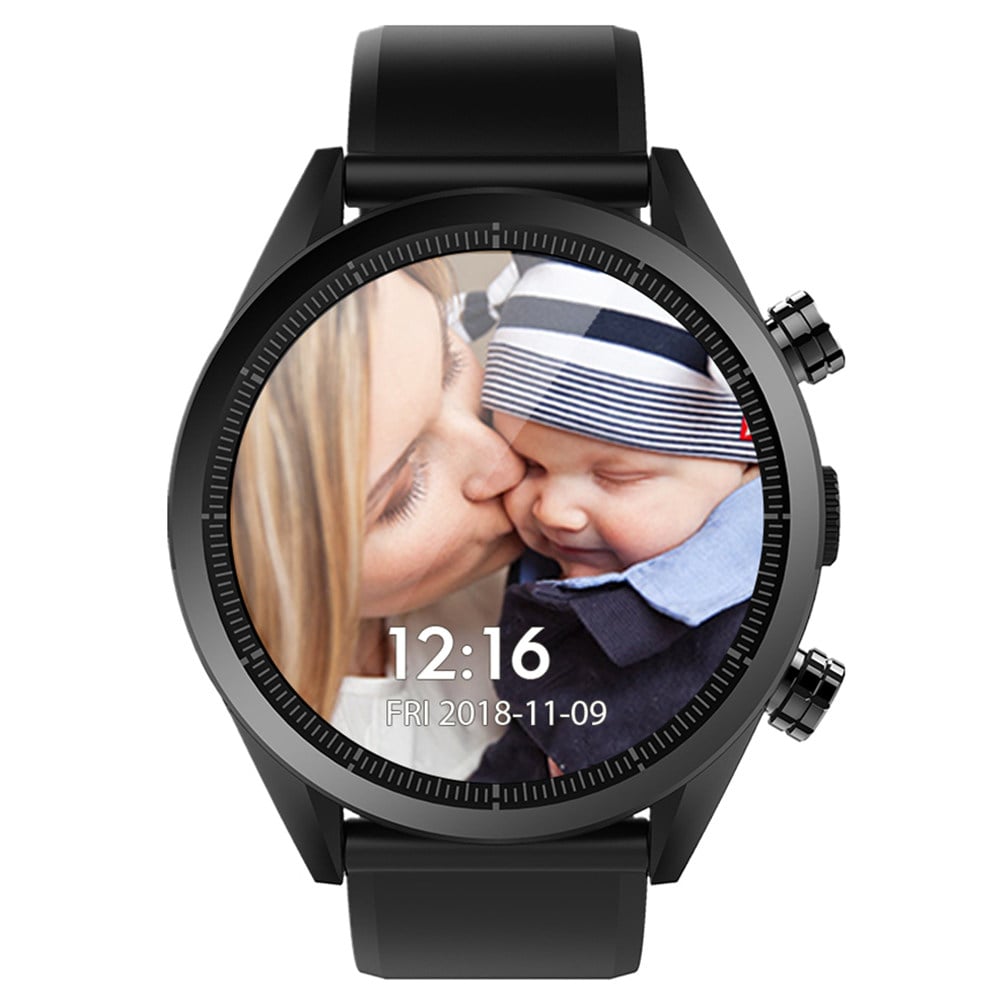
Buy Kospet Hope 4G Smartwatch For Just $138.99 On TomTop

If you have restlessly been waiting to get your hands on a feature-laden smartwatch without spending a lot of money, you have come to the right place.

Kospet has teamed-up with TomTop to offer its well-received Hope 4G smartwatch at an unbeatable price. Before we shed light on the aforesaid discount, let us check out the awe-inspiring features and top-end specs that makes the Kospet Hope an irresistible smartwatch.

Marketed as world’s first ceramic smartwatch, Kospet Hope comes with an eye-catching 1.39 Inch AMOLED high-brightness display that has a high resolution of 400×400 pixels. The smartwatch can efficiently monitor the wearer’s pulses and the heart rate changes, both active as well as resting.

The Kospet Hope packs a powerful an MTK6739 quad-core processor with 4 A53 cores and a dominant frequency of 1.3GHz. It ships with 3GB of RAM and offers a hearty 32GB of internal storage capacity.
Furthermore, the smartwatch runs Android 7.1 Nougat OS and draws its juices from a robust 900mAh lithium-polymer battery. Aside from that, the Kospet Hope supports nine professional sports mode including badminton, football and running and adopts GPS + GLONASS dual positioning system.

While the aforesaid features completely justify the steep $327.82 price tag the Kospet Hope usually carries, TomTop users can now get their tech greedy hands on the smartwatch for an unbelievably lowered price of just $138.99.

The Chinese online store will be doling out this noteworthy 58 percent discount for the black color version of the Kospet Hope smartwatch. Regrettably, there were only 171 pieces remaining for this limited offer flash sale at the time of writing.

In order to grab the discount, all you need to do is to follow this link without wasting time. Note that the promotion sale is slated to end in nineteen days.

OPPO Reno key specs leaked: 6.4-inch display, SD710, 48MP dual camera and 16MP selfie camera

Reno, a new product line from OPPO was confirmed yesterday. The Chinese manufacturer will be launching the first OPPO Reno phone on April 10. While the rumor mill is speculating that it could be fueled by the Snapdragon 855 mobile platform, its appearance on the database of Singapore’s IMDA (Info-communications Media Development Authority) and Bluetooth SIG have confirmed that it is powered by the Snapdragon 710 SoC. Moreover, the Bluetooth certification of the phone has confirmed some of its key specs.

OPPO Reno IMDA

It has been found through the IMDA certification of CPH1917 that it will be hitting the market the OPPO Reno. The IMDA approval has not leaked any information on the specs of the phone. However, plenty of key information has appeared through the Bluetooth SIG certification of CPH1917.

OPPO Reno Bluetooth SIG

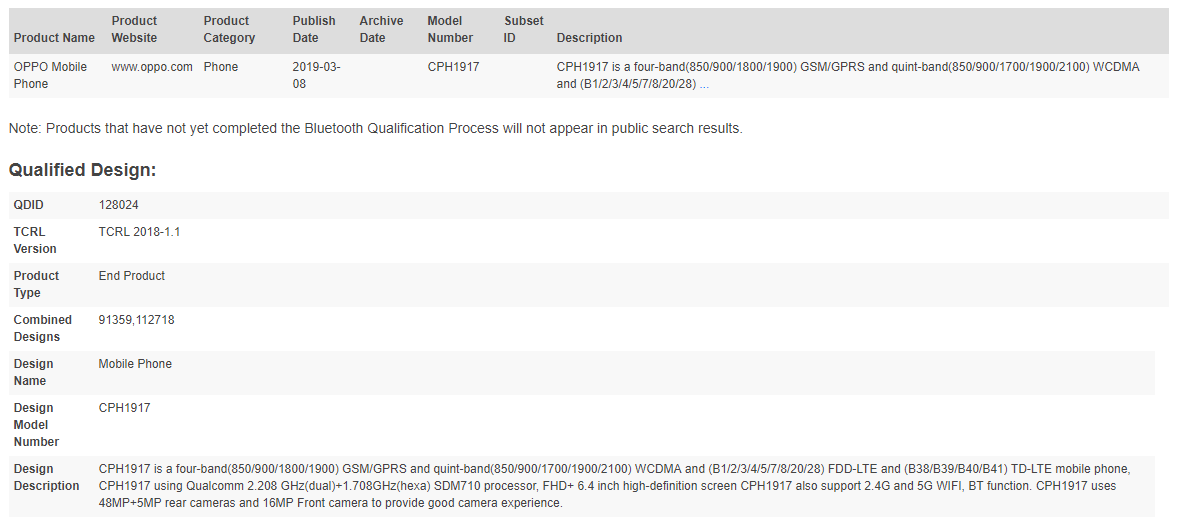
According to the Bluetooth SIG certification, the CPH1917 features a 6.4-inch display that probably supports full HD+ resolution and it is driven by the Snapdragon 710 chipset. The smartphone is fitted with a 48-megapixel + 5-megapixel dual camera setup and a front-facing snapper of 16-megapixel. It is loaded with the latest ColorOS v6.0 and it is equipped with connectivity features such as Wi-Fi 802.11ac and Bluetooth 5.0. The other specs of the phone are currently under the wraps.

OPPO’s Vice President Shen Yiren had claimed in the previous week that the new smartphone from the company will be equipped with Snapdragon 855 chipset, 4,065mAh battery and 10x hybrid zoom. On AnTuTu, the same SD855 powered had reportedly appeared with specs like full HD+ display, 8 GB RAM, 256 GB of storage, 16-megapixel and Android 9 Pie OS. The camera configuration of the phone was found to be of 12-megapixel in AnTuTu benchmarks. However, it is speculated that the handset is actually equipped with 48-megapixel Sony IM586 and the 12-megapixel camera could be a testing sensor. The handset recorded an impressive average benchmarking score of 356,246.

So, could this mysterious SD855 phone be the higher version of the OPPO Reno or could it be a different flagship phone from the company? The launch event of the OPPO Reno is almost a month away and the company has already started with its registrations. Hopefully, forthcoming reports will shed more details on the SD855 powered OPPO phone.

Pre-Order Elephone A6 Mini Smartphone For Just $99.99 On Banggood

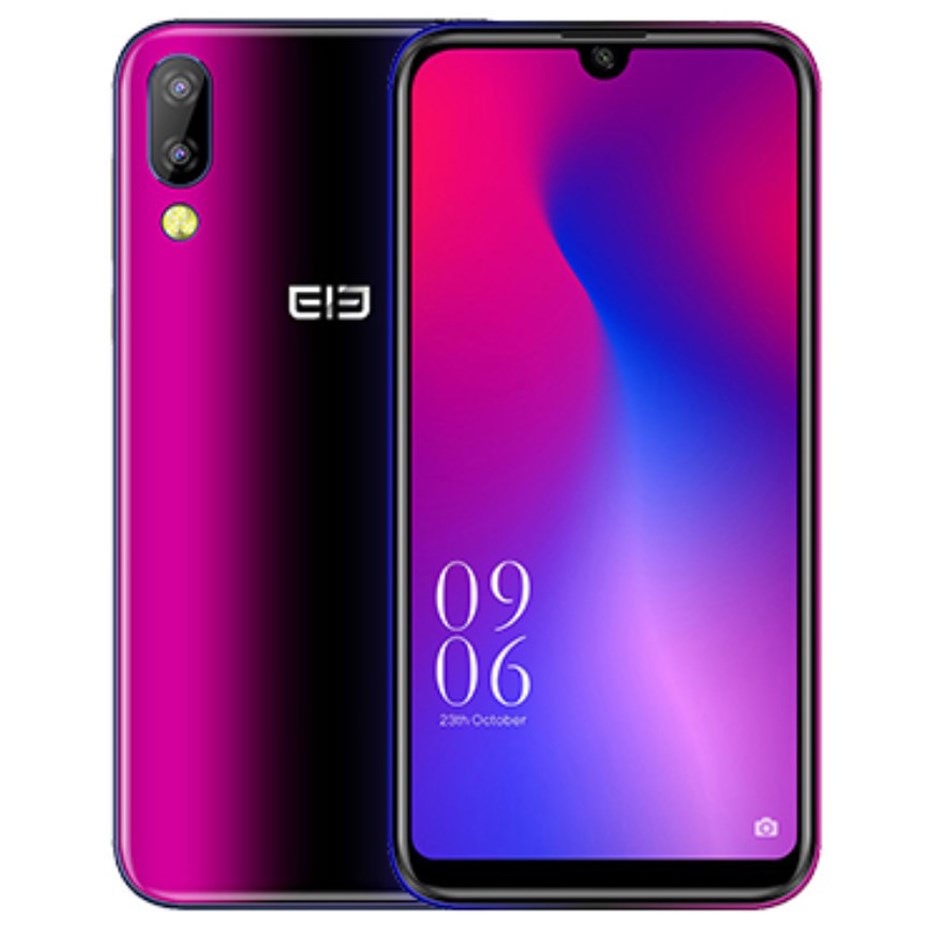
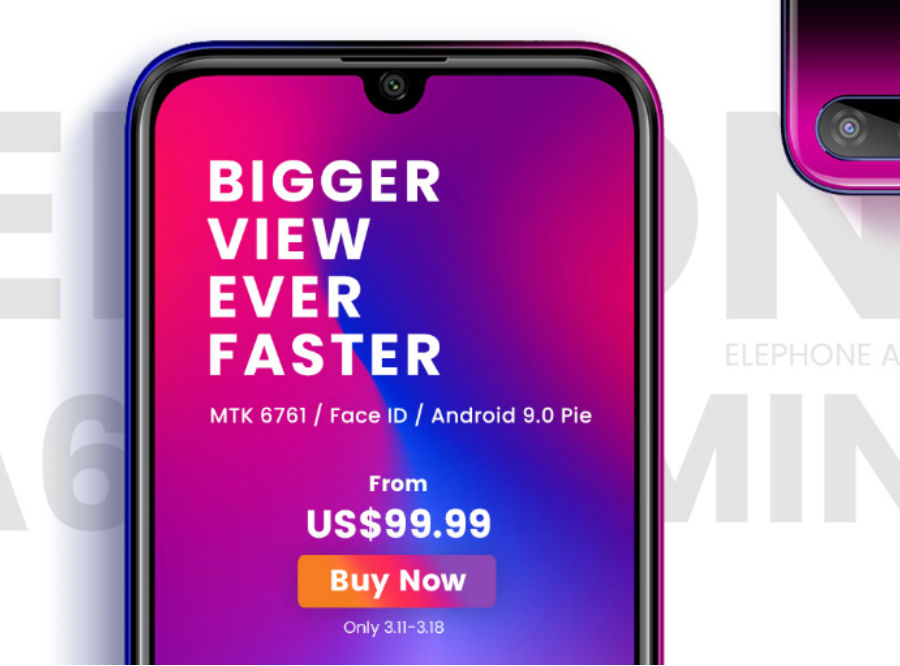
Elephone unveiled its long-awaited A6 Mini smartphone in February this year. The feature-rich phone has now gone up for pre-order bearing a considerably lowered price tag on Banggood.


As part of its big promotion, the Chinese online store that guarantees the best bang for your buck will be doling out a noteworthy 38 percent discount on the A6 Mini smartphone. As a result, you can now pre-order the Elephone-branded handset for a dropped price of only $99.99.

Aside from giving you a chance to take advantage of the aforesaid discount, Banggood will be randomly selecting 1 lucky winner who will win a free Elephone A6 Mini smartphone daily from March 11th.

This promotion will come to an end on March 15th. There will be only 99 pieces available for the promo daily during this period. Moreover, the discount will be valid for the black as well as blue color versions of the phone.
Elephone A6 MiniAn absolute steal at this price, the Elephone A6 Mini is an irresistible smartphone that boasts an impressive array of features. The phone’s 5.71 Inch HD+ waterdrop screen that features 720×1520 pixels resolution and 19:9 incel display ratio will grab your attention.

Aside from sporting an eye-catching appearance, the A6 Mini packs a powerful MT6761 (Cortex-A53*4 2.0GHz) 64bit processor, paired with 4GB of RAM, under the hood. The phone comes with IMG GE8300 GPU and offers 32GB of internal storage capacity that can be extended up to 400GB GB.

On the photography front, the A6 Mini houses a 16MP+2MP dual-camera setup with Rear Flash and PDAF Focus at the back. Up front, there’s a 16MP camera for selfies and video chatting.

In addition to a side fingerprint, the A6 Mini features a wide selection of useful sensors including the g-sensor, p-Sensor, l-sensor, gyro, and compass. The phone runs Android 9.0 Pie OS and is backed by a built-in 3080mAh battery that supports Quick Charge.

You can visit the promotion page by heading straight to this link. With only 99 pieces of the black and blue color versions remaining, the promo is slated to end on March 18th.

Get 38% Off On Elephone A6 Mini Smartphone


Check Out Banggood March New Season Tech Event


HTC confirms Android Pie update will begin rolling out in Q2 2019

The last time we heard from HTC about an Android Pie update was back in November when it released the update for the U11 Life. Before then, the Taiwanese company had released a list of devices that will get the update but didn’t reveal when it will hit these devices. Months later, it has finally disclosed when it will roll it out to the other devices.

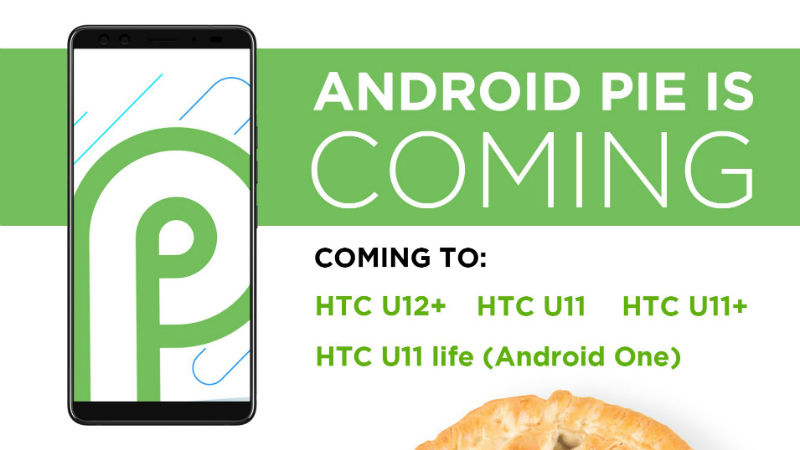
HTC Android Pie update phones

HTC took to Twitter a few hours ago to update its users about the status of the Android Pie update. In the tweet, HTC said it is currently working on ensuring the update is compatible with its phones.

The tweet confirmed the update will come to the HTC U11, the U11+ and the U12+ beginning in the second quarter. There is no exact timing as that will be determined by operators and will vary from country to country.

The second quarter begins next month, so hopefully, more details should surface then.

READ MORE: HTC looking to make a comeback in India

MIUI’s Always on Display mode will soon get battery percentage feature

Xiaomi phones with AMOLED displays have support for Always on Display which lets you view certain info such as notifications, the time and the date without unlocking your phone.

MIUI fans have clamored for the AOD feature to support displaying the battery percentage and it seems their wish will be granted soon.

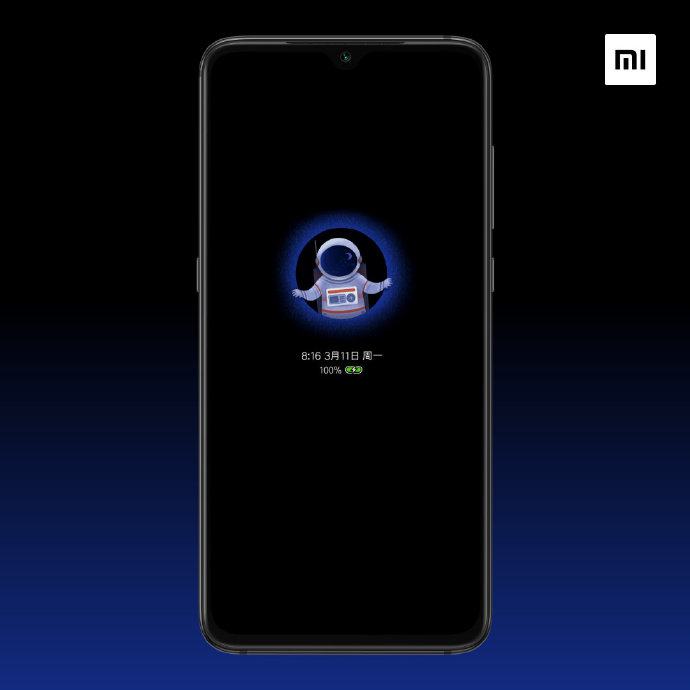
MIUI AOD battery percentage

The official MIUI Weibo account confirmed today that the feature will be coming to supported devices soon. The image shared on their Weibo page shows the AOD feature turned on and alongside the date and time is the battery level of the phone. It will also show the battery icon and you will be able to tell if your phone is charging if it is plugged in.

READ MORE: Xiaomi Mi 9 and Mi 9 SE updated with Fingerprint Shortcut feature

Huawei looking towards €1000 foldable devices, plans to overtake Samsung by next year

Huawei has become a household name in the mobile industry. The Chinese-owned business is now one of the top three mobile companies in the world and it is aiming for the top spot.

Huawei's Richard Yu
Richard Yu

Huawei’s Richard Yu revealed in an interview with De Welt, a German publication, some of the company’s future plans. First, Huawei CEO said it will soon overtake Samsung in terms of market share. According to Mr. Yu, Huawei will “be the market leader by next year at the latest. We are already close.”

He added that they already surpassed Apple in terms of innovation and believe the Cupertino-company will not launch a foldable phone soon.

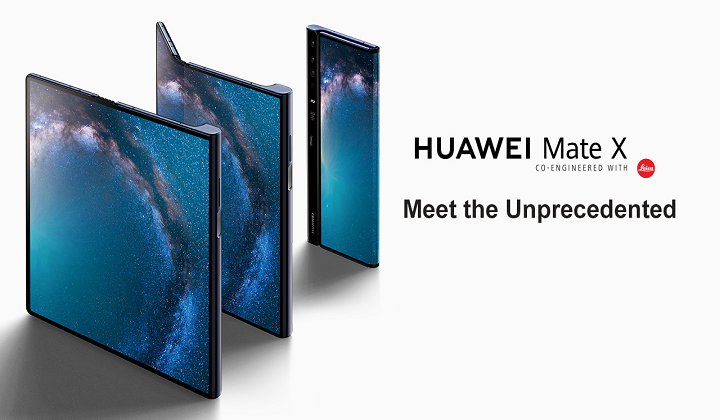
Huawei Mate X featured

Talking about foldable devices, the Huawei Mate X is one of the most expensive phones if not the most expensive one unveiled at MWC 2019. Seeing as it is one of the first foldable phones in the world, the super high price tag is understandable. Huawei’s CEO says the price of foldable phones will eventually be less in a year or two, selling for about €1000 and even some Chinese OEMs offering models that sell for as low as €500.

READ MORE: Huawei P30 teaser posters highlight its impressive “Super Zoom” capabilities

Xiaomi confirms Redmi 7 will launch alongside Redmi Note 7 Pro on March 18

After a few days of teasers and speculations, it’s finally official. The Xiaomi Redmi 7 model is meeting us alongside the Redmi Note 7 Pro on March 18. As the name suggests, the phone will be placed below the Redmi Note 7 series, coming with less powerful internals, at a budget price tag.

An hour ago, Redmi’s recently appointed General Manager, Lu Weibing confirmed this news via Weibo. Apart from confirming the date, he also revealed the design of the handset.

redmi 7 launch

The Redmi 7 is reminiscent of its elder Note series sibling. So, you have the same camera arrangement at the back as well as fingerprint placement. However, you should have less fancy color options for this model. In the image, we can see that there will be at least three color variants for the Redmi 7 – Black, Blue, and what looks like a Sunrise Red color. The front is also similar to the elder sibling, featuring a teardrop display with a thick bottom bezel.


The phone has already passed TENAA, so we know most of its specs. The upcoming model will come with a 6.2-inch IPS LCD display, which is only slightly smaller than the Redmi Note 7. The resolution is said to be HD+ while the processor will most likely be Snapdragon 632, starting at 2GB + 16GB memory configuration. There should be additional 3/4GB RAM variants as well. The phone is expected to start at around $105.

Brace for a bunch of official teasers in the next few days.


(source)

ZTE Axon 10 Pro vs Honor Magic 2 3D vs Samsung Galaxy S10e: Specs Comparison

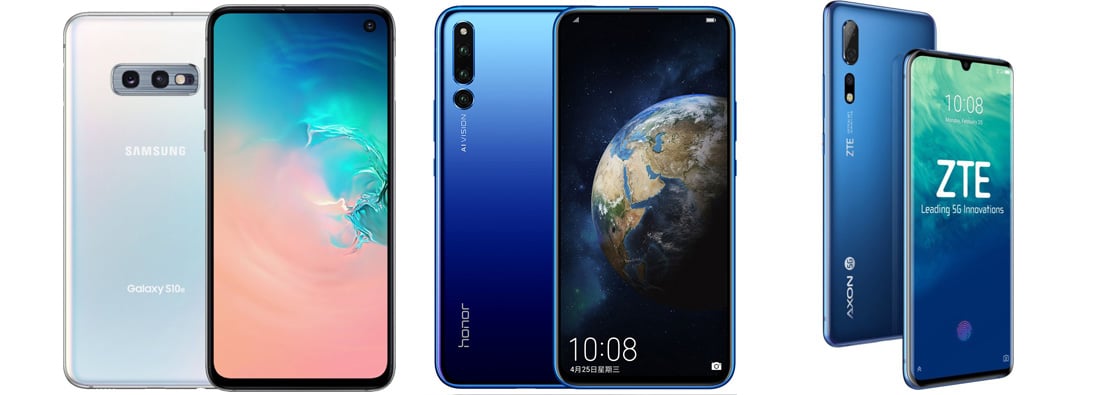
During the first two months of 2019, several affordable flagships were released by mainstream manufacturers. For the first time since the Galaxy S5 series, Samsung unveiled a more affordable variant of the Galaxy S line-up: the Galaxy S10e. Huawei launched a new variant of the Honor Magic 2 with a 3D camera which still carries a modest price, while ZTE announced its first 5G-enabled phone: the Axon 10 Pro. In this article, we compared these three devices in order to let you know which of these three companies came up with the best and most interesting affordable flagship.

ZTE Axon 10 Pro vs Honor Magic 2 3D vs Samsung Galaxy S10e

ZTE Axon 10 Pro Huawei Honor Magic 2 3D Nokia 9 PureView
DIMENSIONS AND WEIGHT 159.2 x 73.4 x 7.9 mm 157.3 x 75.1 x 8.3 mm, 206 g 142.2 x 69.9 x 7.9 mm, 150 g
DISPLAY  6.47 inches, 1080 x 2340p (Full HD+), AMOLED 6.39 inches, 1080 x 2340p (Full HD+),  AMOLED 5.8 inches, 1080 x 2880p (Full HD+), Dynamic AMOLED
PROCESSOR Qualcomm Snapdragon 855, octa-core 2.8 GHz Huawei HiSilicon Kirin 980, octa-core 2.6 GHz Qualcomm Snapdragon 855, octa-core 2.8 GHz
or
Samsung Exynos 9820, octa-core 2.7 GHz
MEMORY  6 GB RAM, 128 GB – micro SD slot  6 GB RAM, 128 GB – 8 GB RAM, 128 GB – 8 GB RAM, 256 GB – 8 GB RAM, 512 GB 6 GB RAM, 128 GB – 8 GB RAM, 256 GB – micro SD slot
SOFTWARE  Android 9 Pie Android 9 Pie, Magic UI Android 9 Pie, One UI
CONNECTIVITY  Wi-Fi 802.11 a/b/g/n/ac, Bluetooth 5.0, GPS Wi-Fi 802.11 a/b/g/n/ac, Bluetooth 5.0, GPS  Wi-Fi 802.11 a/b/g/n/ac/ax, Bluetooth 5.0, GPS
CAMERA  Triple 48 + 20 + 8 MP, f/1.8
20 MP front camera
Triple 16 + 16 + 24 MP, f/1.8, f/2.2 and f/1.8
Triple 16 + 2 MP + TOF sensor f/2.0 and f/2.4 front camera
Dual 12 + 16 MP f/1.5-2.4 and f/2.2
10 MP f/1.9 front camera
BATTERY  4000 mAh, fast charging with Quick Charge 4+, wireless charging 3500 mAh, fast charging 3100 mAh, fast charging 15W, wireless charging
ADDITIONAL FEATURES Hybrid Dual SIM slot Dual SIM slot Dual SIM slot, water resistant (IP68), reverse wireless charging

Design

In our opinion there is no challenge: Honor Magic 2 3D comes with the most innovative and attractive design. It is a slider phone with minimal bezels, no holes and no notches on the front side, and it looks very clean and futuristic. However, some may like the Samsung Galaxy S10e because even though it does not have a slider design, it has an in-display camera allowing to minimize bezels without the need for a notch. Further, the Canary Yellow color variant is unique. ZTE Axon 10 Pro has not a so original design, it comes with a standard form factor with a waterdrop notch on the display, nothing so special.


Display

Unfortunately, ZTE Axon 10 Pro is still not on the shelves and it will not arrive soon, so we do not know how its display performs. Judging from the specs on the paper, Samsung Galaxy S10e should have the most convincing panel. It comes with the new Dynamic AMOLED technology, as well as the advanced HDR10+ technology, which improves the color reproduction. Note that Honor Magic 2 3D and ZTE Axon 10 Pro are equipped with an in-display fingerprint reader, while Samsung Galaxy S10e has a less innovative side-mounted fingerprint scanner.


Hardware/Software

Thanks to the best chipset in the Android world (the Snapdragon 855 which powers the U.S. version of the phone) and up to 8 GB of RAM, Samsung Galaxy S10e should be the best performing handset, but we still have to test the software optimization of each phone in order to give a definitive verdict. An important advantage of the Honor Magic 2 is its internal storage which goes up to 512 GB, but it does not have an expansion slot, unlike its rivals. Note that ZTE Axon 10 Pro is the only one which supports the 5G connectivity, so, in my opinion, it wins the hardware comparison.


Camera

It is a hard fight and it is hard to make a prediction without testing all the camera departments of these devices, but on the paper, Samsung Galaxy S10e seems more interesting. It has a variable focal aperture that allows capturing more light and a higher level of detail in every light condition, and it also features an ultrawide lens and OIS. But ZTE Axon 10 Pro should be at a similar level thanks to its optically-stabilized triple camera including an ultrawide sensor, a 48 MP main sensor and a telephoto lens with OIS. Honor Magic 2 3D may be more interesting only when it comes to selfies, thanks to its front triple camera including a depth sensor and a 3D TOF sensor.


Battery

The biggest battery belongs to the ZTE Axon 10 Pro, and it is way bigger than its opponents. So, it will most likely last a lot more on a single charge. And it will also charge very faster thanks to the Quick Charge 4 technology. Samsung Galaxy S10e is the most disappointing one with just 3100 mAh, but it is the only with the reverse wireless charging which allows using it as a power bank.


Price

ZTE Axon 10 Pro is the most interesting phone of this comparison thanks to the 5G support, its wide display, bigger battery, and good camera department, but we still do not know its price. Samsung Galaxy S10e costs €780/$880 in the global market, while Honor Magic 2 3D carries a €500/$560 price tag in China.


ZTE Axon 10 Pro vs Honor Magic 2 3D vs Samsung Galaxy S10e: PRO and CONS

Huawei Honor Magic 2 3D

PROS

  • Efficient cooling system
  • Great selfie cameras
  • Slider design
  • Up to 512 GB

CONS

  • Limited availability

ZTE Axon 10 Pro

PROS

  • 5G support
  • Stereo speakers
  • Big battery
  • Waterproof

CONS

  • Uglier design


Samsung Galaxy S10e

PROS

  • More compact
  • Reverse wireless charging
  • Great design
  • Good display
  • Water resistant

CONS

  • Smaller battery

Exclusive: OnePlus 7 case renders confirm triple rear cameras and pop-up selfie cam

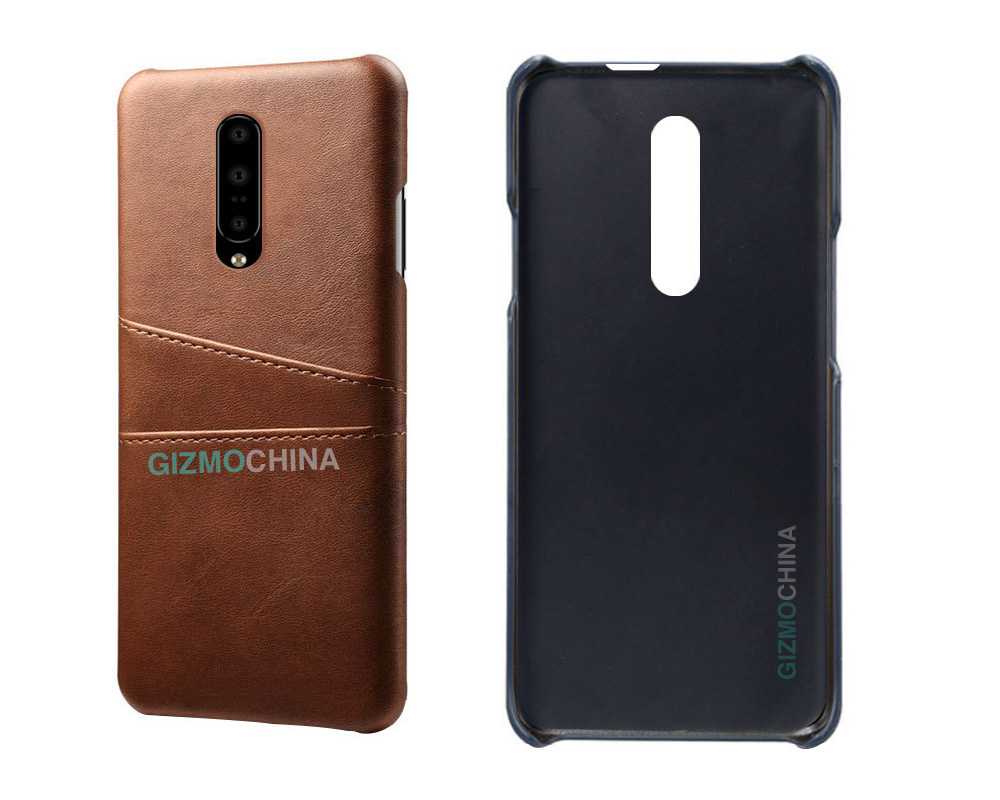
We still have about three months at the earliest before the launch of the OnePlus 7 but we already know what it looks like thanks to 3D renders and a 360° video of the phone that leaked last week. Today, we have gotten our hands on an official render and live photos of the phone’s case and they further confirm the phone’s design.

OnePlus 7 case render

The render of the case shows the next OnePlus flagship will have triple rear cameras arranged vertically. There is an opening at the top of the case for the pop-up selfie camera. The left and right sides of the case have two cutouts – there is a small one on the left for the volume rocker while the wider one on the right is for the Alert Slider and power button.

The real case images show a slightly different design. The cut-out on the right is divided into two for the alert slider and power button. It also has a cut-out at the top for the pop-up selfie camera. Unlike the render above which seems to be a mix of leather and plastic, the case in the live images is made entirely of polycarbonate.

[envira-gallery id=”240626″]

READ MORE: OnePlus short film contest can win you a prize of $10000: Know more details

Xiaomi crowdfunds Ultratime Zero smartwatch, inspired by the Sun Dial

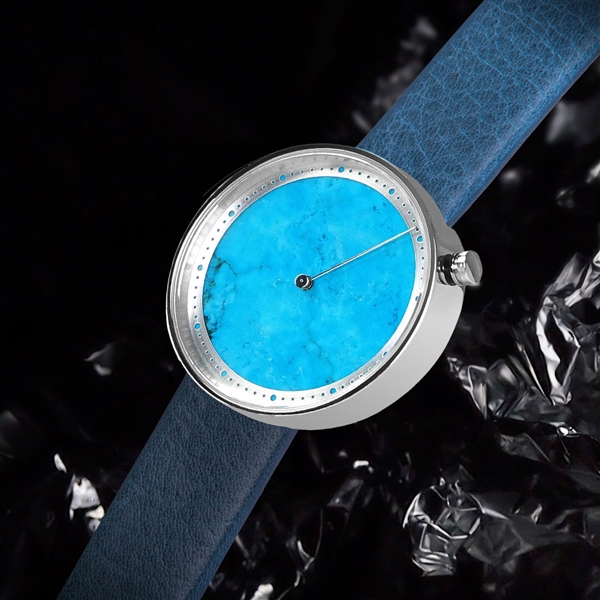
Xiaomi has today announced a new mechanical watch under its crowdfunding platform. The device is dubbed Ultratime Zero Quartz watch and comes with a single-pointer design, natural unique marble dial. The watch comes with a price tag of 1080 yuan ($160).

The Ultratime Zero Quartz Watch is a third-party product manufactured by Beijing Taihuo Red Bird Technology Co., Ltd. The design of the quartz watch is inspired by human’s first time recording tool, “The Sun-dial ” which uses a point to interpret the time and uses a pointer to combine the scales on the dial to subtly present the time. The dial has a diameter of 42 mm and a height of 9 mm. The true marbles used on the dials are imported from different parts of the world. Each piece has different lines, which show the beauty of different planets in space in an exquisite and elegant way.

Read Also: Nokia 9 PureView, Nokia 1 Plus details leaked through FCC documents

The watch also has a steel body that is of medical grade and meets the metal standard for Europe and the United States. It is covered with synthetic sapphire glass with a hardness of 9 grades. Further, the Ultratime Zero Quartz Watch features a tailor-made leather strap which is elegant-looking and strong. The watch is said to have won the 2017 China Good Design Award. As stated earlier, the watch comes with a price tag of 1080 yuan ($160) and is presently on sale via Xiaomi Youpin.

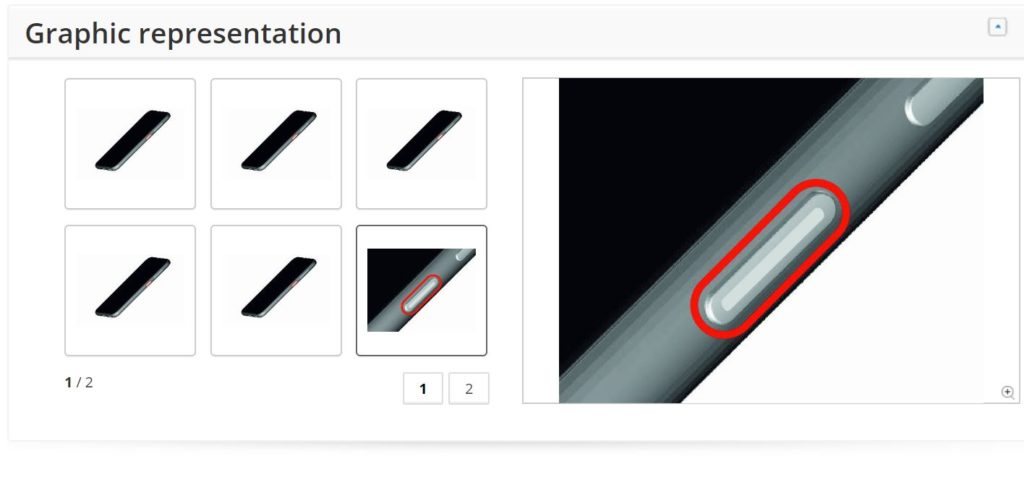
HMD trademarks Nokia 4.2 and 3.2’s notification LED power button design

Recently, HMD owned Nokia announced Nokia 9 carrying a penta-camera module on the rear side. Along with the Nokia 9, the company also unveiled Nokia 210, Nokia 3.2 and Nokia 4.2 devices with improved features and enhancements. Every device carries its own set of features and attracts different consumer groups. The Nokia 9 is known for its five-camera module, while Nokia 4.2 and 3.2 both for its notification LED power button.

To save this design feature from being reproduced by different manufacturers, HMD Global has registered a trademark for it. As with the five-camera module design, Nokia has also registered a patent for the notification LED power button featured on Nokia 4.2 and 3.2. In November 2018, HMD applied for the patent at the European Union’s Intellectual Property Office. Recently, the EQUIPO  successfully granted the design patents for two devices including the Nokia 210.

The new patent falls under the “mobile phones (part of)” category. This beautiful power button is designed by Richard Choi, an award-winning designer at HMD Global. The new design on Nokia 4.2 gives a halo effect around the power button making it look unique and beautiful. On the Nokia 3.2, LED light glows at the power button’s surface. It’s quite an appealing feature on both Nokia 4.2 and Nokia 3.2.

After the successful patent registration, now we can expect more Nokia devices to feature LED power key.

Additionally, both the devices sport waterdrop notch displays and run on Android Pie. Nokia 4.2 hosts 5.7-inch HD+ display with a 19:9 aspect ratio. It is powered by Qualcomm Snapdragon 439 chipset. On the other hand, Nokia 3.2 runs on Qualcomm Snapdragon 429 chipset and carries 6.2-inch HD+ display.

(source, via)

Xiaomi Mi 9 SE and Mi 8 SE Android Pie kernel source code now available

If you’re looking to install third-party modifications, or play with TWRP custom recovery, and use AOSP ROM on these devices, then your wait is over as Xiaomi has released Kernel Source code based on Android Pie for both Mi 9 SE and Mi 8 SE. The kernel source would allow developers to create custom ROMs, recoveries and other MODs. Under GPL license, it’s mandatory for companies to publish kernel source of every change they make to Android Linux’s Kernel.

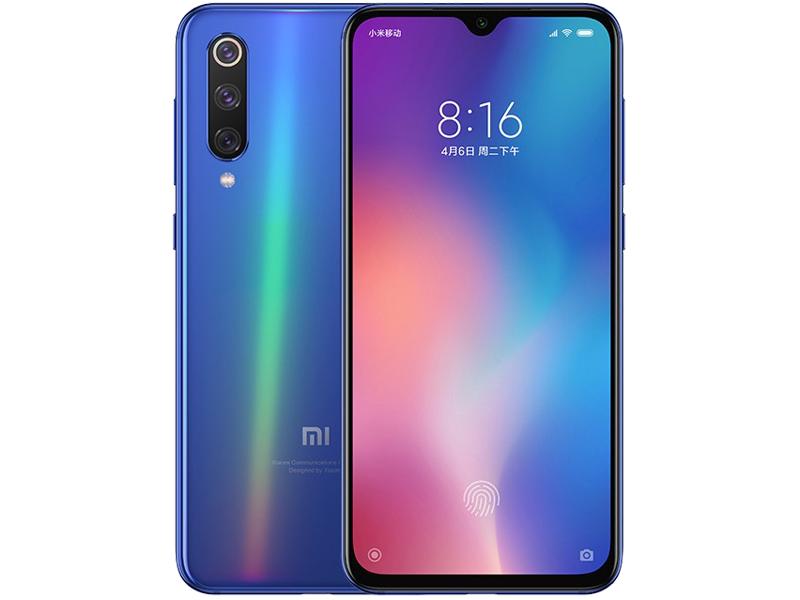
Additionally, Xiaomi Mi 8 SE was launched last year with Qualcomm Snapdragon 710, and recently it received Android Pie update. On the other hand, Xiaomi Mi 9 SE was unveiled last month with Android 9.0 Pie and Snapdragon 712 on board.  both, There are indeed a few improvements in Mi 9 SE over its predecessor as it carries an improved chipset and Quick charge 4+ support. Xiaomi has bound kernel source code of both the Mi 9 SE and Mi 8 SE devices under the same branch due to their relativity.

All concerned users can get the source code of these devices from the source (GitHub repository) below. You can get Mi 9SE source code under the name of “grus”, and the Mi 8SE’s under “sirius”.

After a community backlash last year, the Chinese smartphone maker recently announced the decision to release the kernel source code quicker than before. In the past, the company has fallen short of their commitments, like when they revealed the Kernel source code of Mi Pad 4 after a wait of over three months.

(source, via)

Xiaomi’s Lin Bin says inexperience has caused Mi 9 supply issues

When Xiaomi first burst into the tech scene in 2013, the company’s rise was unprecedented. By 2016, the Chinese company had started experiencing a decline in its place due to several reasons. One of the reasons was the flash sales only sales model which the company adopted. Rival companies like OPPO and Vivo were able to replicate Xiaomi’s model and tie it up with offline sales to achieve deeper market penetration. Even with the online-only sales, Xiaomi phones were always out of stock in a flash. The resurgence of Xiaomi in 2017 was hinged on opening more brick and mortar stores in China and elsewhere and also making its phones available to buy. With the massive expansion Xiaomi has made to new markets, stocks easily get depleted. That is now evident with the Mi 9 and Xiaomi’s president Lin Bin, has shed some light as to why the company is experiencing shortage of Mi 9 stock.

The Xiaomi exec admitted that there were still many places that the company was not doing well, including the lack of goods that everyone is complaining about now. The executive also disclosed that the lack of stocks is essentially caused by the firm’s lack of experience in internal processes and management.

Read Also: Xiaomi Mi 9 Hands On: Premium Curved Design meets Affordable Pricing.

To mitigate this challenge, Lin disclosed that Xiaomi had over the weekend started internal training of its business executives in other to gradually improve the core competence of the team.

(source)

Redmi Note 7 has 18 months warranty thanks to improved FFR

The Redmi Note 7 is one of the best mid-range phones money can buy at the moment. Xiaomi/Redmi did not just pack new features into the phone but they say they have also improved quality.

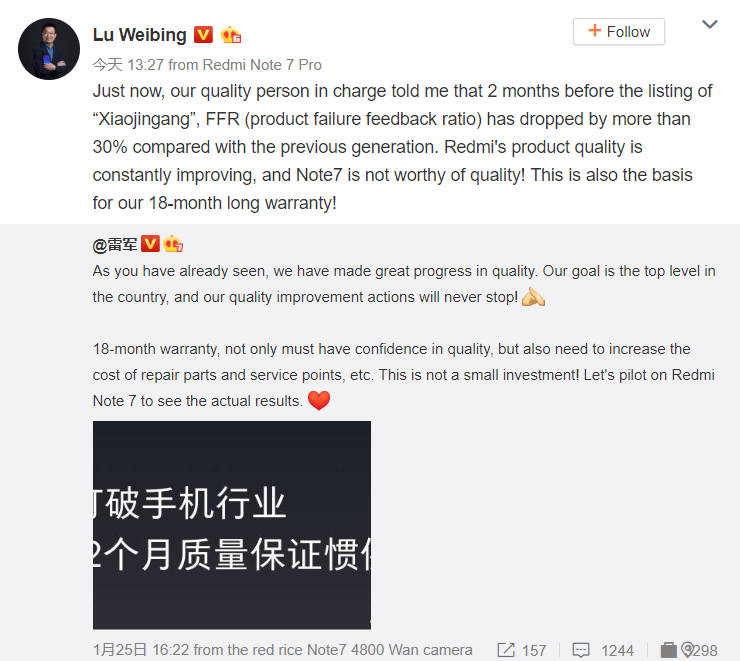
The Redmi Note 7 has an 18-month warranty which is longer than that of previous Redmi phones. According to the Redmi General Manager, Lu Weibing, this is possible because their FFR (Field Failure Rate) has improved, dropping by more than 30% compared to previous generation.

Redmi Note 7 FFR 18 months warranty

This improvement in quality allows the Redmi Note 7 to have a longer warranty duration of 18 months compared to the industry standard of 12 months.

The Redmi Note 7 has a 6.3-inch 1080 x 2340 display with a water-drop notch at the top. It is powered by the Snapdragon 660 processor and has up to 6GB of RAM and 64GB of storage. The phone is protected by Gorilla Glass 5 on both sides. It also has a 48MP primary rear camera and a 5MP depth sensor (the Indian version has a 12MP primary rear sensor and a 2MP depth sensor). Both variants have a 13MP selfie camera.

READ MORE: Xiaomi reveals the Redmi Note 7 Pro features P2i Nano Hydrophobic coating

Vivo iQOO Hands On: Halo Lights, Virtual Buttons & Headphone Jack makes it Stand Out!

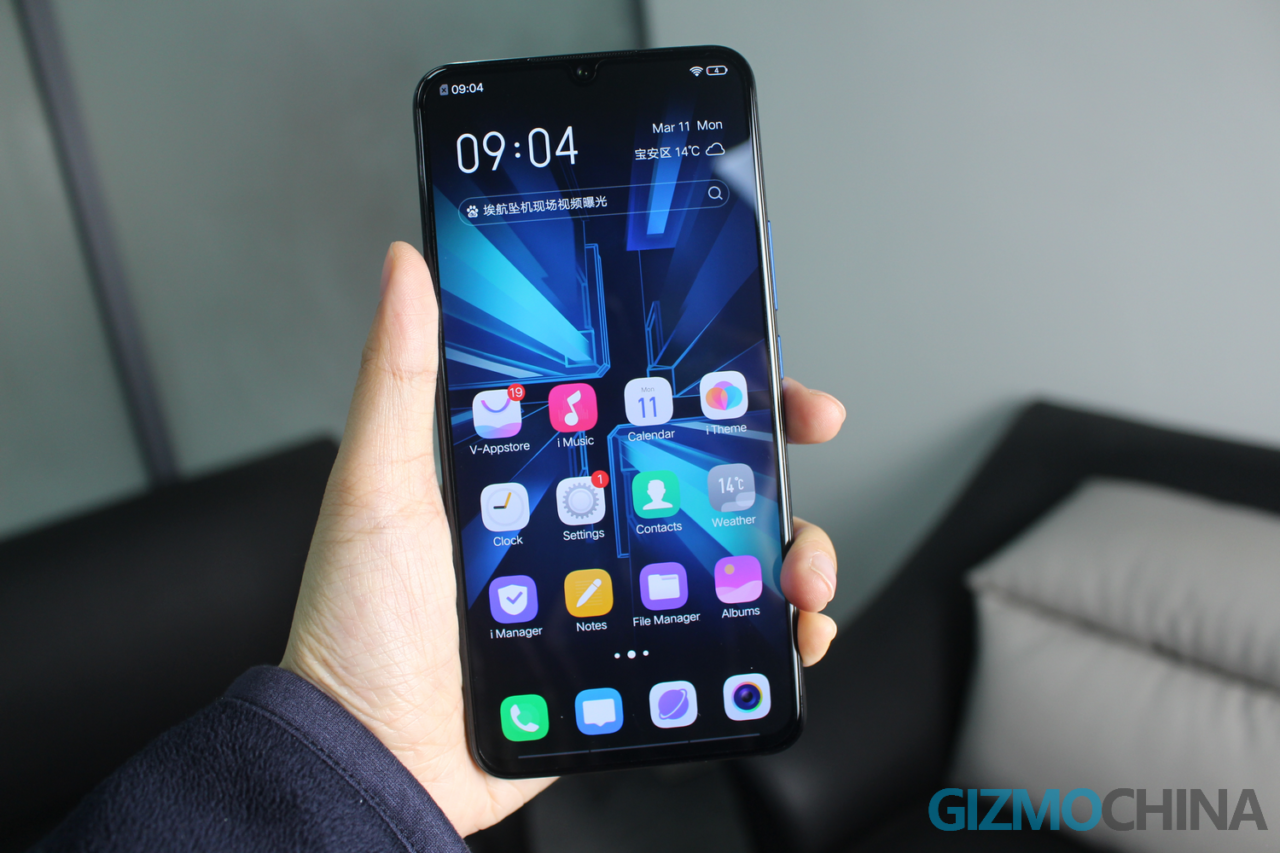
Since 2018, a handful of independent brands have emerged. Big smartphone companies such as Xiaomi, OPPO, Huawei have all followed this trend. Another smartphone manufacturer, Vivo, joined the club recently with its subsidiary brand called iQOO. The Vivo iQOO features flagship performance and high cost to performance ratio. In terms of positioning and design, the handset is more of a gaming phone. It offers a number of different color variants, and we got the Electro-optic Blue variant for this hands-on. The phone looks unique and definitely has a feel of a gaming handset. No surprise that it’s the official gaming phone of KPL league 2019.

Let’s check out the hands-on of Vivo iQOO.

Vivo iQOO ups the game with a screen-to-body ratio of up to 91.7%, all thanks to its water drop notch design and narrow bezels. On the narrow top bezel, there is an earpiece, which stands apart from the overall black design. But looking at the phone in general, it can be ignored as it is quite narrow. Also note that, in the pursuit of slimming down bezels, the phone lacks a LED notification light.

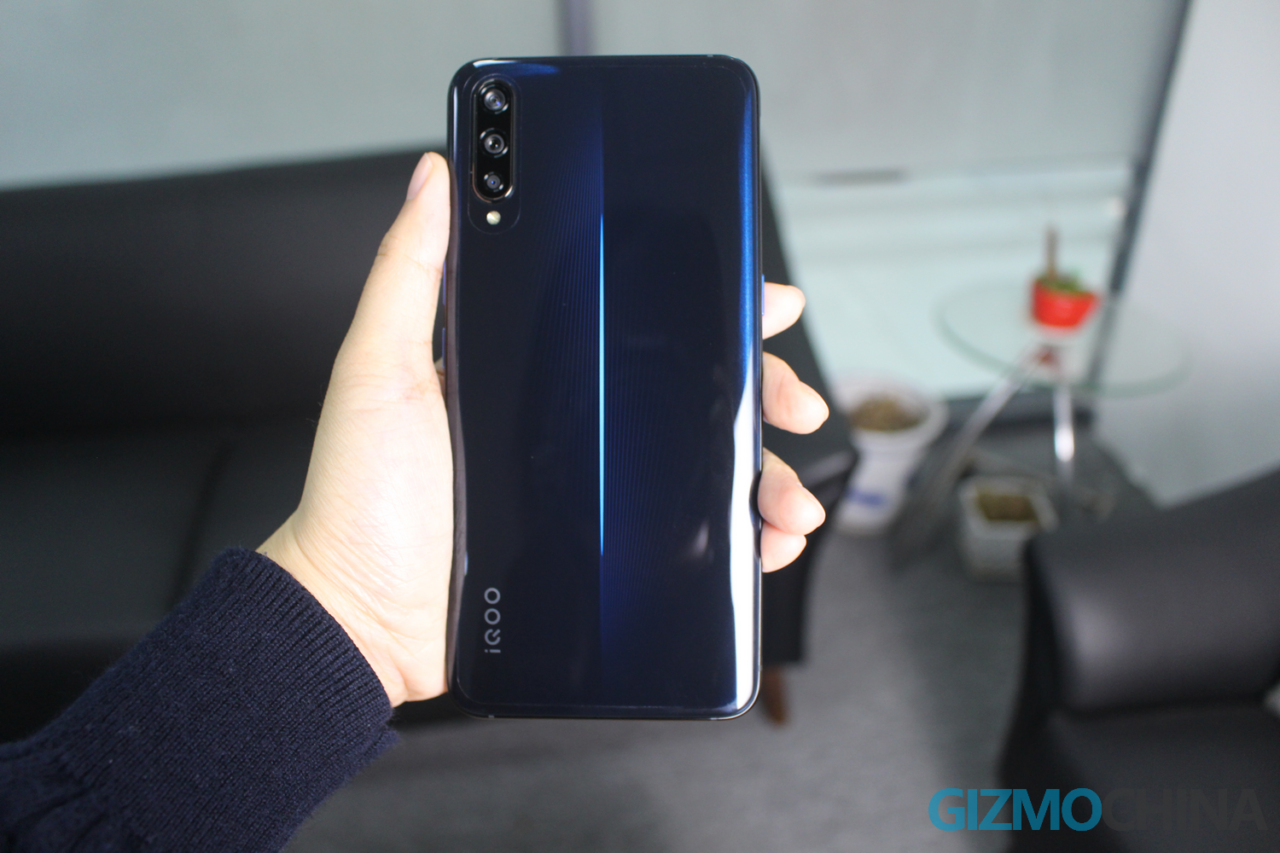
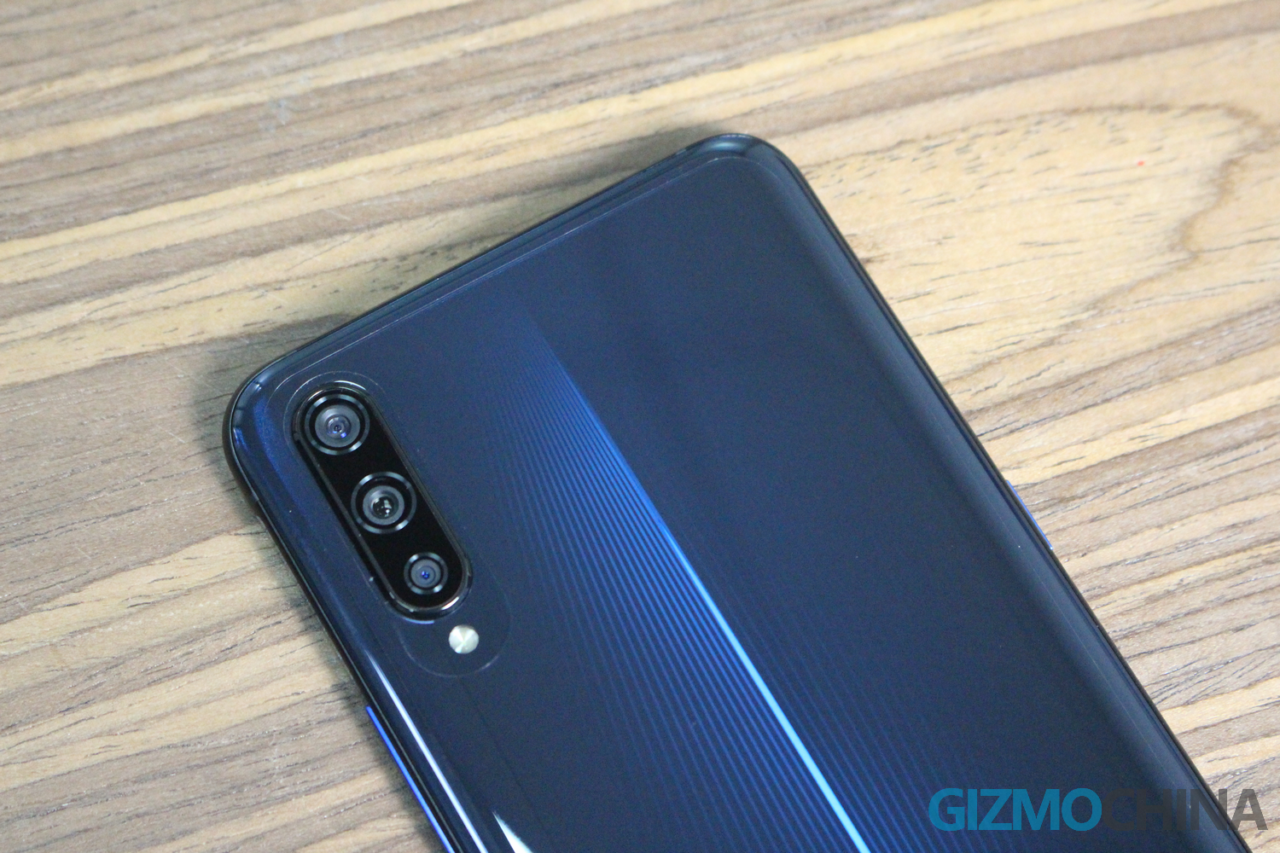
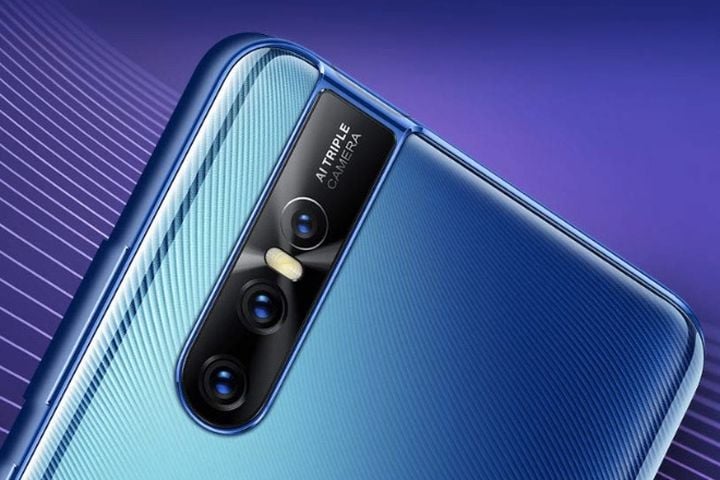
On the back, the Vivo iQOO is covered in glass featuring a Halo light strip which gleams — when the phone is charging, receiving a message, calling up Jovi assistant and when you win a game (it’s really a cool feature). There are three cameras which host 12MP+13MP dual rear cameras with IMX 363 sensor and a 2MP depth camera, and a flashlight set below the module. As compared to the Xiaomi Mi 9 (our hands-on here!) the rear camera module of iQOO does not protrude much. On the left bottom corner, there’s the iQOO logo. As the phone ships with an under-display fingerprint sensor, there’s no fingerprint sensor on the rear panel.

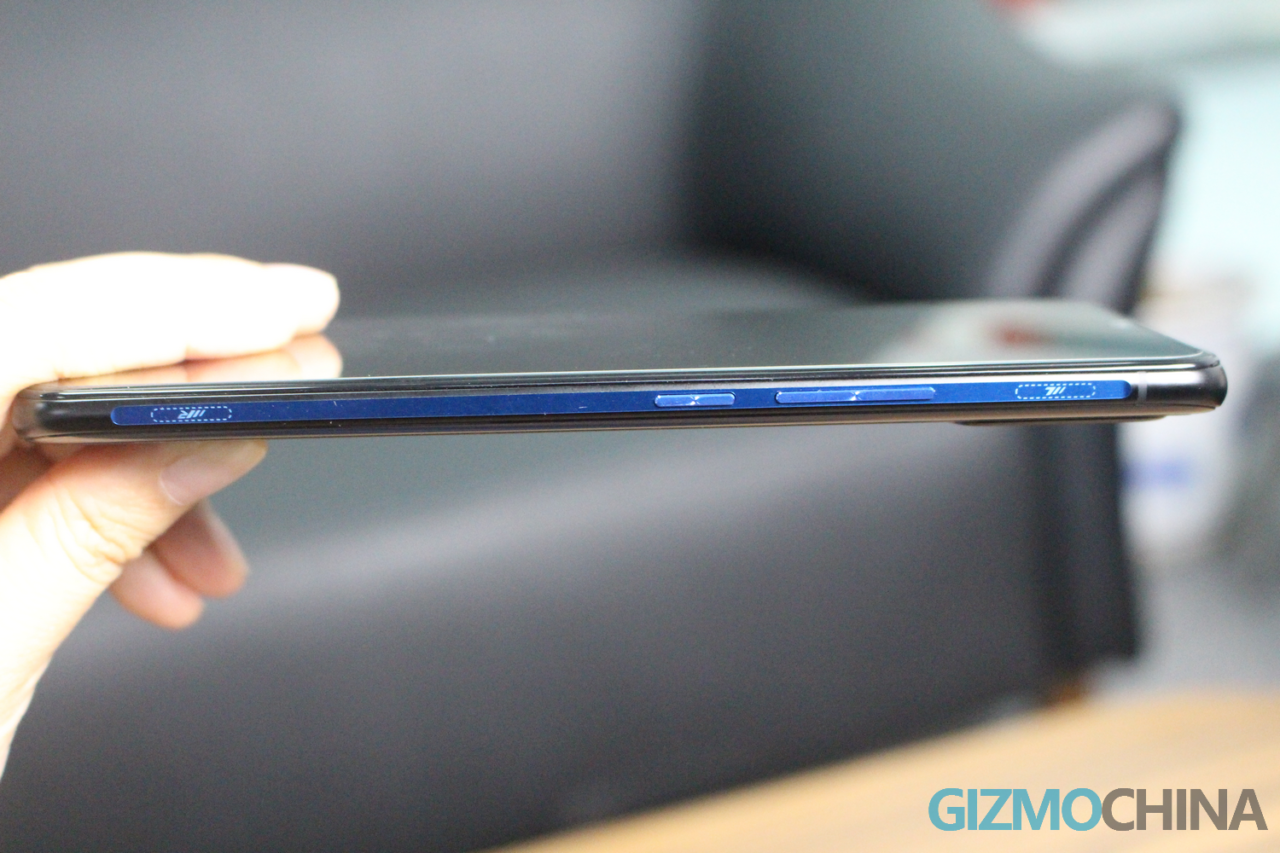
Apart from the unique Halo light strip at the back, the Vivo iQOO also comes with two monster touch buttons on the right side, which comes in really handy during gameplay. What’s more, you can call up the smart assistant Jovi by pressing the AI key set beside the SIM card slot that on the phone’s left side. I do like the fact that iQOO keeps the 3.5mm earphone jack, which is placed on the top. Like most smartphones, the handset’s speaker and the Type-C charging port is placed at the bottom.

Overall, I like the design of the Vivo iQOO. It has some unique elements to set it apart from the crowd, and it’s not just by the way of a new color. The virtual buttons on the side, the Halo LED strip at the back, are unusual features for a smartphone in this segment.

It is powered by Snapdragon 855 processor and comes with 6.4-inch AMOLED screen having the resolution of 1080 x 2340 pixels, 19.5:9 ratio and 402ppi. Besides this, Vivo iQOO is fueled by 4000mAh battery with 44W fast charging which is more than enough for daily use. The handset is equipped with NFC, under-display fingerprint reader, and facial unlock. There are triple rear cameras — a 12MP main lens with f/1.79 aperture, a 13MP wide-angle lens, and a 2MP depth camera.

[envira-gallery id=”240487″]

The Vivo iQOO is priced around $549 for 6GB+128GB, $599 for 8GB+128GB, $649 for 8GB+256GB and $849 for 12GB+256GB. I think the price of the phone matches the idea of high cost to performance ratio that’s been marketed by iQOO.

What are your thoughts?

Meanwhile, check out more photos of the Vivo iQOO down below!

[envira-gallery id=”240459″]

Vivo Y3 and Y5 tipped to launch soon to rival with Galaxy M and A phones in India

Vivo has recently launched the Vivo Y91i smartphone in India with a starting price of Rs. 7,990 (~$114). Fresh information shared by 91mobiles reveals that the Chinese manufacturer will be announcing the Vivo Y3 and Vivo Y5 smartphones in India. These phone will be hitting the Indian markets with enticing price tags.

The Y-series of smartphones from Vivo that have launched in the recent years in India have carried double digit names such as Vivo Y95, Vivo Y81, Vivo Y79. However, the upcoming Y-lineup phones are expected to arrive with single digit monikers. It is speculated the Vivo Y3 or Y5 phones or at least the latter will be equipped with a triple camera unit.

The publication has claimed that the Vivo Y3 and Vivo Y5 phones will be aggressively priced in India. The Vivo Y3 could be priced between Rs. 10,000 (~$145) and Rs. 15,000 (~$215). On the Vivo Y5 could be a phone with higher specifications since it is tipped to be cost between Rs. 15,000 (~$215) and Rs. 20,000 (~$286).

Vivo V15 Pro

At present, there is no information available on the specifications of the Vivo Y3 and Vivo Y5 smartphones. The IPL (Indian Premier League) T20 cricket tournament will begin in India on March 23. The report claims that Vivo may announce the Vivo Y3 and Y5 around the IPL 2019.

Last year, Xiaomi became the number smartphone brand in India in terms of market share by dethroning Samsung. The South Korean company is also facing competition from other Chinese brands like OPPO and Vivo. In a bid to gain lost ground, the company launched has multiple smartphones such as Galaxy M10, Galaxy M20, Galaxy M30, Galaxy A10, Galaxy A30 and Galaxy A50 with pricings that can take on the Chinese counterparts. The upcoming Vivo Y3 and Vivo Y5 will be rivaling with Samsung Galaxy M and Galaxy A smartphones.

(source)

Patent reveals Samsung’s foldable phone with a clamshell design

Samsung launched the Galaxy Fold at its Unpacked event nearly a month ago and following its announcement, there have been reports the Korean giant is working on more foldable phones. One is said to have a clamshell design with an outward fold and now images of the patent have surfaced on the web.

The Galaxy Fold has two screens – a large flexible display on the inside that folds inward and a smaller non-flexible display on the outside so you can still use the device when it is folded. For devices that fold outwards, you don’t need to have a second screen as the device can still be used even when folded.

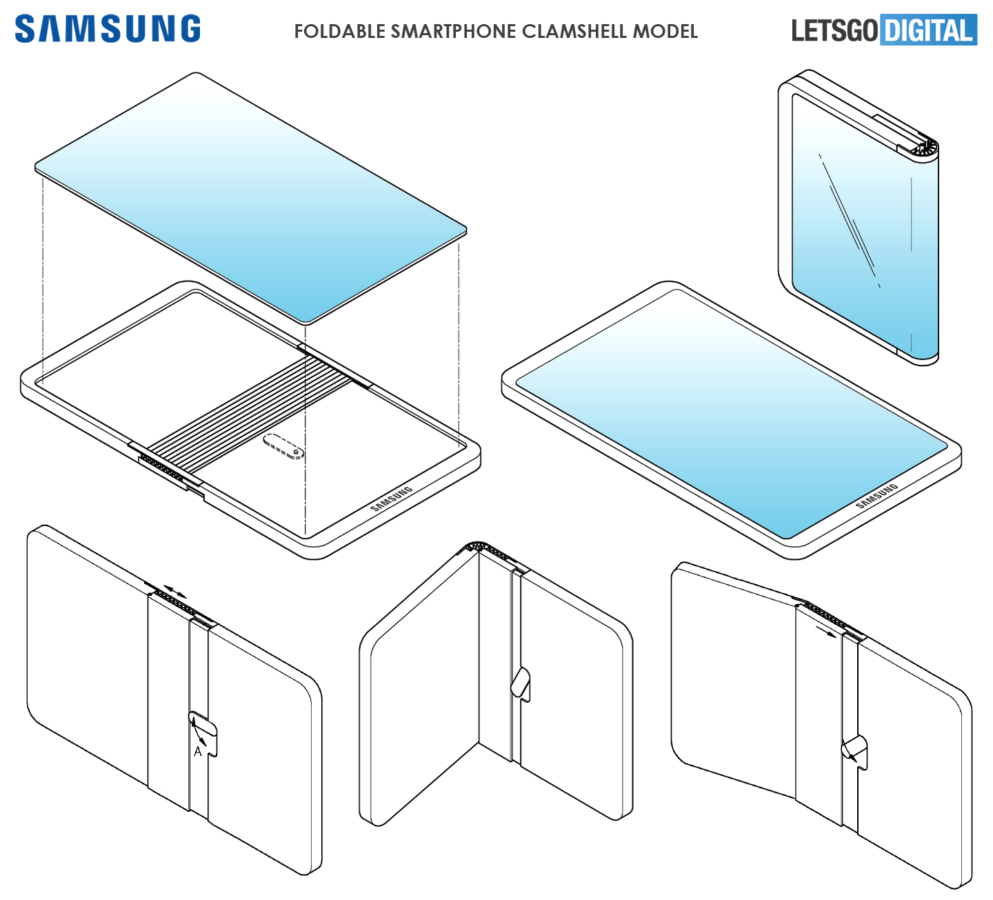
Samsung clamshell foldable phone patent

The patent diagrams which were first spotted by LetsGoDigital show Samsung’s approach to the design of this clamshell-like design is different from Motorola’s own which folds inwards but also has a clamshell design.

The frame of the phone is actually two separate parts that appear to slide into each other when you fold and unfold the device. This design makes it possible for the phone to be completely flat when folded as the two parts slide into each other perfectly.

The diagrams also show there is a small lever on the back which when turned upwards prevents the parts from moving when unfolded. It functions as a sort of locking mechanism.

There are no cameras on the device but one can tell where they will be. The front of the phone has bezels, so the front-facing camera(s) have a place to stay. There is also enough space on the back for rear cameras. However, the rear cameras will not be usable when the device is folded.

READ MORE: Samsung Galaxy S10 pre-orders surpass total Galaxy S9 sales in January

Android Q Beta may launch today with Support for additional Smartphones

We always love to hear about the new Android version and its features. Every year, around this time Google usually takes the wraps off its latest Android Beta version. According to a bug tracker for Android Q Beta as spotted by Mishaal Rahman of XDA, the latest Android version is scheduled for launch later today. Moreover, Android Q Beta could launch with support for more smartphones than Android P Beta.

android q beta

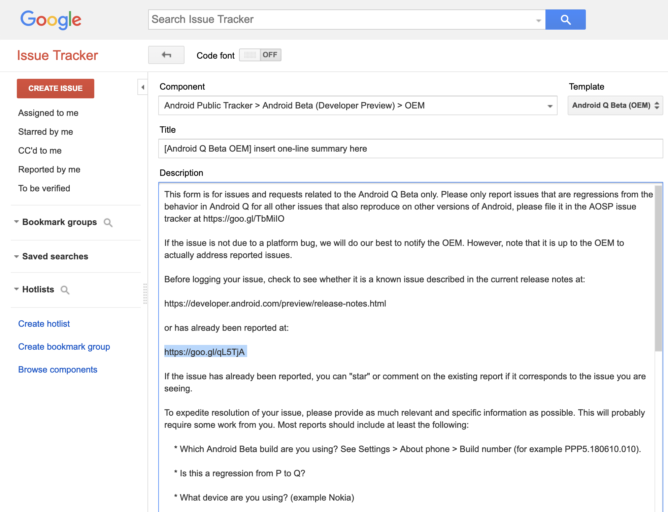
As Mishaal notes, Google’s Android Q Beta Issue Tracker has a default date filter of March 11th. It means only reports from the general public made after March 11th will be listed. It’s a partial confirmation that the search giant is soon announcing Android Q Beta within the next few hours.

Android Developer Mr. Illiyan Malchev revealed in a podcast that Google is going to introduce Android Q Beta update for more smartphones than its previous iteration. While talking in the Android Developers Backstage podcast, the developer has confirmed Google’s plan to collaborate with even more manufacturers for Android Q Beta program. He didn’t reveal any further information but emphasized the trend is positive and strong.

“The number is bigger for the upcoming Android release, which I am very happy about. I cannot share the exact numbers yet. But the trend is positive and strong, and I am very happy about this,” said Mr Illiyan Malchev, Android Developer at Google.

Well, all the above developments reflect that Android Q Beta is finally paving its way for the general public and that too with more smartphone support. More details should be coming your way real soon.

(sourcevia)