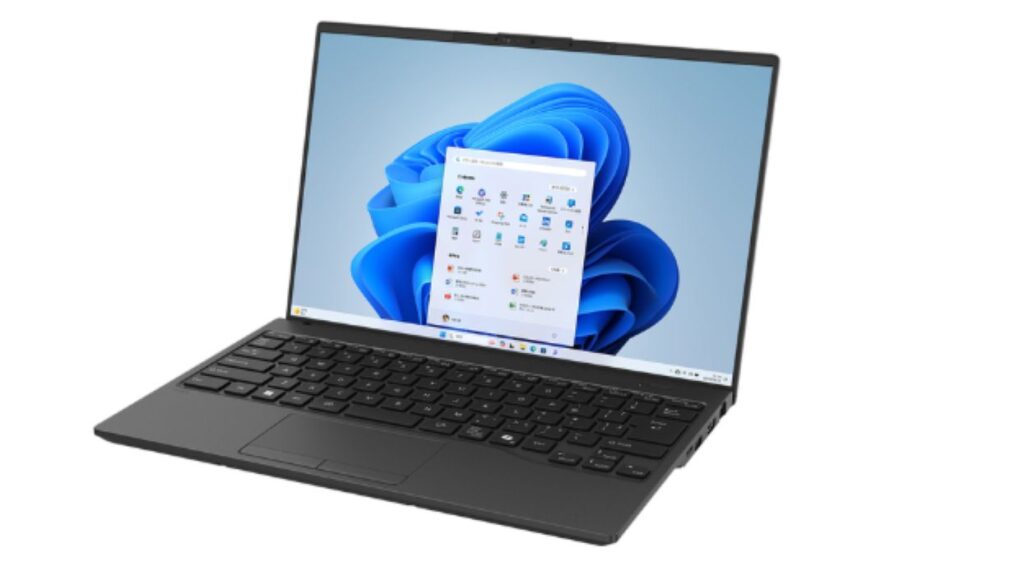
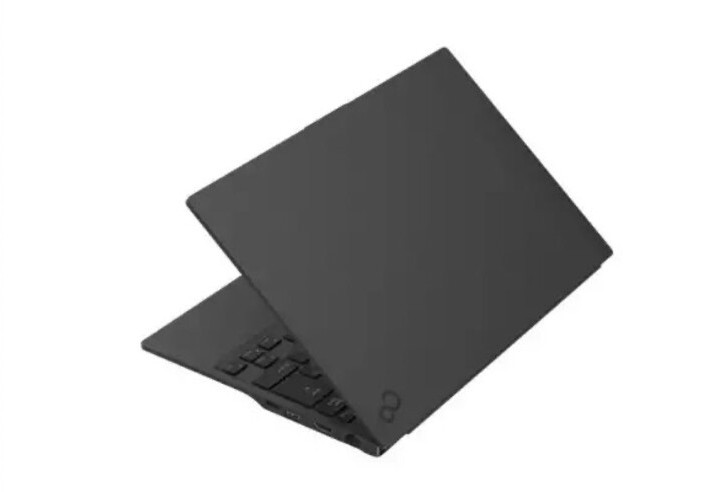
Fujitsu has taken the idea of “ultraportable” to a new extreme with its latest laptop, the FMV UX-K3 — a 14-inch notebook that weighs just 634 grams (1.4 lbs). That makes it the world’s lightest laptop in its class.
The FMV UX-K3’s featherweight build comes from a mix of carbon and magnesium-lithium alloy, keeping the chassis both durable and thin at just 17.6mm. It ties last year’s Lifebook WU5/J3 for the lightest 14-inch notebook on record, but Fujitsu says its latest model maintains the strength needed for everyday travel and professional use.
Inside, the UX-K3 runs on Intel’s Core Ultra 7 255U processor, featuring two performance cores and ten efficiency cores that can boost up to 4.8GHz. It’s paired with 16GB of RAM and a 512GB SSD, offering smooth performance for productivity, light creative work, and multitasking. Graphics come courtesy of integrated Intel Arc, which keeps power consumption low while handling moderate workloads.
The 14-inch IPS display offers a 1920×1200 resolution with a 16:10 aspect ratio and 400 nits of brightness, striking a balance between sharp visuals and energy efficiency. Connectivity is generous for such a slim device: Wi-Fi 7, Bluetooth 5.4, USB-C with 65W charging, two USB-A ports, HDMI, Ethernet, a 3.5mm jack, and a microSD reader all make the cut. Fujitsu also includes a 1080p webcam with a privacy shutter — a nice touch for professionals.
The one trade-off for all that lightness is the 31Wh battery, which Fujitsu rates for around seven hours of video playback or up to 18 hours of idle use. It charges via USB-C using a 65W adapter that weighs just 150 grams (0.33 lbs), keeping the total travel weight impressively low. It’s not built for all-day unplugged work, but it’s clearly designed for mobility first.
The FMV UX-K3 is already available for sale through Fujitsu’s FMV Store and select Japanese retailers for about ¥280,280 (roughly $1,860). There’s no word yet on global availability, but imports are expected through third-party sellers, as with past FMV models.
For travelers, and anyone obsessed with trimming every extra gram from their gear, the Fujitsu FMV UX-K3 shows just how far laptop makers can go without cutting into usability.
China’s generative AI user base has reached 515 million as of June 2025, more than doubling in just six months. The rapid growth highlights the country’s increasing adoption of AI technologies across daily life, work, and industry. These figures were released in a report by the China Internet Network Information Center (CNNIC) on Saturday.
Record-Breaking Growth
Between December 2024 and June 2025, China added 266 million new generative AI users, bringing the adoption rate to 36.5 percent of the nation’s internet population. The growth is driven by the national “AI Plus” strategy, which aims to integrate AI into society and the economy, supported by strong government investment in AI infrastructure.
Young and Educated Users Lead the Trend
The majority of AI users in China are young and highly educated. According to the report, 74.6 percent of users are under 40 years old, and 37.5 percent hold a college degree or higher. This demographic has become the primary force driving AI adoption, using it for work, study, and everyday applications.
Preference for Domestic AI Models
More than 90 percent of Chinese users prefer domestically developed AI models. Popular platforms include DeepSeek, Alibaba Cloud’s Qwen, and ByteDance’s Doubao. Limited access to foreign models such as OpenAI and Google DeepMind has also contributed to this trend. Government policies emphasize AI self-reliance, encouraging innovation across models, applications, and underlying hardware.
Global Leadership in AI Adoption
China’s AI growth outpaces global trends. A Microsoft study in June 2025 found that China had become the world’s largest AI market, while the United States maintains an adoption rate of around 25 percent. The launch of DeepSeek’s R1 model in January 2025 played a key role in doubling China’s user base within six months.
Innovation and Future Outlook
CNNIC officials expect further growth in open-source AI, embodied intelligence such as robots and AI agents, and AI governance. China also leads in AI patent activity, with 1.576 million applications as of April 2025, accounting for 38.58 percent of the global total.
Global AI Race: China’s Scale vs. U.S. Per-Capita Adoption
China’s massive AI user base gives it a clear advantage in scale, allowing rapid testing, deployment, and development of new AI technologies. Meanwhile, the U.S. leads in adoption rate per person, showing deeper integration of AI into daily life and business. Together, these trends highlight a global AI race, with China dominating in user numbers and the U.S. excelling in per-capita engagement and innovation.
Widespread Applications
Generative AI is being actively used in intelligent search, content creation, office assistance, and smart devices. Its applications are expanding into agriculture, industrial manufacturing, and scientific research. The CNNIC report shows that AI is becoming a core driver of China’s digital economy and future innovation strategy and a global phenomenon.
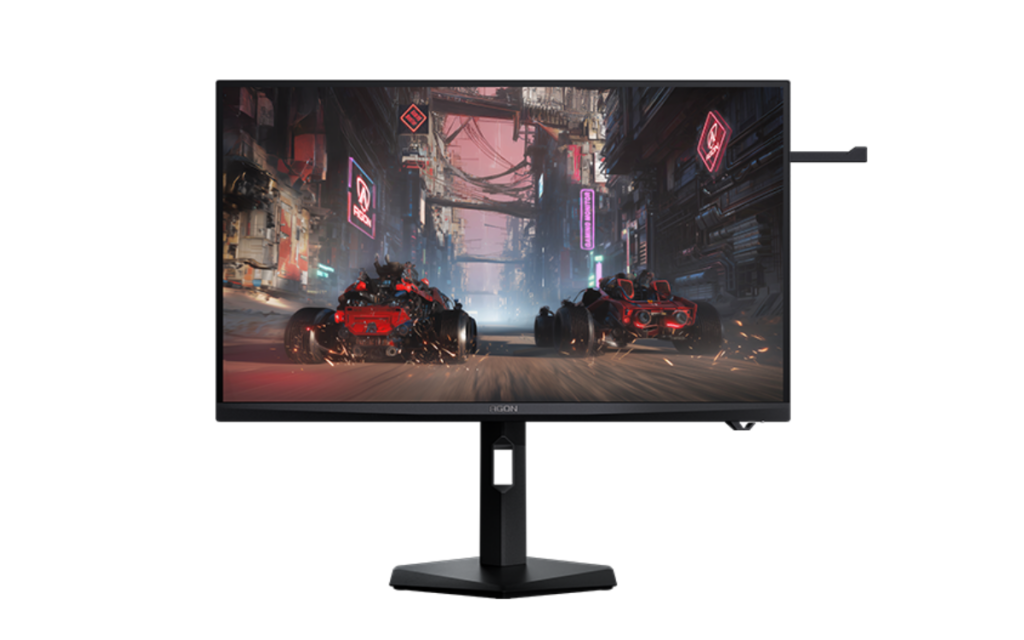
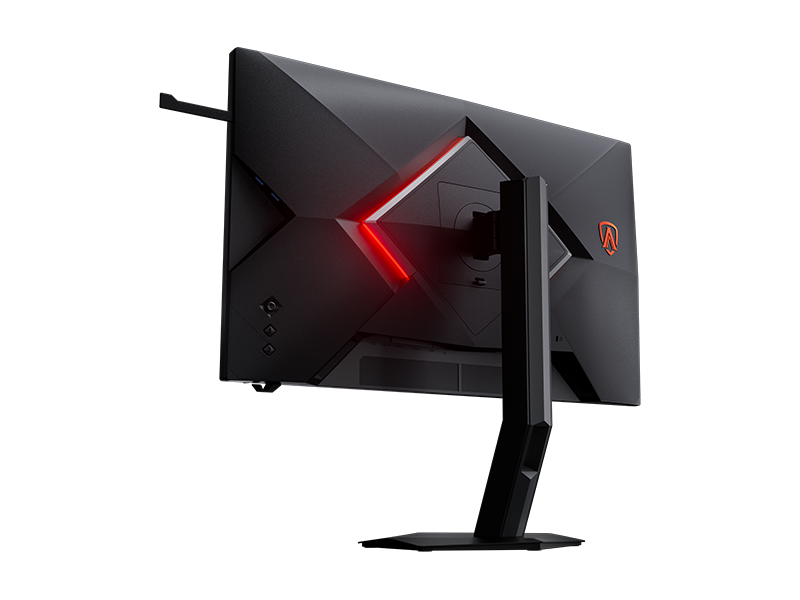
AOC has launched the AGON AG277UX, a 27-inch gaming monitor that features a dual-mode display with support for 4K at 160Hz and 1080p at 320Hz. The monitor targets both high-resolution gaming and high-refresh esports performance, allowing users to switch between modes based on their needs.
AOC AGON AG277UX Specifications
The AG277UX uses a Fast IPS panel with a native 3840×2160 resolution. It supports a refresh rate of 160Hz at 4K and allows quick switching to 1920×1080 resolution at 320Hz. The screen has a 1ms GTG response time, and the MPRT mode reduces motion blur to 0.5ms. AOC includes Adaptive-Sync and Nvidia G-Sync Compatible support to minimize screen tearing and stuttering.
The display is VESA DisplayHDR 600 certified and reaches a peak brightness of 600 nits. It delivers a 1000:1 contrast ratio, an 80 million:1 dynamic contrast ratio, and covers 100% of the sRGB and 95% of the DCI-P3 color gamut. AOC factory-calibrates the panel to a Delta E < 2 for accurate color reproduction out of the box.
The monitor provides two HDMI 2.1 ports, one DisplayPort 2.1 input, three USB 3.2 Gen 1 Type-A ports, a USB upstream port, and a 3.5mm audio jack. It supports Picture-by-Picture (PBP) and Picture-in-Picture (PIP) modes, allowing users to view content from two devices simultaneously. The monitor includes gamer-focused tools such as crosshair overlays, a frame-rate counter, and dark-field control.
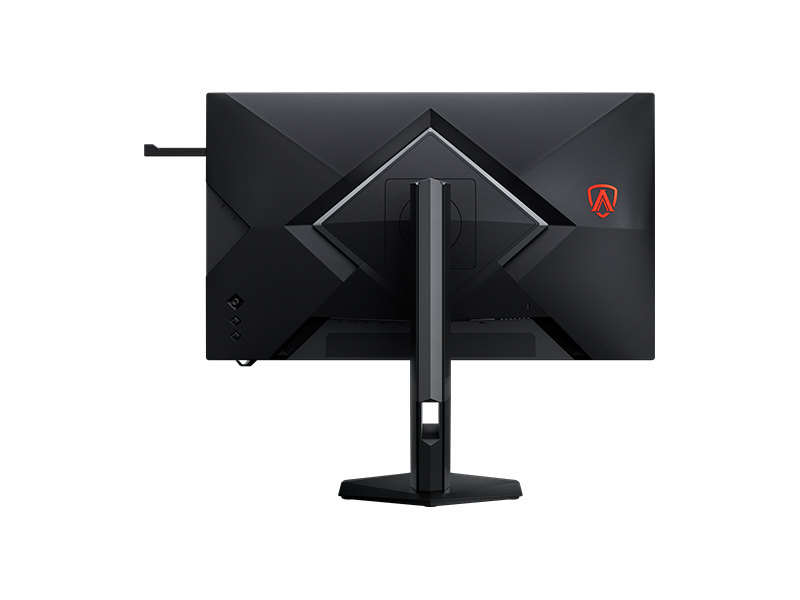
AOC has designed the AG277UX with a 1mm ultra-thin bezel and a polygonal base. The Light FX ambient lighting system supports over 100,000 color combinations and 14 preset effects. The ergonomic stand provides height, tilt, swivel, and pivot adjustments. It also features a retractable headphone hook that sits on the right side for added convenience.
The monitor comes with features like AGON AI Vision for real-time visual optimization and MBR Sync for enhanced motion clarity.
In related news, AOC has recently introduced the AG421UDA OLED Smart Display featuring a 41.5-inch 4K panel and Android 14. The company has also unveiled the U32G4U gaming monitor, which supports 4K 160Hz and FHD 320Hz dual-mode refresh rates.
For more daily updates, please visit our News Section.
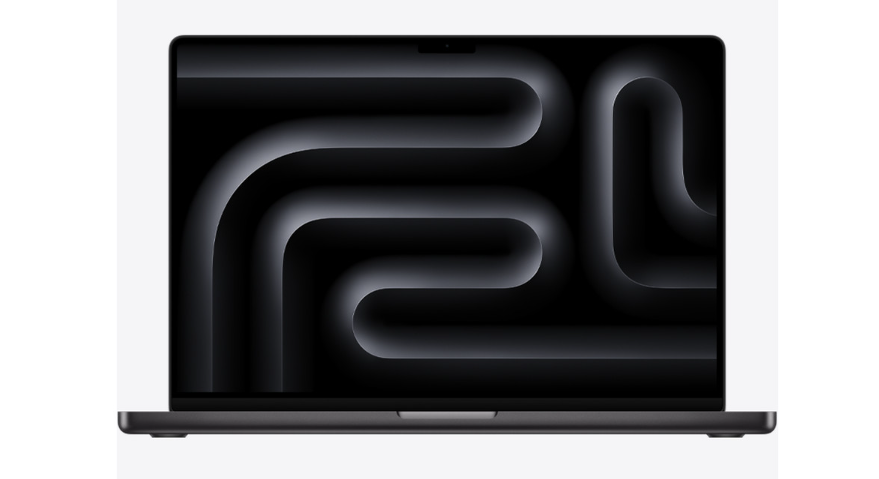
Apple’s new 14-inch MacBook Pro is off to a strong start, thanks to the company’s latest M5 chip. A leaked Geekbench 6 result shows the chip setting new records for both speed and efficiency — and it’s already being called one of Apple’s biggest leaps in performance to date.
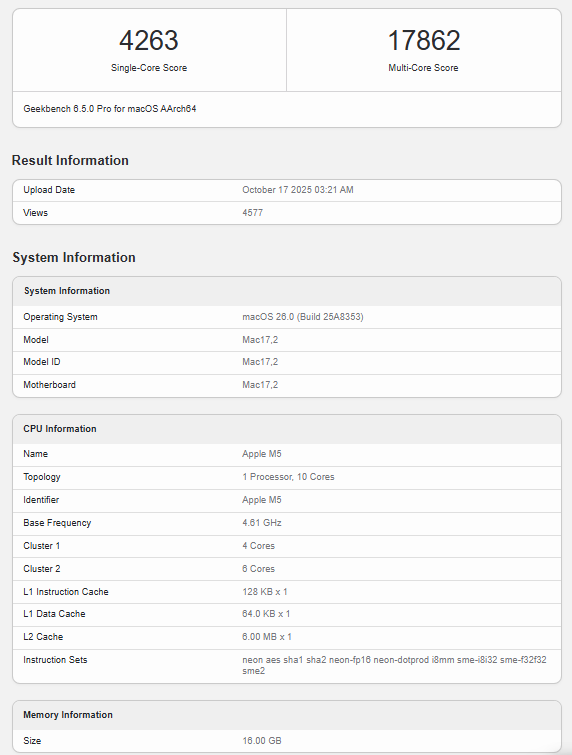
The M5 reportedly packs a 10-core CPU with four performance cores and six efficiency cores. In the benchmark, it hit a single-core score of 4,263, the highest ever recorded for any Mac or PC in Geekbench’s database. That’s faster than the M4 Max (3,914) and even AMD’s flagship Ryzen 9950X3D (3,399), giving Apple a clear edge in single-threaded tasks like app launches, gaming, and everyday responsiveness.
Multi-core performance is just as impressive. The M5 posted a score of 17,862, roughly 20% faster than the M4 in last year’s 14-inch MacBook Pro (14,726). It’s not quite at the level of the M4 Max (25,645), but it nearly matches the M1 Ultra (18,405), which is no small feat for a chip running in a slim laptop.
The same chip appears in the latest iPad Pro as well, where it scored a comparable 4,175 in single-core tests — proof that Apple’s silicon improvements aren’t limited to Macs.
The new 14-inch MacBook Pro with the M5 is already up for pre-order and ships soon. And if Apple’s release pattern holds, we’ll likely see M5 Pro and M5 Max versions next year. For now, though, even the base M5 looks like a powerhouse — one that’s redefining what a “standard” MacBook Pro can do.
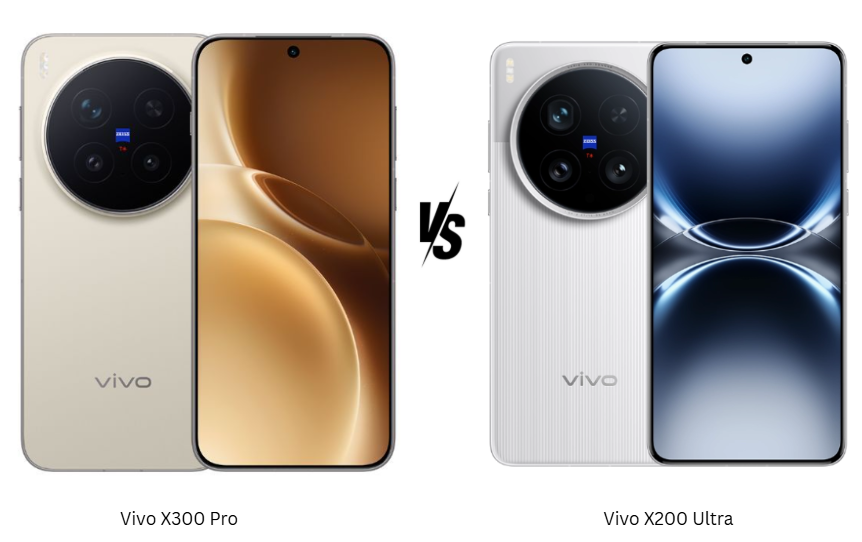
The comparison between Vivo X300 Pro vs Vivo X200 Ultra is important because it highlights how two premium phones from the same brand serve different needs. With a $200 price gap, it shows what real upgrades the “Ultra” model brings and whether they’re worth the extra cost. It also reflects a growing trend in the market where brands create a clear divide between “Pro” and “Ultra” devices. For buyers, this helps make a smarter choice between value for money with Vivo X300 Pro and an uncompromised flagship experience with Vivo X200 Ultra.
Key Differences:
No.
Feature/Category
Vivo X300 Pro
Vivo X200 Ultra
Key Upgrade
1
Chipset & Performance
MediaTek Dimensity 9500
Qualcomm Snapdragon 8 Elite
Stronger CPU/GPU power and efficiency
2
Display
1.5K LTPO AMOLED
QHD+ LTPO AMOLED
Sharper, more immersive viewing
3
Camera System
Triple camera with OIS
Triple camera with gimbal OIS + optional zoom lens
Both phones feature a premium glass-and-aluminum construction with IP68/69 water and dust resistance, giving them a durable and flagship-worthy finish. However, the X200 Ultra feels slightly more robust, with a subtly curved frame and a more pronounced flagship heft. This makes it feel a bit more substantial in hand, while the X300 Pro has a slightly sleeker profile that makes it easier to grip.
The X200 Ultra’s more reinforced glass protection, referred to as “Armor glass,” indicates a focus on durability, ideal for users who prioritize ruggedness in daily use. On the other hand, the X300 Pro caters more to comfort and ergonomics, appealing to those who prefer a balanced in-hand feel.
Display Quality:
The X200 Ultra steps ahead with a higher resolution (QHD+) LTPO AMOLED panel compared to the X300 Pro’s slightly lower 1.5K display. Both panels support HDR Vivid, Dolby Vision, and reach an impressive 4500 nits peak brightness. The difference lies in the pixel density and sharpness, where the X200 Ultra provides a more immersive visual experience, especially noticeable in streaming and gaming.
Both displays are equally fluid with 120Hz refresh rates, but the X200 Ultra delivers a slightly more premium viewing experience due to its crisper resolution and better contrast tuning.
Verdict:
Both designs scream flagship, but their character differs: X300 Pro leans toward elegance and comfort, while X200 Ultra emphasizes sturdiness and top-tier visual sharpness. For users who consume a lot of media or value display sharpness, the X200 Ultra holds the upper hand.
2. Specifications
Performance:
Under the hood, the X200 Ultra packs the more powerful Qualcomm Snapdragon 8 Elite chipset, designed for top-end flagship performance with improved thermal control and GPU power. This gives it a noticeable edge in demanding tasks like gaming, multitasking, and advanced AI-driven operations.
The X300 Pro, powered by MediaTek Dimensity 9500, is no slouch either; it delivers flagship-level efficiency and snappy performance. But the Snapdragon 8 Elite’s optimization and raw power place the Ultra in a superior league, especially for users who push their phones hard. The X300 Pro, however, will feel equally fast for everyday tasks, making it an excellent balance between power and price.
Battery and Charging:
The X300 Pro offers a slightly larger 6510 mAh battery compared to the X200 Ultra’s 6000 mAh cell. Both support 90W wired and 40W wireless charging, along with reverse charging features. In real-world terms, the X300 Pro may give a marginally longer battery life, especially under heavy usage.
However, the Ultra compensates with more efficient power management thanks to its chipset and adaptive display tuning. For users who prioritize longevity, the Pro has a slight edge, but both phones recharge rapidly and deliver a strong all-day endurance.
Verdict:
X200 Ultra leads in raw power, while X300 Pro slightly edges it out in endurance. The Ultra is better suited for power users and gamers, whereas the Pro offers excellent efficiency without compromise.
3. Camera
Main and Secondary Lenses:
Both phones are equipped with top-tier camera hardware co-engineered with Zeiss. They share a 50MP main sensor and a 200MP periscope telephoto lens, but the X200 Ultra ups the ante with gimbal OIS on the main camera and an optional 200mm zoom lens attachment, ideal for those who demand pro-level photography.
The ultrawide sensor on the X200 Ultra is larger with dual pixel PDAF and OIS, giving it a noticeable advantage in low light and landscape shots. The X300 Pro still delivers flagship-grade imaging but lacks some of the stabilization and optical flexibility that make the Ultra’s setup stand out.
Selfie Camera:
Both feature a 50MP front camera with 4K video support. The difference comes down to image tuning: the X200 Ultra has a slightly warmer tone and better HDR handling, making it more flattering for portraits and vlogs. The Pro still delivers crisp detail but may not match the dynamic range of the Ultra.
Verdict:
The X200 Ultra clearly positions itself as a camera powerhouse, especially for enthusiasts who care about stabilization and advanced zooming. The X300 Pro remains excellent for everyday shooting and content creation, but is more suited for casual creators than professionals.
4. Pricing
The X300 Pro is priced around $800, while the X200 Ultra sits near $1000. This $200 gap reflects the upgrades in chipset, camera stabilization, display sharpness, and build reinforcement.
Please Note: When you buy something using the links in our articles, we may earn a small commission at no cost to you.
The X300 Pro delivers a near-flagship experience at a more approachable price, making it one of the strongest value-focused premium phones in its bracket. Meanwhile, the X200 Ultra targets those who want the absolute best Vivo can offer, especially in performance and camera versatility.
Verdict
For users prioritizing value and balanced performance, the X300 Pro stands out as the smarter pick.
Disclaimer: Prices are approximate and may vary based on country, region, and applicable taxes.
5. Conclusion
Both phones showcase Vivo’s ambition in the premium segment. The X300 Pro brings excellent performance, impressive display quality, and top-tier cameras at a more accessible price point. The X200 Ultra adds professional-grade enhancements: sharper display, stronger build, more powerful chip, and advanced camera stabilization, features that cater to enthusiasts, content creators, and gamers.
The X200 Ultra offers optional satellite SOS, better glass protection, and enhanced optical zoom options, making it a more future-ready device. The X300 Pro stands out for its exceptional efficiency and competitive pricing, striking a near-perfect balance.
For those seeking the best blend of performance and cost, X300 Pro is the clear choice. For users who want no compromises and premium-grade refinements, the X200 Ultra makes sense.
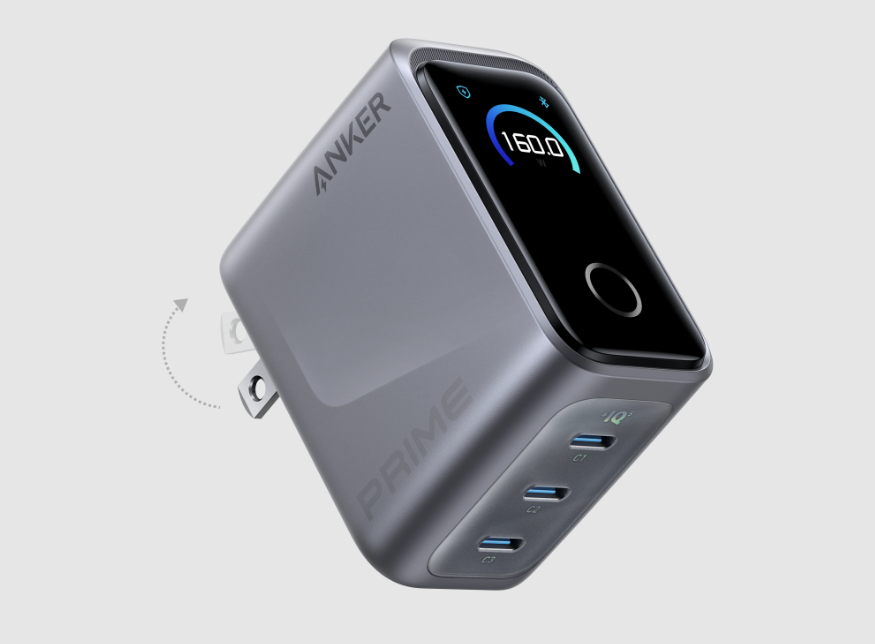
Anker has launched its Prime 160W charger in Europe, bringing its high-powered, compact charging tech to a wider audience. After a successful debut in the US, the charger is now on sale for €129 through Anker’s website and Amazon.
It’s part of the brand’s expanding Prime lineup, which also includes the 3-in-1 wireless magnetic charging station, the 26K 300W Power Bank, and a 14-in-1 docking station. Together, they form a full ecosystem for people who want faster, smarter charging across all their devices.
The Prime 160W Gan-based charger is as small as an AirPods case (65 x 52 x 35 mm, 220 g) but can power almost any smartphone or laptop you throw at it. With three USB-C ports, it pushes out up to 160W total, enough to juice a 16-inch MacBook Pro from 0 to 50% in around 24 minutes.
Power distribution adjusts automatically depending on what’s connected. In three-port mode, it delivers 100W + 30W + 30W, but you can switch to 70W + 70W + 20W or go all-in with 140W from a single port.
A small touch display on the front shows real-time charging data and lets you toggle between modes. Connect it to the Anker app, and you can tweak extra settings like screen brightness, timers, and language.
Anker’s ActiveShield 4.0 safety system also monitors temperature across multiple points to keep things running cool and safe.
Compact, powerful, and surprisingly smart, the Anker Prime 160W looks like an ideal travel companion for anyone who needs laptop-level power without the bulk.
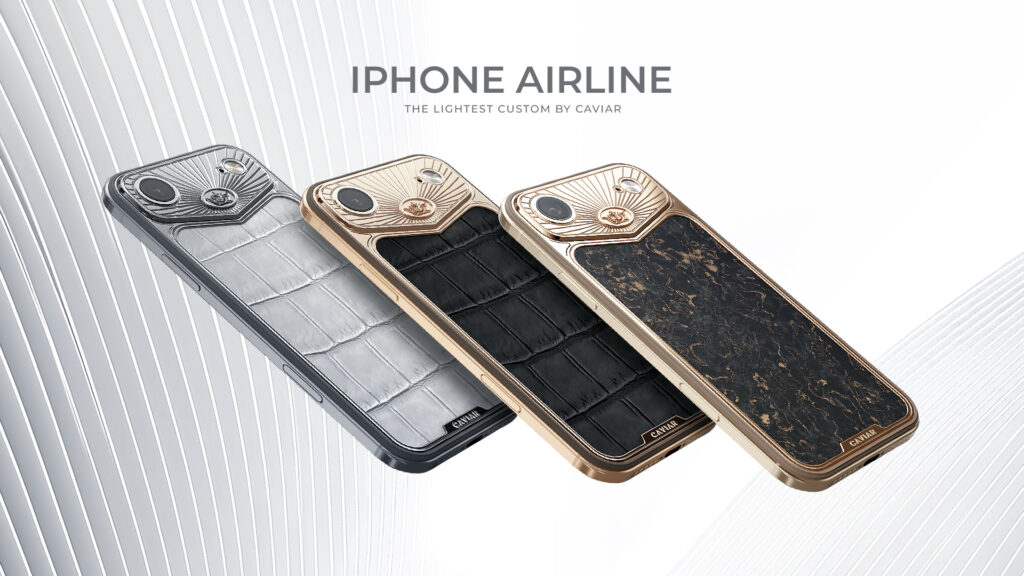
Caviar has announced the AirLine Collection, a new line of ultra-premium custom iPhones that focus on lightness, luxury, and minimalism. The collection includes three limited-edition models: iPhone Air Zenith, iPhone Air Aureon, and iPhone Air Crystal. Each device uses rare and expensive materials such as solid gold, crocodile leather, aerospace titanium, and golden carbon fiber.
Design and Pricing Details
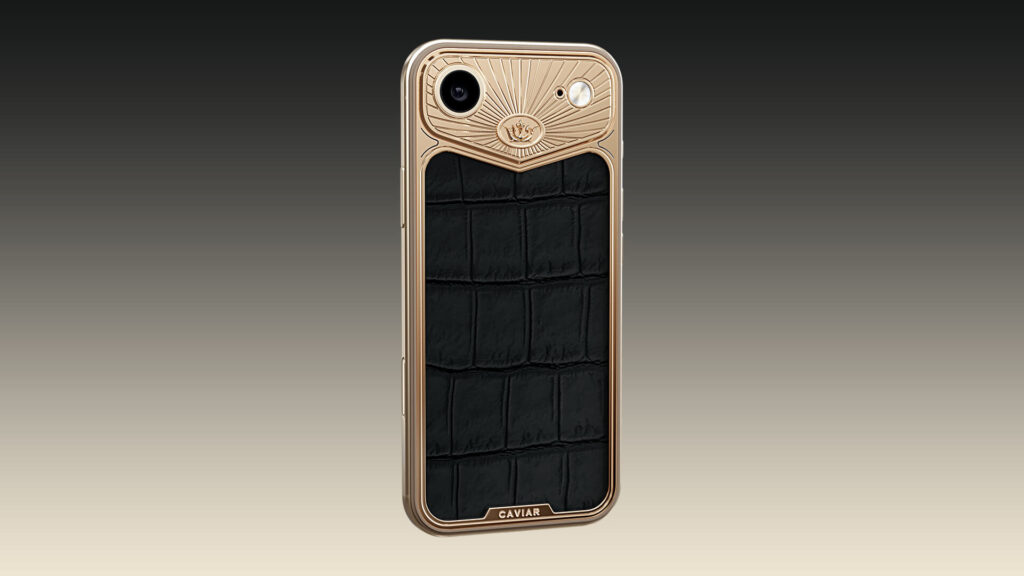
The iPhone Air Zenith is the most exclusive model in the lineup. Caviar has designed the phone with a body made of solid 18K gold and black crocodile leather. It is the lightest gold iPhone ever created by the brand. Caviar is only producing three units, and each one is priced at $38,930.
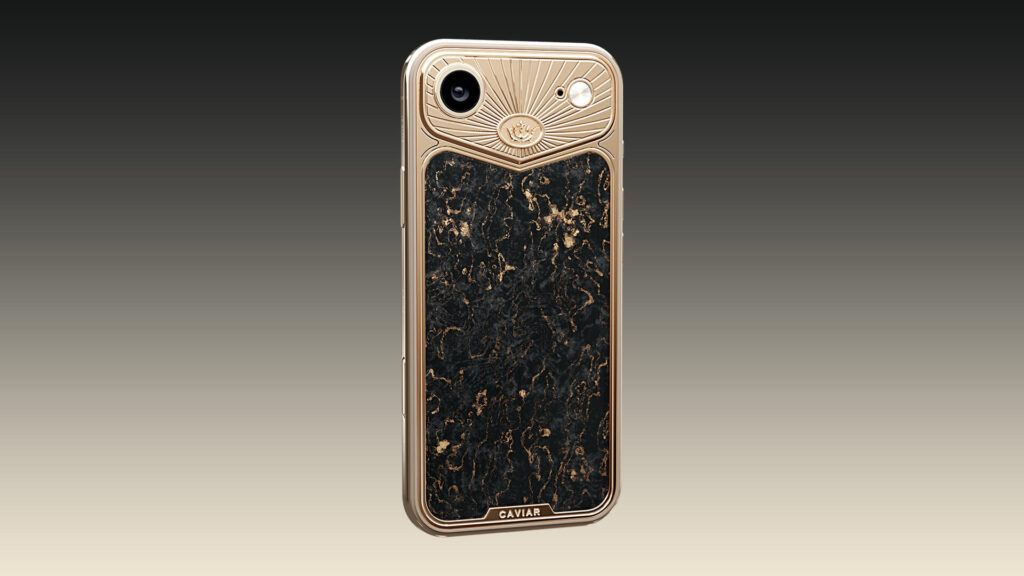
The iPhone Air Aureon features a unique combination of 24K gold plating and a marble-textured golden carbon material. This composite is commonly used in high-end automotive applications due to its lightweight nature and visual appeal. Caviar has limited this model to 19 units, each priced at $9,270.
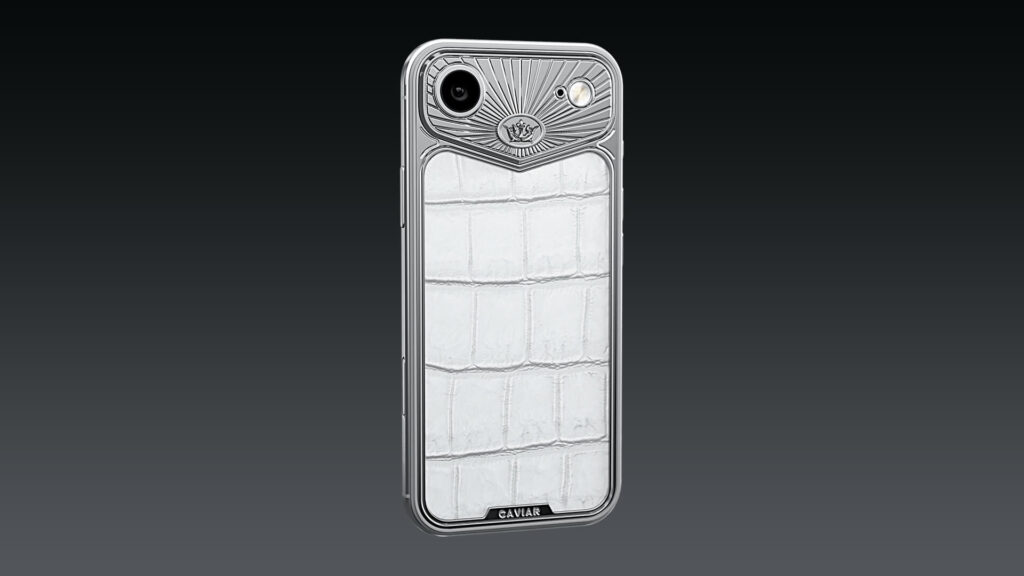
The iPhone Air Crystal focuses on pure aesthetics. The body and frame are made from aerospace-grade titanium and finished with white crocodile leather. The design includes a titanium Caviar crown with jewelry enamel accents. Caviar will release only 19 units of this model, priced at $8,910.
Caviar has positioned the AirLine Collection as its thinnest and lightest lineup of iPhones to date. The design concept emphasizes minimalism, sharp lines, and the appearance of visual weightlessness. Each model in the collection is handcrafted using premium materials and delivered in a custom presentation box. The box includes a personalized video message for the buyer.
The smartphone chip battle between Qualcomm, MediaTek, and Apple is more intense than ever before. All three have made huge progress with their high-end chips in recent years, particularly MediaTek, which is emerging as a strong competitor to the other two. Its latest Dimensity 9500 chip goes neck-to-neck with the Snapdragon 8 Elite Gen 5 and Apple A19 Pro on benchmarks.
Here, we’ll look at the benchmark data and real-world differences to find out who has the edge over the other two chipsets.
Snapdragon 8 Elite Gen 5 vs Dimensity 9500 vs Apple A19 Pro: benchmark comparison
Note: Devices that have been used for benchmark testing are Honor Magic 8 (Snapdragon 8 Elite Gen 5), Vivo X300 Pro (Dimensity 9500), and iPhone 17 Pro (Apple A19 Pro).
Geekbench score
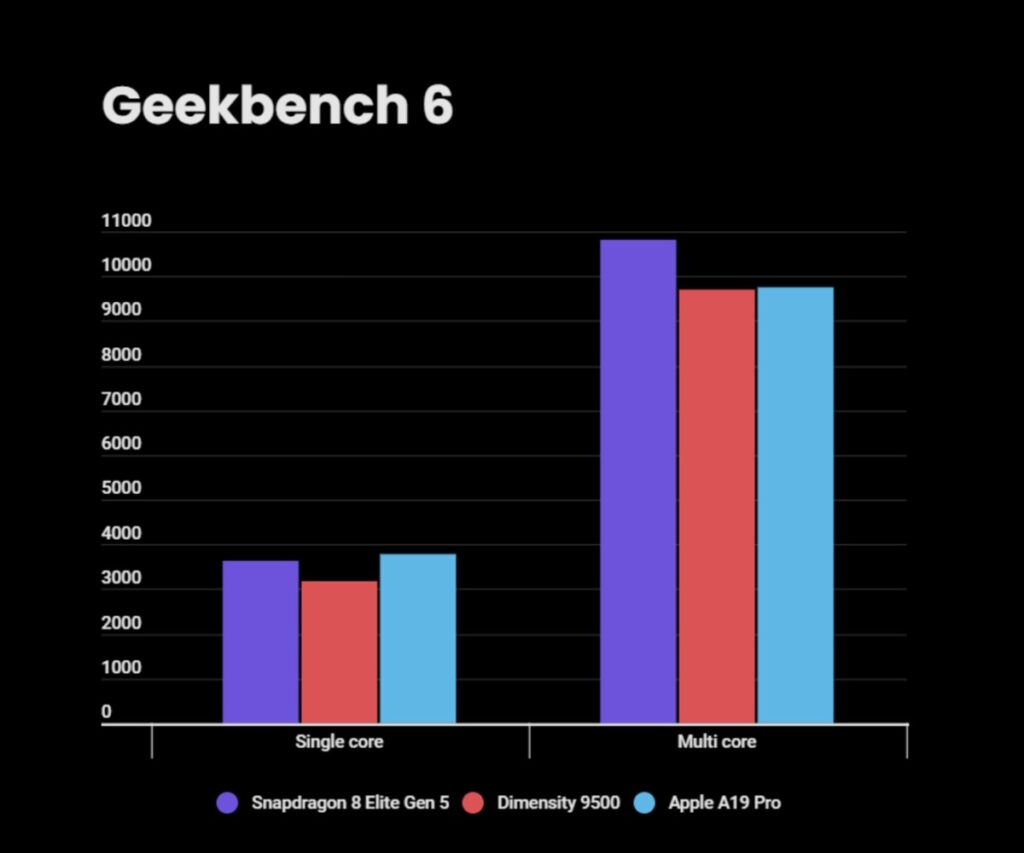
Apple still leads the single-core chart with 3,784 points, the most for a smartphone chipset, but the Snapdragon 8 Elite Gen 5 with 3,634 points is not very much behind. The Dimensity 9500 sits behind the two with 3,177 points.
The multi-core score is an entirely different story, as the Snapdragon 8 Elite Gen 5 leads the race with 10,813 points. This is about 11% higher than the Dimensity 9500 (9701 points) and Apple A19 Pro (9752 points).
In short, the Apple A19 Pro leads the single-core chart, but the Snapdragon 8 Elite Gen 5 makes a strong comeback in the multi-core territory. The Dimensity 9500 lags behind the two, but the gap has significantly narrowed over the years.
Geekbench 6
Snapdragon 8 Elite Gen 5
Dimensity 9500
Apple A19 Pro
Single core
3,634
3,177
3,784
Multi core
10,813
9,701
9,752
AnTuTu score
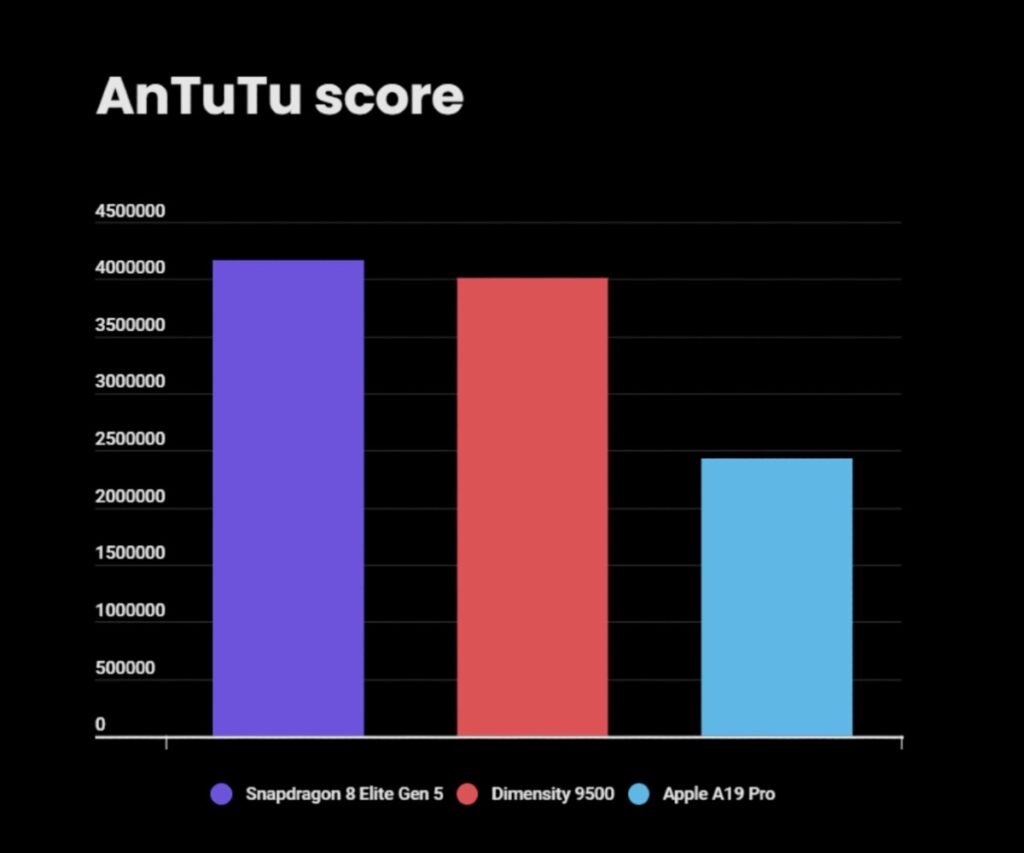
On the AnTuTu v11 platform, the Snapdragon 8 Elite Gen 5 gets about 4.16 million total score. The Dimensity 9500 is a little behind with a 4 million score, while the Apple A19 Pro is nowhere near either of them, scoring about 2.43 million points.
There are several reasons for this massive difference between the Apple A19 Pro and the other two chips from Qualcomm and MediaTek. One is that AnTuTu uses different testing methods for iOS and Android devices. Secondly, the A19 Pro has been tested on AnTuTu v10, while the Snapdragon and Dimensity chips have been tested on a newer AnTuTu v11 platform.
Snapdragon 8 Elite Gen 5
Dimensity 9500
Apple A19 Pro
AnTuTu score
4,166,339
4,011,932
2,431,628
CPU
1,213,845
1,043,247
832,220
GPU
1,468,351
1,510,982
914,932
Memory
570,553
667,254
288,352
UX
913,590
790,449
396,125
Snapdragon 8 Elite Gen 5 vs Dimensity 9500 vs Apple A19 Pro: spec sheet and key differences
Snapdragon 8 Elite Gen 5
Dimensity 9500
Apple A19 Pro
Announced
September 2025
September 2025
September 2025
Process node
TSMC’s 3nm (N3P)
TSMC’s 3nm (N3P)
TSMC’s 3nm (N3P)
CPU cores
8-core
8-core
6-core
CPU cores
2 x 4.61 GHz — Oryon (3rd gen) 6 x 3.63 GHz — Oryon (3rd gen)
1 x 4.21 GHz — C1-Ultra 3 x 3.5 GHz —C1-Premium 4 x 2.7 GHz — C1-Pro
2 x 4.26 — performance cores 4 x 2.6 — efficiency cores
GPU
Adreno 840 Ray tracing support Snapdragon Elite Gaming features
Mali-G1 Ultra MP12 Ray tacing support MediaTek HyperEngine Gaming Technology
6-core Apple GPU Ray tracing support
NPU
Qualcomm Hexagon NPU
MediaTek NPU 990
16-core Neural Engine
Memory
LPDDR5X, up to 5.3 GHz
LPDDR5X, up to 5.3 GHz
LPDDR5X
Storage
UFS 4.1
UFS 4.1
NVMe storage
Camera
Qualcomm Spectra Triple ISP (20-bit) up to 320MP single camera up to 8K video recording supports real-time semantic segmentation
MediaTek Imagiq 1190 ISP up to 320MP single camera up to 8K video recording supports real-time semantic segmentation
up to 48MP camera up to 8K video recording supports real-time semantic segmentation
3GPP Release-17 5G modem Maximum speed: 7.4 Gbps Wi-Fi 7 (peak speed: 7.3 Gbps) Bluetooth 6.0
Snapdragon X80 5G modem Wi-Fi 7 Bluetooth 6.0
The Snapdragon 8 Elite Gen 5, Dimensity 9500, and Apple A19 Pro were announced in September, built using the same TSMC’s 3nm (N3P) process node. The Snapdragon 8 Elite Gen 5 features eight third-gen Oryon CPU cores, with two of them running at 4.61 GHz and the remaining six at 3.63 GHz.
The Dimensity 9500 uses the latest ARM cores, featuring one C1-Ultra at 4.21 GHz, three C1-Premium at 3.5 GHz, and four C1-Pro at 2.7 GHz. Unlike the two, the Apple A19 Pro features six CPU cores, with two performance cores at 4.26 GHz and six performance cores at 2.6 GHz.
As for the graphics needs, the Snapdragon chip relies on the newly announced Adreno 840 with improved ray tracing capabilities, better performance, and power efficiency. The 12-core Mali-G1 Ultra on the Dimensity 9500 and the 6-core Apple GPU on the A19 Pro also bring substantial gaming enhancements.
The flagship chips also bring better on-device AI capabilities. They use the same LPDDR5x memory, although the storage type differs: UFS 4.1 on Snapdragon 8 Elite Gen 5 and NVMe on Apple A19 Pro. The connectivity part brings notable differences, with the Snapdragon 8 Elite Gen 5 featuring the highest peak download speed of 12.5 Gbps. The Dimensity 9500 makes a comeback by offering the highest Wi-Fi speed (7.3 Gbps). The Apple A19 Pro uses a Snapdragon X80 5G modem, which was used on last year’s Snapdragon 8 Elite.
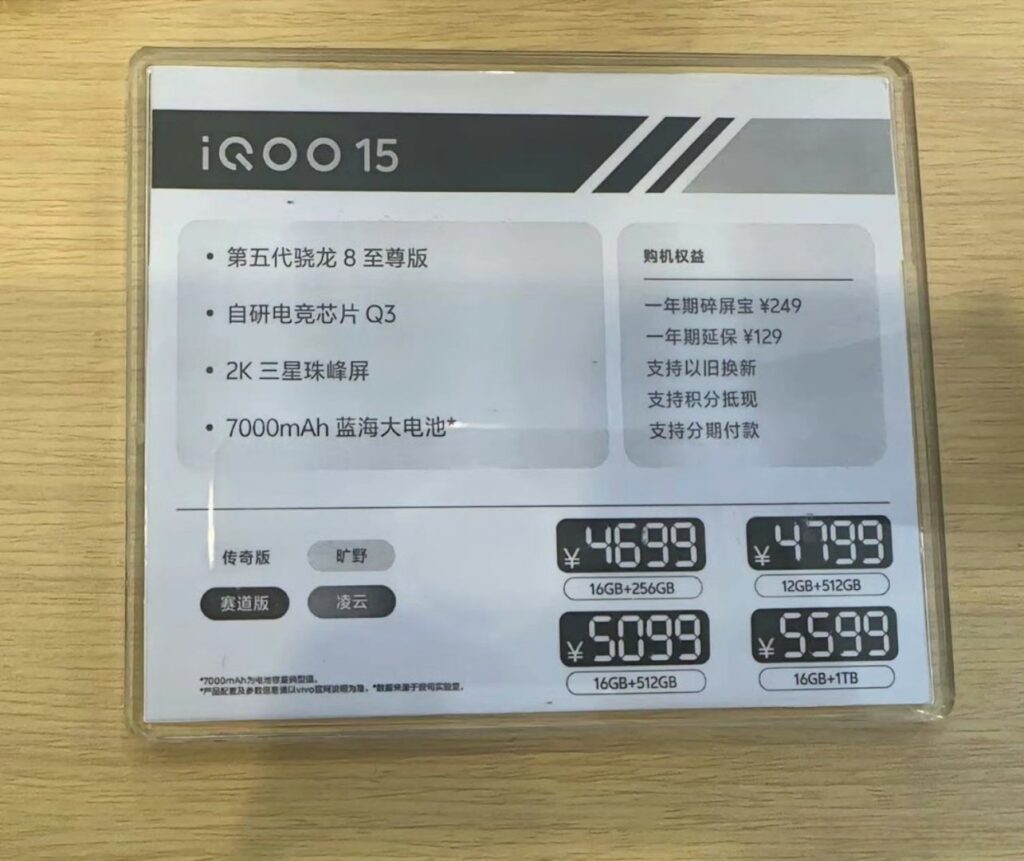
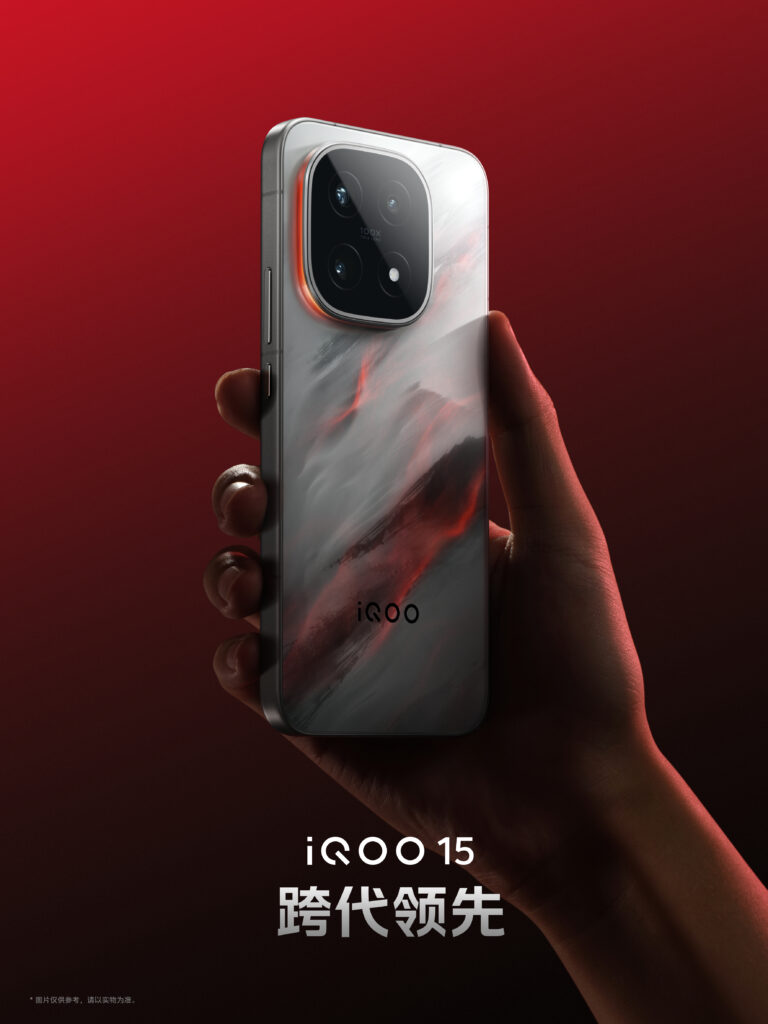
Later today at 7pm (local time), iQOO will announce the much-anticipated iQOO 15. So far, the brand has confirmed many details about its next-generation flagship and reserved the price announcement for the launch. However, a few hours ahead of the event, a Weibo user shared the offline pricing of the device.
iQOO 15 price leaked
iQOO 15 price leak
The above image confirms that the iQOO 15 will be available in four configurations: 16GB+256GB, 12GB+512GB, 16GB+512GB, and 16GB+1TB. These variants are priced at 4,699 Yuan (~$660), 4,799 Yuan (~$675), 5,099 Yuan (~$715), and 5,599 Yuan (~$785), respectively.
The image also reveals that the iQOO 15 will be available in four color options, such as Lingyun (silver-red), Legend Edition (white), Wilderness (green), and Racing Edition (black). Additionally, it highlights some of the key specs, such as Snapdragon 8 Elite Gen 5, iQOO’s self-developed Q3 chip, a 2K resolution Samsung display, and a 7,000mAh battery. Readers can visit this post to read more about its specifications.
To recall, the iQOO 13’s 16GB+256GB edition was priced at 4,299 Yuan (~$600). This means the iQOO 15 with the same configuration costs 400 Yuan (~$50) more than its predecessor.
Next month, the iQOO 15 will also launch in India. At present, there is no confirmation about the device’s pricing for the Indian market. However, based on the China pricing, it can be speculated that the starting variant may cost around Rs 60,000.
For more daily updates, please visit our News Section.
The Redmi K90 Pro Max is borrowing quite a bit from the Xiaomi 17 series. Earlier this morning, the brand revealed that the phone will use the same main camera found on the standard Xiaomi 17.
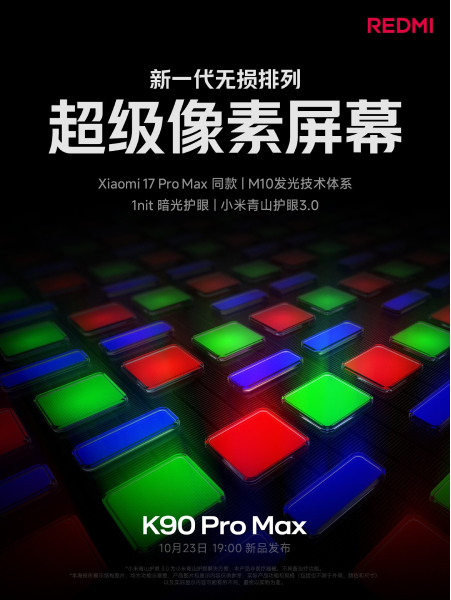
In addition, Redmi has now confirmed that the K90 Pro Max will feature the same M10 display as the Xiaomi 17 Pro Max. It’s a 6.9-inch OLED screen with 2K resolution.
The display also has the same independent pixel array technology as the 17 Pro Max for accurate color rendering and improved sharpness.
The K90 Pro Max also integrates Xiaomi’s Qingshan Eye Protection 3.0, which includes 1-nit low-light eye protection, full brightness DC dimming, and Circular Polarized Light 2.0 to reduce glare and eye strain during extended use.
On the camera side, Redmi is using the same main and ultrawide sensor as the Xiaomi 17. It is also the first Redmi phone to feature a 5x telephoto lens.
The setup includes a triple 50-megapixel setup consisting of a Light Fusion 950 (1/1.31”) main sensor, a 5x periscope telephoto lens (Samsung JN5), and an ultrawide lens (OV50M). The company has also shared early camera samples for us to check out.
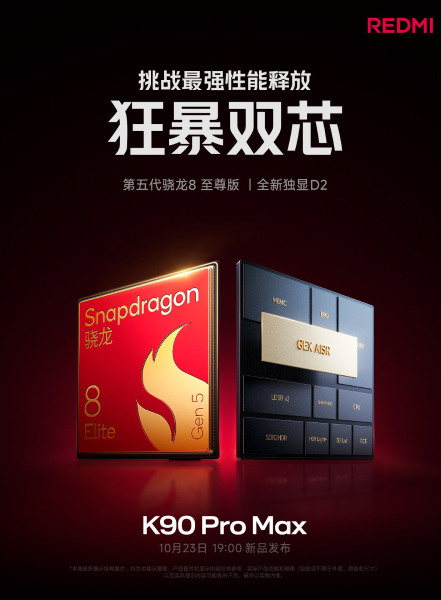
Moreover, Redmi has confirmed that the phone will be powered by the Snapdragon 8 Elite Gen 5, paired with a D2 graphics chip. To keep thermals in check, the device features a 6,700mm² 3D ice-cooling system inside.
Apart from this, the K90 Pro Max is expected to feature a 7500mAh battery with 100W wired / 50W wireless charging support. There’s a Bose-powered rear speaker for audio, a metal middle frame, and an IP68/69-rating for dust and water resistance.
For more daily updates, please visit our News Section.
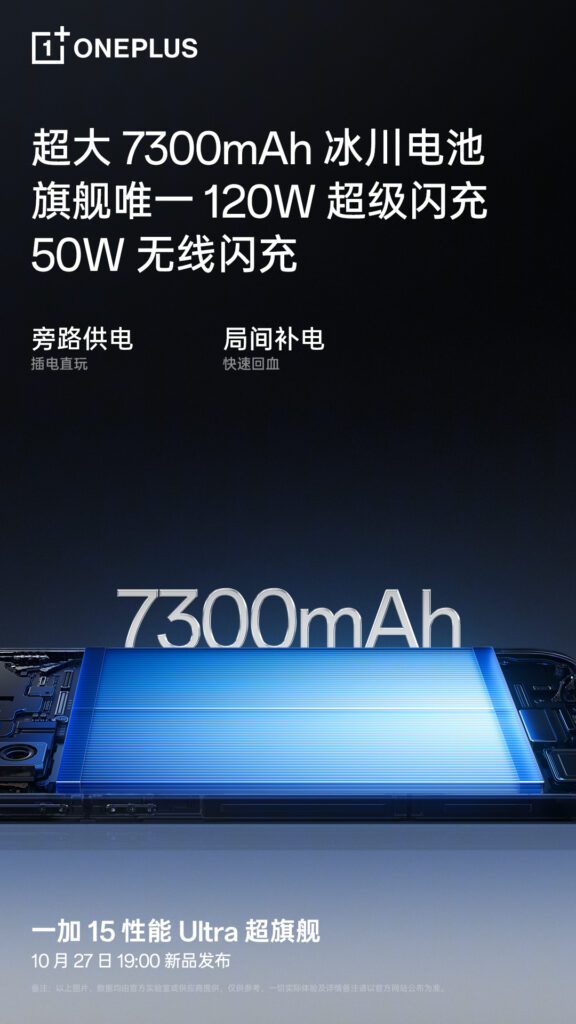
OnePlus is gradually revealing key details about the upcoming OnePlus 15 ahead of its Oct. 27 launch in China. Today, the brand confirmed the device’s battery size and charging capabilities, revealing that it will feature the largest battery ever seen on a OnePlus smartphone.
The official poster confirms that the OnePlus 15 will house a massive 7,300mAh battery. Additionally, it supports 120W wired charging, bypass charging, and 50W wireless charging.
Apart from these details, the brand has already confirmed several key specifications of the OP15. It will feature a 6.78-inch X3 OLED panel supplied by BOE, offering a 1.5K resolution and a 165Hz refresh rate. For security, the device will include an ultrasonic in-display fingerprint sensor.
The OnePlus 15 will be powered by the Snapdragon 8 Elite Gen 5 chipset and is expected to offer up to 16GB of LPDDR5x RAM and 1TB of UFS 4.1 storage. For enhanced gaming performance, the phone will come with a dedicated P3 display chip.
The OP15’s camera configuration remains under wraps. However, reports suggest it may feature a 50-megapixel Sony LYT-700 main camera alongside two 50-megapixel Samsung JN5 sensors for ultra-wide and periscope telephoto cameras.
In related news, the global version of the OnePlus 15 has surfaced on Geekbench, confirming key details such as the Snapdragon 8 Elite Gen 5 chip, 12GB of RAM, and Android 16. The device is expected to launch in multiple markets outside China in November, with reports indicating a possible India debut on Nov. 13.
For more daily updates, please visit our News Section.
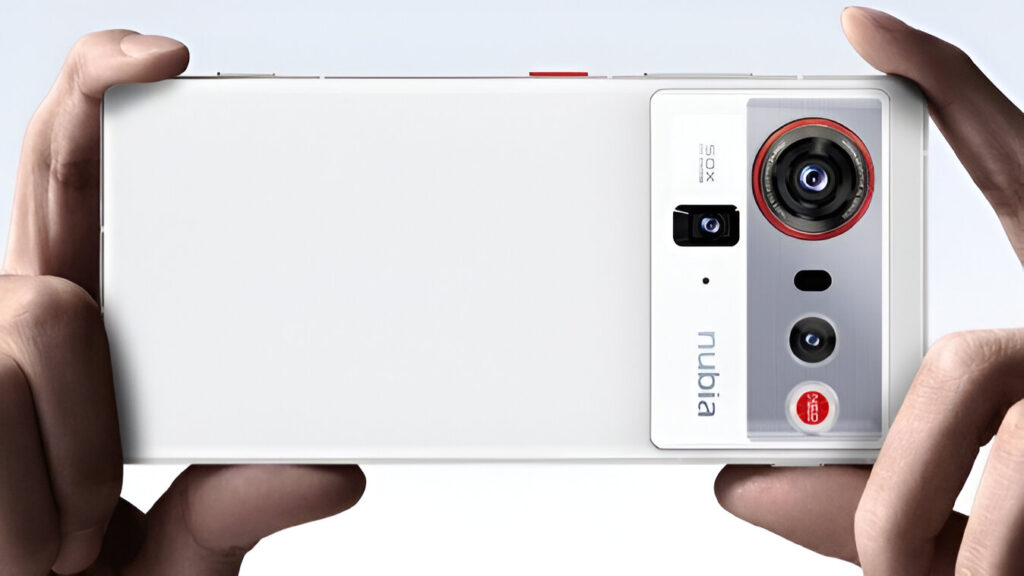
Nubia is getting ready to unveil its next flagship, the Z80 Ultra, on October 22, and as per the teasers, camera is going to be one of the key selling points of this phone.
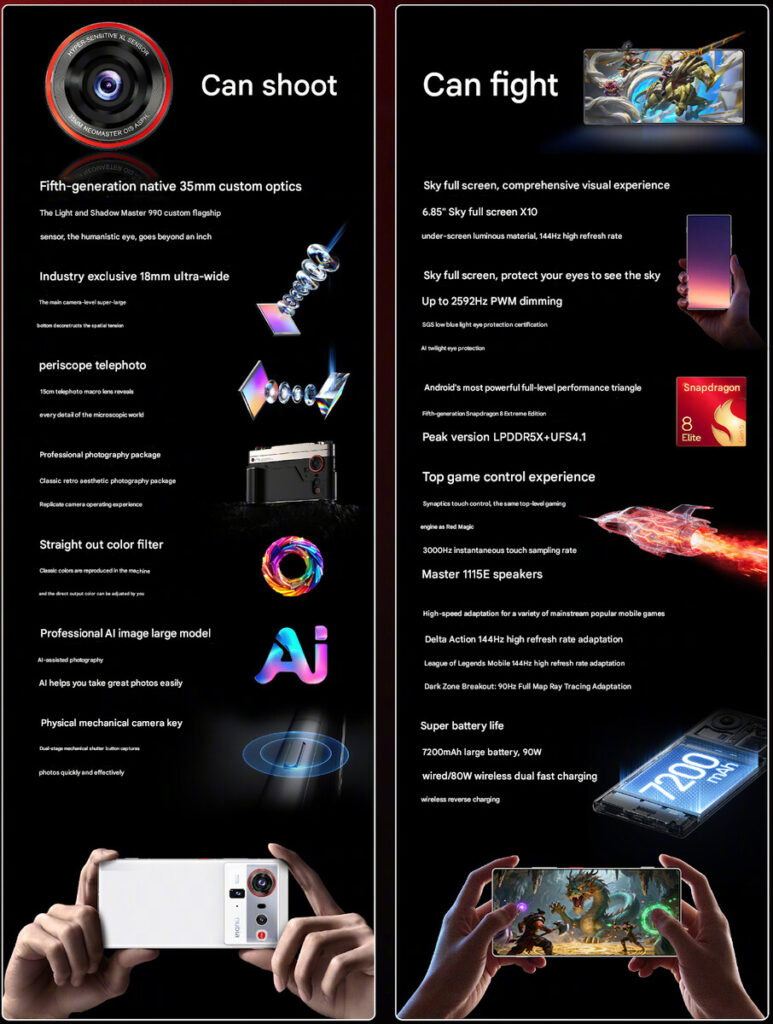
Just days before its debut, Nubia revealed the Z80 Ultra’s key hardware details. The phone is said to feature a custom 35 mm “Light and Shadow Master 990” sensor, engineered to capture finer detail and better dynamic range. It’s paired with an 18 mm ultrawide lens and a 15cm telephoto macro module, forming a flexible triple-camera setup meant to handle just about any shooting scenario.
Nubia is also leaning on AI-driven processing to boost image quality, and for photography enthusiasts, there’ll be an optional camera kit to take things even further. Nubia has already shared a few camera samples — and they look impressive.
Nubia Z80 Ultra specs (translated from Chinese)
The rest of the package is equally ambitious. The Z80 Ultra comes with a 6.85-inch X10 display running at a 144 Hz refresh rate, with 2,592 Hz PWM dimming to reduce flicker and eye strain. Under the hood, it’s powered by the Snapdragon 8 Elite Gen 5 processor, backed by LPDDR5X RAM and UFS 4.1 storage for lightning-fast performance. Nubia has even borrowed the game engine from the RedMagic 11 Pro.
Battery life shouldn’t be an issue either. The phone packs a 7,200 mAh battery with 90 W wired and 80 W wireless fast charging.
While Nubia hasn’t shared pricing or global availability yet, those details are expected shortly after the October 22 launch. With a combination of serious camera hardware, cutting-edge internals, and gamer-friendly features, the Z80 Ultra is shaping up to be one of the most exciting Android flagships of the year.
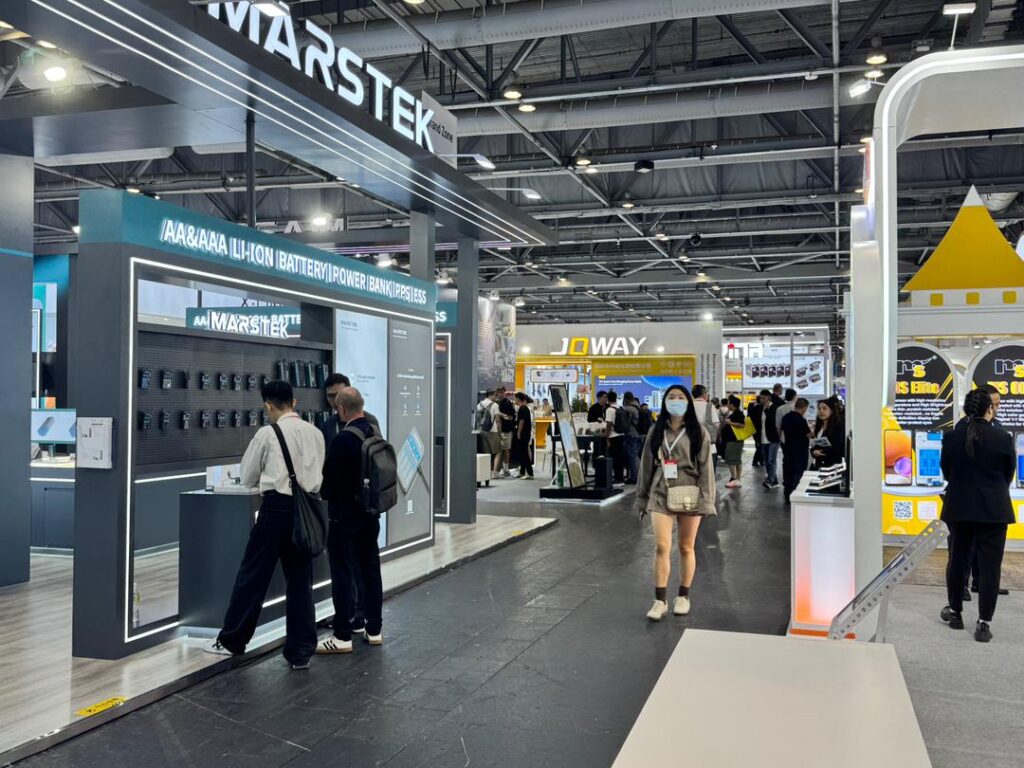
The second phase of Global Sources Hong Kong Shows Phase II opened on October 18, 2025, at AsiaWorld-Expo in Hong Kong. Running until October 21, the four-day event brings together more than 2,000 exhibitors, 150,000+ innovative products, and over 60,000 expected international buyers under the theme “AI-Powered Ecosystem: Igniting Future Manufacturing Intelligence.”
A Strategic Platform for Global Buyers
The event features four major trade shows: Mobile Electronics, Smart Home, Security & Home Appliances, Lifestyle, and Home & Kitchen. According to John Kao, Vice President of Hong Kong Shows & Overseas Shows at Global Sources, the show closely follows global sourcing hotspots and places itself at the center of the AI transformation wave. It is designed to offer not only sourcing opportunities but also deep insights into the future of AI-driven hardware ecosystems and efficient global B2B connections.
Debut of the AI Pavilion
A major highlight this year is the debut of the AI Pavilion, featuring over 1,200 booths divided into seven specialized zones:
AI+ Terminal Devices: Showcasing phones, laptops, and keyboards with real-time translation, performance optimization, and multi-device collaboration.
AI+ Wearables: Smartwatches, earphones, and rings with integrated health monitoring and early risk detection.
AI+ Glasses: Ranging from high-end to mainstream models with AI photography, intelligent translation, gesture control, and eye tracking.
AI+ Toys: Companion and educational toys designed for children’s education, adult companionship, baby care, and collectibles.
AI+ Pet Products: Intelligent health monitoring, behavior recognition, emotional companionship, and automated care systems.
AI+ Personal Healthcare: Beauty and wellness devices with AI algorithms and sensors.
Other AI+ Products: Smart PC cases, helmets, and earphones with adaptive noise cancellation and safety features.
The pavilion also features an “AI & XR Experience Zone” through a partnership with HTC, showcasing immersive VR games and technology collaborations.
Celebrating Innovation with Awards
The Global Sources Innovation Awards recognizes achievements in mobile electronics, smart home, security, and lifestyle products. In collaboration with the European Product Design Award (EPDA), the event will honor winners of the “Best Product Design Award” and the “AI Innovation Award.” Many exhibitors are also unveiling new products, including global and Asian debuts that highlight the merging of technology and market demand.
Industry Summits and Market Insights
This year’s program includes expert discussions at the Global Sources Summit and the AI & Robotics Summit (AIRS) under the theme “Consumer AI Gadget Conference.” Topics include trillion-dollar market transformation, Asian channel strategies, robotics-as-a-service, smart wearables, AI assistive devices, and smart homes of the future. These sessions aim to provide industry insights and help businesses tap into fast-growing markets.
AI Robot Demonstrations
The AI Robot Demonstration Area features live performances and interactive displays. A key highlight is Engine AI, which performs the iconic Axe Gang dance from Kung Fu Hustle. The segment demonstrates advanced motion planning, real-time control, and the potential of robotics across industries.
GSOL 30th Anniversary Celebration
This year also marks the 30th anniversary of GlobalSources.com. The “GSOL 30th Anniversary Cocktail Party” celebrates the platform’s journey and its role in connecting buyers and suppliers. Speakers Hu Wei and Carol Lau highlighted achievements and outlined future plans, emphasizing the company’s commitment to global trade.
A Defining Event for AI and Global Trade
With record-breaking attendance expected from emerging markets, the 2025 Global Sources Hong Kong Shows Phase II stands as a key platform for showcasing AI advancements and driving global sourcing trends. Through its AI Pavilion, product launches, awards, and summits, the event reinforces its leadership in shaping the future of intelligent manufacturing and global trade.
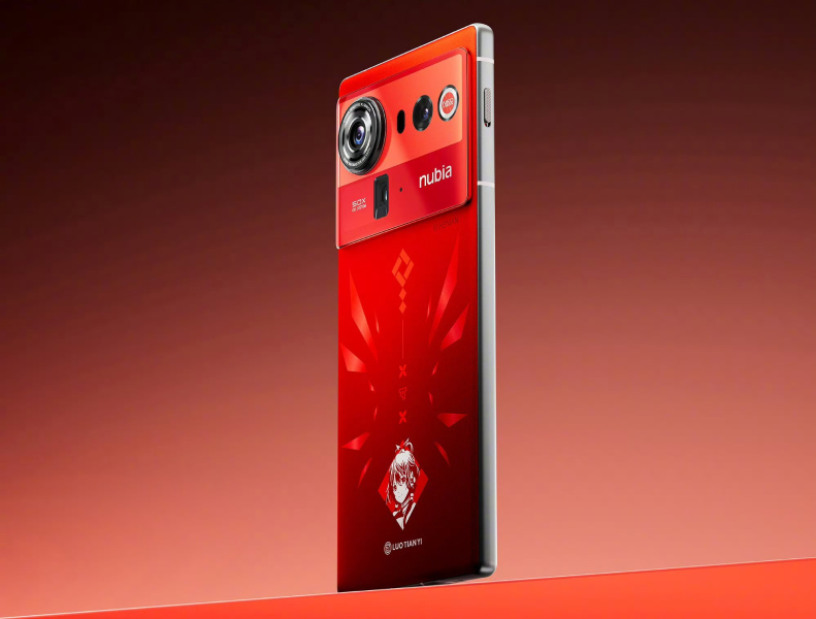
Nubia is gearing up for the official release of the Z80 Ultra on October 22nd at 2:00 PM, and ahead of the event, the company has revealed a special Luo Tianyi Limited Edition of the device.
For those unaware, Luo Tianyi is a well-known virtual singer under Vsinger, who has a large fanbase in China’s virtual idol community.
The Z80 Ultra Luo Tianyi Limited Edition features a bold red finish and an anime-inspired graphic that stretches across the back panel. The design centers around Luo Tianyi’s character art and symbolic elements.
The device has “LUO TIANYI” graphics and text at the bottom as a stamp of collaboration. Beyond this edition, the Z80 Ultra will also come in White, Phantom Black, and a Starry Sky Collector’s Edition.
Nubia Z80 Ultra Specifications
The Z80 Ultra is powered by the Snapdragon 8 Elite Gen 5 chipset paired with LPDDR5X RAM and UFS 4.1 storage, plus the same gaming engine found in Red Magic phones.
The phone features a fifth-generation native 35mm custom optical lens, an exclusive 18mm ultra-wide camera, and a periscope telephoto system with 15cm telephoto macro, backed by a professional photography kit and AI-powered image modeling. Here are the camera samples shared by the company.
Up front, the Z80 Ultra uses a 6.85-inch full-screen display with a 144Hz refresh rate, 2592Hz PWM dimming, SGS low-blue-light certification, and AI twilight eye protection for more comfortable viewing. All this is fueled by a 7200mAh battery and 90W wired / 80W wireless fast charging.
For more daily updates, please visit our News Section.
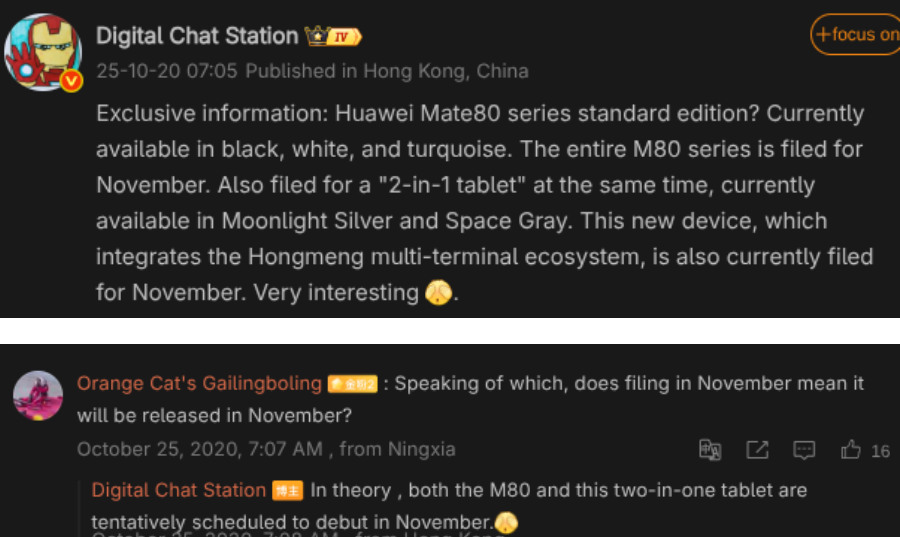
Huawei’s next flagship lineup, the Mate 80 series, could arrive as soon as November, according to a new leak from reliable tipster Digital Chat Station on Weibo.
The post claims that the standard Mate 80 will come in black, white, and turquoise, while the entire Mate 80 lineup has been tentatively scheduled for release next month.
Alongside the smartphones, Huawei has reportedly filed for a new 2-in-1 tablet release in the same month. It will be available in Moonlight Silver and Space Gray and is said to integrate deeply with Huawei’s Hongmeng (HarmonyOS) multi-terminal ecosystem. That is, cross-device connectivity across phones, PCs, and tablets.
MateBook E 2025 could launch alongside Mate 80
Interestingly, another Weibo leaker, Superdimensional, mentioned last week that Huawei is preparing to launch a HarmonyOS-powered PC in China, called the MateBook E 2025. The new leak from Digital Chat Station seems to back that up.
MateBook E is a line of 2-in-1 PCs from Huawei that features a built-in kickstand and a detachable keyboard. The last device in the series was the MateBook E 2023, powered by the Intel Alder Lake-U processors. According to Superdimensional, the MateBook E 2025 could run on the Kirin 9000X chip instead, with HarmonyOS 5.1 pre-installed.
As for the Mate 80 lineup, it’s expected to include four models: Mate 80, Mate 80 Pro, Mate 80 Pro+, and Mate 80 RS. The phones are likely to be powered by the new Kirin 9030 chipset. The Mate 70 series introduced the Kirin 9020, so this would be the next logical step in Huawei’s chip roadmap.
The specifications for both chips remain under wraps, but we could likely see the company unveil Kirin 9000X and Kirin 9030 at the same event.
For more daily updates, please visit our News Section.
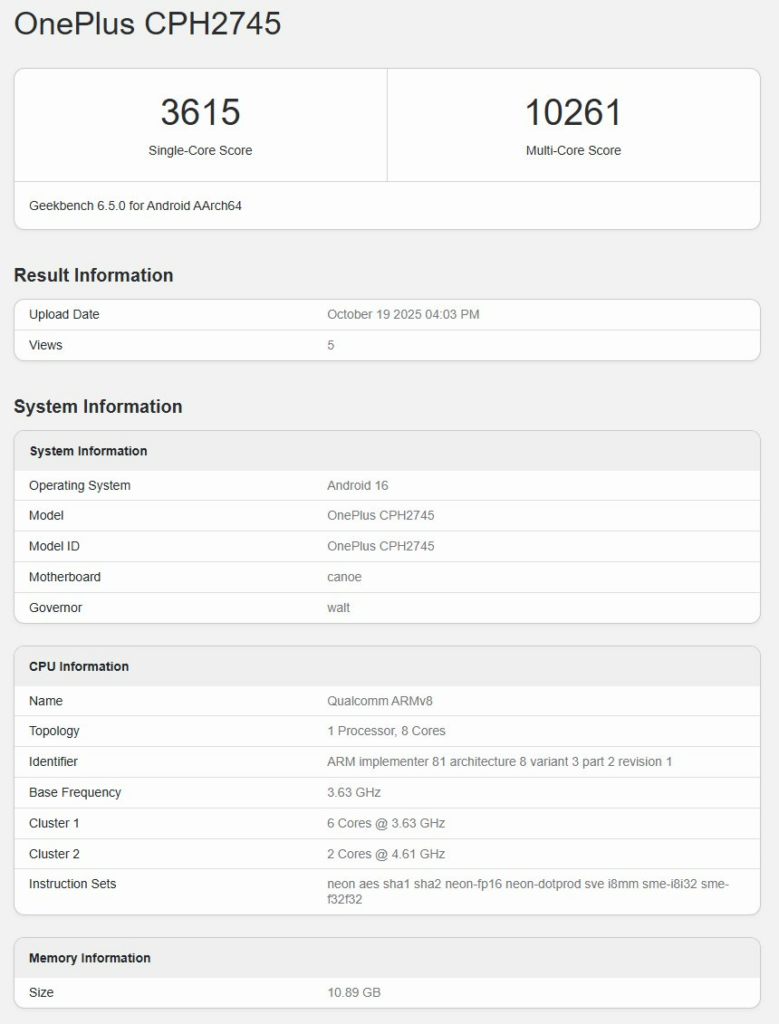
Next week, OnePlus will announce the OnePlus 15 and Ace 6 flagship phones in China. The Chinese variant of the OnePlus 15, bearing the model number PLK110, was spotted on Geekbench back in September. Now, the global version of the device with the model number CPH2745 has surfaced on the same benchmarking platform.
OnePlus 15’s global version appears on Geekbench
OnePlus 15 (Global) Geekbench listing
Reports have revealed that the OnePlus 15 has three model numbers, namely CPH2745, CPH2747, and CPH2749. The latter two have already appeared on a couple of certification platforms, including the GCF. As can be seen above, the CPH2745 has been spotted on Geekbench.
The Geekbench listing reveals that the Snapdragon 8 Elite Gen 5-powered OnePlus 15 has achieved 3,615 and 10,261 points in the single-core and multi-core tests, respectively. The chip’s name is not specifically mentioned in the listing, but the CPU and GPU details (via source code) are sufficient to confirm that it is equipped with the most powerful Snapdragon SoC.
The OnePlus 15’s Geekbench listing also reveals that it is equipped with 12GB of RAM and Android 16, which will have a layer of the latest OxygenOS 16 on board. In China, the device will ship with ColorOS 16.
OnePlus 15 specifications
Reports have revealed that the OnePlus 15 will feature a 6.78-inch BOE X3 OLED panel with a 1.5K resolution, a 165Hz refresh rate, a P3 display chip, and an ultrasonic in-screen fingerprint sensor. Under the hood, it will feature a 7,300mAh battery with 120W wired and 50W wireless charging support.
The OnePlus 15’s rear camera setup may include a 50-megapixel Sony LYT-700 main camera with OIS support, a 50-megapixel ultra-wide lens, and a 50-megapixel Samsung JN5 periscope telephoto camera.
OnePlus 15’s global launch event
OnePlus 15 global launch
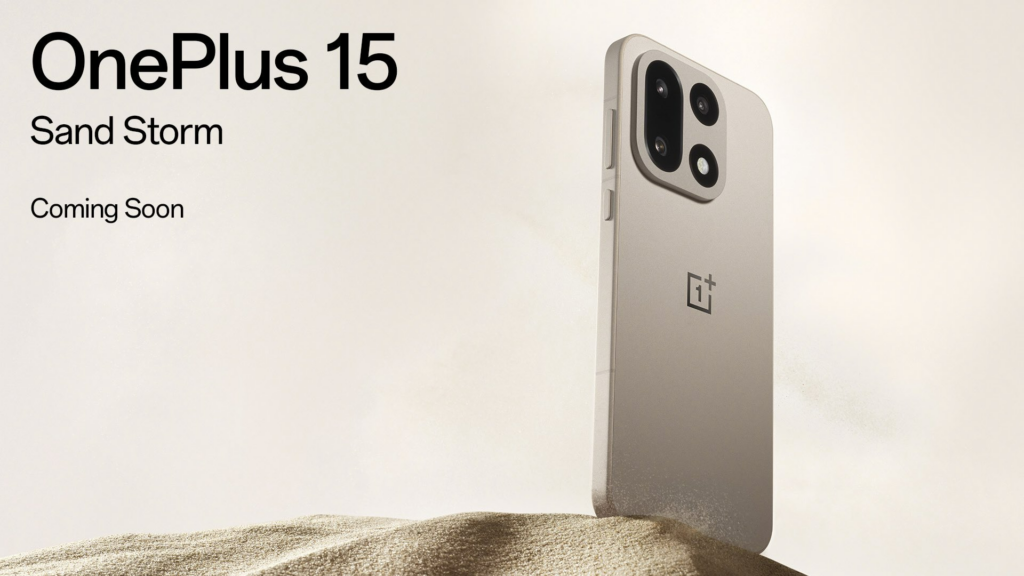
Speculations are rife that the OnePlus 15 will launch on Nov. 13 in India. In China, it will be available in three shades, namely Mist Purple, Sand Storm, and Absolute Black. While the Sand Storm edition is confirmed for the global market, there is no clarity on whether the purple variant will also be available globally.
For more daily updates, please visit our News Section.
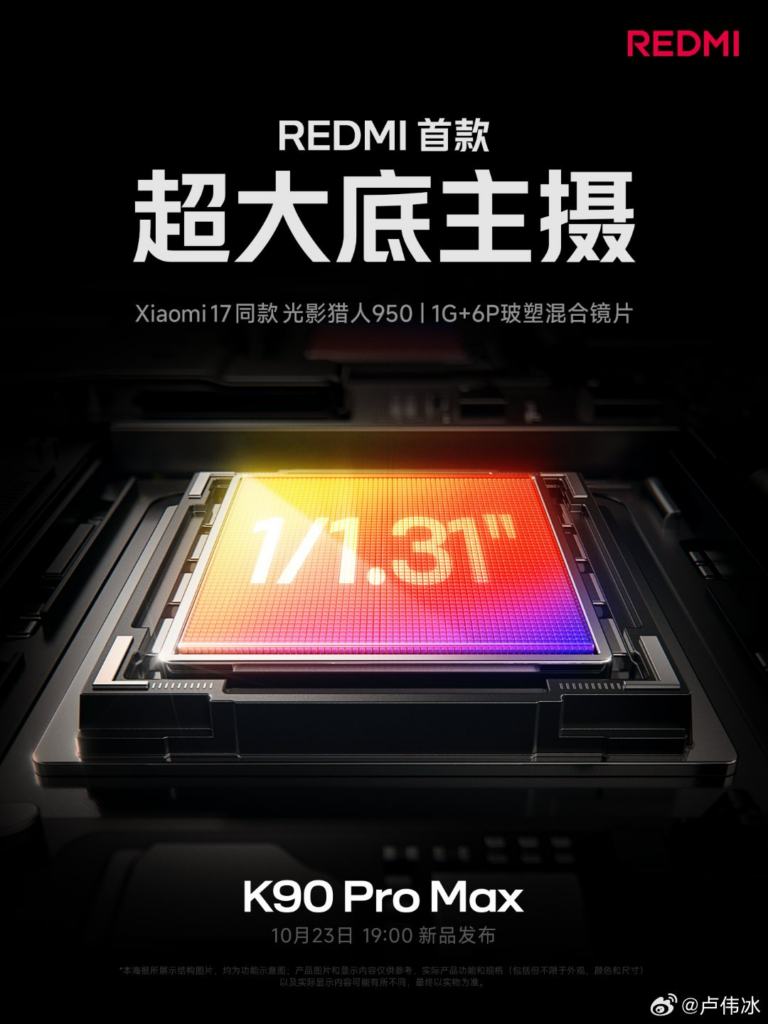
Redmi has been consistently revealing key details about the Redmi K90 series ahead of its Oct. 23 China launch event. Over the weekend, the brand confirmed the audio capabilities of the Redmi K90 Pro Max. A new teaser rolled out today confirms its primary camera.
Redmi K90 Pro Max’s primary camera revealed
Redmi K90 Pro Max primary camera
According to Redmi, the Redmi K90 Pro Max will feature its most powerful camera setup yet, equipped with a large 1/1.31-inch main sensor. It uses the same Light Fusion 950 high-dynamic sensor found on the Xiaomi 17, offering an impressive 13.5EV dynamic range supported by DXG high dynamic technology.
The lens design includes a 1G+6P hybrid glass-plastic structure with multi-layer coating, significantly reducing glare and enhancing overall image clarity.
A previous leak revealed that it may feature a 50-megapixel ultra-wide lens and a 50-megapixel Samsung JN5 periscope telephoto camera. At present, there is no concrete information about the device’s front camera.
Under the hood, the Redmi K90 Pro Max will feature the Snapdragon 8 Elite Gen 5 chipset and a massive 7,500+ mAh battery with 100W wired charging support. It is also expected to offer 50W wireless charging.
The K90 Pro Max is said to feature a 6.59-inch OLED panel that supports a 2K resolution. It is expected to come preloaded with Android 16 with a layer of HyperOS 3 on top. For an enhanced audio experience, the device will feature a 2.1 audio setup, which includes a Bose-powered rear speaker. It is also confirmed to feature a metal middle frame and an IP68/69-rated body.
According to reports, the Redmi K90 series may remain exclusive to the Chinese market. Globally, the K90 and K90 Pro may get rebranded as the Poco F8 Pro and F8 Ultra, respectively.
For more daily updates, please visit our News Section.
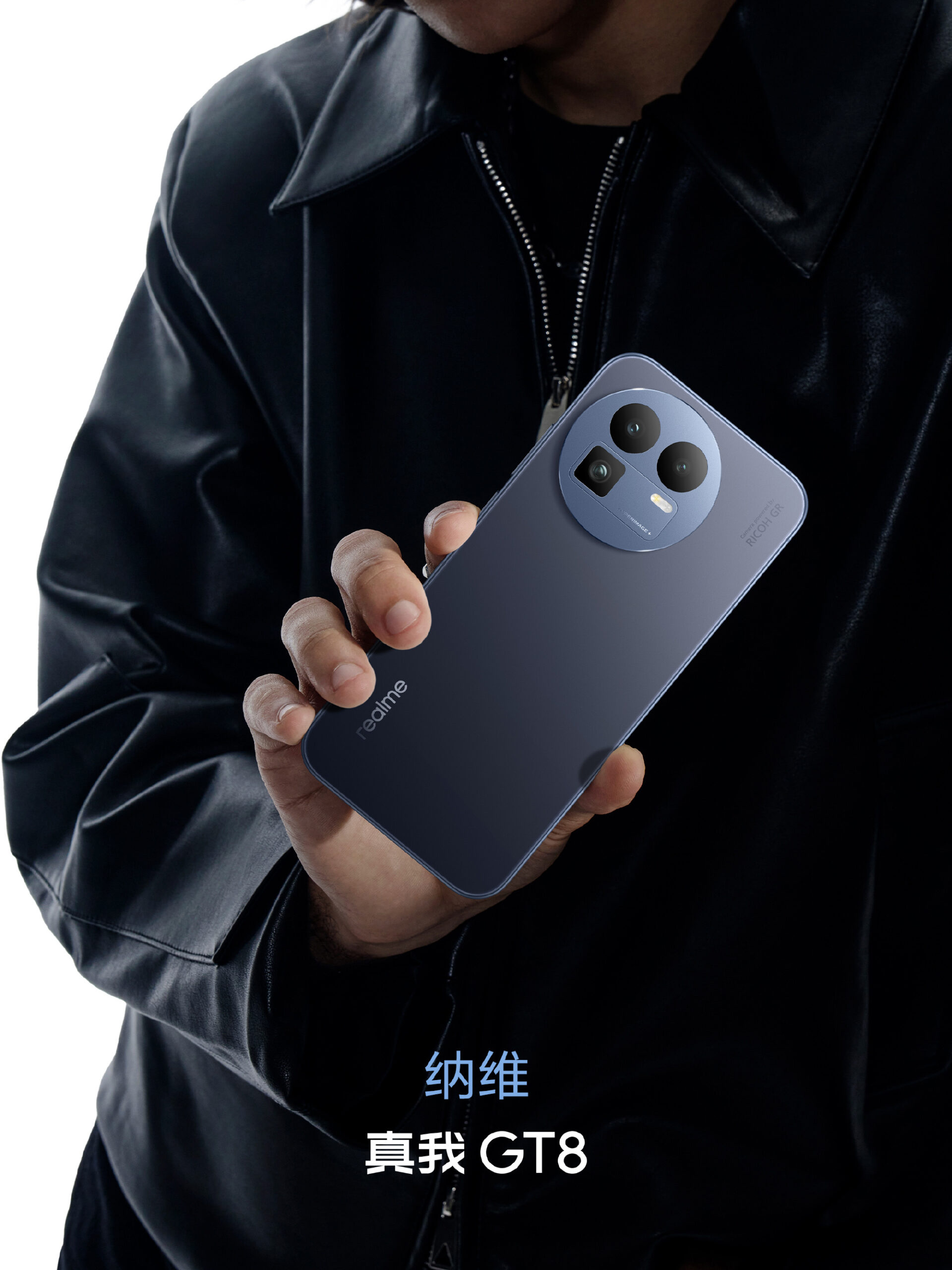
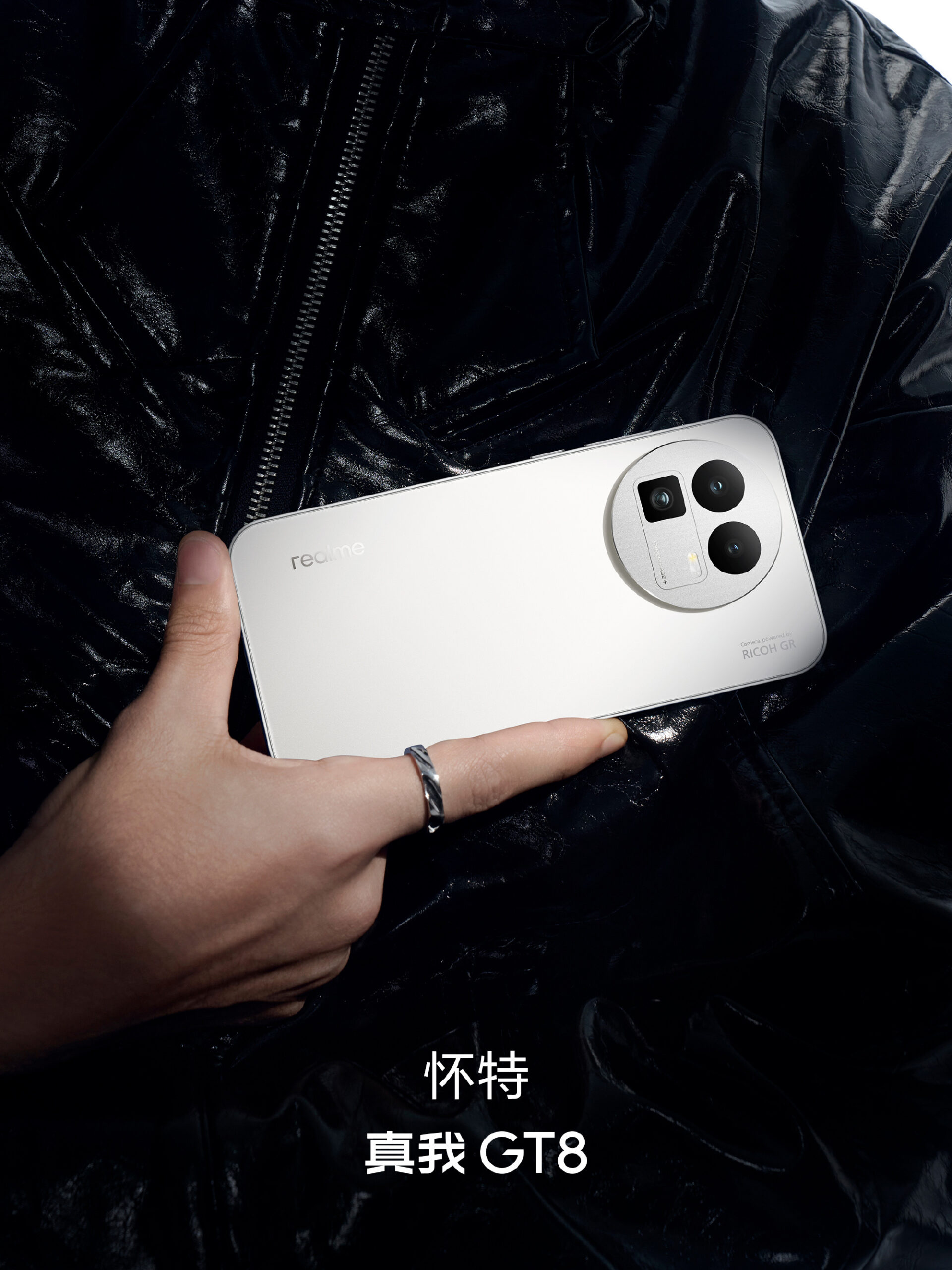
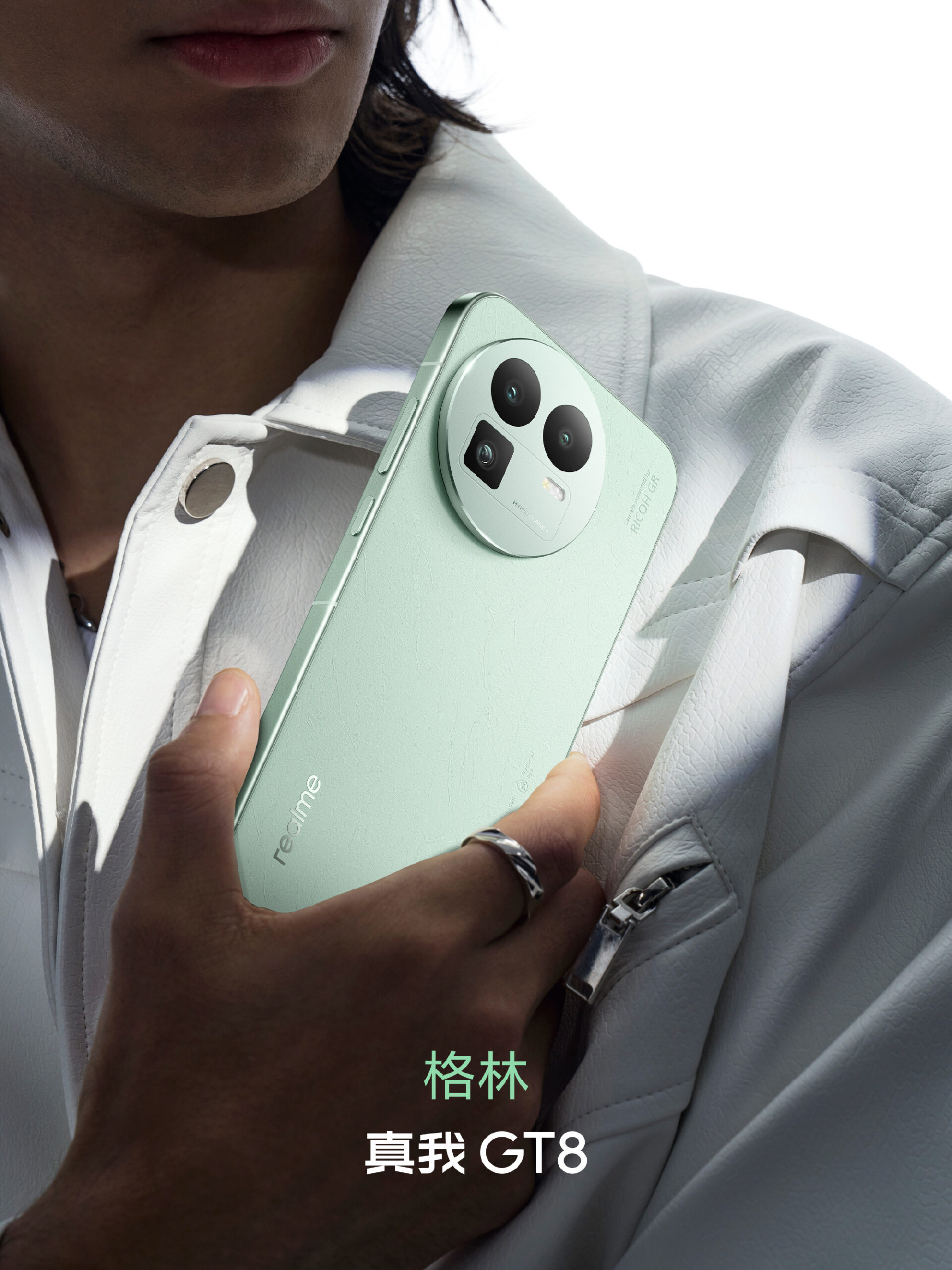
Tomorrow (October 21), Realme will unveil the Realme GT 8 series of smartphones in China. So far, the brand has been focusing on confirming the key details about the Realme GT 8 Pro. Today, the brand released the following images to showcase the standard GT 8’s design for the first time.
The Realme GT 8 will be available in three shades, namely Navi, White, and Green. The Navi edition has a refined navy blue tone with frosted glass for a silky, premium touch. The White variant features AG frosted glass that resists fingerprints and offers a smooth, textured feel. The Green option uses eco-friendly, paper-like recycled leather that’s soft, durable, and distinct in texture.
Realme has also confirmed that the Realme GT 8 will feature the same Ricoh GR-grade imaging system as the Pro version. As far as camera specs are concerned, the brand has already confirmed that the device will be equipped with a 50-megapixel periscope telephoto camera. It is also likely to support a swappable camera module.
Reports have revealed that the Realme GT 8 will feature a 6.78-inch screen and pack a 7,000mAh battery with 100W charging. Its rear camera setup will include a 50-megapixel primary camera and an 8-megapixel ultra-wide lens. It is expected to ship with up to 16GB of RAM and up to 1TB of storage.
For more daily updates, please visit our News Section.
Goldman Sachs has dismissed fears of an AI-driven market bubble, stating that the artificial intelligence boom is still in its early stages. In a new report released on Wednesday, analysts at the investment bank said current spending on AI remains modest when compared to the long-term economic potential of the technology.
The report estimates that U.S. AI-related investments account for less than 1% of GDP. In contrast, previous technology booms such as railroads, electrification, and the internet era peaked at 2% to 5% of GDP. Goldman expects AI investment to rise to $300 billion by 2025, citing continued improvements in productivity and expanding enterprise adoption.
The firm outlined two main reasons behind its optimistic outlook. First, AI deployments across existing sectors are already producing measurable productivity gains. Second, these gains depend on large-scale compute infrastructure, which justifies current investments in chips, servers, and data centers.
According to Goldman Sachs, generative AI could eventually add up to $20 trillion to the U.S. economy, with $8 trillion flowing to businesses as capital income. The bank projects that labor productivity could rise by 15% over the next decade once AI tools become widely adopted.
However, the report also pointed out a potential risk. It remains uncertain whether the companies investing most heavily in AI today will benefit the most in the long run. Past infrastructure cycles show that early entrants often built costly systems that were later acquired cheaply by more successful latecomers. The rapid depreciation of AI hardware and the fast pace of model development could make similar outcomes likely.
Despite that, Goldman believes the current environment still favors further AI investment. The firm expects spending to stabilize over time as the industry moves beyond the infrastructure build-out phase and hardware prices decline.
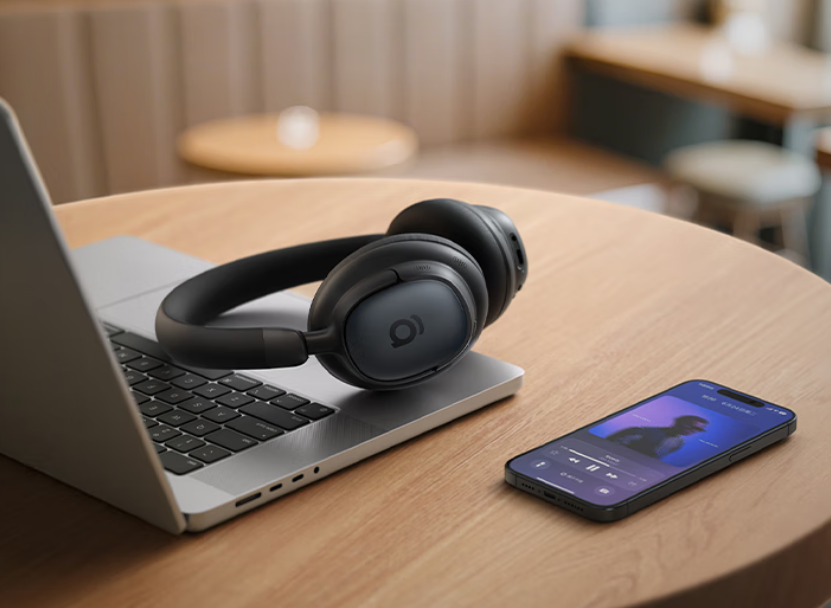
Baseus has officially launched the MH1 over-ear noise-cancelling headphones in China. The headphones are now up for preorder on JD.com for 329 yuan ($46). It comes in grey and black color options.
Baseus MH1 Headphones Specifications
The MH1 features Baseus’s Adaptive Noise Cancellation 3.0 with four microphones and AI-based real-time adjustment. It processes ambient sound 380,000 times per second, reducing noise by up to 48dB. It also features five preset ANC levels, a customizable mode via the Baseus app, and a transparency mode for better awareness of surroundings.
The headphones use a dual-driver acoustic system that combines dynamic drivers for deep bass with precise mid- and high-frequency detail. Each driver features an LCP (Liquid Crystal Polymer) diaphragm for improved rigidity and responsiveness, maintaining clarity even at high volumes. The setup covers a wide 20Hz-40kHz frequency range with distortion under 3%. It supports LDAC high-definition audio up to 990kbps and holds both Hi-Res Audio and Hi-Res Wireless certifications.
The MH1 introduces personalized hearing optimization using Baseus SoundFit. The system runs a hearing test and adjusts the EQ curve based on the listener’s hearing sensitivity, aiming to deliver balanced sound even at lower volumes.
The headphones pack a 600mAh battery offering up to 80 hours of playback without ANC and 55 hours with it on. It supports fast charging, providing 10 hours of use from a 10-minute charge. It also features Bluetooth 6.0 with 55ms low latency and dual-device connectivity for seamless switching between devices.
Baseus has added a five-microphone AI noise reduction system for voice calls, along with an AI assistant powered by large language models like DeepSeek and Doubao. The headphones include physical buttons for playback control and a USB-C port for charging.
The MH1 sports a lightweight 245g design with cloud-like comfort materials. It includes a widened headband with balanced pressure distribution, 20° rotatable earcups, memory foam ear cushions, and protein leather surfaces for long-term wearability. The build combines ABS, metal, and PC materials with a 2.5D frosted finish for a modern aesthetic. The headphones can be folded and stored easily in a compact carrying case.
In related news, Baseus has recently introduced the Security X1 Pro, a dual AI-tracking outdoor camera with solar charging support, and unveiled the EnerGeek GX11, a 20,000mAh 67W power bank featuring a built-in 4G hotspot.
For more daily updates, please visit our News Section.
We use cookies on our website to give you the most relevant experience by remembering your preferences and repeat visits. By clicking “Accept”, you consent to the use of ALL the cookies.
This website uses cookies to improve your experience while you navigate through the website. Out of these, the cookies that are categorized as necessary are stored on your browser as they are essential for the working of basic functionalities of the website. We also use third-party cookies that help us analyze and understand how you use this website. These cookies will be stored in your browser only with your consent. You also have the option to opt-out of these cookies. But opting out of some of these cookies may affect your browsing experience.
Necessary cookies are absolutely essential for the website to function properly. This category only includes cookies that ensures basic functionalities and security features of the website. These cookies do not store any personal information.
Any cookies that may not be particularly necessary for the website to function and is used specifically to collect user personal data via analytics, ads, other embedded contents are termed as non-necessary cookies. It is mandatory to procure user consent prior to running these cookies on your website.