Samsung’s latest foldable flagship, the Galaxy Z Fold 7, has officially arrived, bringing notable upgrades. These improvements range from a sleeker, more durable design to improved cameras that could tempt existing Fold owners and newcomers alike. So here are the key reasons why the Galaxy Z Fold 7 could be worth the upgrade.
One of the standout improvements on the Galaxy Z Fold 7 is its redesigned chassis. Samsung has managed to shave off a few grams while making the device thinner as well. The flagship foldable now measures just 8.9mm when folded and 4.2mm when unfolded, which is noticeably thinner than the Galaxy Z Fold 6 that measures 12.1mm when folded (5.6mm unfolded).
But it’s not just a slimmer design, Samsung has also worked on improving the durability and hinge mechanism. The Galaxy Z Fold 7 features what the company calls the Armor Flexhinge, along with an IP48 rating for water and dust resistance. In other words, the brand is finally catching up with its Chinese competitors in the foldable phone in the design department.
Please Note: When you buy something using the links in our articles, we may earn a small commission at no cost to you.
2. Camera Enhancements
Previous iterations of the Galaxy Z Fold series had capable cameras, but these were still lacklustre compared to other ultra premium foldable and other flagships. However, the South Korean tech giant brings the S25 Ultra’s main 200MP camera to the Galaxy Z Fold 7.
While the ultra wide angle lens and telephoto shooter have yet to receive the same love, the updated primary camera makes the device a lot better for photography as a whole. With the Z Fold 7, Samsung finally ditches the under-display camera on the main foldable screen with the same 10MP punch hole selfie camera on both the external and main display.
3. Improved Performance & Efficiency
Unfortunately, only the Galaxy Z Flip 7 got a bump in battery capacity this year. So the Galaxy Z Fold 7 is still stuck with a 4,400mAh cell. But thanks to Qualcomm’s powerful and efficient Snapdragon 8 Elite for Galaxy chip, Samsung is promising all-day use (official claims state 24 hours of video playback). This chip is also one of the most powerful processor that power Android flagships in the market, so you can expect top tier performance for regular use and intense tasks like mobile gaming.
4. Verdict
Samsung has built a robust ecosystem of its products and offers one of the best Android experiences with its One UI. The handy software features, Galaxy AI, customizability and a lot more have made the brand popular across the globe. So for those looking to remain in Samsung’s ecosystem, this is a great pick. There are plenty of Chinese competitors, but these aren’t as widely available either. With the Z Fold 7’s various improvements, it at least competes on a similar playing field now. I’d only suggest skipping the Z Fold 7 if you already have the Z Fold 6 or another recent foldable since the upgrades won’t feel substantial over a single generation.
For more daily updates, please visit our News Section.
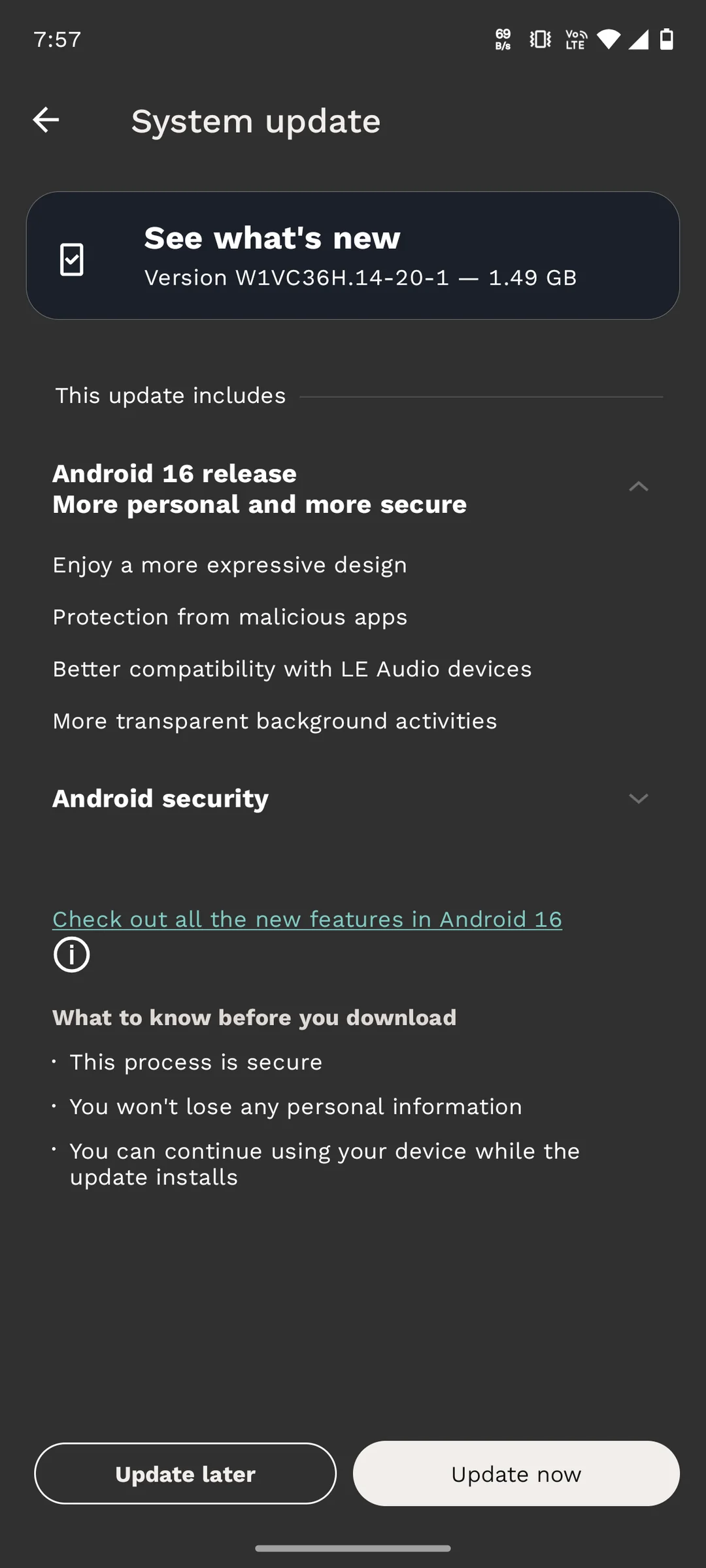
Google released Android 16 in June, months ahead of its usual release timeline. This early treat shouldn’t be limited to Google Pixels, but devices from other brands, including Realme, should also receive Android 16 faster than usual.
Realme has been actively working on Android 16, which will come with Realme UI 7.0 skin. It started offering early access to Android 16 beta in March, and we believe the stable version isn’t far off.
With the stable release around the corner, you might want to ensure your Realme device is eligible for the Android 16 upgrade. We’ve prepared a list of those devices below. Please note that this list is based on the existing software update policy and a little bit of guesswork.
Realme phones eligible for Realme UI 7 and Android 16 update
Realme GT series
Realme GT 7
Realme GT 7 Pro
Realme GT 7 Pro Racing
Realme GT 7T
Realme GT 6
Realme GT 6T
Realme GT Neo 6
Realme GT Neo 6 SE
Realme GT 5
Realme GT 5 240W
Realme GT 5 Pro
Realme GT 3
Realme number series
Realme 14
Realme 14 Pro
Realme 14 Pro+
Realme 14 Pro Lite
Realme 14x
Realme 14T
Realme 13 (LTE/5G)
Realme 13+
Realme 13 Pro
Realme 13 Pro+
Realme 12 (LTE/5G)
Realme 12+
Realme 12 Pro
Realme 12 Pro+
Realme 12 Lite
Realme 12x
Realme Narzo series
Realme Narzo 80 Lite
Realme Narzo 80 Pro
Realme Narzo 80x
Realme Narzo 70
Realme Narzo 70 Pro
Realme Narzo 70x
Realme Narzo 70 Turbo
Realme Narzo N65
Realme Neo series
Realme Neo 7
Realme Neo 7 SE
Realme Neo 7 Turbo
Realme Neo 7x
Realme C series
Realme C75 (LTE/5G)
Realme C75x
Realme C73
Realme C71
Realme C67 (LTE)
Realme C65 (LTE/5G)
Realme C63 (LTE/5G)
Realme C61
Realme P series
Realme P3
Realme P3 Pro
Realme P3 Ultra
Realme P3x
Realme P2 Pro
Realme P1
Realme P1 Pro
Realme P1 Speed
Realme Note series
Realme Note 60
Realme Note 60x
Although it’s an unofficial list, it will closely match the official one. However, we still recommend checking out the official list for the final confirmation. Anyway, we’ll update the list here when it’s officially announced.
Realme is fairly quick with software updates, but the update promise falls short of what most Android brands offer. The brand has long offered just three Android upgrades to its high-end phones, the GT series. Only recently, it started offering four of them with the GT 7 series release.
While it’s a nice move, Realme is still a step behind Oppo and Nothing, which offer up to five OS updates, and much behind Samsung and Google, promising up to seven Android updates.
The mid-range and cheaper models from Realme max out at just two OS upgrades, while its rivals offer up to four. Samsung is in a different league, offering up to six OS updates to its newer mid-range models. So, longer software updates are no longer exclusive to flagship devices, and Realme needs to learn that. The brand should offer extended major upgrades on non-flagship phones, too.
ASUS has just announced a pair of new laptops in the Indian market. The Zenbook 14 is a premium ultra thin notebook that is powered by a Ryzen AI chip, while the Vivobook S16 is a powerful new laptop equipped with Intel’s Core Ultra Series 2 processor. So here are all the details like its specs and pricing.
ASUS Zenbook 14
Zenbook are the brand’s top-of-the-line series that is known for their premium designs and cutting edge hardware. But one of its most notable aspects is its gorgeous 14-inch 2.8K OLED display (2880 x 1800) that supports a 120Hz refresh rate, 400 nits of peak brightness, 100 percent DCI P3 color gamut, and VESA CERTIFIED Display HDR True Black 600.
ASUS Zenbook 14
Under the hood, the ASUS Zenbook 14 is equipped with the AMD Ryzen AI 5 340 CPU, which is paired with an AMD XDNA NPU that delivers up to 50TOPS of performance and Integrated AMD Radeon Graphics. This chip is paired with 16GB of LPDDR5X RAM and 512GB of M.2 NVMe PCIe 4.0 SSD. A large 75Wh battery powers the Zenbook 14, which the brand claims can offer up to 17 hours of battery life.
You also get support for 65W charging via a USB Type-C port. Other notable features include MIL-STD 810H military grade standard, ultra light 1.2 kilogram body, FHD IR camera with privacy shutter, and an elegant new Jade Black color. ASUS is selling the Zenbook 14 for 89,990 INR on its official online store and Amazon India.
Please Note: When you buy something using the links in our articles, we may earn a small commission at no cost to you.
ASUS Vivobook S16
ASUS also unveiled the Vivobook S16 that arrives with a more powerful Intel Core Ultra 7 255H processor. This is the same CPU that powers the more expensive Zenbook 14 OLED. You get both great performance and power efficiency, along with the Intel AI Boost NPU (up to 13TOPS) and Intel Arc graphics. The processor is paired with 16GB DDR5 RAM and 512GB of M.2 NVMe PCIe 4.0 SSD.
ASUS Vivobook S16
It is a bigger laptop model, which is a 16-inch IPS LCD panel with a FHD+ resolution, 16:10 aspect ratio, 144Hz refresh rate, and 300 nits of peak brightness. Other notable features include a 1.7 kilogram body, a 70Wh battery pack with 65W Type-C charging, Windows 11, Bluetooth 5, and WiFi 6. You can get your hands on this model via Amazon and the brand’s official website.
Huawei has officially rolled out its latest Pura 80 series smartphones alongside the new MatePad 11.5 (2025) to global markets. These are premium new devices with standout features like flagship-grade cameras, elegant designs, and upgraded performance. So here are the pricing and availability details.
Huawei Pura 80 Series
Huawei Pura 80 Ultra
The Chinese tech giant has released three models in the Pura 80 lineup, which consists of the base Pura 80, Pura 80 Pro, and the flagship Pura 80 Ultra. To recall, these are premium devices, with the Pro and Ultra packing a massive 1-inch main camera on the rear. Huawei’s Pura 80 Pro will be available in multiple color options, namely Glazed Red, Glazed White, and Glazed Black. It is only available in a single 12GB + 512GB variant, which costs 1,099 Euros.
On the other hand, the Pura 80 Ultra has a 1,499 Euro price tag for the lone 16GB + 512GB option. Buyers can get this model in two color variants, which include Prestige Gold and Golden Black. Lastly, we have the Huawei MatePad 11.5 (2025), which arrives in Violet and Space Gray. The 8GB 129GB standard model costs 289 Euros, while the 8GB + 256GB PaperMatte Edition with bundled keyboard costs 429 Euros.
Huawei MatePad 11.5 (2025)
Unfortunately, the pricing for the vanilla Pura 80 model is still at large at the moment, but more details should be available closer to launch. All of these devices are coming to the European market soon with a wider release, possibly planned for select regions in Africa and Asia.
For more daily updates, please visit our News Section.
Huawei has officially launched its FreeClip open-ear true wireless earbuds in India, bringing a fresh take on TWS audio with a unique and lightweight design. Unlike traditional in-ear buds, the FreeClip features an open-ear design, so here’s everything you need to know.
Huawei FreeClip: What makes it special?
The Chinese tech giant unveiled the FreeClip a while back in China, with new Beige and Rose Gold color options dropping later on. But now, these open ear TWS are finally making their way to the Indian market. It features a unique design that brings an ergonomic fit from the Comfort Bean shape. The C-bridge connects the earpiece to the Acoustic Ball for a rounded style that helps offer a great fit on the user’s ears. An open-ear design enables you to be completely aware of your surroundings, even while listening to music.
These earbuds are rated IP54 for water and dust resistance and house 10.8mm dual magnet drivers for improved bass. Huawei’s FreeClip also supports SBC, AAC, and L2HC codecs for audio streaming. On a single full charge, these can deliver up to 8 hours of playback, which can be boosted to 32 hours with the pebbled shaped charging case. Just a quick 10 minute charge can also offer 3 hours of battery life.
Other notable features include gesture controls and head movement controls, dual device connection, AI Crystal Clear Call, and more. It is currently available for purchase in India for 14,999 INR. The Huawei FreeClip arrives in three color options, namely Beige, Purple, and Black. You can buy these on Amazon India and rtcindia.net.
With Amazon Prime Day Sale going live, the e-commerce platform is offering great discounts on various products, especially tech. Lumio is stepping up with discounts on its latest products, which include the Vision series of smart TVs and the newly announced smart projector.
Lumio Prime Day Sale: Discounts on Vision TVs & Arc Projector on Amazon
Lumio Vision 7
During the ongoing promotional sales, Lumio’s entire smart TV lineup is getting notable discounts. This includes the three size versions of the Vision 7 (43″, 50″, 55″) and the 55-inch Vision 9. The brand is offering not just a special coupon, but also an instant bank discount along with additional exchange offer as well as no-cost EMI options as well. With all of these deals combined, the 43-inch Vision 7 that typically costs 29,999 INR can be purchased for just 23,999 INR.
Similarly, the 50-inch Vision 7 falls from 34,999 INR to 30,499 INR, while the 55-inch Vision 7 (REVIEW) can be purchased for just 34,249 INR (down from 39,999 INR). Lastly, we have the flagship Vision 9, which is getting the best deal among all the smart TVs. It is now selling for 50,999 INR, marking an impressive 9,000 INR discount. A few days ago, Lumio brought new smart projectors in the Indian market.
Lumio Arc 7 and Arc 5
While two models were unveiled, the more expensive Lumio Arc 7 is the only projector that is getting a discount during the Amazon Prime Day Sale. This new smart protector was announced for 34,999 INR, but can be purchased for just 29,999 INR thanks to a combined discount of 5,000 INR.
For more daily updates, please visit our News Section.
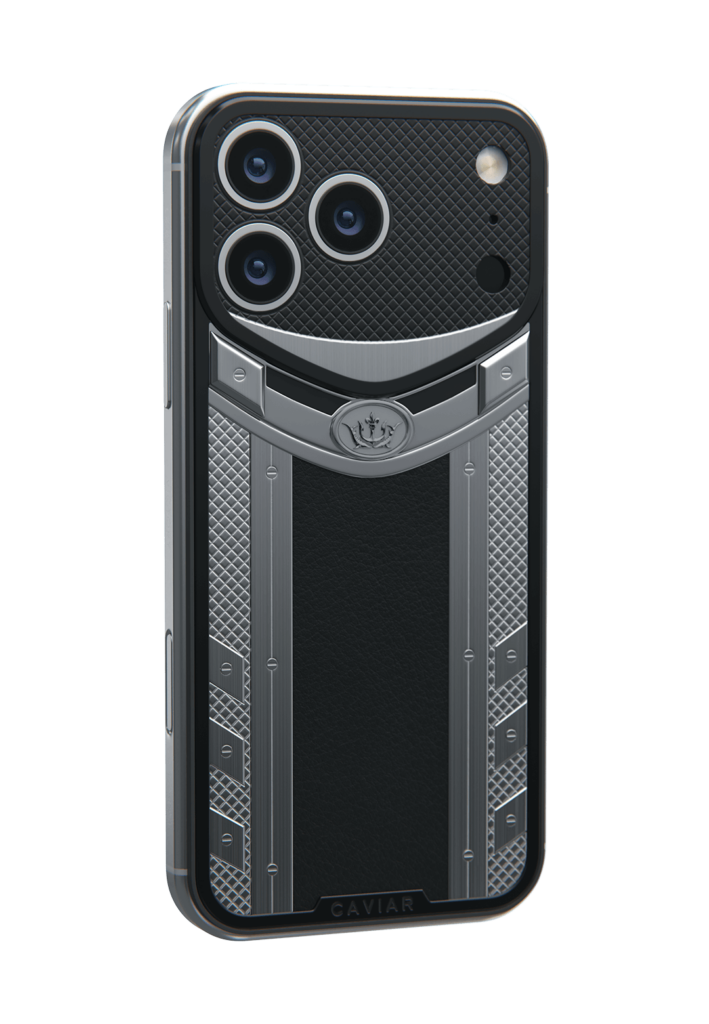
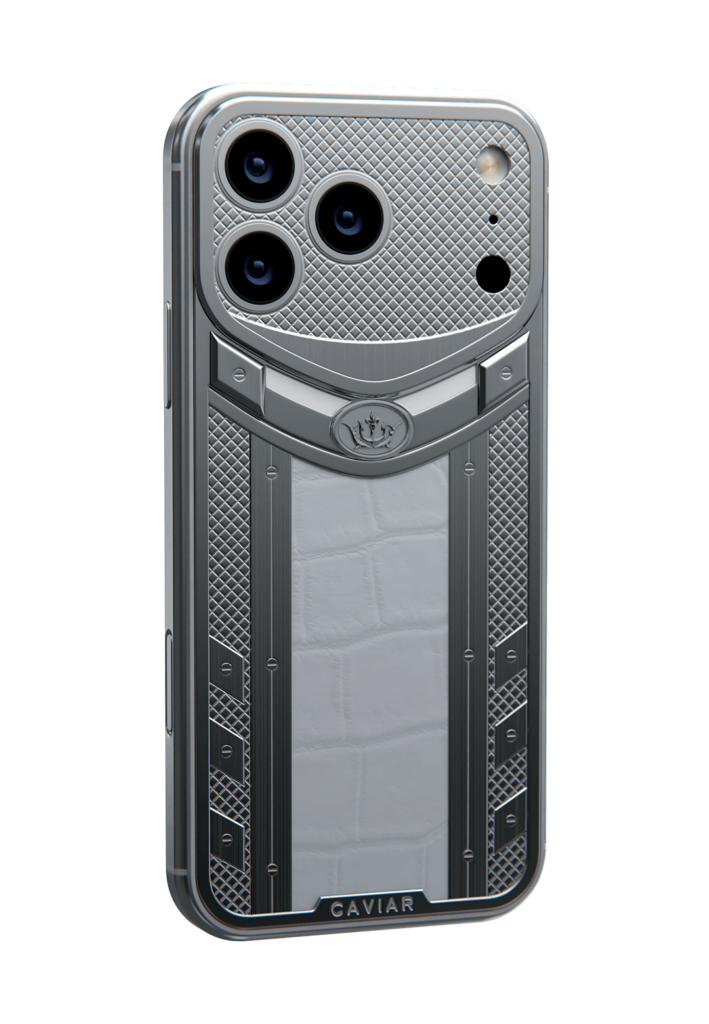
Samsung’s new Galaxy Z Fold 7 and Z Flip 7 may be cutting-edge tech — but Russian luxury brand Caviar wants to elevate them to collectible status. Their new “Cosmic Cabubu” collection, limited to just eight units of each phone, reimagines these foldables as art objects fitted with gold, diamonds… and meteorite.
Taking its inspiration from “Labubu” — a plush monster toy from China — Caviar’s whimsical “Cabubu on Mars” and “Cabubu on Venus” editions showcase playful yet lavish designs:
Galaxy Z Fold7 “Cabubu on Mars” — A black titanium frame with 24-karat gold accents, red enamel jewelwork evoking Martian terrain, and genuine Muonionalusta meteorite fragments. Starts at $10,340 for the 256GB version. The 512GB and 1TB versions cost $10,700 and $11,060, respectively.
Galaxy Z Flip7 “Cabubu on Venus” — A Venus-themed design with blue jewels, thirteen natural diamonds, and meteorite inlays. Priced at $8,910 for 256 GB. Its 512GB version costs $9,270.
Each device is unique due to the natural composition of the meteorites, no two phones are exactly alike.
Under the extravagance lies the original hardware:
Z Fold7: 8″ AMOLED display, Snapdragon 8 Elite, 200 MP main camera, and Galaxy AI
Z Flip7: 6.9″ AMOLED screen, Exynos 2500 chip, 50 MP main camera and Galaxy AI
Both phones include a specially designed futuristic case with gold accents, tied together by Caviar’s famed craftsmanship.
If you’re in the ultra-luxury market and want a foldable that doubles as a conversation piece (and an investment), Caviar’s “Cosmic Cabubu” collection delivers — but at prices that rival fine art. Only eight units per model mean exclusivity comes at a premium.
Xiaomi is teasing a high-performance version of its YU7 electric SUV, recently spotted undercover on the streets of China. Coming on the heels of the SU7 Ultra sedan’s success, the alleged “YU7 Ultra” looks set to bring supercar-level performance to the SUV market.
Spotted under wraps
On July 10, ChinaEVHome shared photos of a camouflaged YU7 Ultra prototype. While it retains the sleek silhouette of the standard YU7, it adds sportier touches: bigger air intakes, flared wheel arches, and a more aggressive stance.
Reports indicate the YU7 Ultra will use the same dual-motor setup as the SU7 Ultra, packing a staggering 1,548 horsepower and 1,770 Nm of torque. Early estimates suggest a 0–100 km/h time of around 2.5 seconds, even with a slightly smaller 93.7 kWh NMC battery (versus the standard YU7’s 96.3 kWh pack).
If true, the YU7 Ultra would position itself as one of the fastest electric SUVs on the market. Considering Xiaomi’s standard YU7 is already in high demand—with 300,000 orders and wait-lists stretching over a year—interest in its ultra version is likely to be intense.
When and where?
The YU7 Ultra could debut in early 2026 in China, priced above the top-tier YU7 Max, though international availability remains unclear. There’s even talk of a larger sibling, the “YU9,” joining the lineup.
Bottom line: The camouflaged YU7 Ultra hints at a bold move by Xiaomi—bringing near-supercar acceleration to the SUV segment. Stick around; this could be one of the most exciting EV launches of 2026.
Realme’s next budget phone is going to be the Note 70T, as the device has been spotted on an Italian retailer’s website. The premature listing reveals everything from the design to the specs of the phone, except the pricing.
The Note 70T sports a 6.74-inch AMOLED display with Full HD+ resolution and a waterdrop notch at the top, although the screen’s refresh rate is unspecified. In terms of design and dimensions, the phone measures 161.7 x 74.7 x 7.6mm and weighs 185 grams. The color option includes Gold and Black.
Powered by a fairly basic chipset
The device is built around the Unisoc T7250 chipset, a budget-tier processor not typically known for performance. It’s backed by 4GB of RAM and 128GB of internal storage, with no mention of microSD expansion. The listing confirms an IP64 rating for basic protection against dust and water splashes.
The phone is fitted with a 6,000mAh battery to power everything up. As for charging, the FCC documentation reveals the phone supports 15W charging. On the software side, the Note 70T is expected to run Realme UI based on Android 15 out of the box.
Since the Note 70T is a budget phone, the phone will have a fairly basic camera setup. It could have a 50MP main sensor on the back with an LED flash, and a 16MP front-facing camera.
Other specs of the device include dual SIM card support, Wi-Fi 6 (802.11ax), Bluetooth 5.4, USB-C, and a 3.5mm headphone jack. However, it does not support 5G networks. Security is handled by a side-mounted fingerprint sensor.
Realme hasn’t officially announced a launch date for the Note 70T yet. However, now that the device has surfaced on a retailer’s website with full specifications and renders, its debut likely isn’t far off.
For more daily updates, please visit our News Section.
Infinix has introduced its new Hot 60 5G smartphone in India as its most affordable AI-driven 5G smartphone. The key highlights of the device includes a 120Hz LCD panel, a Dimensity 7-series chipset, a big battery, and a dedicated button to access AI features. Here’s a look at the specifications, features, and price of the device.
Infinix Hot 60 5G specifications and features
Infinix Hot 60 5G – Shadow BlueInfinix Hot 60 5G – Tundra Green
The Hot 60 5G+ features a 6.7-inch IPS LCD display with an HD+ resolution of 1600 x 720 pixels, up to 120Hz refresh rate, and up to 240Hz touch sampling rate. The screen delivers a typical brightness of 560 nits, peaking at 700 nits in High Brightness Mode (HBM), and offers 72% NTSC color gamut. For security, it features a side-facing fingerprint sensor.
At its core, the device runs on the MediaTek Dimensity 7020 chipset, built on a 6nm process. Paired with 6GB LPDDR5x RAM and 128GB UFS storage, it also supports up to 6GB of extended RAM and expandable storage up to 2TB. The company claims that the device is capable of running 90fps gaming.
The Hot 60 5G houses a 50-megapixel primary rear camera and an 8-megapixel front camera for selfies. Rear and front video recording supports up to 2K at 30fps, with additional slow-motion modes including 1080p at 120fps. The phone runs on XOS 15-based Android 15 and is confirmed to receive two years of security updates.
Infinix Hot 60 5G – One Tap AI button
The Hot 60 5G is also equipped with a customizable One Tap AI Button. This physical button supports both double-press and long-press actions and it can be mapped to over 30+ apps and functions, offering faster access to what you use most, whether it’s quicker text input, gaming enhancements, or one-touch tool shortcuts.
A long press activates Folax, Infinix’s AI assistant, which delivers context-aware suggestions and keeps critical information in view while minimizing distractions. The button also brings Circle to Search, a first in this segment, enabling users to look up content or objects on-screen without leaving the app they’re using. Deeply integrated into XOS 15, the One Tap AI Button transforms the Hot 60 5G+ into a more responsive, personalized, and efficient daily companion.
Infinix Hot 60 5G – Sleek BlackInfinix Hot 60 5G – Caramel Glow
The Hot 60 5G comes equipped with a 5,200mAh battery, supports 18W wired charging, and even features 10W reverse charging. It offers other features, such as DTS audio support, a 3.5mm headphone jack, Bluetooth 5.4, Wi-Fi 802.11 a/b/g/n/ac, USB Type-C, GPS, and an infrared blaster.
Infinix Hot 60 5G price in India, availability
The Infinix Hot 60 5G is priced at Rs 10,499 for the 6GB RAM + 128GB storage variant. However, during its launch day on July 17, buyers can grab it for an effective price of Rs 9,999, inclusive of prepaid offers. It will be available via Flipkart and retail outlets across India. it can be purchased in shades like Sleek Black, Tundra Green. Shadow Blue, and Caramel Glow.
For more daily updates, please visit our News Section.
Infinix’s global wing has shared a teaser video via its official Facebook page, offering a sneak peek into its upcoming smartphone—the Hot 60 Pro+. While the teaser avoids revealing everything upfront, it hints at an exceptionally slim design, upgraded hardware, and intelligent features. Here’s a deeper look into what’s coming.
Infinix Hot 60 Pro+ key specifications confirmed
The Hot 60 Pro+ is being promoted as the world’s slimmest phone with a 3D curved screen, measuring just 5.95mm thick. It features a 6.78-inch nearly bezel-less display with 3D curved glass and narrow edges, creating a premium visual experience. While the refresh rate hasn’t been confirmed, Infinix’s past models in this range have supported up to 120Hz.
Despite its sleek profile, it manages to fit a sizeable 5,160mAh battery—an uncommon feat for ultra-thin smartphones. For comparison, Samsung’s Galaxy S25 Edge reportedly features a smaller 3,900mAh battery. Infinix claims its battery can hold up to 5 years of daily use and supports 45W fast charging, offering a balance of slimness and practicality.
The device is powered by the MediaTek Helio G200 chipset, making it suitable for regular multitasking and AI-driven tasks. It comes equipped with an 11-layer thermal design, including a 0.3mm vapor chamber—thinner than standard implementations. This system is designed to cut SoC temperatures by as much as 5°C, helping maintain consistent performance during extended use.
For photography, the rear houses a 50-megapixel Sony IMX882 sensor, commonly found in higher mid-range phones and known for its consistent low-light results. Infinix is also introducing a new “One Tap AI” interface, with smart tools for object removal, on-screen content recognition, and other intelligent features aimed at enhancing usability.
The Hot 60 Pro+ is expected to go official globally by the end of July 2025.
For more daily updates, please visit our News Section.
The Redmi 15C might be closer to launch than expected. Last month, it surfaced in the IMEI database, and now a fresh leak reveals almost everything else—design, specifications, and pricing for the European market.
The information comes from a report by YTechb, which claims the upcoming budget phone will be powered by the MediaTek Helio G81 chip. That’s the same processor used in last year’s model, so performance gains likely won’t be a headline feature. Instead, Xiaomi seems to be focusing on making the phone physically bigger this time around.
Redmi 15C will feature a bigger screen, battery
According to the leak, the Redmi 15C will come with a 6.9-inch IPS LCD panel, a slight increase in size (from 6.88 inches), featuring a 120Hz refresh rate and a waterdrop-style notch. The notch will house a 13MP front-facing camera, while the rear setup includes a 50MP main sensor paired with a secondary lens.
Renders included in the leak show the Redmi 15C in four color options: Moonlight Blue, Black, Pink, and Green.
As for the internals, the phone will ship with 4GB of RAM and either 128GB or 256GB of storage. Powering it all is a 6000mAh battery, with support for 33W fast charging. The predecessor has a 5160mAh cell and 18W charging.
Xiaomi claims the battery can last up to 77 hours on a single charge and retain 80 percent of its capacity after 1,000 charging cycles, according to EPREL certification.
In terms of dimensions, the device will reportedly measure 173 x 81 x 8.2 mm and weigh around 205 grams.
As for the pricing, the report claims it will start at €129 for the base variant with 4GB RAM and 128GB storage. The 256GB model will go for €149 in the Eurozone.
For more daily updates, please visit our News Section.
Oppo Find X8 is an impressive flagship smartphone, featuring great hardware, premium design, and feature-rich software — all at a starting price of INR 69,999. It’s a compelling choice for sure, but not the only showstopper in this price range. We’ve found five great alternatives to the Oppo Find X8 that outshines the device in one or more ways.
The OnePlus 13 (long-term review) has a slightly bigger screen at 6.82 inches (versus 6.59 inches). It also boasts a higher resolution and features LTPO 4.1 technology that enables dynamic refresh rate for better battery efficiency. Additionally, it features Ceramic Guard glass for display protection.
The smartphone rocks a Snapdragon 8 Elite chipset, offering slightly better gaming performance than the Dimensity 9400 on the Find X8. Software-wise, the Find X8 Pro is a step ahead with an extra Android upgrade. Both phones ship with Android 16 out of the box.
OnePlus 13 features a triple camera setup, all with 50MP sensors: a primary sensor with OIS, a periscope telephoto lens with OIS and 3x optical zoom, and an ultrawide lens with a 120˚ field of view. The front gets a 32MP snapper. While both phones support 4K recording from the front, the OnePlus 13 can record up to 8K from the rear. It also excels in battery capacity and charging speed.
This is another excellent alternative to the Oppo Find X8, featuring a more powerful Snapdragon 8 Elite chipset. It’s a compact flagship phone with LTPO support and a much stronger Gorilla Glass Victus 2 protection. The peak brightness doesn’t quite match Find X8’s, but at 2600nits, outdoor visibility is still great.
The camera system includes a 50MP primary sensor, a 10MP telephoto lens, and a 12MP ultrawide shooter. The selfie camera is 12MP with 4K video support, and the rear setup can record up to 8K. The battery and charging speed are underwhelming, but there’s a reason for it (read here).
The Galaxy S25 features an ultrasonic fingerprint scanner, which is more secure, faster, and reliable than the optical fingerprint method commonly used by most smartphones, including the Oppo Find X8. The device also offers longer software support.
Realme GT 7 Pro (full review) is also powered by the Snapdragon 8 Elite chipset, ensuring top-tier performance. The screen is slightly bigger. It features a slightly larger display with LTPO and an even higher peak brightness than the Find X8.
It comes with a triple camera system: two 50MP sensors for primary and telephoto duties, and an 8MP ultrawide camera. The rear supports up to 8K recording, but the selfie video is limited to 1080p. Overall, it delivers excellent performance, great display, and superb charging speeds, although the camera setup — especially the ultrawide and selfie video — might disappoint some.
Please Note: When you buy something using the links in our articles, we may earn a small commission at no cost to you.
4. Xiaomi 15
Xiaomi 15 (full review) is a compact flagship phone, featuring a slightly smaller 6.36-inch AMOLED screen with LTPO support for a more efficient power consumption. It uses Xiaomi’s own Shield Glass for protection and the Snapdragon 8 Elite chipset for all the heavy lifting.
The camera system includes three 50MP sensors (primary, telephoto, and ultrawide) with 8K video capability. The 32MP front camera supports up to 4K video. Other aspects of the phone, such as connectivity features, battery capacity and charging speeds are flagship-grade, too.
Please Note: When you buy something using the links in our articles, we may earn a small commission at no cost to you.
5. Google Pixel 9
Google Pixel 9
The Pixel 9 also secures a place on this list, not because of its hardware but for a great Android experience and software optimizations. When compared to the Oppo Find X8, the Pixel 9’s screen is a little shorter and features lower peak brightness, but has a stronger Gorilla Glass Victus 2 protection on both sides.
The Tensor G4 chipset may not match the raw performance of the Dimensity 9400 or Snapdragon 8 Elite, but it’s more than capable for daily use. You also get seven years of Android updates. Plus, the fact that Pixels are usually the first phones to get the latest OS makes it sweeter.
Unlike others, it lacks a telephoto camera but still manages to deliver excellent image quality. The device has an ultrasonic fingerprint reader and a decent battery with decent fast charging support.
Google Pixel 9 specs:
Display: 6.3″ OLED, 1080 x 2424 pixels resolution, 120Hz refresh rate, 2700nits brightness (peak), Gorilla Glass Victus 2
Processor: Google Tensor G4 (4nm)
Software: Android 14, up to seven major Android upgrades
Rear camera: dual cameras, up to 4K video recording
50MP (primary) – f/1.7, dual pixel PDAF, OIS
48MP (telephoto) – f/1.7, dual pixel PDAF, 123˚ field of view
Selfie camera: single camera, up to 4K video recording
Indian deep-tech company QWR has revealed its upcoming wearable device, Humbl, which it claims is the country’s first AI-powered smart glasses. The startup, which has been active in the XR space since 2017, shared initial details and features through promotional materials and a press note, suggesting that the device could mark a new direction in voice- and vision-based computing.
Humbl – India’s first AI-powered smart glasses
Humbl, India’s First AI Glasses by QWR
Humbl is powered by the Qualcomm AR1 processor and is built around a screenless, voice-first interface. The glasses feature a contextual camera, gesture support, and open-ear audio. Designed to serve as an always-on assistant, Humbl can respond to voice commands such as “Hey Humbl” to carry out tasks like recording point-of-view videos, providing directions, playing music, summarizing conversations, setting reminders, and offering real-time translations.
The AI can interpret both audio and visual input, allowing it to identify objects and landmarks to enhance user navigation. QWR says the glasses are tuned to understand multiple Indian languages and dialects, which makes them particularly relevant to the local market. It also highlights that Humbl is designed to be discreet and practical for everyday wear. The appearance is similar to that of Ray-Ban Meta smart glasses, though specific hardware details like battery life haven’t been disclosed yet.
Launch timeline
The official launch is scheduled for later this month, but buyers will have to wait until the final quarter of 2025 for shipping. QWR, led by founder Suraj Aiar, also hinted at larger ambitions, including building advanced XR manufacturing infrastructure for global exports. While their website currently doesn’t mention Humbl, the company’s social media is teasing its arrival.
QWR already offers smart glasses under the Aurl brand, which are audio-only, and two different VR headsets.
For more daily updates, please visit our News Section.
Hisense unveiled the HT SATURN, a 4.1.2-channel surround sound system built in partnership with audio company Devialet, back in April. After months of delay, the home theater system is now about to hit store shelves in various regions.
Hisense HT SATURN features
The HT SATURN includes 13 total speakers and delivers up to 720 watts of power. The system combines Hisense’s Hi-Concerto technology with Devialet’s tuning to deliver immersive home audio.
The HT SATURN features four satellite units, each with upward-firing speakers, tweeters, and full-range drivers. A 6.5-inch wireless subwoofer handles low frequencies with minimal distortion. Together, the system creates a 7.1.2-channel soundstage when paired with supported Hisense TVs. It supports both Dolby Atmos and DTS:X for spatial audio.
Devialet tuning helps produce clean, well-balanced sound across different types of content. The system offers five preset sound modes: Standard, Movie, Music, Game, and Sports. It also includes extra effects like Surround, Night, Voice, AI, and Virtual:X to tailor audio output to different listening environments.
Connectivity includes triple-band wireless (2.4GHz, 5.2GHz, 5.8GHz) for stable streaming, Bluetooth 5.3, HDMI IN, HDMI eARC, and optical input. Users can control the system with a Hisense TV remote using the EzPlay feature, with settings displayed on the TV screen for easy adjustments.
The compact satellite speakers and subwoofer can be placed on stands or wall-mounted. Intelligent Room Correction automatically adjusts the audio based on room size and layout, ensuring consistent performance.
The Hisense HT SATURN is priced at €999/US$1299. Sales will soon begin at Amazon, BestBuy US, Currys UK, M.Video Russia, and other major retailers. Although the launch was delayed in some European countries, online listings are now live, confirming wider availability.
Nothing has launched the Phone (3) with a new Glyph Matrix interface, a Snapdragon 8s Gen 4 chip, and long-term software support. The phone runs Android 15 with Nothing OS 3.5 and includes new AI tools like Essential Search, Flip to Record, and Essential Space. It also promises five OS updates and seven years of security patches.
While the Phone (3) introduces bold design changes and practical software features, the competition in the premium smartphone space has intensified. Several brands have devices with better displays, camera systems, battery performance, and AI integration. Here are the top five alternatives to consider.
OnePlus launched the OnePlus 13 with a large 6.82-inch 2K+ AMOLED display that supports 4,500 nits of peak brightness. The display received DisplayMate A++ certification. The phone runs on the Snapdragon 8 Elite chipset and supports up to 24GB of LPDDR5X RAM and up to 1TB of UFS 4.0 storage.
OnePlus has retained its flagship camera setup with a 50MP Sony LYT-808 main sensor, a 50MP ultra-wide lens, and a 50MP periscope telephoto camera with up to 120x digital zoom. The company has added an advanced cooling system and improved antenna performance using the redesigned alert slider module.
The phone supports 100W SuperVOOC wired charging and 50W wireless charging for its 6000mAh battery. OnePlus has priced the base 12GB + 256GB model at $799, which undercuts Nothing’s top-end variant while offering more RAM, storage, and charging features.
Please Note: When you buy something using the links in our articles, we may earn a small commission at no cost to you.
2. Samsung Galaxy S25
Samsung introduced the Galaxy S25 with a 6.2-inch FHD+ AMOLED display that supports a 120Hz refresh rate and up to 2,600 nits brightness. The device runs on the Snapdragon 8 Elite for Galaxy chipset and features deep integration with Google’s Gemini-based AI tools. Samsung has confirmed support for seven generations of Android and security updates.
The S25 includes a triple camera system with a 50MP main sensor, a 12MP ultra-wide lens, and a 10MP telephoto lens. Samsung continues to offer reliable performance and consistent camera results. The Galaxy S25 starts around $799.99 globally, positioning itself as a well-rounded alternative to the Nothing Phone (3).
Please Note: When you buy something using the links in our articles, we may earn a small commission at no cost to you.
3. Xiaomi 15
Xiaomi launched the Xiaomi 15 with a compact 6.36-inch 1.5K OLED LTPO panel that supports a peak brightness of 3200 nits and ultra-narrow bezels. The phone runs on the Snapdragon 8 Elite chip and includes the IceLoop Wing-type cooling system for better thermal performance.
The Xiaomi 15 features three Leica-branded 50MP cameras, including a 1/1.31-inch main sensor, an ultra-wide lens, and a 2.6x telephoto camera. The company has also added its new AISP 2.0 image processing engine and Leica Summilux optics for better low-light and portrait results.
Xiaomi has included a 5240mAh battery with 90W wired charging and 50W wireless charging support. The phone is priced at around $779 for the single 12GB + 512GB variant, offering excellent value in a smaller form factor.
Please Note: When you buy something using the links in our articles, we may earn a small commission at no cost to you.
4. Apple iPhone 16
Apple announced the iPhone 16 and iPhone 16 Plus with the new A18 chip. These models include the Action Button and introduce a new Camera Control button with haptic feedback and gesture support. The iPhone 16 has a 6.1-inch OLED display while the Plus variant features a 6.7-inch panel, both with up to 2,000 nits of outdoor brightness.
The camera setup includes a 48MP main sensor with sensor-shift stabilization and a 12MP ultra-wide lens. Apple has added support for spatial video and spatial photos for the Vision Pro headset. New AI tools in iOS 18 enhance image cleanup and editing through Apple Intelligence.
The iPhone 16 starts at $799 for the 128GB model. With long-term iOS support and Apple’s ecosystem, it remains a solid alternative to Nothing’s offering.
Please Note: When you buy something using the links in our articles, we may earn a small commission at no cost to you.
5. Google Pixel 9 Pro XL
Google launched the Pixel 9 Pro XL with a 6.8-inch QHD+ LTPO AMOLED display that supports up to 3,000 nits brightness. The phone runs on the Tensor G4 chip and includes the Titan M2 security module. Google promises seven years of OS, security, and feature updates.
The camera setup includes a 50MP GNK main sensor, a 48MP ultra-wide camera, and a 48MP 5x periscope telephoto lens. The front camera uses a 42MP Sony IMX858 sensor with autofocus. The Pixel 9 Pro XL introduces AI-based features such as Zoom Enhance, Add Me, and Magic Editor with auto-framing.
The phone packs a 5060mAh battery with support for 37W wired and 23W wireless charging. It starts at $1,099. For users prioritizing photography, AI tools, and long-term support, the Pixel 9 Pro XL delivers a complete flagship experience.
Please Note: When you buy something using the links in our articles, we may earn a small commission at no cost to you.
6. Verdict: Should you still go for the Nothing Phone (3)?
There’s no doubt the Nothing Phone (3) brings a unique identity to the Android space. The new Glyph Matrix is fun, the Essential Key introduces useful AI-powered features, and its 5500mAh battery with 65W charging is solid. But when your rivals are offering better displays, stronger cameras, faster processors, and equally long software support, being “different” may not be enough.
If you want the most complete phone experience today, the OnePlus 13 and Pixel 9 Pro XL stand out. If AI productivity and long-term support matter most, the Galaxy S25 is the smarter pick. Xiaomi 15 is for compact power users, and the iPhone 16 remains a no-nonsense benchmark of stability and ecosystem lock-in.
The Nothing Phone (3) isn’t a bad phone by any means. But in 2025, competition is fierce, and “Nothing” has never had to prove itself more.
For more daily updates, please visit our News Section.
Oppo is gearing up to unveil its new K13 Turbo series of smartphones, aimed at users looking for powerful performance in the mid-range segment. The company has confirmed that the launch will take place on July 21 at 2:30m (local time) in China. Here’s a look at all that is known about the K13 Turbo.
Oppo K13 Turbo series teaser
The above teaser gives a glimpse of the Oppo K13 Turbo series’ active cooling fan. This seems to be positioned below the primary camera of the device. It is also said to support smart frequency adjustment for better power efficiency and includes RGB lighting for visual appeal. Interestingly, despite the addition of moving parts, the K13 Turbo is expected to be IPX8 certified, hinting at strong water resistance.
The Oppo K13 Turbo is said to be targeted at gamers and young users. It is also expected to ship with a flat display supporting high refresh rates, aiming to deliver a smooth and immersive gaming experience.
Oppo K13 Turbo series specifications (rumored)
Recently, the Oppo K13 Turbo Pro, bearing the PLE110 model number, was spotted on Geekbench with the Snapdragon 8s Gen 4 chipset and 16GB of RAM. The display could be a 6.8-inch flat OLED LTPS panel with a 2800 x 1280 resolution and 144Hz refresh rate. Camera hardware may include a 50-megapixel main sensor alongside a secondary 2-megapixel camera, with a 16-megapixel front camera. Additional features tipped include a plastic frame, short-focus fingerprint scanner, and RGB lighting.
The K13 Turbo, on the other hand, is said to be equipped with the Dimensity 8450 chipset. It is likely to feature the same display and cameras as the Pro model. Both phones are expected to come in Black Warrior and First Purple shades. While the K13 Turbo will also come in Knight White, the Pro edition may come in Knight Silver.
For more daily updates, please visit our News Section.
Nothing is giving Indian customers a chance to buy the Nothing Phone (3) before its official release. The company will host a special drop event on July 12 at UB City in Bengaluru. The event starts at 7:00 PM IST and entry will be on a first-come, first-served basis.
At the event, customers will be able to purchase the Phone (3) ahead of its global sale. The first 100 buyers will receive a free Nothing Headphone (1), which is priced at Rs. 21,999. Attendees will also be able to try out the Phone (3) and Headphone (1) at the venue.
The Phone (3) is powered by the Snapdragon 8s Gen 4 chipset and runs on Nothing OS 3.5. It features a 50MP triple rear camera and a 50MP front camera. The phone comes with a 5500 mAh battery, supports 65W fast wired charging, and 15W wireless charging. It is rated IP68 for dust and water resistance (explore more details by clicking here).
The event will include music, lighting, and challenges where participants can win more units of the Headphone (1) and other merchandise. Complimentary refreshments and barista-style coffee in collectible mugs will also be available.
The Nothing Phone (3) has a retail price tag of Rs. 79,999 for the 12GB + 256GB model, and the 16GB + 512GB model costs Rs. 89,999. With bank offers and exchange offers, the starting price of the device drops to Rs. 62,999. That said, it is unclear which of these offers will be applicable during this drop event.
For more daily updates, please visit ourNews Section.
Samsung has officially launched its next generation of wearables, the Galaxy Watch 8 series, at the recent Unpacked event. The new smartwatches build on what Samsung already does well: solid fitness tracking, seamless Android integration, and consistent design.
But with the Galaxy Watch 8 series, Samsung has decided to make a few bolder changes, both visually and under the hood. The company is also bringing back the Classic model this year, complete with everyone’s favorite rotating bezel.
Here are the new features that make the Galaxy Watch 8 and Watch 8 Classic what they are.
The most immediately noticeable change in the Galaxy Watch 8 series is the design. The watches are now squircle in shape compared to the round casing of the Watch 7 line.
Essentially, this means both the Watch 8 and Watch 8 Classic have a square case with a round display. It’s a bold visual shift that brings the Galaxy Watch 8 and 8 Classic closer in form to the Galaxy Watch Ultra.
This design might take some getting used to. Traditional round watches have a timeless aesthetic, and some may prefer that classic look. But on the wrist, the wearables still look modern and refined.
Also, the Watch 8 is nearly a millimeter thinner than its predecessor at 8.6mm. The new shape also helps the device sit more securely on the wrist, which Samsung claims improves sensor accuracy.
Samsung has also improved how the straps attach. There’s now a quick-release mechanism similar to what we’ve seen on the Watch Ultra. It makes swapping out bands easier. However, you wouldn’t be able to use earlier Galaxy Watch bands on the new models.
2. A Brighter, Still OLED Display
Both Watch 8 models retain OLED displays, but brightness now reaches up to 3,000 nits, according to Samsung. This level of brightness matches what Apple offers with the Watch Ultra 2.
While the Watch 7 was already easy to see in direct sunlight, the bump in brightness ensures better visibility in harsh lighting conditions. That said, the difference might be difficult to detect under normal circumstances.
Samsung hasn’t changed the display resolution or size in any significant way, so the brightness bump is the headline improvement here. It’s a modest but useful upgrade, especially for users who spend a lot of time outdoors.
3. Expanded Health Tracking with Sleep and Vascular Features
Samsung continues to treat health tracking as a major priority in its smartwatches. The Galaxy Watch 8 series brings new and updated health features, though most of them lean toward lifestyle advice rather than medical-grade diagnostics.
New in One UI 8 Watch is a “Bedtime Guidance” system that recommends sleep times based on personal habits. It requires at least three nights of sleep data to begin offering insights.
The sleep apnea detection feature has also received EU medical certification, lending more credibility to its measurements.
Another addition is vascular strain measurement, designed to monitor the condition of blood vessels during sleep. While useful, this feature is not medically certified.
There’s also a new Antioxidant Index feature that estimates levels of free radicals in the body. However, it requires users to remove the watch and place a thumb on the sensor. Like other new tools, it serves more as a general wellness guide than a diagnostic tool.
Beyond these, the Watch 8 continues to offer the usual health tracking features, including body composition analysis, heart rate monitoring, blood pressure tracking, and ECG readings (when paired with a Samsung smartphone and the Health Monitor app).
4. Google Gemini Replaces (Some of) Bixby
Perhaps one of the most interesting additions to the Galaxy Watch 8 is Google Gemini integration. For years, Bixby has handled voice assistance on Samsung watches, though to lukewarm reception. Now, users can choose Gemini as an alternative.
Gemini is available via LTE and Wi-Fi and supports a range of voice commands; everything from sending messages to creating reminders or generating basic routes.
It doesn’t yet support full conversational AI or work with all apps (WhatsApp replies, for example, are not available). But it’s an improvement over Bixby in terms of functionality and cloud-connected features.
That doesn’t mean Bixby is gone. It still handles all offline tasks and can be set as the default assistant. Users can configure which assistant is triggered via the top button, now dubbed the “AI Button.”
Wear OS continues to be the foundation of the Watch 8 software experience. The Play Store offers access to standalone apps like WhatsApp and Spotify, as well as many other Android-compatible services.
5. Running Coach and Upgraded Sports Features
The Galaxy Watch 8 introduces a new running coach feature designed to help runners of all levels train more effectively. It uses the 12-minute Cooper test as a starting point to assess a user’s fitness level and build a customized running plan from there.
During workouts, the watch offers real-time coaching feedback, like maintaining the correct pace or adjusting intensity. The watches also include dual-frequency GPS to improve location accuracy during outdoor exercise.
These fitness improvements aren’t exclusive to professional athletes. They’re designed for anyone who wants to monitor or improve their daily activity without diving into complex metrics. It’s a subtle but useful evolution for Samsung’s fitness platform.
For more daily updates, please visit our News Section.
Razer has launched the DeathAdder V4 Pro, the latest version of its best-selling gaming mouse. It is designed for competitive gaming and built with input from professional esports players.
The DeathAdder V4 Pro features Razer HyperSpeed Wireless Gen-2, which offers over 63 percent better power efficiency and 37 percent lower latency than the previous generation. It supports a polling rate of up to 8000 Hz in both wired and wireless modes. At 1000 Hz, the battery lasts up to 150 hours. At 8000 Hz, battery life drops to 22 hours.
The mouse includes the new Razer Focus Pro 45K Optical Sensor Gen-2 with up to 45,000 DPI, 900 IPS speed, and 85 G acceleration. It offers 99.8 percent resolution accuracy and includes features like Dynamic Sensitivity, Mouse Rotation, and Sensitivity Matcher.
This is also the first Razer mouse to feature an Optical Scroll Wheel. It is more durable than mechanical scroll wheels and offers consistent tactile feedback. The DeathAdder V4 Pro uses Razer Optical Mouse Switches Gen-4, rated for 100 million clicks and redesigned for a sharper click feel.
The mouse weighs 56 grams in black and 57 grams in white. It has a right-handed ergonomic shape with six programmable buttons. The feet are made of 100 percent PTFE for smoother glide. It has no RGB lighting and comes with a USB Type-A to USB Type-C cable.
Razer has used over 67 percent bio-based and recycled plastics in the mouse. The internal structure is redesigned to stay lightweight without losing durability. Reinforced side walls add strength. Split side buttons help avoid misclicks. A smooth-touch finish improves grip.
The mouse was developed with esports players, including Nikola “NiKo” Kovač, who tested the prototypes during official matches. The DeathAdder V4 Pro is priced at 169.99 US dollars and is available now in black and white on the Razer online store.
Other than the new mouse, Razer has also launched the BlackWidow V4 Tenkeyless HyperSpeed, a $179.99 wireless gaming keyboard featuring Gen-3 Orange Tactile Mechanical Switches with hot-swappable 3-pin/5-pin support, dual-layer dampening foam, and pre-lubed stabilizers for better acoustics.
For more daily updates, please visit our News Section.
We use cookies on our website to give you the most relevant experience by remembering your preferences and repeat visits. By clicking “Accept”, you consent to the use of ALL the cookies.
This website uses cookies to improve your experience while you navigate through the website. Out of these, the cookies that are categorized as necessary are stored on your browser as they are essential for the working of basic functionalities of the website. We also use third-party cookies that help us analyze and understand how you use this website. These cookies will be stored in your browser only with your consent. You also have the option to opt-out of these cookies. But opting out of some of these cookies may affect your browsing experience.
Necessary cookies are absolutely essential for the website to function properly. This category only includes cookies that ensures basic functionalities and security features of the website. These cookies do not store any personal information.
Any cookies that may not be particularly necessary for the website to function and is used specifically to collect user personal data via analytics, ads, other embedded contents are termed as non-necessary cookies. It is mandatory to procure user consent prior to running these cookies on your website.