Apple’s MacBook lineup has been fairly predictable for a while now. You have the Air, the Pro, and clear differences between them. That structure might be getting a shake-up. According to Bloomberg’s Mark Gurman, Apple is developing a new top-end laptop, tentatively called the MacBook Ultra. The idea is to position it above the current MacBook Pro, with a launch window somewhere in early 2027. If this pans out, it could be one of the bigger changes to the lineup in years.
The display is expected to be a major upgrade. The MacBook Ultra is said to be the first MacBook to switch to OLED, replacing the Mini LED panels used in current Pro models. That should bring better contrast, deeper blacks, and overall improved visuals. OLED panels are also thinner, which could help Apple reduce the thickness of the device a bit.
There may also be a change to the front design. The notch that has been around since 2021 could be replaced with a smaller punch-hole camera cutout, which would free up a bit more screen space.
Another notable shift is touch input. Apple is reportedly planning to add a touchscreen, which is something it has avoided on Macs for years. The company has previously argued that touch on laptops is not practical, so this would be a change in direction.
Performance should also see a jump. The MacBook Ultra is expected to run on M6 Pro and M6 Max chips built on a 2nm process. That should improve both speed and efficiency compared to current models. There is also talk of built-in cellular support through Apple’s own modem, which could bring 5G and LTE connectivity to a MacBook for the first time.
Ports like HDMI, MagSafe, and the SD card slot are expected to stay. It is still early, and plans can change, but if even some of this comes together, the MacBook Ultra could end up being a pretty big deal for Apple’s laptop lineup.
Casio has announced a limited-edition G-Shock watch in collaboration with Coca-Cola. The GA-2100CC-3A celebrates Coca-Cola’s 140th anniversary and features a design inspired by the iconic soda brand. The watch is now listed in Japan with a price tag of ¥27,500 ($172).
Design Details
The watch uses a translucent green resin for the case and strap. This color draws inspiration from Coca-Cola’s signature glass bottle, giving the watch a semi-transparent and modern appearance.
The dial features a textured brown surface that pays homage to Coca-Cola, complete with bubble-like patterns that reflect the soda’s fizz. Casio placed the Coca-Cola logo prominently near the top of the dial to reinforce the theme. It also includes a small red bottle graphic on the left subdial, which functions as a day indicator.
The watch features rose-gold accents on the hour markers and hands, creating a warm contrast against the earthy-toned dial. It combines analog and digital elements, with traditional hands positioned above a digital display in the lower right for time and additional functions.
Casio engraved the case back with a bottle-cap design, adding another Coca-Cola-inspired detail. The watch comes in exclusive packaging designed specifically for this special edition.
The GA-2100CC-3A retains all the features expected from G-Shock. These include shock resistance, water resistance up to 200 meters, and a durable carbon core guard structure.
The watch offers practical functionality, including world time across 31 time zones, a 1/100-second stopwatch, a countdown timer, five daily alarms, and dual LED lights for low-light visibility. The GA-2100CC-3A measures 48.5 x 45.4 x 11.8 mm and weighs 51 grams.
In related news, Casio has listed the Vintage A159WE-1 in Europe with its classic design and a 7-year battery life, while also introducing new G-LIDE GBX-H5600 models featuring heart rate monitoring and fitness tracking.
For more daily updates, please visit our News Section.
Samsung offers dozens of smartphones in the sub-20,000 price segment, but finding the best one for your needs can be challenging. So, to make things easier, we’ve prepared a list of the best smartphones below.
💡 Quick verdict:
1. Best Samsung phone under Rs 20,000 for gaming: Galaxy S21 FE 2. Best Samsung phone under Rs 20,000 for battery life: Galaxy M35 5G 3. Best Samsung phone under Rs 20,000 for camera: Galaxy S21 FE 4. Best Samsung phone under Rs 20,000 (overall value): Galaxy F56 5G 5. Best newly-launched Samsung phone under Rs 20,000: Galaxy F56 5G
A flagship phone like the Galaxy S21 FE for around Rs 20,000 is almost a no-brainer pick. It features high-end hardware, including a great AMOLED screen and a high-performance Exynos 2100 chipset for great performance and efficiency.
The Galaxy S21 FE also features a high-end triple rear camera setup, which includes a telephoto unit, unlike any other phone on the list. The 32MP selfie camera also performs well. Plus, it supports wireless charging.
The overall hardware is solid, but the software support may be disappointing in 2026, as the device won’t receive any Android OS upgrades. So, if you’re not concerned about that, then the Galaxy S21 FE is your best pick at this price point.
The Galaxy F56 5G offers a solid value for its price. It’s powered by an Exynos 1480 processor, which delivers smooth, lag-free gaming, and a large AMOLED screen further enhances the experience.
The smartphone features an excellent rear camera setup, including a 50MP primary sensor, an 8MP ultrawide shooter, and a 2MP macro unit. It’s got a 12MP selfie sensor that delivers good results in daylight. You get a 5,000 mAh battery with 45W fast charging and an under-display fingerprint sensor.
The Galaxy F56 also offers excellent software support, promising up to six major Android upgrades, all the way up to Android 21. That’s an unmatchable commitment for a mid-range phone.
Galaxy F56 5G specs:
Display: 6.74-inch Super AMOLED+, 1080 x 2340 pixels resolution, 120Hz refresh rate
Processor: Samsung Exynos 1480 (4 nm)
Software: Android 15, up to six major Android upgrades
The Galaxy A53 delivers big on camera. It offers a powerful rear camera setup, led by a 64MP primary sensor. The other two sensors include a 12MP ultrawide camera and a 5MP macro unit. The 32MP selfie camera captures good details.
The device is powered by an Exynos 1280 chipset, which delivers smooth day-to-day performance and excellent power efficiency. It can even handle gaming at moderate graphics settings without any visible lag. The 5,000 mAh battery easily lasts a day on normal use.
While the Galaxy A53 packs solid hardware, software support in 2026 falls short. The device was promised four major OS upgrades, which have already been released, so it isn’t eligible for Android 17 or future upgrades.
Galaxy A53 5G specs:
Display: 6.5-inch Super AMOLED, 1080 x 2400 pixels resolution, 120Hz refresh rate
Processor: Samsung Exynos 1280 (5 nm)
Software: Android 12, up to four major Android upgrades
The Galaxy F55 (review) shines in selfie shots, thanks to a 50MP camera. The rear camera setup is also capable, offering a 50MP primary camera, an 8MP ultrawide camera, and a 2MP macro shooter.
The device features a big 6.7-inch AMOLED screen with a 120Hz refresh rate, which is excellent for multimedia. Furthermore, it’s equipped with a Snapdragon 7 Gen 1 chipset for smooth operations and excellent efficiency. The device is powered by a 5,000 mAh battery and supports 45W fast charging.
The Galaxy F55 comes with a promise of four major Android upgrades, up to Android 18.
Galaxy F55 5G specs:
Display: 6.7-inch Super AMOLED+, 1080 x 2400 pixels resolution, 120Hz refresh rate
Processor: Qualcomm Snapdragon 7 Gen 1 (4 nm)
Software: Android 14, up to four major Android upgrades
The Galaxy F36 is a reliable daily driver, featuring a 6.7-inch bright, smooth AMOLED screen and a triple rear camera setup led by a 50MP main shooter. The Exynos 1380 processor delivers smooth performance without any lag with excellent power efficiency.
Like most phones on the list, it’s also got a 5,000mAh battery and supports 25W fast charging over a wired connection. Additionally, it offers robust connectivity features, including Wi-Fi 6, NFC, and Bluetooth 5.3. On the software side, the F36 5G promises six major OS upgrades up to Android 21.
Galaxy F36 5G specs:
Display: 6.7-inch Super AMOLED, 1080 x 2340 pixels resolution, 120Hz refresh rate
Processor: Samsung Exynos 1380 (5 nm)
Software: Android 15, up to six major Android upgrades
The Galaxy M35 packs a massive 6,000mAh battery to deliver long-lasting battery backup, with support for 25W wired charging. It features a vibrant AMOLED screen and an Exynos 1380 processor for smooth performance.
The triple rear camera setup includes a 50MP primary unit, an 8MP ultrawide camera, and a 2MP macro camera. For selfies, there’s a 13MP snapper. The Galaxy M35 comes with a promise of four major OS upgrades, up to Android 18.
Galaxy M35 5G specs:
Display: 6.6-inch Super AMOLED, 1080 x 2340 pixels resolution, 120Hz refresh rate
Processor: Samsung Exynos 1380 (5 nm)
Software: Android 14, up to four major Android upgrades
The Galaxy A26 is another reliable daily driver, featuring a 6.7-inch AMOLED screen, an Exynos 1380 chipset, and a 50MP triple rear camera.
The smartphone ships with Android 15 out of the box and promises up to six major OS upgrades. That means the A26 5G will receive updates up to Android 21. It has a 5,000 mAh battery that easily lasts a day and supports 25W fast charging.
Galaxy A26 5G specs:
Display: 6.7-inch Super AMOLED, 1080 x 2340 pixels resolution, 120Hz refresh rate
Processor: Samsung Exynos 1380 (5 nm)
Software: Android 15, up to six major Android upgrades
The Galaxy A17 doesn’t go deep into the pocket to become a reliable daily driver. It features a large AMOLED screen, a 5,000mAh battery for all-day backup, and an Exynos 1330 chipset for reliable performance.
The device features a triple-camera setup on the back, including a 50MP main shooter, a 5MP ultrawide camera, and a 2MP macro unit. There’s a 13MP snapper for selfies and video calls. The best part? It promises OS updates for six years, up to Android 21. This is where Samsung phones stand out from the crowd.
Galaxy A17 5G specs:
Display: 6.7-inch Super AMOLED, 1080 x 2340 pixels resolution, 90Hz refresh rate
Processor: Samsung Exynos 1330 (5 nm)
Software: Android 15, up to six major Android upgrades
Connectivity: Wi-Fi 5, Bluetooth 5.3, NFC, USB Type-C 2.0
Others: side-mounted fingerprint sensor
How we picked: We shortlisted Samsung phones available under Rs 20,000 in India and evaluated them based on real-world performance, display quality, battery life, and camera results. We also considered software experience, including One UI version and update support, as well as overall value for money.
Which Samsung phone under 20000 is best?
The Galaxy F56 5G is the best Samsung phone in this price segment, featuring high-performance processor, excellent cameras, and a long-lasting battery.
Best Samsung phone under 20000 with good battery backup
The Galaxy M35 5G comes with a huge 6,000mAh battery, lasting for up to two days easily.
Best Samsung phone under 20000 with 256GB storage
The Galaxy F56 5G is currently the best phone you can get for around Rs 20000, and it’s also offered in a 256GB storage option.
OPPO Pad 5 Pro enters the premium tablet space with a strong focus on display quality, flagship-level performance, and long-lasting battery life. Built for users who want a large-screen experience for productivity, entertainment, and multitasking, it combines a high refresh rate panel with a powerful chipset and modern connectivity features.
OPPO Pad 5 Pro is now available globally via Giztop, with a starting price of $799 for the base variant.
Design and Display
OPPO Pad 5 Pro features a large 13.2-inch LCD designed for immersive viewing. With a 3.4K resolution (3392 × 2400 pixels), the screen delivers sharp visuals and vibrant color reproduction. The 10-bit color support enhances gradients and overall visual accuracy, making it suitable for media consumption and creative tasks.
A 144Hz adaptive refresh rate ensures smooth scrolling and fluid animations, which noticeably improve the overall user experience. The slim bezels contribute to an 89.4% screen-to-body ratio, giving the tablet a modern and premium look while maximizing usable screen space.
Performance and Software
At the core of the OPPO Pad 5 Pro is the Snapdragon 8 Elite Gen 5 octa-core processor, built to handle demanding workloads. Whether it’s multitasking, gaming, or running heavy apps, the chipset ensures stable and smooth performance.
The tablet runs on ColorOS 16 based on Android 16, offering a refined and responsive interface. The software experience is optimized for large screens, with features like split-screen multitasking, parallel windows, and cross-device collaboration, enhancing productivity. The UI feels fluid and well-integrated, especially when switching between apps or using multiple windows.
Memory and Storage
The OPPO Pad 5 Pro is available in two configurations:
8GB RAM + 256GB storage
12GB RAM + 512GB storage
With LPDDR5X RAM and UFS 4.1 storage, the tablet delivers fast app launches, smooth multitasking, and quick data access. This setup ensures that even heavy users won’t experience slowdowns during intensive usage.
Camera Capabilities
For a tablet, the OPPO Pad 5 Pro offers practical camera hardware:
13MP rear camera for basic photography and document scanning
8MP front camera with a 105° wide-angle lens for video calls
The front camera is especially useful for video conferencing, offering a wider field of view that keeps you properly framed during calls.
Battery and Charging
The device is powered by a large 13,380mAh battery, designed for extended usage. Whether you’re streaming content, attending meetings, or working on tasks, the tablet is built to last through long sessions without frequent charging.
It supports 67W SuperVOOC fast charging, allowing you to quickly top up the battery and get back to work or entertainment without long wait times.
Connectivity and Audio
The OPPO Pad 5 Pro comes equipped with modern connectivity options:
Wi-Fi 7 with dual-band support (2.4GHz and 5GHz)
Bluetooth 5.4 for seamless wireless connections
For audio, the tablet features quad speakers with Dolby Atmos support and Hi-Res audio certification. The sound output is loud, immersive, and well-balanced, making it ideal for movies, music, and gaming.
Additional Features
OPPO has included several smart features to improve usability:
Four-finger pinch gestures
Two-finger split-screen multitasking
Parallel windows for better app management
Cross-device collaboration for seamless workflow between devices
These features make the tablet more versatile, especially for productivity-focused users.
The OPPO Pad 5 Pro positions itself as a powerful large-screen tablet with a strong emphasis on display quality, performance, and battery life. The combination of a 144Hz 3.4K display, Snapdragon flagship chipset, and massive battery makes it a compelling option for both entertainment and productivity.
It’s clearly aimed at users who want a premium tablet experience without compromises, especially those who value a bigger display and smooth multitasking performance.
OPPO Pad Mini is a compact yet powerful tablet designed for both entertainment and productivity, featuring a high-refresh-rate AMOLED display and flagship-level performance. It is now available starting at $699, making it a premium small-tablet option, and can be purchased globally through Giztop.
Design and Display
The OPPO Pad Mini features a compact and premium design with an 8.8-inch 2.5K AMOLED display. It offers a sharp resolution of 2520×1680 pixels, making content look detailed and vibrant. The 144Hz adaptive refresh rate ensures smooth scrolling and fluid visuals, which is especially useful for gaming and daily use. With up to 1600 nits peak brightness and ultra-narrow bezels, the viewing experience feels immersive and comfortable even in bright conditions.
Performance and Software
This tablet is powered by the Snapdragon 8 Gen 5 octa-core processor, paired with the Adreno 829 GPU. It delivers fast and stable performance for multitasking, gaming, and heavy apps. The device comes with 8GB or 12GB LPDDR5X RAM and up to 512GB UFS 4.1 storage, ensuring quick data access and smooth operation. It runs on ColorOS 16, based on Android 16, offering a clean, modern, and user-friendly interface.
Camera and Multimedia
The OPPO Pad Mini includes an 8MP front camera with a wide-angle lens, making it suitable for video calls and online meetings. On the back, there is a 13MP camera for basic photography and document scanning. The dual-speaker setup provides balanced stereo sound, enhancing the experience for watching videos or listening to music.
Battery and Connectivity
The tablet is equipped with an 8000mAh battery, which supports 67W SuperVOOC fast charging. This allows quick top-ups and long usage throughout the day. For connectivity, it supports Wi-Fi 7 with 2×2 MIMO for faster internet speeds and Bluetooth 5.4 for stable wireless connections.
The OPPO Pad Mini offers a strong mix of performance, display quality, and fast charging in a compact form, making it a solid choice for both entertainment and productivity.
Flagship smartphones have reached a point where “best” is no longer universal; it’s personal. The Oppo Find X9 Ultra and Vivo X300 Ultra represent two different philosophies at the very top: one pushes hardware to extremes, while the other focuses on refinement and balance. On paper, they look nearly identical, but the real differences show up in how they feel, shoot, and last through a full day. This comparison cuts through the spec sheet noise to reveal which flagship actually fits different types of users, and where each one quietly pulls ahead.
Both phones feel unapologetically premium, but they approach luxury differently. The Oppo Find X9 Ultra leans toward a more expressive design with options like eco-leather, giving it a slightly more tactile and character-driven feel. The Vivo X300 Ultra, on the other hand, stays classic with a glass-and-metal build that feels cleaner and more understated. The Oppo’s finish may appeal more to users who want something distinctive, while Vivo’s approach feels safer and more universally polished.
Display Quality
On paper, both displays are nearly identical: LTPO AMOLED, 144Hz, Dolby Vision, and ultra-high brightness. In practice, Vivo edges slightly ahead with its higher PWM dimming, which can feel easier on the eyes during long usage. Oppo, however, pushes peak brightness higher, making it a bit more impactful outdoors. Both are among the best displays available, but Vivo feels more refined for comfort, while Oppo feels more aggressive and vivid.
Verdict
Vivo X300 Ultra wins slightly for display comfort and balanced design, while Oppo offers more personality and brightness punch.
2. Specifications Including Battery
Performance
Both devices run on the same Snapdragon 8 Elite Gen 5 chipset with identical GPU and storage configurations, so raw performance is essentially identical. Gaming, multitasking, and heavy workloads feel equally fluid on both. The real difference comes from software tuning—ColorOS feels smoother and slightly more optimized for sustained performance, while OriginOS adds more customization but can feel heavier at times.
Battery and Charging
The Oppo Find X9 Ultra clearly takes the lead with its larger battery and faster wireless charging. It’s built for endurance, easily pushing longer usage times under heavy workloads. Vivo’s battery is still strong but slightly smaller, though it compensates with efficient optimization and stable performance. Charging speeds are similar on wired, but Oppo’s wireless charging advantage is noticeable in daily use.
Verdict
Oppo Find X9 Ultra wins for battery and charging, while performance remains a tie with slight software preference toward Oppo.
3. Camera
Main and Secondary Lenses
This is where both phones become extremely competitive. Oppo goes all-in with a quad-camera system, offering dual 200MP sensors and extended zoom flexibility up to 10x optical. It feels more versatile, especially for long-range photography. Vivo, however, focuses on precision with its Zeiss-tuned system and gimbal stabilization, delivering more consistent results and better control over color science. The optional external lenses also push Vivo into a more professional territory.
Selfie Camera
Both offer 50MP autofocus selfie cameras with strong video capabilities. The difference is minimal, though Vivo’s tuning often delivers slightly more natural skin tones, while Oppo leans toward sharper, more processed results.
Verdict
Vivo X300 Ultra wins for consistency and professional-grade output, while Oppo Find X9 Ultra leads in zoom versatility and flexibility.
4. Pricing
The Oppo Find X9 Ultra is priced at around ₹1,03,000, while the Vivo X300 Ultra comes slightly lower at approximately ₹96,000. The difference isn’t massive, but it’s enough to influence buyers looking for better value at the ultra-premium level.
Is the Price Justified?
Oppo justifies its higher price with a larger battery, faster wireless charging, and a more versatile camera setup. It feels like a powerhouse device built for users who want everything maxed out. Vivo, however, offers a more refined camera experience and comparable flagship performance at a slightly lower cost, making it feel more balanced overall.
Verdict
Vivo X300 Ultra offers better value for money, while Oppo Find X9 Ultra justifies its price with extra hardware advantages.
Disclaimer: Prices are approximate and may vary based on country, region, and applicable taxes.
5. Conclusion
The Oppo Find X9 Ultra stands out with its massive battery, advanced zoom system, and aggressive hardware approach. It feels like a device built for power users who prioritize endurance and versatility. Vivo X300 Ultra, meanwhile, focuses on refinement, Zeiss optics, gimbal stabilization, and cleaner software tuning create a more polished overall experience. The addition of optional zoom lenses also gives Vivo a unique edge for photography enthusiasts.
Verdict
If only one has to be chosen, the Oppo Find X9 Ultra is the better overall flagship; it delivers a bigger battery, faster wireless charging, and a more versatile zoom-focused camera system, making it feel more powerful and future-proof in daily use. The Vivo X300 Ultra is the more refined and balanced option with better camera consistency and slightly better value, but the Oppo simply offers more hardware advantage, which makes it the stronger pick overall.
Disclaimer: This comparison is based on the specifications provided and is intended for general informational purposes. Actual performance, camera results, battery life, and overall experience may vary depending on real-world usage, software updates, and individual preferences.
Apple rarely lets big milestones pass without doing something different. With the iPhone turning 20 in 2027, there has already been a lot of speculation about what the company might be planning. A new leak now adds a bit more detail, and at least on the display side, it suggests a noticeable shift from Apple’s usual approach.
According to Weibo tipster Digital Chat Station, Apple is working with Samsung on a custom display for the anniversary model. Two things stand out. The first is that the panel may drop the polarizer layer, which could help reduce thickness and improve efficiency. This is not entirely new in the industry, but it is something Apple has not done before on the iPhone.
The second detail is more visible. The display is said to use a quad-curved design, with all four edges slightly curved. Apple is reportedly fine-tuning the curvature specifically for this device, though it is still unclear how aggressive the curves will be.
What makes this interesting is Apple’s past stance. No iPhone so far has used a ‘curved display’ in the traditional sense. That said, the company has already been moving in this direction, to some extent. Starting with the iPhone 15 lineup, the edges became slightly more contoured for a better in-hand feel, and the iPhone 17 Pro models pushed that further with a smoother aluminum unibody design.
A quad-curved display paired with a flat middle frame, something we still see on a few Chinese flagships, could give the anniversary iPhone a more premium look. And if that does happen, it would not be surprising to see similar designs trickle down across Android devices soon after.
Apple is also rumored to be working toward an all-screen design by moving the Dynamic Island components under the display. That is easier said than done with current technology, though. For context, dummy units of the iPhone 18 Pro Max already point to a roughly 25% smaller Dynamic Island, and earlier leaks suggest at least part of the Face ID system could be shifting under the panel.
The OnePlus Ace 6 Ultra is set to launch on April 28th, and in typical pre-release fashion, most of its key details have already surfaced online. For one final roundup, leaker Digital Chat Station has compiled what looks like a near-complete spec sheet ahead of the official unveiling.
Let’s walk through it.
OenPlus Ace 6 Ultra
OnePlus Ace 6 Ultra Specifications (Expected)
The OnePlus Ace 6 Ultra is rumored to feature a 6.78-inch flat LTPS display from BOE with a 1.5K resolution and a 165Hz refresh rate. Powering the phone will be a flagship MediaTek Dimensity 9500 chipset.
Up front, the device is said to house a 16MP camera, while the rear setup includes a 50MP main sensor (1/1.55-inch) paired with an 8MP ultra-wide. It’s a fairly functional camera system without much flair.
The battery, on the other hand, is hard to ignore. The Ace 6 Ultra is confirmed to pack an 8600mAh dual-cell battery with 120W fast charging. And of course, it’s a Si/C cell.
Combined with features like dual 1115W symmetrical speakers, a 3D ultrasonic fingerprint sensor, and IP66/68/69/69K ratings, the device seems engineered for durability and endurance.
Moreover, OnePlus has already confirmed that the Ace 6 Ultra will include a custom touch chip designed to reduce gaming latency. And perhaps more interestingly, the company has also developed a dedicated gaming controller.
According to OnePlus, the optional controller features a touch-and-press integrated design that aims to bridge the gap between casual two-finger players and more advanced multi-finger setups.
Design-wise, the “Ace Awakening” color variant leans into a flat, almost industrial aesthetic, with a metal frame, a heat-insulating mid-frame structure, and exaggerated rounded corners. It will also be available in “Meta Storm,” which features a silk-textured back.
For more daily updates, please visit our News Section.
Nothing has begun rolling out the Nothing OS B4.1-260414-1846 update for the Nothing Phone (3). The update brings a mix of new AI features, interface tweaks, and system fixes, along with the April 2026 security patch.
The main addition is Essential Voice, a speech-to-text feature built into the keyboard. It can be started by tapping the keyboard icon or long-pressing the Essential key. The tool is designed to make dictation cleaner and easier to use. It removes filler words and repeated phrases, and adjusts for corrections made while speaking. It can also detect when you want to translate something and insert the translated text directly. Users can save commonly used phrases like email addresses, which can be added through voice commands. The system also formats spoken input into lists, steps, or bullet points when it detects that structure.
On the interface side, Nothing has added a new lock screen clock face. This design first appeared on the Phone (3a) Community Edition and was created with community member Jad Zock. It includes a custom typeface and a wake-up animation.
Live Updates is another change in this release. It lets users follow real-time activity from supported apps like Google Maps. This information can appear on the lock screen, in the notification panel, and on the Glyph Interface. Support depends on the app and region.
Notifications have also been updated. The Essential Notifications settings page now has a cleaner layout with clearer descriptions. The system can suggest which notifications should be marked as essential based on usage.
The update also includes a set of fixes. eSIM setup instructions have been improved for clarity. Video calls on some third-party apps should run more smoothly, with fewer stutters. Issues affecting the notification panel and Quick Settings have been fixed. Nothing says that overall system stability has also been improved.
The update is being rolled out in phases, so users who haven’t received it yet should see the notification over the next few days.
For more daily updates, please visit our News Section.
Monthly updates are supposed to keep things running smoothly. Microsoft’s April 2026 Patch Tuesday update has done the opposite for some Windows 11 users.
The update in question, KB5083769, is reportedly triggering serious boot issues on systems running Windows 11 24H2 and 25H2. Complaints started showing up on Microsoft’s Learn Q&A forums shortly after the update rolled out on April 14, and the reports follow a similar pattern.
For many users, the update installs normally at first. After the restart, things start to go wrong. Some systems show distorted or pixelated visuals before crashing into a Blue Screen of Death. From there, it turns into a loop. Windows offers recovery options, but selecting them often just sends the system back to the same screen again.
The issue does not seem tied to a specific setup. Reports include an HP Pavilion with a Ryzen 5 2600 and GTX 1080 Ti, as well as Dell desktops where multiple machines ran into the same problem. That makes it harder to pin down exactly what is causing it.
There are a couple of other side effects as well. Microsoft has acknowledged that the update can trigger BitLocker recovery on some systems after a restart. If you do not have your recovery key handy, that can quickly become a problem. Some users are also seeing more restarts than usual during installation, sometimes four or more before it completes.
So far, there is no emergency fix from Microsoft. If a system is already stuck, the suggested approach is to boot into the Windows Recovery Environment and try System Restore. If that does not work, Startup Repair is the next option. Resetting the PC locally remains a last resort.
Users who are unsure whether KB5083769 is installed can head to Settings → Windows Update → Update history and check the list. If it is there, uninstall it and pause updates immediately afterward to avoid triggering the issue.
Apple does not usually make big design changes every year, and the iPhone 18 Pro Max looks set to follow that pattern. At a glance, it feels familiar. But a couple of smaller changes underneath could end up making a “noticeable” difference.
A new hands-on video showing metal dummy units of the iPhone 18 Pro Max has surfaced online, giving us a clearer look at what might be coming. The source behind it has a decent track record. Their early preview of the iPhone 17 lineup last year turned out to be quite close to what Apple eventually announced, so this one is worth paying attention to.
One of the more obvious changes is the Dynamic Island. According to the dummy, it is getting smaller, by roughly 25%. That brings it down from just over 20mm to about 15mm. It will still disappoint people hoping for a hole-punch cutout, but that’s likely reserved for the 20th anniversary iPhone.
The camera setup is where things get a bit more interesting. Total thickness, including the camera plateau, is now around 11.54mm, up from 11.23mm on the iPhone 17 Pro Max. With the lenses included, that figure reportedly goes up to 13.77mm, compared to 12.92mm previously.
That extra space suggests Apple may be working with larger sensors, or possibly pushing optical zoom back to 5x after stepping it down to 4x last year, or even a mix of both. Either way, the dummy points to some meaningful changes in the camera hardware.
Apple has been gradually moving to larger sensors over the years, with the iPhone 17 Pro Max already catching up in main sensor size, using a 1/1.28″ sensor, the same as the Vivo X200 Ultra. Based on these dummy units, the iPhone 18 Pro Max’s camera system could be worth a closer look.
In terms of size, the phone is said to be marginally taller and wider than the current model, with a slight bump in thickness as well. That could be down to a larger battery, though nothing is confirmed yet.
The iPhone 18 Pro lineup is expected to arrive later this year, likely alongside Apple’s first foldable iPhone, which is rumored to be called the Ultra. The rest of the lineup is expected to follow sometime in early 2027.
Brand names usually stick around for a reason. They take years to build and tend to carry a lot of recognition. So when a company decides to drop one, it usually means something has changed behind the scenes. In Anker’s case, the shift actually makes a fair bit of sense.
Anker Innovations has confirmed that it is phasing out the Soundcore brand name in China, replacing it with “Anker Audio-Visual.” The announcement came through a local press release and social posts, and the reasoning becomes clear when you look at how the brand has been used recently.
Soundcore has always been closely tied to audio. Speakers, earbuds, headphones. That is what most people associate with it. But over time, Anker also started selling its Nebula projectors under the same umbrella, which is where things started to feel a bit off. A projector sitting under a brand called Soundcore never quite lined up.
The new name fixes that. “Anker Audio-Visual” covers both sides of the product range without any confusion. It feels more straightforward, and probably easier to scale going forward.
For existing users, nothing really changes. Anker says products will continue to appear under both names for a while, and there is no difference in quality or features. This is more of a branding update than anything else.
What is still unclear is how quickly this will expand beyond China. So far, the change has only been announced there. That said, Soundcore has a strong presence in markets like the US and Europe, so a wider rollout seems likely at some point.
For now, if you start seeing “Anker Audio-Visual” where Soundcore used to be, it is not a new product line. Just a new name for the same lineup.
Casio has listed the Vintage A159WE-1 on its official online stores across several European markets, including the Netherlands, Spain, and Germany.
The A159WE-1 follows the same square digital design first seen on the A159W from 1989. It features a silver-tone chrome-plated resin case paired with a stainless steel bracelet. The bracelet includes an adjustable clasp and supports wrist sizes between 150 mm and 205 mm. The case measures 36.8 x 33.2 x 8.5 mm and weighs 44 g. It uses resin glass and is rated as water-resistant, suitable for light splashes.
The digital display supports both 12-hour and 24-hour time formats, with an accuracy of ±30 seconds per month. Standard timekeeping includes hour, minute, second, PM indicator, date, and day. The watch also includes a daily alarm and an hourly time signal.
Additional features include a 1/100-second stopwatch with a measuring capacity of 59 minutes and 59.99 seconds. It supports elapsed time, split time, and first and second place time tracking. An automatic calendar is built in, preset to 28 days for February. Visibility in low light is handled by an LED backlight. Casio rates the battery life at approximately seven years using a CR2016 cell.
The A159WE-1 appears to have a slightly warm display tone. The bracelet design may also differ from the 1989 model, with wider, more rounded central links.
The Casio Vintage A159WE-1 is listed at €49.90 across multiple European stores. The product page currently shows a “coming soon” status, with no confirmed release date.
For more daily updates, please visit our News Section.
TCL is getting ready to launch the A400 Pro NXTVISION TV in Europe after first introducing it in China in late 2025. The TV sits in the same category as lifestyle models like Samsung’s The Frame, focusing on both design and display.
The lineup will include 55-inch, 65-inch, 75-inch, 85-inch, and 98-inch options worldwide. In the UK, a smaller 43-inch version is also confirmed. Pricing starts at £599 for the 43-inch model. The 55-inch, 65-inch, and 75-inch variants are listed at £899, £1,099, and £1,399. TCL has not confirmed when sales will begin or which other European markets will get it first.
The design is built around a light walnut-textured frame, made using a single-piece bending process. This removes visible joints and keeps the look clean. The screen uses a matte canvas finish, which reduces glare and gives it a texture closer to a painting than a standard TV. TCL has kept the profile slim across sizes. Models up to 75 inches measure 3.99 cm in thickness, while the 85-inch and 98-inch versions are slightly thicker at 4.15 cm and 4.45 cm.
For display, the A400 Pro uses a QD Mini LED panel with local dimming and high brightness control. It uses Quantum Dot Pro materials, covering 157 percent of the BT.709 color gamut. TCL claims a Delta E value below 0.99, which indicates accurate color output.
The panel supports 4K resolution with a native 144Hz refresh rate. With DLG mode, it can go up to 288Hz. Gaming features include VRR, ALLM, and AMD FreeSync Premium Pro. The TV also runs TCL’s TSR AI image engine, which handles scene detection, backlight control, and motion adjustments.
Art Mode is part of the core experience. It includes access to more than 100 artworks from museums. These can be displayed as still images or with subtle motion effects. There is also an AI tool that lets users create custom artwork by choosing styles and prompts.
Audio is handled by an Onkyo Hi-Fi speaker system with a side-firing setup, designed to work even when the TV is mounted close to a wall. It supports Dolby Atmos and DTS:X.
For connectivity, the TV includes four HDMI 2.1 ports, USB 3.0, and Wi-Fi 6. It also supports NAS protocols such as FTP, SMB, and NFS. Most models come with 4GB RAM and 64GB of internal storage.
For more daily updates, please visit our News Section.
Fitbit has started rolling out an update to its app that changes how its personal health coach works. The update touches fitness plans, coaching, daily insights, and sleep tracking. It is part of the latest app version, with some features still being tested in Public Preview.
For Premium users, the main addition is personalised weekly fitness plans. These plans set targets based on user goals and suggest workouts accordingly. During the Public Preview phase, the system can adjust recommendations based on feedback. Fitbit is also adding the option to edit plans, targets, and workouts, which is expected to roll out next week.
The coaching experience has been updated as well. Recommended workouts now come with step-by-step instructions, so users can follow sessions more easily. The “Ask Coach” feature has also been improved. Instead of fixed prompts, users can now interact with it in a more natural way to check progress or get suggestions.
There are also changes in the “Today” tab. Users will start seeing updates at different points in the day, including a morning check-in, a summary after workouts, and an end-of-day recap. Weekly progress summaries are also being added. The idea is to give users regular updates without needing to look for the information.
Sleep tracking is part of this update too. Fitbit has begun rolling out a redesigned Sleep Score. It now shows a clearer breakdown of how the score is calculated, which makes it easier to understand sleep patterns.
The rollout is gradual and will vary depending on region, device, and app version. Premium users will get the weekly plans, while Public Preview users will see newer coaching features first. Other updates, including guided workouts and daily insights, will continue to roll out over the next few weeks.
For more daily updates, please visit our News Section.
TEMPT has introduced a new portable speaker in India, called the Enigma. It is positioned as a compact Bluetooth speaker with support for stereo pairing and outdoor use.
The Enigma delivers 30W RMS output. When paired with another unit in TWS mode, the combined output can go up to 60W peak. The speaker uses dual 65mm full-range neodymium drivers along with a passive bass radiator to handle low-end output.
It also comes with OxyAcoustics tuning. There are two EQ modes available, so users can switch between a balanced sound profile and a bass-heavy mode based on what they are listening to.
For connectivity, the speaker supports Bluetooth 5.3 and has a wireless range of up to 10 meters. TWS pairing is supported, which allows two Enigma speakers to connect for stereo playback. A built-in microphone is included for calls, and the speaker also works with voice assistants. The device runs on a 3100mAh battery and is rated to deliver up to 12 hours of playback. Charging is handled through a Type-C port.
In terms of build, the speaker has a woven polyester mesh exterior and a carry strap, making it easier to move around. It also includes RGB lighting with multiple modes that sync with music playback. Lighting controls are integrated into the device.
The Enigma has an IPX5 rating, which means it can handle water splashes. This makes it usable in outdoor settings like balconies or small gatherings. The speaker measures 8.5 × 8.5 × 24.6 cm and weighs 1300 grams. TEMPT is offering a one-year warranty with the product.
Pricing & availability
The TEMPT Enigma Bluetooth speaker is currently available via TemptIndia.com and Amazon India at an introductory price of Rs. 3,999.
Buying a phone for parents or grandparents isn’t about features; it’s about removing friction. The goal is simple: they should be able to call, pick up calls, and use the phone without asking for help every day. This guide focuses on what actually impacts day-to-day usage, buttons, sound, battery, and clarity, so you can choose a device that feels effortless, not overwhelming.
What You Should Prioritize (Real-World, Not Specs)
Buttons, Not Touchscreens
Physical buttons are still the biggest usability win. Seniors make fewer mistakes with keypads because there’s clear feedback, press equals action. Flip phones and classic keypad phones reduce accidental touches, which is one of the most common frustrations with smartphones.
Loud Audio (This Is Critical)
Most people underestimate this. If the phone isn’t loud enough, nothing else matters. Look for strong earpiece volume and loud speakers for ringtones. Phones designed for seniors often prioritize this, and it makes a bigger difference than any display upgrade.
Battery That Lasts Days, Not Hours
Charging every night becomes a problem quickly. A good, simple phone should last 3–7 days easily. This removes anxiety around battery and makes the device more dependable, especially for users who forget to charge regularly.
Screen Clarity Over Resolution
Forget about HD or AMOLED. What matters is big text, high contrast, and brightness. A basic screen that’s easy to read in sunlight is far more useful than a sharper but smaller display.
Simple Menus (Zero Learning Curve)
If the user has to “learn” the phone, it’s already a bad fit. The best phones have 3–5 clear options on screen, calls, contacts, maybe messages. Anything beyond that starts adding friction.
Choose Based on How They’ll Use It
Only Calls? Go Fully Basic
If they just need calling, don’t overthink it. A classic keypad phone is the best option. It’s reliable, long-lasting, and almost impossible to mess up.
Ideal for: zero-tech users, call-only usage, maximum reliability
Calls + WhatsApp? Go Smart Feature Phone
If staying connected on WhatsApp matters, don’t jump straight to a smartphone. Smart feature phones keep things simple while adding just enough modern functionality.
Important: remove apps, increase font size, simplify home screen
What Actually Makes or Breaks the Experience
Setup Matters More Than the Phone
Even the best phone becomes frustrating if it’s not configured properly. Speed dial, font size, and ringtone volume these small things define usability.
Fewer Choices = Better Experience
Phones that try to do more often confuse users. The best devices limit options and keep everything predictable.
Reliability Beats Features
A phone that never crashes, never lags, and always connects is far more valuable than one with extra capabilities.
Common Mistakes to Avoid
Buying a “Future-Proof” Smartphone
This rarely works. Extra features don’t get used; they just create confusion.
Ignoring Button Quality
Cheap keypads with poor feedback make dialing frustrating.
Choosing Based on Your Preference
Always think from their perspective, not yours.
Final Verdict
Most seniors: Go with a basic keypad phone (HMD/Nokia)
Need WhatsApp: Choose JioPhone or Nokia Flip
Safety priority: Pick Easyfone or Doro-type devices
Need big screen: Only then consider a simple smartphone (properly set up)
The mistake most people make is buying a “better” phone instead of a simpler one. In real usage, simplicity always wins.
Disclaimer: This guide is for general information only. Availability, pricing, and features may vary. Choose based on individual comfort and needs, and verify details before purchase.
Buying a smartphone for tech-savvy parents or grandparents is no longer about simplifying technology; it’s about refining it. The right phone should feel fast, intuitive, and dependable while also acting as a safety companion in everyday life. In 2026, this decision goes beyond performance; it’s about choosing a device that delivers clarity, consistency, and built-in health and emergency support for long-term peace of mind.
Key Factors to Consider Before Buying
Simplicity and Clean User Experience
Even experienced users benefit from clarity. Phones with clean, predictable interfaces reduce friction in daily use, while cluttered software often becomes frustrating over time. Clear icons, readable text, and logical navigation matter far more than customization features. Devices known for consistent UI behavior tend to remain usable and comfortable even after years of use.
Health, Safety, and Emergency Features
This is now a core decision factor, not an add-on. Modern smartphones can act as personal safety systems, offering emergency SOS, real-time location sharing, medical ID access, and crisis alerts. Many Android devices now include a built-in safety framework, while some go further with crash detection and automated emergency alerts. Integration with wearables for heart rate monitoring or fall detection adds another layer of reassurance.
Performance Consistency Over Raw Power
Peak performance matters less than stability. A phone that remains smooth and responsive after years of use delivers a better experience than one that slows down over time. Optimized software, reliable app behavior, and consistent multitasking define long-term usability.
Battery Reliability That Lasts All Day
Battery life should comfortably last a full day of real-world usage. Efficiency matters more than capacity alone. A dependable battery ensures the phone is always ready, especially when safety features or emergency communication are involved.
Top Recommendations
Best Overall Balance (Safety + Simplicity + Longevity)
Samsung Galaxy S26 This is the most well-rounded choice for most users. It combines a refined interface with strong performance consistency and deep integration with Samsung’s health ecosystem. Emergency SOS, medical info access, and seamless pairing with wearables create a more complete safety system. It balances modern features with usability, making it powerful without becoming complicated.
Please Note: When you buy something using the links in our articles, we may earn a small commission at no cost to you.
Best for Health & Safety Ecosystem (iOS)
Apple iPhone 17 This remains the benchmark for tightly integrated safety and health features. Emergency SOS, crash detection, medical ID, and seamless health tracking create a cohesive system that works reliably in the background. The experience is highly predictable, making it particularly suitable for users who prioritize simplicity and long-term consistency.
Please Note: When you buy something using the links in our articles, we may earn a small commission at no cost to you.
Best Android for Built-in Safety + Simplicity
Google Pixel 10 Pixel devices offer the strongest built-in safety experience on Android. Features like emergency SOS, Safety Check, real-time location sharing, and crash detection work seamlessly without requiring manual setup. The clean interface ensures these tools are easy to access when needed. It’s the closest Android equivalent to the iPhone in terms of safety automation and ease of use.
Please Note: When you buy something using the links in our articles, we may earn a small commission at no cost to you.
Best for Battery + Reliability (Heavy Usage)
OnePlus 15 This is ideal for users who spend extended time on their phones. It delivers excellent battery life and maintains smooth performance under heavy usage. While it focuses less on advanced health features, its reliability ensures the phone remains functional and responsive at all times, an important aspect of practical safety.
Please Note: When you buy something using the links in our articles, we may earn a small commission at no cost to you.
Best Mid-Range Value (Practical Choice)
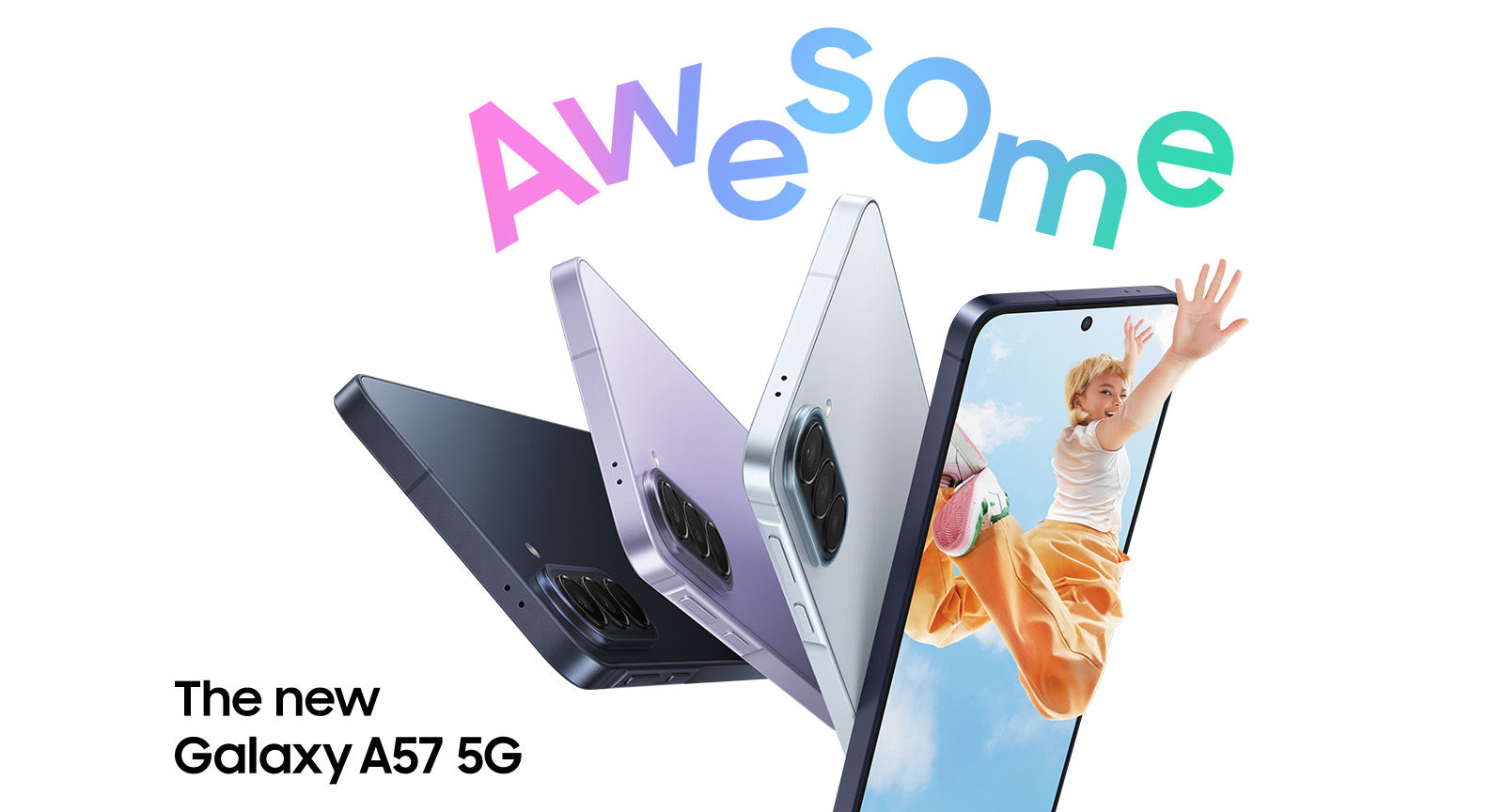
Samsung Galaxy A57 For buyers seeking affordability without sacrificing usability, this is a strong option. It offers a large, clear display, dependable battery life, and essential safety features like emergency SOS and location sharing. While it lacks premium refinements, it remains a reliable and approachable device for everyday use.
Please Note: When you buy something using the links in our articles, we may earn a small commission at no cost to you.
Common Mistakes to Avoid
Ignoring Simplicity in Favor of Features
Feature-heavy phones often create cluttered and confusing experiences. Simpler interfaces are easier to navigate and remain usable over time.
Overvaluing Specifications Over Experience
High-end specifications do not guarantee better performance in real-world use. Optimization and consistency matter far more than raw numbers.
Overlooking Health and Safety Features
Emergency and health-related capabilities are often underestimated. These features provide real, practical benefits and should be a key consideration.
Choosing Older Models to Save Money
Older devices may seem cost-effective but often lack modern safety features and long-term software support. Newer models provide better reliability and longevity.
Final Verdict
For most users, the Samsung Galaxy S26 is the best overall choice, offering a strong balance of simplicity, performance, and health ecosystem integration.
Choose Apple iPhone 17 if you want the most seamless health and safety system
Choose Google Pixel 10 for the best Android safety experience with clean usability
Choose OnePlus 15 for battery life and consistent performance
Choose Samsung Galaxy A57 for practical value
The key takeaway is clear: in 2026, a smartphone is not just a device, it’s a personal safety and reliability system. The best choice is one that feels effortless, dependable, and reassuring every single day.
Disclaimer: Recommendations are based on general usage and available information. Features, pricing, and availability may vary by region and updates. Verify details before purchase.
Vivo has quietly added a new model to its Y-series lineup, and this one seems built around a simple idea. Long battery life, decent performance, and a design that can take a bit of rough use.
The Y6 5G runs on the 4nm Snapdragon 4 Gen 2, which we have already seen in similar mid-range devices. It is not trying to be a performance powerhouse, but it should handle everyday things like scrolling, messaging, and streaming just fine. The phone itself is 8.39mm thick and weighs about 219 grams. You will probably feel the weight, but that is kind of expected with a battery this big.
On the front, there is a 6.57-inch LCD panel with a 120Hz refresh rate. Resolution is on the lower side at 1570 x 720, but the peak brightness goes up to 1,200 nits, so visibility outdoors should not be an issue. Going with an HD+ panel instead of FHD+ is likely a deliberate choice to ensure smoothness without putting too much strain on the Adreno 613 GPU of the lower mid-range chip.
Cameras are fairly straightforward. A 50MP main sensor handles most of the work, while an 8MP front camera takes care of selfies and video calls. A “breathing light” is added to the camera island, serving as both a notification indicator and a subtle design element.
The real highlight, though, is the 7,200mAh battery. It should easily last through a full day, maybe more, depending on usage. It supports 44W charging, so it is not too slow to top up either. There is a side-mounted fingerprint scanner, an IR blaster, and even IP68 and IP69 ratings for ingress protection.
The phone runs OriginOS 6 based on Android 16. Vivo has not said much about long-term updates yet, so that part is still a bit unclear.
Pricing and availability:
The Vivo Y6 5G has been launched in China and is already listed for sale on the official Vivo China website, but it is currently unclear if or when it will be released outside of China.
12GB+256GB: CNY 2199 (equivalent to € 275) 8GB+256GB: CNY 1999 (equivalent to € 250) 8GB+128GB: CNY 1799 (equivalent to € 225)
A new leak suggests Redmi is working on multiple smartphones with 10,000mAh batteries. The information comes from tipster Digital Chat Station, who claims Redmi currently has three different phones in testing with batteries of this size.
While that number might sound extreme, it’s no longer unprecedented. Devices like the Honor Power 2 and Realme P4 Power already have cells this big.
What is changing is how comfortable brands seem to be with the idea. More companies are starting to treat ultra-large batteries as a viable selling point for new phones. Vivo has already teased its first entry, the Vivo Y600 Pro, and its sub-brand iQOO is reportedly working on one as well.
For Redmi, one of the rumored devices is said to belong to the Redmi Note 17 series, likely the Redmi Note 17 Pro Max.
The global model might feature a smaller cell
However, a recent report claims the global version of the Redmi Note 17 Pro Max may feature a slightly smaller 9,210mAh battery, possibly to comply with EU safety regulations. The handset is still expected to support 100W fast charging. This would be necessary to make a battery of this size practical for daily use.
The same model is also said to feature a 200-megapixel Samsung HP5 primary camera and an 8-megapixel OmniVision OV8F10 ultra-wide sensor. For selfies, it is expected to include a 32-megapixel Samsung S5KKDS front-facing camera.
Honor Power 2 Battery Size
Other hardware details include a metal frame, an optical in-display fingerprint sensor, and a 1.5K LTPS display with a high refresh rate.
The devices are still in testing, so nothing is confirmed yet. But taken together with what we’re already seeing from brands like Honor and Realme, it’s clear that 10,000mAh is no longer an outlier; it’s becoming part of the conversation.
For more daily updates, please visit our News Section.
We use cookies on our website to give you the most relevant experience by remembering your preferences and repeat visits. By clicking “Accept”, you consent to the use of ALL the cookies.
This website uses cookies to improve your experience while you navigate through the website. Out of these, the cookies that are categorized as necessary are stored on your browser as they are essential for the working of basic functionalities of the website. We also use third-party cookies that help us analyze and understand how you use this website. These cookies will be stored in your browser only with your consent. You also have the option to opt-out of these cookies. But opting out of some of these cookies may affect your browsing experience.
Necessary cookies are absolutely essential for the website to function properly. This category only includes cookies that ensures basic functionalities and security features of the website. These cookies do not store any personal information.
Any cookies that may not be particularly necessary for the website to function and is used specifically to collect user personal data via analytics, ads, other embedded contents are termed as non-necessary cookies. It is mandatory to procure user consent prior to running these cookies on your website.