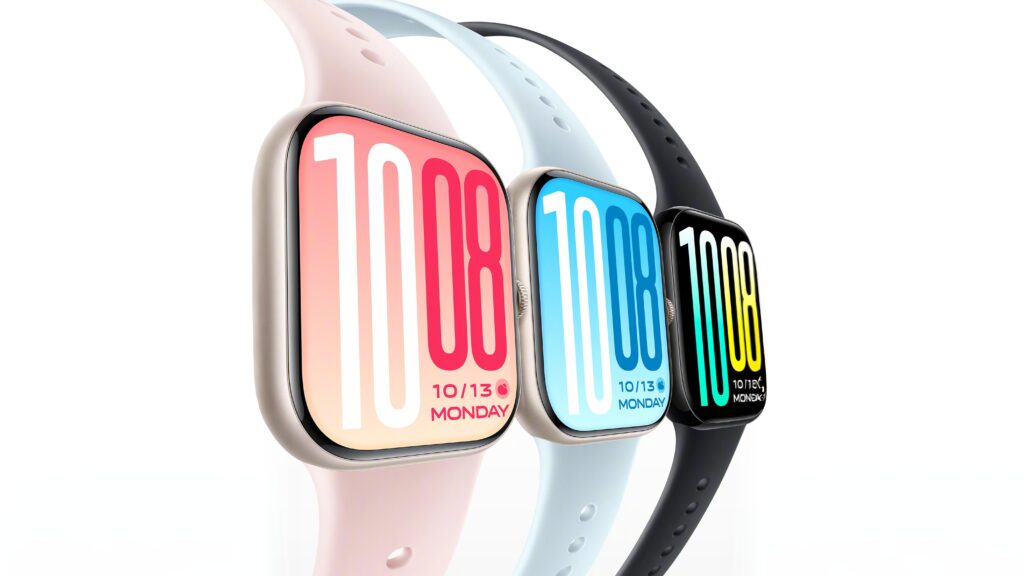
Vivo has officially revealed the design of its upcoming smartwatch and true wireless earbuds. The company confirmed that the Vivo Watch GT 2 and TWS 5 earbuds will launch alongside the Vivo X300 series and Pad 5e tablet on October 13 at 7 PM (China time).
The Watch GT 2 features a high-brightness display with ultra-narrow bezels. It supports one-tap photo watch faces and offers up to 33 days of Bluetooth standby. Vivo will offer the smartwatch in two case finishes and three strap colors.
Vivo also confirmed that the TWS 5 earbuds will be introduced at the same event. The earbuds support “Deep Sea Smart Noise Cancellation” technology, which allows up to 60dB noise reduction. The TWS 5 can switch between three devices across different ecosystems and comes in white, purple, and blue color options. The earbuds feature an in-ear design with sharper contours compared to the previous TWS Air 3 series.
The product listing also mentions a Hi-Fi variant of the TWS 5. Vivo has not shared additional specifications for this version yet. Pre-orders for both TWS 5 earbuds and Watch GT 2 are already live across major Chinese e-commerce platforms.
Vivo will also unveil its next-generation flagship smartphones, the Vivo X300 and X300 Pro, at the same launch event. Both models feature a minimalist circular camera module, “suspended water droplet” rear design, and a sculpted glass finish. The X300 Pro will include a Zeiss-branded 200MP APO super telephoto lens with 85mm focal length. The standard model also features a 200MP Zeiss camera.
Both phones support advanced optical stabilization, use MediaTek’s Dimensity 9500 chip, and run on OriginOS 6. Vivo also confirmed support for its Blueprint V3+ imaging platform and the use of BOE’s Q10 Plus OLED display panel.
The launch event will mark Vivo’s biggest hardware update of the year. The company plans to position the X300 series as its annual “imaging flagship” alongside new wearable and audio devices.
For more daily updates, please visit our News Section.
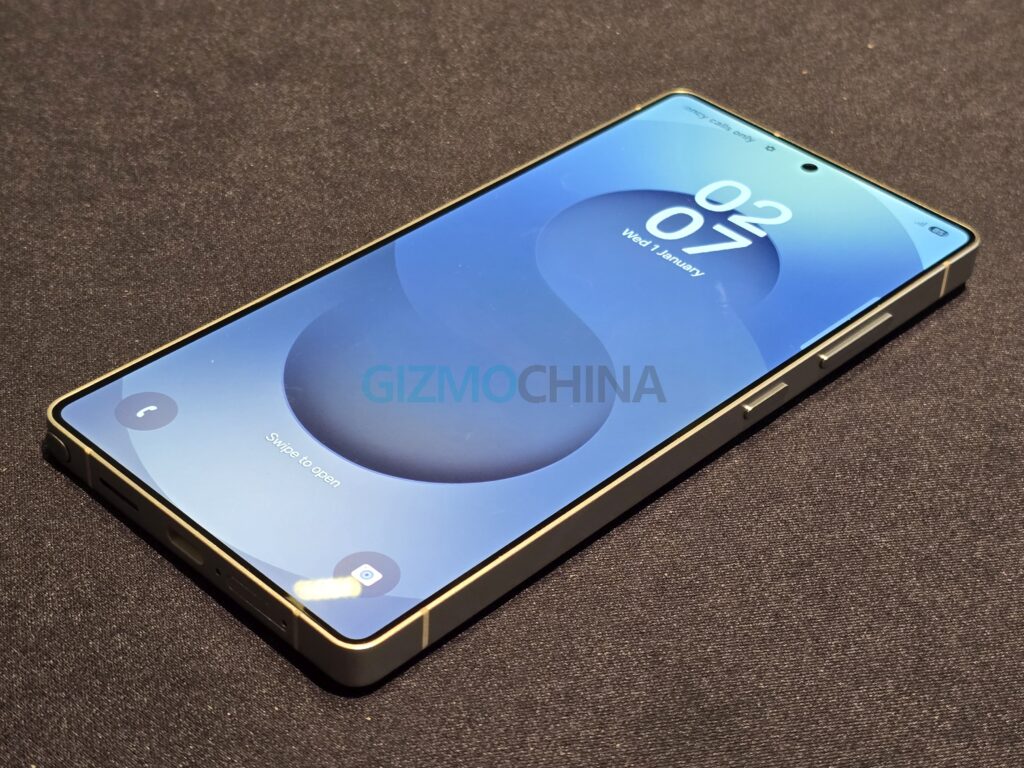
Samsung may be preparing one of its biggest display overhauls yet for the upcoming Galaxy S26 Ultra, according to a new report from ET News. The top-end model in the 2026 lineup is expected to debut with new OLED technology that promises higher brightness, better efficiency, and slimmer panels—though these upgrades may not reach every model in the series.
Galaxy S25 Ultra
The S26 Ultra will reportedly use Samsung Display’s M14 material set paired with CoE (Color filter on encapsulation) technology. Together, these changes could push brightness beyond 2,600 nits, or deliver the same brightness with lower power consumption.
Unlike current M13-based panels, which use polarizers that add thickness and increase energy use, CoE builds the color filter directly into the OLED encapsulation layer. A new “Black Pixel Define Layer” further reduces reflections, improving contrast. The M14 upgrade also reportedly introduces Deuterium hosts across all red, green, and blue emitters, improving efficiency and extending panel lifespan.
Interestingly, Apple’s iPhone 17 series is also rumored to use M14, but Samsung’s addition of CoE could give its Ultra model a clear edge. There’s also talk of extra features like a “Private Display” mode, limiting viewing angles to protect on-screen content from prying eyes.
However, the report suggests that only the S26 Ultra will get these upgrades. The Galaxy S26 Pro and S26 Edge are expected to stick with M13 panels, continuing Samsung’s trend of reserving its most advanced tech for the Ultra tier.
Samsung hasn’t confirmed these details, but if accurate, the Galaxy S26 Ultra could set a new standard for flagship displays when it launches in early 2026.
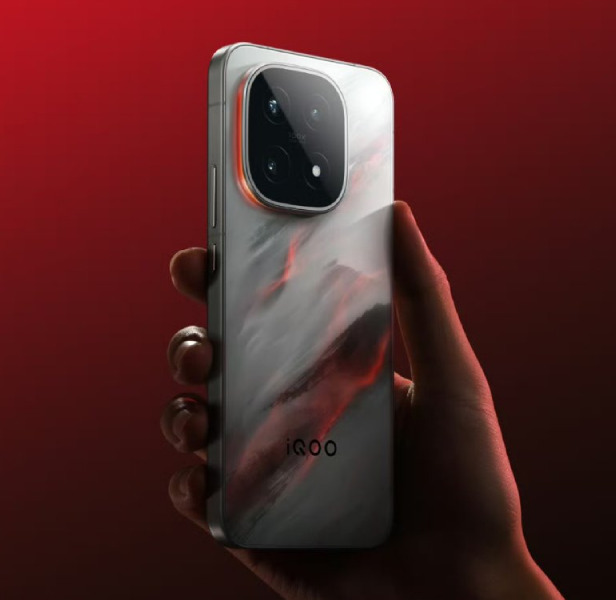
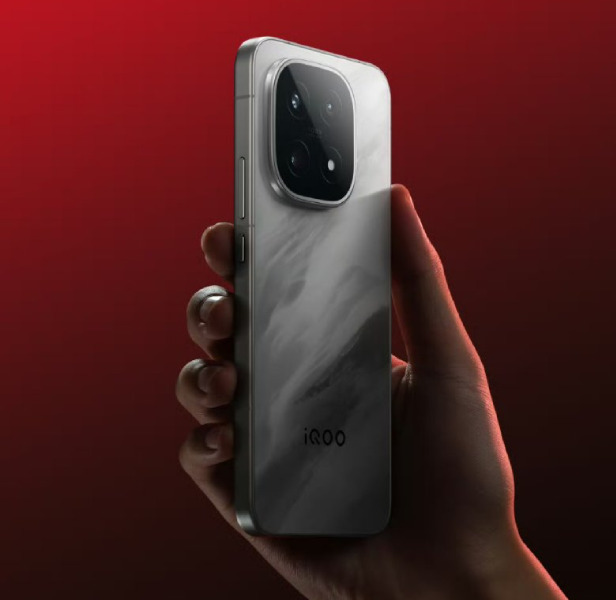
iQOO has officially shared the first look at its upcoming flagship, the iQOO 15. The company had already teased a flashy RGB lighting setup for the device, but now we know that the back panel itself can change color depending on how light hits it.
The iQOO 15 is expected to debut in China soon, alongside a lineup of new products including the iQOO Pad 5e, iQOO Watch GT 2, and iQOO TWS 5 earbuds.
While the company hasn’t confirmed an exact launch date, pre-reservations have already opened in China, so an official announcement isn’t far away.
On the back, the phone carries a square-shaped camera island housing three sensors and an LED flash. There’s also a text that reads “100x Tele lens,” confirming a telephoto unit on the rear. It will be joined by a 50MP wide and a 50MP ultrawide lens.
What’s been revealed so far
Under the hood, iQOO 15 features a Snapdragon 8 Elite Gen 5 chipset — as confirmed by Geekbench — paired with up to 16GB of RAM. It will also have iQOO’s dedicated Q3 gaming chip. Perhaps just as notable, the iQOO 15 will be among the first smartphones to ship with Android 16-based OriginOS 6 out of the box.
Other hardware details have also surfaced on the web. According to previous reports, the phone will come equipped with a 6.8-inch Samsung AMOLED display that supports a 2K resolution.
Keeping all things powered will be a 7,000mAh battery with 100W wired and wireless charging support. And last but not least, iQOO 15 is expected to have an ultrasonic in-display fingerprint reader and an 8K vapor chamber cooling system.
For more daily updates, please visit our News Section.
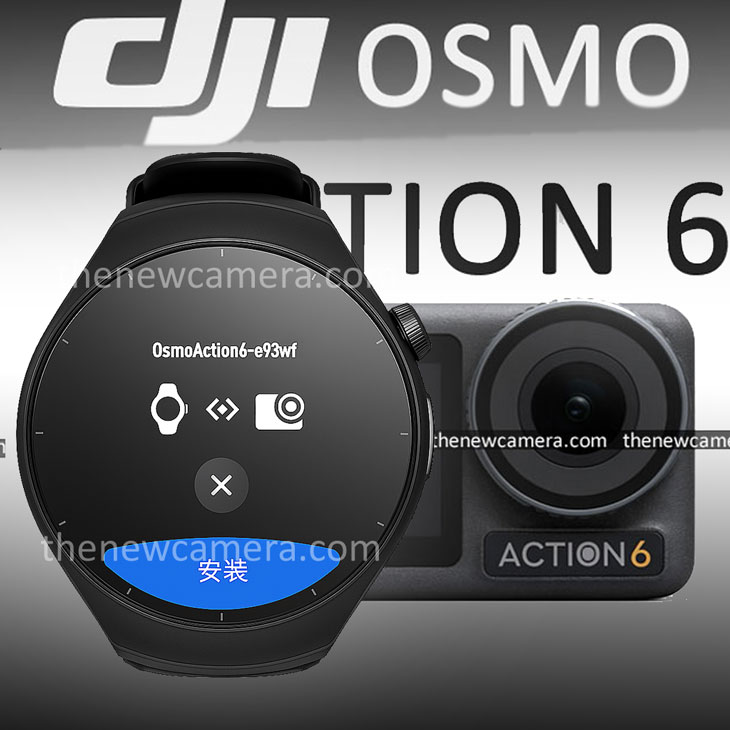
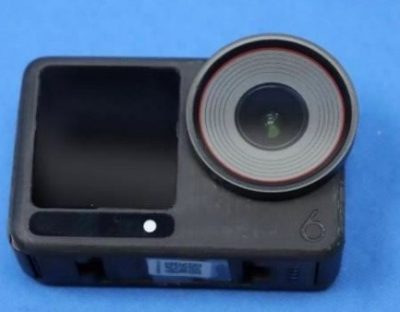
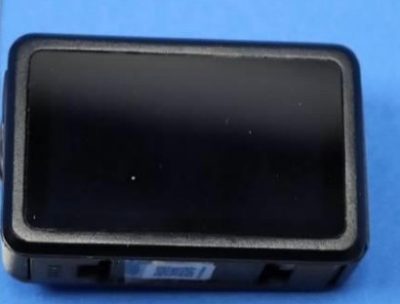
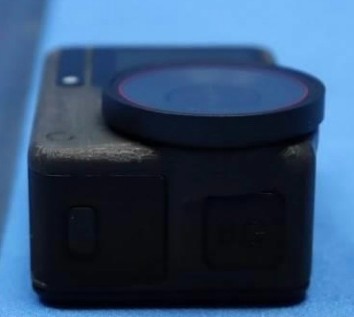
DJI looks set to shake up the action camera market once again with the upcoming Osmo Action 6, and leaked images are giving us an early look at what to expect. The photos show the new model working alongside a smartwatch—a move that could make controlling the camera far easier for creators.
The Osmo Action 6 is expected to launch in mid-October 2025, with pre-orders opening soon after and deliveries following before November. While still unofficial, the leaks point to some big upgrades over the Action 5 Pro. The headline change is a 1-inch CMOS sensor, up from the 1/1.3-inch unit in the previous generation. This should improve low-light shooting and overall detail.
On the video front, DJI is reportedly adding 8K recording at 30fps, along with 5.3K at 60fps, 4K at 120fps, and 1080p slow motion at 240fps. A 10-bit D-Log M color profile promises more flexibility in post-production, while a new version of RockSteady stabilization—now boosted by AI—should help keep footage steady, even during intense movement.
But the standout feature is the smartwatch integration. Users will be able to pair the Action 6 with Apple Watch or Garmin devices over Bluetooth 5.1 to start or stop recording, switch shooting modes, and even overlay live data like heart rate, GPS, or altitude directly onto video. Garmin watches could add extra training metrics such as cadence or dive tracking, making the setup appealing to serious athletes.
Other details in the leak include 47–64GB internal storage, microSD expansion, Wi-Fi 6 support, and USB-C with potential DisplayPort output. A 1,950mAh battery is said to deliver over four hours of 4K recording, and the camera remains waterproof to around 20 meters without a case.
Pricing is tipped to start at $329–$429 for the Standard Combo, while the Adventure Combo with extra batteries and mounts may land between $479–$579. If accurate, DJI could be positioning the Osmo Action 6 as both a GoPro rival and a tool for fitness enthusiasts who want wearable integration alongside pro-level video.
The stable rollout of One UI 8 kicked off last week, starting with the Galaxy S25 series, and according to the official timeline, no other Galaxy device was scheduled to receive the update today. However, it turns out that Samsung is running ahead of its schedule, as the stable update is already rolling out for many Galaxy smartphones, including a mid-range model.
Here’s a list of Galaxy devices that received the stable One UI 8 update today:
Galaxy Z Fold 6
Galaxy Z Flip 6
Galaxy Z Fold SE (Special Edition)
Galaxy S24
Galaxy S24+
Galaxy S24 Ultra
Galaxy S24 FE
Galaxy A56
Samsung did a remarkable job today with the One UI 8 rollout. The devices on the list above were scheduled to receive the update later this week, but it has already started rolling out.
As of writing this post, the One UI 8 update for these devices has been spotted in South Korea. However, based on past rollouts, we’re fairly confident that it will expand to other regions shortly.
If you have a Samsung phone that’s on the list, you might want to manually check for updates by navigating to Settings > Software update > Download and install and hitting the Download and install option. Since it’s a big upgrade, the update size will be a few gigabytes. You should connect to a Wi-Fi network, and ensure that the device has sufficient storage and battery before hitting the Install now button.
The One UI 8 stable rollout is now in full swing, but Samsung, on the other hand, has already started testing its next iteration, One UI 8.5, on several Galaxy devices. The internal test build for the Galaxy S25 Ultra was recently spotted on the server. Samsung will likely debut One UI 8.5 early next year with the Galaxy S26 series.
You can regularly visit our One UI section for the latest news and updates. Also, don’t forget to join us on Telegram to stay on top of the latest happenings in tech.
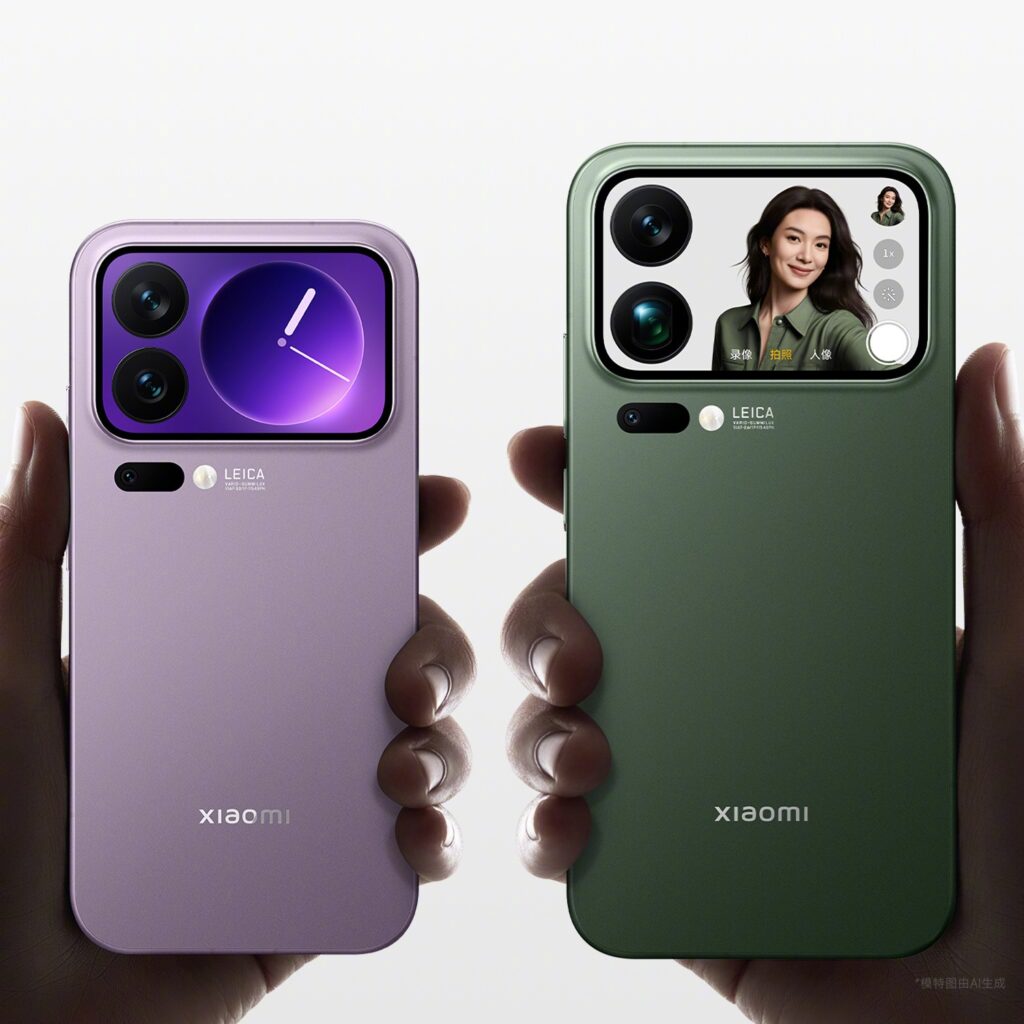
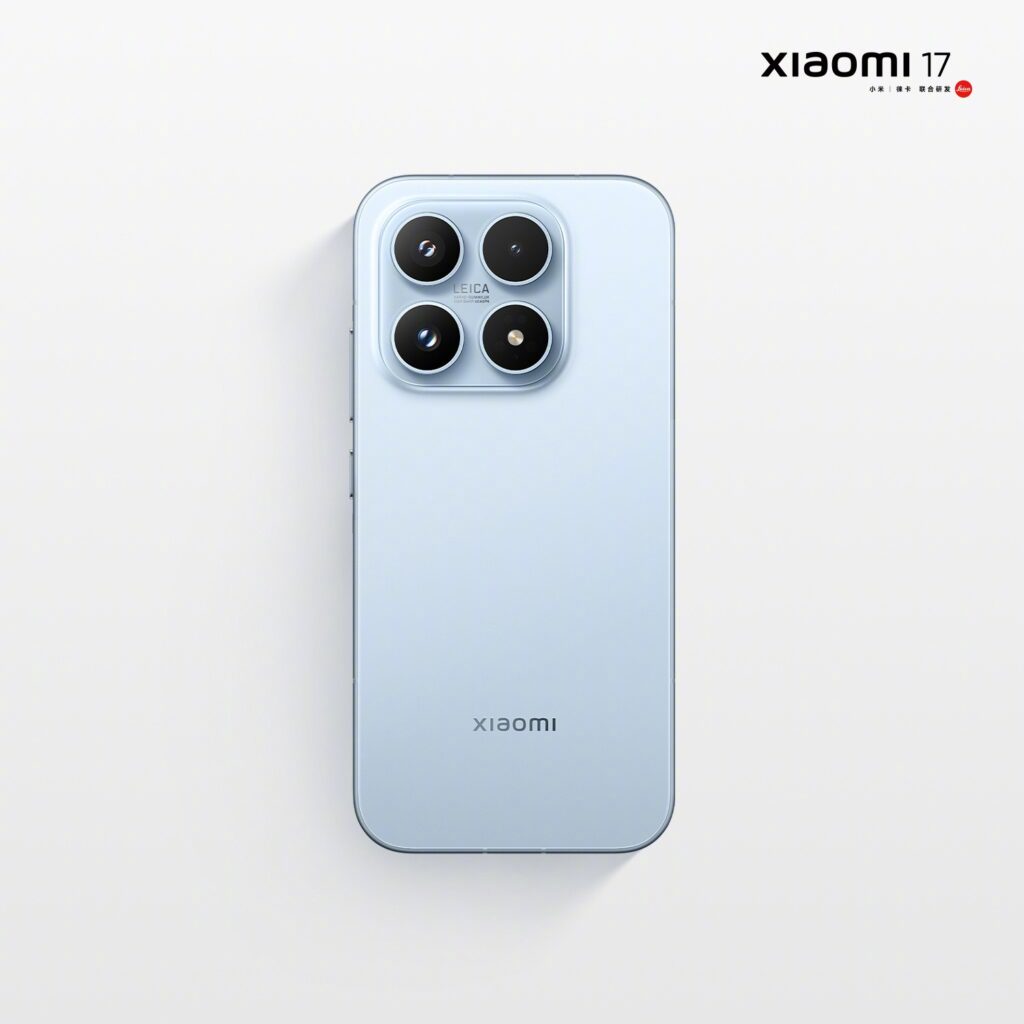
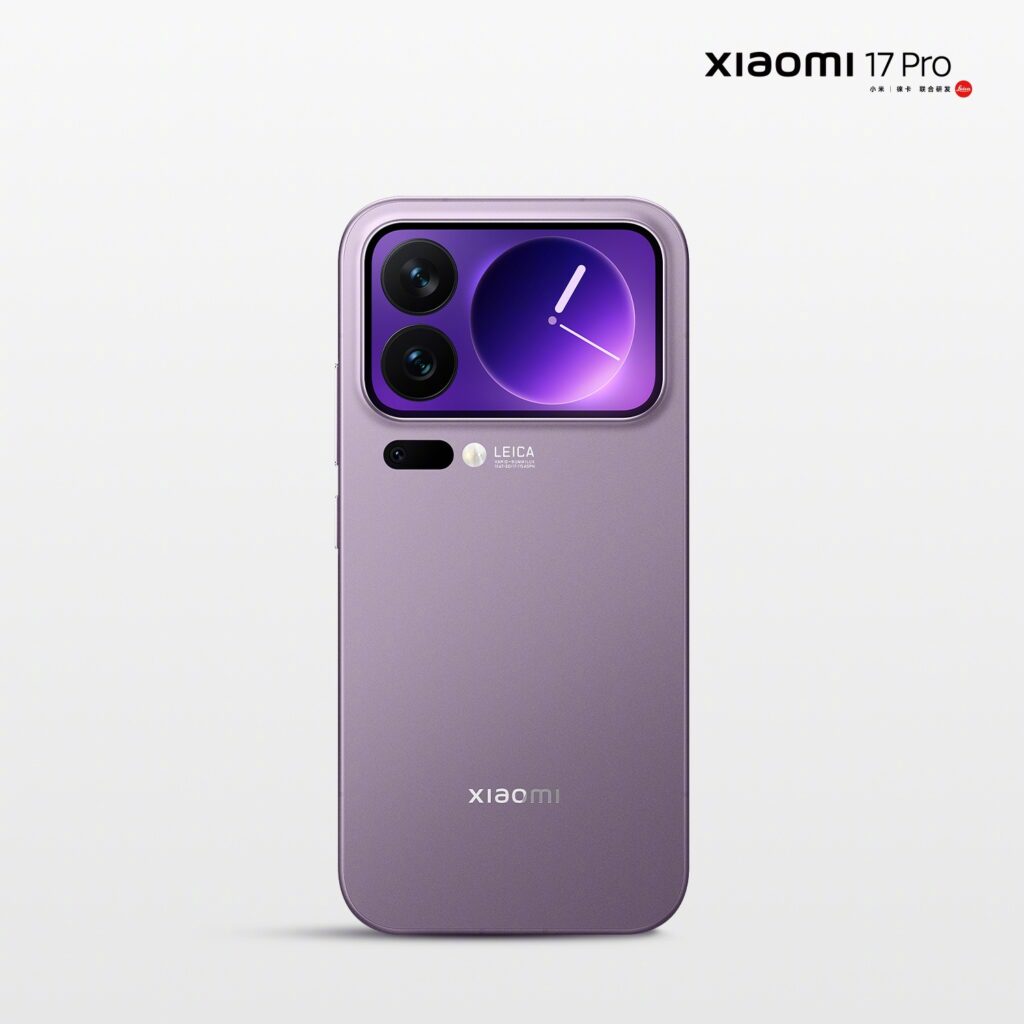
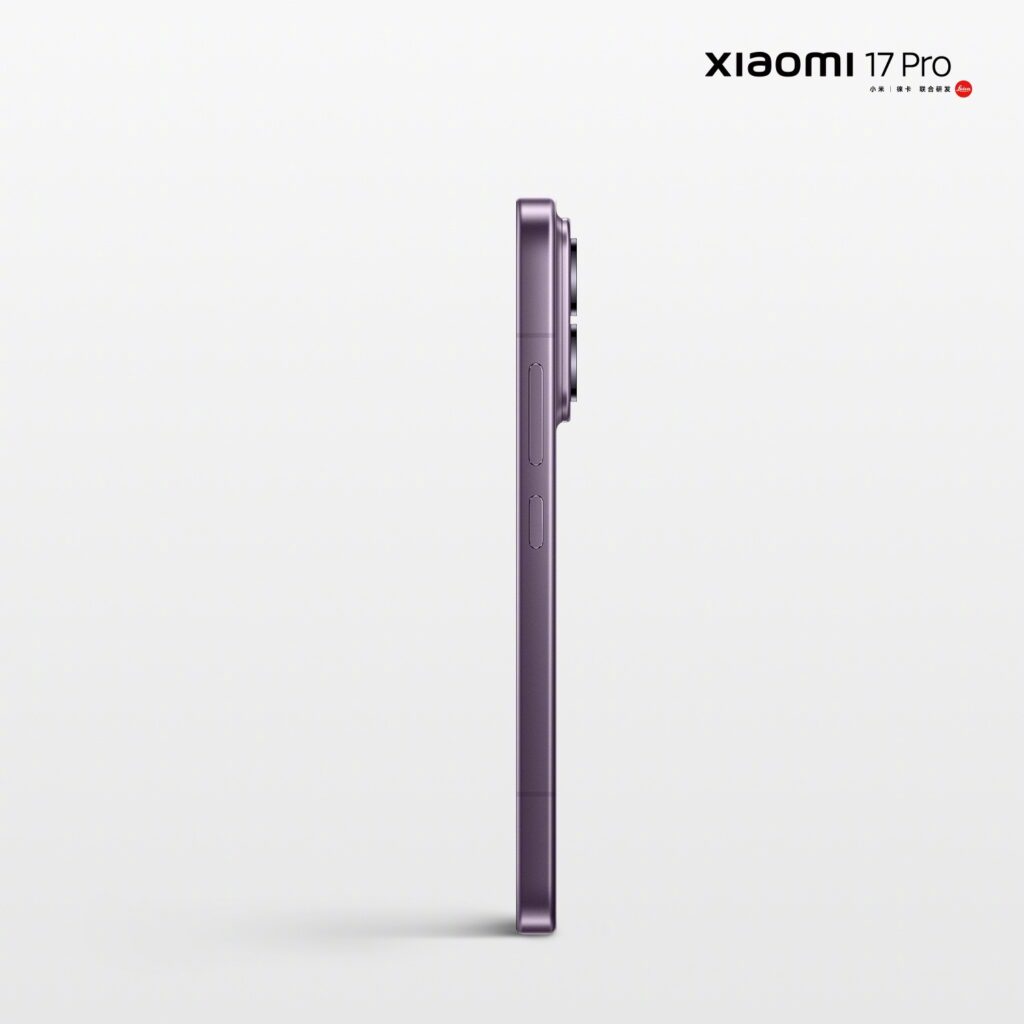
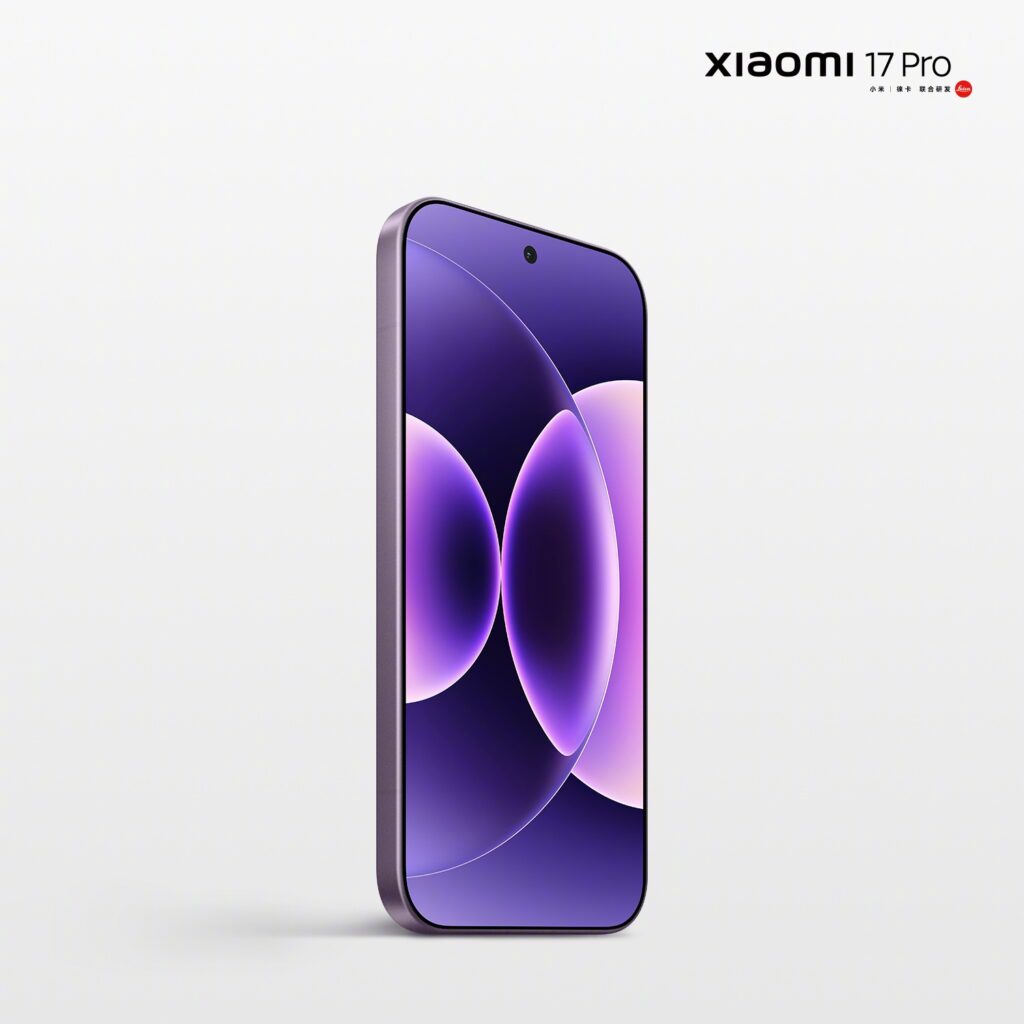
Xiaomi has released the official images of its upcoming Xiaomi 17 series, giving a clear look at the design of its next flagship phones before their launch on September 25 in China. The lineup skips the “16” branding, moving straight from the Xiaomi 15 to align with Apple’s iPhone 17 series.
Xiaomi 17 Pro (left) vs Xiaomi 17 Pro Max (right)
All models will be powered by Qualcomm’s new Snapdragon 8 Elite Gen 5, which is expected to bring performance and AI improvements. The official photos showcase the Xiaomi 17, 17 Pro, and 17 Pro Max in several colors and highlight design tweaks across the lineup.
Xiaomi 17Xiaomi 17Xiaomi 17
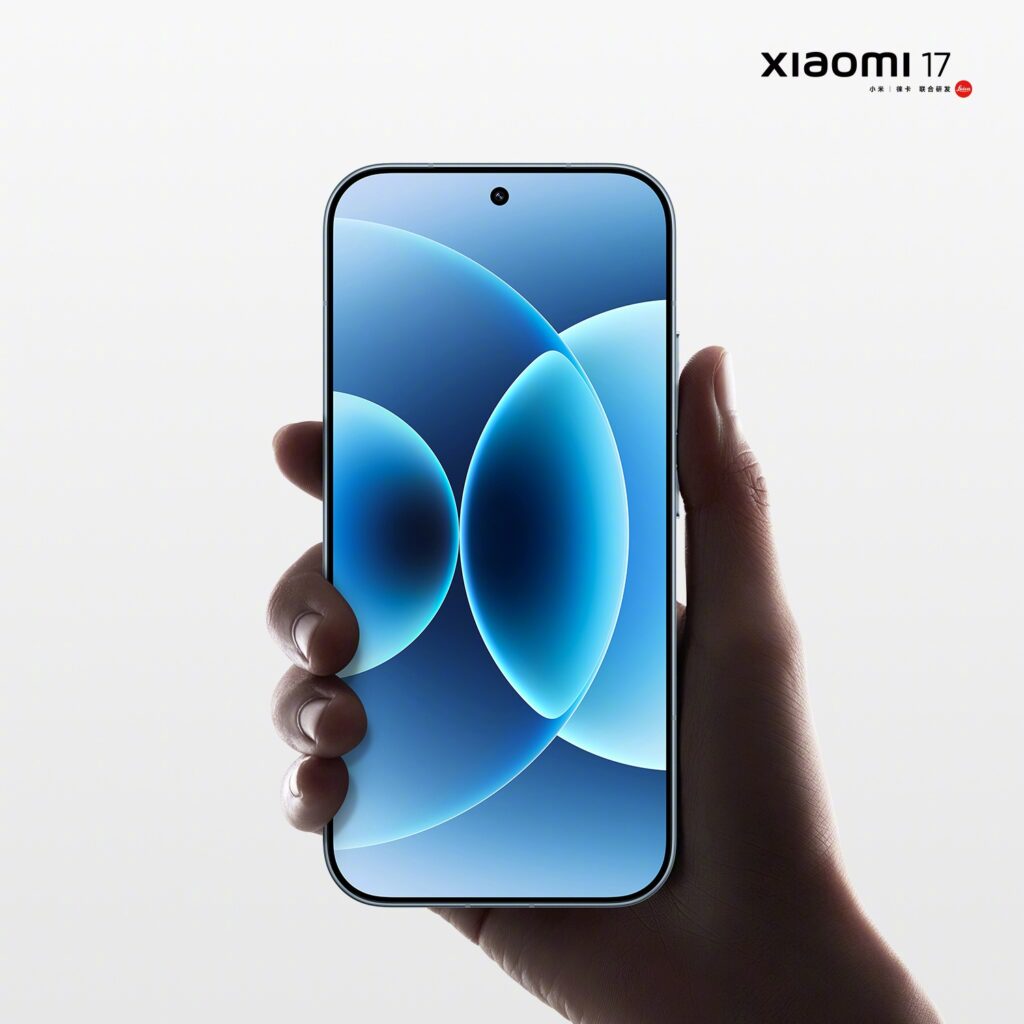
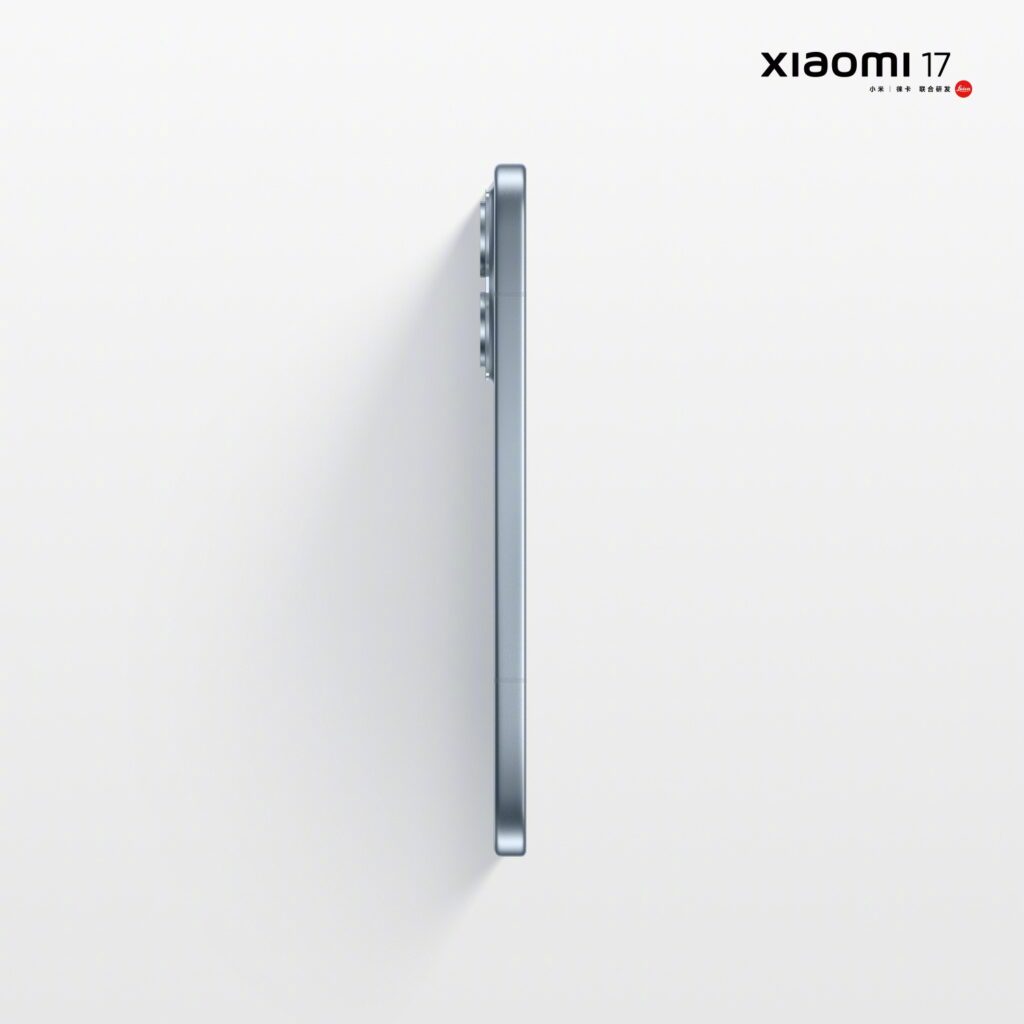
The standard Xiaomi 17 is shown in white and sky blue. Unlike the Pro models, it doesn’t feature a secondary display on the back. Instead, it introduces a redesigned camera island with a softer, rounded square shape compared to the Xiaomi 15. The individual camera modules now protrude slightly, similar to recent iPhones. The overall design also adopts more rounded corners than before.
Xiaomi says the phone will use a 6.3-inch flat display with ultra-slim 1.18mm bezels and a 19.6:9 aspect ratio. At 191 grams, it’s designed to stay lightweight and comfortable.
Xiaomi 17 ProXiaomi 17 ProXiaomi 17 Pro
The 17 Pro is shown in “Cold Smoke Purple,” while the Pro Max comes in “Forest Green.” Interestingly, both Pro models feature completely flat displays, a departure from last year’s micro-quad curved design. Their corners have also been updated to match the base model.
On the back, the Pro and Pro Max integrate the secondary “Magic Back Screen” into the camera module. Two of the lenses protrude slightly, while the third sits flush with the back panel. Xiaomi says this extra display can be used for notifications, selfie previews, clocks, and more. Overall, the design changes are quite significant, and we’ll share our impressions once we get hands-on time.
The images also point to Xiaomi’s continued collaboration with Leica on camera tuning. More details on battery sizes, HyperOS 3 software, and international release plans are expected as the launch approaches
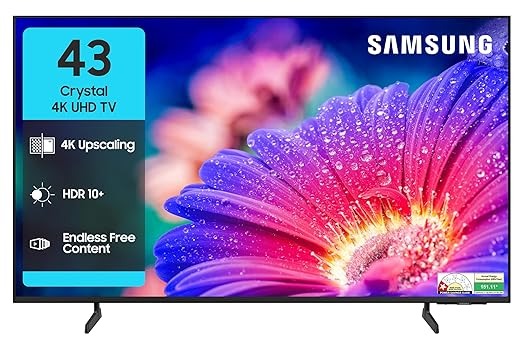
Amazon has kick-started its annual Amazon Great Indian Festival campaign. The savvy shoppers have already started bagging premium electronics at unbeatable prices. Adding to this excitement, we have found a deal on a Samsung 108 cm (43 inches) Crystal 4K VISTA Ultra HD Smart LED TV now at an irresistible price of ₹19,990. A significant dip from its MRP of ₹55,900!
The offer price listed on Amazon says ₹23,990, but the real deal is when coupled with the SBI Credit Card, where you can get an instant discount of ₹1,500. Making the effective price to just ₹22,490!
Additional Benefits
Festival perks sweeten the deal more. No-cost EMI up to ₹1,359/month on select ICICI cards, up to ₹4,000 off on SBI cards as said earlier. And ₹1,199 cashback on Amazon Pay.. Extended warranty options start at ₹305 for one year.
So basically, this deal isn’t just about savings; it’s a gateway to cinematic home entertainment without breaking the bank.
Please Note: When you buy something using the links in our articles, we may earn a small commission at no cost to you.
Samsung Crystal 4K Vista Quick Specifications
Why should you consider this TV? It’s nothing but due to the feature that it has up its sleeves. At its core is Samsung’s renowned Crystal Processor 4K, which upscales non-4K content to near-UHD. The 43-inch display supports HDR10+ for dynamic contrast and lifelike visuals, perfect for binge-watching series on Netflix or Disney+ Hotstar.
With PurColor technology, Samsung promises to bring the best-in-class color accuracy to the display. Smart features elevate the experience further. Powered by Tizen OS, it offers seamless access to endless free content via built-in apps, Bixby, and compatibility with Alexa and Google Assistant. Coming out to connectivity, it has built-in WiFi, and multiple HDMI/USB ports make it easy to interface with gaming consoles like PS5 or Xbox.
Users praise its value-for-money picture quality and user-friendly interface, though some note average sound output pair it with a soundbar for full effect. Finally, at this price, the Samsung Crystal 4K VISTA seems to be a deal that’s never been seen before. Grab it as soon as possible, as owing to huge demand, the stock may be out at any time!
You can check out all the deals that include phones and smartwatches in our deals section.
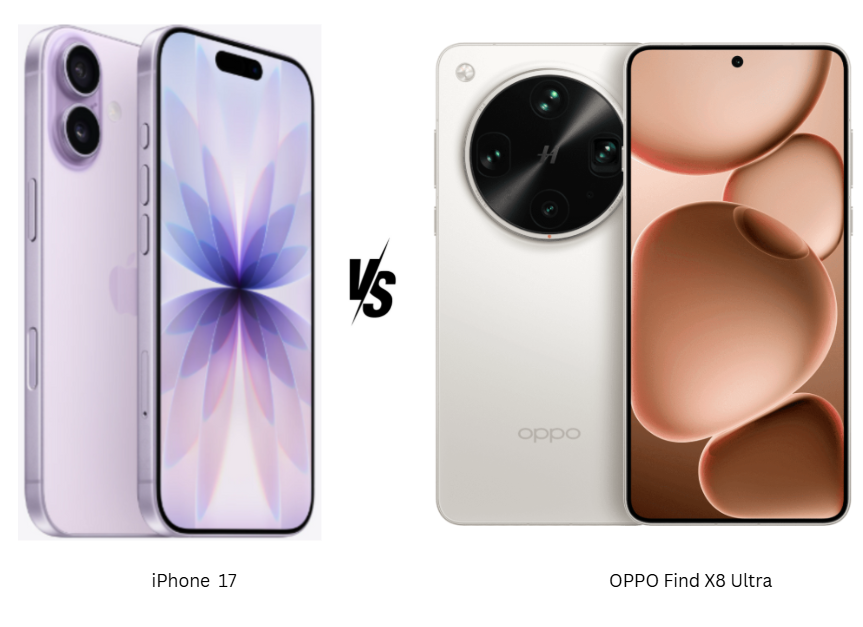
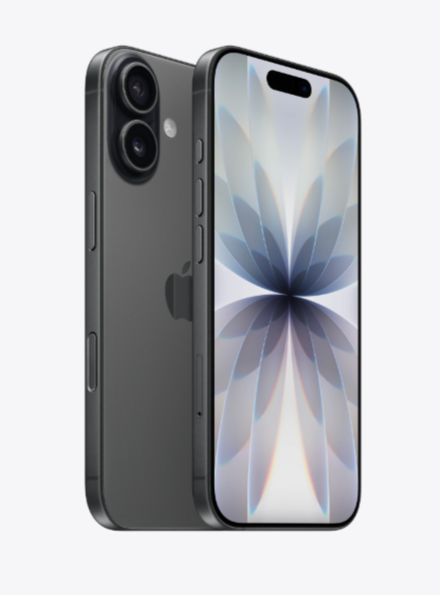
iPhone 17 and Oppo Find X8 Ultra represent two different philosophies of smartphone design: Apple’s compact, refined premium flagship and Oppo’s feature-packed ultra flagship. This comparison is important because buyers looking for the best mix of design, performance, camera, and battery will find that these two phones set the standard for 2025 in very different ways.
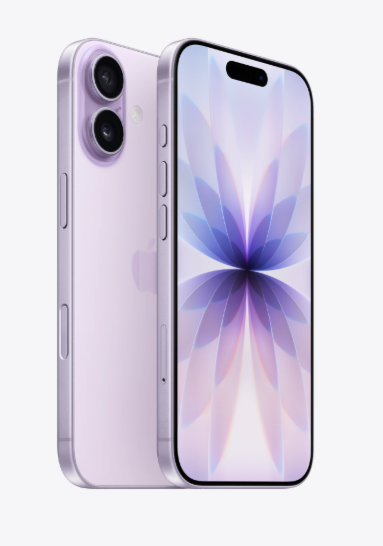
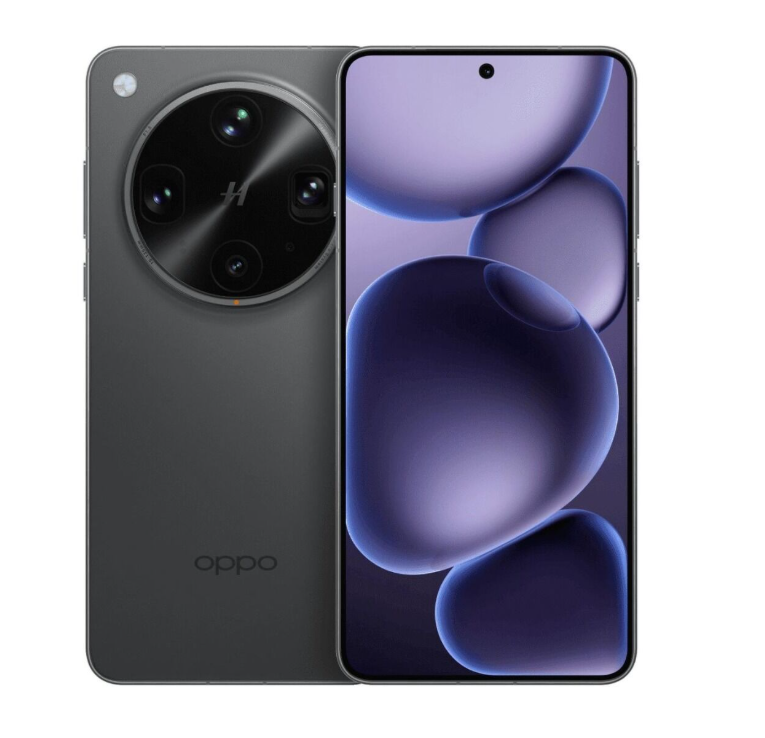
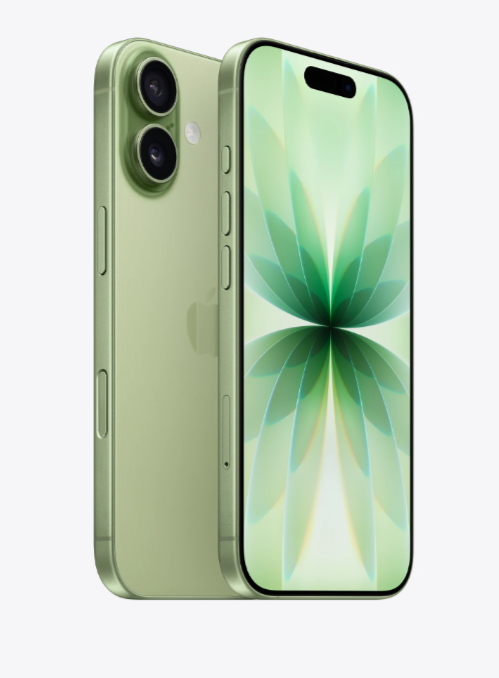
The iPhone 17 uses a premium glass and aluminum build with Ceramic Shield 2 protection, making it durable yet light in hand. Its slim design appeals to users who prefer compact phones. The Oppo Find X8 Ultra, on the other hand, has a larger, more robust build with Gorilla Glass protection and higher water resistance ratings (IP68/IP69), which makes it tougher in extreme conditions. The iPhone feels more elegant and pocket-friendly, while the Oppo emphasizes rugged strength.
Verdict: For everyday sleekness, the iPhone 17 is better, but the Oppo Find X8 Ultra offers superior toughness for demanding environments.
Display Quality
Apple’s 6.3-inch LTPO Super Retina XDR OLED delivers up to 3000 nits peak brightness, ensuring unmatched outdoor visibility. Its color calibration is extremely precise, making it ideal for media and professional use. Oppo counters with a larger 6.82-inch LTPO AMOLED with higher resolution (1440p) and ultra-smooth 2160Hz PWM dimming, which reduces eye strain. It also supports HDR Vivid, HDR10+, and Dolby Vision for a cinematic viewing experience.
Verdict: The Oppo Find X8 Ultra wins in screen size, resolution, and advanced HDR support, but the iPhone 17 edges ahead in brightness and color accuracy.
2. Specifications
OPPO Find X8 Ultra
Performance
The iPhone 17 runs on Apple’s A19 chip built on 3nm technology, optimized with iOS 26 for maximum efficiency and stability. Its single-core strength and software integration make it unbeatable for raw speed and long-term updates. The Oppo Find X8 Ultra features the Snapdragon 8 Elite with Oryon cores and Adreno 830 GPU, which excels in graphics-heavy tasks and multitasking due to higher RAM options (up to 16GB).
Verdict: The iPhone 17 is stronger in sustained performance and software longevity, while the Oppo Find X8 Ultra provides better multitasking and gaming power.
Battery and Charging
The iPhone 17 has a modest 3692 mAh battery but relies on Apple’s optimization, offering solid endurance. Charging is decent with 50% in 20 minutes via PD3.2 and 25W wireless MagSafe. Oppo counters with a massive 6100 mAh cell, 100W wired charging, and 50W wireless support. It also supports reverse wireless charging, making it much more versatile.
Verdict: The Oppo Find X8 Ultra is far superior in raw battery life and charging speed, catering to heavy users who prioritize endurance and flexibility.
3. Camera
iPhone 17
Main and Secondary Lenses
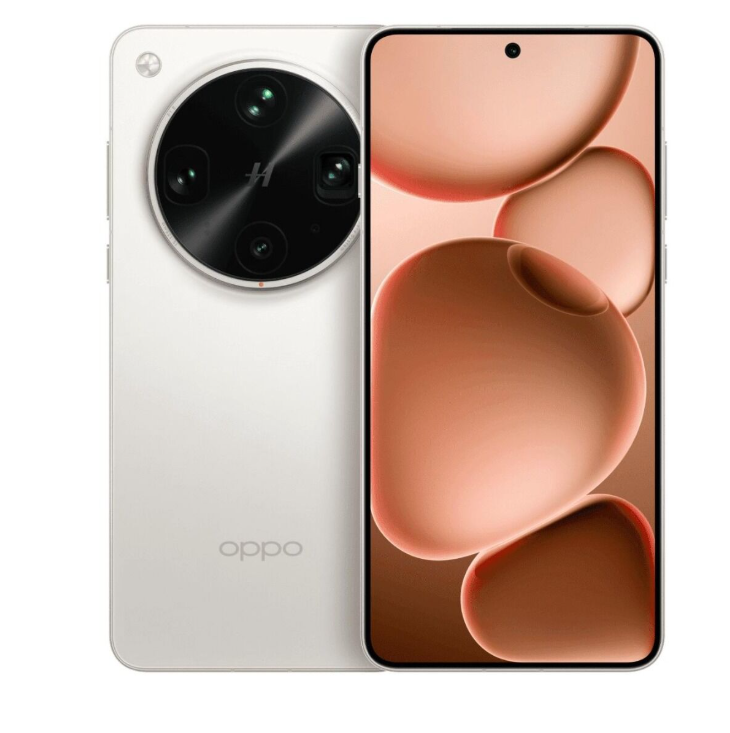
Apple uses a dual 48MP system with wide and ultrawide lenses, delivering high-quality photos supported by sensor-shift OIS and Dolby Vision HDR video. While excellent for consistency, it lacks zoom versatility. Oppo equips the Find X8 Ultra with a quad-camera setup, including two periscope telephotos (3x and 6x optical zoom) alongside a 1-inch primary sensor and ultrawide. With Hasselblad tuning, laser AF, and advanced HDR, it covers all focal ranges for professional-level versatility.
Verdict: Oppo Find X8 Ultra clearly outshines with zoom capabilities, larger sensor, and advanced camera hardware, though the iPhone 17 remains excellent for casual shooters who prefer simplicity.
Selfie Camera
The iPhone 17 features an 18MP sensor with OIS, PDAF, and SL 3D biometrics, offering sharp photos and secure Face ID. It also supports Dolby Vision video with spatial audio for premium vlogging. The Oppo Find X8 Ultra uses a higher-resolution 32MP selfie camera with PDAF and 4K video recording, but lacks advanced biometric depth sensing.
Verdict: The iPhone 17 is better for secure facial recognition and video quality, while Oppo delivers sharper selfies with higher resolution.
4. Pricing
iPhone 17
The iPhone 17 starts at around $800, making it more affordable while still offering a strong premium experience. The Oppo Find X8 Ultra costs about $1000, reflecting its larger battery, more advanced camera system, and higher storage/RAM options.
Verdict: The iPhone 17 offers better value for users who want a premium flagship at a lower cost, while the Oppo Find X8 Ultra justifies its higher price with superior hardware.
Disclaimer: Prices are approximate and may vary based on country, region, and applicable taxes.
5. Conclusion
Oppo Find X8 Ultra
The iPhone 17 stands out with its compact size, unmatched brightness, Face ID with 3D biometrics, and tight iOS ecosystem with satellite messaging support. The Oppo Find X8 Ultra shines with its massive battery, dual periscope zoom lenses, advanced HDR display, and optional satellite calling.
Verdict
For those who want a balanced flagship with smooth software, strong performance, and reliable updates, the iPhone 17 is the better choice. For users who prioritize photography versatility, long-lasting battery, and cutting-edge hardware features, the Oppo Find X8 Ultra is the clear winner.
Thunderobot has launched a new gaming monitor, the DQ27F500E, featuring a 26.5-inch QD-OLED panel with a 2K resolution and a 500Hz refresh rate. The monitor is priced at 3999 yuan (~$562) and is now available for purchase on JD.com.
Thunderobot DQ27F500E Specifications
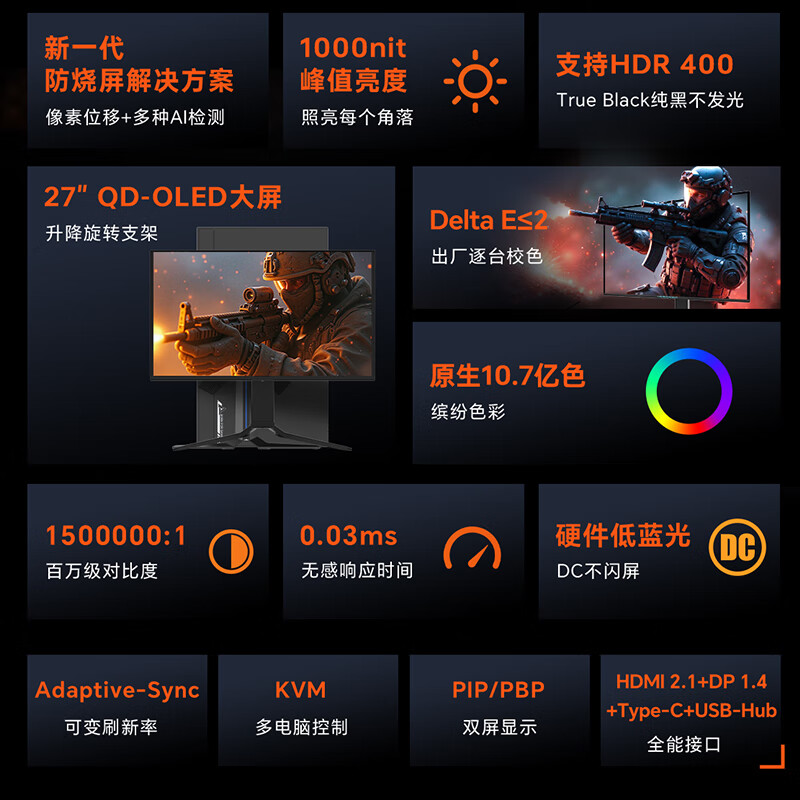
The Thunderobot DQ27F500E uses Samsung’s fourth-generation QD-OLED panel and supports a native resolution of 2560×1440. It reaches a 500Hz refresh rate over HDMI 2.1, DisplayPort 1.4, and USB Type-C, and includes Adaptive-Sync support to minimize screen tearing. The monitor delivers a peak brightness of 1000 nits and a native contrast ratio of 1,500,000:1.
Thunderobot has factory-calibrated the monitor to Delta E≤2 color accuracy. It covers 99% of the DCI-P3 color gamut, 98% Adobe RGB, 100% sRGB, and 80% BT.2020. The panel supports native 10-bit color output and holds VESA DisplayHDR 400 certification.
The DQ27F500E provides a 0.03ms GtG response time. Thunderobot includes new-generation anti-burn-in measures such as pixel shifting, static content detection, and AI-assisted panel protection. These features aim to reduce image retention and improve the lifespan of the OLED panel.
The monitor includes low blue light filtering and DC dimming for flicker-free performance. It supports KVM functionality, allowing users to operate two systems with a single set of peripherals. It also offers PIP and PBP modes for split-screen workflows. Thunderobot has added gaming tools such as an FPS counter, crosshair overlay, shadow boost, and on-screen timers.
The DQ27F500E features an adjustable ergonomic stand with support for 120mm height adjustment, -6° to +23° tilt, ±45° swivel, and ±90° pivot rotation. It supports 75×75mm VESA wall mounting. The port layout includes two HDMI 2.1 ports, one DP 1.4 port, one USB-C port with 15W PD output, one USB-B port, and two USB-A ports.
The brand has just released the Ear (Open) with a design that doesn’t completely block the ear canal. This allows users to stay aware of their surroundings. It also features a curved headband that wraps around the user’s ear, which brings both a comfortable and secure fit. These earbuds feature a custom diaphragm and 14.2mm titanium-coated drivers, with Nothing promising a ‘Bass Enhance’ algorithm.
Nothing Ear (Open) TWS
The Nothing Ear (Open) also features AI-powered Clear Voice 3.0 tech powered by two mics for a clear calling experience with improved wind noise reduction. Nothing’s latest earbuds feature Bluetooth 5.3, with support for AAC and SBC audio codecs, Google Fast Pair, dual device connection, Microsoft Swift Pair, and 120ms low latency mode. On a single full charge, the Nothing Ear (Open) promises up to 30 hours of audio playback. The hearables alone offer 8 hours of battery life. It also supports fast charging with just 10 minutes of charging, promising 2 hours of playback.
Other notable features include an IP54 rating for water and dust resistance, ChatGPT integration, an advanced equalizer, and pinch controls. Unfortunately, the open-ear design does not offer ANC support (Active Noise Cancellation). Nothing just unveiled its open-ear TWS in the white color option for the earbuds and oval shaped charging case. This model is available for purchase from Flipkart during the Big Billion Days sale for Rs 9,999.
For more daily updates, please visit our News Section.
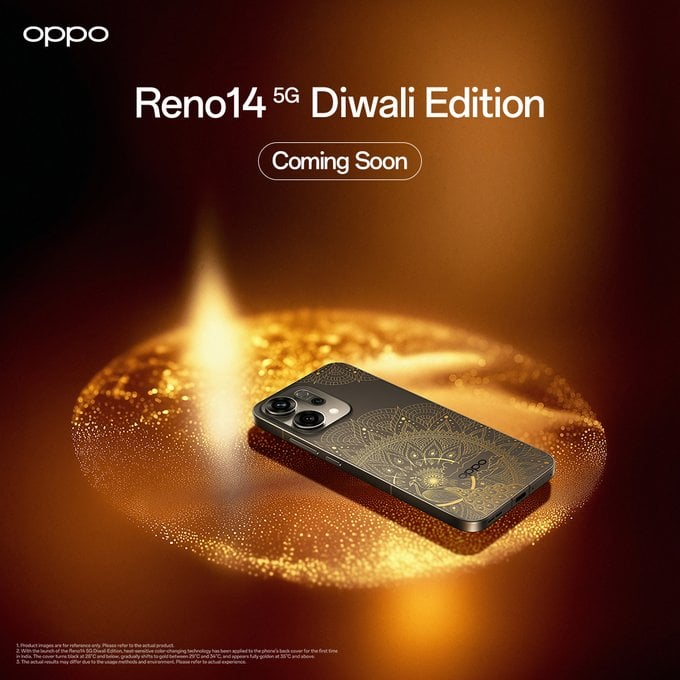
Oppo is gearing up to celebrate India’s biggest festival in style with the upcoming Reno 14 5G Diwali Edition. Teased ahead of Diwali, this limited-edition smartphone brings a festive twist to the Reno 14 series, showcasing a special new design inspired by the Festival of Lights.
Oppo Brings Festive Glow with Reno 14 5G Diwali Edition in India
The Chinese tech giant just shared a teaser for the Reno 14 Diwali Edition on X (formerly Twitter). To recall, the Reno 14 first debuted back in May 2025, while the Reno 14 Sun & Moonlight Edition was released in July 2025. Now, Oppo is offering a brand new limited edition model of the Reno 14 that is inspired by one of India’s biggest festivals. Looking at the teaser image poster, the Reno 14 Diwali Edition features that features golden mandala artwork along with a golden peacock.
Oppo Reno 14 Diwali Edition
The intricate artwork is etched on the black rear panel. This offers a nice contrast to the eye catching design. Oppo has teased the new special edition Reno 14, but there is still no official word regarding its launch date. Apart from the bright design, this limited edition model likely offers the same specs and features as the regular Reno 14. So we can expect the Reno 14 Diwali Edition to feature MediaTek’s Dimensity 8350 SoC, which is paired with up to 12GB of RAM and 512GB of internal storage.
It features aerospace-grade aluminium frames and Corning Gorilla Glass 7i for protection, along with IP66, IP68, and IP69 ratings for water and dust resistance. The rear has a 50MP triple camera setup, while the front houses a 50MP selfie shooter. A massive 6,000mAh battery pack powers this model, which supports 80W wired fast charging.
For more daily updates, please visit our News Section.
Samsung has officially started rolling out its One UI 8 update, bringing a host of new features and refinements to high end 2024 flagship phones, namely the Galaxy S24 series, Galaxy Z Fold 6, and Galaxy Z Flip 6. The update focuses on the UI, adding smart AI integrations, and much more. So here’s everything you need to know.
Samsung’s One UI 8 Brings New Features to Galaxy S24 Series and 2024 Foldables
Talking about the 2024 flagship smartphones first, the South Korean tech giant is bringing the stable build of the major One UI 8 update to the Galaxy S24 lineup. The company just rolled out the Android 16 OS based software update for the latest Galaxy S25 series, with a recent sighting also confirming One UI 8.5 on the Galaxy S25 Ultra.
Samsung Galaxy S24 series receive One UI 8
Now, Samsung’s Korean community forums confirmed that the One UI 8 update is arriving for non-beta users in the brand’s home market. The build numbers for these updates are S928NKSU4CYI7, S926NKSU9CYI7. S921NKSU9CYI7. Furthermore, Tipster Tarun Vats revealed in a recent tweet that Samsung is bringing the One UI 8 stable build to the 2024 premium foldables.
The Galaxy Z Fold 6 is receiving the F956NKSU2CYI7, F956NOKR2CYI7, and F956NKSU2CYHC builds, while the Galaxy Z Flip 6 is receiving the F741NKSU2CYI6, F741NOKR2CYI6, and F741NKSU2CYHC versions. Similar to the Galaxy S24 series, the foldables are receiving the major software update in South Korea. In other words, the broader One UI 8 roll out for the global audience should follow in the coming weeks. In related news, you can click here to read why you should upgrade to Samsung’s One UI 8.
For more daily updates, please visit our News Section.
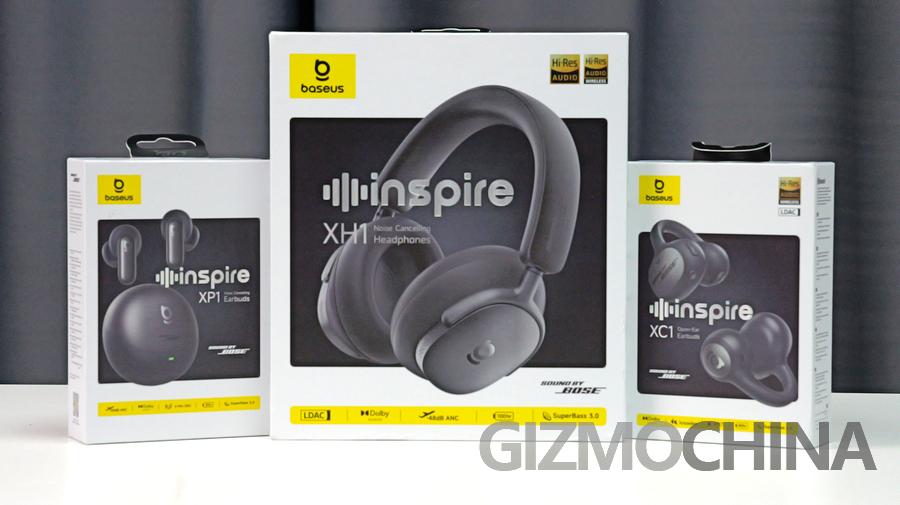
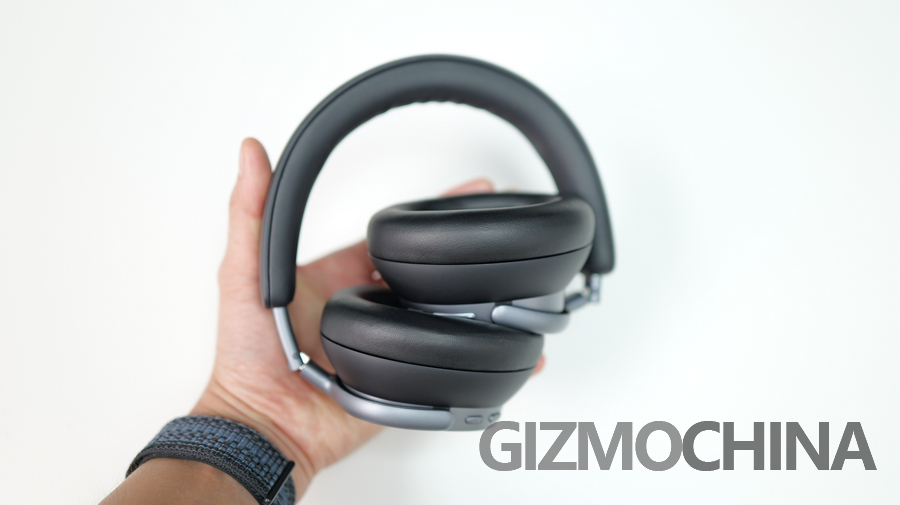
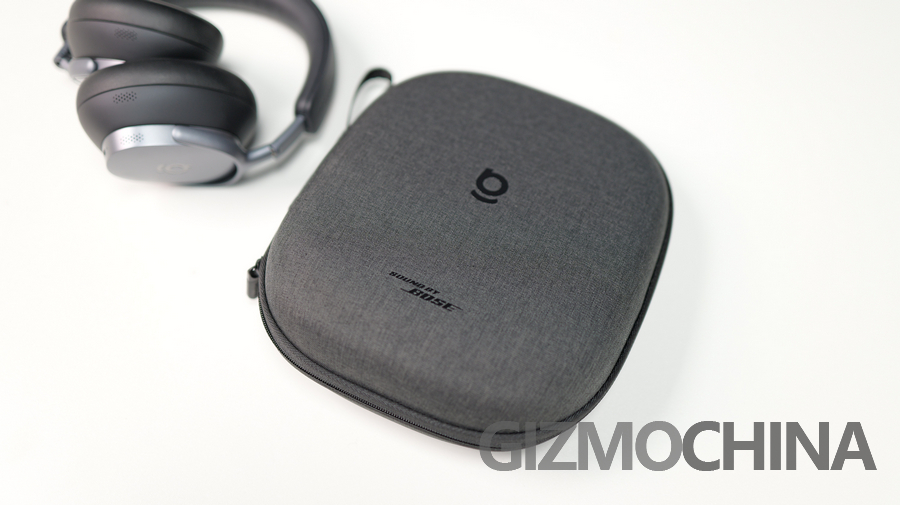
We know Baseus has been a well-known brand in chargers, power banks, and some other accessories, but their audio products were kind of in the middle shelf of the market. Now they have refreshed their audio category with the Inspire line, which includes a pair of In-ear, Open-ear, and over-ear headphones. The most appealing thing is that, they are fine-tuned by Bose. Let’s see if they bring any surprises.
Design
XH1 ANC headphones
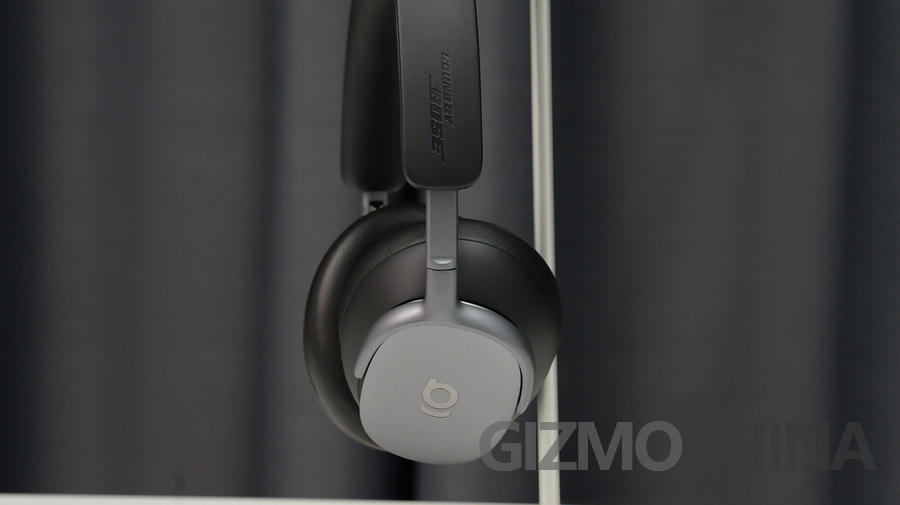
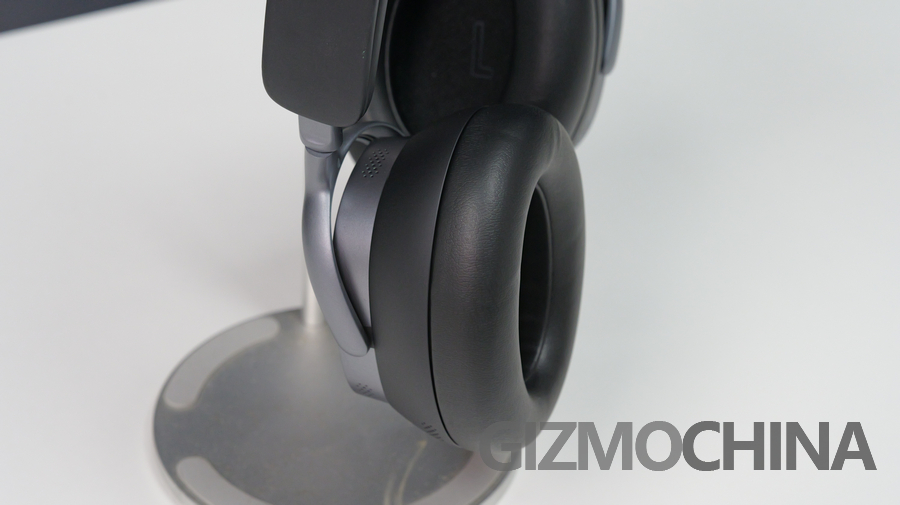
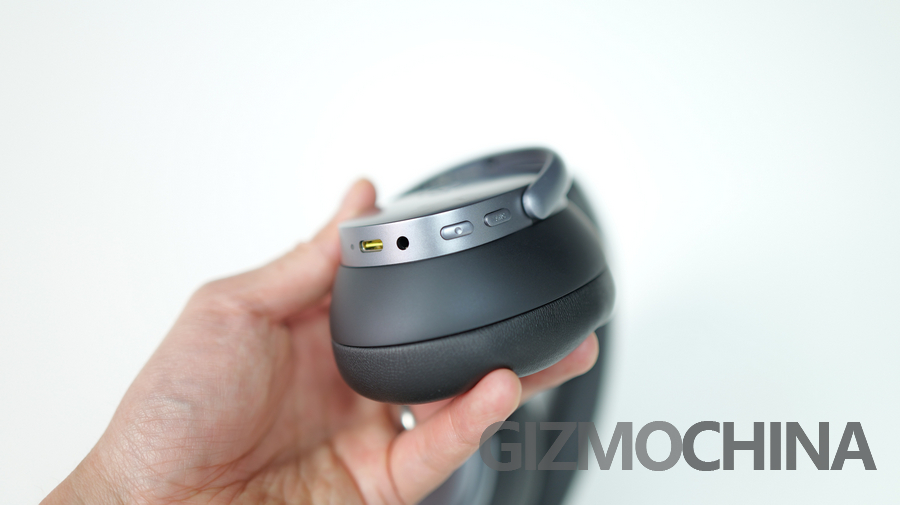
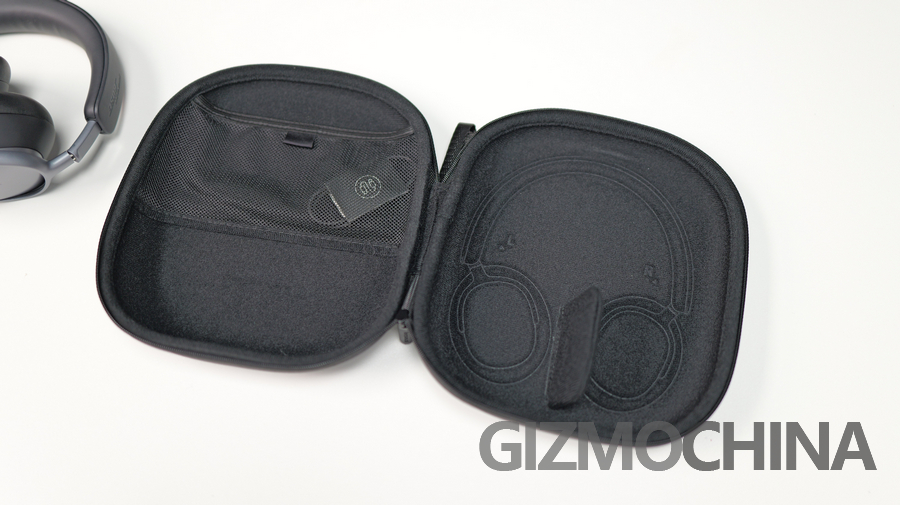
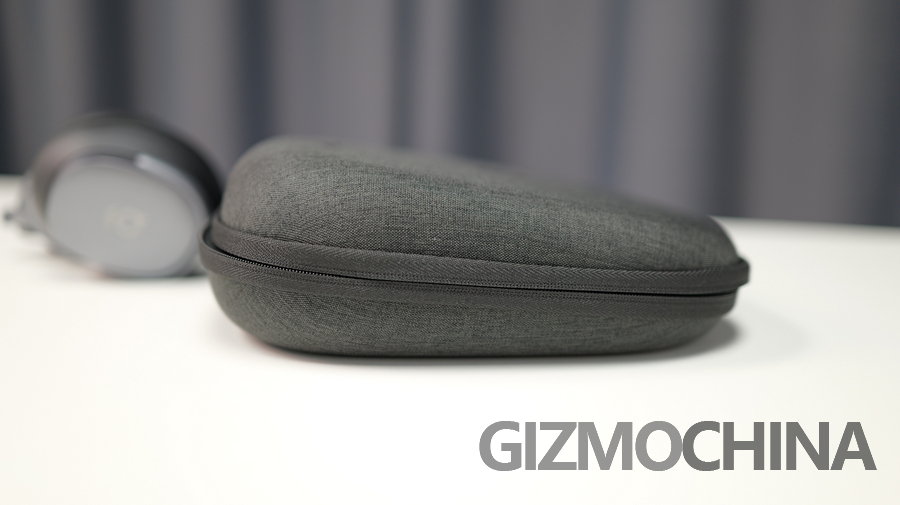
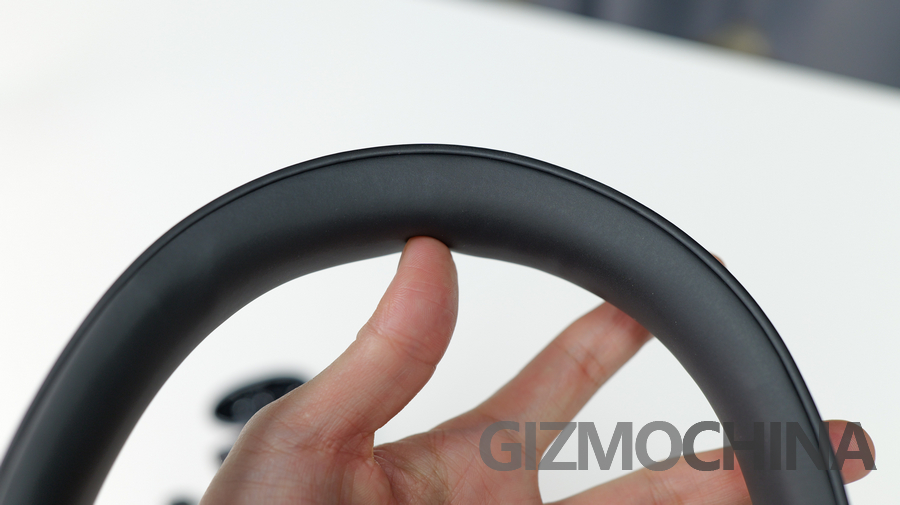
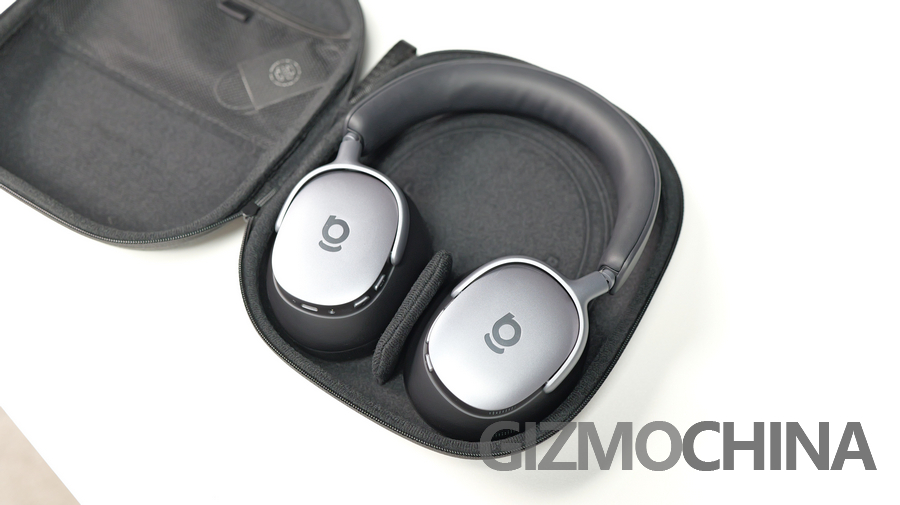
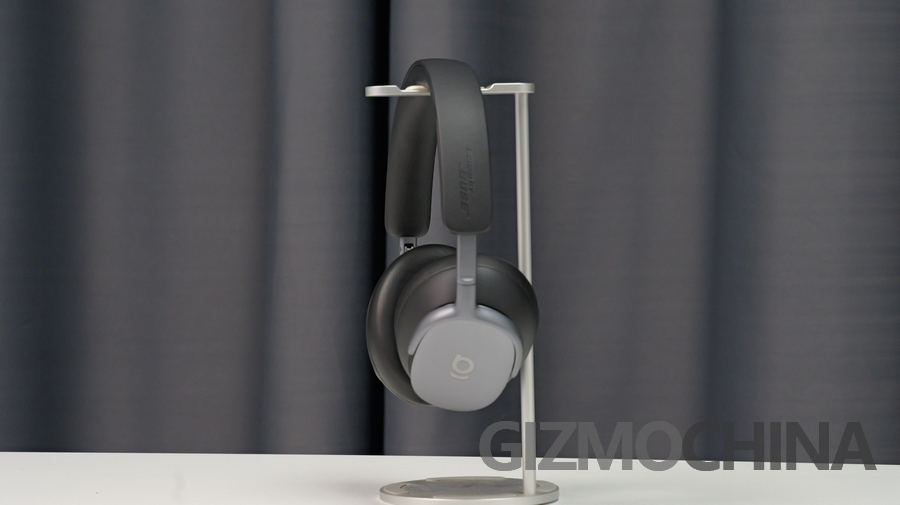
Let’s start with the headphones. Looking at the packaging, it is definitely premium. There is a customized case to protect the headphones. The case has a slope-like design, which is meant to hug the headphones entirely, to make sure they don’t wobble inside. And I think it takes less space in your backpack, if you mean to use them while travelling. Now the headphones are also foldable, but they can’t fit in the case anymore. The headband is soft,and I did not feel any pressure after several hours of wearing it. And the rackets are angled inwards, while the connecting points with the speakers are flexible, it makes the ear cups hug my ears tighter but comfortably. The headphones weigh 272g, very light. The sound unit has a very 35mm driver inside, and the damping tube for better acoustics, and of course tuned by Bose.
XC1 Open-ear Earbuds
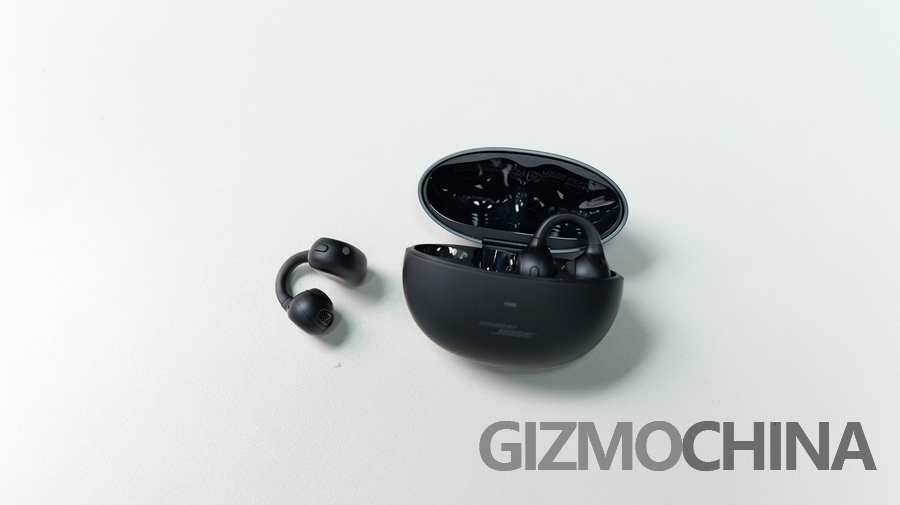
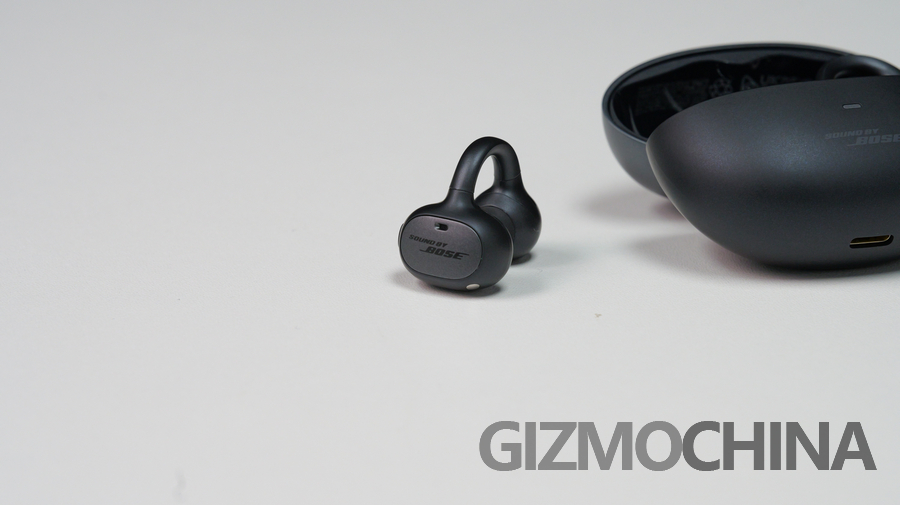
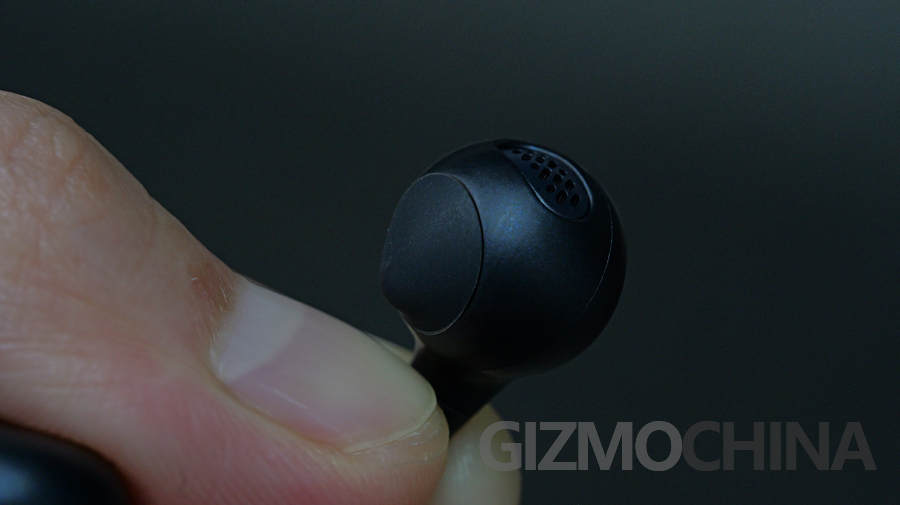
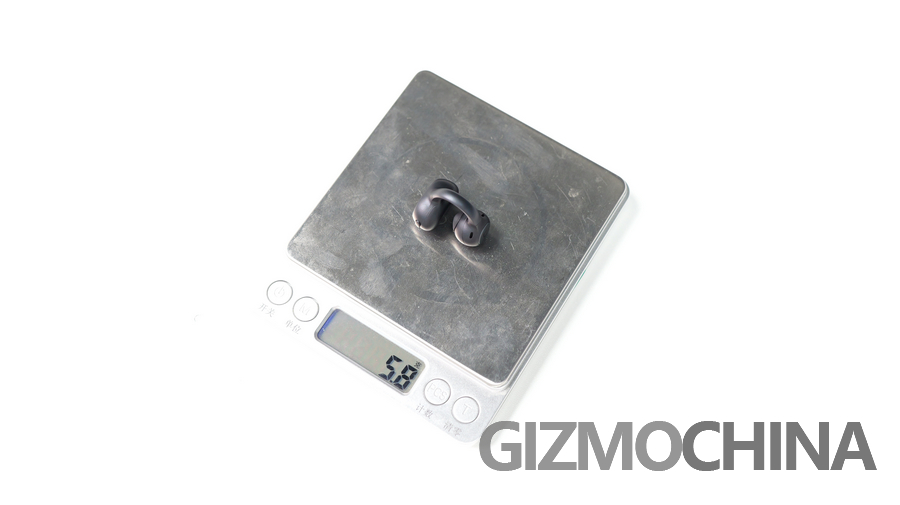
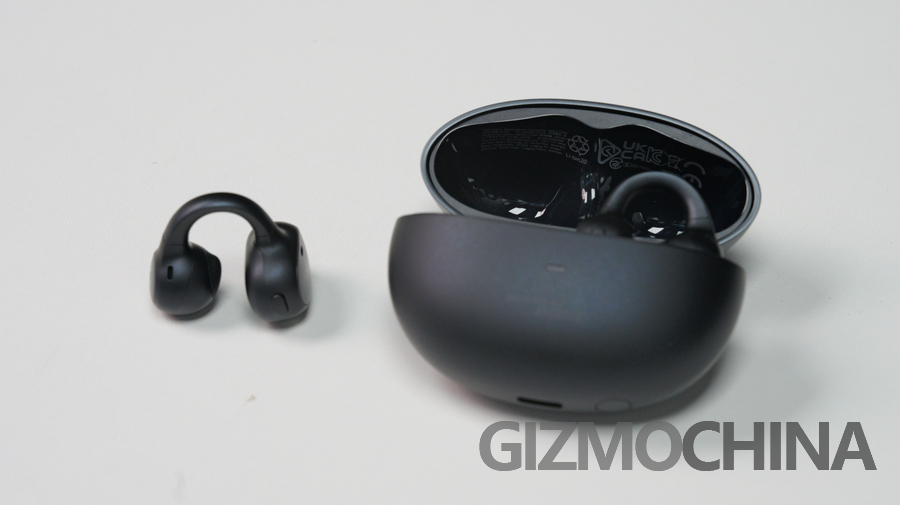
These open-ear earbuds carry the same design philosophy, and there are some other details. The structure is still sleek but flexible, it is very easy to put them on. The weight distribution is also very good, and it is only 5.8g each bud. One thing that proves the design is intentional is that, there is a tiny specially shaped silicone piece there, to make sure the earbud won’t slide or fall when doing sports or anything. For the speaker unit, there is a hybrid two-way driver system, with a Knowles BA tweeter that supports up to 40KHz frequency, and a Resilient LCP Dynamic Woofer. This kind of combo makes sure it can provide the best sound quality compared to most open-ear earbuds out there.
XP1 Earbuds
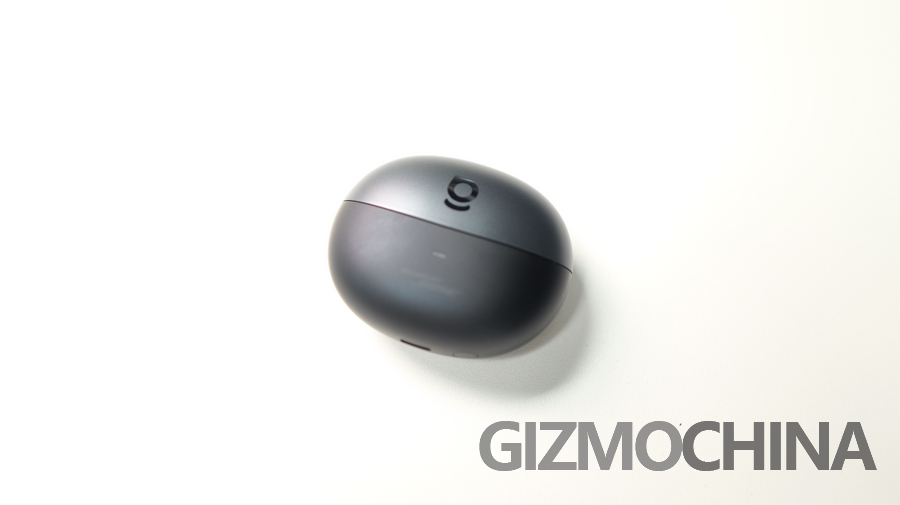
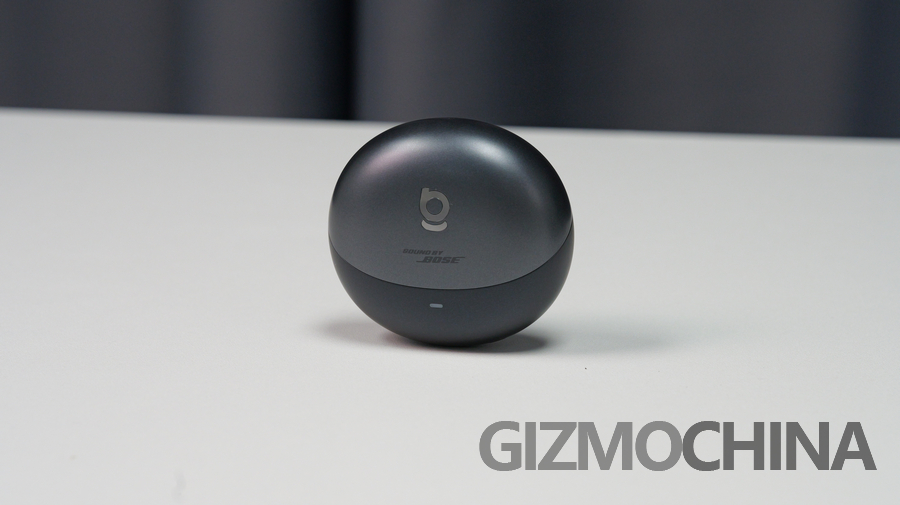
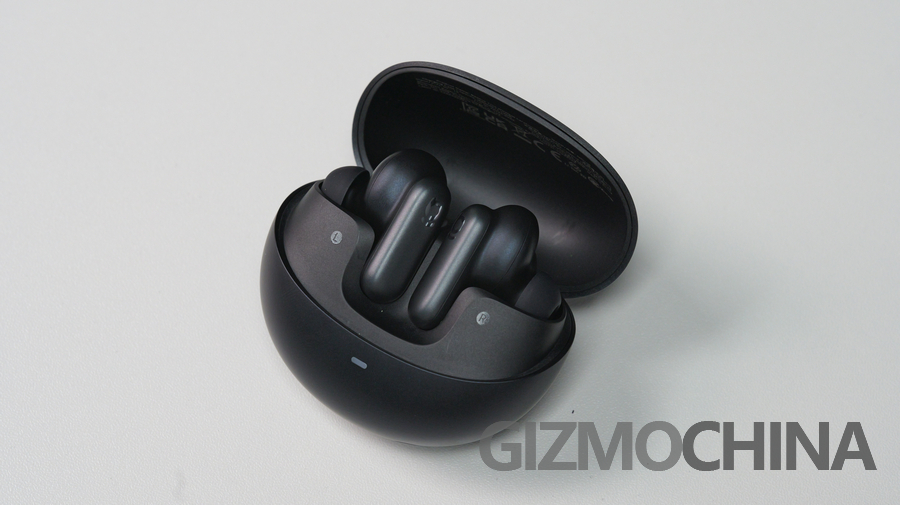
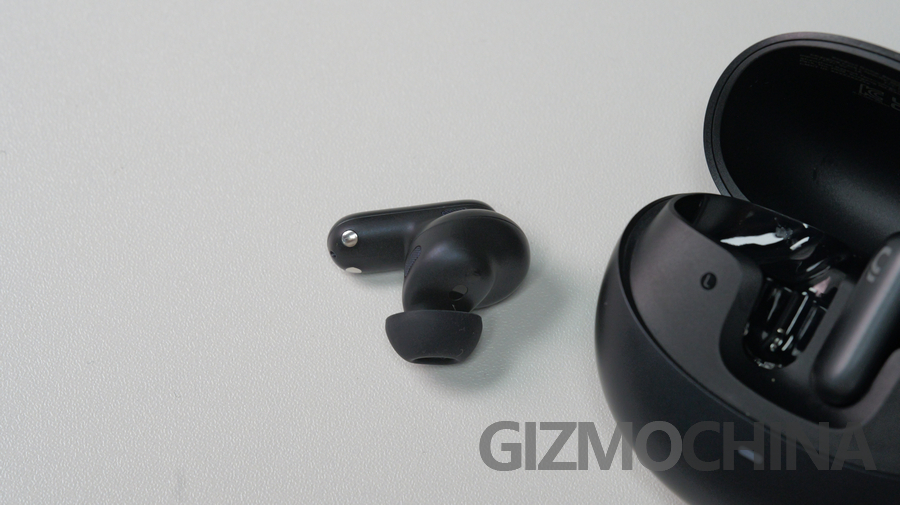
For this pair of in-ear products, they are shaped not quite differently from other earbuds. The case is designed like a pebble, the gray and black colors do make it look premium. The earbuds themselves are also well designed, the stems are slightly chunky, I would say it is better for the grip and controls. They also fit snugly in the ears, with no discomfort when wearing for a prolonged time. For the sound unit, there is a powerful driver inside, for better bass. And there is an ergonomic ear-shaped contour, to not only make them fit better in your ears, but also block noise better. There are also 6 mics around the unit, to make phone calls clearer.
Sound Quality
These three products are not just another ordinary pair, they are tuned with Sound by Bose, also powered by Dolby Audio, and certified for Hi-Res Audio.
XH1
The XH1 provides a truly immersive 360°sound profile, and it can pair up with LDAC, for much fuller detail. There is also the SuperBass 3.0, which reproduces deep sub-base frequencies, it really drives the energy to your ears. I found the bass very powerful, yet it does not overpower the mids. The high-end response is also impressive for products priced at this range. The details they bring out are decent, and crisp enough for you to enjoy the many kinds of music. Overall, some of my favorite songs just become very interesting and enjoyable with these. And if you don’t like the factory settings, you can also personalize the sound for yourself, with the SoundFit personalization.
XC1
As open-ear earbuds, the performance in low frequencies is really good. The dynamic woofer reproduces the bass that is firm and resonant without messing up the mix. So it is very good for pop, rock, and rap, young people would love this kind of performance. The balanced armature tweeter, which is from Knowles, but first shows up on these Baseus products, offers excellent clarity in the upper range, and vocals or the sound of the instruments are also quite enjoyable. Now usually for open-ear earbuds, the volume has to be quite big, to bring the bass out, but for these earbuds, it can also produce the bass at a low volume, which is a surprise.
XP1
As another pair in the Inspire lineup, they also have the same embrace from Bose. The listening experience is very good, especially for earbuds at this price. They can deliver deep and powerful bass, along with very good clarity for many music types. They can bring out the ultra-low sub-bass quite well. They are fairly good at producing crisp details, to make music enjoyable. The contoured earbud design certainly helps a lot, it not only blocks the noise outside, but also makes sure the music plays directly to your ears, which is also part of the music experience.
ANC and Transparency Mode
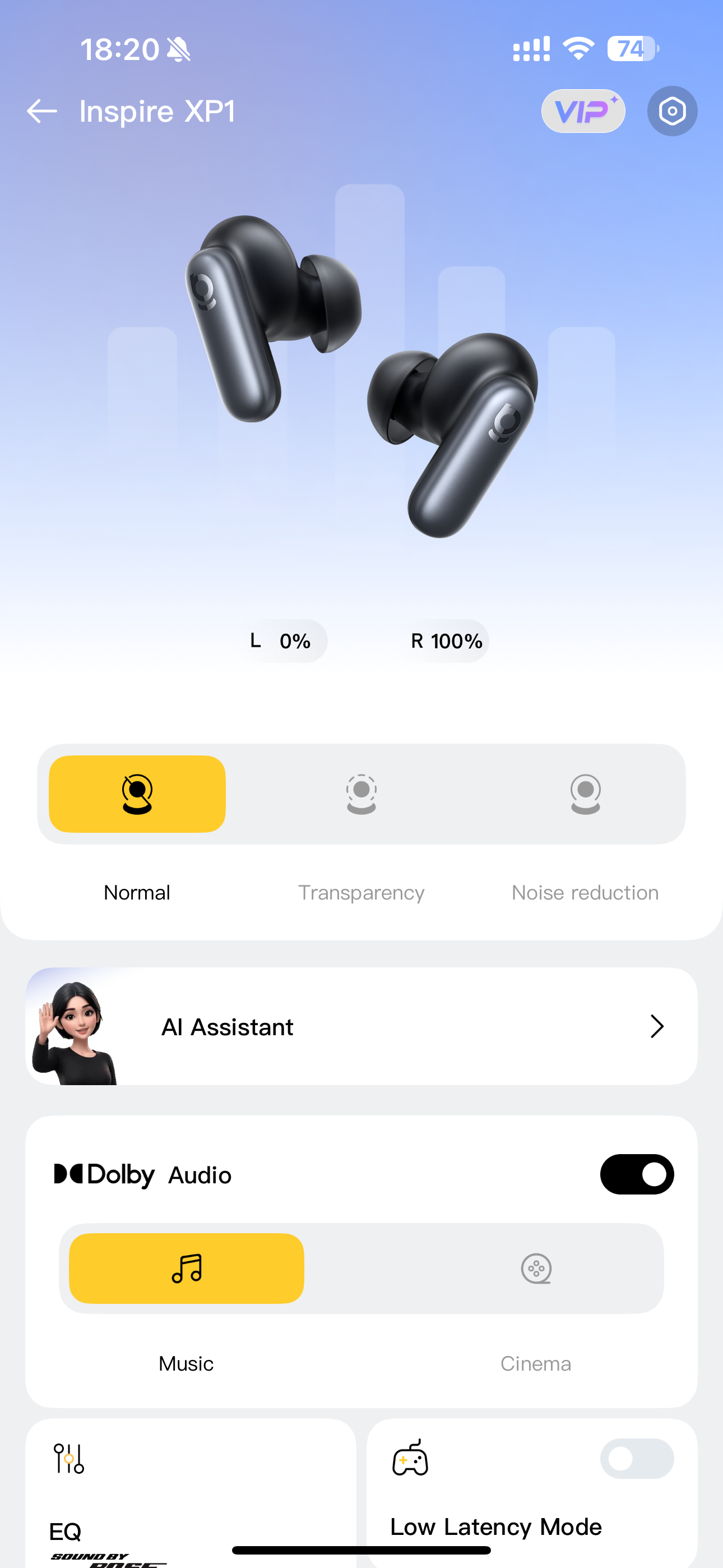
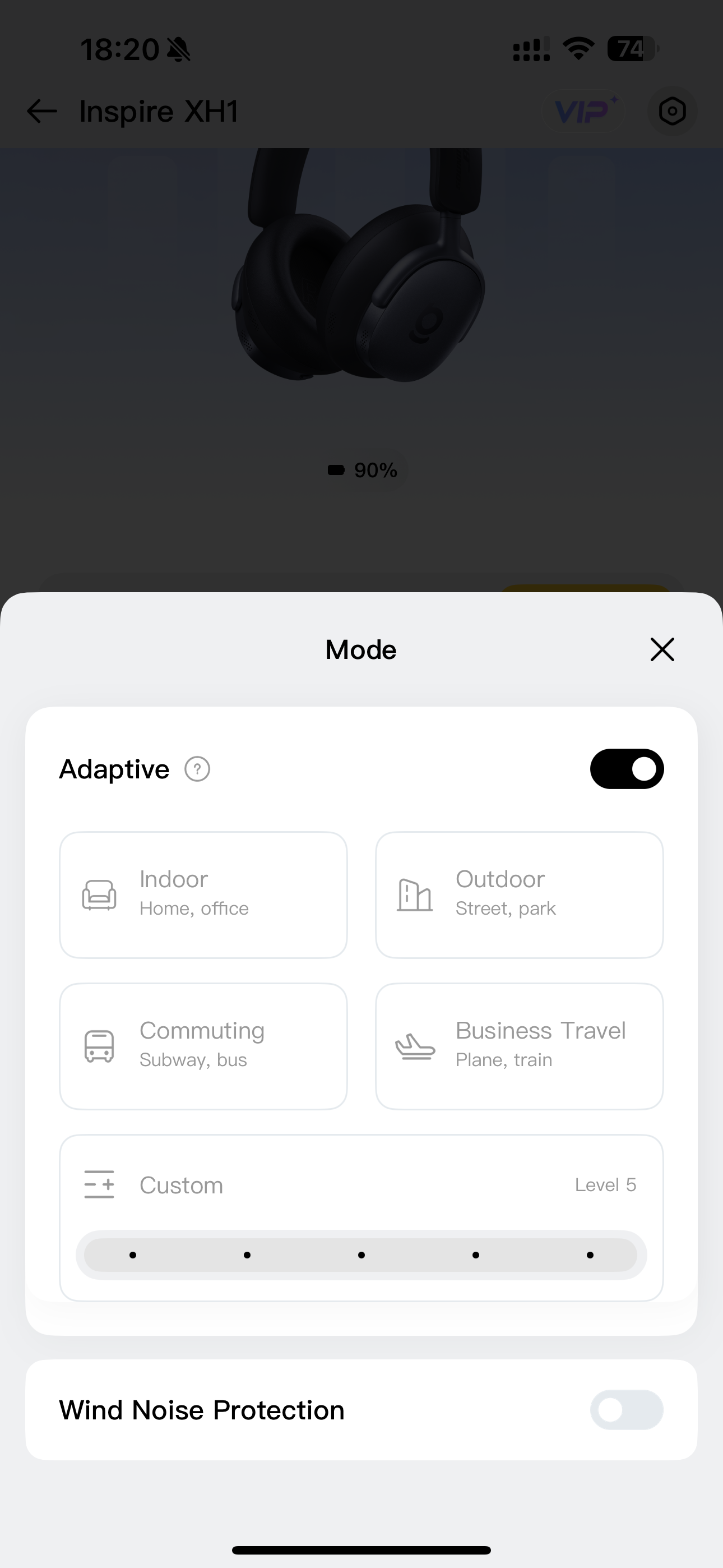
Now we all know that noise cancellation is the strong suit of Bose products, and it carries over to the XH1 and XP1 here. There are two types of settings, either it can be adaptive, or you choose a specific mode for the environment you are in. There are slight differences in the levels of noise cancellation, which is sensible actually. If you want to choose a specific level you want, there are also five to choose from, in case you prefer to have light noise cancellation or just a much sealed type.
The XH1 provides 48dB of noise cancellation, while it provides 50dB on the XP1. The direct comparison would be to the AirPods Pro 2, and I can say that they are even slightly better. The intensity is high enough to filter almost all of the noise, but does not stuff your ears entirely, even at the highest level. So I can very much say the noise cancellation is very reliable.
When it comes to the Transparency Mode, it is again as impressive as the AirPods Pro 2. When I was working on the script of this review, my colleagues were talking next to me, and I could hear the voices quite clearly and crisply, without any stutter. Even with the XH1, not much detail was lost in the transparency mode.
Other Features
Battery Life
At the age of headphones having about 40-50 hours of battery life, the XH1 has 100 hours without ANC on, and 65 hours with ANC off. This kind of performance is going to help a lot for a long flight, an uninterrupted sleep is guaranteed. And for the XP1 and XC1, they have 45 hours and 40 hours of battery life per charge, which is also impressive. And of course, there is a Type-C port and fast charging.
App
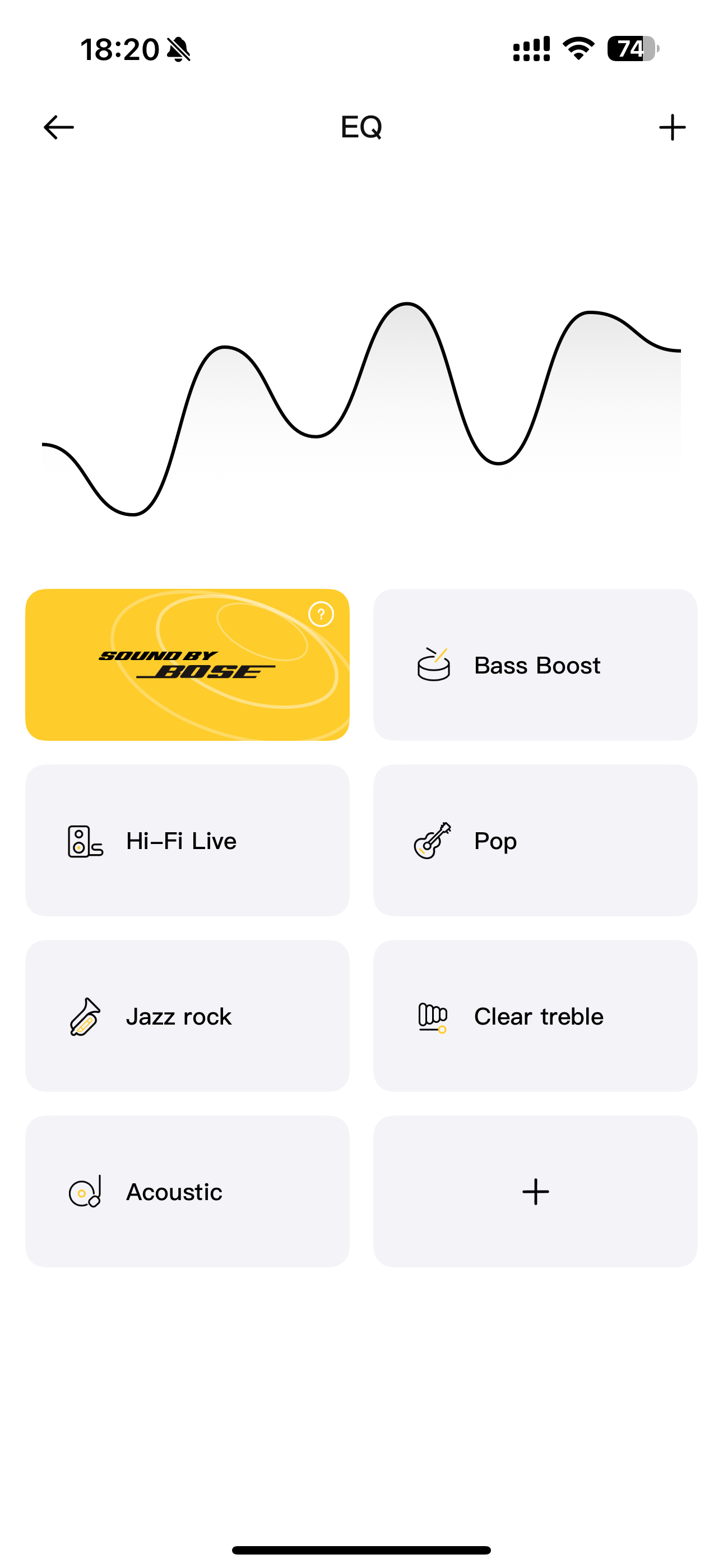
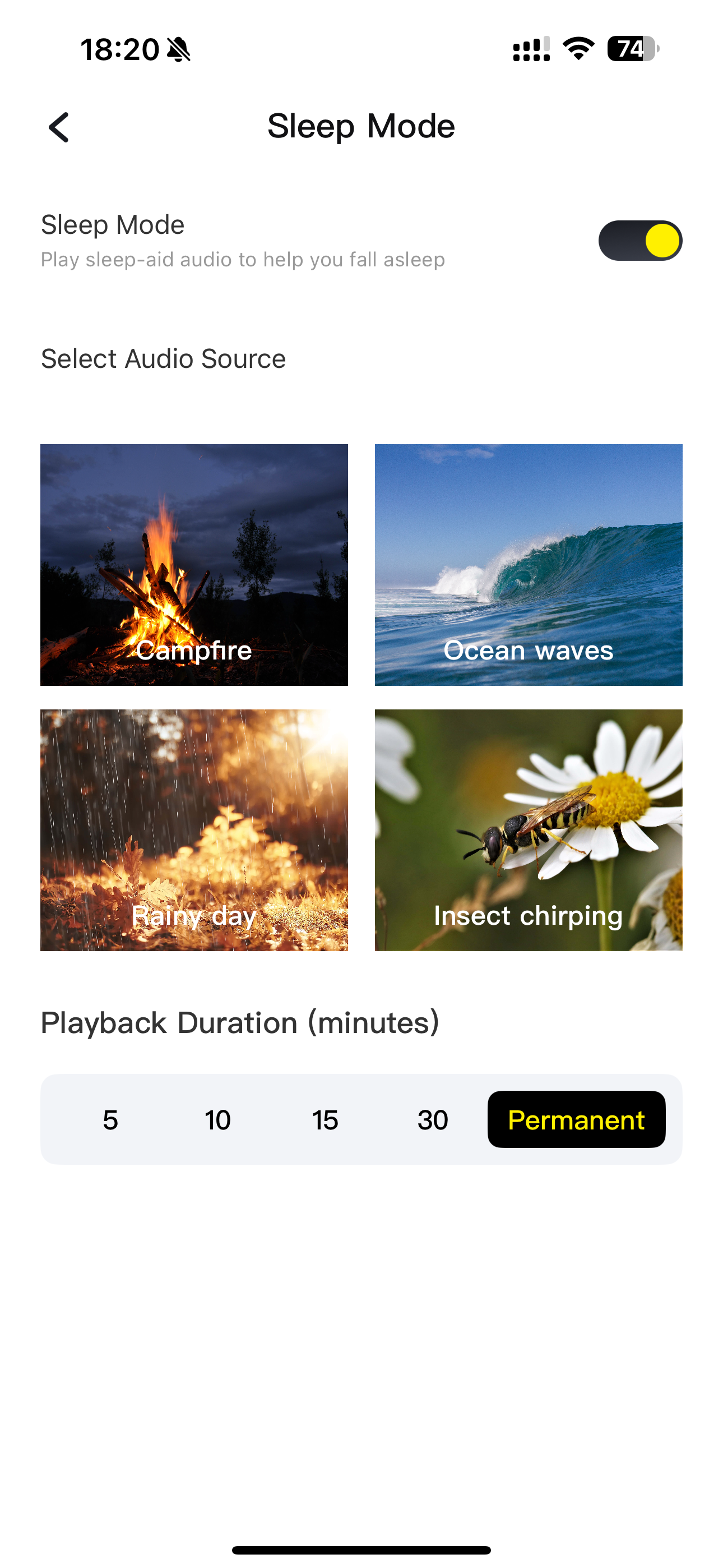
In the App, other than the usual mode change, you can also customize your own EQ, enable Dolby Audio, and some other settings. The XH1 has one more feature, which is the Sleep Mode. If you like to play some sounds to help you sleep, there are many types of sounds to choose from.
Connectivity
They all support Bluetooth 6.1 and multiple-point connecting. And there is an AUX cable for the XH1, in case you want to use the headphones with the computer.
Controls
They all only have button controls, but not touch controls. This is totally a call for you, if you like buttons better, then it’s not an issue.
Summary
As the products co-engineered with Bose, these three really exceeded my expectations. The wearing comfort is all excellent, the XH1 is a very good pair to be used in the office, as I am sitting on a chair doing all kinds of stuff editor-related, while enjoying video and music. Plus they have very good noise cancellation. When I am going out, the XP1 can provide a good listening experience and reliable ANC, and all-day comfort in your ears. And for several times, I have been doing night runs, the XC1 has supported me very well. So overall, these products are a combination of good build quality and excellent sound tuning. The prices of them are in the $100-200 range, they are very strong contenders, and I am sure you will find some surprises.
MediaTek has officially unveiled its latest flagship mobile chipset, the Dimensity 9500. Designed to power the next wave of premium smartphones, the new SoC brings a major leap in AI processing, gaming graphics, and overall efficiency. It is based on a refined 3nm process that brings console-level ray tracing tech, a faster NPU, and upgrades to CPU performance. So here’s everything new and improved.
MediaTek Dimensity 9500
MediaTek Dimensity 9500: Faster CPU
The chipmaker unveiled the Dimensity 9500 earlier today (22nd September 2025) with eight cores that consists of a 4.21GHz C1 ultra core, three super core C1 cores clocked at 3.5GHz, and four 2.7GHz big core C1 pro. MediaTek claims up to 32 percent bump in single core performance and 17 percent jump in multi core performance over its predecessor. Even at peak performance with the ultra core, the Dimensity 9500 claims to offer up to 55 percent lesser power consumption.
So you get improved performance without sacrificing power efficiency. Overall, the brand stated that the Dimensity 9500 is 30 percent more power efficient during multitasking, gaming, and calls made via social media apps. This is paired with new cache and memory architecture, bringing the industry’s first 4 channel UFS 4.1 support that helps improve performance with large AI models by 40 percent.
Improved AI Processing
Similar to the new Google Tensor G5 on the Pixel 10 series, MediaTek also focused on improving the AI performance on its latest flagship chip with an upgraded NPU. The latest MediaTek NPU 990 arrives with Generative AI Engine 2.0 that doubles compute power for faster large model processing while also offering up to 33 percent reduction in power consumption.
Thanks to this, users get access to 100 percent faster LLM output for 4K image generation, which is another industry first. The super efficient NPU is also 56 percent more power efficient than its predecessor when performing this task.
Console-level Gaming Tech
MediaTek’s latest flagship chip arrives with upgrades to its graphical prowess, with the new ARM G1-Ultra GPU. It promises to offer up to 33 percent higher performance, along with 42 percent improvement on power efficiency. You also get up to 120fps frame rate interpolation with ray tracing enabled. The company worked with leading studios to bring support for MegaLights in Unreal Engine 5.6 and Nanite in Unreal Engine 5.5 to offer AAA console-like real time rendering and ray tracing lighting effects.
New & Improved ISP
The Dimensity 9500 features MediaTek’s new Imagiq 1190 ISP that supports RAW domain, up to 320MP camera, 30fps continuous focus tracking, an upgraded portrait engine, and supports cinematic 4K 60fps portrait videos. It is also the first on Android to bring Dolby Vision recording at 4K 120fps with EIS (Electronic Image Stabilization).
Another major addition is MiraVision’s Adaptive Display technology that can intelligently adjust contrast and color saturation based on ambient lighting via real time analysis. This should allow for improved color reproduction and better shots in low light scenarios.
Other Notable Features
MediaTek’s latest and greatest brings support for WiFi 7, Bluetooth 6.0, Dual SIM Dual Active 5G/4G support, and various satellite based positioning technologies like GLONASS, GPS, NavIC, and others. The Dimensity 9500 supports LPDDR5X 10667 9600Mbps RAM and memory up to 10.7Gbps, along with UFS 4.0 for storage.
It’s been a packed day for smartphone announcements. This morning, Xiaomi confirmed it will launch the Xiaomi 17 series on September 25, powered by Qualcomm’s new Snapdragon 8 Elite Gen 5 chipset, which itself debuts tomorrow.
Vivo followed up by locking in an October 13 date for its upcoming X300 flagships. And now Oppo has joined the lineup, officially announcing that its next flagship phones, the Find X9 series, will arrive on October 16.
Oppo Find X9 series launching in China on October 16
Find X9 / X9 Pro also set for global rollout
Meanwhile, Oppo’s chief product officer, Pete Lau, also confirmed the Find X9 series will launch globally. The company hasn’t given an exact international release date yet, but the global rollout is happening.
Both Vivo’s X300 and Oppo’s Find X9 will run on MediaTek’s just-announced Dimensity 9500. Oppo is also timing the release of ColorOS 16 for October 15, a day before the Find X9 event. The new phones will ship with the updated software out of the box, and the OnePlus 15 is also set to be among the first devices to run it.
Oppo Find X9 series global launch teaser
Meanwhile, tipster Digital Chat Station shared an image of the Find X9 Pro’s camera module on Weibo today. The module has a rounded-square, or “squircle,” design with three lenses and a Hasselblad logo stamped on it.
According to leaks, the Find X9 Pro will feature a 50MP Sony LYT-828 main sensor, a 50MP Samsung JN5 ultrawide, and a 200MP Samsung HP5 telephoto lens. It’s worth mentioning that Oppo is moving away from the Find X8 Pro’s dual 50MP telephoto setup in favor of a single high-resolution 200MP lens.
Oppo Find X9 Pro camera module design
On the display side, Oppo says the Find X9 Pro will be the first smartphone to use Tianma’s “1nit bright” eye-protection screen, with peak brightness reaching 3,600 nits.
And performance numbers are already in. The satellite communication version of the Find X9 Pro has posted an AnTuTu benchmark score of over 4.04 million (4,045,997, to be exact).
For more daily updates, please visit ourNews Section.
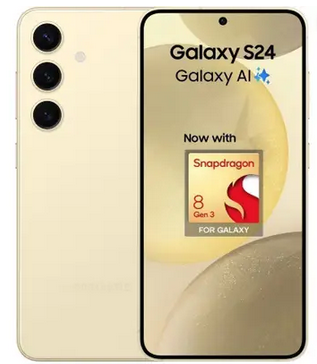
Samsung has just rereleased its 2024 flagship phone in a brand new variant. The company recently teased the Galaxy S24 with the Snapdragon 8 Gen 3 chipset, and now, this model has finally gone on sale for under Rs 40,000 during the Flipkart Big Billion Day sale.
Snapdragon powered Galaxy S24: Everything you need to know
To recall, the South Korean tech giant first unveiled the Galaxy S24 with the Exynos 2400. Only South Korea and the US got the Snapdragon 8 Gen 3 variant. Now, this Qualcomm flagship chip powered variant is arriving in the Indian market. While this is still a high end smartphone, the company has unveiled launched the Galaxy S24 Snapdragon Edition for a lot more affordable price tag.
Samsung Galaxy S24 Snapdragon 8 Gen 3 SoC Variant
The 2024 flagship phone just rolled out during Flipkart’s Big Billion Day sales for just Rs 39,999 for the 128GB model. Meanwhile, the 256GB version is listed for Rs 44,999. This marks a massive discount over the Rs 74,999 retail price. That’s not all, Samsung is also offering various other discounts, bringing the effective price down to just Rs 38,999.
Samsung’s Galaxy S24 Snapdragon Edition only switches the chipset. So the rest of the specs remain the same. The device is powered by a 4,000mAh battery pack with 25W wired fast charging and 15W wireless charging. It sports a 6.2-inch Dynamic AMOLED 2X display with a FHD+ resolution and a 120Hz refresh rate. Other notable features include a 50MP triple camera setup on the rear, Galaxy AI series of AI powered tools, 12MP selfie shooter, and more.
For more daily updates, please visit our News Section.
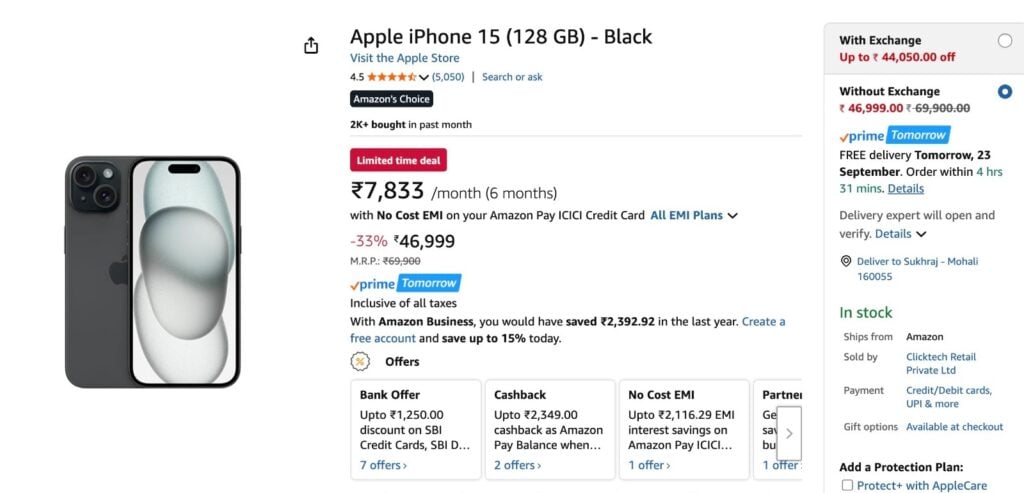
Everyone loves the iPhone. Its premium looks and features are always charismatic. The iPhone 15 is now available at just ₹45,749 only. That’s a huge discount since its launch. The main highlight of the iPhone 15 is its 48MP Main Camera, which provides super-high-resolution photos and a new 2x telephoto option, as well as the Dynamic Island, which now replaces the notch and offers interactive alerts and Live Activities.
iPhone 15 Pricing and Deal Details
The only thing that stops someone from buying an iPhone is its price. Let’s be practical, nobody wants to spend their 3-month salary on a phone, right? Well, the tables have turned now. The iPhone base variant (128 GB), which launched at the price of 79,990, is now available at ₹45,749 effectively. That’s nearly a 40% price cut. You can also get an additional 10% discount of up to ₹1250 on an SBI credit card.
Please Note: When you buy something using the links in our articles, we may earn a small commission at no cost to you.
iPhone 15 features and specifications
The base iPhone 15 (128 GB) comes with tech packed in it. It features a 6.1″ Super Retina XDR display with HDR 10 support and also comes with an aluminum body. It also comes with a 48 MP main camera and a 2X telephoto lens, allowing you to take crystal-clear pictures with high-quality depth. And when it comes to video quality, users will be able to shoot 4K at 24/25/30/60fps, 1080p at 25/30/60/120fps. To the nerds out there, the iPhone 15 comes with a powerful A16 bionic chip( 4nm chip), which has advanced capabilities in computational photography, fluid Dynamic Island transitions, and Voice Isolation for phone calls. The iPhone 15 comes in 4 different colors i.e. Black, blue, green, yellow, and pink.
iPhone 15 has all the features for users to upgrade from their predecessor models. This is the first standard model that got more attention than the Pro Variant that year. Now, if you are someone who is trying to buy a new one, then this is your cue. This is the best offer on iPhone ever.
Apple recently launched its new smartphones, the iPhone 17 series. You can check out all the deals that include phones and smartwatches.
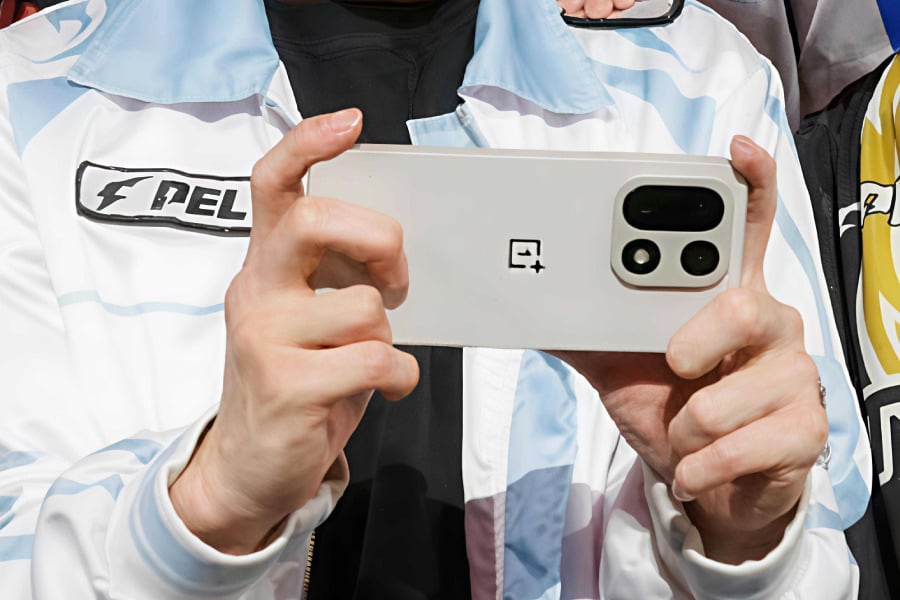
The OnePlus 15 isn’t official yet, but the phone has already made its first public appearance. Real-life photos of the device surfaced during the 2025 Peace Elite Professional League (PEL) Summer Finals, where it joined a group photo with past Peace Elite champions.
From the leaked images, the OnePlus 15 has a squarish camera module in the upper-left corner, similar to what we saw on the OnePlus 13T. The module houses three cameras, two in a pill-shaped design, and another lens and an LED flash sit separately on the right.
The setup includes a trio of 50MP lenses, including a periscope telephoto lens with 3x optical zoom and OnePlus’ new “DetailMax Engine” for sharper shots.
The device was previously expected to come in Absolute Black, Dune, and Mist Purple; however, the leak image shows the phone in a new white shade.
Moving forward, the OnePlus 15 will be among the batch of first smartphones to get Qualcomm’s latest Snapdragon 8 Elite Gen 5 chip. The device has already made its Geekbench run, scoring 3709 in single-core and around 11,000 in multi-core. The benchmark also confirms availability og 16GB RAM.
As for the battery, it could pack a 7000mAh cell, which will support 120W fast charging according to a regulatory filing. On the display side, reports suggest a 6.78-inch flat LTPO OLED screen with 1.5K resolution and a silky-smooth 165Hz refresh rate.
OnePlus hasn’t announced a launch date for the OnePlus 15. Qualcomm is holding its Snapdragon 8 Elite event today, which means official details could follow shortly after. Meanwhile, Xiaomi has already confirmed that the Xiaomi 17 series featuring the same chip will debut on September 25.
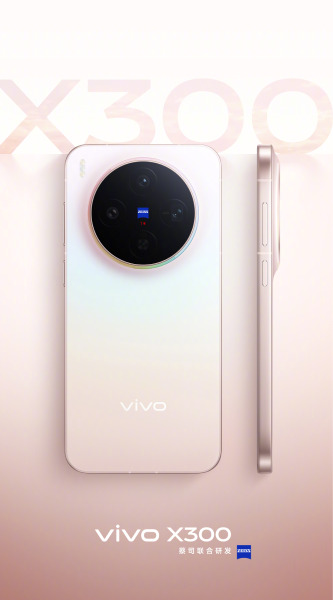
Vivo has officially confirmed that its next flagship smartphones, the Vivo X300 series, will launch on October 13 at 7PM (China time). The company is calling it its annual “imaging flagship,” and the early teasers make it clear that cameras and design are once again the main focus.
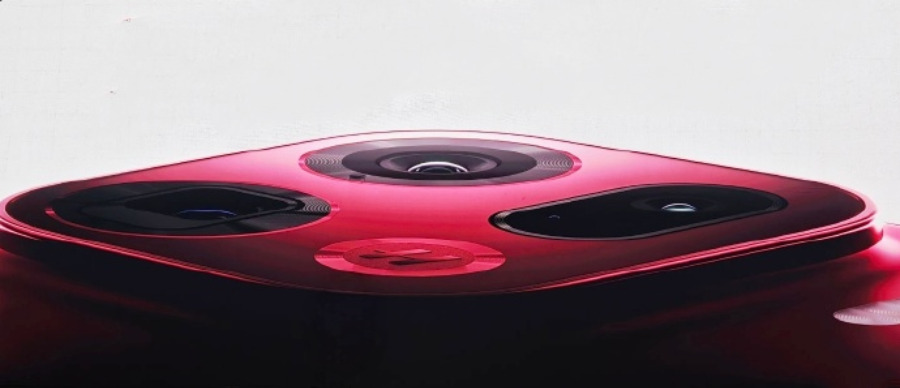
On the design side, Vivo is going for something a little different this year. The X300 series will debut a minimalist circular camera module paired with what the company describes as a “suspended water droplet” and cold-sculpted glass design.
But it’s the cameras that really make the X300 series stand out. According to Vivo VP of Product Huang Tao, the standard X300 will ship with a 200MP Zeiss super primary camera, while the X300 Pro steps it up with an 85mm Zeiss 200MP APO super telephoto lens.
Both cameras support advanced optical stabilization, rated at CIPA 4.5-level and CIPA 5.5-level, respectively, putting them among the most stable shooters on any smartphone. They also include Zeiss T coating* and the same deep-blue absorption glass previously seen on the X200 Ultra.
Vivo X300
For the video, the X300 Pro will support the world’s first 4K 60fps portrait video, along with dual-focus 4K 120fps Dolby Vision HDR and 4K 120fps 10-bit Log recording.
Under the hood, the X300 series will be the first to debut MediaTek’s new Dimensity 9500 chip. It will also feature the Blueprint V3+ imaging chip, OriginOS 6, cross-device connectivity with the Apple ecosystem, and a BOE Q10 Plus display with 1nit minimum brightness.
According to tipster Digital Chat Station, it will also pack dual UFS 4.1 storage lanes, an ultrasonic fingerprint sensor 2.0, and Sony’s new LYT828 and LYT602 sensors.
Alongside the X300 phones, Vivo will also launch Watch GT 2, TWS 5, and Vivo Pad 5e on the same day.
For more daily updates, please visit our News Section.
In 2025, slim smartphones are no longer about sacrificing features for form. Brands are pushing the limits of engineering to deliver thin, lightweight devices without compromising on performance, battery life, or camera hardware.
Apple, Samsung, Oppo, and Tecno have all released phones this year that prioritize sleek profiles while maintaining premium experiences. Here’s a detailed look at the best thin smartphones launched so far in 2025.
iPhone Air
Apple introduced the iPhone Air as its thinnest iPhone to date at just 5.64mm. The device features a 6.5-inch Super Retina XDR OLED display with ProMotion up to 120Hz and peak outdoor brightness of 3000 nits. It supports Always-On Display and uses Ceramic Shield 2 on both front and back for enhanced durability.
The iPhone Air is powered by the A19 Pro chip built on a 3nm process. It includes a 6-core CPU, a 5-core GPU with neural accelerators, and Apple’s new N1 wireless chip that supports Wi-Fi 7 and Bluetooth 6. The C1X modem enables faster cellular performance than the previous generation while using 30% less energy.
Apple uses a new precision-milled plateau design to house the rear 48MP Fusion camera and logic board. The camera system includes a 12MP 2x telephoto lens and new depth-sensing portrait features powered by an upgraded image pipeline. On the front, Apple added an 18MP Center Stage camera with a square sensor, ultra-stabilized 4K HDR video, and Dual Capture for recording from both front and rear cameras at once.
The iPhone Air supports eSIM-only connectivity worldwide and includes an Action Button with customizable shortcuts. It runs iOS 26 and promises up to 27 hours of video playback.
Please Note: When you buy something using the links in our articles, we may earn a small commission at no cost to you.
Samsung Galaxy S25 Edge
Samsung unveiled the Galaxy S25 Edge as its thinnest S-series phone yet, measuring 5.8mm thick and weighing 163g. It features a 6.7-inch QHD+ LTPO AMOLED display with a 1-120Hz adaptive refresh rate and Gorilla Glass Ceramic 2 protection.
The phone runs on the Snapdragon 8 Elite for Galaxy chip and includes a newly designed vapor chamber for improved thermal performance. It is IP68-rated for dust and water resistance.
The rear camera setup features a 200MP primary sensor with 40% better low-light performance compared to the Galaxy S25. Samsung also included a 12MP ultra-wide sensor with autofocus for macro shots. The front camera is 12MP and supports 4K video.
The S25 Edge runs Android 15 with One UI 7. Samsung has integrated Galaxy AI features such as Call Transcript, Writing Assist, Circle to Search, and Drawing Assist. The company is offering seven years of OS and security updates for the entire Galaxy S25 lineup.
Please Note: When you buy something using the links in our articles, we may earn a small commission at no cost to you.
Tecno Pova Slim 5G
Tecno launched the Pova Slim 5G in India as its slimmest curved-screen smartphone. It measures 5.95mm thick and weighs 156g. The phone has a 6.78-inch 1.5K 144Hz curved AMOLED display with 4500 nits peak brightness and Gorilla Glass 7i protection.
The phone is powered by the MediaTek Dimensity 6400 chipset paired with 8GB RAM and 128GB storage. It runs Android 15 with HiOS 15 and features Tecno’s Ella AI smart assistant with support for Indian languages.
The camera setup includes a 50MP main sensor on the back and a 13MP front-facing camera. Tecno added a unique Dynamic Mood Light design that responds to calls, notifications, and user interactions. Despite its slim form, the phone packs a 5160mAh battery with 45W fast charging.
Please Note: When you buy something using the links in our articles, we may earn a small commission at no cost to you.
Oppo Find N5
Oppo introduced the Find N5 as a premium foldable with a focus on slim design. When unfolded, the device measures just 4.21mm thick. When folded, the thickness is 8.93mm. The phone comes with an 8.12-inch 2K LTPO AMOLED foldable display and a 6.62-inch FHD+ AMOLED external screen. Both displays support up to 120Hz refresh rate and stylus input.
The phone uses a titanium flexion hinge made using 3D-printed aerospace-grade materials. Oppo claims the hinge is 26% slimmer and 36% more rigid than its predecessor. It has passed TÜV Rheinland’s fold test for 100,000 cycles.
Oppo packed in the Snapdragon 8 Elite processor, 16GB of LPDDR5X RAM, and 512GB of UFS 4.0 storage. The phone runs ColorOS 15 based on Android 15 and supports O+ Connect, which allows remote access from Mac systems.
The Find N5 houses a 50MP main camera, 8MP ultra-wide, and a 50MP 3x periscope telephoto lens. The phone is powered by a 5600mAh silicon-carbon battery with support for 80W wired and 50W wireless charging.
Samsung introduced the Galaxy Z Fold 7 with significant improvements in design and weight. It weighs 215g and is only 4.2mm thick when unfolded. The phone features an 8-inch QXGA+ foldable AMOLED display and a 6.5-inch FHD+ outer screen, both with 120Hz adaptive refresh rates and Gorilla Glass Ceramic 2 on the cover display.
It is powered by the Snapdragon 8 Elite for Galaxy chip and includes up to 16GB RAM and 1TB storage. The rear camera system is led by a 200MP main sensor, accompanied by a 12MP ultra-wide and 10MP 3x telephoto. Samsung retained the 10MP front cameras for both the outer and inner displays.
The phone runs Android 16 with One UI 8, which adds Galaxy AI features such as Photo Assist, Audio Eraser, Drawing Assist, and Gemini Live. Samsung also introduced new privacy tools like Knox Encrypted Protection and post-quantum cryptography support.
The Z Fold 7 includes a 4400mAh battery with 25W wired, 15W wireless, and 4.5W reverse wireless charging.
We use cookies on our website to give you the most relevant experience by remembering your preferences and repeat visits. By clicking “Accept”, you consent to the use of ALL the cookies.
This website uses cookies to improve your experience while you navigate through the website. Out of these, the cookies that are categorized as necessary are stored on your browser as they are essential for the working of basic functionalities of the website. We also use third-party cookies that help us analyze and understand how you use this website. These cookies will be stored in your browser only with your consent. You also have the option to opt-out of these cookies. But opting out of some of these cookies may affect your browsing experience.
Necessary cookies are absolutely essential for the website to function properly. This category only includes cookies that ensures basic functionalities and security features of the website. These cookies do not store any personal information.
Any cookies that may not be particularly necessary for the website to function and is used specifically to collect user personal data via analytics, ads, other embedded contents are termed as non-necessary cookies. It is mandatory to procure user consent prior to running these cookies on your website.