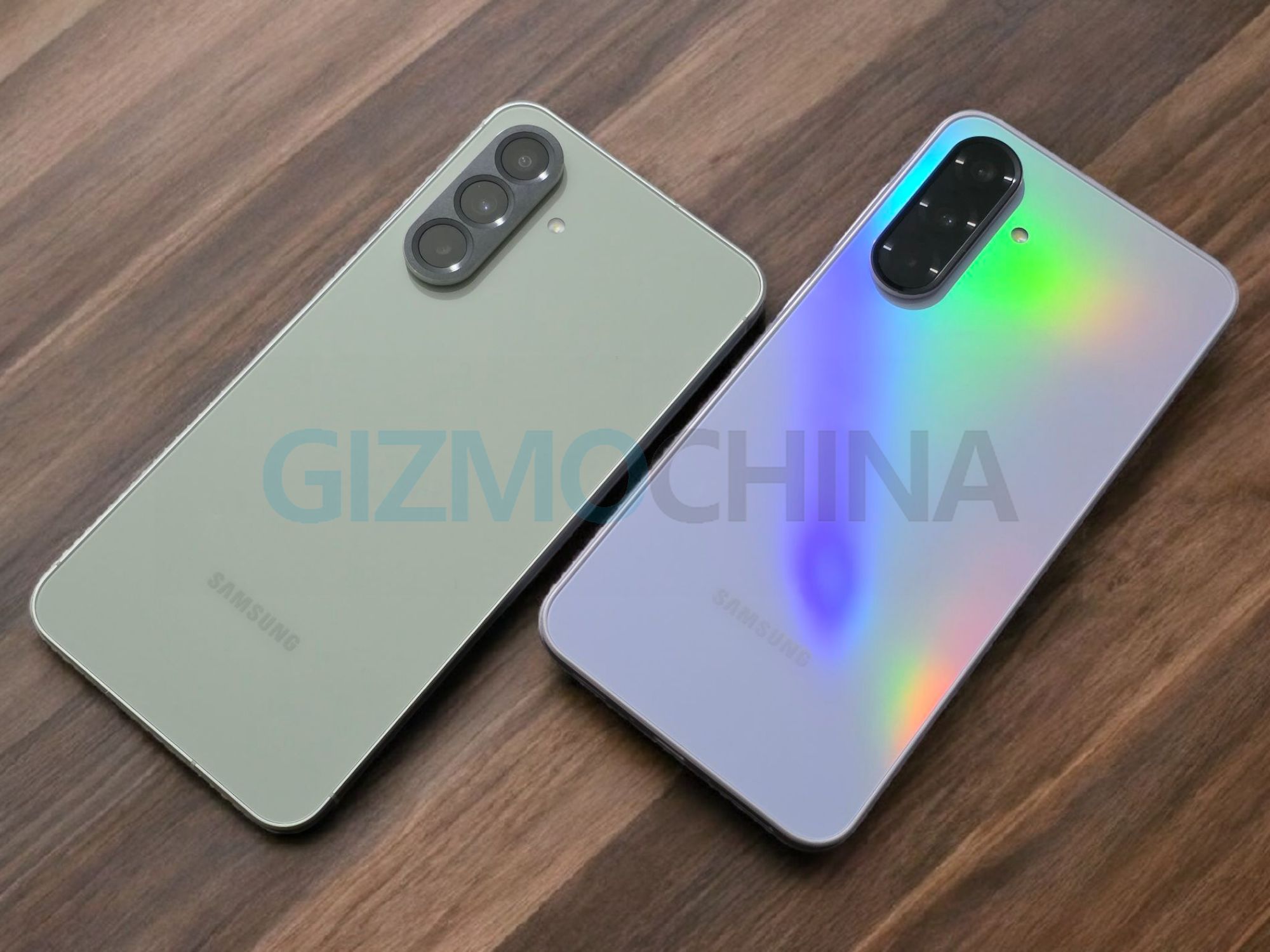
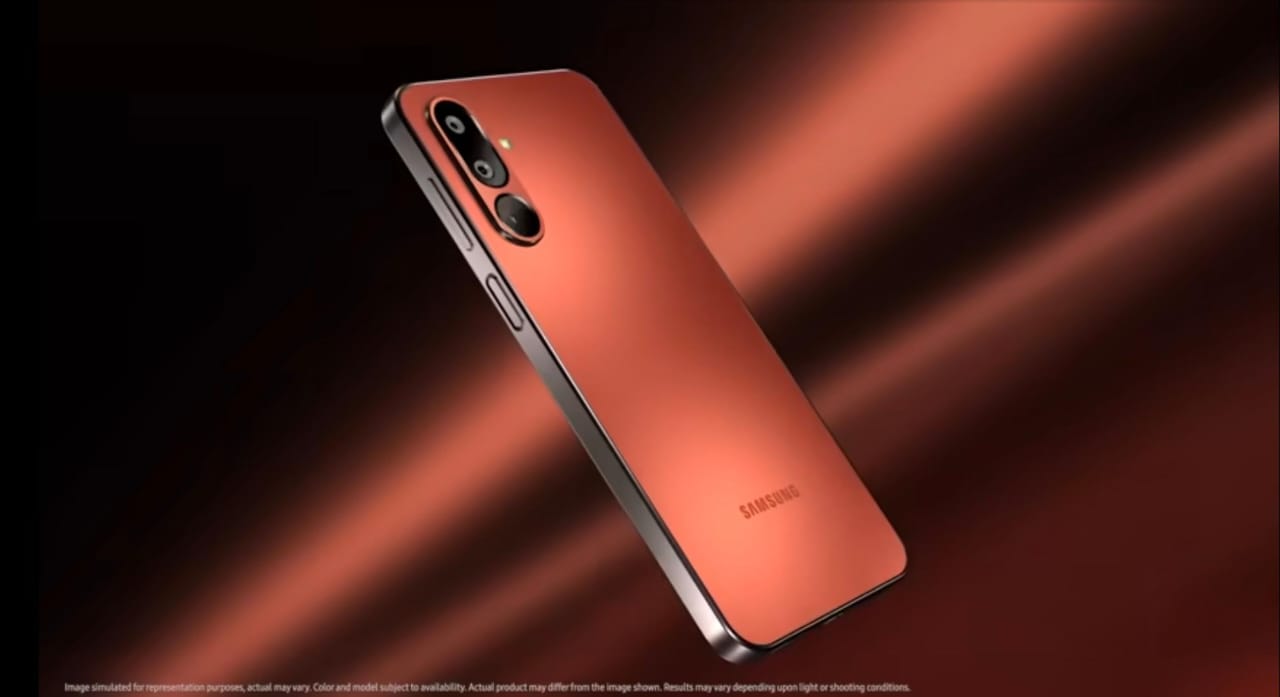
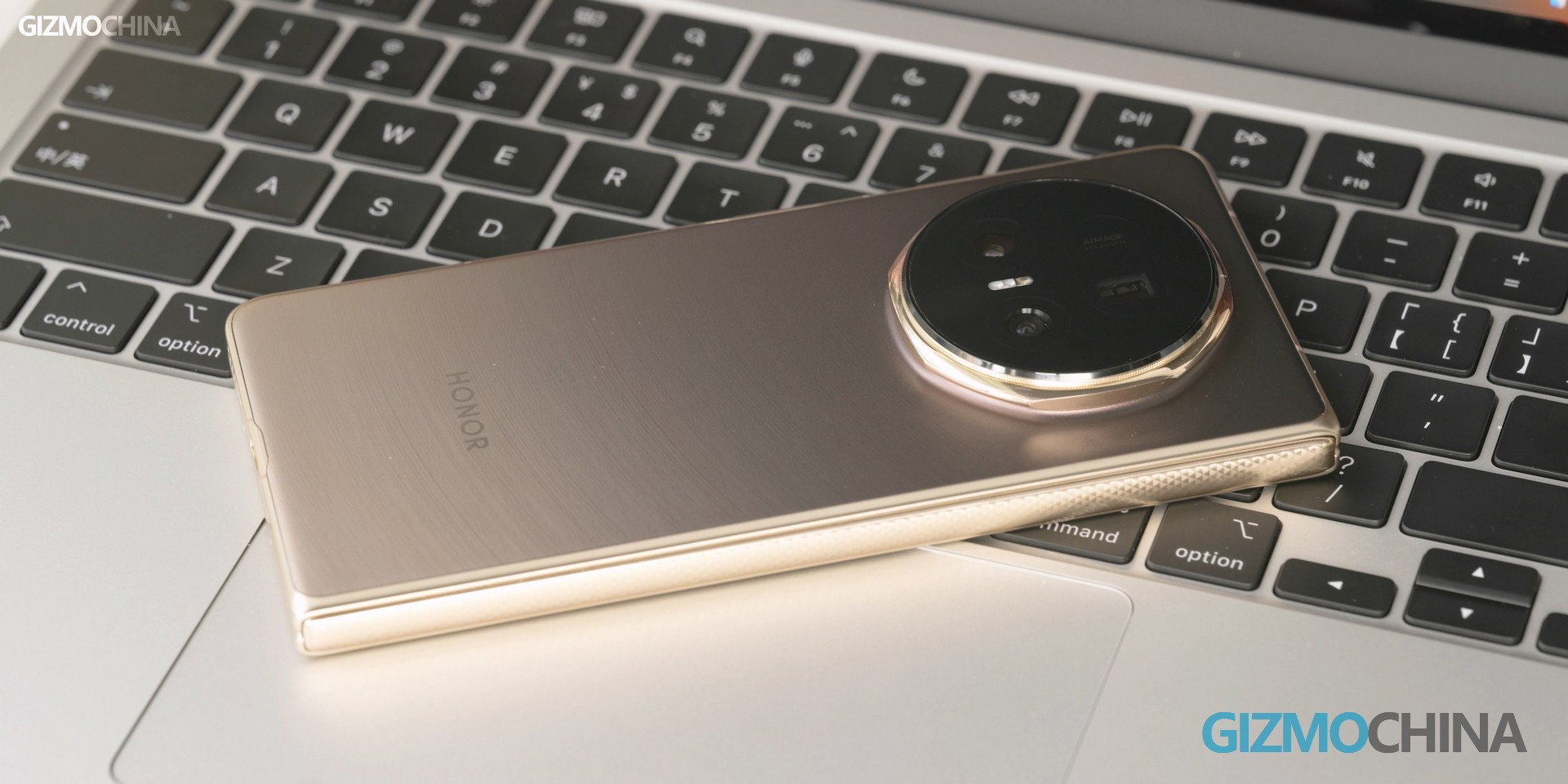
Samsung’s next flagship lineup could be the thinnest Galaxy phones yet, if new leaks are anything to go by. The Galaxy S26 series — expected to arrive in early 2026 — is said to be pushing slimmer designs across all models without cutting down on battery life or durability.
According to a report, the Galaxy S26 Pro, S26 Edge, and S26 Ultra are all getting noticeable reductions in thickness compared to this year’s S25 models. The S26 Pro, which replaces the base model, reportedly comes in at just 6.7mm thick (down from 7.2mm). The S26 Edge could slim down even further to 5.5mm, compared to the S25 Edge’s 5.8mm. Despite that, it’s said to pack a larger 4,200mAh battery — a bump from 3,900mAh.
The S26 Ultra, meanwhile, is tipped to measure 7.8mm, compared to 8.2mm on the S25 Ultra. That reduction is more modest, as the Ultra still houses the S Pen, which limits how thin the design can get unless Samsung rethinks the stylus entirely.
These figures are based on internal prototypes, so the final numbers could shift slightly before launch. Still, Samsung seems to be positioning the lineup against rivals like Apple’s rumored iPhone 17 Air, which may come in at just 5.5mm.
Alongside slimmer builds, Samsung is keeping headline specs like a 200MP camera and upgraded charging on the Ultra. The Galaxy S26 family is slated for a January 2026 launch, with prices expected to mirror this year’s lineup — $799 for the Pro, $1,099 for the Edge, and $1,299 for the Ultra. Still, a bump wouldn’t be out of the question, given Samsung’s history, the new ‘Pro’ branding, and the rumored redesign.
Lenovo could be pushing the boundaries of laptop design soon, with leaks revealing a bold new concept called Project Pivo. If you remember the LG Wing smartphone that featured a rotating screen, Project Pivo takes things a step further with a laptop with a rotating display.
Lenovo’s Rotating Screen Concept Laptop Leaked Ahead of IFA 2025
The leak was shared by Evan Blass, who shared some details and a render on X (formerly Twitter). A new concept laptop from Lenovo is in the works, with the tipster claiming that the laptop could debut during next week’s IFA/Innovation Week. The rotating display is the highlight, offering users to switch between portrait and landscape orientations.
Lenovo Project Pivo Concept Laptop with Rotating Display
This is reportedly being called Project Pivo, with the render image showcasing the laptop with its display flipped 90 degrees for portrait use. Lenovo likely connects the base of the laptop to the screen via magnets, with power and data likely going through contacts on the back of the display. Allowing for different orientations helps in making vertical media content easier to consume (think social media), with another benefit coming from reading documents.
The Chinese tech giant’s Project Pivo joins the likes of other unique Lenovo branded laptops like the ThinkBook Plus Gen 6 Rollable, which has an OLED screen that extends out for a taller display, and the foldable OLED display on the ThinkPad X1 Fold. So stick around for more as we will be covering this upcoming event.
For more daily updates, please visit our News Section.
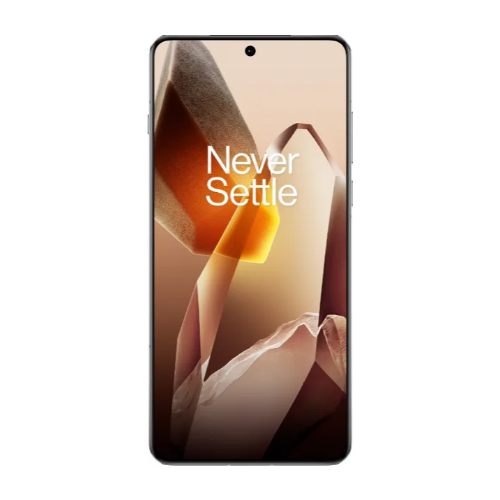
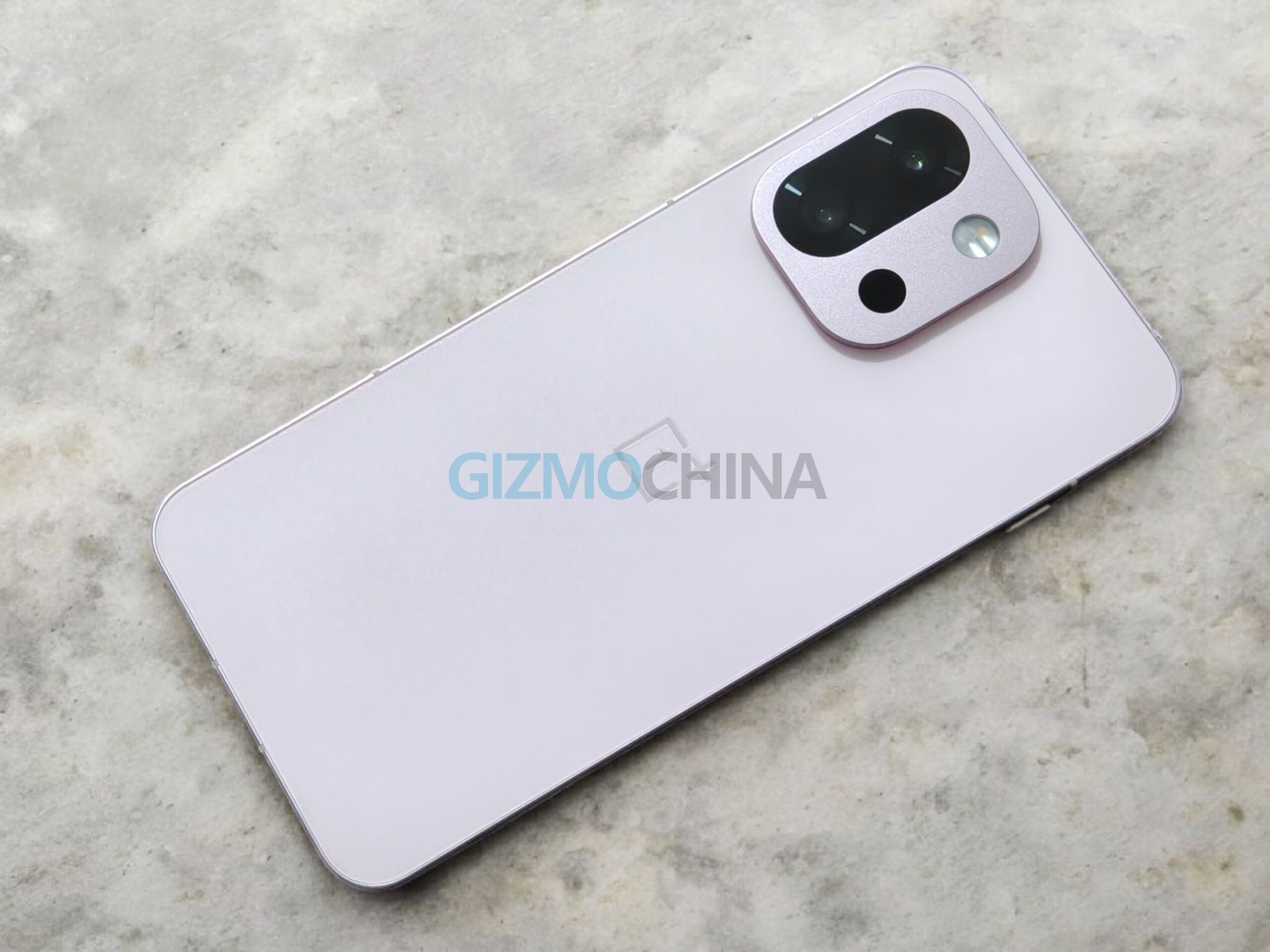
The upcoming OnePlus 15’s color and storage details have surfaced online, revealing more details before its official launch. According to recent leaks, the flagship will be available in three new colors and five storage configurations. So let’s check it out.
OnePlus 15 Leaked Ahead of Launch
The Chinese brand’s new flagship just surfaced on GeekBench, a popular benchmarking platform. Now, we get more details regarding the OnePlus 15 via known tipster Digital Chat Station (Via NotebookCheck). The OmePlus 15 will reportedly arrive in multiple storage options, which include 12GB + 256GB, 12GB + 512GB, 16GB + 256GB, 16GB + 512GB, and 16GB + 1TB variants. But what’s more interesting was the color reveal. We might be getting three color options with a Black, a new purple, and a possibly shiny titanium version. Notably, the black color could be the “Moon Rock Black”, which has an extremely high light absorption rate.
OnePlus 13s
DCS further revealed the weight of the OnePlus 15, which is reportedly around 215 grams. This isn’t too surprising considering how the OnePlus 13 was also quite hefty. The next gen flagship likely retains the tall display but with a larger battery pack. Based on our recent reports, the OnePlus 15 sports a tall 6.78-inch display with a 165Hz refresh rate, but downgraded to 1.5K resolution. We can expect it to pack the Snapdragon 8 Elite 2 and a massive 7,000mAh battery pack with 100W wired fast charging support.
For photography, the device may feature a 50-megapixel main camera with OIS support, a 50-megapixel ultra-wide lens, and a 50-megapixel 3x periscope telephoto camera. Although, the rear camera module might be changed from a circular module to a square one.
For more daily updates, please visit our News Section.
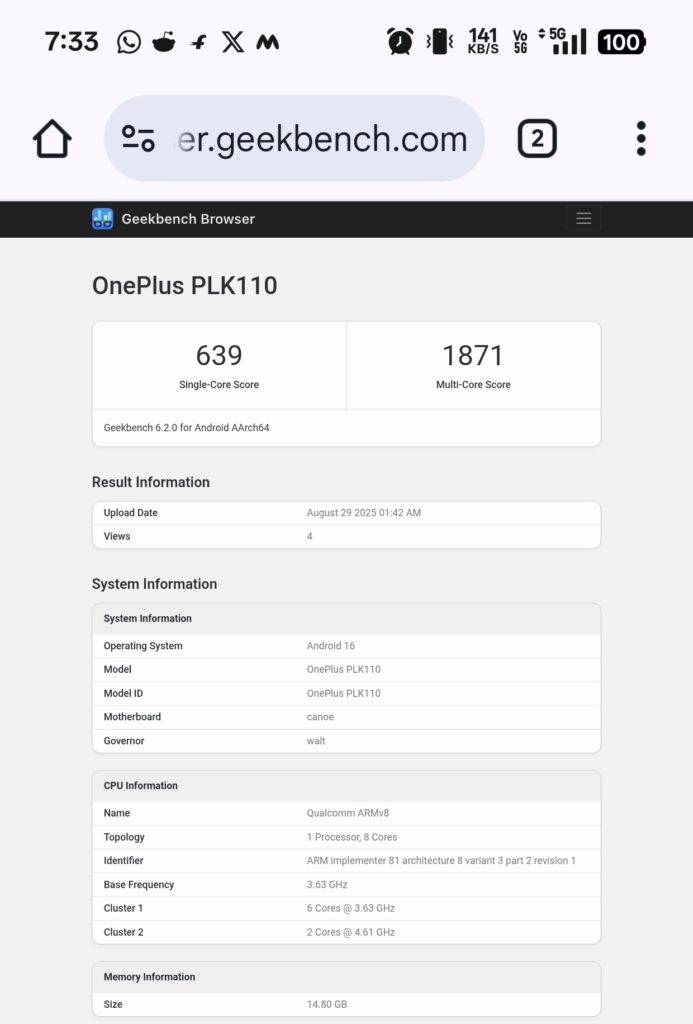
The next OnePlus flagship is taking shape, and an early benchmark sighting has revealed some cutting edge hardware. OnePlus 15 just surfaced on the GeekBench database carrying Qualcomm’s next high end chipset, the new Android iteration, and more.
Snapdragon 8 Elite 2 Confirmed in OnePlus 15?
Looking at the GeekBench listing, the OnePlus 15 can be seen carrying the OnePlus PLK110 model number. It was spotted running on the Snapdragon 8 Elite 2, which will power the upcoming generation of flagship Android devices. We’ve already seen this chip achieve impressive performance in this benchmark on other smartphones, like the Red Magic 11 Pro and Samsung Galaxy S26 Ultra. Single test scores typically crossed the 3,000 points mark, while the multi core test was over 10,000 points.
However, the OnePlus 15 was seen as having a disappointing score of just 631 points and 1,871 points, respectively. This could be because the chip is running at a slow 750MHz frequency, instead of its peak clock speed of 4,610MHz. The company could be testing the device in low power mode (Via NotebookCheck). Apart from the chip, the GeekBench listing also confirmed the Adreno 840 GPU along with 16GB of RAM.
OnePlus 15 (Rumored)
OnePlus’ next top model will also run on the latest Android 16 OS out of the box. In related news, the OnePlus 15 may sport a tall display with a 165Hz refresh rate. While this is an upgrade in terms of refresh rate, the brand might be downgrading the 2K+ resolution on its predecessor to just a 1.5K resolution panel.
For more daily updates, please visit our News Section.
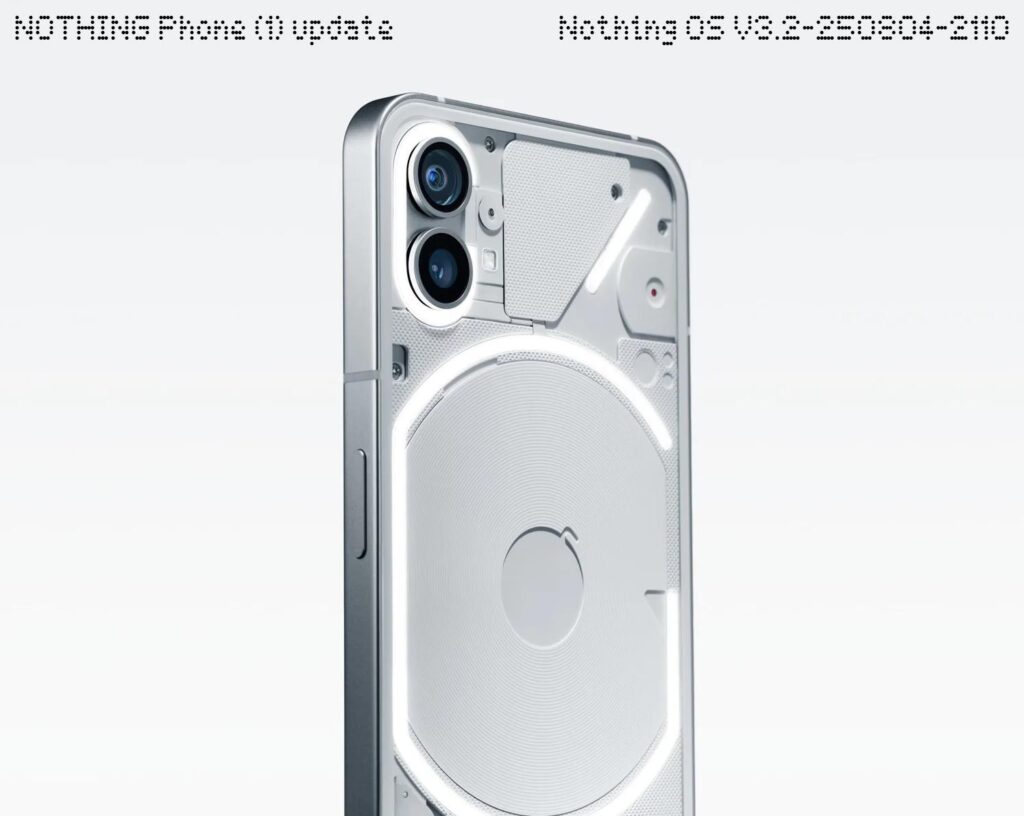
Nothing has released the Nothing OS V3.2-250804-2110 update for the Nothing Phone (1). The new version brings two fresh features, multiple bug fixes, system optimisations, and the August 2025 security patch.
New Features
The pedometer and screentime widgets now support sharing.
The Camera app settings have updated gallery options for previewing photos.
Fixes and Improvements
The update focuses heavily on performance and stability:
Fixed display errors affecting tiles in Quick Settings.
Resolved an issue where cloned apps could not open PDF files.
Optimised how the VoNR icon appears in the status bar.
Fixed a problem where blocking connected devices in hotspot and tethering did not work.
Reduced battery usage when watches are connected to the phone.
Corrected Inter font display issues in apps such as Instagram and Subito.
Improved overall system stability and network connection quality.
Integrated the August 2025 Android security patch for better protection.
Nothing has stated that the device may temporarily heat up and use more power during the update. This is normal and the phone will return to regular performance after the process is complete.
The V3.2 update is not a major redesign, but it brings meaningful changes by fixing common issues, improving connectivity, and refining everyday performance.
For more daily updates, please visit our News Section.
Huawei could be expanding its MatePad lineup of tablets with another high end model. However, unlike its previous premium MatePads, this new tablet might stand out thanks to its compact form factor. New rumors hint that the small flagship tablet may be arriving soon.
Here’s what we know about Huawei’s compact flagship tablet
The latest rumor arrives from known tipster Digital Chat Station, who shared the details on Weibo. Huawei is already working on its second generation tri-folding Mate XT phone. Now, the new leak suggests that a compact flagship tablet might be arriving soon. In his recent post, DCS claimed that this new MatePad may debut soon with an 8.8-inch OLED panel with narrow bezels surrounding the screen.
Huawei MatePad 12
Huawei’s upcoming tablet was apparently spotted in a network certification, which also confirmed 5G support. Apart from this, the compact MatePad will likely run on the N-1 Kirin 9 series processor, possibly the Kirin 9030. This news is also in line with our previous report, which mentioned the brand is planning on releasing a compact flagship tablet on 4th September 2025, along with the FreeClip 2.
If this is true, then Huawei is competing with the likes of the Redmi K Pad, Lenovo Legion Y700, and Red Magic Astra. Lastly, the tipster revealed the possible color options for this new MatePad model. There are three color options mentioned, namely green, white, and black. This is all the information we have at the moment, so stick around for more.
For more daily updates, please visit our News Section.
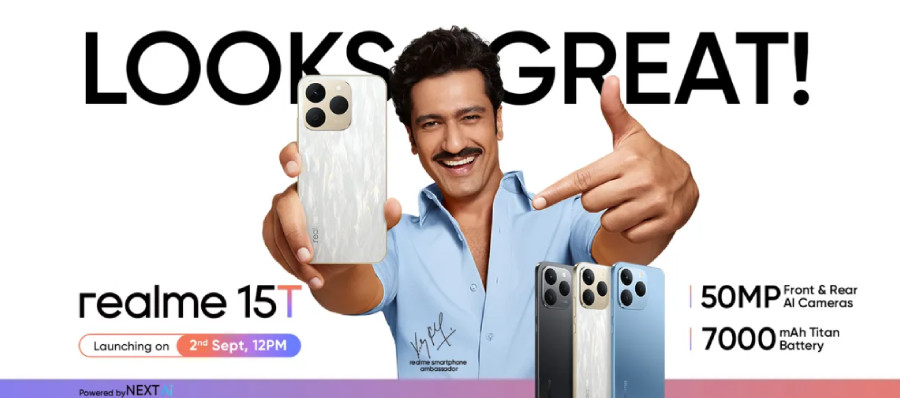
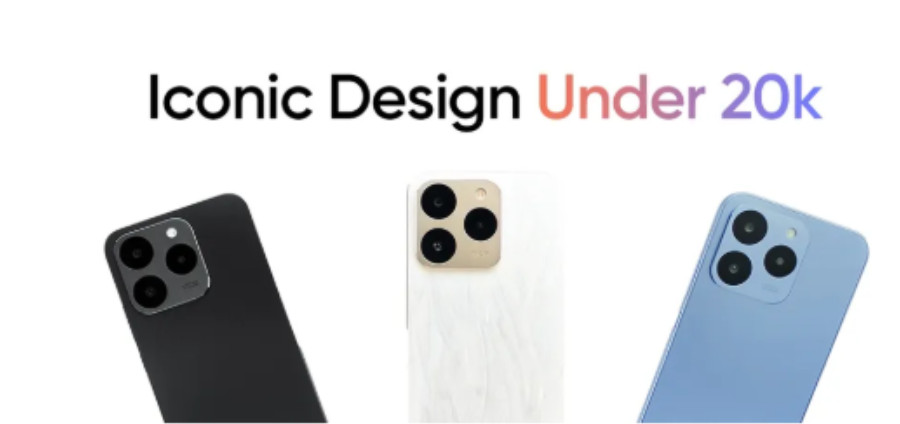
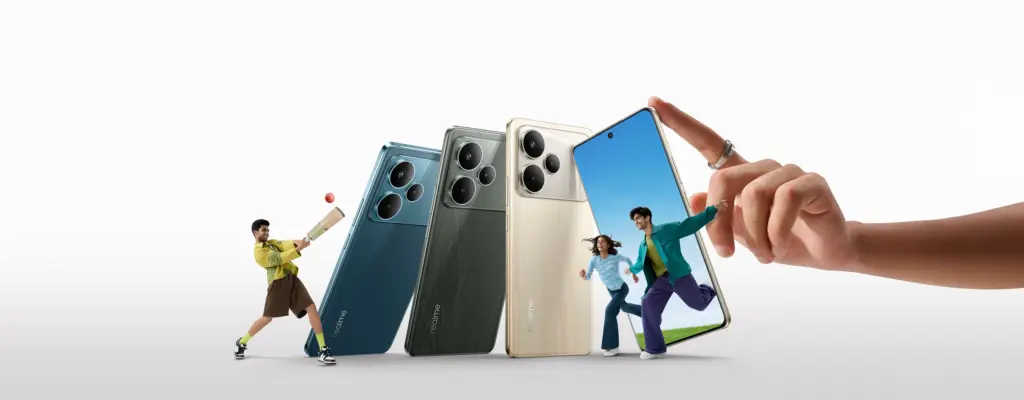
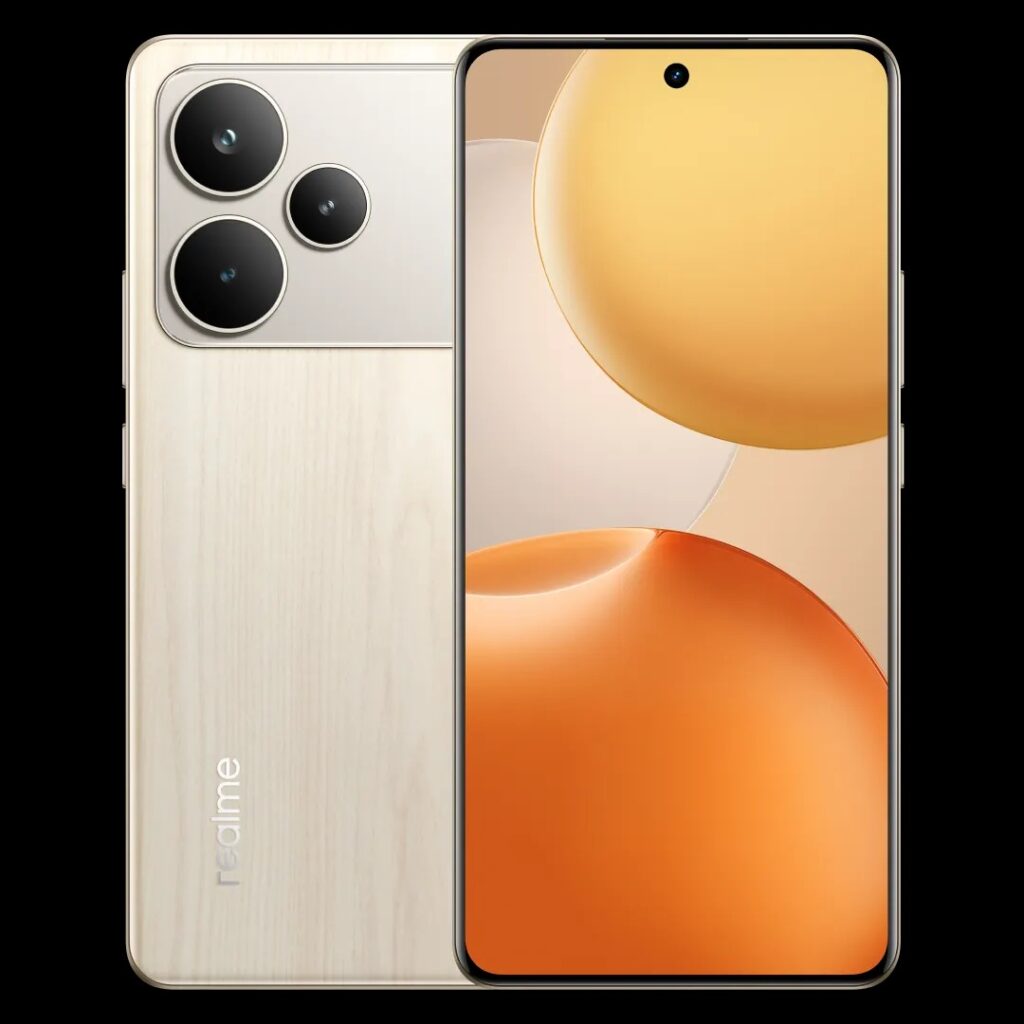
Realme has officially confirmed that it will launch the Realme 15T 5G smartphone on September 2, 2025. Alongside the launch date, the phone’s microsite has also gone live on Flipkart, revealing some of its key features.
The device will feature a 6.57-inch AMOLED display with a peak brightness of 4,000 nits. Despite packing an unusually large 7,000mAh battery, it maintains a sleek and lightweight profile at 7.79mm thick and 181g in weight.
According to Realme, this setup will deliver over 25 hours of YouTube playback, more than 120 hours of music streaming, and up to 13 hours of continuous gaming—all while being the slimmest and lightest phone in its segment.
50MP camera on front and back
For cameras, the Realme 15T 5G includes a 50MP main sensor on the back. It appears to be accompanied by two secondary lenses, though Realme hasn’t revealed details yet. On the front, the phone also carries a 50MP camera.
The cameras are backed by a suite of AI features, including AI Edit Genie, AI Unblur, AI Glare Remover, AI Smart Remover 2.0, and more.
Performance is powered by the MediaTek Dimensity 6400 Max (6nm) chipset, paired with a 6,050mm² vapor chamber cooling system.
On the software side, the 15T runs Realme UI 6.0 based on Android 15, with a promise of three years of OS updates and four years of security patches. Realme has also included Mini Capsule 2.0, its dynamic island-like feature that displays contextual alerts such as weather, step count, and charging status. Adding to its durability, the phone carries an IP69 rating for dust and water resistance.
The device supports 60W wired charging, and Realme is expected to bundle an 80W charger in the box.
As for pricing, a recent report suggests that the base 8GB/128GB model will be priced at Rs 20,999. The 8GB/256GB variant will cost Rs 22,999, while the 12GB/256GB option will be available for Rs 24,999.
The microsite tagline, “Iconic Design Under 20K,” hints that launch offers or bank discounts may push the base variant’s price below the Rs 20,000 mark.
For more daily updates, please visit our News Section.
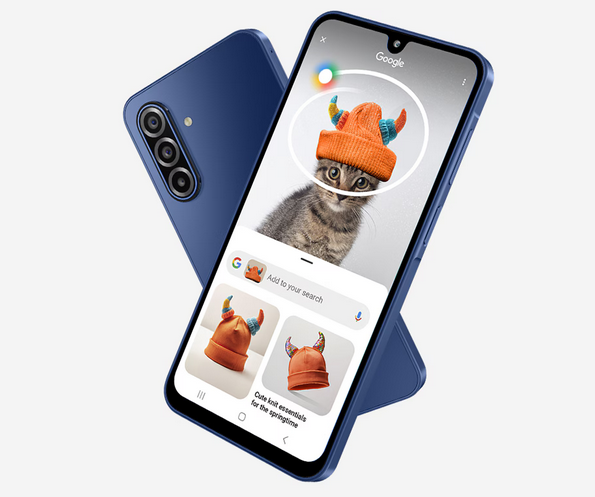
Alongside the premium new thin and light Galaxy Book 5, Samsung announced a budget smartphone from its popular Galaxy A series. The new Galaxy A17 5G is positioned above the entry level Galaxy A07, bringing better specs and features. So here’s everything you need to know.
Samsung Galaxy A17 5G: What does it offer?
Unlike the more affordable Galaxy A07, the South Korean tech giant unveiled the Galaxy A17 5G with a tall Super AMOLED display. This 6.7-inch panel has an FHD+ resolution, 16M color depth, 90Hz refresh rate, and a Corning Gorilla Glass Victus for protection. The front also has a 13MP selfie shooter housed in a waterdrop notch. Meanwhile, the rear has a triple camera setup with a 50MP (Main), 5MP (Ultra Wide), and 2MP (Macro) shooters.
Samsung Galaxy A17 5G
A sizeable 5,000mAh battery pack powers the Galaxy A17 5G with support for 25W wired fast charging. Out of the box, this budget phone runs on the Android 15 OS based OneUI 7 custom skin. Samsung is promising 6 years of Android updates along with 6 years of security patches as well. Other notable features include an IP54 rating for water and dust resistance, Gemini Live, Circle to Search, NFC, Bluetooth 5.3, and a fingerprint scanner for security.
Pricing and Availability
The new Galaxy A17 5G just debuted in three color options, namely Gray, Black, and Blue. It is also available in three storage configurations with a starting price tag of 18,999 INR for the 6GB + 128GB model. Meanwhile, the 8GB + 128GB variant costs and the 8GB + 256GB version costs 20,499 INR and 23,499 INR, respectively. Samsung is offering an instant 1,000 INR bank discount as well.
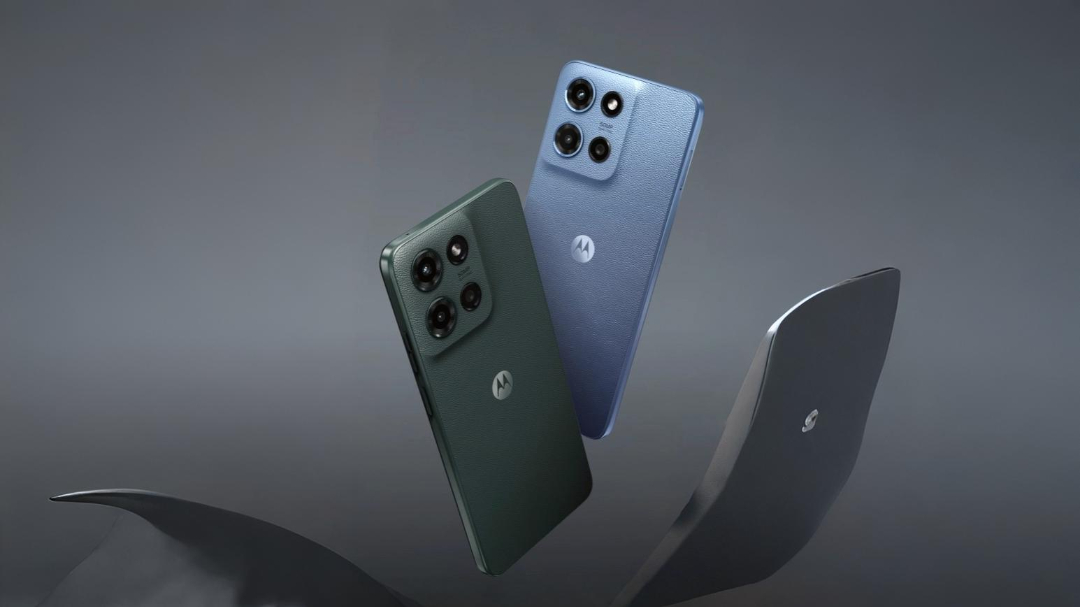
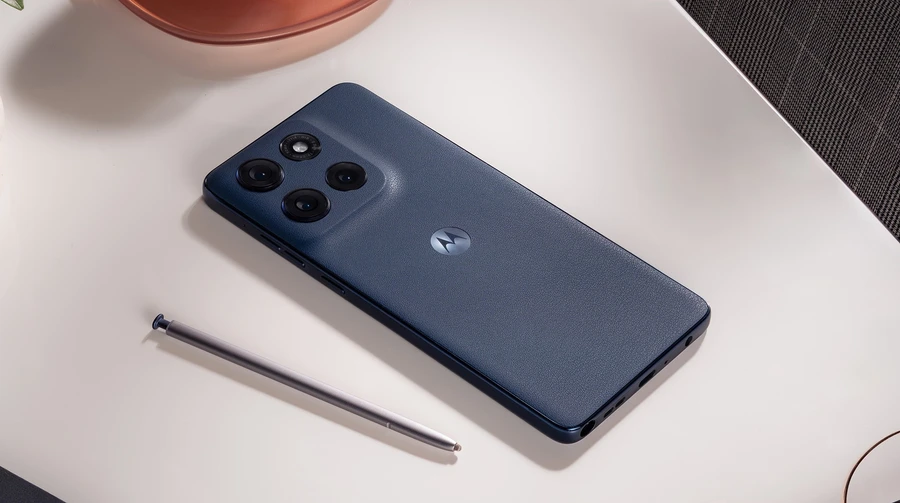
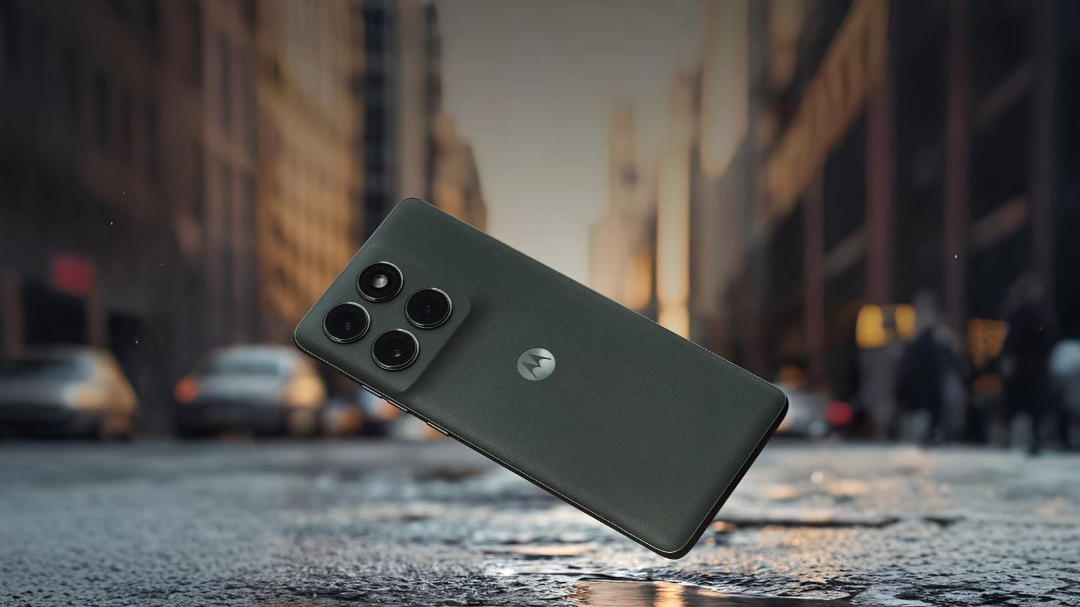
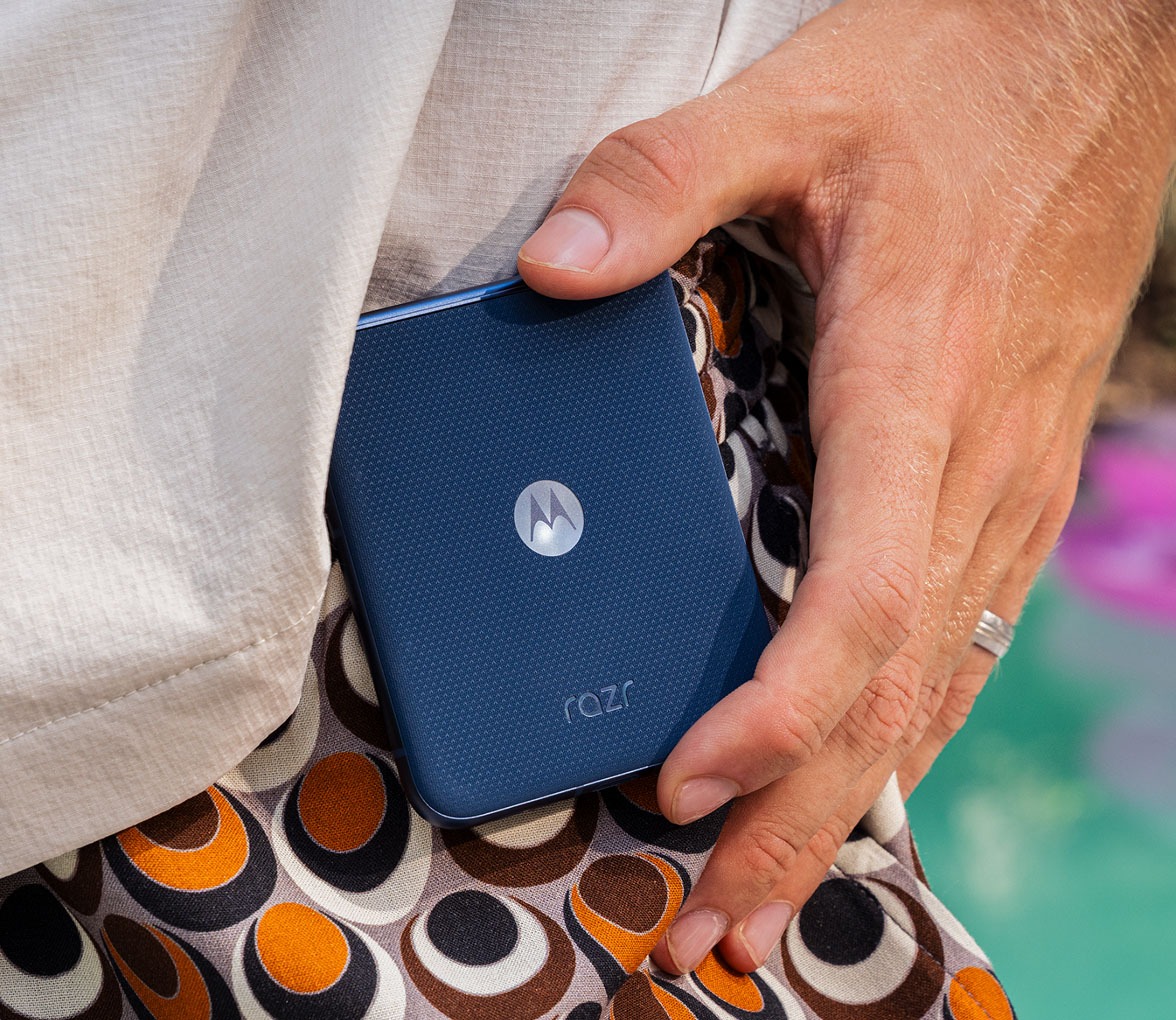
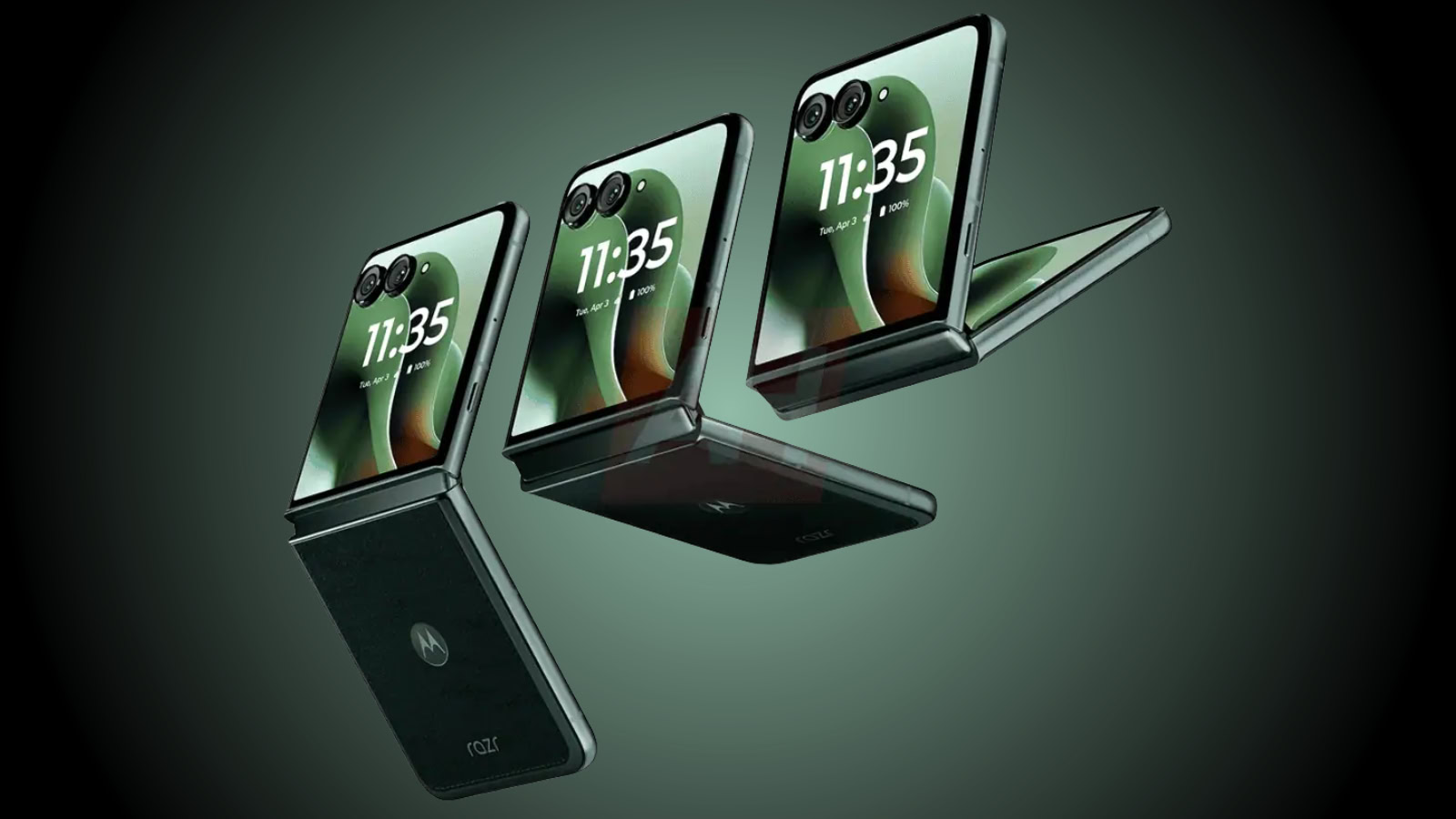
Motorola has refreshed its entire US smartphone lineup for 2025, covering everything from affordable 5G devices to high-end foldables powered by the latest AI features. Whether you’re buying your first smartphone or upgrading to a flagship foldable, Motorola now has something in every price tier. Here’s a detailed breakdown of each model, why it matters, and who it’s best for.
The Moto G 5G (2025) is Motorola’s most affordable 5G phone for the US. It runs on the MediaTek Dimensity 6300 processor and features a 6.7-inch HD+ 120Hz display. The phone includes 4GB of RAM, up to 128GB storage, and a 5000mAh battery with 30W charging.
It also retains classic features like a 3.5mm headphone jack, microSD card slot, and a dual camera setup with a 50MP main sensor. It ships with Android 15 and supports both eSIM and nano SIM cards.
Motorola built this phone for basic reliability. It handles everyday tasks, video streaming, and social apps without lag.
Who it’s for: Buyers looking for a basic 5G smartphone under $200 that can last all day and handle light usage without compromise.
Please Note: When you buy something using the links in our articles, we may earn a small commission at no cost to you.
2. Budget Tough: Moto G Power 5G (2025) – $249
The Moto G Power 5G (2025) builds on the base G model by adding durability features. It comes with IP68 and IP69 dust and water resistance, Gorilla Glass 5 protection, and MIL-STD-810H military-grade certification. This model keeps the same Dimensity 6300 chipset but bumps up the RAM to 8GB and includes a better FHD+ 120Hz display.
It also adds 15W wireless charging and an upgraded 8MP ultrawide camera. The battery remains 5000mAh with 30W wired charging.
Who it’s for: Users who want a tougher device that can survive drops, spills, and outdoor use without sacrificing modern features.
Please Note: When you buy something using the links in our articles, we may earn a small commission at no cost to you.
3. Mid-Range: Moto G Stylus 5G (2025) – $399
The Moto G Stylus 5G (2025) focuses on creative features and multitasking. It includes a built-in stylus with improved responsiveness and software tools like Sketch to Image and Circle to Search. The 6.7-inch 1.5K pOLED display is bright at 3000 nits and supports a 120Hz refresh rate.
Motorola upgraded the internals with the Snapdragon 6 Gen 3 processor, 8GB RAM, and 256GB storage. The rear setup features a 50MP LYTIA 700C sensor with OIS and a 13MP ultrawide camera. On the front is a 32MP selfie camera. The phone supports 68W wired charging and 15W wireless charging.
Who it’s for: People who sketch, take notes, or need stylus support on a mid-range phone with a great display and solid camera hardware.
Please Note: When you buy something using the links in our articles, we may earn a small commission at no cost to you.
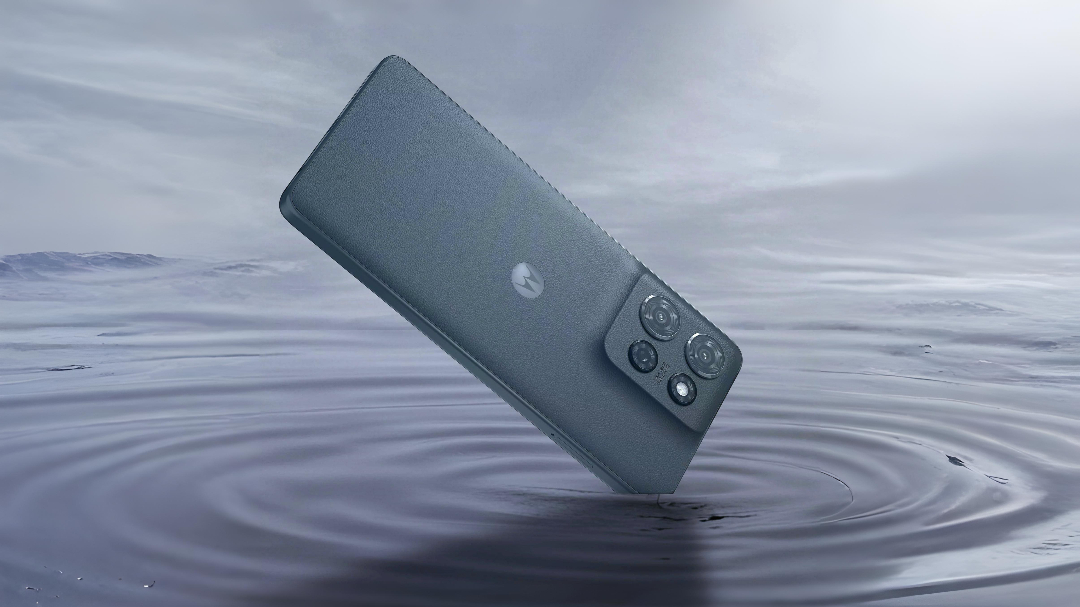
4. Upper Mid-Range: Motorola Edge (2025) – $549
The Motorola Edge (2025) is a slab-style phone with premium features. It has a 6.7-inch curved 1.5K OLED screen with up to 4500 nits brightness, HDR10+ support, and 120Hz refresh rate. It runs on the new MediaTek Dimensity 7400 chip, paired with 8GB of RAM and 256GB storage.
The triple rear camera setup includes a 50MP main sensor with OIS, a 50MP ultrawide, and a 10MP 3x telephoto. On the front, there’s another 50MP camera. The Edge 2025 also includes an in-display fingerprint sensor, IP68 and IP69 certification, and MIL-STD-810H protection. Motorola added an AI Key for shortcut-based Gemini AI features like Catch Me Up, Playlist Studio, and transcription.
Who it’s for: Anyone who wants a traditional slab phone with high-end visuals, a sharp camera setup, and strong durability ratings at a mid-premium price.
The base Razr model keeps the iconic flip phone design while balancing price and performance. It uses the MediaTek Dimensity 7400X and features a 6.9-inch pOLED main display with a 120Hz refresh rate and a 3.6-inch outer display. Motorola added a 50MP main camera and a 13MP ultrawide, while the 32MP selfie camera rounds out the imaging setup.
The device supports 30W wired charging and 15W wireless charging, and runs Android 15 with features like Dual Preview and Magic Editor. It also comes with AI tools like Group Shot, Action Shot, and a Photo Booth mode.
Who it’s for: Buyers who want the style and convenience of a flip phone without going into flagship territory.
Please Note: When you buy something using the links in our articles, we may earn a small commission at no cost to you.
6. Flagship: Motorola Razr Plus (2025) – $999
The Razr Plus improves on the base model with more powerful specs and features. It uses the Snapdragon 8s Gen 3 chipset with 12GB of RAM and 256GB UFS 4.0 storage. The foldable 6.9-inch main display supports a 165Hz refresh rate, and the outer display is a 4.0-inch full-featured pOLED panel.
The phone adds a 50MP telephoto camera alongside the main sensor and includes features like Dolby Vision video, Snapdragon Sound, and up to 45W fast charging. AI features are deeply integrated, and Motorola supports Google Gemini natively with a 3-month Google One AI Premium trial.
Who it’s for: Users who want flagship-grade performance in a stylish, dual-display foldable under $1,000.
7. Flagship: Motorola Razr Ultra (2025) – $1,299
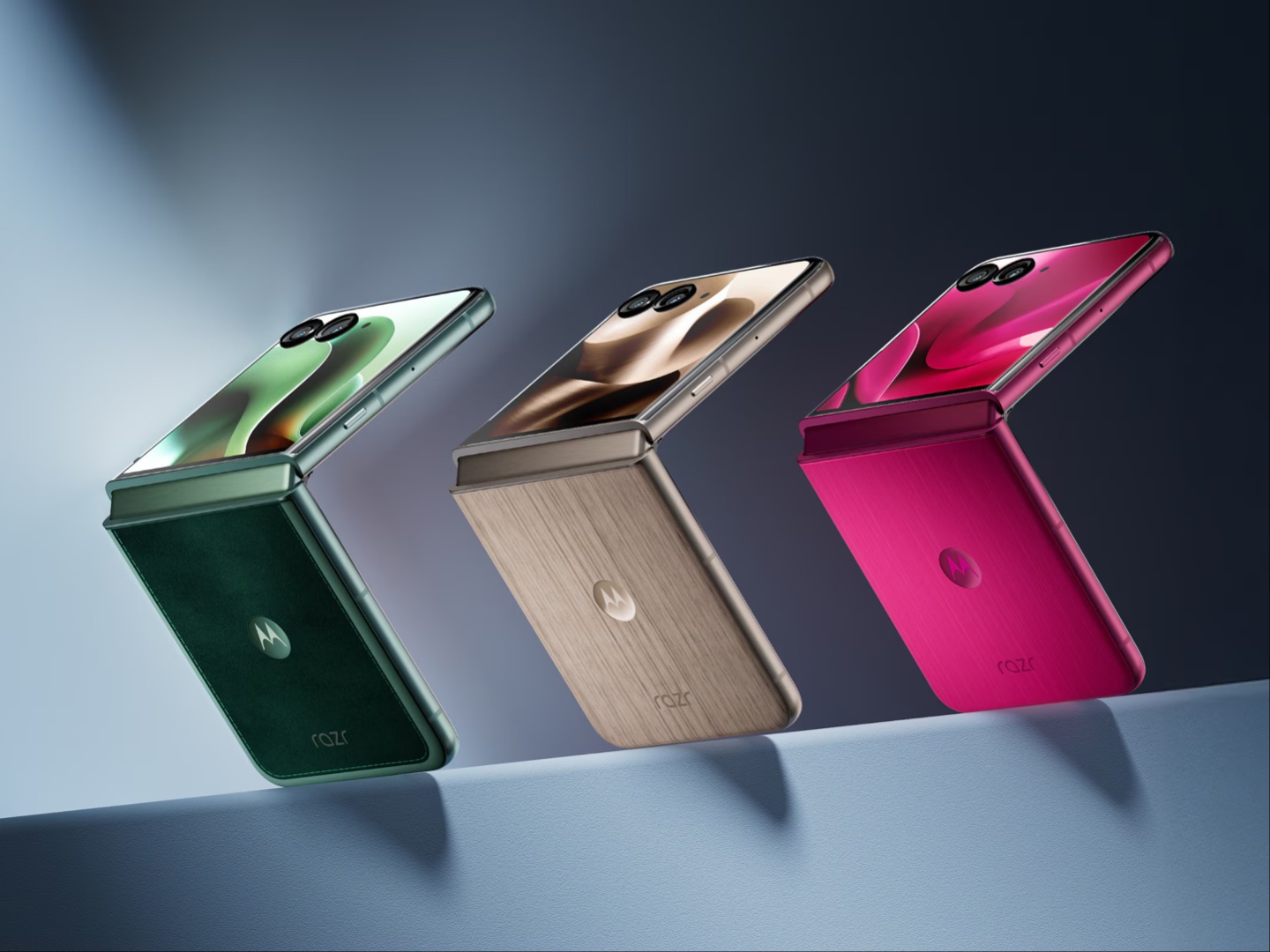
The Razr Ultra (2025) stands at the top of the lineup with a Snapdragon 8 Elite processor, 16GB of LPDDR5X RAM, and up to 1TB of UFS 4.0 storage. The camera setup includes the first triple 50MP system on a flip phone, supporting 8K video, Dolby Vision, and a host of AI shooting modes.
It also features a larger 7.0-inch Super HD inner display with 165Hz refresh rate and a bright 4.0-inch outer screen. Motorola uses premium materials like Alcantara, ceramic glass, and wood finish on different variants. It supports 68W wired charging, 30W wireless charging, and 5W reverse charging.
Who it’s for: Tech enthusiasts and creators who want an advanced foldable with best-in-class performance, storage, and cameras.
For more daily updates, please visit our News Section.
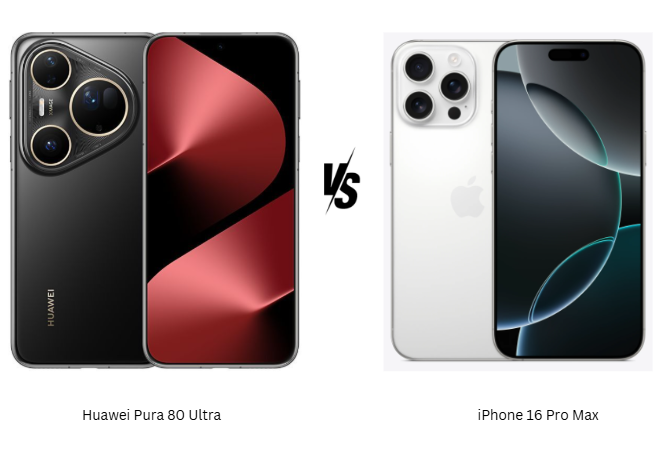
Huawei Pura 80 Ultra and iPhone 16 Pro Max are two flagship smartphones that push boundaries in design, performance, and camera technology. Both devices represent the peak of their ecosystems, Huawei with its advanced imaging hardware and iPhone with its refined software and processing power. This comparison highlights how each model upgrades over its predecessors and which one stands out in critical areas.
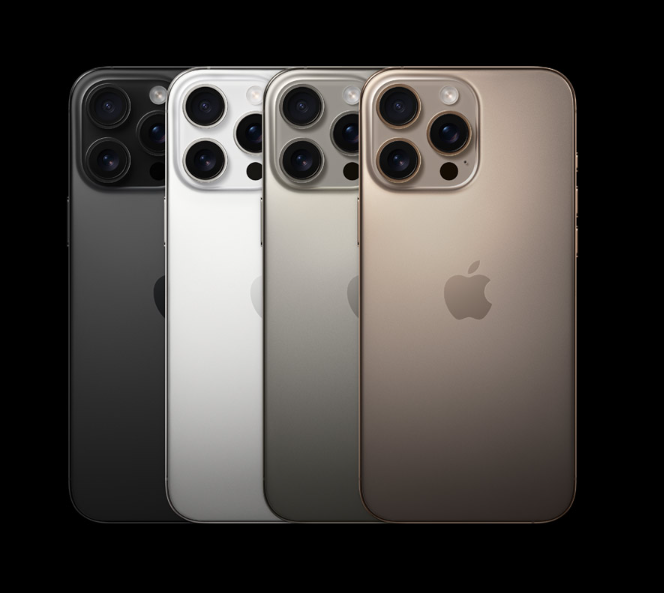
Build and Feel: Huawei uses a glass-aluminum construction with advanced Kunlun Glass 2, while the iPhone brings a titanium frame with Apple’s latest Ceramic Shield protection. Huawei offers higher water resistance with IP68/IP69 against high-pressure water jets, while the iPhone is certified for up to 6m immersion. The titanium body gives the iPhone a more premium edge, though Huawei’s build emphasizes ruggedness.
Verdict: The iPhone 16 Pro Max feels more refined, while Huawei wins on durability.
Display Quality: Huawei’s 6.8-inch LTPO OLED boasts 3000 nits peak brightness and ultra-high 1440Hz PWM dimming for eye comfort, while the iPhone’s 6.9-inch LTPO OLED offers Dolby Vision with 2000 nits HBM and spatial video support. Huawei provides sharper customization and higher brightness on paper, but Apple’s Dolby Vision and Pro-level calibration make its display better for cinematic use.
Verdict: Huawei leads in specs, while Apple delivers superior real-world media quality.
Verdict: Both displays are cutting-edge, but Huawei emphasizes peak brightness and durability, while the iPhone focuses on refinement and cinematic excellence. The iPhone 16 Pro Max edges ahead for those valuing immersive content experiences, while Huawei appeals more to users seeking technical superiority and resilience.
Please Note: When you buy something using the links in our articles, we may earn a small commission at no cost to you.
2. Specifications
iPhone 16 Pro max
Performance: Huawei runs the Kirin 9020 (7nm) with Maleoon 920 GPU, offering 16GB RAM for multitasking. Apple’s A18 Pro (3nm), paired with 8GB RAM, is significantly more efficient and optimized for heavy workloads like gaming and creative apps. While Huawei provides more RAM, Apple’s chipsets are benchmark leaders and deliver unmatched performance per watt.
Verdict: iPhone 16 Pro Max clearly outperforms in raw speed and efficiency.
Battery and Charging: Huawei carries a 5170–5700 mAh battery with 100W wired and 80W wireless charging, plus reverse charging. In contrast, Apple equips a 4685 mAh battery with slower 25W wireless and 4.5W reverse wired charging. Huawei’s battery life and versatility far outclass Apple’s conservative approach. Apple still benefits from iOS optimization, but Huawei provides both bigger capacity and faster charging.
Verdict: Huawei dominates in charging flexibility and endurance.
Verdict: Apple leads in performance efficiency, while Huawei is far ahead in battery technology. For pure speed, the iPhone is superior; for longevity and fast refueling, Huawei takes the crown.
3. Camera
Huawei Pura 80 Ultra
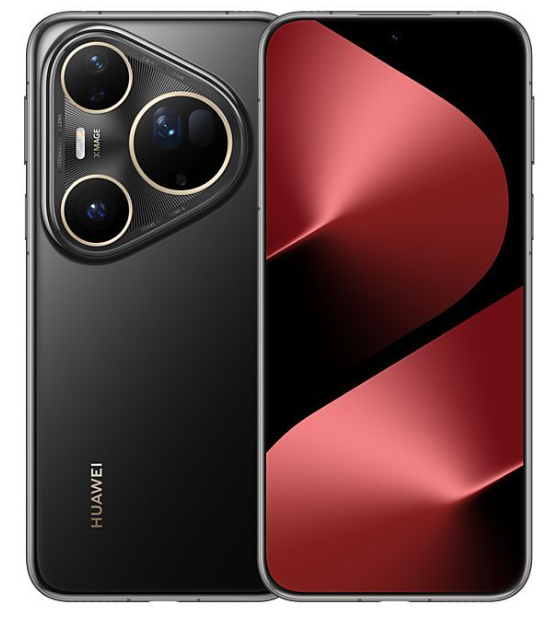
Main and Secondary Lenses: Huawei introduces a quad setup with a 1-inch 50MP sensor, dual telephoto lenses up to 9.4x optical zoom, and a 40MP ultrawide. This versatility allows it to outperform most competitors in zoom and detail. The iPhone features a triple setup with 48MP main and ultrawide lenses, plus a 5x periscope telephoto and LiDAR scanner. While Apple excels in computational photography and 3D depth mapping, Huawei’s hardware gives more optical reach and flexibility.
Verdict: Huawei offers the more advanced camera system for professionals.
Selfie Camera: Huawei’s 13MP ultrawide selfie camera supports 4K video with HDR Vivid, while Apple’s 12MP front sensor includes OIS, PDAF, and Face ID depth mapping. Apple’s camera is tuned for portrait accuracy and integrates tightly with biometric security, making it superior for video calls and AR. Huawei’s ultrawide lens is better for group selfies.
Verdict: iPhone provides more reliable, high-quality selfies, while Huawei favors versatility.
Verdict: Huawei wins in rear camera versatility and optical hardware, while Apple holds an edge in front-facing cameras and software-powered imaging. For photography enthusiasts, Huawei is the clear choice; for creators and AR users, iPhone remains stronger.
4. Pricing
Huawei Pura 80 Ultra is priced around $1500, while the iPhone 16 Pro Max starts at $1200. Huawei justifies its higher price with larger RAM, bigger battery, faster charging, and advanced zoom cameras. Apple, however, provides unmatched performance, longer software support, and a polished ecosystem at a lower price.
Verdict: iPhone 16 Pro Max offers better overall value, while Huawei is positioned as a premium niche flagship for power users.
5. SPECS Comparison
Category
Huawei Pura 80 Ultra
iPhone 16 Pro Max
Build & Protection
Glass front & back, aluminum frame, Kunlun Glass 2, IP68/IP69 (high-pressure water jets)
Glass front & back, titanium frame, Ceramic Shield, IP68 (up to 6m immersion)
Huawei offers dual telephoto zoom, satellite calling (China only), and blazing-fast 100W charging, features absent in the iPhone. Apple stands out with spatial video recording, LiDAR depth sensing, titanium durability, and long-term iOS support.
Verdict: Huawei Pura 80 Ultra is best for users who want cutting-edge camera hardware, massive battery life, and ultra-fast charging. The iPhone 16 Pro Max is the better choice for those who value ecosystem integration, sustained performance, cinematic media, and reliable long-term updates.
Ultimately, Huawei pushes hardware innovation, while Apple refines user experience and ecosystem stability.
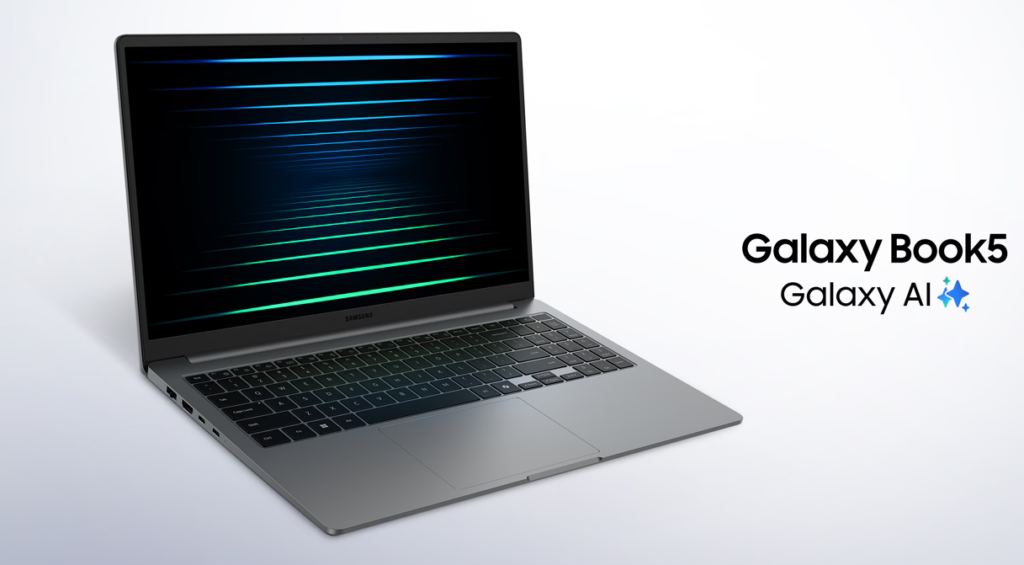
Samsung has officially launched the Galaxy Book 5 in India, as the latest model in the premium thin-and-light laptop category. Earlier this month, the company unveiled the Galaxy Book 5 Pro in the region, and now, we are getting the entry level model. Powered by Intel’s newest Core Ultra Series 2 processors and enhanced by Galaxy AI, this model brings performance and long battery life packed in a sleek design.
Samsung Galaxy Book 5: Design & Display
The South Korean tech giant just announced the Galaxy Book 5 with a premium metallic chassis that weighs just 1.55kg in weight and measuring just 1.51cm thick. Despite its thin and light build, the new premium notebook has a health selection of ports, including an HDMI, two USB-C, two USB 3.2, a microSD card slot, ethernet port, and a 3.5mm audio jack.
Samsung Galaxy Book 5
On the front, the Galaxy Book 5 sports a full sized 15.6-inch IPS LCD panel with an Anti-Glare coating and FHD resolution. The base model, unfortunately, skips the Dynamic AMOLED 2X screen that is featured on the more expensive Galaxy Book 5 Pro.
Performance & AI
Under the hood, this model is equipped with the Intel Core Ultra 5 225U or the Intel Core Ultra 7 255U CPUs. These are paired with Intel graphics and Intel AI Boost NPU. This also brings support for AI powered tools from Galaxy AI, which include AI Photo Remaster, Circle to Search, Transcript Assist, and more.
The new CPUs are paired with up to 32GB of LPDDR5X RAM and 1TB of NVMe SSD storage. A sizeable 61.2Wh battery pack powers the Galaxy Book 5 with support for 45W charging. Other notable features include WiFi 6, Bluetooth 5.2, fingerprint reader, 1080p webcam, and twin 2W Dolby Atmos tuned speakers.
Pricing and Availability
Samsung has just released the Galaxy Book 5 in India with a starting price tag of 77,990 INR for the 16GB + 512GB starting configuration. It is available in a single Gray color option and is listed with a 10,000 INR bank cashback deal. You can purchase it from the brand’s official website, Samsung stores, and other major online and offline retailers.
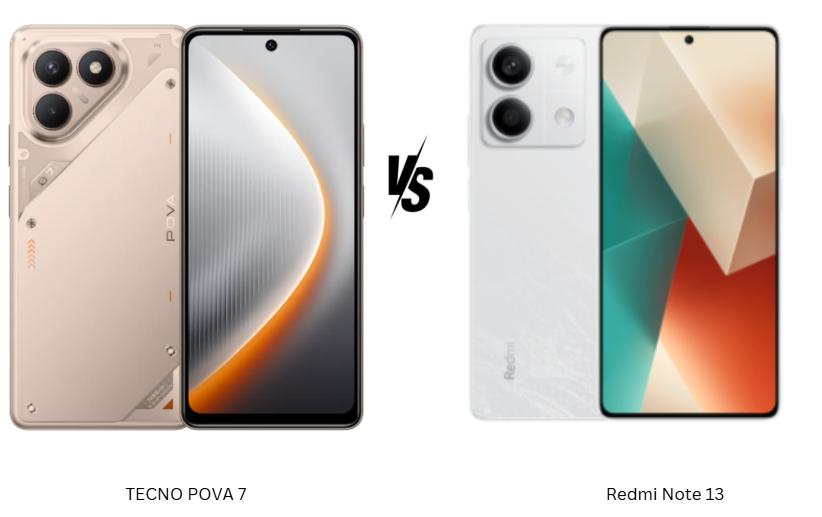
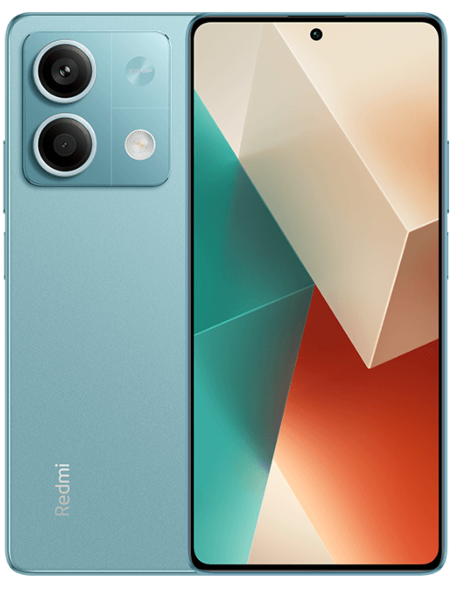
TECNO POVA 7 and Redmi Note 13 stand out in the $200 smartphone segment, both aiming to balance performance, design, and value. With TECNO pushing larger batteries and faster charging, while Redmi focuses on AMOLED visuals and camera versatility, this comparison highlights where each device shines and which upgrades make a bigger difference for everyday users.
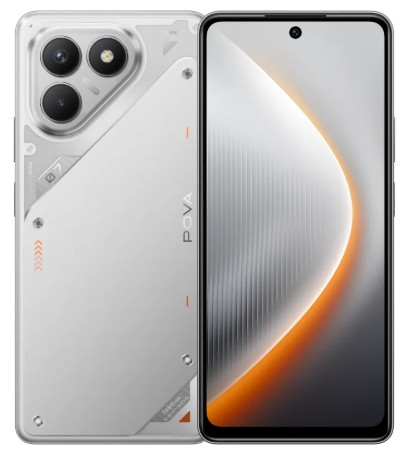
Build and Feel: The TECNO POVA 7 comes with IP64 protection, a tougher rating than the Redmi Note 13’s IP54, making it slightly better against dust and splashes. It also adds a rear status LED, which is a unique touch for notifications. However, Redmi’s Gorilla Glass 5 front feels more premium and offers extra screen protection compared to TECNO’s standard build.
Verdict: Redmi Note 13 has a more polished feel, but TECNO POVA 7 is more practical with its higher durability rating and LED notification feature.
Display Quality: POVA 7 uses a 6.78-inch IPS LCD with a 144Hz refresh rate, ensuring smooth scrolling and gaming responsiveness. On the other hand, Redmi Note 13 offers a 6.67-inch AMOLED panel with richer colors, deeper blacks, HDR support, and 1920Hz PWM dimming for eye comfort. While POVA 7 edges in refresh rate, Redmi’s AMOLED makes a much bigger difference in visuals and usability under bright light.
Verdict: Redmi Note 13 offers a superior viewing experience despite POVA’s faster refresh rate.
Please Note: When you buy something using the links in our articles, we may earn a small commission at no cost to you.
2. Specifications
TECNO POVA 7
Performance: TECNO POVA 7 runs on the newer MediaTek Dimensity 7300 Ultimate, a 4nm chipset with stronger Cortex-A78 cores and Mali-G615 graphics. This makes it more capable for gaming and long-term performance compared to Redmi’s Dimensity 6080 on 6nm, which is closer to mid-entry standards. For multitasking and gaming, POVA 7 is clearly more future-proof.
Verdict: TECNO POVA 7 takes the lead in processing power and efficiency.
Battery and Charging: POVA 7 is equipped with a massive 6000mAh battery, 45W fast charging, and even 30W magnetic wireless charging with 10W reverse wired support. Redmi Note 13 comes with a smaller 5000mAh battery and 33W charging, with no wireless options. The gap in endurance and charging versatility is significant, especially for heavy users.
Verdict: TECNO POVA 7 dominates in power backup and charging flexibility.
3. Camera
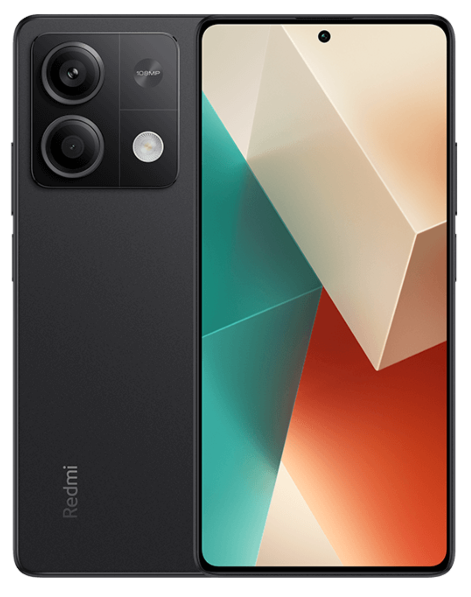
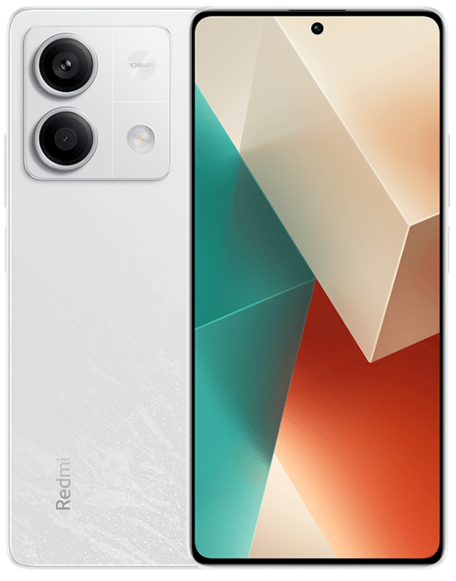
Redmi Note 13
Main and Secondary Lenses: Redmi Note 13 features a triple setup with a 108MP primary, 8MP ultrawide, and 2MP depth sensor, which provides more versatility and better detail in various conditions. POVA 7 sticks to a single 50MP shooter, good for casual shots but limited in flexibility. While POVA supports 4K video, Redmi is capped at 1080p, which slightly balances the comparison.
Verdict: Redmi Note 13 is better for photography variety, while POVA 7 is stronger for video.
Selfie Camera: The Redmi Note 13 has a 16MP selfie camera with HDR support, producing sharper, balanced shots. TECNO POVA 7 offers a 13MP shooter, which is decent but lacks Redmi’s edge in detail and clarity.
Verdict: Redmi Note 13 wins in the selfie department for social media users and video calls.
4. Pricing
Redmi Note 13
Both TECNO POVA 7 and Redmi Note 13 are priced around $200. However, TECNO offers higher-end hardware like a stronger chipset, bigger battery, and wireless charging at the same cost, giving it more raw value. Redmi Note 13 justifies the same price through its AMOLED display and better cameras.
Verdict: Both are equally priced, but POVA 7 delivers better hardware upgrades, while Redmi Note 13 gives a premium visual and camera experience.
Disclaimer: Prices are approximate and may vary based on country, region, and applicable taxes.
Circle to Search, higher IP rating, wireless charging
Gorilla Glass 5, AMOLED with PWM dimming, 108MP camera
Price (Approx.)
$200
$200
6. Conclusion
Redmi Note 13
TECNO POVA 7 stands out with its 6000mAh battery, wireless charging, Circle to Search integration, and higher IP rating. Meanwhile, Redmi Note 13 is unique for its AMOLED display with 1B colors, Gorilla Glass 5 protection, and a versatile 108MP triple-camera system.
Verdict: For power users, gamers, and those prioritizing endurance, the TECNO POVA 7 is the smarter pick. For users who value a premium feel, vibrant AMOLED visuals, and strong camera flexibility, the Redmi Note 13 is the better choice.
Both phones justify their upgrades, but the right option depends on whether battery strength or display and camera quality matter more.
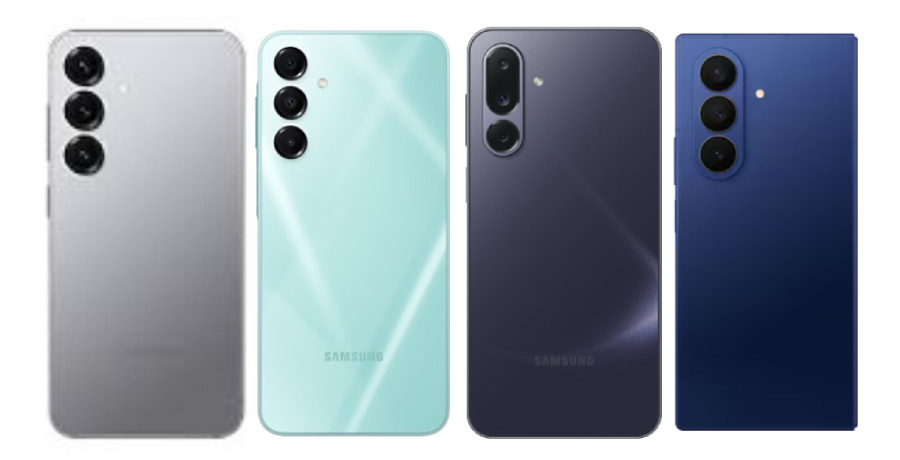
Let’s play spot the differences today. Below are four Samsung phones ranging from $150 to $900. Can you guess which is the cheapest and which is the priciest?
Even people like us, who know phones, need a good stare to spot the differences that set these models apart. It’s a bit like walking into a mirror maze when it comes to Samsung phones.
There’s the shiny flagship shelf, a budget rack that somehow has ten nearly identical options, and mid-range models. It feels like Samsung’s competing with itself.
Honestly, it isn’t easy to pick a phone from all this chaos. But that’s the whole point. Samsung wants to make a phone for everyone, everywhere, at every possible price.
It’s your job now to decide which one is actually worth your money. And that’s where this guide comes in. We’ll break down the series, what each phone is good at, and which one makes the most sense for you.
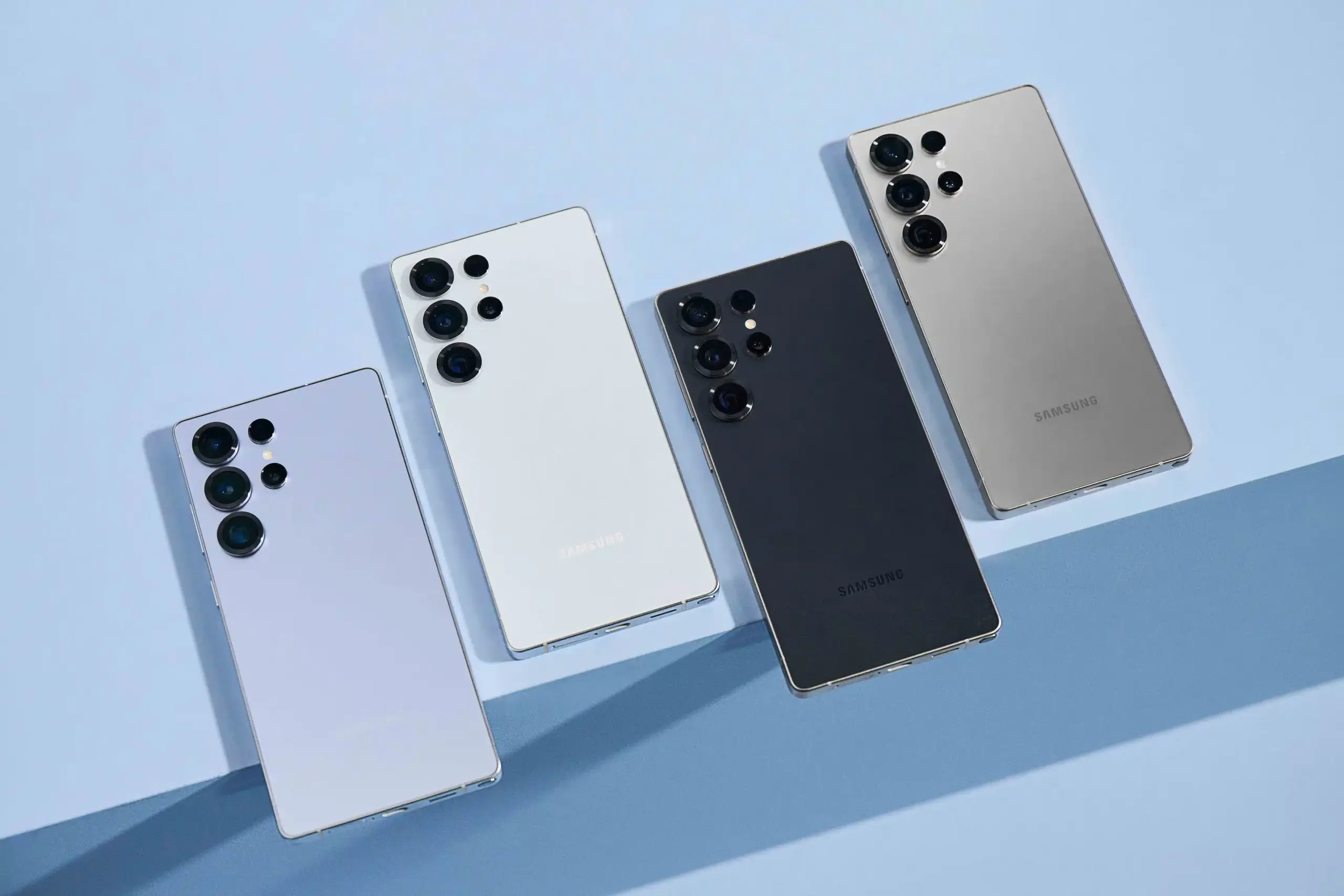
The Galaxy S series is Samsung’s most recognizable line. These are the mainstream flagships that go head-to-head with the best of Apple. The S series gets updated every year with the company’s best mix of design, performance, and features.
The current lineup, the Galaxy S25, S25+, and S25 Ultra, follows the same formula Samsung has been refining for years. The standard S25 is the one most people should probably consider if they are looking for anything in flagship territory. It’s smaller, easier to use with one hand, and comes with most of the same high-end features as its pricier siblings.
The S25+ gives you a larger screen and bigger battery, but otherwise doesn’t change much. The S25 Ultra is the no-compromise version. It has the sharpest display, the biggest battery, extra telephoto cameras, and support for the S Pen stylus. But it’s also heavy and expensive, so it only makes sense if you actually use those extras.
Who should buy?
S25: The default choice if you want a flagship Samsung without spending over $1,000.
S25+: For people who want a larger screen and battery without going all the way to the Ultra.
S25 Ultra: For stylus users, serious photographers, or anyone who wants the absolute top-end model.
Please Note: When you buy something using the links in our articles, we may earn a small commission at no cost to you.
2. The Galaxy Z Series
Samsung Galaxy Z Fold 7 and Galaxy Z Flip 7
Samsung’s Z series is where the company experiments. This is where you’ll find foldables: the Galaxy Z Fold and Galaxy Z Flip. They’re some of the most talked-about devices in Samsung’s lineup, but they’re not for everyone.
The Z Flip is the more approachable foldable. It looks like a normal smartphone when unfolded, but folds into a compact square. If you like the idea of a pocketable phone that still has flagship-level features, this is the one to look at. The cameras and battery aren’t as strong as the S series, though, so you’re trading a bit of practicality for novelty.
The Z Fold, on the other hand, is more like a tablet that folds into a phone. Open it up, and you get a big screen that’s great for multitasking, reading, or even light productivity. But it’s bulky and very expensive. It’s best suited for people who genuinely need that larger display and don’t mind the extra size.
Who should buy?
Z Flip: Stylish, compact, and fun, but not the most practical if battery life and cameras matter most.
Z Fold: A multitasking machine for those who want a phone-tablet hybrid and can handle the cost.
Please Note: When you buy something using the links in our articles, we may earn a small commission at no cost to you.
3. The Galaxy A Series
Sasmsung Galaxy A56 (left) and Galaxy A36 (right)
If you don’t want to spend flagship money, the Galaxy A series is where you should look. These phones balance affordability with decent performance and design. They don’t have the same premium cameras or build materials as the S or Z series, but they’re more than good enough for everyday use.
The Galaxy A56 and Galaxy A36 are the most notable mid-range models in 2025. They come with big displays, reliable battery life, and support for multiple years of software updates.
Who should buy?
If you’re someone who just wants a phone that works, lasts through the day, and won’t drain your wallet, the A series is probably your best bet.
Please Note: When you buy something using the links in our articles, we may earn a small commission at no cost to you.
4. The Galaxy M Series
Galaxy M36
The Galaxy M series is mainly aimed at markets like Asia and Latin America, where value is critical. These phones are priced lower than the A series and often come with massive batteries. They skip out on extras like high-end displays or premium cameras, but they cover the basics.
Who should buy?
For someone who wants a phone for calls, social media, and casual use, the M series makes sense. Think of them as workhorses that keep going without much flair.
Please Note: When you buy something using the links in our articles, we may earn a small commission at no cost to you.
5. The Galaxy F series
Samsung-Galaxy-F36-5G
The Galaxy F series started out as a lineup built for India, sold mostly online and usually tied to platforms like Flipkart. Samsung positions them at very specific price points, which often means repackaging phones from its other budget and mid-range families.
In practice, a lot of F-series models are M-series devices with a few tweaks, sometimes a different finish, a shifted camera setup, or adjusted storage options.
Take the Galaxy F56. It’s nearly identical to the M56 under the hood, but Samsung gives it a slightly altered design and limits it to online sales.
Who should buy?
The Galaxy F series often give a great value during online sales, so it’s a great fit for price-conscious online buyers.
Please Note: When you buy something using the links in our articles, we may earn a small commission at no cost to you.
6. The Software Factor
No matter which model you choose, Samsung’s software support is one of its strongest selling points. The company now promises up to seven years of updates on its flagship phones, which is among the best in the industry. Even A, M and F-series models get multiple years of Android upgrades and security patches. That means your phone will stay usable for longer, which is worth factoring into the purchase.
7. Final Thoughts
Samsung makes too many phones. That’s both confusing and, in a way, reassuring: there’s probably a device that fits your priorities, whether that’s a $200 budget model or a $1,800 foldable.
The trick is not to get distracted by features you won’t actually use. Most people are better off sticking with the Galaxy S25 or one of the A-series models. The Ultra and foldables are great for specific use cases, but for everyday needs, the simpler options tend to make more sense.
For more daily updates, please visit our News Section.
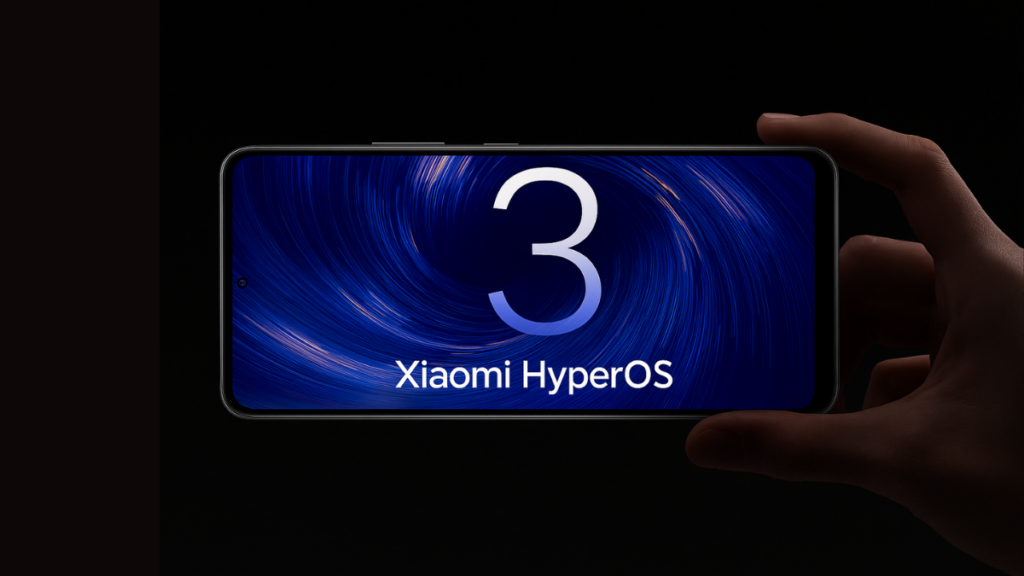
Xiaomi launched the highly anticipated HyperOS 3 yesterday, unveiling numerous system-level enhancements, innovative features, and AI capabilities. The brand also places a strong emphasis on ensuring a seamless software experience.
A day after its unveiling in China, Xiaomi has started rolling out the beta update to eight of its devices in the first phase. Check if yours is ready for early access to the latest features and upgrades.
Xiaomi rolls out HyperOS 3 beta update to these devices
Xiaomi 15
Xiaomi 15 Pro
Xiaomi 15S Pro
Xiaomi 15 Ultra
REDMI K80 Pro
REDMI K80 Ultra
Xiaomi Pad 7 Pro
Xiaomi Pad 7S Pro 12.5
The update should be available to all users who have already signed up for the HyperOS 3 beta program. Note that the beta program is currently available in China. However, it will not remain exclusive to China. Xiaomi will soon launch HyperOS 3 globally and kick off the beta program in more countries.
HyperOS 3 is a major upgrade, so you’ll need a big chunk of free storage. For the Xiaomi 15 Pro, the update package weighs about 7.6GB, and it can be even higher for some models. Ensure that your phone has at least 10GB of free storage and 30% battery for smoother installation.
HyperOS 3 beta rollout timeline for other Xiaomi devices
Eight devices in the first phase have already started receiving the HyperOS 3 beta update. The second phase includes devices like Xiaomi MIX Flip 2, REDMI K80, Xiaomi Pad 7, Pad 7 Ultra, REDMI K Pad, Xiaomi TV S Pro Mini LED 2025 Series, and Xiaomi TV S Pro Mini LED Series. These devices will get the beta update before September 17.
In the third phase, Xiaomi MIX Fold 4, MIX Flip, Xiaomi 14 series, Redmi K70 series (also K70E and K70 Ultimate Edition), and Xiaomi Pad 6S Pro 12.4 will be able to access HyperOS 3 beta. The beta update will be released before September 30.
Please note that the HyperOS 3 beta update is currently exclusive to China; therefore, this timeline only applies to that region. Be sure to regularly visit Gizmochina to stay informed when the beta program expands to other regions.
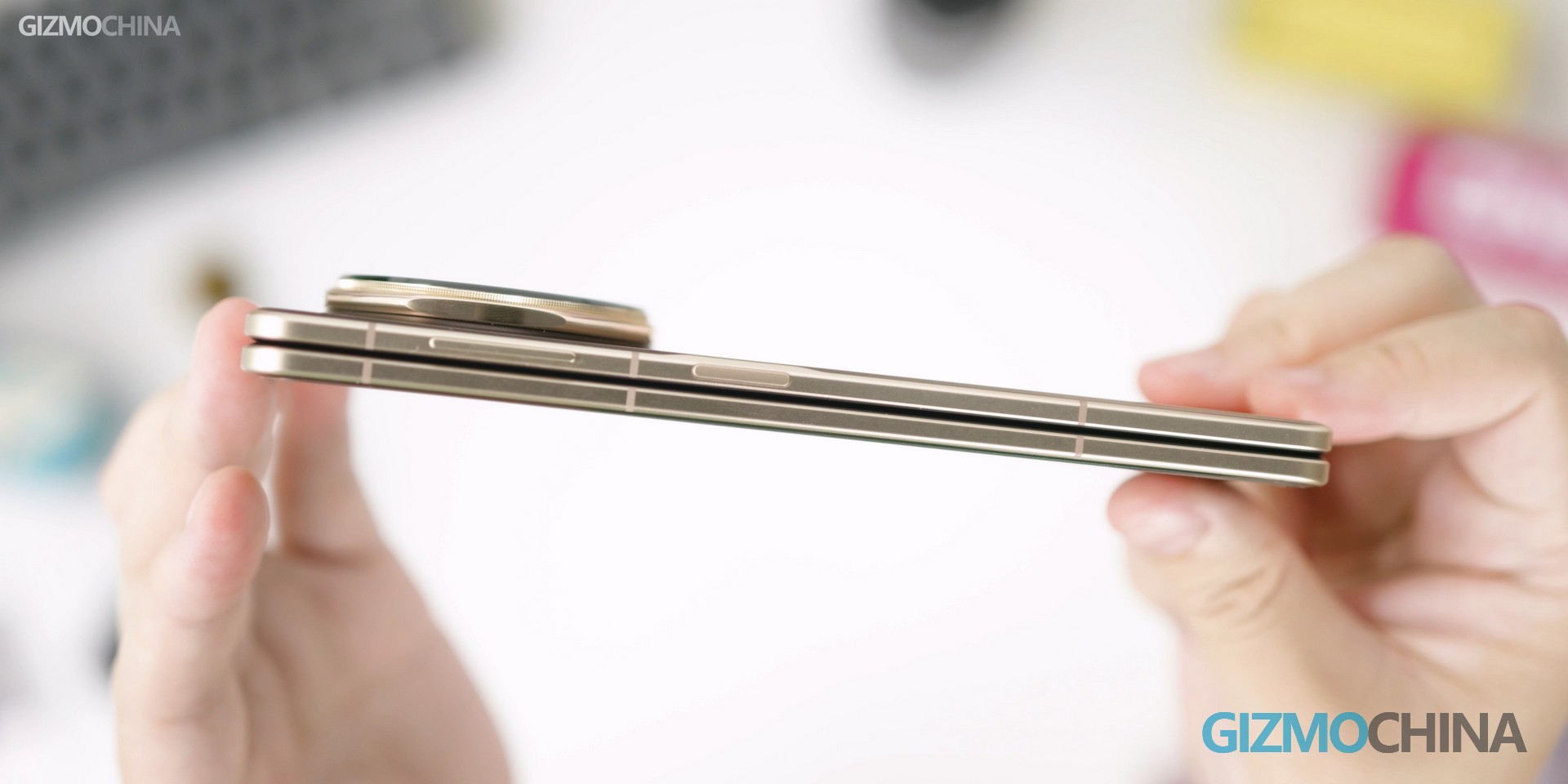
HONOR Magic V5, the thinnest foldable phone in the world. Even when unfolded, it’s still the second thinnest among all smartphones. Honestly, this isn’t much of a surprise—the HONOR Magic V3 also held the title of thinnest foldable at one point. They’ve simply outdone their own past achievements.
We were fortunate enough to get our hands on the global version of this phone ahead of its release. After using it for a while, I have some thoughts to share beyond just the standard test results. Let’s start with this bulge camera module.
https://youtu.be/1Hb635zlvFQ
Camera
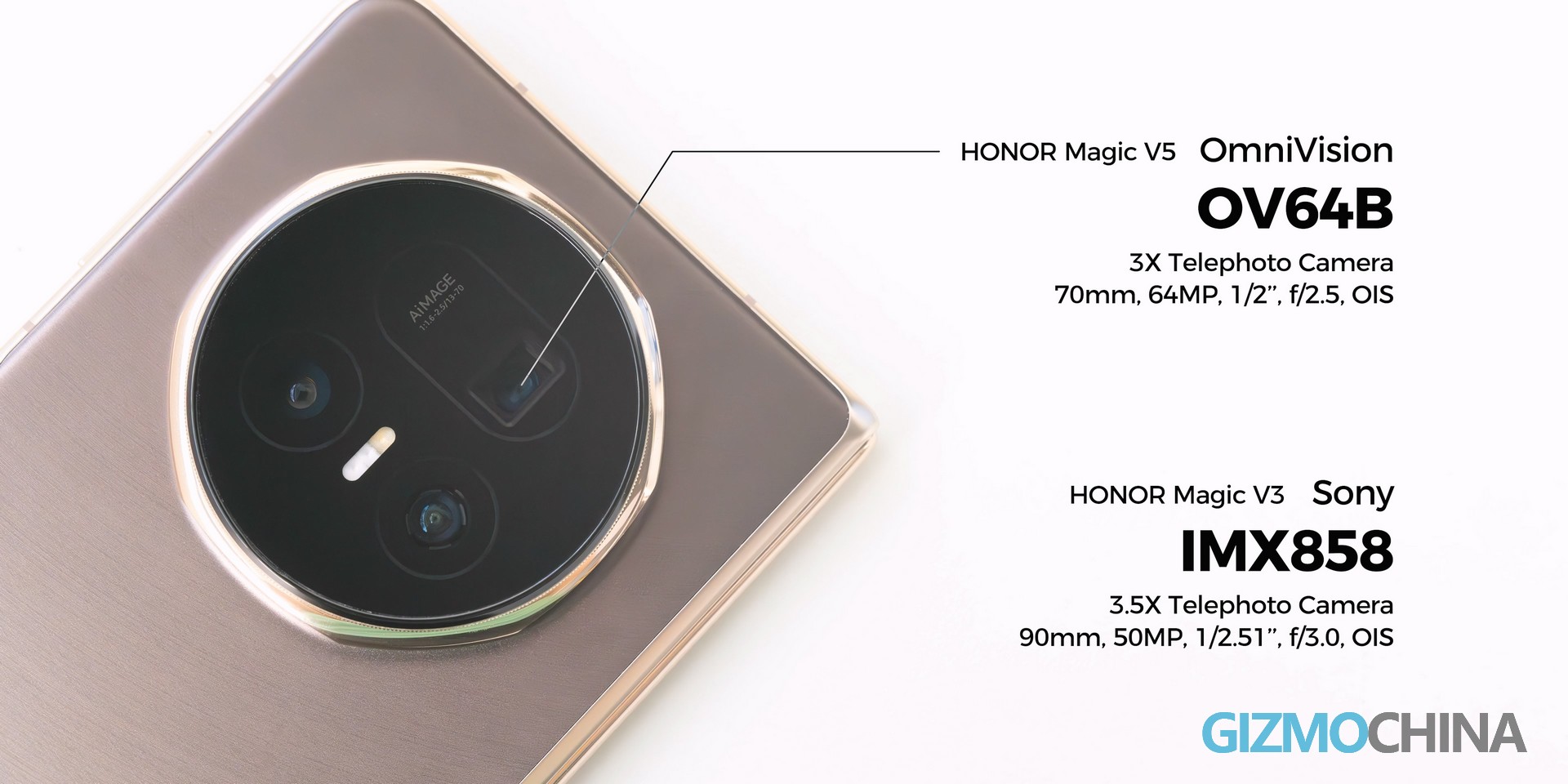
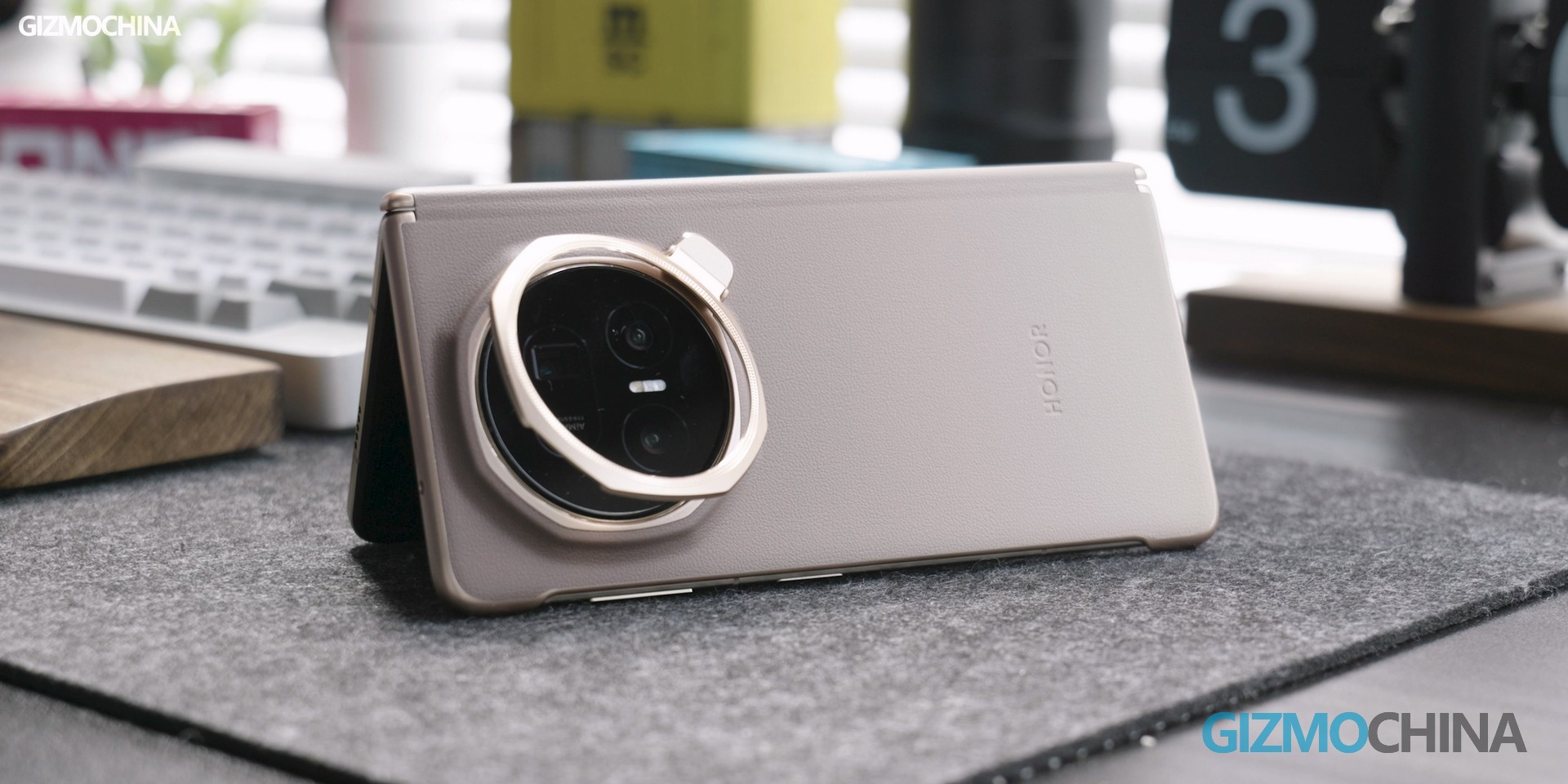
Maybe the body is too thin, or the camera system is too powerful—either way, the camera bump is more pronounced than I expected. But I’m not complaining; some flagship phones are much worse. And I do enjoy the benefits of a larger camera.
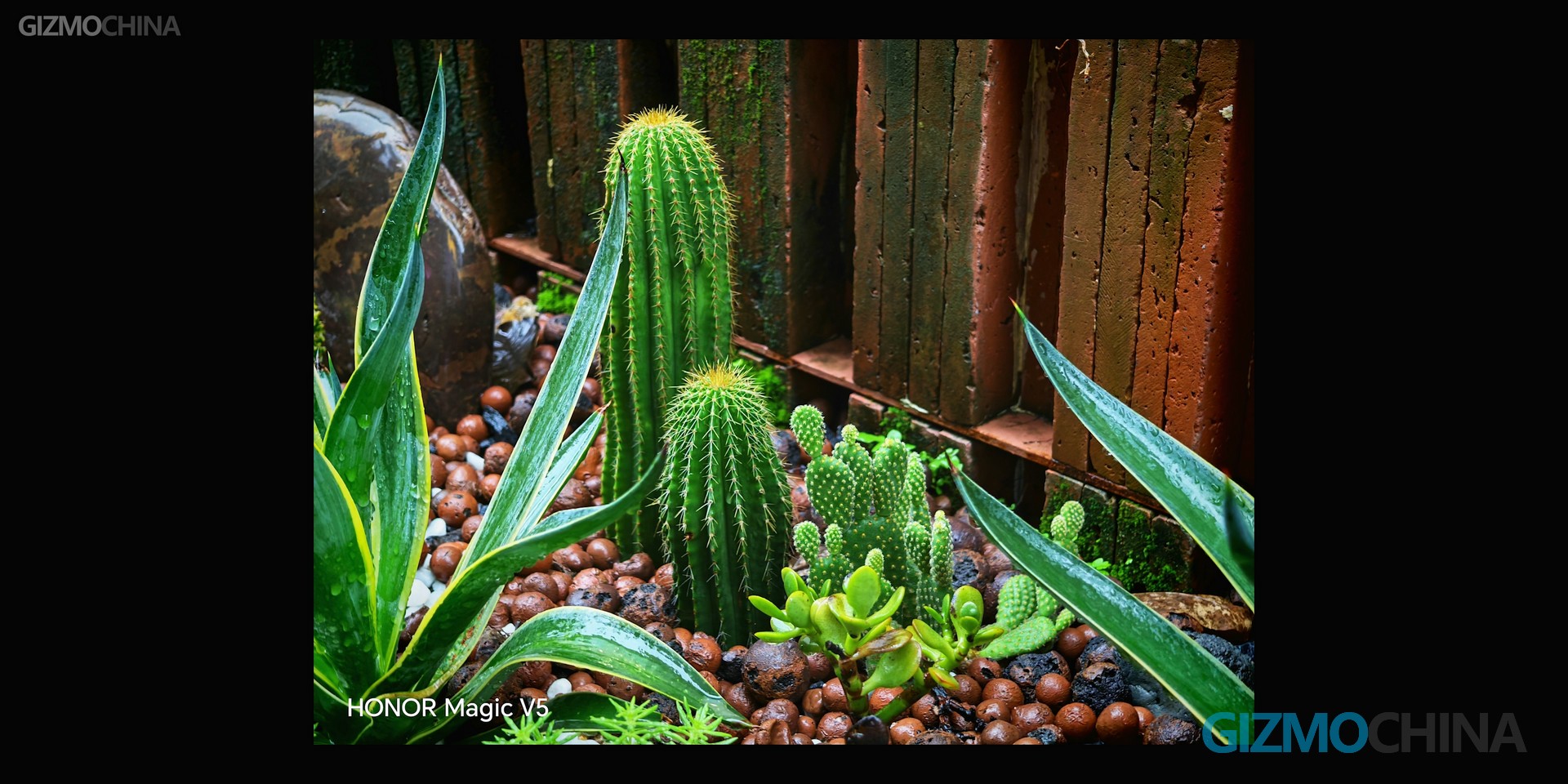
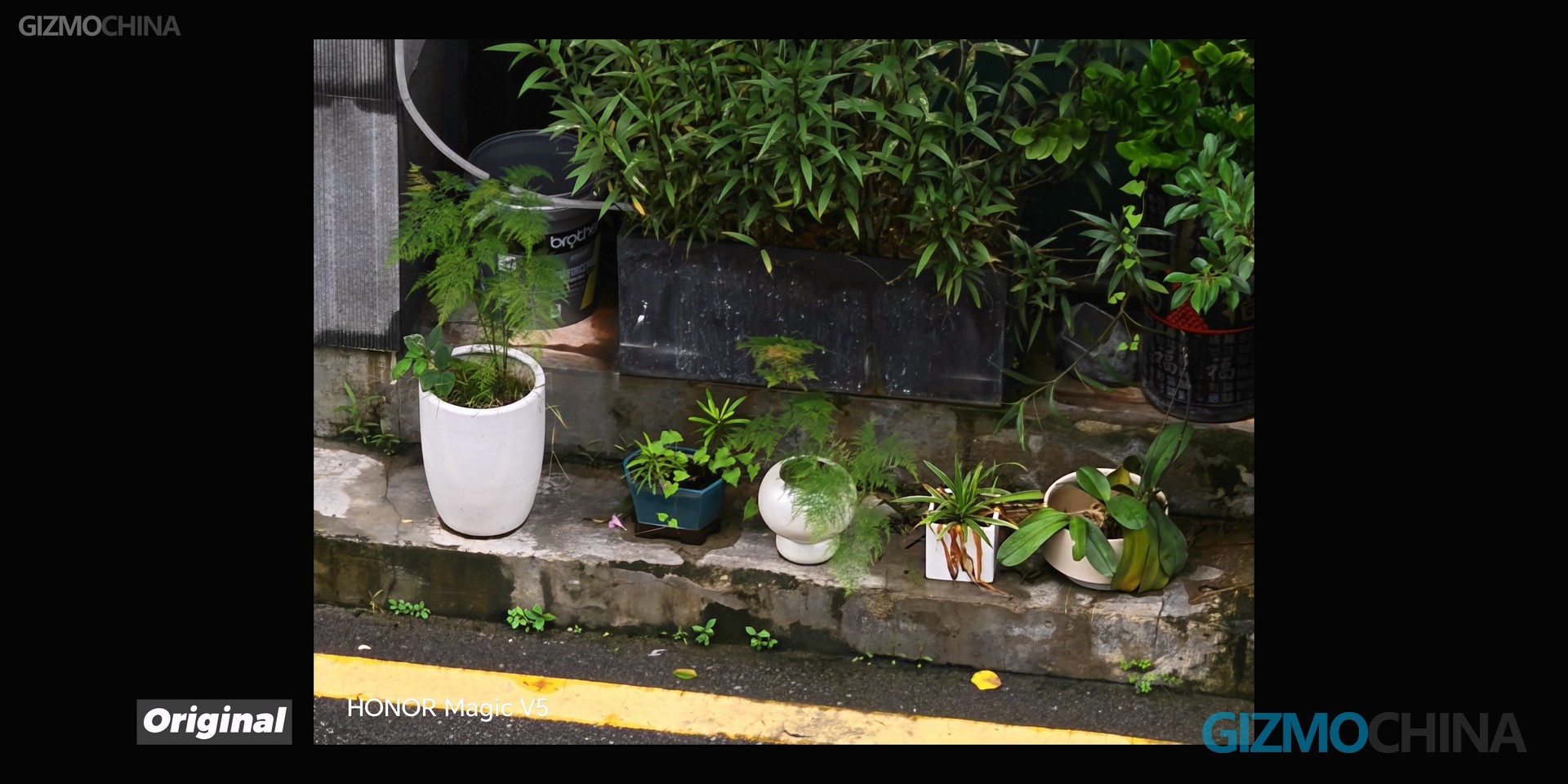
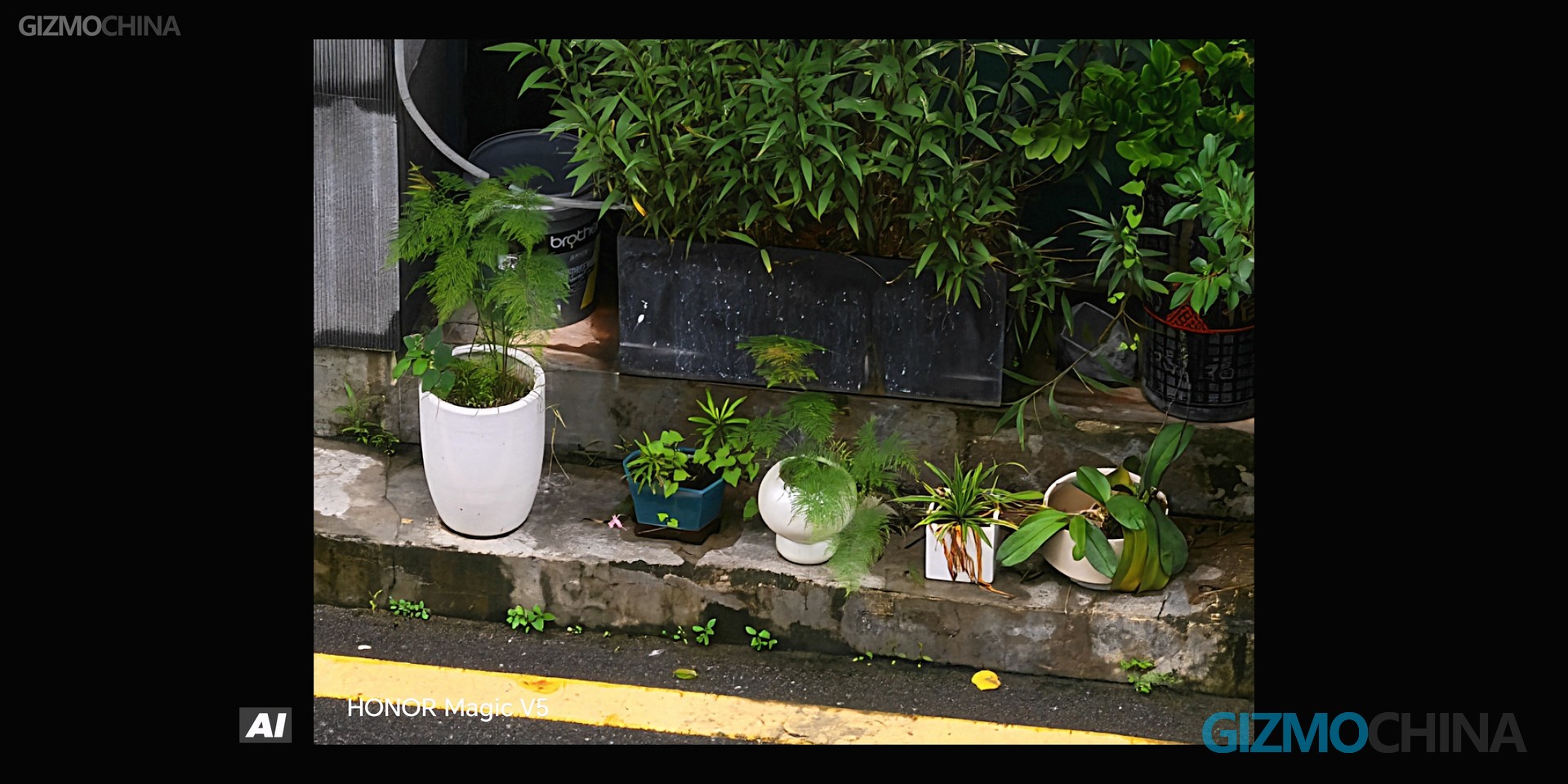
First up is the telephoto camera. It uses an older sensor and has a shorter focal length compared to last gen, but the sensor size has actually increased. So much better than the poor 3x telephoto of the Z Fold 7. I like this focal length—it’s one I use often in everyday shooting. Plus, its 64MP resolution without the 2×2 OCL technology gives it an edge in detail retention, outperforming most other phones in most scenarios.
HONOR is so confident in its quality that it doesn’t use AI upscaling for zoom levels under 15×. Even beyond 15×, the AI enhancement doesn’t make photos look overly processed. It doesn’t add fake details, which is great for those who dislike heavy AI intervention.
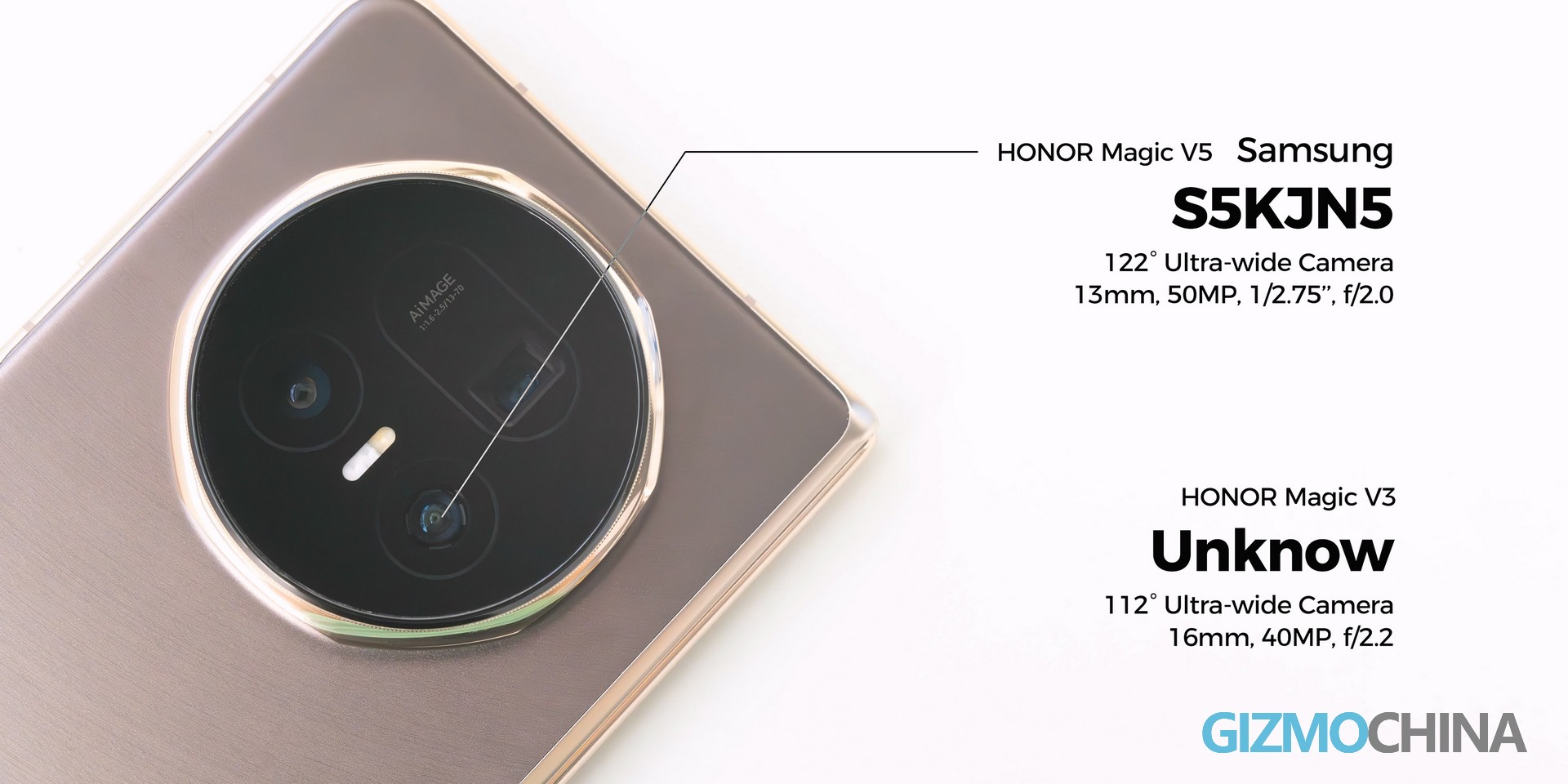
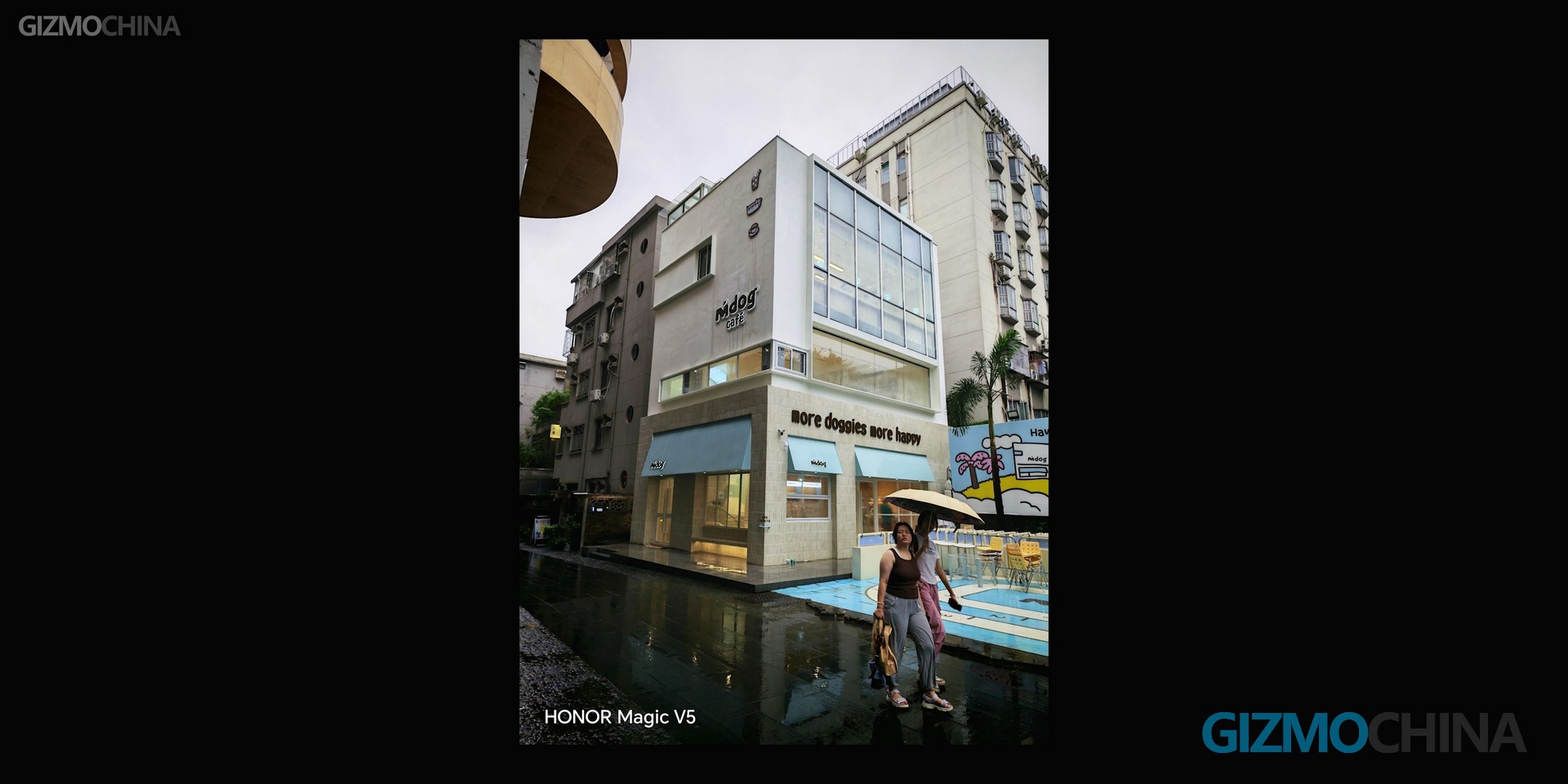
The ultra-wide camera now has an even wider field of view. I’ve always maintained in my reviews: An ultra-wide camera must be truly wide, or it’s pointless. HONOR clearly took my advice. Even though this camera still has flaws—like persistent purple fringing and mediocre low-light detail—I still love the dramatic perspective it offers.
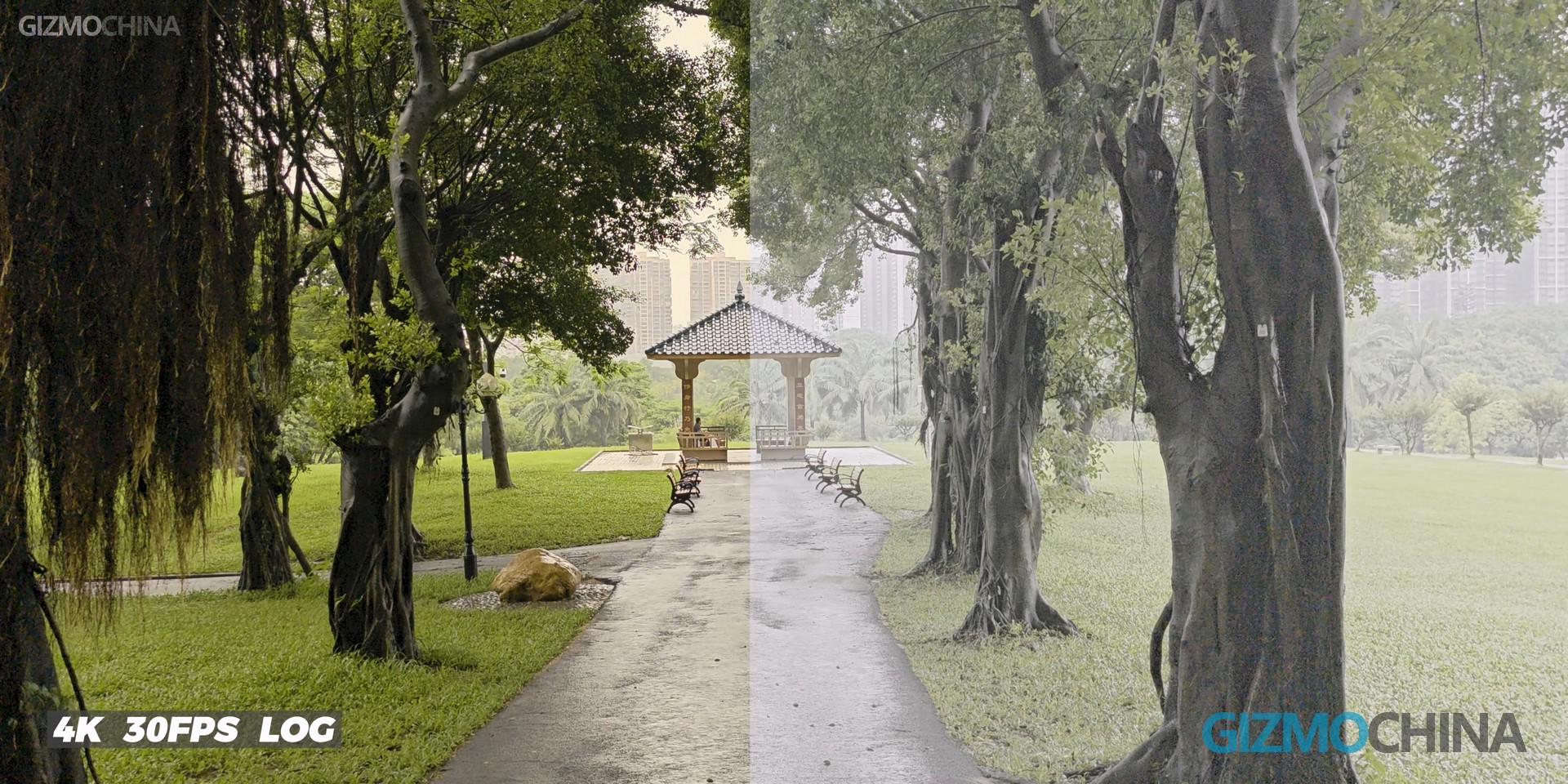
Magic V5’s default color profile is **Vibrant**, but you can switch between two other modes depending on the scene. My favorite is **Authentic mode**, with its high-contrast, cinematic look. As for video recording, there’s little to criticize. You can freely switch between lenses even at **4K 60fps**, and stabilization is solid. The Pro mode even includes a **LOG profile**, showing this phone’s high ceiling for videography. The only nitpick is that sometimes focus hunting in low light.
Compared to the rear camera, the front cameras aren’t as impressive. They max out at **4K 30fps**, and noise is noticeable in dim lighting. But hey, as long as they don’t ruin your Zoom meetings, the image quality is acceptable—which is probably what HONOR intended.
Front camera sample screenshot
Design & Experience
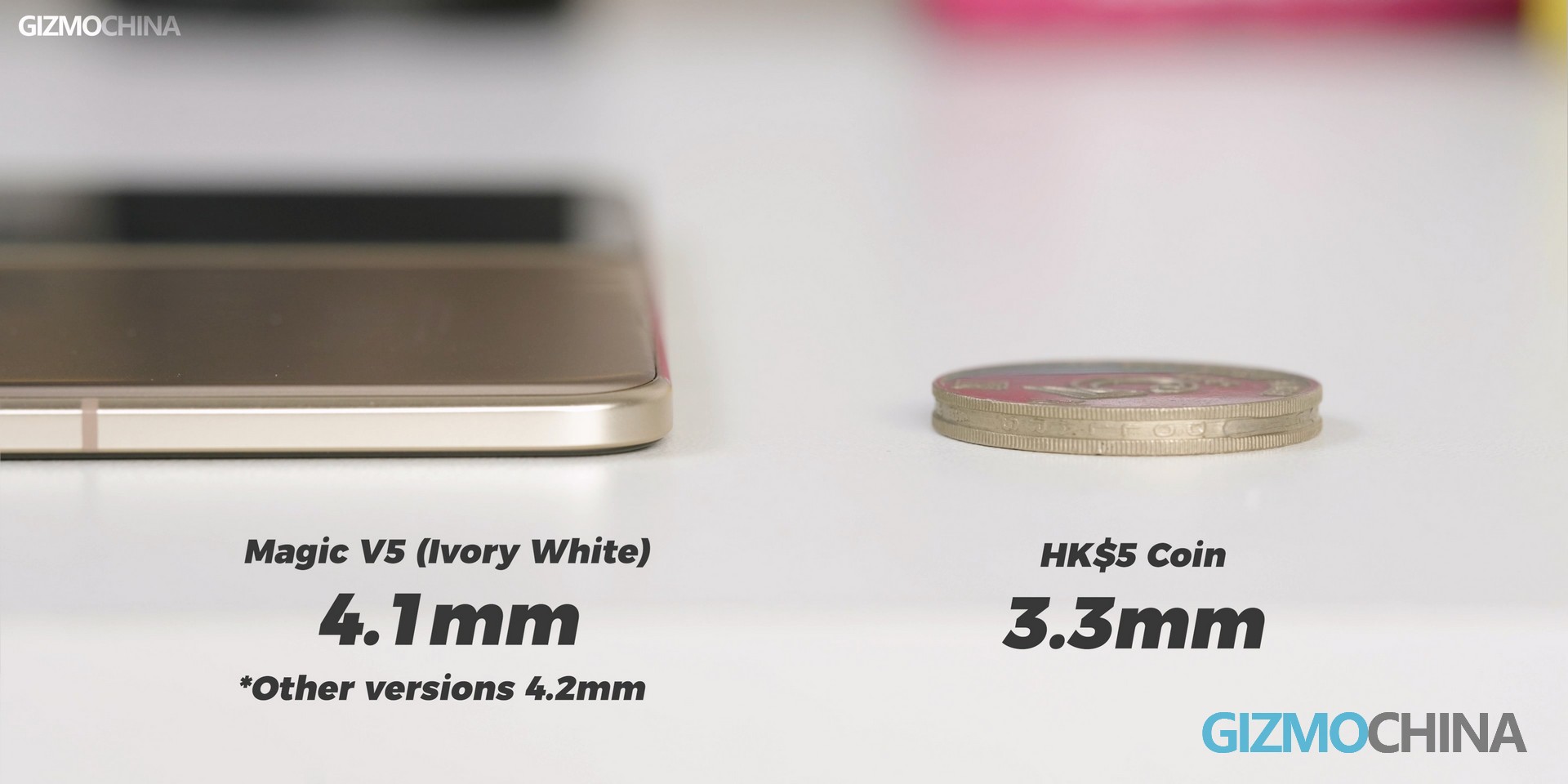
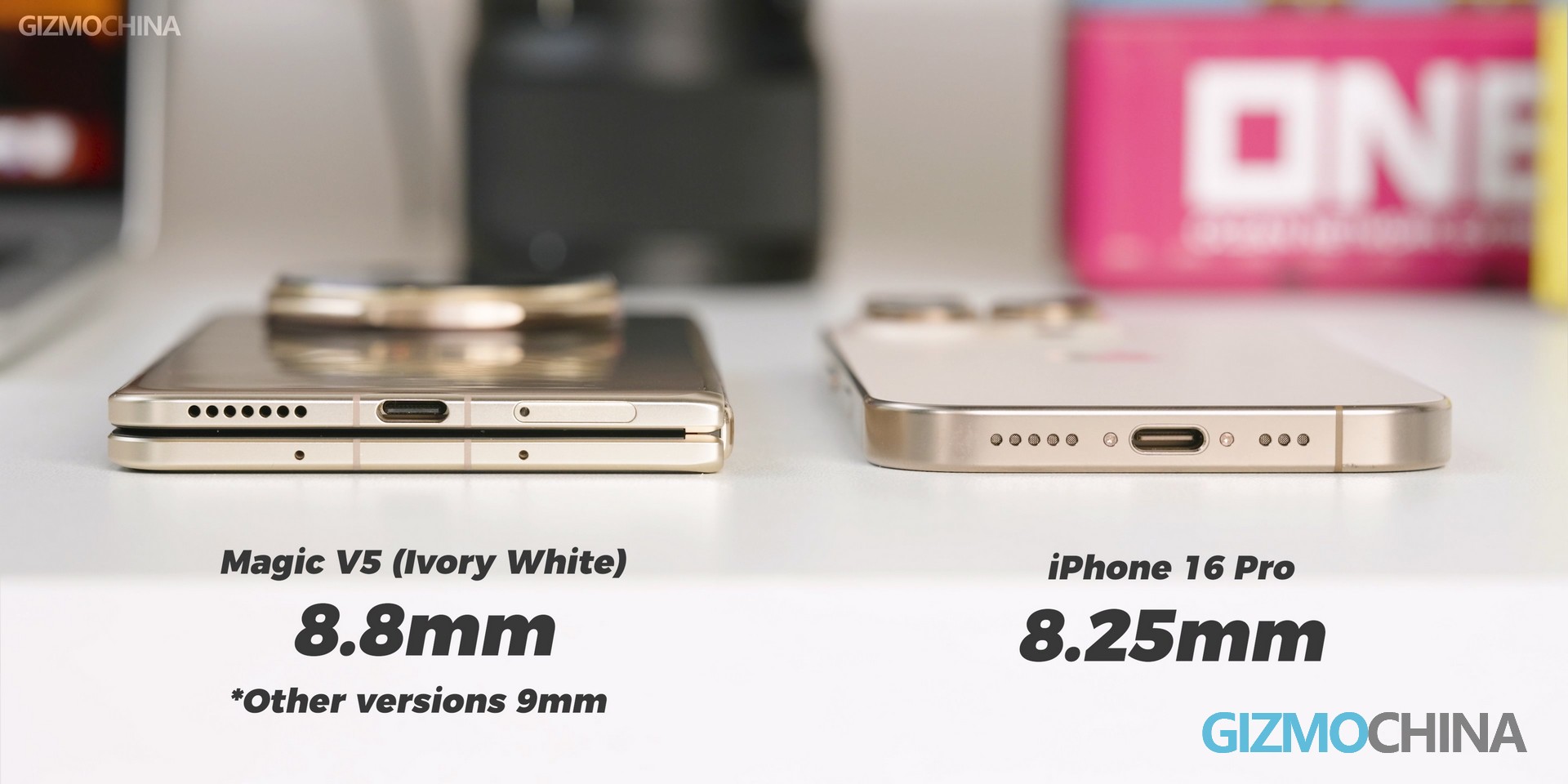
Maybe you don’t care about the cameras, but you’re definitely here for the paper-thin body. This is an HK$5 coin, 3.3mm thick. Place it next to the Magic V5, and you’ll see just how absurdly thin this phone is. The slimness is even more apparent when folded. Here’s an iPhone 16 Pro,8.25mm thick, and the Magic V5 next to it doesn’t look much thicker.
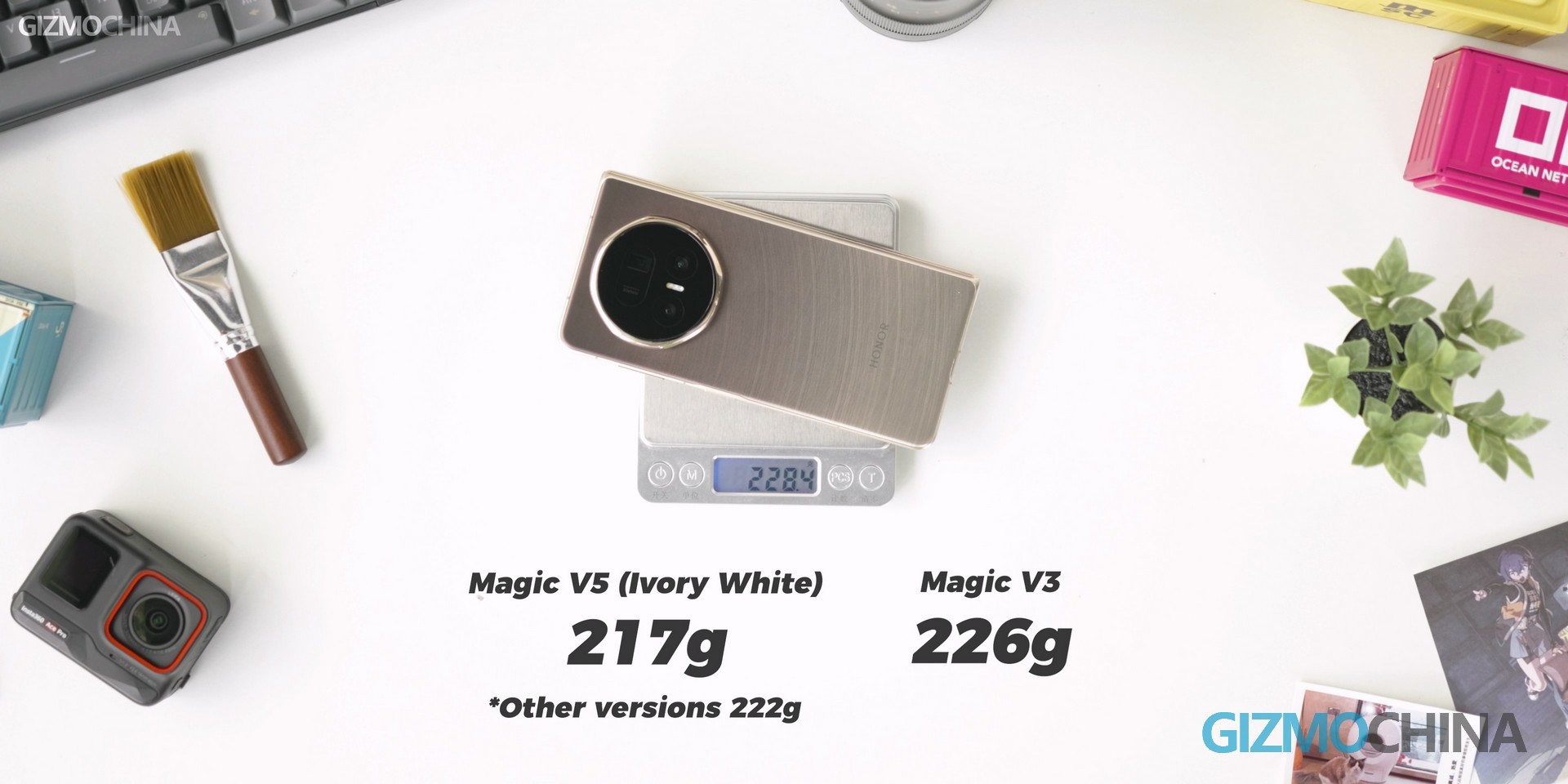
I know, the Z Fold 7 is just as thin. In order to slim it down, Samsung chose not to increase the battery capacity. How about Magic V5?What did HONOR sacrifice to achieve this thinness? Nothing. Nothing compromises. Even the battery got bigger. Except for a slightly lower dust-resistance rating, it’s just like a normal flagship phone. You can’t use weight or thickness as an excuse to avoid using it anymore.
Now, the biggest pain point of foldables: the inner screen experience. Like all foldables, the Magic V5 still hasn’t solved it. It can’t fill the entire screen with videos, and apps not optimized for foldables look awkward. But HONOR still tries to solve these problems the way they do.
For example, the split-screen and multi-window UI is excellent. You think you want this window to be bigger, no problem. That window gets bigger too, no problem. Unlike other brands that have 4 small 1 big multi windows, HONOR wants to let users decide the size of each app. Even if you want to swap the position of the apps or the orientation of the arrangement, you can do it on Magic V5. Together with this small, flexible floating window, you can keep up to 4 apps in the foreground.
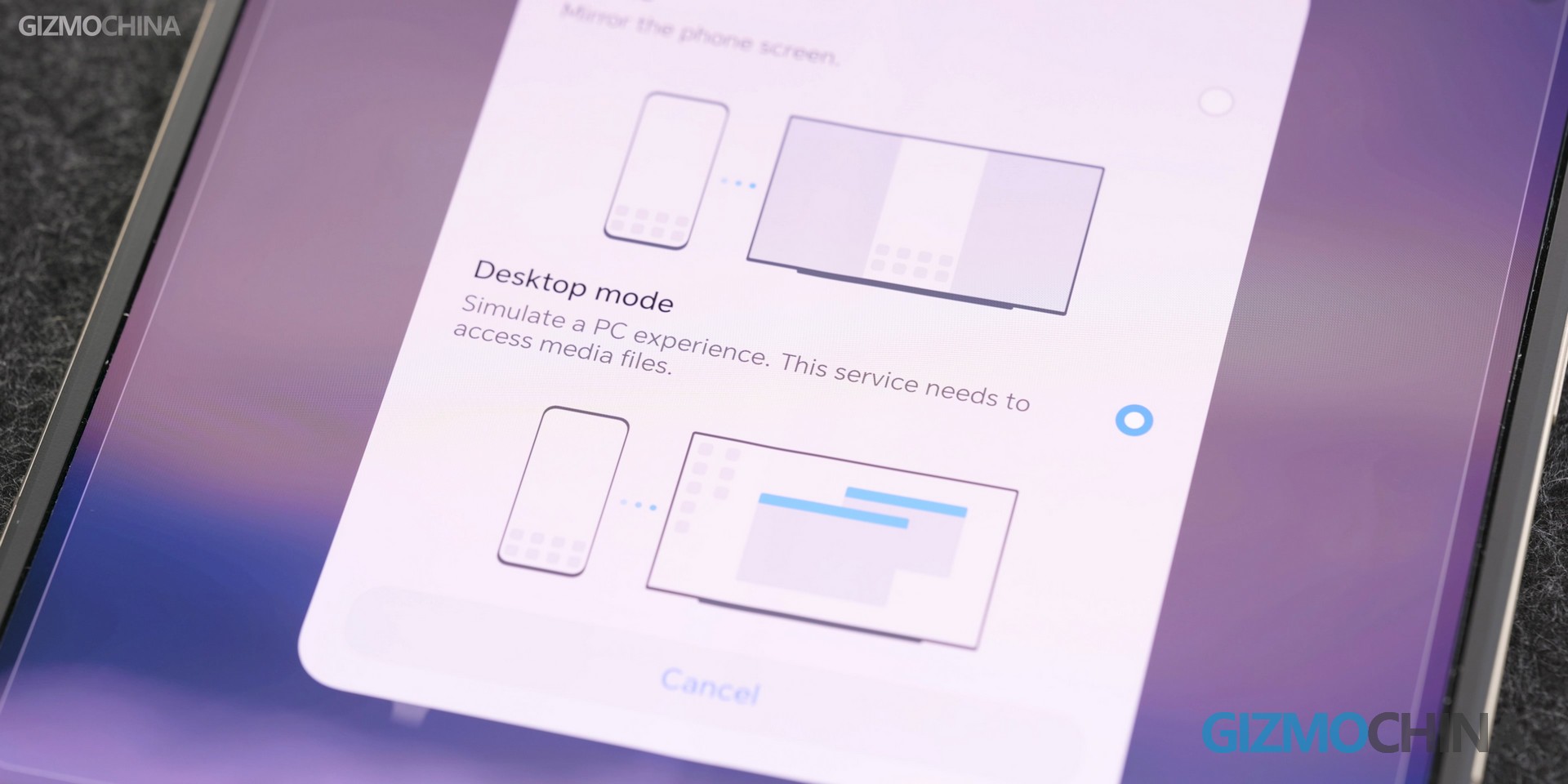
The USB is a 3.2 Gen 1 port; of course, it supports video output. And there’s a **PC mode**—though there’s a bug when connecting to ultrawide monitors, the image stretches. But the 16:9 monitors don’t have this problem. Hopefully, this gets fixed in the final software.
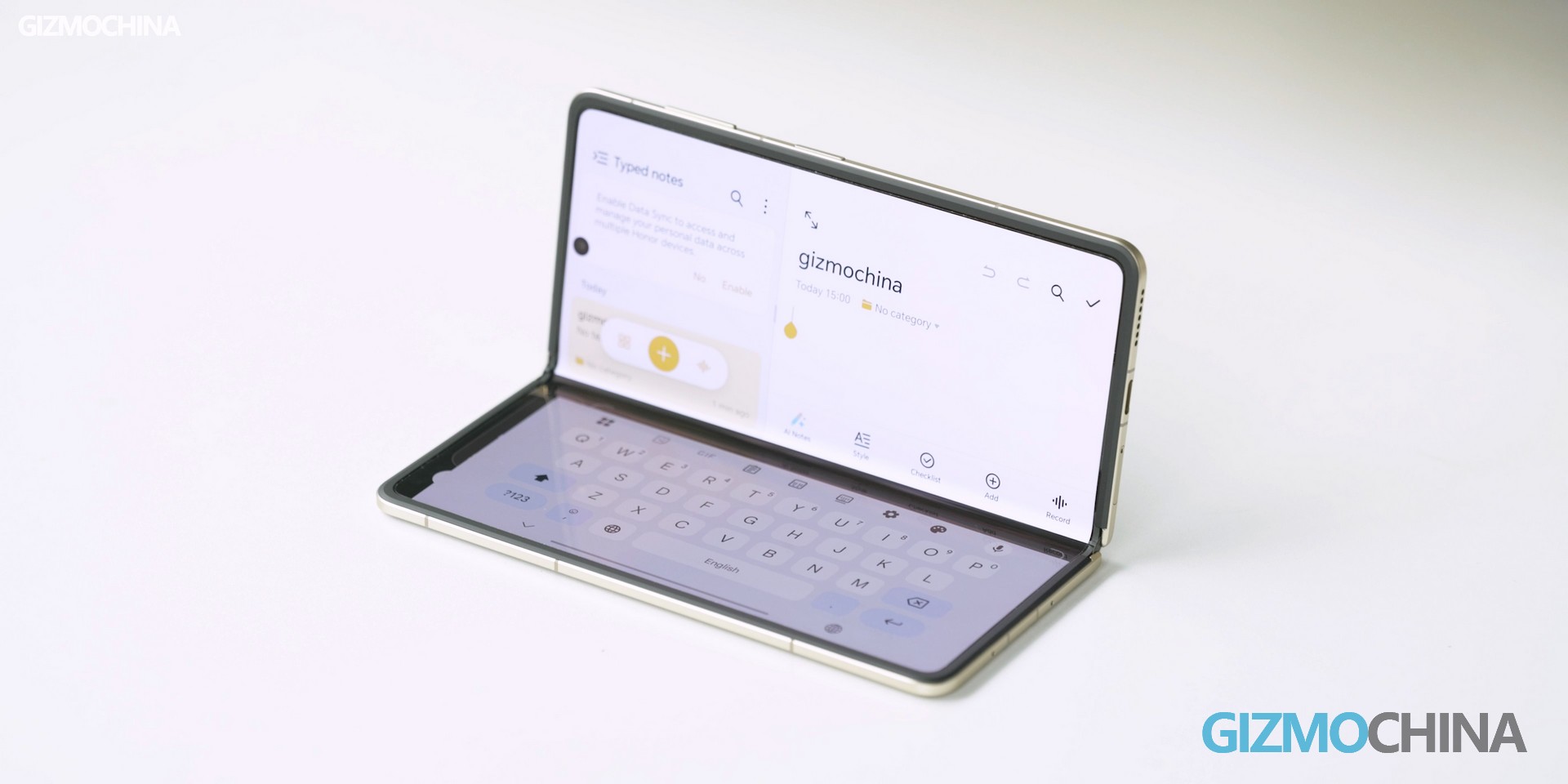
Although the Magic V5 can be used like a laptop, by simply unfolding it in half to allow the bottom half to become a keyboard or touchpad. But I’m not a big fan of doing that. In addition to being cut in half because of the display, the outer screen is also susceptible to scratches from desk dust. The keyboard is too small and there’s no way to type with both hands, so if you really want to use it for the office, you’ll have to connect a Bluetooth keyboard at least.
Display
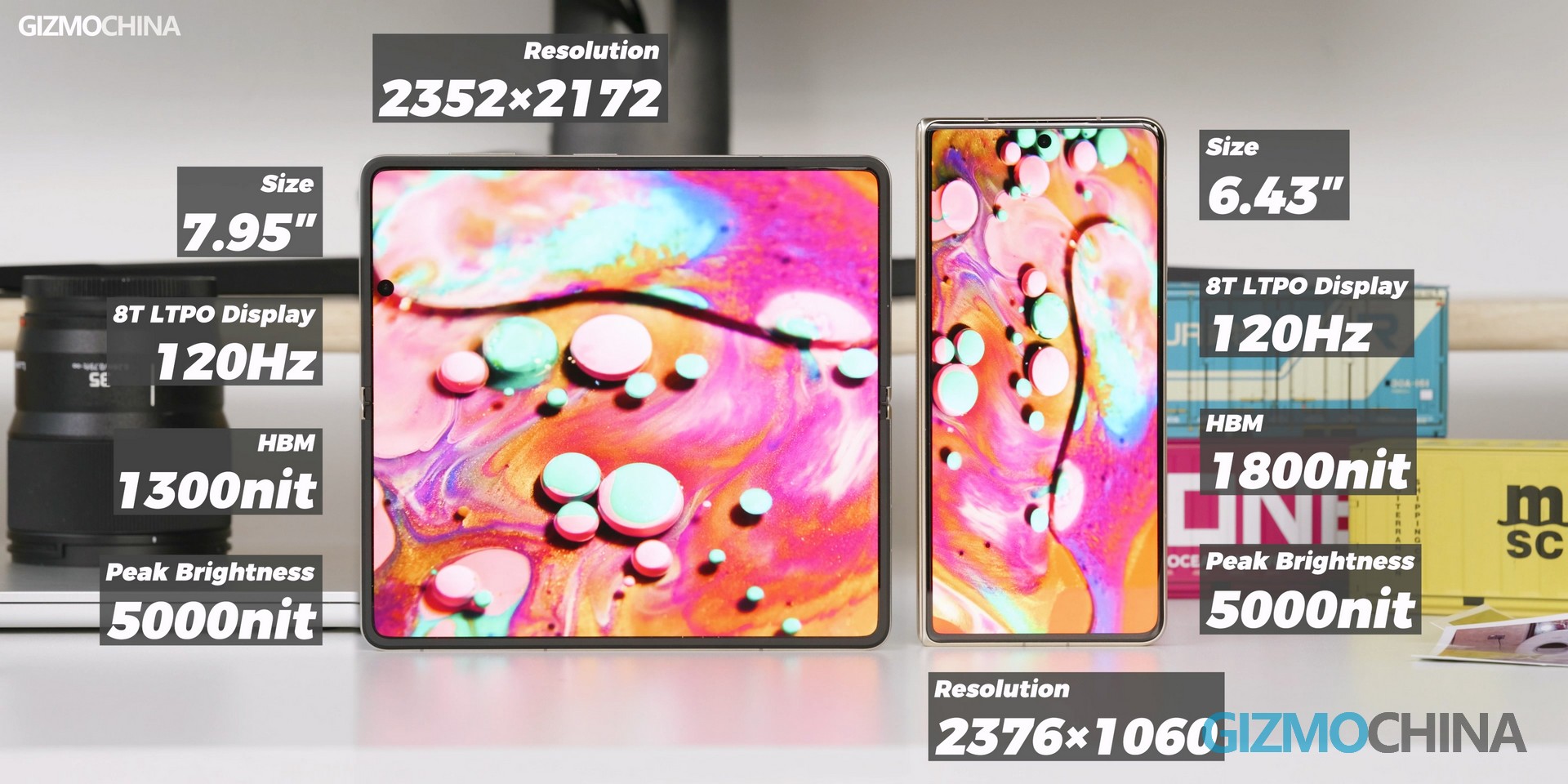
I put the Magic V5 display specs here. As you can see, they are **top-tier across the board**, especially the **PWM dimming frequency**—HONOR remains the only brand pushing ultra-high-frequency PWM for eye comfort. I have to say, their phones have always been the best in the eye care department.
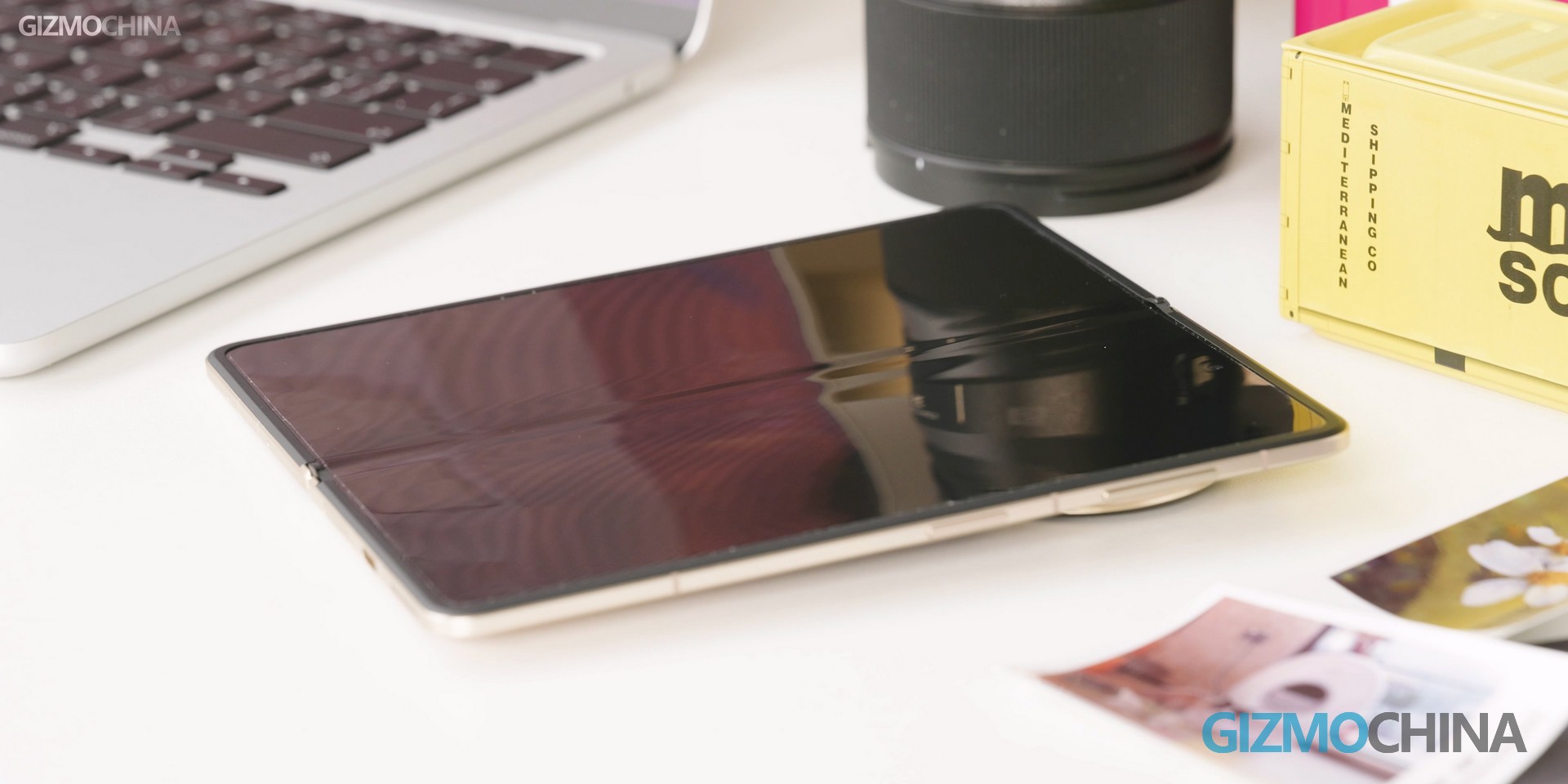
Both the inner and outer screens support a stylus. Just the stylus is something you need to buy separately. As for the crease, after about a month of use, it’s about what you’d expect from an average foldable phone. It has indeed become more noticeable compared to when it was first unboxed, but when viewed straight on, there’s still no visible change.
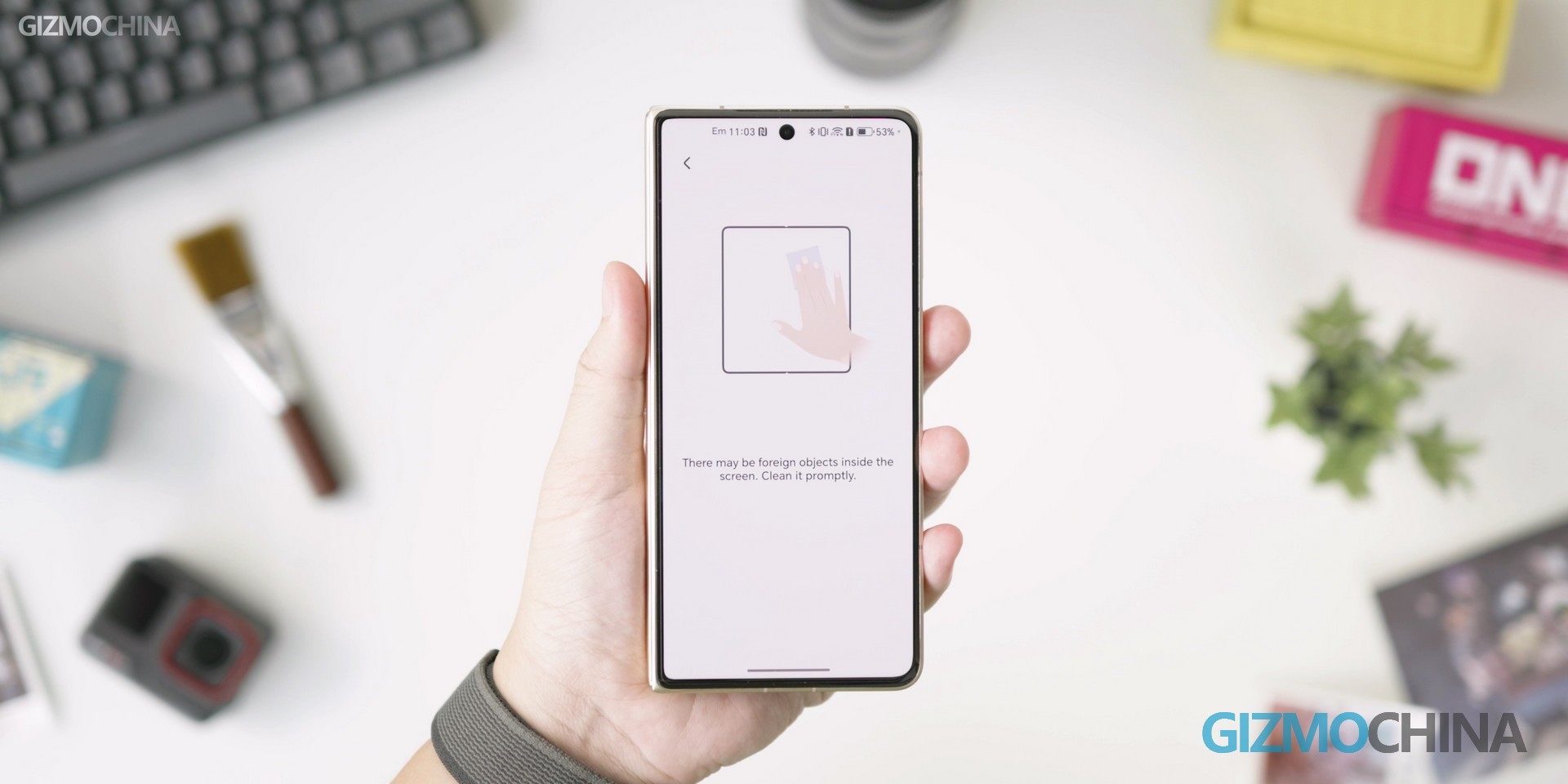
Bonus: The Magic V5 has **AI-powered foreign object detection**. If anything larger than 0.8mm is on the inner screen, it’ll warn you on the outer screen. Finally, AI does something useful.
Performance
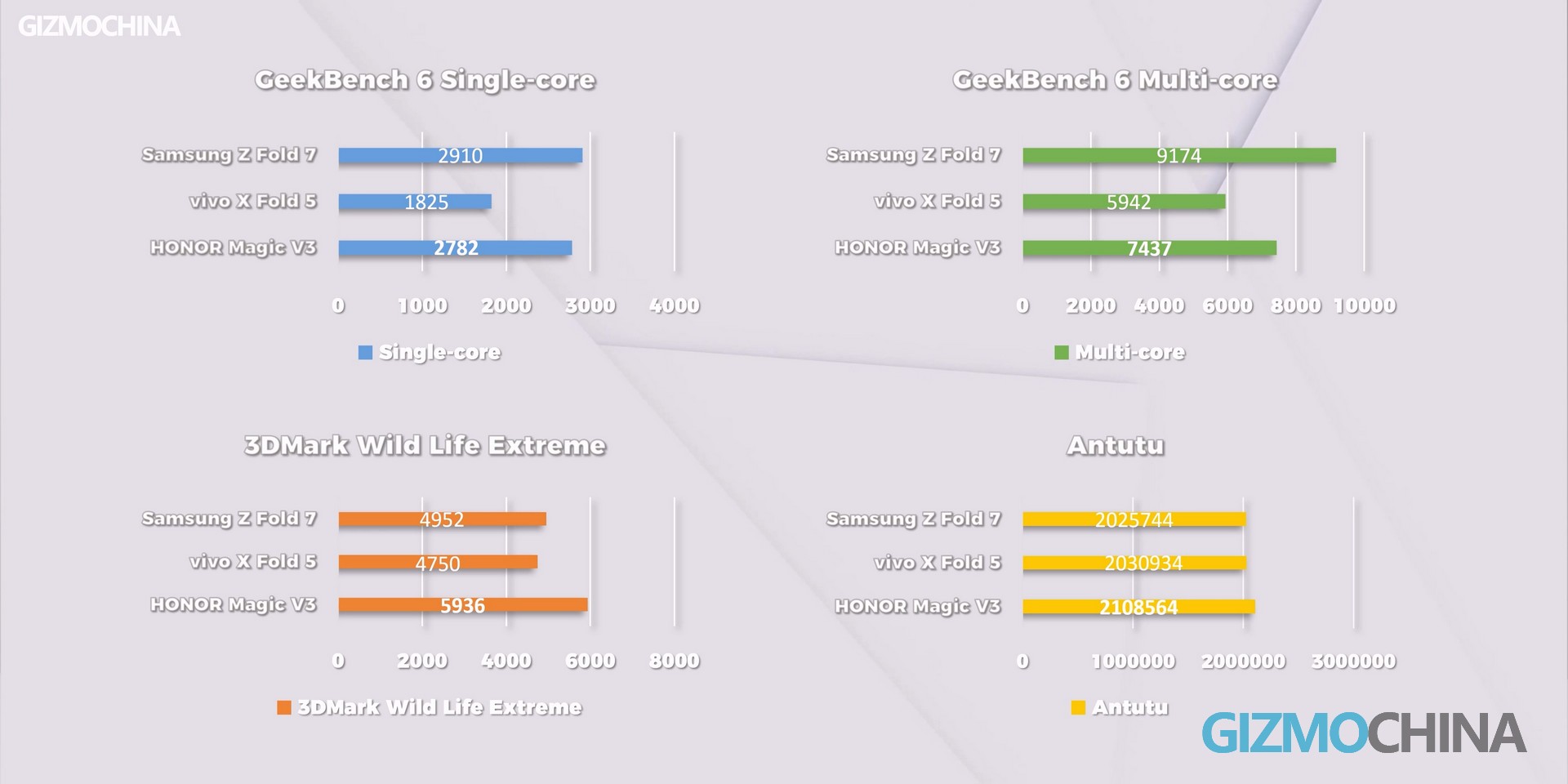
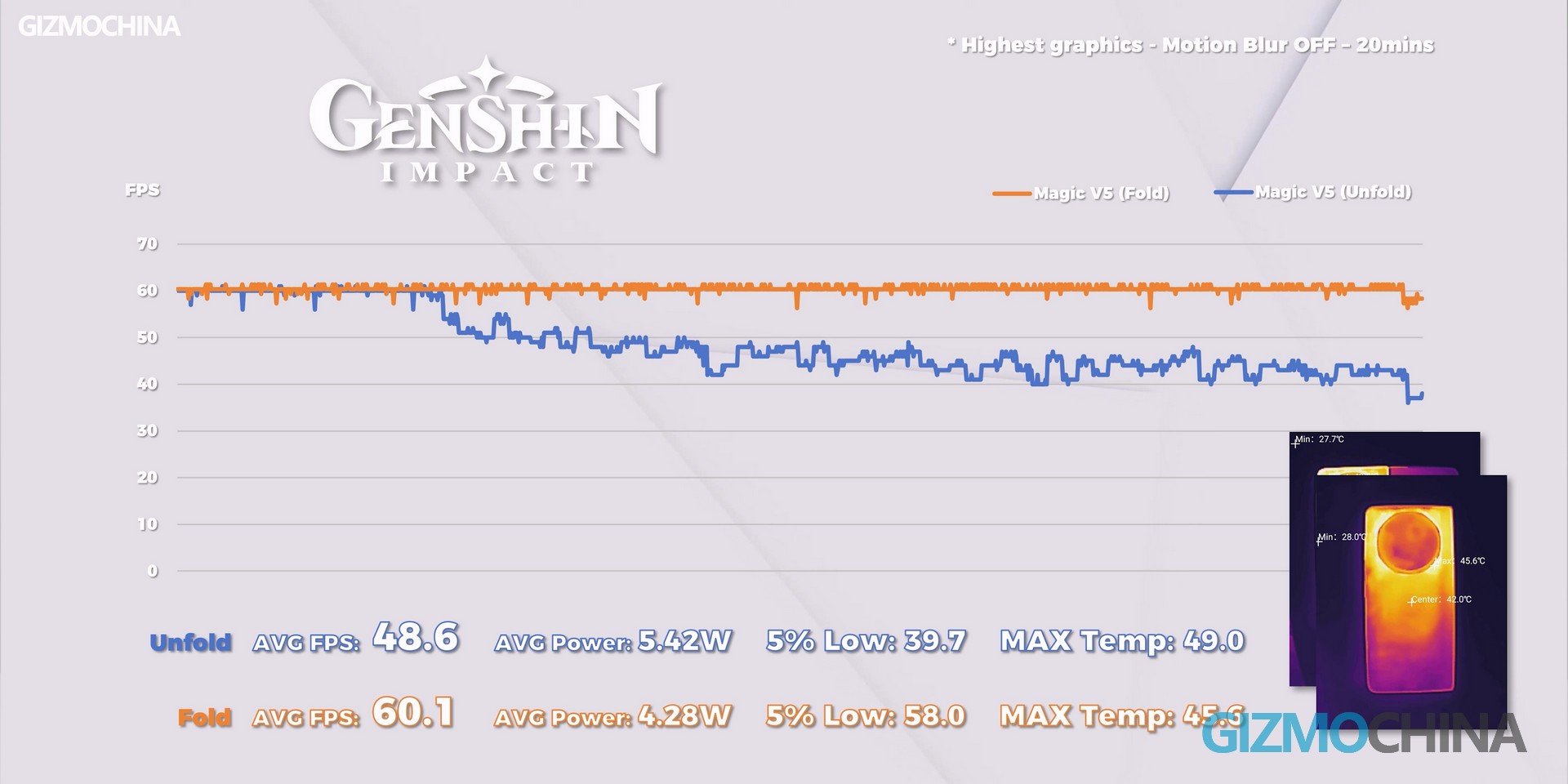
Magic V5 is a foldable phone with a Snapdragon 8 Elite. Peak performance is certainly much better than those phones with Snapdragon 8 Gen 3, or 8 Elite with one less P-core. It’s not much different from that custom overclocked 8 Elite from the Z Fold 7. But after all, the Magic V5 is still a foldable phone, and combined with its ultra-thin body, gaming performance wouldn’t be great—and Genshin Impact’s frame rate graph confirms it.
Not only does the frame rate quickly lock at 45, but by the end, it shows a tendency to drop further. With the cooling system overloaded, the body temperature reaches nearly 50°C. Fortunately, since my hands grip the lower half, it doesn’t feel too hot during gameplay. So, is the Magic V5 bad for gaming? Not really. Fold it, and magic happens—gaming on the outer screen actually provides a better experience. Smoother, more stable, and cooler. But why? We find this is due to different rendering resolutions between screens.
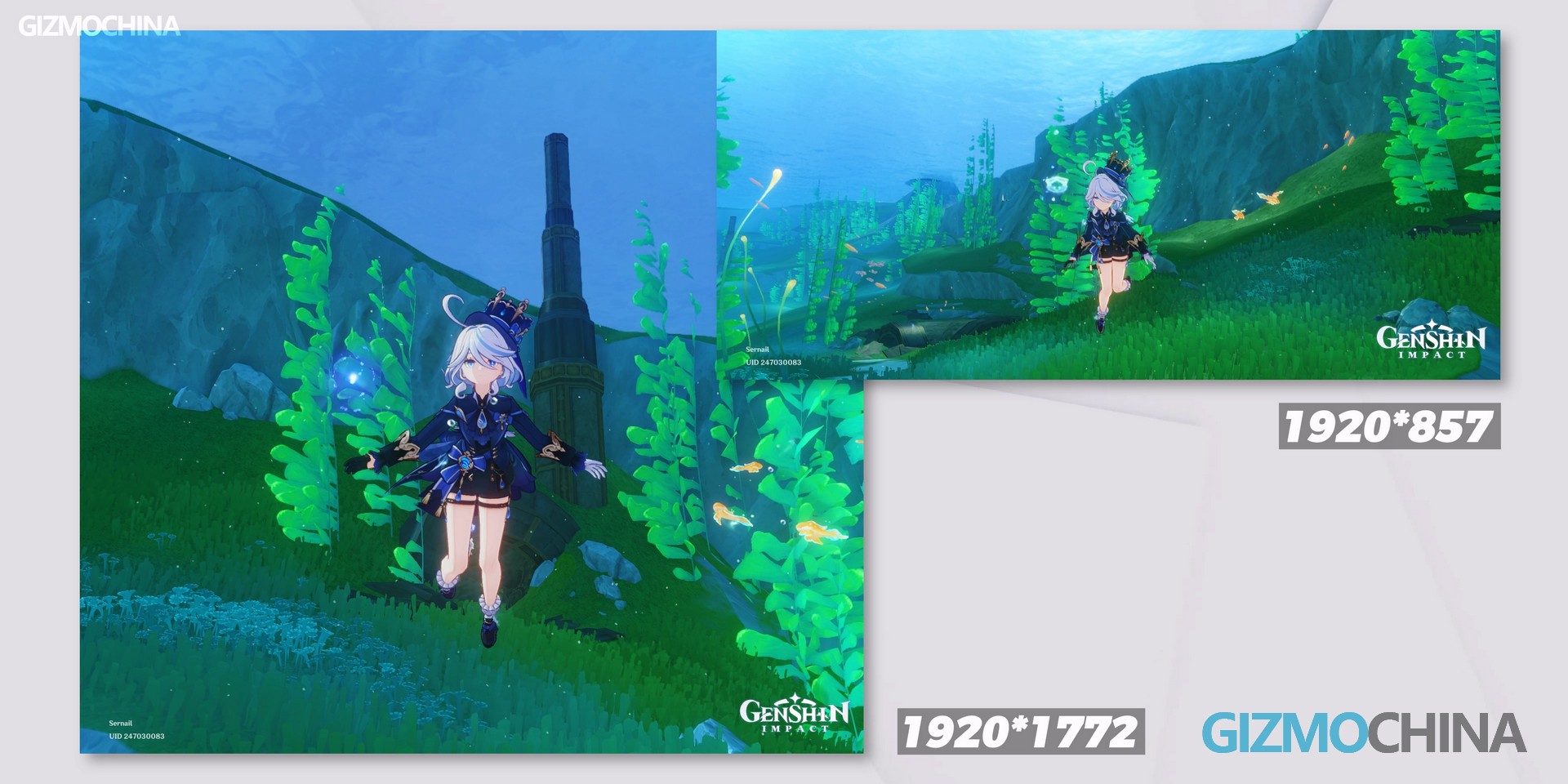
The inner screen renders twice the resolution of the outer screen, doubling GPU load. Simply put, gaming on the inner screen is like running two identical games simultaneously. Therefore, the correct way to game on the Magic V5 is: for light games, use the inner screen for a larger display and better graphics; for demanding games, use the outer screen for more sustained and smoother gameplay.
Battery & Charging
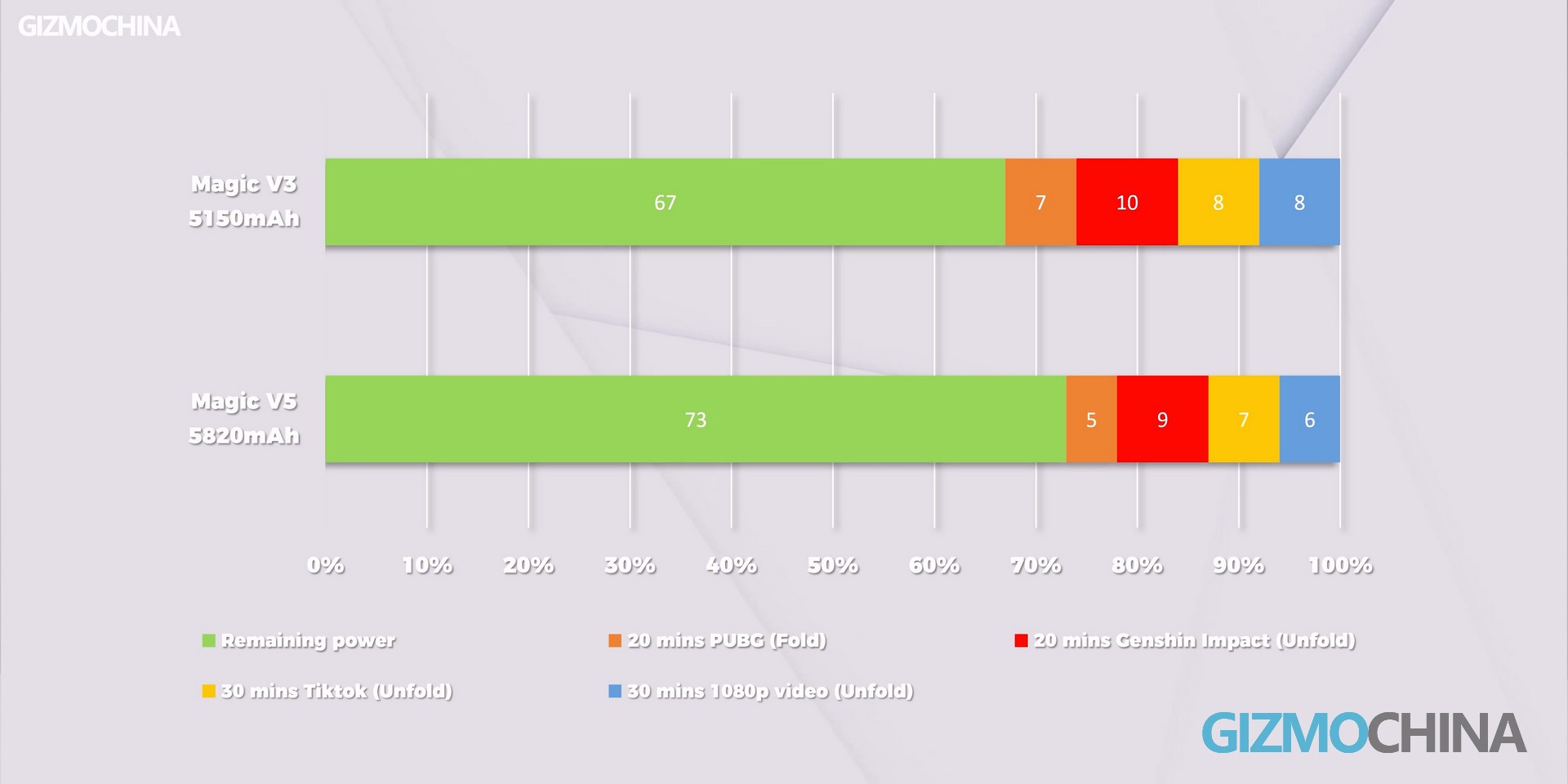
What makes Magic V5 remarkable? It must: being thinner, the battery is bigger. With fewer foldable phones reviewed recently, we can only compare it to last year’s Magic V3. The progress in battery endurance over this year is quite significant.
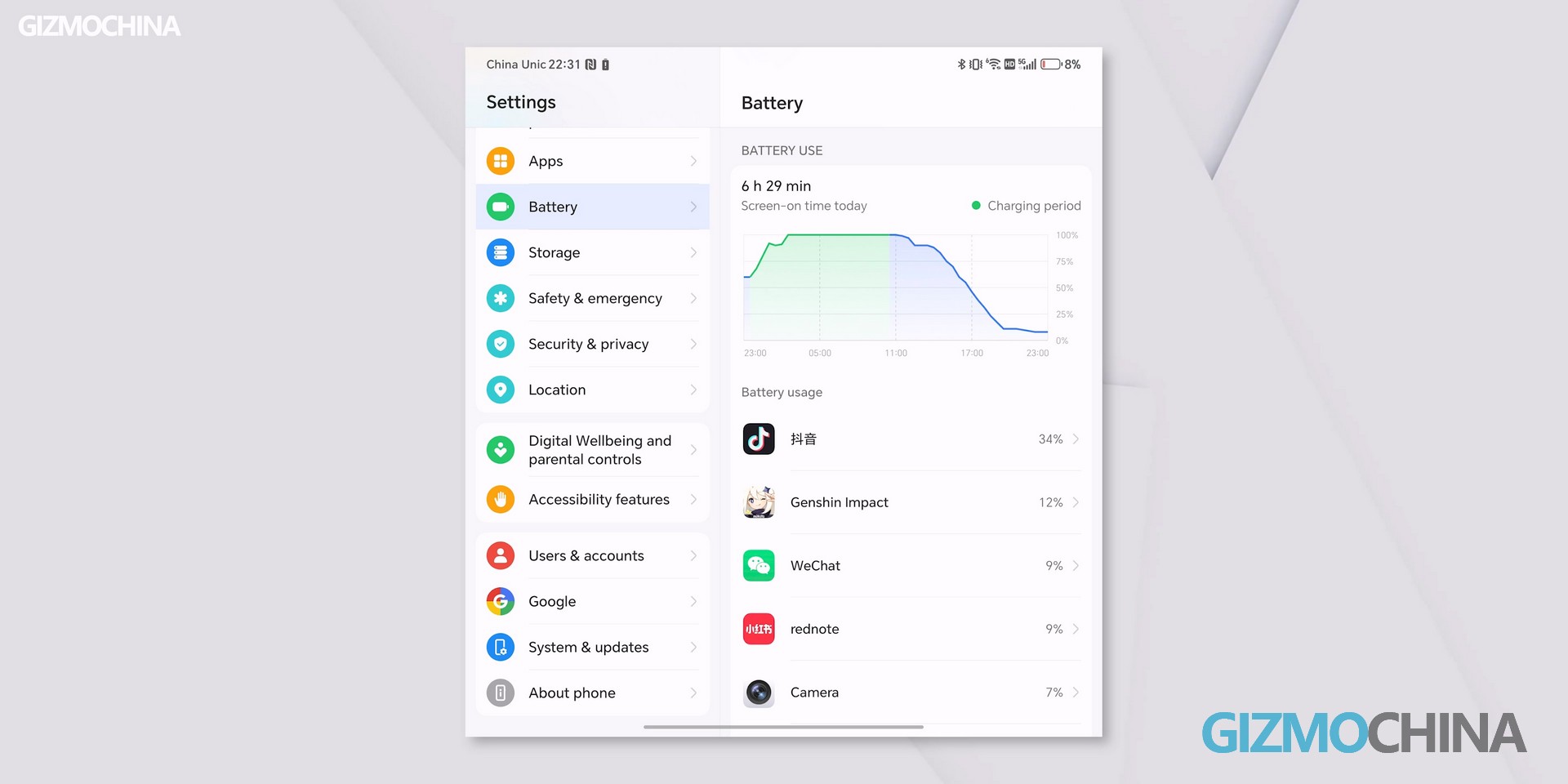
Here’s the battery endurance curve from my heaviest usage day – I tried to use the inner screen as much as possible, and primarily used the 5G network. Even with such intensive usage from work start to finish, I didn’t manage to drain its battery.
And if that’s not enough, the Chinese version of 1TB model upgrades the battery to 6100mAh. That’s a whopping 1,700mAh larger than the Z Fold 7! This is the longest-lasting foldable yet. If you’ve got deep pockets, you should take note.
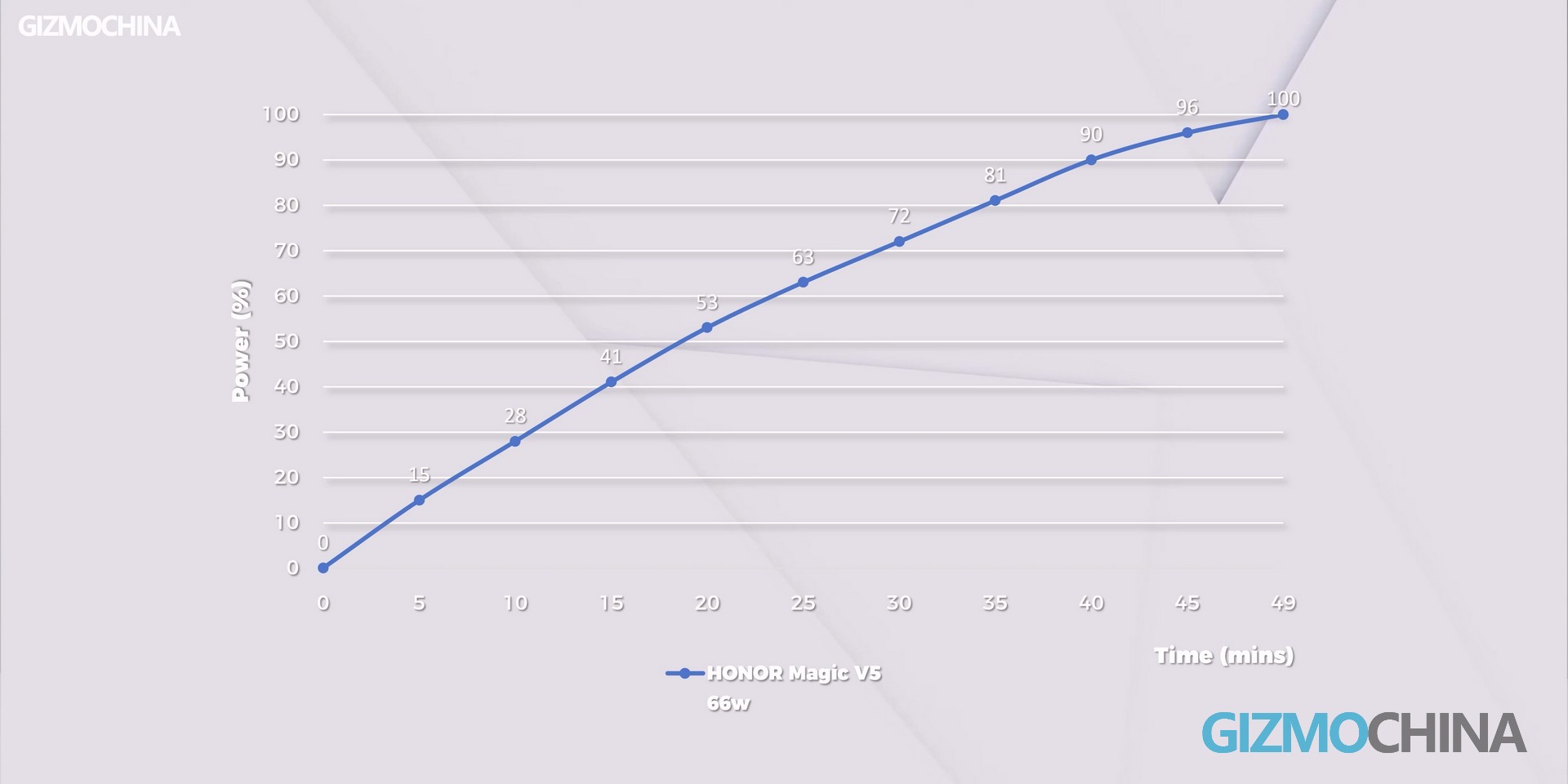
The charging speed isn’t as impressive as the battery capacity, though. 66W wired charging might not sound exceptionally fast, but it can fully charge the phone in under 50 minutes, which is still quite speedy. The Magic V5 hasn’t sacrificed wireless charging despite its thinness, and third-party PD chargers can deliver up to 45W. There’s really nothing to complain about in terms of charging.
Final Thoughts
2025 has been a rough year for foldable fans: Samsung’s Z Fold 7 dropped S Pen support. Xiaomi paused the MIX Fold series. Vivo skipped the X Fold 5 Pro. And OPPO’s Find N5 cut a CPU P-cores. Against this backdrop, the Magic V5’s all-around upgrades—with zero downgrades—are its biggest selling point. Even if it’s a cell phone case, they’ve upgraded to a vegan leather version with a stand. The Chinese pricing matches the Magic V3’s launch price, so hopefully, the global version Magic V5 won’t disappoint us.
Recently, Vivo announced the return of its annual Imagine Smartphone Photography Awards, now in its third edition, giving photography enthusiasts a chance to showcase their creativity and win exciting rewards. The company has also kicked off sales of its newly launched Vivo T4 Pro in India, offering buyers a blend of powerful features at a competitive price.
Vivo Imagine Awards open for entries
Vivo Imagine Smartphone Photography Awards, 2025
The latest edition of the Imagine Awards builds on last year’s success, which saw over 17,000 submissions nationwide. This year’s theme continues to highlight creativity, perspective, and storytelling over technical gear, making the platform inclusive for all. Open to participants across India, the contest runs from Aug. 22 to Nov. 30, 2025, with submissions accepted in six categories: Nature & Landscape, Night & Light, Architecture, Motion, Portrait, and Street & Culture.
Vivo X200 Pro
Entries will be judged by a panel led by filmmaker Zoya Akhtar, alongside renowned photographers Vineet Vohra, Rakesh Pulapa, and Aamir Wani. One Grand Jury winner will walk away with a cash prize of Rs 5,00,000, while the winners in each category will receive a Vivo X200 Pro smartphone. The finalists will be invited to the Grand Finale in December, making it not just a contest but also a platform for mentorship and recognition.
Vivo T4 Pro sale begins in India
Vivo T4 Pro 5G
Alongside the contest, the Vivo T4 Pro has been made available for purchase starting today. The device features a 6.77-inch 1.5K quad-curved AMOLED display with a 120Hz refresh rate and up to 5,000 nits brightness, protected by Schott Diamond Shield Glass.
The T4 Pro is powered by the Snapdragon 7 Gen 4 processor, paired with up to 12GB RAM and 256GB storage, and houses a 6,500mAh battery with 90W fast charging. For imaging, the T4 Pro includes a 50-megapixel OIS main sensor, a 50-megapixel periscope telephoto lens with 10x portrait zoom, and a 32-megapixel selfie camera supporting 4K recording.
The Vivo T4 Pro 5G is priced at Rs 27,999 for 8GB+128GB, Rs 29,999 for 8GB+256GB, and Rs 31,999 for 12GB+256GB. It is available in Nitro Blue and Blaze Gold colour options. Sales begin on August 29 through Flipkart, Vivo’s official website, and partner offline stores.
Launch offers include a Rs 3,000 instant discount on select bank cards, up to Rs 3,000 exchange bonus, 6 months no-cost EMI, and 2 months of free OTT access with the Rs 1,199 Jio prepaid plan.
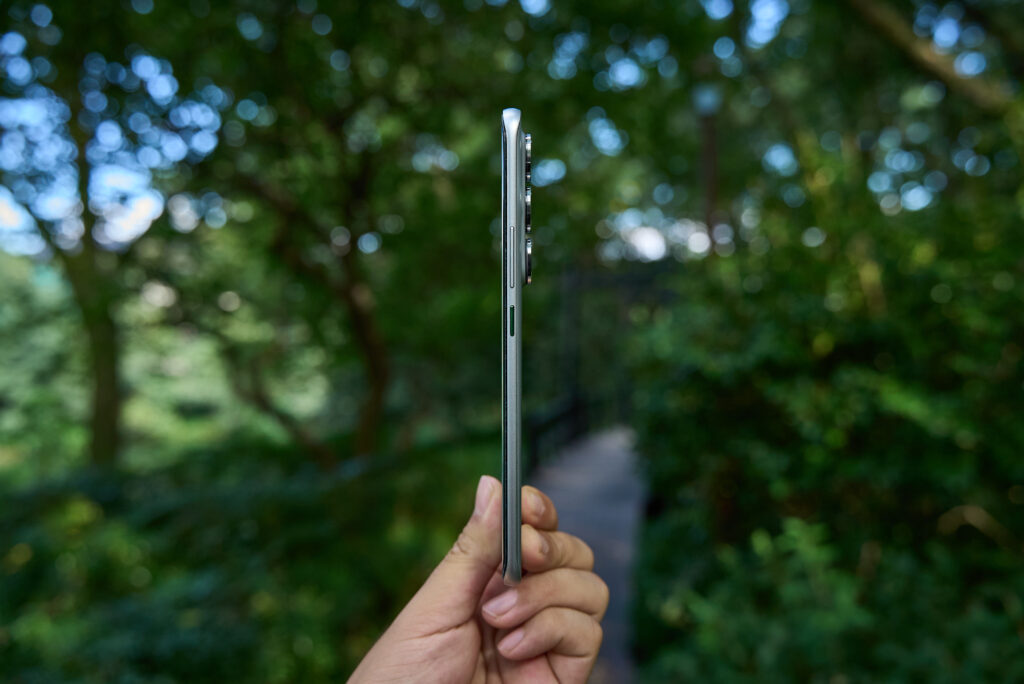
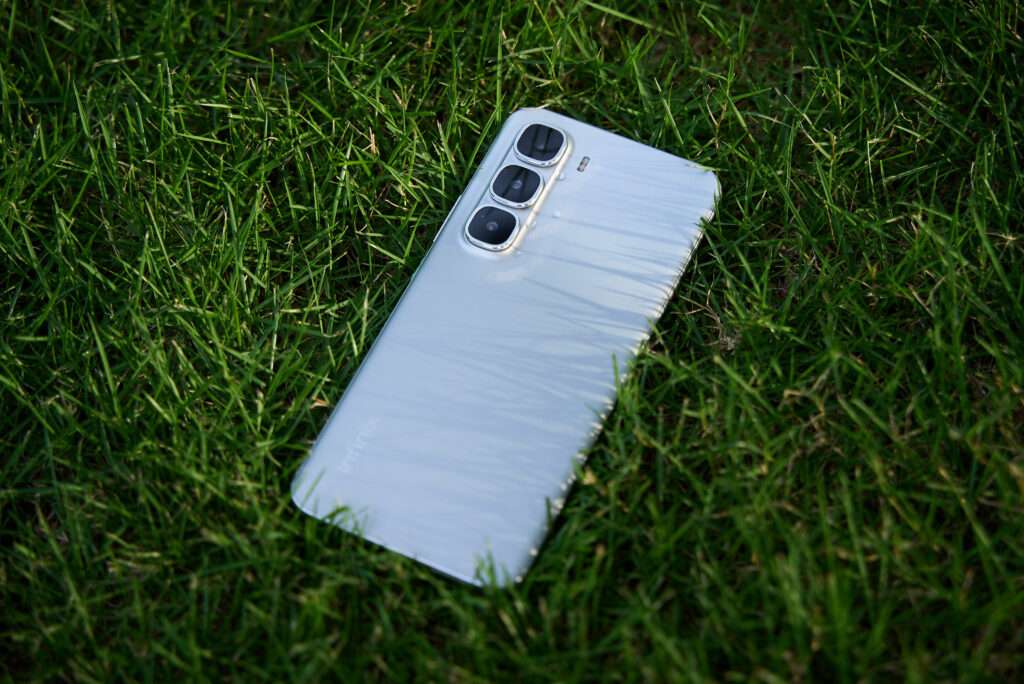
Infinix has revealed that its latest smartphone, the Hot 60 Pro+, has achieved a remarkable global recognition. The announcement came during a recent certification event in Indonesia, where Guinness World Records adjudicators confirmed the achievement.
Infinix Hot 60 Pro+ certified as the world’s thinnest 3D curved display smartphone
Infinix Hot 60 Pro+
The Infinix Hot 60 Pro+ has been certified as the world’s thinnest 3D curved display smartphone, measuring only 5.95mm at its slimmest point. The award ceremony was hosted at the iconic Borobudur Temple in Indonesia, coinciding with the device’s local launch.
To ensure credibility, Infinix collaborated with an ILAC-accredited laboratory that carried out precise laser measurements at multiple points. The results confirmed a thickness of 5.95mm at its thinnest area and 6.09mm at the thickest section, the latter being used as the official Guinness benchmark.
Infinix Hot 60 Pro+ specifications
Infinix Hot 60 Pro+
Despite its slim design, the Hot 60 Pro+ offers a solid feature set. The smartphone is powered by the MediaTek Helio G200 chipset and sports a 6.78-inch curved AMOLED display with 1,224p resolution and a 144Hz refresh rate.
The Hot 60 Pro+ also comes with a 50-megapixel primary camera, an in-display fingerprint scanner, and an IP65 rating for dust and water resistance. The device weighs just 155 grams and is backed by a 5,160mAh battery with 45W fast charging and 10W reverse wired charging support.
In comparison, the Galaxy S25 Edge is slightly thinner at 5.8mm but carries a smaller 3,900mAh battery and is heavier at 163.8 grams. The Hot 60 Pro+ is globally available for $200.
For more daily updates, please visit our News Section.
Last year, when I got the Galaxy S24 Ultra, I thought I had finally settled into the perfect smartphone. It was reliable, packed with AI features, and offered one of the best displays in the business. But earlier this year, I decided to give the OnePlus 13s a try, intrigued by its compact design and beefy specs.
Now, after 90 days of using the OnePlus 13s (review), I can say it has been difficult for me to go back to the S24 Ultra. This is not because the Samsung flagship is lacking, but because the OnePlus 13s offers a combination of performance, efficiency, and value that feels very hard to ignore.
6Living with the OnePlus 13s
OnePlus 13s
After 90 days, the OnePlus 13s has not only impressed me but also changed the way I think about flagships. Samsung remains excellent in many areas, but switching back feels difficult because the OnePlus device has made daily life more convenient. From lighter design to longer endurance and smarter software touches, it feels like the right fit for my routine.
It is not about one phone being better in every possible way, it is about which one makes the most sense for me day to day. Right now, that is the OnePlus 13s.
Final thoughts
The S24 Ultra still has its strengths, particularly in bigger display size quality and camera zoom, but the OnePlus 13s leads across crucial areas – performance, design, battery, AI features, and pricing.
That combination makes it tough for me to go back. At the end of the day, the OnePlus 13s feels like a flagship that not only competes with the biggest names in the industry but also challenges the way we think about value in premium smartphones.
For more daily updates, please visit our News Section.
WhatsApp is rolling out a new feature called Writing Help to make it easier for people to polish their messages. The tool suggests different ways to phrase what you want to say, whether you want it to sound professional, funny, or supportive. You can tap the pencil icon while drafting in a 1:1 or group chat to see suggestions, then pick one, edit it, or stick with your own words.
A common question is whether this is actually private. WhatsApp says yes. Writing Help runs on Private Processing, a technology that lets Meta AI provide suggestions without WhatsApp or Meta ever seeing your messages. To make sure it’s secure, WhatsApp worked with outside security experts, and independent audits from NCC Group and Trail of Bits have backed up the system’s design.
For anyone interested in the details, Meta has published an engineering blog and a technical white paper that explain how Private Processing works and how it supports new features like Writing Help and Message Summaries.
WhatsApp stresses that these tools are optional. They are off by default, and you decide if you want to use them.
Writing Help is starting in English in the United States and a handful of other countries, with plans to add more languages and regions later this year.
In related news, WhatsApp has also rolled out new group call features, including call scheduling with invites, attendee management, calendar links, and notifications before calls start. Users can now raise hands or send reactions during calls, while call link creators get alerts when someone joins. All calls remain end-to-end encrypted.
For more daily updates, please visit our News Section.
realme launched the P4 Pro smartphone in India last week. The first sale took place on August 27 at 12 noon. The company has now confirmed a special 12-hour sale that begins today, August 29, at 12 PM and runs until midnight. Customers will get the same bank and exchange benefits during this limited-time window.
Pricing and Offers
The realme P4 Pro comes in three storage options. The 12GB RAM with 256GB storage variant is priced at ₹28,999. With a ₹3,000 bank discount and a ₹2,000 exchange bonus, the effective price is ₹23,999. The 8GB RAM with 256GB storage variant costs ₹26,999, but after offers the price comes down to ₹21,999. The base 8GB RAM with 128GB storage model is listed at ₹24,999 and is available for ₹19,999 after discounts. All models include a three-month no-cost EMI option. The phone can be bought from Flipkart, realme.com, and retail stores.
Specifications
The realme P4 Pro has a 6.8-inch OLED display with a resolution of 2800×1280 pixels, a 144Hz refresh rate, and up to 6500 nits peak brightness. The screen supports 100% DCI-P3 color gamut, up to 4608Hz high-frequency PWM dimming, full-brightness DC dimming, and is protected by Corning Gorilla Glass 7i.
The phone runs on the Qualcomm Snapdragon 7 Gen 4 processor with Adreno 722 GPU. It comes with 8GB or 12GB LPDDR4X RAM and up to 256GB UFS 3.1 storage. It ships with Android 15 based realme UI 6.0.
The rear camera setup has a 50MP Sony IMX896 sensor with OIS and f/1.8 aperture, along with an 8MP ultra-wide camera with f/2.2 aperture. It supports 4K video recording at 60fps. On the front, it has a 50MP OV50D sensor with f/2.4 aperture, also capable of 4K recording.
The phone includes an in-display fingerprint sensor, infrared sensor, stereo speakers, Hi-Res audio, and USB Type-C audio. It is IP68 and IP69 rated for dust and water resistance. Connectivity options include 5G SA/NSA, dual 4G VoLTE, Wi-Fi 6, Bluetooth 5.4, GPS, GLONASS, Beidou, and USB Type-C 2.0. The device is powered by a 7000mAh battery with 80W fast charging. It measures 162.27×76.16×7.68mm and weighs 189g.
For more daily updates, please visit ourNews Section.
We use cookies on our website to give you the most relevant experience by remembering your preferences and repeat visits. By clicking “Accept”, you consent to the use of ALL the cookies.
This website uses cookies to improve your experience while you navigate through the website. Out of these, the cookies that are categorized as necessary are stored on your browser as they are essential for the working of basic functionalities of the website. We also use third-party cookies that help us analyze and understand how you use this website. These cookies will be stored in your browser only with your consent. You also have the option to opt-out of these cookies. But opting out of some of these cookies may affect your browsing experience.
Necessary cookies are absolutely essential for the website to function properly. This category only includes cookies that ensures basic functionalities and security features of the website. These cookies do not store any personal information.
Any cookies that may not be particularly necessary for the website to function and is used specifically to collect user personal data via analytics, ads, other embedded contents are termed as non-necessary cookies. It is mandatory to procure user consent prior to running these cookies on your website.