Advertisement

Oukitel launches WP55 Pro rugged smartphone with 11000mAh battery, 16GB RAM & 120Hz display

Oukitel has launched a new entry in its lineup of rugged smartphones, the WP55 Pro 5G. Built for durability and demanding environments, the device is designed to handle extreme conditions while offering a full smartphone experience. It caters to users who spend extended time outdoors, work in rough field conditions, or simply prefer a phone that doesn’t need babying.

Oukitel WP55 Pro

Oukitel WP55 Pro Specifications

The WP55 Pro features a 6.58-inch Full HD+ display with a resolution of 1080 x 2408 pixels. It offers a 120Hz refresh rate for smoother visuals and better responsiveness. The screen is also reinforced for added durability, making it more resistant to drops and suitable for outdoor environments.

The smartphone is powered by the MediaTek Dimensity 7025 chipset, built on a 6nm process and offering 5G support. It comes with 16GB of LPDDR5X RAM and 512GB of UFS 3.1 storage, with the option to expand storage via microSD. RAM can also be virtually expanded up to 48GB through dynamic memory allocation. The device runs Android 15 out of the box, providing users with the latest features, security patches, and UI enhancements.

Oukitel WP55 Pro

On the rear, the phone features a triple camera setup consisting of a 108MP main sensor, an 8MP night vision camera, and a 2MP macro lens. It also includes a 32MP front-facing camera for selfies and video calls. The inclusion of infrared night vision is particularly useful for low-light and nighttime environments.

The WP55 Pro is equipped with a large 11000mAh battery designed to deliver extended usage without the need for frequent charging. It supports 33W fast charging for quicker top-ups. According to Oukitel, the battery can provide up to 77 hours of talk time and approximately 1375 hours of standby time.

The WP55 Pro carries IP68 and IP69K ratings for water and dust resistance, along with MIL-STD-810H certification for drop and shock protection. It supports NFC, has a side-mounted fingerprint reader, and maintains a relatively slim profile at 15.3mm for a rugged device.

Pricing & Availability

The Oukitel WP55 Pro 5G is now available for purchase via Amazon UK for £329.

In related news, Oukitel recently launched a $400 rugged phone that comes with built-in earbuds, a companion smartwatch, and a battery nearly three times larger than the Galaxy S25 Ultra.

For more daily updates, please visit our News Section.

Stay ahead in tech! Join our Telegram community and sign up for our daily newsletter of top stories! 💡

(Source)

MSI launches 600Hz gaming monitor MPG 242R X60N with 0.1ms response time

MSI has officially introduced the MPG 242R X60N gaming monitor, expanding its lineup of esports-focused displays. The monitor was first unveiled at CES 2025 and is now making its global debut. It targets competitive gamers who prioritize fast response times and ultra-smooth visuals over high resolution, positioning itself as a high-performance display for fast-paced gaming environments.

MSI MPG 242R X60N

MSI MPG 242R X60N Specifications

The MPG 242R X60N features a 24.1-inch Rapid TN panel with a Full HD (1920×1080) resolution. The panel is designed for speed and responsiveness, catering to professional-level FPS and esports gameplay where clarity and motion precision are critical.

The monitor supports an ultra-fast 600Hz refresh rate, along with a minimum gray-to-gray (GtG) response time of 0.1 milliseconds. MSI includes MPRT Sync, a black frame insertion technology, to reduce motion blur and enhance visual sharpness during high-speed gameplay.

In terms of color performance, the panel covers 119% of the sRGB color space, 93% of DCI-P3, and 89% of Adobe RGB. It holds a VESA DisplayHDR 400 certification and reaches a peak brightness of 500 nits in HDR mode and 350 nits in SDR. The typical contrast ratio is rated at 1000:1.

MSI packs the monitor with gaming-focused features like AI Vision for enhanced visibility in dark scenes, AI Crosshair for better aiming precision. The monitor also supports legacy 4:3 aspect ratios like 1280×960 and 1024×768 at up to 600Hz, catering to players who prefer classic display setups.

For connectivity, the MPG 242R X60N offers two HDMI 2.1 FRL ports, one DisplayPort 1.4a, and a USB-C port with 98W Power Delivery. It also includes a USB-B upstream port, three USB-A downstream ports (all rated at 480Mbps), and a 3.5mm headphone jack. The monitor supports KVM functionality for switching between multiple connected devices.

Ergonomically, the monitor comes with a four-way adjustable stand that allows users to tilt, swivel, pivot, and adjust height for optimal viewing comfort. The design is compact and tailored for desk setups that demand flexibility.

Pricing and Availability

MSI has not yet confirmed the pricing or availability details for the MPG 242R X60N. However, as the gaming monitor market begins to include more displays above 500Hz, pricing will likely play a crucial role in determining how it stacks up against alternatives from both major and lesser-known brands.

In related news, LG has launched the UltraFine 40WT95UF, the world’s first 5K2K monitor with Thunderbolt 5, while HKC has introduced a 144Hz gaming monitor featuring 99% sRGB coverage at a budget-friendly price.

For more daily updates, please visit our News Section.

Stay ahead in tech! Join our Telegram community and sign up for our daily newsletter of top stories! 💡

OnePlus Launches Magnetic Cases and 27W Cooling Fan for OnePlus 13s

OnePlus launched the OnePlus 13s smartphone (OnePlus 13s review) today through an online event. Alongside the phone, the company introduced new accessories designed specifically for the device. These include magnetic cases and a 27W magnetic phone cooler. The phone does not support wireless charging, but can still attach to magnetic stands and accessories using these cases.

The OnePlus 13s Sandstone Magnetic Case is priced at ₹799 and comes with a textured finish. The Hole-pattern Magnetic Case is priced at ₹699 and features holes on the back for a better grip. Both cases allow the phone to connect with magnetic accessories.

OnePlus also launched the 27W Freezing Point Magnetic Phone Cooler, priced at ₹2,499. It connects through a USB input and works with any phone that supports magnetic charging. Phones without magnetic support can still use the cooler with the included clip. It is compatible with both Android and iOS devices.

The cooler attaches to the back of the phone and has a round design that avoids blocking hand placement. It combines 27W power cooling, TEC cooling, and turbo cooling. The cooler follows OnePlus’ red and black color scheme and has a built-in two-speed e-sports light that shows cooling intensity. It also includes standard screw holes, allowing it to be mounted directly to a live stream stand. All accessories are available in India starting today, June 5.

For more daily updates, please visit our News Section.

Tech enthusiast? Get the latest news first! Follow our Telegram channel and subscribe to our free newsletter for your daily tech fix!

Xiaomi 16 battery leak: even larger than previously expected

Xiaomi’s next flagship, the Xiaomi 16, is shaping up to be a powerhouse, and a fresh leak out of China claims the phone will pack an even larger battery than previously expected. With top-tier specs, the Xiaomi 16 could be a game-changer in the compact flagship race.

According to a new rumor from China, the Xiaomi 16 will boast a whopping 7,000 mAh battery, a significant leap from the 5,240 mAh cell in the Xiaomi 15. Earlier whispers pegged it at 6,800 mAh or “over 6,500 mAh,” but this latest figure cements the Xiaomi 16 as a potential battery king for its size. Notably, it aligns with an earlier leak from Weibo tipster ‘Wisdom Pikachu’ (translated from Chinese), who had hinted at a similar battery capacity.

Paired with a rumored 6.3-inch to 6.39-inch flat OLED display, the phone keeps a compact, pocket-friendly form factor while offering stamina that could outlast most competitors. This endurance boost, likely aided by silicon-carbon tech, means longer gaming sessions, streaming, or work without scrambling for a charger.

Beyond the battery, the Xiaomi 16 is officially confirmed to impress with a Snapdragon 8 Elite 2 chipset, Qualcomm’s next-gen silicon expected to drop around the same time. The next-generation Qualcomm flagship promises blazing performance and efficiency for everything from AI tasks to heavy multitasking. The camera setup sounds equally exciting, with leaks pointing to a triple 50MP rear array, including a main sensor with a 1/1.3-inch size for stellar low-light shots and a possible periscope telephoto for crisp zoom and macro shots. Running HyperOS 3.0 on Android 16, it’ll likely feel snappy and modern.

With a debut expected in China by late September, the Xiaomi 16 could set a new bar for compact flagships. If these specs hold, it’s poised to challenge rivals like the Galaxy S26 Ultra or the iPhone 17 Pro models regarding battery endurance and in-hand experience.

Stay ahead in tech! Join our Telegram community and sign up for our daily newsletter of top stories!

For more daily updates, please visit our News Section.

Source: DCS on Weibo (in Chinese)

Polar launches Grit X2 smartwatch with ECG, SpO2 and a full week of battery for outdoor athletes

Polar has introduced the Grit X2, its latest outdoor-focused smartwatch aimed at athletes, hikers, and endurance enthusiasts. The launch comes a year after the company released the Grit X Pro in March 2024. The new model builds on its predecessor with improved navigation tools, a more advanced biosensing suite, and a refined user experience designed for extended outdoor use.

Polar Grit X2 smartwatch

Polar Grit X2 Specifications

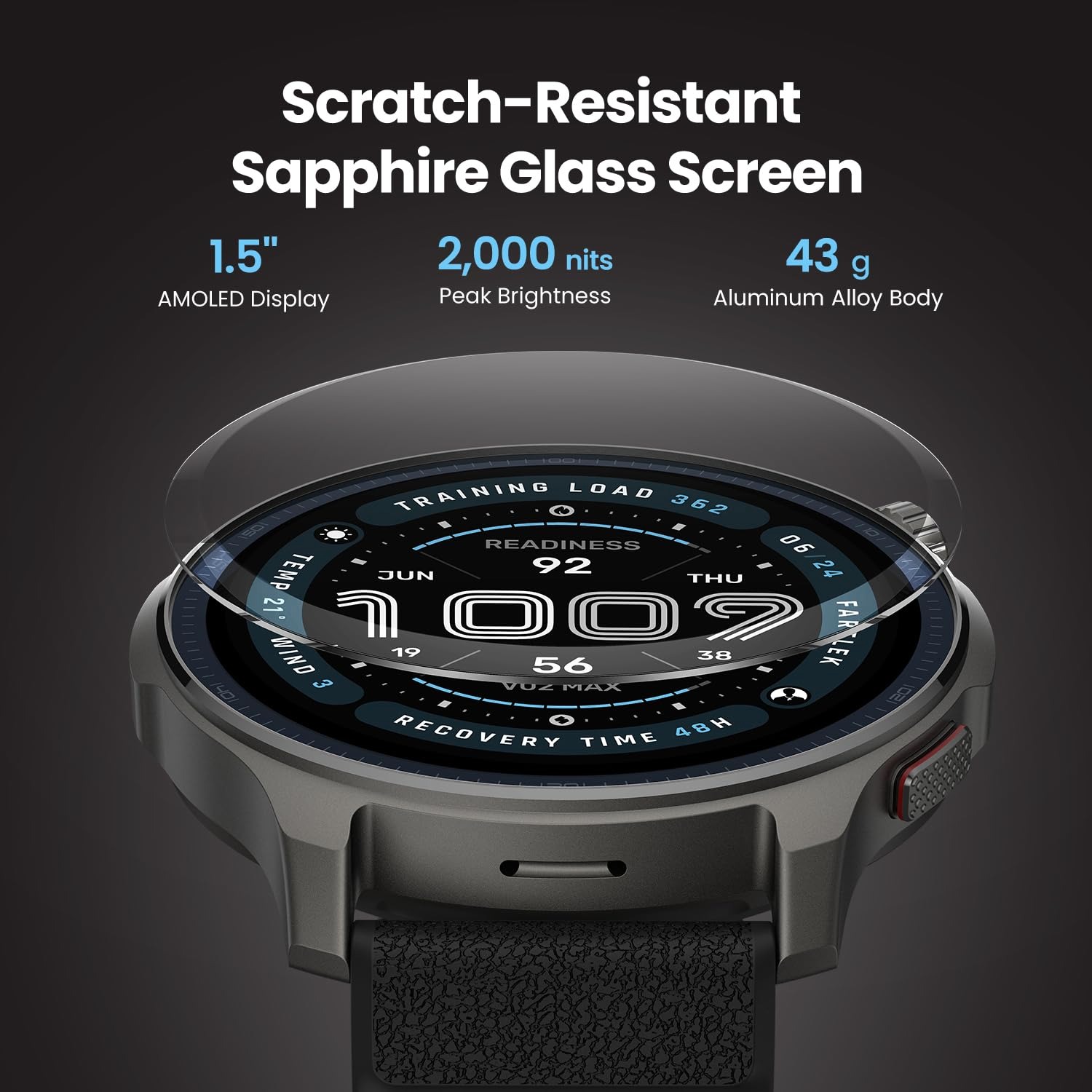
The Grit X2 features a 1.28-inch AMOLED touchscreen with a resolution of 416×416 pixels. It uses sapphire glass for durability and supports always-on display and ambient light adjustment. The watch includes dual-frequency GPS and supports major satellite systems such as GPS, GLONASS, Galileo, BeiDou, and QZSS. It also offers turn-by-turn navigation powered by Komoot and offline maps stored on 32GB of internal storage.

The smartwatch includes Polar’s Elixir sensor platform, which enables ECG readings, blood oxygen monitoring, skin temperature tracking, and Gen 4 optical heart rate sensing. Additional sensors include a barometer, compass, accelerometer, and gyroscope, allowing for accurate environmental and motion tracking.

Polar has equipped the Grit X2 with a 310mAh battery that supports up to 30 hours in performance training mode, 90 hours in eco mode, and up to 7 days in standard smartwatch use. The device runs on a 275MHz processor with 37MB of memory and connects via Bluetooth 5.1. Charging is handled through a proprietary USB-C cable.

In terms of features, the Grit X2 supports smartphone notifications, music control, and Polar’s suite of health and fitness tools. These include FitSpark training guidance, Recovery Pro, FuelWise nutrition reminders, and wrist-based running power. Sleep tracking options include Nightly Recharge, Sleep Plus Stages, and SleepWise.

Pricing and Availability

The Polar Grit X2 is priced at €479.90 and is available in Night Black and Brown Copper. It is now on sale through Polar’s website and authorized retailers.

In related news, Xiaomi has launched the Watch S4 15th Anniversary Edition featuring its in-house Xring T1 chip and HyperOS 2, while Amazfit has introduced the Balance 2 smartwatch with a 1.5-inch AMOLED display, 21-day battery life, and support for diving and golf tracking.

For more daily updates, please visit our News Section.

Stay ahead in tech! Join our Telegram community and sign up for our daily newsletter of top stories! 💡

Motorola Edge 60 Coming Soon to India, teasers out

Motorola has shared a teaser for what appears to be the Motorola Edge 60. The image shows the front of the phone with a punch-hole display and the text “A camera as edgy as you are” along with “Coming Soon.” While the name isn’t confirmed, the design and timing suggest this is the standard Edge 60 model.

The product page isn’t live yet on Flipkart or Amazon India. Once launched, the phone will join the Edge 60 Pro, Edge 60 Fusion, and Edge 60 Stylus in the Indian market. Launch details are expected soon.

Motorola Edge 60 Global Specifications

Motorola Edge 60

The phone features a 6.7-inch pOLED quad-curved display with 10-bit color depth. It is Pantone Validated for color and skin tone accuracy. It also supports Dolby Atmos for better audio.

It runs on the MediaTek Dimensity 7300 chipset. The rear camera setup includes a 50MP Sony LYTIA 700C main sensor, a 50MP ultra-wide and macro camera, and a 10MP telephoto lens with 3x optical zoom and up to 30x Super Zoom. On the front, the phone has a 50MP camera.

The Edge 60 comes with IP68 and IP69 water and dust resistance, military-grade MIL-STD-810H certification, and Corning Gorilla Glass 7i protection. It is available in leather- and canvas-textured finishes, with Pantone Gibraltar Sea and Shamrock color options.

Battery options vary by region. One version comes with a 5200mAh battery that supports 68W fast charging, delivering up to 12 hours of use in 8 minutes. Another version includes a 5500mAh battery with the same charging speed, offering 12 hours of use in 9 minutes, as claimed by Motorola.

(Source 1, 2)

OnePlus 13s review: Is this the best compact phone of 2025?

I’ve had the opportunity to spend nearly two months with the new OnePlus 13s. Specifically, I’ve been reviewing the Pink Silk edition with 12GB of RAM and 256GB of storage. OnePlus positions this device as a compact flagship that doesn’t compromise on performance or battery life, addressing a common pain point in the compact phone market. Having put it through its paces in daily use—from heavy multitasking to extensive media consumption and photography, I’ve formed a comprehensive understanding of its capabilities and how it holds up to its claims.

6Verdict

OnePlus 13s
OnePlus 13s

After using it consistently, the OnePlus 13s stands out as one of the most well-rounded compact flagships of 2025. It largely delivers on its promise of being “Stronger, Smarter, Smaller.” The design is genuinely comfortable for one-handed use, and the build quality feels premium throughout. The display is a clear highlight—vibrant, fluid, and well-suited for media consumption.

Performance remains strong across everyday tasks and demanding applications, with stable thermal management helping it stay cool under pressure. Battery life is impressive for its size, often lasting beyond a day on moderate to heavy use, and fast charging adds to the overall convenience.

The OnePlus AI suite, especially “AI Plus Mind” and “AI Search,” offers real value in everyday productivity, even if some features are still awaiting updates.

Of course, being a compact phone, it comes with a few trade-offs. You won’t get every flagship-level feature, just as the compact Galaxy S25 doesn’t match Ultra’s prowess. The 13s focuses on delivering the best experience possible within its form factor. If you’re looking for a more feature-rich option in the OnePlus lineup, the OnePlus 13 is a logical step up.

As far as pricing is concerned, it is priced well at Rs 54,999 for the 12GB+256GB edition and Rs 59,999 for the 12GB+512GB variant. Pre-bookings are live and it is scheduled to go on sale on June 12 via Amazon, OnePlus India app / website, and offline stores.

This phone is exclusive to the Indian market and a slightly modified version dubbed as OnePlus 13T with a 16-megapixel front camera (without autofocus) and a 6,260mAh battery is available in China.

For more daily updates, please visit our News Section.

Stay ahead in tech! Join our Telegram community and sign up for our daily newsletter of top stories.

Next

Vivo X200 Ultra vs Honor Magic 7 Pro: Pro Camera or Fast Charging, What Will You Choose?

Vivo X200 Ultra and Honor Magic 7 Pro represent two of the most advanced Android flagships of 2025, both powered by the Snapdragon 8 Elite and packed with top-tier features. This comparison matters because while both target premium users, they differ in approach, Vivo focuses on professional-grade imaging and display quality, whereas Honor emphasizes faster charging, biometrics, and everyday usability. Understanding their strengths helps buyers choose between performance-oriented innovation and well-rounded flagship practicality.

1. Design and Display

Vivo X200 Ultra
Vivo X200 Ultra

Build and Feel:
Both the Vivo X200 Ultra and Honor Magic 7 Pro boast premium construction with glass front and back panels, aluminum frames, and IP68/IP69 water and dust resistance. Vivo’s Armor Glass and aluminum body ensure robust protection and a flagship-grade grip. However, Honor ups the ante with NanoCrystal Shield for better impact resistance and offers multiple SIM options, including dual eSIM. While both feel equally high-end in hand, Honor’s build feels more forward-thinking with better versatility for future networks.

Verdict: Honor Magic 7 Pro edges ahead due to advanced SIM flexibility and tougher front protection.

Display Quality:
Vivo offers a slightly larger 6.82-inch LTPO AMOLED panel with a sharper 1440p resolution and an incredible 4500 nits peak brightness, making it one of the brightest displays in the industry. It also supports Dolby Vision, HDR Vivid, and boasts Armor Glass protection. Honor’s 6.8-inch LTPO OLED panel is vivid with 5000 nits peak brightness but has a slightly lower resolution and pixel density. While Honor wins in raw brightness, Vivo’s sharper resolution and better display tech overall offer a more cinematic and detailed experience.

Verdict: Vivo X200 Ultra has a superior panel for resolution and immersive media viewing.

Verdict:
Overall, Vivo wins this round for users who prioritize screen sharpness, while Honor is better for those wanting versatility and ruggedness.

2. Specifications 

Honor Magic 7 Pro
Honor Magic 7 Pro

Performance:
Both phones use the same Snapdragon 8 Elite chipset, offering top-tier CPU and GPU performance. The custom Oryon V2 cores and Adreno 830 GPU make both ideal for gaming, multitasking, and heavy workloads. Vivo has the edge in storage speed with UFS 4.1 versus Honor’s UFS 4.0, and it also offers a higher 1TB + 16GB variant with satellite call support. For users demanding maximum read/write performance and future-proofing, Vivo’s storage implementation gives it a performance edge.

Verdict: Vivo X200 Ultra slightly leads in performance due to faster storage and exclusive features on top variants.

Battery and Charging:
Honor Magic 7 Pro delivers faster charging with 100W wired and 80W wireless speeds, beating Vivo’s 90W wired and 40W wireless system. Both phones support reverse charging, but Honor also offers 5W reverse wired, great for accessories. Vivo’s 6000 mAh battery is marginally bigger than Honor’s global 5850 mAh cell. In terms of sheer battery size, Vivo leads, but Honor offers quicker full charges. Users needing fast top-ups on the go will appreciate Honor’s superior fast-charging system.

Verdict: Honor Magic 7 Pro wins the charging battle, though Vivo may last slightly longer on a full charge.

Verdict:
Performance-focused users should lean toward Vivo, but frequent chargers and travelers may prefer Honor’s faster energy replenishment.

3. Camera

Vivo X200 Ultra
Vivo X200 Ultra

Main and Secondary Lenses:
Both phones feature high-end triple setups with 50 MP main sensors and 200 MP periscope lenses. Vivo’s 35mm main camera with a gimbal OIS and Zeiss T* coating delivers exceptional sharpness, stability, and cinematic appeal. The optional Zeiss zoom lens with macro capabilities adds pro-level versatility. Honor’s variable aperture (f/1.4–2.0) main sensor adapts to lighting better and has slightly wider framing. However, Vivo’s gimbal OIS and Zeiss optics offer better stabilization and color science. Vivo’s ultrawide also has a larger sensor and better stabilization than Honor’s.

Verdict: Vivo X200 Ultra provides superior photographic flexibility and pro-level features.

Selfie Camera:
Both devices feature 50 MP selfie cameras with autofocus and 4K video, but Honor adds a TOF 3D sensor for face unlock and depth detection. While Vivo may offer slightly better image sharpness due to larger pixel size, Honor wins in versatility with Face ID-style unlocking and better biometrics integration. For users who value facial recognition and depth effects in selfies, Honor is the more advanced setup.

Verdict: Honor Magic 7 Pro wins the selfie round for its dual-sensor configuration and Face ID support.

Verdict:
If rear camera performance is a priority, Vivo is the clear winner; for face-centric use cases, Honor offers more.

4. Pricing

Both phones are priced around $1000, offering similar flagship-level value. However, Vivo’s top-end variant includes 1TB storage and exclusive satellite calling support (16GB+1TB model only), which is absent in Honor globally. While Honor counters with faster charging and biometric features, Vivo packs in a more robust camera system and brighter, sharper display.

Verdict:
At the same price point, Vivo offers slightly better value through higher storage speeds, better optics, and satellite connectivity.

5. Conclusion

Honor-Magic-7-Pro-render
Honor Magic 7 Pro

Vivo X200 Ultra stands out with a gimbal-stabilized Zeiss camera system, satellite calling (select variants), UFS 4.1 storage, and a sharper 1440p display. Honor Magic 7 Pro brings Face ID, faster wireless charging, and stronger front protection through NanoCrystal Shield. Both support Dolby Vision, IP69/IP68 durability, and elite Snapdragon performance, making them formidable choices.

Verdict:
Choose the Vivo X200 Ultra for its superior rear camera system, higher resolution display, and pro-grade photo features. Go for the Honor Magic 7 Pro if you prioritize rapid charging, advanced face recognition, and a slightly more rugged design. 

For creators and power users, Vivo is the better fit; for everyday flagship use and convenience, Honor offers more polish.

Read More:

Vivo X200s vs iQOO 13: All-Rounder or Performance Powerhouse, Which One Should You Pick?

Vivo X200s and iQOO 13 represent two of the most advanced Android flagships in 2025, both offering top-tier hardware and cutting-edge features. While Vivo focuses on imaging and battery versatility, iQOO targets raw performance and display sharpness. This comparison matters because both phones come from the same parent brand but cater to different types of users, those who want an all-rounder versus those who want speed and value. Understanding their differences helps buyers choose the best fit for their needs.

1. Design and Display

Vivo X200S
Vivo X200s

Build and Feel:

Both phones adopt a premium construction with strong water and dust resistance ratings. The Vivo X200s stands out with IP68 and IP69 certifications, making it more robust against high-pressure water jets, a notable advantage for durability. iQOO 13 offers solid build quality as well but doesn’t explicitly list the IP69 protection level, which slightly lowers its ruggedness. Both phones feature a glass front and back with a metallic frame, and their in-hand feel is equally refined, though the slightly more compact dimensions of the Vivo X200s may appeal more to those who prefer manageable form factors.

Verdict: Vivo X200s is better for those prioritizing rugged durability due to its IP69 rating.

Display Quality:

iQOO 13 has a sharper and more advanced LTPO AMOLED panel with a 144Hz refresh rate and higher resolution (1440p vs 1260p). It also hits a peak brightness of 4500 nits, slightly below Vivo’s claimed 5000 nits, but offers stronger HDR10+ support and a superior 510 ppi density. However, the Vivo X200s supports HDR Vivid and Ultra HDR with AMOLED quality and deep color reproduction. The difference mainly comes down to resolution and refresh rate smoothness, both are vibrant but the iQOO’s QHD+ resolution and LTPO efficiency give it an edge.

Verdict: iQOO 13 wins in display quality with a sharper, smoother, and more power-efficient panel.

2. Specifications 

iQOO 13
iQOO 13

Performance:

iQOO 13 is powered by the Snapdragon 8 Elite, Qualcomm’s top-tier flagship chipset with higher peak clock speeds (up to 4.32 GHz) and Adreno 830 GPU. This setup ensures better performance in gaming, AI, and multitasking. The Vivo X200s uses the Dimensity 9400+, which is also high-end and efficient, but benchmarks favor the Snapdragon chip in raw power and GPU-intensive tasks. Both phones support up to 1TB UFS 4.1 storage, so memory isn’t a bottleneck. Vivo’s strength lies in efficient thermal handling, but for pure speed, iQOO leads.

Verdict: iQOO 13 delivers faster and more consistent performance, especially for heavy users and gamers.

Battery and Charging:

Vivo X200s has a larger 6200 mAh battery and supports both 90W wired and 40W wireless charging with reverse wired charging too. iQOO 13 offers a 6150 mAh battery globally (6000 mAh in India), but compensates with blazing-fast 120W wired charging. It lacks wireless charging, which may be a downside for premium users. While iQOO charges significantly faster, the Vivo’s slightly larger capacity and wireless options make it more versatile for different charging scenarios.

Verdict: Vivo X200s has the better battery setup overall due to capacity and wireless flexibility.

3. Camera

Vivo X200S
Vivo X200S

Main and Secondary Lenses:

Both devices use a triple 50MP setup but differ in implementation. Vivo X200s features a periscope telephoto lens with 3x optical zoom, while iQOO 13 uses a shorter 2x telephoto. The Vivo also includes Zeiss optics, laser autofocus, and better telephoto sensor size. Additionally, Zeiss T* coating and 3D LUT support give the X200s a professional edge for photography. iQOO 13 counters with 8K video and color spectrum sensor for enhanced accuracy. Still, the Vivo setup is more versatile and suited for detailed zoom and pro-level still photography.

Verdict: Vivo X200s offers more camera versatility and quality, especially for zoom and detail accuracy.

Selfie Camera:

Both phones use a 32MP front camera capable of 4K video. Vivo offers a wider ultrawide lens (20mm) which is ideal for group selfies and vlogging. iQOO 13 has a narrower 28mm lens and smaller sensor size, which could affect dynamic range and low light performance slightly. In day-to-day use, both perform well, but Vivo’s wider field of view makes it more practical in more varied scenarios.

Verdict: Vivo X200s provides a better selfie experience thanks to its wide-angle front camera.

4. Pricing

iQOO 13 and Oppo Find X8
iQOO 13

The iQOO 13 is priced at around $600, while the Vivo X200s starts at approximately $650. For the lower price, iQOO offers a sharper display, faster charging, and stronger performance, which makes it very competitive. However, Vivo justifies the extra $50 with wireless charging, better camera versatility, and higher water resistance. The price difference is small enough that it should come down to user preferences—performance vs all-round functionality.

Verdict: iQOO 13 offers better value at $600, especially for performance-focused users.

5. Conclusion

Vivo X200s
Vivo X200s

Vivo X200s stands out with IP69 protection, Zeiss camera tuning, periscope zoom, wireless charging, and ultra-wide selfie support. These features cater to users seeking balanced multimedia and professional imaging. Meanwhile, iQOO 13 impresses with Snapdragon 8 Elite, 144Hz QHD+ LTPO display, 120W wired charging, and 8K video, making it ideal for gamers and content creators who need performance-first devices.

Verdict: Choose Vivo X200s for camera versatility, premium features, and battery flexibility. Pick iQOO 13 for superior performance, display sharpness, and better pricing. Both phones are excellent but cater to different usage priorities.

Read More:

Skullcandy’s New Aviator 900 ANC Headphones Bring Retro Aviation Styling with ANC & Spatial Audio

Skullcandy is dialing up the nostalgia with its newest release, the Aviator 900 ANC. These are a new pair of headphones with an refreshing design that blends vintage styling with modern features. The brand new wireless headphones bring ANC, spatial audio, long battery life, and much more. So let’s check it out.

Skullcandy Aviator 900 ANC: What makes it so unique?

The known hearables maker’s latest announcement is a wireless headphones that has a retro aviation inspired design. This is evident with the overall look, with metallic accents. The right earcup features the latching type power button with a small joystick allowing for playback controls. But one of its notable design elements is the mini LED screen that shows key details like volume levels and battery levels. Meanwhile, the left earcup has a custom button and a recessed dial for volume control.

Skullcandy Aviator 900 ANC Headphones

Skullcandy’s new Aviator 900 ANC headphones packs 40mm drivers and six microphones, which enabled adaptive ANC. It even supports THX Spatial Audio with head tracking. On a single full charge, the device can last for up to 60 hours with ANC disabled and 50 hours with ANC turned on. A quick 10 minute of charging also offers up to 4 hours of audio playback. With the Skullcandy app, users get access to the equalizer, which includes a bunch of presets as well.

These wireless headphones also pack a bit of heft, weighing 332 grams, but their collapsible flat folding design makes them portable enough to carry around in a bag (not a rigid case like the Sony WH-1000XM6). Other notable features include an aux port for wired connection, Google Fast Pair, Find My support, Bluetooth 5.3 with Low Energy audio, and a low latency mode for gaming. The Skullcandy Aviator 900 ANC is set to go on sale sometime later this month with a 299 US Dollar price tag. Notably, this launch also arrives after the brand announced the Skullcandy Method 360 ANC with Bose tuning back in April.

For more daily updates, please visit our News Section.

Don’t miss a thing! Join our Telegram community for instant updates and grab our free daily newsletter for the best tech stories!

Entire Pixel 10 series’ color options leaked

Google’s Pixel 10 series is just around the corner, and a juicy new leak has spilled the beans on its vibrant color lineup. Set to drop this August, the Pixel 10, Pro, Pro XL, and Pro Fold promise a refreshed palette that’s got fans buzzing.

The base Pixel 10 is set to arrive in four eye-catching colors: Ultra Blue, Limoncello, Iris, and Midnight, according to an exclusive report from Android Headlines. Ultra Blue channels a rich, royal blue vibe, exclusive to the standard model, while Limoncello brings a playful, mid-tone yellow—think citrusy zest. Iris, a familiar purple from the Pixel 9a, adds a vibrant pop, and Midnight, a dark gray, steps in for the classic Obsidian, offering a slightly lighter take on black.

The Pixel 10 Pro and Pro XL will sport Sterling Gray, Light Porcelain, Midnight, and Smoky Green. Sterling Gray is a sleek, lighter gray, while Light Porcelain leans into a creamy off-white, distinct from the older Porcelain shade. Smoky Green, a deep, moody green, rounds out the Pro models’ lineup. The Pixel 10 Pro Fold, meanwhile, keeps it simple with just Sterling Gray and Smoky Green.

These colors signal Google’s push for a bolder, more personalized aesthetic, moving away from staples like Obsidian and Porcelain. The Pixel 10 series is rumored to launch on August 20, with pre-orders kicking off the same day and shipping starting August 28. Running Android 16 out of the box, the lineup is expected to blend these fresh hues with a telephoto lens on the base model and the TSMC-made Tensor G5 chip for much improved performance and efficiency. With a mix of fun and sophisticated shades, the Pixel 10 series is shaping up to be a stylish contender.

Don’t miss a thing! Join our Telegram community for instant updates and grab our free daily newsletter for the best tech stories!

For more daily updates, please visit our News Section.

(Source)

Redmi Pad 2 India Launch Set for June 18: Specs, Stylus, Cellular Variant Confirmed

Xiaomi has confirmed that the Redmi Pad 2 will launch in India on June 18. The tablet will be available in both Wi-Fi and Wi-Fi + Cellular variants. It will support a stylus and is expected to be priced under ₹20,000.

Redmi Pad 2

The tablet is already available in other countries. It features an 11-inch 2.5K screen with a 90Hz refresh rate, powered by the MediaTek Helio G100 Ultra processor. It comes with quad speakers, a 9,000mAh battery, and supports 18W fast charging. The body is made of metal and is 7.36mm thick.

Xiaomi started teasing the Redmi Pad 2 earlier with the tagline “Built for More,” highlighting a large screen and long battery life. The teasers mentioned that the tablet would be lighter and more compact than a laptop and focused on multimedia use. Stylus support was also shown in early images.

Redmi Pad 2

Global teasers revealed Mint Green, Grey, and Violet color options. The tablet includes an 8MP rear camera, a 5MP front camera, and a 3.5mm headphone jack. A 4G model is also confirmed.

A European listing showed that the display can reach up to 600 nits of brightness. The Wi-Fi variant was listed with 4GB RAM and 128GB storage at 199 Euros (about ₹19,395). The 4G variant with 8GB RAM and 256GB storage was listed at 299 Euros (about ₹22,320).

After the launch in India, the Redmi Pad 2 will be available through Amazon.in, Flipkart, mi.com, and offline stores. More details, including exact pricing and available variants, will be confirmed at launch.

For more daily updates, please visit our News Section.

Tech enthusiast? Get the latest news first! Follow our Telegram channel and subscribe to our free newsletter for your daily tech fix!

Apple is set to level up AirPods with camera control, new head gestures, sleep detection, and more

Apple’s Worldwide Developers Conference (WWDC) kicks off June 9, and while new operating systems are the main event, some exciting AirPods upgrades are also expected. From clever head gestures to camera controls, Apple is reportedly cooking up features that will make its wireless earbuds even more intuitive and versatile for everyday use.

Apple-AirPods-Pro-2

According to 9to5Mac, Apple is testing five new AirPods features that could steal the show at WWDC. First up, enhanced head gestures are coming to AirPods Pro 2 and AirPods 4, building on last year’s nod-to-answer and shake-to-decline for calls and notifications. These new gestures will let users tweak Conversation Awareness volume—say, lowering audio during chats—and revert to original noise settings with a simple head movement, no stem-tapping needed. Speaking of the stem, a new Camera Control feature will let you snap photos on your iPhone or iPad by clicking the AirPods’ stem, perfect for hands-free shots.

Sleep auto-pause is another gem, using sleep detection to pause music if you doze off while wearing your AirPods. Then there’s Audio Mix, introduced with the iPhone 16 series, which uses machine learning to separate speech from background noise. Apple is reportedly working on a “studio quality” mic mode for AirPods, offering In-frame, Studio, and Cinematic voice options, though details are still scarce. Lastly, an improved pairing experience for shared iPads, likely aimed at classrooms, promises smoother connections with fewer manual steps.

While Apple is keeping mum for now, these features could roll out with iOS 19 or a firmware update. With WWDC just days away, we’re excited to see how these upgrades will make AirPods smarter and more seamless for users.

Don’t miss a thing! Join our Telegram community for instant updates and grab our free daily newsletter for the best tech stories!

For more daily updates, please visit our News Section.

(Source)

Tecno Pova Curve finally goes on sale in India: Here’s price, specs, & offers

Tecno has just released a new budget smartphone in India with a refreshing design. The Pova Curve arrives with decent specs, a large battery pack, MediaTek’s Dimensity chipset, and much more. So here are its specs, pricing, launch offers, and more details.

Tecno Pova Curve 5G: Price, Colors, & Offers

The company’s latest affordable phone has been announced in three color options, namely Neon Cyan, Magic Silver, and Geek Black. This model has a starting price tag of 15,999 INR for the 6GB + 128GB variant, while the 8GB + 128GB version costs 16,999 INR. Buyers can purchase the Tecno Pova Curve via Flipkart and even leading retail stores. Buyers can avail a no cost EMI options up to 10 months and even get a 10 percent discount using the BOBCARD EMI option.

Tecno Pova Curve 5G
Tecno Pova Curve 5G

Specs & Features

Tecno’s new Pova Curve sports a tall 6.78-inch curved AMOLED display with a 144Hz refresh rate, FHD+ resolution, 1300 nits of peak brightness, 2304Hz PWM dimming, and Gorilla Glass 5 protection. This model is equipped with the MediaTek Dimensity 7300 Ultimate 4nm processor with Mali-G615 MC2 GPU. Under the hood, a large 5500mAh battery pack powers this device, which supports 45W wired fast charging. For photography, the rear packs a 64MP + 2MP dual camera setup, while the front houses a 13MP selfie shooter.

The Pova Curve runs on the Android 15 OS based HiOS 15 custom skin out of the box along with Tecno’s Ella AI. So you get access to tools like AI Call Assistant, AI Auto Answer, multilingual support, and AI Voiceprint Noise Suppression. Other notable features include Dolby Atmos, a slim 7.45mm body, Bypass charging support, Bluetooth 5.4, NFC, an in-display fingerprint scanner, and an IR sensor.

For more daily updates, please visit our News Section.

Don’t miss a thing! Join our Telegram community for instant updates and grab our free daily newsletter for the best tech stories!

Galaxy Z Flip7 FE almost confirmed to launch alongside Fold 7 and Flip 7

Samsung is gearing up for a big reveal at its Galaxy Unpacked event this summer, with whispers of not one, but three new foldable smartphones on the horizon. Fresh certifications hint at an exciting lineup, including a budget-friendly surprise that could reshape the foldable market. This affordable flip phone was previously speculated to launch alongside the Fold 7 and Flip 7, and the latest development only reaffirms that.

Samsung-Galaxy-Z-Flip-7-FE-renders-2
Samsung Galaxy Z Flip 7 FE CAD renders

Recent filings with Indonesia’s TKDN certification platform have confirmed three model numbers—SM-F761B, SM-F766B, and SM-F966B—believed to represent the Galaxy Z Flip7, Galaxy Z Flip7 FE, and Galaxy Z Fold7, respectively. The Z Flip7 and Z Fold7 are expected successors to last year’s models, with the latter potentially carrying an “Ultra” branding to signal premium upgrades. The real head-turner, though, is the Galaxy Z Flip7 FE, a more affordable foldable that could make Samsung’s foldable tech accessible to a wider crowd. Unlike the rumored tri-fold Galaxy G Fold, which may see a limited release, the Z Flip7 FE seems poised for a global debut alongside its siblings.

While Samsung is keeping specs under wraps, leaks suggest the Z Flip7 could sport a larger 4-inch cover display and a 6.85-inch main screen, powered by an Exynos 2500 chip in most regions, with the Snapdragon 8 Elite reserved for North America and China. The Z Fold7 might slim down to 4.5mm when unfolded, boasting a 200MP main camera and Android 16-based One UI 8. The Z Flip7 FE, likely a toned-down version, may stick with a 3.4-inch cover display and an Exynos 2400 chip to keep costs low.

Set for a July 2025 launch, these foldables will likely share the stage with the Galaxy Watch8 and Tab S11. With competition heating up, Samsung’s bold move with an FE model could redefine the foldable game.

Don’t miss a thing! Join our Telegram community for instant updates and grab our free daily newsletter for the best tech stories!

For more daily updates, please visit our News Section.

(Source)

Vivo X300 Pro mini might pack a 7000mAh battery in a compact body

Vivo introduced the X200 Pro mini smartphone as part of its flagship X series last year. The model appears to be continuing with the X300 series, as leaks about it have already started surfacing online.

Vivo X300 Pro mini might come with a 7000mAh cell

The latest comes from well-known tipster Digital Chat Station, who may have just given away one of the phone’s standout features. In a now-edited post, the leaker claims that an upcoming 6.3-inch device will feature a battery rated at around 7000mAh.

The post didn’t name the device outright, but all signs point to it being the Vivo X300 Pro mini. For comparison, the X200 Pro mini is equipped with a 5700mAh battery, which is already impressive for its size. A bump to 7000mAh will make the phone more durable, given the rest of the hardware doesn’t weigh it down.

An earlier report also hinted at a significant battery upgrade for the X300 model, and this new leak seems to back that up.

While we do not know much about the X300 Pro mini, let’s take a quick recap of the X200 Pro mini’s specs. 

The phone has a 6.31-inch LTPO AMOLED display capable of pumping out 1B colors, with HDR10+ support and a 120Hz refresh rate. Under the hood, the phone runs on Android 15 with MediaTek’s Dimensity 9400. 

Vivo X200 Pro Mini
Vivo X200 Pro Mini

The camera system is co-engineered with Zeiss, featuring a triple 50MP setup: a wide sensor with OIS, a 3x optical zoom periscope telephoto, and an ultrawide with autofocus. You also got laser autofocus, Zeiss T* lens coating, and 4K video recording. 

For selfies, you get a  32MP ultrawide front camera, capable of 4K video, while audio is handled by stereo speakers—though yes, the 3.5mm headphone jack is absent.

(Source)

For more daily updates, please visit our News Section.

Tech enthusiast? Get the latest news first! Follow our Telegram channel and subscribe to our free newsletter for your daily tech fix! ⚡

OnePlus 13s Global Launch: Compact Design & Big Performance with Snapdragon 8 Elite

OnePlus‘ compact powerhouse has finally made its global debut in the Indian market. The company announced the OnePlus 13s has just been announced with a small form factor and cutting edge performance thanks to the flagship Snapdragon 8 Elite SoC. So here’s everything you need to know.

OnePlus 13s: What’s so special about this compact flagship?

The OnePlus 13s has just been launched with a 6.32-inch LTPO OLED display that has a 1.5K resolution, a 120Hz refresh rate, 1600 nits of peak brightness, and Dolby Vision support. Surrounding this display is a metallic frame that measures 8.15mm, with its body weighing just 185 grams. On the rear, you get a 2.5D glass while the side includes the new Plus Key, which replaces the iconic Alert Slider. This customizable button offers quick access to various tools like sound profiles, AI tools, and much more.

OnePlus 13s colors
OnePlus 13s

Under the hood, the OnePlus 13s is a compact powerhouse thanks to the Snapdragon 8 Elite. This is paired with LPPDR5X RAM and UFS 4.0 storage. Despite being smaller than a typical smartphone in today’s market, it houses a massive 5,850mAh battery pack. This is slightly smaller than the Chinese variant (OnePlus 13T), which packs a 6,260mAh cell. But similar to the 13T, the OnePlus 13S also supports 80W wired fast charging.

For photography, the rear features a 50MP Sony LYT700 primary sensor along with a 50MP telephoto shooter with 2x optical zoom. The front houses a 32MP shooter for selfies and video calls with auto focus. Other notable features include an in-display fingerprint sensor, an infrared sensor, an IP65 rating, NFC, and WiFi 7.

Pricing and Availability

The OnePlus 13s has been released in three color options, namely Black Velvet, Pink Satin, and Green Silk (India exclusive). It is also available in two storage configurations that start from 54,999 INR for the 12GB + 256GB variant, while the 12GB + 512GB option costs 59,999 INR. You can purchase this model from the brand’s official website, the OnePlus Store app, Amazon, and other leading online and offline retailers.

OnePlus is even bringingpre-booking offers that include a 5,000 INR discount to SBI credit card owners, 5,000 INR exchange bonus, up to 15 months of no cost EMI options, 180 day phone replacement plan, Free Nord Buds 3, and 3 years of battery protection plan. Pre-bookings are currently live while the first sale kicks off on 12th June 2025.

For more daily updates, please visit our News Section.

Tech enthusiast? Get the latest news first! Follow our Telegram channel and subscribe to our free newsletter for your daily tech fix! ⚡
Vivo phones that are eligible for Android 16 update

vivo Android 16 update list

Android 16 stable version is coming to Google Pixels sometime this month, and it’ll soon begin rolling out to Vivo phones as well. While the exact release date is still under the cover, it should not be more than a few weeks away.

We’re indeed closer to the Android 16 release, and many of you would be wondering if the update will come to your device. To make it easier, we have prepared a list of Vivo and iQOO devices below that should get the Android 16 update.

Vivo Android 16 eligible devices list

The brand still hasn’t announced which of its devices will be upgraded to Android 16. So, we had to examine the current update policy and put in a little bit of guesswork to make the list.

[Note: Since iQOO is a part of Vivo, we’ve included those devices in the list as well.]

Vivo devices

Vivo X series

  • Vivo X200
  • Vivo X200 Pro
  • Vivo X200 Ultra
  • Vivo X200 Pro mini
  • Vivo X200s
  • Vivo X100
  • Vivo X100 Pro
  • Vivo X100 Ultra
  • Vivo X100s
  • Vivo X100s Pro
  • Vivo X90
  • Vivo X90 Pro
  • Vivo X90 Pro+
  • Vivo X90s

Vivo V series

  • Vivo V50
  • Vivo V50e
  • Vivo V50 Lite (LTE/5G)
  • Vivo V40
  • Vivo V40e
  • Vivo V40 Lite
  • Vivo V40 SE
  • Vivo V40 Pro
  • Vivo V30
  • Vivo V30 Pro
  • Vivo V30e
  • Vivo V30 SE
  • Vivo V30 Lite 4G

Vivo T series

  • Vivo T4
  • Vivo T4x
  • Vivo T3
  • Vivo T3 Pro
  • Vivo T3 Ultra
  • Vivo T3x
  • Vivo T3 Lite

Vivo Y series

  • Vivo Y300
  • Vivo Y300 Plus
  • Vivo Y300 Pro
  • Vivo Y300 Pro+
  • Vivo Y300 GT
  • Vivo Y300t
  • Vivo Y300i
  • Vivo Y200 4G
  • Vivo Y200e
  • Vivo Y200 Pro
  • Vivo Y200+
  • Vivo Y200 GT
  • Vivo Y200i
  • Vivo Y200t
  • Vivo Y39
  • Vivo Y29 4G
  • Vivo Y29s
  • Vivo Y19

Vivo Pad series

  • Vivo Pad 5
  • Vivo Pad 5 Pro
  • Vivo Pad SE
  • Vivo Pad 3
  • Vivo Pad 3 Pro

iQOO devices

iQOO number series

  • iQOO 13
  • iQOO 12
  • iQOO 12 Pro
  • iQOO 11
  • iQOO 11 Pro
  • iQOO 11s

iQOO Z series

  • iQOO Z10
  • iQOO Z10x
  • iQOO Z10 Turbo
  • iQOO Z10 Turbo Pro
  • iQOO Z9
  • iQOO Z9 Lite
  • iQOO Z9x
  • iQOO Z9s
  • iQOO Z9s Pro
  • iQOO Z9 Turbo
  • iQOO Z9 Turbo+
  • iQOO Z9 Turbo Endurance

iQOO Neo series

  • iQOO Neo 10
  • iQOO Neo 10 Pro
  • iQOO Neo 10 Pro+
  • iQOO Neo 10R
  • iQOO Neo 9
  • iQOO Neo 9 Pro
  • iQOO Neo 9S Pro
  • iQOO Neo 9S Pro+

iQOO Pad series

  • iQOO Pad 5
  • iQOO Pad 5 Pro
  • iQOO Pad 2
  • iQOO Pad 2 Pro

Please note that there are many Vivo phones with no clear-cut software update policy. So, it’s difficult to tell whether they will be upgraded to Android 16 or not. We didn’t include some devices on the list that we weren’t confident about, but they still have a chance. So, if your device isn’t there, it’s worth waiting until the official list is released.

Related: Android 16 beta is now available for these devices

Vivo’s software update policy

One thing I find particularly disturbing about Vivo phones is that they lack a transparent software update policy, particularly for mid-range and cheaper models. Users have no clue whether their device will receive a major upgrade until an official announcement is made. This uncertainty is common among Y-series phones.

Premium models, however, get a nice treat — faster updates and extended software support. Take the X200 series, for example: it is promised four OS updates, previously limited to three. Several iQOO models, such as the iQOO 13 and iQOO 12 series, have also been promised the same extended support.

The Vivo V50 series also received an additional OS update, previously limited to just two. Meanwhile, the Vivo T and Y series phones usually get just two. The iQOO Z series follows the same trend, but recent Neo models now receive up to three major updates.

While Vivo is gradually improving its update policy, it still falls short compared to industry leaders like Google and Samsung. Both these companies now offer up to seven years of updates for premium models, with even their mid-range devices getting four Android upgrades. More importantly, they communicate this information clearly to their users.

In short, Vivo does offer decent update support for its premium and newer models, but there’s still a big room for improvement — especially when it comes to transparency and consistency for lower-tier models.

Regularly visit out Andorid 16 section for the latest updates. Also, follow our Telegram channel and subscribe to our free newsletter for your daily dose of tech!

Also read: Android 16 Beta 4 surprises with major UI redesign

Xiaomi Smart Band 10 Leaks with 1.72-Inch AMOLED Display and 21-Day Battery Life

Xiaomi is set to launch the Smart Band 10 globally, following the Smart Band 9 that debuted in Europe in November 2024. New leaks from XpertPick and tipster Sudhanshu Ambhore reveal the full specs and images of the upcoming fitness tracker.

The Smart Band 10 will feature a 1.72-inch AMOLED display with a 212 x 520 resolution and 326 ppi. The display is narrow-edged and has an elliptical shape. It will run on Xiaomi’s latest HyperOS 2.0 and sync health and fitness data through the Mi Fitness app.

The band supports over 150 sports modes and is compatible with devices running Android 8.0 or iOS 12.0 and above. It is powered by a 233mAh LiPo battery, which takes about one hour to fully charge and can last up to 21 days on a single charge.

It includes an accelerometer, gyroscope, electronic compass, PPG heart rate sensor, and ambient light sensor. The device has a sandblasted aluminum frame and comes with a TPU strap. It measures 46.57 x 22.54 x 10.95 mm and weighs 15.95 grams without the strap.

The Smart Band 10 will be available in black, white, and pink strap options. In Europe, it is expected to be priced between 40 and 50 euros, depending on the region.

Compared to the Smart Band 9, the main upgrades are the larger display and the new operating system.

For more daily updates, please visit our News Section.

Stay ahead in tech! Join our Telegram community and sign up for our daily newsletter of top stories.

(Source)

Huawei Pura 80 Pro and Pro+ open for reservations ahead of June 11 launch

Huawei is opening up reservations for its upcoming Pura 80 series, ahead of an official unveiling set for June 11 in China. The pre-launch routine follows a familiar playbook for the company, which often invites early interest before pulling the curtain back on its new devices.

Starting today, Huawei’s VMall store has begun accepting pre-reservations for the Pura 80 Pro and the Pura 80 Pro+. These are two of the four expected models in the lineup. As of this writing, the pair has already attracted over 34,000 combined reservations.

Pura 80 retains Huawei’s iconic camera design

The pre-reservation listing may also offer an early glimpse at one of the phones. A promotional image shows what appears to be the Pura 80 in a pleasing red finish. The camera module retains the iconic triangular design, complete with the company’s XMAGE imaging branding. 

Huawei Pura 80 Pro and Pro Plus reservations

The broader Pura 80 lineup is rumored to include four models: the base Pura 80, the Pro, the Pro+, and an Ultra version. According to reporting from MyDrivers, the vanilla Pura 80 and top-tier Ultra may not arrive alongside the others and could be saved for a later launch.

Details on the Pura 80 Pro+ have started to emerge through leaks. Tipster Digital Chat Station claims the device will feature a 50MP triple-camera setup with a large sensor, along with a multispectral sensor.  

The device also features a curved metal frame and a side-mounted fingerprint sensor. The entire Pura 80 series will debut with HarmonyOS 5 out of the box, making it the first flat-flagship line-up to do so. Since its unveiling in March, HarmonyOS 5 has received iterative updates focused on improved security, fluidity, and ecosystem integration.

There’s still a lot that Huawei hasn’t confirmed. But we don’t have to wait much as the launch is just a week away.

For more daily updates, please visit our News Section.

Stay ahead in tech! Join our Telegram community and sign up for our daily newsletter of top stories.