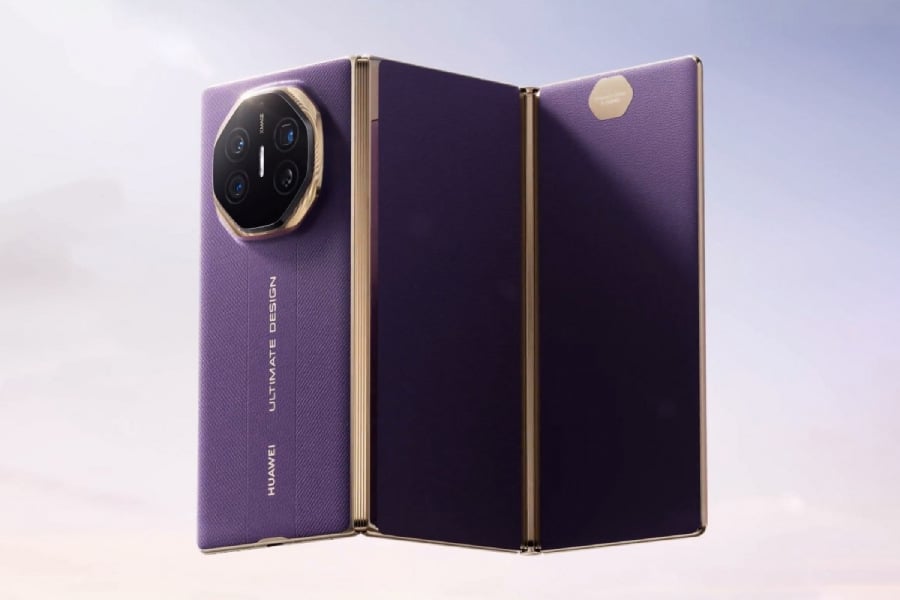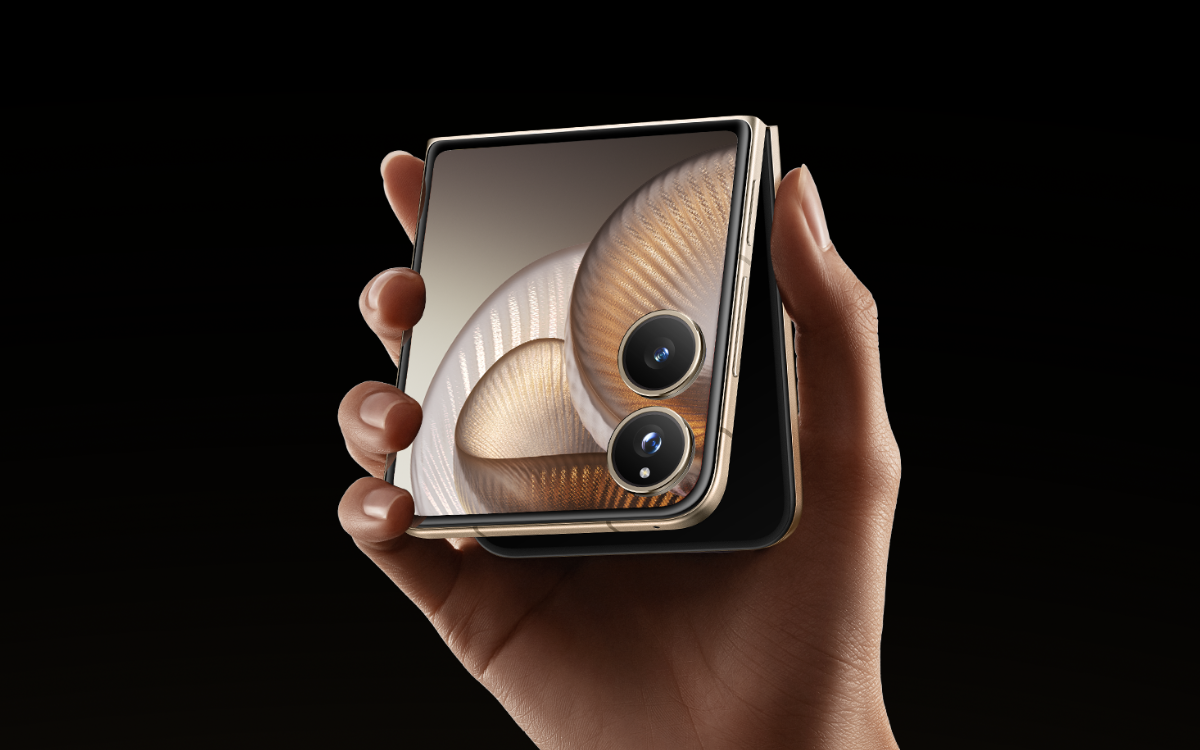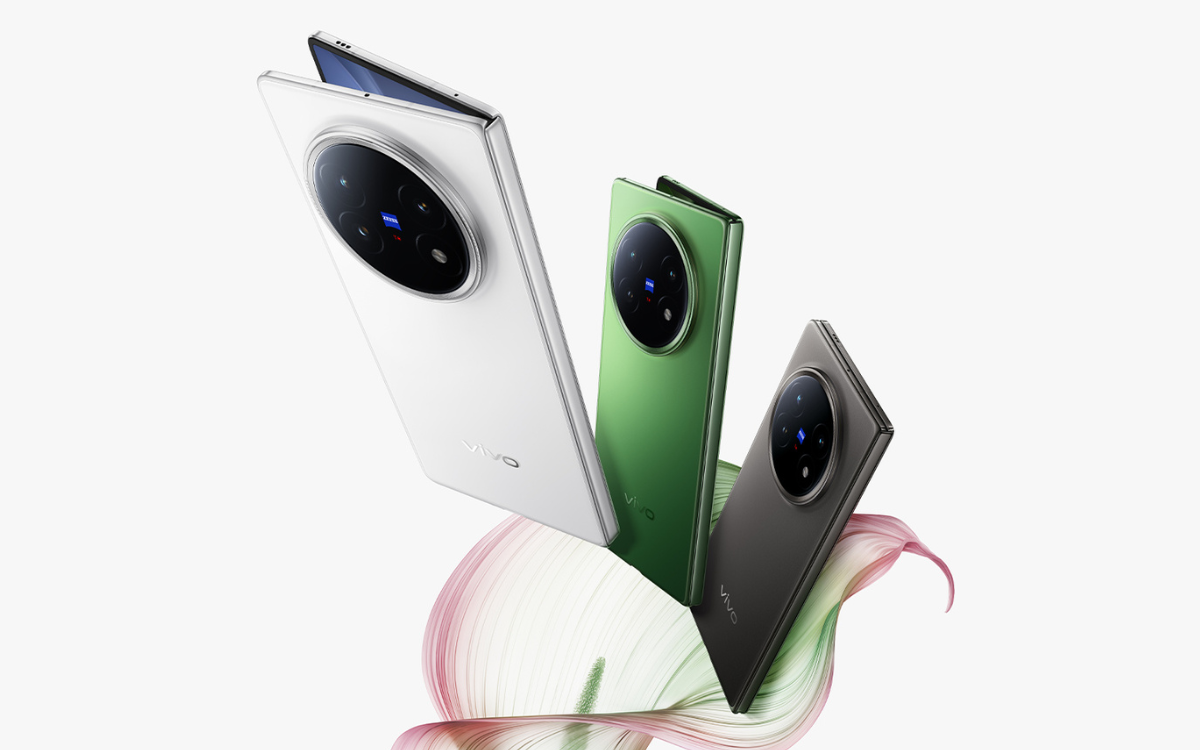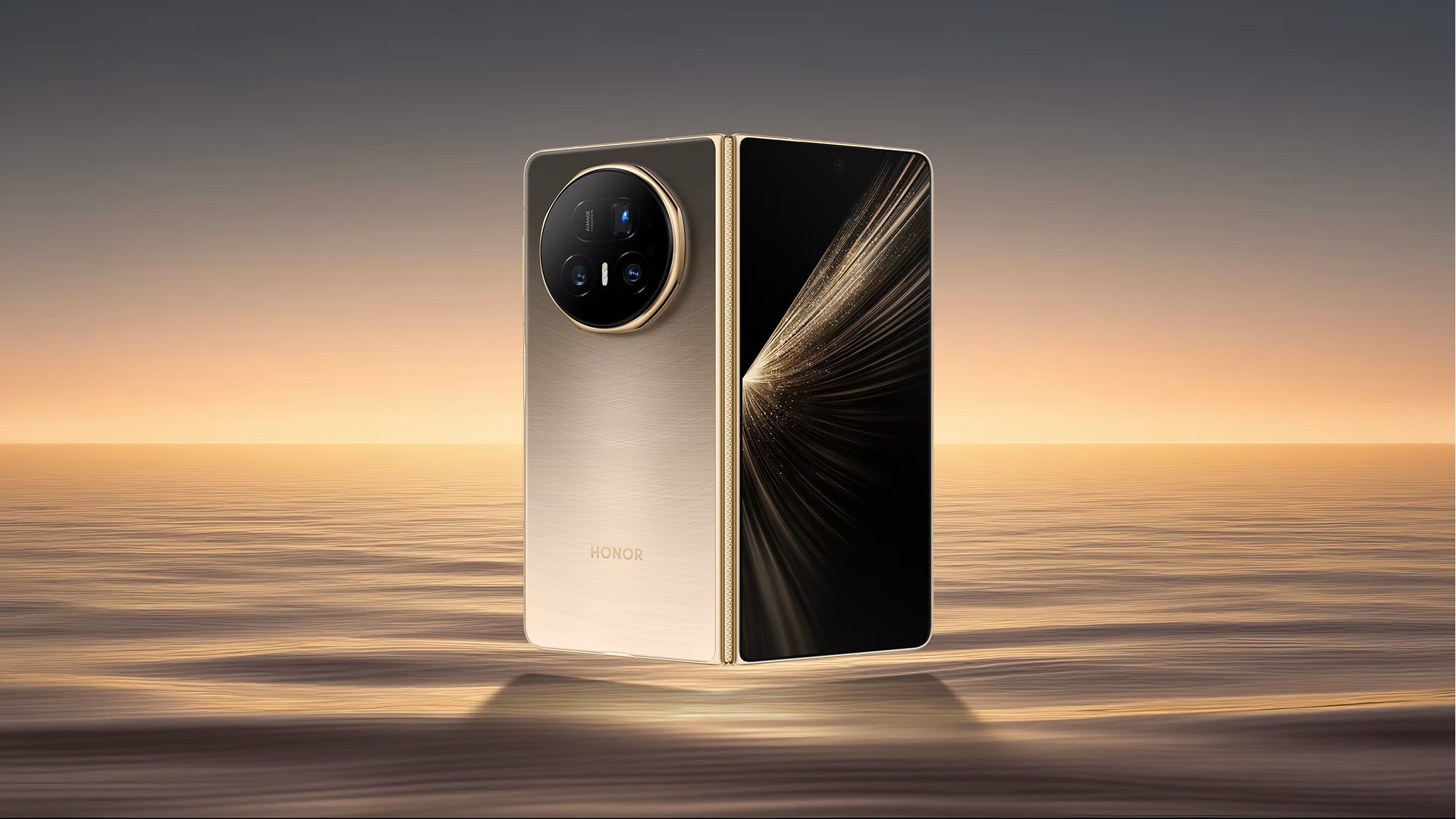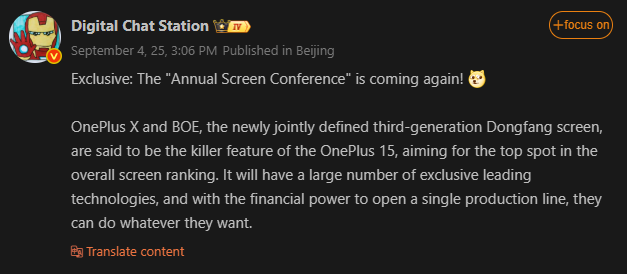
Oppo launched the Find N5 in the first quarter of this year as the world’s first Snapdragon 8 Elite-powered foldable phone. While it is too early to talk about its successor, reliable tipster Digital Chat Station has leaked the first details about the Find N6. In a recent Weibo post, he seemingly mentioned the chipset and launch timeframe of the N6.
Oppo Find N6 launch timeframe (rumored)
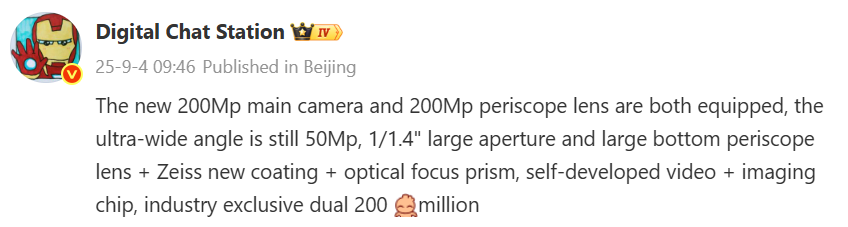
Oppo Find N6 launch timeframe by DCS
According to the tipster, Oppo’s next foldable phone equipped with the SM8850 chipset is scheduled to launch in the first quarter of 2026. The SM8850 model number reportedly belongs to the upcoming Snapdragon 8 Elite 2 chip, which is expected to debut in September of this year.
While the tipster has not specified the name of the device, it is evident that he could be talking about the Oppo Find N6. Oppo is said to be striving for an even thinner foldable profile with the Find N6. The previous generation, Find N5, had already achieved an industry-leading 8.93mm thickness, beating many bar-style flagship devices.
Now that the Find N5 is tipped to launch in Q1 2026, it is likely that it may debut as the world’s first foldable equipped with the Snapdragon 8 Elite 2 chipset. At present, there is no information about the other specs of the device.
Oppo Find N5
As far as this year is concerned, Oppo is reportedly working on the Find X9 series of smartphones for the Chinese market. Expected to launch this year, the Find X9, X9+, and Find X9 Pro are said to be equipped with the Dimensity 9500c chipset. Unlike the Find X8 Pro, the X9 Pro is expected to feature a single 200-megapixel periscope telephoto camera.
The Find X9 Ultra, expected to launch in Q1 2026, may continue to feature dual periscope cameras like its predecessor. Instead of a Dimensity chip, the device may feature the Snapdragon 8 Elite 2 chipset.
For more daily updates, please visit our News Section.
Honor has officially launched the Honor Pad 10 tablet in Malaysia and across European markets, including France, Germany, and Italy.
Honor Pad 10 features
The tablet is equipped with a 12.1-inch TFT LCD display featuring a 2.5K resolution, 120Hz refresh rate, 249 PPI, 500 nits peak brightness, and support for 1.07 billion colors. It is powered by the Snapdragon 7 Gen 3 processor and runs MagicOS 9.0, which is based on Android 15.
Camera hardware includes an 8MP sensor on both the front and rear. The Pad 10 is backed by a 10,100mAh battery with 35W SuperCharge support. Connectivity options include WiFi 6 and Bluetooth 5.3. Additional hardware and software features include wet hand touch support, Honor Eye Comfort Display, and a six-speaker setup with Honor Spatial Audio.
AI-based productivity features are central to the Pad 10’s experience, with tools such as AI Honor Notes, AI Voice-note Sync, AI Notes Assistant, and AI Writing tools. Other utilities include Magic Portal and Honor Connect. The tablet also includes 8GB Turbo RAM and measures 277.07 x 179.28 x 6.29mm, weighing 525g.
Pricing & availability
In terms of availability, the Honor Pad 10 comes in Cyan (exclusive to Malaysia) and Gray. Pricing for the 8GB RAM and 256GB storage variant is as follows: RM1,499 in Malaysia, €399.90 in France, €329.90 in Germany, and €349.90 in Italy.
Baseus has officially launched the MC1 Pro AI clip-on earphones in China. The new model succeeds last year’s MC1 (full review) and is now available on JD.com starting at 429 yuan ($60). It comes in three color options: Star Titanium, Pearl White, and Star Black.
Baseus MC1 Pro AI Specifications
The MC1 Pro is designed with a patented “Cloud Airbag Pro” structure that aims to improve comfort during extended use. Each earbud uses 0.5mm ultra-thin, skin-friendly silicone with a breathable design that cushions the ear from all sides. Baseus says this improves comfort by up to 120%. The earbuds weigh just 5 grams each.
The design includes an anti-drop suspension system built using data from over 10,000 ear shapes. The C-shaped arc and titanium alloy frame ensure a secure fit and high durability. The frame structure is rated to withstand over 8000 bends without deformation.
In terms of sound quality, the MC1 Pro supports LDAC for high-resolution wireless audio streaming at up to 990kbps. The earphones deliver CD-level lossless audio with a wide frequency range of 20Hz to 40kHz. Baseus has used a triple-magnetic circuit driver with a three-layer polymer diaphragm. The driver supports a 0.8mm amplitude to improve bass performance and soundstage clarity.
The MC1 Pro features HiFi 4 audio architecture and includes quadruple DSP enhancements that enable dynamic low-frequency tuning. The earphones support AI spatial audio using Baseus’ own BISA (Baseus Immersive Spatial Algorithm), which creates a 360-degree sound field for a more immersive experience.
Baseus has also integrated AI voice assistance based on large language models such as Doubao and DeepSeek. Users can ask questions, request translation help, practice English, or even receive emotional support. These smart features are accessible through touch controls on the earbuds.
The MC1 Pro uses four microphones with deep neural network-based noise reduction. Baseus claims the system can handle wind speeds up to 5m/s while maintaining clear voice calls. Directional sound reduces audio leakage to below 45.9dBA, improving privacy during use.
The earbuds support Bluetooth 6.0 and offer up to 10 meters of wireless range. Battery life reaches up to 40 hours with the included charging case. The MC1 Pro uses a USB Type-C interface and supports app-level customization for button mapping, EQ tuning, and location tracking. The earphones are IP67-rated for dust and water resistance.
There’s no word yet on global availability, but the earphones are expected to launch later this year under the Bowie series branding.
In related news, Anker recently introduced the Soundcore Liberty 5 earbuds with ANC 3.0, LDAC support, and up to 12 hours of battery life. Realme has also launched the Buds Air 7 Pro, featuring 53dB active noise cancellation, real-time AI translation, and a 48-hour battery life.
For more daily updates, please visit our News Section.
The upcoming Realme GT 7 has officially broken a Guinness World Record for the “Longest Marathon Watching Films/Movies on a Mobile Phone.” The record was set during a 24-hour movie playback session certified by a Guinness representative on May 23, 2025. The event was part of Realme’s “Endless Power Journey,” a European cruise-based promotional tour that started in Rome and was livestreamed from Shenzhen, China, beginning at 9:30 PM IST on May 22. The record was validated exactly 24 hours later.
Realme attributes this feat to the GT 7’s 7000mAh battery paired with 120W wired fast charging. The battery has received a 5-Star Battery Certification from TÜV Rheinland. The GT 7 series is set to launch globally and in India on May 27, 2025, with a Paris-based unveiling. Availability will follow via Realme.com, Amazon India, and select retail outlets.
In earlier coverage, it was confirmed that the global GT 7 lineup includes the GT 7, GT 7T, and Buds Air 7 Pro. The Indian market will also receive a GT 7 Dream Edition, a limited-release version in collaboration with Aston Martin’s Formula One team. The special edition features Aston Martin green packaging, silver branding, and F1 logos, alongside a custom UI and accessories.
The global GT 7 is powered by the MediaTek Dimensity 9400e, distinguishing it from the Chinese version, which uses the Dimensity 9400+. The global model also differs with a 7000mAh battery (versus 7200mAh in China) and supports 7.5W reverse wired charging. Camera specs include a Sony IMX906 main sensor, 112° ultra-wide lens, and a 32MP front camera capable of 4K video at 120fps.
For more daily updates, please visit our News Section.
Zhengzhou University researchers have developed a game-changing polymer that achieves nearly 20% efficiency in organic solar cells (OSCs) at a fraction of the cost of existing materials. This leap could make lightweight, flexible solar power commercially viable, rivaling silicon panels.
It could transform lab experiments to mainstream energy solutions
Organic solar cells (OSCs) have long promised affordable, flexible energy solutions but struggled with efficiency and cost. Zhengzhou University’s new polymer, PTQ15, changes the game, achieving a certified 19.96% power-conversion efficiency, the highest for low-cost organic materials.
Costing $35,528 per kilogram—about one-fifth of premium polymers like PM6 and D18, which exceed $200,000/kg—PTQ15 is synthesized in a streamlined three to four-step process with over 80% yield, slashing production expenses.
Paired with acceptors K1/K6, PTQ15 enables OSCs with ultrafast 1.40-picosecond charge transfer and a mere 0.190 eV non-radiative energy loss, ensuring efficient energy conversion with minimal heat waste. Remarkably, devices processed in open-air conditions at 25% humidity retained 19.37% efficiency, proving robustness for real-world manufacturing. At an estimated $0.36 per watt, PTQ15-based OSCs are nearing the cost-effectiveness of silicon photovoltaics.
The lightweight, flexible nature of OSCs makes them ideal for applications like portable chargers and building-integrated photovoltaics. Researchers aim to cross the 20% efficiency threshold by optimizing donor-acceptor pairings and film morphology, potentially unlocking mass-market adoption.
If successful, PTQ15 could transform OSCs from lab experiments to mainstream energy solutions, offering a cheaper, greener alternative to traditional solar panels. Will this polymer spark a solar revolution? Ongoing refinements will tell.
Vivo is stirring excitement with the upcoming T4 Ultra, a souped-up version of its April-released vivo T4. Leaked specs suggest a powerhouse device blending high-end performance, a stunning display, and advanced cameras, all at a mid-range price, with a launch expected in early June 2025.
After launching the Vivo T4 with a Snapdragon 7s Gen 3 in April 2025, Vivo is set to unveil the T4 Ultra, a premium mid-ranger powered by a MediaTek Dimensity 9300 series chipset, per X tipster Yogesh Brar. The Dimensity 9300+, previously rumored to be a part of the T4 Ultra, outperforms the Snapdragon 8 Gen 3 in renowned benchmarks like Geekbench and AnTuTu — and even in gaming performance, according to NanoReview.
vivo T3 Ultra
The vivo T3 Ultra packs the Dimensity 9200+, which also supports the speculation above. Running Funtouch OS 15 on Android 15, the T4 Ultra also promises a slick, up-to-date software experience.
As per the latest leak, the device sports a 6.67-inch quad-curved pOLED display with a 120Hz refresh rate. It’s also speculated to boast 5,000 nits peak brightness and is certified for eye comfort, which, if true, would position it as one of the best mid-range screens. But it’s camera system steals the show, featuring a 50MP Sony IMX921 main sensor for crisp, detailed shots, and a 50MP periscope telephoto. It will likely be paired with an 8MP ultra-wide.
Charging is another highlight, with 90W FlashCharge and a rumored 6,000mAh battery, hitting 50% in under 30 minutes. Set for an early June 2025 debut, possibly alongside a T4 Lite, it could compete with the Realme GT Neo 7. With “flagship-grade” specs at a fraction of the cost, will the T4 Ultra redefine the mid-range segment? More details should emerge soon.
TCL has launched the Flip 4 5G, a new feature phone that combines a classic clamshell design with modern connectivity. The phone is now available through T-Mobile and Metro by T-Mobile in the United States at a retail price of $79.99.
TCL Flip 4 5G Specifications
The Flip 4 5G features a 1.77-inch external display for quick notifications and a 3.2-inch internal LCD screen. The large physical keypad is designed for ease of use, featuring shortcut keys and tactile feedback to improve accessibility for all users. TCL has included dual microphones with noise cancellation and HD Voice support to enhance call clarity.
The phone runs on KaiOS 4.0 and is powered by a Qualcomm Snapdragon 4s Gen 2 processor. It comes with 2GB of RAM and 32GB of internal storage, of which 23.9GB is usable. The storage can be expanded via microSD. It supports access to essential apps such as Google Maps, YouTube, email, and a web browser.
TCL has equipped the Flip 4 5G with a 5MP rear camera capable of recording video. The device includes a music player that supports a range of audio formats, including MP3 and FLAC. It also has an FM radio, a calendar, a calculator, and basic note-taking functionality.
Connectivity options include 5G, 4G LTE, Wi-Fi 802.11 a/b/g/n/ac, Bluetooth 5.0, and hotspot capability. The phone supports a wide range of network bands, including GSM, LTE, and 5G NR, ensuring strong coverage across regions. It also includes a 3.5mm headphone jack and USB Type-C charging.
The phone packs a 3000mAh battery that offers up to 40 hours of talk time and lasts more than two days on a full charge. TCL says it can be recharged in under two hours.
Despite the rise of smartphones, the Flip 4 5G targets users looking for a distraction-free device. TCL is positioning it for seniors, teenagers, and users seeking a reliable backup phone. The company believes the Flip 4 5G offers essential features without unnecessary complexity, backed by modern network support and dependable battery life.
Fairphone has confirmed that it will not upgrade the Fairphone 4 to Android 14, as was previously announced. Instead, the company is now set to skip one full major OS version and directly upgrade to Android 15 on some later date.
The company announced the changes in the plan via a community forum post. Apparently, resource limitations and internal capacity are the main reasons behind the decision.
Fairphone says it had assessed the development workload required for Android 14 and decided that it would make the most effective use of its time and staff resources by focusing efforts on Android 15 instead.
The previous OS upgrade that the Fairphone 4 has is on Android 13 back in 2023. While Android 14 was initially bound to release in the first half of 2025, there is no chance now.
We have no confirmed date
That change means that the users waiting for more incremental Android update versions will have to get along with Android 13 until the company completes the development and testing process for Android 15.
Fairphone hasn’t committed to stepping out with Android 15 on a firm date.
The most recent Fairphone 5 which is still available on sale in a few markets for €499, also has not received Android 15 update as of yet. And the company hasn’t clarified whether both devices will get it at the same time.
Despite those major update delays, the Fairphone 4 still pumps out bi-monthly security updates. The official support for the device will run out in 2026; the company is considering extending it for another two years. That would still keep the brand’s wider brand goal of promoting longevity and reducing electronic waste on some kind of track, even if the brand is hitting some practical limitations with their relatively small software development scale.
President Donald Trump has announced a 25% tariff on iPhones sold in the US unless manufactured domestically, erasing $70 billion from Apple’s market value. Now, the policy is also targeting Samsung and every other smartphone brand that sells their products in the US. While it aims to boost the US economy, it could spike prices. Wedbush Securities estimates a US-made iPhone could cost as much as three times their current prices.
On May 23, 2025, President Trump intensified pressure on smartphone giants, declaring on Truth Social that iPhones sold in the US must be made domestically or face a 25% tariff. The statement, directed at Apple CEO Tim Cook, led to a 2.6% drop in Apple’s shares, pushing its valuation below $3 trillion. Trump extended the tariff threat to Samsung and all other smartphone manufacturers during a White House briefing, stating, “When they build their plant here, there’s no tariffs”.
Apple, which produces most iPhones in China and India through Foxconn, faces significant challenges relocating to the US due to limited infrastructure and higher labor costs. Wedbush Securities estimates a US-made iPhone could cost $3,500—over three times the current $999 for an iPhone 16 Pro—potentially reshaping consumer pricing.
Samsung and other Chinese smartphone brands would also need to invest heavily in US facilities to remain in the market, risking similar price hikes.
The policy aligns with Trump’s “America First” agenda, echoing his 2019 push for Apple’s Mac Pro production in Texas. Supply chain disruptions could also contribute to delayed production and increased costs. Analysts warn of broader economic impacts, with 70% of US smartphone components sourced from Asia, per Counterpoint Research. Will Apple and Samsung pivot to US manufacturing, or pass tariffs onto consumers? Clarity may emerge as trade talks unfold.
Philips has launched a new monitor, the 27M2N3500UK, which it claims is the world’s first to feature hardware-level circular polarization technology. The 27-inch display is priced at 1199 yuan (around $166) and is designed to combine gaming performance with advanced eye protection features.
Philips 27M2N3500UK Specifications
The monitor features a 2K QHD resolution (2560×1440) Fast IPS panel, and supports a 300Hz refresh rate with a 1ms GTG response time. Philips targets eSports users and competitive gamers with this high-speed display.
It also supports Adaptive Sync and Smart MBR Sync for tear-free visuals and low motion blur, ensuring a smooth and responsive gaming experience. Philips says the monitor achieves input lag under 5ms with its zero-latency acceleration technology.
The key highlight of the Philips 27M2N3500UK monitor is its circular polarized light structure, developed with BOE and branded as ComfortView Blue 4.0. This technology is designed to reduce directional light stimulation to the eye’s crystalline lens and retina, simulating the spiral diffusion of sunlight for a more natural viewing experience.
The company says it helps alleviate common symptoms such as eye fatigue, dryness, and irritation during prolonged use. The display also includes TÜV Rheinland-certified hardware-level low blue light filtering and flicker-free DC dimming, along with an EasyRead mode designed for reading text comfortably.
The Philips 27M2N3500UK supports 100% sRGB, 95.8% DCI-P3, and 93.8% Adobe RGB color gamuts. It offers Delta E <2 color accuracy out of the box and comes with a factory calibration report. The display supports DisplayHDR 400 certification and reaches a peak brightness of 450 nits for enhanced detail and contrast in HDR content.
In terms of connectivity, it includes HDMI 2.1, DisplayPort 1.4, and a 3.5mm headphone jack. The monitor supports tilt adjustment from -5° to 20° and includes VESA 100x100mm mounting support. Philips uses over 85% recycled plastics in the build and provides 100% recyclable packaging, reflecting its focus on environmental sustainability.
In related news, Acer has unveiled its ProCreator 6K and 5K monitors with Calman color calibration certification at Computex 2025. AOC has also introduced a new 27-inch Full HD curved monitor featuring a 200Hz refresh rate, 1ms GtG response time, and HDR10 support.
For more daily updates, please visit our News Section.
The Snapdragon 8s Gen 4 is Qualcomm’s latest sub-premium chipset and a successor to last year’s 8s Gen 3, which has been a hit for the brand. Continuing the trend, the Snapdragon 8s Gen 4 is here, with impressive performance on benchmarks, even surpassing the flagship Snapdragon 8 Gen 3 in many tests.
It’s not all-win for the Snapdragon 8s Gen 4, though, as the 8 Gen 3 also leads some charts. But how do these two high-end chipsets stack up against each other? Let’s break it down to get a clear picture.
Snapdragon 8s Gen 4 vs 8 Gen 3: Benchmark comparison
Note: The tests were conducted on the Redmi Turbo 4 (Snapdragon 8s Gen 4) and Poco F7 Pro (Snapdragon 8 Gen 3).
AnTuTu benchmark
SD 8s Gen 4
SD 8 Gen 3
AnTuTu score
2,050,881
2,027,831
CPU
460,339
415,769
GPU
852,942
820,344
Memory
410,236
399,910
UX
327,364
391,808
In the AnTuTu test, the Snapdragon 8s Gen 4 scores a slightly higher 2,050,881 points, edging out the Snapdragon 8 Gen 3’s 2,027,831 points. The 8s Gen 4 leads in CPU (460,339 vs. 415,769), GPU (852,942 vs. 820,344), and memory (410,236 vs. 399,910).
However, the 8 Gen 3 retains a noticeable edge in UX performance, scoring 391,808 compared to the 8s Gen 4’s 327,364, indicating potentially smoother user experience in real-world scenarios like app switching and animations.
Geekbench benchmark
SD 8s Gen 4
SD 8 Gen 3
Single core
2,041
2,213
Multi core
6,833
6,652
In Geekbench tests, the Snapdragon 8 Gen 3 takes a clear lead in single-core performance, scoring 2,213 versus the Snapdragon 8s Gen 4’s 2,041. This means it may feel slightly snappier in tasks like app launches and UI responsiveness.
However, when it comes to multi-core performance, the 8s Gen 4 pulls ahead with a score of 6,833, compared to 6,652 on the 8 Gen 3. This suggests better handling of heavy multitasking and demanding workloads on Snapdragon 8s Gen 4 devices.
Snapdragon 8s Gen 4 vs 8 Gen 3: Key differences that matter
CPU, GPU, and NPU
Both chips share the same TSMC’s 4nm node and ARMv9.2-A instruction set but have different core designs and core selections. For instance, the 8s Gen 4 features a 1+7 core design, featuring one Cortex-X4 core clocked at 3.21GHz and seven Cortex-A720 cores with varying clock speeds to achieve reliable performance and stability.
On the other hand, the 8 Gen 3 has a 1+5+2 CPU design, with one Cortex-X4 core running at a slightly higher speed (3.3GHz vs 3.21GHz), five Cortex-A720 cores, and two Cortex-A520 cores. The 8s Gen 4 skips Cortex-A520 efficiency cores and uses the Cortex-A720 instead for higher performance.
Coming to GPU, the newly released Snapdragon 8s Gen 4 is equipped with a high-end Adreno 825, which has excellent gaming performance. It even surpasses the Adreno 750 on the Snapdragon 8 Gen 3 on the AnTuTu benchmark, thanks to higher frequency and shading units. Both chips have a full suite of Snapdragon Elite Gaming features and support hardware ray tracing with Global Illumination for enhanced gaming experience.
Overall, both have powerful GPUs that can smoothly run high-end games, but the Adreno 825 is narrowly ahead, at least on the benchmarks.
While both have a Qualcomm AI Engine with Hexagon NPUs, their capabilities vary. The 8 Gen 3 has better on-device AI capabilities. Additionally, It also supports features like virtual assistant, GPT chatbots, stable diffusion, and more — all performance on-device.
Camera and Imaging
The Snapdragon 8s Gen 3 has 18-bit triple AI ISP with support for 320MP single camera. It supports zero shutter lag (ZSL) at 108MP (single camera) and 36MP (triple cameras). The 8 Gen 3 supports a lower 200MP resolution. With ZSL, the supported camera resolutions are: 108 (single camera), 64MP + 36MP (dual camera), and 36MP + 36MP + 36MP (triple cameras).
The 8s Gen 4 supports up to 4K/60fps video recording, but the 8 Gen 3 also supports 8K/30fps. Even the 4K recording on 8 Gen 3 supports 120fps. Both chips come with a range of AI and non-AI features for improvements.
Qualcomm says the Spectra AI ISP on the 8s Gen 4 enables real-time semantic segmentation for photos and videos with up to 250 layers. The 8 Gen 3, however, only supports up to 12 layers of real-time semantic segmentation. This means the newer chip can identify more elements in images and videos, resulting in better optimization.
The 8 Gen 3 advances in generative AI-powered voice-activated photo and video editing. Additionally, it features HDR photo technology from Dolby, Video Object Eraser, Photo expansion, Truepic photo capture, and Vlogger’s View.
Connectivity
Both Qualcomm chips have integrated 5G modems. However, the Snapdragon 8 Gen 3 has a higher peak download speed of 10Gbps (vs. 4.2Gbps on the 8s Gen 4). Over a Wi-Fi 7 connection, though, both chips deliver the same 5.8Gbps speed.
Notably, the 8s Gen 4 supports a newer Bluetooth 6.0 standard versus 5.4 on the other chip, potentially offering more reliable connectivity.
Audio, Display, and Storage
Both chips bring the same audio technology, supporting Qualcomm Aqstic, aptX audio, and Snapdragon Sound technology. There’s absolutely no difference here. The memory and storage, too, have no differences—LPDDR5x at 4.8GHz and UFS 4.0 storage.
The display specs differ, though. The 8s Gen 4 supports WQHD+ (also known as 2K) resolution at a 144Hz refresh rate, while the 8 Gen 3 supports a higher 4K Ultra HD resolution at 60Hz. For external display, the maximum screen resolutions are capped at: 4K Ultra HD @ 60Hz (on 8s Gen 4) and 8K @ 30Hz (on 8 Gen 3).
Snapdragon 8s Gen 4 vs 8 Gen 3: Conclusion
The Snapdragon 8s Gen 4 offers flagship-level performance, even managing to outperform the Snapdragon 8 Gen 3 in several benchmark categories. With a newer core configuration, a beefed-up Adreno 825 GPU, and support for advanced camera features like 250-layer semantic segmentation, it’s clear that Qualcomm has positioned the 8s Gen 4 as a high-performance chip for premium mid-range devices.
That said, the Snapdragon 8 Gen 3 still holds its ground with better single-core performance, more capable AI processing, and higher-end features like 8K video recording and faster 5G download speeds. It also supports more advanced generative AI features.
If you’re after raw performance, especially for gaming and multitasking, the Snapdragon 8s Gen 4 is a very compelling option. But if your focus is on cutting-edge connectivity, superior AI, and ultra-high-end camera and video features, the Snapdragon 8 Gen 3 still earns its place as a flagship powerhouse.
Snapdragon 8s Gen 4
Snapdragon 8 Gen 3
Announced
April 2025
October 2023
Manufacturing
4nm (TSMC)
4nm (TSMC)
CPU
1 x 3.21 GHz — Cortex-X3 3 x 3 GHz — Cortex-A720 2 x 2.8 GHz — Cortex-A720 2 x 2.02 GHz — Cortex-A720
1 x 3.3 GHz — Cortex-X3 3 x 3.15 GHz — Cortex-A720 2 x 2.96 GHz — Cortex-A720 2 x 2.27GHz — Cortex-A520
GPU
Adreno 825 GPU Ray tracing support Snapdragon Elite Gaming features
Adreno 750 GPU Ray tracing support Snapdragon Elite Gaming features
NPU
Qualcomm Hexagon NPU
Storage/Memory
UFS 4.0 LPDDR5x, up to 4.8GHz
Camera
Spectra triple 18-bit AI ISP Up to 320MP single camera Up to 108MP single camera with ZSL Up to 36+36+36MP triple cameras with ZSL Real-time semantic segmentation (up to 250 layers) Up to 4K/60fps video recording
Spectra Cognitive triple 18-bit ISP Up to 200MP single camera Up to 108MP single camera with ZSL Up to 64+36MP dual cameras with ZSL Up to 36+36+36MP triple cameras with ZSL Real-time semantic segmentation (up to 12 layers) Up to 8K/30fps video recording
OnePlus 13T and Vivo X200s represent two of the most compelling upper-midrange flagships of 2025, each pushing boundaries in performance, design, and camera capabilities. With both priced competitively and powered by cutting-edge 3nm chipsets, this comparison matters for anyone choosing between raw performance and feature-rich versatility.
Build and Feel: OnePlus 13T features a refined glass front with an aluminum alloy frame and IP65 rating, offering decent durability against dust and low-pressure water jets. In contrast, the Vivo X200s is rated IP68/IP69, providing stronger water resistance, including full immersion and high-pressure jets. The Vivo also uses premium build elements and is slightly heavier, which lends a more substantial, flagship feel in the hand. The Vivo X200s is the better pick for those prioritizing ruggedness and durability due to its superior ingress protection.
Display Quality: OnePlus uses a smaller 6.32-inch LTPO AMOLED panel with 1B colors, Dolby Vision, and a peak brightness of 1600 nits. The Vivo X200s features a larger 6.67-inch AMOLED with 5000 nits peak brightness, HDR10+, and Ultra HDR image support. While both have excellent clarity and similar pixel density, the Vivo’s screen stands out for outdoor readability and vivid image rendering. The 5000-nit peak brightness and Ultra HDR support give the Vivo a clear edge for multimedia consumption.
Verdict: Vivo X200s wins in both durability and display brilliance, making it more suitable for users who prioritize premium build and top-tier screen visibility in all conditions.
2. Specifications
Vivo X200S
Performance: OnePlus 13T runs on the Snapdragon 8 Elite (3nm), delivering top-tier performance with its custom Oryon cores and Adreno 830 GPU. The Vivo X200s is powered by the Dimensity 9400+, also built on 3nm, featuring the new Cortex-X925 architecture with Immortalis-G925 GPU. While both are extremely powerful, early benchmarks show that the Snapdragon chip in the OnePlus has a slight edge in GPU performance and sustained thermal efficiency during gaming. For those focused on raw performance and gaming reliability, the OnePlus 13T holds the advantage.
Battery and Charging: OnePlus 13T offers a slightly larger 6260 mAh battery with 80W wired charging and support for various protocols (PPS, PD, QC), including 5W reverse wired. Vivo X200s, with its 6200 mAh battery, supports faster 90W wired charging, 40W wireless, and reverse wired. The inclusion of fast wireless charging gives the Vivo a significant versatility advantage. While both have excellent battery endurance, Vivo’s more flexible charging setup makes it more convenient for modern power users.
Verdict: Performance favors the OnePlus 13T due to its GPU efficiency while charging flexibility and wireless support give the Vivo X200s the battery edge. Vivo is better for users wanting a versatile power experience; OnePlus is better for high-performance tasks.
3. Camera
OnePlus 13T
Main and Secondary Lenses: OnePlus 13T uses a dual-camera setup with two 50 MP sensors for wide and 2x telephoto shots. It includes a color spectrum sensor and offers Dolby Vision in video. The Vivo X200s steps up with a triple-camera array: a 50 MP main sensor, a 50 MP periscope telephoto with 3x zoom, and a 50 MP ultrawide. It also features Zeiss optics, laser autofocus, and 3D LUT support. Vivo provides more versatility, superior zoom capabilities, and enhanced optical quality with its Zeiss branding. For photography enthusiasts, Vivo offers more depth and flexibility.
Selfie Camera: OnePlus 13T comes with a 16 MP front-facing camera that records in 1080p. Vivo X200s has a 32 MP ultrawide selfie shooter that supports 4K video at up to 60fps. The higher resolution and broader angle on the Vivo make it ideal for group shots and vlogging, while its 4K video support ensures superior video clarity. This makes the Vivo a clear choice for content creators and selfie lovers.
Verdict: Vivo X200s wins in both rear and front camera systems due to its versatile triple-lens setup, higher zoom, and superior selfie features. It’s better suited for users who value camera quality and creative shooting options.
4. Pricing
OnePlus 13T is priced around $550, making it a strong value flagship with high-end specs, excellent performance, and a competitive camera setup. The Vivo X200s costs approximately $650, reflecting its superior camera hardware, wireless charging, and IP69 protection. While Vivo offers more premium features overall, the OnePlus 13T delivers strong performance at a lower cost. For users on a tighter budget who still want flagship power, the OnePlus 13T is the better-value choice. Vivo is worth the extra cost only if camera flexibility and wireless charging are top priorities.
5. Conclusion
Vivo X200S
OnePlus 13T introduces the new Snapdragon 8 Elite chip with Circle to Search, a niche software feature for productivity. However, the Vivo X200s pushes boundaries with Zeiss optics, 5000-nit display brightness, wireless charging, and a periscope zoom lens, all typically found in ultra-premium devices. The addition of IP69 durability also sets it apart for rugged use. These unique camera and display elements give the Vivo a distinctive identity among mid-premium smartphones.
Verdict: Choose the OnePlus 13T for top-tier performance, a cleaner software experience, and strong value at a lower price. Opt for the Vivo X200s if camera versatility, extreme brightness, wireless charging, and superior durability are must-haves. Overall, Vivo X200s is the more feature-rich device, while OnePlus 13T remains the performance-focused value champion.
Asus has officially introduced the ROG Strix GS-BE18000 wireless router at Computex 2025. This high-end model shares the “magic cube” aesthetic with the earlier Strix GS7 but upgrades nearly every core feature.
Asus GS-BE18000 Specifications
The GS-BE18000 supports the latest Wi-Fi 7 standard (IEEE 802.11be) and delivers tri-band speeds of up to 18,000Mbps. It distributes bandwidth across the 2.4GHz (688Mbps), 5GHz (5,765Mbps), and 6GHz (11,529Mbps) bands.
The router supports advanced features such as 320MHz channel bandwidth, 4K-QAM modulation, and Multi-Link Operation (MLO), which improve throughput and reduce latency. Asus also includes Automated Frequency Coordination (AFC) to extend 6GHz signal range by adjusting power output based on local interference.
The router uses eight internal antennas and ten front-end modules to optimize coverage. Asus claims a coverage area of up to 3,300 square feet, which suits large homes or multi-device environments. It features a 2.0GHz quad-core processor that powers the device alongside 2GB of DDR4 RAM and 256MB of flash storage, allowing it to manage high network loads during gaming and media streaming.
The GS-BE18000 features a total of eight 2.5GbE RJ45 ports, one for WAN and seven for LAN, supporting up to 20Gbps of wired data throughput. Two LAN ports are prioritized for gaming, and a USB 3.2 Gen 1 port allows users to connect 4G/5G dongles or external storage.
The router supports Asus AiMesh, allowing users to integrate it into a larger mesh Wi-Fi network. The Smart AiMesh engine uses MLO to improve mesh routing and maintain low latency. Users can control and monitor the network using the Asus Router app, which includes tools such as Adaptive QoS, traffic analyzer, parental controls, and VPN Fusion.
Asus includes AiProtection Pro powered by Trend Micro to handle network security. This service blocks malicious sites, isolates infected devices, and monitors threats in real-time. The router also supports multiple VPN protocols including OpenVPN, IPSec, and WireGuard.
Asus has added several gaming-focused features. These include ROG First for prioritizing ROG gaming devices, Game Boost for traffic acceleration, and Mobile Game Mode for reducing latency on phones. The router also features customizable RGB lighting, with multiple effect modes controlled via the app.
Pricing and Availability
Asus has not officially announced global pricing or availability, but the ROG Strix GS-BE18000 is already listed on Best Buy in the US for $449.99.
In related news, ZTE has introduced the U60 Pro, a compact 5G hotspot featuring a 10,000mAh battery, Wi-Fi 7 support, and built-in NFC. Meanwhile, Asus has launched the RT-BE82U Wi-Fi 7 router, which offers speeds up to 6500Mbps, supports AiMesh for flexible network expansion, and includes enhanced security features.
For more daily updates, please visit our News Section.
Xiaomi is often amongst the first non-Google brands to release the latest Android OS to its devices. Android 15 was no different, and it’s already moving ahead with Android 16. The brand has already released Android 16 beta for select devices, allowing them to get an early taste of the operating system ahead of the wider rollout.
Google has confirmed that the stable Android 16 will be released in June 2025. Xiaomi, however, hasn’t announced a release date for its devices yet, but it’s not going to take longer from this point. We are indeed closer to the Android 16 release, and many of you might be wondering if your Xiaomi device is eligible for this upgrade. So, we’ve prepared a list of Xiaomi devices (that also includes Redmi and Poco devices) that are likely to get the Android 16 upgrade.
Xiaomi, Redmi, and Poco Android 16 update list
Xiaomi hasn’t announced which of its devices will be upgraded to Android 16. So, we had to rely on the existing software update policy and some guesswork in preparing this list.
Xiaomi devices
Xiaomi 15
Xiaomi 15 Pro
Xiaomi 15 Ultra
Xiaomi 15S Pro
Xiaomi 14
Xiaomi 14 Pro
Xiaomi 14 Ultra
Xiaomi 14T
Xiaomi 14T Pro
Xiaomi 14 Civi
Xiaomi 13
Xiaomi 13 Pro
Xiaomi 13 Ultra
Xiaomi 13T
Xiaomi 13T Pro
Xiaomi Civi 5 Pro
Xiaomi Civi 4 Pro
Xiaomi Civi 3
Xiaomi Pad 7
Xiaomi Pad 7 Pro
Xiaomi Pad 7 Ultra
Xiaomi Pad 6 Pro
Xiaomi Pad 6 Max 14
Xiaomi Pad 6S Pro 12.4
Redmi devices
Redmi Note 14 (LTE/5G)
Redmi Note 14 Pro (LTE/5G)
Redmi Note 14 Pro+ 5G
Redmi Note 13 (LTE/5G)
Redmi Note 13 Pro (LTE/5G)
Redmi Note 13 Pro+ 5G
Redmi Note 13R
Redmi K80
Redmi K80 Pro
Redmi K70
Redmi K70 Pro
Redmi K70 Ultra
Redmi K70E
Redmi K60
Redmi K60 Pro
Redmi K60 Ultra
Redmi 14R
Redmi 14C
Redmi 13 (LTE/5G)
Redmi 13R
Redmi 13C (LTE/5G)
Redmi A4 5G
Redmi A3 Pro
Poco devices
Poco F7 Pro
Poco F7 Ultra
Poco F6
Poco F6 Pro
Poco X7
Poco X7 Pro
Poco X6
Poco X6 Pro
Poco M7
Poco M7 Pro
Poco M6 (LTE/5G)
Poco M6 Plus
Poco M6 Pro (LTE/5G)
Poco C75
Poco C71
When will Xiaomi roll out Android 16?
While Xiaomi has already released Android 16 beta for a few devices, it has not announced when the stable rollout will begin. If past rollouts are anything to go by, the Chinese brand should start rolling out the update later in June or early July 2025.
The brand usually takes a week or two after Google releases the latest version of Android OS. Take Android 15, for example: It was released on October 15, 2024, and Xiaomi phones started getting it in the first week of November. This year, Android 16 is arriving way too early. It’s confirmed for a stable release in June. So, if early June is what Google is looking for, we might see Android 16 start hitting Xiaomi phones later that month, else July.
As always, premium high-end phones, including the Xiaomi 15 and Xiaomi 14 models, will get the early treat before the update reaches mid-range and cheaper models.
If you have a Xiaomi 15 or Xiaomi 14T Pro, you can install the Android 16 beta right now and get a taste of it ahead of the public release. We have a completed step-by-step guide on this (read here).
Valve has confirmed it is now working with more partners on officially licensed SteamOS devices. This update was shared through the recently revised SteamOS FAQ. Back in January, Lenovo was the only confirmed partner, but Valve now says it is collaborating with other selected OEMs. It hasn’t named any of the new partners, and no new device has been officially announced yet.
Valve says OEMs can contact them directly for SteamOS licensing details. It also clarified that these upcoming devices may not all be gaming handhelds. SteamOS is not limited to handhelds, and future products could take other forms. The only SteamOS devices currently supported are the Steam Deck and the Legion Go S. The Legion Go S is set to launch on May 25, over four months after its announcement.
SteamOS is a Linux-based operating system designed for gaming. It comes with the Steam Client as the main user interface, offering access to the Steam Library, Steam Chat, Game Recording, and other features. It is built for controller use and supports quick suspend and resume. System and driver updates happen automatically.
The OS runs over 18,000 games from the Steam library using Proton, which allows Windows games to work on Linux without extra steps from developers. Games that don’t work well are labeled through the Steam Verified program.
Users can switch to a standard Linux desktop and install other software or game launchers. SteamOS is based on Arch Linux. The core system is open source, but the Steam Client and some drivers are proprietary.
SteamOS is expected to come pre-installed on supported hardware. Right now, that includes only the Steam Deck and Legion Go S. Valve is working on expanding support and improving compatibility with AMD-powered handheld PCs. Users can try SteamOS using the recovery image provided on Valve’s site.
Vivo is set to expand its premium compact smartphone lineup with the upcoming X200 FE. The device, carrying model number V2503, has cleared certifications in India (BIS) and Singapore (IMDA), alongside approvals in Thailand, Malaysia, and the EEC region, indicating a broader international rollout including Europe.
Vivo X200 FE BIS certification (image via Xpertpick)
Vivo X200 FE IMDA certification (image via Xpertpick)
The Vivo X200 FE is expected to be a rebranded version of the Vivo S30 Pro Mini, which is scheduled to launch in China next week. Leaks suggest it will feature a 6.31-inch LTPO OLED display with 1.5K resolution and a 120Hz refresh rate. It will be powered by the MediaTek Dimensity 9400e SoC and backed by a 6,500mAh battery with 90W fast charging support.
Vivo S30 Pro Mini
Camera specifications include a triple rear setup: a 50MP primary sensor with OIS, an 8MP ultra-wide lens, and a 50MP Sony IMX882 periscope telephoto unit offering 3x optical zoom. The front camera will house a 50MP sensor for selfies. The phone will ship with Android 15 and Vivo’s FunTouch OS 15, and is expected to receive three years of OS updates.
In India, the X200 FE will likely come in two configurations—12GB RAM + 256GB storage and 16GB RAM + 256GB storage. It is expected to be priced between ₹50,000 and ₹60,000, directly competing with the OnePlus 13s launching on June 5. Although Vivo has not confirmed the India launch date, the device is expected to debut soon.
In previous coverage, tipster Paras Guglani revealed that the X200 FE will launch in four colors: Gray, Black, Pink, and Yellow. He also stated the Indian release would occur in late June. Separately, Vivo’s foldable flagship, the X Fold 5, is expected to debut in China in July, with a possible India release between July and September 2025.
Asus has revealed plans for a 27-inch 1440p gaming monitor featuring LG Display’s 4th Gen Tandem RGB OLED panel, boasting a 540Hz refresh rate and 400 nits full-panel brightness. It’s expected to debut at Gamescom 2025 or CES 2026.
ProArt PA32UCDM
60% brighter than the 250 nits of Gen 3 WOLED panels
At Computex 2025, Asus showcased its latest gaming monitors, including the ROG Strix OLED XG34WCDMTG and ROG Swift OLED PG32UCDMR, both with TrueBlack Glossy coatings. Now, TFTCentral reports Asus is developing a 27-inch 1440p monitor with a groundbreaking 540Hz refresh rate, leveraging LG Display’s 4th Gen Tandem RGB OLED panel. This panel delivers 400 nits full-panel brightness—60% brighter than the 250 nits of Gen 3 WOLED panels—and a peak of 4,000 nits at 3% APL, ideal for HDR gaming.
The monitor extends Asus’ TrueBlack Glossy coating, which eliminates haze common in QD-OLED and WOLED panels, enhancing clarity and vibrancy.
Image: Asus
It likely targets esports enthusiasts, offering motion clarity surpassing TN LCDs like Asus’ 610Hz XG248QSG. Expected features include G-SYNC, FreeSync Premium Pro, and DisplayHDR True Black 500, with connectivity like DisplayPort 1.4 and HDMI 2.1.
While pricing and the exact model name remain undisclosed, TFTCentral suggests the monitor could be unveiled sometime in late Q4 2025. Posts on X highlight excitement for the Tandem RGB panel’s brightness boost. Will this monitor redefine competitive gaming with its speed and visuals? More details are expected soon.
Infinix is set to launch its gaming-focused GT 30 Pro smartphone in India on June 3. The device was recently introduced globally and will be available on Flipkart following its release. It succeeds the GT 20 Pro and brings several gaming-centric features and hardware upgrades.
The GT 30 Pro features a 6.78-inch 1.5K AMOLED display with a 144Hz refresh rate, 240Hz touch sampling rate, 2160Hz instant touch sampling rate, and 2304Hz PWM dimming. It reaches up to 4500 nits brightness and has Gorilla Glass 7i protection.
The phone is powered by the MediaTek Dimensity 8350 Ultimate processor built on a 4nm process. It has a Mali-G615 MC6 GPU and comes in two variants: 8GB or 12GB LPDDR5X RAM and 256GB or 512GB UFS 4.0 storage. It runs Android 15 with XOS 15 and will receive two years of Android updates and three years of security patches.
It has a 108MP main camera with f/1.89 aperture, an 8MP ultra-wide camera with f/2.2 aperture, and dual LED flash. The front camera is 13MP with an f/2.2 aperture. The phone supports an in-display fingerprint sensor and includes stereo speakers, USB Type-C audio, IR Blaster, and IP64 dust and splash resistance.
The GT 30 Pro includes 520Hz shoulder triggers, which Infinix claims is a first in this segment. These can be used for gaming, camera functions, and media controls. The phone also supports 120FPS gaming in BGMI, certified by Krafton.
Connectivity features include 5G SA/NSA, Wi-Fi 6 with 2×2 MIMO, Bluetooth 5.4, NFC, and GNSS. It has a 5500mAh battery with 45W wired and 30W wireless charging. It comes in two colors—Dark Flare with 10 customizable LED lighting modes, and Blade White. The phone weighs 189g (Dark Flare) and 188g (Blade White) and measures 163.7 x 75.8 x 7.99mm. Pricing will be announced at launch.
For more daily updates, please visit our News Section.
OPPO has launched the A5x 5G in India as the successor to last year’s A3x 5G. It features a 6.67-inch HD+ LCD screen with a 120Hz refresh rate and peak brightness of up to 1,000 nits.
The phone is designed for durability, with MIL-STD-810H military-grade certification and an IP65 rating for dust and water resistance. OPPO has also added a 360° Armour Body with reinforced glass that is 160% more impact-resistant than the previous model. It uses a high-strength alloy frame for better structural support.
Powering the phone is the MediaTek Dimensity 6300 chip with an ARM Mali-G57 MC2 GPU. It has 4GB of LPDDR4X RAM and supports up to 4GB of virtual RAM expansion. Storage is 128GB UFS 2.2, expandable up to 1TB via microSD.
On the back, the A5x 5G has a 32MP camera with an f/1.85 aperture and LED flash. The front camera is 5MP with an f/2.2 aperture. It runs on Android 15 with ColorOS 15. A side-mounted fingerprint sensor is also included.
The phone packs a 6000mAh battery and comes with a 45W SuperVOOC fast charger. OPPO says the phone can charge to 30% in 21 minutes and fully charge in 1 hour and 24 minutes. The battery is rated to retain over 80% capacity after 1,700 charge cycles.
Other features include dual SIM support, 5G SA/NSA, Dual 4G VoLTE, Wi-Fi 802.11 ac (2.4GHz + 5GHz), Bluetooth 5.1, GPS, GLONASS, and USB Type-C. The phone weighs 193g and measures 165.71 x 76.24 x 7.99 mm.
Pricing & availability
The OPPO A5x 5G is priced at ₹13,999 for the 4GB + 128GB model and will be available from May 25 on Amazon, Flipkart, OPPO Store, and retail outlets. Buyers can get ₹1,000 cashback and 3 months no-cost EMI with select cards from SBI, IDFC FIRST, Bank of Baroda, Federal Bank, and DBS Bank. It comes in Midnight Blue and Laser White.
The Xiaomi Pad 7 Ultra just made its debut alongside the highly anticipated Xiaomi 15S Pro. Arriving as the brand’s first ever “Ultra” tablet model, it carries the expectation of a true flagship experience on a large-screened device. So here’s how the Xiaomi Pad 7 Ultra delivers as a premium tablet.
Xiaomi Pad 7 Ultra: Premium Design & Display
With the Xiaomi Pad 7 Ultra, the Chinese tech giant offers a tablet with a premium build quality and high end display. Despite some beefy specs (like its battery), the tablet measures just 5.1mm in thickness and weighs 609 grams. It arrives with an all-metal unibody design that uses aluminum alloy.
Meanwhile, the front sports a tall 14-inch 3.2K OLED display with a 120Hz refresh rate, 1600 nits of peak brightness, Dolby Vision, HDR10+, and TÜV Rheinland certifications for low blue light and flicker-free experience. It also has nano-soft light screen coating for anti-flare.
Cutting Edge Hardware
Just like the Xiaomi 15S Pro, the Xiaomi Pad 7 Ultra also packs the new XRing O1 processor. This is the brand’s proprietary chipset that offers flagship level performance. The chip is based on TSMC’s 3nm N3E processes and uses a 10-core architecture (2+4+2+2 clusters). This chip is paired with up to 16GB of LPDDR5T RAM and 1TB of UFS 4.1 storage.
Xiaomi Pad 7 Ultra
In other words, Xiaomi did not cut any corners in performance with this model. For audio, you get an eight speaker setup that supports Dolby Atmos. Other notable features include WiFi 7, Bluetooth 5.4, NFC, IR Blaster, and Android 15 OS based HyperOS 2 custom skin out of the box. The latest software means that you also get the newest AI features and tools for generating text, summarizing content, editing images, transcribing voice, and much more.
Camera
Xiaomi Pad 7 Ultra
Tablets aren’t known for their great photography potential, but Xiaomi has packed some decent image sensors that should perform well (at least on paper). The rear has the 50MP Samsung JN1 sensor that can record at up to 4K@60fps, while the front has a 32MP OmniVision OV32D shooter for selfies and video calls (1080p@60fps). The front camera is also housed in a bar notch.
Massive Battery & Fast Charging
One of the advantages of the additional size is the battery pack, and the Xiaomi Pad 7 Ultra doesn’t disappoint with a huge 12,000mAh cell. It even supports 120W wired fast charging over the USB 3.2 Gen 2 Type-C port. So there isn’t a lot of down time when charging.
Verdict
Based on all of these specs and features, it is clear that Xiaomi did not compromise on any aspect of the Xiaomi Pad 7 Ultra. While high end tablets can offer high resolution displays, they might use an LCD panel over an OLED. Tablet makers also choose to use last gen flagship chips over the latest versions to save costs. But for 5,699 Yuan (roughly 760 US Dollars), the Pad 7 Ultra is a proper flagship tablet that is worth its price tag.
For more daily updates, please visit our News Section.
We use cookies on our website to give you the most relevant experience by remembering your preferences and repeat visits. By clicking “Accept”, you consent to the use of ALL the cookies.
This website uses cookies to improve your experience while you navigate through the website. Out of these, the cookies that are categorized as necessary are stored on your browser as they are essential for the working of basic functionalities of the website. We also use third-party cookies that help us analyze and understand how you use this website. These cookies will be stored in your browser only with your consent. You also have the option to opt-out of these cookies. But opting out of some of these cookies may affect your browsing experience.
Necessary cookies are absolutely essential for the website to function properly. This category only includes cookies that ensures basic functionalities and security features of the website. These cookies do not store any personal information.
Any cookies that may not be particularly necessary for the website to function and is used specifically to collect user personal data via analytics, ads, other embedded contents are termed as non-necessary cookies. It is mandatory to procure user consent prior to running these cookies on your website.