Casio has expanded its G-Shock G-Steel GBM-2100A series in Europe with three new models. The lineup includes the GBM-2100A-2B, GBM-2100A-4B, and GBM-2100A-8B. The series is already sold in the UK following its earlier release in Japan.
From left to right: GBM-2100A-8B, CT-S400, GBM-2100A-2B, GBM-2100A-4B
The watches measure 49.3 × 44.4 × 11.9 mm and weigh 72 g. The bezel has a brushed top surface with polished sides. The dial features a horizontal grid pattern, silver indexes, and phosphorescent hands. A double LED light improves readability in low-light conditions.
Each model is shock-resistant and water-resistant up to 200 meters. They connect via Bluetooth to the Casio Watches app, which provides automatic time updates, world time across 38 zones, phone finder, reminders, time and place logs, and easier settings control.
Functions include a 1/100-second stopwatch, countdown timer, five daily alarms, and a full auto-calendar up to 2099. The hands can temporarily shift out of the way to make the digital display clearer. Other features include a button mute option and a 12/24-hour time format setting.
Power comes from Casio’s Tough Solar system, which delivers about seven months of operation on a full charge and up to 18 months in power-saving mode. A battery level indicator is included. The dial is protected by mineral glass, and the band fits wrist sizes from 145 to 215 mm. All three models are made in China.
Pricing & availability
The GBM-2100A-2B, GBM-2100A-4B, and GBM-2100A-8B are priced at €249. They are available through Casio’s online stores in countries such as the Netherlands, Spain, and Germany.
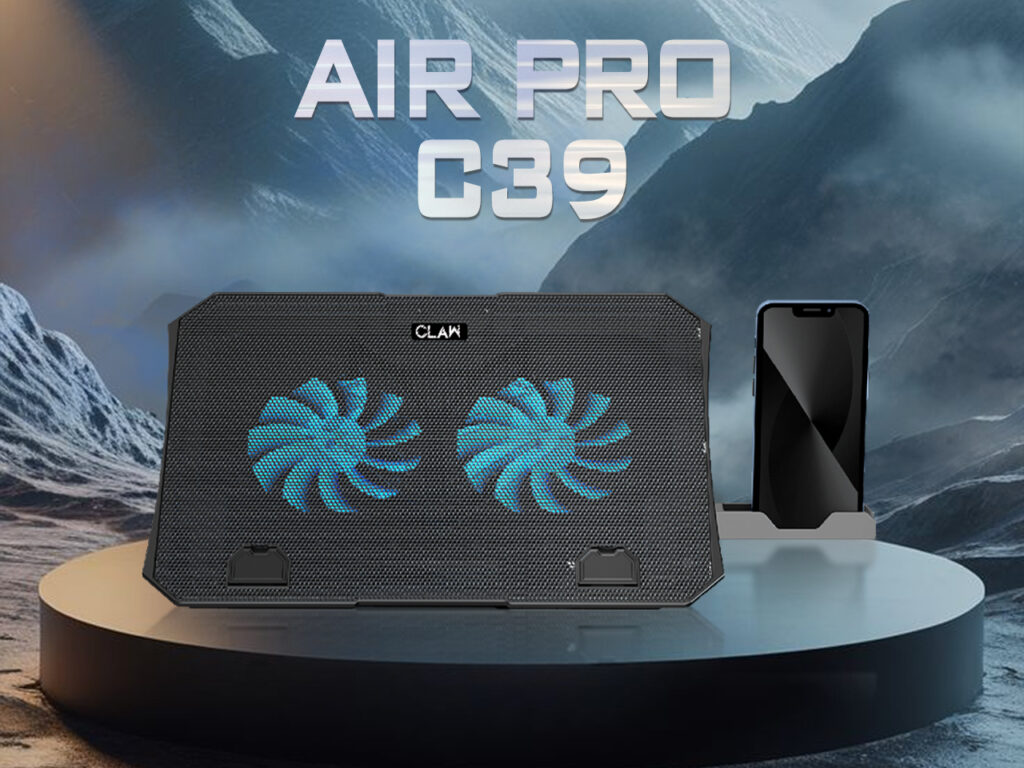
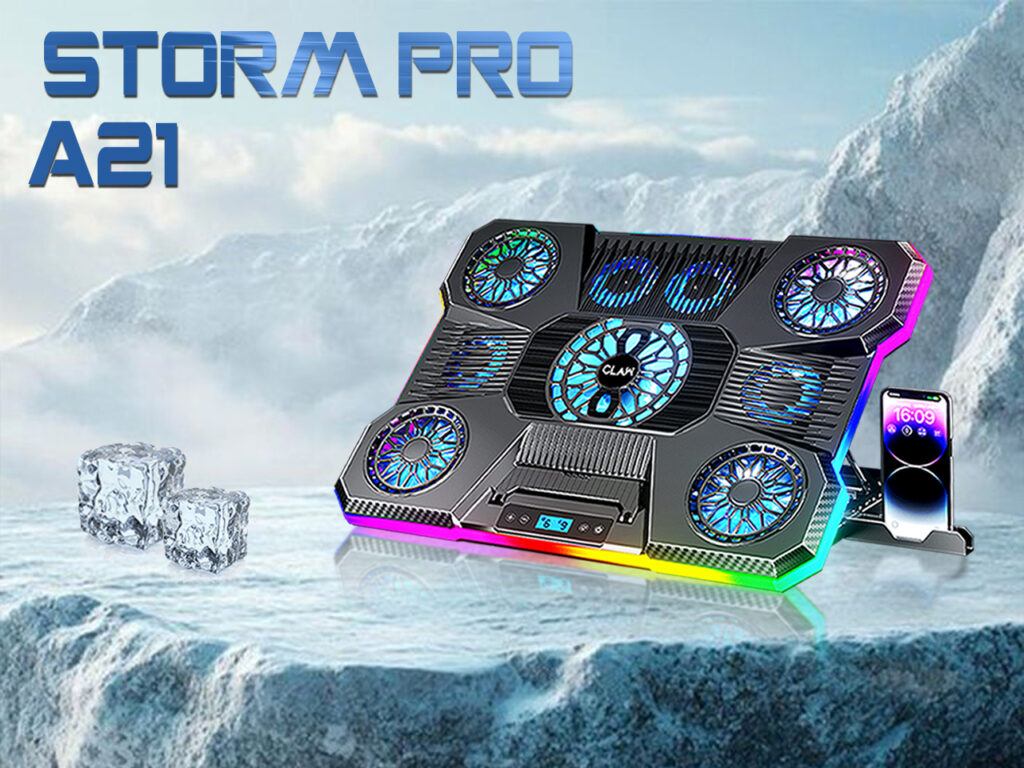
CLAW has launched two new laptop cooling pads in India, the Air Pro C39 and Storm Pro A21. Both models support laptops up to 17 inches and come with multiple fans, height adjustment, USB connectivity, and a mobile holder.
CLAW Air Pro C39
The Air Pro C39 has two 125mm fans that run up to 1000 RPM for steady cooling. It is built from ABS plastic and metal mesh and comes with an anti-slip baffle to keep the laptop in place.
The cooling pad offers five height levels for better positioning. It includes two USB 2.0 ports, one for power and one for peripherals. A built-in mobile holder lets you keep your phone within reach. The Air Pro C39 is available in Black and Blue.
Specs:
2 x 125mm fans, up to 1000 RPM
ABS plastic and metal mesh build with anti-slip baffle
5 adjustable height levels
2 x USB 2.0 ports
Supports laptops up to 17 inches
Integrated mobile holder
CLAW Storm Pro A21
The Storm Pro A21 is designed for gaming and heavy use. It has nine fans: four 60mm, four 70mm, and one 100mm, with speeds between 1800 and 2400 RPM. It also features RGB lighting and an LCD display with controls for fan speed and lighting.
The pad provides nine height levels, a right-side mobile holder, and comes with both USB 2.0 and USB-C ports. An anti-slip baffle keeps laptops steady.
Specs:
9 fans (4 x 60mm, 4 x 70mm, 1 x 100mm), 1800–2400 RPM
Please Note: When you buy something using the links in our articles, we may earn a small commission at no cost to you.
Price and Availability
The Air Pro C39 is priced at ₹990, with a launch offer of ₹590. The Storm Pro A21 is priced at ₹2,990, with an offer of ₹1,890. Both are available on Amazon.in and Originshop.co.in.
For more daily updates, please visit our News Section.
OPPO has started releasing the August 2025 ColorOS 15 update. The rollout is happening in phases from August 13 to August 31 for the following devices: OPPO Find N5, Find N3, Find N3 Flip, Find X8, Find X8 Pro, Reno 14, Reno 14 Pro, Reno 13, Reno 13 Pro, Reno 12, Reno 12 Pro, and Reno 11, Reno 11 Pro.
Fluency Features
Two new features stand out in this update. BeaconLink lets you send texts, images, and voice messages to people nearby without using the internet. You can turn it on by going to Settings > Mobile Network > BeaconLink.
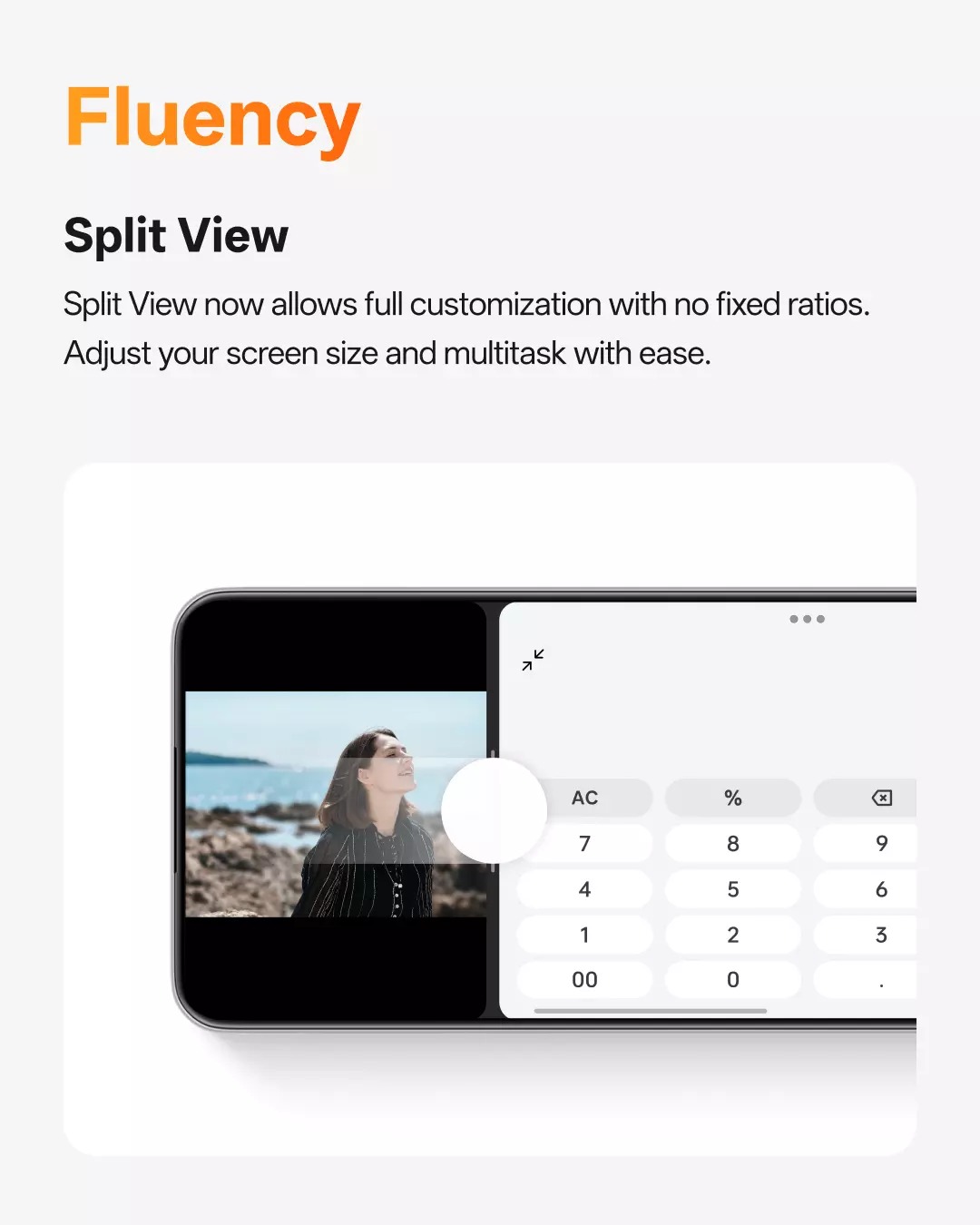
Split View has also been improved. It no longer forces fixed ratios, giving you full control over screen size when using two apps at once.
System and Notifications
System animations for opening, moving, and resizing floating windows are smoother. System stability has also been improved.
Notifications in landscape mode now show in a simpler banner to reduce interruptions. You can swipe down on a banner to open the app in a floating window. Tapping the banner opens the app in a floating window instead of switching to full screen.
Private Safe
The update adds several new functions to Private Safe:
Share images and videos.
Customize album covers.
Sort and view media by time.
Add files under the “Other files” category.
Add unlimited files in the Documents section, instead of the earlier 500 limit.
These changes work only on devices running OS version 14.0 and above.
Rollout Details
The update is being released in batches, so users may not receive it at the same time. The list of supported devices does not show priority order, and timing will vary by model.
For more daily updates, please visit ourNews Section.
Ayaneo could be working on the world’s first gaming handheld that is powered by Qualcomm’s Snapdragon 8 Elite. The brand just teased the new Konkr Pocket Fit Elite with some powerful specs and affordable pricing. So here’s what we know.
Ayaneo’s New Gaming Handheld Promises Power with Snapdragon 8 Elite at a Budget Price
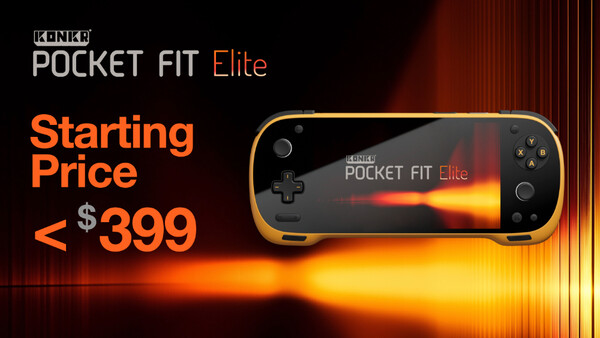
In a fresh teaser, Ayaneo confirmed a bunch of the specs of the upcoming Konkr Pocket Fit Elite. The company is already working on a new Konkr Pocket Fit, with a recent official livestream confirming the Konkr Pocket Fit Elite model as well. What sets this model apart is that it could debut with the Snapdragon 8 Elite SoC, which is the same processor that powers Android flagships like the Galaxy S25 Ultra.
Ayaneo Konkr Pocket Fit Elite
Looking at the official teaser, the Konkr Pocket Fit Elite sports a compact 6-inch display with an FHD resolution and a 144Hz refresh rate. A large 8,000mAh battery pack powers this device. This is new model is a “high performance Android handheld” that is also the world’s first dual mode trigger lock on Android handheld with hall effect joysticks and triggers for precision control. Lastly, Ayaneo confirme that this handheld will cost under 399 US Dollars.
While this seems like a sweet deal for an Android gaming handheld, the Snapdragon 8 Elite is known to run at high temps under load. Sustained performance is important for gaming machines, so this could be a limiting factor unless Ayaneo offers a robust cooling system. This is all the information we have at the moment, so stick around for more. In related news, Ayaneo just unveiled the Pocket DS, which is another Snapdragon G3x Gen 2 powered Android handheld.
For more daily updates, please visit our News Section.
Oppo is preparing to expand its mid-range lineup with the F31 series, which is expected to arrive in India next month. The series will include three models — the Oppo F31, F31 Pro, and F31 Pro+ — each bringing a different look and set of hardware.
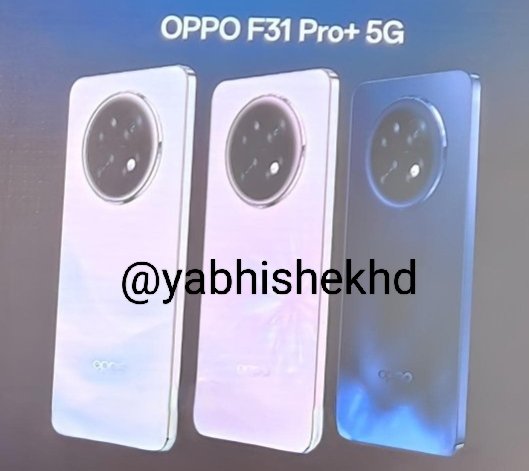
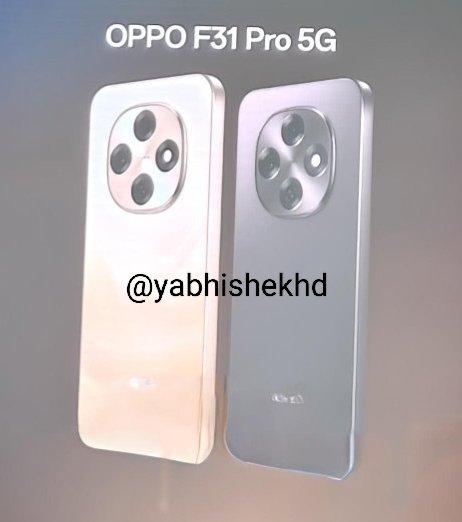
Leaked renders and specs shared by tipster Abhishek Yadav (@yabhishekhd) on August 24 give an early look at the devices. Despite sharing the same series name, the three models are styled quite differently.
F31 Pro+: Flat display, circular rear camera housing, Snapdragon 7 Gen 3, 12GB RAM, 256GB storage.
F31 Pro: Squircle-shaped camera module, powered by MediaTek Dimensity 7300 (likely the “Energy” variant).
F31: Uses MediaTek Dimensity 6300 and features a vertically stacked pill-shaped camera design.
All three models are said to pack 7,000mAh batteries — larger than the F29’s 6,500mAh and the F29 Pro’s 6,000mAh. Charging also sees an upgrade: the F31 and F31 Pro are expected to support 80W fast charging, while details for the Pro+ haven’t surfaced yet. Given Oppo’s past launches, it could go even higher.
Color options will vary across the lineup:
F31 Pro+ — white, pink, blue
F31 Pro — gold, black
F31 — red, purple, blue
According to reports, Oppo is targeting a release in India sometime in mid-September, just ahead of the festive season. With larger batteries, faster charging, and varied designs, the F31 series is set to compete against the likes of the upcoming Vivo Y500 and Redmi Note 15. Pricing details haven’t leaked yet, but Oppo is clearly positioning this as a strong mid-range refresh.
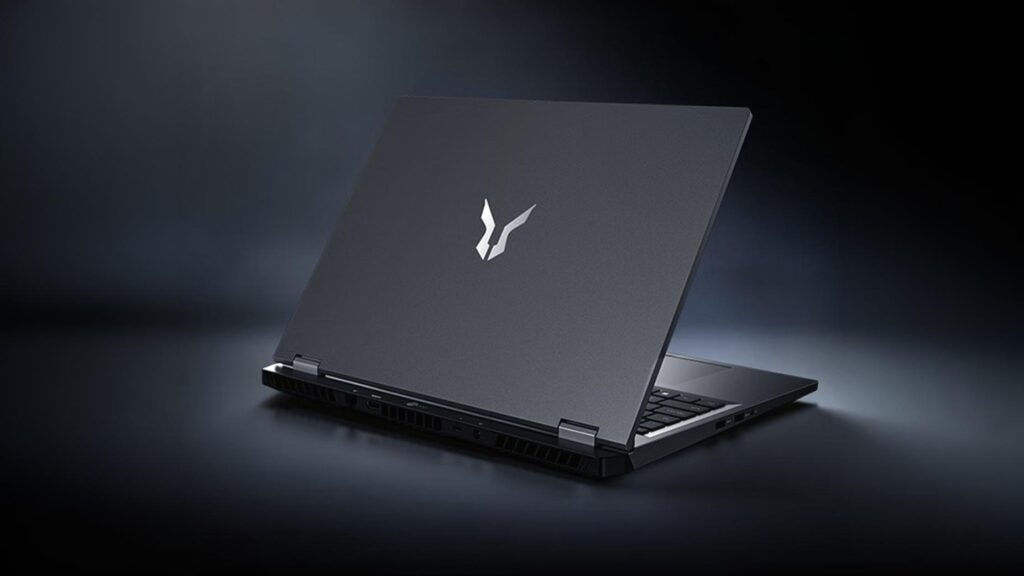
Lenovo has officially launched a new configuration of the Lecoo Bellator Zhan 7000 Ryzen Edition gaming laptop in China. The updated model pairs AMD’s Ryzen 9 8945HX processor with Nvidia’s GeForce RTX 5070 laptop GPU. The retail price is 8,499 yuan ($1,186).
Lenovo Lecoo Bellator Zhan 7000 Specs
The laptop uses the AMD Ryzen 9 8945HX, a 16-core, 32-thread CPU built on a 5nm process. It reaches up to 5.4GHz on single-core boost and sustains 120W performance with 80MB of cache. Lenovo says this gives the machine desktop-class processing power for gaming and productivity.
Graphics performance comes from the Nvidia GeForce RTX 5070 laptop GPU based on the Blackwell architecture. It runs at up to 115W with Dynamic Boost and features 4608 CUDA cores with 8GB of GDDR7 VRAM on a 128-bit bus. The GPU supports DLSS 4 multi-frame generation, ray tracing, and up to 798 TOPS of AI compute, which improves frame rates and visual fidelity in supported titles.
The configuration includes 32GB of DDR5-5200 dual-channel RAM and a 1TB PCIe 4.0 TLC SSD. Lenovo provides two SO-DIMM slots and two M.2 slots for expansion, which allows users to upgrade both memory and storage.
For cooling, it uses multi-channel airflow, internal fin structures, and a large copper baseplate. Lenovo says the system can maintain up to 200W of combined CPU and GPU power while reducing noise compared to dual-fan designs.
The display is a 16-inch 2.5K panel with a 2560 × 1600 resolution, 180Hz refresh rate, and 500 nits brightness. It covers 100% of the sRGB color gamut and supports HDR, FreeSync, and DC dimming.
The laptop carries an 80Wh battery that supports 30-minute fast charging to 49% and 100W PD charging. In terms of connectivity, it includes HDMI 2.1 FRL with GPU passthrough, a fully functional USB4 port, four USB-A ports, an RJ45 Ethernet port, and a 3.5mm audio jack.
The chassis has a metal A-side panel with a matte grey finish and a glossy Bellator badge. It follows a mecha-inspired design with angular vents and reinforced cooling elements.
In related news, Lenovo recently introduced a 240W retractable cable designed to handle multiple charging needs, and also launched the Lenovo Idea Tab 5G and Lenovo Tab in India with full specifications and pricing details.
For more daily updates, please visit ourNews Section.
BOE and Lenovo have joined forces to launch a new line of professional displays under the ThinkVision P Series. The monitors use BOE’s Oxide thin-film transistor (TFT) technology, which the company says delivers better performance and lower power consumption than conventional solutions.
Announced on August 22, the partnership brings BOE’s decade-old Oxide TFT technology into Lenovo’s ThinkVision lineup. Compared with amorphous silicon, Oxide transistors allow higher conductivity and lower leakage current, enabling smoother visuals while reducing energy use.
The ThinkVision P Series supports an adaptive refresh rate ranging from 24Hz to 120Hz, switching within milliseconds depending on the task. That means higher refresh rates for video and gaming, and lower rates for reading or word processing. According to BOE, power consumption can drop by more than 50% at 24Hz, meeting Energy Star 8.0 standards.
Targeted at professionals, the displays come factory-calibrated with 98% DCI-P3 color coverage and a 2000:1 contrast ratio. The end products reportedly include USB-C docking, HDMI 2.1, and a built-in KVM switch to make multitasking easier. Sustainability is also part of the design — the monitors use 20% recycled materials and were unveiled at an event in Nanjing under the theme “Smart Display Carbon-Initiated Clear Environment.”
With adaptive refresh rates, accurate colors, and reduced power draw, the ThinkVision P Series aims to offer creators and professionals a balance of performance and efficiency. The new monitors are now available in select markets.
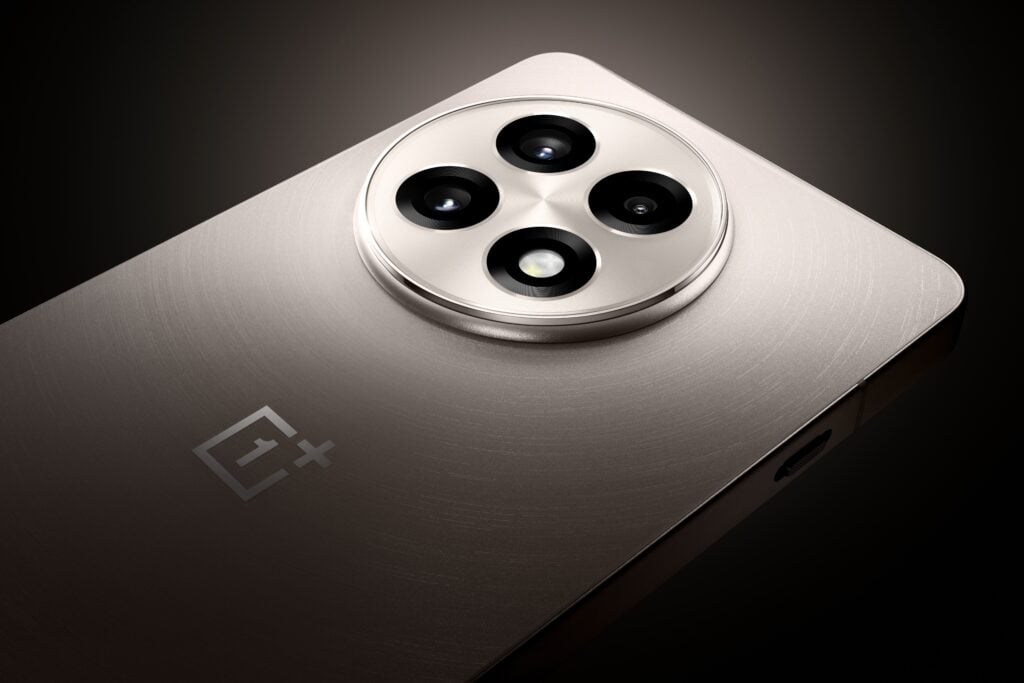
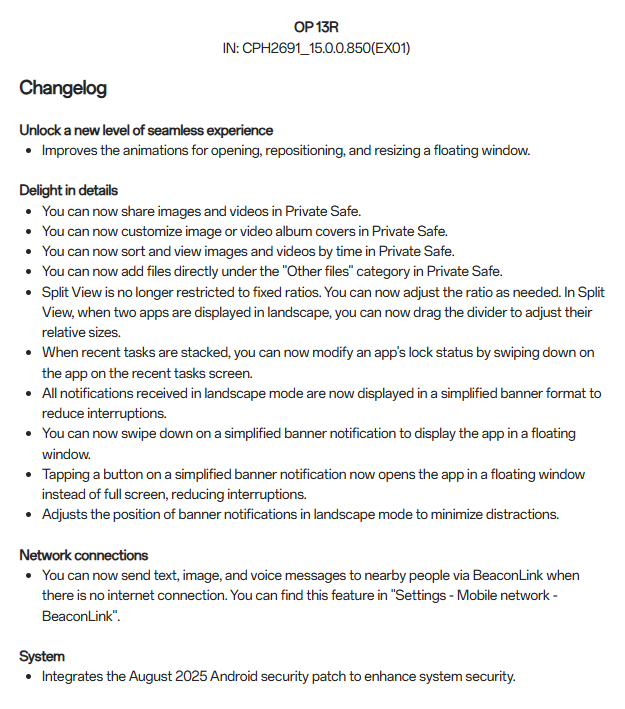
OnePlus has started rolling out OxygenOS 15.0.0.850 for the OnePlus 13R in India. The update is being released in batches and will expand to more users in the coming days. The build number is CPH2691_15.0.0.850(EX01).
Floating Windows and Split View
The update improves animations when opening, repositioning, and resizing floating windows. Split View is no longer limited to fixed ratios, and users can now drag the divider to adjust app sizes in landscape mode. When recent tasks are stacked, the lock status of an app can be changed by swiping down on it.
Private Safe Updates
Private Safe has been expanded with several new options. Users can now share images and videos directly from Private Safe, set custom covers for albums, and sort or view media by time. Files can also be placed directly under the “Other files” category.
Notifications in Landscape Mode
All notifications in landscape now appear in a simplified banner format. Swiping down on a banner opens the app in a floating window. Tapping on a banner button also launches the app in a floating window instead of full screen. The position of banner notifications has been adjusted to reduce interruptions.
BeaconLink Messaging
The update adds BeaconLink, which allows sending text, image, and voice messages to nearby devices without an internet connection. This feature can be found in Settings → Mobile network → BeaconLink.
Security Patch
The release also integrates the August 2025 Android security patch to improve system security.
OnePlus 13R OxygenOS 15.0.0.85
This is an incremental OTA update. A small group of users will receive it first, followed by a wider rollout. Features and availability may vary by region.
For more daily updates, please visit our News Section.
Samsung is getting ready to expand its budget 5G lineup, and two new phones are almost here. The Galaxy F17 5G and Galaxy M17 5G have now shown up on Geekbench, pointing to an imminent debut.
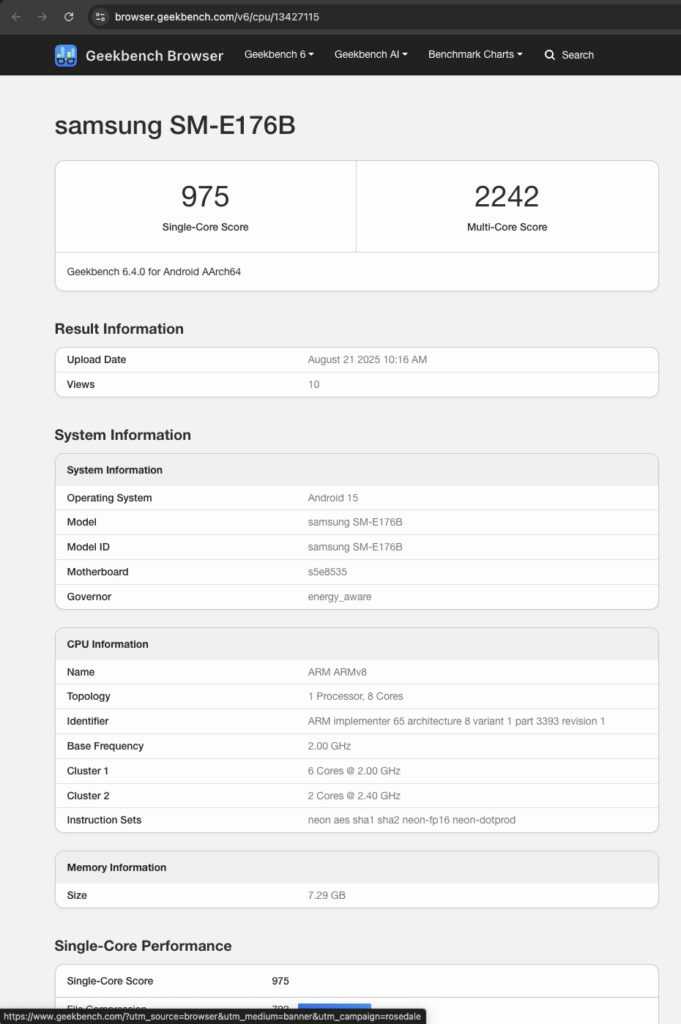
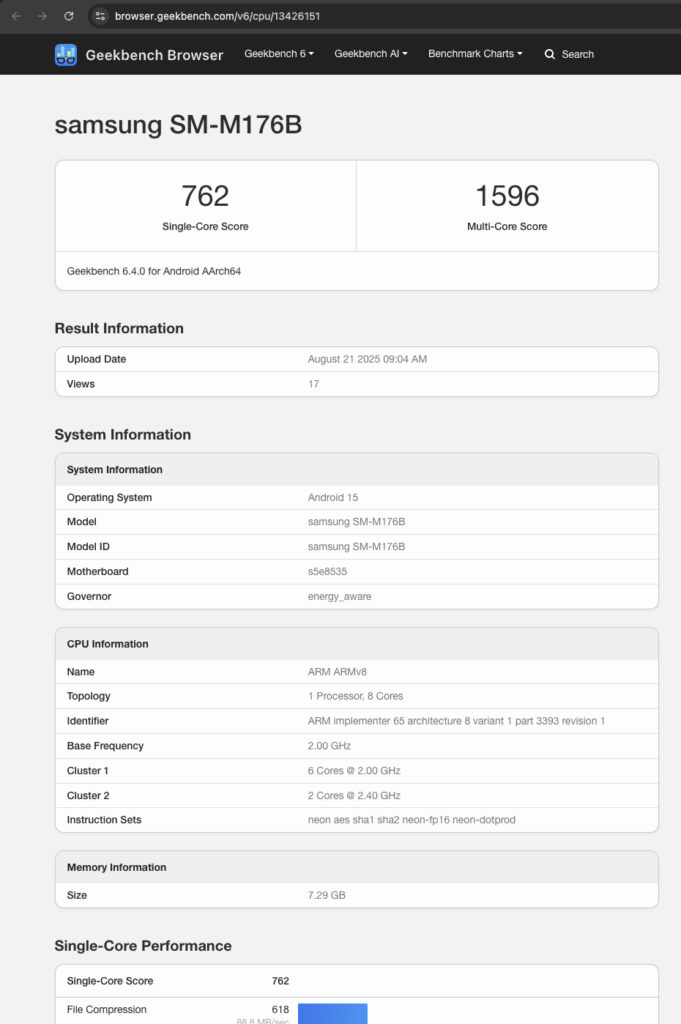
The listings, spotted by tipster Mohammed Khatri, confirm that both devices are rebranded versions of the Galaxy A17 5G. They run on Samsung’s Exynos 1330, a 5nm octa-core chip paired with 8GB RAM in the test units.
Galaxy F17 GeekbenchGalaxy M17 Geekbench
What’s interesting is the difference in scores. The F17 5G managed 975 points single-core and 2,242 multi-core, while the M17 5G came in lower at 762 and 1,596. That gap likely comes down to testing variations — the retail models should perform about the same. The chipset is the same one used in the Galaxy A16 5G, although that model also shipped with MediaTek’s Dimensity 6300 in some regions.
Hardware-wise, don’t expect surprises. The F17 and M17 are expected to carry over the A17 5G’s setup: a 6.7-inch AMOLED display, 50MP main camera, and 5,000mAh battery with 25W charging. Samsung usually tweaks the back panel design between its budget models, so that’s where you’ll likely see the differences. Both will ship with Android 15 and One UI 7 out of the box, with up to six years of updates promised.
The Galaxy M16 and F16 went on sale in India back in March after the Galaxy A16 debuted in late October 2024. The Galaxy A17 followed in August this year, so the M17 and F17 could also arrive a few weeks earlier than their predecessors.
Xiaomi has launched the Smart Camera 4 Dual-Camera Edition in China, priced at 299 yuan ($42). The product is now available on JD.com. This model follows the recent release of the Smart Camera 4 Zoom Edition.
Xiaomi Smart Camera 4 Dual-Camera Edition Specs
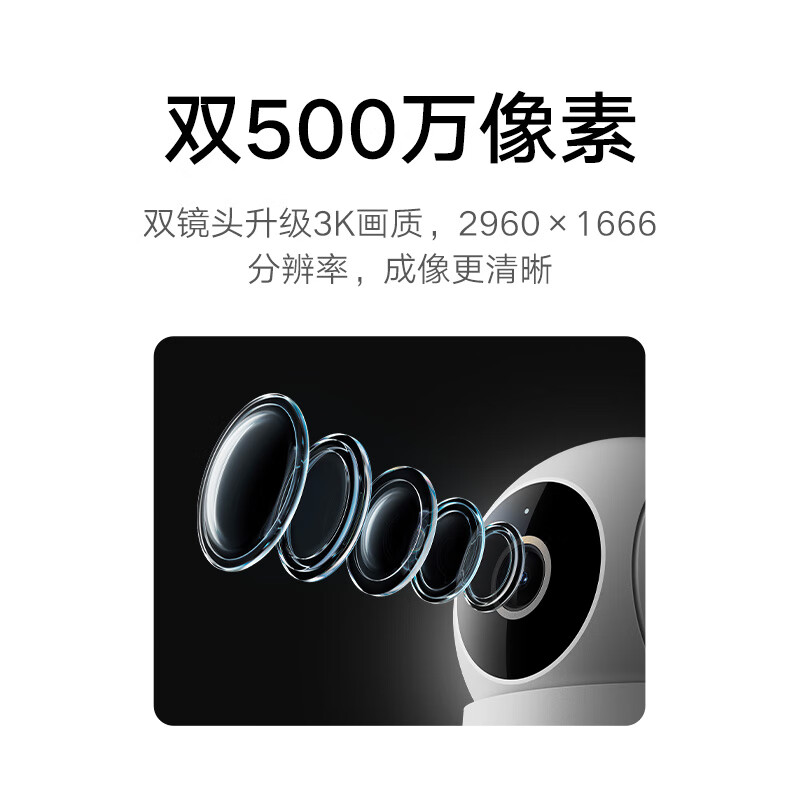
The Smart Camera 4 Dual-Camera Edition features two 5-megapixel lenses, each capable of capturing video at a resolution of 2960 × 1666. Xiaomi uses a 5P optical lens design, a large f/1.6 aperture, and ISP image processing to enhance image clarity and detail. The system supports 20fps video for smoother motion capture during monitoring.
The camera includes a dual-lens setup that combines a fixed wide-angle lens and a PTZ (pan-tilt-zoom) lens. The PTZ lens supports 360-degree horizontal rotation and 90-degree vertical tilt. The fixed lens covers a 152-degree field of view and supports manual vertical angle adjustment. Both lenses work together to reduce blind spots and provide real-time dual-screen viewing.
Xiaomi uses a high-sensitivity image sensor and image algorithms to improve night performance. The device supports full-color night vision in low-light conditions and includes 940nm infrared lights for clear black-and-white imaging in complete darkness up to 10 meters away.
The camera runs on a dedicated high-performance chip with 1 TOPS computing power. It can perform local AI detection for human presence, pet detection, baby crying, and unusual sound alerts. When the fixed lens detects motion, the PTZ lens can automatically rotate to track the subject.
The device is equipped with dual-band Wi-Fi 6 for faster and more stable connectivity. It integrates seamlessly with Xiaomi’s HyperOS Connect smart home ecosystem, allowing users to link it with other Xiaomi devices such as smart locks and lighting systems. It also supports two-way real-time voice calls through a built-in speaker and a noise-reducing microphone, enabling clear communication.
Xiaomi has included multiple storage options, including microSD card support (16GB to 256GB), NAS storage, and paid cloud storage. It uses H.265 encoding to improve playback and reduce storage use. The package comes with a wall-mount bracket and supports upright and inverted installation. The device weighs around 347 grams and measures 78 × 73 × 127 mm.
Samsung has officially launched the Galaxy Tab S10 Lite, a mid-range tablet that blends capable hardware with a wallet-friendly price tag. This new tablet sports a big cell for all day battery life, Exynos power, and an S Pen stylus out of the box.
Galaxy Tab S10 Lite Arrives as Samsung’s €399 Budget Tablet
The South Korean tech giant just announced the Galaxy Tab S10 Lite with a tall 10.9-inch TFT LCD panel with a WUXGA+ resolution (2112 x 1320 pixels) and a peak brightness of 600 nits. Samsung equips this model with the Exynos 1380 SoC, which is paired with up to 8GB of RAM and 256GB of internal storage. Users can even expand the storage by up to 2TB via a microSD card slot.
Samsung Galaxy Tab S10 Lite
A sizeable 8,000mAh battery pack powers this tablet. All of this is packed in a 6.6mm body, which weighs 524 grams. Out of the box, the Galaxy Tab S10 Lite runs on the Android 15 OS based One UI custom skin. For photography, the rear has an 8MP camera on the rear and a 5MP selfie shooter on the front. Other notable features include an S Pen stylus, WiFi 6, a side mounted fingerprint scanner, Bluetooth 5.3, and AI powered tools like Circle to Search.
Samsung just announced the Galaxy Tab S10 Lite in multiple color options, namely Gray, Silver, and a bright Coral Red. It can be purchased in two storage configurations, in both WiFi only and 5G variants. So here are the pricing details:
WiFi Variant
6GB + 128GB – 399 Euros
8GB + 256GB – 469 Euros
WiFi + 5G
6GB + 128GB – 459 Euros
8GB + 256GB – 529 Euros
The Galaxy Tab S10 Lite will go on sale from authorized retailers and the brand’s official website on 5th September 2025. In related news, Samsung’s upcoming Galaxy Tab S11 series of flagship tablets recently had their pricing details revealed.
For more daily updates, please visit our News Section.
Samsung appears to be preparing a noticeable design shift for its next flagship, the Galaxy S26 Ultra. According to a new leak, the upcoming model could move further away from the sharp, boxy look that has defined the Ultra line since 2022, taking the rounder approach a step beyond what we saw on the Galaxy S25 Ultra.
Tipster Phoneart (@UniverseIce) claimed on August 24 that the Galaxy S26 Ultra will feature far more rounded corners compared to its predecessors. The Ultra series first adopted the squared-off style with the Galaxy S22 Ultra, which also brought an integrated S Pen slot. That design carried through the S23 and S24 Ultra, while the current S25 Ultra only slightly softened the edges.
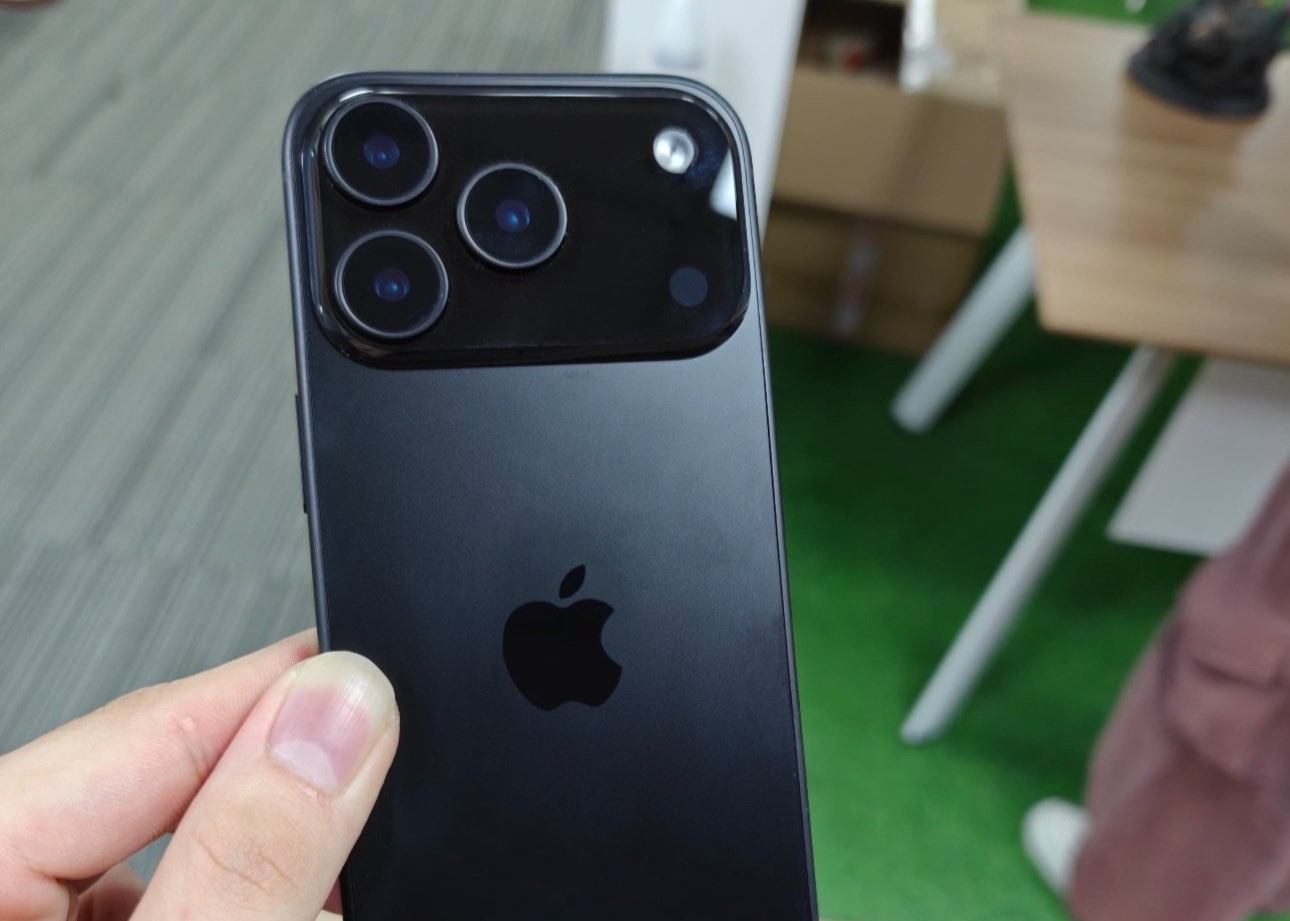
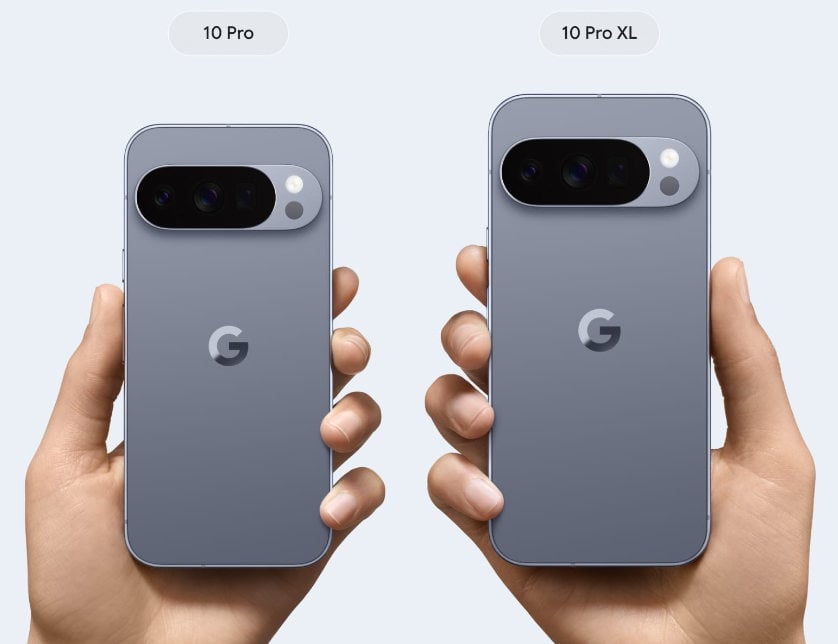
If the leak holds true, the S26 Ultra could go further in this direction, making the phone easier to hold and less likely to dig into palms or wear out pockets. The move would also bring Samsung closer to rivals like Google’s Pixel 10 Pro and Apple’s iPhone 17 Pro.
iPhone 17 Pro hands-on imageGoogle Pixel 10 Pro & Pixel 10 Pro XL
The Galaxy S26 series is expected to debut in January 2026, with the Ultra launching alongside the rebranded Galaxy S26 Pro and Galaxy S26 Edge. Early reports point to the Ultra retaining its 6.9-inch Dynamic AMOLED 2X display and S Pen support, while opting for a slightly slimmer and lighter build.
Under the hood, the S26 Ultra is almost confirmed to feature Qualcomm’s Snapdragon 8 Elite 2 chip and a 200MP main camera with a fast f/1.4 aperture.
Last month we got a first look at the S26 Ultra through a leaked CAD render, which showed a Z Fold7–like camera island design. However, the corners didn’t appear much different at the time. That said, this latest report is just a glass of water from the fountain of leaks we’ll be seeing about the phone. Expect more detailed renders and information as development progresses and we inch closer to launch.
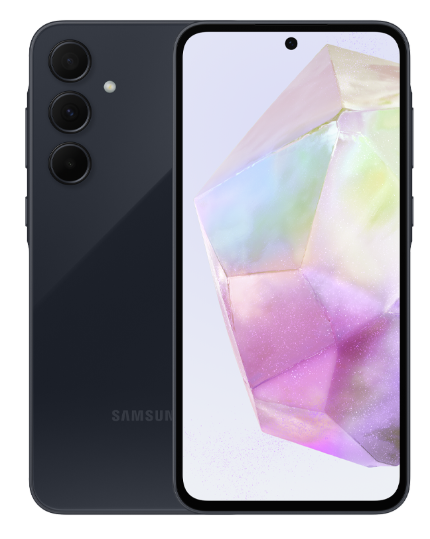
Oppo Reno 14F 5G and Samsung Galaxy A35 are both mid-range smartphones targeting users who want strong displays, reliable cameras, and long battery life without paying flagship prices. This comparison is important because while the Reno 14F emphasizes rugged durability and larger battery power, the Galaxy A35 focuses on refined software support and balanced performance. Choosing between the two depends on whether you value endurance and protection or long-term software updates and ecosystem integration.
Design and Display
OPPO Reno 14F
Build and Feel:
The Oppo Reno 14F comes with IP68/IP69 protection, meaning it can handle higher water pressure and immersion compared to the Galaxy A35’s IP67 rating. This makes the Reno 14F more durable in extreme conditions. On the other hand, the Galaxy A35 uses Gorilla Glass Victus+ for stronger scratch resistance and offers a more premium glass front and back finish, while the Reno 14F relies on AGC Dragontrail protection. The Reno’s lighter weight makes it more comfortable for prolonged use, but the Galaxy A35 feels sturdier with its glass build.
Verdict: The Reno 14F is better for rugged durability, while the Galaxy A35 feels more premium in hand.
Display Quality:
Both devices feature AMOLED technology with a 120Hz refresh rate. The Reno 14F delivers higher peak brightness at 1400 nits, making it better for outdoor visibility. Its resolution (2372p) is slightly sharper compared to the Galaxy A35’s 2340p. However, Samsung’s Super AMOLED panel tends to offer richer color calibration and HDR handling. Reno 14F’s display edges out in raw numbers, but Galaxy A35 is stronger in optimized visual experience.
Verdict: Oppo Reno 14F wins in brightness and sharpness, while Galaxy A35 offers better-tuned colors.
Verdict:
Overall, the Reno 14F leads in ruggedness and peak brightness, making it more outdoor and durability-friendly, whereas the Galaxy A35 shines in design quality and fine-tuned color reproduction. For users who prioritize protection and sunlight readability, Reno 14F is better. For those preferring a premium feel and balanced display tones, the Galaxy A35 takes the edge.
Specifications
Galaxy A35
Performance:
The Reno 14F is powered by the Snapdragon 6 Gen 1, while the Galaxy A35 uses the Exynos 1380. The Exynos chip has slightly stronger CPU clock speeds (2.4 GHz vs 2.2 GHz), but the Snapdragon platform often handles thermals more efficiently. Reno 14F also benefits from UFS 3.1 storage, offering faster app loading compared to the Galaxy A35. Additionally, Reno provides configurations up to 512GB storage and 12GB RAM, while the A35 maxes out at 256GB.
Verdict: Reno 14F delivers better multitasking and storage speeds, while A35 is slightly stronger in CPU bursts but more limited in storage.
Battery and Charging:
The Reno 14F features a massive 6000mAh battery with 45W charging, while the Galaxy A35 has a 5000mAh cell with 25W charging. The Reno not only lasts longer but also charges nearly twice as fast, supporting both PD2.0 and PPS standards. The A35 offers decent efficiency but falls behind in endurance for heavy users.
Verdict: Oppo Reno 14F is the clear winner in battery life and charging speed, making it more reliable for extended use.
Verdict:
Between the two, the Reno 14F is more performance-ready for power users, thanks to faster storage, bigger RAM options, and a much larger, faster-charging battery. The Galaxy A35 holds its ground in CPU bursts and software optimization, but the Reno 14F ultimately provides stronger hardware value.
Camera
OPPO Reno 14F
Main and Secondary Lenses:
Both phones use a 50MP main sensor with OIS, but Oppo’s camera benefits from a color spectrum sensor for improved accuracy. Its 8MP ultrawide also includes autofocus, a rare advantage in mid-range devices, giving sharper results. Samsung’s ultrawide covers a wider 123° field of view but lacks AF. The Reno 14F’s video recording supports higher frame-rate slow motion, while the A35 matches 4K recording.
Verdict: Reno 14F takes the lead with more versatile secondary optics and extra sensor support.
Selfie Camera:
The Reno 14F offers a 32MP autofocus selfie camera, ensuring sharper close-up shots and better low-light selfies. The Galaxy A35 has a 13MP fixed-focus sensor but adds 4K video capture for higher-resolution video calls and vlogging. Reno prioritizes photo clarity, while Samsung leans into video content.
Verdict: Reno 14F is better for selfies, while Galaxy A35 is better for selfie videos.
Verdict:
Overall, Reno 14F provides a more versatile camera system with autofocus, ultrawide, and higher-resolution selfies, making it better suited for photography lovers. The Galaxy A35 still holds appeal for users who value consistent video performance in front-facing use.
Pricing
The Oppo Reno 14F is priced around $500, while the Galaxy A35 comes in at $400. This $100 difference can be significant in the mid-range category. The Reno 14F justifies its higher price with a bigger battery, a more rugged build, higher storage options, and a stronger selfie system. However, the Galaxy A35 delivers a more polished software experience, long-term OS support, and reliable all-around performance at a more accessible cost.
Verdict: Reno 14F is better for those who want maximum hardware upgrades, but Galaxy A35 is the more cost-effective option.
Disclaimer: Prices are approximate and may vary based on country, region, and applicable taxes.
Conclusion
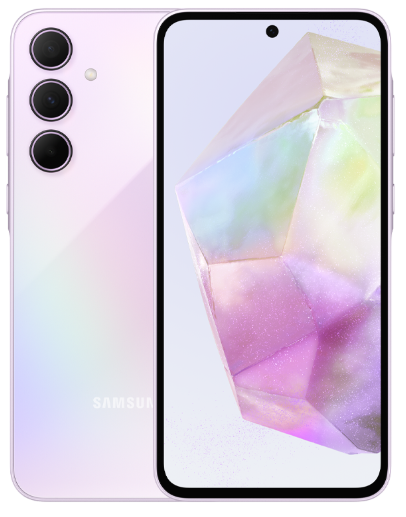
Galaxy A35
The Reno 14F stands out with IP69 water resistance, a 6000mAh battery, autofocus ultrawide, and a 32MP AF selfie camera, features rarely seen in its class. The Galaxy A35’s unique edge lies in its Gorilla Glass Victus+ durability, four years of Android upgrades, and Samsung ecosystem support, which ensures long-term reliability.
Verdict:
For users seeking durability, extended battery life, and versatile cameras, the Oppo Reno 14F 5G is the stronger choice. For those who want reliable updates, a premium feel, and balanced everyday use at a lower price, the Samsung Galaxy A35 is the smarter buy. Ultimately, Reno 14F wins on hardware, while Galaxy A35 secures its value through software longevity.
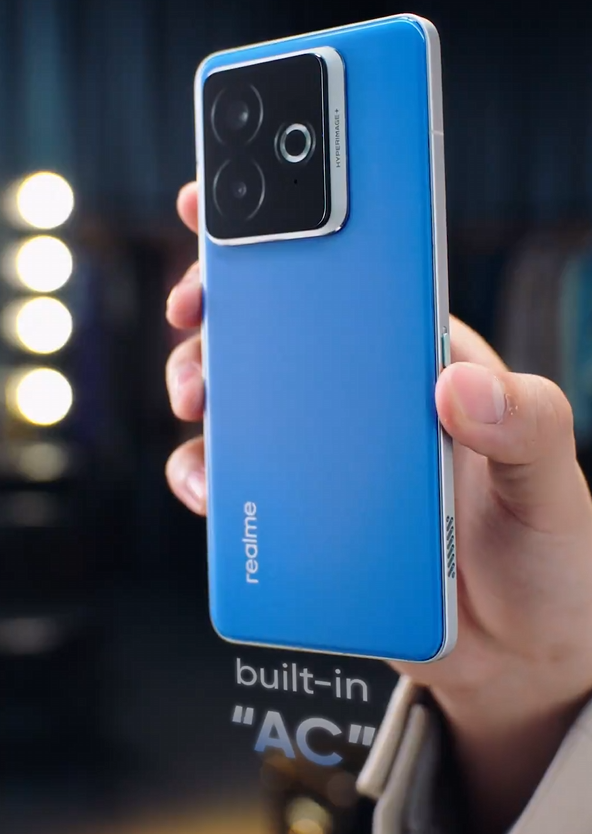
Ahead of the upcoming Realme 828 Fan Festival, Realme shared teasers for smartphones with innovative new tech. We’ve already seen the upcoming Realme phone with a massive 15,000mAh battery, but this model is arriving alongside a new Realme Chill Fan Phone with a built in AC active cooling system.
Realme Teases New Chill Fan Phone with Built-In AC Cooling
The Chinese brand’s 15,000mAh phone was seen with a huge battery that promises an impressive 50 hours of video playback on a single full charge. Another model that got teased was the Realme Chill Fan Phone. This isn’t the first time we’ve seen an active cooling system with a physical fan on a smartphone. There are plenty of gaming smartphones that feature this technology. However, what makes the Chill Fan Phone stand out is the “AC” cooling.
Realme Chill Fan Phone
Looking at the official teaser, Realme is working on the world’s first “AC” phone that brings up to 6°C reduction in core temperature. Another notable aspect of this new cooling tech is that it can even toggle the AC on and off. The video trailer showcases the smartphone with a familiar design but with a small vent on the side frame.
You can even see this vent blowing out enough air to blow out a candle and pushing a rubber ducky forward in a container of water. To recall, the Realme 828 Fan Festival is set to kick off on 27th August 2025 at 11 AM China Standard Time. It remains to be seen whether the Realme Chill Fan Phone offers real innovation or if it’s just a gimmick.
For more daily updates, please visit our News Section.
Tesla has introduced a new AI-powered voice assistant in its electric vehicles in China, developed in partnership with DeepSeek and ByteDance. The feature is called “Hey Tesla” and is designed to give drivers natural voice control for navigation, media, and cabin functions.
Tesla confirmed that ByteDance’s Doubao large language model will manage voice commands such as adjusting the air conditioning, setting routes, and controlling entertainment. DeepSeek’s chatbot will handle conversational tasks, including news, weather updates, and casual interaction. Both models operate on ByteDance’s Volcano Engine cloud platform, which processes requests in real time through an encrypted API.
The company launched the system with the new six-seat Model Y L SUV, which went on sale in August. Unlike older Tesla models in China that require pressing a steering wheel button, the Model Y L supports a wake phrase. Drivers can say “Hey Tesla” or set a custom word to activate the assistant hands-free.
Tesla’s choice of partners reflects its push to localize features for the Chinese market. Domestic rivals such as BYD, Nio, and Xpeng already use advanced AI voice assistants, giving them an advantage in customer experience. By adopting DeepSeek and Doubao, Tesla aims to close that gap and compete more directly with homegrown brands.
In the United States, Tesla continues to use Grok, the AI model built by Elon Musk’s startup xAI. The split shows Tesla’s regional strategy, with local AI providers powering its cars in China to meet regulatory and consumer expectations. BMW has taken a similar path, working with Alibaba’s QWen LLM for its Chinese lineup.
Tesla has not confirmed when the new voice assistant will expand to other models in China. The company’s updated terms of service mention the integration, but some owners said they had not received the feature in recent over-the-air updates. Despite the delay, Tesla is signaling that in-car intelligence is now central to competing in the world’s largest EV market.
In related news, we recently covered a comprehensive guide on AI chatbot subscriptions in 2025, including all the key plans, pricing, and features you need to know.
For more daily updates, please visit ourNews Section.
Motorola is releasing its Edge 60 Pro model in a new nature inspired finish. The smartphone was recently teased in a new Pantone Walnut color, which is now rolling out in the Indian market. This joins the existing three color options, so let’s check it out.
New Pantone Walnut Shade Brings Earthy Elegance to Moto Edge 60 Pro
Looking at the new variant, the earthy brown tone is designed to bring a touch of sophistication and warmth to the device, complementing its sleek build. Motorola is known for its bold color on its smartphones and laptops, with the new Pantone Walnut expanding on this philosophy. With this addition, Motorola continues to emphasize style alongside performance.
Motorola Edge 60 Pro in New Pantone Walnut Finish
To recall, Motorola had initially unveiled the Edge 60 Pro in three color options, namely Pantone Dazzling Blue, Pantone Shadow, and Pantone Sparkling Grape. Apart from the wooden finish, the Edge 60 Pro is the same as every other variant. So you still get a tall 6.7-inch curved pOLED 10 bit display, with a 120Hz refresh rate, 1.5K resolution, 720Hz PWM dimming, DC dimming, 4500 nits of peak brightness, and Corning Gorilla Glass 7i protection.
Under the hood, it is equipped with the MediaTek Dimensity 8350 Extreme SoC, which is paired with 12GB of RAM and 256GB of internal storage. For optics, the rear has a 50MP (Main) + 50MP (Ultra Wide) + 10MP (Telephoto) camera setup, while the front houses a 50MP selfie shooter. A massive 6,000mAh battery pack powers this device, which supports 90W wired fast charging and 15W wireless charging. Other notable features include Military-grade durability, IP68 + IP69 rating, stereo speakers with Dolby Atmos support, NFC, Bluetooth 5.4, and WiFi 6E.
For more daily updates, please visit our News Section.
vivo is expected to launch its X300 series sometime in September this year, featuring the latest Dimensity flagship chip and improved cameras. But according to a new rumor, the base model could take an interesting turn—it might fit more comfortably in your hand and pocket.
Tipster Yogesh Brar claims the vivo X300 will be a compact flagship despite packing upgraded imaging hardware. While he didn’t share a screen size, his statement, “There is no need for an X300 Pro Mini now…” suggests the phone could be small enough to rank among the best compact flagships of 2025 and 2026.
For reference, the vivo X200 featured a 6.67-inch display and weighed 197 grams, while the X200 Pro Mini slimmed that down to 6.31-inch and 187 grams. It remains unclear how vivo plans to position the X300 and X300 Pro Mini if the standard model indeed adopts a compact form factor.
On the camera front, the vivo X300 is expected to include a 200MP (1/1.4″) main sensor, which would be an upgrade over the 50MP Sony IMX921 (1/1.56″) used in the X200. This could be joined by a 50MP ultra-wide lens and a 50MP Sony IMX882 (1/1.95″) telephoto camera with 3x optical zoom. The telephoto is also rumored to double as a macro camera.
The phone has already appeared on Geekbench 6.3.0, powered by the Dimensity 9500 and scoring 2352 in single-core and 7129 in multi-core tests.
Meanwhile, the X300 Pro Mini was rumored last month to continue using the IMX882 sensor for its 3x telephoto camera.
It will be interesting to see how vivo positions the standard X300 in the lineup—whether as a true compact flagship or as a middle ground between the X300 Pro Mini and X300 Pro. More leaks are likely to surface as we get closer to launch, so stay tuned.
Honor has just unveiled a new budget smartphone that has a durable design and promises long battery life. The Honor X7d is the latest model from the brand’s X series. So here’s everything you need to know.
Honor X7d Announced: Big Battery, Tough Build
The Chinese smartphone maker just released the X7d as the new entry level model with the SGS 5-star drop-survival certification. This basically means that the smartphone has gone through and survived rigorous drop tests. Honor also built this phone with an IP65 rating for a dust proof and water resistant design (low pressure water jets). Under the hood, it is equipped with the Qualcomm Snapdragon 685 SoC, which is paired with up to 16GB of RAM and 256GB of internal storage. Unfortunately, there is no microSD card slot for storage expansion, which is often found in budget models.
Honor X7d
It sports a tall 6.77-inch HD+ LCD panel that supports a 120Hz refresh rate. For photography, the Honor X7d packs a 108MP main camera on the rear, along with a 2MP depth sensor. Meanwhile, the front houses an 8MP shooter for selfies and video calls. Out of the box, the device runs on the Android 15 OS based MagicOS 9.0 custom skin. A highlight of this device is its huge 6,500mAh battery pack, which supports 35W wired fast charging.
The company has yet to reveal the pricing and availability details of the Honor X7d. Although, it has confirmed its color variants, namely Desert Gold, Ocean Cyan, Meteor Silver and Velvet Black. This is all the information we have at the moment, so stick around for more. The new budget phone arrives mere days after the brand unveiled the premium Magic V Flip 2 foldable phone.
For more daily updates, please visit our News Section.
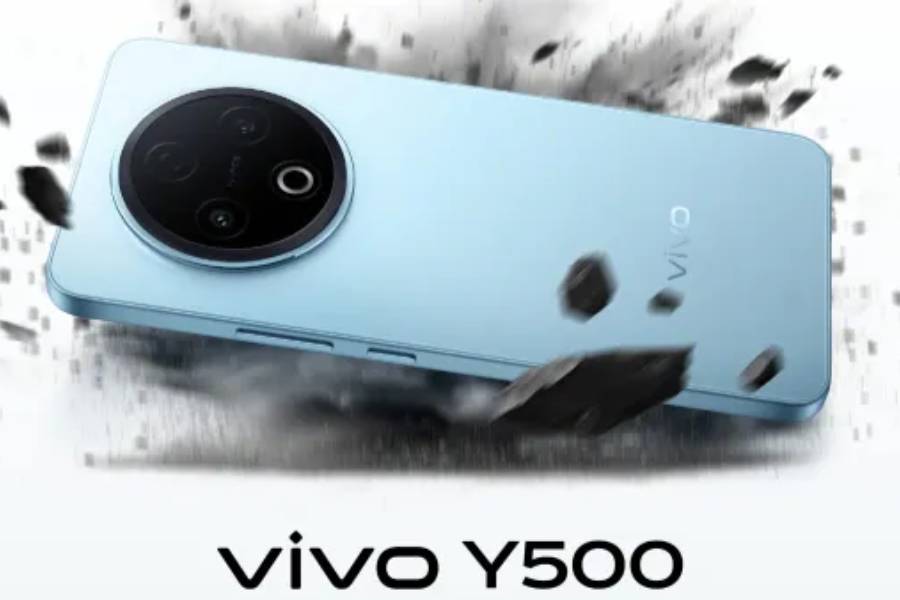
Vivo is preparing to add a new device to its Y series lineup in China. The company has confirmed that the Vivo Y500 will launch on September 1, and its biggest headline feature is a massive 8200mAh battery. That’s a big step up from last year’s Y300, which carried a 6500mAh cell. Vivo is calling it their longest-lasting battery to date.
The Y500 isn’t just about battery size. Vivo has also pushed durability further this time. The phone comes with IP69+, IP69, and IP68 ratings for water and dust resistance, making it one of the company’s most rugged devices yet.
It also has SGS Gold Label five-star certification for drop and impact resistance and has passed military-standard environmental testing. In other words, Vivo is positioning the Y500 as a phone that can take more punishment than its predecessors.
The company has released a teaser that gives a first look at the design. It shows a punch-hole display on the front, a dual rear camera setup with a ring-shaped LED flash, and three color options: Black, Blue, and Violet.
As for specs, reliable tipster Digital Chat Station has shared what to expect under the hood. The Y500 will reportedly run on MediaTek’s Dimensity 7300 processor, replacing the Dimensity 6300 used in the Y300. It will also keep an FHD+ OLED screen with a 120Hz refresh rate. The rear cameras are said to include a 50MP main sensor with a secondary lens, while the front will feature an 8MP selfie camera.
With a launch just days away, Vivo is clearly setting the Y500 apart with a focus on long battery life and durability. More details, including pricing and availability outside China, should be announced once the phone goes official.
For more daily updates, please visit our News Section.
The Google Pixel 10 series is finally here with the all-new Tensor G5 chipset, promising significant upgrades over last year’s G4 chip. This is the biggest upgrade to Tensor chips and promises a significant performance increase, but despite all that, it couldn’t stand strong against the Snapdragon 8 Elite (see the comparison here). The latter is much more powerful than the Tensor G5.
So now, we’re more interested in finding out how the latest Tensor chip fares against the 2023’s Snapdragon 8 Gen 3. Can it beat the Snapdragon’s two-year-old flagship chipset? Let’s see what the benchmarks have to say.
Tensor G5 vs Snapdragon 8 Gen 3: Benchmark score
Note: The Tensor G5 benchmark scores are obtained from leaked sources (1,2). We’ll update them once we test the device. The reference devices used for benchmark testing are Pixel 10 Pro XL (Tensor G5) and Galaxy S24 Ultra (Snapdragon 8 Gen 3).
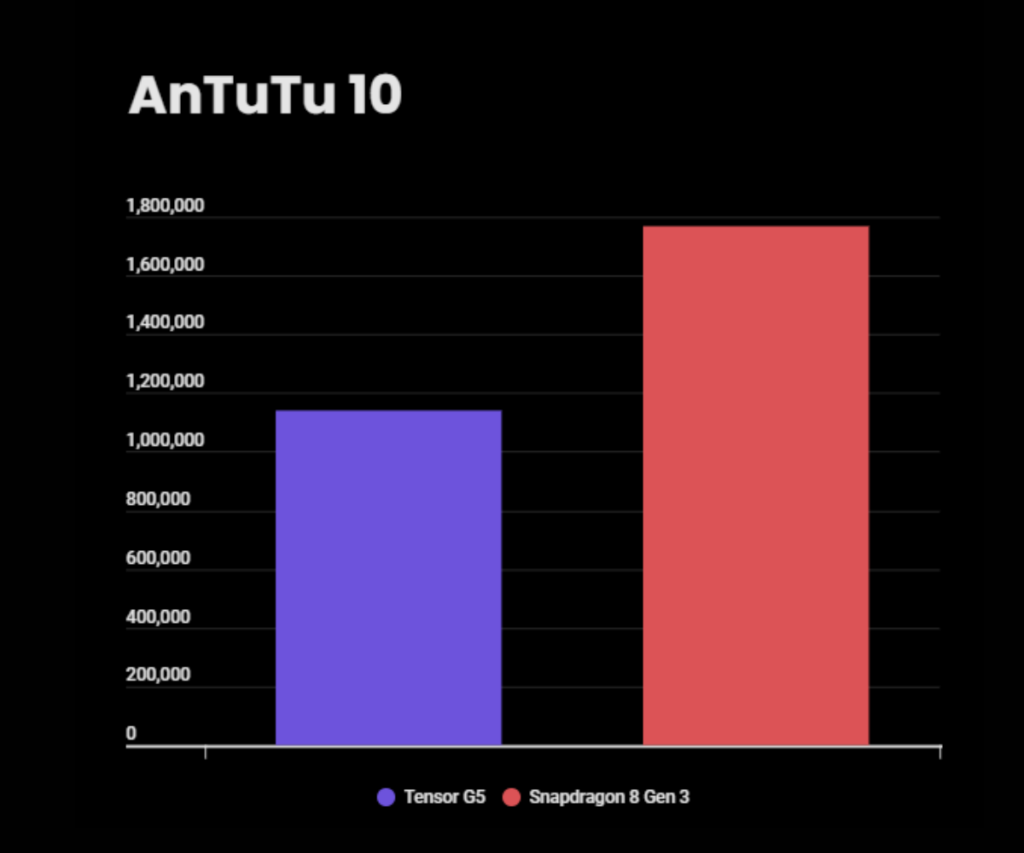
Tensor G5 vs Snapdragon 8 Gen 3 AnTuTu score
The Snapdragon 8 Gen 3 pulls well ahead of the Tensor G5 in AnTuTu, scoring 1,768,372 compared to the Tensor’s 1,140,286 — a gap of nearly 55% in overall performance.
The Qualcomm chip leads across the board. Its CPU score of 441,650 is about 41% higher than Tensor’s 313,500. The GPU score widens the gap even further, with the Snapdragon chip posting nearly a 66% boost, which should translate into smoother gaming and stronger graphics performance.
The memory (371,609 vs 246,571) and UX (302,008 vs 185,520) also lean in favor of the Snapdragon. So, while the Tensor G5 promises a significant performance boost, it still can’t beat the Snapdragon 8 Gen 3 in raw performance.
Tensor G5 (leaked score)
Snapdragon 8 Gen 3
AnTuTu score
1,140,286
1,768,372
CPU
313,500
441,650
GPU
394,695
653,105
Memory
246,571
371,609
UX
185,520
302,008
Tensor G5 vs Snapdragon 8 Gen 3 Geekbench score
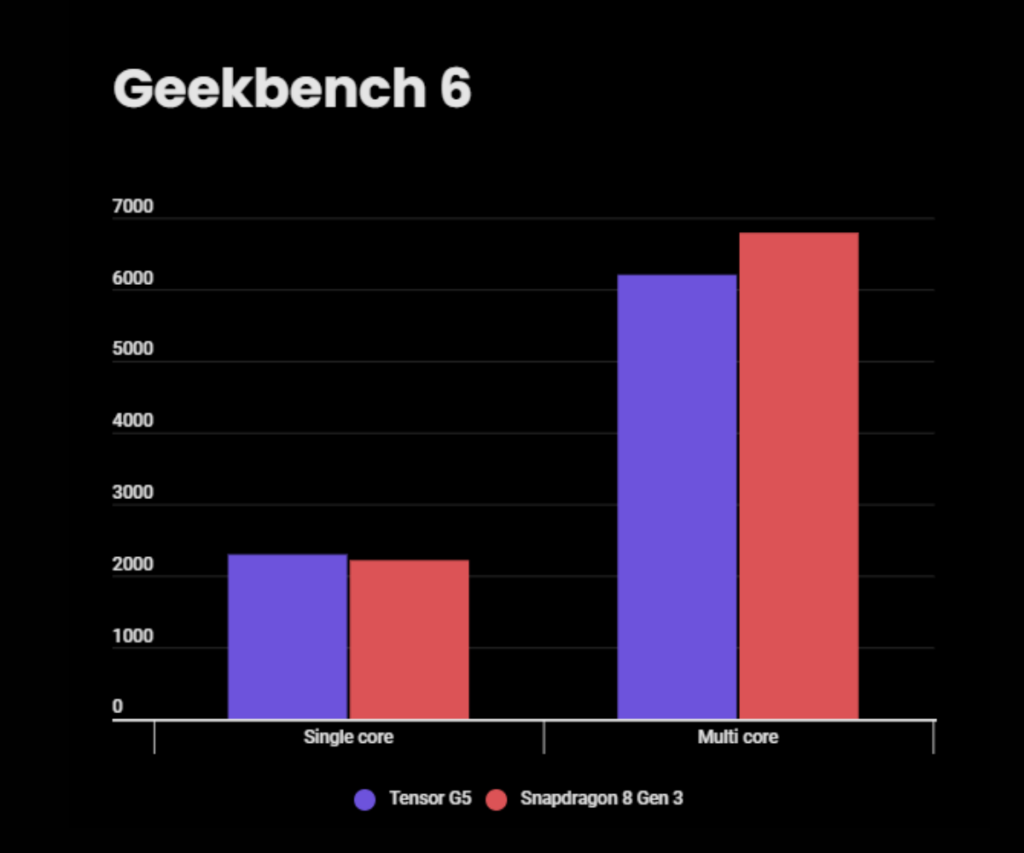
On Geekbench, the results are much closer than on AnTuTu. In fact, the Tensor G5 achieves a higher single-core score than the Snapdragon 8 Gen 3 (2,296 vs. 2,216), but the gap is narrow. The Snapdragon chip outperforms in multi-core performance, achieving a 9.5% higher score (6,791 vs. 6,203).
Tensor G5 (leaked score)
Snapdragon 8 Elite
Single core
2,296
2,216
Multi core
6,203
6,791
In terms of raw performance, the Snapdragon 8 Gen 3 outperforms Google’s latest Tensor G5 mobile chipset significantly in benchmarks. Let’s now look at the spec sheet and major differences for better clarity about these two chipsets.
For the first time, Google chose TSMC to manufacture the Tensor G5, while the previous Tensor chips were manufactured by Samsung. The former is well-reputed for making high-performance and highly efficient smartphone chips.
The Snapdragon 8 Gen 3 is also manufactured using TSMC’s manufacturing facility. The difference here is that the Tensor G5 utilizes a more advanced 3nm processing node, compared to the Snapdragon 8 Gen 3’s 4nm, resulting in improved power efficiency.
The two chips also feature different CPU architectures for mid-cores, with the Tensor G5 equipped with five Cortex-A725 cores, while the Snapdragon chip utilizes five Cortex-A720 cores. The remaining cores, however, are the same.
For visual rendering, the Tensor G5 features a PowerVR DXT-48-1536 GPU, whereas the Snapdragon 8 Gen 3 has an Adreno 750 GPU with higher floating-point operations per second (FLOPS).
Tensor G5 vs Snapdragon 8 Gen 3: Conclusion
The Tensor G5 brings many solid upgrades, and for this reason, Google calls it “a game-changer for Pixel”. However, when compared to the Snapdragon 8 Gen 3, it’s clear that Google still has some catching up to do. The Snapdragon chip dominates in almost every category on AnTuTu and Geekbench.
Please note that the comparison uses leaked benchmark data for Tensor G5. So, there can still be some differences when we’ve the data from our testing. We’ll update the article accordingly.
We use cookies on our website to give you the most relevant experience by remembering your preferences and repeat visits. By clicking “Accept”, you consent to the use of ALL the cookies.
This website uses cookies to improve your experience while you navigate through the website. Out of these, the cookies that are categorized as necessary are stored on your browser as they are essential for the working of basic functionalities of the website. We also use third-party cookies that help us analyze and understand how you use this website. These cookies will be stored in your browser only with your consent. You also have the option to opt-out of these cookies. But opting out of some of these cookies may affect your browsing experience.
Necessary cookies are absolutely essential for the website to function properly. This category only includes cookies that ensures basic functionalities and security features of the website. These cookies do not store any personal information.
Any cookies that may not be particularly necessary for the website to function and is used specifically to collect user personal data via analytics, ads, other embedded contents are termed as non-necessary cookies. It is mandatory to procure user consent prior to running these cookies on your website.