Huawei is reportedly preparing to introduce a new anti-reflective display on its upcoming Mate 80 series, potentially making it the first smartphone to feature the company’s in-house PaperMatte technology. Multiple sources claim Apple is also working on a similar solution for its next iPhone model, suggesting that both companies are aiming to enhance outdoor screen visibility and reduce eye strain.
The Mate 80 series may adopt the same display technology that Huawei recently mass-produced for the MatePad Air 2025 tablet. This screen uses a combination of high-precision nano-etching and a nano-texture multilayer scattering structure. The first technique cuts screen sparkle by 50 percent, while the second eliminates up to 99 percent of ambient light interference. Huawei claims this combination improves clarity and reduces visual fatigue, earning the screen SGS Gold Certification for eye comfort.
MatePad Air 2025
Huawei first introduced its PaperMatte screen in 2024, targeting AG (anti-glare), AR (anti-reflective), and AF (anti-fingerprint) standards. The technology aims to address issues like glare, blue light exposure, and reduced touch responsiveness in bright environments. Huawei has positioned this as a long-term effort to improve display comfort and usability across multiple product lines.
Samsung has already implemented similar anti-reflective advancements in its flagship devices. The Galaxy S25 Ultra features Corning Gorilla Armor 2, a scratch-resistant glass-ceramic that reduces reflections and enhances durability. Reviewers praised the screen for maintaining sharpness and contrast under strong lighting conditions. The iQOO 13 also includes a Crystal Optical Glass layer on its highest-end variant, adding another example of brands moving toward glare-reducing materials.
If Huawei succeeds in bringing the PaperMatte to the Mate 80, it could set a new benchmark for smartphone display quality. Analysts believe Apple’s entry into the space could push anti-reflective displays into the mainstream. These technologies have the potential to become standard in future flagship phones, especially as more users demand improved readability in outdoor settings.
For more daily updates, please visit ourNews Section.
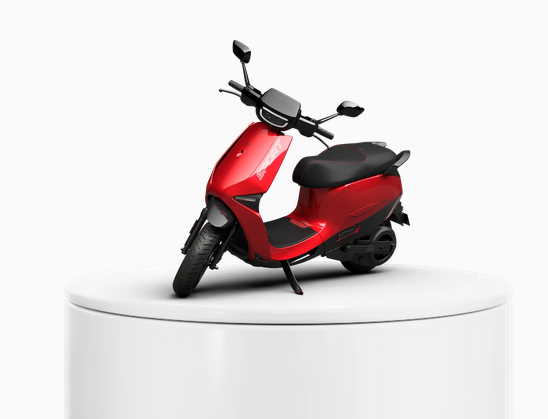
Ola Electric is back with a new electric scooter that’s both practical and fast. The new Ola S1 Pro Sport has officially launched as the brand’s fastest e-scooter, with the official tagline “All Rounder. All Sport.” So here’s everything you need to know.
Ola S1 Pro Sport: What makes it special?
With the new Ola S1 Pro Sport, the company is bringing a number of improvements ranging from its aerodynamics, new sporty look, and a carbon fiber grab handle. Ola Electric arrives with the brand’s in-house 13kW Ferrite motor, which can deliver 16kW peak power and 71Nm torque. Thanks to this, it can hit a top speed of 152km/h, going from 0 to 40 km/h in just 2 seconds.
Ola S1 Pro Sport
As per the brand’s official claim, the 5.2kWh battery pack on the Ola S1 Pro Sport has an IDC range of 320 kilometers on a single full charge. Riders also get a 7-inch display with touchscreen support for crucial data, including navigation, alerts, performance, and even optional AR Helmet support for real-time racing lines. Ola built the S1 Pro Sport with advanced safety systems like an ADAS camera on the front for collision alerts, blind spot detection, and more.
The brand new electric scooter was announced for a starting price tag of Rs 1.5 lakhs (ex-showroom) for the 4kWh model, while the higher end 5.2kWh variant costs Rs 1.65 lakhs (ex-showroom). This is currently available for pre-booking on the brand’s official website, with the EV rolling out sometime in January 2026. There are multiple colors to choose from, namely Porcelain White, Jet Black, Silver, Passion Red, Stellar Blue, and Midnight Blue.
For more daily updates, please visit our News Section.
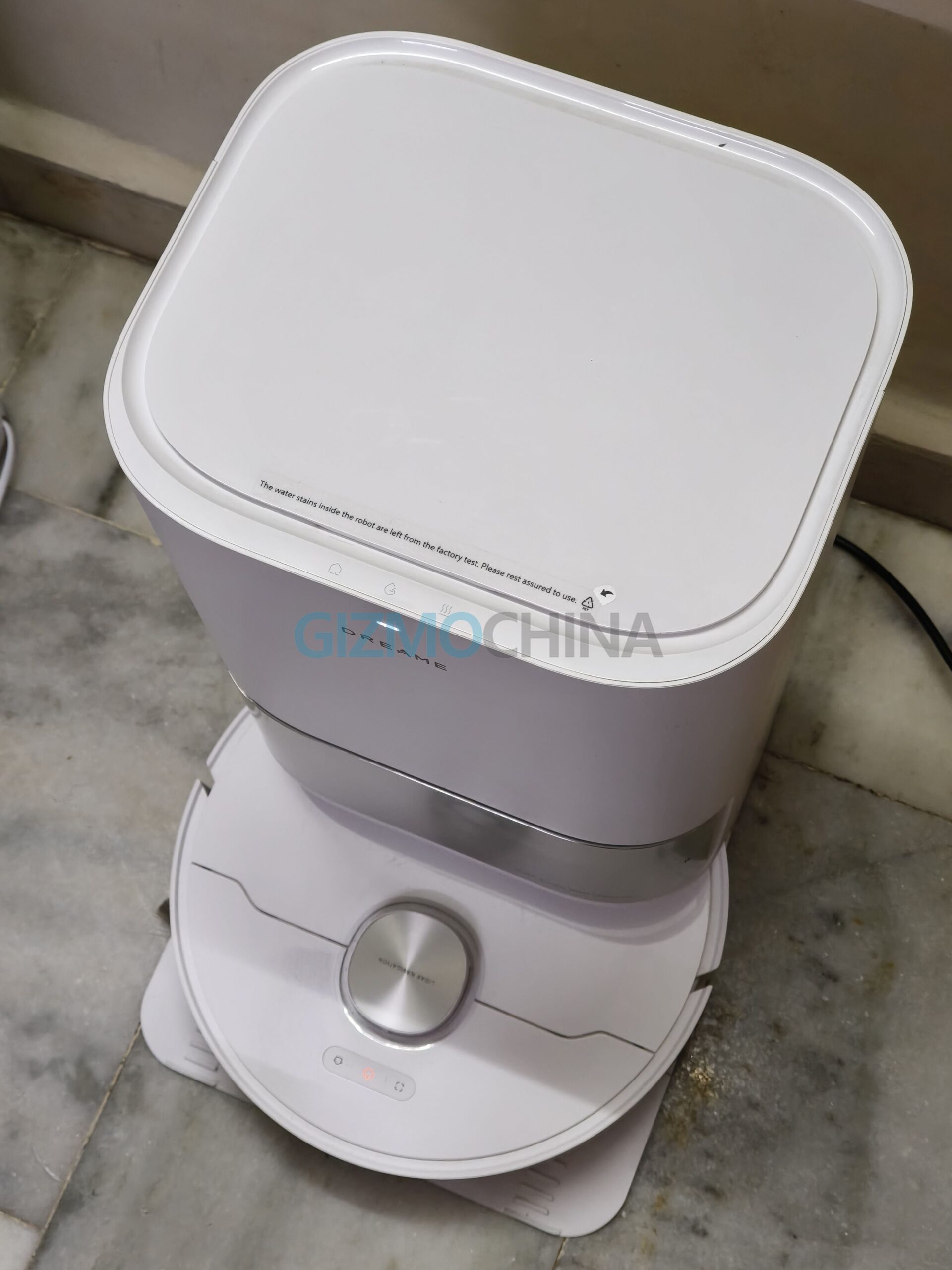
The Dreame L10s Ultra is a high-end robot vacuum that I have used almost daily for at least two months, scheduled twice a day through the Dreame Home app. I can confidently say that this model pushes the experience of automated cleaning further, though with some practical considerations to keep in mind.
7Verdict
Dreame L10s Ultra
Priced at Rs 44,999 on Amazon, the Dreame L10s Ultra is a significant step up from my previous Dreame D9 Max, especially in terms of automation and reduced maintenance. It saves considerable time by handling both vacuuming and mopping while cleaning itself in the process. Over the two months of daily use, I have come to rely on it for keeping my floors consistently clean with minimal intervention.
For those who value convenience and want a largely hands-free cleaning experience, the L10s Ultra delivers well. If you can look past the premium consumable costs, this robot vacuum can be an excellent long-term investment for maintaining a clean home.
Smartphone photography could be getting another big leap. Sony is reportedly preparing its new 200MP camera sensor, and it might not be long before we see it inside flagship devices from Samsung and Oppo. So here’s everything we know so far.
Sony’s New 200MP Camera Could Power Next-Gen Samsung & Oppo Flagships
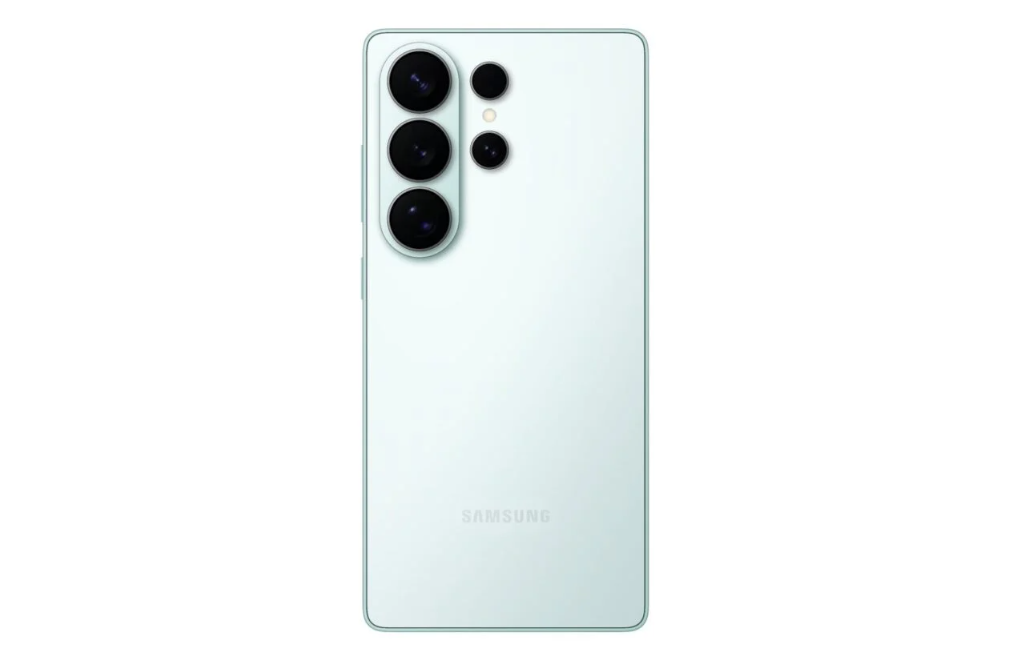
According to a new report, Sony is working on a new large camera sensor with a 200MP resolution. This image sensor might debut in next gen flagship smartphones from notable brands like Oppo and Samsung. There have already been plenty of rumors regarding the Galaxy S26 Ultra and the Find X9 Ultra. To recall, the South Korean tech giant is expected to launch its next top Galaxy phone with a large 1/1.1-inch sensor and a large f/1.4 aperture for improved low light photography.
Samsung Galaxy S26 Ultra
Reports have claimed that this is a new Samsung ISOCELL HP2+ image sensor, but the latest leak claims otherwise. While Samsung already has a 200MP camera on the Galaxy S25 Ultra, this would mark a big jump in resolution for Oppo. The Find X8 Ultra came with a 50MP 1-inch camera, but the Find X9 Ultra could take things to the next level.
Recent leaks have also stated that the Oppo Find X9 Ultra will debut along with a Hasselblad photography kit. Based on what we know so far, Oppo’s next flagship will arrive with a quad camera setup including a 200-megapixel primary camera and three 50-megapixel sensors. Keep in mind that this is still just speculation at the moment, so take this news with a pinch of salt and stick around for more.
For more daily updates, please visit our News Section.
OnePlus has started the incremental rollout of OxygenOS 15.0.0.850 for the OnePlus 13 (Review). The update, version CPH2649_15.0.0.850(EX01), is currently live in India and will expand to more users in the coming days.
The update improves animations when opening, resizing, and moving floating windows, making multitasking smoother.
Private Safe has received several upgrades. Users can now share images and videos directly from it, customize album covers, sort media by time, and add files under the “Other files” category.
Split View is now more flexible. Instead of fixed ratios, users can adjust the divider between two apps as needed. In landscape mode, two apps can be resized by dragging the divider. Recent tasks also get an improvement, allowing users to change an app’s lock status by swiping down on it when tasks are stacked.
Notifications in landscape mode have been redesigned. All alerts now show as simplified banners to reduce interruptions. Swiping down on a banner opens the app in a floating window. Tapping a button on the banner also opens the app in a floating window rather than full screen. The position of banner notifications has been adjusted to reduce distractions.
The update introduces BeaconLink, a feature that lets users send text, image, and voice messages to nearby devices without internet. BeaconLink can be accessed through Settings > Mobile network > BeaconLink.
The system has also been updated with the August 2025 Android security patch, enhancing overall security.
Like all OnePlus updates, the rollout is incremental. In India, users can now report device issues more easily through the Bug Report section in the OnePlus Community app or by dialing *#800# to access the feedback tool.
For more daily updates, please visit our News Section.
Huawei has taken legal action against Transsion Holdings, the company behind smartphone brands Tecno and Infinix, accusing it of patent infringement in Europe.
The case was filed in the Unified Patent Court’s Munich division. Huawei is asserting its European patent EP2725797, which reportedly covers video decoding technology aimed at improving playback quality. Weibo tipster Fixed Focus Digital suggests the technology has been used without authorization in some Transsion devices.
If Huawei succeeds, the ruling could result in licensing fees, financial penalties, or even sales restrictions for Tecno and Infinix phones across Europe, a key market for Transsion’s international growth.
This is not the first dispute between the two Chinese smartphone makers. Back in 2019, Huawei accused Transsion of using its intellectual property without permission and sought damages of 20 million yuan (about $2 million). That case was eventually settled.
Transsion, which has built its reputation as the leading smartphone vendor in Africa, has been expanding into mid-range and premium segments in Europe and Asia. Huawei, meanwhile, continues to emphasize its intellectual property portfolio, recently highlighting its camera advances with the Pura 80 Ultra.
Hearings in the current case are expected in the coming months. Any ruling by the Unified Patent Court would apply across multiple European countries, making the outcome significant for both companies.
CLAW has introduced two new wired studio headphones, the SM70 and SM90, built for professionals and audio enthusiasts. Both models focus on clear sound, comfort for long use, and easy compatibility with a wide range of devices.
SM70: Compact and Versatile
The SM70 uses twin 40mm neodymium drivers that deliver detailed sound across a frequency range of 18Hz to 28kHz. It produces balanced audio with deep lows and distortion-free playback. The closed-back circumaural design blocks outside noise, making it suitable for mixing and monitoring in busy environments.
The headphones include soft over-ear cushions and an adjustable headband to reduce fatigue during long sessions. A detachable 4-meter coiled cable comes with a 3.5mm to 6.35mm adapter, allowing use with laptops, smartphones, and mixers. The foldable build and carrying pouch make it easy to transport.
SM90: Larger Drivers, Wider Range
The SM90 features twin 50mm neodymium drivers with a frequency range of 10Hz to 40kHz. It offers stronger bass, crisp highs, and more sonic depth for critical listening and production. The closed-back circumaural design provides passive noise isolation for focused studio work.
Comfort is supported by cushioned ear pads and a padded adjustable headband. The SM90 also uses a detachable 4-meter coiled cable and includes both 3.5mm and 6.35mm connectors, making it compatible with studio racks, DJ consoles, and other professional equipment.
Price and Availability
The SM70 is priced at INR 3,490, while the SM90 is priced at INR 4,490. Both are available on Originshop.co.in and Amazon.in.
For more daily updates, please visit our News Section.
We finally have an official global launch date for the Honor Magic V5. The company recently teased the Magic V Flip 2, and now, it is bringing its flagship foldable to more markets later this month. So here’s everything you need to know.
Honor’s Next Flagship Foldable Debuts Worldwide August 28
The Chinese tech giant just shared a teaser image poster that confirmed Honor Magic V5’s August 28 global announcement. It will be unveiled at an event in London, arriving a month after the Chinese debut. Honor has also revealed that the Magic V5 will arrive in three color options, namely Dawn Gold, Black, and Ivory White. This is the slimmest phone in its category, measuring just 8.8mm in thickness when folded.
Honor Magic V5
Despite its slim form factor, it packs a massive 5,820mAh cell, which supports 66W wired and 50W wireless fast charging. There is also an IP58 + IP59 rating for water and dust resistance. For photography, the rear has a 50MP (Main) + 50MP (Ultra Wide) + 64MP (Periscope Telephoto) triple camera setup, while the front houses a dual 20MP shooter on both displays. The main screen is a 7.95-inch panel with while the cover screen is a 6.43-inch screen.
The Honor Magic V5 was announced with a Snapdragon 8 Elite, so you still get top tier performance. Other notable features include AI tools, dual stereo speakers, face unlock, an under-display fingerprint sensor, NFC, and support for Wi-Fi 7 and Bluetooth 6.0. The pricing details are still at large, so stick around for more.
For more daily updates, please visit our News Section.
ZTE has officially launched its new XunTian BE3600Pro router in China at a price of 199 yuan ($28). The router aims to deliver next-generation connectivity and long-term reliability in a cost-effective package. ZTE positions the BE3600Pro as a high-performance networking solution for households looking to upgrade to Wi-Fi 7 without stretching their budget.
ZTE XunTian BE3600Pro Specifications
The BE3600Pro is powered by ZTE’s fourth-generation self-developed enterprise-grade routing chipset. It uses a dual-core CPU alongside a quad-core NPU to handle bidirectional data forwarding efficiently. The main control chip and Wi-Fi chip operate independently, keeping standby power consumption as low as 0.8W. ZTE claims this translates to annual electricity costs of just around 4 yuan ($0.56).
The router includes one 2.5G Ethernet port and three Gigabit ports, allowing full utilization of 2000 Mbps broadband connections. It supports dual WAN input, load balancing, and failover to maintain a stable network at all times. For households with limited wiring, it supports IPTV multiplexing, letting one cable deliver both internet and IPTV signals.
ZTE has upgraded its antenna design with a “2+3” intelligent layout, powered by AI algorithms that actively reduce interference and ensure consistent coverage. The company says this setup improves signal uniformity by 7.43% compared to standard routers. The BE3600Pro supports dual-band Wi-Fi over 2.4GHz and 5GHz frequencies. It leverages Wi-Fi 7 features like Multi-Link Operation (MLO) and 4K QAM to deliver speeds up to 3.57 Gbps, around 49% faster than typical Wi-Fi 6 AX3000 routers.
Thermal management is handled by a larger heatsink that increases the surface area for heat dissipation by 18%. ZTE has also integrated the router with its Smart Life app, offering AI-assisted placement guidance, parental controls, and blacklist settings.
The router supports one-click Mesh networking with other ZTE models and is compatible with third-party brands. The built-in AI system can automatically assign the best node per device, though users can manually lock devices to preferred access points.
ZTE says the BE3600Pro has passed over 40,000 hours of lab testing, including durability and extreme condition trials. The company is also bundling up to 185 days of free game acceleration from NetEase UU and Youbangbang to appeal to gamers.
In related news, ZTE has launched the U30 Pro 5G portable Wi-Fi device earlier today in China, featuring a 5000mAh battery, color touchscreen display, and support for Wi-Fi 6 connectivity.
For more daily updates, please visit ourNews Section.
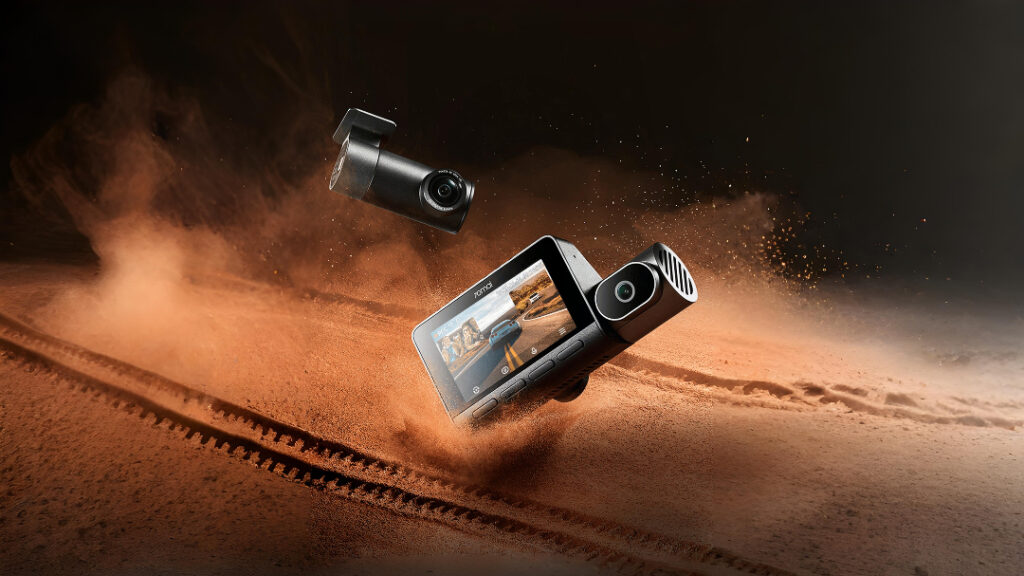
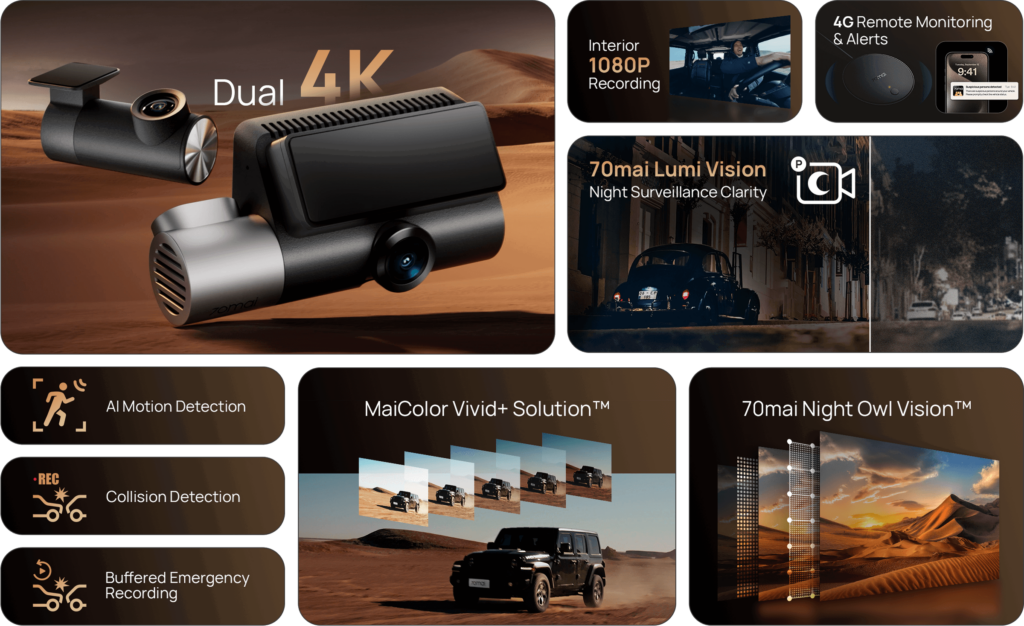
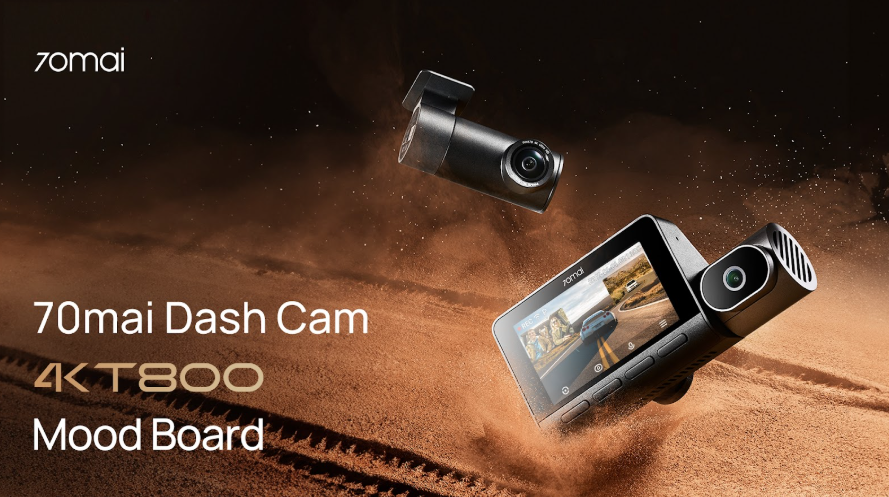
In an era where the demand for high-definition automotive recording has never been greater, 70mai rises to the occasion with its groundbreaking Dash Cam 4K T800. Touted as the world’s first dash cam to feature true 4K recording on both front and rear cameras, alongside a dedicated interior lens, this Triple View system offers unmatched full-scope protection.
Designed to set a new benchmark in vehicle surveillance, the 4K T800 packs advanced features like three-channel HDR, AI-powered motion detection, and superior night vision capabilities.
Whether you’re cruising down the highway or parked in a dimly lit alley, this dash cam promises clarity, coverage, and confidence. But based on its specs, does it truly deliver on all its ambitious claims? Let’s find out.
Revolutionary Design and Unmatched Visual Quality
The standout feature of the 70mai Dash Cam 4K T800 is its ability to provide three-channel recording, front, rear, and interior, at 4K resolution. The front and rear cameras both feature the cutting-edge Sony STARVIS 2 technology, with the front and rear using IMX678, which are widely regarded as some of the best in the industry when it comes to low-light performance and high sensitivity. These sensors, combined with HDR technology, ensure that whether you’re driving in bright sunlight, through a dark tunnel, or navigating a foggy morning, your footage will be clear and crisp.
The front camera captures at 3840x2160p (4K) resolution at a frame rate of 60fps for an ultra-smooth experience, while the rear camera (RC41) also records in 4K at 30fps. The interior camera, capturing in 1080p, is equally capable, particularly in low-light conditions, thanks to the four infrared (IR) lights that enable night vision. This ensures that every detail inside the cabin, from your passengers to any potential incidents, is captured in remarkable clarity, even during the dead of night.
Smart Features for Real-World Protection
While the 4K T800’s impressive image quality is its most noticeable feature, it’s the added layers of smart functionality that truly set it apart. Let’s talk about its parking surveillance capabilities, which might be the most robust we’ve seen in a dash cam. The 24H Parking Guardian Mode uses AI-powered motion detection and collision detection to monitor your car even when you’re not around.
If an unusual movement or impact is detected, the system sends instant alerts via the 70mai app, allowing you to remotely check all three camera views. This is an invaluable feature for those who park in busy or high-risk areas.
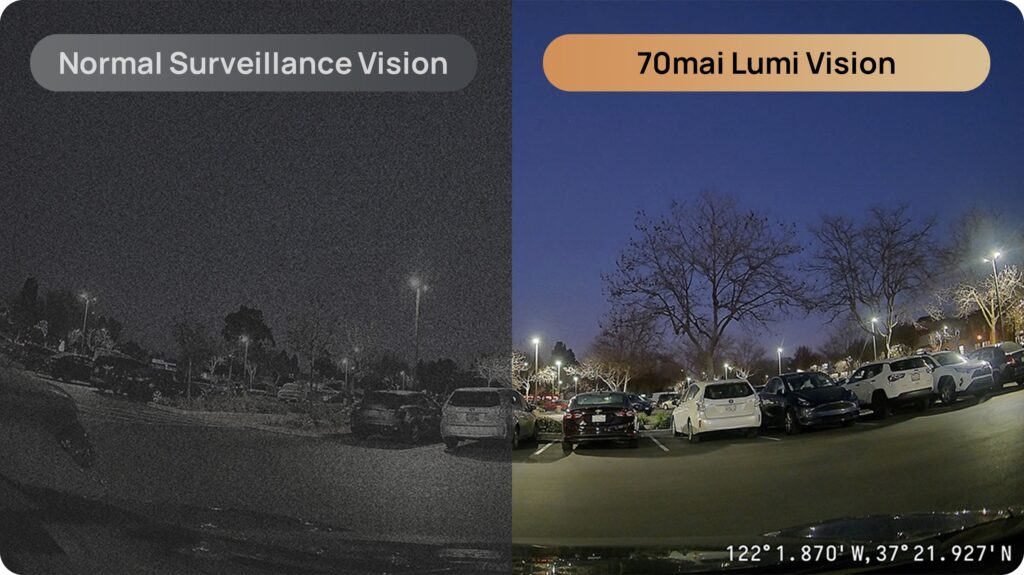
Moreover, the dash cam includes 70mai Lumi Vision, the 70mai exclusive technology that enhances visibility in near-total darkness. It automatically adjusts exposure, gain, and noise levels to make surrounding threats more visible, whether in a dim garage or on a dark street, offering added confidence during parking.
Enhanced Night Driving
For those who often drive at night, the 4K T800’s 70mai Night Owl Vision™
Technology is a game-changer. This innovative tech reduces glare from headlights and city lights, while simultaneously enhancing overall brightness and exposure. As a result, the dash cam can produce clearer and more detailed footage in challenging nighttime environments.
Buffered Emergency Recording and AI Integration
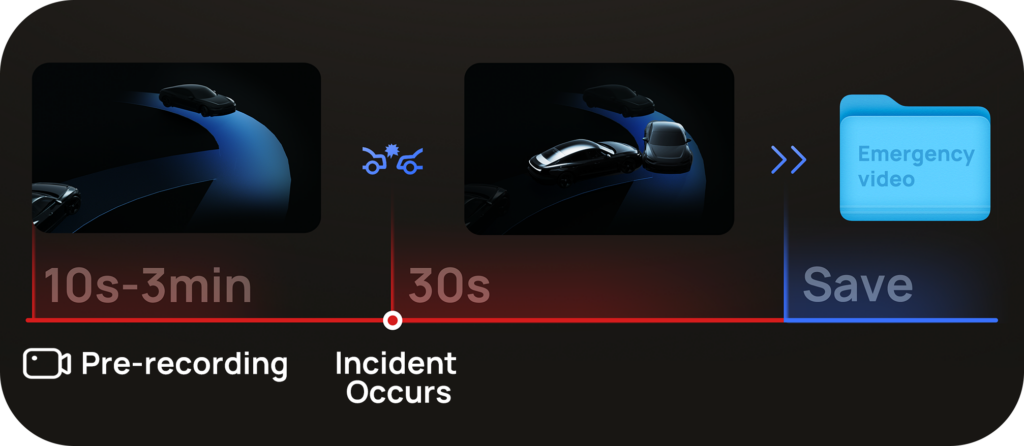
In emergency situations, such as a sudden collision, the Buffered Emergency Recording feature is indispensable. With the ability to capture video up to 3 minutes before and 30 seconds after an incident, the 4K T800 ensures that critical moments are never lost.
The footage is automatically saved in a protected folder, so it’s safe from being overwritten during regular loop recording. This added security provides drivers with peace of mind, knowing that important evidence will always be available in case of an accident.
Additionally, the dash cam features Super Sensing ADAS (Advanced Driver Assistance System), which alerts the driver of potential safety hazards through real-time voice alerts. It can notify you about lane departures, forward collisions, and even identify pedestrians and cyclists, safety features that could prove invaluable in preventing accidents.
Connectivity and User Experience
The 70mai 4K T800 isn’t just about excellent hardware; it also offers a rich, user-friendly experience through its app integration. With the built-in Wi-Fi 6, you can enjoy rapid footage downloads at speeds of up to 40MB/s, ensuring you can quickly access and share your recordings.
This fast transfer rate is especially useful when you’re on long trips or need to quickly review footage in case of an incident. The 4G compatibility allows for live streaming, real-time app alerts, and location tracking of your vehicle, enhancing the level of control you have over your dash cam, especially when the car is parked.
The addition of multi-language voice control makes the dash cam more accessible, as it supports languages like English, Mandarin, Italian, and Japanese. The intuitive user interface, along with features like picture-in-picture mode, further enhances the overall experience, allowing you to easily switch between views and monitor the front, rear, and interior of your vehicle simultaneously.
Battery and Power Management
The 4K T800 is equipped with a supercapacitor rather than a traditional battery, ensuring that the device operates efficiently even in extreme temperatures, ranging from -40°C to 85°C (-40°F to 185°F). The supercapacitor also ensures that your dash cam continues to function without interruption, even if the power supply is compromised.
In addition, the device has car battery voltage monitoring, which tracks the health of your vehicle’s battery. If the voltage drops too low, the system automatically powers down, preventing any unnecessary drain on your car’s battery.
Final Thoughts
The 70mai Dash Cam 4K T800 represents the future of vehicle surveillance, offering an unprecedented combination of image quality, AI-driven safety features, and convenient app integration.
At a starting price of $399, the T800 isn’t the cheapest dash cam on the market, but the value it offers is undeniable. With top-tier performance and features that go above and beyond traditional dash cams, it’s an investment in safety and security that’s worth considering for anyone looking to enhance their driving experience.
Where To Buy
The 70mai Dash Cam 4K T800 is now available on the official shop and Amazon, save 5% with this special coupon code: 4KT800GC.
The Hong Kong Trade Development Council (HKTDC) will host two major electronics exhibitions from October 13 to 16, 2025, at the Hong Kong Convention and Exhibition Centre. The HKTDC Hong Kong Electronics Fair (Autumn Edition) will run alongside electronicAsia, co-organized with MMI Asia Pte Ltd.
The Electronics Fair, now in its 45th year, will highlight three main areas. AI and robotics will showcase innovations from brands including Ti5robot and PADBOT, with a dedicated RoboPark featuring real-world robot demonstrations. Digital entertainment will cover travel gadgets, outdoor tech, and lifestyle devices. The Silver Economy section will focus on fitness and healthcare technologies designed for older consumers.
The exhibition floor will be divided into specialized zones. The Hall of Fame will present products from established global brands, while the new RISE Avenue will spotlight emerging companies in robotics, gaming, and entertainment. The Adventure Hub will include an Immersive Experience Zone with VR sports and metaverse travel demos.
The Tech Hall will display IoT solutions for smart living and smart cities. Industry leaders will share insights at the Tech Trend Symposium, while the Startup Zone offers space for entrepreneurs to pitch to investors, network, and receive business guidance.
ElectronicAsia will cover electronic components, parts, and technologies for manufacturers and suppliers. Both events will also host forums, presentations, and networking sessions, creating opportunities for industry knowledge exchange and partnerships.
In 2024, the two fairs attracted 3,200 exhibitors from 19 countries and regions, drawing over 60,000 buyers from 136 countries. The 2025 edition is expected to continue serving as a global platform for showcasing new technologies and driving trade connections.
Industry buyers can pre-register for free entry through the official link: Register Here.
Luxury brand Caviar has unveiled its latest smartphone customization collection, the “Desperado” series, featuring three weapon-inspired iPhone models that incorporate mechanical elements and premium materials. The collection is available for both Apple‘s current iPhone 16 Pro lineup and the upcoming iPhone 17 Pro series.
Design Details
The flagship model, “Russian Roulette,” features a functional mechanical rotating revolver cylinder embedded in the phone’s rear panel, complete with a single gold cartridge. Users can spin the cylinder mechanism, which Caviar emphasizes poses “zero risk to life.” The device incorporates gold and silver engravings inspired by premium firearm detailing across its titanium body. Production is limited to 19 units worldwide.
Russian Roulette
The “Die Hard” model showcases a miniature Beretta 92 pistol rendered in bas-relief on the phone’s titanium body. The design includes a walnut wood grip section and aviation-grade titanium construction with specialized engravings. This variant is limited to 20 pieces, matching the magazine capacity of the actual Beretta 92.
Die Hard
Completing the collection is “The Predator,” which features a titanium relief of the survival machete from the 1987 film. The model utilizes black PVD-coated titanium and includes botanical-themed engravings. Like the Russian Roulette model, production is capped at 19 units.
Predator
Pricing and Availability
Caviar has announced pricing for both iPhone generations. For the current iPhone 16 Pro series with 128GB storage, The Predator is priced at $8,410, Die Hard at $8,840, and Russian Roulette at $9,990.
The upcoming iPhone 17 Pro variants will command a premium, with The Predator priced at $9,410, Die Hard at $9,845, and the flagship Russian Roulette model at $10,985 for the same 128GB configuration.
The collection is currently available for both the iPhone 16 Pro series and pre-orders for the iPhone 17 Pro variants, which will be ready following Apple’s anticipated September launch.
Each model includes Caviar’s signature packaging with a collectible coin and ceremonial key.
In related news, Caviar has introduced the Altair, a luxury padel racket priced at $8,070 featuring 18K gold accents. The brand has also launched a $49,000 custom iPhone that incorporates an authentic Omega Seamaster watch — the same model worn by James Bond.
For more daily updates, please visit ourNews Section.
Samsung has quietly made the Galaxy Buds 3 FE official, with the earbuds appearing on the company’s official website. Positioned as a more affordable option in the Galaxy Buds 3 lineup, the Buds 3 FE still bring premium features like Active Noise Cancellation (ANC), a 30 hour long battery life, spatial audio, and more. So here’s everything you need to know.
Galaxy Buds 3 FE: What does it offer?
The South Korean tech giant just unveiled the Galaxy Buds 3 FE globally. Its design appears similar to the more expensive Galaxy Buds 3 Pro, and a translucent top lid of the charging case. However, the LED strip doesn’t make a return here. As per official notes, Samsung’s Galaxy Buds 3 FE promises to offer an enhanced listening experience with deeper bass and clear treble thanks to its new dynamic drivers.
Samsung Galaxy Buds 3 FE
You also get access to Crystal Call tech for clear calls. Unlike the Galaxy Buds 3, you get silicon eartips as well as Active Noise Cancellation (ANC). Another notable aspect of these budget TWS is the Galaxy AI integration for features like real time interpretation. On a single full charge, the earbuds can offer up to 30 hours of battery life with ANC turned off and 21 hours with ANC enabled.
Other notable features include Bluetooth 5.4, an IP54 rating for water and dust resistance, and Auto Switch for seamless multi connection. These earbuds have yet to be officially released, but the first sale kicks off on 5th September 2025. It will be available for 150 US Dollars and two color options, namely a dark gray and a dual tone white and gray variant.
For more daily updates, please visit our News Section.
As expected, ZTE has officially launched its new U30 Pro 5G portable Wi-Fi device in China. The product is now available on JD.com at an introductory price of 469 yuan ($65), down from the regular price of 499 yuan ($69). The device comes in Silver and Green colors.
ZTE U30 Pro Specifications
The U30 Pro comes with a 1.38-inch touchscreen display that allows users to view real-time network information, signal strength, battery level, and data usage. The screen also enables access to settings such as power-saving mode, network switching, and a built-in gaming accelerator.
ZTE has equipped the U30 Pro with a 5000mAh battery that supports up to 12 hours of continuous usage. It also supports 18W fast charging and includes a direct power mode for extended use while plugged in. The device weighs 171 grams and measures 149 x 69.8 x 12.5 mm, making it lightweight and travel-friendly.
The device runs on a 6nm 5G chipset and supports multiple Sub-6GHz 5G NR bands, including n1, n3, n5, n8, n28, n41, and n78. It also supports LTE FDD and TDD bands. ZTE has integrated nine omni-directional antennas and a 4×4 MIMO system to improve signal stability and performance. The company claims it can reach uplink speeds up to 1200 Mbps.
The device supports dual-band Wi-Fi 6 connectivity on both 2.4GHz and 5GHz frequencies, delivering speeds of up to 500 Mbps with coverage reaching up to 100 meters.
It also includes features such as NFC one-tap pairing, QR code login compatibility for both Android and iOS devices, and voice assistant integration through the ZTE Smart Life app. The device can be controlled with voice commands like “Restart the device” or ask for data usage information.
The U30 Pro also includes 64GB of built-in shared storage accessible to all connected devices and integrates the NetEase UU Game Accelerator to reduce latency during online gaming.
For more daily updates, please visit ourNews Section.
Realme has announced the price of its upcoming P4 5G in India, just days ahead of its official launch on August 20. A company executive revealed on X that the phone will start at Rs 17,499.
The full list of RAM and storage options hasn’t been disclosed yet, but Realme has teased some key specifications.
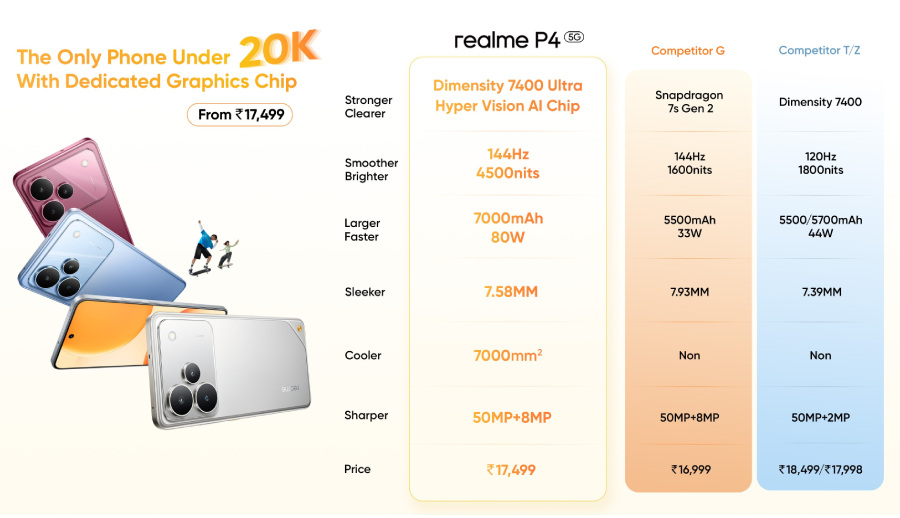
The Realme P4 5G features a 6.77-inch flat AMOLED display with FHD+ resolution, a 144Hz refresh rate, and 10-bit color depth. Realme claims the panel can reach up to 4,500 nits of peak brightness and supports a 240Hz touch sampling rate along with 453ppi pixel density.
Under the hood, the phone is powered by the MediaTek Dimensity 7400 chipset. However, the real highlight, according to Realme, is that it is the only phone under Rs 20,000 with a dedicated graphics chip. It comes with the Hyper Vision AI chip for gaming and has a 7000mm2 cooling system to keep thermals in control. It is paired with a 7,000mAh battery and 80W fast charging.
On the camera front, the P4 5G houses a 50MP f/1.8 primary sensor, an 8MP ultra-wide lens, and a 16MP front-facing camera for selfies and video calls.
Realme P4
On the software side, the device runs Android 15 with Realme UI 6.0 on top. Additional features include an in-display fingerprint sensor, dual stereo speakers, and IP65/IP66-rated protection. Connectivity options include 5G, Wi-Fi, Bluetooth 5.4, USB-C, and GPS.
Realme will also debut the P4 Pro 5G at the same event. Unlike the standard P4, the Pro variant will use the Snapdragon 7 Gen 4 processor and offer a 144Hz HDR10+ display with a much higher 6,500 nits peak brightness. It will also share the same 7,000mAh battery with 80W charging.
Both devices are expected to anchor Realme’s mid-range lineup in the second half of 2025. We will have complete details in just two days.
For more daily updates, please visit our News Section.
Vivo is preparing to expand its budget-friendly Y series lineup with a new device, the Y500. The company announced the phone through its official Weibo account, saying it offers “durable battery life.”
Vivo also claims that the Y500 addresses the “real pain points of smartphone users and pushes the boundaries of the industry,” though it stopped short of explaining what that means.
Visually, the Y500 features a camera module design similar to the flagship X200 series. The module protrudes slightly from the back, and the phone itself has squared-off edges.
For now, other details are scarce. Vivo has not revealed specs, pricing, or even a launch date for the phone. We will get the details as the teaser is official now. However, as a reference, here’s a quick recap of the model that it will succeed.
Vivo Y300 Specs
The Y500 is the successor of the Y300 from late 2024. It comes with a 6.67-inch AMOLED display, complete with a 120Hz refresh rate and peak brightness of up to 1,800 nits.
Under the hood, it packs a Qualcomm Snapdragon 4 Gen 2 chip, paired with up to 8GB of RAM and 256GB of storage, which could be expanded via microSD.
Vivo Y300 5G
For cameras, the Y300 offers a 50MP main sensor alongside a 2MP depth camera, plus a 32MP selfie shooter on the front. The phone is also equipped with stereo speakers, an under-display fingerprint scanner, and a 5,000mAh battery that supports 80W fast charging, which is enough to top up 80 percent in just 30 minutes.
For now, though, we’ll have to wait until Vivo shares more details. Given how competitive the budget and mid-range smartphone segment has become in 2025, the Y500 will need to bring some promising features to stand out.
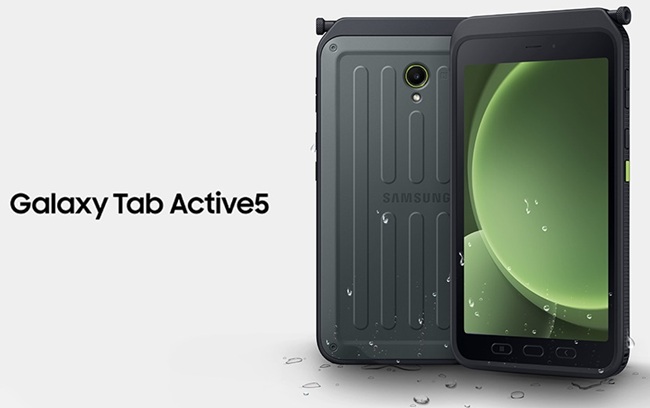
Samsung has introduced a rugged version of its Galaxy Tab Active 5, designed specifically for those who need a device that can survive in harsh and demanding conditions. This model is dubbed the Galaxy Tab Active 5 Enterprise Edition, so here’s what you get.
New Rugged Galaxy Tab Active 5 is Built Tough for Professionals
The South Korean tech giant built the new Galaxy Tab Active 5 Enterprise Edition with enhanced durability, reinforced design, and resistance to water, dust, and drops. It was built for field workers and industries where standard devices simply don’t cut it. The tablet has a MIL-STD-810H rating (military grade) along with Corning Gorilla Glass 5 and an IP68 rating for water and dust resistance.
Samsung Galaxy Tab Active 5 Enterprise Edition
Samsung also packs this tablet with a bunch of productivity features thanks to its partnerships. So you get one year of free access to Samsung SDS’ SaaS suite and even two months of Brity Copilot AI Assistant. Zello is also included with a complimentary Push-to-Talk Cloud subscription and a 50% discount on Google workspace. Talkign about its specs, the front sports an 8-inch WUXGA TFT display with a 120Hz refresh rate and a 5MP selfie shooter.
Meanwhile, the rear has a 13MP camera with an LED flash. Under the hood, it is equipped with an octa core processor with up to 8GB of RAM and 256GB of internal storage. One can even expand the storage by up to 1TB via a microSD card slot. A 5,050mAh battery pack powers the Galaxy Tab Active 5 Enterprise Edition. Other notable features include an S Pen, fingerprint scanner for security, WiFi 6, NFC, and Bluetooth 5.3. It starts from Rs 49,999 for the 6GB + 128GB, while the 8GB + 256GB option costs Rs 56,999.
For more daily updates, please visit our News Section.
Lava is all set to launch a new mid-range phone dubbed the Lava Play Ultra in India. Scheduled to launch on Aug. 20, it appears to offer a decent gaming experience in the sub-Rs 15,000 price category. Here’s a look at all the details of the Play Ultra that have surfaced so far.
Lava Play Ultra specifications (rumored)
Lava Play Ultra
While Lava has confirmed the Lava Play Ultra’s launch date, it is yet to reveal the key specifications. According to a recent X post by tipster Mukul Sharma, the device will feature a 6.67-inch AMOLED screen that supports a 120Hz refresh rate and possibly an FHD+ resolution.
Under the hood, the Play Ultra is said to feature the Dimensity 7300 chip and UFS 3.1 storage. There is no information about the RAM options yet. The device will feature a 5,000mAh battery with 33W fast charging support. For photography, it will be equipped with a Sony IMX682 64-megapixel main camera housed inside a squircle camera module.
Lava Play Ultra
For an enhanced gaming experience, the Lava Play Ultra 5G will feature a Game Boost mode. It will also come with other features, such as dual microphones for noise cancellation, dual speakers, an in-screen fingerprint sensor, and a 3.5mm audio jack.
Lava Play Ultra
In terms of color options, the Lava Play Ultra is expected to arrive in black and white. Like other Lava phones, it will be available for purchase via Amazon.
For more daily updates, please visit our News Section.
Dash cams have become an essential companion for modern drivers, offering both safety and peace of mind on the road. They provide reliable evidence in case of accidents, protect vehicles during parking, and capture memorable moments from road trips. With rising traffic, unexpected incidents, and increasing security concerns, having a dash cam ensures drivers are never left without proof or protection.
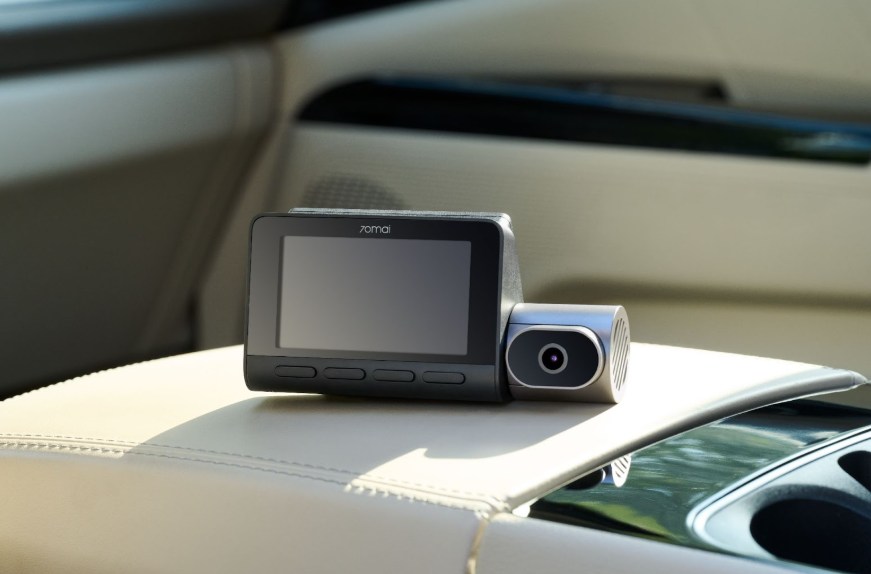
70mai Dash Cam 4K T800
The 70mai Dash Cam 4K T800 is designed to redefine road safety and recording experiences. As the industry’s first three-channel HDR dash cam with dual 4K recording, it brings professional-grade clarity and all-around protection for drivers. Whether you are commuting daily or going on long trips, this dash cam ensures every moment is captured in detail while keeping your vehicle safe at all times.
Industry Firsts and Launch Success
The 70mai Dash Cam 4K T800 is a true pioneer in its category. It is the first dash cam to offer three-channel HDR recording, allowing drivers to record the front, rear, and interior views at the same time. Both the front and rear cameras support 4K recording at 60 frames per second, ensuring smooth and sharp video quality. The innovation behind this model led to instant success during crowdfunding, where it gained widespread consumer appreciation.
Solving the Problems of Older Dash Cams
Many drivers face issues with older dash cams, such as blurry footage, a lack of clarity during parking incidents, or missing key moments due to limited recording. The T800 eliminates these problems by using Sony STARVIS™ 2 technology, which delivers true 4K video at 60FPS. Along with front and rear 4K, it also supports a 1080P interior camera, making sure all three channels record with HDR for balanced highlights and shadows. This ensures important details like license plates and surroundings are always visible.
Lighting has always been a challenge for dash cams, but the 70mai T800 provides clarity in every condition. During the day, the MaiColor Vivid+ Solution™ prevents overexposure, keeping details like signs and plates sharp. At night, the 70mai Night Owl Vision™ technology reduces noise, balances glare from headlights, and improves overall brightness. Even in low-light conditions, distant objects remain clear and easy to identify.
Full Protection While Driving or Parked
The T800 ensures safety on the road as well as when the vehicle is parked. It covers a wide 146° field of view with minimal distortion for a panoramic recording. The Lumi Vision feature enhances visibility in near-total darkness, while the Advanced Driver Assistance System (ADAS) detects surroundings and gives real-time voice alerts. When parked, the Smart Parking Guardian Mode provides 24-hour protection with motion detection, collision alerts, time-lapse recording, and emergency G-sensor response. The buffered recording system also saves footage starting from three minutes before an impact to thirty seconds after.
Smarter Features for Everyday Use
Apart from safety, the T800 adds convenience and creativity. Drivers can control it hands-free with voice commands such as “Take photo” or “Record video” to capture special scenes instantly. The Road Story Filter allows videos to be enhanced with cinematic effects, making them more engaging for sharing. With Wi-Fi 6 (5GHz), large video files can be downloaded quickly, allowing a 200MB clip to transfer in just 5 seconds. Durability is also a key highlight, with a supercapacitor ensuring the dash cam functions in extreme temperatures ranging from -40°C to 85°C.
Why the T800 is Worth It?
The 70mai Dash Cam 4K T800 is built to be more than just a recording device. It is a 24/7 companion that protects the car, ensures reliable evidence in case of incidents, and doubles as a tool to capture memorable journeys. With triple-channel HDR recording, dual 4K 60FPS support, advanced night vision, smart parking surveillance, and fast sharing options, it offers complete peace of mind and premium video quality for every driver.
Vivo just dropped a new teaser, confirming the launch of a new Y series entry level smartphone. This model is set to debut in China soon and will bring high end resistance to the elements and a big battery for all day use. So here’s what you need to know.
Vivo Y500: What we know so far
The Chinese tech giant just shared a teaser that offers us a short glimpse of the Vivo Y500 along with some of its features. This upcoming mid range phone can be seen under the water, which likely implies at least an IP68 rating for resistance to water submersion. Considering how IP69 is also a popular offering from Chinese brands, we might also get protection against high pressure + high temperature water jets.
Vivo Y500 Teaser
Apart from this, the back appears to be flat with rounded corners, housing a large circular camera module. This design marks a notable As the name suggests, this is the successor to the Vivo Y400 model, which just made its debut in India earlier this month. So we can expect minor upgrades over its predecessor. Notably, the Vivo Y400 was announced with the IP68 + IP69 rating for water and dust resistance. Vivo’s latest teaser arrives with the ‘long-lasting, durable, and powerful phone’ tagline.
Like the Vivo Y400, the newer Y500 may also arrive with a massive 6,000mAh battery pack that supports 90W wired fast charging. The older model also featured a 50MP dual camera setup, the Snapdragon 4 Gen 2, and much more. This is all the information we have at the moment, so stick around for more.
For more daily updates, please visit our News Section.
We use cookies on our website to give you the most relevant experience by remembering your preferences and repeat visits. By clicking “Accept”, you consent to the use of ALL the cookies.
This website uses cookies to improve your experience while you navigate through the website. Out of these, the cookies that are categorized as necessary are stored on your browser as they are essential for the working of basic functionalities of the website. We also use third-party cookies that help us analyze and understand how you use this website. These cookies will be stored in your browser only with your consent. You also have the option to opt-out of these cookies. But opting out of some of these cookies may affect your browsing experience.
Necessary cookies are absolutely essential for the website to function properly. This category only includes cookies that ensures basic functionalities and security features of the website. These cookies do not store any personal information.
Any cookies that may not be particularly necessary for the website to function and is used specifically to collect user personal data via analytics, ads, other embedded contents are termed as non-necessary cookies. It is mandatory to procure user consent prior to running these cookies on your website.