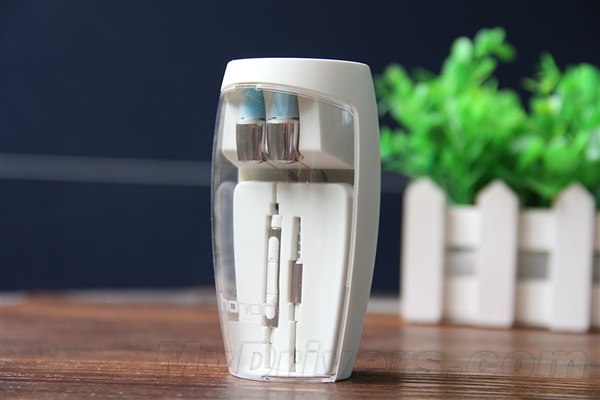
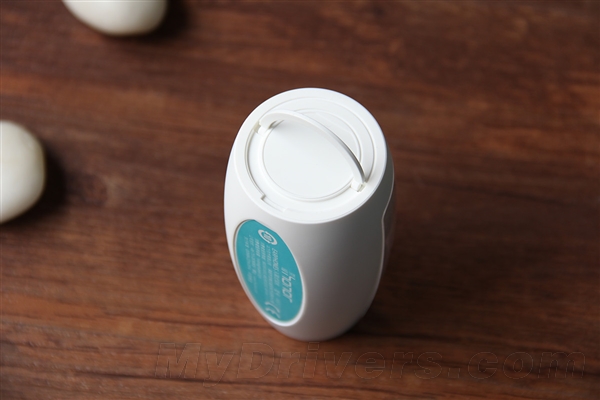
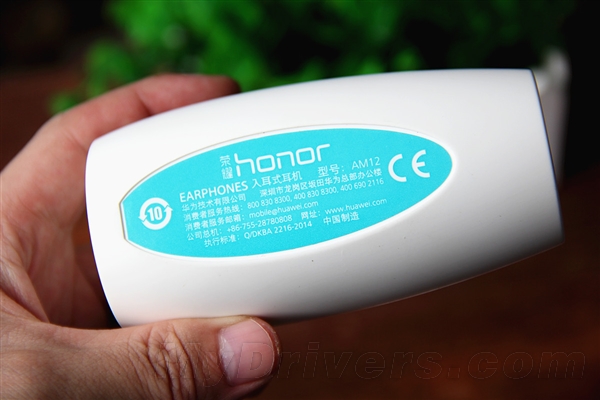
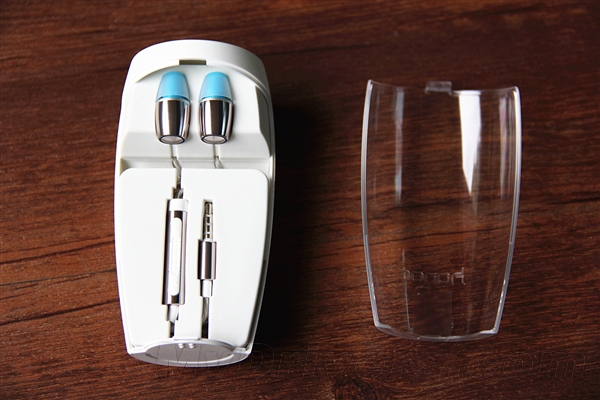
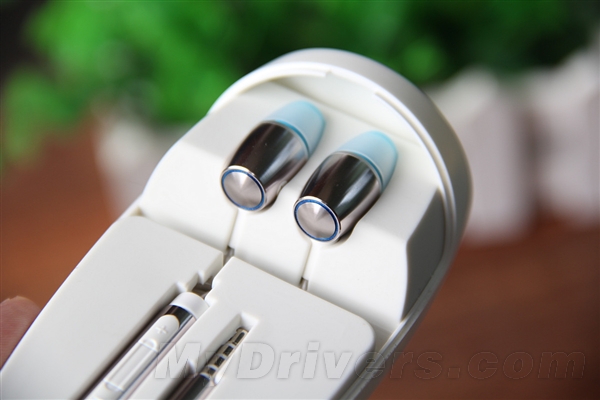
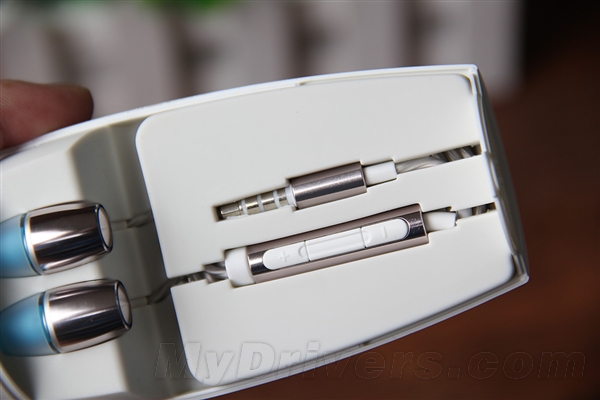
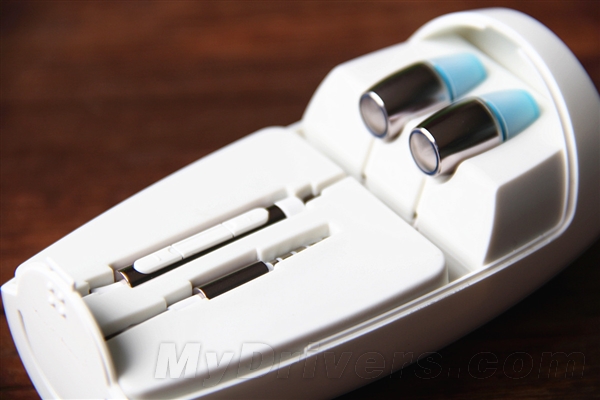
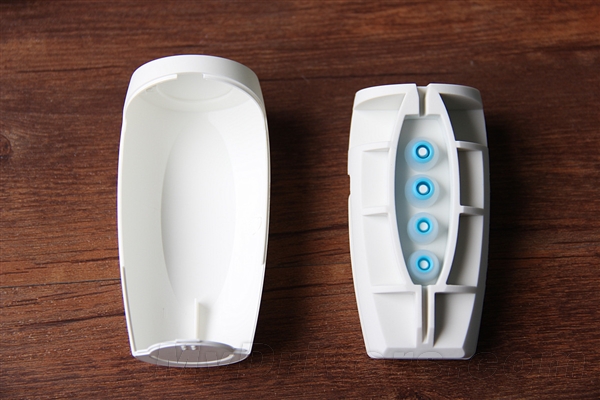
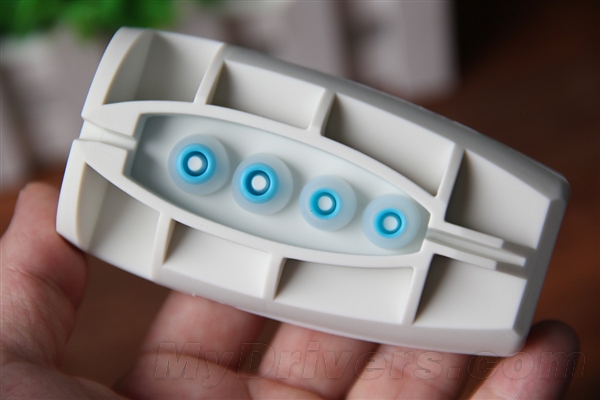
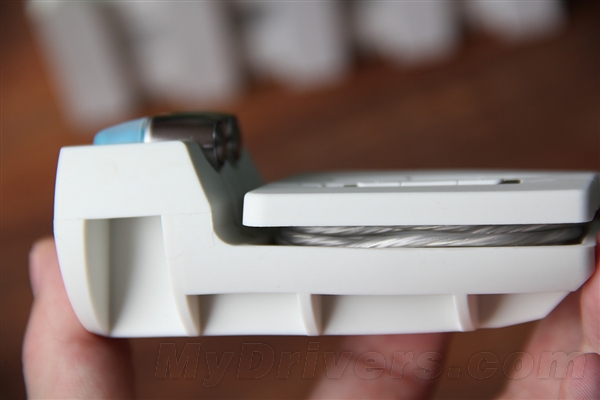
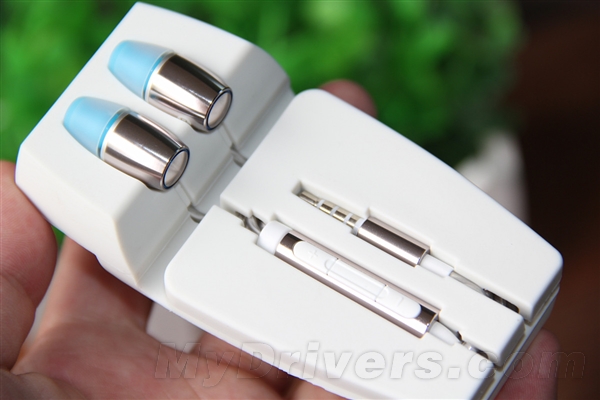
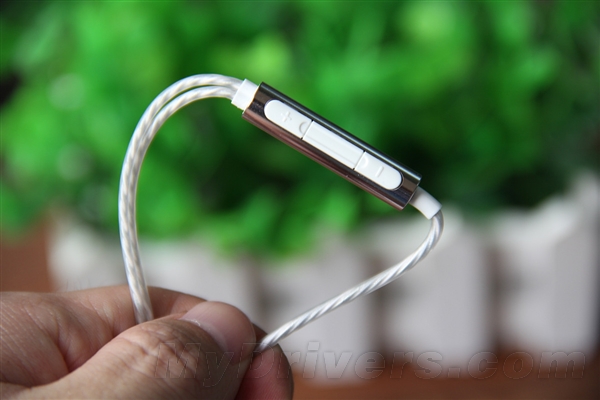
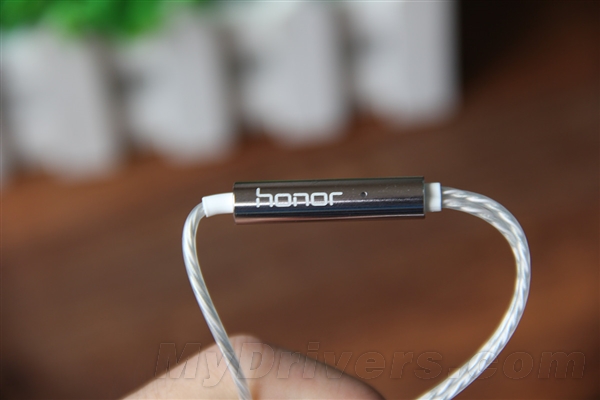
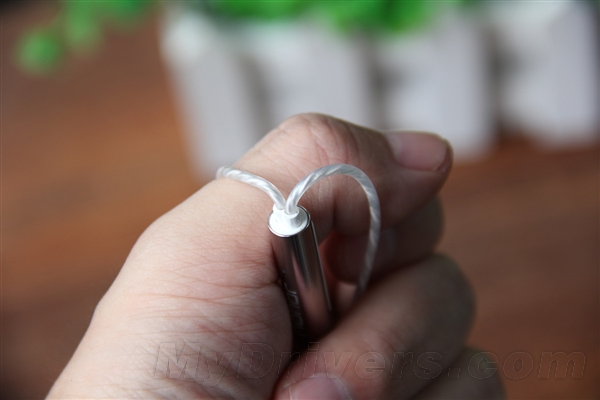
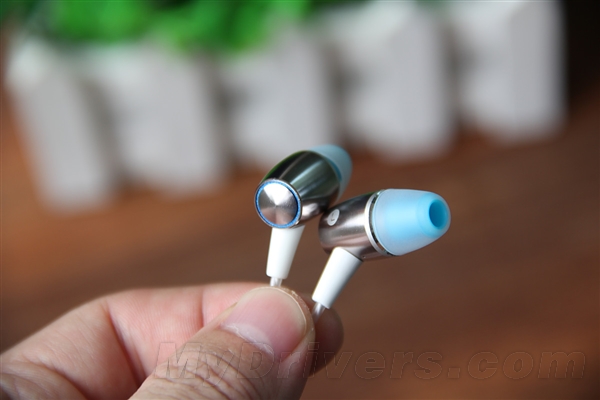
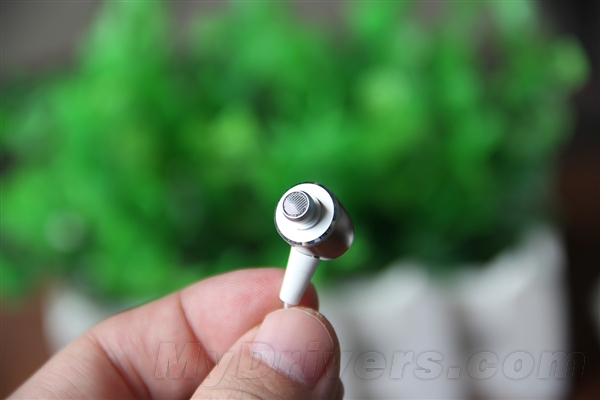
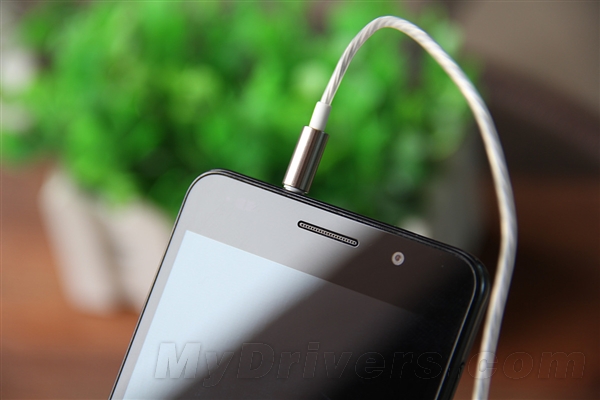
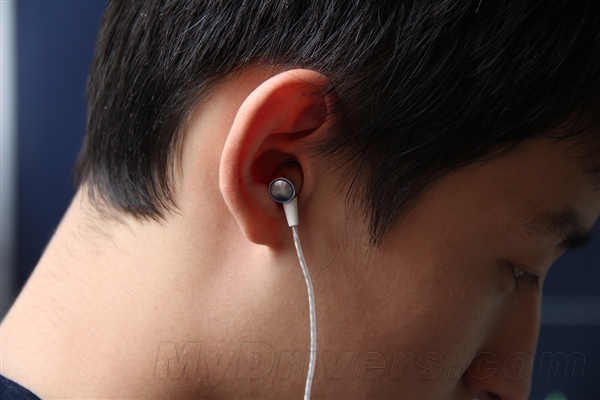
Huawei Honor 6 headphone was release along with Huawei Honor 6. It’s priced at RMB99($16) but Huawei s claimed it sound better than a number of other popular brand name IEMs that cost 4x-5x that much. However, the package that designed liked a space capsul really make me feel it is as unusual as the Honor 6 itself this time.
The headphone was Wrapped With a whole piece of gel in the “Space Capsul” box.
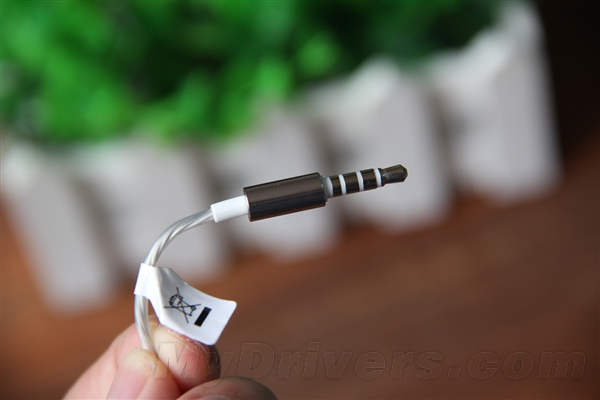
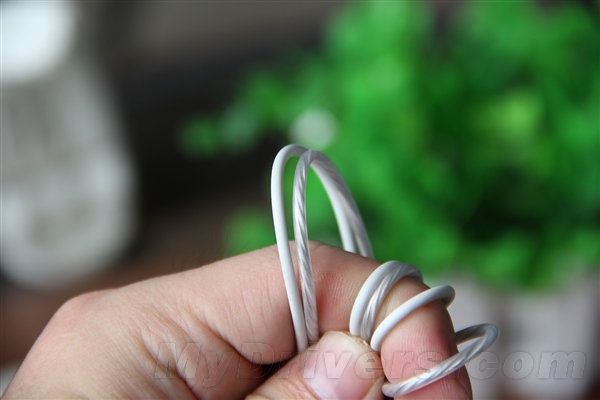
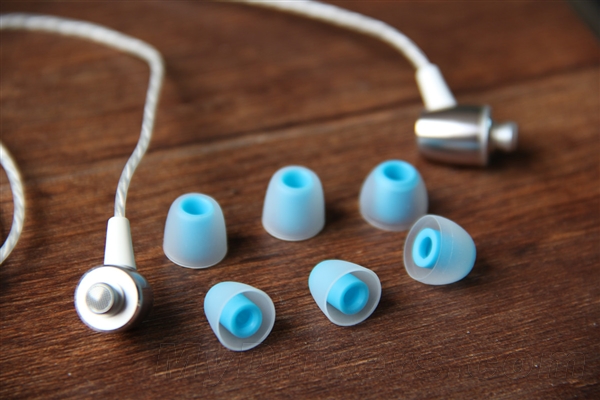
The Headphone Cable is in professional braided structure, able to shield the extra interference to radio frequency. It was made of 25 pcs of high purity oxygen free copper wire, with a layer of half- euphoric and high elastic anti-winding wires covered outside.
The official also says Honor 6 headphones combine with headphone diaphragm composite design、balanced magnetic circuit design and 3D damped system design, are able to converting timbres smoothly, to control the THD index within 1%, are up to the International Hi-Fi Standard.
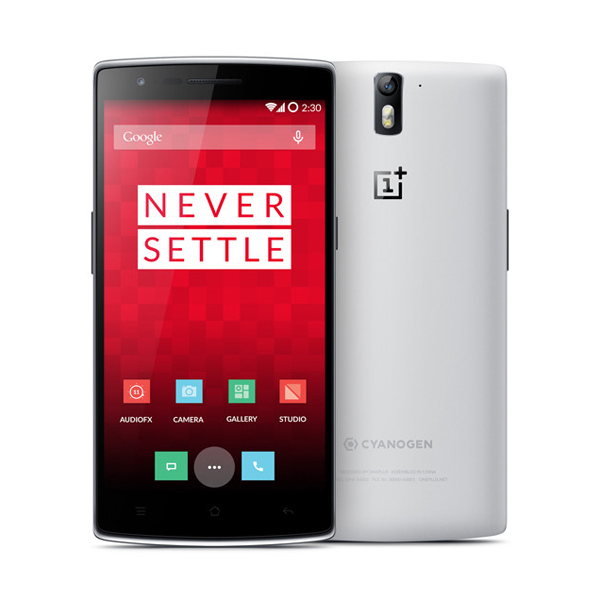
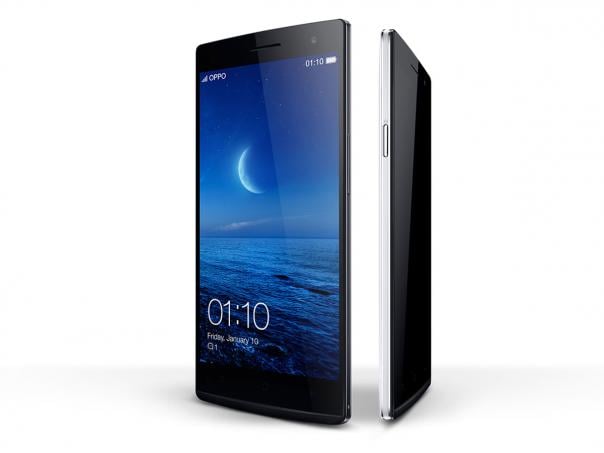
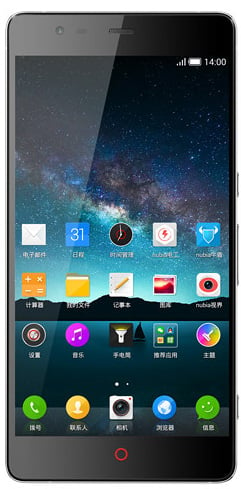
It is an exciting time for the smartphone lover, there are plenty of great phones out there at the minute to splash the cash on, and so to help you decide what the best great phone is for you, here are the 3 most exalted flagships of the year compared for you.
PERFORMANCE
All three phones share the same basic performance as far as hardware is concerned. There is a Qualcomm Snapdragon 801 chipset, a quad-core 2500 MHz Krait 400 processor, Adreno 330 graphics behind each of them, making them really very similar devices. There is the same amount of RAM (3GB) present in each also, but the ROM shows some significant differences; with the OnePlus One having 16GB, the Find 7 and the Z7 having 32GB.
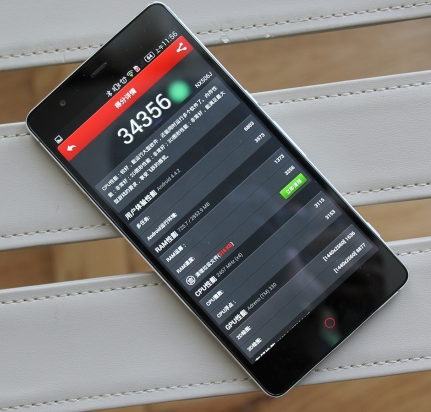
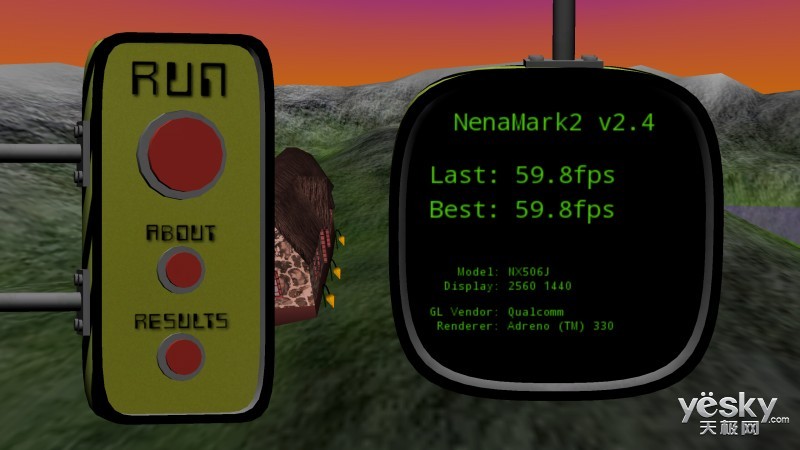
ZTE Nubia Z7 Benchmark
MEMORY AND BATTERY
Another big difference is that the only one which is Micro-SD expandable is the Find 7, so this one is the clear winner here. The Z7 does well too, but the OnePlus One falls short, with only half the storage capacity of the others and no means of expanding it. If you store a lot of large files on your phone, the OnePlus One might not be your best bet. The battery is slightly better on the OnePlus One however, being 3100 mAh, compared to the others, which have a 3000 mAh, this may not make much difference, but it all helps and smartphone battery life is a very important factor, nobody likes running out of battery half way through the day.
DISPLAY/CAMERA
The display is another area where the Find 7 and the Z7 perform almost identically and the OPO falls short; they all have a 5.5 inch screen but the resolution is much higher on the Find 7 and the Z7 (1440 x 2560) compared to the 1080 x 1920 OnePlus One. The pixel counts are 401 PPI for the OnePlus One, 534 PPI for the Nubia Z7 and 538 PPI for the Find 7. This is a pretty big difference, and if display is an important feature then it makes sense to bypass the OnePlus One and choose one of the others instead. The cameras are equally capable across all three models, 13MP rear and 5MP front, with all three capable of producing some top quality pictures.
OPERATING SYSTEM AND USER INTERFACE
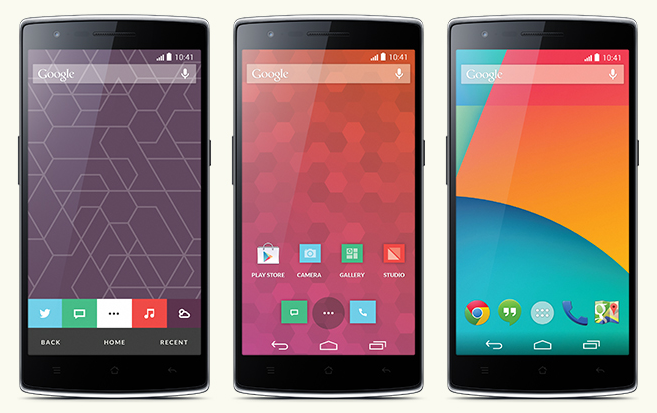
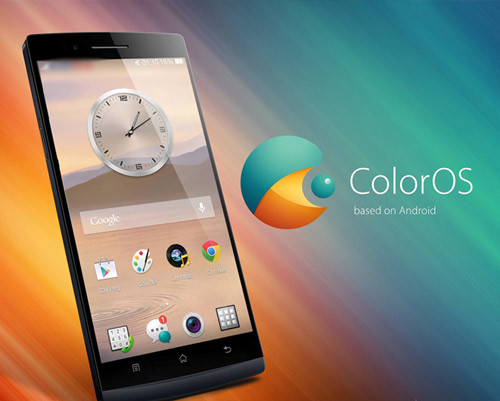
The OnePlus One runs Android 4.4 with CyanogenMod 11s, the Find 7 runs Android 4.3 with Color OS and the Z7 runs Android 4.4 with Nubia 2.0. It depends on your preferred language which is best here, as the CyanogenMod is for native English speakers, whereas the other two are in Chinese. It is easy enough to put CyanogenMod over the other UIs but it is worth comparing these as they are sold. If you require English, then go for the CyanogenMod UI, it is a no-brainer. If you prefer your phone in Chinese, however, you have options. Color OS is considered the better of the two Chinese UIs, so the Find 7 takes the lead if you want a Chinese interface, even though it is based on the Android 4.3 instead of 4.4.
OnePlus One CyanogenMod 11S
VERDICT
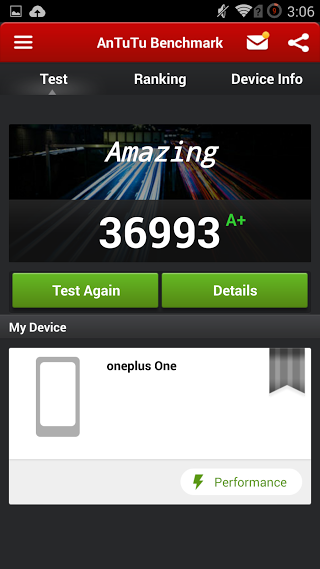
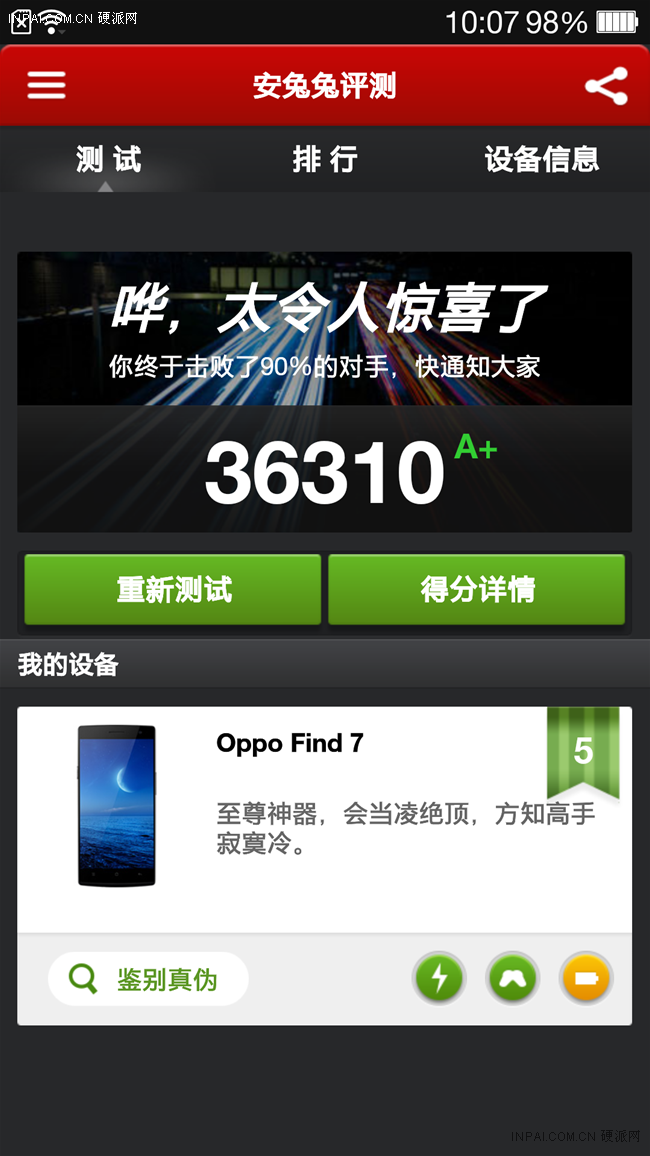
So, after all this, what’s the bottom line? Well there’s really not much between the phones, the overall performance winner is probably the Find 7, it matches the best in every category, the Nubia Z7, is arguably second, let down only by the benchmark score. The OnePlus One is in third place everywhere there is a difference except for the benchmarks where it scores incredibly well. This is of course, before we factor in the price – and this is a pretty game-changing consideration. the OnePlus is almost holding its own here with the specs, made of the same stuff and a true flagship killer according to the benchmarks. The OnePlus is also half the price of the Find 7, saving you $300, and it is $250 less than the Nubia Z7. The question is, then, would you pay $300 for a better display and double the ROM? If yes, then choose the Find 7 or the Nubia Z7, if you aren’t actually that bothered and can think of something else to spend $300 on, go for the OnePlus One.
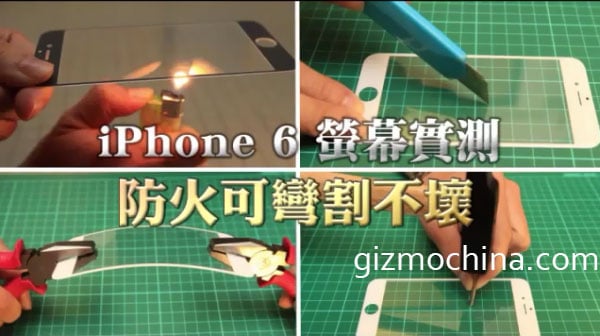
Tons of rumors leaked about new iPhone 6, it isn’t a secret anymore. Today, someone has gotten the touch screen panel part from Taiwan supplier. The iPhone 6 screen is made of sapphire, it can afford any scratch and crash. Here is the testing video, will show you how amazing the screen is.
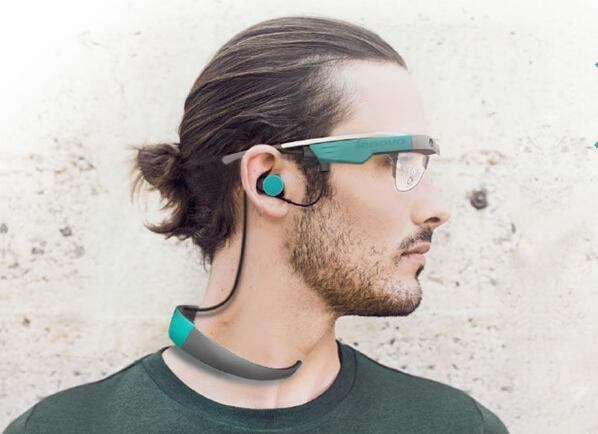
It was reported that Lenovo would smash the market with a kind of newly-developed AL Glasses, in which contains the bone-conduction technology, the most special one, that the kinds of Glasses are more than one, in which the third-party cooperation is applied in the business model. In Lenovo, there is a project called NBD, which is a platform support the third-party manufacturers’ cooperation, currently, the forum of NBD and its official website are all released to the public.
Lenovo B1
Lenovo C1
In Lenovo, NBD stands for New Bench, and Bench looks like “π” in figure. Lenovo takes that “π” stands for the highest level of science technology development, and it is also the new standard in the science field. It is not hard to see that, lenovo’s NBD Project is keen on the hi-tech, and the business model is to cooperate with the third-party manufacturers, to provide AL Housing and Hardware products.
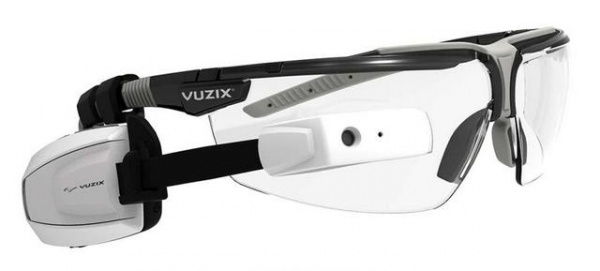
In NBD Project, we find Lenovo’s AL Glasses, there are 2 types, B1 and C1, and they are all co-manufactured with Vuzix, the American AL Glasses enterprise. B1 of Lenovo is Vuzix M100, which are easy to dismantle, also can be worn on right or left, what’s more, It can recognize gestures and voices. Bone conduction technology is applied in the Glassed, so private communication is available. The 5 million pixel camera is installed in M100, and it can be connected by Wifi and Bluetooth, 12GB Memory Space together with the Lenovo Cloud Memory System to store some data. Battery duration can last for one day.
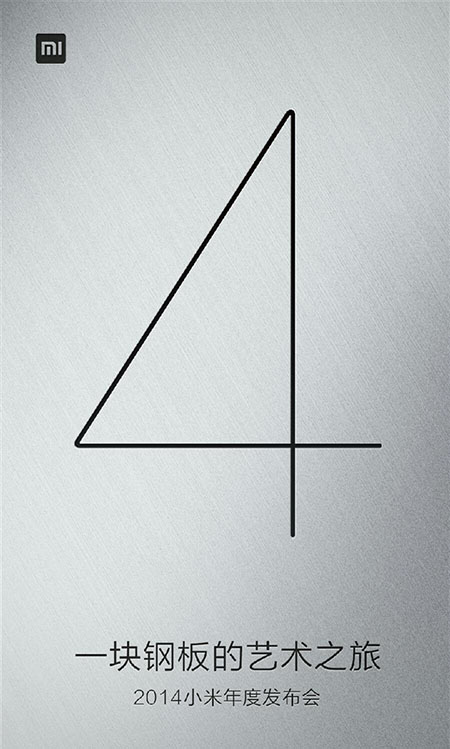
Xiaomi CEO finally send invitation for their new generation phone launching event. The old product Xiaomi Mi3 can’t attract buyer since some Chinese phone manufacturers release themselives new smartphones: OPPO Find 7, Oneplus One, Vivo Xshot, Huawei Honor 6 and ZTE Nubia Z7. To face so many competitors, Xiaomi have to release their new products earlier (Over the past few years, Xiaomi always release new product in Augest.)
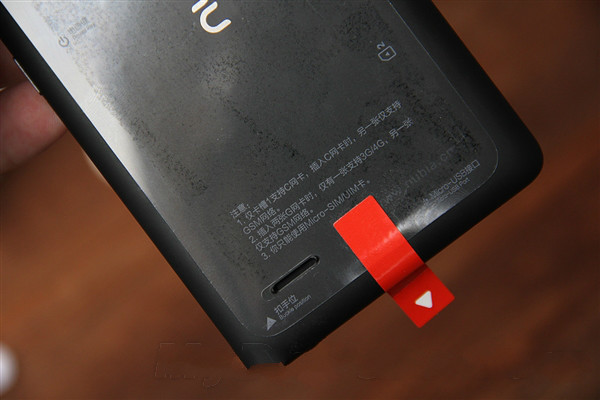
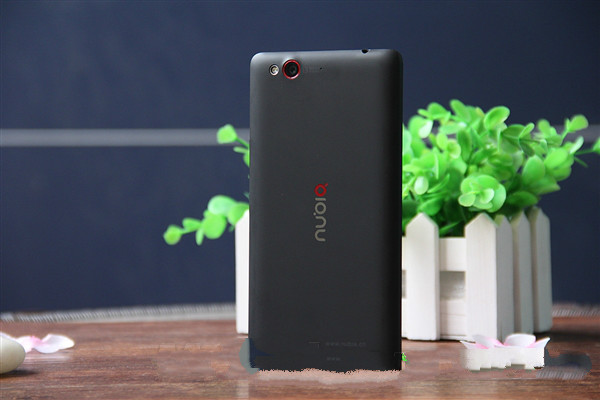
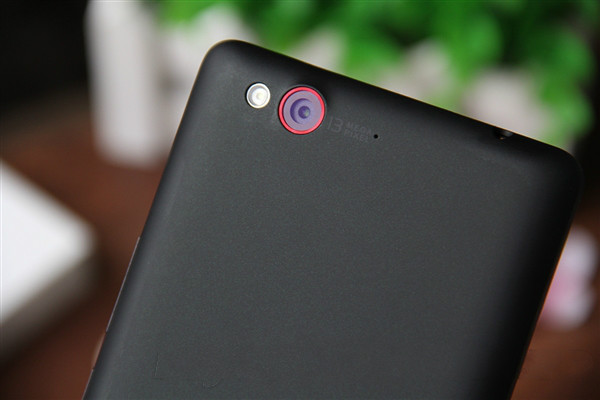
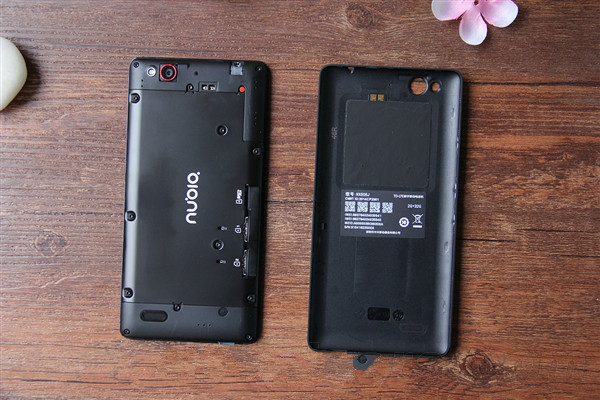
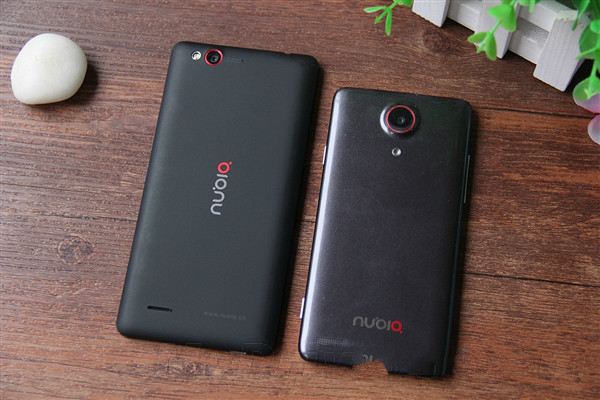
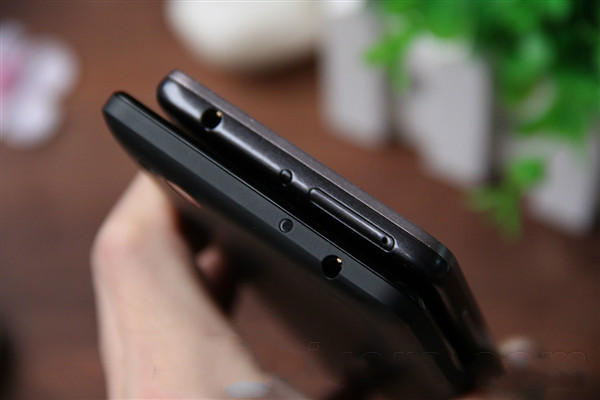
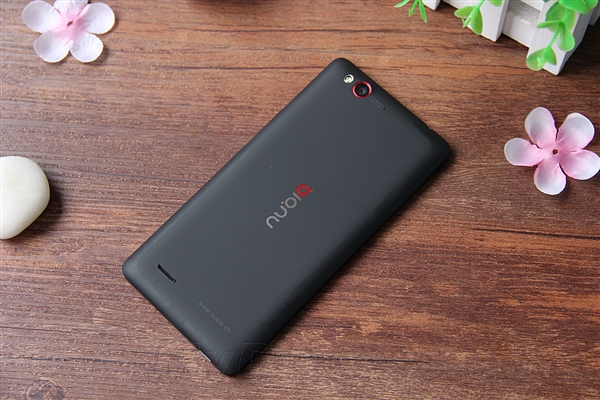
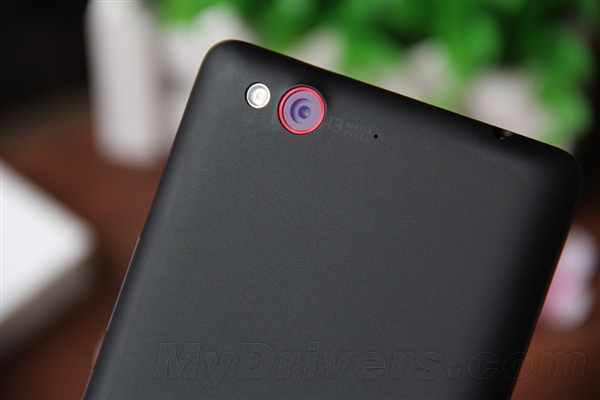
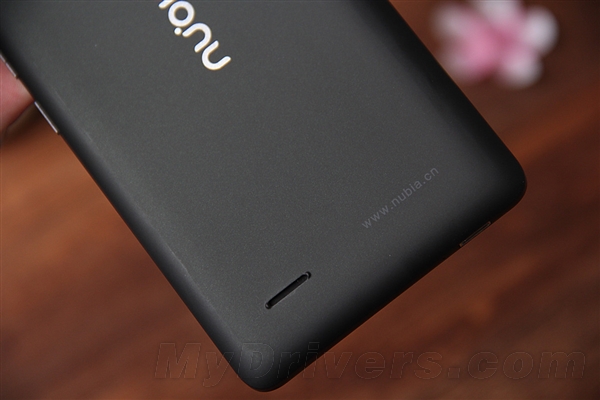
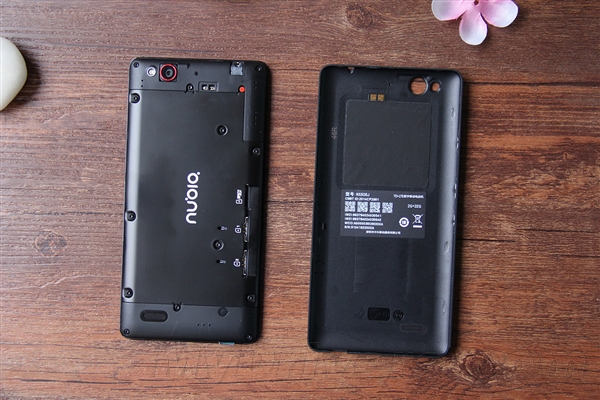
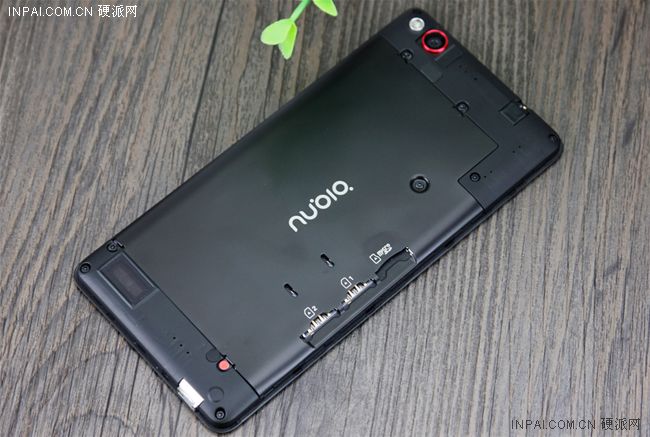
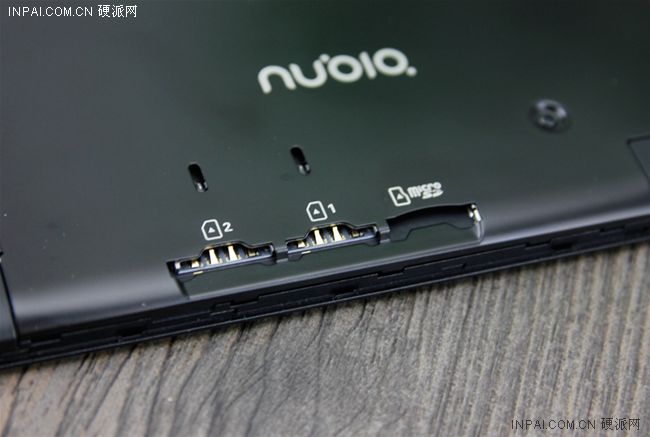
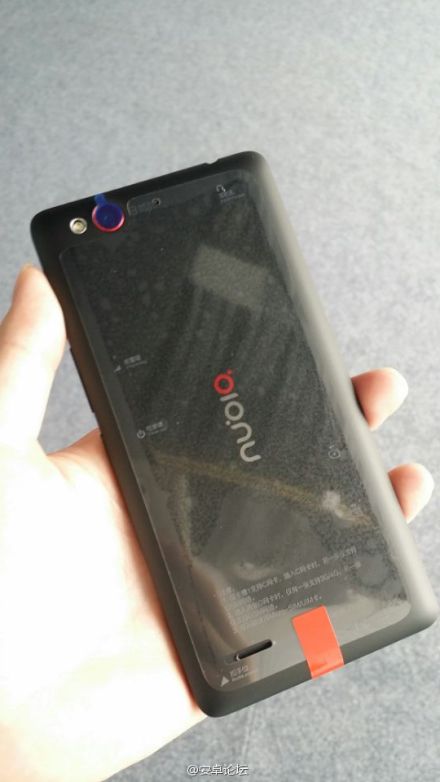
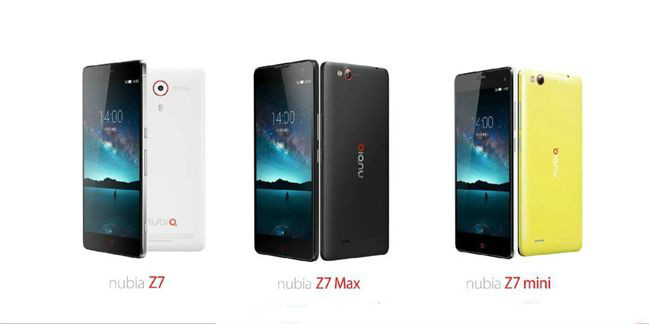
For the Nubia Z7, the Z5S’ display screen’s 5-inch size was increased to 5.5-inch. The phone’s plastic back case is also detachable (which is useful for inserting a SIM card and SD card, although the battery cannot be replaced). Another obvious change is that the camera is no longer located at the middle on the back but at the upper-left corner and is not curved. The same goes with the Mini.
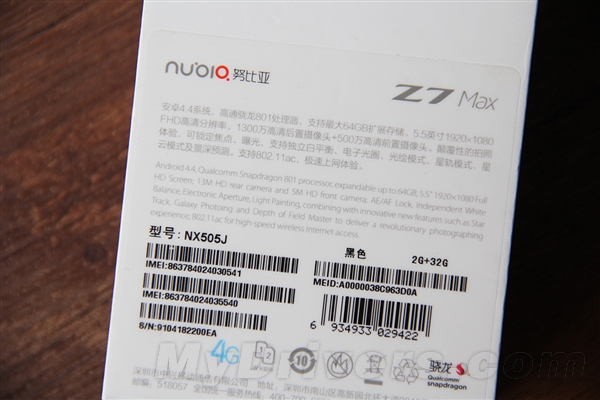
On the specs, the Z7 Max’s display screen has a resolution of 1080p and the phone’s processor is the 2.5GHz MSM8974 AC chip. It also has 2GB RAM and 32GB expandable internal memory space. It has a 5mp/13mp dual-Camera, and it is powered by a 3100mAh battery. Its OS is the Nubia UI 2.5 which is based on the Android 4.4.2. The Nubia Z7 Max supports dual-SIM 4G internet and costs 1999 RMB.
With so much buzz around Meizu MX4, fans are all wondering if its screen will be something similar to that of MX3. We assume the possibility is high. Two more leaked photos releave that Meizu MX4 will have a 5.4-inch display with 15:9 panel and 2K resolution. The leaked photos were shortly deleted, making the information more credible.
About two months ago, Phillips released its I928, configured with a 6-inch, 1080 touch-scrren, true octa-core processor MT6592 and a 13-megapixel camera. According to latest news, Phillips is yet to release the mini variant of I928 with a smaller display.
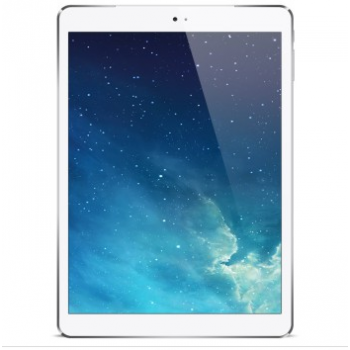
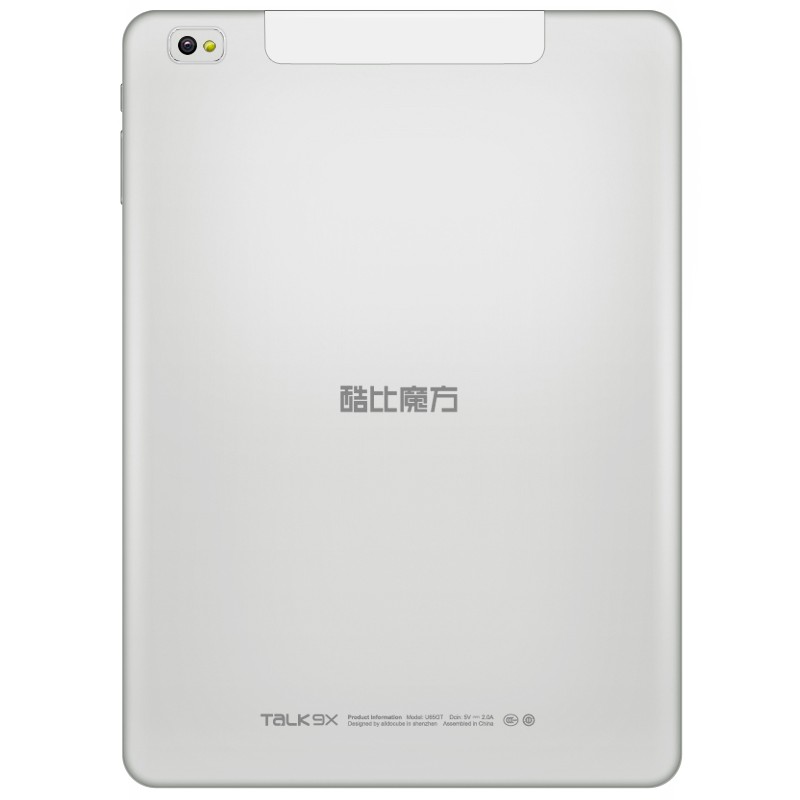
The new Cube Talk 9X has some pretty impressive specifications, nice design and is a bargain at just under $370. Without further ado, lets have a look what it’s made of.
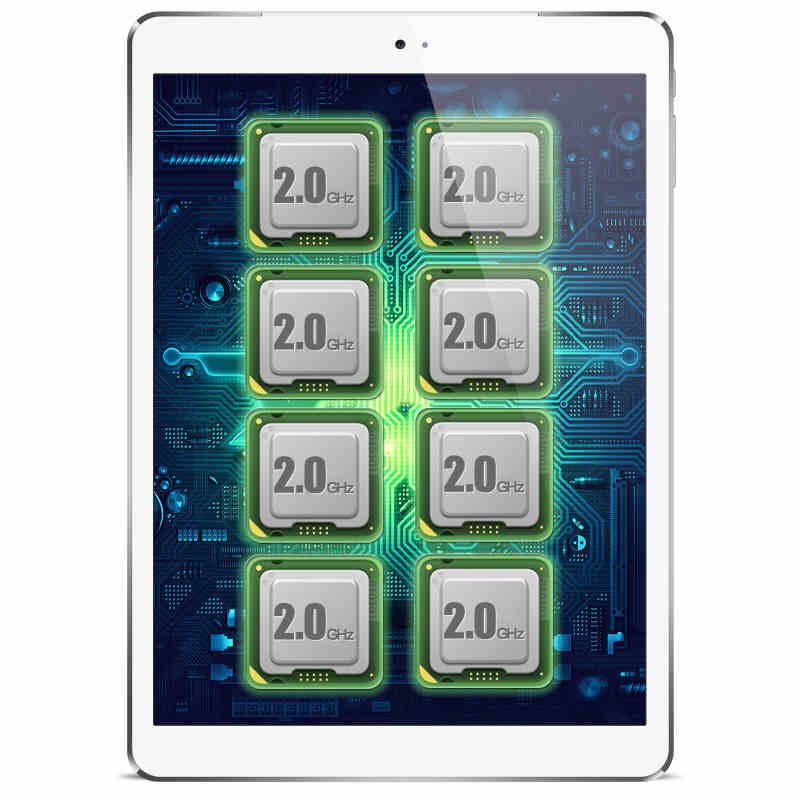
There’s a Mediatek MTK8392, A7 Octa-core (2.0GHz), a Mali-450 700MHz GPU, the 9X is running Android 4.4.2 (Kitkat). It has 2GB RAM and 16GB ROM which is MicroSD expandable to 32GB. It’s a powerful machine with enough memory to run whatever you might want to do with it.
The Retina IPS OGS display is another plus-point, the 9.7 inch screen is 2048 x 1536 and has 326PPI, with multitouch capacity. There are two cameras, as you’d expect, the rear is 8MP featuring Auto Focus and LED Flash, the front shooter is 2MP. The battery is 10,000mAh, providing 7-9 hours of running time.
The design is pretty impressive with an all-glass front and slim bezel, the tablet feels like a good quality machine and for the low price you could do a lot worse.
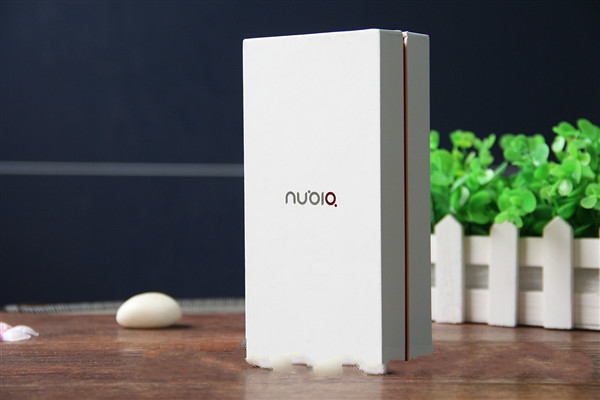
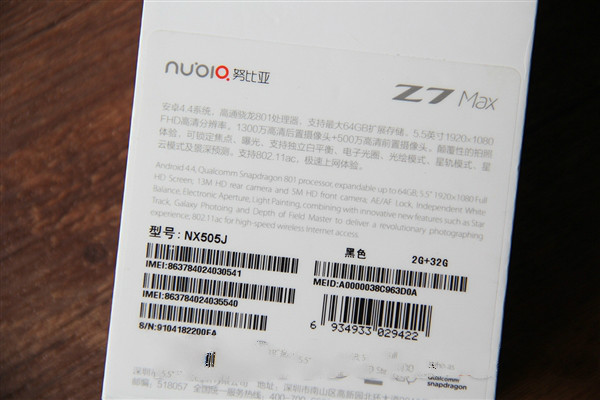
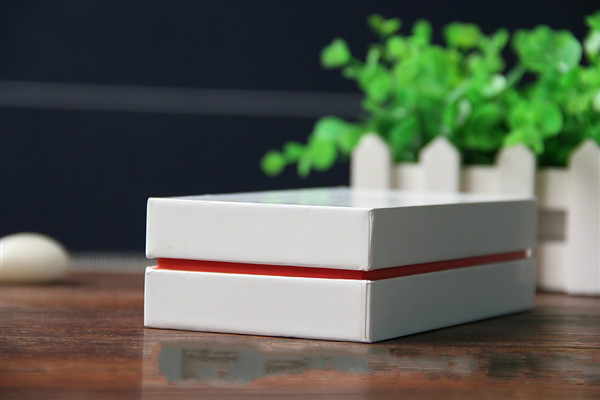
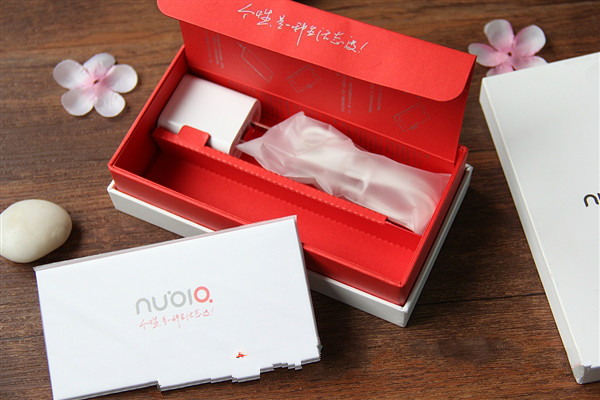
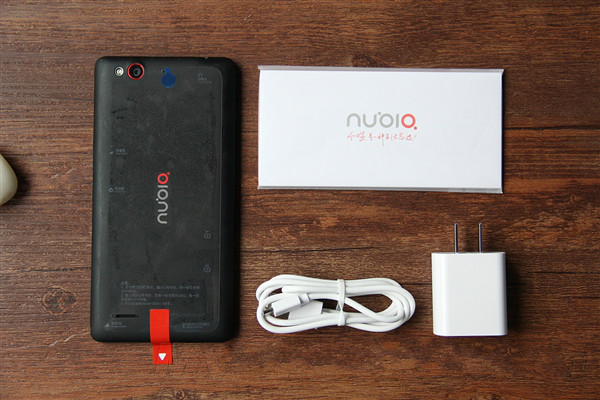
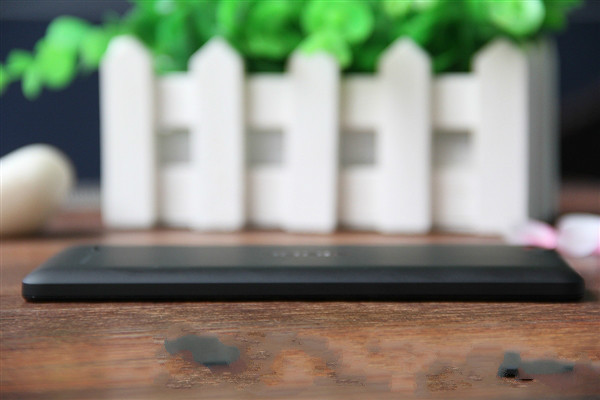
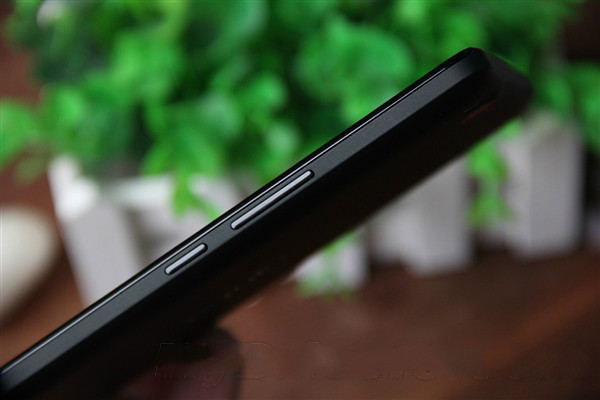
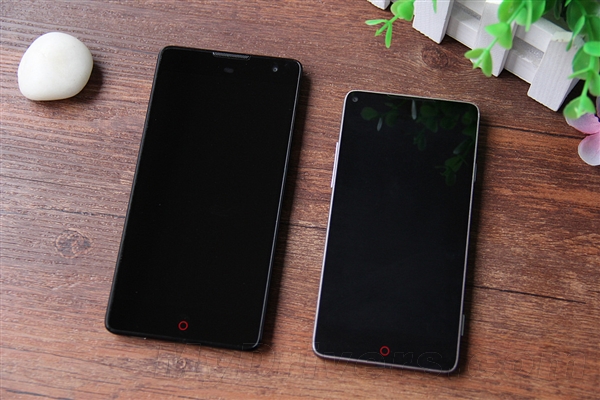
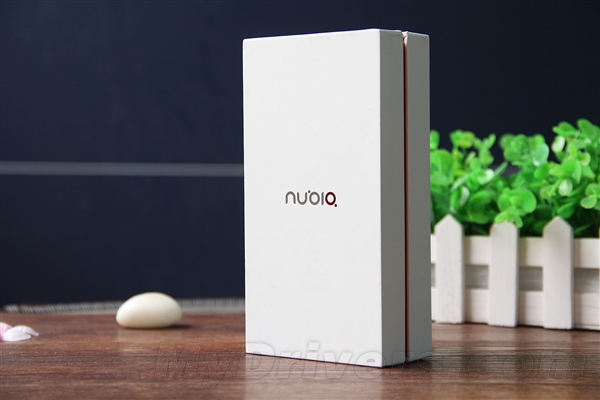
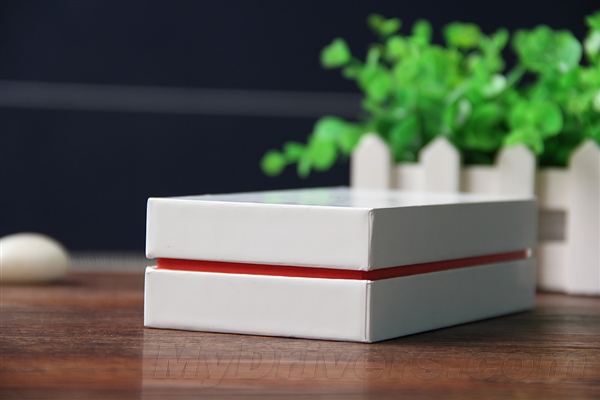
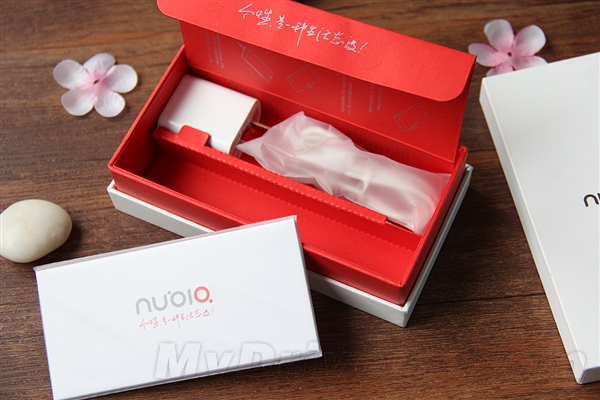
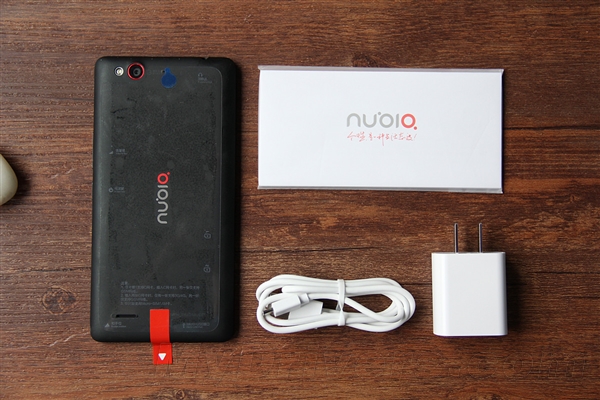
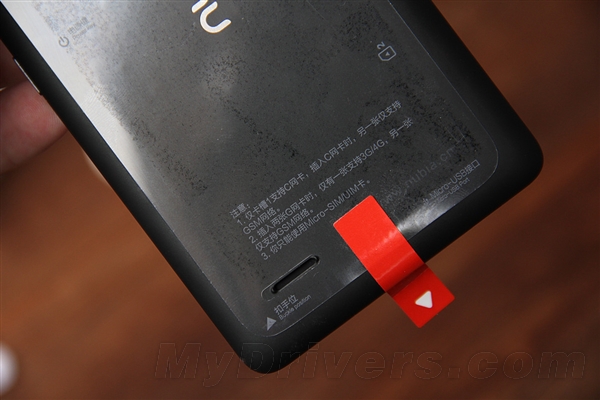
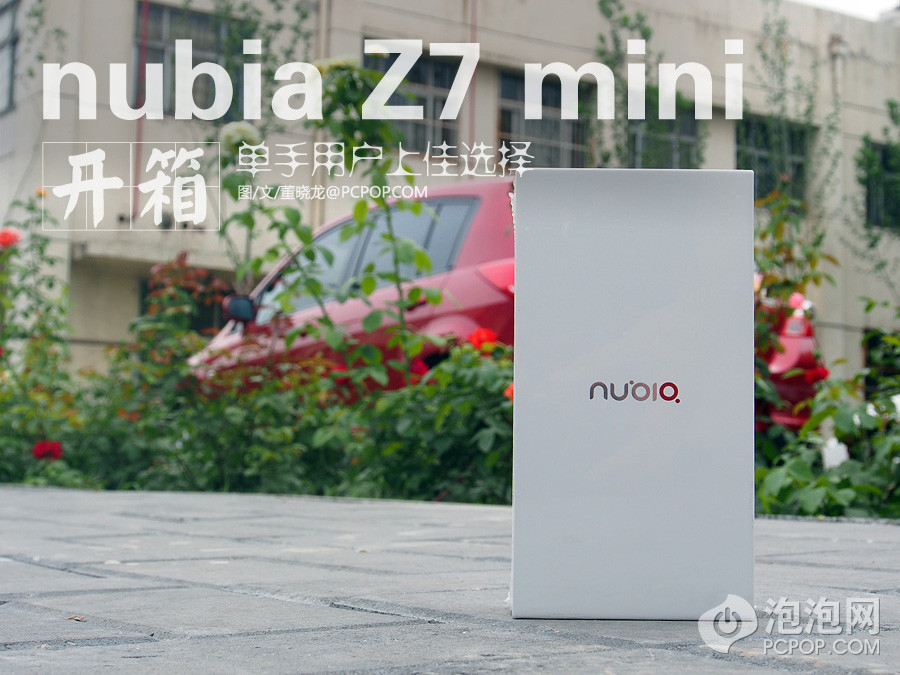
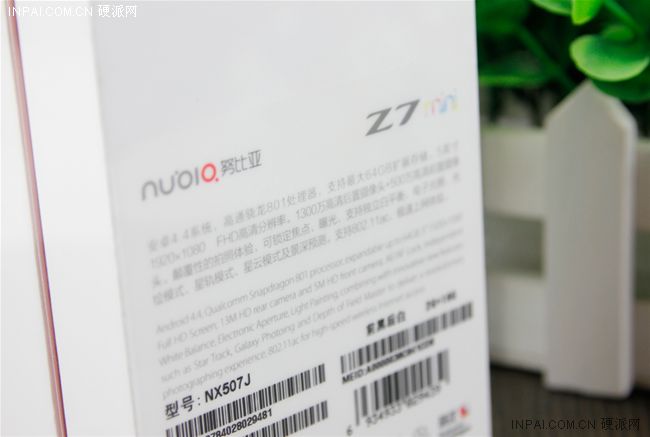
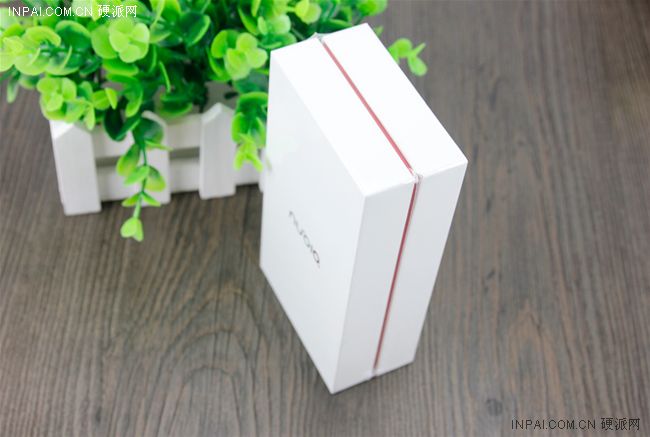
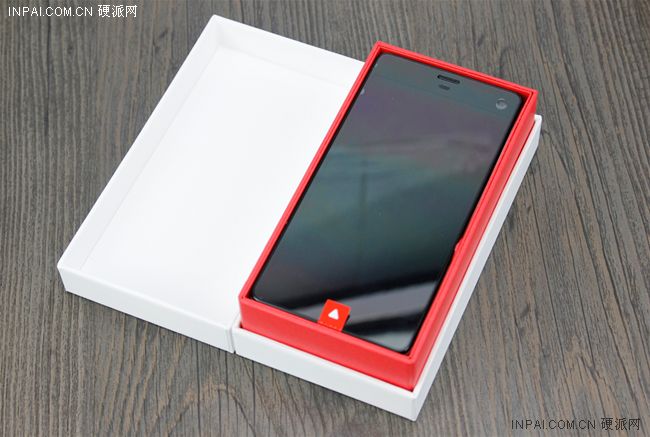
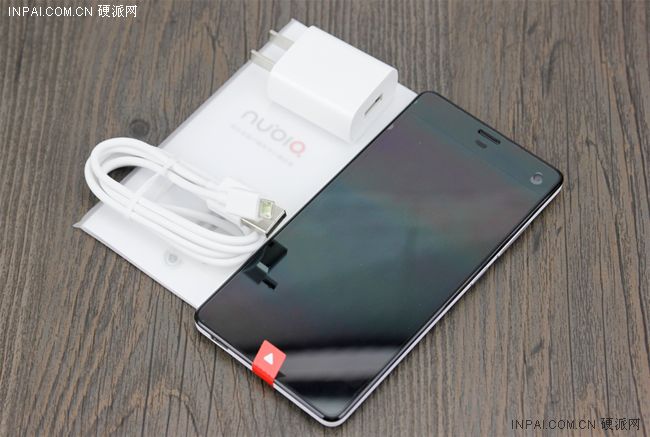
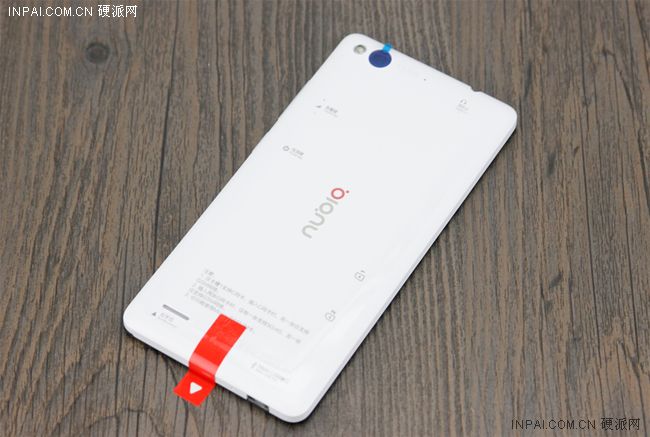
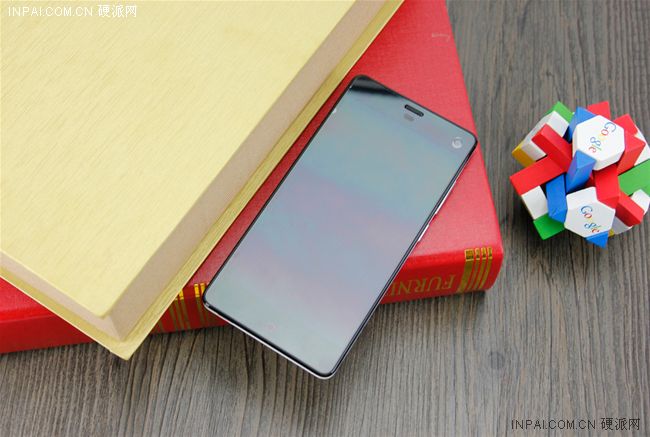
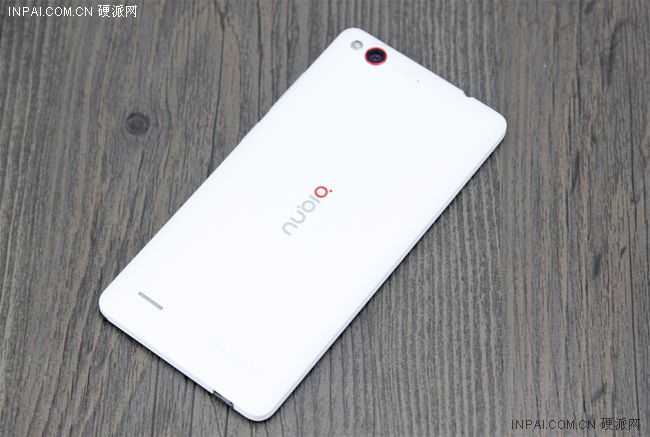
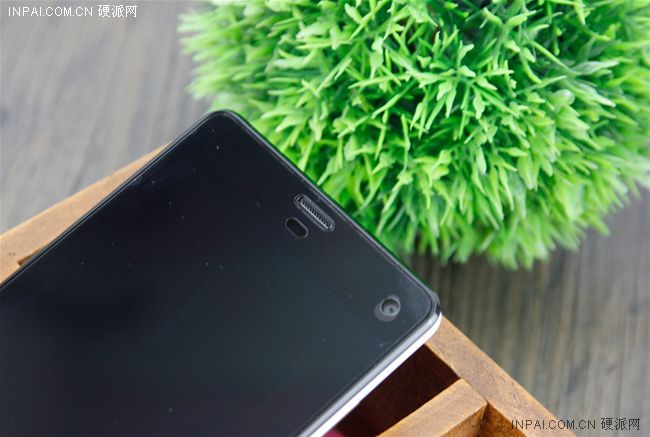
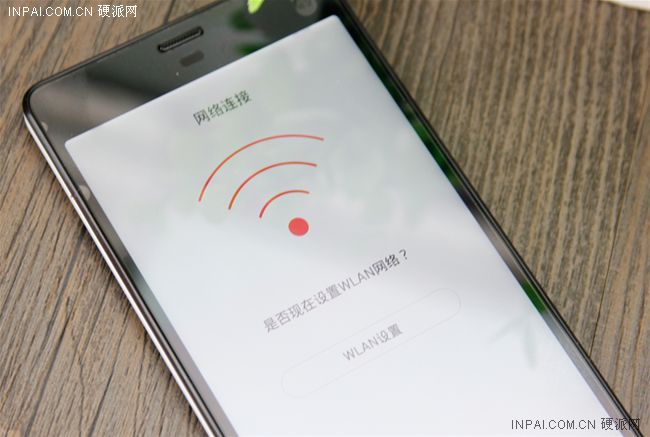
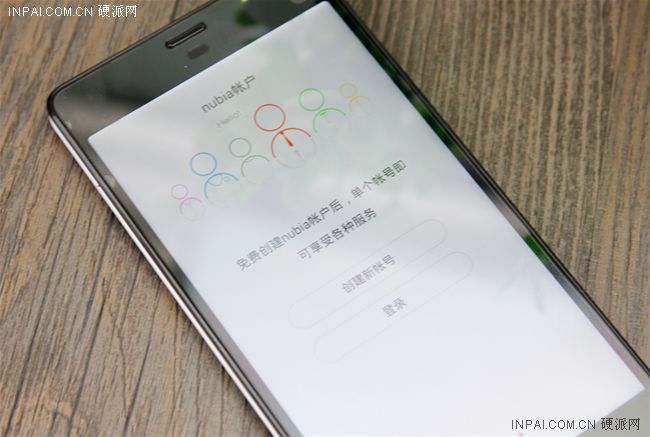
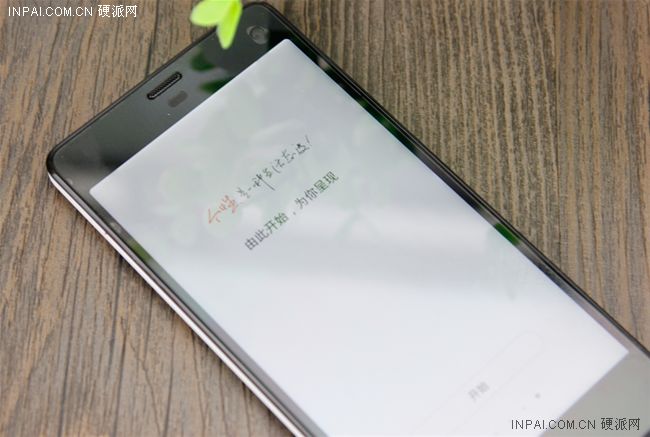
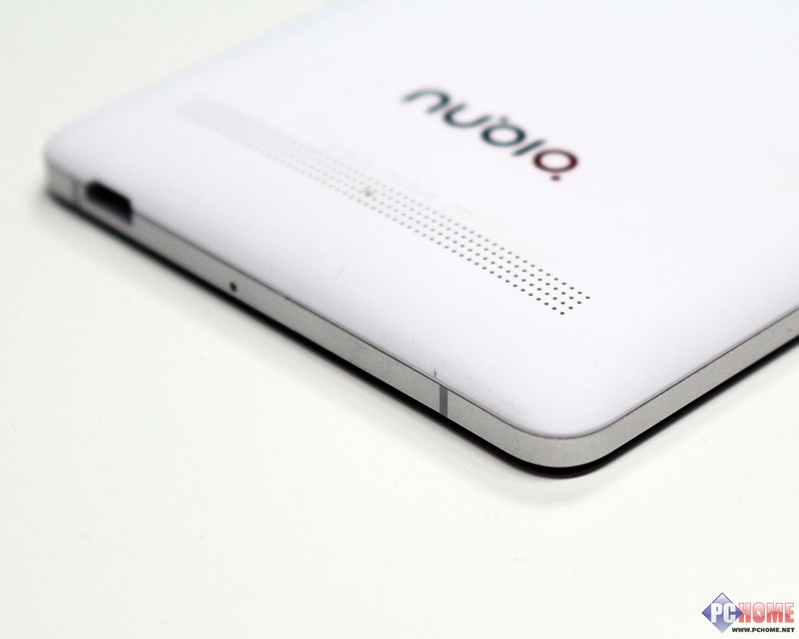
Yesterday afternoon(8th July),Nubia( the smartphone brand)launched its lastest summer Nubia Z7 series in the Chinese Film Director Center in Beijing. There are three smartphones in the Z7 series released in the conference, Nubia Z7、Nubia Z7 max and Nubia Z7 mini. I haved a first glance by getting a Nubia Z7 mini in the press conference. Here is the unboxing photoes.
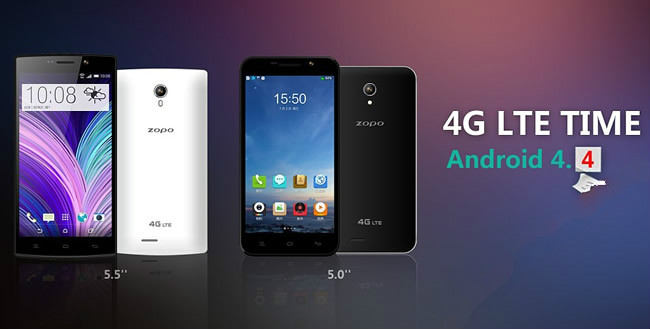
Not surprisingly, the cell phone market has been focusing more on products that support 4G internet. There have been more LTE-supported phones coming out and killing their 3G counterparts in sales, ushering the 4G era.
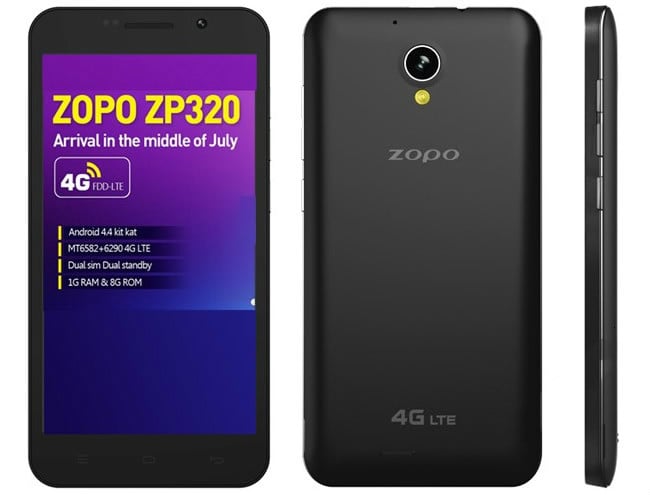
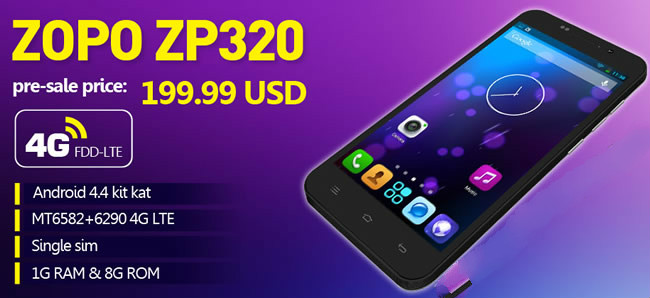
ZOPO joins the 4G invasion with their new phone, the ZP320. ZOPO has already lowered its price for the foreign market. The ZP320, right now, cost 199.99 USD.
The ZOPO ZP320’s specs are pretty much what you would find in most phones right now. It uses a combination of the MT6582 quad-core processor and the MT6290. It supports FDD-LTE/WCDMA/GSM and only has one Micro SIM slot. It sports a 5-inch IPS display screen with qHD resolution (960 x 540), and has 1GB RAM and 8GB ROM which can be expanded. It also has a 2mp/8mp dual-camera and is powered by a 2300 ma battery. Like other MTK 4G phones, the ZP320 uses the Android 4.4.2 kitkat OS.
The ZOPO ZP320 is obviously a 4G elementary-level product that’s aimed at the mid and low-end market considering its average specs.
Nubia Z7 is another flasghip from Nubia after the Nubia X6 this year, there are some serious improvements and the new Z7 is a serious smartphone that should serve to cement ZTE’s reputation as a world-leader in high-end smartphone design. It has been worth the hype and the wait and what follows is why.
1 The Build-Up
The Nubia Z7 is the new, long-awaited flagship from ZTE, following on from the competetive Nubia X6 . Since the announcement of the Z7 there have been teasing photographs released and even an online questionnaire trying to get people to guess the specs of the Nubia Z7, generating a buzz without giving much away. The teasing can stop now though, because it is finally available and with all the hints and obscure photographs forgotten, what do we actually have left? Is there anything special underneath all the intriguing marketing ploys? Well it turns out there are a series of phones, not just the one. The Nubia Z7 Max and Z7 Mini have been released simultaneously. For this review though, we’ll focus on the Nubia Z7 flagship only, and yes, it is actually pretty special.
2 Appearance
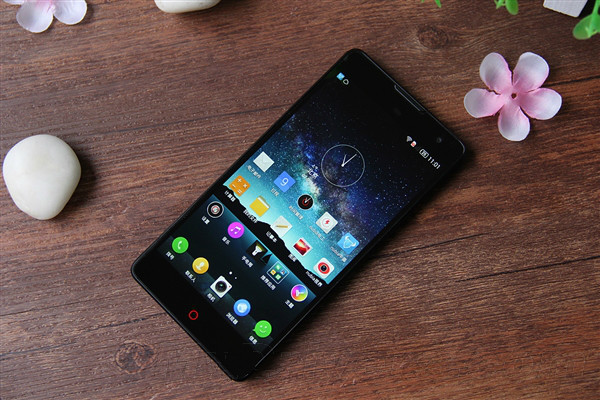
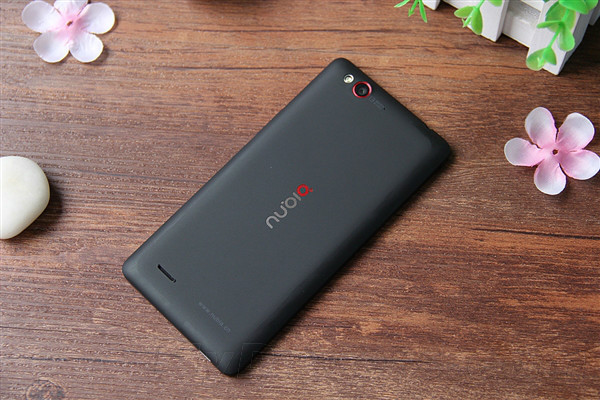
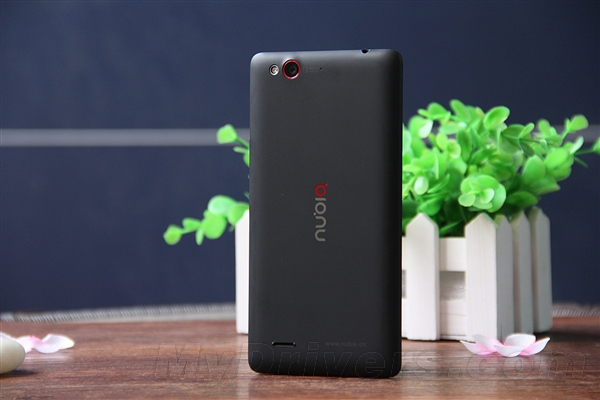
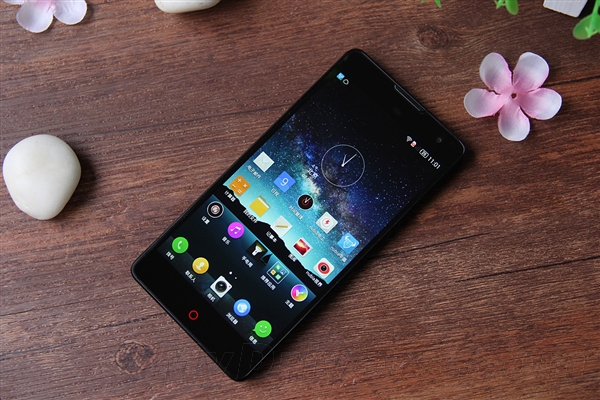
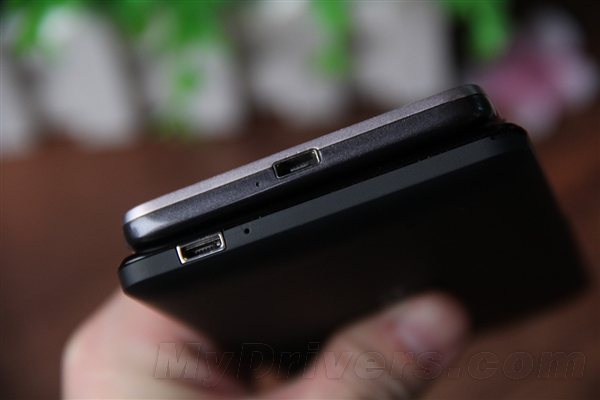
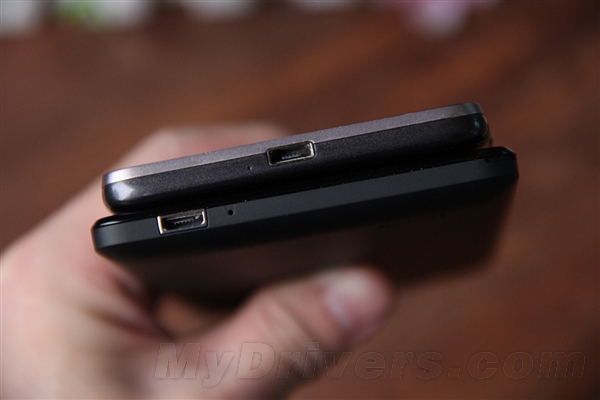
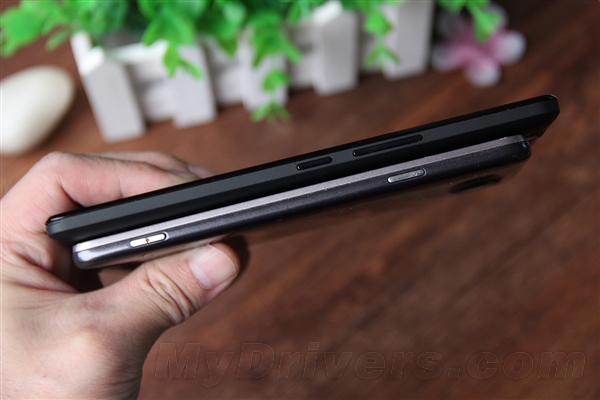
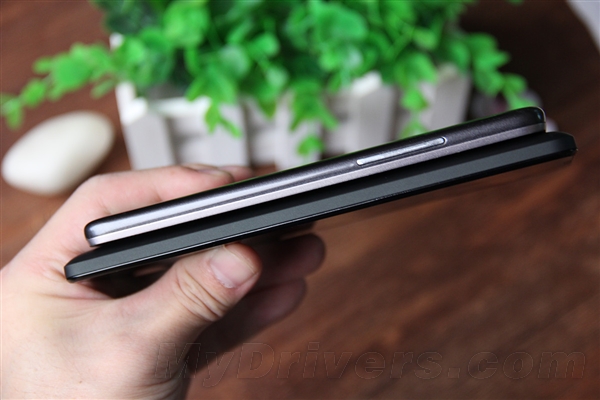
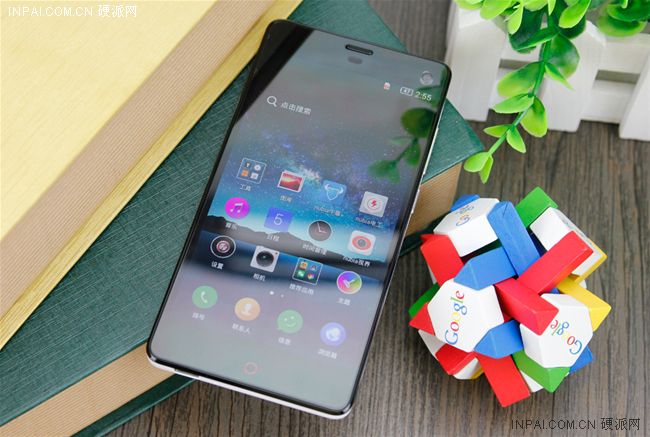
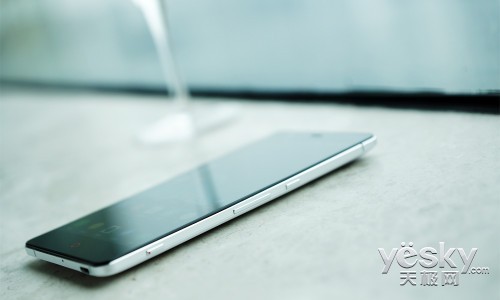
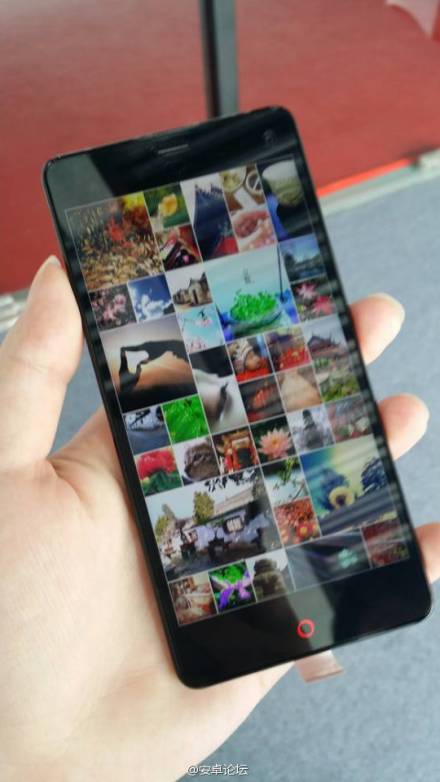
Firstly the Nubia Z7 a well-designed smartphone, with the teaser pictures being an accurate portrayal of the square shape and metallic sides, it looks a bit like an iPhone or an Ascend P6/P7. The black front and black back cover give the phone a very stylish look.
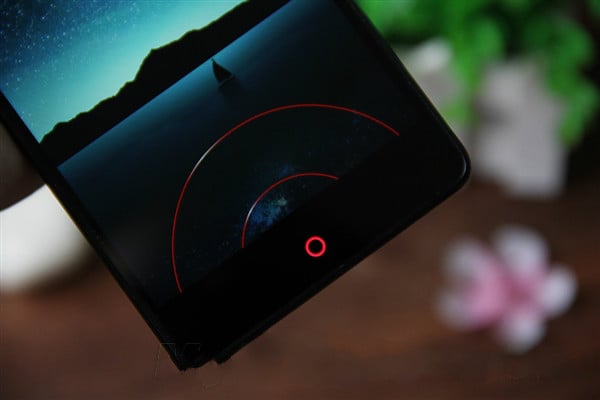
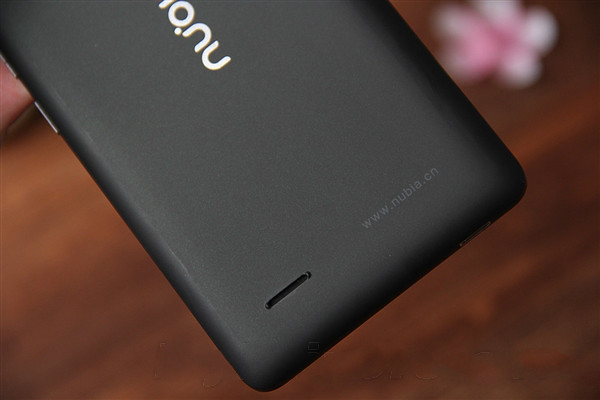
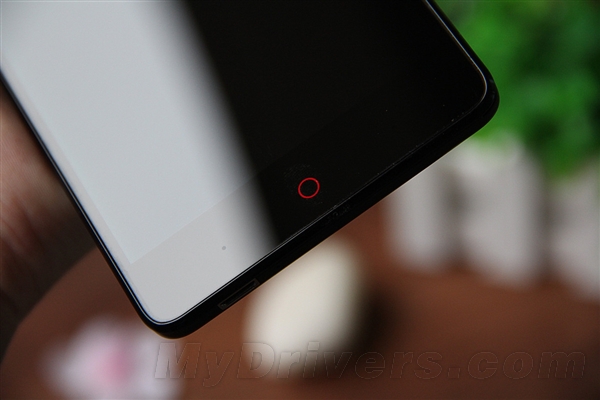
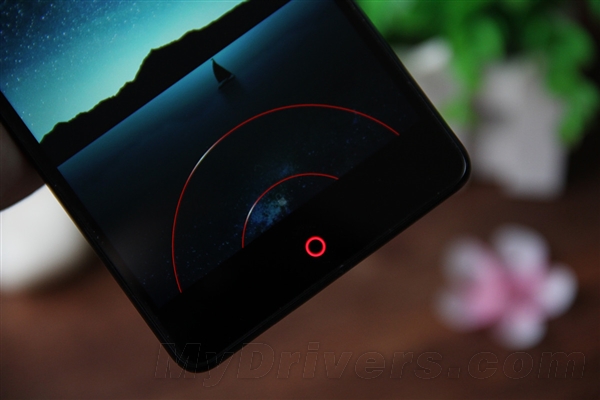
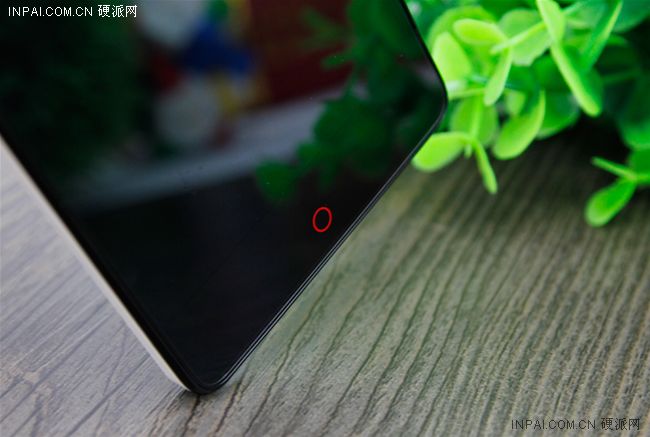
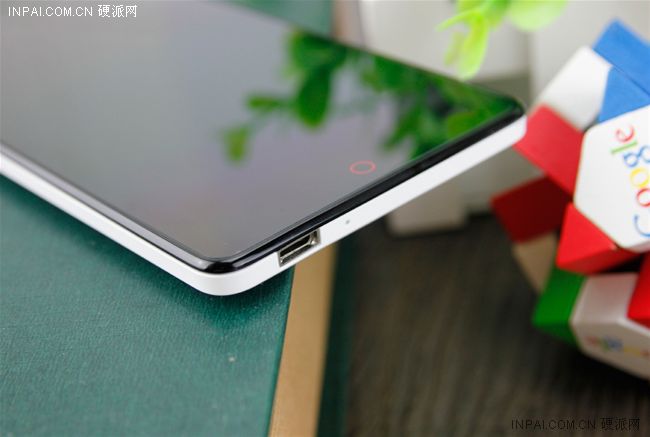
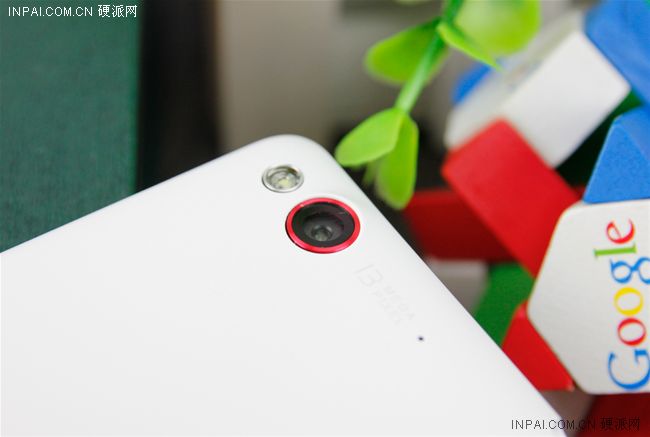
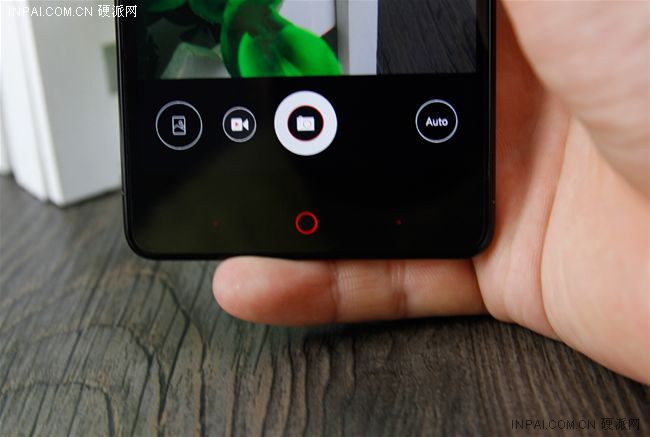
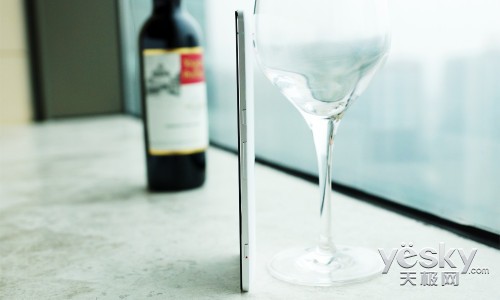
There’s the (now customary) red ring around the camera and enter button we’ve come to expect from ZTE too. The camera is set deep into the phone, with no protrusions, making the viewpoint better and giving the smartphone a better look and feel. Overall the appearance manages to be uncluttered, sleek and distinctive at the same time, quite an achievement and making a very attractive smartphone. It’s quite slim too, only 8.5mm thick, making it light for it’s size and easily carried around, the cover has a good feel too and it doesn’t get marked by fingerprints easily and not too slippery in the hand.
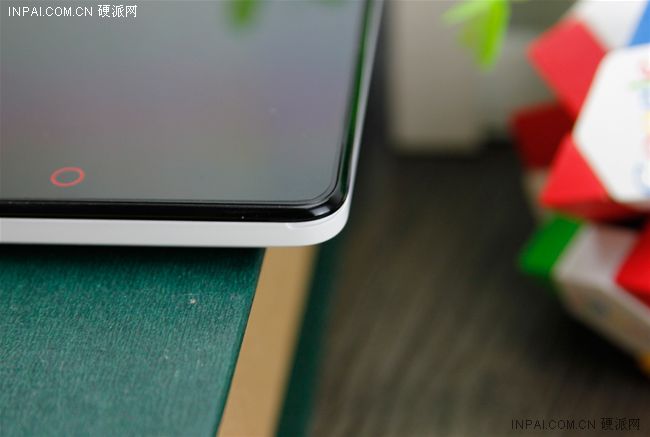
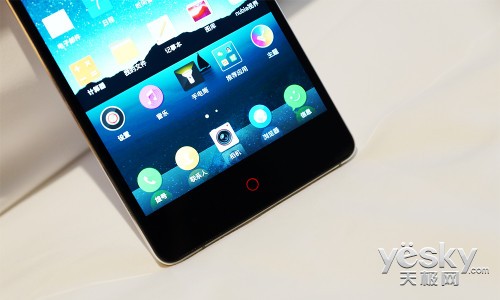
The red home button has been inherited from the first generation of Nubia.
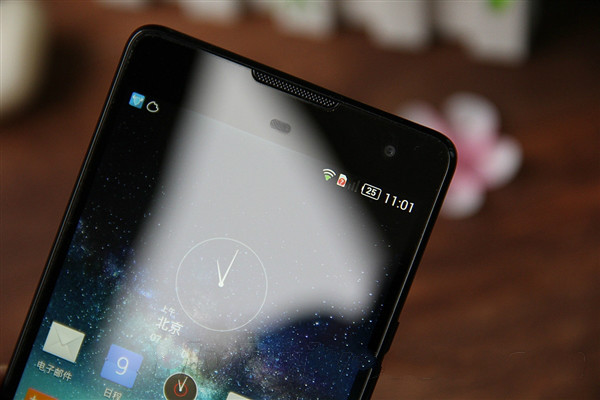
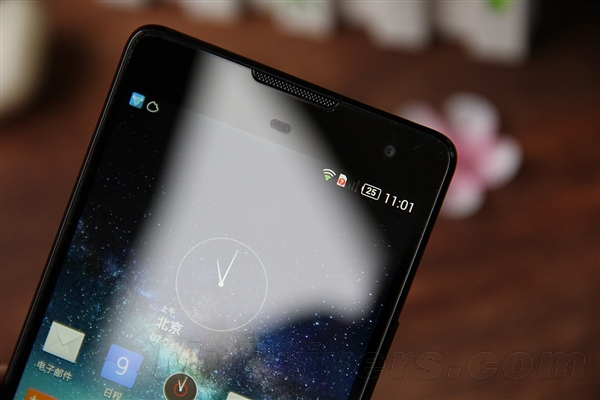
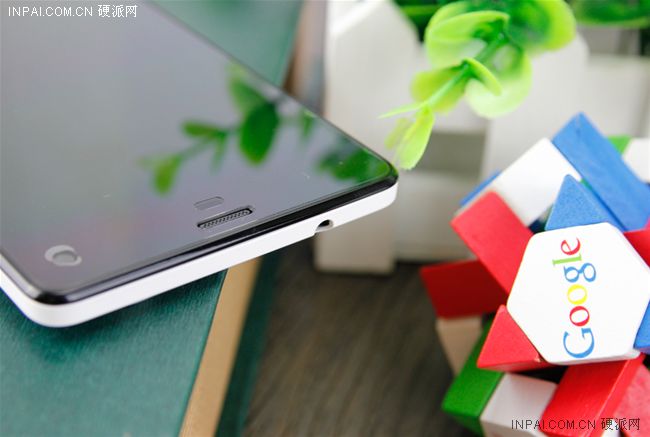
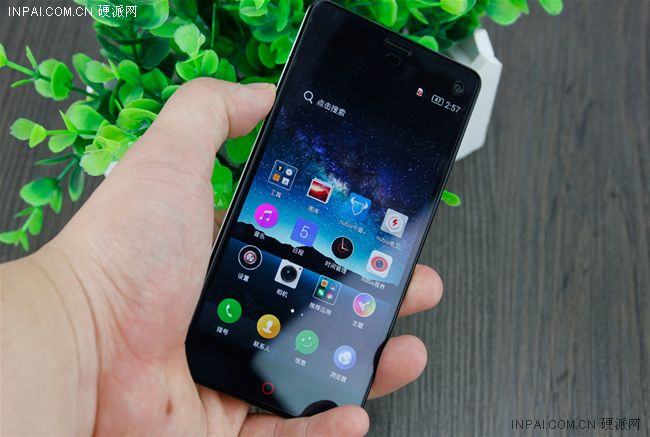
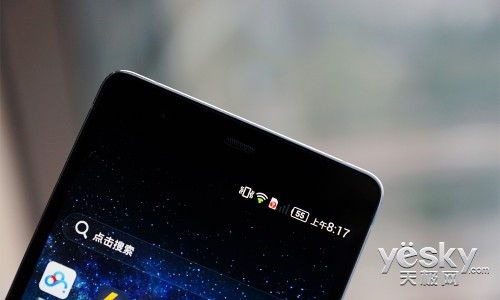
There are receiver, front camera and light sensor at it’s front.
CPU/Memory
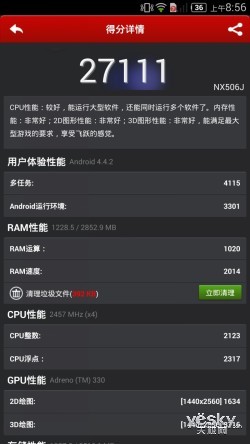
Nubia Z7’s Antutu benchmark
Nubia Z7’s Nenamark benchmark
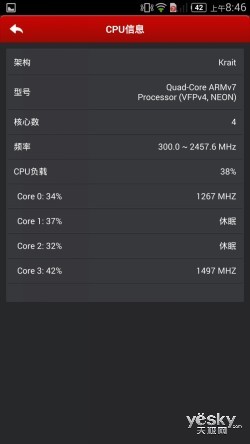
The Nubia Z7 has a Qualcomm Snapdragon 801 quad-core processor, which while acceptable, is a bit of a let-down. Most of us already have a quad-core smartphone, and people are now expecting octa-core from new flagships. There are already many octa-core flagships on the way that the Z7 will have to compete with so this may well be an issue. Why not wait a few more months and take your pick from the range of octa-core devices available instead? The processor isn’t terrible, just nothing new, and performance shouldn’t suffer too much; it is a pretty capable piece of kit and there’s plenty of RAM for it to play with (3GB). The GPU is a Adreno 420, and there’s 32GB ROM too, which is expandable through MicroSD so there’s no problem storing a lot of your games or other large files. If you’re intending to download a television series, go right ahead.
Display/Interface
The display is a lovely 2560 x 1440 resolution 5.5 inch screen, given it a truly impressive pixel count (445 PPI) and making gameplay and video playback HD quality. It is the first phone to have a RAM-supported auto-refresh function for its 2K screen. All this is protected by Corning Gorilla Glass, which keeps the screen safe from scratches and cracks, which is great, it would be a tragedy to have all this capability and ruin it with screen damage. There aren’t any better display packages on the market at the moment and if this feature is something you look for then you won’t go far wrong here.
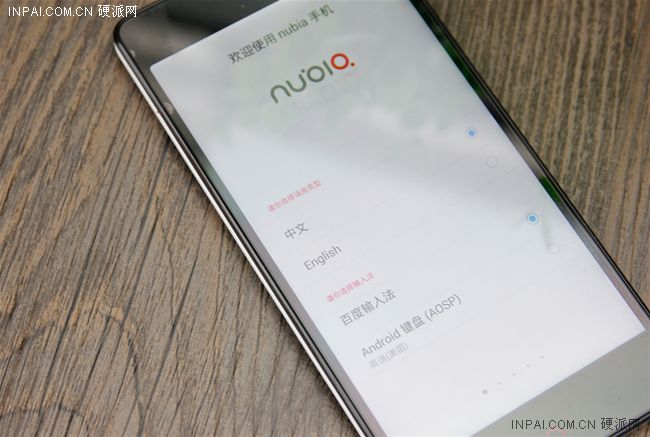
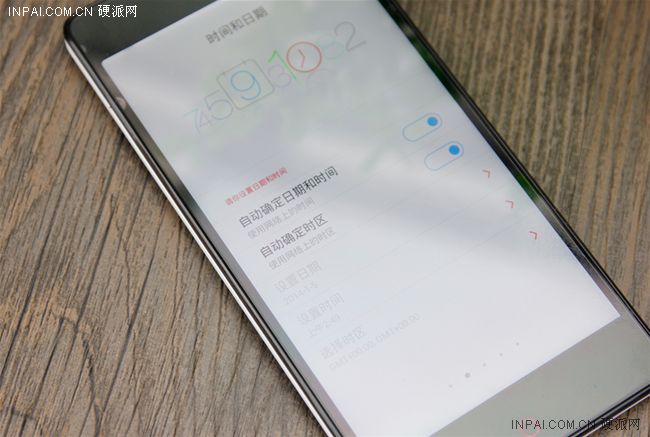
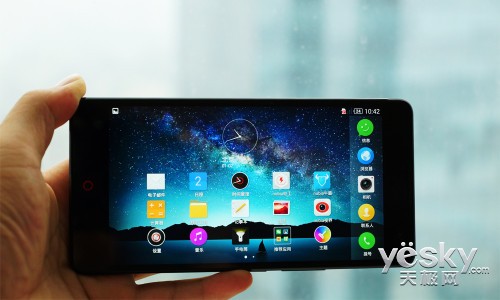
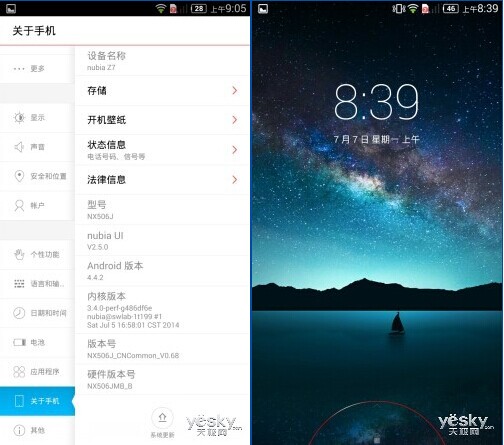
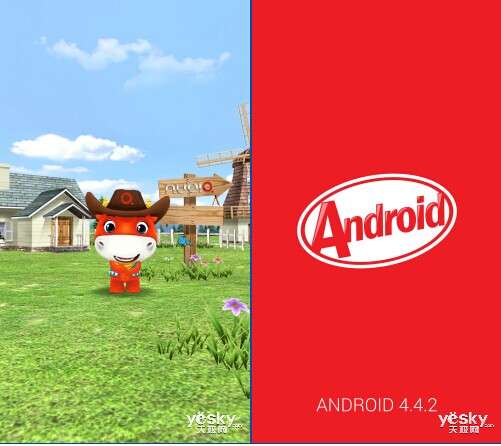
There is also a developed User Interface, with the Android 4.4 Kitkat overlayed with the Nubia UI, which has been upgraded to Nubia 2.0. Without using the phone it is hard to tell whether this makes a massive difference but it will be interesting to see what the new features and tweaks are in this newer interface.
3 Camera
One major bonus of the Nubia Z7 is the 13MP OSI optical Vibration Reduction rear camera, purported to have taken this picture of the Milky Way with the help of a star tracker. It supports a f/2.0-f/22 aperture and its photo software is the new Neo Vision 4.0. This is a great camera, which also benefits from OIS optical stability function and LED flash, so for people who take a lot of photos, this would be a huge advantage. The front camera is 5 MP, which is perfectly fine for a front shooter.
5
Nubia UI 2.5
4 Connectivity
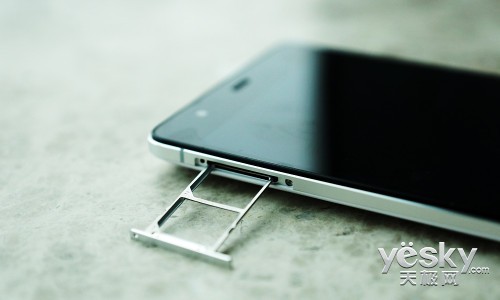
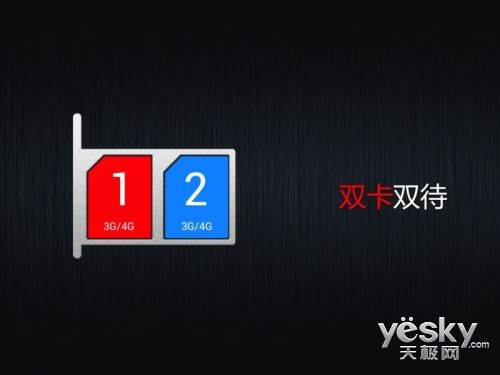
Dule-SIM card
Both of the SIM card supports 3G and 4G
The Nubia Z7 supports internet networks provided by China Mobile, China Unicom, and China Telecom. They also support TD-LTE, FDD-LTE, TD-SCDMA, WCDMA, EVDO, and GSM internet as well as dual-SIM 4G internet. This is excellent coverage and connection problems shouldn’t be an issue with such a range and the dual-SIM capacity.
5 Extra features/Accessories
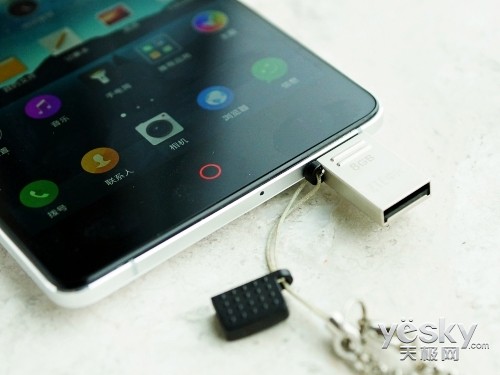
Nubia Z7 support OTG
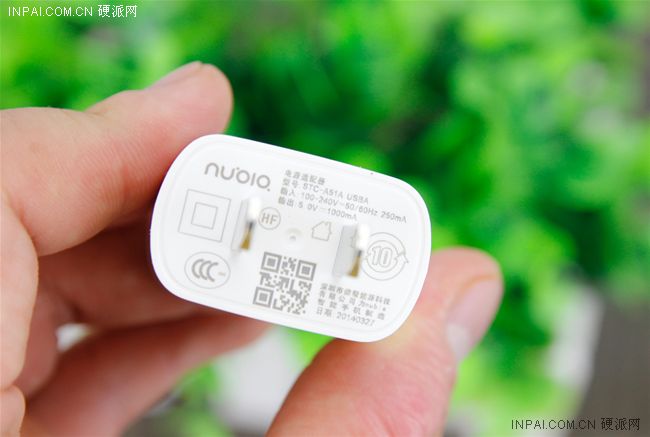
There is GPS, A-GPS, OTG and the latest in smartphone must-haves, the fingerprint scanner; it’s a good security feature and something of a novelty for gadget lovers. It comes boxed with the usual accessories, battery, USB cable, charger and user manual. The battery is a decent size, and features quick recharging. Another handy feature is the addition of MHL 3.0.
6 Verdict
The Nubia Z7 is a good phone with some great features making some great progress from its predecessor the X6. For those who require a good camera and excellent display, you won’t find much better available on the market. With the only let-down being the quad-core processor, and this not being poor, just not brilliant, the phone itself is definitely a triumph. For the price tag you’re getting a very well-designed and powerful device that really is a flagship to take notice of, especially if camera and display are your thing. It is these areas where the Z7 excels, and there really isn’t anything available at the moment that can beat it.
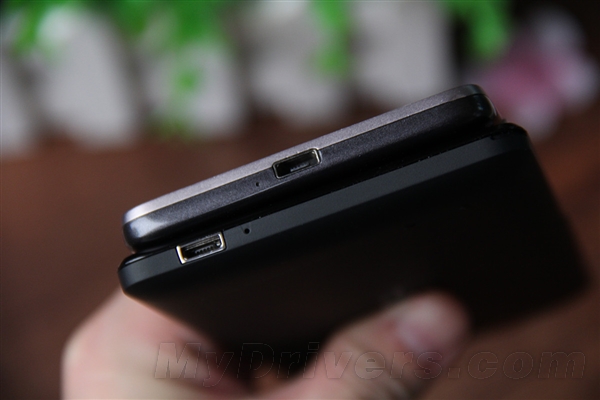
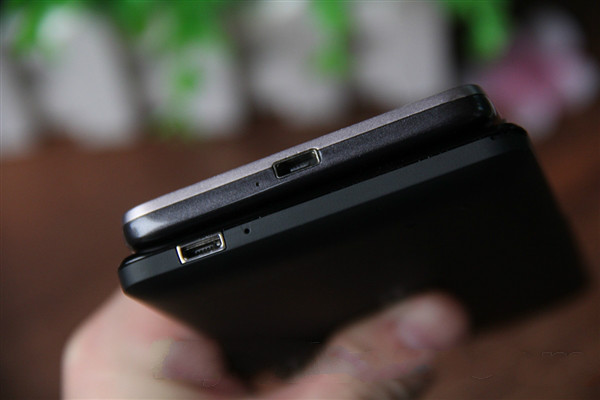
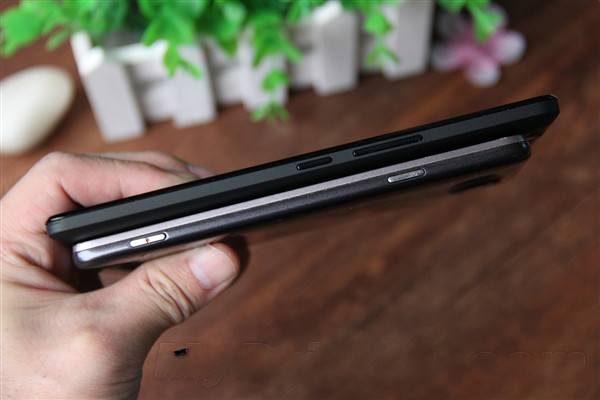
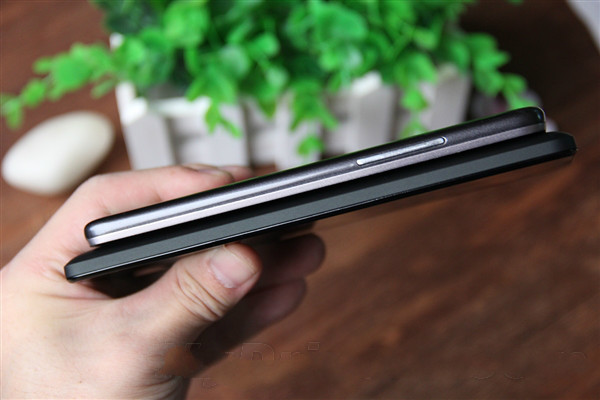
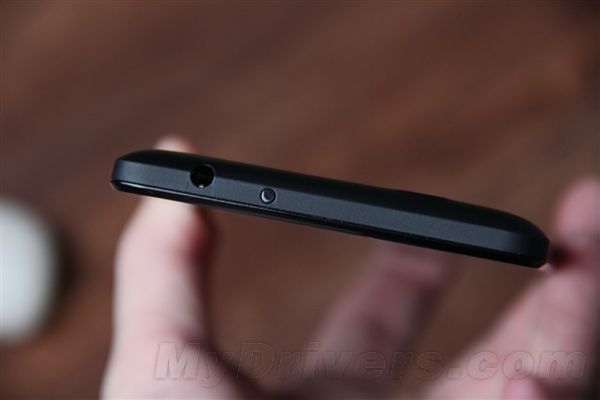
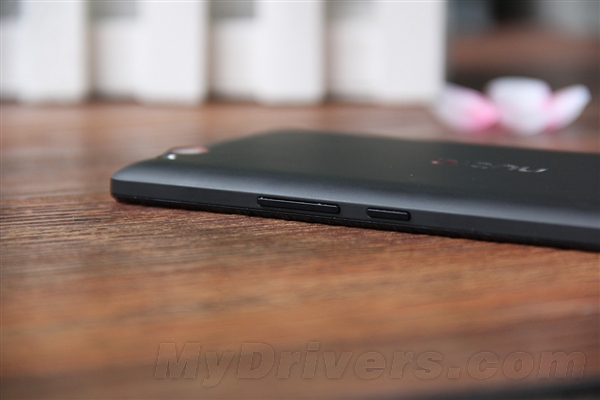
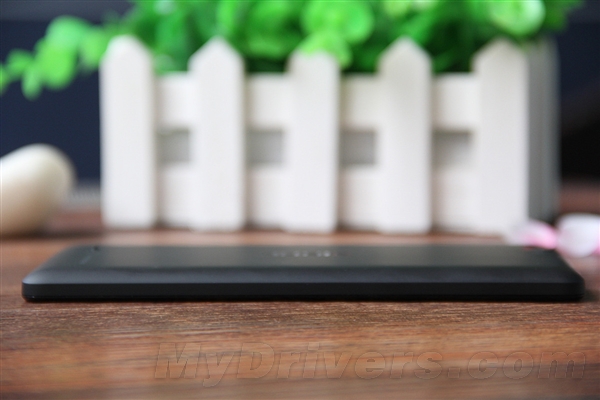
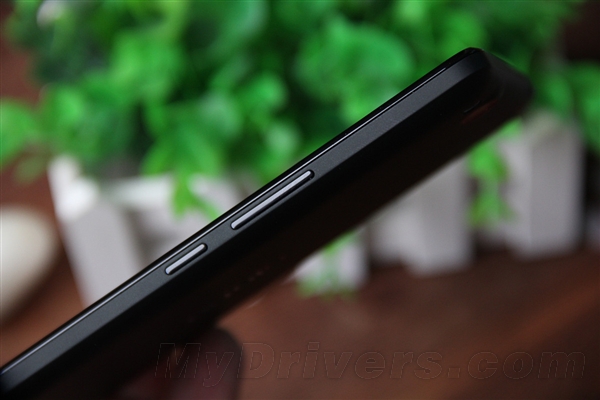
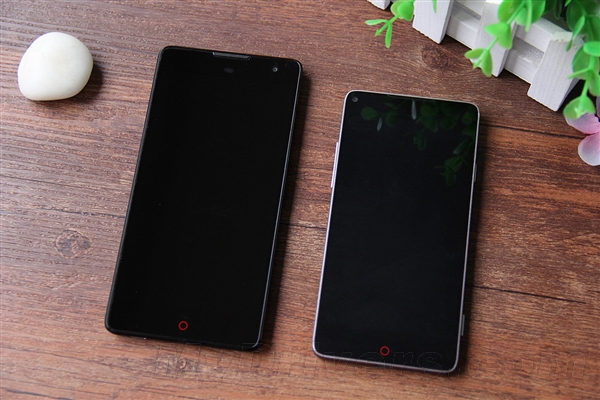
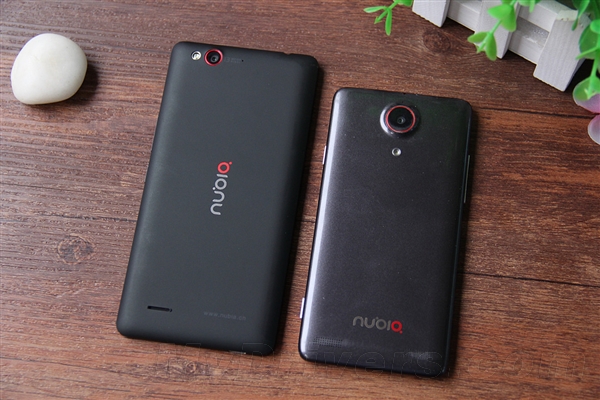
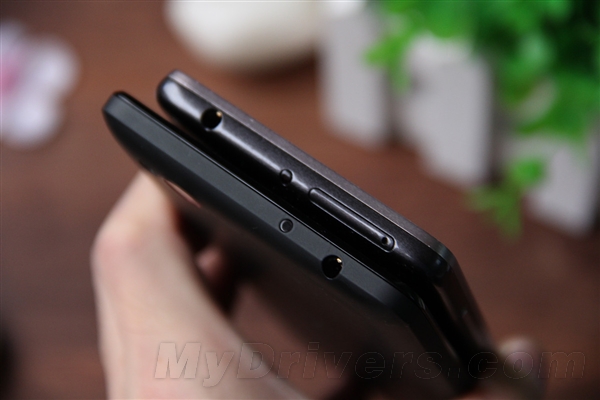
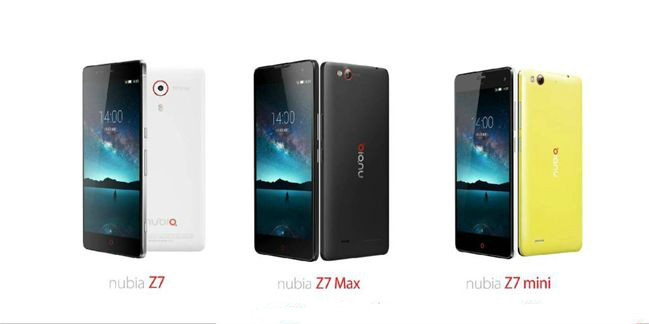
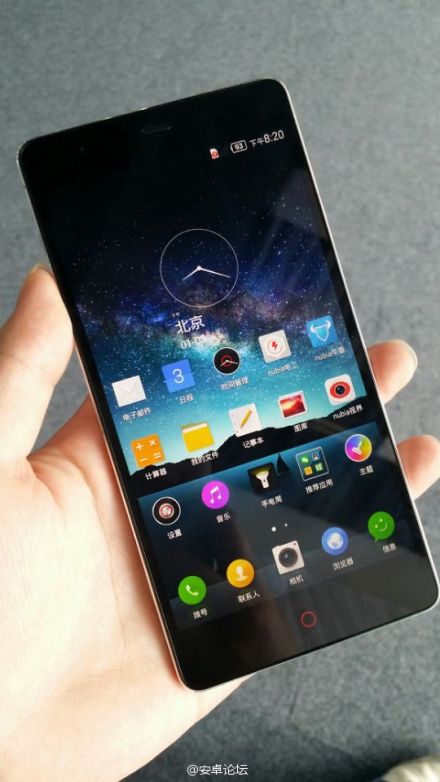
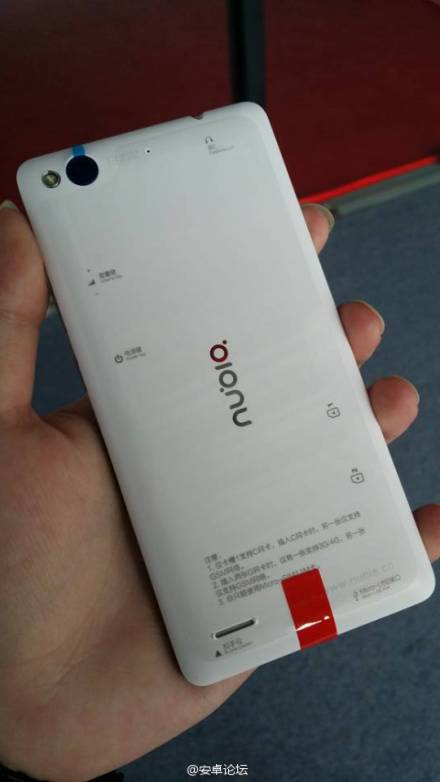
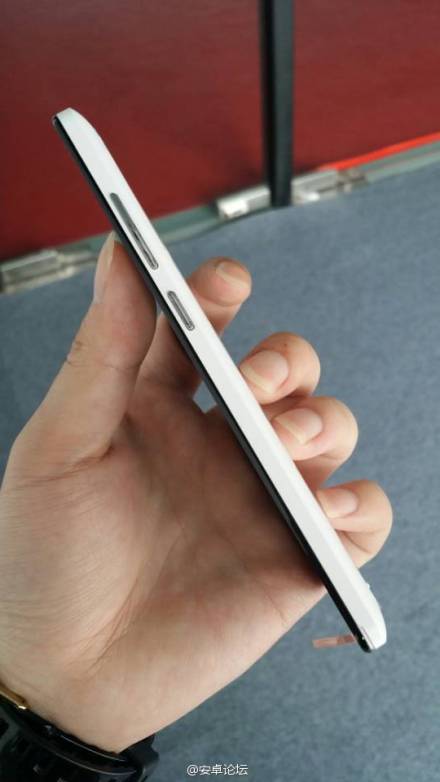
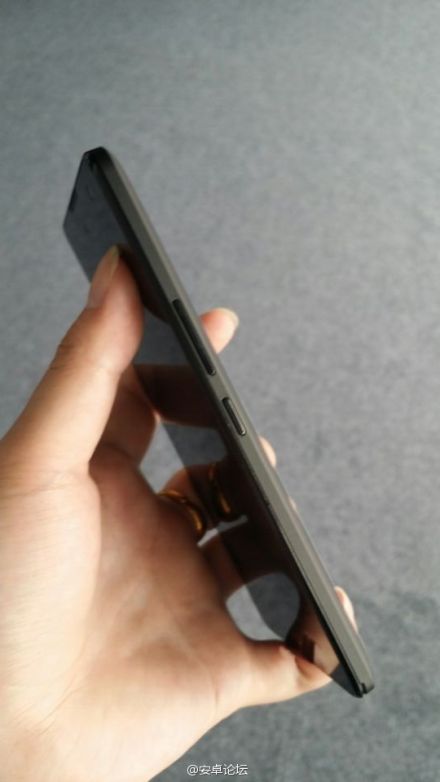
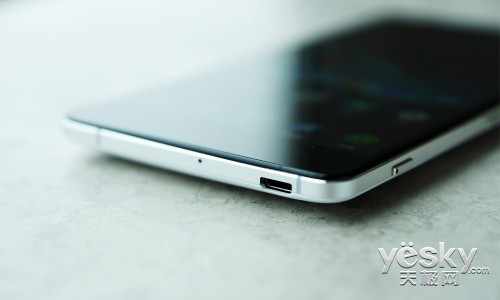
ZTE Nubia Z7, Nubia Z7 max and Nubia Z7 mini are released in Beijing this afternoon. The new Nubia Z7 series include 3 different model. There is only a few difference on specs with similar design. Here is ZTE nubia Z7 phones hands-on pictures.
At a launch event in Beijing this afternoon, ZTE Nubia revealed a series of phones in their new Nubia Z7 series. These are the Nubia Z7, Z7 Max, and Z7 Mini. Here’s an analysis on the similarities and difference between the three:
ZTE Nubia Z7
It sports a 5.5-inch 2K screen (2560 x 1440) and 13mp rear-facing camera. It is also the first phone to have a RAM-supported auto-refresh function for its 2K screen.
The Nubia Z7 uses the Snapdragon 801 quad-core processor, not the 805 as previous reports have said. It has a main frequency of 2.5GHz and has 3GB RAM and 32GB internal memory storage. It also quick recharging and supports MHL 3.0.
As for its camera, it has a rear-facing camera with 13mp and supports a f/2.0-f/22 aperture. Its photo software is the new Neo Vision 4.0.
ZTE Nubia Z7 Max and ZTE Nubia Z7 mini
It also sports a 5.5-inch display screen but its resolution has been decreased to just 1080p (HD). The Mini version only has a 1080p screen.
Similarities:
All three use the Snapdragon 801 processor. They support internet networks provided by China Mobile, China Unicom, and China Telecom. They also support TD-LTE, FDD-LTE, TD-SCDMA, WCDMA, EVDO, and GSM internet as well as dual-SIM 4G internet.
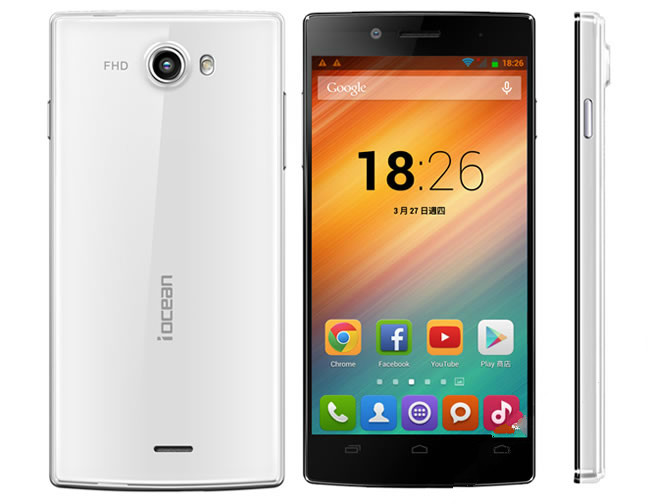
As iOcean continues to introduce new products to the market with the upcoming X8 mini and X8 mini Pro, they will also soon release an enhanced edition of the classic iOcean X7, the X7S-T Edition.
It might seem that the “T” may make people think that this is the TD version of the iOcean X7S, but it really isn’t. It’s actually the youth edition of the X7S Deluxe Edition with lower specs. T-Edition still retains the Deluxe Edition’s 5-inch IPS display screen supported by OGS technology but its resolution was dropped from 1080p to 720p. It sports a 2Mp/8Mp camera.
The rest of the X7S-T’s specs are almost completely the same as the Deluxe Edition’s. It has 2GB RAM and 16GB internal memory storage, uses the 1.7GHz MTK6592 octa-core processor, and still supports a gyroscope and electric compass. The most important thing about the X7S-T is that it will use the Android 4.4 OS! In addition, it still has a detachable 2000ma battery, and supports WCDMA+GSM dual-SIM and an expandable memory card.
Aw of now, there is no clear release date for the X7S-T but it should not be long. The low-end edition should be cheaper than the X7S Deluxe to satisfy many people.
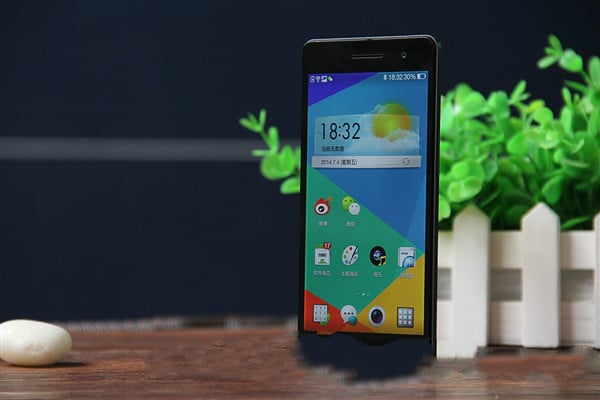
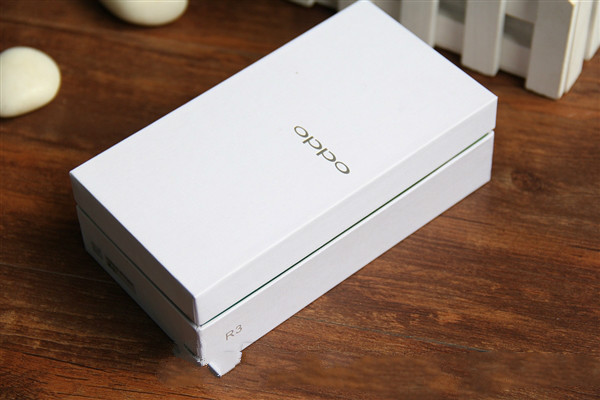
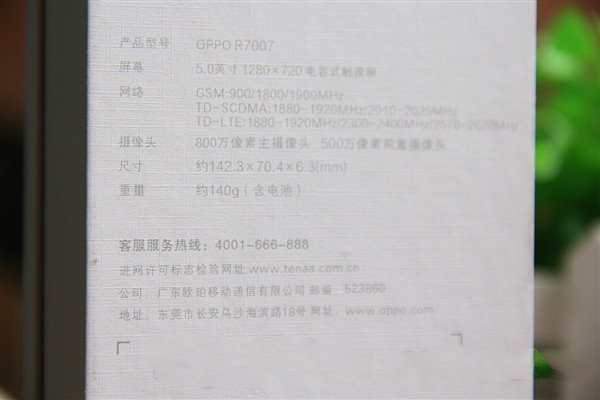
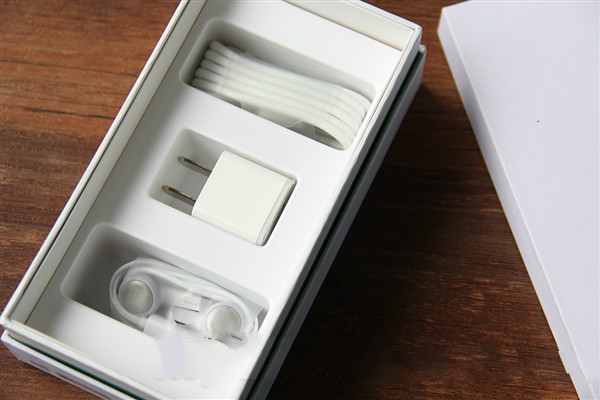
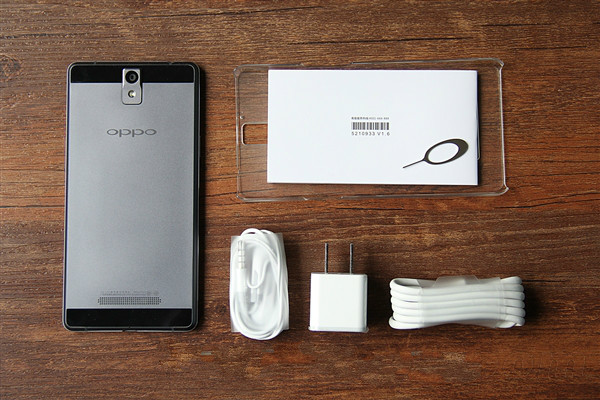
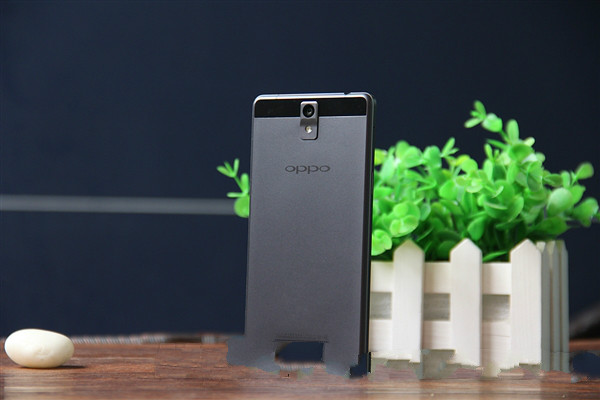
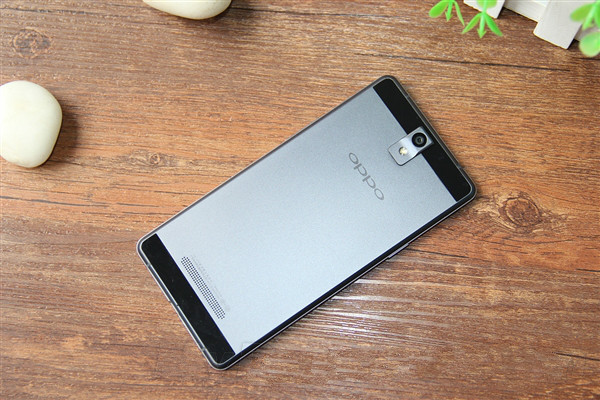
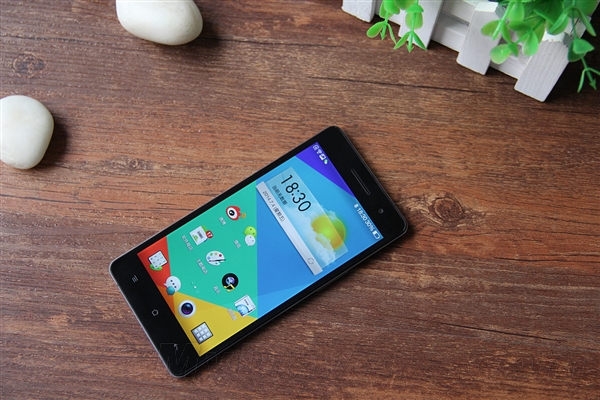
Last month, OPPO held a launch event for their new 4G products. One of them was the OPPO R3, the world’s thinnest 4G cell phone. Here we have photos of the R3 unpackaged and also an analysis of OPPO’s new phone.
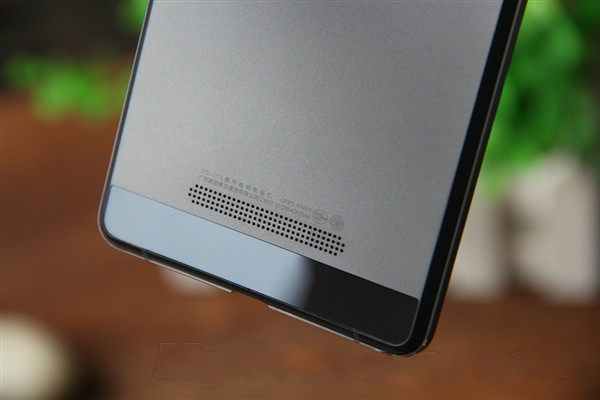
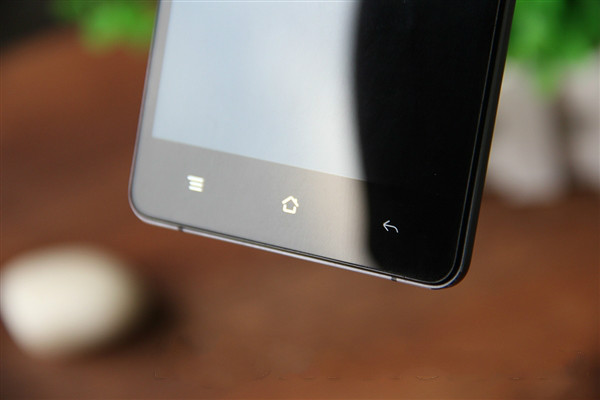
As the world’s thinnest 4G phone, the R3 is only 6.3mm thick. It uses an alloy frame and a metal back cover making the R3 a very compact phone. One interesting feature it has is its laser marking service which users can use to carve an image of text on the phone before they buy it, preserving its uniqueness.
As for its specs, the R3 is a mid-end phone, sporting a 5-inch 720p display screen and running on the Snapdragon 400 quad-core chipset. It has 1GB RAM and 8GB internal memory storage which can be expanded up to 128 GB. It also has a 5mp/8mp camera and it runs on a built-in 2450mAh battery. Its operating system is the Android 4.3-based Color OS 1.4.
The biggest selling point for the R3 is its support for 4G internet. It is compatible with TD-LTE, TD-SCDMA, and GSM networks. As of now, it costs 2299 RMB and is already listed online. As of now, there is none in stock.
This afternoon, Nubia will hold a launch event for the products it will release during the summer of 2014, where they will formally release its newest flagship phone, the Z7.
As previous reports have stated, a high-end version and low-end version of the Nubia Z7, whose model number is NX505J, will be released. The high-end version will use the Snapdragon 805 processor (to be sold in China first), and sports a 2K display screen, 3GB RAM and a 16mp camera. As for the low-end version, it will use the 2.5GHz Snapdragon 801, and sports a 1080p display screen, 2GB RAM, and a 13mp camera. Both versions support dual-SIM and 4G internet.
As we reported before, a new device with the model number 507J was featured at the website of the Ministry of Industry and Information Technology. It sports a 5-inch 1080p display screen, runs on a 2GHz quad-core processor, has 2GB RAM and 16GB internal memory storage, and is GSM/TD-SCDMA/WCDMA/TD-LTE-suppported.
Unless things don’t go as we had expected, both the NX505J and 507J should come out this afternoon. What are they really? We can only wait and see.
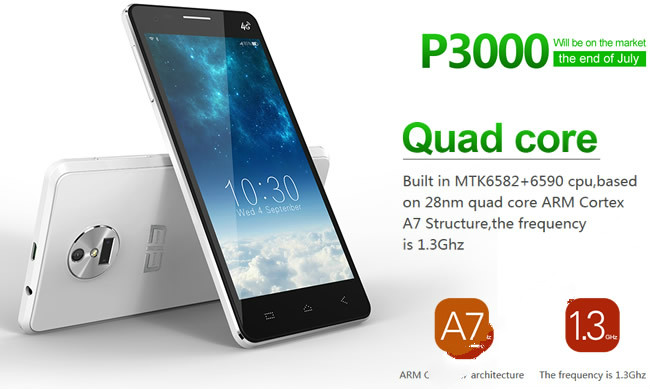
As the 4G wave continues to dominate the cell phone market, a new 4G phone will soon arrive to challenge its rivals. It’s called the Elephone P3000.
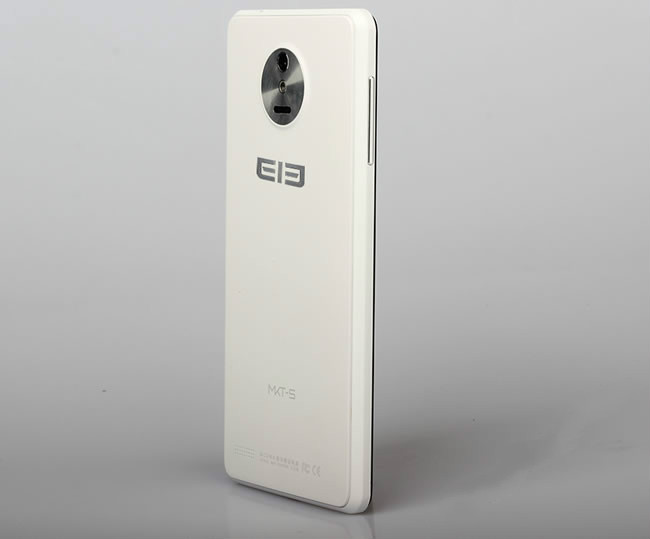
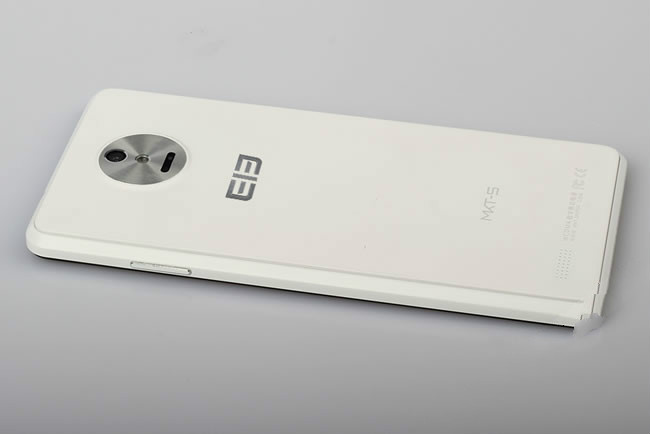
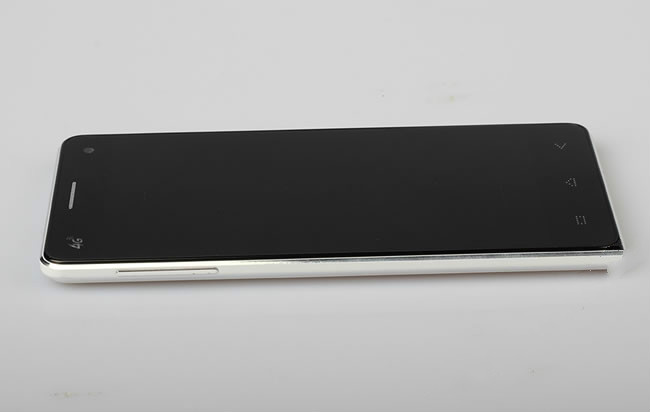
Elephone has released many products in the last several years and many have had an interesting design. The thing that should attract most users about the P3000 is the main camera which seems to have a resolution of 13mp with an LED light and fingerprint scanner. This phone is very thin, measuring about 7.6mm, and is available in black and white.
This phone is mainly targeted at the foreign market. As a result, it supports FDD-LTE 3G, and is compatible with WCDMA and GSM internet. It also has a dual-SIM card slot. Its processors are MediaTek’s new MTK6582 quad-core processor and MT6290. It also sports a 5-inch 720P OGS display screen and has 1GB RAM and 8GB ROM. It also has a 5mp selfie camera and runs on a 3150ma battery.
Just like other phones we have introduced before, the Elephone P3000 will be first sold overseas at the end of the month.
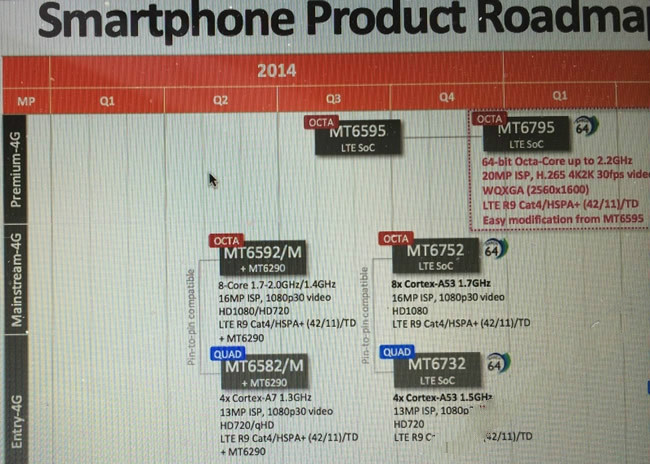
On June 15, MediaTek will launch their strongest cell phone microchip yet, the MT6595. Before the launch event, insider analyst @潘九堂 caused a storm by announcing that a yet-to-be-released 64-bit SOC would hit stores before the Chinese New Year, and that its model number is MT6795!
Product line of MTK’s LTE chips
The MT6795 is at the top of the product line of MTK’s cell phone processors and has been predicted to have more powerful specs than the MT6595 and MT6752. It looks like this is true. The MT6795 can be considered a combination of both octa-core processors, integrating the 6752’s 64-bit octa-core design with the powerful multimedia specs of the 6595.
As previously stated, the MT6795 follows a 64-bit octa-core design. It has CPU main frequency that goes up to 2.2GHz. It will probably use the ARM Cortex-A53 like the MT6752, but the upgrades in main frequency should make it more powerful than the 6752. It also uses LTE Modem, supporting LTE Cat 4 (50Mbps upstream/150Mbps downstream), TD-LTE, FDD-LTE, HSPA + 42M/11M (WCDMA), TD-SCDMA, and GSM.
The MT6795 perfectly inherits the MT6595’s excellent multimedia functions. It supports display screens with 2K resolution, 20mp Ultra HD cameras, and video codecs like the H.265 4K*2K. It still has the IMG PowerVR G6 GPU.
Mass production of the MT6795 should start before the Chinese New Year at the latest.
We use cookies on our website to give you the most relevant experience by remembering your preferences and repeat visits. By clicking “Accept”, you consent to the use of ALL the cookies.
This website uses cookies to improve your experience while you navigate through the website. Out of these, the cookies that are categorized as necessary are stored on your browser as they are essential for the working of basic functionalities of the website. We also use third-party cookies that help us analyze and understand how you use this website. These cookies will be stored in your browser only with your consent. You also have the option to opt-out of these cookies. But opting out of some of these cookies may affect your browsing experience.
Necessary cookies are absolutely essential for the website to function properly. This category only includes cookies that ensures basic functionalities and security features of the website. These cookies do not store any personal information.
Any cookies that may not be particularly necessary for the website to function and is used specifically to collect user personal data via analytics, ads, other embedded contents are termed as non-necessary cookies. It is mandatory to procure user consent prior to running these cookies on your website.