Advertisement

iQOO launches Z10 Turbo and Turbo Pro with 7000mAh+ batteries, 144Hz displays & powerful chipsets

iQOO has officially launched the iQOO Z10 Turbo and Z10 Turbo Pro smartphones in China, strengthening its position in the mid-range segment with powerful specifications, massive batteries, and flagship-grade displays. Both models are already available for sale across major online and offline channels.

iQOO Z10 Turbo Series

iQOO Z10 Turbo/Turbo Pro Specifications

Both the iQOO Z10 Turbo and Z10 Turbo Pro feature a flagship-level 144Hz “Optical Eye Protection” display. The screen uses TCL’s latest C9+ luminous material, offering impressive brightness levels, reaching up to 2000 nits across the full screen and a peak local brightness of 5500 nits.

It supports 4320Hz PWM high-frequency dimming and full-brightness DC dimming to reduce eye strain, alongside SGS certifications for low blue light and low flicker. The Z10 Turbo Pro introduces a reinforced “Diamond Shield” glass, boasting 150% higher drop resistance, surviving steel plate drops from up to 1.2 meters, and enduring rigorous rain exposure tests.

The iQOO Z10 Turbo is powered by the MediaTek Dimensity 8400 chipset, built on TSMC’s 4nm process. It features an all-big-core ARM Cortex-A725 architecture, promising a 41% improvement in multi-core performance while reducing power consumption by 44%.

Meanwhile, the Z10 Turbo Pro steps up with the Qualcomm Snapdragon 8s Gen 4 processor, paired with LPDDR5X Ultra RAM and UFS 4.1 storage. Both devices also integrate iQOO’s in-house Q1 gaming display chip and the brand’s largest-ever 7K Icefield VC liquid cooling system.

Both smartphones ship with OriginOS 5 based on Android, offering a refreshed user interface and interaction experience. OriginOS 5 introduces colorful photo filters, dynamic wallpapers, frosted glass effects, text stickers, and new smart features like the Blue Core AI model and Fast Purchase Engine for faster ticket booking. The Z10 Turbo Pro also supports cross-device Live Photo sharing between Android and iPhone devices.

The iQOO Z10 Turbo and Z10 Turbo Pro share a 50MP Sony LYT-600 main camera with OIS support, accompanied by a 2MP depth sensor. On the front, a 16MP camera handles selfies and video calls. The Z10 Turbo Pro enhances its photography experience with four flagship-level self-developed imaging algorithms and adds a new 1.5x portrait zoom option. Night portrait performance has been fine-tuned to maintain accurate skin tones and achieve better background separation even in complex lighting conditions.

The iQOO Z10 Turbo houses a massive 7620mAh third-generation silicon anode Blue Ocean battery with 90W fast charging support, reaching 60% in just 34 minutes. It maintains a slim 8.09mm profile despite the large battery. The Z10 Turbo Pro, slightly slimmer at 206g, carries a 7000mAh third-generation semi-solid silicon ultra-thin Blue Ocean battery. It supports blazing-fast 120W charging, achieving 50% charge in just 15 minutes and full charge in 33 minutes. Both models support direct power drive, PD/PPS fast charging standards, and UFCS protocol.

Additional features on both models include IP65-rated dust and water resistance, military-grade shock resistance, X-axis linear motors, symmetrical stereo speakers, full-function NFC, infrared remote control, and in-display fingerprint sensors. Connectivity has been improved with support for Wi-Fi 7, Bluetooth 6.0, dual-frequency GPS, triple-frequency BeiDou, and a new 24-antenna “Cosmic Esports Signal System” for better mobile gaming performance on the Z10 Turbo Pro.

Pricing and Availability

The iQOO Z10 Turbo is available in four variants:

  • 12GB+256GB priced at 1799 yuan (around $250)
  • 16GB+256GB priced at 1999 yuan (around $278)
  • 12GB+512GB priced at 2199 yuan (around $305)
  • 16GB+512GB priced at 2399 yuan (around $332)

Meanwhile, the iQOO Z10 Turbo Pro also comes in four variants:

  • 12GB+256GB priced at 1999 yuan (around $278)
  • 16GB+256GB priced at 2199 yuan (around $305)
  • 12GB+512GB priced at 2399 yuan (around $332)
  • 16GB+512GB priced at 2599 yuan (around $360)

Both devices are available in “Fuel,” “Desert,” “Cloud Sea White,” and “Starry Black” color options, and sales have already begun across all major Chinese retail platforms.

For more daily updates, please visit our News Section.

Stay ahead in tech! Join our Telegram community and sign up for our daily newsletter of top stories! 💡
OnePlus 13s Roundup: The Compact Flagship Powerhouse You Should be Excited About

OnePlus just announced the OnePlus 13T last week. Now, it seems like the brand is planning on bringing this model in the global market soon. But it won’t launch as the OnePlus 13T, rather, it will get a rebranding ahead of its Indian release. A recent teaser confirmed the OnePlus 13s moniker, so here’s everything you need to know about this compact flagship.

OnePlus 13S poster
OnePlus 13S poster

1. Design and Display

OnePlus 13T

The OnePlus 13s features a compact yet striking design, measuring just 8.15mm in terms of thickness and weighing 185 grams. You get a premium glass body on the rear and a metallic middle frame on the sides. On the front, it sports a 6.32-inch 8T LTPO AMOLED display with a 1.5K resolution and a 1-120Hz variable refresh rate.

This panel has a peak brightness of up to 1600 nits, along with Oppo Crystal Shield Glass for protection and Dolby Vision for vibrant HDR support. The OnePlus 13T was announced with an IP65 rating for water and dust resistance, so the OnePlus 13s should also come with a similar rating.

2. Performance

OnePlus 13s display, chipset
OnePlus 13s

Under the hood, the OnePlus 13s is powered by the latest Snapdragon 8 Elite 4nm chipset. This is one of the fastest processors that powers high end Android devices and is paired with up to 16GB of LPDDR5X RAM and 1TB of UFS 4.0 storage. Despite its small form factor, the OnePlus 13s could be powered by a massive 6260mAh battery pack like the 13T, which supports 80W wired fast charging.

Out of the box, the smartphone likely runs on the Android 15 OS based ColorOS 15 custom skin out of the box. Other notable features include WiFi 7, Bluetooth 5.4, NFC, stereo speakers with Dolby Atmos support, infrared sensor, and an in-display fingerprint scanner.

3. Camera

The OnePlus 13s was announced with a dual camera setup on the rear, which consists of a 50MP Sony IMX906 main camera that supports OIS (Optical Image Stabilization) and a 50MP telephoto shooter that offers 2x optical zoom and OIS. The brand promises video recording at 4K 60fps. For selfies and video calls, the front houses a 16MP shooter that offers up to 1080p 30fps recording.

4. Pricing

Unfortunately, the pricing details and global launch date for the OnePlus 13s is still unknown. But the official teaser states that the device will be “Coming Soon”. But based on its earlier China launch, we can assume its pricing. The OnePlus 13T debuted with a starting price tag of 3,399 Yuan, which is around 446 US Dollars. So while this is a sub-500 US Dollar device, it will likely be priced at under 600 US Dollars in the global market.

For more daily updates, please visit our News Section.

Don’t miss a thing! Join our Telegram community for instant updates and grab our free daily newsletter for the best tech stories!

Huawei launches Smart Door Lock 2 with AI palm vein tech, 2K cat eye camera & HarmonyOS

Huawei has launched the Smart Door Lock 2 in China, priced at 2,499 yuan (around $345) and now available through JD.com. The new smart lock focuses on stronger biometric security, better camera capabilities, and improved smart home integration.

Huawei Smart Door Lock 2

Huawei Smart Door Lock 2 Specifications

The Smart Door Lock 2 features Huawei’s new AI palm vein recognition system. The system uses near-infrared light to scan vein patterns beneath the skin, providing a higher level of security compared to fingerprint or facial recognition. It remains effective even if the user’s skin is dirty, wet, or slightly injured. Huawei also enables contactless unlocking through an “air swipe” gesture.

Huawei equips the device with an upgraded AI chip that delivers 1.5 times faster processing compared to earlier models. It includes a new-generation NPU offering 25T of computing power to ensure fast and stable unlocking. The lock supports multiple authentication methods, including palm vein scanning, fingerprint unlocking, smartphone app control, numeric passwords, guest codes, and mechanical keys.

The Smart Door Lock 2 comes with an upgraded 2K ultra-clear cat eye camera with a 161° field of view. Huawei improves the camera’s exposure and distortion correction, expanding the capture range by 28% compared to the previous generation. Users can monitor visitors in real-time through Huawei smartphones, tablets, smart displays, and other HarmonyOS 5 devices with two-way intercom functionality.

Huawei adds a built-in emergency red button for unlocking during power failures. The device runs on a 10,000mAh lithium battery that supports three to five months of normal use. It automatically switches to four AA batteries if the main battery depletes. It also features a USB Type-C port for emergency charging.

The lock features a die-cast integrated body that improves structural strength and resists humidity. Huawei also includes a noise-reducing locking mechanism to minimize disturbance when locking or unlocking doors.

On the security side, the Smart Door Lock 2 includes AI human detection, cloud video storage, and full data encryption. It meets EAL5+ certification for both software and hardware encryption. The lock uses a C-level direct-insertion cylinder for added physical security. It also links with HarmonyOS smart home scenes to automate devices like lights and air conditioners based on door lock activity.

Earlier this year, TCL launched a smart lock featuring iPhone-style face unlock and a built-in screen for your door.

For more daily updates, please visit our News Section.

Stay ahead in tech! Join our Telegram community and sign up for our daily newsletter of top stories! 💡
CMF Phone 2 Pro Official with Dimensity 7300 Pro, 50MP Camera & Improved Water Resistance: Full Specs, Pricing, and Availability

Nothing’s sub-brand CMF has officially launched the CMF Phone 2 Pro globally, with a major event held in India. Designed as a budget-friendly mid-range smartphone, the CMF Phone 2 Pro builds on its predecessor with several improvements, focusing on delivering better value and features.

CMF Phone 2 Pro

The CMF Phone 2 Pro features a modular back design, but this time the back is fully sealed to make the phone slimmer and more water-resistant. Accessories can still be attached directly onto the phone or through the universal back cover, which screws onto the device.

CMF Phone 2 Pro

CMF Phone 2 Pro features

The phone runs on the MediaTek Dimensity 7300 Pro 5G processor, built on a 4nm process, with an 8-core CPU clocked up to 2.5GHz. It comes in two variants: 8GB RAM with 128GB storage and 8GB RAM with 256GB storage. Storage can be expanded up to 2TB. The phone supports 120 FPS high frame rate mode in BGMI and 90 FPS high frame rate mode in PUBG.

CMF Phone 2 Pro

The display is a 6.77-inch flexible AMOLED panel with Panda Glass protection. It has a resolution of 1080 x 2392 pixels (387 PPI), a 120Hz adaptive refresh rate, a 1000Hz touch sampling rate, 2160Hz PWM frequency, 3000 nits peak brightness, and supports HDR10+.

The camera setup includes a 50MP main sensor with f/1.88 aperture, EIS, and Phase Detection Autofocus, a 50MP telephoto sensor with f/1.85 aperture, 2x optical zoom, and 20x digital zoom, and an 8MP ultra-wide camera with a 119.5° field of view. The front camera is 16MP with an f/2.45 aperture. Features include TrueLens Engine 3.0, Ultra XDR, Auto Tone, Portrait Optimizer, Motion Photo, and Night Mode. Video recording is supported at 4K 30FPS, 1080p at 30/60FPS, and slow motion at 120FPS. Camera accessories include interchangeable lenses for Macro shots and Wide-angle shots with a fish-eye effect.

CMF Phone 2 Pro

The phone has a 5000mAh battery with 33W wired charging and 5W reverse wired charging. It supports dual SIM, NFC, Wi-Fi 6, Bluetooth 5.3, and a full range of 5G bands. It is IP54 rated for water and dust resistance. Sensors include an under-display fingerprint sensor, accelerometer, compass, ambient light sensor, gyroscope, proximity sensor, and an X-axis linear vibrator.It runs Nothing OS 3.2 based on Android 15. The company promises three years of Android updates and six years of security patches.

The box includes the CMF Phone 2 Pro, a Type-C cable, a phone case, a SIM tray ejector, a screen protector (pre-applied), a 33W PD charger, and warranty information. The phone is offered in four colors: Orange, Light Green, Black, and White. The Green and Black models feature a glass back, the Orange variant comes with a two-tone metallic back, and the White version has a two-tone sandstone finish.

Here’s the official pricing:

  • Europe: €259 (8GB + 128GB), €289 (8GB + 256GB)
  • UK: £219 (8GB + 128GB), £249 (8GB + 256GB)
  • UAE: AED 799 (8GB + 128GB), AED 1,099 (8GB + 256GB)
  • India: ₹18,999 (8GB + 128GB), ₹20,999 (8GB + 256GB)
  • US: $249 for the 8GB + 256GB variant under the US Beta Program

The sale will kick off starting May 5, but could vary depending on regions. In India, the phone will be launching on May 5, with a discounted launch price of ₹17,999 (8GB + 128GB), ₹19,999 (8GB + 256GB). Bank discounts will knock its price down by ₹1,000. That said, it is worth noting that this reduced price will only be available on May 5 through Flipkart.

Don’t miss a thing! Join our Telegram community for instant updates and grab our free daily newsletter for the best tech stories!

For more daily updates, please visit our News Section.

(Source 1, 2, 3)

LG 2025 QNED Evo Series of 4K TVs unveiled globally: New AI powered Smart TVs

The LG 2025 QNED Evo lineup of smart TVs debuts globally with its sales set to kick off soon. These are the brand’s cutting edge smart TVs that bring high resolution, improved picture quality, and AI powered features. So let’s check out their specs, features, pricing, and more.

LG 2025 QNED Evo Lineup Global Roll Out Confirmed

The South Korean tech giant’s 2025 QNED Evo series feature the brand’s nanoparticle-based Dynamic QNED Color technology that replaces quantum dot and promises to offer improved visuals and true to life colors. The latest lineup consists of the QNED9MA, QNED85, and QNED92 models that sport Mini LED panels and the Alpha 8 AI processor. So you’re getting a 70 percent better AI performance that allows for improved contrast and sharp pictures.

LG 2025 QNED Evo Series 4K TV

The latest AI features include AI Magic Remote, AI Conceirge, AI Search, and much more. All three LG 2025 QNED Evo lineup runs on the WebOS 25 platform and can also double as a smart hub for LG ThinQ, Google Home, Apple AirPlay, and more. These are high resolution smart TVs that feature 4K (UHD) and up to a 144Hz refresh rate, which makes them great for gamers. The flagship QNED89A is the top of the line model that arrives with a massive 100-inch screen for a cinema experience. Meanwhile, the QNED87 and QNED86 are available in 100, 86, 75, 65, 55, 50, and 43-inch sizes.

Pricing and Availability

The LG 2025 QNED Evo lineup is set to go on sale in South Korea in early May 2025 and North America, with a European launch and global availability kicking off later on. So here are the pricing details:

  • LG QNED Evo AI QNED9MA – Starting price tag of 1,799.99 US Dollars (goes up to 3,499.99 US Dollars)
  • LG QNED Evo AI QNED92A – Starting price tag of 2,299.99 US Dollars (goes up to 3,499.99 US Dollars)
  • LG QNED Evo AI QNED85A – Starting price tag of 899 US Dollars (goes up to 4,999.99 US Dollars)

Notably, this release arrives soon after the brand announced the LG Smart Monitor Swing.

For more daily updates, please visit our News Section.

Tech enthusiast? Get the latest news first! Follow our Telegram channel and subscribe to our free newsletter for your daily tech fix! ⚡

Nubia Tablet Pro debuts in China with 2.8K display & Snapdragon 8 Gen 3 for under $400

Nubia just announced the Z70S Ultra Photographer Edition as its latest flagship smartphone. But apart from this cutting edge camera smartphone, the company also unveiled the Nubia Tablet Pro as a budget flagship tablet. So now, here’s everything you need to know.

Nubia Tablet Pro: Specs and Features

The brand launched the Nubia Tablet Pro in the Chinese market with a tall 10.9-inch LCD panel with a 2.8K resolution and a 144Hz refresh rate. Under the hood, it is equipped with the Snapdragon 8 Gen 3 SoC, which is paired with up to 16GB of LPDDR5 RAM and up to 1TB of UFS 4.0 storage. Nubia claims that the tablet achieved a 2.32 million points on AnTuTu thanks to these specs.

Nubia Tablet Pro
Nubia Tablet Pro

A massive 10,100mAh battery pack powers this device, which supports 66 wired fast charging. Despite these hefty hardware, the tablet measures just 7.3mm in thickness and weighs 525 grams. It is also a premium tablet with an all metal body. Other notable features includes a quad speaker setup with DTS X sound effects, and AI powered features.

Pricing and Availability

The company announced the Nubia Tablet Pro in multiple storage configurations, so here are the prices:

  • 8GB + 256GB – 2,799 Yuan (roughly 384 US Dollars)
  • 12GB + 256GB – 2,999 Yuan (roughly 411 US Dollars)
  • 16GB + 512GB – 3,399 Yuan (roughly 466 US Dollars)
  • 16GB + 1TB – 3,999 Yuan (roughly 548US Dollars)

This tablet is also being sold along with a detachable magnetic keyboard that has a 1.3mm key travel for 499 Yuan. The Nubia Tablet Pro is set to go on sale in China on 6th May 2025.

For more daily updates, please visit our News Section.

Don’t miss a thing! Join our Telegram community for instant updates and grab our free daily newsletter for the best tech stories! ᲼

Xiaomi launches Mijia water purifiers with app control, ultra-fast flow & 6-year RO filter lifespan

Xiaomi is expanding its smart home ecosystem yet again, this time targeting the essential category of clean water. Today, the company officially launched two new models under its Dual-Effect Water Purifier Pro lineup: the Mijia Water Purifier Pro Dual-Outlet 1200G and 1600G.

Pre-sales have already kicked off, with shipments scheduled to begin on May 8. Pricing starts at 2599 yuan (around $360) for the 1200G model and 2999 yuan (around $415) for the more powerful 1600G variant.

Xiaomi Mijia Water Purifier Pro

Xiaomi Mijia Water Purifier Pro Specifications

Both purifiers share Xiaomi’s new “Dual Faucet, Dual Waterway” design, splitting drinking water and domestic water into two completely separate pipelines. That means users no longer have to compromise between high-quality drinking water and filtered household water for tasks like washing vegetables or rice. It’s a health-first design approach that fits seamlessly into Xiaomi’s broader HyperConnect smart home ecosystem.

The 1200G model features an imported RO membrane and high-grade Sri Lankan coconut shell activated carbon, pushing out a pure water flow rate of 3.2L/min. Xiaomi claims it can fill a 150mL cup in just 2.5 seconds, while still maintaining domestic water flow comparable to traditional taps at 5-8L/min. It also comes with an oversized PPC filter, 32% larger than previous generations, for faster flow rates and better long-term performance.

Meanwhile, the more premium 1600G model steps things up even further. It integrates a high-end Toray RO membrane from Japan, delivering a 4.71L/min initial flow rate and 98% desalination efficiency. In practical terms, it fills a 150mL bottle in just 1.9 seconds. It also sports a smart, touch-sensitive faucet with IPX7 waterproofing and a sophisticated 10-level electroplated finish, giving users a more premium hands-on experience.

Both models come equipped with Xiaomi’s latest Zero Stale Water 3.0 technology, ensuring that the pipes flush daily with fresh water. Through the Mi Home app, users can monitor TDS levels, track filter life, check water consumption, and customize dispensing volumes between 300mL and 20.9L. The RO filters on both units are rated for up to six years of use, aiming to minimize maintenance hassle over time.

On the efficiency front, the 1200G achieves a first-class water efficiency rating of 72.7%, while the 1600G reaches 67.6%. Both systems also feature a 6-chamber low-noise pump, certified for “Green Sound” operation, making them ideal for quiet environments like kitchens or home offices.

Xiaomi backs the new Mijia Water Purifier Pro lineup with a five-year warranty on core components, alongside free nationwide installation.

In related news, Xiaomi recently launched the Mijia Refrigerator Pro 508L with HyperOS, a 508L capacity, and 360° frost-free cooling, alongside the Mijia Wireless Floor Washer 4 Pro featuring 21,000Pa suction and an anti-tangle system.

For more daily updates, please visit our News Section.

Stay ahead in tech! Join our Telegram community and sign up for our daily newsletter of top stories! 💡
(Via)

Nubia Z70S Ultra Photographer Edition announced: Cutting edge flagship camera smartphone

Nubia has officially announced a next gen flagship camera smartphone. The Nubia Z70S Ultra Photographer Edition arrives as a premium smartphone with cutting edge specs and features. You’re getting one of the fastest chips in the market, advanced camera hardware, and much more. So let’s check it out.

Nubia Z70S Ultra Photographer Edition: Specs & Features

Nubia Z70S Ultra Photographer Edition

The Nubia Z70S Ultra Photographer Edition has officially been introduced with a tall 6.85-inch BOE Q9+ OLED display with a 1.5K resolution, a 144Hz refresh rate, 100 percent DCI P3 color gamut, and up to 2000 nits of peak brightness. Under the hood, it is equipped with the Qualcomm Snapdragon 8 Elite, which is one of the fastest Android chips on the market. This processor is paired with up to 24GB of LPDDR5X RAM and 1TB of UFS 4.0 storage.

A massive 6,600mAh battery pack powers this model, which supports 80W wired fast charging. But arriving at the highlight, there is a triple camera setup on the rear. It consists of a 50MP custom Light and Shadow Master 990 Omnivision 1/1.3-inch main camera, 50MP ultra wide angle Omnivision OV50D lens, and a 64MP OmniVision OV64B periscopre telephoto 1/2 inch shooter. Meanwhile, the front houses a 16MP OmniVision OV16A1Q under-display selfie camera.

Nubia Z70S Ultra Photographer Edition
Photography Kit

But what makes this even more special is a customized professional photography kit. This includes a T-mount adapter and an adapter ring that supports 67mm filters. This allows users to add NF filters or polarizers to their phone lenses as well. For a true camera experience, the photography kit also has a shoulder strap and magnetic suction function. Other notable features include dual speakers with DTS:X ULTRA, IP68 + IP69 rating for water and dust resistance, WiFi 7, Bluetooth 5.4, and NFC.

Pricing and Availability

The Nubia Z70S Ultra Photographer Edition was just announced in China in multiple storage configurations, so here are all the details:

  • 12GB + 256GB – 4,599 Yuan (roughly 631 US Dollars)
  • 16GB + 512GB – 4,999 Yuan (roughly 685 US Dollars)
  • 16GB + 1TB – 5,599 Yuan (roughly 768 US Dollars)
  • 24GB + 1TB – 6,299 Yuan (roughly 864 US Dollars)
  • Photography kit – 899 Yuan (roughly 123 US Dollars)

For more daily updates, please visit our News Section.

Tech enthusiast? Get the latest news first! Follow our Telegram channel and subscribe to our free newsletter for your daily tech fix! ⚡

Lenovo ThinkCentre Neo Ultra 2025 Mini PC announced: A new Apple Mac Mini rival?

Back in December 2024, Lenovo unveiled the ThinkCentre Neo Ultra Mini PC with 14th Gen Intel Core processors and Nvidia RTX 4000 series GPUs. Now, the brand has officially announced a refreshed model that arrives with the new Intel Core Ultra CPUs and RTX 5000 series GPUs.

Lenovo ThinkCentre Neo Ultra Mini PC: What does it offer?

The Chinese tech giant has officially announced a Windows powered mini PC, which is Lenovo’s Apple Mac Mini lineup. Lenovo has officially launched the ThinkCentre Neo Ultra Mini PC with cutting edge hardware, which includes Intel Core Ultra 5, Ultra 7, and Ultra 9 (Series 2) and either an Nvidia RTX 5060 or RTX 5060 Ti GPU. All three variants are paired with 32GB of RAM and 1TB of SSD storage.

Lenovo ThinkCentre Neo Ultra mini PC
Lenovo ThinkCentre Neo Ultra Mini PC

In other words, you’re getting a powerful CPU and GPU combo that can handle intensive workloads for creative professionals. These specs could allow for 4K video editing, gaming, and much more. Thanks to the new Core Ultra chips, the Lenovo ThinkCentre Neo Ultra Mini PC is also AI enabled. The new Mini PCs are powered by a 300W PSU and are designed for both office and home use.

Pricing and Availability

The brand announced the Lenovo ThinkCentre Neo Ultra Mini PC in three variants, so here are its pricing:

  • Ultra 5 processor + RTX 5060 graphics card + 32GB RAM + 1TB SSD – 14,999 Yuan (roughly 2,058 US Dollars)
  • Ultra 7 processor + RTX 5060 Ti graphics card + 32GB memory + 1TB SSD: 19,999 Yuan (roughly 2,195 US Dollars)
  • Ultra 9 processor + RTX 5060 Ti version – Details not yet announced

For more daily updates, please visit our News Section.

Don’t miss a thing! Join our Telegram community for instant updates and grab our free daily newsletter for the best tech stories!

Huawei Watch 5 leak: Next gen premium smartwatch’s colors, price, & more revealed

Huawei is apparently working on a next gen premium smartwatch. The Huawei Watch 5 was recently spotted in certain certifications, and now, the upcoming wearable has just surfaced in a big leak that revealed its colors, design, global pricing, and more.

Huawei Watch 5 Colors, Design, & Price Revealed

Huawei Watch 5

The latest information arrives from known tipster Sudhanshu Ambhore, who shared images and details exclusively with 91Mobiles. This model was previously spotted in UAE’s TDRA database, which hinted at its imminent release. But the latest report has confirmed a lot more of the key details. The Huawei Watch 5 will reportedly arrive in two size variants, namely 42mm and 46mm. Looking at the renders, we can see the smartwatch in multiple color options.

Huawei Watch 5

The Watch 5 arrives in Blue, Green, Brown, Black, White, and Beige/Gold. There are multiple strap variants as well, like steel, silicone, and a fabric option as well. Huawei’s new smartwatch can also be seen with a circular dial with narrow bezels. Other design elements include a rotating crown for navigation on the right side, along with a physical button and an oval shaped layout with two cutouts. On the bottom, you can see heart rate sensors and magnetic pins for charging.

Huawei Watch 5

But one of the most notable information revealed in this leak is the global pricing. The Huawei Watch 5 is expected to have a starting price tag of 499 Euros, while the more expensive options may include 549 Euros, and 599 Euros. These are likely different colors, straps, and size options. This is all the information we have at the moment, so stick around for more.

For more daily updates, please visit our News Section.

Tech enthusiast? Get the latest news first! Follow our Telegram channel and subscribe to our free newsletter for your daily tech fix! ⚡

ROG India to launch new gaming laptops & Flow Z13 on May 2

Asus ROG is all set to announce multiple devices on May 2 in India. The upcoming 2025 ROG lineup for the Indian market includes the Strix Scar 16 / Scar 18, Strix G16, Zephyrus G16 / G14, and Flow 13. Here is a look at the details of these upcoming devices.

ROG Strix Scar 16 (G635) / Stix Scar 18 (G835)

This gaming beast is expected to feature a high-refresh-rate display, likely with a Mini-LED panel with a 16:10 aspect ratio. It will be powered by the latest generation Intel Core processors and up to Nvidia GeForce RTX 5090 graphics cards, ensuring top-tier gaming performance.

The 2025 ROG Strix Scar series will offer up to 64GB of DDR5 RAM, up to 2TB of SSD storage, and 2TB expandable storage. It will be equipped with advanced cooling solutions to handle demanding gaming sessions and a stylish, gamer-centric design with customizable RGB lighting.

ROG Strix G16 (G615)

Positioned as a more accessible yet powerful gaming laptop, the Strix G16 will still pack a punch with Intel Core Ultra 9 processor and dedicated Nvidia GeForce RTX 5070i graphics. It will feature a 16:10 display that supports a 2.5K reoslution and a comfortable gaming keyboard, making it a great option for gamers looking for a balance of performance and value.

ROG Zephyrus G16 (GU605) / Zephyrus G14 (GA403)

The 2025 Zephyrus G16 (GU605) / Zephyrus G14 (GA403) will be refreshed versions of existing models. It will offer gaming prowess and content creation capabilities in a sleek and portable design. The Zephyrus G16 / G14 will feature the latest Intel Core Ultra 9 processors and NVIDIA GeForce RTX 5080 graphics. The series will also offer a high-quality ROG Nebula OLED display with excellent color accuracy and a 90Wh battery with fast charging support.

ROG Flow Z13 (GZ302)

The ROG Flow Z13 is a 2-in-1 gaming device that combines the portability of a tablet with the power of a gaming laptop. Featuring a detachable keyboard, it offers versatility for gaming and productivity. Expect it to be equipped with a powerful AMD Ryzen AI Max 390 CPU and NVIDIA GeForce RTX graphics, along with a high-resolution touchscreen display. It comes with support for a stylus and a detachable RGB gaming keyboard cover.

For more daily updates, please visit our News Section.

Stay ahead in tech! Join our Telegram community and sign up for our daily newsletter of top stories!

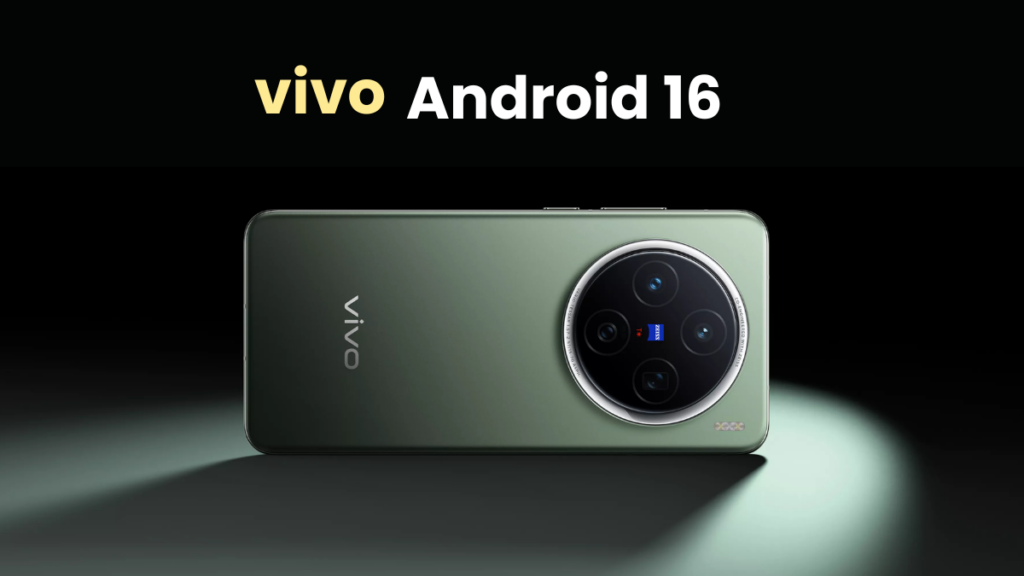
More brands are now offering Android 16 beta

Android 16 beta devices

Android 16 is arriving earlier than usual, thanks to major changes Google made to its development process. The upcoming OS is nearing the end of its beta testing phase, with Beta 4 rolling out just a week ago. Until recently, only Google Pixel users could test Android 16 beta builds — but now, the beta is expanding to devices from several major Android brands.

Samsung, however, isn’t on the list as the company is still busy with the One UI 7 rollout, which is based on Android 15. The devices that can now run Android 16 beta include the Xiaomi 15, Xiaomi 14T Pro, OnePlus 13, Vivo X200 Pro, iQOO 13, Oppo Find X8, Honor Magic 7 Pro, Realme GT 7 Pro, Lenovo Yoga Tab Plus, and Sharp AQUOS sense9.

Additionally, the Android 16 beta is available for these Google Pixels models: Pixel 6, Pixel 6 Pro, Pixel 6a, Pixel 7, Pixel 7 Pro, Pixel 7a, Pixel 8, Pixel 8 Pro, Pixel 8a, Pixel 9, Pixel 9 Pro, Pixel 9 Pro XL, Pixel 9 Pro Fold.

Users with any of these aforementioned Android devices can get an early taste of Android 16 by flashing the beta ROM. These early beta builds are only intended for developers and testers as they generally have many bugs and broken features, which is why most people are advised to refrain from installing such builds.

How to install Android 16 beta on your device?

Installing a beta build isn’t as simple as downloading a regular update. You’ll need to manually flash the correct firmware, and any mistakes could leave your phone with corrupted software — or even make it unusable. If you’re not familiar with the flashing process, it’s best to avoid proceeding.

Before you begin, make sure to back up all your data. Beta installations typically wipe your device completely, so you don’t want to risk losing important files.

Regarding beta installation steps, different brands have different installation methods. Simply open the Android 16 beta devices page and tap on your smartphone brand. It will take you to your brand’s official page, where you’ll find all the steps and download links to the Android 16 beta files.

When is the stable version coming out?

Google is confirmed to release Android 16 in the second quarter, that is, by June 2025. However, a May release is also on the cards, given that the fourth beta is already out, which is supposed to be the final one. Many also believe that the upcoming OS will be released at the Google I/O 2025 event, which will go live on May 20.

So, the exact release data for Android 16 is still under the cover, but in all likelihood, the stable version will be pushed on or before June 2025.

  • Android 16 DP1: Nov 18, 2024
  • Android 16 DP2: Dec 18, 2024
  • Android 16 Beta 1: Jan 23, 2025
  • Android 16 Beta 2: Feb 13, 2025
  • Android 16 Beta 3: Mar 13, 2025
  • Android 16 Beta 4: Apr 17, 2025

You can read more about Android 16 here, including the eligible devices and new features. Also, don’t forget to regularly visit our Android 16 section for the latest news and developments.

Xiaomi’s crowdfunded 10-in-1 docking station is now on sale

Xiaomi has quietly launched its previously crowdfunded 10-in-1 Type-C expansion dock in China. The peripheral is now officially on sale through JD.com and carries a price tag of just 199 yuan (~ $28).  

Xiaomi 10-in-1 Docking Station Specs

The docking station features an aluminum alloy shell and an integrated cable storage slot for a slightly more organized setup. It connects via a single Type-C interface and offers 10 different ports. This includes one Type-C port, three USB-A ports, an HDMI output, a Gigabit Ethernet (RJ45) port, a 3.5mm audio jack, and slots for SD and TF cards.

The three USB-A ports and the additional Type-C port all support the USB 3.0 standard, with a combined theoretical data transfer rate of up to 5 Gbps. Xiaomi claims users can transfer a 1GB file in about three seconds, although real-world performance will depend on factors like device compatibility and cable quality.

Xiaomi 10-in-1 docking station launch specs

The dock’s Type-C port also supports PD100W fast charging. This means it can deliver up to 90W charging power for laptops. The HDMI output is capable of 4K video at 60Hz, and the Gigabit Ethernet port is designed to adapt to network speeds of 1000Mbps, 100Mbps, and 10Mbps.

In terms of software support, the dock works with Windows, macOS, Linux, and Android, and offers plug-and-play functionality without requiring extra drivers. 

The docking station also supports hot-swapping, which means you can replace or add a device to it while it is plugged in. 

Xiaomi, however, recommends users check if their device’s Type-C port is a full-function port. Otherwise, devices with a more limited Type-C implementation may only be able to access partial functionality.

For the price, Xiaomi’s 10-in-1 docking station provides a reasonable balance of utility and cost-effectiveness. However, it is likely to be limited to the Chinese market.

For more daily updates, please visit our News Section.

Stay ahead in tech! Join our Telegram community and sign up for our daily newsletter of top stories!

OnePlus 13s compact flagship phone coming soon, 6.32-inch display, Snapdragon 8 Elite confirmed

There have been reports that OnePlus is working on a smartphone called the OnePlus 13s for the global market. Today, the brand not only officially confirmed the OnePlus 13s’ existence, but also revealed its design, display size, and chipset. Here’s a look at all the official details of the smartphone confirmed by the brand.

OnePlus 13s coming soon

OnePlus 13S poster
OnePlus 13S poster

The landing page for the OnePlus 13s, which is now available on both Amazon India and OnePlus India’s website, reveals that the phone will come in Black Velvet and Pink Satin color options. The handset has a volume rocker and a power button on the right edge, whereas it features a new hardware key on the left spine. Its bottom features a SIM slot, a USB-C port, a microphone, and a speaker grille.

OnePlus 13s display, chipset

The OnePlus 13s is a compact flagship smartphone featuring a 6.32-inch AMOLED display. It will be powered by the Snapdragon 8 Elite chipset, though it’s not clear whether the 13s will be identical to the OnePlus 13T, which debuted last week in China. The brand is yet to reveal the OnePlus 13s’ launch date.

OnePlus 13T specifications

In China, the OnePlus 13T features a 6.32-inch display with a 1.5K resolution, a 120Hz refresh rate, and an in-screen fingerprint sensor. For photography, the 13T sports a 16-megapixel front-facing camera and a dual rear camera setup: an OIS-enabled 50-megapixel primary camera and a 50-megapixel telephoto camera with 2x optical zoom.

The 13s is equipped with the Snapdragon 8 Elite chipset and a 6,260mAh battery with 80W fast charging support. Running ColorOS 15 based on Android 15, the device also includes a new hardware key, dual stereo speakers, a metal frame, and an IP65-rated build.

The 13s ships with up to 16GB of LPDDR5x RAM and up to 1TB of UFS 4.0 storage. The 12GB+256GB version of the OnePlus 13T is priced at 3,399 Yuan (~$465).

For more daily updates, please visit our News Section.

Stay ahead in tech! Join our Telegram community and sign up for our daily newsletter of top stories!

OnePlus 13R vs Samsung Galaxy A35: Is the Extra Price Worth It?

OnePlus 13R and Samsung Galaxy A35 are both appealing options in the midrange smartphone market, offering a mix of performance and value. While the A35 caters to budget-conscious users with solid features, the 13R provides flagship-like specs at a slightly higher price. This comparison is crucial for those trying to decide between value and premium features, as both devices aim to deliver quality performance but differ in their approach to display, camera, and overall power. Here’s a breakdown of how each stacks up against the other.

1. Design and Display

OnePlus 13R
OnePlus 13R

Build and Feel:

The OnePlus 13R delivers a more premium feel with its aluminum frame and Gorilla Glass 7i protection on both sides. Its sleek, high-end materials offer greater durability and scratch resistance. In contrast, the Galaxy A35 uses a plastic frame, which feels less solid despite also having glass on the front and back. However, Samsung’s IP67 rating provides better water immersion resistance than the 13R’s IP65, making it more reliable around water.

Overall, the OnePlus 13R provides a more luxurious in-hand feel, while the A35 offers slightly better protection in wet environments. For those prioritizing premium construction, the 13R leads.

Display Quality:

The OnePlus 13R features an advanced LTPO 4.1 AMOLED panel with 1B colors, HDR10+, Dolby Vision, and a stunning peak brightness of 4500 nits. This ensures incredible clarity, deeper contrast, and smoother adaptive refresh rates. The Galaxy A35’s Super AMOLED, though decent with 1000 nits peak brightness and 120Hz, lacks HDR support and offers lower pixel density.

The OnePlus 13R display is far superior for content consumption and outdoor visibility. Its wider color range and higher brightness make it more versatile for any lighting condition.

Verdict:
OnePlus 13R wins in both build and display. It offers superior materials, higher brightness, and broader HDR support, making it the better choice for users who value visual excellence and a premium feel.

2. Specifications

Galaxy A35
Galaxy A35

Performance:

The OnePlus 13R boasts the flagship Snapdragon 8 Gen 3, delivering top-tier performance for gaming, multitasking, and AI tasks. It’s paired with UFS 4.0 storage and up to 16GB RAM. On the other hand, the Galaxy A35 runs on the midrange Exynos 1380, which is capable for everyday use but can’t match the efficiency and speed of the 13R’s processor.

The OnePlus 13R is significantly more future-proof in performance, especially for demanding users and gamers. It easily outpaces the A35 in raw power and software responsiveness.

Battery and Charging:

The OnePlus 13R comes with a massive 6000 mAh battery and fast 80W charging, reaching 100% in under an hour. The A35 has a smaller 5000 mAh battery and a much slower 25W charge rate, which feels dated by comparison.

The 13R leads in battery capacity and charging convenience. Its fast charging and larger cell offer a more efficient all-day experience.

Verdict:
In performance and battery, the OnePlus 13R outclasses the Galaxy A35. It’s built for power users, with faster charging, longer battery life, and a far superior chipset.

3. Camera

OnePlus 13R
OnePlus 13R

Main and Secondary Lenses:

The OnePlus 13R packs a versatile triple-camera setup, including a 50MP wide with OIS, 50MP telephoto with 2x optical zoom, and an 8MP ultrawide. It also supports 4K at 60fps and includes advanced features like a color spectrum sensor. The Galaxy A35, while also offering a 50MP main sensor with OIS and an ultrawide lens, substitutes the telephoto for a basic 5MP macro.

The 13R’s telephoto lens and more advanced optics provide greater flexibility and quality in photography, especially for portraits and zoom shots. It clearly offers a more flagship-like camera experience.

Selfie Camera:

The Galaxy A35’s 13MP front camera supports 4K video, offering better detail and video sharpness. The 13R has a 16MP selfie shooter but limits video to 1080p. Despite higher resolution for stills, the lack of 4K on the 13R’s front cam is a missed opportunity.

In selfies and vlogging, the A35 has a slight edge due to its 4K support on the front camera.

Verdict:
OnePlus 13R dominates in rear camera versatility and quality, while the A35 takes a small win in selfie video capabilities. Overall, the 13R offers a more powerful photography setup.

4. Pricing

Galaxy A35
Galaxy A35

The OnePlus 13R is priced at approximately $500, making it a strong contender in the upper-midrange segment. The Galaxy A35, at $399, sits comfortably in the midrange category. With just a $100 difference, the price gap between these two is now narrower, shifting the value equation significantly.

At $500, the 13R offers a flagship-grade processor, superior display, and much faster charging, which is rare at this price point. The Galaxy A35, while $100 cheaper, still delivers good performance, IP67 water resistance, and microSD expansion, features appreciated in daily use but less compelling for power users.

Verdict:
OnePlus 13R offers a better performance-to-price ratio for users wanting flagship features without flagship pricing. The Galaxy A35 remains a strong option for more casual users, but the relatively small price difference makes the 13R a better value overall for those seeking more power and longevity.

5. Conclusion

Galaxy A35
Galaxy A35

The OnePlus 13R includes cutting-edge features like LTPO 4.1 AMOLED with Dolby Vision, the Snapdragon 8 Gen 3 chipset, UFS 4.0 storage, and ultra-fast 80W charging. It also offers a robust triple camera setup with a telephoto lens, IR blaster, and IP65 rating. The addition of advanced features like Circle to Search and Ultra HDR image support further elevate its premium feel.

The Galaxy A35 stands out by offering 4K selfie video recording and IP67 water resistance, rare at its price point. It also supports microSD expansion, a key feature missing from the 13R. The 13R brings a flagship experience in every area, while the A35 impresses with thoughtful value-driven additions. Each phone has unique traits that cater to different types of users.

Final Verdict:
For just $100 more than the Galaxy A35, OnePlus 13R delivers a vastly superior chipset, brighter and more advanced display, better battery life, and faster charging, all of which contribute to a more future-proof device.

The Galaxy A35 still holds value for users focused on basic performance, camera flexibility, and water resistance at a slightly lower price. However, the OnePlus 13R justifies its higher cost with flagship-level hardware and performance.

Overall, the OnePlus 13R stands out as the smarter long-term choice for most users, offering premium features at a competitive price point.

Read More:

Ulefone Armor 28 Pro Launching Soon: Rugged Design, Big Battery, and Affordable Price

Ulefone has officially announced the Armor 28 Pro, the latest rugged smartphone in its famous Armor series. This new model is designed as a budget-friendly alternative to the Armor 28 Ultra, offering strong features at a more affordable price. The global release date is set for May 12, 2025, and it will be available on Amazon, AliExpress, and the Ulefone Official Store. Although the official price has not yet been revealed, Ulefone has confirmed it will be significantly cheaper than the Armor 28 Ultra.

Dual AMOLED Screens with 2200 Nits Peak Brightness

The Armor 28 Pro offers an impressive dual AMOLED screen setup, which is rare in rugged smartphones. It also supports an Always-On Display (AOD) feature, making it easy to view essential information without unlocking the phone. The main screen shines with a peak brightness of 2200 nits, ensuring excellent readability even in direct sunlight. This makes the Armor 28 Pro not just tough, but also highly practical for outdoor use.

MediaTek Dimensity 7300 5G with 16GB RAM 

Powering the Armor 28 Pro is the MediaTek Dimensity 7300 5G processor. Although it is a step down from the Dimensity 9300+ used in the Armor 28 Ultra, it still offers reliable everyday performance. The phone is backed by 16GB of LPDDR5X RAM and 512GB of internal storage, allowing for smooth multitasking and generous file storage. Added AI features like AI object removal make the phone smarter and more user-friendly. 5G connectivity ensures fast and stable internet access.\

Sony IMX989 1-Inch Main Sensor and 64MP Night Vision Camera

Photography is another strong area for the Armor 28 Pro. It boasts a Sony IMX989 1-inch sensor as its main camera, delivering flagship-level image quality. For low-light photography, the 64MP Ultra Night Vision camera captures detailed shots even in dark conditions. However, the Armor 28 Pro does not include AI-powered thermal imaging, unlike the Armor 28 Ultra Thermal version. This change helps lower the price without removing essential camera features.

10600mAh Battery with 120W Wired and 50W Wireless Charging

Battery life is a major highlight of the Armor 28 Pro. It is equipped with a huge 10,600mAh battery, providing extended usage time, ideal for outdoor workers or adventurers. The phone supports 120W wired flash charging and 50W wireless charging, allowing users to recharge quickly and stay connected longer. This combination of large capacity and fast charging ensures maximum reliability in all conditions.

Rugged Build Consistent with the Armor 28 Ultra Series

The Armor 28 Pro continues Ulefone’s tradition of delivering rugged, durable smartphones. Its build quality is consistent with the Armor 28 Ultra series, designed to survive drops, dust, and water exposure. This makes it perfect for those who work in challenging environments or love outdoor adventures, ensuring the phone stays functional no matter where you go.

Key Differences Compared to Armor 28 Ultra

  • Processor:
    Armor 28 Ultra uses the more powerful Dimensity 9300+ processor, while Armor 28 Pro is equipped with the Dimensity 7300 5G.
  • Storage:
    Armor 28 Ultra offers 1TB internal storage, whereas Armor 28 Pro comes with 512GB internal storage.
  • Thermal Imaging:
    Armor 28 Ultra features AI-powered thermal imaging, but the Armor 28 Pro does not include this feature.

Despite these differences, the Armor 28 Pro remains a highly capable rugged smartphone, delivering excellent value for users who do not require the extra premium features of the Ultra.

Special Launch Giveaway

To celebrate the launch, Ulefone is hosting a special giveaway event. Participants will have the opportunity to win an Armor 28 Pro by joining through Ulefone’s official website or social media pages. This giveaway adds excitement to the launch, giving fans a chance to experience the new Armor 28 Pro firsthand.

Legion Y700 (2025) tablet pre-orders begin, 8.8-inch display specifications officially confirmed

Lenovo has announced that its AI ecosystem spring product launch event will take place in May, unveiling the Lenovo AI PC – the Legion Y9000P 2025 Ultimate Edition and the Lenovo AI Tablet – the Legion Y700 Gen 4 (aka Legion Y700 2025). The flagship tablet is now available for pre-orders in China. Additionally, the brand has also confirmed the display specifications of the device.

Legion Y700 Gen 4 specifications

Legion Y700 Gen 4 display specifications

According to the brand, the Legion Y700 Gen 4 is designed as a compact gaming tablet, sporting an 8.8-inch screen with a 16:10 aspect ratio. It supports a 3040 x 1904 pixels resolution, offering a pixel density of 408 PPI. The display also delivers impressive performance with a 165Hz refresh rate, 360Hz touch sampling rate, and 600nits peak brightness. The wide colour gamut is supported by DCI-P3, 12-bit color depth, and 10X super-resolution touch technology, all adding to the tablet’s appeal for gaming and media consumption.

Legion Y700 Gen 4
Legion Y700 Gen 4

As per other reports, the Y700 Gen 4 is powered by the Snapdragon 8 Elite chipset and is equipped with a large copper VC cooling system (12,000mm²) to maintain optimal temperatures during heavy use. The device also includes a large 7,600mAh battery that supports 68W fast charging.

Legion Y700 Gen 4
Legion Y700 Gen 4

The Legion Y700 Gen 4 will be available in two configurations, with 12GB or 16GB RAM options and 256GB or 512GB of storage. Its other specifications include a 50-megapixel rear camera with a flash, a power button embedded with a fingerprint scanner, TF card slot, and stereo speakers. With its compact form, measuring 207.58mm in length and 128.5mm in width, the Legion Y700 Gen 4 is slimmer than the iPad Mini 7, offering a higher screen-to-body ratio and being more comfortable for one-handed use.

For more daily updates, please visit our News Section.

Stay ahead in tech! Join our Telegram community and sign up for our daily newsletter of top stories!

Snapdragon 8 Elite 2 tipped to launch in September, read specifications, expected phones

A recent leak from tipster Digital Chat Station has revealed the launch timeframe of Qualcomm’s upcoming flagship, the Snapdragon 8 Elite 2 (tentative name). As the name suggests, it will succeed the original Snapdragon 8 Elite chip that was officially launched in October last year. Continue reading ahead to know the rumored specs, launch timeframe, and expected devices that will feature the Snapdragon 8 Elite 2.

Snapdragon 8 Elite 2 launch timeframe (rumored)

Snapdragon 8 Elite 2 launch timeframe tipped by DCS

According to the tipster, Qualcomm will announce the Snapdragon 8 Elite 2 at the end of September this year. He added that the first devices featuring the new chip will launch in October. This move is seen as Qualcomm’s direct challenge to Apple’s upcoming iPhone 17 series, which is expected to make its appearance in September. It is speculated that the Xiaomi 16 and 16 Pro will be the first phones to feature the Snapdragon 8 Elite 2.

Snapdragon 8 Elite 2 specifications (rumored)

Snapdragon 8 Elite 2
Snapdragon 8 Elite 2 image | Source: GizmoChina

According to reports, the Snapdragon 8 Elite 2 chipset will come with significant performance upgrades compared to its predecessor. The CPU is expected to run at a base frequency of 4.4GHz, slightly higher than the 4.32GHz of the previous model. Additionally, this new chip features a second-generation self-developed CPU architecture, with the GPU’s dedicated cache increasing from 12MB to 16MB, resulting in a 30% overall performance boost.

In terms of manufacturing, the Snapdragon 8 Elite 2 uses TSMC’s third-generation 3nm process. This provides a 4% performance boost while reducing power consumption by 9% compared to the previous generation, without altering the clock speeds. The chip also integrates the new SME instruction set, a part of the Arm64 architecture, which is designed to enhance multimedia and graphics processing capabilities, making it more efficient in handling these tasks.

Upcoming Snapdragon 8 Elite 2 phones

Alongside the Xiaomi 16 and 16 Pro, other devices expected to feature the Snapdragon 8 Elite 2 include the Redmi K90 Pro, Realme GT 8 Pro, OnePlus 14, iQOO 14, Xiaomi 16 Ultra, Vivo X300 Ultra, and the Oppo Find X9 Ultra. The Ultra variants mentioned here are expected to launch in the first half of 2026.

For more daily updates, please visit our News Section.

Stay ahead in tech! Join our Telegram community and sign up for our daily newsletter of top stories!

Galaxy S25 Edge compared to the S25 Ultra, iPhone 16, and iPhone 16 Plus in new hands-on video

Samsung’s Galaxy S25 Edge, the new ultra-slim contender in the flagship S25 lineup, has surfaced in a video as a plastic dummy unit, shown side-by-side with the Galaxy S25 Ultra to highlight the design differences. Set for a May 13, 2025, unveiling, this device promises a 5.84mm profile. Sales are expected to begin in South Korea on May 23 and in the US on May 30.

The Galaxy S25 Edge is no stranger to the spotlight, having been displayed at Galaxy Unpacked event earlier this year and in Samsung’s MWC 2025 booth, where its razor-thin design drew crowds, even if hands-on was off-limits. Now, this video reveals a bit more about the phone’s appearance. The S25 Edge is only slightly shorter than the top-of-the-line S25 Ultra and is reportedly positioned just below it in terms of pricing.

Unfortunately, the camera setup isn’t as versatile as the Ultra or even the Plus model — a clear downside of the slim form factor. It also lacks a telephoto lens, unlike the recently launched OnePlus 13T. The S25 Edge’s 5.84mm thickness makes it Samsung’s slimmest flagship yet, a refreshing departure from bulkier phones, though it skips a zoom camera to stay svelte.

Sporting a 6.7-inch 1440p AMOLED display with a 120Hz refresh rate, the S25 Edge packs the Snapdragon 8 Elite chipset, matching its S25 siblings, with 12GB RAM and up to 512GB storage. Its dual rear camera setup features a 200MP primary sensor and a 12MP or 50MP ultrawide, plus a 12MP front camera, all enhanced by Galaxy AI features like Photo Assist. The 3,900mAh battery supports 25W charging, a trade-off for its slimness.

Set to launch on May 13 via an online-only event, the S25 Edge hits South Korea first, followed by the US, with pricing rumored at €1,200-€1,400 (~₹1,12,000-₹1,30,000). Availability beyond these markets remains unclear, with Samsung reportedly producing just 40,000 units initially to test demand. With its titanium frame and colors like Titanium Icy Blue, this phone’s a bold bet on style. Will it go global? Stay tuned.

Don’t miss a thing! Join our Telegram community for instant updates and grab our free daily newsletter for the best tech stories!

For more daily updates, please visit our News Section.

(Source)

Oppo Enco Clip design revealed, expected to debut with Reno 14 series in May

Oppo is expected to hold a launch event in May to unveil the Reno 14 series of smartphones. It appears that the brand may unveil multiple devices, including a unique pair of earbuds alongside the Reno 14 lineup. Today, an Oppo executive released the first teasers of the upcoming earbuds.

Oppo Enco Clip design teased

Oppo Enco Clip
Oppo Enco Clip teaser

Oppo Smart Ecosystem Product Director Qiao Jiadong has hinted that a new product launch event will take place in just over half a month from now, with official teasers set to begin soon. He mentioned that the much-anticipated Oppo earbuds, which fans have been waiting for, are finally on their way. To build excitement, he even shared a hand-drawn sketch of the upcoming earbuds, suggesting that they resemble little beans in shape.

Rumors surrounding the new earbuds suggest that it will be called the Oppo Enco Clip when it hits the Chinese market. Unfortunately, the specifications of the Enco Clip are under wraps.

Last year, Oppo unveiled the Reno 12 series on May 23 in China. It is likely that the Reno 14 lineup may go official on May 23 this year, or at least in the second half of May.

Oppo Reno 14 series specifications (rumored)

According to reports, the Reno 14 will have a 6.59-inch OLED screen, whereas the Pro edition will feature a larger 6.83-inch OLED display. Both LTPS panels are expected to support a 1.5K resolution and a 120Hz refresh rate. The series is expected to ship with the Dimensity 8350 chip, LPDDR5x RAM, UFS 4.0 storage, and a 6,000mAh+ battery with 80W charging support.

The Reno 14 series phones are expected to feature a 50-megapixel front-facing camera. The standard model may feature a 50-megapixel (main, OIS) + 8-megapixel (ultra-wide) + 50-megapixel (telephoto, Samsung JN5) triple camera unit. On the other hand, the Pro variant’s 50-megapixel triple camera unit may feature a periscope telephoto sensor instead of a telephoto camera. The Reno 14 lineup is expected to arrive with a 3,299 Yuan (~$450) starting price.

For more daily updates, please visit our News Section.

Stay ahead in tech! Join our Telegram community and sign up for our daily newsletter of top stories!