Huawei is still a couple of generations behind in terms of performance (on its smartphones) after losing access to its primary chip supplier, TSMC. The brand turned to China’s SMIC for its latest Kirin chipset due to the US restrictions. But news hints at the next gen flagships getting faster thanks to improvements in chip tech.
Huawei’s Mate 80 Series Gets Faster
The latest news arrives from known tipster Digital Chat Station, who claims that the next gen Kirin 9030 SoC will get a performance upgrade of around 20 percent. To recall, the current Huawei flagship is the Pura 80 lineup, which features the Kirin 9020 chipset. In other words, the newer Huawei Mate 80 series models like the Mate 80 and Mate 80 RS Ultimate edition will likely pack this newer and faster processor.
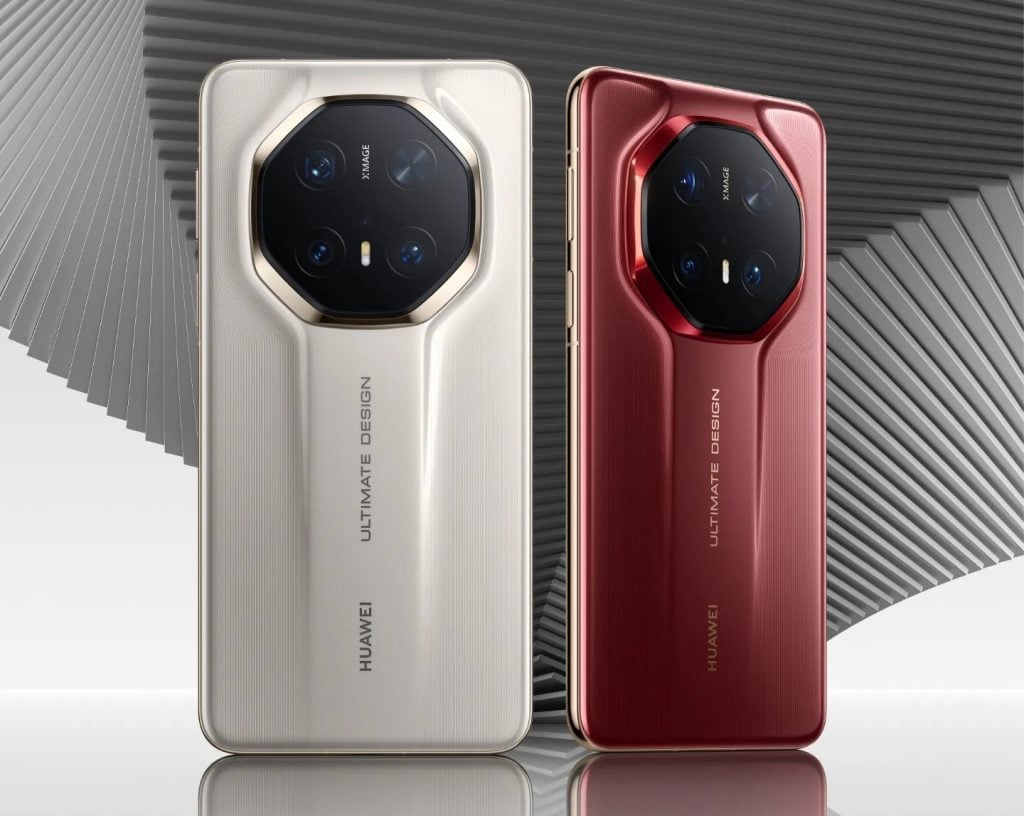
Huawei Mate 70 RS Ultimate Design Edition
While initial rumors had hinted at the upcoming Kirin processors being based on the 5nm process, the latest leak hints otherwise. Since China’s biggest foundry (SMIC) does not have the equipment for the more advanced processing node, it might be working with Huawei for multi-patterning techniques. This is basically a process where SMIC puts a silicon wafer through multiple etching processes to capture the correct transistor density and features.
Now, tipster Digital Chat Station says the new Dimensity 9500 will be announced on September 22, just one day before Qualcomm’s Snapdragon event.
We’ve already seen some early benchmark numbers for Qualcomm’s chip in a phone that appears to be the Galaxy S26 Edge. The results weren’t final, but they gave us a rough idea of its power.
Both new chips are expected to use TSMC’s latest 3nm process, which should make them faster and more power-efficient. However, their designs are different.
MediaTek will use ARM’s standard CPU and GPU designs for Dimensity 9500. It is expected to feature a combo of four Cortex-X930 (three clocked slightly lower) and four Cortex-A730. Qualcomm, on the other hand, is working on custom Oryon cores for 8 Elite 2.
Moreover, the Dimensity 9500’s fastest cores could run at 4.00GHz, faster than last year’s Dimensity 9400, but still slower than Qualcomm’s rumored 4.74GHz for the 8 Elite 2. The chip will likely keep the same 12-core Mali-G1 Ultra GPU as before.
With this setup, MediaTek’s solution reportedly scores over 3,900 in single-core and exceeds 11,000 in multi-core tests on Geekbench 6.
Another notable upgrade could be support for ARM’s Scalable Matrix Extension (SME), which could make the Dimensity 9500 much better at heavy computing tasks and boost multi-core performance by a notable margin.
September will not be just about the chips, though. Once they’re official, we are pretty sure that Android manufacturers will start teasing their new flagship phones with these chips. In fact, the Xiaomi 16 series, powered by the Snapdragon 8 Elite 2, is expected to launch later that month.
For more daily updates, please visit our News Section.
Huawei has officially launched its new AI inference framework, Unified Cache Manager (UCM), following earlier reports about the company’s plans to reduce reliance on high-bandwidth memory (HBM) chips.
As anticipated, UCM introduces a memory management solution aimed at accelerating large model inference. Huawei claims the framework improves system throughput and latency by managing KV Cache data more efficiently across different memory tiers.
Huawei targets AI bottlenecks with UCM
UCM is built around a simple but effective goal: make large AI models run faster without needing premium memory hardware. It introduces a hierarchical memory management structure for KV Cache, a key component used during inference. By segmenting memory use across HBM, standard DRAM, and SSDs, UCM allocates data based on real-time latency needs.
Huawei tested UCM in real-world business applications at China UnionPay, including customer voice analysis, marketing planning, and office assistance. The company reported up to a 90% reduction in latency and a 22-fold increase in throughput. These performance gains demonstrate how software-level optimizations can help bypass hardware limitations.
Context: China’s limited access to HBM
HBM is a critical resource for running large AI models. It delivers high bandwidth and low latency for GPUs, allowing fast retrieval of massive parameter sets. However, global supply is dominated by SK Hynix, Samsung Electronics, and Micron Technology. China currently faces restrictions on HBM exports from the United States and its allies, limiting access to newer versions such as HBM3 and HBM4.
Huawei’s UCM arrives as a timely workaround. Instead of relying entirely on HBM, the software enables more flexible use of available memory. It supports inference at scale using conventional components, which could be a major benefit for AI deployments in China amid ongoing tech sanctions.
Open-source roadmap and ecosystem push
Huawei plans to open source UCM in September 2025. The first release will appear on the company’s MindSpore community platform. Huawei will later contribute the toolkit to mainstream inference engines and share it with ecosystem partners, including storage vendors aligned with its “Share Everything” architecture.
This mirrors Huawei’s broader strategy around its Ascend AI hardware. The company previously announced plans to open source its Compute Architecture for Neural Networks (CANN), an alternative to Nvidia’s CUDA, aimed at developers working on Ascend chips.
Software-led response to hardware restrictions
UCM represents a wider trend in China’s AI sector, where software solutions are stepping in to counter limited hardware access. Startups like DeepSeek have already made progress using fewer chips by refining memory usage and optimizing model deployment. Huawei’s UCM continues this effort at the infrastructure level.
Zhou Yuefeng, Huawei’s vice president of storage product lines, confirmed that UCM’s architecture can be deployed across different levels of storage, adapting to memory availability without impacting performance. This flexible structure allows for smoother operation in data centers, where memory demand fluctuates depending on workload.
US-China chip tensions and the shift to domestic solutions
The development comes amid ongoing tensions between China and the United States over semiconductor access. The US government has tightened export restrictions on advanced AI chips and high-performance memory. China has responded by investing in its domestic semiconductor industry, but local players are still catching up. Companies like Yangtze Memory and Changxin Memory Technologies are working on HBM2 chips, while international rivals are already shipping HBM4.
Huawei remains at the center of this shift. The company has introduced its CloudMatrix 384 AI system and Ascend processor series as alternatives to Nvidia’s offerings. Chinese regulators have reportedly urged local firms to reduce reliance on Nvidia and AMD for sensitive or government-linked applications.
So yeah, UCM is part of this broader strategy. By improving memory efficiency through software, Huawei is building a more self-reliant AI infrastructure that minimizes dependence on restricted hardware. As the AI race increasingly revolves around memory bandwidth and data flow, tools like UCM could help define how China deploys large-scale AI models in the years ahead.
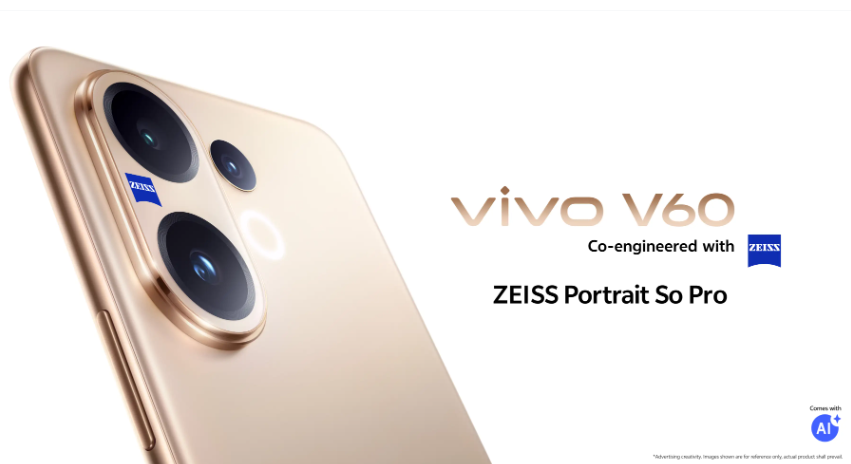
Vivo has pulled the wraps off the V60, the follow-up to the V50 that came out in February. This one is clearly aimed at camera lovers, bringing a mix of hardware tweaks and software upgrades to give it an edge in its price range. It’s priced from ₹36,999 and is up for pre-order on Amazon, Flipkart, and Vivo’s own store.
On the back, you get three cameras — a 50MP Sony IMX766 main sensor, a 50MP IMX882 telephoto, and an 8MP ultrawide. The telephoto uses Vivo’s “ZEISS Multifocal Portrait” to shoot at both 85mm and 100mm focal lengths, so you can get that creamy bokeh even when your subject is a bit far away. Vivo’s also leaning on AI image processing to clean up and sharpen shots, both on the rear cameras and the 50MP wide-angle selfie shooter. There’s even an “Aura Light” on the back for better portraits in low light.
Vivo V50 zoom shotVivo V60 “AI Hyper Zoom”
Despite packing a massive 6,500mAh battery, Vivo says the V60 is the slimmest phone in India with that battery size — it’s just 7.65mm thick and weighs 192g. The curved middle frame helps it sit nicely in the hand, and you can pick from Moonlit Blue, Auspicious Gold, or Mist Gray. It also supports 90W fast charging, so topping up that big battery shouldn’t take too long.
Powering it is Qualcomm’s Snapdragon 7 Gen 4 chip. It’s not the ultimate gaming processor, but it’ll cruise through everyday use without a fuss. Up front, there’s an FHD+ AMOLED display that can hit 5,000 nits peak brightness. The “micro-quad curved” glass blends into the frame for a smooth feel. The phone will hit the shelves on August 19th.
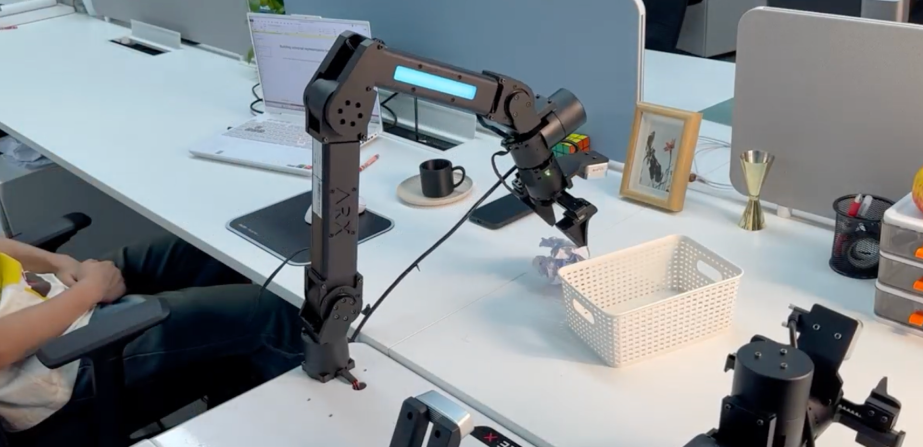
ShengShu Technology has introduced Vidar, an advanced embodied AI model created to transform the way consumer humanoid robots are trained. This system focuses on delivering faster, smarter, and more cost-effective training, moving away from the months of expensive real-world data collection that traditional robot development often requires. Instead, Vidar relies on a unique combination of minimal physical data and large-scale AI-generated simulations, resulting in quicker learning cycles and lower development expenses without sacrificing realism.
Core Approach and Technology Base
Vidar is powered by ShengShu’s proven Vidu generative video engine, a platform widely recognized for its success in creative and industrial fields. With this foundation, Vidar generates realistic multi-view simulations that capture the complexity of real-world environments. By learning from only a small set of real-world footage, the system can create highly accurate training scenarios at scale, making it far more efficient than purely physical methods.
Key Innovation: Hybrid Training
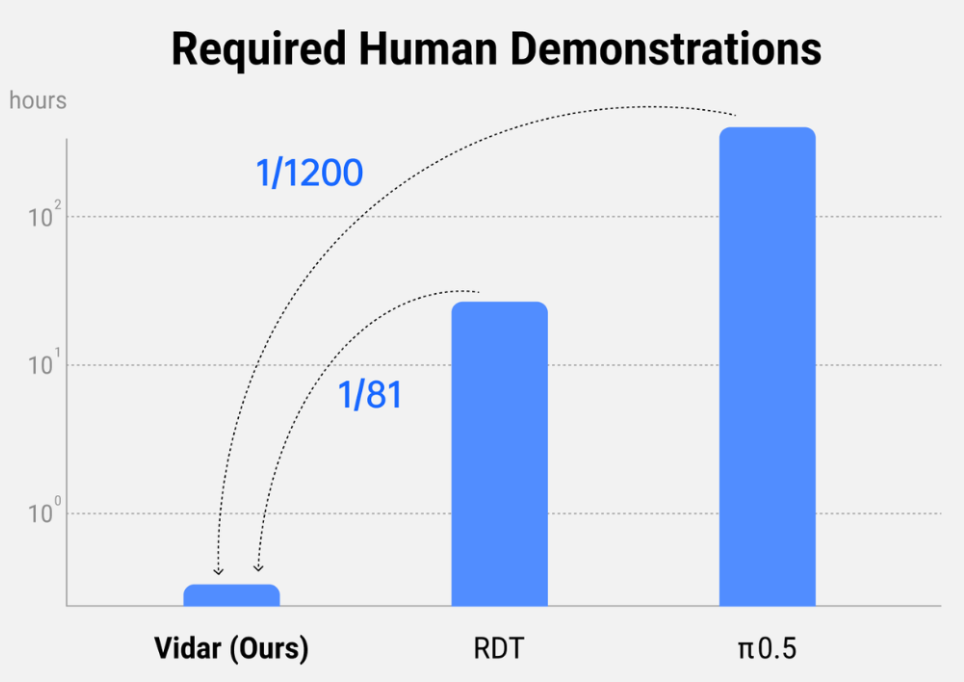
The most notable innovation in Vidar is its hybrid training approach. It blends just twenty minutes of physical-world data with vast amounts of AI-generated scenarios, making it up to one thousand two hundred times more data-efficient than comparable systems such as RDT or π0.5. This method preserves the unpredictability and realism found in everyday life while gaining the speed and flexibility of simulated environments. The result is a training system that allows robots to adapt more effectively to varied and unpredictable conditions.
Overcoming the Bottleneck in Physical AI
In robotics, training methods typically fall into two extremes. Full real-world training, like that used by Tesla Optimus or Boston Dynamics Atlas, offers unmatched realism but is slow, costly, and hardware-intensive. On the other hand, pure simulation is faster and cheaper but fails to capture the full complexity of physical-world scenarios. Vidar bridges this gap by offering a balanced method that combines real-world authenticity with the scalability and speed of AI-driven simulations.
Two-Stage Learning Pipeline
Vidar’s process is divided into two stages for maximum efficiency. In the perception stage, the system learns from large datasets of both general and embodied videos to build a strong understanding of objects, spaces, and environments. In the control stage, Vidar’s AnyPos model converts this scene understanding into precise motor commands, allowing it to guide various robot designs with minimal need for retraining. This flexibility makes the system adaptable to a wide range of robotic applications.
Real-World Applications and Benefits
Vidar’s hardware-agnostic design means it can train robots of different shapes, sizes, and purposes. Its potential uses span home assistance, eldercare, smart manufacturing, and even medical robotics. The system can adapt quickly to new environments, manage multiple tasks efficiently, and significantly cut both development time and costs. These benefits make it equally appealing to consumer, commercial, and industrial markets.
Vidu Legacy and Vidar’s Future
Vidar builds upon the success of the Vidu video foundation model, which attracted over ten million users in just three months and produced more than three hundred million videos. By extending Vidu’s deep visual understanding into the world of robotics, Vidar creates a direct link between AI perception and physical action.
Looking ahead, Vidar could enable humanoid robots to be trained in hours instead of weeks, marking a major step toward bringing capable consumer robots into everyday life. This advancement could become a defining force in making humanoid robots a practical reality for homes and industries alike.
ASUS has unveiled the NUC 15, a compact yet powerful mini PC. Despite its small footprint, this tiny powerhouse comes equipped with NVIDIA’s latest GeForce RTX 5000 series GPU, making it a serious contender for gamers, creators, and professionals who need high performance without taking up desk space.
ASUS NUC 15: Portable, Powerful, & Pricey
The Taiwanese tech giant’s latest PC has a tiny form factor that packs impressive specs. The NUC 15 arrives with a sleek 3 liter chassis that houses Intel’s new Core Ultra 7 255HX or the Core Ultra 9 275HX CPU. Buyers can even configure the small desktop computer with either an RTX 5060 or an RTX 5070 GPU. This combo offers plenty of horsepower to the user, allowing them to not only game but also use this system for their creative and other professional workloads.
ASUS NUC 15 Mini PC
Its portable build brings more desktop space, which makes it perfect for both cramped office spaces and home workstations. ASUS launched the NUC 15 with a healthy selection of ports as well, which includes USB Type-A, USB 2.0, and USB 3.2 Gen2 ports. Furthermore, you also get DDR5 SODIMM RAM and M.2 2280 slots for the SSD storage. Upgrades are also quite convenient thanks to the toolless design.
ASUS has announced the tiny PC in the global market and revealed the pricing for the European market. The NUC 15 was announced with a starting price tag of 1,632 Euros for the Core Ultra 7 variant, while the top end Core Ultra 9 option is priced at 1,955 Euros. Both variants are listed on the brand’s official website. This launch also arrives a month after the brand announced the NUC 15 Pro model.
For more daily updates, please visit our News Section.
The Galaxy S25 Ultra has built its reputation on impressive camera performance, but some One UI 8 Beta testers are seeing a strange issue when pointing it at the Moon. After the latest One UI 8 Beta 4 update, certain users have found their lunar shots coming out with a purple tint instead of the usual white or gray.
Posts on X and the brand’s community forum say the problem shows up at multiple zoom levels — 10x, 20x, 30x, and even 100x. Interestingly, users report that the photos look normal in the preview and on the camera screen, but the issue becomes apparent once viewed in the gallery app.
The phone’s 200MP main sensor and AI-powered Space Zoom appear to be misreading the Moon’s tones after recent tweaks to digital zoom clarity. Disabling Scene Optimizer hasn’t helped, leaving users who love testing the S25 Ultra’s zoom a bit annoyed. Interestingly, the issue wasn’t present in Beta 3.
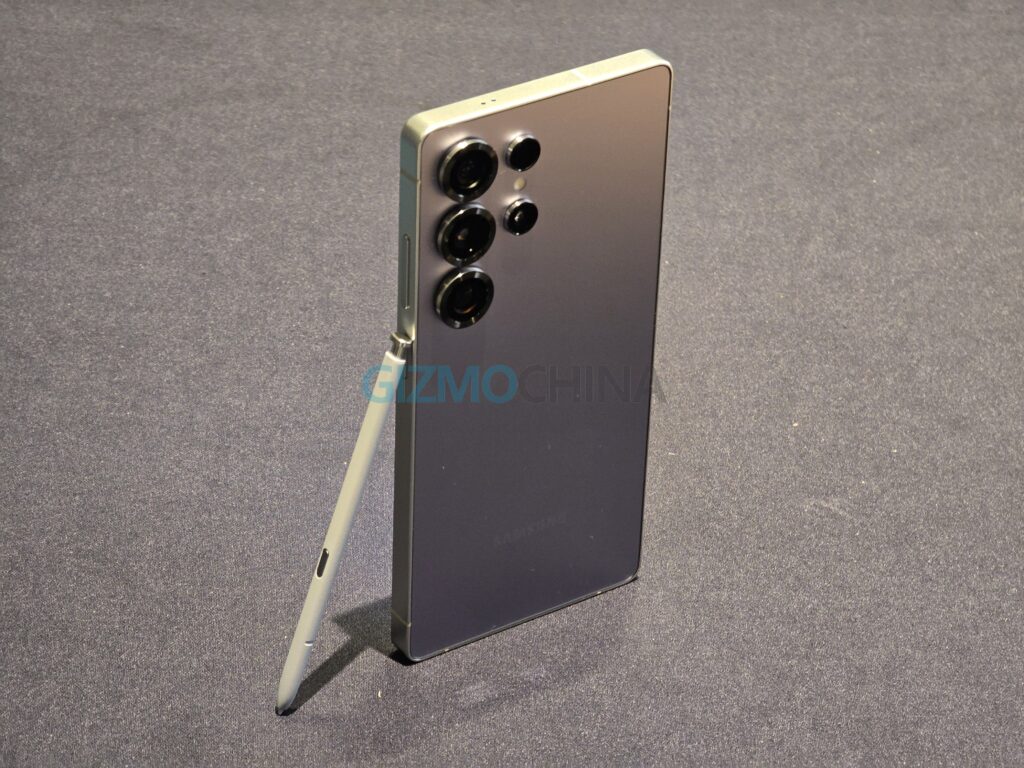
Galaxy S25 Ultra with S Pen
Some testers say their shots still look fine, even at 100x, so it may not be happening on every device. Samsung hasn’t issued an official statement yet but a beta moderator on the community forum suggests users to submit error reports with logs via the Samsung Members app within 3 minutes of reproducing the bug. A fix is expected in a future beta or in the stable One UI 8 update, likely arriving in September alongside the Galaxy S25 FE.
What to try in the meantime
If you’re in the beta program and run into the purple Moon glitch, you can try turning off Scene Optimizer or tweaking intelligent optimization in the camera settings. With the software still in beta, quirks like this are to be expected — but given the S25 Ultra’s reputation for moon photography, Samsung will want this one fixed quickly.
Samsung has launched the world’s first Micro RGB TV, a 115-inch display that marks a major leap in premium television technology. The new model features sub-100μm RGB LED backlights arranged with ultra-fine precision behind the panel, allowing independent control over each red, green, and blue unit.
Samsung Micro RGB TV Specifications
The Micro RGB TV improves color reproduction and contrast by using micro-scale LEDs instead of traditional backlighting. This design enables finer control over brightness and local dimming, producing deeper blacks and enhanced color detail. According to Samsung, the display covers 100% of the BT.2020 color space and has received the “Micro RGB Precision Color” certification from the German testing agency VDE.
Samsung has equipped the TV with its new Micro RGB AI Engine. This engine analyzes content frame by frame to optimize color expression and overall picture quality. It includes AI Upscaling Pro, AI Motion Enhancer Pro, Micro RGB Color Booster Pro, and Micro RGB HDR+. These features enhance low-resolution content, reduce motion blur, improve scene-specific color vibrancy, and maintain depth in high-contrast scenes.
The TV also features Glare Free tech to minimize reflections from ambient light. Its anti-glare performance is certified by UL, ensuring clear daytime viewing even in bright environments.
Samsung confirmed that the TV runs on the Tizen OS and comes with the latest Bixby voice assistant powered by generative AI. The assistant supports advanced natural language processing and allows users to ask contextual questions like “Summarize the movie I’m watching” or “Which movies had over 10 million viewers?” without leaving the viewing experience. The TV also supports Samsung Knox for data protection and is eligible for seven years of free Tizen OS updates.
The design features a unibody metal frame that seamlessly connects the screen and housing. The TV supports up to 144Hz refresh rate, Variable Refresh Rate (VRR), ALLM, FreeSync Premium Pro, and 70W 4.2.2-channel Dolby Atmos speakers with Q-Symphony.
In terms of connectivity, the TV supports Wi-Fi 5, Bluetooth 5.3, and Apple AirPlay 2 for wireless connectivity. It includes four HDMI 2.0 ports (one with eARC), two USB Type-A ports, an Ethernet port, and an optical audio out for wired connections
Pricing and Availability
The Micro RGB TV will launch in South Korea at 44.9 million KRW (approx $32,328). Samsung plans to expand availability to the US and other global markets later. Additional size variants are expected in future releases.
Apple is known for its premium products that typically carry a premium price as well. But in a surprising twist, the brand could shake up the entry level laptop segment with an affordable MacBook. This isn’t simply a cheaper configuration, rather, Apple might be planning on launching a new laptop model which borrows the chip from the iPhone to help make it more approachable.
Apple’s New Entry-Level MacBook Could Be Its Most Affordable Yet
The Cupertino based giant is reportedly working on a new base level MacBook that could have a smaller display and a different kind of processor entirely. According to a recent DigiTimes report (Via Jukan), a new low cost Apple MacBook is in the works. It seems like the company is developing a cost effective MacBook that is equipped with a mobile SoC.
M4 Powered MacBook Air
This chipset is likely borrowed from the Apple’s latest iPhones, possibly including the A18 Pro chipset that powers the iPhone 16 Pro and iPhone 16 Pro Max. Another aspect that helps keeps the cost low is the smaller 12.9-inch display on the front. The report further adds that Apple could kick off mass production of components for this new MacBook model in the third quarter of this year. Meanwhile, the official release could be set near the end of 2025 or early 2026.
Jim Hsiao, the senior analyst at DigiTimes believes that the company could unveil the new MacBook somewhere between 599 US Dollars or 699 US Dollars. If this is true, this release could put Apple in direct competition with Chromebooks and Windows laptops in the affordable segment, which is a market the company has mostly avoided until now.
For more daily updates, please visit our News Section.
Beelink has launched its latest high-performance mini PC, the GTR9 Pro, equipped with AMD’s new Ryzen AI Max+ 395 processor. The device is now available on e-commerce platforms in China and is priced at 12,999 yuan ($1,808) for the top-end configuration with 128GB LPDDR5x memory and a 2TB PCIe 4.0 SSD.
Beelink GTR9 Pro Specifications
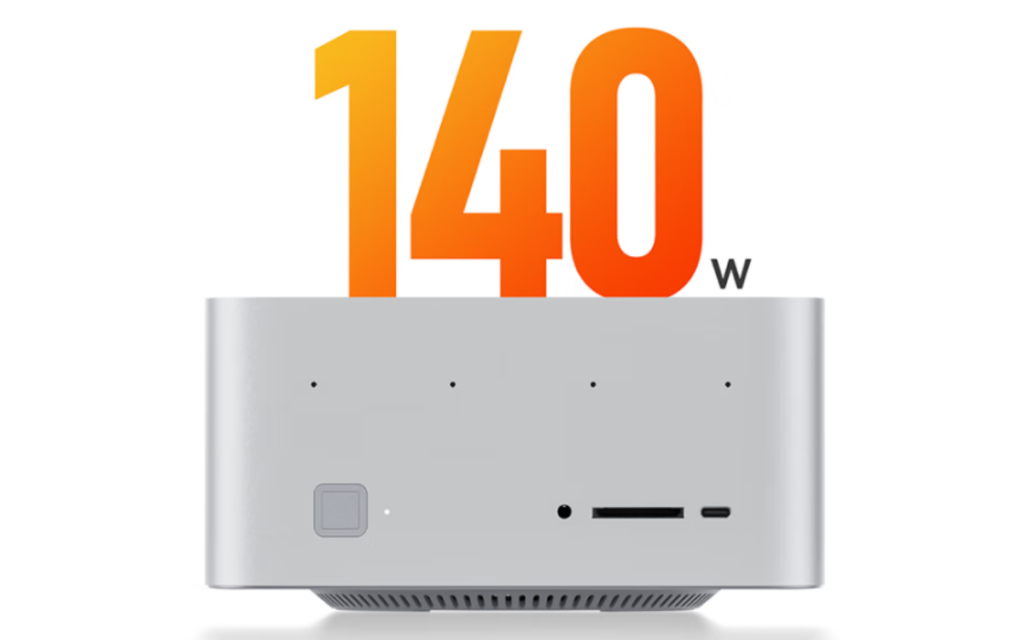
The GTR9 Pro is powered by the Ryzen AI Max+ 395 processor, which features 16 cores and 32 threads with a peak boost clock of 5.1GHz. It is built on TSMC’s 4nm process and includes 80MB of L2+L3 cache. The CPU delivers up to 140W performance during intensive workloads. Beelink has implemented the MSC 2.0 cooling system with dual fans, a vapor chamber, and large heatsink fins to maintain stable performance and low noise levels of around 32dB under load.
Graphics performance comes from the integrated AMD Radeon 8060S GPU based on the RDNA 3.5 architecture. It includes 40 compute units and can allocate up to 96GB of memory from the system’s 128GB RAM. Beelink claims that the GPU offers performance comparable to a mobile RTX 4070, enabling smooth gaming, content creation, and local deployment of large AI models such as DeepSeek-70B.
The GTR9 Pro includes two M.2 2280 PCIe 4.0×4 slots, one of which comes pre-installed with a 2TB SSD offering read speeds of up to 7000MB/s. The system supports up to 8TB of total SSD storage.
In terms of connectivity, the mini PC features dual 10GbE RJ45 ports powered by Intel’s new E610 controller, dual USB4 ports with 40Gbps bandwidth and 8K60 video output, HDMI 2.1, DisplayPort 2.1, two USB-A 10Gbps ports, one USB-C 10Gbps port, an SD 4.0 card reader, and dual 3.5mm audio jacks. For wireless connectivity, it includes Wi-Fi 7 and Bluetooth 5.4 via MediaTek’s MT7925 module.
The GTR9 Pro uses a full-metal aluminum chassis and includes an internal aluminum plate to support the cooling hardware and prevent PCB deformation. The mini PC also integrates a 230W power supply, removing the need for an external power brick.
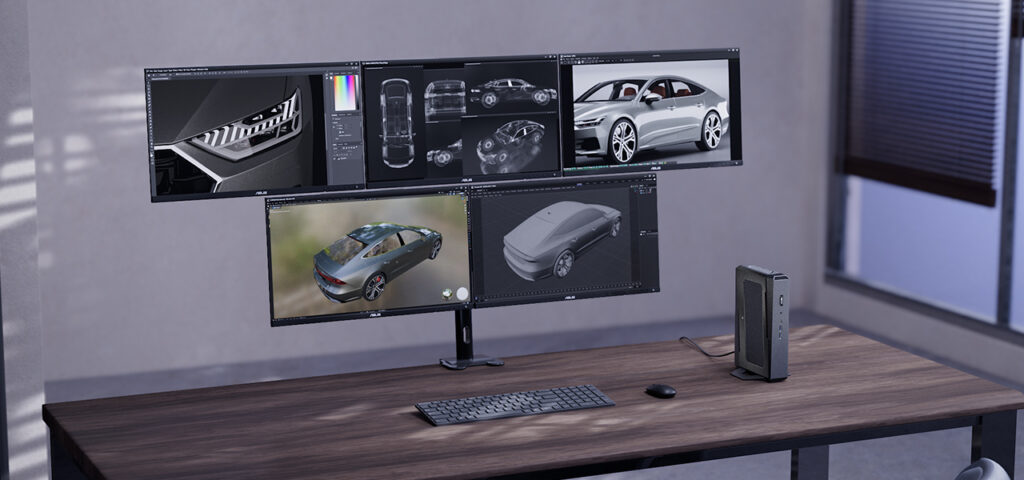
For audio and voice input, the system includes a B1 AI chip for noise reduction, four microphone holes, DSP audio processing, and dual speakers. Beelink has designed the GTR9 Pro for multi-display setups, with support for up to four 8K screens, and it provides hardware acceleration for applications like Adobe Premiere Pro, AutoCAD, Maya, and Unreal Engine.
In related news, Aoostar recently launched the Maco Mini PC with Ryzen 7 processors, dual USB4 ports, and Wi-Fi 6, while Asus has debuted the ROG NUC 2025 featuring an RTX 5070 Ti, Intel Ultra 9 CPU, and triple-fan cooling.
For more daily updates, please visit ourNews Section.
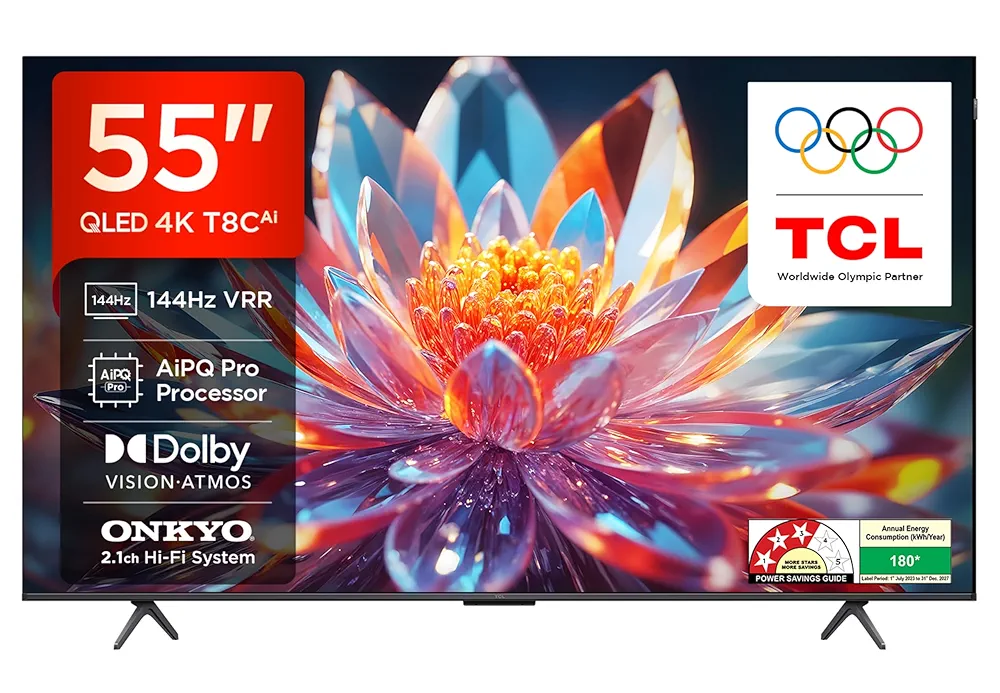
Amazon India is offering an incredible deal on TCL 4K TVs. If you’re waiting to upgrade your home entertainment ecosystem, now is the perfect time to welcome a brand-new, reliable TV. A massive 63% discount on the TCL 139 cm (55 inches) 4K Ultra HD Smart QLED Google TV (Model 55T8C), down from ₹1,09,990 to just ₹40,990, is no joke!
Along with the huge discount in the list price of TCL 55” 4K QLED Google TV, if you make payment via any bank credit or Debit card, you will get a Rs. 1000 discount. Moreover, If you select Amazon Pay ICICI Bank credit card for payment, you will get 5% cashback which is Rs. 2049. So the effective price of TCL 55” 4K QLED Google TV can be just Rs. 38,990.
TCL 55” 4K QLED Google TV Key Features:
Display: 55-inch QLED 4K T8C AI for crystal-clear visuals
Refresh Rate: 144Hz VRR for smoother motion in gaming and sports
Processor: AiPQ Pro Processor for enhanced picture quality
Audio: Dolby Vision & Atmos with Onkyo 2.1ch Hi-Fi System for immersive sound
Smart Features: Google TV OS with access to thousands of apps
Energy Rating: 5-star efficiency for lower power bills
Please Note: When you buy something using the links in our articles, we may earn a small commission at no cost to you.
Is it worth it?
TCL is a renowned player in the TV market. With its QLED lineup, consumers can trust the reliability that comes with the TCL brand. We believe the rich feature set, explained below, makes it worth the offer price!
QLED 4K T8C AI Display
QLED (Quantum Dot LED) delivers richer, more vibrant colors than regular LED TVs. With 4K Ultra HD resolution, this TCL TV promises crystal-clear images, sharp details, and lifelike color accuracy. The T8C AI processor is the icing on the cake, enhancing clarity aad contrast frame by frame.
144Hz VRR (Variable Refresh Rate)
Console gamers will love this! A 144Hz refresh rate ensures ultra-smooth motion without stuttering, whether you’re streaming a game or watching 4K-heavy content. Smooth playback is guaranteed. VRR automatically matches the TV’s refresh rate to the content’s frame rate, reducing screen frame drops.
AiPQ Pro Processor
As a smart TV, it boasts a powerful processor. The AiPQ Pro intelligently analyzes content in real-time, adjusting brightness, color, and contrast for the best possible picture quality. It ensures HDR content looks stunning and SDR content appears richer and more pleasing to the eyes.
Dolby Vision & Dolby Atmos
The TCL TV supports Dolby Vision and Dolby Atmos, providing a 3D spatial media consumption experience.
Onkyo 2.1 Channel Hi-Fi Sound System
The TV comes with a built-in Onkyo speaker system. According to TCL, it delivers cinema-quality sound without the need for extra speakers. The 2.1-channel system includes a dedicated subwoofer for deeper bass, as per the listing.
Google TV Smart Platform
With the Google TV Smart Platform, you’ll enjoy personalized recommendations tailored to your tastes and needs. Voice control with Google Assistant makes the interaction hands-free and seamless. With access to thousands of apps, including Netflix, Prime Video, Disney+ Hotstar, YouTube, and more, you won’t miss out on anything in the entertainment market.
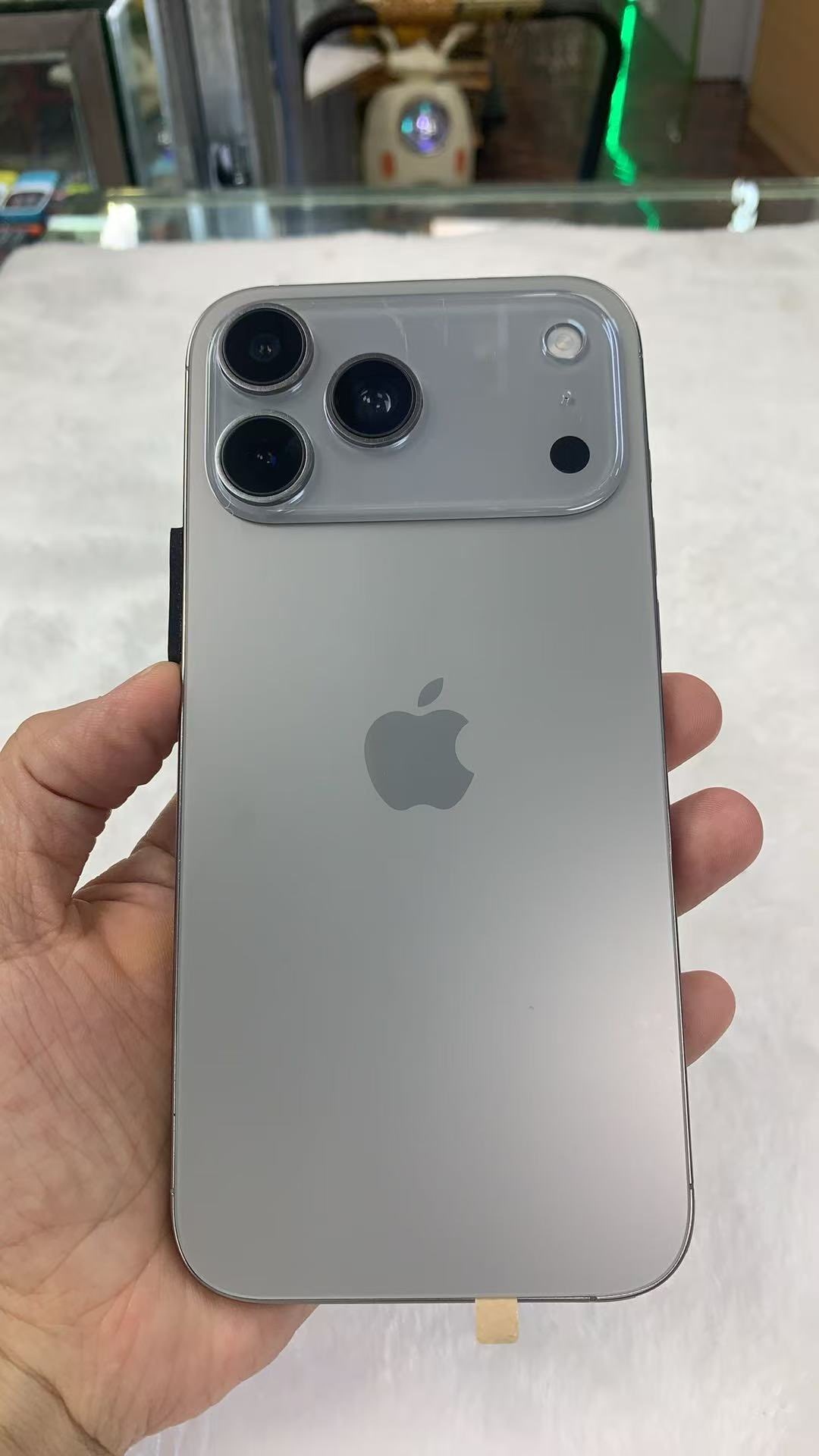
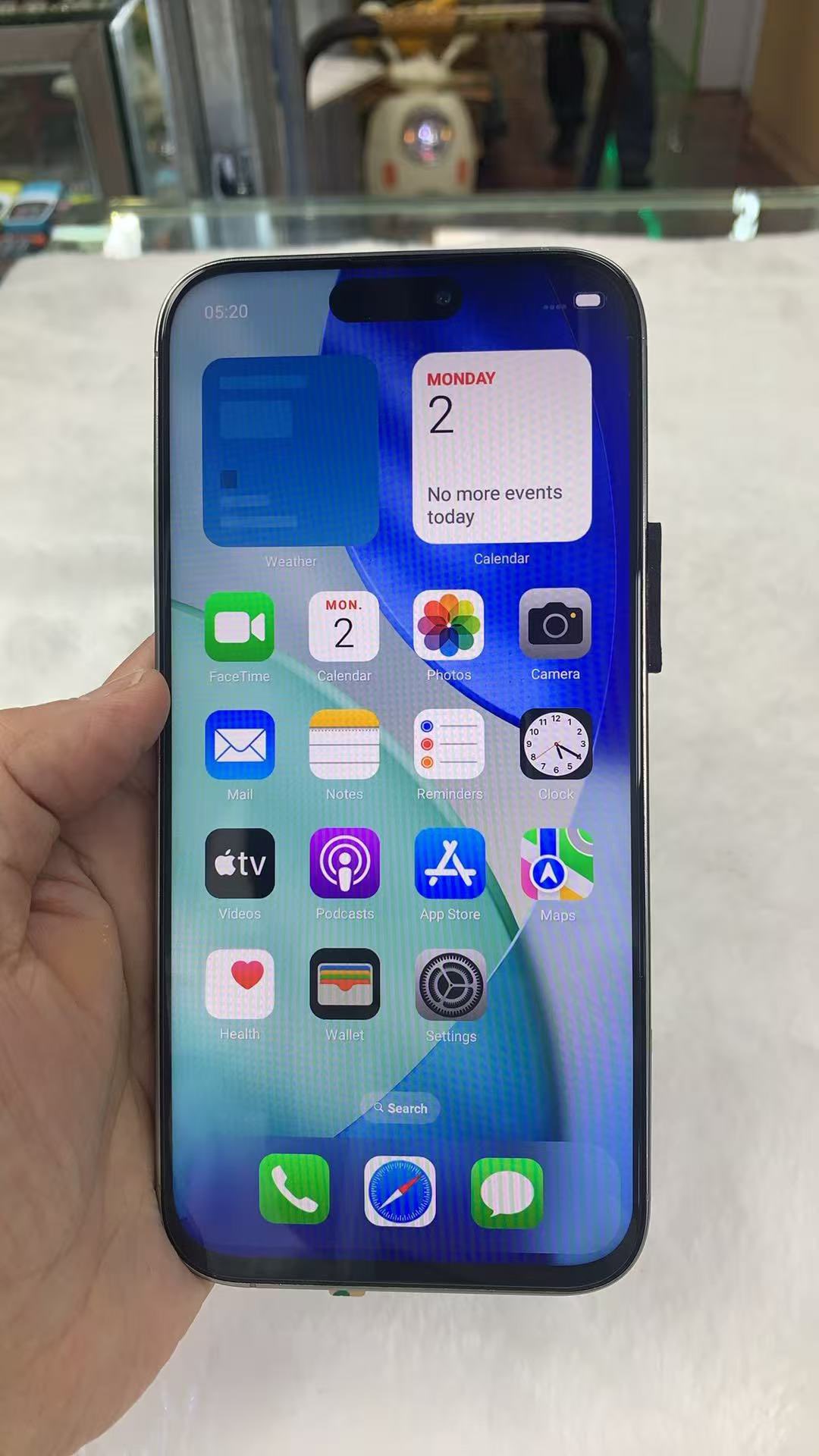
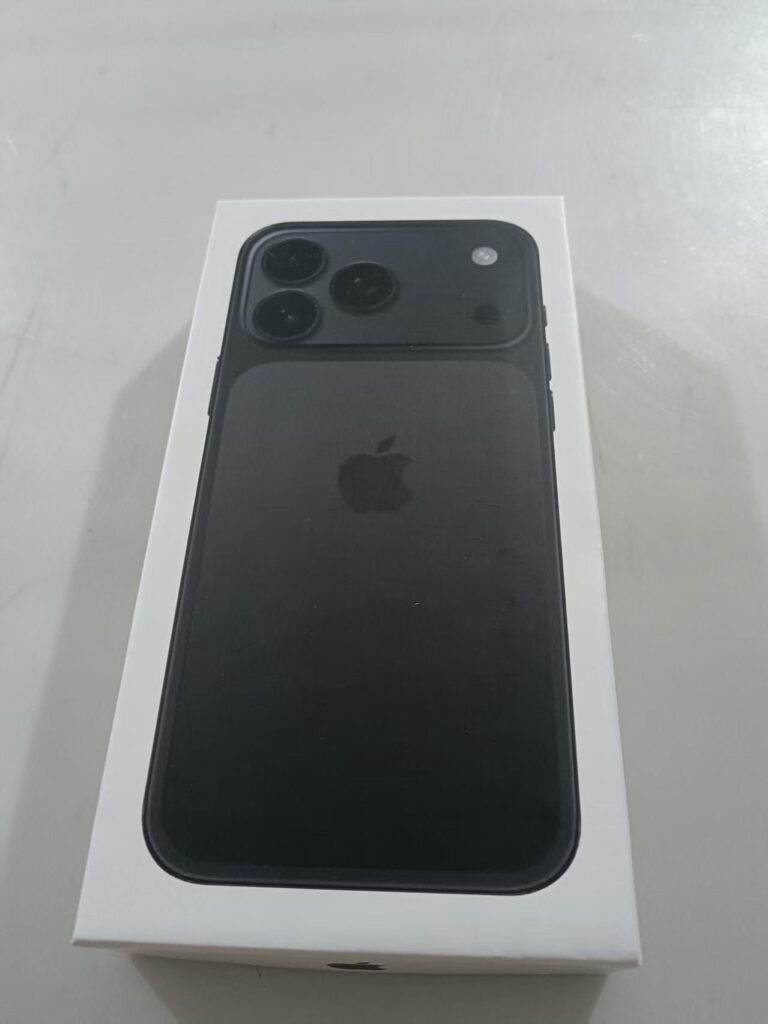
Apple is set to launch the iPhone 17 lineup next month with a revamped camera island design. However, those models won’t be the first to bring that design to market — a knock-off version of the Pro model has already appeared with the same large camera island. Check out the images below.
This knock-off iPhone 17 Pro runs on a version of Android and imitates iOS 18 (last year’s version) more than the upcoming iOS 26. The bezels around the display aren’t symmetrical, and the wide chin makes it obvious it’s a fake. It also appears to use an LCD panel instead of AMOLED.
However, the back design — including the camera lenses — is surprisingly accurate, closely matching the renders of the real iPhone 17 Pro. Without a side-by-side comparison, it could be hard to tell them apart.
That said, buyers should always pay attention to the details when purchasing an iPhone or any other expensive Android phone from unofficial channels, especially if it’s being offered at a steep discount.
As for the real iPhone 17 Pro, it’s expected to deliver notable camera upgrades: the selfie camera could jump from 12MP to 24MP, and the 5x telephoto from 12MP to 48MP. The main camera, however, is expected to remain unchanged, with no sensor size or resolution bump. Powering the phone will be Apple’s new A19 Pro chipset, promising better performance along with improved thermal management and battery life. Leaks also suggest it could ship with 12GB RAM as standard, up from 8GB last year.
The Snapdragon 8 Elite, announced late last year, was a major step from Qualcomm, marking the arrival of Oryon cores on a smartphone chip. The chip promises huge performance and efficiency improvements over its predecessors, and as a result, the 8 Elite quickly became a top choice among flagship phones.
Its biggest rival, MediaTek, has also introduced several excellent mobile chipsets in the meantime, promising excellent upgrades. The Dimensity 9300 Plus is one of MediaTek’s high-performance chipsets, which we will test against the Snapdragon 8 Gen 3 to find out how the two chips stack up against each other.
Snapdragon 8 Elite vs Dimensity 9300 Plus — Benchmark comparison
Note: The tests were conducted on the iQOO 13 (Snapdragon 8 Elite) and Vivo X200 FE (Dimensity 9300 Plus).
AnTuTu comparison
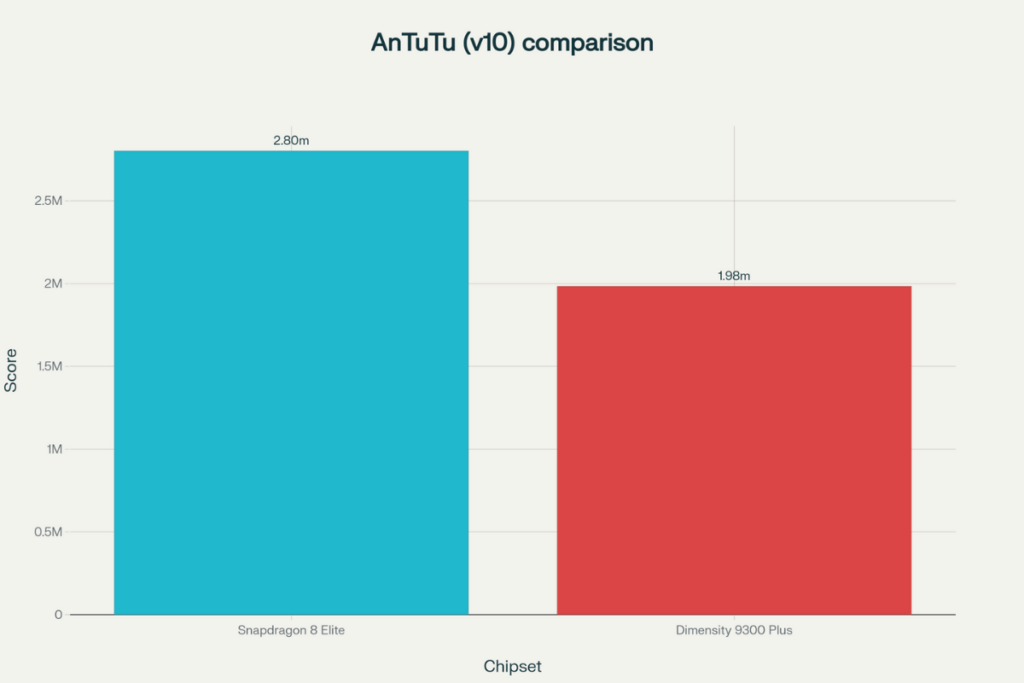
The Snapdragon 8 Elite dominates the AnTuTu benchmark with an impressive 2,802,747 points, putting it far ahead of the Dimensity 9300 Plus, which scores 1,984,562 — a gap of over 41% in total performance.
Breaking it down, Qualcomm’s chip delivers a 34.6% higher CPU score (631,482 vs 469,277) and an even bigger leap in GPU performance, where it posts 1,208,815 points compared to MediaTek’s 810,295 — a massive 49% advantage that directly translates into smoother gaming, faster rendering, and better sustained graphics performance.
The Snapdragon 8 Elite also leads in memory (505,708 vs. 341,139) and UX (456,742 vs. 363,851), resulting in faster data handling, improved multitasking, and a more responsive day-to-day experience. Overall, the numbers make it clear — Snapdragon’s latest flagship isn’t just ahead, it’s in an entirely different performance class.
Snapdragon 8 Elite
Dimensity 9300+
AnTuTu score
2,802,747
1,984,562
CPU
631,482
469,277
GPU
1,208,815
810,295
Memory
505,708
341,139
UX
456,742
363,851
Geekbench comparison
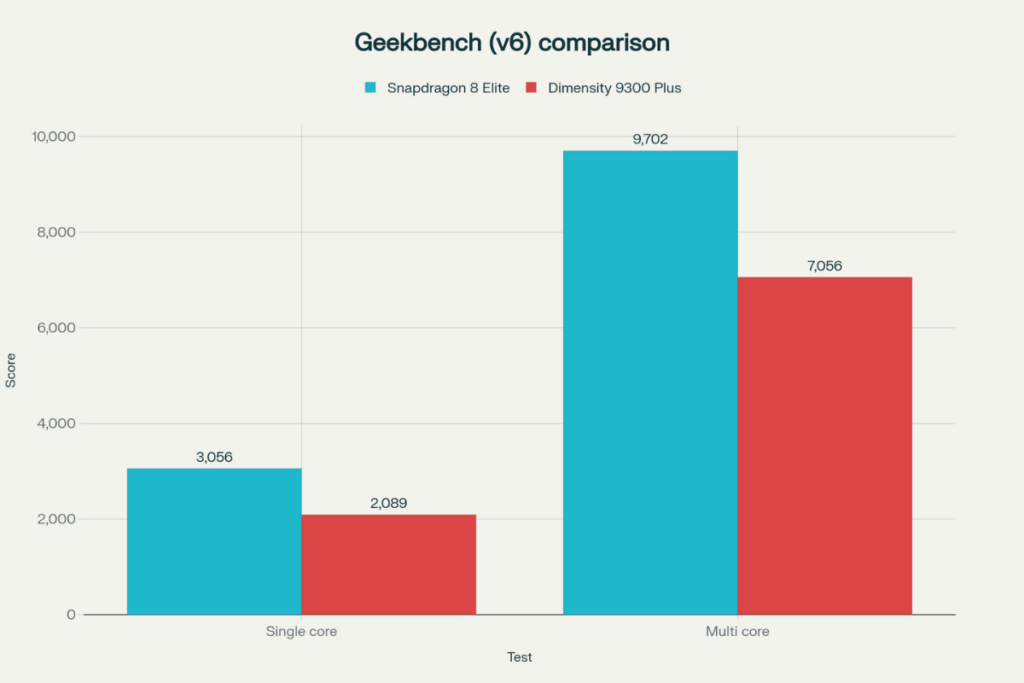
On Geekbench, the Snapdragon 8 Elite delivers a commanding lead in both single-core and multi-core performance. It scores 3,056 in single-core, which is about 46% higher than the Dimensity 9300 Plus’s 2,089, giving it a clear edge in tasks that rely on burst speed, like app launches and quick UI interactions.
In multi-core performance, the gap remains significant — 9,702 vs 7,056 — a 37.6% advantage for the Snapdragon chip. This means better handling of heavy multitasking, demanding productivity apps, and sustained workloads.
Snapdragon 8 Elite
Dimensity 9300+
Single core
3,056
2,089
Multi core
9,702
7,056
Although benchmarks are helpful, they do not tell the complete picture. It lacks key elements, such as camera capabilities and connectivity features, which we’ll cover in the following section.
Snapdragon 8 Gen 3 vs Dimensity 9300 Plus — Key differences that really matter
Manufacturing
Both the Snapdragon 8 Elite and Dimensity 9300 Plus have been manufactured by TSMC, but using different process nodes that make a real difference. The Snapdragon chip uses a 3nm process, which is more advanced and power-efficient than the 4nm node used for the Dimensity chip.
CPU
The CPU makes a significant difference, as the two chips differ in core selection and core architecture. For instance, the Snapdragon 8 Elite features eight Oryon cores (2 x 4.32 GHz and 6 x 3.52 GHz).
On the other hand, the Dimensity 9300 Plus features four Cortex-X4 performance cores (1 x 3.4 GHz and 3 x 2.85 GHz) and four Cortex-A720 efficiency cores operating at up to 2 GHz speed.
Not only does the Snapdragon chip have a higher peak speed, but Oryon cores are more powerful and power-efficient than the Dimensity chip’s cores. In addition, the more advanced manufacturing also provides the 8 Elite with a noticeable boost in performance and efficiency.
GPU
The Snapdragon 8 Elite is equipped with Adreno 830 for graphics rendering. It’s the first chip to use Qualcomm’s new “sliced architecture,” which benefits both performance and efficiency. Besides powerful hardware, the chip offers a comprehensive suite of Snapdragon Elite Gaming Features, including Qualcomm Adaptive Performance Engine 4.0, Real-Time Hardware-Accelerated Ray Tracing, Snapdragon Game Super Resolution 2.0, and Adreno Frame Motion Engine 2.0, all designed to enhance the gaming experience.
The Dimensity 9300 Plus, on the other hand, features Mali-G720 Immortalis MP12 (12-core) GPU with higher peak speed and more pipelines. Despite this, it can’t outperform the Snapdragon 8 Elite’s GPU performance due to multiple factors, including a new sliced architecture, advanced manufacturing technology, architectural efficiency improvements, and highly optimized drivers.
AI & NPU
The Snapdragon 8 Elite features a hexagon NPU, which is 45% faster and offers 45% better performance per watt compared to the previous generation. It supports popular large language models (LLMs) and on-device generative AI capabilities. On the other hand, the Dimensity 9300 Plus features a MediaTek NPU 780 with generative AI capabilities across text, images, music, and more domains. The on-device intelligence also helps in image optimizations, performance improvements, and more areas.
Camera
The Snapdragon chip features an 18-bit Spectra AI ISP with support for up to 320MP camera and up to 8K video recording. Additionally, it offers a range of camera optimizations, including real-time semantic segmentation, video object eraser, real-time skin/sky adjustments, Truepic photo capture, and more.
The Dimensity 9300+ also supports 320MP resolution and 8K video resolution. However, it lacks a robust set of camera optimizations as present on the Snapdragon 8 Elite. It supports semantic segmentation, though.
Connectivity
The Snapdragon 8 Elite offers faster download speed on a 5G connection (10Gbps vs 7Gbps). The upload speed peaks at 3.5Gbps. MediaTek hasn’t published this detail on its official website. On the plus side, the Dimensity 9300 Plus offers higher speeds on Wi-Fi connection (6.5Gbps vs 5.8Gbps).
Qualcomm says the Snapdragon 8 Elite features 30% better accurate location positioning and 40% more efficient mobile connectivity system. It’s Qualcomm’s first chip to integrate Wi-Fi ranging, Bluetooth wireless technology, and UWB proximity for hyper-accurate location accuracy and seamless device tracking.
The Dimensity 9300 Plus also brings several connectivity enhancements, including MediaTek Xtra Range 2.0 and MediaTek Wi-Fi UltraSave, which provide extended reach and improved efficiency.
Snapdragon 8 Elite vs Dimensity 9300 Plus: Conclusion
The Snapdragon 8 Elite and Dimensity 9300 Plus are both flagship-level chipsets with impressive specs, but in head-to-head testing, Qualcomm’s offering consistently comes out on top. It not only delivers far higher benchmark scores — with over a 40% lead in AnTuTu and up to 46% in Geekbench — but also shows real-world advantages in gaming, efficiency, and feature support.
Qualcomm’s use of Oryon cores, a more advanced 3nm manufacturing process, and the new Adreno 830 GPU with sliced architecture allows the 8 Elite to push performance boundaries while maintaining strong thermal efficiency. It also benefits from a richer set of gaming and camera features, along with faster 5G connectivity and enhanced location capabilities.
The Dimensity 9300 Plus still offers strong performance and faster Wi-Fi speeds, making it a capable choice for high-end devices. However, when you factor in overall performance, gaming stability, AI efficiency, and ecosystem maturity, the Snapdragon 8 Elite holds a comfortable lead, making it the better all-around flagship chip for 2025.
It shouldn’t come as a surprise if we say Honor is now a major name in the European smartphone market. In fact, the number speaks for themselves. In Q1 2025, the brand achieved a 20% jump in sales and is now the continent’s fourth-largest smartphone maker.
Much of the success is due to the manufacturer’s diverse smartphone lineup. It covers almost every budget tier, from affordable options that’ll still get you through a day without stress, to mid-range and flagship devices, and even foldables.
However, with so much to choose from, it’s natural to find it difficult to keep up with everything the brand offers. The company’s naming scheme can feel like a bit of a puzzle, too. It’s a mix of “Magic,” numbered series, and X series. So here’s a buying guide to Honor phones, especially if you live in Europe.
If you want Honor’s most premium hardware, you’re looking at the Magic series.
The current top crop is the Honor Magic 7 Pro, which goes head-to-head with Samsung’s Galaxy S25 Ultra and Apple’s iPhone 16 Pro Max. It runs Qualcomm’s Snapdragon 8 Elite processor, has a 50-megapixel main camera paired with a 200-megapixel periscope telephoto, and comes loaded with AI features like image-to-video generation.
For specs this flagship, the price is a flagship too. It costs around €1,299 in most European markets.
There’s also the vanilla Honor Magic 7, one rung down. It packs the same Snapdragon 8 Elite chip and shares most of the flagship specs with the 7 Pro, except for the 200MP telephoto. That’s replaced by a 50MP sensor. It’s priced at around €899.
Honor has also dipped into foldables with the Magic V series. Its latest flagship there is the Honor Magic V3, which is among the world’s slimmest foldable phones.
2. The number series
Below the Magic sits Honor’s number series, which aims to deliver flagship-adjacent performance for hundreds less.
The latest is the Honor 400 line, with the Pro at the top. It’s powered by the Snapdragon 8 Gen 3, features the same 200-megapixel main camera as the Magic series, and is rated IP68. You don’t get every premium flourish of a flagship, but rest assured, you will get a great core experience.
Honor also promises six years of software and security updates, which is rare in this price bracket. In Europe, it typically sells for around €649.
If you want to spend less, the standard Honor 400 swaps in a Snapdragon 7 Gen 3 and a simpler IP65 water-resistance rating. It still packs the 200-megapixel camera and OLED display and costs €399.
Then there’s the Honor 400 Lite, which scales things back further. It’s powered by a MediaTek chipset, has a 108-megapixel main camera and a flat display, but keeps the design and software support consistent with the pricier models. You can pick one up for around €239.
3. The X series
At the entry level are the Honor X series phones. The line includes models like the X8a and X7a, which are about getting the basics right.
Here you can expect modest processors, large batteries, and decent-enough displays. The X series won’t wow you with specs, but the phones are reliable enough for calls, messaging, and light social media without pushing your budget past €200.
4. Which one’s right for you?
If you want the best Honor makes, the Magic 7 Pro is an easy recommendation, as long as you’re ready to pay for it. If you’d like most of the experience for less, its predecessor (Magic 6 Pro) could still be a great deal in 2025.
For most people, though, the 400 Pro will hit the sweet spot. It’s fast, has a flagship-level camera, gets long-term updates, and comes in at a midrange price. The regular 400 and 400 Lite bring the same design language and software experience to lower price points.
And if budget is king, an X-series device will give you solid reliability for everyday use.
For more daily updates, please visit our News Section.
Vu has introduced its latest smart TV lineup in India, revealing a new Dolby Edition range under its Glo QLED series. With an emphasis on picture quality, sound, and smart connectivity, the series is positioned to deliver an immersive entertainment experience ahead of the festive season. Here’s a look at the key specifications, features, price, and availablty of the new series.
Vu Glo QLED TV 2025 Dolby Edition: Key specifications and features
Vu Glo QLED TV 2025 Dolby Edition
The Vu Glo QLED TV 2025 Dolby Edition features an A+ grade Glo panel with QLED technology, reaching up to 400 nits brightness and covering 92 percent of the NTSC color gamut. The reason why it is called the Dolby Edition is that it supports Dolby Vision and Dolby Atmos, meaning it can deliver HDR visuals with richer colors and contrast (Dolby Vision) and immersive surround sound (Dolby Atmos).
Apart from Dolby Vision and Atmos, the TV offers an enhanced viewing experience with support for HDR10, HLG, and a built-in 24W speaker setup. Powering the interface is Vu’s 1.5GHz VuOn AI processor, paired with 2GB RAM and 16GB storage, running on Google TV OS.
Additional features include the world’s first Instant Network Remote, designed to quickly resolve Wi-Fi connectivity issues. It also comes with dedicated viewing modes, voice assistant access, and gaming enhancements such as VRR, ALLM, and a crosshair overlay. The TV supports Apple AirPlay, Google Chromecast, 5GHz Wi-Fi, Bluetooth 5.3, and optional camera input for video recording.
Vu Glo QLED TV 2025 Dolby Edition: Variants, pricing, and availability
The Vu Glo QLED TV 2025 Dolby Edition is available in five sizes: 43-inch for Rs 24,990, 50-inch for Rs 30,990, 55-inch for Rs 35,990, 65-inch for Rs 50,990, and 75-inch for Rs 64,990. The TV can be bought through Amazon, Flipkart, and offline retailers nationwide. All models include a one-year warranty.
Redmi seems finally ready to unveil its next Note series phones. Wang Teng, general manager of Xiaomi China’s marketing department and head of the Redmi brand, confirmed today that the new Redmi Note 15 series phones will be unveiled later this month.
In a Weibo post, Wang also shared some stats for the brand. According to him, Redmi Note models are now sold in more than 100 countries, and in the first half of 2025, it has became the world’s best-selling domestic smartphones in the $175 to $499 price range.
The Note 15 Pro lineup will likely aim to live up to that reach. Wang says the series is “built with 2025 top standards,” with what he calls “top-notch build quality across the board.”
What to expect?
As for what to expect, the Note 15 Pro has passed 3C certification in China with 90W charging. Whereas, the top-end Note 15 Pro+ has been MIIT certified for support for satellite messaging via the BeiDou system.
This makes the Note 15 Pro+ the first phone from Redmi to support satellite connectivity. Yes, even Redmi’s flagship K series is yet to offer this feature.
On the hardware side, the Note 15 Pro is expected to run on Qualcomm’s Snapdragon 7s series chipset.
It will feature a quad-curved OLED screen with slim, uniform bezels and a 1.5K resolution. Its camera setup will include a high-quality 50-megapixel main sensor with a large sensor size, paired with a 50-megapixel telephoto lens.
As for other specs, it could include symmetrical dual speakers and, if last year’s Note 14 Pro is any guide, full IP66, IP68, and IP69 water resistance along with a 1.5K eye-protection display.
For more daily updates, please visit our News Section.
Honor has teased the arrival of the Honor X7c in India, with its dedicated page now live on Amazon India. The listing offers a preview of its design and feature set without revealing the exact launch date. While the teaser confirms its 5G capability and some hardware highlights, further details on availability and pricing remain under wraps, setting the stage for the complete unveiling.
Honor X7c 5G: Key specifications and features
Honor X7c 5G launching soon
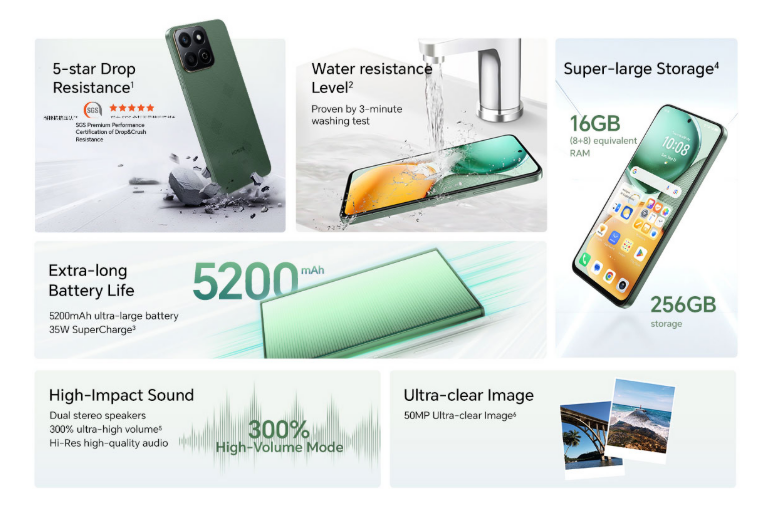
The Honor X7c comes with a 6.8-inch display featuring Full HD+ resolution and a centrally placed punch-hole cutout for the front camera. It carries a 50-megapixel AI motion main camera and is paired with additional sensors housed in a square-shaped rear module. The phone is powered by the Snapdragon 4 Gen 2 chipset and runs MagicOS 8.0.
Honor X7c 5G key features
Honor has equipped the device with 16GB RAM equivalent (8GB physical + 8GB virtual) and 256GB storage. A 5200mAh battery with 35W fast charging is on board, promising extended usage. When it comes to durability, the X7c offers IP64-rated dust and water resistance and 5-star drop resistance.
Honor X7c 5G color options
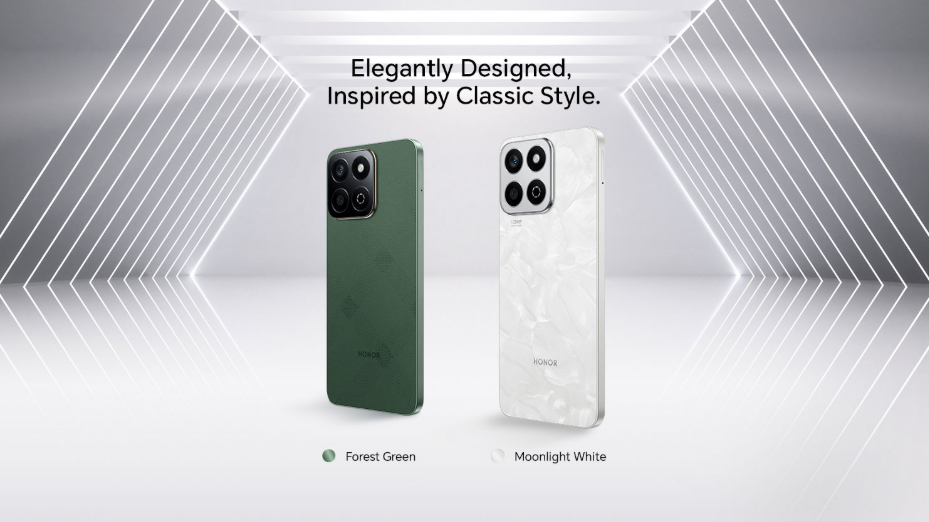
Other highlights include dual stereo speakers with up to 300 percent high-volume mode, ultra power saving mode, and features like AI call noise reduction. It will be available in two shades, such as Forest Green and Moonlight White.
Honor X7c 5G price (expected)
Honor has yet to reveal any clue about the Honor X7c’s price. However, it is likely to be positioned below the Honor X9c, which retails for Rs 21,999 in India. This suggests the X7c could be priced well under Rs 20,000, possibly around Rs 15,000.
For more daily updates, please visit our News Section.
Honor has confirmed the arrival of its next-generation compact foldable, the Magic V Flip 2. The company has revealed its design direction, once again collaborating with fashion designer Professor Jimmy Choo. While the launch date remains unannounced, the release of the first teaser suggests the device could debut as early as this month.
Honor Magic V Flip 2’s first teaser released
Honor Magic V Flip 2 first teaser
The above teaser suggests that the Honor Magic V Flip 2 will feature a distinctive crystal-studded back panel with a starry-sky effect created using a special manufacturing process. As per reports, the Honor’s upcoming flip hone will have a 6.8-inch LTPO main display and a 4-inch LTPO high refresh rate cover screen.
Under the hood, the Magic V Flip 2 could be powered by Qualcomm’s Snapdragon 8s Gen 4 chipset, which is built on TSMC’s 4nm process. This is the same chip that powers performance-focused phones, such as the Redmi Turbo 5 Pro, iQOO Z10 Turbo Pro, iQOO Neo 10 (India), and Oppo K13 Turbo Pro.
According to leaks, the Magic V Flip 2 is expected to feature a 5,500mAh battery with 80W wired charging, making it one of the largest battery capacities for a small foldable device in 2025. The design is expected to be lighter and thinner than its predecessor, potentially weighing around 190 grams and measuring under 7mm when unfolded.
In China, the first-generation Magic V Flip launched at a starting price of 4,999 (~$700). The new model is expected to follow a similar pricing structure when it drops.
For more daily updates, please visit our News Section.
Qualcomm’s next flagship mobile chip, the Snapdragon 8 Elite 2, has just made an early appearance on Geekbench, more than a month before its official launch.
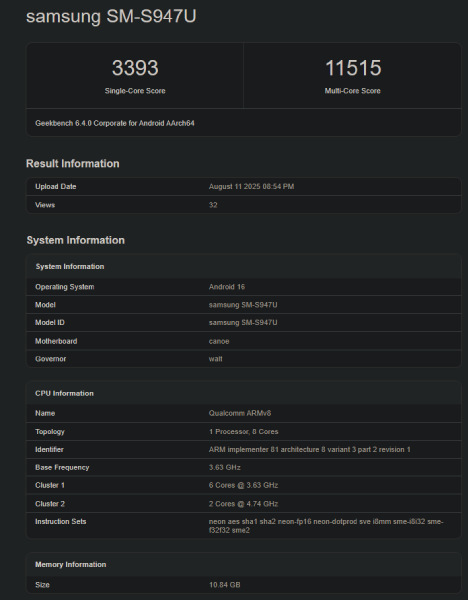
The listing comes from a Samsung device bearing the model code SM-S947U, believed to be the upcoming Galaxy S26 Edge. This means the chip doing the benchmark run could actually be the Snapdragon 8 Elite 2 “for Galaxy” variant.
In Geekbench 6.4, the silicon manages to achieve a single-core score of 3,393 and a multi-core score of 11,515. That’s roughly a 9% boost in single-core performance compared to last year’s Snapdragon 8 Elite, which scores around 3,125 and 9,932 in the same tests.
It’s a healthy bump, but not quite the leap some early leaks hinted at. That may be because the chip in this test wasn’t running flat out.
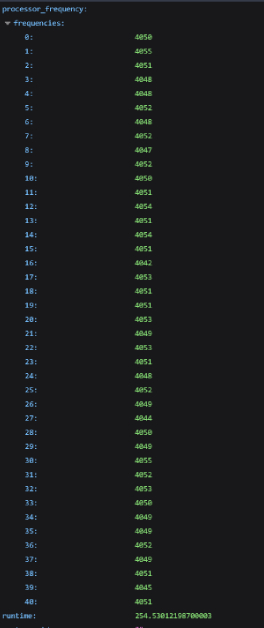
As you can see below, the tested unit’s prime CPU core caps at just 4.0GHz, well below its maximum potential of 4.74GHz (shown above). In other words, there’s still plenty of performance left untapped, which is common for pre-release hardware.
Snapdragon 8 Elite 2 outperforms Exynos 2600 at partial power
The benchmark listing also confirms that Snapdragon 8 Elite 2 will keep a familiar 6+2 CPU core layout. The six efficiency cores will have a clock speed of 3.63GHz. It also supports the new SME (Scalable Matrix Extensions) instruction set, which could help in AI and machine learning workloads.
The Galaxy S26 Edge prototype in this test packs 12GB of RAM and is running Android 16, likely with an early build of Samsung’s One UI 8.0.
Samsung Galaxy S25 Edge
While we don’t yet have figures to compare the 8 Elite 2 directly against its true rival, the Dimensity 9500, it clearly outperforms the Exynos 2600 by a significant margin. That too, without running at full power. The Exynos 2600’s Geekbench scores are 2,155 for single-core and 7,788 for multi-core.
Huawei is preparing to unveil what it calls a major breakthrough in AI inference at the 2025 Financial AI Inference Application Implementation and Development Forum on August 12.
Early reports from China suggest the technology could reduce China’s reliance on High Bandwidth Memory (HBM), a crucial component in AI systems, while improving the performance of domestic large-model inference. The move could have implications not only for China’s AI ecosystem but also for the broader global tech landscape.
What Makes HBM Important
HBM, or High Bandwidth Memory, is a type of DRAM built using 3D stacking, where multiple DRAM chips are vertically integrated to deliver far greater data transfer speeds than conventional memory. Known for its ultra-high bandwidth, low latency, and energy efficiency, HBM is essential for demanding AI workloads.
In AI inference, where a trained model processes new input, large amounts of data must be accessed in real time. Models with hundreds of billions of parameters rely on HBM to supply this data without bottlenecks, enabling GPUs to operate at full capacity. Even minor delays can impact performance, making HBM indispensable for high-end AI hardware.
Huawei’s Potential Shift Away from HBM
Huawei’s AI Innovation May Ease China’s Dependence on Foreign Memory Tech
Exploring the Alternatives
One potential path is chiplet-based design, where multiple smaller chips are packaged together and interconnected to share computational workloads. This setup could reduce the need for massive high-bandwidth memory by distributing processing tasks more efficiently.
Another approach involves optimizing AI models themselves, reducing parameter counts, or employing more efficient algorithms. These improvements can lower hardware demands while maintaining performance, making advanced AI more accessible and cost-effective.
Looking Ahead
If Huawei’s new inference technology can match or exceed HBM-based systems in performance, it could mark a pivotal moment in AI hardware development. By addressing both technical and supply chain challenges, such an innovation could accelerate China’s AI self-sufficiency and reshape how high-performance AI systems are built.
The details will become clear today when Huawei takes the stage. Whether this is a full-fledged replacement for HBM or a step toward easing its limitations, the announcement is set to draw close attention from the AI and semiconductor industries worldwide.
We use cookies on our website to give you the most relevant experience by remembering your preferences and repeat visits. By clicking “Accept”, you consent to the use of ALL the cookies.
This website uses cookies to improve your experience while you navigate through the website. Out of these, the cookies that are categorized as necessary are stored on your browser as they are essential for the working of basic functionalities of the website. We also use third-party cookies that help us analyze and understand how you use this website. These cookies will be stored in your browser only with your consent. You also have the option to opt-out of these cookies. But opting out of some of these cookies may affect your browsing experience.
Necessary cookies are absolutely essential for the website to function properly. This category only includes cookies that ensures basic functionalities and security features of the website. These cookies do not store any personal information.
Any cookies that may not be particularly necessary for the website to function and is used specifically to collect user personal data via analytics, ads, other embedded contents are termed as non-necessary cookies. It is mandatory to procure user consent prior to running these cookies on your website.