Huawei is currently the sole brand to have launched a triple-folding phone. And if a new rumor is to be believed, its successor is not that far off as well.
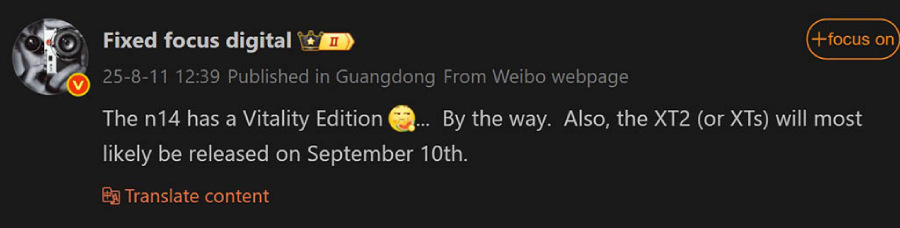
According to tipster Fixed Focus Digital, the company’s next-generation triple-folding phone, expected to launch as the Mate XT 2, is reportedly set to be unveiled on September 10. That’s almost exactly a year after the first Mate XT tri-fold made its debut.
Mate XT 2 might launch at the same time as iPhone 17
If the date is accurate, the launch would coincide with Apple’s upcoming iPhone 17 event, which is rumored to take place on September 9 or 10.
The timing also feels deliberate enough. Huawei and Apple have been circling each other for years, especially in China, and a back-to-back reveal would be another high-profile face-off.
In the past few weeks, multiple leaks have pointed to an early-to-mid September reveal for Huawei’s next foldable flagship. It was previously rumored to launch on September 12, but Fixed Focus Digital now claims the company is targeting the 10th. It also happens to be the date Huawei used last year for the Mate XT Ultimate Design edition.
Huawei hasn’t officially confirmed anything about the Mate XT 2 yet, and we still don’t know what changes it will bring over the first-gen model.
The original Mate XT was notable for its tri-fold design — opening up to a tablet-sized display — and it gained plenty of attention in China, even managing to steal some of the spotlight from the iPhone 16’s local debut.
Now, with its successor rumored to drop right alongside the iPhone 17 lineup, Huawei might be setting up for a repeat performance. It is expected to come in Mystic Black, Auspicious Red, Crimson Purple, and Bright White shades.
For more daily updates, please visit our News Section.
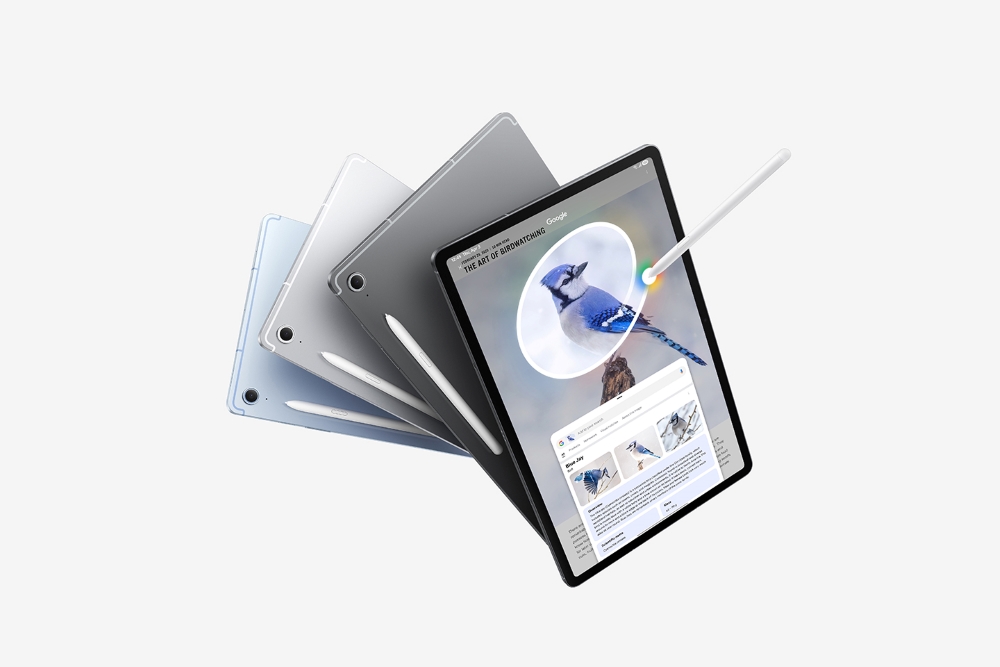
Samsung’s Galaxy Tab S10 FE, which hit shelves back in April with Android 15 and One UI 7, is already being spotted in the wild with a taste of its next big update.
Samsung Galaxy Tab S10 FE series
Benchmark listing reveals the upgrade in progress
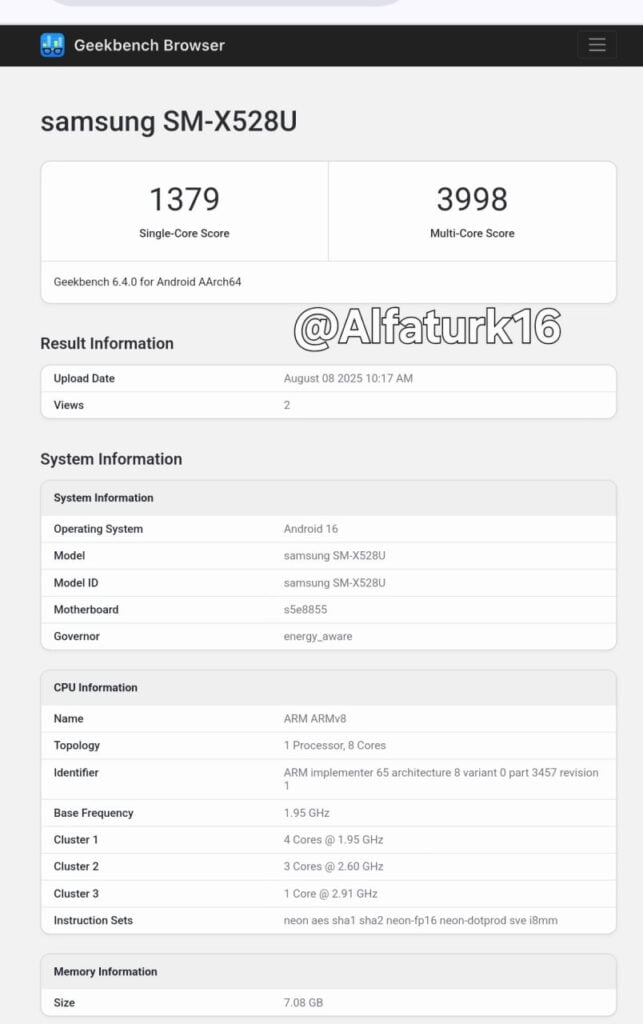
The 5G version of the tablet has appeared on Geekbench running an early build of One UI 8 based on Android 16. It managed 1,379 in single-core and 3,998 in multi-core tests. Those numbers are solid considering it’s pre-release software. This tablet runs on the Exynos 1580 chipset, an up grade over the Exynos 1380 of the Tab S9 FE. With final optimizations, performance should only get better.
While Samsung is busy testing One UI 8 internally across its Galaxy lineup, the Tab S10 FE isn’t part of the public beta. Instead, it’ll likely get the stable Android 16 update after the Galaxy S25 series kicks off the rollout in September. In the meantime, Samsung has been pushing regular security and stability patches to current owners.
The tablet comes with a 10.9-inch AMOLED display running at 90Hz, an 8,000mAh battery with 45W fast charging, and a 13MP rear camera paired with a 12MP front camera. It’s available in two variants — 8GB RAM with 128GB storage or 12GB RAM with 256GB storage — currently priced at ₹40,800 and ₹53,999 on Amazon India.
Xgimi is entering the professional projection market with the launch of Titan, its first projector designed for boardrooms, event spaces, and high-end home theaters. The company will debut the model at IFA 2025, marking a new direction after more than a decade of focusing on consumer-grade devices.
Xgimi has built its reputation on sleek designs, integrated smart features, and strong image quality. The brand has been one of the few in recent years to draw consumer attention back to projectors, a category that had seen little innovation. With Titan, Xgimi aims to bring the same design philosophy to professional settings where projection is used for presentations, events, and immersive experiences.
“We have spent years refining the experience of projection for everyday users,” said Apollo Zhong, Chairman of Xgimi. “The needs of professionals are evolving, and the tools available to them have not kept pace. We believe we can help change that.”
The Titan is intended to challenge existing assumptions about professional-grade projectors. Xgimi says the device will focus on flexibility, simplicity, and visual integrity rather than pursuing specifications without purpose. According to the company, high-quality projection in professional environments often comes with high costs and complicated setups. The goal with Titan is to make pro-level performance more accessible without reducing image standards.
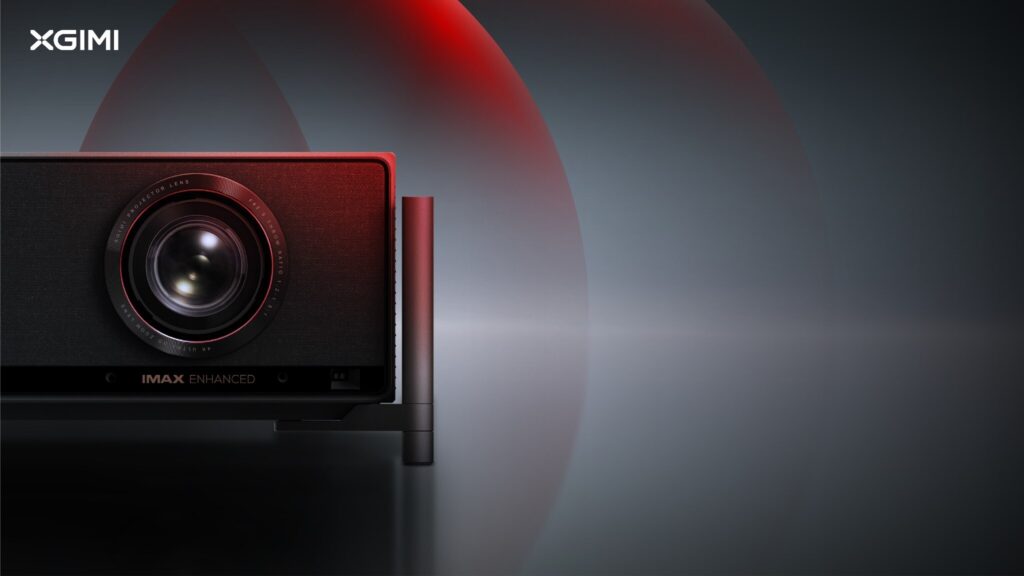
Xgimi has not revealed the official specifications for the Titan yet. However, the teaser image reveals a few details. The projector bears an IMAX Enhanced certification and uses a premium 4K Ultra HD lens with a 1.4:1 projection ratio. It also supports 2.0x zoom.
The Titan will be shown for the first time at ShowStoppers @ IFA on September 4 in Berlin. It will also be on display at the Xgimi booth (H21-117) from September 5 to 9.
In related news, Xgimi recently launched the MoGo 4 Series, featuring the MoGo 4 and the MoGo 4 Laser, both compact projectors with built-in batteries, 1080p, and 4K laser options. The MoGo 4 starts at $449, while the MoGo 4 Laser is priced at $719, with bundles offering additional accessories like the PowerBase Stand and Outdoor Screen.
For more daily updates, please visit ourNews Section.
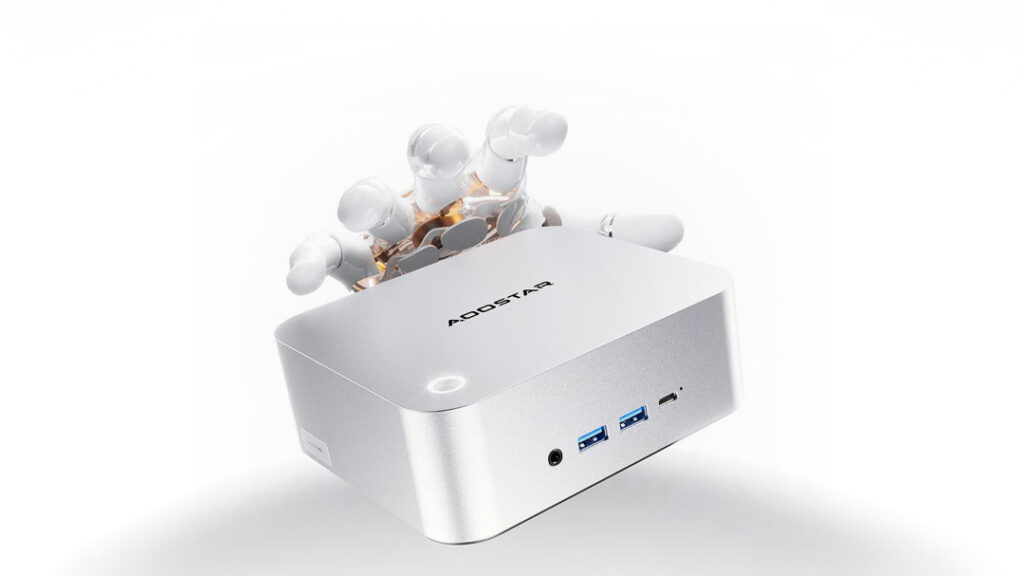
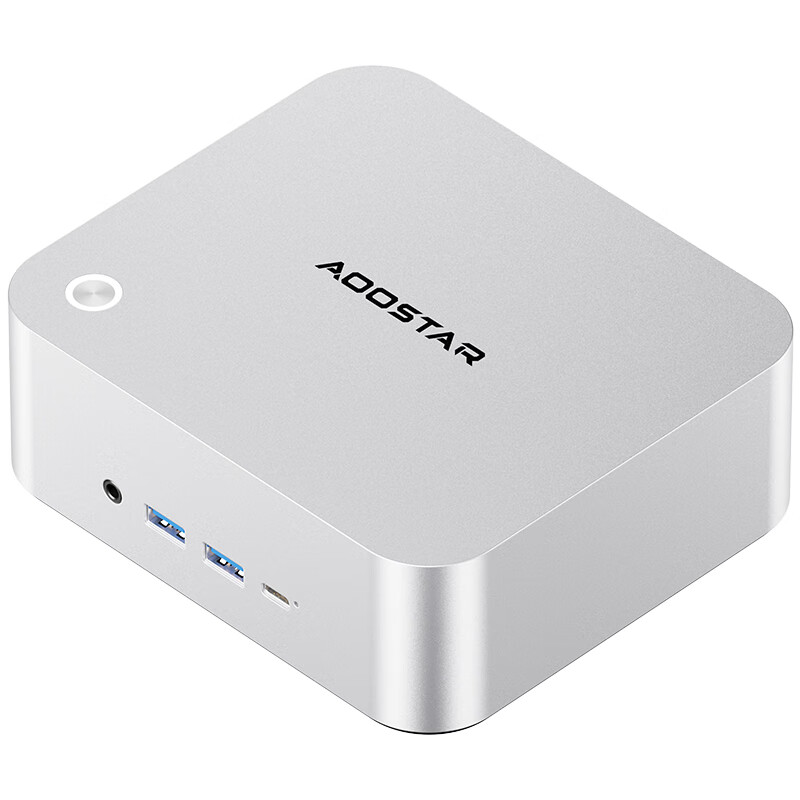
Aoostar has officially launched the Maco series mini PC, featuring a CNC-milled aluminum alloy chassis. Available now on e-commerce platforms, the Maco mini PC offers a sleek design that resembles Apple’s Mac Mini but provides competitive pricing and performance.
Aoostar Maco Mini PC Specifications
The Maco mini PC features a durable CNC-machined aluminum alloy body with a seamless, hole-free design. It measures 13cm in width, 15cm in depth, and 5.5cm in height, weighing just 0.66 kilograms. Despite its compact size, the Maco packs impressive performance, supported by the “Glacier 4.0” cooling system. This cooling solution combines a 5,600mm² vapor chamber and a high-efficiency turbine fan, ensuring the system remains cool under heavy workloads.
The Maco is available with both the AMD Ryzen 7 H 255 and Ryzen 7 Pro 8845HS processors. The Ryzen 7 H 255 features eight cores, sixteen threads, and a boost clock of up to 4.9GHz. Built on TSMC’s 4nm process, it offers a 32% improvement in single-core performance and a 15% boost in multi-core performance. Both processors are paired with the integrated AMD Radeon 780M graphics, based on RDNA 3 architecture, which provides strong visual performance for creative work and light gaming.
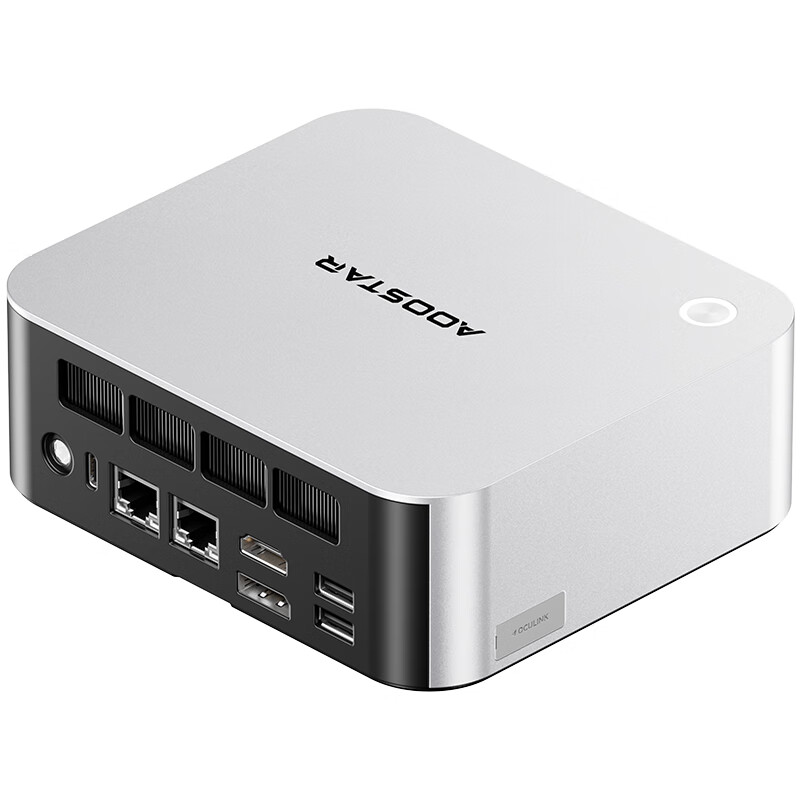
The Maco mini PC supports dual-channel DDR5-5600MHz laptop memory and includes two M.2 2280 PCIe 4.0 x4 slots for fast NVMe SSDs. It features dual USB4 ports, which provide up to 40Gbps bandwidth, support 8K video output, and allow daisy-chaining multiple displays. The system also includes an OCuLink interface, enabling direct GPU dock connectivity for desktop-class graphics.
For connectivity, the Maco sports Wi-Fi 6, Bluetooth 5.2, and dual 2.5G Ethernet ports, ensuring reliable and high-speed networking. The front panel features an audio jack, two USB 3.2 Gen 2 ports, and a USB4 port. The rear panel includes additional USB4 ports, USB 2.0 ports, HDMI 2.1, DisplayPort 1.4, and dual Ethernet ports.
The Maco mini PC includes a one-touch fingerprint reader with Windows Hello support, enhancing security and convenience. It supports up to four displays simultaneously, with resolutions up to 8K at 60Hz or 4K at 144Hz, making it suitable for both creative workflows and entertainment.
Pricing and Availability
The Ryzen 7 H 255 version starts at 1,999 yuan ($278) for the barebones model, while the 32GB RAM and 1TB SSD configuration is priced at 3,099 yuan ($431). The Ryzen 7 Pro 8845HS variant begins at 2,299 yuan ($319), with the upgraded configuration available for 3,399 yuan ($472).
For more daily updates, please visit ourNews Section.
A fresh leak coming out of China claims that OnePlus is testing a phone with a flat display, 1.5K resolution, and a refresh rate of 165Hz. The device will also have an upgraded touch IC for better responsiveness.
The news comes from a reliable insider, Digital Chat Station, who suggests that this setup could noticeably improve both motion smoothness and touch response time of the display.
What’s interesting is that the technology is reportedly in verification testing on OnePlus’ mid-range lineup first. Ultra-high refresh rates like 165Hz are usually reserved for premium flagships. But in this case, the feature could make its way up to the brand’s top-tier phones only if the initial testing goes well.
Redmi is competing with OnePlus
In a previous report, Digital Chat Station claimed that Xiaomi’s Redmi division is also exploring a similar 165Hz display solution. The tipster suggests Redmi’s interest may be a direct response to OnePlus experimenting with the tech for an upcoming phone.
They also say OnePlus is developing a tablet that will feature the same 165Hz screen. However, there’s no word yet on which OnePlus model will debut this display.
If it’s a mid-range model as DCS suggests, it could be one of the upcoming Ace 6 series. In fact, the standard OnePlus Ace 6 is rumored to launch with a 1.5K resolution 165Hz screen.
The phone is also tipped to feature an ultrasonic in-display fingerprint sensor, a Snapdragon 8-series chip, and a metal middle frame. It’s unclear, though, whether it will carry an IP68 water and dust resistance rating.
OnePlus Ace 6 is rumored to launch in October; however, the device might arrive globally as OnePlus 15R.
For more daily updates, please visit our News Section.
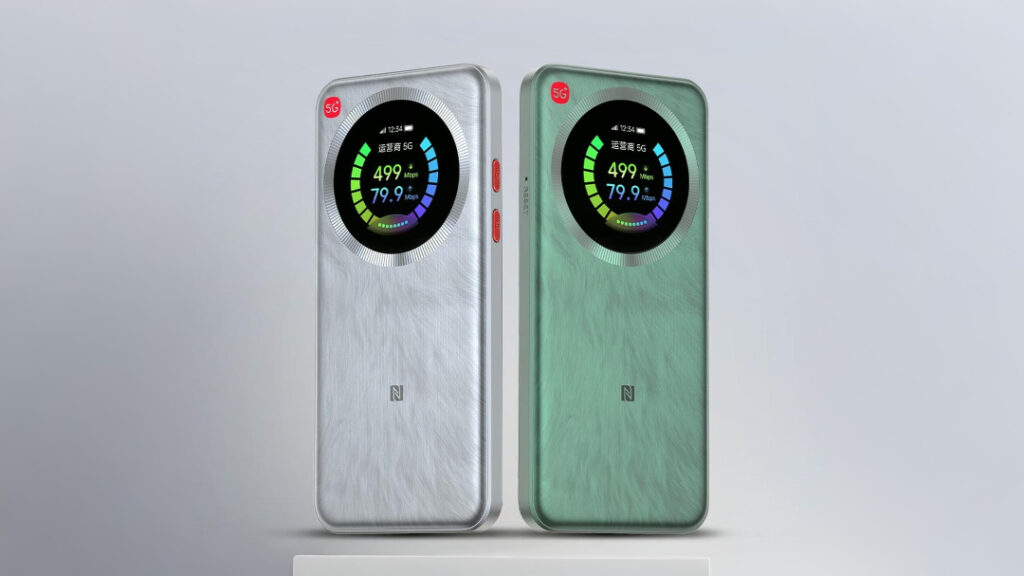
ZTE has unveiled the U30 Pro, a portable 5G Wi-Fi device designed for fast, flexible, and cable-free internet access. The ZTE U30 Pro (model MU5358) is now available for pre-order on JD.com, with official sales starting August 18. Although the official specifications have not been fully announced, we dug into the product manual and the JD listing to gather the details available so far.
ZTE U30 Pro 5G Specifications
The U30 Pro improves on the earlier U30 Air by keeping its compact, pocket-friendly design but replacing the basic status display with a front-facing color touchscreen. This screen displays network status, upload and download speeds, data usage, and Wi-Fi details.
It also functions as a control hub, allowing users to perform firmware updates, switch between SIM profiles, and adjust settings directly on the device. The U30 Pro includes physical controls such as a Home button, a power button, and an NFC area for quickly pairing Android phones to its Wi-Fi network.
The device features a 5000mAh battery that delivers up to 12 hours of use on a single charge. It comes with USB-C charging and doubles as a wired data connection when needed.
The U30 Pro sports with a built-in chip SIM system that removes the need for a physical SIM card. It lets you scan to purchase an internet package and switch between multiple embedded SIM profiles directly on the device. It enables carrier changes from the interface or the display without opening a SIM tray.
In terms of connectivity, the device equips “5G ultra-fast uplink” with peak speeds of up to 1200Mbps and supports both 5G and 4G networks. It supports Wi-Fi 6, delivering speeds above 150Mbps in real-world use, and can handle up to 20 connected devices across 2.4GHz and 5GHz bands. It also comes with a “super antenna” designed for full-band, 360-degree coverage.
For file sharing, the U30 Pro supports Samba, enabling Windows, macOS, and mobile devices to store and access files over the network. It also includes NFC. The U30 Pro measures 149mm × 69.8mm × 12.5mm, weighs 171 grams, and fits easily in a bag or jacket pocket.
Nvidia and AMD have struck a rare arrangement with the US government, agreeing to hand over 15% of revenue from sales of certain AI chips to China in exchange for export licenses. The deal covers Nvidia’s H20 and AMD’s MI308 accelerators, both tailored for China after Washington’s 2023 export restrictions limited access to top-tier GPUs.
The agreement comes amid an intensifying US-China contest over advanced computing hardware, which powers AI models used in everything from language processing to military simulations. The US has argued that high-performance GPUs can give Beijing an edge in strategic projects, including autonomous weapons and mass-surveillance platforms, and has sought to slow China’s access to them through strict export controls.
Deal keeps China market open but sparks security concerns
By accepting the revenue-sharing terms, Nvidia and AMD retain a foothold in one of their most important markets while remaining formally compliant with US rules. Critics, however, say the compromise undermines the point of those rules. Christopher Padilla, a former US export control official, called the arrangement “bribery or blackmail, or both,” warning that it risks weakening the policy’s deterrent value.
The White House has not publicly commented, but the deal was approved under the Trump administration. Its structure is unusual: rather than banning specific products outright, it monetizes their sale to a strategic competitor, raising questions about whether security priorities are being traded for fiscal gain.
Nvidia, for its part, insists it is operating within government guidelines. “We follow the rules the US government sets for our participation in worldwide markets,” the company said in a statement. CEO Jensen Huang has framed the issue in terms of global competitiveness, arguing that “America cannot repeat 5G and lose telecommunication leadership” and that US-developed AI could set the world standard if it moves fast enough.
National security analysts remain divided on whether chips like the H20, engineered with performance caps to meet US requirements, can still advance Chinese defense capabilities. Some argue even downgraded accelerators are powerful enough for large-scale AI training, narrowing the intended gap between US and Chinese computing capacity.
For now, the revenue-sharing deal buys both companies time in a market they cannot afford to lose, while giving Washington a measure of control over what gets shipped. But it also exposes the fragility of export control regimes when commercial interests collide with national security aims. If this revenue-sharing model spreads to other sectors, the line between protecting critical technologies and monetizing their sale to strategic competitors could become increasingly blurred.
Apple is reportedly preparing a new entry-level MacBook powered by its upcoming A18 Pro chip, and it could be the most affordable Mac laptop in years.
According to a new report by Digitimes, the device will feature a 12.9-inch display and could start between $599 and $699.
For instance, the most affordable MacBook you can buy right now is the 13-inch M4 MacBook Air, which starts at $999. So if this rumor pans out, we’re talking about a price drop of roughly $400, which should be enough to tempt Windows and Chromebook users who’ve been eyeing the Mac side for years.
A new entry point for Mac enthusiasts
As inflation keeps pushing prices higher, a sub-$700 MacBook could offer a cheaper entry point into Apple’s laptop ecosystem without sacrificing too much on performance or design.
The big twist here is that the laptop will use the same type of processor found in Apple iPhones. That’s unusual for a Mac, which typically runs on Apple’s M-series chips. But it does make some sense. An A-series processor could help Apple cut costs and create a lightweight, fanless machine that still handles everyday tasks smoothly.
Apple hasn’t made a push into this lower-priced laptop tier in years. A model like this could help it compete in the market segments it previously left to Windows PCs and cheaper Chromebooks.
As for timing, a report from MacRumors suggests that the device could launch sometime in late 2025 or early 2026. It is expected to reach annual shipments of between 5 million and 7 million units, which could boost Apple’s total MacBook volume from the current 17 million to 18 million units by 30% to 40%.
Analyst Ming-Chi Kuo also claims the laptop will be available in Silver, Blue, Pink, and Yellow finishes.
For more daily updates, please visit ourNews Section.
Xiaomi has introduced its latest compact laundry appliance, the Mijia Mini Wash, aimed at health-focused households with limited space. It is priced at 1,999 yuan ($278) and combines precision washing, gentle drying, and smart home integration via the HyperOS IoT platform.
Xiaomi Mijia Mini Wash Specifications
The Mini Wash features a 1.2-kilogram rated washing capacity and a 0.5-kilogram drying capacity, making it ideal for handling delicate garments like lingerie, silk sleepwear, and yoga outfits. The appliance sports an 800 revolutions-per-minute spin speed, which helps remove excess moisture before drying. It measures 328 millimeters in width, 452 millimeters in depth, and 461 millimeters in height, with a net weight of 22 kilograms and a gross weight of 25 kilograms, making it easy to place in small spaces.
It comes equipped with a DD direct-drive motor, delivering high rotation efficiency, precise control, and long-lasting performance while keeping noise and vibration low. The unit operates at a rated input power of 750 watts and runs on a 220V/50Hz power supply. It supports water pressure between 0.03MPa and 0.8MPa for stable operation. The package dimensions are 420 by 600 by 578 millimeters, and the product is finished in a clean white color.
It features a sealed glass door panel with internal drum lighting for better visibility, a safety child lock (app-controlled), and support for Xiaomi’s HyperOS IoT platform, enabling remote control via the Mi Home app, OTA updates, and voice commands through Xiao Ai smart speakers. The washer-dryer supports 20 customized washing programs, accessible both from the panel and the app, catering to different fabrics such as lace, modal, and silk.
It sports intelligent detergent dosing, automatically sensing garment weight and adjusting detergent amounts to reduce residue. The unit has medical-grade underwear health wash certification, with claims of removing 99.99% of bacteria, eliminating all mites, reducing allergens by more than 99%, and neutralizing HPV viruses.
The drying system features intelligent temperature control with options for low-temperature silk care at 35°C, ensuring fabric protection and preventing shrinkage or deformation. It equips a robust drum-cleaning mode with high-temperature steam for hygiene maintenance, a night standby mode with fresh air circulation, and an energy-efficient design consuming approximately 0.08 kWh per hour during long-term garment care.
In related news, Xiaomi recently unveiled a new water filter promising rust-free, sediment-free tap water, and also launched a budget hair dryer that can dry hair in just one minute.
For more daily updates, please visit ourNews Section.
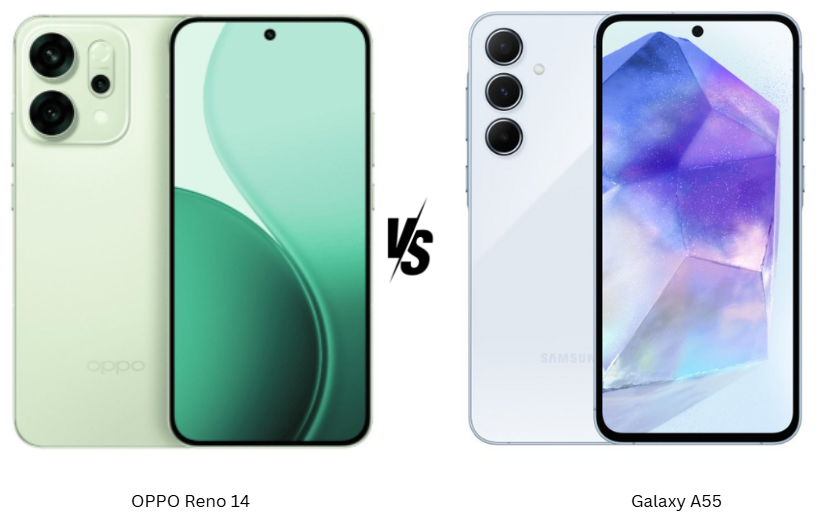
OPPO Reno 14 and Samsung Galaxy A55 target the mid-to-upper smartphone segment, but they approach it with different priorities. While the Reno 14 focuses on performance, camera versatility, and fast charging, the Galaxy A55 emphasizes durability, long-term software support, and affordability. This comparison is important because it highlights how two devices in a similar price category can cater to very different user needs, helping buyers decide whether premium features or better value should guide their choice.
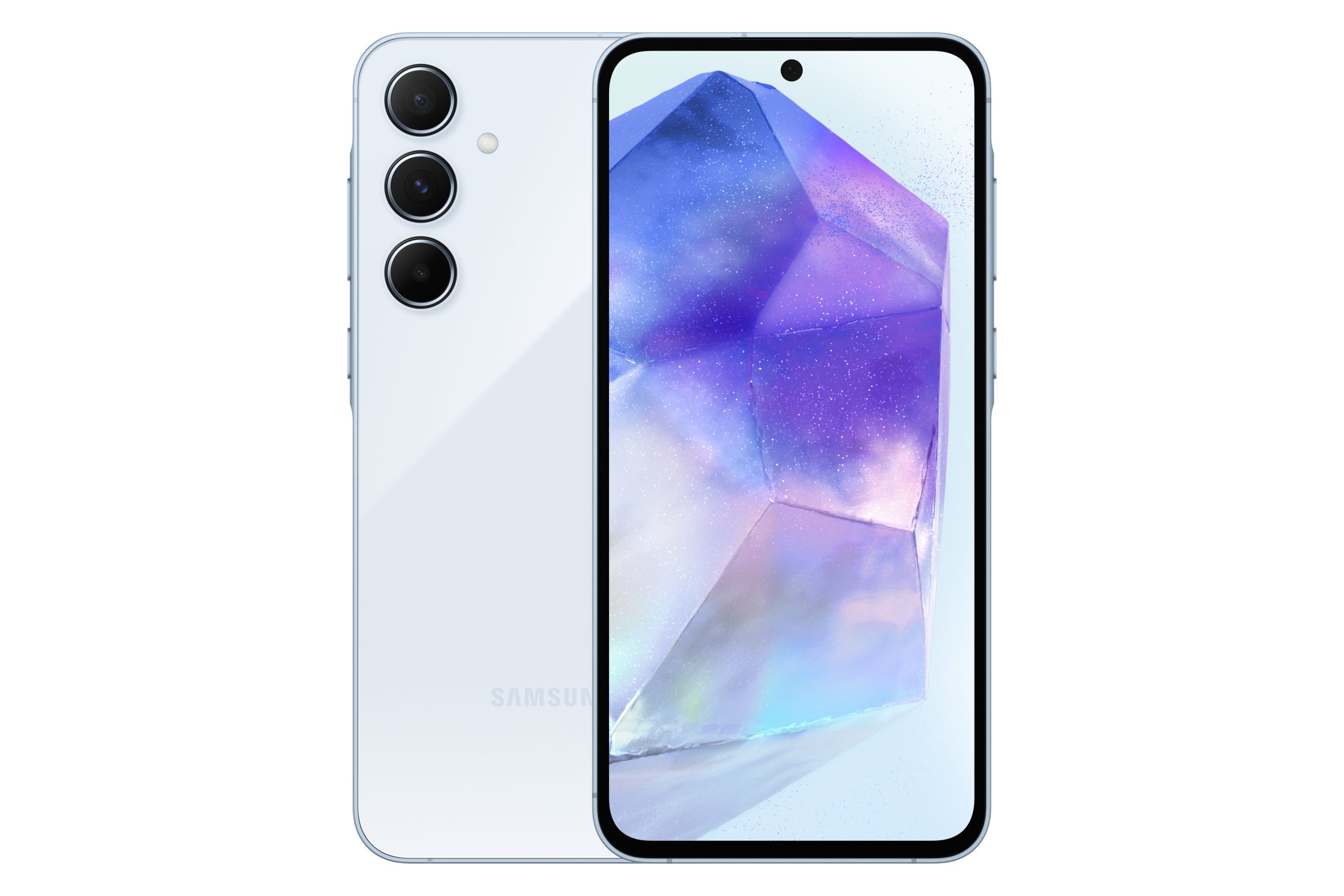
Build and Feel: The OPPO Reno 14 offers a premium glass front and back with an aluminum alloy frame, protected by Gorilla Glass 7i or Crystal Shield Glass. It is also IP68/IP69 rated, offering superior water and dust protection compared to the Galaxy A55’s IP67 rating. The Galaxy A55 uses Gorilla Glass Victus+ for both front and back, which is tougher against drops, but its protection level for water immersion is slightly lower. The Reno 14’s slimmer profile and higher water resistance make it more resilient for active users.
Verdict: Reno 14 edges ahead with better water protection and a lighter, sleeker build.
Display Quality: Reno 14’s AMOLED display delivers a sharper resolution (1256 x 2760, ~460ppi) and features 1B colors, 120Hz refresh, HDR10+, and impressive 3840Hz PWM for reduced eye strain. The Galaxy A55’s Super AMOLED also supports 120Hz and HDR10+ but has a lower resolution (1080 x 2340, ~390ppi) and brightness up to 1000 nits. While the A55 offers slightly better drop resistance via Victus+, the Reno 14 wins in pixel density and color depth, providing a richer viewing experience.
Verdict: Reno 14 delivers a more detailed and vibrant screen experience.
Please Note: When you buy something using the links in our articles, we may earn a small commission at no cost to you.
2. Specifications
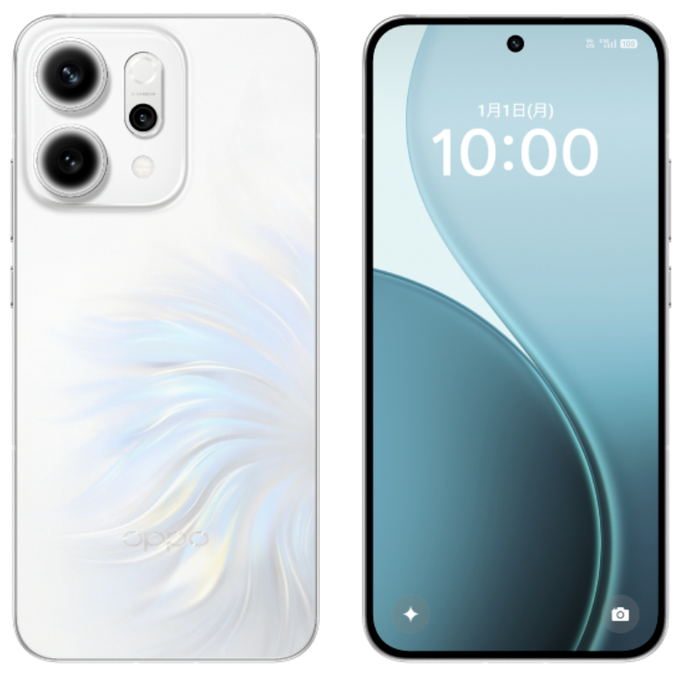
OPPO Reno 14
Performance: The OPPO Reno 14 runs on the newer MediaTek Dimensity 8350 (4nm) with Mali-G615 GPU, offering stronger CPU and GPU capabilities than the Galaxy A55’s Exynos 1480 with Xclipse 530 GPU. The Reno supports up to 16GB RAM and faster UFS 3.1 storage, while the A55 maxes at 12GB RAM with slower storage. The Reno 14’s chipset also benefits from higher clock speeds, making it more capable for heavy multitasking and gaming.
Verdict: Reno 14 is the stronger performer for power users.
Battery and Charging: Reno 14 boasts a 6000mAh battery with 80W wired charging and additional PD/PPS support, plus reverse wired charging. In contrast, the A55 has a smaller 5000mAh battery with 25W wired charging. While the A55 is efficient, Reno 14 offers faster top-ups and extended usage time, especially useful for long travel or gaming sessions.
Verdict: Reno 14 leads with a bigger battery and much faster charging.
3. Camera
Samsung Galaxy A55
Main and Secondary Lenses: Reno 14 features a triple setup with dual 50MP main and telephoto sensors, the latter offering 3.5x optical zoom, plus an 8MP ultrawide. Galaxy A55’s triple setup has a 50MP main, 12MP ultrawide, and a 5MP macro. Reno’s telephoto lens gives it a major edge for zoom photography, while its color spectrum sensor enhances color accuracy.
Verdict: Reno 14 offers more versatile and professional-grade photography.
Selfie Camera: Reno 14’s 50MP front camera supports autofocus and 4K@60fps video, delivering higher detail and flexibility for both photos and videos. The Galaxy A55’s 32MP selfie shooter offers 4K@30fps but lacks autofocus, which can limit sharpness in close-up shots.
Verdict: Reno 14 wins for sharper, more adaptable selfie performance.
4. Pricing
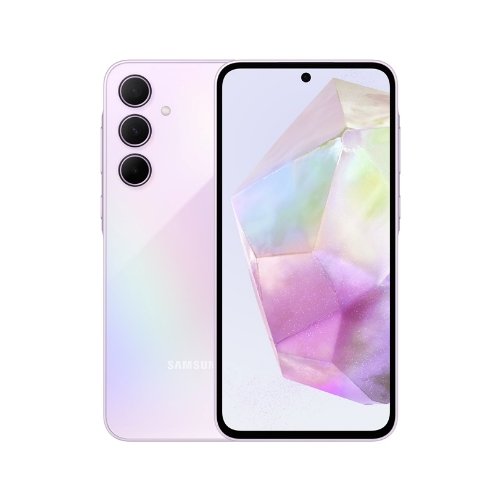
Samsung Galaxy A55
The OPPO Reno 14 is priced around $600, while the Galaxy A55 comes in at about $400. While Reno 14 justifies its higher price with stronger performance, better cameras, a larger battery, and faster charging, the A55 remains a solid choice for budget-conscious users seeking a durable build, good display, and Samsung’s long-term software updates.
For value alone, the A55 is more wallet-friendly, but the Reno 14 delivers better all-around specs for the premium.
5. Conclusion
Oppo Reno 14
Reno 14 stands out with its IP69 water resistance, high-res AMOLED with 3840Hz PWM, telephoto zoom lens, 6000mAh battery, and 80W charging. The Galaxy A55 offers Gorilla Glass Victus+, expandable storage, and Samsung’s promised 4 major Android upgrades.
Verdict: Choose the OPPO Reno 14 if you want flagship-like performance, advanced camera versatility, longer battery life, and faster charging in a sleek package. Go for the Samsung Galaxy A55 if you prefer a lower cost, expandable storage, and long-term software support without needing top-tier hardware specs.
Vivo X200 FE and OnePlus Nord 5 target different ends of the premium mid-range spectrum, making their comparison essential for buyers seeking the best value. Both bring strong hardware, modern design, and advanced displays, yet differ in durability, camera versatility, and performance focus. This matchup highlights whether paying extra for flagship features is worth it or if a well-balanced, more affordable option delivers enough.
Build and Feel: The Vivo X200 FE features a premium aluminum frame with glass on both sides, along with IP68/IP69 protection, meaning it can withstand high-pressure water jets and submersion. The OnePlus Nord 5 uses a glass front and back but has a plastic frame, offering IP65 protection, which is less robust against water ingress. The Vivo feels more durable and premium, while the Nord 5 focuses on being lighter in the hand. The X200 FE takes the edge for those prioritizing ruggedness and premium materials.
Display Quality: Vivo offers a 6.31-inch LTPO AMOLED with 1B colors, HDR10+, and an impressive 5000 nits peak brightness, ideal for sunlight visibility. The Nord 5 has a larger 6.83-inch Swift AMOLED with a 144Hz refresh rate, HDR10+, and 1800 nits peak brightness. While Vivo wins in brightness and LTPO power efficiency, the Nord 5’s higher refresh rate and larger size cater more to gamers and media lovers.
Verdict: Vivo X200 FE is better for durability, compact use, and outdoor visibility, while the Nord 5’s size and 144Hz refresh rate make it more appealing for immersive viewing and gaming.
Please Note: When you buy something using the links in our articles, we may earn a small commission at no cost to you.
2. Specifications
OnePlus Nord 5
Performance: Vivo runs the flagship MediaTek Dimensity 9300+, delivering higher peak performance and better sustained GPU capabilities for heavy multitasking and gaming. The Nord 5 uses Snapdragon 8s Gen 3, which is highly efficient but slightly below the flagship tier in raw power. Vivo’s chipset is better for demanding workloads, whereas Nord 5 emphasizes a balance between performance and thermals.
Battery and Charging: The X200 FE packs a 6500 mAh battery (global) with 90W wired charging, hitting 100% in 57 minutes. Nord 5’s global version offers 6800 mAh with 80W wired charging, plus PPS and PD support, reaching 100% in 54 minutes. Nord 5 has slightly more capacity and more charging standards, while Vivo’s battery chemistry (Si/C Li-Ion) focuses on longevity.
Verdict: Vivo X200 FE leads in raw performance and battery technology durability, while Nord 5 offers marginally longer endurance and more versatile charging options.
3. Camera
Vivo X200 FE
Main and Secondary Lenses: The Vivo X200 FE features a triple setup with a 50MP main sensor, a 50MP periscope telephoto with 3x optical zoom, and an 8MP ultrawide, co-engineered with Zeiss optics. The Nord 5 uses a dual setup with a 50MP main and 8MP ultrawide. Vivo’s telephoto addition significantly improves zoom versatility, making it better for photography enthusiasts.
Selfie Camera: Both sport 50MP selfie cameras with autofocus and 4K video recording. The X200 FE adds HDR capabilities for more balanced exposure in challenging lighting, while the Nord 5 emphasizes a wide field of view for group selfies. For detail and HDR performance, Vivo has the advantage.
Verdict: Vivo X200 FE wins in rear camera versatility and quality, while both are strong in selfies, with Vivo slightly ahead in HDR performance.
4. Pricing
OnePlus Nord 5
The Vivo X200 FE is priced around $750, while the OnePlus Nord 5 comes in at about $550. The $200 difference reflects Vivo’s flagship-level processor, higher-grade water resistance, brighter LTPO display, and telephoto zoom lens.
However, the Nord 5 still offers excellent performance, a large high-refresh display, and bigger battery capacity for significantly less money, making it better for budget-conscious buyers.
5. Conclusion
Vivo X200 FE
The Vivo X200 FE stands out with its IP69 durability, Zeiss camera tuning, brighter LTPO display, and Dimensity 9300+ flagship chip. The OnePlus Nord 5 offers a larger 144Hz display, a slightly bigger battery, multiple fast-charging standards, and competitive pricing.
Verdict: Choose the Vivo X200 FE if durability, camera versatility, and top-tier performance are priorities. Pick the OnePlus Nord 5 if you want a large, fast display, strong battery life, and solid performance at a more affordable price.
Oppo has unveiled the new Enco Buds 3 Pro, which is a pair of budget friendly TWS earbuds. These arrive with a bunch of useful features and a long battery life without breaking the bank. The earbuds are the latest from its Enco lineup, so here are their specs, features, pricing, and more.
Oppo Enco Buds 3 Pro: Here’s What You Get for Under Rs 2,000?
The Chinese tech giant just unveiled the Oppo K13 Turbo and K13 Turbo Pro in the Indian market and alongside these gaming phones, it released the new Enco Buds 3 Pro. These TWS feature large 12.4mm titanium coated dynamic drivers that promise powerful bass. The hearables connect via Bluetooth 5.4 and also support Google Fast Pair. Notably, you also get the nifty dual device connection feature, which allows the user to pair two separate devices for seamless switching between the two audio sources.
Oppo Enco Buds 3 Pro
You also get SBS and AAC codecs along with an ultra low latency mode for 47ms. The low latency mode makes it great for mobile gamers as it reduces the lag between audio and visuals during wireless connection. For Oppo smartphone owners, the Enco Buds 3 Pro even offers camera control via a double tap. Apart from this, a highlight feature is the long battery life, with up to 12 hours of playback from the earbuds alone (58mAh cell) and up to 54 hours of total battery when paired with the charging case (560mAh).
It also supports fast charging, with just 10 minutes of charging enabling 4 hours of audio playback on the earbuds and 8 hours of battery on the charging case. The Oppo Enco Buds 3 Pro was announced in two color options, namely Graphite Gray and Glaze White. It will go on sale from the brand’s official store and Flipkart on 27th August 2025 for just Rs 1,799.
For more daily updates, please visit our News Section.
Gaming smartphones are getting more powerful and affordable with each passing year. Chinese brands have been at the forefront of this category, and Oppo‘s new K13 Turbo and K13 Turbo Pro are the latest in the segment. You get powerful processors, high refresh rate, massive batteries, and a new active cooling system. These models first debuted in China last month, so here are all the details regarding the Indian release.
Oppo K13 Turbo Pro
Talking about the more expensive option first, we have the Oppo K13 Turbo Pro. The Chinese tech giant offers a tall 6.8-inch flat AMOLED display with a 1.5K resolution, a 120Hz refresh rate, 240Hz touch sampling rate, and up to 1600 nits of peak brightness. Under the hood, Oppo equips this model with Qualcomm’s latest Snapdragon 8s Gen 4 SoC, which is paired with up to 12GB of LPDDR5X RAM and 256GB of UFS 4.0 storage (UFS 3.1 on the 128GB variant).
Oppo K13 Turbo Pro
A massive 7,000mAh battery pack powers this device, which supports 80W wired fast charging. But one of the more impressive features is the cooling tech on the new phones. Smartphones with high-end chips typically go for a vapor chamber/large cooling surface materials for passive thermal dissipation, but the K13 Turbo lineup brings cooling fans along with the large VC cooling setup. This helps keep temperatures in check and prevents performance throttling, which can be pretty handy for long term gaming.
For optics, the rear has a 50MP main camera with a 2MP depth sensor, while the front houses a 16MP selfie shooter. Other notable features include an in-display fingerprint scanner, infrared sensor, and IPX6 + IPX8 + IPX9 water resistance, Android 15 OS based ColorOS 15 custom skin, stereo speakers, NFC, Bluetooth 5.4, and WiFi 6.
Oppo K13 Turbo
Oppo K13 Turbo
The more affordable model base variant’s specs and features are nearly identical, with only one major difference. So you get the same display specs, battery capacity and fast charging specs, an active cooling fan, water resistance, cameras, and more. However, the biggest difference between the two models is the processor. Unlike the Oppo K13 Turbo Pro, the standard K13 Turbo gets a MediaTek Dimensity 8450 SoC. This is still a powerful chipset that is great for gaming enthusiasts.
Pricing and Availability
Oppo announced the K13 Turbo in three color options, namely Purple Phantom, White Knight, and Midnight Maverick, while the K13 Turbo Pro has the same colors but replaces the White Knight version with a Silver Knight option. These are also available in multiple storage configurations, so here are the pricing details:
Oppo K13 Turbo
8GB + 128GB – Rs 27,999
8GB + 256GB – Rs 29,999
Oppo K13 Turbo Pro
8GB + 128GB – Rs 37,999
12GB + 256GB – Rs 39,999
There is a dedicated accessory with these devices, which is the Oppo Turbo back clip, which is sold separately for Rs 3,999. Both models will go on sale via Oppo’s official online store, Flipjkart, and offline retailers. However, the K13 Tubro Pro has its first sale kick off on August 15, while the K13 Turbo drops on August 18. Oppo is also offering bank discounts of up to 3,000 INR.
For more daily updates, please visit our News Section.
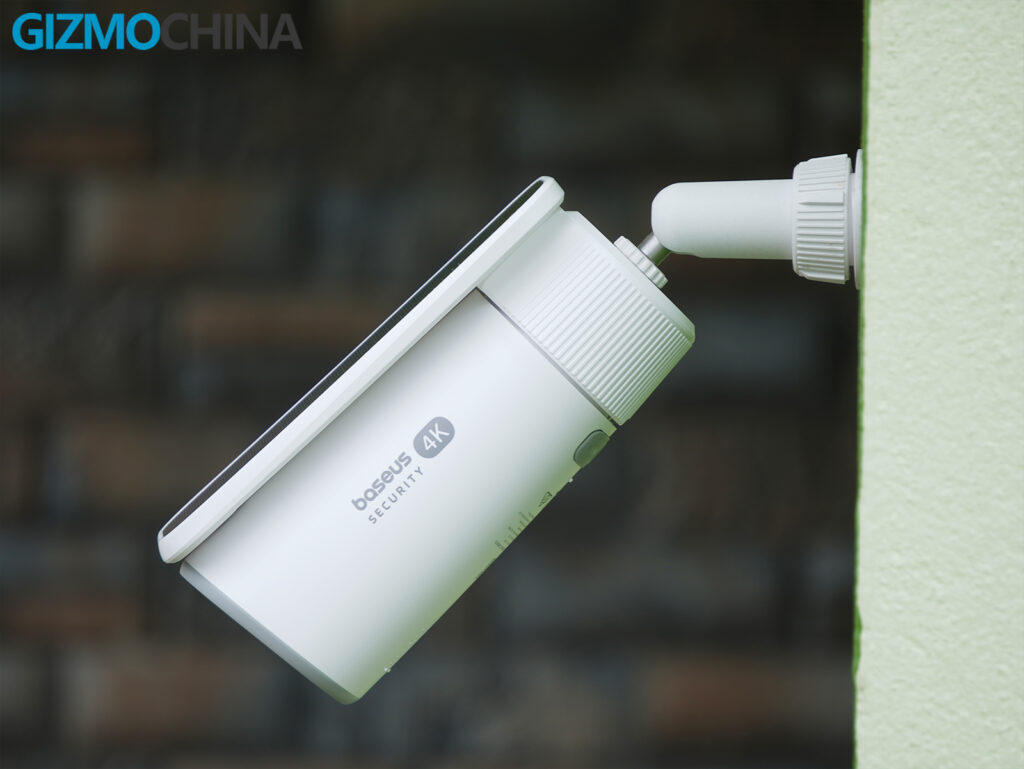
When Baseus reached out with their S2 outdoor security camera, I was curious but not entirely sure what to expect. I reviewed the Baseus S1 Pro last year, and while it looked very similar, that older model needed a hub to operate. This one doesn’t. The S2 is completely self-contained; open the box, mount it, connect it to Wi-Fi, and it’s good to go. No extra hardware. No hub. No permanent wiring.
I tested the S2 in some pretty unforgiving rainy weather, followed by a period of intense heat. And after several weeks of real-world use, I have a pretty good sense of where it shines, where it struggles, and whether it’s worth the asking price.
Design and Build
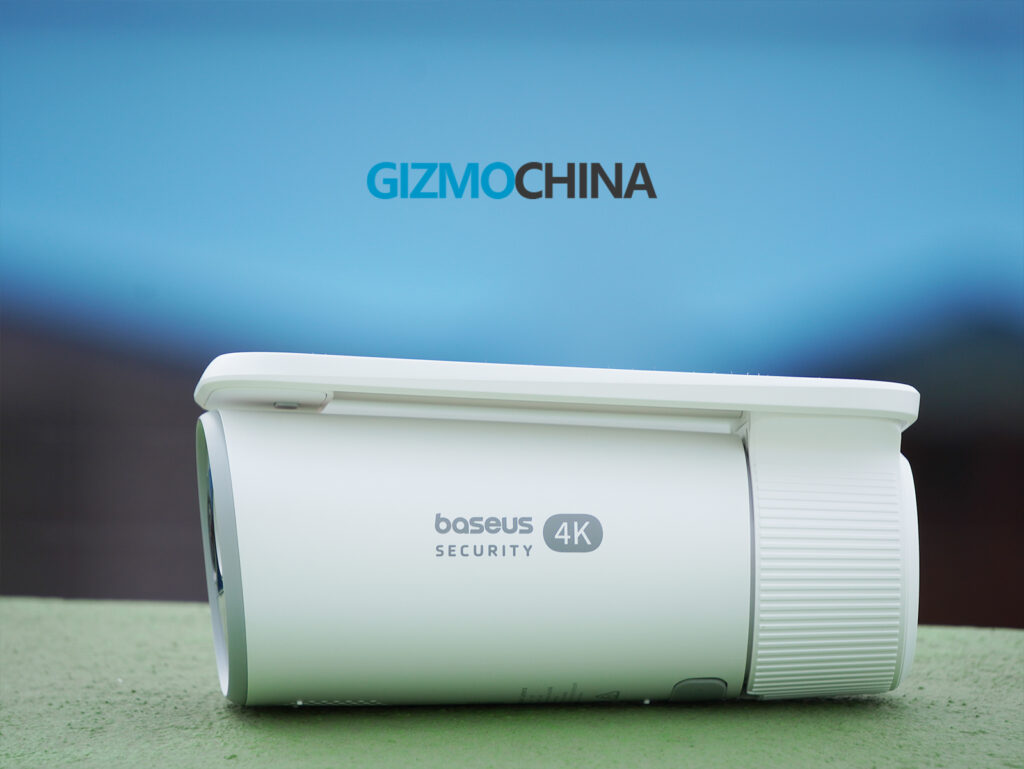
The first thing you notice is the housing. It’s chunky without being oversized, with clean lines and a matte finish that makes it look more expensive than it is. The IP67 weatherproof rating means it’s happy to live through rain, dust storms, and the kind of temperature swings that would make cheaper hardware groan. I tested it in the Indian monsoon with some intense rainy days as well as some hot days touching 40°C, and it kept recording without a hiccup.
On the back, you get a mount that makes installation refreshingly simple: just three screws into a wall or post, click the camera onto the bracket, and you’re ready to angle it. The design also accounts for the solar panel’s needs.
Instead of being fixed, the panel has an auto-tracking system that tilts and pivots to follow the sun. It’s not just a party trick either, it’s pulling in up to 900mAh a day, keeping the built-in 7,800mAh battery topped off without me touching a charging cable.
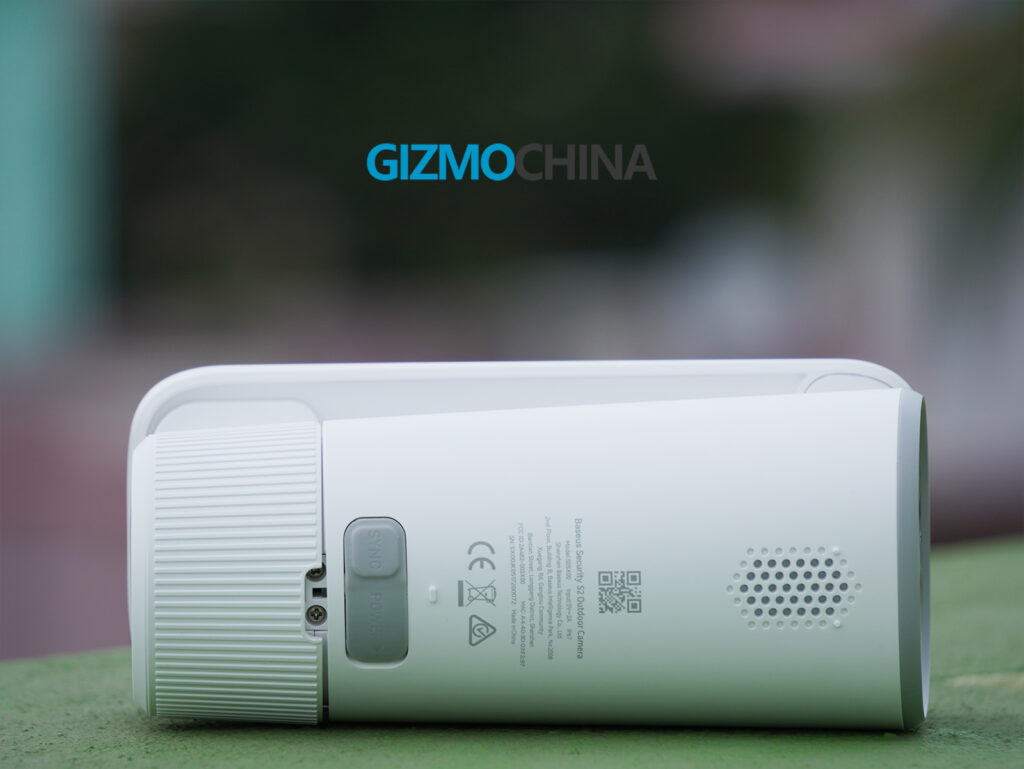
The ports and microSD slot live under a rubber gasket, which seals tightly enough that I never worried about water ingress. Everything about the build says it’s designed to be mounted once and then left to get on with its job for years.
Setup: Cable-Free Freedom
Setting up the S2 is a reminder of how far Wi-Fi-only cameras have come. I connected it to my 2.4GHz network in a couple of minutes through the Baseus Security app, updated the firmware, and had it streaming live video to my phone without touching a cable. It supports microSD cards up to 512GB for local storage, no forced cloud subscription, no “free trial” countdown timers threatening to lock me out of my own footage.
I mounted it on the front balcony once, as well as on a corner near the top terrace, angled to face the lower terrace. Since I already had the mount from the S1 Pro, I simply swapped the S1 Pro for the S2, which made the process very easy for me. If you’re setting it up for the first time, though, you’ll need to drill it in place.
The app gives you a live view while you adjust the angle, making it easy to frame the scene without any guesswork. It was ready to go in under 20 minutes, and from that point on, I didn’t have to think about battery life once.
Video Quality
Many consumer security cameras claim 4K resolution yet end up producing muddy, compressed footage that barely outperforms 1080p. The Basis S2 isn’t flawless, but its 8MP sensor and f/1.6 aperture lens make a convincing case for the extra pixels. In daylight, license plates remain legible even at the far end of my driveway, and pausing footage reveals small details as well.
The 145° field of view is wide enough to capture the whole scene without distorting it into a fisheye mess. The 8x digital zoom is where the resolution pays off; you can punch in to check a face or object without it turning into a pixelated blur.
Nighttime performance is where the S2 really flexes. You get three modes: full infrared for classic black-and-white stealth footage, no night vision at all (if you’re trying to save battery in a well-lit area), and full-color night vision using the built-in 100-lumen spotlight.
I ran it in full infrared and color mode for most of my testing, and the results were surprisingly good. The spotlight doesn’t just help the camera; it makes its presence known to anyone in frame, which has its own deterrent effect.
Motion Detection
This is where things get interesting. Most cameras rely solely on PIR (passive infrared) sensors that trigger whenever there’s a temperature change in the frame, which is why they’re prone to false alerts from animals, hot air vents, or even bursts of sunlight. The S2 doubles up with radar detection, cross-checking movement before sending an alert.
In practice, this reduced my false notifications dramatically. I went from getting six or seven random “motion detected” pings a day with my previous camera to maybe one every few days on the S2. It was smart enough to ignore wind-blown leaves, passing cars, and neighborhood cats, while reliably catching actual people entering the frame.
The AI layer on top is still in beta, but it already recognizes faces, people, vehicles, and pets with decent accuracy. I set up a whitelist of family members (although I turned off this feature later), and it really did stop alerting me when they walked up the driveway, a feature I didn’t know I needed until I realized how much mental noise it cut down.
App Experience
The Baseus Security app is clean, with a timeline scrubber for reviewing clips, a big live view window, and quick-access buttons for the spotlight, siren, and two-way talk. The two-way audio impressed me most; voices come through clear and without lag, which makes quick exchanges actually viable.
You can also set privacy zones, which mask parts of the frame from being recorded. It’s a small but important feature if your camera points near a neighbor’s property or a public sidewalk. The processing happens on-device, and data is AES + RSA encrypted, so there’s no third-party cloud server holding your video unless you choose to store it there.
The only drawback is that the app can occasionally feel sluggish, with videos taking longer to load or sometimes failing to load. Otherwise, it works fine.
Solar and Battery Life
The solar panel is the star here. Over several weeks, the battery never dipped below 95%, even during a few cloudy days. The combination of a high-efficiency ETFE surface (resistant to yellowing and curling) and the sun-tracking system means it’s pulling in charge far more effectively than fixed-panel competitors I’ve tested. If you install it somewhere with at least a few hours of sunlight a day, you could realistically never have to bring it down for charging.
Of course, you can still plug it in via USB-C if you ever need to, but in my testing, I never had to.
Daily Use
Good security cameras are the kind you stop noticing, until you actually need them. The S2 slipped into that role easily. Alerts arrive promptly, the live feed loads relatively quickly, and the footage quality means I’m not squinting to figure out what I’m seeing. Over time, I checked in less often because the motion detection proved reliable enough that every ping felt worth opening.
Voice assistant integration with Alexa and Google Home is there if you want to view the feed on a smart display or control it via voice, though I mostly stuck to the app.
Final Thoughts
The Basis S2 isn’t trying to reinvent the outdoor camera; it’s refining it. By pairing a genuinely useful 4K image with reliable motion detection, zero-maintenance solar charging, and a privacy-first local storage model, it sidesteps two of the most common frustrations with security cams: false alerts and battery anxiety.
It’s not perfect. The frame rate in 4K could be smoother, the AI still needs training, and you’ll want to make sure you have a solid 2.4GHz connection where you plan to mount it. But in day-to-day use, those are small trade-offs for a camera I can install once, leave running indefinitely, and trust to tell me when something important is happening.
If you’ve been waiting for a solar-powered outdoor cam that doesn’t feel like a compromise, the Basis S2 is the closest I’ve tested yet. At its current price, it’s a no-brainer.
Pricing and Availability
The Baseus S2 is priced at around $133.32 on the official website, with an extra 10% discount available at checkout. On Amazon, it’s currently listed for about $129.99.
For more daily updates, please visit ourNews Section.
After a long wait, Samsung is finally expanding the One UI 8 beta program beyond the Galaxy S25 series. The beta update starts rolling out today for Galaxy S24 series, Galaxy Z Fold 6, and Galaxy Z Flip 6 in select regions, and is planned to reach more Galaxy phones (including some mid-range phones) in the coming weeks.
While it feels great to test out new features before the majority gets to experience them, there are a couple of steps you must follow for a smooth upgrade, especially when it’s a beta update.
1. Understand the risk
While most of you may already be aware of the risks associated with beta builds, it’s just a reminder that you shouldn’t test such builds on your primary device. For those uninitiated, beta builds generally contain bugs and unfinished/broken features. The software experience may also be less than smooth.
Also, note that there’s no easy way to roll back to stable One UI 7 software without erasing your data. Hence, it’s strongly recommended to take a complete backup before installing a beta build (more on that below).
Before installing a major upgrade like One UI 8, it’s recommended that you take a complete backup to prevent data loss in case of installation failures. Although such things happen rarely nowadays, it’s always better to safeguard data so as not to cry later.
The best way out is to set up automatic backups using cloud storage, such as Google Drive or Mega. You can also use Samsung Cloud to back up your files for free, with no storage limit. The only catch here is that your files remain stored on servers for 30 days. So, remember to restore your files from Samsung Cloud before they are automatically deleted.
3. Install pending updates
Your Samsung phone must be running the latest software to participate in the One UI 8 beta program. To check for available updates, go to Settings > Software updates and tap the Download and install button.
Although not mandatory, it’s also recommended that you update all the updates on your device. You can update Samsung apps via the Galaxy Store and the remaining via the Google Play Store.
4. Install the Samsung Members app
To participate in the One UI 8 beta program, you must have the Samsung Members app on your device. You can install it from the Galaxy Store.
If you already have the app, ensure it’s up to date. You’ll find the One UI 8 beta banner inside the app when your device becomes eligible for it.
5. Ensure the device has sufficient storage and battery
One UI 8 is a major upgrade, and its download size is likely to be a couple of gigabytes (GBs). You must make sufficient room on the internal storage. For optimal performance, you should keep at least 10GB of free space.
Battery is another key thing to look at before installing a major upgrade. It’s recommended that you keep at least 30% battery before hitting the install button, so the device doesn’t shut off during the update installation. Otherwise, it might lead to installation failure, which can be a headache to fix later on.
Lava is stepping up its game in the budget smartphone segment with the launch of the Blaze AMOLED 2 in India. It is an affordable feature packed smartphone that brings notable specs in a slim form factor. On paper, this model seems to be a compelling budget phone, so here’s its specs, features, and pricing.
Lava Blaze AMOLED 2: Big Battery & More in a Sleek Body
The Indian brand just announced the Lava Blaze AMOLED 2 with what it calls the Linea Design. It is claiming that this device is the smallest in this segment (smartphones under Rs 15,000), measuring just 7.55mm in thickness. While it isn’t as notable as something like the Galaxy S25 Edge or Infinix Hot 60 Pro+ with sub-6mm bodies, this is a budget phone that costs around 150 US Dollars. It sports a tall 6.67-inch AMOLED display with an FHD+ resolution and a 120Hz refresh rate.
Lava Blaze AMOLED 2
Under the hood, the Lava Blaze AMOLED 2 is equipped with the MediaTek Dimensity 7060 SoC, which is paired with 6GB of RAM and 128GB of internal storage. A sizeable 5,000mAh battery pack powers this model, which supports 33W wired fast charging. The budget phone runs on Android 15 OS out of the box. For photography, the company has even packed the Blaze AMOLED 2 with a 50MP Sony main camera. Other notable features include virtual RAM expansion, an IP64 rating for water and dust resistance, and an in-display fingerprint scanner.
Lava just announced this budget slim phone in two color options, namely Midnight Black and Feather White. You can purchase it in India for Rs 13,499 via offline smartphone retailers. First sales of this model in Amazon kicks off on 16th August 2025.
For more daily updates, please visit our News Section.
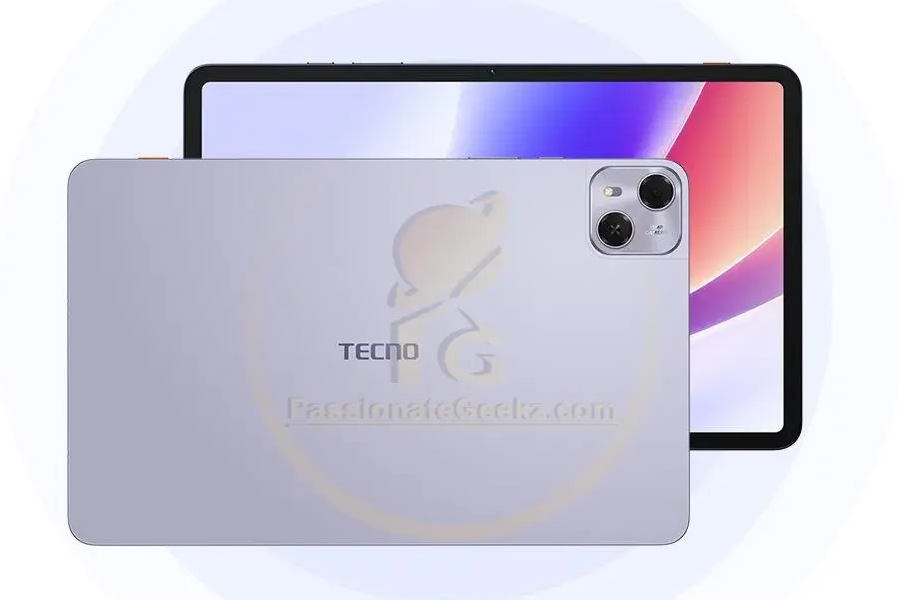
Tecno seems ready to unveil its next tablet, allegedly called the MegaPad Pro. The device has surfaced in the rumor mill, revealing its key specs and images.
The tablet features a 12-inch display with a sharp 2K resolution and an 86% screen-to-body ratio. Design-wise, it sports squared-off edges along with a rear camera module. It will be available in two colors—grey and purple—and has a slim, metal build that’s just 7mm thick and weighs 550g.
AI Button, 10000mAh battery, and more
Tecno has also integrated its AI-powered smart assistant, which can help with multitasking, provide quick on-screen suggestions, and even handle translations. There’s also a dedicated AI Quick Button for instant access to the ELLA voice assistant.
The tablet supports Tecno’s MEGA Pencil stylus for note-taking, offering 4,096 pressure levels, low latency, and an eraser function. You can draw, write, annotate, convert sketches into AI images, or perform quick searches with gestures.
Powering the device is a 10,000mAh battery with support for 33W fast charging. According to the leak, it will also support microSD cards. However, the leak doesn’t spill the beans on the processor, RAM, or onboard storage just yet.
For audio, the MegaPad Pro boasts quad speakers tuned with Dolby Atmos, promising richer and more immersive sound for movies, games, and calls.
According to the leak, the device could launch at around ₹18,000–₹22,000 in India or $200–$250 in Europe. There is no word on launch timing yet, but we will keep you in the loop as we hear more about it.
For more daily updates, please visit our News Section.
A recent leak by tipster Digital Chat Station revealed that Redmi, Honor, and iQOO are working on phones powered by the next-generation Dimensity 8500 chipset. Today, DCS released a Weibo post to confirm the battery size of Honor’s D8500 phone.
honor’s Dimensity 8500 phone with 10000mAh battery in works
According to DCS, Honor’s upcoming Dimensity 8500 phone is being tested with a 10,000mAh battery. He further said that the phone has reached the NPI (New Product Introduction) verification phase. At present, there’s no information about the device’s final moniker.
To recall, the said phone entered the NPI stage in the last week of July and has been gradually progressing ahead. As mentioned at the beginning of this post, a couple of brands are working on Dimensity 8500-powered phones. However, it is being said that the Redmi Turbo 5 will launch as the first-ever phone equipped with the D8500 SoC.
This indicates that Honor’s Dimensity 8500 phone may launch in China soon after the Redmi Turbo 5 in December, or it may break cover in January 2026. At present, only the chipset and battery size of the Honor D8500 phone are known. Hopefully, upcoming reports will shed more details about its other specifications.
As far as the Dimensity 8500 SoC is concerned, it is said to be a 4nm chip built by TSMC. While its CPU architecture remains unchanged compared to the Dimensity 8400, which debuted last year, its Mali-G720 GPU is said to deliver a superior gaming experience. The chip is projected to achieve over 2 million points on AnTuTu benchmarks. The tentative names of other Dimensity 8500 phones include the Realme Neo 8 SE and iQOO Z11 Turbo.
For more daily updates, please visit our News Section.
The Apple Vision Pro, a mixed reality headset, went official in February 2024. Rival brand Samsung officially confirmed during its recent earnings report that it will release an XR-capable headset dubbed Project Moohan, running Android XR, this year. Now, Vivo’s Product Manager has released an official statement that its mixed reality headset, named Vivo Vision, is also in the works.
Vivo Vision coming soon
Vivo Vision MR headset
Han Boxiao, Vivo’s Product Manager, shared his excitement about the upcoming Vivo Vision mixed reality headset. According to him, the company recently set up an MR experience zone, where he personally tried the soon-to-be-launched device and was left impressed.
He also shared the above image to tease the Vivo Vision’s design. To recall, the device was showcased at the Boao Forum for Asia, which was held in March 2025.
He highlighted three key impressions from his experience. First, the wearing comfort felt “addictive,” as the headset is extremely light. Although the exact weight remains undisclosed, he compared it to the comfort of wearing AirPods Max over-ear headphones.
Second, he praised the design as “addictive,” describing it as stunning, minimalist, elegant, and refined, with a flagship-level finish. Third, the user experience also left a strong impact; while he could not reveal too much, he shared that viewing panoramic photos taken by the upcoming Vivo X200 Ultra on the headset was a truly breathtaking experience. He added that preparations for the launch event are in full swing and encouraged interested users to follow official updates.
Meanwhile, tipster Digital Chat Station said that the Vivo Vision MR headset – Explorer Edition will be the first Apple Vision Pro–style MR device from a mainstream smartphone brand. He added that the device is expected to deliver an effortlessly immersive experience, and its launch is fast approaching.
Vivo’s next major launch event for the Chinese market will probably be held in September or October this year. It is likely to unveil the Vivo X300 series of flagship phones at the event. There is also a possibility that the Vivo Vision may debut alongside the X300 lineup.
For more daily updates, please visit our News Section.
SanDisk has launched a new 512GB microSD Express card aimed at creators, adventurers, and gamers who need high-speed, durable storage in a compact format. It is priced at 1499 yuan on JD.com and $119.99 on Amazon.
SanDisk 512GB microSD Express Specifications
The card uses PCIe 3.1 NVMe technology to deliver read speeds of up to 880MB/s. The 512GB and 256GB models reach write speeds of up to 650MB/s with sustained write speeds of 210MB/s.
The 128GB model offers the same maximum read speed but writes at up to 480MB/s, with a sustained rate of 100MB/s. These speeds place it close to mainstream portable SSDs and far ahead of standard microSD UHS-I cards.
The card supports 5.3K and 4K video recording, high-resolution RAW photography, and slow-motion footage. It works with PCIe NVMe and is backward compatible with microSD UHS-I devices, covering Android smartphones, tablets, drones, action cameras, laptops, and handheld gaming consoles. It is also compatible with the Nintendo Switch 2.
The card is resistant to water, extreme temperatures, humidity, drops, shocks, magnetic interference, X-rays, and abrasion. SanDisk includes its ThermAdapt technology, which uses a specially designed shell and controller with dynamic thermal management to prevent overheating during heavy workloads.
When paired with the SanDisk Pro-Reader SD Express dual-slot card reader, the card reduces transfer times significantly. Transfers of a 60-minute 4K30 video can be up to 2.8 minutes faster, while 2,000 10MP RAW images move up to 2.9 minutes faster. Under optimal conditions, a two-hour HD movie transfers in less than 3.5 seconds
The card comes with a lifetime limited warranty and a two-year subscription to SanDisk’s RescuePro Deluxe file recovery service. It measures 14.99mm by 10.92mm by 1.02mm and operates in temperatures from -25°C to 85°C, with storage tolerance from -40°C to 85°C.
We use cookies on our website to give you the most relevant experience by remembering your preferences and repeat visits. By clicking “Accept”, you consent to the use of ALL the cookies.
This website uses cookies to improve your experience while you navigate through the website. Out of these, the cookies that are categorized as necessary are stored on your browser as they are essential for the working of basic functionalities of the website. We also use third-party cookies that help us analyze and understand how you use this website. These cookies will be stored in your browser only with your consent. You also have the option to opt-out of these cookies. But opting out of some of these cookies may affect your browsing experience.
Necessary cookies are absolutely essential for the website to function properly. This category only includes cookies that ensures basic functionalities and security features of the website. These cookies do not store any personal information.
Any cookies that may not be particularly necessary for the website to function and is used specifically to collect user personal data via analytics, ads, other embedded contents are termed as non-necessary cookies. It is mandatory to procure user consent prior to running these cookies on your website.