Hisense has launched a new 34-inch ultrawide gaming monitor in China. Listed as the “34G6K Ultra,” the monitor is priced at 1,699 yuan ($236) and is now available for purchase on JD.com. It targets gamers looking for a high refresh rate, immersive visuals, and built-in audio support without crossing into premium pricing territory.
Hisense 34G6K Ultra Specifications
The monitor features a 3440×1440 resolution VA panel with a 1500R curvature. It supports a 240Hz refresh rate and 1ms MPRT response time, which allows for smoother motion and faster reaction times during gameplay. Hisense has equipped the display with support for both Nvidia G-Sync and AMD FreeSync Premium, helping reduce screen tearing and stutter during fast-paced action.
The 34G6K Ultra delivers strong color and contrast performance. It supports 8-bit color, reaches a peak brightness of 400 nits, and has a 4000:1 static contrast ratio. The panel covers 125% of the sRGB color space and 97% of DCI-P3, providing wide color coverage for gaming and media consumption. The monitor also supports HDR400, which enhances image quality by improving brightness range and color depth.
The design uses a frameless, curved layout to create a more immersive viewing experience. The stand supports height adjustment, tilt, and rotation, allowing users to fine-tune their setup. The monitor also supports 75×75mm VESA wall mounting.
Hisense has included dual 3W speakers, which can handle basic audio needs without requiring external speakers. For connectivity, the monitor provides two HDMI 2.1 ports, one DisplayPort 1.4, a DC power input, and a 3.5mm audio jack. These ports cover most use cases, including gaming consoles, PCs, and multimedia devices.
The OPPO Find X8 Ultra has reached the number one spot in DXOMARK’s global smartphone camera rankings, scoring a total of 169 points. It scored high in every major category, including photo, video, zoom, portrait, and low-light shooting. It scored high in every major category, including photo, video, zoom, portrait, and low-light shooting.
OPPO Find X8 Ultra camera specs
The Find X8 Ultra is equipped with four 50MP cameras that cover all types of shots:
Main camera: 50MP, f/1.8, 23mm, Ball-Type OIS
Ultra-wide: 50MP, f/2.0, 15mm
Short telephoto: 50MP, f/2.1, 70mm, Ball-Type OIS
Long telephoto (periscope): 50MP, f/3.1, 135mm, Ball-Type OIS
All cameras have Phase Detection Autofocus (PDAF) and use OPPO’s HDR software combined with the Snapdragon 8 Elite chipset. This setup helps the phone capture fast, sharp, and well-lit images in most conditions.
High Scores Across the Board
Here is how the Find X8 Ultra performed in key categories:
Photo: 170
Video: 166
Zoom: 151
Portrait: 159
Low-light: 146
Outdoor scenes: 182
Indoor scenes: 172
These scores show that the camera performs consistently well whether you’re taking shots outside in bright light, inside under artificial lighting, or in low-light environments.
Portraits Look Natural and Sharp
The phone’s portrait mode stands out. It cleanly separates the subject from the background and creates a soft, natural blur. Skin tones look accurate, even when lighting is uneven or artificial. It scored 159 in the portrait category, one of the highest ever tested.
Reliable Zoom Performance
With two telephoto lenses at 70mm and 135mm, the phone captures sharp details at various zoom levels. Color and exposure stay accurate, even when lighting is low. Zoomed-in videos also look clear and stable.
Handles Low Light with Ease
The main sensor performs well in very dark scenes. Photos show good clarity, low noise, and balanced color. In DXOMARK’s testing, it matched or beat other top models like the Xiaomi 15 Ultra and iPhone 16 Pro Max.
Video Recording Is Smooth and Clear
The Find X8 Ultra supports 4K video at up to 120 frames per second and offers Dolby Vision HDR. In standard 4K 30fps HDR mode, the video looks smooth and well-exposed. Autofocus reacts quickly to moving subjects. Colors look real, and video noise is low even in dim conditions.
Macro Mode for Close-Ups
For close-up shots, the phone uses its ultra-wide lens by default and also supports macro shooting with its telephoto lens. In both cases, the results are sharp with accurate color and exposure.
Small Issues That Don’t Impact Overall Quality
There are a few minor issues, such as slight color shifts or some blur in group shots, but nothing that significantly impacts the overall experience. You can also check out our Find X8 Ultra camera test, where we compare it with the Vivo X200 Ultra and Xiaomi 15 Ultra.
For more daily updates, please visit our News Section.
The stable version of Android 16 was released in June this year, months earlier than everyone expected. Its early arrival means that your Oppo smartphone should also receive Android 16 update faster than usual. Unfortunately, a lot of Oppo devices are going to miss out on this major upgrade because they have reached the end of their major update quota.
Whether you have a fancy Oppo Find N series foldable, a flagship Find X series device, a mid-range Reno, or a budget-friendly device, you’re likely looking forward to the next version of Android. However, many of them don’t make the cut. Below, we’ve prepared a list of such Oppo devices you might want to have a look at.
List of Oppo devices not eligible for Android 16 (ColorOS 16) update
Oppo hasn’t confirmed the availability of Android 16 for its devices. So, we had to use the existing update policy and a little bit of guesswork in preparing the list.
Oppo Find N series
Oppo Find N
Oppo Find X series
Oppo Find X5
Oppo Find X5 Pro
Oppo Find X5 Lite
Older Find X series models
Oppo Reno series
Oppo Reno 10
Oppo Reno 10 Pro
Oppo Reno 10 Pro+
Oppo Reno 9
Oppo Reno 9 Pro
Oppo Reno 9 Pro+
Older Reno series models
Oppo F series
Oppo F23
Oppo F21 Pro
Oppo F21 Pro 5G
Older Oppo F series models
Oppo K series
Oppo K11
Oppo K11x
Oppo K10
Oppo K10 Pro
Oppo K10x
Older Oppo K series models
Oppo Pad series
Oppo Pad 2
Oppo Pad Air 2
Oppo Pad Air
Oppo Pad Neo
Oppo Pad
Oppo A series
Oppo A2
Oppo A2 Pro
Oppo A2x
Older Oppo A series models
If your Oppo device is there on the list, it’s unlikely to receive the Android 16 update. However, this isn’t the final list. We’ll update it once the official announcement goes live.
In 2025, gaming laptops have become more powerful and accessible than ever. Thanks to next-gen Intel and AMD CPUs paired with Nvidia’s RTX 50-series GPUs, you no longer need to spend over $2,000 to get premium gaming performance. Several laptops launched this year offer high-end specs around the $1,500 mark, combining excellent performance with good displays, upgradable memory, and durable builds.
Here are the top five gaming laptops released in 2025 that deliver strong performance for around $1,500, based on their specifications, real-world value, and current availability.
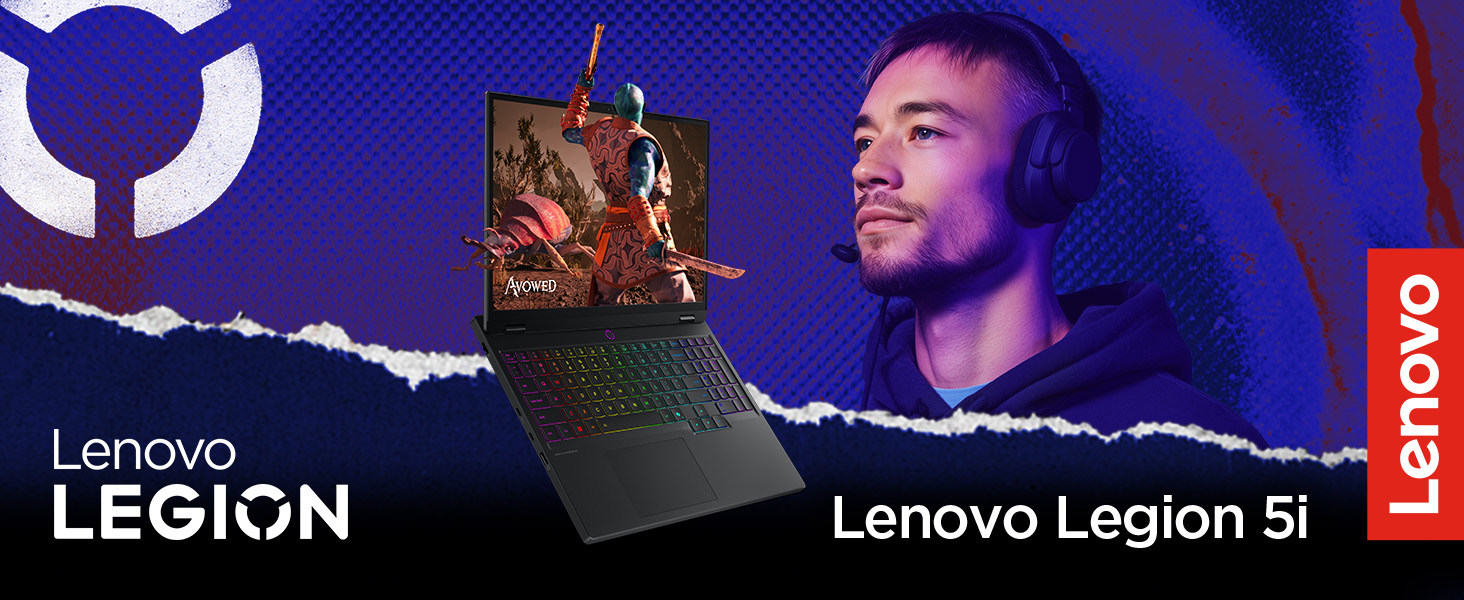
The Lenovo Legion 5i OLED (2025) sits just above the $1,500 mark, but its specifications justify the higher price. Lenovo equips this model with an Intel Core i7-14700HX processor and Nvidia’s GeForce RTX 5070 Laptop GPU. The combination delivers better performance than most RTX 4070 laptops in this class, especially in modern games that utilize AI acceleration and advanced rendering features.
The laptop features a 15.1-inch 2.5K OLED display with a 165Hz refresh rate. The OLED panel produces deep blacks, high contrast, and accurate color, making it ideal for gaming and media consumption.
Lenovo pairs the CPU and GPU with 16GB of RAM and a 1TB SSD. It also includes 3 months of PC Game Pass, giving users immediate access to a large library of modern titles. The Legion 5i supports fast charging via USB-C, reaching 70% battery in under 30 minutes.
Cooling is handled by Lenovo’s Coldfront Hyper system, which uses stealth fans, copper heat pipes, and a redesigned airflow layout to manage thermals during heavy use. The AI Engine+ software optimizes performance based on workloads, automatically adjusting power and fan behavior.
Please Note: When you buy something using the links in our articles, we may earn a small commission at no cost to you.
Battery life benefits from the OLED panel’s efficiency and remains competitive within the high-performance gaming segment. The Legion 5i retails around $1,599.
2. Asus TUF Gaming A16
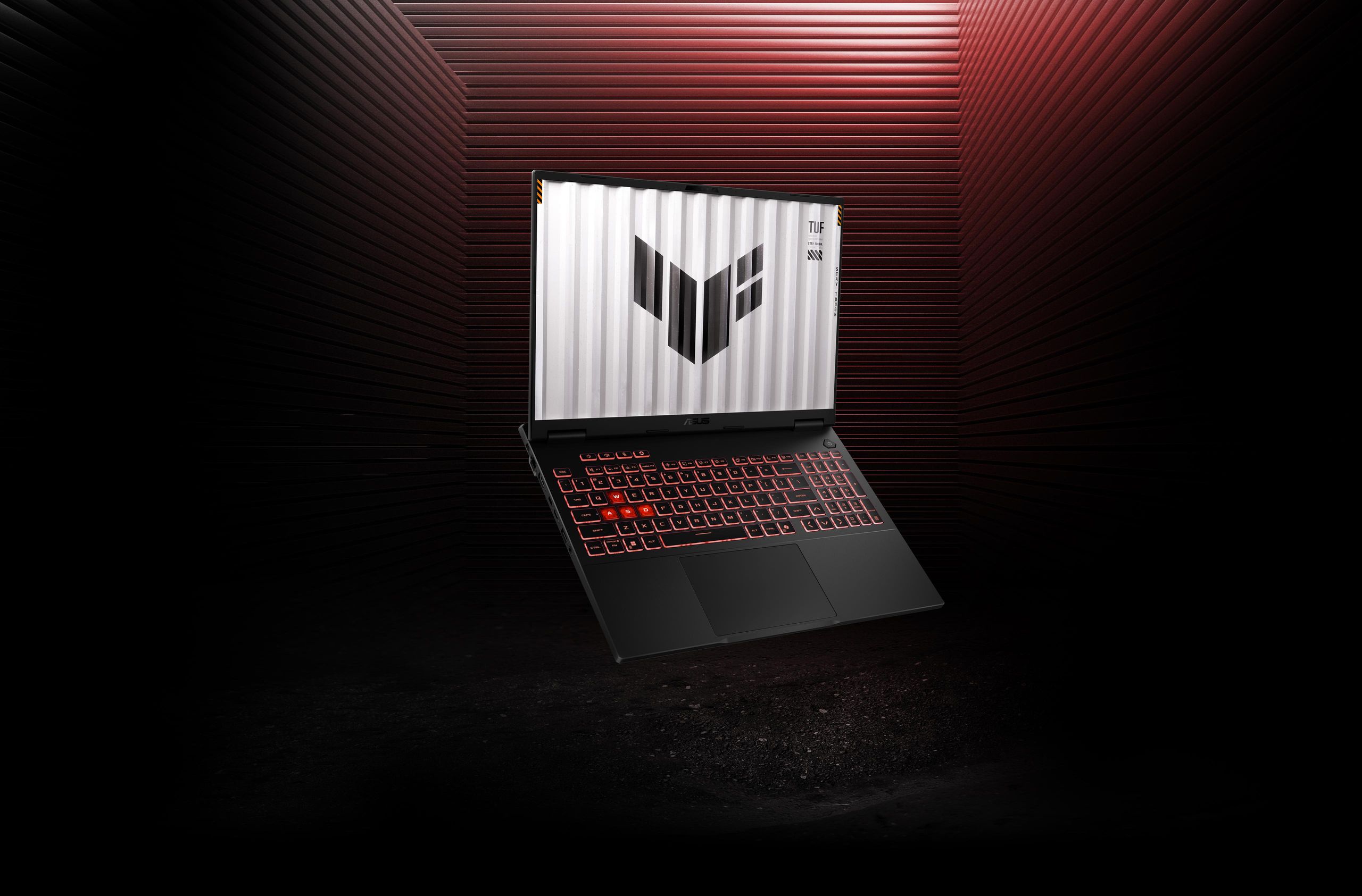
Asus has introduced the TUF Gaming A16 as a performance-driven laptop for gamers and creators who want more power without crossing the $1,700 mark. It features AMD’s Ryzen 9 270 processor with 8 cores and 16 threads, paired with Nvidia’s GeForce RTX 5070 GPU and 8GB of GDDR7 VRAM. The system supports DLSS 4 and ray tracing for next-gen visuals.
It comes with 32GB of DDR5 RAM running at 5600MHz and a 1TB PCIe 4.0 SSD, with support for RAM expansion up to 64GB. It also includes a dedicated NPU delivering 16 TOPS for handling Windows AI features like Copilot, Studio Effects, and real-time system tuning.
The laptop sports a 16-inch Full HD+ (1920×1200) IPS display with a 165Hz refresh rate and support for Nvidia G-Sync. While the brightness tops out at 300 nits, the panel’s smooth visuals and 16:10 aspect ratio enhance both gaming and productivity.
It uses a Jaeger Grey chassis with RGB keyboard backlighting and weighs just under 5 pounds. Battery life stretches up to 10 hours during light use, powered by a 4-cell lithium-ion battery and supported by a 240W fast charger.
The A16 equips HDMI 2.1, USB-C 4.0, USB-A ports, Gigabit Ethernet, Wi-Fi 6E, and a 3.5mm audio jack, offering full connectivity for peripherals and high-speed internet.
The laptop currently retails for around $1,699 on Best Buy.
3. MSI Katana 15 HX B14W
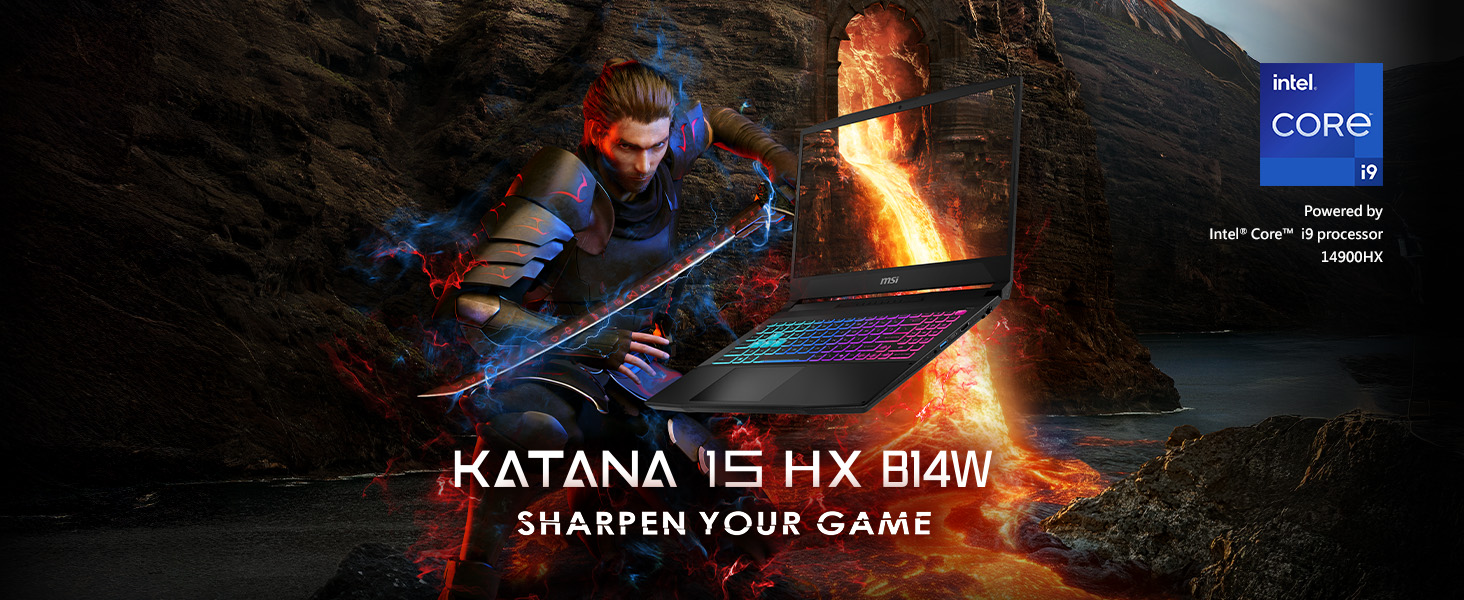
The MSI Katana 15 HX B14W pushes upper-midrange gaming with a feature set built for speed and responsiveness. It features Intel’s 14th Gen Core i9-14900HX processor with 24 cores and boost speeds up to 5.8GHz. It pairs the CPU with Nvidia’s GeForce RTX 5070 Laptop GPU based on the Blackwell architecture, with support for DLSS 4, full ray tracing, and AI-accelerated enhancements.
The laptop comes with 32GB of DDR5 RAM and a 1TB PCIe SSD, delivering strong multitasking and fast storage for gaming, streaming, or content creation. MSI’s AI Engine and Copilot integration enable real-time performance tuning and adaptive workload handling.
It sports a 15.6-inch QHD+ IPS display with a 2560×1600 resolution, 165Hz refresh rate, and 100% DCI-P3 coverage. G-Sync and Nvidia Reflex 2 with Frame Warp ensure smooth visuals and ultra-low latency gaming.
The Katana 15 HX equips a 4-zone RGB keyboard with highlighted WASD keys, 1.7mm key travel, and a larger touchpad than the previous model. Cooling is managed by MSI’s Cooler Boost 5 system, featuring two fans, five heat pipes, and a shared CPU-GPU pipe for sustained performance.
Please Note: When you buy something using the links in our articles, we may earn a small commission at no cost to you.
Port selection includes HDMI 2.1 (8K60 or 4K120), USB-C with DisplayPort and 100W Power Delivery, three USB-A ports, RJ45 Ethernet, audio combo jack, and DC-in. It retails for around $1,679 in the US.
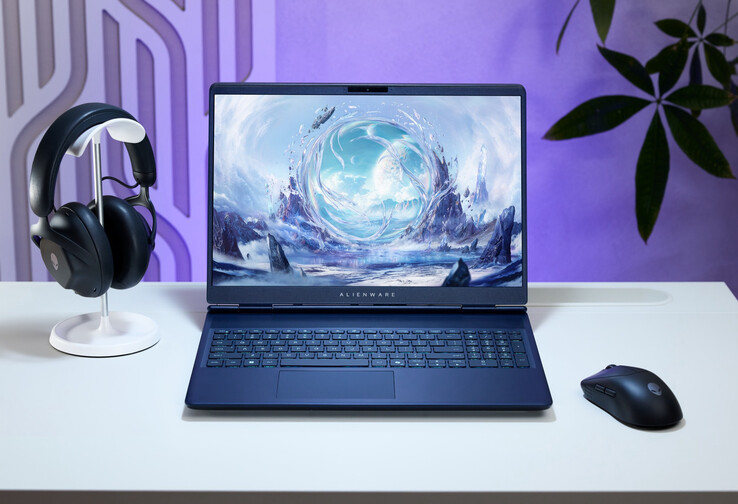
4. Dell Alienware Aurora 16
The Alienware Aurora 16 targets gamers who want premium performance in a refined, portable chassis. It features Intel’s 14-core Core 9 270H processor with boost speeds up to 5.8GHz, paired with Nvidia’s GeForce RTX 5060 Laptop GPU based on the Blackwell architecture. The GPU comes with GDDR7 memory, DLSS 4, and Max-Q tech for AI-enhanced efficiency.
It comes with 16GB of DDR5 RAM and a 1TB PCIe NVMe SSD, with upgrade paths available for both memory and GPU. The 16-inch WQXGA display runs at 2560×1600 with a 120Hz refresh rate and 100% sRGB coverage. It also supports ComfortView Plus for blue light reduction during long sessions.
It sports Alienware’s Cryo-Chamber cooling system with dual fans, three copper heat pipes, and a four-vent layout that keeps thermals in check while staying quiet under load. The chassis measures under 0.9 inches in thickness, weighs about 5.5 pounds, and features a clean Interstellar Indigo finish with a white backlit keyboard.
The laptop equips two USB-C ports (one with DisplayPort and Power Delivery), three USB-A ports, HDMI 2.1, Ethernet, and a 3.5mm combo jack. It also supports Wi-Fi 7 and Bluetooth for next-gen wireless connectivity.
Priced at $1,599.99 for the Core 9 + RTX 5060 + 16GB RAM configuration, the Aurora 16 offers upgrade options including up to 32GB RAM and RTX 5070, along with bundles like PC Game Pass.
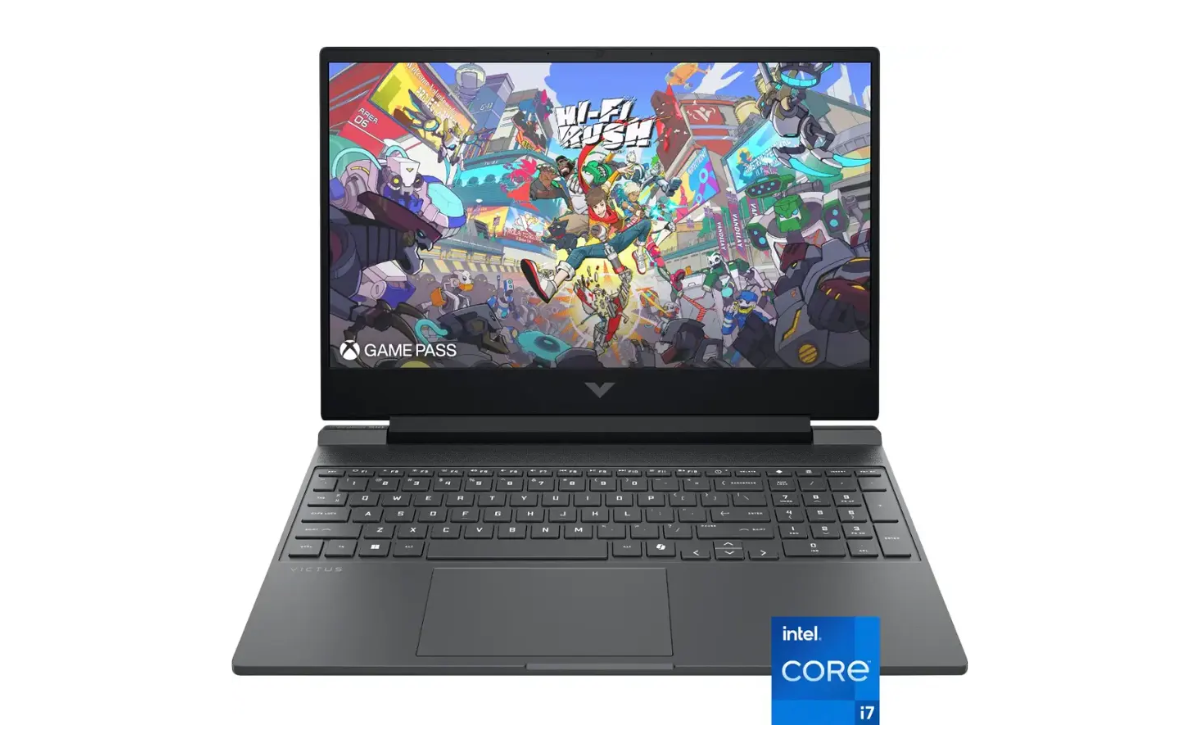
5. HP Victus 15
The HP Victus 15 delivers mid-range gaming performance in a sleek and portable chassis. It features Intel’s 13th Gen Core i7-13620H processor with 10 cores and boost speeds up to 4.9GHz, paired with Nvidia’s GeForce RTX 5060 Laptop GPU with 8GB GDDR7 memory. The GPU supports DLSS 4, ray tracing, and Blackwell-based AI enhancements.
It comes with 16GB of DDR5 RAM and a 1TB PCIe 4.0 SSD, providing fast storage and smooth multitasking. It runs Windows 11 Home and supports Microsoft Copilot and Omen AI for smart performance tuning.
The laptop sports a 15.6-inch Full HD IPS display with a 144Hz refresh rate, 300 nits brightness, and 62.5% sRGB coverage. It’s optimized for responsive gameplay, though not ideal for color-critical work.
It features a backlit keyboard with a number pad, dual stereo speakers with DTS:X Ultra, and AI noise reduction for better voice chat. The Wide Vision HD webcam offers an 88-degree field of view.
The Victus 15 equips USB-C, HDMI 2.1, three USB-A ports, RJ45 Ethernet, Wi-Fi 6E, and Bluetooth 5.3. It weighs just over 5 pounds and stays under 1 inch thick. Battery life is moderate, powered by a 70Wh 4-cell lithium-ion battery.
A new report from a German cybersecurity firm has uncovered serious security flaws in popular Bluetooth earbuds and headphones, potentially turning everyday audio devices into tools for eavesdropping.
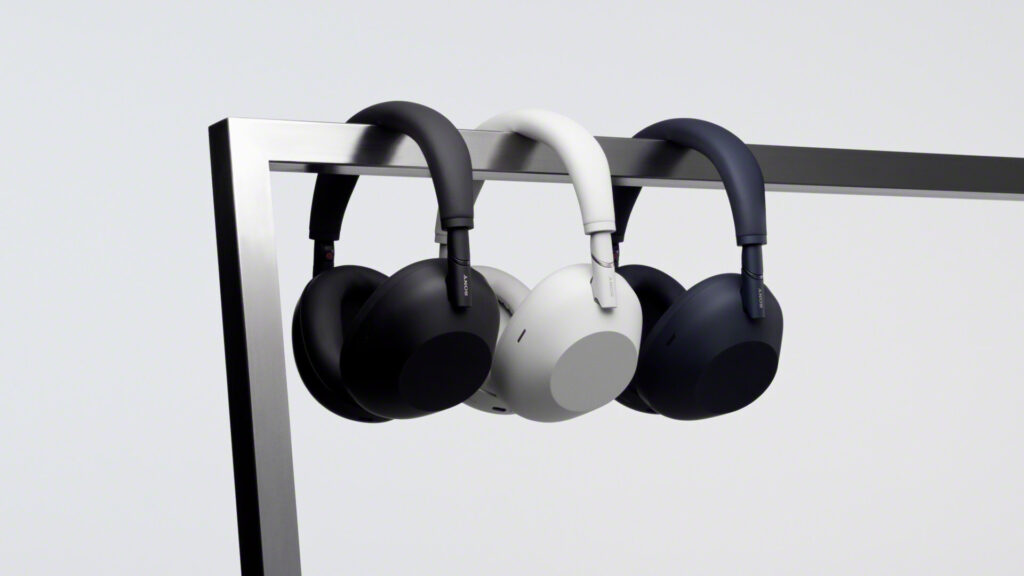
The WH-1000XM6 are available now in Black, Platinum Silver, and Midnight Blue
At the TROOPERS 2025 conference, researchers from ERNW detailed vulnerabilities in Airoha Bluetooth chips — components found in many TWS earbuds and over-ear headphones from big brands like Sony, JBL, Bose. These flaws, listed as CVE-2025-20700, CVE-2025-20701, and CVE-2025-20702, carry high severity scores (8.8 and 9.6 on the CVSS scale) and allow hackers within Bluetooth range — roughly 10 meters — to access a device’s memory without needing to pair or authenticate.
According to technical details shared by ERNW on Insinuator.net, the issue stems from how Airoha’s proprietary protocol works across both Bluetooth Low Energy (BLE) and Classic (BR/EDR) modes. With the right tools, an attacker could hijack a connection, steal link keys, impersonate a headset, or even take control of a connected smartphone. In one demo, researchers showed that it was possible to trigger redials or access call logs on an Android phone — and even activate the microphone, raising concerns over possible surveillance.
Below is a list of devices confirmed to be affected by the vulnerability.
Beyerdynamic Amiron 300
Bose QuietComfort Earbuds
EarisMax Bluetooth Auracast Sender
Jabra Elite 8 Active
JBL Endurance Race 2
JBL Live Buds 3
Jlab Epic Air Sport ANC
Marshall ACTON III
Marshall MAJOR V
Marshall MINOR IV
Marshall MOTIF II
Marshall STANMORE III
Marshall WOBURN III
MoerLabs EchoBeatz
Sony CH-720N
Sony Link Buds S
Sony ULT Wear
Sony WF-1000XM3
Sony WF-1000XM4
Sony WF-1000XM5
Sony WF-C500
Sony WF-C510-GFP
Sony WH-1000XM4
Sony WH-1000XM5
Sony WH-1000XM6
Sony WH-CH520
Sony WH-XB910N
Sony WI-C100
Teufel Tatws2
Airoha issued a patched software development kit (SDK) on June 4, but as of June 30, no firmware updates have been rolled out by major brands. That’s partly due to a complex supply chain.
In the meantime, users are advised to:
Regularly check the official apps (like Sony Headphones Connect or JBL Headphones) for firmware updates.
Turn off Bluetooth in public places or sensitive environments, such as meetings.
Avoid using Bluetooth headsets for sensitive conversations until updates are confirmed.
The discovery highlights how even trusted accessories can become weak links in digital privacy. With millions of affected devices in use, it’s now up to manufacturers to act quickly and secure them.
Vivo has launched the X200 FE in global markets, starting with Malaysia. This is the international version of the Vivo S30 Pro mini that was earlier released in China. The global model includes ZEISS optics, which were not available in the Chinese variant.
Vivo X200 FE features
The phone features a 6.31-inch 1.5K LTPO AMOLED display with a 120Hz refresh rate, 4320Hz high-frequency PWM dimming, and up to 5000 nits peak brightness. It is powered by the MediaTek Dimensity 9300+ chipset along with the Immortalis-G720 GPU. The device offers 12GB LPDDR5X RAM and 512GB of UFS 3.1 storage.
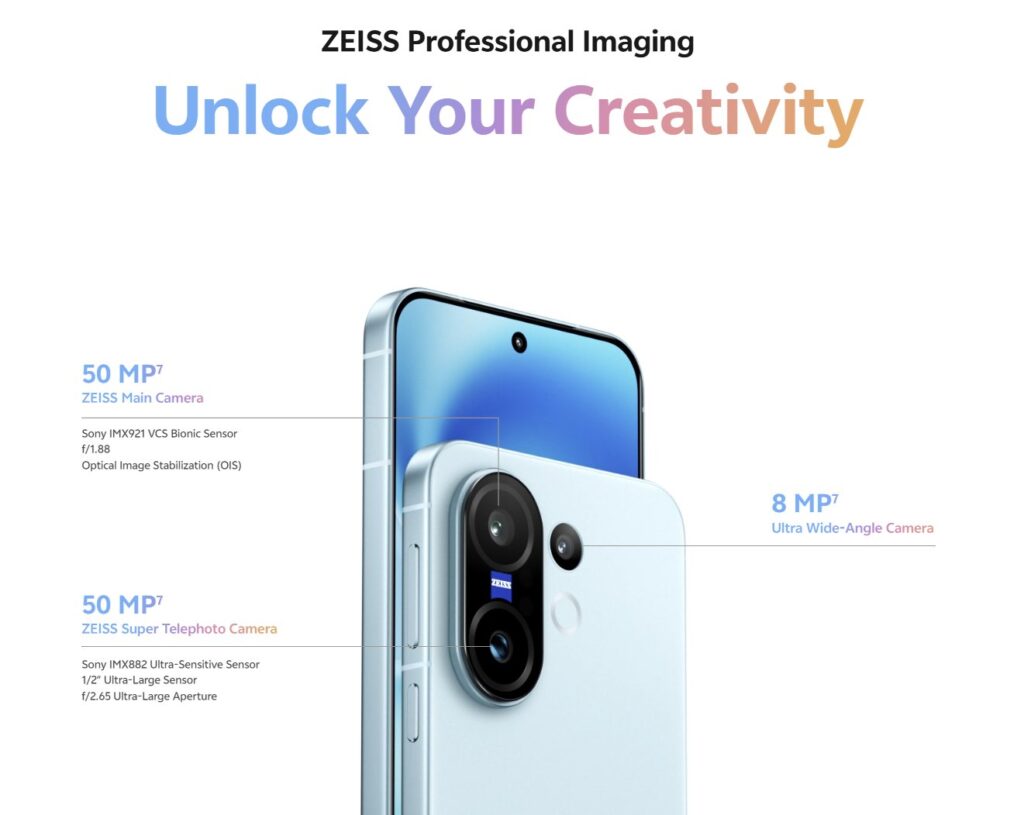
The rear camera setup includes a 50MP main camera with a Sony IMX921 sensor, optical image stabilization, an 8MP ultra-wide camera with a 106-degree field of view, and a 50MP IMX882 periscope telephoto lens with 3x zoom. The front camera is a 50MP autofocus sensor. ZEISS optics and Aura Light are part of the global package.
Vivo X200 FE camera specs
It runs Android 15 with Funtouch OS 15. The phone supports dual nano SIM, 5G SA and NSA, dual 4G VoLTE, Wi-Fi 7 on both 2.4GHz and 5GHz, Bluetooth 5.4, GPS with L1 and L5 bands, USB Type-C, and NFC. Audio features include stereo speakers, USB-C audio output, and Hi-Res audio.
It packs a 6500mAh battery with 90W fast charging support. The phone has an in-display optical fingerprint sensor and comes with IP68 and IP69 ratings for dust and water resistance. It has a metal frame, measures 150.83 x 71.76 x 7.99mm, and weighs 186 grams.
Pricing & availability
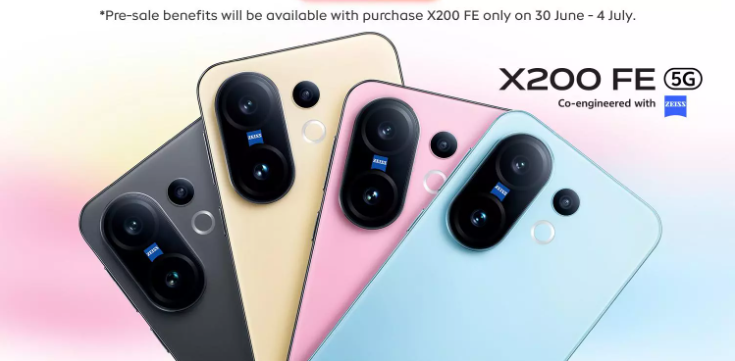
The X200 FE is priced at RM 3199, which is approximately USD 759. Available color options include Black Luxe, Yellow Glow, Pink Vibe, and Blue Breeze. Pre-orders before July 4 come with a RM 200 discount and freebies such as a Pickle Paddle Set, Vivo TWS 3e earbuds, one-year extended warranty, and one-year screen replacement.
For more daily updates, please visit our News Section.
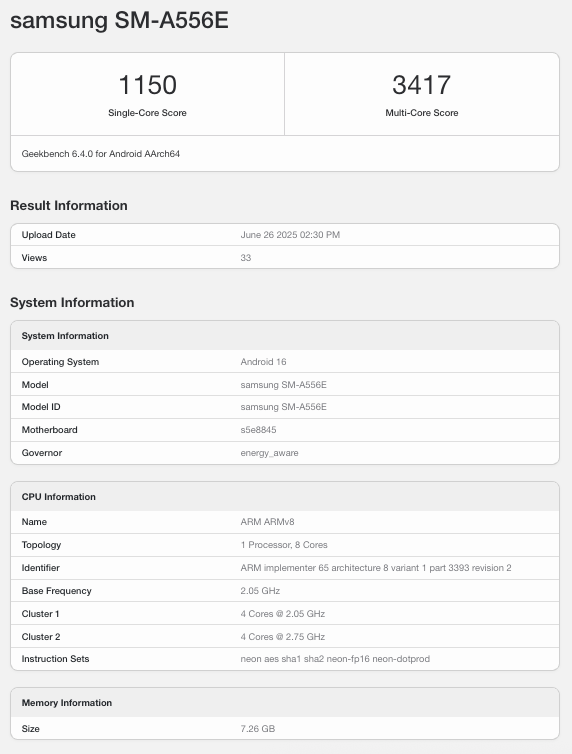
Samsung’s mid-range Galaxy A55 is already in line for its next big software update, if a recent Geekbench listing is anything to go by. The listing shows the device running Android 16, suggesting that Samsung has started testing One UI 8 on more than just its flagship S25 series.
The benchmark result, shared by @Alfaturk16 on X and reported by SamMobile, shows the Galaxy A55 (model number SM-A556E) with Android 16 onboard. This is an early sign that One UI 8 development has extended beyond the Galaxy S25 lineup, which currently has exclusive access to the beta version.
While it’s unlikely this means a public beta is coming soon for the A55, it does point to internal testing already being underway. The Geekbench scores — 1,150 for single-core and 3,417 for multi-core — are in line with what we’ve seen from the A55’s Exynos 1480 on Android 15 and One UI 7.
Originally launched in March 2024, the Galaxy A55 features a 6.6-inch FHD+ AMOLED display, a 5,000mAh battery, and a focus on premium design at a mid-range price. The fact that it’s already being tested with Android 16 suggests Samsung is staying on track with its update roadmap. While the stable release will likely roll out first to flagships like the S25 and the A56, the A55 is expected to get the update sometime later in 2025 — possibly by the end of the year.
One UI 8 is expected to bring subtle but useful upgrades like adaptive lock screen clocks, system-wide live captions, and further Galaxy AI features that aim to improve daily usability.
The A55’s early Android 16 appearance is a good sign for users hoping for timely software support. While the wait for the final build may stretch into late 2025, it looks like Samsung is already laying the groundwork.
Nothing’s first pair of over-ear headphones, fittingly called the Nothing Headphones (1), now has a full spec sheet, thanks to a report from Android Headlines. The company had already confirmed last month that its debut over-ears were coming sometime this summer. Now, ahead of the official announcement on July 1, we have more details about it.
Nothing Headphone (1) Specifications
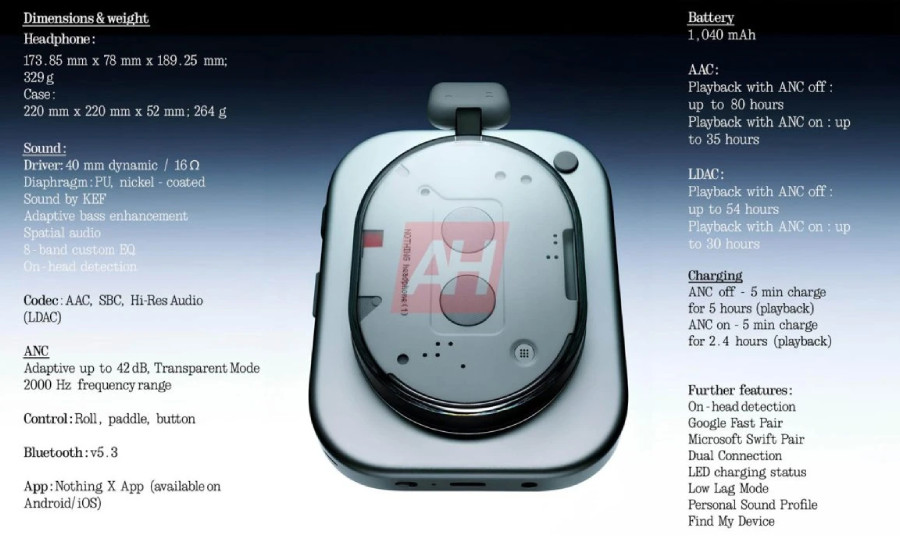
Physically, the headphones are on the larger side. The headset itself measures 173.85 x 78 x 189.25 mm and weighs 329g, while the unusually large carrying case comes in at 220 x 220 x 52 mm and weighs 264g.
The sound setup centers around 40mm dynamic drivers with a 16-ohm impedance and a PU diaphragm with a nickel coating. The audio is “sound by KEF,” a UK-based high-end audio brand known for its loudspeakers.
The collaboration implies some level of tuning or partnership, though how deep it goes remains to be seen. The audio device will also have adaptive bass enhancement, spatial audio, and 8-band custom EQ settings.
For wireless audio, the headphones support AAC, SBC, and LDAC, covering both standard and high-resolution audio codecs. Active noise cancellation (ANC) tops out at 42dB and supports a 2,000Hz frequency range, along with a transparency mode.
There are three forms of physical control: a roll mechanism, a paddle, and a button. Connectivity is via Bluetooth 5.3 and supported by the Nothing X companion app on Android and iOS.
As for the battery, the Headphones (1) have a 1,040mAh battery that offers up to 80 hours of playback with ANC off (using AAC), dropping to 35 hours with ANC on. LDAC cuts that down to 54 and 30 hours, respectively. Nothing claims a 5-minute charge provides up to 5 hours of playback (ANC off), or 2.4 hours (ANC on).
Feature that round out the package includes Google Fast Pair, Microsoft Swift Pair, dual device connection, a personal sound profile, on-head detection, Find My Device support, a low lag mode for gaming or video, and a charging status LED.
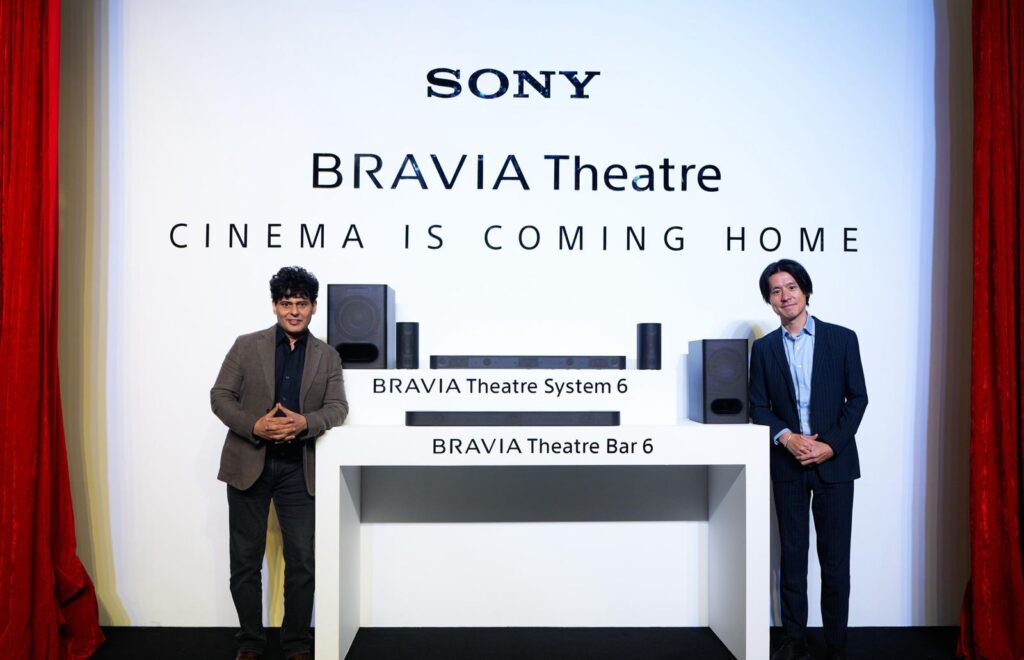
Sony India has launched two new home audio products under its BRAVIA Theatre range: the BRAVIA Theatre System 6 and BRAVIA Theatre Bar 6. Both products are built to deliver strong surround sound, clear dialogue, and easy integration with BRAVIA TVs.
The BRAVIA Theatre System 6 is a 5.1 channel system with 1000W output. It comes with wireless rear speakers, a dedicated subwoofer, and Multi Stereo Mode, which pushes stereo sound through all speakers for a fuller experience. It also includes Night and Voice modes to improve sound clarity in different listening environments.
The BRAVIA Theatre Bar 6 is a 3.1.2 channel soundbar that includes a wireless subwoofer and two upfiring speakers for overhead sound. Both systems use Sony’s Vertical Surround Engine and S-Force PRO Front Surround to create a virtual surround effect without needing rear or ceiling-mounted speakers.
Both models include Voice Zoom 3, which uses AI to identify and adjust human voices in real time. This makes dialogue clearer without raising the overall volume.
You can control both products using the BRAVIA Connect app or directly through your BRAVIA TV’s Quick Settings. Features like volume and sound field adjustment can be accessed without a separate remote.
The systems are designed with sustainability and accessibility in mind. Packaging uses less plastic, and the fabric on the speakers is made from recycled PET bottles. The products include tactile dots and raised frames to help visually impaired users with setup.
Pricing & availability
The BRAVIA Theatre Bar 6 will be available from July 1, 2025, at ₹39,990. The BRAVIA Theatre System 6 will be available from July 3, 2025, at ₹49,990. Both will be sold at Sony Centers, major electronics stores, ShopatSC.com, and other online retailers.
For more daily updates, please visit our News Section.
Samsung is working on a mid-cycle update, and it will be called One UI 8.5, not One UI 8.1 or 8.1.1. If you’ve been following Samsung, you’d know that the brand used to release x.5 versions of One UI in the early days. The last one was One UI 2.5, introduced four years ago, and now the x.5 version of One UI is making a comeback.
While Samsung hasn’t announced a release date yet, reports say One UI 8.5, based on Android 16, will debut on the Galaxy S26 series early next year, likely in January or February 2026. After a small gap, the update should begin rolling out to other Galaxy flagships and gradually cover all remaining devices.
The One UI 8.5 update will likely reach almost all devices eligible for One UI 8, which includes every Galaxy flagship phone launched since 2022, as well as several mid-range and budget phones.
Samsung One UI 8.5 eligible devices list
Galaxy S series
Galaxy S25, S25+, S25 Ultra
Galaxy S25 Edge
Galaxy S24, S24+, S24 Ultra
Galaxy S24 FE
Galaxy S23, S23+, S23 Ultra
Galaxy S23 FE
Galaxy S22, S22+, S22 Ultra
Galaxy S21, S21+, S21 Ultra
Galaxy S21 FE
Galaxy Z series
Galaxy Z Fold 7 (upcoming)
Galaxy Z Flip 7, Z Flip 7 SE (upcoming)
Galaxy Z Fold Special Edition
Galaxy Z Fold 6, Z Flip 6
Galaxy Z Fold 5, Z Flip 5
Galaxy Z Fold 4, Z Flip 4
Galaxy Tab series
Galaxy Tab S10+, Tab S10 Ultra
Galaxy Tab S10 FE, Tab S10 FE+
Galaxy Tab S9, Tab S9+, Tab S9 Ultra
Galaxy Tab S9 FE, Tab S9 FE+
Galaxy Tab S8, Tab S8+, Tab S8 Ultra
Galaxy Tab S6 Lite (2024)
Galaxy Tab A9, Tab A9+
Galaxy Tab Active 5, Tab Active 5 Pro
Galaxy A series
Galaxy A73
Galaxy A56, A55, A54, A53
Galaxy A36, A35, A34, A33
Galaxy A26, A25, A24, A12
Galaxy A16 (LTE/5G), A15 (LTE/5G), A14 (LTE/5G)
Galaxy A06 (LTE/5G)
Galaxy M series
Galaxy M56, M55, M55s, M54, M53
Galaxy M35, M34, M33
Galaxy M16, M15
Galaxy M06, M05
Galaxy F series
Galaxy F56, F55, F54
Galaxy F34
Galaxy F16, F15, F14 (LTE)
Galaxy F06, F05
Galaxy XCover series
Galaxy XCover 7, XCover 7 Pro
Galaxy XCover 6 Pro
This list is based on the assumption that all One UI 8.0 eligible devices will also be upgraded to One UI 8.5. If there are any changes, we’ll update the list accordingly.
Samsung is currently busy developing One UI 8.0, directly jumping from One UI 7.0. There was no One UI 7.1 or 7.1.1, likely due to the significantly delayed One UI 7.0 rollout, which left Samsung no time for minor updates in between. This time, it won’t make a direct jump to One UI 9.0 but will skip One UI 8.1 and 8.1.1 for One UI 8.5.
It remains to be seen if Samsung will continue to use this naming convention for minor One UI updates in the future. To stay updated, don’t forget to visit the Samsung section regularly.
Meta has released the Meta Quest 3S Xbox Edition, its first-ever limited edition headset, created in partnership with Xbox. The bundle is now available for $399.99 at meta.com, Best Buy (USA), Argos (UK), and EE (UK), with limited stock.
This edition comes with a 128GB Meta Quest 3S in Xbox Carbon Black with Velocity Green accents, matching Touch Plus controllers, and a limited-edition Xbox Wireless Controller. It also includes a Meta Quest Elite Strap, three months of Meta Horizon+, and three months of Xbox Game Pass Ultimate.
The included Xbox Wireless Controller is pre-paired and matches the headset design, with Velocity Green highlights on the buttons and sticks. You can also connect other controllers like the Xbox Elite Wireless Controller Series 2 or the Xbox Adaptive Controller using Bluetooth.
Using the Xbox app on the Quest headset, users can stream and play hundreds of games via Xbox Cloud Gaming (Beta). Some of the supported titles include South of Midnight, Avowed, and The Elder Scrolls IV: Oblivion Remastered. Game Pass Ultimate members can also stream supported games they already own, even if those titles are not part of the main Game Pass catalog.
The system supports cross-play and cross-progression. Players can start a game on the Meta Quest 3S Xbox Edition, continue it on an Xbox console, and pick it up again on a PC, all without losing progress or achievements.
This headset offers a full VR and mixed reality experience while bringing Xbox Cloud Gaming to a portable, all-in-one device. It supports a wide library of titles through Game Pass and offers flexibility to play across multiple screens and platforms.
Once sold out, the Meta Quest 3S Xbox Edition will not be restocked.
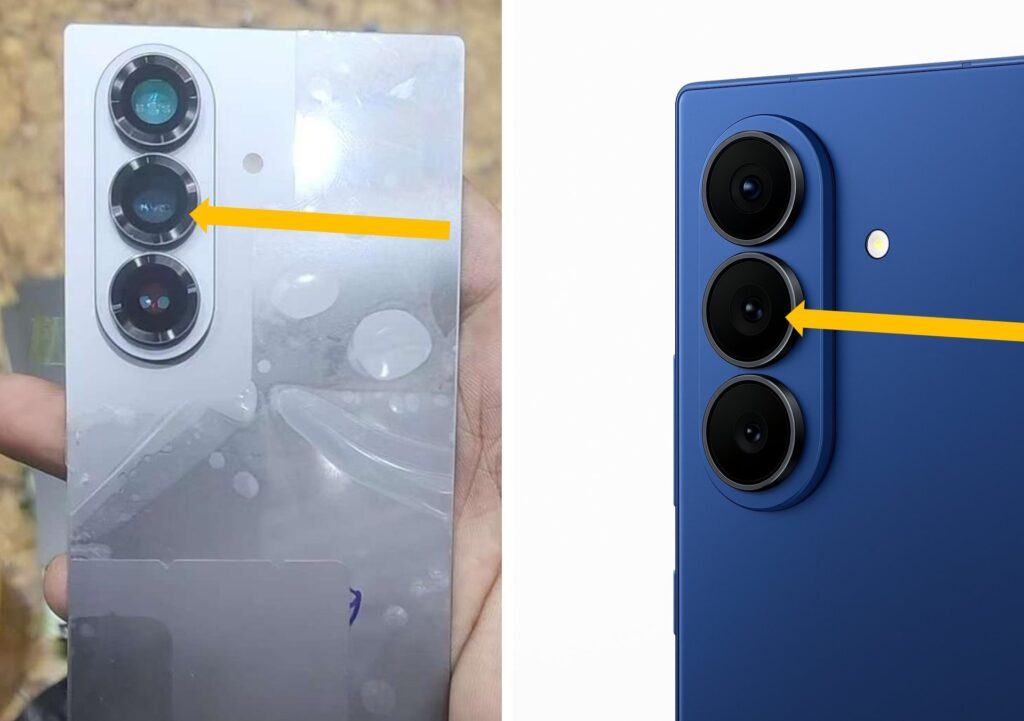
Samsung is gearing up to launch the Galaxy Z Fold7 at its Unpacked event on July 9, and while the spotlight is on thickness, a small but meaningful change has caught the attention of fans: the ridged camera rings are gone.
Introduced with the Galaxy S25 Ultra and Z Fold6, these textured camera rings were meant to add visual flair. Instead, they drew criticism for feeling cheap and gimmicky, especially on the Z Fold6.
Now, Samsung seems to have taken that feedback seriously.
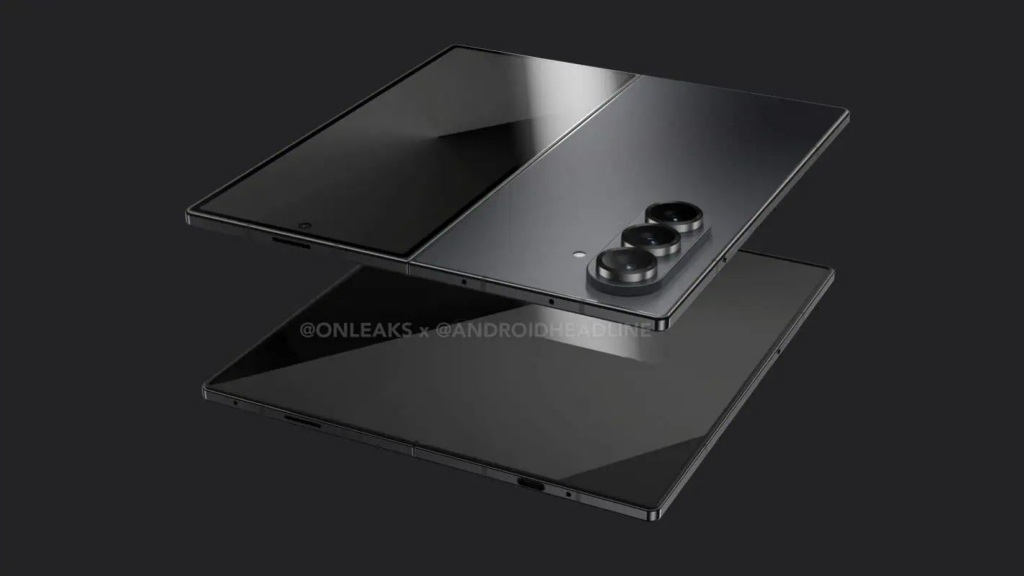
According to renders shared by @UniverseIce, the Galaxy Z Fold7 will feature a sleeker, ringless camera module, doing away with the controversial design. The change isn’t just cosmetic — it contributes to a more polished and high-end appearance, which many felt the previous design lacked.
Early prototype (left), finalized version (right)
Samsung has reportedly dropped the so-called “Saturn Ring” design that was once considered for the Fold7, suggesting that the company is listening closely to its user base this time around.
Flagship specs, minimalist finish
Beyond the camera redesign, the Z Fold7 is expected to pack serious hardware: a 200MP main sensor, 12MP ultrawide, and 10MP 3x telephoto camera setup — all housed in a slim 8.2mm chassis when folded. The device will be powered by the Snapdragon 8 Elite, run One UI 8 on Android 16, and feature an 8.2-inch main AMOLED display and a 6.5-inch cover screen. Samsung is also said to be dropping the under-display camera in favor of a more traditional hole-punch selfie cam, likely to improve photo quality.
Samsung Galaxy Z Fold 7 CAD renders by OnLeaks and AndroidHeadlines
Interestingly, this camera redesign could signal broader changes ahead. The cleaner camera layout is also rumored for the upcoming Galaxy S26 Ultra.
The Galaxy Unpacked event on July 9 in New York will also include the launch of the Galaxy Z Flip7, Galaxy Watch 8, and possibly a first look at Samsung’s long-rumored tri-fold phone.
The battle among mid-range smartphone chipsets is more fierce than ever. They are now more powerful and continue to get better with the latest chip advancements. With so many options out there, picking the right one can be a daunting task. To make it a little easier, we’ve put together two popular offerings, the Snapdragon 7 Gen 3 and Dimensity 7400, to test how they stack up against each other.
Let’s begin with a spec sheet:
Snapdragon 7 Gen 3
Dimensity 7400
Announced
November 2023
February 2025
Manufacturing
4nm (TSMC)
4nm (TSMC)
CPU
1 x 2.63 GHz — Cortex-A715 3 x 2.4 GHz — Cortex-A715 4 x 1.8 GHz — Cortex-A510
4 x 2.6 GHz — Cortex-A78 4 x 2 GHz — Cortex-A55
GPU
Adreno 720
Mali-G615 MP2
NPU
Qualcomm Hexagon NPU
MediaTek NPU 655
Memory
LPDDR5, up to 3.2GHz
LPDDR5, up to 3.2GHz
Camera
Spectra triple ISP (12-bit) Up to 200MP single camera Up to 4K video recording
Imagiq 950 ISP (12-bit) Up to 200MP single camera Up to 4K video recording
Connectivity
Snapdragon X63 5G modem (mmWave, sub-6GHz 5G) Downlink: 5 Gbps Wi-Fi 6E (peak speed: 2.9 Gbps) Bluetooth 5.4
MediaTek 5G modem (sub-6GHz 5G) Downlink: 3.27 Gbps Wi-Fi 6E Bluetooth 5.4
Snapdragon 7 Gen 3 vs Dimensity 7400 — Benchmark battle
Note: The tests were conducted on the OnePlus Nord CE 4 (powered by Snapdragon 7 Gen 3) and Motorola Edge 60 Fusion (powered by Dimensity 7400).
AnTuTu comparison
In the AnTuTu benchmark comparison, the Snapdragon 7 Gen 3 outperforms the Dimensity 7400 with a total score of 819,655, which is about 18% higher than the Dimensity’s 694,362. The performance gap is most evident in the CPU and GPU segments — the Snapdragon posts a CPU score of 269,334, compared to the Dimensity’s 209,325, marking a 29% lead in processing power. On the graphics front, the Adreno GPU helps the Snapdragon notch 256,584 points, outpacing the Dimensity’s 172,706 by nearly 49%, translating to smoother gameplay and faster rendering.
Interestingly, the Dimensity 7400 strikes back in memory (138,293 vs. 129,961) and UX (174,038 vs. 163,776) scores, even if the difference isn’t significant. This suggests better RAM handling, faster app loading, and a snappier user experience with the Dimensity 7400.
Snapdragon 7 Gen 3
Dimensity 7400
AnTuTu score
819,655
694,362
CPU
269,334
209,325
GPU
256,584
172,706
Memory
129,961
138,293
UX
163,776
174,038
Geekbench comparison
In Geekbench benchmarks, the Snapdragon 7 Gen 3 maintains a slight edge over the Dimensity 7400 in both single-core and multi-core performance. It scores 1,154 in the single-core test compared to Dimensity’s 1,052, offering a 9% advantage in tasks that rely on individual core speed — such as app launches, UI rendering, and light workloads.
The gap in multi-core performance is narrower, with the Snapdragon posting 3,018 against the Dimensity’s 2,981. While both chips deliver solid multi-threaded performance for the mid-range segment, the Snapdragon 7 Gen 3’s slight advantage in both categories suggests it offers a bit more headroom in CPU-bound scenarios.
Snapdragon 7 Gen 3
Dimensity 7400
Single core
1,154
1,052
Multi core
3,018
2,981
While benchmark scores are very helpful, they don’t tell the complete story. It doesn’t provide detailed information on connectivity, camera capabilities, and other details that we’ve included below.
Snapdragon 7 Gen 3 vs Dimensity 7400 — key differences that matter
Performance
While both are mid-range chipsets built on TSMC’s 4nm process, they take different routes when it comes to CPU architecture. The Snapdragon 7 Gen 3 utilizes a newer ARMv8.6-A architecture, featuring four Cortex-A715 performance cores and four Cortex-A510 efficiency cores.
In contrast, the Dimensity 7400 features an older ARMv8.2-A architecture, with four Cortex-A78 performance cores and four Cortex-A55 cores. The Snapdragon chip benefits from faster and more efficient CPU cores.
The Snapdragon 7 Gen 3 also delivers superior GPU performance in benchmarks as well as in real-world applications. It features an Adreno 720 GPU, which has twice as many shading units and total shaders as the Mali-G615 MP2 in the Dimensity 7400, resulting in higher parallel processing power and theoretical throughput.
Both Snapdragon 7 Gen 3 and Dimensity 7400 have NPUs built into the chip for on-device AI capabilities. It optimizes various important aspects, including camera, gaming, and power efficiency.
Camera
The Snapdragon 7 Gen 3 features a Spectra triple ISP (12-bit), which supports up to 200MP camera resolution and 4K video recording. It offers a range of camera features, including real-time object classification, low-light photography architecture, and computational HDR. There are also several AI-assisted camera features, including AI Remosaic, AI Noise Reduction, and AI Video Retouch.
The Dimensity 7400’s Imagiq 950 (12-bit) ISP also supports up to 200MP camera and 4K video capture. This chip comes with its own set of camera features, including Hardware MCNR (essentially a noise reduction), Video EIS, and AI-based (auto-exposure, auto-white balance, and auto-focus).
Connectivity
It’s another crucial area where differences can impact your daily usage. The Snapdragon 7 Gen 3 utilizes the X63 5G modem, which supports both mmWave and sub-6GHz 5G, with a peak download speed of up to 5 Gbps. It also supports Wi-Fi 6E and Bluetooth 5.4 for faster and more reliable connectivity.
On the other hand, the Dimensity 7400 supports sub-6GHz 5G only, with a slightly lower peak download speed of 3.27 Gbps. It also supports Wi-Fi 6E and Bluetooth 5.4 for better audio streaming and connection stability.
Over a Wi-Fi 6E connection, the Snapdragon 7 Gen 3 can achieve a maximum speed of 2.9 Gbps. MediaTek hasn’t disclosed this information on the official website. Overall, both have strong connectivity features, but the mmWave support on the Snapdragon chip gives it a slight edge in certain regions, such as the US, where its availability is higher.
Snapdragon 7 Gen 3 vs Dimensity 7400 — Which is better?
The Snapdragon 7 Gen 3 and Dimensity 7400 are both solid upper mid-range chipsets, but they serve slightly different priorities. Qualcomm’s offering clearly leads in raw CPU and GPU performance, thanks to newer core architectures and a more powerful Adreno GPU. It also has the edge in connectivity, especially with mmWave 5G support, which future-proofs it in markets like the US.
On the other hand, the Dimensity 7400 holds its own with solid battery efficiency. It also has better memory and UX performance on the AnTuTu benchmark. It’s a capable chipset, especially for those who prioritize a good balance of performance and efficiency over peak performance.
If you want the best all-round performance, especially for gaming and future-ready network support, the Snapdragon 7 Gen 3 is the better pick. But if you’re after a well-balanced experience with a slight price advantage, the Dimensity 7400 still delivers a lot of value.
The small-size Android tablet market has been getting some fresh attention lately, largely due to niche gaming slates like the Lenovo Savior Y700 4th Gen and the Red Magic Gaming Tablet 3 Pro. But now, Redmi, best known for budget and midrange phones, is trying something different.
It’s new Redmi K Pad enters the scene as the brand’s first proper flagship tablet. And while that phrase may sound a bit overplayed, this device does introduce a few notable choices that set it apart from the rest of the mid-size tablet pack.
So, what exactly makes the K Pad stand out in an already crowded space? Here are five key aspects that make it worth talking about, if not exactly exciting.
1. It’s the only small tablet with dual USB-C ports that make sense
Redmi is calling the K Pad its most ambitious tablet to date, and the dual USB-C ports are probably the best example of that effort. While other brands might reserve a second port for data or expansion, the K Pad treats both ports as fully functional USB 3.2 Gen1 connectors. That means 10Gbps data speeds, and more importantly, real flexibility when using it in gaming or productivity setups.
In landscape orientation, you can charge without your cable getting in the way of your grip. In portrait mode, you can now plug in your accessories like external SSDs, DACs, cooling clips, or controllers, without blocking airflow or your hands.
It also allows for more complex scenarios like charging while outputting display via DP, or simultaneous use of wired headphones and external gamepads. This kind of modular convenience isn’t new to laptops or larger tablets, but it’s rare in the sub-9-inch Android space.
2. It tries to be comfortable to hold and easy to carry
Redmi K Pad Teaser
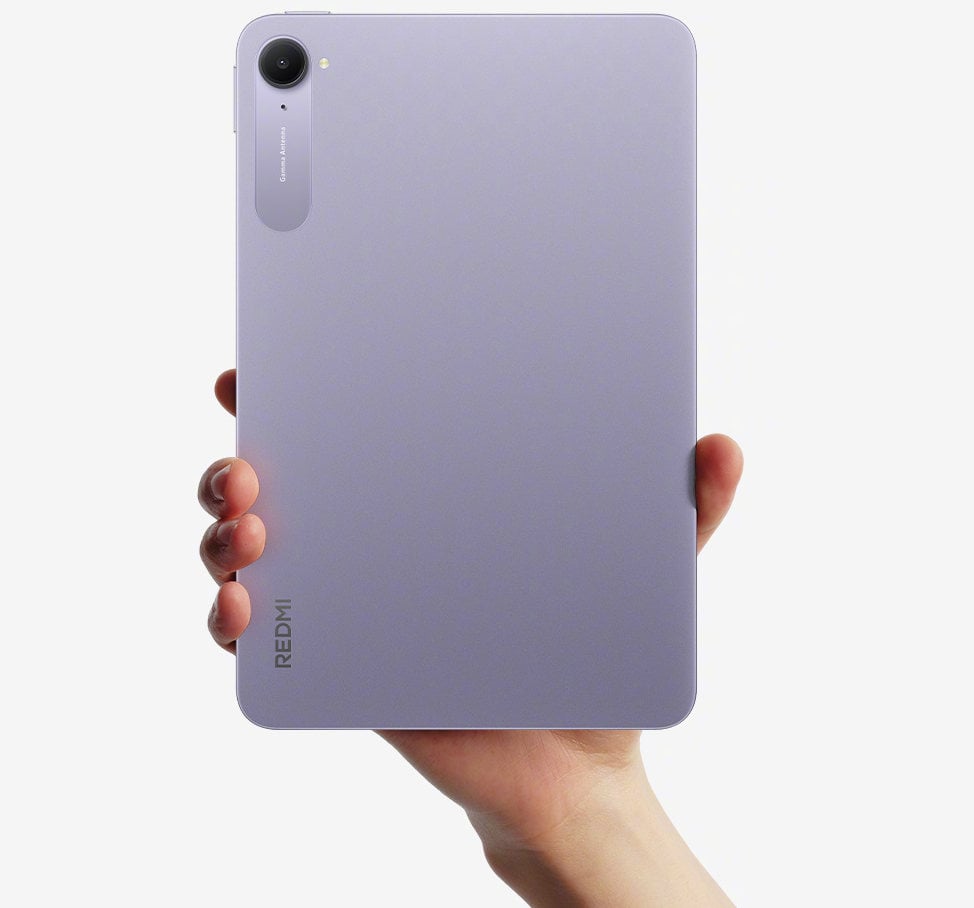
It’s not easy to find a tablet that manages to combine a small screen size with a genuinely portable build. The K Pad keeps things minimal and surprisingly light. It measures 6.46mm thick and weighs only 326 grams. That’s in line with some older iPad Mini models and lighter than most Android tablets this size, especially ones targeting gamers.
It also helps that Redmi has gone with a symmetrical four-narrow-edge bezel layout and an R-corner design, which not only makes the tablet feel balanced but also makes it less of a pain to hold for extended periods. According to Xiaomi, it fits in small handbags and men’s trouser pockets.
3. The display is surprisingly sharp and certified to be easier on the eyes
Specs-wise, the K Pad’s display is almost flagship-level. It’s 8.8-inch 3K LCD panel delivers a 3008×1880 resolution with a 165Hz refresh rate. The screen has a 16:10 aspect ratio, which makes it versatile for everything from media consumption, productivity and gaming.
What makes it more notable, though, is the certification stack: it has passed multiple TUV Rheinland standards (low blue light, flicker-free, rhythm-friendly) and received the “Visual Health Friendliness S++” rating from China’s Quality Certification Center.
Even if this isn’t a device you’ll use for long working hours, having a screen that doesn’t fatigue your eyes as quickly is more than just a nice-to-have.
4. Cooling is overkill, and that’s a good thing
Inside, the Redmi K Pad runs on the Dimensity 9400+, a flagship MediaTek chip that prioritizes GPU-driven performance. While it’s not the only tablet with a strong SoC in this class, the way Redmi handles thermals is what makes the difference.
The company has implemented a central SoC stacking architecture, aligning the chip with the device’s thermal center to dissipate heat evenly. That’s paired with a 12,050mm² aluminum alloy vapor chamber, and what Redmi calls Rage Engine 4.0, a system-level graphics rendering optimization that helps with frame stability.
Redmi also claims the system can hit native 3K resolution in open-world games. So the thermal architecture does allow for longer sustained gameplay without the kind of throttling typical in other thin tablets.
This setup is further supported by a three-antenna Wi-Fi architecture, which adds an extra 5G channel for more stable connectivity in landscape mode. It’s all over-engineered in ways that mobile gamers might appreciate, especially those looking for alternatives to pricier gaming tablets.
5. It’s trying (hard) to bridge the gap between entertainment and productivity
You could argue that all tablets try to do this, but Redmi is throwing in a few extra tricks. On the productivity side, the K Pad supports PC-level apps like CAJ, CAD, and WPS, and has baked in a range of tools like workbench mode, remote desktop access, and a meeting toolbox. It also supports super documents — Xiaomi’s catch-all term for multi-format editing and annotation — and can essentially mimic a light desktop OS under the right conditions.
Surprisingly, it also plays relatively well with Apple’s ecosystem. The K Pad supports file transfer, photo sync, and extended display functionality when used with a Mac, which is a rare show of interoperability from a Chinese Android tablet.
While not seamless in the way Apple’s own Continuity system works, it does give you an option to better interact with the Apple ecosystem.
For more daily updates, please visit ourNews Section.
Anker has launched a new smart door lock under its Eufy brand. The Eufy FamiLock E34 features advanced palm vein recognition technology for secure and contactless unlocking. The product is now available for purchase through Anker’s official online store and is priced at $279.99.
Anker Eufy FamiLock E34 Specifications
The E34 features a biometric palm vein unlocking system that uses near-infrared light to scan vein patterns beneath the skin. It offers 99.99999% accuracy and unlocks in under 0.1 seconds. The system rejects photos, videos, and fake hands, ensuring it only responds to a real human palm. To protect user privacy, all biometric data is stored locally on the device.
The lock features a built-in door sensor to detect if the door is fully closed before engaging. It supports automatic locking with customizable timers between 5 seconds and 30 minutes. The door can also be locked manually with a single press. Eufy has added passcode unlocking with anti-peeping protection, allowing users to enter random digits before or after the actual code to prevent exposure.
The FamiLock E34 features a dual power setup. Its main power comes from a removable 10,000mAh battery, which can last up to eight months on a full charge. In case the main battery is depleted or removed, a built-in 750mAh backup battery takes over, offering an additional 15 days of use. For emergencies, users can also power the lock temporarily using the USB-C emergency port.
The lock comes with built-in Wi-Fi for seamless connectivity. This allows users to access the lock remotely, receive real-time notifications, and manage settings through the Eufy Security app without needing a separate hub. It also supports Matter, ensuring compatibility with smart home platforms like Apple Home, Google Home, Amazon Alexa, and Samsung SmartThings.
Eufy has rated the lock for ANSI/BHMA Grade 1 security, making it suitable for commercial and residential use. It can withstand temperatures ranging from -22°F to 158°F and holds an IP65 waterproof rating on the front lock. Additional security features include AES128 encryption, two-factor authentication, and EMP resistance.
The FamiLock E34 fits most standard doors in the US and Canada. Installation requires no drilling and supports both 60mm and 70mm backsets.
In related news, Huawei recently introduced the Smart Door Lock 2 Pro and Ultra models, featuring AI-powered palm vein and 3D face unlocking. The company has also launched the standard Smart Door Lock 2, which comes equipped with AI palm vein recognition, a 2K cat-eye camera, and runs on HarmonyOS.
For more daily updates, please visit our News Section.
iQOO will launch a new Green Edition of its iQOO 13 smartphone in India on July 4 via Amazon. This new color option will join the existing Legend Edition and Nardo Grey variants already available in the market. The specifications and pricing are expected to remain the same.
The iQOO 13 runs on the Snapdragon 8 Elite processor with LPDDR5x Ultra RAM and UFS 4.1 storage. It features a 6.82-inch Q10 8T LTPO Ultra Eyecare display with 2K resolution, 144Hz refresh rate, 1800 nits peak brightness (HBM), and 2592Hz high-frequency dimming.
The phone has a triple rear camera setup with a 50MP Sony IMX921 VCS main sensor, a 50MP Sony telephoto camera, and a 50MP ultra-wide camera. On the front, there’s a 32MP selfie camera.
It includes a 6000mAh battery with 120W flash charging. The phone charges to 40% in 10 minutes and reaches full charge in 30 minutes. It runs Funtouch OS 15 and will receive 4 years of Android updates and 5 years of security patches.
Other features include a 3D ultrasonic fingerprint sensor, multi-finger gestures, tempered glass screen protection, circular polarization tech, and a Q2 chip. It supports USB 3.2, has a 7K Ultra VC cooling system, and includes a Monster Halo light with 72 lighting modes. The phone also supports bypass charging and features the Adreno Motion Engine 2.0.
The iQOO 13 is rated IP68 and IP69 for dust and water resistance. It also features various AI enhancements to improve performance and user experience.
The Green Edition has already launched in China. Indian pricing will be confirmed on the launch date.
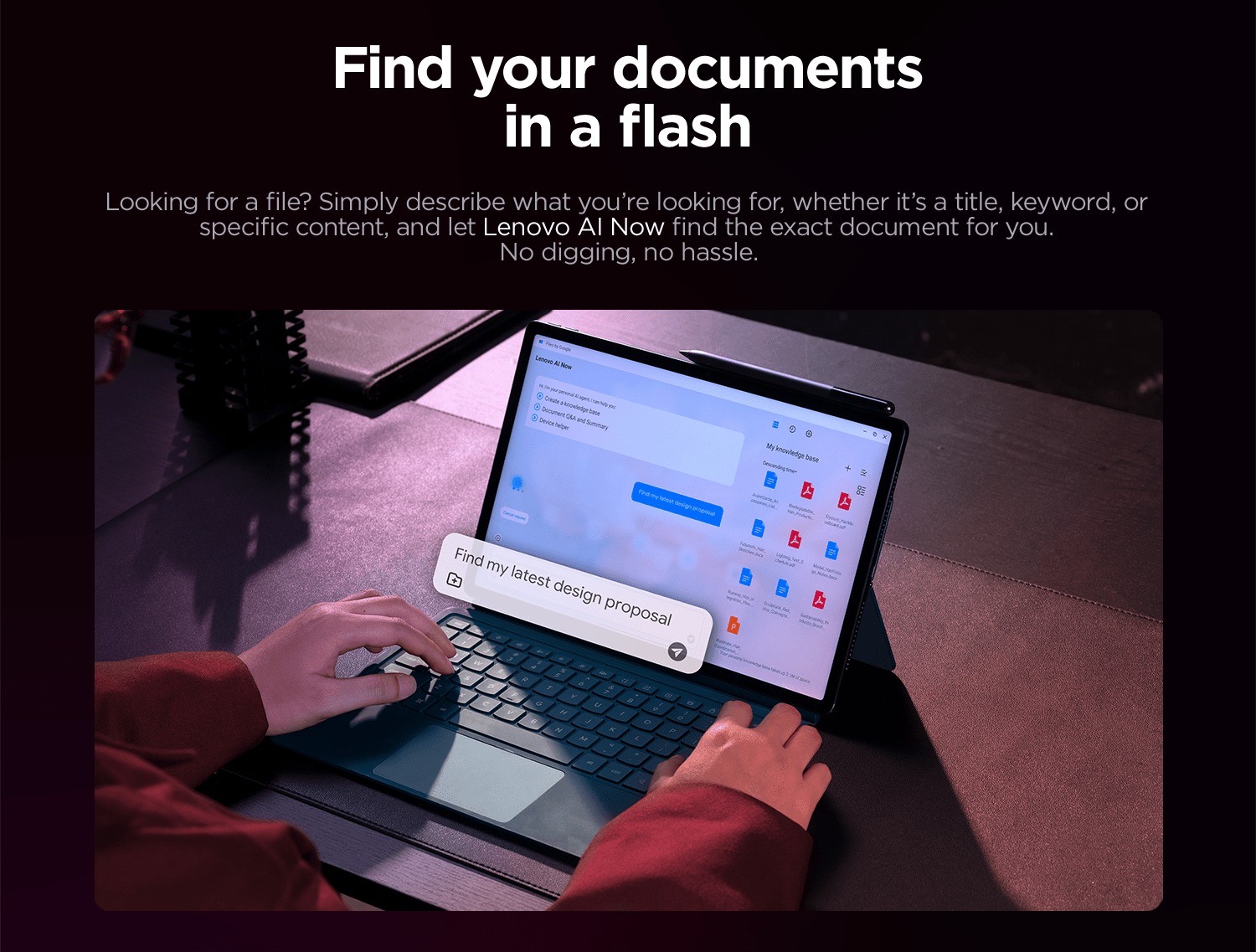
Lenovo’s Yoga Tab Plus has appeared on Amazon India, confirming its arrival in the country. This is Lenovo’s first tablet with on-device AI powered by the Snapdragon 8 Gen 3 processor. The tablet was unveiled for the first time at the beginning of 2025.
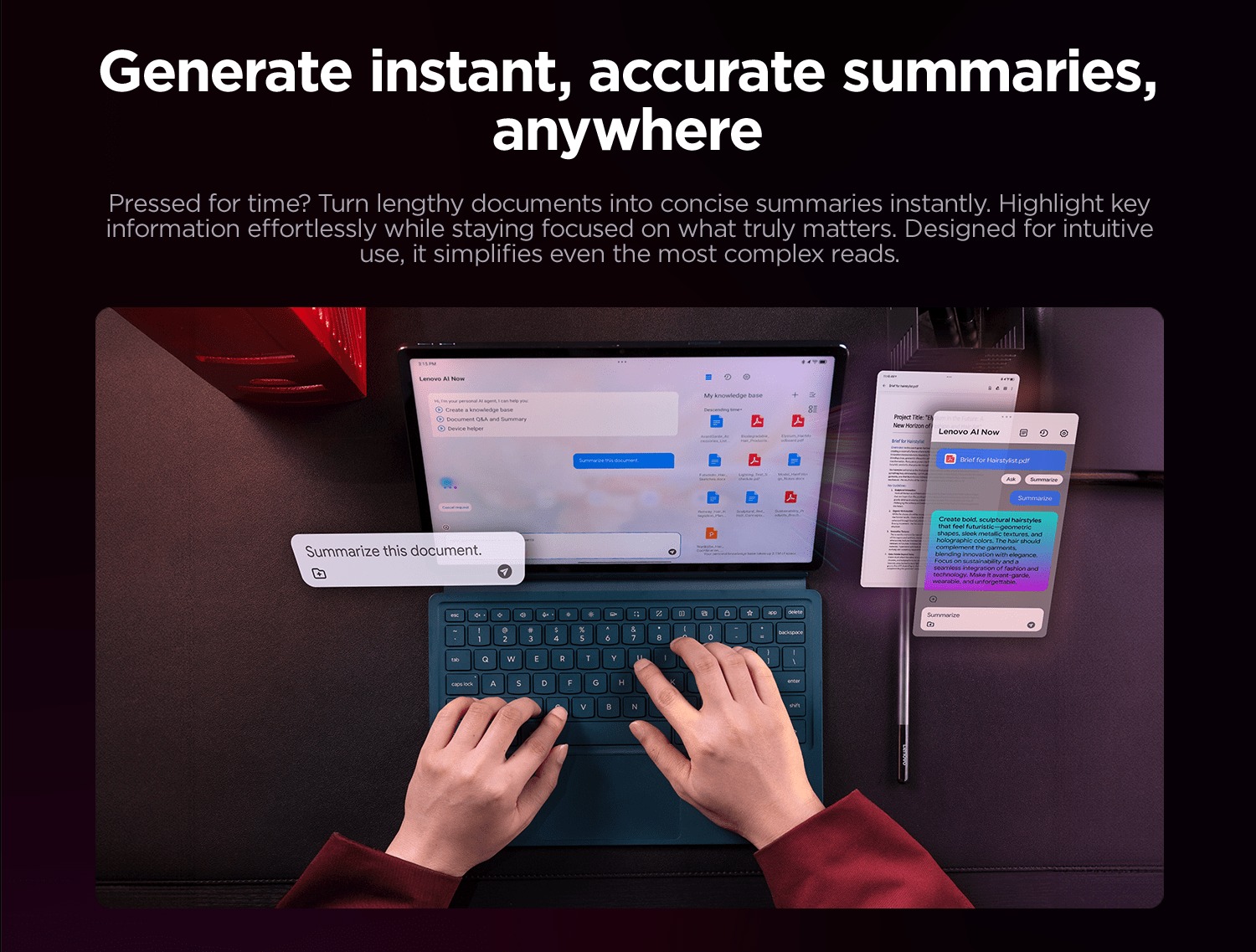
The tablet includes 16GB LPDDR5x RAM and up to 512GB UFS 4.0 storage. It offers up to 20 TOPS of AI performance for tasks like file search, context-aware suggestions, and summary generation. It also includes Lenovo AI Note and Live Transcript. The tablet runs Android 14 and will get three OS upgrades and four years of security updates.
It has a 12.7-inch 3K PureSight Pro display with a 144Hz refresh rate, 900 nits brightness, 100% DCI-P3 color coverage, and Delta E <1 for color accuracy. The screen is anti-reflective to reduce glare. The device supports the Lenovo Tab Pen Pro and comes with a 2-in-1 keyboard featuring a multi-gesture trackpad, 1.5mm key travel, and a shortcut key for Lenovo AI Now.
Sound is handled by a Dolby Atmos speaker system tuned by Harman/Kardon, with four woofers and two tweeters delivering up to 40K Hz high frequencies. The tablet has a 10,200mAh battery with up to 11 hours of use and supports 45W fast charging.
Camera setup includes a 13MP front camera, a 13MP rear camera, and a 2MP macro sensor. It supports Wi-Fi 7, Bluetooth 5.4, USB Type-C 3.2 Gen 1, and a 3-point Pogo Pin. The device has a metal unibody, is 8.52mm thick, weighs 640 grams, and is available in Tidal Teal.
The listing confirms it will launch soon in India, though pricing is not yet available. Buyers will also get two months of free Adobe Express Premium and Adobe Lightroom access.
For more daily updates, please visit our News Section.
Thunderobot, known primarily for its gaming laptops and peripherals, has launched a new power bank under the name V10 Super Power Stick in the Chinese market. The device is now available on JD.com for 149 yuan, approximately $20.
Thunderobot V10 Specifications
The V10 features a 10,000mAh battery rated at 37Wh and uses automotive-grade lithium cells. The power bank is designed to be compact and lightweight, measuring 87.46mm x 50mm x 34.3mm and weighing around 241 grams. Despite its high capacity, the form factor remains smaller than a credit card in footprint, aimed at users looking for a portable fast-charging solution.
Thunderobot equips the V10 with two USB-C ports and one USB-A port. Both USB-C ports support up to 55W output with PD and PPS protocols, making them suitable for charging smartphones, tablets, and even ultraportable laptops.
The company claims compatibility with the iPhone 16 series and says the V10 can deliver a 55% charge in just 30 minutes using PPS. The USB-A port provides a maximum of 22.5W and supports Huawei’s SuperCharge protocol, as well as legacy fast-charging standards from Xiaomi, Samsung, and other brands.
All three ports can be used simultaneously, delivering a combined output of 5V/3A. The V10 also features dual USB-C input support, allowing 45W fast recharging via either port. This makes it more practical for users who need quick top-ups during short breaks or travel.
The power bank also comes with a built-in TFT color display. It shows real-time charging and discharging status, including power, voltage, battery level, cycle count, and estimated usage time. The display also includes a screen-on mode for continuous monitoring.
The power bank is built using an aluminum alloy shell, which helps with heat dissipation and durability. It meets China’s CCC safety certification standards.
A new player is entering India’s smartphone arena, as AI+, backed by NxtQuantum Shift Technologies and led by Madhav Sheth, prepares to unveil its first devices on July 8, 2025. Promising affordability, AI smarts, and a Made-in-India ethos, these Flipkart-exclusive phones are making headlines. But what makes AI+ a brand to watch?
AI+ is launching the Nova 5G (mentioned as Nova 2 5G in some places) and Pulse 4G on July 8, 2025, exclusively via Flipkart, starting at INR 5,000 (~$59). The Nova 5G, powered by the 6nm Unisoc T8200 chipset, features a 50MP dual rear camera, 5,000mAh battery, and expandable storage up to 1TB. The Pulse 4G, likely the cheaper option, uses the 12nm Unisoc T7250 but shares the same camera and battery specs, with a rectangular camera module compared to the Nova’s circular design.
Both phones run NxtQuantum OS, a homegrown Android 15-based system tailored for India, emphasizing bloatware-free performance and AI features like smart assistants.
Designed and manufactured in India, AI+ devices use some recycled materials, aligning with the Make in India initiative, and store user data on MeitY-approved Google Cloud servers for privacy, per Flipkart. The Nova 5G sports a flat display with a waterdrop notch, 6GB RAM, and 128GB storage, while colors include Black, Blue, Green, Pink, and Purple.
AI+ will also debut the Wearbuds Watch 3, a smartwatch with integrated TWS earphones, alongside the phones, per GSMArena. Launch offers include no-cost EMI and bank discounts.
AI+’s Nova 5G and Pulse 4G, launching July 8, on Flipkart, bring affordable 5G and AI innovation to India’s masses. With NxtQuantum OS and eco-friendly designs, will Madhav Sheth’s vision disrupt the budget segment? Only time will tell.
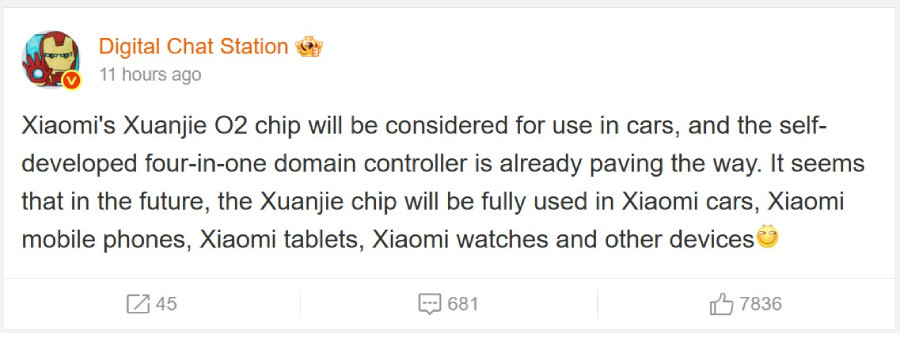
Xiaomi appears to be taking another step toward a vertically integrated hardware ecosystem. Following the debut of its custom XRING 01 chip, the company is reportedly working on its successor, and it could power not only smartphones, tablets, and smartwatches but also future vehicles and possibly other categories.
The information stems from a leak shared on Weibo by Digital Chat Station, a regular source of hardware rumors in China. While Xiaomi has not officially acknowledged the XRING O2’s existence, the chip has appeared in a trademark listing in China, lending some weight to the speculation.
An XRING for everything Xiaomi
What’s more interesting is the idea that a single chip design could be customized for wildly different product categories. In theory, a phone, a smartwatch, and a car could all run variants of XRING O2. This should make it easier for Xiaomi to integrate software and services across devices.
The XRING O2 is expected to be built on TSMC’s 3nm N3E process node, an iteration of the same family used for the XRING 01. Even competitors like Qualcomm, MediaTek, and Apple are likely to use the N3P node for their next flagship processors.
After that, all major silicon manufacturers are rumored to transition to 2nm chips. However, Xiaomi may not be able to access newer nodes like 2nm due to export restrictions on the EDA tools required for advanced chip design. While this wouldn’t necessarily cripple performance, it could impact how future-proof the platform truly is.
There’s no clear timeline for XRING O2 or the products it may power, and Xiaomi has yet to make anything official. But if the chip ends up in cars and consumer electronics alike, it’s likely the company is taking its ecosystem ambitions seriously.
For more daily updates, please visit our News Section.
We use cookies on our website to give you the most relevant experience by remembering your preferences and repeat visits. By clicking “Accept”, you consent to the use of ALL the cookies.
This website uses cookies to improve your experience while you navigate through the website. Out of these, the cookies that are categorized as necessary are stored on your browser as they are essential for the working of basic functionalities of the website. We also use third-party cookies that help us analyze and understand how you use this website. These cookies will be stored in your browser only with your consent. You also have the option to opt-out of these cookies. But opting out of some of these cookies may affect your browsing experience.
Necessary cookies are absolutely essential for the website to function properly. This category only includes cookies that ensures basic functionalities and security features of the website. These cookies do not store any personal information.
Any cookies that may not be particularly necessary for the website to function and is used specifically to collect user personal data via analytics, ads, other embedded contents are termed as non-necessary cookies. It is mandatory to procure user consent prior to running these cookies on your website.