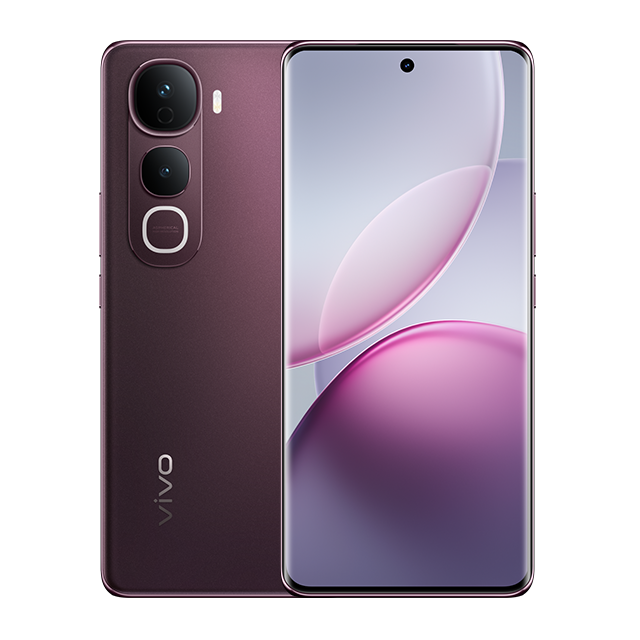
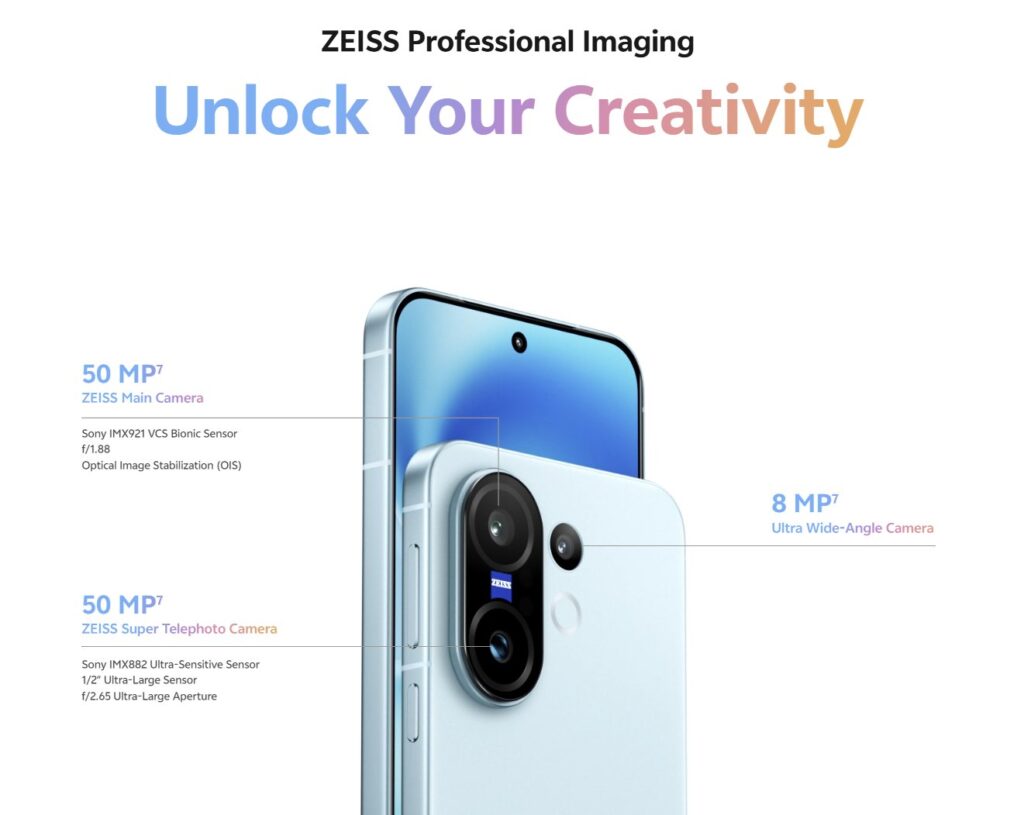
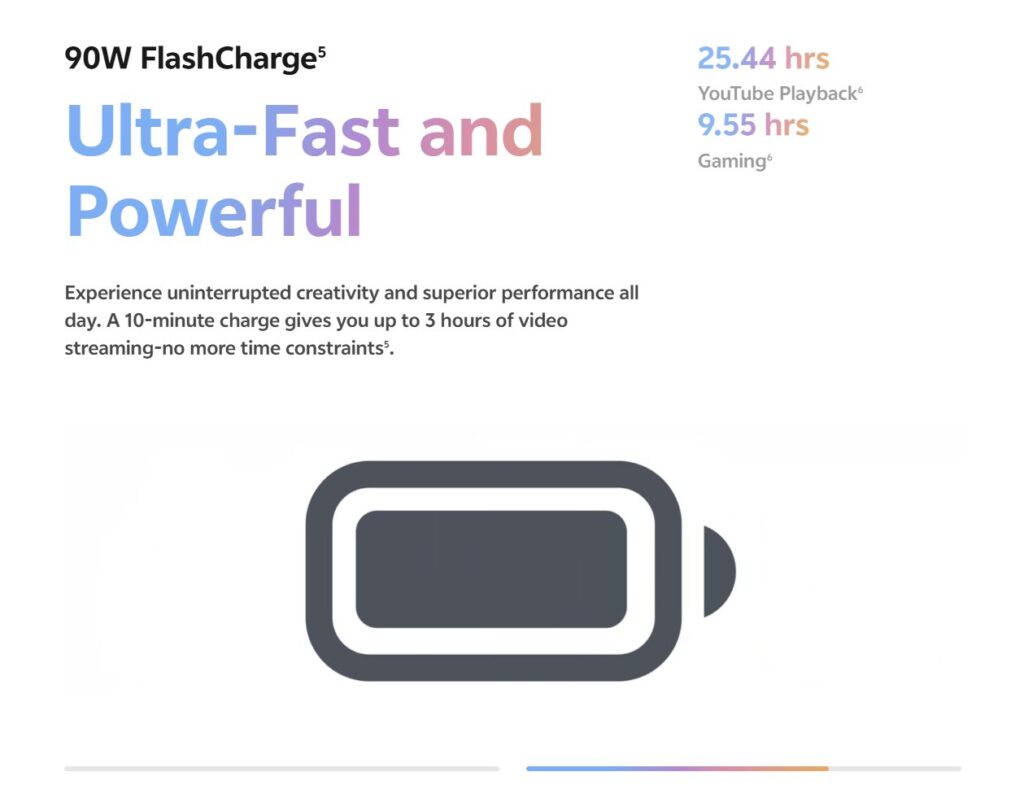
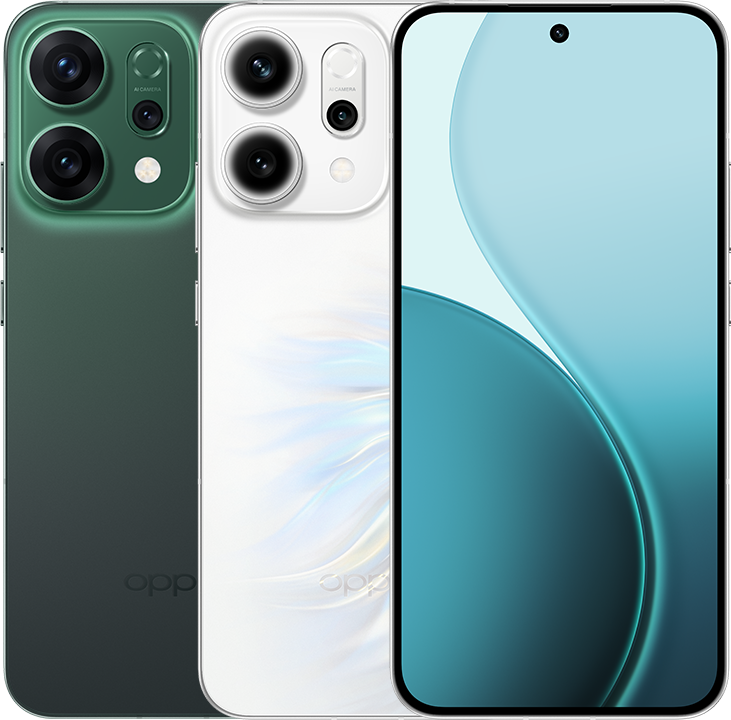
The iQOO Z10 Turbo Pro has appeared in China’s 3C certification (model V2453A), confirming support for 120W wired fast charging—the fastest in the Z-series so far. The device also previously surfaced on Geekbench, suggesting it will feature Qualcomm’s Snapdragon 8s Elite processor, Android 15, 12GB RAM, and an Adreno 825 GPU, positioning it as a performance-focused mid-range option.
iQOO Z10 Turbo Pro 3C certification spotted by TheTechOutlook
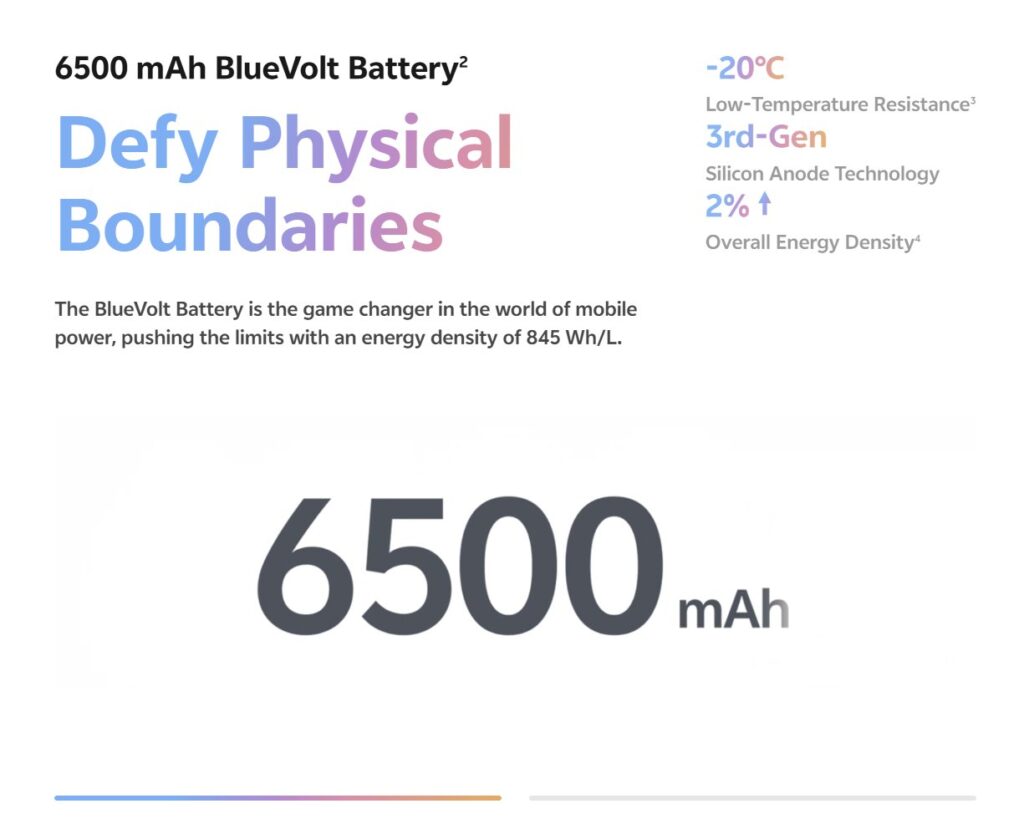
The Z10 Turbo Pro is expected to include a 7,000mAh battery, slightly smaller than the standard Z10’s 7,600mAh capacity but with significantly faster charging. Earlier leaks indicated a 90W charger for some Z10 models, but the Pro variant’s 120W capability aligns it with iQOO’s flagship 13 series.
According to tipster Digital Chat Station, the Z10 Turbo Pro will feature a 6.78-inch 1.5K display with LTPS backlighting, a plastic mid-frame, and an optical fingerprint sensor—design choices that help manage costs. It follows the Z9 Turbo, which had a Snapdragon 8s Gen 3 chip and a 6,000mAh battery.
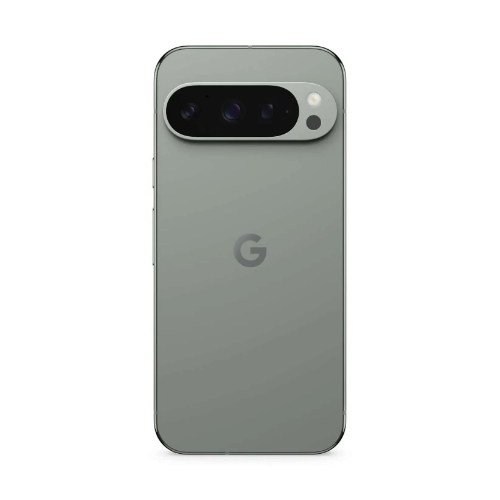
iQOO Z9 Turbo
The standard Z10 5G is set to launch in India on April 11, 2025, while the Turbo variant (V2452A) and Z10x 5G have also received certifications. It is currently unknown if the brand plans to launch the Z10 Turbo Pro model outside of China.
For more daily updates, please visit our News Section.
Samsung Galaxy S25 Ultra has been garnering some exciting reviews from tech enthusiasts around the globe. Along with the splendid new features and hardware, the phone has caught the potential buyer’s eye as the price has dropped with the ongoing Instant Discounts. Interested buyers can grab a discount of Rs 11000 via HDFC Bank Credit Cards.
It is applicable on all four color options – Titanium Gray, Titanium Blue, Titanium Black, and Titanium Silver, and both the 256/512GB storage options. Bringing all the AI prowess, and a plethora of whole new features and hardware are well-justified at such a discounted price.
Additionally, the Galaxy S25 Ultra bundles AI companion with some outstanding AI features. The all-new camera is easily adaptive to patterns and needs, making it easy for users to capture stunning, detail-rich photos. It houses a 5000 mAh battery that helps you stay connected throughout the day. Surprisingly, it offers uninterrupted 31 hours of video playback upon a single full recharge. Powered with the Snapdragon 8 Elite, you won’t need to worry about the smartphone’s performance. The smartphone is protected with a titanium frame and Corning Gorilla Armor 2.
A 6.9-inch Dynamic LTPO AMOLED display is present that offers a 120Hz refresh rate, HDR10+, and 2600 nits of peak brightness. The display offers 1440 x 3120 pixels resolution and offers Always-on Display and Corning Gorilla Armor 2. In the connectivity, the users get WiFi 7, Bluetooth 5.4, GPS, NFC, and USB Type-C 3.2.
Meanwhile, there are some good discounts on the other Bank cards. The discounts require no coupon, it will be applicable automatically when you select the card.
Please Note: When you buy something using the links in our articles, we may earn a small commission at no cost to you.
Sony will expand its Xperia lineup in 2025 with the Xperia 10 VII, according to leaks from reliable Esato forum tipster spektykles. The mid-range device will introduce key upgrades, including a 120Hz OLED display—the first in the Xperia 10 series.
Xperia 10 VI
The Xperia 10 VI, released in May 2024, has a 60Hz OLED panel with a 120Hz touch-scanning rate and Qualcomm Snapdragon 6 Gen 1 powering it. For the Xperia 10 VII, Sony is expected to use a different chipset, with speculation pointing to the Snapdragon 6s Gen 3 (introduced in June 2024) rather than the Snapdragon 6 Gen 4 (expected in February 2025) as a cost-saving measure. Built on a 6nm process, the 6s Gen 3 offers a 15% faster CPU and improved AI capabilities compared to its predecessor, according to Qualcomm’s benchmarks. The Xperia 10 VI launched at €399 ($430), and the Xperia 10 VII is expected to be priced similarly.
Sony’s smartphone division has reduced global shipments by 40% from 2020 to 2023, according to Counterpoint Research. The company is focusing on refining its mid-range lineup to retain existing customers and attract buyers looking for compact, multimedia-focused devices. A launch date has not been confirmed, but given the Xperia 10 VI’s May 2024 release, a similar timeframe is likely.
In other news, Sony is developing 100MP and 200MP smartphone sensors. According to Digital Chat Station, the 100MP sensor is expected to be widely adopted by Chinese OEMs in Snapdragon 8 Elite 2 and Dimensity 9500-powered flagships launching later this year. Sony’s 200MP sensor, reportedly larger than Samsung’s 200MP ISOCELL sensors, may be used in one of its own devices and sold to other manufacturers.
For more daily updates, please visit our News Section.
FiiO has officially released its SA1 high-fidelity desktop speakers, blending premium audio hardware with thoughtful design touches. Available in two finishes, Twilight Black and Morning Cloud White, these speakers are priced at 999 yuan ($138) and aim to deliver studio-level sound in a compact, stylish package.
FiiO SA1 Specifications
The SA1 features a 3.5-inch wood fiber mid-bass driver and a 3/4-inch aluminum-magnesium alloy dome tweeter. This combination delivers smooth frequency transitions, offering warm mids, rich vocals, and crisp highs. The wood fiber diaphragm balances lightness and stiffness to enhance sound texture, while the alloy tweeter provides clean, smooth high-frequency response for a refined listening experience.
It comes equipped with an internal Texas Instruments TPA3118 digital amplifier, supporting independent four-channel power output. Each mid-bass driver receives 20W of power, and each tweeter gets 5W, ensuring clear, dynamic sound across various types of audio content. It sports a wide frequency response of 65Hz to 20kHz, offering deep bass and bright treble that handle everything from music and movies to games.
The speaker system features a full range of input and output options. It comes with RCA/PHONO inputs, a 3.5mm AUX input, a USB Type-C port supporting up to 96kHz/32-bit decoding, coaxial input supporting up to 192kHz/24-bit, and an optical input supporting 96kHz/24-bit audio. It also equips a dedicated subwoofer output (SUB OUT), making it easy to upgrade to a 2.1-channel system for extra low-end punch.
On the wireless front, it sports Bluetooth 5.4 with support for LDAC, AAC, and SBC codecs. LDAC allows wireless streaming at up to 990kbps, making high-resolution audio playback possible without cables. The SA1 also comes with a built-in LP phono preamp, supporting both PHONO and RCA input modes for direct connection to turntables.
The cabinet features a sturdy build with 12mm thick high-density MDF wood and 9mm simulated wood veneer side panels that help reduce unwanted resonance. The main speaker weighs about 1,750g, while the secondary speaker weighs around 1,660g, giving the setup a solid presence on the desk. It also comes with two large physical control knobs and an RGB status indicator for easy, intuitive adjustments. Additionally, the package sports a remote control, allowing users to tweak settings and switch inputs from across the room.
In related news, we recently covered an article on the best JBL alternatives in 2025, covering speakers, soundbars, headphones, and earbuds. Feel free to check it out.
For more daily updates, please visit our News Section.
Titan Army has just launched a new 27-inch gaming monitor in China, the P275MS+, and it’s aimed squarely at gamers who want speed and serious display tech without going overboard on price. It’s available now on JD.com for 1,799 yuan (around $250).
Titan Army P275MS+ Specifications
The P275MS+ features a 2560 x 1440 resolution Fast IPS display, paired with an ultra-fast 320Hz refresh rate. It comes with a 1ms GTG response time and supports Adaptive-Sync, ensuring smooth and responsive gameplay even during the most intense FPS or battle royale sessions.
The monitor is equipped with a QD-Mini LED backlight with 1,152 local dimming zones and is certified as having HDR1000. It sports a peak brightness of 1000 nits, deep blacks as low as 0.02 nits, and a dynamic contrast ratio of 2,500,000:1, delivering vibrant highlights and rich shadow details rarely seen in monitors at this price point.
It offers impressive color performance with 99% coverage of DCI-P3, Adobe RGB, and sRGB color spaces. The monitor comes factory-calibrated with an average Delta E below 2, and its 10-bit (FRC) color depth allows for smooth color gradients, making it a great choice for both gamers and content creators.
For gaming enthusiasts, it packs a range of extras. It features customizable crosshairs, frame rate and timer overlays, dynamic overdrive, and preset picture modes tailored for FPS, RTS, and MOBA games. It also supports SPX console mode, allowing for 4K 120Hz passthrough with HDR, VRR, and ALLM, ideal for PlayStation 5 and Xbox Series X users.
The monitor comes with two HDMI 2.1 ports, one DisplayPort 1.4, and an audio out jack. It also sports ergonomic adjustments for height, tilt, swivel, and pivot, along with VESA 100 x 100mm mounting support. To complete the setup, it features customizable RGB lighting on the back for added flair.
In other news, Samsung recently introduced a large 37-inch 4K monitor designed for creators and multitaskers, while AOC has released an affordable 2K monitor with a 300Hz refresh rate.
For more daily updates, please visit our News Section.
Acer has introduced the 2025 Go Air, an ultra-thin notebook designed for professionals seeking a Windows alternative to the MacBook Air. Weighing just 999 grams and offering up to 12 hours of battery life, it balances portability with reliable performance. The laptop is powered by Intel’s latest Core 200H processors and features a 14-inch 2.2K display.
The laptop has a 14-inch IPS matte screen that offers a 2240 × 1400 resolution, full sRGB color coverage, and DC dimming to reduce eye strain. With a 16:10 aspect ratio and an 88% screen-to-body ratio, it’s built for productivity, while the 180-degree hinge makes it easier to share your screen. Acer also highlights the anti-glare panel as a key feature for comfortable indoor and outdoor use.
Under the hood, the Go Air comes with 32GB of LPDDR5 RAM and a 1TB PCIe 4.0 SSD. It runs on either the Core 5 210H (with four performance cores) or the Core 7 240H (with six performance cores), both cooled by dual 6mm heat pipes and large fans. Despite its slim design, it still includes three Type-C ports (one data-only, one fully functional), HDMI 2.0, USB-A, and a headphone jack—more connectivity than most ultraportables.
The Go Air starts at 5,299 yuan ($730) for the Core 5 model and 5,699 yuan ($785) for the Core 7. It’s positioned as a premium mid-range option, with a 60Wh battery and Wi-Fi 6 support rounding out the package. It remains uncertain if or when an international version of the notebook will be released.
Samsung recently unveiled the Galaxy A26, Galaxy A36, and Galaxy A56. Among these, the A56 and A36 have been launched in India, and I’ve had the chance to use them for the past few days. The Galaxy A-series continues to drive strong sales for the company. Read on to know my hands-on experience with the Galaxy A56 and A36.
The Galaxy A35 and A55 from last year featured separately placed triple camera sensors. However, the Galaxy A36 and A56 come with a single vertical camera module that houses all three cameras under reinforced glass. When you run your finger across the camera module of the A56, you can feel the individual camera sensors, whereas the glass layer on the A36 is completely flat. Since the camera island is placed in the upper left corner, these phones won’t lay flat unless used with a case.
Samsung has also reduced the bezel size on both models compared to their predecessors. The right edges on both devices retain the noticeable bulge, which houses the volume rocker and power button.
Both phones offer IP67-rated dust and water resistance and feature Gorilla Glass Victus+ protection for the back and display. While the A36 has a plastic frame, the A56 features a metal frame. The build quality is impressive for mid-range models, but frankly speaking, it is not easy to distinguish between the two phones as they appear identical.
The Galaxy A56 and A36 weigh slightly under 200 grams. The good thing is both phones are quite slim as they measure only 7.4mm in thickness. The Awesome Lavender variant of the A36 that I received reflects holographic shades when light falls on the back, whereas the Olive edition of the A56 that I got has a more muted appeal.
Please Note: When you buy something using the links in our articles, we may earn a small commission at no cost to you.
2. Display and audio
Samsung Galaxy A56 (left) and Galaxy A36 (right)
The Galaxy A56 and Galaxy A36 both feature a 6.7-inch display, which is slightly larger than their predecessors. They promise a peak brightness of 1,900 nits and achieve 1,200 nits in high brightness mode. Both models support an FHD+ resolution and a 120Hz refresh rate. While both phones offer the same display size, they seem to feature different display panels, with the A56 sporting a better one. The display-integrated fingerprint sensor is positioned well and works fine. The upper speaker is lodged in the top bezel and the bottom-firing speaker produces a balanced audio output.
3. Performance and software
Samsung Galaxy A56 (left) and Galaxy A36 (right)
The Galaxy A56 gets the Exynos 1580 chip, while the A36 has the Snapdragon 6 Gen 3 onboard. Both devices are not performance-focused chipsets but are good enough for daily use. The Exynos 1580 is a brand-new chip equipped with an AMD-based GPU and an NPU with 147 TOPS, which means it’s a major upgrade over the Exynos 1480 from last year. Both phones are equipped with LPDDR4x RAM. While the A36 has UFS 2.2 storage, the A56 gets the faster UFS 3.1 storage.
One of the major attractions of the Galaxy A56 and A36 is that they come equipped with One UI 7-based Android 15, like the Galaxy S25 series. Both devices are also promised to receive six years of Android OS upgrades and six years of security updates. There are plenty of preloaded apps from Samsung, Google, and other providers, but none of them show annoying notifications.
The Galaxy A56 gets its own version of AI features dubbed as Awesome Intelligence, which includes Circle to Search, AI Select, Custom Filter, Edit Suggestions, Object Eraser, and Read Aloud. On the other hand, the Galaxy A36 has a few of these features, such as Circle to Search, Custom Filters, and Object Eraser.
4. Camera and other features
Samsung Galaxy A56 (left) and Galaxy A36 (right)
The Galaxy A36 and A56 are equipped with a 12-megapixel front-facing camera that supports 10-bit 4K 40fps video recording. On the back, the A36 features a 50-megapixel (OIS) + 8-megapixel (ultra-wide) + 5-megapixel (macro) triple-camera system, whereas the A56 sports a 50-megapixel (OIS) + 12-megapixel (ultra-wide) + 5-megapixel (macro) setup. While the rear camera megapixel count remains the same as their predecessors, both phones deliver decent shots in various lighting conditions. Here are some sample shots captured using both phones.
The Galaxy A56 and A36 both pack a 5,000mAh battery with 45W fast charging. A fun fact is that even the Galaxy S25 does not support 45W rapid charging, as it supports 25W charging because it packs a comparatively smaller battery inside a compact form factor. In terms of connectivity, both phones support eSIM, dual-band Wi-Fi 6, Bluetooth 5.4 (A36) / Bluetooth 5.3 (A56), and NFC. The previous generation featured a hybrid SIM slot, which allowed users to add a microSD. The company has axed support for microSD cards on the A36 and A56.
5. Final thoughts
Samsung Galaxy A56 (left) and Galaxy A36 (right)
The Galaxy A56 positions itself as the more capable model, featuring a metal frame, faster UFS 3.1 storage, a powerful Exynos 1580 chip, and a slew of AI features. The Galaxy A36, while slightly less premium with its plastic frame and Snapdragon 6 Gen 3 chip, still delivers a smooth experience with essential AI functions like Circle to Search and Object Eraser. Both devices pack a 6.7-inch AMOLED display with a 120Hz refresh rate, IP67 water resistance, and a 5,000mAh battery with 45W charging, ensuring a well-rounded experience.
Please Note: When you buy something using the links in our articles, we may earn a small commission at no cost to you.
In India, the Galaxy A56 and A36 have arrived in three configurations: 8GB+128GB, 8GB+256GB, and 12GB+256GB. The A56 is priced at Rs 41,999, Rs 44,999, and Rs 47,999, respectively. It can be bought in shades like Olive, Graphite, and Light Gray.
On the other hand, the A36 costs Rs 32,999, Rs 35,999, and Rs 38,999, respectively. It comes in three shades: Lavender, Black, and White.
After the recent global launch of the Xiaomi 15 and 15 Ultra smartphones in the global market, the brand appears to be preparing for a mid-cycle refresh called the Xiaomi 15S Pro.
Xiaomi 15S ProXiaomi 15S Pro image sample
Last month, the phone was spotted on the IMEI database with 25042PN24C model number, codenamed “dijun.” A leaked photo has now confirmed the existence of the Xiaomi 15S Pro. The leak originated from a Weibo post by a Xiaomi software director, which was later deleted. Tipster Kartikey Singh spotted the post, which included a sample image tagged “Xiaomi 15S Pro.”
According to industry sources, the 15S Pro could launch as early as the second week of April, possibly alongside the 14-inch Xiaomi Pad 7 Max tablet. While details are still limited, the phone is expected to retain the design of the Xiaomi 15 and 15 Pro. The main change may come from its chipset, as reports suggest Xiaomi’s proprietary XRING SoC could power the device instead of Qualcomm’s Snapdragon processors.
The Xiaomi 15S Pro is likely to retain the Leica-tuned camera system from the Xiaomi 15 Pro, focusing on refinements rather than major changes. With the Snapdragon 8 Elite 2 expected to launch in October, the device will likely feature the Snapdragon 8 Elite chip, aligning with the rest of the Xiaomi 15 series. The device also made an appearance on China’s 3C certification last month, revealing its 90W fast charging capability. With the launch expected to happen by the second week of April, we can expect more information to surface in the coming days.
Choosing between the Samsung Galaxy S24 FE and Google Pixel 9a isn’t as straightforward as it seems. Both phones cater to slightly different audiences, even though they share some common ground. Whether you’re after top-tier performance, camera prowess, or battery endurance, both have strengths and compromises. Here’s how they stack up.
At first glance, the Galaxy S24 FE looks and feels more premium, thanks to its Gorilla Glass Victus+ on both front and back, sandwiched between an aluminum frame. It’s also heavier at 213g, making it feel more solid.
The Pixel 9a, on the other hand, takes a more practical approach, using a plastic back with an aluminum frame. While it keeps the weight down to 186g, it doesn’t feel as high-end in hand.
Both phones come with IP68 water and dust resistance, so neither has an advantage in durability. However, Gorilla Glass Victus+ on the S24 FE is more resistant to scratches compared to Gorilla Glass 3 on the Pixel 9a, which feels like a downgrade for Google’s mid-range device.
2. Display
Samsung has always been known for its displays, and the 6.7-inch Dynamic AMOLED 2X panel on the S24 FE lives up to that reputation. It boasts a 120Hz refresh rate, HDR10+ support, and 1900 nits of peak brightness.
The Pixel 9a counters with a 6.3-inch P-OLED display. It also offers a 120Hz refresh rate but stands out with a higher peak brightness of 2700 nits, which could make it more visible outdoors. However, Samsung’s AMOLED panel may deliver deeper blacks and better contrast.
3. Performance
Under the hood, Samsung uses the Exynos 2400e (4nm) chipset, a slightly toned-down version of the regular Exynos 2400 found in the S24 series. Google, on the other hand, equips the Pixel 9a with its custom Tensor G4 (4nm) chipset.
Raw performance-wise, the Exynos 2400e is expected to be slightly more powerful than the Tensor G4, especially in GPU-heavy tasks. However, Google’s chipset is designed more for AI and computational photography rather than gaming or raw processing power.
If you’re someone who values overall smoothness, the S24 FE might have the edge. But if you care about on-device AI features and smart optimizations, the Pixel 9a could be more appealing.
4. Software and Updates
Both phones offer seven years of major Android upgrades, ensuring long-term support. However, Pixel phones get Android updates on day one, while Samsung devices typically receive updates a few weeks later.
Google’s software experience is cleaner and more AI-focused, with features like Circle to Search, Best Take, and Live Translate built directly into the OS. Samsung, on the other hand, adds more customization and productivity tools with One UI 6.1, including Samsung DeX for a desktop-like experience.
If you prefer a simple, no-frills Android experience, the Pixel 9a is the better choice. But if you like customization and extra features, the S24 FE is the way to go.
5. Cameras
The Galaxy S24 FE’s triple-camera setup includes a 50MP main sensor, an 8MP telephoto lens with 3x optical zoom, and a 12MP ultrawide sensor. In contrast, the Pixel 9a sticks to a dual-camera setup with a 48MP main sensor and a 13MP ultrawide lens.
Samsung’s telephoto camera gives it a clear edge for zoom shots, while the Pixel 9a’s camera may shine in terms of processing power and Google’s computational photography tricks like Best Take and Ultra HDR.
For video, the S24 FE goes up to 8K at 30fps, while the Pixel 9a maxes out at 4K at 60fps. On the selfie front, the Galaxy S24 FE offers a 10MP camera, while the Pixel 9a has a higher-resolution 13MP ultrawide front camera.
6. Battery and Charging
Battery life may be a deciding factor for some. The Pixel 9a packs a larger 5100mAh battery, compared to the 4700mAh cell in the Galaxy S24 FE.
Samsung’s 25W wired charging is slightly faster than Google’s 23W, but the S24 FE also supports 15W wireless charging and reverse wireless charging, which the Pixel 9a lacks.
7. Which One Should You Buy?
It’s all up to you to choose between the Galaxy S24 FE and the Pixel 9a. But suppose you’re after a more premium design, a versatile camera system with a telephoto lens, a sharper display, and bonus features like Samsung DeX and reverse wireless charging. In that case, the Galaxy S24 FE is the way to go.
On the other hand, the Pixel 9a is the better pick if you prefer a clean, stock Android experience with day-one updates, smarter AI and computational photography, longer battery life, and a lighter, more compact build.
For more daily updates, please visit our News Section.
Anker has officially launched its sleek new Nano 45W Mini Charger in the United States — and if you thought chargers couldn’t get any smaller or smarter, think again. Weighing just 52 grams and measuring only 36.8mm in length, this charger is lighter by 17 grams compared to its predecessor, the Nano II 713. But don’t let its small size fool you. Inside this pocket-sized brick is cutting-edge GaN technology capable of delivering up to 45W of fast, efficient power.
Compact design, foldable plug
This compact charger is built for speed. According to Anker, it can power up the Samsung Galaxy S25 Ultra to 50% in just 20 minutes and achieve a full charge in under an hour — all thanks to Samsung Super Fast Charging support and the PPS protocol under USB Power Delivery. The single PowerIQ 3.0 USB-C port ensures intelligent power delivery for not just Samsung devices but also iPhones, iPads, MacBooks, Pixel phones, and more.
Beyond speed, the Nano 45W emphasizes safety and durability. It features Anker’s latest ActiveShield 3.0, which monitors the temperature six million times a day to ensure optimal cooling and long-term reliability. MultiProtect safety technology provides advanced protection against electrical leakage, high voltage, and current fluctuations.
And it’s not just practical — it’s carefully designed with subtle polish and elegant details. The body combines a matte finish with glossy accents and carved side lines, giving it a refined look without being overly flashy. The foldable plug makes it incredibly travel-friendly and easy to carry in any bag or pocket. Plus, the charger is made with sustainability in mind, crafted from 75% post-consumer recycled materials. Even with the included 1.8-meter USB-C to USB-C cable, the total weight is just 58 grams.
The Anker Nano 45W Mini Charger is currently available in black and is exclusively on sale at Amazon US for $34.99.
In related news, Anker recently unveiled the Solix EverFrost 2, a battery-powered portable fridge. It features rapid cooling, up to 104 hours of runtime with dual batteries, and app-based temperature control via iOS.
For more daily updates, please visit our News Section.
Samsung’s latest firmware update has done more than just tweak settings, it’s taken out entire soundbars. The company has officially confirmed to The Verge that a “software update error” is to blame for rendering certain 2024 soundbar models completely unusable. Jim Kiczek, head of Samsung Electronics America’s audio division, says the company will now offer free repairs for all affected units, no matter their warranty status.
Physical repairs needed as devices become unresponsive
The issue started last week when owners of flagship models like the HW-Q990D, HW-Q800D, and HW-S801D reported that their devices suddenly froze after displaying the “Hello” startup message, refusing to respond to remotes, buttons, or even power cycling. The soundbars stopped connecting to TVs, forcing users to rely on built-in speakers. Attempts to factory reset didn’t work either — the devices were effectively bricked.
What’s most frustrating is that the firmware update (version 1020) arrived without any changelog, leaving users blind to what they were installing. The fallout has been massive, with angry reports flooding Samsung’s community forums and Reddit threads. Users say Samsung’s customer support acknowledged the problem but could only escalate complaints to the warranty department with no immediate solution in sight.
This isn’t something that can be fixed with a quick patch. Samsung has admitted that the damage requires a physical repair. The company told What Hi-Fi? earlier this week that it was “investigating” and taking “immediate action,” but the number of impacted devices appears significant.
It’s a stark reminder that even industry giants are not immune to quality control lapses. For a brand built on reliability and premium quality, the misstep is a big deal and the growing frustration suggests Samsung will need to do more than just offer repairs to rebuild trust.
For more daily updates, please visit our News Section.
iQOO is gearing up to launch the Z10 5G in India on April 11, but a new leak suggests the company might soon follow it up with another model. According to tipster Paras Guglani (via PassionateGeekz), iQOO could also introduce the Z10 Turbo Edition in India.
iQOO Z9 Turbo Long Lasting Version
The rumored device reportedly carries the model number I2408 and is expected to arrive in India with 8GB or 12GB of RAM and 256GB of storage. The phone will reportedly be available in Gold and Silver color options. The leak also claims it will feature a 7,000mAh battery
According to reports, the Z10 Turbo will debut in China first before making its way to other markets.
What to expect?
Interestingly, previous leaks have pointed to a bigger 7,600mAh battery for the Chinese market. Even if true, it wouldn’t be the first time we have seen regional adjustments from brands for battery capacity. But it’s best to take these numbers with some skepticism for now.
As for the rest of the specs, the leak suggests a 6.78-inch flat OLED LTPS display with a 1.5K resolution. Camera-wise, the device is said to sport a 16-megapixel front-facing camera, while the back will house a 50-megapixel primary sensor alongside a 2-megapixel secondary camera.
Performance looks promising as well. The phone is rumored to pack MediaTek’s Dimensity 8400 chipset. And charging shouldn’t be too slow either, as the leak suggests 90W fast charging support.
Additionally, the device is expected to include a short-focus in-display fingerprint sensor and a plastic middle frame. While iQOO hasn’t officially confirmed the Turbo model, the increasing leaks suggest it could be on the horizon.
For more daily updates, please visit our News Section.
According to reports, OnePlus has three new phones lined up for the Chinese market in the second quarter of this year. These include the OnePlus 13T (previously known as the OnePlus 13 Mini), the Ace 5V, and the Ace 5S. In a fresh development, a new Oppo device with model number PKX110 has emerged in the database of China’s 3C certification. According to tipster Digital Chat Station, this phone is the upcoming OnePlus 13T, which is expected to debut as a compact phone powered by the Snapdragon 8 Elite.
OnePlus 13T 3C certified
The above screenshot shows the upcoming OnePlus 13T with model number PKX110 in 3C’s database. While the certification reveals that the device may support 80W fast charging, it does not mention any other specifications.
OnePlus 13T specifications (rumoured)
OnePlus 13T mock render
Recent reports have revealed that the OnePlus 13T will arrive with a 6.31-inch LTPO OLED panel with a 1.5K resolution, a 120Hz refresh rate, and a short-focus in-display fingerprint sensor. In terms of build, the device will feature a metal middle frame and a glass back.
The round camera module on the device’s back is expected to include a 50-megapixel main camera with OIS support and a 50-megapixel telephoto camera with 2x optical zoom. Under the hood, the device is expected to include the Snapdragon 8 Elite chip and a 6,000mAh battery, which may support wireless charging.
Reports have claimed that the OnePlus 13T may debut as the most affordable Snapdragon 8 Elite phone. This means that the device could be cheaper than the 3,099 Yuan (~$430)-priced Realme GT 7 Pro Arching Edition, which currently holds the title of the cheapest Snapdragon 8 Elite phone.
For more daily updates, please visit our News Section.
Vivo has been consistently expanding its Y300 series in China. Last year, the brand unveiled the Vivo Y300 and Y300 Pro, and it recently announced the Y300i. Recent reports have revealed that the brand is planning to add more models, the Y300 Pro+ and Y300 GT. A poster that is now doing the rounds on Chinese social media platforms has revealed that the Y300 Pro+ will be announced on March 31 in China. Here is a look at what to expect from the device.
Vivo Y300 Pro+ key specifications (rumored)
Vivo Y300 Pro+ launch date
The above poster reveals that the Vivo Y300 Pro+ will feature a quad-curved AMOLED panel and a round camera module on the back. It will be available in black, pink, and blue shades.
Leaked information that surfaced earlier this month has revealed that the Y300 Pro+ will be equipped with the Snapdragon 7s Gen 3 chipset, a 32-megapixel front camera, and an OIS-enabled 50-megapixel dual camera.
Recently, a Vivo phone with model number V2456A surfaced with the Snapdragon 7s Gen 3 chip, 12 GB of RAM, and Android 15 on Geekbench. The same device was recently approved by China’s 3C certification authority, revealing that it may ship with a 90W charger. This V2456A phone appears to be the Vivo Y300 Pro+, scheduled for a late March launch.
The other screengrab shown in the post belongs to one of the Y300 Pro+ unboxing videos that has surfaced on Chinese social media. It reveals that the device is equipped with the Snapdragon 7s Gen 3 chipset, 12 GB of RAM, 12 GB of virtual RAM, 512 GB of internal storage, and a massive 7,300mAh battery.
Meanwhile, iQOO recently confirmed that it will announce the iQOO Z10 with a 7,300mAh battery on April 11 in China. This phone appears to be a rebranded version of the Vivo Y300 Pro+ that’s heading to the Chinese market.
For more daily updates, please visit our News Section.
iQOO unveiled three tablets in China last year, including the iQOO Pad Airk with a Snapdragon 870 chip in March and the iQOO Pad 2 series in May. A new iQOO tablet has now emerged in China’s 3C certification database. According to tipster Experience More, this tablet could be called the iQOO Pad 3 Pro when it hits the Chinese market. Additionally, he also revealed the display and chipset that will be available on the new tablet.
iQOO Pad 3 Pro 3C certified
According to the tipster, the iPA2575 tablet that has surfaced in 3C’s database could be the upcoming iQOO Pad 3 Pro. The certification reveals that the tablet may support 66W rapid charging.
iQOO Pad 3 Pro key specifications
The tipster revealed that the iQOO Pad 3 Pro will arrive with a 12.95-inch LCD panel and feature the Dimensity 9400 Plus, which is yet to go official. For those who don’t know, the D9400+ is believed to be an overclocked version of the Dimensity 9400 that was announced in October 2024. The Plus edition chip is expected to go official through MediaTek’s Dimensity Developer Conference, which is scheduled to take place on April 11.
Last year’s iQOO Pad 2 Pro and Vivo Pad 3 Pro packed the same specs but differed in the chipset department. While the iQOO model came with the Dimensity 9300 Plus chip, the Vivo offering featured the Dimensity 9400.
According to reports, the Vivo Pad 4 Pro with Dimensity 9400 is said to debut next month (April) in China. It will feature a 12.95-inch LCD panel that offers a 3.1K resolution, 8 GB / 12 GB / 16 GB of RAM, a 12,000mAh battery with 66W fast charging support, a 13-megapixel rear camera, and an 8-megapixel front camera. There’s a possibility that, apart from featuring a newer chip, the iQOO Pad 3 Pro may pack the same specs as the Pad 4 Pro.
For more daily updates, please visit our News Section.
itel has introduced a new addition to its smartwatch lineup, the Unicorn Max, bringing an array of advanced features at an attractive price. Its major highlights include a curved AMOLED screen, Bluetooth calling, and 100+ sports modes. Continue reading to learn everything about the smartwatch.
Itel Unicorn Max specifications and features
Itel Unicorn Max
The itel Unicorn Max boasts a 1.43-inch curved AMOLED display with a 60Hz refresh rate and an ultra-bright 1000 nits peak brightness, ensuring clear visibility even under direct sunlight. Users can personalize their experience with over 200 watch faces, including short video watch faces.
The Unicorn Max features three functional buttons, which include a crown for navigation, a sport mode button, and a switch key. The smartwatch supports Bluetooth calling with AI noise reduction and is powered by a dual-core processor for smooth performance. It also includes handy utilities like quick message replies, a remote camera shutter, and a ‘find my phone’ function.
When it comes to fitness and wellness, the Unicorn Max offers key features, such as heart rate monitoring, SpO2 tracking, sleep analysis, stress monitoring, and female cycle tracking. With 100+ sports modes and compatibility with the iPulse app, the device caters to both casual users and fitness enthusiasts. Finally, it comes equipped with a stainless-steel frame and sapphire crystal glass on the display for durability.
Please Note: When you buy something using the links in our articles, we may earn a small commission at no cost to you.
Itel Unicorn Max price in India, availability
The itel Unicorn Max is priced at Rs 1,999 (~$24) in India. The smartwatch can be purchased in shades like Meteorite Gray, Copper Gold, and Aluminium Silver via Amazon.
For more daily updates, please visit our News Section.
According to reports, the Chinese market will be treated to two Snapdragon 8 Elite-powered tablets in the first half of the year. These include the Oppo Pad 4 Pro and the OnePlus Pad 2 Pro. While Oppo has already started teasing the arrival of the Pad 4 Pro, the OnePlus offering may not be far behind. The reason is that the Pad 2 Pro has received certification from China’s 3C authority, indicating its arrival may not be far away.
OnePlus Pad 2 Pro 3C certified
As can be seen above, a new OnePlus tablet bearing the OPD2413 model number has appeared in 3C’s database. While the listing reveals that the device may ship with an 80W fast charger, there’s no information about its other specifications.
OnePlus Pad 2 Pro specifications (rumored)
A recent report revealed that the OnePlus Pad 2 Pro will feature a 13.2-inch LCD panel that offers a 3.4K resolution. The Snapdragon 8 Elite-powered device is expected to ship with up to 16 GB of LPDDR5x RAM and up to 1 TB of UFS 4.0 storage.
The Pad 2 Pro is expected to run on ColorOS for Pad-based Android 15. It is likely to house a battery of around 10,000mAh capacity with 80W rapid charging support. The Pad 2 Pro may feature a 13-megapixel rear camera and an 8-megapixel front camera.
These specs suggest that the OnePlus Pad 2 Pro will be quite similar to the Oppo Pad 4 Pro, which is expected to launch in April in China. Hopefully, upcoming reports will reveal how the tablets will differ from each other.
For more daily updates, please visit our News Section.
Huawei’s latest foldable, the Pura X (check out the hands-on pictures), is here, and it’s making a statement that the foldable smartphone category still has plenty of room for fresh ideas. While most foldables seem to follow predictable patterns, either flipping vertically like the Galaxy Z Flip or folding like a book à la the Galaxy Z Fold, Huawei’s Pura X introduces something refreshingly different. This device challenges the norms with its wide, 16:10 aspect ratio, instantly setting it apart from the sea of tall and narrow foldables we’ve grown used to.
A New Take on Foldable Displays
The first thing that catches your eye is the Pura X’s unique folding direction. Most clamshell foldables open vertically, unfolding into a tall display that often feels awkward for multitasking or watching videos. The Pura X flips this concept on its side, literally. When unfolded, its 6.3-inch OLED screen is shorter but significantly wider than competitors like the Galaxy Z Flip 6 or Motorola Razr 50 Ultra. This 16:10 display feels more akin to a small tablet or an iPad Mini rather than a smartphone struggling with odd aspect ratios. It’s an immediate quality-of-life improvement that makes streaming content, browsing, and even document editing far more comfortable.
Outside, the Pura X sports a 3.5-inch square OLED display, offering quick access to notifications, widgets, and even camera controls without flipping open the device. The hinge design, made of titanium alloy with a basalt water drop structure, also shows Huawei’s commitment to durability, along with IPX8 water resistance, which is still rare in the foldable space.
Bigger Battery, Better Cameras
Huawei didn’t stop at just making the display more usable. Battery life gets a notable upgrade as well. The Pura X packs a 4,720mAh battery, a significant leap over the sub-4,000mAh cells seen in many flip-style foldables. This extra capacity doesn’t just mean fewer trips to the charger; it allows the Pura X to better support its expansive display and high refresh rates (both inner and outer displays support 1-120Hz LTPO adaptive refresh rates).
On the camera front, Huawei once again makes an impact. The Pura X is equipped with a triple rear camera system featuring a 50MP main sensor, a 40MP ultra-wide lens with macro capabilities, and an 8MP telephoto shooter with 3.5x optical zoom. This setup is a game-changer for flip phones, which often compromise on camera hardware to save space. Samsung’s Z Flip line, for instance, still lacks any form of telephoto zoom, a gap that Huawei has filled with style.
The HarmonyOS Shift
Of course, no Huawei device in recent years would be complete without some caveats. The Pura X runs on HarmonyOS 5, specifically HarmonyOS Next, Huawei’s bold step away from Android. This means no native Google services and no Android app compatibility. Instead, the phone leans on Huawei’s in-house ecosystem, powered by its Pangu AI models and a new assistant called Harmony Intelligence. While this might be exciting for the Chinese market, it remains a significant hurdle for global users accustomed to the Google app suite.
Performance-wise, Huawei remains tight-lipped about the chipset, though reports suggest it’s using the Kirin 9020 with the HiSilicon Maleoon 920 GPU. Combined with up to 16GB of RAM and 1TB of storage, the Pura X seems well-equipped for power users.
The Pura X starts at around $1,037 in China, and it’s clear that Huawei isn’t playing it safe. This is a foldable that dares to be different — wider, more powerful, and unapologetically original. In a market crowded with familiar ideas, the Pura X stands out as proof that fresh thinking is still very much alive, even if it comes without Google.
For more daily updates, please visit our News Section.
Motorola’s upcoming flip phones, the Razr 60 and Razr 60 Ultra, were certified by 3C authority earlier this month in China. Both devices have also emerged on the country’s TENAA certification platform. While only limited details have surfaced about the Razr 60, the Ultra model’s full specifications have been revealed. Here is a look at what to expect from the Razr 60 Ultra.
Motorola Razr 60 Ultra specifications (rumored)
As per the TENAA listing, the Razr 60 Ultra will feature a 6.96-inch OLED internal display with a resolution of 1224 x 2992 pixels. The external cover screen measures 4 inches with a 1080 x 1272 pixels resolution, and it could support a high refresh rate of 165Hz, similar to the Razr 50 Ultra. The device measures 171.48 x 73.99 x 7.29mm when unfolded and weighs 199 grams, making it a compact yet premium flip phone.
Under the hood, the Razr 60 Ultra is equipped with a 4.32GHz – 3.53GHz chipset, which appears to be the Snapdragon 8 Elite chipset. It will be available in multiple RAM options of 8GB, 12GB, 16GB, and even 18GB. Storage variants are expected to include 256GB, 512GB, 1TB, and a massive 2TB option. However, all the variants are unlikely to be available at launch.
The Razr 60 Ultra is equipped with a dual-cell battery rated at 4,275mAh (1090mAh + 3185mAh), with a typical capacity that could be around 4,500mAh. It has been spotted with a 68W fast charger at 3C certification, and wireless charging support is also expected.
For photography, the Razr 60 Ultra is said to house a 50-megapixel front camera for high-quality selfies and video calls. On the rear, a dual-camera setup with two 50-megapixel sensors is expected. The device is fitted with a side-facing fingerprint scanner for security. Reports have revealed that the device will be available in dark green, red, and wood shades.
For more daily updates, please visit our News Section.
Google’s Pixel 9a brings software longevity and AI-driven camera features at an accessible price, but it’s not without competition. If you’re looking for alternatives with better hardware, more versatile cameras, or faster charging, options like the Samsung Galaxy S24 FE and OnePlus 13R are worth considering. Here’s how they stack up.
Samsung’s Galaxy S24 FE is one of the most compelling alternatives to the Pixel 9a. It boasts a larger 6.7-inch Dynamic AMOLED 2X display with a 120Hz refresh rate, making it a great option for media consumption and gaming. Unlike the Pixel 9a’s plastic back, the S24 FE has a more premium build with Gorilla Glass Victus+ on both the front and back.
Under the hood, the Galaxy S24 FE is powered by Samsung’s Exynos 2400e, a 10-core chipset that should deliver better performance than Google’s Tensor G4. The inclusion of a telephoto lens with 3x optical zoom makes it more versatile than the Pixel 9a’s dual-camera setup.
Battery-wise, the S24 FE’s 4700mAh capacity is slightly smaller than the Pixel 9a’s 5100mAh, but it supports faster 25W wired and 15W wireless charging. If you’re looking for a phone with a larger screen, better build quality, and a more traditional smartphone experience, the Galaxy S24 FE is worth considering.
Please Note: When you buy something using the links in our articles, we may earn a small commission at no cost to you.
2. OnePlus 13R
If raw performance is your top priority, the OnePlus 13R is an excellent alternative. It features the powerful Snapdragon 8 Gen 3 processor, which outperforms Google’s Tensor G4 in both CPU and GPU performance. This makes the 13R a better choice for gaming, multitasking, and demanding applications.
The display is a 6.78-inch LTPO 4.1 AMOLED panel with a 120Hz refresh rate and a peak brightness of 4500 nits, meaning it’s brighter and more responsive than the Pixel 9a’s screen. OnePlus also includes a larger 6000mAh battery with ultra-fast 80W wired charging, allowing you to get a 50% charge in just 20 minutes.
Camera-wise, the OnePlus 13R has a triple-lens system, including a 50MP main sensor, a 50MP telephoto lens with 2x optical zoom, and an 8MP ultrawide camera.
Please Note: When you buy something using the links in our articles, we may earn a small commission at no cost to you.
3. Nothing Phone 3a Pro
The Nothing Phone 3a Pro is a more budget-friendly alternative to the Pixel 9a that still brings solid specs to the table. It features a 6.77-inch AMOLED display with a 120Hz refresh rate and HDR10+ support. While the Snapdragon 7s Gen 3 isn’t as powerful as the Tensor G4, it’s still a capable mid-range chipset that handles daily tasks well.
One of the Nothing Phone 3a Pro’s standout features is its design. It has three LED light strips on the back that serve as notification indicators and a camera-fill light. This unique design choice sets it apart from other smartphones in this price range.
Camera-wise, it has a triple-lens setup with a 50MP main sensor, a 50MP telephoto lens with 3x optical zoom, and an 8MP ultrawide camera. The selfie camera is also a high-res 50MP sensor. The 5000mAh battery supports 50W wired charging, meaning you can get a full charge in under an hour.
If you want something different from the usual mid-range phones and don’t need flagship-level performance, the Nothing Phone 3a Pro is a fun and affordable choice.
4. iPhone 16e
For those who want an iPhone instead of an Android, the iPhone 16e is a viable alternative to the Pixel 9a. While it doesn’t have the highest-end specs, it still offers Apple’s signature build quality, software longevity, and ecosystem integration.
The iPhone 16e has a 6.1-inch Super Retina XDR OLED display with HDR10 support. Its A18 chipset is more powerful than the Tensor G4, ensuring smooth performance for years to come. It has a single 48MP main camera, which may not be as versatile as the Pixel 9a’s dual-camera setup, but Apple’s image processing ensures great results.
Battery life is a bit of a mixed bag, with a 4005mAh capacity and slower charging compared to Android competitors. However, if you’re already invested in the Apple ecosystem and prefer iOS, the iPhone 16e is a good alternative to Google’s mid-range option.
Please Note: When you buy something using the links in our articles, we may earn a small commission at no cost to you.
5. Which One Should You Choose?
If you’re looking for the best overall alternative to the Pixel 9a, the Samsung Galaxy S24 FE is a great pick, offering a larger display, premium design, and better camera versatility. If you prioritize performance and battery life, the OnePlus 13R is hard to beat. For those on a tighter budget who still want a unique design, the Nothing Phone 3a Pro is a fun choice. And if you’re an Apple fan, the iPhone 16e is the closest equivalent to the Pixel 9a in the iOS world.
Ultimately, the best alternative depends on your priorities. Whether you value performance, camera quality, software, or battery life, there’s a phone out there that can meet your needs. The Pixel 9a is a solid mid-range phone, but as you can see, it’s far from the only option.
We use cookies on our website to give you the most relevant experience by remembering your preferences and repeat visits. By clicking “Accept”, you consent to the use of ALL the cookies.
This website uses cookies to improve your experience while you navigate through the website. Out of these, the cookies that are categorized as necessary are stored on your browser as they are essential for the working of basic functionalities of the website. We also use third-party cookies that help us analyze and understand how you use this website. These cookies will be stored in your browser only with your consent. You also have the option to opt-out of these cookies. But opting out of some of these cookies may affect your browsing experience.
Necessary cookies are absolutely essential for the website to function properly. This category only includes cookies that ensures basic functionalities and security features of the website. These cookies do not store any personal information.
Any cookies that may not be particularly necessary for the website to function and is used specifically to collect user personal data via analytics, ads, other embedded contents are termed as non-necessary cookies. It is mandatory to procure user consent prior to running these cookies on your website.