Both Chinese models use a 6.55-inch FHD+ OLED flat display with 120Hz refresh rate and 5000 nits peak brightness. The screen has 3840Hz PWM dimming, 100% DCI-P3 color support, and aluminosilicate glass protection.
The Chinese Pro model uses the same 6.55-inch flat screen as the standard model. The global Pro version has a bigger 6.7-inch curved display with 2800×1280 resolution, but the Chinese version keeps the same specs as the standard model.
Performance
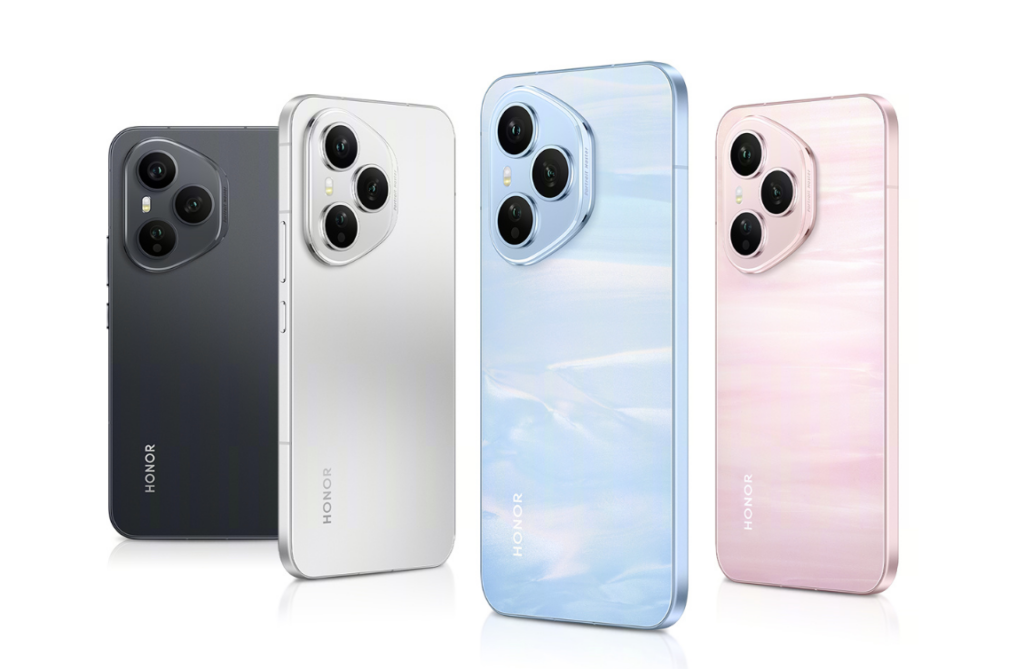
Honor 400 Pro
The Chinese standard model runs on Snapdragon 7 Gen 4, which is newer than the Snapdragon 7 Gen 3 in global models. The Pro version keeps the same Snapdragon 8 Gen 3 chip as the global variant. Both Chinese phones offer up to 16GB RAM and 512GB storage. Global models only go up to 12GB RAM. Both versions run Android 15 with MagicOS 9.0.
Cameras
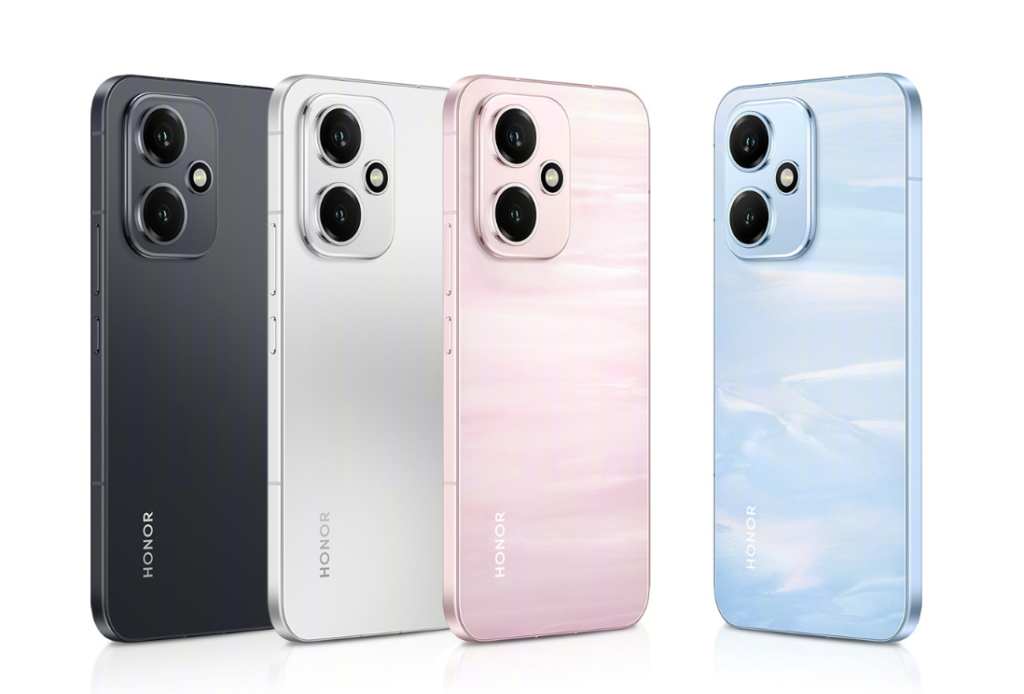
Honor 400
The camera setup stays the same across all versions. Both phones have a 200MP main camera with a 1/1.4-inch sensor, f/1.9 aperture, and OIS plus EIS stabilization. They also include a 12MP ultra-wide camera with macro capability and a 50MP front camera with 4K video recording. The HONOR 400 Pro adds a 50MP telephoto camera with 3x optical zoom and 50x digital zoom using the Sony IMX856 sensor. The standard HONOR 400 can do 30x digital zoom.
Battery and Charging
This is where the biggest hardware change happens. Both phones now have a 7200mAh silicon-carbon battery, much larger than the global version’s 5300mAh battery. The HONOR 400 supports 80W wired SuperCharge, while the HONOR 400 Pro offers 90W wired charging plus 50W wireless charging.
Other Features
Both phones include IP68 and IP69 water and dust resistance with metal frame construction. They support USB-C audio, stereo speakers, in-display fingerprint scanning, and infrared sensors. Connectivity options include 5G SA/NSA, Wi-Fi 6, Bluetooth 5.4, GPS, and NFC.
HONOR 400 Series Pricing and Availability
The HONOR 400 starts at ¥2,499 for the 12GB + 256GB model, ¥2,799 for the 12GB + 512GB, and ¥2,999 for the 16GB + 512GB option. In US dollar terms, this equates to approximately $346, $388, and $416, respectively.
The more premium HONOR 400 Pro begins at ¥3,399 for the 12GB + 256GB variant, followed by ¥3,699 for the 12GB + 512GB, and goes up to ¥4,499 for the 16GB + 512GB configuration. These prices roughly translate to $471, $513, and $624, respectively.
In global markets, the HONOR 400 series has already launched in the European Union and the United Kingdom. The HONOR 400 is priced at £399.99 / €499 for the 12GB + 256GB version and £449 / €549 for the 12GB + 512GB model. The HONOR 400 Pro is offered globally in a single 12GB + 512GB variant priced at £699.99 / €799.
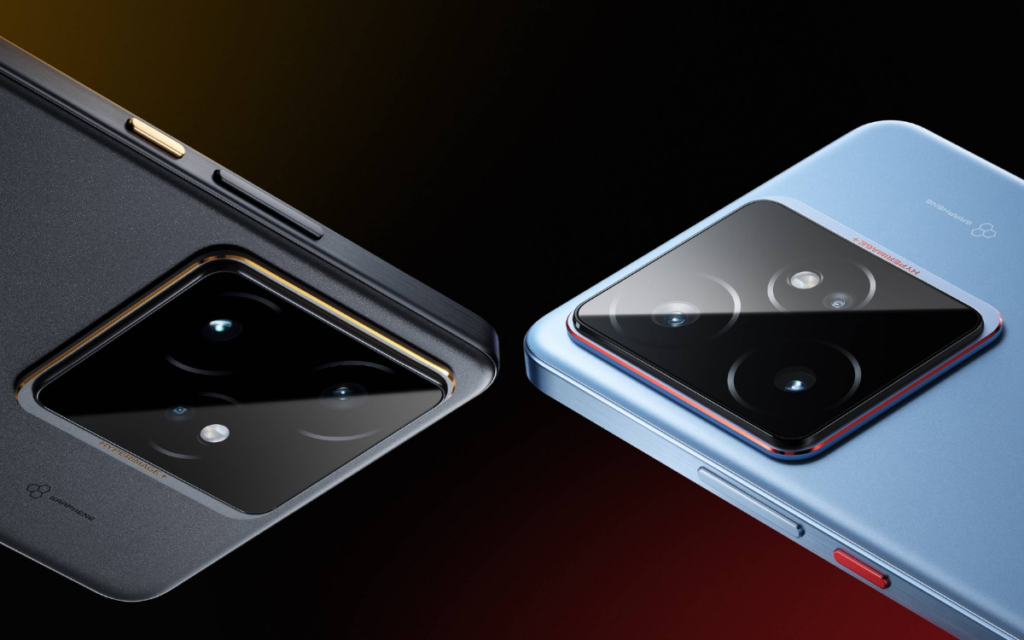
Both the HONOR 400 and 400 Pro are available in four color options: Sea Breeze Blue, Quicksand Pink, Moonlight Silver, and Magic Night Black. Sales are already live in China.
Honor has also launched the Honor Pad 10 tablet in Malaysia and Europe (France, Germany, Italy). It features a 12.1-inch 2.5K LCD display with 120Hz refresh rate, a Snapdragon 7 Gen 3 chip, MagicOS 9.0 (Android 15), and 8MP front/rear cameras.
For more daily updates, please visit our News Section.
Samsung is cooking up something new in its tablet lineup, and it looks like a budget-friendly option is on the way. A mysterious device, allegedly the Galaxy Tab S10 Lite, just showed up on Geekbench, spilling some key specs. With a familiar chip and a fresh OS, this tablet could be a solid pick for those seeking a Galaxy tablet that doesn’t ask for a flagship price. Let’s break down what we’ve learned.
Details from the listing:
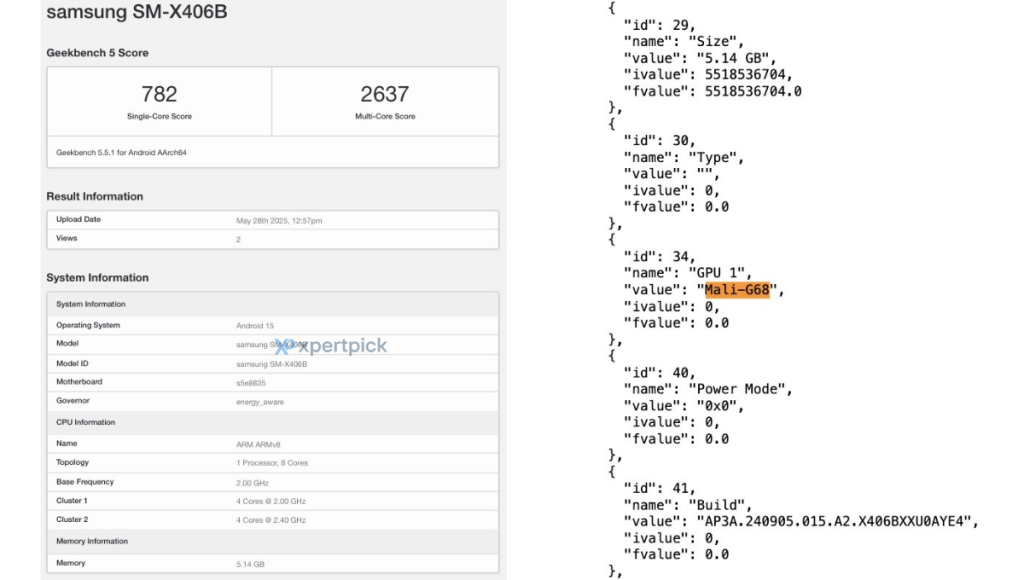
The Geekbench listing reveals a Samsung tablet with the model number SM-X406B, which lines up with the naming scheme for the Galaxy Tab S series. This is almost certainly the Galaxy Tab S10 Lite, a more affordable sibling to the rumored Tab S11 and Tab S11 Ultra, which are said to pack the high-end MediaTek Dimensity 9400 chip.
The Lite model, however, keeps costs down with the Exynos 1380 chip, the same one used in the Galaxy A54. This chip, with its Mali-G68 GPU, has four performance cores at 2.4GHz and four efficiency cores at 2.0GHz, offering decent power for everyday tasks like streaming, browsing, and light gaming. The tablet scored 782 points in single-core and 2,637 in multi-core tests on Geekbench 5.5.1.
The listing also shows 6GB of RAM and Android 15, likely running Samsung’s One UI 7 for a smooth, modern interface. While other specs are still under wraps, rumors point to both Wi-Fi-only and LTE versions hitting the market. Compared to the Galaxy Tab S10 FE, which uses the beefier Exynos 1580 and starts at $499, the Tab S10 Lite could be priced closer to the $219 Galaxy Tab A9+, making it a wallet-friendly choice.
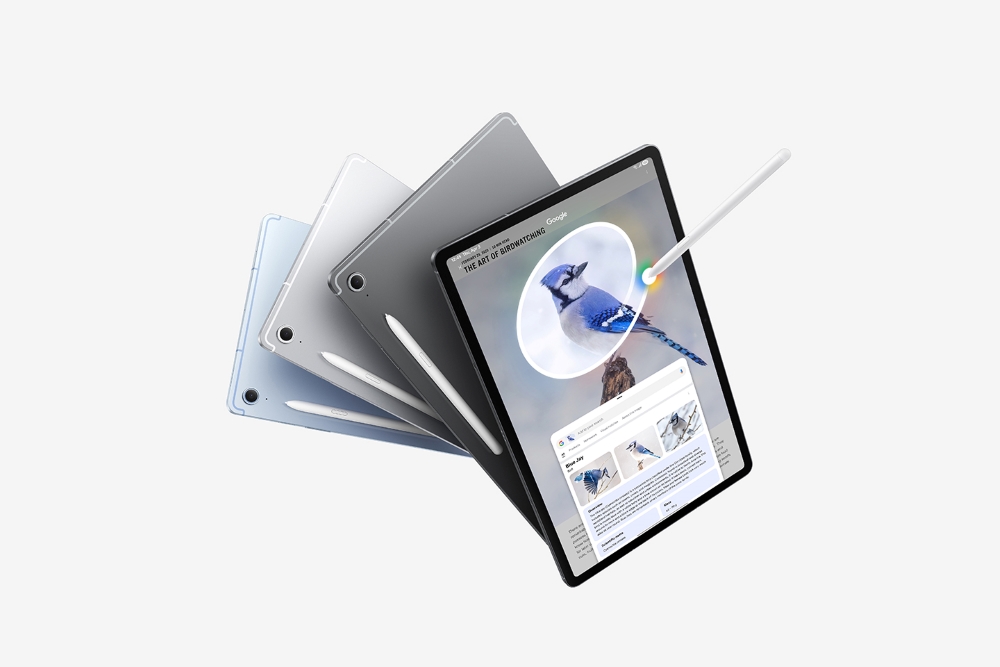
Samsung Galaxy Tab S10 FE series
No word yet on screen size, battery, or cameras, but the Exynos 1380 should keep it snappy for basic use cases such as watching YouTube or reading this article. With prototypes already being tested, the Tab S10 Lite might not be far off. Keep an eye out for Samsung’s next Unpacked event for more details on this promising mid-range tablet.
Infinix is gearing up to drop the Hot 60 Pro+, a phone that’s turning heads with its super-slim design. Fresh images have surfaced, showing off just how thin this device is, and it’s giving the Galaxy S25 Edge a run for its money in the sleekness department. With whispers of a big battery and a visible curved display, this mid-range contender is building some serious hype. Let’s dive into what these latest leaks reveal.
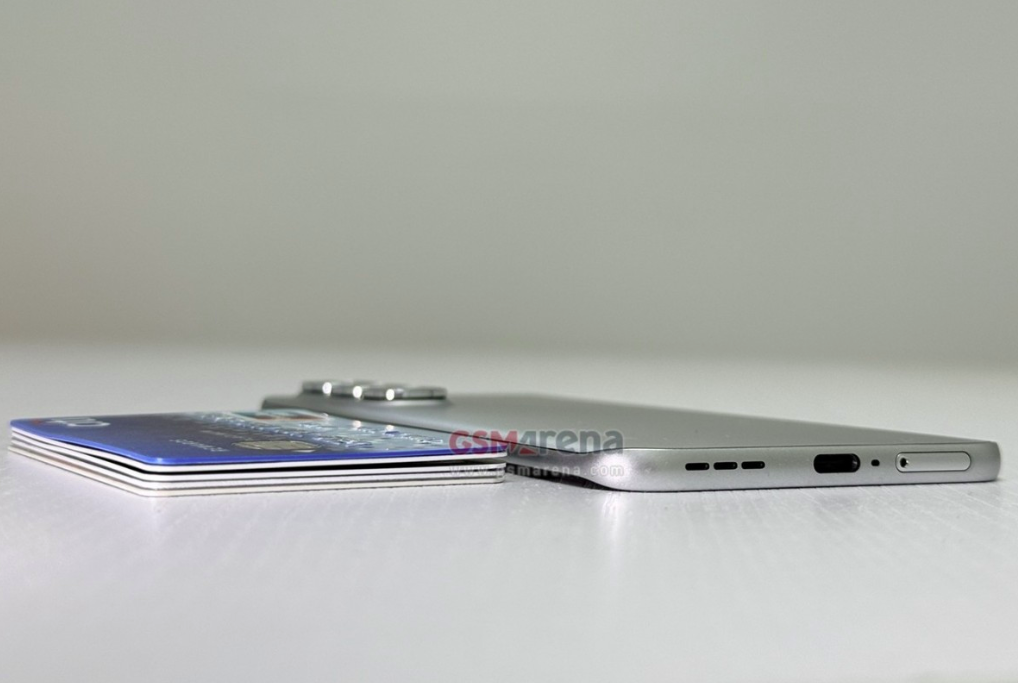
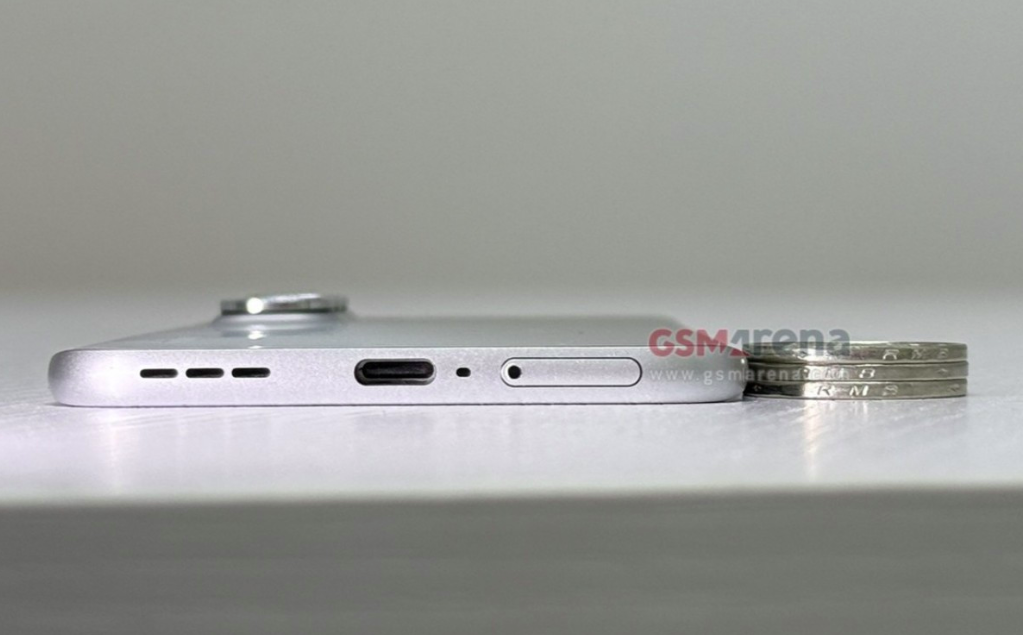
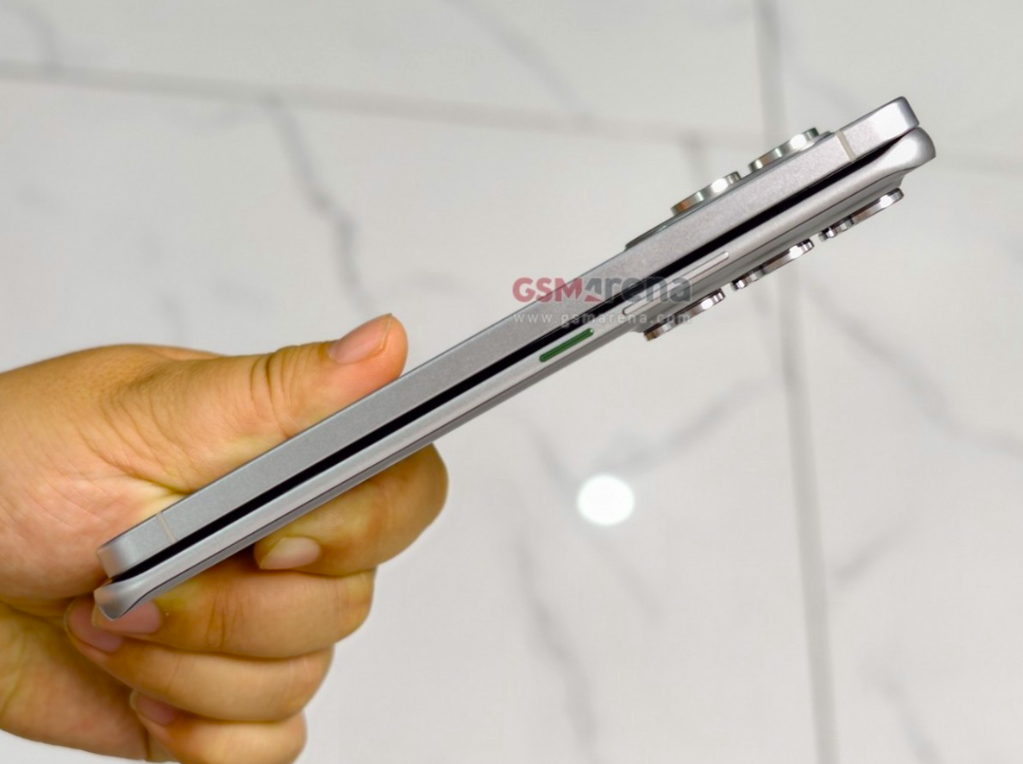
The Infinix Hot 60 Pro+ measures just 5.95mm thick—potentially making it the thinnest curved display phone when it launches. Following the hands-on video we shared yesterday, new images have surfaced, showcasing the slim profile and curved design of this upcoming mid-range.
One of the images shows the phone stacked against four credit cards and three coins, emphasizing just how incredibly slim it is. This kind of thickness demo brings to mind the official teasers for the Oppo Find N5. It’s interesting to see how quickly the industry is shifting back toward a thin-and-light design aesthetic. While the Galaxy S25 Edge, which uses a traditional Li-ion battery, delivers underwhelming battery life with its 3,900mAh pack, the Infinix model is expected to offer a relatively larger capacity thanks to Si/C battery tech.
Though marginally thicker, the Infinix Hot 60 Pro+ looks slimmer due to its curved sides
That said, the big unknowns remain the battery capacity and chipset. While it’s likely to outperform the flagship S25 Edge in battery capacity—and possibly in battery life—it’s still a mid-range device, making a flagship-grade SoC unlikely. For context, last year’s Hot 50 Pro+ 4G was 6.8mm thick, weighed 162g, featured a 5,000mAh battery, and ran on the MediaTek Helio G100.
While rumors suggest the same chipset may return in the successor, we hope Infinix opts for at least a 5G-capable SoC this time. On the battery front, improved silicon-carbon tech could help the brand pack enough capacity for reliable all-day battery life. Infinix hasn’t officially confirmed the Hot 60 Pro+ or set a launch date, but these leaks—backed by real-life images and videos—suggest it’s coming soon.
Japan is literally reaching for the stars with an ambitious new mission called Project OHISAMA. Spearheaded by Japan Space Systems (JSPACE), the project aims to wirelessly transmit solar power from space back to Earth. The possibilities for clean energy are endless, so read on to find out more.
Project OHISAMA: Japan’s Bold Plan to Harvest Solar Energy from Space
If successful, Project OHISAMA could revolutionize how we harness renewable energy by enabling solar power even at night, slashing dependence on fossil fuels, and marking a major milestone in sustainable space technology. The future of clean energy might just be orbiting above us. Work on this project has been ongoing since 2023, but it has recently made big strides in achieving the goal.
The Japanese government has also funded the research behind this. It aims to launch a small solar installation in space on the satellite would then transmit the energy down to Earth wirelessly. The idea of beaming down solar energy from space sounds like something from a Sci-Fi story. However, it will surpass many of the hurdles faced by conventional solar harvesting, like the weather and the general climate of a region.
At the moment, a trial run is planned in the future with a satellite that weighs around 180 kilograms. It will orbit the Earth from an altitude of 400 kilometres with solar panels measuring around 2 square meters. The harvested energy will then be transmitted as a GHz range electromagnetic wave that will be picked up by a ground station in Suwa, Japan. The accuracy is proving to be a bigger issue than the risks of harm. Energy being beamed down needs to hit a 40 kilometer wide receiver field at 28,000km/h. This could power many households despite only having a radiation density of the usual sunlight.
For more daily updates, please visit our News Section.
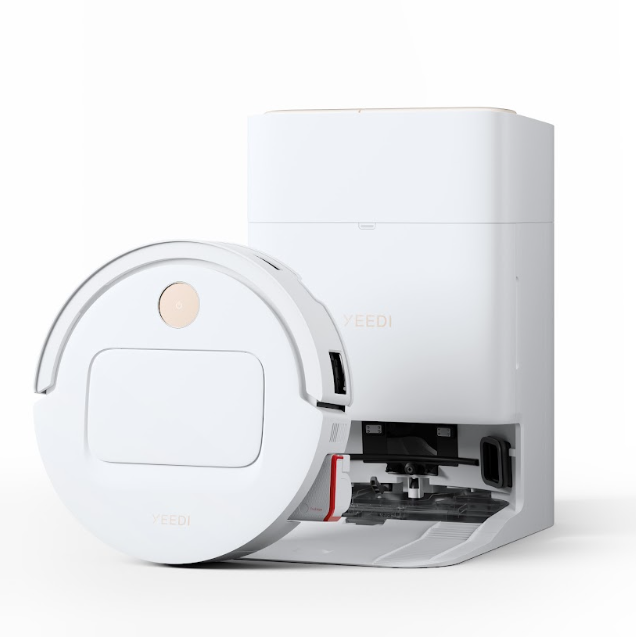
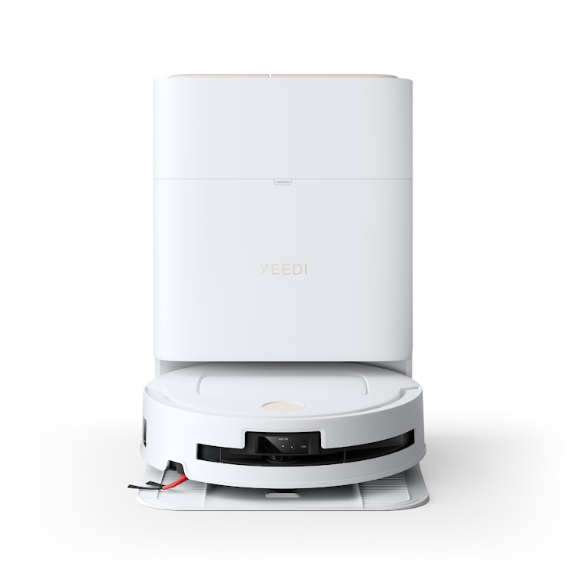
YEEDI has unveiled its latest innovation in smart home robotics, the YEEDI M14 PLUS. Launched on May 26, 2025, this next-generation robot vacuum and mop system is engineered to bring flagship-level cleaning performance, intelligent automation, and elegant design into a more accessible and versatile product. As a global leader in robotic home cleaning, YEEDI continues to push boundaries with the M14 PLUS, blending cutting-edge technology with aesthetics inspired by the graceful curves of gravitational space. Its flowing, multidimensional silhouette reflects both design sophistication and functional precision, setting a new benchmark for smart home appliances.
OZMO ROLLER Self-Washing Mopping Technology
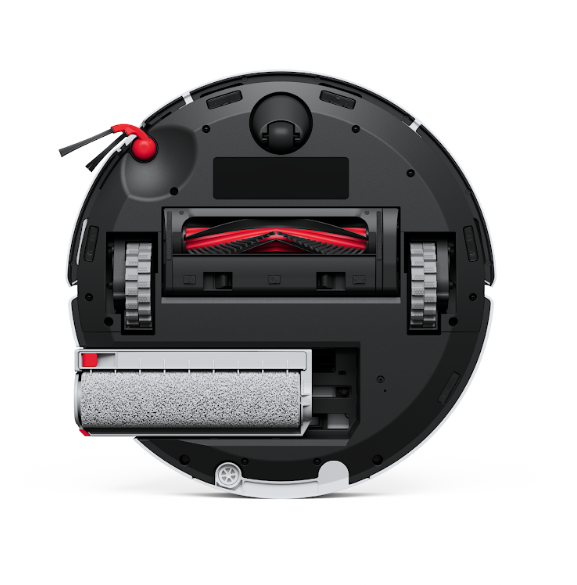
A standout feature of the M14 PLUS is the OZMO ROLLER Instant Self-Washing Mopping Technology. Adapted from YEEDI’s flagship S14 PLUS, this advanced system delivers ultra-high pressure and speed, ensuring that the mop stays clean throughout the cleaning process. The upgraded instant self-washing mop effectively removes dirt and prevents streaks, leaving behind minimal water residue for fast drying. This technology is especially effective at tackling tough stains, and with the aid of advanced AI and navigation systems, it offers thorough, efficient coverage across all surfaces. The result is a powerful automated solution that guarantees deep, consistent cleaning with minimal effort.
ZeroTangle 3.0 Anti-Tangle Technology
For households with pets or long hair, the ZeroTangle 3.0 system is a game-changer. The M14 PLUS features a robust anti-tangle design that works in tandem with a powerful 18,000 Pa suction motor. This combination allows it to sweep and vacuum without the constant issue of hair entanglement. By significantly reducing the frequency of brush cleaning, it not only boosts performance but also enhances convenience and reliability over time. This seamless cleaning experience ensures smooth operation on various surfaces without the interruptions caused by hair clogging.
Tru-Edge 2.0 Adaptive Edge Cleaning
Corners and edges are often a challenge for robotic cleaners, but the M14 PLUS solves this with its Tru-Edge 2.0 Adaptive Edge Cleaning system. The roller mop extends continuously to maximize coverage, while smart TruEdge 3D sensors guide the robot along irregular edges without collisions. Internal corners receive full attention through dedicated side brushes and a front-structured light aids in obstacle avoidance. This multi-layered approach ensures comprehensive cleaning even in tight and tricky spots.
AIVI 3D 3.0 for Smarter Navigation
At the core of its intelligent navigation lies the AIVI 3D 3.0 Omni-Approach Technology. The system allows the robot to detect and avoid a wide range of environmental obstacles using image-based object recognition. It maps contours precisely and adapts its route accordingly, ensuring maximum cleaning efficiency while avoiding potential disruptions. With specific cleaning modes like “Carpets First,” “Carpet Deep Cleaning,” and “Carpet Avoiding,” the M14 PLUS handles different flooring challenges with optimized strategies.
Upgraded All-in-One OMNI Station
The M14 PLUS also debuts an enhanced OMNI Station designed for compact living spaces. This all-in-one station supports multiple automated functions such as Auto-Empty, Hot-Water Mop Washing, Auto Small-Tank Refill, and Hot-Air Drying. These integrated features enable full hands-free operation while maintaining top-tier performance. The compact size ensures it fits comfortably into smaller homes without sacrificing functionality.
A New Standard in Smart Cleaning
With the M14 PLUS, YEEDI successfully brings flagship cleaning features into a more accessible device. Its blend of powerful suction, self-maintenance technologies, smart edge handling, obstacle-aware navigation, and space-efficient design makes it a standout choice for modern households. The M14 PLUS redefines what users can expect from a mid-tier robot vacuum, delivering intelligent, beautiful, and effortless home cleaning.
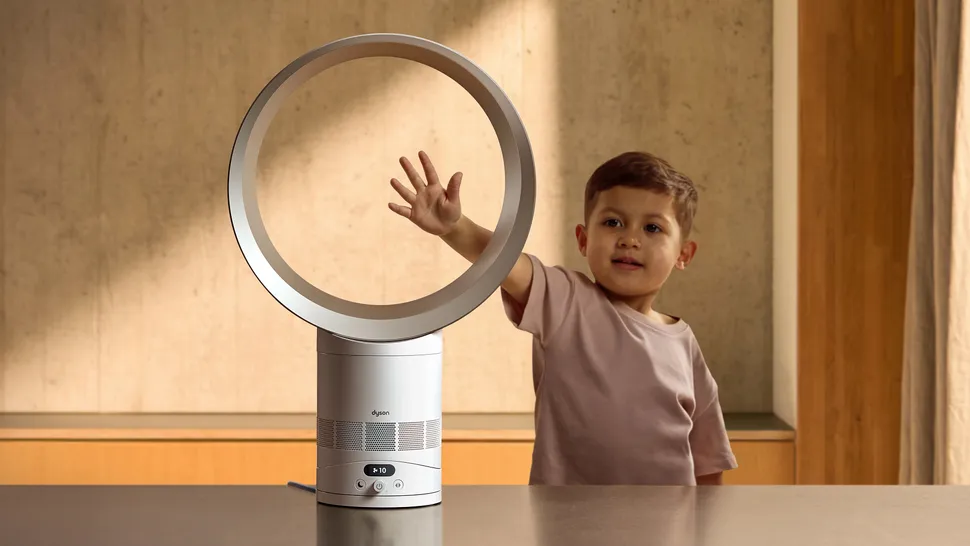
Dyson is bringing the iconic fanless design in its latest launch. But it’s not entirely a new product. The Dyson Cool CF1 is the sequel to Dyson’s original fanless tabletop fan, bringing various improvements. It features an upgraded design, better airflow, and more to upgrade your home appliance setup.
Dyson Cool CF1: What’s new and what’s cool?
The Dyson Cool CF1 is basically a relaunch of a compact table fan with a fanless design that is capable of delivering an airflow of 370 litres per second at the highest setting. There are up to 10 levels, but what’s more notable is its quiet operation. The fanless design enables the Cool CF1 to barely make a sound. Alongside the lowered noise, it also quite efficient. It has a max power consumption of just 30 watts, which is for its highest fan setting.
Dyson Cool CF1
Dyson’s sleek new design on the Cool CF1 also adds an LCD screen to show key information. But if you’re worried about unnecessary light when sleeping, it even has a Night mode that dims the display and adjusts fan speed. Under the hood, the Cool CF1 packs a brushless DC motor. Essentially, it is a small personal fan so you miss out on certain features like a heater for warming the air.
While it does appear similar to the larger fanless air purifier models, Cool CF1 skips air purification as well. Dyson just announced this tabletop fan in the UK with a 249.99 GBP price tag. You can buy this model from the brand’s official stores and website. The brand is set to release it globally sometime next year.
For more daily updates, please visit our News Section.
Xiaomi has launched its latest Mijia High-Speed Hair Dryer Pro, now available for pre-order at 579 yuan (approximately $80) on JD.com in China. The release follows the recent debut of the standard Mijia High-Speed Water Ion Hair Dryer, expanding Xiaomi’s lineup of smart personal care devices focused on efficient and safe at-home grooming.
Mijia High-Speed Hair Dryer Pro Specifications
The Pro model features a constant-temperature scalp protection mode that maintains airflow at around 50°C. Xiaomi has integrated a TOF (Time-of-Flight) sensor, NTC thermistor, and microprocessor to monitor and adjust the temperature up to 200 times per second. This real-time temperature control is designed to protect sensitive scalp areas while delivering a consistent drying experience.
The device uses a 110,000 RPM brushless motor that generates wind speeds of up to 70 meters per second. Xiaomi claims the dryer can handle short hair in about 30 seconds, shoulder-length hair in roughly 3 minutes, and long hair in about 5 minutes. The company has optimized the motor for reduced noise output, making it suitable for quiet environments.
It supports four temperature modes: cool, warm, hot, and alternate hot-cold, along with two wind speed settings. The built-in memory feature saves the last-used configuration, reducing the need for manual adjustment. It also features a smart LED ring on the nozzle that changes color based on the distance from the scalp, helping users stay within the optimal range during use.
Xiaomi has equipped the dryer with an ionizer that releases up to 200 million negative ions. According to the company, this reduces static, controls frizz, and improves overall shine and moisture retention. Lab data shows improvements, including a 51.69% increase in scalp moisture, a 35.7% boost in hair smoothness, a 45.58% enhancement in shine, and an 11.83% increase in hair strength.
The Mijia Hair Dryer Pro weighs 380g (excluding nozzle and cable) and measures 250.6 x 90 x 73mm. It comes in four colors: Mountain Green, Misty Purple, Rock Gray, and Pearl White, and includes a magnetic nozzle, a detachable air inlet filter, and a wall-mount holder. It runs on 220V~ at 50Hz with a rated power output of 1600W.
In related news, Xiaomi recently introduced a new washing machine featuring HyperOS, Blue Oxygen technology, and a slim design. The company also launched a 20L microwave that combines minimalist aesthetics with smart features and impressive efficiency.
For more daily updates, please visit ourNews Section.
Realme just announced the Realme GT 7 and Realme GT 7T in the global market with impressively massive battery packs. But it seems like Realme isn’t planning to stop there and would take battery tech to the next level in an upcoming smartphone.
New Realme phone arriving with a gigantic battery
The Chinese brand revealed some of its future plans when speaking with AndroidHeadlines. Realme stated that it will launch another smartphone later this year, which will pack a huge 7,500mAh battery. In other words, its battery is even more massive than the 7,500mAh cells found in the Realme GT 7 and Realme GT 7T. So it is clear that the company isn’t focusing just on new processors, but also wants to upgrade the battery life performance.
Realme GT 7
That’s not all; the strategy of focusing on making batteries larger is a part of the brand’s larger strategy. It wants to expand its identity from not only offering value-centric, but also elite battery life. Other Chinese brands like Oppo and Vivo are already pushing the boundaries in camera technology/photography experience, but Realme might wants its phones to stand out in endurance. There’s a chance that the upcoming 7,500mAh battery powered phone might be featured on a flagship model.
To recall, the Realme GT 7 Pro debuted with a sizeable 6,500mAh cell, so its successor (Realme GT 8 Pro) may feature this enormous battery. In stark contrast to Realme, Samsung just launched the ultra slim and light Galaxy S25 Edge with a tiny 3,900mAh battery, with Apple also rumored to be working on a similar iPhone 17 Air model as well.
For more daily updates, please visit our News Section.
Samsung’s once-proud semiconductor design unit, System LSI, is now at a critical inflection point. After years of setbacks including missed roadmaps, lost design wins, and deepening quarterly losses, executives are mulling what could be its most consequential reorganization since the 2017 Foundry split. According to insiders, three options are on the table: merge it with Samsung MX, fold it back into Foundry, or overhaul the division while keeping it independent. The favorite appears to be a reunion with Foundry.
Internally, the stakes are massive. System LSI, responsible for Exynos APs and ISOCELL sensors, failed to secure a spot for its in-house Exynos 2500 chip in the Galaxy S25 lineup this year. That loss alone wiped out billions of won and undercut Foundry’s own revenue stream, since the chips were no longer being manufactured in-house. This dual hit is reportedly why the Foundry-LSI reunion is gaining momentum.
For context, the two units were a single entity under Samsung’s DS (Device Solutions) division until 2017, when Foundry was spun off to appease clients like Qualcomm and Nvidia. Keeping Samsung’s chip design and manufacturing arms separate helped ease fears of IP leakage. But now, as both units struggle with profitability and Samsung races toward the sub-2nm era, internal voices are calling for tighter integration, possibly even at the cost of customer trust.
Samsung’s MX division, home to its Galaxy devices, was briefly floated as a potential landing zone for Exynos development. But insiders say MX wants no part of a bleeding SoC team. Meanwhile, the newly formed Business Diagnosis Office has been auditing System LSI since January, with final decisions expected soon. Key discussions will likely involve Vice Chairmen Jeon Young-hyun and Chung Hyun-ho, and ultimately, Chairman Jay Y. Lee.
Whichever path Samsung takes, it will not be easy. The Foundry merger could unsettle fabless clients who fear their proprietary chip designs may be exposed. But in a market defined by shrinking process nodes and rising costs, survival may demand uncomfortable compromises.
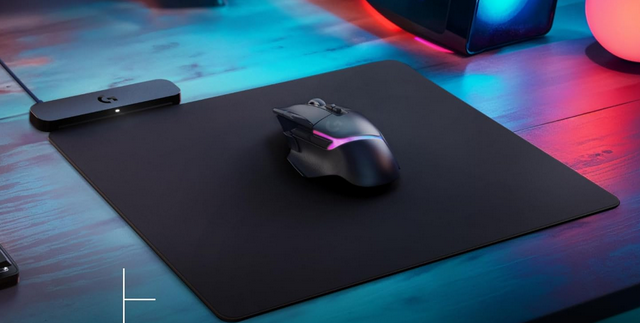
Logitech is known for its PC accessories for regular users and even gamers. Now, its latest announcement brings the new Logitech G PowerPlay 2, which is a wireless charging mouse pad. This has just been launched in the Indian market, so here’s what you need to know.
Logitech G PowerPlay 2: What does it offer?
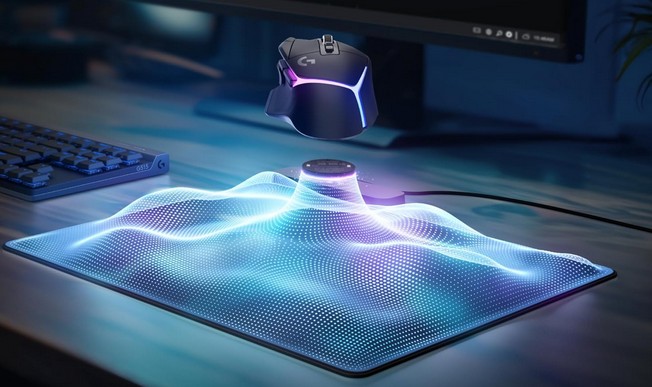
Logitech G PowerPlay 2 Wireless Charging Mouse Pad
The company’s latest product is an accessory for gamers. Since it offers wireless charging, the PowerPlay 2 offers constant charging for compatible gaming mice. One of the biggest gripes of a wireless mouse is the fact that you have to charge it every now and then. But the wireless charging mouse pad makes this process continuous and seamless. You no longer have to dock it, plug it in, or replace batteries, one needs to use their mouse as they usually do and have it get powered up.
Logitech’s G PowerPlay 2 wireless charging mouse pad features a slim new design that is 3.5mm in thickness while also expanding the entire charging zone by 15 percent for better charging coverage. This mouse pad employs a low frequency electromagnetic field and a Charging Coin inside the mouse. It has a simple setup requiring a simple plug and Coin insertion.
As of right now, there’s a total of 10 Logitech gaming mice that support the PowerPlay 2. This includes popular wireless mice like G Pro X Superlight, G Pro X Superlight 2, G Pro X Superlight 2 Dex, G Pro Wireless, G903, G703, G502 X Plus, G502 X Lightspeed, G502, and G309. It is currently on sale via Amazon India for 12,495 INR introductory price tag, but its official retail price is set at 13,995 INR. The PowerPlay 2 also arrives just days after Logitech unveiled the G522 tri-mode wireless gaming headset.
For more daily updates, please visit our News Section.
While the Android 15-based One UI 7 update is still rolling out, Samsung is already deep into the development of One UI 8. The beta program will reportedly go live in the upcoming weeks, while the stable release is confirmed for this summer. Unfortunately, this upgrade will mark the end of the road of major updates for a lineup of Galaxy devices across different price tiers and form factors.
Below is a list of Samsung phones and tablets that will receive One UI 8 as their final major upgrade. Since One UI 8 will be based on Android 16, we can also say this is the OS version they will spend the rest of their life running on.
No more major updates beyond One UI 8 for these Galaxy devices
Galaxy S22
Galaxy S22+
Galaxy S22 Ultra
Galaxy S21 FE
Galaxy Z Fold 4
Galaxy Z Flip 4
Galaxy A73 5G
Galaxy A53
Galaxy A33
Galaxy M05
Galaxy F14
Galaxy F05
Galaxy XCover 6 Pro
Galaxy Tab S8
Galaxy Tab S8+
Galaxy Tab S8 Ultra
Galaxy Tab A9
Galaxy Tab A9+
While One UI 8 will be the last major update for these devices, they may receive incremental updates, such as One UI 8.1 or 8.1.1, and security patches for a while.
If your Samsung device is on the list, you might need to upgrade to a newer model next year to get the latest features and enhancements. Take a look at Samsung devices that offer 7 years of OS updates, 6 years of OS updates, and 4 years of OS updates to find your next upgrade with long-term software support.
Even though One UI 7 is still new, thanks to months of desperate delays, Samsung users have already started anticipating its next iteration, One UI 8 — and that’s a reason for it. Google usually releases a new Android OS around October, but Android 16 is coming a lot sooner this year — in June 2025, leaving Samsung less breathing room to prepare for its next big release.
Samsung has also confirmed that One UI 8 will start rolling out this summer. That means anything from June to September. While the exact rollout date is still under wrap, it’s good to see Samsung committing to a timeline. As always, there will be a beta program, which will reportedly kick off in the coming days.
Nothing‘s next flagship smartphone is arriving soon. The Nothing Phone (3) is set to launch sometime in July 2025, but ahead of any official announcement, the device just had its design elements revealed in the latest teasers. So let’s check it out.
Nothing Phone (3) Teased
In the latest teaser, the smartphone brand confirmed that the Nothing Phone (3) will debut in July 2025, which is in line with our previous reports. Looking at the latest teaser image poster, we get a close up image of its upcoming flagship. The Nothing Phone (3) appears to have textured design elements, which include what appears to be a button as well. The rear also appears to have a dual textured design body, showcasing Nothing’s continued focus on refreshing design.
Nothing Phone (3)
This is similar to the recently unveiled CMF Phone 2 Pro, an affordable smartphone from its budget sub-brand. Apart from this, the only other thing confirmed in the teaser is the Flipkart availability for the Indian market. Based on what we know so far, CEO and Found Carl Pei revealed that the Nothing Phone (3) will be a true flagship phone. It will arrive with “premium materials,” which may employ advanced glass or a titanium frame. The Glyph LED interface will likely make a return in this model.
The senior executive also talked about how there are “major performance upgrades” on the upcoming Nothing Phone (3). In other words, the next Nothing Phone could feature either a Snapdragon 8 Elite, Dimensity 9400, or Dimensity 9400+ SoC. This is all the information we have at the moment, so stick around for more.
For more daily updates, please visit our News Section.
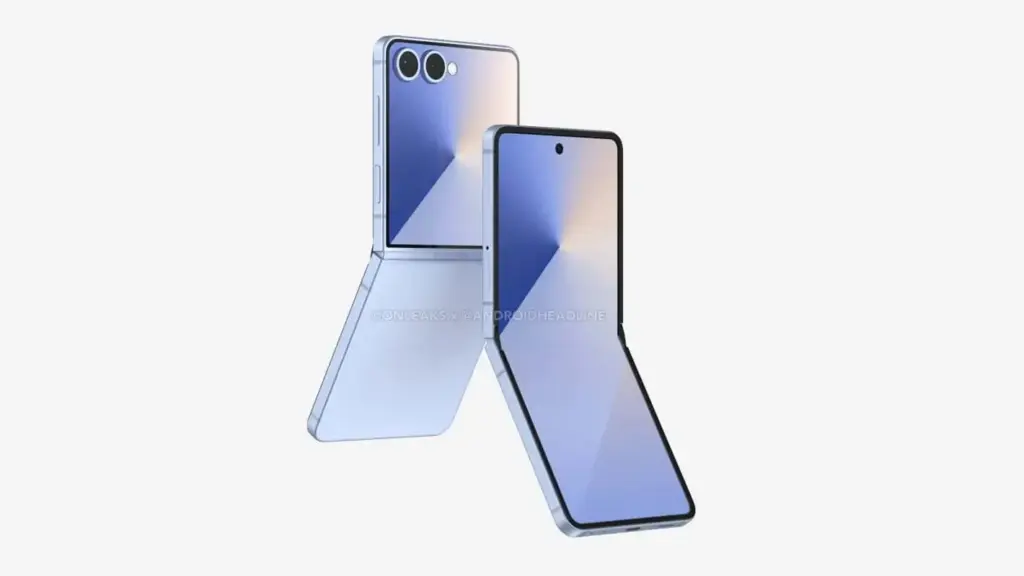
Samsung’s next compact foldable, the Galaxy Z Flip 7, is just around the corner, and it’s already making headlines. While we’ve got a decent sense of what this clamshell phone will bring, the chipset situation has been a bit of a puzzle. A fresh report from Korea is finally clearing things up, suggesting an unexpected split in processor choices that could keep most fans happy. Let’s unpack what’s going on.
Samsung Galaxy Z Flip 7 Leaked Render
Exynos 2500 or Snapdragon 8 Elite in your region?
According to Korean outlet Hangkyung, the Galaxy Z Flip 7 will come with two chipset options: the Exynos 2500 for devices sold in South Korea and the Qualcomm Snapdragon 8 Elite for everywhere else, including the US, Europe, and India.
This is a relief for folks outside Korea, as the Snapdragon 8 Elite is likely more stable and efficient than its Exynos counterpart. Testing shows it outmuscles the MediaTek Dimensity 9400 in CPU-heavy tasks, which means faster app launches, smoother multitasking, and better performance for demanding features like Samsung’s DeX mode.
While both chips should handle everyday tasks like scrolling, streaming, and gaming without issue, performance, heating, and battery life under sustained heavy workloads may differ, potentially disappointing users in Korea.
This news flips the script on last week’s leak, which claimed the Exynos 2500 would dominate “most countries.” That followed another Korean outlet saying Samsung was ditching Snapdragon entirely for the Z Flip 7. Hangkyung’s latest scoop suggests Samsung is sticking with Qualcomm’s top-tier chip for global markets, which should ease worries about performance gaps. Meanwhile, the Galaxy Z Fold 7 is expected to stick with the Snapdragon 8 Elite for Galaxy processor—also found in the Galaxy S25 series—across all regions, ensuring Samsung’s book-style foldable stays a powerhouse.
The Z Fold 7 and Flip 7 — reportedly launching alongside the Flip 7 FE — will debut at the upcoming Galaxy Unpacked event, scheduled for June-July, 2025.
Red Magic 10S Pro Plus is a premium gaming smartphone built by Nubia under its Red Magic line, known for high-performance devices. Designed for gamers and power users, the phone packs an impressive display, fast processing power, and advanced cooling to keep up with intense gaming sessions. It also includes powerful audio features, a large battery, and high-speed charging for uninterrupted play.
Price and Availability
The Red Magic 10S Pro Plus is now available for purchase starting at $999 on Giztop. Buyers can choose from three unique variants Black, and Silver Deuterium Version, and the striking Deuterium Front Transparent Version, which shows off some internal hardware through the front panel. Each version carries the same powerful specs but offers a different visual style to match your preferences.
Performance and Processor
At the heart of the Red Magic 10S Pro+ is the Qualcomm Snapdragon 8 Elite Leading Version processor. It’s a top-tier octa-core chip running at 3.2GHz, paired with the Adreno 750 GPU for advanced graphics rendering. This setup, along with up to 24GB of LPDDR5X RAM, ensures smooth gaming, fast multitasking, and high-speed performance in any application. The phone uses UFS 4.0 storage with options up to 1TB, offering quick data access and plenty of space.
Display and Design
The smartphone features a large 6.85-inch AMOLED “Wukong Full-Screen” with a sharp 1.5K resolution (3120×1440). It supports a 120Hz refresh rate for smooth visuals, while the 960Hz touch response rate gives gamers faster reaction times. With 10-bit color depth, full DCI-P3 color coverage, and 1300 nits peak brightness, visuals look vibrant and sharp. It also includes eye-friendly features like DC dimming and 1440Hz PWM dimming.
Camera Setup
On the back, the Red Magic 10S Pro Plus includes a 50MP Samsung GN5 primary sensor with OIS for stable shots, and a secondary 50MP macro lens using the Samsung JN1 sensor. For selfies and video calls, it offers a 16MP front camera from OmniVision. While it’s primarily a gaming phone, the camera setup handles daily photography quite well.
Cooling and Battery
To prevent overheating during long gaming sessions, the phone uses a special cooling system: Composite Liquid Metal 2.0 and ICE 14.0 Active Fan. This advanced thermal system improves heat dissipation by up to 20%. Powering the phone is a massive 7500mAh battery that supports 120W fast charging, fully charging the phone in just 35 minutes.
Software and Sound
The Red Magic OS 9.0 enhances Android with gaming-focused features and customization options. Sound is equally impressive with dual stereo speakers, Snapdragon Sound support, and ultra-low latency (48ms), ideal for competitive gamers.
Top Reasons to Choose the Red Magic 10S Pro Plus
Top-tier performance with Snapdragon 8 Elite Leading Version and up to 24GB RAM for smooth gaming and multitasking
Gaming-focused design with built-in active cooling fan and Red Magic OS 9.0 features
Massive 7500mAh battery with ultra-fast 120W charging that powers up fully in just 35 minutes
Stunning 6.85-inch 1.5K AMOLED display with 120Hz refresh rate and 960Hz touch response for fast input
Immersive dual stereo speakers with Snapdragon Sound and low latency for competitive gaming
Dual 50MP rear cameras with optical image stabilization and a clear 16MP front camera
Advanced cooling system with Composite Liquid Metal 2.0 and ICE 14.0 active fan for stable performance
Large storage options up to 1TB using fast UFS 4.0 technology
Stylish design choices including Black, Silver Deuterium, and Transparent Front Deuterium versions
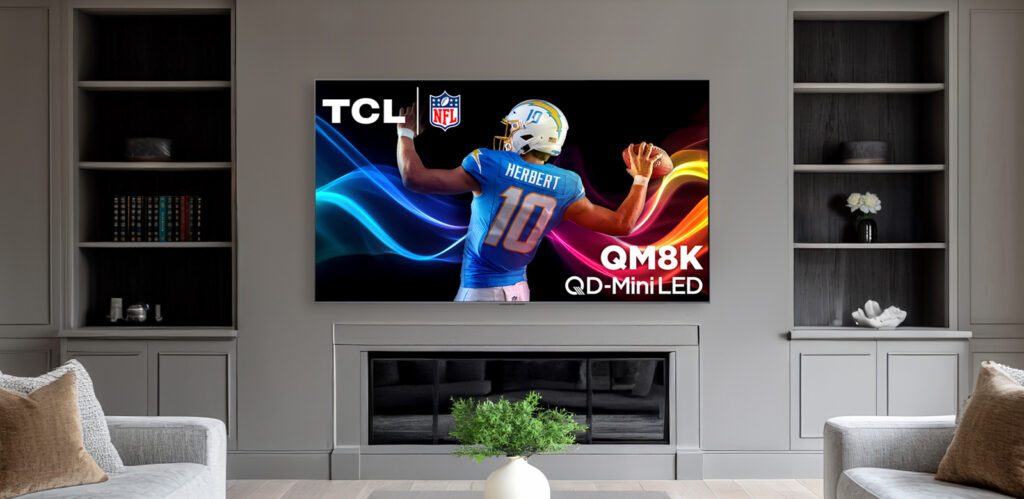
TCL has announced the launch of its latest flagship TV for 2025, the QM8K. Positioned as the successor to the QM851G, the new model introduces TCL’s in-house CrystGlow WHVA panel and a redesigned Halo Control System aimed at delivering improved HDR performance and better color accuracy.
TCL QM8K QD-Mini LED TV Specifications
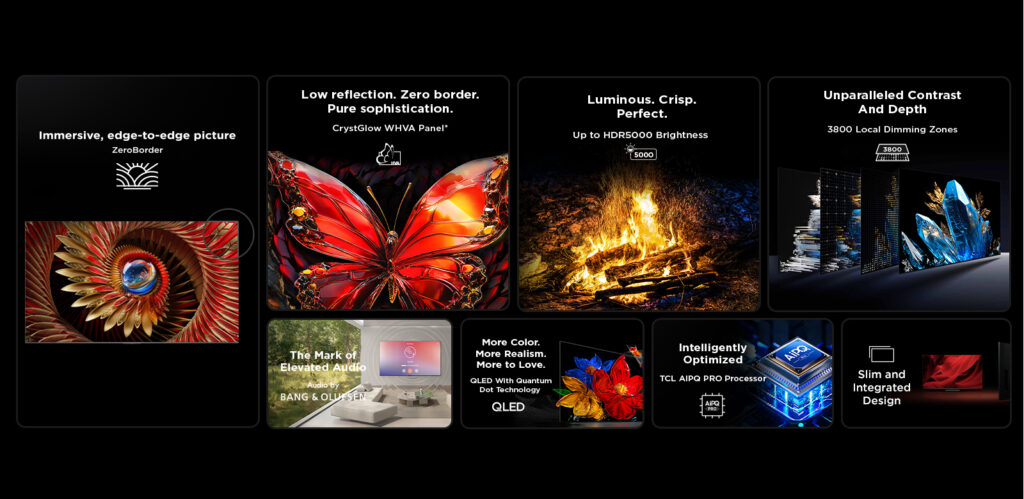
The QM8K series features a ZeroBorder design that reduces the combined bezel and border thickness to just 3 to 4 millimeters. TCL uses aerospace-grade aluminum and an anodized ceramic film for added structural rigidity and stability. The panel also includes anti-reflective treatment and a 40% wider viewing angle compared to previous models, addressing off-axis color shift and glare.
TCL has enhanced its Mini LED backlight system with up to 35% more dimming zones and up to 65% higher peak brightness than the previous generation. The Halo Control System includes a Super High Energy LED chip, a Super Condensed Micro Lens for more precise light control, and Micro OD technology that reduces the optical distance between the backlight and diffuser. These upgrades help eliminate blooming and improve overall contrast.
The TV supports up to LD3800 dimming zones and reaches HDR5000-level brightness. TCL pairs this backlight system with its 23-bit Bi-Directional Backlight Controller, allowing ultra-fine adjustment across 65,000 brightness levels. The QM8K also includes a Dynamic Light Algorithm that adjusts SDR content to near-HDR quality.
Audio performance receives a significant boost with integrated Bang & Olufsen-tuned sound. The QM8K includes up-firing Dolby Atmos drivers and support for DTS Virtual:X, aiming to deliver immersive, theater-like sound quality without external speakers.
On the processing front, TCL uses the AiPQ Pro chipset with Zero-Delay Transient Response to reduce input lag and prevent image blur. The display features a native 144Hz refresh rate and supports up to 288Hz variable refresh rate through Game Accelerator 288. TCL has included gaming-focused features such as AMD FreeSync Premium Pro and Auto Low Latency Mode (ALLM).
The QM8K runs on Google TV and includes a redesigned GUI, a new backlit remote, and support for hands-free voice control. It supports Dolby Vision IQ, HDR10+, IMAX Enhanced certification, and Filmmaker Mode.
The TCL QM8K includes a full set of connectivity options to support modern home entertainment needs. It has four HDMI ports, with one supporting eARC for high-quality audio output. The TV also includes USB ports, an Ethernet jack, an optical audio out, and an RF input for cable or antenna signals. For wireless use, it supports Wi-Fi 6 and Bluetooth. Chromecast and Apple AirPlay 2 are built in, allowing easy streaming from compatible devices.
Pricing and Availability
The new QM8K series is available in multiple sizes. The 65-inch model is priced at $2,299.99, while the 85-inch version costs $3,799.99. TCL will release the 75-inch variant for $2,999.99 and a 98-inch model for $6,499.99 next month. All models will be sold through Best Buy.
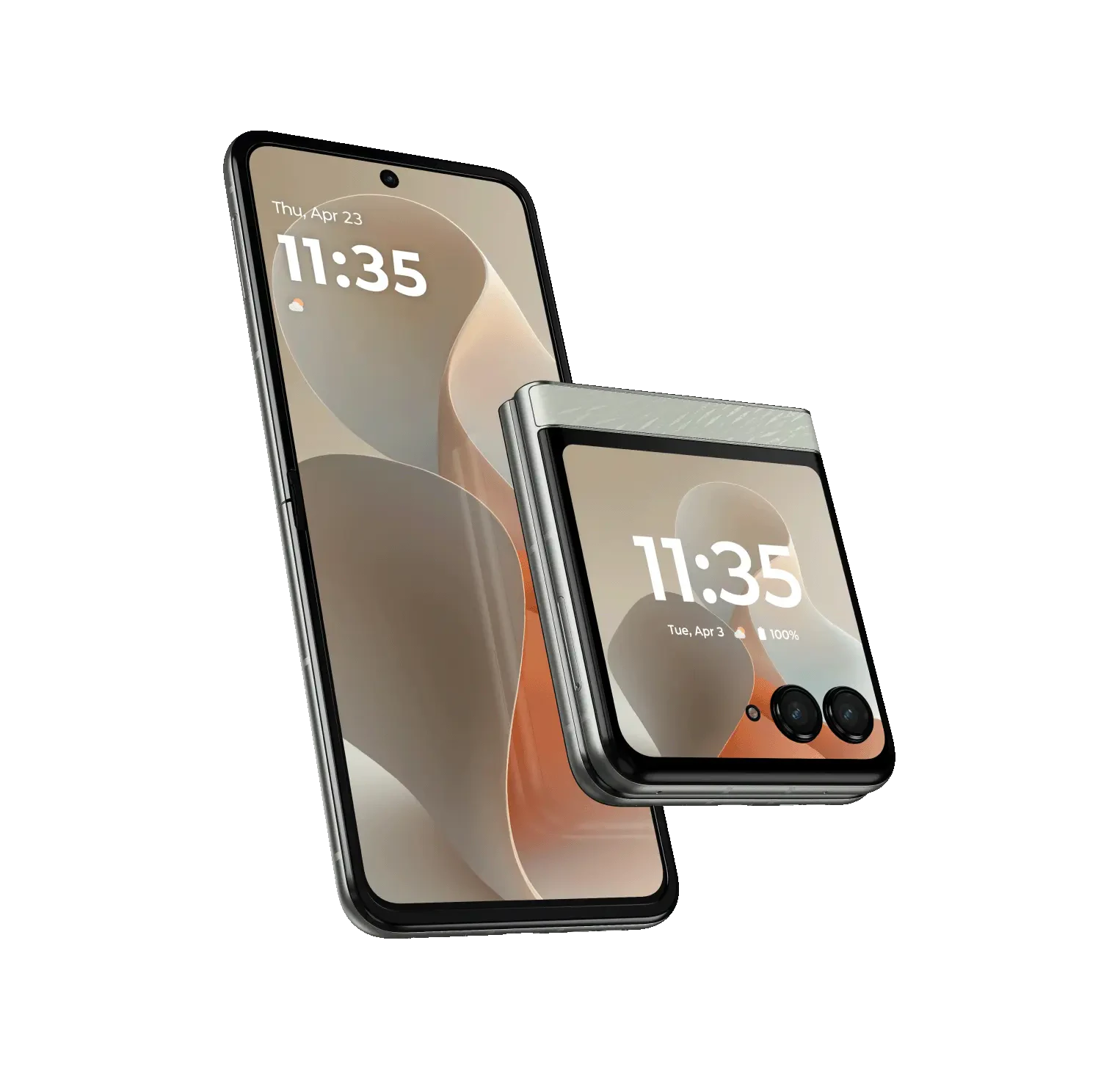
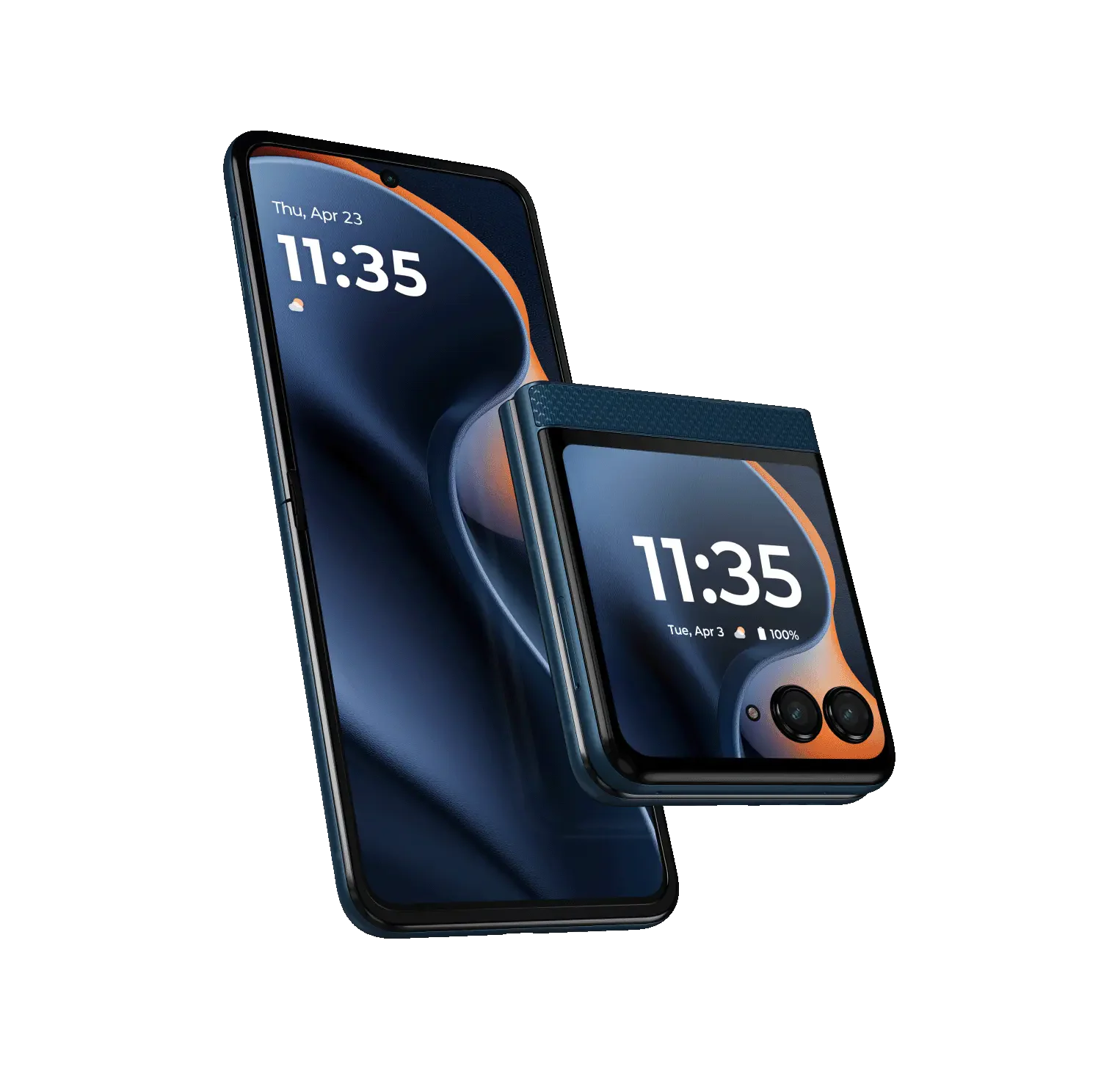
Motorola has launched the Razr 60 flip phone in India, a week after the launch of the flagship Razr 60 Ultra. Motorola has also recently launched the Edge 2025 in the US market.
Motorola Razr 60
Motorola Razr 60 features
The phone has two screens. The main internal screen is 6.96 inches with FHD+ resolution (1080×2640 pixels). It’s a FlexView pOLED LTPO display that can switch from 1Hz to 120Hz refresh rate depending on what you’re doing. It covers 120% of the DCI-P3 color range and gets up to 3000 nits peak brightness.
The outer screen measures 3.63 inches (1056×1066 pixels) and uses QuickView pOLED technology with 90Hz LTPS display. This screen hits 1700 nits peak brightness and has Corning Gorilla Glass Victus protection.
Under the hood, the Razr 60 runs on MediaTek’s Dimensity 7400X processor built on 4nm technology. This octa-core chip has two Cortex-A78 cores running at 2.6GHz and six Cortex-A55 cores at 2GHz. Graphics are handled by the Mali-G615 MC2 GPU. The phone comes with 8GB LPDDR4X RAM and 256GB UFS 2.2 storage.
For cameras, you get a 50MP main sensor with f/1.7 aperture and optical image stabilization. There’s also a 13MP ultra-wide camera with f/2.2 aperture that doubles as a macro lens. The front camera is 32MP with f/2.4 aperture. Video recording goes up to 4K at 30fps. Motorola says this has the world’s first video gestures with 100% true color camera.
The battery is 4500mAh. It supports 30W TurboPower fast charging and 15W wireless charging. The phone runs Android 15 and will get three OS updates plus four years of security updates.
Build quality gets attention with a titanium-reinforced hinge that Motorola tested for 500,000 flips. The phone has India’s first pearl acetate finish and fabric finish options. It measures 171.3mm when open and 88.08mm when closed, with a thickness of 7.25mm open or 15.85mm closed. Weight is 188 grams.
Other features include a side-mounted fingerprint scanner, IP48 dust and water resistance, dual SIM support with eSIM and nano SIM, 5G connectivity, dual 4G VoLTE, Wi-Fi 6E, Bluetooth 5.3, GPS, USB Type-C port, NFC, and Dolby Atmos stereo speakers.
Pricing & availability
The Motorola Razr 60 costs ₹49,999 for the single 8GB + 256GB model. It comes in three colors: PANTONE Gibraltar Sea, PANTONE Spring Bud, and PANTONE Lightest Sky. Sales start June 4th on motorola.com, Flipkart, and offline stores.
For more daily updates, please visit our News Section.
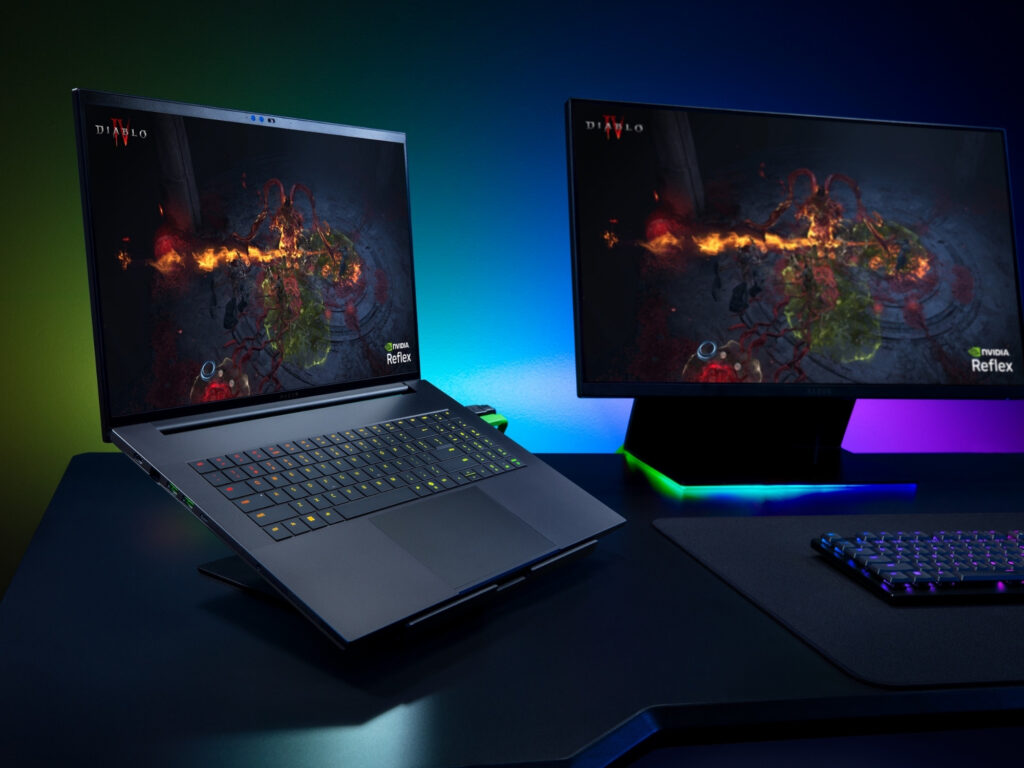
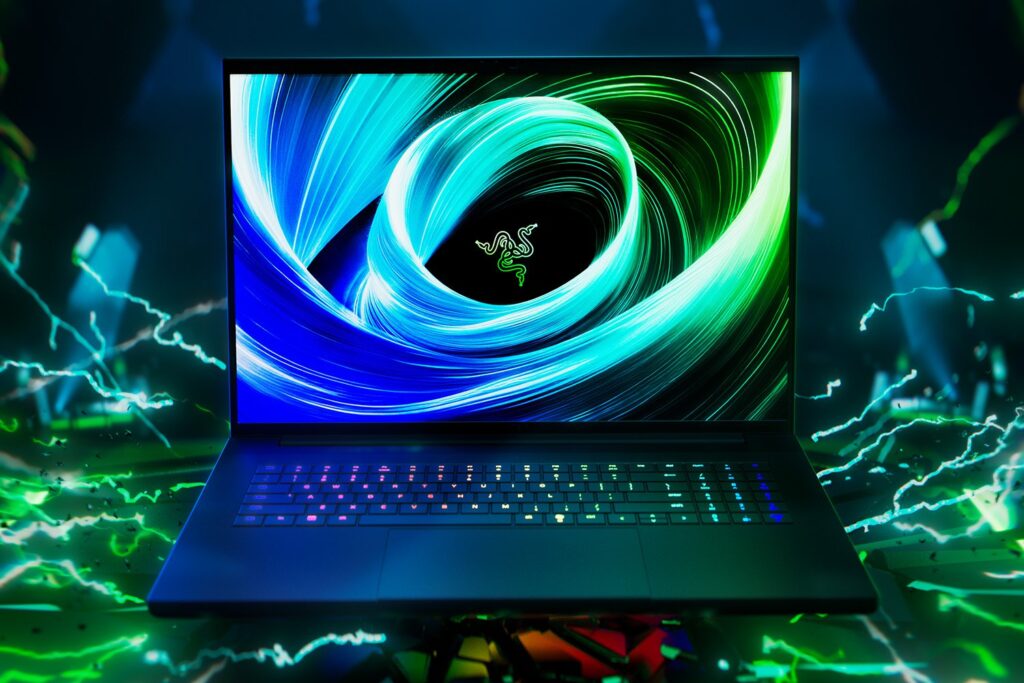
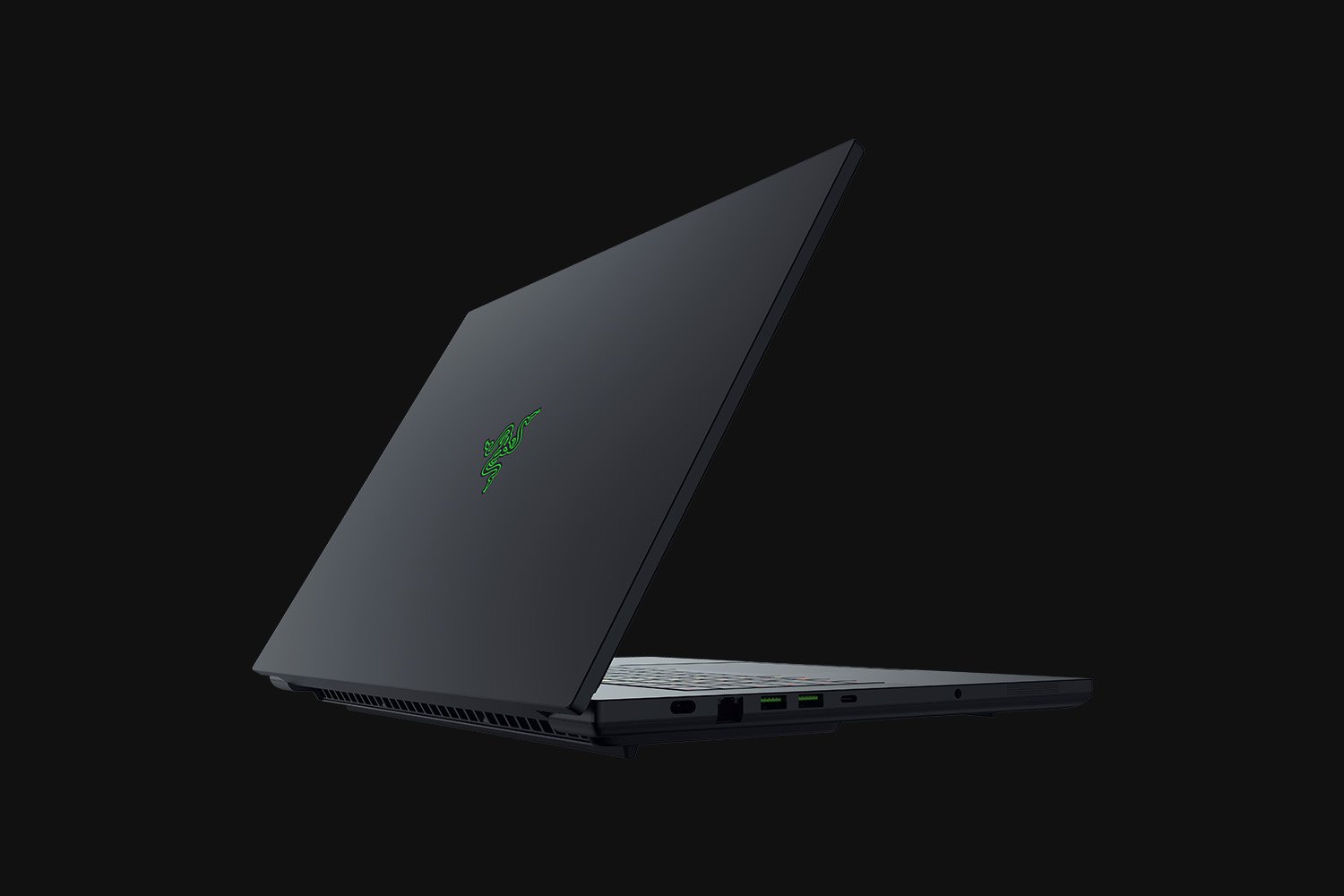
Razer just released the Blade 18 (2025) gaming laptop in the U.S. You can only buy it from Razer.com or Razer Stores. It’s built for gamers and creators who want desktop power in a laptop.
The big news is the 18-inch dual-mode display – the first of its kind. You can switch between UHD+ 240Hz (3840 x 2400) for sharp visuals or FHD+ 440Hz (1920 x 1200) for super-fast gaming. This means you don’t need two different monitors for different tasks.
Graphics go up to NVIDIA’s RTX 5090 Laptop GPU with 24GB GDDR7 VRAM and Dynamic Boost. You can also get the RTX 5070 Ti or RTX 5080. The RTX 5090 is the most powerful mobile graphics card you can get right now.
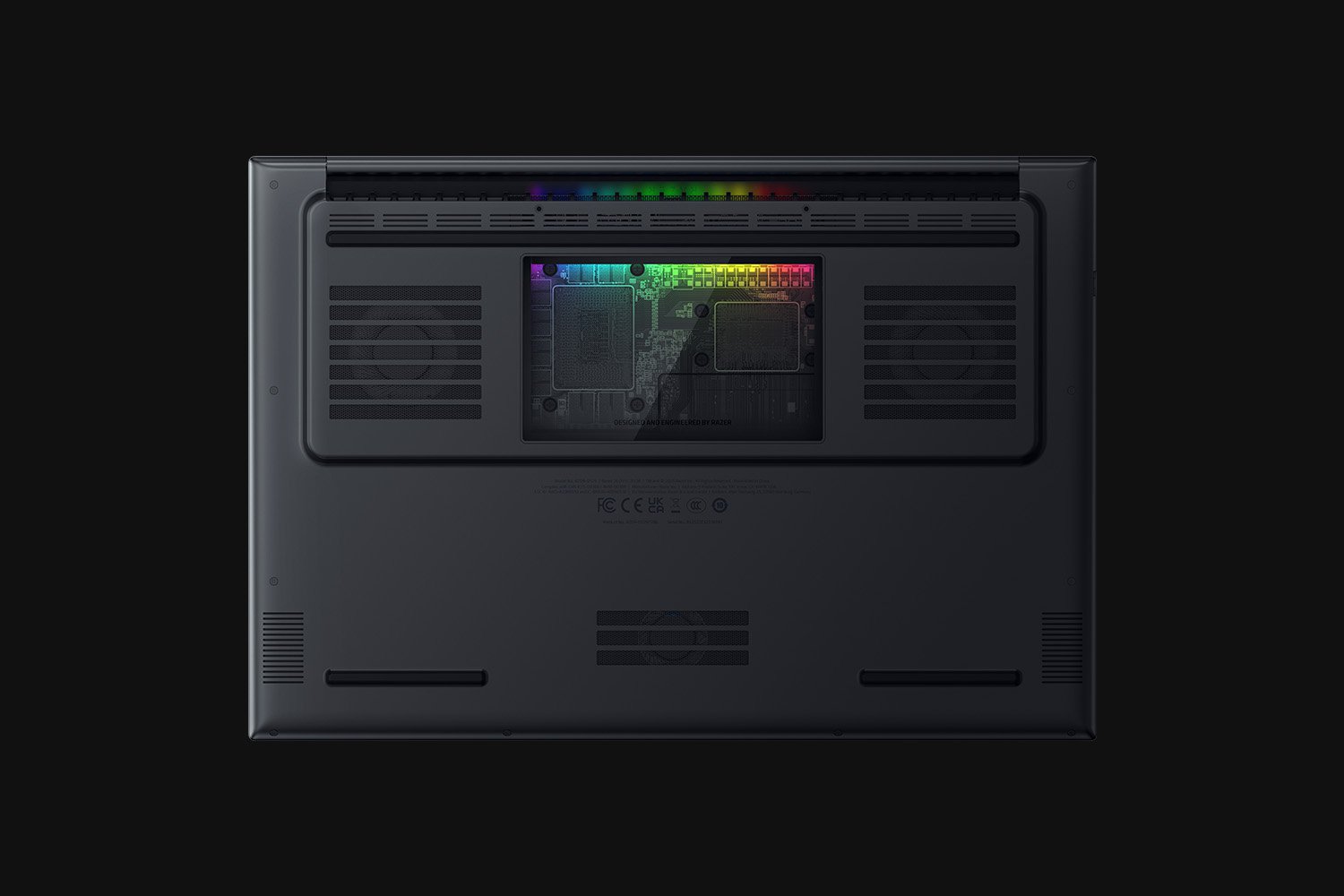
The processor is Intel’s Core Ultra 9 275HX with 24 cores and 5.4GHz Max Turbo. The whole system pushes up to 280W Total Package Power. Three fans and a vapor chamber keep everything cool when you’re gaming hard or rendering videos.
Storage starts at 1TB and goes up to 4TB using PCIe 4.0 SSDs. RAM comes in 32GB or 64GB DDR5-5600MHz configurations. These specs handle any game or creative software without slowing down.
For ports, you get Thunderbolt 5 and Thunderbolt 4, Wi-Fi 7, HDMI 2.1, Gigabit LAN, and a UHS-II SD card reader. There are three USB-A 3.2 Gen 2 ports, too. It can charge via USB-C up to 100W for light work, but gaming needs the 400W power adapter that comes with it.
The case is CNC-milled aluminum with a black finish that doesn’t show fingerprints. The keyboard has 35% more key travel than before, with 63g actuation force, a number pad, and per-key RGB lighting using dual LEDs.
Sound comes from six speakers – two tweeters and four subwoofers – with THX Spatial Audio and a 7.1 HDMI codec. The 5MP IR webcam works with Windows Hello and has a privacy shutter. The battery is 99WHr and comes with a 400W power adapter.
Pricing & availability
Base models start at $3,499.99. Top-spec models with RTX 5090 graphics and maximum storage cost over $5,000. The laptop is available now, but only through Razer’s website and stores.
In other news, Razer has also launched the 2025 Blade 14, which is much thinner in comparison and weighs 1.63kg. It features an AMD Ryzen AI 9 365 CPU, up to 64GB LPDDR5X RAM, and up to an NVIDIA GeForce RTX 5070 GPU. The 3K OLED display offers 120Hz refresh, G-SYNC, and full DCI-P3 coverage. It supports Copilot+ AI features, Wi-Fi 7, and offers up to 11 hours of battery life.
For more daily updates, please visit our News Section.
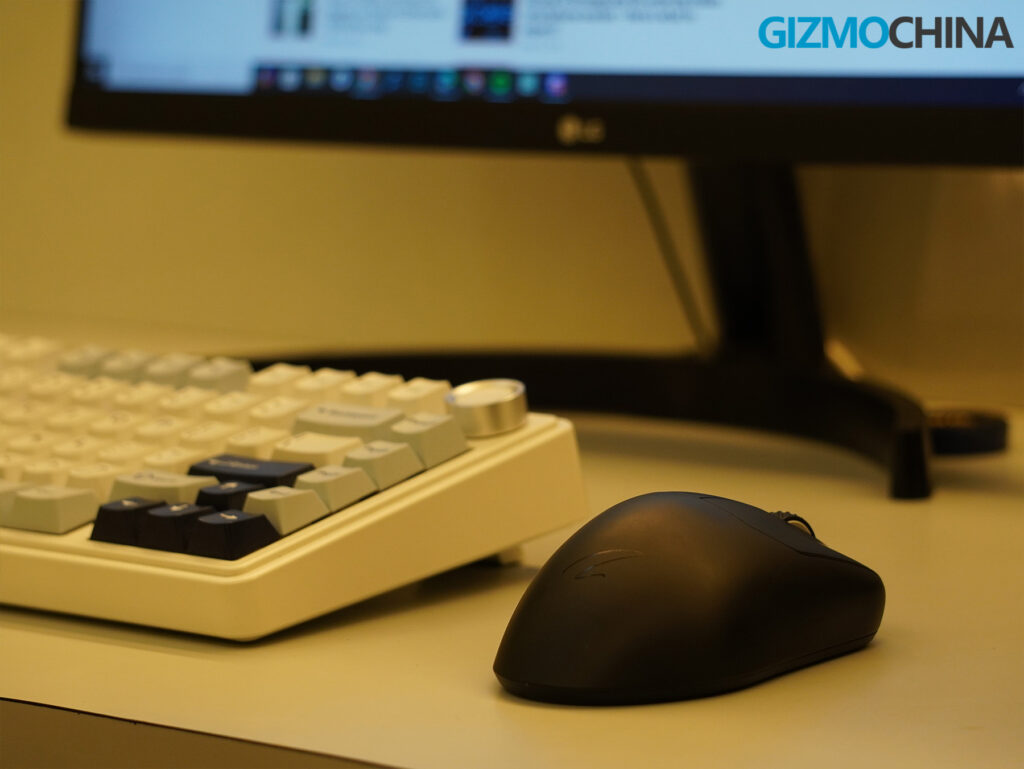
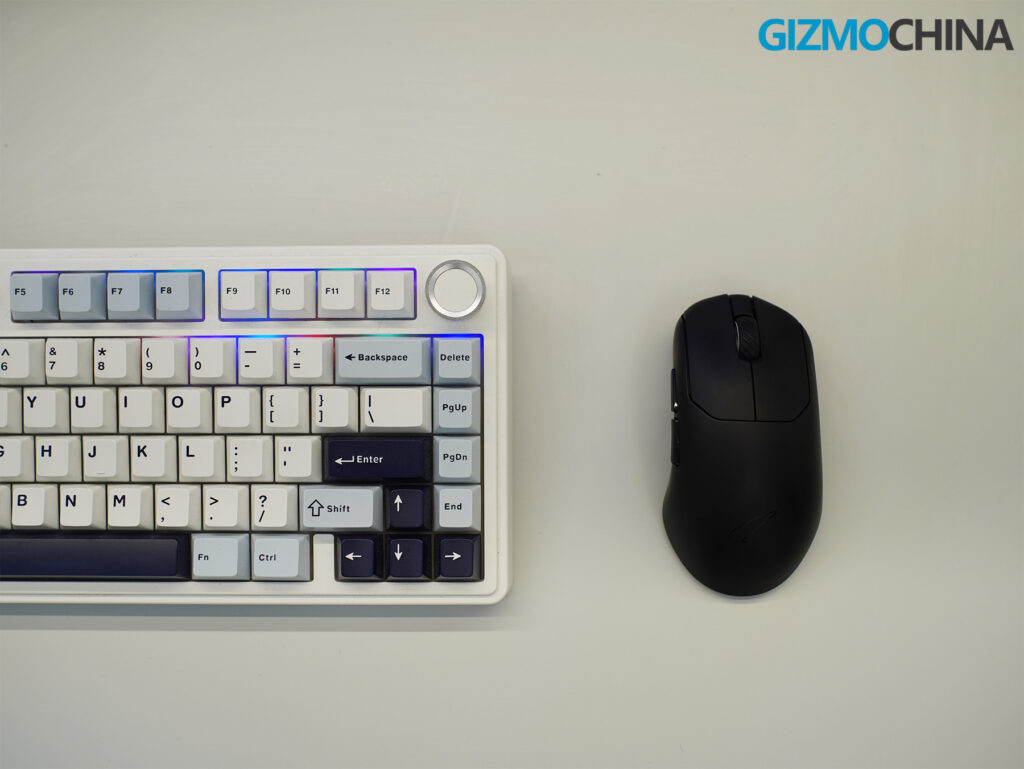
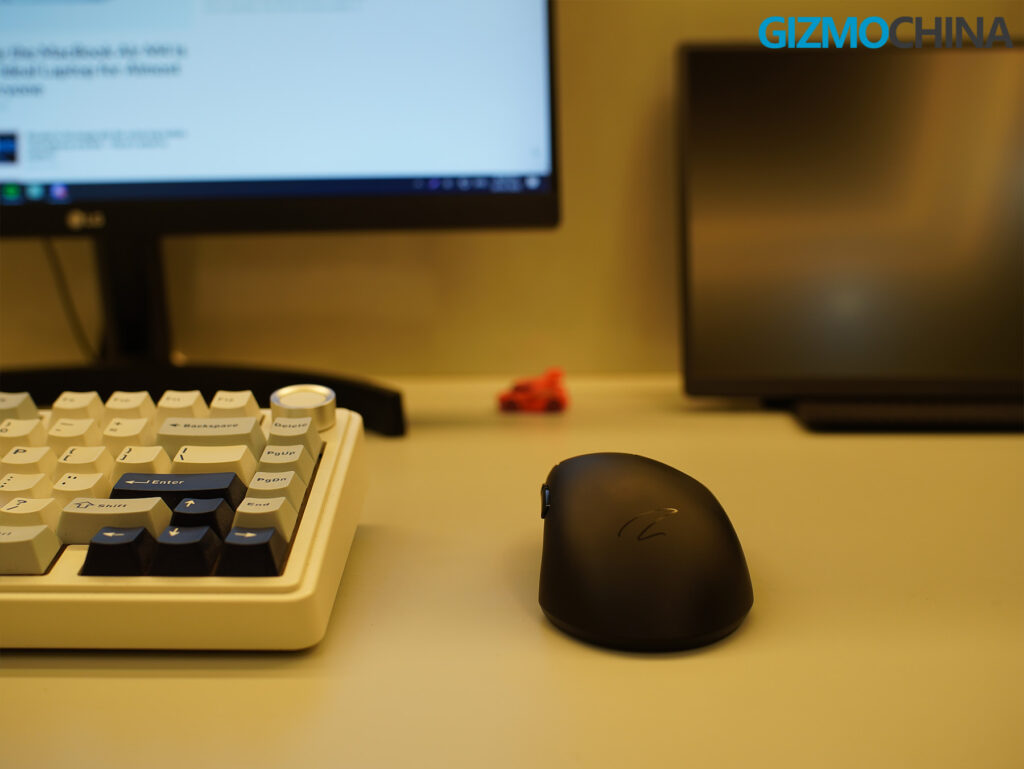
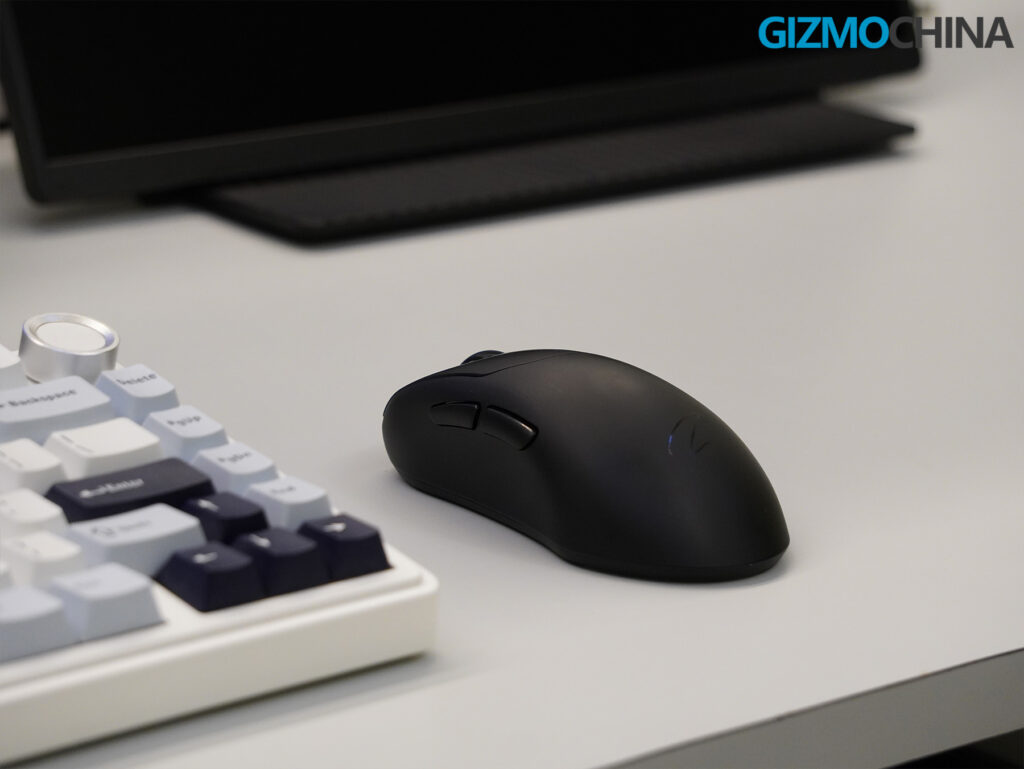
Zaopin has steadily built a name for itself in the gaming peripherals space, especially among enthusiasts who value performance and clean design. I’ve previously reviewed their Z2 Mini 4K gaming mouse, which impressed with its precision and build quality. Their latest release, the ZPW Max, takes things a step further.
This wireless gaming mouse aims to deliver top-tier performance with a refined feature set, headlined by an 8,000Hz polling rate and the PAW3950 sensor. After spending over two weeks with the black variant, I can confidently say it balances speed, reliability, and comfort in a way that feels genuinely well thought-out for both competitive and everyday gaming use.
What’s In the Box?
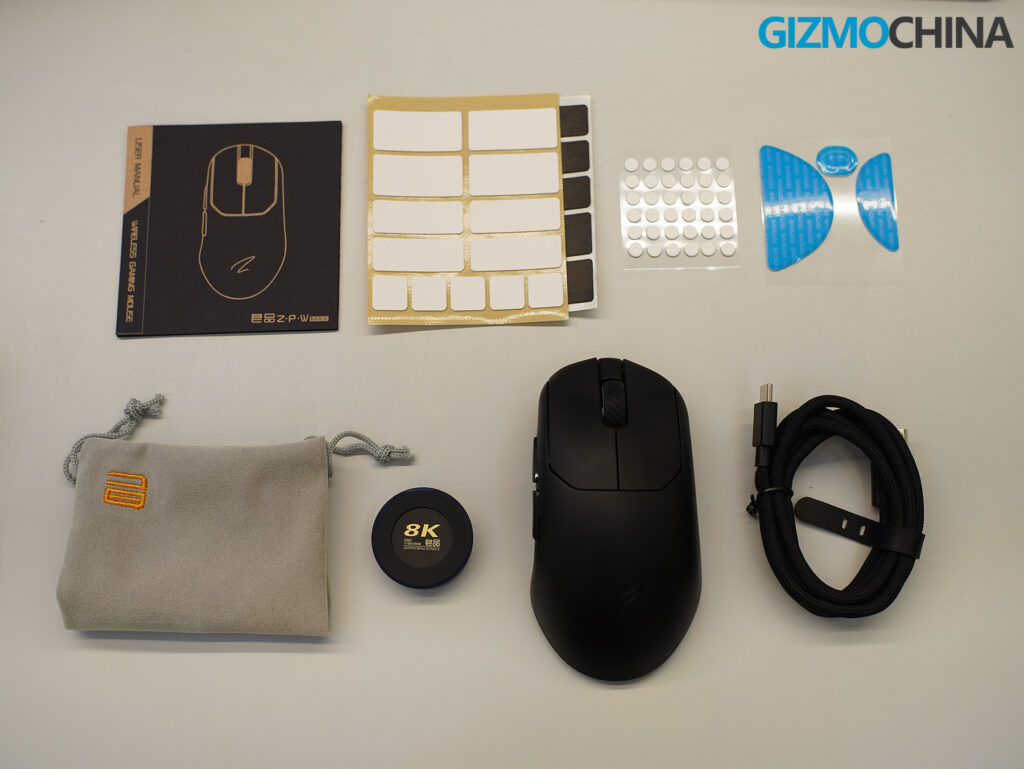
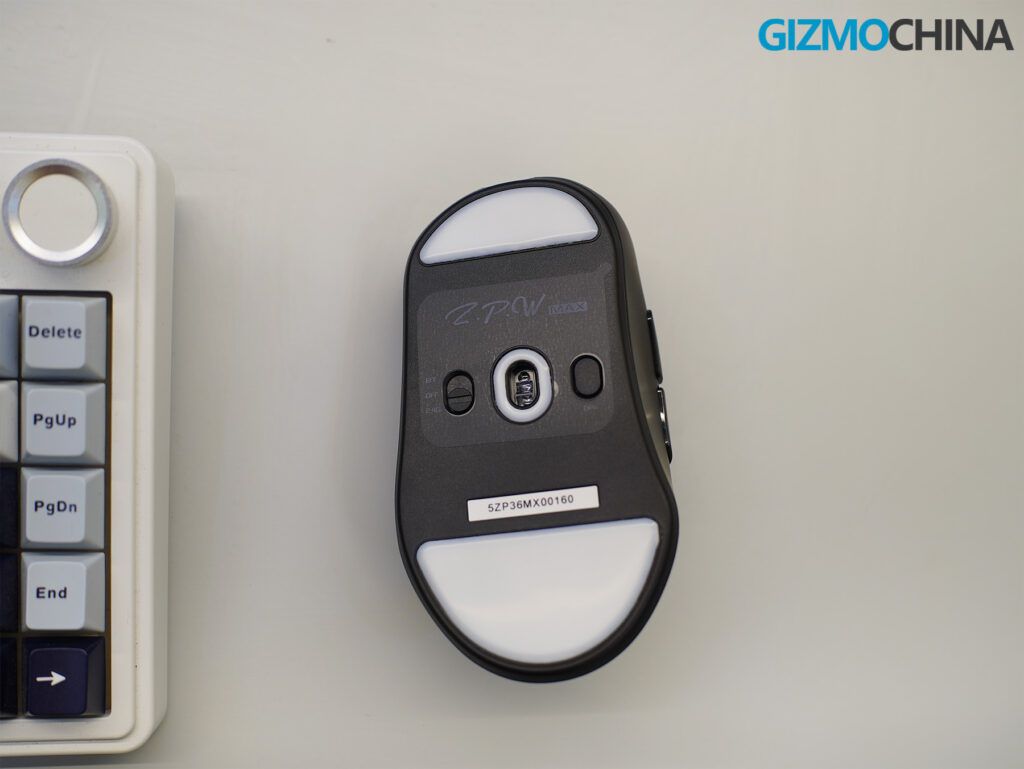
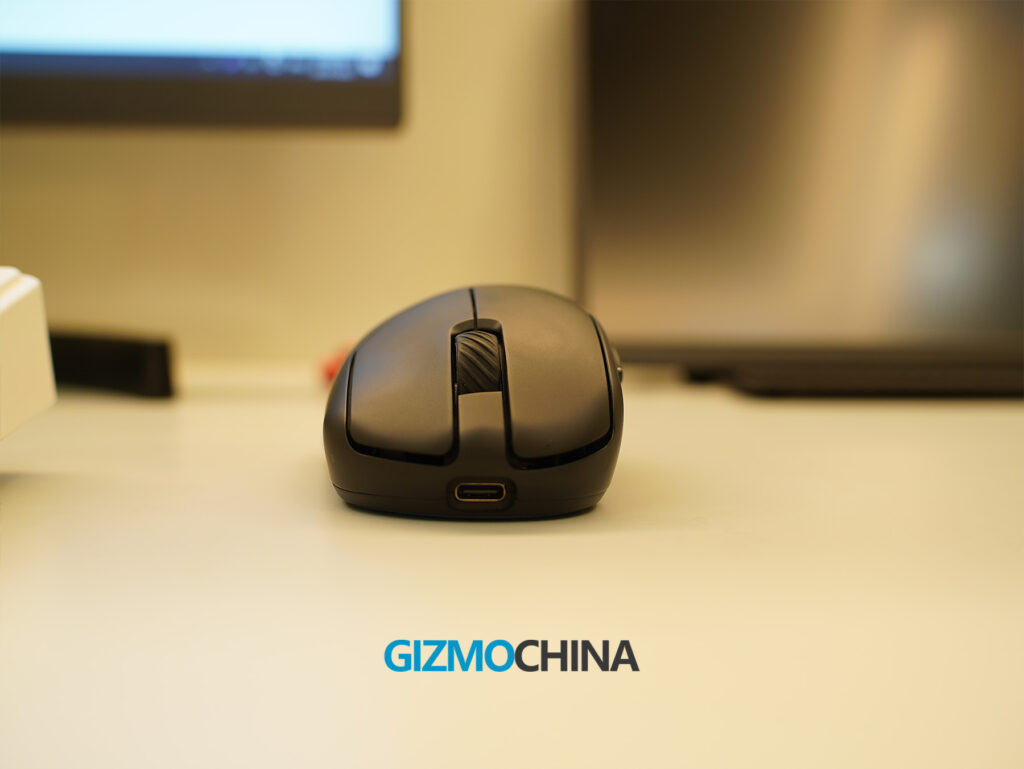
Zaopin packages the ZPW Max with an impressive set of accessories that reflect its performance-focused design. Inside the box, users will find the mouse itself, a braided USB-A to USB-C cable, an 8K-capable wireless receiver, and a soft velvet storage pouch.
Zaopin also includes a full-size set of PTFE skates, dot-style skates, and two types of grip tape, black and white, both offering different textures. These extras are not just filler; they’re functional, and they give users flexibility in customizing the feel and glide of the mouse.
Design and Build Quality
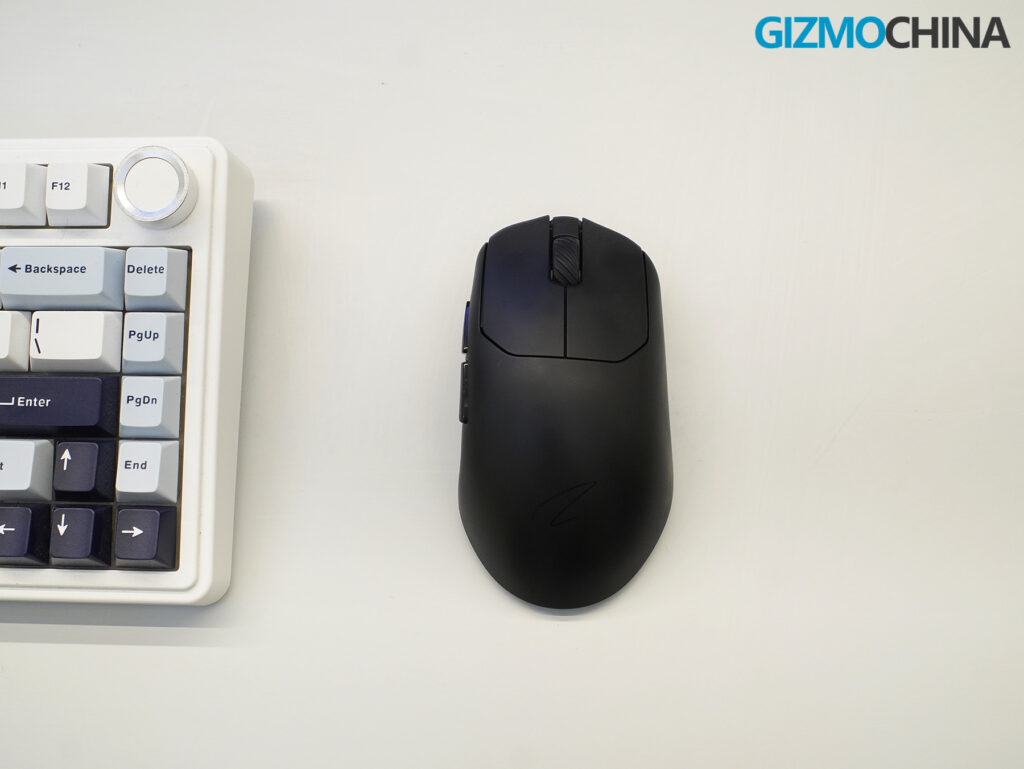
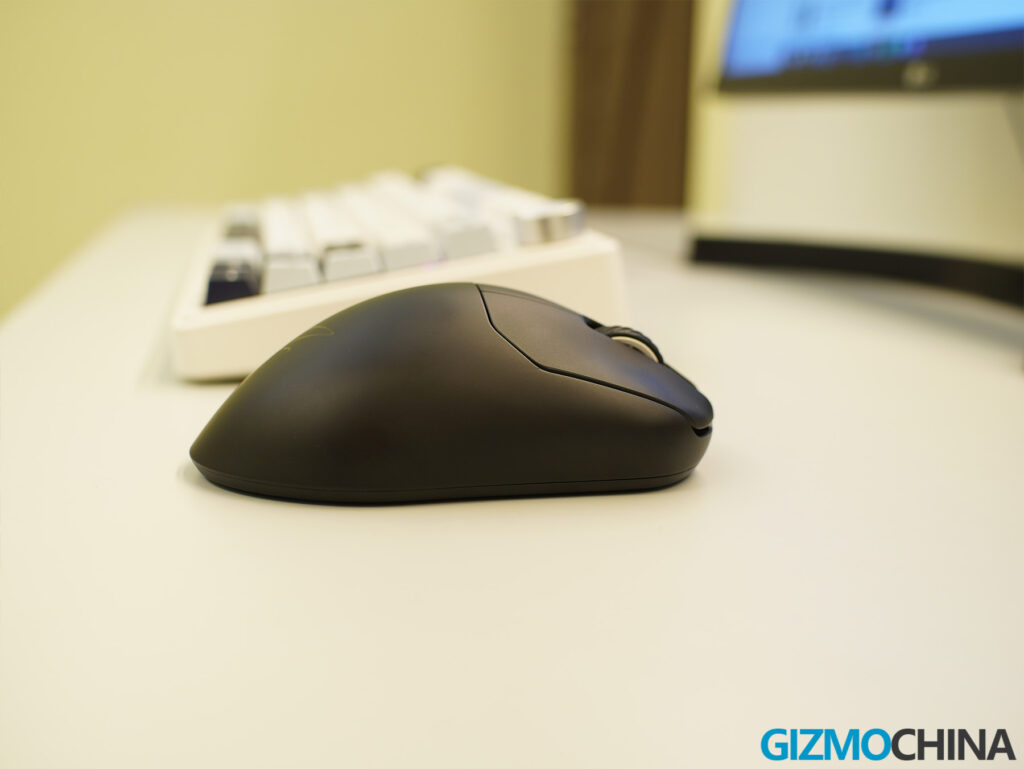
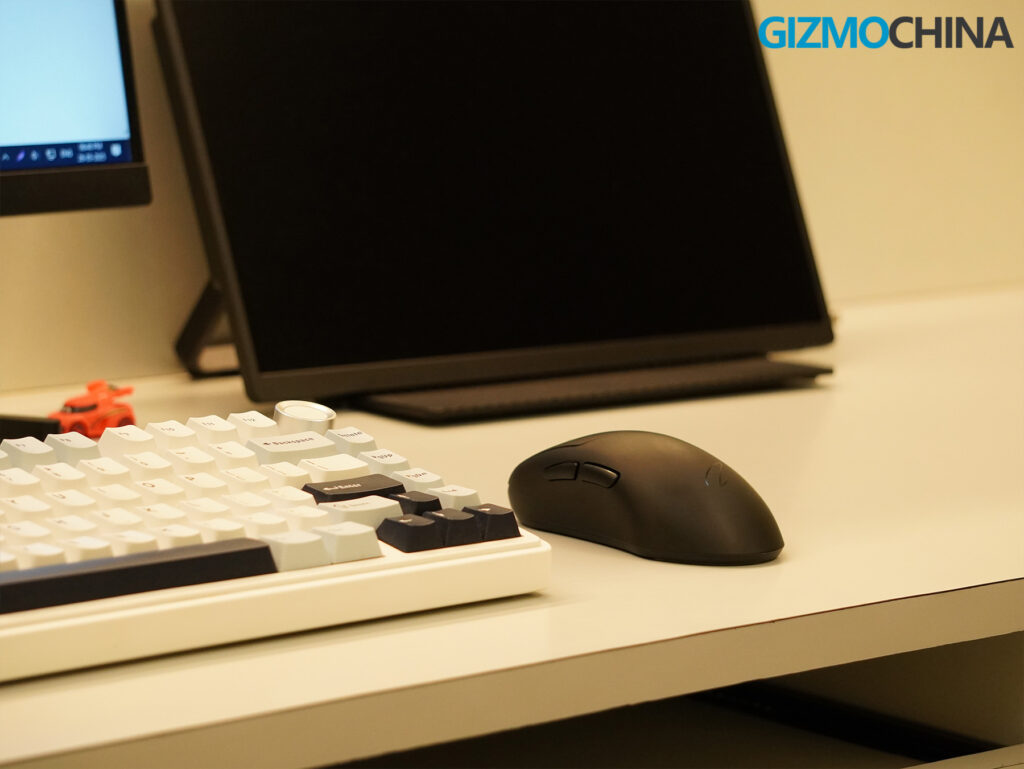
The ZPW Max is an ergonomic, medium-sized gaming mouse that measures 121.9mm in length, 65mm in width, and 41.6mm in height. It weighs just under 50 grams with the larger PTFE feet installed. This makes it one of the lightest ergonomic wireless mice available, especially considering that it includes a full internal battery and no cutouts on the shell.
The mouse uses Zaopin’s “BZ Protein Coating,” which is smooth to the touch when dry but becomes grippier as hand moisture increases. This surface feels comfortable during extended use and maintains solid grip without being rubbery. It also resists fingerprints better than many matte-coated mice.
Build quality is mostly solid. The top shell holds firm with no flex, and all components are tightly integrated. The scroll wheel feels stable, and there is no internal rattle when the mouse is shaken. The side panels do exhibit slight creaking when pressed firmly, but this only occurs during deliberate pressure tests and doesn’t affect real-world use. During normal operation, the shell feels stable and durable.
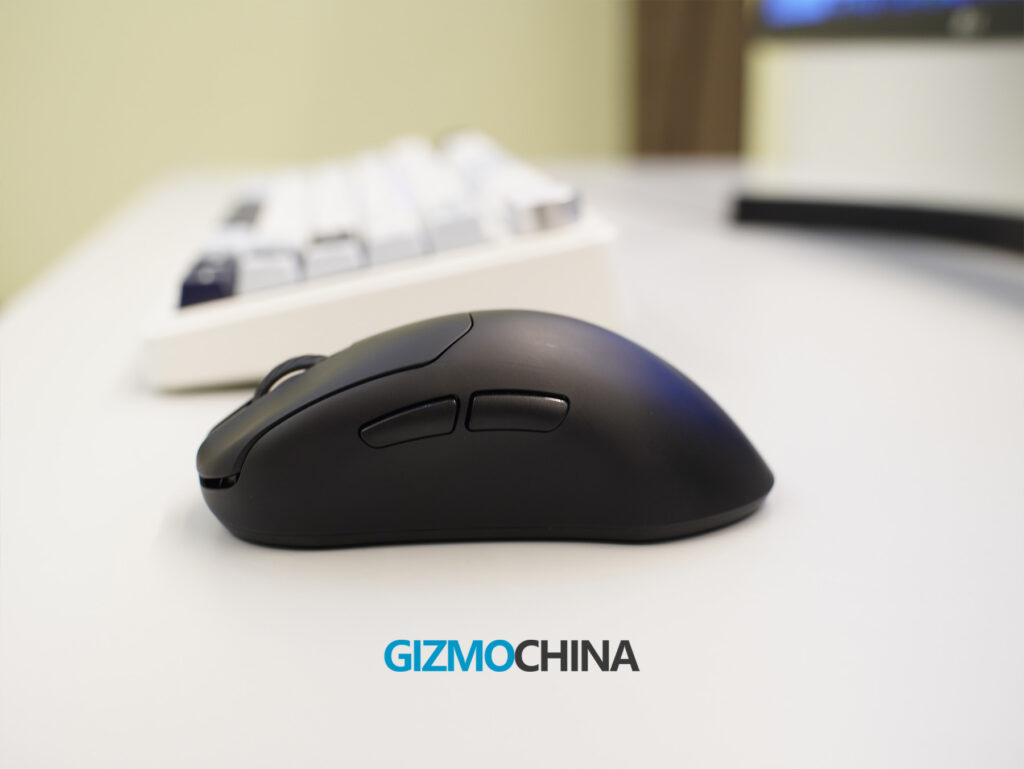
Zaopin designed the left side of the mouse with a deep thumb groove, while the right side has a gentle slope that supports the ring and pinky fingers. The shape caters to palm, relaxed claw, and fingertip grips, especially for users with medium to large hands. The mouse feels secure and balanced in hand without forcing users into a particular grip.
Features and Performance
Zaopin equips the ZPW Max with the flagship PixArt PAW3950 sensor, which delivers pixel-precise tracking and excellent speed response. The sensor supports up to 30,000 DPI, 750 IPS tracking speed, and 50G acceleration. Throughout testing in games like Apex Legends, Valorant, and CS2, the ZPW Max performed reliably without any tracking loss, jitter, or acceleration issues.
The inclusion of an 8000Hz polling rate is one of the mouse’s standout features. This ultra-high polling rate, supported via the included dongle, allows the mouse to send data to the PC every 0.125 milliseconds. While not all users will notice the difference between 1K and 8K polling, serious players and enthusiasts will appreciate the added responsiveness.
The mouse uses Omron optical switches rated for 100 million clicks. These switches deliver fast and satisfying tactile feedback. The main clicks are crisp and responsive, with minimal pre-travel and just a hint of post-travel when pressed at the back. The side buttons are large, easy to reach, and offer good feedback without noticeable wobble or sponginess.
The scroll wheel features a TTC Gold encoder with moderate resistance and well-defined steps. It avoids accidental inputs but still feels agile during rapid use. The middle click is slightly stiff, but it holds up well in general use.
Ergonomically, the mouse fits naturally in hand. The thumb groove on the left side provides good control, and the narrowing front allows for a comfortable pinch grip. The right side gently slopes to support the ring and pinky fingers. Combined with the mouse’s light weight and balanced body, these elements result in excellent overall control, even during high-speed flicks and tracking scenarios.
Software and Battery Life
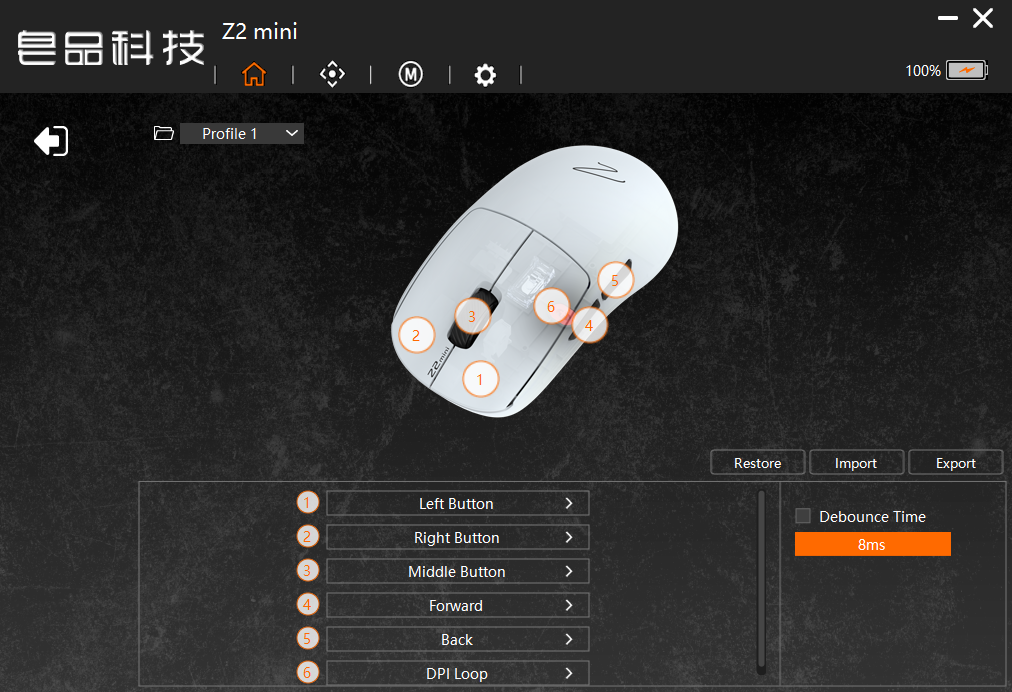
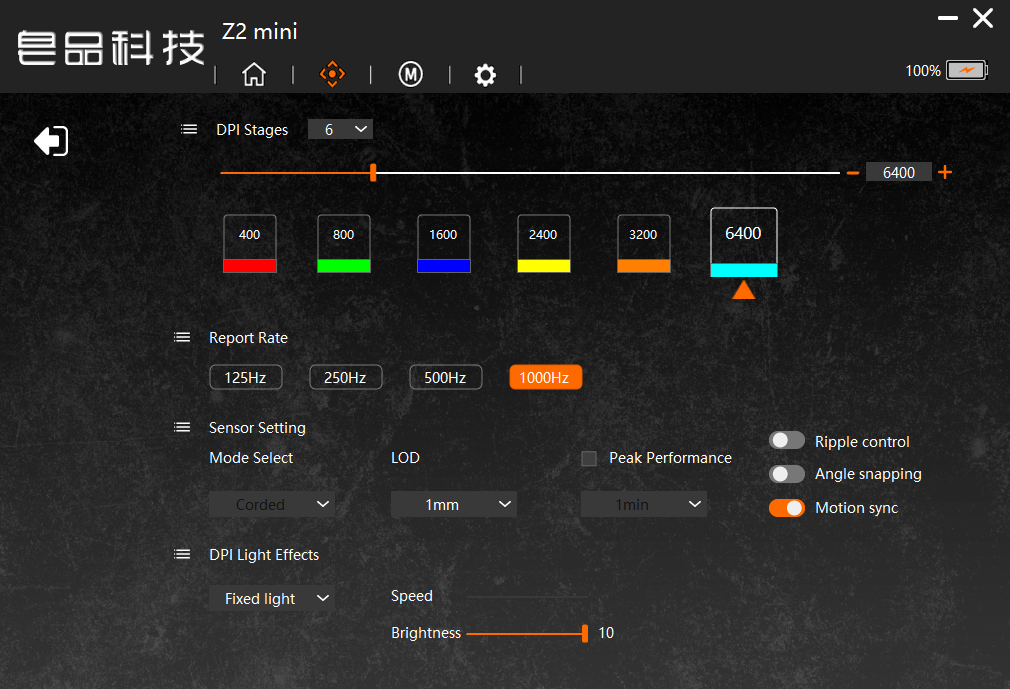
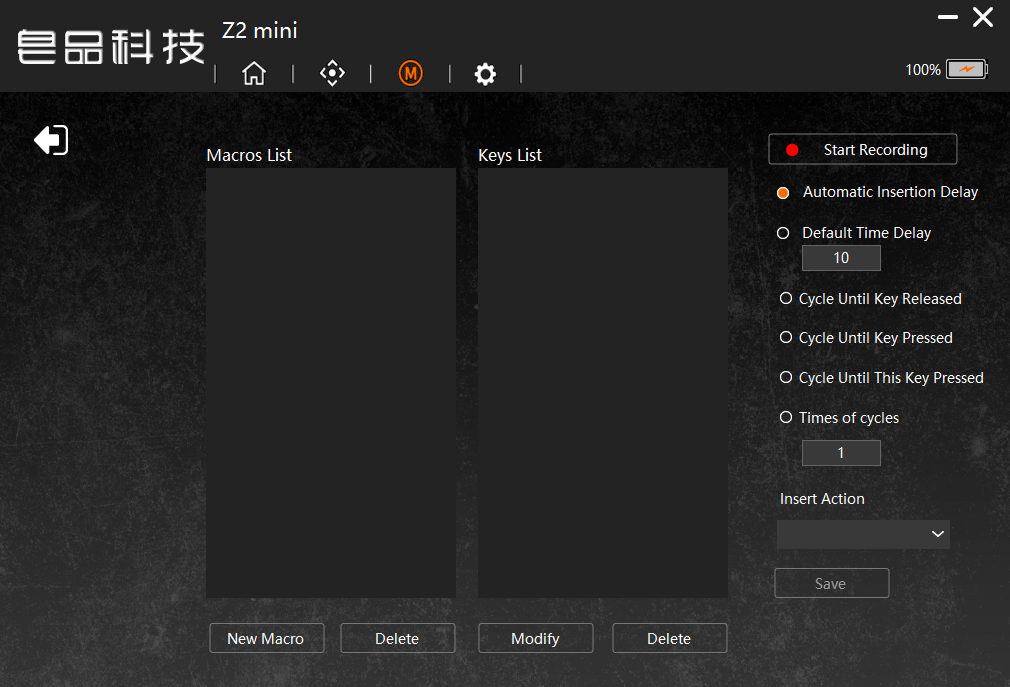
The software experience with the Zaopin ZPW Max has been refreshingly smooth. Zaopin offers both a downloadable client and a web-based interface for configuration, and I’ve tested both extensively. In my experience, they worked flawlessly. All the expected customization options are there: DPI steps, polling rate, debounce time, lift-off distance, and macro assignment. Features like ripple control, angle snapping, and motion sync are also available, rounding out the toolset nicely.
The interface is clean and minimal, which I really appreciate. Unlike the bloated software packages from some mainstream brands, this one sticks to the essentials without feeling stripped down. I didn’t encounter any bugs or performance hiccups during my time with it. The only minor quirk I noticed was that the battery percentage can sometimes differ between the web version and the desktop version of the software. It’s not a dealbreaker, but something Zaopin could easily fix with a future update.
Battery life has been pretty solid overall. With 8K polling enabled and around 6 to 8 hours of daily use, I got about three to four days of runtime on a full charge. If you dial the polling rate down to 1000Hz, the battery easily lasts more than a week. And since the mouse supports wired operation while charging, there’s no disruption to your workflow or game time when it needs to juice up.
Final Thoughts
The Zaopin ZPW Max is a well-executed gaming mouse that nails the fundamentals and introduces enthusiast-grade features without pushing the price too high. It offers a lightweight build, strong ergonomics, optical switches, and flawless sensor performance, all wrapped in a clean design that doesn’t overpromise.
The coating provides reliable grip without discomfort, the buttons are consistent and durable, and the feet glide smoothly out of the box. The slightly creaky side panels during pressure tests are the only minor blemish on an otherwise excellent build. For competitive players, the 8K polling support and PAW3950 sensor ensure ultra-low latency and top-tier accuracy. For general users, the shape, weight, and comfort make it a solid daily driver.
Zaopin has refined its approach over past models and delivered a mouse that competes confidently with more established brands. The ZPW Max shows that high performance, solid build, and thoughtful ergonomics don’t require a triple-digit price tag.
Pricing and Availability
The Zaopin ZPW Max is priced at $89.99 and includes the PAW3950 sensor and an 8K wireless receiver. A standard ZPW variant is also available for $79.99, featuring the PAW3395 sensor with slightly lower tracking specs but the same ergonomic shape and design.
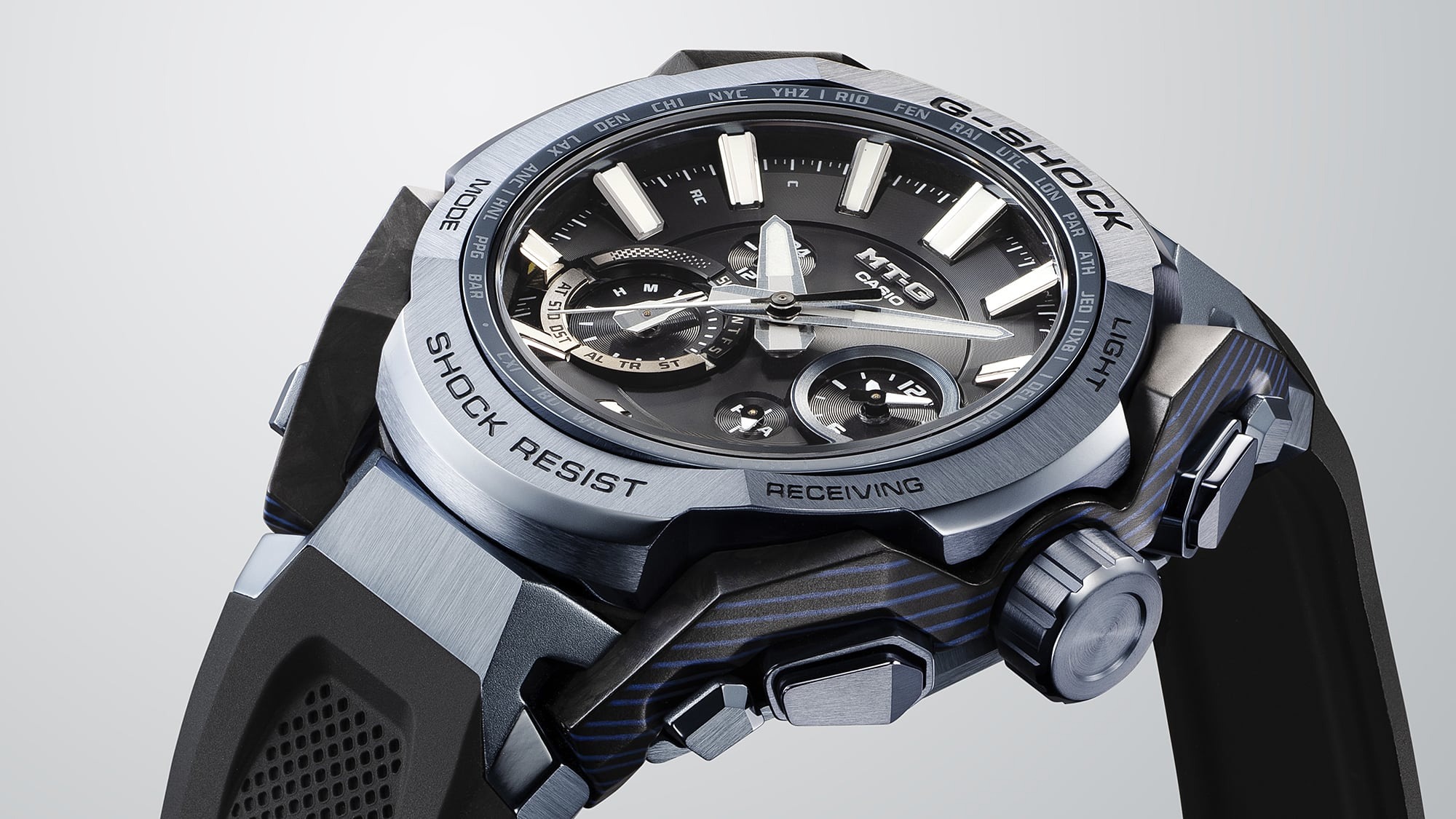
Casio just launched the MTG-B4000 series in Japan, the first G-Shock watches designed with help from artificial intelligence.
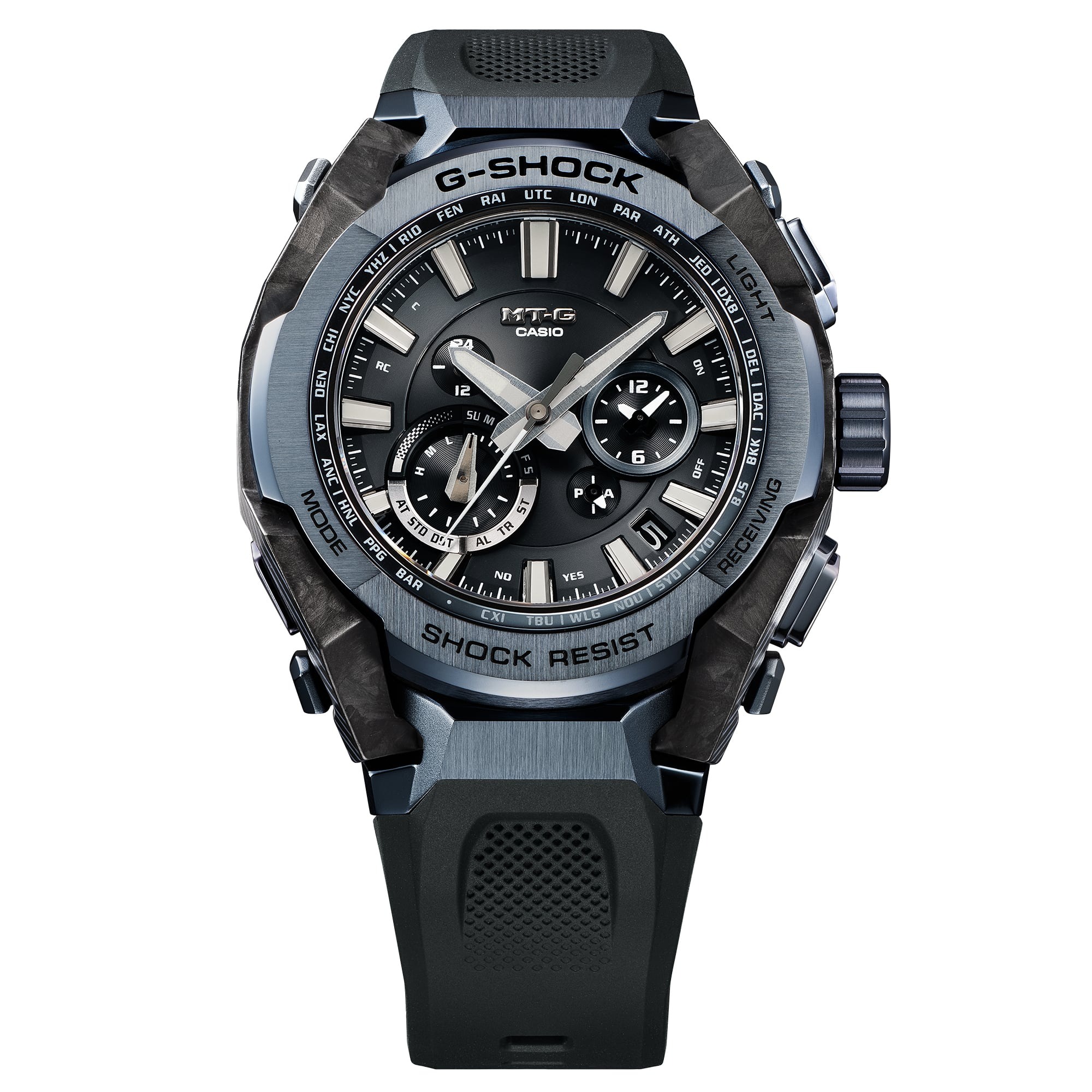
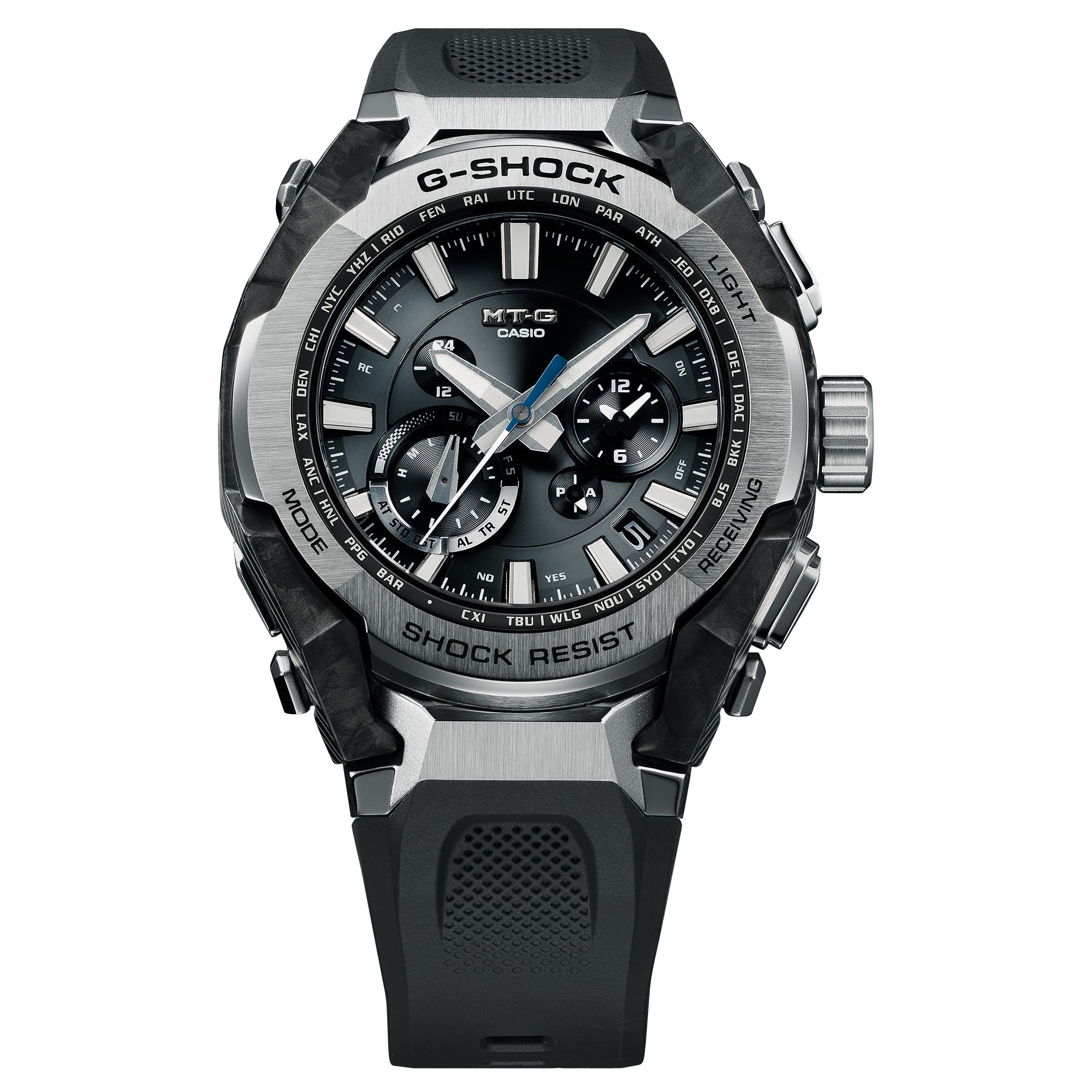
The MTG-B4000 uses AI to create its frame structure. Casio fed the AI years of shock-resistant data from G-Shock development, then had it design the Dual Core Guard structure that mixes carbon frames with stainless steel parts. The process works like this: designers make a basic concept, AI analyzes it and builds optimized 3D models, then designers refine it by hand. They repeat this until they get the right balance of function and looks.
G-Shock MTG-B4000B-1A2JFG-Shock MTG-B4000-1AJF
The carbon frame starts as sheets of carbon and glass fiber layered together, then cut into complex 3D shapes. You can see the layered pattern where the two materials meet. This frame connects with the metal bezel, side buttons, and back cover to create the overall look.
The stainless steel bezel has two layers with different finishes. Some parts get Zaratsu mirror polishing for a smooth, distortion-free surface. Other parts get hairline finishes. The back cover uses Metal Injection Molding, where powdered metal gets injected to form the 3D shape.
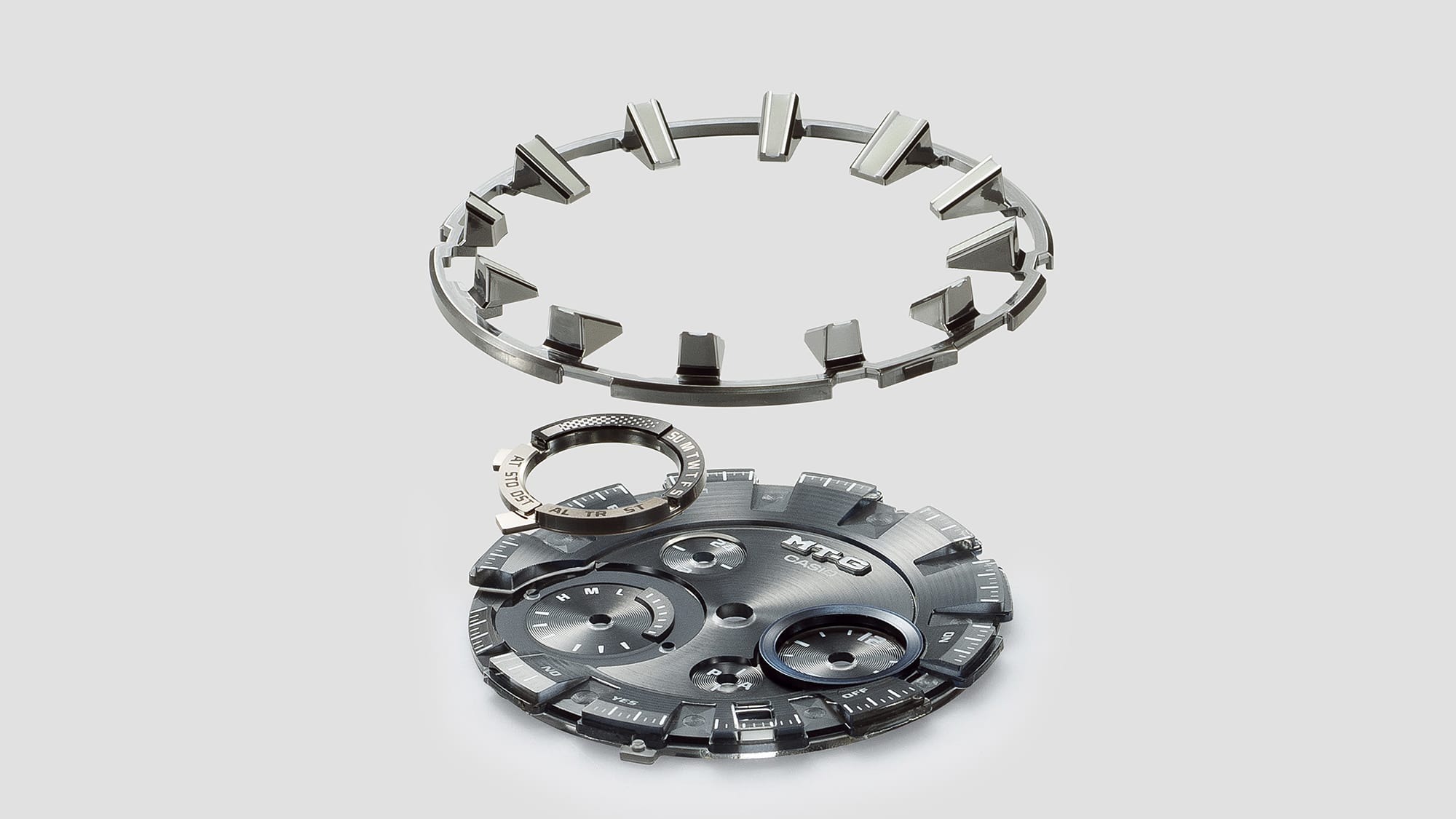
The dial has multiple layers for depth. It combines slanted rings with big raised indices that have sharp, multi-sided shapes. The indices get a luminous coating and metallic deposition. Casio uses micro-machining technology to make these precise parts.
The watch measures 56.6 x 45.3 x 14.4mm and weighs 112 grams. It passes Triple G Resist testing for shock, centrifugal force, and vibration resistance. Water resistance goes to 20 ATM.
For timekeeping, it has Multiband 6 radio reception that works in Japan, North America, Europe, and China. It also connects to smartphones via Bluetooth using the CASIO WATCHES app for automatic time updates and other functions like world time for about 300 cities.
The Tough Solar charging system runs about 5 months without light, or 18 months in power-saving mode. The sapphire crystal has an anti-reflective coating, and the LED light is white with afterglow. Standard features include world time for 27 cities, a stopwatch, a timer, and an automatic calendar.
Two models are available: the MTG-B4000B-1A2JF costs ¥176,000 ($1,220) and has a blue-gray IP coating. The MTG-B4000-1AJF costs ¥165,000 ($1,144) with regular metal finishing. Both launch in June 2025 and are only available in Japan through Casio’s website.
In other news, Casio has also unveiled the limited edition Oceanus Manta OCW-S6000PB-7AJF watch, which is set to hit Japanese markets in June 2025 at ¥385,000 (~$2,700) with only 600 units available. The watch features a sapphire glass bezel with 12 outer facets and 60 concave cuts, treated with blue and platinum vapor and sputtering finishes to mimic the sea-sky horizon.
For more daily updates, please visit our News Section.
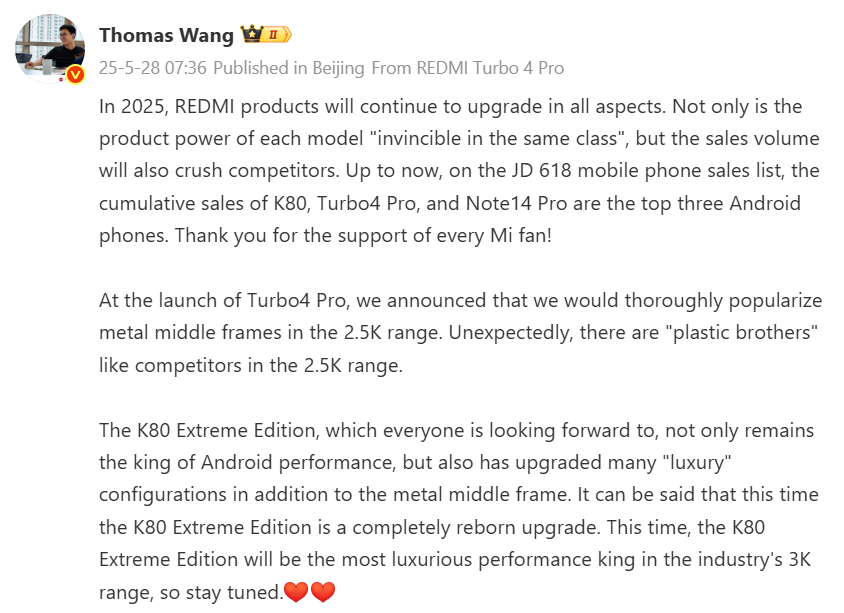
Redmi is expected to unveil the Redmi K80 Ultra, a performance-focused phone, in June in China. Thomas Wang, who heads the Xiaomi China Marketing Department and is also the General Manager of the Redmi brand, has started teasing its arrival through his Weibo handle. Here’s a look at what the Redmi GM shared about the K80 Ultra.
What Thomas Wang revealed
Redmi K80 Ultra price range revealed
According to Thomas Wang, the Redmi K80 Ultra will set a new benchmark in the 3K Yuan (~$415) price bracket, positioning itself as the most luxurious performance phone in the segment. He mentioned that the device would feature a metal middle frame for improved heat dissipation and durability, a feature typically found in premium devices. He also hinted at several “luxury” upgrades that go beyond the already impressive performance-focused hardware.
Redmi K80 Ultra specifications (rumored)
The Redmi K80 Ultra is expected to feature a 6.8-inch 1.5K LTPS OLED flat display with slim bezels and ultrasonic fingerprint support. It will likely be powered by the Dimensity 9400 Plus processor,
The device is tipped to pack a 7,500mAh battery with 120W fast charging. At the rear, the K80 Ultra may house a 50-megapixel triple-camera setup in a round module, complemented by IP68 water resistance, symmetrical dual speakers and a 0916 series custom vibration motor for enhanced gaming and user experience.
Speculation suggests that a gaming-focused tablet may launch alongside the K80 Ultra, though these devices could remain exclusive to the Chinese market. Meanwhile, for international buyers, Xiaomi may introduce a slightly modified version of the K80 Ultra, likely called the Xiaomi 15T Pro, later this year in Q3 2025.
For more daily updates, please visit our News Section.
We use cookies on our website to give you the most relevant experience by remembering your preferences and repeat visits. By clicking “Accept”, you consent to the use of ALL the cookies.
This website uses cookies to improve your experience while you navigate through the website. Out of these, the cookies that are categorized as necessary are stored on your browser as they are essential for the working of basic functionalities of the website. We also use third-party cookies that help us analyze and understand how you use this website. These cookies will be stored in your browser only with your consent. You also have the option to opt-out of these cookies. But opting out of some of these cookies may affect your browsing experience.
Necessary cookies are absolutely essential for the website to function properly. This category only includes cookies that ensures basic functionalities and security features of the website. These cookies do not store any personal information.
Any cookies that may not be particularly necessary for the website to function and is used specifically to collect user personal data via analytics, ads, other embedded contents are termed as non-necessary cookies. It is mandatory to procure user consent prior to running these cookies on your website.