Advertisement

How ASUS laptops stand out from the crowd

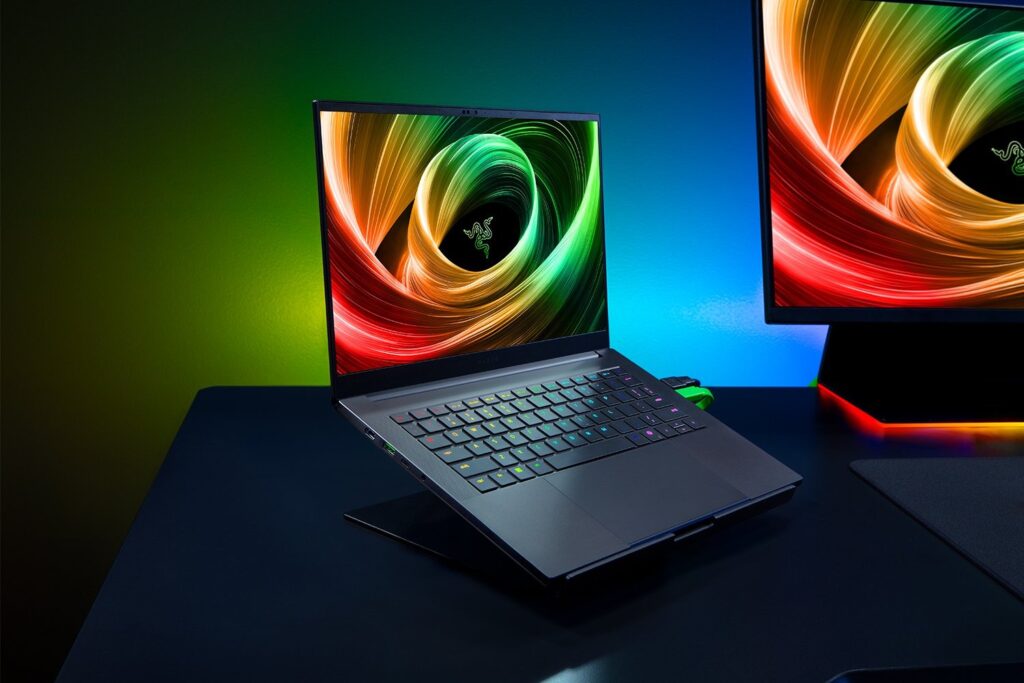
ASUS has built a strong reputation in the laptop market by delivering laptops that can offer high performance, great design, good value, and more to cater to a wide range of users. From gaming enthusiasts to creative professionals and everyday users, Asus laptops offer unique features and value propositions that set them apart from the competition. So here’s a look at the key factors that make Asus laptops stand out.

Aus Zenbook S14 OLED (2024)
Aus Zenbook S14 OLED with a Ceraluminum Body

Innovative Design and Build Quality

One of the most noticeable aspects of Asus laptops is their eye-catching design. Their premium Zenbook lineup features a sleek design that employs their proprietary Ceraluminum design. This is a combination of aluminum and ceramic to offer a unique and premium feel with a thin and light body on their notebooks. Even if you move a tier below to the Vivobook lineup, ASUS employs metals for the top lid and keyboard deck to offer a more elegant design despite the mid range pricing. For added durability, some of their laptops come with a military grade shock and drop resistant body as well.

Lumina OLED Displays

ASUS is one of the few brands that offers an OLED display panel on its laptops. This isn’t simply exclusive to its higher end models either. There are mid range Vivobook series laptops that offer premium Lumina OLED displays, which offer a better viewing experience than the conventional LCD screens. You get true blacks and higher contrast, with some higher end models packing ultra high resolutions as well.

Early Access to Cutting Edge Tech

Currently, only Asus offers laptops with the new Ryzen Strix Point processors like the Ryzen AI 9 HX 370 CPU. The company announced a complete portfolio of AMD Ryzen AI chips as it is also the primary partner with AMD for these processors. A great example is the Zenbook S 16, which is one of the best Windows laptops in the market thanks to its great design, impressive performance, gorgeous display, and amazing battery life. ASUS has also consistently been an early adopter or the one who innovates with new technologies.

There is an ASUS for everyone

You can find an ASUS laptop that is perfect for just about everyone. A student on a tight budget? there are Chromebooks. If you need a little more power, better design, and other good features without breaking the bank, you have the Vivobook. Zenbook is designed to be the flagship lineup with premium design, advanced technologies, and more. And then there’s the ROG (Republic of Gamers) branding that is best known for its gaming notebook lineup that also targets different price segments.

For more daily updates, please visit our News Section.

Don’t miss a thing! Join our Telegram community for instant updates and grab our free daily newsletter for the best tech stories!

iPhone Pro users are replacing their phones faster than ever: Counterpoint

Pro iPhone users are upgrading at a much faster pace than those with base models, and a new report from Counterpoint explains why. On average, Pro model owners replace their iPhones every 2.75 years, while non-Pro users hold onto their devices for 3.15 years. The difference may not seem huge at first, but in a premium smartphone market where Apple is pushing higher-priced models, it signals a major shift.

iPhone-16-Series

What’s driving the trend?

The trend is driven by a mindset shift among iPhone users. Many Pro owners see themselves as innovators or early adopters, with 45 percent identifying as the first to embrace new technology. An additional 25 percent consider themselves opinion leaders who influence purchasing decisions. This self-perception fuels a sense of urgency to upgrade, often within two to three years of a phone’s launch. At the same time, base model users are increasingly moving toward the Pro lineup, drawn by exclusive features like advanced cameras, ProMotion displays, and premium materials.

iPhone Pro users are replacing their phones faster than ever

Shorter upgrade cycles are having a ripple effect on the secondary market. As more Pro models enter resale channels, the availability of refurbished units is expected to improve, especially in regions like India and Southeast Asia, where demand for used iPhones is high. Supply constraints have made it difficult for many buyers to get their hands on refurbished Pro models, but this shift could ease some of those challenges.

The timing of this trend is particularly interesting with the iPhone SE 4 launch expected tonight. Apple’s most affordable iPhone has long catered to price-conscious buyers, but the upcoming model is rumored to bring a significant design overhaul, likely resembling the iPhone 14 with Face ID and an OLED display. If Apple keeps its pricing aggressive, the SE 4 could become the perfect entry point for first-time iPhone buyers and switchers coming from Android.

The report also highlights Apple’s growing success in pulling users away from Android. Nearly half of the surveyed iPhone owners previously used Android devices, with Samsung and Google being the biggest brands affected. As more premium Android users switch to iPhones, companies like Samsung, OnePlus, and Vivo are doubling down on AI-powered features and high-end specifications to stay competitive.

Recent data from CIRP (via AppleInsider) reinforces the trend of shorter upgrade cycles. In Q4 2024, 36 percent of iPhone users upgraded within two years, up from 31 percent the year before. Carrier trade-in deals and installment plans have made upgrading more accessible, while Apple’s strategy of introducing exclusive features on newer models is adding pressure to upgrade sooner.

Despite iPhones remaining functional for four to five years, Apple continues to push innovations that create a sense of urgency among its most dedicated users. Whether this trend will hold depends on future product launches, but for now, Pro users are upgrading at a faster rate, and Apple is shaping the market to keep that momentum going.

In related news, iPhone SE 4 cases have appeared on Alibaba, reinforcing the expected design. Feel free to check them out.

For more daily updates, please visit our News Section.

Stay ahead in tech! Join our Telegram community and sign up for our daily newsletter of top stories! 💡

OnePlus 13 Introduces Night Mode Integration for Instagram Camera

OnePlus has partnered with Instagram to bring a new feature to OnePlus 13 users. They can now use the phone’s Night Mode directly within the Instagram app’s camera.

How It Works

The feature uses OnePlus’s multi-frame processing technology, which combines multiple exposures to brighten images and reduce noise. When the light is low, a moon icon appears in Instagram’s camera interface, indicating that Night Mode is automatically activated. Users take a picture, hold the phone steady for a few seconds, and the image is processed. This results in clearer, more detailed photos and videos, even in dark conditions.

Comparisons show significant improvements with Night Mode. Images taken without it can appear grainy and dark, while those using Night Mode have better clarity, brightness, and less noise. This works for both Instagram Stories and regular posts.

OnePlus hasn’t announced plans to extend this feature to other devices, but they have stated they are responsive to user feedback and that more updates are coming.

In other news, OnePlus is reportedly launching the OnePlus 13 Mini in April 2025, featuring a 6.3-inch OLED LTPO display (1.5K resolution), Snapdragon 8 Elite chipset, and a 6,000mAh battery. It will have a triple-camera setup with a 50MP main sensor, 8MP ultra-wide, and 50MP periscope telephoto (3x optical zoom).

For more daily updates, please visit our News Section.

Don’t miss a thing! Join our Telegram community for instant updates and grab our free daily newsletter for the best tech stories!

(Source)

Xiaomi SU7 Ultra EV has a record setting run at Shanghai Circuit, Beating Porsche’s Taycan

Xiaomi has just shown off the performance of its SU7 Ultra. The new electric vehicle had the chance to spread its wings at the Shanghai International Circuit (SIC) and taking the crown of the fastest production car on the track. So here’s everything that went down.

Xiaomi SU7 Ultra’s Record Run

The Chinese tech giant took its Xiaomi SUV 7 Ultra for a spin at the SIC, where it clocked in an impressive lap time of 2:09.94. This was a new record for production cars on this track, across different power types. The SUV 7 Ultra EV beat out the previous title holder which was the Porsche Taycan Turbo GT. For those unaware, the Porsche Taycan Turbo GT managed to complete the 5.45km (3.39 miles) track in 2:11.28.

Xiaomi SU7 Ultra
Xiaomi SU7 Ultra Electric Sedan

In a video recording shared by Xiaomi (Via Carscoops), the SU7 Ultra can be seen reaching 323 km/h (201mph) on the straight stretch of the track. To recall, the Xiaomi SU7 Ultra could make its global showcase at the upcoming MWC 2025 event. The Xiaomi SU7 Ultra electric sedan is equipped with a triple motor setup (V8s + V8s + V6s), delivering an impressive 1,548 horsepower. It can hit 0-100km/h acceleration time in just 1.98 seconds and 0-200km/h acceleration in just 5.86 seconds.

The world’s first CATL Kirin II powers this model, allowing for exceptional power delivery. This record run also backs Xiaomi’s claims of the SU7 Ultra featuring a track optimized braking system that can bring the car to a complete from 100 km/h in just 25 meters. The first sale of the Ultra is set to kick off soon, starting from around 800,000 Yuan price tag (roughly 110,000 US Dollars).

For more daily updates, please visit our News Section.

Tech enthusiast? Get the latest news first! Follow our Telegram channel and subscribe to our free newsletter for your daily tech fix! ⚡

Lenovo just launched a pocketable Wi-Fi 6 hotspot with 12h battery & gaming acceleration

Lenovo is bringing the power of Wi-Fi 6 to your pocket with the Legion LM60 Portable Wi-Fi, a compact and feature-packed device designed to keep you connected wherever you go. The LM60 is launching in China at 179 yuan (about $25) and will be available starting February 26. While portable Wi-Fi hotspots are nothing new, Lenovo is betting on longer battery life, enhanced connectivity, and a gaming-focused approach to set its device apart.

Lenovo Legion LM60 Portable Wi-Fi

Lenovo Legion LM60 Portable Wi-Fi Specifications

At the core of the Legion LM60 is a 3000mAh battery, delivering up to 12 hours of continuous use. Lenovo claims the high-density branded battery is designed for longevity, optimized for low power consumption, and even works reliably in cold temperatures, a rare but welcome feature for those on the move.

The LM60 is powered by a ZTE-built 28nm chipset, a significant upgrade over older Wi-Fi 4-based portable hotspots. This hardware enables Wi-Fi 6 technology, promising 200% faster speeds than previous-gen models while consuming 55% less power. The chipset also enhances signal strength and stability, ensuring that your connection doesn’t drop when you need it most.

The Legion LM60 supports download speeds of up to 150Mbps, though real-world performance will depend on network conditions and device compatibility. More importantly, it can handle up to 10 devices simultaneously, making it a versatile tool for laptops, smartphones, tablets, desktops, smart TVs, and even IoT gadgets like smart locks and security cameras.

For gamers, the LM60 goes a step further with built-in acceleration for over 140 mobile games. Lenovo claims this feature reduces latency, helping deliver a smoother gaming experience especially useful for titles that demand low ping and fast response times.

The LM60’s big advantage is its tri-network compatibility, meaning it works with China Mobile, China Unicom, and China Telecom. This ensures broad coverage and strong signals across different regions. The device’s three-antenna design further improves reception, extending up to 30 meters without interruptions.

Adding to its versatility, the LM60 features a USB Type-C port, allowing it to function as a wired internet connection when plugged into a PC. This setup provides broadband-like speeds and lower latency, making it a useful backup for home or office setups.

The Legion LM60 comes with a built-in SIM card that’s tied to China Unicom or China Telecom, requiring real-name authentication for activation. While this might not be an issue for users in China, it limits global usability, making it less appealing for international travelers.

In related news, Huawei recently introduced the AX1 router, featuring dual-band Wi-Fi 5, speeds of up to 1167 Mbps, and four Gigabit ports.

For more daily updates, please visit our News Section.

Don’t miss a thing! Join our Telegram community for instant updates and grab our free daily newsletter for the best tech stories! 🚀

OnePlus Watch 3 vs. Watch 2: Is the upgrade worth the price?

With the launch of the OnePlus Watch 3, many are wondering how it stacks up against its predecessor, the OnePlus Watch 2. While both offer a premium design, Wear OS, and strong fitness features, the Watch 3 introduces some key upgrades. But are these improvements worth the higher price, or does the Watch 2 still offer better value? 

This comparison breaks down the major differences in design, performance, battery life, and overall ecosystem to help you decide which smartwatch is the right fit for your needs.

1. Design, Build, and Display

OnePlus Watch 3
OnePlus Watch 3

The OnePlus Watch 3 refines its predecessor’s design with a slightly larger case while maintaining a premium sapphire crystal front and stainless steel frame. The weight difference is minimal, but the Watch 3 is a bit thinner, making it more comfortable for prolonged wear. 

A significant upgrade is the LTPO AMOLED display, offering a peak brightness of 2200 nits—more than double the 1000 nits on the Watch 2. This results in superior outdoor visibility, making the Watch 3 much easier to read in bright sunlight. Both watches retain IP68 and 5ATM water resistance, ensuring durability for everyday use and workouts. 

While the Watch 2 already had a robust build, the Watch 3’s improved brightness and slightly sleeker form give it an edge in aesthetics and practicality.

2. Performance, Battery Life, and Connectivity

OnePlus Watch 2
OnePlus Watch 2

Both watches share the same Qualcomm Snapdragon W5 Gen 1 chipset with 2GB RAM and 32GB storage, ensuring smooth performance for everyday tasks. However, the Watch 3 introduces Bluetooth 5.2, improving connectivity and efficiency compared to the Watch 2’s Bluetooth 5.0. 

The battery details of the Watch 3 haven’t been fully disclosed, but the Watch 2 houses a 500mAh battery. Since both support 7.5W wired charging, they likely offer similar endurance. GPS positioning remains unchanged, supporting multiple satellite systems for accurate tracking. 

The Watch 3 is more refined in connectivity, thanks to the improved Bluetooth version, making pairing and stability slightly better than its predecessor.

3. Price, Customization, and Ecosystem

OnePlus Watch 2
OnePlus Watch 3

The OnePlus Watch 3 is expected to launch at around $325, while the Watch 2 debuted at about $250, making it the more affordable option. Both watches allow standard 22mm strap replacements, so customization remains flexible. 

Software-wise, both run on Wear OS with RTOS, ensuring smooth performance and access to Google’s app ecosystem. 

Given the upgrades in display and connectivity, the Watch 3 offers a more refined experience, but the Watch 2 remains a great value for those wanting a capable smartwatch at a lower price.

4. Conclusion

OnePlus Watch 2
OnePlus Watch 2

The OnePlus Watch 3 is a solid upgrade, with its LTPO AMOLED display and improved Bluetooth connectivity standing out. However, the Watch 2 still holds up well, especially considering its lower price. 

If you want the latest and greatest with better visibility and a slightly sleeker design, the Watch 3 is the better pick. But if you’re looking for a budget-friendly option with nearly identical performance, the Watch 2 remains an excellent choice.

Read More:

Elon Musk’s Grok 3 joins the AI race: Can it outshine the competition or is just overhyped?

Elon Musk’s xAI has launched Grok 3, a chatbot Musk boldly declared as “the smartest artificial intelligence on Earth.” He touted it as a game-changer, capable of outperforming every mainstream AI in mathematics, science, and programming. Musk even hinted that Grok 3 could aid in SpaceX’s Mars mission and potentially lead to a Nobel Prize-level breakthrough within just three years.

Blunders during the launch raise doubts

Despite its advanced capabilities, Grok 3 faced some difficulties during its launch event. It was unable to answer a straightforward AI test question about comparing “9/11” and “9/9.” This led to criticism from some users who questioned its reasoning abilities. Additionally, during the event, Grok 3 provided incorrect information about the game Path of Exile 2, raising concerns about the accuracy of its responses.

Competitive standing

xAI claimed that Grok 3 was “far ahead” of competitors, but a closer analysis shows that it was only 1-2% ahead of models like DeepSeek R1 and GPT-4.0. While this places it among the top AI models, the difference in performance is relatively small.

Grok 3 launch event

Technical development and training

Grok 3 was developed using 200,000 H100 chips and trained for 200 million hours. However, despite these extensive resources, it only slightly outperformed DeepSeek V3, which was trained on 2,000 H800 chips for two months. This has led to discussions about diminishing returns in AI scaling and the efficiency of massive computational investments.

Availability and subscription plans

Grok 3 is available to X Premium+ subscribers, with xAI also introducing a new subscription tier called SuperGrok for mobile app and Grok.com users. This move aligns with a growing trend of AI companies offering tiered access to their models.

New features and future updates

One of the key features introduced with Grok 3 is DeepSearch, an advanced tool designed to enhance search, research, and data analysis capabilities. xAI has also announced plans to introduce voice interaction in future updates to make interactions more natural and user-friendly.

Financial and infrastructure investments

xAI is expanding its infrastructure by raising $10 billion in funding, potentially valuing the company at $75 billion. The company is constructing a supercomputer cluster named “Colossus” in Memphis, Tennessee, which is expected to be one of the largest in the world. Additionally, xAI is in discussions with Dell Technologies to purchase $5 billion worth of servers powered by Nvidia GB200 chips.

Musk attempts to acquire OpenAI

In a major industry move, Musk and a group of investors offered $97.4 billion to acquire OpenAI’s nonprofit assets. However, OpenAI’s CEO Sam Altman and the board rejected the offer. This reflects the ongoing competition and strategic positioning within the AI sector.

Grok 3 marks an important step for xAI in the competitive AI landscape. While it has introduced new capabilities and secured significant investments, its performance during the launch has raised questions about its true impact. As xAI continues to refine the model and expand its infrastructure, the coming months will determine whether Grok 3 can live up to its ambitious promises.

Read More:

Nintendo Switch 2 Hits the Chinese Black Market For a Whopping $40,000 Price Tag

We are nearing the announcement of the Nintendo Switch 2, with new rumors and leaks revealing more details every week. But the latest report has shared some interesting news regarding the Switch 2 units hitting the black market in China. The highly anticipated handheld is already selling in the region with an exorbitant price tag. So here’s what we know so far.

Nintendo Switch 2 lands in the Black Market in China

According to a recent post on Reddit, early units of the Nintendo’s next gen are being sold on the Chinese black market for nearly 40,000 US Dollars. To be exact, the figure is 39,780 US Dollars, which includes the pricing for the Switch 2 dock, Joy Cons, and tablet. This arrives from the same tipster, who first revealed the CAD renders for the upcoming Switch 2. These were revealed in screenshots that were shared on the Switch 2 subreddit (Via).

Nintendo Switch 2
Nintendo Switch 2

It is unknown whether someone actually spends that kind of money on early units of Nintendo’s next handheld. However, the black market dealer could possibly be targeting third party accessories makers, who could start working on unofficial accessories or the like to prepare for the Switch 2’s launch. So getting your hands on a real Nintendo Switch 2 unit to test it out could be worthwhile for certain manufacturers, who could afford such an expense.

Based on a recent leak, the Nintendo Switch 2 may launch with a 399 US Dollars price tag to balance newer hardware and retain the core audience. An official announcement is set for 2nd April 2025, so stick around for more as we will be covering any other leaks or rumors.

For more daily updates, please visit our News Section.

Don’t miss a thing! Join our Telegram community for instant updates and grab our free daily newsletter for the best tech stories!

Oppo Watch X2 key health specs teased ahead of launch on Feb 20

So, OnePlus launched its highly anticipated Watch 3 yesterday in the global market. Now, Oppo is gearing up to launch its Watch X2 tomorrow at an event in China.

The OnePlus Watch 3 was touted as a rebranded version of the upcoming Watch X2, which looks very similar and is expected to come with similar features. The company has previously shared many details about this watch on Weibo, and now they have revealed some last-minute key specs

Oppo Watch X2

Oppo Watch X2 Specs (Teased)

According to the new teasers, the watch is expected to feature ECG electrodes, an 8-channel heart rate monitor, a 16-channel blood oxygen sensor, and a wrist temperature sensor. It will offer a 60-second health check just like the Watch 3 which analyzes 14 key indicators and provides proactive alerts for abnormalities.

The watch will also come with a passive hypertension risk assessment feature, which provides a potential high blood pressure risk evaluation after seven days of continuous use.

For sleep health, the watch will offer sleep scoring, apnea detection, heart rate tracking, and temperature monitoring. Its cardiac health features include ECG, heart rate, blood oxygen tracking, vascular elasticity analysis, and blood pressure assessments. Additionally, it monitors physical and mental well-being by analyzing key behaviors and weekly health trends.

Coming to the other specs, the watch will feature dual-frequency all-constellation GPS for precise outdoor tracking and navigation, offering 26 hours of battery life with GPS running and 24 hours for navigation. Oppo is introducing its new Glacier Battery, which lasts up to two weeks in power-saving mode, five days in full smart mode, and 16 days in extended mode.

The Watch X2 sports a 1.5-inch Ultra-Bright Diamond Display with 2200 nits peak brightness, ensuring excellent outdoor visibility. Its design includes a round dial with a titanium bezel and a pyramid-textured rotating crown for easier navigation.

The smartwatch is launching in a 46mm size with eSIM support, a 648mAh battery with 10W fast charging, NFC, and 5ATM water resistance with an IP68 rating. Oppo has confirmed three color options: Azure Peak Blue, Obsidian Black, and Desert Silver Moon.

The Watch X2 will debut alongside the Find N5 on February 20 (tomorrow) at 19:00 in China.

For more daily updates, please visit our News Section.

Stay ahead in tech! Join our Telegram community and sign up for our daily newsletter of top stories! 💡

(Source, Via)

GoPro MAX 360 camera launched in India with 360 5.6K recording & AI editing tools

GoPro has just announced a brand new camera in the Indian market that brings some cutting edge technology. The model in question is the new GoPro MAX 360 camera from its new 360 range. So here’s everything you need to know regarding its specs, AI features, and pricing.

GoPro MAX 360 Specs

As the name suggests, the GoPro MAX 360 offers 360 recording thanks to its dual camera setup. In the 360 degree mode, users can record at 16.6MP resolution, 5.5MP at HERO mode, and PowerPano is available at 6.2MP. There is an option for 1440p recording from its single lens recording, while the 360 degree stitched footage goes up to 5.6K resolution. So you get access to full coverage at 4K.

GoPro MAX 360 Camera

The new GoPro MAX 360 arrives with 6 microphones, wind noise reduction, and RAW audio capture as well. Thanks to its rugged and waterproof design (up to 5 meters), users can also use it in rough environments. One of the notable inclusions is also a set of AI powered features that helps in automatic object tracking, CameraFX for a cinematic capture, Keyframing, and AI editing tools and as well. Apart from this, there is also support for live streaming, removable Enduro 1960mAh battery pack, and much more.

The GoPro MAX 360 has been announced in India with a 38,500 INR price tag. It will be available for purchase in the region starting from April 2025. One can find it from offline retailers and online platforms like Amazon India and Flipkart. One of the earlier launches from the company includes GoPro Hero 13 Black and Hero Action cameras.

For more daily updates, please visit our News Section.

Tech enthusiast? Get the latest news first! Follow our Telegram channel and subscribe to our free newsletter for your daily tech fix! ⚡

Samsung One UI 7 update release date, new features, and eligible devices

Samsung One UI 7 update release date, eligible devices, features

One UI 7 is the biggest upgrade in recent years, taking more than three years to plan and develop. This major upgrade brings a host of new features (including many AI features), a visual redesign of icons and widgets, many improvements, and plenty of customizations to play around with. Also, the highly-requested vertical app drawer. So, there’s a lot to be excited about. However, the One UI 7 rollout has been disappointing so far.

If you are waiting out there for the stable One UI 7 upgrade, the first step is to ensure that your Samsung Galaxy is eligible for it. In addition to the eligible devices list, we’ve provided the possible release timeline and a brief look at new features to ensure you don’t miss anything.

One UI 7 release timeline

Samsung released One UI 7 last month with the Galaxy S25 series. Sadly, that’s the only Galaxy lineup to have the stable version, as the brand hasn’t rolled it out to any device. The Galaxy S24, for example, has been in the One UI 7 beta testing since early December 2024, and the beta testing is still not over.

The sad part is that Samsung hasn’t even announced a One UI 7 rollout timeline yet. However, recent leaks suggest the stable version won’t roll out anytime soon. Samsung is expected to release a few more betas to the Galaxy S24 series before the stable update arrives sometime in April.

Most Galaxy S series phones should get the stable One UI 7 update in April. The update will gradually roll out to other devices like the Galaxy Z series, M series, A series, and F series. According to some reports, Samsung will conclude the stable rollout of One UI 7 within the first half of 2025.

One UI 7 (possible) rollout:

  • April 2025: Galaxy S series, Z series, Galaxy tablets
  • Q2 2025: Galaxy A series, M series, F series

Also read: Samsung reveals the reason behind One UI 7 delay

One UI 7 eligible devices list

  • Galaxy S series: S24, S24+, S24 Ultra, S24 FE, S23, S23+, S23 Ultra, S23 FE, S22, S22+, S22 Ultra, S21, S21+, S21 Ultra, S21 FE
  • Galaxy Z series: Fold SE, Fold 6, Flip 6, Fold 5, Flip 5, Fold 4, Flip 4, Fold 3, Flip 3
  • Galaxy Tab series: Tab S10+, Tab S10 Ultra, Tab S9, Tab S9+, Tab S9 Ultra, Tab S9 FE, Tab S9 FE+, Tab S8, Tab S8+, Tab S8 Ultra, Tab S6 Lite (2024), Tab A9, Tab A9+, Tab Active 5, Tab Active 4 Pro
  • Galaxy A series: A73, A55, A54, A35, A34, A33, A25, A24, A23, A16 (LTE/5G), A15 (LTE/5G), A14 (LTE/5G), A06, A05s
  • Galaxy M series: M55, M55s, M54, M53, M35, M34, M33, M15, M14 (LTE/5G), M05
  • Galaxy F series: F55, F54, F34, F15, F05
  • Other Galaxy devices: Xcover 7, Xcover 6 Pro, C55

This is not an official list. However, it shouldn’t differ much as we’ve prepared it by taking into account the software update policy for every Samsung device. So, if your device is on the list, it’s almost guaranteed to receive the One UI 7 update.

One UI 7 new features

Design and UI changes:

  • Now Bar: It’s the most exciting visual change to One UI 7. It’s a pill-shaped UI element that appears at the bottom of the lock screen and provides instant access to useful information from various apps.
  • New app icons: Most native apps have received an upgrade to their icons, which offer a more colorful appearance. They look better and are easier to recognize.
  • Widgets: The widgets now have a bolder look and a more vibrant color palette, making them visually appealing and consistent across the interface. One UI 7 lets you freely place the widgets on the home screen, and there are new interactive widgets as well.
  • Quick settings: Accessing it is now smoother than before. Samsung also lets you customize the way you want to access it.
  • Improved camera controls: The Camera app gets a needed makeover, making it less cluttered and more intuitive. The newer layout has fewer on-screen options and easier zoom controls.
  • New charging animations: The newer charging animations look cool and enhance the visual experience. When the device is locked and plugged in, One UI 7 uses the Now Bar to display the charging status and battery level with a unique green progress bar. When the device is unlocked, plugging in the charger causes the battery icon to turn green and show a “Charging” text animation.
  • Smoother animations: The animations are way better than before, making opening apps, switching apps, and even navigating the UI a smoother experience.

Customizations:

  • Vertical app drawer: Yes, it’s finally here. You can now enjoy a vertical app drawer in One UI 7.
  • Home screen: It’s much more customizable than before, with the ability to create free-form layouts. The Home Up integration into One UI Home removes the need for a separate app. You can also add stickers on the home screen.
  • Lock screen: New clock styles with customizable fonts, colors, and sizes make the lock screen more personalized. Users can change the clock location and add more widgets. The “Suggest” option generates new background styles based on the current wallpaper.
  • Quick Settings: The notifications and quick settings panel are now separated. Swiping down from the top left opens notifications, and swiping down from the top right opens the Quick Settings panel. You can revert the changes anytime. One UI 7 brings more freedom to customize the Quick Settings panel.

Galaxy AI features:

  • Writing Assist: now works across the UI. You can select texts anywhere on your Samsung Galaxy and improve them on the go.
  • Call transcriptions: The feature can automatically transcribe recorded calls in up to 20 languages. So, you don’t have to take manual notes during calls or listen to the entire recording for a specific detail.
  • Now Brief: It uses on-device AI to present relevant information based on time and user habits. It uses a “Personal Data Engine” that requires extensive on-device processing. This feature might not come to most Galaxy devices (read more about it here).
  • Audio eraser for videos: This tool improves the audio quality of videos by removing unwanted background sounds, which improves the overall listening experience.
  • Object eraser for videos: The object eraser video now also works for videos in One UI 7. It allows users to select and remove unwanted objects from video frames.

Don’t want to miss out on latest One UI 7 information? Regularly visit our One UI 7 section, and follow our Telegram channel and subscribe to our free newsletter for your daily tech fix! ⚡

More One UI stories:
1. Samsung devices losing Android updates in 2025
2. Delayed One UI 7 update rollout may have led to One UI 7.1 cancellation
3. One UI 7 is massively delayed, but One UI 8 might arrive sooner than you think

Nintendo Switch 2 may get a price hike to $399 but it’s still cheaper than Windows gaming handhelds

There is already a lot of hype behind the Nintendo Switch 2 after its first official teaser. But while finer details are still unclear, a new report has revealed more details regarding its pricing. The Switch 2 is expected to get a price hike to reflect improved hardware, but it might still be more affordable than most Windows gaming handhelds.

Nintendo Switch 2 to launch for $399

According to a new report from the Co-founder of SuperData Research, Joost Van Dreunen (Via), Nintendo is planning on raising the price of the Switch 2 over the original Switch. To recall, the first Nintendo Switch launched for 299 US Dollars, while the upcoming Switch 2 model will reportedly cost around 399 US Dollars. This price hike will reflect the advanced hardware being featured on the next gen gaming handheld and is in line with our previous report as well.

Nintendo Switch 2
Nintendo Switch 2

For just 399 US Dollars, the Switch 2 would also be cheaper than Windows gaming handhelds and other competitors like the Steam Deck. However, it also takes the core audience into account as well. The analyst claims that the company aims to strike a balance between advancements in hardware and retaining its key customer base. Gone are the times when console makers focused on selling physical units.

Now, the emphasis is on platform sustainability with features like backwards compatibility and sustained updates, which are better at keeping people attached to the platform. Keep in mind that this is still just an unconfirmed report at the moment, so take this news with a pinch of salt and stick around for more.

For more daily updates, please visit our News Section.

Don’t miss a thing! Join our Telegram community for instant updates and grab our free daily newsletter for the best tech stories!

Galaxy Z Fold 7 Leak: Samsung’s flagship foldable may bring a better under display camera

Following the Galaxy S25 series launch, Samsung is now focusing on the work behind its next gen flagship foldable smartphones. But while the release is still far away, a fresh leak has revealed some of the improvements coming to the premium Galaxy Z Fold 7 model. So let’s check it out.

Samsung Galaxy Z Fold 7 With Upgraded Battery & Display

The South Korean tech giant’s upcoming Galaxy Z Fold 7 was spotted in a leak from a tipster on Weibo(Via MySmartPrice). Reportedly, the newer foldable phone will offer various improvements over its predecessor. Samsung’s Galaxy Z Fold 7 is expected to launch with an upgraded under display camera. While the exact improvements are unclear, this could be related to better clarity from the selfie shooter on the primary display.

Samsung Galaxy Z Fold 6 Special Edition

The tipster also talked about the Galaxy Z Fold 7’s battery specs and things a bit more disappointing in this area. The brand apparently has no plans for bringing any major changes in the battery department, so we might still get a 4,400mAh battery pack on the next gen foldable flagship. This is a letdown since this device is an ultra premium model with barely any improvements. One of the big changes in this year’s flagship will be the Snapdragon 8 Elite SoC. But leaving performance aside, it seems to be more of the same.

Another change with the display is a new hinge mechanism and improved foldable screen that nearly removes the crease entirely. The Galaxy Z Fold 7 could also be one of the slimmest foldable phone yet, but might be removing the S Pen to achieve a slimmer profile.

For more daily updates, please visit our News Section.

Tech enthusiast? Get the latest news first! Follow our Telegram channel and subscribe to our free newsletter for your daily tech fix! ⚡

OnePlus Watch 3 available with lucrative launch deals and discounts

OnePlus Watch 3 is officially unveiled across markets such as the US, UK, and Europe for the price of $329, £319, and €349, respectively. OnePlus is offering some introductory incentives and discounts for buyers who would love to enjoy the latest wearable. The company is offering a $30 discount and is giving away the OnePlus Watch 3 for the price of $300.

OnePlus Watch 3 Deal Explained!

Featuring the rotating crown, the OnePlus Watch 3 is set to impress buyers with the upgraded specifications and WearOS 5. The users can get a $30 discount with the coupon code TIME1010, shedding $30. Apart from the coupon discount, the Chinese electronics maker is also offering 50% off on accessories along with your order.

Notably, you can grab a OnePlus Watch Charging Base for the price of $19.99 with a 33% discount. Meanwhile, the OnePlus Watch Strap is available for $19.99, and the OnePlus Nord Buds 3 Pro is on sale for $39.99.

The user can even scroll down to the add-on bundles to get exciting discounts.

OnePlus Watch 3 is launched featuring Snapdragon W5 SoC and BES 2800 chipsets. It has an over 1.5-inch LTPO AMOLED display with over 2200 nits brightness, a stainless steel body, and a rotating crown bezel. The Watch 3 is available in two color options Emerald Titanium and Obsidian Titanium color options.

With a focus on Health tracking, while offering a stylish look, the smartwatch offers an eight-channel heart rate sensor, 16-channel SpO2, and a new vascular health test. Surprisingly, there’s a new 60-second Check-In feature that provides heart rate, blood oxygen, wrist temperature, vascular health, and sleep quality metrics. With a single full charge of its 631mAh battery, the watch can withstand 120 hours of usage.

Note: When you buy something using the links in our articles, we may earn a small commission at no cost to you.

Chinese GPUs outperform Nvidia in supercomputing study: Challenge to US tech dominance

Chinese researchers have achieved a groundbreaking performance boost in supercomputing, using domestically developed GPUs. Their new computing model delivered a nearly tenfold speed improvement compared to Nvidia-powered US supercomputers. This achievement challenges America’s dominance in high-performance computing and shows China’s growing self-reliance in advanced technology.

China’s response to US Tech sanctions

The United States has placed strict sanctions on China, restricting access to Nvidia’s advanced GPUs like the A100 and H100. Additionally, Nvidia’s CUDA software is not compatible with non-Nvidia hardware, making independent algorithm development difficult. In response, China has focused on developing its own hardware and software solutions to bypass these technological barriers.

What is the innovation in Parallel Computing

Led by Professor Nan Tongchao from Hohai University in Nanjing, the research team created an innovative “multi-node, multi-GPU” parallel computing model. This approach optimizes data transfer and task coordination, reducing performance losses and improving efficiency. Unlike the US TRITON system, which required 64 nodes to achieve a 6x speedup, the Chinese model accomplished the same with only 7 nodes. This represents an 89% reduction in node usage, making the system more efficient and cost-effective.

The supercomputing system was built using a domestic x86 computing platform. It used Hygon 7185 CPUs, which feature 32 cores and 64 threads, running at 2.5 GHz. The GPUs, developed in China, were equipped with 128GB of memory. The system also utilized a 200 Gb/s network bandwidth to enable efficient communication between nodes.

Flood simulation success

The research team tested their supercomputer by simulating a flood at the Zhuangli Reservoir in Shandong, China. Using 200 nodes and 800 GPUs, the system completed the simulation in just three minutes. This marked a 160x speed improvement over traditional methods. Such advancements make real-time flood simulations possible, improving disaster response, flood control, and reservoir management.

What are the future applications?

The study, published in the Chinese Journal of Hydraulic Engineering on January 3, 2025, has made its research code open-source. This allows other researchers to build upon the findings. Potential applications include hydrometeorology, sedimentation modeling, and surface-water interactions. Future work will focus on expanding the model’s applications and testing its stability in real-world engineering projects.

US-China rivalry in supercomputing

China’s success in supercomputing highlights the unintended effects of US sanctions. By restricting access to Nvidia technology, the US aimed to slow down China’s progress. However, the sanctions have instead pushed China to develop its own powerful computing solutions. 

With this breakthrough, China is not only catching up but also surpassing US supercomputers in certain areas. This marks a significant shift in the global tech race, as China continues to strengthen its position in high-performance computing.

Read More:

(via)

Nintendo Alarmo now available for all users without a membership

Nintendo Sound Clock: Alarmo, the interactive alarm clock from Nintendo, was initially released in October 2024 as an exclusive for Nintendo Switch Online members. A new development is that it is now available for purchase to all users in the US, with no membership required. This update comes directly from Nintendo, making Alarmo accessible to a wider audience.

Nintendo Alarmo price and how to purchase it

Nintendo Sound Clock: Alarmo now available for all buyers in the US

Priced at $99.99, Alarmo can be purchased directly from Nintendo’s official website. Buyers only need to sign into their Nintendo Account and add the device to their cart to complete the purchase.

Nintendo Alarmo key features

Nintendo Alarmo
Nintendo Alarmo

Nintendo Sound Clock: Alarmo is designed to make waking up a more engaging experience. The device features a 2.8-inch LCD screen with an ambient light sensor and motion detection. It has a speaker at the back, a USB-C port for power, and dedicated buttons for notifications and confirmations.

The interactive alarm clock integrates popular Nintendo game elements into the wake-up process. Users can select a scene from a Nintendo title, and the alarm begins with gentle sounds matching the chosen theme. A familiar character from the game appears, and users can snooze the alarm with a wave or by moving. If they stay in bed too long, a more persistent character will arrive to ensure they wake up.

Beyond alarms, Alarmo offers a variety of features, including an hourly chime, themed “Sleepy Sounds,” and sleep tracking. It currently supports scenes from games like Super Mario Odyssey and The Legend of Zelda: Breath of the Wild, with additional content, such as Mario Kart 8 Deluxe and Animal Crossing: New Horizons, coming via free updates.

For more daily updates, please visit our News Section.

Stay ahead in tech! Join our Telegram community and sign up for our daily newsletter of top stories! 

Get a Rs 1000 discount on Realme Narzo N65 5G purchase

If you’re looking to grab an all-in-one and budget smartphone, then the Realme Narzo N65 5G could be your option to choose as it gets a Rs 1000 discount coupon. The pricing was already quite competitive, and the recent coupon discount made it sweeter.

Realme Narzo N65 5G 4GB RAM and 128GB storage is currently retailing for the price of Rs 10,499, and with the coupon discount, you can get it for the price of Rs 1000. Meanwhile, the 6GB RAM and 128GB storage variant is on sale for Rs 11,249, and with a coupon discount, you can get it for Rs 1000. The smartphone is available in two color options of Amber Gold and Deep Green.

Realme Narzo N65 5G Specifications

Realme Narzo N65 5G smartphone features MediaTek D6300 5G SoC with 4/6GB RAM options and 128GB storage. The smartphone further hosts a dual-rear camera sensor with a 50MP primary lens. An 8MP camera sits on the front for selfies and video calling. The smartphone houses a 6.67-inch IPS LCD display with 120Hz refresh rate and 500 nits of maximum brightness.

In connectivity, the user will get Bluetooth 5.3, WiFi, GPS, USB Type-C 2.0, and other features. A 5000 mAh battery is present with 15W wired charging.

Recently, a coupon discount worth Rs 3000 was applicable on the Realme Narzo 70 Turbo 5G. Apart from Realme, there are some good discounts available on the Honor Smartphones, including Honor 200 Lite, Honor 200 5G, Honor 200 Pro, Honor X9b, and others.

Please Note: When you buy something using the links in our articles, we may earn a small commission at no cost to you.

Realme Neo 7 SE with Dimensity 8400-Max achieves 1.88M AnTuTu score, promises stellar performance

Realme has officially revealed the AnTuTu benchmark score of its upcoming Neo 7 SE smartphone. The Neo 7 SE will be positioned lower than the Neo 7, which debuted with the Dimensity 9300 Plus chipset in December 2024 in China. Here’s a look at the Neo 7 SE details confirmed by the brand.

Realme Neo 7 SE AnTuTu score

REalme Neo 7 SE AnTuTu
Realme Neo 7 SE AnTuTu score

According to Realme, the Neo 7 SE has achieved an AnTuTu score of 1,884,673, making it one of the most powerful smartphones in its segment. This performance is driven by the Dimensity 8400-Max processor, featuring a cutting-edge 8-core architecture with a peak clock speed of 3.25GHz. In the Chinese market, the Neo 7 SE will rival the Redmi Turbo 4, which features the Dimensity 8400-Ultra chip.

Realme has also confirmed that the Realme Neo 7 SE is equipped with a 6000-nit eye-care display, which supports high brightness and flicker-free technology for a comfortable viewing experience. To maintain optimal performance under heavy usage, the device integrates an advanced cooling system featuring a 7.7K single-layer vapor chamber and a high-airflow thermal design. It will be available in three shades, such as black, silver, and blue.

Reports have revealed that the Neo 7 SE will have a 6.78-inch flat OLED panel that offers a 1.5K resolution, a 120Hz refresh rate, and an in-screen fingerprint sensor. It may ship with up to 16 GB of RAM, up to 1 TB of storage, and a 7,000mAh battery with 80W charging. For photography, it may feature a 16-megapixel front camera and a 50-megapixel + 8-megapixel dual-camera setup.

Realme has positioned the Neo 7 SE as a performance-focused smartphone priced under 2,000 Yuan (~$275). The smartphone is set to launch with the Realme Neo 7x on Feb 25. According to reports, the Neo 7x may debut as the world’s first Snapdragon 6 Gen 4 phone. Globally, this device is likely to get rebranded as the Realme 14 5G.

For more daily updates, please visit our News Section.

Stay ahead in tech! Join our Telegram community and sign up for our daily newsletter of top stories! 

Comparing Samsung Galaxy Z Fold 6 vs. Oppo Find N5: Who makes the best foldable of 2025

Foldable smartphones have become the pinnacle of innovation, offering a perfect blend of portability and productivity. The Oppo Find N5 and Samsung Galaxy Z Fold 6 represent the latest advancements in this space, each bringing unique strengths to the table. With Oppo pushing the boundaries of battery life and performance, and Samsung refining its proven foldable design with better software support and stylus compatibility, choosing between them isn’t easy. This comparison dives into their differences, helping users decide which foldable best suits their needs.

1. Design and Display

Galaxy Z Fold 6
Galaxy Z Fold 6

The Oppo Find N5 boasts a sleek and ultra-thin design when unfolded, making it one of the slimmest foldable devices in the market. It features an 8.12-inch LTPO3 OLED panel with a high 120Hz refresh rate and Dolby Vision, ensuring vibrant colors and smooth animations. The cover display is a generous 6.6 inches, maintaining the same quality and refresh rate.

Meanwhile, the Galaxy Z Fold 6, while slightly thicker when unfolded, retains Samsung’s signature foldable design, complemented by an Armor Aluminum frame for added durability. Its 7.6-inch Dynamic LTPO AMOLED 2X panel offers a peak brightness of 2600 nits, making it exceptionally bright for outdoor use. Samsung also includes stylus support, a feature absent in the Oppo Find N5.

Overall, Oppo’s display might be slightly larger, but Samsung’s extreme brightness and stylus compatibility offer a more versatile experience.

Please Note: When you buy something using the links in our articles, we may earn a small commission at no cost to you.

2. Specifications 

OPPO Find N5
OPPO Find N5

The Oppo Find N5 is expected to launch with the Snapdragon 8 Elite, a 3nm chipset featuring a 7-core CPU configuration, offering exceptional power efficiency. It comes with 16GB of RAM across all storage variants, making it a powerhouse for multitasking.

The Galaxy Z Fold 6 runs on the Snapdragon 8 Gen 3, a proven performer with a more traditional 8-core CPU setup. While both devices use UFS 4.0 storage for blazing-fast read and write speeds, the Oppo Find N5 takes the lead with a massive 5600mAh battery, significantly larger than Samsung’s 4400mAh cell.

Oppo’s 80W wired charging and 50W wireless charging far outpace Samsung’s 25W wired and 15W wireless charging speeds. This means Oppo’s device will last longer and charge faster, giving it a clear advantage in battery performance.

3. Camera

Galaxy Z Fold 6
Galaxy Z Fold 6

Oppo has a history of focusing on camera quality, and the Find N5 follows suit with its Hasselblad-tuned triple-camera system. The 50MP main sensor has a wider aperture and larger pixel size, potentially offering better low-light performance compared to Samsung’s 50MP shooter. Oppo also features a periscope telephoto lens with 3x optical zoom, while Samsung’s telephoto lens has a smaller sensor but offers similar zoom capabilities.

Samsung, however, takes the lead in video recording, with 8K video support and higher frame rate options. Additionally, the under-display selfie camera in the Z Fold 6 provides a more seamless viewing experience, whereas Oppo sticks to a traditional 8MP ultrawide selfie camera.

For photography enthusiasts, Oppo’s Hasselblad calibration might be appealing, but Samsung’s advanced video capabilities and seamless under-display camera give it an edge in certain areas.

4. Pricing

The Oppo Find N5 is rumored to launch at around $1600, making it a premium offering in the foldable space. Samsung, on the other hand, has priced the Galaxy Z Fold 6 at approximately $1018 in the U.S., making it significantly more affordable despite its premium features.

Given Oppo’s aggressive hardware specifications, the higher price point might be justified, but Samsung provides excellent value with software longevity and refined foldable technology.

If pricing is a major factor, the Galaxy Z Fold 6 is the more cost-effective option, but Oppo’s larger battery and display might appeal to users willing to spend extra.

5. Conclusion

OPPO Find N5
OPPO Find N5

One of the standout features of the Oppo Find N5 is its massive 5600mAh battery, which is unparalleled in foldable phones. Its ultra-thin design and powerful charging speeds further set it apart.

The Galaxy Z Fold 6, however, shines with its stylus support, superior video recording, and under-display selfie camera, enhancing the overall user experience. Samsung’s commitment to software updates, with up to 7 major Android upgrades, ensures long-term usability, which Oppo does not yet match.

Ultimately, Oppo prioritizes raw power and battery life, while Samsung delivers a more refined, feature-packed experience.

Disclaimer: The Oppo Find N5’s specifications and features are based on leaks and speculation, as the device has not been officially launched yet. Final details may vary upon release.

Read More:

Vivo X200S to bring these 7 major upgrades over X200

The Vivo X200S has been rumoured for the past couple of weeks, with reports suggesting a launch in Q2 2025 alongside the Vivo X200 Ultra in China. Typically, an “S” model is expected to bring minor enhancements. However, leaks indicate that the Vivo X200S will be a significant upgrade over the standard Vivo X200, which debuted back in October 2024 in China. Here are the seven major improvements that the X200s is expected to offer:

Vivo X200
Vivo X200

1. Major design changes

The Vivo X200S will adopt a flat screen on the front with ultra-thin bezels on three sides, a shift from the X200’s micro-quad-curved display. The rear panel will feature a new splicing glass design, giving it a more refined look. While the large circular camera module and triple-camera periscope setup will remain similar to the X200, the lens ring will be redesigned to be extremely narrow, enhancing the phone’s aesthetics.

Additionally, the X200s will retain the IP68/IP69 rating for water and dust resistance and a metal middle frame for durability. The device will reportedly launch in Black and Silver colours in China, unlike the X200, which is available in Green, Black, Blue, White, and Titanium.

2. Flat OLED display with 1.5K resolution

The Vivo X200S will feature a 1.5K resolution, 120Hz flat OLED display, compared to the micro-quad-curved screen available on the X200. Unfortunately, the exact screen size is not known yet, but it could be the same as the X200.

Although the X200S, like the X200, should be a camera-focused phone, the inclusion of the latest and most powerful Dimensity chip means it is no slouch in the gaming department. Therefore, having a flat display would not only enhance visual clarity but also offer better touch accuracy, making it more suitable for gaming.

3. Enhanced triple-camera setup with macro capabilities

The Vivo X200s will retain a triple-camera setup, including a 50-megapixel main camera, an ultra-wide lens, and a periscope telephoto sensor. However, a key upgrade is that the periscope camera will support macro shooting, a feature that was unavailable on the standard X200. This will allow users to capture detailed close-up shots with high clarity.

4. Dimensity 9400 Plus chipset for improved performance

The X200s will be powered by the upcoming Dimensity 9400 Plus, an overclocked version of the Dimensity 9400 found in the X200. This means the device will offer faster processing speeds and better efficiency, making it a strong contender in the flagship segment. The overclocked chip will be particularly beneficial for gaming and multitasking.

5. Larger 6,000mAh+ battery

Another major upgrade is the battery capacity. The X200s will feature a single-cell 6,000mAh+ battery, whereas the X200 comes with a 5,800mAh battery. The increase in battery size will likely lead to longer screen-on times and better endurance, especially for users who consume a lot of multimedia or engage in gaming sessions.

6. Wireless charging support

Unlike the X200, which lacks wireless charging, the X200S will reportedly support 50W wireless charging. While fast charging details are not confirmed, it is expected to match the 90W wired charging speed of the X200, ensuring fast and convenient recharging options.

7. Ultrasonic fingerprint scanner

The Vivo X200s will feature an ultrasonic fingerprint scanner, an upgrade over the optical fingerprint scanner found in the X200. Ultrasonic fingerprint scanners offer better security and faster unlocking speeds, even with wet or dirty fingers, making them more reliable for daily use.

Expected launch timeline

The Vivo X200s is expected to launch in mid-April 2025, alongside the Vivo X200 Ultra and a new Vivo X200 Pro Mini colour variant in China. However, there is no information yet about a global launch for the X200s and X200 Ultra.

With these seven major upgrades, the Vivo X200s looks to be a substantial improvement over the standard X200, making it an exciting option for flagship smartphone enthusiasts.

For more daily updates, please visit our News Section.

Stay ahead in tech! Join our Telegram community and sign up for our daily newsletter of top stories!