Advertisement

Samsung Galaxy S25 Ultra beats iPhone 16 Pro Max in GPU benchmark

Samsung officially launched the Galaxy S25 series, powered by the new Snapdragon 8 Elite for Galaxy chip. At the launch event, the company made bold claims about its gaming prowess but remained quiet on the specifics. Now, early benchmark tests are filling in the gaps—and things aren’t looking great for Apple’s iPhone 16 Pro Max.

One of the more revealing comparisons comes from the 3DMark Steel Nomad Light benchmark, a widely used test for evaluating GPU performance under rasterization workloads.

Samsung Galaxy S25 Ultra vs iPhone 16 Pro Max Benchmark 

In a test shared by @Techinfosocials on X, the S25 Ultra scored 2,617 points, while the iPhone 16 Pro Max lagged behind at 1,922. That’s a striking 36% lead in favor of Samsung’s latest flagship.

Frame rates tell a similar story. The S25 Ultra managed an average FPS of 19.39, compared to the iPhone 16 Pro Max’s 14.2. That’s a noticeable gap, especially for users who prioritize gaming performance. 

The overclocked Snapdragon 8 Elite for Galaxy seems to be pulling its weight here, even outperforming other phones with the standard version of the same chip. 

Of course, raw numbers don’t tell the whole story. Samsung’s improved cooling system could play a role in sustaining high performance, helping it avoid throttling better than its competitors. 

It’s also important to note that this benchmark focuses purely on GPU performance, leaving out CPU stress. That means we don’t have a full picture of overall system performance yet.

Still, if gaming is a priority, the Galaxy S25 Ultra might just be the more compelling pick for this generation. Apple’s A18 Pro could have other strengths in real-world usage, but in this test, at least, the Snapdragon-powered Samsung flagship takes the crown.

Please Note: When you buy something using the links in our articles, we may earn a small commission at no cost to you.

Don’t miss a thing! Join our Telegram community for instant updates and grab our free daily newsletter for the best tech stories!

For more daily updates, please visit our News Section.

(Source)
Galaxy Z Flip 7 camera specs leaked, and they’re not particularly exciting

Samsung launched the Galaxy S25 series bringing an end to the rumors, which are now available for pre-order and will be available for sale starting February 7th. The next foldables have already entered the rumor mill though. In the latest news, GalaxyClub shares the camera specifications of the Galaxy Z Flip 7.

Samsung Galaxy Z Flip 6

According to the report, the camera specifications are quite disappointing. As for the hardware, the Z Flip 7 uses a 50MP main camera, paired with a 12MP ultrawide and a 10MP front camera. For those who don’t recall, the numbers are the same as that of the Z Flip 6. Although the report didn’t reveal the sensor size, so we cannot confirm if these (or at least the main and ultrawide) are upgraded sensors with the same resolution. It’s also unlikely that Samsung will add a telephoto or an under-display camera, notes GalaxyClub.

Similar or same cameras with AI-enhanced image processing

Reportedly, Samsung is focusing on software-based camera enhancements for the foldables—the same approach the company took with the S25 series.

To give you an idea of what to expect, Galaxy S25 Ultra’s imaging performance is only slightly different than its predecessor. And the reason I am saying ‘different’ is that it’s not particularly better in every scenario. While the skin tones appear to be more accurate, the images often appear as darker than last year’s model.

Pre-order Samsung Galaxy phones now & get up to $1,250 off + a chance to win $5,000 credit (US only) – https://howl.link/erlejlgnge89i

Of course, these are minor issues and shouldn’t be too difficult for Samsung to fix. But then again, the company has been using the camera hardware (both for the S and Z series flagships) for quite a while, and therefore, they have had plenty of time to optimize their image processing system for the sensors. Sure Samsung introduced some new terms this year such as the improved ProVisual Engine, which will also be a part of the next foldables.

Samsung Galaxy Z Flip 6

The company will most likely focus on AI-powered camera features such as “Best Face” to compensate for sensor upgrades. We have already started seeing real-world comparisons, and it will be interesting to see how Samsung’s AI-backed approach stacks up against competitors that still allocate resources to hardware upgrades.

Unlike the S25 series, the Z Flip 7 will be powered by the company’s in-house Exynos 2500 chip. You can check out more details about the chipset here.

Don’t miss a thing! Join our Telegram community for instant updates and grab our free daily newsletter for the best tech stories!

For more daily updates, please visit our News Section.

How Apple’s success is pushing Qualcomm and MediaTek to innovate in 2025

The tech industry has always been a battleground for innovation, and nowhere is this more evident than in the semiconductor space. Apple’s relentless pursuit of cutting-edge technology has set new benchmarks for performance, efficiency, and integration, forcing competitors like Qualcomm and MediaTek to step up their game.

By 2025, Apple‘s success with its custom silicon, particularly the M-series chips, has not only redefined consumer expectations but also pushed its rivals to innovate at an unprecedented pace. This article explores how Apple’s dominance is driving Qualcomm and MediaTek to rethink their strategies and accelerate their technological advancements.

Apple M-Series Chips

Apple Silicon

Apple’s transition from Intel processors to its custom-designed M-series chips marked a turning point in the semiconductor industry. The M1, M2, and subsequent iterations have set new standards for performance-per-watt, integrating CPU, GPU, and neural engines into a single system-on-a-chip (SoC).

These chips have delivered desktop-class performance in ultra-thin laptops and tablets, challenging the traditional x86 architecture dominated by Intel and AMD. Apple’s vertical integration, combining hardware and software optimization, has given it a significant edge, leaving competitors scrambling to catch up.

The M-series chips have also demonstrated the power of ARM-based architectures in high-performance computing, proving that they can compete with and even surpass traditional x86 chips. This has forced Qualcomm and MediaTek, both of which primarily focus on ARM-based designs, to rethink their approach to performance, efficiency, and scalability.

Qualcomm’s Response

Qualcomm Snapdragon 8s Elite

Qualcomm, a leader in mobile processors, recognized the need to innovate beyond its Snapdragon lineup to compete with Apple’s silicon. In 2021, Qualcomm acquired Nuvia, a startup founded by former Apple engineers who had worked on the A-series chips. This acquisition was a strategic move to bolster Qualcomm’s capabilities in designing high-performance, power-efficient CPUs.

By 2024, the fruits of this acquisition were evident in Qualcomm’s Snapdragon X Elite and Snapdragon X Plus chips. These processors, built on Nuvia’s custom Oryon CPU cores, are designed to rival Apple’s M-series chips in both performance and efficiency.

The Snapdragon X series targets not only laptops but also desktops and even servers, signaling Qualcomm’s ambition to expand beyond mobile devices. The company has also focused on improving AI capabilities and GPU performance, areas where Apple has excelled.

Qualcomm’s partnership with Microsoft to optimize Windows for ARM-based processors has further strengthened its position. By 2025, Qualcomm-powered Windows laptops are offering battery life and performance that rival Apple’s MacBooks, thanks to the Snapdragon X series.

However, Qualcomm’s innovation wasn’t limited to PCs. In 2024, the company unveiled the Snapdragon 8 Elite chipset, a groundbreaking mobile processor that redefined the smartphone era. Built on Nuvia’s Oryon architecture, the Snapdragon 8 Elite delivers unprecedented performance and efficiency, closing the gap with Apple’s A-series chips and even surpassing them in certain benchmarks.

The custom Oryon cores in the Snapdragon 8 Elite offers a 40% improvement in single-threaded performance compared to its predecessor, making it the fastest mobile CPU on the market. This allows Android flagship devices to compete head-to-head with Apple’s iPhones in terms of raw power.

The Snapdragon 8 Elite also features a next-generation AI engine capable of 75 TOPS (trillions of operations per second), enabling advanced on-device AI applications like real-time language translation, enhanced photography, and personalized user experiences.

Its Adreno GPU set new standards for mobile gaming, supporting ray tracing and 8K gaming at 60 FPS, making it a favorite among gamers and content creators alike. Despite its incredible performance, the Snapdragon 8 Elite was remarkably power-efficient, thanks to its 3nm manufacturing process, allowing smartphones to deliver all-day battery life even under heavy workloads.

The Snapdragon 8 Elite not only elevates Android flagship devices but also now forces Apple to accelerate its own innovation cycle.

MediaTek’s Strategy

MediaTek Dimensity

MediaTek, traditionally known for its mid-range and budget-friendly chips, has also been forced to innovate in response to Apple’s success. The company has shifted its focus toward high-performance processors, aiming to compete in the premium segment dominated by Apple and Qualcomm. MediaTek’s Dimensity series, initially targeted at smartphones, has evolved to include chips for Chromebooks, tablets, and even automotive applications.

Since 2024, MediaTek is leveraging its expertise in AI and 5G to differentiate itself. The company’s latest Dimensity chips feature advanced neural processing units (NPUs) that rival Apple’s Neural Engine, enabling faster and more efficient AI-driven tasks. MediaTek has also invested heavily in heterogeneous computing, combining CPU, GPU, and NPU resources to deliver a seamless user experience.

While their current flagship chip, the Dimensity 9400, performs on par with the Snapdragon 8 Elite, the upcoming Dimensity 9500 is a prime example of MediaTek’s ambition to disrupt the high-performance chip market. Rumored to adopt a ‘2 + 6’ CPU cluster with ARM’s next-generation Cortex-X930 and Cortex-A730 cores, the chip may lack custom cores like Qualcomm’s Oryon but compensates with other innovations.

Built on TSMC’s cutting-edge 3nm N3P process, the Dimensity 9500 promises improved thermal efficiency and up to 20% multi-core performance gains. These advancements position MediaTek as a serious contender in the premium segment, with the official launch expected later in 2025.

Additionally, MediaTek is focusing in other markets, such as smart home devices and IoT, to reduce its reliance on the highly competitive smartphone market. By diversifying its product portfolio, MediaTek aims to create new revenue streams while continuing to innovate in the processor space.

The Broader Impact on the Industry

Apple’s success in driving ARM-based innovation with its M-series chips has not only challenged the dominance of x86 processors but also sparked a shift across the semiconductor industry. The company’s lead in single-core performance has set a high bar, compelling competitors like Qualcomm and MediaTek to step up their game.

The rumored Snapdragon 8 Elite Gen 2 and Dimensity 9500, both built on TSMC’s cutting-edge 3nm ‘N3P’ process, are prime examples of this competitive push. These chipsets are expected to achieve Geekbench 6 single-core scores of 4,000, potentially matching or even surpassing Apple’s upcoming M4 chip.

Beyond raw performance, the industry is also embracing ARM’s Scalable Matrix Extension to enhance efficiency in handling complex workloads, a feature both Qualcomm and MediaTek plan to integrate into their latest SoCs.

While the final performance of these chips in retail devices remains to be seen, this competitive landscape shows the growing shift toward custom silicon designs. As more players enter the ARM-based market, the ripple effects of Apple’s pioneering efforts are likely to fuel further innovation across the industry.

For more daily updates, please visit our News Section.

Stay ahead in tech! Join our Telegram community and sign up for our daily newsletter of top stories! 💡

Nintendo Switch 2 Price Rumors: Will Gamers Pay the Premium?

Nintendo’s upcoming console, the Switch 2, has gamers buzzing. Since its announcement on January 16th, most of the talk has centered around one big question: how much will it cost?

Nintendo Switch 2
Nintendo Switch 2

It looks like Switch 2 will be more expensive than the original Switch, which launched at $299 in 2017. Rumors and leaks suggest a price range between $399 and $499. The increase isn’t too surprising, considering the expected upgrades and factors like inflation and import tariffs.

An Italian retailer, GamesandMovies.it, recently listed the console for pre-order at €364.99 (about $383 USD). If that’s accurate, the U.S. price might land closer to $350 since consoles are usually cheaper in the American market. On the flip side, some leaks, including one from insider @Shpeshal_Nick, suggest the price could go as high as $449 or $499, especially if Nintendo offers bundles like a Mario Kart package.

The higher price is likely tied to hardware improvements, such as a bigger, possibly OLED screen and more powerful processing. These features would justify the jump in cost, but economic pressures like inflation might also play a role.

It’s worth noting that retailers often use placeholder prices to gauge interest, and this could be the case with the GamesandMovies.it listing. For now, everything is up in the air until Nintendo’s Nintendo Direct event on April 2nd, where they’re expected to reveal the console’s features, release date, and price.

The original Switch sold over 130 million units, so expectations for the Switch 2 are high. While the upgrades may warrant a higher price, Nintendo will need to find a sweet spot to appeal to both dedicated fans and casual players who helped make the first console such a hit.

Stay ahead in tech! Join our Telegram community and sign up for our daily newsletter of top stories!

(Source, via)

Nvidia RTX 5080 spotted on Geekbench and Blender: slower than the RTX 4090?

Nvidia‘s GeForce RTX 5080, which is set to launch alongside the flagship RTX 5090 on January 30, has already been spotted in benchmark platforms. For those interested about the 80-class GPU, these benchmarks might help you decide – or leave you scratching your head.

Spotted on Geekbench

The numbers spotted on Geekbench browser (via Benchleaks) gives us a sneak peak at what to expect from the RTX 5080.

First things first, the test environment included an AMD Ryzen 7 9800X3D processor, 32GB of DDR5-6000 memory, and an MSI motherboard.

In the Vulkan test, it scored 261,836 points. This is about 22% better than the RTX 4080. Not bad, right? But then we look at the OpenCL results: 256,138 points. This is just a 6.7% improvement—a bit underwhelming if you ask me.

Here’s the crux of it: Nvidia’s 80-class GPU generations have always outperformed the previous generations’ 90-class models. But this time, the RTX 5080 hasn’t reached the same heights as the RTX 4090. That’s quite surprising, and not a good omen for those who harbor hopes for a sub- or under-performance king.

Also spotted on Blender Open Data platform

If you’re into Blender, the RTX 5080 showed up on the platform too. According to Reddit user TruthPhoenixV, it scored 9,063.77—around 9.4% faster than the RTX 4080 and 8.2% ahead of the RTX 4080 Super. To be fair these are decent gains, but nothing that screams “next-gen revolution.”

The RTX 5080 is solid on the spec sheet though. The card’s based on Nvidia’s Blackwell architecture that leverages 10,752 CUDA cores. This is paired with 16GB of GDDR7 memory and rated AI performance at 1,801 TOPS. And it all starts at $1,000.

Should you be excited? That’s the big question. These leaks offer a decent preview, but they’re not the full story. Nvidia’s 5080 seems like a solid step up from the 4080, but not a game changer—especially if you’re eyeing that RTX 4090-level performance.

The RTX 5080 will debut on January 30, 2025. And for now, it’s best to wait until reviews drop after the launch. Until then, keep your expectations balanced. The RTX 5080 might not be the giant leap forward that we’ve seen from Nvidia in the past, but it still could be a contender for gamers looking for solid upgrade.

In related news, the RTX 5090 leak has revealed a staggering 46% performance improvement. On the other hand, the giant has also responds to concerns about RTX 5090 melting power connectors

Stay ahead in tech! Join our Telegram community and sign up for our daily newsletter of top stories!

For more daily updates, please visit our News Section.

Source: Benchleaks, TruthPhoenixV

Galaxy S25 Ultra camera samples compared with iPhone 16 Pro Max and S24 Ultra

Samsung has launched the Galaxy S25 series with new AI features, and some more new AI features. While the company was kind enough to reshape the corners and replace the VC cooling and ultrawide camera with slightly better ones, it clearly wasn’t enough to satisfy people who took their time to watch the hour-long AI-focused Unpacked event.

But Samsung did mention some image processing improvements. So how does the Galaxy S25 Ultra stacks up with its competitors? Fortunately, some YouTube creators have already tested the camera capabilities of the S25 Ultra side-by-side with its predecessor and the iPhone 16 Pro Max.

How does it compare with the iPhone 16 Pro Max?

Youtube creator SuperSaf and MrWhosetheBoss both tested Samsung’s 2025 top-of-the-line flagship with the iPhone 16 Pro Max. The low light sample from the S25 Ultra appears to have a very warm tone.

The high-resolution ultrawide on the S25 Ultra does seem to offer some benefit though: ultrawide shots from a Samsung flagship finally appear to math the level of detail captured by the one on the latest iPhone. The right side of the house looks dark on the S25 Ultra. Although, the sample from the iPhone isn’t flawless either – it seems a bit too flat.

Pre-order Samsung Galaxy phones now & get up to $1,250 off + a chance to win $5,000 credit (US only) – https://howl.link/erlejlgnge89i

The iPhone 16 Pro Max captures images at 24-megapixels by default where it’s still set to 12-megapixel in the S25 Ultra.

Just as last year, the default 1x shots from the iPhone has more detail than the Galaxy. But, the S25 Ultra packs a 200MP sensor and you have the option to ramp up the resolution and shoot at either 50MP or 200MP mode, both of which let you save more detail than the iPhone can.

The Galaxy S25 Ultra’s samples are not much different as compared to its predecessor. Most of the daylight shots have a slightly warmer tone and the low-light shots have less lens flare. However, the AI-enhanced zoom shots now offer significantly better details.

For more daily updates, please visit our News Section.

Tech enthusiast? Get the latest news first! Follow our Telegram channel and subscribe to our free newsletter for your daily tech fix!

Source: SuperSaf, MrWhosetheBoss

Alienware AW2725Q 4K QD-OLED monitor launched in China

Dell‘s gaming division Alienware launched its latest monitor model, the Alienware AW2725Q, today in China via the online e-commerce platform JD.com. The monitor was announced in the global market earlier this month.

Alienware AW2725Q features

The AW2725Q is a 26.5-inch QD-OLED monitor with a 4K resolution and 240Hz refresh rate. It boasts 99% DCI-P3 color gamut coverage and Delta E<2 color accuracy. The display’s infinite contrast ratio, combined with Dolby Vision HDR and VESA DisplayHDR True Black 400 certifications, delivers exceptional HDR performance, making it suitable for gaming and content creation.

Alienware AW2725Q

The monitor includes a Creator Mode, enabling users to switch between DCI-P3 and sRGB color spaces and adjust gamma settings for maximum versatility. While the typical brightness is 250 nits, HDR mode peaks at 1000 nits, offering rich highlights in varied lighting conditions.

Designed for smooth gameplay, the AW2725Q supports AMD FreeSync Premium Pro, NVIDIA G-Sync, and VESA Adaptive-Sync Display 240 standards, eliminating screen tearing and ensuring fluid motion.

The monitor includes AI-based burn-in prevention technology and an anti-burn-in graphite layer to improve OLED durability. Alienware offers a three-year warranty covering burn-in issues, underscoring its reliability.

The AW2725Q features a sleek design with improved cable management and a compact base to optimize desk space. It offers versatile adjustability, including vertical rotation from -90° to 90°, horizontal rotation from -20° to 20°, height adjustment from 0 to 110 mm, and tilt angles ranging from -5° to 21°. Additionally, it includes an intuitive On-Screen Display interface and supports Alienware Command Center 6.6 for personalized settings.

The monitor is equipped with a DisplayPort 1.4, two HDMI 2.1 ports capable of 4K at 240Hz, and eARC support for Dolby Atmos passthrough. While it lacks USB-C video input, it compensates with a USB-A hub and a USB-C port offering 15W charging.

Pricing & availability

The Alienware AW2725Q monitor is priced at 6,999 yuan ($966), reduced from its original price of 7,499 yuan ($1,035), and is available on JD.com. In the US, it is priced at $900, while in Canada, it costs CAD 1,230. The monitor will launch in Asia-Pacific markets in March and in EMEA regions in April.

(via)

KTC launches new 24.5″ 1080p 200Hz Fast IPS gaming monitor for just $69

KTC has launched its second-generation H25T7 monitor in the Chinese market, featuring a 1080p display with a 200Hz refresh rate. It is available at a discounted price of 499 yuan ($69), making it one of the most budget-friendly 200Hz monitors. Let’s check out its key specs.

KTC H25T7-2

KTC H25T7-2 Specifications

The KTC H25T7-2 features a 24.5-inch Fast IPS panel with a 200Hz refresh rate, making it ideal for competitive gaming. The monitor comes with a 1ms response time, ensuring ultra-smooth gameplay with minimal motion blur, perfect for fast-paced action.

It also supports HDR400, providing enhanced contrast and brightness for more vivid and lifelike visuals. In terms of color accuracy, it features 99% sRGB and 90% DCI-P3 color gamut coverage, making it suitable for professional uses and multimedia tasks.

The monitor equips hardware-level low blue light technology, which filters harmful blue light without distorting color accuracy, ensuring eye comfort during extended use. It also supports AMD FreeSync and Nvidia G-Sync technologies, eliminating screen tearing and stuttering for a seamless gaming experience. Additionally, it features MPRT (Moving Picture Response Time) technology, which reduces motion blur, allowing players to track fast-moving objects with precision.

The H25T7-2 sports a versatile ergonomic stand that offers height, tilt, swivel, and rotation adjustments, enabling users to find the most comfortable viewing angle. It also includes a dynamic OD (OverDrive) feature, which optimizes response times based on the game’s frame rate, ensuring smooth and clear visuals.

For gamers who prioritize detail in dark scenes, the monitor features dark balance enhancement, which brightens shadowy areas without overexposing highlights, giving players a competitive edge in visually demanding games.

In terms of connectivity, the monitor comes with DisplayPort 1.4, HDMI 2.0 ports, and a 3.5mm headphone jack, allowing for easy connection to multiple devices. It also includes a 5-way joystick control for intuitive navigation through the OSD menu. The monitor is backed by a 3-year warranty, ensuring long-term reliability.

Earlier today, Titan Army also launched a 200Hz gaming monitor, unveiling a 24.5-inch Fast IPS display with 1080p resolution and a 1ms GTG, all for an impressive price of just $76.

For more daily updates, please visit our News Section.

Don’t miss a thing! Join our Telegram community for instant updates and grab our free daily newsletter for the best tech stories! 🚀

Alldocube iPlay 60 OLED tablet unveiled with 10.5″ 2K AMOLED display, Snapdragon 660 & 6000mAh battery

Alldocube has unveiled the iPlay 60 OLED tablet to the international market, an upgraded version of the previously released iPlay 60. This new model boasts enhanced specifications, including a high-resolution display and a Qualcomm chipset, making it a promising choice for users seeking a premium yet affordable tablet.

Alldocube iPlay 60 OLED

Alldocube iPlay 60 OLED Specifications

The iPlay 60 OLED boasts a 10.5-inch Super AMOLED display with a 2560×1600 resolution, 287 PPI, and 105% NTSC color gamut for vivid and accurate visuals. It includes On-Cell technology and an oleophobic coating for better touch sensitivity and fewer smudges, while its AMOLED panel reduces blue light for comfortable extended use.

Alldocube iPlay 60 OLED

Under the hood, the tablet is powered by the Qualcomm Snapdragon 660 octa-core processor paired with an Adreno 512 GPU, ensuring good enough performance for daily tasks and casual gaming. It includes 4GB of RAM and offers storage options of 128GB or 256GB, which can be expanded using a microSD card.

The tablet is expected to run Android 13, though conflicting details on the official website suggest it might ship with Android 12. Either way, it will provide a modern interface and broad app compatibility for productivity and entertainment.

In terms of camera, it is equipped with an 8MP rear camera with autofocus for casual photography and document scanning. On the front, there is a 5MP selfie camera, sufficient for video calls and virtual meetings.

The device features a 6000mAh battery with 18W fast charging via USB Type-C and supports Qualcomm Quick Charge 3.0, offering convenient, all-day usage for browsing and streaming.

Alldocube iPlay 60 OLED

In terms of connectivity, the tablet supports dual SIM 4G LTE, allowing users to stay connected while traveling. It also includes dual-band Wi-Fi (2.4GHz and 5GHz) and Bluetooth 5.0 for seamless wireless connectivity.

The iPlay 60 OLED is lightweight, measuring just 7.3mm in thickness and weighing 485 grams, making it portable and travel-friendly. The tablet features dual speakers with independent amplifiers for an enhanced audio experience, and a 3.5mm headphone jack is also present.

The pricing for the iPlay 60 OLED hasn’t been announced yet, but it is expected to launch soon on major e-commerce platforms globally. Alldocube, known for its affordable products, is likely to position the tablet competitively in the budget market.

For more daily updates, please visit our News Section.

Tech enthusiast? Get the latest news first! Follow our Telegram channel and subscribe to our free newsletter for your daily tech fix! ⚡

iPhone 17 series to feature “largely unchanged” Dynamic Island

Renowned analyst Ming-Chi Kuo has shared predictions regarding the upcoming iPhone 17 lineup, stating that the size of the Dynamic Island will remain largely the same as seen in current models. This revelation counters earlier claims by Jeff Pu, who suggested Apple would adopt metalens technology for Face ID in the iPhone 17 Pro, enabling a significant reduction in the cutout size.

iPhone 17 series mockup

Dynamic Island is expected to retain its current design

Introduced in 2022 with the iPhone 14 Pro series, the Dynamic Island marked a major design shift from the traditional notch, offering a more interactive and less intrusive alternative. Since its debut, the feature has seen minimal changes, and Kuo’s statement indicates Apple may not be ready to modify it just yet. While rumors have persistently suggested Apple’s long-term plan involves a completely cutout-free display, such advancements might take years to materialize.

Meanwhile, the rumored budget iPhone SE 4 is expected to feature a Dynamic Island, marking a major redesign that brings it closer to flagship models. Leaked images and code references from tipster Evan Blass suggest it will ditch the Home Button for an edge-to-edge display and include Face ID.

Talking about the 17 series, the lineup is expected to launch in September 2025 and is anticipated to include four models: iPhone 17, iPhone 17 Air, iPhone 17 Pro, and iPhone 17 Pro Max. The Pro variants may introduce a new horizontally aligned camera module, replacing the triangular layout of the iPhone 16 series. The iPhone 17 Air, a rumored addition to the lineup, could feature a slimmer body measuring just 5.5mm thick, along with a premium glass back and aluminum frame.

On the hardware front, the Pro models are rumored to feature Apple’s advanced A19 Pro chipset, paired with a 6.9-inch OLED display supporting a 120Hz refresh rate for the Pro Max and a slightly smaller 6.3-inch display for the Pro. Meanwhile, the standard iPhone 17 and the Air variant might include the base A19 chip and a 120Hz OLED panel with sizes of 6.1 inches and 6.6 inches, respectively.

For more daily updates, please visit our News Section.

Tech enthusiast? Get the latest news first! Follow our Telegram channel and subscribe to our free newsletter for your daily tech fix! ⚡

(Source)
Are MediaTek Dimensity finally as good as Snapdragon chips in 2025?

The ongoing battle between MediaTek and Qualcomm for mobile chipsets has been getting more fierce with each passing year. MediaTek’s Dimensity has often been looked at as a more affordable alternative to Snapdragon SoCs. But in 2025, does this sentiment still hold true? Read on to find out.

1. Performance

MediaTek’s latest flagship Dimensity 9400 closes the gap in terms of performance with Qualcomm’s premium offering, the Snapdragon 8 Elite. In synthetic benchmarks like GeekBench and AnTuTu, the Dimensity 9400 nearly matches the Snapdragon 8 Elite, promising high end performance. It is no longer just a cheaper alternative, which is why flagship phones like the Oppo Find X8 Pro and Vivo X200 Pro pack this processor.

Snapdragon still maintains an edge in areas like GPU performance with the Adreno series. However, MediaTek isn’t a market leader for no reason. Even in the budget to mid range segments, the brand has managed to dominate with most smartphones packing Dimensity 6000 or 7000 series processors. Even in the premium segment, it packs cutting edge tech and support for AI (Artificial Intelligence).

2. Gaming

As Dimensity chips have begun matching Snapdragon in performance, MediaTek is growing in popularity among mobile gamers as well. You can find various gaming comparisons between the Snapdragon 8 Elite and Dimensity 9400 online which clearly showcase comparable performance.

Even in the mid range segment, the Dimensity 8400 Ultra is one of the best chipsets for Android devices. To put things into perspective, this chip has managed to outperform the Snapdragon 8s Gen 3, which is a cutdown version of last year’s flagship Snapdragon chip.

3. MediaTek dominates the chip market

MediaTek dominated the chipset market back in 2024, shipping over 53.0 million units in the first quarter alone. The company held the throne in the market, with Apple and Qualcomm being close behind. Under a certain budget, Dimensity is by far a lot more popular among manufacturers, bringing great value to customers as well.

While Qualcomm is still popular in the ultra high end smartphone category, MediaTek leads in certain regions like India due to its more price-competitive chipsets. So it’s clear that One of MediaTek’s biggest advantages remains its pricing. Dimensity is a popular choice for not only mid range and budget friendly devices but even affordable flagship phones as well.

4. Conclusion

In 2025, MediaTek’s Dimensity chips have undoubtedly reached a level where they can compete directly with Snapdragon in most areas. For everyday users, it is practically impossible to tell the difference between single digit performance differences. Qualcomm still offers the most powerful mobile chip for Androids, but MediaTek is catching up.

For more daily updates, please visit our News Section.

Tech enthusiast? Get the latest news first! Follow our Telegram channel and subscribe to our free newsletter for your daily tech fix! ⚡

This 24.5-inch Fast IPS 1080p 200Hz gaming monitor from Titan Army costs only $76

Titan Army has launched a new 24.5-inch gaming monitor with model number P2510G2 in the Chinese market. The monitor is priced aggressively at 549 yuan ($76) and is now available on JD.com. Let’s check out its key specs.

Titan Army P2510G2

Titan Army P2510G2 Specifications

The Titan Army P2510G2 features a 24.5-inch Fast IPS display with a 1920×1080 FHD resolution, ensuring sharp and detailed visuals. The monitor comes with a 200Hz refresh rate and 1ms GTG (Grey-to-Grey) response time, which work together to eliminate motion blur and provide smooth, fluid gameplay, making it perfect for competitive gaming.

The monitor provides excellent color accuracy, wide viewing angles of 178° both horizontally and vertically, and vibrant visuals. It sports a 99% sRGB color gamut and supports 8-bit color depth, delivering rich and lifelike colors for an immersive viewing experience.

Additionally, the monitor features HDR400 certification, providing a peak brightness of 400 nits in HDR mode and 350 nits in SDR mode, enhancing contrast and bringing out finer details in both bright and dark scenes.

The P25A0G2 comes with Game+ picture enhancement technology, which includes Adaptive-Sync to synchronize the monitor’s refresh rate with the GPU’s frame rate, reducing screen tearing and stuttering. It also offers 10-level color enhancement, contrast enhancement, and game dark enhancement modes, allowing players to customize their visual settings for optimal performance in different gaming scenarios.

The monitor includes a dynamic OD (Overdrive) function, which adjusts overdrive settings based on the refresh rate to ensure the best balance between response time and image quality.

For added convenience, the monitor features a customizable OSD menu with 10 preset scene modes, including FPS, MOBA, RTS/RPG, and more, tailored to various gaming and everyday use cases. It also includes hardware low-blue light technology and flicker-free backlighting, which reduce eye strain during long gaming sessions.

In terms of design, the monitor comes with a fully adjustable stand that offers -5° to +20° tilt adjustment and supports VESA 100x100mm wall mounting.

Talking about the ports, it includes one HDMI 2.0 port, one DisplayPort 1.4 port, and a 3.5mm audio output. The monitor is backed by a 3-year warranty, ensuring long-term reliability and peace of mind for users.

In related news, LG recently launched its UltraGear GX7, a 480Hz QHD OLED gaming monitor, now available in China. Meanwhile, Thunderobot introduced a new 24.5-inch gaming monitor with a 400Hz refresh rate, 1ms GTG response time, and 95% DCI-P3 color coverage, targeting competitive gamers.

For more daily updates, please visit our News Section.

Stay ahead in tech! Join our Telegram community and sign up for our daily newsletter of top stories! 💡

Polar Ignite 3 Braided Yarn Edition Debuts Globally at $340

Polar has released the Ignite 3 Braided Yarn Edition smartwatch globally. This version replaces the original silicone wristband with a woven fiber strap, designed to be lightweight and soft for improved comfort.

The strap is available in two 20 mm width options. The black strap features a zig-zag pattern and is already on sale, while a Bold Red strap with a multicolored design has been announced but is not yet available.

Polar Ignite 3 features

The smartwatch has a 1.28-inch AMOLED display with a resolution of 416 x 416 pixels, offering sharper visuals. The display includes an ambient light sensor for adaptive brightness. The case measures 43mm, with a thickness of 9.5mm, and the device weighs 21 grams without the strap and 35 grams with it.

The Ignite 3 tracks sleep, heart rate, calorie consumption, and various activities. Its Nightly Recharge feature provides insights into energy levels, while SleepWise analyzes sleep patterns and offers recommendations for optimal rest. It offers over 150 sports modes, guided breathing exercises, and in-training audio feedback. Polar Fitness Tests help users evaluate their physical condition before workouts.

The device’s 215mAh battery provides up to 120 hours in watch mode, 30 hours with GPS and heart rate tracking, and 100 hours in power-saving mode.

Pricing & availability

The Polar Ignite 3 Braided Yarn Edition is priced at £294.00 in the UK and €339.90 in the EU. It will retail for $340 in the US. Currently, the product is listed as out of stock on Polar’s website in the US, with no confirmed release date.

Don’t miss a thing! Join our Telegram community for instant updates and grab our free daily newsletter for the best tech stories!

(via: Notebookcheck)
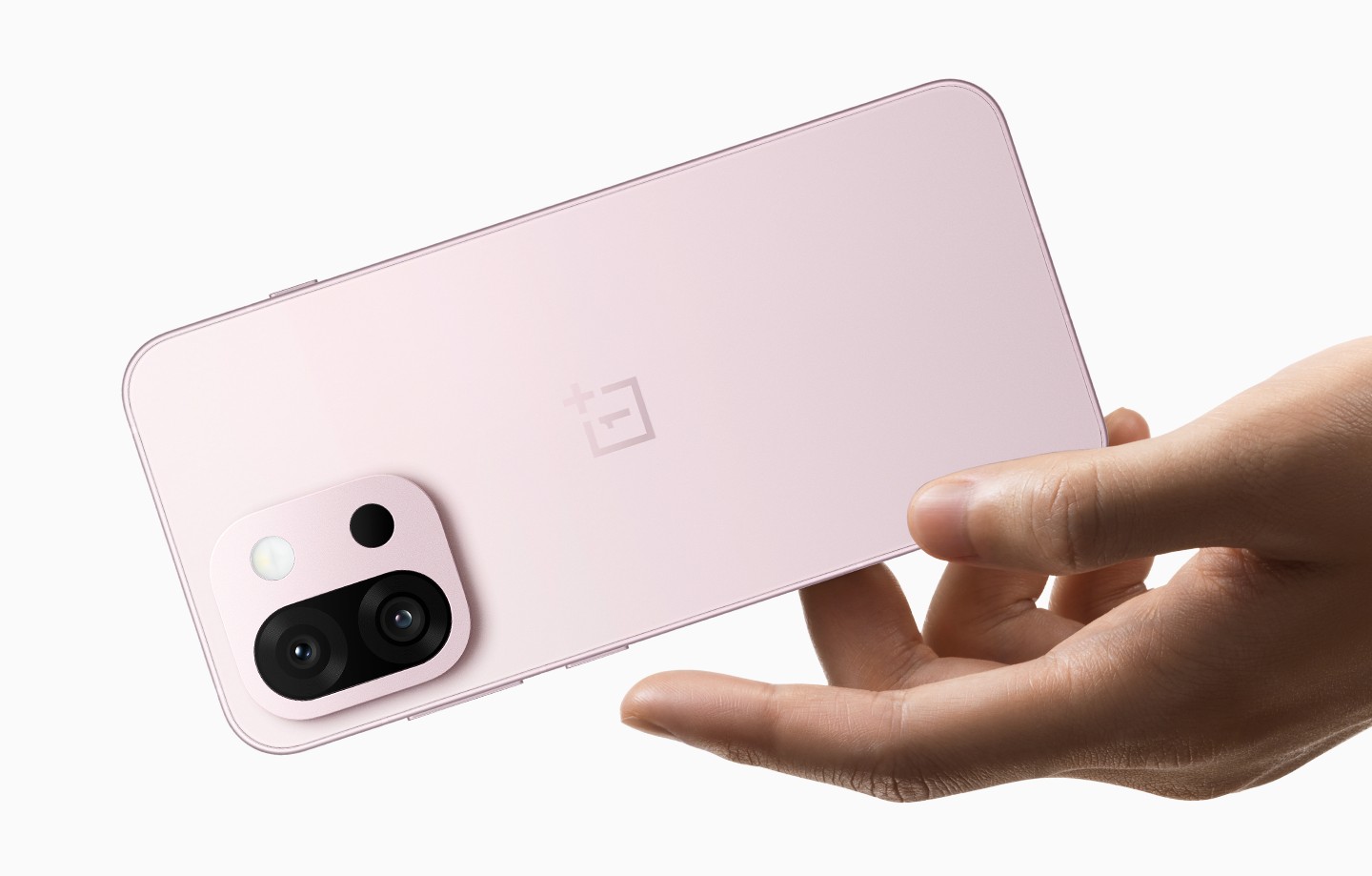
Redmi A5 / Poco C71 chipset leaks via Mi Code

Xiaomi‘s sub-brand, Redmi, unveiled its entry-level A3 smartphone back in February 2024. Almost a year later now, the company is gearing up for the launch of its successor, the Redmi A4.

Earlier this month, the device made an appearance on the FCC certification site, revealing some key details about its specs. The phone will feature Android 15, 5G connectivity, and four memory variants: 3GB/64GB, 4GB/64GB, 4GB/128GB, and 6GB/128GB.

While the chipset had been kept under wraps, a recent report from XiaomiTime may have just uncovered the details. According to findings from the alleged “Mi Code”, the upcoming Redmi A4 (model number “C3Z”) will be powered by the UniSoC T615 chipset.

Redmi A5 gets UnisoC T615 chip

The code points to “C3Z = UMS9230E,” which confirms the device will use UniSoC T615. This is the same chip we’ve seen on the Tecno Spark Go 1.

The UniSoC T615 features a mix of two ARM Cortex-A75 cores, six Cortex-A55 cores, and an ARM Mali-G57 MP1 graphics controller, all built on a 12-nanometer process. While it doesn’t deliver any extreme performance, it is well-suited for entry-level devices that focuses just on the basics. 

Details on the rest of the specs remain scarce, but rumors suggest that the Redmi A4 will sport a 1600 x 720 IPS display with a 120Hz refresh rate, a modest primary camera, and a 5,000mAh battery with 18W charging. 

Xiaomi is reportedly set to rebrand the Redmi A5 as the POCO C71, meaning both devices will likely share a similar set of specifications.

The company hasn’t officially confirmed the existence of these devices, and details on pricing, specific launch dates, and full specifications remain under wraps.

We’ll be sure to keep you updated as more information about the Redmi A5 and POCO C71 becomes available.

For more daily updates, please visit our News Section.

Don’t miss a thing! Join our Telegram community for instant updates and grab our free daily newsletter for the best tech stories!

Here’s Some of the Most Reliable Casio Watches

Casio offers a wide range of watches that suit various kinds of users. You’re an outdoors enthusiast? the G-Shock and Master of G series got you covered. Looking for something more premium? The Edifice has a healthy range of watches with a metal finish. Meaning, one always has a great selection to choose from.

So now, let’s check out some of the most reliable watches from the brand. Keep in mind that most Casio watches offer great durability, so reliable here hints at models you can’t go wrong with.

Casio A168W-1

The first on this list is the Casio A168W-1, which is a refresh of the company’s Vintage lineup. It is the successor to the massively popular A158 model but brings some useful upgrades. It is a classic Casio digital watch that is currently in-style. Pairing the silver metallic finish with the stainless steel band offers a timeless look.

Most Reliable Casio Watches
Casio A168W-1

This digital watch with its 3 year long battery life, affordable pricing, and reliable performance makes it the perfect watch for those who want a stylish yet functional watch. A simple metal watch is pretty easy to coordinate with outfits as well. It currently sells for 29.95 US Dollars.

Please Note: When you buy something using the links in our articles, we may earn a small commission at no cost to you.

Casioak

Casio’s 2100 series was lovingly dubbed Casioak by the fans and it is another great example of a reliable watch from the brand. It is a comfortable watch with a hybrid design that combines digital and analog, giving you the best of both worlds. That’s not all, these are offered in a diverse range of variants and color options.

G-Shock GA-2100 x Hiroshima Toyo Carp

So you get those bright G-Shock variants and even limited edition variants. The 2100 series is also a part of the popular G-Shock series and typically starts for around 100 US Dollars. Depending on the model you buy, you can either go for a head-turning color scheme or a minimal yet elegant wrist piece.

Duro

The Casio Duro is another one of those durable yet premium looking watches. These can offer around an impressive 200 meters of water resistance with a gorgeous look. All of which can be yours for just around 60 to 70 US Dollars. The upper end models can get more pricey, but even the base models are a great entry point.

Most Reliable Casio Watches
Casio MDV106-1A

Even the American billionaire, Bill Gates, was spotted wearing the Casio Duro MDV106-1AV analog watch, which currently sells for 70 US Dollars as well. It blends a timeless stainless steel watch with a highly durable and functional body.

Please Note: When you buy something using the links in our articles, we may earn a small commission at no cost to you.

For more daily updates, please visit our News Section.

Don’t miss a thing! Join our Telegram community for instant updates and grab our free daily newsletter for the best tech stories!

Samsung Galaxy A56 5G inches closer to global launch, Clears FCC certification

After the recent launch of the Galaxy S25 series smartphones, Samsung is now preparing to expand its Galaxy A series with the launch of the Galaxy A56 5G in global markets, including India. Recent certifications and database listings have provided critical details about the upcoming smartphone.

The Galaxy A56 5G, identified by its SM-A566E/DS model number, recently received FCC certification (spotted by MySmartPrice), confirming its connectivity features. The device will support a broad range of network technologies, including GSM, WCDMA, LTE FDD, and 5G. Supported 5G bands include n1, 3, 5, 7, 8, 20, 28, 38, 40, 41, 66, 77, and 78. Additionally, the smartphone will offer Bluetooth, NFC, GNSS, and Wi-Fi (802.11.b/g/n/a/ac/ax) connectivity.

The FCC certification also tested the Galaxy A56 5G with the EP-TA800 adapter, which supports 25W charging. However, both the FCC and earlier TENAA certifications confirm that the device will support 45W wired fast charging. The smartphone will feature a 4,905mAh rated battery.

Other than the above mentioned details, we expect the Galaxy A56 5G to be powered by Samsung’s in-house Exynos 1580 processor, paired with 8GB/128GB and 12GB/256GB RAM and storage configurations. The device was recently spotted on Geekbench, showcasing its performance potential. It will launch with Android 15 out of the box, layered with Samsung’s One UI 7.0, expected to include the latest AI-driven features.

In other news, Samsung also teased the ‘Project Moohan’ XR headset, Samsung’s entry into extended reality, running on Android XR with eye tracking, hand gestures, and voice controls. The device will feature OLEDoS displays, Snapdragon XR2+ Gen 2, and Google’s Gemini AI, with an expected price of over $2,000 and a 2025 release.

For more daily updates, please visit our News Section.

Don’t miss a thing! Join our Telegram community for instant updates and grab our free daily newsletter for the best tech stories!

(via)

Redmi K90 Pro to hit 5,000 yuan price mark, leak claims

According to a new leak from reliable Chinese tipster Digital Chat Station, the upcoming Redmi K90 Pro is set for another price hike. That’s a bit surprising considering Redmi’s K Pro model recently saw a prime bump with the new K80 Pro.

The device launched in China last November as one of the first to pack Qualcomm’s Snapdragon 8 Elite chip. Its price starts at 3,700 yuan for the base 12GB/256GB model—up from 3,299 yuan on the K70 Pro

Redmi K90 Pro to See a Major Price Hike

Now, Digital Chat Station claims Redmi is planning an even steeper price increase for the K90 Pro. The tipster suggests that Redmi is aiming to hit the 5,000 yuan price bracket in 2025

The K90 Pro will reportedly cost between 4,000 and 5,000 yuan. Even if we take the lower end of that range, the K90 Pro would be around 22% pricier than the K70 Pro.

Redmi announced the K-series as its most premium offering ahead of the launch of the K80 Pro launch, and it looks like the company is doubling down on that strategy. If this leak holds up, the once-affordable flagship killer might not be so budget-friendly anymore.

What we know

We are not clear how Redmi will justify the price increase, but an early leak suggests the K90 Pro could pack some notable upgrades. The first major rumor points to a 50MP periscope telephoto camera

The phone is also expected to be powered by the Snapdragon 8 Elite 2 chip—an iterative upgrade over its predecessor. Meanwhile, Redmi may stick with a flat 2K OLED display, keeping the familiar design intact.

The K80 series is still relatively new and hasn’t launched outside China yet—either on its own or as a rebrand. That means we’re still months away from an official K90 series announcement. But, as always, expect to hear plenty more through leaks and rumors before Redmi makes anything official.

For more daily updates, please visit our News Section.

Stay ahead in tech! Join our Telegram community and sign up for our daily newsletter of top stories! 💡

Lenovo Xiaoxin Pro 14/16 GT AI 2025 laptops set to launch on February 18

Lenovo China is set to launch its Xiaoxin Pro series of notebooks on February 18, including the flagship Xiaoxin Pro 14/16 GT AI 2025 models. The series promises to deliver high performance in a slim and lightweight design.

Xiaoxin Pro 16 GT

Details shared by the brand confirm that the Xiaoxin Pro 16 GT is powered by Intel’s latest Core Ultra 7 255H and Ultra 9 285H processors, paired with 32GB of dual-channel LPDDR5x-8533 memory. It features dual PCIe 4.0 drive bays (M.2 2242+2280) and comes pre-installed with 1TB of storage.

The device sports a 16-inch 2.8K OLED display with a variable refresh rate of 30–120 Hz, a peak brightness of 1100 nits, and 100% DCI-P3 color accuracy. This ensures vibrant visuals suitable for professional and entertainment purposes. Despite its high-performance components, the notebook remains compact at 15.95mm thick and weighs just 1.72 kg.

Other notable features include an 84Wh battery, dual 2W speakers, and a variety of ports, such as dual Thunderbolt 4, dual USB-A, HDMI 2.1, an SD card reader, and a 3.5mm headphone jack. The Xiaoxin Pro 16 GT also supports Wi-Fi 7 and includes an FHD infrared camera with a privacy shutter and a ToF sensor for improved security.

In other news, Lenovo has also launched the Erazer S130 2-in-1 tablet in China, which features a 13-inch 3K IPS touchscreen, Intel Celeron N100 processor, with up to 16GB DDR5 RAM and 512GB SSD storage. The tablet is pre-installed with Windows 11.

(Source, via)

Why you should use Bixby Routine on your Samsung Galaxy phone

Artificial Intelligence is a part of everyday life now, offering useful tools to people on their PCs, and now, even smartphones. Samsung offers AI powered tools like Galaxy AI and even Bixby. While the latter isn’t relatively popular amongst users, it has some pretty nifty features like Bixby Routine. So here’s why you should be using Bixby Routine on your Galaxy phone.

Bixby

1. What is Bixby Routine?

Bixby Routines is a powerful feature that allows you to automate a series of actions based on specific conditions. These conditions could trigger based on the time of day, your location, app usage, and connectivity status among other things. Once any of these are triggered, Bixby Routines kicks into play and performs a set of predetermined tasks. This could include turning on the WiFi, launching a specific app, or sending a message. So let’s see how it helps.

2. Increased Productivity

Bixby Routine was created to offer a seamless experience while also helping you save time. It can even improve productivity as well. For instance, you can make a Morning Routine that can wake you up by playing your favorite playlist. The Commute Routine can connect to your car automatically, start navigation, and adjust certain settings. All of this helps you get started with your day with routines tweaking settings that can even help remove distractions like DND mode (Do Not Disturb).

3. User Convenience

The Bixby Routine was built to perform all these tasks automatically. So you do not have to constantly change settings. This makes it quite convenient on a day-to-day basis. A great example of this is a Home Routine, which can turn on WiFi to connect to your home network, pair to home speakers, and adjust the thermostat based on your preference. If you’re on a flight, you can set a travel routine that enables airplane mode, disable mobile data, and connect to in-flight WiFi network.

4. Personalized Experience

Bixby Routine on Samsung Galaxy smartphones offers a high range of personalization. Thanks to these customizable tasks, each user can tailor the routines based on their specific preferences or needs. So your experience with Bixby Routine will be quite different from someone else’s. Setting multiple triggers can even create a complex series of routines that adapt to the environment around you.

5. Accessibility

Samsung made Bixby initially as a voice assistant, but there is still support for a full hands free experience via voice commands. So it can make Galaxy smartphones more accessible for people with disabilities. The automation of various repetitive tasks can also reduce the need for manual adjustments, which can again help the specially-abled individuals.

For more daily updates, please visit our News Section.

Tech enthusiast? Get the latest news first! Follow our Telegram channel and subscribe to our free newsletter for your daily tech fix! ⚡

Is the foldable smartphone hype finally justified in 2025?

The foldable smartphone market has undergone a transformative journey, evolving from fragile novelties to robust, functional devices. By 2025, foldables have made significant strides, leading many to believe the long-standing hype surrounding them is finally justified. With advancements in design, durability, and affordability, foldables are carving a niche in the tech landscape.

Samsung Galaxy Z Fold 6 and Galaxy Z Flip 6

1. The evolution of foldable smartphones

The foldable journey began in 2019 with devices like the Samsung Galaxy Fold and Huawei Mate X, which, although innovative, had issues such as fragile screens, bulky designs, and high costs. These early models were more experimental than practical choices for everyday users.

By 2025, however, the narrative has shifted. Brands like Samsung, Huawei, Vivo Oppo, Xiaomi, Honor, and Google have invested heavily in overcoming these challenges. Foldables now boast enhanced durability, refined features, and prices that appeal to a broader audience. Technologies such as ultra-thin glass, crease-less designs, and water resistance have become standard, redefining the category.

2. Improved durability and cutting-edge designs

Early criticisms of foldables centred around their vulnerability to wear and tear. Screens scratched easily, and hinges failed with extended use. However, recent innovations have addressed these issues. Ultra-thin glass reinforced with strong coatings ensures screens are more resilient. Devices like the Samsung Galaxy Z Fold 6, Vivo X Fold 3 series, and Oppo Find N3 feature durable, smooth hinge systems.

Foldables are also sleeker and lighter, making them more practical for daily use. Structural improvements, including reinforced frames and adhesives, contribute to better build quality. Features like IP ratings for water and dust resistance are now common, making foldables more reliable and versatile than ever before. Initially, foldable phones faced prominent screen crease issues, which became more noticeable as the device aged and experienced more folds. However, brands have made significant strides in reducing the screen crease in newer models, so it is no longer a major concern.

3. Enhanced functionality for diverse needs

Foldables are no longer just eye-catching gadgets but offer functionality that sets them apart from traditional smartphones. Their larger fold-out displays are perfect for multitasking, gaming, and immersive media consumption. Features like split-screen multitasking and app continuity have been optimised, allowing seamless transitions between folded and unfolded modes.

The flip-style foldables, such as the Motorola Razr 50 Ultra, Huawei Magic V Flip, Xiaomi Mix Flip, and Samsung Galaxy Z Flip 6, have seen significant improvements in hinge durability, better cameras, and decreased screen creases. These updates have made it easier for users to perform multiple tasks without needing to open the phone, enhancing the overall user experience. The increase in external screen sizes on these devices allows for more functionality without unfolding, making them even more convenient for daily use.

Foldables come in different form factors to cater to various user preferences. Compact and stylish models like the Samsung Galaxy Z Flip 6 appeal to trend-conscious users, while productivity-focused devices like the Huawei Mate X6 target professionals. This diversity ensures foldables can meet a range of needs, making them more than just a niche product.

4. Breaking the price barrier

Affordability has historically been a major roadblock for foldable adoption. Early models often cost upwards of $2,000, limiting their appeal to affluent consumers. However, by 2025, the landscape has shifted. Manufacturing advancements and competitive pricing have brought foldable smartphones closer to the cost of premium flagships. Devices like the Xiaomi Mix Fold 4 and Vivo X Fold 3 are available at more reasonable prices.

Trade-in programs and carrier subsidies have further reduced the cost barrier, making foldables more accessible to a wider audience. As these trends continue, foldable adoption is expected to grow rapidly.

5. Final Thoughts

Looking ahead to this year, foldable phones are expected to become even thinner and lighter. The upcoming Oppo Find N5, measuring around 4.2mm in its unfolded state, is being touted as the world’s thinnest foldable phone. The Magic V3, currently holding the title of the lightest foldable phone at 226 grams, may soon see competition from upcoming models weighing under 220 grams.

While challenges remain, the rapid pace of innovation suggests that foldables are no longer a passing trend but a cornerstone of the smartphone industry. Foldables are finally fulfilling the hype for those seeking a blend of cutting-edge technology and practicality.

For more daily updates, please visit our News Section.

Stay ahead in tech! Join our Telegram community and sign up for our daily newsletter of top stories! 💡