Advertisement

6 Most Anticipated Foldable Phones of 2025

As foldable smartphones continue to evolve, 2025 is shaping up to be a pivotal year for the segment. With numerous major brands ready to introduce their latest innovations, the foldable market is abuzz with rumors and leaks about exciting devices. From Samsung to Xiaomi, Oppo, Vivo, and Motorola, here’s a closer look at the most anticipated foldables of 2025.

Xiaomi Mix Flip

1. Samsung Galaxy Z Fold 7 & Flip 7

Samsung Galaxy Z Fold 6 and Galaxy Z Flip 6

Samsung remains a leader in the foldable space, and its Galaxy Z Fold 7 and Z Flip 7 are two of the most awaited devices of 2025. The Galaxy Z Fold 7 is expected to debut with a slightly less powerful 7-core variant of the Snapdragon 8 Elite chipset.

The device will also inherit the thinner form factor of the Galaxy Z Fold Special Edition, featuring an 8-inch foldable inner screen and a 6.5-inch cover display. Reports suggest a departure from S Pen support to achieve a sleeker design, with the foldable measuring just 4.9mm thick when open.

On the other hand, the Galaxy Z Flip 7 will likely feature the Exynos 2500 chipset, focusing on affordability and style. It’s rumored to sport a larger 6.85-inch inner screen and a 4-inch cover display, making it a more practical choice for everyday users. Despite scaled-back production plans due to weaker-than-expected sales of the previous generation, Samsung’s foldables remain a cornerstone of the market.

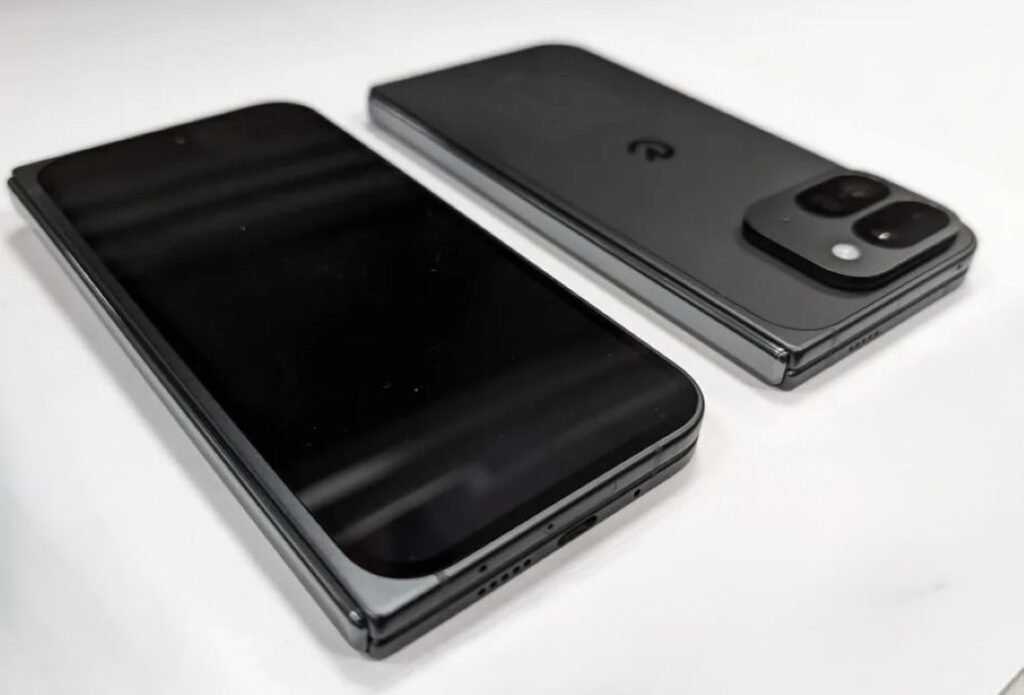
2. Google Pixel 10 Pro Fold

Google Comet Pixel Fold 2 Flip in work

Google’s Pixel 10 Pro Fold, expected to launch in September 2025, aims to build on the success of its predecessor, the Pixel 9 Pro Fold. While retaining its characteristic square folding design, it’s expected to include the Tensor G5 chipset, 16GB of RAM, and storage options of 256GB and 512GB.

With a focus on refined software optimizations, Android 16 will bring enhanced multitasking and foldable-specific features. Although camera improvements are anticipated, the device will likely stick with a 48MP primary sensor, along with ultrawide and telephoto lenses. These are purely based on rumors at this moment, so take these details with a pinch of salt.

3. Xiaomi Mix Flip 2

Xiaomi’s Mix Flip 2 is another exciting addition to the foldable lineup. Building on the success of the first Mix Flip, this device is expected to feature a Snapdragon 8 Elite chipset, a larger 5,600mAh battery, and a thinner, lighter body. Leaks suggest the Mix Flip 2 will switch its telephoto lens for a 50MP ultra-wide sensor, paired with a 50MP main camera.

The Mix Flip 2 will likely retain a 6.85-inch LTPO OLED main display and a 4-inch cover screen. It may also come with an IPX8 water resistance rating and support for wireless charging, addressing some of the shortcomings of its predecessor. With its competitive pricing, Xiaomi will aim to challenge Samsung’s Z Flip series.

4. Oppo Find N5

Oppo-Find-N5-waterproof-1-

Oppo’s Find N5 is generating buzz as the world’s thinnest foldable phone. Expected to feature a titanium body and Snapdragon 8 Elite chipset, the Find N5 will reportedly measure just 3.7mm when unfolded. It will also include a 50MP periscope telephoto lens and a 5,700mAh battery with fast charging.

Oppo has teased its superior build quality and resistance to water, with an IPX9 rating for high-pressure water jets. With stylus support and a rebranded global release as the OnePlus Open 2, the Find N5 is set to offer fierce competition to Samsung and Google.

5. Vivo X Fold 4

Vivo-X-Fold-3-Pro

The Vivo X Fold 4 is poised to make waves with its rumored 6,500mAh battery, the largest in any foldable phone to date. The device is expected to feature Qualcomm’s Snapdragon 8 Elite chipset and a thinner design despite the larger battery. Vivo’s focus on ultrathin foldables could result in a significant reduction in weight and thickness compared to the X Fold 3.

According to leaks, the device is also expected to feature dual ultrasonic fingerprint scanners, IPX8 water resistance, and a triple-camera system which may include 50MP main, 50MP ultrawide, and 50MP telephoto lenses.

6. Motorola Razr 60 Ultra

Motorola Razr 50 Ultra

Motorola’s Razr 60 Ultra aims to build on the success of the Razr 50 Ultra. Leaks suggest it will feature the Snapdragon 8s Elite chipset, a 6.9-inch LTPO OLED inner display, and a 4-inch cover screen.

The Razr 60 Ultra is also rumored to offer a dual-camera setup, including a 50MP main sensor and a 50MP telephoto lens. With BIS certification already secured, the device is expected to launch in early 2025.

Stay ahead in tech! Join our Telegram community and sign up for our daily newsletter of top stories! 💡

These factors make Moto G05 an enticing entry-level smartphone

Last month, Motorola unveiled the Moto G05. The device made its way to India a couple of weeks back.

It is currently the most affordable Moto G series smartphone. Priced at ₹6,999 (~$80), it offers an interesting set of features though it is limited to 4G.

The device stands out among the limited options in the entry-level range. Let’s go through why that is so in this article.

Motorola Moto G05
Moto G05 is available in Forest Green and Plum Red color options in India

1. Look and Feel

The Moto G05 looks like any other Motorola smartphone as the brand follows a common design language across its products. This makes it feel premium as it resembles more expensive handsets from the company.

The vegan leather finish on the back further enhances the in-hand feel. In India, the device is offered in two Pantone-validated colors, namely Forest Green and Plum Red.

Despite being an entry-level smartphone, it flaunts a centered punch-hole display. All these factors together make it look and feel more premium than it actually is.

2. Nails the Basics

The Moto G05 sports a 6.67-inch LCD screen with a centered punch-hole and HD+ resolution (1604 x 720 pixels). The best part about this panel is its 1000 nits peak brightness level.

There’s probably no other phone in this segment with such a bright screen. The display also refreshes at a 90Hz rate.

Further, the handset comes with dual stereo speakers with Dolby Atmos support. There’s also a 3.5mm headphone jack.

Lastly, it is backed by a 5,200mAh battery with support for 18W charging.

3. Useful Add-ons

The Moto G05 arrives with a side-mounted fingerprint sensor for biometrics. It also comes with a dedicated MicroSD card slot.

On the rear, the handset features a 50MP quad-pixel main camera. Apart from portrait mode, the camera app also offers night mode.

As for software, the Moto G05 is the only device in its segment to boot Android 15. It offers a near-to-stock Android experience along with 2 years of security updates.

Finally, the product is IP52-rated for splash resistance and its touchscreen can be operated even while being wet.

Don’t miss a thing! Join our Telegram community for instant updates and grab our free daily newsletter for the best tech stories! 🚀

iPhone SE4 will have at least one edge over its mid-range Android counterparts

Apple reportedly has plans to disrupt the mid-range smartphone market with the iPhone SE 4. The device is set to launch in March 2025. It is expected to be priced under $500, which makes it a direct competitor to the upper mid-range Android phones. According to Bloomberg, the iPhone SE 4 could support Apple Intelligence, a premium feature currently exclusive to the iPhone 15 Pro and the iPhone 16 series.

iPhone SE 4 to bring Apple Intelligence to the sub-$500 range

The iPhone SE 4 will be the first SE model to support Apple Intelligence tools – Genmoji, Writing Tools, Image Playground, and even the integration with the platform ChatGPT. It is a huge step for the SE line to have capabilities that are rare in the mid-range Android segment.

The support for Apple Intelligence also means that the iPhone SE 4 will be powered by either A17 Pro or A18 SoC, which at the moment, are the three processors capable of supporting Apple Intelligence. Of course, the third chip is A18 Pro, which you don’t expect to power the next SE model.

So the chipset will yet again be one of the main upgrades in the iPhone SE 4. The new chip is rumored to be paired with 8GB RAM, a major upgrade over the iPhone SE (2022).

What else to expect from the iPhone SE 4?

According to Notebookcheck, Apple Stores are not replenishing any more stocks of the iPhone SE (2022) that quickly, hence indicating an imminent launch time for its next version.

It is likely that Apple will skip a few cutting-edge AI features to make the more expensive models stand out. But it’s still expected to drive people from the Android ecosystem to Apple’s, especially considering the rumored sub-$500 price tag.

Apple iPhone SE 4
Apple iPhone SE 4

According to previous leaks, the iPhone SE 4 may feature a 48MP single rear camera on the back. Nonetheless, this will still be an upgrade over the 12MP camera of the predecessor. On the front, the phone is expected to offer a notch that makes it look similar to the iPhone 14. But let’s be honest: do you really expect Dynamic Island from Apple within the sub-$500 price bracket? If so, then you’ll have to look for an Android alternative.

Stay ahead in tech! Join our Telegram community and sign up for our daily newsletter of top stories!

ASUS ROG Phone 9 FE global launch imminent; Picks up key regional certifications

Asus appears to be expanding its ROG Phone 9 series with a new variant, the ROG Phone 9 FE, potentially a more affordable “Fan Edition.” Certifications in Malaysia (SIRIM) and Thailand (NBTC) reveal the model number “ASUS_AI2401_N,” confirming its existence and possible launch in these regions soon. The same model number was previously seen on the GSMA certification site.

Asus ROG Phone 9 FE SIRIM certification
Asus ROG Phone 9 FE NBTC certification

Potential Specifications

While official details remain scarce, the ROG Phone 9 FE may feature similar to the ROG Phone 8 features as the ROG Phone 8, due to the similarities in their model numbers (ROG Phone 8 has AI2501C model number). With that in mind, we can expect the ROG Phone 9 FE to arrive with the Snapdragon 8 Gen 3 chip, rather than the Snapdragon 8 Elite chip which powers the rest of the ROG Phone 9 lineup. This suggests the FE variant will have slightly reduced performance to offer a more budget-friendly price point.

Key Features

Asus is likely to retain signature ROG Phone features in the FE model, such as the AirTrigger button, AeroActive cooling accessories, and advanced heat dissipation systems. It will be interesting to see if the device ends up getting the Anime vision display on the back or not. If it does end up being an exact copy of the ROG Phone 8, then we can expect the device to come with the following specifications.

ROG Phone 8 features

ASUS ROG Phone 8
ROG Phone 8

The ASUS ROG Phone 8 features a 6.78-inch FHD+ Samsung E6 AMOLED display with a 1-165Hz refresh rate, 2500 nits peak brightness, and Gorilla Glass Victus 2 protection. It is powered by the Snapdragon 8 Gen 3 chip with LPDDR5X RAM and UFS 4.0 storage. The camera setup includes a 50MP Sony IMX890 sensor with gimbal stabilization, a 13MP ultra-wide lens, a 32MP telephoto lens with OIS, and a 32MP front camera.

It has a 5500mAh battery with 65W HyperCharge and 15W wireless charging. For connectivity, the device has Wi-Fi 7, Bluetooth 5.4, and NFC. As for protection against the element, it comes with an IP68 water resistance certification.

Don’t miss a thing! Join our Telegram community for instant updates and grab our free daily newsletter for the best tech stories!

(via)

The Best Budget Smartphones of 2025

We’ve put together a list of the best budget smartphones of 2025. With so many devices claiming to offer top specs at an affordable price, it can be hard to know where to start. The good news is, you don’t have to sift through endless spec sheets and marketing jargon.

We’ve rounded up some of the most compelling budget smartphones of the year — ones that strike the right balance between price, performance, and design.

Keep in mind, when we say “budget,” we’re not talking about the absolute entry-level models. We have a separate list for those. These devices are a step above that.

Now let’s dive in.

1. Nothing Phone 2a

The Nothing Phone 2a continues the brand’s minimalist design language, complete with the signature Glyph interface — those glowing LED light strips on the back that can act as notification indicators or even camera fill lights. It’s not just about aesthetics, though; the Phone 2a offers impressive hardware for its price.

The phone packs a 6.7-inch AMOLED display with a smooth 120Hz refresh rate and HDR10+ support. It gets bright enough to handle direct sunlight (up to 1300 nits peak brightness), and the Gorilla Glass 5 protection ensures durability. Under the hood, there’s a MediaTek Dimensity 7200 Pro chip, which handles most daily tasks and gaming without noticeable stutters.

You’ll find a dual-camera setup with two 50MP sensors — one for wide shots and the other for ultrawide. The 32MP front-facing camera is more than adequate for selfies and video calls. With 4K video support and gyro-based stabilization, the Phone 2a delivers good video performance too.

The 5000mAh battery offers reliable day-long performance, and the 45W wired charging can get you to 50% in just 23 minutes. However, there’s no wireless charging here, and you’ll have to live without a headphone jack. That said, at its price, the Nothing Phone 2a is still one of the most polished budget smartphones out there.

Please Note: When you buy something using the links in our articles, we may earn a small commission at no cost to you.


2. Redmi Note 14 Pro

Xiaomi’s Redmi Note series has been a staple in the budget segment for years, and the Redmi Note 14 Pro reinforces why. It offers premium features at a fraction of flagship prices, including an IP68 rating for water and dust resistance.

The 6.67-inch AMOLED display is one of the best in the budget range, boasting a stunning 1220 x 2712 resolution with HDR10+ and Dolby Vision. It even hits an impressive 3000 nits peak brightness — more than enough for outdoor use. Protection is top-notch, too, thanks to Gorilla Glass Victus 2.

Inside, you’ll find the MediaTek Dimensity 7300 Ultra, paired with up to 12GB of RAM and 512GB of storage

On the camera front, the Redmi Note 14 Pro offers a 50MP main sensor with a large f/1.5 aperture, ensuring good low-light shots. There’s also an 8MP ultrawide lens and a 2MP macro sensor. Selfies are handled by a 20MP front-facing camera, and video recording goes up to 4K at 30fps.

Battery life is impressive, thanks to the 5500mAh capacity, and the phone supports 45W wired charging. The lack of a headphone jack might disappoint some, but the stereo speakers with Hi-Res audio support make up for it.

Please Note: When you buy something using the links in our articles, we may earn a small commission at no cost to you.


3. Meizu Lucky 08

The Meizu Lucky 08 might not have the brand recognition of its competitors, but it delivers a lot of value for the price. It’s especially appealing if battery life is your top priority, with a massive 6000mAh battery that should keep the phone running for two days on moderate use.

Its 6.78-inch LTPO AMOLED display is on par with competition which offers a 144Hz refresh rate and 5000 nits peak brightness — the brightest on this list. Combined with HDR support and a crisp 1264 x 2780 resolution, the content looks vibrant and sharp.

The phone is powered by the Snapdragon 7s Gen 2 chip, paired with up to 512GB storage and 12GB RAM

Meizu has gone with a simple camera setup on the Lucky 08. It has a 108MP main sensor and a 2MP macro lens. Selfies are handled by an 8MP front camera, but it’s not the strongest point of the phone. Video recording is limited compared to competitors, with no 4K option.

Charging the massive battery isn’t a pain either, thanks to 45W wired charging. If you can overlook the average cameras, the Meizu Lucky 08 stands out as a battery champ with a brilliant display


OnePlus Nord CE 4

The OnePlus Nord CE 4 is another strong contender in the budget space. It’s the most charging-friendly phone on this list, with 100W wired charging that gets you to full in just 29 minutes. Combine that with the 5500mAh battery, and you’re looking at a phone that’s built for heavy users.

The 6.7-inch AMOLED display offers a 120Hz refresh rate and HDR10+ support. Brightness peaks at 1100 nits, and the bezels are impressively slim which gives the phone a sleek look.

Under the hood, the Snapdragon 7 Gen 3 chipset handles tasks effortlessly. Paired with UFS 3.1 storage and up to 8GB RAM, the phone should respond swiftly to tasks like browsing or running demanding apps.

The Nord CE 4 has a 50MP main camera with OIS and an 8MP ultrawide lens. The 16MP front camera performs selfie and video call duties, and its recording support goes up to 4K at 30fps. OnePlus also delivers a relatively clean software experience with its ColorOS skin.

Please Note: When you buy something using the links in our articles, we may earn a small commission at no cost to you.


4. Final Thoughts

The best budget smartphone ultimately comes down to your priorities. If you want a unique design with a clean software experience, the Nothing Phone 2a is an excellent choice. If display quality and durability matter most, the Redmi Note 14 Pro won’t disappoint. For those focused on battery life, the Meizu Lucky 08 is a no-brainer, while the OnePlus Nord CE 4 is perfect for users who value fast charging and smooth performance. No matter your pick, these devices prove that you don’t need to spend flagship money to get a great smartphone in 2024.

Don’t miss a thing! Read all the latest interesting tech news here, or Join our Telegram community for instant updates and grab our free daily newsletter for the best tech stories!

iQOO Neo 10R Specs, Indian Price Point & Launch Window Tipped

A few months ago, iQOO introduced the Neo 10 series in China, featuring the Neo 10 and Neo 10 Pro models. While these devices are yet to launch globally, the brand appears to be gearing up to release a new model, the iQOO Neo 10R 5G, in the Indian market soon.

iQOO-Neo10-Pro
iQOO Neo 10 Pro

Tipster Paras Guglani has leaked the alleged specifications of the Neo 10R 5G’s smartphone alongside its Indian price range and launch timeline. As per the tipster, the device will make its way to the Indian market sometime in February 2025.

The device will allegedly have an “I2221” model number and will feature a 6.78-inch AMOLED display with 144Hz refresh rate. Under the hood, it will offer the Snapdragon 8s Gen 3 processor, paired with two RAM and storage options: 8GB + 256GB, and 12GB + 256GB. A previous report mentions that there will also be an 8GB + 128GB model. The battery onboard will offer a massive 6,400mAh capacity, paired with 80W fast charging.

As for optics, the device will offer a 50 MP Sony LYT-600 primary camera, along with an 8 MP ultrawide camera and a 16 MP selfie snapper. The device is claimed to come in two color options: Blue White Slice and Lunar Titanium. As for the price point, the device is said to be priced under the INR 30,000 mark. At this price point, the Neo 10R 5G will go up against devices like the recently launched Dimensity 8400-clad POCO X7 Pro (check out Dimensity 8400-Ultra vs Snapdragon 8s Gen 3), the POCO F6, and the Motorola Edge 50 Pro. From a purely gaming-centric perspective, the X7 Pro and the F6 out of POCO‘s camp will be the main competitors.

Tech enthusiast? Get the latest news first! Follow our Telegram channel and subscribe to our free newsletter for your daily tech fix!

(Source)

HBADA E3 Ergonomic Office Chair: A Comfortable Haven for Your Workday

Spending hours at a desk can feel like a marathon, and finding the right chair can mean the difference between a finish line sprint and a slow, aching trudge. The HBADA E3 Ergonomic Office Chair is designed to be your comfortable haven, providing support and relief for those long workdays.

Brand Story:

Boasting over 16 years of experience, HBADA has been committed to refining ergonomic design, ensuring that their chairs are not only visually appealing but also deliver unmatched support. In collaboration with esteemed medical expert Dr. Dennis Miller, HBADA has developed chairs that encourage proper posture and contribute to long-term health. With certifications such as the esteemed German IGR Ergonomics Certification and accolades like the French Design Award, HBADA merges innovation with expert-endorsed health benefits to provide seating solutions that genuinely enhance users body’s well-being.

Core Features

– T-shaped Support System:

The HBADA E3’s T-shaped support system provides a solid backbone of support. It’s like having a built-in back brace that keeps you aligned as you work. It’s not just a gimmick; it makes a noticeable difference in how I feel at the end of the day.

– Three-zone Elastic Lumbar Support:

The lumbar support is a standout feature. It’s not too hard or too soft—it just feels right. The adjustable wings on the sides are a nice touch, as they let you customize the support to your body shape. It’s like having a personal trainer for your lower back.

– 4D Headrest:

The headrest is another feature that’s really grown on me. It’s not just a place to rest your head; it’s a way to relieve neck strain. The ability to adjust it up, down, and side to side means you can always find a comfortable position, no matter how tall you are or how you like to sit.

– 6D Mechanical Armrest:

The armrests are a game-changer. They move in so many directions that you can always find a position that feels right, whether you’re typing or just relaxing. They take the pressure off your arms and shoulders, which is a big deal if you spend a lot of time at your desk.

– High Elastic Mesh Fabric:

The mesh fabric on the HBADA E3 is a breath of fresh air, literally. It’s breathable and doesn’t make you feel sweaty or uncomfortable, even on hot days. It’s also durable, so it stands up to daily use without showing signs of wear.

– AUTO Gravity Sensing Chassis:

The gravity-sensing chassis is a smart feature. It adjusts the reclining resistance based on your weight, so you don’t have to fiddle with settings. It just works, and that’s a big plus in my book.

– 140° Deep Recline Function:

For those times when you need to take a break, the deep recline function is a lifesaver. It’s like having a little hammock at your desk. The footrest is a nice touch, as it lets you really stretch out and relax.

Quality and Durability

The HBADA E3 is built to last. The gas lift is tested to the tune of 120,000 cycles, so you know it’s reliable. The casters roll smoothly and quietly, and the five-star base is sturdy enough to handle a lot of weight without wobbling.

– One-Adjustment Solution:

The HBADA E3’s one-adjustment solution relieves the three pains of prolonged sitting: lower waist pain, neck pain, and shoulder pain, providing a fundamental solution for comfort.

– Lumbar Support :

The three-zone elastic lumbar support covers a large area with an 8-way adjustment, addressing the industry issue of how to solve lower waist pain. The central zone features a special mesh elastic traction system with 14° dynamic support that adjusts to your movements, and the vertical and horizontal adjustments of 4 cm and 2.5 cm, respectively, ensure a precise fit.

– Neck Pillow (4D Headrest):

The 4D headrest offers a vertical adjustment of 4.5 cm and a horizontal adjustment of 5.5 cm, along with dual-axis rotation of 70°. This multi-directional support distributes pressure and adapts to various heights and body types, relieving cervical pressure.

– Armrest (6D Mechanical Armrest):

The 6D mechanical armrest offers six adjustable dimensions for distributed pressure relief. It includes a 75 mm vertical adjustment, 30 mm forward and backward adjustment, side-to-side adjustment, 70° rotational adjustment, 40° folding up and down, and 6° tilt adjustment, ensuring elbow and forearm support.

– High Elastic Mesh Fabric:

The 16.5% micro-pore breathability of the high-elastic mesh fabric enhances airflow and ventilation, significantly improving breathability. The nylon yarn maximizes support strength, providing durability and resilience, while the breathable mesh prevents sweating and discomfort.

– Chassis (AUTO Gravity Sensing Chassis):

The adaptive gravity-sensing chassis requires no manual adjustments and automatically adjusts the reclining resistance based on body weight, providing optimal support for reclining and returning to the upright position effortlessly.

The Experience

I’ve been using the HBADA E3 for a few months now, and I wanted to share what it’s really like to sit in this chair day in and day out. From the moment you sit down, you can feel the difference. It’s not just a chair; it’s a well-thought-out solution to the common ailments of long hours at a desk.

Let’s talk about what it’s like to actually use the HBADA E3. When you first sit down, you’ll notice the T-shaped support system immediately. It’s not too firm, but it’s there, providing a solid base for your back. As you start to work, the three-zone lumbar support starts to shine. It’s like having a cushion that knows exactly where you need it most. The 4D headrest is a godsend for those late nights when you’re staring at the screen for hours on end. You can adjust it just right so that your neck doesn’t ache.

The armrests are another story. They’re not just there for show; they’re there to make a difference. Whether you’re typing away or taking a quick break to scroll through your phone, the armrests adjust to keep your arms comfortable. And when the day is done, and you just want to lean back and relax, the deep recline function is there for you. It’s not every chair that can offer that kind of comfort.

The fabric on the HBADA E3 is something else. It’s not your typical office chair material. It’s breathable, which means you won’t feel like you’re sitting in a sauna, even on the hottest days. And it’s durable, so it can handle the wear and tear of daily use.

The gravity-sensing chassis is a feature that you don’t see every day. It’s smart enough to know how much support you need based on your weight, so you don’t have to worry about adjusting it. It’s one less thing to think about, which is a nice change of pace.

In terms of quality, the HBADA E3 doesn’t disappoint. The gas lift is solid, and the casters roll smoothly without any squeaking. The base is sturdy, so you won’t find yourself wobbling when you lean back.

Conclusion

The HBADA E3 Ergonomic Office Chair isn’t just a chair, it’s a companion for your workday. It’s there to support you, to help you relax, and to make those long hours at the desk a little more comfortable. It’s not a magic solution, but it’s a solid investment in your health and well-being. If you’re looking for a chair that’s easy on the back and easy on the eyes, the HBADA E3 is worth a look.

The Galaxy S25 Ultra 16GB variant won’t be available outside these four countries: claims tipster

We are just hours away from Samsung‘s first Galaxy Unpacked event in 2025, where the company will unveil its Galaxy S25 series. Now well-known tipster @chunvn8888 claims that the 16GB variant of the Galaxy S25 Ultra will hit the shelves in only four Asian countries: India, South Korea, China, and Vietnam.

Galaxy-S25-Ultra-promo-image

While 12GB RAM is not by any means insufficient, many people waiting for the best of Samsung in 2025 won’t have the option but to import with extra cost or compromise slightly on performance.

Pre-order Samsung Galaxy phones now & get up to $1,250 off + a chance to win $5,000 credit (US only) – https://howl.link/erlejlgnge89i

More RAM is useful for on-device AI processing

The performance gap becomes more significant as you interact with the on-device AI models, which is one of the key selling points of the Galaxy S25 series. In fact, Apple had to increase the RAM to implement Apple Intelligence on the recent iPhones.

And there’s no denying that the 12GB version of the S25 Ultra will be relatively inferior to the 16GB version when it comes to playing a heavy title, running resource-intensive apps like a video editor, or trying to manage multiple things at once.

Although the tipster didn’t reveal the reason behind this decision, it will surely sadden consumers outside the above-mentioned countries, planning to upgrade to the 16GB variant.

As for the raw CPU and GPU power, the device packs the Snapdragon 8 Elite chipset. It outpaces the Galaxy S24 Ultra‘s Snapdragon 8 Gen 3 both in terms of performance and power efficiency. Although the battery capacity remains the same, the efficiency improvement suggests an improvement in battery life as well.

For those who were expecting a 6000mAh or larger battery, the shift is reserved for the Galaxy S26 Ultra. The 2026 flagship will also equip a 200MP periscope telephoto, claims renowned tipster Digital Chat Station.

In a nutshell, the Galaxy S25 Ultra is expected to offer improved performance within a chassis that is more comfortable to hold.

Tech enthusiast? Get the latest news first! Follow our Telegram channel and subscribe to our free newsletter for your daily tech fix!

(Source)

Dimensity 8400-Ultra vs Snapdragon 8s Gen 3: which offers superior performance?

Dimensity 8400 Plus vs Snapdragon 8s Gen 3

MediaTek Dimensity 8400-Ultra is here, rocking all big core configurations for its CPU. In fact, this is the first upper mid-range SoC to have such a CPU configuration. MediaTek was also the first to release a flagship Android chip with all big CPU cores, and that was Dimensity 9300.

The first device featuring Dimensity 8400-Ultra is out, and that is Redmi Turbo 4. This chip is nothing but the Dimensity 8400 with several tweaks made by Xiaomi. The benchmarking numbers look strong, putting it in close competition with the popular Snapdragon 7+ Gen 3 and Snapdragon 8s Gen 3.

MediaTek claims big upgrades for the Dimensity 8400-Ultra over its predecessor, but are those enough to put it ahead of the Snapdragon 8s Gen 3? Let’s compare them to see how the two chips stack up against each other.

MediaTek Dimensity 8400-Ultra vs Snapdragon 8s Gen 3

CPU comparison

Both the Dimensity 8400-Ultra and Snapdragon 8s Gen 3 are manufactured by TSMC using its 4nm process node. However, the CPU architectures have notable differences.

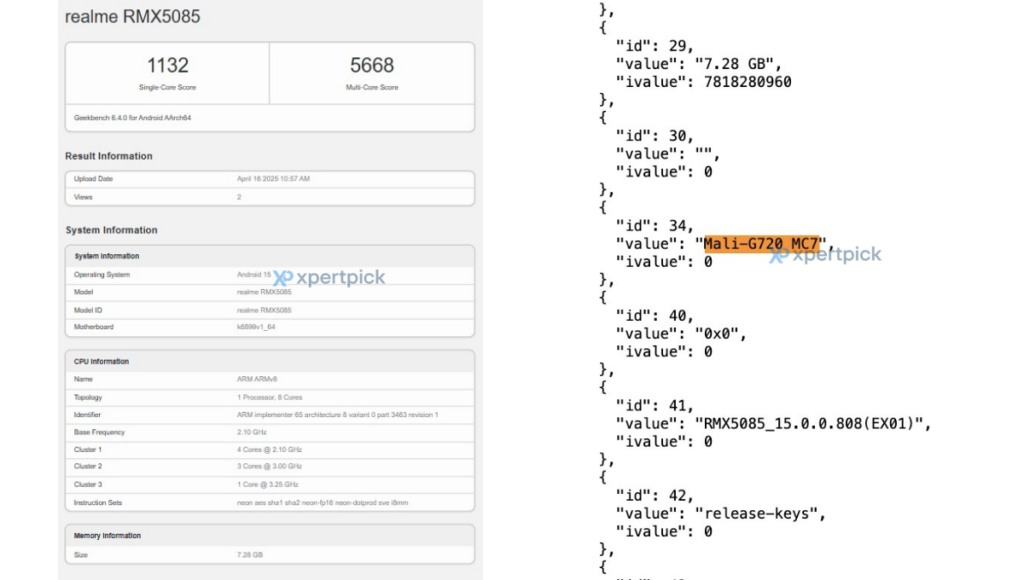
The Dimensity 8400-Ultra has all Cortex-A725 cores. One of them runs at 3.25GHz, three of them run at 3GHz, and the remaining four at 2.1GHz. The SD 8s Gen 3’s CPU architecture consists of one Cortex-X4 core clocked at 3GHz, four Cortex-A720 cores at 2.8GHz, and three Cortex-A520 cores at 2GHz.

The Cortex-X4 inside the Dimensity 8400-Ultra’s CPU is more powerful than the Cortex-A725, but then it runs at a lower clock speed. The remaining seven cores in the Dimensity chip are more powerful and power-efficient and run at higher clock speeds than those in the SD 8s Gen 3.

GPU comparison

Both chips have high-performance GPUs to satisfy the users’ gaming needs. The Dimensity 8400-Ultra has a Mali-G720 MP7 GPU, whereas the Snapdragon 8s Gen 3 has an Adreno 735 GPU.

We’ve run different benchmarks and put the results in the benchmark comparison section below, which provides better clarity about the performance.

Other comparisons

The two chips can handle on-device AI tasks, thanks to a hexagon NPU in the 8s Gen 3 and MediaTek NPU 980 inside the Dimensity 8400.

Both support LPDDR5X and UFS 4.0 and support all connectivity features, although there are some differences. For example, the Dimensity 8400-Ultra chip supports Wi-Fi 6, but the Snapdragon 8s Gen 3 supports a newer Wi-Fi 7 standard. However, it’s the opposite for Bluetooth; v5.4 on the 8s Gen 3 and v6 on Dimensity 8400-Ultra.

The Dimensity chip has a peak download speed of 5.1Gbps, while the Snapdragon chip peaks at 6.5Gbps. They also vary in terms of camera resolution, with the Snapdragon chip peaking at 200MP, while the Dimensity 8400-Ultra supports 320MP.  

Benchmark comparison

AnTuTu test:

Dimensity 8400 Ultra vs SD 8s Gen 3 - AnTuTu 10

The Dimensity 8400-Ultra outperforms the Snapdragon 8s Gen 3 chip on the AnTuTu benchmark. The former scored 1.79 million AnTuTu points, while the latter scored only 1.65 million AnTuTu points. 

AnTuTu score
Dimensity 8400-Ultra1,799,330
Snapdragon 8s Gen 31,654,675

Geekbench test:

Dimensity 8400 Ultra vs SD 8s Gen 3 - Geekbench 6

The Dimensity 8400-Ultra lags behind the Snapdragon 8s Gen 3 in single-core performance but surprisingly performs better in multi-core performance.

Single-coreMulti-core
Dimensity 8400-Ultra1,6396,500
Snapdragon 8s Gen 32,0485,684

3D Mark Wild Life Extreme test:

Dimensity 8400 Ultra vs SD 8s Gen 3 - 3DMark Wild Life Extreme

The Dimensity 8400-Ultra also leads the 3D Mark Wild Life Extreme test. It received 4,086 points, whereas the Snapdragon 8s Gen 3 could only manage to pull off 3,161 points.

Wild Life Extreme
Dimensity 8400-Ultra4,086
Snapdragon 8s Gen 33,161

Dimensity 8400-Ultra vs Snapdragon 8s Gen 3: which is better?

The Dimensity 8400-Ultra and Snapdragon 8s Gen 3 are high-performance smartphone chips. From everyday tasks to casual gaming, both chips smoothly handle processing needs. However, if you had to pick one, it would be the Dimensity 8400 that easily surpasses the Snapdragon 8s Gen 3 on various benchmarks. 

Realme 14x 5G Malaysia Launch Set for January 24; Green Color Option revealed

Realme 14x 5G is a budget-range smartphone that was launched in India on December 19, 2024. The key highlight of this device is its IP69 rating, which is a novelty on budget-friendly devices. In India, the device is offered in three color options: Crystal Black, Golden Glow, and Jewel Red. Now, the brand plans to launch this device in other global markets like Malaysia including a new Green color option.

Realme 14x 5G

As per a promo poster, the Realme 14x 5G, with the Green color variant, will be launching in Malaysia on 24th January 2025. The Crystal Black color option will also be available at launch. The specifications are expected to be identical to the Indian variant, which you can check out below.

Realme 14x 5G Indian model specifications

The Realme 14x 5G Indian model features a 6.67-inch HD+ IPS LCD display with a 120Hz refresh rate, 180Hz touch sampling rate, and 625 nits peak brightness. It has an IP68 rating for water immersion and IP69 for high-pressure water resistance.

Realme 14x 5G

Under the hood, the device houses a MediaTek Dimensity 6300 SoC, paired with up to 8GB RAM, and 128GB storage. For software, it runs on Android 14-based Realme UI 5.0. It has a massive 6,000mAh battery that supports 45W fast charging.

On the back, the device has a dual rear camera setup that includes a 50 MP OV50D primary sensor, while the 8 MP front camera handles selfies. Features like “AI Clear Face,” among others are onboard to restore clarity to blurry photos. It also has a MIL-STD 810H certification for toughness and a “Free Call” option for calls without network reliance.

Currently, it is unclear how the Realme 14x 5G will cost in Malaysia. If Indian launch prices are any indications to go by, we can expect it to debut in the RM780 range.

Don’t miss a thing! Join our Telegram community for instant updates and grab our free daily newsletter for the best tech stories!

(Source)

Infinix GT 30 Pro could launch soon globally, Spotted on IMEI database

Infinix is reportedly preparing to launch the GT 30 Pro, as the smartphone has been spotted on the IMEI database with the model number X6873. While the listing does not provide any details about its hardware specifications, it indicates the device may debut soon, potentially as the successor to the GT 20 Pro released last year.

In the meantime, we can look at the Infinix GT 20 Pro to get a better idea of what to expect from its successor. The GT 20 Pro launched as a mid-range gaming smartphone, features a 6.78-inch AMOLED display with FHD+ resolution, a 144Hz refresh rate, DCI-P3 color gamut, 360Hz touch sampling rate, and 1300 nits peak brightness. At its core, it has a MediaTek Dimensity 8200 Ultimate SoC, paired with up to 12GB LPDDR5x RAM and 256GB UFS 3.1 storage.

Infinix-GT-20-Pro-5G

The GT 20 Pro features a mecha-inspired design with an RGB mini LED array and a C-shaped ring on the rear. It houses a triple rear camera setup with a 108MP primary sensor and dual 2MP sensors, alongside a 32MP front camera. A 5000mAh battery with 45W fast charging powers the phone.

The device is designed for gaming and includes a Pixelworks X5 Turbo chip, X Boost gaming mode, and delivers up to 90fps performance in most games. It runs on XOS 14 based on Android 14.

Additional features include NFC, USB Type-C, Bluetooth, Wi-Fi, dual JBL-powered speakers, an in-display fingerprint sensor, an X-axis linear motor, and software support for two Android OS updates and three years of security updates.

In other news, Infinix is also working on the Note 50 smartphone, which was revealed to feature 45W fast charging capability. It is said to be priced under Rs 15,000.

Don’t miss a thing! Join our Telegram community for instant updates and grab our free daily newsletter for the best tech stories!

(via)

WhatsApp now lets you add music to status updates

WhatsApp is introducing an exciting new feature that allows users to add music to their status updates. Initially spotted in development during the 2.24.22.11 beta update, this feature is now being tested with a broader audience through the latest WhatsApp beta for Android version 2.25.2.5, available on the Google Play Beta Program.

WhatsApp-logo

Music Comes to WhatsApp Status

As per WABetaInfo, the “Music for Status Updates” feature adds a music button to the status editor, allowing users to access Meta’s extensive track library, the same used on Instagram. This integration lets users search for favorite songs, trending tracks, or specific artists and add them to their photo or video status updates for a more engaging experience.

Beta testers who have access to the feature report a simple and intuitive workflow. After selecting a song, users can choose a 15-second clip for photos or customize the length based on the duration of a video. Viewers see the song title and artist name displayed, with the option to explore the artist’s Instagram profile directly through WhatsApp.

Whatsapp Status Music Update

This new feature not only enhances the appeal of WhatsApp statuses but also bridges functionality across Meta platforms, aligning with features already popular on Instagram. While currently limited to select beta testers, WhatsApp is expected to gradually roll out the feature to more users over the coming weeks. If you’re interested in trying it out, ensure you’re using the latest beta version of WhatsApp.

In related news, Instagram unveiled Edits earlier today, a new video editing app launching in March 2025. It offers advanced tools like AI effects, green screens, and watermark-free exports, seamlessly integrating with Instagram for real-time insights. Positioned amid TikTok’s regulatory challenges, Edits aims to attract creators and strengthen Instagram’s role in short-form video content.

Stay ahead in tech! Join our Telegram community and sign up for our daily newsletter of top stories! 💡

(Via)

Oppo Watch X2 spotted on TENAA revealing design & key specs

OPPO is preparing to launch its new Watch X2 series in February 2025, likely alongside the Oppo Find N5 foldable. A recent listing on the TENAA certifications has revealed details about the smartwatch, which is expected to offer advanced features and compete with premium smartwatches like Samsung’s Galaxy Watch series and the Apple Watch series.

Key Features and Certification Details

The OPPO Watch X2 with model OWW242 was recently certified by TENAA, providing a first look at its design and features. It has a circular gold body with white or silver bezels and white or cream leather straps. A rotating crown may also be included. The watch supports Bluetooth, GPS, BeiDou, GLONASS, Wi-Fi, NFC, and eSIM for use with China Unicom and China Mobile. Its 345mAh battery promises reliable performance.

As per previous leaks, the series will include three models: the standard Watch X2, a larger 46mm version, and the flagship Watch X2 Pro, which will have premium features. Reports also suggest that some models may be rebranded under the OnePlus name for global markets, likely as the OnePlus Watch 3.

Health and fitness are key focuses of the Watch X2 series. Zhou Yibao, head of the OPPO Find series has already confirmed that the Watch X2 will feature blood pressure monitoring, and it is likely to also come with ECG monitoring, wrist temperature measurement, and a quick 60-second health check function. It will also track fitness activities like steps and heart rate, and the above-mentioned GPS capabilities could help closely track physical activities like cycling and running.

The watches will come with an OLED round display, run on OPPO’s ColorOS system, and offer water resistance for durability. They also support 10W fast charging for quick battery recharges. The previous 3C listing of the Watch X2 with model number “OWW251” has revealed that it will offer a large 631mAh or 648mAh battery and 10W fast charging.

Don’t miss a thing! Join our Telegram community for instant updates and grab our free daily newsletter for the best tech stories!

(via)

Instagram unveils Edits, a CapCut rival packed with creative tools

Instagram has launched a new video editing app called Edits, targeting content creators amid uncertainty around TikTok. Announced by Instagram head Adam Mosseri, the move comes as TikTok faces challenges, including a temporary US ban on its CapCut app, highlighting vulnerabilities that competitors like Instagram aim to capitalize on.

Instagram Edits

Edits Combines Creative Features with Instagram Integration

Launching in March 2025, Edits features a full suite of creative tools designed to enhance video creation. It comes with a dedicated tab for creative inspiration and a section for tracking ideas. It equips a high-quality camera capable of capturing FHD or 2K resolution clips at up to 60 fps and sports advanced editing tools like green screens, overlays, and AI-powered effects. Unlike many other apps, it does not impose watermarks on exported videos, making it ideal for creators sharing content across platforms.

The app seamlessly integrates with Instagram, offering real-time performance insights like engagement, skip rates, and audience preferences. This feedback helps creators refine their strategies for better visibility and impact.

Edits also includes AI-driven features, such as automated captions with customization options, voice enhancements to reduce background noise, and animated image tools. Additionally, creators can collaborate by sharing video drafts with friends or collaborators, further enhancing the app’s utility for teamwork and community engagement.

Instagram’s strategic timing for the launch cannot be overlooked. With TikTok facing regulatory scrutiny and CapCut’s temporary suspension, the introduction of Edits positions Instagram to capture creators seeking alternative tools for content production.

The app also complements Instagram’s existing Reels feature, which recently expanded its video length limit to three minutes, offering creators more flexibility in storytelling.

Edits is currently available for pre-order on the iOS App Store, with its Android release expected soon. As the competition in the short-form video space intensifies, Instagram’s new app could solidify its position as a go-to platform for creators worldwide.

Stay ahead in tech! Join our Telegram community and sign up for our daily newsletter of top stories! 💡

Microsoft’s Xbox Gamble: From Shutdown Talks to Struggles in Achieving Growth

A recent report by The Information has sparked conversations about Microsoft’s long-term plans for its Xbox division. According to the report, Microsoft CEO Satya Nadella considered the possibility of shutting down the division in 2021. At a critical decision point, Nadella evaluated whether to exit the gaming market or pursue a path of significant expansion, which ultimately led to the acquisition of major gaming studios Bethesda (for $7.5 billion) and Activision Blizzard (for $75.4 billion).

Xbox

Microsoft has denied these claims, but the report raises important questions about the division’s performance and future direction. As we know, Xbox hardware sales have seen a decrease, with a reported 29% decline compared to the previous year. In response, Microsoft has been focusing more on its Game Pass subscription service.

Despite this shift in priorities, the Xbox division did not meet its revenue growth targets in 2023, falling short of the 11% benchmark linked to CEO Satya Nadella’s bonus for the year. Notably, Microsoft has stopped tying Nadella’s compensation goals to Game Pass growth, which may signal waning confidence in the Game Pass model.

Xbox Game Pass titles

The company has set a target of surpassing 100 million subscribers by 2030, a substantial increase from the 34 million reported as of February 2024. Reaching this goal would require tripling the subscriber base within five years, with an annual growth rate of 40%.

Microsoft reported a 36% increase in subscriptions since 2022, but this figure has not been independently verified. While the company has celebrated recent successes, including record Game Pass subscription numbers after the release of Call of Duty: Black Ops 6, concerns remain about whether such growth can be sustained.

Opinions on the future of Game Pass vary among analysts and industry observers. Michael Pachter, a well-known analyst, sees potential in the model, stating, “Seventy billion dollars is a big investment. Short-term losses are fine if Game Pass proves to be a reliable source of recurring revenue over time.”

Others are more cautious. Gus Zinn from the Macquarie Science and Technology Fund has expressed doubts about the widespread adoption of the Game Pass model. Developers have echoed similar concerns, with some estimating that premium game sales on Xbox consoles could decline by as much as 80% when their titles are available through Game Pass.

Microsoft has responded to these discussions by reaffirming its commitment to the Xbox brand. A company spokesperson stated that Microsoft remains focused on gaming and highlighted Satya Nadella’s “all-in” approach.

Don’t miss a thing! Join our Telegram community for instant updates and grab our free daily newsletter for the best tech stories!

(Source, via 1, 2)

Realme 14 Pro review: A balanced upgrade with a surprising camera trade-off

The Realme 14 Pro debuted alongside the Realme 14 Pro+ in India on Jan. 16, 2025. It serves as the successor to the Realme 13 Pro, which was launched in mid-2024. With notable upgrades and some surprising changes, the Realme 14 Pro aims to solidify its position in the competitive mid-range segment. Read on for a detailed review to see how it stacks up against its predecessor and the competition.

1. Design and Build

Realme 14 Pro
  • 162.8 x 75 x 7.8mm | 181 grams (grey variant)
  • IP68 / IP69 rating
  • Gorilla Glass 5 for display
  • Colors: Suede Grey | Pearl White | Jaipur Pink

The Realme 14 Pro, particularly in the Suede Grey color I received, exudes a premium feel thanks to its vegan leather finish, which adds sophistication while providing a comfortable grip. The phone is surprisingly slim even with the camera bump and lightweight for its large battery capacity, making it easy to hold and use for extended periods. On the front, it features Gorilla Glass 5 protection.

The overall design is sleek and modern, with a minimalist camera module that blends seamlessly into the back panel. The flat edges contribute to a comfortable grip and a contemporary aesthetic. The phone also features MIL-STD-810H certification and an IP68/69 rating, enhancing its durability and making it resistant to dust, water, and other environmental challenges. Inside the box, you’ll find the Realme 14 Pro, a 45W SuperVOOC charger, a USB-C cable, a SIM ejector tool, a protective case, and some documentation.

2. Display and Audio

Realme 14 Pro
  • 6.78-inch AMOLED FHD+ (2392 x 1264p), 10-bit colors
  • 120Hz refresh rate, 3840Hz PWM dimming
  • 4,500nits peak brightness, 1400nits HBM
  • HDR: HDR10, HDR10+, HLG
  • Dual speakers

The Realme 14 Pro houses a stunning 6.7-inch AMOLED display with almost equal-sized thin bezes on all four sides. The screen is curved-edge, curved on the left and right sides, but not all four sides like the Realme 14 Pro+. It offers a range of display schemes such as Vivid, Natural, and Pro modes for cinematic brilliance. Users can also adjust the screen temperature. The display offers an increased screen resolution of 1.5K and features 3840Hz PWM dimming. With a maximum brightness of up to 4,500 nits, the screen is vibrant and easily visible even under direct sunlight.

The high refresh rate options include Auto-Select, 60Hz, and 230Hz, ensuring smooth scrolling and animations, contributing to a fluid user experience. Audio quality is also commendable. The dual stereo speakers deliver loud and clear sound. While it might not match the audio fidelity of flagship phones, it’s certainly good enough for casual listening and gaming.

3. Performance and Software

Realme 14 Pro
  • Dimensity 7300 Energy
  • LPDDR5x RAM | UFS 3.1
  • Variants: 8GB+128GB | 8GB+256GB
  • Android 15 | Realme UI 6
  • 6,000mAh battery | 45W wired charging

The Realme 14 Pro is powered by the Dimensity 7300 Energy chipset, which delivers slightly better performance than the Snapdragon 7s Gen 3 that powered the Realme 13 Pro. When it comes to gaming, the company claims support for 120fps in select titles. In my experience with Genshin Impact and Call of Duty, the phone handled gameplay well with no major heating issues after playing each for around 45 minutes.

The 14 Pro is blessed with a massive 6,000mAh silicon-carbon battery that supports 45W charging. The phone easily lasts for two days and takes around 1 hour and 15 minutes to achieve a full charge. It runs on the latest Realme UI 6 and Android 16, with the promise of two major OS updates and three years of security updates. As usual, there are many preloaded apps, some of which can be uninstalled or disabled.

4. Camera and Other Features

Realme 14 Pro
  • Front: 16MP Sony IMX480
  • Rear: 50MP Sony LYT-808 wide camera with OIS + 2MP (SmartSens SC202CS, monochrome)

The camera setup on the Realme 14 Pro is perhaps its most controversial aspect. Unlike its predecessors, which boasted multiple cameras with varying focal lengths, the 14 Pro features a 50-megapixel primary camera with OIS and a 2-megapixel monochrome lens. However, the lack of an ultra-wide camera is a glaring omission, limiting versatility. This might deter photography enthusiasts who expect more comprehensive camera options at this price point.

In good lighting conditions, the main camera captures detailed and vibrant images with good dynamic range. The performance in low-light condition is fairly acceptable. The 16-megapixel front delivers decent performance in well-lit environments and also produces impressive portrait shots.

The phone offers 1x, 2x, and up to 20x digital zoom options, along with a portrait mode supporting 1x and 2x zoom. There is an underwater photography mode due to its IP68 rating and support for Live Photo. Video recording includes 4K at 30fps and 60fps, with the Ultra Steady OIS feature capped at 4K 60fps. Adjusting the aperture is possible only in 720p 30fps mode. For lively low-light shots, users can utilise the new MagicGlow triple-LED flash system, which provides adjustable brightness and colour temperature for realistic portraits.

The Realme 14 Pro includes a 6,000mm² VC cooling system and the GT mode found on flagship Realme GT 7 Pro models. Several Next AI-driven features enhance the user experience, including Clear Voice to filter ambient noise during calls, Share with iPhone, and Live Alerts, which work like Dynamic Island on iPhones. AI Screen Recognition and AI Snap mode help capture moving objects quickly, while AI Eraser and AI Ultra Clarity further elevate photography. Its under-display fingerprint sensor has been repositioned lower, making it more accessible and user-friendly.

For health-conscious users, the Realme Lab offers a heart rate measurement feature using the under-display fingerprint scanner, though its accuracy may not match medical-grade devices. AI Eye Care detects eye fatigue and adjusts screen settings accordingly. Air Gestures allow hands-free control of the phone, and the Free Call feature supports Bluetooth calling on compatible handsets, proving useful when there’s no network. However, I wish the Next AI features were consolidated into one place in the settings. Additionally, I hope Realme adds support for AI features like AI Transcribe and AI Remove Reflection through future updates. The inclusion of an IR blaster and NFC would have been nice additions in this price point.

5. Verdict and Competitors

Realme 14 Pro
Realme 14 Pro

While Realme’s numbered series has traditionally been known for its photography capabilities, the Realme 14 Pro takes a surprising step back in camera innovation. The Realme 12 Pro offered a telephoto lens, and the 13 Pro retained an ultra-wide lens while the telephoto camera was removed. However, the 14 Pro relies primarily on its 50-megapixel main sensor, with the 2-megapixel mono sensor adding minimal value. This pared-down camera setup may disappoint fans expecting cutting-edge photography from the series.

That said, the Realme 14 Pro shines in other areas, ensuring it remains a strong contender in its segment. Its superior display, capable chipset, and remarkable battery life make it a compelling choice for users prioritising performance and longevity over photography.

The Realme 14 Pro is priced as follows in India:

  • 8GB + 128GB: Rs 24,999
  • 8GB + 256GB: Rs 26,999
  • Colors: Pearl White, Jaipur Pink, Suede Grey
  • Pre-booking began on January 16
  • Sale date: January 23 via Flipkart, Realme website, and offline stores

In the competitive landscape, the Poco X7 emerges as a worthy alternative with its 50-megapixel + 8-megapixel (ultra-wide) + 2-megapixel (macro) triple-camera setup, a robust 5,110mAh battery, and a price of Rs 21,999. Meanwhile, the iQOO Z9s Pro, priced at Rs 22,999, delivers stellar performance with the Snapdragon 7 Gen 3 chipset, an impressive 5,500mAh battery with 80W fast charging, and a versatile triple-camera system.

Realme 14 Pro (left) abd Realme 13 Pro (right)

Realme’s own portfolio also provides alternatives. The 13 Pro is available for Rs 26,999, though it might soon see a price drop or discontinuation. Interestingly, the Realme 12 Pro, priced at Rs 19,999, features a more versatile camera setup, including a telephoto lens, but compromises on other specifications. Ultimately, the Realme 14 Pro strikes a balance that may not satisfy photography enthusiasts but remains a reliable choice for those prioritising overall performance. Whether it fully lives up to its legacy depends on which aspects of the series’ strengths you value most.

Don’t miss a thing! Join our Telegram community for instant updates and grab our free daily newsletter for the best tech stories! 🚀

Should you wait? Galaxy S26 Ultra could offer a 200MP periscope telephoto

Weibo tipster Digital Chat Station claims Samsung has plans to use a 200MP periscope telephoto in one of its future Ultra flagships. Judging from the fact that the Galaxy S25 Ultra is already ready to hit the market, the device is expected to be the Galaxy S26 Ultra, which will launch earlier next year.

Samsung Galaxy S24 Ultra

Samsung aims to regain its leadership in long-range zoom

The Galaxy S24 Ultra uses a 50MP sensor for its 5x periscope telephoto, and it is expected to be the case for the upcoming Galaxy S25 Ultra as well. In fact, the only rumored change for the S25 Ultra’s camera system is the switch to a 50MP ultrawide from the 12MP one of the S24 Ultra.

With the Galaxy S20 Ultra, Samsung initiated the trend of ultra-high-resolution smartphone cameras. With the Galaxy S23 Ultra, it raised the bar for the main sensor resolution from 108MP to 200MP. Now it’s applying the same number to the periscope telephoto.

Although, the sensor DCS mentioned (1/1.5″) is smaller than the 200MP main sensor (1/1.33″) of the Galaxy S24 Ultra, and not essentially the same one.

Pre-order Samsung Galaxy phones now & get up to $1,250 off + a chance to win $5,000 credit (US only) – https://howl.link/erlejlgnge89i

Galaxy S26 Ultra won’t be the first with a 200MP periscope telephoto

The headline will also be a bit different this time. Samsung isn’t going to be the first to pack a 200MP sensor for a periscope telephoto, as Vivo has already done it with the X200 Pro. The 200MP sensor on the X200 Pro (hands-on) is also slightly bigger (1/1.4″) than Samsung’s rumored 1/1.5″ one.

vivo-x200-pro-hands-on-07-1024x683-1

The 200MP periscope telephoto on the Vivo flagship indeed has improved its zooming capability, which currently outpaces the S24 Ultra in most long-range zoom shots in terms of detail.

Notably, most of the recent flagships also rely heavily on AI sharpening for long-range zoom shots. So, it will be interesting to see if Samsung manages to reclaim its ‘zoom king’ title from its Chinese counterpart with the Galaxy S26 Ultra.

Don’t miss a thing! Join our Telegram community for instant updates and grab our free daily newsletter for the best tech stories!

(Source)

5 Great Case Brands to Protect Your Smartphones

With smartphones being an integral part of everyday life for modern humans, one has to make sure they stay protected. So we have compiled a list of some of the known and reliable brands that make great protective cases and covers.

1. Spigen

Spigen-Enzo-Aramid
Spigen Enzo Aramid

First on our list is Spigen which is a seasoned brand that builds popular covers and cases for both the iPhones and and many Android smartphones. It is a global brand and can be found in most major smartphone markets like the US or India. It has a wide range of covers that range from ultra slim to even rugged cases for extra protection.

One can even find the latest iPhones and most popular Android models from Spigen. But that’s not all, Spigen is also known for creating protective covers for portable handheld gaming consoles as well like the Nintendo Switch and Steam Deck.

2. CASETiFY

Nothing x CASETIFY Mini Pouch

Starting from a humble social media brand, CASETiFY is now a global manufacturer of consumer electronics accessories for smartphones, smartwatches, tablets, and others. Spigen is known for its minimalistic designs, but this brand floods you with a vast variety of cases to choose from. You can get anything from a simple clear case to those vibrant designs that include popular collaborations (like BTS). It even had a crossover with Nothing during the Ear (2) launch back in 2023.

3. Otterbox

Otterbox Cactus
Otterbox Cactus

While the first two options have a vast collection, OtterBox focuses on having a premium collection for some major brands like Google, Apple, and Samsung. A great example is their eco friendly Cactus Leather cases that were built for iPhones.

Starting with their antimicrobial glass protectors, they even went on to make cases that feature sleek antimicrobial cases (from its Symmetry series) as well. Apart from cases, you can also find charging bricks, wireless chargers, and even MagSafe compatible peripherals.

4. Peak Design

Peak Design Mobile (1)
Peak Design

Peak Design is a bold name for a brand and it backs it up with its robust collection of mobile ecosystems. Some of their protective cases include a woven finish to add a premium feel. One notable aspect is the square on the back of Peak Design’s Everyday Case which brings connectivity for SlimLink accessories. These basically allow users to secure their smartphones on bikes or motorcycle mounts. Peak Design has been touted to be one of the best cases to use MagSafe on Android devices as well.

5. Ringke

Best Smartphone Case Brands
Ringke-Fusion-X-OnePlus-13-Case

Ringke is a South Korean brand that has often been touted as one of the best case makers. It is a South Korean brand that offers a wide variety of high quality cases. While there are plenty of protective covers to choose from for your smartphones, it even has a cover for other gadgets like smartwatches.

One of their latest announcements includes the Ringke Fusion-X, which was built for the OnePlus 13 that recently made its global debut. The company has over 10 million Ringke users in India alone (as per official claims) and there are plenty of vibrant and affordable options to choose from.

Stay ahead in tech! Join our Telegram community and sign up for our daily newsletter of top stories!

China’s Semiconductor Push: From EUV Breakthroughs to Domestic Lithography

Extreme Ultraviolet (EUV) lithography is a critical technology for manufacturing semiconductor chips smaller than 7 nanometers. For years, Dutch company ASML has maintained a global monopoly on EUV machines using the laser-produced plasma (LPP) method. However, since 2019, US-led sanctions have barred ASML from selling advanced EUV equipment to China, tightening restrictions further in 2024 to include EUV masks, etching machines, and other components.

China chip

China’s Innovative Approach to EUV

Chinese scientists are now pioneering alternative methods to bypass these sanctions. A breakthrough in EUV light generation has come from adopting the laser-induced discharge plasma (LDP) method, an innovative approach that avoids reliance on LPP technology. The LDP process involves vaporizing tin with lasers and using high-voltage discharge to generate plasma, which produces EUV light. This method is simpler, more cost-effective, and energy-efficient, though challenges remain in optimizing power output.

A significant milestone was achieved by the Harbin Institute of Technology under Professor Zhao Yongpeng, whose team developed a compact and efficient EUV light source using LDP technology. This innovation aligns with photolithography requirements and earned top recognition at the Harbin Provincial Innovation Achievement Competition.

Chinese Institutes make a Breakthrough

In January 2024, the Harbin Institute collaborated with the Shanghai Institute of Optics and Fine Mechanics to enhance EUV light focusing and control. Other institutions, such as Tsinghua University and Guangdong Bay Area Aerospace Information Research Institute, are advancing related technologies, including power optimization and future light sources.

Meanwhile, Shanghai Micro Electronics Equipment (SMEE) filed a patent in 2023 for EUV radiation generators, signaling progress toward domestic lithography equipment. However, SMEE lags behind global leaders like ASML, as it cannot yet mass-produce machines for chips below 28 nm.

Recent Progress and Strategic Investments

China is backing its chip-making ambitions with serious money, increasing its investment from $19 billion in 2014 to $41 billion in 2023. This investment is starting to pay off. SMIC, China’s biggest chipmaker, has already made 7nm chips for Huawei’s Mate 60 Pro smartphone. Another breakthrough is coming from SMEE, which plans to start making 28nm chip-making machines in early 2025. While this is behind the 3nm chips that global leaders can make, it’s still an important step forward.

These 28nm chips are useful in many products like cars and factory equipment, helping China rely less on foreign suppliers. This progress, along with China’s work on EUV technology, shows how the country is pushing ahead despite international restrictions.

Challenges faced by China in Chip Production

China’s semiconductor industry faces hurdles, including dependency on imported components and US-imposed restrictions. Despite this, the country’s multi-pronged approach, including technological innovation, collaboration, and strategic investment, demonstrates its resolve to overcome these barriers and achieve self-reliance in advanced chipmaking.

Stay ahead in tech! Join our Telegram community and sign up for our daily newsletter of top stories!

Related:

Zebronics launches Zeb StudioX One: 240W speaker with 9000mAh power bank, RGB LEDs & dual mics

Zebronics, a leading name in audio and lifestyle gadgets, has launched the Zeb StudioX One in the Indian market, a feature-packed portable Bluetooth speaker designed for versatility and high-performance audio. Let’s check out its key specs.

Zebronics Zeb StudioX One

Zebronics Zeb StudioX One Specifications

The Zeb StudioX One speaker is powered by an impressive 240W RMS output, ensuring high-quality sound with clear highs, detailed mids, and punchy bass. This is achieved through its robust speaker setup, which includes a 16.5 cm subwoofer, 10.8 cm dual mid-range drivers, and 3.1 cm quad tweeters, providing a well-balanced audio experience.

The speaker supports versatile connectivity options, including Bluetooth v5.3, USB, microSD, and AUX inputs, along with AUX out and headphone out. It also features TWS functionality for pairing two units to create an enhanced stereo sound experience.

Zebronics Zeb StudioX One

This speaker is powered by a built-in 9000mAh rechargeable battery, providing up to 11 hours of playback time at 50% volume with LED lights turned off. For quick recharges, it supports 45W rapid charging, allowing the battery to be fully charged in just 3.2 hours. Additionally, it functions as a built-in power bank, enabling users to charge their devices on the go.

The Zeb-StudioX One also caters to performers and creators with its XLR/TRS combo inputs for both guitar and microphone connections, making it suitable for live performances and studio setups. The speaker is bundled with dual wireless UHF microphones, perfect for karaoke sessions, speeches, or live streaming. Additional features like voice-changing modes, OTG live streaming, and wireless internal recording make it a versatile tool for content creators.

Zebronics Zeb StudioX One

This speaker features an LED display and RGB LED modes, enabling users to customize the ambiance. It comes with dedicated control knobs for fine-tuning audio settings and equips a remote control for convenient operation. It also sports a tripod mount for easy setup and a carry strap for enhanced portability.

The speaker supports popular audio formats like MP3, WAV, APE, FLAC, and WMA, and can accommodate USB or microSD storage of up to 256GB. It weighs 9.5kg and measures 43.6 x 19.0 x 32.6 cm.

Pricing and Availability

The Zebronics Zeb StudioX One is now available at an introductory price of Rs. 34,999 ($404) on Amazon.in.

Earlier today, Portronics also introduced the Iron Beats III in India, a 200W party speaker featuring RGB lighting and a wireless karaoke microphone.

Stay ahead in tech! Join our Telegram community and sign up for our daily newsletter of top stories! 💡