Advertisement

Realme Neo 7 SE 3C certified, 7,000mAh + 80W charging combination confirmed

Realme has been consistently launching new phones each month. In December, the brand announced the Realme Neo 7 equipped with the Dimensity 9300+ chip and a 7,000mAh battery in China. This month, Realme unveiled the Realme 14 Pro and 14 Pro+ smartphones for the global market. After the upcoming Chinese Spring Festival, it will announce the Realme Neo 7 SE in China. With the Dimensity 8400-Max chip onboard, it is expected to rival the Redmi Turbo 4 in the home market. The smartphone is already in Tthe ENAA certification platform’s database, hinting that it will pack a 7,000mAh battery. The device has received 3C certification in China, hinting about its fast charging capabilities.

Realme Neo 7 SE 3C certified

Realme Neo 7 SE 3C certified
Realme Neo 7 SE 3C certified in China

Reports have revealed that the upcoming Realme Neo 7 SE has the RMX5080 model number. The same device has now surfaced in 3C’s database with a VCB8OACH charge, which supports up to 80W charging. This indicates that the Realme Neo 7 SE model will offer the same battery capacity and charging capabilities as the Neo 7.

The Neo 7 SE is also expected to be released globally. However, its exact moniker remains unclear, as some reports suggest it might be launched as the Realme GT 7T in markets outside China. Hopefully, upcoming reports will provide more clarity on its official name.

Realme Neo 7 SE specifications

Realme Neo 7 SE TENAA images

According to reports, the Realme Neo 7 SE will house a 1.5K resolution OLED panel with 120Hz refresh rate support. The Dimensity 8400-Max powered phone may offer up to 16 GB of LPDDR5x RAM and up to 512 GB of UFS 4.0 storage. It will come preloaded with Android 15 and Realme UI 6.

For selfies, the Neo 7 SE will feature a 16-megapixel front-facing camera. The back panel of the device will have a Sony IMX882 50-megapixel main camera and an 8-megapixel ultra-wide lens. It will have an optical in-screen fingerprint sensor for security.

Don’t miss a thing! Join our Telegram community for instant updates and grab our free daily newsletter for the best tech stories! 🚀

Why Galaxy S23 Ultra isn’t worth buying in 2025

The Galaxy S23 Ultra has been one of the most praised flagship smartphones of 2023, offering cutting-edge features like a 200MP main camera, Snapdragon 8 Gen 2 for Galaxy, and a solid design built with Corning Gorilla Glass Victus 2.

However, with the arrival of the Galaxy S24 Ultra, and the impending launch of the Galaxy S25 Ultra, buying the S23 Ultra now may not be a wise decision for several reasons. Here’s why you should avoid purchasing the Galaxy S23 Ultra in 2025.

galaxy-s23-ultra-camera

1. Outdated Hardware

The Galaxy S23 Ultra was a powerhouse at its release, but the Galaxy S24 Ultra has already outclassed it in performance and features. Powered by the Snapdragon 8 Gen 3 for Galaxy, the S24 Ultra offers significantly better processing power, graphics, and AI capabilities compared to the Snapdragon 8 Gen 2 in the S23 Ultra. The improved vapor chamber cooling system (1.9 times larger) in the S24 Ultra also ensures better sustained performance for demanding tasks like gaming.

With the Galaxy S25 Ultra on the horizon, which will feature the Snapdragon 8 Elite built on TSMC’s advanced 3nm process, the S23 Ultra’s hardware feels even more dated. This new chipset promises unprecedented performance gains and efficiency improvements, making the S23 Ultra a less future-proof choice.

Please Note: When you buy something using the links in our articles, we may earn a small commission at no cost to you.

2. Limited Software Support

Samsung’s commitment to software updates has always been commendable. However, the S23 Ultra only offers four years of OS updates and five years of security patches.

In contrast, the Galaxy S24 Ultra and the upcoming Galaxy S25 Ultra come with seven years of Android and security updates. This extended support significantly enhances the longevity of newer models, ensuring that they remain relevant and secure for a much longer time.

Investing in a phone with shorter software support is not a good idea, especially when flagship devices are designed for long-term use.

3. Subpar Camera Experience

While the Galaxy S23 Ultra’s quad-camera setup, including a 200MP main sensor and a 10x periscope zoom lens, remains impressive, the Galaxy S24 Ultra’s camera capabilities have taken a leap forward.

The S24 Ultra introduces a new 50MP telephoto lens with 5x optical zoom that delivers better dynamic range and reduced noise in most scenarios, along with enhanced stabilization for both photos and videos.

Samsung has also equipped the S24 Ultra with AI-powered editing tools such as Generative Edit, Edit Suggestions, and Instant Slow-Mo, which are also available on the S23 Ultra. However, the improved processing power and better NPU on the S24 Ultra enable these AI features to function more seamlessly, ensuring smooth and reliable performance over time.

4. Battery Life and Charging Improvements

Although both the Galaxy S23 Ultra and S24 Ultra come with a 5,000mAh battery, the S24 Ultra offers significantly better battery life thanks to the efficiency of the Snapdragon 8 Gen 3 processor. It provides hours of additional screen time, as shown in some reviews.

With the Galaxy S25 Ultra expected to introduce even better power management and faster charging speeds, the S23 Ultra’s battery performance feels increasingly outdated.

5. AI and Future-Ready Features

The Galaxy S24 Ultra’s advanced AI features, powered by the Snapdragon 8 Gen 3’s enhanced Neural Processing Unit (NPU), are a game-changer. Features like real-time language translation, AI-driven camera enhancements, and advanced voice transcription make the S24 Ultra far more versatile. These features improve usability and ensure that the phone stays relevant as AI continues to shape smartphone technology.

While the S23 Ultra has received these Galaxy AI features through software updates, it won’t match the capabilities of the S24 Ultra or the upcoming S25 Ultra, both of which are designed with AI integration at their core.

6. Galaxy S25 Ultra Is Just Around the Corner

With the Galaxy S25 Ultra set to launch on January 22, 2025, buying the S23 Ultra now would be a poor investment. The S25 Ultra is expected to bring even more significant upgrades, including a 6.9-inch flat display, a Snapdragon 8 Elite chipset, enhanced durability, and new AI-powered features. If you’re considering an upgrade, waiting a few weeks for the S25 Ultra would be the smarter move.

7. Final Thoughts

While the Galaxy S23 Ultra was an excellent flagship in its time, it has been overshadowed by the Galaxy S24 Ultra and the soon-to-be-released Galaxy S25 Ultra. With outdated hardware, limited software support, and no significant price advantage, the S23 Ultra is no longer a compelling option in 2025.

If you’re in the market for a new smartphone, the Galaxy S24 Ultra or the Galaxy S25 Ultra are far better choices that offer more value, longevity, and cutting-edge features.

For those seeking budget-friendly flagship options, check out our article on the best affordable flagship smartphones of 2025.

Stay ahead in tech! Join our Telegram community and sign up for our daily newsletter of top stories! 💡

Microsoft begins forcefully upgrading PCs to Windows 11 24H2

Windows 11 24H2 update is here and it’s coming to your machine whether you like it or not, well, almost. Microsoft has shifted gears on its update policy for Windows 11 24H2, the latest iteration of its desktop operating system. 

Since October 2024, it’s been available as an optional upgrade, but starting January 16, 2025, things are changing. Microsoft has begun automatically downloading and installing Windows 11 24H2 on compatible Windows 11 PCs.

This forceful update is limited to consumer PCs running Windows 11 Home and Pro versions. So if you’re on an enterprise edition, you can breathe a sigh of relief for now. 

Microsoft is also taking a staged approach, so not everyone will see the update notification right away. They’ll gradually push the update to a subset of users, monitor for bugs and issues, and then expand the rollout further.

The reasoning behind this seems to be to ensure a smoother update experience. By taking a measured approach, Microsoft can identify and squash any major problems that might arise before a wider release. This staged rollout also gives them a chance to gather feedback from early adopters and address any compatibility concerns.

If you’re not one for waiting, you can always check for updates manually. Just head over to Settings > Windows Update and select “Check for updates”. If your device is compatible and Microsoft has flipped the switch for your account, you’ll see the option to download and install version 24H2.

There have been some reports of glitches with Windows 11 24H2, particularly related to games, but Microsoft assures us that most of these have been resolved with recent patches. 

That said, the potential for new, unforeseen issues always exists with major updates. If you’re particularly risk-averse, you can use the “Pause Updates” feature in Windows Update to defer the update for up to five weeks. This will buy you some time to do your own research and make sure critical software is compatible with the latest Windows version.

Don’t miss a thing! Join our Telegram community for instant updates and grab our free daily newsletter for the best tech stories!

Best Affordable Flagship Smartphones In India 2025

With 2024 coming to an end, we are compiling various ‘Best of 2024’ lists across different categories. Now, let’s check out the Best Affordable Flagship Smartphones this year. This is specifically for the Indian market, and includes four great smartphones.

OnePlus 12: The Best Affordable Flagship Smartphone of 2024

OnePlus 12 (Review) is easily the best affordable flagship of 2024. This model often goes on attractive discounts, offering buyers a premium package without breaking the bank. This model features a premium design, cutting edge hardware, and capable cameras. While it launched for a typical flagship price point, sales and other deals made it a lot more affordable.

OnePlus 12
OnePlus 12

It comes with the Snapdragon 8 Gen 3 SoC, a tall 6.82-inch 2K+ LTPO AMOLED display with 120Hz refresh rate, a massive 5,400mAh battery, 100W wired fast charging, and 50W wireless fast charging. With sales bringing the price down to nearly Rs 50,000 INR (roughly 590 US Dollars), this model offers the best price-to-value ratio for a budget flagship phone in India in 2024.

Please Note: When you buy something using the links in our articles, we may earn a small commission at no cost to you.

Vivo X100

Vivo X100 is a great runner up for the best affordable flagship phone in India. This model has one of the best camera setup in this list. On the front, there is a 6.78-inch LTPO 1.5K AMOLED display with a 120Hz refresh rate and 32MP selfie shooter, while the rear packs a 50MP (Main) + 64MP (Telephoto) + 50MP (Ultrawide) triple cameras.

Vivo X100
Vivo X100

A large 5,000mAh battery pack powers this device, which supports 120W wired fast charging. Under the hood, it is equipped with the MediaTek Dimensity 9300 SoC, so you also get flagship grade processor. Other notable features include water and dust resistance, Bluetooth 5.4, and premium glass body. This phone went on sale for just under Rs 60,000 (roughly 708 US Dollars).

Please Note: When you buy something using the links in our articles, we may earn a small commission at no cost to you.

Xiaomi 14

While the Xiaomi 14 (Review) was launched as premium smartphone, it was soon available for a more affordable price. This made it quite a deal as a budget flagship. Two months ago, the Xiaomi 14 was listed for just Rs 47,999 (roughly 572 US Dollars). This made it the most affordable flagship phone in this list and in the Indian market.

Xiaomi 14 series repair prices
Xiaomi 14

For under 600 US Dollars, you even get the Snapdragon 8 Gen 3 chipset, three 50MP cameras on the rear, and a 4,610mAh battery pack, which supported 90W wired and 50W wireless fast charging. Notably, the Xiaomi 14 is also a compact flagship phone with a 6.36-inch LTPO OLED panel, which makes it shorter than most phones in the premium category.

Please Note: When you buy something using the links in our articles, we may earn a small commission at no cost to you.

Apple iPhone 16

Apple’s latest iPhone 16 debuted in India back in September 2024. The base model was unveiled with a starting price tag of Rs 79,900. While this isn’t exactly affordable, it is more approachable than most ultra premium smartphones. The iPhone 16 brings a notable design change with a dedicated camera button and revamped camera placement.

iPhone 16 series
iPhone 16

You’re also getting Face ID for security, 48MP dual cameras on the rear, and IP68 water and dust resistance. The base iPhone 16 is also a compact flagship, since it sports a 6.1-inch Super Retinba XDR LED screen. Unfortunately, you still get just 60Hz refresh rate, but for people already in Apple’s tight ecosystem can definitely consider this one.

Please Note: When you buy something using the links in our articles, we may earn a small commission at no cost to you.

G-Shock MR-G Watch Unveiled with Durable Cobalt-Chrome Alloy and Japanese Craftsmanship

The G-Shock MRG-B2100R-2AJR, part of Casio’s premium MR-G series, launches in January 2025 for ¥550,000 (approximately $3,800). It combines Japanese design influences with advanced technology.

G-Shock MRG-B2100B-1A

Design and Materials

The watch features a navy-blue vapor-deposited dial inspired by “Aizumi,” the blue ink used in Japanese calligraphy. Its Cobarion (cobalt-chrome alloy) bezel, four times harder than titanium with a platinum-like shine, is divided into 27 parts for precise hand-polishing, including Zaratsu polishing. The case is coated with DLC (diamond-like carbon) for enhanced durability.

G-Shock MRG-B2100B-1A

Craftsmanship

The dial incorporates a lattice design inspired by “Kigumi,” a traditional Japanese woodworking technique, which allows solar power generation. The Durasoft fluorine rubber band is durable and comfortable, while titanium components in the clasp and band add strength. The shock-resistant crown is integrated into the slim case.

G-Shock MRG-B2100B-1A

Technical Features

Bluetooth connectivity and Multi-Band 6 radio calibration ensure accurate timekeeping. The Tough Solar system provides up to five months of operation at full charge or 18 months in power-saving mode. Other features include an LED super illuminator, sapphire glass with anti-reflective coating, and 20 ATM water resistance. Smartphone integration through the CASIO WATCHES app offers time adjustment and phone location functions.

Release and Availability

The MRG-B2100R-2AJR releases on January 24, 2025, with availability outside Japan uncertain due to the MR-G series’ Japan-focused design approach.

In other news, Casio Japan has also launched the Fine Metallic Series for its G-Shock lineup. This series features stainless-steel bezels with silicone bands for durability and comfort. The series includes the square GM-5600 and octagonal GM-2100 models, available in silver and gold finishes.

Don’t miss a thing! Join our Telegram community for instant updates and grab our free daily newsletter for the best tech stories!

(Source)

Samsung Galaxy S26 Series to Feature 65W Fast Charging to compliment the larger battery

On January 22, Samsung will introduce its new Galaxy S25 smartphones, featuring the Snapdragon 8 Elite processor and several improvements. However, the battery and fast charging speeds are expected to remain similar to those of the Galaxy S24 series. Reports indicate that Samsung may address these features with improvements in the Galaxy S26 series.

Galaxy S24 Ultra

As per a previous report, the Galaxy S26 series will incorporate silicon-carbon anode batteries, which offer higher energy density compared to traditional lithium-ion batteries. This advancement enables larger battery capacities without increasing the size of the device, improving battery life while maintaining a compact design.

Tipster @kro_roe on X has recently tipped that the Galaxy S26 series will feature 65W wired fast charging to accompany the larger battery, which is an improvement over the 45W charging offered by the Galaxy S25 lineup. While this falls short of the approximately 100W fast charging provided by flagship models from Xiaomi, Oppo, OnePlus, and Vivo, it represents progress for Samsung.

The company remained at 25W charging until the Note 10 series introduced 45W fast charging. The Galaxy S24 continues to offer 25W fast charging, a trend likely to persist with the Galaxy S25. However, Samsung has included 45W fast charging for Plus-sized models since the launch of the Galaxy S22+ in 2022.

In other news, a recent leak has revealed the pricing details of the Galaxy S25 series in India. As per the report, all three models: the Galaxy S25, Galaxy S25+, and Galaxy S25 Ultra will come with a ₹5,000 increase compared to the Galaxy S24 series.

Pre-order Samsung Galaxy phones now & get up to $1,250 off + a chance to win $5,000 credit (US only) – https://howl.link/erlejlgnge89i

Tech enthusiast? Get the latest news first! Follow our Telegram channel and subscribe to our free newsletter for your daily tech fix!

(Source, via)

Realme P3 confirmed to pack a significantly larger battery than its predecessor

Realme launched the P2 Pro back in September last year, the only model in the P2 lineup. But just like the P1 series, it seems that the P3 series will come in multiple options: the P3, P3 Pro, and P3 Ultra. The Pro model is rumored to launch during the third week of February.

Realme P1 5G
Realme P1 5G

Battery, charging support revealed in certification listing

A new realme device with model number RMX5070 recently appeared on the Eurofins Certification platform (via MySmartPrice), revealing its battery capacity and charging support. The model number is believed to represent the Realme P3.

According to the listing, the phone packs a 5,860mAh battery and supports a maximum power input of 45W, on par with the recently released Realme 14 Pro. To give you some more context, the Realme P2 Pro packs a 5200mAh battery and supports 80W fast charging. The P1 packs an even smaller 5000mAh battery and supports the same 45W charging. So, the Realme P3 will offer a noticeably better battery life compared to the P1 launched in April last year, paired with a similar charging speed.

According to a previous leak, the Realme P3 will come in three different configurations—6GB+128GB, 8G+128GB, and 8GB+256GB—same as the P1. Realme used UFS 3.1 storage for the P1, which is likely going to be the case for this year as well. It ensures reasonably faster app loading times.

There is no information available about the chipset yet. The company has used Snapdragon chips to power the Pro models and MediaTek Dimensity chips for everything else so far. The Realme P1 uses the MediaTek Dimensity 7050 (6 nm) chip, which is okay for casual usage and a little bit of multitasking. The P3 will likely offer an iterative performance with a new chip. Reportedly,

Realme has selected three color options for the phone: Nebula Pink, Comet Grey, and Space Silver. You can learn more about the P3 Pro and P3 Ultra here.

Tech enthusiast? Get the latest news first! Follow our Telegram channel and subscribe to our free newsletter for your daily tech fix!

Moto G 5G (2025) vs Moto G 5G (2024): Is the upgrade worth it?

The Moto G lineup has been offering really good cheap phones. Those who don’t care about flagship performance and cameras but instead look for reliable hardware and clean software that can get the basic job done, the Moto G models are worth considering.

As we enter the new year, the company unveils the 2025 edition with several upgrades over the last year’s model. The camera module has got bigger, and there are some other notable hardware upgrades as well. Let’s look at the key differences between the two and find out how the two stack up on each other.

Motorola Moto G 5G (2025) vs Moto G 5G (2024)

Moto G 5G (2025) vs Moto G 5G (2024)

The design hasn’t changed much except for the camera module. It now takes more space, giving the impression as if there are three camera sensors, but no, there are only two, and the extra circle is for the ambient light sensor. Rest, it has a vegan leather finish and a punch-hole selfie camera, just like the 2024 model. 

In addition to a gray color, the Moto G 5G (2025) comes in a blue option. So, you’ve got a new color option as well. Motorola has slightly increased height and width to accommodate a larger 6.7-inch screen (vs. 6.6-inch on the Moto G 2024). It’s still an IPS LCD panel with a 120Hz refresh rate. The 2025 edition also has a Corning Gorilla Glass 3 protection, which is lacking on the Moto G 2024.

While the Moto G 5G (2025) now has added display protection, the Moto G Power 2025, starting at $300, has received some serious durability upgrades that are only seen on flagship phones. You can read more about it here.

Coming back to Moto G 5G (2025), it’s equipped with MediaTek Dimensity 6300 instead of a Snapdragon chip. However, the change will most likely go unnoticed as the two chips have similar performance and efficiency.

What’s more? The selfie camera resolution has been doubled to 16MP. However, the rear cameras are unchanged — a 50MP primary sensor and a 2MP macro shooter. The addition of an ambient light sensor might improve the image quality, but don’t expect a significant jump.

Motorola has also upgraded the stereo speakers by bringing in Dolby Atmos support. So users will enjoy an immersive sound experience. The battery capacity is still 5,000mAh, but it’s already great, lasting more than a day. However, the charging speed has gone up from 18W to 30W.

And yes, it ships with Android 15 out of the box. Motorola promises two Android updates and three years of security updates for this budget phone. So, Moto G 5G (2025) will enjoy Android 17 as well, whereas Android 16 will be the final OS upgrade for the 2024 model.

Motorola Moto G 5G (2025) vs Moto G 5G (2024): Conclusion

Both Moto G 5G (2025) and Moto G 5G (2024) are great budget phones, with the latter being $50 cheaper. Besides a bigger camera module (with the same set of sensors), the 2025 edition brings a slightly larger screen with Gorilla Glass 3 protection, a MediaTek chip (with almost similar performance), and a slightly improved selfie camera.

The audio experience is also improved with Dolby Atmos integration. The charging speed now peaks at 30W. That’s a nice set of upgrades over the 2024 model.

Thunderobot launches new 27″ 2K 210Hz gaming monitor with Fast-IPS panel, 400 nits & 1ms response

Thunderobot has introduced the ZQ27F210, a 27-inch 2K gaming monitor with a 210Hz refresh rate, priced at an impressive 799 yuan ($109). It will be available for purchase starting at 8:00 PM on January 25 on JD.com in China. Let’s check out its key specs.

Thunderobot ZQ27F210 Monitor

Thunderobot ZQ27F210 Specifications

The ZQ27F210 features a 27-inch QHD Fast-IPS panel, offering a 2560×1440 resolution, a 210Hz refresh rate (overclocked from 200Hz), and a 1ms GTG response time, designed for smooth and responsive competitive gaming.

The display boasts an impressive 98% DCI-P3 and 99% sRGB color gamut coverage, along with a color depth of 10-bit (8-bit + FRC). This ensures vibrant, true-to-life colors and exceptional accuracy, with a factory-calibrated Delta E≤2 for precise color reproduction. The monitor is also HDR-compatible, offering a peak brightness of 400 nits and a typical brightness of 350 nits for improved contrast, vivid highlights, and a more immersive viewing experience.

The ZQ27F210 supports Adaptive-Sync, compatible with Nvidia G-Sync and AMD FreeSync, to prevent screen tearing and stuttering. It also features an anti-glare coating, low blue light, and flicker-free DC dimming for comfortable extended gaming sessions

The monitor is equipped with multiple game-assist features, including an adjustable crosshair, FPS counter, and timer, all accessible via the OSD menu. These features enhance gameplay by improving precision and performance. Additionally, it features a built-in black equalizer that enhances shadow details, ensuring enemies hidden in dark areas are easily visible.

For connectivity, the ZQ27F210 includes two HDMI 2.0 ports (supporting 144Hz), a DisplayPort 1.4 (supporting 210Hz), and an audio-out jack. The monitor features a compact, adjustable stand with tilt support (-5° to 20°) and is compatible with VESA 75x75mm mounts for flexible setup options.

The monitor features a sleek three-sided narrow-bezel design for maximum screen space and a compact footprint. It also comes with 3 years of free hardware repair, and lifetime online technical support.

In related news, LG has unveiled the UltraGear G8 today, a 27-inch gaming monitor offering dual-mode support for 4K at 240Hz and FHD at 480Hz. Meanwhile, HKC has introduced a new 27-inch 2K gaming monitor featuring a 200Hz refresh rate, a Fast IPS panel, and a 1ms response time.

Don’t miss a thing! Join our Telegram community for instant updates and grab our free daily newsletter for the best tech stories! 🚀

TSMC begins 4nm chip production in Arizona but at higher costs

TSMC has officially commenced mass production of advanced 4nm chips at its Fab 21 facility in Arizona, marking a pivotal milestone in the U.S. semiconductor industry. Confirmed by CEO C.C. Wei during TSMC’s recent earnings call, the facility began high-volume manufacturing in Q4 2024, utilizing the N4P process technology with yields comparable to TSMC’s Taiwan operations.

TSMC

TSMC’s Advanced 4nm Production Begins in Arizona

This achievement shows TSMC’s ability to deliver cutting-edge manufacturing quality outside its home base. However, chips produced at the Arizona fab are priced higher than those made in Taiwan due to factors such as elevated depreciation costs, a smaller production scale, an underdeveloped local ecosystem, and the added expense of shipping chips back to Asia for packaging. Wei highlighted the “geographic flexibility” offered by U.S.-produced chips, which customers reportedly value despite the premium pricing.

The Arizona facility, part of TSMC’s $65 billion investment in U.S. production, currently operates Phase 1A with a production capacity of approximately 10,000 wafers per month. Reports suggest Apple, AMD, and Nvidia are among the first customers, with Apple testing its A16 Bionic chip for iPhones and S9 processors for Apple Watches, manufactured at the Arizona site.

TSMC plans to expand its presence further, with Phase 1B expected to boost capacity by 14,000 wafers per month later this year. The company also aims to bring its 2nm process to Arizona by 2028, with a third fab planned for completion by 2030.

These developments align with the objectives of the U.S. Chips and Science Act, which seeks to localize semiconductor manufacturing. While chip packaging will remain reliant on Taiwan until Amkor’s U.S. packaging plant becomes operational, TSMC’s investment in Arizona reflects a shift toward strengthening advanced chip supply chains in the U.S.

The U.S. and Netherlands have tightened export controls to limit China’s access to advanced semiconductors and AI technology, citing national security concerns. This move targets companies like Nvidia, TSMC, and ASML, imposing stricter licensing requirements and increased oversight to prevent cutting-edge technologies from reaching China.

Meanwhile, according to reports, TSMC has reportedly declined a deal to manufacture Samsung’s Exynos chips, possibly due to concerns over technology sharing with System LSI and commitments to key clients like Apple and Qualcomm. Samsung is also grappling with 3nm production challenges, affecting its Exynos roadmap and device plans.

Stay ahead in tech! Join our Telegram community and sign up for our daily newsletter of top stories! 💡

(Source, Via)

Taiwan v/s Us: TSMC faces hurdles in $65 billion Arizona chip plant

Taiwan Semiconductor Manufacturing Company (TSMC) is making a significant push to expand semiconductor production in the United States with a $65 billion investment in three factories in Arizona. These facilities are part of a broader strategy to bolster domestic chip manufacturing and reduce reliance on Asia for critical technology.

Challenges in the US

Despite the ambitious scale, TSMC has faced numerous challenges in its Arizona expansion. Regulatory and compliance hurdles have slowed progress, with permitting and construction processes taking at least twice as long as in Taiwan. Each step of construction requires approvals, adding layers of complexity that are unfamiliar compared to Taiwan’s streamlined processes.

Labour shortages have further complicated matters, prompting TSMC to relocate half of its workforce from Texas to Arizona. This has significantly increased costs due to relocation and accommodation expenses. Additionally, local supply chain gaps have hindered operations. For instance, the cost of sulfuric acid in the US is five times higher than in Taiwan, forcing TSMC to ship materials from Taiwan to Los Angeles and truck them to Arizona.

Technological and Cost Constraints

The Arizona facility will focus on producing slightly older chip technologies, such as the 4-nanometer chips now being supplied to Apple and Nvidia. Advanced chip production is expected to remain in Taiwan, where regulatory and operational efficiencies allow for faster adoption of cutting-edge technologies.

The high costs of building in the US are another challenge. TSMC has spent $35 million establishing 18,000 rules to navigate local regulatory requirements, and overall material and labour expenses are substantially higher than in Taiwan.

Progress and Support

Despite these challenges, TSMC has achieved a major milestone by starting production of 4-nanometer chips in Arizona. TSMC CEO C.C. Wei expressed confidence that the quality of chips produced in the US will match those made in Taiwan.

The project has also received substantial backing from the US government, including $6.6 billion in grants under the CHIPS Act. This funding underscores the strategic importance of domestic semiconductor manufacturing in reducing reliance on Asia.

While the Arizona plants represent a significant step in boosting US chip production, regulatory and logistical challenges continue to hinder progress. TSMC’s focus on slightly older technologies for its US plants highlights the difficulty of replicating Taiwan’s manufacturing efficiencies. However, with continued investment and support, the Arizona facilities have the potential to play a crucial role in the US semiconductor strategy.

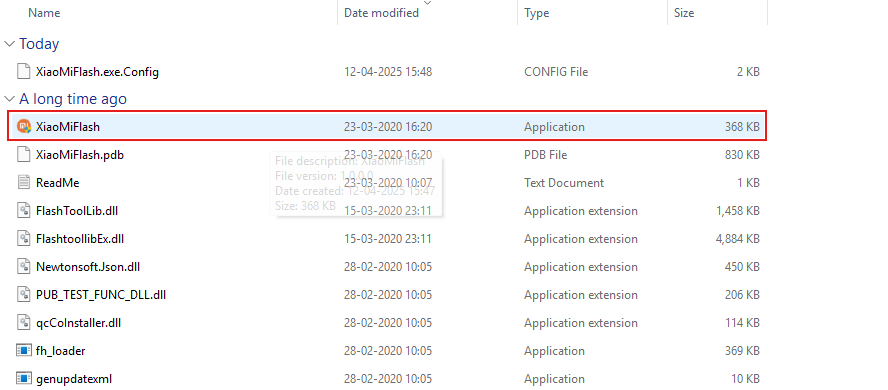
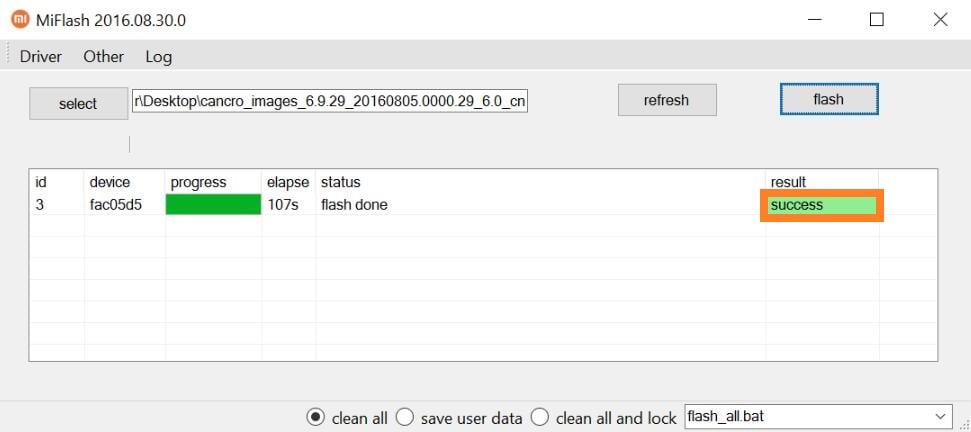
Xiaomi tightens bootloader unlocking with new stricter policies

As expected, Xiaomi has revamped its bootloader unlocking process in 2025, tightening regulations to address growing security concerns and the declining popularity of custom ROMs. The new rules, effective January 1, 2025, emphasize stricter timelines, single-device limitations, and a rigorous approval process.

Xiaomi-Bootloader

Key Changes in the 2025 Policy

Under the updated framework, users must now complete the entire unlocking process – quiz, registration, application, binding, and unlocking on the same device. Additionally, once eligibility is granted, users have only 14 days (336 hours) to complete the process. Missing this window voids the permission, which cannot be extended or reissued.

Another major change is the reduction in device limits. Previously, users could unlock up to three devices within the validity period. The new policy restricts this to just one device per Xiaomi account, reinforcing the company’s shift toward tighter control over post-unlock scenarios.

The application process has become more demanding. Users must pass a challenging quiz designed to screen non-experts and ensure only experienced developers proceed. Identity verification has also been enhanced, requiring real-name authentication and strict adherence to account-device pairing. Misuse of permissions, such as unlocking devices for others, could lead to permanent account suspension or legal repercussions.

Xiaomi highlights that unlocking the bootloader may expose devices to security vulnerabilities and is discouraged for casual users. It also notes that locked bootloaders are mandatory for receiving Xiaomi HyperOS updates. To further streamline the process, Xiaomi has restricted unlocking permissions to retail devices sold in mainland China, with separate policies governing international markets.

By implementing these measures, Xiaomi aligns with the industry’s cautious approach to bootloader unlocking, emphasizing user security while catering to the diminishing demand for custom ROMs.

Stay ahead in tech! Join our Telegram community and sign up for our daily newsletter of top stories! 💡

Hisense brings back a smartphone from 2022

Hisense is not a popular name in the smartphone category. However, the brand does sell some phones.

It is known for its e-ink display-equipped handsets in China. The Hisense A9 is one such product.

This device was launched in May 2022. More than two and a half years later, the A9 has now been re-released.

Hisense A9

As per the official information, the re-released Hisense A9 is almost the same as the original. It only differs in terms of RAM and storage. Instead of 6GB RAM and 128GB storage, the new variant comes with 8GB RAM and double the storage at 256GB.

The product is priced at ¥3,199 (~$435) and will be sold via Hisense’s official website. It will be available after January 22.

The main highlight of Hisense A9 is its display. The smartphone uses a 6.1-inch customized e-ink panel. The screen offers 300 PPI and 36 levels of color temperature adjustments. It has 27 built-in LED lights for brightness.

The 4G-only phone is run by a Qualcomm Snapdragon 662 chipset. It boots Android 11 and draws power from a 4,000mAh battery.

It also comes with a 13MP rear camera and a 5MP front-facing snapper. For biometrics, it features a side-mounted fingerprint sensor.

The handset measures 7.8mm in thickness and weighs 183g. Its body is made of microfiber material.

Don’t miss a thing! Join our Telegram community for instant updates and grab our free daily newsletter for the best tech stories! 🚀

Lenovo launches Erazer S130 2-in-1 PC with Intel N100, 13″ 3K display, DDR5 RAM & 6-7h battery life

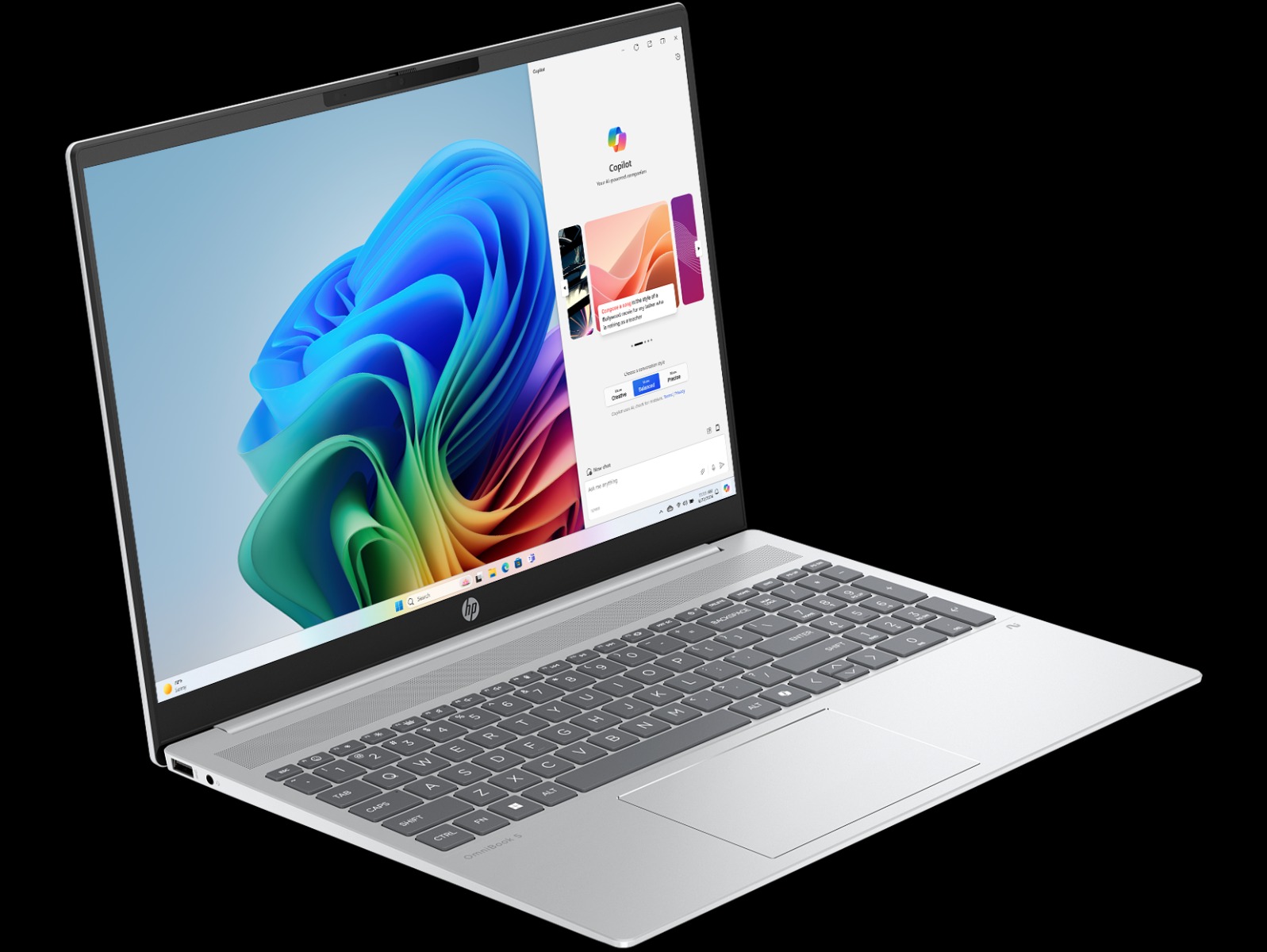
Lenovo has introduced its new 2-in-1 PC tablet, the Erazer S130, designed to combine portability with practicality in a stylish, modern package. It is priced at 2,899 yuan ($396) for the 8GB+256GB model and 3,199 yuan ($436) for the 16GB+512GB version. The Erazer S130 closely resembles Lenovo’s IdeaPad Duet 3i, which debuted in international markets. Let’s check out its key specs.

Lenovo Erazer S130

Lenovo Erazer S130 Specifications

The Erazer S130 features a 13-inch 3K IPS touchscreen with a 3000×2000 resolution. It comes with 10-point touch support, TÜV Rheinland certification for reduced blue light, and 420-nit brightness for clear viewing in bright settings.

It is powered by the Intel Celeron N100 processor, offering four cores and four threads with a turbo frequency of up to 3.4 GHz, ensuring smooth multitasking for work and entertainment. The tablet sports dual-channel DDR5 memory options of 8GB and 16GB, paired with 256GB or 512GB SSD storage.

The S130 Pad sports a lightweight and slim design, weighing just 768 grams (excluding the keyboard) and measuring 10.7 mm in thickness. Its full-metal chassis and smooth, rounded edges add a premium touch to its construction.

The device also comes with a detachable, lightweight smart keyboard, featuring a comfortable scissor-style mechanism, a touchpad, and shortcut keys to enhance productivity. Once connected, the tablet effortlessly transforms into a laptop.

It equips a full-function Type-C port that supports video output, charging, and external device connectivity. Additionally, the device offers dual USB 3.0 ports, a 3.5mm audio jack, and another USB-C port for added versatility. For wireless connectivity, it supports high-speed Wi-Fi and Bluetooth 4.2.

The S130 Pad comes with a 5000mAh battery, offering 6-7 hours of usage on a single charge, along with PD fast-charging support via the Type-C port. It comes pre-installed with Windows 11 and features dual speakers, a 1MP front camera, and a 5MP rear camera for video calls and basic photography.

In related news, Lenovo recently introduced the Lenovo EA400 clip-on earbuds, featuring 13mm drivers, IPX5 water resistance, 24-hour playback, and support for spatial audio. Additionally, the company launched the Lenovo Tab, an affordable tablet equipped with a 10.1-inch display, a Helio G85 processor, and a 5,100mAh battery.

Tech enthusiast? Get the latest news first! Follow our Telegram channel and subscribe to our free newsletter for your daily tech fix! ⚡

Redmi A5 / Poco C71 memory, OS and connectivity details surfaces, courtesy of FCC certification

Xiaomi is seemingly gearing up to launch a new budget-friendly Redmi smartphone, and it recently passed through the FCC certification process. The device in question is the Redmi A5 which bears the codename 25028RN03L. 

The FCC listing for the Redmi A5 suggests it will be a 5G-compatible phone with dual-band Wi-Fi 5 and Bluetooth connectivity. The listing also reveals that the phone has Android 15 OS, likely with Xiaomi’s custom HyperOS 2.0 on top. Storage options appear to include 3GB/64GB, 4GB/64GB, 4GB/128GB, and 6GB/128GB configurations.

Rebranded Poco C71?

According to a report by XiaomiTime, Xiaomi might also launch a rebranded version of the Redmi A5 as the POCO C71. Both phones, despite being entry-level devices, are expected to offer decent performance, display, camera quality, an NFC option, and a compact design – all at an affordable price point.

Redmi A5 FCC certification
Redmi A4

The leak also details different model numbers for the Redmi A5 and POCO C71 across various regions:

  • Redmi A5
    • 25028RN03G – Global Version
    • 25028RN03Y – Global NFC Version (spotted on IMEI database)
    • 25028RN03I – India Version
    • 25028RN03A – Latin America Version (spotted on EEC)
    • 25028RN03L – FCC-Listed Variant
  • POCO C71
    • 25028PC03G – Global Version (spotted on EEC)
    • 25028PC03L – Global NFC Version
    • 25028PC03I – Indian Version
    • 25028PC03L – Latin America Version

As you can see, both devices share similar model numbers. And based on the model number scheme (2502…), they could launch sometime next month, in February 2025. We can expect more information to surface in the coming days, so stay tuned for further updates.

While the FCC listing provides some clues, there’s still a lot we don’t know about the Redmi A5 and POCO C71. Xiaomi hasn’t officially confirmed the existence of these devices, and details on pricing, specific launch dates, and full specifications remain under wraps.

We’ll be sure to keep you updated as more information about the Redmi A5 and POCO C71 becomes available.

Tech enthusiast? Get the latest news first! Follow our Telegram channel and subscribe to our free newsletter for your daily tech fix! ⚡

(Via)

Apple’s next MacBook Air to feature Oxide LCD, not OLED

Apple‘s MacBook Air is getting a display upgrade, but it’s not quite the one you might have been expecting. According to a report by The Elec, Apple is developing a new MacBook Air with an oxide thin-film transistor (TFT) liquid crystal display (LCD) for a 2027 release.

If this materializes, it will be the first time Apple will be incorporating oxide TFT LCD technology into its mainstream MacBook Air lineup. Okay, but what does oxide TFT LCD mean? 

Apple oxide TFT LCD technology

TFT refers to the type of transistor used in the display, and oxide refers to the material used in those transistors. Compared to the amorphous silicon (a-Si) TFT LCD currently used in MacBook Airs, oxide TFT offers faster electron mobility. This results in smoother visuals and improved performance.
Apple already introduced oxide TFT LCDs in its higher-end MacBook Pro models released in 2022. So, it seems like the trickle-down effect is finally reaching the more affordable MacBook Air.

Apple’s adoption of oxide TFT LCD appears to be a response to a bigger plan gone awry. The report claims Apple originally intended to release an OLED MacBook Air around 2027

OLED (Organic Light-Emitting Diode) displays are known for their superior contrast and deeper blacks compared to LCDs. However, due to sluggish sales of the recently launched OLED iPad Pro, Apple has reportedly delayed its OLED MacBook plans. The lackluster iPad Pro sales are likely due to the significant price bump associated with OLED technology.

So, the oxide TFT LCD seems to be a stopgap measure to bridge the gap until Apple can refine its OLED technology and bring down the production costs. The Elec report that the OLED MacBook Air might not see the light of day until around 2029.

Tech enthusiast? Get the latest news first! Follow our Telegram channel and subscribe to our free newsletter for your daily tech fix! ⚡

(Source)

LG UltraGear G8 27-inch gaming monitor debuts with dual-mode 4K/240Hz & FHD/480Hz

LG has unveiled its latest gaming monitor UltraGear G8 (27G850A). The monitor is now listed in China and Japan and is expected to roll out globally soon. In China, it is priced at 5,999 yuan ($818). Let’s check out its key specs.

LG UltraGear G8

LG UltraGear 27G850A Specifications

The UltraGear G8 features a 27-inch 4K Nano IPS Black display with a resolution of 3840×2160, offering exceptional color accuracy and deep contrast. The monitor comes with a dual-mode refresh rate which offers a 240Hz refresh rate in 4K resolution and blazing fast 480Hz at 1080p, perfect for fast-paced gaming. It also features a 1ms (GtG) response time, reducing motion blur.

The monitor features a 2000:1 contrast ratio, 450 nits brightness, and VESA DisplayHDR 600 certification for sharp, vibrant visuals. It offers wide color coverage with 99% DCI-P3, 100% sRGB, and 86.6% Adobe RGB for accurate color reproduction.

This display supports Nvidia G-Sync compatibility, VESA AdaptiveSync certification, and AMD FreeSync Premium Pro, ensuring smooth and tear-free visuals during gameplay.

In terms of connectivity, it offers DisplayPort 2.1, dual HDMI 2.1 ports, a USB Type-A port, and a 4-pole headphone jack for connectivity. While it lacks built-in speakers, it features an ergonomic design with a 4-side narrow bezel and adjustable tilt, height, rotation, and pivot for user comfort.

For added functionality, the monitor includes gaming-centric features such as a built-in FPS counter, dynamic action sync for reduced input lag, a crosshair overlay for enhanced accuracy, and a black stabilizer for better visibility in dark environments. Additionally, it comes with a unique hexagonal lighting design that enhances ambiance, further immersing players in their gaming worlds.

In related news, LG also recently unveiled the UltraGear GX9 series at CES 2025, featuring the award-winning 45GX990A and 45GX950A monitors with 45-inch 5K2K OLED displays, 800R curvature, and advanced gaming features like customizable aspect ratios and VRR support. The lineup includes the 39GX90SA, which integrates webOS for streaming and gaming. The series is set to launch in Q1 2025.

Stay ahead in tech! Join our Telegram community and sign up for our daily newsletter of top stories! 💡

Realme GT 7 fast charging revealed by Chinese certification

The Realme GT 7 Pro was released a couple of months ago as the most affordable Snapdragon 8 Elite powered smartphone. Now, it appears that the company is gearing up to release the base GT 7 model as well. But ahead of any official announcement, the Realme GT 7 has just been spotted in a Chinese certification, revealing one of its key specification.

Realme GT 7 China launch near?

Realme GT 7
Via MySmartPrice

The Chinese smartphone maker’s Realme GT 7 was spotted on the 3C certification platform carrying the RMX5090 model number. Alongside the device, the VCBOACH charging adapter was also listed on the database. This confirms that it has a maximum output of 11VDC 11A. In other words, the upcoming Realme GT 7 smartphone could arrive with support for an impressive 120W wired fast charging.

The 3C certification also confirmed support for 5G mobile connectivity, although, finer details like its chipset, battery size, design, camera details, and more are still at large. But based on what we know so far, the Realme GT 7 may have surfaced on TENAA earlier this month. This certification listing confirmed that it may sport a tall 6.78-inch AMOLED display with a 1.5K resolution and high refresh rate.

Realme GT 7
Realme GT 7 TENAA

Under the hood, it is equipped with an octa core chip with a clock speed of 4.3GHz. This seems quite similar to the Snapdragon 8 Elite SoC. So it might take the crown for the cheapest Snapdragon 8 Elite phone from the GT 7 Pro variant. A massive 6,310mAh battery pack could power this device. For photography, the rear may pack a 50MP main and 8MP secondary sensor, while the front has a 16MP selfie shooter. Other notable features include an infrared sensor, an in-display fingerprint scanner, face unlock, and more. This is all the information we have at the moment, so stick around for more updates.

Tech enthusiast? Get the latest news first! Follow our Telegram channel and subscribe to our free newsletter for your daily tech fix! ⚡

Alleged Oppo A5 arrives on TENAA revealing design, specs

An unknown Oppo phone has been listed on TENAA. Bearing the model number PKQ110, this device is expected to be the vanilla Oppo A5.

For the unaware, the Oppo A5 Pro made its debut in China on Christmas Eve. It is a budget 5G smartphone with some unique features, such as an IP69 rating, a silicon-carbon battery, and Corning Gorilla Glass Victus 2 protection.

Alleged Oppo A5
Oppo PKQ110: It could go official as Oppo A5 | Source: TENAA

The TENAA listing for the alleged Oppo A5 not only discloses its design but also some of its specs.

The handset will arrive with flat sides and a squircle camera module. The volume and power keys will sit on the right side.

The listing images show the product in violet. However, it should be available in other colors.

On the front, the device will sport a 6.7-inch FHD+ OLED screen and an 8MP selfie camera. While its back will include a 50MP main camera camera assisted by a 2MP secondary sensor.

The phone will be powered by an unnamed chipset featuring a 2.2GHz CPU. It will be available in 8GB/12GB RAM and 256GB/512GB storage variants.

The smartphone will measure only 7.65mm in thickness and weigh 185g. Yet, it will pack a huge 6,330mAh battery (rated capacity). The phone could come with a silicon-carbon battery like its bigger sibling.

Unfortunately, this is all the TENAA listing has to say about the forthcoming Oppo PKQ110. The listing does not confirm it to be Oppo A5. But there’s a high chance of it being one, given its similarities to the A5 Pro in terms of looks as well as specs.

We look forward to learning more about this product in the coming days as we near its launch. If it’s indeed the Oppo A5, it should cost around ¥1500 (~$200) or more.

Don’t miss a thing! Join our Telegram community for instant updates and grab our free daily newsletter for the best tech stories! 🚀

When is the One UI 7 update coming to older Samsung Galaxy devices

Samsung One UI 7 update rollout

After a lot of back and forth, Samsung finally released the One UI 7 beta to the Samsung Galaxy S24 series in early November, the time when it should have released the stable build. It will be released alongside the Galaxy S25 series next week. This also means the S25 models will boot One UI 7 out of the box. But when is it coming to older Galaxy devices, such as the S23 series, and others?

Well, Samsung hasn’t spilled many details about the One UI 7 release and rollout plans. So far, the brand has only confirmed that the newer One UI skin, based on Android 15, will be released alongside the Galaxy S25 series, and that announcement was made back in October. However, some recent reports have revealed that the One UI 7 distribution could begin the early February, in the first or second week.

Samsung Galaxy S25 Ultra running One UI 7

As always, recent high-end models will be the first in line to get the newest One UI build, followed by mid-range and cheap models. So, the Samsung Galaxy S23, Galaxy S22 series, and Galaxy Z Flip 6/Fold 6 should get the initial treat.

Also Read: These Galaxy devices are eligible for One UI 7 upgrade

What’s new in One UI 7?

One UI 7 is a one-of-a-kind update in recent years that brings massive upgrades and new features. The animations are now much smoother, further improving switching apps and multitasking experience. The camera app is less-cluttered, easy to navigate, and switching between camera modes and zoom levels is easier with one hand.

Samsung has finally added a vertical app drawer. It felt like an eternity, but it’s finally here. You can switch back to the horizontal layout, although we think most people wouldn’t.

One UI 7 also brings Now Bar, probably the most significant visual upgrade in the newest software. It is Samsung’s take on Apple’s Dynamic Island feature that shows helpful information on the lock screen. It works with music, recording, stopwatch, interpreter, reminder, and more.

With One UI 7, Samsung now lets users split the notification center and Quick Settings panel, which is already present in many Chinese devices. So, you can now open Quick Settings by swiping down from the right and the notification center by swiping down from the left of the selfie camera.

There’s a redesigned battery indicator and icons for native apps. You can now choose between several adaptive charging options, such as limiting charging to 80%. Samsung has also added new widgets and improved Galaxy AI features.

Recent leaks have revealed that the brand is integrating Gemini AI into its stock apps, including Samsung Calendar, Samsung Notes, and Samsung Reminder for easier access. So, there’s a lot to look forward to in One UI 7, which I’m pretty excited about.

Tech enthusiast? Get the latest news first! Follow our Telegram channel and subscribe to our free newsletter for your daily tech fix! ⚡