Huawei made a big move last year, announcing HarmonyOS NEXT—a completely rebuilt operating system designed for its entire ecosystem of devices, including smartphones, tablets, smartwatches, and even laptops.
The first HarmonyOS NEXT phones and tablets are already on sale in China, backed by a growing list of essential apps for local users. Huawei also previously stated that its upcoming PCs, launching in 2025, would run on the same HarmonyOS NEXT platform.
But that might not be happening—at least not anytime soon.
Huawei’s upcoming laptops will boot on Linux
A new leak from a credible source in China suggests that Huawei has five new laptops in the pipeline, and none of them will run HarmonyOS NEXT. Instead, they’re expected to ship with Linux.
The models in question include the MateBook D14, MateBook D16, MateBook 14, MateBook GT 14, and MateBook X Pro. But here’s where things get a little confusing—the leak refers to these as 2024 models, not the anticipated 2025 lineup.
Huawei already sells Linux-powered laptops in China, while global versions typically ship with Windows. However, as Huawei Central points out, the company has been firm about its 2025 PC lineup running HarmonyOS NEXT instead of Windows or Linux—making this leak all the more puzzling.
So for now, take this one with a grain of salt. But one thing’s certain—HarmonyOS NEXT laptops are coming, sooner or later.
Huawei’s homegrown OS is built on a custom microkernel, which the company claims is three times more efficient than Linux. It also promises a seamless ecosystem experience, with developers only needing to build a single version of an app for it to scale across smartphones, tablets, wearables, and eventually PCs.
There’s also App Continuation, a feature that lets users pick up tasks from one Huawei device and continue them on another. With HarmonyOS already running on phones, tablets, and smartwatches, bringing it to laptops feels like the next logical step.
For more daily updates, please visit our News Section.
Honor has several smartphones in the pipeline for the Chinese market. In the first half of the year, the brand is expected to introduce the Honor 400 series, Honor GT Pro, Honor Magic V2 Flip, and Honor Magic V4. Meanwhile, the second half of the year is likely to see the launch of the Honor X70 series, catering to the mid-range segment. In October 2024, Honor unveiled the Magic 7 series, featuring the Snapdragon 8 Elite chipset. Based on this timeline, it seems likely that the company is preparing to launch the Honor Magic 8 lineup in October this year.
Honor Magic 8 series leak
Honor Magic 8 series leak
According to tipster Digital Chat Station, a major smartphone iteration from an unspecified brand is expected to launch in October. While he did not mention the brand by name, the emoji used in his Weibo post appears to hint at Honor’s Magic 8 series.
The leak states that the device will be equipped with a 6.59-inch OLED display with a 1.5K+ resolution and a 120Hz refresh rate. One of the major highlights of this new panel is its extremely narrow bezels on all four sides, with the BM (black matrix) border measuring less than 1 mm, though it will increase slightly when integrated into the device.
Additionally, the screen will have a flat design with large R-corner rounding, giving it a distinct aesthetic. The R-corner refers to the radius of the rounded corners of a display. In this context, a large R-corner means that the screen will have more pronounced, smoothly curved corners rather than sharp edges.
The exact moniker of the device is not known. Probably, the brand is planning to reduce the Honor Magic 8’s display size to 6.59 inches from the 6.78-inch screen seen on the Honor Magic 7. To put it into context, the Honor Magic 7 Pro also features a 6.78-inch screen.
Competing brands like Oppo, Vivo, and Xiaomi typically offer a larger display on their Pro-branded flagship models while equipping the standard variants with a smaller screen. Following this trend, the Honor Magic 8 Pro may continue to feature a bigger display, whereas the Magic 8 could see a reduction in screen size to 6.59 inches. However, these are only assumptions, and readers are advised to wait for further reports for confirmed details about the Magic 8 lineup.
For more daily updates, please visit our News Section.
Honor is gearing up to launch its next foldable, the Magic V4, in June. But the real flagship action might come later in the year. The company’s next big smartphone lineup, the Magic 8 series, is expected to debut in Q4 2025, following the launch of Qualcomm’s Snapdragon 8 Elite successor.
And while it’s still early, leaks are already giving us a glimpse of what to expect. According to Weibo tipster Smart Pikachu, the highest-end model of the Magic 8 series—the Magic 8 Pro RSR Porsche Design—could feature a custom, self-developed 1-inch main sensor with a variable aperture. That’s a big deal!
As for the finer details? They’re still under wraps. We don’t know much about this custom sensor or the rest of the phone’s specs. But if history is any guide, there’s a good chance this high-end camera tech could trickle down to the standard Magic 8 Pro—just like last year’s Magic 7 Pro RSR, which was essentially a redesigned Magic 7 Pro.
While details on the Magic 8 Pro RSR are still scarce, let’s take a look at what its predecessor brought to the table.
The Magic 7 RSR Porsche Design has a sleek aesthetic inspired by Porsche. Its hexagonal camera island houses a 50MP main, 50MP ultra-wide, and 200MP periscope telephoto lens with 100x zoom. The front features a 50MP selfie camera and a 3D Depth sensor.
The device is covered with NanoCrystal Shield for scratch and drop resistance. And it holds Swiss SGS five-star certification and meets IP69/IP68 standards for water, dust, and pressure protection.
Powered by the Snapdragon 8 Elite SoC, it includes up to 24GB LPDDR5X RAM and 1TB UFS 4.0 storage. The 6.8-inch FHD+ OLED quad-curved display supports a 120Hz refresh rate, HDR10+, 5000 nits peak brightness, and 4320Hz PWM dimming.
Running Magic UI 9.0 on Android 15, the device packs a 5850mAh battery with 100W wired and 80W wireless charging for fast power-ups.
For more daily updates, please visit our News Section.
Last month, the Realme 14 5G moniker was spotted with the RMX5070 model number at the TDRA certification in the UAE. Reports have revealed that the same model number is also associated with the upcoming Realme P3 5G. Therefore, it appears that these two could be identical phones with slight changes. Now, a new report from MySmartPrice has revealed the configurations and colour options of the Realme 14 5G.
Realme 14 5G variants, colour options
Realme Neo 7x
As per the report, the global version of the Realme 14 5G will arrive in 8GB and 12GB RAM variants. Both models will be available with 256GB of storage. It further revealed that the device will be available in color options like Pink, Silver, and Titanium.
The Realme 14 5G, which bears the RMX5070 model number, has previously been spotted on Geekbench and TUV certification. These listings have revealed that the device will feature the Snapdragon 6 Gen 4 chipset, 12GB of RAM, Android 15, and a 6,000mAh battery with 45W fast charging.
Reports claim that the Realme 14 5G could be a rebranded version of the Realme Neo 7x 5G, which has a similar RMX5071 model number. Therefore, the Realme 14 5G is expected to house a 6.67-inch AMOLED panel that offers a Full HD+ resolution and a 120Hz refresh rate. For photography, it may feature a 50-megapixel + 2-megapixel dual-camera system and a 16-megapixel selfie snapper.
At present, there is no information about the launch date of the Realme 14 5G. However, it may debut later this month. In India, the device will be positioned between the Realme 14x and the 14 Pro Lite 5G. Therefore, it is likely to be priced between Rs 15,000 (~$170) and Rs 20,000 (~$230).
For more daily updates, please visit our News Section.
The mid-range smartphone market has never been more competitive, and two of the latest entrants, the Nothing Phone 3a Pro and Realme 14 Pro+, bring compelling features to the table.
While both phones aim to deliver premium experiences at accessible prices, they take distinctly different approaches. Let’s dive into the specs, design, cameras, and overall user experience to see which one stands out.
Design & Display
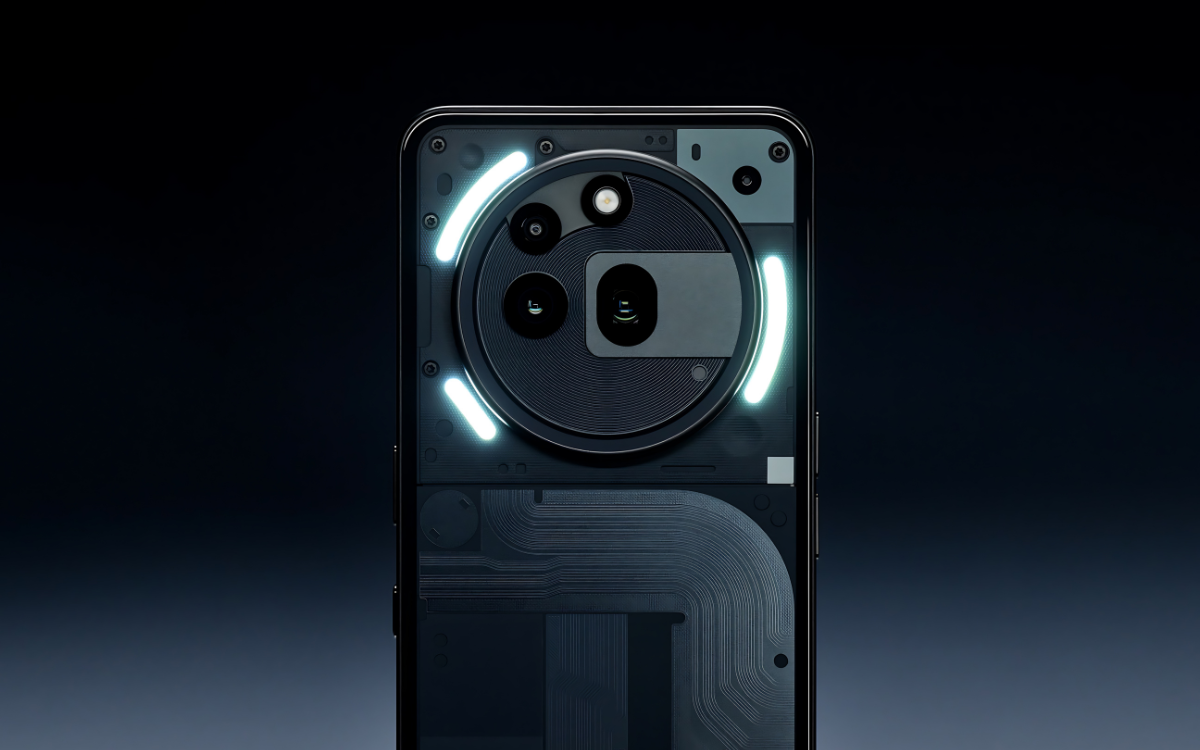
Nothing has built its reputation on unique design, and the Nothing Phone 3a Pro continues that trend. It sports the brand’s signature semi-transparent rear panel with Glyph LEDs, offering a futuristic look that sets it apart from conventional slabs. The camera placement on the 3a Pro is also radical, featuring a semi-circular array, adding to its visual identity.
The Realme 14 Pro+, on the other hand, leans into a more elegant, premium aesthetic with a curved AMOLED display and color-changing back (in certain variants). While Nothing wins on the “standing out in a crowd” factor, Realme delivers a more polished and traditional premium feel.
On the display front, Realme takes the lead. The 14 Pro+ boasts a 6.83-inch 1.5K AMOLED curved display with a 120Hz refresh rate and 3840Hz PWM dimming, ensuring an ultra-smooth and flicker-free experience. The Nothing Phone 3a Pro, while still featuring a 6.77-inch FHD+ AMOLED display with a 120Hz adaptive refresh rate, falls behind in terms of resolution and overall brightness calibration.
Performance & Software
Both devices are powered by Qualcomm’s Snapdragon 7s Gen 3, making them evenly matched in raw performance. The Realme 14 Pro+, however, offers up to 12GB RAM with 512GB storage in its highest variant, whereas the Nothing Phone 3a Pro maxes out at 256GB storage. If you need more space, Realme is the better pick.
In terms of software, Nothing OS 3.1 on top of Android 15 provides a cleaner and more distinct experience, optimized for minimal bloat and smooth animations. Realme’s Realme UI 6.0, while feature-rich, includes additional AI features like AI Ultra Clarity 2.0, AI Snap mode, and AI Eraser 2.0, but can feel cluttered at times. If you prefer stock-like Android, Nothing OS is the better choice, whereas Realme UI offers more AI-driven features for users who want extra functionality.
Cameras
Camera setups differ significantly between these two phones. The Nothing Phone 3a Pro features a 50MP main sensor (Sony LYT-600) with OIS, a 50MP periscope telephoto camera offering 3x optical zoom (with up to 60x ultra-zoom), and an 8MP ultra-wide lens. On the front, it has a 50MP selfie camera, making it a strong choice for content creators.
Realme takes a different approach, with a 50MP Sony IMX896 main sensor, a 50MP periscope telephoto with OIS and up to 120x digital zoom, and an 8MP ultra-wide sensor. Its 32MP front camera is slightly weaker than Nothing’s, but still more than capable for selfies and video calls.
While Nothing’s periscope telephoto maxes out at 60x zoom, Realme takes it a step further with 120x zoom, though digital zoom at such high levels isn’t practical in most scenarios. If you need a better front camera, Nothing wins, but for extreme zoom capabilities, Realme has the edge.
Battery & Charging
Battery performance is a key factor in daily use, and both phones bring long-lasting power. The Nothing Phone 3a Pro packs a 5000mAh battery with 50W wired charging, reaching 50% in just 19 minutes and 100% in 56 minutes. Realme goes further, featuring a 6000mAh battery, one of the highest capacities in this segment, paired with 80W SuperVOOC charging, which delivers 50% charge in just 24 minutes. However, neither phone supports wireless charging.
If you want a phone that lasts longer on a single charge, Realme wins with its larger battery and faster charging. But Nothing still offers solid endurance with fast charging speeds.
Please Note: When you buy something using the links in our articles, we may earn a small commission at no cost to you.
Pricing & Availability
In India, the Nothing Phone 3a Pro starts at ₹29,999 for the 8GB + 128GB variant, going up to ₹33,999 for the 12GB + 256GB variant. The Realme 14 Pro+, meanwhile, starts at ₹29,999 for the 8GB + 128GB model, reaching ₹37,999 for the new 12GB + 512GB model.
Which One Should You Buy?
If you value unique design, a stock-like software experience, and a better front camera, the Nothing Phone 3a Pro is a great choice.
If you prefer a higher-resolution curved display, bigger battery, faster charging, and extreme zoom capabilities, the Realme 14 Pro+ is the better pick.
Ultimately, both phones offer great value for their price, and your choice depends on whether you prioritize aesthetics and simplicity (Nothing) or power and features (Realme).
For more daily updates, please visit ourNews Section.
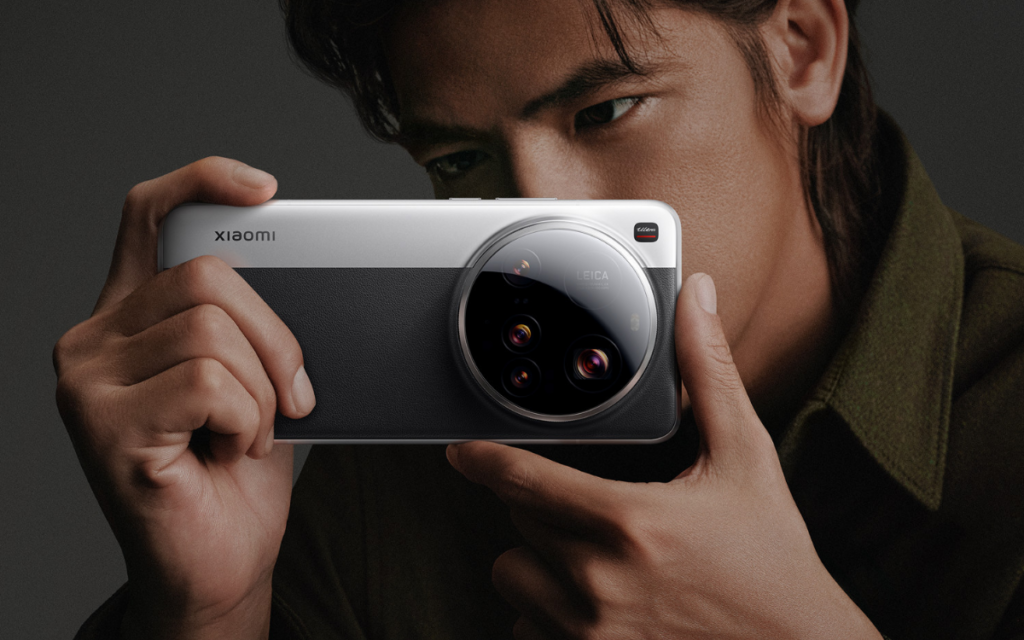
Xiaomi’s latest ultra-premium flagship, the Xiaomi 15 Ultra (unboxing video), made its official debut on February 27 in China, bringing top-tier hardware, advanced imaging technology, and a hefty 6,499 yuan (~$900) starting price.
But while the phone itself comes with cutting-edge specs, fixing it out of warranty won’t be cheap. Xiaomi has now published its official repair parts pricing, offering a breakdown of what users can expect to pay if their device ever needs a fix.
Breaking Down the Costs
If you’re unlucky enough to crack the 6.73-inch LTPO OLED display, replacing it will set you back 1,350 yuan (~$185), a price that aligns with other flagship-tier screens on the market. Meanwhile, battery replacements remain relatively affordable at 179 yuan (~$25), making it a cost-effective swap for users looking to extend their device’s longevity.
However, the real eye-watering numbers come from motherboard replacements. Depending on the variant, pricing ranges from 2,940 yuan (~$410) for the 12GB+256GB model to a staggering 3,540 yuan (~$495) for the 16GB+1TB Dual-Satellite version. Given that the motherboard houses core components, including the Snapdragon 8 Elite processor, storage, and RAM, it’s unsurprising.
For photography enthusiasts, the Xiaomi 15 Ultra’s Leica-branded quad-camera setup is a major selling point. However, repairing these high-end sensors can be pricey. Replacing the wide-angle rear camera costs 930 yuan (~$130), while the ultra-wide module comes in at 530 yuan (~$75). The telephoto sensor is slightly more forgiving at 210 yuan (~$30), and the front-facing camera is a bargain at just 60 yuan (~$8).
If you need to replace smaller components, the pricing is more reasonable. The battery cover costs 270 yuan (~$38), the speaker comes in at 60 yuan (~$8), and the sub-board (which houses charging ports and connectivity components) is just 100 yuan (~$14).
With repairability becoming a key talking point in the industry, Xiaomi’s pricing structure is a mix of premium-tier costs and accessible fixes. If you’re picking up a Xiaomi 15 Ultra, investing in a good case might just be your best move.
For more daily updates, please visit ourNews Section.
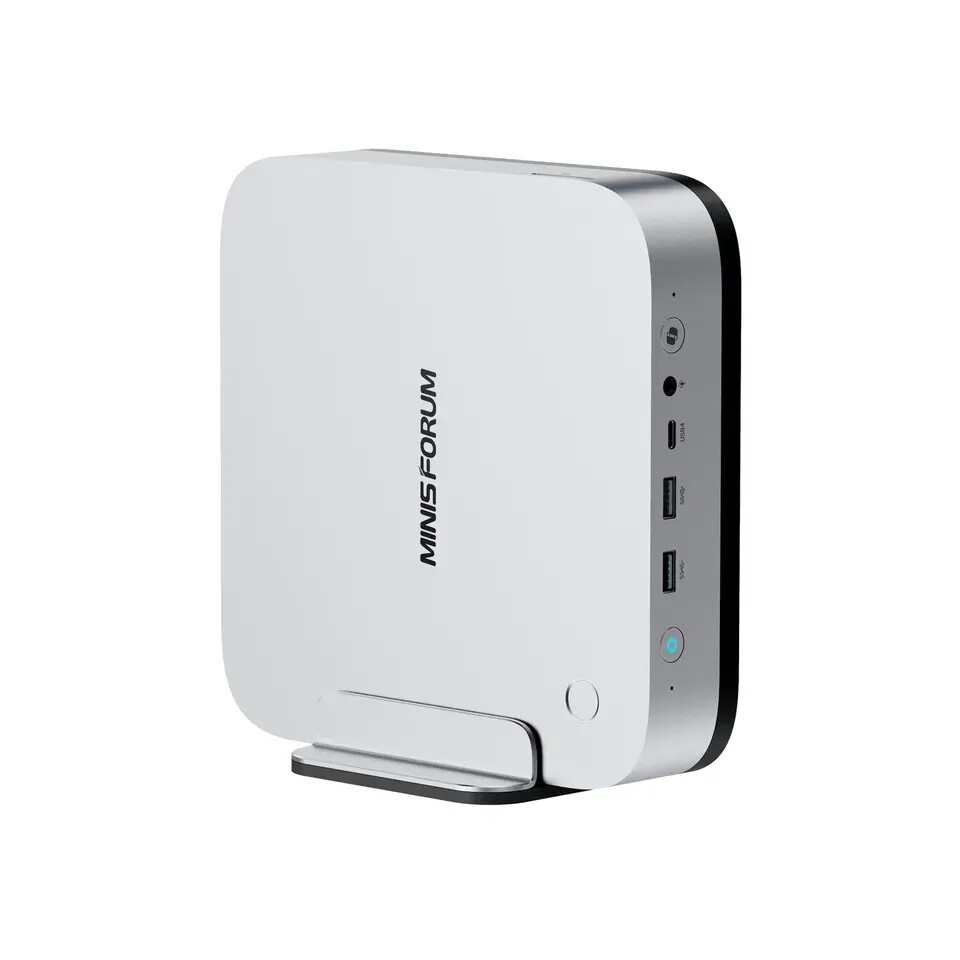
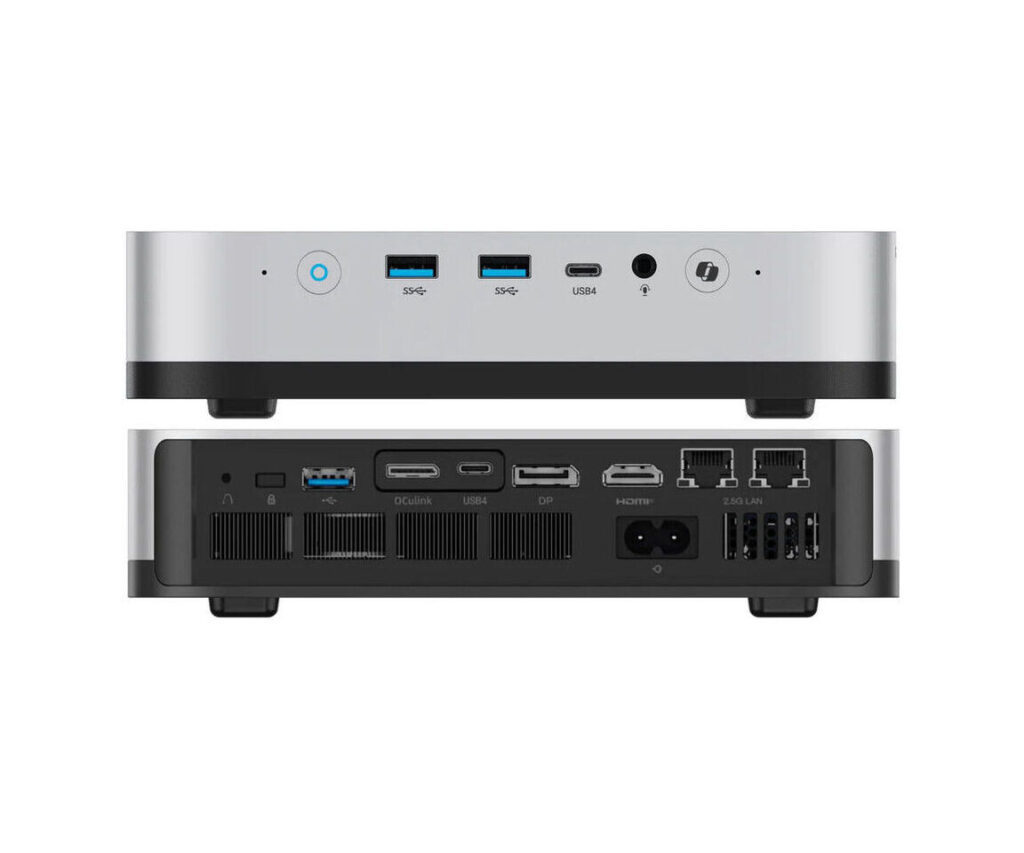
Minisforum has officially launched the AI X1 Pro, which the company claims is the world’s first Copilot-enabled AI mini PC. Built around AMD’s latest Ryzen AI 9 HX 370 processor, the AI X1 Pro isn’t just another small-form-factor machine, it’s an AI-powered productivity and gaming beast designed to keep up with modern workloads while packing a serious punch in performance.
Minisforum AI X1 Pro Specifications
At the heart of the AI X1 Pro is AMD’s Ryzen AI 9 HX 370, a 12-core, 24-thread chip featuring a mix of Zen 5 and Zen 5c cores. It boasts a 5.1GHz boost clock and a hefty 36MB cache, making it one of the most capable processors in a mini PC.
The processor also integrates AMD’s latest XDNA 2-based neural processing unit (NPU), delivering an impressive 50 TOPS of AI performance, exceeding Microsoft’s AI PC standards. This allows AI-driven tasks such as Copilot integration, intelligent automation, and real-time AI-enhanced workflows to run efficiently on-device.
The AI X1 Pro is equipped with the AMD Radeon 890M GPU, built on the RDNA 3.5 architecture, with 16 compute units (CUs). This enables smooth gameplay across modern AAA titles, with enhanced frame rates and superior image quality. Moreover, gamers can further amplify graphical performance via the OCuLink port, allowing external GPU (eGPU) connectivity.
Maintaining optimal thermal performance is crucial, especially in a compact form factor. The AI X1 Pro incorporates a sophisticated cooling system with dual silent fans, phase-change thermal materials, and dual copper heat pipes. This ensures stable performance under heavy workloads while keeping noise levels low, with temperatures maintained below 80°C at full load. Additionally, the mini PC houses a built-in 135W power supply, eliminating the need for an external adapter and promoting a clutter-free workspace.
Minisforum has equipped the AI X1 Pro with remarkable storage and memory expansion options. It supports up to 96GB of DDR5-5600 RAM through dual SODIMM slots, making it ideal for intensive applications such as video editing, 3D rendering, and AI-driven computations. Storage options include three M.2 2280 PCIe 4.0 SSD slots, each supporting up to 4TB, allowing users to expand total storage to 12TB. Additionally, the presence of an SD card slot provides seamless access for photographers and videographers who frequently transfer media files.
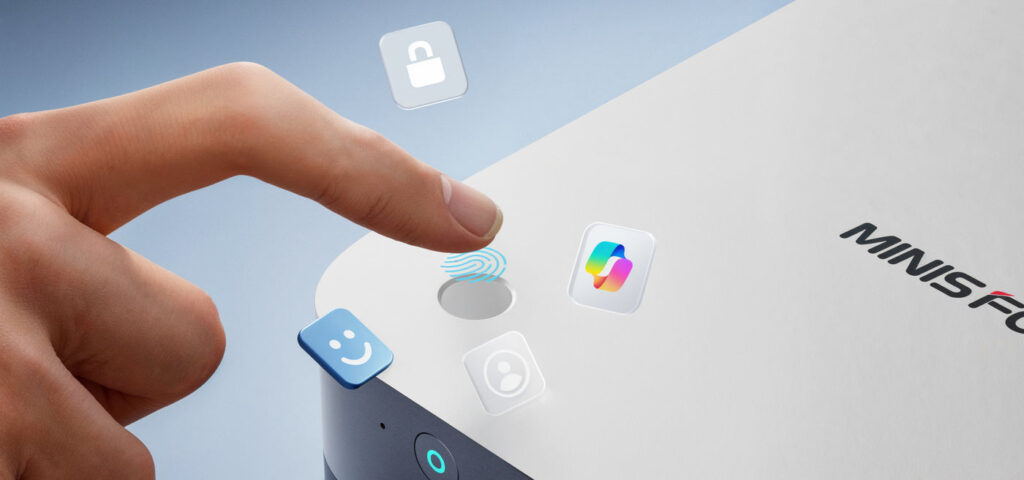
Minisforum has incorporated several AI-powered features, including real-time subtitles for video calls, an instant recall function that allows users to track past activities, and AI-enhanced noise cancellation via dual microphones. The AI X1 Pro also includes a fingerprint sensor for secure and convenient login, eliminating the hassle of passwords.
On the connectivity front, the mini PC is future-proof with USB4 ports (supporting up to 40Gbps data transfer), DisplayPort 2.0, HDMI 2.1, dual 2.5G Ethernet ports, Bluetooth 5.4, and Wi-Fi 7. It supports up to four 4K displays simultaneously, making it an excellent choice for multitasking professionals.
Pricing and Availability
The Minisforum AI X1 Pro mini PC is available for pre-order with the following configurations and pricing:
Nothing recently unveiled the Phone (3a) series in the global market with the iconic design it is known for, camera upgrades, and some notable specs despite carrying an approachable price tag. At this range, it competes with popular smartphones from other brands, so now, here’s a quick comparison against Xiaomi’s Redmi Note 14 Pro+.
1. Nothing Phone (3a) Pro vs Redmi Note 14 Pro+: Design & Display
Nothing Phone (3a) Pro
With the Phone (3a) Pro, Nothing brings back its iconic transparent design that includes the Glyph LED lighting interface. These strips consist of three LED strips. On the other hand, the Redmi Note 14 Pro+ has a more conventional design. Both models have a glass rear panel, but the Redmi offers an aluminum frame while the Phone (3a) Pro has a plastic middle frame.
The Nothing Phone (3a) Pro sports a taller 6.77-inch AMOLED display that has an FHD+ resolution, a 120Hz refresh rate, and 3000 nits of peak brightness. Meanwhile, the Redmi Note 14 Pro+ has a 6.67-inch AMOLED panel with a FHD+ resolution, 3000 nits of peak brightness, and a 120Hz refresh rate as well.
2. Specifications
Redmi Note 14 Pro+
Under the hood, both devices are equipped with the Qualcomm Snapdragon 7s Gen 3 SoC. However, the Phone (3a) Pro pairs this chip with up to 12GB of RAM and 512GB of internal storage while the Redmi Note 14 Pro+ maxes out at 12GB + 256GB. However, one area where the Redmi has a slight advantage over Nothing’s latest device is battery size and charging.
Nothing Phone (3a) Pro is powered by a 5,000mAh battery pack, which supports 50W wired fast charging. But the brand does not ship the device with a charging brick in the box. The Redmi Note 14 Pro+ has a slightly bigger 5,110mAh battery but with a faster 120W wired fast charging.
3. Camera
You get a triple camera setup on both smartphones, which includes a telephoto shooter. The Nothing Phone (3a) Pro features a 50MP (Main) + 8MP (Ultra Wide) + 50MP (Telephoto) setup on the rear. The periscope sensor offers up to 3x optical zoom, with both the main and telephoto also supporting OIS (Optical Image Stabilization). For selfies and video calls, there is a 50MP shooter on the front.
On the Redmi Note 14 Pro+, the 50MP (Main) + 8MP (Ultra Wide) + 50MP (Telephoto) makes a return but with different sensors and a telephoto that offers 2.5x optical zoom. The two sensors save the ultra wide get OIS and the front has a 20MP selfie camera.
4. Pricing
Xiaomi sells the Redmi Note 14 Pro+ for a starting price tag of 30,999 INR for the 8GB + 128GB option. Nothing sells its latest Phone (3a) Pro for 29,999 INR for the same storage configuration, but bank offers bring it down to around 27,999 INR.
For more daily updates, please visit our News Section.
Casio confirmed its rugged yet refined G-Shock GM-110D series will debut in Japan on March 14, with preorders live via Casio Japan, Yahoo Japan, and Rakuten. The series includes two models set to launch in Japan on March 14, with preorders available on platforms like Yahoo! Japan and Rakuten. Prices range from ¥60,500 ($399) to ¥69,300 ($457).
Casio G-Shock GM-110D-8AJF (left) and the G-Shock GM-110BD-1A9JF (right)
The GM-110D series features a stainless steel bezel that undergoes forging, cutting, and polishing to create an intricate, uneven surface. This design enhances both its durability and visual appeal. The bezel is paired with a glass-fiber-reinforced resin case, which helps absorb shocks while keeping the watch lightweight.
The metal band complements the bezel’s complex design, featuring a convex center with a mix of hairline and mirror finishes. The dial includes layered components and three-dimensional indexes at 3, 6, 9, and 12 o’clock, with a mix of brushed and mirrored finishes that reflect light from different angles.
The GM-110D series is built with G-Shock’s signature ruggedness, offering 200-meter water resistance, shockproof construction, and JIS Class 1 anti-magnetic protection. The analog-digital display includes a Super Illuminator LED backlight for better visibility in low-light conditions, world time for 48 cities, a 1/100-second stopwatch, and a three-year battery life. Weighing 168 grams and measuring 19.9mm in thickness, it is slightly heavier than standard G-Shock models but remains in line with its metal-focused design.
Availability
The GM-110D series will launch in Japan on March 14. While a global release has not been confirmed, Casio’s past launch patterns suggest international availability may follow soon.
Audio-Technica will release its ATH-AC5TW wireless open-ear earphones on March 14, priced at ¥14,960 (~$100) in Japan, and will be available via Amazon in the U.S. The design avoids sealing the ear canal, enabling users to hear ambient sounds, making it suitable for walking, remote work, or household tasks.
Unlike traditional in-ear models with silicone tips, the ear hook-style design positions speakers near the ear canal without blockage. To counter audio limitations from this open structure, the ATH-AC5TW uses a 17×12mm driver—larger than typical in-ear drivers (6–12mm)—paired with bass-enhancing algorithms and dynamic EQ for fuller low-end sound.
Each earpiece weighs 10.5 grams, with Bluetooth 5.4 supporting SBC/AAC codecs and multi-device pairing. Dual MEMS microphones employ beamforming to isolate speech during calls. The IPX4-rated earphones offer 13 hours of playtime (34 hours with the case), recharge fully in two hours, and power on automatically when removed from the case. Single-ear use is supported.
In other news, HONOR has introduced the HONOR Earbuds Open, featuring an open-ear design with 16mm magnetic drivers and a titanium-plated tweeter dome for immersive audio. They include a 3-mic hybrid ANC system, spatial audio, AI translation with three modes, an AI assistant, dual-device connectivity, and gesture controls.
For more daily updates, please visit our News Section.
Sennheiser is expanding its premium audio lineup in China with the launch of the HD 505, a new pair of open-back wired headphones aimed at audiophiles. Originally introduced earlier this year for the global market, the HD 505 is now officially available in China via JD.com at an introductory price of 2,199 yuan ($303).
Sennheiser HD 505 Specifications
Carrying the signature Sennheiser sound profile, the HD 505 is designed to deliver precise and immersive audio, thanks to its open-back over-ear architecture. It features 120-ohm dynamic transducers, engineered to reproduce a wide frequency range from 12Hz to 38.5kHz. The company has fine-tuned its sound by modifying the damping ring behind the transducer, resulting in smoother highs and a controlled, resonant bass that maintains clarity across the spectrum.
The HD 505 is built for long listening sessions without fatigue, weighing just 237 grams. It boasts a flexible, lightweight headband with soft padding for added comfort. The design follows Sennheiser’s HD 500 series heritage, now enhanced with a sleek black aesthetic accented with subtle gold highlights. The headphones come with a 1.8-meter detachable cable terminating in a 3.5mm plug, and a 6.35mm adapter is included for broader compatibility with professional audio gear.
Sennheiser has taken extra care in ensuring the HD 505 meets the expectations of discerning listeners. The laminated diaphragm extends both low and high frequencies while preserving transparency, and a lightweight voice coil captures the subtlest details. With a maximum sound pressure level of 107.9 dB and distortion kept below 0.2% at 1 kHz, these headphones promise a clean, distortion-free sound signature.
In related news, Boat has recently launched the Rockerz 650 Pro, featuring Dolby Audio, 80-hour playback, and AI-ENx mic technology. Meanwhile, Boult has introduced the Boult x Mustang series, bringing new headphones and TWS earbuds to the market.
For more daily updates, please visit ourNews Section.
Xiaomi has launched its latest smart home gadget in China, the Mijia DC Inverter Desktop Circulating Fan, a compact yet powerful cooling solution that combines efficient airflow, smart controls, and a USB-C power supply. Priced at 299 yuan ($42), this fan is designed for versatility, energy efficiency, and seamless integration with Xiaomi’s smart ecosystem.
Mijia DC Inverter Desktop Circulating Fan Specs
Despite its small footprint, just 324 × 200 × 334mm, the Mijia DC Inverter Fan packs a serious punch. It pushes air at an impressive 1180m³/h, capable of delivering a breeze up to 10 meters away. The 120° horizontal and 100° vertical oscillation ensure airflow reaches every corner, whether you’re cooling down a bedroom, office, or living space.
Unlike most desktop fans that rely on bulky adapters, Xiaomi’s latest offering is powered via USB-C, making it incredibly flexible. It supports an 18W adapter or even a power bank, with Xiaomi’s 10,000mAh unit providing up to 26 hours of runtime.
That means you could take it anywhere, from your desk to your bedside to an outdoor setup. And at its lowest setting, it consumes just 1.75W, translating to a ridiculously low electricity cost of 0.76 yuan ($0.10) per summer.
Better yet, it’s quiet. With a noise level starting at 28.4dB(A), it’s barely noticeable in a silent room, ideal for light sleepers or focused work environments. Even at max power, it stays under 60dB(A), so you’re never battling a loud, droning fan.
Like most Xiaomi smart home products, the Mijia DC Inverter Fan plays well with others. Through the Mijia app or Xiao AI voice control, you get 100-speed fine-tuned adjustments, remote scheduling, and oscillation settings. It also syncs with other smart gadgets using HyperOS, such as pairing with a humidifier to maintain optimal air quality or enhancing air conditioning efficiency by distributing cool air more evenly.
For convenience, the fan includes a child lock, a dual ball-bearing motor for long-term durability, and a detachable design for easy cleaning.
In related news, Xiaomi recently introduced the Mijia Water Heater P10, which boasts smarter features, faster performance, and a scale-free design. The company also unveiled the Mijia S1, a $70 espresso machine designed to be fast, quiet, and powered by magnetic technology.
For more daily updates, please visit our News Section.
Honor is reportedly gearing up to launch its next foldable, expected to be called the Magic V4, in June. A new leak suggests the device will be powered by Qualcomm’s Snapdragon 8 Gen Elite, the full-core variant, unlike the seven-core version found in the Oppo Find N5.
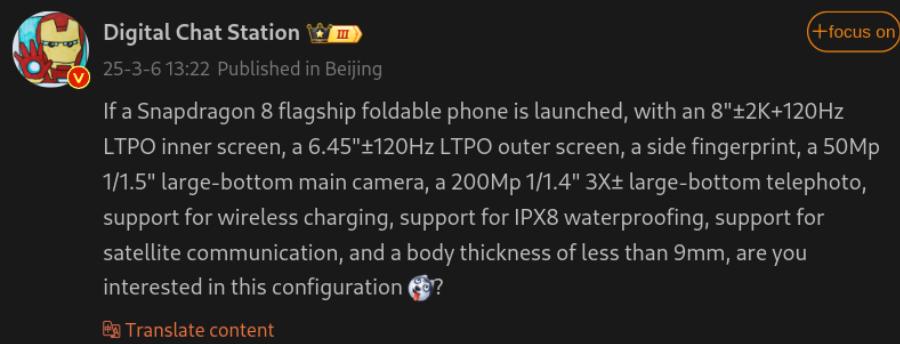
Now, a new leak may have spilled the beans on other key details, including display sizes, camera upgrades, and a thinner design. While the leak doesn’t explicitly name the device, all signs point to it being the Magic V4.
Honor Magic V4 Specifications (Expected)
According to DCS, the foldable will feature an 8-inch LTPO inner display with a 120Hz refresh rate and 2K resolution. The cover display will also be LTPO with a 120Hz refresh rate, measuring 6.45 inches.
On the camera front, the Magic V4 is said to retain the 50MP 1/1.5-inch main sensor from the Magic V3. However, the big upgrade could come in telephoto capabilities—the leak suggests a 200MP 1/1.4-inch sensor with 3x optical zoom, a significant jump from the 50MP zoom lens on the Magic V3. There’s likely another sensor in the mix, but details on that remain under wraps.
Despite the beefed-up camera hardware, the Magic V4 is expected to be thinner than 9mm, which could make it one of the slimmest foldables around. The Magic V3 previously held the crown before the Oppo Find N5 stole the title last month. If Honor wants to reclaim the throne, the Magic V4 will have to be even slimmer.
The foldable is also rumored to include wireless charging, an IPX8 waterproof rating, and satellite communication support. For biometrics, Honor is reportedly sticking with a side-mounted fingerprint sensor instead of an in-display one.
If the leak holds up, the Magic V4 could shape up to be one of the most exciting foldables of the year. We’ll likely find out in June.
For more daily updates, please visit our News Section.
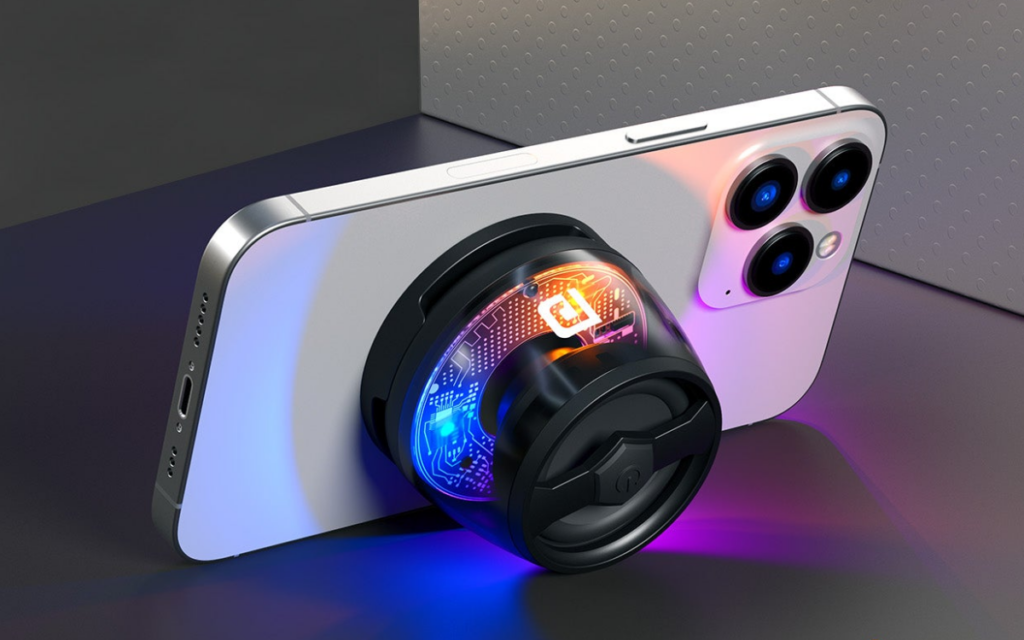
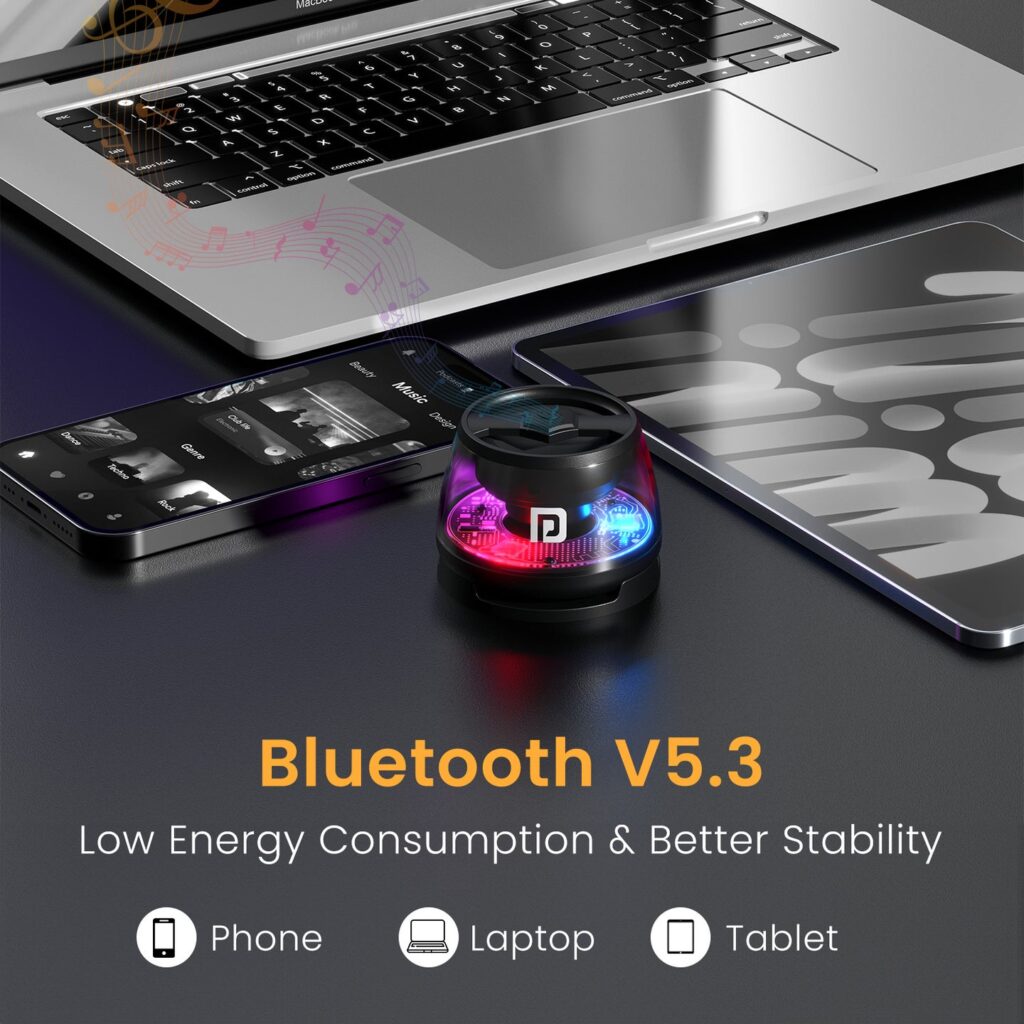
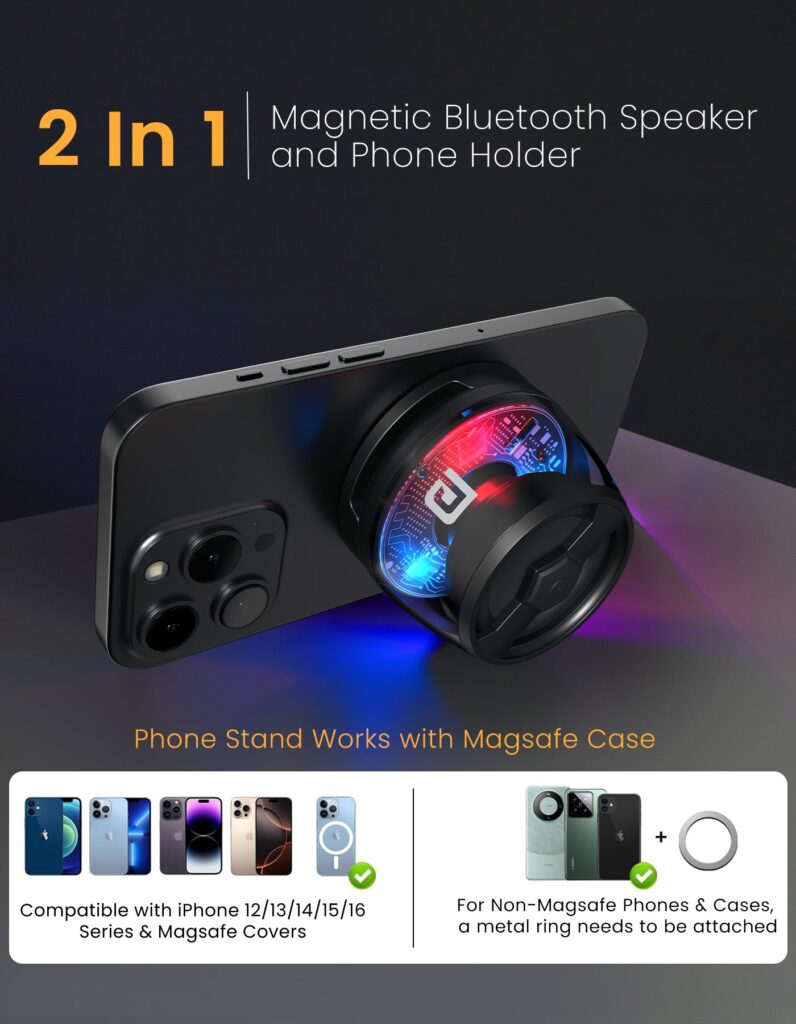
Portronics has unveiled its latest pocket-sized Bluetooth speaker, Nadya, and it’s not just another compact audio device; it’s a magnetic, RGB-lit, ultra-portable powerhouse that doubles as a phone stand. Designed for music lovers on the move, this 6-watt speaker sticks to metal surfaces, snaps onto MagSafe-compatible iPhones, and even comes with a metal ring for non-MagSafe users.
Portronics Nadya Specifications
The Nadya is compact enough to slip into your pocket, but don’t let its size fool you. It packs a 40mm dynamic driver that promises crystal-clear sound with soft bass, ideal for casual listening or a quick music break. Whether you’re attaching it to a car dashboard, refrigerator, or even a motorcycle fuel tank, the built-in magnetic ring ensures it stays put, offering convenience and functionality in a way most Bluetooth speakers simply don’t.
For iPhone users, it doubles as a kickstand when attached to the back of MagSafe-compatible models, making video watching or hands-free calls effortless. Android users aren’t left out either; Portronics includes a metal ring that sticks to any phone, allowing the same experience across devices.
If you love speakers that add a little flair to your space, the RGB LED lighting on the Nadya syncs with your music, creating a vibrant atmosphere. Whether you’re at a party, working at your desk, or just winding down, the flashing lights add a dynamic element to your listening experience. It also runs on Bluetooth 5.3, ensuring fast and stable connectivity with smartphones, tablets, and laptops.
The speaker comes with a built-in battery that provides up to four hours of continuous playback on a single charge. When it’s time to recharge, the Type-C USB port ensures fast and convenient charging.
Pricing & Availability
Portronics is launching the Nadya at an introductory price of Rs. 1,049 ($12), with a 12-month warranty. It’s available on Portronics’ official website, Amazon, Flipkart, and other major online and offline retailers.
In related news, the company also recently launched the Chyro Magnetic Wireless Powerbank, featuring a 10,000mAh capacity, 20W wired charging, and 15W wireless charging. Additionally, it introduced the Portronics Adapto 100, a 100W GaN charger capable of powering laptops, in India.
For more daily updates, please visit our News Section.
Google‘s next budget Pixel phone could be right around the corner. The Pixel 9a has already made the rounds online but the latest leak has confirmed its launch date for both the global and Indian markets. So here is everything we know.
Google Pixel 9a launch set for March 19
The news arrives from known tipster Yogesh Brar who shared the information on X (formerly Twitter). He claimed that the search engine giant’s Pixel 9a model could be globally launching within the next two weeks. The Google Pixel 9a is reportedly set to make its global debut on 19th March 2025. Meanwhile, the Indian release is set for a day later on March 20. If this is true, the Pixel 9a’s release is arriving much earlier than its predecessor, the Pixel 8a. To recall, that model was released globally in the month of May.
Google Pixel 9a
Apart from this, the leak from Yogesh revealed some disappointing news. While the “Pixel a” series is known for being upper mid range phones that have some top tier specs with cut corners, these are still typically quite expensive. A great example is near iPhone 16e levels of pricing. So it is disappointing when the tipster claims that there is “another year of exorbitant pricing”.
At the moment, it is unclear if it is for both the global and Indian markets. But even the A series has typically been quite expensive in India. Keep in mind that this is still just an unconfirmed report so take this news with a pinch of salt. For those interested, you can check out 5 major upgrades that it offers over the predecessor.
For more daily updates, please visit our News Section.
Qualcomm’s Snapdragon 7 series is known for bringing excellent performance to mid-range smartphones, but its naming scheme often leaves buyers scratching their heads. Take the Snapdragon 7 Gen 3 and 7s Gen 3, for example — at first glance, you might expect the latter to be an upgrade. However, the reality isn’t that simple.
The Snapdragon 7s Gen 3, announced in August 2024, comes with improved CPU cores and GPU performance, yet its peak clock speed (2.5GHz) is actually lower than the Snapdragon 7 Gen 3 (2.63GHz), which launched in November 2023. The 7 Gen 3 also offers better connectivity and faster charging support. To find out which one delivers superior performance, we tested the two chips through multiple benchmarks. We have also highlighted the key differences to help you make a better decision.
Snapdragon 7 Gen 3 vs 7s Gen 3: Benchmarks
[Note: The following benchmark tests have been conducted on the Vivo T3 Pro (powered by Snapdragon 7 Gen 3) and Realme 14 Pro+ (powered by Snapdragon 7s Gen 3).]
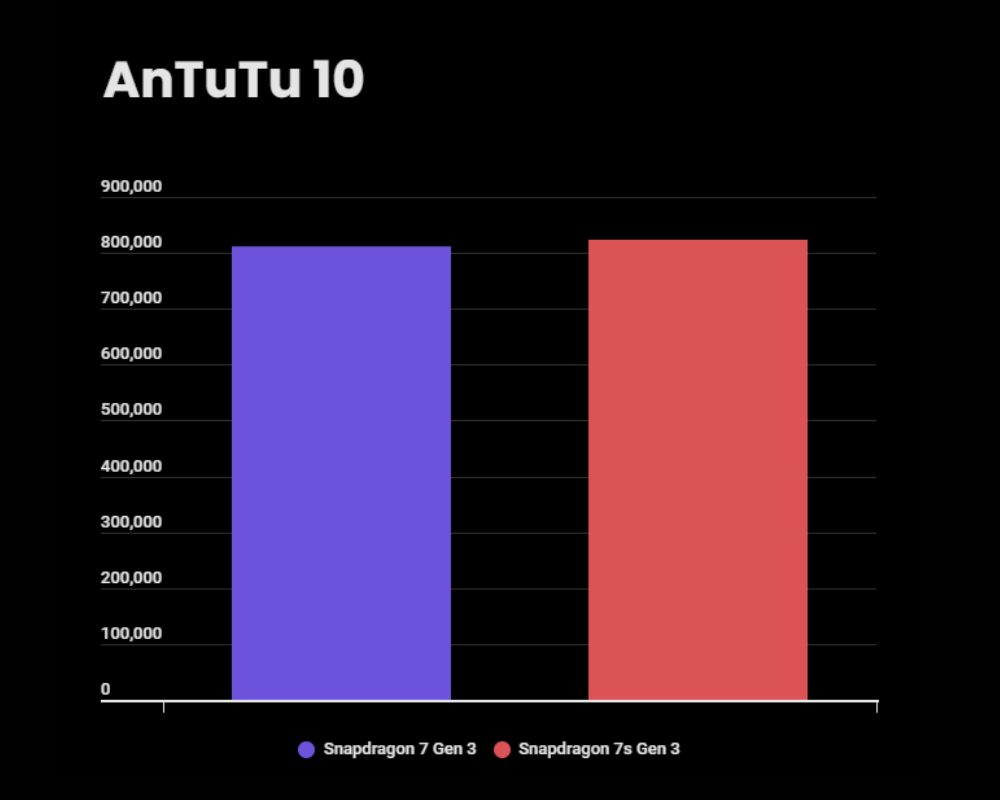
AnTuTu performance
AnTuTu is a widely used benchmarking tool to measure the overall performance of a device. It runs a series of tests to evaluate processing power, graphics rendering, multitasking efficiency, and overall system responsiveness.
On AnTuTu v10, the Vivo T3 Pro, powered by Snapdragon 7 Gen 3, scored 811,593 AnTuTu points. The Snapdragon 7s Gen 3-powered Realme 14 Pro+ is slightly ahead with 823,476 points.
SD 7 Gen 3
SD 7s Gen 3
AnTuTu score
811,593
823,476
CPU
257,428
278,545
GPU
255,513
197,417
Memory
144,836
180,301
UX
153,815
167,213
The breakdown of AnTuTu score reveals that the Snapdragon 7s Gen 3 has a faster CPU. This was obvious, as the chip has better CPU cores than the 7 Gen 3, but what wasn’t obvious was the higher GPU score on the 7 Gen 3. The 7s Gen 3 is paired with a faster GPU (Adreno 810) than the 7 Gen 3 (Adreno 720).
The Adreno 810 is generally faster than the Adreno 720, but other factors, such as the cooling system, software optimizations, and memory speed, also play an important role. These factors on the Vivo T3 Pro could have resulted in a slightly lower GPU score than the Realme 14 Pro+ despite a better GPU.
Geekbench performance
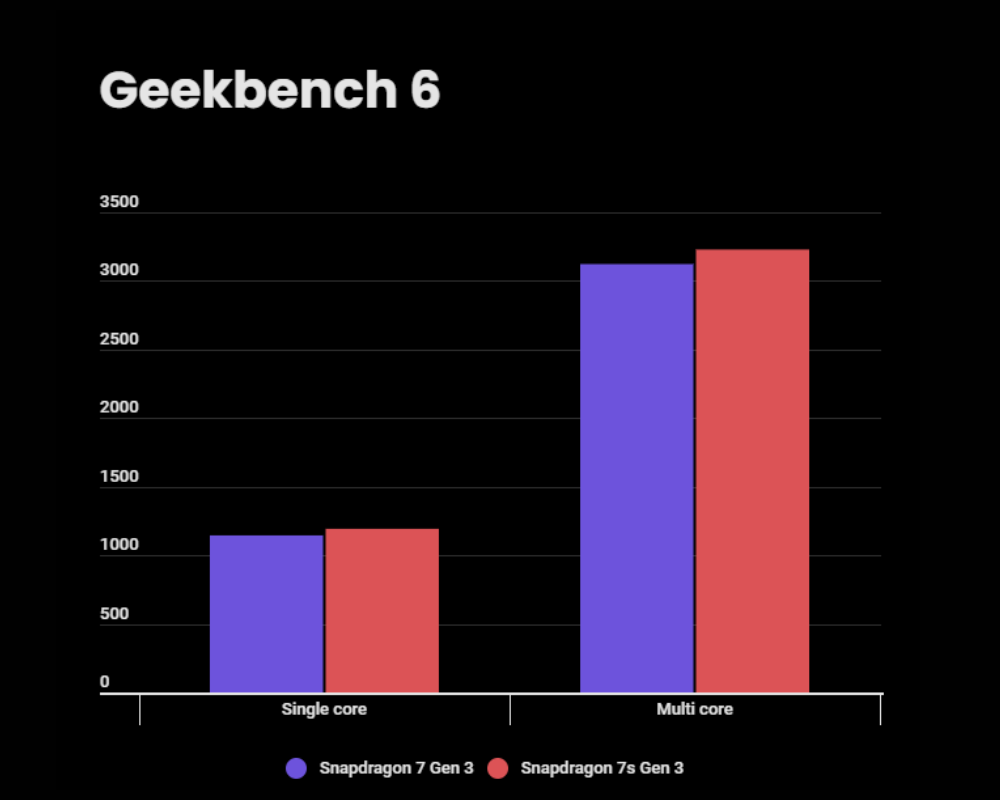
Geekbench is popularly used for measuring the CPU performance of devices. The benchmarking tool outputs single-core and multi-core results. The former reflects the device strength when a single CPU core is used, and the latter tells the performance when all CPU cores are at work.
On Geekbench v6, the Vivo T3 Pro, powered by Snapdragon 7 Gen 3, has scored 1,145 single-core points and 3,123 multi-core points. The 7s Gen 3-powered Realme 14 Pro+, on the other hand, has scored 1,193 and 3,229 points in the single-core and multi-core tests, respectively.
SD 7 Gen 3
SD 7s Gen 3
Single core
1,145
1,193
Multi core
3,123
3,229
Snapdragon 7 Gen 3 vs 7s Gen 3: Key differences
While both are octa-core chipsets, they have different sets of CPU cores. The Snapdragon 7 Gen 3 has four Cortex-A715 performance cores and four Cortex-A510 power-efficiency cores, while the 7s Gen 3 has four Cortex-A720 performance cores and four Cortex-A520 power-efficiency cores.
Compared to Cortex-A715, the Cortex-A720 offers up to 20% better power efficiency and up to 15% improvement in peak performance. The Cortex-A520 also brings up to 22% power reduction and up to 8% better performance compared to Cortex-A510.
The Snapdragon 7s Gen 3 is stronger on the GPU side as well, featuring Adreno 810, which is slightly more powerful than Adreno 720 on the 7 Gen 3. That means the device using the 7s Gen 3 will have better gaming performance, given that the remaining aspects, such as the cooling system and software optimizations, remain unchanged.
The two Qualcomm chips also bring connectivity differences. The 7 Gen 3 modem allows up to 5Gbps peak download speed, which peaks at 2.9Gbps on the 7s Gen 3. The rest of the connectivity specs are almost unchanged. The 7 Gen 3 also supports high screen resolution and screen refresh rate. It also supports Qualcomm Quick Charge 5 technology, while the 7s Gen 3 supports Quick Charge 4+.
So, these were the key differences between Snapdragon 7 Gen 3 and 7s Gen 3. Let’s take a quick look at the spec sheet for a better overview of these chips.
Snapdragon 7 Gen 3 vs 7s Gen 3: Spec sheet
SD 7 Gen 3
SD 7s Gen 3
Announced
November 2023
August 2024
Process node
4nm
4nm
Manufacturer
TSMC
TSMC
CPU
1 x 2.63 GHz — Cortex-A715 3 x 2.4 GHz — Cortex-A715 4 x 1.8 GHz — Cortex-A510
1 x 2.5 GHz — Cortex-A720 3 x 2.4 GHz — Cortex-A720 4 x 1.8 GHz — Cortex-A520
GPU
Adreno 720 GPU Snapdragon Elite Gaming features
Adreno 810 Snapdragon Elite Gaming features
NPU
Qualcomm Hexagon NPU
Qualcomm Hexagon NPU
Memory
LPDDR5, up to 3.2GHz
LPDDR5, up to 3.2GHz
Storage
UFS 2.2, UFS 3.1
UFS 2.2, UFS 3.1
USB
USB Type-C version 3.1
USB Type-C version 3.1
Camera
Spectra triple 12-bit ISPs Up to 200MP single camera Up to 64MP single camera with zero shutter lag Up to 32+21MP dual cameras with zero shutter lag Up to 21MP triple cameras with zero shutter lag Up to 4K video recording
Spectra triple 12-bit ISPs Up to 200MP single camera Up to 64MP single camera with zero shutter lag Up to 32+21MP dual cameras with zero shutter lag Up to 21+21+21MP triple cameras with zero shutter lag Up to 4K video recording
Connectivity
Snapdragon X63 5G modem Downlink: 5Gbps Qualcomm FastConnect 6700 Wi-Fi 6E (peak speed: 2.9Gbps) Bluetooth 5.4
Snapdragon 5G modem Downlink: 2.9Gbps Qualcomm FastConnect Wi-Fi 6E (peak speed: 2.9Gbps) Bluetooth 5.4
Samsung might be planning on releasing its ultra slim flagship smartphone soon. A fresh tip has revealed the launch timeline for the Galaxy S25 Edge, which adds more weight to the previously rumored release date. So here’s what we know.
Samsung Galaxy S25 Edge Dropping As Early As Next Month?
The South Korean tech giant is reportedly planning on launching the Galaxy S25 Edge globally sometime next month. This news arrives from a known tipster @MaxJmb who shared the launch month on X (formerly Twitter). But apart from saying the month of April, Max did not reveal the exact launch date. Notably, this tip is also in line with one of our previous reports.
Samsung Galaxy S25 Edge
Samsung is rumored to launch the Galaxy S25 Edge around 16th April 2025. Depending on the region, the super slim premium Galaxy may even release on April 15 to make up for the time zone difference. Based on the earlier report, the Galaxy S25 Edge will reportedly go on sale by May, although initial production could be limited to just 40,000 units. The brand might release this model in multiple color options as well, namely Black, Silver, and Light Blue.
From what we know so far, the Samsung Galaxy S25 Edge is expected to sport a 6.6-inch AMOLED display with a 120Hz refresh rate that has a peak brightness of 1600 nits. This panel likely has FHD+ resolution. Under the hood, it probably packs Qualcomm’s latest and greatest Snapdragon 8 Elite, like the other Galaxy S25 series models. This chip might be paired with 12GB of RAM and up to 1TB of internal storage. It should run on the Android 15 OS based One UI 7 custom skin out of the box as well. For photography, the rear has a 200MP + 12MP dual camera setup, while the front houses a 12MP selfie shooter.
For more daily updates, please visit our News Section.
New Acer smartphones are all set to launch in India soon. Indkal Tech announced its partnership with Acer last year to release Acer branded devices in the Indian market. And now, the company has officially revealed the launch date for these upcoming phones. So here are all the details.
Acer Smartphones Drop in India Later This Month
In an official teaser poster, Acer confirmed that its latest smartphones will be launching in the region on 25th March 2025. These devices were initially expected to launch at the end of 2024, but are only now arriving in India. Looking at the image poster, the promo material confirms the launch date along with the slogan “The Next Horizon”. As of right now, the brand has yet to reveal the names of these devices officially, but these are likely mid range smartphones.
So we can expect these to be priced around or under 30,000 INR. The models in question could be the Acerone Liquid S162E4 and Acerone Liquid S272E4, which were recently officially listed on the Acer India website. However, there is still no official word on whether these are the smartphones that will be launched in India. To recall, the Acerpure branded phones were budget 4G models with MediaTek Helio chips and large 5,000mAh batteries.
Acerone Liquid S272E4
Based on what we know so far, the new Acer smartphones are expected to be sold via the Amazon India platform. Finer details are still at large, so stick around for more as we can expect additional information to surface in the next few days.
For more daily updates, please visit our News Section.
Xiaomi’s latest flagship, the 15 Ultra, is now available on the global market. Priced at €1,500, it packs some seriously impressive hardware—a massive 200MP periscope telephoto lens and a 1-inch main sensor.
These specs put it ahead of Apple’s flagship in terms of hardware. But even with all that firepower, the 15 Ultra hasn’t cracked DXOMark’s top 10 camera rankings.
Xiaomi 15 Ultra’s DXOMark score
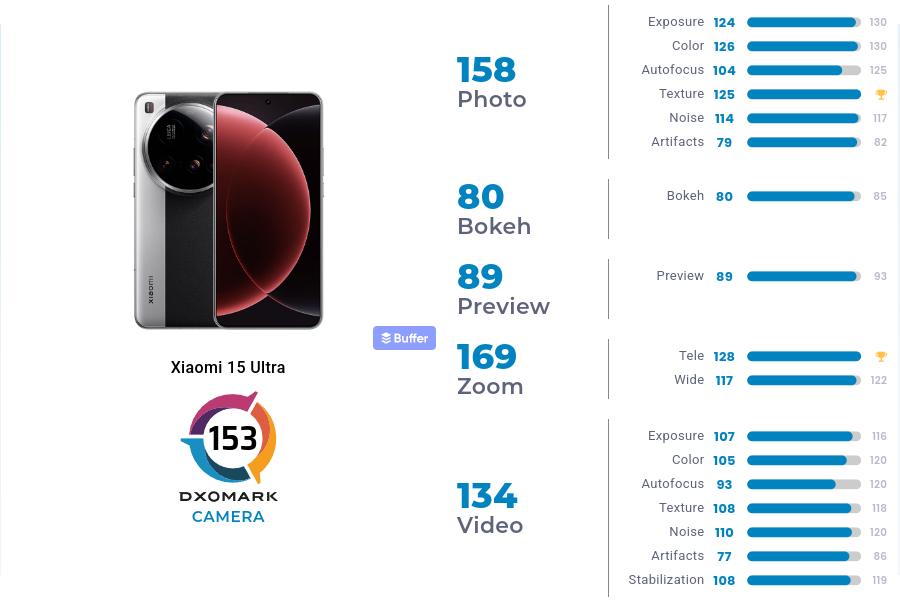
The 15 Ultra scored 153 points in DXOMark’s camera tests, placing it 13th globally. That’s Xiaomi’s best showing yet—last year’s 14 Ultra sits at 19th place with 149 points.
To be clear, this doesn’t mean the 15 Ultra has a bad camera—far from it. Even Samsung’s Galaxy S25 Ultra ranks lower at 24th place. DXOMark praised the 15 Ultra for its high texture detail, low noise, accurate exposure, wide dynamic range, and strong color rendering.
So why did it fall short?
According to DXOMark, the phone struggles with occasional warm color casts in both photos and videos, contrast inconsistencies, and noticeable artifacts that impact image quality. There are also issues with texture loss in certain conditions and autofocus stepping problems, which can make focusing feel less smooth.
Another major drawback is its narrow depth of field, which results in blurred background faces in group shots. Note that this a limitation stemming from its primary camera.
For a phone that aims to be the best of the best, these shortcomings might be disappointing. But numbers aside, the 15 Ultra still packs some of the most impressive mobile camera hardware available right now.
Our hands-on of the Xiaomi 15 Ultra is already out—be sure to check it out!
For more daily updates, please visit our News Section.
iQOO unveiled the Neo 10 and Neo 10 Pro in December 2024 in China. These devices came equipped with the Snapdragon 8 Gen 3 and Dimensity 9400 chipsets. Last year, the brand unveiled the Neo 9S series in May as an incremental upgrade over the existing Neo 9 lineup. Therefore, the Vivo sub-brand is expected to unveil the Neo 10S series at some point in the second quarter of this year. A new leak, courtesy of tipster Digital Chat Station, has revealed the display and chipset of what appears to be the iQOO Neo 11S Pro Plus.
iQOO Neo 10S Pro+ key specifications tipped
Alleged iQOO Neo 10S’ key details leaked
According to the tipster, an upcoming iQOO phone arriving by mid-2025 will feature a 6.82-inch flat OLED panel that offers a 2K resolution. The screen will be integrated with an ultrasonic in-screen fingerprint sensor.
Under the hood, the device will feature the Snapdragon 8 Elite and an independent graphics chip, which promises a top-notch gaming experience. While the tipster has not revealed the name of the device, it seems that he could be talking about the iQOO Neo 10S Pro+ as the predecessor (Neo 9S Pro+) came with the Snapdragon 8 Gen 3 onboard.
As per other reports, the Neo 10S Pro+ could be accompanied by another model dubbed the iQOO Neo 10S Pro. This model may come equipped with the upcoming Dimensity 9400 Plus chipset. It may offer the same screen and fingerprint scanner as the Neo 10S Pro+.
Since the Neo 10S series is expected to arrive as an incremental upgrade, the rest of the specs of the Neo 10S Pro and Neo 10S Pro+ could be identical to the Neo 10 and Neo 10 Pro.
To recall, the Neo 10 and Neo 10 Pro came with a 6.78-inch OLED screen with support for a 1.5K resolution and a 144Hz refresh rate. Both devices have common specs, such as a 16-megapixel front camera, a 6,100mAh battery, and 120W fast charging. While the Neo 10 has a Snapdragon 8 Gen 3 chip and a 50-megapixel + 8-megapixel dual-camera unit on the back, the Pro variant has the Dimensity 9300 and a 50-megapixel + 50-megapixel dual-camera system.
For more daily updates, please visit our News Section.
We use cookies on our website to give you the most relevant experience by remembering your preferences and repeat visits. By clicking “Accept”, you consent to the use of ALL the cookies.
This website uses cookies to improve your experience while you navigate through the website. Out of these, the cookies that are categorized as necessary are stored on your browser as they are essential for the working of basic functionalities of the website. We also use third-party cookies that help us analyze and understand how you use this website. These cookies will be stored in your browser only with your consent. You also have the option to opt-out of these cookies. But opting out of some of these cookies may affect your browsing experience.
Necessary cookies are absolutely essential for the website to function properly. This category only includes cookies that ensures basic functionalities and security features of the website. These cookies do not store any personal information.
Any cookies that may not be particularly necessary for the website to function and is used specifically to collect user personal data via analytics, ads, other embedded contents are termed as non-necessary cookies. It is mandatory to procure user consent prior to running these cookies on your website.