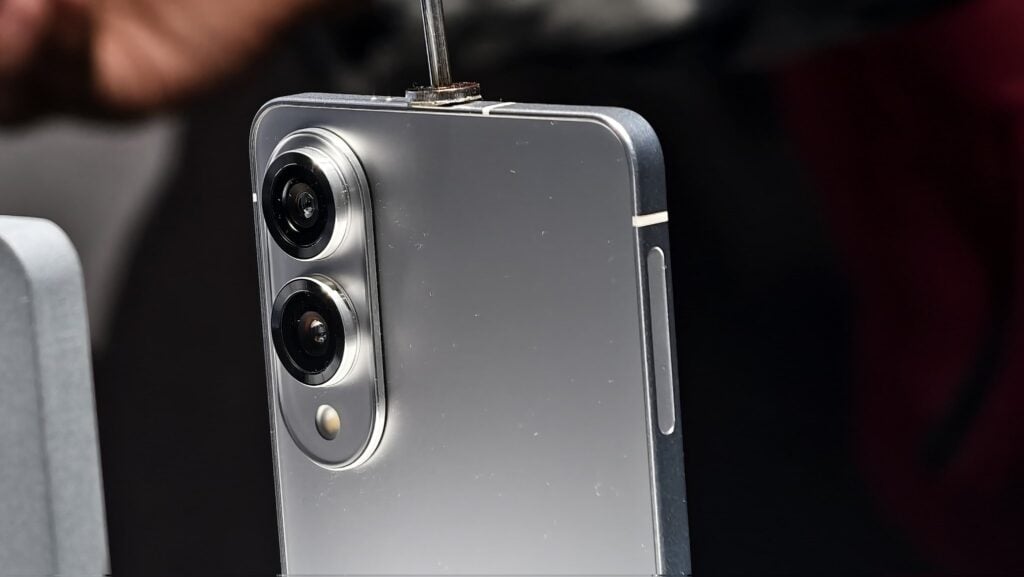
Samsung might be planning on releasing its ultra slim flagship smartphone soon. A fresh tip has revealed the launch timeline for the Galaxy S25 Edge, which adds more weight to the previously rumored release date. So here’s what we know.
Samsung Galaxy S25 Edge Dropping As Early As Next Month?
The South Korean tech giant is reportedly planning on launching the Galaxy S25 Edge globally sometime next month. This news arrives from a known tipster @MaxJmb who shared the launch month on X (formerly Twitter). But apart from saying the month of April, Max did not reveal the exact launch date. Notably, this tip is also in line with one of our previous reports.
Samsung Galaxy S25 Edge
Samsung is rumored to launch the Galaxy S25 Edge around 16th April 2025. Depending on the region, the super slim premium Galaxy may even release on April 15 to make up for the time zone difference. Based on the earlier report, the Galaxy S25 Edge will reportedly go on sale by May, although initial production could be limited to just 40,000 units. The brand might release this model in multiple color options as well, namely Black, Silver, and Light Blue.
From what we know so far, the Samsung Galaxy S25 Edge is expected to sport a 6.6-inch AMOLED display with a 120Hz refresh rate that has a peak brightness of 1600 nits. This panel likely has FHD+ resolution. Under the hood, it probably packs Qualcomm’s latest and greatest Snapdragon 8 Elite, like the other Galaxy S25 series models. This chip might be paired with 12GB of RAM and up to 1TB of internal storage. It should run on the Android 15 OS based One UI 7 custom skin out of the box as well. For photography, the rear has a 200MP + 12MP dual camera setup, while the front houses a 12MP selfie shooter.
For more daily updates, please visit our News Section.
New Acer smartphones are all set to launch in India soon. Indkal Tech announced its partnership with Acer last year to release Acer branded devices in the Indian market. And now, the company has officially revealed the launch date for these upcoming phones. So here are all the details.
Acer Smartphones Drop in India Later This Month
In an official teaser poster, Acer confirmed that its latest smartphones will be launching in the region on 25th March 2025. These devices were initially expected to launch at the end of 2024, but are only now arriving in India. Looking at the image poster, the promo material confirms the launch date along with the slogan “The Next Horizon”. As of right now, the brand has yet to reveal the names of these devices officially, but these are likely mid range smartphones.
So we can expect these to be priced around or under 30,000 INR. The models in question could be the Acerone Liquid S162E4 and Acerone Liquid S272E4, which were recently officially listed on the Acer India website. However, there is still no official word on whether these are the smartphones that will be launched in India. To recall, the Acerpure branded phones were budget 4G models with MediaTek Helio chips and large 5,000mAh batteries.
Acerone Liquid S272E4
Based on what we know so far, the new Acer smartphones are expected to be sold via the Amazon India platform. Finer details are still at large, so stick around for more as we can expect additional information to surface in the next few days.
For more daily updates, please visit our News Section.
Xiaomi’s latest flagship, the 15 Ultra, is now available on the global market. Priced at €1,500, it packs some seriously impressive hardware—a massive 200MP periscope telephoto lens and a 1-inch main sensor.
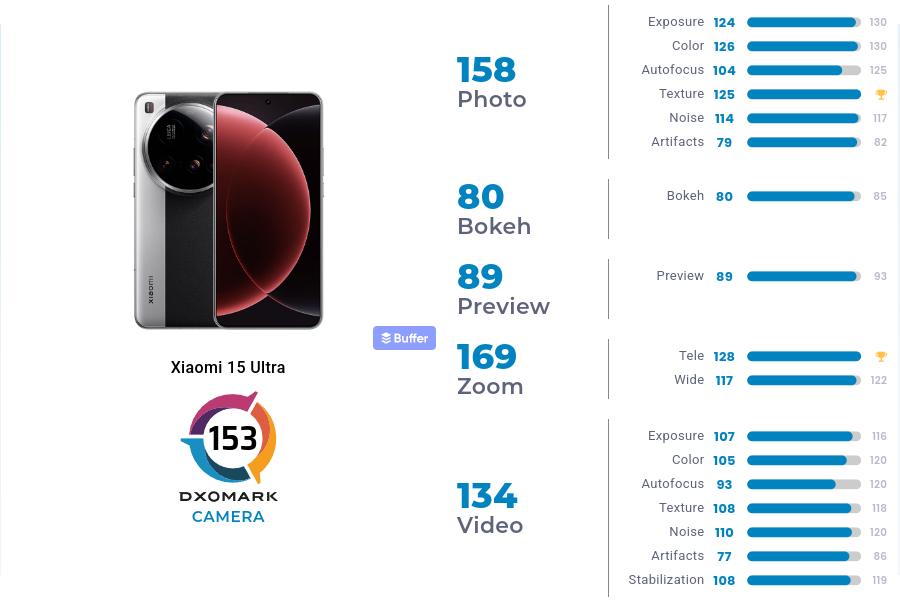
These specs put it ahead of Apple’s flagship in terms of hardware. But even with all that firepower, the 15 Ultra hasn’t cracked DXOMark’s top 10 camera rankings.
Xiaomi 15 Ultra’s DXOMark score
The 15 Ultra scored 153 points in DXOMark’s camera tests, placing it 13th globally. That’s Xiaomi’s best showing yet—last year’s 14 Ultra sits at 19th place with 149 points.
To be clear, this doesn’t mean the 15 Ultra has a bad camera—far from it. Even Samsung’s Galaxy S25 Ultra ranks lower at 24th place. DXOMark praised the 15 Ultra for its high texture detail, low noise, accurate exposure, wide dynamic range, and strong color rendering.
So why did it fall short?
According to DXOMark, the phone struggles with occasional warm color casts in both photos and videos, contrast inconsistencies, and noticeable artifacts that impact image quality. There are also issues with texture loss in certain conditions and autofocus stepping problems, which can make focusing feel less smooth.
Another major drawback is its narrow depth of field, which results in blurred background faces in group shots. Note that this a limitation stemming from its primary camera.
For a phone that aims to be the best of the best, these shortcomings might be disappointing. But numbers aside, the 15 Ultra still packs some of the most impressive mobile camera hardware available right now.
Our hands-on of the Xiaomi 15 Ultra is already out—be sure to check it out!
For more daily updates, please visit our News Section.
iQOO unveiled the Neo 10 and Neo 10 Pro in December 2024 in China. These devices came equipped with the Snapdragon 8 Gen 3 and Dimensity 9400 chipsets. Last year, the brand unveiled the Neo 9S series in May as an incremental upgrade over the existing Neo 9 lineup. Therefore, the Vivo sub-brand is expected to unveil the Neo 10S series at some point in the second quarter of this year. A new leak, courtesy of tipster Digital Chat Station, has revealed the display and chipset of what appears to be the iQOO Neo 11S Pro Plus.
iQOO Neo 10S Pro+ key specifications tipped
Alleged iQOO Neo 10S’ key details leaked
According to the tipster, an upcoming iQOO phone arriving by mid-2025 will feature a 6.82-inch flat OLED panel that offers a 2K resolution. The screen will be integrated with an ultrasonic in-screen fingerprint sensor.
Under the hood, the device will feature the Snapdragon 8 Elite and an independent graphics chip, which promises a top-notch gaming experience. While the tipster has not revealed the name of the device, it seems that he could be talking about the iQOO Neo 10S Pro+ as the predecessor (Neo 9S Pro+) came with the Snapdragon 8 Gen 3 onboard.
As per other reports, the Neo 10S Pro+ could be accompanied by another model dubbed the iQOO Neo 10S Pro. This model may come equipped with the upcoming Dimensity 9400 Plus chipset. It may offer the same screen and fingerprint scanner as the Neo 10S Pro+.
Since the Neo 10S series is expected to arrive as an incremental upgrade, the rest of the specs of the Neo 10S Pro and Neo 10S Pro+ could be identical to the Neo 10 and Neo 10 Pro.
To recall, the Neo 10 and Neo 10 Pro came with a 6.78-inch OLED screen with support for a 1.5K resolution and a 144Hz refresh rate. Both devices have common specs, such as a 16-megapixel front camera, a 6,100mAh battery, and 120W fast charging. While the Neo 10 has a Snapdragon 8 Gen 3 chip and a 50-megapixel + 8-megapixel dual-camera unit on the back, the Pro variant has the Dimensity 9300 and a 50-megapixel + 50-megapixel dual-camera system.
For more daily updates, please visit our News Section.
Redmi unveiled the Redmi Note 14 series earlier this year. The lineup includes 4G models, such as the Note 14 and Note 14 Pro, and 5G options, like the Note 14 5G, Note 14 Pro 5G, and Note 14 Pro+ 5G. Recently, the upcoming Redmi Note 14S, a 4G offering, was found listed in the database of the UAE’s TDRA certification platform. Now, a new report by WinFuture.de has revealed the entire specifications, renders, and expected price of the Note 14S, claiming that it will be unveiled soon.
Redmi Note 14S specifications (rumored)
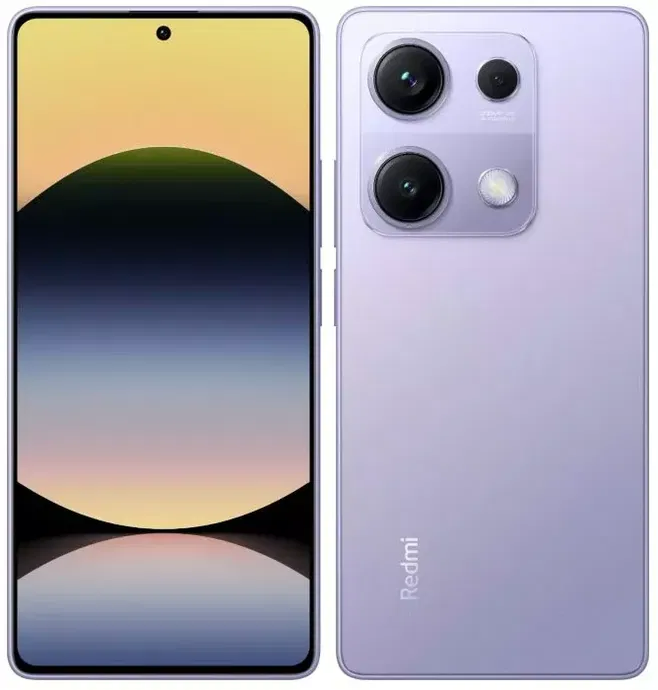
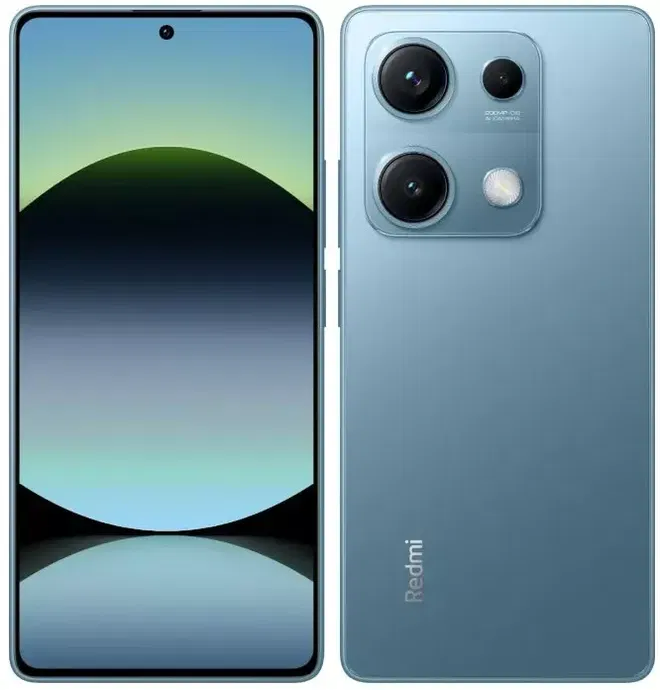
Redmi Note 14SRedmi Note 14SRedmi Note 14S
The report reveals that the Redmi Note 14S will feature an AMOLED panel that offers an FHD+ resolution and a 120Hz refresh rate. While the exact screen size is not mentioned, it appears to feature a 6.67-inch screen integrated with a fingerprint sensor.
Under the hood, the Note 14S will feature the Helio G99 Ultra, 8GB of RAM, and a 5,000mAh battery with 67W fast charging support. The device will ship with the older Android 14 onboard. Therefore, it appears that the device may not ship the latest HyperOS 2.0 UI.
For photography, the Redmi Note 14S will feature a 200-megapixel primary camera with OIS support, an 8-megapixel ultra-wide lens, and a 2-megapixel macro camera. The device will be equipped with a 16-megapixel front-facing camera.
To sum up, the Redmi Note 14S is nothing but a rebranded version of the Redmi Note 13 Pro (4G) from last year. It is expected to be released in Europe with a price of under 240 euros. It is also expected to launch in India. As the leaked renders have revealed, the Note 14S will be available in blue, purple, and black.
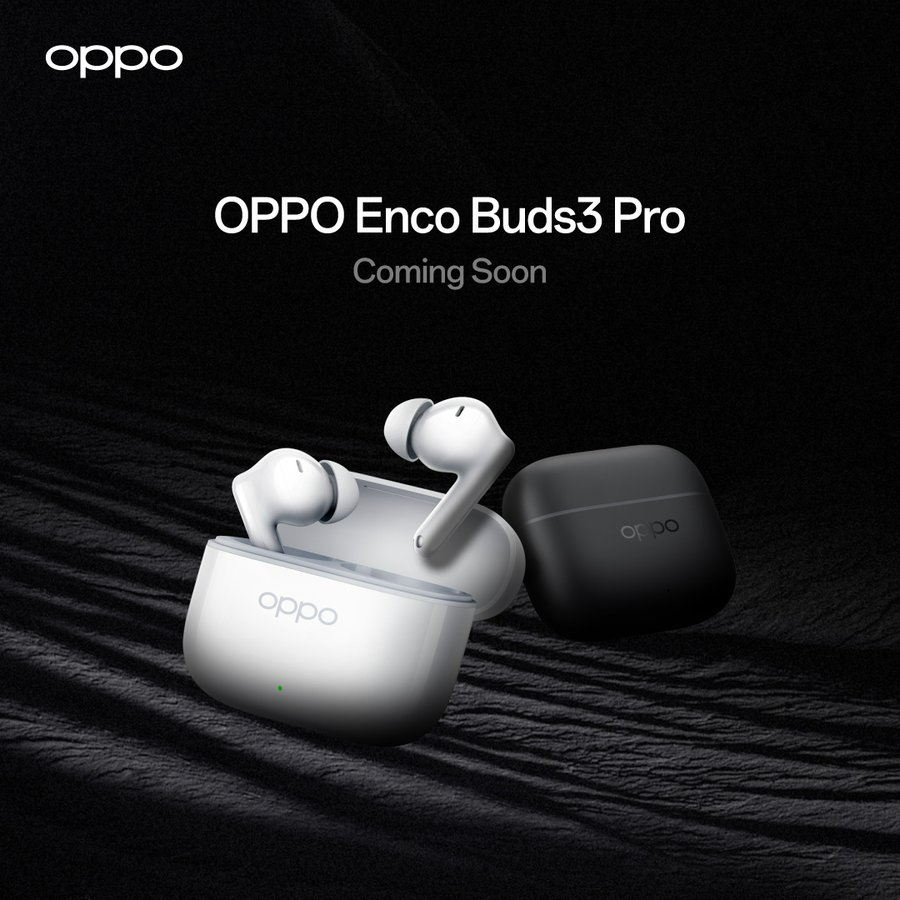
Last month, the Oppo Enco Buds 3 Pro received approval from the Bluetooth SIG authority, indicating an imminent launch. Now, Oppo Malaysia has confirmed that the premium true wireless earbuds are “coming soon.” Additionally, the earbuds have been officially listed on Oppo’s global website, revealing key details about their design, features, and specifications. Here is a closer look at what the Enco Buds 3 Pro has to offer.
Oppo Enco Buds 3 Pro specifications and features
Oppo Malaysia confirms that the Enco Buds 3 Pro is coming soon
The Oppo Enco Buds 3 Pro feature a 12.4mm titanium-coated dynamic driver, promising deep bass and clear sound output. It supports both AAC and SBC audio codecs, ensuring high-quality playback across devices. With Bluetooth 5.4 connectivity, the earbuds offer a stable and low-latency transmission, making them ideal for music and gaming enthusiasts.
When it comes to battery life, the official listing reveals that the earbuds offer up to 12 hours of playback on a single charge. When combined with the charging case, the total playback time extends to an impressive 54 hours. Additionally, the fast-charging capability ensures four hours of playback with just a 10-minute charge. The earbuds are also TÜV Rheinland-certified, indicating longevity even after extensive charging cycles.
The earbuds support dual-device connectivity, allowing users to seamlessly switch between two paired devices. Oppo’s HeyMelody app further enhances the experience by offering customizable touch controls and a personalized equalizer with three preset modes: Clear Vocals, Bass Boost, and Original Sound. Furthermore, Google Fast Pair enables quick and effortless pairing with Android devices.
The Enco Buds 3 Pro come with an IP55 rating, making them resistant to dust and water splashes. They are built to withstand extreme conditions, including temperature variations and drop tests. It will be available in two shades: Glaze White and Graphite Grey.
For more daily updates, please visit our News Section.
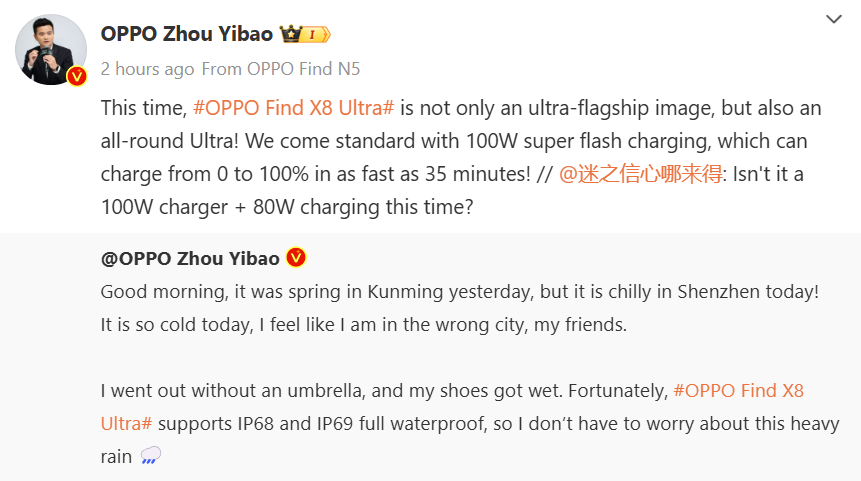
Oppo is all set to announce the Oppo Find X8 Ultra in April in China. Ahead of the launch, Oppo Find Product Manager Zhou Yibao has already started spilling details about the X8 Ultra. He recently revealed that it will be the only “Ultra” phone among its competitors to feature a flat display. He even released a teaser image to give a glimpse of the screen. Now, he has published a new Weibo post to reveal the charging capabilities and durability of the X8 Ultra.
Recently, the Oppo Find X8 Ultra and its Satellite Communication Version were spotted with a 100W charger in China’s 3C certification database. As shown in the above screengrab, Oppo Find Product Manager Zhou Yibao has officially confirmed that the Find X8 Ultra will support 100W fast charging. To recall, last year’s Find X7 Ultra offered 80W wired charging.
Yibao claimed that the X8 Ultra will be able to charge from 0 to 100 percent in just 35 minutes. Additionally, the device will support 80W wireless charging. Like the existing Find X8 and X8 Pro, the Ultra variant will feature an IP68/69-rated dust and water-resistant chassis.
At the same time, reliable tipster Digital Chat Station has leaked new details about the X8 Ultra. According to his recent Weibo post, the device will house a battery of around 6,000mAh capacity. He also mentioned that it will be the only “Ultra” flagship phone this year to feature a dual-cell battery. Despite its large battery, the device’s thickness is expected to remain under 9mm. Furthermore, the X8 Ultra will come equipped with an upgraded version of the 0916 X-axis linear motor for improved haptic feedback.
As per reports, the Find X8 Ultra launch event in April will possibly see the arrival of a couple of other devices, such as the Oppo Pad 4 Pro, Find X8S, and Find X8 Mini. As far as the global launch is concerned, none of these Find X8-series phones may release in markets outside of China.
For more daily updates, please visit our News Section.
Xiaomi’s sub-brand Redmi has achieved a new sales milestone with its latest flagship series, the Redmi K80 lineup. According to the company’s official announcement, the series has surpassed 3.6 million units in sales within its first 100 days on the market. The achievement positions the K80 series as the best-selling product among all smartphones launched in the same period.
Redmi K80 sets a new benchmark in sales
Redmi K80 series surpasses 3.6 million units
The Redmi K80 series, launched in November 2024, includes two devices, namely the K80 and K80 Pro. The company reports that the lineup’s sales figures are significantly higher than competing products, highlighting strong market demand. Notably, the two models of the K80 series have reportedly outsold six models from rival brands combined, showcasing the brand’s dominance in the segment.
Right from launch, the K80 series demonstrated strong performance, with over 660,000 units sold on the first day alone. Within ten days, sales had already surpassed the one-million mark, setting a record for the fastest-selling K-series smartphone.
Redmi K80, K80 Pro key specifications
The Redmi K80 series offers flagship-grade hardware at competitive pricing. The standard Redmi K80 features the Snapdragon 8 Gen 3 chipset, up to 16GB of LPDDR5X RAM, and a maximum of 1TB UFS 4.0 storage. It sports a 6.67-inch 2K OLED flat display with a 120Hz refresh rate and a 6,550mAh battery with 90W fast charging. The device also features a 50-megapixel primary camera with OIS and a 20-megapixel front-facing camera.
On the other hand, the Redmi K80 Pro steps up with the Snapdragon 8 Elite processor, a dedicated gaming display chip, and a 6,000mAh battery supporting 120W wired charging and 50W wireless charging. Both models feature an advanced 2K LTPS display, DC dimming, and an ultrasonic in-screen fingerprint sensor. The K80 series is available with a starting price of 2,499 Yuan (~$345) in China.
For more daily updates, please visit our News Section.
Hot on the heels of Apple’s latest iPads launch, the company has now announced the new MacBook Air, powered by the M4 chip. This refresh brings Apple Intelligence, improved battery life, a new 12MP webcam with Center Stage, and 16GB of base RAM—all for a lower price than the previous model.
MacBook Air M4: Specs and Features
Visually, the MacBook Air M4 is nearly identical to its predecessor. It’s still the same sleek, fanless design, but it now comes in a new Sky Blue color alongside Silver, Starlight, and Midnight.
The Air is available in 13.6-inch and 15.3-inch display options, both featuring 500 nits of brightness, 10-bit color depth, P3 wide color gamut, and True Tone technology.
The biggest upgrade is, of course, the new M4 chip. It features a 10-core CPU and up to a 10-core GPU, with support for up to 32GB of unified memory.
The base model now starts with 16GB of RAM—a bump Apple introduced across the M2 and M3 Air lineup last October. A portion of this memory will also power Apple Intelligence, the company’s suite of AI-powered features.
Apple Intelligence brings AI-driven tools like Smart Replies in Messages, Mail Summaries, Clean Up in Apple Photos, Writing Tools, Genmoji, and Image Playground. As with the iPhone, these AI features primarily run on-device, keeping most tasks private. For more complex cloud requests, Apple’s Private Cloud Compute handles processing securely—without sharing user data with Apple.
The new Air also upgrades to a 12MP front-facing camera housed in the notch, aligning it with the MacBook Pro lineup. It supports Center Stage, which keeps you in frame during video calls, and Desk View, which can simultaneously show your face and a top-down view of your desk—useful for presentations and demonstrations.
The MacBook Air M4 retains two Thunderbolt 4 ports and MagSafe charging. A significant upgrade over the M3 model is its external display support—while the previous Air could only drive a single 6K display, the new model supports two.
Price and Availability
The 13-inch MacBook Air M4 starts at $999 in the US and ₹99,000 in India, while the 15-inch model is priced at $1,199 and ₹124,000, respectively. Pre-orders are live now, with shipping beginning on March 12.
For more daily updates, please visit our News Section.
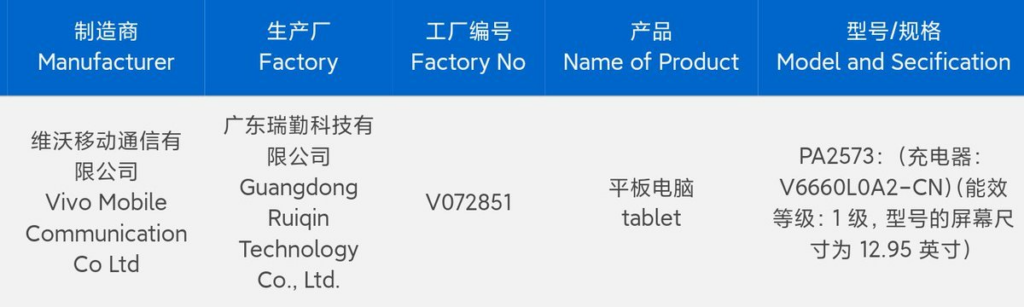
An upcoming Vivo tablet has passed China’s 3C certification. This tablet appears to be the Vivo Pad 4 Pro, a flagship offering expected to succeed the Vivo Pad 3 Pro from last year. Here’s a look at the details that have surfaced through the alleged Pad 4 Pro’s 3C listing.
Vivo Pad 4 Pro 3C certified
Alleged Vivo Pad 4 Pro 3C certified
The above screenshot shows that a forthcoming Vivo tablet with the model number PD2573 has received 3C certification. The listing reveals two key details about the tablet: it will feature a 12.95-inch display and may ship with a 66W (V6660L0A2-CN model number) charger.
To recall, the Vivo Pad 3 Pro featured a 13-inch LCD panel, the Dimensity 9300 chip, and an 11,500mAh battery with 66W charging. As per a recent report, the Vivo Pad 4 Pro will be powered by the Dimensity 9400 chip. Based on the PD2573 tablet’s display size, chipset, and fast charging capabilities, it is speculated that this could indeed be the upcoming Vivo Pad 4 Pro.
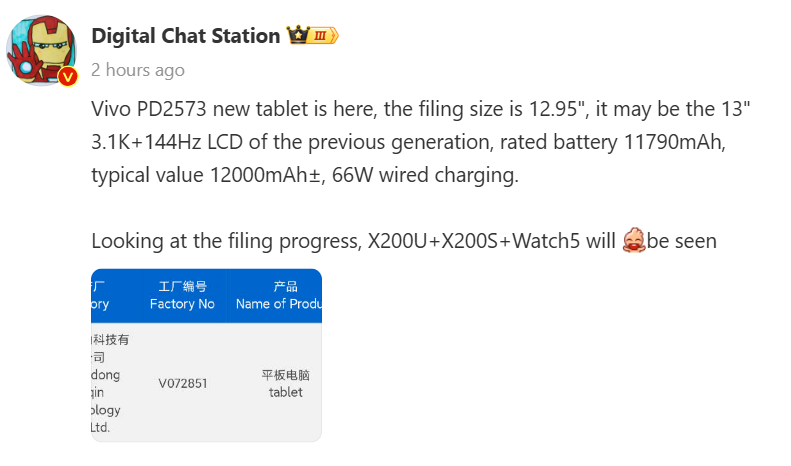
DCS leaks details about the alleged Pad 4 Pro
As seen in DCS’ latest Weibo post, the alleged Pad 4 Pro is expected to feature an LCD panel supporting a 3.1K resolution and a 144Hz refresh rate. He also claimed that the tablet may pack a battery with a capacity of around 12,000mAh (11,790mAh rated value).
Vivo is expected to unveil the Vivo X200 Ultra in April in China. Other devices, such as the Vivo X200S and Vivo Watch 5, are also anticipated to launch alongside the X200 Ultra. It is likely that the Pad 4 Pro may also go official during the same event.
Vivo launched the Therefore, it is likely that the upcoming flagship tablet series could be named the Vivo Pad 5 and Pad 5 Pro instead of Pad 4 and Pad 4 Pro.
For more daily updates, please visit our News Section.
Mobile World Congress (MWC) is the ultimate stage for smartphone innovation, and every year, brands push the boundaries of design and functionality. While some focus on refining the essentials, others take a more experimental approach, sometimes resulting in phones that are just plain weird.
MWC 2025 was no exception, with manufacturers unveiling some of the most unconventional concepts we’ve seen in years. Here are the top five bizarre, yet intriguing, smartphones that made waves at the event.
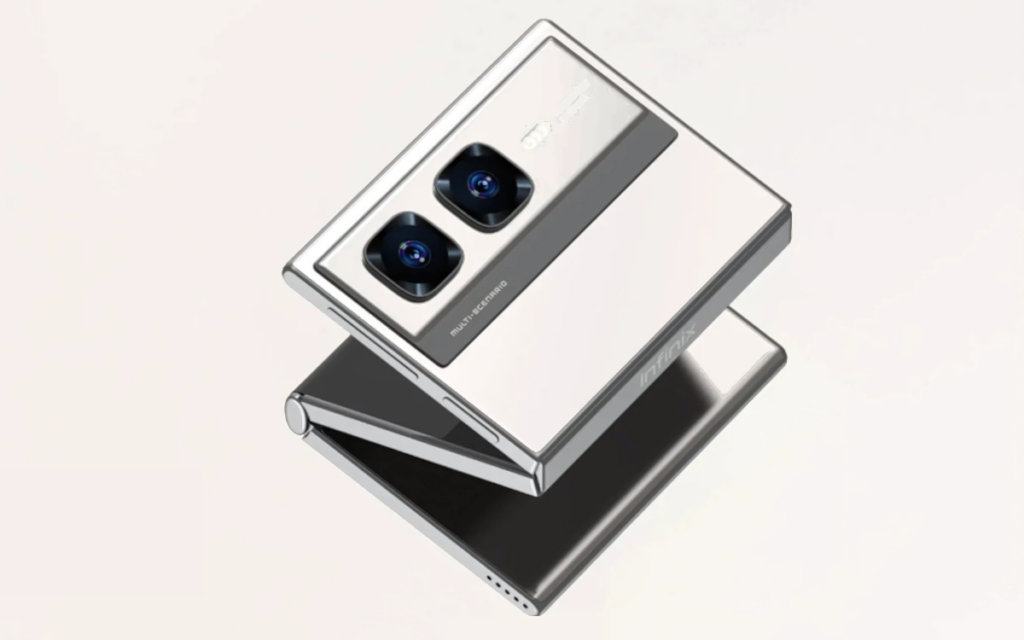
1. Infinix Zero Mini Tri-Fold
Foldable phones have been evolving rapidly, but Infinix took things to a whole new level with the ZERO Series Mini Tri-Fold. This concept device features a triple-folding design with dual hinges, allowing it to transform from a standard smartphone into a hands-free fitness tracker or even a wearable camera that clips onto a backpack.
It can stand upright for video calls or entertainment, attach to handlebars for navigation, and even serve as a selfie-assist tool. While it’s still a concept with no official specs or pricing, it offers a radical new take on what foldables can be.
2. Tecno Spark Slim
Tecno introduced the Spark Slim, a device that defies conventional smartphone dimensions with its ultra-thin 5.75mm profile. Unlike most super-thin devices that sacrifice battery life, this one still manages to pack a 5200mAh battery and a 6.78-inch 3D Curved AMOLED display with a stunning 144Hz refresh rate.
The 50MP+50MP rear camera setup and a 13MP front camera add some serious imaging power. However, given that it’s just a concept, there’s no guarantee it will make it to mass production in this form. But if it does, it could shake up the ultra-slim phone segment.
3. Nubia Focus 2 Ultra
If you’ve ever wished your smartphone was more like a DSLR, the Nubia Focus 2 Ultra might be your dream device or your worst nightmare. Featuring a massive 50MP sensor with an f/1.47 aperture, the phone comes with a physical rotating lens ring to manually adjust zoom levels or add filters.
It even supports a detachable camera grip, mimicking the ergonomics of a professional camera. With a €299 price tag (about $314), it’s a budget-friendly alternative to the Xiaomi 15 Ultra, which features a similar camera grip but costs over $1,200. Whether people actually want a smartphone this camera-focused remains to be seen.
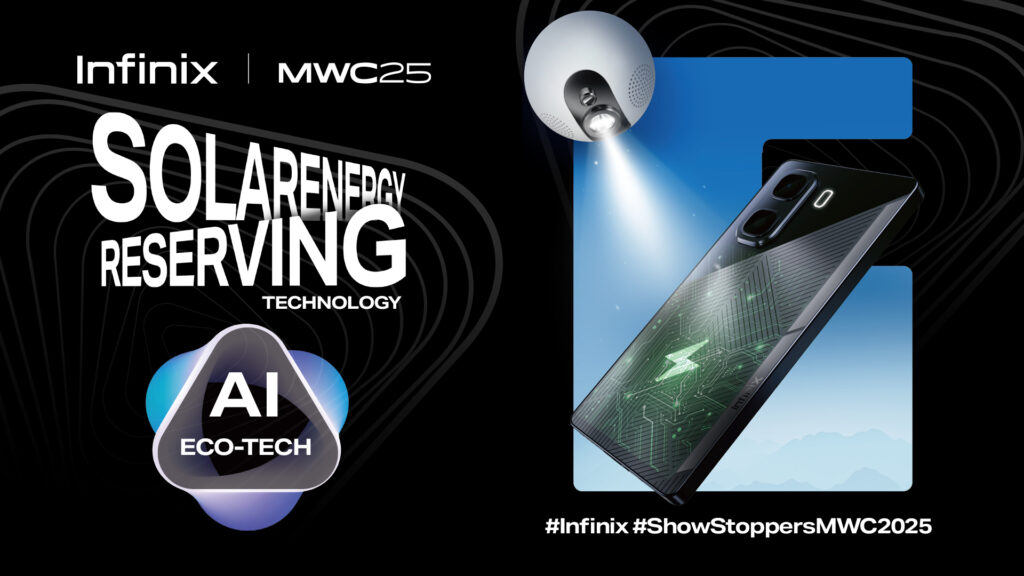
Sustainability meets smartphone innovation with Infinix’s solar-powered concept phone. Unlike previous solar-powered attempts, this device uses perovskite solar cells, which are thinner and more efficient than traditional silicon-based panels. It also features Maximum Power Point Tracking (MPPT) to optimize energy collection without overheating.
While its 2W charging capability isn’t enough to fully replace conventional charging, it could be useful for emergency top-ups during outdoor adventures. Infinix also introduced a solar-charging phone case, adding a practical layer to the concept. Will solar phones become a mainstream trend? Probably not yet, but this is a step in the right direction.
5. Doogee V Max Play
Doogee’s V Max Play might be the ultimate phone for outdoor enthusiasts—or those who just want a ridiculously overpowered device. It features a built-in 5G projector capable of projecting a 100-inch image at 480p resolution, dual camping lights for nighttime adventures, and an ambient RGB light system for mood lighting.
Powered by a massive 22,000mAh battery, it can run for days and even reverse charge other devices at 15W. With a rugged design, IP68 water resistance, and a 6.78-inch 120Hz display, it’s as durable as it is weird. Whether you need all these features in a single device is another question entirely.
The Future of Weird Phones: Will Any of These Make It to Market?
MWC 2025 showcased some truly outlandish concepts, but the real question is whether any of these will make it to market in their current form. While some, like the Nubia Focus 2 Ultra, are confirmed for release, others like Infinix’s solar-powered phone may remain prototypes.
Either way, these devices demonstrate how smartphone innovation isn’t just about faster processors or better cameras; it’s about reimagining what a phone can be.
Would you actually buy any of these? Let us know in the comments.
You must also explore 8 exciting tech products from MWC 2025, including solar charging, LiFi, a pet smartphone, and more.
Caviar, the luxury brand known for transforming everyday gadgets into high-end status symbols, has officially opened its first showroom in Dubai’s Tamani Arts Tower. To mark the occasion, the company hosted an exclusive private viewing event, inviting VIP clients and select journalists to look at some of the world’s most extravagant iPhones, devices that cost several times more than a standard Apple flagship.
Caviar Brings Bespoke Luxury to Dubai
Previously available in Dubai only through partner stores, Caviar’s new showroom is designed to offer a direct and personalized experience for luxury tech enthusiasts. The highlight of the event was the unveiling of the Tourbillon Carbon Gold iPhone, a $14,630 masterpiece that fuses Apple’s cutting-edge smartphone technology with a genuine mechanical tourbillon, a complication originally designed for high-end watches to counteract the effects of gravity.
Also showcased was the Ultra Gold iPhone 15 Pro Max, an opulent device finished in solid gold, and the Skeleton Gold Black, which integrates a skeletonized watch mechanism into the phone’s back panel. These devices, part of the brand’s Grand Complications collection, are crafted for those who view their smartphones as more than just tools; these are statement pieces of wealth and exclusivity.
With its showroom open by appointment only, Caviar is embracing an ultra-premium approach, catering to a niche clientele willing to spend upwards of $8,630 on a single phone. For those seeking the pinnacle of personalization, the showroom offers an up-close look at Caviar’s intricate detailing, from carbon fiber elements to solid gold plating.
Luxury technology may not be for everyone, but in a city like Dubai, where supercars line the streets and gold vending machines exist, Caviar’s lavishly reimagined iPhones feel right at home.
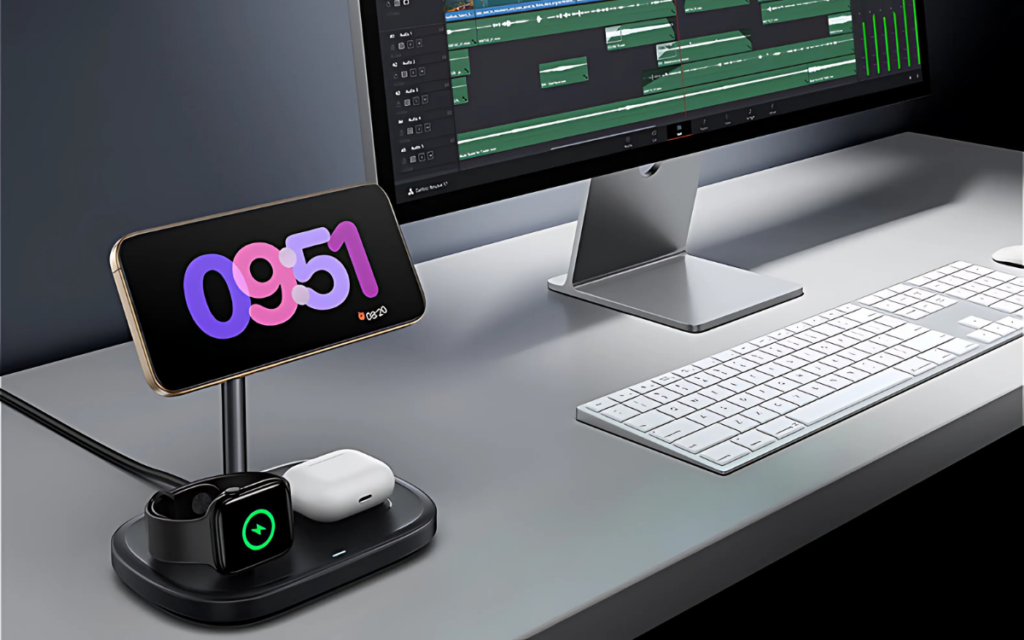
Baseus has introduced the EnerFill FS41 3-in-1 magnetic wireless charging stand in China, now available on JD.com at an initial price of 341.1 yuan ($46). Designed for Apple users, the stand supports simultaneous charging for iPhones, Apple Watches, and AirPods, featuring an advanced cooling system for efficient heat management.
Baseus EnerFill FS41 Specifications
The EnerFill FS41 comes with the TEC (Thermoelectric Cooling) dual cooling system, which helps regulate temperatures during charging. It utilizes CryoCore temperature control technology, automatically adjusting cooling levels based on real-time heat fluctuations. The stand also integrates a high-speed silent fan and a 16,863.4mm² heat dissipation surface, ensuring fast and safe charging without overheating.
The charger delivers 15W wireless fast charging for MagSafe-compatible iPhones, alongside 5W output for Apple Watches and 2.5W for AirPods. It is compatible with the iPhone 12 to iPhone 16 series, Apple Watch Series 1 to 10 (including Ultra models), and AirPods with a MagSafe-compatible case. To ensure optimal performance, Baseus recommends using a 45W USB-C power adapter.
Equipped with 16 built-in magnets, the stand ensures a strong and stable magnetic attachment for MagSafe devices, supporting both vertical and horizontal orientations. This allows users to stream content, browse, or attend video calls while charging. Additionally, the foldable Apple Watch stand offers adjustable angles for added convenience.
The charging stand is constructed with a sturdy metal support rod, a silicone anti-slip base, and a leather-textured surface for both aesthetics and stability. It operates with a ≤35dB noise level, making it suitable for bedside use. In terms of dimensions, it measures 159.58mm × 156mm × 113.7mm and weighs 386g.
In related news, Baseus has recently launched the MC1 clip-on earbuds globally, featuring AI-enhanced bass, 40-hour playback, and an IP57 rating. Additionally, the company has introduced a 67W 2-in-1 power bank and charger equipped with a 10,000mAh battery and a built-in cable.
For more daily updates, please visit our News Section.
During the MWC 2025 event, there were a bunch of cool tech products that were unveiled. But among the various announcements, we also got solar powered tech that boasted an alternative charging method for popular mobile devices like smartphones, laptops, and others. So here are unique tech products that you might have missed out on.
Infinix SolarEnergy-Reserving Technology
Smartphone maker Infinix just unveiled a new method for power management for smartphones. The company debuted the SolarEnergy-Reserving Technology uses perovskite photovoltaic technology along with AI algorithms. This concept allows smartphones to capture and store light energy from indoor and outdoor sources. In other words, the tech can revolutionize mobile energy by using solar power integration.
Infinix employs this tech by pairing a device with a special phone case that seamlessly transfers energy through discreet contact points, ensuring continuous power availability. Thanks to Sunflower Wireless Charging technology, the brand also adjusts power transmission over a range of 3 meters. Furthermore, this system also has emergency power access for power access even during outages. The brand believes that future devices may support sustainable charging tech.
Lenovo Yoga Solar PC Concept
Lenovo’s MWC booth had some unique new products that employed solar energy. The best example of this is the Yoga Solar PC Proof of Concept. This prototype laptop model has the top lid covered with a large solar panel that can directly absorb sunlight. As per official claims, the Yoga Solar PC Concept can offer up to one hour of video playback from being under direct sunlight for just 20 minutes.
Lenovo Yoga Solar PC Proof of Concept
Solar powered gadgets aren’t new but these show a practical way of using them on popular mobile computing devices. Additionally, the notebook uses a Dynamic Solar Tracking system that can optimize energy absorption by adjusting the panel’s setting based on the sunlight’s intensity.
Lenovo Solar Power Kit
Lenovo Solar Power Kit
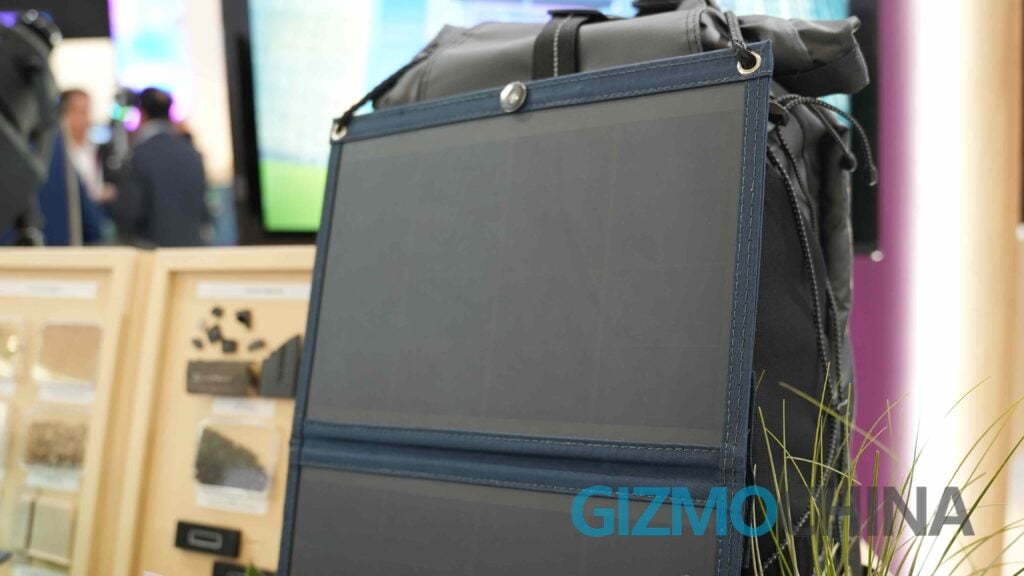
Another tech product from Lenovo that uses solar energy is the Lenovo Solar Power Kit. As the name suggests, it is a power kit that was designed specifically for outdoor use. This aims to offer portable and reliable power to keep devices charged even when you’re at work or out on an adventure.
Solar Powered Lenovo Keyboard
Lenovo Solar Keyboard
Lastly, we have a brand new Lenovo keyboard. The popular PC maker showcased a new keyboard that features a solar panel on the top. Similar to the other products that Lenovo debuted at MWC 2025, this gadget also powers through sunlight. This makes it perfect for outdoor use as well.
For more daily updates, please visit our News Section.
Xiaomi continues to upgrade more of its devices to HyperOS 2.1 to bring the latest set of features and improvements to a wider audience. In the latest move, the Chinese brand has rolled out the update for seven Xiaomi devices.
The latest recipients of HyperOS 2.1 include some high-end Xiaomi phones, a Xiaomi tablet, and affordable Poco phones. Here’s the list:
Xiaomi 14 Ultra
Xiaomi 14T Pro
Xiaomi 13 Pro
Xiaomi Pad 6S Pro 12.4
POCO X6 Pro 5G
Poco F6
Xiaomi 13 Ultra
If you have any of these Xiaomi devices, the HyperOS 2.1 update might be ready to install. To check for the latest update, open the Settings app, tap About phone, and tap the HyperOS logo. Now, click Check for updates to see if an update is available for your device.
The newest HyperOS 2.1 software brings several under-the-hood changes to improve the animations and user experience. There’s also a new Networkless mode, which allows voice chats without an internet connection. This feature lets users communicate effectively in areas with poor connectivity.
Xiaomi has improved device connect prompts. The file transfer feature has also been improved to offer a seamless experience. HyperOS 2.1 software also brings several camera improvements, including better night vision. The update also improves snapshot capabilities and imaging performance across various lighting conditions.
The update also brings a redesigned album layout and new album display columns. The search functions have also been improved. Xiaomi has also made improvements to the image recognition capabilities for the circle to search feature. The Gaming Toolbox now has a performance dashboard and offers an enhanced gaming experience.
At China’s 2025 National People’s Congress, a miniature robotic dog named Sparky captured attention with its compact design, fluid motion, and intelligent interaction. Developed by Hengbot, Sparky isn’t just another quadruped robot, it’s a customizable, ultra-light companion built for entertainment and development. The company has confirmed that Sparky is set to launch around May or June, opening up a new category of desktop-friendly robotic pets.
Tiny Desktop Robot Dog with Big Features
Unlike the larger, industrial-focused robotic dogs from companies like Boston Dynamics and Xiaomi, Sparky weighs just 850 grams, making it small enough to rest in the palm of your hand. It boasts 14 degrees of freedom, allowing for impressively fluid movements, including walking, jumping, and even dancing.
Hengbot designed Sparky with a bionic linkage structure, meaning its legs mimic natural motion while providing mechanical efficiency. Users can upgrade the power system, swapping out its actuator units much like upgrading a motor in a high-performance RC car. Additionally, its customizable shell lets owners personalize the bot’s aesthetics, akin to swapping phone cases.
Sparky isn’t just about movement, it’s about engagement. The robot can understand and respond to commands, with support for multiple control methods, including a dedicated app, remote controller, and even AR/VR interfaces. It comes with a built-in microphone and camera simulation system that enable it to recognize and react to its surroundings, though the front panel’s camera effect is purely animated.
The robot also comes with a drag-and-drop teaching mode, allowing users to create movement sequences without any coding skills. By recording in the software and physically demonstrating an action, they can program Sparky to replicate tasks, from basic tricks to intricate dance routines.
In terms of specs, Sparky is equipped with a touch sensor on its head, a display screen, a camera, a speaker, an SD card slot, a USB port, and ear buttons for additional control and customization options.
With dimensions of 250×130×250mm, it remains compact while offering a maximum load capacity of 300g. It operates efficiently in temperatures ranging from 10-30°C, delivers a runtime of over 45 minutes, and moves at a top speed of 0.4m/s.
Sparky runs on Linux and supports C, C++, and Python programming, making it an excellent platform for developers. It uses a PD30W power interface, ensuring efficient and reliable charging for extended operation.
Before hitting mainstream retail, Sparky is set to debut on Kickstarter, with a projected price range of $500 to $600. After the crowdfunding phase, it will be available on platforms like Amazon, catering to tech enthusiasts, hobbyists, and AI developers looking for an interactive platform.
For more daily updates, please visit our News Section.
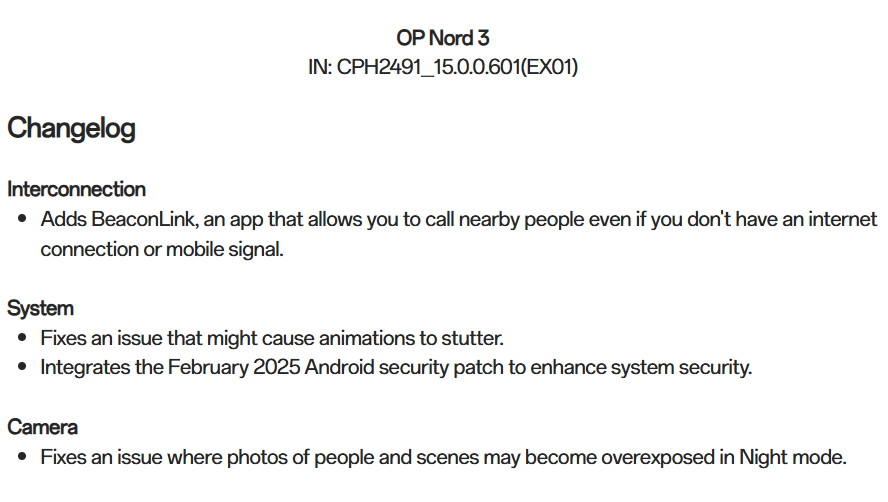
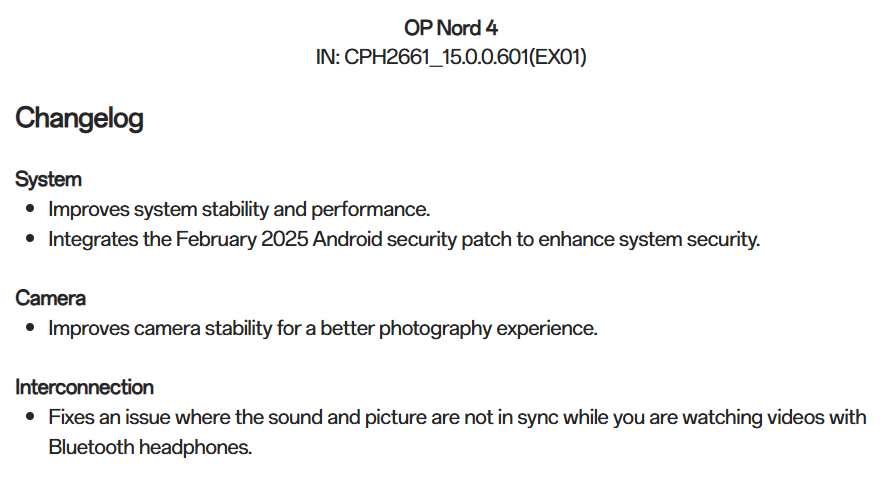
OnePlus has begun rolling out OxygenOS 15.0.0.601 for the Nord 3 and Nord 4 smartphones in India. The updates include bug fixes, connectivity improvements, and the February 2025 Android security patch.
OnePlus Nord 3OnePlus Nord 4
OnePlus Nord 3 (CPH2491_15.0.0.601)
The update introduces BeaconLink, a feature allowing users to call others nearby without internet or cellular service. System fixes address occasional animation stuttering, while camera adjustments resolve overexposure issues in Night mode photos of people and scenes.
OnePlus Nord 4 (CPH2661_15.0.0.601)
Improvements focus on general system stability and fixing audio-video synchronization problems when using Bluetooth headphones. Camera performance is also enhanced, though OnePlus has not provided detailed specifics. Both devices have received the February 2025 security update.
The rollout is staggered, reaching a small group of users initially, with broader availability planned in the coming days.
In India, users can report issues via the OnePlus Community App’s “Bug Report” section or by entering *#800# in the dialer (Google Dialer for Nord 4, default dialer for Nord 3). These reporting tools are currently limited to India.
For more daily updates, please visit our News Section.
Realme has launched its 14 Pro and 14 Pro+ smartphones in Europe, marking its debut at Mobile World Congress (MWC) with plans to double its global user base by 2027. Both devices are now available for purchase, with the Pro+ starting at €530 (€430 early bird) and the standard Pro model at €430 (€380 early bird).
Realme 14 Pro / 14 Pro+ features
The Realme 14 Pro+ features a Snapdragon 7s Gen 3 processor, a 6.83-inch 1.5K curved AMOLED display with a 120Hz refresh rate, and a 50MP periscope lens capable of 3x optical zoom and up to 120x digital zoom. It supports up to 12GB RAM and 512GB storage and comes with a 6,000 mAh battery that supports 80W fast charging. The device is dust and water resistant (IP66, IP68, IP69) and runs Android 15 with Realme UI 6.0.
Realme 14 Pro+Realme 14 Pro
The Realme 14 Pro is equipped with a Dimensity 7300 Energy chipset, a 6.7-inch full-HD+ curved AMOLED screen with a 120Hz refresh rate, and a 50MP primary camera. Unlike the Pro+, it lacks a periscope lens and relies on a 2MP monochrome sensor for depth effects. The phone comes with up to 8GB RAM and 256GB storage and supports 45W fast charging for its 6,000mAh battery. It also features an in-display fingerprint sensor, stereo speakers, and IP66, IP68, and IP69 ratings for durability.
Both models are 5G-enabled and support Wi-Fi 6, Bluetooth 5.x, and dual SIM connectivity. The 14 Pro+ is slightly heavier at 194g, while the 14 Pro weighs 179g. The color options include White, Pink, Grey, and Purple.
For more daily updates, please visit our News Section.
Nothing recently debuted the Phone (3a) Pro and Phone (3a), its latest mid range series of smartphones globally. These pack some capable specs and a unique design element. But with their specs sheet being quite similar, here are all the aspects that set them apart from one another.
One of the immediately noticeable differences between the duo is the design. From the front, they are practically identical with uniform slim bezels and a punch hole cutout. But from the back, the camera module is unique in both models. The Nothing Phone (3a) has a design that we are already familiar with as it resembles the older Phone (2a) with a horizontal camera layout.
But unlike the (2a), the successor has three cameras at the back with a transparent body that includes the Glyph LED interface which Nothing is known for. On the other hand, the Nothing Phone (3a) Pro has a notable redesign with a large circular camera island that houses the asymmetrically arranged cameras, including the more advanced telephoto sensor. The rest of the design remains similar with the Glyph LED positioning and transparent rear panel. For those who use an eSIM, they should note that only the higher end Pro model offers eSIM support.
2. Camera
Nothing introduced a telephoto shooter for the first time on the Phone (3a) series. However, this sensor is not the same across the lineup. Nothing’s Phone (3a) has a 50MP Samsung sensor with 2x optical zoom, 4x in-sensor zoom, and 30x hybrid zoom. Meanwhile, the Phone (3a) Pro packs a 50MP Sony periscope telephoto camera with a 3x optical zoom, 6x in-sensor zoom, and 60x hybrid zoom.
The latter also offers both OIS and EIS (Optical and Electronic Image Stabilization) compared to just EIS on the former. The primary camera is also a marginally larger 1/1.56” sensor (1/1.57” on the Phone 3a) but the main feature is the option for 2x zoomed shots on the Pro model. For selfies and video calls, the Phone (3a) Pro features a 50MP Samsung sensor and the Phone (3a) downgrades to a 32MP selfie shooter.
3. Pricing & Colors
Nothing unveiled the Phone (3a) for a starting price tag of 24,999 INR for the 8GB + 128GB storage configuration. But for 5,000 INR more, you can buy the Nothing Phone (3a) Pro for 29,999 INR with the same storage variant. So there is a slight difference in pricing as well. The vanilla variant arrives in three color options, namely Black, White, and Blue. But its more expensive sibling is only offered in Gray and Black.
For more daily updates, please visit our News Section.
Earlier today, Vivo unveiled its latest T-series smartphone, the Vivo T4x 5G in India, succeeding the T3x 5G. Priced from ₹13,999, the device emphasizes a massive battery and upgraded internals and is scheduled to go on sale starting March 12.
Pricing and Availability
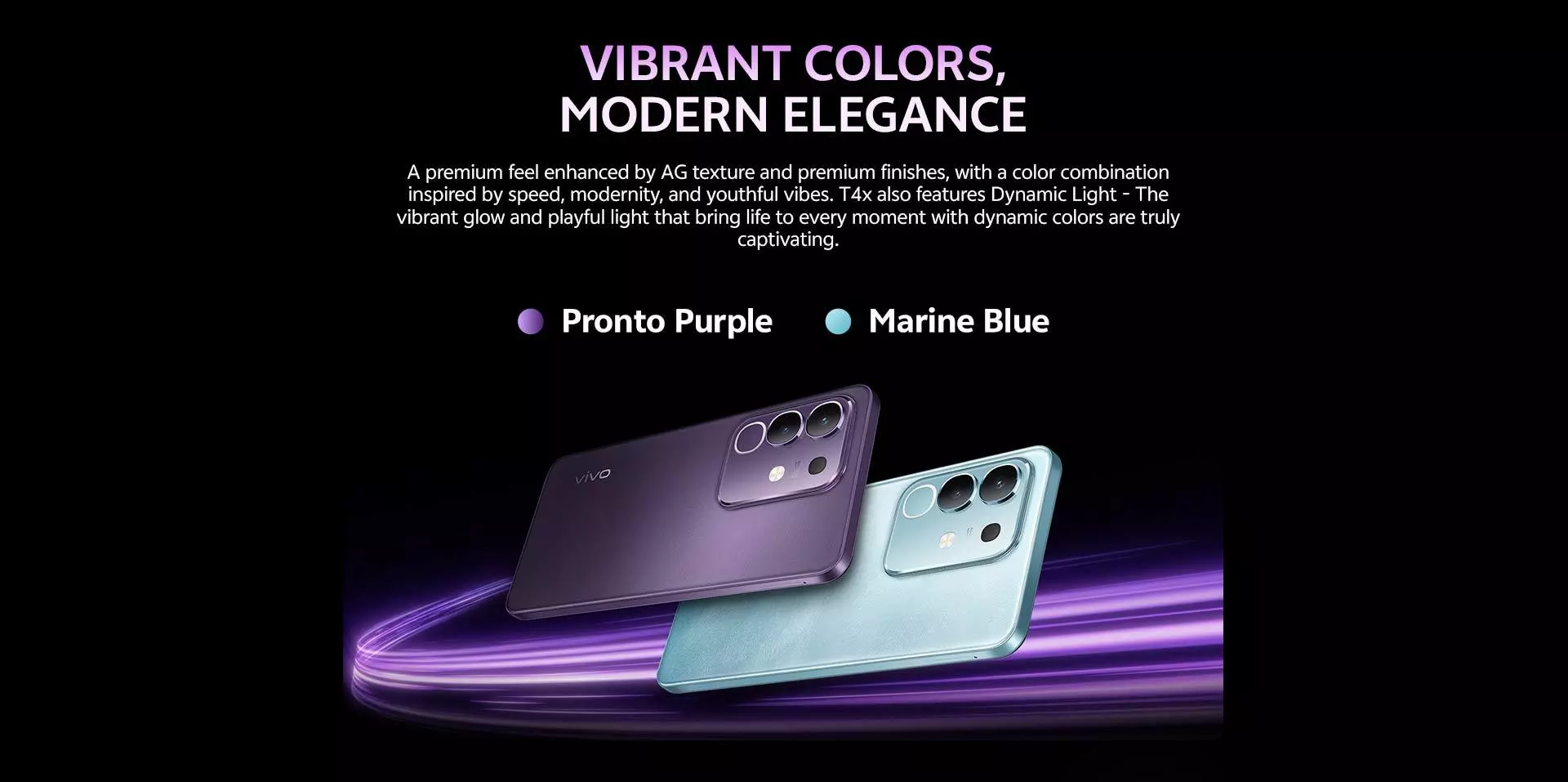
Available in Pronto Purple (204g) and Marine Blue (208g), storage options include 6GB+128GB (₹13,999), 8GB+128GB (₹14,999), and 8GB+256GB (₹16,999). Sales begin March 12 via vivo.com, Flipkart, and offline stores. HDFC, SBI, and Axis Bank cardholders receive ₹1,000 off during the first sale.
Specifications Recap
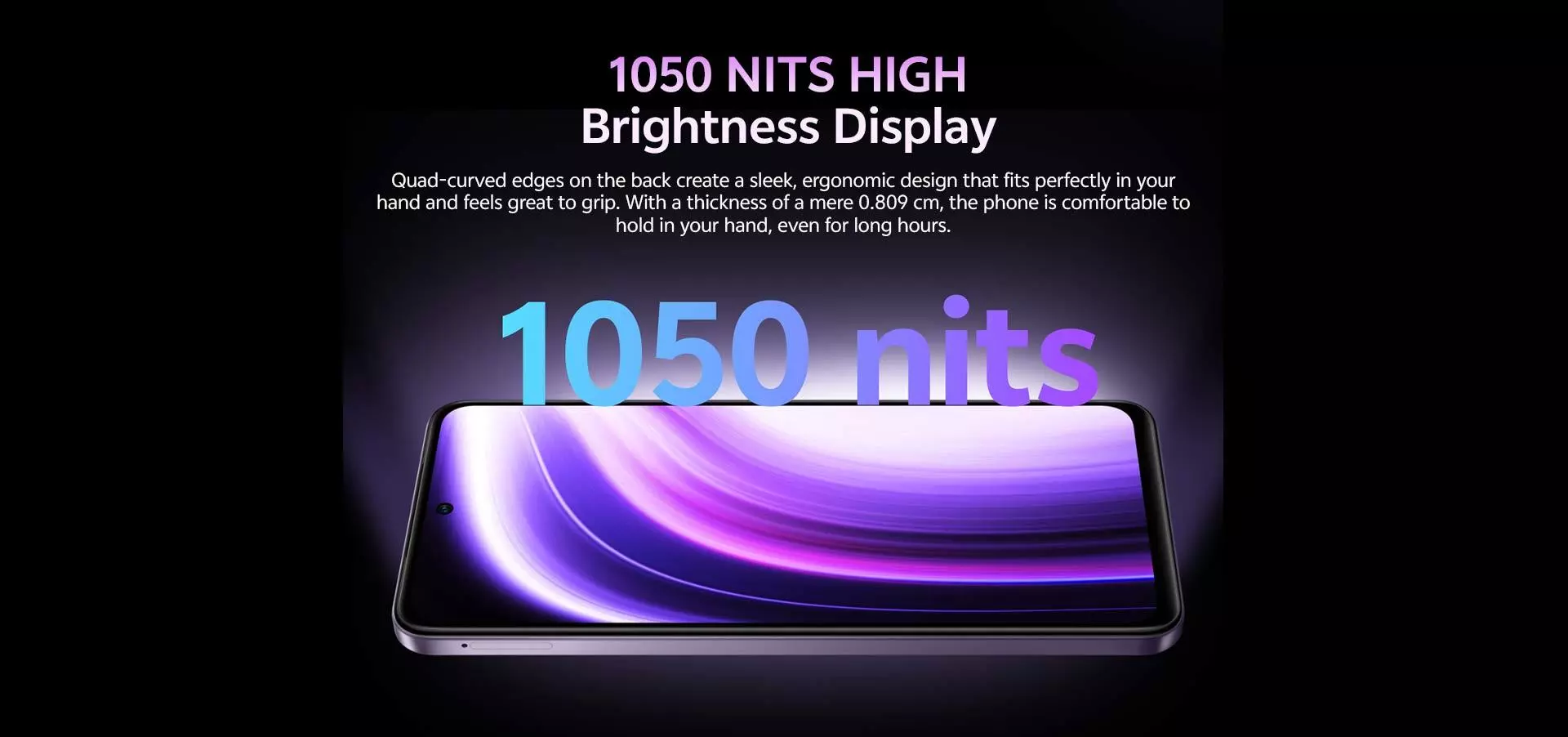
The Vivo T4x 5G features a 6.72-inch Full HD+ 120Hz LCD screen with 1050 nits peak brightness, matching its predecessor’s punch-hole 8MP selfie camera. Key upgrades include swapping the Snapdragon 6 Gen 1 for MediaTek’s 4nm Dimensity 7300 chip and expanding the battery to 6500mAh—touted as the largest in its segment. It retains 44W fast charging, promising full charges in under an hour.
On the software front, the device runs on Android 15 with Funtouch OS 15. Vivo guarantees two Android updates and three years of security patches. The T4x 5G maintains a 50MP primary camera and 2MP depth sensor alongside IP64 dust/water resistance and MIL-STD-810H durability. The phone has AI-powered features onboard, like the AI Eraser and AI Photo Enhancer. It also has a side-mounted fingerprint sensor, stereo speakers, and USB-C audio, which round out the specs.
In other news, Realme has launched the P3x 5G in India, starting at ₹12,999 after discounts. It features a 6.72-inch FHD+ display (45Hz–120Hz), Dimensity 6400 chipset, up to 8GB RAM, and Android 15-based Realme UI 6.0. The phone includes a 50MP rear camera, IP68/IP69 durability, a 6000mAh battery with 45W charging, and 5G support.
For more daily updates, please visit our News Section.
We use cookies on our website to give you the most relevant experience by remembering your preferences and repeat visits. By clicking “Accept”, you consent to the use of ALL the cookies.
This website uses cookies to improve your experience while you navigate through the website. Out of these, the cookies that are categorized as necessary are stored on your browser as they are essential for the working of basic functionalities of the website. We also use third-party cookies that help us analyze and understand how you use this website. These cookies will be stored in your browser only with your consent. You also have the option to opt-out of these cookies. But opting out of some of these cookies may affect your browsing experience.
Necessary cookies are absolutely essential for the website to function properly. This category only includes cookies that ensures basic functionalities and security features of the website. These cookies do not store any personal information.
Any cookies that may not be particularly necessary for the website to function and is used specifically to collect user personal data via analytics, ads, other embedded contents are termed as non-necessary cookies. It is mandatory to procure user consent prior to running these cookies on your website.