Advertisement

Our review of the Red Magic 10 Pro Plus is up! Gaming finally feels like a breeze

The gaming phone market has been heating up, and if you’re a gamer looking for the ultimate mobile gaming experience, the Red Magic 10 Pro Plus is here to steal the show. But how does it stack up against other phones in this niche, including the ASUS ROG 9 Pro? Let’s dive into the details of the Red Magic 10 Pro Plus in our comprehensive review, now live on our channel!

7. Design: sleek yet powerful

Red-Magic-10-Pro-Plus-design

When it comes to design, the Red Magic 10 Pro Plus doesn’t look as “gamer-centric” as its predecessors. The low-profile Black version we tested hides its RGB elements, making it look like an ordinary smartphone until you power it up for gaming.

The body is slightly larger but still very comfortable to hold, with rounded corners that make using the triggers feel a bit more comfortable than last year. The fan and cooling vents are still present, though the noise has been dialed up by around 10% with an increase in fan RPM.

While the 10 Pro Plus retains key features like the NFC, headphone jack, and trigger buttons, some of the features gamers may want—such as wireless charging and telephoto cameras—are still absent. However, despite a lack of significant changes to its design, the Red Magic 10 Pro Plus still feels like a powerhouse of a gaming device.

6. Display: a visual delight for gamers

Red-Magic-10-Pro-Plus-display

Red Magic never had the best display compared to other flagships, but the 10 Pro Plus this year made massive strides in this area, thanks to the improved display that rests in front of the under-screen camera. The resolution, refresh rate, and peak brightness have all been significantly improved.

The bezels are narrower, bringing the display closer to flagship standards, and the refresh rate stays at a smooth 120Hz in most non-gaming apps. While there’s a slight regret with a slightly wider lower bezel, the display quality is nothing short of fantastic—especially for gaming.

For most, the Red Magic 10 Pro Plus’s screen should be more than sufficient, offering fantastic gaming visuals and an overall polished look.

5. Performance: unbeatable gaming power

Red-Magic-10-Pro-Plus-gaming-performance

Powered by the Snapdragon 8 Elite chip and featuring liquid metal thermal compound, the 10 Pro Plus delivers exceptional gaming performance.

Playing demanding games like Genshin Impact is now a breeze, and with frame interpolation and AI-enhanced image quality, you can enjoy 120 FPS at 2K resolution. While there’s a bit of temperature increase when both features are turned on, the performance is still impressive. The addition of controller support makes long gaming sessions even better. In our testing, the fan didn’t even turn on while testing Genshin Impact whine the frame interpolation and the upscaling were off.

4. Gaming features:

Red Magic knows what gamers need, and they’ve included a ton of customizable options to ensure the best gaming experience. From voice changers to aim assist and bypass charging, the 10 Pro Plus offers a comprehensive set of tools to help you game at your best. The game space feature is one of the most robust settings, providing customization for all your gameplay needs.

One standout feature is the ability to play games like Genshin Impact at 2K resolution on an external monitor, which makes the 10 Pro Plus not just a great mobile gaming device but a versatile one.

3. Camera: gaming over photography

Let’s be real—gaming phones aren’t known for their photography prowess, and the Red Magic 10 Pro Plus is no exception. The cameras, while functional, won’t blow you away. They work well for casual shots, but if photography is a priority for you, this may not be the phone to choose. The automatic exposure does an okay job, but for more serious photography needs, you’ll want to look elsewhere.

2. Battery and charging:

With a 7,000mAh battery, the Red Magic 10 Pro Plus feels like a beast. The phone lasts impressively long, even with heavy gaming sessions. Charging is fast too, with 120W wired charging that can fully recharge the device in just around 30 minutes. Additionally, the phone can be used to charge other devices at 7W, making it almost like a portable power bank. Whether you’re gaming or using the phone for everyday tasks, the battery life and fast charging make it a top-tier choice.

1. Conclusion: should you buy the Red Magic 10 Pro Plus?

Red-Magic-10-Pro-Plus-full-screen-display

So, should you consider upgrading to the Red Magic 10 Pro Plus? If you’re looking for a top-of-the-line mobile gaming experience, this phone is a must-have. It excels in performance, display, and battery life—three areas crucial for gaming enthusiasts. While the camera and some design features might not be ideal for everyone, the overall experience is unmatched.

If you already own the previous Red Magic 9S Pro, the upgrades in the 10 Pro Plus may not feel revolutionary unless you’re after a better display and bigger battery. But for those new to the Red Magic line or gamers who demand the best, the 10 Pro Plus is a fantastic choice.

You can grab the Red Magic 10 Pro Plus from Geekwills and get your hands on this beast of a phone.

Casio x Pac-Man: Celebrating 45 Years of Nostalgia with 4 Unique Watchs

To celebrate 45 years of Pac-Man, Casio is releasing a special Pac-Man collaboration collection, combining nostalgic designs with the practical features Casio is known for. This lineup, set to launch in December 2024, includes four unique watches: the A168WEPC-7A, F-91WPC-1A, CA-53WPC-1B, and ABL-100WEPC-1B. Each watch features designs inspired by Pac-Man’s iconic visuals while offering everyday functionality. Here’s a detailed look at what makes this collection stand out.

Casio x Pac-man watches

The Pac-Man collection captures the charm of the classic arcade game while maintaining Casio’s focus on practical design. Each watch integrates visuals inspired by the game’s maze, characters, and retro arcade aesthetics, making it a tribute to Pac-Man’s enduring legacy. At the same time, the lineup offers practical features like long battery life, durable materials, and water resistance, making these watches suitable for everyday use.

A Closer Look at the Collection

A168WEPC-7A: Pac-Man’s Maze on Your Wrist

The A168WEPC-7A features a silver dial designed to look like Pac-Man’s maze, complete with graphics of Pac-Man and the four ghostsBlinky, Pinky, Inky, and Clyde. Neon accents and the phrase “WAKA WAKA” engraved on the clasp and illuminated LCD add to its retro charm.

Key features include:

  • Electro-luminescent backlight (blue)
  • 7-year battery life with a CR2016 battery
  • Stainless steel band for durability
  • Water resistance
  • A 1/100-second stopwatch for elapsed time, split time, and 1st-2nd place measurements
  • Daily alarm and hourly time signal
  • Auto-calendar (adjusted for leap years)

F-91WPC-1A: Lightweight and Fun

The F-91WPC-1A is lightweight, weighing only 21 grams, and features a compact resin case and strap. Its design includes neon graphics and Pac-Man characters, adding a playful element to a reliable timepiece.

Notable features:

  • LED backlight (green)
  • 7-year battery life powered by a CR2016 battery
  • Stopwatch functionality with a 59’59.99″ capacity
  • Auto-calendar pre-set until 2099
  • Water resistance

CA-53WPC-1B: Calculator Watch with Arcade Style

The CA-53WPC-1B revives Casio’s calculator watch with a Pac-Man arcade theme. A yellow bezel and bio-resin band mimic an arcade machine, while the watch face resembles a Pac-Man game screen.

Key features include:

  • 8-digit calculator for basic arithmetic
  • Dual-time functionality
  • 5-year battery life powered by CR2016
  • 1/100-second stopwatch with a capacity of 23:59’59.99″
  • Full auto-calendar set to 2099
  • Mute option for button tones

ABL-100WEPC-1B: Retro Meets Modern Tech

The ABL-100WEPC-1B is the most modern in the lineup, offering features for active lifestyles. While full details are unavailable, it is expected to include:

  • Bluetooth connectivity
  • Step tracking with detailed data
  • Dual-time functionality
  • 2-year battery life
  • A stainless steel band for durability

Pricing and Availability

Pricing details for the Pac-Man collaboration collection are not yet confirmed, but the watches are expected to remain within Casio’s mid-range price point. The collection is set to launch in December 2024.

(Source 1, 2, 3, via)

Redmi K80 Pro vs Redmi K70 Pro: A Head-to-Head Comparison

Redmi recently unveiled its newest flagship smartphone, the K80 Pro. The K-series has carved a niche for itself by offering high-end specs at a competitive price point. This year’s K80 Pro promises to be even more compelling due to a strategic shift by Redmi.  

Redmi is elevating the K-series to become its premium offering, effectively bridging the gap between Xiaomi’s top-of-the-line numbered series, like the Xiaomi 15. The shift makes the K80 Pro a more premium device than its predecessors.

Redmi k70 Pro vs Redmi K80 Pro

With these changes in mind, let’s delve into a detailed comparison of the Redmi K80 Pro and its predecessor, the Redmi K70 Pro, to see how they stack up.

1. Design and Display

Redmi K80 Pro

Both phones boast a large, 6.67-inch OLED display with a smooth 120Hz refresh rate and support for HDR10+ and Dolby Vision. While both offer 2K resolution display, the K80 Pro includes Longjing Glass 2 for added front protection, whereas the K70 Pro lacks any hardened glass protection.

However, the K70 Pro takes the edge in terms of peak brightness, 4000 nits compared to the K80 Pro’s 3200 nits. The difference is unlikely to be noticeable in everyday use.

The K80 Pro also features the next-generation ultrasonic fingerprint sensor under the display, while the K70 Pro utilizes a more traditional optical sensor.

The design language across the two generations remains fairly similar. Both phones are relatively bulky, with the K80 Pro weighing slightly more at 212g compared to the K70 Pro’s 209g. The extra weight likely comes from the K80 Pro’s larger battery.

An interesting change is the K80 Pro has IP68 and IP69 dust and water resistance rating, which the K70 Pro lacked. This means the K80 Pro can survive a dunk in up to 1.5 meters of water for 30 minutes.

2. Performance

Qualcomm-Snapdragon-8-Elite-launched-specs-1

Perhaps the biggest difference between the two phones lies in the heart of the device – the processor. The K80 Pro comes with Qualcomm’s latest Snapdragon 8 Elite (3nm), while the K70 Pro features the still-powerful Snapdragon 8 Gen 3 (4nm). 

The new chip can reach a clock speed of a staggering 4.32GHz and is claimed to deliver a 45% improvement in multi-core performance while consuming 52% less power. 

Additionally, the K80 Pro features an in-house D1 chip, which handles super-resolution, frame generation, and “super HDR” for games. The chip helps boost frame rates in demanding games and reduces the load on the Snapdragon, resulting in lower power consumption.

Both phones include effective cooling systems to manage heat. The K70 Pro uses a 5000 mm² heat-dispersing area with a vapor chamber, while the K80 Pro is equipped with a new 3D dual-loop vapor chamber, which is said to lower temperatures by up to 3°C.

3. Camera Systems

Both phones sport triple-lens rear camera systems with a 50MP main sensor. However, the K70 Pro’s telephoto lens lacks OIS (optical image stabilization) compared to the K80 Pro, which might result in slightly shakier zoomed-in photos. 

The K70 Pro also has a lower resolution (12MP) ultrawide sensor compared to the K80 Pro’s 32MP offering.  The selfie cameras differ slightly as well, with the K80 Pro sporting a higher resolution 20MP sensor compared to the K70 Pro’s 16MP option.  

4. Battery Life and Charging

The K80 Pro comes with a larger 6000mAh battery, compared to the K70 Pro’s 5000mAh capacity. Both phones support 120W wired fast charging, but the K70 Pro charges fully in just 18 minutes due to its smaller battery. In contrast, the K80 Pro takes 28 minutes to reach 100%. Additionally, the K80 Pro includes 50W wireless charging which is missing from the K70 Pro.

5. The Verdict

The Redmi K80 Pro is a clear evolution over the K70 Pro. It offers a more powerful processor, better battery life, faster charging, and camera upgrades. 

However, these upgrades come with a price increase. The K80 Pro starts at 3,700 yuan for the base 12/256GB model, which is 400 yuan more than the K70 Pro’s launch price. Even so, it remains more affordable than many other Snapdragon 8 Elite-powered phones, making it an excellent choice for those seeking latest tech without spending that much.

Realme Neo 7 Set to Launch on December 11: What to Expect

Realme will launch its latest smartphone, the Realme Neo 7, on December 11, 2024, in China. This device marks the debut of the Neo series as a standalone lineup, separating from the GT Neo series. The Neo 7 targets mid-range users with a focus on gaming, durability, and affordability.

Realme Neo 7

Key Features of the Realme Neo 7

Independent Neo Series

The Neo 7 is positioned as a performance-focused smartphone with a price under CNY 2,499 (approximately $345/€330).

Durability

Realme has hinted at an IP rating potentially reaching IP69, offering protection against high-pressure and high-temperature water sprays. This feature enhances the Neo 7’s durability, making it suitable for users who prioritize robust devices.

Performance

Realme GT Neo 7

The Neo 7 is powered by the MediaTek Dimensity 9300+ chipset, achieving over 2 million points on AnTuTu benchmarks. It is designed to handle gaming and intensive tasks with ease. With ample RAM and storage, the device supports multitasking and large files efficiently.

Battery Life

The Neo 7 includes a 7,000mAh battery, providing extended usage compared to its predecessor. The 80W SuperVOOC fast charging ensures quick recharges, minimizing downtime.

Display

The smartphone features a 1.5K resolution display with a high refresh rate for clear visuals and smooth touch performance.

Camera

The Neo 7 comes with a multi-lens camera system, including a high-resolution primary sensor, a wide-angle lens, and a depth sensor. This setup is designed to handle everyday photography needs.

Software

Running on Realme UI, the Neo 7 offers a user-friendly interface with customizable features, enhancing usability for a wide range of tasks.

The Neo 7 competes in the mid-range or the flagship-killer category. Compared to the Realme GT Neo 6, which features a Snapdragon 8s Gen 3 chipset, a 5,500mAh battery, and 120W charging at CNY 2,099, the Neo 7 offers a larger battery, better processor, and higher durability, justifying its slightly higher price.

(Source)

OnePlus 12 Gets AI-Powered Camera and Notes Features in Latest OxygenOS 15.0.0.305 Update

OnePlus has begun rolling out a new software update for the OnePlus 12 in India, bringing significant AI-powered photography enhancements. The update, OxygenOS 15.0.0.305 (EX01), follows the device’s stable OxygenOS 15 update earlier this month and is expected to expand to North America, Europe, and Global regions next week.

OnePlus 12 color variants

OnePlus 12 OxygenOS 15.0.0.305 features

AI Retouch

  • Introduces the Enhance clarity feature to enhance the clarity of cropped, distant, or low-quality photos.
  • Introduces the Unblur feature to restore details, colors, and lighting in blurry photos, making it easier to capture those precious moments of your pets, children, and more.
  • Introduces the Remove reflections feature to effortlessly remove glass reflections for clearer, more authentic photos through windows.

AI Notes

  • Introduces the new AI writing suite which includes the continue writing, polish, and optimize style AI writing features to assist you in drafting and enhancing content, unleashing your creativity in an instant.
  • Introduces the Format feature to organize scattered information into well-organized content to make it more visually appealing and easier to read.
  • Introduces the Clean up feature to remove filler words from voice notes to make sentences more coherent while retaining the original audio.

Communication & interconnection

  • Now you can easily share live photos with iOS devices nearby.
  • Improves the stability and expands the compatibility of Bluetooth connections.

System

  • Contacts can now be switched to a floating window.
  • Photos can now recognize boarding passes and add them to Google Wallet.
  • Apps in large folders can now be displayed in 3 × 3 grids.
  • Fixes an issue that might cause some apps to crash.
  • Fixes a display issue where some app icons might overlap with other elements when pulling down the Quick Settings in the Photos app after restarting the phone.
  • Integrates the November 2024 Android security patch to enhance system security.

This update is available for users who have upgraded to OxygenOS 15. The OTA rollout will be gradual, starting with a small percentage of users today and expanding to more users in the coming days. Indian users can report bugs by opening the Google Dialer and dialing *#800#, which opens a menu for submitting feedback. Please note that this feature is currently only available in India.

(Source)

Budget-Friendly Lava Yuva 4 Debuts with 90Hz Display & Android 15 Upgrade Promise

Lava has launched the Yuva 4, the follow-up to the Yuva 3 from earlier this year. It’s a budget-friendly smartphone with a few standout features that make it a solid option for everyday use.

Lava Yuva 4

Lava Yuva 4 features

The Yuva 4 sports a 6.5-inch HD+ display with a smooth 90Hz refresh rate, making scrolling and animations feel fluid. Under the hood, it’s powered by the Unisoc T606 chipset, a capable processor for daily tasks and light gaming.

Lava Yuva 4

It comes with 4GB of RAM, plus another 4GB of virtual RAM to boost multitasking. Running Android 14 out of the box, the phone is also set to receive an upgrade to Android 15, so it’s good for future updates.

The camera setup includes a 50MP primary lens on the back for capturing sharp, detailed photos, and an 8MP front camera for selfies and video calls. Other handy features include a side-mounted fingerprint scanner for quick unlocking and a classic 3.5mm headphone jack for wired audio fans.

The 5000mAh battery should easily get most users through a full day, though the 10W charging is on the slower side.

Lava Yuva 4 vs. Yuva 3: What’s New and Improved?

While the Yuva 4 retains many of the core features of its predecessor, it brings meaningful upgrades, particularly in camera quality and software support.

Performance and Software

The Yuva 4 ships with Android 14, compared to Android 13 on the Yuva 3. Additionally, the Yuva 4 is confirmed to receive an update to Android 15, ensuring longer software support.

Cameras

The camera setup sees a clear improvement in the Yuva 4. It upgrades the primary rear camera to a 50MP sensor, compared to the 13MP main camera on the Yuva 3. The less practical VGA and AI lenses from the Yuva 3 have been removed for a simplified and more functional design. On the front, the Yuva 4 also enhances the selfie camera, increasing the resolution from 5MP to 8MP.

Pricing and Availability

The Lava Yuva 4 is available in three glossy finishes: White, Purple, and Black. At an introductory price of Rs. 6,999 for the 64GB variant, it offers great value for money. The phone will hit Lava’s retail stores starting November 2024 and comes with a 1-year warranty, along with free home service.

TECLAST Black Friday Deals: Exceptional Tablets at Unbeatable Prices

TECLAST Black Friday Sale is offering incredible deals on their latest tablet lineup. Whether you’re looking for cutting-edge performance, sleek designs, or versatile features, TECLAST’s offerings cater to all your needs. From high-performance tablets like the T60 to budget-friendly yet powerful options like the P30, there’s something for everyone. The sale ends on December 6.

TECLAST T60: The Ultimate Tablet Experience

Offer Price: $169.99

The TECLAST T60 is designed to deliver the maximum in every aspect. Its 12-inch display with a 92% screen-to-body ratio ensures an immersive experience for work, entertainment, or gaming. Weighing only 558g with a 7.8mm thickness, this CNC-machined aluminum unibody tablet is both lightweight and robust.

Under the hood, the UNISOC T620 chipset, combined with up to 20GB of RAM (8GB + 12GB expansion) and 256GB internal storage expandable to 1TB, guarantees exceptional speed and storage capacity. The 8000mAh battery supports 18W USB-PD fast charging, offering up to 10 hours of usage for on-the-go productivity. Capture stunning photos with its 13MP rear camera or enjoy seamless video calls with the 5MP front camera. Sensors like the gyroscope and proximity sensor enhance gaming and app interactions, while the optional folio case enables smart wake-up functionality.


TECLAST P30T Case: Style Meets Performance

Offer Price: $94.99

For those seeking versatility, the TECLAST P30T offers a blend of style and performance. Powered by the Unisoc T606 Octa-core processor, it promises 60% more power than its predecessor. The Space Grey metal body exudes elegance and durability.

Running on Android 14, the P30T features enhanced multitasking capabilities with a landscape-optimized Parallel View and a Taskbar. It also ensures safe usage with robust parental controls. The 1280×800 TDDI fully laminated display delivers vibrant visuals, making it perfect for streaming and gaming. With 12GB RAM (including expansion) and 128GB storage expandable to 1TB, you’ll never run out of space. Dual-band Wi-Fi and Bluetooth 5.0 ensure seamless connectivity.


TECLAST P30: A Budget-Friendly Powerhouse

Offer Price: $69.99

The TECLAST P30 is a lightweight, affordable tablet offering outstanding value. With its Unisoc T606 processor, this tablet provides efficient multitasking and fluid operation. The azure blue body adds a touch of elegance, while the Android 14 OS enables advanced multitasking through its Parallel View and Taskbar.

Enjoy stunning visuals on its 1280×800 TDDI fully laminated display and take advantage of its 12GB RAM (with expansion) and 128GB internal storage, expandable up to 1TB. The P30 supports Dual-band Wi-Fi and Bluetooth 5.0, ensuring reliable wireless connectivity for streaming and file transfers.


TECLAST P50: Sleek and Reliable

Offer Price: $109.99

The TECLAST P50 combines a premium design with powerful features. Encased in a CNC-machined aluminum body, it weighs only 530g and is 8mm thick, making it portable and durable. Powered by the Unisoc T606 Octa-Core processor and Mali-G57 GPU, it offers 16GB RAM (6GB base + 10GB expansion) and 128GB storage, ensuring smooth performance across applications.

The 8000mAh battery delivers up to 13 hours of usage, perfect for long workdays or entertainment sessions. The 13MP rear camera and 5MP front camera ensure crisp photography and video calls. With Android 14, the P50 offers innovative features like Parallel View and smart sensors for a seamless user experience.


TECLAST tablets cater to a wide range of users, from professionals seeking high performance to students looking for budget-friendly devices. With cutting-edge processors, Android 14 features, expandable storage, and stylish designs, these tablets are built to deliver exceptional value.

YEEDI Black Friday and Cyber Monday Deals: Save Big on Top Robot Vacuum Cleaners

YEEDI is bringing incredible discounts this Black Friday and Cyber Monday season, slashing prices by up to 58% on its popular range of robot vacuums. Running from November 11 through December 2, 2024, this sale offers homeowners the perfect opportunity to upgrade their cleaning routine with advanced robot vacuum systems at the year’s best prices.

Why Choose YEEDI for Your Home Cleaning Needs?

YEEDI offers a diverse lineup of robot vacuums, catering to every budget and cleaning requirement. From affordable entry-level models to premium all-in-one solutions, YEEDI’s products feature cutting-edge technology designed to simplify home maintenance. Their latest innovations, the C12 COMBO and M12 ULTRA PLUS showcase how YEEDI combines performance and affordability to deliver the ultimate cleaning experience.

YEEDI C12 COMBO: Complete Cleaning System with $339 Discount

The YEEDI C12 COMBO is an all-in-one home cleaning solution, priced at just $559.99 during the sale (originally $899). This system integrates a high-performance 10,000Pa robot vacuum, a discreet docking station, and a versatile cordless handheld vacuum cleaner.

Key Features:

  • Powerful cleaning: The robot vacuum delivers strong suction to handle dirt and debris, while the 95AW handheld vacuum is perfect for hard-to-reach areas.
  • Versatile brush heads: Includes a ZeroTangle standard brush (ideal for pet hair), a narrow head for tight spaces, and a 2-in-1 dusting brush for delicate surfaces like curtains.
  • Mopping function: The handheld stick vacuum features a 340ml water tank, enabling it to vacuum and mop simultaneously over 200 square feet.

Other affordable options in the C12 series include the C12 PRO PLUS ($329.99), C12 PLUS ($299.99), and the entry-level C12 ($169.99).


YEEDI M12 ULTRA PLUS: Premium Cleaning with a $479 Discount

For those seeking a premium cleaning experience, the M12 ULTRA PLUS is available for $619.99, down from $1099. This system boasts unparalleled 11,800Pa suction power, making it effective on thick carpets and hard floors alike.

Key Features:

  • Dual vacuum and mop: Dual spinning micro pads ensure spotless cleaning even at the edges of walls and furniture.
  • Smart sensors: Intelligent detection lifts mopping pads on carpets for optimal cleaning.
  • Hassle-free maintenance: The Mini OMNI Station offers one-tap self-cleaning, auto-empty, refill, and drain functionalities.
  • Anti-tangle technology: ZeroTangle brushes are perfect for pet owners, preventing hair from clogging the system.

For a slightly more affordable alternative, the M12 PRO+ is available at $549.99 (originally $999), offering 11,000Pa suction power and similar advanced features.


Additional Deals on YEEDI Products

  • C12 PRO PLUS: $329.99 (originally $599) – Save $270 (44.91% off)
  • C12 PLUS: $299.99 (originally $479) – Save $179 (37.37% off)
  • C12: $169.99 (originally $299) – Save $129 (43.15% off)

Why Buy Now?

With discounts reaching up to 58%, these deals make YEEDI’s innovative cleaning solutions more accessible than ever. Whether you’re looking for an advanced cleaning experience or a budget-friendly upgrade, YEEDI’s Black Friday offers provide unbeatable value.

Head to the YEEDI Official Store before December 2 to take advantage of these limited-time offers.

Casio G-Shock DW-5000R debuts as a tribute to the classic 1983 rugged model

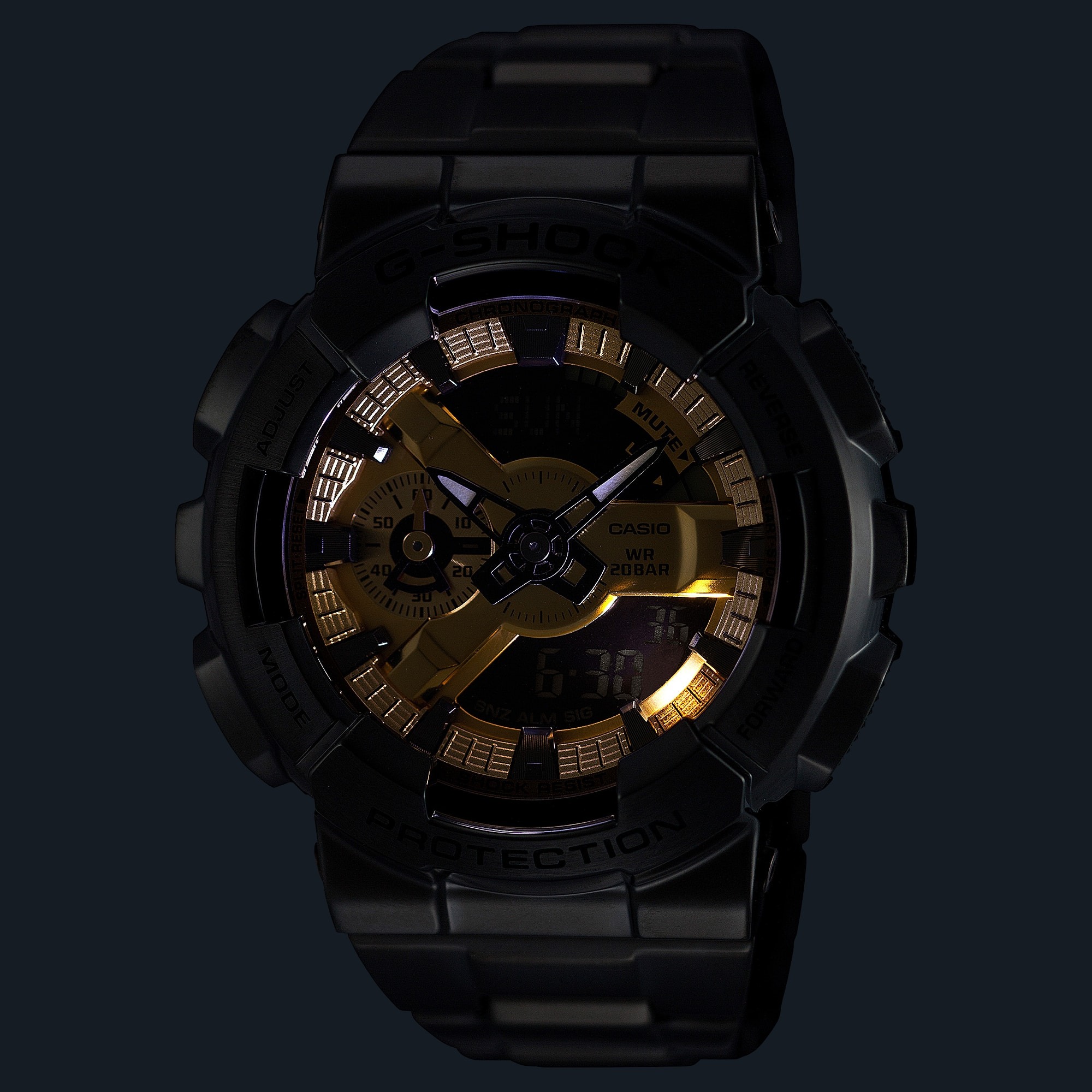
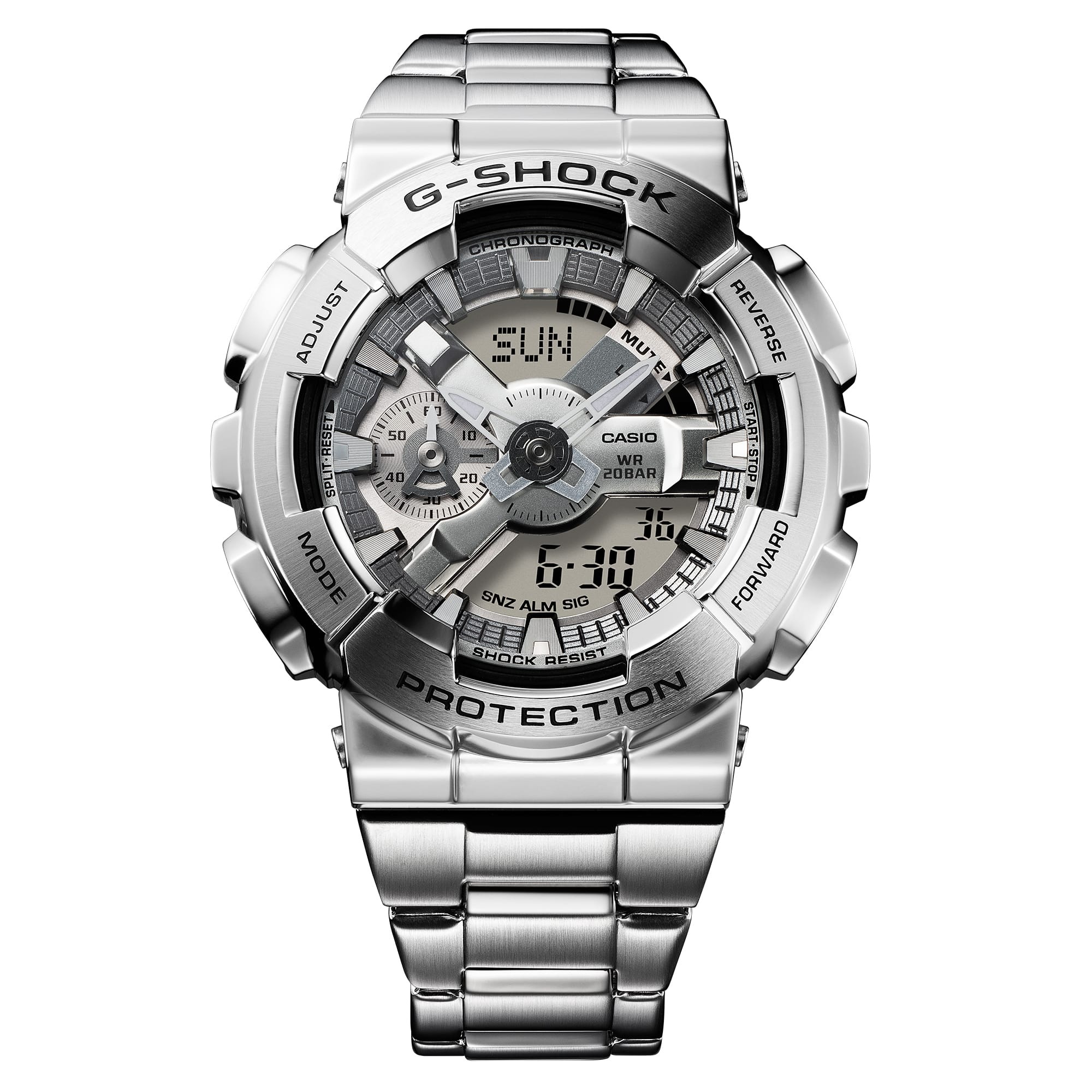
Casio has introduced the G-Shock DW-5000R, a carefully crafted revival of the original 1983 G-SHOCK DW-5000C. This new release honors the original design that made waves with its toughness and durability while adding a few thoughtful updates for today’s wearers.

Casio DW-5000R G-Shock

Honoring the G-SHOCK Legacy

The DW-5000R celebrates the roots of G-SHOCK, a brand that changed what people expected from a wristwatch. Originally built to survive tough conditions—like construction sites and outdoor adventures—it quickly became a symbol of resilience. With this reissue, Casio stays true to that heritage while bringing in features that resonate with modern lifestyles.

True to the Original Design

Casio has worked hard to recreate the details that made the 1983 model so iconic. The band mirrors the original in both length and texture, down to the signature dimples near the holes. The stainless-steel center case and screw-lock backplate still feature the timeless “Shock Resistant” engraving.

The face retains the bold red, blue, and yellow accents of the original, while the flat bezel proudly displays the classic “PROTECTION” and “G-SHOCK” lettering. Just like the first G-SHOCK, the DW-5000R is built at Yamagata Casio, keeping its production tied to the brand’s history.

Upgraded for Modern Life

While the DW-5000R stays true to its vintage look, it comes with a few modern enhancements. A high-brightness LED backlight ensures you can check the time in the dark, and Casio has switched to bio-based resin for the bezel and band, making the watch more eco-friendly.

Reliable and Built to Last

The DW-5000R is packed with practical features designed to handle daily wear and tear:

  • Shock Resistance: Built to take a beating, just like the original.
  • Water Resistance: Rated for up to 200 meters, so it’s ready for swimming or diving.
  • Battery Life: A CR2016 battery powers the watch for about five years.
  • Everyday Tools: Includes a multi-function alarm, 24-hour countdown timer, and a 1/100-second stopwatch.
  • LED Backlight: A “Super Illuminator” makes it easy to read in low light.
  • Tough Materials: Combines stainless steel with bio-based resin for a durable yet lightweight feel.

Weighing just 76 grams and sized at 48.9 × 42.3 × 13.1 mm, the DW-5000R is comfortable, compact, and ready for action.

(Souce)

Why iPhone 13 is still among the top-selling Apple devices in China in 2024?

It’s not often that a three-year-old smartphone continues to make waves in the competitive world of consumer electronics. Yet, the iPhone 13, launched in 2021, has managed to secure a spot as the ninth most-shipped Apple device in China for 2024, according to CNMO. This raises an interesting question: what makes the iPhone 13 so enduringly popular in one of Apple’s largest markets?

Apple-iPhone-13

1. Price & Performance

According to us, the most compelling reason for the iPhone 13’s sustained popularity is its affordability relative to newer models. With every new iPhone launch, the previous generations experience price cuts, making them an attractive option for budget-conscious consumers. Despite the reduction in price, the iPhone 13 offers reliable performance powered by the A15 Bionic chip, which remains a capable processor for day-to-day tasks, casual gaming, and even demanding applications.

Additionally, the device’s feature set including a Super Retina XDR display, dual-camera system, and all-day battery life still meets the needs of most users. For many consumers, the incremental updates in newer models like the iPhone 15 or iPhone 16 are not worth the additional cost, especially when the iPhone 13 offers exceptional value.

2. Software Update

Apple is known for providing long-term software updates for its devices. The iPhone 13 is expected to receive iOS updates for several more years although it will not get the AI feature, ensuring users access the latest features and security patches. This longevity gives buyers confidence that they are investing in a device that will remain relevant for years to come.

Furthermore, the sturdy build quality of Apple products contributes to their resale value and longevity. Many Chinese consumers prefer products that offer durability, and the iPhone 13 fits this criterion perfectly.

3. Aspirational Apple Factor

The enduring popularity of the iPhone 13 is not just about performance or price, it’s also about the brand itself. Across most Asian countries, Apple holds a unique position as a luxury brand. Owning an iPhone carries a level of prestige and status that few other brands can match. This aspirational value drives demand even for older models like the iPhone 13, as it provides an entry point into the world of Apple without the hefty price tag of the latest releases.

For many consumers in China, owning an Apple product is as much about making a statement as it is about functionality. The iPhone 13 allows buyers to join the Apple ecosystem, benefiting from seamless integration with other devices like AirPods and Apple Watches, while also enjoying the social cachet that comes with owning an iPhone.

This combination of trust in Apple’s longevity and the aspirational allure of the brand ensures that the iPhone 13 continues to thrive in a competitive market, proving that Apple’s influence extends far beyond just its technology.

4. A Familiar Favorite

Sometimes, familiarity breeds success. The iPhone 13 is a well-known and trusted model, and for many, it represents the “classic iPhone” experience without unnecessary frills. Unlike the iPhone 15 Plus, which ranks sixth but is often deemed less popular due to its larger size and niche appeal, the iPhone 13 strikes the perfect balance in terms of size, weight, and features, appealing to a broader audience.

5. Who’s Still Buying the iPhone 13?

The typical iPhone 13 buyer in 2024 likely falls into one of several categories. Some are price-sensitive consumers who want the Apple experience without paying flagship prices. Others might be individuals upgrading from older devices like the iPhone XR or iPhone 11, where the iPhone 13 represents a significant leap in performance and camera quality. Additionally, parents often choose this model for their children, knowing it combines affordability with the reliability of the Apple ecosystem.

Considering buying a new iPhone 13 after reading this? Be sure to check out this article to find out if the iPhone 13 is truly the right choice for you in 2024.

(Source)

How to get Android 15 beta on your Motorola phone?

Motorola Android 15 beta

Motorola is yet to reveal its Android 15 roadmap. However, the beta rollout has already begun. The Edge 50 models were the first recipients and then a few others also got the treat. Motorola will continue to add more devices to its beta testing program over the coming days and weeks, but if you’re waiting for the stable build, you may have to wait until next year.

Most users should wait for the stable rollout, as beta builds generally have bugs and problems. However, if you want to get an early taste of the software before the public rollout, then the beta program is for you, assuming you understand the risk.

Motorola has a very different way of signing up for a beta program. It requires creating a community account first, and then you’ve to fill out another application to be eligible for beta testing. Below, I have mentioned all the steps.

How to sign up for Android 15 beta on Motorola phones?

The first step is to create an account on the Lenovo Forum website. While creating the account, don’t forget to tick the “Opt-in device for MFN” box, as shown in the screenshot below.

Motorola MFN signup

Now, open the Current Testing Opportunities page to see if the Android 15 beta program is available for your Motorola device. If yes, opening the page will give you a link to apply for the beta program by providing some basic details.

If your application gets selected, you’ll receive a beta update in the next few days. So, regularly check for new updates by navigating to Settings > System Updates and tap Check for updates.

Again, beta builds are likely to contain bugs and errors. Hence, it’s advised to install the beta/test build on a secondary device. Whenever you face issues, Motorola recommends posting them on the official forum to help the developers identify and fix them.

Also Read: 5 Reasons why Android 15 is better than Android 14

Which Motorola phones will get Android 15 beta?

Motorola hasn’t officially announced which devices are eligible for the Android 15 upgrade. However, it has updated the support pages that reveal details about the upcoming software. Those support pages confirm Android 15 for these devices (at least):

Motorola Razr phones:

  • Motorola Razr+ (2024) / Razr 50 Ultra
  • Motorola Razr (2024) / Razr 50
  • Motorola Razr 50s
  • Motorola Razr+ (2023) / Razr 40 Ultra
  • Motorola Razr (2023) / Razr 40
  • Motorola Razr 40s

Motorola Edge phones:

  • Motorola Edge (2024)
  • Motorola Edge (2023)
  • Motorola Edge+ (2023)
  • Motorola Edge 50 Ultra
  • Motorola Edge 50 Pro
  • Motorola Edge 50 Neo
  • Motorola Edge 50 Fusion
  • Motorola Edge 50
  • Motorola Edge 40
  • Motorola Edge 40 Neo
  • Motorola Edge 40 Pro
  • Motorola Edge 30 Ultra

Motorola Moto G series phones:

  • Motorola Moto G Power 5G (2024)
  • Motorola Moto G Stylus 5G (2024)
  • Motorola Moto G 5G (2024)
  • Motorola Moto G85
  • Motorola Moto G75
  • Motorola Moto G55
  • Motorola Moto G45
  • Motorola Moto G35
  • Motorola Moto G34 5G

Other Motorola phones:

  • ThinkPhone by Motorola
  • ThinkPhone 25

These devices are likely to get Android 15 beta. But please keep in mind that this isn’t the complete list. Hence, more Motorola devices should get the major upgrade.

More Android 15 stories:
1. 12 Game-changing features you need to try
2. Prepare your device for Android 15 upgrade

Oppo Find X8 Ultra’s codename tipped, may feature Snapdragon 8 Elite & dual periscope cameras

Oppo recently launched its Find X8 series flagship smartphones globally, including the Find X8 and X8 Pro, following their debut in China. Now, the company appears to be preparing for the release of the Find X8 Ultra, expected to arrive after the Lunar New Year in 2025.

Oppo Find X7 Ultra

Renowned tipster Digital Chat Station has confirmed the device’s existence, revealing on Weibo that its codename is “Everest.” According to the tipster, the prototype boasts impressive specifications, including a 2K display, dual periscope cameras, a Snapdragon 8 Elite chipset, and a silicon-carbon battery, indicating a substantial battery capacity.

Oppo Find X8 Ultra DCS leak

Additional details emerged yesterday, with reports claiming that Oppo’s UK social media account briefly stated that the Find X8 Ultra would not see a global release. Although the post was quickly deleted, it has sparked speculation about the device’s availability outside China.

The Find X8 Ultra is set to enhance its predecessor’s dual periscope telephoto lens, becoming the first Snapdragon 8 Elite-powered flagship with this feature. The dual periscope setup enables seamless transitions between 3x and 6x zoom, addressing the limitations of single-lens systems.

This feature is expected to deliver exceptional image quality even at 30x zoom, offering users greater creative flexibility. The Find X7 Ultra previously introduced a similar approach, featuring a 135mm portrait telephoto lens for striking compositions.

Leaks suggest the Find X8 Ultra will sport a quad-camera configuration, including a 50MP Sony LYT 900 primary sensor with a 1-inch optical format, a 50MP Sony IMX 882 ultra-wide sensor with a 1/1.95-inch format, and of course two telephoto lenses. These include a 50MP Sony LYT 701 with a 1/1.56-inch format and a 75mm equivalent focal length, and a 50MP Sony IMX 882 with a 1/1.95-inch format and a 150mm equivalent focal length.

Previous reports also indicate that the Find X8 Ultra’s engineering prototype features a micro-quad-curved design. It is rumored to have a 6.82-inch BOE X2 LTPO OLED display with a 120Hz refresh rate, potentially sharing the same screen as the OnePlus 13.

The availability of the Oppo Find X8 Ultra outside China remains uncertain, even though the Find X8 and X8 Pro have launched globally. The device is expected to rival flagship models like the Galaxy S25 Ultra, Honor Magic 7 Ultimate, Xiaomi 15 Ultra, and Vivo X200 Ultra.

Redmi K80: Stunning 2K AMOLED Display and Snapdragon 8 Gen 3 Powerhouse

Redmi K80 is the latest smartphone, designed to deliver top-notch performance, stunning visuals, and exceptional battery life. Packed with advanced technology, this device is ideal for users who demand excellence in performance, photography, and entertainment. You can now buy the Redmi K80 for as low as $429 at Giztop.

Brilliant 2K AMOLED Display

The Redmi K80 boasts a stunning 6.67-inch AMOLED 2K display that takes visuals to the next level. With a 120Hz refresh rate, a peak brightness of 3200 nits, Dolby Vision, HDR10+, and support for 68.7 billion colors, the screen ensures an immersive viewing experience. Xiaomi’s Qingshan Eye Protection 2.0 adds comfort by reducing eye strain during prolonged use.

Powerful Snapdragon Processor

Under the hood, the Redmi K80 is powered by the Qualcomm Snapdragon 8 Gen 3 chipset, offering lightning-fast performance. The device comes with up to 16GB of LPDDR5X RAM and storage options ranging from 256GB to an impressive 1TB of UFS 4.0, making multitasking, gaming, and storing large files seamless.

Advanced Camera System

Photography enthusiasts will appreciate the Redmi K80’s dual rear cameras. The 50MP primary sensor features an f/1.6 aperture, OIS (Optical Image Stabilization), and Light Fusion 800 technology for clear and vibrant photos. An 8MP ultra-wide-angle camera adds versatility to capture expansive shots. For selfies, the 20MP front camera ensures sharp and detailed images.

Long-lasting battery with Fast Charging

The Redmi K80 packs a massive 6550mAh battery, which ensures all-day usage. When it’s time to recharge, the 90W fast charging capability gets you back up and running in no time.

Enhanced Cooling and Connectivity

For gamers and power users, the dual-loop 3D cooling system efficiently manages heat during intensive tasks. The phone supports dual-band WiFi, Bluetooth 5.3, NFC, and GNSS, making it perfect for connectivity on the go. It is also compatible with global 5G and 4G bands, ensuring reliable performance wherever you are.

Xiaomi Hyper OS for a Smooth Experience

Redmi K80 runs on the latest Xiaomi Hyper OS, designed for smooth and efficient performance. It supports multiple languages and offers a user-friendly interface for productivity and entertainment.

Key Specs:

  • Display: 6.67-inch 2K AMOLED, 120Hz refresh rate
  • Processor: Qualcomm Snapdragon 8 Gen 3
  • RAM & Storage: 12GB/16GB LPDDR5X; 256GB/512GB/1TB UFS 4.0
  • Rear Cameras: 50MP (OIS) + 8MP ultra-wide
  • Front Camera: 20MP
  • Battery: 6550mAh with 90W fast charging
  • Operating System: Xiaomi Hyper OS
  • Connectivity: Dual-band WiFi, Bluetooth 5.3, NFC, Global 5G

Redmi K80 is a premium smartphone that combines performance, style, and versatility, making it a great choice for tech enthusiasts and everyday users alike.


What’s the difference between the Vivo S20 Pro and Vivo S20?

Vivo has just unveiled the Vivo S20 series of smartphones in the Chinese market. The lineup consists of the base Vivo S20 and the higher-end Vivo S20 Pro. But what’s different between the two models? Read on to find out.

1. Vivo S20 Series: Design

Vivo S20 Pro
Vivo S20 Pro

The Vivo S20 lineup is quite similar in many ways, with the display being a great example. Both models sport a 6.67-inch BOE Q10 OLED display that offers a 1.5K resolution, up to 5,000 nits of peak brightness, and a 120Hz refresh rate. So while they are of similar size, there’s some difference in the dimensions. The vanilla model measures just 7.19mm in terms of thickness and weighs just 186 grams. Meanwhile, the Pro variant is slightly thicker with a 7.43mm body that weighs slightly heavier 193 grams.

2. Performance

Vivo S20
Vivo S20

However, some of the key differences can be found on the inside. Under the hood, the Vivo S20 Pro is equipped with the MediaTek Dimensity 9300+ SoC, which is a flagship grade processor from last year. In comparison, the Vivo S20 packs the Qualcomm Snapdragon 7 Gen 3 chipset, which is a mid range processor. So the former clearly brings better performance and targets the budget flagship segment. The base model starts from 8GB of RAM and 256GB of internal storage, while the Pro version’s starting model is 12GB of RAM and 256GB of internal storage.
3. Camera

There’s a notable difference between the Vivo S20 and S20 Pro on the camera front as well. The entry model features a dual camera setup with a 50MP OV50E main camera along with an 8MP ultra wide angle lens. On the other hand, the Vivo S20 Pro features a 50MP Sony IMX921 primary sensor, a 50MP ultra wide angle lens, and a 50MP IMX882 periscope telephoto shooter that offers 3x optical zoom. Meaning, you get a more versatile rear camera setup on the more expensive option.

4. Battery & Fast Charging

Despite having a slimmer and lighter body, the standard S20 is powered by a massive 6,500mAh battery pack, which supports 90W wired fast charging. The Vivo S20 Pro houses a respectable 5,500mAh battery pack with 90W fast charging support. So the base model has a much larger capacity, although the Pro option has a faster charging rate.

5. Pricing

The Vivo S20 is a mid range model and it costs an affordable 2,299 Yuan (roughly 317 US Dollars) for the base storage configuration. Considering how the Vivo S20 Pro has various better specs (except battery), it has a higher starting price tag of 3,399 Yuan or roughly about 468 US Dollars. This makes it a great competitor to the Oppo Reno 13 Pro.

5 Reasons Why the Redmi K80 Pro Is a Better Deal Than Oppo Reno 13 Pro

Both Xiaomi and Oppo just launched smartphones around the $500 price mark. But while the former has released the Redmi K80 Pro with a more expensive price tag, it still seems like a better deal than the latter’s Oppo Reno 13 Pro. So here’s 5 reasons why we believe that the affordable flagship from Redmi is a better deal.

1. Redmi K80 Pro vs Oppo Reno 13 Pro: Higher Res Display

Oppo Reno 13 Pro
Oppo Reno 13 Pro

Xiaomi just unveiled the Redmi K80 Pro, which is a relatively affordable flagship smartphone from its popular sub-brand. It packs some impressive specs that make it stand out. One of these features is undoubtedly its display. The Redmi K80 Pro sports a 6.67-inch OLED display. While it might not be as large as the Reno 13 Pro with its 6.83-inch AMOLED panel, the K80 Pro’s panel has its advantages.

The Redmi K80 Pro has a higher 2K+ resolution (3200 x 1440p), compared to the 1.5K panel (2800 x 1272p) on the Reno 13 Pro. That’s not all, it also sports an LTPS panel with Xiaomi Dragon Crystal Glass 2.0 for protection. So it is also more durable than the Reno 13 Pro since it isn’t listed with any kind of protective glass.

2. Battery & Fast Charging

Redmi K80 Pro
Redmi K80 Pro

Chinese brands are ahead of the curve in both battery sizes and fast charging rates. So Oppo is no slouch, offering a large 5,800mAh battery pack on the Reno 13 Pro. This cell supports a respectable 80W wired fast charging and 50W wireless fast charging. This also helps the device achieve its relatively slim and lightweight 7.6mm thickness and 197g weight.

Xiaomi’s Redmi K80 Pro is powered by a massive 6,000mAh battery pack, which supports 120W wired fast charging and 50W wireless fast charging. The trade-off is the thicker 8.4mm body and heavier 212g heft.

3. Snapdragon 8 Elite Simply Outperforms

Snapdragon-8-Elite-thermal-issues
Snapdragon 8 Elite

The Snapdragon 8 Elite from Qualcomm is one of the fastest chipsets that powers Android flagships, only rivalled by the MediaTek Dimensity 9400. However, the Reno 13 Pro houses a mid-range 4nm based Dimensity 8350 chipset. This is a capable chip, but it doesn’t promise cutting edge performance.

Simply put, the 3nm Snapdragon 8 Elite is more powerful and arguably more power efficient as well. For its price, the Redmi K80 is a contender for the most affordable Snapdragon 8 Elite powered smartphone in the market. It matches the pricing of the Realme GT 7 Pro, which was previously the most affordable phone with this high end chip.

4. What else is better?

Redmi-K80-Pro

Both the Reno 13 Pro and K80 Pro have a 50MP main and 50MP telephoto shooter. Although, the Redmi flagship model has a 32MP ultra wide angle lens over an 8MP one on the Oppo mid ranger. Similarly, there is an in-display fingerprint scanner on the duo as well, but the K80 Pro has an ultrasonic sensor over the optical one on the Reno 13 Pro. This helps unlock your phone faster and more accurately.

5. Pricing

Redmi-K80-Pro

Oppo’s new Reno 13 Pro starts from just 3,399 yuan (roughly $469) for the 12GB + 256GB version. This makes it a sub-$500 mid range smartphone. But for just $50 more, you are getting a much better package. Xiaomi’s Redmi K80 Pro starts from 3,699 yuan ($511) for the same 12GB + 256GB storage configuration. Like I mentioned before, this matches the Realme GT 7 Pro to share the “cheapest Snapdragon 8 Elite powered phone” feat.

OPPO’s Glocalization Push: Inside Indonesian Manufacturing and Find X8 Series Launch

OPPO Indonesia

Last week, Gizmochina got an opportunity to visit OPPO’s Indonesian operations, showcasing the company’s successful “glocalization” strategy—a blend of global reach with local implementation. The term Glocalize is derived from the words Global and Location where brands are focusing on customizing their global offerings for the local markets.

The visit highlighted their smart manufacturing facility in Jakarta, nationwide retail system, and the global Find X8 series launch in Bali.

OPPO Manufacturing Indonesia

OPPO’s Indonesian factory is one of eight global manufacturing centers, alongside facilities in China, India, Brazil, Egypt, Turkey, Pakistan, and Bangladesh. The company leads Indonesia’s smartphone market ahead of Samsung, with 5.1 million units shipped and 21% market share in Southeast Asia as of Q3 2024.

OPPO Manufacturing Indonesia

Responding to growing demand, OPPO has expanded its Tangerang factory near Jakarta. The facility produces their entire phone range with over 35% domestic components (TKDN), planning to increase local sourcing further. Currently, items like batteries, cables, adapters, and accessories are already sourced within Indonesia.

OPPO’s Indonesian manufacturing facility operates at an impressive scale, employing 1,200 staff – 99% of whom are local – and reaches a maximum production capacity of 2 million mobile phones monthly. After touring the facility’s assembly lines, testing stations, and packaging operations, it’s clear that this production volume is set to increase further. The facility’s new manufacturing center has been specifically designed with additional production lines to handle growing market demands. A significant milestone highlighted by Jeffry Firman de Hann, Director of OPPO Manufacturing Indonesia, is the facility’s five-day turnover rate – meaning they can transform raw materials and components into finished smartphones and deliver them to consumers within just five days.

Jeffry, Director of OPPO Manufacturing Indonesia, explaining the testing & manufacturing flow.

Having previously visited OPPO’s Chinese factory, we observed that both facilities share similar manufacturing approaches and utilize the same AI-assisted production and testing standards. However, the Indonesian facility stands out for its significant positive impact on the local community. Beyond manufacturing, it serves as a crucial center for employment, professional development, and practical industry experience. Employees receive regular training to master new technologies and techniques, while motivational recognition programs throughout the facility showcase OPPO’s commitment to developing local leadership talent. The company has also established ongoing internship partnerships with Indonesian universities, providing students in relevant fields valuable opportunities to begin their careers with a global technology leader.

The smart assembly process was always the most interesting part of every factory tour. Entering and exiting the line is subject to rigorous security checks to ensure that no belongings are left inside, and more importantly, no one can take any parts off the line.

The Indonesian facility’s one-piece-flow manufacturing process operates with remarkable efficiency, combining skilled local workers with advanced AI-assisted visual inspection and robotic assembly systems. The production floor itself is designed for optimal workflow, featuring bright, open spaces, comprehensive multilingual signage, and displays showing real-time production metrics at all key stations.

OPPO’s reputation for hardware reliability, consistently noted by Gizmochina reviewers, is supported by the facility’s rigorous testing protocols. The testing labs subject phones to a comprehensive suite of durability tests, including camera performance evaluation, multi-angle drop testing, darkroom signal analysis, water resistance testing (submerged at 1.5m for over 30 minutes), extreme temperature exposure, and dust resistance verification. A particularly unique test involves placing four phones in a large rotating metal cylinder for 150 cycles of intense tumbling – a harsh durability check we hadn’t encountered before.

Local OPPO Experience Stores & OPPO Gallery

Apart from visiting the phone factory, we were also allowed to take a rest in one of the OPPO experience stores (Pacific Place Mall) and another OPPO Gallery. The OPPO’s mature retail system in Indonesia has developed a localized modern culture far beyond shopping. Visitors can enjoy the authentic Indonesian coffee they serve in the store and may even have a peaceful reading experience.

Launching Find X8 Series Globally

On November 21, OPPO held the global launch of its Find X8 flagship smartphone series in Bali, Indonesia, with the updated ColorOS 15 for global users. As the launch comes after a two-year hiatus for the series outside mainland China, the company is ambitious to challenge Apple and Samsung in the global market with dual high-end lines, the Find X and foldable Find N series.

OPPO led the Q3 smartphone shipments for all of Southeast Asia with an 18.1% share, followed by Samsung, Transsion, and Xiaomi, according to IDC, noting the fact that they have been missing flagship candidates in the segment for the last two years. The launch of the Find X8 series will go a long way in filling OPPO’s absence in the segment and be a growth engine for the brand in the region.

Along with the global launch, the new OPPO Find X8 Series was also announced and available in major European countries, such as the UK, Germany, and France.

Provided by OPPO

“Europe is another major market for OPPO. We will launch more new products in Europe later and increase our investment in the market in multiple aspects.” OPPO Vice President Billy Zhang said after the launch.

The Find X8 series is positioned to compete directly with Samsung and Apple’s flagship devices in established markets. Market analysis from Canalys shows the European smartphone market experienced renewed growth in Q1 2024, with Samsung holding 37% market share and Apple following at 22%. This growth coincides with a new Android upgrade cycle, prompting various manufacturers to refresh their European marketing and sales approaches.
OPPO and the UEFA Champions League 2023

In 2024, OPPO expanded its business in Latin America, such as Brazil and Argentina. As the brand’s newly established markets though, the regions gave the brand good feedback, and now OPPO ranks No. 5 with a 62% year-on-year growth.

Overseas markets – Growth engine for OPPO

The company operates in over 70 countries and regions, with over 300,000 retail spaces worldwide. As OPPO claimed, the global growing lineups extend beyond smartphones to IoT products with 700 million ColorOS (new rollout details here) users worldwide. During the tour and the launch, OPPO emphasized its confidence in its global-made capacity and connection with local communities worldwide.
In 2025, perhaps we will see more significant growth in regional smartphone markets, with a high probability that the tech giant will be among them, even as a major player.

Gizmochina is currently conducting a comprehensive review of the new Find X8 and its global version of ColorOS 15. Our hands-on experience with the device is providing valuable insights into OPPO’s latest product developments and direction.

For our full review and detailed coverage, be sure to check our Review section and subscribe to the Gizmochina YouTube channel.

Honor 300 Pro surfaces on Geekbench with a downclocked Snapdragon 8 Gen 3: here’s what to expect

Honor‘s upcoming 300 series is set to launch on December 2. The company has already officially revealed the design language of the Honor 300 Ultra while the promotional images of the standard model were leaked previously.

Now the alleged Honor 300 Pro has surfaced on Geekbench. We previously knew the phone was going to use last year’s flagship Snapdragon 8 gen 3 chip, but the listing reveals some unexpected insights. Let’s take a look at the clock speeds first.

Details of Honor 300 Pro’s Snapdragon 8 Gen3 chip

The model uses a configuration with one 3.05 GHz X4 super core, five 2.96 GHz A720 large cores, and two 2.04 GHz A520 medium cores.

In contrast, the standard Snapdragon 8 Gen3 configuration includes a 3.3 GHz X4 core, three 3.2 GHz A720 cores, and two 3.0 GHz A720 cores, with two 2.3 GHz A520 cores. The GPU is the same Adreno 750 in both variants.

So all the CPU cores on the alleged Honor 300 Pro have significantly lower clock speeds than the regular configuration of the chip. Remember the Snapdragon 8 Gen 3 is a flagship chipset from last year and can handle almost all the heavy titles, while the Honor 300 series belongs to the mid-range segment.

This is likely that the phone does not pack the best available cooling solution (which might be necessary for the peak clock speeds of the 8 Gen 3 chip) and the downclocking is likely intended to hit the sweet spot between performance and thermal management for the device.

How do the scores compare and what to expect?

The Honor 300 Pro test model is equipped with 16GB of memory and runs on Android 15. The device achieved a single-core score of 2141 points and a multi-core score of 6813 points.

For comparison, the Xiaomi 14 Pro, which also uses the Snapdragon 8 Gen3, has a single-core average score of 2066 points and a multi-core average score of 6556 points, with some peaks reaching up to 2300 points and 6900 points, respectively.

It’s important to note that in most real-world usage scenarios, smartphones rarely hit the peak clock speeds of their processors. Geekbench measures the peak performance of the chip in a controlled environment, but in everyday tasks, users are unlikely to see a significant difference in performance compared to higher-clocked models.

Thus, the downclocking of the Snapdragon 8 Gen3 in the Honor 300 Pro may not result in a noticeable performance drop for typical users. Instead, it will likely offer a more power-efficient, thermally stable experience, making it a good choice for users who want strong performance without the drawbacks of overheating.

(Via)

Upcoming Honor 300 & Magic 7 Lite’s chipsets revealed via GeekBench

Honor is gearing up to launch a bunch of new smartphones soon, with a recent benchmark sighting revealing the chipsets of two upcoming models. One Honor 300 series phone just visited GeekBench along with the Magic 7 Lite. So let’s check it out.

Honor 300 & Honor Magic 7 Lite Chip Reveal

Honor 300

The brand is set to unveil the Honor 300 series of premium devices in China on 2nd December 2024. This lineup consists of the base Honor 300, Honor 300 Pro, Honor 300 Pro+, and Honor 300 Ultra. The higher end Pros and Ultra models are expected to feature the Snapdragon 8 Gen 3 SoC, which is a flagship grade processor. On GeekBench, an Honor 300 series model (Honor AMP-AN00) was spotted with this same chipset along with 16GB of RAM (Via 91Mobiles).
Honor 300

It was also listed running on the Android 15 OS out of the box. Earlier this month, the Honor 300 Pro+ was seen on the 3C certification as well, with satellite connectivity and more. Alongside this premium device, the Chinese brand is also working on a mid-range Magic 7 series model as well. The upcoming model is the Honor Magic 7 Lite (Honor BRP-NX1M). Unlike the Honor 300, the Magic 7 Lite was listed with 8GB of RAM and Android 14 OS out of the box. It is a more affordable phone since it packs the Snapdragon 6 Gen 1 SoC.

Honor 300

Looking at the GeekBench database, the Honor 300 series model achieved a score of 2133 points in the single core test and 6,655 points in the multi core test. Meanwhile, the Magic 7 Lite scored 934 points and 2768 points respectively. A couple of weeks ago, the latter was even seen on the Google Play Console platform as well. So stick around for more as we will be covering the launch of both phones.

Honor CEO Zhao Ming made bold statements while talking about Honor’s competition with Huawei

Both Honor and Huawei have recently launched their highly anticipated flagship smartphones for 2024, with both brands boasting improved specs, new features, and revamped designs. Honor, under the leadership of CEO Zhao Ming, has made bold statements about the competition, especially in light of Huawei’s latest Mate 70 series. Speaking during a live broadcast on Weibo, Zhao Ming expressed confidence in Honor’s ability to not only compete with Huawei but to surpass its innovations in certain areas.

Zhao Ming’s confidence in Honor’s growth

Zhao Ming highlighted Honor’s recognition of Huawei’s technological prowess, particularly in the Mate 70 series, which was unveiled just a day before the broadcast. However, he emphasized that Honor has taken a “completely different path” since its independence, with a strong focus on establishing its own identity. Zhao Ming expressed that Honor can “compete” with Huawei, and in some areas, it can even outperform its former parent company.

The Honor CEO mentioned a friendly rivalry between the brands, alluding to Huawei’s recent claims about the Mate 70 series being the most powerful Mate yet. This is good news because the “friendly collision” between the two brands should be beneficial for end users.

One of the standout features of the Mate 70 series is its antenna technology. The Mate 70 is the first smartphone in the industry to feature a smart multi-antenna design on the back, increasing signal strength by 3dB compared to its predecessor. The 5G peak rate has also been boosted by 68%, providing faster and more stable connectivity. Additionally, the Mate 70 series is Huawei’s first Wi-Fi 7 smartphone, supporting the latest wireless technology for better performance and reliability. You can read more about the offerings of the Magic 7 series and Mate 70 series here.

Mate 70 series comes with a higher price tag

Mate 70 12GB+256GB comes for 5499 yuan, while the same configuration of the Honor Magic 7 is priced a lot cheaper, at 4499 Yuan.

Mate 70 Pro 12GB+256GB for 6499 yuan, while the same configuration of the Honor Magic 7 Pro is also a lot cheaper – 5699 Yuan.

While Huawei has achieved some improvements with the “Kirin 9020” chip, the Snapdragon 8 Elite chip on the Honor Magic 7 series is still a lot more capable. For instance, the Mate 70 Pro+ scored 1,248,520 in AnTuTu while the 8 Elite chip surpassed 3,000,000 points in the test.

(Via)

MediaTek Dimensity 8350 vs Dimensity 8300: Are there any solid upgrades?

Dimensity 8350 vs Dimensity 8300

This week, MediaTek expanded its mid-range chipset lineup with the inclusion of Dimensity 8350. It’s a high-performance smartphone chip that powers the upcoming Oppo Reno 13 series and many mid-range phones in the future.

The Dimensity 8350 specs are largely similar to the Dimensity 8300, which raises an important question: Does the new chip offer any improvements, or is it just a new name with minor tweaks? Let’s compare the two chips and see how they stack up against each other.

Dimensity 8350 vs Dimensity 8300: breaking down the differences

The new Dimensity 8350 has a Cortex-A715 core with a maximum clock speed of 3.35GHz, and so does the Dimensity 8300. In fact, the remaining seven cores are also unchanged: three Cortex-A715 cores at 3.2GHz speed and four Cortex-A510 cores at 2.2GHz. Both chips have been cooked into TSMC’s facility using their 4nm process.

So, the bottom line is that the two chips have no CPU differences. Even the GPUs are the same, but there is a slight improvement in the gaming technology. The Dimensity 8350 and 8300 rock the Mali-G615 MC6 GPU, which has performance comparable to the Adreno 642 in Qualcomm chips. It can handle popular titles such as Genshin Impact and PUBG Mobile.

Despite having the same GPUs, the newer Dimensity 8350 offers better gaming performance, thanks to the new StarSpeed Engine. Its older chip has HyperEngine for gaming. MediaTek says the new gaming engine reduces power consumption by up to 10%. At high frame and full frame, the power consumption is reduced by up to 24%. The speed of scene transition is up to 24% better, and the touch response speed is 5% improved.

Camera capabilities are also unchanged. Both have the same 14-bit MediaTek’s Imagiq 980 HDR ISPs, which support up to 320MP camera resolution and 4K video recording. Among the camera features are video HDR, video bokeh, video EIS, video NR, and AI color for capture.

Both chips have the same AI engine, MediaTek NPU 780. It supports advanced generative AI tasks and is capable of running large language models (LLMs) with up to 10 billion parameters. The similarities also include memory and storage features, as the Dimensity 8350 and 8300 support LPDDR5X RAM and UFS 4.0 + MCQ storage.

They also have the same connectivity features: Wi-Fi 6E, Bluetooth 5.4, and location services (GPS, Beidou, GLONASS, Galileo, NavIC, QZSS). The peak download speed is capped at 5.17 Gbps.

Dimensity 8350Dimensity 8300
Release dateNovember 2024November 2023
Process node4nm4nm
ManufacturerTSMCTSMC
Cores88
CPU architecture1 x Cortex-A715 @ 3.35 GHz
3 x Cortex-A715 @ 3.2 GHz
4 x Cortex-A510 @ 2.2 GHz
1 x Cortex-A715 @ 3.35 GHz
3 x Cortex-A715 @ 3.2 GHz
4 x Cortex-A510 @ 2.2 GHz
GPUARM Mali-G615 MC6
MediaTek StarSpeed Engine
ARM Mali-G615 MC6
MediaTek HyperEngine
NPUMediaTek NPU 780MediaTek NPU 780
CameraMediaTek 14-bit Imagiq 980 ISP
320MP single camera
32MP+32MP+32MP triple cameras
MediaTek 14-bit Imagiq 980 ISP
320MP single camera
32MP+32MP+32MP triple cameras
MemoryLPDDR5X RAM
UFS 4.0 + MCQ storage
LPDDR5X RAM
UFS 4.0 + MCQ storage
Media decodeH.264, H.265, AV1, VP9H.264, H.265, AV1, VP9
ConnectivityMediaTek 5G modem
Downlink: 5.17 Gbps
Wi-Fi 6E
Bluetooth 5.4
MediaTek 5G modem
Downlink: 5.17 Gbps
Wi-Fi 6E support
Bluetooth 5.4

Dimensity 8350 vs Dimensity 8300: Which is better?

The Dimensity 8350 and Dimensity 8300 are high-performance midrange chips. However, they are essentially the same, except for an improved gaming engine on the newer chip. Ultimately, it comes down to price — go for the more affordable option.

MediaTek Dimensity 8350 phones:

MediaTek Dimensity 8300 phones: