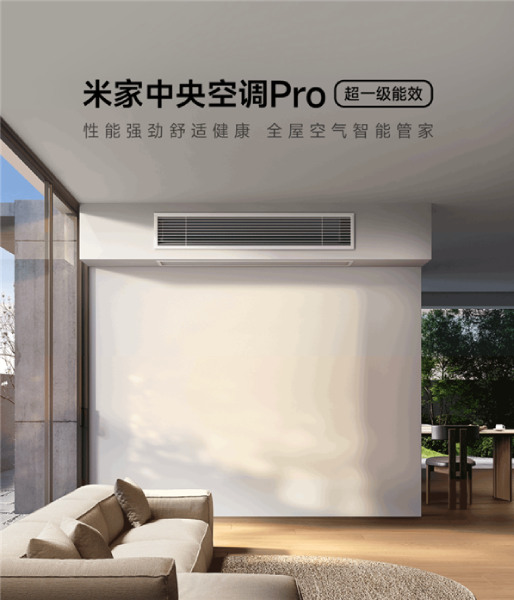
Xiaomi is expanding its smart home lineup, but this time, it’s not with a phone or an electric scooter. Instead, the company is making a play for whole-home climate control with the new Mijia Central Air Conditioner Pro. Now available for reservations on Chinese e-commerce platforms, the system is set to launch later this month.
Xiaomi Mijia Central Air Conditioner Pro Overview
The Mijia Central Air Conditioner Pro comes in multiple configurations to accommodate different home sizes. Options include 1-to-3, 1-to-4, 1-to-5, and 1-to-6 setups—each referring to the number of indoor units that can connect to a single outdoor unit. The 1-to-5 and 1-to-6 models pack a 6-horsepower outdoor unit which makes them better for larger homes.
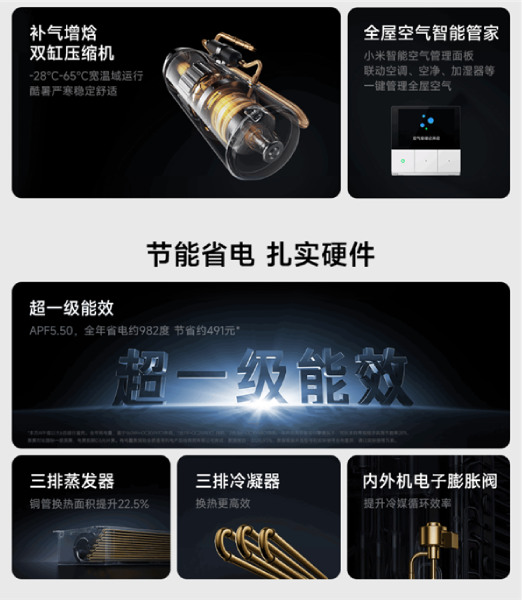
Under the hood, Xiaomi has packed in some impressive hardware. The system features a dual-cylinder air-supply design, a reheat-increasing compressor, and three-row evaporators and condensers. Both the indoor and outdoor units use electronic expansion valves, allowing the air conditioner to function in extreme temperatures ranging from -28°C to 65°C.
Xiaomi claims the air conditioner is quite energy efficient. It has a super first-class energy rating with an Annual Performance Factor (APF) of 5.50. That, according to the company, could mean an annual energy savings of around 982 kilowatt-hours—equivalent to roughly 491 yuan in electricity costs. Noise levels are also impressively low, reportedly reaching just 18dB(A).
Beyond heating and cooling, the Mijia Central Air Conditioner Pro is packed with smart features. It is equipped with a 3D air outlet panel that optimizes airflow, and dual millimeter-wave radar sensors to detect human presence to adjust settings automatically. There’s also a built-in air filter designed to remove over 99% of formaldehyde.
The system runs on Xiaomi’s Mi Lingyun intelligent control engine and features a five-layer self-cleaning mechanism. It supports Xiaomi’s Pengpai Zhilian ecosystem, full-link OTA updates, and seamless integration with a dedicated smart air management panel for fine-tuned control.
For more daily updates, please visit our News Section.
Last week, Realme unveiled the Realme GT 7 Pro Racing Edition in China. However, even before its arrival, the company had confirmed that it would launch the Realme Neo 7 SE in February in its home market. Today, the brand has released a new poster revealing its price range, suggesting that it will arrive as a rival to the Redmi Turbo 4.
Realme Neo 7 SE price range confirmed
Reakne Neo 7 SE teaser
The Redmi Turbo 4, available in China, is equipped with the Dimensity 8400-Ultra chip and has a starting price of 1,999 Yuan (~$275). This pricing applies to the base variant, which offers 12 GB of RAM and 256 GB of built-in storage.
As seen in the official teaser, Realme has confirmed that the Realme Neo 7 SE will launch with a sub-2,000 Yuan price tag. The phone features the Dimensity 8400-Max chip. While the Redmi model’s chip carries the “Ultra” branding and Realme’s version is labelled “Max,” they are the same chipset. If Realme introduces an 8 GB RAM variant of the Neo 7 SE, it could undercut the Redmi Turbo 4 to become the most affordable Dimensity 8400-powered phone,
Realme Neo 7 SE specifications (rumored)
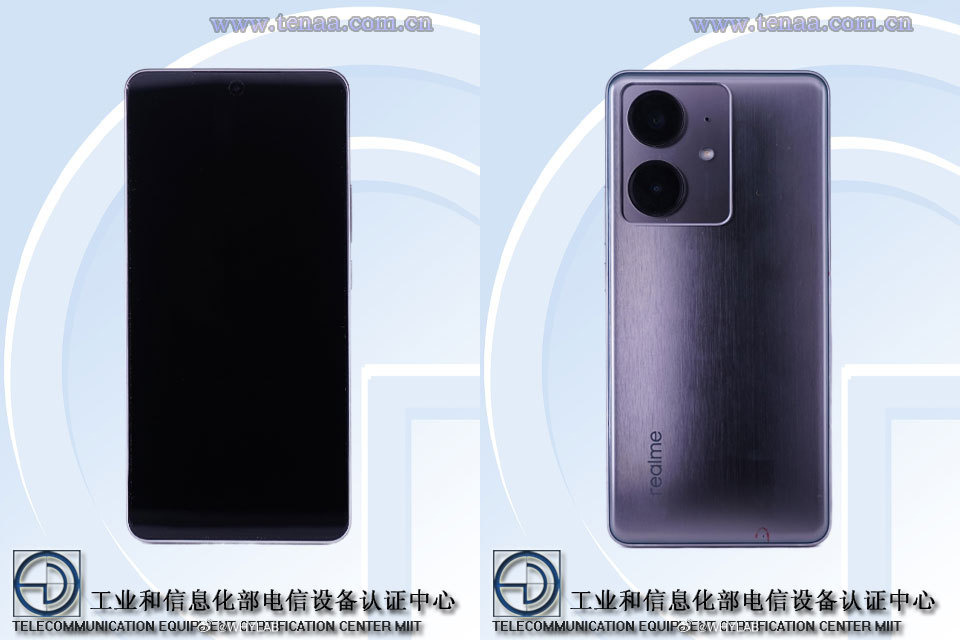
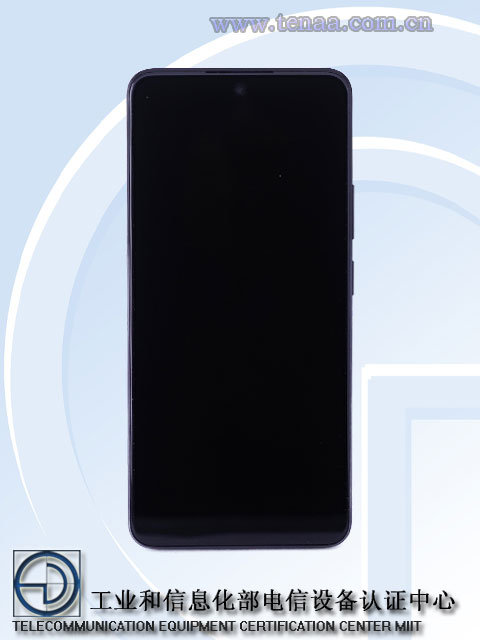
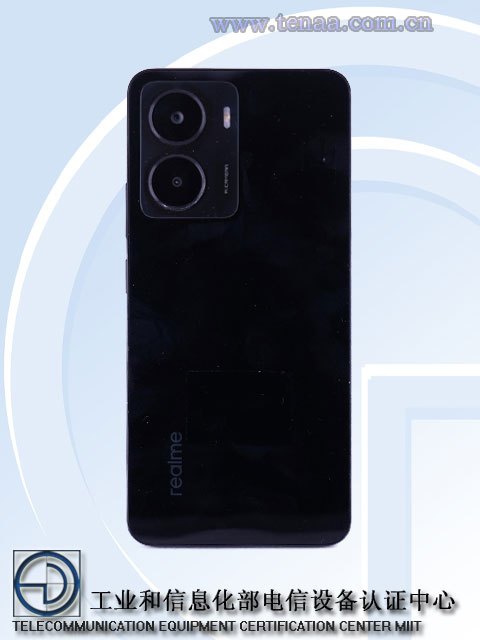
Realme Neo 7 SE TENAA images
Realme has only confirmed the chipset of the Neo 7 SE, but its TENAA listing that surfaced last month has revealed almost everything about it. The device is expected to feature a 6.78-inch flat AMOLED panel that offers a 1.5K resolution and a 120Hz refresh rate. It may ship with up to 24 GB of RAM and up to 1 TB of storage.
The Neo 7 SE will pack a 7,000mAh battery with 80W fast charging support. For photography, it will have a 16-megapixel selfie camera and a 50-megapixel + 8-megapixel dual-camera system. It will offer other features, such as Realme UI 6-based Android 16, an in-screen fingerprint scanner, and an IR blaster.
For more daily updates, please visit our News Section.
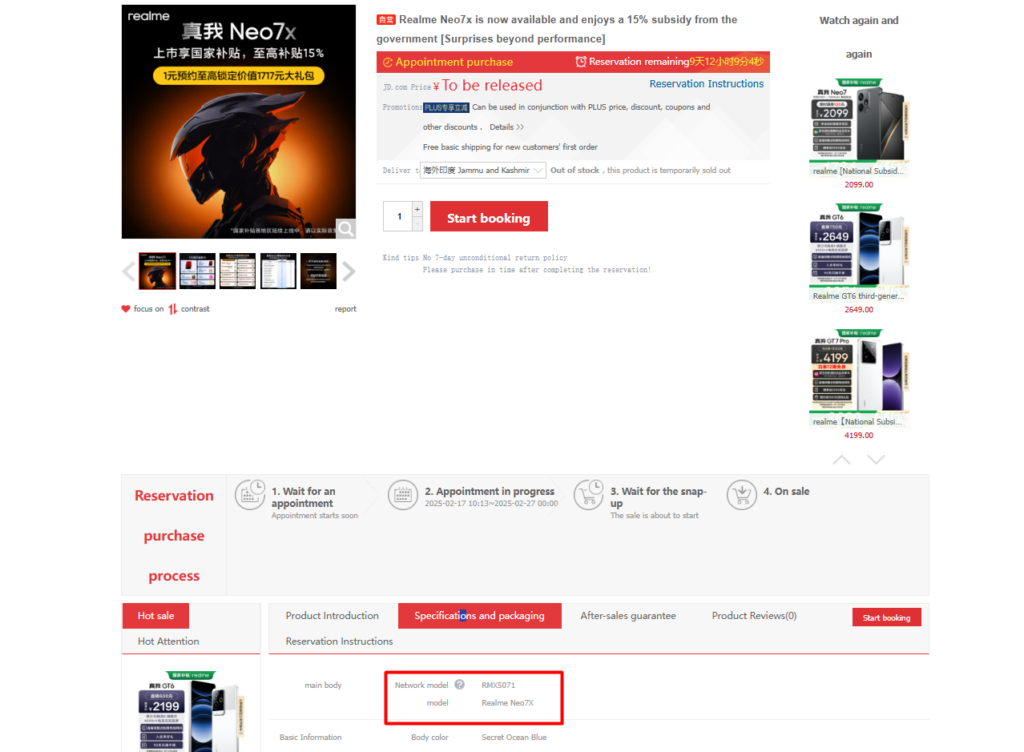
A new Realme smartphone, the Neo 7x 5G, has been listed for pre-orders on JD.com. The listing confirms its model number as RMX5071, which was recently spotted on TENAA. With Realme set to unveil the Neo 7 SE later this month in China, there is speculation that the Neo 7x may debut alongside it. Additionally, it appears that the 7x could be rebranded as the Realme 14 5G for the global market.
Realme Neo 7x 5G pre-orders begin on JD.com
Realme Neo 7x 5G specifications (rumored)
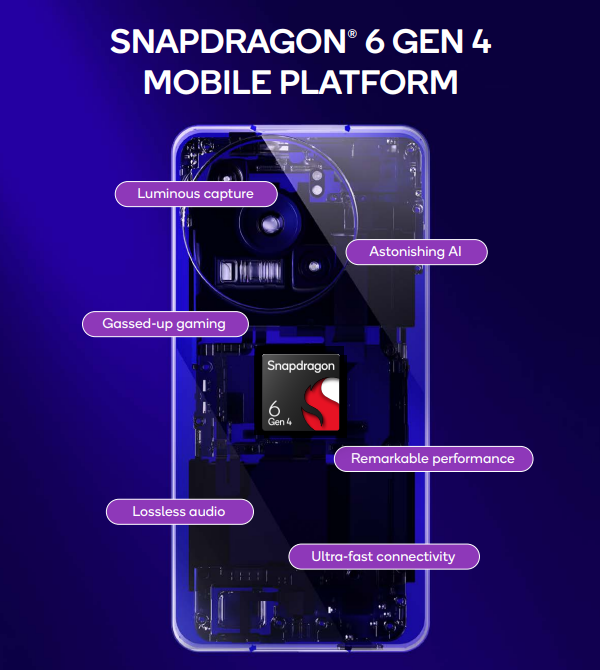
As per the TENAA listing, the Realme Neo 7x 5G (RMX5071) is expected to feature a 6.67-inch OLED display with a 2400 x 1080 pixels resolution. Under the hood, it may house a 2.3GHz processor, which appears to be the Snapdragon 6 Gen 4 chipset.
The phone is likely to be available in multiple RAM options, including 6 GB, 8 GB, 12 GB, and 16 GB, along with storage choices such as 128 GB, 256 GB, 512 GB, and 1 TB. For power, the device is equipped with a 5,860mAh rated battery, with the typical capacity likely reaching 6,000mAh. It is expected to support 45W fast charging.
On the camera front, the handset will feature a 16-megapixel selfie shooter, while the rear setup will consist of a 50-megapixel primary sensor paired with a 2-megapixel secondary lens. Other notable features include an in-display fingerprint scanner, a microSD card slot, and Realme UI 6 based on Android 14. The phone measures 163.15 x 75.65 x 7.97mm and weighs 194 grams.
The pre-order listing suggests that the Neo 7 SE may launch on Feb. 27 in China.
Possible rebranding as Realme 14 5G
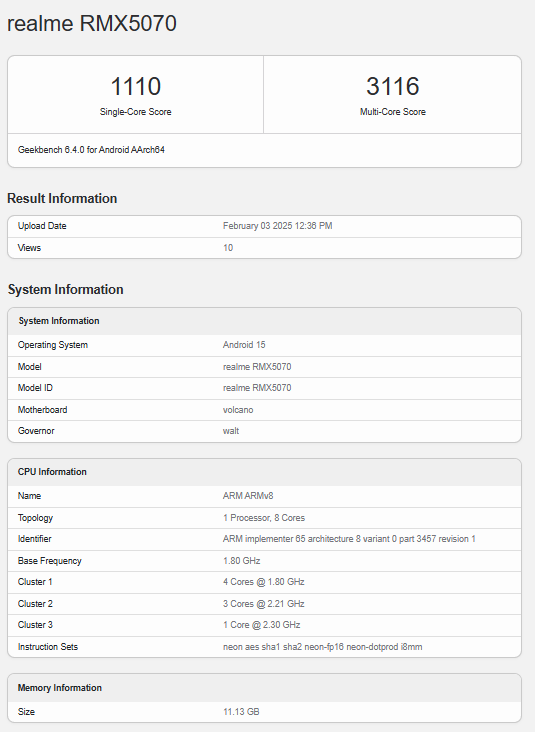
Realme 14 GeekBench
A Realme device with model number RMX5070 was recently spotted in Geekbench and UAE’s TDRA certification database, which confirmed its name as Realme 14 5G. Given its similarity to the RMX5071 model number of the Neo 7x, it is likely that the Realme 14 5G will be a global rebranded version of the Neo 7x, retaining the Snapdragon 6 Gen 4 chipset. More details about its pricing and availability are expected in the coming weeks.
For more daily updates, please visit our News Section.
Xiaomi recently confirmed that it will hold a launch event on March 2 to unveil the Xiaomi 15 series for the global market. While the brand is gearing up for the 15 series’ global launch, the rumor mill has already started leaking details about the Xiaomi 16 series. A new leak by tipster Digital Chat Station talks about the Xiaomi 16 Pro’s display design and specifications.
Xiaomi 16 Pro may feature a cutting-edge display
While the tipster has not explicitly revealed the phone’s name in the above leak, the Chinese media is speculating that he could be talking about the Xiaomi 16 Pro. As per the leak, the 16 Pro will sport a flat-screen design with ultra-thin, uniform bezels. It will be a massive 6.85-inch LTPO OLED panel that offers a 2K resolution and a 120Hz refresh rate.
He added that the display will incorporate LIPO technology, ensuring a symmetrical, narrow-border look. This advancement is expected to surpass the bezel control of Apple’s iPhone 16 Pro models, which currently have side bezels measuring 1.44mm and top and bottom bezels at 1.41mm.
In the past, Xiaomi has consistently offered similar displays on its Pro and Ultra flagship models. For instance, the Xiaomi 12 Pro and 12S Ultra, 13 Pro and 13 Ultra, and 14 Pro and 14 Ultra all shared the same screen sizes. The upcoming Xiaomi 15 Ultra is also expected to feature a 6.73-inch display, matching the 15 Pro.
Given this pattern, it is likely that the Xiaomi 16 Ultra will also come with a 6.85-inch screen, considering that the Xiaomi 16 Pro is rumored to feature a 6.85-inch display. DCS has previously claimed that 2025 flagship phones will adopt a completely flat-screen design. In a recent leak, he revealed that the entire Oppo Find X9 series, which is said to include four models, will sport a flat-screen design. Therefore, the 16 Ultra is also expected to feature a flat panel.
The Xiaomi 16 Pro is expected to debut with the Snapdragon 8 Elite 2 in October of this year. The Ultra model, on the other hand, is expected to launch with the same chip in the first half of 2026.
For more daily updates, please visit our News Section.
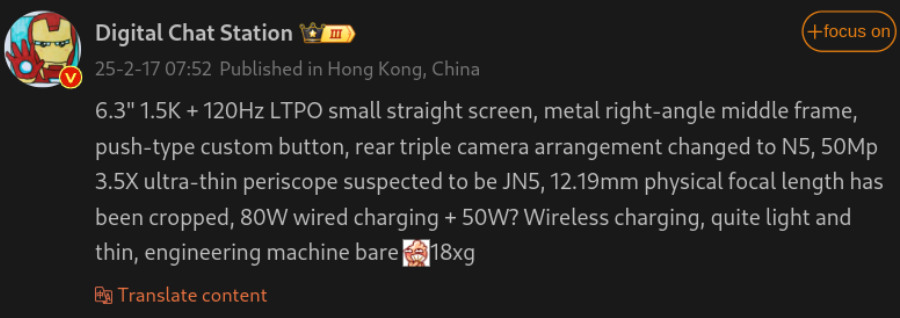
Oppo is gearing up to launch the Find X8 mini in March, alongside the flagship X8 Ultra. This new compact addition to the Find X series has already surfaced in leaks, revealing that it will feature a new alert button, a 6.3-inch LTPO flat OLED display with a 1.5K resolution, and ultra-thin bezels on all sides.
A fresh leak from Digital Chat Station largely reaffirms those specs while confirming that the phone’s side frame will be made of metal. Previously, the same source revealed that the X8 mini would pack a 50-megapixel primary camera, a 50-megapixel ultra-wide lens, and a 50-megapixel periscope telephoto camera with 3.5x optical zoom.
Oppo Find X8 mini will borrow Find N5’s camera setup
Now, though, the tipster claims that the Find X8 Mini’s camera setup will resemble the Find N5—which would actually be a downgrade from earlier leaks. While the Find N5 also features a 50MP main sensor, it swaps the ultra-wide for a lower-resolution 8MP shooter and includes a 50MP periscope telephoto lens with 3x zoom.
Beyond the cameras, the Find X8 mini is expected to support 80W wired and 50W wireless charging. The leak also notes that the device’s engineering unit is notably slim and lightweight, tipping the scales at just around 180 grams.
Under the hood, previous leaks suggest the phone will be powered by MediaTek’s Dimensity 9400 chipset, promising performance on par with higher-end models in the X8 series.
Other highlights include full NFC support, an infrared remote control, dual speakers, an X-axis linear haptic motor, and ColorOS 15 running on Android 15.
Of course, it’s all speculation for now, so take this report with a pinch of salt—and stay tuned for more.
For more daily updates, please visit our News Section.
Xiaomi is readying its Pad 7 and Pad 7 Pro tablets for their global launch, and the pricing details for Europe have already leaked. While the devices promise impressive specs, build, and design, it looks like the vanilla Pad 7’s price tags will be slightly higher than those of its predecessor.
Xiaomi Pad 7 series European pricing
According to leaks from Dealabs, the base model of the Xiaomi Pad 7 will start at €429 for the 8GB RAM and 128GB storage configuration. Upgrading to the 8GB/256GB model will cost an additional €40, bringing the price to €469.
This represents a small increase from last year’s Pad 6, which started at €399 for the 8GB/128GB model and €449 for the 8GB/256GB variant. However, the source suggests that the Pad 7 might retain its €399 base price in some markets, so regional pricing could vary.
As for the Pad 7 Pro, the 8GB/256GB and 12GB/512GB models are expected to be priced at €529 and €629 respectively. So the Pro models will be positioned as premium options for those seeking a capable device built for heavy apps.
Here are the key specifications:
The Xiaomi Pad 7 series features an 11.2-inch LCD display with a 3.2K resolution (3200 x 2136 pixels) and a 144Hz refresh rate. The panel reaches a peak brightness of 800 nits, which ensures proper visibility even in bright environments.
Under the hood, the Pad 7 and Pad 7 Pro equip the Snapdragon 7+ Gen 3 and Snapdragon 8s Gen 3 chips respectively. Xiaomi’s HyperCore software-hardware system further enhances performance. It reportedly improves cold start (when an app is launched from scratch, meaning it is not running in memory or cached in the background) speeds by 13% and multitasking efficiency by 69%. You can learn more about the Pad 7 series here.
While Xiaomi hasn’t confirmed a global launch date yet, there’s a good chance the Pad 7 and Pad 7 Pro will debut globally at MWC 2025 next month, alongside the Xiaomi 15 series.
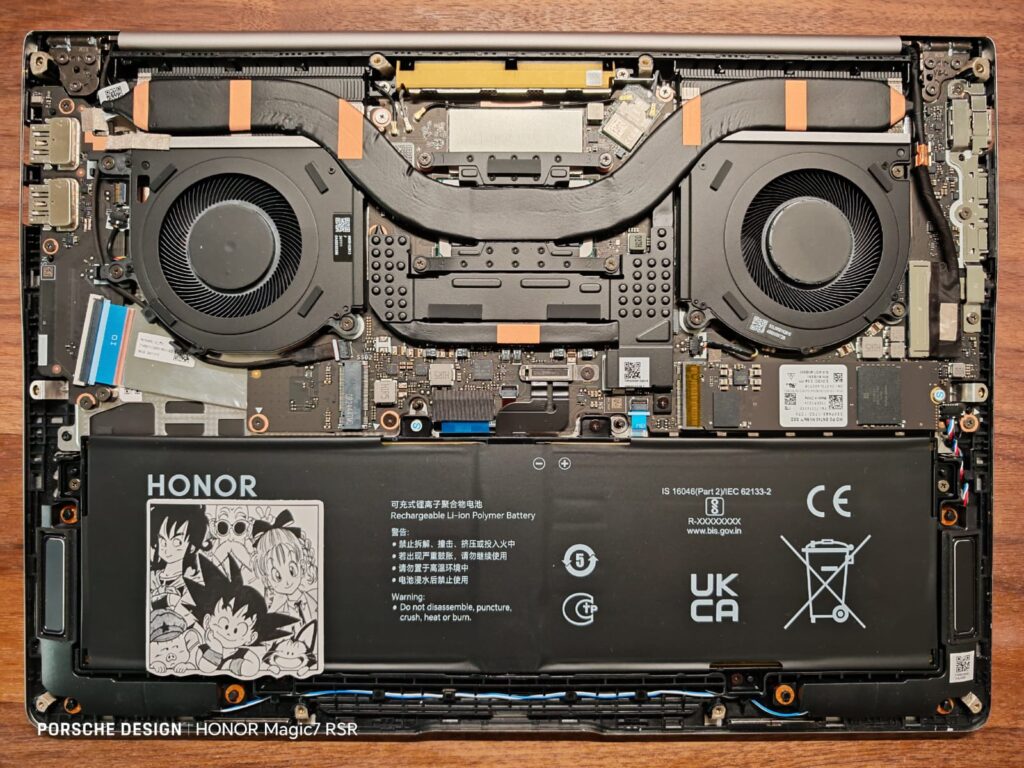
Honor has given us a sneak peek into the internal design of its upcoming MagicBook Pro 14 laptop. Lin Lin, Vice President of Honor China and Director of the Smart Life Business Department, has shared an image of an early version of the device, which highlights the cooling system and dual storage slots.
A sneak peek into the internals
The MagicBook Pro 14 prototype features a D12 heat pipe and dual fans. It is expected to offer more efficient cooling and help the machine better sustain heavy workloads. The device also includes dual 2280 hard disk slots, which means flexibility for storage expansion.
While the battery capacity remains under wraps, it’s expected to be a major selling point for the device. Lin Lin also addressed some questions in the comments, confirming that the laptop will feature an OLED Oasis eye protection screen and that a U9 version will be launched, though it will be priced on the higher end.
Earlier this month, the exec hinted at the laptop’s display specs through a cryptic Weibo post. The MagicBook Pro 14 is expected to feature a 14.6-inch OLED screen with a 3:2 aspect ratio. The panel reportedly has a 3120×2080 resolution, supports 120Hz refresh rate, and reaches a peak brightness of 700 nits—enough for indoor visibility.
As for software based features, the display includes Honor’s Oasis Eye Protection technology, which makes it ideal for both students and professionals who usually spend a significant portion of their day looking at the screen.
Unfortunately, the exact launch date and pricing details are still under wraps. Considering the advanced cooling system, dual storage slots, and high resolution display, it seems that Honor will position this machine as a strong contender in the premium laptop market.
Oppo is all set to unveil the Oppo Find N5 foldable phone on Feb. 20. Apart from Oppo, three other Chinese brands are expected to launch book-style foldable phones in the home market. These include the Honor Magic V4, Vivo X Fold 4, and Huawei Mate X7. A new leak that has emerged on Weibo reveals the launch timeframe of the Magic V4.
Honor Magic V4 launch timeframe (rumored)
Honor Magic V4 to launch by May end or early June
According to tech blogger Fixed Focus Digital, the Honor Magic V4 is set to launch by the end of May or early June in China. Unfortunately, nothing concrete is known about the specifications of the device.
The Honor Magic V3, measuring only 9.2mm when folded and just 4.3mm when unfolded, is a remarkably thin book-style foldable phone currently available in the market. The upcoming Oppo Find N5, with a thin profile of only 8.93mm in the folded state, will dethrone the Magic V3 to become the world’s slimmest foldable phone.
Given Honor’s focus on slimness with the Magic V3, the Magic V4 could push the boundaries further, potentially utilizing even more advanced materials and hinge designs to reclaim the “thinnest foldable” title from the Oppo Find N5. There’s a possibility that it may come equipped with the Snapdragon 8 Elite chip. Another source Smart Pikachu has hinted that the Magic V4 will pack a battery of around 6,000mAh capacity. The leak also suggests that the Magic V Flip 2 will also launch in the first half of 2025 in China.
Honor Magic 4 and Magic V Flip 2 inital details leaked
To recall, the Honor Magic V3 features a 7.92-inch foldable OLED panel and a 6.43-inch outer screen, both supporting a 120Hz refresh rate. For security, it features a side-facing fingerprint sensor. The Snapdragon 8 Gen 3-powered device comes with up to 16 GB of LPDDR5x RAM and up to 1 TB of UFS 4.0 storage.
The foldable phone packs a 5,150mAh battery with 66W wired and 50W wireless charging support. It has a pair of 20-megapixel cameras, one on the cover screen and one on the internal display. The rear camera setup of the device features an OIS-enabled 50-megapixel primary camera, a 40-megapixel ultra-wide lens, and an OIS-assisted 50-megapixel periscope telephoto camera with 3.5x optical zoom.
For more daily updates, please visit our News Section.
Chinese smartphone brands have a dual identity. The flagship phone you see in China often isn’t quite the same as the one launched globally. And while companies like Xiaomi, Vivo, Oppo, and even Huawei have pushed their global presence, there are still key differences between their domestic and international models. Some of these are technical, some are software-based, and others are simply about marketing choices.
If you’ve ever wondered why the latest Chinese flagship seems to have slightly different specs—or even an entirely different experience—outside of China, here’s why.
One of the most striking differences between Chinese and global flagship phones is software. In China, Google services don’t exist, and that changes everything. Phones launched there come without the Play Store, Google Maps, or even Google Assistant. Instead, manufacturers rely on their own app stores, mapping services, and AI assistants.
This affects more than just app availability. It changes how the entire software experience is designed. Chinese flagships have much deeper integrations with local platforms like WeChat, Alipay, and Baidu.
What’s impressive is that the decentralization from Google has pushed manufacturers to develop their own solutions for voice assistants, file sharing, and more. And the best part? It’s all built on Chinese services which creates an ecosystem that feels entirely native.
For global models, manufacturers need to rework their software to fit the Google ecosystem. This includes adding Google Play services, tweaking AI assistants to support Google Assistant, and ensuring apps comply with international standards.
2. Same hardware…but different
On paper, most flagship models from Chinese brands look identical across markets. But if you dig into the details, there are often key differences. Sometimes, these are small variations, like different storage configurations or slightly altered designs. Other times, there are major changes that affect the user experience.
Take the Xiaomi 14 Ultra, for example. The Chinese version has a bigger 5300mAh battery while the global variant is limited to 5000mAh. Similarly, Oppo or Vivo might offer a high-end ceramic version in China but stick with standard glass for international models. Other features, like fast charging, might also differ in global and Chinese models.
And then there’s the case of missing bands. Many Chinese flagships support network bands specifically designed for China, while their global counterparts are adjusted to support more LTE and 5G bands used in Europe, India, and the US. This is crucial because importing a Chinese flagship and expecting full network support outside of China is often a gamble.
3. AI Features
AI-driven features are a big deal in smartphones these days, and this is another area where Chinese flagships differ. In China, voice assistants like Xiaomi’s Xiao AI, Huawei’s Celia, and Oppo’s Breeno are heavily integrated into daily functions.
These assistants work seamlessly with local services and offer deep WeChat integration, real-time translation, and payment functions via Alipay and WeChat Pay.
In global versions, these assistants are either entirely removed or reduced to minor roles. Instead, the phones ship with Google Assistant, which might not integrate as deeply with the manufacturer’s ecosystem. This makes certain AI features feel more fluid in Chinese models, even if they’re technically running the same software version.
4. Bloatware and Ads
If you’ve ever used a Chinese flagship straight out of the box, you might have noticed something: ads. Many Chinese manufacturers subsidize their phones by including pre-installed apps and built-in ads.
Xiaomi, for example, is well known for placing ads in its system apps. This is widely accepted in China, where consumers are used to the trade-off of lower prices for ad-supported experiences.
For global models, however, this doesn’t always fly. While some brands still push pre-installed apps, international users are far less tolerant of ads inside their settings menus. As a result, many Chinese brands tone down (but don’t completely remove) these ad placements in their global software.
5. Branding and Positioning
One of the more subtle differences is how Chinese flagships are marketed. In China, these phones are often sold as lifestyle devices, deeply tied to a particular ecosystem. Vivo and Oppo, for instance, don’t just sell a phone—they sell a compl, and what it means for buyers.ete AI-powered experience that includes smart home integration, advanced beauty filters for selfies, and seamless file-sharing with other Chinese-brand devices.
Globally, the same brands take a more straightforward approach: performance, camera tech, and battery life. Instead of ecosystem lock-in, they emphasize raw specs.
Huawei, for instance, focuses on camera quality and design when marketing its global flagships, rather than pushing its app ecosystem (which remains a hard sell outside China due to Google’s absence).
6. More Affordable in China, Even for the Same Model
One of the biggest frustrations for international buyers is pricing. Chinese flagship models are almost always cheaper in China than their global counterparts. This is largely due to different taxation policies, local competition, and brand positioning. Companies like Xiaomi and Vivo can afford to price their high-end devices more aggressively in China because of direct sales models and lower distribution costs.
For example, the OnePlus 13 was launched in China at a significantly lower price than its global release, even though the hardware was nearly identical. Brands might justify this pricing gap by including longer warranty services, additional accessories, or region-specific promotions in global markets, but for many buyers, the price difference still feels hard to justify.
7. Importing a Chinese Flagship is Worth It?
After reading all this, if you’re considering buying a Chinese flagship directly instead of waiting for the global version, there are trade-offs. You might get better hardware, faster updates, and more customization options, but you’ll also have to deal with missing Google services, lack of proper 4G/5G band support, and a software experience that isn’t fully optimized for international users.
Some tech folks might not mind this. They can flash global ROMs or tweak settings to make Chinese models work internationally. But for most users, waiting for the global model is the better option—it’s optimized for your region, comes with proper Google support, and avoids compatibility headaches.
8. Final Thoughts
Chinese flagship smartphones might share the same names globally, but they’re often two different products. The Chinese versions tend to be more tightly integrated with local ecosystems, sometimes offer better specs, and receive updates faster. The global versions, on the other hand, are tuned for a broader audience, with Google services, wider network support, and fewer ads.
For most users, the differences won’t be a dealbreaker. But if you’re an enthusiast thinking about importing a Chinese flagship, it’s worth considering what you gain—and what you might lose.
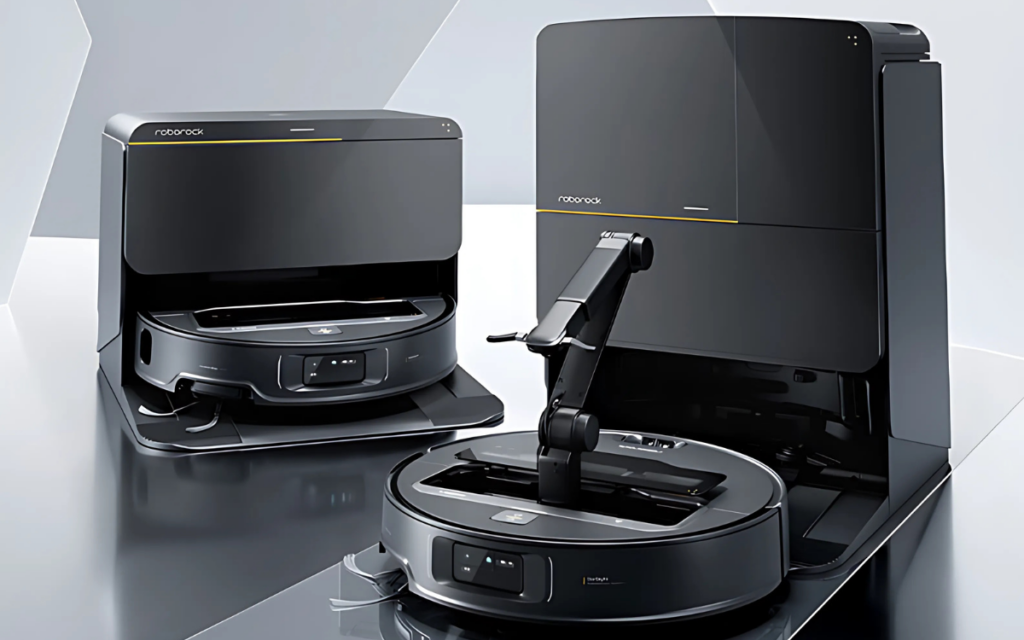
Roborock has introduced the G30 Space robot vacuum in China, available in two versions: a standard model with manual water refilling and a variant with an automatic water supply and drainage system, which requires specific installation conditions.
Both versions have a flexible docking station that can be placed anywhere in the home. The G30 Space is priced at 6,499 yuan ($896), while the model with the water supply system costs 6,999 yuan ($964). Both models are now up for pre-orders on JD.com.
Roborock G30 Space Specifications
Most robot vacuums are still limited to basic floor cleaning. They move in predictable patterns, occasionally get stuck, and rely on basic sensors to dodge furniture. The G30 Space, however, brings a five-axis robotic arm into the mix. This arm allows it to pick up small objects like socks or toys before vacuuming—something most robots struggle with. When not in use, the arm folds into the body, maintaining a sleek 7.98 cm profile that fits under furniture.
Roborock’s StarSight 3.0 Navigation system enhances its intelligence further. It combines multiple ToF sensors, RGB cameras, and AI object recognition to identify and avoid obstacles, detect misplaced items, and even capture photos of what it finds. The adaptive lifting chassis also helps it tackle obstacles up to 4 cm high, reducing the chances of it getting stuck.
If raw cleaning power is a priority, the G30 Space delivers. With 22,000 Pa suction, it can handle dirt, debris, and pet hair on both hard floors and carpets. The cleaner also features an active hair-cutting roller brush, slicing through tangled strands automatically.
The hot water mopping system is another standout feature. It keeps the mop pad at a constant 80°C, ensuring it can break down tough stains while disinfecting the floor. Combined with the self-cleaning station, which handles automatic mop washing, hot air drying, and UVC sterilization, the G30 Space significantly cuts down on hands-on maintenance.
Beyond just cleaning, the G30 Space feels more like an AI-powered home assistant. It features Roborock RRmind GPT, an interactive AI that allows for voice commands, intelligent scheduling, and real-time adjustments via the Roborock app. Users can remotely monitor their homes with 360-degree dual-view real-time video calls, adding an extra layer of functionality beyond just vacuuming.
For those seeking complete hands-free operation, the smart water supply version automates water refilling and drainage. It comes with multi-layer overflow protection and an anti-clogging system, ensuring smooth operation without frequent refills. The 6400mAh battery provides extended runtime, while fast charging minimizes downtime.
In related news, Dreame recently introduced the Mova G30 Ultra robot vacuum, featuring 13,000Pa suction and AI-powered obstacle avoidance.
For more daily updates, please visit our News Section.
Arm might be planning on announced its very own processor as early as this year. A fresh rumor claims that the known chipmaker could be working on in-house chips, which might makes its debut with Meta as its first customer. So here’s everything we know so far.
Arm making new in-house chips
According to The Financial Times report, Arm is working on a CPU designed for data centers, but would carry customizability to fit the requirements of different customers. Since Arm is a fabless chipmaker, the company is looking to contract TSMC (Taiwan Semiconductor Manufacturing Company), the world’s largest contract chipmaker, to fabricate its new chips. These in-house processors could be unveiled as early as this summer, as per industry sources close to the matter.
This news also arrives a month after Softbank (Arm’s parent company), entered into a partnership with OpenAI to build up to $500 billion worth of AI infrastructure. This massive project would also involve Arm along with Microsoft and even Nvidia as key technology partners. Arm could be playing a massive role in this, and even have ties with AI powered personal devices being developed by John Ive (Apple’s former designer) and OpenAI’s Sam Altman.
For those unaware, Arm’s designs are basically behind every smartphone in the market right now. It is also in most mobile devices and even power latest Apple Macs and Qualcomm powered Windows PCs. CPUs that use the ARM architecture basically offer great power efficiency while not compromising on performance that can even match Intel and AMD chipsets. This is a big reason for their increasing popularity in data farms that power AI applications.
For more daily updates, please visit our News Section.
Realme has already announced a number of Realme 14 series smartphones. This includes the Realme 14 Pro series and Realme 14X. Now, it seems like a base Realme 14 model is also in the works. A fresh certification sighting has hinted at its imminent release and confirmed some of its key specs as well. So here are all the details.
Realme 14 Launch Imminent
The Chinese brand’s Realme 14 had its moniker confirmed on the TDRA database, which also revealed its RMX5070 model number (via). But interestingly enough, this is the same model number which was previously seen with the Realme P3 as well. Unfortunately, the listing on the UAE certification does not reveal any finer details like its specs or design, but it does hint at its imminent release.
Apart from this, the Realme 14 was also spotted on GeekBench (via), which is a popular benchmarking platform. This listing revealed that the mid range smartphone is equipped with the Snapdragon 6 Gen 4 chipset. With this processor, the Realme 14 managed to achieve a single core test score of 1,110 points and a multi core test score of 3,116 points. GeekBench also confirmed that this device runs on the Android 15 OS out of the box. Lastly, the Realme 14 will have at least one variant with 12GB of RAM.
Based on an earlier certification sighting, the Realme 14 may house a massive 5,860mAh battery pack, which supports 45W wired fast charging. The similar model numbers might mean that these are rebranded devices, although, the Realme P3 was spotted on GeekBench with the Snapdragon 7s Gen 3 SoC. So these could be unique smartphone models.
For more daily updates, please visit our News Section.
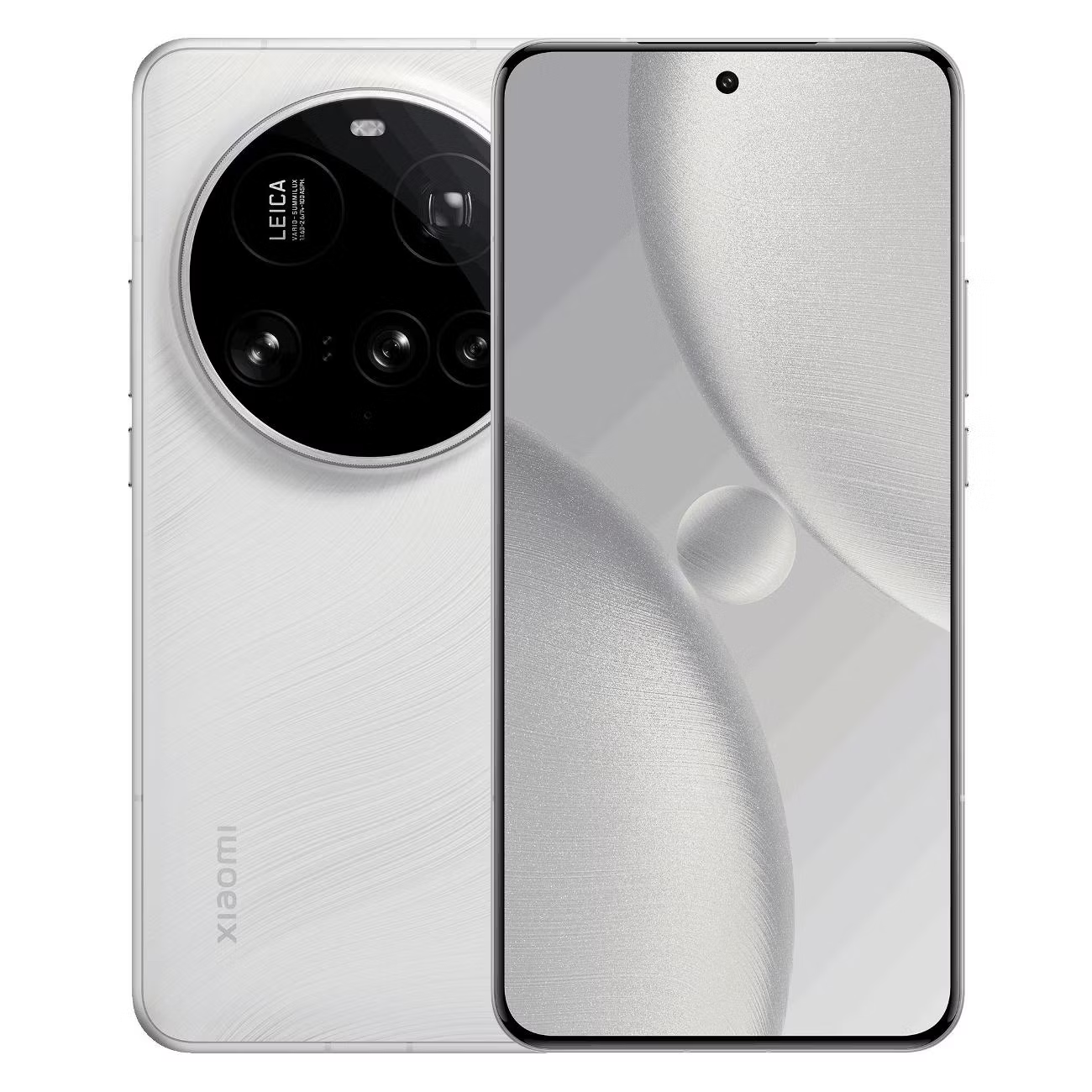
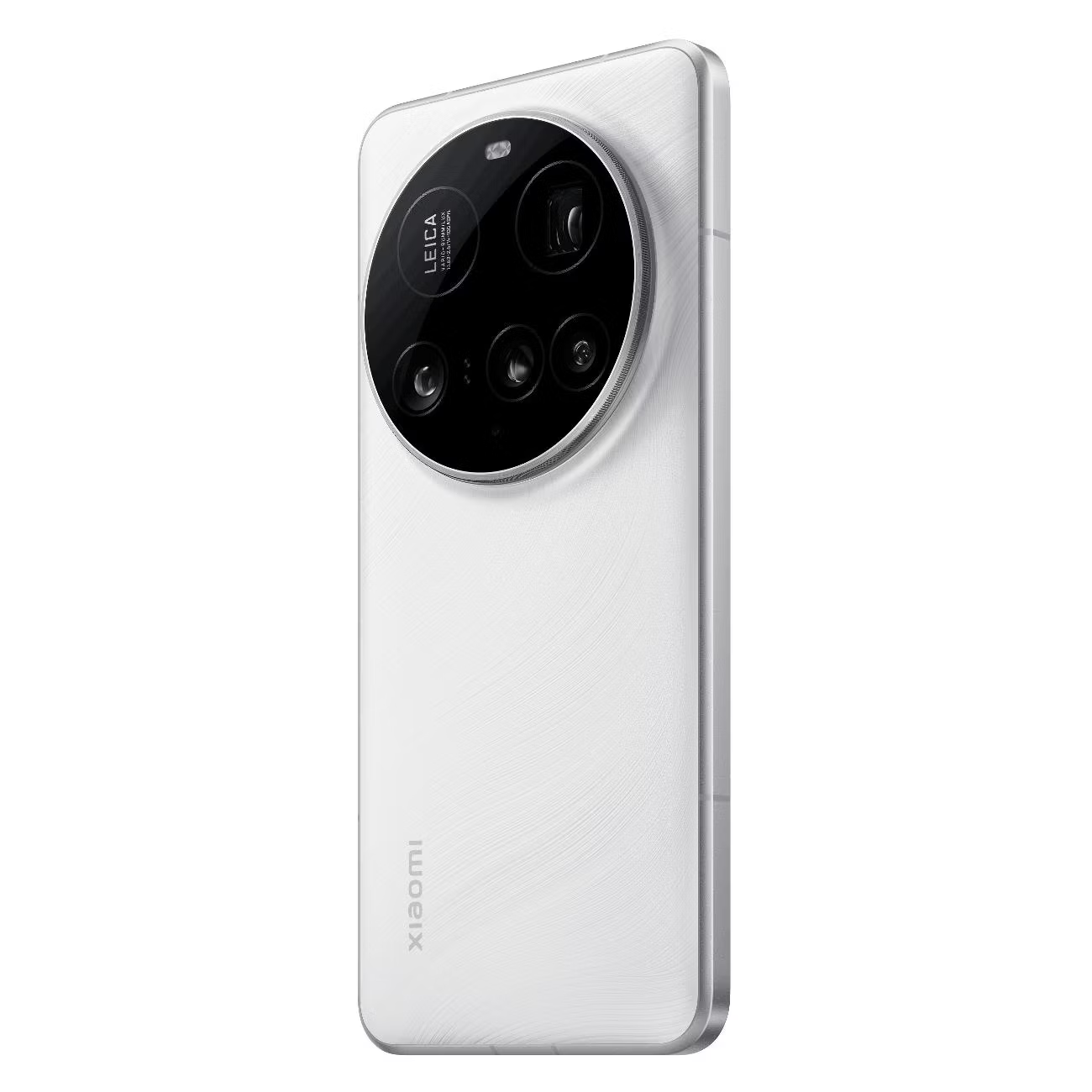
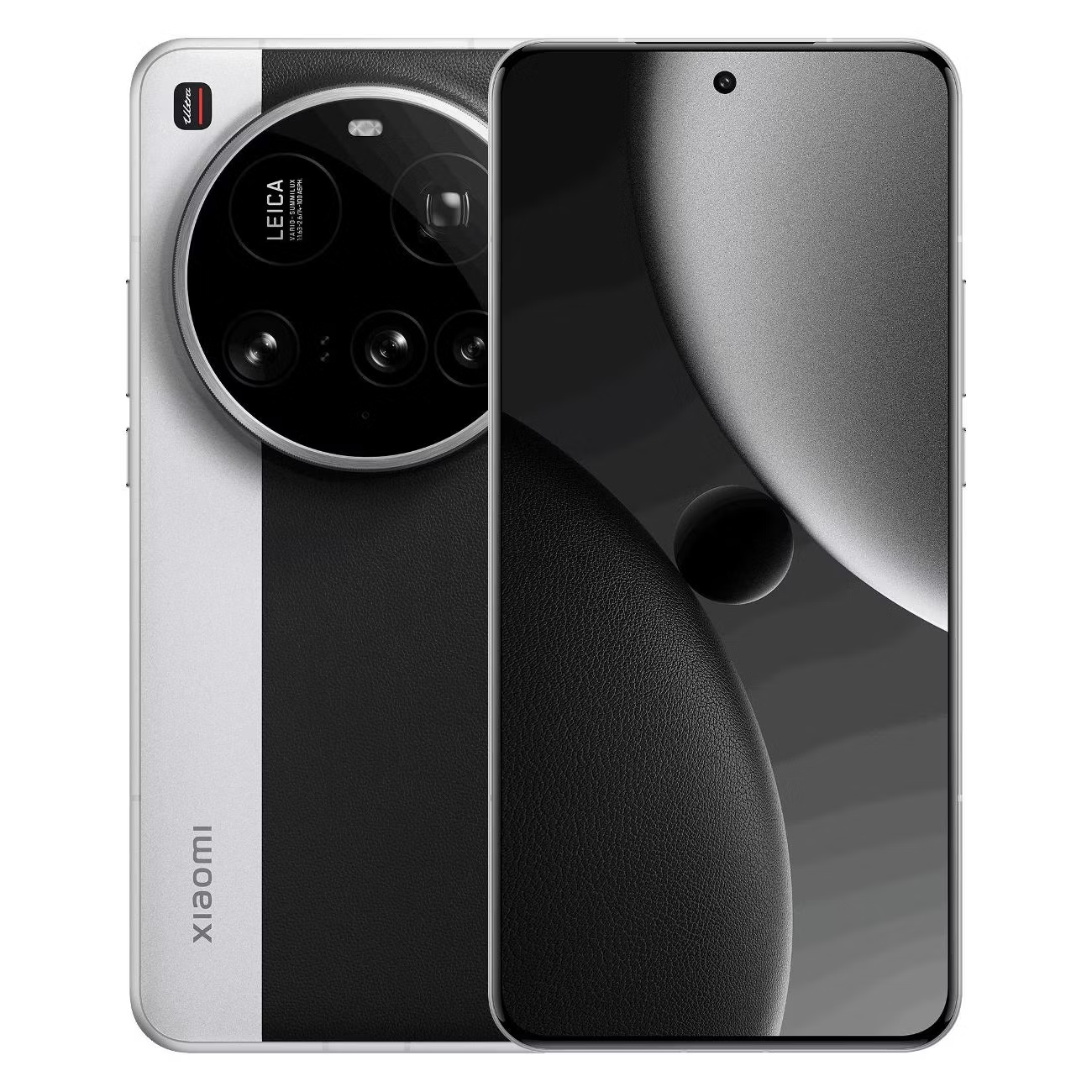
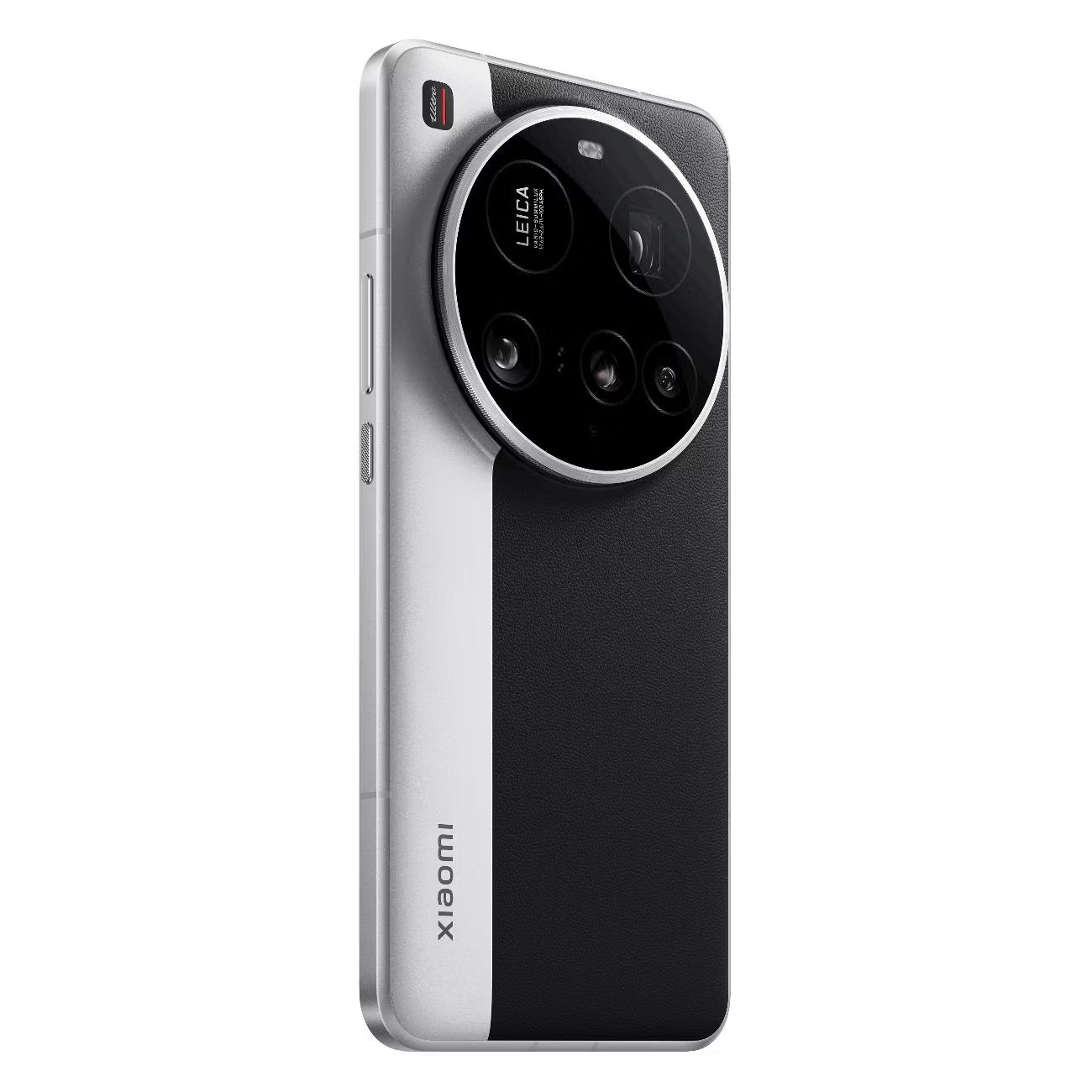
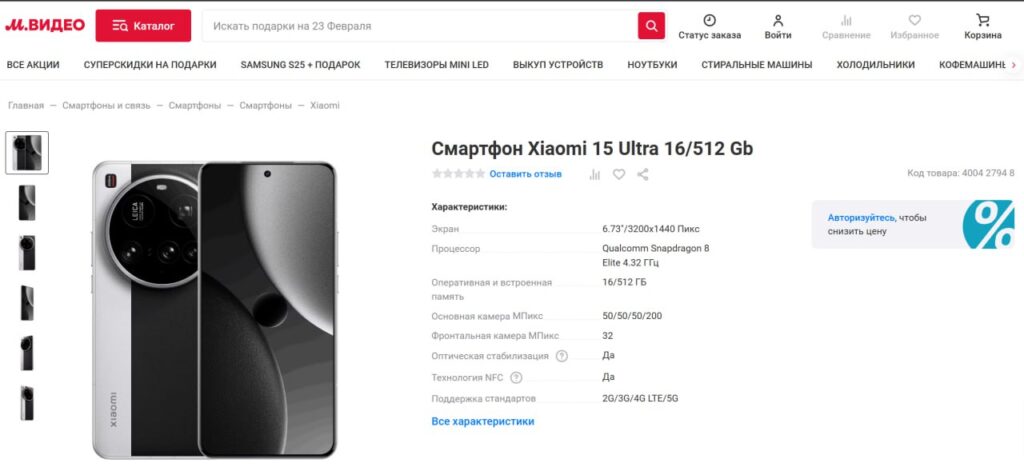
Xiaomi has confirmed its plans to launch its camera flagship Xiaomi 15 Ultra smartphone on March 2nd, 2025 for the global market. This launch will take place during the Mobile World Congress Event in Barcelona. While images and specifications of the device have previously been leaked online, new press photos of the device in black and white color variants have now surfaced, alongside a retail listing, confirming some of the specifications.
The leaked images show a redesigned circular rear camera module, differing from the Xiaomi 14 Ultra’s rectangular layout. The phone will come in black, white, and dual-tone black-and-white options. It features a 6.73-inch AMOLED screen with a 3200 x 1440 resolution, Xiaomi Shield Glass 2.0 protection, and an adaptive 1–120Hz refresh rate.
The device includes Qualcomm’s Snapdragon 8 Elite chipset, up to 16GB of RAM, and 1TB of storage. A 5,410mAh battery supports 90W wired and 80W wireless charging, with the wired charger included. The phone retains an IP68 rating for water and dust resistance.
The rear camera setup includes three 50MP sensors (primary, ultrawide, and telephoto) and a 200MP periscope telephoto lens with 4.3x optical zoom. A 32MP front camera is included for selfies. More details about the camera setup have been leaked previously, which clarifies that the main camera will use a 1-inch-type Sony LYT-900 sensor. CEO Lei Jun has previewed sample images highlighting the Ultra’s night photography capabilities.
Pricing and Availability
The Xiaomi 15 Ultra is expected to start at €1,499 (~$1,573) in Europe, matching its predecessor’s price. It will debut globally on March 2, following an initial release in China on February 22.
For more daily updates, please visit our News Section.
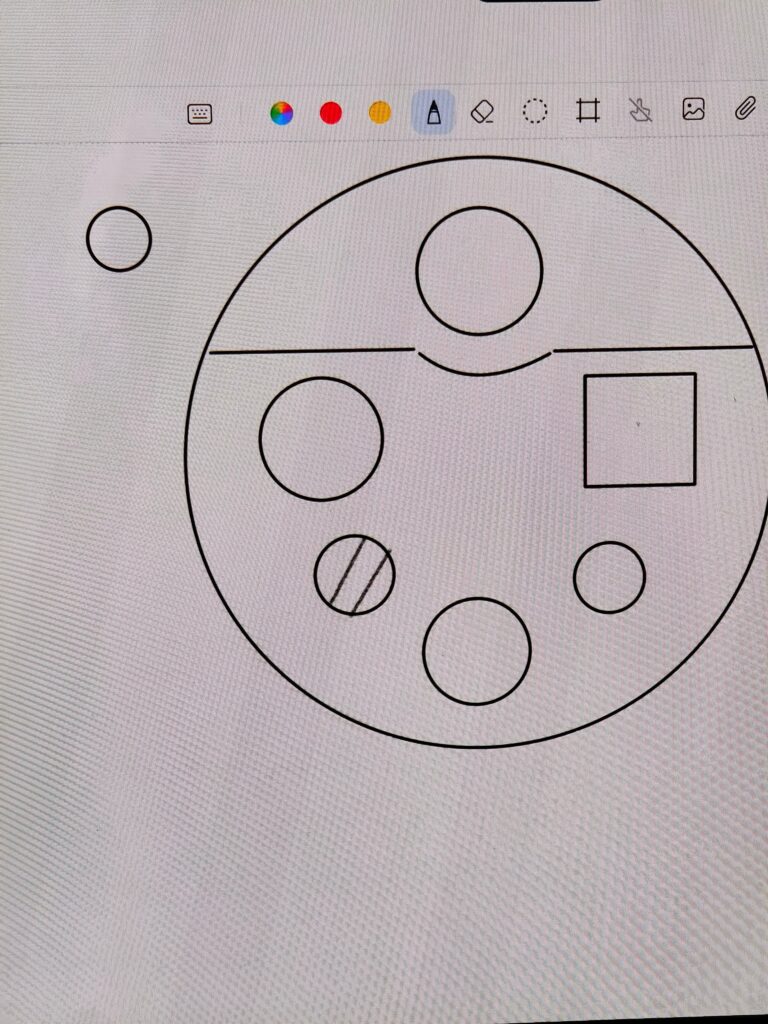
According to the tipster, the Oppo Find X8 Ultra’s camera module has a unique arrangement with a color division that is split horizontally, creating a distinct upper and lower section. He added that the camera module will have a dual-step or two-tier design, meaning that the camera bump will not be a single flat or smoothly rising surface but will have two distinct levels.
Oppo Find X8 Ultra camera module
Oppo Find X8 Ultra camera layout
In the above image, the LED flash is placed in the upper-left corner. The top portion of the camera module houses a periscope telephoto camera that may offer up to 6x optical zoom. Typically, periscope cameras have a square-shaped lens opening because they use a prism to bend light at a 90-degree angle. However, the 6x periscope zoom camera has a round design as it could be utilizing an inverted periscope structure that eliminates the need for a traditional square lens opening while still maintaining high optical zoom capabilities. As per reports, this could be a 50-megapixel Sony IMX882 periscope telephoto camera with 6x optical zoom.
The 6x periscope camera is separated from the rest of the camera module elements by a line with a smooth curved indentation in the middle. Below this line, there seems to be the LYT-900 50-megapixel primary camera on the left and a 50-megapixel Sony IMX906 periscope telephoto camera with a square design and 3x optical zoom support.
The bottom one appears to be a 50-megapixel Sony IMX882 ultra-wide lens. The component on the left of the ultra-wide snapper could be a laser autofocus unit, and the one on the right could be a multispectral sensor.
According to other reports, the Find X8 Ultra will be equipped with a 6.82-inch flat AMOLED panel that offers a 2K resolution, a 120Hz refresh rate, and an ultrasonic in-screen fingerprint sensor. The device could be powered by the Snapdragon 8 Elite chipset and a 6,000mAh battery with 80W wired and 50W wireless charging support. Instead of an Alert Slider, it may feature a new push-type button called the Magic Cube Key, which can be customized to access the flashlight, take screenshots, snap photos, translate, and quickly access apps.
The Find X8 Ultra is expected to launch in March in China. It is likely that a new compact model, which could be dubbed Find X8 Next, may also launch alongside it. It is unclear whether these devices will be released in markets outside of China.
For more daily updates, please visit our News Section.
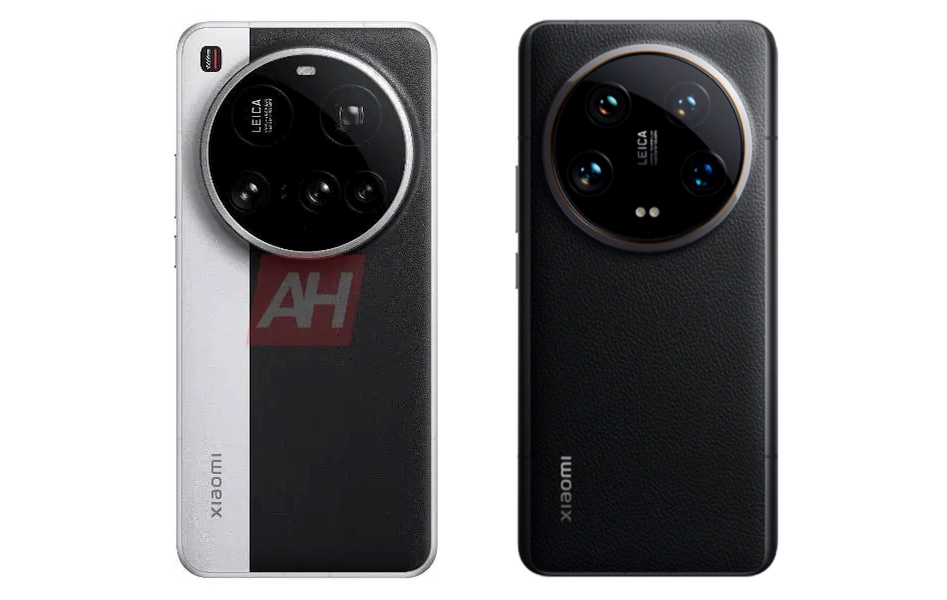
Xiaomi is gearing up to launch the Xiaomi 15 series for both the Chinese and global markets. While the Chinese launch is expected to take place by the end of this month, the global launch is scheduled for March 2. There has been a lot of anticipation for the 15 Ultra as it packs top-notch specs and some of the most advanced cameras ever seen on a Xiaomi flagship. Here’s a look at the seven major changes that the 15 Ultra will bring over its predecessor.
Xiaomi 15 Ultra (left) and Xiaomi 14 Ultra (right)
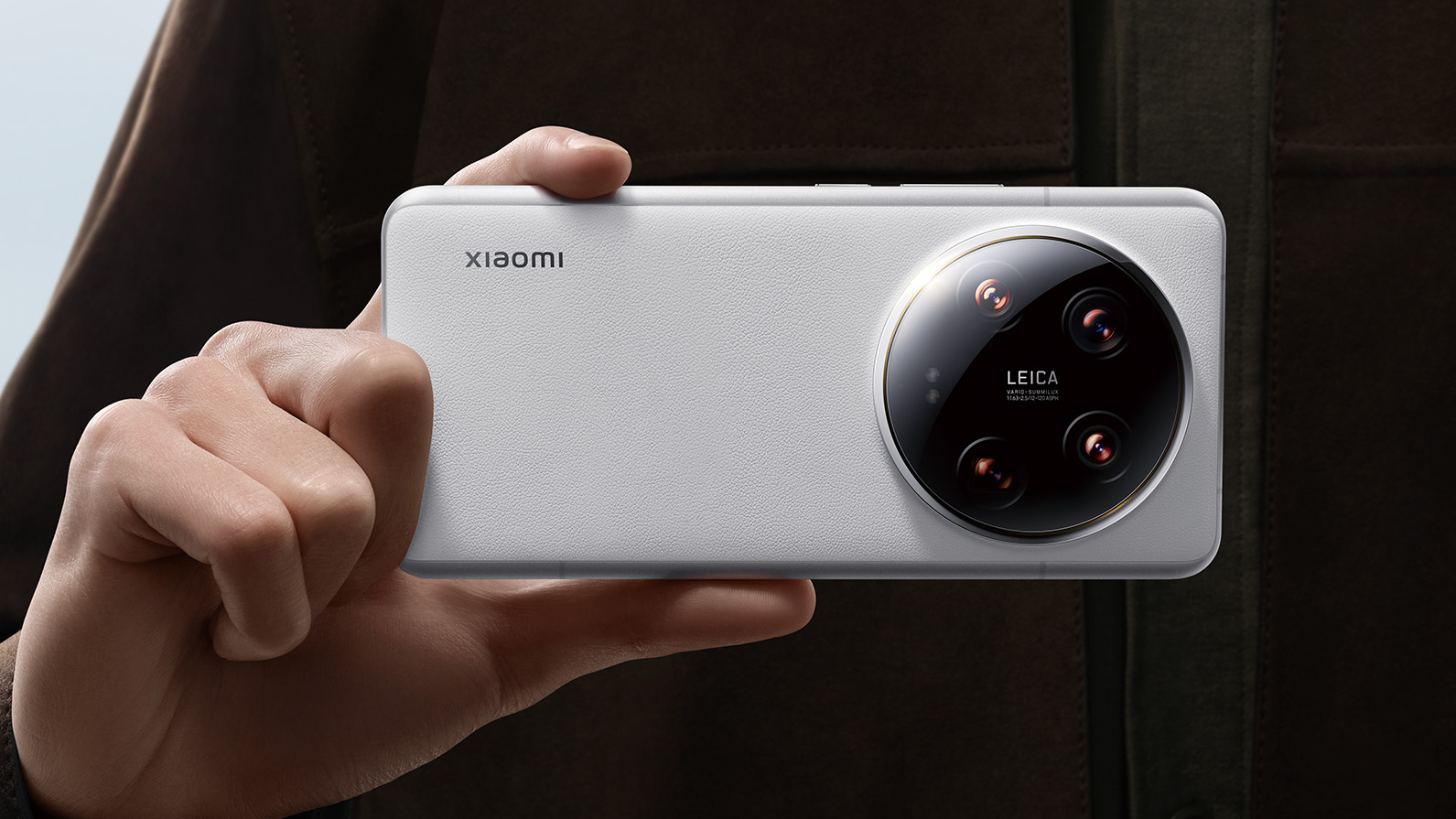
Leaked images suggest that the Xiaomi 15 Ultra’s camera module will sport a redesigned look. The 14 Ultra’s camera module features the Leica branding in the middle, with two cameras on either side and a dual-LED flash at the bottom. In contrast, the 15 Ultra has a pill-shaped LED flash on the top, followed by Leica branding on the left and a new periscope camera on the right. The third row houses the remaining three cameras, giving it a distinct look compared to the 14 Ultra. The above image showcases a dual-tone reminiscent of the Leica M1 rangefinder camera.
2. Camera upgrades
Xiaomi is making key upgrades to the camera system of the 15 Ultra. The phone will feature a quad-camera setup, including:
50MP Sony LYT-900 (1-inch) primary sensor with OIS
50MP Samsung JN5 ultra-wide sensor with autofocus
50MP Sony IMX858 3x telephoto sensor with OIS
200MP Samsung HP9 periscope lens with 4.3x optical zoom and OIS
Compared to the Xiaomi 14 Ultra, the most notable change is the introduction of the 200-megapixel periscope telephoto lens, which is expected to deliver improved zoom capabilities and sharper long-range shots. There is also a change in the ultra-wide department as the previous generation featured a Sony IMX858 ultra-wide snapper.
3. Bigger battery
One of the major changes in the Xiaomi 15 Ultra is in the battery department. The global and Chinese versions of the device are expected to feature 5,410mAh and 6,000mAh batteries. To recall, the previous generation featured a 5,000mAh battery for the global edition and a slightly bigger 5,300mAh battery for the Chinese variant. Like the predecessor, the 15 Ultra will continue to offer 90W wired charging, 80W wireless charging, and 10W reverse wireless charging.
4. Improved performance
Xiaomi 15 Ultra will feature the Snapdragon 8 Elite, Qualcomm’s next-generation flagship processor. Paired with LPDDR5x RAM and UFS 4.0 storage, the phone will come in two configurations: 16GB + 512GB and 16GB + 1TB. This should provide a significant performance boost, particularly in gaming and AI-driven tasks.
5. New software experience
The Xiaomi 15 Ultra will ship with Android 15 out of the box, running Xiaomi’s HyperOS 2. This software upgrade is expected to bring improved system animations, enhanced AI capabilities, and better memory management, ensuring smoother performance and longer battery life. The 14 Ultra is entitled to receive four years of Android OS upgrades and an extra year of security updates. As far as 15 Ultra is concerned, the 15 Ultra may offer the same software update policy.
6. Upgraded fingerprint sensor
A welcome change in the Xiaomi 15 Ultra is the shift to an ultrasonic in-display fingerprint scanner. Compared to the optical fingerprint scanner on the 14 Ultra, ultrasonic sensors offer faster and more reliable authentication, even with wet or dirty fingers.
7. Better durability
The Xiaomi 15 Ultra is expected to feature a micro-quad curved screen, similar to its predecessor. However, it will introduce second-generation Xiaomi Shield Glass, which is anticipated to enhance durability. Additionally, like the 14 Ultra, the upcoming flagship will retain its IP68 rating, ensuring protection against dust and water damage. These improvements aim to make the device more resilient for everyday use.
Final thoughts
The Xiaomi 15 Ultra is expected to launch in 16GB+512GB and 16GB+1TB version. It will arrive in black, white, and silver color options. The 512GB edition is likely to carry 1,499 euros price tag in Europe.
With significant improvements in camera capabilities, processing power, and battery life, the Xiaomi 15 Ultra is gearing up to be a top-tier flagship. While the official launch is still awaited, the leaks and rumours suggest it could be one of the most feature-packed smartphones of 2025. We’ll have to wait for Xiaomi’s official announcement to see if all these upgrades make their way into the final product.
For more daily updates, please visit our News Section.
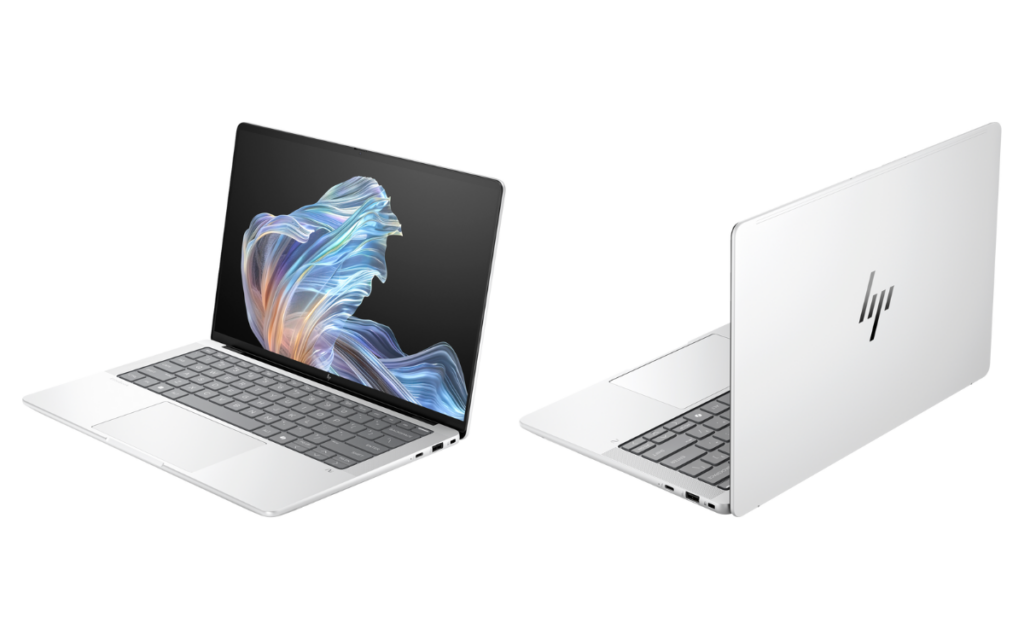
HP has quietly introduced the 2025 EliteBook X G1a (HP EliteBook X G1a 14 inch Notebook Next Gen AI PC Wolf Pro Security Edition), a high-end laptop focused on AI computing. It stands out with 128GB of LPDDR5x-8533 RAM, surpassing the typical 64GB limit in premium Windows laptops. Priced at $4,299, it positions itself as one of the most powerful AI-ready notebooks in its class.
HP EliteBook X G1a Specifications
At the heart of the EliteBook X G1a is AMD’s Ryzen AI 9 HX 375 processor, featuring 12 cores, 24 threads, and a max boost clock of 5.1GHz. This chip is designed to handle AI workloads efficiently, enabling the laptop to run large language models (LLMs) locally, with parameter sizes ranging from 70 billion to 120 billion. The integrated AMD Radeon 890M GPU helps with graphical tasks, but make no mistake, this is a machine built for processing, not gaming.
The 128GB RAM is paired with a 1TB PCIe Gen4 NVMe SSD, ensuring fast read and write speeds for intensive workloads. If you’re running multiple virtual machines, crunching through datasets, or deploying AI models on the go, this hardware setup is overkill in the best possible way.
The EliteBook X G1a sticks to HP’s minimalist design ethos, sporting an aluminum alloy chassis that weighs 1.49 kg (3.3 pounds). It’s slim but substantial, measuring just 0.36 inches at the front and 0.52 inches at the rear. While the look isn’t groundbreaking, it’s a professional and polished package.
Its 14-inch OLED touchscreen boasts a 2.8K (2880 x 1800) resolution with 100% sRGB coverage, 400 nits of brightness, and HP Eye Ease technology to reduce blue light exposure. Complementing the premium screen, the laptop equips an audio system developed by Poly Studio, comprising a quad-speaker setup and dual-array microphones for clear voice communication.
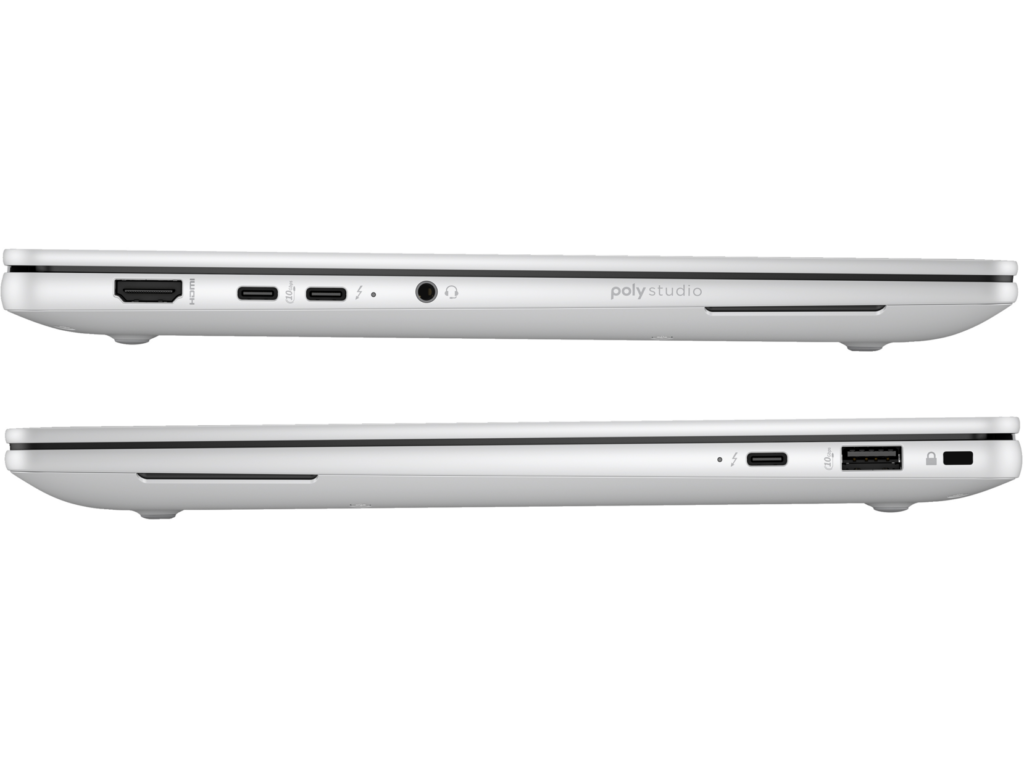
HP isn’t skimping on connectivity, equipping the EliteBook X G1a with Wi-Fi 7 and Bluetooth 5.4 for high-speed wireless performance. The laptop includes two Thunderbolt 4 ports (40Gbps), one USB-C (10Gbps), an HDMI 2.1 port, a USB-A port, and a 3.5mm headphone/microphone combo jack.
The EliteBook X G1a features HP Wolf Pro Security Edition with a three-year license, HP Sure Platform, and HP Tamper Lock for enhanced protection. It comes with a fingerprint sensor for biometric authentication and a 5MP IR AI camera, supporting Windows Hello for secure enterprise access.
The laptop is powered by a 74.5Wh battery, which should be enough for a full workday under moderate loads. It comes with a 100W USB-C slim adapter, meaning fast charging should be relatively quick, though HP hasn’t shared exact battery life estimates yet.
In related news, Asus India recently launched its 2025 AI-powered laptop lineup, featuring mid-range options and the premium Zenbook Duo.
For more daily updates, please visit our News Section.
HKC has launched a new gaming monitor in its Antgamer series, the ANT253PQ, in the Chinese market. The monitor is priced at 1,799 yuan ($248) initially and is now available on JD.com. Let’s check out its key specs.
HKC Antgamer ANT253PQ Specifications
The ANT253PQ features a 24.5-inch FAST IPS display with a QHD resolution of 2560 x 1440, delivering sharp and detailed visuals. It sports a high refresh rate of 300Hz, ensuring ultra-smooth gameplay, while its GTG 1ms response time minimizes motion blur for a responsive gaming experience.
This monitor comes with IGZO technology, which enhances electron mobility compared to traditional amorphous silicon materials, offering faster response times, improved color accuracy, lower power consumption, and extended durability. It also supports FreeSync Premium and G-Sync compatibility, providing tear-free visuals and fluid motion, making it an excellent choice for competitive gamers.
For color accuracy, the monitor equips a wide color gamut covering 99% of the DCI-P3 spectrum with an average ΔE≤2, ensuring precise color reproduction. It supports 10-bit color depth (8-bit + FRC), delivering 10.7 billion colors for vibrant and realistic visuals. Additionally, it comes with VESA-certified DisplayHDR 400, which enhances brightness levels up to 400 nits, improving dynamic contrast and shadow detail for a more immersive gaming experience.
The monitor is designed with gaming-focused features, including motion blur reduction technology (DIC) that eliminates ghosting and improves clarity in fast-paced action scenes. It sports multiple gaming presets such as FPS, RPG, and RCG modes, along with a customizable crosshair and a dark boost feature to enhance visibility in darker areas.
For connectivity, the ANT253PQ equips two HDMI 2.1 ports, one DisplayPort 1.4, and an audio output, making it compatible with gaming consoles like the PlayStation 5 and Xbox Series X. It features an ergonomic stand that allows height adjustment, swivel, and tilt for a comfortable viewing experience. Additionally, it supports VESA wall mounting (100x100mm) for flexible setup options.
The monitor minimizes eye strain with DC dimming and a low blue light mode, while its ultra-thin bezels enhance the viewing area. Its sleek design and customizable RGB lighting add a stylish touch to any gaming setup.
In related news, AOC recently introduced the U27G4 monitor, featuring dual-mode support with 4K at 160Hz and FHD at 320Hz for gamers. Meanwhile, TCL has launched the Thunderbird Q8 Special Edition, a 34-inch Mini LED ultrawide monitor with a 180Hz refresh rate.
For more daily updates, please visit our News Section.
Oppo is gearing up to launch its next gen flagship foldable smartphone soon. The Find N5 is set to debut next week, but there is also a special variant of this model that is in the works. The brand is expected to launch the Find N5 Satellite Communication Edition as well, which was just spotted on a popular benchmark platform. This revealed some of its key specs, so here are all the details.
Oppo Find N5 Satellite Communication Edition Spotted on GeekBench
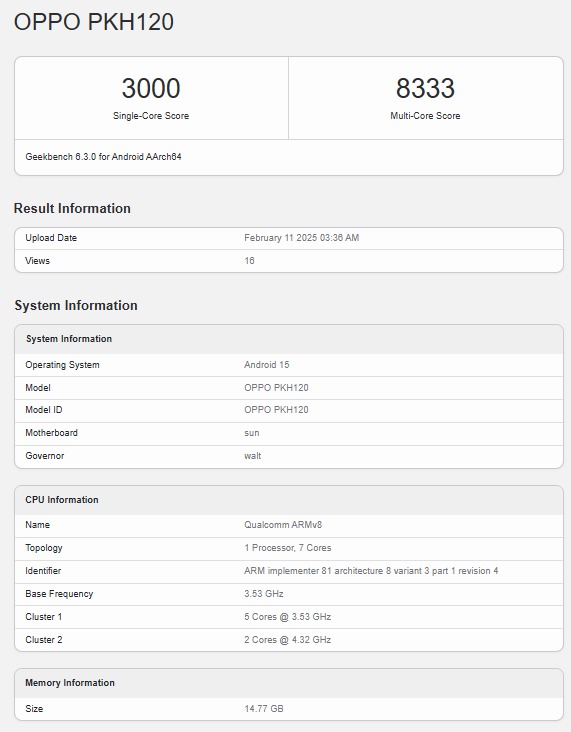
The Chinese tech giant’s Find N5 recently surfaced on the TENAA database earlier this week. In recent teasers, Oppo also confirmed the premium display specs of the Find N5. But now, the Find N5 Satellite Communication Edition has just surfaced on the GeekBench database. The upcoming foldable phone carries the PKH120 model number and is listed with the 7-core Snapdragon 8 Elite SoC.
This chipset is paired with 16GB of RAM. On the benchmark, the Find N5 Satellite Communication Edition achieved 3000 points in the single core test and 8333 points in the multi core test. The GeekBench listing also confirmed that the Find N5 Satellite Communication Edition runs on the Android 15 OS out of the box. That is all the information that was revealed on the benchmarking platform. Although, earlier reports have revealed practically everything we need to know about the Find N5’s other specs and features.
Oppo FInd N5 – Jade White
The cover screen is expected to be a 6.62-inch AMOLED panel, while the inner screen is a taller 8.12-inch LTPO OLED foldable display. Oppo’s Find N5 might be the world’s thinnest notebook folding phone, measuring 4.2mm when unfolded and barely being thicker than a USB-C port.
For more daily updates, please visit our News Section.
Huawei and Dongfeng Motor Corporation are teaming up again, this time for a special edition of the Voyah Dreamer MPV. Set to launch on February 19th, the new model has been teased by the automaker, revealing a few key details.
Visually, the Special Edition appears largely similar to the existing Voyah Dreamer. The most noticeable difference is a new glossy gray paint job.
A key selling point of the new model will likely be its extended range. The Huawei Voyah Dreamer Special Edition boasts a claimed 1411 km ultra-long range.
Earlier this month, Voyah announced a new Dreamer MPV equipped with Huawei’s Qiankun smart driving solutions. This is likely the same vehicle being teased.
Perhaps the most compelling aspect for potential buyers is the rumored price point. A report from Chinese outlet ITHome suggests the Huawei Voyah Dreamer Special Edition could be priced below 400,000 yuan. This is lower than the existing Voyah Dreamer models, which are priced as follows:
Voyah Dreamer Kunpeng PHEV: 429,000 yuan
Voyah Dreamer Kunpeng EV: 449,900 yuan
This lower price point could make the Special Edition a more attractive option for those previously deterred by the cost of the standard models.
Whether the new variant brings significant updates beyond the color and range improvements or simply repackages existing Huawei solutions at a lower price, remains to be seen.
Full details are expected to be revealed at the official launch on February 19th. Until then, we’ll have to wait and see what Huawei and Dongfeng have in store.
For more daily updates, please visit our News Section.
I’ve been following Obsbot’s lineup of AI-powered webcams for a while now, and after testing their previous models, I was excited to see what they had in store with the new Tiny SE and Meet SE.
These webcams are positioned as budget-friendly alternatives to their higher-end counterparts, yet they bring a surprising number of features for their price. After spending some time with both, I have a solid understanding of how they perform, who they’re for, and whether they’re worth your money.
Design and Build Quality
Right out of the box, both the Tiny SE and Meet SE maintain the same high standard of build quality that I’ve come to expect from Obsbot. They feel sturdy, well-constructed, and premium despite their affordable price tags.
The Tiny SE, as the name suggests, is compact but packs a lot into its small frame. It retains the dual-axis gimbal from the higher-end Tiny series, allowing for physical panning and tilting, something that most webcams at this price point don’t offer. The built-in clip lets it sit securely on top of a monitor, and the 1/4-inch thread means it can be mounted on a tripod for more versatile angles.
The Meet SE, on the other hand, takes a more minimalist approach. It’s smaller, lighter, and incredibly portable. I’d describe it as a ready-to-use webcam, perfect for those who need a solid solution for video calls or casual streaming without much hassle. Unlike the Tiny SE, the Meet SE doesn’t physically move.
Instead, it relies on digital zoom and AI-powered auto-framing to keep you centered in the frame. The magnetic mount is a nice touch, snapping easily onto a laptop or monitor without obstructing the screen. It also comes in three colors: Aurora Green, Space Gray, and Cloud White, which adds a bit of personality to the device.
Video and Performance
For budget webcams, both the Tiny SE and Meet SE punch above their weight when it comes to video quality. They max out at 1080p at 100 FPS or 720p at 150 FPS, which is impressive at this price point. In practice, the Tiny SE’s AI-driven pan-tilt-zoom (PTZ) capabilities make it the better choice for those who need a camera that physically moves with them.
Whether I was shifting from side to side during an online meeting or getting up to demonstrate something, the camera smoothly followed me without any noticeable lag. It’s perfect for content creators who move around a lot, such as teachers, fitness instructors, or cooking streamers.
The Meet SE, though lacking a gimbal, still does a great job at keeping me framed with its AI auto-framing feature. It’s ideal for those who prefer a more static webcam setup but still want some smart tracking. The digital zoom maintains decent clarity, but since it’s only a 1080p sensor, zooming in too much can result in some loss of detail. If you need something more dynamic, the Tiny SE is the better pick.
AI Tracking and Gesture Controls
AI tracking has always been one of Obsbot’s strong suits, and both of these webcams showcase it well. The Tiny SE offers multiple tracking modes, including upper body tracking, lower body tracking, headless tracking, and even hand tracking.
I found the hand-tracking mode particularly useful for demonstrations, raising my hand in front of the camera prompted it to follow my movements, making it great for online presentations. There’s also a Zone Tracking feature, where you can set a designated area for the camera to track within. This was handy when I wanted the camera to stay focused on a specific part of my workspace instead of following me everywhere.
The Meet SE doesn’t have physical tracking but still supports AI Auto Framing. It automatically adjusts the frame when I move, ensuring that I stay centered without needing to adjust the camera manually. Both webcams also include gesture controls, allowing me to enable auto-framing or zoom-in with a simple hand movement. It’s a neat feature that eliminates the need to reach for software settings mid-stream.
Low-Light Performance
The biggest challenge with budget webcams is how they handle low-light environments, and this is where the Tiny SE and Meet SE shine. Both use a 1/2.8-inch stacked CMOS sensor with a large f/1.8 aperture, meaning they capture more light than your typical cheap webcam. In dimly lit conditions, they performed better than their predecessors, producing a clear image with minimal noise.
Even with bright light behind me, like when sitting in front of a window, HDR mode effectively balanced the exposure, preventing my face from being lost in shadow. It’s a subtle yet important feature, especially for remote workers who can’t always control their lighting conditions.
I am attaching the camera samples of both cams below.
Tiny SE Samples:
Wide ViewMedium ViewNarrow View
Meet SE Samples:
Wide ViewMedium ViewNarrow View
Low Light Samples:
Tiny SEMeet SE
Software and Customization
Obsbot Center is the software behind both webcams, giving you plenty of customization options. With the Tiny SE, you get more advanced controls thanks to its gimbal, allowing you to set predefined angles, enable zone tracking, and adjust PTZ (pan, tilt, and zoom) functions as mentioned earlier. The Meet SE keeps things simpler but still lets you tweak settings like exposure, white balance, and resolution to suit your needs.
The software offers two versions: a Lite version for casual users who prefer minimal adjustments and a Pro version (both free) that unlocks all features for more advanced customization.
Both cameras work seamlessly with streaming tools like OBS Studio and integrate fully with Elgato’s Stream Deck, so you can adjust settings on the fly. Firmware updates are also managed through the software, ensuring you always have the latest features and performance improvements.
Audio and Microphone Quality
Both webcams come with built-in noise-reduction microphones, which are decent for everyday calls and streaming. They’re not going to replace a dedicated microphone setup, but they do a good job at filtering out background noise.
For professional recordings, I’d still recommend using a separate microphone, but for casual Zoom calls or quick recordings, the built-in mics are perfectly usable.
Privacy Features
If you’re mindful of privacy, you’ll appreciate the built-in features on both models. The Tiny SE allows you to physically tilt the lens downward to block the view or switch to sleep mode, displaying a black screen. The Meet SE, on the other hand, comes with a magnetic privacy cover that snaps into place, ensuring the camera is completely blocked when not in use. Both models also have LED indicators, so you’ll always know when the camera is active.
Which One Should You Buy?
Deciding between the Tiny SE and Meet SE depends on your specific needs. If you require a webcam that can track movement dynamically, the Tiny SE is the better choice. Its AI-powered gimbal ensures that you stay in the frame even when moving around, making it ideal for teachers, presenters, and content creators who need flexibility. At $99, it’s an excellent value for a PTZ webcam with advanced tracking.
If portability and affordability are your main priorities, the Meet SE is a great option. It provides solid video quality, AI auto-framing, and strong low-light performance, all for just $69. While it lacks physical movement, it still delivers a feature-rich experience for remote workers, students, and casual streamers.
Both webcams offer impressive performance for their price, making them solid choices for anyone looking to upgrade their video setup without spending a fortune. Whether you’re streaming, teaching, or working remotely, Obsbot’s latest budget-friendly options provide a significant step up from traditional built-in laptop webcams. If you want a webcam that actively follows your movements, the Tiny SE is worth the extra cost. But if you’re looking for a reliable, compact webcam that gets the job done, the Meet SE is a fantastic choice.
If you’re in the market for stylish new earbuds, check out our recent hands-on review of the Acefast Acefit Pro—an open-ear design that blends style with functionality.
For more daily updates, please visit our News Section.
We use cookies on our website to give you the most relevant experience by remembering your preferences and repeat visits. By clicking “Accept”, you consent to the use of ALL the cookies.
This website uses cookies to improve your experience while you navigate through the website. Out of these, the cookies that are categorized as necessary are stored on your browser as they are essential for the working of basic functionalities of the website. We also use third-party cookies that help us analyze and understand how you use this website. These cookies will be stored in your browser only with your consent. You also have the option to opt-out of these cookies. But opting out of some of these cookies may affect your browsing experience.
Necessary cookies are absolutely essential for the website to function properly. This category only includes cookies that ensures basic functionalities and security features of the website. These cookies do not store any personal information.
Any cookies that may not be particularly necessary for the website to function and is used specifically to collect user personal data via analytics, ads, other embedded contents are termed as non-necessary cookies. It is mandatory to procure user consent prior to running these cookies on your website.