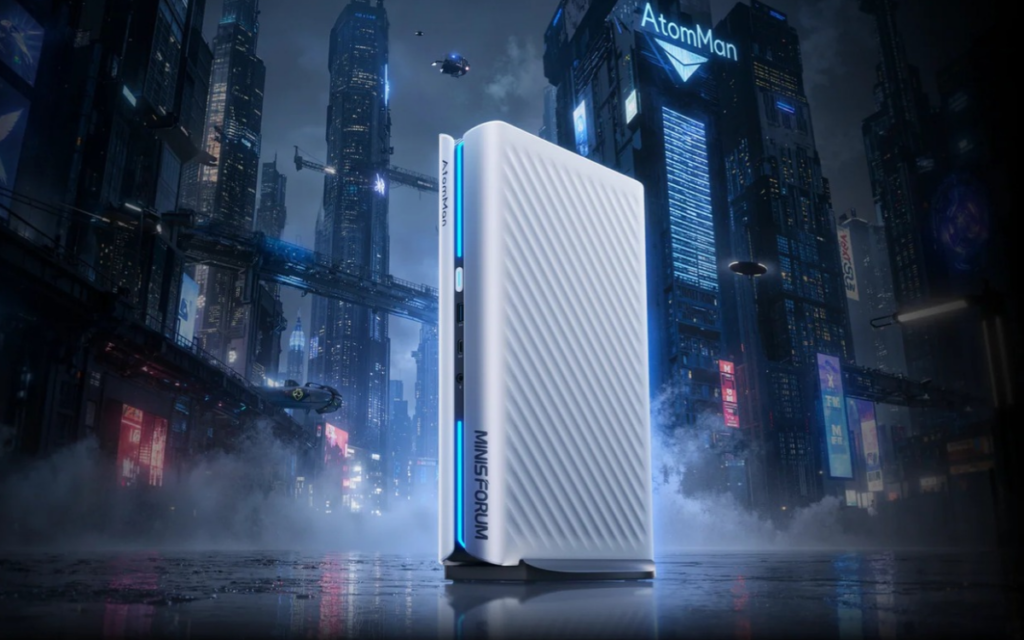
Minisforum has announced a new all-AMD configuration of its AtomMan G1 Pro mini PC, which was previously launched with an Nvidia GeForce RTX 5060 GPU. The new version swaps the Nvidia graphics for a Radeon RX 9060 XT and pairs it with an AMD Ryzen 9 8945HX processor. It is currently available to order for $1,759 with 32GB of RAM and a 1TB SSD.
The Ryzen 9 8945HX is a 16-core, 32-thread chip that boosts up to 5.4 GHz. By pairing it with the Radeon RX 9060 XT, Minisforum is offering a system with 16GB of VRAM. That extra video memory is a practical inclusion for users who need more headroom for higher-resolution gaming textures or memory-heavy tasks like 3D rendering and video editing, offering a different hardware profile than the RTX 5060 version of the same machine.
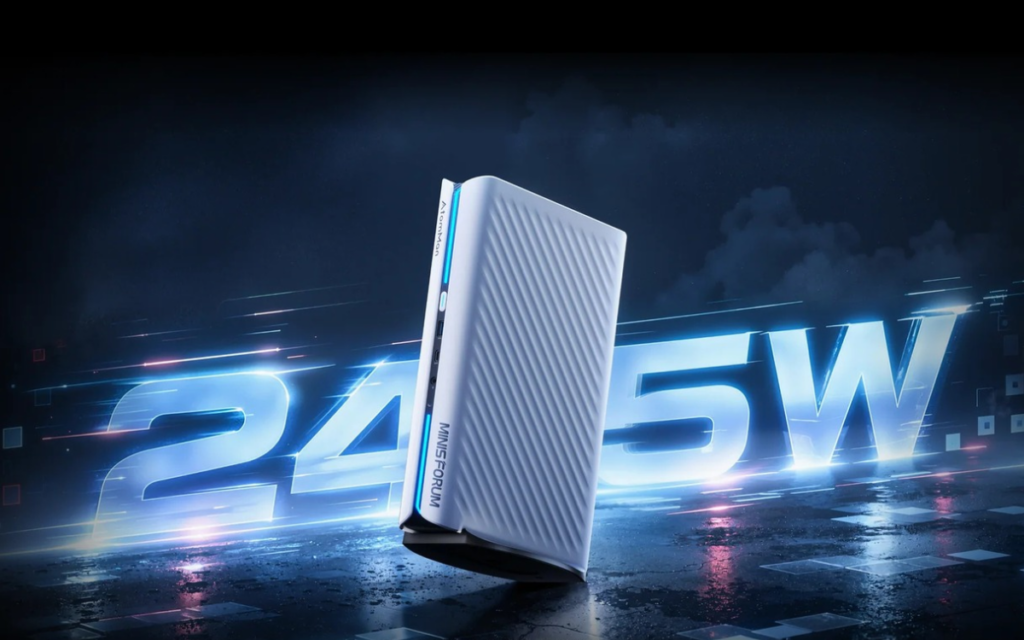
For cooling, the system is designed to handle a combined power draw of up to 240W under load, with 140W allocated to the GPU and up to 100W for the CPU. Minisforum has also fitted the mini PC with an internal 350W power supply to support the hardware. This eliminates the need for a bulky external power brick, helping keep the setup cleaner and reducing cable clutter around the desk.
Inside, the system is fairly upgradeable for its size. It uses standard DDR5 SO-DIMM slots that support up to 96GB of memory running at 5200MHz. Storage is handled by two PCIe 4.0 M.2 slots, which can accommodate up to 8TB of total NVMe storage if you decide to swap the drives later.
Where to buyMinisforum AtomMan G1 ProLatest price on AmazonCheck price →
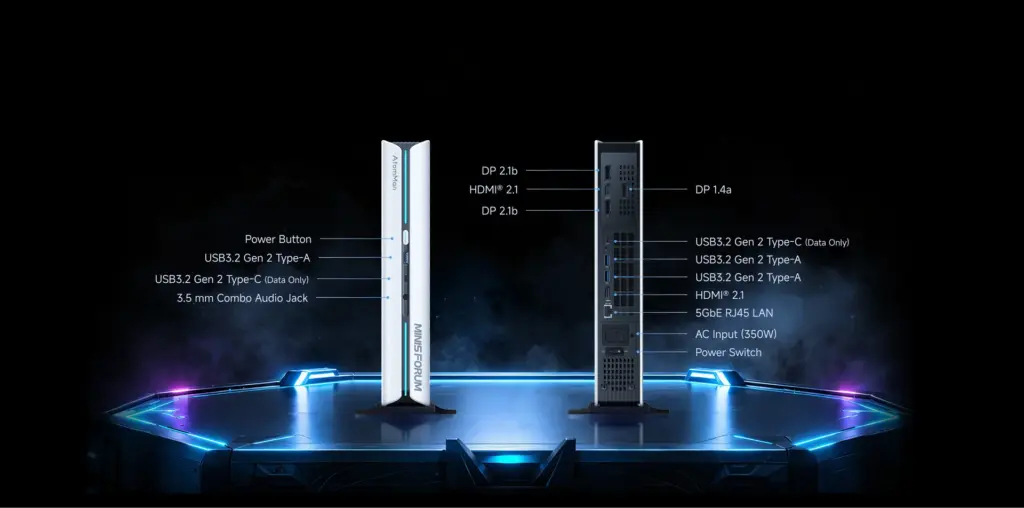
The port selection covers the standard requirements for a modern desktop setup. Networking is handled by a 5GbE Ethernet port, along with built-in Wi-Fi 7 and Bluetooth 5.4.
For display outputs, the RX 9060 XT model includes two HDMI 2.1 ports, one DisplayPort 1.4a, and one DisplayPort 2.1b, which allows for up to four monitors. There are also several USB-A and USB-C 3.2 Gen 2 ports on the front and back.
The AMD-equipped AtomMan G1 Pro is available to order now, with the company estimating that units will begin shipping in late October.
In related news, Gmktec has recently launched the Evo-X5 Pro Mini PC with up to 192GB of unified memory, a Ryzen AI Max+ Pro processor, and support for up to 24TB of storage.
For more daily updates, please visit our News Section.
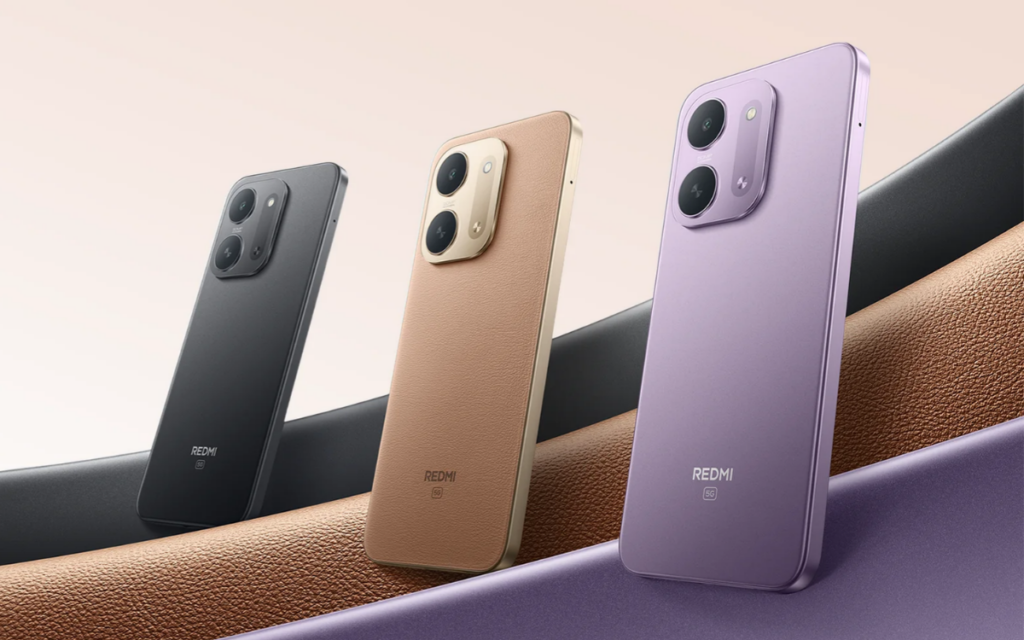
Xiaomi has released the Redmi 17C 5G in India, following its initial launch in Singapore in August. The new budget smartphone is built around two key hardware priorities: a very large display and a high-capacity battery. Like most devices in this price bracket, it balances these features with a few practical compromises in other areas.
Redmi 17C 5G Specifications
The device features a 6.9-inch LCD with a 120Hz adaptive refresh rate and 1600 x 720 (HD+) resolution. It also supports DC dimming and TÜV Rheinland-certified eye comfort and blue light reduction.
Inside, the Redmi 17C 5G runs on a MediaTek Dimensity 6300 processor. This is a 6nm chip designed for basic daily tasks and 5G connectivity. The phone is available with either 4GB or 6GB of LPDDR4X RAM, and both configurations come with 128GB of UFS 2.2 internal storage. If you need more local space, there is a microSD card slot that supports up to 1TB.
To keep the large screen running, Xiaomi has included a 6,000mAh battery. The battery is rated to maintain at least 80% of its original capacity after 1,000 charge cycles. The phone supports 33W fast charging, and the required 33W adapter is included in the box. It also supports 10W reverse wired charging for topping up smaller accessories.
The camera hardware is standard for the segment. The rear setup features a 50MP main camera with an f/1.8 aperture, alongside a basic auxiliary lens. The front display houses an 8MP camera for video calls and selfies. Both the front and rear cameras are limited to 1080p video recording at 30 fps.
Where to buyRedmi 17C 5GLatest price on AmazonCheck price →
On the software side, the phone ships with Xiaomi’s HyperOS 3. The operating system integrates several of Google’s current AI tools, including Gemini Live, Circle to Search, and various image generation features.
Physically, the phone measures 7.99mm thick and weighs 211 grams. It includes an IP64 rating for basic dust and splash resistance, a side-mounted fingerprint scanner, and a 3.5mm headphone jack. It also features Wet Touch screen technology designed to register inputs when the display or the user’s hands are damp.
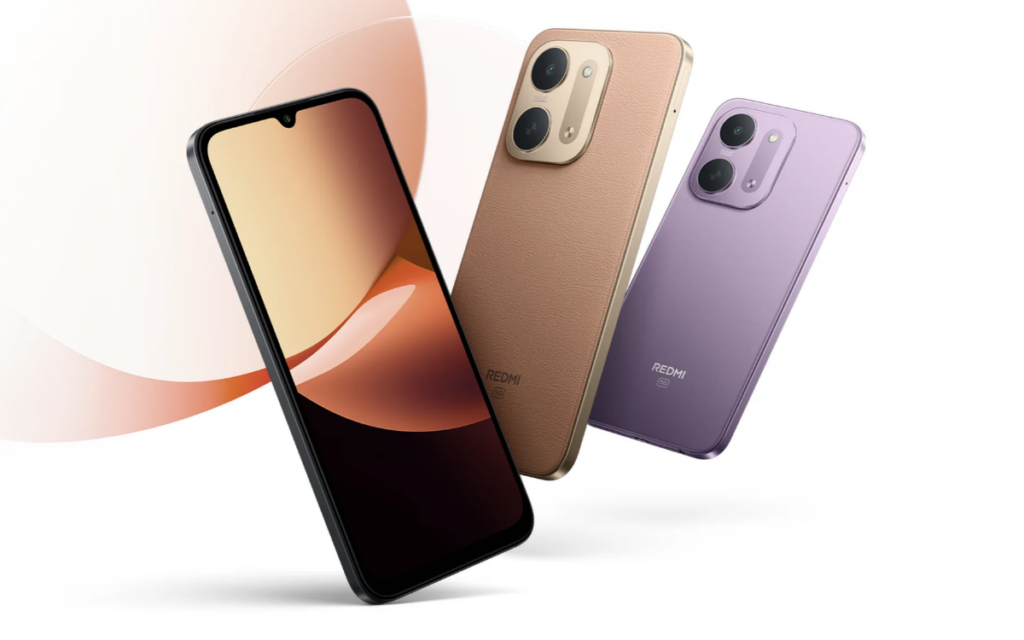
The Redmi 17C 5G will be available starting October 7th through mi.com, Amazon India, and standard offline retailers. It comes in three colors: Dark Night, Purple Dawn, and a Coffee Brew option that uses a textured vegan leather back. The 4GB RAM model costs ₹20,999, and the 6GB RAM version is priced at ₹22,999.
For more daily updates, please visit our News Section.
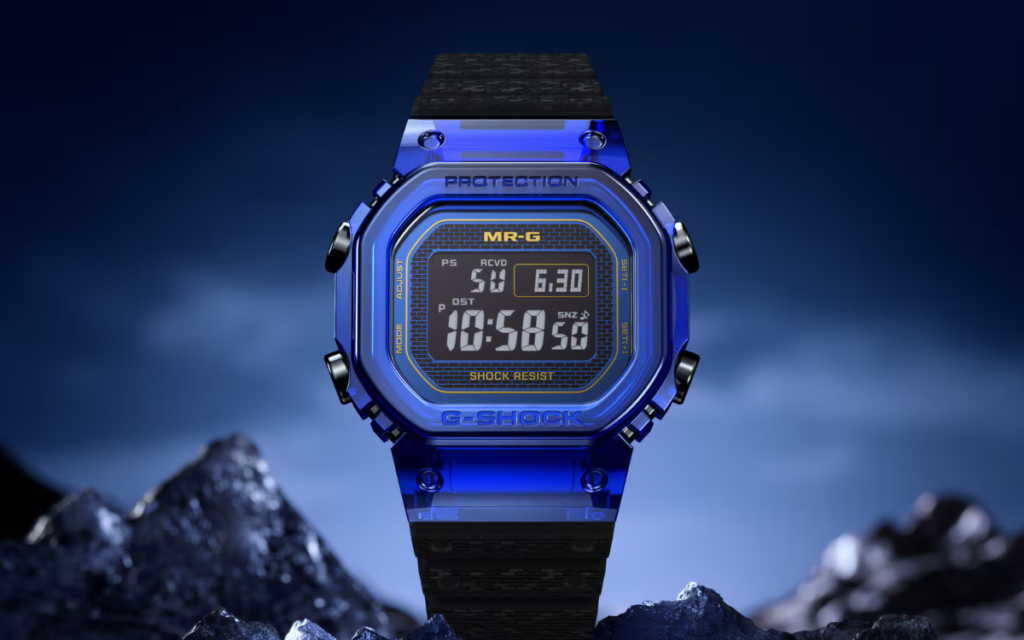
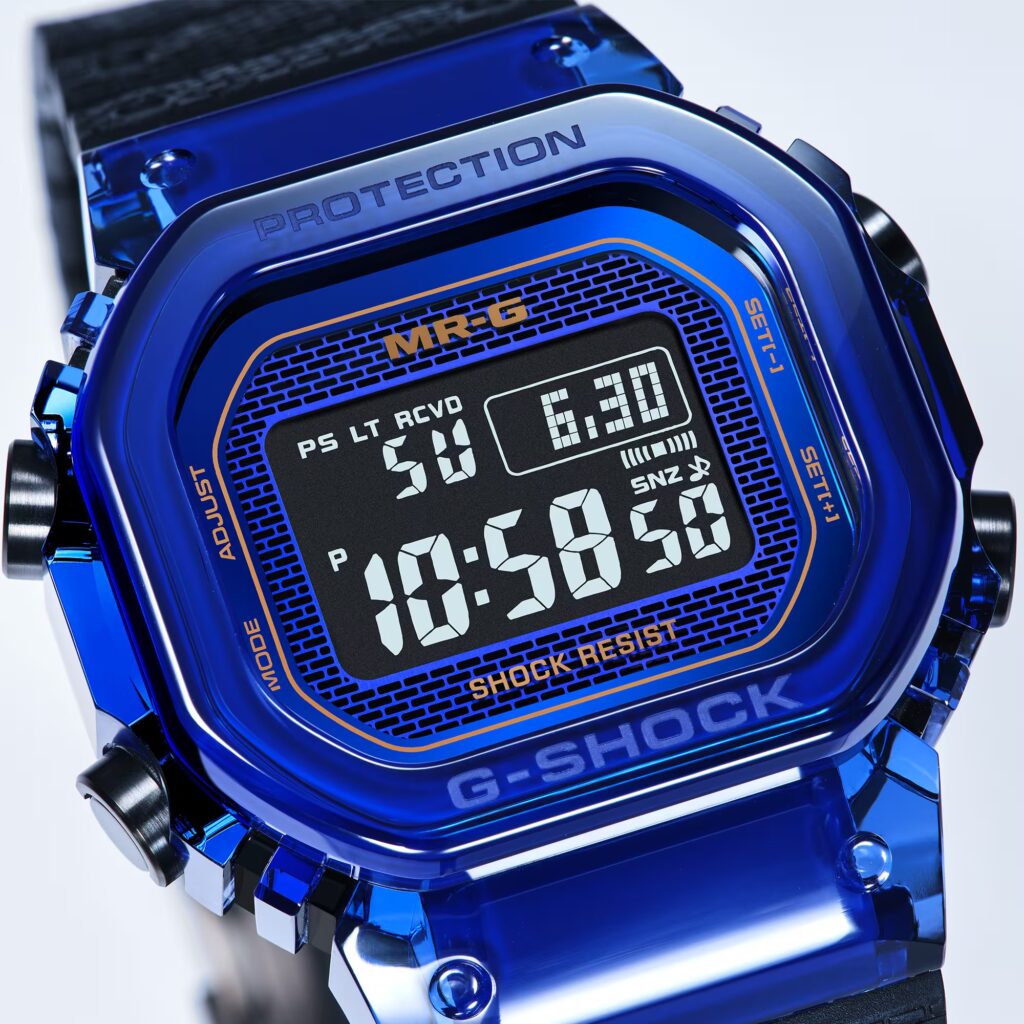
Casio has announced a new addition to its MR-G watch series, the MRG-D5000 Blue Sapphire, to mark the 30th anniversary of the product line, and to be honest, the new timepiece looks absolutely gorgeous.
The watch is listed on the Casio US website for $80,000, with interested buyers currently able to register for an opportunity to purchase one. It is also scheduled to launch in Japan in December 2026 for ¥11,000,000, including tax.
Design Details
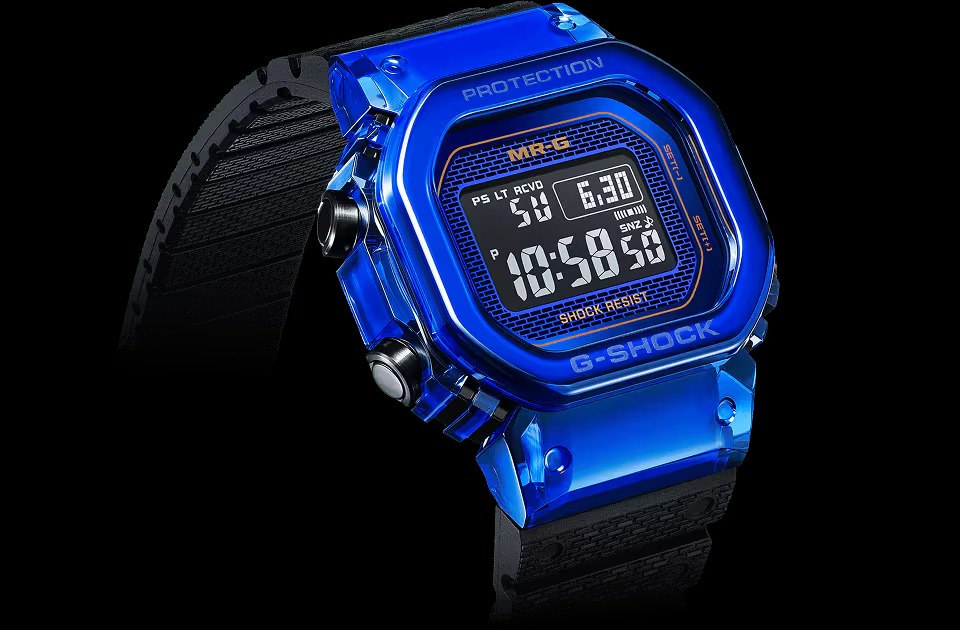
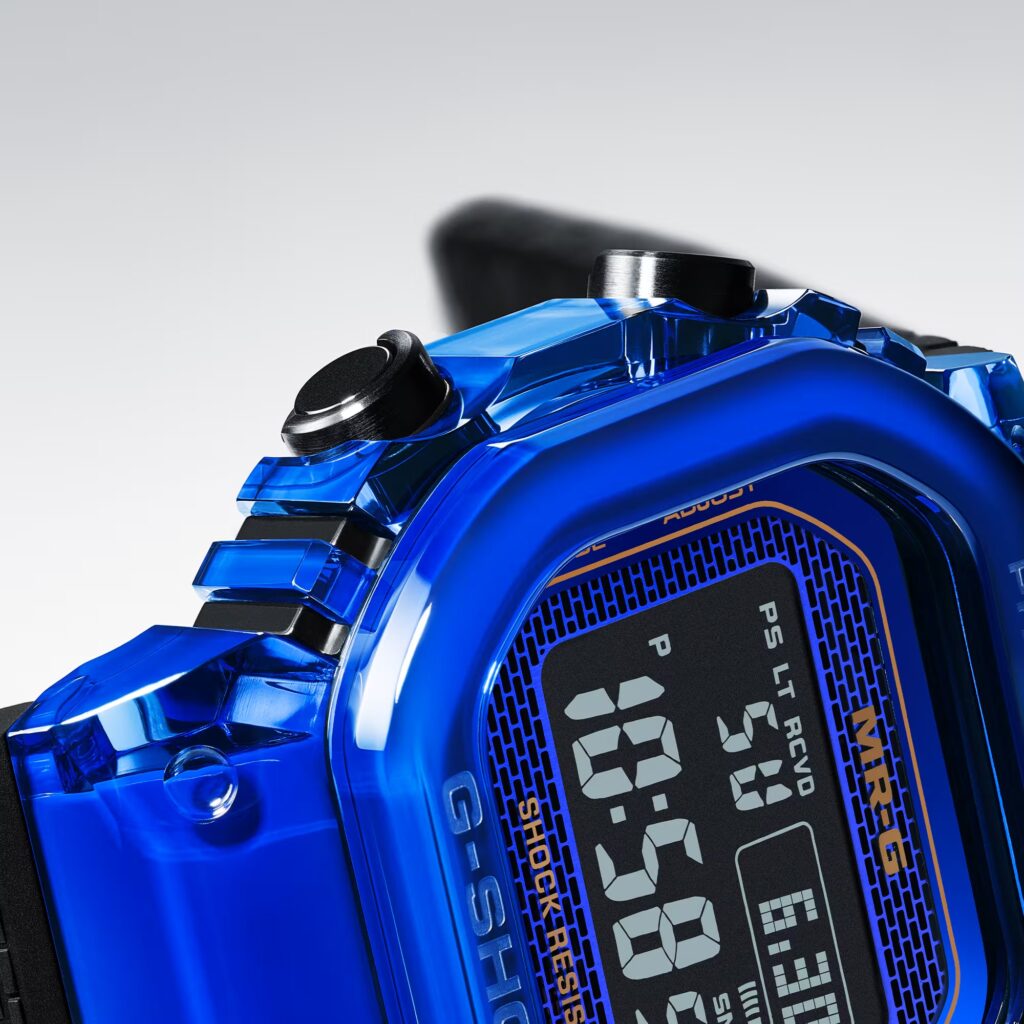
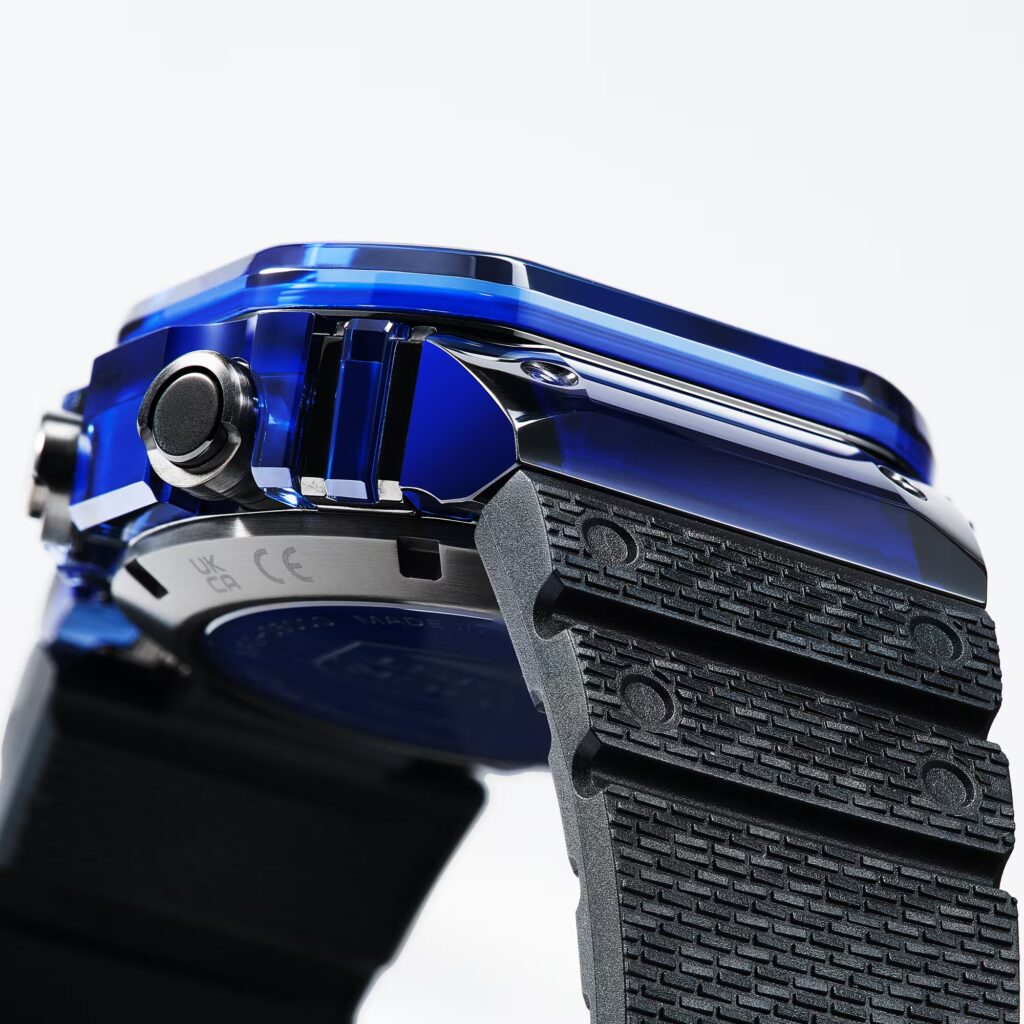
This watch features an exterior case built using blue sapphire crystal. Because sapphire is rigid and can be prone to shattering under direct impact, the company implemented a specific Multi-Guard Structure to maintain the shock resistance the brand is known for.
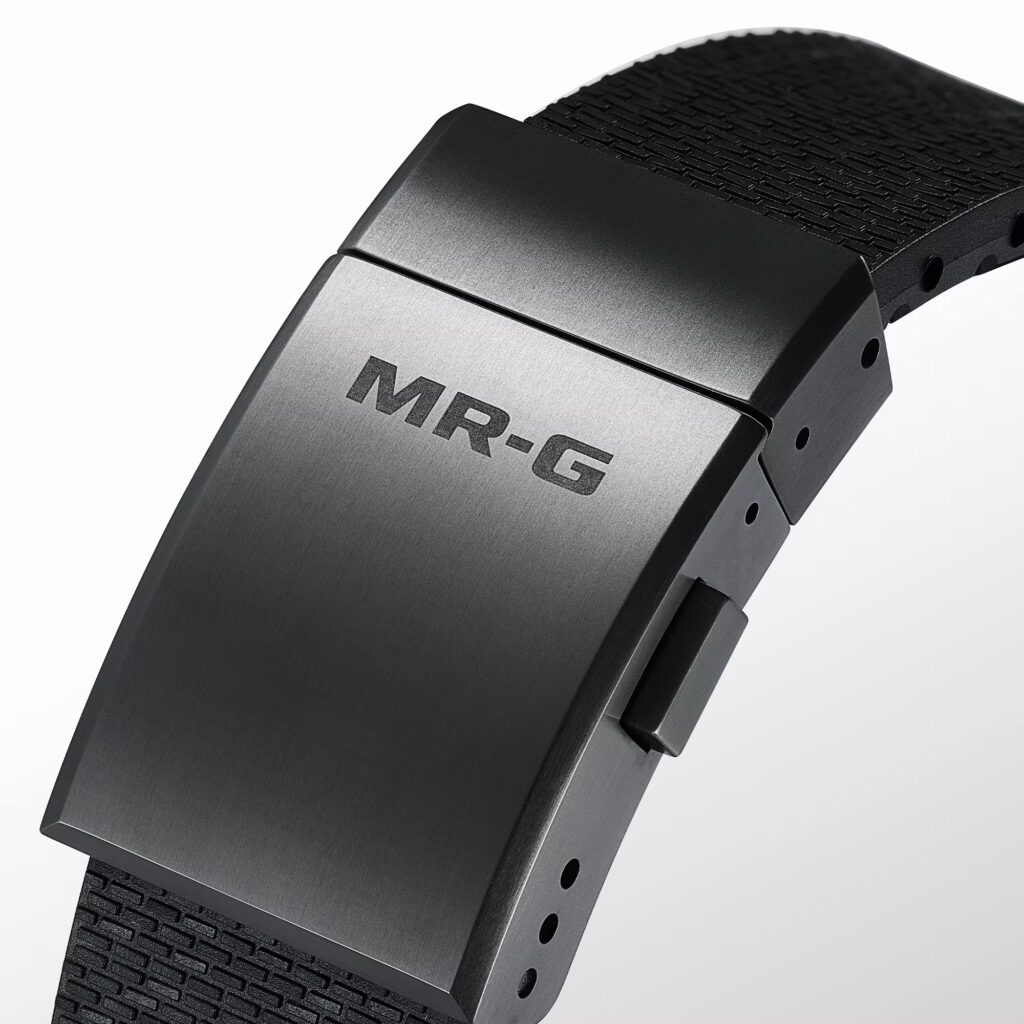
The sapphire crystal is paired with titanium components that have been treated with a diamond-like carbon (DLC) coating. This combination keeps the watch’s weight at 121 grams. Its dimensions are 51.1 x 43.2 x 16.5 mm. The face design includes a blue brick pattern, and the watch is fitted with a Dura Soft rubber strap that secures via a newly designed one-touch three-fold clasp.
Where to buyCasio G-Shock MR-GBrowse the range on AmazonShop now →
Internally, the MRG-D5000 operates on the Tough Solar power system, which reliably converts light into energy to keep the device running. The rechargeable battery provides up to 11 months of operation under normal conditions without light exposure, and up to 22 months when stored in the dark with the power-saving function enabled.
For time accuracy, the watch uses Multi Band 6 technology. This allows it to receive radio-controlled time calibration signals up to six times a day from stations in Japan, North America, the UK, Germany, and China.
The watch includes 200-meter water resistance, a 1/100-second stopwatch, a 24-hour countdown timer, and world time functionality covering 38 time zones. It also features five daily alarms, an automatic calendar, and a white LED backlight for visibility in low light.
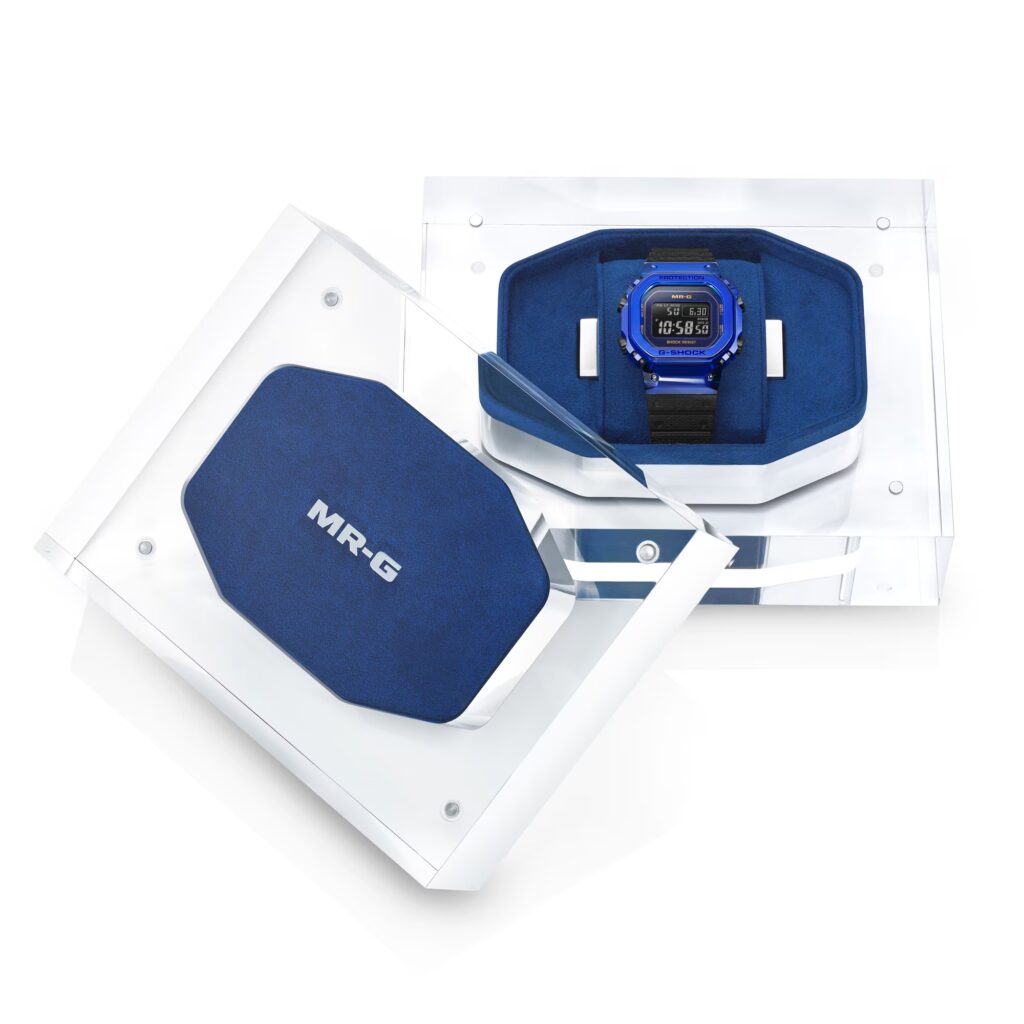
Casio is limiting the production of the MRG-D5000 Blue Sapphire to 20 units worldwide. Each watch will feature a screw-lock back plate engraved to indicate its limited-edition status and will be shipped in specialized packaging.
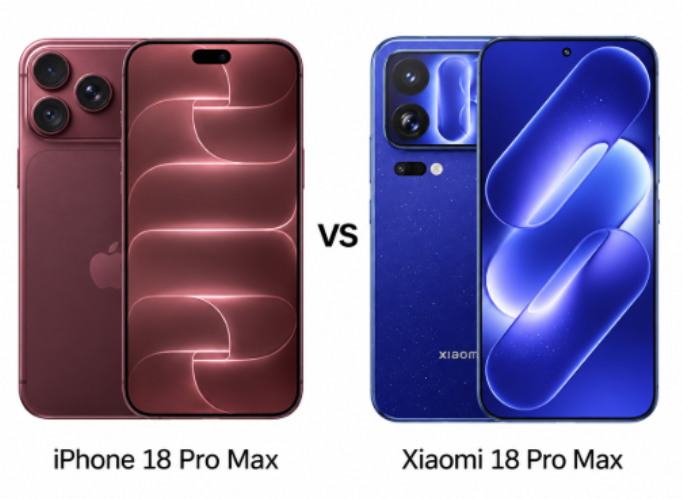
iPhone 18 Pro Max and Xiaomi 18 Pro Max represent two very different interpretations of an ultra-premium smartphone. Apple continues to focus on performance, software integration, and professional-grade video recording, while Xiaomi pushes the boundaries with dual 200MP cameras, an enormous battery, and a secondary rear display. Both offer flagship-level hardware, but their differences in camera technology, battery endurance, charging speeds, and pricing make this a particularly interesting contest.
Major Features:
Category
iPhone 18 Pro Max
Xiaomi 18 Pro Max
Winner
Design
Ceramic Shield 2, glass back, aluminum frame
Dragon Crystal Glass 3, aluminum frame
Xiaomi – Distinctive rear display design.
Water Resistance
IP68 (up to 6m for 30 minutes)
IP68 (up to 6m for 30 minutes)
Tie – Both offer the same protection rating.
Main Display
6.9-inch LTPO Super Retina XDR OLED, 120Hz
6.9-inch LTPO AMOLED, 120Hz
Xiaomi – Higher advertised peak brightness.
Display Resolution
1320 x 2868 pixels
1208 x 2624 pixels
Apple – Higher pixel density and resolution.
Peak Brightness
3,000 nits
4,000 nits
Xiaomi – Higher peak brightness.
Secondary Display
Not available
2.9-inch LTPO AMOLED, 120Hz
Xiaomi – Additional rear display functionality.
Processor
Apple A20 Pro (2nm)
Snapdragon 8 Elite Extreme Gen 6 (2nm)
Tie – Both use flagship 2nm chipsets.
Operating System
iOS 27
Android 17, HyperOS 4
Tie – Different software experiences and ecosystems.
RAM
12GB
Up to 16GB
Xiaomi – Higher maximum RAM capacity.
Storage
Up to 2TB NVMe
Up to 1TB UFS 4.1
Apple – Higher maximum storage capacity.
Main Camera
48MP, variable aperture, OIS
200MP, OIS
Xiaomi – Higher-resolution main sensor.
Telephoto Camera
48MP periscope, 4x optical zoom
200MP periscope, 3.2x optical zoom
Xiaomi – Higher-resolution periscope sensor.
Ultrawide Camera
48MP, 120-degree FOV
50MP, 102-degree FOV
Apple – Wider field of view.
Camera Features
LiDAR, sensor-shift OIS, advanced video formats
Leica optics, laser AF, colour spectrum sensor
Tie – Different photography and imaging strengths.
Rear Video
Up to 4K at 120fps, ProRes RAW, Dolby Vision
Up to 8K at 30fps, 4K at 120fps, Dolby Vision
Tie – Both offer advanced professional video features.
Selfie Camera
18MP multi-aspect, PDAF
50MP, PDAF
Xiaomi – Higher-resolution front camera.
Selfie Video
Up to 4K at 60fps
Up to 4K at 60fps
Tie – Both support 4K 60fps recording.
Audio
Stereo speakers
Three speakers, Dolby Atmos, Hi-Res Audio
Xiaomi – More extensive audio hardware and certification.
Connectivity
Wi-Fi 7, Bluetooth 6.0, NFC, UWB
Wi-Fi 7, Bluetooth 6.0, NFC, UWB, IR blaster
Xiaomi – Additional infrared port.
USB
USB-C 3.2 Gen 2, DisplayPort
USB-C 3.2, DisplayPort, OTG
Apple – Higher specified USB transfer standard.
Biometrics
Face ID
Ultrasonic fingerprint scanner
Tie – Different biometric authentication methods.
Satellite Connectivity
Emergency SOS, Messages and Find My via satellite
Not specified
Apple – Satellite communication features.
Battery
5,391mAh / 5,567mAh, market-dependent
8,500mAh silicon-carbon
Xiaomi – Significantly larger battery.
Wired Charging
PD3.2, 50% in 15 minutes
100W wired charging
Xiaomi – Higher charging power.
Wireless Charging
25W MagSafe/Qi2
50W wireless
Xiaomi – Faster wireless charging.
Reverse Charging
4.5W reverse wired
27W reverse wireless
Xiaomi – More powerful and convenient reverse charging.
The iPhone 18 Pro Max retains Apple’s familiar premium design, featuring a Ceramic Shield 2 front, glass back, and aluminum frame. Its understated styling, refined finish and IP68 certification make it a familiar choice for users who appreciate Apple’s design philosophy. Xiaomi takes a more distinctive approach with Dragon Crystal Glass 3 protection, an aluminum frame and a secondary display integrated into the rear camera module. Both phones offer IP68 dust and water resistance, providing comparable protection against everyday exposure. However, Xiaomi’s rear screen gives its flagship a more distinctive identity, serving practical purposes such as checking notifications and capturing selfies with the main cameras. Apple’s design is more restrained, while Xiaomi makes a stronger visual statement.
Display Quality
Both flagships feature 6.9-inch LTPO OLED displays with 120Hz refresh rates and support for Dolby Vision. However, Xiaomi claims a peak brightness of 4,000 nits, compared with 3,000 nits on the iPhone 18 Pro Max. Xiaomi also supports HDR10+, HDR Vivid, BT.2020 and 68 billion colours, while Apple’s Super Retina XDR display offers HDR10 and Dolby Vision. Another major advantage is Xiaomi’s 2.9-inch rear AMOLED display, which adds functionality without relying on the main screen. Apple’s anti-reflective coating and Ceramic Shield 2 protection contribute to its premium viewing experience, but Xiaomi offers greater display versatility.
Verdict
Xiaomi takes the lead with its brighter main display, broader HDR support, and useful secondary screen. Apple remains a compelling choice for users who prefer its familiar display experience.
2. Specifications Including Battery
Performance
The iPhone 18 Pro Max runs on Apple’s A20 Pro chipset, built on a 2nm process, with a six-core CPU and seven-core GPU. Paired with 12GB RAM and up to 2TB of NVMe storage, it is designed for demanding applications, gaming, and advanced computational workloads. Xiaomi counters with Qualcomm’s Snapdragon 8 Elite Extreme Gen 6, also based on a 2nm process, featuring an octa-core CPU and Adreno 850 GPU. It offers up to 16GB RAM and 1TB of UFS 4.1 storage. Both devices run their respective latest software platforms, iOS 27 and Android 17 with HyperOS 4. Apple’s tightly integrated hardware and software offer a familiar performance advantage, while Xiaomi provides more memory flexibility and greater freedom through Android customisation.
Battery technology is one area where Xiaomi makes a substantial leap ahead. The iPhone 18 Pro Max features a 5,391mAh battery in its nano-SIM variant and a 5,567mAh battery in its eSIM-only version. It supports wired charging, 25W MagSafe/Qi2 wireless charging, and 4.5W reverse wired charging. Xiaomi, meanwhile, packs an 8,500mAh silicon-carbon battery into its flagship. It supports 100W wired charging, 50W wireless charging, and 27W reverse wireless charging. The difference extends beyond battery capacity, with Xiaomi offering considerably faster charging across both wired and wireless options. Its larger battery should also provide more endurance, particularly for heavy users who spend considerable time gaming, streaming, or capturing photos and videos.
Verdict
Xiaomi wins decisively in battery and charging, offering a substantially larger battery, 100W wired charging and faster wireless charging. Apple’s charging capabilities feel conservative in comparison.
3. Camera
Main and Secondary Lenses
The iPhone 18 Pro Max features three 48MP rear cameras, comprising a variable-aperture main sensor, a 4x periscope telephoto camera and a 120-degree ultrawide lens. Its second-generation sensor-shift stabilisation, LiDAR scanner and advanced video recording tools make it particularly attractive to mobile content creators. Xiaomi takes a different approach with a 200MP main camera, a 200MP periscope telephoto sensor offering 3.2x optical zoom and a 50MP ultrawide camera. Leica optics, laser autofocus and a colour spectrum sensor further strengthen its photography capabilities. Xiaomi’s dual 200MP setup offers greater resolution and considerable flexibility for detailed photography and zoom shots. Apple, however, places greater emphasis on its video ecosystem, supporting 4K recording at up to 120fps, Dolby Vision HDR, ProRes RAW and Apple Log 2.
Selfie Camera
Apple equips the iPhone 18 Pro Max with an 18MP multi-aspect ultrawide front camera featuring PDAF and an SL 3D sensor for depth sensing and Face ID. Beyond conventional selfies, it supports Dolby Vision HDR, spatial audio recording and advanced video formats, including ProRes RAW and Apple Log 2. Xiaomi features a 50MP front camera with PDAF, HDR and panorama support. It also records 4K video at up to 60fps, with HDR10+ and gyro-EIS. Xiaomi’s higher-resolution sensor offers greater potential for capturing detailed selfies, while Apple’s front camera benefits from its multi-aspect capture system and more extensive video features. For everyday photography, both offer capable hardware, but Apple has a more comprehensive toolkit for front-camera video production.
Verdict
Xiaomi leads in rear camera resolution and hardware versatility, while Apple retains an advantage in professional video recording. The choice depends on whether photography or video production takes priority.
4. Pricing
The iPhone 18 Pro Max is priced around $1,300 (approximately ₹1,80,000), positioning it firmly in the ultra-premium smartphone segment. The Xiaomi 18 Pro Max is priced around $1,000 (approximately ₹1,00,000), making it considerably more affordable. The difference is particularly interesting considering Xiaomi’s hardware package, which includes dual 200MP rear cameras, a larger battery, faster charging, and a secondary rear display. Apple’s higher asking price reflects its premium positioning, software ecosystem, and professional video capabilities. However, buyers looking primarily at hardware specifications will find a substantial difference in what each phone offers for the money. Xiaomi makes several meaningful hardware upgrades available at a noticeably lower price.
Is the price justified?
The iPhone 18 Pro Max has a strong case for buyers already invested in Apple’s ecosystem. Its A20 Pro processor, advanced camera processing, Face ID and professional video recording features contribute to its premium positioning. However, its considerably higher price makes it difficult to overlook Xiaomi’s hardware advantages. The Xiaomi 18 Pro Max delivers a larger battery, faster charging, dual 200MP cameras and a secondary display while costing considerably less. It is particularly appealing to users who want cutting-edge hardware without entering Apple’s highest pricing bracket. Unless iOS integration and Apple’s video capabilities are essential, Xiaomi offers a more compelling overall hardware proposition.
Verdict
Xiaomi offers considerably more hardware for the money, making it the more accessible ultra-premium flagship. Apple’s higher price is primarily justified by its ecosystem and specialised video capabilities.
5. Conclusion
The iPhone 18 Pro Max distinguishes itself with its A20 Pro chipset, Face ID, second-generation LiDAR technology, satellite connectivity, and extensive professional video recording features. Its integration with Apple’s ecosystem also makes it an attractive upgrade for existing iPhone users. Xiaomi’s standout features include its dual 200MP camera system, 8,500mAh silicon-carbon battery, 100W wired charging and secondary rear display. It also brings an ultrasonic fingerprint scanner, infrared port, three-speaker audio system with Dolby Atmos, and extensive Hi-Res audio support. These additions give Xiaomi a broader hardware feature set, particularly for users who value photography, battery endurance and charging convenience. Apple focuses on refinement and ecosystem integration, whereas Xiaomi makes a stronger push towards hardware innovation.
Verdict
Xiaomi 18 Pro Max takes the overall win thanks to its dual 200MP cameras, significantly larger battery, faster charging, secondary display and lower price. It delivers a more versatile hardware package without demanding Apple’s substantial premium. The iPhone 18 Pro Max remains a compelling option for users who prioritise iOS, Apple’s ecosystem and professional video production. However, when it comes to hardware, features and overall value, Xiaomi has a clear advantage.
Disclaimer: Prices, specifications, and availability may vary by region and retailer. Recommendations in this article are based on editorial opinion, feature-based value, and market positioning at the time of writing. Readers are advised to do their own research before making a purchase.
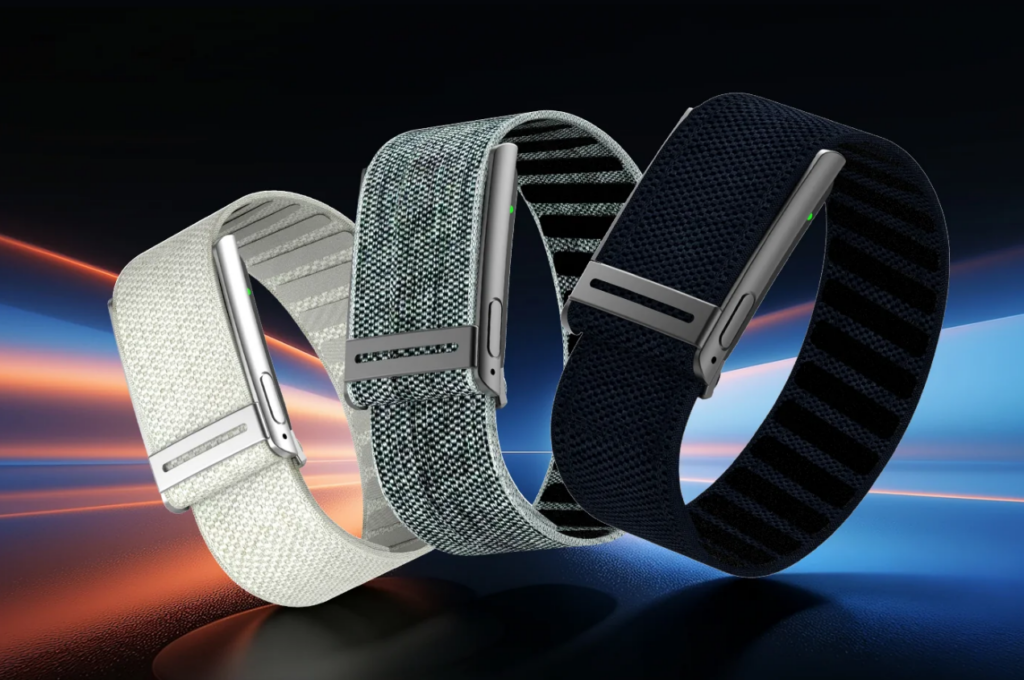
Rogbid has launched the Loop W, a new fitness tracker that skips the display entirely. It is a straightforward wearable that focuses strictly on gathering health data in the background, rather than serving as another screen competing for your attention.
Rogbid Loop W Specifications
The device is constructed with a 316 stainless steel case, giving it a standard, durable metallic finish rather than the plastic builds often found on budget fitness bands. Because it lacks a screen, the Loop W relies entirely on a vibration motor to alert users to incoming phone calls, text messages, and app notifications. It pairs to smartphones via Bluetooth 5.3 and requires devices running at least Android 9.0 or iOS 10.0.
Inside the metal casing, the Loop W runs on a JL7073 processor and is equipped with a Goodix GH3228 heart rate sensor. It handles a wide range of continuous health tracking, including heart rate, blood oxygen (SpO2), heart rate variability (HRV), and daily stress levels. It also tracks skin temperature throughout the day and monitors sleep stages at night.
It also includes an ECG feature that takes 30-second measurements to log heart rhythm data. All of this information is synced to a companion mobile app, which serves as the sole visual interface for the device. The app also includes a Family Care feature that allows users to share their health metrics with authorized family members remotely.
For activity tracking, the band uses an SC-7A20H G-sensor to monitor movement across various sports modes. It carries a 5 ATM water resistance rating, making it suitable for everyday water exposure like handwashing, heavy rain, and shallow swimming.
The Loop W runs on a JL7073 processor and is powered by a 150mAh battery. Rogbid says that the device can last between 25 and 30 days on a single charge under normal use, or up to 60 days on standby. Recharging the device takes approximately one hour using the included magnetic charging cable.
Pricing and Availability
The Rogbid Loop W is currently available for purchase on the company’s official website for $59.99. It comes in two color options: Tech Black and Moonlight Silver.
In related news, Rogbid has launched the ZenRing with haptic alerts, touch controls, and health tracking, alongside the Model R3T smartwatch featuring full Android, 4G LTE, a pop-up camera, and a 1,100mAh battery.
For more daily updates, please visit our News Section.
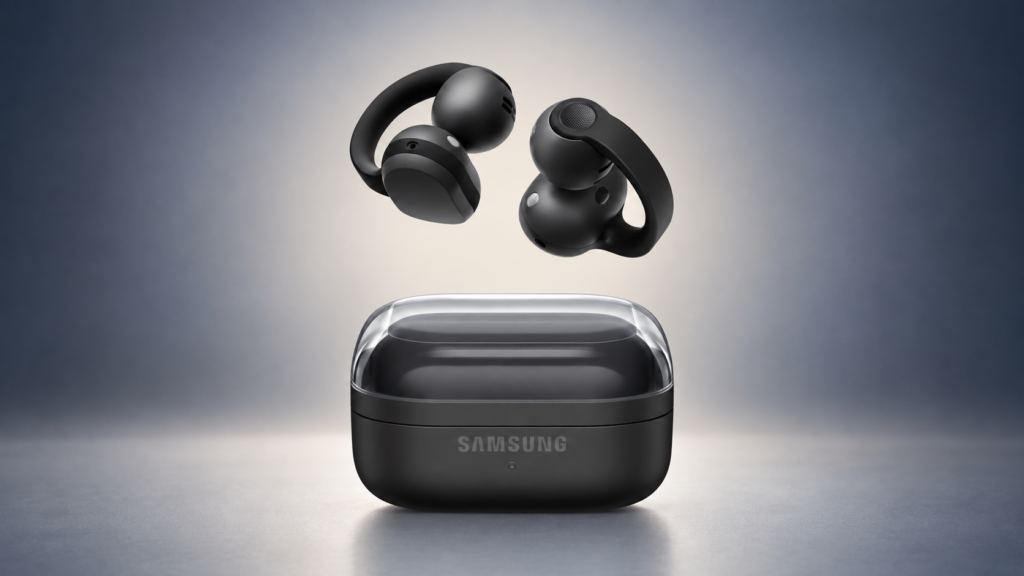
Samsung has officially entered the clip-on wireless earbud segment with a new design aimed at users who prefer an open listening experience. The Galaxy Buds On sit around the ear instead of sealing the ear canal, allowing users to remain more aware of their surroundings. Samsung has also added several features aimed at comfort, calls and hands-free use.
Samsung Galaxy Buds On specifications and features
Samsung Galaxy Buds On
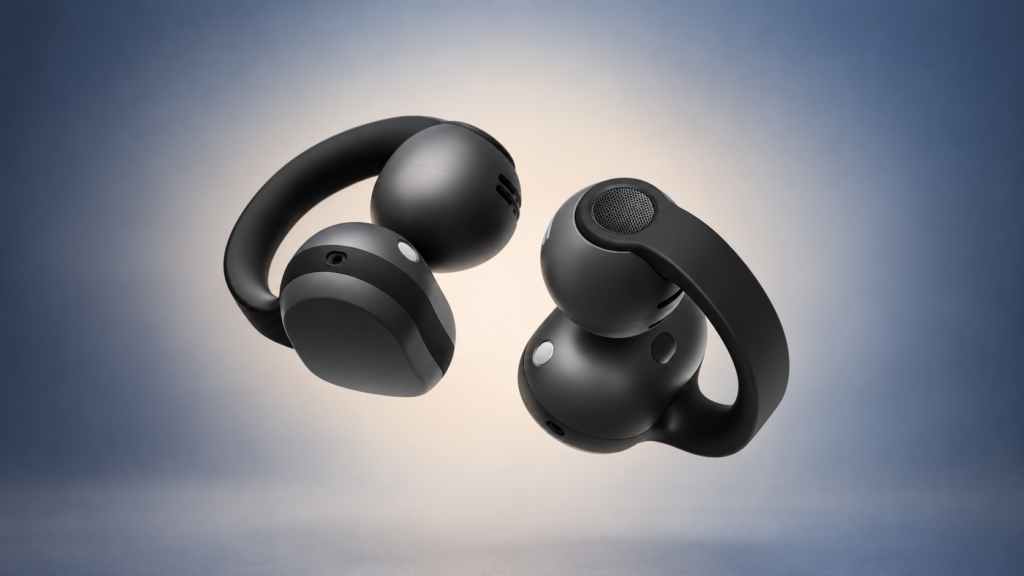
The Galaxy Buds On use an ergonomic clip-on construction designed to distribute pressure across the ear and remain secure during movement. Samsung says it studied different ear shapes and adjusted the placement of the speakers, batteries and flexible band accordingly. Touch controls on the rear of the earbuds allow users to manage music playback and calls without reaching for their phones.
Audio is handled by TwinBoost speakers designed to improve low-frequency output, while automatic volume adjustment adapts playback to the surrounding environment. Samsung has also added an Audio Leakage Reduction system to limit sound escaping from the open-ear design. The earbuds are powered by Qualcomm’s Snapdragon S7 Gen 1 Sound Platform paired with a Class-D amplifier and offer up to 9.5 hours of music playback on a single charge.
Samsung Galaxy Buds On
For calls, the Galaxy Buds On feature three microphones, a bone-conduction-based Voice Pickup Sensor and machine learning to distinguish the wearer’s voice from background noise. Galaxy AI integration adds Gemini Live access through voice commands, while users can create voice memos with a long press and later search them using Bixby. Head gestures can also be used for actions such as answering or ending calls, dismissing alarms and checking notifications.
Price and availability
The Galaxy Buds On will launch in South Korea on October 27 for KRW 299,000, which is approximately $220. Samsung plans to bring the earbuds to other markets in phases, although it has not yet announced specific launch dates for other countries. The earbuds will initially be offered in Black.
Huawei today announced the Mate 90 in China, the standard model in its new flagship series. The phone starts at CNY 5,999 (about $895) and comes with Huawei’s Kirin 9030 chip and HarmonyOS 7.
Unlike the Kirin 9035 on the Mate 90 Pro or the Kirin 9050 (Pro) on the Mate 90 Pro Max, the Kirin 9030 isn’t exactly a new chip. It was also used in last year’s Huawei Mate 80 Pro, but Huawei says it’s a sizeable step up from the Kirin 9020 in the Mate 80. Its own testing puts the CPU 13% ahead, the GPU 54% ahead, and the NPU 13% ahead, with a 27% overall performance increase.
The Kirin 9030 also supports hardware ray tracing at up to 31 million rays per second. Huawei tested the feature in Wuthering Waves, although it only works in certain scenes. Huawei’s FFRT scheduling system is also claimed to double image loading speeds.
A familiar design with a bigger battery
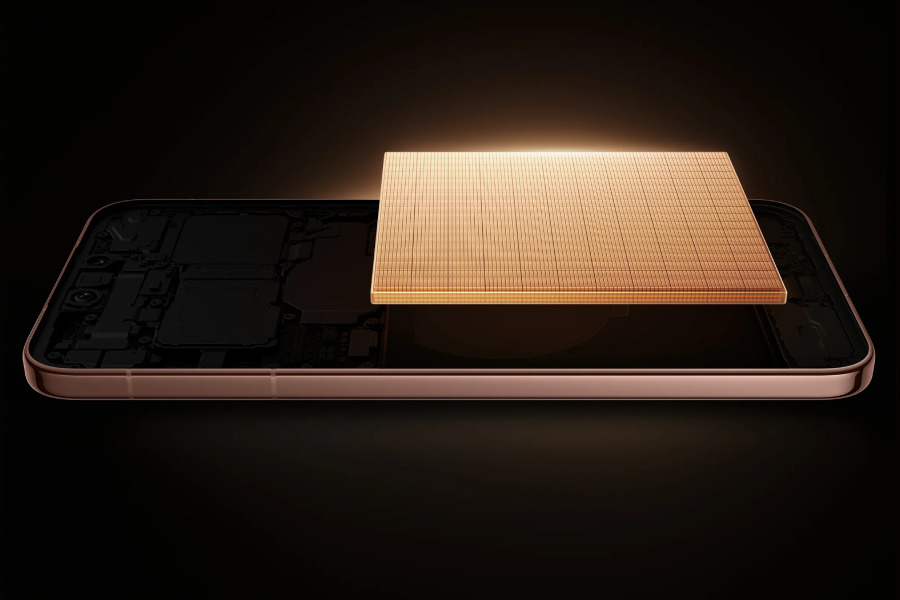
The Mate 90 has a 6.75-inch flat display and uses Huawei’s Xuanwu-style construction with third-generation Kunlun glass and nylon fiber material. Huawei says the glass has more than 50% better drop resistance than the Mate 80 series.
The phone has IP68 protection for submersion at up to 6 meters and an IP69 rating for high-temperature, high-pressure water jets. Huawei points out that these are laboratory ratings rather than a guarantee of permanent water resistance, and liquid damage isn’t covered by the warranty. The touchscreen is also designed to keep working with wet hands.
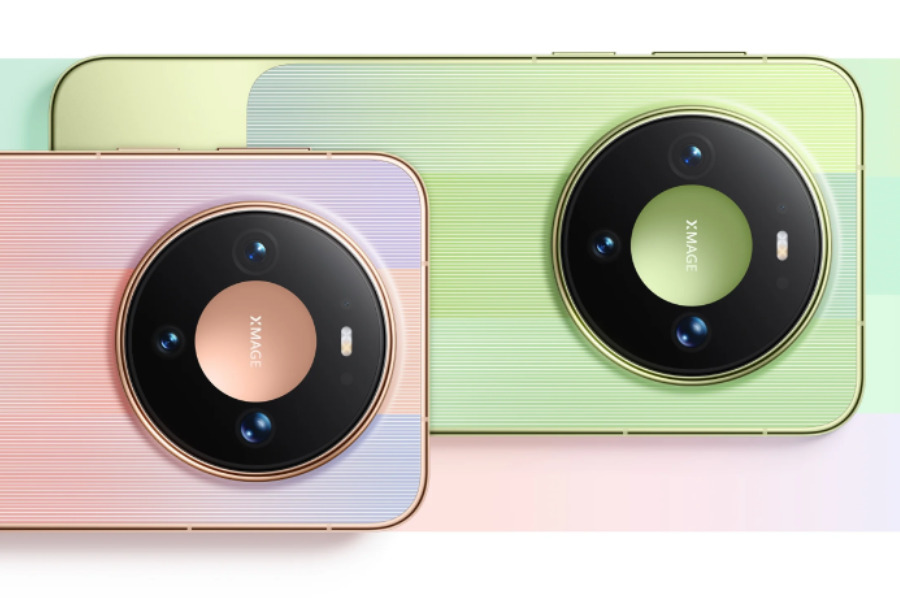
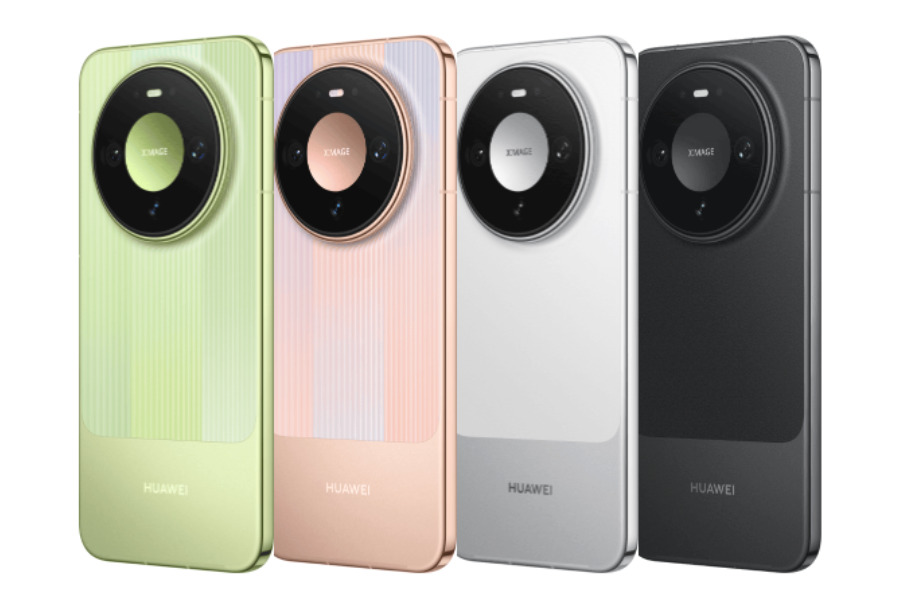
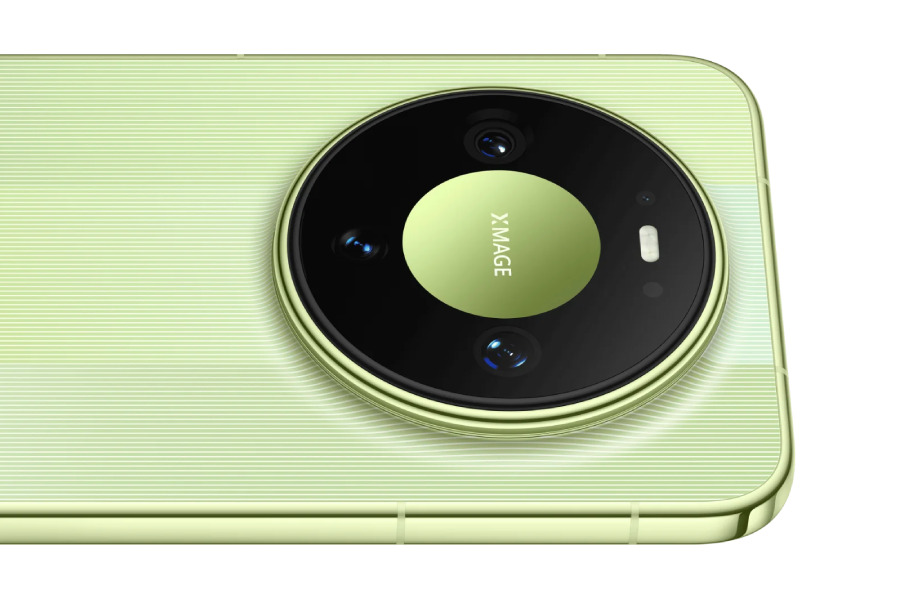
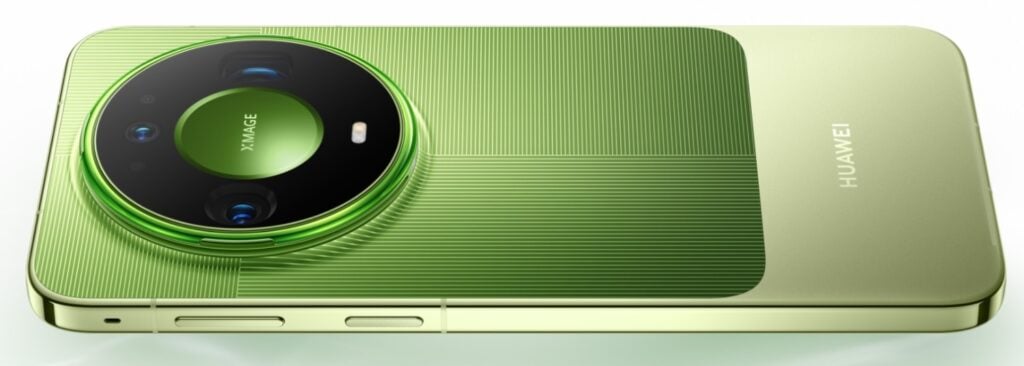
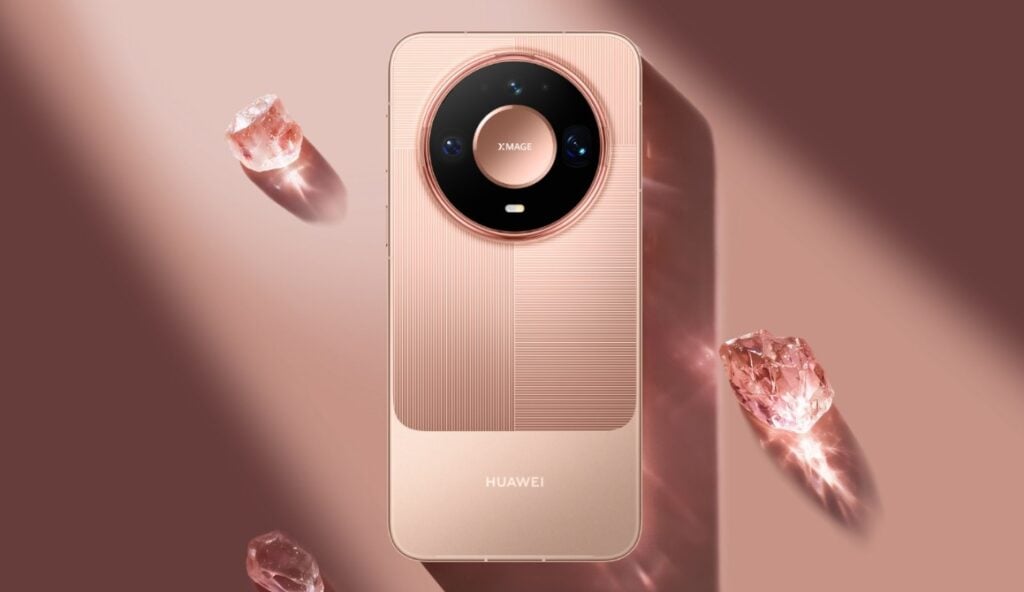
The Mate 90 comes in four colors: Crystal Green, Crystal Pink, Zero White, and Obsidian Black. The green and pink versions have Huawei’s lattice-pattern rear design, while the other colors use a simpler finish.
Three rear cameras
Huawei gives the Mate 90 three cameras on the back:
Main: 50MP, 1/1.56-inch RYYB sensor, OIS, and a variable F1.4-F4.0 aperture.
Ultrawide: 40MP RYYB sensor with an F2.2 aperture.
The main camera also gets Huawei’s third-generation Red Maple primary-color camera. Huawei says it improves color accuracy by 37%.
The variable aperture gives the main camera some control over how much of a scene stays in focus. The F1.4 setting can produce more background blur, while stopping down to F4.0 keeps more of the frame sharp.
Huawei’s XMAGE assistant can also suggest shooting options. In photo and portrait modes, within the 4x zoom range, it can recommend one of 13 group poses or one of 14 composition layouts. The composition suggestions have to be enabled manually.
There’s also a live-streaming mode that can start a stream with one tap. It enables do-not-disturb and network acceleration while using face and product recognition to move focus between subjects.
Where to buyHuawei Mate 90 ProBrowse the range on AmazonShop now →
A bigger battery without changing charging speeds
The Mate 90 has a 6,600mAh battery, with a rated capacity of 6,415mAh. That’s a sizeable increase over the 5,750mAh battery in the Mate 80. Charging hasn’t changed, though. Wired charging reaches 66W with a Huawei 66W or faster charger, while wireless charging goes up to 50W with Huawei’s own wireless charger. Both figures match the Mate 80.
Huawei also includes an outdoor mode that can extend battery life to up to 15 days. Petal Maps can provide up to 36 hours of screen-off route navigation in this mode.
The Mate 90 can automatically switch between its Wi-Fi and cellular antennas depending on the connection. With up to four nearby HarmonyOS 7 devices, Huawei’s multi-device network sharing can pool connections. Huawei says this can make file transfers up to 40% faster in crowded areas.
The phone also supports BeiDou satellite messaging, including picture messages. The feature is limited to mainland China and requires a clear view of the sky. Users also need to activate it through MeeTime or their carrier before using it for the first time.
A paired Huawei watch can trigger an emergency call through the phone. For now, that feature only works between Huawei Mate 90 series phones.
The phone comes pre-installed with HarmonyOS 7 and can also connect with an iPhone for features such as call forwarding, file transfers, and message notifications.
For security, the Mate 90 has a Mobile Security Processor with support for post-quantum cryptography for unlocking and payments. Huawei also includes voice-changer detection for carrier calls, MeeTime, and WeChat. The company says its warnings are only an indication and aren’t guaranteed to identify fake voices correctly.
Huawei Mate 90 price and availability
Huawei is selling the Mate 90 in three configurations in China:
12GB+256GB: CNY 5,999 (~$895)
12GB+512GB: CNY 6,999 (~$1,045)
12GB+1TB: CNY 8,499 (~$1,268)
The Mate 90 is available in Crystal Green, Crystal Pink, Zero White, and Obsidian Black. Only the green and pink versions have the lattice-pattern back. For now, these prices apply to China. Huawei hasn’t announced international pricing or availability yet.
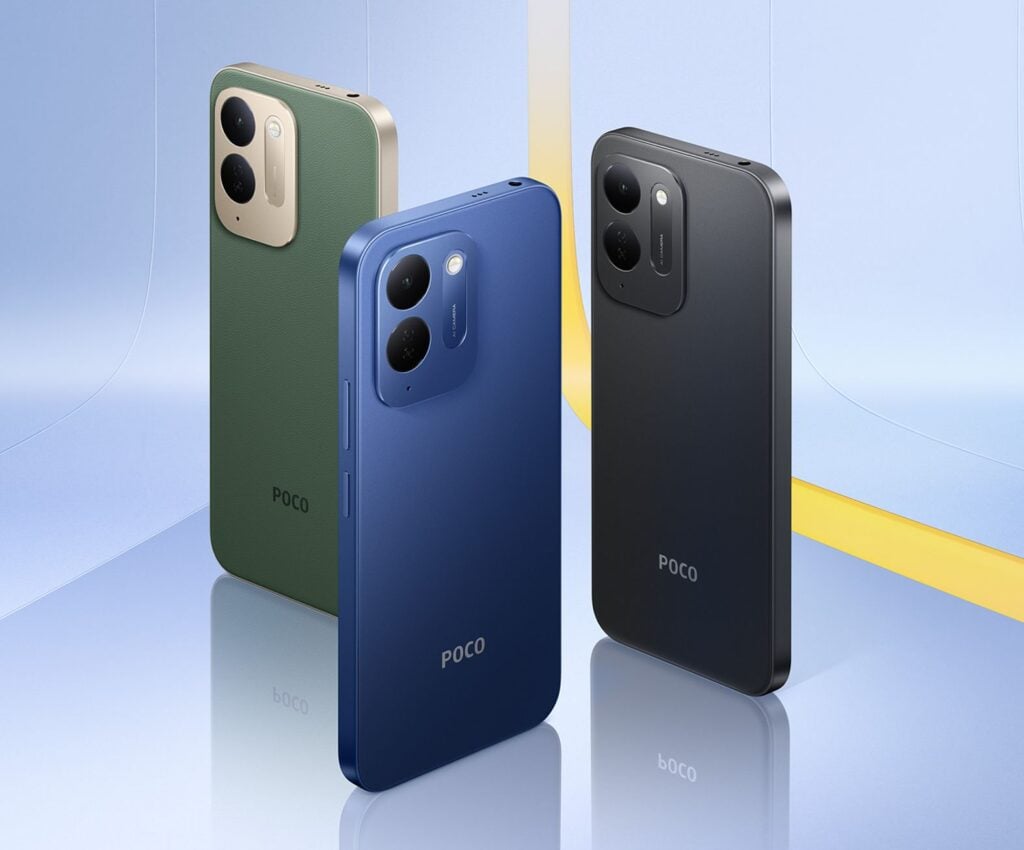
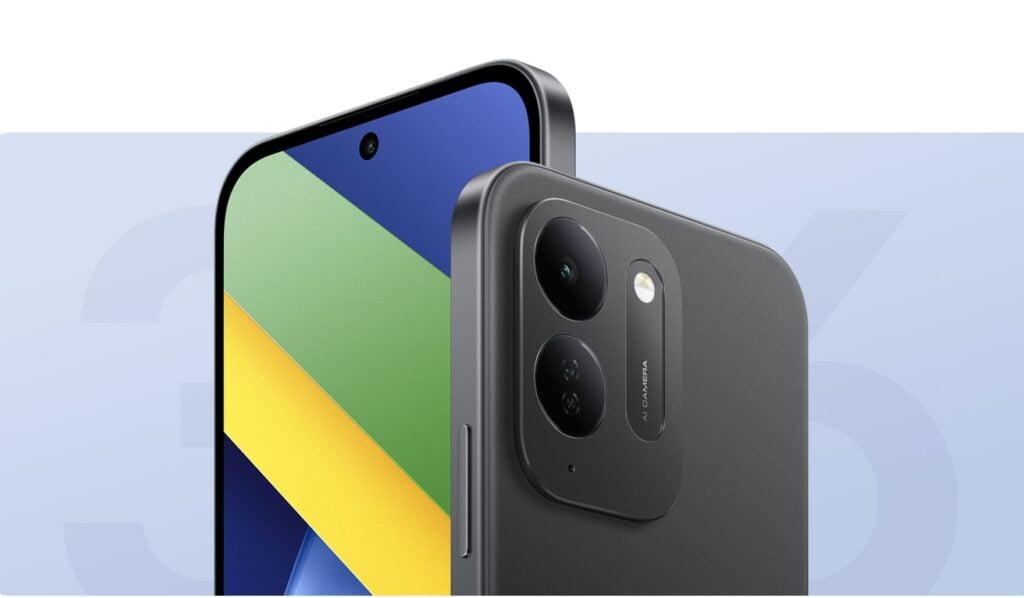
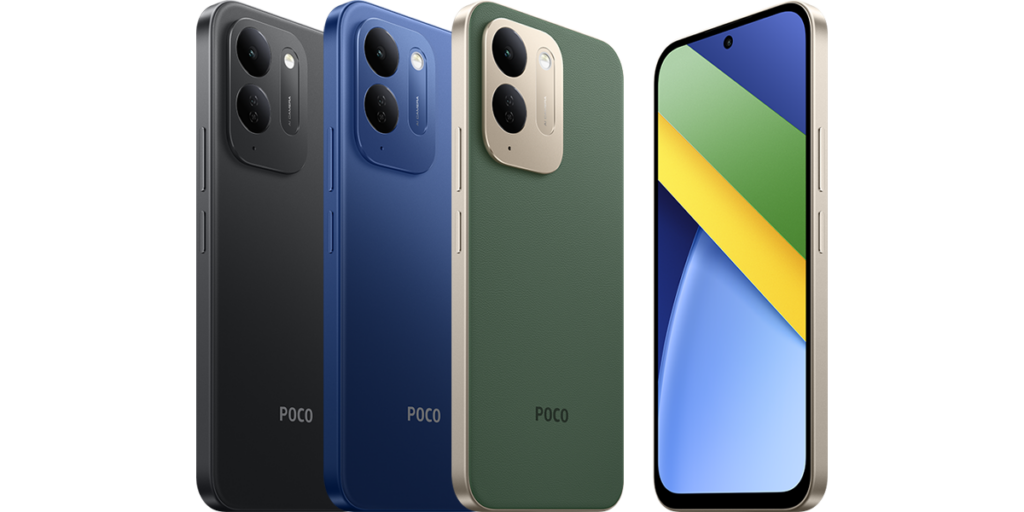
Last month, a premature retail listing of the Poco C95 Pro revealed its specifications. The phone has now officially launched, confirming its design, specifications, and pricing. Here is everything you need to know about Poco’s latest C-series offering.
Poco C95 Pro specifications and features
Poco C95 Pro
The Poco C95 Pro packs a 6.9-inch HD+ display with a 1,600 x 720-pixel resolution and up to 120Hz adaptive refresh rate. The panel supports up to 825 nits of HBM brightness and comes with Corning Gorilla Glass 7i protection. It also carries TÜV Rheinland certifications for low blue light, flicker-free viewing and circadian-friendly use, along with a touch sampling rate of up to 240Hz.
Where to buyPoco C95 ProLatest price on AmazonCheck price →
Under the hood is the MediaTek Helio G91-Ultra chipset, coupled with up to 8GB RAM and 256GB storage, while Memory Extension can provide up to 16GB of virtual RAM. The phone comes preinstalled with HyperOS 3 and Android 16.
Poco C95 Pro
The biggest highlight is the 7,500mAh battery, which supports 45W turbo charging and up to 22.5W wired reverse charging. Poco claims up to 28 hours of video playback and 91 hours of music playback. The device also features a 50-megapixel primary rear camera and an 8-megapixel front camera, with dual video recording available. Other features include stereo speakers, a 3.5mm headphone jack, Bluetooth 5.4, NFC and IP64 dust and splash resistance.
POCO C95 Pro price and availability
Poco C95 Pro
In Singapore, the Poco C95 Pro is priced at S$169 (for the 6GB+128GB variant and S$199 for the 8GB+256GB model during the early-bird sale. The phone is available in Black, Blue and Green color options.
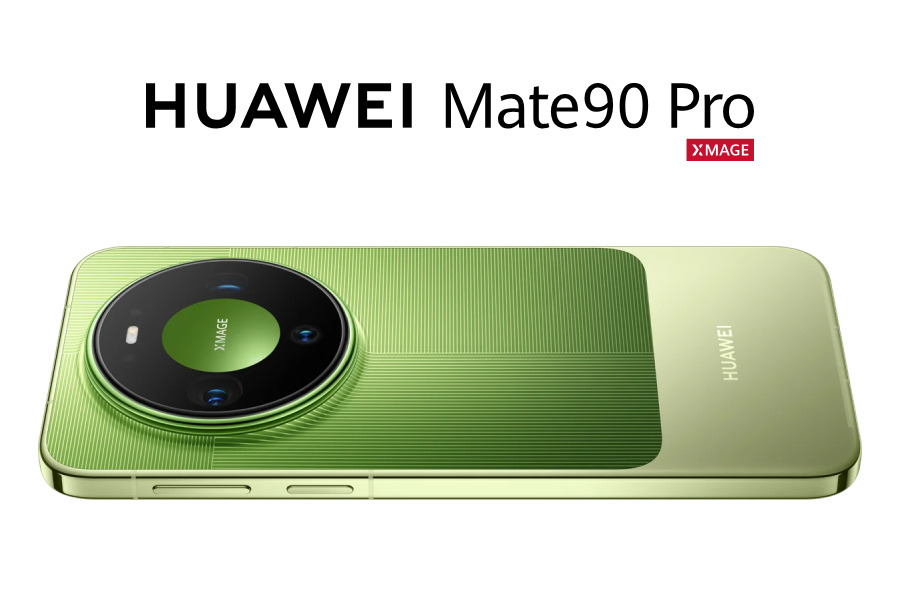
Huawei has launched the Huawei Mate 90 Pro in China as the first phone powered by the new Kirin 9035 chip. The phone starts at CNY 6,999 (about $1,045) for the 12GB+256GB model. Huawei announced it alongside the Huawei Mate 90 Pro Max.
The Kirin 9035 sits below the Kirin 9050 (Pro) of the Mate 90 Pro Max. Compared with the Kirin 9030 in the Huawei Mate 80 Pro, Huawei says the new chip delivers an 11% CPU improvement, a 10% GPU improvement, and a 51% boost in NPU performance. Its own app testing on HarmonyOS 7 and HarmonyOS 6 shows a 10% overall performance gain.
The chip also supports hardware-level ray tracing, which can process up to 31 million rays per second, although the feature is limited to certain scenes.
Design, build, and durability
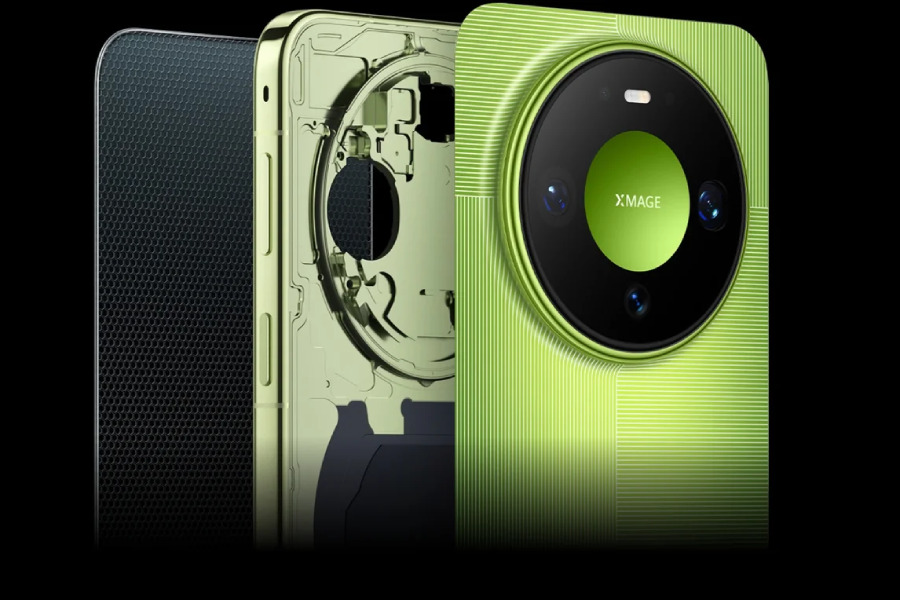
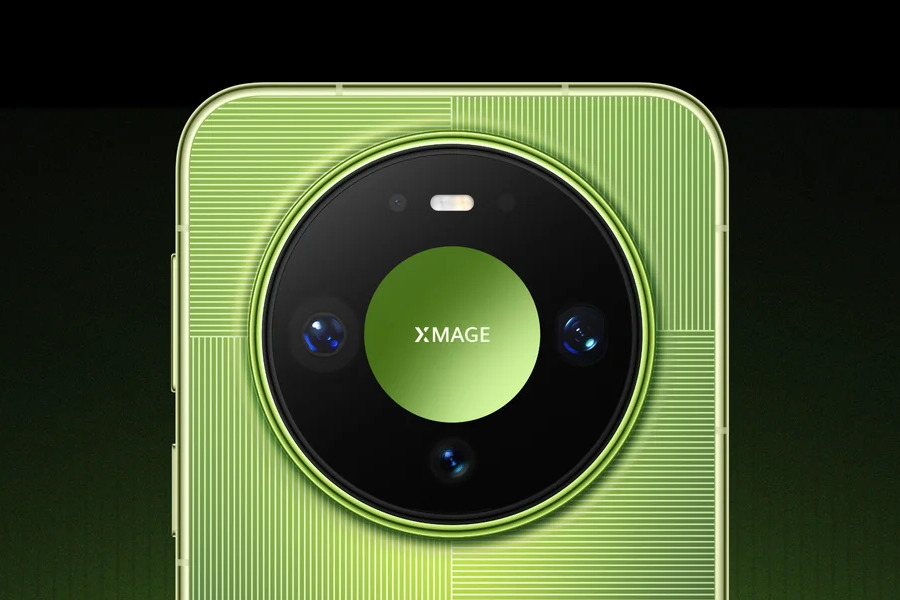
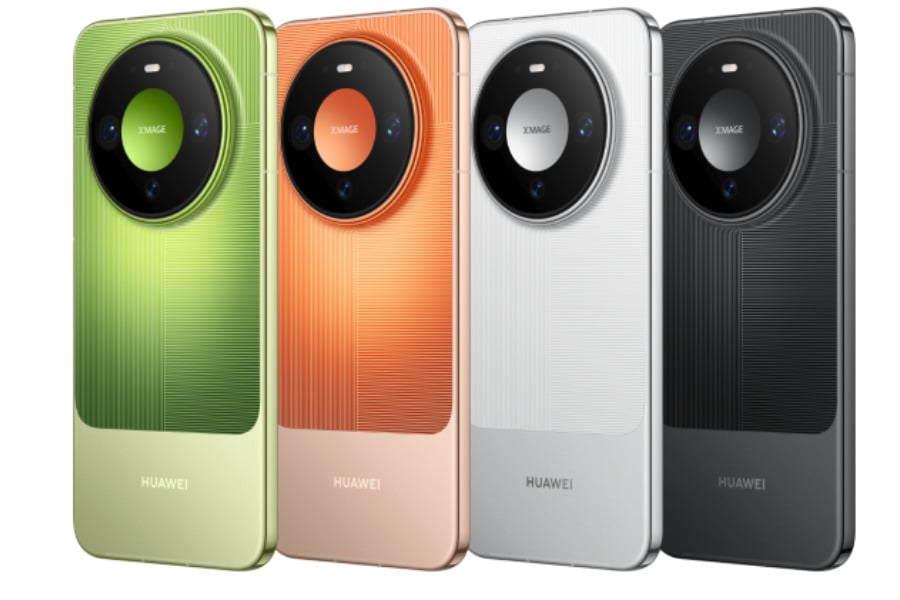
The Huawei Mate 90 Pro keeps the central-axis design used on previous Mate phones. Its back features a lattice pattern with a floating star ring around the camera module, while the body is made from a single machined piece. It comes in Emerald Green, Amber Orange, Crystal White, and Obsidian Black.
Like the other Mate 90 series models, the phone has a flat front and a 3D ToF system for face unlock. The setup includes a depth-sensing transmitter and receiver, a front camera, and an AI posture sensor.
Huawei uses its “Kunlun Xuanwu” protection across the display, body, and camera lenses. The main protection features include:
Third-generation Kunlun glass: Huawei says it offers more than 50% better drop resistance than the Huawei Mate 80 series.
Kunlun optical glass: Used over the camera lenses, with Huawei claiming 20 times better drop resistance than the Huawei Mate 80 Pro.
Nylon fiber material: Added inside the body for extra protection.
The phone has an IP68 rating for submersion at up to 6 meters and an IP69 rating for high-temperature, high-pressure water jets.
The Mate 90 Pro has a 6.75-inch display on the front. Huawei calls it the second-generation Linglong display and rates it for up to 12,000 nits of peak brightness at 1% APL, meaning a small bright area of the screen. The Mate 80 Pro was rated at 8,000 nits.
The panel uses a dual-layer OLED structure with Huawei’s custom Zhuque display chip and pixel-level AI tuning for brightness uniformity. Huawei claims a 100% increase in peak brightness, a 138% increase in screen lifespan, a 140% increase in the period of sustained high brightness, and a 30% improvement in uniformity.
However, the company doesn’t specify what each percentage is measured against, so we will hold off on treating the numbers as improvements just yet.
Cameras on the Huawei Mate 90 Pro
The Mate 90 Pro has three rear cameras:
Main: 50MP RYYB sensor with optical stabilization and a variable aperture from F1.4 to F4.0.
Telephoto: 50MP RYYB sensor with 4x optical zoom and 8x optical-quality zoom. It also works as a macro camera with a minimum focusing distance of 5cm.
Ultrawide: 40MP RYYB sensor.
Huawei has also added its third-generation Red Maple primary-color camera, which the company says improves color accuracy by 37%.
The variable aperture gives the main camera two different ways to handle shots. At F1.4, it can create more background blur for portraits, while F4.0 keeps more of a group in focus. Huawei also says the aperture can help maintain consistent video brightness when moving between bright and dark areas.
The camera software includes XMAGE features for shooting guidance. In photo and portrait modes, the phone can suggest one of 13 poses for group photos and one of 14 composition layouts within the 4x zoom range. The composition suggestions have to be enabled manually.
There are also food recommendations and a live-streaming mode that tracks products in focus while helping keep the user’s voice clear in noisy environments.
Battery and charging
The Mate 90 Pro packs a 6,600mAh battery that accepts 100W wired and 50W wireless charging. To note, the 50W wireless speed requires Huawei’s own wireless charger and a 66W or higher charging kit. The Mate 80 Pro supported 80W wireless charging, so the new model has a lower wireless charging rating.
Huawei rates the Mate 90 Pro for up to 41 hours of video playback. The test used a cached 2-hour-34-minute video played on a loop with auto-brightness turned off.
Its outdoor exploration mode can extend battery life to up to 15 days when satellite messaging and tracking are used. The phone can also provide up to 36 hours of screen-off route navigation through Petal Maps. The equivalent mode on the Mate 80 Pro was rated for up to 13 days.
Connectivity, satellite messaging, and outdoor tools
The Huawei Mate 90 Pro uses a combined Wi-Fi and cellular antenna design that can switch between antennas automatically. Its multi-device network sharing feature lets up to four HarmonyOS 7 devices share their connections. Huawei says this can improve file transfer speeds by up to 40% in crowded areas.
Satellite messaging is also supported through BeiDou. The feature now allows users to send pictures as well as text, although it is limited to mainland China. It requires an open view of the sky and must be activated through MeeTime or a carrier while the phone still has a mobile connection.
Pictures sent over satellite are heavily compressed to fit within the available bandwidth. Once the feature is activated, users can also access 12-hour and three-day satellite weather forecasts.
The outdoor mode can record routes and work with third-party apps such as TwoStep and Walker. If an accident occurs, a paired Huawei watch can start an emergency call through the phone and share location information. At launch, this emergency feature only works between Huawei Mate 90 series phones.
HarmonyOS 7 and AI features
The Huawei Mate 90 Pro ships with HarmonyOS 7, while several AI features will arrive through later HOTA updates. A few of them are:
Xiaoyi Notes allows users to swipe down to save things shown on the screen, including social media posts and to-do items. The phone can then organize the saved content automatically.
Xiaoyi call help can handle tasks such as booking restaurants, answering calls when the user is unavailable, translating conversations in real time, and creating call summaries.
With Trigger-based AI, users can long-press the Xiaoyi navigation bar to have the phone read what’s on the screen and suggest the next action. For example, copying a password, address, or cloud drive link can prompt the phone to open the relevant app.
HarmonyOS 7
The phone also supports 3D dynamic photos, which turn still images into short 3D clips. Huawei says the feature works best with photos containing a single person or pet.
For security, the Mate 90 Pro has a dedicated Mobile Security Processor with support for post-quantum cryptography for unlocking and payments. A voice-changer detection feature can also warn users about potentially fake voices during calls.
The voice detection system works with carrier calls, MeeTime, and WeChat calls. Huawei says its warnings are only for reference and shouldn’t be treated as a guarantee.
The phone also includes child-safety controls under Settings in the Healthy Use of Mobile Phone menu.
Huawei Mate 90 Pro Price and Availability
Huawei is selling the Mate 90 Pro in four configurations in China:
12GB+256GB: CNY 6,999 (~$1,045)
12GB+512GB: CNY 7,999 (~$1,194)
16GB+512GB: CNY 8,499 (~$1,269)
16GB+1TB: CNY 9,999 (~$1,492)
The base model costs CNY 1,000 more than the Huawei Mate 80 Pro, which launched at CNY 5,999. The 512GB and 1TB versions are CNY 1,500 to CNY 2,000 more expensive than their Mate 80 Pro counterparts. These prices are for China, and Huawei’s launch announcement does not include international pricing.
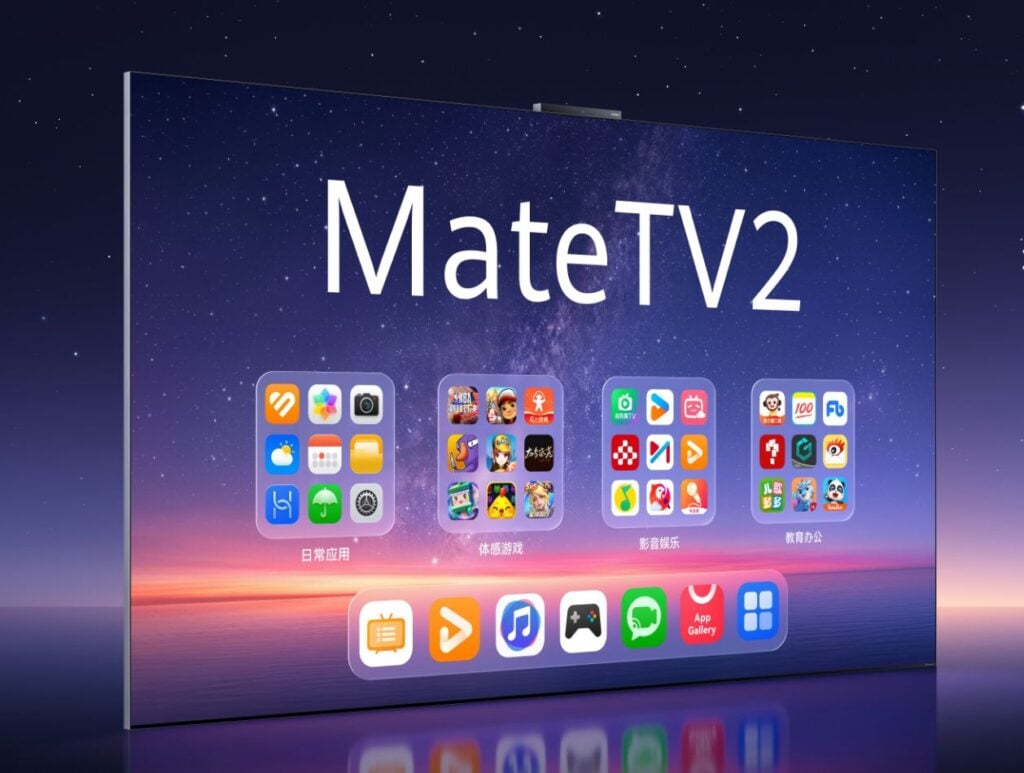
Huawei held a major launch event in China to unveil the Mate 90 series of flagship phones. The same event also saw the arrival of the Mate TV 2 lineup, which includes four variants, namely the Mate TV 2 Enjoy, Mate TV 2, Mate TV 2 Pro and Mate TV 2 Max. Here is more about the new smart TV range.
Huawei Mate TV 2 series specifications and features
Huawei Mate TV 2
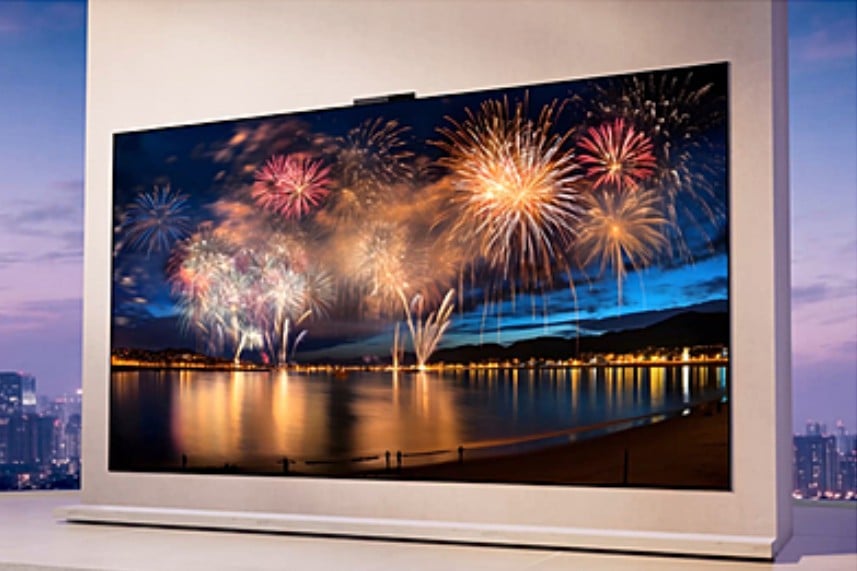
The Mate TV 2 series focuses heavily on display quality, with the standard Mate TV 2 offering up to 5,000 nits of peak brightness and an LR 0.5 low-reflection finish. The lineup uses Super MiniLED panels, while the flagship Mate TV 2 Max pushes peak brightness to 6,000 nits on its massive 110-inch screen. Huawei has also added technology that can separate the foreground and background of 2D content in real time and render it in 3D.
Performance comes from Huawei’s Kirin T92 chip across the range, with the TVs running HarmonyOS 7. The Mate TV 2 Enjoy and standard Mate TV 2 come with 8GB+128GB storage, while the Mate TV 2 Pro and Max step up to 12GB+256GB. The TVs are designed to run a broad range of HarmonyOS applications, including entertainment, games, education and productivity apps, while supporting interaction between Huawei smartphones, tablets and computers.
Huawei Mate TV 2
The Mate TV 2 Enjoy has a 130W system with 2.2-channel spatial audio, while the standard Mate TV 2 upgrades this to 180W and 3.2.2-channel audio. The Pro version increases the output to 240W. Huawei also supports features such as 4K screen casting and whole-home smart device control, positioning the TVs as part of its wider ecosystem.
Huawei Mate TV 2 series price and availability
In China, the Mate TV 2 Enjoy starts at 7,999 Yuan (~$1,191) for the 65-inch model and goes up to 13,999 Yuan (~$2,084) for the 85-inch version. The standard Mate TV 2 starts at 9,999 yuan (~$1,489) for 65 inches, while the 98-inch model costs 26,999 yuan (~$4,020).
Where to buyHuawei Mate TV 2Browse the range on AmazonShop now →
The Mate TV 2 Pro starts at 16,999 Yuan (~$2,531), with the 98-inch version priced at 34,999 Yuan (~$5,211). Finally, the Mate TV 2 Max costs 64,999 Yuan (~$9,677) for its 110-inch model. Would you consider Huawei’s giant Mate TV 2 Max for a home cinema setup?
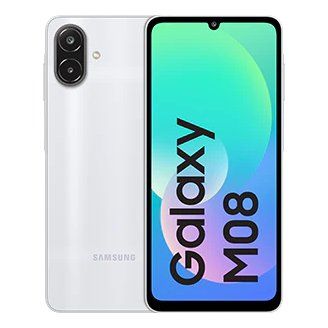
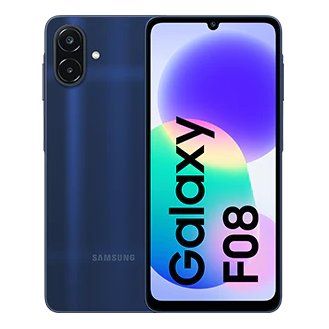
Samsung has added two new budget smartphones to its India lineup, with the Galaxy M08 and Galaxy F08 listed as coming soon. Both models focus on a large battery, a 50-megapixel rear camera and long-term software support. They also bring IP64 protection and the MediaTek Helio G99+ chipset to the segment.
Samsung Galaxy M08, Galaxy F08 specifications and features
The Galaxy M08 and Galaxy F08 feature a 6.7-inch-class HD+ PLS LCD with a 720 x 1,600-pixel resolution and 16 million colours. The phones measure 167.4 x 77.4 x 8.0mm and weigh 197 grams. Their IP64 rating provides protection against dust and water splashes, while a side-mounted fingerprint sensor handles biometric authentication.
At the core is the MediaTek Helio G99+ octa-core processor with clock speeds of up to 2.2GHz, paired with 4GB of RAM and 64GB of internal storage. Samsung also supports microSD cards of up to 2TB, giving users additional space for photos, videos and apps. Both smartphones run Android 17 and are promised six generations of OS upgrades along with six years of security updates.
The rear camera setup combines a 50MP primary sensor with a 2MP secondary camera, while an 8MP sensor handles selfies. The main camera supports autofocus and up to 10x digital zoom, with video recording available at up to Full HD resolution at 30fps. A 6,000mAh battery keeps both phones running, with support for 25W fast charging, although the charger is sold separately.
Where to buySamsung Galaxy M-seriesBrowse the range on AmazonShop now →
Samsung has also added features such as Circle to Search, Quick Share, Knox Vault and SmartThings support. Connectivity covers 4G LTE, dual SIM support, Wi-Fi 5, Bluetooth 5.3, GPS and USB Type-C, while a 3.5mm headphone jack is retained.
Samsung Galaxy M08, Galaxy F08 price and availability
The Galaxy M08 and Galaxy F08 will be soon available for purchase in India, with both currently listed in a 4GB+64GB configuration. Samsung has not yet revealed their prices, color options, or sales date.
The Huawei Mate 90 Pro Max has arrived in China with a camera-focused design that pushes the flagship series into more ambitious territory. Its highlights include a 200MP RYYB telephoto camera, a 6.9-inch dual-layer OLED display, a 6,800mAh battery, and an optional 1-inch modular camera system designed for serious long-range photography.
Huawei Mate 90 Pro Max specifications and features
Huawei Ruiying Z10 Camera Module
The photography setup takes center stage with a 50MP main camera using a 1/1.28-inch sensor, RYYB technology, OIS and a continuously variable f/1.4-f/4.0 aperture. It is joined by a 40MP ultrawide camera and a 200MP periscope telephoto sensor with a 1/1.28-inch sensor, OIS and RYYB. The system supports up to 4x optical zoom, 8x optical-quality zoom and 100x digital zoom. A third-generation Red Maple primary-color camera is also included for improved color reproduction.
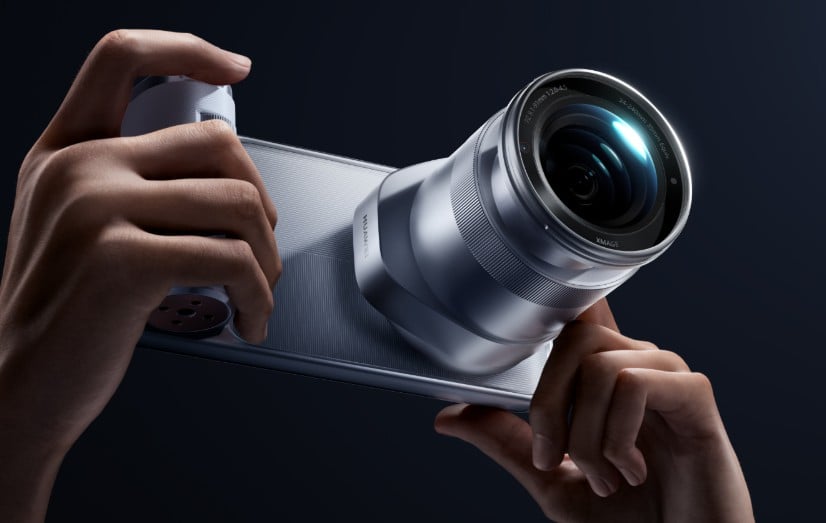
The Collector’s Edition can be paired with Huawei’s Ruiying Z10 module camera, which adds a 1-inch RYYB sensor, 10x continuous optical zoom, a 24-240mm focal range and an f/2.0-f/4.5 aperture. The phone also supports 4K video recording and features a 13MP ultrawide selfie camera with autofocus alongside a 3D depth-sensing camera.
Huawei Mate 90 Pro Max
On the front, the Mate 90 Pro Max features a 6.9-inch 2848×1320 dual-layer OLED panel with a 1-120Hz LTPO refresh rate, 1440Hz high-frequency PWM dimming and up to 12,000 nits of local peak brightness. The display supports the BT.2020 color gamut and is protected by Kunlun Glass, with the Collector’s Edition using Basalt Kunlun Glass.
Power comes from a 6,800mAh battery with 100W wired and 50W wireless charging. The 16GB models use Huawei’s Kirin 9050 Pro, while the phone runs HarmonyOS 7. Other features include Wi-Fi 7, Bluetooth 6.0, StarLight E2.0, NFC, eSIM support and IP68/IP69 protection.
Huawei Mate 90 Pro Max price and availability
Huawei Mate 90 Pro Max
The Huawei Mate 90 Pro Max starts at CNY 9,499 for 12GB+512GB, equivalent to around $1,417. The 16GB+512GB version costs CNY 9,999, or approximately $1,492.
The 16GB+512GB Collector’s Edition is priced at CNY 10,999, around $1,641, while the 16GB+1TB Collector’s Edition costs CNY 12,999, approximately $1,940. Color options include Rose Gold, Jade Green, Crystal White and Obsidian Black.
The Huawei Ruiying Z10 module camera costs CNY 5,999 (~$900), while the complete Pro Max camera kit is priced at CNY 19,499 (~$2,910). There’s a small rig teleconverter kit for both Pro Max and Pro Max’s Collector Edition priced at CNY 1,799 (~$270).
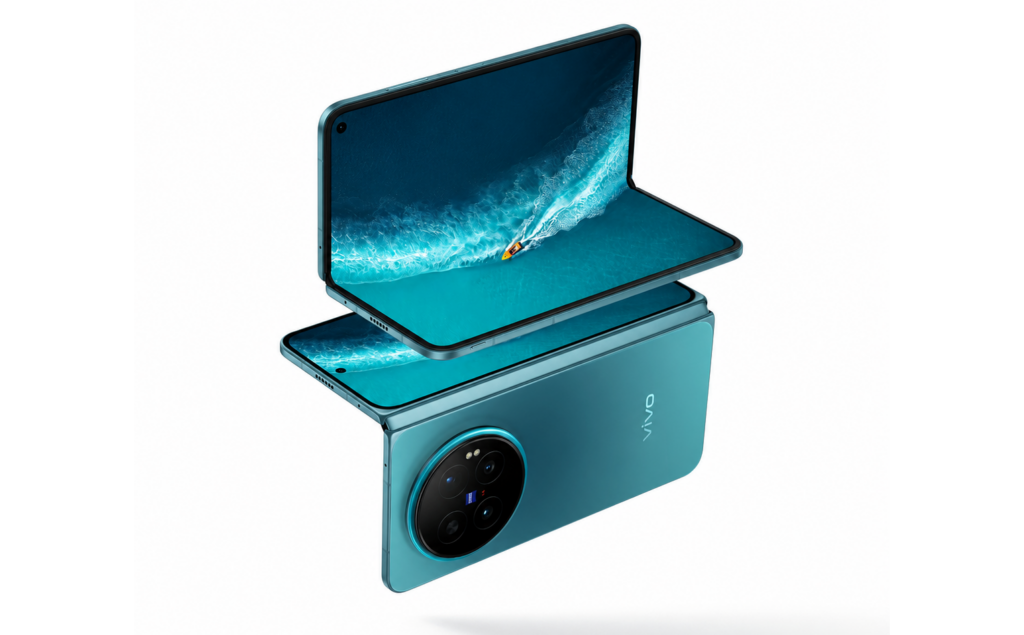
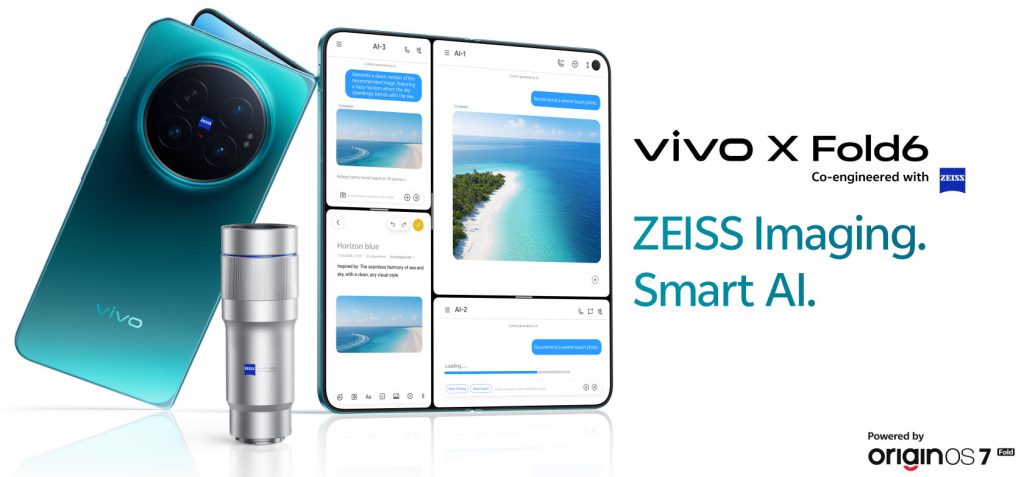
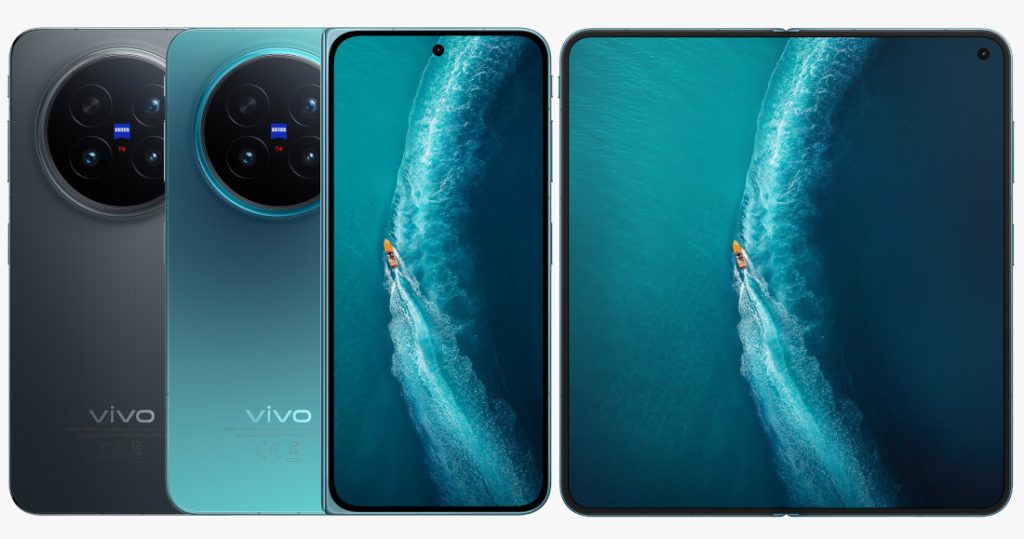
Vivo has expanded its foldable lineup to international markets with the X Fold 6, following its earlier launch in China. The new foldable combines large high-refresh-rate displays with a slim design and upgraded imaging hardware. It also brings productivity-focused software and AI features aimed at professional users.
Vivo X Fold 6 specifications and features
Vivo X Fold 6
The Vivo X Fold 6 features an 8.02-inch 2K+ LTPO AMOLED inner display with a 2,504 x 2,312-pixel resolution, while the 6.51-inch cover screen offers a 2,528 x 1,120-pixel resolution. Both panels support a 1-120Hz adaptive refresh rate, Dolby Vision, and up to 5,000 nits of peak brightness.
Powering the foldable is the 3nm MediaTek Dimensity 9500 Super Edition chipset, paired with up to 16GB of LPDDR5X RAM and up to 1TB of UFS 4.1 storage. It runs OriginOS 7 Fold based on Android 17 and includes Multi-Task Workbench, Multi-Split Screen and AI Cross-App Drag. Other software features include AI Meeting Assistant, AI File Manager, AI Reader Mode and the Jovi AI agent.
VIvo X Fold 6
The X Fold 6 has a 200-megapixel primary camera with OIS and ZEISS T* coating, alongside a 50-megapixel ultrawide camera and a 50-megapixel 3x periscope telephoto camera. Both the inner and cover screens have 20-megapixel selfie cameras. The foldable also supports features such as 4K 60fps Dolby Vision recording and 100x ZEISS HyperZoom.
A 6,900mAh battery powers the device, with support for 80W wired and 40W wireless charging. The foldable measures just 4.4mm when unfolded in the Prism Black version and weighs 228 grams, while the Horizon Blue variant measures 4.8mm and weighs 235 grams. It also carries IP58, IP59, IPX8 and IPX9 ratings for dust and water resistance.
Vivo X Fold 6 price and availability
Vivo X Fold 6
Vivo has announced the global launch of the X Fold6 but has not revealed its international pricing or specific market availability yet. The company says pricing and availability will be announced according to individual markets. The global model is offered in Prism Black and Horizon Blue, with configurations varying by market.
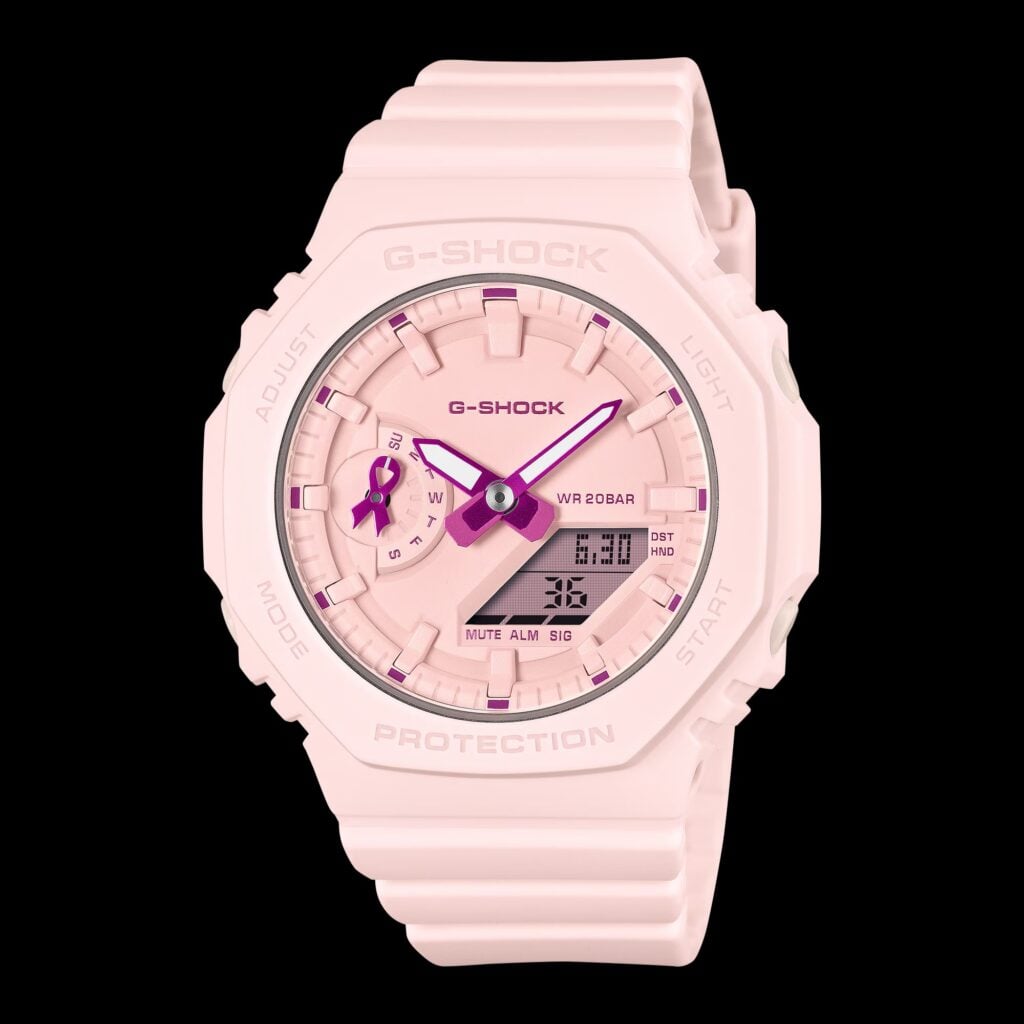
Casio is bringing a new G-Shock watch to the US market later this month. The GMAS2100PR-4A, which made its European debut last month, will launch stateside for $110. The special-edition model supports breast cancer awareness, with its release timed to coincide with Breast Cancer Awareness Month this October.
Design Details
The GMAS2100PR-4A is Casio’s fourth G-Shock model tied to a pink ribbon campaign. It features an all-pink look, with a soft pastel shade covering the case, dial, and band. The campaign theme is reflected in a small pink ribbon-shaped indicator on the inset dial at 9 o’clock. Casio says the watch is part of its continued support for medical organizations and initiatives that encourage the early detection and treatment of breast cancer.
Hardware-wise, the watch is based on the existing GMA-S2100 series, which is a slightly smaller analog-digital model within the broader G-Shock lineup. The case measures 46.2 x 42.9 x 11.2 mm and weighs 41 grams.
For the build materials, Casio is using bio-based resin for the key components of the bezel and the band. The internal module is protected by Casio’s Carbon Core Guard structure to maintain the brand’s standard shock resistance.
In terms of functionality, the watch comes with the usual mix of analog and digital features found across modern G-Shock models. It offers 200 meters of water resistance, a mineral glass crystal, and Neobrite-coated analog hands for better visibility in low light.
Where to buyCasio G-Shock GMAS2100PR-4ALatest price on AmazonCheck price →
Additionally, it features world time across 31 time zones and 48 cities, a 1/100-second stopwatch, a 24-hour countdown timer, and five daily alarms. There is also a hand-shift function that moves the analog hands away from the digital display when needed. For nighttime visibility, Casio has equipped the watch with a double LED light that illuminates both the dial and digital display.
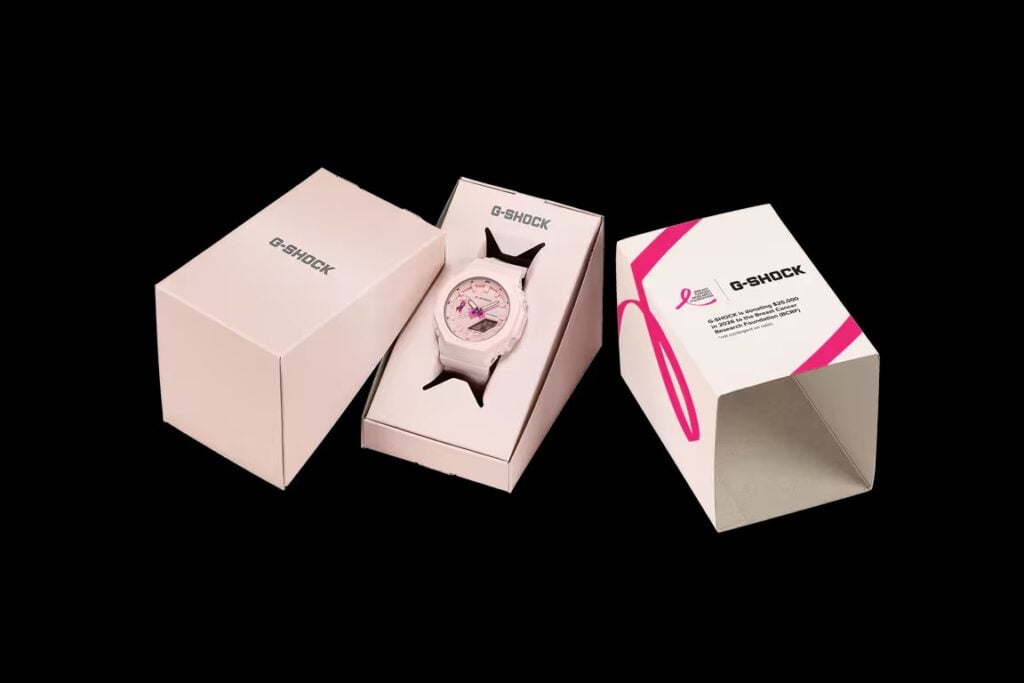
The watch runs on two SR726W batteries, which provide an estimated battery life of three years. When it goes on sale, the GMAS2100PR-4A will ship in special packaging designed specifically for the 2026 pink ribbon initiative.
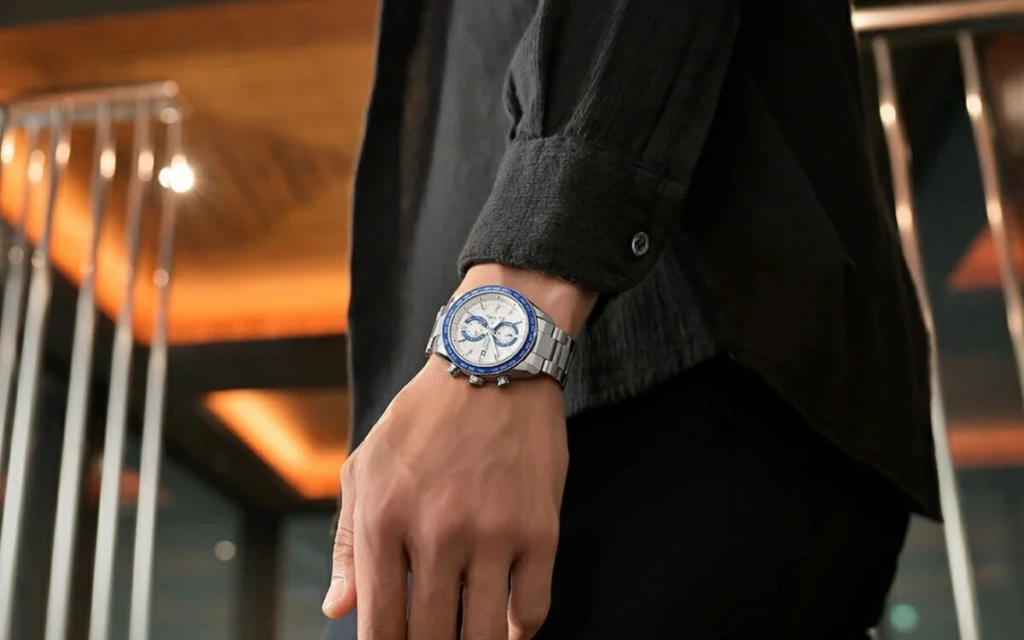
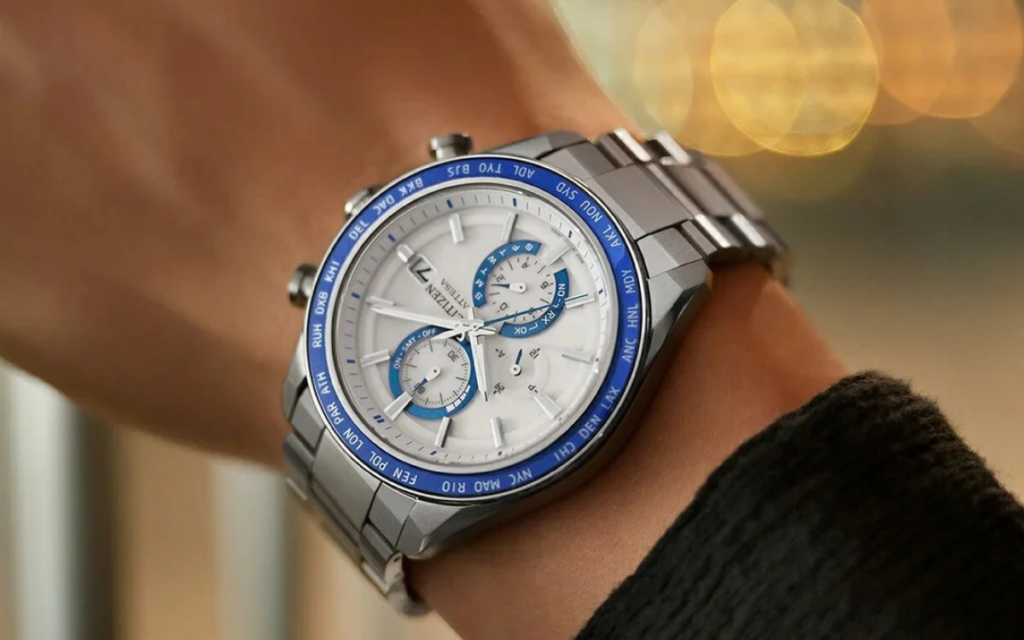
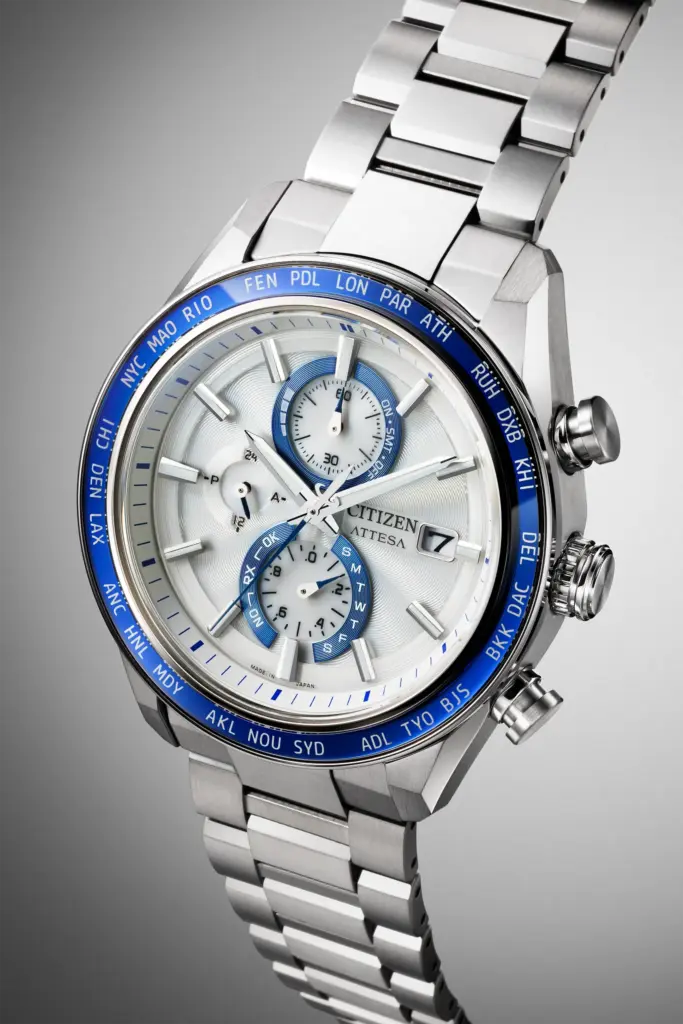
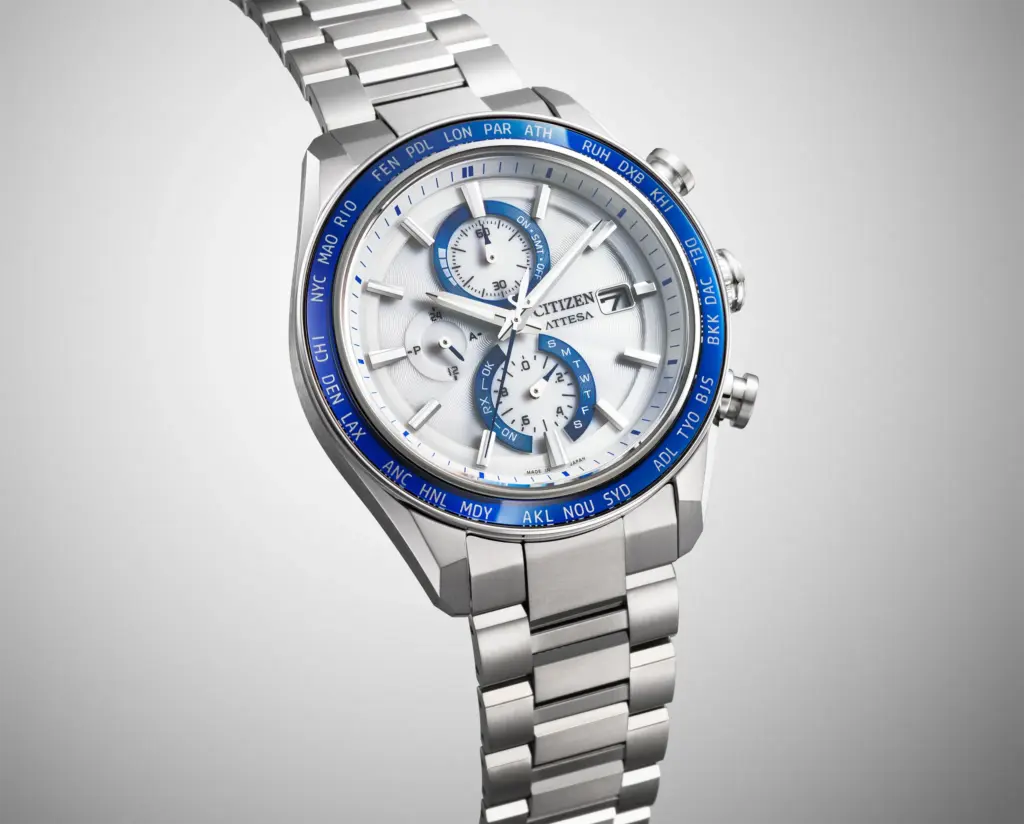
Citizen has released a new model in its Attesa line for the US market. The AT8296-53A is a $1,395 chronograph that focuses on lightweight materials and solar-powered timekeeping, and it is available now on the company’s website.
Design Details
The watch features a 42mm case made from what Citizen calls Super Titanium. In practice, this is titanium that has been treated to be more scratch-resistant than standard stainless steel while remaining noticeably lighter on the wrist. The case is finished with a platinum coating and paired with a matching titanium bracelet that uses a standard fold-over push-button clasp.
Aesthetically, the AT8296-53A has a white dial surrounded by a blue world-time bezel. The bezel includes a sapphire ring insert, and the main dial is protected by an anti-reflective sapphire crystal to reduce glare. It has a water resistance rating of 100 meters (10 Bar), meaning it can handle everyday water exposure like swimming and showering.
Where to buyCitizen Attesa AT8296-53ALatest price on AmazonCheck price →
Internally, the watch is powered by Citizen’s H800 Eco-Drive movement. Instead of a traditional replaceable battery, the Eco-Drive system uses light, both natural and artificial, to charge an internal cell. As long as the watch gets regular light exposure, it will keep running without needing a battery swap.
The H800 is also a radio-controlled movement. It automatically receives signals from atomic clocks to keep the time accurate, supporting automatic adjustments across 26 different time zones. This means the watch will adjust itself to the correct local time in supported regions without requiring manual input.
The dial includes several functional sub-dials. There is a 1/20-second chronograph that can measure up to 60 minutes, a 12/24-hour time indicator, and a power reserve gauge to show how much charge the solar cell has left. It also features a perpetual calendar, which automatically adjusts the date for different month lengths and leap years.
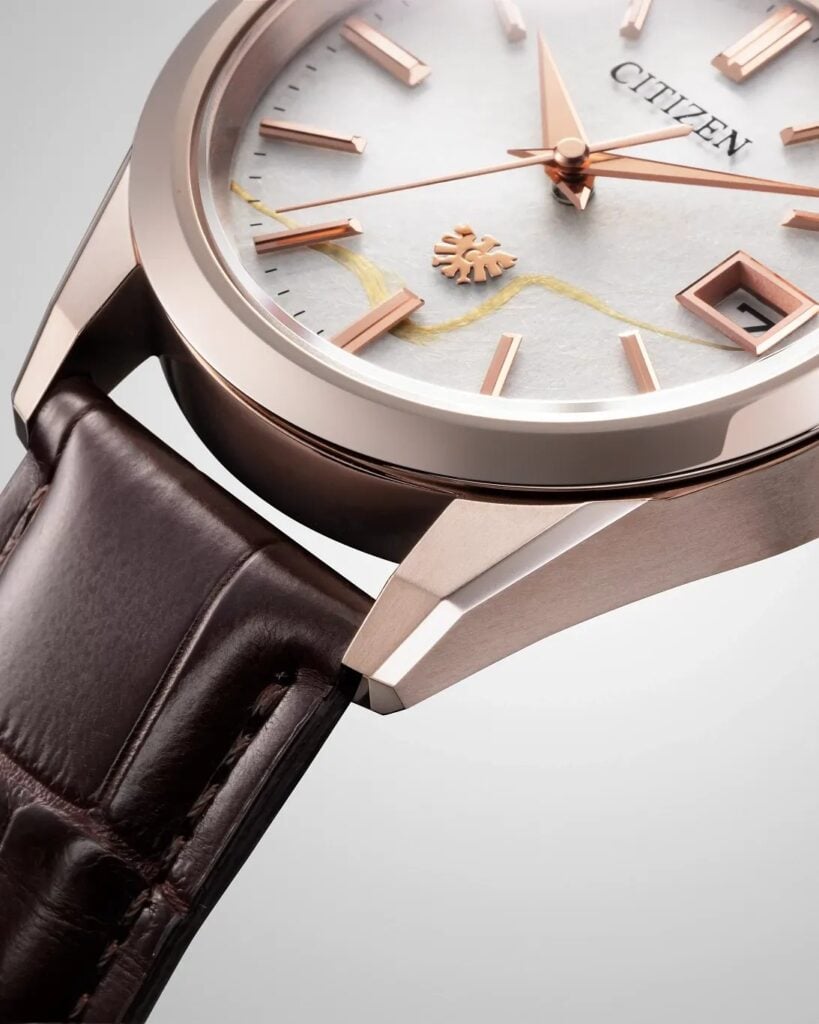
Citizen has brought a new limited-edition watch to the US market. The AQ4106-00B, part of the company’s The Citizen line, is now available on the brand’s US website for $3,095. Citizen is only producing 350 of these unnumbered pieces globally, making it a relatively small release for the company.
Design Details
The physical design of the watch focuses heavily on material choices. The case measures 38.3mm in diameter and is built from Citizen’s Super Titanium. For this specific model, the company applied a sakura pink Duratect coating.
This treatment gives the metal a rose gold-tone appearance while retaining the lightweight and scratch-resistant properties standard to titanium. The watch features a 22mm lug width and comes paired with a brown crocodile leather strap that secures with a push-button fold-over clasp.
Underneath the spherical sapphire crystal, the dial is constructed from white Unryushi paper. This is a traditional Japanese paper made by mixing long fibers into the material during the manufacturing process, which leaves a visible, organic texture on the watch face. The dial also includes The Citizen eagle mark, a specific logo the company reserves for this line of watches.
Internally, the AQ4106-00B is powered by the Caliber A060 Eco-Drive movement. Like other Eco-Drive models, it charges using ambient natural or artificial light, meaning it does not require standard battery replacements. The A060 is a high-accuracy quartz movement, which Citizen rates to run within a margin of ±5 seconds per year.
The movement also handles a few automated functions. It includes a perpetual calendar that tracks the correct date across different month lengths and leap years, paired with a feature that snaps the date forward exactly at midnight.
Where to buyCitizen AQ4106-00BLatest price on AmazonCheck price →
Additionally, the watch has built-in shock detection and an automatic hand position adjustment function, which will physically realign the watch hands if an impact knocks them out of place. It also includes a power reserve indicator and a low-power energy-saving mode.
While it is styled as a dress watch, it is built with a water resistance rating of 100 meters (10 Bar), meaning it can handle everyday water exposure, swimming, and showering. The AQ4106-00B is available to order now.
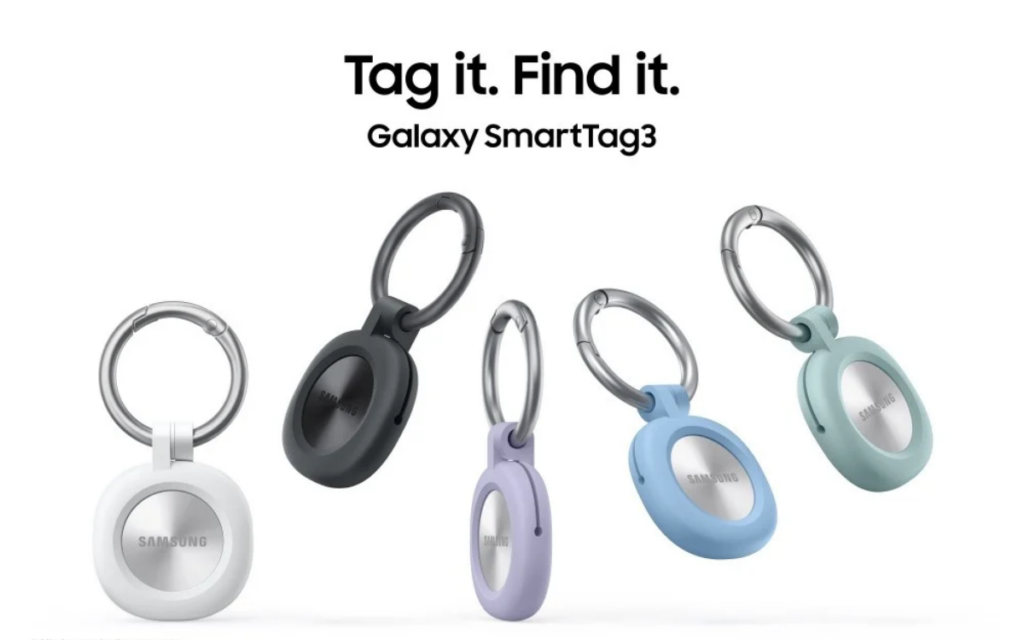
Samsung has introduced the Galaxy SmartTag 3. The new item tracker updates the hardware to be smaller and lighter, but the main functional change is that it now works with iOS devices alongside Samsung’s own phones.
Samsung Galaxy SmartTag 3 Specifications
The SmartTag 3 is 35% smaller in volume and 33% lighter than the SmartTag 2. It features a rounded shape, an aluminum button, and an IP67 rating for water and dust resistance. Samsung says the battery lasts up to 550 days on standard settings and up to 790 days if you use the device’s power-saving mode.
Previously, Samsung’s trackers only worked within the Galaxy ecosystem. The SmartTag 3 changes this by allowing iOS devices to connect through the SmartThings Find network. This means people in households using both iPhones and Android phones can track the same items, check location history, and use local search functions without needing a specific phone brand.
For locating items, the tracker uses Bluetooth 6.0 Channel Sounding. This standard allows the app to show distance and direction from up to 60 meters away, which is about three times the range of the previous model.
When you are closer to the tag, it switches to ultra-wideband (UWB) for more specific location tracking. If the tag is out of your phone’s Bluetooth range, it uses the Galaxy Find Network. This network relies on other opted-in Samsung devices in the area to securely relay the tag’s location back to you.
Samsung included a few automated features to limit how often you need to check the app. You can set up Place Notifications to get an alert when the tag enters or leaves a specific area, like a home or office. It also has movement detection alerts, Left Behind alerts if your phone disconnects from the tag, and a log of its location history.
The physical button on the tag can be used to control SmartThings smart home devices. If the tag is lost, an NFC chip allows anyone who finds it to tap it with their phone to see your registered contact details.
Pricing and Availability
The SmartTag 3 is priced at $29.99 for one or $99.99 for a four-pack. It is available in black and white. Samsung is also selling a Silicone Case and a Loop Case for attaching the tag to items. It launches in South Korea on October 7th, 2026, and will be available in the US in November.
For more daily updates, please visit our News Section.
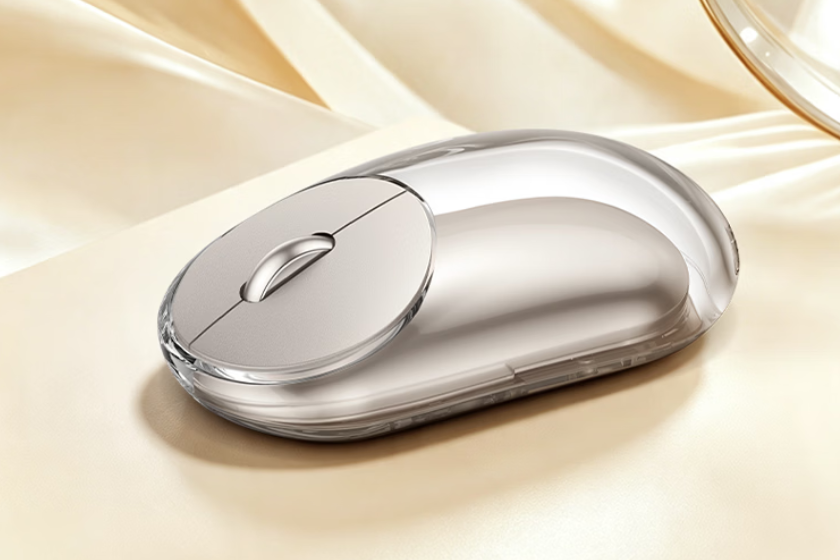
Lenovo has officially launched the 900 Transparent Wireless Mouse in China. It is priced at 399 yuan ($59) and leans heavily into a distinct aesthetic, combining a see-through outer shell with a mirrored inner housing to stand out in a crowded market of office accessories.
Lenovo 900 Mouse Specifications
The Lenovo 900 features a dual-layer construction with a highly transparent outer shell and a mirrored inner housing. The combination creates a floating visual effect as light reflects between the two layers. It sports a symmetrical, pebble-shaped body with smooth curves and rounded edges, making it suitable for both left- and right-handed users.
The mouse weighs approximately 125 grams. It also comes with aluminum alloy left and right buttons featuring a split design, along with a metal scroll wheel. The main buttons are rated for around 5 million clicks.
Inside, the mouse is powered by a PixArt PAW3222 optical sensor. It supports a DPI range of 400 to 4,000, which can be adjusted depending on your specific workflow.
On the connectivity front, the Lenovo 900 supports three-device switching through 2.4GHz wireless and dual Bluetooth channels. It works with Windows, macOS, Android, Linux, and ChromeOS. The mouse also features a customizable shortcut for Lenovo’s Tianxi AI assistant, which can provide quick access to AI writing, coding, and presentation tools through the LADM software.
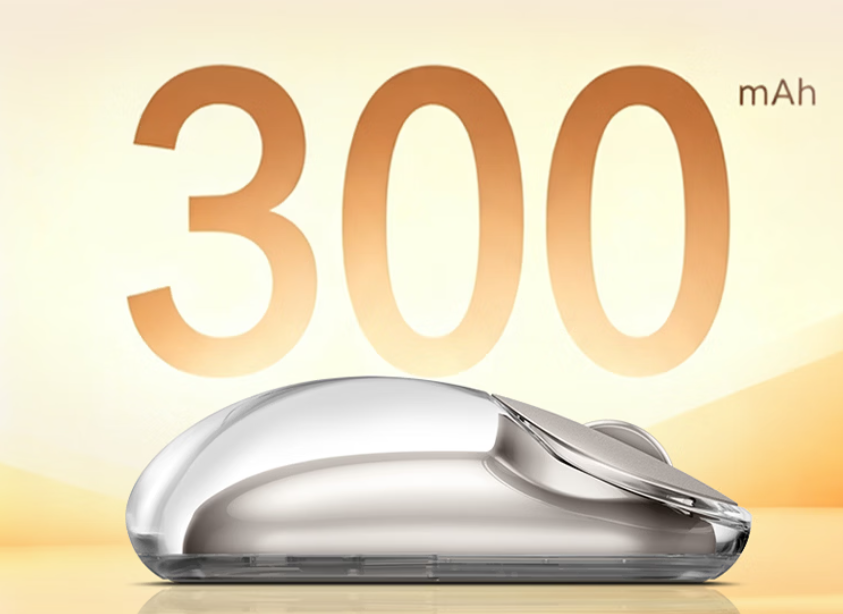
For power, the mouse relies on a built-in 300mAh rechargeable lithium battery. Lenovo estimates this will last about 90 days on a single charge, assuming a standard eight-hour workday. When it does run out, it charges via an included braided USB-C cable, taking about two hours to reach a full charge.
Google is officially bringing the Fitbit Air to India. Following its initial global announcement earlier this year in May, the screenless fitness tracker will be available starting October 2nd for Rs. 13,999.
Google Fitbit Air Specifications
The Fitbit Air represents a shift away from standard smartwatch design. Instead of a display, the device consists of a compact sensor module or pebble that fits into various interchangeable bands. By removing the screen entirely, Google is targeting those who want to track their health metrics without the distraction of incoming messages, emails, or app notifications buzzing on your wrist. All data collection happens in the background, and you just need to open the companion Google Health app on your smartphone to view your stats.
Because it lacks a display, the Fitbit Air is significantly smaller and lighter than a typical smartwatch. Google is positioning this as a major advantage for sleep tracking, noting that the device is much less obtrusive to wear overnight. If you are already invested in the Google ecosystem, the company even suggests a dual-device approach: wearing a Pixel Watch during the day and switching to the Fitbit Air at night for a more comfortable fit.
Despite the minimal exterior, the hardware includes a standard array of health sensors. The tracker monitors your continuous heart rate, resting heart rate, heart rate variability (HRV), and blood oxygen (SpO2) levels.
Where to buyFitbit AirLatest price on AmazonCheck price →
It also supports irregular heart rhythm (Afib) notifications and detailed sleep stage analysis. Battery life is rated at up to seven days on a single charge. When the battery does run low, a five-minute fast charge gives you enough power for 24 hours of standard use.
Software integration relies on the Google Health app and Google Health Coach. The system supports automatic activity detection, but it also includes a computer vision feature where you can log your workouts simply by taking a photo of gym equipment or a whiteboard routine. Out of the box, the device comes with a three-month trial of Google Health Premium.
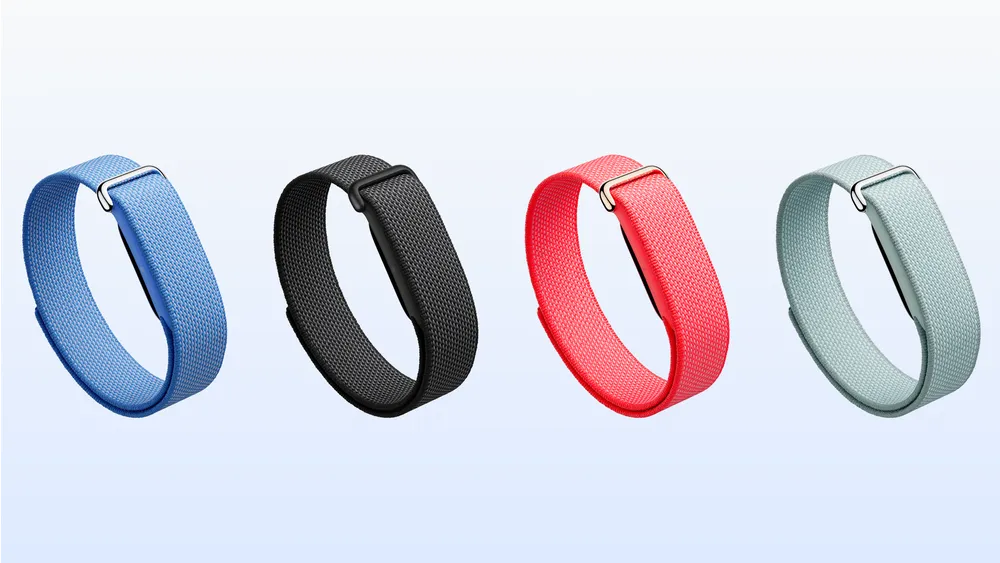
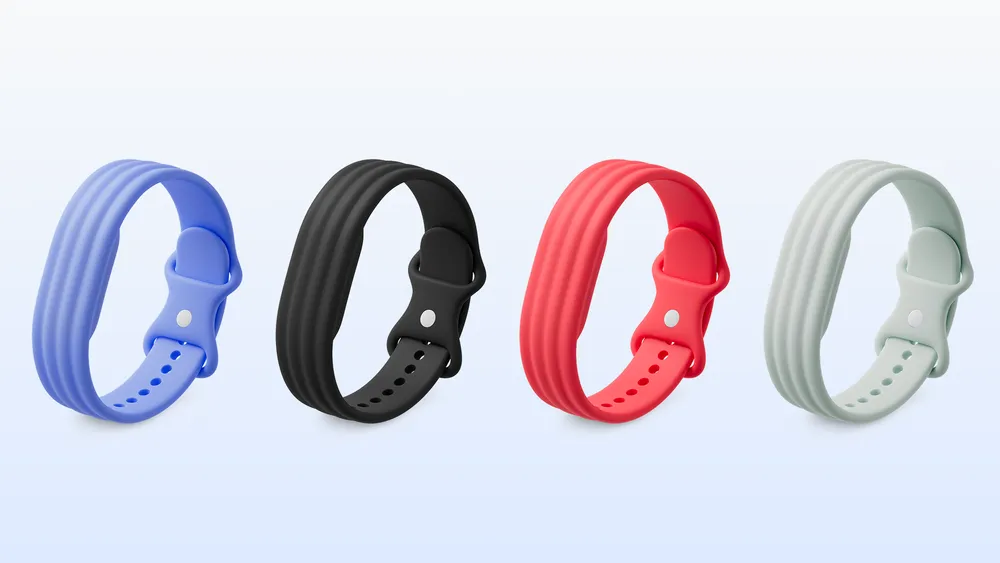
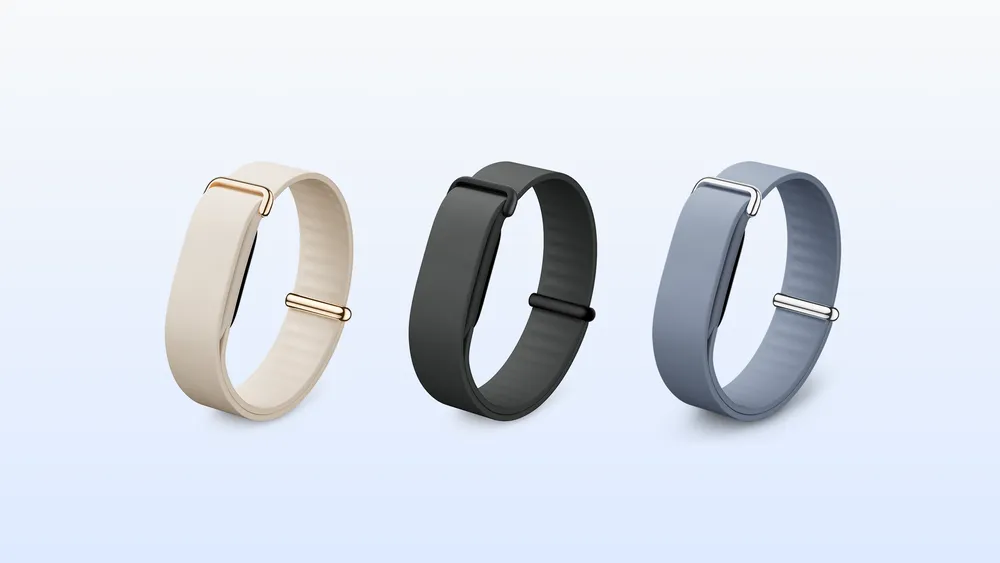
You can pick up the Fitbit Air in one of four colors: Obsidian, Berry, Lavender, and Fog. The standard box includes a recycled material Performance Loop band, though you can purchase a sweatproof Active Band or a more traditional Elevated Modern Band separately to match your daily wear.
Availability
Retail availability includes the Google Store, Flipkart, and physical outlets like Croma, Reliance Digital, and Vijay Sales. At launch, if you use an eligible HDFC or ICICI Bank card, you can take advantage of a Rs. 1,000 cashback offer, alongside no-cost EMI options for up to 12 months.
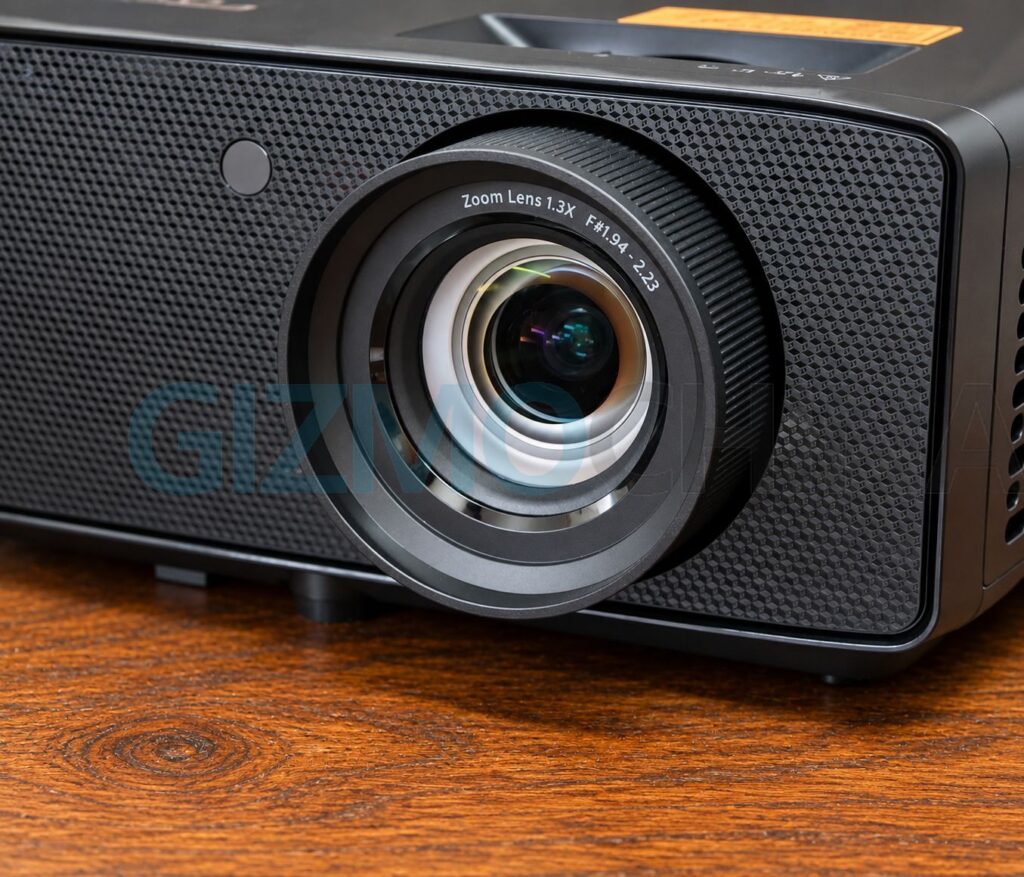
The Optoma Photon Beam PK52 is the kind of projector that can completely change the way movies and shows are enjoyed at home. Its combination of a large 4K image, strong brightness, laser light source, and flexible installation makes it well suited for anyone looking to build a premium home entertainment setup.
Priced at Rs 2,95,000, the PK52 is certainly an investment, but it delivers the sort of big-screen experience that is difficult to replicate with a conventional TV. It supports 4K UHD resolution, 3,500 lumens of brightness, HDR, and screen sizes ranging from 28 to 300 inches.
5A little more convenience would be nice
My main gripe with the PK52 is more about convenience than performance. Since this is designed primarily for home entertainment, having Google TV built in would have made the experience even more seamless.
During my testing, I had to connect an external source whenever I wanted to access streaming services. A built-in smart TV platform would eliminate that extra step and make it easier to sit down and immediately watch a favorite show or movie.
That said, this is easy to work around with a streaming stick or TV box, and the projector’s HDMI connectivity makes adding an external source straightforward.
At Rs 2,95,000, the Optoma Photon Beam PK52 is aimed at users who care about the quality and scale of their home theater experience. Its 4K image, strong brightness, laser light source, HDR support, flexible installation, and gaming capabilities make it an impressive projector to live with.
The lack of built-in Google TV is a missed convenience, but it doesn’t take away from what the PK52 does best: delivering a big, detailed, and genuinely cinematic picture at home.
We use cookies on our website to give you the most relevant experience by remembering your preferences and repeat visits. By clicking “Accept”, you consent to the use of ALL the cookies.
This website uses cookies to improve your experience while you navigate through the website. Out of these, the cookies that are categorized as necessary are stored on your browser as they are essential for the working of basic functionalities of the website. We also use third-party cookies that help us analyze and understand how you use this website. These cookies will be stored in your browser only with your consent. You also have the option to opt-out of these cookies. But opting out of some of these cookies may affect your browsing experience.
Necessary cookies are absolutely essential for the website to function properly. This category only includes cookies that ensures basic functionalities and security features of the website. These cookies do not store any personal information.
Any cookies that may not be particularly necessary for the website to function and is used specifically to collect user personal data via analytics, ads, other embedded contents are termed as non-necessary cookies. It is mandatory to procure user consent prior to running these cookies on your website.