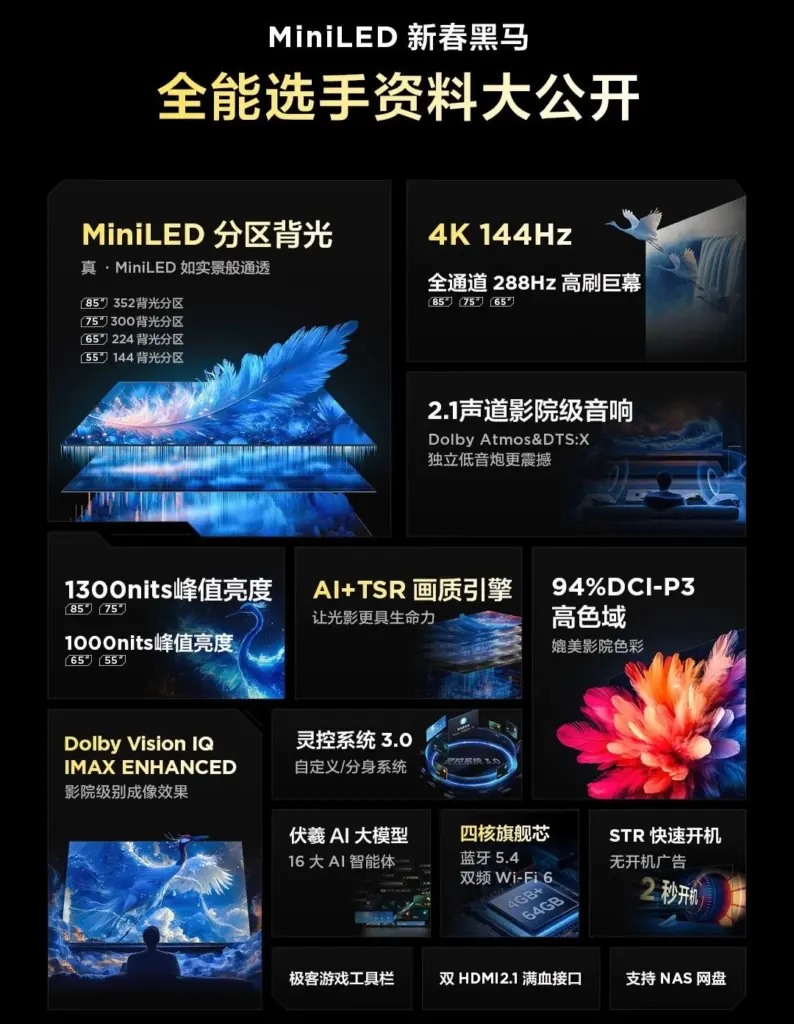
TCL has officially unveiled its Thunderbird “Crane 6” 25 Mini LED TVs, offering advanced features at competitive prices. The series delivers 4K UHD resolution with a 144Hz refresh rate and up to 352 localized backlight zones. Pricing starts at an affordable 2,599 yuan.
Display Technology The TVs feature a VA panel with 4K resolution (3840×2160), achieving up to 1300 nits peak brightness on the 85-inch and 75-inch models, and 1000 nits on smaller sizes. The 144Hz display refresh rate ensures smooth visuals, supported by a full-channel 288Hz high refresh rate for select sizes. Enhanced by 94% DCI-P3 color gamut, Dolby Vision IQ, and IMAX Enhanced certifications, the series is designed for an immersive viewing experience.
Mini LED Backlight Zones
85-inch: 352 zones
75-inch: 300 zones
65-inch: 224 zones
55-inch: 144 zones
Audio Excellence The TVs boast 2.1-channel audio with Dolby Atmos and DTS:X support, alongside an independent subwoofer for a richer sound experience.
Performance and System Powered by a quad-core A73 processor, Mali-G52 MC1 GPU, and 4GB RAM, the TVs handle multitasking with ease. A robust 64GB storage ensures ample space for apps and media. The Lingkong System 3.0, paired with Fuxi AI, offers personalization and advanced controls.
Connectivity Equipped with Bluetooth 5.4, Wi-Fi 6, and dual HDMI 2.1 ports, the TVs support seamless streaming and gaming, including VRR and ALLM for minimal input lag.
Apple’s Vision Pro has struggled to gain traction in the market, largely due to its hefty $3,499 price tag. But if a new leak is to be believed, iPhone users could soon get a taste of its design philosophy—without having to shell out thousands of dollars.
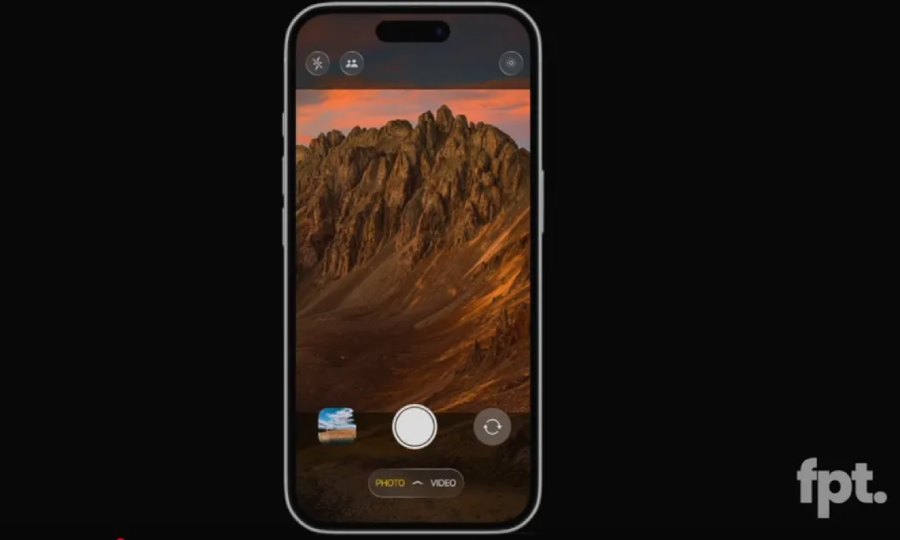
Jon Prosser, known for his Apple leaks, recently shared a scoop on his Front Page Tech YouTube channel, claiming that iOS 19 will bring a redesigned camera app that borrows heavily from VisionOS. While Prosser refrained from showing direct footage—presumably to protect his source—his team created animated renders of the updated UI based on what he saw.
A Cleaner, More Streamlined Camera Interface
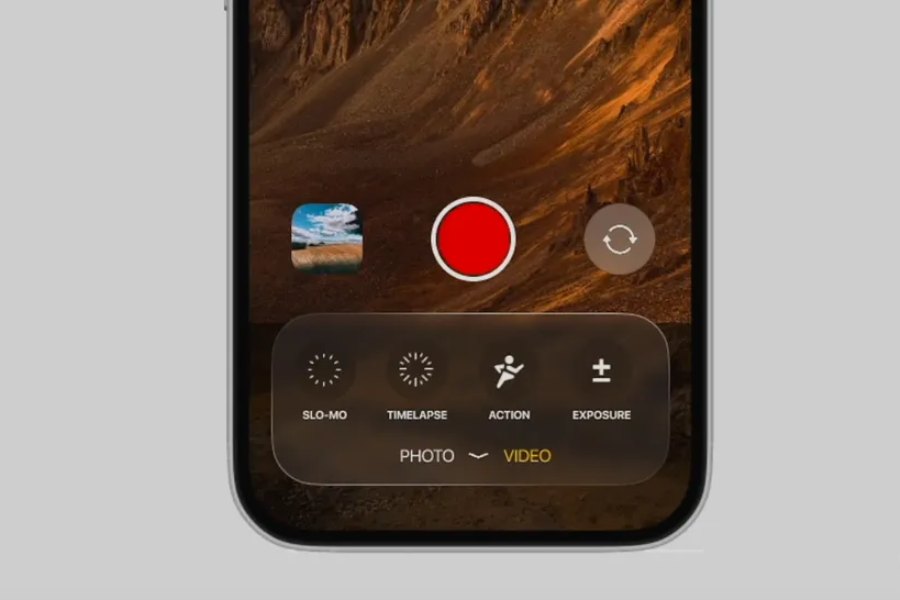
The purported redesign introduces translucent menus for camera controls, allowing for a larger and more immersive viewfinder. Instead of cluttering the interface with an array of toggles, the new design simplifies things with two primary options at the bottom: Camera and Video.
Image: Front Page Tech (YouTube)
Tapping each category expands a selection of relevant settings, including aspect ratio, depth, styles, exposure, and timers. Resolution and frame rate settings, which were previously more accessible, are now tucked away at the top of the screen.
If this sounds familiar, you’re not imagining things. A similar leak last year suggested that iOS 18 would bring a Vision Pro-like camera app update, but that never materialized. It’s possible the feature was simply delayed rather than scrapped altogether.
Is This the Beginning of a Larger iOS Redesign?
While a refined camera app is a noteworthy update, the bigger question is whether this signals a broader UI overhaul for iOS 19. Prosser explored this idea with a render featuring circular icons. However, he concedes that this may be an overreach.
According to him, Apple is more likely to introduce VisionOS-inspired elements within core apps like Camera, Music, Notes, and Wallet rather than implementing a full-fledged redesign across the entire system. This would allow Apple to ease users into a new design paradigm without disrupting the familiarity that keeps millions of iPhone users loyal to iOS.
And if Apple truly believes the VisionOS aesthetic is superior, rolling it out incrementally makes sense. A sudden overhaul could alienate users who prefer consistency over change.
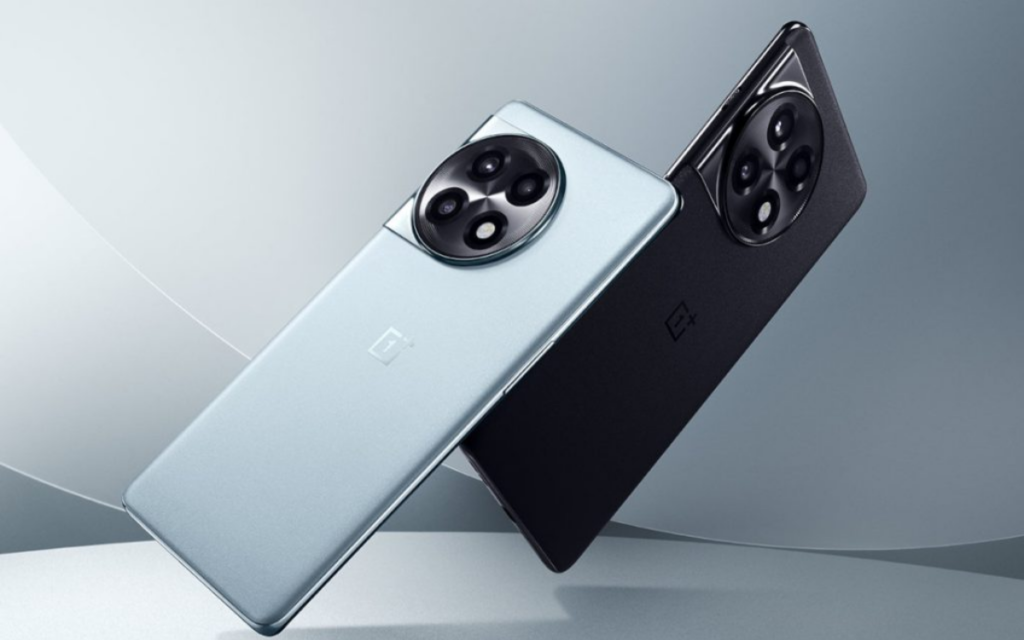
OnePlus Ace 2 has received a new update in the form of ColorOS 15.0.0.400 in China. This update brings a slew of improvements, including new photography tools, enhanced connectivity features, and optimizations for smoother performance.
What’s new in this update?
The update introduces three new film-style filters for Photo and Portrait modes: Fresh, Retro, and Transparent. These filters are designed to provide users with a more artistic and dynamic shooting experience, enabling them to capture moments with added depth and style.
The update also brings Fluid Cloud support to the OnePlus Ace 2, offering real-time, visually enhanced charging and flashlight status updates. It also revamps the Calendar app with new cards for tracking birthdays, anniversaries, and countdowns, adding convenience and personalization to daily planning.
Connectivity has also been improved with enhanced wireless stability and compatibility for a more reliable experience. The update fixes system issues, including missing app icons, glitches in cloned apps, and the absence of the Gaussian blur effect in dynamic wallpapers when accessing recent tasks.
System performance also sees significant enhancements with this update. It promises improved smoothness by tackling lag in specific scenarios, better stability, and longer battery life. These changes are designed to optimize the overall user experience, making the OnePlus Ace 2 feel more responsive and reliable during daily use.
OnePlus Ace 2, launched in 2023, features a 6.74-inch 1.5K 120Hz AMOLED display with up to 1450 nits brightness. Powered by the Snapdragon 8+ Gen 1 SoC, it includes 12GB/16GB LPDDR5X RAM, advanced VC cooling, and optimized gaming performance with a 120fps engine for 100+ games. Its design boasts a black hole-inspired aesthetic with Gorilla Glass 5 protection and a three-stage slider.
The phone has a 50MP Sony IMX890 main camera with OIS, 8MP ultra-wide, and 2MP macro cameras. It packs a 5000mAh battery with 100W SuperVooc charging, capable of reaching 100% in 25 minutes.
Currently, ColorOS 15 update is rolling out to a lot of Oppo devices, including the Oppo Reno12 series, Reno11 series, Find N3, Find N3 Flip, and more. Rollout stages may vary, with additional devices like the Find X5 Pro and Reno10 series receiving the update in Q1 and Q2 2025.
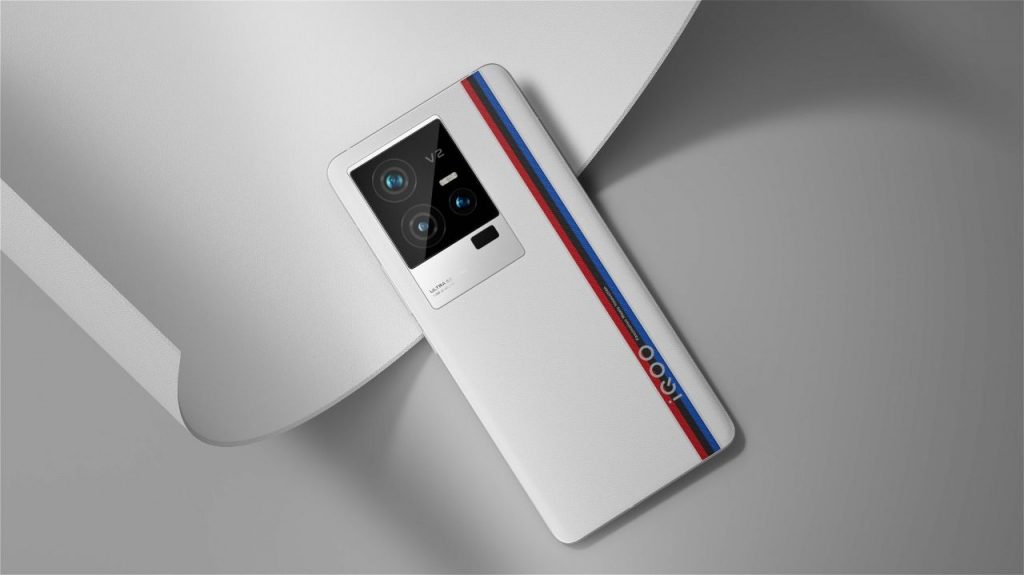
iQOO 11 has officially received the OriginOS 5 update (version 15.2.7.0.W10.V000L1) in China, introducing a range of exciting features and performance improvements. This highly anticipated update brings enhancements across multiple aspects, from intelligent assistance and user interface tweaks to improved connectivity and system stability.
iQOO 11 5G
What’s new in this update?
The update introduces the Xiao V Screen Assistant, a smart feature that provides instant answers to queries about on-screen content, enhancing multitasking and accessibility for users. It also brings improved permissions management, including a new option under Device Motion and Orientation settings that lets users restrict app access based on whether the screen is on, offering greater control over data privacy.
It also introduces a simplified small-window mode that allows users to minimize control buttons into a compact top bar, enabling smoother app interactions while multitasking. This feature can be activated through the Shortcuts and Assistance settings menu.
Several system enhancements include improved network stability, fixes for occasional WLAN Direct issues, refined Bluetooth connectivity for better compatibility with car systems, and updated icon and button designs in Atomic Island for a more polished interface.
iQOO 11 has also received updates with versions 2.8.8 and 2.9.0, introducing home screen customization, Atomic Widget improvements, and Meituan Food Delivery integration. These updates also enhance system stability, resolve minor glitches, and include the January 2025 Google security patch for better security.
iQOO 11, launched back in 2023, features a 6.78-inch Quad HD+ Samsung E6 AMOLED display with 144Hz LTPO 4.0 refresh rate, Snapdragon 8 Gen 2 SoC, and advanced cooling technology.
It offers up to 16GB LPDDR5X RAM, Android 13 (out of the box) with 3 years of OS updates, and a 50MP triple-camera setup powered by the V2 imaging chip. The phone packs a 5,000mAh battery with 120W fast charging, stereo speakers, and robust connectivity options, making it a powerhouse device.
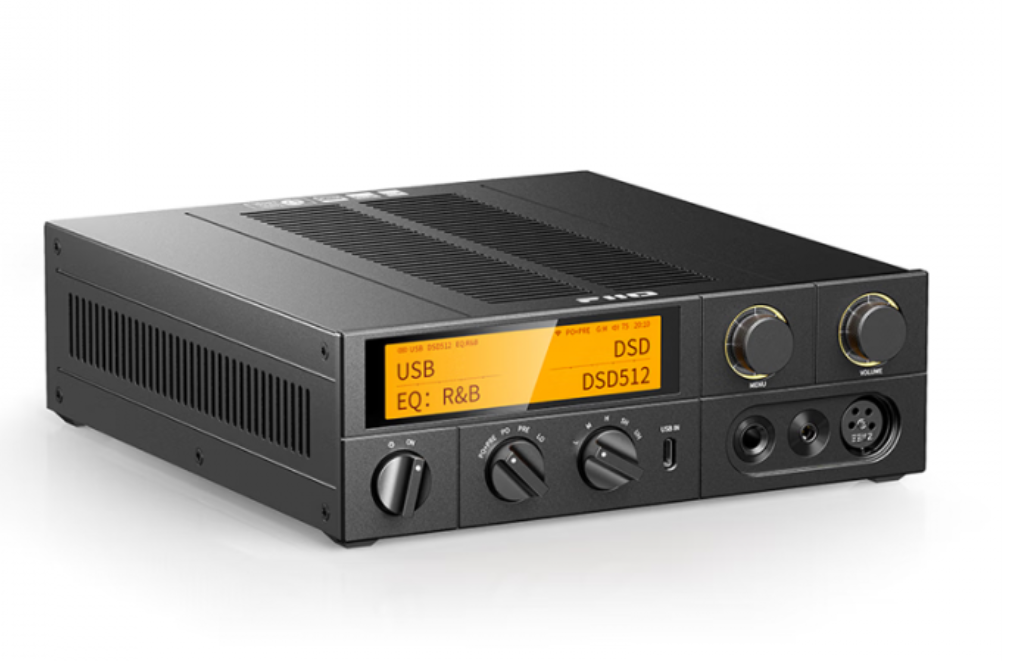
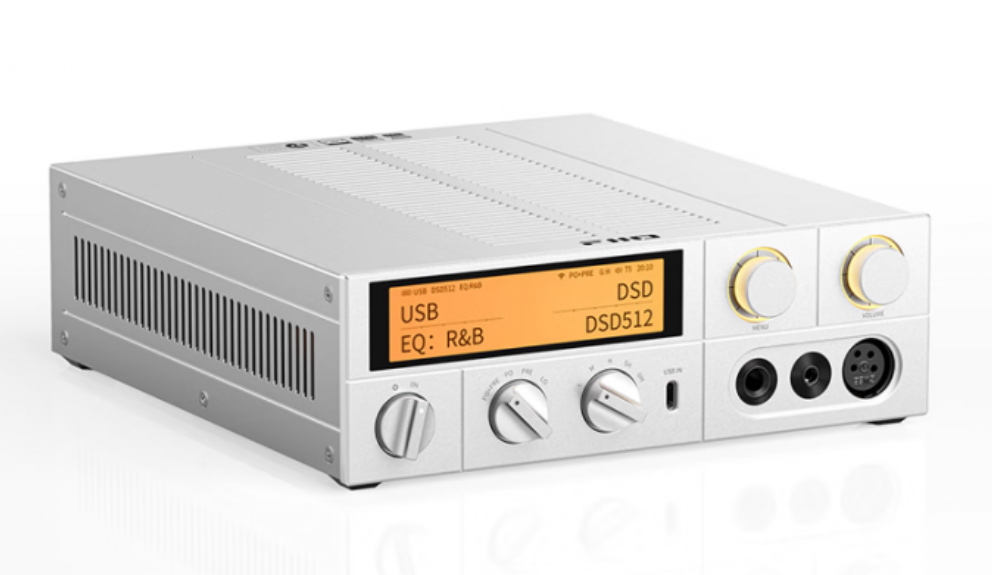
FiiO K17 is a cutting-edge desktop DAC and headphone amplifier designed for audiophiles seeking superior sound quality and powerful output. Packed with advanced features and state-of-the-art technology, the K17 ensures a remarkable listening experience for all types of headphones and earbuds. You can now get the FiiO K17 for $999.99 at Geekwills.
Exceptional DAC Performance
At the heart of the FiiO K17 lies the flagship AKM DAC combination: the AK4191 paired with dual AK4499EX chips. This high-performance setup provides incredible audio clarity and precision. Each AK4499EX chip handles a single channel, reducing interference and improving channel separation. The unique 8-channel to 4-channel low-pass filter (LPF) design and AKM’s “DWAROUTING” technology deliver an ultra-clean audio background with enhanced dynamics and resolution.
High-Power Amplification
The K17 boasts an impressive balanced output power of up to 4000mW per channel at 32Ω, ensuring compatibility with a wide range of headphones and IEMs. Its fully discrete Class AB transistor amplification circuit, equipped with ON Semiconductor’s MJE243/253 transistors, guarantees smooth, natural sound. With high current output and low impedance, the amplifier ensures consistent performance across all connected devices.
Advanced DSP and PEQ Capabilities
Equipped with the M21586Q DSP chip, the K17 offers 64-bit double-precision floating-point calculations at a 360MHz clock frequency. This chip enables a 31-band high-precision lossless parametric equalizer (PEQ), allowing users to tailor their sound preferences without compromising audio fidelity. Complemented by the ES9821Q ADC and a custom ultra-low phase noise femtosecond crystal oscillator, the K17 ensures exceptional performance in all modes.
Intuitive User Interface
The FiiO K17 features a 3.93-inch color screen with a custom Android 12 interface, providing a user-friendly and visually appealing display. Navigating the device is straightforward, allowing users to access various functions effortlessly right out of the box.
Versatile Connectivity Options
The K17 supports multiple input and output options, including USB, optical, and coaxial inputs, as well as 4.4mm balanced, 6.35mm single-ended, RCA line out, and coaxial outputs. These options make it a versatile device suitable for various audio setups.
Key Specs:
DAC Chip: AKM AK4191 + AK4499EX (dual)
USB DAC Support: Up to 768kHz/32-bit, DSD 512 (Native)
Android 16 is currently in the Developer Preview stage. It has been exactly a month since Google rolled out the second Developer Preview of the new OS, and hidden within its code is a feature that might please tablet and large-screen users.
According to a report by Android Authority, the latest Developer Preview of the OS includes a multitasking system inspired by OnePlus’ Open Canvas. This would be a significant upgrade for large-screen devices and foldables, as OnePlus’ Open Canvas is widely regarded as the best multitasking tool and a more practical approach to split-screen functionality.
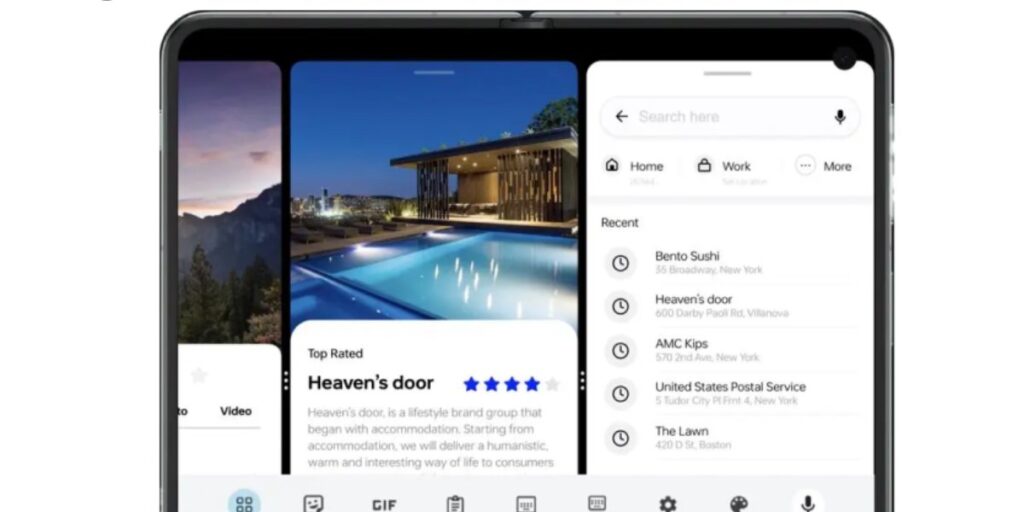
Android 16 will allow splitting three apps at once
Essentially, Android 16 might let users open three apps side by side on tablets. In OnePlus’ system, two apps take up 90% of the screen, while a third app is visible in the remaining 10%. A simple tap on the smaller window brings it into focus, switching the layout smoothly. Google seems to be testing a similar approach in Android 16.
The code found in Android 16 DP2 mentions an in-development “flexible” split-screen mode. Android Authority’s Mishaal Rahman managed to get the feature working on his Pixel device, though he notes that it’s far from ready and currently doesn’t split apps properly.
Google is still testing this feature, and it’s unclear whether it will be ready for the final Android 16 release. If completed in time, it could roll out to all Android phones and tablets, and manufacturers like Samsung can particularly make use of these features for their book-style foldable.
Android 16 is expected to reach platform stability in the first half of this year, with a full release later in the year. If this feature is finalized, users may receive it through manufacturer updates.
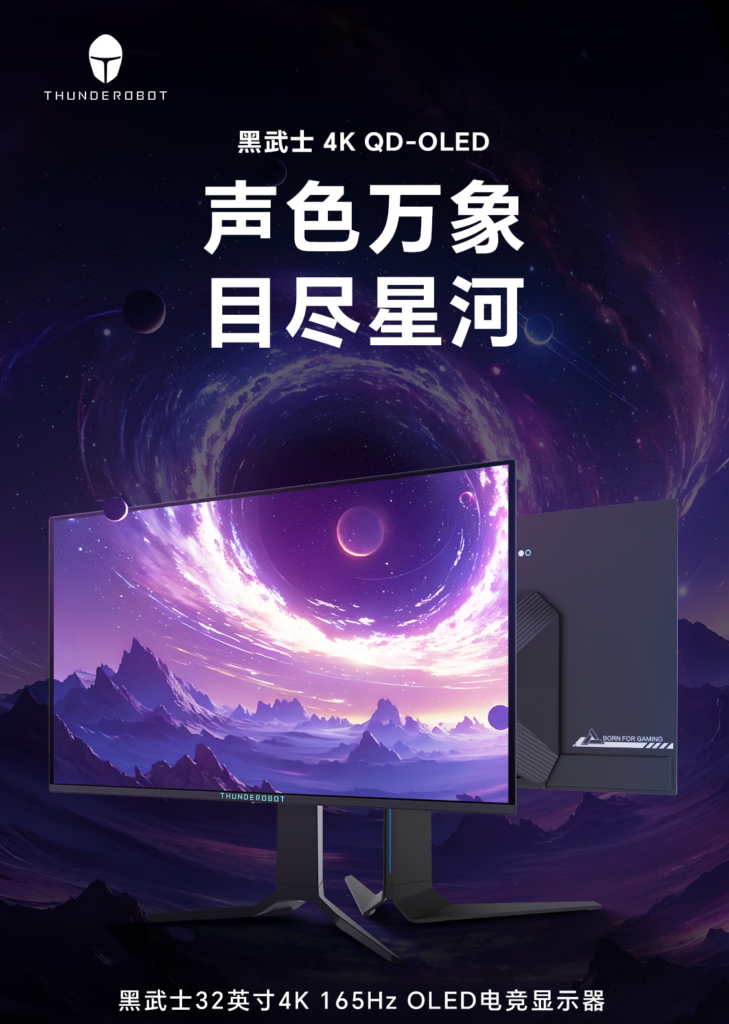
Thunderobot has launched a new gaming monitor called Black Warrior DU32F165E in the Chinese market. The monitor is priced at 5099 yuan ($696) and is now up for sale on JD.com. Let’s check out its key specs.
Thunderobot Black Warrior DU32F165E Specifications
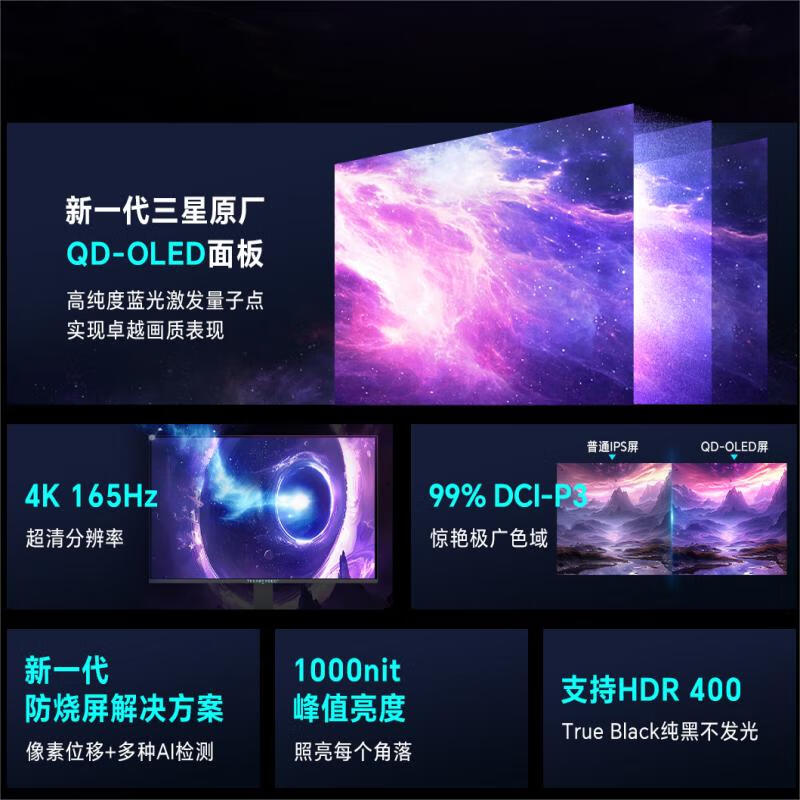
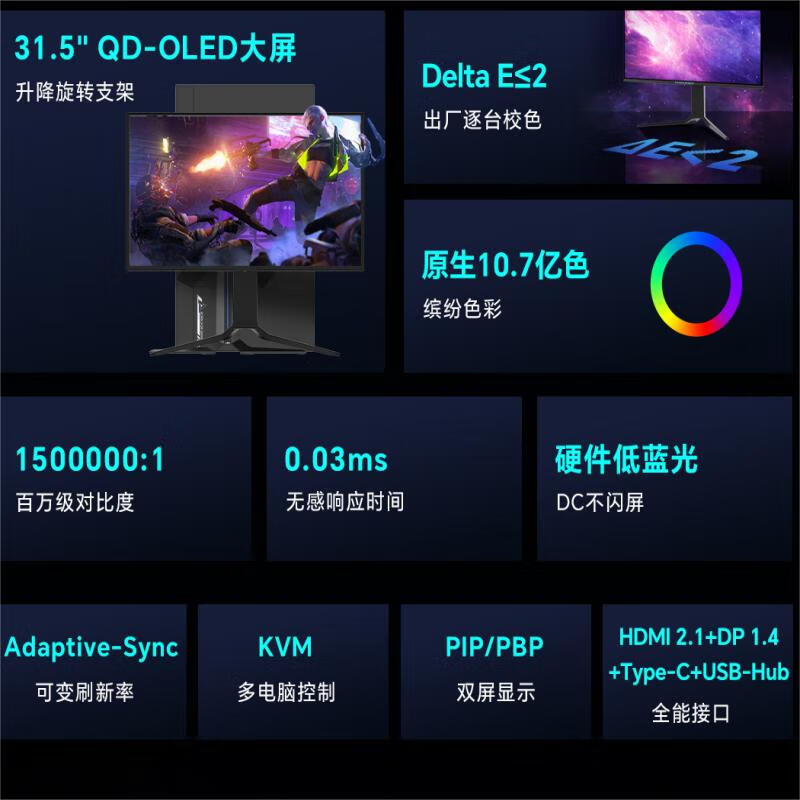
The DU32F165E features a 31.5-inch Samsung QD-OLED panel and offers 4K resolution (3840×2160), a 1,500,000:1 contrast ratio, and wide 178° viewing angles, delivering exceptional image quality and vibrant visuals.
It features a high 165Hz refresh rate, supported across HDMI, DisplayPort, and Type-C inputs, along with a rapid 0.03ms response time. It comes with Adaptive-Sync technology, compatible with both G-Sync and FreeSync, ensuring smooth and tear-free visuals for gamers. It also equips HDR 400 certification with a peak brightness of 1000 nits, enhancing contrast and bringing out details in both bright and dark scenes.
The DU32F165E excels in color accuracy and reproduction, covering 99% of the DCI-P3 color gamut, 98% of Adobe RGB, and 100% of sRGB. Its native 10-bit color depth delivers 1.07 billion colors, ensuring lifelike and vibrant visuals. Every unit is factory-calibrated with a Delta E ≤ 2 for precise color accuracy, accompanied by a paper calibration report.
To enhance longevity, the monitor includes advanced burn-in prevention features such as pixel-shift technology, AI-based static image detection, and brightness adjustment for static elements like taskbars and borders. It also incorporates low blue light hardware and DC dimming to minimize eye strain during prolonged use.
The monitor is equipped with a versatile stand that offers 120mm height adjustment, -6° to 20° tilt, ±45° swivel, and ±90° vertical rotation. For connectivity, it comes with dual HDMI 2.1 ports, one DisplayPort 1.4, a Type-C port with 90W power delivery, one USB-B port, and two USB-A ports.
Additionally, the DU32F165E supports KVM functionality for controlling multiple devices with a single keyboard and mouse, as well as PIP/PBP for multi-screen multitasking.
In related news, ThundeRobot introduced a new 27-inch 2K gaming monitor earlier this week featuring a Fast-IPS panel, a 210Hz refresh rate, 400 nits of brightness, and a 1ms response time. Additionally, LG debuted the UltraGear G8 27-inch gaming monitor, which offers dual-mode capabilities with 4K resolution at 240Hz and FHD resolution at an impressive 480Hz.
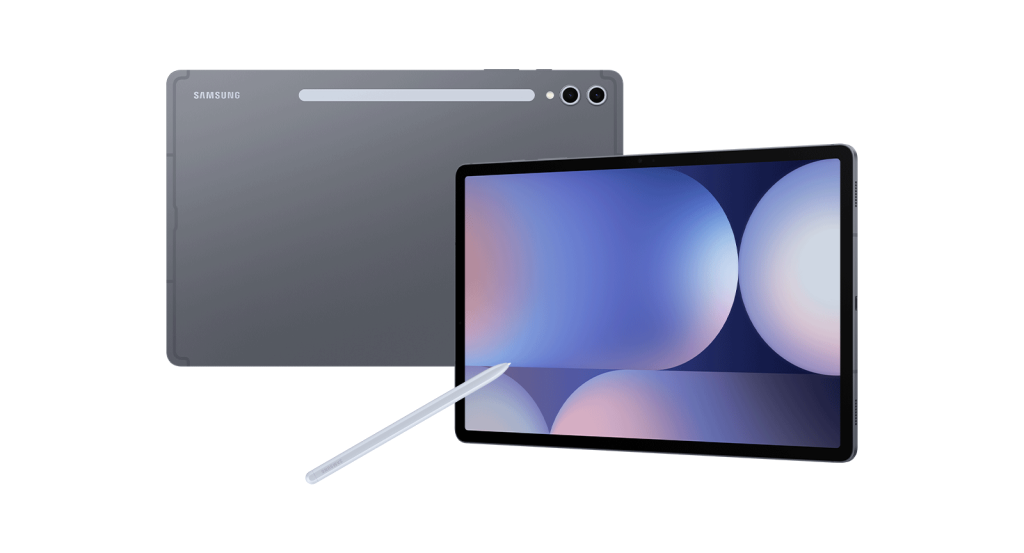
Samsung is all set to unveil the Galaxy S25 series of flagship smartphones in a few days. But it seems that new Galaxy tablet models are also in the works. A new report has found that the Galaxy Tab S10 FE and Galaxy Tab Active 5 Pro could be arriving soon as well.
Samsung Galaxy Tab S10 FE & Tab Active 5 Pro in the works
Samsung Galaxy Tab S10 FE
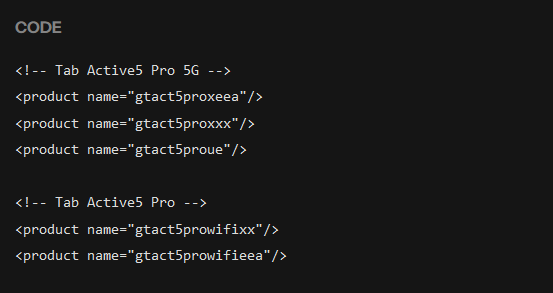
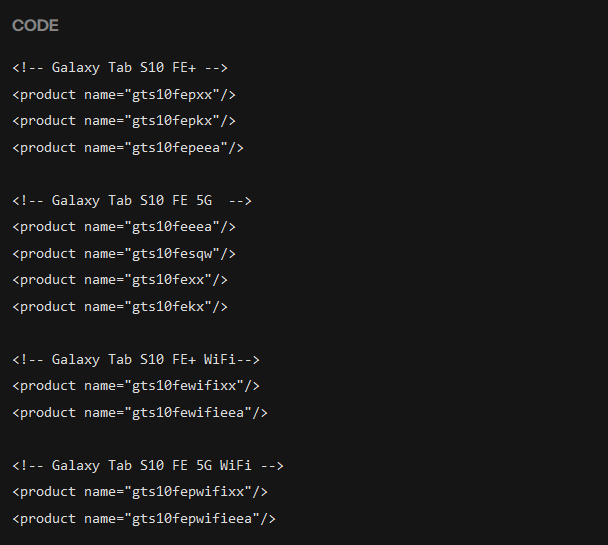
The news arrives from AndroidAuthority who shared details regarding the upcoming rugged tablet and the budget flagship tablet from the Fan Edition series. In the report, the Galaxy Tab Active 5 Pro, Galaxy Tab S10 FE, and Galaxy Tab S10 FE Plus variants were spotted in codes from reliable sources close to the matter. In other words, the South Korean tech giant is set to launch new tablets from the Galaxy Tab Active 5 lineup and even the newer FE models.
Samsung Galaxy Tab Active 5 Pro Code
To recall, Samsung unveiled the Galaxy Tab Active 5 along with the Galaxy XCover 7 back in January 2024. Earlier this week, the Galaxy XCover 7 Pro was spotted in another leak with the Snapdragon 7s Gen 3 and would likely be another rugged phone with military grade certification and an IP rating for water and dust resistance. This leak hinted at its imminent release, so the brand could debut the Galaxy Tab Active 5 Pro along with this durable smartphone.
Samsung Galaxy Tab S10 FE Series Code
Furthermore, it appears that the Galaxy Tab Active 5 Pro will also launch with the Snapdragon 7s Gen 3 chipset like the Galaxy XCover 7 Pro. Although, there are two variants of this upcoming rugged tablet, which includes a WiFi only and 5G enabled versions. Meanwhile, the Galaxy Tab S10 FE and Galaxy Tab S10 FE Plus codes were also spotted in WiFi only and 5G variants, but these may be powered by the Exynos 1580 SoC. The duo would be the successor to the Galaxy Tab S9 FE series.
TikTok has officially gone offline in the United States, marking the culmination of years-long debates and legal battles. The federal ban, enacted after Congress passed a law mandating TikTok’s Chinese parent company, ByteDance, divest its U.S. operations, has effectively rendered the app inaccessible to its 170 million American users.
Trump Administration Hints at Possible Reprieve for TikTok
Users trying to access TikTok encountered a direct message: “Sorry, TikTok isn’t available right now. A law banning TikTok has been enacted in the U.S., which means the app is currently inaccessible.” This ban extends beyond TikTok to all ByteDance apps, including CapCut, Lemon8, and others.
This move has sparked criticism from free speech advocates, who argue that banning a platform of TikTok’s scale undermines democratic values. Pen America labeled the Supreme Court’s decision to uphold the law as a troubling instance of government overreach. Meanwhile, national security concerns over potential data access by the Chinese government remain central to lawmakers’ defense of the ban.
TikTok’s last lifeline lies in the hands of President-elect Donald Trump, set to be inaugurated on January 20. Trump has indicated a willingness to extend negotiations, hinting at a possible 90-day reprieve. This could pave the way for alternative solutions, such as the revival of Project Texas, a $2 billion proposal designed to safeguard U.S. user data under the supervision of American companies like Oracle.
Meanwhile, alternative proposals are gaining traction. Start-up Perplexity AI has suggested a $50 billion merger with TikTok’s U.S. operations, while other bidders, including former Los Angeles Dodgers owner Frank McCourt, have also expressed interest. However, legal experts caution that the federal law limits presidential power, leaving TikTok’s future uncertain.
As competitors like Instagram Reels and YouTube Shorts vie to capitalize on TikTok’s absence, the app’s U.S. shutdown could signify a seismic shift in the social media landscape. All eyes now turn to Trump’s administration to determine whether TikTok can stage a comeback or face permanent exile.
In a massive leak, sensitive information and key documents of the Indian Army were leaked. The Army officials were sharing these on WhatsApp before the major leak. So during border talks with China, the Indian Army shifted to use Sambhav (Secure Army Mobile Bharat Version) smartphones for safer communication. Now, we have finally have a look at this device, and it seems quite similar to a Google Pixel.
Indian Army’s Sambhav resembles the Google Pixel 6a
The image that has been circulating online showcases a smartphone with a Google Pixel’s Visor-like camera module. This houses a dual camera setup and includes an LED flash. The volume rockers and power buttons are placed on the right side and the device has a green back panel. Just looking at the image, the Sambhav phone has a design that looks like the Pixel 6a.
Indian Army Sambhav
For those unaware, the Indian Army had around 30,000 Sambhav phones that were given to officers. These devices also came with the M-Sigma app for messaging and sharing documents, videos, and pictures. So while it functions similarly to WhatsApp, it would offer safer communications. Apart from this, the Sambhav smartphone also offers various important functions. This includes not having to save numbers, having a safe end-to-end secure mobile ecosystem, and supporting Jio and Airtel networks.
As per the official Indian Army announcement, “Mobile networks are inherently vulnerable to eavesdropping, putting sensitive information at risk. To counter this, we have developed an end-to-end secure mobile ecosystem that is network-agnostic and offers secure communication on the move.” It is unclear if the design was actually inspired by the Google Pixel 6a or just a random coincidence.
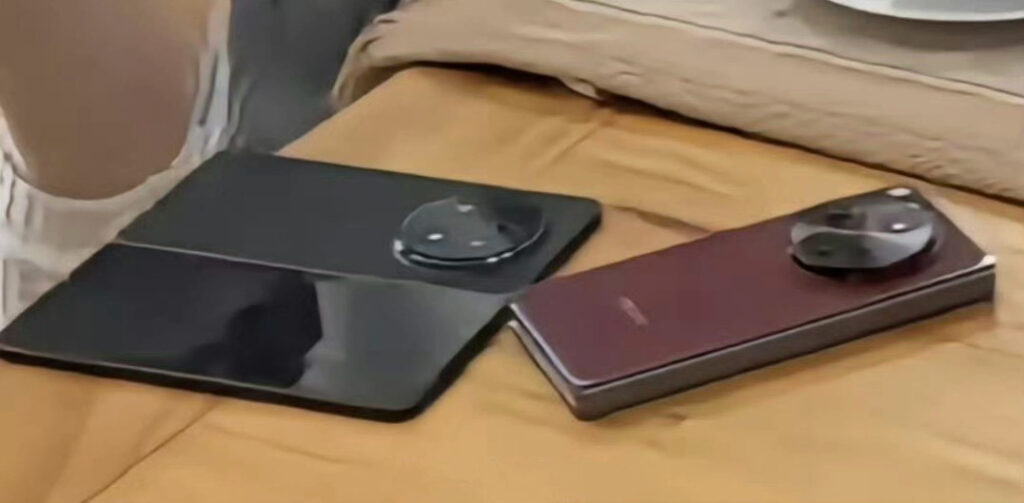
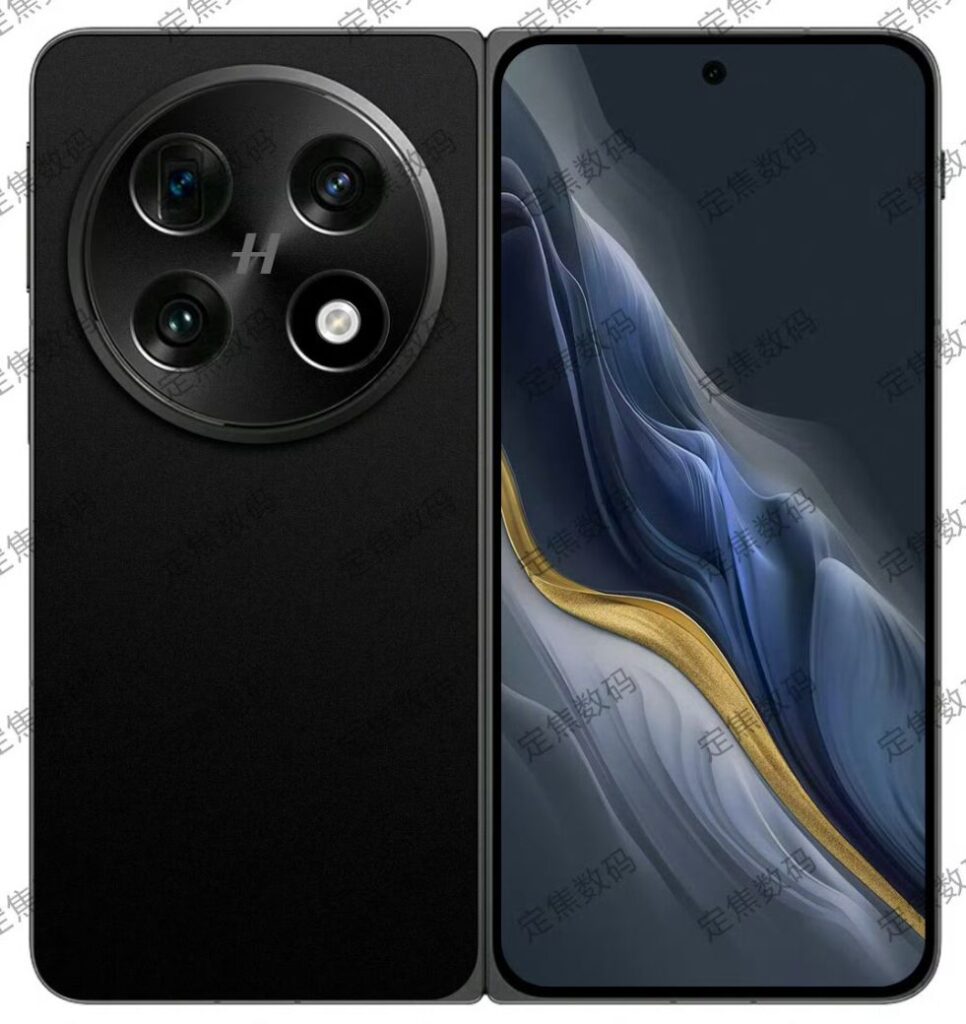
Oppo will announce the Find N5 foldable phone in February in China. Recently, tech blogger Fixed Focus Digital shared a render based on the leaks surrounding the N5. Additionally, a leaked image that gives the first look at the device alongside its predecessor, the Find N3, is also being circulated on Weibo.
Oppo Find N5 design revealed
Oppo Find N5 live shot
The above image showcases the Find N5 on the left and the Find N3 on the right. The Find N5, expected to debut as the world’s thinnest foldable phone, retains the large round camera module seen in its predecessor.
However, the company has made some changes to the positioning of the camera sensors and LED flash on the Find N5. The camera sensor arrangement is similar to that of the OnePlus 13, featuring an LED flash in the bottom-right corner and a periscope telephoto camera in the upper-right corner.
In contrast, the Find N3’s LED flash is positioned outside the camera module. The image below, which is a mock-up render of the Find N5, provides a good glimpse of what its final design might look like.
Oppo Find N5 mock-up render
Reports suggest that the Find N5 will measure around 4mm in thickness in the unfolded state and around 9mm in the folded state. Readers can visit this post to see some live shots that compare the Find N5’s design with the Find X8, which has a thickness of 7.9mm. As far as specs are concerned, it is expected to feature a titanium build with an IPX8 rating, a Snapdragon 8 Elite chip, around 5,700mAh battery with 50W magnetic wireless charging support, a 2K resolution internal screen, a 50-megapixel main camera, and a 50-megapixel periscope telephoto camera with 3x optical zoom.
Oppo Find N5 global release nears
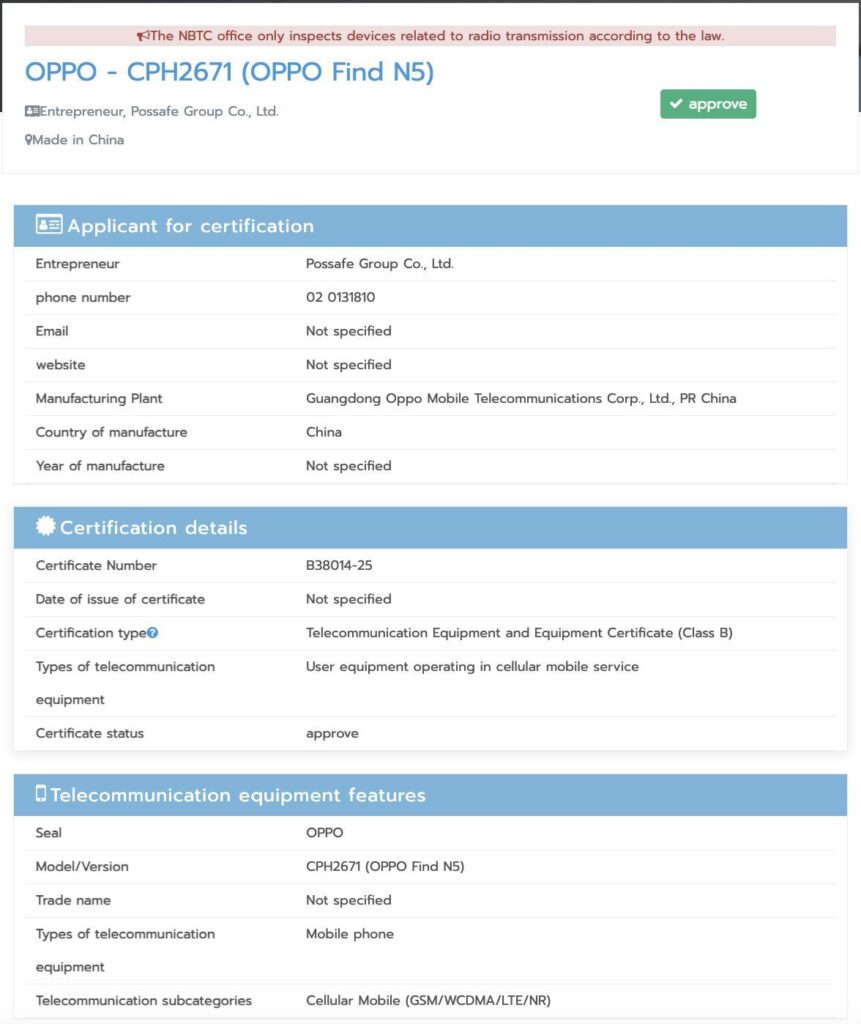
Oppo Find N5 NBTC listing
Apart from the Chinese launch, the Find N5 is also heading to some Southeast Asian markets as the device already bagged multiple certifications. In the latest development, the N5 has also received approval from Thailand’s NBTC authority. It is speculated that the same device will be rebranded as the OnePlus Open 2 in other markets, such as the US, Europe, and India.
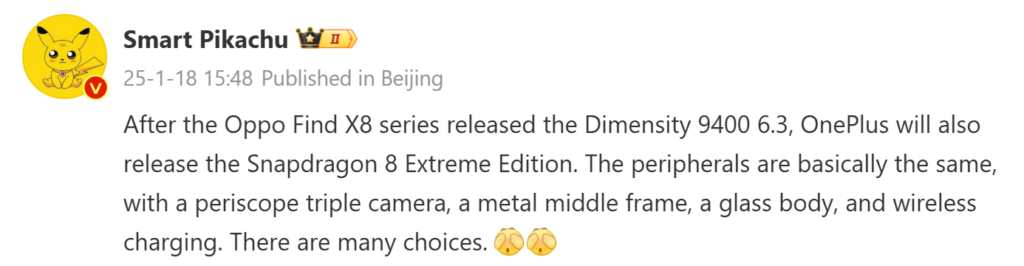
Oppo plans to launch the Oppo Find N5 and Watch X2 devices in China in February. In March, the brand anticipates revealing the Find X8 Ultra and Find X8 Mini in its domestic market. Meanwhile, sibling brand OnePlus recently launched the Ace 5 series of affordable flagship phones in China, and reports suggest that it may be working on the OnePlus 13 Mini, a compact flagship device. Speculation indicates that the OnePlus 13 Mini could share similarities with the Oppo Find X8 Mini. A new leak, courtesy of Smart Pikachu, has revealed key specifications of the OnePlus 13 Mini. Here’s what we know about the device so far.
OnePlus 13 Mini key specifications (rumored)
The above-mentioned leaked specs corroborate with the OnePlus 13 Mini details that were previously leaked by prominent leaker Digital Chat Station. As per the leak, the 13 Mini will arrive with a 6.3-inch OLED screen, a triple camera setup that includes a periscope camera, a metal middle frame, and a glass body.
DCS previously revealed that the screen supports LTPO technology, a 1.5K resolution, and has narrow bezels on all four sides. He also revealed that the camera setup includes a 50-megapixel Sony IMX906 main camera, an 8-megapixel ultra-wide lens, a 50-megapixel periscope telephoto camera with a 3x optical zoom, and an optical in-screen fingerprint sensor.
The OnePlus 13 Mini will feature the Snapdragon 8 Elite, while the Find X8 Mini will feature the Dimensity 9400 chip. Smart Pikachu’s leak reveals that the device will also support wireless charging. Unfortunately, there is no information available about its battery size.
While the Find X8 is expected to debut in March, the OnePlus 13 Mini is slated to debut in the second quarter of this year in China. Currently, the global release of the device remains unclear.
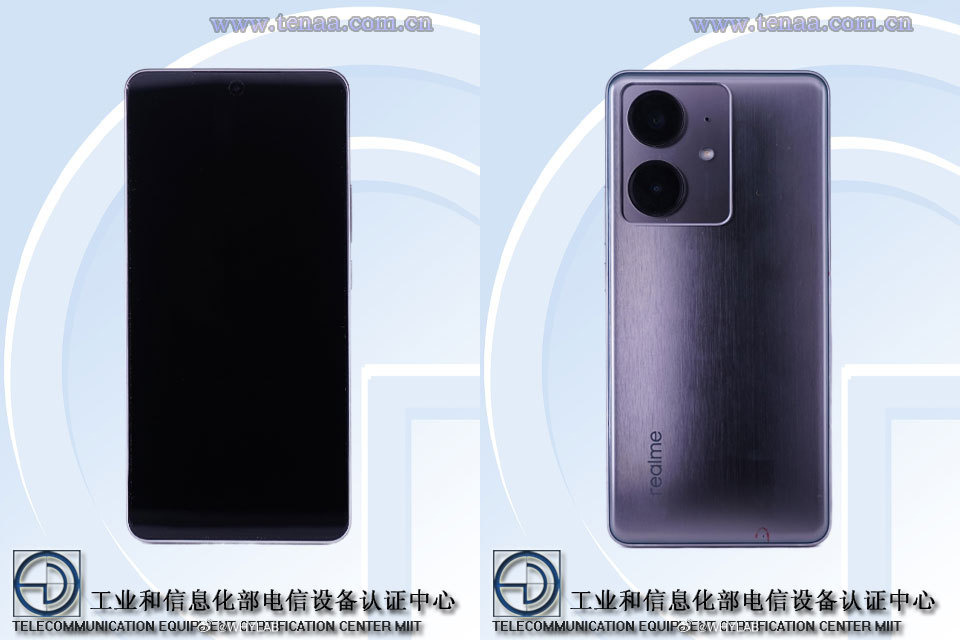
Realme has been consistently launching new phones each month. In December, the brand announced the Realme Neo 7 equipped with the Dimensity 9300+ chip and a 7,000mAh battery in China. This month, Realme unveiled the Realme 14 Pro and 14 Pro+ smartphones for the global market. After the upcoming Chinese Spring Festival, it will announce the Realme Neo 7 SE in China. With the Dimensity 8400-Max chip onboard, it is expected to rival the Redmi Turbo 4 in the home market. The smartphone is already in Tthe ENAA certification platform’s database, hinting that it will pack a 7,000mAh battery. The device has received 3C certification in China, hinting about its fast charging capabilities.
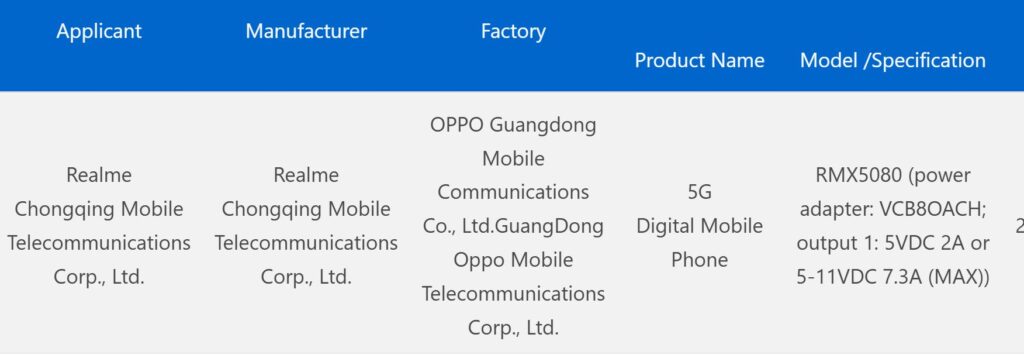
Realme Neo 7 SE 3C certified
Realme Neo 7 SE 3C certified in China
Reports have revealed that the upcoming Realme Neo 7 SE has the RMX5080 model number. The same device has now surfaced in 3C’s database with a VCB8OACH charge, which supports up to 80W charging. This indicates that the Realme Neo 7 SE model will offer the same battery capacity and charging capabilities as the Neo 7.
The Neo 7 SE is also expected to be released globally. However, its exact moniker remains unclear, as some reports suggest it might be launched as the Realme GT 7T in markets outside China. Hopefully, upcoming reports will provide more clarity on its official name.
Realme Neo 7 SE specifications
Realme Neo 7 SE TENAA images
According to reports, the Realme Neo 7 SE will house a 1.5K resolution OLED panel with 120Hz refresh rate support. The Dimensity 8400-Max powered phone may offer up to 16 GB of LPDDR5x RAM and up to 512 GB of UFS 4.0 storage. It will come preloaded with Android 15 and Realme UI 6.
For selfies, the Neo 7 SE will feature a 16-megapixel front-facing camera. The back panel of the device will have a Sony IMX882 50-megapixel main camera and an 8-megapixel ultra-wide lens. It will have an optical in-screen fingerprint sensor for security.
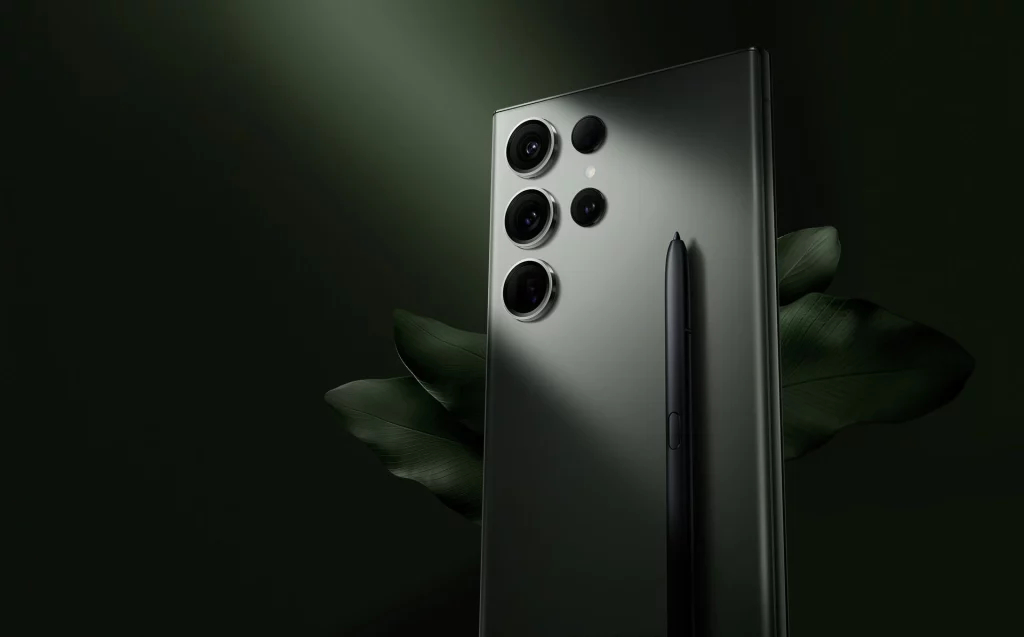
The Galaxy S23 Ultra has been one of the most praised flagship smartphones of 2023, offering cutting-edge features like a 200MP main camera, Snapdragon 8 Gen 2 for Galaxy, and a solid design built with Corning Gorilla Glass Victus 2.
However, with the arrival of the Galaxy S24 Ultra, and the impending launch of the Galaxy S25 Ultra, buying the S23 Ultra now may not be a wise decision for several reasons. Here’s why you should avoid purchasing the Galaxy S23 Ultra in 2025.
The Galaxy S23 Ultra was a powerhouse at its release, but the Galaxy S24 Ultra has already outclassed it in performance and features. Powered by the Snapdragon 8 Gen 3 for Galaxy, the S24 Ultra offers significantly better processing power, graphics, and AI capabilities compared to the Snapdragon 8 Gen 2 in the S23 Ultra. The improved vapor chamber cooling system (1.9 times larger) in the S24 Ultra also ensures better sustained performance for demanding tasks like gaming.
With the Galaxy S25 Ultra on the horizon, which will feature the Snapdragon 8 Elite built on TSMC’s advanced 3nm process, the S23 Ultra’s hardware feels even more dated. This new chipset promises unprecedented performance gains and efficiency improvements, making the S23 Ultra a less future-proof choice.
Please Note: When you buy something using the links in our articles, we may earn a small commission at no cost to you.
2. Limited Software Support
Samsung’s commitment to software updates has always been commendable. However, the S23 Ultra only offers four years of OS updates and five years of security patches.
In contrast, the Galaxy S24 Ultra and the upcoming Galaxy S25 Ultra come with seven years of Android and security updates. This extended support significantly enhances the longevity of newer models, ensuring that they remain relevant and secure for a much longer time.
Investing in a phone with shorter software support is not a good idea, especially when flagship devices are designed for long-term use.
3. Subpar Camera Experience
While the Galaxy S23 Ultra’s quad-camera setup, including a 200MP main sensor and a 10x periscope zoom lens, remains impressive, the Galaxy S24 Ultra’s camera capabilities have taken a leap forward.
The S24 Ultra introduces a new 50MP telephoto lens with 5x optical zoom that delivers better dynamic range and reduced noise in most scenarios, along with enhanced stabilization for both photos and videos.
Samsung has also equipped the S24 Ultra with AI-powered editing tools such as Generative Edit, Edit Suggestions, and Instant Slow-Mo, which are also available on the S23 Ultra. However, the improved processing power and better NPU on the S24 Ultra enable these AI features to function more seamlessly, ensuring smooth and reliable performance over time.
4. Battery Life and Charging Improvements
Although both the Galaxy S23 Ultra and S24 Ultra come with a 5,000mAh battery, the S24 Ultra offers significantly better battery life thanks to the efficiency of the Snapdragon 8 Gen 3 processor. It provides hours of additional screen time, as shown in some reviews.
With the Galaxy S25 Ultra expected to introduce even better power management and faster charging speeds, the S23 Ultra’s battery performance feels increasingly outdated.
5. AI and Future-Ready Features
The Galaxy S24 Ultra’s advanced AI features, powered by the Snapdragon 8 Gen 3’s enhanced Neural Processing Unit (NPU), are a game-changer. Features like real-time language translation, AI-driven camera enhancements, and advanced voice transcription make the S24 Ultra far more versatile. These features improve usability and ensure that the phone stays relevant as AI continues to shape smartphone technology.
While the S23 Ultra has received these Galaxy AI features through software updates, it won’t match the capabilities of the S24 Ultra or the upcoming S25 Ultra, both of which are designed with AI integration at their core.
6. Galaxy S25 Ultra Is Just Around the Corner
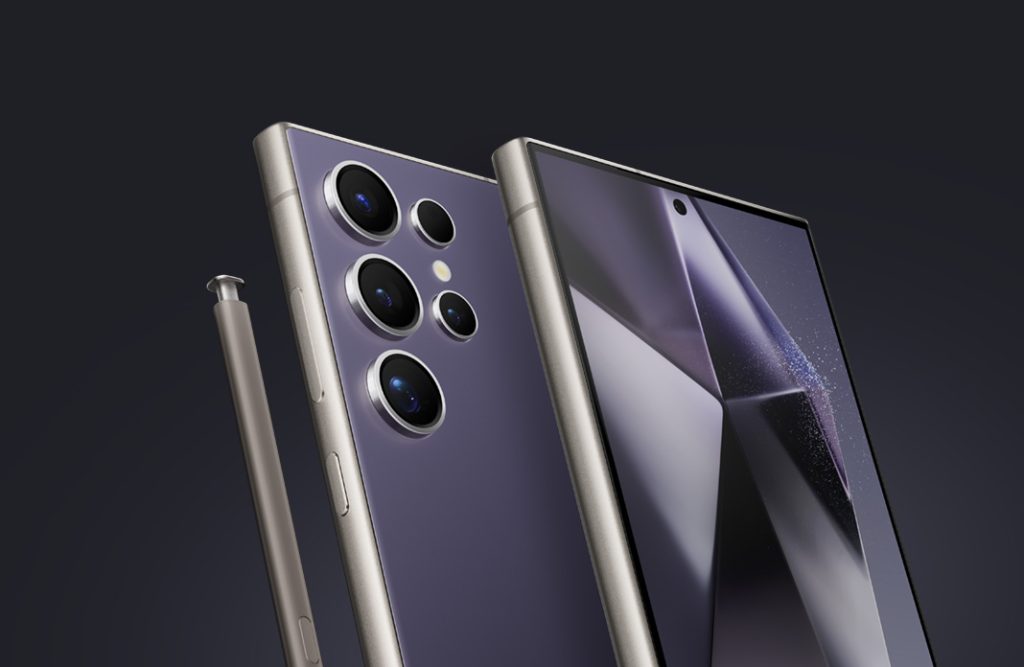
With the Galaxy S25 Ultra set to launch on January 22, 2025, buying the S23 Ultra now would be a poor investment. The S25 Ultra is expected to bring even more significant upgrades, including a 6.9-inch flat display, a Snapdragon 8 Elite chipset, enhanced durability, and new AI-powered features. If you’re considering an upgrade, waiting a few weeks for the S25 Ultra would be the smarter move.
7. Final Thoughts
While the Galaxy S23 Ultra was an excellent flagship in its time, it has been overshadowed by the Galaxy S24 Ultra and the soon-to-be-released Galaxy S25 Ultra. With outdated hardware, limited software support, and no significant price advantage, the S23 Ultra is no longer a compelling option in 2025.
If you’re in the market for a new smartphone, the Galaxy S24 Ultra or the Galaxy S25 Ultra are far better choices that offer more value, longevity, and cutting-edge features.
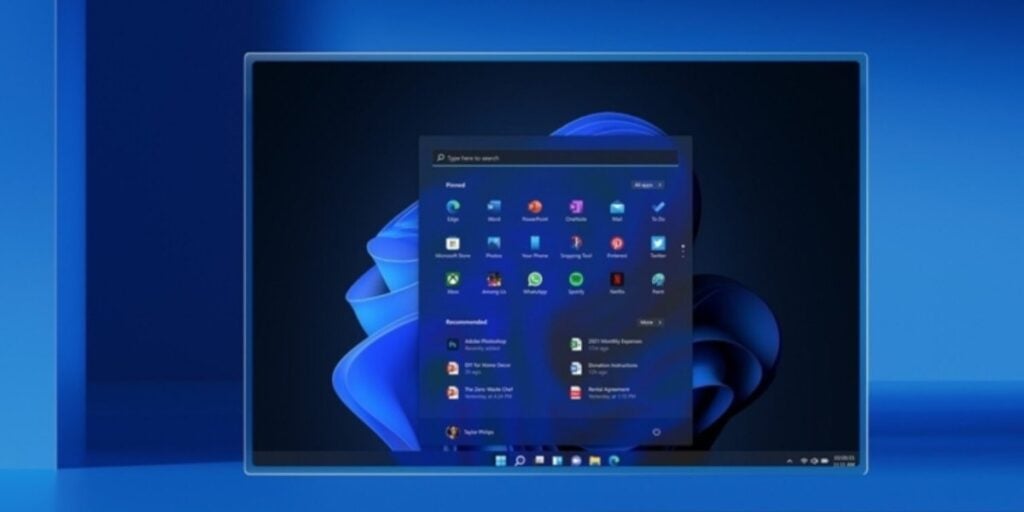
Windows 11 24H2 update is here and it’s coming to your machine whether you like it or not, well, almost. Microsoft has shifted gears on its update policy for Windows 11 24H2, the latest iteration of its desktop operating system.
Since October 2024, it’s been available as an optional upgrade, but starting January 16, 2025, things are changing. Microsoft has begun automatically downloading and installing Windows 11 24H2 on compatible Windows 11 PCs.
This forceful update is limited to consumer PCs running Windows 11 Home and Pro versions. So if you’re on an enterprise edition, you can breathe a sigh of relief for now.
Microsoft is also taking a staged approach, so not everyone will see the update notification right away. They’ll gradually push the update to a subset of users, monitor for bugs and issues, and then expand the rollout further.
The reasoning behind this seems to be to ensure a smoother update experience. By taking a measured approach, Microsoft can identify and squash any major problems that might arise before a wider release. This staged rollout also gives them a chance to gather feedback from early adopters and address any compatibility concerns.
If you’re not one for waiting, you can always check for updates manually. Just head over to Settings > Windows Update and select “Check for updates”. If your device is compatible and Microsoft has flipped the switch for your account, you’ll see the option to download and install version 24H2.
There have been some reports of glitches with Windows 11 24H2, particularly related to games, but Microsoft assures us that most of these have been resolved with recent patches.
That said, the potential for new, unforeseen issues always exists with major updates. If you’re particularly risk-averse, you can use the “Pause Updates” feature in Windows Update to defer the update for up to five weeks. This will buy you some time to do your own research and make sure critical software is compatible with the latest Windows version.
With 2024 coming to an end, we are compiling various ‘Best of 2024’ lists across different categories. Now, let’s check out the Best Affordable Flagship Smartphones this year. This is specifically for the Indian market, and includes four great smartphones.
OnePlus 12: The Best Affordable Flagship Smartphone of 2024
OnePlus 12 (Review) is easily the best affordable flagship of 2024. This model often goes on attractive discounts, offering buyers a premium package without breaking the bank. This model features a premium design, cutting edge hardware, and capable cameras. While it launched for a typical flagship price point, sales and other deals made it a lot more affordable.
OnePlus 12
It comes with the Snapdragon 8 Gen 3 SoC, a tall 6.82-inch 2K+ LTPO AMOLED display with 120Hz refresh rate, a massive 5,400mAh battery, 100W wired fast charging, and 50W wireless fast charging. With sales bringing the price down to nearly Rs 50,000 INR (roughly 590 US Dollars), this model offers the best price-to-value ratio for a budget flagship phone in India in 2024.
Please Note: When you buy something using the links in our articles, we may earn a small commission at no cost to you.
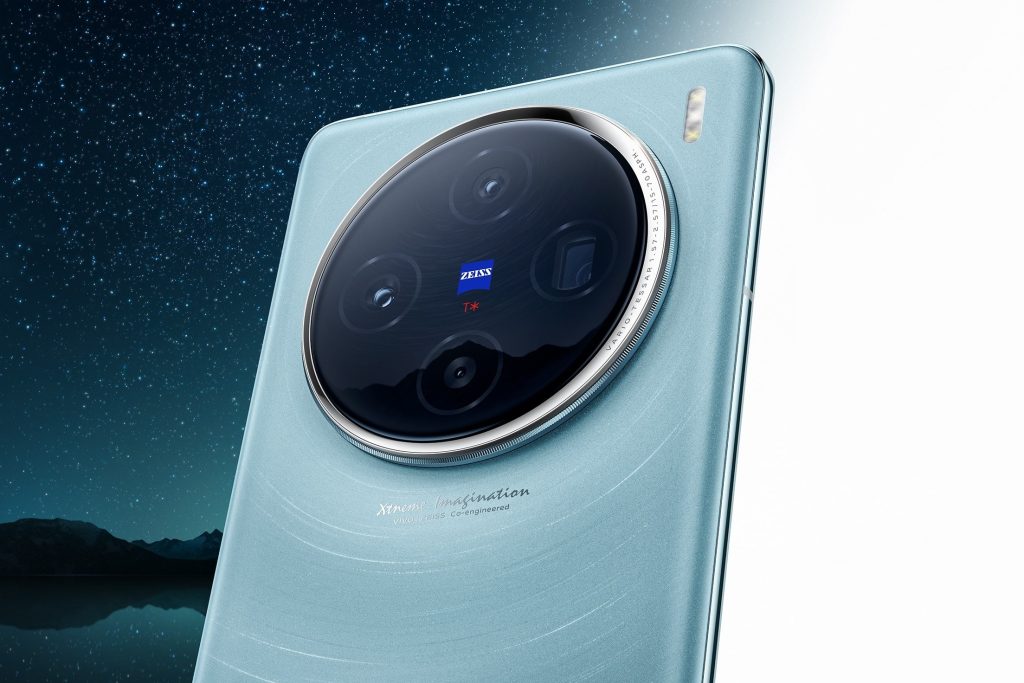
Vivo X100
Vivo X100 is a great runner up for the best affordable flagship phone in India. This model has one of the best camera setup in this list. On the front, there is a 6.78-inch LTPO 1.5K AMOLED display with a 120Hz refresh rate and 32MP selfie shooter, while the rear packs a 50MP (Main) + 64MP (Telephoto) + 50MP (Ultrawide) triple cameras.
Vivo X100
A large 5,000mAh battery pack powers this device, which supports 120W wired fast charging. Under the hood, it is equipped with the MediaTek Dimensity 9300 SoC, so you also get flagship grade processor. Other notable features include water and dust resistance, Bluetooth 5.4, and premium glass body. This phone went on sale for just under Rs 60,000 (roughly 708 US Dollars).
Please Note: When you buy something using the links in our articles, we may earn a small commission at no cost to you.
Xiaomi 14
While the Xiaomi 14 (Review) was launched as premium smartphone, it was soon available for a more affordable price. This made it quite a deal as a budget flagship. Two months ago, the Xiaomi 14 was listed for just Rs 47,999 (roughly 572 US Dollars). This made it the most affordable flagship phone in this list and in the Indian market.
Xiaomi 14
For under 600 US Dollars, you even get the Snapdragon 8 Gen 3 chipset, three 50MP cameras on the rear, and a 4,610mAh battery pack, which supported 90W wired and 50W wireless fast charging. Notably, the Xiaomi 14 is also a compact flagship phone with a 6.36-inch LTPO OLED panel, which makes it shorter than most phones in the premium category.
Please Note: When you buy something using the links in our articles, we may earn a small commission at no cost to you.
Apple iPhone 16
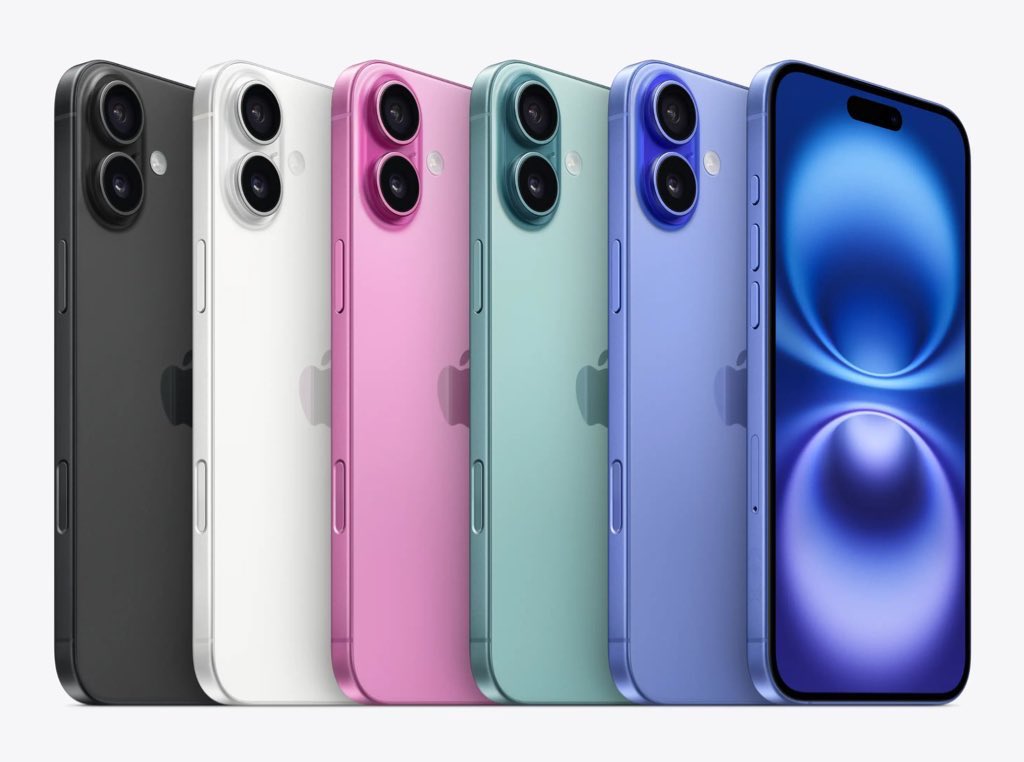
Apple’s latest iPhone 16 debuted in India back in September 2024. The base model was unveiled with a starting price tag of Rs 79,900. While this isn’t exactly affordable, it is more approachable than most ultra premium smartphones. The iPhone 16 brings a notable design change with a dedicated camera button and revamped camera placement.
iPhone 16
You’re also getting Face ID for security, 48MP dual cameras on the rear, and IP68 water and dust resistance. The base iPhone 16 is also a compact flagship, since it sports a 6.1-inch Super Retinba XDR LED screen. Unfortunately, you still get just 60Hz refresh rate, but for people already in Apple’s tight ecosystem can definitely consider this one.
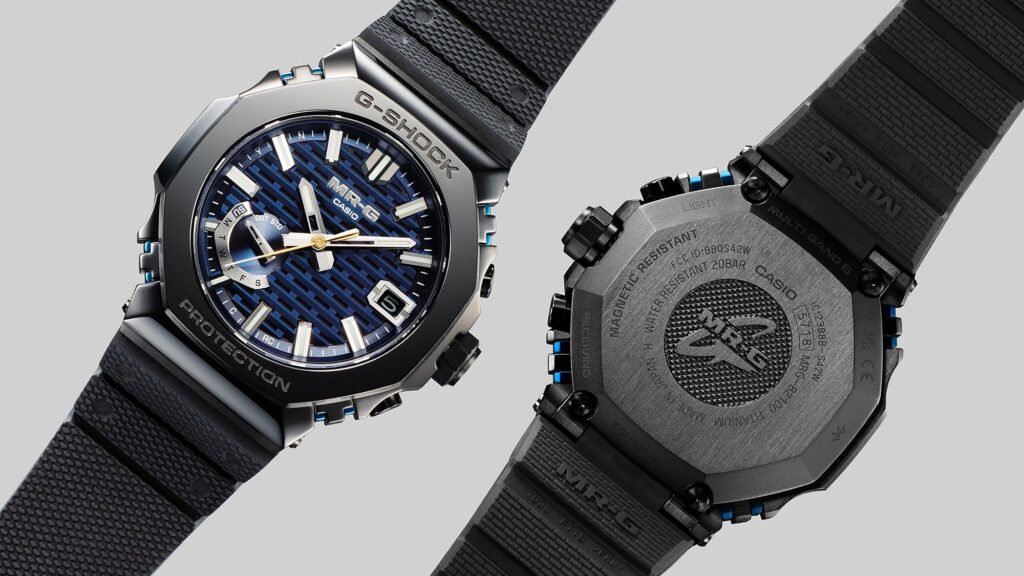
The G-Shock MRG-B2100R-2AJR, part of Casio’s premium MR-G series, launches in January 2025 for ¥550,000 (approximately $3,800). It combines Japanese design influences with advanced technology.
Design and Materials
The watch features a navy-blue vapor-deposited dial inspired by “Aizumi,” the blue ink used in Japanese calligraphy. Its Cobarion (cobalt-chrome alloy) bezel, four times harder than titanium with a platinum-like shine, is divided into 27 parts for precise hand-polishing, including Zaratsu polishing. The case is coated with DLC (diamond-like carbon) for enhanced durability.
Craftsmanship
The dial incorporates a lattice design inspired by “Kigumi,” a traditional Japanese woodworking technique, which allows solar power generation. The Durasoft fluorine rubber band is durable and comfortable, while titanium components in the clasp and band add strength. The shock-resistant crown is integrated into the slim case.
Technical Features
Bluetooth connectivity and Multi-Band 6 radio calibration ensure accurate timekeeping. The Tough Solar system provides up to five months of operation at full charge or 18 months in power-saving mode. Other features include an LED super illuminator, sapphire glass with anti-reflective coating, and 20 ATM water resistance. Smartphone integration through the CASIO WATCHES app offers time adjustment and phone location functions.
Release and Availability
The MRG-B2100R-2AJR releases on January 24, 2025, with availability outside Japan uncertain due to the MR-G series’ Japan-focused design approach.
In other news, Casio Japan has also launched the Fine Metallic Series for its G-Shock lineup. This series features stainless-steel bezels with silicone bands for durability and comfort. The series includes the square GM-5600 and octagonal GM-2100 models, available in silver and gold finishes.
On January 22, Samsung will introduce its new Galaxy S25 smartphones, featuring the Snapdragon 8 Elite processor and several improvements. However, the battery and fast charging speeds are expected to remain similar to those of the Galaxy S24 series. Reports indicate that Samsung may address these features with improvements in the Galaxy S26 series.
As per a previous report, the Galaxy S26 series will incorporate silicon-carbon anode batteries, which offer higher energy density compared to traditional lithium-ion batteries. This advancement enables larger battery capacities without increasing the size of the device, improving battery life while maintaining a compact design.
Tipster @kro_roe on X has recently tipped that the Galaxy S26 series will feature 65W wired fast charging to accompany the larger battery, which is an improvement over the 45W charging offered by the Galaxy S25 lineup. While this falls short of the approximately 100W fast charging provided by flagship models from Xiaomi, Oppo, OnePlus, and Vivo, it represents progress for Samsung.
The company remained at 25W charging until the Note 10 series introduced 45W fast charging. The Galaxy S24 continues to offer 25W fast charging, a trend likely to persist with the Galaxy S25. However, Samsung has included 45W fast charging for Plus-sized models since the launch of the Galaxy S22+ in 2022.
In other news, a recent leak has revealed the pricing details of the Galaxy S25 series in India. As per the report, all three models: the Galaxy S25, Galaxy S25+, and Galaxy S25 Ultra will come with a ₹5,000 increase compared to the Galaxy S24 series.
Pre-order Samsung Galaxy phones now & get up to $1,250 off + a chance to win $5,000 credit (US only) – https://howl.link/erlejlgnge89i
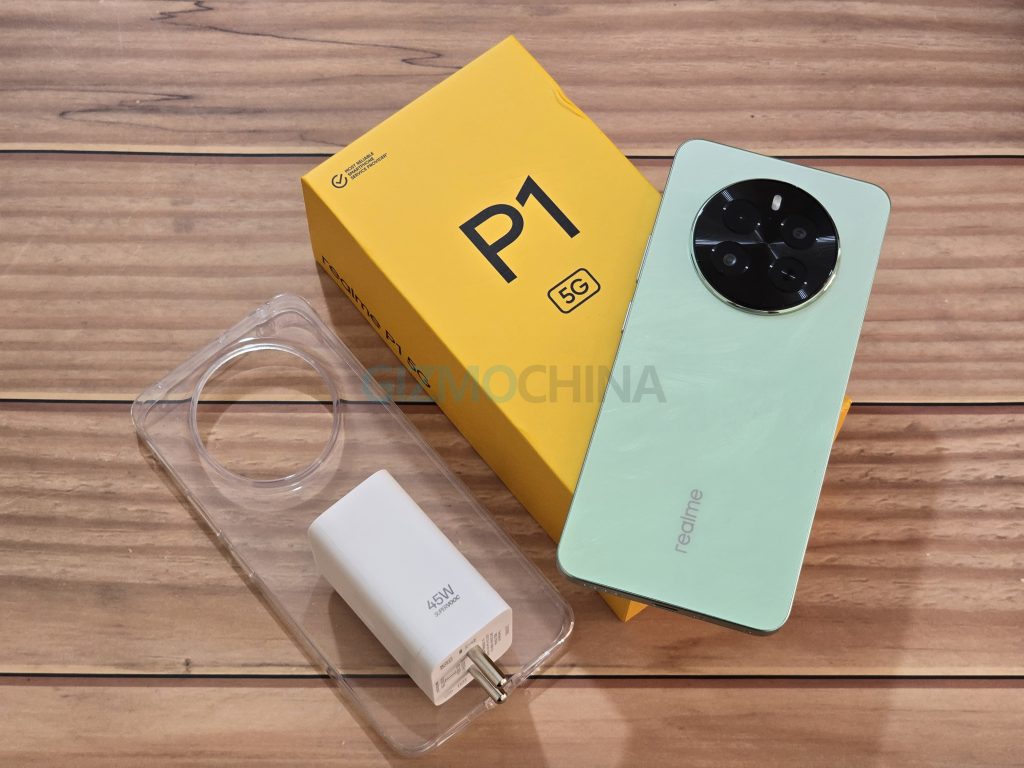
Realme launched the P2 Pro back in September last year, the only model in the P2 lineup. But just like the P1 series, it seems that the P3 series will come in multiple options: the P3, P3 Pro, and P3 Ultra. The Pro model is rumored to launch during the third week of February.
Realme P1 5G
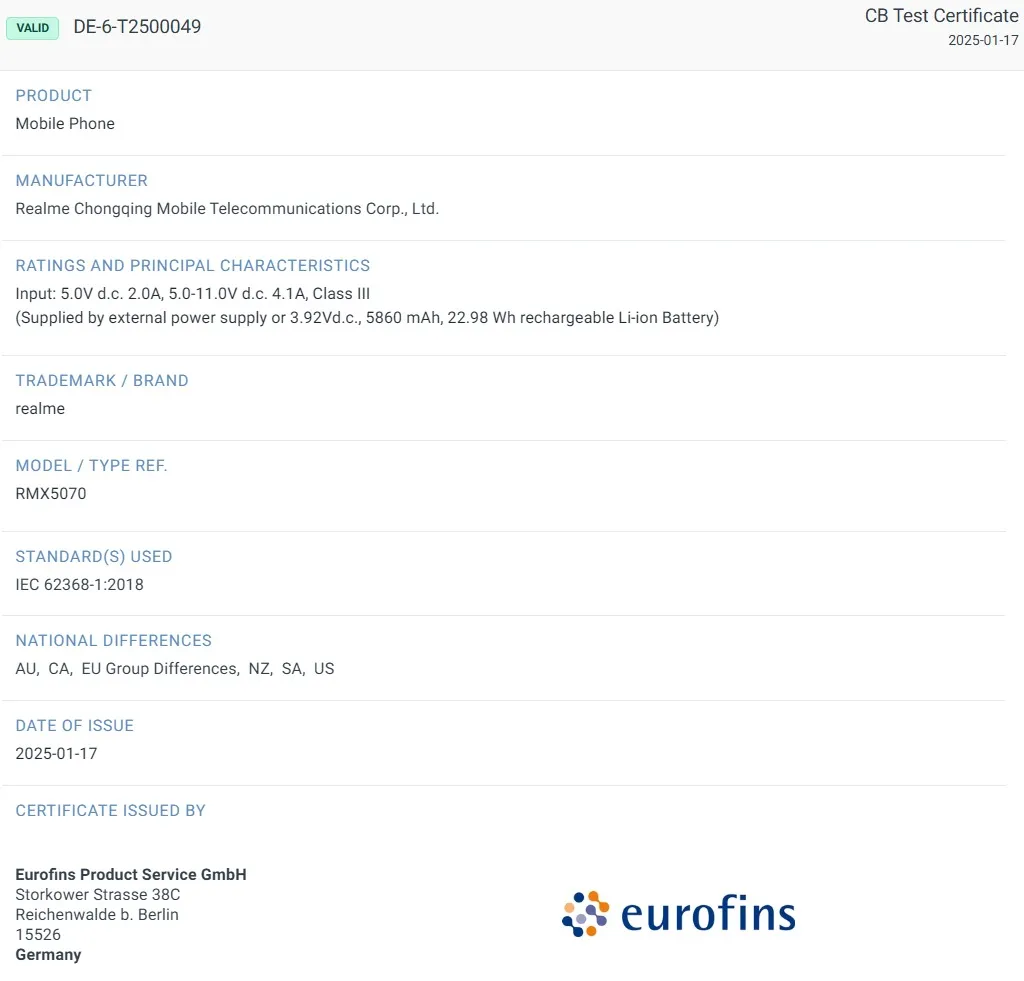
Battery, charging support revealed in certification listing
A new realme device with model number RMX5070 recently appeared on the Eurofins Certification platform (via MySmartPrice), revealing its battery capacity and charging support. The model number is believed to represent the Realme P3.
According to the listing, the phone packs a 5,860mAh battery and supports a maximum power input of 45W, on par with the recently released Realme 14 Pro. To give you some more context, the Realme P2 Pro packs a 5200mAh battery and supports 80W fast charging. The P1 packs an even smaller 5000mAh battery and supports the same 45W charging. So, the Realme P3 will offer a noticeably better battery life compared to the P1 launched in April last year, paired with a similar charging speed.
According to a previous leak, the Realme P3 will come in three different configurations—6GB+128GB, 8G+128GB, and 8GB+256GB—same as the P1. Realme used UFS 3.1 storage for the P1, which is likely going to be the case for this year as well. It ensures reasonably faster app loading times.
There is no information available about the chipset yet. The company has used Snapdragon chips to power the Pro models and MediaTek Dimensity chips for everything else so far. The Realme P1 uses the MediaTek Dimensity 7050 (6 nm) chip, which is okay for casual usage and a little bit of multitasking. The P3 will likely offer an iterative performance with a new chip. Reportedly,
Realme has selected three color options for the phone: Nebula Pink, Comet Grey, and Space Silver. You can learn more about the P3 Pro and P3 Ultra here.
The Moto G lineup has been offering really good cheap phones. Those who don’t care about flagship performance and cameras but instead look for reliable hardware and clean software that can get the basic job done, the Moto G models are worth considering.
As we enter the new year, the company unveils the 2025 edition with several upgrades over the last year’s model. The camera module has got bigger, and there are some other notable hardware upgrades as well. Let’s look at the key differences between the two and find out how the two stack up on each other.
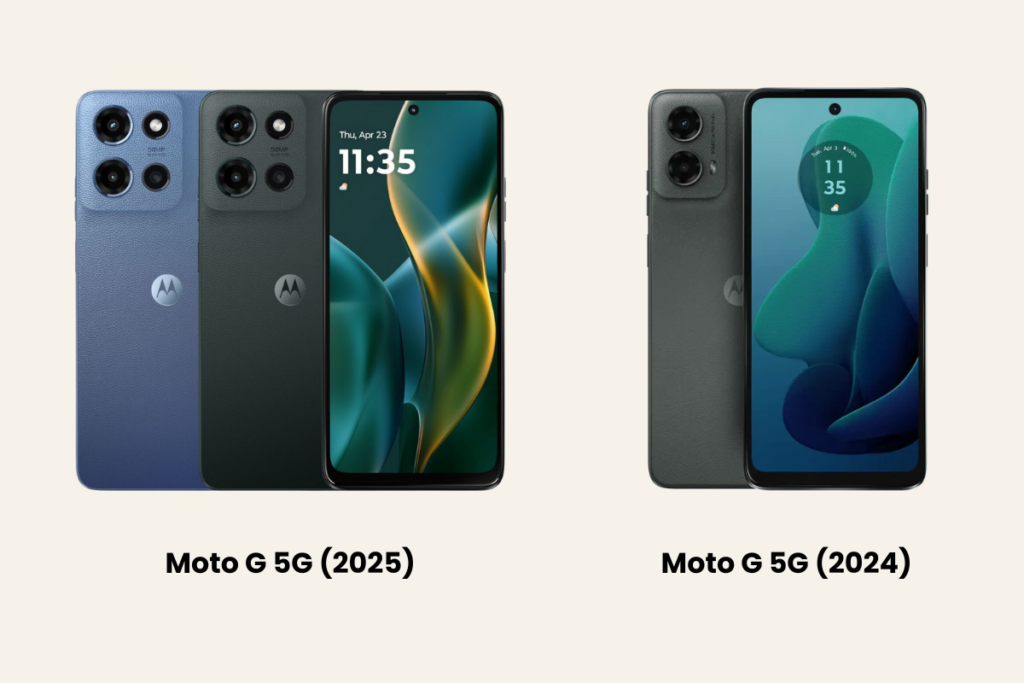
Motorola Moto G 5G (2025) vs Moto G 5G (2024)
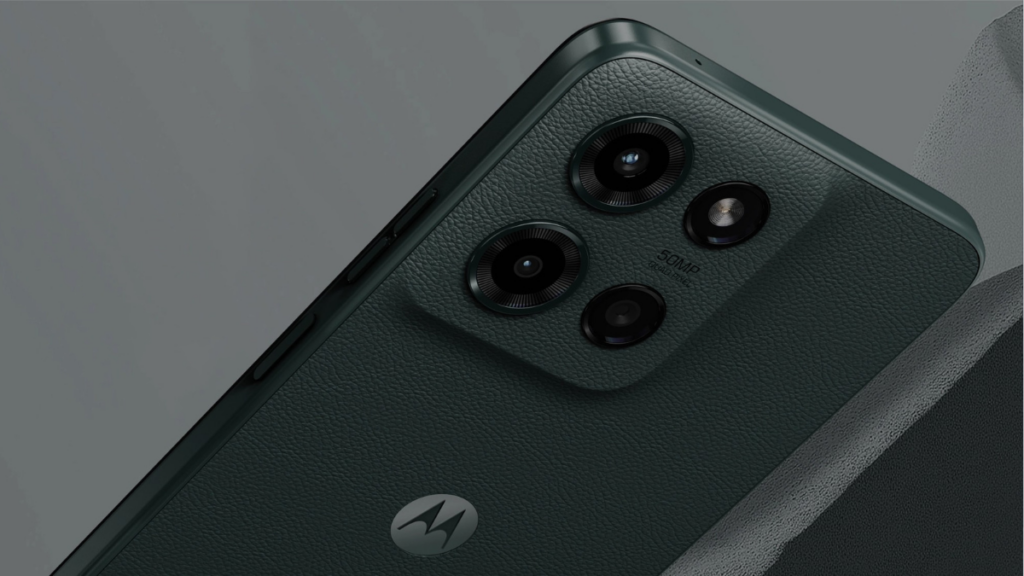
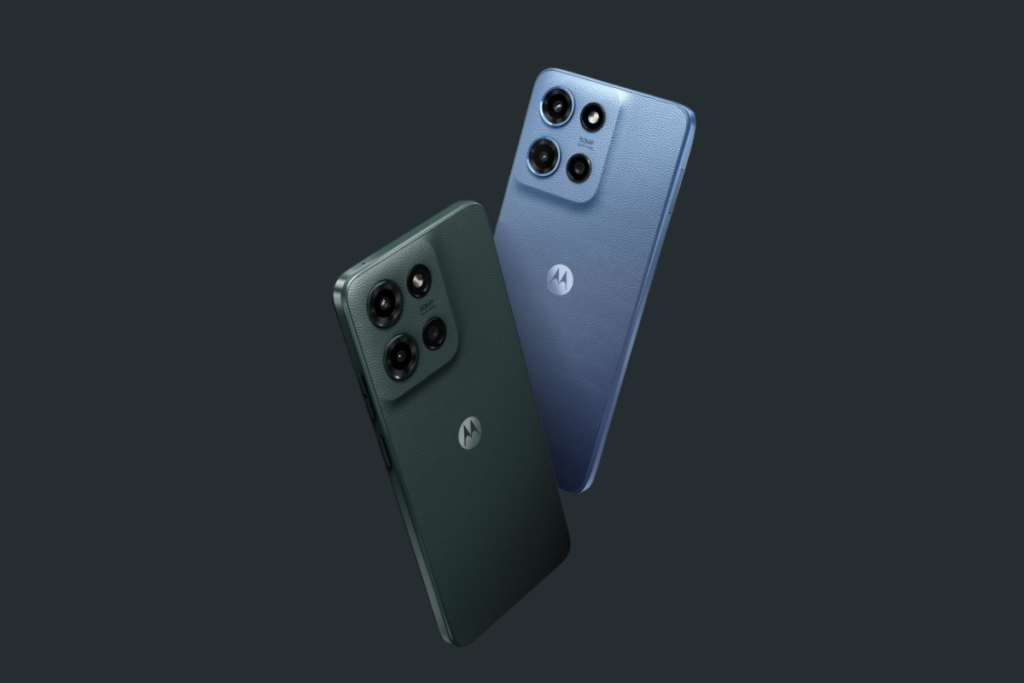
The design hasn’t changed much except for the camera module. It now takes more space, giving the impression as if there are three camera sensors, but no, there are only two, and the extra circle is for the ambient light sensor. Rest, it has a vegan leather finish and a punch-hole selfie camera, just like the 2024 model.
In addition to a gray color, the Moto G 5G (2025) comes in a blue option. So, you’ve got a new color option as well. Motorola has slightly increased height and width to accommodate a larger 6.7-inch screen (vs. 6.6-inch on the Moto G 2024). It’s still an IPS LCD panel with a 120Hz refresh rate. The 2025 edition also has a Corning Gorilla Glass 3 protection, which is lacking on the Moto G 2024.
While the Moto G 5G (2025) now has added display protection, the Moto G Power 2025, starting at $300, has received some serious durability upgrades that are only seen on flagship phones. You can read more about it here.
Coming back to Moto G 5G (2025), it’s equipped with MediaTek Dimensity 6300 instead of a Snapdragon chip. However, the change will most likely go unnoticed as the two chips have similar performance and efficiency.
What’s more? The selfie camera resolution has been doubled to 16MP. However, the rear cameras are unchanged — a 50MP primary sensor and a 2MP macro shooter. The addition of an ambient light sensor might improve the image quality, but don’t expect a significant jump.
Motorola has also upgraded the stereo speakers by bringing in Dolby Atmos support. So users will enjoy an immersive sound experience. The battery capacity is still 5,000mAh, but it’s already great, lasting more than a day. However, the charging speed has gone up from 18W to 30W.
And yes, it ships with Android 15 out of the box. Motorola promises two Android updates and three years of security updates for this budget phone. So, Moto G 5G (2025) will enjoy Android 17 as well, whereas Android 16 will be the final OS upgrade for the 2024 model.
Motorola Moto G 5G (2025) vs Moto G 5G (2024): Conclusion
Both Moto G 5G (2025) and Moto G 5G (2024) are great budget phones, with the latter being $50 cheaper. Besides a bigger camera module (with the same set of sensors), the 2025 edition brings a slightly larger screen with Gorilla Glass 3 protection, a MediaTek chip (with almost similar performance), and a slightly improved selfie camera.
The audio experience is also improved with Dolby Atmos integration. The charging speed now peaks at 30W. That’s a nice set of upgrades over the 2024 model.
We use cookies on our website to give you the most relevant experience by remembering your preferences and repeat visits. By clicking “Accept”, you consent to the use of ALL the cookies.
This website uses cookies to improve your experience while you navigate through the website. Out of these, the cookies that are categorized as necessary are stored on your browser as they are essential for the working of basic functionalities of the website. We also use third-party cookies that help us analyze and understand how you use this website. These cookies will be stored in your browser only with your consent. You also have the option to opt-out of these cookies. But opting out of some of these cookies may affect your browsing experience.
Necessary cookies are absolutely essential for the website to function properly. This category only includes cookies that ensures basic functionalities and security features of the website. These cookies do not store any personal information.
Any cookies that may not be particularly necessary for the website to function and is used specifically to collect user personal data via analytics, ads, other embedded contents are termed as non-necessary cookies. It is mandatory to procure user consent prior to running these cookies on your website.