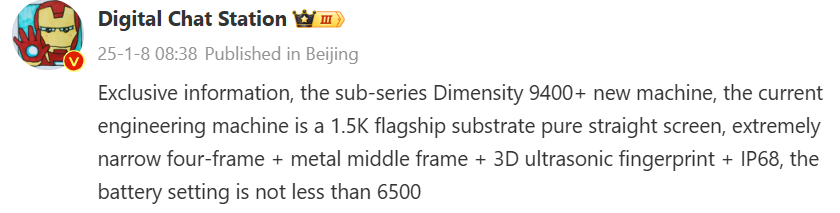
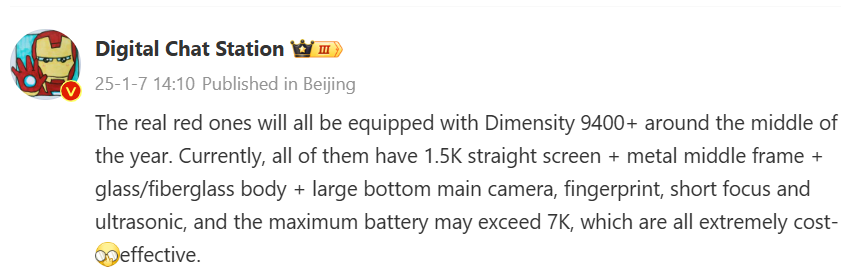
In November 2024, Redmi launched the Redmi K80 and K80 Pro smartphones in China. The brand is expected to expand the K80 series by introducing the Redmi K80 Ultra later this year. A recent Weibo post by tipster Digital Chat Station seems to have revealed the key specifications of the K80 Ultra months ahead of its official launch.
Redmi K80 Ultra key specifications (rumored)
Redmi previously unveiled the Redmi K70 Ultra, featuring the Dimensity 9300 Plus chipset, in July 2024. This timeline suggests the Redmi K80 Ultra will launch around the same time this year. While the tipster did not explicitly mention the name of the device in the latest leak, it seems he may have shared crucial details about the K80 Ultra well in advance of its arrival.
As per DCS’ leak, the current engineering prototype of the Redmi K80 Ultra has a flat OLED screen with slim bezels on all four sides. It is said to support a 1.5K resolution and an ultrasonic fingerprint sensor. The successor edition, like the K70 Ultra, will have a metal middle frame and an IP68-rated dustproof and water-resistant chassis, making it a durable device.
The K80 Ultra will feature the Dimensity 9400 Plus chipset. The leak also indicates that the K80 Ultra will have a battery capacity of at least 6,500mAh. Given that the predecessor houses a 5,500mAh battery, this will be a significant upgrade.
Another leak by the same source reveals that iQOO, Realme, and OnePlus are also planning to launch Dimensity 9400 Plus-powered smartphones by mid-2025. The tentative names of these devices are iQOO Neo 10S Pro, Realme Neo 7 Pro, and OnePlus Ace 5s. Among these, the Realme and OnePlus offerings are expected to feature a 1.5K resolution OLED panel with a flight design, a metal middle frame, a glass / fiberglass body, a decent primary camera, and a battery of around 7,000mAh+ capacity. While the Realme device will have an ultrasonic in-screen fingerprint sensor, the OnePlus product will have an optical-type fingerprint scanner. It seems that the tipster also revealed that the iQOO Neo 10S Pro could be the first phone to debut with the D9400+ chip.
iQOO announced the iQOO Z9 series of smartphones in April 2024 in China. The lineup included four models, such as the iQOO Z9x, iQOO Z9, and iQOO Z9 Turbo. These devices came equipped with the Snapdragon 6 Gen 1, Snapdragon 7 Gen 3, and Snapdragon 8s Gen 3 chipsets, respectively. In the second half of 2024, the brand announced the iQOO Z9 Turbo Plus with the more powerful Dimensity 9300 Plus chip onboard. The series also includes the iQOO Z9 Turbo Endurance Edition, which went official last week in China. A new leak reveals that the upcoming iQOO Z10 series will comprise four models.
iQOO Z10 series: What to expect?
iQOO Z10 series leak
According to well-known tipster Digital Chat Station, the iQOO Z10 lineup will include four models: iQOO Z10, Z10 Pro, Z10 Turbo, and Z10 Turbo Pro. The leak suggests that the series’s core focus is offering users an exceptionally large battery. The entire Z9 series features battery capacities ranging from 6,000mAh to 6,400mAh. Therefore, it is likely that the Z10 series will come with even larger battery capacities, probably around 7,000mAh capacity, surpassing those of its predecessor.
The tipster revealed that the iQOO Z10 Turbo will feature a dedicated graphics chip and will be powered by the upcoming Snapdragon SM8735 chipset, which is expected to be marketed as the Snapdragon 8s Elite. This new chipset is anticipated to achieve an impressive score of around 2 million on AnTuTu benchmarks. There is no information about the Z10 Turbo Pro, which is probably planned to launch in the second half of this year.
Previous reports have revealed that the Z10 Turbo will have a flat OLED panel with a 1.5K resolution and a 144Hz refresh rate. It will have a 50-megapixel dual-camera system on the back. The device will pack a large silicon-carbon battery of around 7,000mAh capacity. It is expected to support 80W or 90W fast charging.
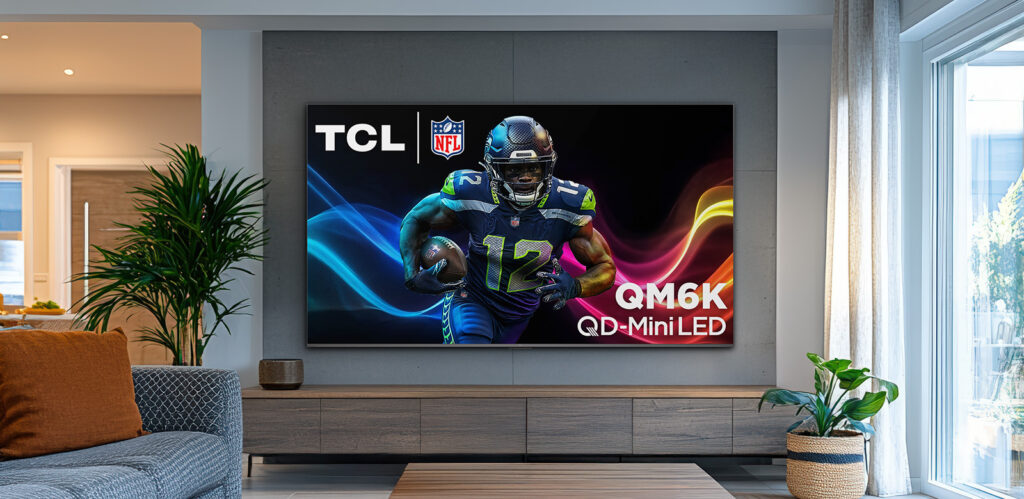
TCL has once again set a new benchmark in the television market with the unveiling of its QM6K Mini LED TV series at CES 2025. Designed to bring high-end Mini LED technology to an accessible price point, the QM6K series offers advanced display technology, cutting-edge features, and impressive performance, making it a standout choice in the midrange market.
At the heart of the QM6K series lies TCL’s new “Precise Dimming” Mini LED technology. This innovation incorporates a Super High Energy LED Chip, which boosts brightness by 53% and enhances light efficiency by 10% compared to previous generations. The TVs also feature a Condensed Micro Lens design that optimizes light control, delivering precise illumination and significantly reducing blooming, the halo effect where light bleeds into dark areas of the screen.
With up to 500 local dimming zones, the QM6K series provides deeper blacks, higher contrast, and a more immersive viewing experience. The improved backlight system, aided by TCL’s new Bi-directional 23-bit Backlight Controller, enables granular control of over 65,000 brightness levels, resulting in exceptional detail in both bright and dark scenes.
2. Enhanced Color and Image Quality
The QM6K series leverages advanced quantum dot technology to achieve vibrant and accurate colors. Covering up to 98% of the DCI-P3 color gamut, the TV is capable of rendering over one billion colors with striking precision. Additionally, TCL’s Dynamic Light Algorithm ensures that even SDR content is displayed with near-HDR quality, offering consistently superior visuals regardless of the source material.
For HDR enthusiasts, the QM6K supports a wide range of high dynamic range formats, including Dolby Vision IQ, HDR10+, and Filmmaker Mode, ensuring optimized picture quality across different types of content.
3. Gaming-Centric Features
TCL has tailored the QM6K series for gaming enthusiasts. The TV comes with a native 144Hz refresh rate, which can be boosted to an impressive 288Hz with the Game Accelerator 288 mode. It features AMD FreeSync Premium Pro for a seamless, tear-free gaming experience. The TV also equips Auto Low Latency Mode (ALLM) to enhance gaming responsiveness, making it an excellent choice for next-gen gaming consoles.
4. Smart Features and Design
The TCL QM6K series features the Google TV platform, delivering a seamless smart TV experience with access to popular streaming services, voice controls, and personalized recommendations. It comes with hands-free voice control, making navigation effortless. The TV also equips a sleek, bezel-less FullView 360 design, ensuring it blends seamlessly into any living space.
For sound, the QM6K comes equipped with an Onkyo-branded 2.1-channel speaker system, delivering rich, immersive audio. The system supports Dolby Atmos and DTS Virtual:X, adding another layer of depth to movies and games.
5. Pricing and Availability
The QM6K is available in a variety of sizes, from a compact 50-inch model to a massive 98-inch variant, with prices ranging from $749.99 to $3,499.99. TCL is also offering early customers a free Q75H 5.1.2 channel soundbar, valued at $599.99, with pre-orders.
6. Why the QM6K Matters
The TCL QM6K represents a significant leap forward in affordable premium televisions. By integrating high-end Mini LED technology with a comprehensive feature set and competitive pricing, TCL is making advanced display technology more accessible than ever. The QM6K’s impressive specifications, coupled with its thoughtful design and user-friendly features, ensure it will be a strong contender in the midrange TV market.
Samsung’s Frame TVs have been a mainstay in the world of art-inspired televisions, blending technology with aesthetics to provide a screen that doubles as an art piece. However, the 2025 Consumer Electronics Show (CES) introduced the next model in this lineup: The Frame Pro.
This new model offers significant upgrades over the standard Frame TV, making it an appealing option for those who want both superior picture quality and a clean, gallery-like aesthetic. Here’s how The Frame Pro distinguishes itself from the regular model.
Feature
The Frame Pro (2025)
Standard Frame TV
Display Technology
Neo QLED with Mini LED
Edge-lit QLED
One Connect Box
Wireless (up to 10m range)
Wired with near-invisible cable
Refresh Rate
Up to 144Hz Variable
120Hz
Processor
NQ4 Gen3 AI Processor
Previous generation processor
Available Sizes
65″, 75″, 85″
43″ and up
Art Mode
✓ (with disabled local dimming)
✓
Anti-glare Matte Display
✓
✓
Art Store Access
✓ (3,000+ pieces)
✓ (3,000+ pieces)
Gaming Features
Enhanced Tizen gaming interface
Basic gaming features
AI Features
Vision AI suite with Click to Search & Live Translate
Basic AI features
Wi-Fi Support
Wi-Fi 7
Previous generation Wi-Fi
Latency (Wireless)
~20ms
N/A
Neo QLED Technology
The most significant difference between The Frame Pro and the regular model lies in its Neo QLED display, a technology that employs Mini LEDs to provide brighter colors, deeper blacks, and improved contrast. The regular Frame TV uses an edge-lit QLED panel, which, while capable, often struggles with uniformity in brightness and contrast.
The introduction of Mini LED technology in The Frame Pro ensures more precise local dimming, leading to sharper contrast and vibrant colors. This improvement makes The Frame Pro an excellent choice for not just viewing artwork but also for watching movies, sports, and TV shows with stunning clarity. While the regular Frame TV was ideal for its artistic charm, The Frame Pro enhances its value as a fully capable television for a variety of use cases.
Wireless One Connect Box
Another standout feature of The Frame Pro is its Wireless One Connect Box. Previous Frame TVs relied on a thin, nearly invisible cable to connect to the wired One Connect Box, which housed all the input and output connections for the TV. While the cable was discreet, it still tethered the TV to a specific location.
With the Wireless One Connect Box, Samsung has completely eliminated this cable, allowing the box to wirelessly beam content to the TV from up to 10 meters away. The box supports Wi-Fi 7 and can transmit 4K video at a 144Hz refresh rate with minimal latency (around 20 ms). This feature not only enhances the TV’s aesthetic appeal but also provides flexibility in placing input devices like gaming consoles, streaming devices, or soundbars elsewhere, hidden from view.
Refresh Rate & Gaming Features
While the regular Frame TV offers a 120Hz refresh rate, the Frame Pro ups the ante with variable refresh rates up to 144Hz, catering to gamers who demand smoother visuals.
It also incorporates Samsung’s Tizen smart gaming interface, allowing users to adjust frame rates, ratios, and other settings to enhance their gaming experience. This feature makes The Frame Pro not just an art TV but a viable option for high-performance gaming.
Art Mode Enhancements
The hallmark of Samsung’s Frame series is its Art Mode, which transforms the TV into a digital art display when not in use. The Frame Pro retains this feature but enhances it with improved display technology. The matte, anti-glare screen gives the artwork a more authentic appearance by reducing reflections and maintaining a lifelike texture. The Samsung Art Store has now expanded to include over 3,000 curated pieces from renowned collections, which remains a key selling point for both models.
Interestingly, when Art Mode is active, The Frame Pro disables its local dimming feature to provide even, ambient-like lighting across the screen. This ensures that the art displayed resembles a traditional framed piece, even with the upgraded panel technology.
Upgraded Processor & AI Features
The Frame Pro is powered by Samsung’s NQ4 Gen3 AI Processor, which is more advanced than the processor used in the standard Frame. This processor enhances overall performance, including picture upscaling and sound optimization.
Additionally, The Frame Pro includes Samsung’s new Vision AI suite, featuring tools like Click to Search (providing instant information about on-screen content) and Live Translate (real-time subtitle translation).
Sizes
The Frame Pro comes in larger sizes—65-inch, 75-inch, and 85-inch—tailored for expansive walls and open spaces. Meanwhile, the regular Frame is available in smaller sizes, starting at 43 inches, catering to users with compact spaces.
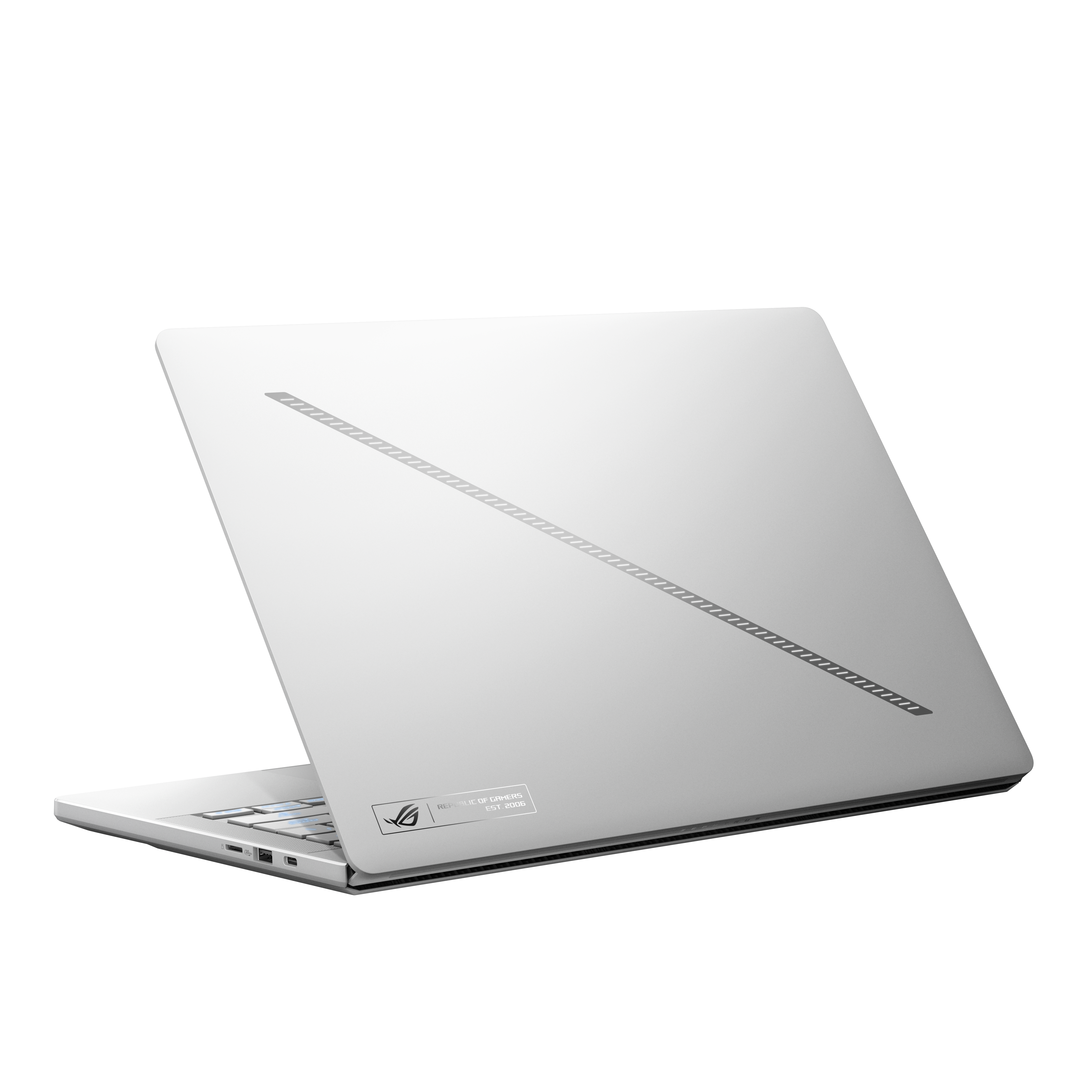
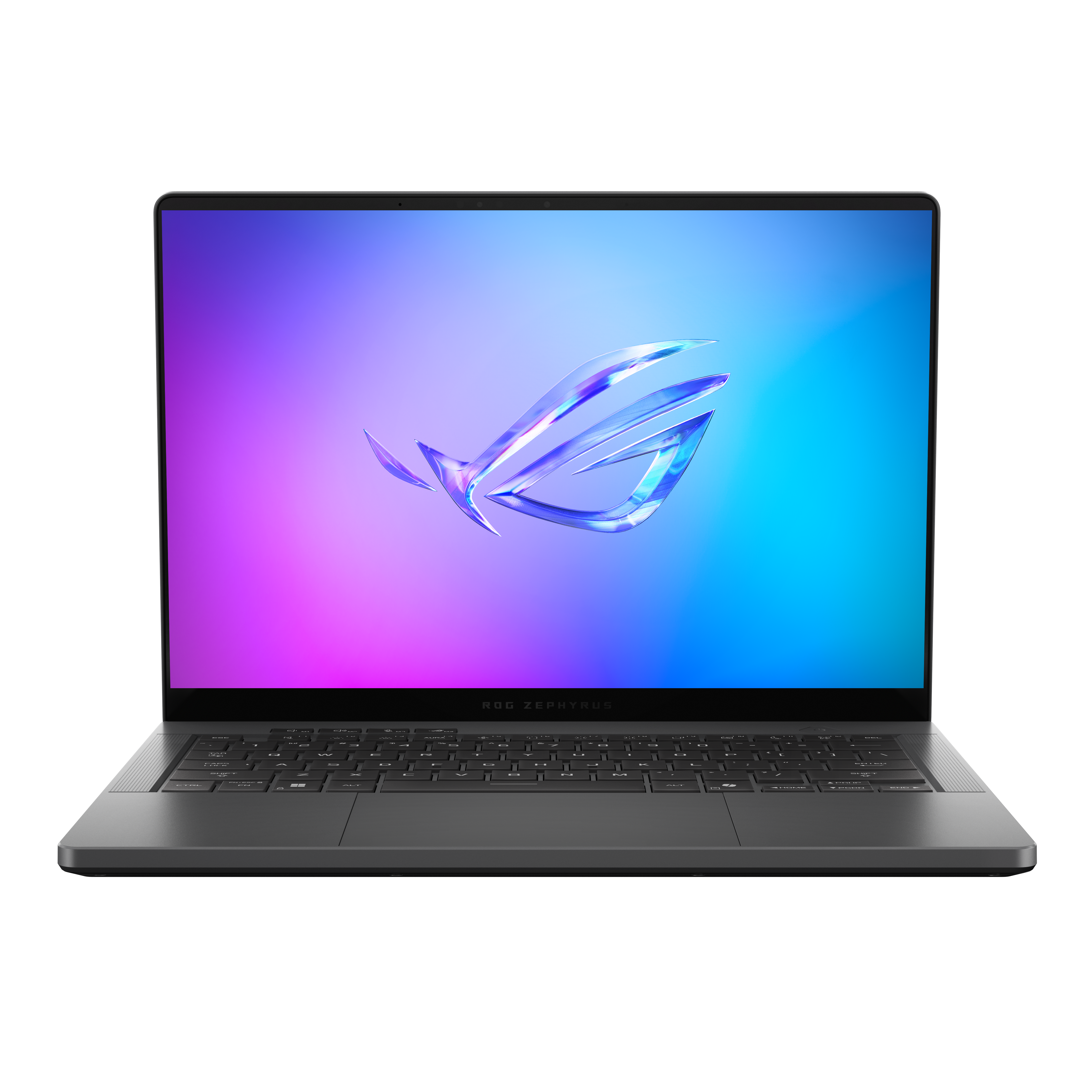
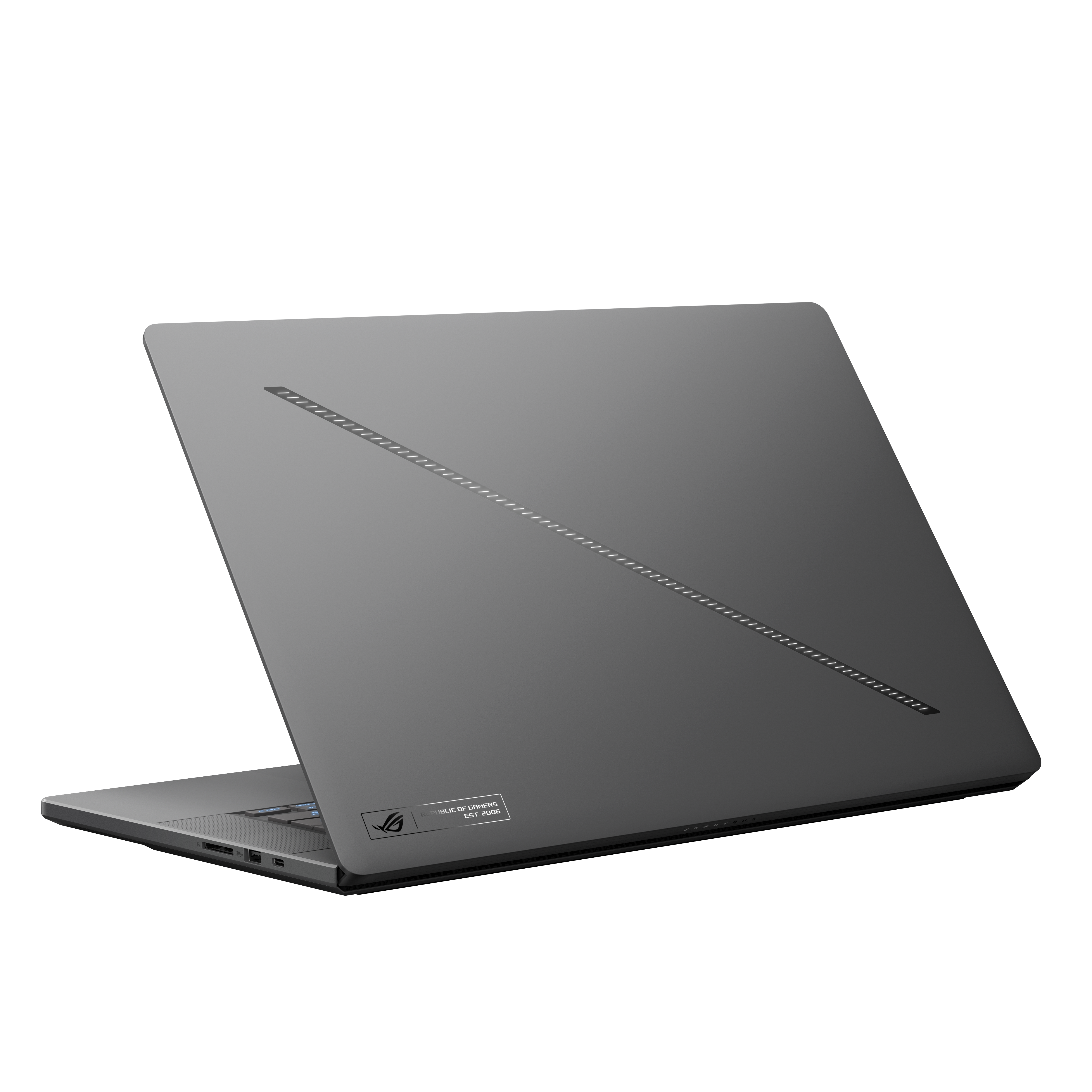
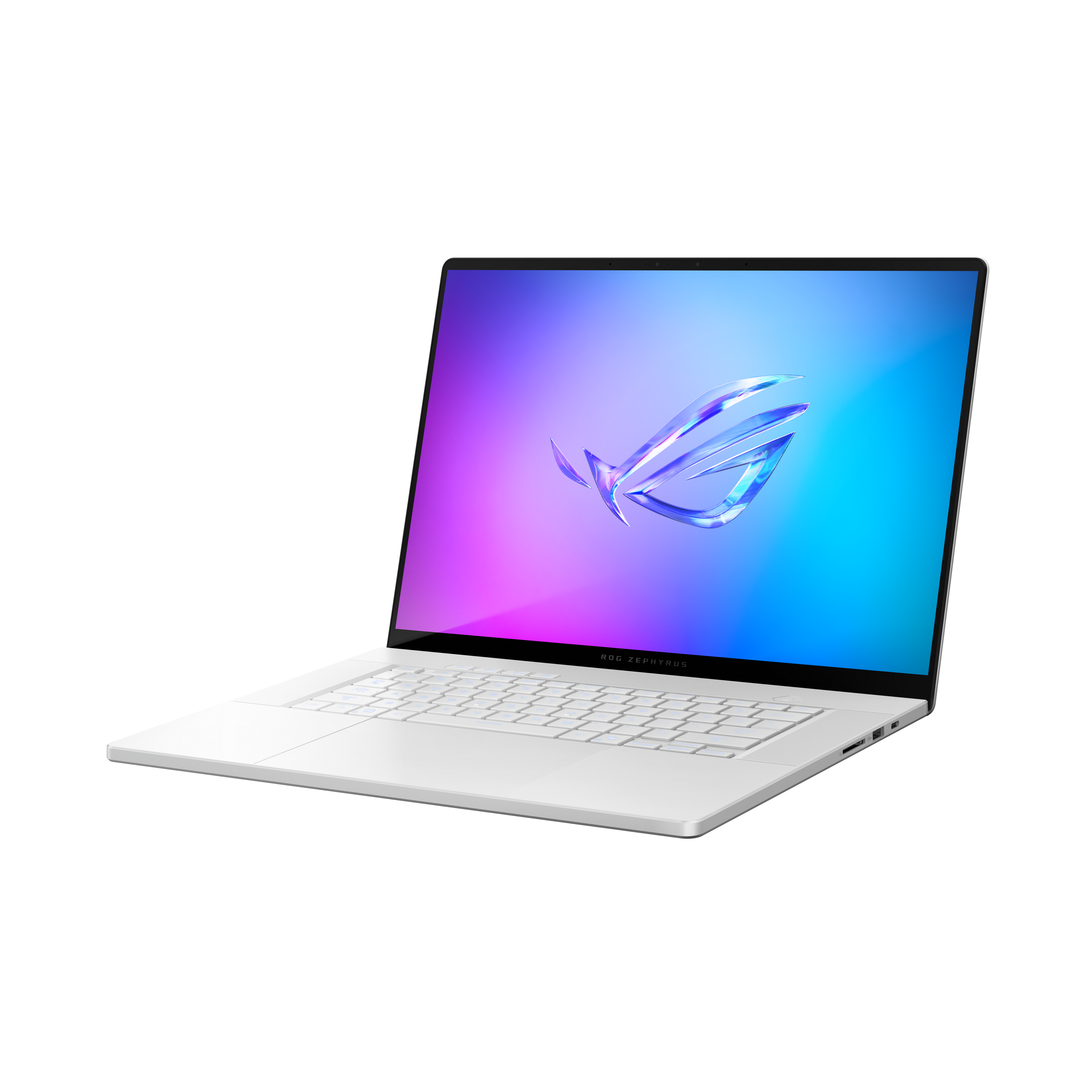
At CES 2025, ASUS Republic of Gamers (ROG) has unveiled the 2025 Zephyrus G series ultraportable gaming laptops. Featuring the latest NVIDIA GeForce RTX GPUs and cutting-edge AMD Ryzen or Intel Core processors, the lineup delivers top-tier performance for gaming and content creation in slim, lightweight designs.
The Zephyrus G14 is powered by an AMD Ryzen AI 9 HX 370 processor and up to an NVIDIA GeForce RTX 5080 Laptop GPU, combining high performance with compact portability. The Zephyrus G16, equipped with an Intel Core Ultra 9 processor 285H and up to an NVIDIA GeForce RTX 5090 Laptop GPU, provides robust performance and flexibility in processor choice. Both models support up to 64GB of DDR5 RAM and offer extensive storage options for seamless multitasking and demanding workloads.
ASUS ROG Zephyrus G14ASUS ROG Zephyrus G14
Advanced thermal solutions ensure peak performance. The G14 features a thermal design with 47% increased coverage and improved airflow for efficient cooling within its compact frame. The G16 enhances cooling with an optimized chassis, liquid-metal thermal compound, and optional vapor chamber coverage of 44%. Both configurations employ 2nd Gen Arc Flow Fans to reduce noise and maintain optimal temperatures during intense gaming.
ASUS ROG Zephyrus G16ASUS ROG Zephyrus G16
The Zephyrus G series delivers exceptional visuals with ROG Nebula Displays. The G14 offers a 3K resolution OLED panel with a 120Hz refresh rate and 0.2ms response time, while the G16 features a 2.5K display with a 240Hz refresh rate for ultra-smooth motion. Both models support 100% DCI-P3 color gamut, VESA DisplayHDR True Black 500, and Dolby Vision for stunning color accuracy and HDR performance.
Portability and design remain a hallmark of the series. The G14 weighs 1.5kg and measures 1.59cm thin, offering unmatched mobility. The G16, at 1.85kg and 1.49cm thin, balances slim dimensions with enhanced performance. Built with a CNC-milled aluminum chassis, both models combine durability with a sophisticated aesthetic. Pricing and availability details are expected to be revealed later down the line.
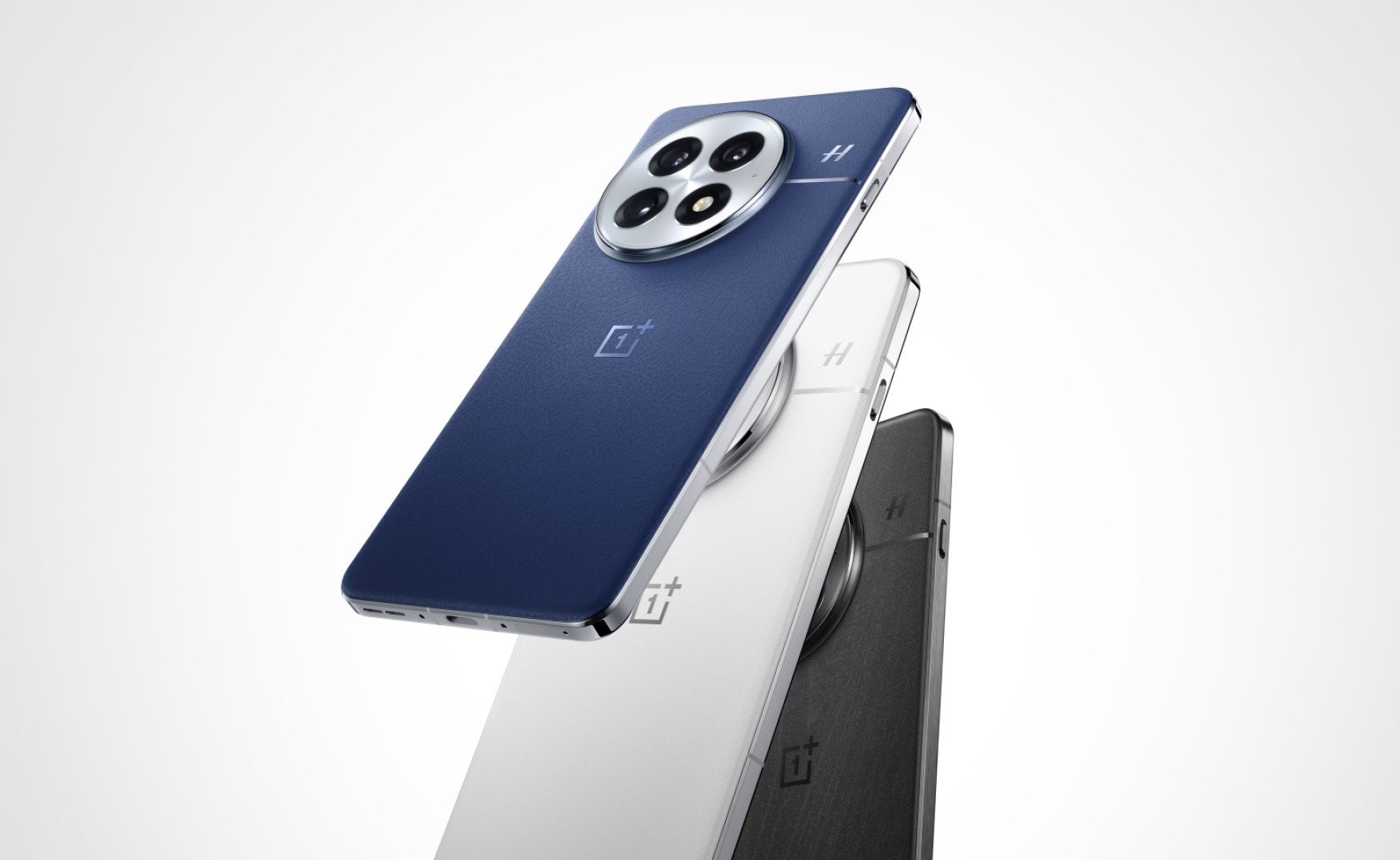
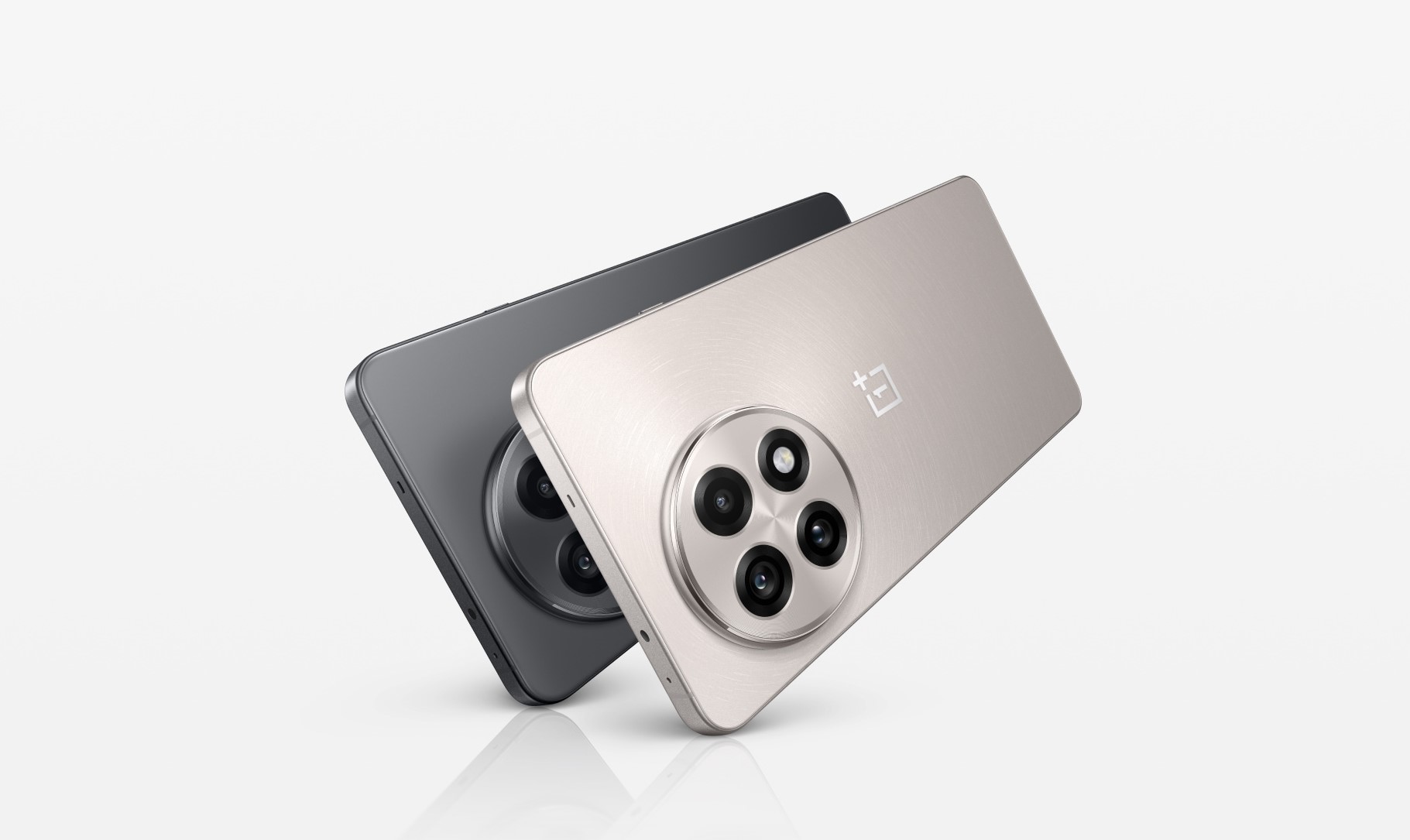
OnePlus has unveiled two new smartphones globally at its Winter Launch Event—the flagship OnePlus 13 and the performance-focused OnePlus 13R. While the OnePlus 13 offers cutting-edge specifications in processing power, display, and camera, the OnePlus 13R strikes a balance between performance and affordability.
OnePlus 13OnePlus 13R
Pricing, availability, and offers
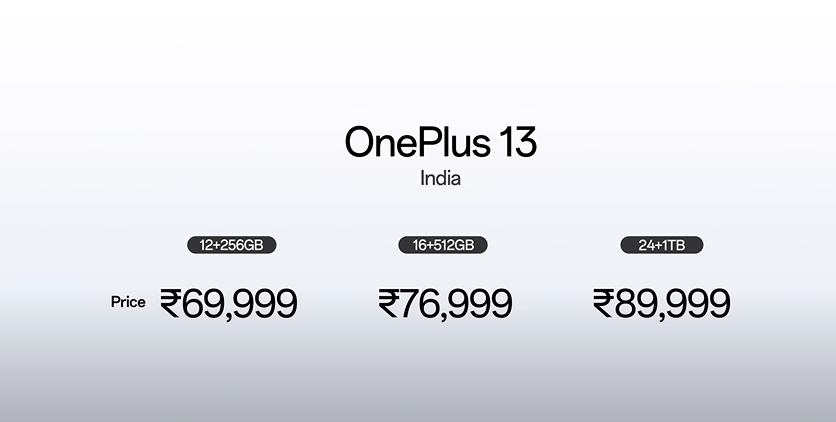
In India, the OnePlus 13 starts at Rs 69,999 for the base model with 12GB RAM and 256GB storage. The 16GB + 512GB version is priced at Rs 76,999, while the top-tier 24GB + 1TB variant—exclusive to India—costs Rs 89,999. It will be available in three colors: Arctic Dawn, Black Eclipse, and Midnight Ocean. Sales begin on January 10.
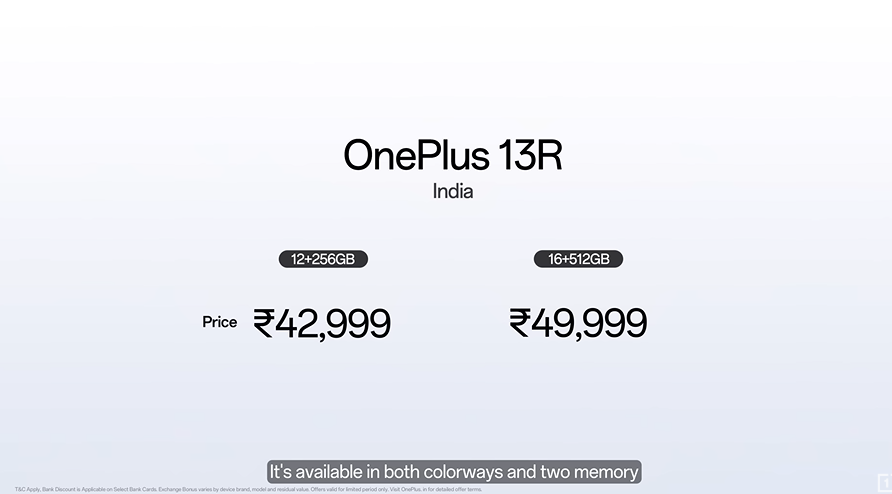
The OnePlus 13R starts at Rs 42,999 for the 12GB + 256GB model, while the 16GB + 512GB variant costs Rs 49,999. Buyers can choose from Astral Trail and Nebula Noir colors. Sales for the OnePlus 13R begin on January 13. Both devices will be available online on OnePlus.in, the OnePlus Store app, and Amazon.in, as well as through offline retail partners, including OnePlus Experience Stores.
OnePlus is also offering attractive launch offers. ICICI Bank credit card users can get an instant discount of up to Rs 5,000 on the OnePlus 13. Customers exchanging their old devices can receive additional exchange bonuses—up to Rs 7,000 for the OnePlus 13 and Rs 5,000 for the OnePlus 13R. Combined with exchange values, this could bring the effective price of the OnePlus 13 down to Rs 39,999.
Specifications:
The flagship OnePlus 13 packs the Snapdragon 8 Elite (vs Snapdragon 8 Gen 3) chip while the OnePlus 13R packs the Snapdragon 8 Gen 3. Both phones benefit from surprisingly large VC cooling chambers and OnePlus’s chip-level optimization for better performance in demanding tasks.
For those curious, OnePlus dialed up the size of the VC cooling inside the OnePlus 13R from 9140mm² to 9925mm², the same as OnePlus 13. This is paired with some pretty aggressive performance optimization. The company showcased the OnePlus 13 beating the “Flagship Ultra” and “Flagship Pro Max” in UI smoothness at 45°C ambient temperature, which also showcases the strides OnePlus has made in the software front, with OxygenOS 15.
The company also compared their latest flagship side by side with the “Flagship Ultra” and the “Flagship Pro Max” and showcased how the faster shutter speed of the OnePlus 13 makes this device an easy choice when it comes to first moving subjects. The device also comes with improved image processing for better colors and skin tones.
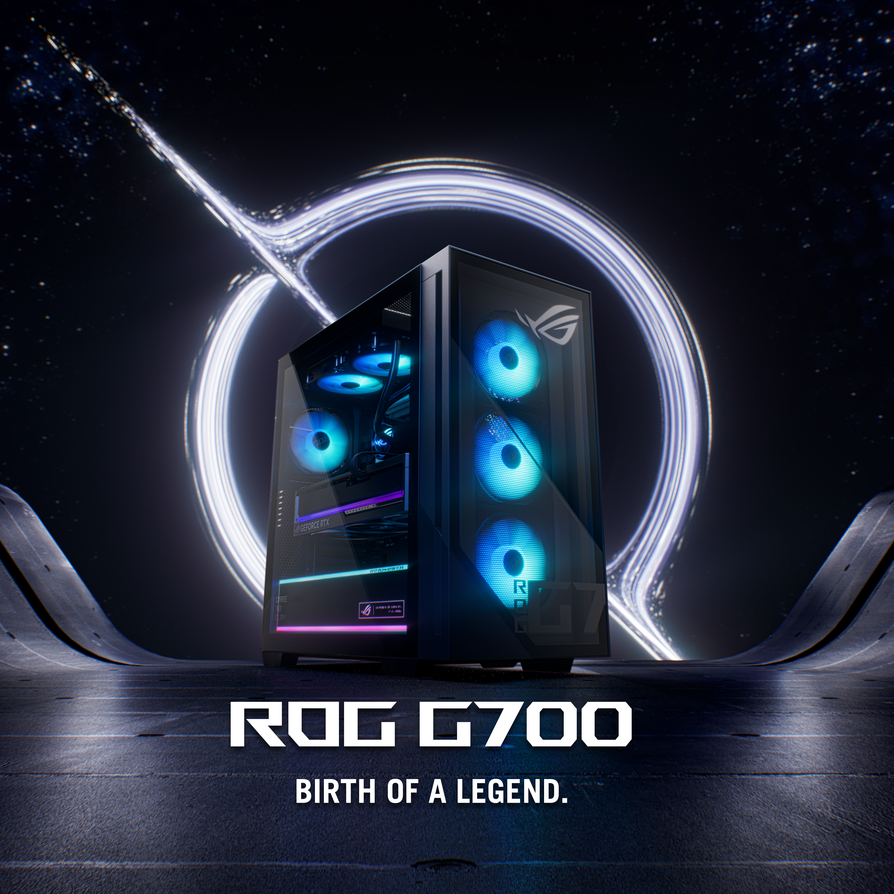
At CES 2025, ASUS‘s gaming division, the Republic of Gamers (ROG), revealed its latest high-performance gaming desktop, the ROG G700. It offers uncompromising performance and future-ready features.
Performance and Graphics
The G700 is powered by either the Intel Core Ultra 9 285K or the AMD Ryzen 7 9800X3D processor, both capable of handling demanding games and applications efficiently. The desktop features up to an NVIDIA GeForce RTX 5090 GPU with 32GB of GDDR7 memory, delivering high-quality visuals and smooth gameplay. Advanced technologies like DLSS 3.5 and Frame Generation further enhance frame rates and image quality. With up to 64GB of DDR5 RAM, the system ensures quick multitasking, fast game loading, and reliable performance for resource-intensive tasks.
Storage and Expandability
The G700 includes a 2TB PCIe Gen 4 NVMe SSD for fast boot and load times. It also supports PCIe Gen 5 storage for easy upgrades to faster drives in the future, providing flexibility for users looking to stay current with evolving technology.
Cooling Options
The G700 is available in air-cooled and liquid-cooled configurations. The air-cooled model includes a tower cooler, while the liquid-cooled version features a 240mm AIO cooler for efficient temperature management. The cooling system is complemented by four 120mm fans placed strategically for effective airflow. Removable dust filters help maintain performance by making the system easy to clean.
Design and Maintenance
The G700’s chassis supports tool-less access and standard-sized components, making upgrades and maintenance straightforward. Customizable RGB lighting with Aura Sync integration allows for personalized aesthetics, while the chassis design prioritizes both functionality and appearance.
Connectivity and Networking
Front I/O includes USB 3.2 Type-A and Type-C ports for convenient access to peripherals. The rear panel provides multiple connectivity options, such as DisplayPort, HDMI, and USB ports. The system supports Wi-Fi 6 and features a Realtek 2.5Gb Ethernet port for reliable and fast networking.
Storage: 2TB PCIe Gen 4 SSD (expandable to PCIe Gen 5)
Cooling: Air-cooled or 240mm AIO liquid-cooled
Connectivity: Wi-Fi 6, Realtek 2.5Gb Ethernet, Thunderbolt™ 4, USB ports
Pricing and availability details of the ROG G700 gaming desktop have yet to be revealed, however, considering the hefty $2,000 retail price tag of the 5090 alone, we can expect this top-of-the-line pre-build to be quite expensive.
LONGER Nano Duo Laser Engraver is revolutionizing the world of laser engraving with its cutting-edge technology and innovative features. As the second generation of portable laser engraving machines from LONGER, it boasts significant improvements in speed, power, and functionality over its predecessor.
A Game-Changer in Laser Engraving
The Nano Duo Laser Engraver is designed to cater to the diverse needs of creators, whether they’re professionals or hobbyists. Equipped with a dual-laser system—a powerful 20W 450nm diode laser and a 2W 1064nm infrared laser—it delivers unparalleled precision and flexibility. The engraving area starts at 160 x 140mm but can expand to an impressive 300 x 300mm using the industry’s first Dual-Axis Extension. This feature accommodates larger and more complex projects while maintaining exceptional accuracy.
With engraving speeds reaching up to 10,000mm/s and cutting widths as narrow as 16.5mm, the Nano Duo balances speed and precision to help you achieve professional-grade results effortlessly.
Advanced AI Features for Seamless Operation
The Nano Duo isn’t just a laser engraver; it’s a powerful AI-driven assistant that simplifies the engraving process. Its standout AI features include:
AI-Generated Images
This innovative feature allows creators to input text or ideas, and the engraver’s AI generates multiple image options in seconds. Whether you’re designing logos, intricate patterns, or personalized artwork, the AI ensures the images align with your aesthetic and intended use, streamlining the creative process.
AI Positioning and Placement Sensing
Say goodbye to manual adjustments. The Nano Duo’s AI automatically senses the material’s position, ensuring perfect alignment every time. This feature reduces material waste and ensures consistent results, regardless of the material size.
AI Focus Control
The AI Focus Control feature guarantees crisp, clear engravings by automatically adjusting the laser’s focus. It ensures optimal distance between the laser and the material, making it ideal for materials of varying thicknesses. The result? Flawless detail in every project.
AI Preview and Fill
The AI Preview feature provides a real-time visualization of your project before engraving begins. It ensures designs are correctly aligned and fit within the set boundaries. Additionally, the AI can suggest corrections and fill areas with laser patterns for uniform results.
Auto Batch Sync
For batch projects, the Auto Batch Sync feature automates engraving tasks, ensuring consistency and efficiency across multiple items. This is perfect for creators producing personalized items or handling mass production.
Dual-Axis Extension: Expanding Possibilities
The Dual-Axis Extension sets the Nano Duo apart from competitors by enabling full-range motion in all directions. Unlike single-axis expansions, this feature extends the working area to 300mm x 300mm without compromising precision. It ensures the laser beam strikes materials perpendicularly, resulting in clean, precise cuts even on larger projects.
The extension integrates seamlessly with the Nano Duo’s AI features, maintaining accuracy and quality for expanded projects. Whether you’re working on intricate crafts or mass production, this upgrade enhances both capability and efficiency.
Efficient and Versatile for All Materials
From wood to metal, the Nano Duo delivers professional-grade results across various materials. Its advanced AI and innovative design empower creators to tackle projects of any scale and complexity. Whether you’re crafting promotional items, awards, or custom artwork, the Nano Duo ensures exceptional outcomes every time.
Pricing and Exclusive Deals
The LONGER Nano Duo Laser Engraver is available at two price points: $599.00 and $999.00, offering options for different needs and budgets. You can purchase it on Kickstarter, where exclusive discounts are available. Subscribe to LONGER on Kickstarter to access a mystery coupon and save even more on this game-changing tool.
Why Choose the LONGER Nano Duo?
The LONGER Nano Duo is more than just a tool, it’s a gateway to unlocking your creative potential. With advanced AI features, an innovative Dual-Axis Extension, and unmatched precision, it’s designed to help creators produce exceptional results efficiently and consistently. Transform your workspace and elevate your projects with the LONGER Nano Duo Laser Engraver.
Qualcomm has been actively targeting the Windows on ARM market with its Snapdragon X series chips. The company previously launched the premium X Plus and X Elite SoCs, but now it has a product designed to make Windows on Arm accessible to more users.
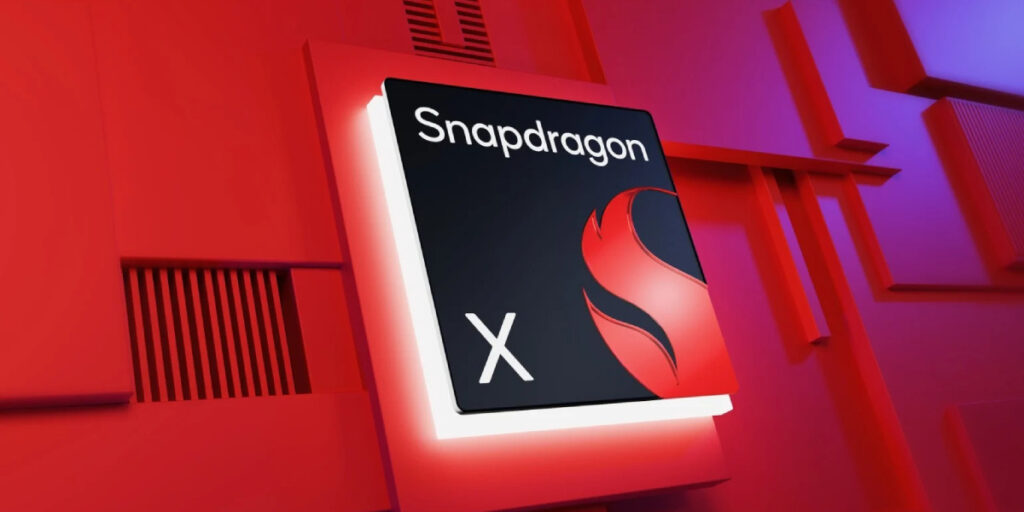
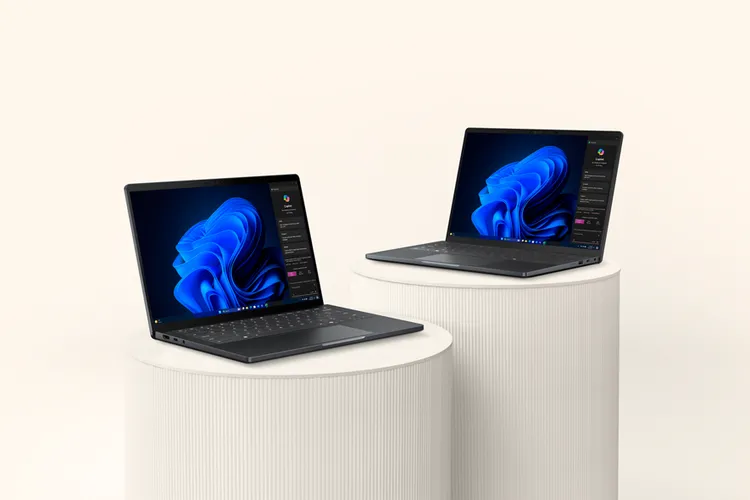
At CES 2025, Qualcomm unveiled its latest ARM PC chip, simply named the Snapdragon X. Positioned as a budget-friendly option, it’s designed to power Windows laptops priced around $600. These devices, equipped with features like Copilot+PC, will challenge Intel and AMD’s dominance in the affordable laptop segment.
And here’s why we think this is a big deal for the budget Windows laptop market.
The Snapdragon X is positioned as the entry-level tier in Qualcomm’s growing family of PC processors. It joins the Snapdragon X Plus and Snapdragon X Elite, which cater to higher-end devices.
Unlike its siblings, which boast up to 12 cores and clock speeds exceeding 3GHz, the Snapdragon X features an eight-core design with a maximum clock speed of 3GHz and 30MB of cache. These specifications may not match the raw power of the higher-tier chips, but they align well with the demands of mainstream users.
Built on a 4-nanometer process, the Snapdragon X delivers Qualcomm’s hallmark focus on efficiency. Qualcomm claims the Snapdragon X will outperform Intel’s Core 5 120U in performance-per-watt and battery longevity.
This isn’t the first time Qualcomm has tried to push energy efficiency as a major selling point, but the challenge lies in convincing users that Windows on Arm laptops are now mature enough to be viable alternatives to Intel or AMD-powered machines.
The Snapdragon X is also equipped with a Neural Processing Unit (NPU) capable of 45 TOPS (trillion operations per second).
2. Why Arm Architecture Matters
Qualcomm’s processors rely on Arm architecture, which differentiates them from the x86 processors used by Intel and AMD. This architectural distinction comes with its own set of advantages and trade-offs.
Arm-based chips are generally more power-efficient, which translates to better battery life—a key selling point for budget laptops. However, its main concern is compatibility with the apps.
Windows apps have traditionally been built for x86 processors, so there’s a smaller selection of native ARM apps. To bridge this gap, Qualcomm has been working with Microsoft to expand the number of native Windows-on-Arm applications.
Additionally, Qualcomm uses Windows’ Prism emulation layer, which enables x86 software to run on ARM devices. This means you can still use your favorite x86 apps on an ARM machine.
3. The Target Market And Pressure To Peers
The Snapdragon X is targeted at the sub-$600 segment which is a sweet spot for budget-conscious buyers, educational institutions, and professionals who need their first Windows PC or a secondary device.
While Snapdragon X laptops won’t handle heavy workloads like video editing or gaming as efficiently as more expensive machines, they should be more than capable of handling productivity tasks, web browsing, and multimedia consumption.
Acer, Asus, Dell, HP, and Lenovo are expected to lead the charge in rolling out Snapdragon X-based devices. Qualcomm says that 60 laptop designs based on the Snapdragon X series are already in production, and over 100 are expected by 2026.
It’s worth noting that existing Snapdragon-powered laptops have occasionally dipped below the $600 threshold through discounts. As a result, savvy shoppers might find even better deals on older, more powerful models as new devices enter the market.
The Snapdragon X, while new, isn’t dramatically reshaping Qualcomm’s strategy but instead reinforces the company’s commitment to growing its PC presence by lowering the entry point.
Qualcomm’s aggressive push for Arm-based Windows PCs is likely to increase pressure on Intel and AMD. Intel’s Core i3 and AMD’s Ryzen 3 segments have dominated the budget space for years, but neither company has consistently matched the battery efficiency Qualcomm claims to offer. This competition could lead to more aggressive pricing and innovation across the board, which would ultimately benefit the consumers.
4. Looking forward
Despite the Snapdragon X’s promising features and attractive price, Qualcomm faces challenges ahead. The success of these laptops will largely depend on user experience.
Battery life, app compatibility, and overall performance must meet Qualcomm’s marketing claims. Historically, Windows on Arm laptops have struggled to convince users to move away from familiar Intel or AMD devices.
That said, the tide may be turning. With Microsoft increasingly pushing Copilot Plus PCs and AI-driven features, Qualcomm is positioning itself as the go-to chipmaker for AI-capable, power-efficient laptops. If the Snapdragon X lives up to its promises, it could be the tipping point that finally pushes Arm-based Windows laptops into the mainstream.
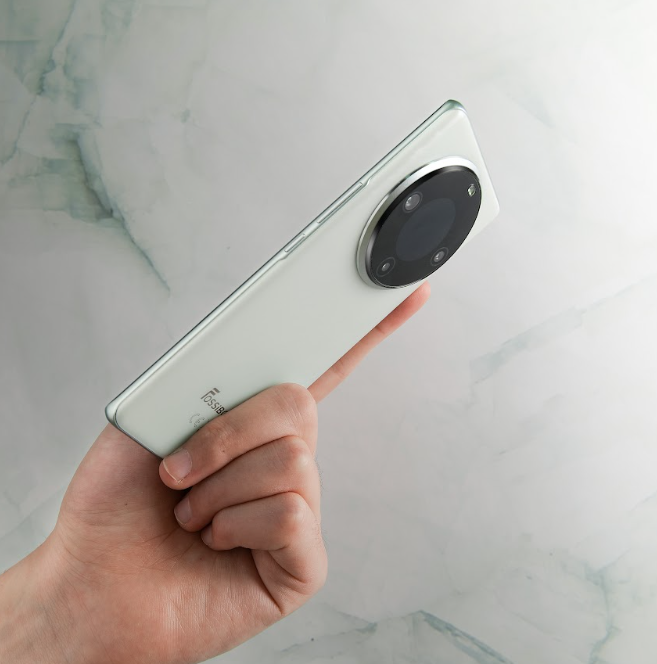
FOSSiBOT has redefined the budget smartphone market with the launch of the S3 Pro. Priced at just $159.99, the S3 Pro offers features typically found in premium devices, most notably its stunning 2K AMOLED curved display. For users seeking high-quality visuals without a hefty price tag, this device sets a new benchmark.
Unmatched Display Quality at an Affordable Price
The FOSSiBOT S3 Pro brings the luxury of a 2K AMOLED curved display to a broader audience. Previously a hallmark of flagship devices like the Huawei Nova 10, this display technology is now available at an unprecedented price point. With a resolution of 1080 x 2400 and a pixel density of 394ppi, the S3 Pro delivers vibrant colors, sharp details, and an immersive viewing experience.
AMOLED technology, which eliminates the need for a backlight, allows for thinner and sleeker designs. Each pixel emits its own light, enabling deep blacks, high contrast ratios, and reduced power consumption. This results in a display that is not only visually stunning but also energy-efficient. The S3 Pro’s screen achieves a typical brightness of 500 nits and peaks at 800 nits in High Brightness Mode (HBM), ensuring clear visibility even in direct sunlight.
Powerful Performance and Ample Storage
Under the hood, the FOSSiBOT S3 Pro is powered by a robust 5000mAh battery, ensuring extended usage without frequent charging. The device comes with 8GB of RAM, making multitasking smooth and efficient. Additionally, it offers 256GB of storage, providing ample space for apps, photos, videos, and more.
Thanks to its AMOLED panel, the S3 Pro also integrates an advanced under-display fingerprint sensor. This feature not only enhances the phone’s sleek design but also offers a secure and convenient unlocking experience.
Why the S3 Pro Stands Out
At $159.99, the FOSSiBOT S3 Pro is the only smartphone in its price range to feature a 2K AMOLED display. This makes it an excellent choice for budget-conscious consumers who prioritize a high-quality visual experience. Whether you’re streaming videos, browsing photos, or simply scrolling through social media, the S3 Pro’s display ensures a premium experience at a fraction of the cost of flagship devices.
Where to Buy
The FOSSiBOT S3 Pro is now available for purchase on the official FOSSiBOT website. The company is also hosting a giveaway for lucky users. For more details on the product and the ongoing promotion, visit the official website.
With its combination of a flagship-level display, solid performance, and an affordable price, the FOSSiBOT S3 Pro is a game-changer in the budget smartphone market. At $159.99, it’s an unbeatable deal for anyone looking to enjoy premium features without breaking the bank.
As the New Year kicks off, Geekwills makes your celebrations even more exciting with incredible deals. From the latest smartphones to gaming accessories, hi-fi gear, and wearables, they have something for everyone. Don’t miss out on this opportunity to upgrade your gadgets and tech at unbeatable prices.
Sitewide Discount with Coupon Code H2025
Shop any product on Geekwills and enjoy a flat 5% discount using the coupon code H2025. This offer is valid until January 20th, so act fast and make the most of these savings while they last.
Select Smartphones with Up to $100 OFF
Looking for a new smartphone? Geekwills has you covered with a special coupon code GKP that offers up to $100 OFF on select smartphones. Check out these featured brands:
OnePlus
Red Magic
FiiO
Xiaomi
vivo
AOOSTAR
Flydigi
Explore More Categories
Geekwills’ New Year Sale extends beyond smartphones. Dive into a world of tech with discounts on gaming computers, hi-fi systems, wearables, and much more. Whether you’re a gamer, audiophile, or tech enthusiast, there’s something in store for you.
Hurry! These deals won’t last forever. Head over to Geekwills now and grab your favorite gadgets before they’re gone. Start 2025 with savings and style.
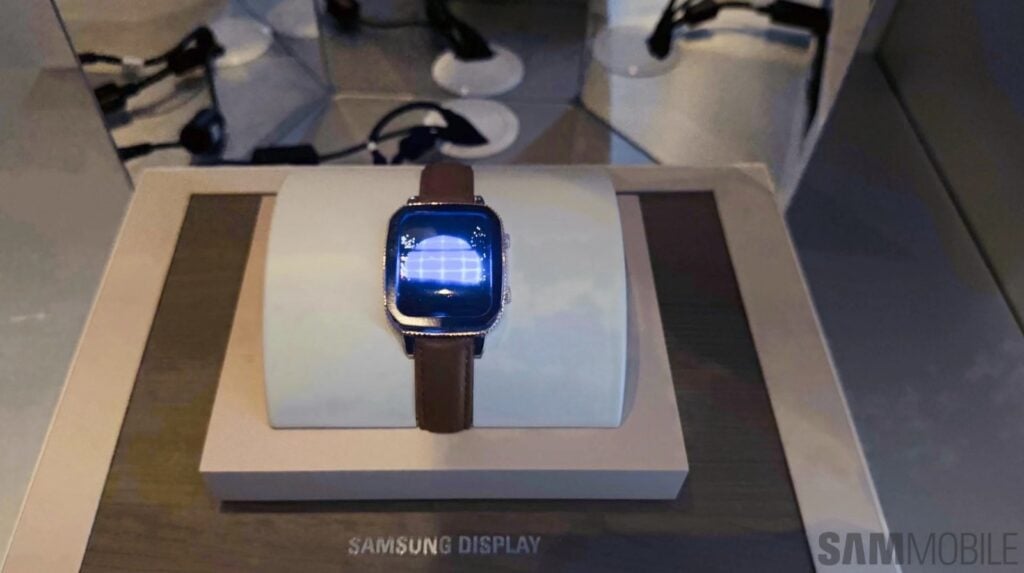
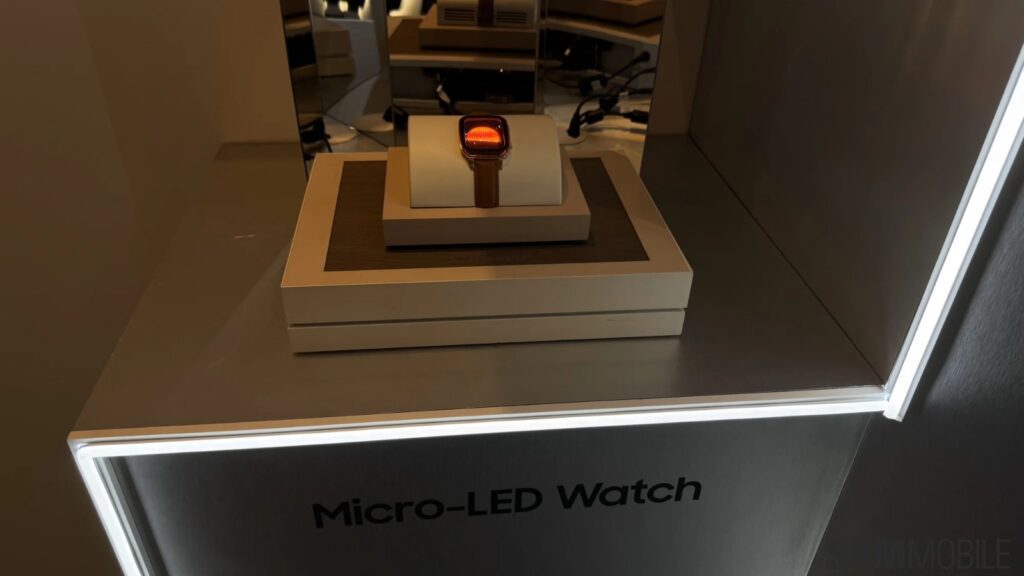
The CES 2025 event is displaying the latest technology developments by brands, and among them is Samsung Display. The company unveiled a new MicroLED screen designed for smartwatches that can reach crazy peak brightness. For perspective, as of now, no commercially available smartwatches use MicroLED displays.
The prototype that Samsung is showing reaches 4000 nits of peak brightness, or 33 percent brighter than the OLED screen in the Galaxy Watch Ultra.
This prototype with MicroLED matches Galaxy Watch Ultra in pixel density
The display Samsung showed off measures 2.1″ in size and has a resolution of 418 x 540 pixels. So the pixel density of the MicroLED display is 326ppi. For reference, the Galaxy Watch Ultra‘s display panel packs a resolution of 480 x 480 pixels and has a pixel density of 327ppi. This is significant, because, the pixel density of MicroLED screens was not as good as that of OLED screens in the past. It’s good to see Samsung has managed to overcome the challenges of using them in small devices like smartwatches.
MicroLED displays, in theory, offer much longer lifespan than OLED screens while keeping all the advantages that are already possessed by OLED screens. Similar to OLED screens, MicroLED screens are also self-luminous in nature and can provide pure black, infinite contrast, and wide viewing angle. Moreover, MicroLED screens are also much faster in terms of response speeds, higher in energy efficiency, and can be used in a wide temperature range and hence do not suffer from thermal damage.
According to a previous report from MICROLED-info, Samsung is already working on a Galaxy Watch with a MicroLED display, targeting a release in 2025. However, Samsung isn’t the only one working on offering smartwatches with MicroLED screens. Garmin is reportedly working on incorporating MicroLED displays into its upcoming Fenix 8 series.
Apple has also been researching MicroLED technology for its Apple Watch line. The initial plan was to launch this display technology in the Apple Watch Ultra by 2025, but the latest reports indicate that it may be delayed, and the product may hit the market in 2026.
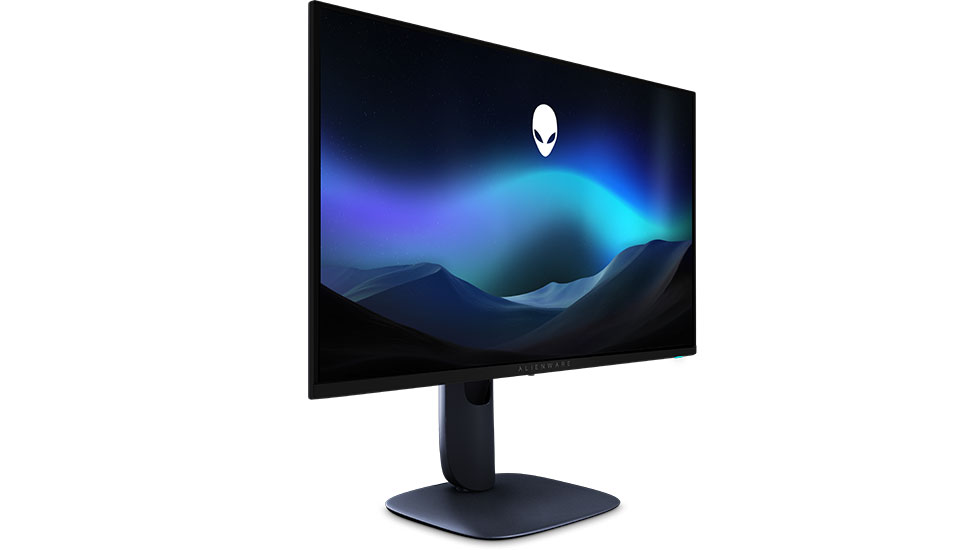
Dell’s Alienware has introduced the AW2725Q, a 27-inch 4K QD-OLED gaming monitor with a 240Hz refresh rate. Following similar launches from Asus, Samsung, and MSI, this high-performance monitor aims to compete in the premium gaming display market. Let’s check out its key specs.
The Alienware AW2725Q features a 26.5-inch QD-OLED panel with stunning 4K resolution. It comes with 99% DCI-P3 color gamut coverage and Delta E<2 color accuracy, ensuring vibrant and lifelike visuals.
The display sports an infinite contrast ratio and is equipped with Dolby Vision HDR and VESA DisplayHDR True Black 400 certifications, delivering exceptional HDR performance for an unparalleled immersive experience.
The monitor also includes Creator Mode, catering to gamers who are also content creators. This mode allows users to switch between DCI-P3 and sRGB color spaces and adjust gamma settings, ensuring versatility for work and play.
While the monitor achieves a typical brightness of 250 nits, it peaks at an impressive 1000 nits in HDR mode, ensuring vivid highlights in both bright and dark scenes. Designed for smooth gameplay, the AW2725Q supports AMD FreeSync Premium Pro, NVIDIA G-Sync, and VESA Adaptive-Sync Display 240 standards, eliminating screen tearing and stuttering for a seamless gaming experience.
The monitor comes with an AI-based burn-in prevention technology, which actively monitors on-screen images and adjusts to minimize the risk of OLED burn-in and image retention. Additionally, the monitor includes an anti-burn-in graphite layer to further enhance durability. Alienware backs this with a three-year warranty that covers burn-in, providing peace of mind for users.
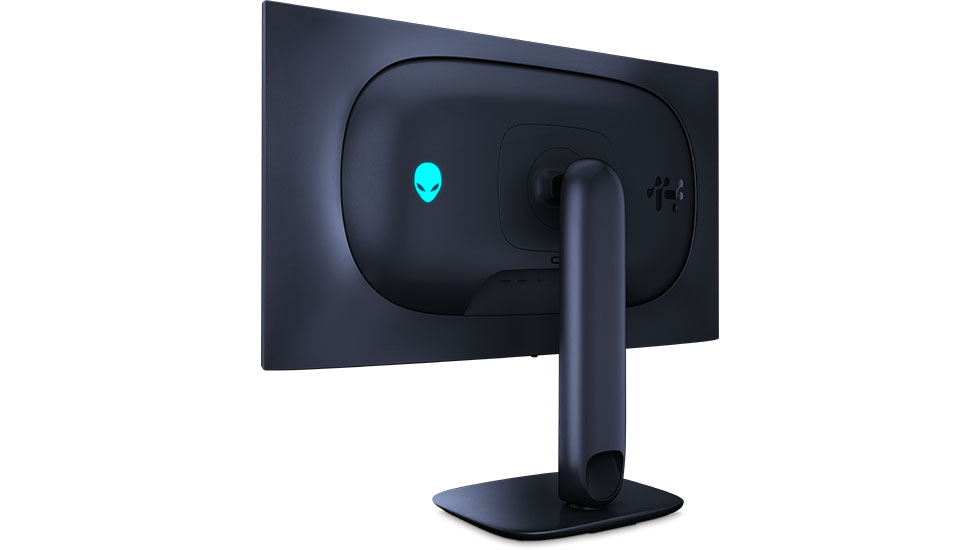
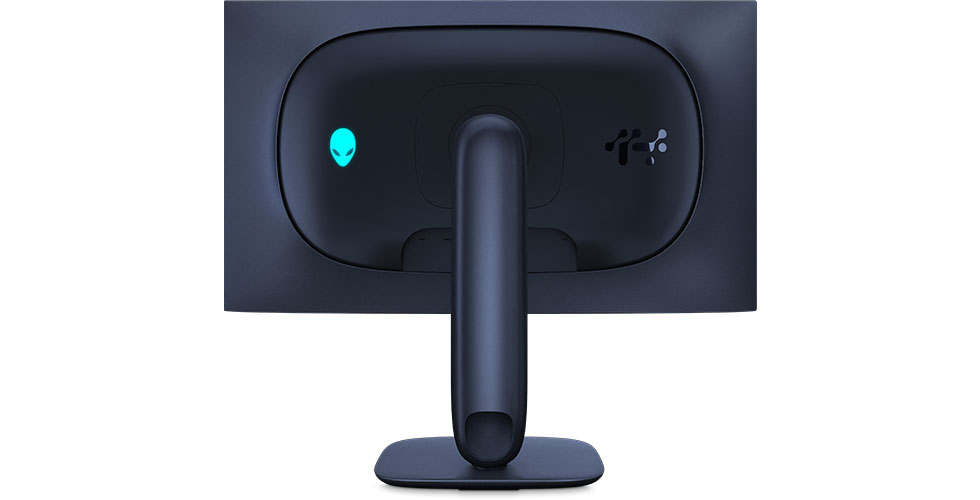
Alienware introduces its new AW30 design language with the AW2725Q, blending sci-fi aesthetics with practicality. The monitor features 360-degree ventilation, advanced cable management, and a small footprint base for better desk organization. It also includes an intuitive On-Screen Display User Interface and full support for Alienware Command Center 6.6 for customization.
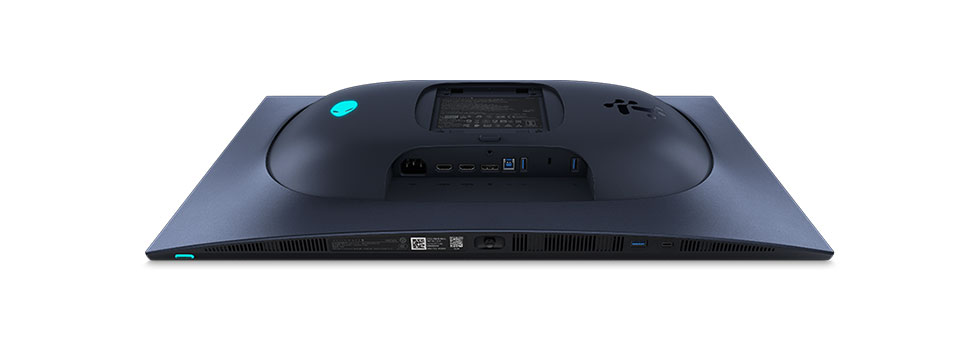
In terms of connectivity, the monitor boasts a DisplayPort 1.4, two HDMI 2.1 ports supporting 4K at 240Hz, and eARC (Enhanced Audio Return Channel) for Dolby Atmos passthrough. However, it lacks USB-C video input but compensates with a USB-A hub and a USB-C port offering 15W charging.
2. Pricing and Availability
Alienware AW2725Q is competitively priced at $900 in the United States and CAD 1,230 in Canada. It will launch in China on January 22, 2025, followed by North America and Asia-Pacific in March and EMEA regions in April.
We recently reviewed the FlipGo Portable Dual Monitor, calling it a game-changer for productivity on the go—check it out!
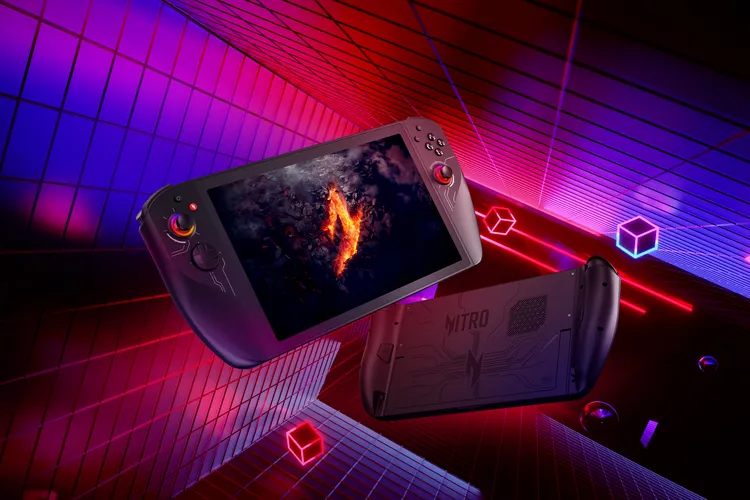
Acer expanded its gaming handheld lineup with the new Nitro Blaze 8 and Nitro Blaze 11. Back in September 2024, the Nitro Blaze 7 launched as a powerful handheld gaming console. But now, the brand is taking things a step further with the Blaze 11. So let’s see how the Nitro Blaze 11 stands out among the competition.
Acer is gearing up to showcase the latest Nitro gaming handhelds during CES 2025. Before getting into the details, there is one notable aspect that makes the Nitro Blaze 11 unique and that is its display. As the name suggests, the Nitro Blaze 11 sports a giant 10.95-inch WQXGA display with a 144Hz refresh rate, 500 nits of peak brightness, 10 point touch panel, and AMD FidelityFX Super Resolution.
At this size, it is more akin to the iPad, which has always been a popular choice for mobile gamers. Most gaming handhelds in the market right now usually offer a display size of around 7 to 8 inches. This includes the Steam Deck (7.4-inch), Nintendo Switch (7-inch), and ROG Ally X (7-inch), among other options. A larger screen helps offer a more immersive experience even in a portable form factor.
2. Performance
The processors that power these new handheld gaming consoles determine their battery life and even the gaming experience. Acer does not disappoint with the AMD Ryzen 7 8840HS, which powers the Nitro Blaze 11. This is a powerful mobile processor that also powers laptops as well.
It is paired with the Radeon 780M, which is an RDNA 3 based GPU. You also get 16GB of RAM and up to 2TB of SSD storage. So apart from a tall display, you’re also getting near laptop level performance on the Nitro Blaze 11. A sizeable 55Wh battery pack powers the handheld console, which supports 100W USB Type-C charging.
3. What else is special?
This is a Windows gaming handheld that runs on Windows 11 Home. Buying this console also gets you access to Free PC Xbox Game Pass for 3 months. There’s a bunch of physical buttons as well as hall effect sticks and hall effect triggers, which are resistant to stick drift and other issues that typically plagues a controller. For audio, users get a twin 2W speaker setup. Just like the Nintendo Switch, the Nitro Blaze 11 brings detachable controllers and a front camera for video calls and streaming enthusiasts.
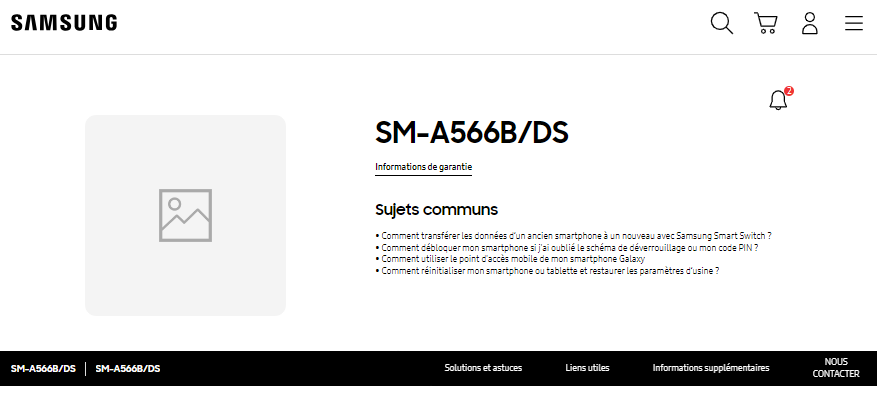
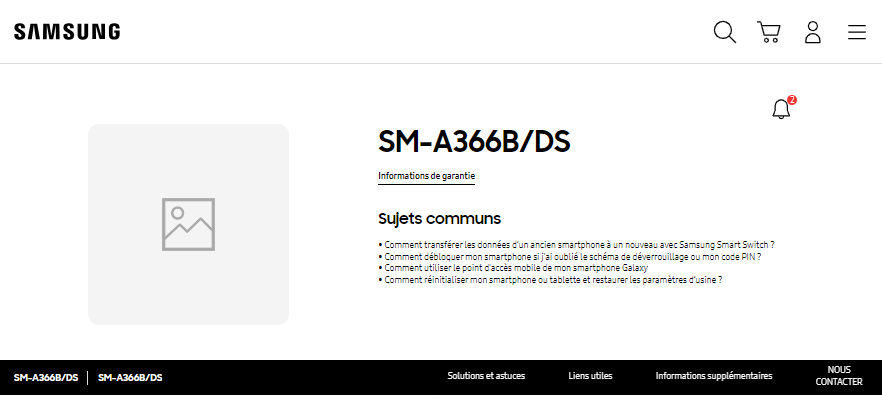
Samsung is gearing up to expand its mid-range lineup with two new phones – the Galaxy A56 and Galaxy A36. Samsung’s support page for both devices (with model number ‘SM-A566B/DS’ and ‘SM-A366B/DS’) are now live in France.
It indicates that Samsung is going to launch the devices soon in the country, and probably, in other regions like the US and India as well. The ‘DS’ in the model name could refer to dual-SIM support.
Galaxy A56 support page
While the support pages don’t reveal much about the devices, they have already appeared on benchmark and certification platforms revealing some key details.
Galaxy A56 & A36: here’s what to expect
The Galaxy A56 could come with an interesting redesign. Previously revealed CAD renders show that the phone will come with a vertical pill-shaped rear-camera design, something unique in the recent offerings from Samsung as well as its competitors. On the front, the phone packs a flat display that apparently has slightly slimmer bezels than the Galaxy A55. The ‘Key Island’ is also present on the top right of the phone.
According to the Geekbench listing, the phone comes with Android 15. So you can expect One UI 7. Speaking of hardware, it packs the Exynos 1580 chip, the successor of the Exynos 1480 that powers the Galaxy A55. As for the performance improvement, the new chip is built on a new node, with ARMv9 CPU cores and double the GPU hardware. Specifically, the chip is fabbed on Samsung’s third-generation 4nm EUV FinFET process.
Samsung has shifted to a three-cluster design for the CPU – one prime Cortex-A720 core (2.9GHz), three big A720 cores (2.6GHz) and four A520 (1.95GHz). This alone represents a major performance boost compared to the 1480, which used ARMv8 cores. While the Galaxy A55 scores around 1150 and 3400 in Geekbench, the A56 scored 1341 and 3846.
Other improvements include faster (at least on paper) 45W charging, up from 25W of the predecessor.
Galaxy A36 support page
As for the Galaxy A36, previous reports hint at a similar redesign for the camera module. The phone is also rumored to be slightly smaller than its predecessor, with a 6.64″ display down from 6.6″. According to The Tech Outlook, this phone could be powered by Qualcomm’s Snapdragon 6 Gen 3 or Snapdragon 7s Gen 2 chipset. it should offer power efficiency improvement over the Exynos 1380 of its predecessor.
Overall, you should expect a new design and improved performance and power efficiency from the new A series devices.
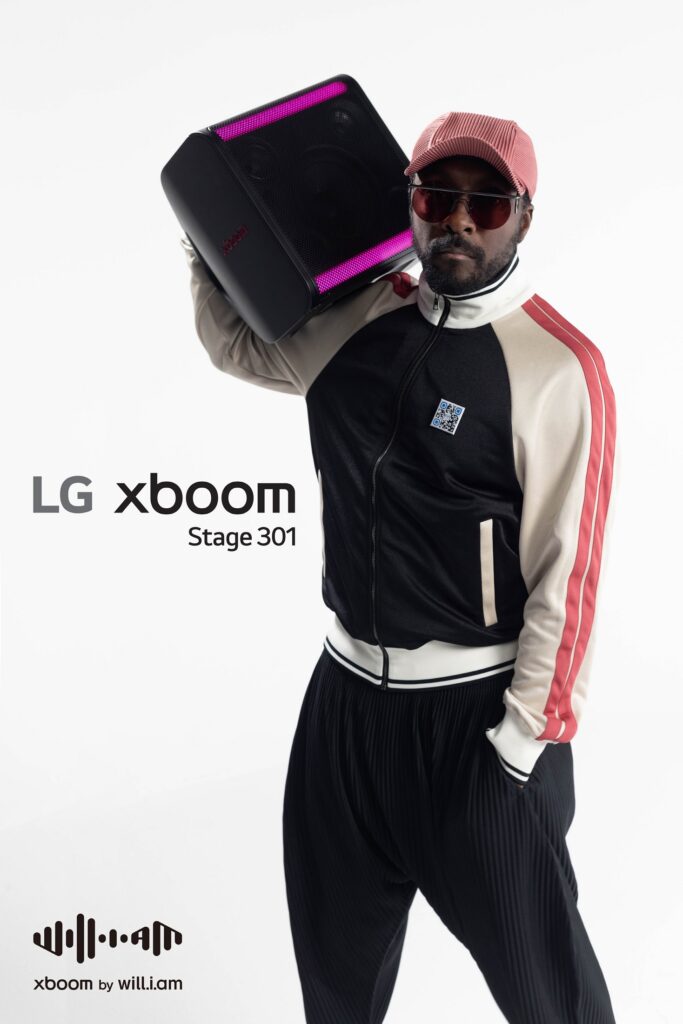
LG has just debuted two new products from its xboom lineup of audio products. The models include the new xboom by will.i.am Speakers and xboom Buds. As the name suggests, the brand is collaborating with the renowned pop artist will.i.am to announce this lineup.
LG xboom by will.i.am Speakers
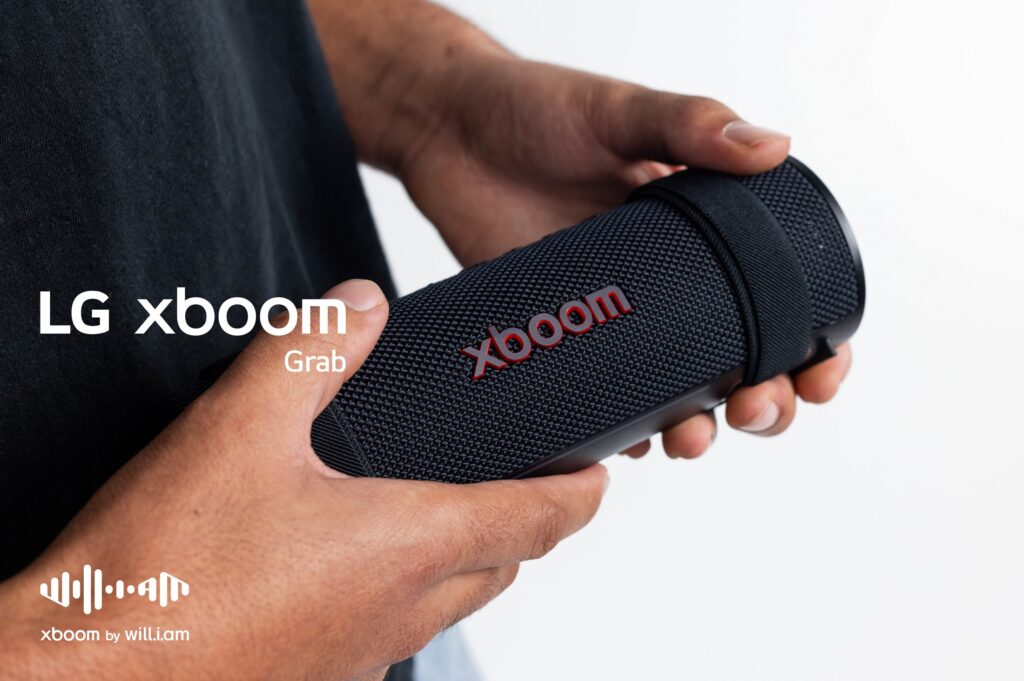
Ahead of the CES 2025 event, LG unveiled the xboom by will.i.am, which is a new line of audio products. The first of the lot is the xboom speakers, which brings audio tuned by will.i.am and also features LG’s signature Xboom sound. The lineup of speakers includes multiple models like the xboom Bounce, Grab, and Stage 301. These bring innovative features that are powered by AI.
LG xboom Grab by will.i.am speakers
The first is AI Sound which can analyze audio tracks and seamlessly switch between sound profiles to accentuate the melody, rhythm, or vocals. Thanks to AI Lighting, the speakers’ house bar lights that pulse in multicolored sync with audio playing. AI Calibration lets the speakers recognise the surrounding environment to tune the audio. The xboom Bounce is a portable model that features top firing passive radiators, dual tweeters, a woofer, and an IP67 rating for water and dust resistance.
LG xboom Stage 301
On a single full charging, it can last for up to 30 hours. Meanwhile, the xboom Grab is a slightly cutdown version of the Bounce and is basically a travel friendly Bluetooth speakers. Despite its compact size, LG managed to pack dual passive radiators for a more dynamic bass. Once again you get IP67 rating but with military grade rating on its body. These speakers can also last for up to 20 hours.
Lastly, there is the xboom Stage 301 party speaker that is perfect for parties or other social gatherings. It has a 6.5-inch woofer and dual 2.5-inch midrange drivers. There is also IPX4 water resistance, and a replaceable battery, which can offer up to 11 hours of battery life. This variant is more in line with LG’s 2023 line of XBOOM XL7S & XL5S portable party speakers.
xboom Buds
Alongside these Bluetooth speakers, the South Korean brand also announced the xboom Buds. It is a pair of in-ear truly wireless earbuds with a hook design for a better fit in your ear. LG’s new xboom Buds houses graphene drivers along with Active Noise Cancellation (ANC) and support for LE Audio Auracast.
LG xboom Buds
The last feature allows users to listen to open audio streams in public as well as access to multi device connectivity support. On a single full charge, the LG xboom Buds offer up to 30 hours of audio playback. For physically active users, the earbuds offer an IPX4 rating for water and dust resistance.
Availability
LG has yet to confirm the pricing and availability of these new audio products. However, we can expect the hearables to debut later this year. The brand will showcase the xboom by will.i.am series at CES 2025, which kicks off on 9th January 2025.
Dell just shared a massive announcement in the form of a fresh rebranding. But this change isn’t limited to just a few models, rather, the brand’s entire lineup of laptops is getting revamped. Dell is bringing a lot of changes to its iconic and popular devices. So here’s a quick explanation of what’s new.
One of the reasons for this massive change across the Dell family of laptops is to streamline the entire lineup while also simplifying them. The brand’s Latitude and Inspiron series have been iconic for years alongside the XPS series of premium notebooks. But the new shift would help make their price category more apparent at a single glance.
A great example of this is the Pro and Premium variants. The ‘Dell Pro’ series of laptops are basically the older Latitude family, while the ‘Dell Premium’ is a rebadged version of the XPS line. Further expanding on this, the Dell Pro lineup will now include devices with the Latitude name through Dell Pro Plus and even Dell Pro Premium products. Notably, these changes are even including the company’s Alienware series of gaming notebooks.
So to make things clear, Dell isn’t launching new products and is just revamping the existing lineup. You could even call this a simple refresh or remake of their existing branding.
2. Some of these sound familiar
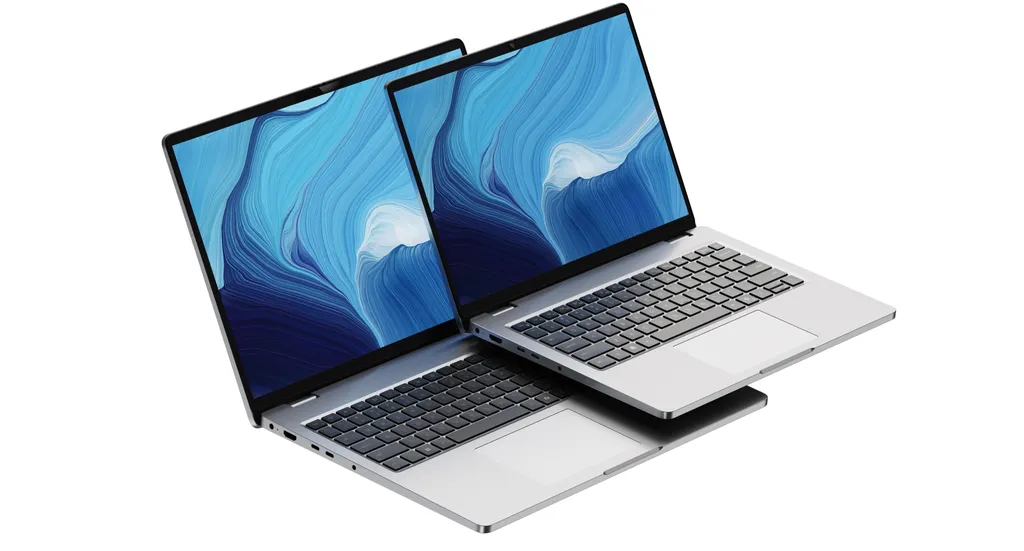
Dell Pro Premium Laptops 13-inch and 14-inch variants
While some of the new names are more streamlined, a few are quite familiar while others are a bit more confusing. So let me break it down for you:
XPS – Dell Premium
Inspiron Plus – Dell Plus
Inspiron – Dell (base)
Latitude – Dell Pro (Pro Plus, Pro Premium)
Precision – Dell Pro Max (Pro Max Plus, Pro Max Premium)
Expanding on this, the Pro Max series sounds like an Apple branding move but basically signifies its commercial variants of the Precision series. This will replace the older 3000, 5000, and 7000 series to make better sense to the customers. Similarly, the 2-in-1 series of laptops are now a part of the Dell Plus series. The “Premium” moniker will simply showcase the brand’s top end models with either the most powerful specs or ultrabooks.
3. And then there’s Alienware
Alienware Area 51 Desktop PC
Even the Alienware family are also a part of the revamp. These changes include both the gaming laptop and even the gaming desktop PCs. Looking at the notebooks first, the Alienware Area-51 with the Alienware Area-51 16-inch and 18-inch laptops. With this announcement, it is clear that Dell is looking to take the gaming PC market by storm. These will pack cutting edge specs and features like the Intel Core Ultra 9 275HX processor, up to 64GB of RAM, and a max storage capacity of a whopping 12TB.
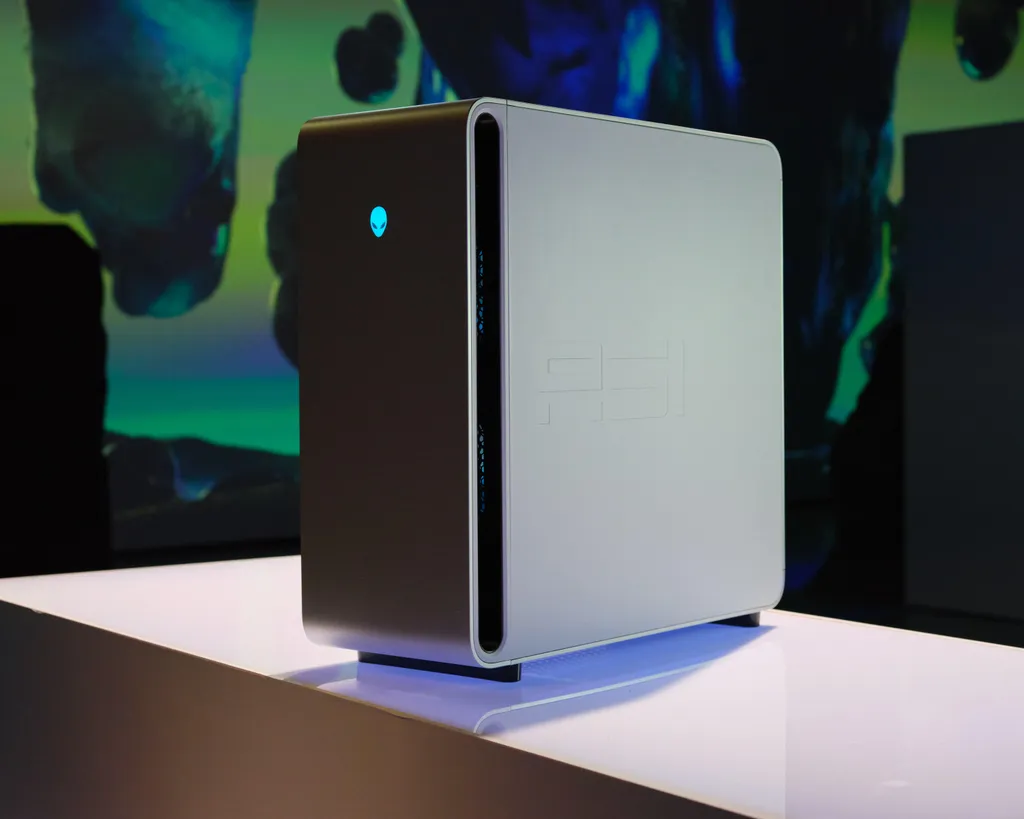
‘Alienware Area-51’ branding has been expanded to include desktop PCs as well. The first from this lineup is the new flagship gaming PC, which is a full sized 90L tower that brings next gen hardware like Nvidia’s RTX 5000 series of GPUs and Intel Core Ultra 9 285K processor. All of these hefty specs also draw a large amount of power with a near 900W power draw.
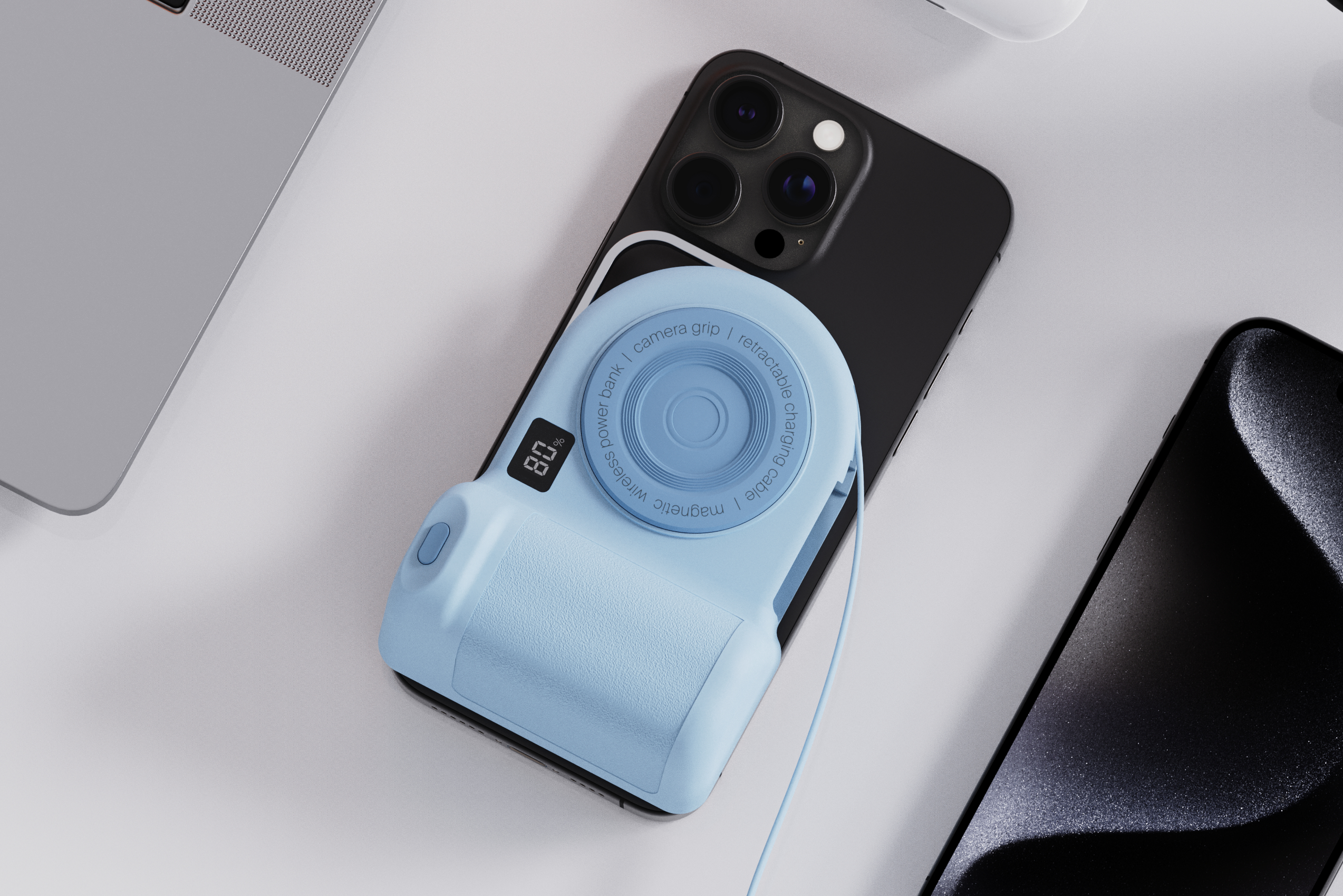
The Belkin PowerGrip, designed for iPhones, is blurring the lines between casual smartphone snapshots and professional-level photography. This innovative accessory, which went official during CES 2025, seamlessly blends power and ergonomics, transforming your iPhone into a camera that’s both comfortable to hold and ready to capture stunning images.
1. Belkin PowerGrip elevates photography experience on an iPhone
Bekin PowerGrip
Imagine a power bank that not only charges your iPhone but also enhances your photography experience. That’s precisely what the Belkin PowerGrip delivers. This MagSafe-compatible device features a unique DSLR-style grip, providing a comfortable and secure hold reminiscent of traditional cameras. This clever design addresses a common frustration with smartphone photography: the awkwardness of holding a thin, flat device for extended periods. The PowerGrip’s ergonomic grip ensures a steadier hold, reducing camera shake and resulting in sharper images.
But the PowerGrip offers more than just a comfortable grip. It houses a powerful 10,000mAh battery, providing ample power to keep your iPhone charged throughout your photography adventures. The 7.5W MagSafe wireless charging ensures effortless power delivery, while the inclusion of USB-C ports allows you to charge other devices simultaneously. And with a built-in retractable USB-C cord, you’ll never have to worry about forgetting your charging cable.
One of the major features of the PowerGrip is its physical shutter button. Connected via Bluetooth, this button provides a tactile and responsive shooting experience, eliminating the need to rely on the on-screen controls or the often-fiddly volume buttons. This seemingly small addition significantly enhances the overall photography experience, making it feel more akin to using a dedicated camera.
2. PowerGrip vs. Dedicated Photography Kits for Xiaomi 14 Ultra and Vivo X100 Ultra
Xiaomi 14 Ulra Photography Kit
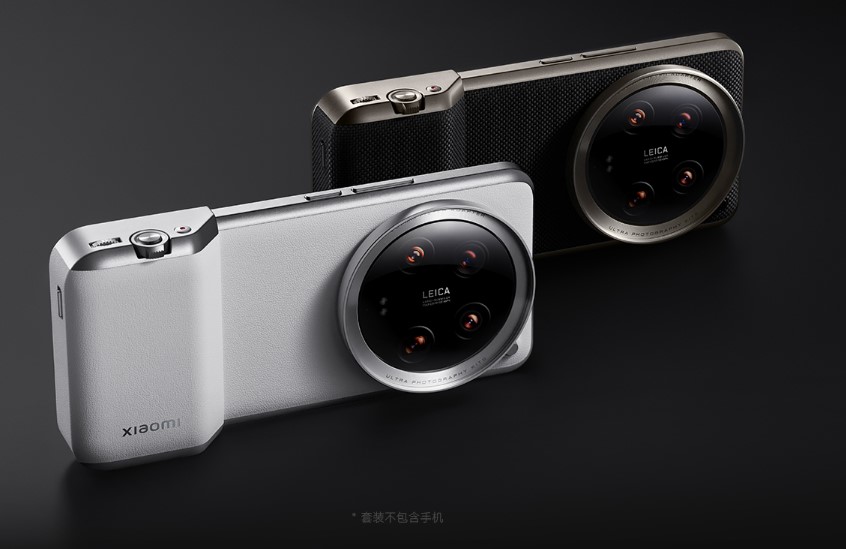
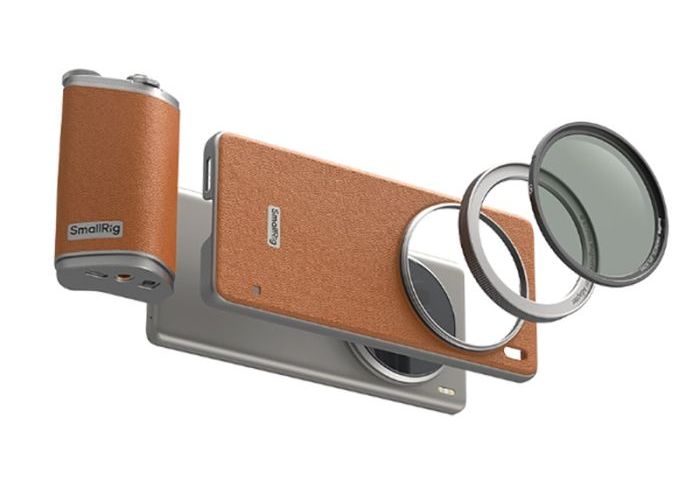
While smartphone manufacturers like Xiaomi and Vivo offer dedicated photography kits with external lenses and filters, the Belkin PowerGrip takes a different approach. It prioritizes ergonomics, extended battery life, and ease of use, making it a versatile tool for both casual photographers and enthusiasts.
The Xiaomi 14 Ultra and Vivo X100 Ultra kits, with their 67mm adapter rings, cater to those seeking advanced creative control with interchangeable lenses. However, this comes with the added bulk and inconvenience of carrying extra equipment. The PowerGrip, on the other hand, offers a streamlined and portable solution.
Unlike the Xiaomi and Vivo kits designed for specific phone models, the PowerGrip is compatible with any MagSafe-enabled iPhone. This broader compatibility makes it a more accessible and future-proof option for a wider range of users.
SmallRig FilMov Vivo X100 Ultra Photography Kit
The PowerGrip may work with any Android phone that supports wireless charging and comes with a compatible MagSafe charging case. However, there is no clarity on it from the brand.
The Belkin PowerGrip is more than just a power bank; it’s a game changer for iPhone photography. Its ergonomic grip, physical shutter button, and extended battery life elevate the mobile photography experience, making it more comfortable, convenient, and enjoyable. Whether you’re a casual photographer or a seasoned enthusiast, the PowerGrip is a valuable accessory that unlocks the true potential of your iPhone camera.
3. Belkin PowerGrip: Price and Availability
Belkin PowerGrip
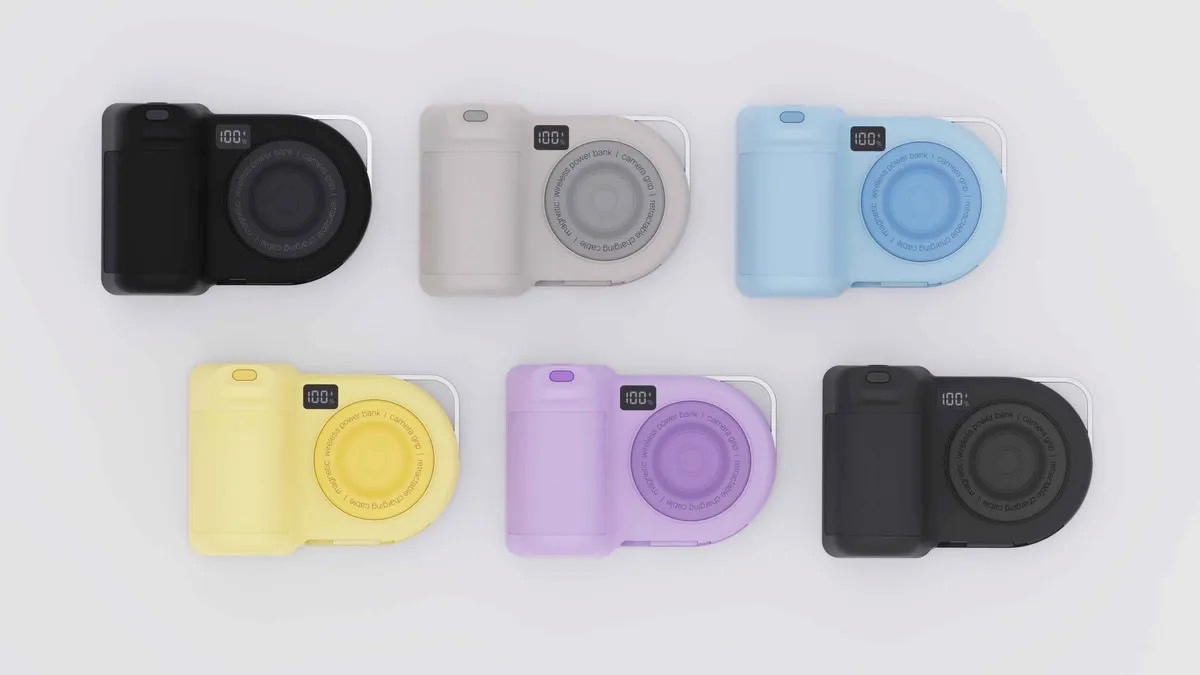
The Belkin PowerGrip will be available in a vibrant array of colors to suit your personal style, including Powder Blue, Sandbox, Fresh Yellow, Pepper, and Lavender. While the exact price is yet to be announced, Belkin has indicated that the PowerGrip will be available for purchase starting in May 2025.
Amazfit, a brand owned by Zepp Health, is known for its smartwatches. The company used to offer exciting products at affordable prices.
However, the brand’s product lineup got complicated in recent years with many more models and price hikes. This along with increased competition resulted in the company losing its market share.
The brand started correcting itself a year ago by minimizing its product portfolio. The Amazfit Active was the first watch beginning this new chapter for the brand.
Now, at CES 2025, this wearable gets a successor. The newer model improves upon its predecessor by keeping the price even lower.
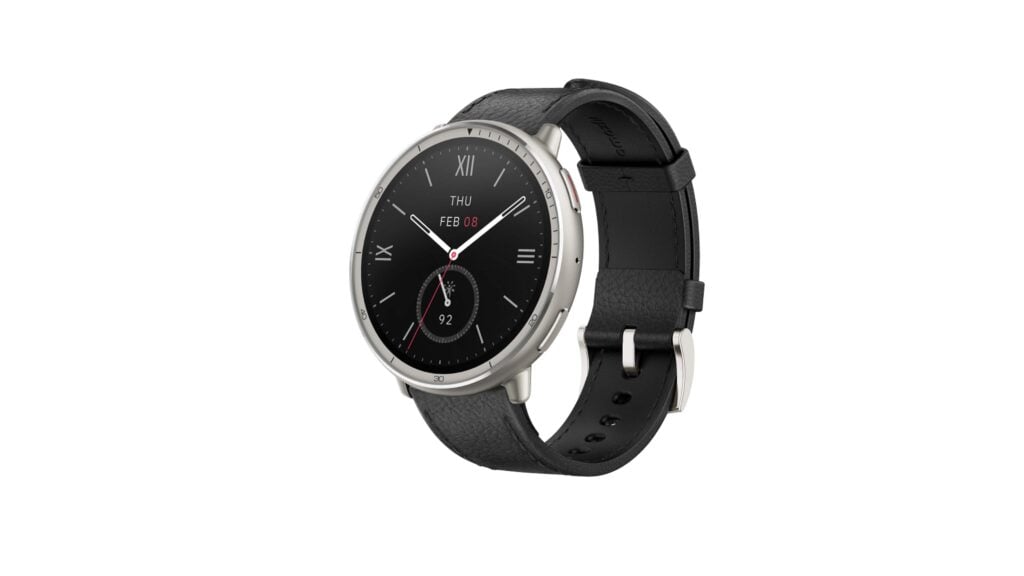
The Amazfit Active 2 costs only $100 and brings many meaningful changes. It comes with a circular dial, unlike the Apple Watch-lookalike original which was priced at $150 at launch. It essentially replaces the older GTR series.
Let’s go through what makes this smartwatch a compelling option in the budget category.
The Amazfit Active 2 sports a circular dial mimicking classic watches. It has a stainless steel bezel with hour and minute markings.
The wearable comes in two flavors: Standard ($100) and Premium ($130). The former is paired with a leather strap and a sapphire glass. Whereas the latter arrives with a silicone strap and a tempered glass.
The watch flaunts a 1.32-inch AMOLED display with a peak brightness level of 2000 nits. The screen offers a resolution of 466 x 466 pixels and 353 PPI.
It has two buttons, a microphone, and a speaker. It is water resistant up to 5 ATM.
2. Packed with Sensors
The Amazfit Active 2 is equipped with the company’s BioTracker 6.0 PPG biometric sensor. This sensor is found inside the more expensive T-Rex 3 rugged smartwatch.
The sensor stack of the wearable includes accelerometer, gyroscope, compass, altimeter, ambient light, and temperature. It also supports 5 satellite positioning systems (GNSS).
3. Plethora of Sports and Health Features
The Amazfit Active 2 supports 164 sports modes. Users can create training templates and customize interval training. It also offers turn-by-turn navigation for outdoor activities.
The wearable can be paired with other peripheral workout devices, like heart rate belt, running power meter, cycling power meter, cycling speedometer, and cycling cadence meter.
Further, the data can be synchronized with third-party fitness apps, such as Strava, Adidas Running, TrainingPeaks, Komoot, Relive, Google Fit, and Apple Health.
Common health features offered by the watch include monitoring of heart-rate, blood oxygen level, temperature, stress, and sleep.
4. Convenient Lifestyle Features
The Amazfit Active 2 is compatible with both Android and iOS. It pairs via the Zepp App over Bluetooth 5.2.
It has all the essential features, such as app notifications, call alerts, camera control, weather, music playback control, voice memos, and more. There’s also support for Zepp Flow AI-powered voice control in select regions.
In some regions, the wearable also offers support for contactless payments via Zepp Pay.
5. Exceptional Battery Life
Despite packing a ton of features, the Amazfit Actice 2 is rated to last for up to 10 days under typical usage scenario. Even under heavy usage, it is touted to last for up to 5 days.
The watch houses a 270mAh battery and charges via a magnetic charger.
Nothing is rumored to be working on three new smartphones for launch in 2025. The flagship model of the line will unsurprisingly be the Phone (3), while the Phone (3a) and (3a) Plus will target the mid-range and premium mid-range territory.
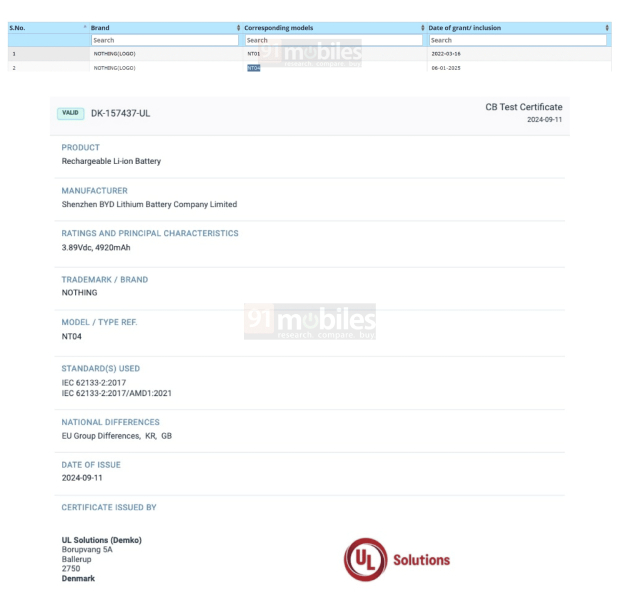
Now, one among these three smartphones has surfaced on BIS (Bureau of Indian Standards) and UL Demko certifications. It’s not clear yet which phone the model number belongs to, but the 91Mobiles report suggests it could be the Phone (3a) or the Nothing Phone (3a) Plus.
New Nothing phone secures BIS, UL Demko certifications
The BIS listing, as usual, reveals little about the phone other than its model number and approval for launch in India. However, the sighting on UL Demko shows that the phone has a 4290mAh battery capacity. This might be the rated capacity, but Nothing will likely advertise it as 5000mAh.
According to reports, the Nothing Phone (3a) series will introduce some significant upgrades. The Nothing Phone (3a) is expected to include a telephoto camera, while the Plus model could take it a step further with a periscope telephoto lens. This would be a first for Nothing’s mid-range lineup. Both models are also rumored to support eSIM technology.
Additionally, the series might see a switch from MediaTek to Qualcomm. Both the Phone (3a) and (3a) Plus are expected to be powered by the Snapdragon 7s Gen 3 chipset, which should offer better performance and efficiency compared to the previous generation.
Both the Nothing Phone (2a) and (2a) Plus are currently positioned as mid-range devices priced under ₹30,000 in India. If Nothing maintains this strategy, we can expect the upcoming models to target a similar price bracket.
While the certification listings provide early insight into the upcoming devices, more details are needed to confirm the full specifications and features of the Nothing Phone (3a) series.
We use cookies on our website to give you the most relevant experience by remembering your preferences and repeat visits. By clicking “Accept”, you consent to the use of ALL the cookies.
This website uses cookies to improve your experience while you navigate through the website. Out of these, the cookies that are categorized as necessary are stored on your browser as they are essential for the working of basic functionalities of the website. We also use third-party cookies that help us analyze and understand how you use this website. These cookies will be stored in your browser only with your consent. You also have the option to opt-out of these cookies. But opting out of some of these cookies may affect your browsing experience.
Necessary cookies are absolutely essential for the website to function properly. This category only includes cookies that ensures basic functionalities and security features of the website. These cookies do not store any personal information.
Any cookies that may not be particularly necessary for the website to function and is used specifically to collect user personal data via analytics, ads, other embedded contents are termed as non-necessary cookies. It is mandatory to procure user consent prior to running these cookies on your website.