Advertisement

Sony Launches LinkBuds Fit with Adaptive Sound, Open Design Earbuds, and Water-Resistant Speaker

Sony Electronics has added new products to its LinkBuds series, launching the LinkBuds Fit, LinkBuds Open wireless earbuds, and the LinkBuds Speaker.

Sony LinkBuds Fit
Sony LinkBuds Fit

The LinkBuds Fit and LinkBuds Open now feature Air Fitting Supporters, designed for a snug fit, making them ideal for active users. Additionally, Sony has introduced the LinkBuds Speaker, a compact device that effortlessly switches between earbuds and the speaker for a smooth audio experience. You can find additional details below

1. LinkBuds Fit: Built for Comfort and Activity

Sony LinkBuds Fit
Sony LinkBuds Fit

The LinkBuds Fit earbuds are designed to be worn all day long. They have an ergonomic shape that fits comfortably in your ear, and their lightweight design makes them suitable for workouts, commutes, or just lounging around. The new Air Fitting Supporters help keep the earbuds in place without putting pressure on your ears, so you don’t have to worry about them falling out while you’re on the move.

Sony offers the LinkBuds Fit in a range of colors, including a special violet version created with singer-songwriter Olivia Rodrigo. These earbuds don’t just look good—they’re packed with features like advanced noise-canceling technology and an adaptive ambient sound mode that adjusts to your surroundings. The built-in processor and dual noise sensors also help block out distractions, so you can fully enjoy your music or calls.

2. LinkBuds Open: Stay Connected While Listening

Sony LinkBuds Open
Sony LinkBuds Open

The LinkBuds Open offers a unique open-ring design for those who want to stay aware of their surroundings while listening. This design lets users hear their music and what’s happening around them, enhancing safety during daily activities. The earbuds automatically adjust the volume based on the environment, so users get the best sound experience without blocking out important sounds.

Just like the Fit model, the LinkBuds Open comes with the new Air Fitting Supporters, ensuring a comfortable fit for all-day wear. They also come in different colors, including Olivia Rodrigo’s violet. With features like adaptive volume control, voice commands, and easy touch controls, these earbuds are perfect for everyday use.

3. LinkBuds Speaker: Portable Sound for All-Day Use

Sony LinkBuds Speaker Hero

Sony has also introduced the LinkBuds Speaker for those who prefer a room-filling sound experience. It’s portable and comes with a handy detachable strap, so you can carry it from room to room effortlessly. The speaker has an Auto Switch feature that changes playback between different devices without you lifting a finger. With its X-Balanced Speaker Unit, tweeter, and passive radiators, the LinkBuds Speaker delivers a clear, balanced sound.

The speaker also offers quick charging and up to 25 hours of battery life, making it a reliable choice for all-day use. It’s water-resistant too, so you don’t have to worry about splashes.

4. Environmentally Friendly Design

Sony designed these new LinkBuds products with sustainability in mind. The LinkBuds Fit, LinkBuds Open, and LinkBuds Speaker all use recycled plastic materials. Plus, the packaging is made from sustainable materials, showing Sony’s commitment to reducing its environmental impact.

5. Pricing and Availability

Both the LinkBuds Fit and LinkBuds Open are available for pre-order at $199.99 USD ($299.99 CAN). The LinkBuds Speaker is priced at $179.99 USD. You can find them on Sony’s official website, Amazon, Best Buy, and other authorized retailers.

(Source)

Oppo Find X8 rear design with triple cameras leaked again

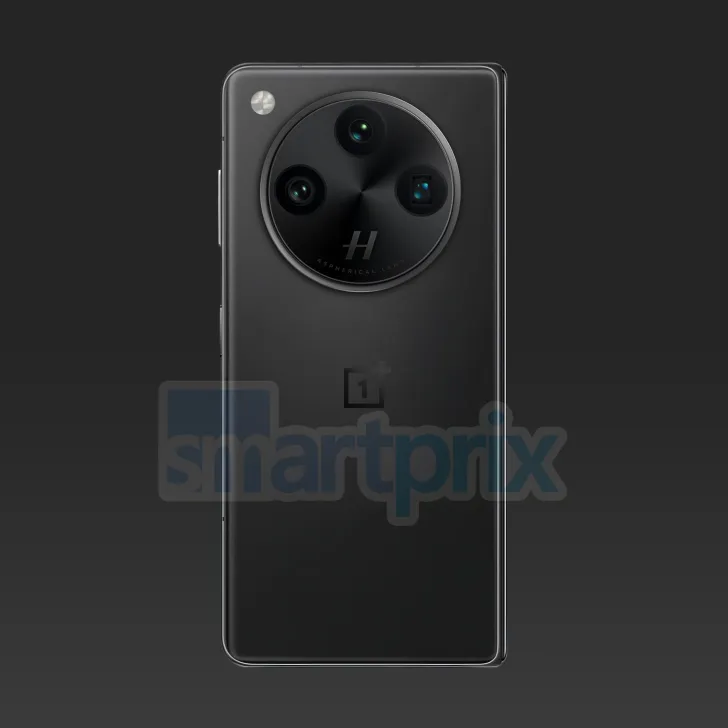
As the Oppo Find X8 nears its anticipated launch this month, fresh leaks have surfaced from Weibo, giving a closer look at the device’s design, particularly its redesigned rear camera module. The leaked image reveals a Bluish Silver color variant with a circular rear camera setup featuring three sensors. Previously the device was leaked in Black color.

Oppo Find X8 rear design

Oppo Find X8 rear design

The back side looks very similar to the OnePlus Open / Oppo Find N3 and it has a “H” branding in the center of the camera island which confirms Oppo’s ongoing collaboration with Hasselblad, suggesting that the camera’s software and color accuracy will benefit from this partnership.

Oppo officials previously unveiled the front panel of the Find X8, revealing a design that closely resembles the base model iPhones. They have even drawn comparisons between the two designs. Additionally, the upcoming ColorOS 15 will include a camera and flash button layout similar to iOS, further reinforcing the resemblance.

In terms of performance, the Oppo Find X8 is expected to be powered by MediaTek’s upcoming Dimensity 9400 chipset, which has delivered impressive results in early Geekbench tests. The Pro variant, also featuring the same chipset, performed exceptionally well on AnTuTu. This chipset is set to offer strong performance in both single-core and multi-core tasks. In terms of camera, the device is likely to feature a 50MP main camera, a 50MP ultra-wide-angle lens, and a 3x periscope zoom lens.

Oppo Find X8 is expected to feature a 6.7-inch LTPO OLED screen with Full HD+ resolution and a dynamic refresh rate from 1 to 120Hz for smooth visuals. The standard model is expected to have a 5,600mAh battery with 100W wired charging, while the Pro model may come with a 5,800mAh battery and 50W wireless charging.

Both models will also support an IP69 rating for water and dust resistance. As per recent leaks, the Find X8 series is also expected to launch in the global market as well including India.

Samsung Galaxy A56 has appeared on Geekbench

Samsung was already actively testing the Galaxy A56. Almost 2 weeks after this leak, the smartphone was spotted in the latest Geekbench database. Earlier leaks rumored that the Galaxy A56 would come with an Exynos 1580 SoC. We can confirm this with the Geekbench result that appeared today. The Exynos 1580 with the internal codename Santa is now shown running on a smartphone. However, this does not indicate that the device will be launched early.

Galaxy A56 will come with Exynos 1580 SoC

In fact, Samsung was working on the Galaxy A56 when it started working on the new Exynos 1580 SoC. Because this processor was the chip to be used in the next Galaxy A56. The Geekbench database revealed that the Galaxy A56 runs on the Exynos 1580 SoC. The Exynos 1580 performs similarly to the Snapdragon 888. This is another indication that the new 2025 mid-segment models will perform similarly to the 2021 flagships.

Exynos 1580 was spotted in July with model number S5E8855. The smartphone scores 1341 in single-core and 3836 in multi-core. 3 years ago, Snapdragon 888 came up with a similar geekbench result. The Galaxy A56 has the model number SM-A566B. The letter B at the end of the model number indicates that it is a device exclusive to the Global market. Samsung is also developing another Galaxy A series smartphone. We will share information about it in the coming days.

Apart from these, there is no different information about the Galaxy A56. The new members of the Galaxy A series are expected to be introduced in Q1 of 2025, i.e. March 2025. We will inform you when there is a new development.

Apple slashes iPhone 16 production: Is poor demand to blame?

In an investor note shared by 9to5Mac, Barclays analysts reveal that Apple has recently reduced iPhone 16 production by three million units. According to supply chain checks, these cuts were made at a key semiconductor partner for iPhone orders.

iPhone 16 Pro Max

iPhone 16 production cut is linked to lower-than-expected demand

Barclays analysts suggest that iPhone 16 shipments are expected to decline by 15% year-over-year. Despite this, the performance for the previous quarter aligns with expectations. The report mentions that the September quarter will see 51 million iPhone 16 units shipped, benefitting from two extra days of sell-through compared to the iPhone 15 models.

Looking ahead, the December quarter presents more challenges. The production cut, coupled with reduced demand, puts iPhone 16 shipments at greater risk.

Analysts believe this slowdown may be tied to Apple’s rollout of Apple Intelligence, the company’s new AI features, which have yet to fully launch. This delayed Apple Intelligence rollout is also expected to contribute to the softer demand. This is notable because the new models (especially the Pro models) have barely anything different in appearance, aside from the new Capture button of course.

The gradual release of Apple Intelligence appears to be a key factor in the reduced demand. The company launched iOS 18.1 Beta with Apple Intelligence for the iPhone 16 in mid-September, but the delay in delivering the full set of features could have contributed to a “softer” reception from consumers.

Barclays analysts noted, “We think Sep-Q iPhone units are on track for 51M as the best case (consensus and Barclays both at 51M for Sep-Q estimate), assuming some channel fill in line or better vs. last year due to more selling days. We believe July and August sell-through has been flattish Y/Y.”

Another challenge for Apple is that the full Apple Intelligence feature set may have limited availability outside of the U.S., potentially impacting global shipments. In addition, the lack of significant design innovation could also be influencing weaker demand. While the iPhone 16 and iPhone 16 Plus received a new camera layout, the iPhone 16 Pro and Pro Max models look very similar to their predecessors.

(Via)

Should Nvidia worry as Huawei’s AI Chips rise in China?

Huawei is testing its latest AI chip, the Ascend 910C, with potential clients in China. This chip aims to provide a strong alternative to Nvidia’s high-end GPUs, especially after US restrictions limited Nvidia’s sales to China. Samples of the Ascend 910C have been offered to large Chinese server companies for testing and hardware configuration.

The Ascend 910C is an upgraded version of Huawei’s Ascend 910B chip, which has already been used in China as an alternative to Nvidia’s A100 chip in various industries, including AI training.

What is the impact of US Sanctions on Nvidia?

Since August 2022, US sanctions have prohibited Nvidia from selling its A100 and H100 GPUs to China. In response, Nvidia developed modified versions, such as the A800 and H800, but these too faced further export restrictions in 2023. Despite these limitations, Nvidia remains a major player in China’s AI market, with new offerings like the H20, L20, and L2 GPUs.

Nvidia’s H20 chip is expected to generate significant revenue in China, with projected sales of US$12 billion in 2024, despite earlier low demand.

Huawei’s Growing Opportunity in China

The US sanctions on Nvidia have created an opportunity for Huawei to expand its AI infrastructure and computing resources within China. Huawei’s rotating chairman, Eric Xu Zhijun, emphasized that the company has built two computing businesses over the last five years to support the domestic AI industry. This has positioned Huawei as a strong competitor in the AI chip market.

While Huawei’s AI chips, such as the Ascend 910C, show great potential, the company faces challenges. Huawei typically bundles its AI chips with other services like network and storage solutions, which may deter some clients. Additionally, the majority of Huawei’s AI chips in use are still the older 910B models.

However, as the rivalry between Huawei and Nvidia intensifies, Huawei’s continued innovation in AI technology could position it as a key player in China’s AI chip market, particularly as it moves toward self-sufficiency in semiconductor production.

Related:

iPhone users report rapid battery drain issue after iOS 18 update

Some iPhone users have recently reported a noticeable drop in battery life after installing the iOS 18 update, with some experiencing a 20% to 30% reduction within just one hour.

Apple iPhone 16 Pro Max

This sudden drop in battery life makes it challenging for users to get through the day on a single charge. This is especially a bad news and a very inconvenient situation for iOS users as none of the iPhones to date offer a respectable charging speed like most of the Android phones in its price range. In fact a significant proportion of iPhone users still charge their phone overnight.

Fortunately, Apple has provided several steps to help users identify and address the cause of battery drain, potentially improving battery performance. For those using the iOS 18 beta, a decline in battery performance is normal, as beta testers previously reported similar issues.

Apple Support notes that even though users can immediately use their iPhones after an update, certain processes continue to run in the background, temporarily affecting battery life and thermal performance. These background tasks may cause the device to consume more power until they are complete.

If you notice a drop in battery performance after installing iOS 18, there’s no need to worry right away. Often, battery optimization stabilizes after a few days as the system adjusts to the new update.

Tips to minimize the rapid battery drain

While iPhones generally optimize battery usage over time, there are a few steps users can take to reduce power consumption:

  • Enable Auto-Brightness or Auto-Lock: These features help conserve battery by reducing screen brightness and turning off the display when not in use.
  • Check App Permissions: Some apps may use your location in the background, draining battery life. Reviewing these permissions can help limit unnecessary power usage.
  • Use Wi-Fi: Whenever possible, connect to Wi-Fi networks as they consume less battery than cellular data.
  • Turn on Low Power Mode: Low Power Mode conserves battery by disabling non-essential features like background app refresh and visual effects.
  • To better understand battery usage, go to Settings > Battery and check the Activity and Battery Usage charts. These tools show which apps are consuming the most power, allowing you to make necessary adjustments.

iPhone 16 Pro Max costs nearly one-third of its retail price to manufacture

Market research firm TD Cowen has revealed the total manufacturing cost (bill of materials) of a 256GB iPhone 16 Pro Max, which includes components, product assembly, and packaging. According to their survey, the total cost to manufacture the 256GB version of the iPhone 16 Pro Max is only $485, nearly one-third of the price tag.

iPhone 16 Pro Max

The display and rear cameras turns out to be the most expensive

For context, the iPhone 15 Pro Max costs $453 to make, $32 (or 7%) lower than the iPhone 16 Pro Max. As can be seen from the table, the cameras and the display are one of the most expensive components of the iPhone 16 Pro Max. The back camera setup alone accounts for 16% of the total manufacturing cost of the model. The display panel and touchscreen also cost the same as the rear camera system.

In comparison, the iPhone 15 Pro Max’s back camera setup costs $70, 15% of the total manufacturing cost. This could be due to the 12MP ultrawide having a lower price tag than the 48MP one on the latest Pro Max model.

Interestingly, the much more capable A18 Pro chip on the latest iPhone costs only $5 more than the A17 Pro that runs the predecessor. Memory and storage costs also increased by $5 each. The other improvements such as the larger battery reportedly cost the same – $15.

Notably, the bill of materials cost of the standard iPhone 16 has also increased to $416 from $395 of its predecessor. The company has also listed the iPhone 16 for a $100 higher price tag on its website in the US as compared to the iPhone 15.

Speaking of other aspects, all the iPhone 16 series models come with a new Capture button, which makes the camera more accessible. It is also interesting to see the BOM analysis doesn’t even mention the newly added button while a previous report notes that it may cost users as high as $750 to replace.

As of now, the key selling point of the new devices – Apple Intelligence – is currently only available in beta.

OnePlus hit with another sales ban in Germany amid new patent lawsuit

OnePlus smartphones have once again been banned from sale in Germany due to a new patent dispute. This time, the issue stems from a conflict with InterDigital, a company that specializes in research and development of wireless technology, particularly 5G.

OnePlus 12

Patent dispute halts OnePlus smartphone sales in Germany

InterDigital claims that OnePlus is using its patented technology without proper authorization, resulting in a temporary halt to the sale of OnePlus phones in Germany. However, other OnePlus products such as the OnePlus Pad 2, Buds Pro 3, and Watch 2 remain available on the company’s German website.

This is not the first time OnePlus has faced such challenges in Germany. Earlier this year, the company returned to the market after resolving a long-running patent dispute with Nokia, which had kept OnePlus phones out of the country for nearly two years. That issue was centered around the use of Nokia’s patented mobile technology without proper licensing. Just as OnePlus managed to resolve that conflict, it is now facing another setback, this time with InterDigital.

OnePlus has issued a statement addressing the situation, stating that they highly value intellectual property rights and are committed to resolving the matter with InterDigital through negotiations. The company assured users that existing devices will continue to receive support, and they remain dedicated to the European market despite the current challenges.

While negotiations between OnePlus and InterDigital are ongoing, it is unclear how long it will take to reach a resolution. The previous dispute with Nokia took about two years to resolve, but OnePlus likely hopes to resolve this issue faster, especially with the upcoming launch of the OnePlus 13. The brand could miss out on significant sales opportunities in Germany if the dispute is not resolved soon, particularly with the highly anticipated release of their latest flagship device.

In addition to these legal issues in Germany, OnePlus is also facing potential challenges in India. The All India Mobile Retailers Association (AIMRA) has raised concerns about the brand’s business practices, accusing it of anti-competitive behavior. AIMRA claims that OnePlus and other Chinese smartphone brands are maintaining exclusive distribution agreements that marginalize traditional retailers. This issue could further complicate the company’s operations in key markets.

(Via)

Is Nintendo Switch Lite Still Worth Buying in 2024?

When Nintendo announced the Switch Lite, many were disappointed that the company didn’t release a proper sequel to the Switch. Instead, we got a cutdown version that was more affordable. But since its release, gamers have warmed up to it quite a bit. But is it worth buying in 2024? Let’s find out.

Nintendo Switch Lite

1. Nintendo Switch Lite: What makes it special?

One of the biggest selling points of the Nintendo Switch Lite was its cost. Unlike its elder sibling, it currently sells for under 200 US Dollars. The Nintendo Switch is already more affordable than a PlayStation or Xbox, so the Lite model being cheaper makes it a great entry point to the Nintendo library of games.

The Switch series has often faced criticism for featuring outdated or relatively weaker hardware compared to other handheld consoles. However, you’re not buying the Switch Lite for the performance, it is for its iconic game franchises. Anywhere from Mario to the Legends of Zelda, Nintendo has a powerful lineup exclusive to its platform.

2. Cons of the Switch Lite

For 100 dollars less, the brand did cut certain corners. Thankfully, the Switch Lite offers identical performance to the regular Switch. Both models are equipped with the Nvidia Tegra X1 processor. But the differences are immediately apparent with its design. Nintendo’s Switch Lite features a shorted 5.5-inch LCD panel compared to the 6.2-inch HD LCD screen on the base model.

If you spend a little more, you can even opt for the Switch OLED. Remember the removable controllers that the Switch is known for? The Lite doesn’t offer those either, lacking versatility. So you miss out on some of the charm of certain titles and the IRL multiplayer aspect in some games. Storage also takes a hit with a smaller 32GB onboard storage, which is half of the capacity of the regular Switch.

3. So is the Switch Lite worth buying in 2024?

Despite being a watered down version of the Nintendo Switch, the Switch Lite is an attractive option for entry level gaming. It is especially perfect for those who need an affordable handheld gaming console. Casual gamers looking to experience titles with legendary legacies like Mario can get a cheap entry into the Nintendo universe thanks to the Switch Lite.

While you do miss the removable Joy-Cons, the Switch Lite weighs over 100 grams lighter. This means that holding it in your hand and carrying it around is a breeze. Buyers also get support for digital and physical games, expandable storage, a 3.5mm headphone jack, and Nintendo Switch online. Everything which you also get on the more expensive Switch. To summarize, get the Switch Lite if you’re looking to enter the Nintendo gaming library (One of the best in the market) or get the Switch OLED if you have money to spare. You can even consider waiting for the Switch 2 if you’re a die-hard Nintendo fan, since it is touted to finally get some hardware improvements.

Is the Galaxy S25 the Last of Its Kind? Galaxy S26 Series Could Skip Base Model

The Galaxy S25 series is Samsung‘s next gen flagship smartphones. But this new lineup could mark the end of an era. Reports have hinted at the base Galaxy S25 being the last of its kind, with the Galaxy S26 series rumors skipping the base model entirely. So why would Samsung consider this decision? Are compact flagship phones finally dying out? Read on to find out.

Samsung Galaxy S25: The End of an Era?

Samsung typically launches three models from its premium S series lineup. This includes a base, a Plus, and an Ultra variant. All of these have different display sizes with the base being the smallest of the lot. While something like the Galaxy S24 isn’t as popular as the Galaxy S24+ and Galaxy S24 Ultra, it is one of the only compact flagship phones in the Android segment, competing directly with Apple’s own small phone offerings like the base iPhone 15 or iPhone 16.

Samsung Galaxy S25

According to known tipster Ice Universe, Samsung and Apple have been the two major brands with compact phone models. But the Galaxy S25 could be the last since the gap between the two brands’ phones is large. So he believes that Samsung could readjust the Galaxy S26 series and remove the base Galaxy S26. Meanwhile, the upcoming Oppo Find X8 is set to launch as a new small flagship phone.

Ice Universe states that Samsung will face issues, especially over the next few years, while Apple has a stable footing in this segment. He claims that Chinese brands are also better at making powerful and compact devices, so the Galaxy S25 could already be outdated (sort of) at launch. It is worth noting that this is still just an unconfirmed report and there over a year from the Galaxy S26 series launch. Previously, there were rumors that the Galaxy S25+ wouldn’t launch as well, which turned out to be false. So this could be one of those instances.

Oppo Find X8 Set to Launch in India After Securing New Certifications

Oppo is working on its next generation of flagship smartphones dubbed the Find X8 series. But before its official announcement, the upcoming high-end Find X8 was spotted on certification platforms, confirming that it will be launched in India. So here’s what we know so far.

Oppo Find X8 visits BIS & SDPPI

The Chinese smartphone maker has yet to officially confirm the launch event of the Find X8 series. However, fresh certifications have hinted that the global launch might be right around the corner. We say global since the Oppo Find X8 was spotted on India’s BIS as well as Indonesia’s SDPPI database. Oppo Find X8 was listed with the CPH2651 model number. Unfortunately, neither of these certifications reveals any finer details regarding the new flagship phone.

Oppo Find X8 series phone
Oppo Find X8

However, a company official recently confirmed some of its specs on Weibo (a Chinese microblogging website). Zhou Yibao, Head of Oppo Find series, states that the Find X8 series will sport a flat display with minimal and uniform bezels on all sides. The screen will also be surrounded by a metal frame, while its body will be noticeable thinner and lighter than its predecessor. Apart from the design, Zhou also confirmed Find X8’s support for 50W wireless fast charging and reverse wireless charging support. He confirmed that the phone will come with a compatible magnetic protective case in the box.

Certain classic features are also returning like the infrared remote control, smart NFC, three stage mute slider, and more. Other notable features included MediaTek Dimensity 9400 SoC, a large 5,700mAh battery pack, 80W wired fast charging, and up to 16GB of RAM. Oppo Find X8 Pro is set to be unveiled after China’s National Day, which was yesterday. In other words, we can expect to hear more from the brand soon. This is all the information we have at the moment, so stick around for more updates.

Samsung Galaxy Chromebook Plus Arrives with Google AI & 15.6″ OLED Screen

Google has announced a new Chromebook which is the thinnest and lightest Chromebook Plus model yet. This new model is called the Samsung Galaxy Chromebook Plus and it comes with Google AI features, including Help me read, Live Translate, and more. On a side note, Google has also announced that all Chromebooks will now feature Gemini, Google’s AI platform.

Samsung Galaxy Chromebook Plus features

The Samsung Galaxy Chromebook Plus is a sleek and lightweight laptop with a 15.6-inch OLED screen, with 400 nits of brightness. The device uses an Intel Core 3 100U processor, 8GB of RAM, and 256GB of storage. It also includes the Quick Insert key, which provides instant access to various tools like editing text, adding links, and finding emojis.

In addition to Quick Insert, Chromebook Plus laptops will have AI features like Help me read, which summarizes PDFs and articles, and Live Translate, which translates content into over 100 languages. The Recorder app also provides AI-powered transcriptions, and new video call features enhance audio and visual quality.

Samsung Galaxy Chromebook Plus

All Chromebooks will now feature Gemini, allowing users to chat and get help with tasks like planning trips and generating images. Google One AI Premium is also available for three months at no cost for new Chromebook purchases.

Other new features include Welcome Recap, which provides a visual overview of recent activity, and Focus, which helps users stay distraction-free. Users can also pin important files to their home screen for easier access.

As for battery life, Samsung promises up to 13 hours of run time on a single charge. This device offers a wide range of ports, including a full-sized HDMI port, a micro SD card slot, two USB Type-C ports, a USB Type-A port, and a combined headphone/microphone jack. The Chromebook is 11.8mm thick and weighs around 1.17 kg.

Pricing & availability

The Samsung Galaxy Chromebook Plus is available starting at $699 in the US and will be available in some EU markets for €799.

(Source, Samsung PR)

iPhone 17 Pro to offer another button refresh

Apple has introduced a Capture Button across the entire iPhone 16 series, aiming to make the camera more accessible. This design change is notable, as Apple’s innovations are typically exclusive to the Pro models for a few years before reaching the base and Plus models. Now, a new rumor suggests that Apple is working on another button refresh for the iPhone 17 Pro models.

A new button that replaces the volume buttons and the Action button

According to the leak from tipster Majin Bu, Apple will replace the volume buttons and the Action button with a new one that apparently has the technology to replace both. The capture button Apple added this year has a sensitivity feature that can offer multiple controls based on the interaction.

However, details are scarce about the actual functionality of the new button. Majin Bu assumes it will “function as a sort of control for volume, ringtone, and other functions that are currently customizable with the capture button.”

While Apple may change its mind before September 2025 and the new button might not see the light of day, it’s worth noting that Apple has experimented with similar prototypes in the past, aiming to unify the volume buttons. Will the iPhone 17 lineup finally feature these changes in retail units? That remains to be seen.

Speaking of other aspects, the iPhone 17 series will also have a ‘Slim’ model, which could reduce the performance gap between the non-Pro and Pro models. The series could also come with a 2nm chip if TSMC manages to ready its 2nm production line in time. For those unfamiliar, the 2nm process could offer another major improvement in performance and power efficiency, where Apple will be able to implement more AI features that run natively.

A previous rumor also suggests that the non-Pro models may finally get ProMotion support with a 120Hz refresh rate, making an end of the standard 60Hz refresh rate on iPhones.

(Source)

BenQ TK710STi 4K Laser Projector launched in India Rs. 3,59,000, designed for compact living spaces

BenQ has unveiled its latest offering in the realm of home entertainment and gaming with the launch of the TK710STi 4K Smart Short Throw Laser Projector. Designed to cater to the needs of users in compact living spaces, this advanced projector combines true 4K UHD resolution, HDR10 support, and an impressive 3,200 ANSI lumens of brightness to deliver stunning visuals even in well-lit environments. Here is a look at the specifications, features, and price of the BenQ TK710ST

BenQ TK710STi specifications and features

BenQ TK710STi 4K Smart Short Throw Laser Projector

BenQ TK710STi 4K Smart Short Throw Laser Projector offers true 4K UHD resolution, supporting HDR10 and providing 3,200 ANSI lumens of brightness. This ensures vivid visuals even in well-lit rooms. Utilizing BenQ’s advanced laser light source technology, the projector achieves a remarkable 600,000:1 contrast ratio and covers 95% of the Rec.709 wide color gamut, delivering exceptional image depth, clarity, and color accuracy.

For gaming enthusiasts, the TK710STi stands out with an input lag as low as 4.16ms, making it ideal for an immersive gaming experience. It supports high frame rates, including 4K at 60Hz, 1440p at 120Hz, and 1080p at 240Hz, ensuring smooth gameplay across different resolutions. Additionally, it features dedicated HDR game modes optimized for RPG and FPS titles, enhancing the gaming experience with greater immersion and responsiveness on a large 4K HDR display.

The projector is designed for small living spaces, capable of projecting a massive 100-inch image from just 5.5 feet away. This short throw capability is complemented by 4-corner correction, 3D keystone correction, and a 1.2x zoom, allowing for flexible and easy installation in various room configurations.

The projector’s built-in Android TV system, including support for Netflix, provides seamless access to a wide range of streaming content. The HDR10 support, high contrast ratio, and wide color gamut contribute to a cinematic experience.

BenQ TK710STi Price in India, availability

The BenQ TK710STi is priced at Rs. 3,59,000. It is available through top home AV integration and smart home automation partners in India. This pricing and distribution strategy ensures that the TK710STi is accessible to consumers looking for a high-performance projector that combines advanced features with ease of installation and use in smaller living spaces.

Vivo V40e First Sale Kicks Off: Special Deals and Full Feature Breakdown

Vivo has recently launched its V40e smartphone in India, marking its entry into the mid-range segment. The V40e is now available to purchase in the country with some attractive deals.

Vivo V40e pricing & launch offers

The V40e is priced at Rs. 28,999 for the 8GB + 128GB variant and Rs. 30,999 for the 8GB + 256GB model. Online shoppers can avail a flat 10% instant discount using SBI or HDFC Bank cards or a flat 10% exchange bonus. Additionally, customers can enjoy up to 6 months of no-cost EMI.

Offline buyers can benefit from up to 10% instant cashback or a 10% upgrade bonus through V-Upgrade and a free 10-month extended warranty. As a bundled offer, the vivo TWS 3e earbuds are available at a discounted price of INR 1,499.

Vivo V40e specs

The Vivo V40e features a 6.77-inch curved AMOLED display with FHD+ resolution, a 120Hz refresh rate, and HDR10 support. It also includes an in-display fingerprint scanner. The phone boasts a sleek design, with a slim profile and a pill-shaped camera module housing two oblong sensors.

Vivo V40e camera details

Under the hood, the Vivo V40e runs on a MediaTek Dimensity 7300 chipset, paired with 8GB of RAM and up to 256GB of internal storage. It features a heat dissipation system for efficient cooling. A 5,500mAh battery with support for 80W fast charging powers the smartphone. It comes with Android 14 and will receive updates for the next three years.

For photography, the Vivo V40e is equipped with a dual-camera setup, including a 50MP Sony IMX882 main sensor and an 8MP ultra-wide lens. It also features an Aura Light LED flash, which allows users to adjust the color temperature in low-light conditions. On the front, there’s a 50MP camera for selfies. The camera system includes OIS + EIS, AI eraser, and AI portrait enhancer functionalities.

Is the Vivo V40e worth buying?

The Vivo V40e is a well-balanced mid-range smartphone featuring a sleek design, powered by the MediaTek Dimensity 7300 chipset with 8GB of RAM. It delivers reliable everyday performance, a vibrant 6.44-inch AMOLED display, strong battery life with 80W fast charging, and a capable 64MP triple rear camera system along with a 50MP front camera.

However, its gaming performance is average, and it may receive fewer software updates. If you’re looking for a stylish phone with solid cameras for daily use, the V40e is a great option. But for gaming enthusiasts, particularly for titles like BGMI, you might want to explore more powerful alternatives in this price range.

Realme GT 7 Pro to pack largest battery ever seen on a Realme phone

Realme is reportedly prepping for the launch of its next flagship offering, the Realme GT 7 Pro. According to a recent report, the company could be aiming for an early November launch in China. This seems possible as the alleged device has already been approved by the country’s 3C certification platform. Now, Digital Chat Station, a well-known leaker, has revealed information about its battery.

Realme GT 7 Pro battery size: What to expect?

According to DCS, the Realme GT 7 Pro will feature a carbon-silicon battery with a capacity exceeding 6,000mAh, making it the largest battery capacity in the history of the Realme brand. Unfortunately, the exact battery size is not known yet.

According to the device’s 3C certification, its retail package may include a 120W charger. To recall, the GT 5 from last year featured a 5,400mAh battery with 100W charging support, despite packing a 120W rapid charger. Since the GT 7 Pro is expected to pack a silicon carbon battery, it is expected to arrive with a significant increase in battery size. Like the GT 5 Pro, the successor edition may also support 50W wireless charging.

The GT 7 Pro’s upgraded battery size and charging capabilities will solidify Realme’s position in the high-performance smartphone market by meeting users’ dual demands for long battery life and fast charging. The inclusion of the Snapdragon 8 Elite (Snapdragon 8 Gen 4) chip further strengthens Realme’s standing in the high-performance smartphone segment.

Regarding other specifications, the GT 7 Pro is expected to come with a 6.78-inch BOE screen, offering a 1.5K resolution, a 120Hz refresh rate, and a micro-quad-curved design. It is expected to arrive with up to 16 GB of LPDDR5x RAM, 1 TB of UFS 4.0 storage, an ultrasonic in-screen fingerprint scanner, and an IP69-rated chassis. It may feature a 32-megapixel front camera and a rear camera setup equipped with an OIS-enabled 50-megapixel main camera, an ultra-wide lens, and a 50-megapixel LYT-600 periscope telephoto camera with 3x optical zoom.

Tecno Spark 30C 5G: 5 key features to know before October 8 India launch

Tecno has recently launched a couple of Spark-branded phones in different markets. While India received the entry-level Spark Go 1, the brand has also launched Spark 30 (4G) and Spark 30C (4G) in other markets. Now, the brand is gearing up to unveil the Spark 30C 5G on Oct. 8 in India. The company’s official website has listed the smartphone, providing nearly all its details. Here’s a look at the top 5 features of the Spark 30C 5G.

1. Tecno Spark 30C 5G: Attractive design

The official images suggest that the Tecno Spark 30C 5G draws inspiration from the previous Xiaomi 11 Lite series. Nevertheless, the device features a punch-hole screen on the front with support for wet and oily touch. On the back, there is a squircle camera module that houses a single camera and a ring LED flash. Finally, it comes with an IP54 rating for dust and water resistance. The above image suggests that the company Transformers the Spark 30C 5G variant. The official listing states that the handset comes in shades such as Azure Sky (blue), Aurora Cloud (white), and Midnight Shadow (black).

2. Tecno Spark 30C 5G: Decent performance

The Dimensity 6300 5G has now become a go-to chip when it comes to 5G support on budget phones. The reliable chip also powers the Spark 30C 5G.

The handset offers 4 GB of RAM, 4 GB of virtual RAM, and 64GB / 128 GB of storage. It houses a 5,000mAh battery with 18W charging support.

3. Tecno Spark 30C 5G: Stellar primary camera

The 48-megapixel Sony camera on the back is one of the major attractions of the Spark 30C 5G. A triple LED flash accompanies the rear camera. On the front, it has an 8-megapixel selfie camera with dual LED flash. 

4. Tecno Spark 30C 5G: Good for Binge Watching

The Tecno Spark 30C 5G features a 6.67-inch HD+ LCD screen. With support for a 120Hz refresh rate and Dolby Atmos-powered dual speakers, this handset promises an excellent binge-watching experience.

5. Tecno Spark 30C 5G: Other essentials

Tecno has packed the Spark 30C 5G with a few other nifty features, such as NFC support and an IR blaster. It features a side-facing fingerprint sensor for security. While there is no information about its price, it is likely to cost around Rs 10,000 (~$120) in India.

New research reveals the mental load exerted on professionals using multiple devices

A new study commissioned by Honor has highlighted the growing strain that modern technology places on professionals across Europe. The research surveyed 8,000 office workers and found that many are feeling overwhelmed by the number of devices and notifications they encounter daily.

Credit: John Schnobrich / Unsplash

The average office worker relies on three devices throughout the day

On average, workers rely on three devices throughout their workday, including laptops, tablets, headphones, and sometimes multiple phones. While these gadgets are integral to their lives, they are also causing stress, with 25% of respondents feeling overwhelmed by the number of notifications they receive. Moreover, 1 in 7 said they handle over 30 notifications daily, making it difficult to focus and manage tasks efficiently.

Many professionals find themselves carrying multiple devices to and from the office. A staggering 67% revealed that hybrid working models lead them to transport more tech, with commuters carrying an average of 4.1 kg in their bags—equivalent to the weight of an air fryer. This has raised concerns among 12% of respondents, who worry about the potential negative health impacts of lugging around so much tech.

The findings also showed a clear demand for a more streamlined tech experience. 52% of those surveyed said they would be willing to pay a premium for a single device that could replace their array of gadgets, and 1 in 5 expressed a desire to carry just one device for all their needs.

Foldable phones, like the Honor Magic V3, appear to be an appealing solution, with 1 in 7 respondents believing such a device would simplify their lives.

HONOR’s President of EU, Tony Ran, responded to the findings, noting that professionals are burdened by their devices both “literally and figuratively.” He emphasized that abandoning technology is not an option, but innovation is key to easing or reducing the mental load. The Honor Magic V3, designed with a slim and lightweight build, aims to meet this need by offering a durable, multi-functional device that reduces the need for multiple gadgets.

This study underscores the growing trend among professionals toward seeking simpler, more integrated technology solutions to manage the demands of modern work life.

Upcoming Oppo K12 Plus’ full specifications leaked, official image appears to reveal design

Oppo is reportedly working on a new K-series phone for the Chinese market. Rumor has it that the upcoming Oppo PKS110 smartphone, recently approved by China’s radio certification platform and spotted in Geekbench’s database, could be the upcoming Oppo K12 Plus. The same device has now appeared in TENAA’s database, revealing its entire specifications.

Oppo K12 Plus specifications (rumored)

Oppo K12 Plus
Oppo K12 Plus

According to the K12 Plus’ TENAA listing, it features a 6.7-inch AMOLED display that produces an FHD+ resolution. The listing does not mention it, but it appears that the screen offers a 120Hz refresh rate. It will feature an in-screen fingerprint sensor for security.

The listing indicates that a 2.4GHz octa-core chip powers the Oppo K12 Plus. Its Geekbench listing has already revealed that it features the Snapdragon 7 Gen 3. The handset is expected to arrive in 8 GB / 12 GB RAM variants and 256 GB / 512 GB storage options in China. The device is expected to pack a 6,400mAh battery (typical value) with 80W charging. However, the TENAA only mentions the rated value of the battery as 6,220mAh.

The Oppo K12 Plus will have a 16-megapixel camera for selfies and video calls. On the back, it has a 50-megapixel primary camera and an 8-megapixel ultra-wide lens. The phone is expected to run on ColorOS 14-based Android 14. The device will measure 162.47 x 75.33 x 8.37 mm and weigh 193 grams. The images of the phone have not appeared in TENAA’s database. However, an Oppo executive has already shared an official image of the phone to showcase the K12 Plus’ rear design. The phone’s design is consistent with other K-series phones announced earlier this year.

To recall, the Oppo K12 and K12x released in China earlier this year were rebadged as the OnePlus Nord CE 4 and the Nord CE 4 Lite globally. At present, there is no clarity on whether there will be a K12 Plus’ renamed version for the global market.

We have the first gaming results for a native HarmonyOS NEXT game, and they are surprising

With the public beta rollout of HarmonyOS NEXT just around the corner (October 8th), gamers on Huawei devices finally have something to look forward to. 

Tencent, the gaming giant, has released native HarmonyOS NEXT versions of its two popular titles – PUBG Mobile and Honor of Kings. 

These games are currently in closed beta testing, but a Weibo user, Jerroid_Tech, has given us a preview of how the native HarmonyOS NEXT version of Honor of Kings performs. The good news? Its performance appears to match what high-end Android phones deliver.

Native HarmonyOS NEXT game delivers performance as good as flagship Android phones

The test focused on demanding gameplay conditions. Jerroid_Tech used Sima Yi, a hero with a wide field of view, in a 15-minute, 5v5 ranked match with frequent team fights. The game ran at HD graphics settings and 1080p resolution on a Pura 70 Pro+ powered by the Kirin 9010 processor.

Despite these demanding settings, the HarmonyOS NEXT version of Honor of Kings maintained a smooth average frame rate of 120.73. Jerroid_Tech mentions the game even has water surface reflection effects enabled, which puts extra strain on the GPU. Still, the performance remained impressive.

On the thermal side, the peak temperature reached 48.07°C on the back of the phone and 43.2°C on the front. The game consumed 4.9W of power and used 2.45GB of RAM during gameplay.

Although there’s no mention of frame rate drops or stutters, the test shows the phone can deliver a smooth gaming experience. While there’s no direct comparison with Android phones yet, we can tell that these results are comparable to flagship devices running the Snapdragon 8 Gen 3 chip. Also, it’s important to remember this is a preview version, not the final public release.

So, should you be hyped?

Based on this limited test, the native HarmonyOS NEXT games seem capable of offering a gameplay experience and performance on par with high-end Android devices, even in demanding situations. 

HarmonyOS NEXT Honor of Kings gaming

This is a promising sign for new operating system, and especially for mobile gamers with Huawei phones. However, it’s important to keep in mind that this is just a single test of a closed beta version.

We’ll need to wait for the wider rollout to see how Honor of Kings and other games perform on HarmonyOS NEXT across a broader range of devices in real-world scenarios.

(Source)