Advertisement

What to expect from Xiaomi 14T series?

The Xiaomi 14T series is one of the most anticipated smartphone launches of the year, continuing the legacy of its predecessor, the Xiaomi 13T. With an official launch date set for September 26th, 2024, in Berlin, Xiaomi has already begun teasing the major highlights of this series, particularly the collaboration with Leica for its camera systems. As the launch approaches, leaks and rumors have provided us with a clearer picture of what to expect from the two devices in the lineup: the Xiaomi 14T and Xiaomi 14T Pro.

Xiaomi 14T Pro

1. Design and Build

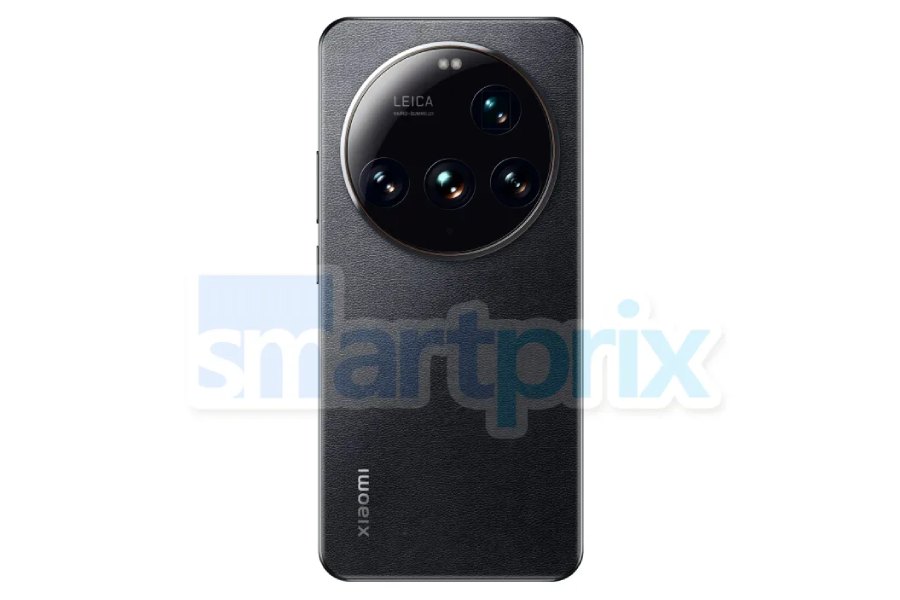
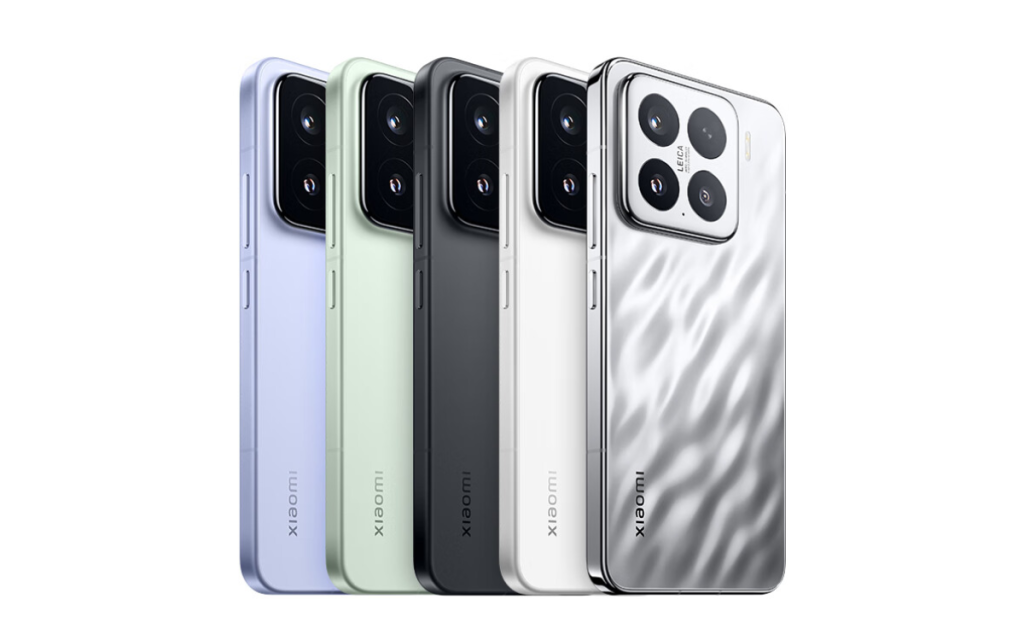
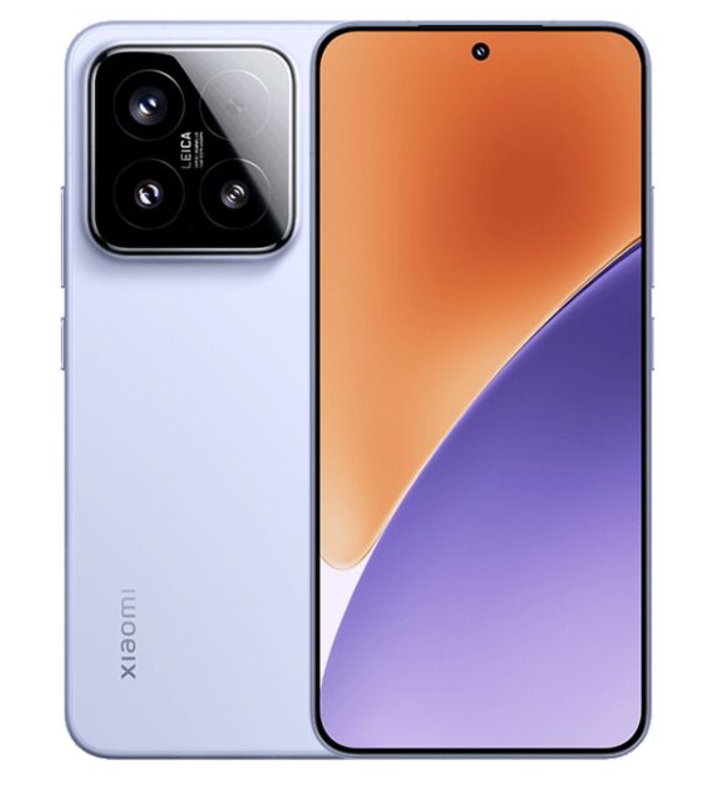
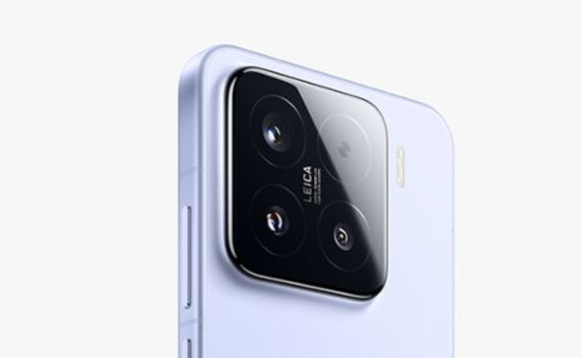
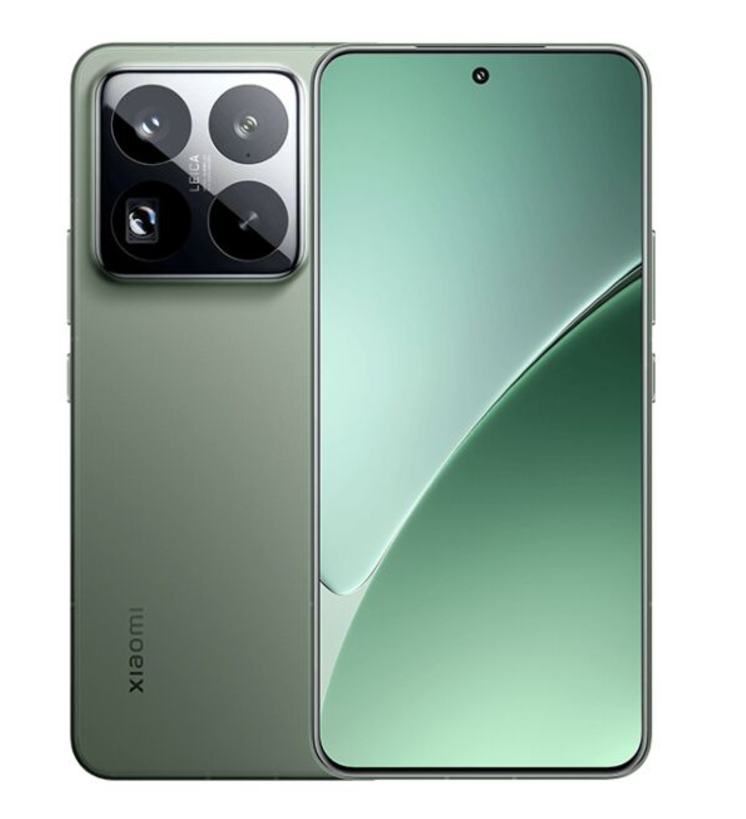
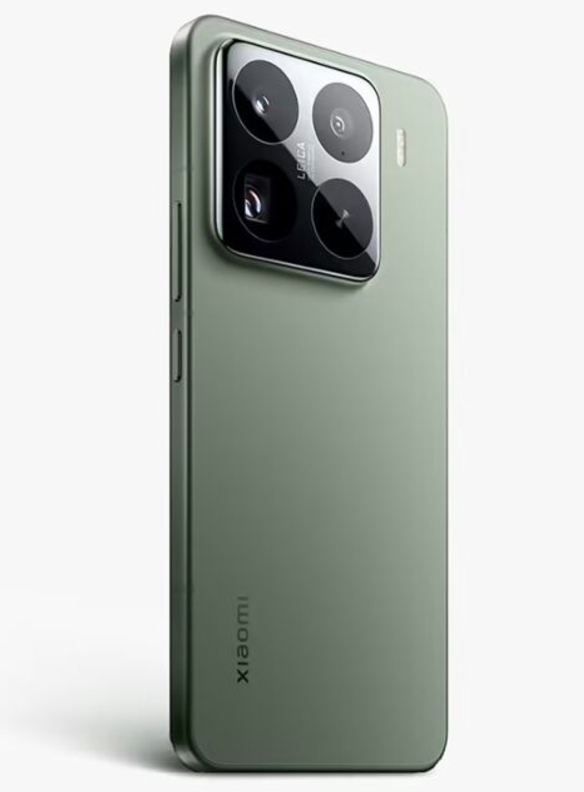
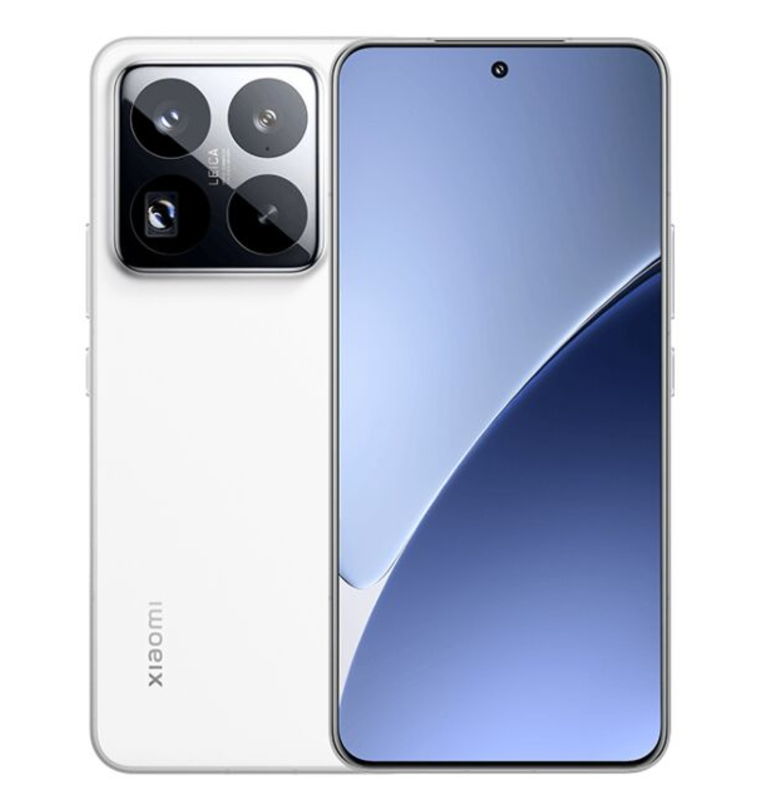
Leaked hands-on images have revealed the design of the Xiaomi 14T series, showcasing a minimal yet sophisticated look. Both models will feature a large, square camera module in the top-left corner on the back panel. The module houses triple camera sensors, an LED flash, and the familiar Leica branding.

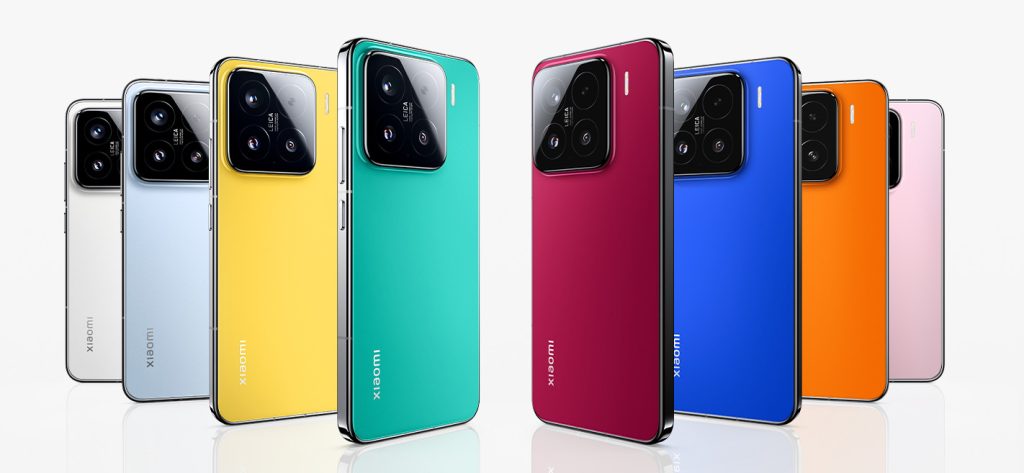
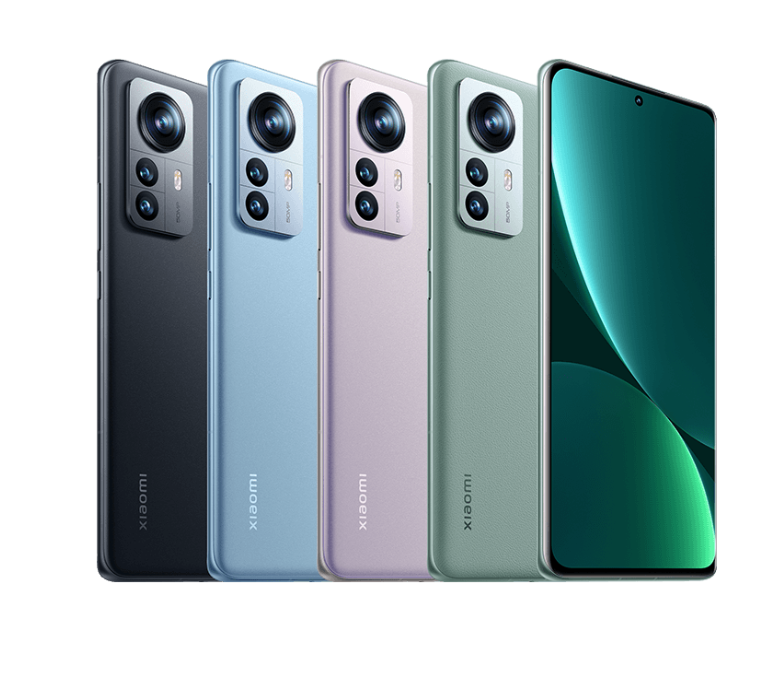
Interestingly, the regular 14T appears to have flat edges with a matte finish, while the 14T Pro might sport curved edges and a glass back. The phones are expected to be available in a range of colors, including Lemon Green, Titan Black, Titan Blue, and Titan Grey for the Xiaomi 14T, while the 14T Pro will come in Titan Black, Titan Blue, and Titan Grey.

Xiaomi’s focus on camera design simplicity is evident in this iteration, with the 14T series adopting a more streamlined look compared to the 13T models. While the leaks suggest that neither of the phones will feature a periscope zoom camera, the setup seems to offer powerful optics nonetheless.

2. Display

The Xiaomi 14T series will feature a 6.67-inch 1.5K AMOLED display with a resolution of 2712×1220 pixels. The screens on both models will boast a 144Hz refresh rate for smooth visuals, along with a peak brightness of 4,000 nits, making them ideal for outdoor use even in bright conditions.

Xiaomi has integrated cutting-edge display technology, such as HDR10+ support, Dolby Vision, and Xiaomi Shield Glass protection. These enhancements suggest a top-tier viewing experience for content consumption, gaming, and daily usage.

3. Performance

Under the hood, both the Xiaomi 14T and 14T Pro are expected to deliver significant performance upgrades. The vanilla Xiaomi 14T is rumored to be powered by the MediaTek Dimensity 8300-Ultra chipset, offering efficient and speedy performance for day-to-day tasks and moderate gaming.

Meanwhile, the 14T Pro will pack the more powerful Dimensity 9300+ SoC, which should elevate the phone’s gaming and multitasking capabilities. Both models will come with 12GB of LPPDDR5X RAM, with storage options ranging from 256GB to 512GB (UFS 4.0).

The phones will also run on Xiaomi’s new HyperOS, based on Android 14, ensuring a smooth and refined user experience. Additionally, the Pro model may feature Xiaomi’s proprietary Surge P2 and G1 chips, designed to optimize battery performance and overall efficiency.

4. Cameras

Xiaomi’s continued partnership with Leica is a key highlight for the 14T series. Both models are expected to feature high-quality camera setups that promise professional-grade photography. The Xiaomi 14T will likely house a 50MP Sony IMX906 primary camera with Optical Image Stabilization (OIS), along with a 50MP telephoto lens and a 12MP ultra-wide camera. For selfies, it will have a 32MP front-facing camera.

On the other hand, the Xiaomi 14T Pro could sport a more advanced 50MP Light Fusion 900 sensor as its primary shooter, along with the same 50MP telephoto lens and 12MP ultra-wide-angle camera. Both phones are expected to perform exceptionally well in low-light photography, thanks to advanced AI features and Leica’s Summilux lenses.

5. Battery and Charging

Both devices are likely to feature a 5,000mAh. While the regular Xiaomi 14T will support 67W wired fast charging, the Pro model is set to deliver even faster charging speeds with 120W wired charging support, capable of charging the battery from 0 to 100% in just 19 minutes. Additionally, the 14T Pro will support 50W wireless charging, making it convenient for users who prefer cable-free charging options.

6. Other Features

The Xiaomi 14T series will come with an IP68 rating for water and dust resistance, ensuring durability even in challenging environments. Other notable features include dual speakers with Dolby Atmos support, an in-display fingerprint sensor, and an infrared sensor for remote control functions. Both phones will also feature 5G connectivity, Wi-Fi 7, Bluetooth 5.4, and advanced satellite navigation systems, such as Beidou and Galileo.

7. Pricing and Availability

The Xiaomi 14T is expected to be priced around 699 Euros ($777) for the 12GB + 256GB model, while the 14T Pro may come with a price tag of 899 Euros ($1,000) for the 12GB + 512GB model. These prices are competitive, considering the advanced features packed into these devices.

iQOO Z9 Turbo+ Moon Shadow Titanium variant revealed, offline poster reveals key details

While most Chinese smartphone brands are inactive due to the ongoing Mid-Autumn Festival national holidays, iQOO has still managed to share a new image of the forthcoming iQOO Z9 Turbo+. The brand has rolled out an image to showcase the Moon Shadow White variant of the device. Simultaneously, an offline poster has surfaced, highlighting the two significant differences between the Z9 Turbo+ and the current Z9 Turbo.

iQOO Z9 Turbo+ Moon Shadow Titanium

Shown above is the Moon Shadow White variant of the iQOO Z9 Turbo+. This color variant is different from the Starburst White edition of the Z9 Turbo. At present, there is no information about the other color variants of the device.

The existing Z9 Turbo has the Snapdragon 8s Gen 3 chip and a 6,000mAh battery. However, an offline poster of the Z9 Turbo+ reveals that it will have the Dimensity 9300 Plus chipset and a bigger 6,400mAh battery. The other specifications of the device Z9 Turbo+ could be identical to the existing model.

The iQOO Z9 Turbo+ is expected to feature a 6.7-inch OLED display that offers a 1.5K resolution, a 144Hz refresh rate, up to 4,500 nits of peak brightness, a 3840Hz PWM dimming, and an under-display fingerprint sensor. It will measure 7.98mm in thickness and weigh 199 grams.

For photography, the Z9 Turbo+ will have a 16-megapixel front camera and an OIS-enabled 50-megapixel + 8-megapixel dual-camera system on the back. It is expected to come with other features, such as 80W fast charging, Q1 supercomputing chip for enhanced gaming experience, Wi-Fi 7, 5G, dual-frequency GPS, an IR blaster, an x-axis vibration motor, dual speakers, and OriginOS 4-based Android 14.

The Z9 Turbo+ is expected to arrive in 12 GB / 16 GB LPDDR5x RAM variants and 256 GB / 512 GB / 1 TB UFS 4.0 storage editions. The 12GB+256GB base model of the device is likely to be priced at around 2,299 Yuan (~$325). It is expected to debut on Sept. 24 in China.  

Infinix Zero Flip full specifications leaked before official announcement

The Infinix Zero Flip is expected to launch globally soon. The brand has already started teasing its first clamshell-style foldable phone, which suggests that it may be officially unveiled by the end of this month. Recently, a Pakistani retailer shared a banner image revealing the design, color options, and key features of the Zero Flip. Now, a Vietnam-based retailer, Queen Mobile, has published the full specifications of the phone on social media. However, readers are advised to take this information with a grain of salt, as its accuracy has not been confirmed.

Infinix Zero Flip specifications (rumored)

Infinix Zero Flip image

The source reveals that the Infinix Zero Flip 5G will feature a 6.7-inch FHD+ AMOLED main foldable display with a 120Hz refresh rate and a 3.64-inch AMOLED secondary screen, also with a 120Hz refresh rate. The outer screen will be protected by Gorilla Glass.

The Zero Flip 5G will be powered by the MediaTek Dimensity 8020 chipset, with LPDDR4X RAM and UFS 3.1 internal storage. It will pack a 4,590mAh battery with 70W fast charging support. As per other reports, the device will come in a single 8GB+512GB trim.

It will have a dual rear camera setup with a 50-megapixel main sensor and a 10.8-megapixel secondary sensor. On the front, there will be a 12-megapixel selfie camera. It seems that both the front and rear cameras will support for 30fps 4K video recording.

The Zero Flip 5G It will feature stereo speakers, dual high-quality microphones, and support for DTS, Hi-Res Audio, and TUV certification. When it comes to connectivity, it will include 5G, Wi-Fi 6, Bluetooth 5.3, NFC, and a USB-C port. For security, it will be equipped with a side-facing fingerprint sensor. The device will run on Android 14 with XOS 14.5 and AI enhancements. As can be seen in the above image, it will be available in black and pink variants.

(source)

GC Daily: Samsung to take on Huawei with a rollable, HMD Skyline with Lumia-like design launched

Samsung seems to be working on a rollable smartphone to take on Huawei’s tri-fold device in 2025. More details on this and other news in today’s roundup.

Today’s Tech Highlights:

  1. Google’s 2025 Pixel Lineup Leak: Get more details into the rumored plans for Google’s extensive Pixel phone lineup for 2025, hinting at another year of diverse offerings.
  2. Samsung’s Ambitious Rollable Phone: More details on Samsung’s innovative rollable phone concept, potentially offering a larger display than Huawei’s tri-fold device.
  3. HMD Skyline’s Nostalgic Design: Know more about the launch of HMD’s new smartphone in India, featuring a design reminiscent of the beloved Nokia Lumia series.
  4. Red Magic’s Powerhouse Gaming Tablet: Get the scoop on the world’s first gaming tablet featuring the Snapdragon 8 Gen 3 chip, set to launch globally as the Red Magic Nova.

Plus, don’t miss our roundup of other exciting stories, including Huawei’s global tablet launch, Xiaomi’s new budget 4K TVs, Infinix’s teased foldable phone, and the impressive repairability score of Google’s Pixel 9 Pro Fold!


2025 Pixel lineup leaks, five new phones are coming

Google Pixel 9 Pro

It looks like Google isn’t hitting the brakes on its ever-expanding Pixel lineup. After launching a wave of five phones in 2024, a new leak suggests the company might be planning a repeat performance in 2025.


Samsung’s rollable phone reportedly packs a much larger display than Huawei’s tri-fold

Samsung rollable phone

Back in 2021, a patent application from Samsung about its rollable phone surfaced on the web. Since then, the development of the rollable phone has appeared in the news several times. The company’s first rollable phone was speculated to launch in 2025. After almost a year, we finally have some new information about the rollable phone.


HMD Skyline Launched In India With Lumia Like Design, Gen2 Repairability

HMD has introduced a new smartphone in India. The latest offering is the HMD Skyline which debuted globally few months ago. It takes you back to the Nokia Lumia era with the design.


World’s First Gaming Tablet with Snapdragon 8 Gen 3 Leading Version launching soon

Red Magic is gearing up to launch its new gaming tablet, the Red Magic Nova, in the global market. The tablet, which was previously unveiled in China as the Red Magic Tablet Pro, is set to hit shelves on September 27th at 8:00 AM EST.


🔥More Top Stories You Might Have Missed

Vivo X Fold 4, Oppo Find N5 chipset, launch timeframe tipped

Vivo and Oppo are working on their next-generation foldable phones, according to a new leak by tipster Smart Pikachu. While it is already known that Oppo is developing the Find N5 series of foldables, this is the first time rumors have surfaced about Vivo’s next-generation foldable phone. Here’s a look at the details shared by the tipster.

Vivo X Fold 4, Oppo Find N5 chipset, launch timeframe (rumored)

Oppo and Vivo to reportedly launch foldable phones in China in Q1 2025

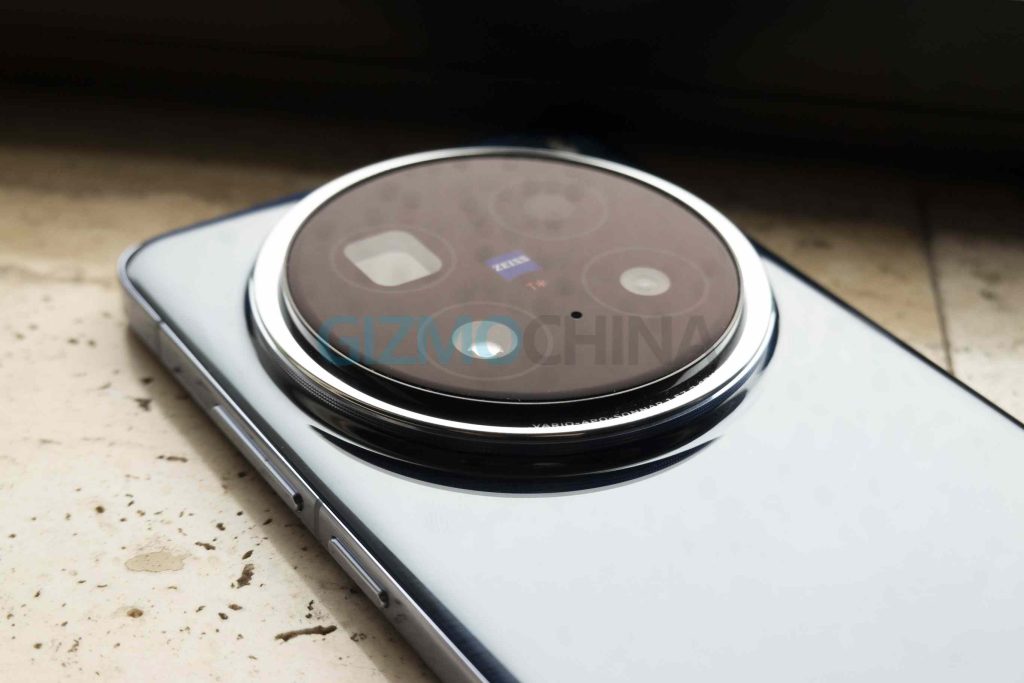
According to the tipster, Oppo’s foldable phone, which is mostly likely the Find N5 and the Vivo X Fold 4, will feature the Snapdragon 8 Gen 4, making them among the first foldable phones to use the said chipset. The round camera module design from their predecessors, the Find N3 and the Vivo X Fold 3, will continue to be present in their successors.

The leak also indicates a tentative launch date for the Oppo Find N5 and Vivo X Fold 4 in the first quarter of 2025 in China. Unfortunately, the leaker did not share anything else about these foldables.

This year, Vivo unveiled the Vivo X Fold 3 and X Fold 3 Pro, equipped with the Snapdragon 8 Gen 2 and 8 Gen 3 chipsets, respectively. While the X Fold 3 remained exclusive to the Chinese market, Vivo released the X Fold 3 Pro globally. Currently, it is unclear whether the Vivo X Fold 4 series will consist of two models, such as the X Fold 4 and X Fold 4 Pro. Despite the tipster mentioning the device’s moniker in the leak, it’s unclear if the upcoming model will go by the name Vivo X Fold 4 or X Fold 5, given that Chinese brands often avoid the number “4” due to superstitions associated with bad luck.

The Find N5 is likely to get rebranded as the OnePlus Open 2 in the global market. A recent leak claimed that the Find N5’s internal and external displays will support a 2K+ resolution, as well as feature a 50-megapixel triple camera on the back. The N5 will be thinner and lighter than before, as it is said to measure 9.xmm+ in thickness. Additionally, it will have a battery of around 6,000mAh capacity, an alert slider and a waterproof body.

Honor 200 Lite display, camera, design details confirmed before September 19 India launch

Honor recently unveiled a couple of new phones in the Indian market. These include the Honor 200, the Honor 200 Pro, and the Magic 7 Pro. Now, the brand is gearing up to unveil the Honor 200 Lite on Sept. 19 in the country. Its Amazon page has already revealed a lot of details before the official announcement.

While the Honor 200 Lite is a new phone for the Indian market, it has already launched globally. The Honor 200 Lite will come with a starting price of Rs 34,998 in India, positioning it lower than the Honor 200 5G. The 200 Lite could be priced at around Rs 25,000. Here’s a look at the details that have surfaced on Amazon’s microsite.

Honor 200 Lite key details officially confirmed

Honor 200 Lite
Honor 200 Lite

The Honor 200 Lite is a thin and lightweight phone, measuring only 6.78mm in thickness and weighing 166 grams. In terms of durability, the device boasts an SGS 5-star drop resistance certification, ensuring it can withstand drops from heights of up to 1.5 meters. This resilience is achieved through features such as a Matrix I-beam structure, internal cushioning material to absorb impacts, and reinforced alloy material to protect the corners. It will come in three shades, such as Midnight Black, Cyan Lake, and Starry Blue.

The 200 Lite has a 6.7-inch AMOLED display that produces an FHD+ resolution and a peak brightness of 2000 nits. To protect eyes from fatigue, the screen supports 3240Hz high-frequency dimming. It is equipped with a side-facing fingerprint sensor for security.

Honor 200 Lite display features

For selfies, the 200 Lite has a 50-megapixel camera with autofocus support. Its rear camera setup comprises a 108-megapixel primary camera, a 5-megapixel ultra-wide lens, and a 2-megapixel macro camera.

The global variant of the Honor 200 Lite has the Dimensity 6080 chipset and a 4,500mAh battery with 35W rapid charging. These specs are also expected to be available in the Indian variant.

Oppo Find X8 Geekbench listing reveals Dimensity 9400, 16GB RAM

In October, Oppo will unveil the Find X8 series of smartphones equipped with the Dimensity 9400 chipset. The lineup has three phones, namely the Find X8, Find X8 Pro, and Find X8 Pro Satellite Communication Version. Reports have revealed that these devices have PKB110, PKC110, and PKC130 model numbers, respectively. In a fresh development, the Find X8 has emerged in Geekbench’s database, revealing its key details.

Oppo Find X8 Geekbench listing

As can be seen above, the Find X8 has appeared with model number PKB110 in Geekbench’s database. The device has been found to be equipped with the MediaTek MT6991 chip, which is nothing but the upcoming Dimensity 9400 chipset. The listing further reveals that the device has 16 GB of RAM and Android 15.

The Find X8 has attained 2874 points in the single-core test and 8969 points in the multi-core test. These scores are quite low, so they may not be an accurate representation of Dimensity 9400’s performance. As per reports, the D9400 chip comprises a single Cortex-X925 core working at 3.63GHz, three Cortex-X4 cores operating at 2.8GHz, and quad Cortex-A7 series cores clocking at 2.1GHz. For graphics, the chipset is equipped with the Mali-G925-Immortalis MC12 GPU.

OPPO Find X8 series key specifications (rumored)

The OPPO Find X8 series includes the standard Find X8 and the Find X8 Pro. Both models feature a 1.5K resolution display, with the Find X8 adopting a flat screen design, while the Find X8 Pro features a subtly curved display. The series is expected to come preloaded with ColorOS 15-based Android 15.

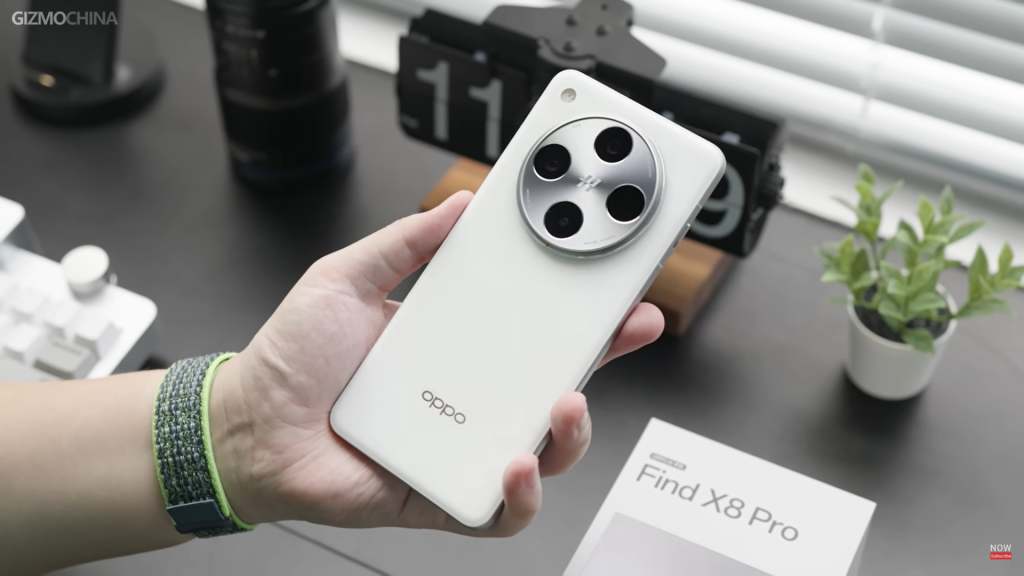
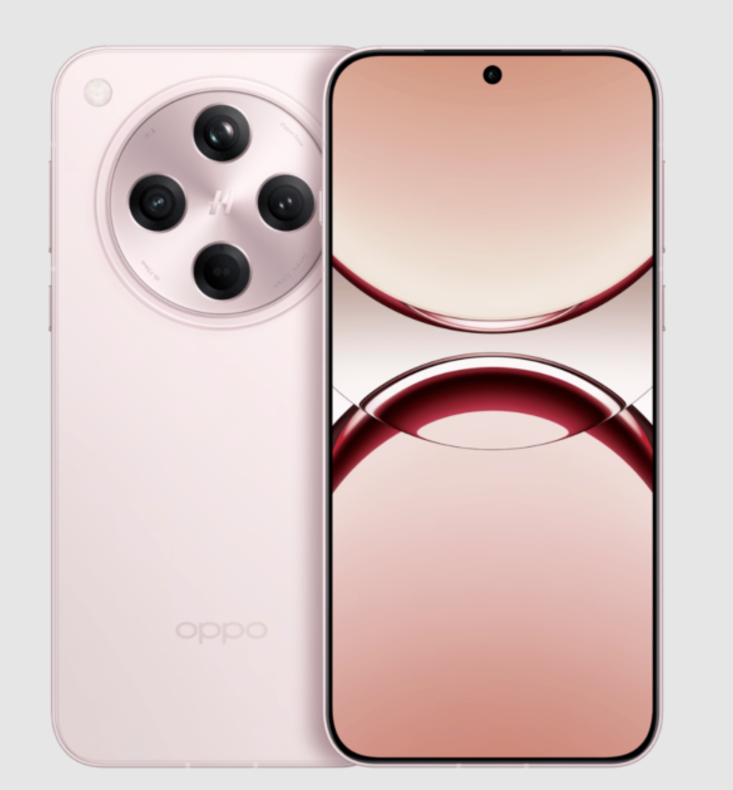
Both models have a large circular camera module centrally placed on the back and a metal frame with flat edges. While the standard model will have a triple camera setup featuring a single periscope telephoto camera, the Pro variant’s quad camera setup may house a pair of periscope telephoto cameras.

As per a recent report, the Find X8 will have a 5,700mAh battery with wireless charging support, whereas the X8 Pro will pack a 5,800mAh battery with 50W wireless charging support. Both models will also support 80W wired charging. The series will have other features, such as an IP69-rated chassis, an alert slider, and a camera control button.

2025 Pixel lineup leaks, five new phones are coming

Looks like Google isn’t hitting the brakes on its ever-expanding Pixel lineup. After launching a wave of five phones in 2024, a new leak suggests the company might be planning a repeat performance in 2025.

The rumor mill, courtesy of Android Headlines, has churned out codenames for what could be a five-phone Pixel party next year. Leading the pack is the Pixel 9a, codenamed “Tegu.” 

Sticking to tradition, this mid-range device could see the light of day around Google I/O in May. You can expect it to offer all the latest Pixel phone hardware and software features at a more accessible price point.

Google Pixel 9 Pro

There’s also a hint of what we might see in the Pixel 10 series. The leak suggests Google will be sticking with its two-size Pro strategy for the next line.

Pixel 10 reportedly carries the model name “Frankel” while Pixel 10 Pro is “Blazer.” Joining them will be the “Mustang”, the largest Pro XL mode. Not to forget, there’s also mention of the foldable smartphone “Rango”, the successor to the Google Pixel 9 Pro Fold.

Of course, it’s still early for us to learn the specs of the phone. But we can likely expect the upcoming phone to be powered by the next-generation Tensor chip, the Tensor G5, which will finally be built by TSMC. Since 2025 marks the 10th anniversary of Pixel phones, we can expect Google to go all out with the Pixel 10 series.

That said, it’s important to remember this is just a leak. Until Google makes an official announcement, details like specs, features, and even the number of phones are purely speculative. Still, it hints at a year full of Pixel options that will cater to a wide range of budgets and preferences.

Red Magic Nova: World’s First Gaming Tablet with Snapdragon 8 Gen 3 Leading Version launching soon

Red Magic is gearing up to launch its new gaming tablet, the Red Magic Nova, in the global market. The tablet, which was previously unveiled in China as the Red Magic Tablet Pro, is set to hit shelves on September 27th at 8:00 AM EST.

With a recent teaser, Red Magic has now confirmed that its upcoming Nova tablet will be powered by the flagship Snapdragon 8 Gen 3 Leading Version processor. This makes it the world’s first gaming tablet to be equipped with this cutting-edge chipset. The flagship chipset will be paired with LPDDR5X RAM and UFS 4.0 storage, which will likely deliver a massive performance boost in tasks like gaming.

Red Magic Nova Gaming tablet

Other specifications of the tablet are expected to be the same as the Red Magic Tablet Pro, therefore we can expect the Red Magic Nova to boast a 10.9-inch wide 2.8K resolution display with a 144Hz refresh rate. For photography and video calls, the tablet will feature a 50MP rear camera and a 20MP selfie shooter.

To keep the device cool during intense gaming sessions, the Red Magic Nova will incorporate the ICE 2.0 cooling system. The tablet will also be powered by a substantial 10,100mAh battery that supports 120W charging, ensuring long-lasting gameplay.

Connectivity options on the Red Magic Nova could include Wi-Fi, Bluetooth, NFC, and a USB Type-C port. The tablet is expected to be priced competitively, although the exact global pricing details have yet to be announced.

(Source)

Asus ROG Phone 9 Pro spotted on certification website with fast charging details

Asus is gearing up to launch its next-generation gaming smartphone, the ROG Phone 9 Pro. The device has recently appeared in a certification listing in China, confirming its development.

The ROG Phone 9 Pro, bearing the model number “ASUSAI25001A,” was spotted at the China Quality Certification Centre (CQC). This listing reveals no specific details about the device, but it does confirm its support for 65W charging. Its predecessor, the ROG Phone 8 Pro also features 65W fast charging, so it looks like we won’t be seeing better charging speeds.

ASUS ROG Phone 8 Pro

The CQC listing does not provide any further details, however, we can expect it to feature the upcoming Snapdragon 8 Gen 4 processor, alongside a robust cooling system. The ROG Phone 8 series debuted in January, so we likely have a few months of waiting ahead of us, unless the brand decided to launch the ROG Phone 9 series earlier. In the meantime, you can check out the spec sheet of the ROG Phone 8 Pro to get an idea of what to expect from its successor.

ASUS ROG Phone 8 Pro specs:

The ROG Phone 8 Pro features a 6.78-inch 165Hz LTPO Samsung E6 AMOLED display and is powered by the Qualcomm Snapdragon 8 Gen 3 processor with an Adreno 750 GPU. It comes with 24GB of LPDDR5X RAM and up to 1TB of UFS 4.0 storage.

For cameras, it has a triple rear setup with a 50MP Sony IMX890 sensor and a 32MP front camera for selfies. The phone is equipped with a 5,500mAh battery that supports 65W fast charging. Gaming-specific features include responsive AirTrigger buttons, IP68 dust and water resistance, and a high-quality 5-magnet speaker system.

(via 1, 2)

Huawei MatePad Pro 12.2 global launch is set for later this week

Huawei is set to unveil its latest tablet, the MatePad Pro 12.2, at its upcoming launch in Barcelona on September 19. For those unaware, the brand already launched the MatePad Pro 12.2 tablet in its domestic Chinese market.

Huawei MatePad Pro 12.2 global

The global MatePad Pro is expected to come with a PaperMatte display designed for improved clarity and brightness, even in difficult lighting conditions. This display is aimed at enhancing both productivity and creative tasks, such as digital painting.

The MatePad Pro will also feature an updated version of the GoPaint app, which will include more brush tools that simulate real-life painting techniques. New interactive features, like ink splatter effects, will allow users to add more creativity to their digital art. We can expect other details to be similar to the MatePad Pro 12.2 China model.

Huawei MatePad Pro 12.2 (China) specs:

The MatePad Pro 12.2 features a 12.2-inch OLED display offering a 2.8K resolution with a peak brightness of 2,000 nits. Other display features include a 144Hz refresh rate, a P3 wide color gamut, and a 3:2 aspect ratio.

Huawei MatePad Pro 12.2-inch launched

Under the hood, the tablet features a Kirin 9000S CPU based on a 7nm process. The device has a 10,000mAh battery that supports 100W fast charging. The camera setup includes an 8MP front-facing camera and a rear dual-lens system with a 13MP main sensor. For audio, it has eight speakers tuned for both high and low frequencies.

The MatePad Pro 12.2 also supports the Huawei Star Leap Keyboard, which has a built-in charging slot for the M-Pencil stylus and a magnetic smart axis for easy one-handed operation.

In other news, Huawei is also gearing up to launch the Watch GT 5 in the global market. Specifications and renders of the watch have already leaked, and it was also recently spotted on a UK retailer’s website, revealing its pricing.

(Source)

Oppo K12x 5G Gets a Pink Makeover

Just two months after its initial launch, Oppo has unveiled a new color option for its K12x 5G smartphone in India. The brand has announced that the device will now be available in an attractive Feather Pink color, set to hit the market on September 21st at 7 PM.

Oppo K12x 5G

This new color variant will be exclusively available on Flipkart and the official website of Oppo India and is expected to be part of the upcoming Flipkart Big Billion Days Sale.

Oppo K12x specs:

The Oppo K12x features a 6.67-inch HD+ display with a 120Hz refresh rate, protected by Panda Glass, and capable of reaching 1,000 nits of peak brightness. The MediaTek Dimensity 6300 chipset powers it and includes a large 5,000mAh battery that supports 45W wired fast charging. The device also boasts military-grade durability (MIL-STD-810H) and an IP54 rating for water and dust resistance.

The phone comes with a hybrid dual SIM slot that supports microSD card expansion. It runs on Android 14 with Oppo’s ColorOS 14 custom skin. In terms of cameras, the rear setup includes a 32-megapixel primary sensor and a 2-megapixel portrait sensor, while the front has an 8-megapixel selfie camera. Additional features include a side-mounted fingerprint scanner, Bluetooth 5.1, a slim 7.68mm design, 5G support (both NA and NSA), and Dual 4G VoLTE.

The Oppo 12x 5G is offered in two storage configurations: 6GB + 128GB and 8GB + 256GB, with the former costing 12,999 INR, while the latter costs 15,999 INR.

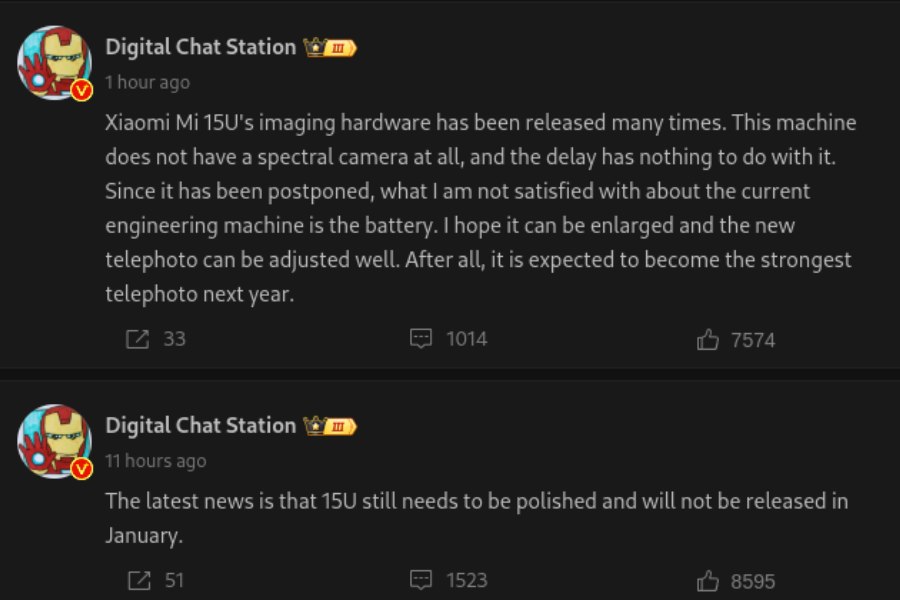
In other news, Oppo is reportedly developing a new K-series phone, model PKS110, for the Chinese market. Tipster Digital Chat Station has revealed that the device will feature a 6,500mAh battery, Snapdragon 7 Gen 3 chipset (SM7550), an OLED FHD+ display, and a 50-megapixel primary camera. It will also support 80W fast charging and have a slim, lightweight design with a high-strength polymer composite frame.

(Source)

iPhone 16 Pre-Orders Miss the Mark, Pro Models See Lower-Than-Expected Demand

Apple‘s latest iPhone line-up might not be generating the usual opening weekend fervor. Analyst Ming-Chi Kuo, known for his Apple supply chain insights, reported “lower-than-expected” demand for the iPhone 16 Pro and Pro Max models based on pre-order data and shipping estimates.

While overall pre-orders reached an estimated 37 million units, that number falls short of the iPhone 15 series’ first-weekend performance by a significant 13%. The culprit seems to be the Pro models, with Kuo estimating a 27% and 16% drop in pre-orders for the iPhone 16 Pro and Pro Max compared to their predecessors.

Interestingly, the standard iPhone 16 and 16 Plus appear to be faring better than their iPhone 15 counterparts. Their pre-order numbers are reportedly up, but not enough to completely offset the Pro models’ sluggish start.

iPhone 16 Pro and Pro Max

So, what’s holding back the Pro party? According to Kuo, a key factor is the delayed arrival of Apple Intelligence, the rumored suite of AI-powered features heavily promoted during the iPhone 16 launch event. These features won’t be available until the October release of iOS 18.1. Essentially, early adopters who snag a Pro model now will have to wait a month to experience the full package.

Another potential roadblock is competition. Kuo suggests the iPhone lineup is facing “intense competition” in China, a crucial market for Apple.  While the details are unclear, Huawei seems to be part of the equation, having just launched the world’s first tri-fold phone shortly after Apple’s iPhone 16 reveal. The foldable device appears to be doing well, with millions of pre-orders even before its official release.

Pre-order iPhone 16 Pro

India | US

It’s still early days, and pre-order numbers don’t paint the complete picture. Actual sales figures after launch will be a more definitive indicator of the iPhone 16’s performance. But this early glimpse suggests Apple’s premium models might need some time to find their footing, especially if they’re facing a feature delay and fierce competition abroad.

Galaxy S23 series, Z Fold5/Flip5 and more start receiving One UI 6.1.1 update in many countries

In the past weeks, Samsung officially announced One UI 6.1.1. As of today, many devices such as Galaxy S23 series, Z Fold5 / Flip5, and Tab S9 series have started to receive the new One UI 6.1.1 update. The Galaxy S23 series received this update 5 days ago in Korea, and has now received the new update in more than one country. So what does this update offer? The answer is simple: Galaxy AI.

One UI 6.1.1 coming to more devices

Samsung has officially released One UI 6.1.1, first to the Galaxy S24 series and then to the previous flagships Galaxy S23 series, Tab S9 series, and Z Fold 5 / Flip5. Of course, the brand is founded in South Korea, so it thinks a lot about Korean users. This is also evident from the updates released. After being released to Korea first, users in other regions can now access One UI 6.1.1.

The size of the update is in the range of 2.5GB-3GB and the size may vary depending on the devices. Currently, many users can access this update without any problems. But the only important update that everyone is waiting for is One UI 7. Samsung will probably announce One UI 7 at the developer conference and the beta program is expected to be announced.

One UI 7 will be based on Android 15. Android 15 is Google’s latest operating system. The new Android version includes significant optimizations and innovations. While users are impatiently waiting for the major One UI 7 update, we will follow new developments for you.

iOS 18 officially released; offers new customization features & Apple Intelligence

Apple announced iOS 18 at its 2024 Worldwide Developers Conference back in June this year. The company is finally rolling out the latest version of iOS to a number of iPhone models. The iPhone 16 series devices, which will be available starting September 20, will come with iOS 18 pre-installed.

Special features in iOS 18:

As you probably already know, Apple’s latest iOS version comes with a number of AI features which are collectively called Apple Intelligence. The integration of AI features in system apps is aimed at enhancing the user experience.

For example, iOS 18 offers new ways to write, generate images, and interact with Siri. The integration of AI models allows users to rewrite, proofread, and summarize text in apps like Mail and Notes. There’s also an app called Image Playground that can generate images based on simple text prompts.

With the integration of Apple Intelligence, Siri has become smarter and more contextually aware. It can now perform actions like basic photo editing and manage files on behalf of the user. While Apple prefers on-device processing prioritizing user privacy, tasks that involve more complex processing, are handled by ChatGPT.

While we’ve already seen these features in Google’s Pixel and Samsung’s Galaxy flagships—which are powered by Google AI—Apple’s implementation raises the competition, which is beneficial for future developments.

Compatible iPhone models:

  • iPhone 16 series (all models)
  • iPhone 15 series (all models)
  • iPhone 14 series (all models)
  • iPhone 13 series (including mini, Pro, Pro Max)
  • iPhone 12 series (including mini, Pro, Pro Max)
  • iPhone 11 series (Pro, Pro Max)
  • iPhone XS, XS Max, XR
  • iPhone SE (2nd and 3rd generation)

However, it’s important to mention that Apple Intelligence will only be available on iPhone 15 Pro models and later.

Other improvements in iOS 18:

In addition to the AI features iOS 18 also offers some customization features such as the ability to rearrange apps and widgets. The new Control Centre lets users resize controls and create multiple screens for different functions.

With iOS 18, iPhone 14 and newer models get support for satellite messaging, which enables text communication without a cellular or Wi-Fi connection.

Samsung’s next-generation Chromebook to come with adaptive color adjustment tech

Samsung has not released a Chromebook for the last few years. However, a new Chromebook from Samsung is expected to launch at Google’s upcoming Chromebook Showcase in New York City on September 24th.

Samsung Galaxy Chromebook 2 360

The next-generation Chromebook, which is expected to be called the Galaxy Chromebook Plus, is rumored to be equipped with a display with adaptive color function. The news comes from Robby Payne from Chrome Unboxed who cited Chromium Gerrit entries that suggest a feature being worked on for the device that could have the OLED panel adjusting colors and temperatures based on the surrounding environment.

This technology is expected to mark a major leap forward in the Chromebook field and may also change the way users interact with the screen. Notably, Apple uses a similar technique, which is dubbed as True Tone.

The new Chromebook will be able to intelligently sense the lighting condition of the surrounding environment and will automatically adjust the color temperature and saturation in real-time. It will ensure optimal visual comfort and clarity in a changing lighting environment.

The Galaxy Chromebook Plus is expected to accurately capture and respond to changes in external light through a built-in high-precision ambient light sensor. Samsung may also utilize the camera to detect lighting conditions.

However, there’s a catch

The report also notes that the development is specifically aimed at improving the Night Light feature. In contrast, Chromebooks generally use an adjustment slider to adjust the color temperature. So there’s a chance that the device will use this tech only for Night Light. Nonetheless, it will be a very strange move since users typically don’t need to adjust the color temperature of Night Light more than once to match their liking.

The upcoming Galaxy Chromebook Plus is expected to boast a 15.6-16-inch OLED screen, which is not common in Chromebooks.

(Source | Via)

Huawei Watch GT 5 Pricing & Features Revealed via UK retailer listing

After the recent render and specification leak, Huawei‘s highly anticipated Watch GT 5 has been spotted listed on a UK retailer’s website, revealing its features as well as the pricing.

Design and Display

As per the report, the Watch GT 5 comes in a 46mm size with two distinct strap options: a Woven Nylon strap and a Fluoroelastomer strap. The smartwatch sports a vibrant 1.43-inch AMOLED touchscreen display. The smartwatch measures 45.8 x 45.8 x 10.7mm and weighs 77 grams with the Fluoroelastomer strap and 74 grams with the Nylon strap.

Operating System and Connectivity

Powered by Huawei’s Harmony OS, the Watch GT 5 promises to offer a smooth and intuitive user interface. The smartwatch is compatible with both iOS 8.0 or later and Android 13 or later. Additionally, it supports Bluetooth 5.2 and GPS connectivity for seamless integration with smartphones and location-based services.

Battery Life and Charging

One of the standout features of the Watch GT 5 is its impressive battery life. The listing claims that the smartwatch can last up to 14 days on a single charge. The smartwatch takes approximately 100 minutes to fully charge.

Health and Fitness Tracking

The Watch GT 5 is packed with health and fitness tracking features. TruSense technology enables accurate monitoring of various metrics, including walking, running, swimming, mountain hiking, skiing, cycling, boxing, jump rope, football, heart rate, blood oxygen, sleep, stress, and breathing exercises. The smartwatch also includes an AI weight management program, nutrition analysis, SpO2 cycle tracking, menstrual cycle tracking, and abnormal blood oxygen reminders.

Smart Features

Beyond health and fitness, the Watch GT 5 offers a range of smart features, including music control, alarm clocks, remote shutter functionality, find-my-phone capability, Bluetooth calling, app notifications, calendar integration, and SMS quick reply.

The Watch GT 5 also incorporates several additional features including Bad weather warnings, a cycle calendar, a running position sensor, a wrist map, sleep breathing awareness, and the Sunflower positioning system are among the notable additions.

Pricing

The Huawei Watch GT 5 is already listed in two color options: Black with a Fluoroelastomer strap and Silver Blue with a Woven Nylon strap. The Black Fluoroelastomer strap variant is priced at £229.99, while the Silver Blue Woven Nylon strap is slightly more expensive at £249.99. The brand has yet to make an official announcement regarding the pricing & specifications, so take these details with a pinch of salt.

(Source)

Samsung’s rollable phone reportedly packs a much larger display than Huawei’s tri-fold

Back in 2021, a patent application from Samsung about its rollable phone surfaced on the web. Since then, the development of the rollable phone has appeared in the news several times. The company’s first rollable phone was speculated to launch in 2025. After almost a year, we finally have some new information about the rollable phone.

Samsung rollable phone
via Ice Universe

In the latest news, TheElec reaffirms that the phone could indeed launch in 2025. The report notes that the phone will come with a massive 12.4″ display that can be rolled up. For context, the recently released tri-folding phone from Huawei packs a 10.2″ screen.

This rollable phone is also rumored to come with under-display camera technology. Samsung’s book-style foldables like the Galaxy Z Fold6 already use this technology for one of its selfie cameras. However, it remains unclear how many cameras of the upcoming rollable phone will use the under-display tech especially because the phone will have a different form factor.

Samsung was also working on a tri-folding device

Notably, Samsung was also working on a tri-folding device as far back as 2021 and even showcased a prototype. However, the phone never made it to market. Meanwhile, Huawei became the world’s first to release a tri-folding device with the Huawei Mate XT Ultimate. Huawei’s offering folds in a Z shape rather than inward twice and utilizes a portion of the large foldable display as its cover display.

Huawei-Mate-XT-Ultimate-Design-Pre-Order

While it may be surprising to see Huawei take the lead, despite Samsung working on a tri-folding smartphone early on and even showcasing a prototype, the reason reportedly lies in Samsung’s business strategy.

An insider familiar with Samsung’s internal affairs said “I heard that the Mobile Experience division, which is in charge of devices such as smartphones is recently focusing on cost reduction to increase profitability” Another official said, “Samsung Electronics has gone to the extent of cutting costs to the point where it will stop producing mock-up products provided to general mobile phone stores starting this year.”

(Source | Via)

HMD Skyline Launched In India With Lumia Like Design, Gen2 Repairability

HMD has introduced a new smartphone in India. The latest offering is the HMD Skyline that had debuted globally few months ago. It takes you back to the Nokia Lumia era with the design. The Indian variant comes with similar specifications and falls in the mid-range segment.

HMD Skyline specs


The HMD Skyline comes with a pOLED display that measures 6.5 inches. It features an FHD+ resolution and a 144Hz refresh rate. The screen is layered with a Gorilla Glass 3 on the top.

The HMD Skyline has a slim profile with sharp corners (although the bezels around the screen are rounded) and a squarish camera island. There is a side-mounted fingerprint scanner embedded in the power button. The device also has a custom button for setting up particular tasks like launching a game or triggering personal assistant. The smartphone also comes with a Gen2 repairability for easy DIY repairs.

The HMD Skyline’s triple rear camer setup comprises a 108MP main sensor with hybrid OIS, an 8MP ultrawide angle unit, and a 50MP telephoto snapper capable of shooting 50mm portraits. There is a 50MP front-facing selfie camera with autofocus and eye tracking. There’s also a built-in selfie gesture feature that lets you capture selfies with simple gestures.

The HMD Skyline is powered by a Snapdragon 7s Gen 2 processor. It packs 12GB RAM and 256GB storage. The device runs on a 4,600mAh battery unit with support for 33W wired and 15W wireless charging. The phone ships with Android 14 and is confirmed to get 2 OS updates.

The HMD Skyline is priced at Rs 35,999 and comes in Neon Pink and Twisted Black colors. It can be purchased starting tomorrow from Amazon, retail stores, and HMD’s website.

Snapdragon 8 Gen 3 vs 8 Gen 1: Bechmarks and Key Differences

Snapdragon 8 Gen 3 vs 8 Gen 1

The Snapdragon 8 Gen 1 was released in October 2021, and two years later, the Snapdragon 8 Gen 3 arrived with more powerful and efficient cores. Both are flagship smartphone chips and are already powering many high-end phones from popular brands such as OnePlus, Samsung, and Xiaomi.

Being a newer chip, the Snapdragon 8 Gen 3 is ahead of its first-gen counterpart in almost every aspect. But the real question is, how big is the difference? Is it worth upgrading, or is the Snapdragon 8 Gen 1 still good enough to stick with? Let’s compare them to see how they stack up against each other.

Let’s begin with the spec sheet:

SD 8 Gen 3SD 8 Gen 1
Release dateOctober 2023November 2021
Process node4nm4nm
ManufacturerTSMCSamsung
Cores88
CPU architecture1 x Cortex-X4 @ 3.3 GHz
3 x Cortex-A720 @ 3.15 GHz
2 x Cortex-A720 @ 2.96 GHz
2 x Cortex-A520 @ 2.27 GHz
1 x Cortex-X2 @ 3 GHz
3 x Cortex-A710 @ 2.5 GHz
4 x Cortex-A510 @ 1.8 GHz
GPUAdreno 750
770 MHz frequency
Snapdragon Elite Gaming
Hardware Accelerated Ray Tracing
Adreno 730
Snapdragon Elite Gaming
Unreal Engine 5 support
NPUHexagon NPUHexagon NPU
Camera18-bit Spectra Triple ISP
200MP single camera
108MP camera with ZSL
64MP+36MP dual cameras with ZSL
36MP+36MP+36MP triple cameras with ZSL
*ZSL = Zero Shutter Lag
18-bit Spectra Triple ISP
200MP single camera
108MP camera with ZSL
64MP+36MP dual cameras with ZSL
36MP+36MP+36MP triple cameras with ZSL
*ZSL = Zero Shutter Lag
MemoryLPDDR5X RAM
4200 MHz frequency
LPDDR5 RAM
3200 MHz frequency
StorageUFS 4.0UFS 3.1
Media decodeH.264, H.265, AV1, VP8, VP9H.264, H.265, VP8, VP9
ConnectivitySnapdragon X75 5G modem
Downlink: 10 Gbps
Uplink: 3.5 Gbps
Wi-Fi 7, Wi-Fi 6, Wi-Fi 5, Wi-Fi 4
Bluetooth 5.4, LE
Galileo, Beidou, NavIC, GPS, GLONASS, QZSS
Snapdragon X65 5G modem
Downlink: 10 Gbps
Uplink: 3.5 Gbps
Wi-Fi 6E, Wi-Fi 4, Wi-Fi 6, Wi-Fi 5
Bluetooth 5.3, LE
GLONASS, NavIC, Beidou, GPS, QZSS, Galileo

Snapdragon 8 Gen 3 vs 8 Gen 1: Benchmarks

(Geekbench 6)

Geekbench is a popular benchmarking platform for measuring the CPU performance of a device. It outputs single-core and multi-core scores. The former shows CPU performance when a single core is at work, and the latter analyzes the CPU strength when all cores are used.

Snapdragon 8 Gen 3 vs 8 Gen 1 - Geekbench 6

The Snapdragon 8 Gen 3 has scored 30% better in the single-core test, but the difference in the multi-score is significant — it’s almost 2x.

SD 8 Gen 3SD 8 Gen 1
Single Core2,2881,681
Multi Core7,1843,712

(AnTuTu 10)

AnTuTu is another popular benchmarking platform for measuring CPU, GPU, memory, and UX of devices.

Snapdragon 8 Gen 3 vs 8 Gen 1 - AnTuTu 10

AnTuTu 10 also shows a significant performance difference between the Snapdragon 8 Gen 3 and 8 Gen 1 chips. The CPU and GPU of the newer chip have over 50% better AnTuTu scores, whereas the memory score is more than 2x. Overall, the Snapdragon 8 Gen 3 has scored around 65% better than the Snapdragon 8 Gen 1.

The Snapdragon 8 Gen 3 brings major CPU and GPU upgrades, as far as the benchmarking results are concerned. However, as you already know, the benchmarks do not necessarily tell the real-world performance. But having used devices powered by these two chips, I can say the Snapdragon 8 Gen 3 has much better performance and efficiency.   

SD 8 Gen 3SD 8 Gen 1
CPU436,191285,638
GPU709,117417,527
Memory363,493175,782
UX308,966219,728
Total Score18,17,76910,98,675

Snapdragon 8 Gen 3 vs 8 Gen 1: Key Differences

Both Snapdragon 8 Gen 3 and 8 Gen 1 are octa-core chips manufactured using a 4nm process node. The newer chip is built by TSMC, which has advanced chip manufacturing technologies that are better than Samsung, which has produced the Snapdragon 8 Gen 1. TSMC’s manufactured chips generally are more efficient than Samsung’s.

Although both are octa-core chips, their cores and core clusters differ. The SD 8 Gen 3 has a Cortex-X4 prime core, which is more powerful and efficient than the Cortex-X2 in SD 8 Gen 1. The five Cortex-A720 performance cores also perform better and are more efficient than the Cortex-A710 in the 8 Gen 1.

The Snapdragon 8 Gen 3’s Cortex-A520 offers 22% better efficiency at the same performance as the Cortex-A510 in the 8 Gen 1.

Highly efficient cores with better performance are one of the primary reasons for the huge performance gap between the two chips.

Not only the CPU but also the GPU is rocking the Snapdragon 8 Gen 3. It’s the Adreno 750, which is probably the best GPU for Android smartphones. It brings notable improvements over its predecessors and introduces new gaming features and improvements that cater to the latest gaming technologies.

Other differences include LPDDR5X support for the Snapdragon 8 Gen 3, whereas the 8 Gen 1 supports LPDDR5 RAM and has a lower peak frequency. The newer chip also supports faster storage—UFS 4.0 (vs. UFS 3.1 on 8 Gen 1). Notably, the SD 8 Gen 3 brings support for Wi-Fi 7 and Bluetooth 5.4, whereas the older chip supports Wi-Fi 6E and Bluetooth 5.3.

Snapdragon 8 Gen 3 vs 8 Gen 1: Final Words

Both the Snapdragon 8 Gen 3 and 8 Gen 1 are flagship smartphones capable of delivering smooth performance. However, the Snapdragon 8 Gen 3 is significantly ahead in terms of raw power and efficiency.

Choosing one of these two chips really depends on your preference. If you’re into high-end gaming, editing, or anything that requires a lot of processing, the Snapdragon 8 Gen 3 is the clear winner.

On the other hand, the Snapdragon 8 Gen 1 still remains a solid choice for everyday tasks and casual gaming. And the fact that Snapdragon 8 Gen 1 phones are now available at a steep discount, it’s still an excellent value for most users.

Popular SoCs Comparisons:
1. Tensor G4 vs Snapdragon 8 Gen 3: How Google Is the Latest Tensor Chip
2. Snapdragon 8+ Gen 1 vs 8 Gen 2: Not the Upgrade We Expected
3. Snapdragon 8 Gen 3 vs 8 Gen 2: Shocking Performance Differences