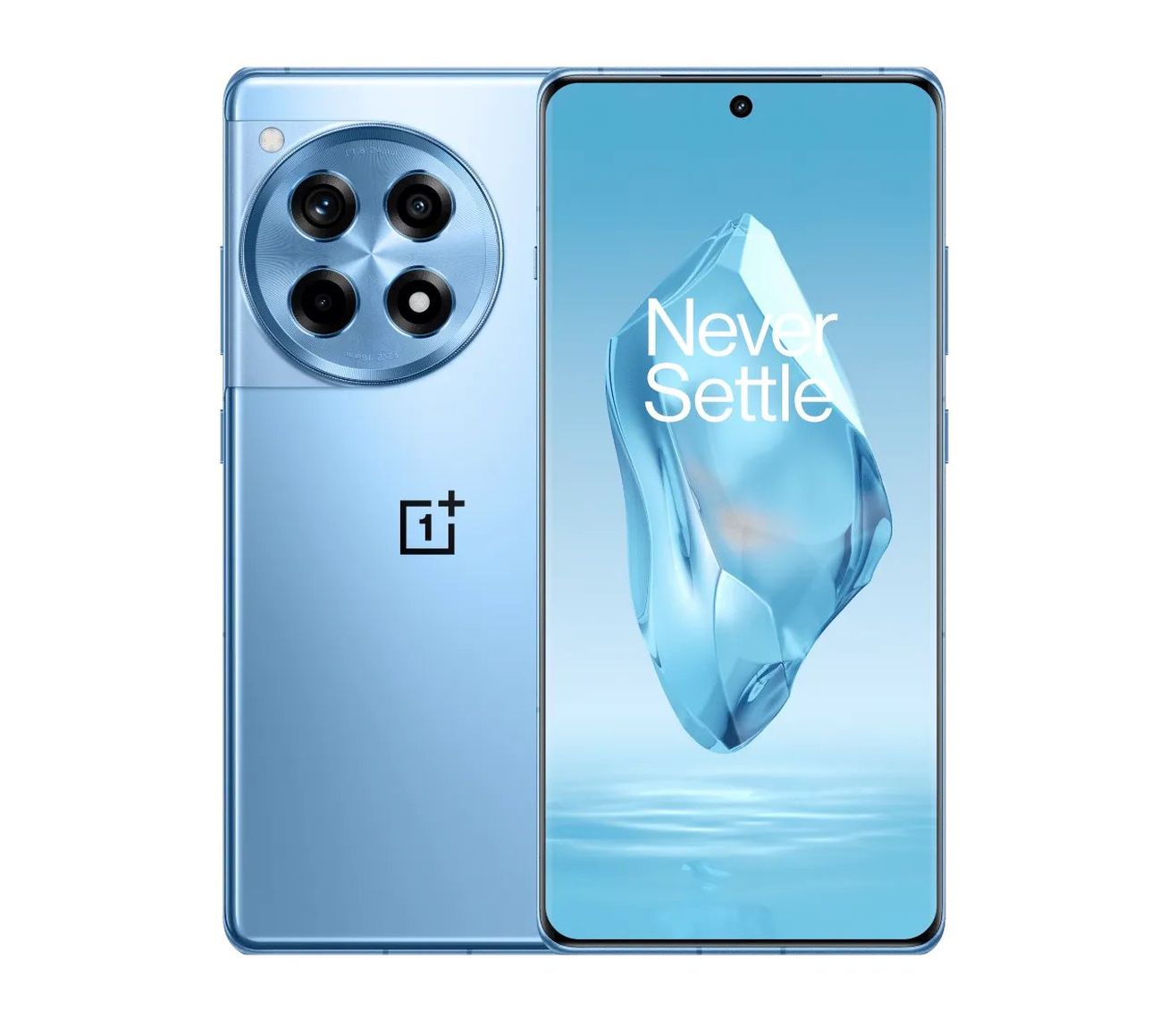
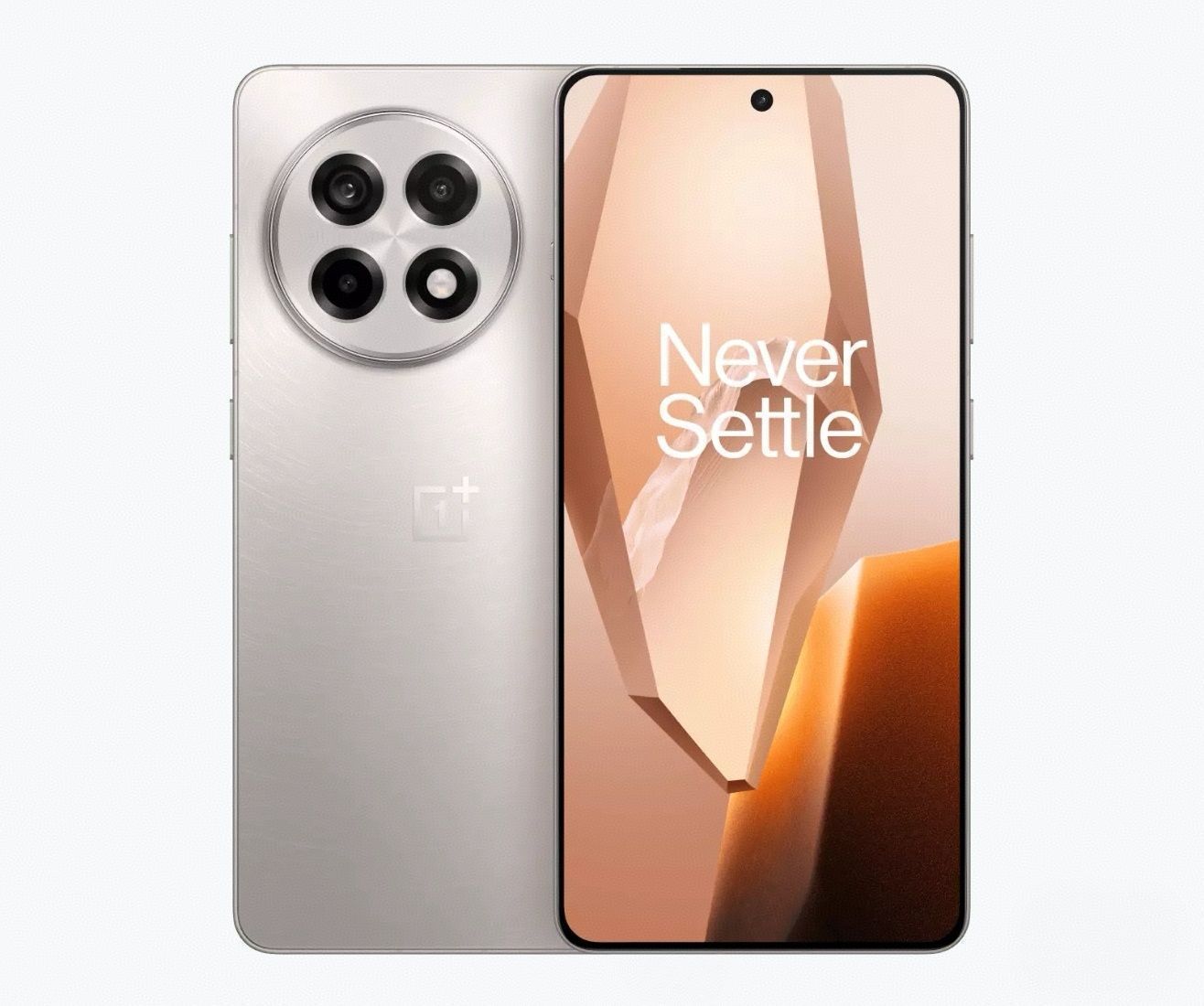
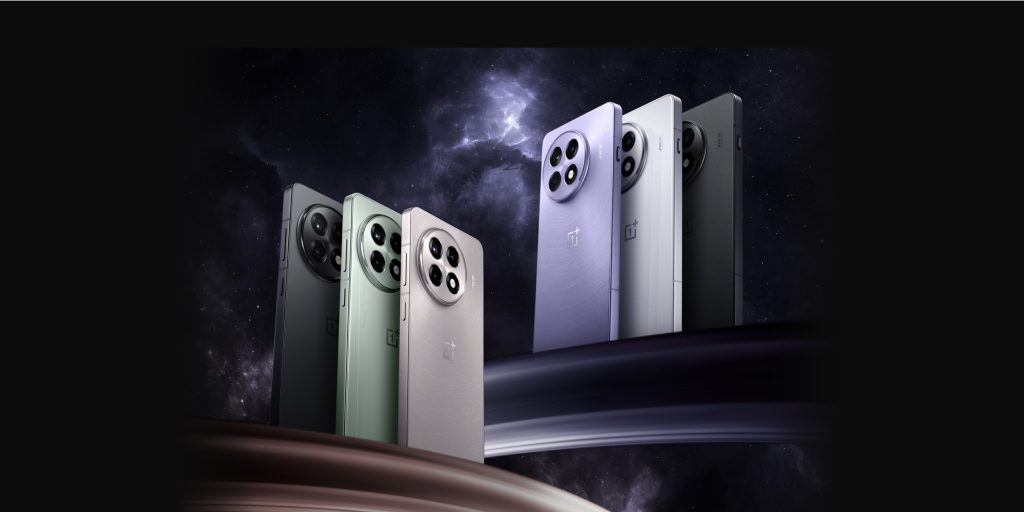
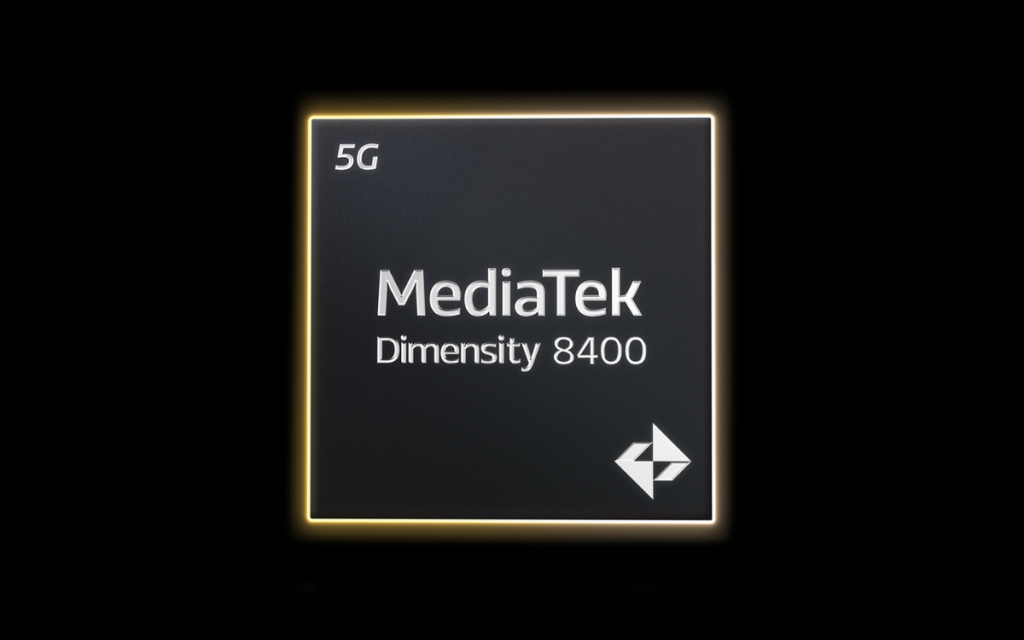
Yesterday, MediaTek unveiled the Dimensity 8400, a chipset designed to power sub-flagship phones. Redmi was the first brand to confirm that the upcoming Redmi Turbo 4, set to arrive in January 2025, will be the first phone to feature the D8400 chipset. Soon after, Realme confirmed that it will also announce a smartphone powered by the D8400.
Realme Neo 7 SE is incoming
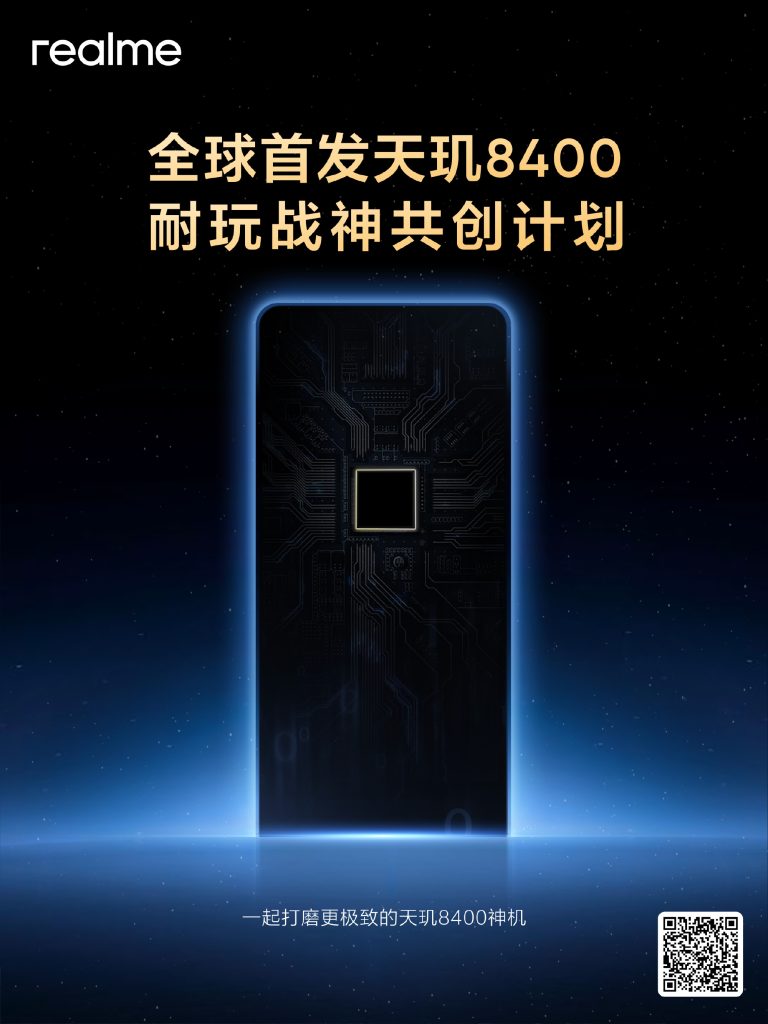
Realme has teased a Dimensity 8400 phone
The above poster confirms that Realme will release a phone featuring the Dimensity 8400. However, it hasn’t revealed the name of the device. Based on its positioning, the new Realme device featuring the Dimensity 8400 is likely to be part of the Neo series.
Reliable leaker Digital Chat Station claims that the upcoming Realme Neo 7 SE will feature the Dimensity 8400 processor. The inclusion of the new chip suggests that the Neo 7 SE will rival the Redmi Turbo 4 in China.
As per reports, the Turbo 4 will be rebranded as the Poco X7 in the global market. To recall, the Realme GT Neo 6 SE was rebranded as the Realme GT 6T globally. Therefore, it is likely that the Realme Neo 7 SE may get rebadged as the Realme GT 7T in markets outside of China.
As far as the chip is confirmed, the 4nm Dimensity 8400 comprises 1× 3.25GHz Cortex-A725, 3× 3.0GHz Cortex-A725, and 4× 2.1GHz Cortex-A725 cores. For graphics, the D8400 is equipped with an Immortalis-G720 MC7 GPU operating at 1300MHz.
The recently unveiled Realme Neo 7 is equipped with a massive 7,000mAh battery. Therefore, it is likely that the Neo 7 SE could be equipped with a 6,000mAh to 7,000Ah battery. Hopefully, upcoming reports will reveal more details about the 7 SE. Likely, it will be announced in January 2025 in China.
At its latest press conference for the Magic 7 RSR Porsche Design, Honor unveiled two professional imaging kits tailored for the Magic 7 Pro smartphone. These are divided into the “Photography Kit” and the “Filter Kit.” The Photography Package includes a phone case, lens hood, phone lanyard, and fill light to enhance mobile photography capabilities. The Filter Package appears to come with five distinct lenses. As of now, these packages are not yet listed on e-commerce platforms.
Honor Magic 7 Pro Photography Kit (left) and Filter Kit (Right)
Additionally, Honor has announced that an update for the Magic 7 series will be rolled out by the end of December, enhancing its AI imaging capabilities to position it as a leader in smartphone photography. Updates for the Magic 6 and Magic 5 series are also scheduled for the end of December and January, respectively, focusing on improving their portrait photography features.
Magic 7 Pro: Imaging and Performance Highlights
Honor Magic 7 Pro
The Honor Magic 7 Pro, released on October 30, stands out with its powerful camera system. It features a rear triple-camera setup: a 50MP OmniVision OVH9000 main sensor with variable aperture (f/1.4–f/2.0) and OIS, a 50MP ultra-wide camera, and a 200MP periscope telephoto lens with 100x digital zoom. A Flicker sensor further improves the imaging capabilities. The front includes a 50MP selfie camera paired with a ToF depth sensor for advanced 3D facial recognition and portrait optimization.
Specifications and Features
The Magic 7 Pro boasts a 6.8-inch quad-curved OLED screen with a 1–120Hz LTPO adaptive refresh rate and 5000 nits peak brightness. It is powered by the Snapdragon 8 Elite chipset with a second-generation 3nm architecture, delivering a 40% boost in gaming performance. Its ultra-wide liquid cooling system keeps the device under 44.8°C during intensive tasks.
With a 5850mAh battery, the Magic 7 Pro supports 100W wired and 80W wireless charging. Other features include IP68/IP69 ratings, Wi-Fi 7, Bluetooth 5.4, DTS Ultra sound, and 3D biometric security options.
As the festive season approaches, Algolaser is running a holiday promotion that might catch the attention of anyone interested in laser engraving tools. From December 12 to December 25, the company’s Christmas sale offers a variety of discounts, bundled deals, and loyalty rewards designed to make their products more accessible. Let’s go through them.
Discounts Based on Spending
During the promotion, Algolaser is applying automatic discounts at checkout based on how much you spend. The structure looks like this:
Save $270 when you spend over $1,800.
Save $220 when you spend over $1,300.
Save $170 when you spend over $1,200.
Save $120 when you spend over $900.
Loyalty Program
For those participating in Algolaser’s loyalty program, the sale brings an added advantage. Customers earn double points on all purchases during the promotional period.
Every 20 points can be redeemed for $1 off future purchases, and there’s no cap on how much you can save. Details about the loyalty program can be found on their website, but the double points event could offer long-term benefits for frequent buyers.
Bundled Deals on Complete Systems
Algolaser is also highlighting bundled packages that include their laser engravers and essential accessories. These bundles are available in three variations: Basic, Pro, and Safe kits. Here’s what each option includes:
Basic Kit: Comes with a Honeycomb platform, Rotary Roller, and Universal Raisers.
Pro Kit: Includes everything in the Basic Kit plus a smart camera.
Safe Kit: Adds a Smart Enclosure for extra safety and functionality.
Depending on the bundle and model chosen, savings can reach up to $1,165. Featured models in this category include the high-performance Delta 40W, the versatile Alpha MK2 20W, and the budget-friendly DIY KIT MK2.
Bonuses with Smart Enclosed Systems
Algolaser’s smart enclosed systems might be an attractive option for those prioritizing safety and convenience. These systems come bundled with a free Rotary Roller and Universal Raisers to add to their functionality.
The models available under this category include the Delta 40W, Alpha MK2 20W, and DIY KIT MK2 10W. The combination of discounts and bonuses makes these systems a compelling choice for anyone considering upgrading their engraving setup.
Discounts on Consumables
Beyond the engravers themselves, Algolaser is offering savings on consumables—an essential component for regular users.
The discounts scale based on the quantity purchased:
5% off when you buy 3 packs.
10% off when you buy 5 packs.
20% off when you buy 10 packs.
50% off when you buy 50 packs.
These discounts may appeal to businesses or individuals who require consumables in bulk, helping to lower long-term costs.
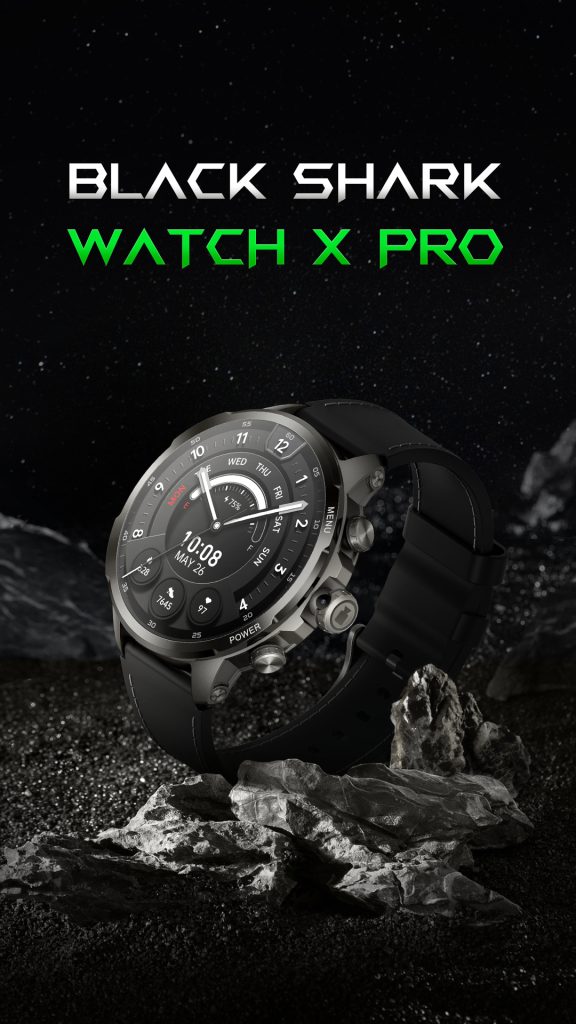
Black Shark, known for its gaming smartphones, has introduced the Watch X Pro smartwatch in China. This launch comes alongside the rugged Black Shark GS3 smartwatch that comes with a built-in flash light. Priced at CNY 899 (around $123), the Watch X Pro offers a range of features designed to compete in the smartwatch market.
Black Shark Watch X Pro features
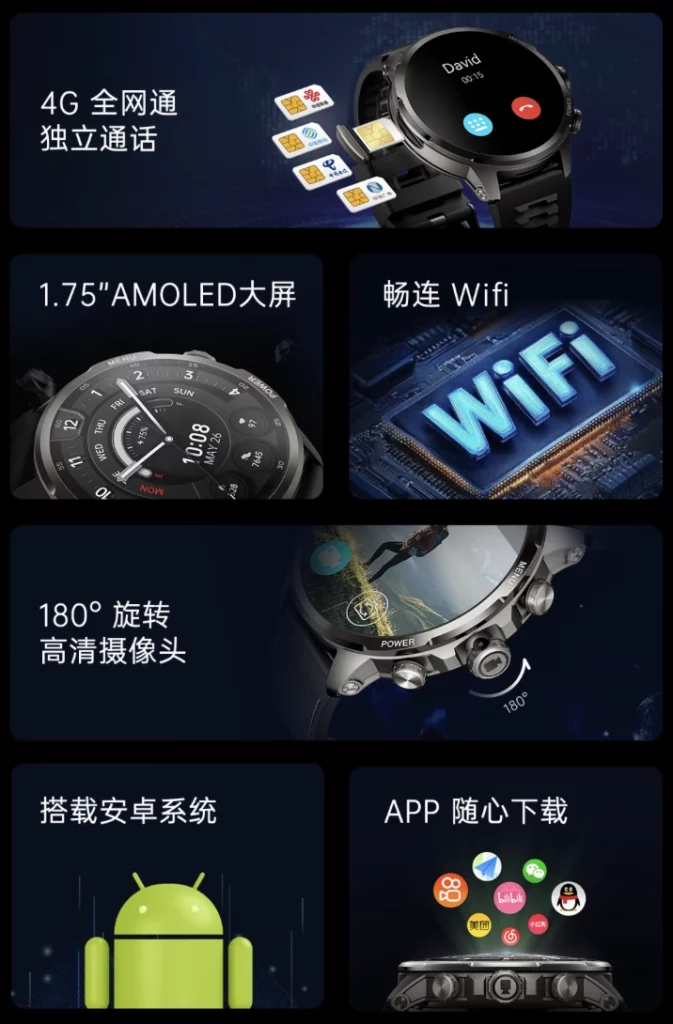
The Watch X Pro features a 1.75-inch AMOLED display with a resolution of 466 x 466 pixels and a peak brightness of 700 nits, ensuring clear visuals and readability even in bright sunlight.
The smartwatch runs on a customized Android-based operating system instead of the standard Wear OS platform. This tailored OS supports a variety of apps available through the Black Shark app store, providing users with flexibility and personalization options.
A standout feature of the Watch X Pro is its 180-degree rotating camera, hidden within the crown. This 2MP camera can capture high-definition photos and videos and supports video calls, offering additional utility beyond standard smartwatch functions.
For connectivity, the Watch X Pro includes both Wi-Fi and 4G LTE support, allowing users to stay connected without relying on a smartphone. This feature makes it a cost-effective choice among LTE-enabled smartwatches.
The smartwatch is equipped with a 900mAh battery that can last up to 75 hours on a single charge. It also supports local music playback, enabling users to listen to their favorite tracks directly from the device.
The brand’s plans for launching this new smartwatch in the global market remain uncertain.
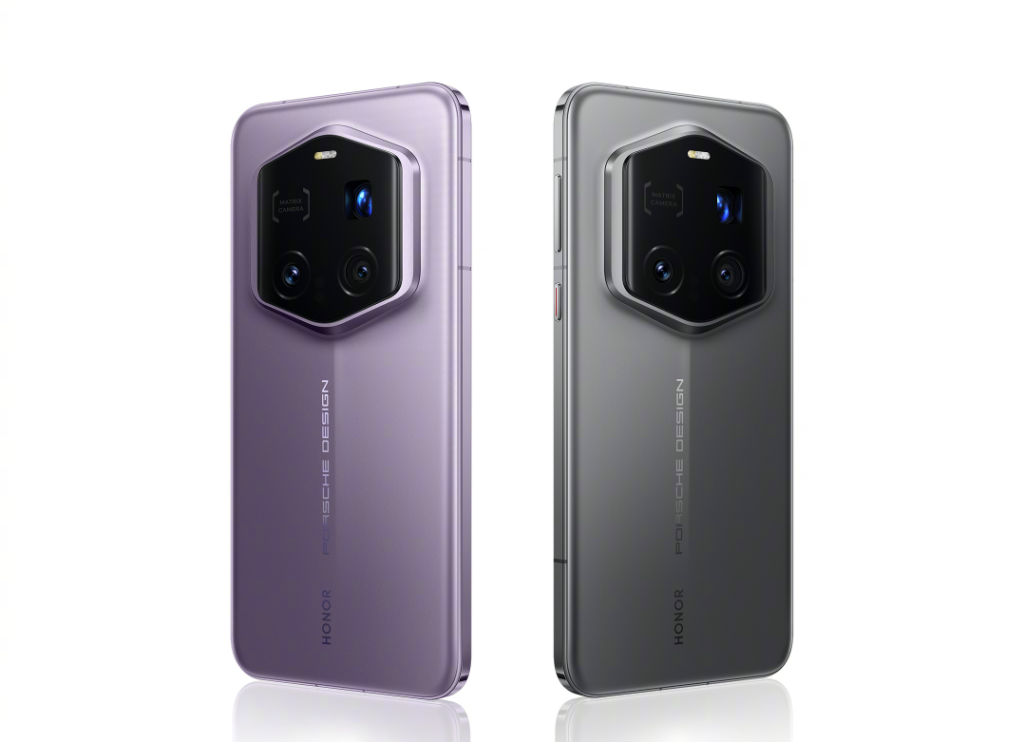
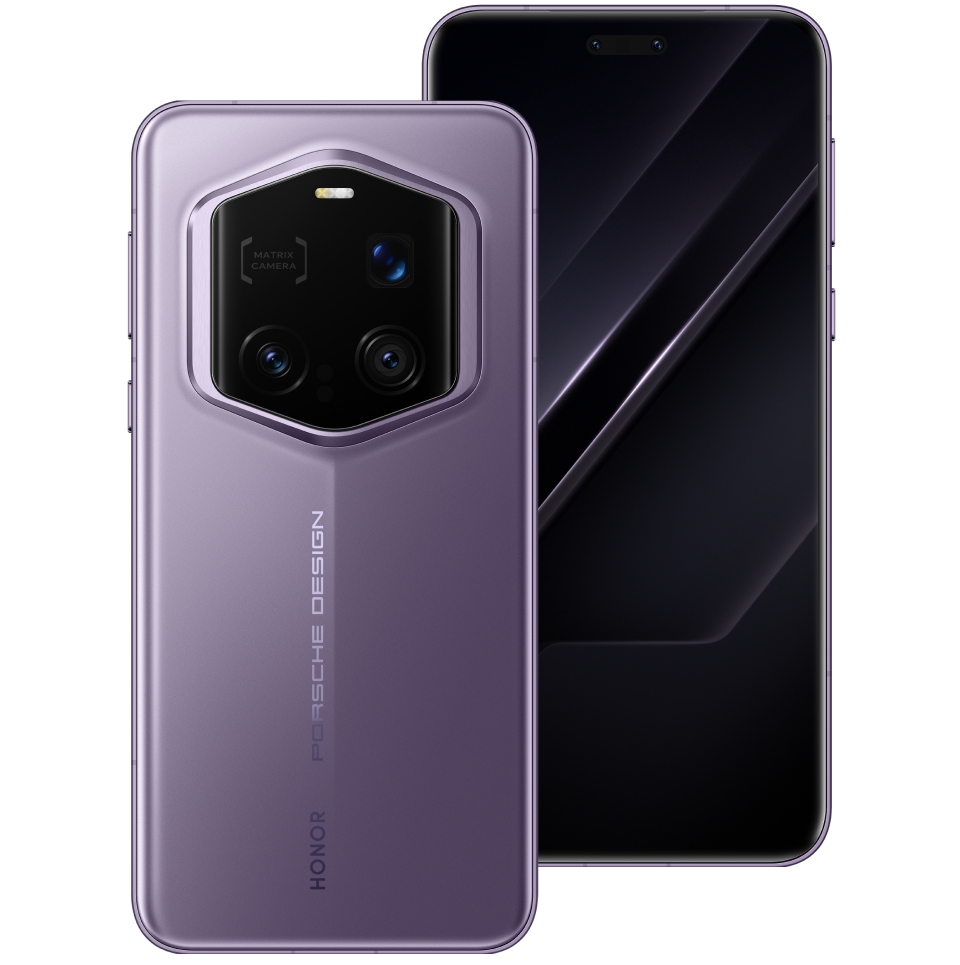
HONOR has introduced the Magic 7 RSR Porsche Design in China. This collaboration with Porsche Design delivers a device with high-end features and a distinctive look.
HONOR Magic 7 RSR Porche Design features
The Magic 7 RSR Porsche Design features a unique aesthetic influenced by Porsche’s design heritage. The rear panel includes a hexagonal camera island that houses a triple-camera system: a 50MP main sensor, a 50MP ultra-wide lens, and a 200MP periscope telephoto lens with 100x digital zoom. The camera system uses a 1Glass+5Plastic lens setup and dual electromagnetic motors for improved image quality and focusing. It also has a 1200 LiDAR sensor that further enhances focus accuracy, especially at extended zoom ranges. As for the front, the device has a 50MP selfie sensor alongside a 3D Depth camera.
Durability is a key feature of the Magic 7 RSR Porsche Design. It is equipped with a NanoCrystal Shield for enhanced resistance to scratches and drops. This display technology has received Swiss SGS five-star certification for durability. Additionally, the device meets IP69 and IP68 standards for protection against water, dust, and high-pressure conditions.
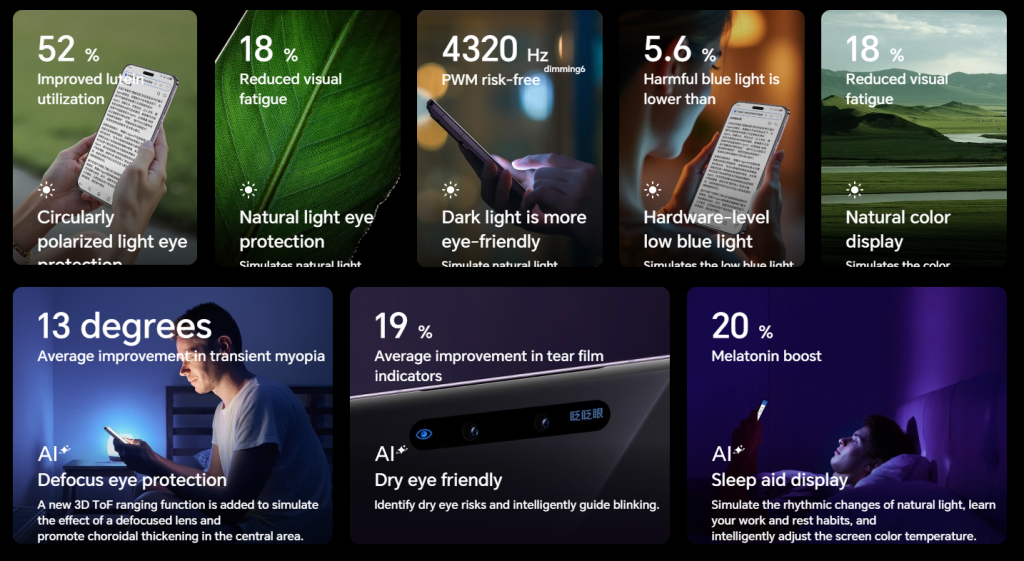
Under the hood, the Magic 7 RSR Porsche Design is powered by the Snapdragon 8 Elite SoC, offering strong performance and efficient multitasking. It comes with up to 24GB of LPDDR5X RAM and 1TB of UFS 4.0 storage. The smartphone has a 6.8-inch FHD+ OLED quad-curved display with a 120Hz refresh rate, HDR10+ support, and vibrant color rendering. It is capable of 5000 nits peak brightness and 4320Hz High-Frequency PWM Dimming.
The device runs Magic UI 9.0, based on Android 15, and includes a 5850mAh battery that supports 100W wired and 80W wireless charging for quick recharging.
Pricing & availability
Available in Agate Gray and Provence Purple, the Magic 7 RSR Porsche Design is priced at CNY 7,999 (~$1,096) for the 16GB + 512GB variant and CNY 8,999 (~$1,233)for the 24GB + 1TB variant. Pre-orders are open in China, with sales starting on December 24, 2024.
Switching from an iPhone to an Android device is a question many smartphone users contemplate, especially as Android flagships continue to innovate and close the gap in performance and features. Both platforms have their strengths and weaknesses, and the choice ultimately depends on your priorities and usage patterns. Here’s a detailed look at whether making the switch is worth it.
iPhones are renowned for their impeccable build quality and software stability. Apple ensures that both the hardware and software work seamlessly together, providing a smooth and reliable experience. The cameras, especially for video recording, are exceptional. Whether you’re capturing cinematic moments or everyday snippets, the consistency and ease of use of iPhone cameras are unmatched.
Battery life has significantly improved in recent iPhones, with both Pro and non-Pro variants offering reliable endurance. Additionally, iPhones benefit from Apple’s long software support. Even older devices receive iOS updates for several years, ensuring security and feature improvements.
For users already within Apple’s ecosystem using a Mac, iPad, or Apple Watch, the integration is a significant advantage. Features like AirDrop, Handoff, and Continuity make tasks like file sharing, messaging, and even phone calls effortless. This ecosystem synergy is one of the reasons many hesitate to switch from an iPhone.
2. Why Android is Becoming a Strong Contender
Android flagships have made tremendous strides in recent years. The introduction of the Snapdragon 8 Gen 3 and Snapdragon 8 Elite chips has significantly narrowed the performance gap with Apple’s Bionic chips. In some cases, these processors even outperform Apple’s offerings, particularly in multitasking and AI-driven applications.
Camera technology on Android devices has also evolved rapidly. Companies are experimenting with zoom capabilities, night photography, and custom modes, offering a level of versatility not often seen in iPhones. Many Android phones now feature larger batteries, with innovations like silicon-carbon technology providing even better longevity.
Android is also the leader in customization. From widgets to themes, app layouts, and even system-level tweaks, Android allows users to personalize their experience in ways iOS simply cannot match. AI features, which are increasingly integrated into Android, add another layer of innovation, making the platform even more appealing.
Up until last year, iPhones were the go-to devices for mobile gaming, celebrated for their smooth performance and reliable hardware-software synergy. However, this year marks a significant shift. Android flagships are now excelling in gaming, particularly in demanding titles like PUBG Mobile and Call of Duty: Mobile, where high FPS (frames per second) is critical. Thanks to advancements like vapor chamber cooling systems, Android devices can maintain consistent FPS for extended periods without overheating or dropping brightness, a common issue with iPhones during prolonged gaming sessions.
Furthermore, software optimizations for gaming on Android have significantly improved. Features like AI-powered upscaling, dedicated gaming modes, and enhanced graphics processing now rival or surpass those on iOS. These innovations, coupled with better thermal management, have made Android phones the preferred choice for many gamers in 2024.
3. Software and App Ecosystems
Apple’s App Store is known for its strict quality control, ensuring reliable and secure apps. However, the Google Play Store offers a larger selection of apps and supports more experimental projects. The ability to sideload apps on Android is a major advantage for users who want flexibility in their software choices.
While Apple’s ecosystem is tightly integrated, Android has also improved in this area. Google’s suite of apps: Gmail, Google Photos, Google Drive, and more works seamlessly across devices. Samsung’s Galaxy ecosystem, with features like DeX mode for a desktop-like experience, offers unique benefits that rival Apple’s ecosystem.
4. Challenges of Switching
For long-time iPhone users, switching to Android may involve some hurdles. Migrating data like iMessages, photos, and app purchases can be cumbersome. Features like AirDrop, FaceTime, and iCloud are difficult to replicate, though Android alternatives like Nearby Share, Google Duo, and Google Drive provide viable options.
Another consideration is learning the nuances of Android. While the platform offers more flexibility, it can also feel overwhelming for users accustomed to the simplicity of iOS.
5. Final Verdict
If you value stability, a polished ecosystem, and seamless integration with other Apple devices, sticking with an iPhone might be the better choice. However, if you crave customization, advanced features, and cutting-edge hardware, Android is hard to ignore.
For users looking to experiment, Android flagships in 2024 have proven to be more than capable competitors, offering better performance, versatile cameras, and significant advancements in AI and battery technology. Whether you choose to switch depends on your priorities, but one thing is clear—Android has never been more compelling.
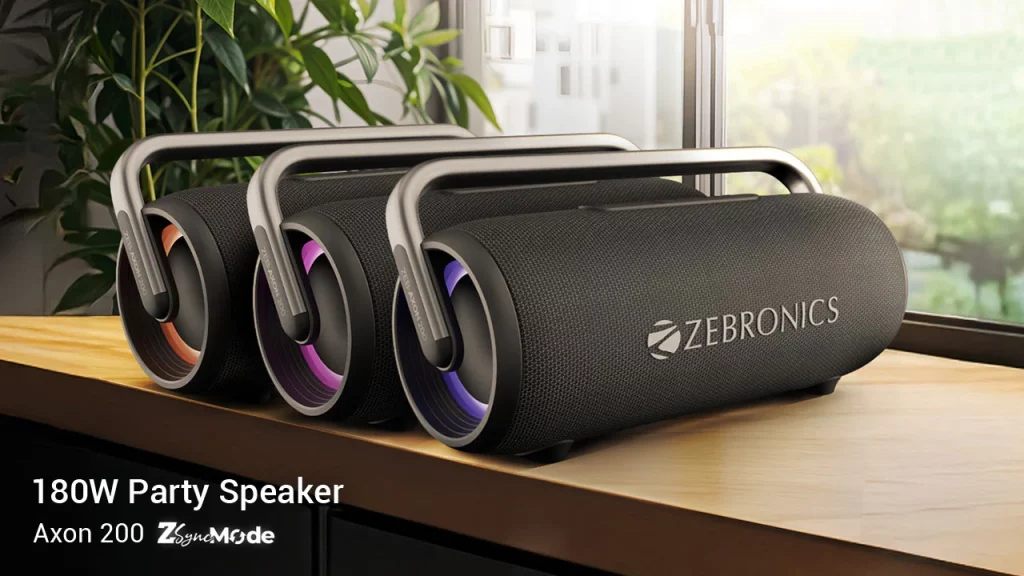
Zebronics has launched the Zeb-Axon 200, a Bluetooth speaker with a powerful 180W RMS output for robust sound. The launch comes shortly after the brand debuted the Zeb Thunder Max wireless headphones in India. It features five high-performance drivers, including a large woofer for deep bass, and dual passive radiators for a well-rounded audio experience. RGB LED lights add a visual touch.
Zeb-Axon 200 speaker features
As mentioned above, the speaker offers 180W RMS output with five drivers, including a 13.3 cm woofer, two 6.98 cm midrange drivers, and two 3.81 cm tweeters, along with dual passive radiators for enhanced bass.
The Zeb-Axon 200 features Z-Sync Mode, allowing users to pair more than 100 compatible speakers with a button press for synchronized audio. Powered by an advanced chipset, it ensures stable performance across all features.
The speaker supports Bluetooth v5.3 for wireless connections and offers AUX and USB options for additional connectivity. It has an IPX6 water resistance rating, making it suitable for outdoor use, and a fabric finish for durability. A carry handle is included for portability.
The Zeb-Axon 200 offers simple controls located on the top, providing quick access to power, volume, and connectivity modes. The battery provides up to 10 hours of playback on default settings (50% volume, LED off) and recharges via a Type-C cable in 6–10 hours.
Users can choose from three EQ modes: Balance Mode for general listening, Sound Monster Mode for deeper bass, and Vocal Enhance Mode for clearer audio during calls, podcasts, or audiobooks.
Pricing & availability
The Zebronics Zeb-Axon 200 is available at an introductory price of Rs. 9,999 on Amazon.in.
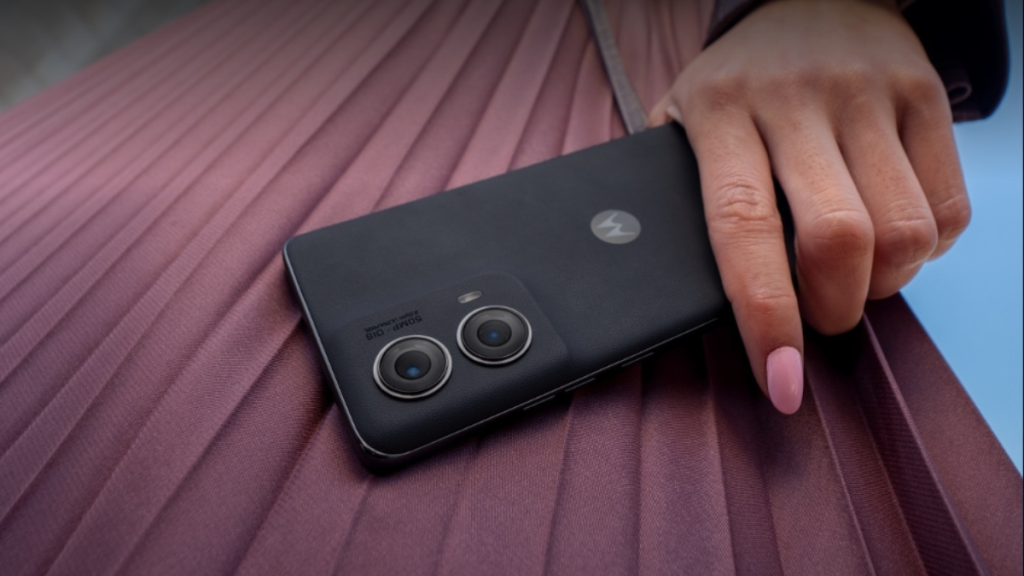
Motorola has a wealth of fantastic phones for nearly every budget. Its flip phones are exciting, some of the best in the market right now, but the brand also has a good collection of well-specced, well-designed phones that do not take a big chunk of money out of your pocket.
Even for a $500 budget or little lower than that, Motorola offers so many options that you may have a difficult time figuring out the best one for your needs. To simplify things, we have created a list of the four best Motorola phones for under $500.
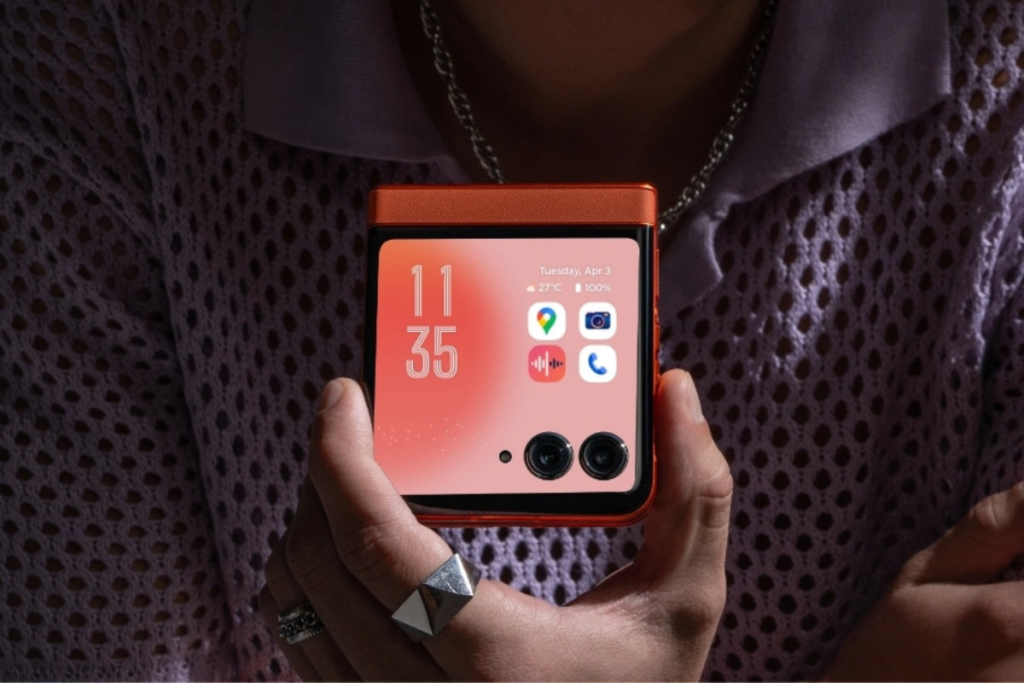
Last year’s Razr (2023) had an impressive showing among the clamshell flip phones for what it achieved at a significantly lower price point without cutting many corners. The newest foldable, Razr 2024, is even better than last year’s model with many essential upgrades, making it one of the best clamshell flip phones in the market.
The cover screen has received the biggest upgrade in the form of screen size, growing from 1.5 inches to 3.6 inches. That’s a massive upgrade, so much so that it’s now bigger than Galaxy Z Flip 6. So, you can now do a lot more stuff without needing to switch to the main display. Inside, you get a 6.9-inch screen, which is the same as last year’s but still bigger than Samsung’s.
For the Razr (2024), Motorola went with MediaTek Dmensity 7300X rather than a Qualcomm chip. While it doesn’t bring a massive performance boost, it’s better optimized for dual screens. The device is sufficiently powerful to handle everyday tasks smoothly. You can do moderate gaming as well. Its 4,200mAh battery easily lasts for more than a day, and to keep things going, there’s support for 30W wired and 15W wireless charging.
The only disappointing part is the software upgrade, as with every other Motorola phone. The company has been sluggish in that area in recent years. The camera is also okay(ish). While the main sensor does well in daylight, the low-light shots aren’t a pleasure to look at.
Launched at $700, the Razr (2024) is currently available for just $499, making it a solid pick if you don’t mind slower updates and camera quality. In my opinion, though, this is the best $500 clamshell flip phone.
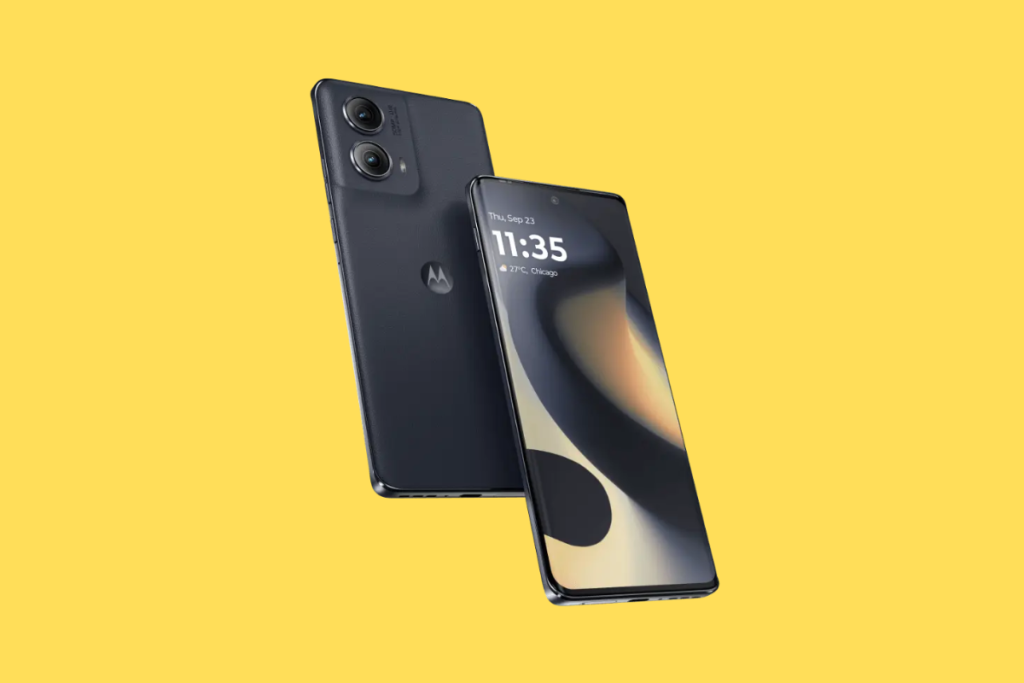
The Edge (2024) is a $550 phone (currently available at just $299) that looks premium, featuring aluminum frame and a vegan leather back for comfortable grip. You probably won’t find such a premium fit and finish on cheap models. It’s also IP68-certified, by the way, with a layer of Corning Gorilla Glass 3 protection on the front.
The large 6.6-inch OLED screen supports a 144Hz refresh rate and is bright enough for better readability under almost any lighting conditions. The 360Hz touch sampling rate is suitable for gaming, though the processor might limit your gaming choices. The Snapdragon 7s Gen 2 is more than sufficient for everyday tasks, and you can do moderate gaming as well. However, as you switch to higher settings, you’ll start seeing lags and frame drops. So, it’s better to keep those settings turned down.
The handset packs a 5,000mAh battery, which lasts for a day on a single charge. It also supports 68W fast charging, which can fill up to 80% of the battery in just about 30 minutes. The handset also supports 15W wireless charging. The camera is just fine. It produces decent shots in proper lighting conditions. You can spend $100 more to get Pixel 8a for a much better camera quality.
The Moto G Stylus 5G (2024) is a gorgeous-looking phone with premium vegan leather feel and many improvements from its predecessor. It still has a microSD slot that we don’t see very often nowadays.
This Motorola phone features a big OLED screen that refreshes at 120Hz. By its name, you’d have already guessed that it comes with a stylus. This, combined with a great display, makes it a sound choice for note-taking people. You can also use it to sign documents or draw your creativity. The stylus is slim, easy to hold, and charges within the device.
The Snapdragon 6 Gen 1, paired with 8GB RAM, delivers smooth performance. You can do moderate gaming as well without any lag. The smartphone packs a 5,000mAh battery that comfortable lasts for a full day. The charging options have also been upgraded: wired charging peaks at 30W and adds support for 15W wireless charging.
The rear camera setup includes a 50MP primary camera and a 13MP ultrawide camera. And there’s a 32MP selfie shooter. The camera results are nice in its price range. However, the software still remains a weak point. Motorola offers just one Android update and three years of security updates for the Moto G Stylus 5G (2024).
Overall, the Moto G Stylus 5G (2024) has a stunning design and powerful hardware. The only weak link is the software support. Despite that, it’s still a solid deal at $249.
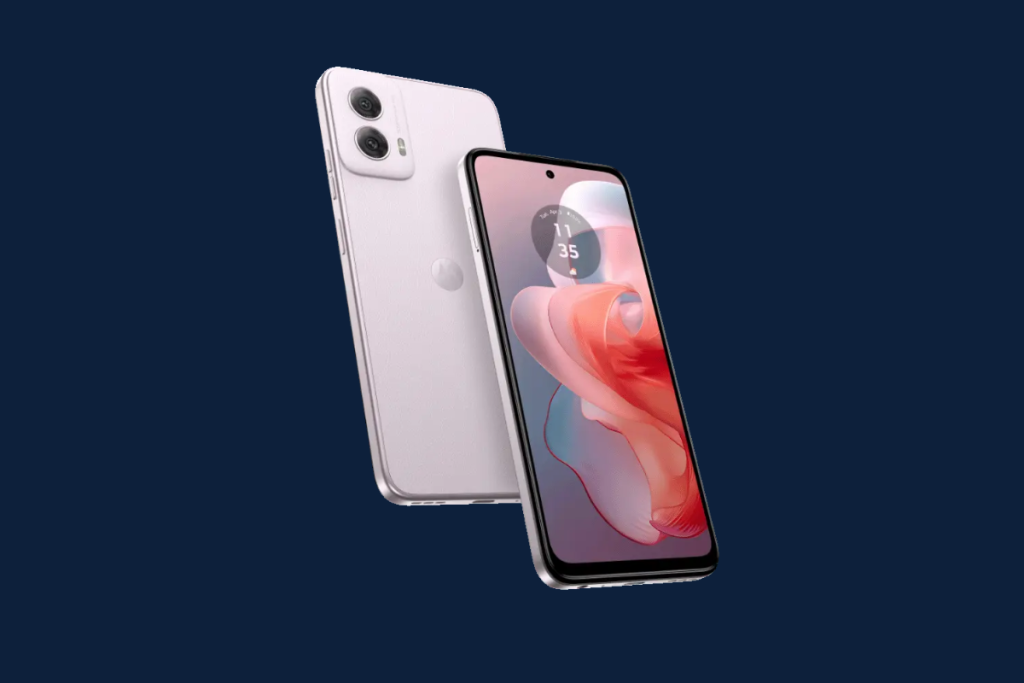
The Moto G Power 5G (2024) is an excellent mix of performance, features, and affordability. For just $149, you get a nice vegan leather textured back that resists fingerprints and holds well in the hands.
The device has a large 6.7-inch LCD screen, which isn’t as vivid and bright as other phones on this list but still good for everyday usage. Its nearly two-day battery backup makes it great for people who love watching a lot of videos or don’t want to charge it every day. The smartphone supports 30W wired charging. You also get 15W wireless charging, which is rarely seen on cheap phones.
The MediaTek Dimensity 7020 chip also does a good job at smoothly handling day-to-day tasks. The device takes nice shots with its 50MP rear camera. However, the 8MP ultrawide camera and 16MP selfie shooter are okay(ish).
If you’re looking for a long-lasting phone under $200, the Moto G Power 5G (2024) is a solid buy.
The OnePlus 13R, which is set to go official along with the OnePlus 13 on Jan.7, 2025, is generating significant buzz as leaks and rumors provide glimpses of what this next iteration might hold. While it appears OnePlus may be focusing on refining existing strengths rather than reinventing the wheel, the 13R still has the potential to be a compelling device for those seeking a powerful and stylish smartphone. Let us have a look at the anticipated features and upgrades that could make the 13R a worthy contender in the competitive smartphone arena.
One notable change in the OnePlus 13R’s design is the shift towards a flat display. Unlike the OnePlus 12R’s curved-edge screen, the 13R is expected to sport a flat panel, which could improve usability and make it easier to find screen protectors. Additionally, the rear camera module on the 13R is rumored to stand apart from the side frame, unlike the integrated design seen on the 12R. This subtle change could give the 13R a more distinct visual identity.
2. Camera: A Rebrand with a Twist?
The camera setup on the 13R is generating considerable buzz, with rumors suggesting it could be a rebranded version of the OnePlus Ace 5, launching soon in China. The Ace 5 will arrive with a 50-megapixel (main) + 8-megapixel (ultra-wide) + 2-megapixel (macro) triple camera unit, a configuration that sounds eerily familiar to the OnePlus 12R. This has led to concerns that OnePlus might be playing it safe in the camera department, which could be a missed opportunity.
However, there’s a glimmer of hope. Some leaks claim that the 13R might differentiate itself from the Ace 5 by including a telephoto lens in its camera setup. This would be a welcome addition, addressing a key weakness of the 12R. Interestingly, the 12R was also rumored to have a telephoto lens before its launch, which ultimately didn’t materialize. Therefore, it’s wise to take these rumors with a grain of salt and wait for more concrete evidence before getting our hopes up.
3. Performance: A Generational Leap
Under the hood, the OnePlus 13R is expected to pack a punch with the Snapdragon 8 Gen 3 processor. This marks a significant upgrade over the 12R’s Snapdragon 8 Gen 2, promising even smoother performance and improved power efficiency. Addressing past controversies, where the 12R’s base variant was found to have slower UFS 2.2 storage instead of the advertised UFS 3.1, the 13R is rumored to come equipped with LPDDR5x RAM and UFS 4.0 storage across all variants. This would ensure blazing-fast data access and overall system responsiveness.
But the performance upgrades don’t stop there. The OnePlus 13R is also expected to pack a larger battery of around 6,000mAh, a welcome improvement over the 12R’s 5,500mAh capacity. This should translate to longer usage times and less anxiety about running out of juice. However, rumors suggest that the fast charging capabilities might be slightly reduced to 80W, compared to the 100W charging offered by the 12R. While this might be a minor drawback for some, the increased battery capacity could more than compensate for the slightly slower charging speeds.
4. Price and Positioning: The Key to Success
OnePlus has built its reputation on offering flagship-level performance at competitive prices. The 12R was launched with a starting price of Rs 39,999 for its base variant. Considering the upgrades in the 13R, particularly the new processor and potentially improved storage, there’s a possibility that the base model of the 13R could be priced somewhere between Rs 40,000 to Rs 43,000. OnePlus will need to carefully position the 13R in the market, ensuring it offers a compelling value proposition compared to its competitors.
5. Final Thoughts
The OnePlus 13R seems poised to be a carefully calculated evolution of its predecessor, building upon the foundation laid by the 12R. By focusing on key improvements and refinements, OnePlus could deliver a device that appeals to a broad audience seeking a balance of performance, design, and value. The ultimate success of the 13R will depend on how well OnePlus addresses the expectations of its user base and navigates the ever-evolving smartphone landscape. As more information emerges, we’ll gain a clearer understanding of whether the 13R truly hits the mark.
With the OnePlus Ace 5 series set for its December 26 debut, the Ace 5 and Ace 5 Pro have appeared on TENAA, revealing key specifications. The TENAA listings confirm that the OnePlus Ace 5 Pro will be powered by the Snapdragon 8 Elite chipset, clocked at 4.32 GHz, while the standard Ace 5 will utilize the Snapdragon 8 Gen 3, with a CPU clock of 3.3 GHz.
The Pro model will feature a 6,100 mAh battery with 100W wired charging, while the vanilla Ace 5 will house a slightly larger 6,400 mAh battery, albeit with 80W charging.
Both devices will sport a 6.78-inch display with a resolution of 1264p and an under-display fingerprint scanner. The camera setup includes a 50 MP primary sensor, an 8 MP ultra-wide lens, and a 2 MP macro shooter on the back, accompanied by a 16 MP front-facing camera. These dimensions are consistent across both models, measuring 161.7 x 75.8 mm with a thickness of approximately 8.1 mm, with the Pro being marginally thicker.
RAM and storage options differ slightly between the models. The Ace 5 will offer configurations of 12 GB or 16 GB RAM and storage options of 256 GB, 512 GB, or 1 TB. The Pro adds an 8 GB RAM and 128 GB variant, which could make it one of the most affordable Snapdragon 8 Elite phones on the market. Meanwhile, the standard Ace 5 is expected to launch globally as the OnePlus 13R.
What else to expect from Ace 5 / Ace 5 Pro?
Performance is a key focus for the Ace 5 series, with OnePlus emphasizing its chip-level customization technology. This technology, as described by OnePlus China’s President Louis Lee, allows even the standard Ace 5 to perform close to Snapdragon 8 Elite devices. The Pro model, equipped with the same customization, promises an unparalleled gaming experience. This phone will also feature the company’s self-developed gaming-focused Wi-Fi G1 Chip for more reliable connectivity while playing online games.
OnePlus has also introduced a 3D VC cooling system for the Ace 5 Pro, boasting significantly better heat dissipation compared to regular VC cooling solutions. This ensures sustained performance during intensive gaming sessions. Early gameplay tests and previews have already showcased the Ace 5 series’ impressive capabilities, making it a compelling choice for gamers.
Lenovo has launched a new smart projector, the Xiaoxin 100M, in the Chinese market. This follows the recent release of the Xiaoxin 100GT earlier this year. Priced at 699 yuan ($96), the projector is now available on JD.com. Let’s take a look at its key specifications.
Lenovo Xiaoxin 100M Specifications
The Xiaoxin 100M comes with a U-shaped dynamic gimbal featuring a 210° tilt angle, providing stability and flexibility for comfortable viewing whether sitting, standing, or lying down.
It weighs only 0.8 kg, making it lightweight, portable, and easy to carry or set up. It sports a 230 CVIA lumens brightness and features true 1080P resolution for crisp and detailed images, enhanced with HDR10 and 4K decoding, delivering rich colors and vivid details.
The projector features a high-performance chipset with a 4-core A55 CPU and a Mali-G52 GPU, ensuring smooth operation and robust media processing. It comes with 2GB of RAM and 32GB of internal storage, enabling seamless multitasking and handling of large files. It equips a ZUI-based system powered by Android 12, offering an intuitive user interface for effortless navigation and content selection.
The ToF laser module allows intelligent auto-focus and keystone correction, delivering clear and properly aligned images without manual adjustments. It also comes with a 1.1:1 throw ratio that enables large projections even in small rooms, with a recommended projection size of 100 inches at a distance of 2.4 meters (aspect ratio 16:9).
The Xiaoxin 100M comes with Wi-Fi 6 and Bluetooth 5.0 connectivity, ensuring fast and stable connections for streaming and pairing with external devices. It also supports both wired and wireless screen mirroring, allowing seamless content sharing from various devices.
The projector comes with low blue light and diffuse reflection technology, ensuring eye health is safeguarded during extended viewing sessions. It also sports a range of interfaces, including HDMI, USB, AC power input, and a 3.5mm audio jack, catering to diverse media input needs.
Dubai-based luxury brand Caviar has unveiled a stunning new collection of Huawei smartphones, featuring intricate designs inspired by Chinese culture and history. The collection, dubbed “Dragon Spring,” showcases the Huawei Mate X6 and Mate 70 RS adorned with precious metals and intricate craftsmanship.
Specifications and Design
Two standout models in the collection are the Forged Dragon and the Huang He. The Forged Dragon, based on the Huawei Mate X6, boasts a sleek black titanium body with a unique texture inspired by the ancient Chinese art of multi-layer sword forging. This technique, originating in the city of Longquan, creates a mesmerizing pattern on the device’s surface, paying homage to centuries-old craftsmanship.
Huawei Mate X6Huawei Mate 70 RS
The Huang He, built upon the Huawei Mate 70 RS, is a true masterpiece. It features a breathtaking 18K gold bas-relief depicting the Huang He River, also known as the Yellow River. This iconic river, revered as the cradle of Chinese civilization, symbolizes the nation’s enduring spirit and continuous progress. The intricate details of the bas-relief make this smartphone a testament to both natural beauty and human ingenuity.
Caviar has limited production of both models to just 88 units, with the number eight considered a symbol of luck and prosperity in Chinese culture.
The collection also includes the Huawei Mate XT Ultimate Design Gold Dragon, launched in September, featuring a 24K gold body created with Double Electroplating technology and intricate gold dragon patterns inspired by ancient Chinese sword-making artistry.
The Forged Dragon is priced at $12,200 for the 512GB model, while the Huang He starts at $11,490 for 512GB and reaches $11,840 for the 1TB variant.
Steam is basically synonymous with PC gaming. The platform is by far the most popular online library for games and is beloved by gamers worldwide. But it is far from the only good option. In recent years, GOG has also surfaced as a great alternative to Valve’s Steam, so let’s see which one is better.
Valve boasts the largest gaming library in the world with Steam. It has over a hundred thousands of titles ranging from AAA blockbusters to indie gems. The platform adds new releases, early access games, and even experimental content on the daily. Steam also excels at offering other software. There is a reason why Steam has over 132 million active monthly users.
GOG.com is owned by CD Projekt Red as well as the GOG Galaxy launcher. Valve and CD Projekt Red have different visions, which influence their game libraries as well. While Steam boasts a library size around 10 times larger than GOG, the latter focuses on providing DRM free games. So you have a better chance of finding an older RPG or retro titles on GOG compared to the vast selection of Steam. These old games are also optimized to run on modern systems alongside indie and newer titles as well.
2. Digital Rights Management (DRM)
DRM is the one aspect that differentiates the two platforms. Games purchased on Steam are often tied to the platform. In other words, you require the Steam client to launch and play said games. In other words, you also need to remain connected to your account to access these games.
On the other hand, GOG’s greatest feature is its DRM free philosophy. Once you purchase a game, it’s yours to download, back up, and play offline without restrictions. This makes GOG an excellent choice for users who value true ownership and offline accessibility.
3. Platform Features and User Experience
Steam offers a robust suite of features that include cloud saves in-game achievements, community forums, and a health social networking system. Through Steam Workshop, gamers get access to mod support, streaming capabilities and much more. Overall, it’s a well thought out social platform as well where you and your friends can interact.
GOG’s Galaxy client has been praised for its minimalist user interface that can unify multiple gaming libraries. However, this platform focuses on a clutter free experience over advanced feature. GOG also has a social community side as well with friends. However, Steam has a larger user base that brings access to community made mods, Steam Wallet, trading cards, trading in general, and active game forums.
4. Customer Support and Refund Policies
Steam is famous for its two hour and 14 day refund approach. For those unaware, if you have played a game for less than two hours or owned it for under 14 days, you can get a full refund via an easy process. GOG also has a similar refund method but it might take slightly longer for the money to return to your bank.
Sometimes, the refund might only be completed in around a month. However, the custom support on both sides has been claimed to offer a similar experience as Steam. So you’re not missing out on much.
5. Conclusion
Choosing between Steam and GOG depends on your gaming preferences. If you prefer DRM-free ownership, retro classics, and an elegant interface, GOG.com is the platform to explore. But even if after all of this, the advanced features on Steam, the social connectivity, exclusive and vast gaming library will have you download the platform regardless. Valve has become intertwined with gaming on PC and that is not being shaken up anytime soon.
You can also check out our takes on the PC and console debates. We have pros and cons of whether you should buy a gaming PC or a gaming console.
MediaTek has officially unveiled the Dimensity 8400, the successor to last year’s Dimensity 8300. Designed for the premium mid-range smartphone market, this new chipset offers significant performance gains and improved energy efficiency. It aims to deliver a flagship-level experience at a more affordable price.
Xiaomi has revealed that the Redmi Turbo 4 will be the first smartphone of 2025 to feature the Dimensity 8400-Ultra. The launch date is set to be announced on January 1st.
MediaTek Dimensity 8400 Specifications
Coming to the Dimensity 8400, the chipset with an all-big-core design is built upon the latest Arm Cortex-A725 cores and boasts a remarkable 3.25GHz clock speed, delivering a 10% increase in single-core performance while simultaneously reducing power consumption by a substantial 35%. This achievement is attributed to a significant enhancement in the chip’s cache system.
On the graphics front, the integrated Arm Mali-G720 GPU delivers a 24% boost in peak performance and a 42% reduction in power consumption, ensuring an exceptional gaming experience. The introduction of the innovative StarSpeed Engine dynamically optimizes resource allocation in real-time, adapting to the demands of each game to deliver smooth and sustained gameplay at 60 fps while keeping the device cool.
The chipset also features the powerful MediaTek NPU 880, enhancing AI performance for tasks like language model processing and image generation. Powered by the Dimensity AI engine, it supports complex on-device models, enabling faster and higher-quality content creation, including features like large language models and Stable Diffusion 1.5.
For imaging, the chipset integrates the MediaTek Imagiq 1080 ISP image processor and a dedicated QPD zoom hardware engine. This powerful combination enables all-domain depth focusing, resulting in more precise and rapid photography.
The Dimensity 8400 is poised to significantly impact the mid-range smartphone market, offering a compelling blend of performance, power efficiency, and advanced features. With the Redmi Turbo 4 leading the charge, we can expect to see a wave of exciting new devices powered by this powerful new chipset in the coming months.
Talking about the Redmi Turbo 4, it is expected to feature a 6.67-inch LTPS OLED panel with a 1.5K resolution, 120Hz refresh rate, and an in-screen fingerprint sensor. It may offer up to 12GB RAM, 512GB storage, a 6,550mAh battery with 90W fast charging, and HyperOS 2.0-based Android 15. The device is rumored to have a plastic frame, glass back, and is likely to launch in China by early January 2025. The device will be rebranded as the Poco F7 for the global market.
Gaming has a long standing debate about which platform is the definitive choice. This argument pits PC gamers against console gamers, with both sides having their own pros and cons. I’ve already discussed all the reasons why you should consider buying gaming consoles. So now, let’s have a look at why Gaming PCs are simply superior.
Gaming PCs lead in breakthrough innovation thanks to cutting edge technology. This enables the platform leads to lead the charge in performance. When buying a high-end gaming rig, you can expect GPUs and CPUs that take the gaming experience to the next level. Unlike consoles with their set performance and settings, PCs are able to deliver higher frame rates, smoother gameplay, and superior graphical fidelity.
When games are ported from consoles to PCs, they get a visual enhancement just for the platform, to take advantage of beefy specs on PCs. Of course, not everyone has a NASA spaceship grade computer, but there is still a good number of gamers with PCs that support 4K or ultra wide resolution, ray tracing, and much more. Typical console games are locked in 30 to 60 fps, but gaming PCs easily hit the triple digit numbers which is particularly handy in online multiplayer titles like Counter-Strike 2 or Valorant.
2. Customization and Upgradability
Once you buy a console, you are still with that model for the rest of its life till you decide to upgrade. However, PCs are upgradeable. You can swap out outdated parts with newer components to give a nice performance boost. Customizability is another major advantage as you can choose each specification to meet your budget or meet a good price-to-performance ratio.
3. Wide Gaming Library & Mods
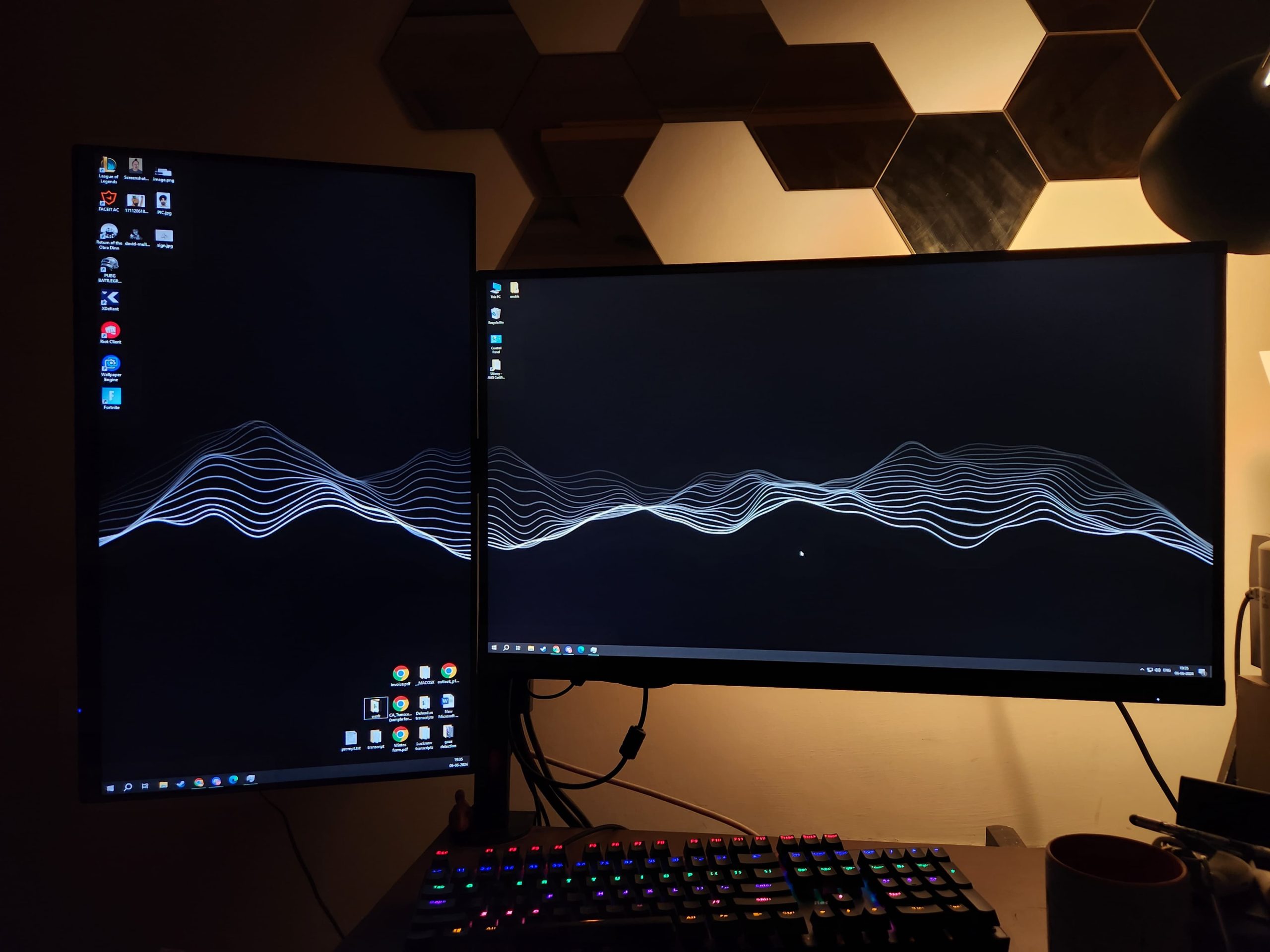
Also, PC Gaming setups just look superior (Pic credits: CSGoat ROBOcop)
While console gamers often boast exclusive titles, PC as a platform has the most number of exclusives. Some might not even be that well known but by sheer volume, it is the undisputed king. Counter-Strike is another great example as it is one of the biggest multiplayer titles in the gaming industry.
There are also healthy options for gaming libraries that bring a wide selection of games. These games are also much more affordable in these online libraries. One of the biggest advantages of PC gaming is undoubtedly the modding side. Mods can enhance or change the way you play your favorite games.
4. Multi-Purpose Functionality
Moving away from gaming, consoles still doubles as a multimedia tool for entertainment. However, PCs are easily more versatile. It can be used to edit videos, music, pictures, stream games, graphic designing, office work, and much more. So computers serve a multipurpose role outside of gaming and entertainment, including productivity.
5. Conclusion
While consoles have their appeal, gaming PCs outshine them in performance, customization, and versatility. For gamers who value cutting-edge technology, flexibility, and long-term value, a PC is the ultimate gaming platform. Whether you’re an enthusiast or just starting out, the investment in a gaming PC offers a richer and more rewarding experience than consoles ever could.
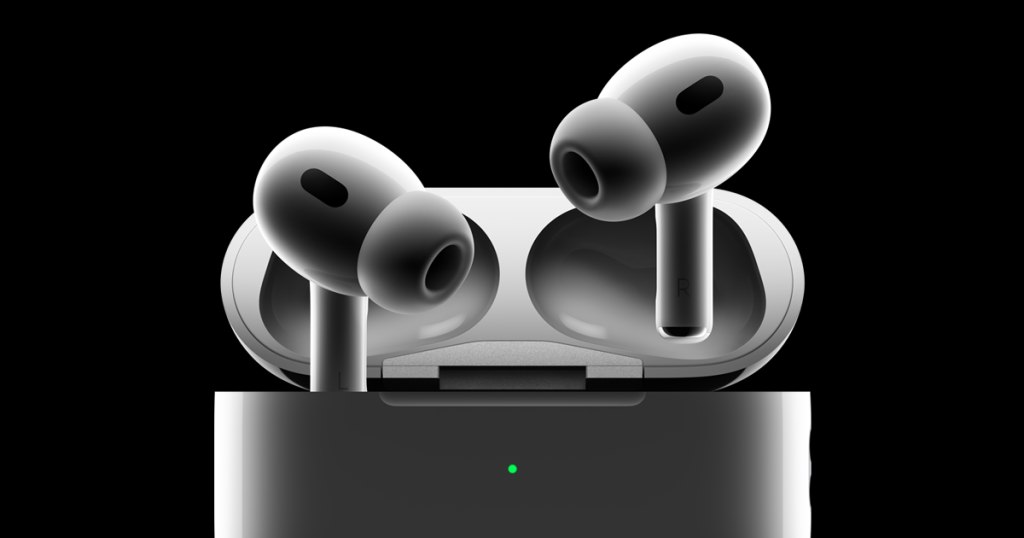
Apple has some interesting launches coming up. One of the company’s upcoming products reportedly includes a new smart doorbell that could offer Face ID technology. But a new Airpods Pro might be a highlight thanks to new health tracking sensors.
Apple AirPods Pro May Soon Double as Health Trackers
According to Mark Gurman’s Power On newsletter, the Cupertinop based giant is bringing impressive new health tracking features to its next gen AirPods Pro. Apple’s upcoming premium truly wireless earbuds might be getting smarter. The brand’s Apple Watch already offers various health tracking sensors, but the AirPods Pro are also catching up soon. Rumors hint that the AirPods Pro will soon support sensors for heart rate and temperature mapping.
Apple AirPods Pro 2
The iPhone maker has focused on health tracking for its wearables and the AirPods Pro may soon be included in this philosophy. But while heart rate and temperature mapping makes sense, Apple has other wild ideas for the AirPods pro. The company has reportedly revisited the plan of adding a camera to the AirPods. Rumors of cameras coming to the hearables have surfaced in the past, but the company could be getting more serious about this idea, as per Mark Gurman.
However, these are likely much further away from an official release than the temperature and heart rate tracking variant of the AirPods Pro. With the Apple Artificial Intelligence in the mix, it is likely that AI is also another priority for this product line. Gurman claims that the next gen AirPod Pros are still in early development, but it might launch with these features as well. This is all the information we have at the moment, so stick around for more updates.
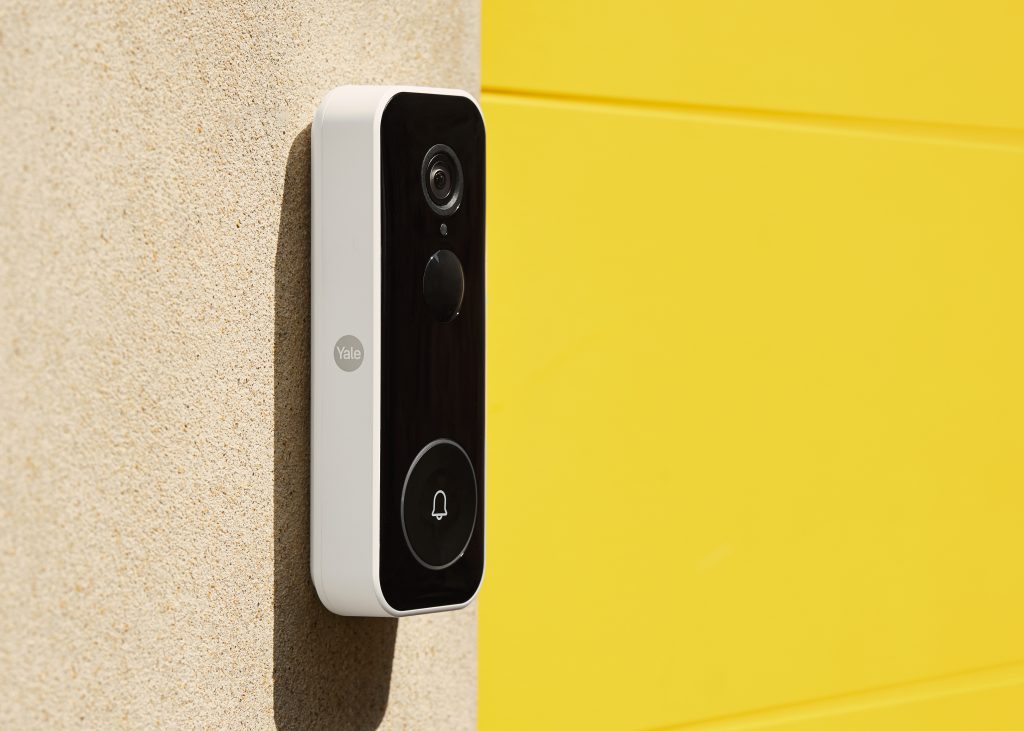
Apple is reportedly working on a brand new product that brings its smartphone security technology to your homes to keep you safe. A report hints that the brand’s next big thing could be a smart doorbell, which unlocks your doors using the Face ID.
Apple’s Smart Doorbell with Face ID
The news arrives from Mark Gurman, who shared the information in his Power OnNewsletter. The Cupertino based giant is reportedly planning on bringing the facial recognition technology from its mobile devices to its smart home lineup. This doorbell could apparently connect to a smart deadbolt. It may even include existing HomeKit compatible third party locks.
Yale Smart Video Doorbell
Apple might partner with a lock making brand as well for a more rounded experience, rather than building doorbells from scratch. Since this is the first time we are hearing about this Apple smart doorbell. So it is likely a while away from a wider release. Gurman claims that the smart doorbell with Face ID is still in the early stages of development. This means that the earliest we can expect this to be released around the end of next year.
With this new smart home product, the iPhone maker is likely planning on competing with Amazon’s Ring and Google’s Nest lineup. That’s not all, the smart doorbell isn’t alone. Apple seems to be developing a bunch of other smart home products. These could include the smart home hub gadget that the company is rumored to be working on. It is expected to be unveiled sometime next year and may arrive with other new products. This is all the information we have at the moment, so stick around for more updates.
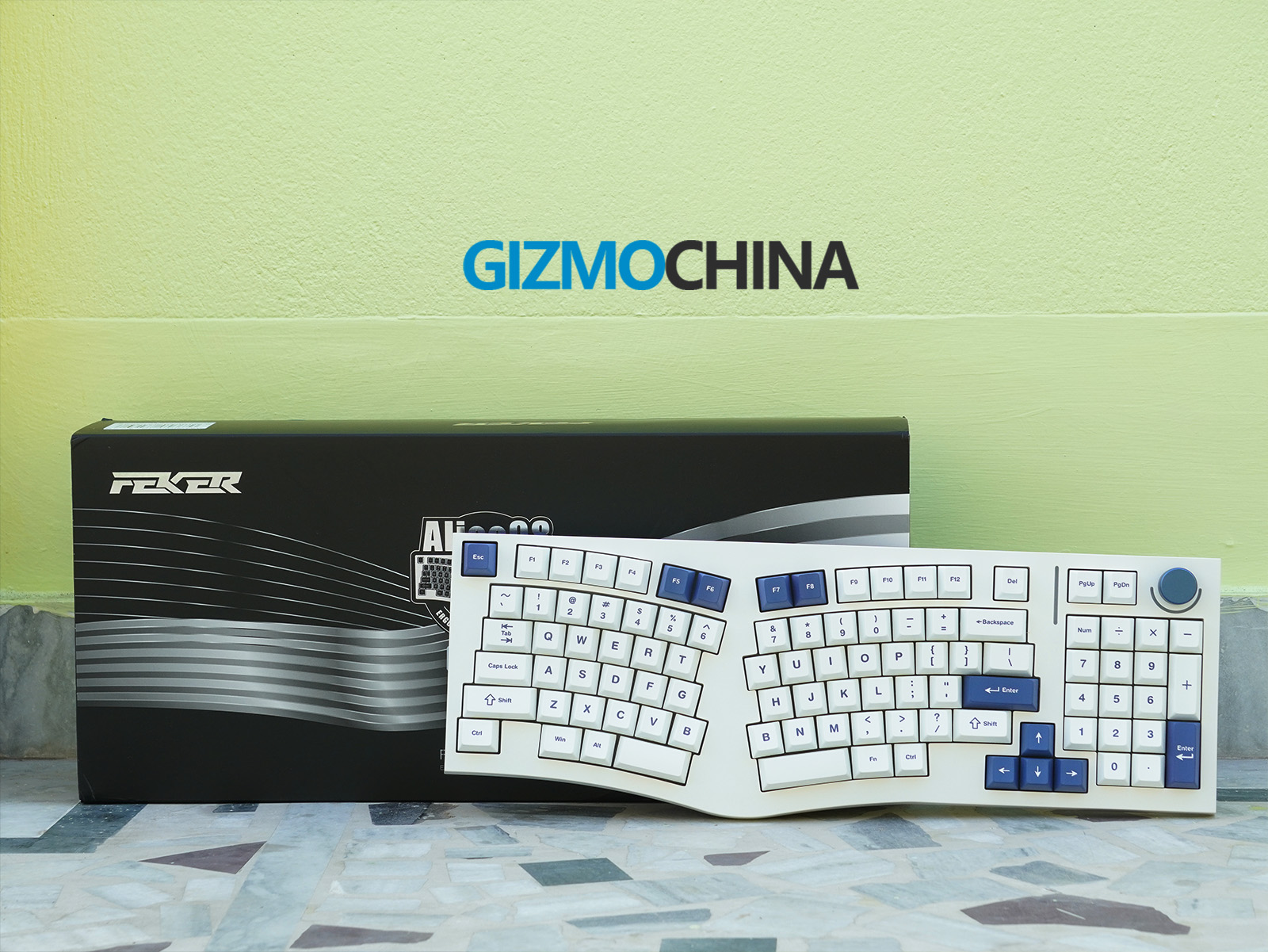
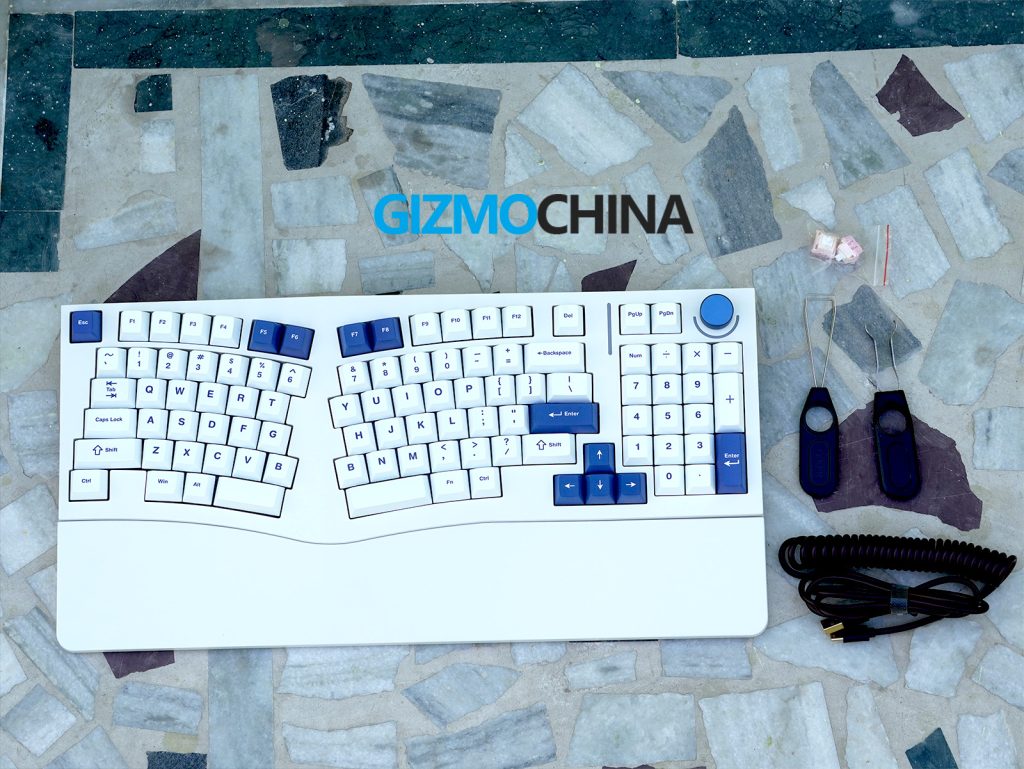
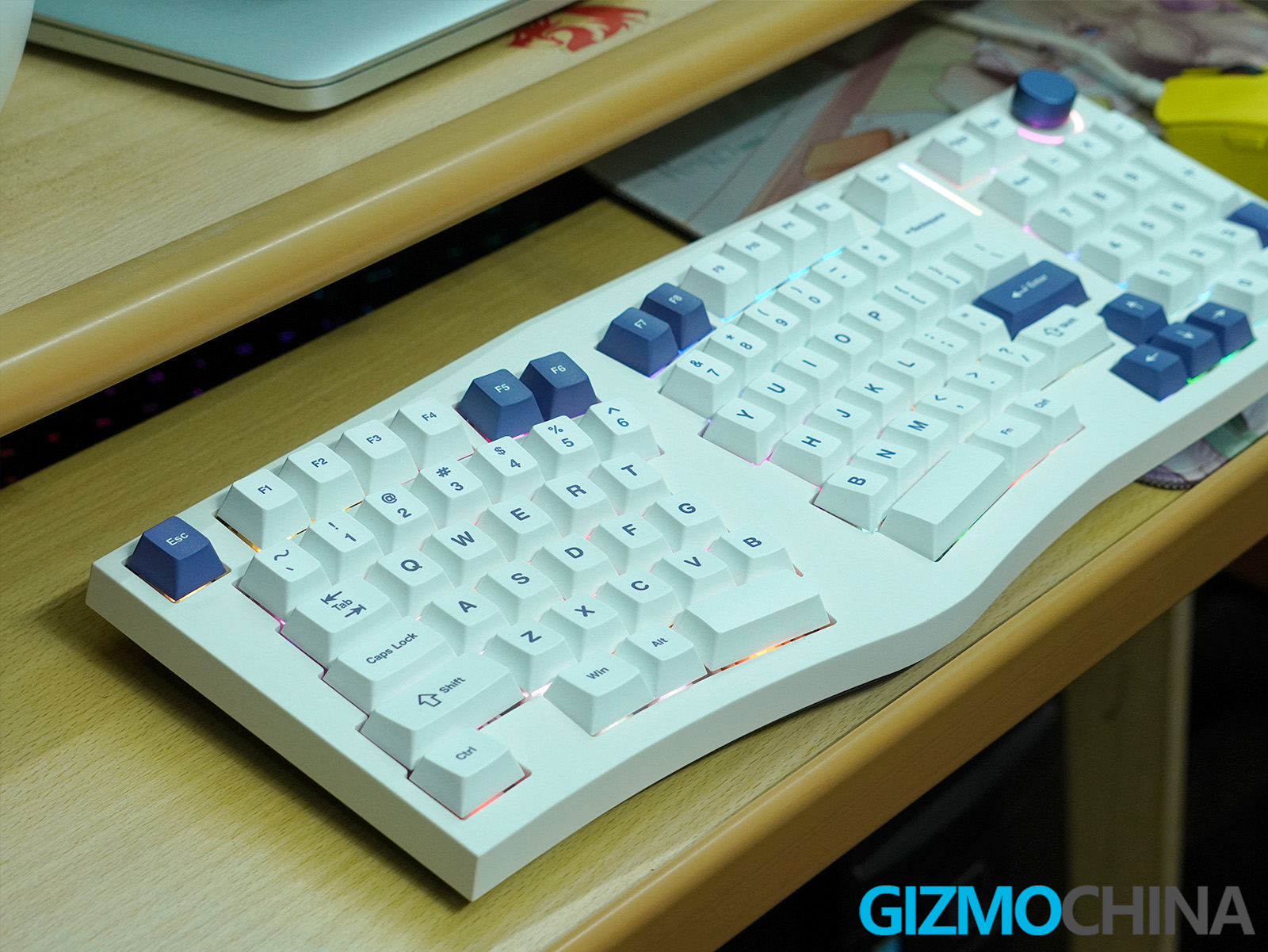
The Feker Alice 98 Pro is a keyboard that caught my attention due to its ergonomic design and versatile features. As someone who spends a lot of time typing, I was curious about the Alice layout and the promises of comfort, customization, and durability. After using this keyboard for a few weeks, here’s my take on it.
The keyboard arrived in premium packaging that felt sturdy and protective. Inside the box, I found everything I needed: the keyboard, a USB-C cable, keycap and switch pullers, two spare switches, an instruction manual (in both English and Chinese), and a wrist rest designed to complement the keyboard. The first impression was solid, everything looked well-built and thoughtfully designed.
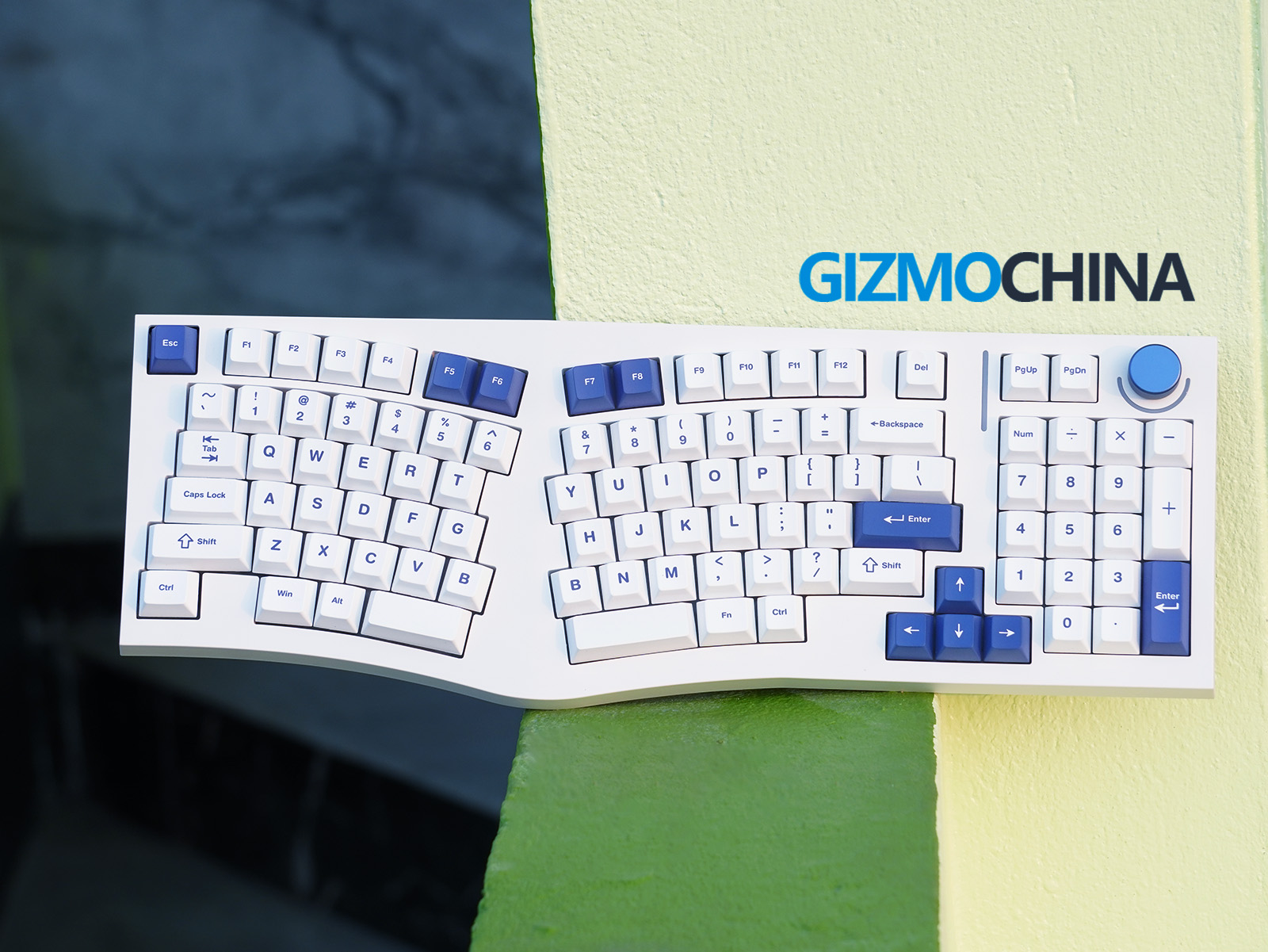
The keyboard itself has a split Alice layout with a 98% arrangement, including a number pad, which immediately stood out. Its frame is made of ABS plastic with a matte finish. While the finish feels good to the touch, it does tend to attract dust, which might bother some users. At 1.17 kg, the keyboard has a substantial feel without being overly heavy.
2. Build Quality and Design
The case is sturdy, and the overall build quality is impressive for a keyboard in this price range. It uses a gasket-mounted structure with multiple layers of padding, including Poron foam and silicone, which contribute to a soft typing feel and decent acoustics.
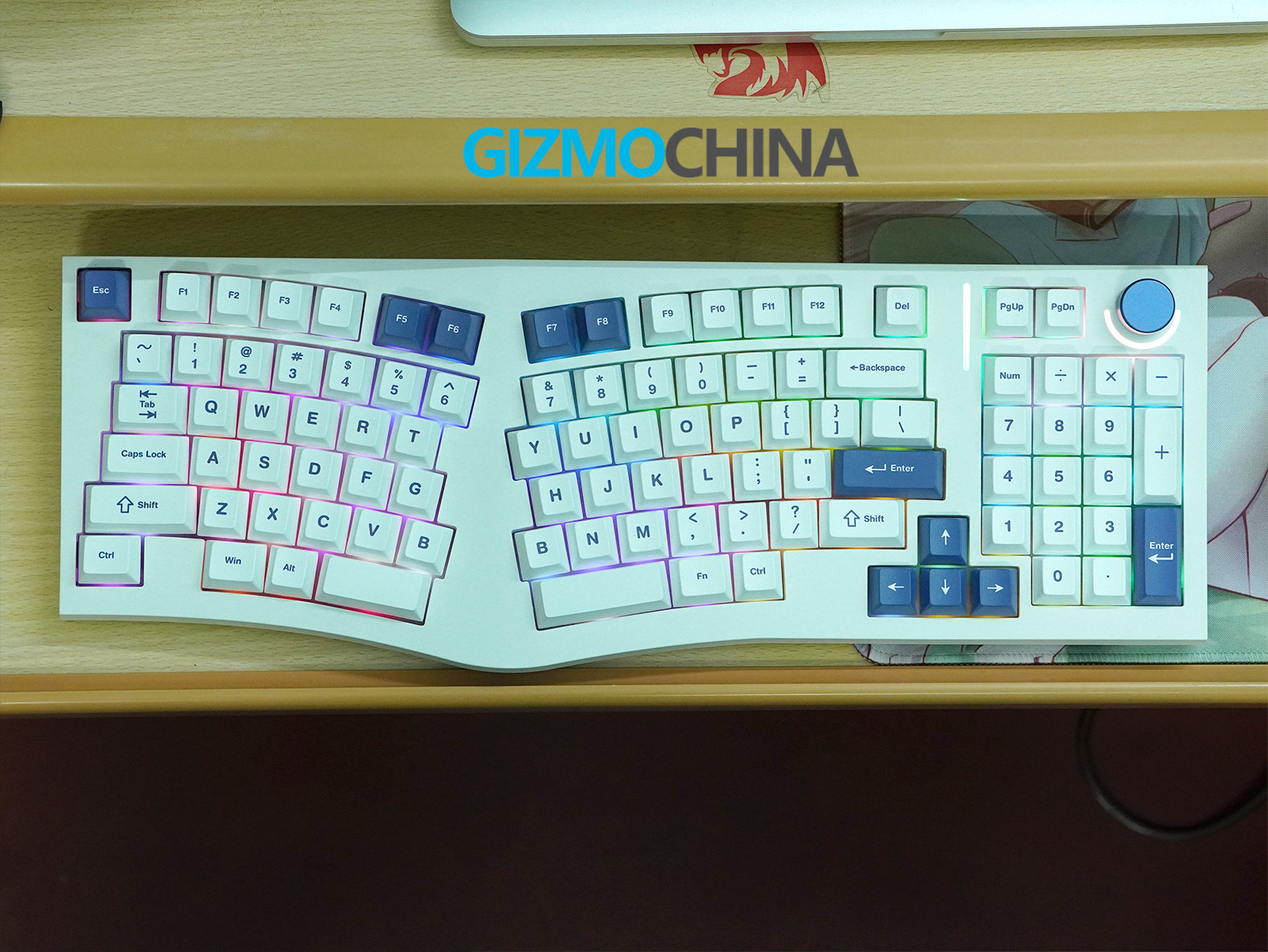
The keyboard also features a polycarbonate plate and south-facing RGB LEDs with 21 lighting effects. The RGB lighting is bright and vivid, but I did notice flickering on the left side of my unit. This seems to be a defect specific to my unit, but it’s something to keep in mind.
Additionally, the keyboard comes with adjustable feet that offer three distinct height settings, allowing you to customize the keyboard’s angle to your preference.
There are two USB-C ports on the back, which adds versatility in terms of connectivity. The switches for toggling between Windows/Mac modes and the three connection modes (wired, Bluetooth, and 2.4GHz wireless) are functional but felt a bit stiff to operate. While it’s not a major issue, smoother switches would have been a welcome improvement.
3. Connectivity and Battery Life
The three-mode connectivity is a highlight of the Feker Alice 98 Pro. Switching between wired, Bluetooth 5.0, and 2.4GHz wireless modes is seamless once you get the hang of the stiff toggle switches. The keyboard supports both Mac and Windows systems, and I had no trouble pairing it with multiple devices.
It also comes with a huge 8,000mAh battery. Feker claims up to 30 days of battery life, and while I haven’t had the chance to test it for that long, I’ve been using it for over a week with the RGB lighting on, and it’s still going strong. This level of battery performance is impressive, especially for a keyboard with RGB lighting.
4. Typing Experience
This was my first time using an Alice layout, and I’ll admit that the transition wasn’t as smooth as I hoped. It took me over a week to get comfortable typing on this layout. However, once I adjusted, I found the design to be quite ergonomic.
The 3° arch shape in the split layout aligns well with the natural position of the hands, reducing strain on the fingers and wrists. Using the wrist rest enhanced the overall comfort, especially during long typing sessions.
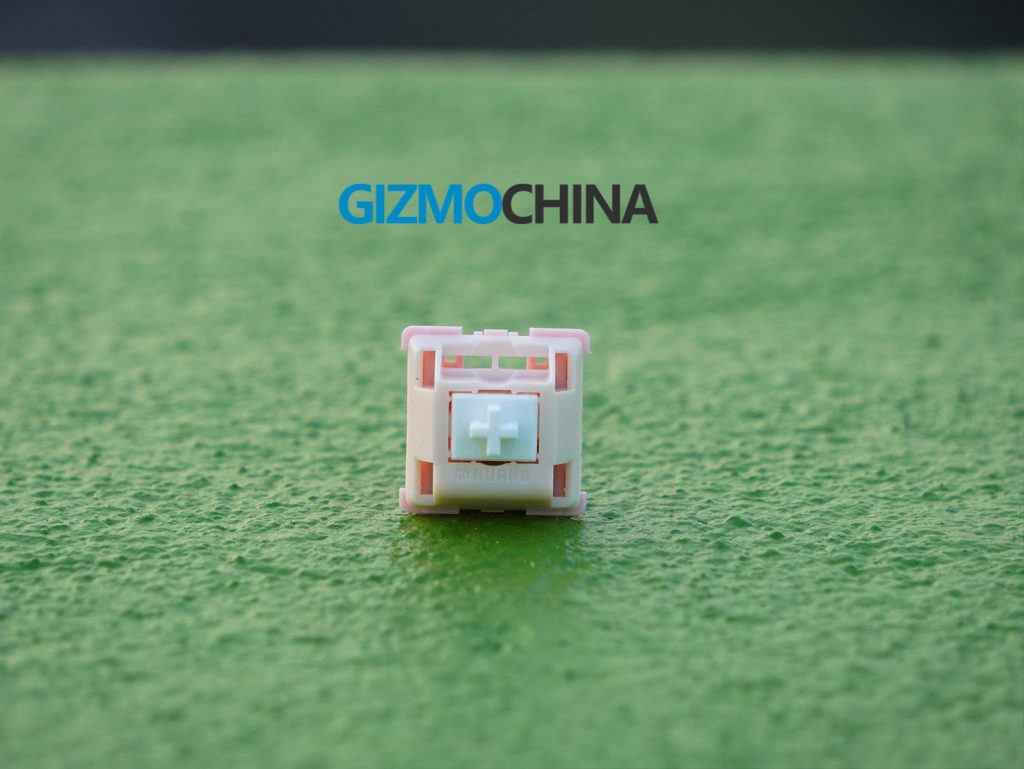
The keyboard uses Flower Switch switches, which were pre-installed in my unit. They are linear switches with a smooth keystroke and a very sweet sound profile. The lubed stabilizers were a nice touch, ensuring that larger keys like the spacebar and enter key didn’t feel or sound rattly.
5. Customizability
The keyboard is QMK and VIA compatible, allowing extensive customization. I mapped a few macros and remapped some keys to suit my workflow, and the process was straightforward. The hot-swappable PCB supports both 3-pin and 5-pin switches, making it easy to experiment with different switches without any soldering.
6. Final Thoughts
At $119.99 for the three-mode version, the Feker Alice 98 Pro offers excellent value for those looking to try an Alice layout. The ergonomic design, robust connectivity options, and extensive customizability make it a compelling choice. However, the stiff toggles and dust-prone finish may detract from the experience for some.
If you’re willing to spend some time getting used to the layout and don’t mind minor quirks, the Alice 98 Pro is a solid ergonomic keyboard that combines functionality and comfort effectively. For me, it was worth the investment, but it’s not without its caveats.
7. Pricing and Availability
The three-mode version of the Feker Alice98 Pro is priced at $119.99 and is now available to purchase from Mechkeys. It’s available in three color options: red, white, and black, and comes with a choice of two switches: Flower and Rose Silent. Mechkeys is also kicking off its Christmas & New Year Celebration Sale from December 23rd to January 7th, featuring exciting offers, mystery boxes, mouse skate gifts, and more.
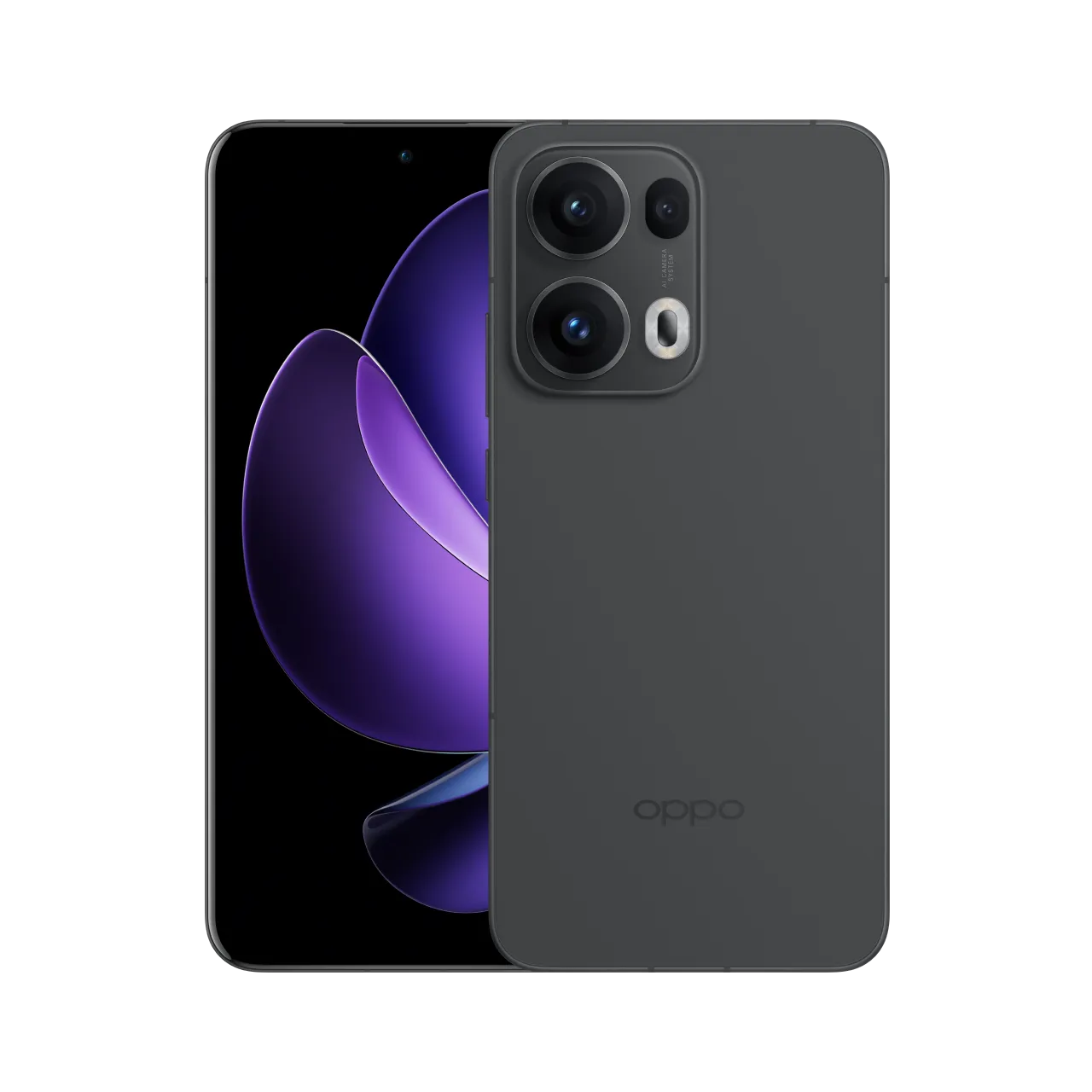
Earlier today, Oppo’s Malaysian wing began the pre-orders for the Reno 13F, Reno 13, and Reno 13 Pro. Now, the brand’s Indian division has also confirmed the arrival of the Reno 13 series. The official pages available on Oppo India’s website and Flipkart have revealed the color variants of the Reno 13 and 13 Pro for the Indian market.
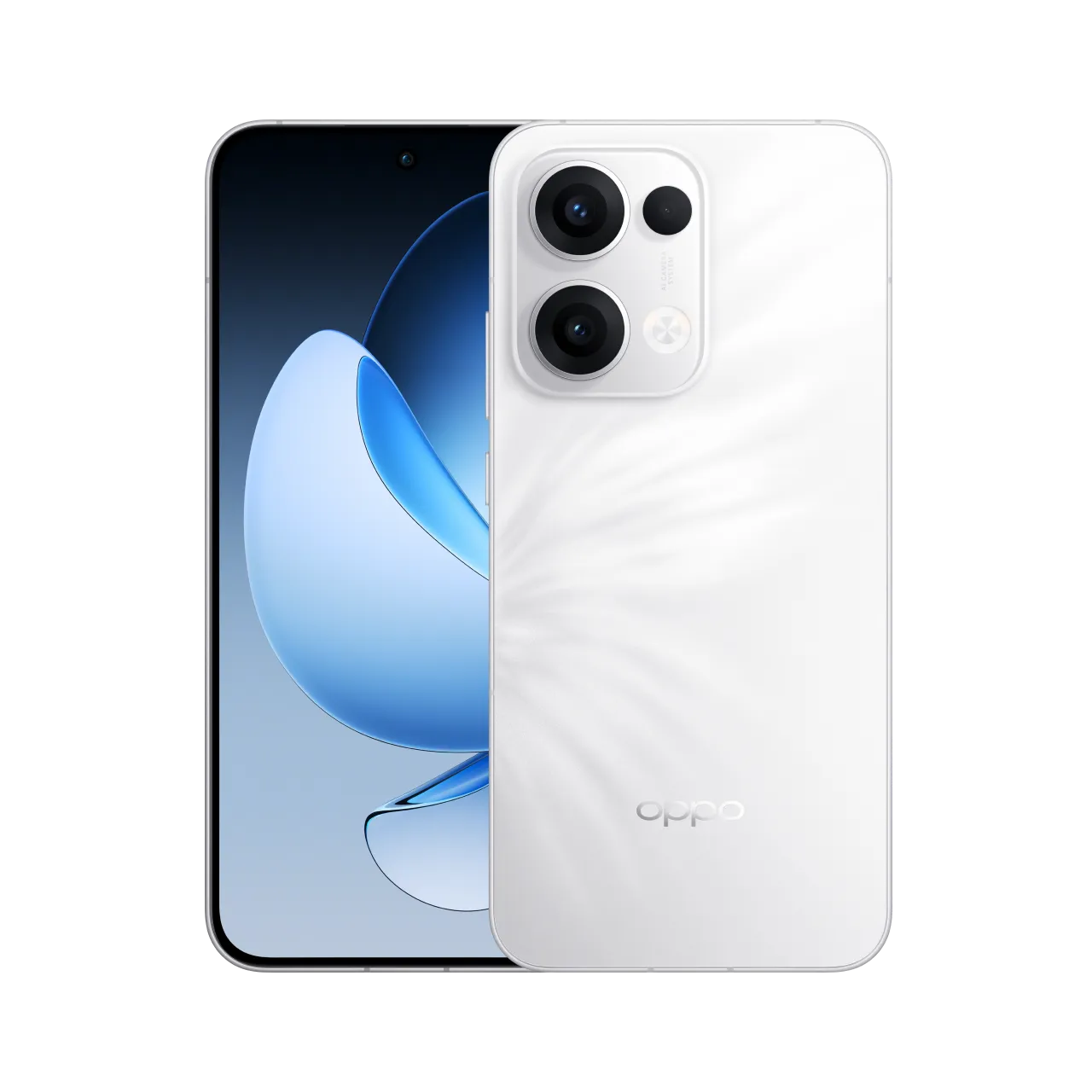
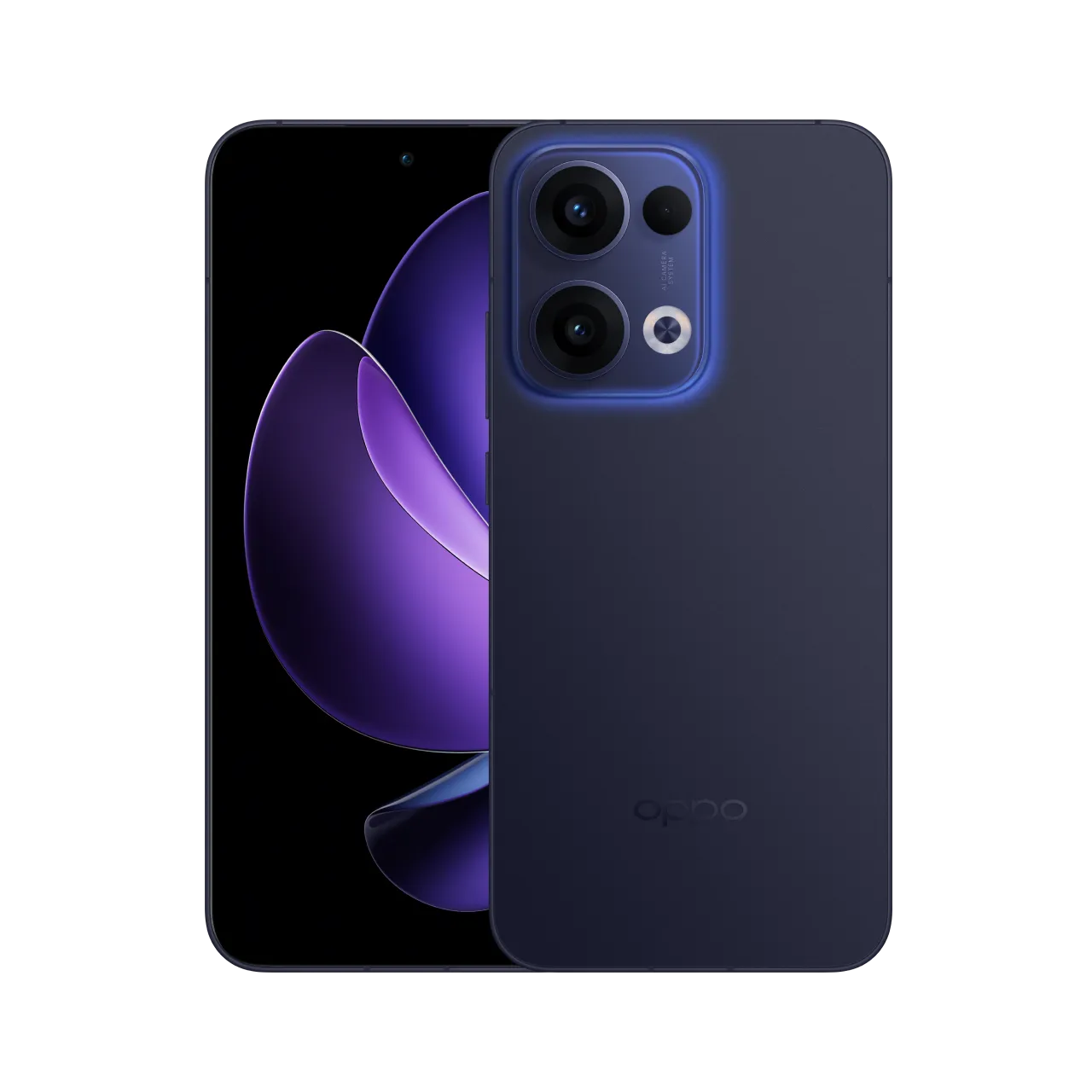
Oppo has confirmed that the Reno 13 5G will be available in two shades: Ivory White and Luminous Blue. According to the brand, the blue variant, which is exclusively designed for the Indian market, has a glowing effect around the camera island. The company revealed that the glow effect has been achieved through offset printing and reflective coating.
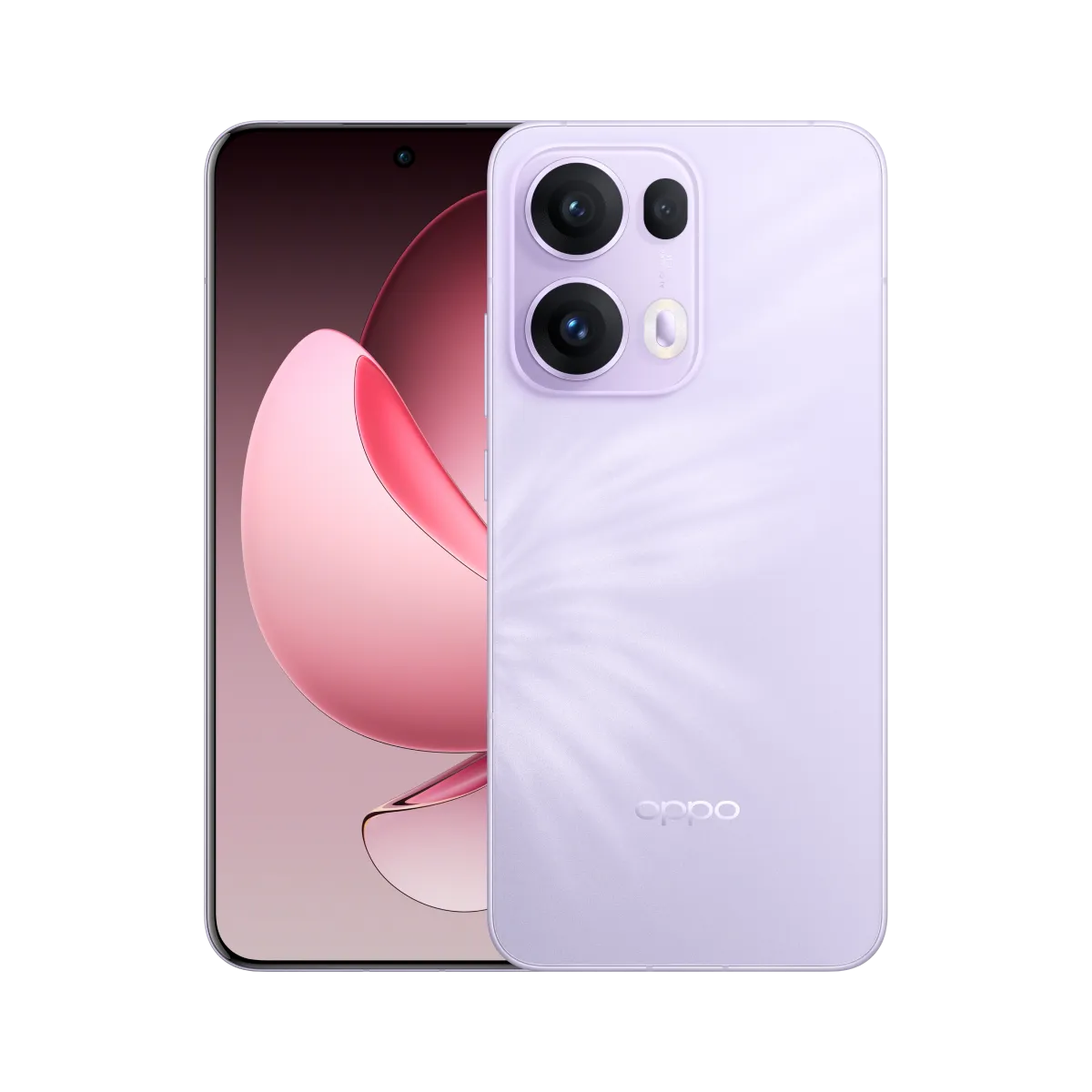
The Reno 13 Pro 5G, on the other hand, will be available in two shades: Mist Lavender and Graphite Grey. The overall design of the Reno 13 and 13 Pro is identical to their counterparts, which were officially launched in China in November.
Oppo Reno 13 series key details confirmed
Oppo Reno 13 Pro 5G – Mist LavenderOppo Reno 13 Pro 5G – Graphite Grey
The Reno 13 series is equipped with an aerospace-grade aluminium frame. The white edition of the Reno 13 measures only 7.24mm in thickness, whereas the blue variant is only 7.29mm thin. On the other hand, the Pro edition measures 7.5mm in thickness. The Reno 13 and 13 Pro are lightweight phones weighing 181 grams and 195 grams, respectively. Both phones are equipped with one-piece sculpted glass back.
On the front, both devices have Gorilla Glass 7i protecting their OLED panels. The Reno 13 has 1.62mm slim bezels and offers a 93.8 percent screen space, whereas the Reno 13 Pro has 1.81mm slim bezels and delivers a 93.4 percent screen-to-body ratio. The series comes with three IP ratings: IP66, IP68, and IP69.
Reno 13 Pro visits Geekbench
Oppo Reno 13 Pro 5G globa edition appears on Geekbench
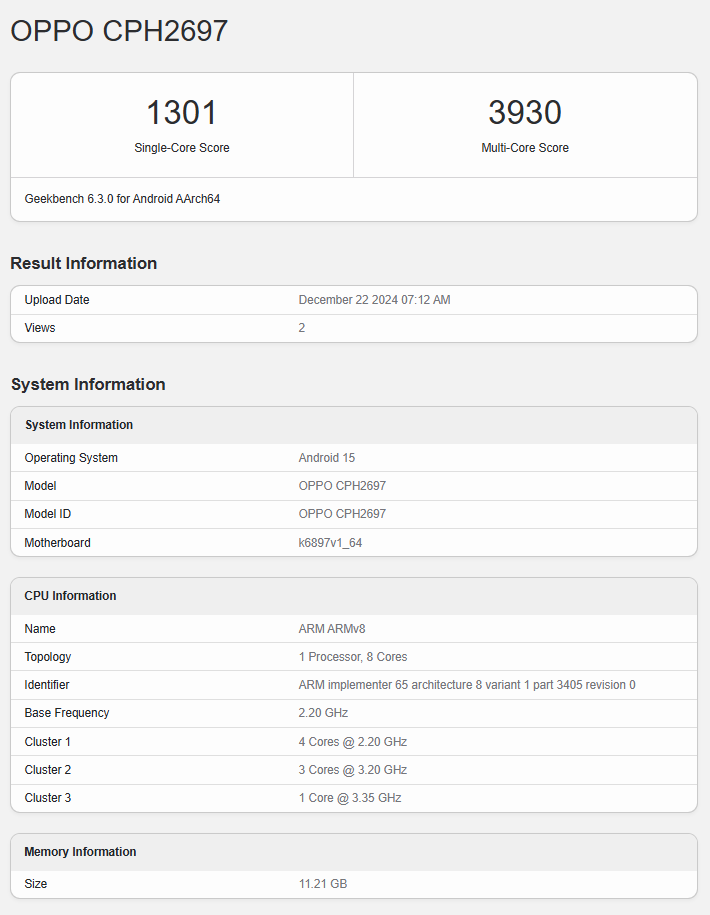
Meanwhile, the Reno 13 Pro, which bears the CPH2697 model number, has surfaced on Geekbench. The listing reveals that it could be powered by the Dimensity 8350 (like the Chinese variant) or Dimensity 8300 SoC. It also reveals that the device has 12 GB of RAM and Android 15.
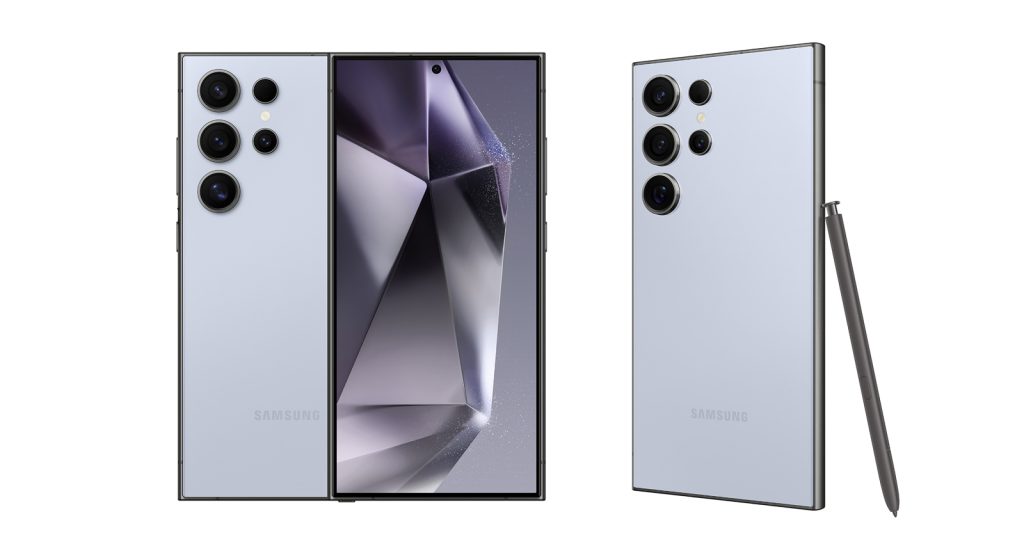
Samsung’s flagship smartphone is retailing at the lowest price these days around the globe due to the ongoing festive season. Amazon is offering some exceptional discounts across the Galaxy S24 series, comprising the standard Galaxy S24, the Galaxy S24 Plus, and the Galaxy S24 Ultra. The ongoing $200 discount on the 128GB model is bringing down the final price to $900 at Amazon Canada. A similar discount is also applicable across the globe, via Amazon.
Samsung Galaxy S24 features a 6.2-inch dynamic LTPO AMOLED display, 120Hz refresh rate, HDR10+, and 2600 nits peak brightness. The smartphone display is well protected with Corning Gorilla Glass Victus 2. It is packaged with the Exynos 2400 and Snapdragon 8 Gen 3 SoC for the international and North American regions, respectively.
Samsung Galaxy S24 is available in 8/12GB RAM and 128/256/512GB storage variants. In the camera section, the smartphone features a triple rear camera module featuring a 50MP primary sensor, a 10MP telephoto lens, and a 12MP ultrawide lens. There’s a 12 MP sensor on the front for selfies and video calling.
In the connectivity, the smartphone bundles WiFi 6e, Bluetooth 5.3, GPS, NFC, and USB Type-C 3.2. It packs a 4000 mAh battery with 25W wired fast charging and 15W wireless charging. It is available in several color options of Onyx Black, Marble Grey, Cobalt Violet, Amber Yellow, Jade Green, Sandstone Orange, and Sapphire Blue.
We use cookies on our website to give you the most relevant experience by remembering your preferences and repeat visits. By clicking “Accept”, you consent to the use of ALL the cookies.
This website uses cookies to improve your experience while you navigate through the website. Out of these, the cookies that are categorized as necessary are stored on your browser as they are essential for the working of basic functionalities of the website. We also use third-party cookies that help us analyze and understand how you use this website. These cookies will be stored in your browser only with your consent. You also have the option to opt-out of these cookies. But opting out of some of these cookies may affect your browsing experience.
Necessary cookies are absolutely essential for the website to function properly. This category only includes cookies that ensures basic functionalities and security features of the website. These cookies do not store any personal information.
Any cookies that may not be particularly necessary for the website to function and is used specifically to collect user personal data via analytics, ads, other embedded contents are termed as non-necessary cookies. It is mandatory to procure user consent prior to running these cookies on your website.