Advertisement

Top 5 upcoming smartphone launches in April 2026

upcoming smartphones in April 2026

March brought many exciting smartphones, including the premium Vivo X300 Ultra, Xiaomi 17 series, Honor Magic V6 foldable phone, and iPhone 17e. Plus, we saw a range of mid-range phones from Nothing, Samsung, Motorola, and POCO. April 2026 is also shaping up to be an exciting month for smartphone enthusiasts, with many devices already lined up for launch, and more launch announcements likely to follow as the month progresses.

The Oppo Find X9 Ultra is one of the most anticipated smartphone launches in April. We’ll also see the OnePlus Nord 6, Vivo V70 FE, Realme 16, and Vivo T5 Pro launching in the same month. Let’s look at the launch date and specs we already know.

Upcoming smartphone launches in April 2026

1. Oppo Find X9 Ultra

Launch: April 2026

While the exact launch date is still under wraps, Oppo has confirmed that the Find X9 Ultra will launch in April. This will be the first “Ultra” model from the brand to launch in global markets after being China-only for years.

The phone is said to feature a 6.82-inch LTPO AMOLED screen with a 144Hz refresh rate and a peak brightness of 3600nits. It is almost confirmed to have the powerful Snapdragon 8 Elite Gen 5 chipset at its core, paired with up to 16GB RAM and 512 of internal storage.

The Hasselblad-branded rear camera setup may include a 200MP primary shooter, a 200MP periscope lens with 3x optical zoom, a 50MP periscope lens with 10x optical zoom, and a 50MP ultrawide camera. It’s likely to carry a 50MP front-facing camera for selfies.

Oppo Find X9 Ultra reportedly features a 7,050mAh battery with support for 100W wired charging and 50W wireless charging. The smartphone will have a pressure-sensitive camera button for quick access.

OnePlus Nord 6

2. OnePlus Nord 6

Launch date: April 7, 2026

The OnePlus Nord 6 could come with a 6.78-inch AMOLED screen with a 165Hz refresh rate and a peak brightness of 1800nits. It’s confirmed to feature the Snapdragon 8s Gen 4 and promises steady-smooth 165fps in Battlegrounds Mobile India (BGMI) battle royal video game. To further improve the gaming experience, the Nord 6 offers an all-new Touch Reflex chip for a higher touch sampling rate and a “6-axis console controller gyro.”

OnePlus Nord 6

The phone is said to have a 50MP primary rear camera, supported by an auxiliary lens (likely a depth sensor). It could have a 16MP selfie camera. With this setup, the Nord 6 should be able to record 4K-60fps videos. The battery is a key aspect of this device, packing a massive 9,000mAh and supporting 80W fast charging. The device may also offer 27W reverse wired charging.

Vivo V70 FE India launch date poster

3. Vivo V70 FE

Launch date: April 2, 2026

The Vivo V70 FE will be one of the first phones to launch in India in April. The company has already launched it in Indonesia, so we already know pretty much everything about the midranger.

The V70 SE phone sports a 6.83-inch AMOLED screen with a 120Hz refresh rate and 1900nits of peak brightness. It’s powered by a MediaTek Dimensity 7360 Turbo chipset, paired with up to 12GB RAM and 512GB of internal storage.

Vivo V70 FE

The vertical camera array on the back houses a 200MP primary camera and an 8MP ultrawide unit, capable of recording up to 4K videos. There’s a 32MP selfie snapper on the front, which can also record 4K videos. Furthermore, the Vivo phone features a 7,000mAh battery with 90W wired charging support.

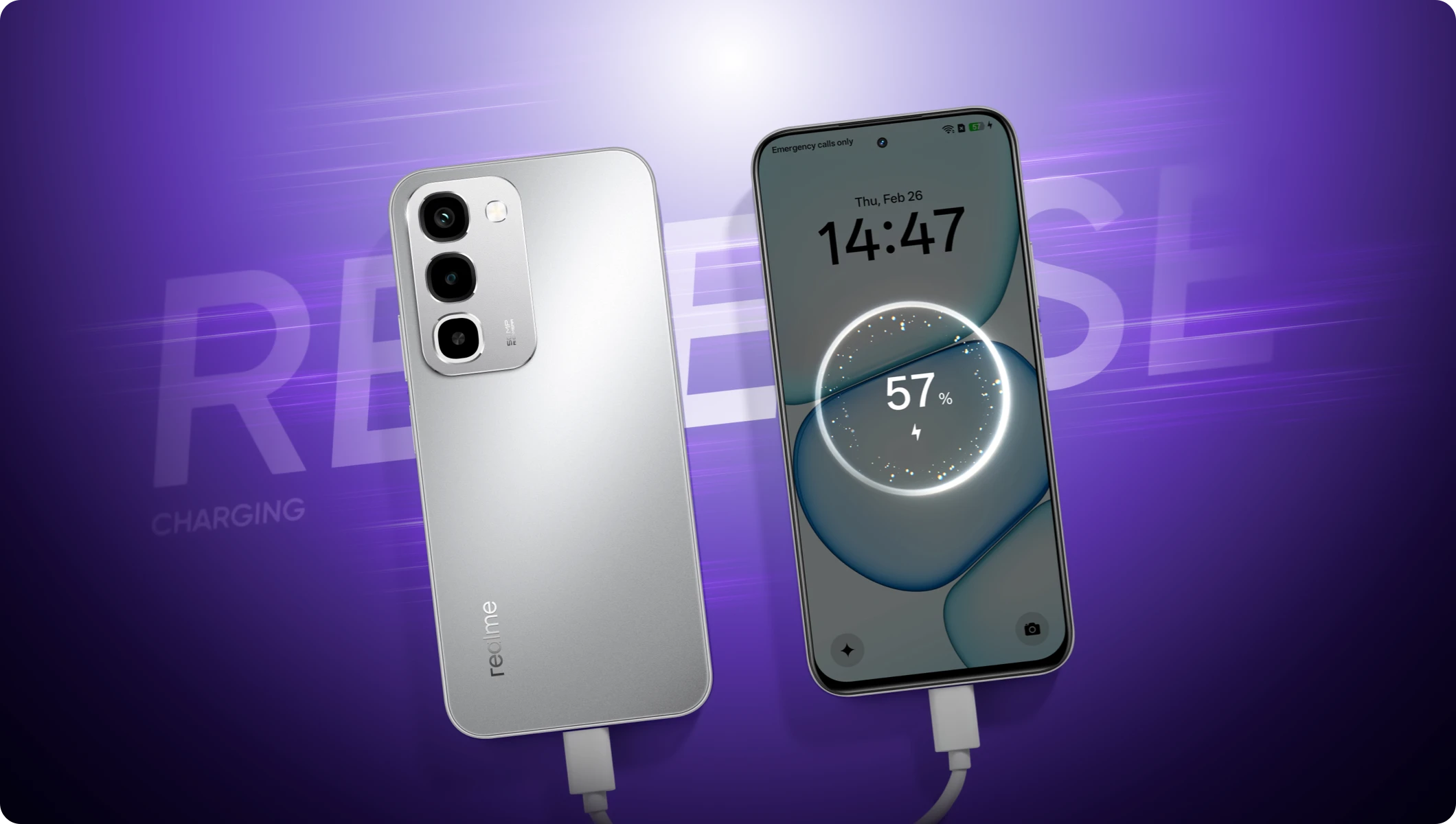
Realme 16 5G launch date poster

4. Realme 16

Launch date: April 2, 2026

Realme 16 is scheduled to launch in India on the same day as the Vivo V70 SE. It features a unique “selfie mirror” design intended for social media creators. A small circular mirror is placed on the rear camera bar, which allows users to use the higher-quality 50MP Sony IMX852 primary camera for selfies and group shots.

Realme 16 5G

The 50MP primary sensor is joined by a supported lens (like a depth sensor). The front also features a 50MP camera. On both sides, the device supports up to 1080p video recording. At its core is a MediaTek Dimensity 6400 Turbo chipset, ensuring smooth performance.

The Realme 16 boasts a 6.57-inch AMOLED screen with a 120Hz refresh rate and a peak brightness of 4500nits. To keep the lights on, it features a 7,000mAh battery and supports 60W fast wired charging. 

5. Vivo T5 Pro

Launch: mid-April 2026 (unofficial)

The Vivo T5 Pro could launch in India in mid-April as the company’s best shot at phones priced in the INR 30-35K segment. It’s expected to feature a massive 9,020mAh battery with support for 90W fast wired charging.

The smartphone is said to feature a 6.8-inch AMOLED screen with 1.5K resolution and 144Hz refresh rate. It could be powered by a Snapdragon 7s Gen 4 chipset, which offers excellent day-to-day performance and reliable gaming performance. As for the cameras, the phone may offer a 50MP Sony IMX882 primary sensor on the back. Details for other sensors are currently unknown.

Which of these smartphones are you excited about the most? Do let us know your thoughts in the comments below. Also, join our Telegram channel to ensure you don’t miss out on the latest news.

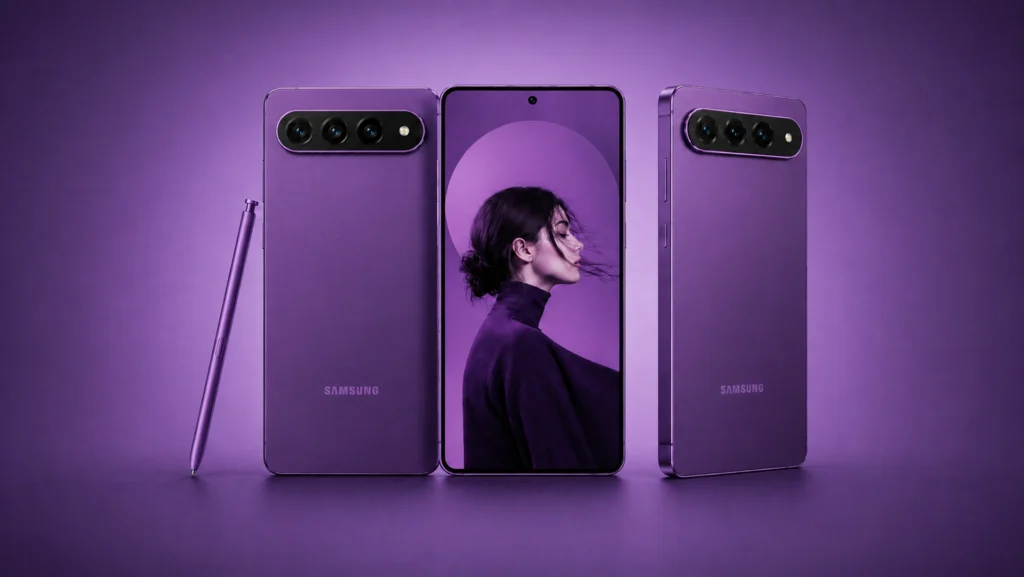
Galaxy S26 vs Galaxy S26: battery life difference between Exynos and Snapdragon is huge

Samsung has shifted to a 2nm process node for its latest flagship chipset, the Exynos 2600, while Qualcomm’s Snapdragon 8 Elite Gen 5 still relies on TSMC’s 3nm node. While Exynos chips have struggled with power efficiency and thermal control in the past, this move to 2nm suggested a significant improvement in that area. Early leaks also pointed to notable efficiency gains compared to the Exynos 2500, leading users to expect comparable power efficiency between the Snapdragon and Exynos variants of the Galaxy S26 and S26+.

Samsung-Galaxy-S26-and-S26-Plus

Unfortunately, recent performance and battery life tests between the two chips, including one from YouTube channel AndroidAddicts, have dampened those expectations for users outside the US and China, where the Galaxy S26 and S26+ are powered by the Exynos 2600.

In a previous test, the Galaxy S26 (Exynos 2600) consumed 40% more power than the OnePlus 15, which is powered by the Snapdragon 8 Elite Gen 5 and a significantly larger battery. However, what makes this Galaxy S26 vs Galaxy S26 comparison more interesting is that nearly all the hardware, apart from the chipset, remains identical. Performance tuning between the Galaxy S26 and the OnePlus 15 is also quite different, which can heavily influence power consumption. In contrast, it should be nearly identical between the two Galaxy S26 variants.

The test from AndroidAddicts was designed to simulate real-world usage rather than measure peak performance. It included a mix of tasks such as phone calls, video recording, Google Maps navigation, video calls, YouTube, and other social media apps.

The result? The Exynos variant lasted 6 hours and 48 minutes, while the Snapdragon variant reached 9 hours and 26 minutes. That’s a substantial gap for two nearly identical versions of the same flagship. It’s also surprising, given that the 2nm node was expected to deliver better efficiency, and disappointing at the same time, especially since most regions are getting the Exynos variant.

Stay ahead in tech! Join our Telegram community and sign up for our daily newsletter of top stories!
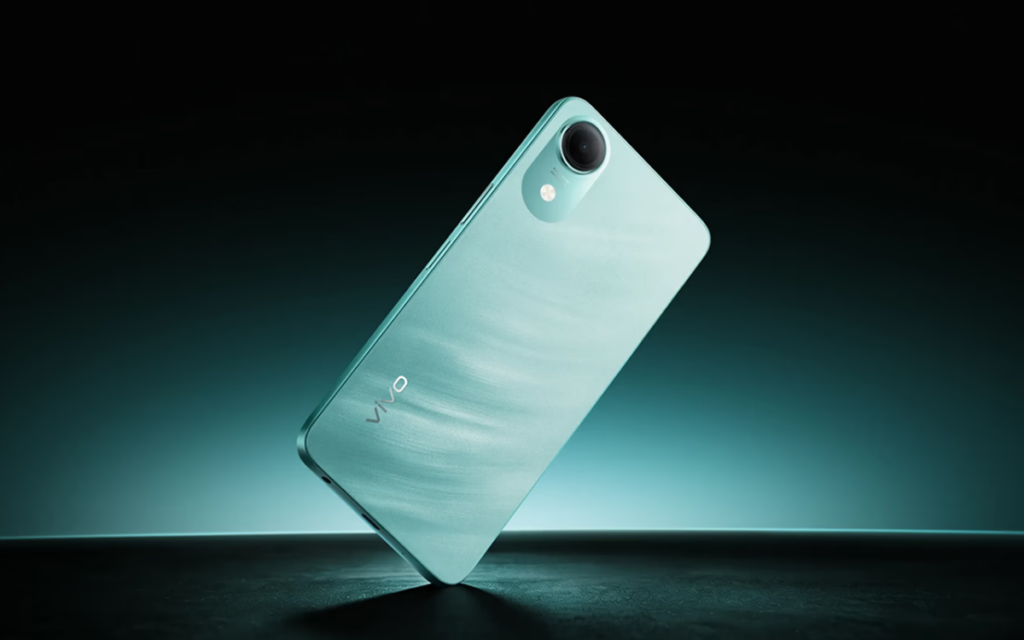
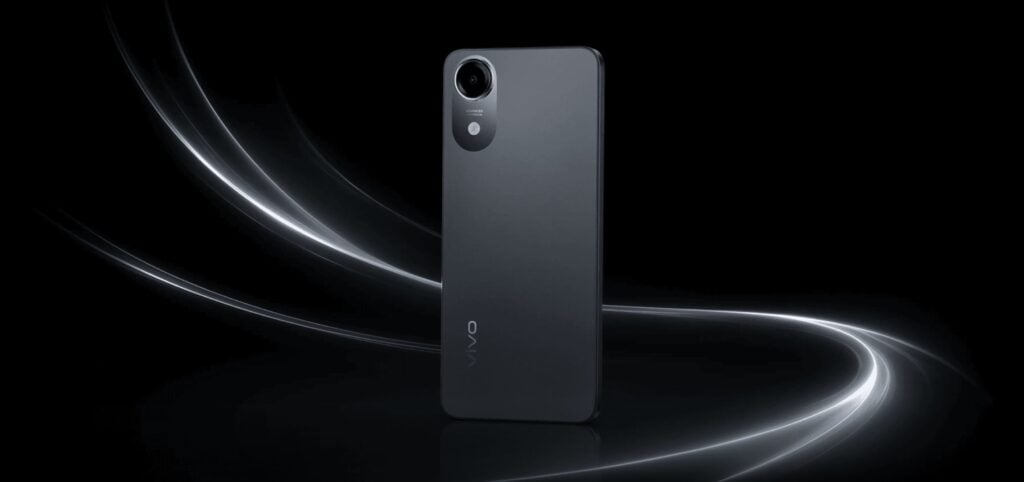
For more daily updates, please visit our News Section.

(Source)

Samsung Galaxy S26 Ultra vs Vivo X200T: Which One Should You Actually Buy?

Choosing between the Samsung Galaxy S26 Ultra and the Vivo X200T isn’t just about specs; it’s about deciding how much flagship experience is really worth paying for. One represents the absolute peak of premium smartphones with every feature packed in, while the other challenges that idea by offering surprisingly similar power at nearly half the price. For buyers stuck between “best” and “smartest value,” this comparison becomes far more important than it looks.

Major Features:

FeatureSamsung Galaxy S26 UltraVivo X200TWinner
Display6.9″ QHD+ LTPO AMOLED, 120Hz, 2600 nits6.67″ AMOLED, 120Hz, 5000 nits peakSamsung – sharper resolution & anti-reflective tech
Build QualityGorilla Armor 2, premium finish, stylusGlass + aluminum, IP68/IP69Samsung – more premium + S Pen utility
PerformanceSnapdragon 8 Elite Gen 5Dimensity 9400+Samsung – more optimized & stable
Software Support7 years updates5 years updatesSamsung – longer longevity
RAM & StorageUp to 16GB, UFS 4.XUp to 12GB, UFS 4.1Samsung – higher RAM option
Rear Camera200MP + dual telephoto + ultrawideTriple 50MP (Zeiss tuned)Samsung – more versatile setup
Zoom Capability3x + 5x optical zoom3x optical zoomSamsung – better zoom range
Video Recording8K + advanced HDR4K maxSamsung – superior video features
Selfie Camera12MP32MP ultrawideVivo – sharper & wider selfies
Battery5000mAh6200mAhVivo – much larger capacity
Charging60W wired, 25W wireless90W wired, 40W wirelessVivo – significantly faster
ConnectivityWi-Fi 7, Bluetooth 6.0, UWBWi-Fi 7, Bluetooth 5.4Samsung – more advanced features
Extra FeaturesS Pen, DeX, UWBIR blaster, bypass chargingSamsung – more flagship extras
Price₹1,40,000 (~$1300)₹60,000 (~$700)Vivo – far better value
Disclaimer: Specs are based on available data. Actual performance may vary. Verify details from official sources before buying.

1. Design and Display

Build and Feel

The Samsung Galaxy S26 Ultra leans heavily into a premium, ultra-refined identity with Gorilla Armor 2 protection and an aluminum frame that feels engineered for durability and long-term use. The integrated stylus adds a functional edge, making it more than just a flagship; it feels like a productivity tool. On the other hand, the Vivo X200T keeps things sleek and modern, with a lighter, more comfortable in-hand feel and the added advantage of IP69 protection, which quietly makes it more rugged in extreme conditions.

Display Quality

Samsung pushes clarity with a sharper QHD+ panel, anti-reflective coating, and consistent brightness, making outdoor use feel effortless. Vivo counters with insane peak brightness and ultra-high PWM dimming, delivering a more eye-friendly and vibrant viewing experience in harsh lighting.

Verdict

Samsung feels more premium and practical overall, while Vivo’s display feels more aggressive and visually striking.

2. Specifications Including Battery

Performance

The Snapdragon 8 Elite Gen 5 inside the Samsung Galaxy S26 Ultra delivers top-tier flagship power with better sustained performance and optimization, especially for heavy multitasking and gaming. It feels more refined and consistent. The Dimensity 9400+ in the Vivo X200T is no slouch—it’s extremely powerful and efficient—but slightly less polished under long stress loads. Software support also favors Samsung with longer update commitments.

Battery and Charging

Vivo clearly dominates in battery hardware with a massive 6200mAh cell, paired with faster wired and wireless charging. It’s built for endurance and quick top-ups. Samsung focuses more on balanced efficiency, offering reliable battery life but slower charging speeds, which may feel conservative in comparison.

Verdict

Samsung wins in performance consistency and longevity, while Vivo easily takes the lead in battery and charging convenience.

3. Camera

Main and Secondary Lenses

The Samsung Galaxy S26 Ultra offers a more versatile quad-camera setup, including high-resolution zoom options and 8K video, making it ideal for users who want flexibility across all focal lengths. Its processing also tends to produce more consistent flagship-grade results. Meanwhile, the Vivo X200T focuses on optical quality with Zeiss tuning, delivering more natural colors and strong portrait performance, though with slightly less zoom versatility.

Selfie Camera

Vivo takes a clear edge with a higher-resolution selfie camera and wider framing, making it more appealing for social content and group shots. Samsung’s front camera is reliable but feels less exciting.

Verdict

Samsung is better for versatility and video, while Vivo feels more refined for portraits and selfies.

4. Pricing

The Samsung Galaxy S26 Ultra sits at around ₹1,40,000 ($1300), placing it firmly in the ultra-premium category. In contrast, the Vivo X200T comes in at roughly ₹60,000 ($700), making it significantly more accessible while still offering flagship-level specs.

Is the Price Justified?

Samsung justifies its price through long-term software support, premium build, stylus functionality, and a more complete flagship experience. It feels like a device built to last years. Vivo, however, delivers exceptional hardware at nearly half the price, making it feel like a high-performance bargain with very few compromises.

Verdict

Samsung is justified but expensive, while Vivo offers outstanding value for money.

Disclaimer:
Prices are approximate and may vary based on country, region, and applicable taxes.

5. Conclusion

The Samsung Galaxy S26 Ultra stands out with its stylus, DeX support, longer software updates, and highly versatile camera system, making it ideal for productivity and power users. The Vivo X200T shines with its massive battery, ultra-fast charging, Zeiss-tuned cameras, and aggressive pricing, targeting users who want flagship performance without overspending.

Verdict

Samsung feels like the complete, no-compromise flagship for those willing to pay a premium. Vivo, however, quietly becomes the smarter choice for most buyers, delivering flagship-level performance and features at a price that feels far more justified.

Disclaimer: This comparison is based on the specifications provided and is intended for general informational purposes. Actual performance, camera results, battery life, and overall experience may vary depending on real-world usage, software updates, and individual preferences.

Read More:

Samsung Galaxy S26 Ultra vs Xiaomi 17: Specs, Camera, Battery & Performance Compared

Flagship battles are no longer just about specs: they’re about what actually improves daily use. The Samsung Galaxy S26 Ultra and Xiaomi 17 take two very different approaches: one leans into premium features and productivity, while the other focuses on raw value and cutting-edge upgrades. This comparison breaks down which one truly delivers where it matters most.

Please Note: When you buy something using the links in our articles, we may earn a small commission at no cost to you.

Major Features:

FeatureGalaxy S26 UltraXiaomi 17Winner
Display6.9″ LTPO AMOLED, 1440p, 2600 nits, anti-reflective6.3″ LTPO AMOLED, 1220p, 3500 nits, Dolby VisionXiaomi – brighter + better HDR
BuildGorilla Armor 2, aluminum frame, S PenDragon Crystal Glass, aluminum frameSamsung – more premium + stylus
ChipsetSnapdragon 8 Elite Gen 5 (higher clocks)Snapdragon 8 Elite Gen 5Samsung – slightly better tuning
StorageUFS 4.XUFS 4.1Xiaomi – faster storage
Rear Camera200MP + 10MP (3x) + 50MP (5x) + 50MP UW50MP + 50MP (2.6x) + 50MP UWSamsung – superior zoom versatility
Selfie Camera12MP50MPXiaomi – sharper selfies
Video8K, HDR10+, strong stabilization8K HDR, Dolby Vision, LOGXiaomi – more pro video features
Battery5000mAh, 60W wired6330–7000mAh, 100W wiredXiaomi – bigger + faster
Wireless Charging25W50WXiaomi – significantly faster
SoftwareAndroid 16, One UI, 7 years updatesAndroid 16, HyperOS 3Samsung – longer support
ExtrasS Pen, DeX, UWBIR blasterSamsung – more features
Price$1300 / ₹1,40,000$1000 / ₹90,000Xiaomi – much better value
Disclaimer: Specs are based on available data. Actual performance may vary. Verify details from official sources before buying.

Please Note: When you buy something using the links in our articles, we may earn a small commission at no cost to you.

Design and Display

Build and Feel

The Samsung Galaxy S26 Ultra leans heavily into a premium, productivity-first design with its Armor aluminum frame, Gorilla Armor protection, and integrated stylus. It feels like a device built for power users who value durability and multitasking. In contrast, the Xiaomi 17 offers a more compact and refined approach, with Dragon Crystal Glass and a cleaner, lighter in-hand feel. The Xiaomi device comes across as more practical for daily comfort, while Samsung prioritizes a bold, feature-rich identity.

Display Quality

Samsung delivers a sharp 1440p LTPO AMOLED panel with excellent brightness and anti-reflective coating, making it highly usable outdoors. Meanwhile, Xiaomi pushes display innovation further with a brighter 3500-nit panel, Dolby Vision, and ultra-high PWM dimming, resulting in better eye comfort and richer HDR visuals. The Xiaomi display feels more modern and aggressive in tuning, while Samsung remains balanced and consistent.

Verdict

Xiaomi 17 wins for display innovation and comfort, but Samsung feels more premium and productivity-focused overall.

Specifications Including Battery

Performance

Both devices are powered by the Snapdragon 8 Elite Gen 5, but Samsung’s slightly higher clock speeds and refined One UI optimization give it a marginal edge in sustained performance. It feels more stable under heavy workloads and long gaming sessions. Xiaomi, however, pairs strong hardware with faster UFS 4.1 storage and a lighter HyperOS experience, which often feels quicker in day-to-day use. The difference is subtle, but Samsung leans toward consistency, while Xiaomi feels snappier.

Battery and Charging

Samsung sticks with a 5000mAh battery and relatively modest charging speeds, focusing on reliability. Xiaomi clearly dominates here with a massive 6330–7000mAh battery and 100W wired charging, alongside faster wireless options. The Xiaomi device feels far more future-ready for heavy users who prioritize uptime and speed.

Verdict

Xiaomi 17 clearly wins due to superior battery capacity and significantly faster charging, despite Samsung’s slight performance stability edge.

Camera

Main and Secondary Lenses

Samsung takes a clear lead in versatility with its quad-camera system, including a 200MP main sensor and dual telephoto lenses offering true optical zoom flexibility. It feels built for users who want maximum range and consistency across scenarios. Xiaomi, with its Leica-tuned triple 50MP setup, focuses more on color science and cinematic output. While it lacks Samsung’s zoom depth, it delivers more natural tones and better video flexibility with Dolby Vision and LOG recording.

Selfie Camera

Xiaomi stands out with a 50MP selfie camera, offering sharper detail and better flexibility for content creators. Samsung’s 12MP sensor is reliable and well-optimized, but feels conservative in comparison. Xiaomi’s front camera feels more aligned with modern usage trends like vlogging and high-resolution selfies.

Verdict

Samsung wins for zoom and versatility, while Xiaomi appeals more to creators with better color tuning and a stronger selfie camera.

Pricing

The Samsung Galaxy S26 Ultra is priced around $1300 (₹1,40,000), placing it firmly in the ultra-premium category. The Xiaomi 17, at approximately $1000 (₹90,000), undercuts it significantly while still offering flagship-level hardware. This price gap creates a clear difference in positioning. Samsung targets those wanting everything regardless of cost, while Xiaomi focuses on delivering maximum value.

Is the price justified?

Samsung justifies its pricing with features like the stylus, DeX support, longer software updates, and superior camera versatility. It feels like a complete ecosystem device. Xiaomi, however, delivers exceptional hardware, better battery, faster charging, brighter display, at a lower price, making it feel like a smarter buy for most users.

Verdict

Xiaomi 17 wins easily in value for money, while Samsung remains a premium, feature-packed investment.

Disclaimer:
Prices are approximate and may vary based on country, region, and applicable taxes.

Conclusion

Samsung differentiates itself with the S Pen, DeX desktop experience, ultra-refined software support, and unmatched camera versatility. It feels like a productivity powerhouse rather than just a smartphone. Xiaomi counters with a massive battery, ultra-fast charging, superior display brightness, and Leica-tuned imaging, making it feel more modern and performance-driven. The Xiaomi device leans into practical daily advantages, while Samsung focuses on long-term utility and ecosystem integration.

Verdict

The Samsung Galaxy S26 Ultra is ideal for users who want premium features, productivity tools, and long-term reliability. The Xiaomi 17, however, emerges as the better overall choice for most buyers, offering stronger value, better battery life, and a more advanced display experience at a significantly lower price.

Disclaimer: This comparison is based on the specifications provided and is intended for general informational purposes. Actual performance, camera results, battery life, and overall experience may vary depending on real-world usage, software updates, and individual preferences.

Read More:

OnePlus Ace 6 Ultra bags an important certification; Display, chipset, battery details leaked

So far, OnePlus is offering two Ace-branded phones, the Ace 6 and Ace 6T,, in China. Recent reports suggest that the Ace 6 Ultra is in the works and may go official in April. As per a Weibo post by tipster Digital Chat Station, the said device has received approval from the country’s MIIT certification platform. Additionally, another tipster has revealed the battery size of the device.

OnePlus Ace 6 Ultra MIIT certified

According to DCS, the OnePlus device bearing the model number PMB110 has been approved by China’s MIIT authority. This device is said to be the Ace 6 Ultra when it hits the Chinese market.

To recall, a modified version of the Ace 6T was released globally with the OnePlus 15T moniker. It is unclear whether the company plans to launch a tweaked version of the Ace 6 Ultra globally.

OnePlus Ace 6 Ultra key specs

In terms of specifications, the OnePlus Ace 6 Ultra is expected to feature a 6.8-inch OLED panel that offers a 165Hz refresh rate. A leak by tipster Bald Panda reveals that it will feature the Dimensity 9500 SoC and a massive 8,500mAh battery. The rest of its specs are under wraps.

Rumors suggest that it will rival the Redmi K90 Ultra, which is also expected to feature a 165Hz display, a Dimensity 9500 chip, and an 8,500mAh battery. However, one differentiating feature between the two phones will be that the Redmi offering will have a built-in cooling fan for heat dissipation.

For more daily updates, please visit ourNews Section.

Stay ahead in tech! Join our Telegram community and sign up for our daily newsletter of top stories! 💡
These Nothing phones are eligible for Nothing OS 4.1 update

Nothing OS 4.1 eligible devices

While Nothing may already be developing Nothing OS 5.0 (based on Android 17), the company is also preparing to roll out a mid-cycle update, Nothing OS 4.1, which recently debuted with the Nothing Phone (4a) series. This upgrade features new AI capabilities, lock screen enhancements, and additional useful upgrades.

If you have a Nothing phone, check the list below to see if your phone is eligible for the Nothing OS 4.1 update. 

Nothing OS 4.1 update: Eligible devices list

Nothing hasn’t officially confirmed the list yet. However, the update is almost certain to reach every smartphone that received the Nothing OS 4.0 update or launched with it. Based on that, here’s the list:

  • Nothing Phone (3)
  • Nothing Phone (3a)
  • Nothing Phone (3a) Lite
  • Nothing Phone (3a) Pro
  • Nothing Phone (2)
  • Nothing Phone (2a)
  • Nothing Phone (2a) Plus
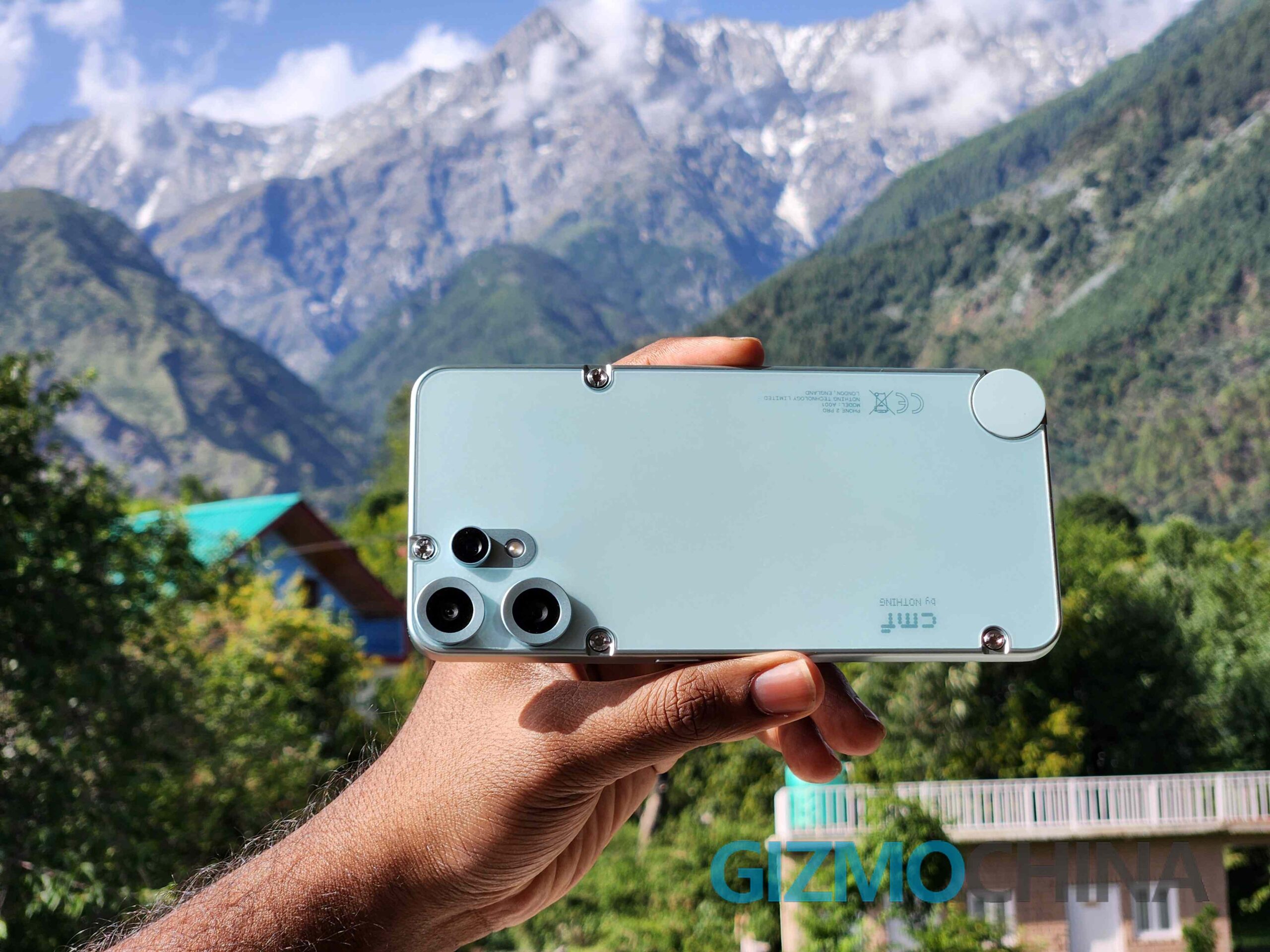
  • CMF Phone 2 Pro
  • CMF Phone 1

The Nothing OS 4.1 software debuted with the Nothing Phone (4a) series in March 2026. The company hasn’t announced a rollout schedule for older devices. According to several reports, the update may land on the Nothing Phone (3) and Phone (3a) series in early April. The update will likely expand to more devices later that month, and could reach a competition by May 2026.

You can read about new features and upgrades in Nothing OS 4.1 on this page.

Also read:
1. Android 17: Every new feature discovered so far
2. Here are the new features and major upgrades in Nothing OS 4.1

Remember to visit our Nothing section regularly for the latest developments. Alternatively, you can join our Telegram channel to get instant notifications about the latest happenings in tech.

Ugreen MagFlow Air 10,000mAh Power Bank Supports 30W Fast Charging and Magnetic Qi2 Tech

Ugreen has released the MagFlow Air Qi2 15W Ultra-Slim Magnetic Power Bank, a compact charging accessory with a built-in cable and support for both wireless and wired fast charging.

Ugreen MagFlow Air Qi2 15W Ultra-Slim Magnetic Power Bank 10000mAh

The power bank is 13.9 mm thick and weighs 213 g. It measures 111.0 x 69.8 x 13.9 mm, making it easy to carry in a pocket or use while attached to a phone. It has a matte finish that resists fingerprints and scratches.

It supports Qi2 wireless charging with up to 15W output. The magnetic alignment helps keep the device in place during charging. Ugreen says an iPhone Air can reach 35 percent charge in about 30 minutes using wireless charging.

The device includes a built-in braided USB-C cable. This cable is tested for over 10,000 bends and can be used for both output and input. It supports up to 30W two-way fast charging, allowing users to charge smartphones, tablets, and other USB-C devices, or recharge the power bank itself.

The battery capacity is 10,000 mAh, using an ATL battery cell. According to Ugreen, this can charge an iPhone 17 Air around 1.7 times and an iPhone 17 Pro Max about 1.3 times. The battery is designed to retain more than 80 percent of its capacity after five years of use.

For safety and performance, the power bank uses an ATL chip, NTC dual temperature monitoring, and a built-in metal heatsink. These features help manage heat and maintain stable charging.

The device supports iPhone 12, 13, 14, 15, 16, and 17 series models, except iPhone 16e. Wired charging is compatible with iPads and Samsung Galaxy devices, including the S25, S24, S23, S22, and S21 series.

The Ugreen MagFlow Air Qi2 power bank is priced at $69.99 in the US, where it is currently listed as temporarily out of stock. In Europe, including France and Germany, it is available for €69.99 with immediate shipping.

For more daily updates, please visit our News Section.

Stay ahead in tech! Join our Telegram community and sign up for our daily newsletter of top stories!
iQOO 16 tipped to debut Samsung’s insane 185Hz display upgrade

The rumor mill is gradually leaking details about the iQOO 16, which is expected to launch in October this year in China. One of the major highlights of the iQOO 15 is that it features a Samsung M14 OLED panel, which has a 6.85-inch screen size with 2K resolution and a 144Hz refresh rate. Reports have suggested that the iQOO 16 will arrive with an upgraded display, and now, in a new Weibo post, tipster Smart Pikachu has revealed some details about it.

iQOO 16’s display details tipped

The above post by tipster Smart Pikachu indicates that iQOO could be among the first brands to test Samsung’s upcoming 2K display panels featuring 165Hz and 185Hz refresh rates, with the hashtag suggesting a possible link to the iQOO 16.

The tipster notes that 165Hz is just the beginning, as the supply chain is also preparing native 185Hz panels from Samsung, while game ecosystems are already being adapted to support such high refresh rates.

The increase in refresh rate will allow the iQOO 16 to take on the OnePlus 16, which is said to be its closest rival that’s rumored to feature a 200Hz or 240Hz screen. While the OnePlus 16 may continue to support a 1.5K resolution, the iQOO 16’s screen may offer 2K resolution like its previous generation.

Another major upgrade for the iQOO 16 is in the camera department. The same tipster revealed earlier this month that it may feature a 200-megapixel primary camera and a 50-megapixel periscope telephoto camera. This setup is also expected to include a 50-megapixel ultra-wide lens.

The details about its battery size, charging capabilities, and memory configurations are not known yet. In all likelihood, it will draw power from the Snapdragon 8 Elite Gen 6 chip. Due to the recent hike in memory chip prices, the iQOO 16 may start at 5,000 Yuan (~$725) for the base variant, which may offer a 12GB+256GB configuration.

For more daily updates, please visit our News Section.

Stay ahead in tech! Join our Telegram community and sign up for our daily newsletter of top stories! 💡

Oppo Find X9s Pro compact flagship officially confirmed to feature 200MP dual cameras

On April 1, Oppo will take the covers off the Oppo K15 Pro series of midrange gaming-focused phones in China. Later in the same month, the brand will announce the Oppo Find X9 Ultra and Find X9s Pro. Today, the brand confirmed that the latter will come equipped with dual 200-megapixel cameras.

Oppo Find X9s Pro cameras teased

Oppo Find X9s Pro camera module
Oppo Find X9s Pro camera module teased

The teaser seemingly showcases the rectangular camera module that the Find X9s Pro may feature. As mentioned, it will be packed with dual 200-megapixel cameras, and possibly a 50-megapixel camera for ultra-wide shots.

As per reports, the device will be equipped with two Samsung HP5 200-megapixel sensors, one for the primary camera and the other for the periscope telephoto camera. Reports also suggest the inclusion of a 3.2-megapixel multispectral lens. For selfies, it may feature a 50-megapixel front camera.

The Oppo Find X9s Pro is said to be a compact phone equipped with a 6.32-inch OLED LTPS panel offering a 1.5K resolution and a 120Hz refresh rate. Under the hood, it may have the Dimensity 9500 chip and a battery of around 7,000mAh capacity.

It may also offer 80W wired and 50W wireless charging. In terms of memory configurations, it could be available with up to 16GB of LPDDR5x RAM and up to 1TB of UFS 4.1 storage. It will have four shades, such as Titanium, White, Cyan, and Orange.

Oppo Find X9s Pro
Oppo Find X9s Pro’s leaked image

The Find X9s Pro will run on ColorOS 16 based on Android 16. It will have other features such as an ultrasonic in-screen fingerprint sensor and an IP68/69-rated body.

For more daily updates, please visit ourNews Section.

Stay ahead in tech! Join our Telegram community and sign up for our daily newsletter of top stories! 💡

Oppo Pad Mini specs and design leak ahead of April launch

Oppo is reportedly working on two flagship-grade tablets. Alongside the expected flagship-tier Oppo Pad 5 Pro, the company is also preparing a smaller model, the Oppo Pad Mini.

The device was recently teased by Qiao Jiadong, Oppo’s Director of Smart Ecosystem Products, in a short video shared on Douyin. While the teaser didn’t dive into specifics, it confirmed the Pad Mini is a thin and light tablet that doesn’t entirely compromise on performance.

Now, ahead of what’s expected to be an April launch, more details have surfaced thanks to well-known tipster Digital Chat Station on Weibo.

Oppo Pad Mini Specifications

According to the leak, the Oppo Pad Mini will feature an 8.8-inch OLED display with ultra-narrow bezels on all four sides. 

The design, at least based on early visuals, seems to follow Oppo’s recent aesthetic. There’s an ultra-thin unibody metal build paired with a minimalist, pill-shaped rear camera module that protrudes slightly. Color options reportedly include dark gray, purple, and cyan. 

The video shared by DCS shows the device in the purple shade. 

Internally, the tablet is said to run on the Snapdragon 8 Gen 5 chipset, paired with up to 16GB of RAM and 512GB of storage. There’s also mention of 67W fast charging support, though battery capacity hasn’t been specified yet.

Oppo is expected to hold a launch event in April in China to unveil the Find X9 Ultra and Find X9s Pro smartphones. Likely, the Oppo Pad Mini and Pad 5 Pro may go official at the same event.

According to previous reports, OnePlus is working on the OnePlus Pad 3 Pro and Pad Mini tablets. These devices are expected to be rebranded versions of Oppo’s Pad 5 Pro and Pad Mini, respectively.

For more daily updates, please visit our News Section.

Stay ahead in tech! Join our Telegram community and sign up for our daily newsletter of top stories.

Rogbid launches Loop, a screenless health band with advanced ECG & 15-day battery

Rogbid has unveiled the Rogbid Loop, its first screen-free smart band focused on health tracking. The Loop combines advanced sensors with a minimalist design to deliver precise health monitoring without the distractions of a display.

Rogbid Loop

Rogbid Loop Specifications

The wearable features a GH3228 500Hz ECG chip for 30-second ECG tests with accurate readings and intelligent analysis. It offers continuous real-time ECG monitoring and an advanced health risk analysis system to identify potential issues early, promoting proactive health management. Additionally, it includes a Lorenz scatter plot to visualize heart rate variability (HRV), highlighting stress levels, physical recovery, and cardiovascular balance.

Rogbid includes additional 24/7 health monitoring features, such as heart rate tracking, SpO2 monitoring, blood pressure readings, body temperature measurement, and blood composition analysis.

Rogbid Loop

The Loop also offers scientific sleep monitoring to analyze rest patterns for better recovery and energy levels. It also includes a remote family healthcare feature to share heart rate and sleep data with authorized family members and send alerts for abnormal readings.

The band includes multiple sports modes for tracking various workouts and improving training efficiency. It features a durable 25-gram high-density alloy body resistant to corrosion and shocks, along with a 5ATM waterproof rating for use during swimming or in wet conditions.

In terms of power, the Loop is equipped with a 150mAh battery that provides up to 15 days of standby time. It also features integrated NFC for smart access at compatible terminals.

Rogbid Loop

Pricing and Availability

Rogbid ships the Loop with five interchangeable straps in Black, Khaki, Blue, Dark Green, and Green. The band price is set at $69.99. The Rogbid Loop is available now from the official store.

In related news, Rogbid also recently introduced the Model R3 smartwatch, featuring 4G connectivity, an Android-based operating system, and a built-in 5MP camera.

For more daily updates, please visit our News Section.

Stay ahead in tech! Join our Telegram community and sign up for our daily newsletter of top stories! 💡
Xiaomi Air Conditioners Surpass 8.5 Million Shipments in 2025

In 2025, Xiaomi achieved a major milestone with record-breaking revenue in its smart large home appliances division. The company reported a 23.1% year-over-year increase, driven by robust sales of air conditioners, refrigerators, and washing machines.

Xiaomi Air Conditioner

According to the report, air conditioner shipments surpassed 8.5 million units, reflecting 24% year-on-year growth. Refrigerator shipments crossed 2.8 million units (up 4%), while washing machine shipments exceeded 2.3 million units (up 18%), with all three categories hitting historical highs.

Air conditioners emerged as the standout product segment. Xiaomi expanded its lineup from entry-level wall units to advanced multi-split central systems, differentiating itself through competitive pricing, superior smart functionality, and enhanced service features.

The key advantage is the integration with HyperOS Connect and the Mijia ecosystem. This allows for control via smartphones or XiaoAI voice assistants and enables automation through temperature and humidity sensors. Premium models even feature millimeter-wave radar to detect human presence and optimize airflow direction for comfort.

Wuhan Smart Home Appliance Factory

Xiaomi further strengthened its position by upgrading the Mijia air conditioner warranty to 10 years. This comprehensive coverage includes labor, repair costs, parts replacement, and refrigerant refills.

To meet demand, Xiaomi ramped up production at its new Wuhan Smart Home Appliance Factory, which has an annual capacity of 7 million units. In Q2 2025 alone, the company shipped 5.4 million air conditioners, a 60% year-on-year increase, securing a 16% share of China’s online market.

Xiaomi also expanded its international footprint in 2025 by launching smart appliances across Europe, including Spain, Germany, France, and Italy. Additionally, the company plans to enter the Indian market later this year as part of its global growth strategy.

For more daily updates, please visit our News Section.

Stay ahead in tech! Join our Telegram community and sign up for our daily newsletter of top stories! 💡
(Via)

Upcoming Huawei Pura 90 Pro Could Improve Zoom Photography with LOFIC Tech

Huawei could be preparing a camera upgrade for its upcoming Huawei Pura 90 Pro models. A new leak suggests the company is testing LOFIC technology for telephoto cameras, which could improve image quality in both bright and low-light conditions.

The information comes from tipster Smart Pikachu, who said two major Chinese smartphone brands are testing LOFIC for telephoto lenses. While no names were confirmed, the hints in the post pointed to Huawei’s Pura 90 lineup.

LOFIC, or lateral overflow integration capacitor, is a sensor design that helps the camera manage light more effectively. Instead of letting extra light overwhelm the sensor, it temporarily stores the excess and uses it in a controlled way. This helps keep bright parts of an image from losing detail.

When shooting in darker scenes, the sensor shifts its focus to capturing even very small amounts of light more efficiently. This helps produce clearer images with less grain, especially when zooming in with a telephoto lens.

If Huawei adds this to its telephoto camera, it could improve long-distance shots, especially in difficult lighting. Other expected details of the Pura 90 series include a 6.58-inch display on the standard model and a larger 6.87-inch flat display on higher-end versions. The base model may use the Kirin 9020 chip, while the Pro version could use the Kirin 9030. The Ultra model is expected to run on the Kirin 9030 Pro.

Huawei is likely to launch the Pura 90 series in the first half of the year, following its usual release timeline.

Stay ahead in tech! Join our Telegram community and sign up for our daily newsletter of top stories!
For more daily updates, please visit our News Section.

(via: HuaweiCentral)

ReVanced Removed from GitHub After DMCA Complaint, Here’s What Happens Next

The ReVanced project has been taken down from GitHub following a DMCA complaint. The request did not come from Google, but from a third party. As required under copyright law, GitHub removed the repository first and then reviewed the case.

Youtube ReVanced

ReVanced says the complaint has no legal basis and has already submitted a counter-notice. Under the DMCA process, there is now a mandatory 14-day window. During this time, the claimant must take legal action if they want the takedown to stay in place. If no lawsuit is filed, GitHub can restore the repository.

For now, the project remains unavailable on GitHub. This is standard procedure, not a final decision. ReVanced’s developers say this is not a shutdown. Development has continued without interruption. A mirror repository is already live on GitLab, and the community remains active.

ReVanced itself is a tool that modifies Android apps like YouTube. It emerged after the shutdown of YouTube Vanced in 2022, when developers were forced to stop the original modded app under legal pressure. Unlike Vanced, ReVanced does not distribute a pre-modified app. Instead, it provides patches that users apply to official app files on their own devices to unlock features such as ad blocking, background playback, and other functions usually tied to a paid subscription. It does not host videos or distribute pirated content. Instead, it changes how the app behaves on a user’s device.

The legal and ethical debate around ReVanced remains unresolved. While it does not directly distribute copyrighted media, it bypasses platform rules and removes ads, which are a key source of revenue for creators and companies. Supporters argue it gives users more control over their experience. Critics say it undermines the ecosystem that funds online content.

What happens next depends on the 14-day window. If no legal case is filed, the repository is expected to return, and development will continue as usual.

For more daily updates, please visit our News Section.

Stay ahead in tech! Join our Telegram community and sign up for our daily newsletter of top stories!
(Source, via)

Honor X80i specs leaked: Dimensity 7100, 6500-nit display, 7000mAh battery and more

Honor looks set to expand its mid-range lineup with the X80i. Details shared by Chinese tipsters on Weibo give a fairly complete picture of what to expect, even though the company hasn’t confirmed anything yet.

The phone is said to feature a 6.6-inch flat OLED panel with a 1.5K resolution. One number that stands out is the claimed 6,500 nits peak brightness. If accurate, that would be a significant jump over last year’s X70i, which peaks at 3,500 nits. The device is also expected to stay relatively slim at 7.34mm and weigh around 185g, which is interesting considering the battery size.

Speaking of which, the X80i could pack a 7,000mAh battery, with a rated capacity of around 6,800mAh listed on TENAA. Charging is expected to be capped at 45W, which isn’t the fastest, but seems like a reasonable trade-off given the capacity.

Performance duties are handled by the MediaTek Dimensity 7100, with some reports suggesting a Dimensity 7050 variant for certain markets. Either way, it should be enough for everyday tasks, light gaming, and general multitasking without much trouble.

Honor X80i hands-on photo

The camera setup looks fairly simple. Leaks mention a dual rear system with either a 108MP or 50MP main sensor depending on the version, paired with a 5MP secondary camera. On the front, there’s an 8MP shooter. Nothing particularly ambitious here, but likely in line with the phone’s positioning.

Other details include an in-display fingerprint sensor, a metal frame for a more premium feel, and what’s described as an AI shortcut button.

There’s still no word on pricing or an exact launch date, but based on these early details, the Honor X80i seems to be shaping up as a battery-focused mid-ranger with a strong emphasis on display quality.

Stay ahead in tech! Join our Telegram community and sign up for our daily newsletter of top stories!
For more daily updates, please visit our News Section.

(Sources: 1, 2)

Oppo Watch X3 Mini Official Images Show Three Color Options Ahead of Launch

Oppo Watch X3 Mini has been officially shown in new images shared by Oppo on Weibo. These images confirm the design and color options of the smaller version of the Watch X3.

The smartwatch will be available in three colors: High-gloss Gold, Mocha Brown, and Starlight Silver. Each color comes with a different strap design. All variants use 18mm quick-release straps, so users can replace them with other compatible straps.

The Watch X3 Mini is built for users who want a smaller smartwatch. Oppo’s promotion also shows a focus on women users. One highlighted feature is Menstrual Cycle Exercise Guidance. The watch can recommend workouts based on hormonal levels. It also provides access to fat-burning exercises demonstrated by fitness influencers.

The Watch X3 Mini is expected to be a smaller version of the Oppo Watch X3, which launched earlier this month. While the full specifications of the Mini are not confirmed yet, it may include a smaller display and battery compared to the Watch X3. The Watch X3 comes with a 1.5-inch display and a 646mAh battery.

The Watch X3 is powered by the Snapdragon W5 chip. It includes 2GB RAM and 32GB storage. The device runs on ColorOS 16.0. It supports eSIM connectivity along with Bluetooth 5.2, Wi-Fi, NFC, and dual-frequency GPS.

For health tracking, the Watch X3 includes ECG, SpO2, heart rate, and skin temperature sensors. It supports more than 100 sports modes. The smartwatch uses 7.5W magnetic charging and can fully charge in about 75 minutes.

The Watch X3 Mini is expected to launch in April. Oppo is also planning to introduce other products at the same time, including the Oppo Ear Clips and the Oppo K15 Pro.

For more daily updates, please visit our News Section.

Stay ahead in tech! Join our Telegram community and sign up for our daily newsletter of top stories!
(Source 1 & 2)

Milagrow Spaze Cleaning Robot Launched in India with 15,000Pa Suction and 40,000 SQFT Coverage

India-based robotics company Milagrow has introduced the Spaze Smart Autonomous Cleaning Robot, a commercial floor-cleaning system designed for large indoor spaces. The launch targets facilities dealing with manpower shortages, rising maintenance costs, and the need for consistent hygiene in high-footfall environments.

The Spaze robot is built for spaces such as malls, airports, hospitals, hotels, and corporate campuses. It integrates five cleaning functions into a single unit, including sweeping, scrubbing, dust pushing, vacuuming, and mopping. The system is designed to handle both dry debris and liquid spills typically found in public environments.

It also includes automatic carpet detection. When transitioning to carpets, the robot increases suction while disabling scrubbing and mopping to avoid moisture damage. A dual-roller brush setup is used to extract dust, hair, and debris from carpet surfaces.

In terms of performance, the robot delivers up to 15,000Pa suction power and is rated to cover up to 40,000 square feet. It is powered by a 24V 40,000mAh lithium battery, with a claimed runtime of up to 12 hours per charge. Charging takes approximately 4 to 5 hours. Noise levels are kept under 70dB, allowing use during operational hours.

Navigation is supported by RT2R 3.0 mapping with LDS LiDAR, along with wide-angle and ToF cameras and ultrasonic sensors. These systems enable real-time obstacle detection and route adjustments in dynamic environments. The robot is also capable of operating in tight layouts, including corridors, elevators, and gated access areas, while maintaining minimal wall gaps.

The system supports autonomous operations such as automatic water refilling, wastewater disposal, dust pad cleaning, and self-charging. It can resume cleaning after recharging and includes AI-based patrol cleaning for identifying stains. Multi-unit deployment is supported through fleet coordination. Connectivity features include remote monitoring, scheduling, and reporting through mobile and PC platforms, along with voice command support.

Pricing and availability

The Spaze Smart Autonomous Cleaning Robot is priced at INR 36,84,990 (US$38,850) and is available through the company’s website and Vijay Sales.

For more daily updates, please visit our News Section.

Stay ahead in tech! Join our Telegram community and sign up for our daily newsletter of top stories!
Topfeel launches Next 2 Mini PCs with Ryzen 7 H255 and up to RTX 4060 Ti dedicated GPU support

Topfeel has launched its Next 2 mini PC, a compact system powered by the AMD Ryzen 7 H255 processor. The Next 2 is one of the few mini PCs that supports a dedicated graphics card, making it a flexible choice for gamers and creators.

Topfeel Next 2 mini PC

Topfeel Next 2 Specifications

The mini PC features the Ryzen 7 H255 processor with 8 cores, 16 threads, a 4.9GHz boost clock, and a 4nm design, operating at a max TDP of 85W for desktop-grade performance. Its integrated AMD Radeon 780M GPU handles everyday tasks and light gaming efficiently without a dedicated graphics card.

Topfeel has equipped the Next 2 with a PCIe x16 slot, which allows users to install a discrete GPU. The system supports GPUs up to 185mm in length and 42mm in thickness. It includes a 12V 8-pin external power delivery, with recommended configurations supporting cards up to the RTX 4060 Ti.

Topfeel Next 2 mini PC

The Next 2 supports dual DDR5 SO-DIMM slots with up to 128GB of RAM and speeds of 5600MHz. It also features three PCIe 4.0 x4 M.2 2280 SSD slots and an additional M.2 2230 slot for either a Wi-Fi card or storage. The Pro variant offers expandability for up to four 2.5-inch SATA drives, making it a good choice for home storage or NAS setups.

Topfeel has designed the cooling system with a custom top-down thermal module. It uses a 10015 fan, four copper heat pipes, and a thickened copper base. The system divides airflow between the CPU and GPU, ensuring stable performance even during intensive workloads.

Connectivity on the Next 2 includes USB4, dual LAN ports (10GbE and 2.5GbE), HDMI 2.1, DisplayPort 2.1, and USB-C. The system can drive up to four displays at once.

Topfeel Next 2 mini PC

Topfeel uses a CNC-machined aluminum chassis for the Next 2, with 3-4mm thickness and a slide-rail design for easy upgrades. The system measures 203 x 98 x 190mm for the standard variant, while the Pro version increases the length to 261mm.

Pricing and Availability

The Topfeel Next 2 mini PC is available in multiple configurations at competitive price points. The base barebone variant is priced at 2,999 yuan ($419). The 16GB RAM + 512GB SSD version costs 5,099 yuan ($712), while the top-end 32GB RAM + 1TB SSD option is priced at 7,099 yuan ($991).

The Next 2 Pro adds further expandability and starts at 3,199 yuan ($447) for the barebone model, with the 16GB RAM + 512GB SSD version at 5,299 yuan ($739) and the 32GB RAM + 1TB SSD option at 7,299 yuan ($1,019).

In related news, GMKtec has recently introduced the Evo-T2S mini PC powered by the Intel Core Ultra X7 358H, featuring up to 64GB RAM and delivering up to 180 TOPS of AI performance. Meanwhile, Aoostar has unveiled the MACO 470 mini PC, equipped with the Ryzen AI 9 HX470 processor, along with USB4 and OCuLink support.

For more daily updates, please visit our News Section.

Stay ahead in tech! Join our Telegram community and sign up for our daily newsletter of top stories! 💡
(JD)

Gmktec launches Evo-T2S Mini PC with Intel Core Ultra X7 358H, 64GB RAM and 180 TOPS AI performance

Gmktec officially launched the Evo-T2S mini PC in China. The system is powered by the Intel Core Ultra X7 358H processor and comes with 64GB of RAM. It is priced at 14,999 yuan ($2,170) and is now listed on JD.com.

Gmktec Evo-T2S mini PC

Gmktec Evo-T2S Specifications

The Evo-T2S is powered by Intel‘s Core Ultra X7 358H processor, built on the advanced 18A 1.8nm process. It features 16 cores (4 performance, 8 efficiency, and 4 low-power cores), with boost speeds up to 5.1GHz.

The processor delivers 180 TOPS of AI computing performance (INT8) and includes the Intel NPU 5 engine to optimize AI inference and enhance collaboration between the CPU and GPU for efficient workload handling.

Gmktec has paired the processor with an Intel Arc B390 GPU. The GPU features 12 Xe3 cores, runs at up to 2.5GHz, and supports 1080p gaming, video editing, and 3D rendering. It includes ray tracing units and 96 XMX AI cores, providing compatibility with XeSS upscaling and AI frame generation technologies.

Gmktec Evo-T2S mini PC

The EVO-T2S offers 64GB of LPDDR5X memory running at 8533 MT/s. The storage system includes an 853GB SSD and dual M.2 2280 slots, compatible with PCIe Gen5 and Gen4 drives, which together support up to 16TB of total storage. The device incorporates Phison’s aiDAPTIV+ technology, allowing the offloading of AI model data to SSDs to enhance performance and reduce memory strain.

Gmktec enables fast connectivity with its AMD RZ717 wireless module. The module supports Wi-Fi 7 and Bluetooth 5.4. The system also features dual Ethernet ports (10GbE and 2.5GbE) for high-speed networking, along with versatile I/O options, including HDMI 2.0, DisplayPort 1.4, and dual USB4 ports. It also includes an OCuLink (PCIe Gen4x4) interface for connecting desktop-class GPUs to boost performance.

Gmktec Evo-T2S mini PC

The mini PC weighs 930 grams and measures 154 x 151 x 73.6 mm. It features a dual-fan cooling system with a vapor chamber, supporting up to 54W CPU power and 60W peak power consumption. Gmktec pre-installs its Claw software for a plug-and-play experience.

Gmktec plans to launch a higher-end Core Ultra X9 388H variant in the future.

In related news, Aoostar has recently introduced the MACO 470 Mini PC powered by the Ryzen AI 9 HX470, featuring USB4 and OCuLink support. Meanwhile, SEAVIV has unveiled the AideaMini R10 Mini PC, equipped with the AMD Ryzen 5 3500U and OpenClaw support.

For more daily updates, please visit our News Section.

Stay ahead in tech! Join our Telegram community and sign up for our daily newsletter of top stories! 💡

Samsung Galaxy S26 Ultra vs iPhone 17e: Is Paying Double Actually Worth It?

Flagship battles aren’t always about which phone is the most powerful, they’re about which one actually makes sense to buy. The Samsung Galaxy S26 Ultra pushes boundaries with top-tier specs and features, while the iPhone 17e takes a smarter, value-focused approach. This comparison isn’t just about performance; it’s about deciding whether cutting-edge hardware is worth paying nearly double, or if a balanced experience delivers the better deal.

Please Note: When you buy something using the links in our articles, we may earn a small commission at no cost to you.

Major Features:

FeatureSamsung Galaxy S26 UltraiPhone 17eWinner
Display6.9″ LTPO AMOLED, 120Hz, 2600 nits, QHD+6.1″ OLED, 60Hz, 1200 nits peakSamsung – smoother, brighter, sharper
Build & ProtectionGorilla Armor 2, Armor aluminum, IP68Ceramic Shield 2, aluminum, IP68Samsung – tougher glass + better durability
ProcessorSnapdragon 8 Elite Gen 5Apple A19Samsung – more raw power (on paper)
RAM & StorageUp to 16GB RAM, UFS 4.X8GB RAM, NVMeSamsung – higher RAM + faster storage
Rear Camera200MP + 10MP (3x) + 50MP (5x) + 50MP UW48MP single cameraSamsung – massively more versatile
Selfie Camera12MP with PDAF12MP + 3D depthiPhone – better for video + Face ID
Video Recording8K, 4K@120fps, HDR10+4K Dolby VisionSamsung – higher resolution + flexibility
Battery5000 mAh4005 mAhSamsung – bigger capacity
Charging60W wired, 25W wireless, reverseSlower wired, 15W wirelessSamsung – much faster overall
ConnectivityWi-Fi 7, Bluetooth 6.0, UWBWi-Fi 6, Bluetooth 5.3Samsung – newer standards
Extra FeaturesS Pen, DeX, UWBFace ID, Satellite featuresSamsung – more productivity tools
Price~₹1,40,000~₹65,000iPhone – far better value
Disclaimer: Specs are based on available data. Actual performance may vary. Verify details from official sources before buying.

1. Design and Display

Build and Feel

The Samsung Galaxy S26 Ultra leans into a premium, ultra-flagship identity with Gorilla Armor 2 protection, an Armor aluminum frame, and the added utility of a built-in stylus. It feels engineered for productivity and durability, especially with enhanced scratch resistance. The iPhone 17e keeps things simpler with Ceramic Shield 2 and aluminum, offering a clean, lightweight experience that feels more approachable. The difference in philosophy is clear—Samsung aims for maximum capability, while Apple focuses on simplicity and ease of use.

Display Quality

Samsung dominates with a 6.9-inch LTPO AMOLED panel, 120Hz refresh rate, and a massive 2600 nits peak brightness. The anti-reflective coating and higher resolution make it ideal for outdoor use and media. The iPhone’s 6.1-inch OLED panel is sharp and color-accurate, but lacks high refresh rate smoothness and brightness headroom. It feels refined but less immersive.

Verdict

Samsung wins clearly with a more advanced, brighter, and smoother display, while also offering extra utility through its stylus.

2. Specifications Including Battery

Performance

The Snapdragon 8 Elite Gen 5 inside the Galaxy S26 Ultra delivers top-tier Android performance with powerful Oryon cores and a strong GPU. It is built for heavy multitasking, gaming, and long-term software support with 7 Android updates. The iPhone 17e’s A19 chip is efficient and fast in daily use, especially with iOS optimization, but it targets a more balanced experience rather than raw power. The difference becomes noticeable under sustained heavy workloads.

Battery and Charging

Samsung packs a 5000 mAh battery with 60W wired charging and faster wireless options, making it more suitable for power users. The iPhone 17e’s 4005 mAh battery is paired with slower charging, prioritizing efficiency over speed. It feels dependable, but not aggressive.

Verdict

Samsung takes this round with stronger performance and faster charging, making it better suited for demanding users and future-proofing.

3. Camera

Main and Secondary Lenses

The Galaxy S26 Ultra offers a versatile quad-camera setup with a massive 200MP sensor, dual telephoto lenses (3x and 5x), and a high-resolution ultrawide. This setup provides flexibility across all shooting scenarios, especially zoom and landscape photography. The iPhone 17e sticks to a single 48MP sensor, which delivers consistent and reliable results but lacks versatility. Samsung’s system feels more like a professional toolkit.

Selfie Camera

Both devices feature 12MP front cameras with autofocus, but Apple adds depth sensing and strong video capabilities like Dolby Vision. Samsung counters with HDR10+ and solid autofocus performance. The difference is subtle, but Apple leans slightly toward video quality.

Verdict

Samsung wins overall with its superior camera versatility and zoom capabilities, while Apple remains strong in consistency and video.

4. Pricing

Price Comparison

The Galaxy S26 Ultra is priced around ₹140,000 ($1300), firmly in ultra-premium territory. The iPhone 17e, at around ₹65,000 ($600), sits in a much more accessible range. The gap is significant, and it directly reflects the difference in hardware and features.

Is the Price Justified?

Samsung justifies its price with cutting-edge display tech, advanced cameras, flagship performance, and productivity features like DeX and stylus support. It feels like a complete powerhouse. The iPhone 17e delivers solid performance, reliable cameras, and iOS ecosystem benefits at a much lower cost, making it a strong value pick for everyday users.

Verdict

The iPhone 17e wins on value for money, while the S26 Ultra justifies its premium with unmatched features.

5. Conclusion

The Galaxy S26 Ultra stands out with its S Pen, DeX desktop experience, advanced camera system, and ultra-bright display. It is built for users who want maximum capability in a single device. The iPhone 17e focuses on essentials, a smooth iOS experience, strong optimization, satellite features, and a simplified camera system that delivers consistent results.

Verdict

The Samsung Galaxy S26 Ultra stands out as the best overall smartphone, delivering top-tier performance, a superior display, versatile cameras, and advanced features that clearly place it at the top of the flagship segment. It feels like a complete powerhouse built for users who want the absolute best without compromise.

However, the iPhone 17e emerges as the more logical and value-driven choice. It delivers a smooth, reliable flagship-like experience at nearly half the price, making it far more balanced for most users. The real-world difference simply does not match the massive price gap.

Final takeaway:

  • Best overall phone: S26 Ultra
  • Best logical + value choice: iPhone 17e

Disclaimer: This comparison is based on the provided specifications and is for informational purposes. Actual performance, camera results, and battery life may vary depending on real-world usage and software updates.

Read More: